

East Hampton · The Hamptons neighborhood guide
Things to Do in East Hampton
East Hampton pairs Atlantic beaches with a preserved village core: quartz-sand dunes, artists’ studios, old windmills. Here's what's actually worth your time, ranked and judged.
East Hampton in brief
What are the best things to do in East Hampton?
Start at Main Beach, then walk the village core around the Green, Town Pond, Hook Windmill and the historic houses on James Lane. Add Guild Hall for current art or performance programming, and make the drive to Springs for the Pollock-Krasner House or LongHouse Reserve.
Is East Hampton worth visiting?
Yes, if you want more than a beach day. East Hampton combines a genuinely beautiful Atlantic shore with a village whose seventeenth-century layout is still readable, plus serious art, gardens and historic houses. The catch is seasonal access and a polished shopping scene that can feel expensive.
How can I spend a day in the Hamptons?
Swim or walk Main Beach early, explore the Village Green and Town Pond, then choose one cultural stop: Guild Hall in the village, or Pollock-Krasner House and LongHouse Reserve farther out. Leave time for Main Street and Newtown Lane, but do not mistake shopping for the whole town.
Get oriented
How East Hampton fits together
East Hampton is easiest as two linked experiences: a compact historic village and a wider landscape of beaches, artists’ homes and gardens.
East Hampton Village is the walkable center, with Main Street, Newtown Lane, Town Pond, the Hook Windmill, Guild Hall and several historic properties close together. Main Beach is at 104 Ocean Avenue, a short ride from the village rather than a casual extension of the shopping streets. The Springs hamlet, where Pollock-Krasner House sits, and Great North Woods, home to LongHouse Reserve, require a separate outing. The district rewards a car or bike, especially if you want to combine the beach with the art sites.
A sensible loop from the village green to the ocean, then out toward Springs and the gardens:
See & do, ranked
The best things to do in East Hampton
The beach is the headline, but the village’s old bones and East End art history are what make a full day worthwhile.
Must-see
The essentials, ranked.- 1
 Ocean Avenue Worth it
Main Beach East Hampton
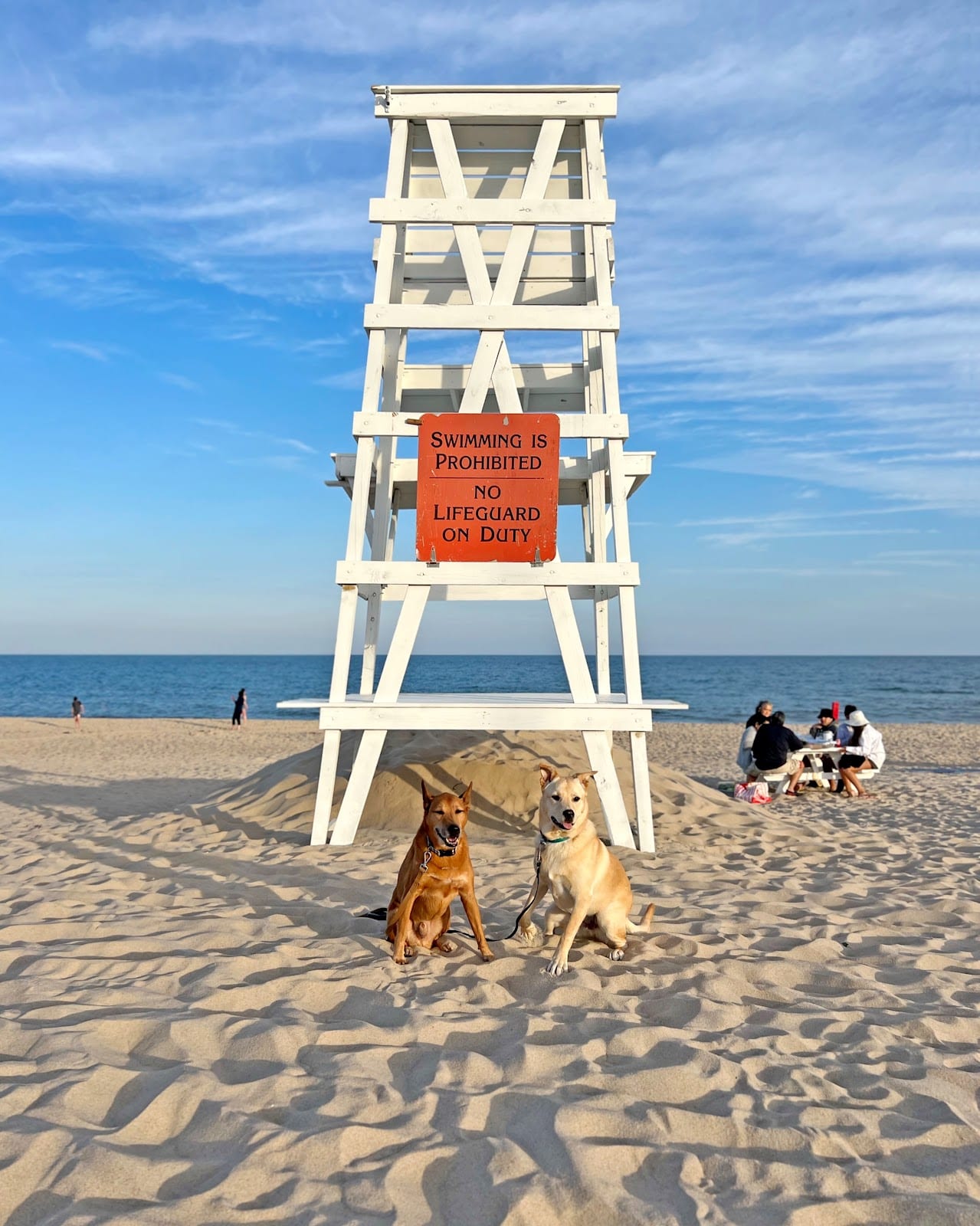
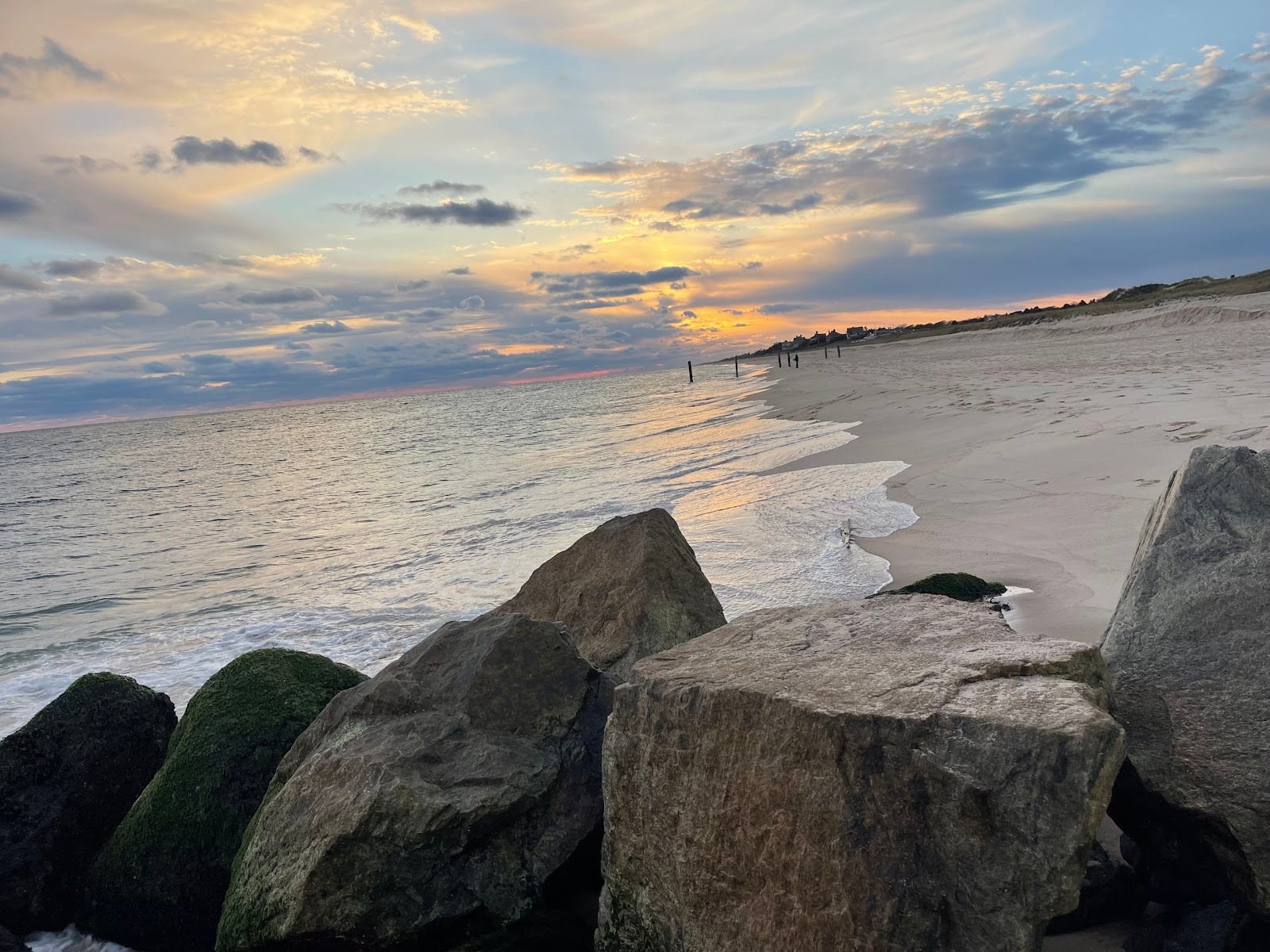
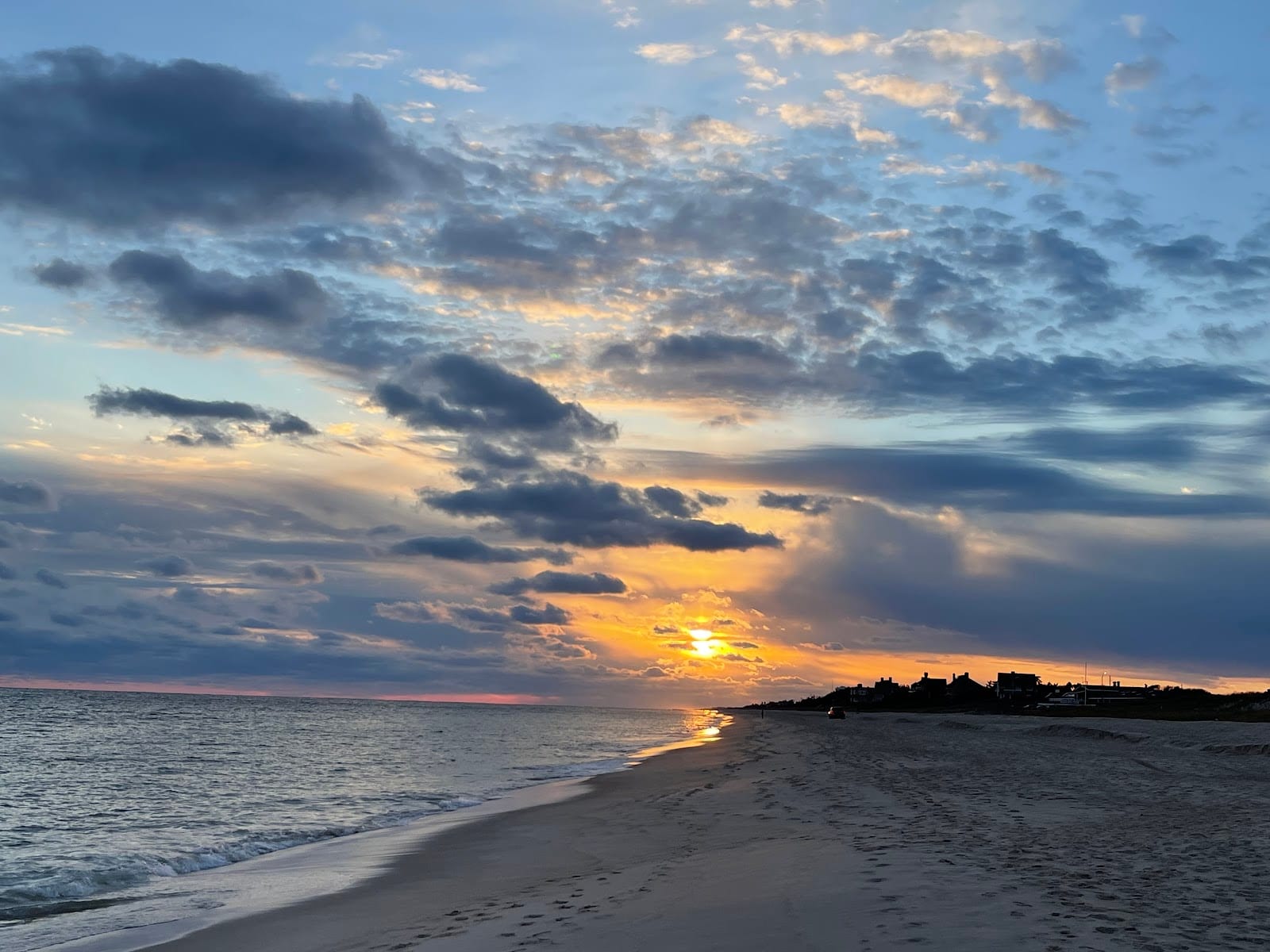
East Hampton’s essential beach is broad, bright and properly wild-looking, with quartz sand, clear water and dunes that earn the hype.
Main Beach is the obvious East Hampton choice, and in this case the obvious choice is right. The wide shore is made of grainy quartz, with towering dunes behind it and clear blue water in front. Dr. Beach notes that the beaches are protected by a conservation easement dating back over 300 years, though the provided research does not give a founding or opening date. Lifeguard operations run 10:00am–5:00pm from Memorial Day Weekend through Labor Day Weekend. Bicycle if you can, since parking is the awkward part. The Beach Hut on Main arrived in 2021 after 30 years in Amagansett, making breakfast before your swim the telling local detail.
Good for families, couples, friends, solo
Sourceseasthamptonvillage.govdrbeach.orgthebeachhutonmain.com
- 2
 Springs Worth the hype
Pollock-Krasner House & Study Center
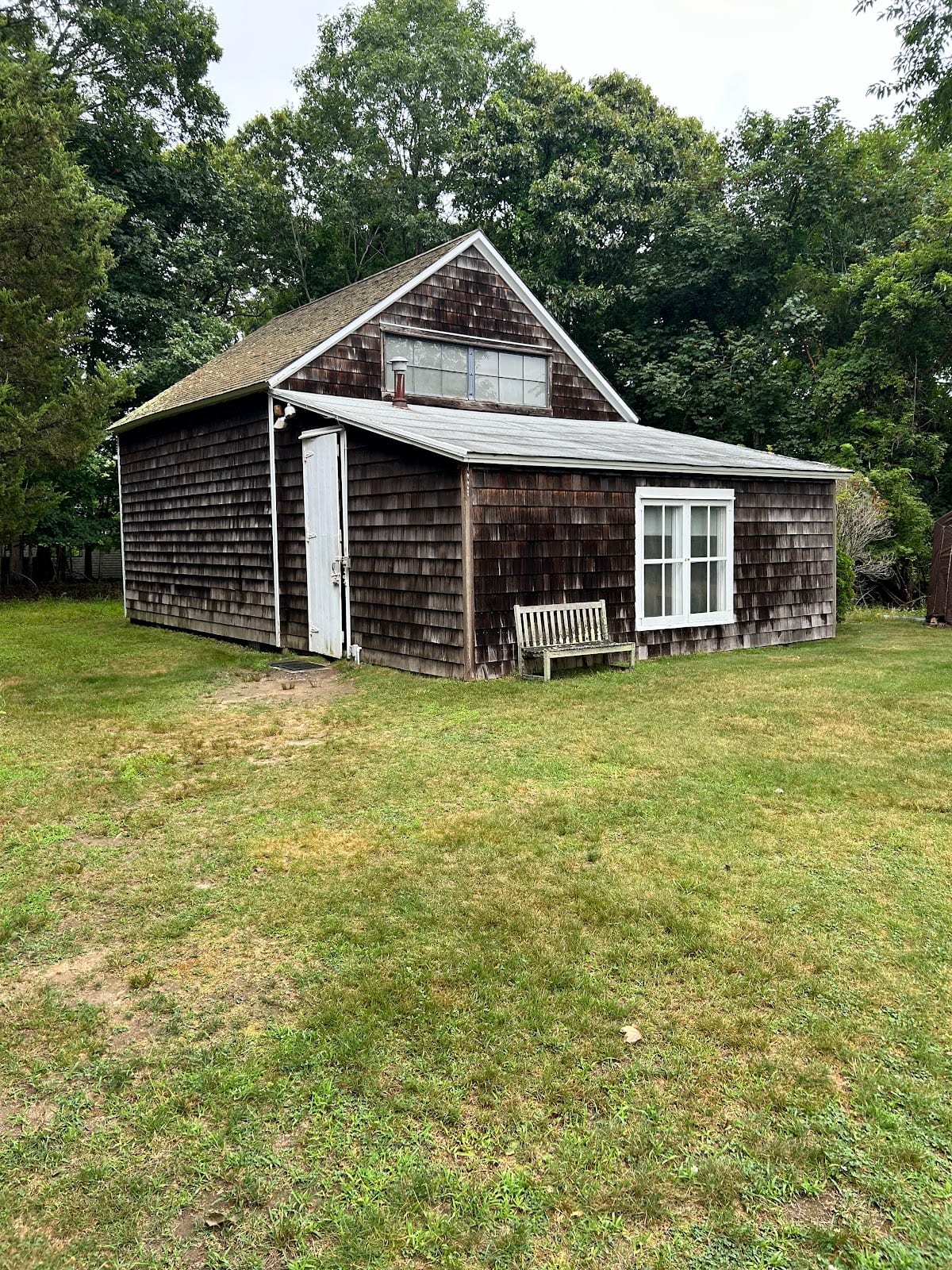
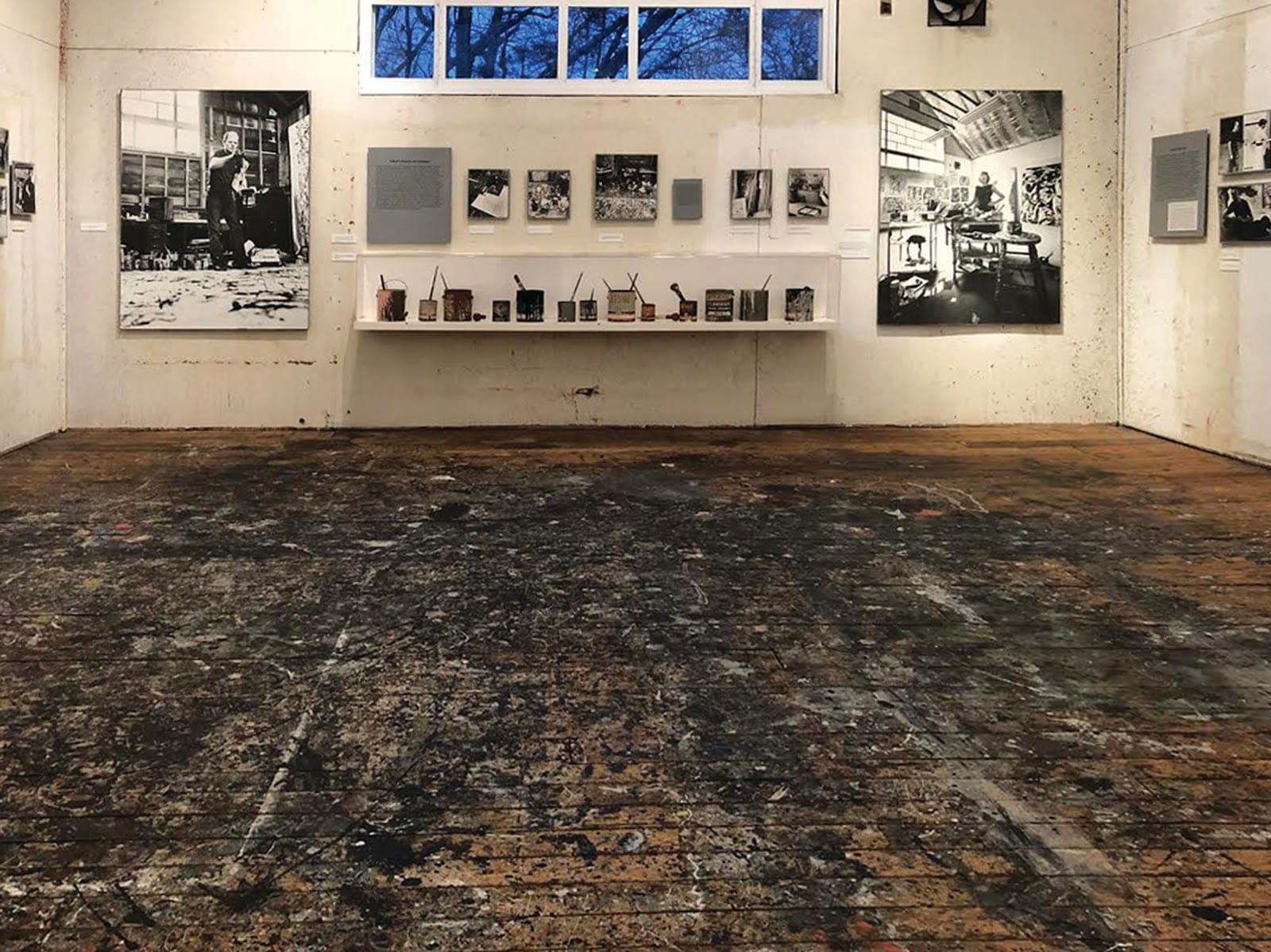
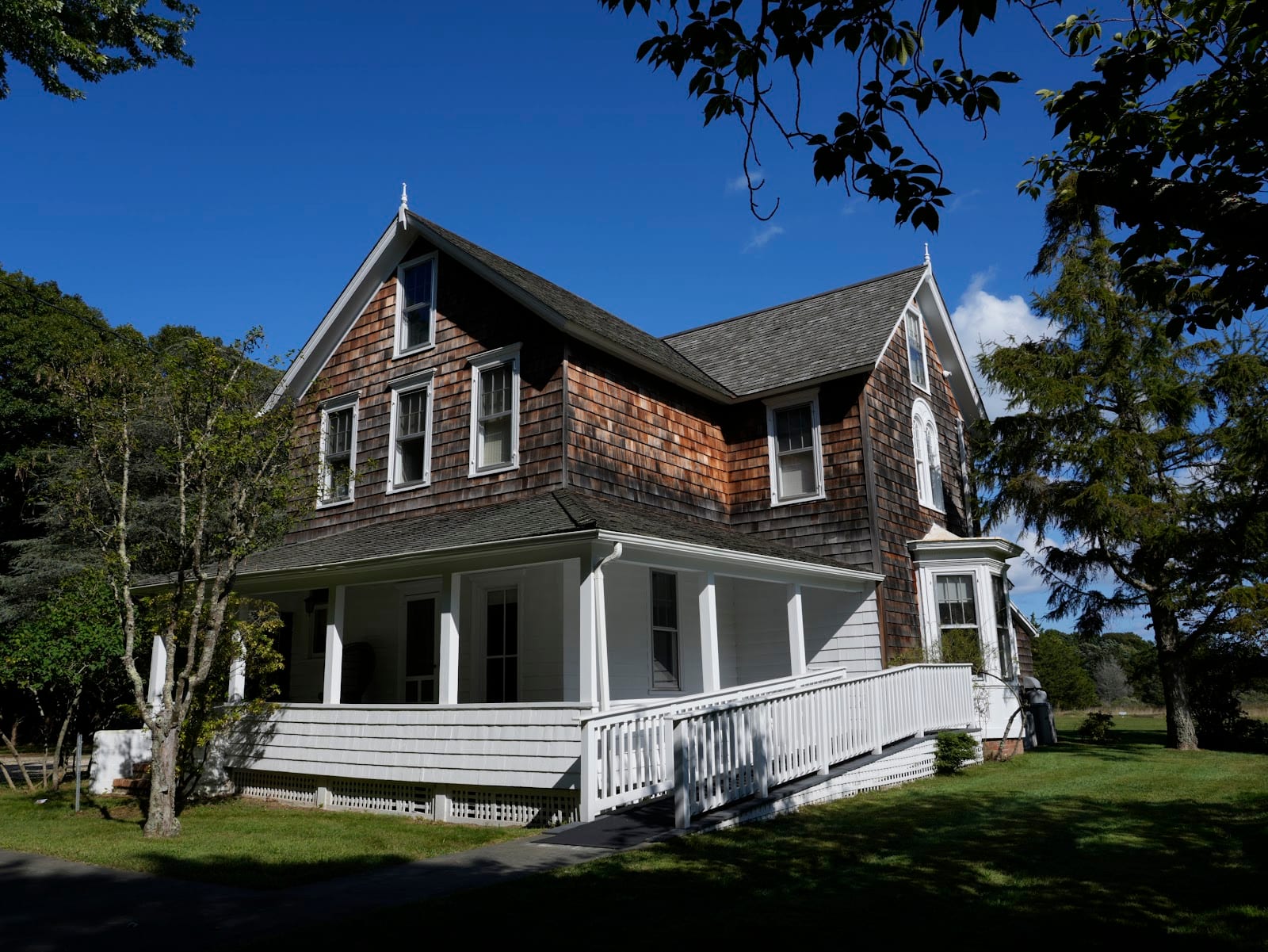
This is the East End art pilgrimage that feels real because the house and studio still look lived in, not reconstructed for tourists.
Jackson Pollock and Lee Krasner moved to this Springs property in 1945, turning a former fisherman’s homestead into their home and working site. Pollock painted in the converted storage barn from 1946 to 1956; Krasner used it from 1957 until her death in 1984. The house remains much as she left it, with original furnishings, possessions, a library and phonograph records, while the Study Center holds more than 2,000 modern-American-art volumes. Reserve a Thursday–Sunday tour, May through October, at noon, 2pm or 4pm. The one unforgettable instruction is to put on special slippers before crossing Pollock’s paint-covered studio floor.
Good for couples, solo, friends


Worth it with more time
Good additions once you've done the icons.- 3
 Great North Woods Worth it
LongHouse Reserve
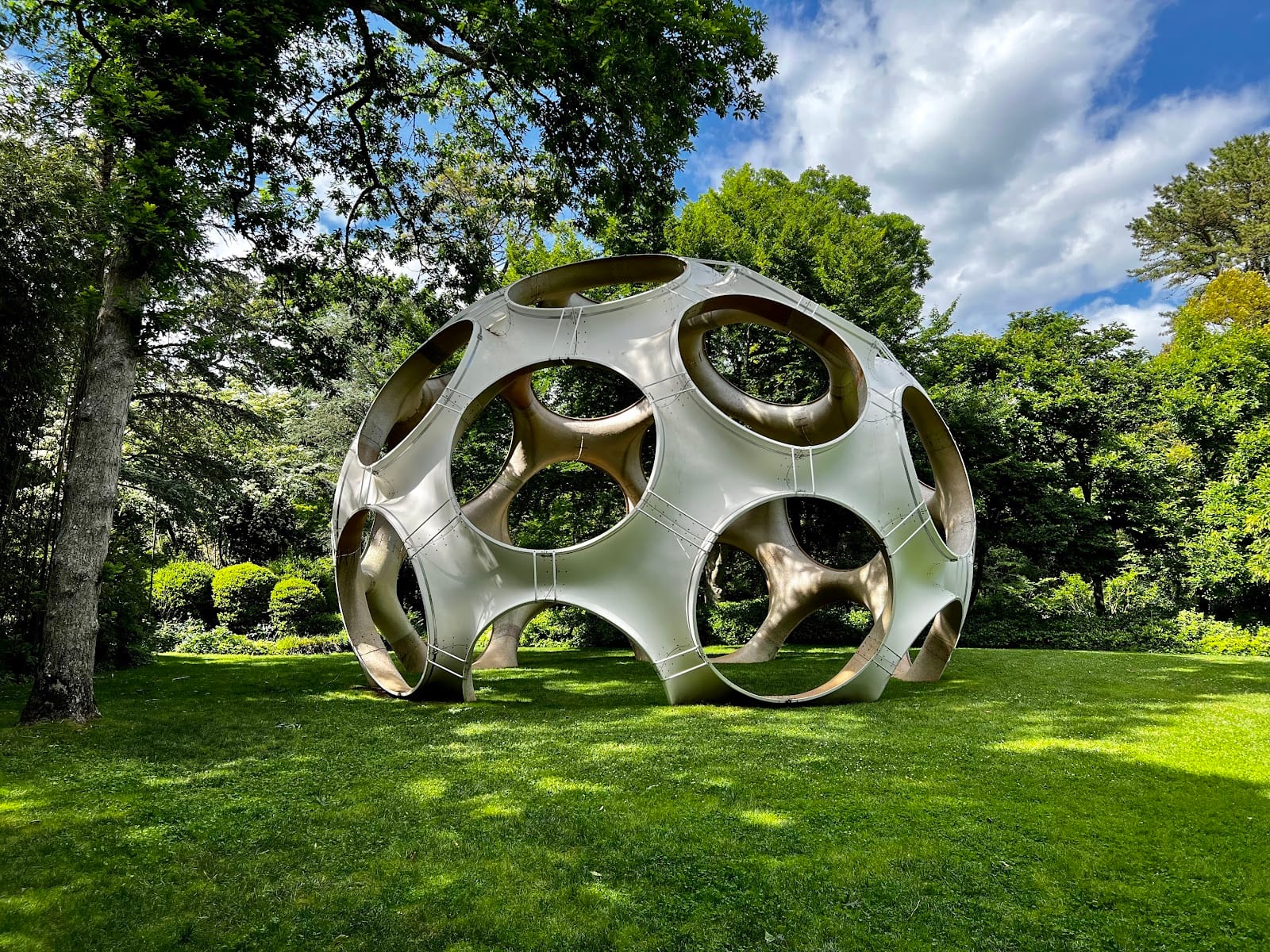
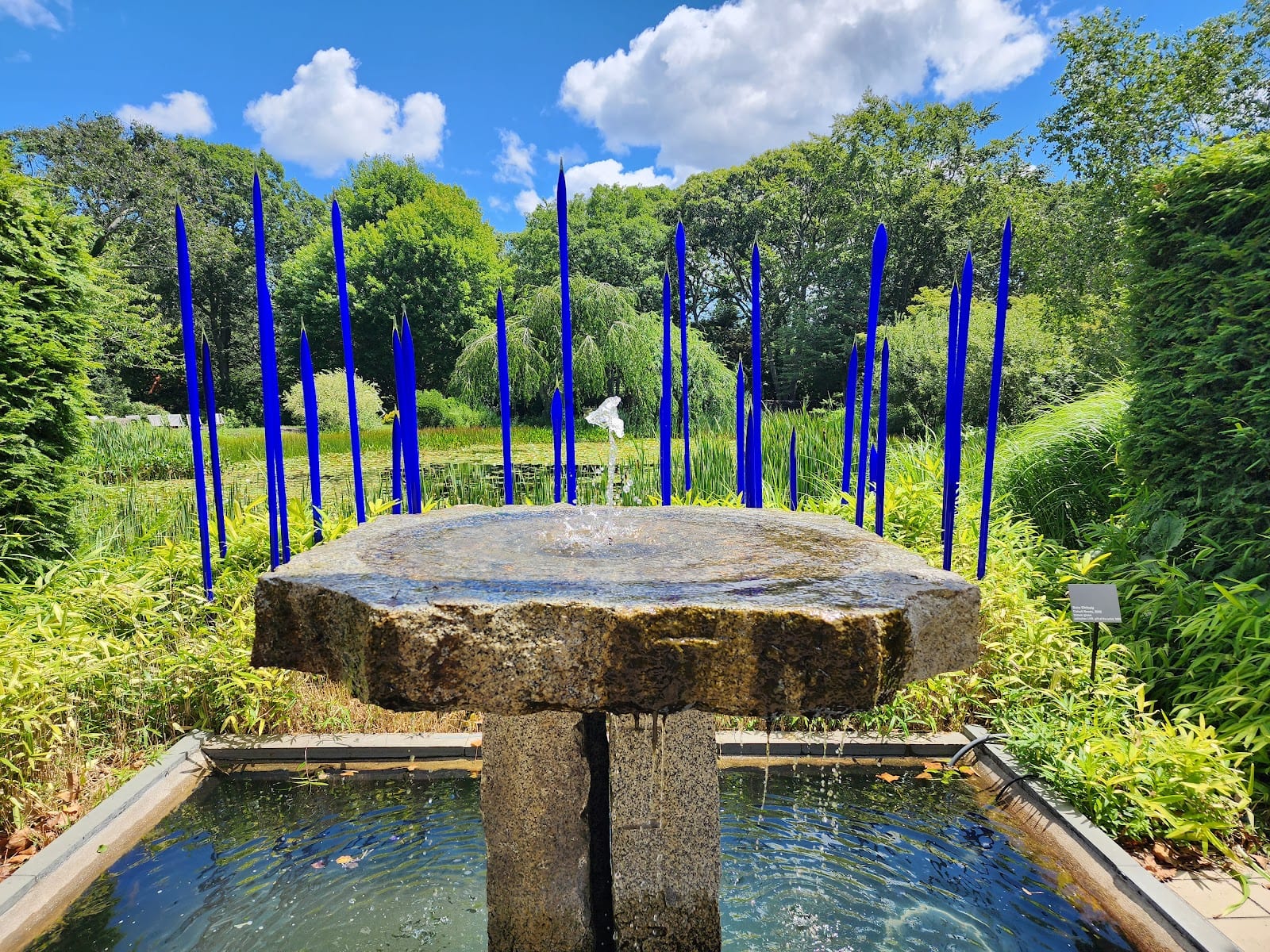
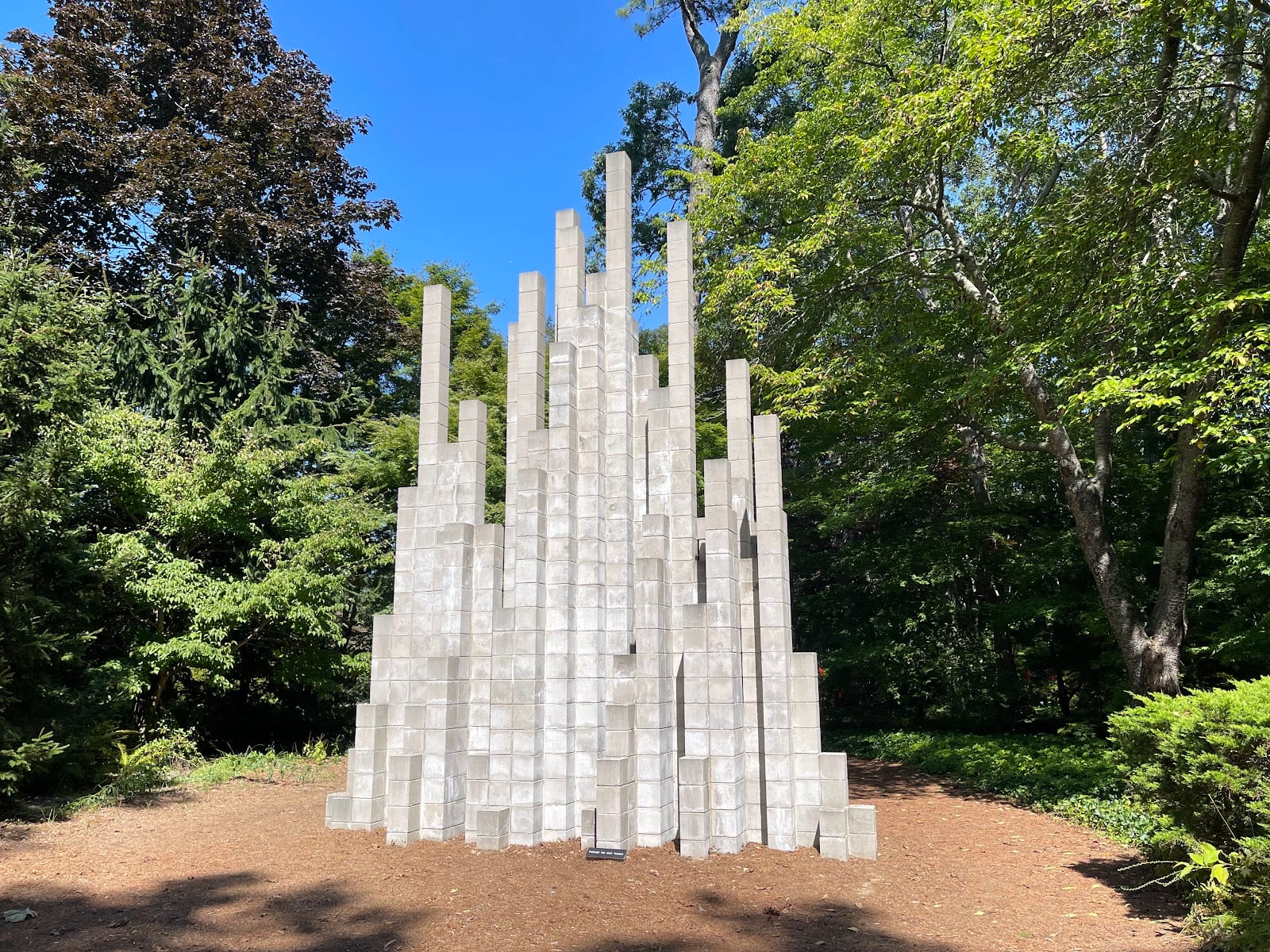
A 16-acre sculpture garden where the art is spread across the landscape, and the 33-foot Fly’s Eye Dome is the delightful payoff.
LongHouse Reserve is Jack Lenor Larsen’s answer to the conventional sculpture garden: 16 acres in East Hampton’s Great North Woods, planted for all four seasons and dotted with more than 60 contemporary outdoor works. Larsen bought the former farmland in 1975, began developing it with roughly 100,000 plants, and later designed LongHouse around the form of Japan’s ancient Ise Shrine. The permanent collection includes works by Yoko Ono, Toshiko Takaezu and Willem de Kooning. Public hours are Wednesday–Sunday, 12:30–5pm, with occasional closures listed online. The grounded reason to go is Buckminster Fuller and John Kuhtik’s 33-foot Fly’s Eye Dome, installed in 1997.
Good for couples, families, solo, friends
- 4
 East Hampton Village Worth it
Guild Hall
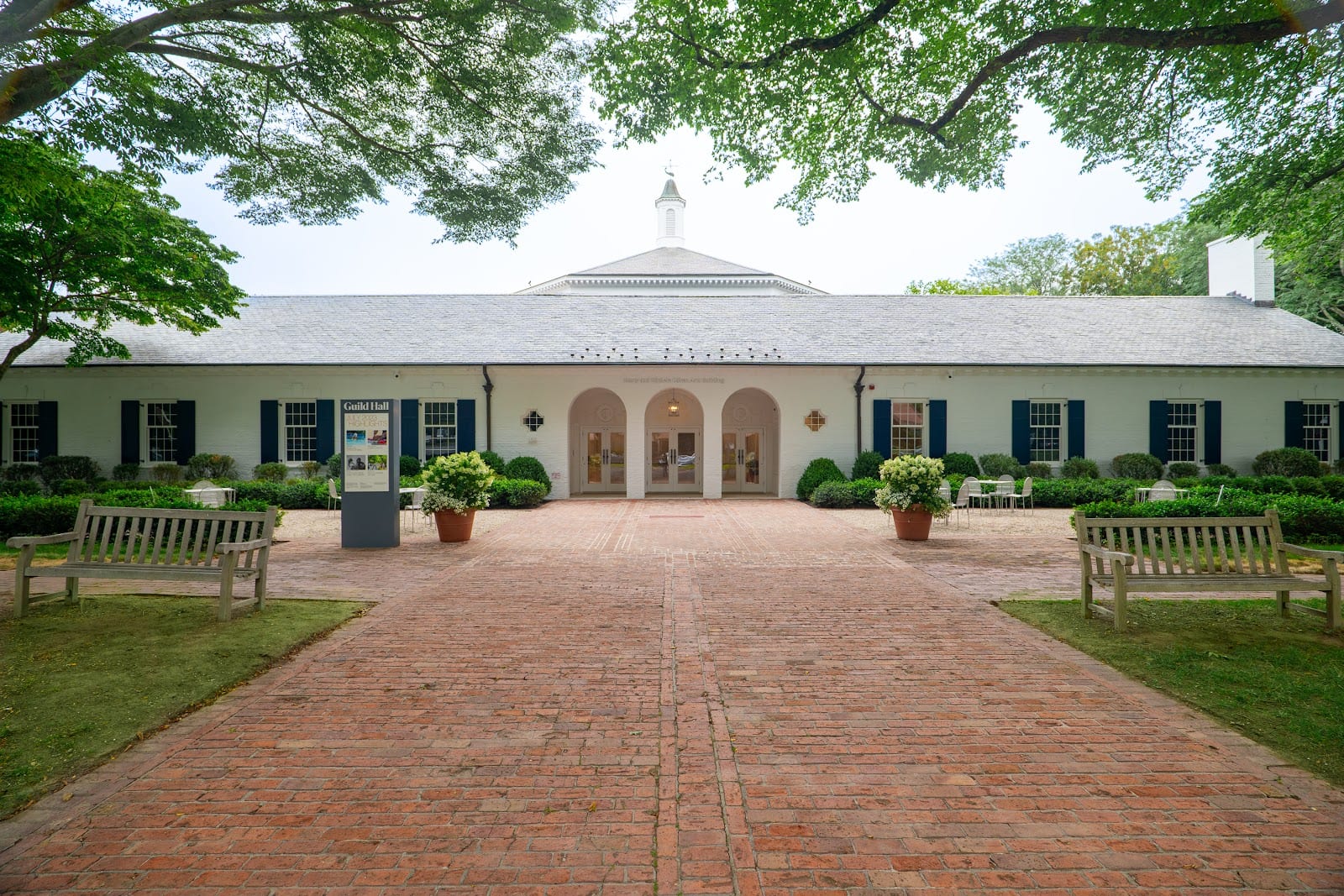
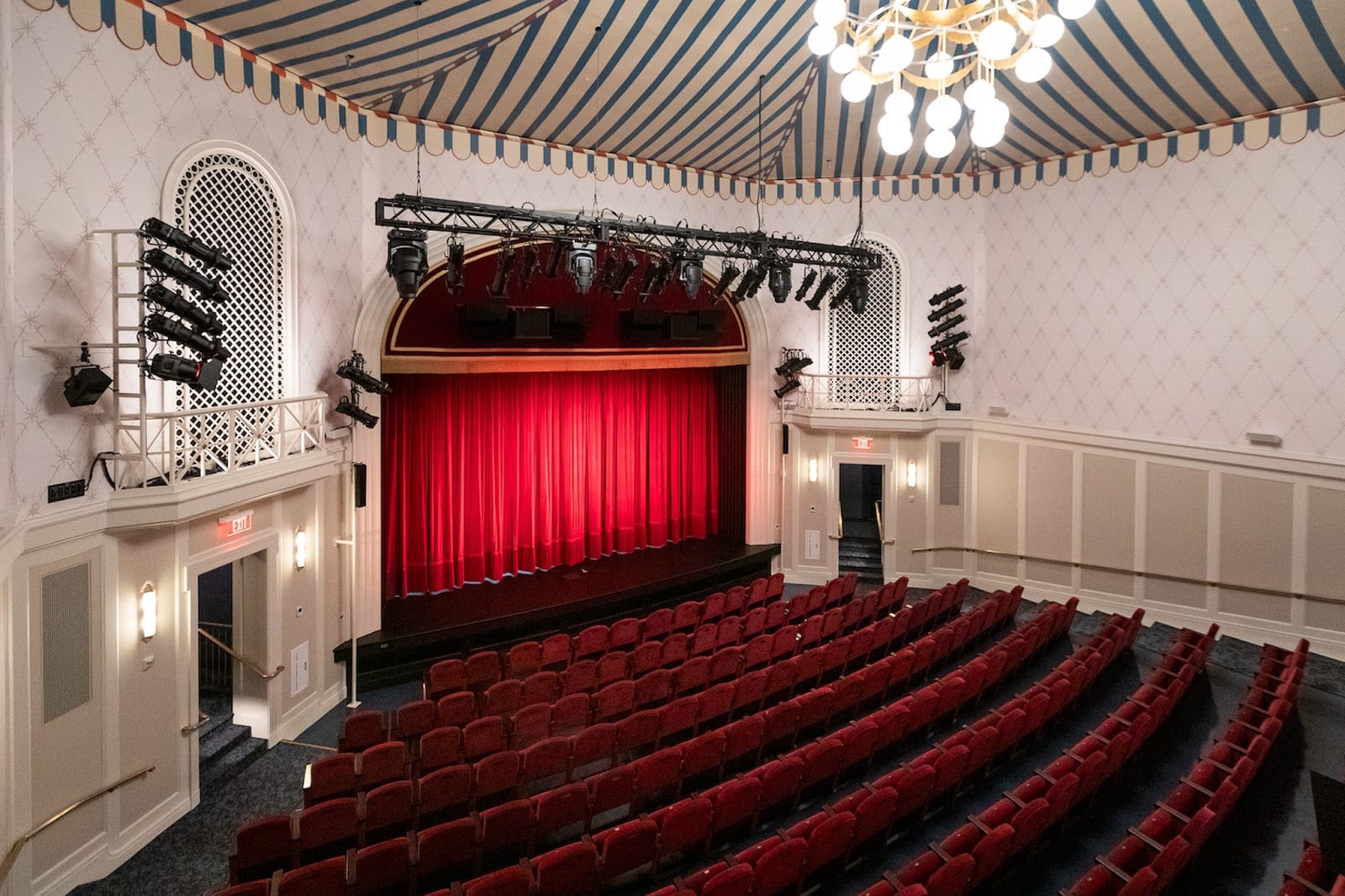
East Hampton’s best rainy-day pivot, especially when the current exhibition or performance is stronger than the beach crowd.
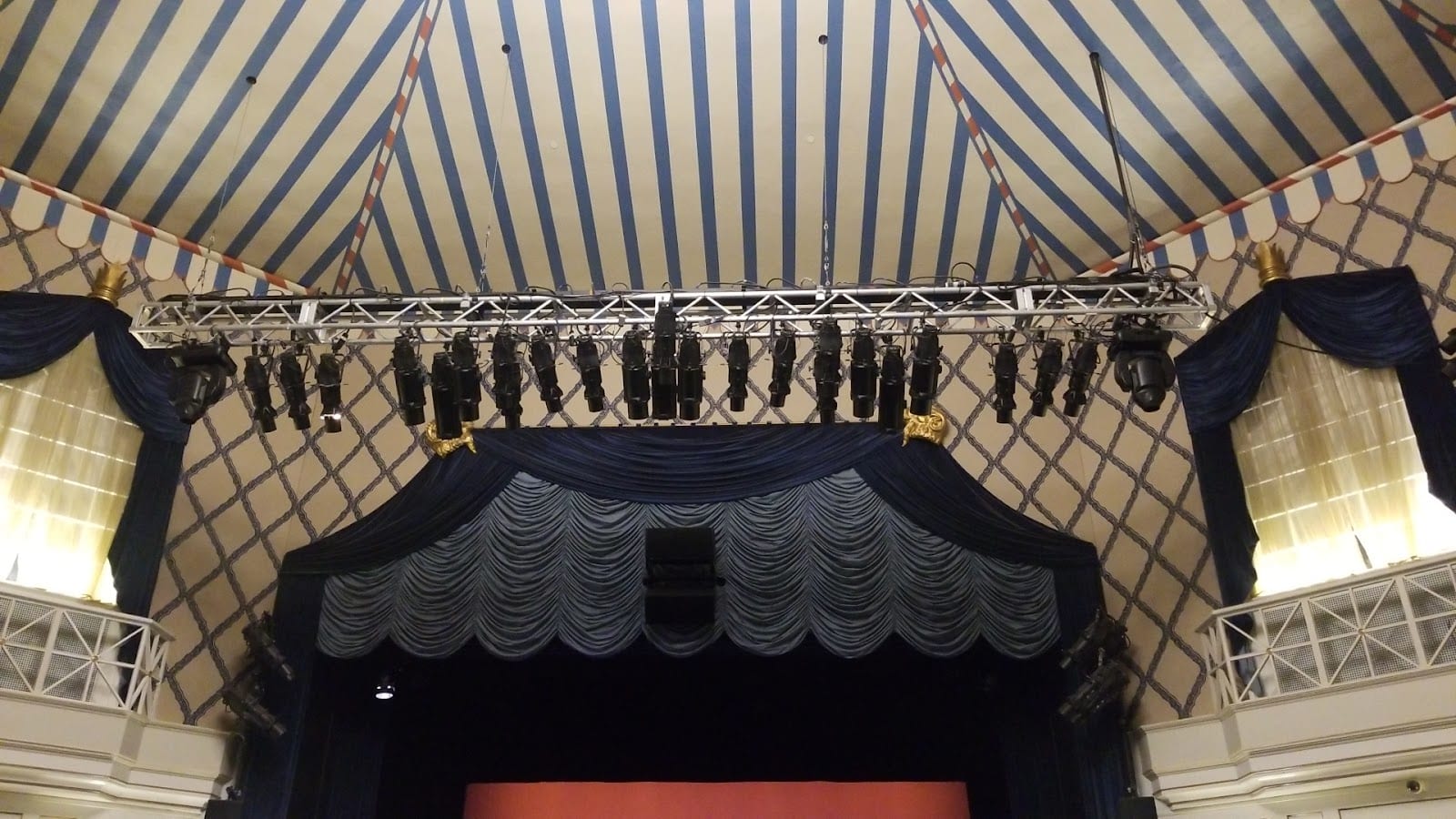
Guild Hall is both museum and performing-arts venue, so it works less like a single attraction than a useful cultural wildcard in the middle of an East Hampton itinerary. The supplied material does not establish its founding date, and it does not provide general ticket prices, parking or a fixed daily opening schedule. What it does show is a substantial 2026 program spanning talks, dance, film, theater, community events and children’s programming. Two exhibitions, Ross Bleckner: Never the Less and Eric Freeman: The Volume of Color, are scheduled through October 25, 2026. Check the calendar before you go: some events, including Cool Machine: Colson Whitehead, are already marked sold out.
Good for couples, solo, families, friends
- 7
 James Lane Mixed
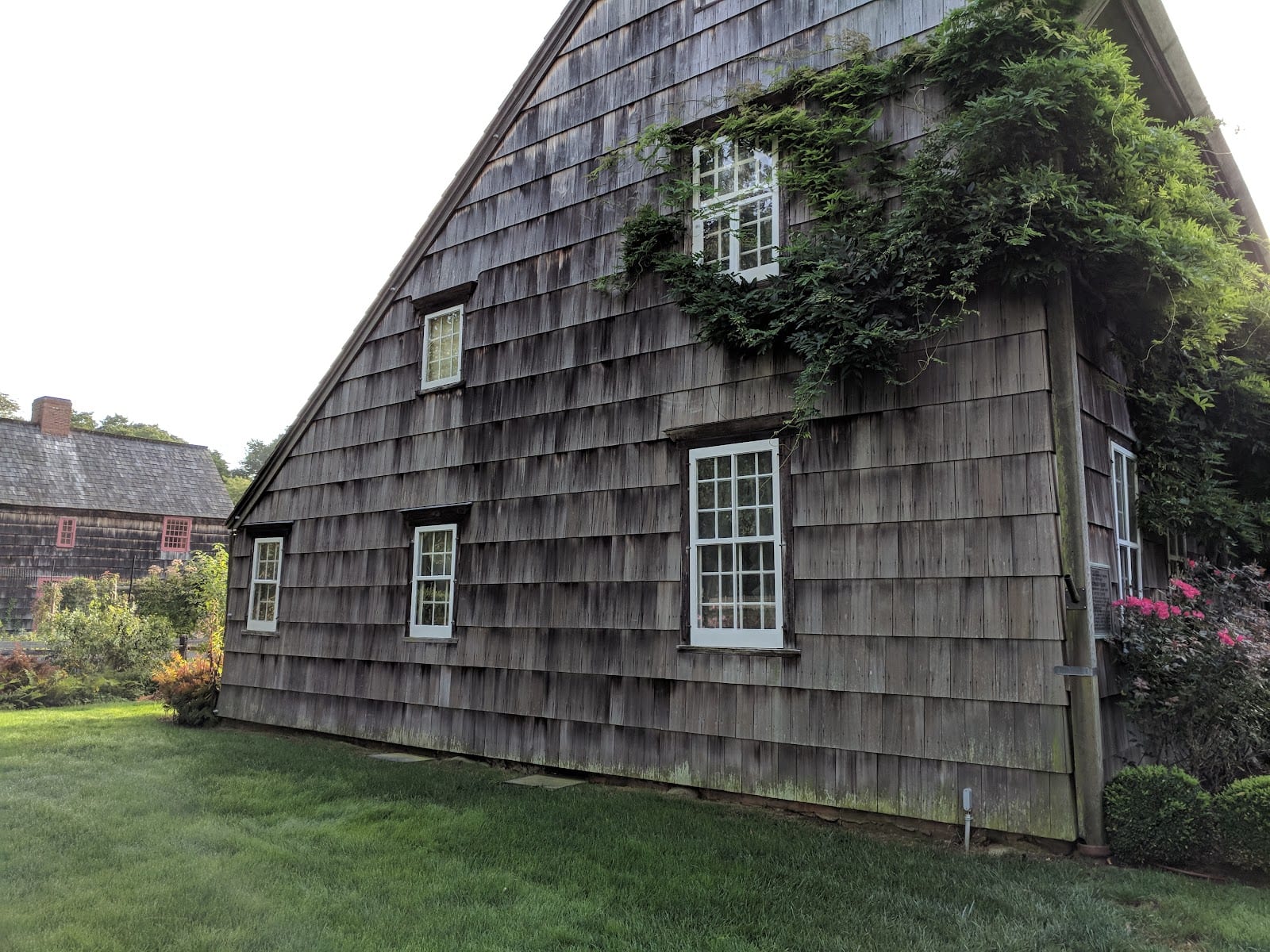
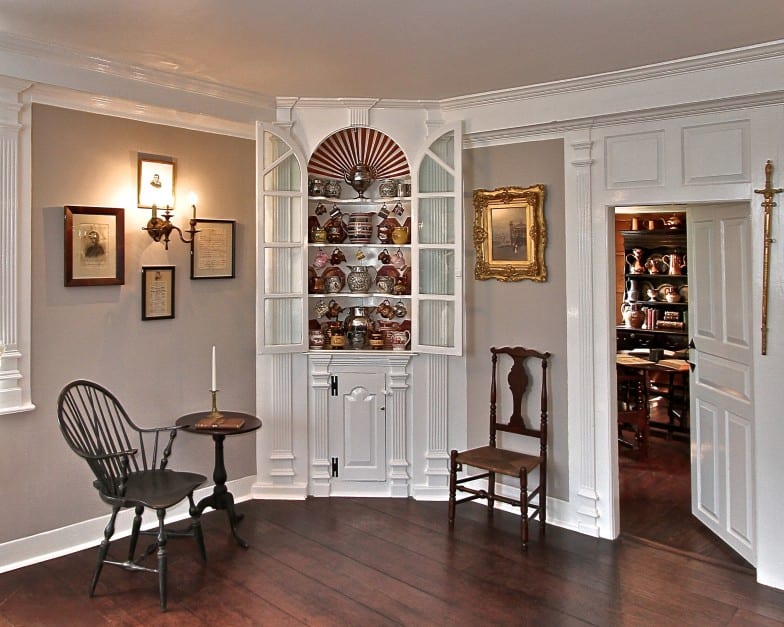
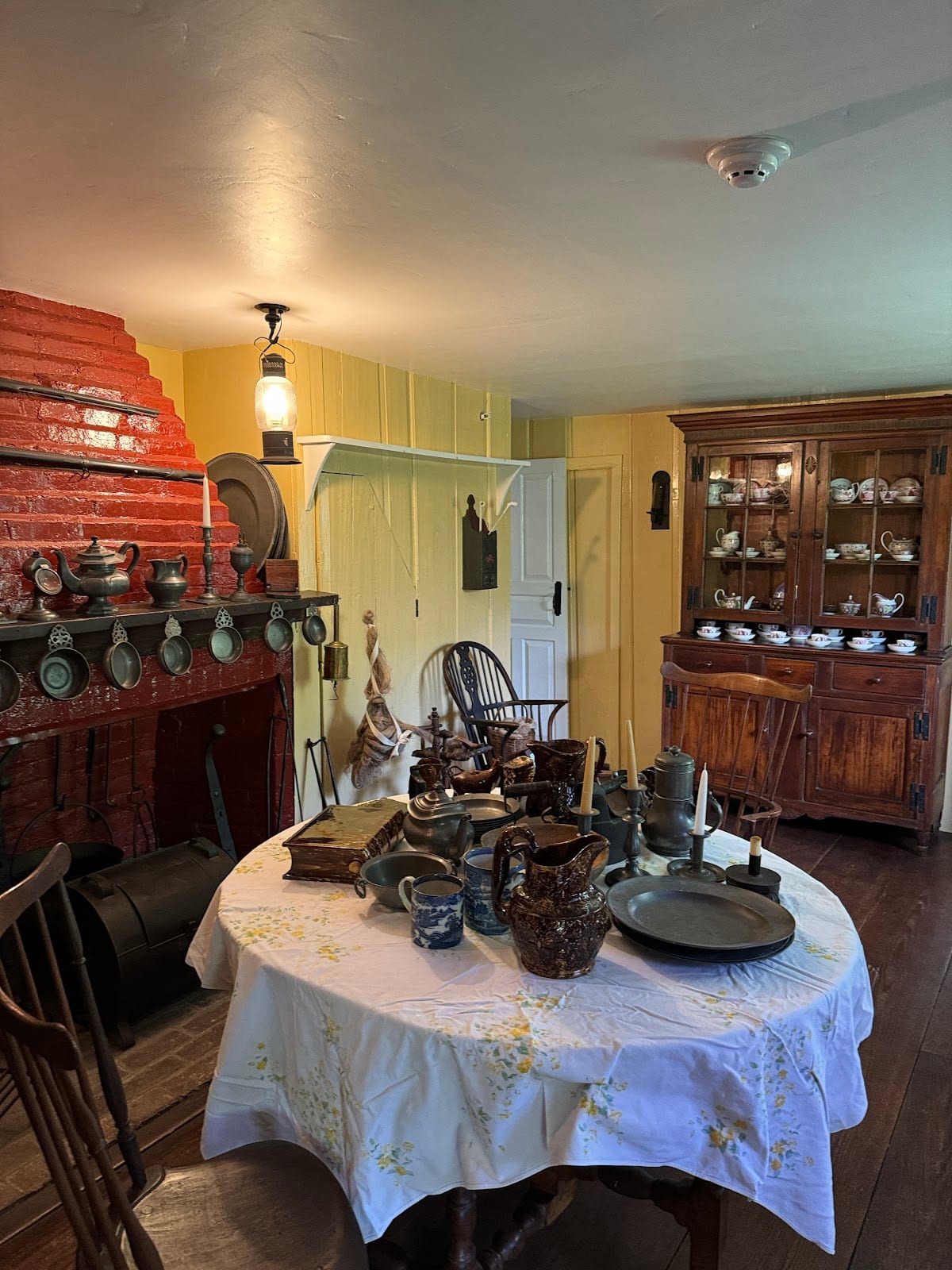
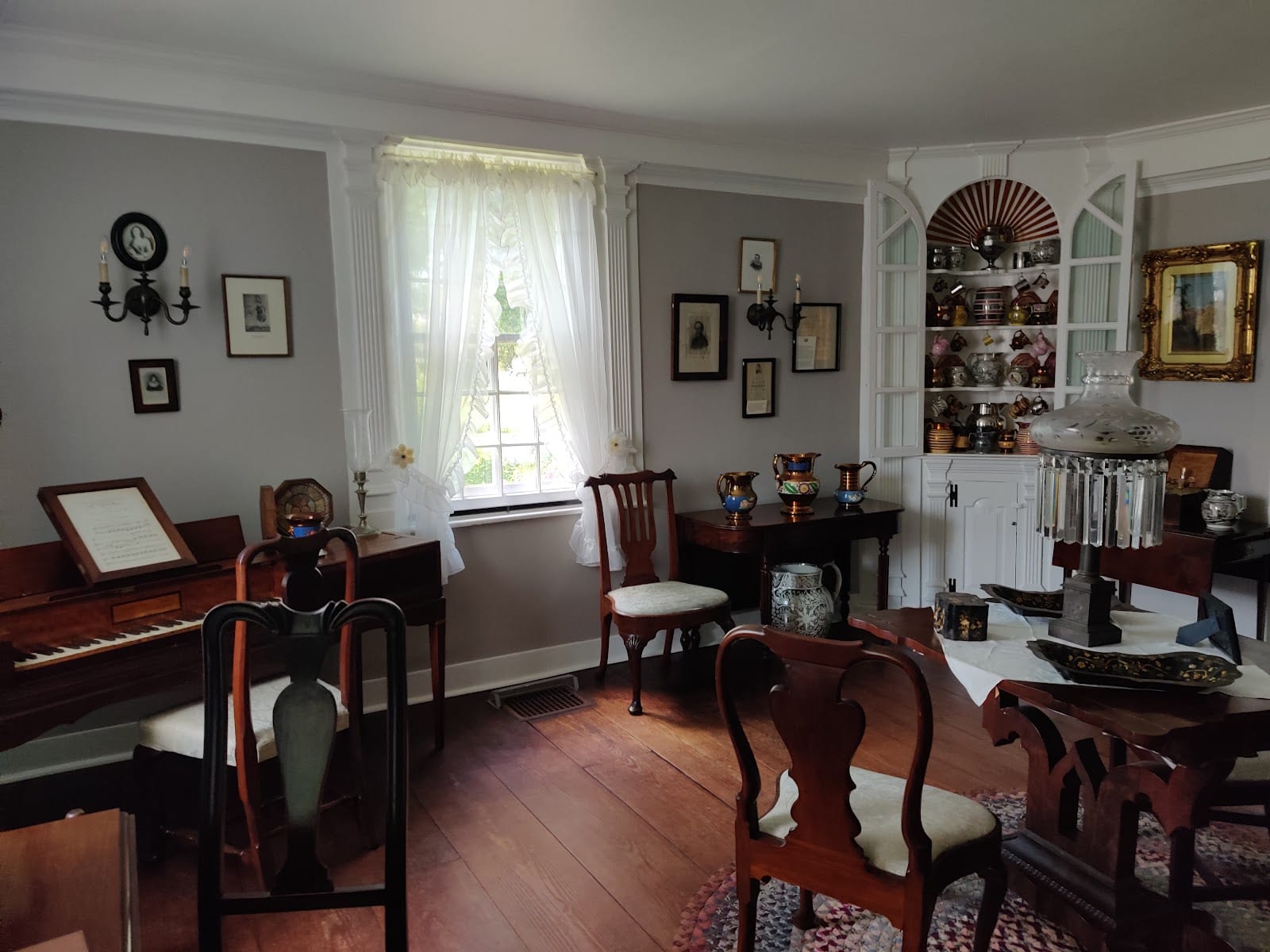
Home Sweet Home Museum
A small, atmospheric house museum whose song connection is charming, though its appeal depends on caring about local history.
Home Sweet Home occupies an early-1700s lean-to, or saltbox, house at 14 James Lane. Relatives of lyricist John Howard Payne lived there, and the building may have inspired the lyrics to “Home, Sweet Home,” a plausible connection rather than a claim the supplied research proves outright. That uncertainty is part of the charm: this is a compact piece of East Hampton memory, not a major museum. It is open daily May through September, 10am–4pm, except Sundays 1–4pm; October and November are weekends only, and December through April is by appointment. Pair it with Mulford Farm nearby if you want the historic-house material to justify the detour.
Good for families, couples, solo


Hidden gems
Where the crowds thin out.- Hidden gem
 James Lane Worth it
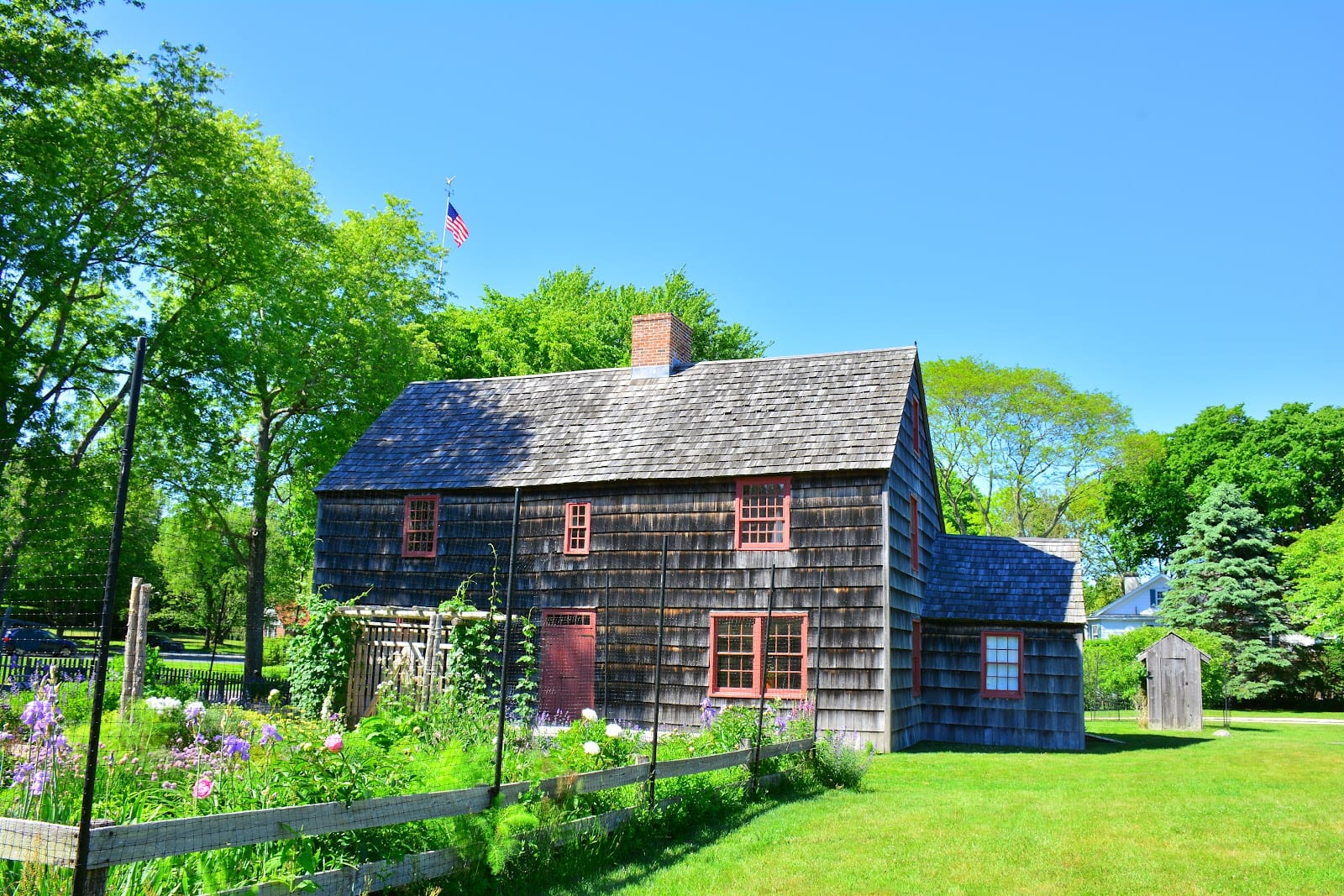
Mulford Farm
The village’s most convincing early-Easton time capsule, with a 1680 farmhouse, a 1721 barn and a garden that explains how the household worked.
Mulford Farm is the historic property to choose when you want architecture rather than a generic museum room. The farmhouse was built in 1680 and has remained largely unchanged since 1750, retaining much of its original framing and wood beams. The East Hampton Historical Society acquired it in 1948, and the 1721 Mulford Barn remains a standout example of early-eighteenth-century English-plan construction. Rachel’s Garden recreates an eighteenth-century dooryard with plants used for medicine, cooking, dyes and housekeeping. Public tours run Thursday through Monday, 11am–4pm; even when the farmhouse is closed, you can walk the grounds and use the 1776AR app. The barn was judged New York’s second most important eighteenth-century barn in 1990.
Good for families, couples, solo
Sourceseasthamptonhistory.org
- Hidden gem
 North Main Street Worth it
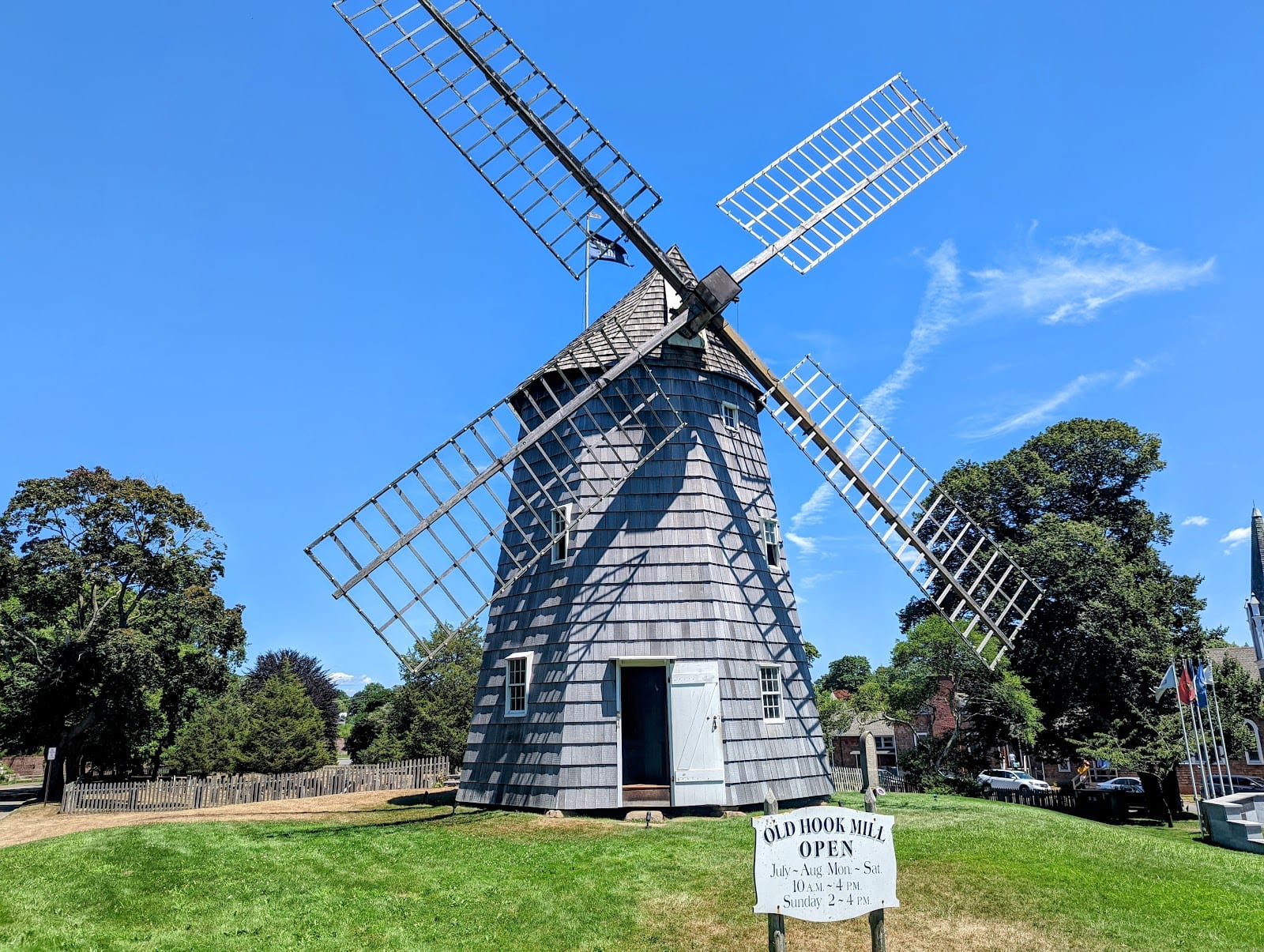
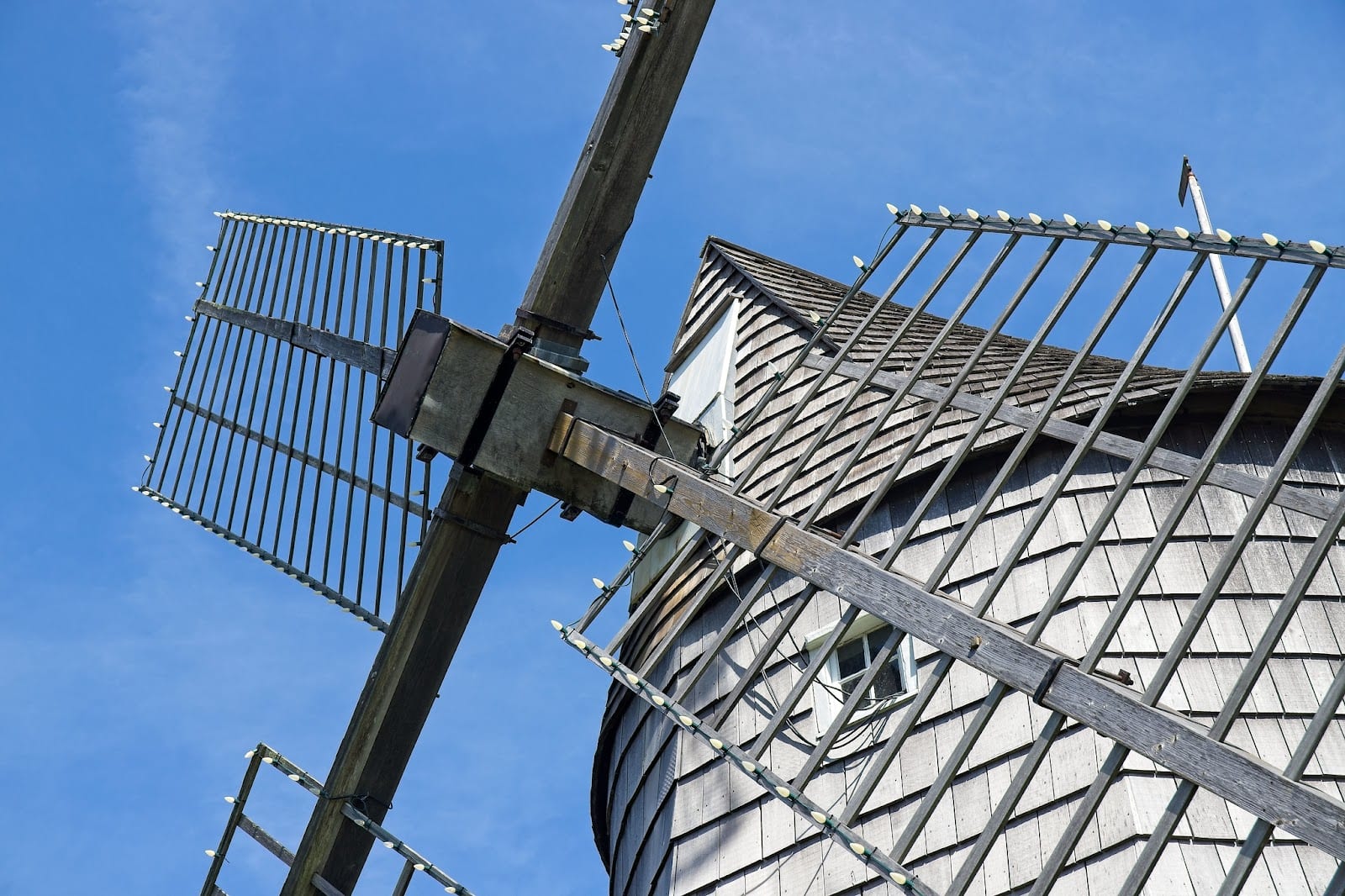
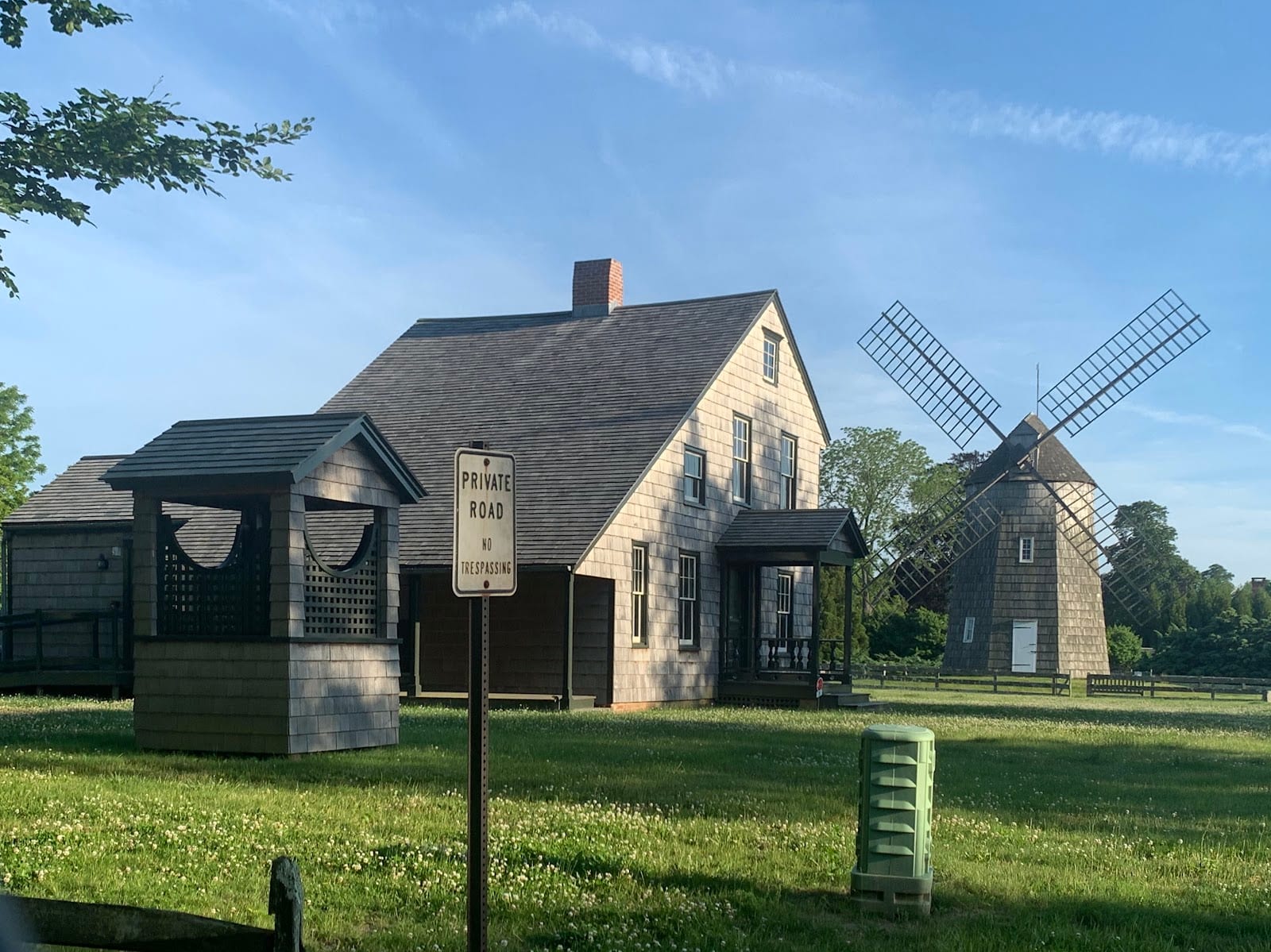
Hook Windmill
A quick, photogenic village stop with more substance than its size suggests: the 1806 mill physically contains part of a 1736 predecessor.
Hook Windmill is easy to dismiss as a photo stop until you learn what the structure is carrying. Nathaniel Dominy V built the smock mill in 1806 with two pairs of millstones, incorporating the main post of an earlier 1736 mill. It operated until 1908, then the Village of East Hampton bought the mill and lot in 1922 and restored it to working order in 1939. Further repairs followed in 1984–85 and 2011–12. The mill is open seasonally in July and August, Monday through Saturday 10am–4pm and Sunday 2–4pm. Outside that window, it remains a worthwhile exterior landmark, but do not plan around an interior visit.
Good for families, couples, solo
Sourceshomesweethomemuseum.org
- Hidden gem
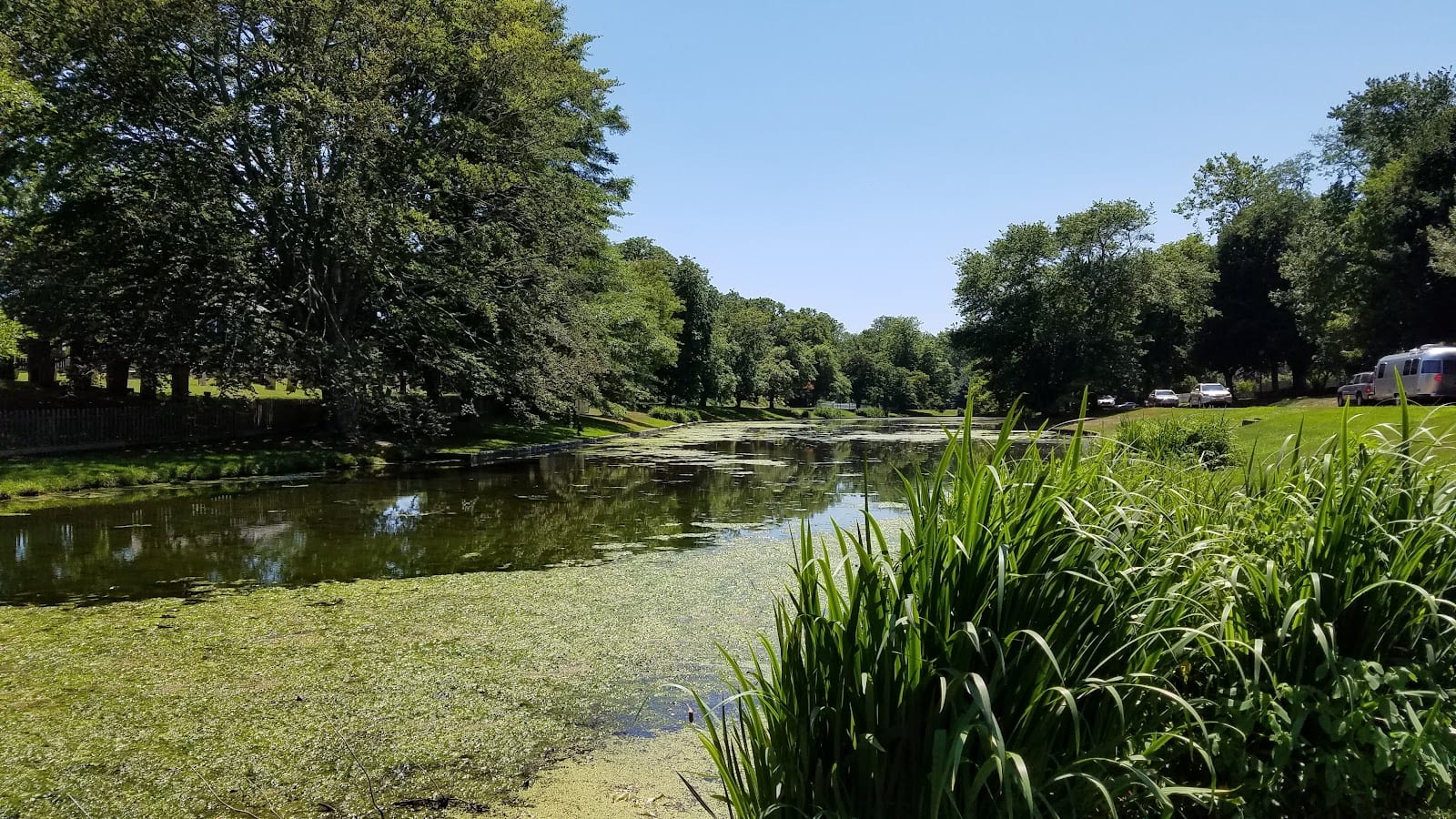
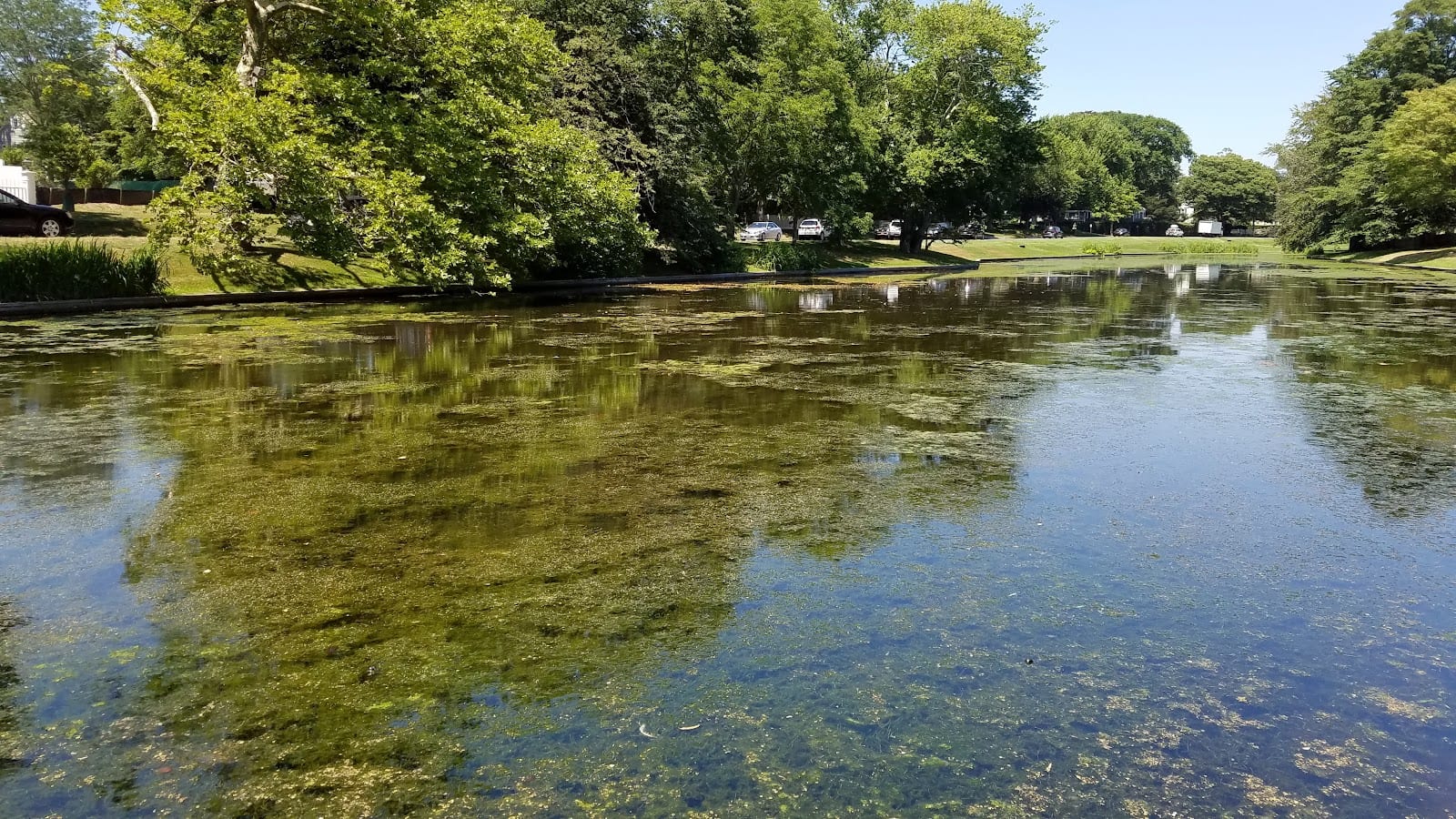 East Hampton Village Worth it
Town Pond
The quietest stop in the village is also one of its oldest, a swan-filled pond whose original job was watering cattle.
Town Pond is the kind of East Hampton landmark that rewards slowing down rather than checking off an attraction. The settlement ordered it into existence in June 1653, when it served as a cattle-watering ground at the center of the young village. Today it acts as a major tributary and detention basin for Hook Pond, receiving runoff from surrounding roads and land. A 2021 dredging project removed phosphorus-rich sediment associated with algal blooms. Swans, egrets, ducks and muskrats make the water’s edge feel busier than the village streets. Swimming is prohibited, and the research gives no admission, hours or dedicated visitor facilities. The best detail is artist Thomas Moran’s rooftop windmill, which once piped water to raise the pond level.
Good for families, couples, solo


Verdicts and rankings are our own; ratings open each place on Google. Prices, where shown, are an approximate per-person guide in USD.
Getting around
Getting around East Hampton
Bike to Main Beach
Dr. Beach recommends bicycling to Main Beach to avoid parking pressure. The beach is at 104 Ocean Avenue, outside the compact village core.
Walk the village core
Town Pond, the historic houses on James Lane, Guild Hall and the Main Street/Newtown Lane shopping district are all in or near East Hampton Village.
Drive for the art sites
Pollock-Krasner House is in Springs and LongHouse Reserve is in Great North Woods, so combine either with a separate drive rather than trying to fold both into a short village walk.
Arrive via the village
The LIRR station sits at the eastern end of Newtown Lane, making the shopping spine a natural first orientation point for train arrivals.
Where to stay
Where to stay in East Hampton
East Hampton Village
The easiest base for Main Street, Newtown Lane, Guild Hall, Town Pond and the historic houses. Best for a walkable village-first trip, though Main Beach still needs a bike or ride.
Near Main Beach
The right instinct for travelers prioritizing morning swims and long beach days. Main Beach is seasonal, so confirm your dates and access before assuming the beach experience is the same outside summer.
Springs and Great North Woods
A quieter, landscape-led base near the Pollock-Krasner House and LongHouse Reserve. Choose it for art, gardens and space rather than nightlife or a car-free itinerary.

Where to stay in The Hamptons
Compare the Hamptons’ villages and find the right base for your trip.
View the guideWho it's for
East Hampton for families, couples, and solo
- East Hampton for families
- Main Beach is the obvious family anchor, while the windmill, historic houses and wildlife around Town Pond provide short, manageable stops between swims. Check seasonal schedules rather than assuming every museum is open.
- East Hampton for couples
- Start with a beach walk, slow down around Town Pond, then choose Guild Hall or LongHouse Reserve for an art-forward afternoon. The village works best when you resist turning it into a shopping checklist.
- East Hampton for solo travelers
- The village core is easy to explore at your own pace, and Pollock-Krasner House rewards a focused visit. Main Beach, the pond and the historic properties give the day enough variety without requiring a packed schedule.
More of The Hamptons
Nearby neighborhoods
A short hop from East Hampton, and worth pairing on the same trip.
Amagansett
A small, salt-sprayed hamlet just east of East Hampton, a few blocks of shingled cottages, a legendary farm stand, and wide dune beaches at the ocean's edge.
Explore AmagansettSag Harbor
A former whaling port turned bayside charmer, with a deep-water Main Street, the whaling museum, and a windmill standing watch over Long Wharf.
Explore Sag HarborBridgehampton
Horse-and-farm country in the middle of the Hamptons, a short Main Street between the ocean and the fields, with vineyards, farm stands, and the Hampton Classic.
Explore Bridgehampton
Ready to plan your East Hampton trip?
Tell Zoya, your personal travel assistant, how you like to travel, and she'll turn any of this into a day-by-day plan that fits your dates.
Explore now