

1
Great Buddha of Kamakura
Worth the hypeThe essential Kamakura image. A huge bronze Buddha sitting outdoors beneath the sky.

Day trip from Tokyo · Kamakura
Yes, Kamakura is an easy day trip from Tokyo. The classic version combines the Great Buddha, Hasedera, Tsurugaoka Hachimangu, and a coastal stroll in a historic temple…
From Tokyo
Under 1 hr
Best
Spring
What to see
Temples + coast
Easy to reach
By train
Yes. The JR Yokosuka Line runs directly from Tokyo Station to Kamakura Station in about 55 to 60 minutes. The JR Shonan-Shinjuku Line also offers direct services from Shinjuku, although service patterns vary. Check the departure board before travelling.
Yes. Kamakura is a practical day trip from Tokyo, with direct trains taking roughly one hour each way. A full day allows time for the Great Buddha, major temples, Komachi Street, and a coastal walk. Start early, since popular sites become busier later.
Yes. Suica works on JR services between Tokyo and Kamakura, provided your card has enough balance. Tap in and out at the station gates as usual. Suica is also useful for other covered train routes, but it does not replace admission tickets for temples or attractions.
The best ways, compared
Times are one-way; fares are one adult, one way, in US dollars.
JR Yokosuka Line
$7
Fastest
JR Shonan-Shinjuku Line
$7
JR Pass
Odakyu + Enoden Free Pass
$11
Cheapest
The JR Yokosuka Line is the cleanest all-round choice for a Kamakura day trip. It runs directly from Tokyo toward the coast, avoids a transfer, and leaves you at Kamakura Station for Tsurugaoka Hachimangu and the town centre. From there, local trains and walks connect the western temple area. It is the option we would use for a first visit because the route is simple, frequent, and easy to understand even before coffee.
The JR Shonan-Shinjuku Line is a useful direct option from the Shinjuku side of Tokyo, especially if your day begins there or you already have a Japan Rail Pass. It gets you to Kamakura without crossing the city to Tokyo Station, so the practical saving is often at the start of the day. Check the departure board carefully, since not every service follows the same southern destination or stopping pattern.
The Odakyu plus Enoden Free Pass makes sense when you want the journey to be part of the sightseeing. It links the Odakyu network with the Enoden, whose small trains run between Kamakura, Hase, and the coastal side of the city. The route is slower than the direct JR approach, but it can be good value for a day built around several Enoden stops. Use it when flexibility matters more than the quickest arrival.
What to see there
Ranked, with an honest take on each.
The essential Kamakura image. A huge bronze Buddha sitting outdoors beneath the sky.


A strong companion to the Great Buddha. Give this temple more than a rushed ten minutes.


The city’s grand centrepiece. Kamakura’s history makes more sense here.

A calmer green detour. Go for the change of pace, not a packed itinerary.


Wash your yen. This tucked-away shrine adds a ritual to the temple circuit.
Dawn to dusk
One unhurried loop that catches the best light and beats the crowds.
Take the direct JR service to Kamakura and aim to arrive before the main temple circuit fills. Bring a small breakfast for the train so the first stop can start promptly.
Start at Kamakura’s historic centre while the approach is still calm. Walk the grounds, take in the shrine’s connection to the shogunate, then continue through town toward the western hills.
Make the wooded detour to wash a few yen at the spring. It is a short, distinctive ritual and a useful change from the larger formal temple grounds.
Continue to Hase for the two essential western stops. Take your time at Hasedera, then see the outdoor bronze Buddha before the afternoon crowds build. Stop for lunch nearby.
If you still have energy, take the local bus or a taxi east for Hokokuji’s bamboo garden. If not, stay in Hase for the coast and a slower café break.
Return toward central Kamakura for a final walk, snack, or glimpse of the sandy shore. Keep this flexible rather than forcing another landmark into the last hour.
Head back from Kamakura Station before dinner crowds gather. The direct JR route keeps the journey home simple after a full but manageable day on foot.
The lay of the land
Every stop plotted; numbered to the plan.
Prefer it handled?
If you would rather not sort the logistics, these run the day for you, from Tokyo pickup to the sights and back. Our pick is flagged.

★ 4.9 · 159 reviews
“A focused, well-reviewed walk built around Kamakura’s history and the Great Buddha; the larger review pool makes this the safest all-round choice.”

★ 4.9 · 129 reviews
“A private option that covers the classic mix of temples, scenery, and the Great Buddha, though the smaller review count gives it less evidence than our top pick.”

★ 5.0 · 140 reviews
“A compact historical walk with a perfect rating so far, but 140 reviews is still a modest base for such a high score.”
Want any of these arranged around your dates?
Ask your travel assistant →When to go
Start with the central shrine and western temples before midday heat and crowds, then leave the coast or bamboo garden for later. By season:
Winter brings cooler, clearer walking weather and fewer beach crowds. The low sun suits temple approaches, but pack a warm layer for the coastal wind.

Spring is the best-balanced season, with comfortable walking weather and fresh greenery around the wooded temples. Expect popular sites to be busy on blossom weekends.

Summer makes the beaches lively and the coast appealing, but heat, humidity, and crowds can make the temple circuit tiring. Start early and carry water.

Autumn brings cooler walks and changing foliage in Kamakura’s wooded hills. It is a good season for combining temples with a longer trail or relaxed coastal stop.
Before you go
Four practical choices make a Kamakura day easier: forecast, rail pass, shoes, and an early start.
Kamakura mixes exposed beaches with shaded hills, so weather changes the feel of the day. A clear, mild forecast is best for walking between areas, while rain calls for fewer stops and more train rides.
Use the direct JR route for the simplest arrival. Pick the Odakyu and Enoden pass only when you plan several western stops, since its value comes from using the local coastal railway rather than reaching Kamakura fastest.
The day includes station approaches, temple grounds, slopes, and uneven paths. Comfortable shoes matter more than dressing up, and a light layer helps with the difference between sunny shorelines and wooded hills.
The Great Buddha and Hasedera are the day’s most in-demand stops. Reaching Kamakura in the morning gives you calmer temple grounds and leaves the more flexible beach or café time for late afternoon.
More from the city
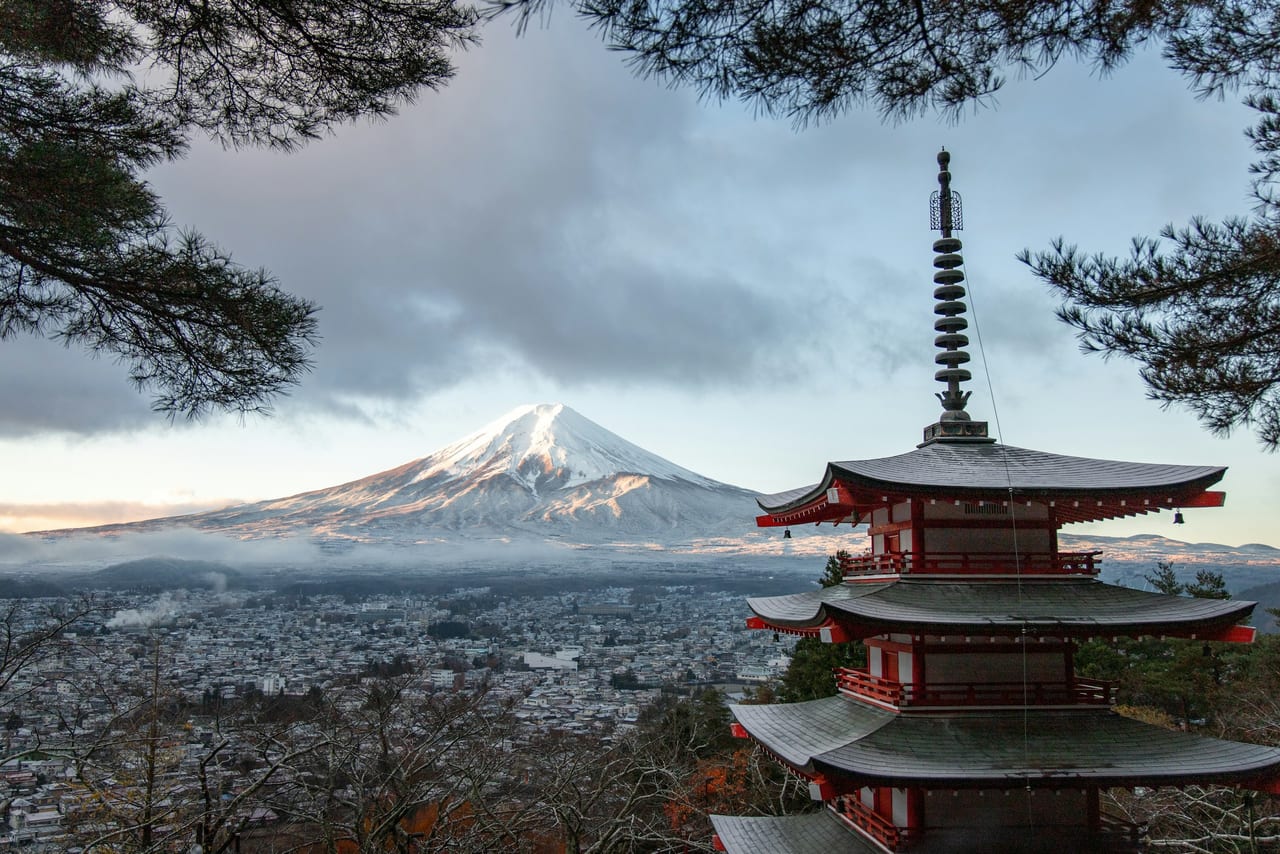
Another great day trip from Tokyo.
View the guide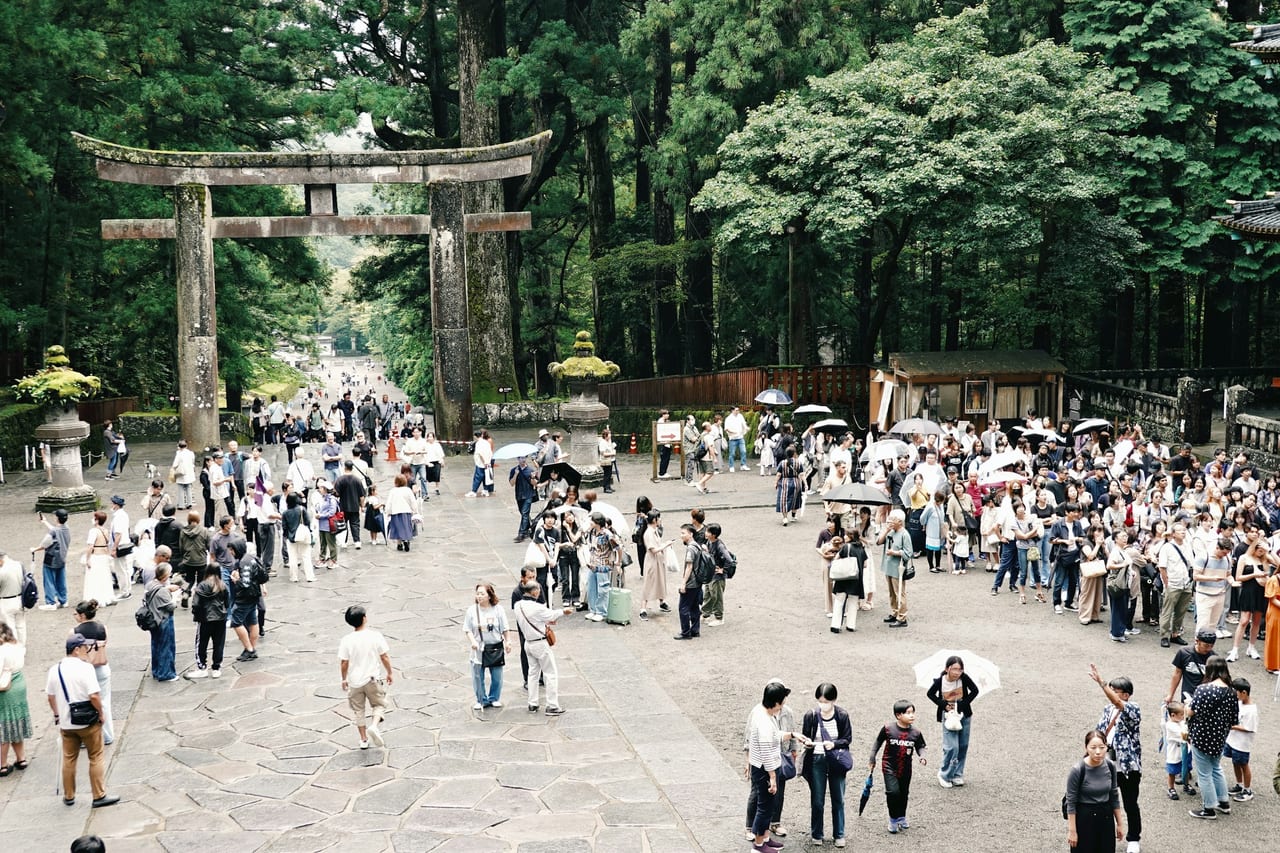
Another great day trip from Tokyo.
View the guide
Another great day trip from Tokyo.
Coming soonTell Zoya your starting station, pace, and must-see stops. Your personal travel assistant will shape the route into a day that feels considered, not crammed.
Explore now