

Ginza · Tokyo neighborhood guide
Things to Do in Ginza
Tokyo's most glamorous district: department stores and glass-fronted flagships, a landmark clock tower, the great kabuki theatre, and a main avenue that closes to cars each weekend. Here's what's actually worth your time, ranked and judged.
Ginza in brief
What is Ginza best known for?
Upscale shopping and fine dining: grand department stores like Wako and Mitsukoshi, luxury flagships along Chuo-dori, a dense concentration of Michelin-starred restaurants, and the Kabukiza theatre. It is Tokyo's most prestigious address.
What should you not miss in Ginza?
Walk Chuo-dori, ideally on a weekend afternoon when it closes to traffic; see the Wako clock tower at the 4-chome crossing; catch a single act of kabuki at Kabukiza; and ride up to the free rooftop garden at Ginza Six.
How do you spend a day in Ginza?
Stroll Chuo-dori and the side streets, browse the department stores and Itoya's stationery floors, pause at the Wako clock tower, have an Edomae sushi or old-cafe lunch, take in a kabuki act, then walk south to Hama-rikyu garden or the Tsukiji food stalls.
Get oriented
How Ginza fits together
Ginza is a compact, flat grid, easy to walk end to end, built around one main avenue.
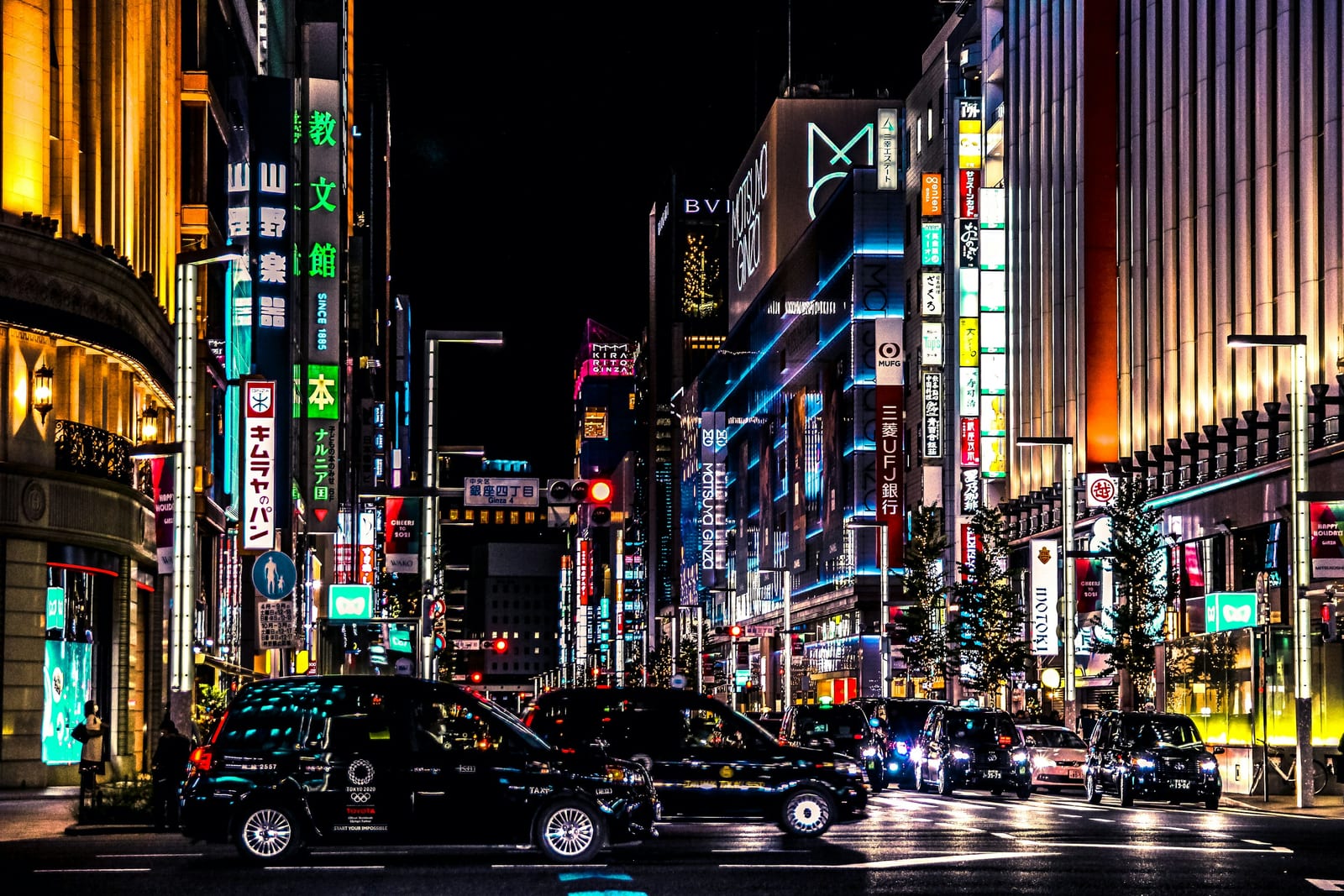
The spine is Chuo-dori, running roughly north to south, with the Wako clock tower marking the central 4-chome crossing where it meets Harumi-dori. The big department stores and flagships line these two streets; Itoya and the quiet Okuno Building galleries sit toward the north end, and Ginza Six is a few blocks south. The Kabukiza theatre is a short walk east at Higashi-Ginza, and past the south edge of the district lie the bayside Hama-rikyu garden and, to the southeast, the Tsukiji food market. Yurakucho and the Imperial Palace grounds are just to the west.
A half-day on foot, walking Ginza from its quiet north end down to the water:
See & do, ranked
The best things to do in Ginza
Our honest ranking of what is worth your time, from the must-sees to a tourist-light hidden gem, with a verdict on each so you know what to prioritize and what is overhyped.
Must-see
The essentials, ranked.- 1
 Chuo-dori Worth it
Ginza Chuo-dori
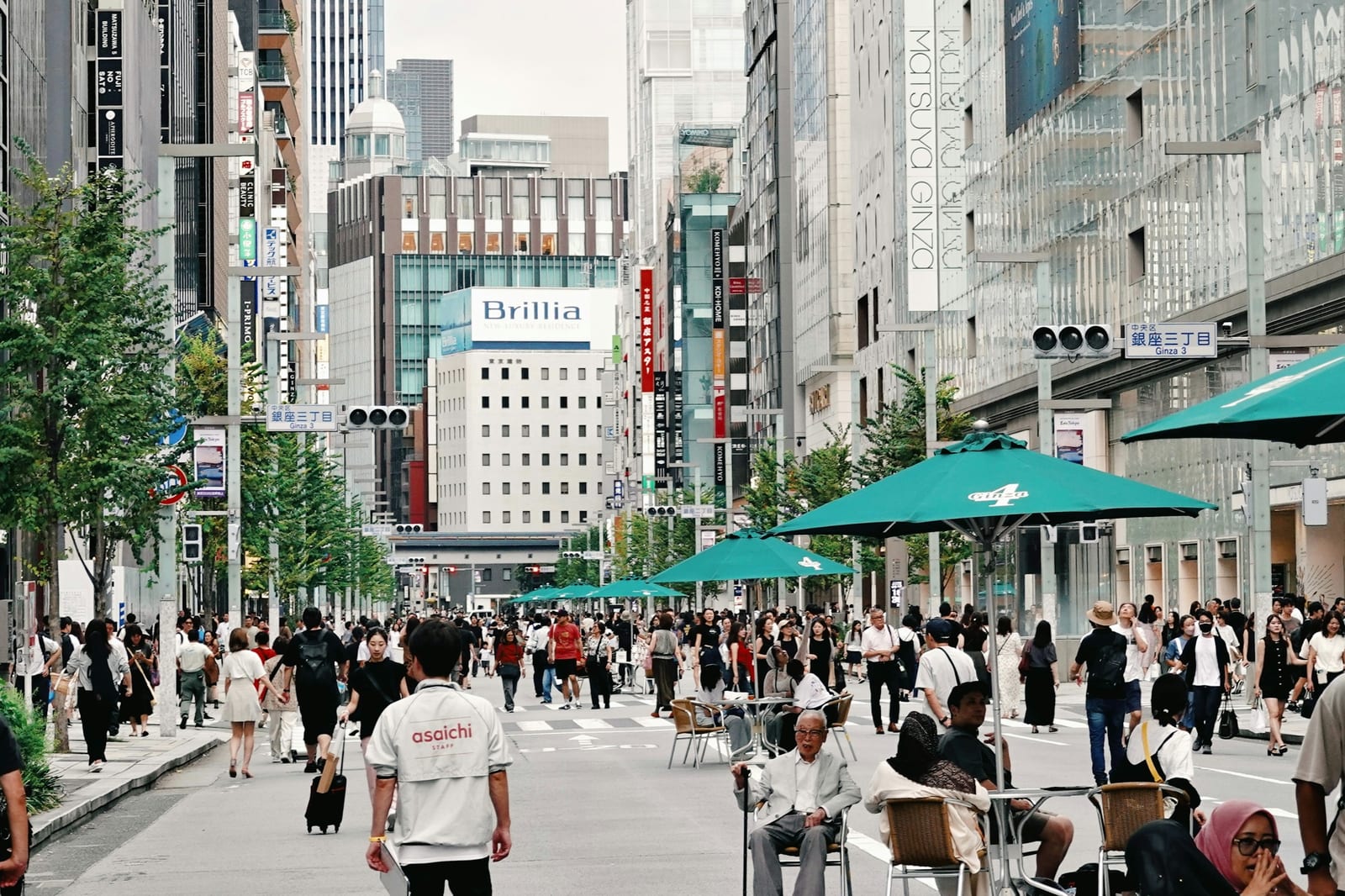
Ginza's grand main avenue, and on weekend afternoons it belongs to pedestrians.
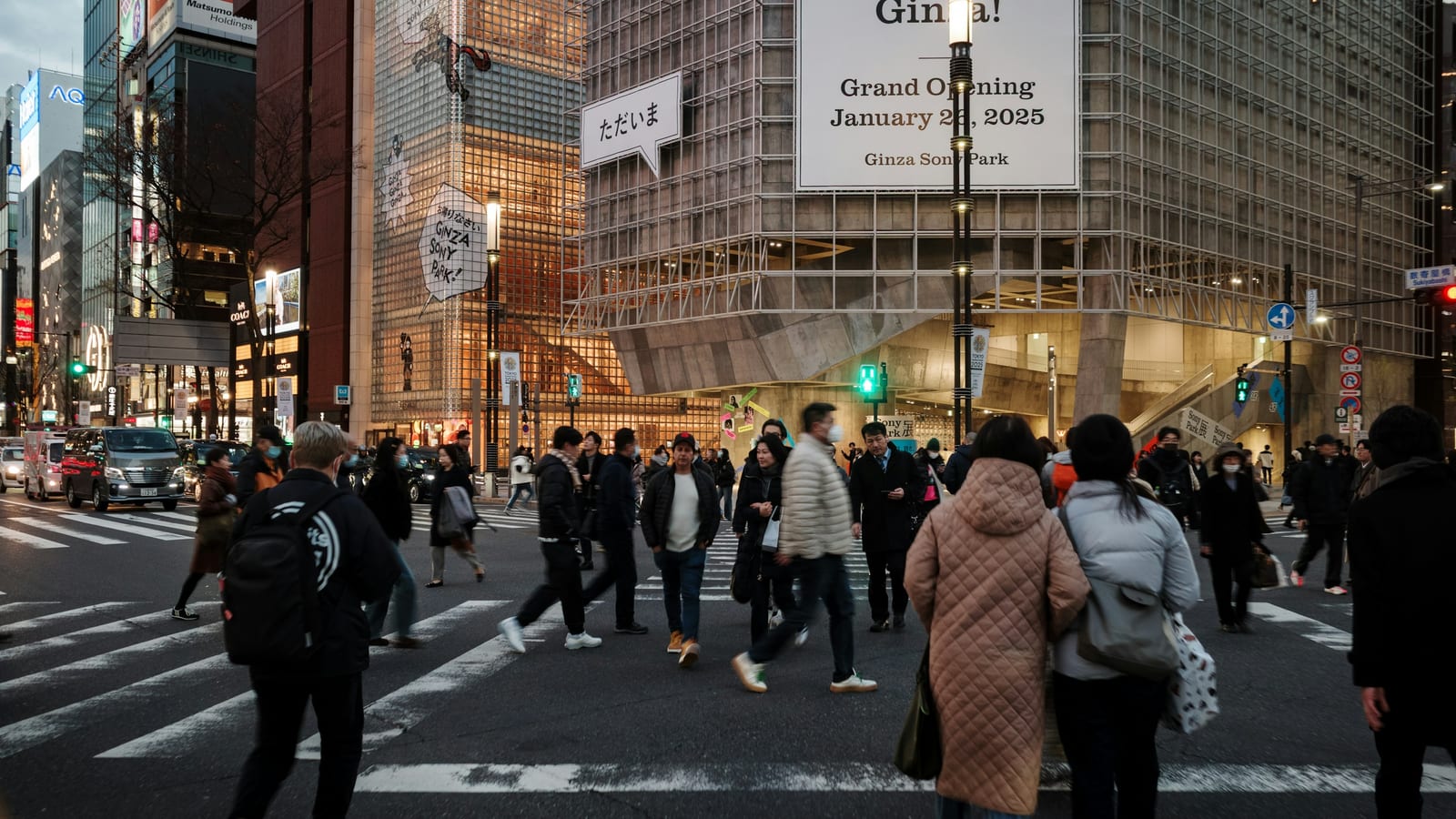
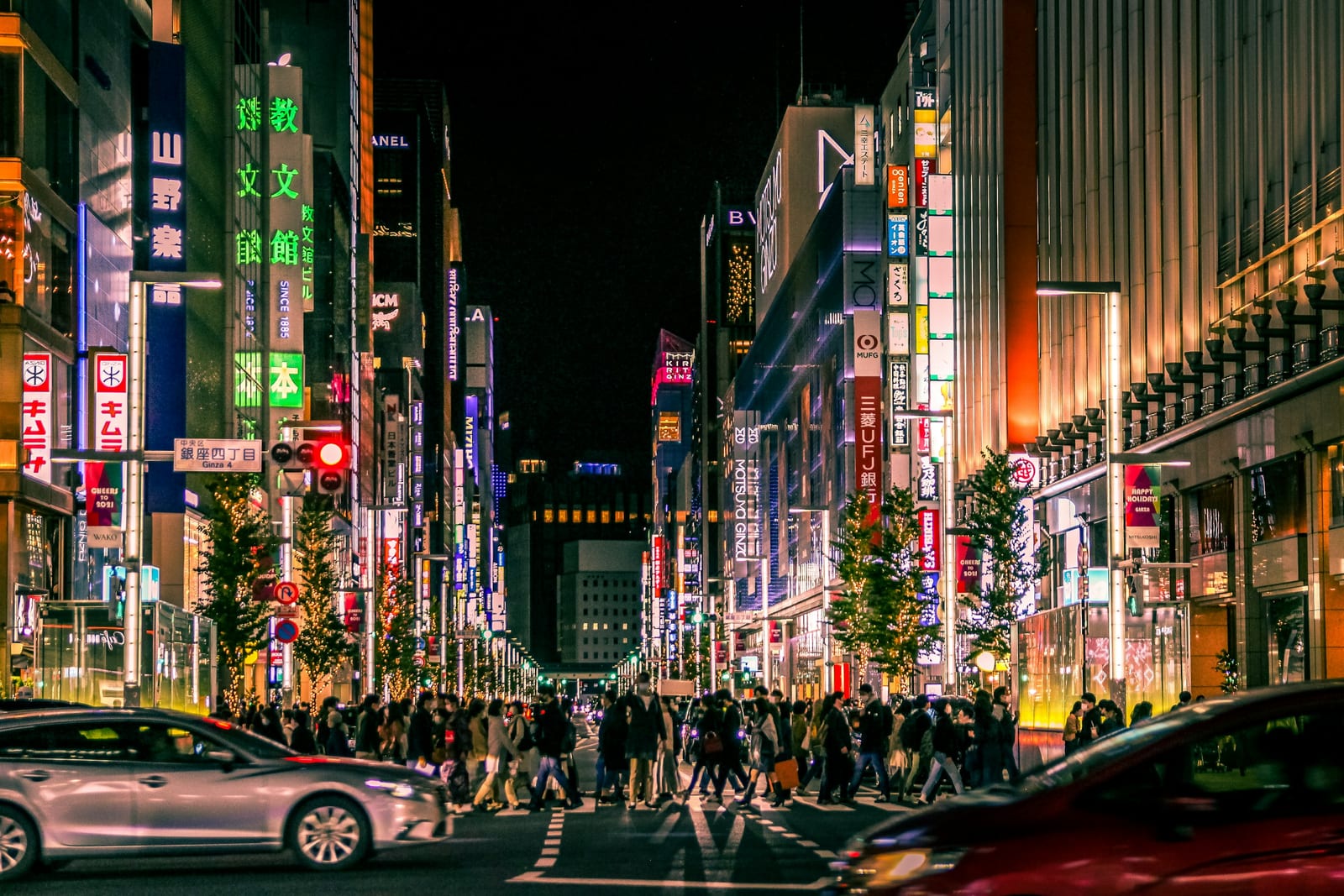
Chuo-dori is Ginza's central boulevard and the most famous street in the district, about a kilometer of department stores, glass-fronted flagships, and old shops that Tokyo's tourism board likens to New York's Fifth Avenue or London's Oxford Street. The thing to time is the Hokosha Tengoku, or pedestrian paradise: on Saturdays, Sundays, and public holidays the avenue closes to traffic and fills with strollers, parasols, and cafe chairs set out in the road. It runs noon to 6pm from April through September and noon to 5pm from October through March, part of a weekend ritual Tokyo introduced, Ginza among the first districts, in 1970. Walking it costs nothing, and a weekend afternoon is the single best time to see Ginza relaxed.
Free1 hrPedestrian paradise Sat/Sun/holidays: 12-6pm (Apr-Sep), 12-5pm (Oct-Mar)Good for families, couples, solo, friends
Sourcesginza.jpgotokyo.org
- 2
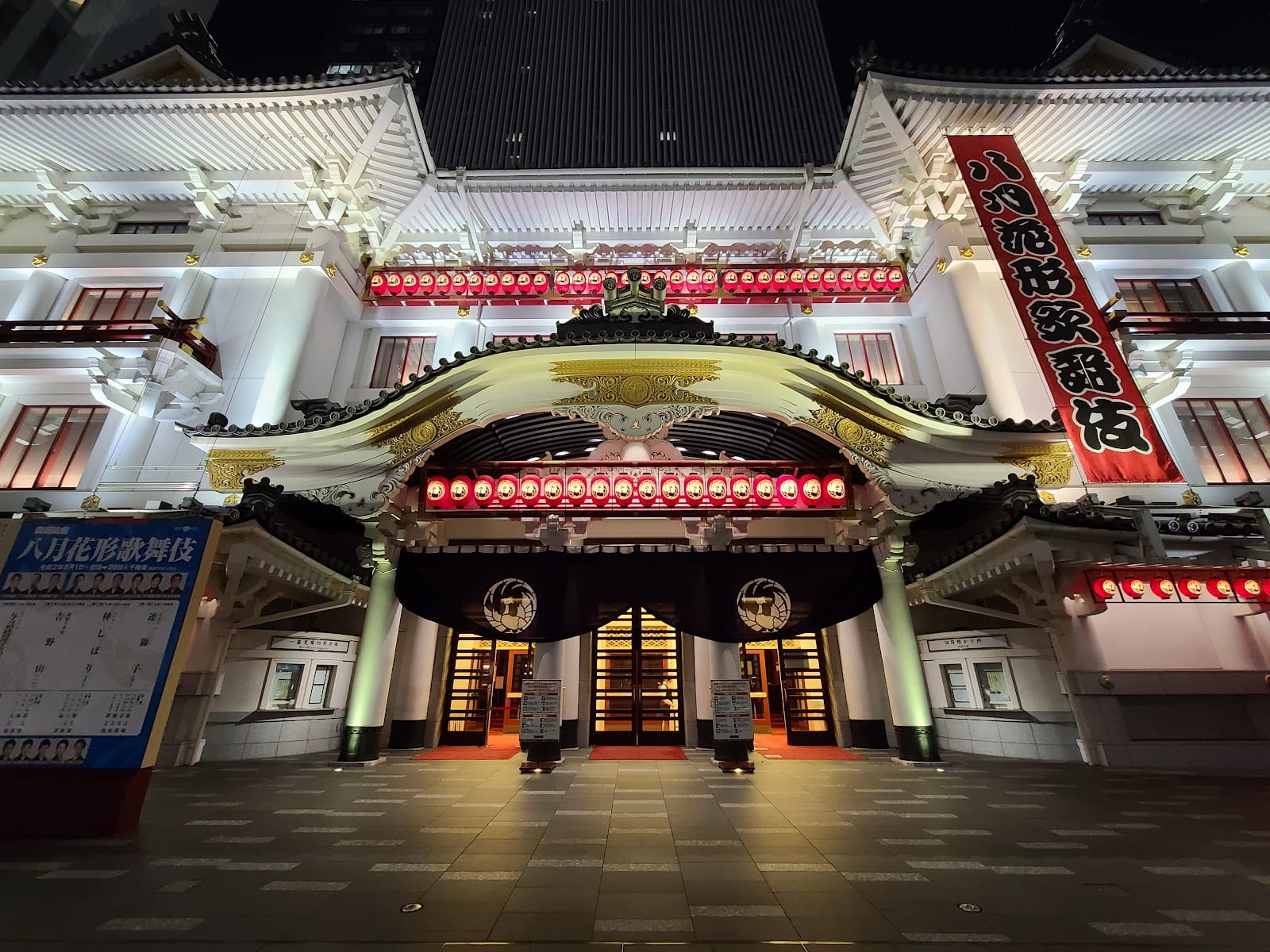
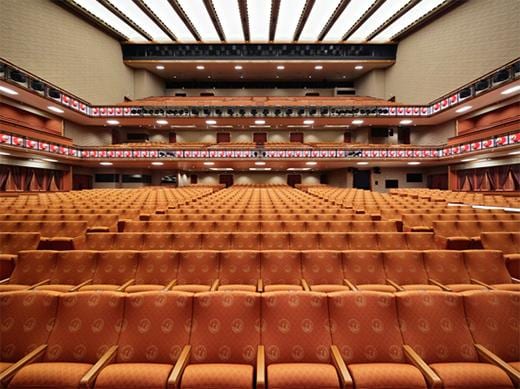 Higashi-Ginza Worth the hype
Kabukiza Theatre
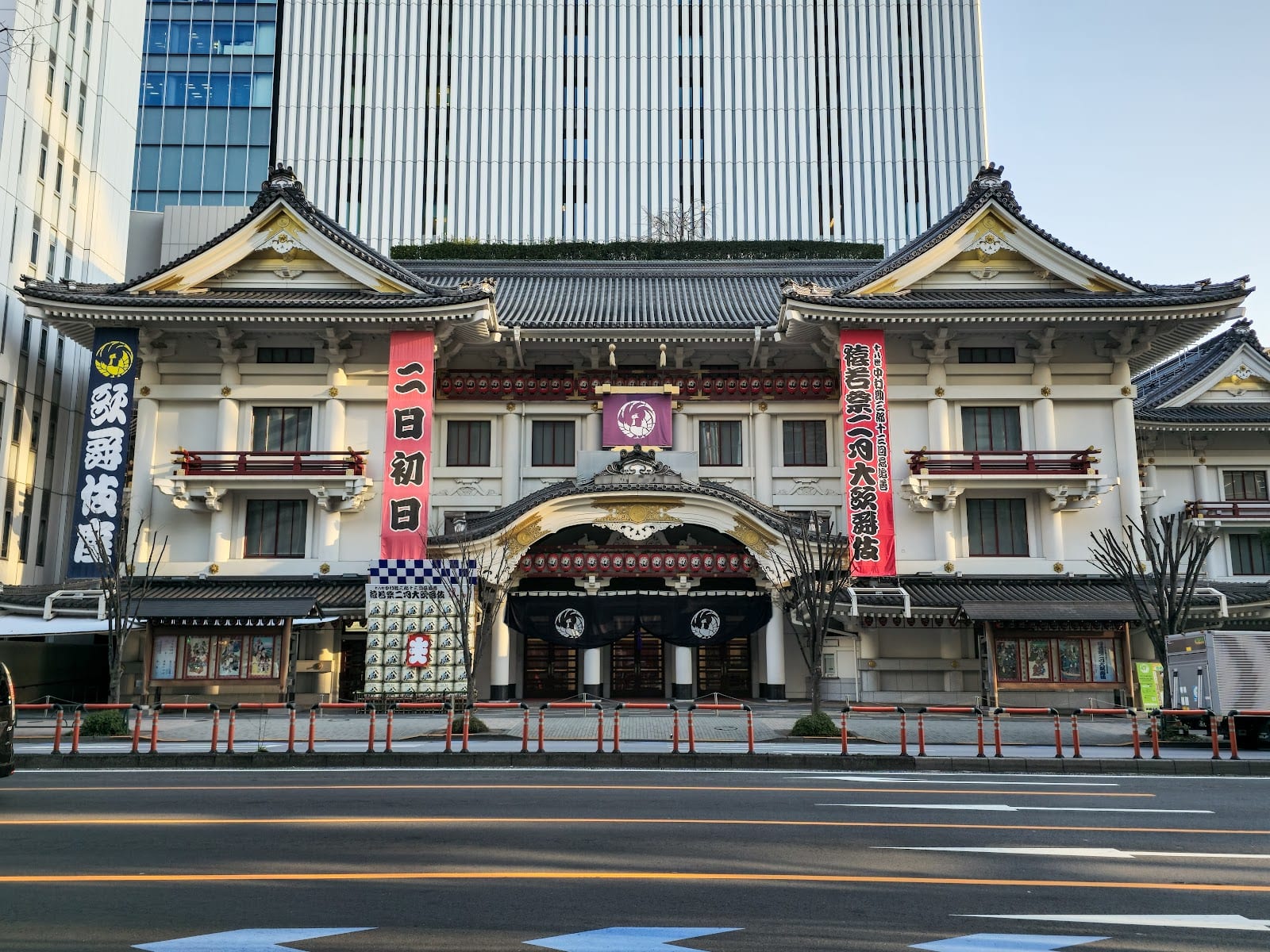
Tokyo's grand kabuki theatre, where a single-act ticket samples the spectacle for the price of a movie.
Kabukiza is the home of kabuki, Japan's four-hundred-year-old stage drama of stylized acting, music, and elaborate costume and makeup. The current theatre, the fifth on the site, opened in 2013 behind a high-rise tower by the architect Kengo Kuma, its traditional Momoyama-style facade rebuilt at street level. A full program runs around four hours across several acts, but you do not have to commit to all of it: same-day single-act tickets, called hitomaku-mi, let you watch just one act from the top tier, usually around 1,000 to 2,000 yen, sold on the day for cash. Non-Japanese speakers can rent an English audio guide, about 800 yen for a single act, to follow the story. It is the most approachable way into one of Tokyo's great cultural experiences.
Two programs most days: matinee from ~11am, evening from ~4:30pmGood for couples, solo, friends
- 3
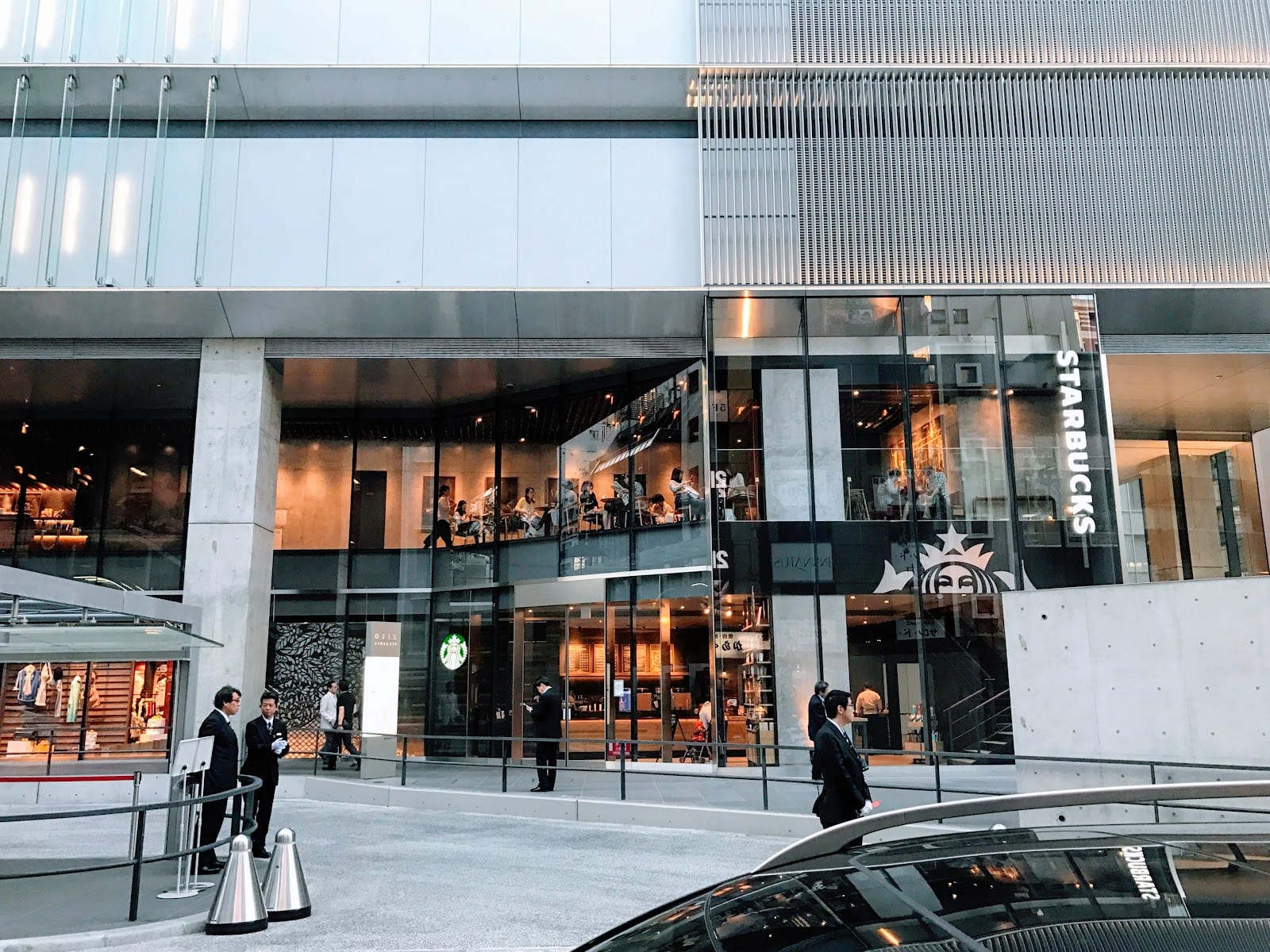
 6-chome Worth it
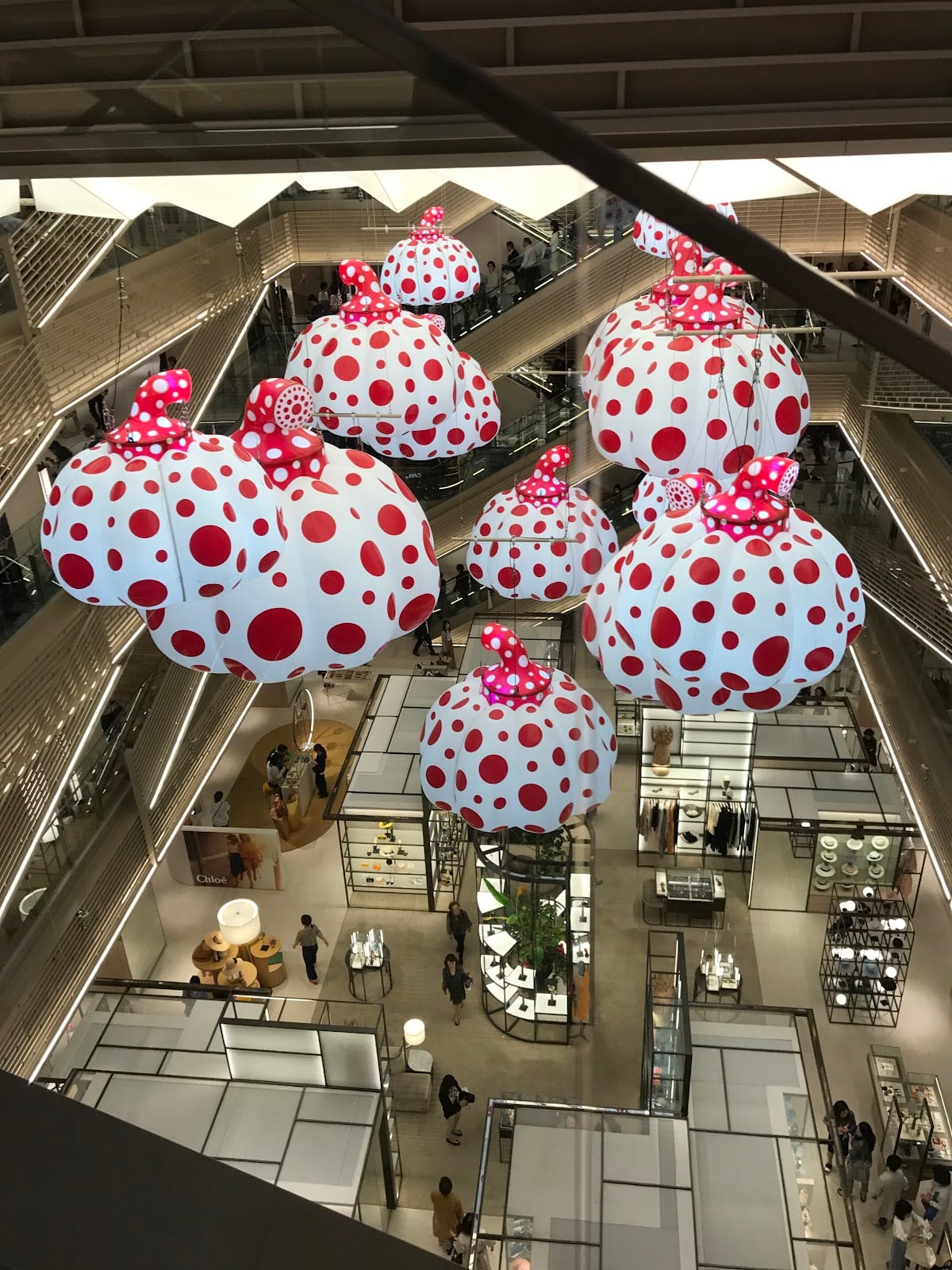
Ginza Six
Ginza's biggest mall, with a giant art installation in the atrium and a free rooftop garden.
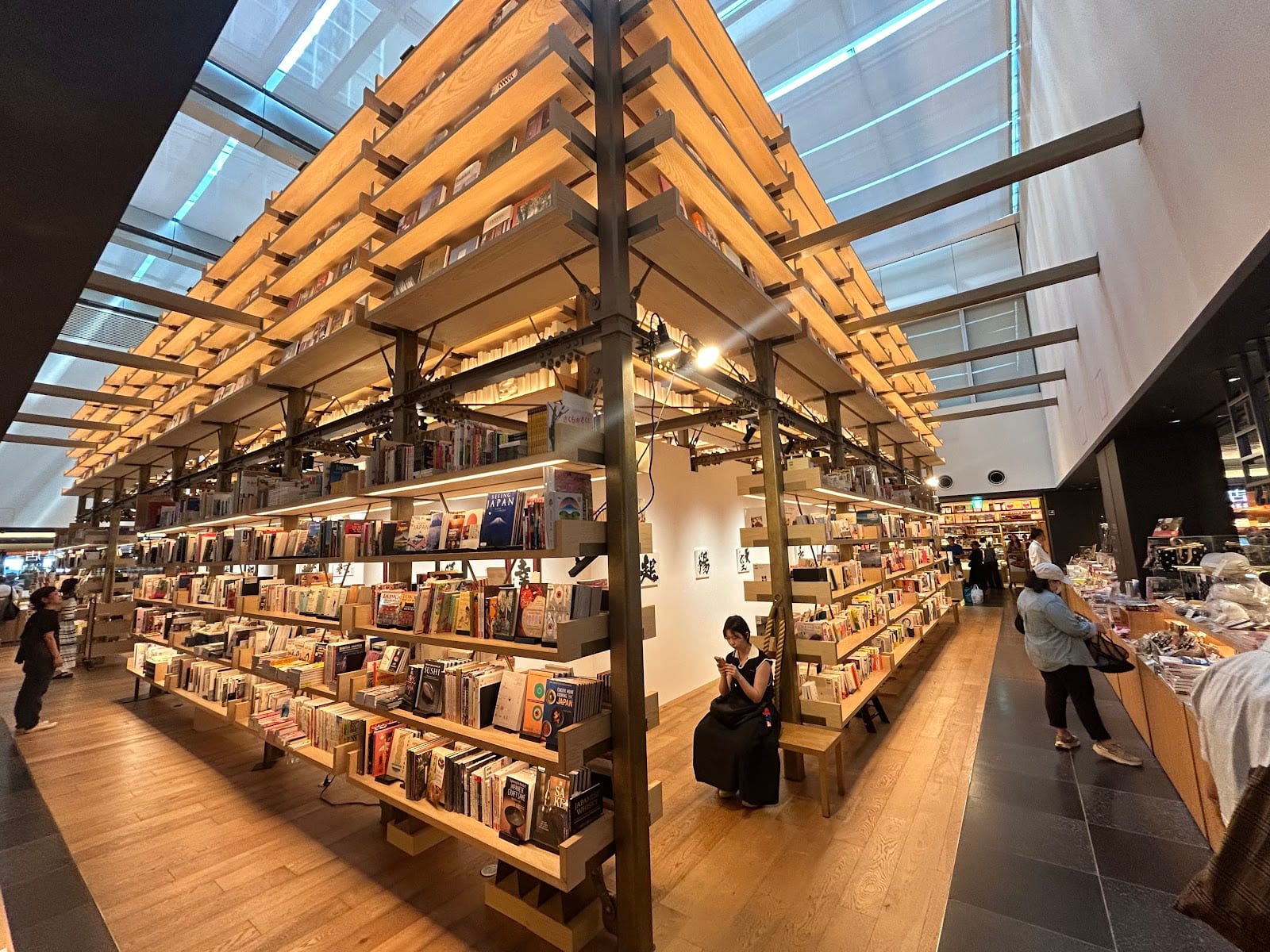
Opened in 2017, Ginza Six is the largest of the district's retail complexes, with around 240 shops, heavy on luxury fashion but with plenty to see without spending a yen. The central atrium carries a rotating contemporary-art installation, launched with Yayoi Kusama's suspended polka-dot pumpkins, and a permanent teamLab digital waterfall flows down the atrium's living wall. There is a large Tsutaya bookstore on the sixth floor and a Noh theatre in the basement. Best of all, the rooftop garden, about four thousand square meters of lawn and benches with long views over central Tokyo, is free and open to the public. Give it an hour or two, and ride to the roof even if you buy nothing.
Good for families, couples, friends


Worth it with more time
Good additions once you've done the icons.- 1
 4-chome Worth it
Wako
The clock tower that is the symbol of Ginza, above the city's most famous crossing.
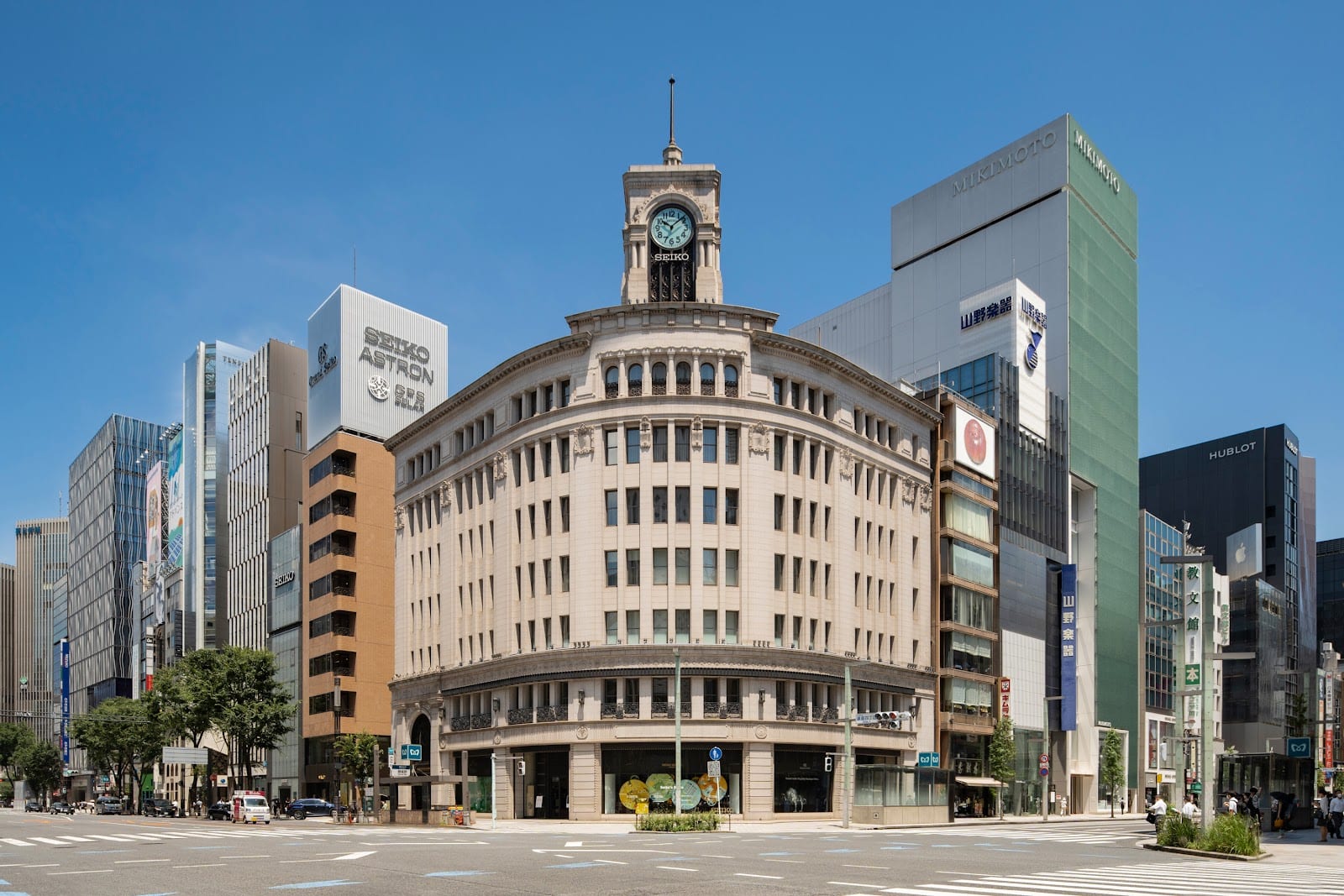
If Ginza has a single symbol, it is the clock tower on the Wako building at the 4-chome crossing, the busy intersection where Chuo-dori meets Harumi-dori. The neo-classical building was completed in 1932 for the watchmaker Hattori, the company that became Seiko, and its clock has chimed the Westminster melody on the quarter hour since 1954. Wako is still a Seiko-owned luxury department store today, known for watches, jewelry, and a famous chocolate and fruit counter; the building was officially renamed Seiko House Ginza in 2022, though most people still call it Wako. You come for the photo and the chimes more than the shopping. The kanji, written as harmony and light, suit it. It is free, and the crossing never closes.
Good for families, couples, solo
Sourcesen.wikipedia.orgseiko.co.jp
- 2
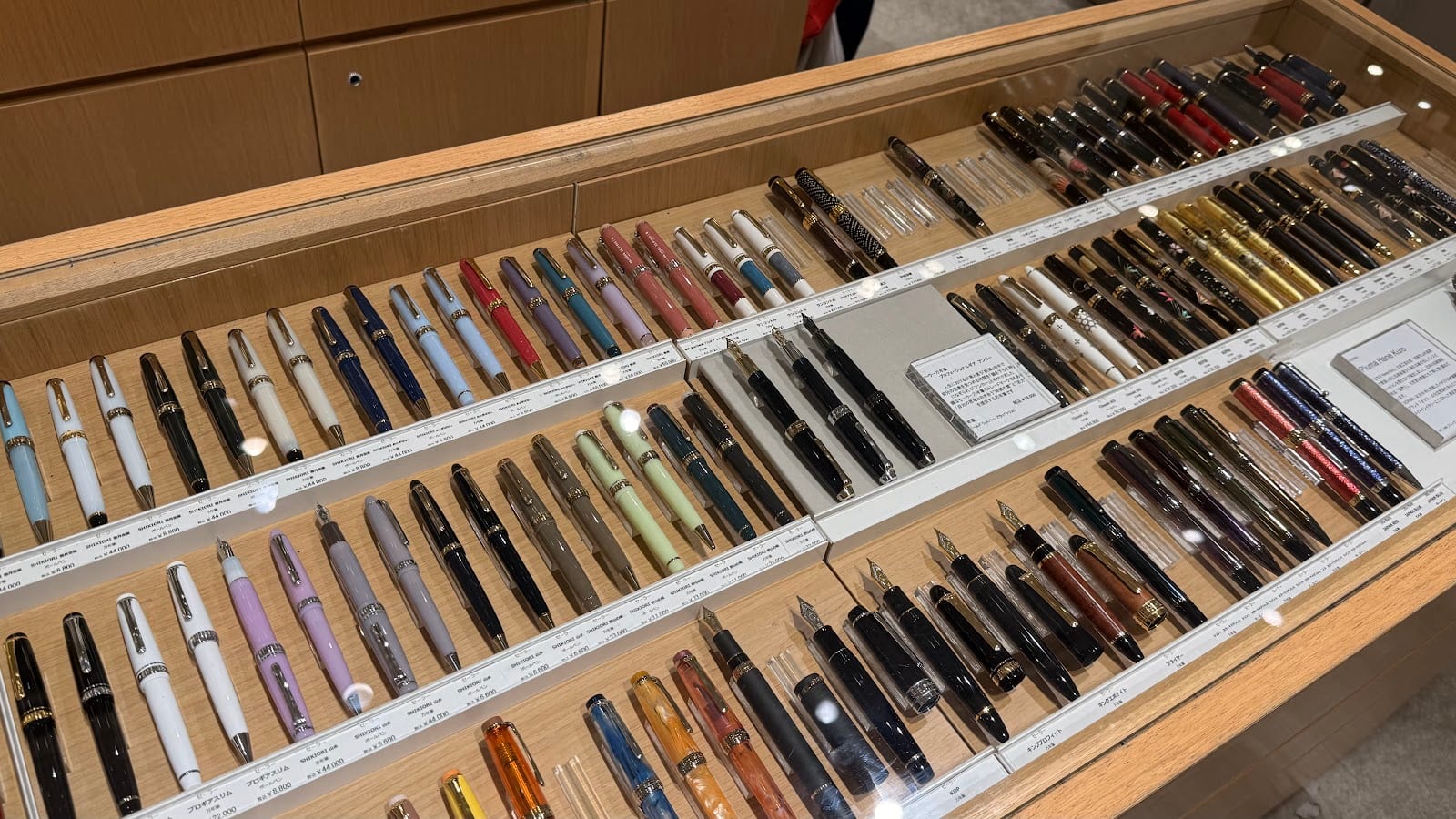
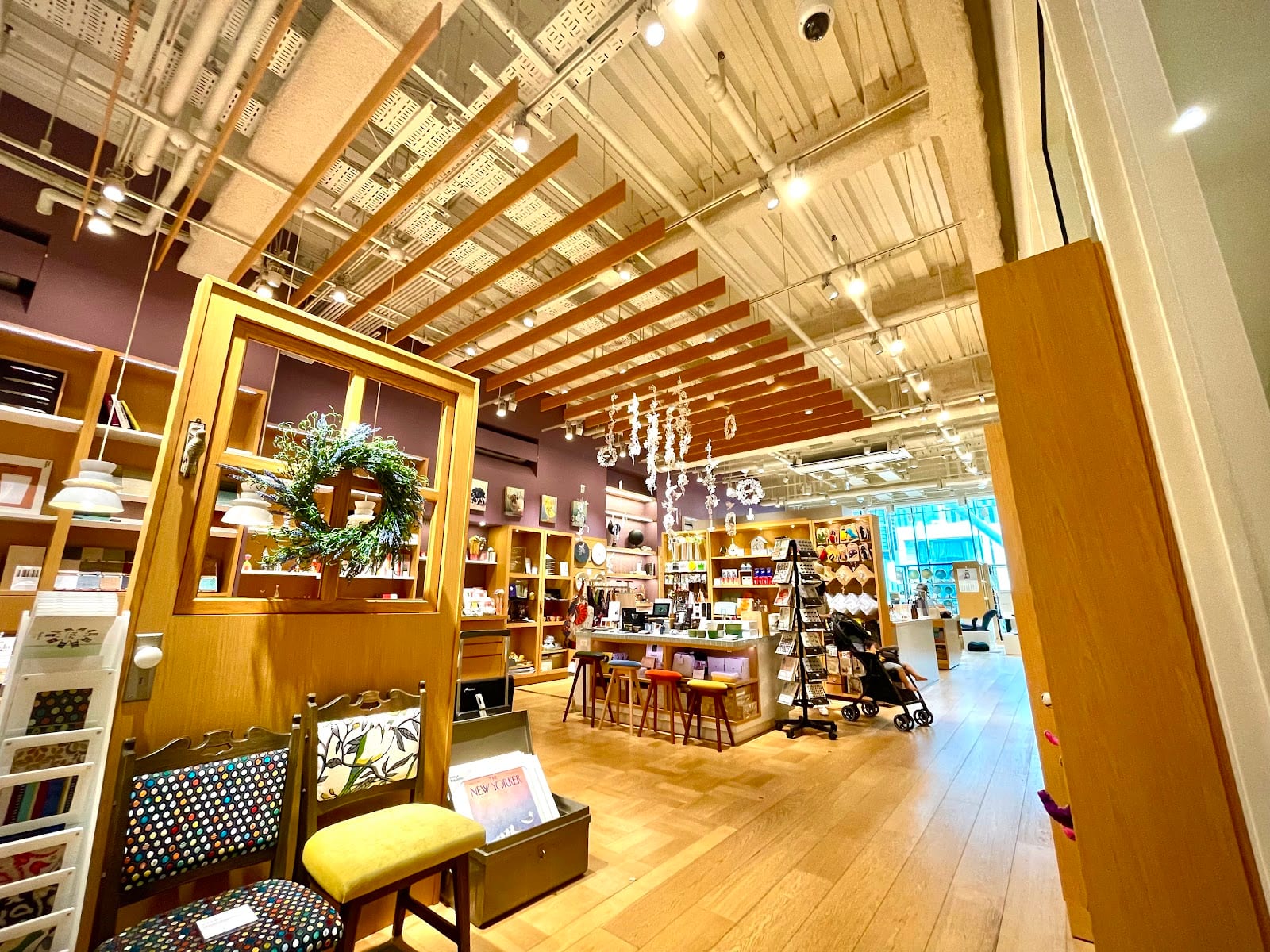 2-chome Worth it
Itoya
A century-old stationery emporium with twelve floors of paper, pens, and craft goods.
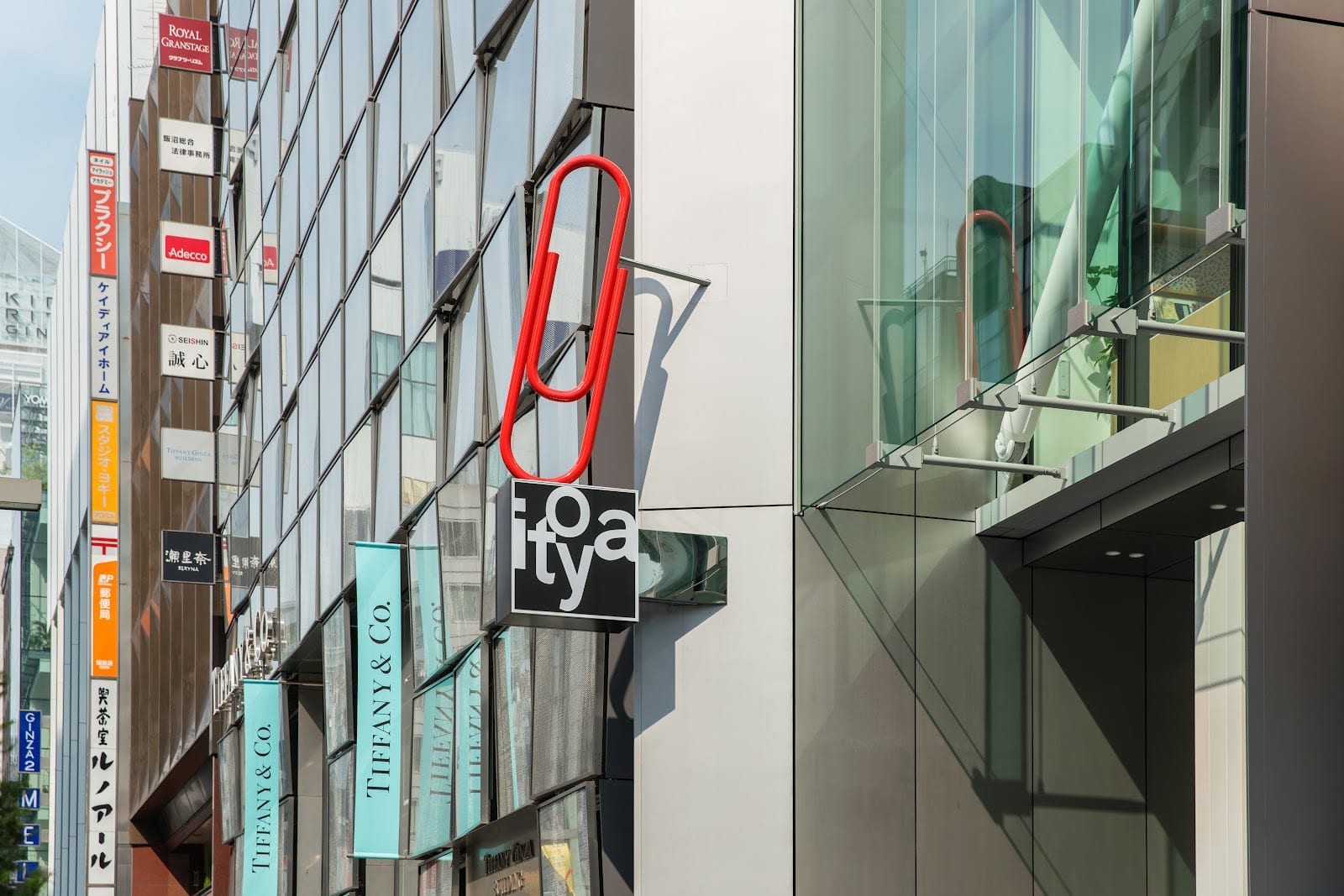
Marked by a giant red paperclip on Chuo-dori, Itoya has sold stationery in Ginza since 1904 and is a genuine pilgrimage for anyone who loves paper and pens. The flagship, G.Itoya, stacks twelve themed floors, from fountain pens and letter paper to wrapping, leather goods, and a top-floor cafe, and connects to a second building, K.Itoya, with more craft and art supplies. Even if you are not buying, it is one of the most browsable places in Ginza, full of beautifully made things you did not know you wanted. It is open roughly 10am to 8pm and free to wander.
Good for families, couples, solo
- 3
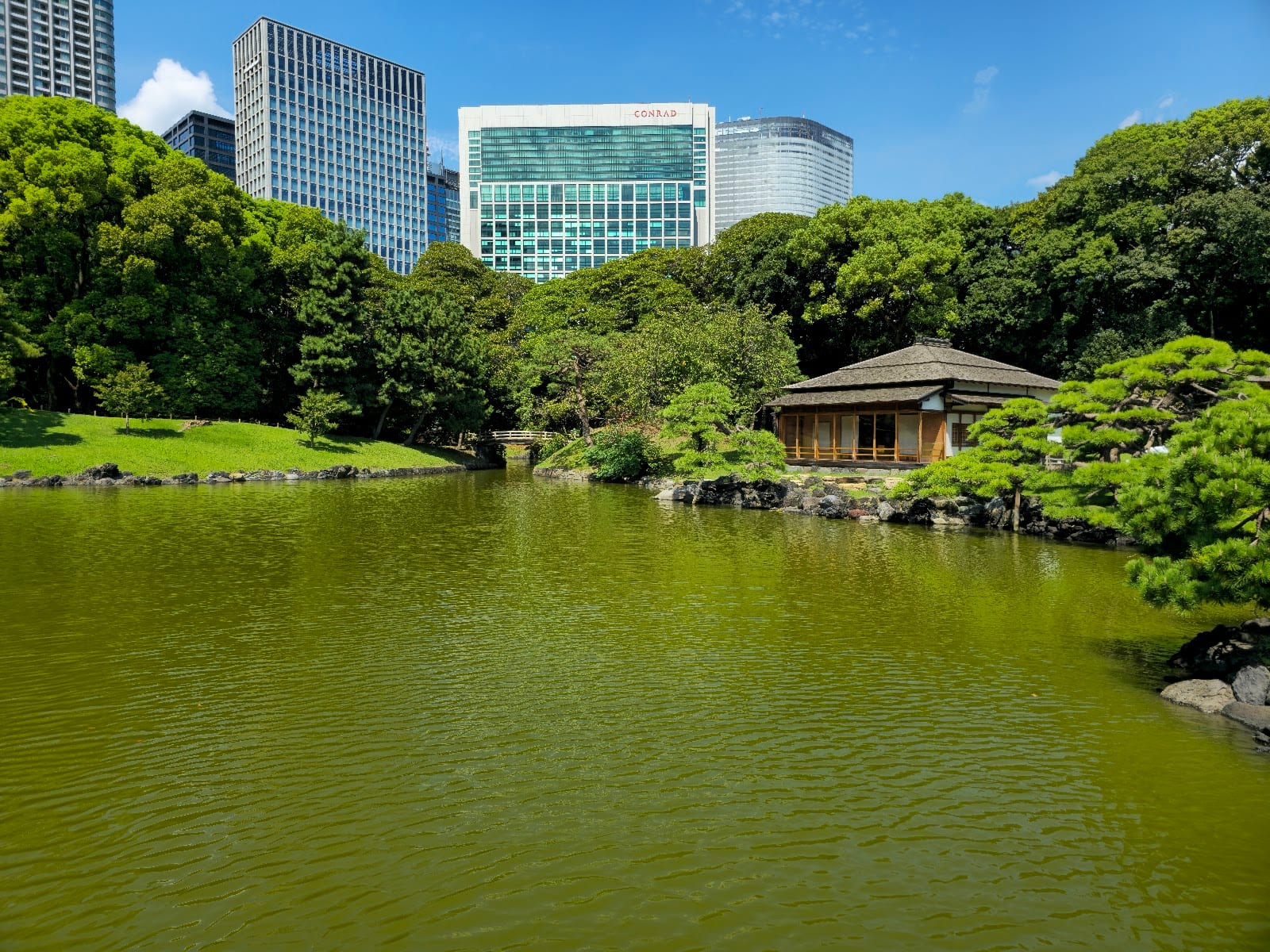
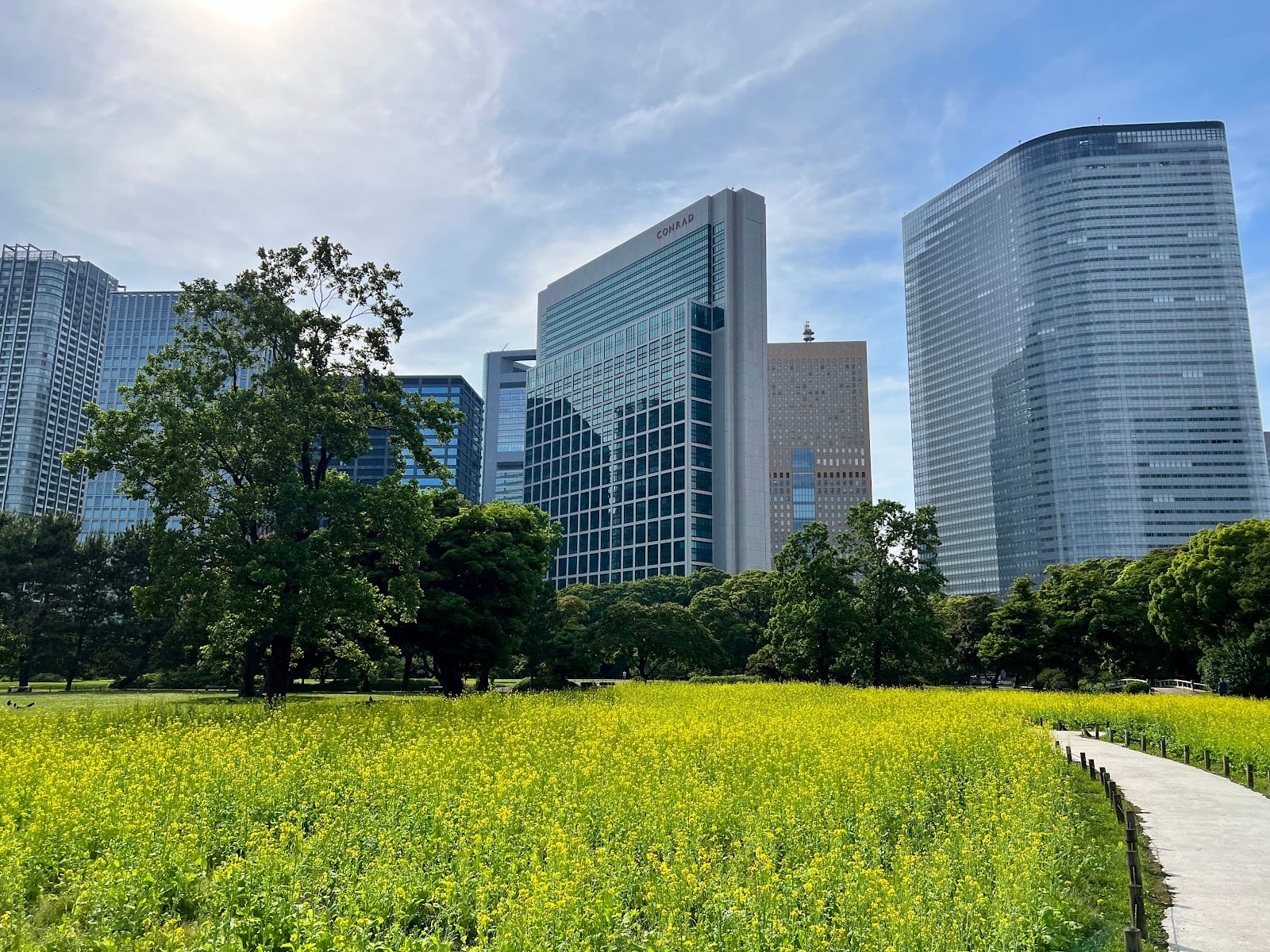
 Bayside (south) Worth it
Hama-rikyu Gardens
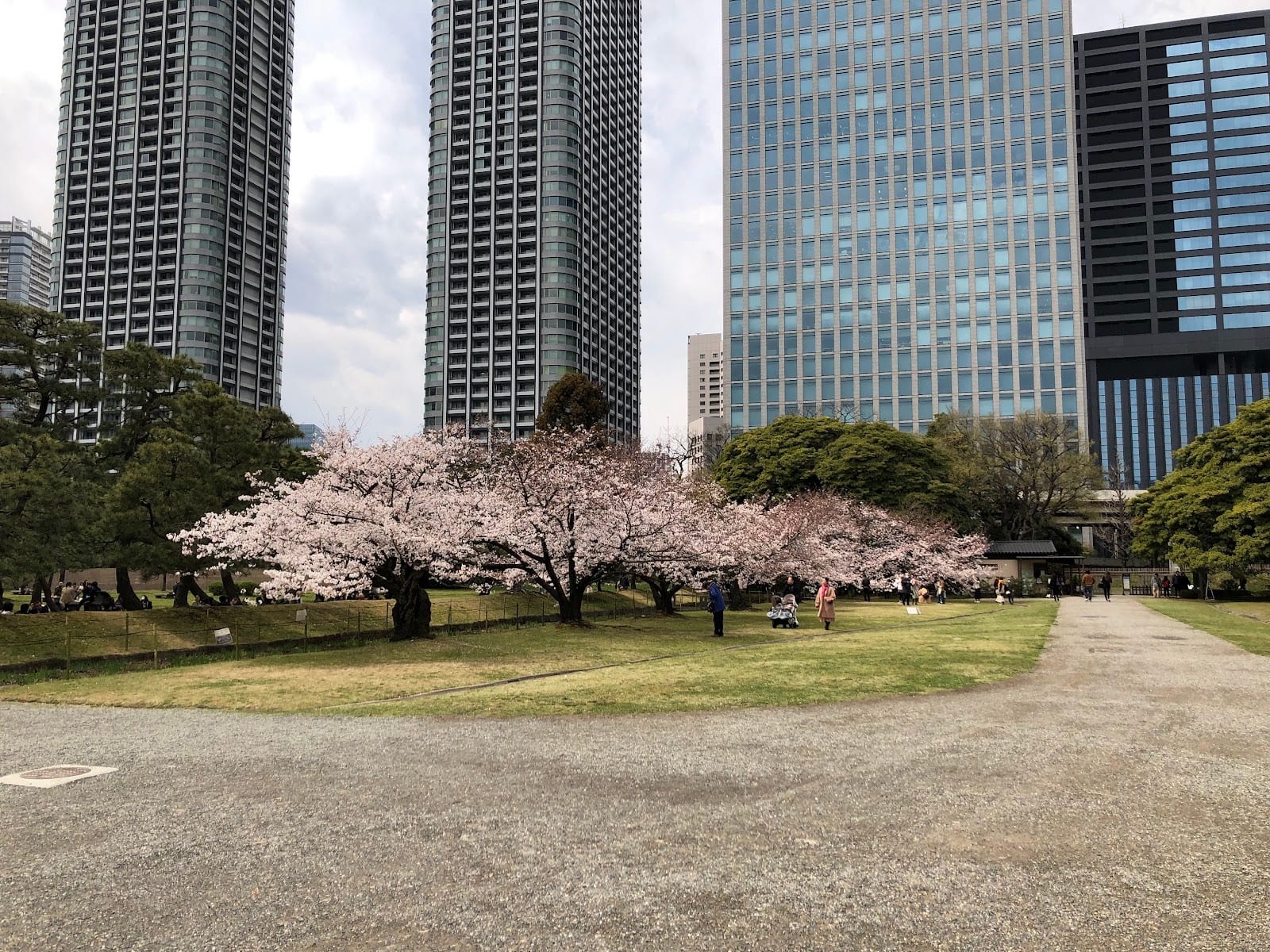
An Edo-era garden on Tokyo Bay, with a teahouse on a tidal pond and towers beyond the pines.
A flat walk south of the Ginza shops, toward the water, Hama-rikyu is one of Tokyo's finest traditional gardens. It began as a shogun's duck-hunting grounds and later became a detached palace of the imperial family before opening to the public, and its large pond is unusual in that it draws seawater from Tokyo Bay and rises and falls with the tide. On an island in the middle sits the Nakajima teahouse, where you can have a bowl of matcha and a seasonal sweet for around 1,000 yen while skyscrapers loom beyond three-hundred-year-old pines. Admission is 300 yen, it is open 9am to 5pm, and the Tokyo Cruise water bus links the garden with Asakusa up the Sumida River.
Good for families, couples, solo
- 4
 Tsukiji (southeast) Mixed
Tsukiji Outer Market
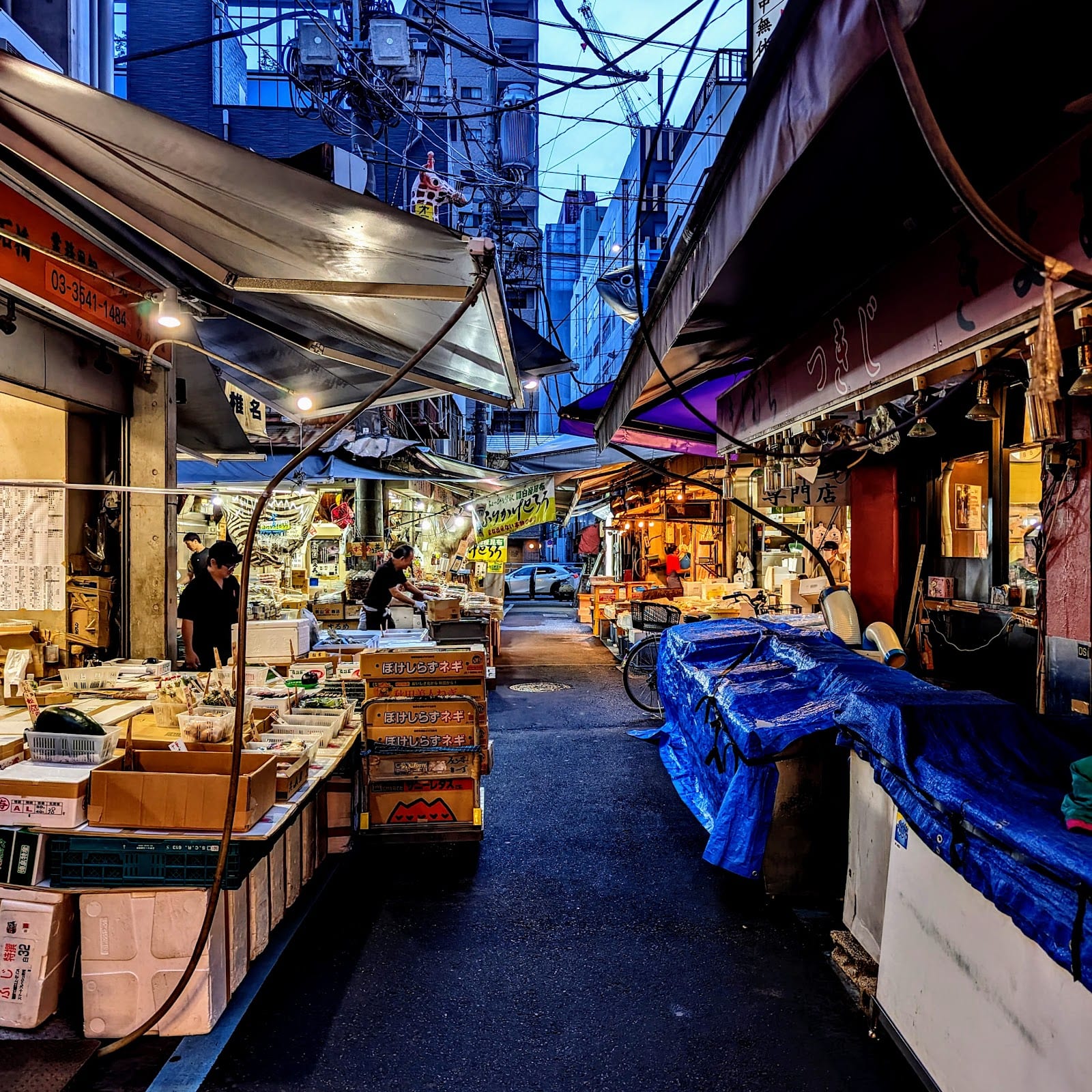
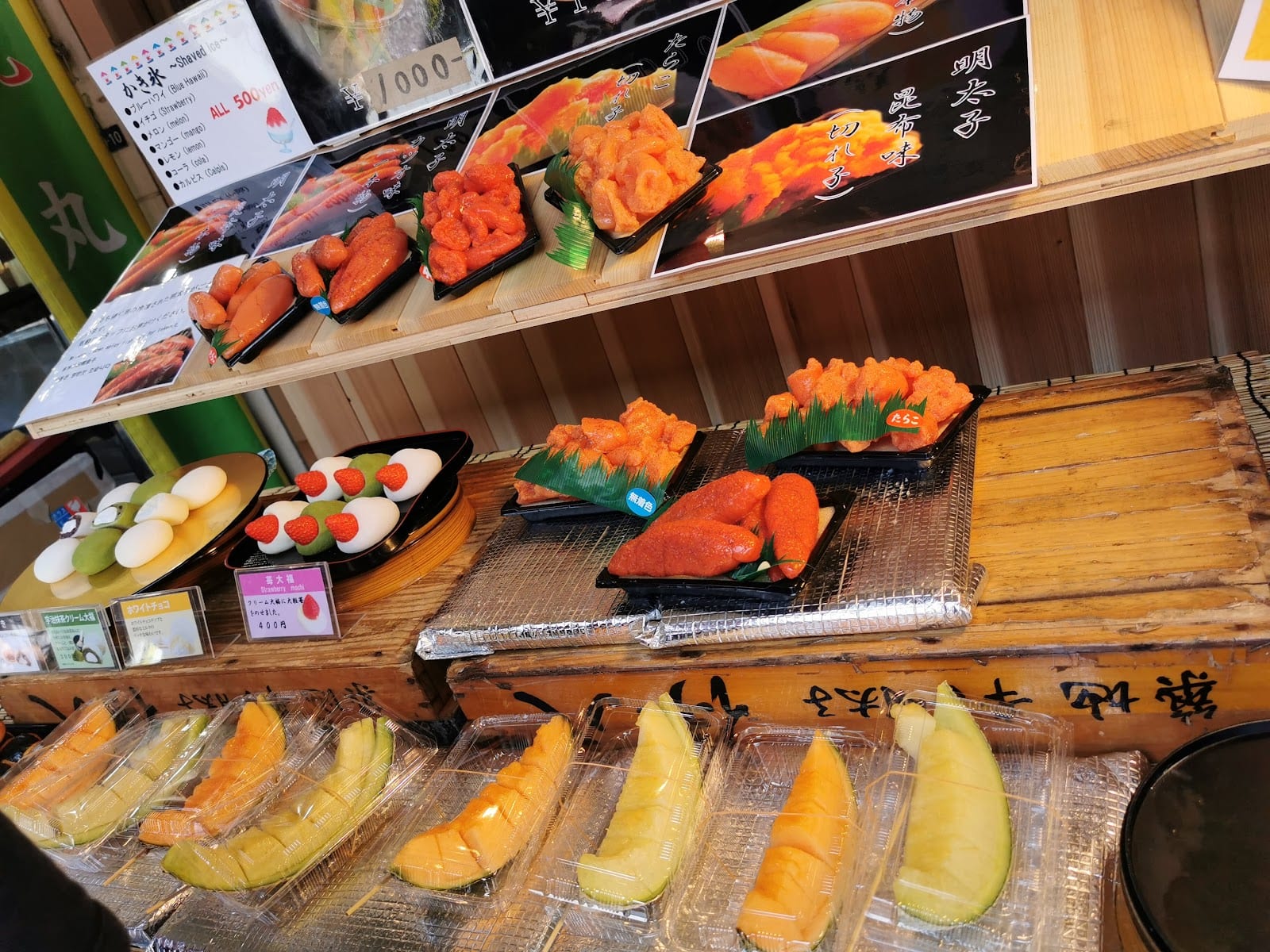
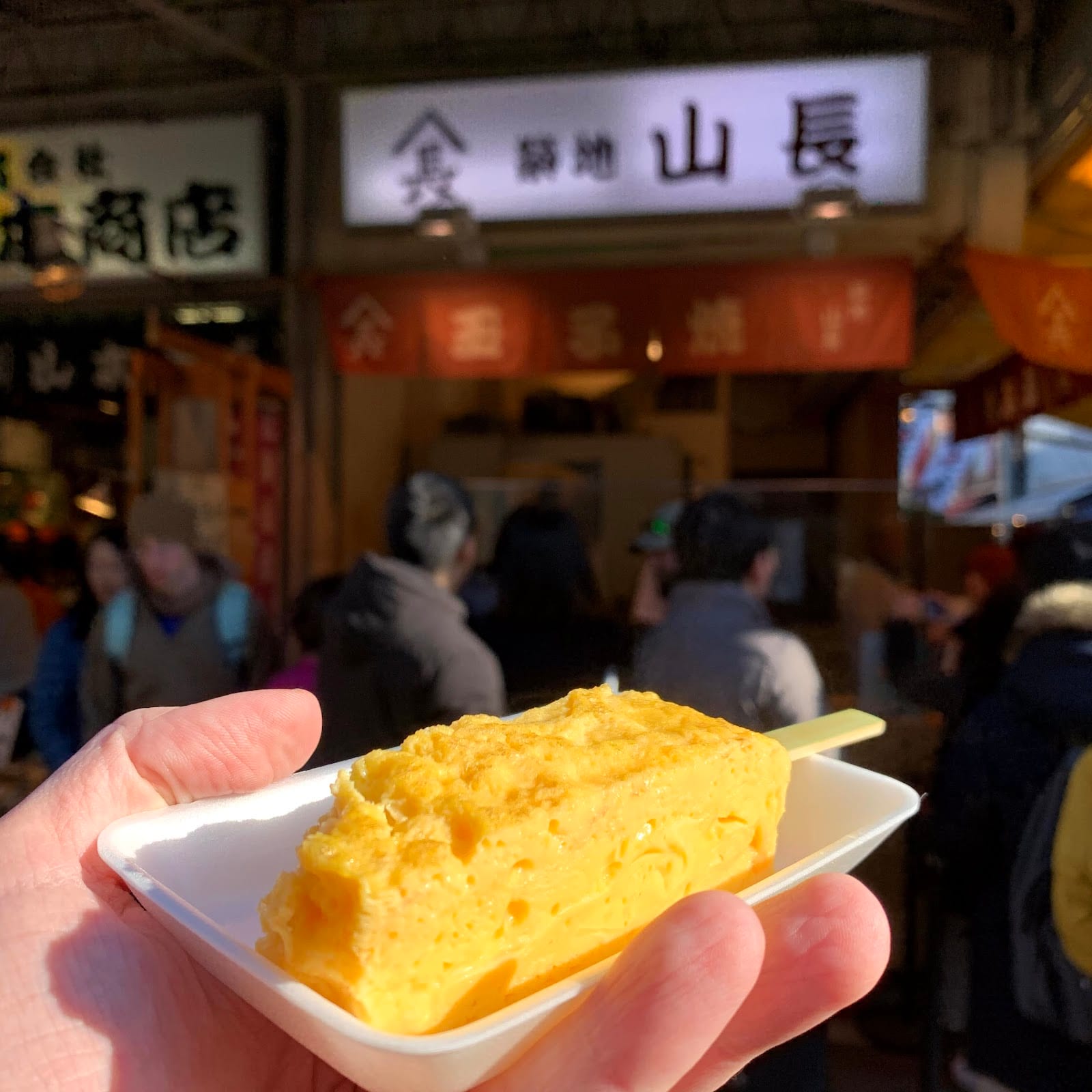
Tokyo's great food-stall market, a short walk south. Go early, and know what it is.
A ten-minute walk south of Ginza, the Tsukiji Outer Market is a dense warren of stalls and counters selling fresh seafood, tamagoyaki, grilled skewers, knives, and kitchen goods. The honest catch is what it is not: the famous inner wholesale market, with the pre-dawn tuna auctions, moved across the bay to Toyosu in 2018. What remains in Tsukiji is the outer market, the retail and street-food strip, still busy and still good, but firmly a tourist scene now rather than a working fish market. Most stalls open around 5am and many shut by early afternoon, and it is closed on Sundays, holidays, and some Wednesdays, so come hungry in the morning. Wandering is free; you pay only for what you eat.
Most stalls ~5am-2pm; closed Sundays and holidaysGood for solo, friends, families


Hidden gems
Where the crowds thin out.- Hidden gem
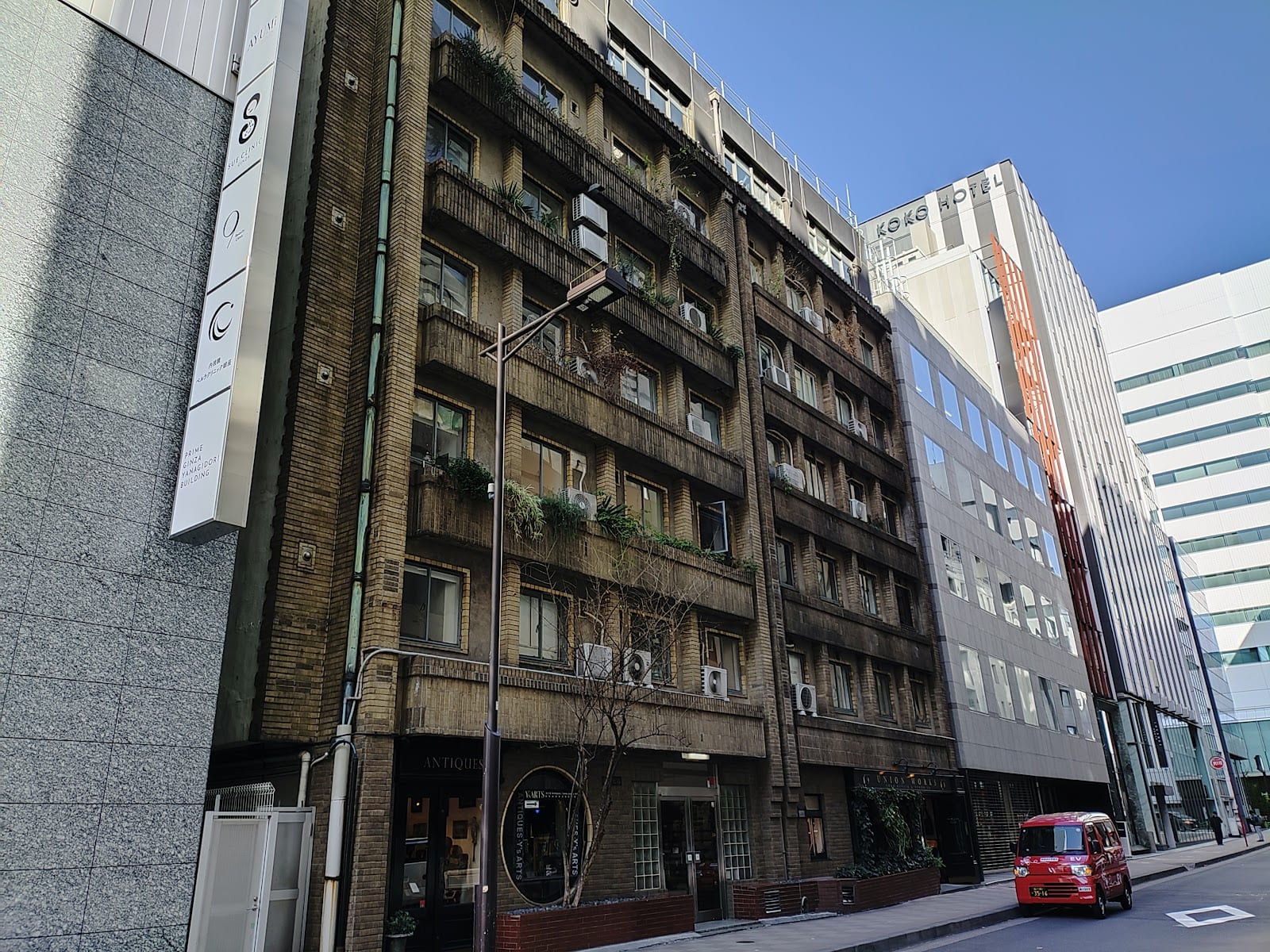
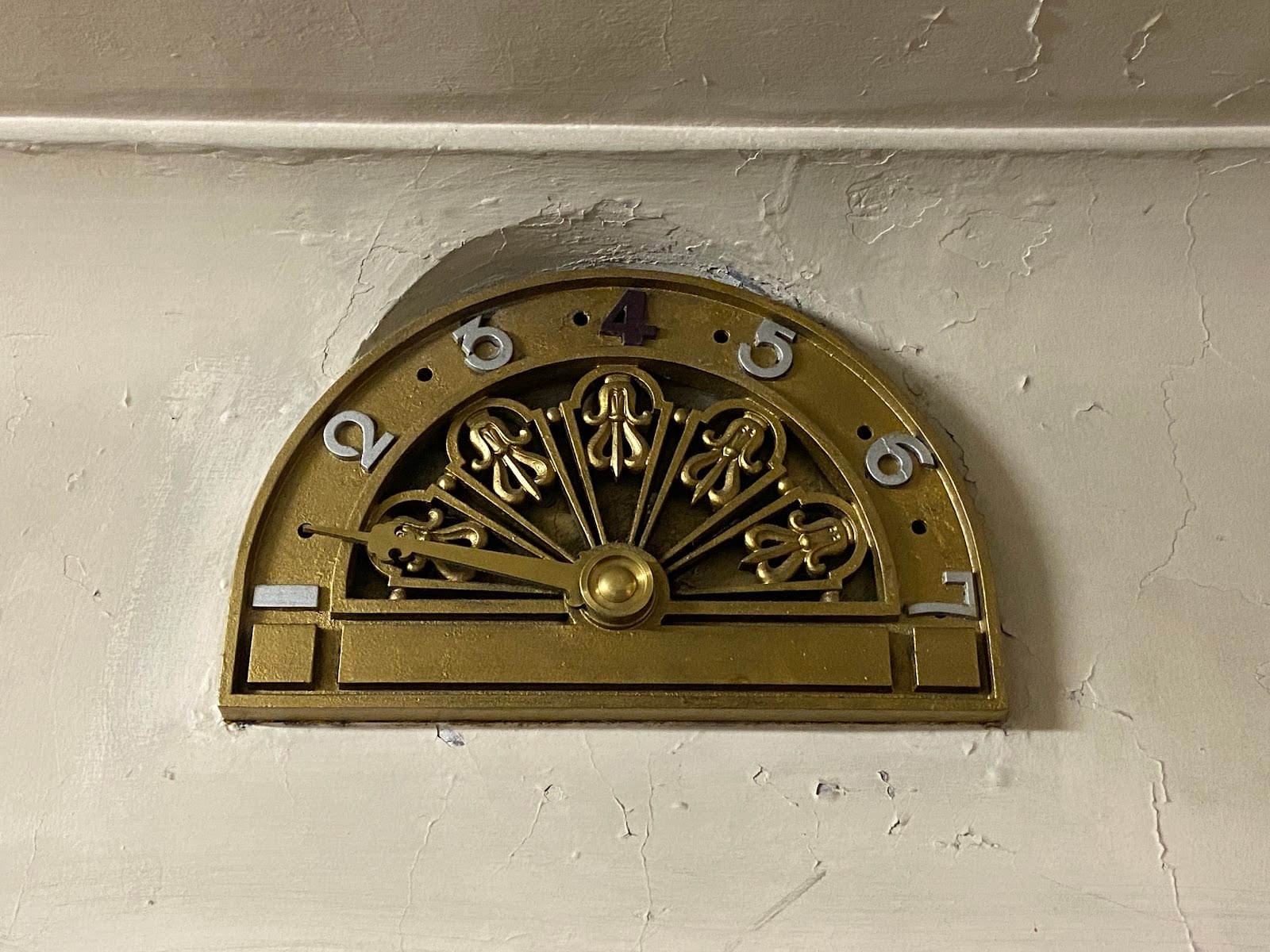
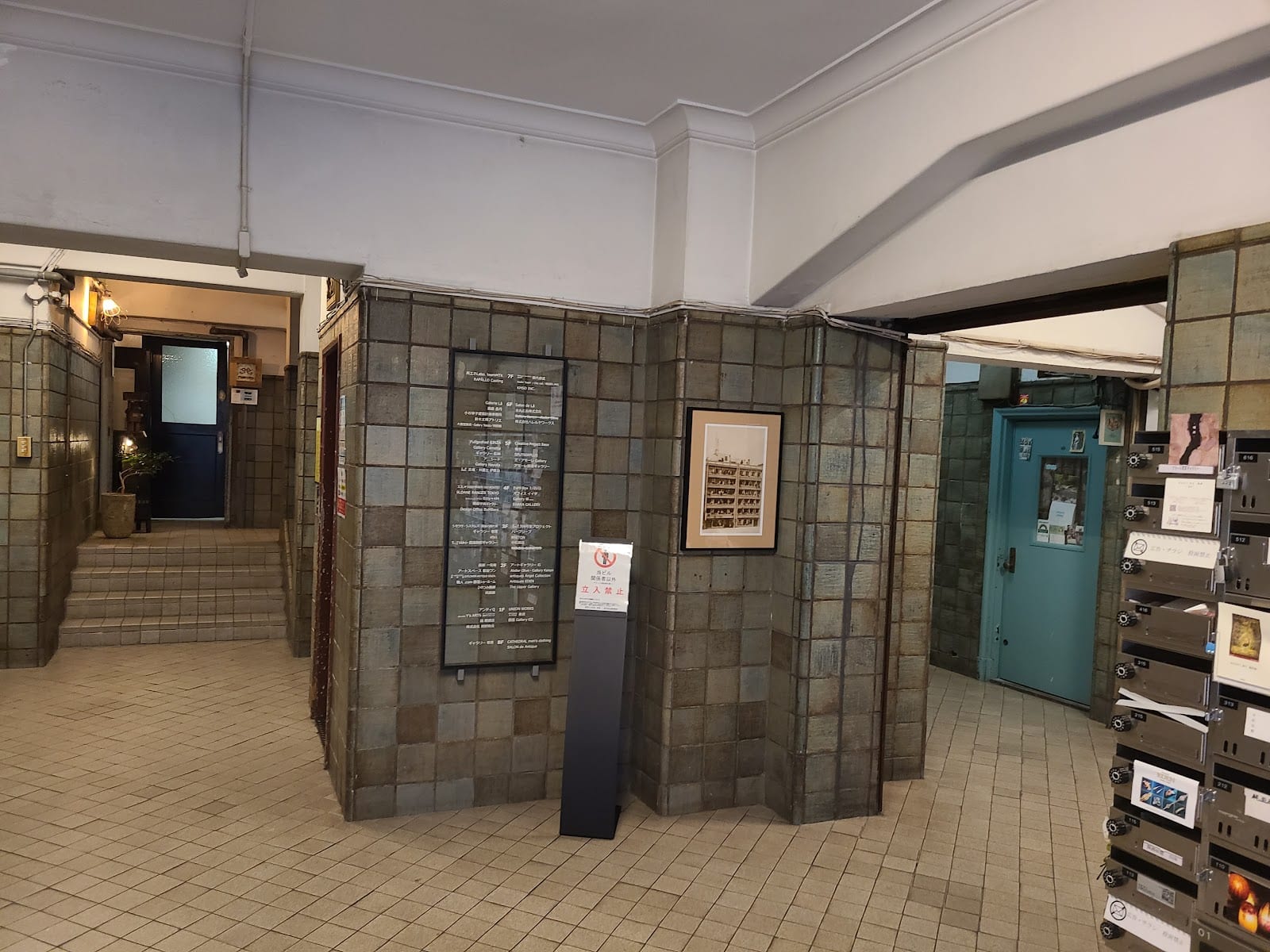 1-chome Worth it
Okuno Building
A 1932 Art Deco apartment block, now a warren of tiny galleries, with a hand-cranked cage elevator.
Tucked on a side street in Ginza 1-chome, a few minutes north of the flagships, the Okuno Building is the district's quietest surprise. Built in 1932 as the high-end Ginza Apartments and designed by Ryoichi Kawamoto, it survived the wartime firebombing, and today its small rooms hold dozens of independent art galleries and antique dealers, most free to step into. The real draw is the building itself: a manually operated cage elevator, one of very few left in Tokyo, still runs, with Art Deco floor dials and worn tile in the stairwells. Push open a door at random and you find a one-room show; ride the old lift; and feel a pre-war Ginza that has vanished from the avenues outside. It costs nothing, and almost no tour groups know it is here.
Good for solo, couples


Verdicts and rankings are our own; ratings open each place on Google. Prices, where shown, are an approximate per-person guide in USD.
Ginza on screen
Where you've seen Ginza before
Ginza's great landmark has a long screen life, smashed by Godzilla twice across seventy years and standing in for the height of Tokyo glamour. Tap a trailer, then go stand in it:
- Film, 1954
Godzilla
In the original Toho film's most famous sequence, Godzilla rampages through Ginza and tears down the Hattori clock tower, the Wako building at the 4-chome crossing. The shot of the monster turning to the chiming clock before destroying it became one of the defining images of Japanese cinema.
WakoSource - Film, 2023
Godzilla Minus One
Seventy years on, the Oscar-winning reboot returns to Ginza for its great city set piece, sending Godzilla's heat ray tearing through the district in a film that consciously echoes the 1954 original. Stand at the 4-chome crossing and you are in the Ginza both films chose to level.
WakoSource - Documentary
Kabuki for Beginners
Before you buy a single-act ticket at Kabukiza, this official, English-subtitled primer from Shochiku, the company that runs the theatre, walks you through the stage mechanisms, the makeup, and what you are actually watching. The best ten minutes of prep for a first kabuki act.
Kabukiza TheatreSource
Eat & drink
Where to eat and drink in Ginza
Ginza is Tokyo's fine-dining heartland, with one of the densest concentrations of Michelin-starred restaurants anywhere, but you do not need a near-impossible reservation to eat well here. A few we'd point you to:
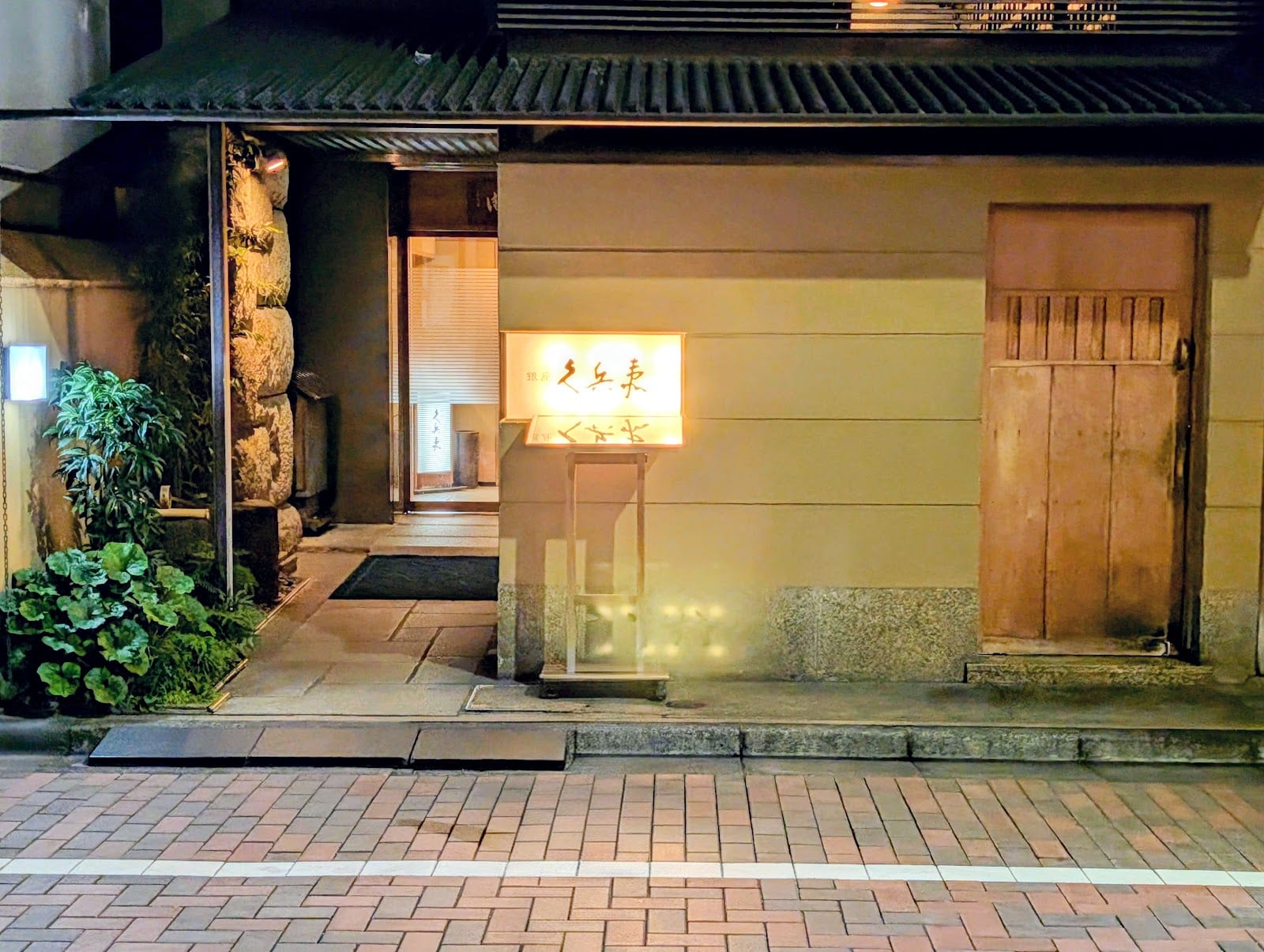
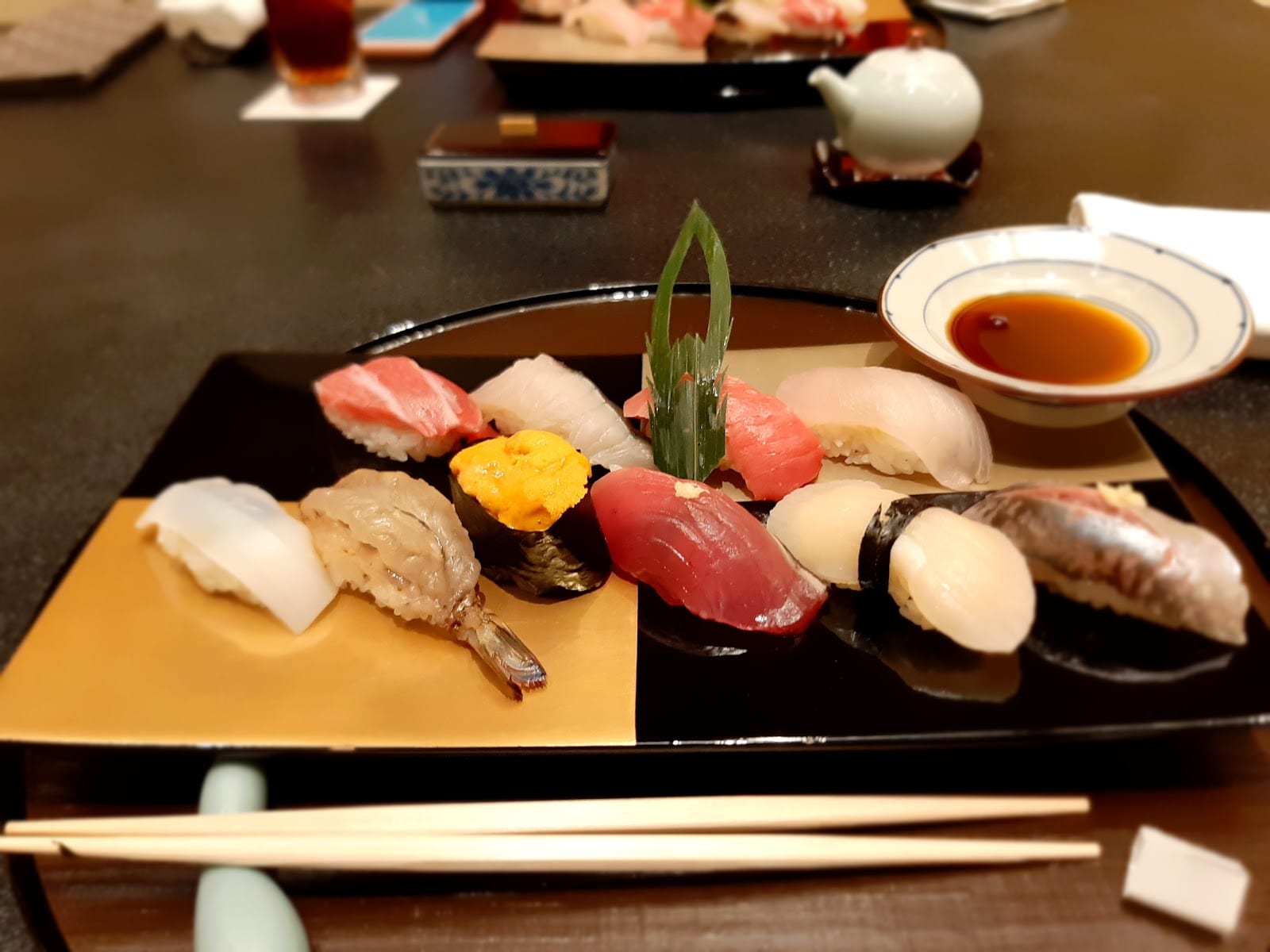
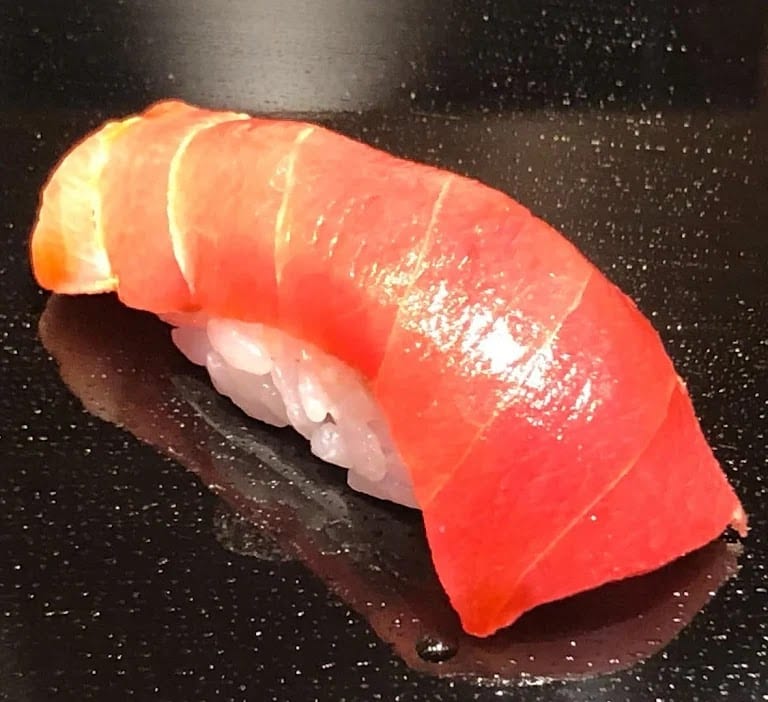
Kyubey
8-chomeOne of Ginza's most respected sushi houses, open since 1935 and credited with inventing the gunkan-maki, the nori-wrapped battleship roll. Ginza is the global capital of the near-unbookable, forty-thousand-yen sushi counter, but Kyubey is the reachable version: book a lunch course from around 8,000 yen and eat beautifully made Edomae sushi at the counter.
on Google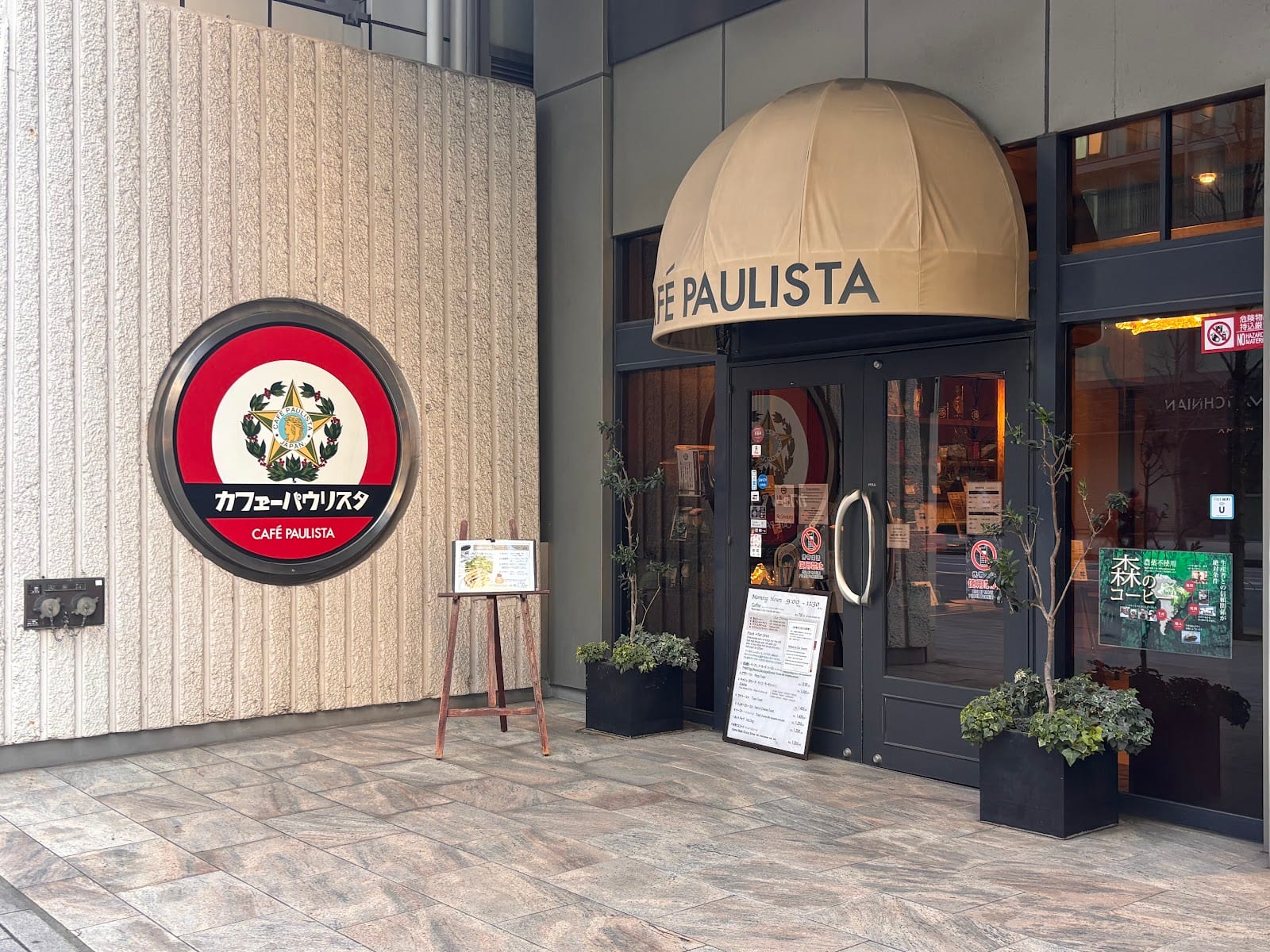
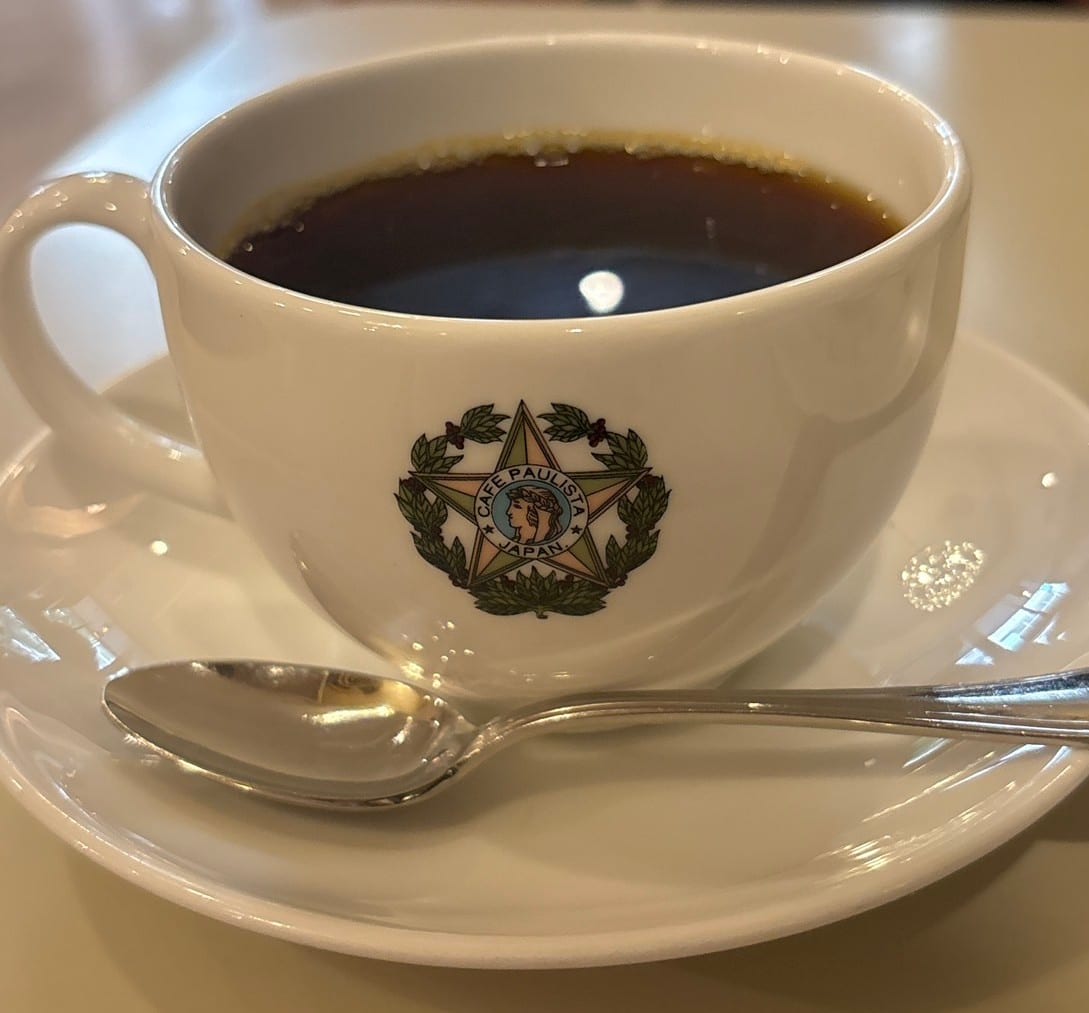
Cafe Paulista
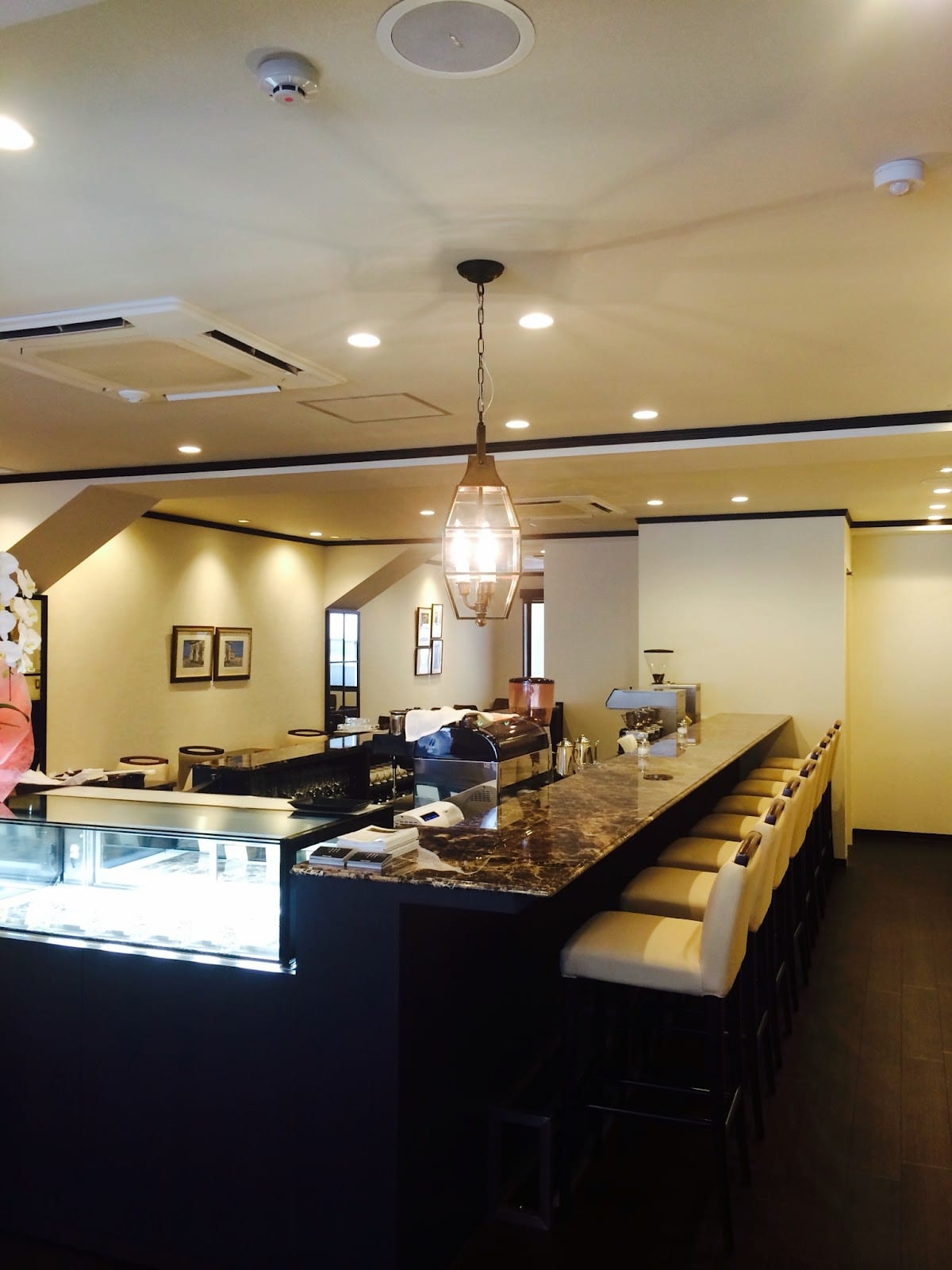
8-chomeA Ginza coffee house since 1911 and one of the oldest cafes in Japan, built on Brazilian beans. The signature Cafe Florestal runs under 900 yen, and the cafe lists John Lennon among its past regulars. Whether the word ginbura, for a Ginza stroll, really comes from its Brazilian coffee is a good story more than settled fact.
on Google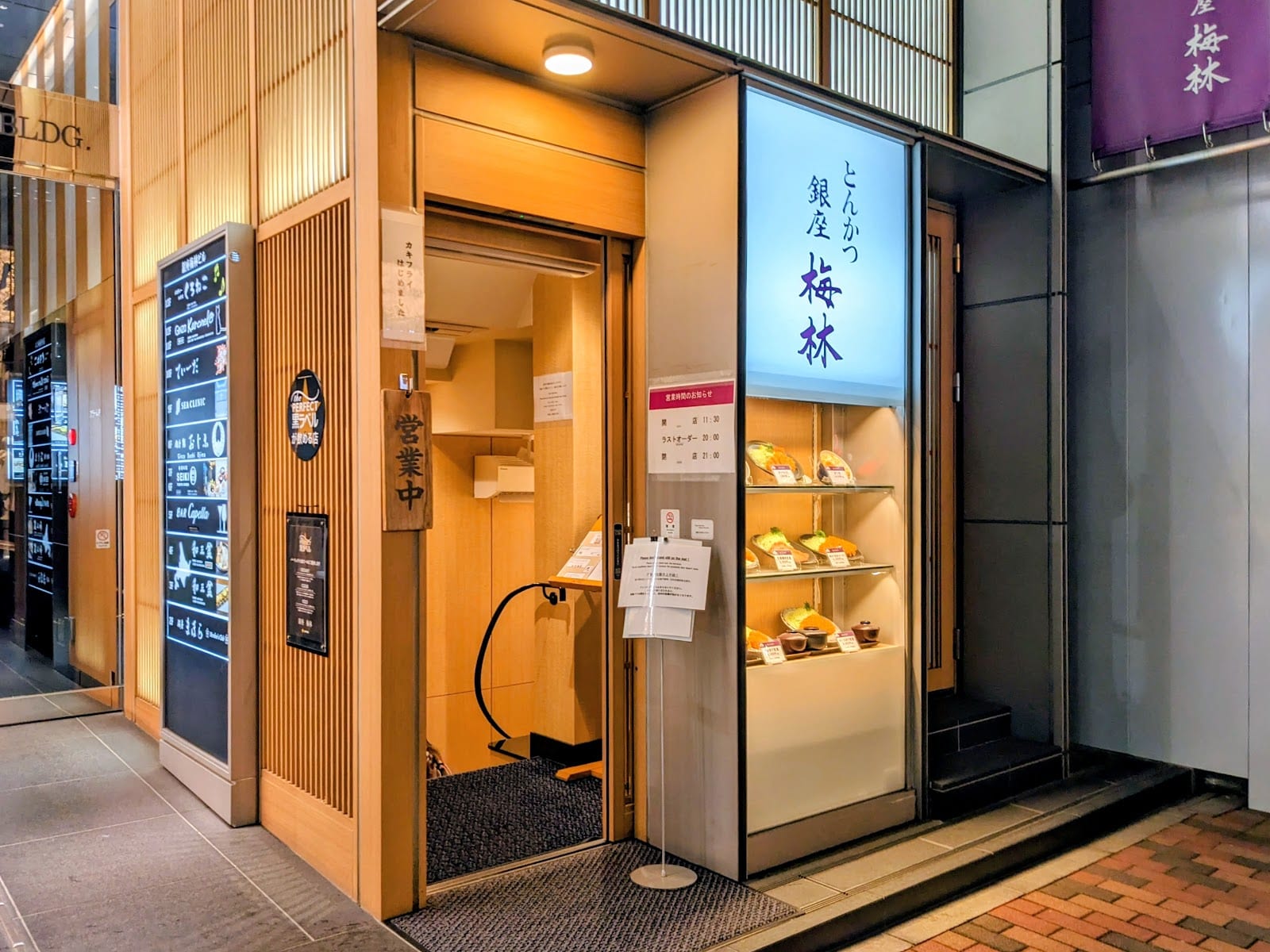
Ginza Bairin
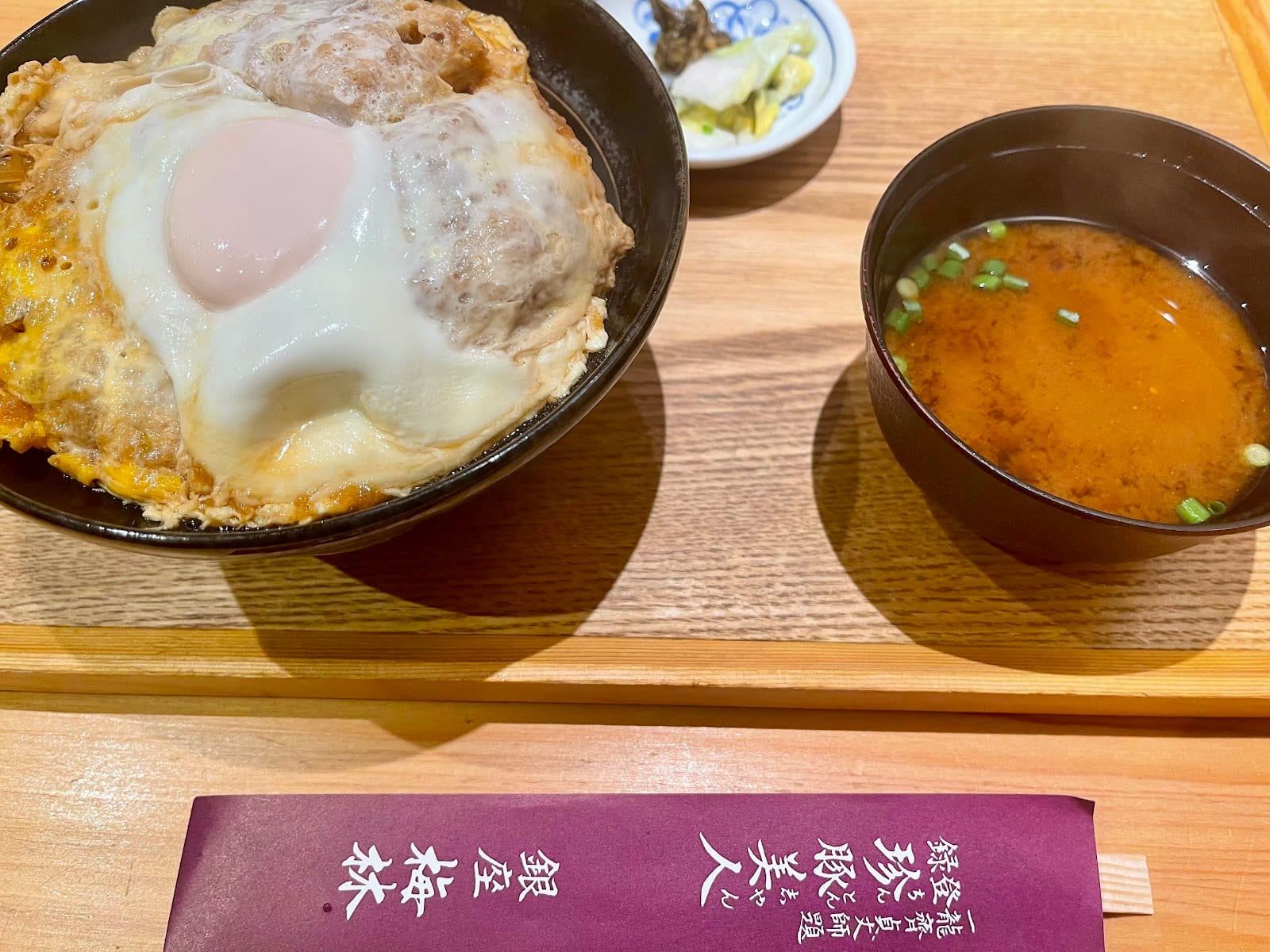
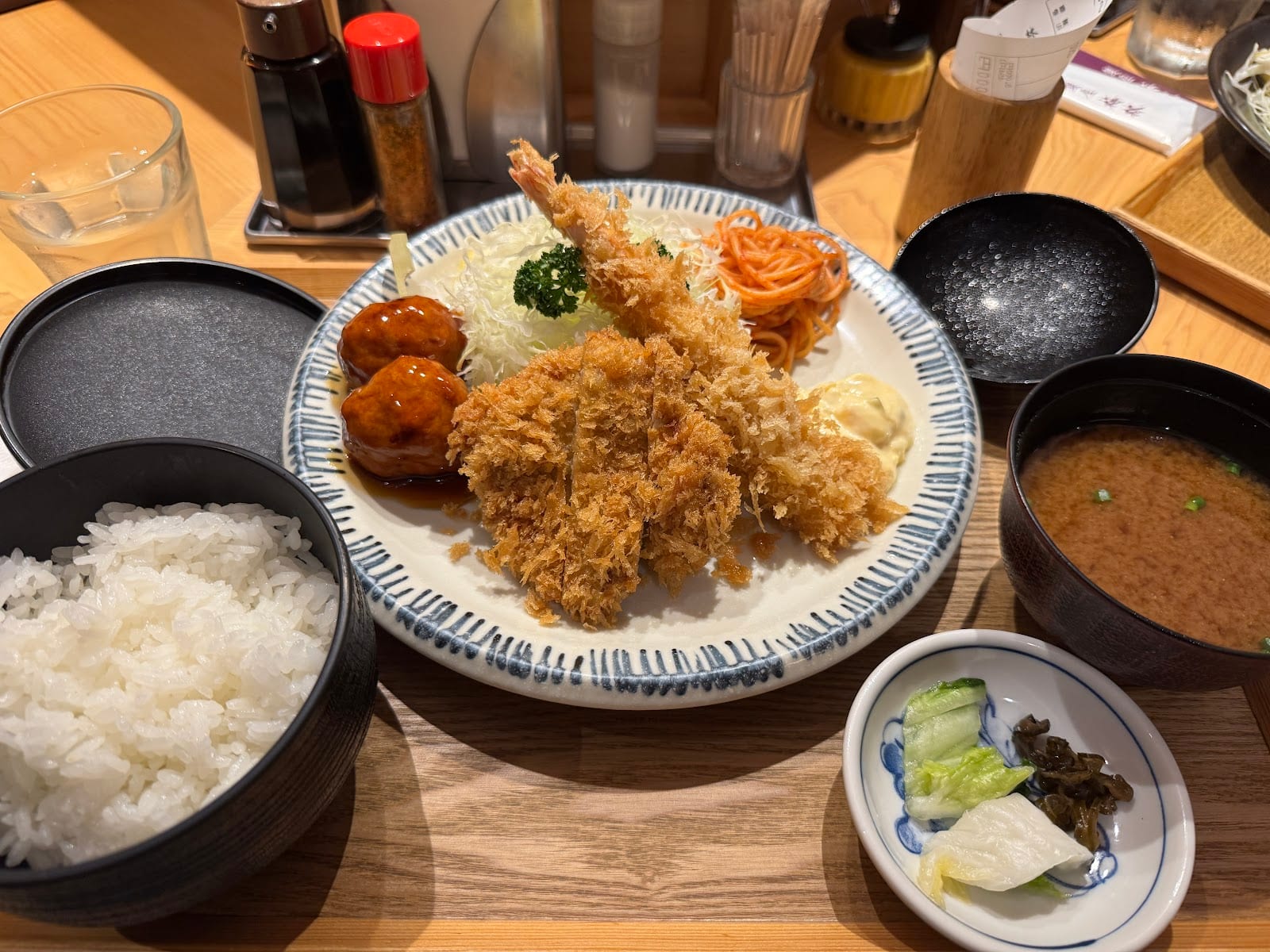
7-chomeA tonkatsu institution open since 1927, which bills itself as the first specialist pork-cutlet shop in Ginza. The draw is the bite-sized hitokuchi katsu, the house sauce, and a rich signature katsudon, all at prices that stay friendly in an expensive neighborhood. Expect a queue at lunch.
on Google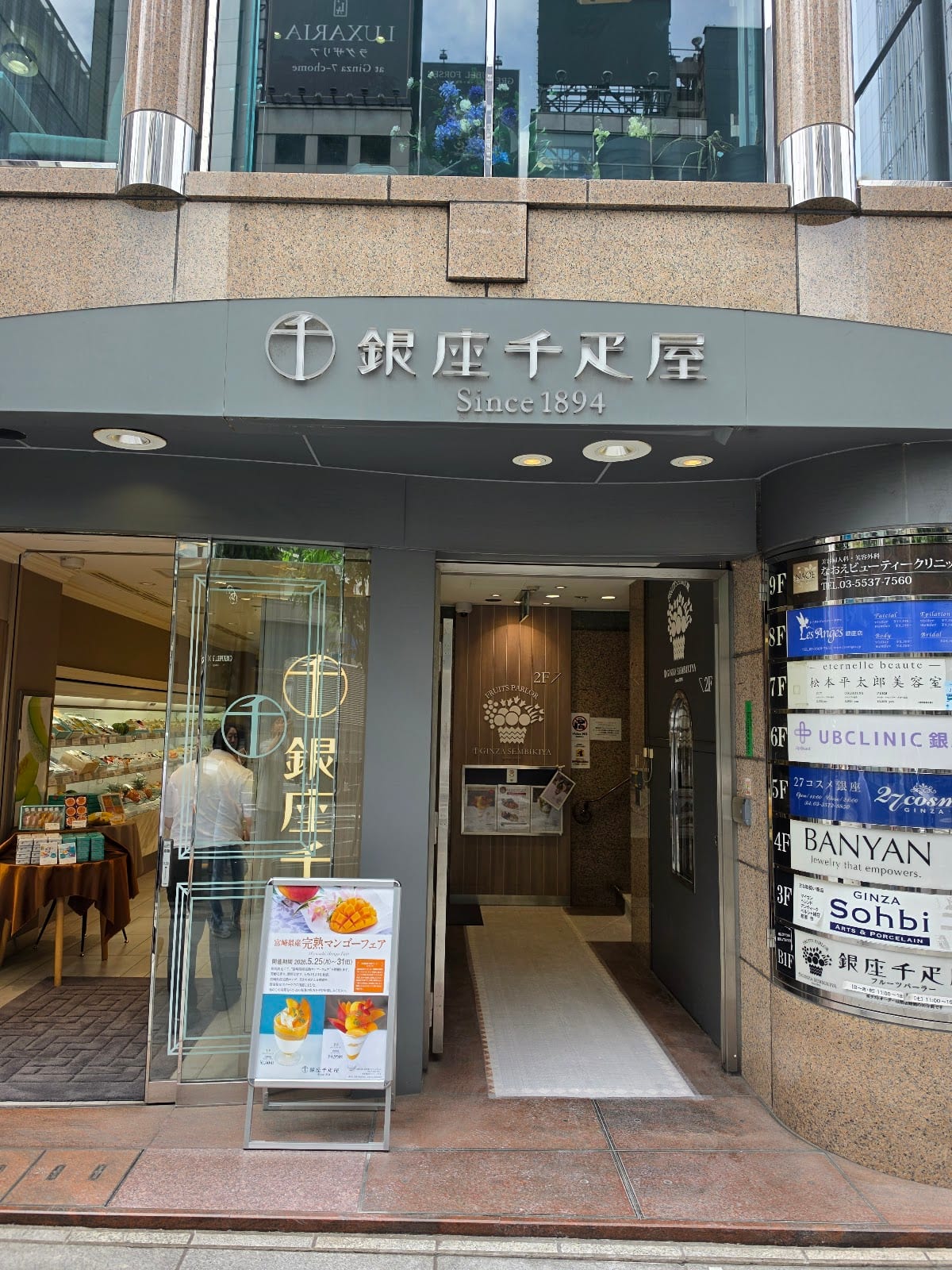
Ginza Sembikiya
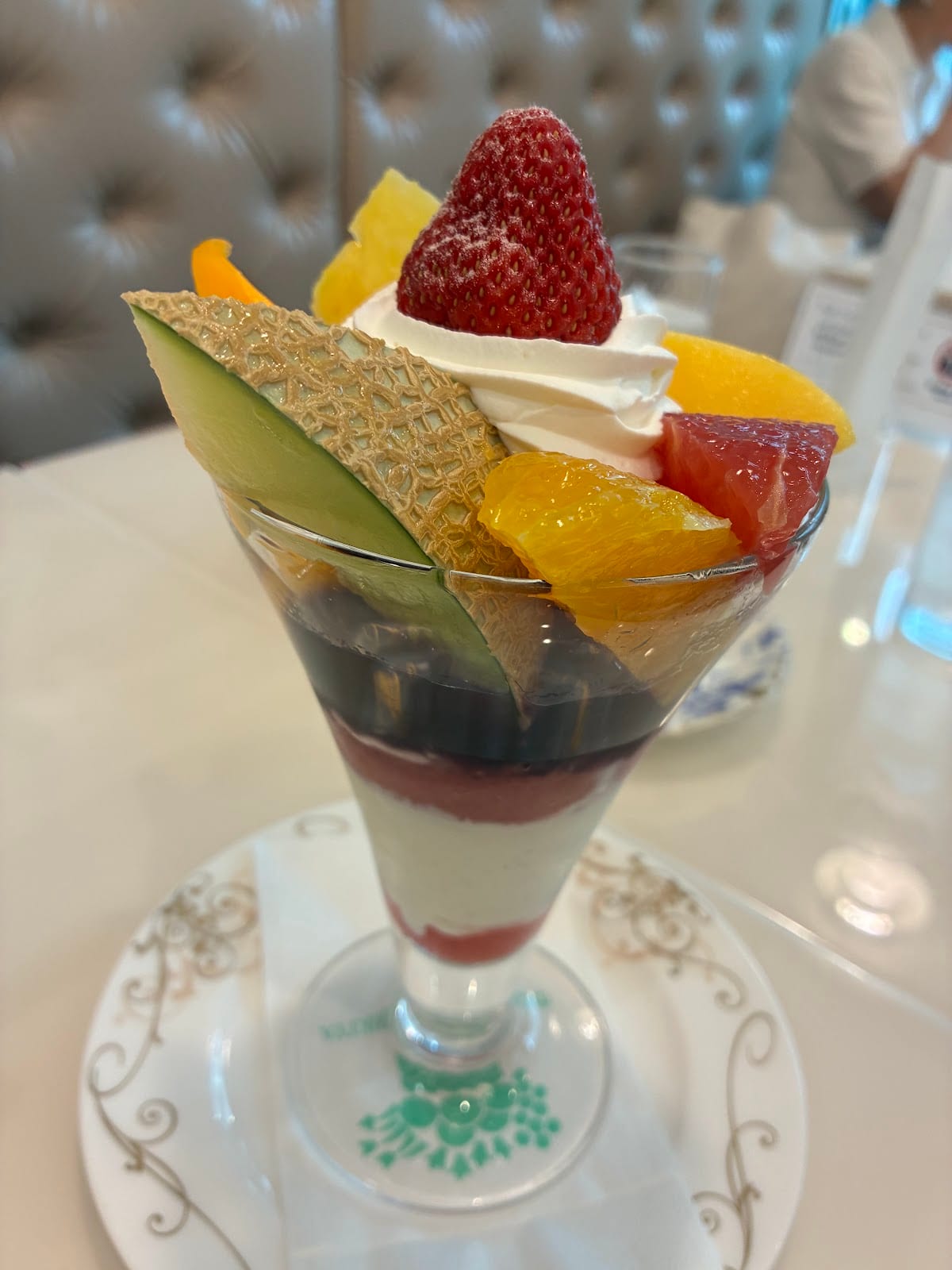
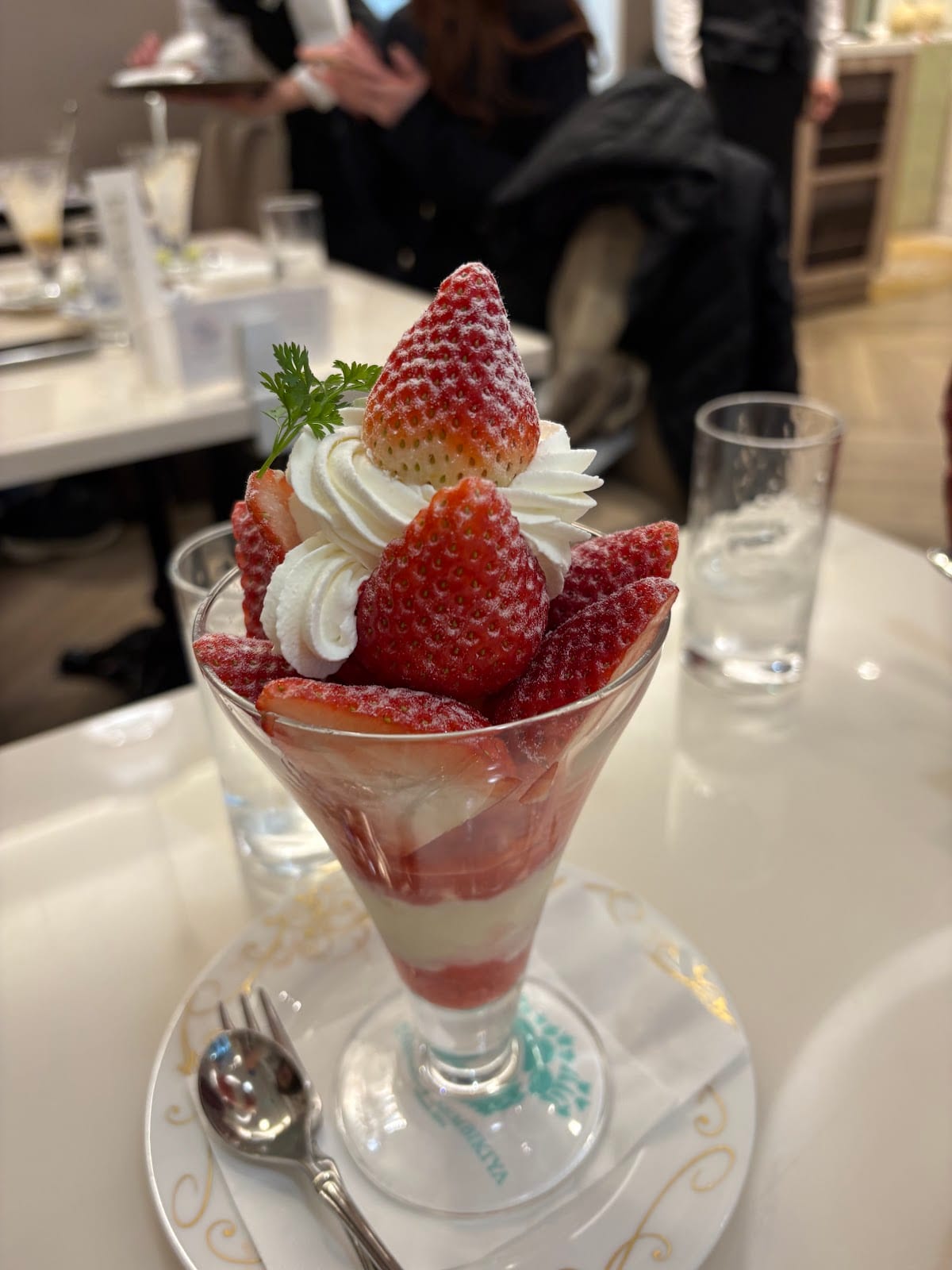
5-chomeA luxury fruit shop and parlor founded in 1894, with a second-floor parlor serving what it calls Japan's first fruit parfaits. They are beautiful and not cheap, from around 1,800 yen for a parfait into the thousands for a perfect musk melon, but a seasonal fruit parfait here is an only-in-Ginza indulgence.
on Google


Getting around
Getting around Ginza
Ginza is central, flat, and made for walking, with several stations feeding into it.
Ginza Station
Three Tokyo Metro lines meet under the 4-chome crossing: the Ginza, Marunouchi, and Hibiya lines, putting Shibuya, Shinjuku, Ueno, and Asakusa all a direct ride away.
Higashi-Ginza and Yurakucho
Higashi-Ginza (Hibiya and Toei Asakusa lines) sits directly under Kabukiza, and JR's Yurakucho Station, on the Yamanote loop, is about a five-minute walk from the west side.
A walkable grid
The whole district is a flat, roughly one-kilometer grid you can cross on foot; you will not need a train once you are inside Ginza.
Come on a weekend afternoon
On Saturday and Sunday afternoons Chuo-dori closes to cars and becomes a pedestrian paradise, the calmest and best time to walk the main street.
Where to stay
Where to stay in Ginza
Ginza is a central, upscale base, superbly connected and walkable to the Imperial Palace and Tokyo Station. Where you land within it changes the price and the pace:
Central Ginza, around the 4-chome crossing
The heart of it: the department stores, flagships, and best dining on your doorstep. Most convenient and most expensive, with smart hotels like Hyatt Centric and Mitsui Garden nearby.
Toward Yurakucho and Hibiya (west)
A transport hub on the JR Yamanote loop, steps from the Imperial Palace gardens and Hibiya Park, anchored by the grand old Imperial Hotel. Easy airport and day-trip access.
Toward Shimbashi (south)
The workaday business edge, with cheaper hotels and lively izakaya under the train tracks, a ten-minute walk back up into Ginza proper.
Higashi-Ginza and Tsukiji (east)
Quieter and a touch better value, by the Kabukiza theatre and the Tsukiji food market, with fast metro access into the center.

Where to Stay in Tokyo
Compare every Tokyo neighborhood and find the right base, with hotel picks at each price.
View the guideWho it's for
Ginza for families, couples, and solo
- Ginza for families
- The free rooftop garden at Ginza Six and Itoya's floors of paper and craft goods keep kids happy, and the department-store food halls in the basements are an easy, fun lunch. Hama-rikyu's lawns give everyone room to run.
- Ginza for couples
- Catch an act of kabuki at Kabukiza, eat sushi at a Ginza counter, then walk south to the Nakajima teahouse at Hama-rikyu for matcha over the pond. Time it for a weekend to stroll the car-free avenue.
- Ginza for solo travelers
- Ginza rewards a slow wander: a coffee at century-old Cafe Paulista, a single-act kabuki ticket, gallery-hopping in the Okuno Building, and as much window-shopping along Chuo-dori as you like.
More of Tokyo
Nearby neighborhoods
A short hop from Ginza, and worth pairing on the same trip.


Ready to explore Ginza?
Tell Zoya, your personal travel assistant, how you like to travel, and she'll turn these into a Ginza day, or a whole Tokyo trip, that fits your dates.
Explore now