

Akihabara · Tokyo neighborhood guide
Things to Do in Akihabara
Tokyo's electric town: a few neon-soaked blocks that grew from a postwar radio-parts market into the world capital of anime, manga, retro games, and electronics. Here's what's actually worth your time, ranked and judged.
Akihabara in brief
What is Akihabara known for?
Akihabara, nicknamed Electric Town, is Tokyo's hub for otaku culture: anime and manga superstores, retro and modern video games, electronics, capsule-toy halls, arcades, and maid cafes, all packed into a few walkable blocks around the station.
What is there to do in Akihabara?
Walk the neon main drag of Chuo-dori, dig through the eight floors of Mandarake and the retro consoles at Super Potato, browse the giant Yodobashi electronics store, play an arcade floor, try a maid cafe, and climb the hill to the 1,300-year-old Kanda Myojin shrine.
Is Akihabara worth visiting?
Yes, especially if you have any interest in games, anime, or gadgets, and it is worth a look as a curiosity even if you don't. It is free to wander, unlike anywhere else on earth, and easy to reach. Most visitors spend a half to a full day.
Get oriented
How Akihabara fits together
Akihabara is small, dense, and built around one station and one main street.
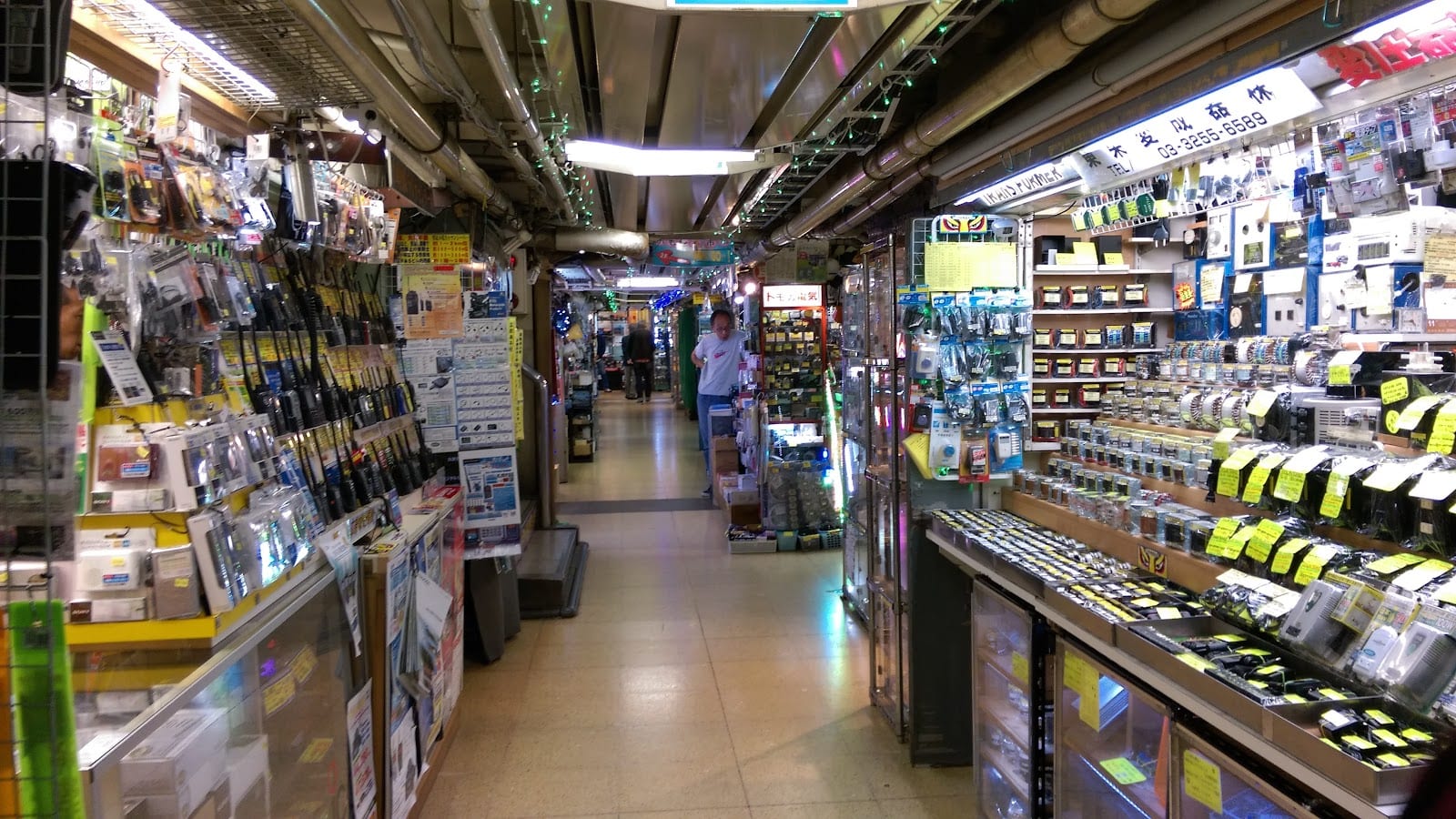
JR Akihabara Station sits at the center; take the Electric Town exit on the west side and you step straight into the otaku core. Chuo-dori, the main avenue, runs north to south as the spine, lined with the big stores and closed to traffic on Sunday afternoons. Radio Kaikan towers over the exit, Mandarake and the arcades stand along and just off Chuo-dori, and the tiny stalls of the original radio market hide under the train tracks. Yodobashi's electronics tower is on the quieter east side of the station. Walk about ten minutes northwest and uphill and the neon gives way to the old Kanda Myojin shrine; the Kanda River and the red Manseibashi arches are a few minutes southwest.
A half-day loop on foot, from the station out through Electric Town and up to the shrine:
See & do, ranked
The best things to do in Akihabara
Our honest ranking of what is worth your time, from the must-see superstores to a tourist-light shrine on the hill, with a verdict on each so you know what to prioritize and what is mostly for the photo.
Must-see
The essentials, ranked.- 1
 Chuo-dori Worth it
Akihabara Electric Town
The neon heart of Akihabara, and the reason to come.
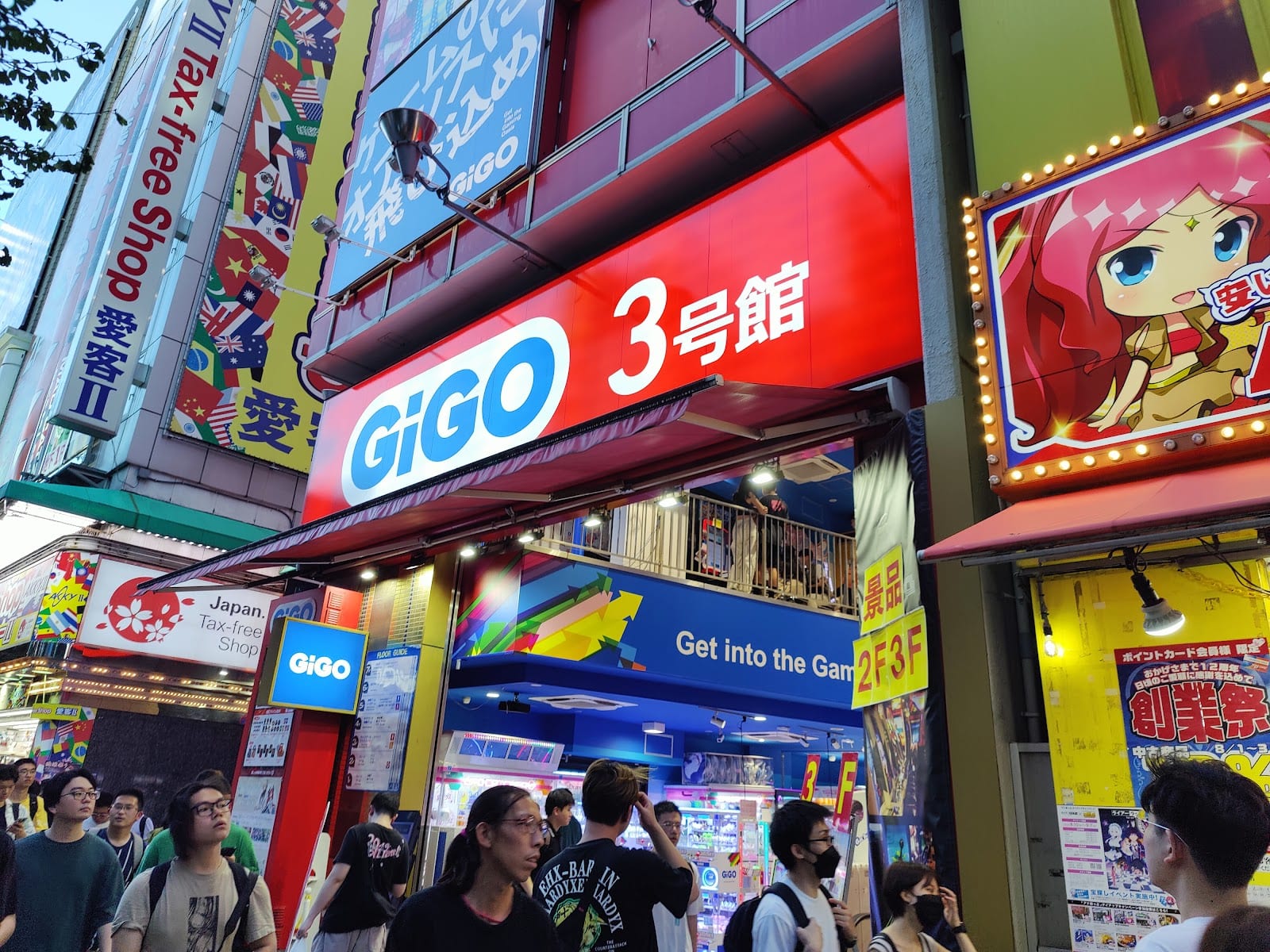
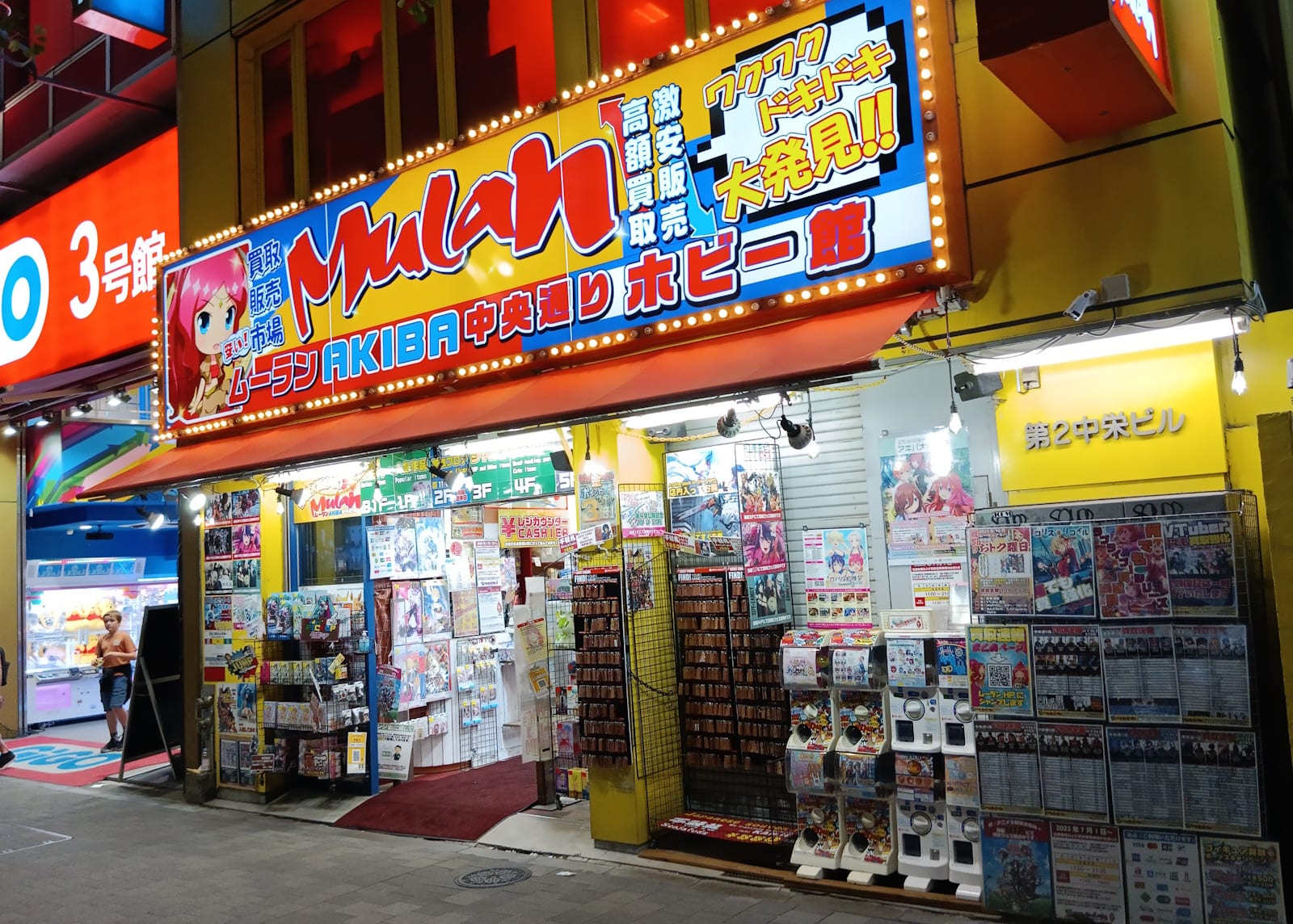
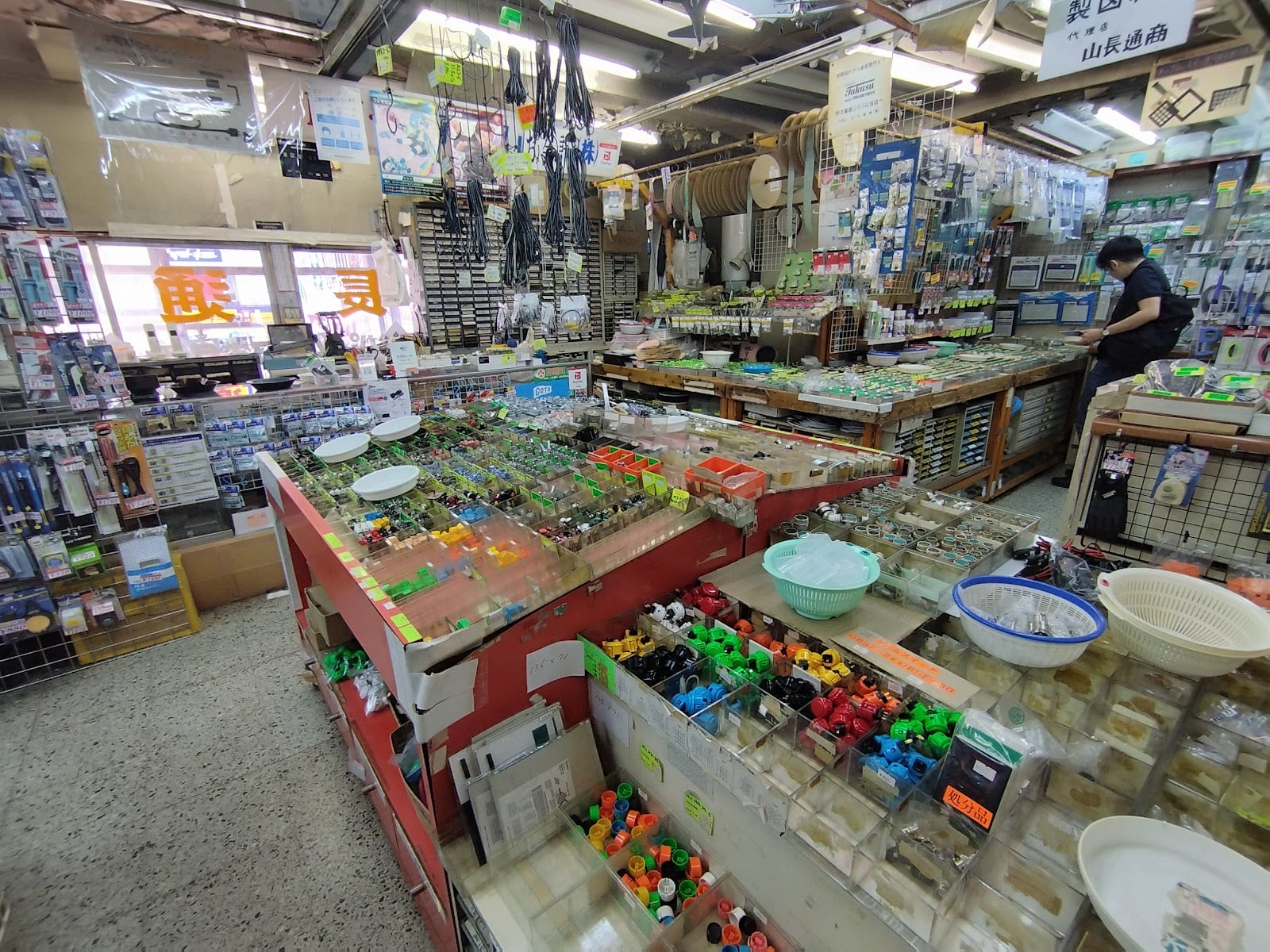
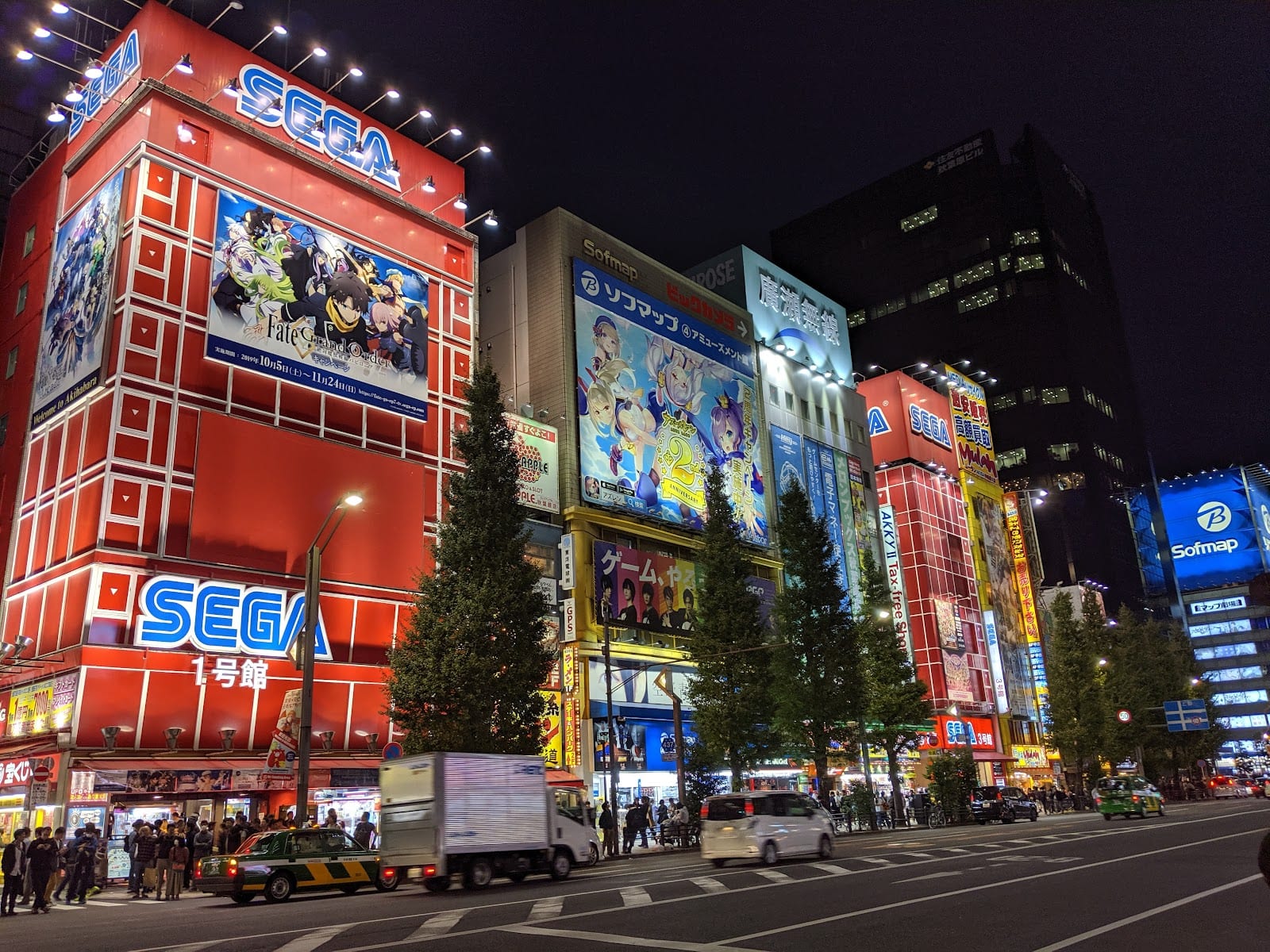
Electric Town is less a single address than the whole otaku core: the stretch of Chuo-dori and the back streets around the station's Electric Town exit, stacked floor on floor with anime, game, figure, and electronics shops and lit by a wall of signs after dark. The name goes back to the postwar years, when black-market sellers of radio and electronics parts clustered around the station; the electronics trade grew from there, and the anime, game, and figure stores moved in from the 1980s. On Sunday afternoons the main avenue closes to cars and turns into a pedestrian street. There is nothing here to buy a ticket for; the experience is the walking, the hundred glowing shopfronts, and the sheer density of it.
Always open; most shops 11:00 AM - 8:00 PMGood for solo, friends, families
Sourcesgotokyo.orgjapan-guide.com
- 2
 Chuo-dori Worth it
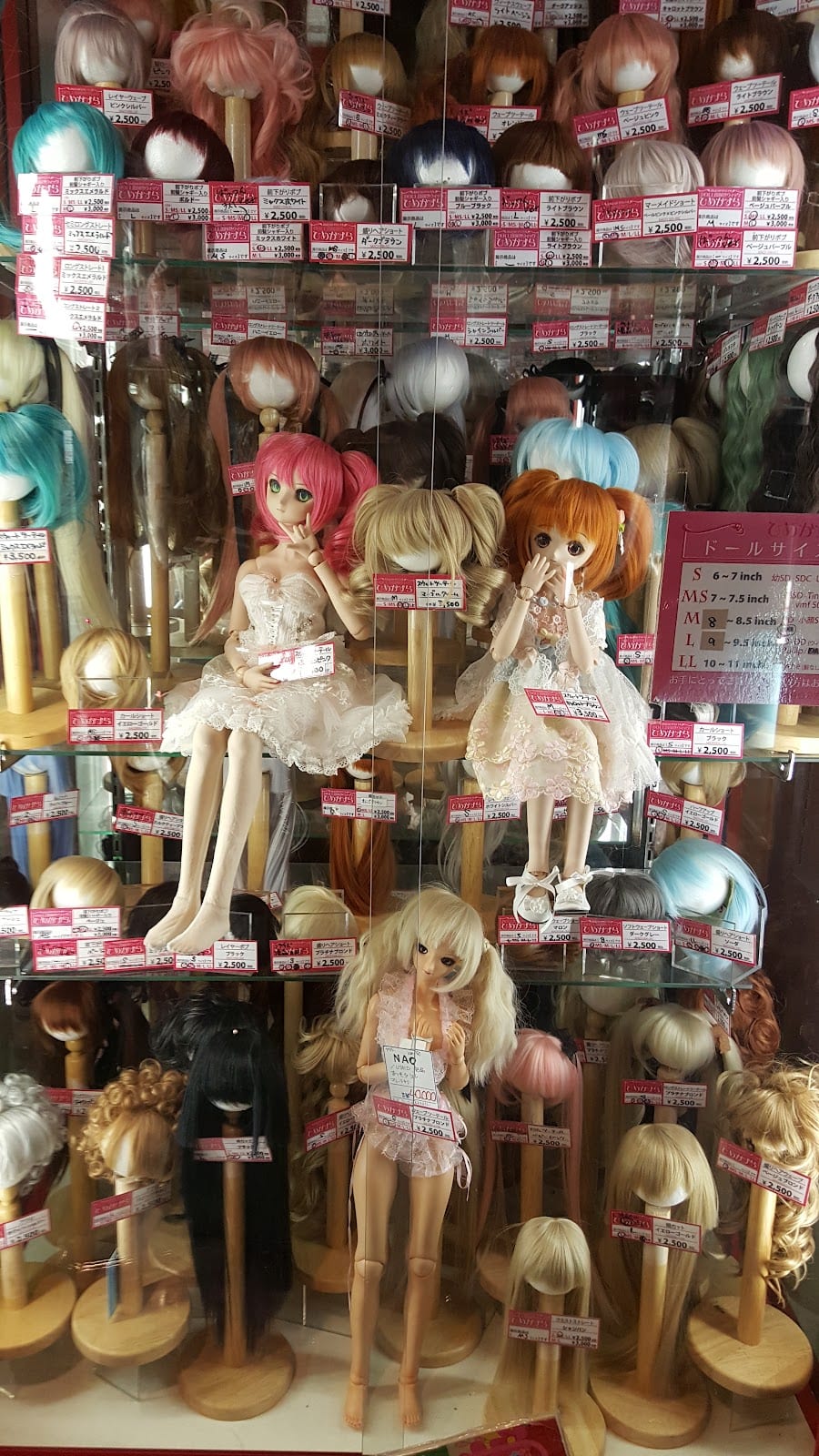
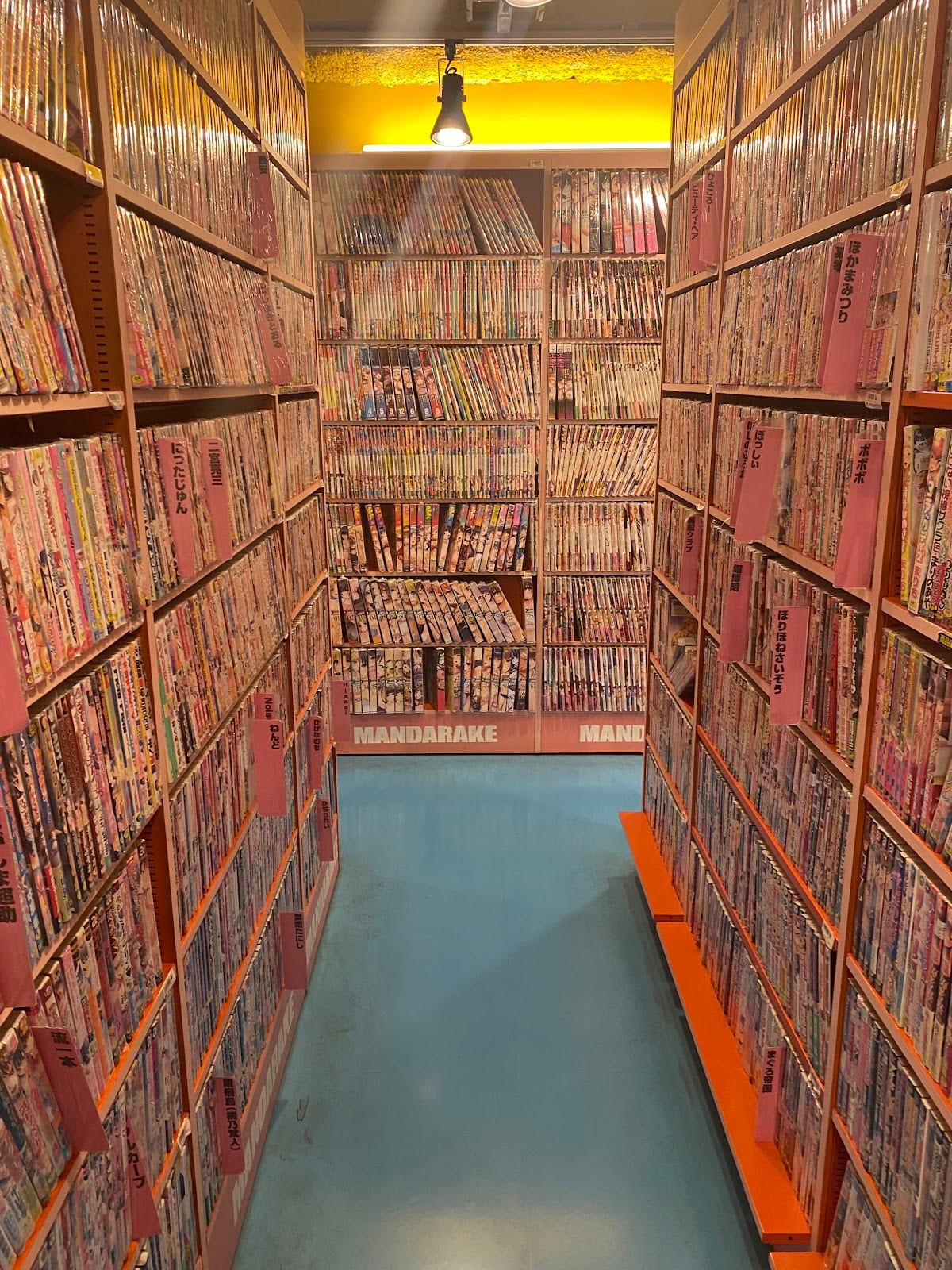
Mandarake Complex
Eight floors of used manga, anime, and collectibles, the otaku mothership.
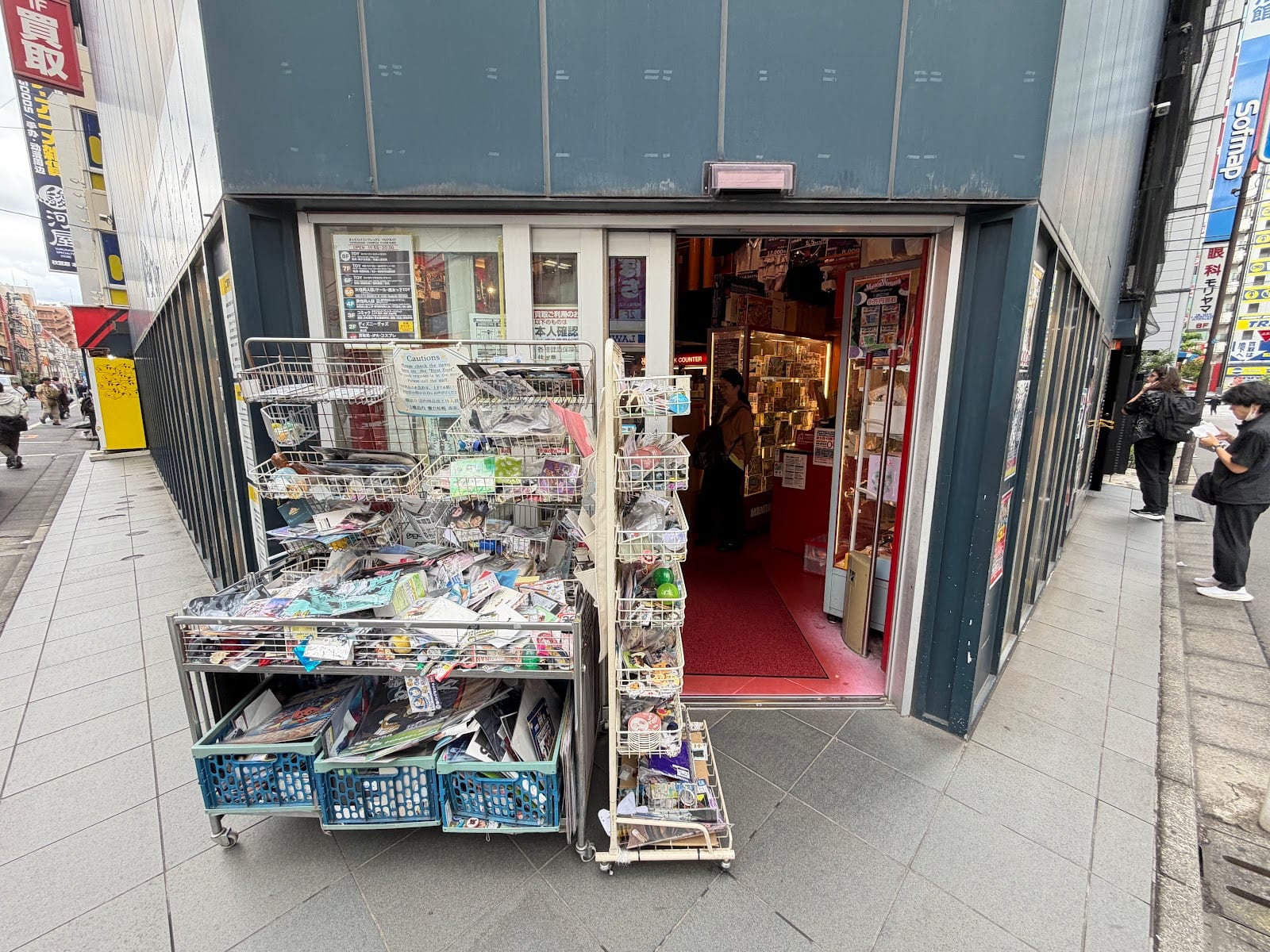
Mandarake Complex is the flagship of Japan's best-known secondhand-anime chain: a narrow tower with each floor given over to its own world, from used manga and doujinshi to vintage figures, animation cels, toys, trading cards, and cosplay. Yes, it is a secondhand store, but that is the point, this is where decades of otaku culture get resold, and prices run from a hundred yen to collector sums most of us will only stare at. Even if you buy nothing, it is the single best place in Akihabara to grasp how deep the culture goes. Go floor by floor from the top down.
Good for solo, friends
Sourcesen.wikipedia.org
- 3
 Off Chuo-dori Worth it
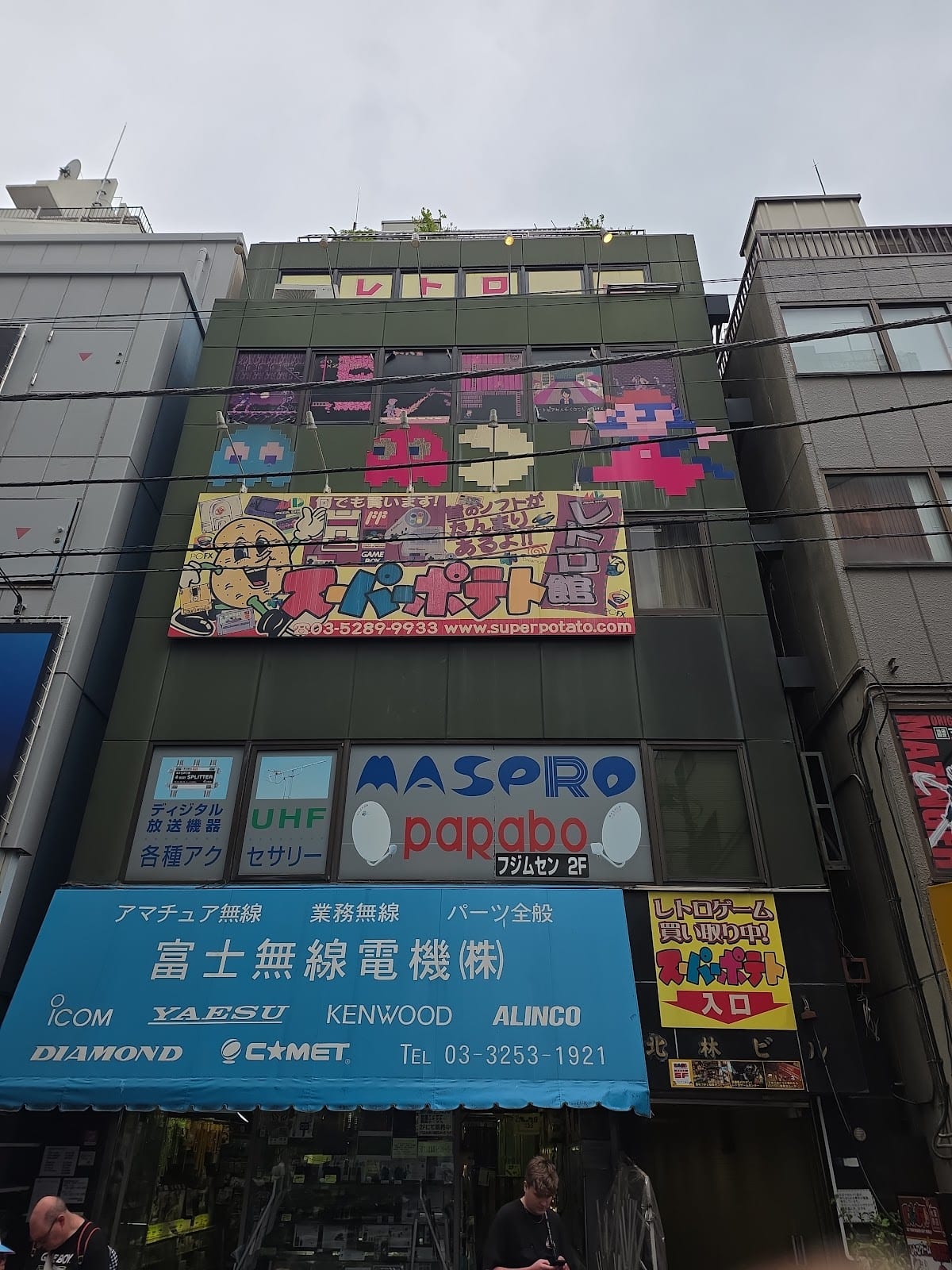
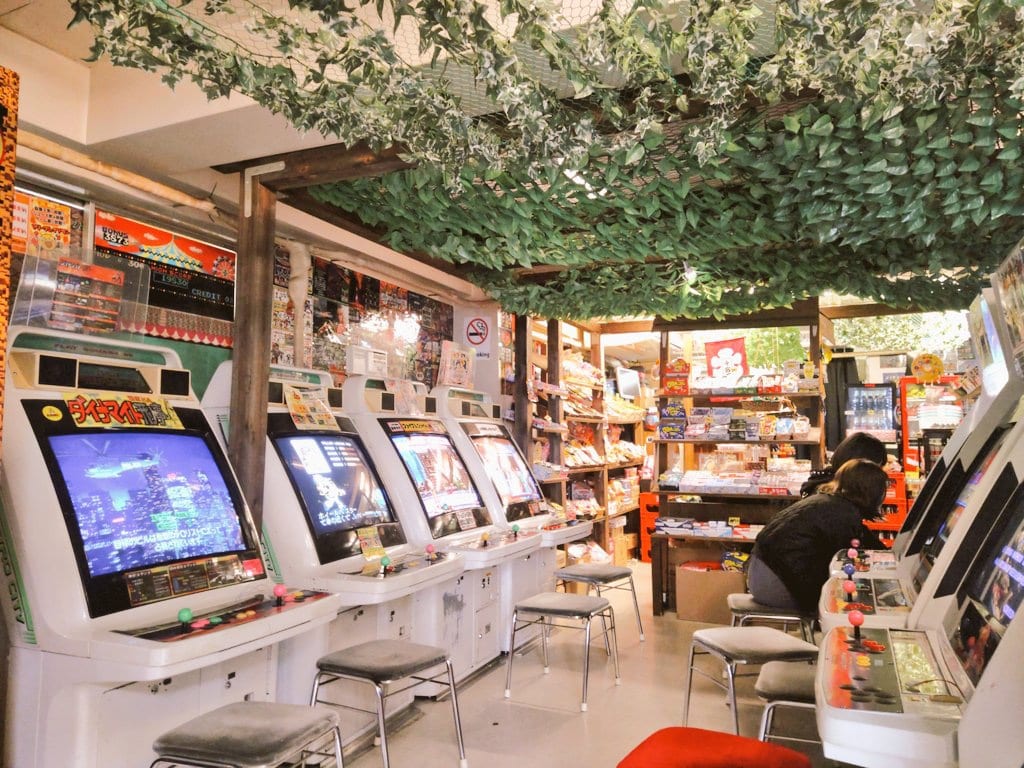
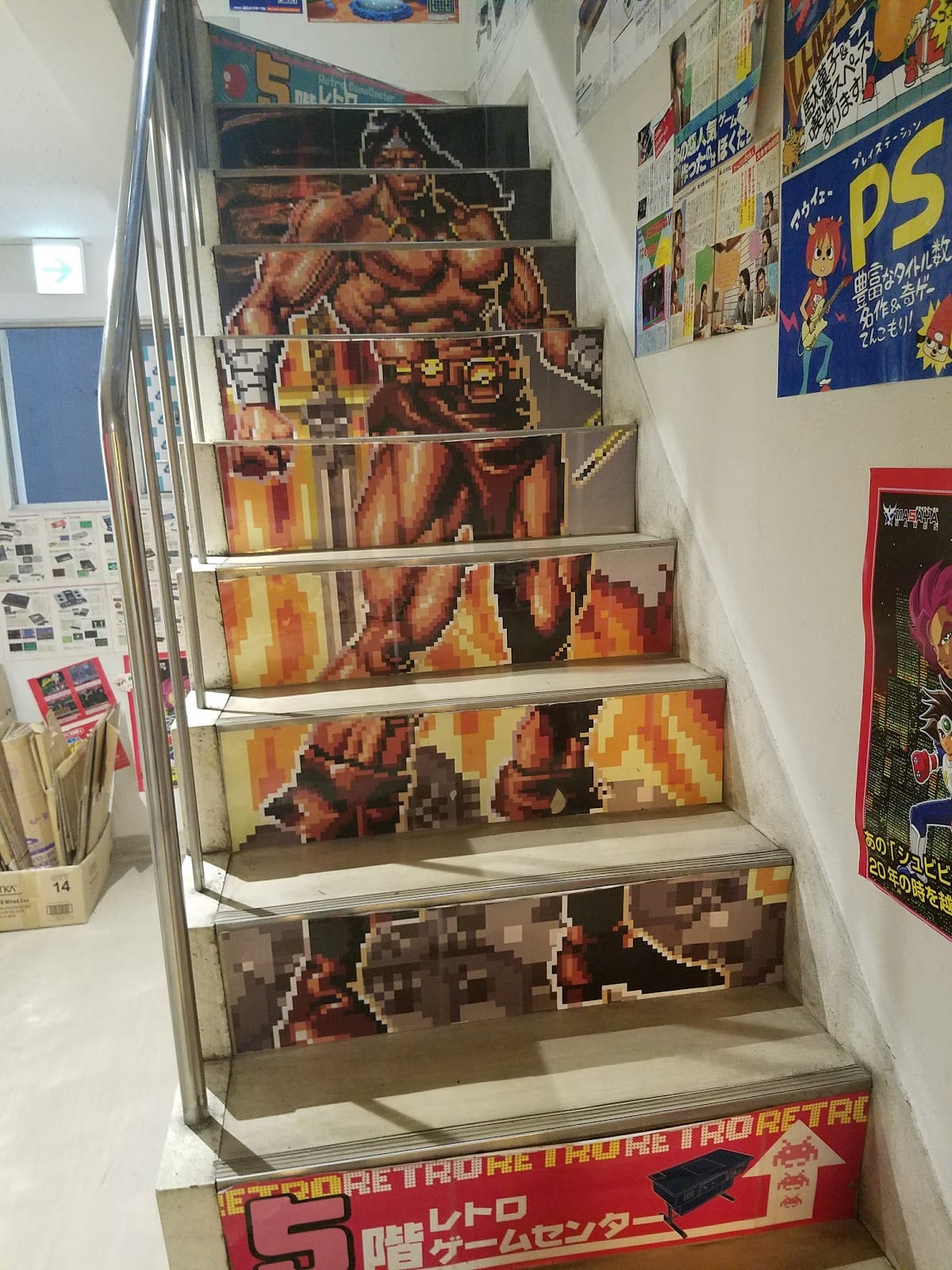
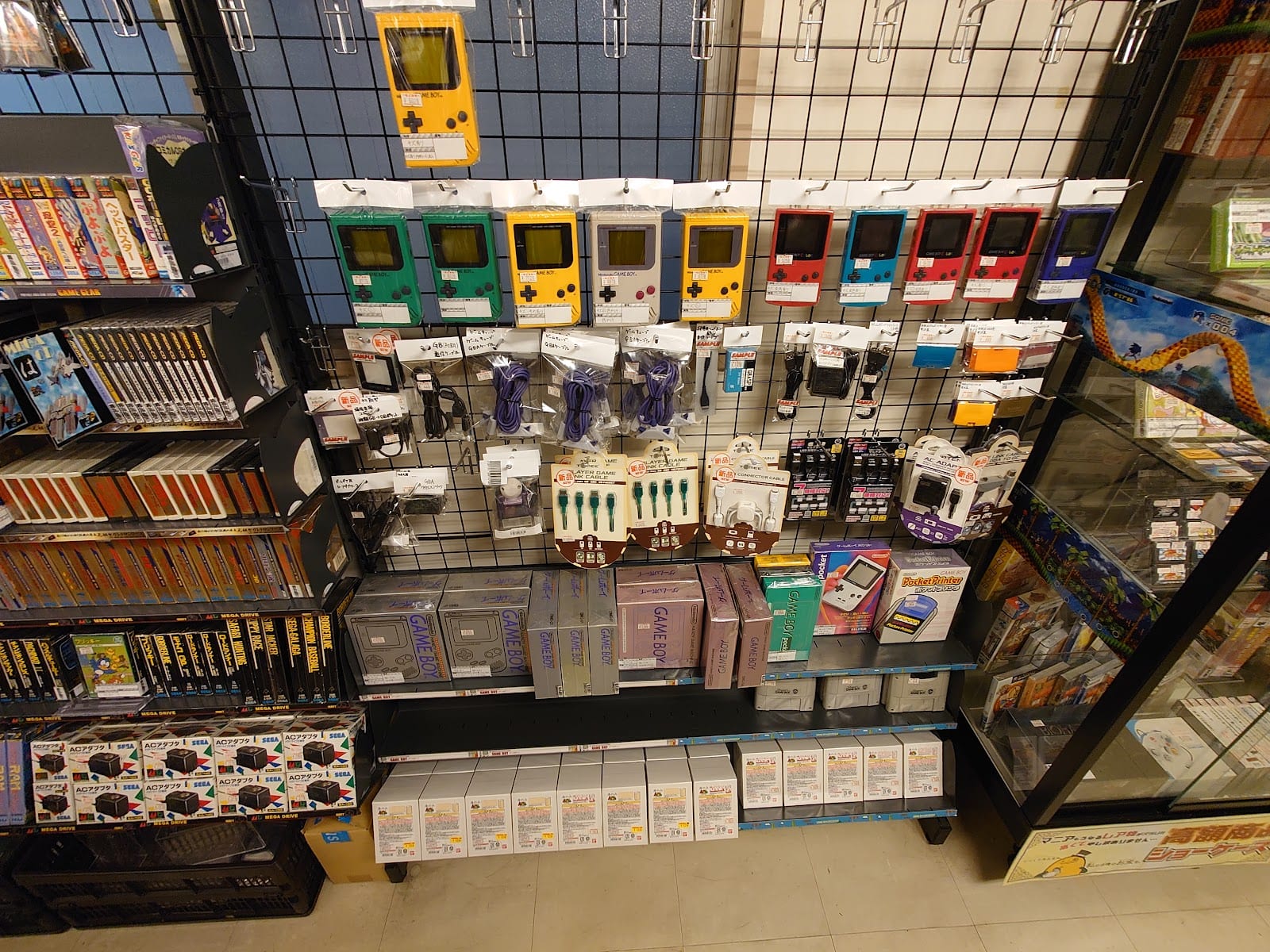
Super Potato
The world's most famous retro game store, with an arcade up top.
Super Potato in Akihabara is the most famous retro-gaming shop on earth: cramped floors of Famicom, Sega, and other classic consoles, their cartridges, controllers, and merch, with a small retro arcade and game-music soundtrack on the top floor. The stock is unmatched and the prices reflect a serious collector market, so it is more a museum you can buy from than a bargain bin. For anyone who grew up on these machines it is essential; mostly open daily, late morning to evening.
Good for solo, friends
Sourcesen.wikipedia.org


Worth it with more time
Good additions once you've done the icons.- 1
 East of the station Worth it
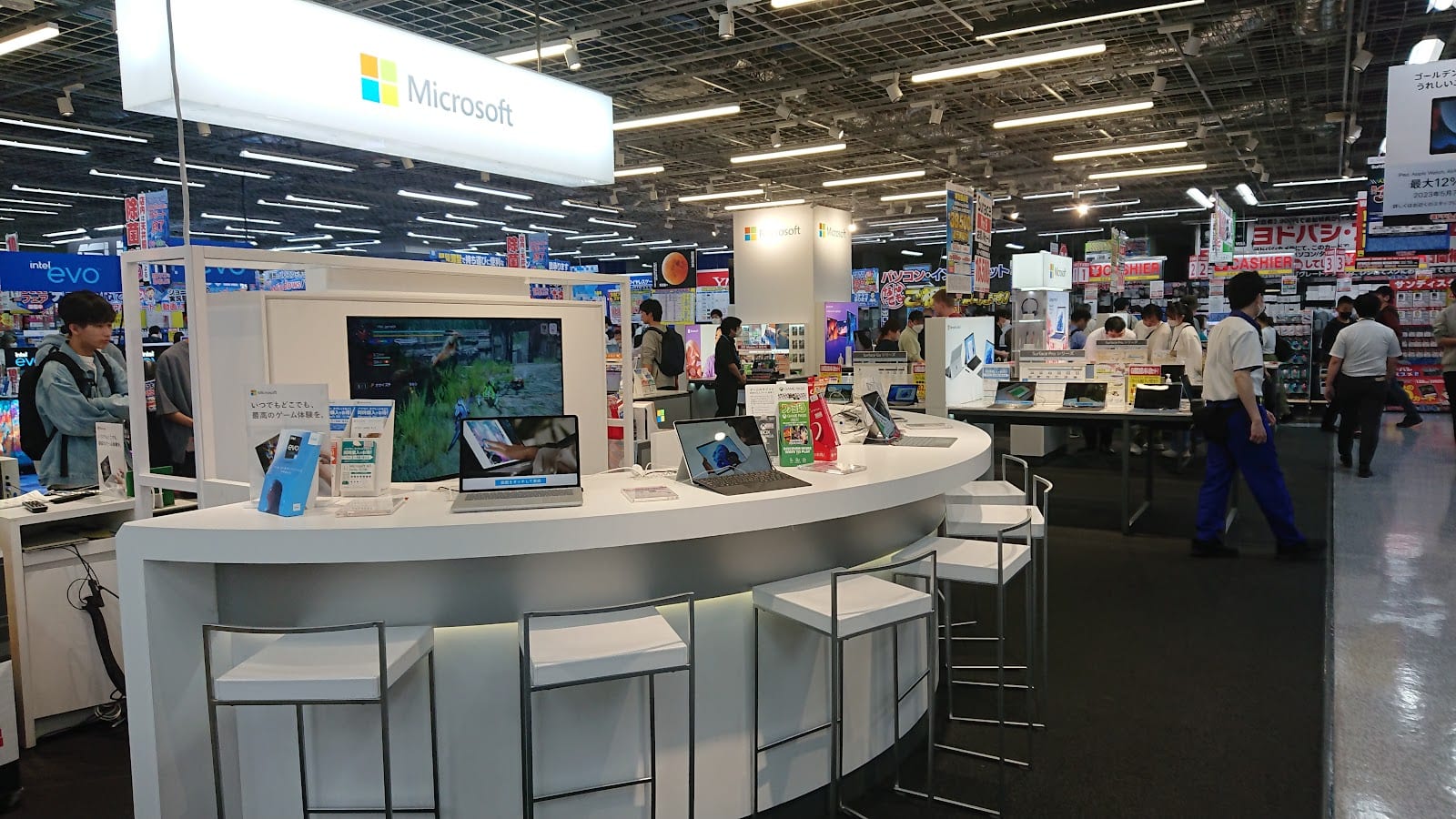
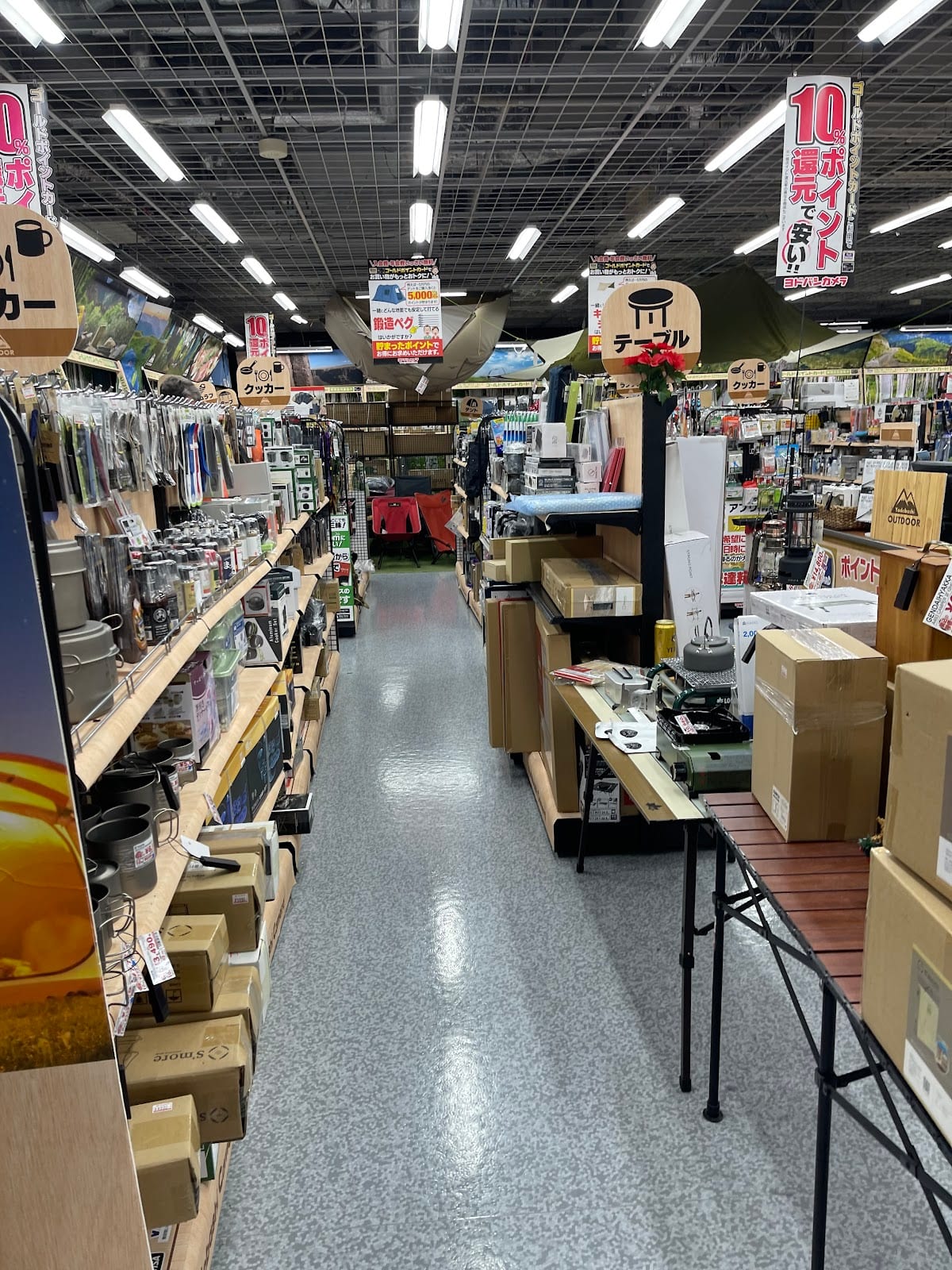
Yodobashi Camera Multimedia Akiba
A nine-floor electronics megastore, everything with a plug under one roof.
On the quieter east side of the station, Yodobashi Camera Multimedia Akiba is one of the largest electronics stores in Japan: floor after floor of cameras, computers, phones, appliances, gadgets, hobby goods and toys, with restaurants and a batting cage up top. There are tax-free counters for tourists (bring your passport). It is more orderly and less thrilling than the back-street shops, but if you actually want to buy electronics rather than browse them, this is the efficient place to do it.
Good for solo, families
Sourceslivejapan.comjapan-guide.com
- 2
 Electric Town exit Worth it
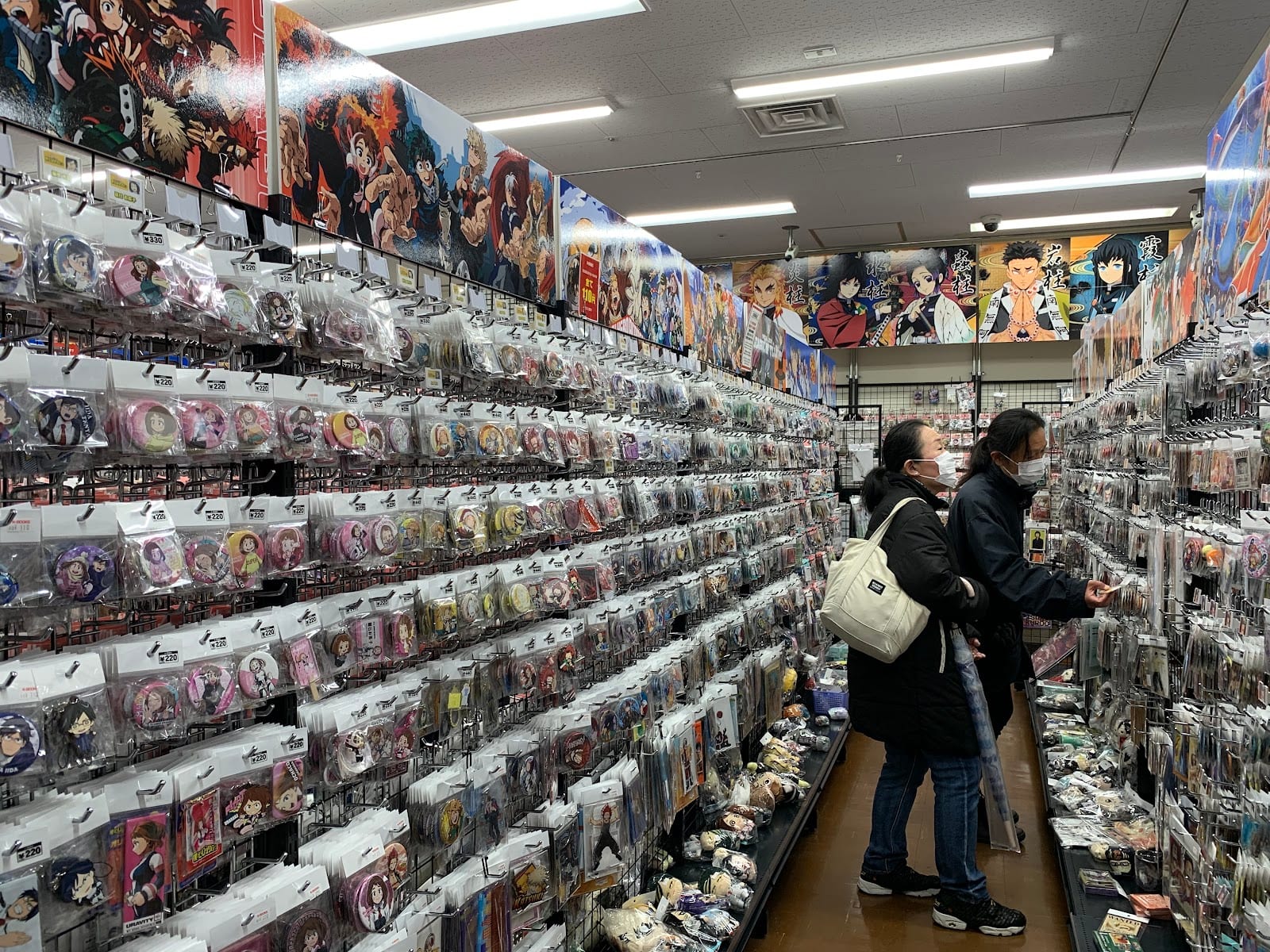
Akihabara Radio Kaikan
Ten floors of figures and hobby shops, and a Steins;Gate landmark.
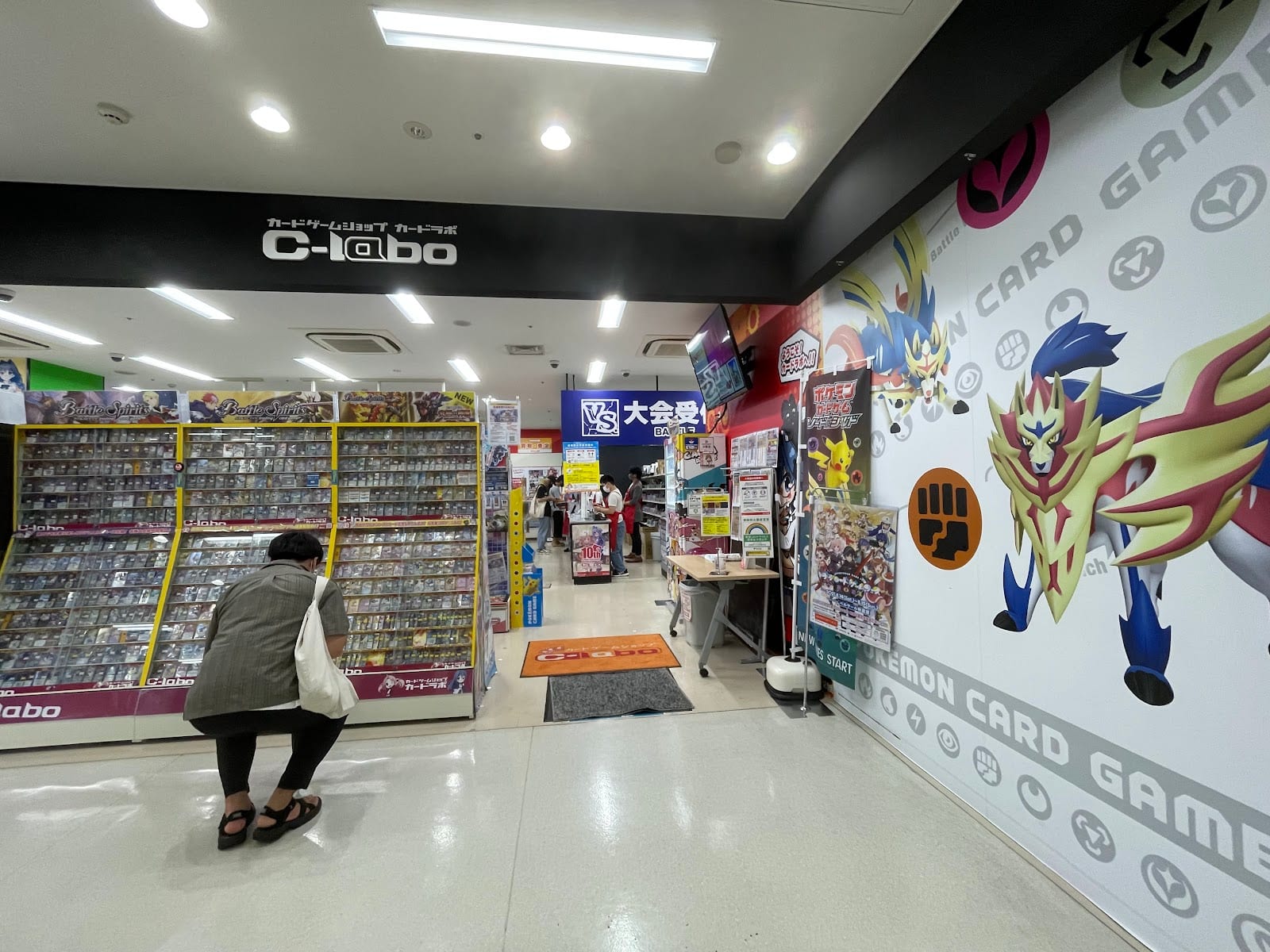
Right at the Electric Town exit, Radio Kaikan is a vertical mall of hobby shops: ten floors of figures, plastic models, trading cards, idol goods, and rare collectibles. It was the first tall building of the electronics district when it opened in the 1960s, and it was rebuilt in the early 2010s. Anime fans know it as the building a satellite crashes into in the cult series Steins;Gate, which makes it a pilgrimage stop as well as a one-shop hit for figures. Free to wander floor by floor.
Good for solo, friends
Sourcesen.wikipedia.org
- 3

 Sotokanda Mixed
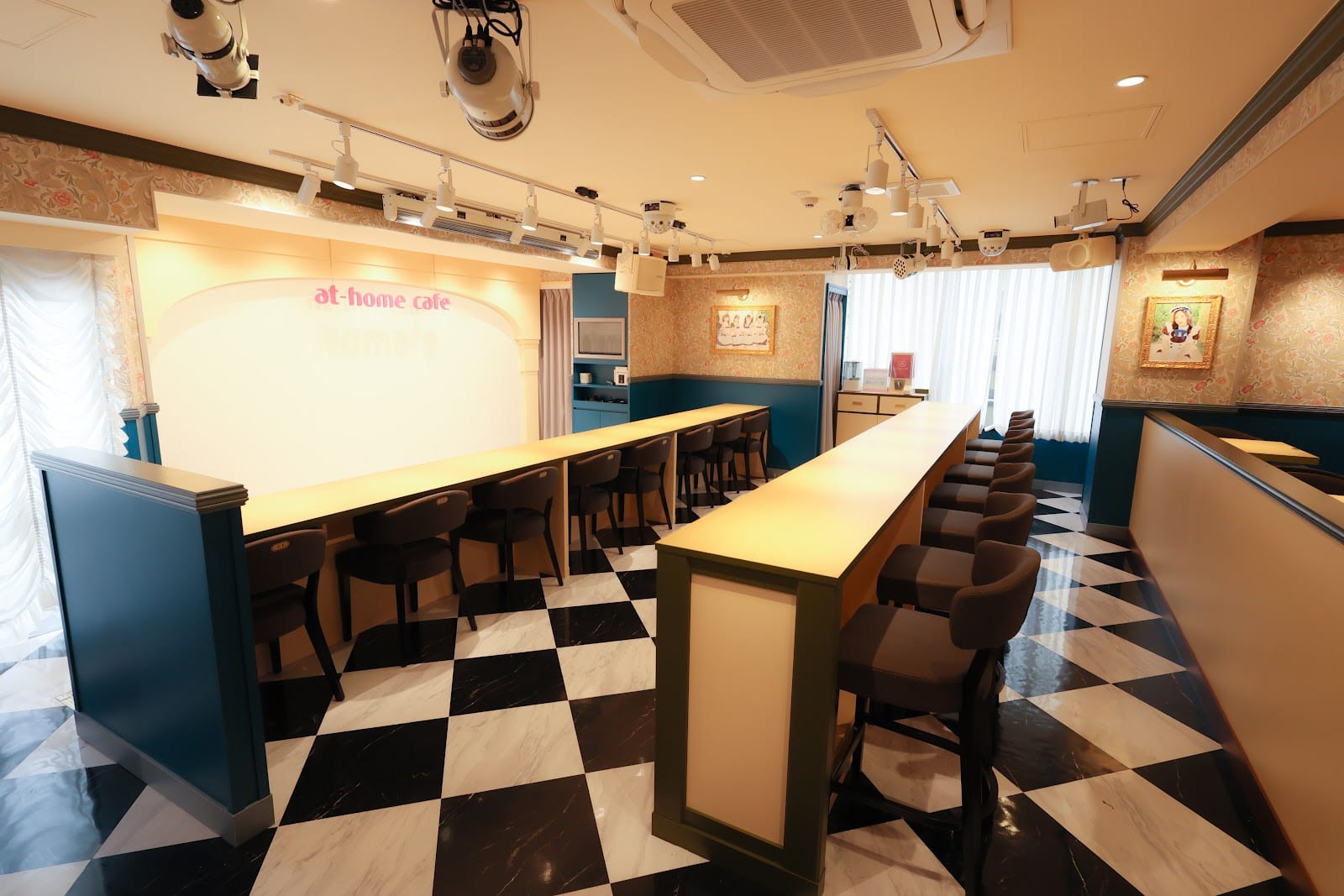
@home cafe
The original Akihabara maid cafe: an only-in-Akiba novelty with a catch.
Maid cafes are the signature Akihabara experience: waitresses in frilly costumes greet you as master, draw ketchup hearts on your omurice, and lead cutesy chants and games. @home cafe, open since 2004, is one of the oldest and biggest. The honest part: it is a genuine novelty for half an hour and unlike anything elsewhere, but it is engineered to add up. Expect a per-person seating charge by the hour on top of overpriced food and drink, and photos with a maid usually cost extra. The rules are strict (no photos or video of the maids except the paid cheki photos, and no touching), and the big cafes are used to foreign visitors and keep English menus. Go once for the experience, not the food.
Good for solo, friends, families
- 4
 Chuo-dori Worth it
GiGO Akihabara
A multi-floor arcade for crane games, retro cabinets, and photo booths.
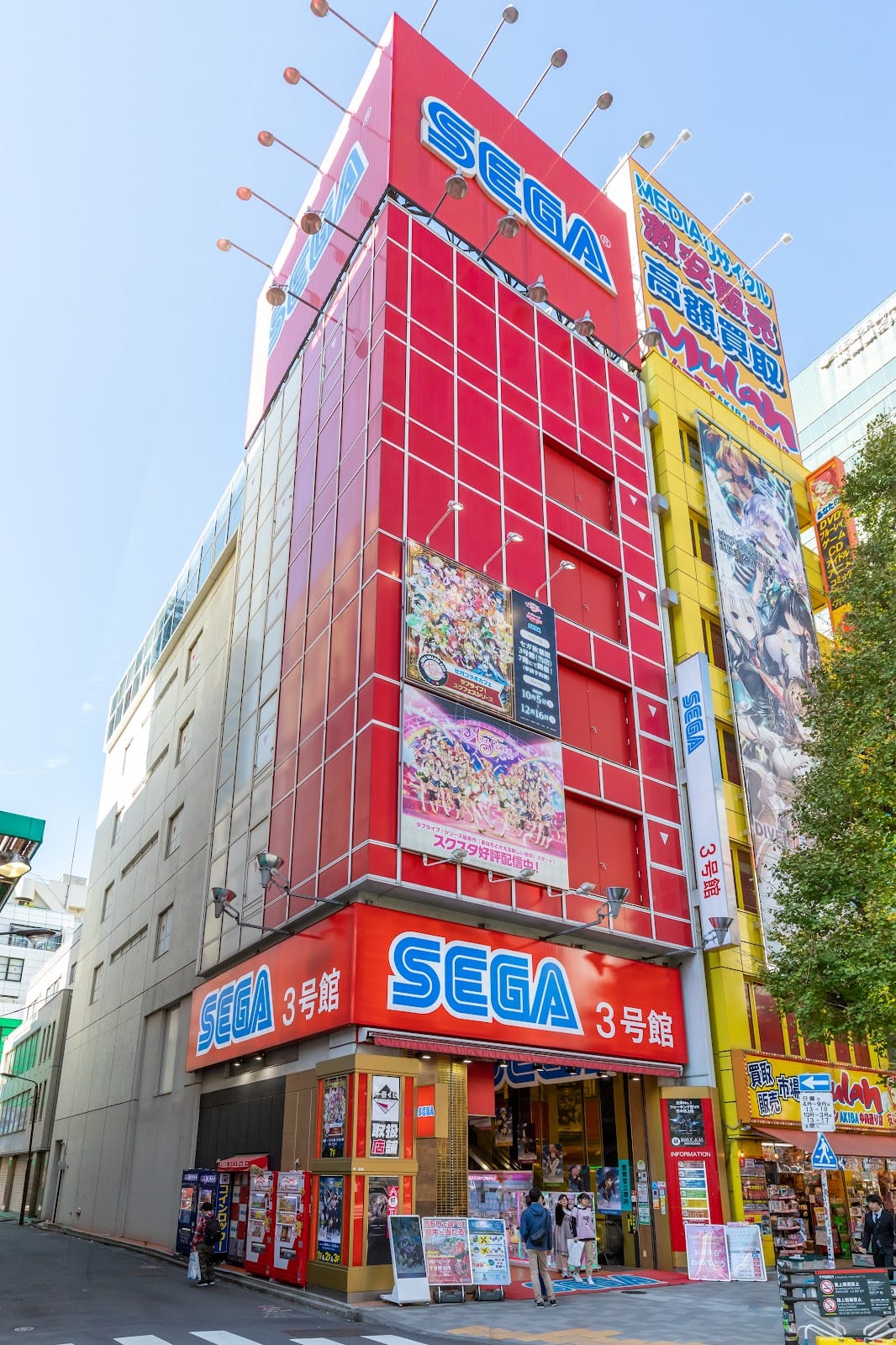
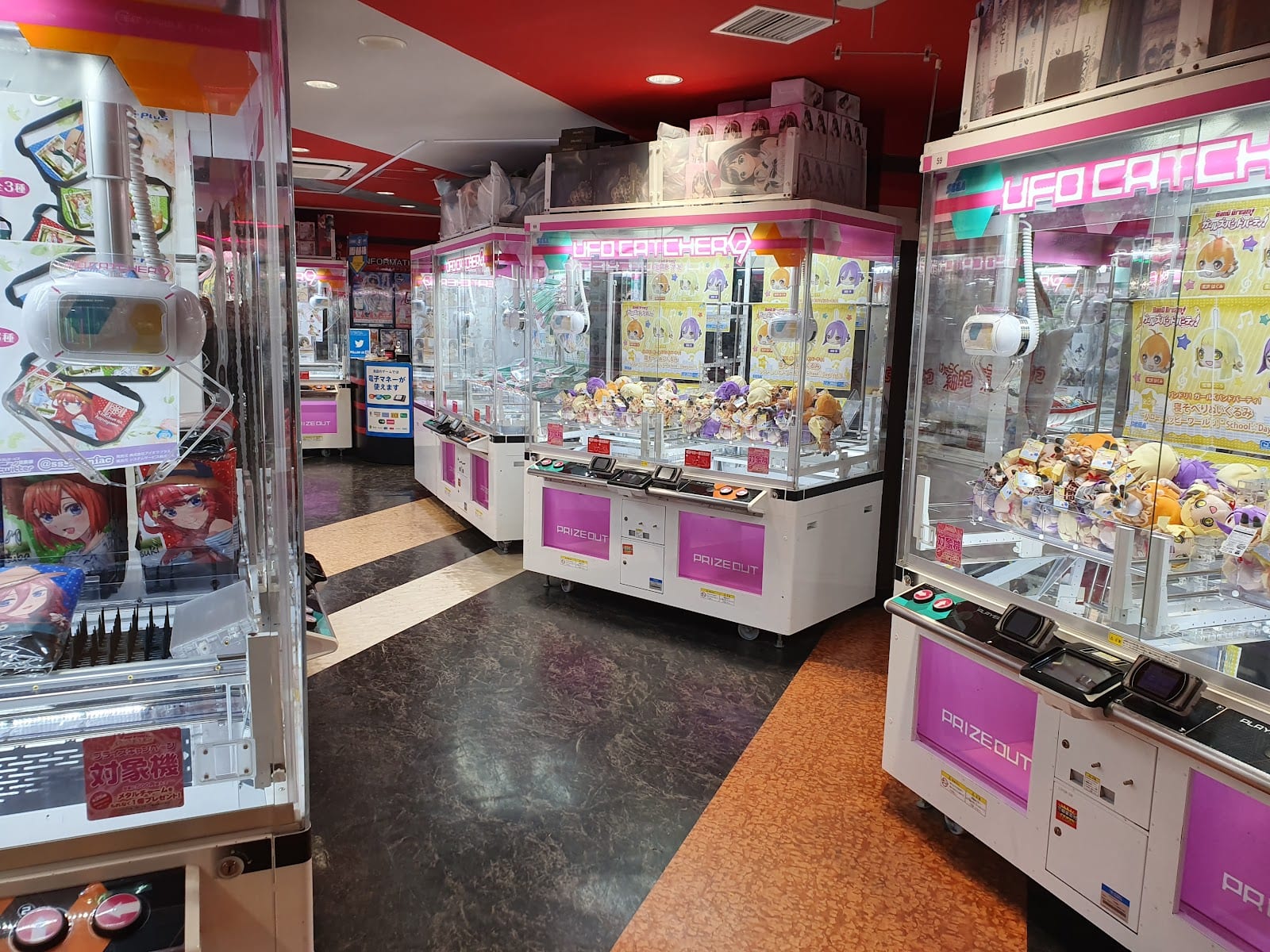
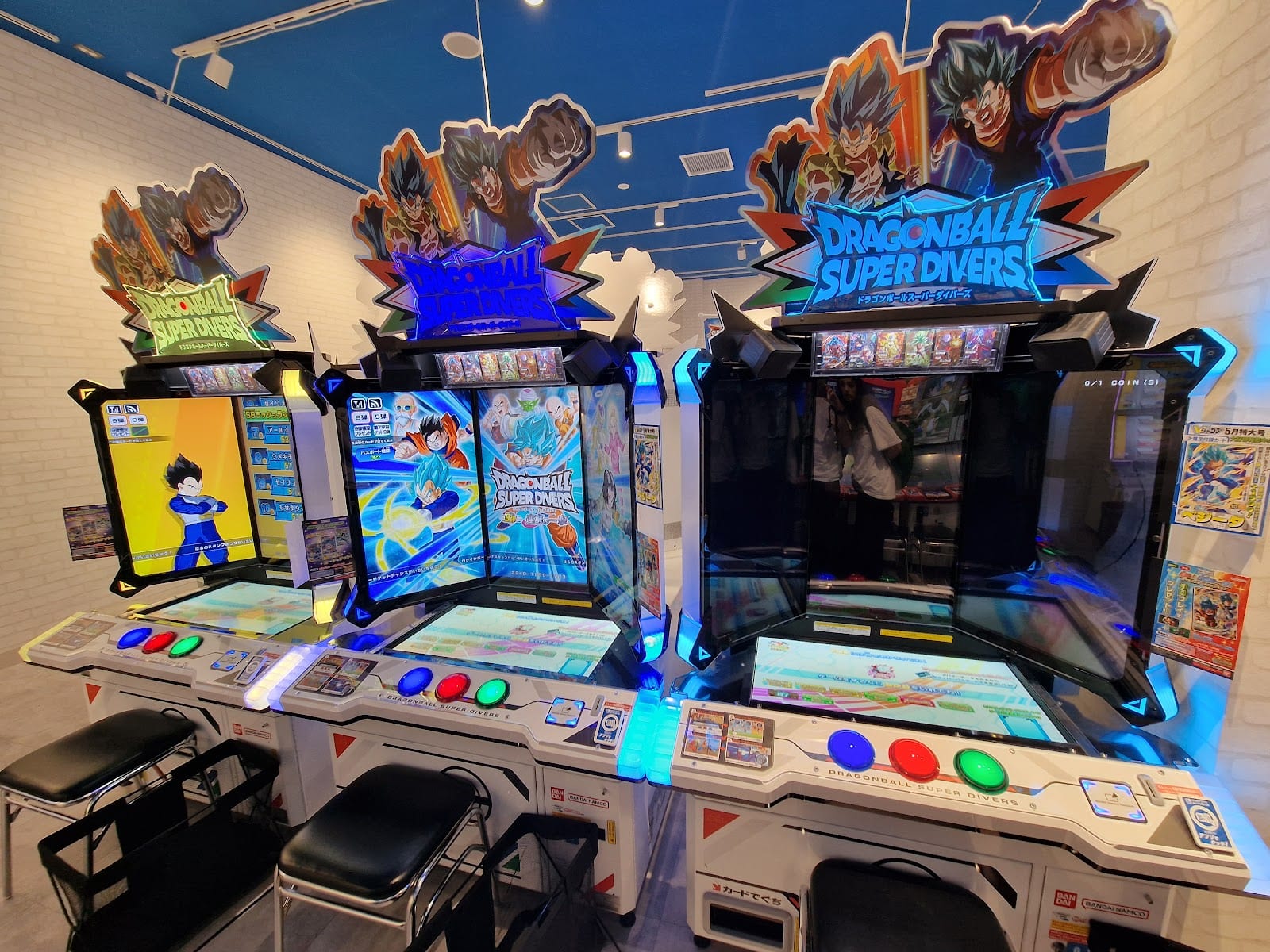
Akihabara's big arcades stack floor on floor of crane (UFO-catcher) games, fighting and rhythm cabinets, retro machines, and purikura photo-sticker booths. The towering arcades that long carried the SEGA name were rebranded GiGO in 2022 after a change of owner, but the experience is the same: free to walk in, cheap to play at around a hundred yen a go, and loudest and best after dark. It is a great cheap thing to do with friends, and the gateway to Akihabara's arcade-bar scene.
Good for friends, solo, families
Sourcesanimenewsnetwork.com


Hidden gems
Where the crowds thin out.- Hidden gem
 Soto-Kanda (the hill) Worth it
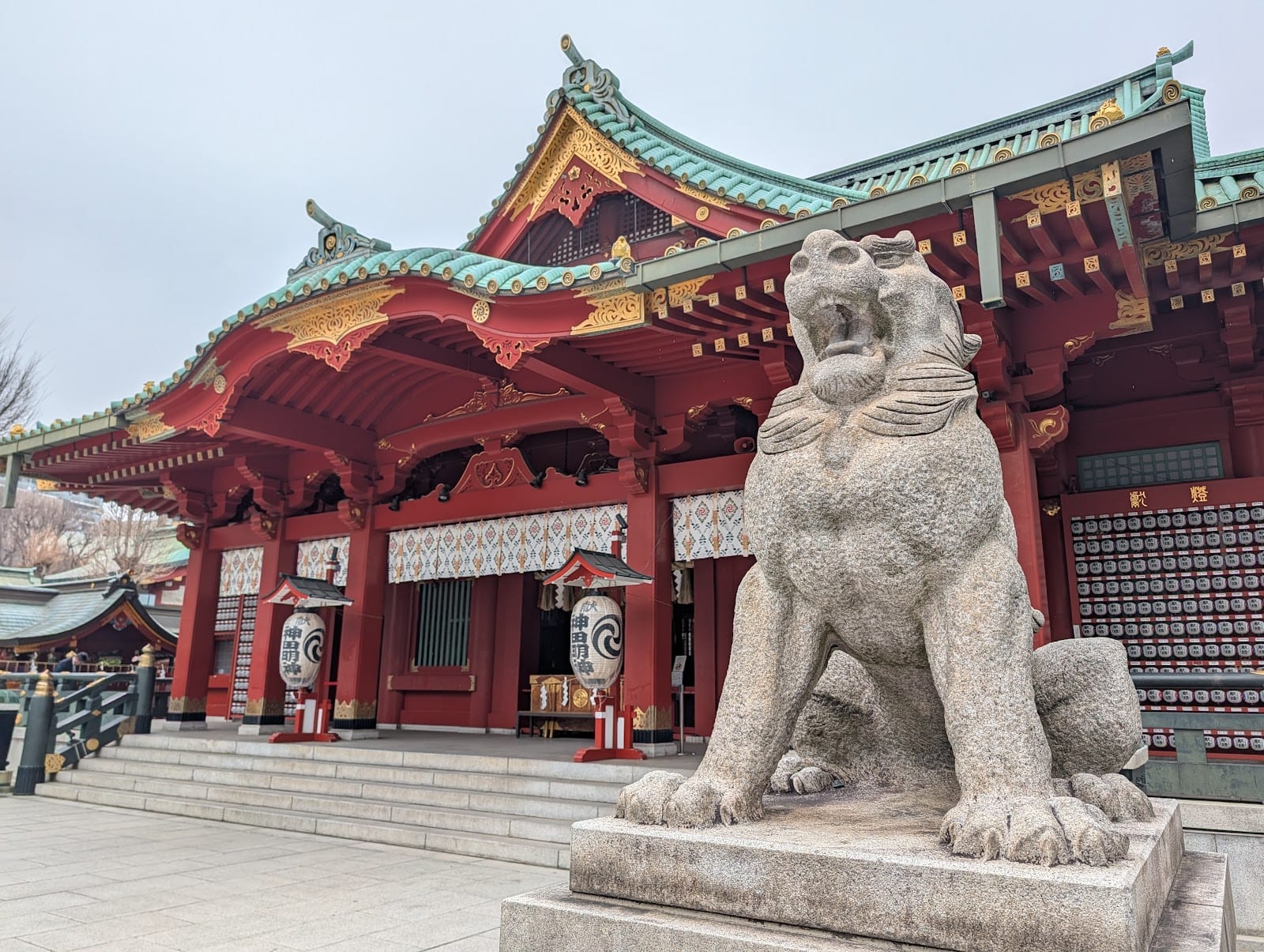
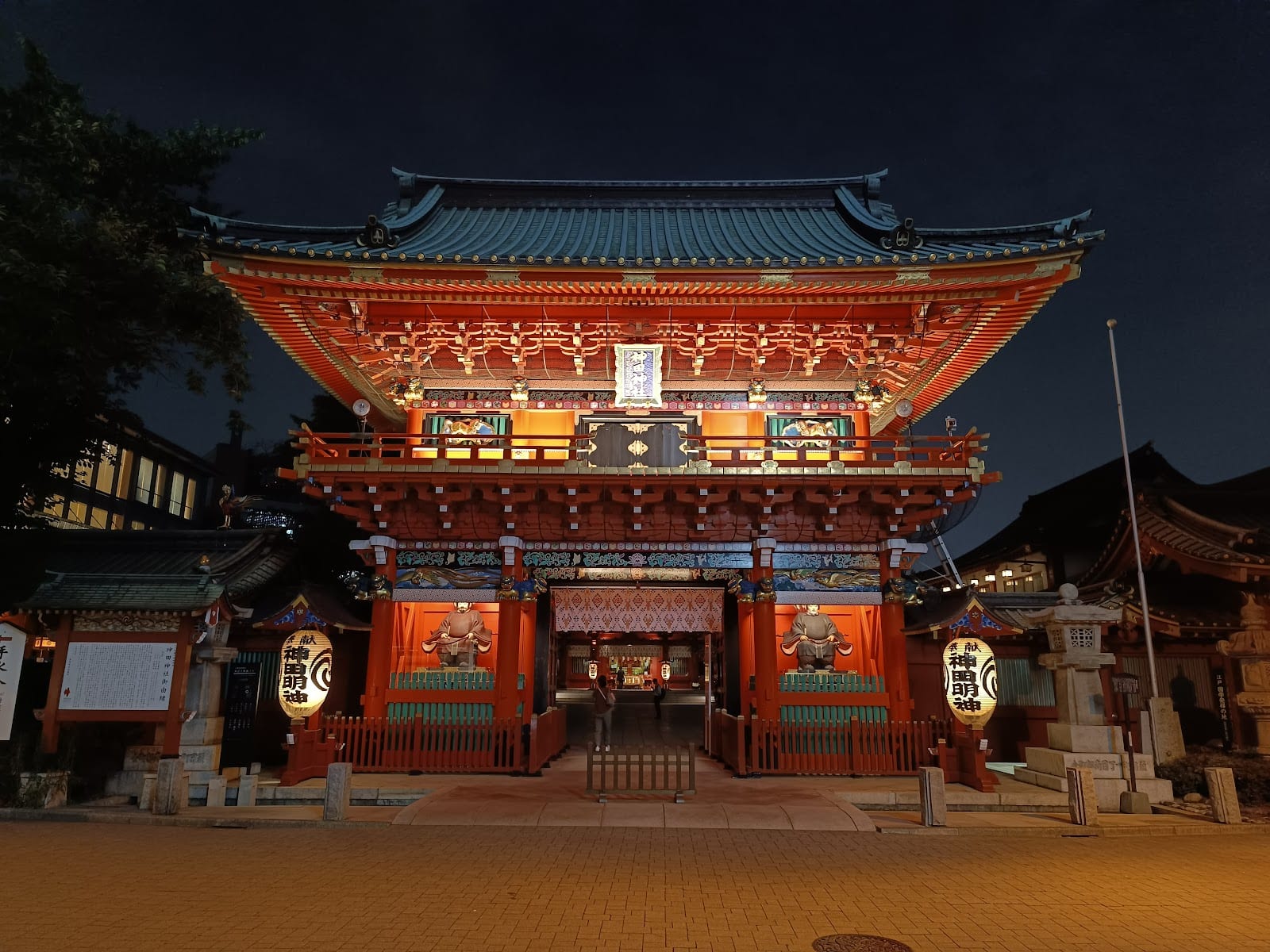
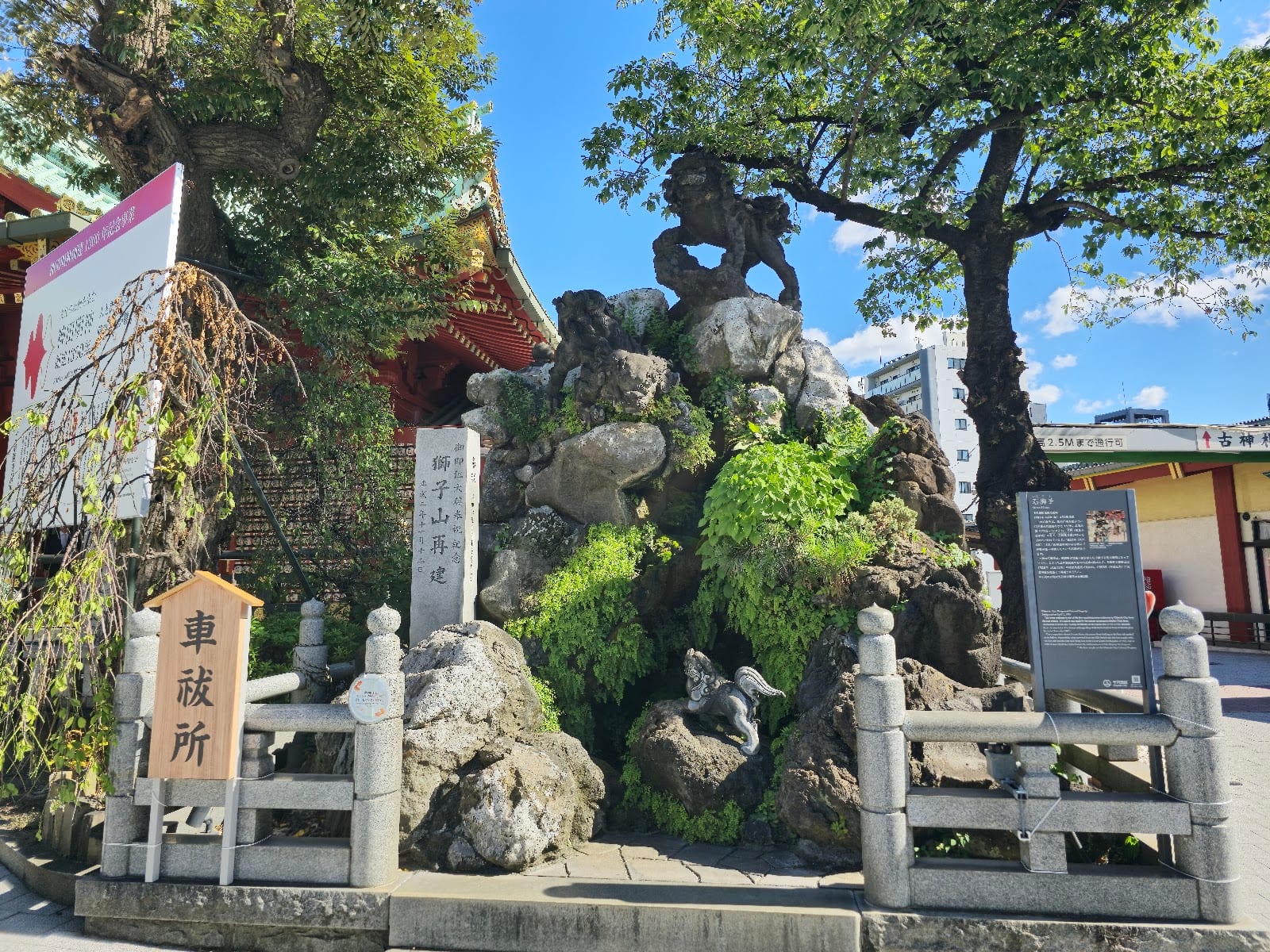
Kanda Myojin Shrine
A 1,300-year-old shrine on the hill, where the tech world comes to pray.
Ten minutes uphill from the neon, Kanda Myojin (Kanda Shrine) is Akihabara's surprise: a vivid vermilion Shinto shrine first founded around 730 and moved to this hilltop in 1616, dedicated to gods of luck, marriage, and prosperity. Because it watches over Akihabara, it has become the shrine of the digital age, selling amulets that bless laptops and data against crashes, with IT companies coming for blessings. It is also a pilgrimage site for fans of the anime Love Live!, set in the neighborhood, who hang the shrine's prayer plaques with their favorite characters. A genuinely peaceful counterpoint to the arcades, free, and worth the short climb.
Grounds open 24 hoursGood for solo, couples, families
Sourcesen.wikipedia.orggotokyo.org


Verdicts and rankings are our own; ratings open each place on Google. Prices, where shown, are an approximate per-person guide in USD.
Akihabara on screen
Where you've seen Akihabara before
Few neighborhoods are as bound up with anime and games as Akihabara, which turns up as the setting of a cult time-travel thriller, a hit RPG, and an idol saga. Tap a trailer, then go stand in it:
- Anime, 2011
Steins;Gate
Steins;Gate unfolds almost entirely in Akihabara: the lab sits above a CRT-TV shop, the cast haunts the maid cafes and back streets, and in the story a satellite, later revealed to be a time machine, crashes into the roof of the real Radio Kaikan. Fans still visit the building as the show's most famous landmark.
Radio KaikanSource - Game, 2016
Persona 5
In Atlus's hit role-playing game, the Phantom Thieves hang out in a faithfully rendered Akihabara, complete with maid cafes, an arcade, and a hobby shop, where the hacker Futaba drags the crew gadget-shopping. The neighborhood is one of the game's recognizable real-world Tokyo backdrops.
Electric TownSource - Anime, 2013
Love Live!
The school-idol group of Love Live! is based in this neighborhood, and the real Kanda Myojin shrine appears throughout the series. The shrine leaned into it, selling Love Live! amulets and prayer plaques, and it is now a fan pilgrimage stop on the hill above the arcades.
Kanda Myojin ShrineSource
Eat & drink
Where to eat and drink in Akihabara
Akihabara eats fast and cheap: gamer-fuel curry, a late-night ramen counter, a market hall under the tracks, and a coffee stop literally on an old train platform. A few we'd point you to:
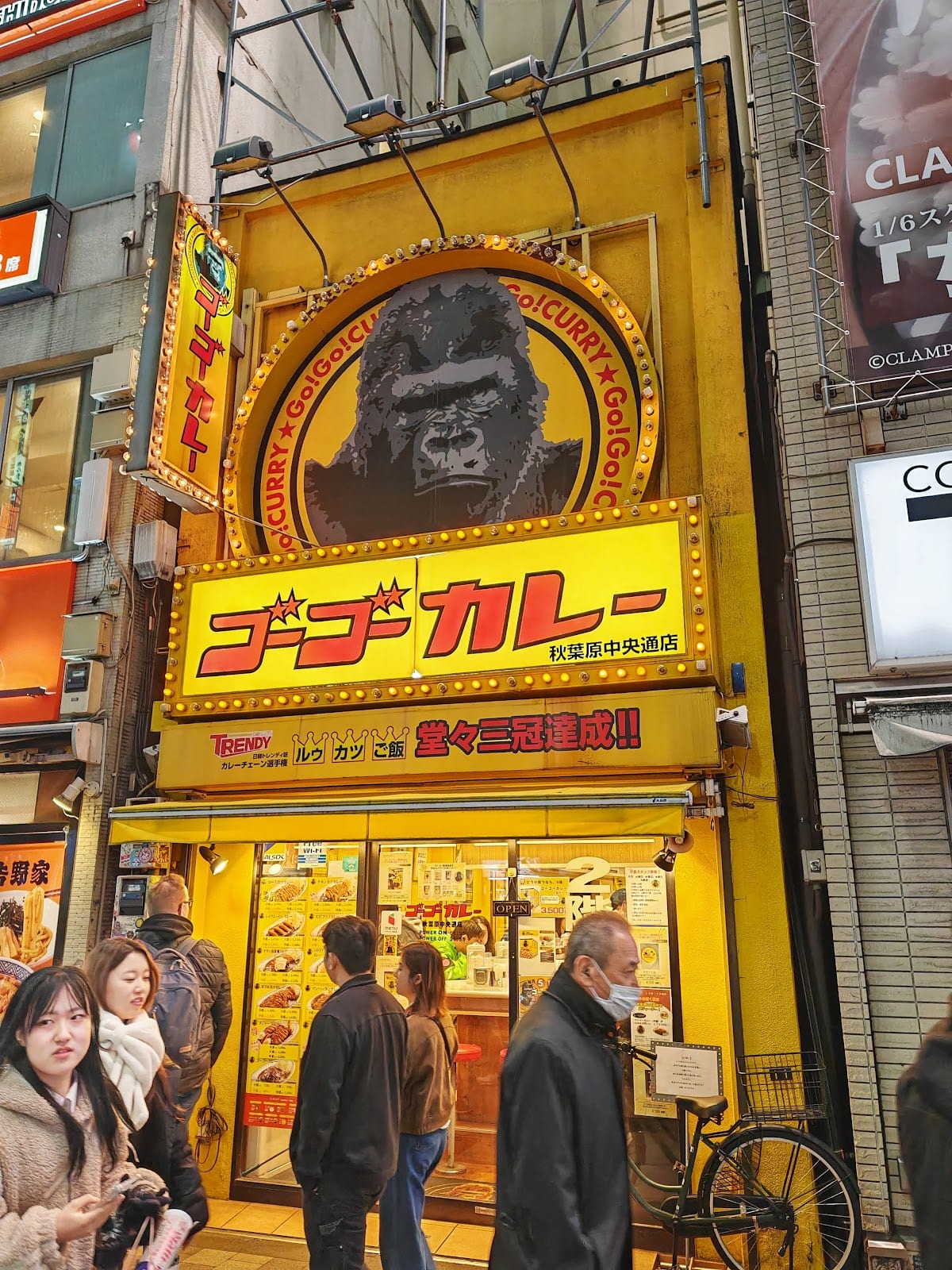
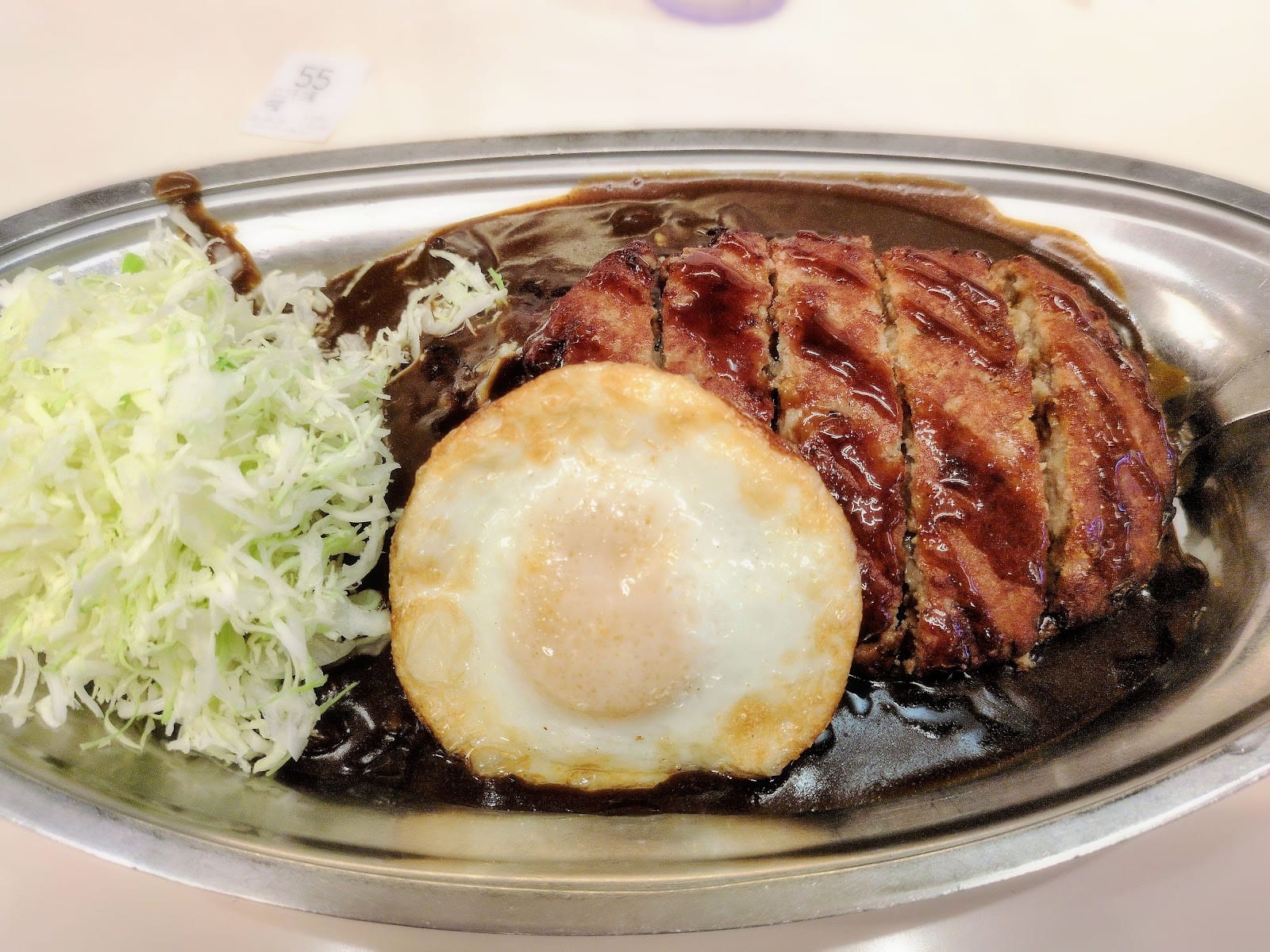
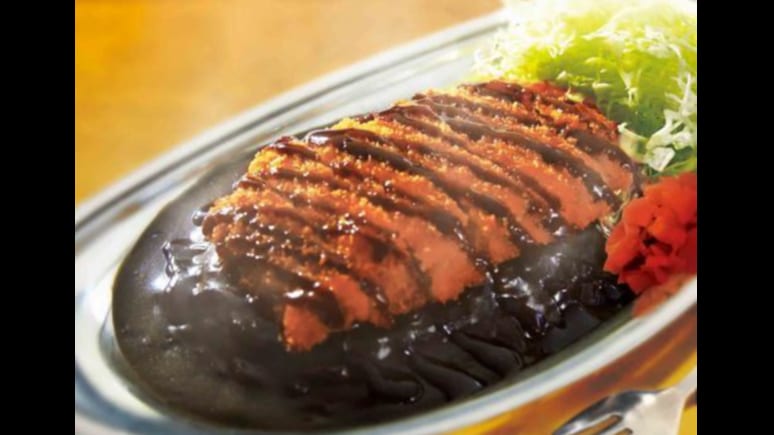
Go Go Curry Akihabara
Off Chuo-doriAkihabara runs on curry, and Go Go Curry is the gamer's choice: thick, dark, Kanazawa-style sauce over rice with a crisp fried cutlet, served fast and cheap under a grinning gorilla mascot. A big, filling plate runs well under a thousand yen, and it is exactly the kind of refuel a day of shop-crawling calls for.
on Google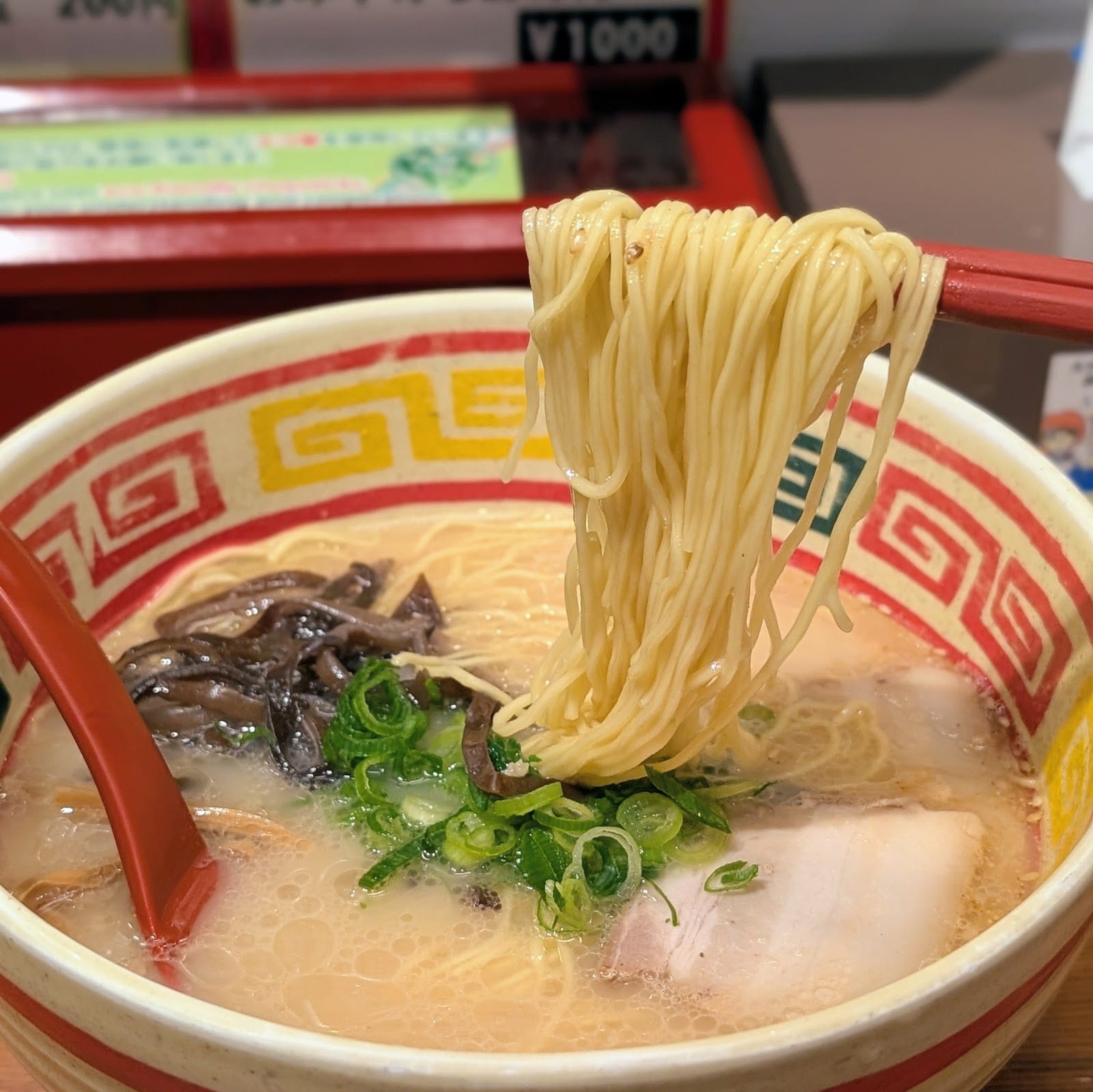
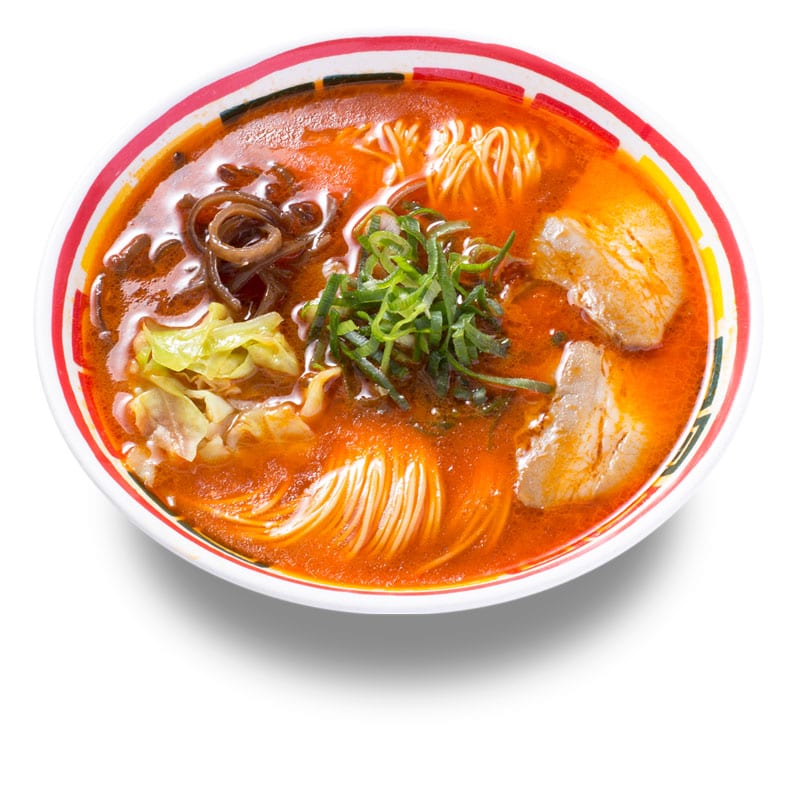
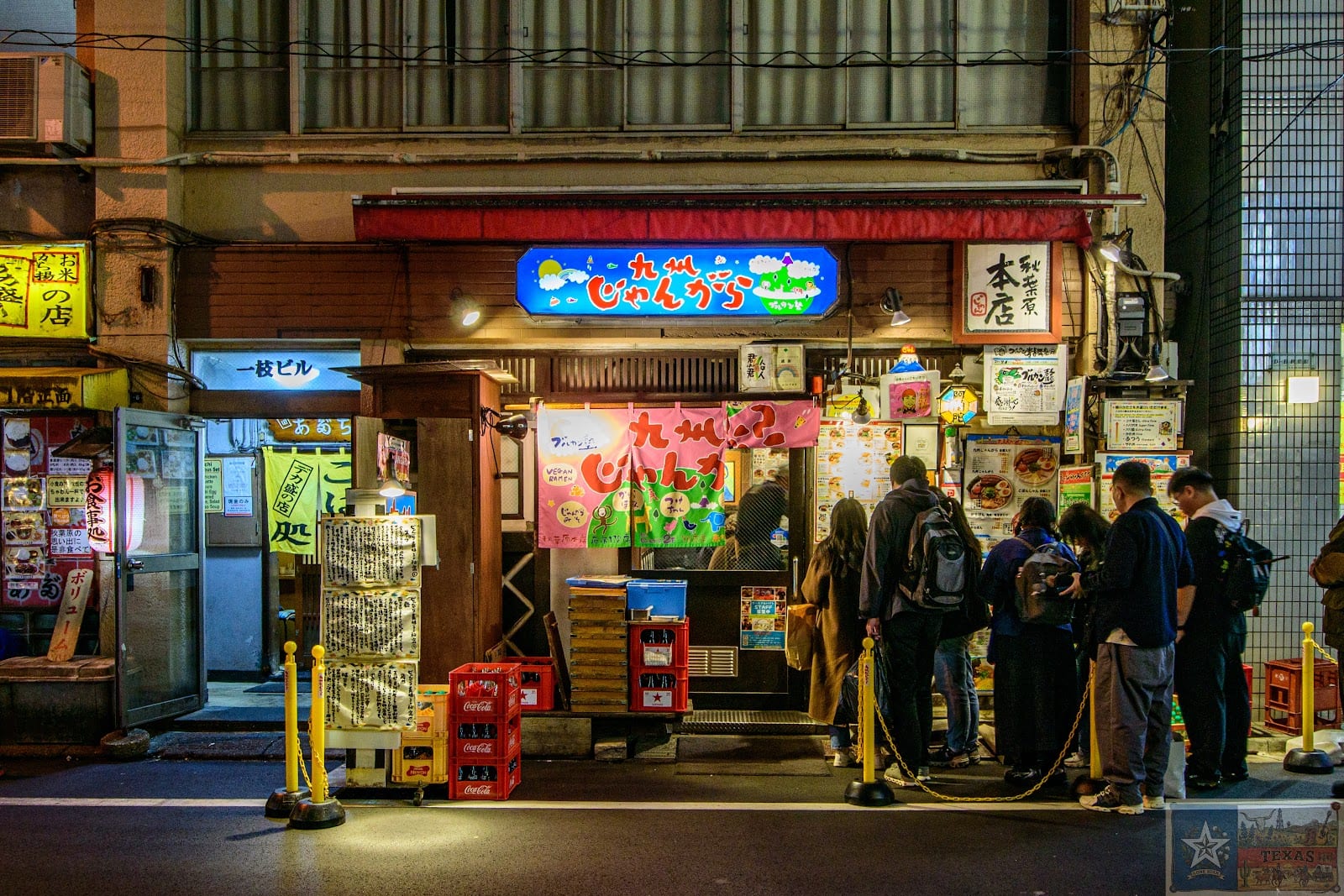
Kyushu Jangara Akihabara
Near the stationA Hakata-style tonkotsu ramen institution a couple of minutes from the station, pouring rich, milky pork-bone broth in Akihabara for decades. Order it loaded with the works if you are hungry, or keep it simple; either way it is a reliable, satisfying bowl between shops, and it stays open late.
on Google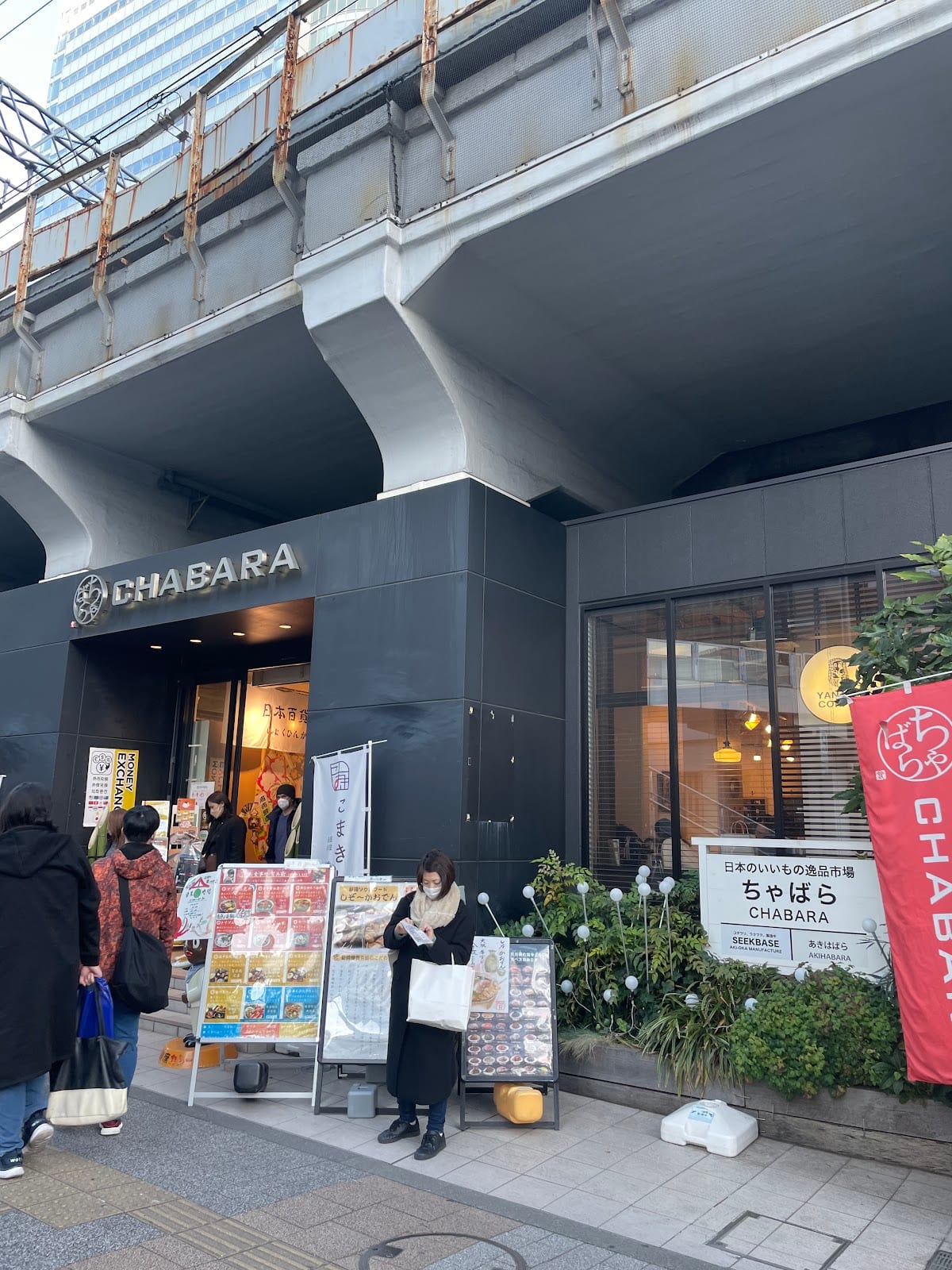
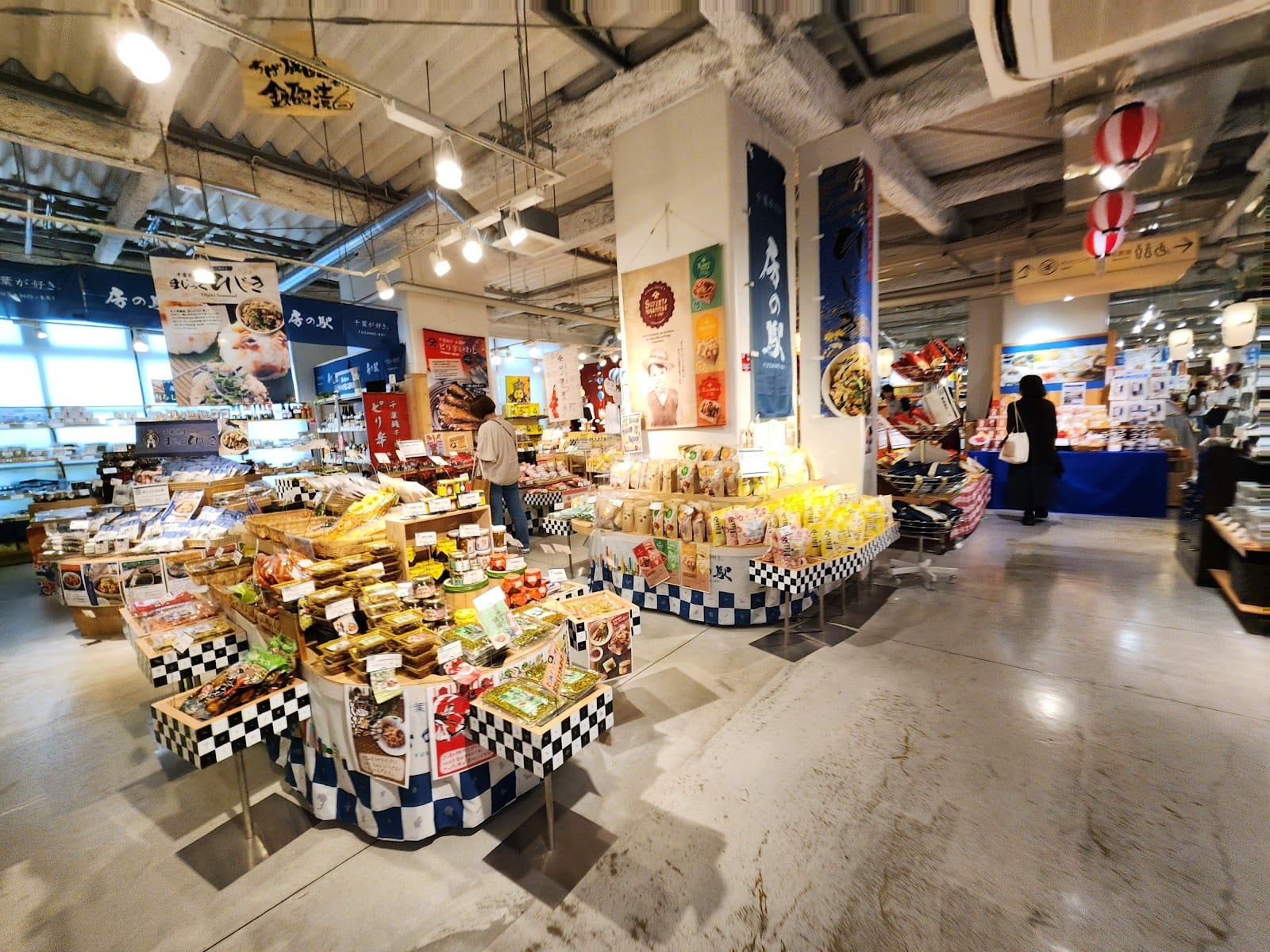
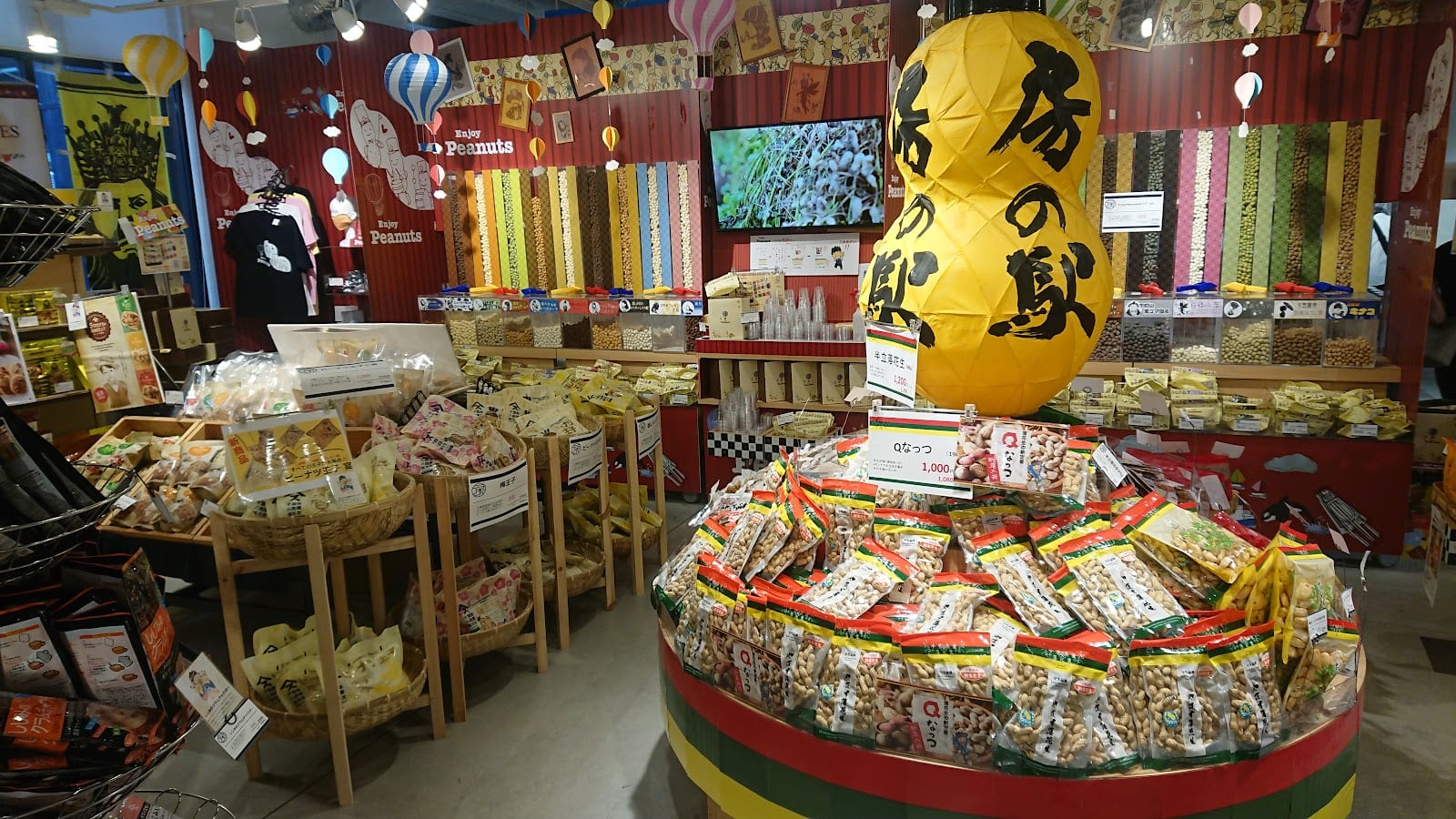
Chabara
Under the tracksA bright market hall tucked under the railway arches just south of the station, Chabara gathers regional Japanese foods, snacks, sake, and crafts from around the country under one roof. It is the most un-otaku thing in Akihabara and the best spot near the station for edible souvenirs and a quieter break.
on Google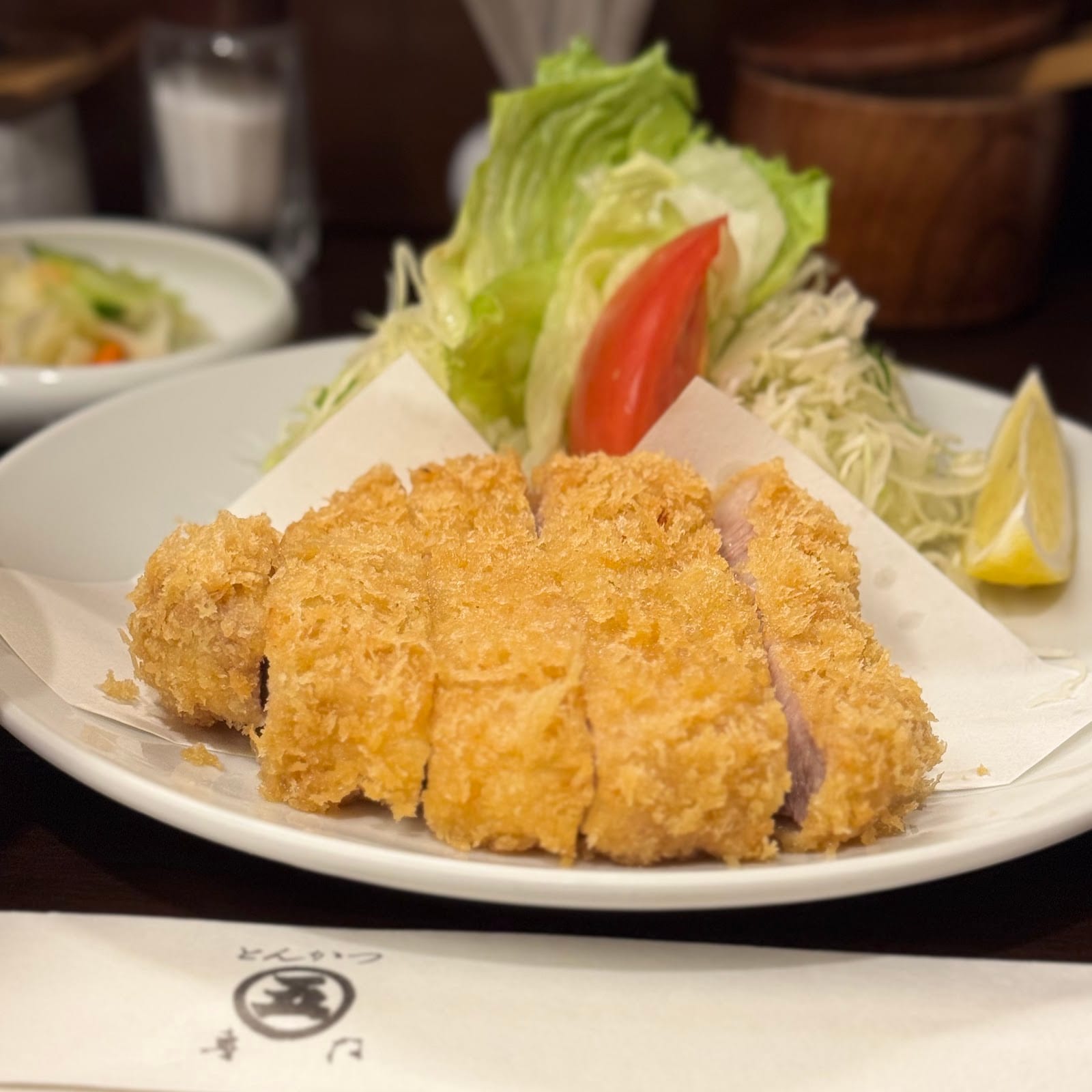
Tonkatsu Marugo
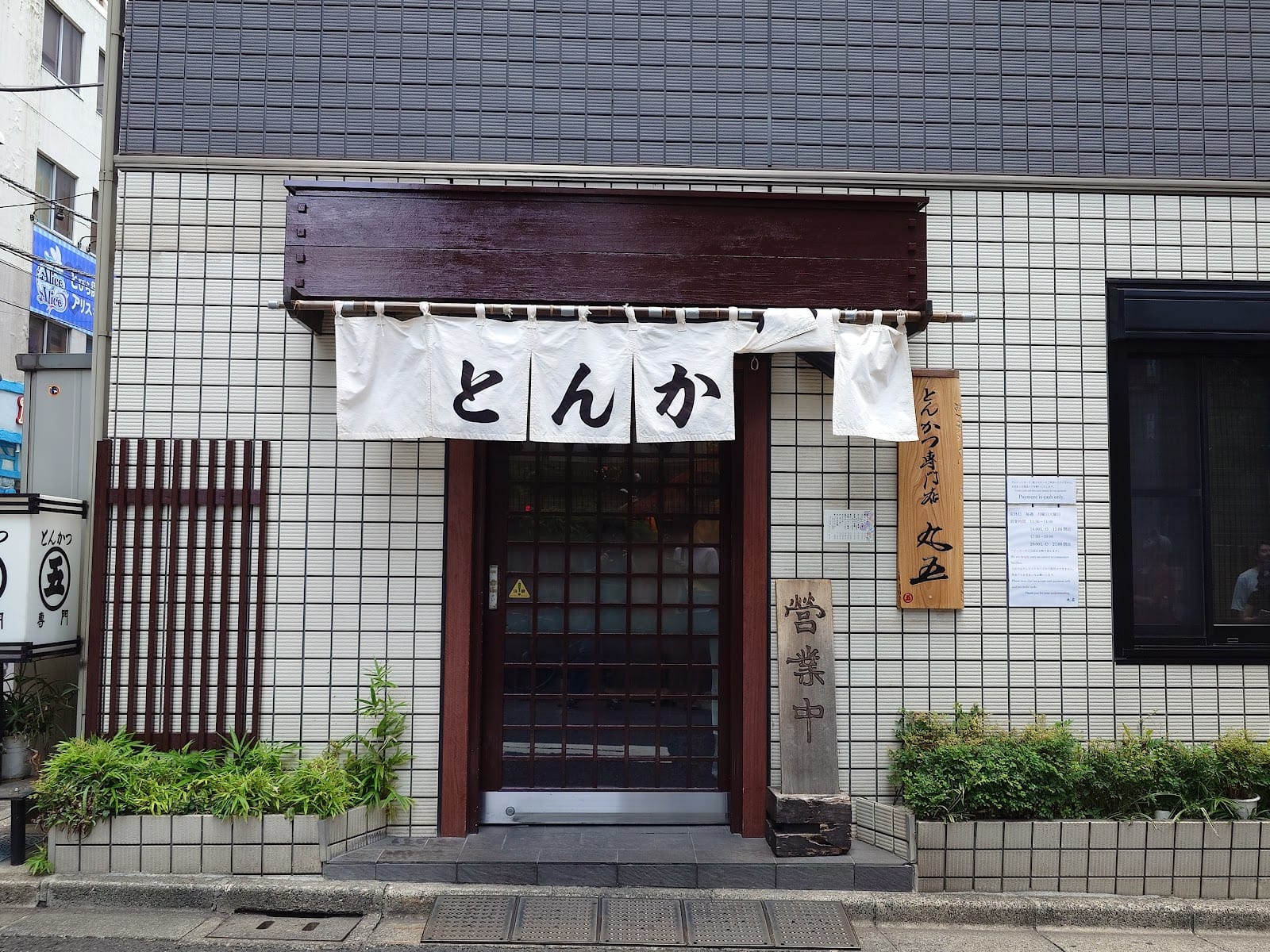
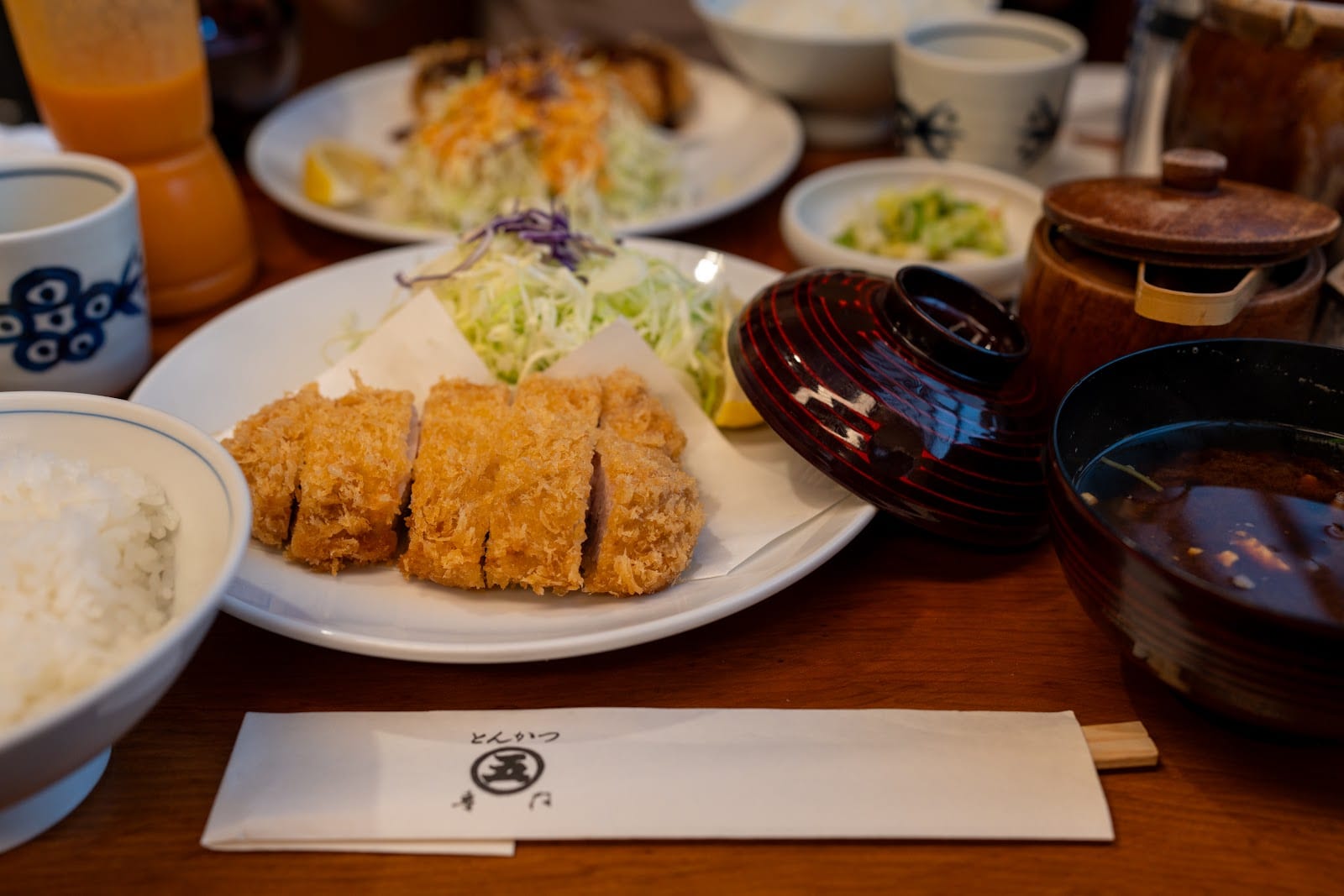
Near the stationA beloved old-school tonkatsu house a short walk from the station, frying thick, juicy pork cutlets in a crisp panko crust to order. There is usually a queue at lunch and it is cash-friendly and unfussy, the kind of proper sit-down Tokyo meal that balances out a day of curry, ramen, and snacks on the move.
on Google


Getting around
Getting around Akihabara
Akihabara is one of Tokyo's easiest neighborhoods to reach and to walk.
Akihabara Station
JR's Yamanote, Keihin-Tohoku, and Chuo-Sobu lines all stop here, along with the Tokyo Metro Hibiya line and the Tsukuba Express. Use the Electric Town exit on the west side to step straight into the action; Ueno is a few minutes north and Tokyo Station four minutes south on the JR lines.
Walk the whole thing
The otaku core is just a few flat blocks. You can cover the main stores on foot in an afternoon and never need a train inside Akihabara.
Sundays are pedestrian paradise
On Sunday afternoons Chuo-dori closes to traffic and becomes a walking street, the most relaxed time to wander down the middle of the avenue.
Come in the afternoon
Most shops do not open until 10 or 11 in the morning and close by 8 in the evening, so Akihabara is a late-starting, neon-at-night neighborhood. Arrive around midday and stay for the lights.
Where to stay
Where to stay in Akihabara
Akihabara is central, affordable, and superbly connected, a practical base more than a scenic one. Where you land changes the feel:
Around the station and Electric Town
In the thick of it, steps from the shops and the neon and on every train line. Busiest and brightest, so light sleepers will hear the city.
Toward Kanda (south)
A few minutes south, the otaku glow fades into a workaday office district with cheaper business hotels, still an easy walk to the shops and one stop from Tokyo Station.
Toward Okachimachi and Ueno (north)
Quieter, more local streets running north toward Ueno's parks and museums, handy if you want sights as well as shops.
Toward Ochanomizu and the river (west)
Up the hill near the universities and Kanda Myojin, calmer and greener, with a short walk down into the action.

Where to Stay in Tokyo
Compare every Tokyo neighborhood and find the right base, with hotel picks at each price.
View the guideWho it's for
Akihabara for solo, friends, and families
- Akihabara for solo travelers
- Akihabara is made for solo wandering: dig through Mandarake and Super Potato at your own pace, play an arcade floor alone the way everyone does, and pull up to a maid cafe or a ramen counter as a perfectly normal table for one.
- Akihabara for friends
- Come with friends for the arcades and the arcade-bars: a retro-game face-off at Super Potato, a round of crane games, purikura photo booths, and the cheap late-night game bars that run from here.
- Akihabara for families
- Older kids love the arcades, the capsule-toy halls, and the gadget and toy floors at Yodobashi. Note that some maid cafes have age rules, and the crowds, noise, and signage can be a lot for very young children.
More of Tokyo
Nearby neighborhoods
A short hop from Akihabara, and worth pairing on the same trip.


Ready to explore Akihabara?
Tell Zoya, your personal travel assistant, how you like to travel, and she'll turn these into an Akihabara afternoon, or a whole Tokyo trip, that fits your dates.
Explore now