

Ueno · Tokyo neighborhood guide
Things to Do in Ueno
Tokyo's culture park, one green hill above the station: Japan's oldest and largest museum, the Ameyoko market street, a lotus pond, and the city's most crowded cherry blossoms. Here's what's actually worth your time, ranked and judged.
Ueno in brief
What is Ueno famous for?
Ueno Park and the cluster of museums inside it, led by the Tokyo National Museum, the oldest and largest museum in Japan; Ueno Zoo, the country's oldest; Shinobazu Pond and its summer lotuses; and Ameyoko, the busy market street under the train tracks. The park is also Tokyo's most famous cherry-blossom spot.
Is Ueno worth visiting?
Yes, especially if you like museums and want a lot in one walkable place. Ueno Park packs Japan's top museum, a zoo, a pond, and several old shrines and temples into one hill, almost all of it free to enter, a few minutes from a major station. Plan a half to full day.
What is the famous street in Ueno?
Ameyoko, short for Ameya-Yokocho, a roughly 500-meter open-air market that runs under and beside the train tracks between Ueno and Okachimachi stations. It began as a postwar black market and is now around 400 shops and stalls selling seafood, sweets, snacks, clothes, and cheap eats.
Get oriented
How Ueno fits together
Almost everything is one big park on a hill, with one market street running off the other side of the station.
Ueno Park sits on a low hill, Ueno-no-yama, just northwest of Ueno Station, on land that was once the great Kan'ei-ji temple. The museums line the north and east edges of the park: the Tokyo National Museum at the far north end, with the National Museum of Western Art and the science museum near the central fountain. Ueno Zoo is in the northwest, and the shrines, the small Kiyomizu Kannon-do hall, and the face of the old Great Buddha sit along the slope above Shinobazu Pond, which fills the southwest corner. On the other side of the station, to the south, Ameyoko runs under the elevated tracks toward Okachimachi. The old-town quiet of Yanaka is a short walk northwest.
A half-day walk on foot, starting in the market by the station and climbing up through the park:
See & do, ranked
The best things to do in Ueno
Our honest ranking of what is worth your time, from the must-sees to a tourist-light hidden gem, with a verdict on each so you know what to prioritize and what has changed.
Must-see
The essentials, ranked.- 1
 The park Worth it
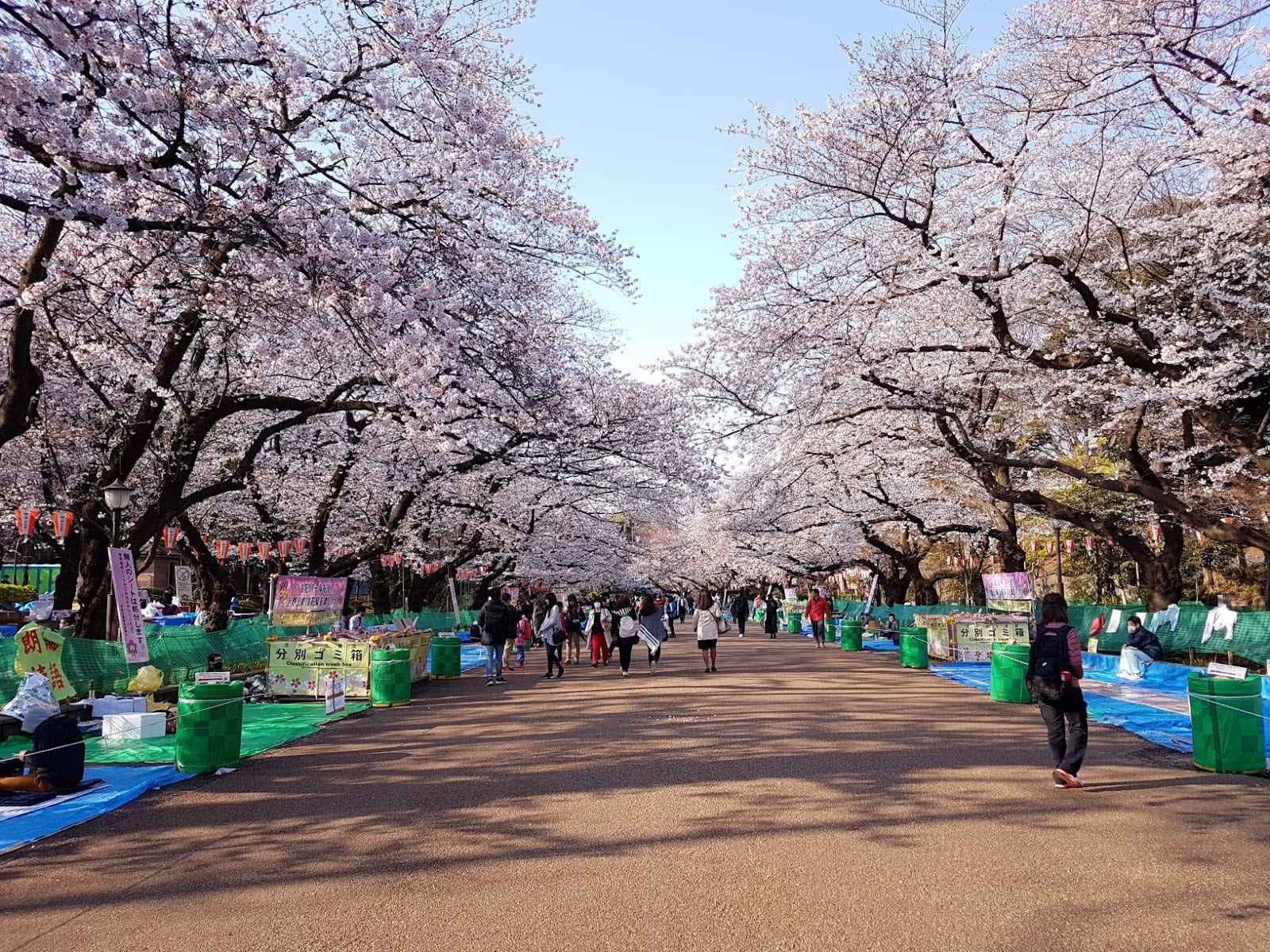
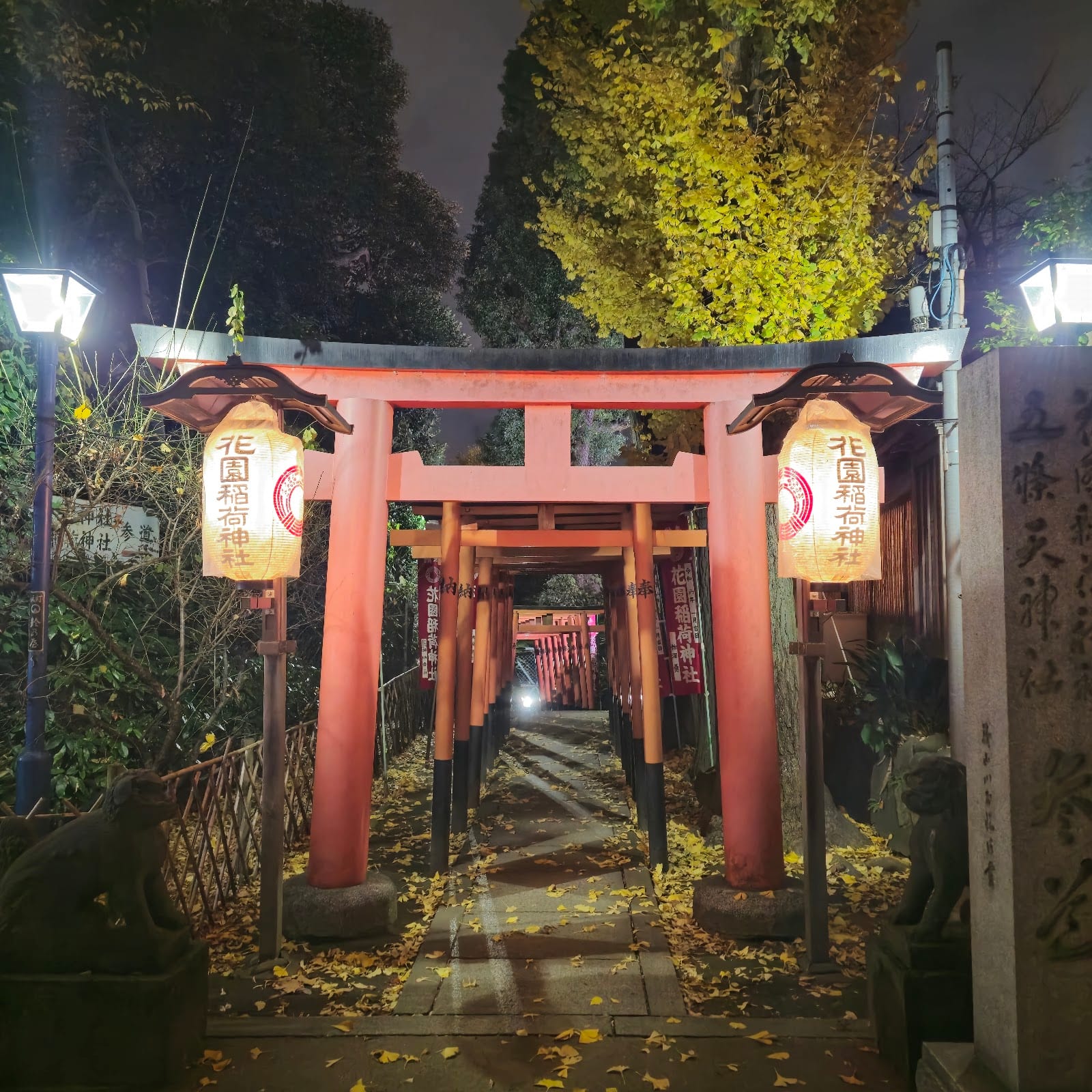
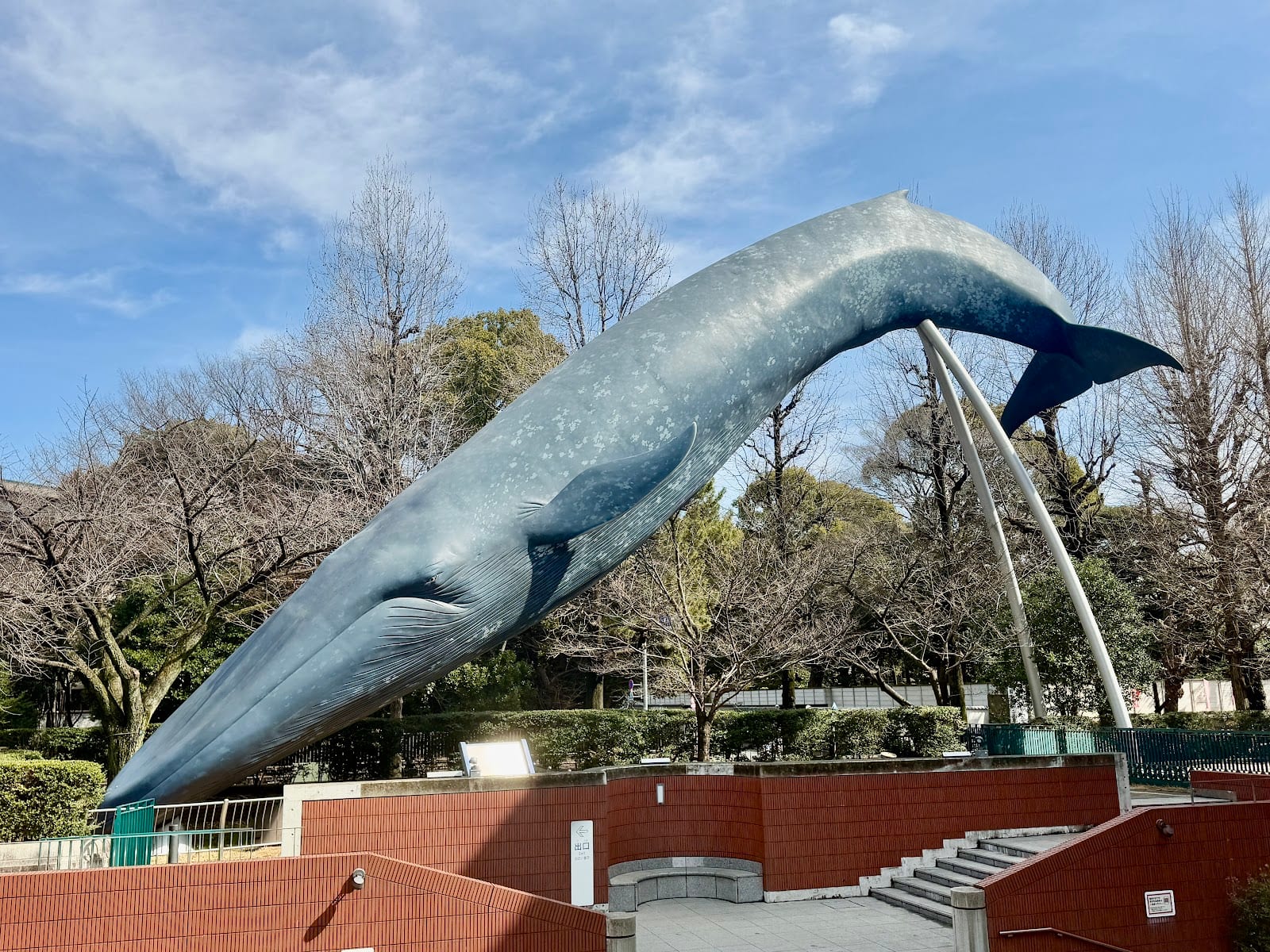
Ueno Park
One green hill that holds Tokyo's densest run of museums, a zoo, a pond, and its most famous cherry blossoms.
Ueno Park, formally Ueno Onshi Koen, was laid out in 1873 on the former grounds of Kan'ei-ji, the temple destroyed in the 1868 Battle of Ueno, and it was among the first public parks in Japan. Today it is the closest thing Tokyo has to a single culture quarter: the Tokyo National Museum, the National Museum of Western Art, the National Museum of Nature and Science, the Tokyo Metropolitan Art Museum, Ueno Zoo, Shinobazu Pond, and several old shrines all sit within a few minutes' walk. In spring its central avenue of more than a thousand cherry trees becomes the busiest hanami spot in the city. Entry to the park itself is free and it is open daily from 5 a.m. to 11 p.m.; the museums and zoo keep their own hours. The Park exit of Ueno Station opens straight onto it.
Open 5:00 AM - 11:00 PM; museums and zoo keep their own hoursGood for families, couples, solo
- 2
 North end of the park Worth the hype
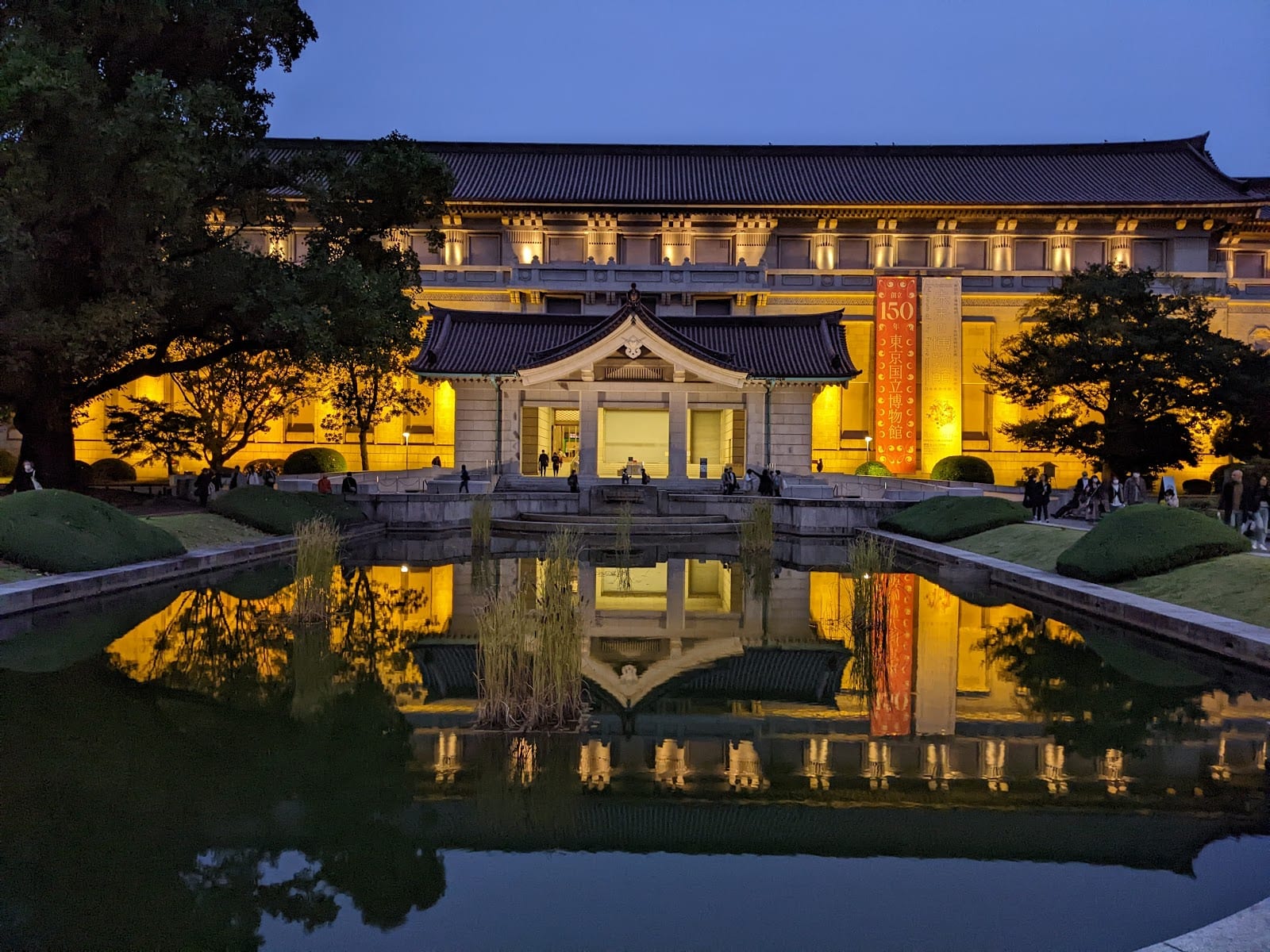
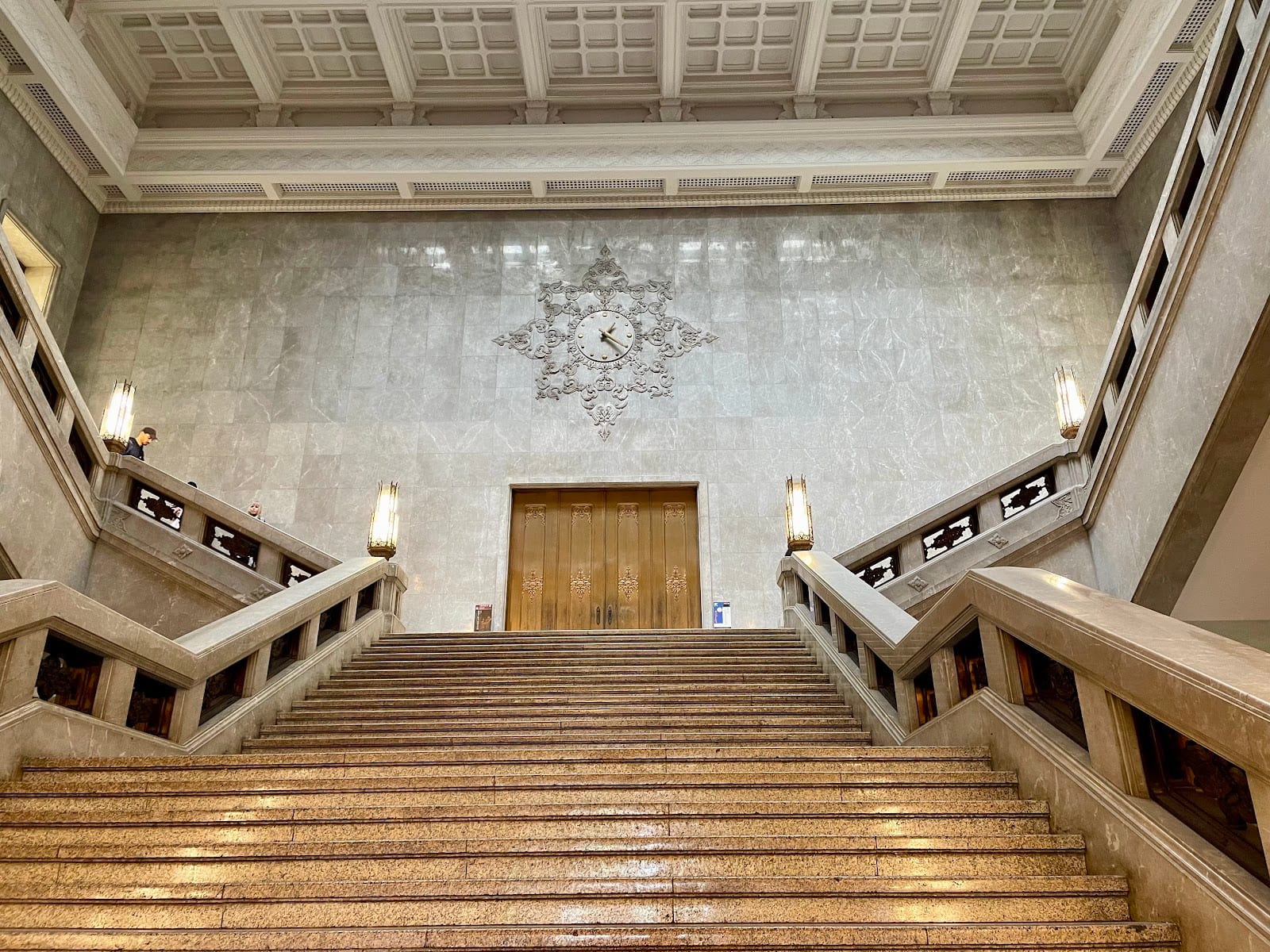
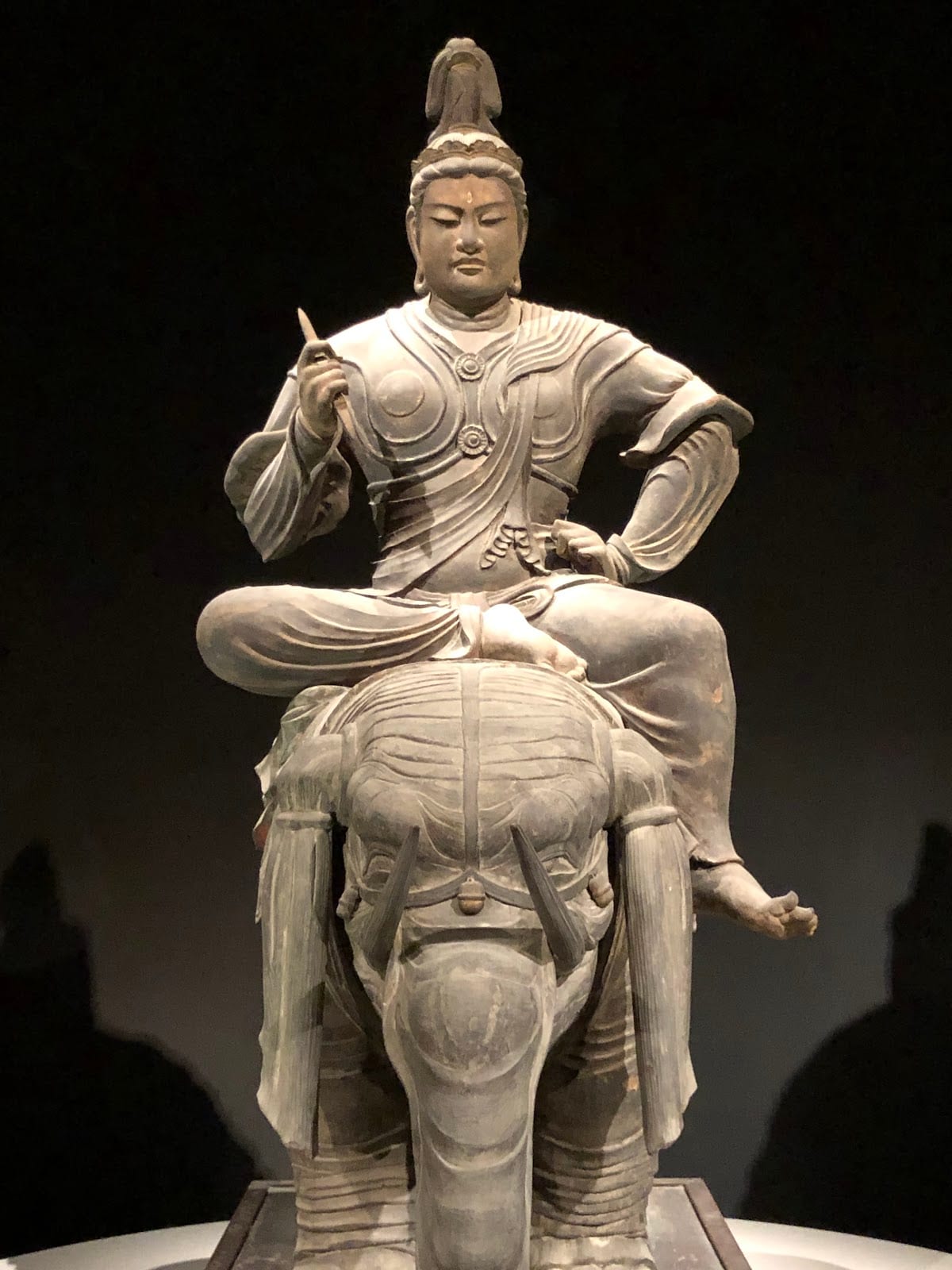
Tokyo National Museum
The oldest and largest museum in Japan, and the best single place to see Japanese art.
Founded in 1872, the Tokyo National Museum is the oldest and largest museum in the country, and it holds the world's biggest collection of Japanese art, around 120,000 objects including dozens of designated National Treasures. The main building, the Honkan, walks you through samurai swords and armor, Buddhist sculpture, ceramics, kimono, and ukiyo-e prints in a single clear loop; the Toyokan covers the rest of Asia, the Heiseikan handles archaeology and big special exhibitions, and the Gallery of Horyuji Treasures shows ancient temple objects in a Yoshio Taniguchi building. General admission to the permanent galleries is 1,000 yen, about 7 dollars, and you can walk straight in without booking; only some special exhibitions need a timed ticket. It is open 9:30 to 17:00, later on Fridays and Saturdays, and closed Mondays. Give it at least two hours.
Good for families, couples, solo
Sourcestnm.jpen.wikipedia.org
- 3
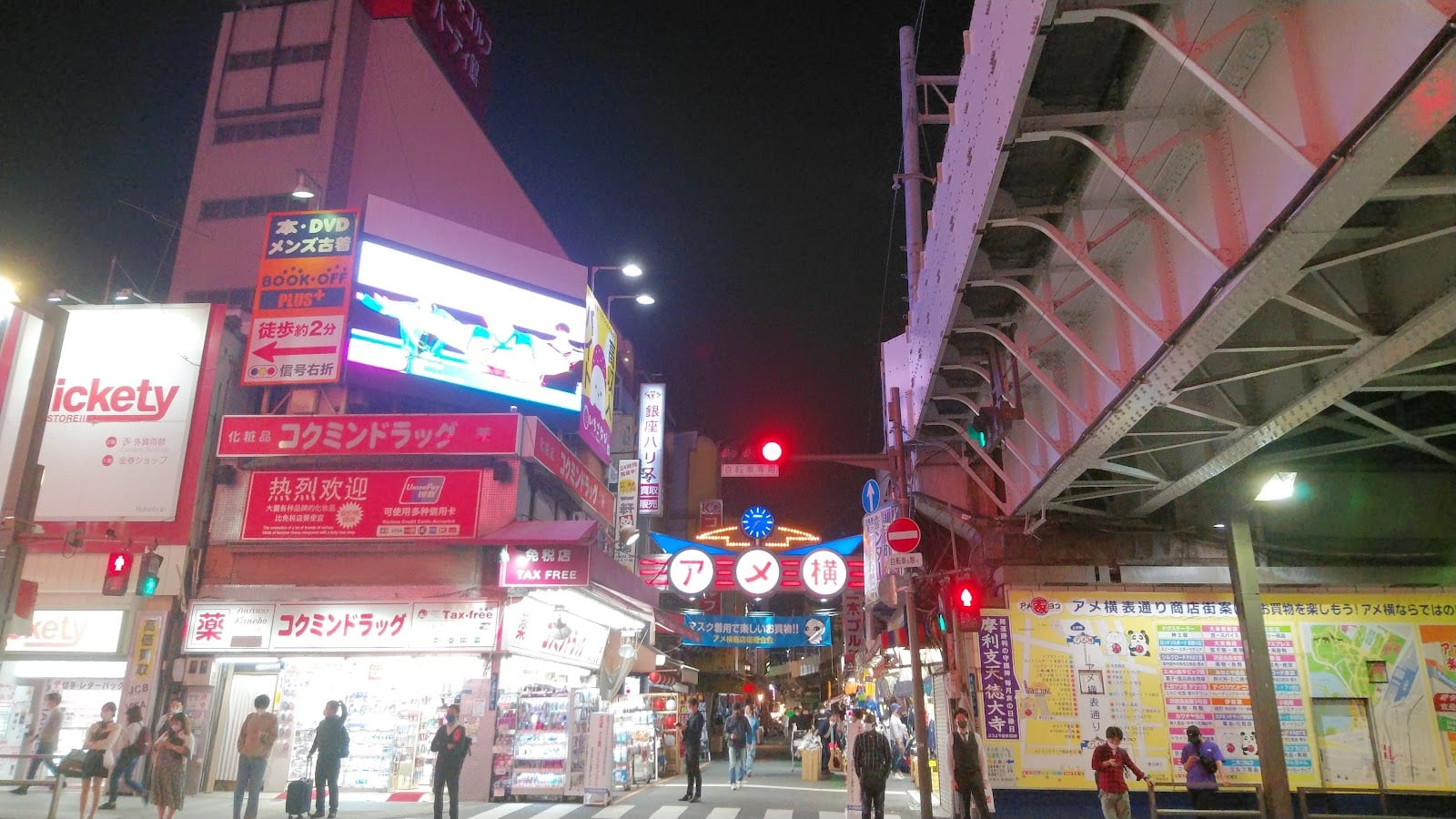 South of the station Worth it
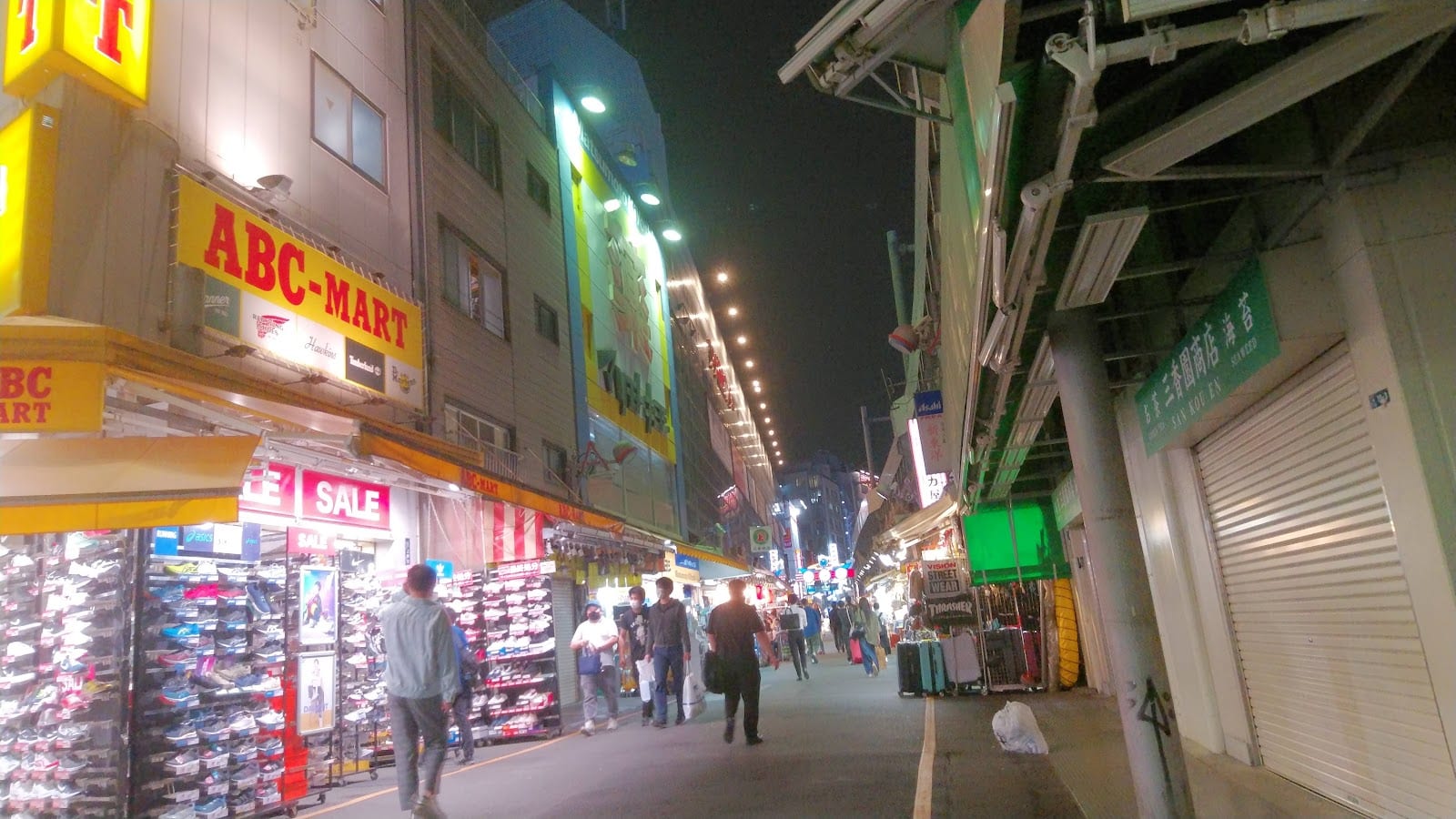
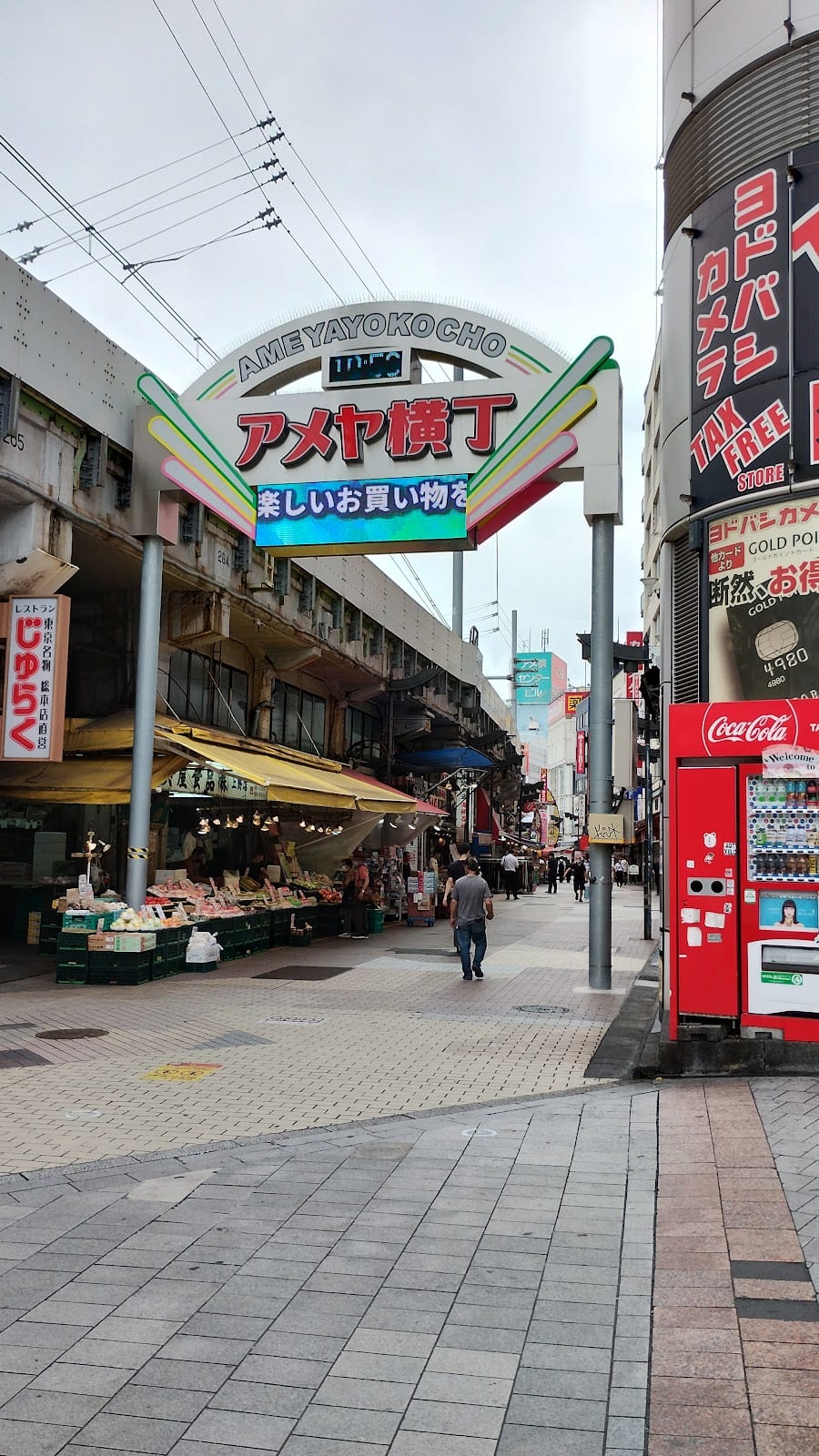
Ameyoko
A loud postwar market street under the train tracks, the most famous strip in Ueno.
Ameyoko, short for Ameya-Yokocho, is the open-air market that runs about 500 meters under and alongside the elevated train tracks between Ueno and Okachimachi stations. It grew out of the black market that filled this stretch after the war, when vendors sold rice, sweets, and surplus American army goods, which is where the name comes from: either ameya, the candy sellers, or America. Today it is around 400 shops and stalls crammed shoulder to shoulder, selling fresh seafood and dried fish, cheap sweets and nuts, fruit, clothing, cosmetics, sneakers, and a growing run of street food and standing bars tucked under the rails. It is loud, a little chaotic, and unashamedly downmarket next to the museums up the hill, which is exactly the point. Come hungry in the afternoon; it is at its most frantic in the last week of December, when Tokyo shops here for New Year.
Free45 minMost shops 10:00 AM - 8:00 PM (varies by stall)Good for families, couples, solo, friends


Worth it with more time
Good additions once you've done the icons.- 1
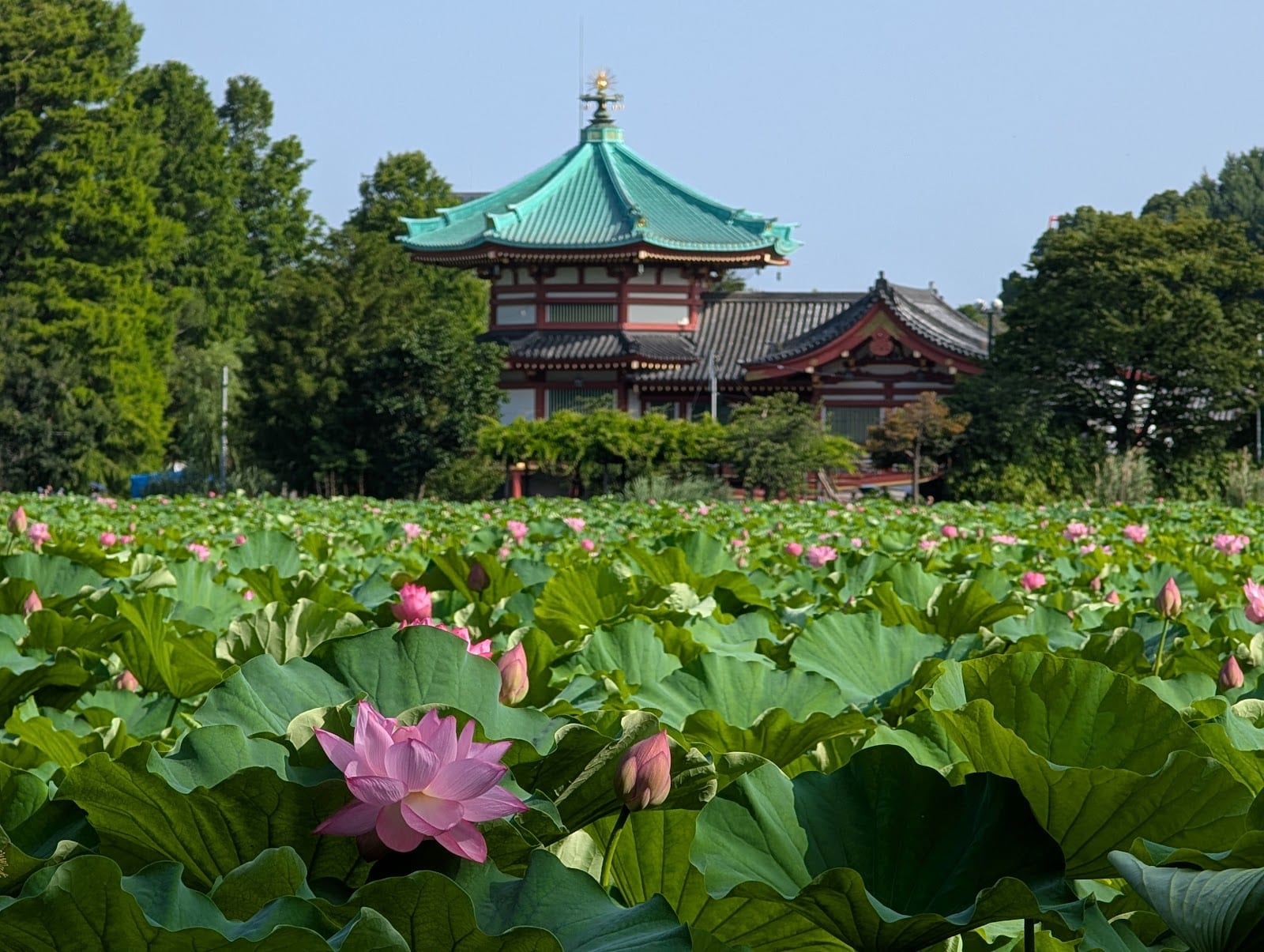
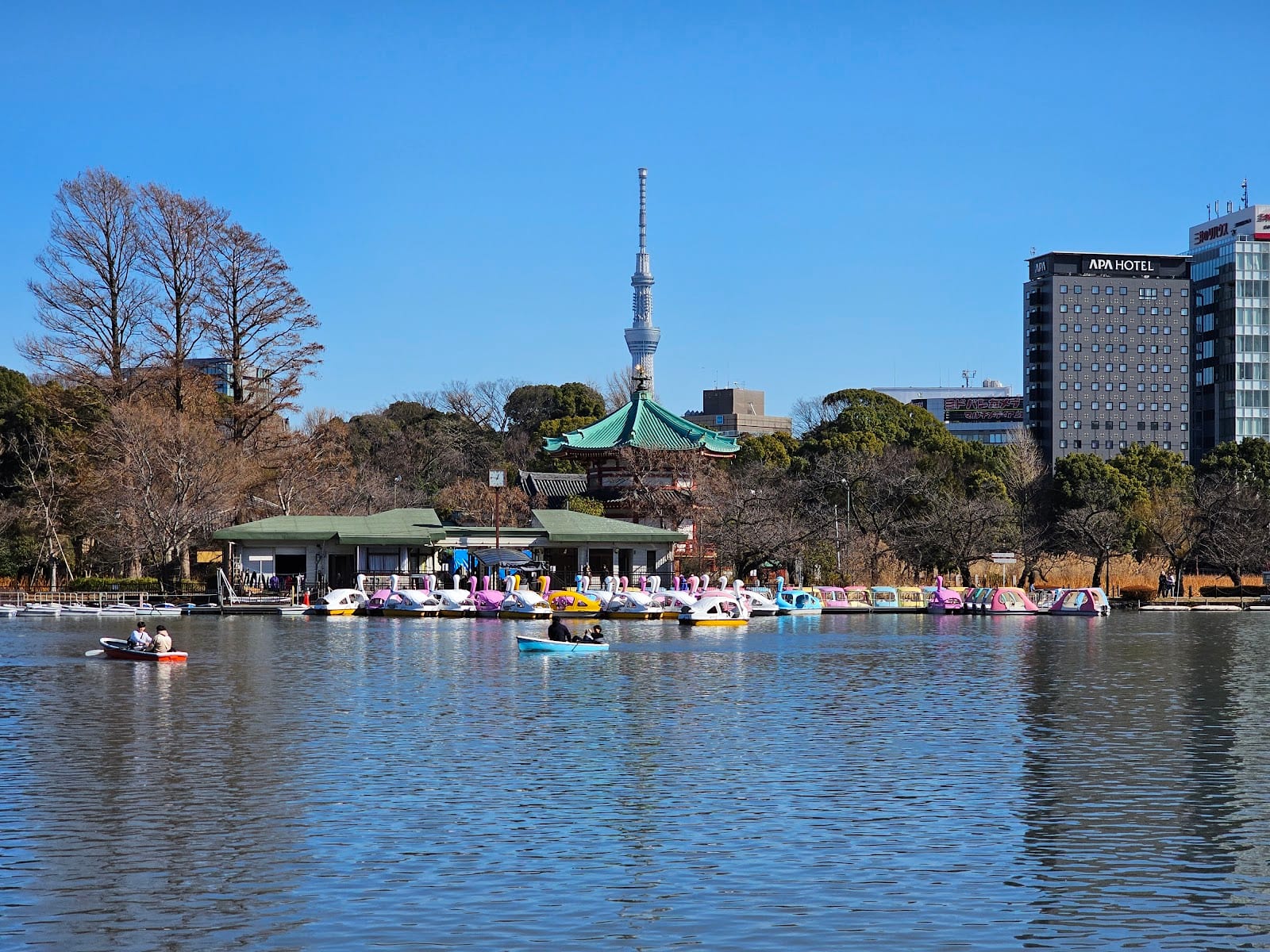
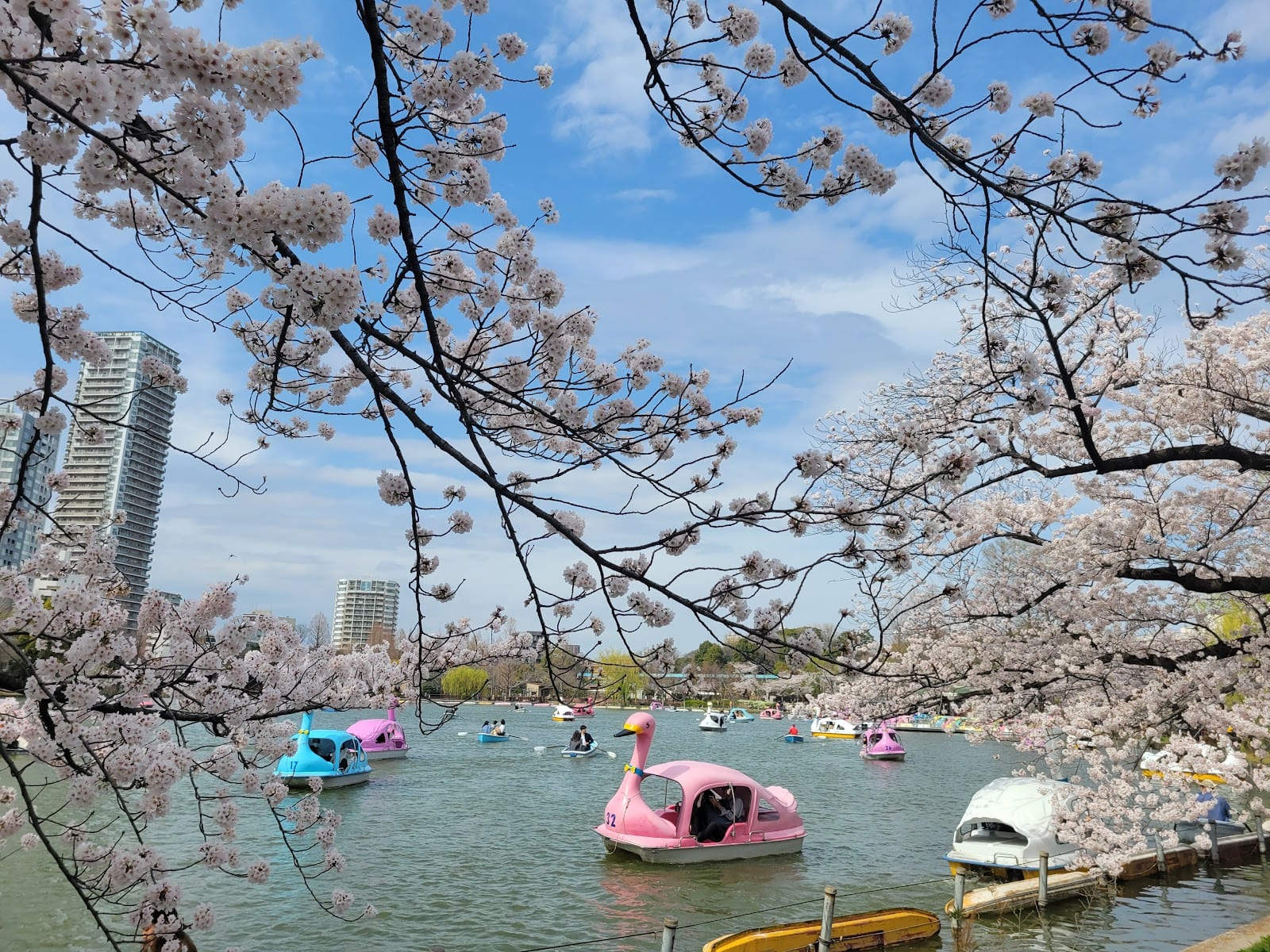 Southwest corner Worth it
Shinobazu Pond
A big natural pond with a temple island, rowboats, and a summer blanket of lotuses.
Filling the southwest corner of the park, Shinobazu Pond is a large natural pond split into three parts: a lotus pond, a boat pond, and a cormorant pond inside the zoo. On an island in the middle sits Bentendo, a temple to the goddess Benzaiten that you reach by a short causeway. In July and August the lotus pond is almost completely covered in pink and white flowers, which is why this is the spot Tokyo answers with when you ask where to see lotuses; the blooms open early, so come between about 7 and 9 in the morning. The rest of the year you can rent a rowboat or a swan-shaped pedal boat on the boat pond, or just walk the loop. It is free, sits right in the park, and is an easy counterpoint to the museums.
Good for families, couples, solo
Sourcesgotokyo.orgen.wikipedia.org
- 2
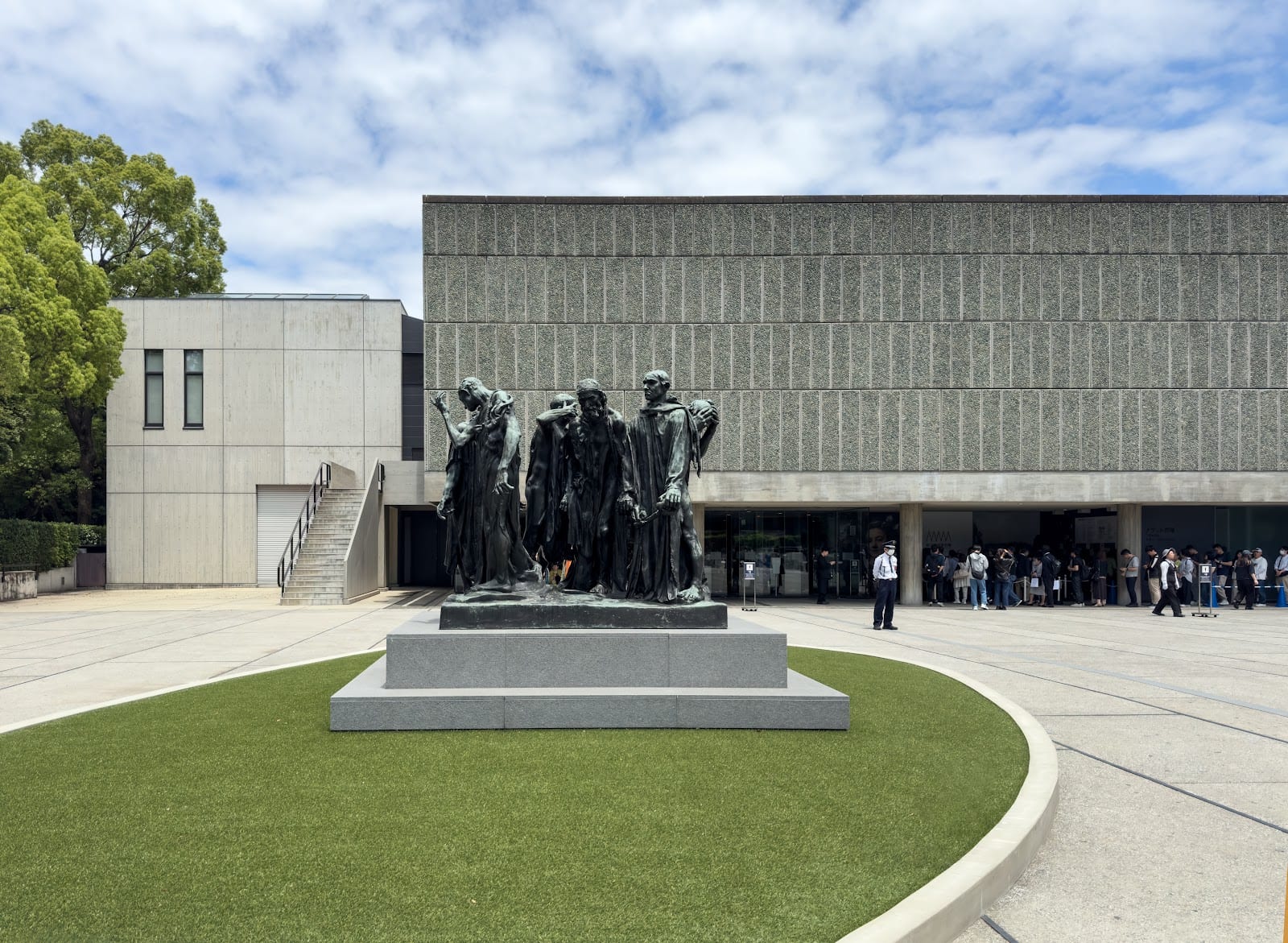
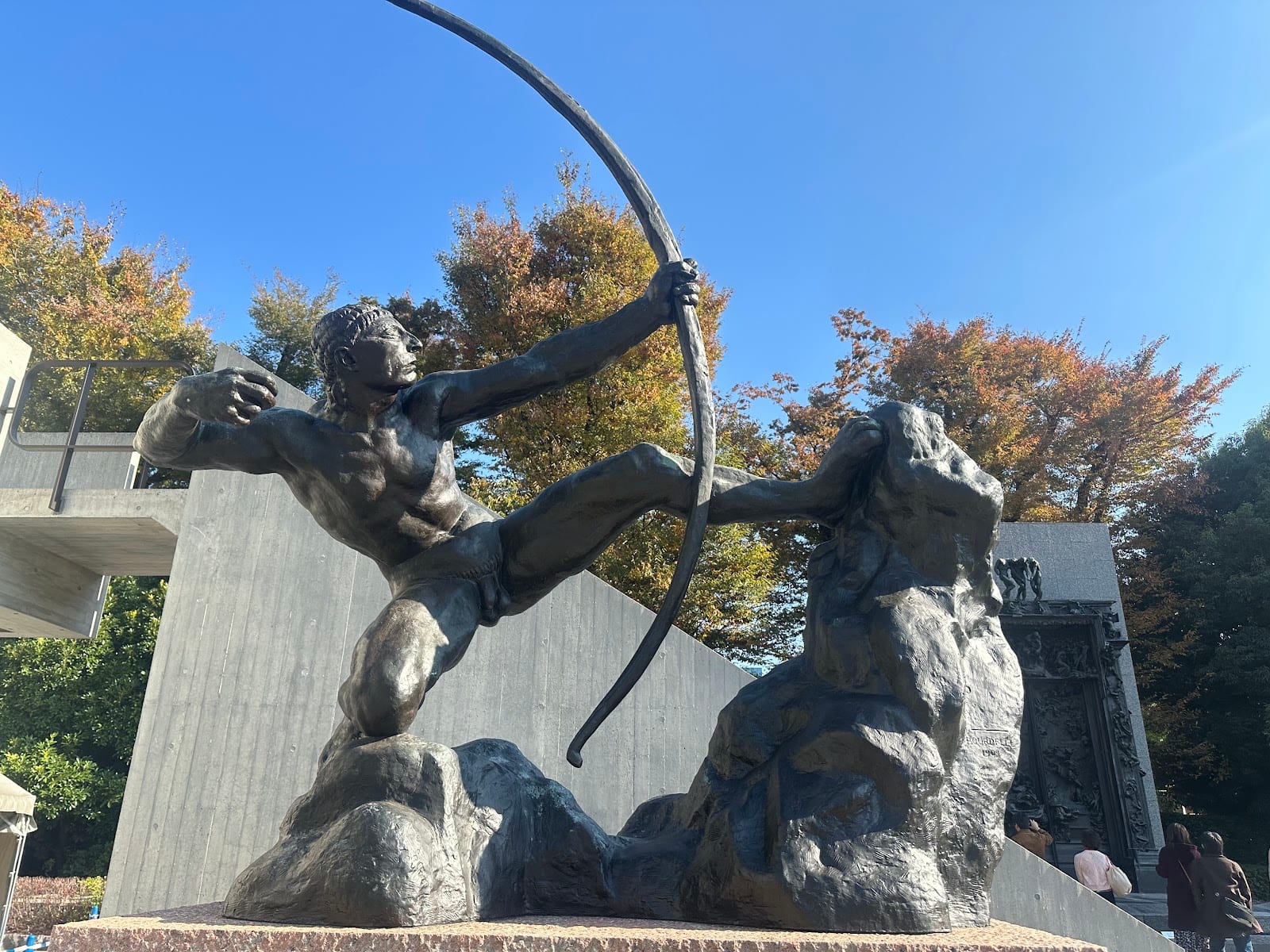
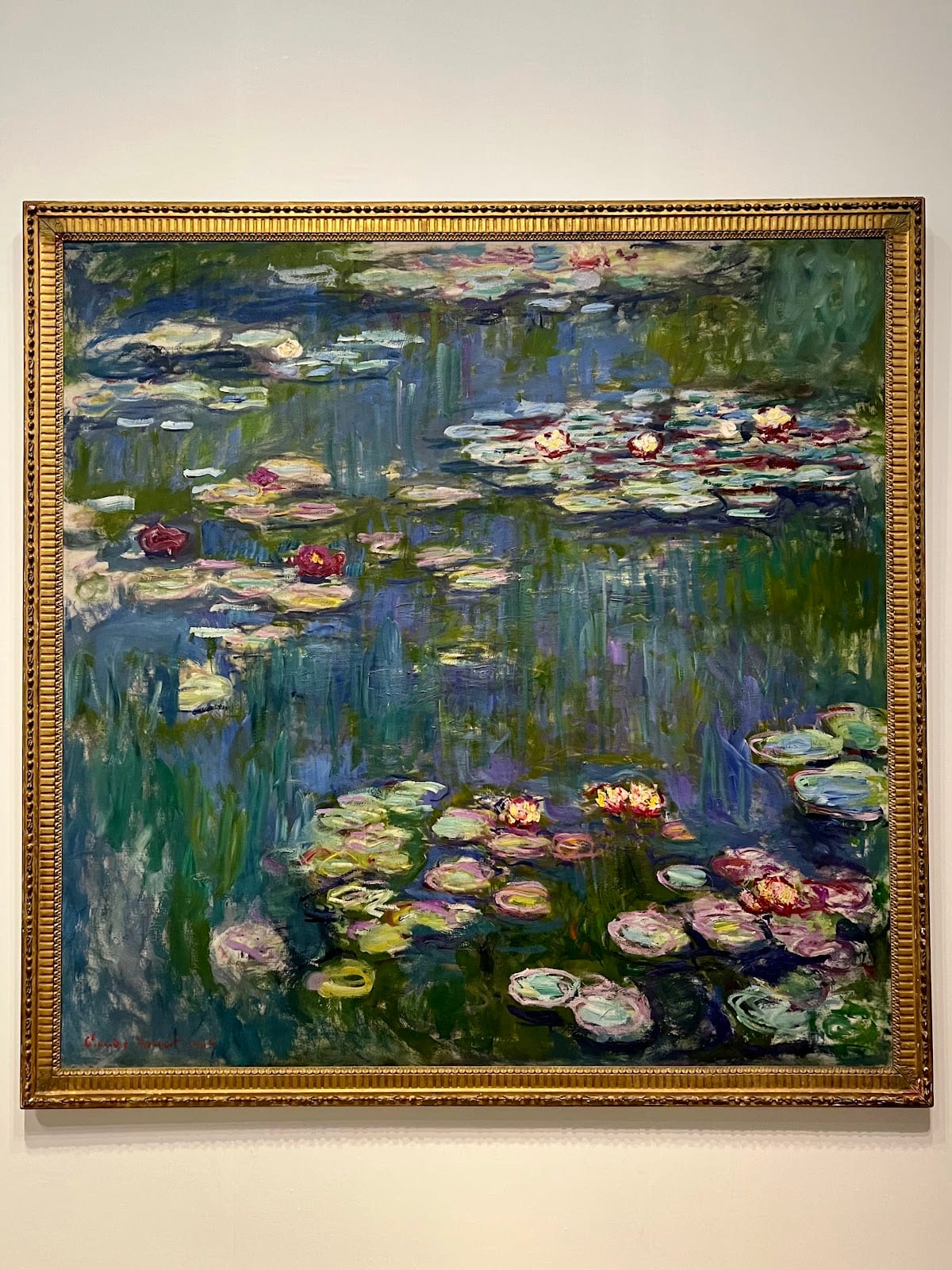 By the central fountain Worth it
National Museum of Western Art
A Le Corbusier building, the only World Heritage site in central Tokyo, with a free Rodin forecourt.
The National Museum of Western Art holds the best collection of European art in the country, built around the paintings and sculptures that the businessman Kojiro Matsukata gathered in the early 1900s, with works by Monet, Manet, Van Gogh, and a deep run of Rodin. The main building is the reason it is on this list even if you skip the galleries: it is the only work in Japan by the modernist architect Le Corbusier, and in 2016 it was added to the UNESCO World Heritage list as part of a group of his buildings across seven countries, the only World Heritage site in central Tokyo. The forecourt is free and open, and it is where Rodin's bronzes stand, including The Thinker and The Gates of Hell, so you can take in the architecture and the famous sculptures without paying. The permanent collection is 500 yen, about 3 dollars; open 9:30 to 17:30, closed Mondays.
Good for couples, solo, families
Sourcesnmwa.go.jpen.wikipedia.org
- 3
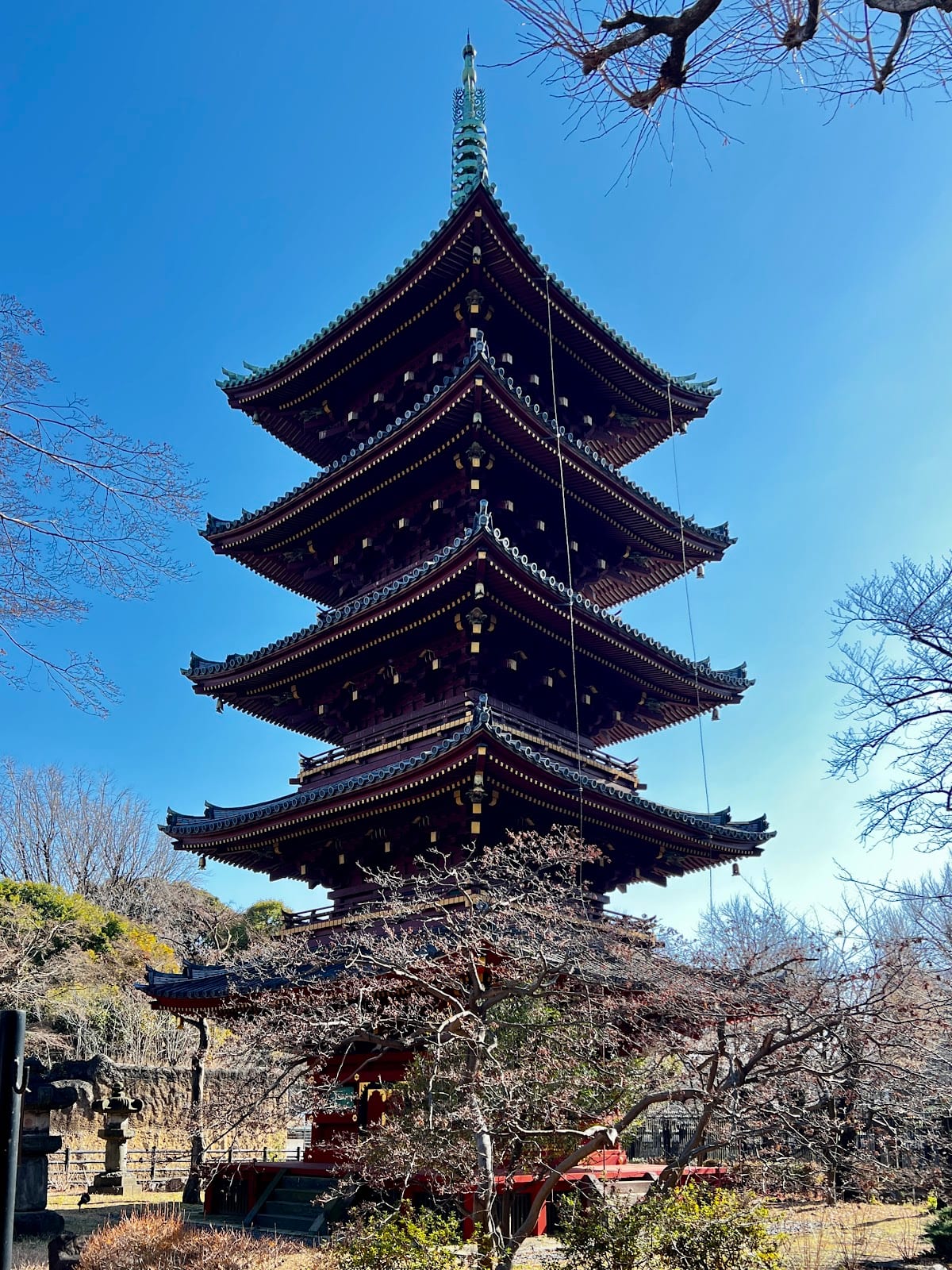
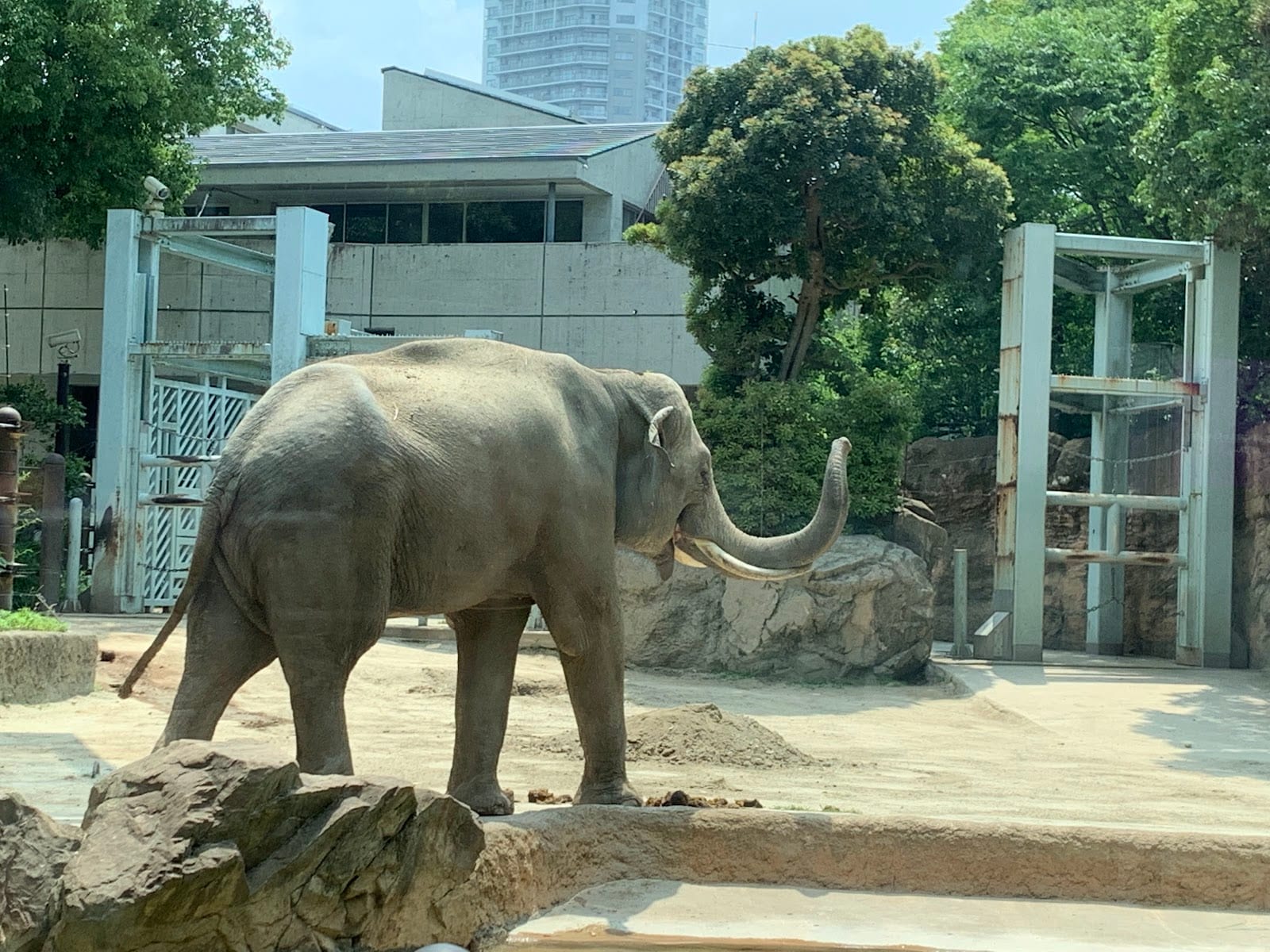
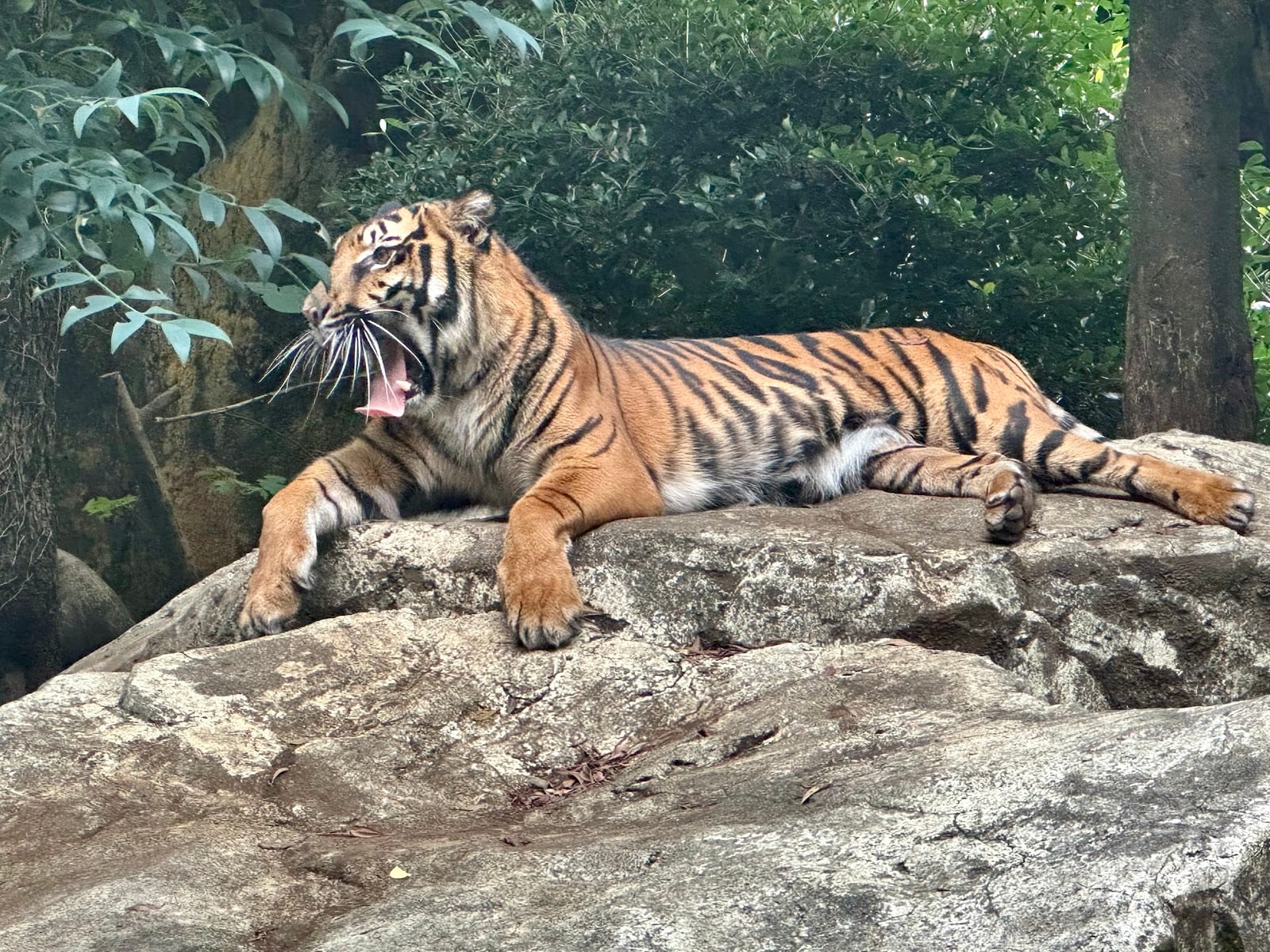 Northwest of the park Mixed
Ueno Zoo
Japan's oldest zoo, central and cheap, but the famous pandas left for China in 2026.
Ueno Zoo opened in 1882 and is the oldest zoo in Japan. For about fifty years its biggest draw was its giant pandas, but that era has just ended: the last two, the twins Xiao Xiao and Lei Lei, were returned to China in January 2026, leaving the country without a single panda for the first time in decades. What remains is a large, central, genuinely cheap zoo, 600 yen or about 4 dollars, that still works for families with young children, with a sea-lion pool, a children's zoo, and the historic five-story pagoda of Kan'ei-ji standing on the grounds. The old monorail that used to link the two halves is gone too; it closed in 2019 and was retired for good in 2023, so it is a flat walk between sections. If you are coming for the pandas, check the zoo's current notices first, because right now there are none; otherwise treat it as a budget add-on, not the headline. Open 9:30 to 17:00, closed Mondays.
Good for families
- 4
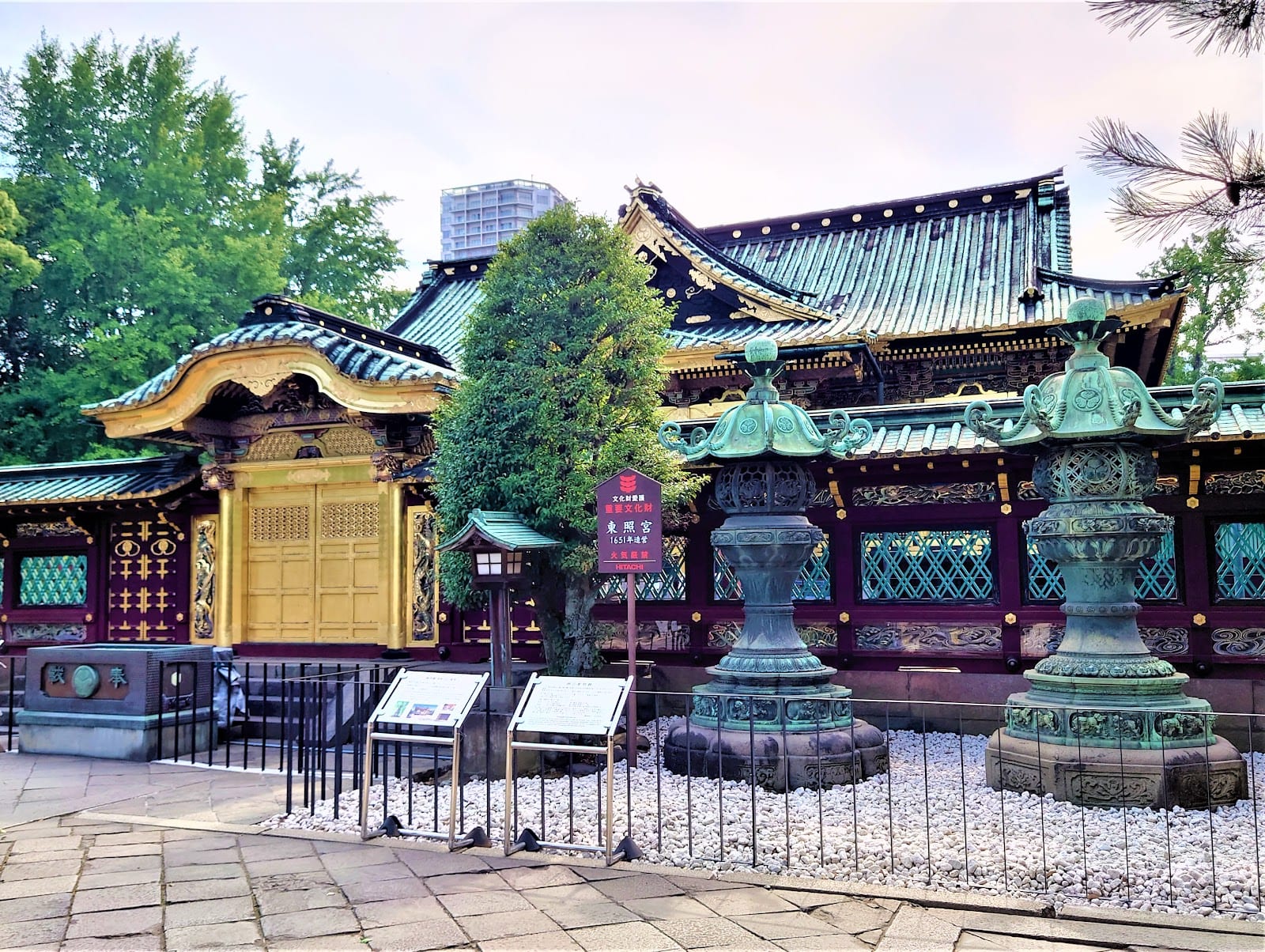
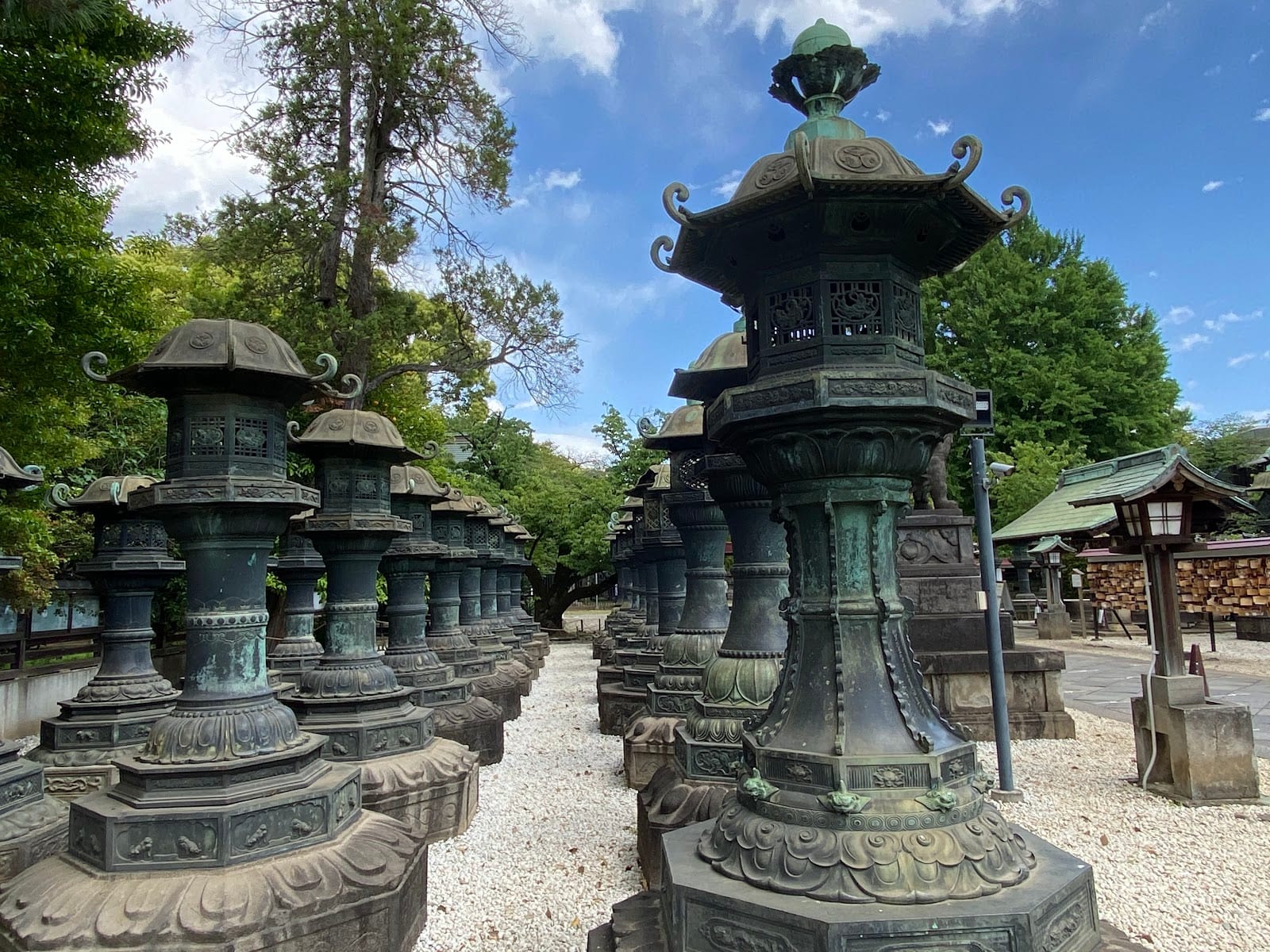
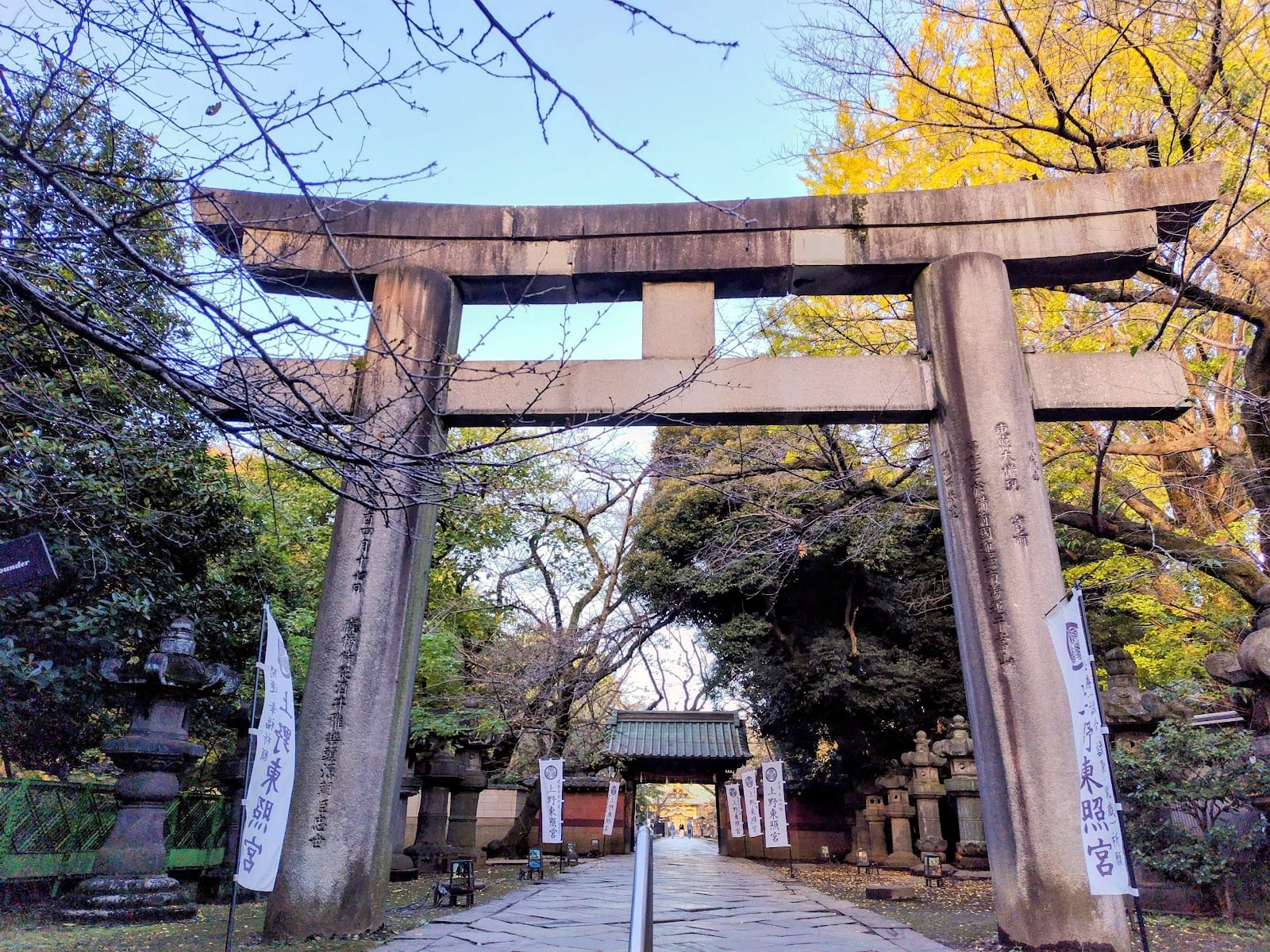 Near the zoo Worth it
Ueno Toshogu Shrine
A 1627 shrine to the first Tokugawa shogun, with a gold-leaf gate that survived every disaster.
Tucked among the trees near the zoo, Ueno Toshogu was built in 1627 and dedicated to Tokugawa Ieyasu, the warlord who founded the shogunate that ran Japan for 250 years. Its showpiece is the Karamon, a Chinese-style gate from 1651 covered in gold leaf and carved with ascending and descending dragons; the shrine is one of the few old buildings in the area to come through the 1868 Battle of Ueno, the 1923 earthquake, and the war intact. The approach is lined with rows of old stone and bronze lanterns donated by feudal lords. Walking the grounds and seeing the gate from outside is free; there is a small fee, around 500 yen, to pass through to the inner shrine, and a separate charge for the peony garden, which is worth timing for its winter and spring seasons. A quiet, gilded stop a couple of minutes from the zoo.
Good for couples, solo, families
- 5
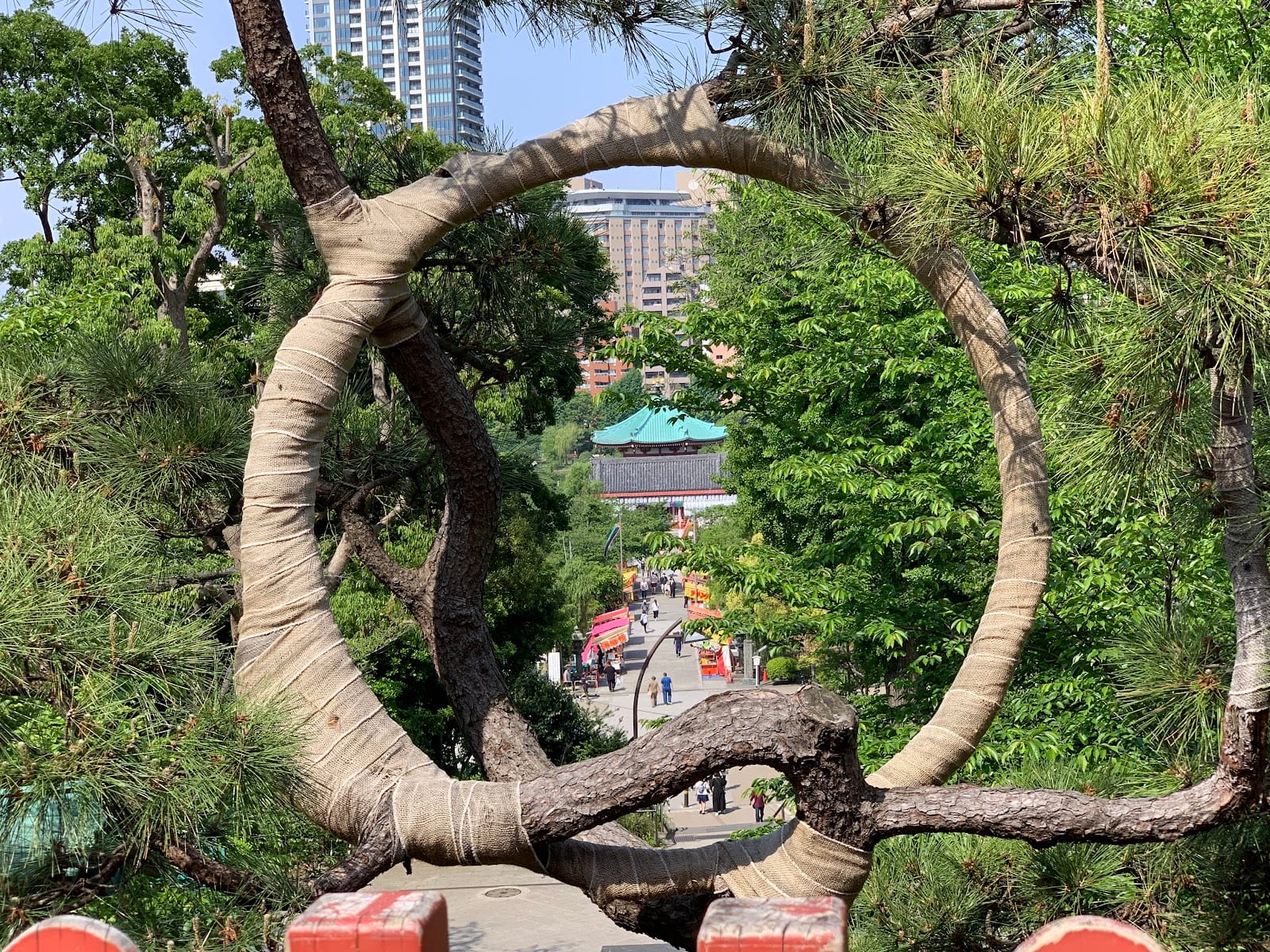
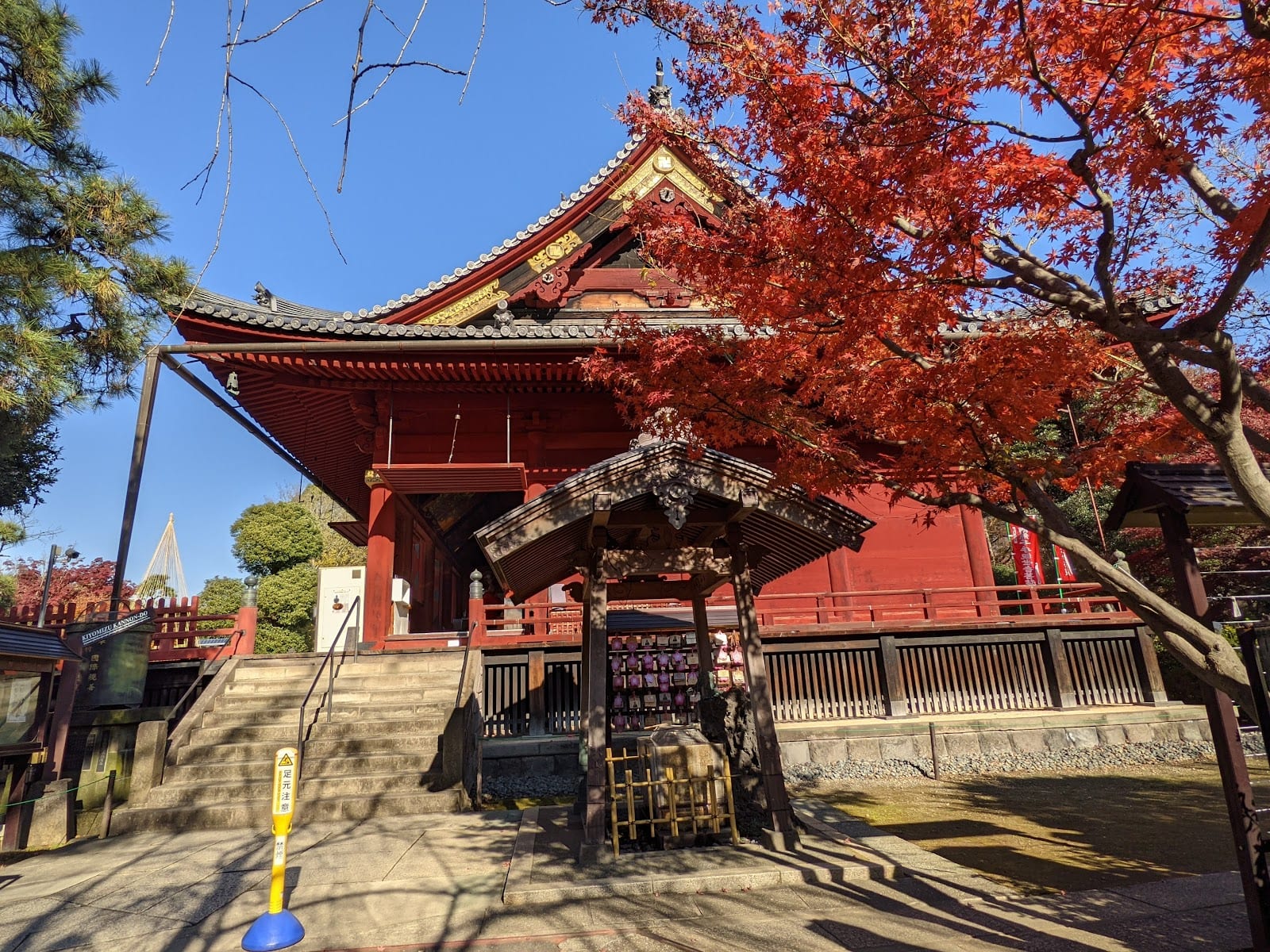
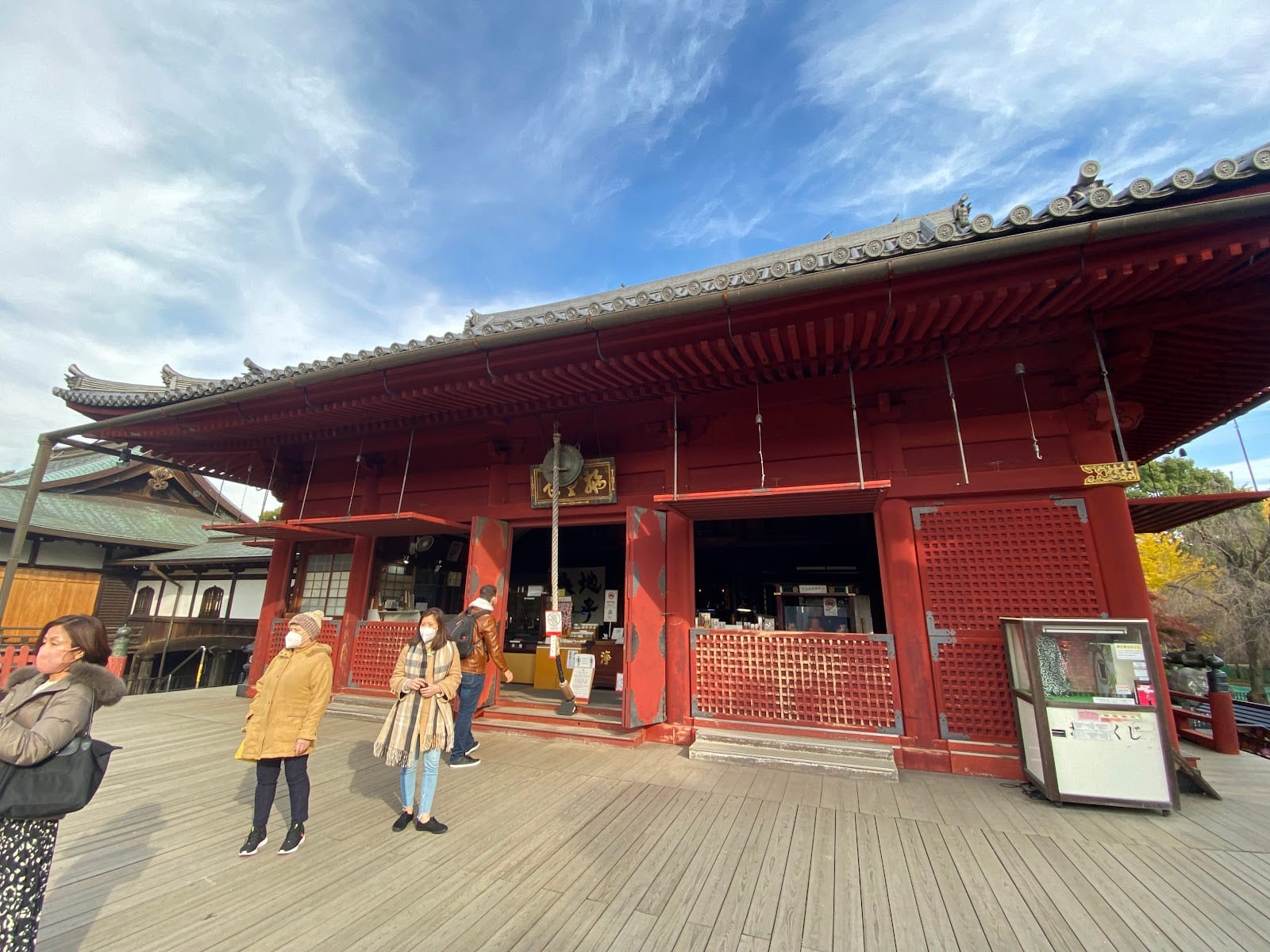 Slope above the pond Worth it
Kiyomizu Kannon-do
A little 1631 temple hall on the slope, with a looping pine straight out of a Hiroshige print.
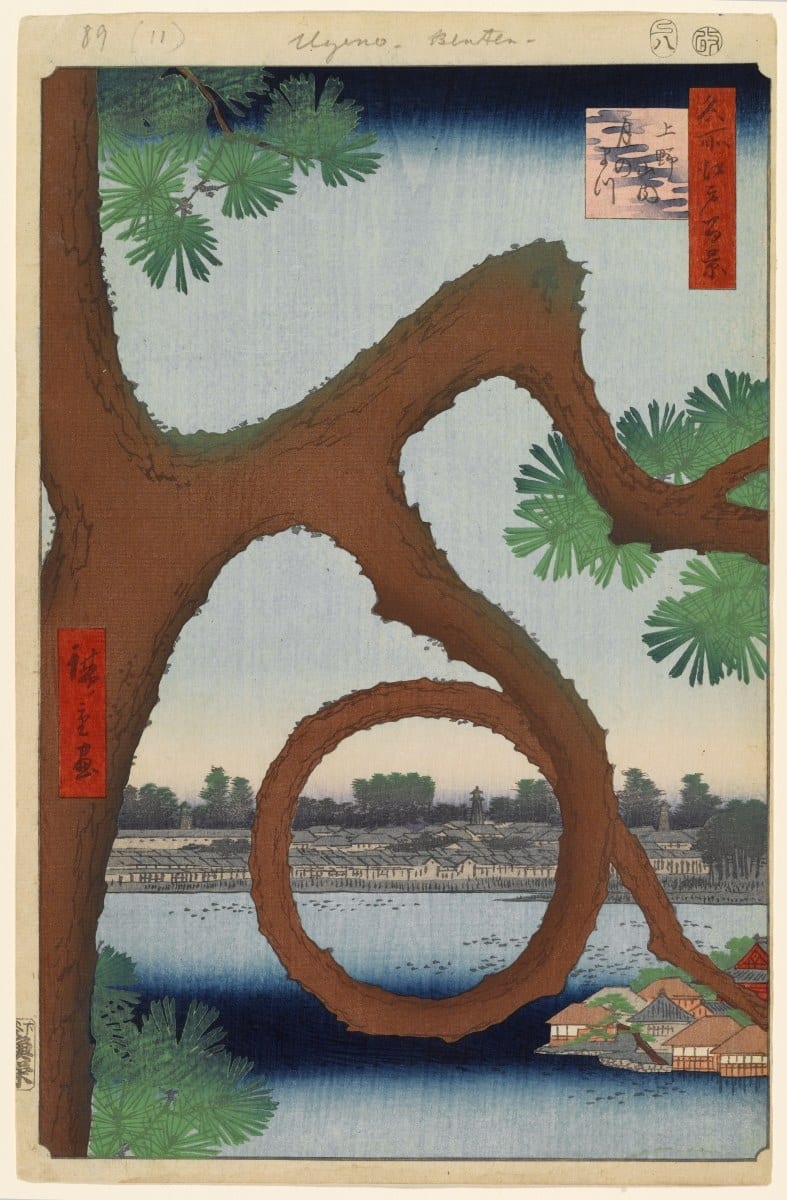
Kiyomizu Kannon-do is a small temple hall on the slope above Shinobazu Pond, built in 1631 as part of Kan'ei-ji and deliberately modeled on the great Kiyomizu-dera in Kyoto, complete with its own little balcony stage jutting out over the hillside. It is one of the oldest temple buildings in Tokyo. In front of the stage stands the Tsuki-no-Matsu, the Moon Pine, a pine trained by gardeners into a full circular loop; through the ring you look straight down to Shinobazu Pond and Bentendo, the exact view the printmaker Hiroshige drew in the 1850s. The original pine was lost long ago, and the loop you see was replanted in 2012 to bring the old woodblock scene back. It is free, takes only a few minutes, and rewards you with the best framed photo in the park.
Good for couples, solo, families


Hidden gems
Where the crowds thin out.- Hidden gem
 Mound near Toshogu Worth it
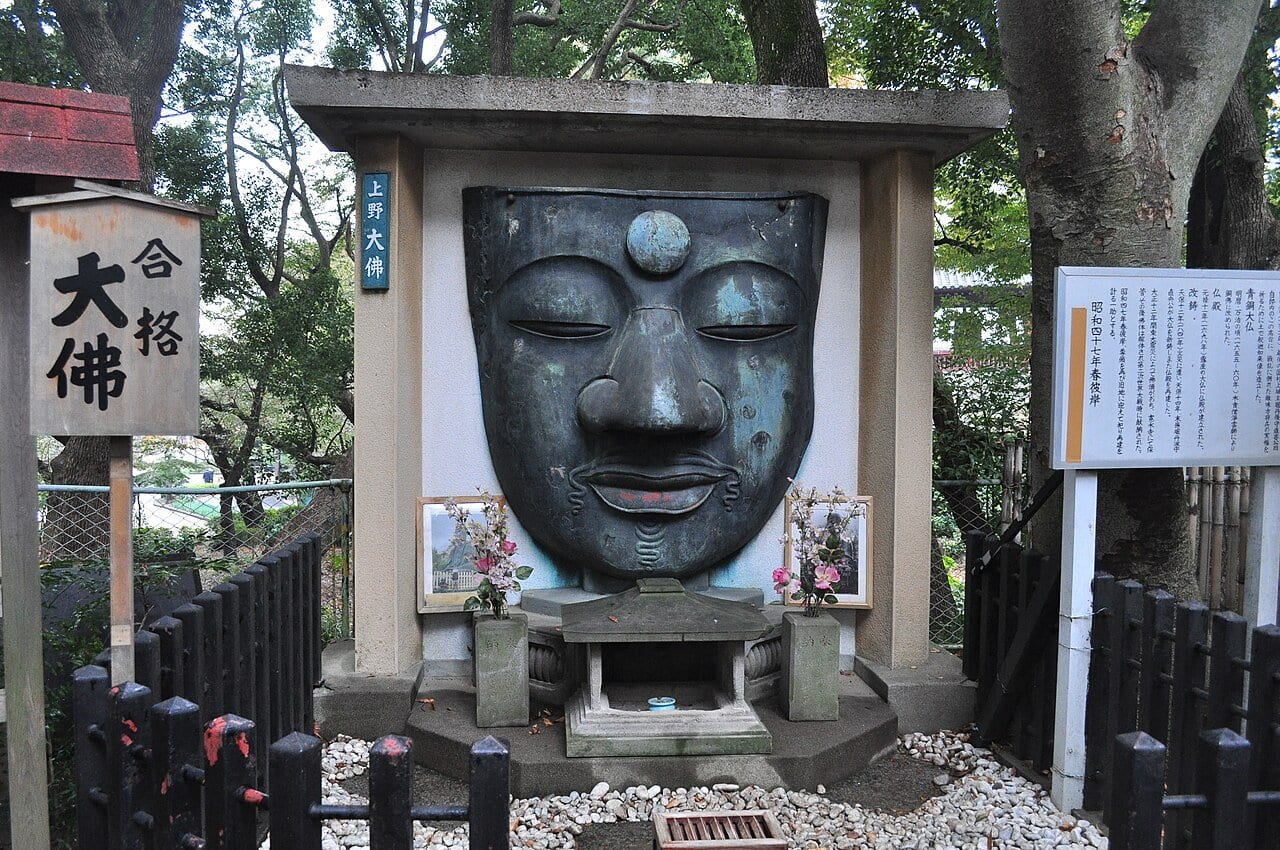
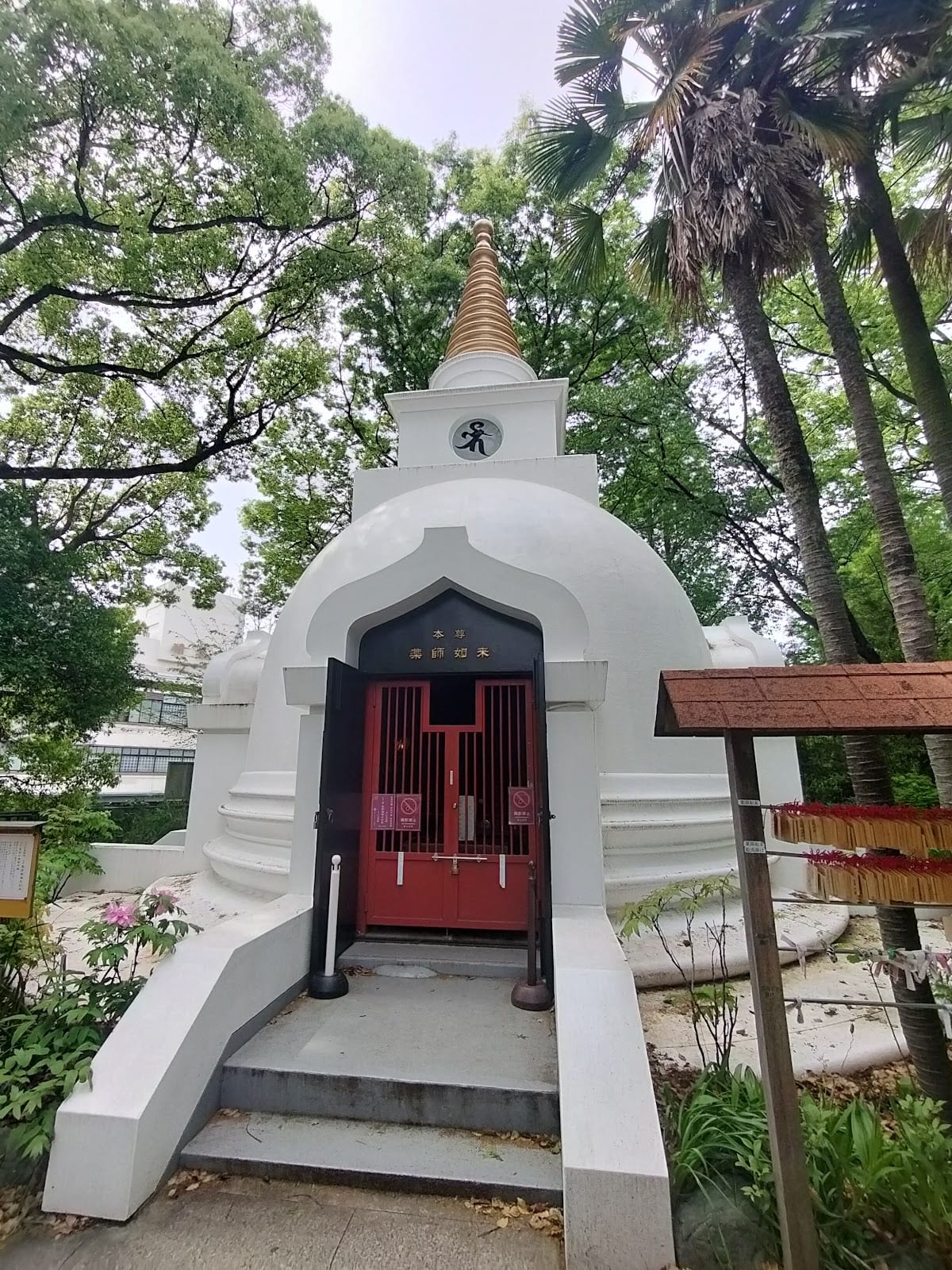
Ueno Daibutsu
A Great Buddha that lost everything but its face, so students pray here to never fail an exam.
On a low mound near the Toshogu shrine is one of Tokyo's strangest survivors: the face of the Ueno Great Buddha, mounted on its own like a relief. It began in 1631 as a large seated bronze Buddha, but the centuries were brutal to it. Fires and earthquakes wrecked it again and again, the head fell off in the 1923 Great Kanto earthquake, and during the war almost all the metal, the whole body, was requisitioned and melted down, leaving only the face. That face was put back on display here in 1972. Because the Buddha has, in the local phrase, already fallen as far as it can and will not fall again, it has become a good-luck spot for students sitting entrance exams, who come to pray that they too will not fall, the same word in Japanese. The mound is hung with their wish plaques. It is free, easy to miss, and the best small story in the park.
Free10 minGood for solo, couples
Sourcesmlit.go.jpen.wikipedia.org


Verdicts and rankings are our own; ratings open each place on Google. Prices, where shown, are an approximate per-person guide in USD.
Ueno on the page
Where you've seen Ueno before
Ueno's fame is older than cinema. The printmaker Hiroshige made its pine, hall, and pond famous in the 1850s, and a prize-winning novel later set the park's harder side down in print.
 Woodblock print, 1857
The Moon Pine, Ueno (One Hundred Famous Views of Edo)
Hiroshige drew the view through the circular Moon Pine above Shinobazu Pond, one of the most reproduced images of old Edo. The original tree was lost in the Meiji era, but Kiyomizu Kannon-do replanted the loop in 2012, so you can line up almost the same shot today.
Kiyomizu Kannon-doSource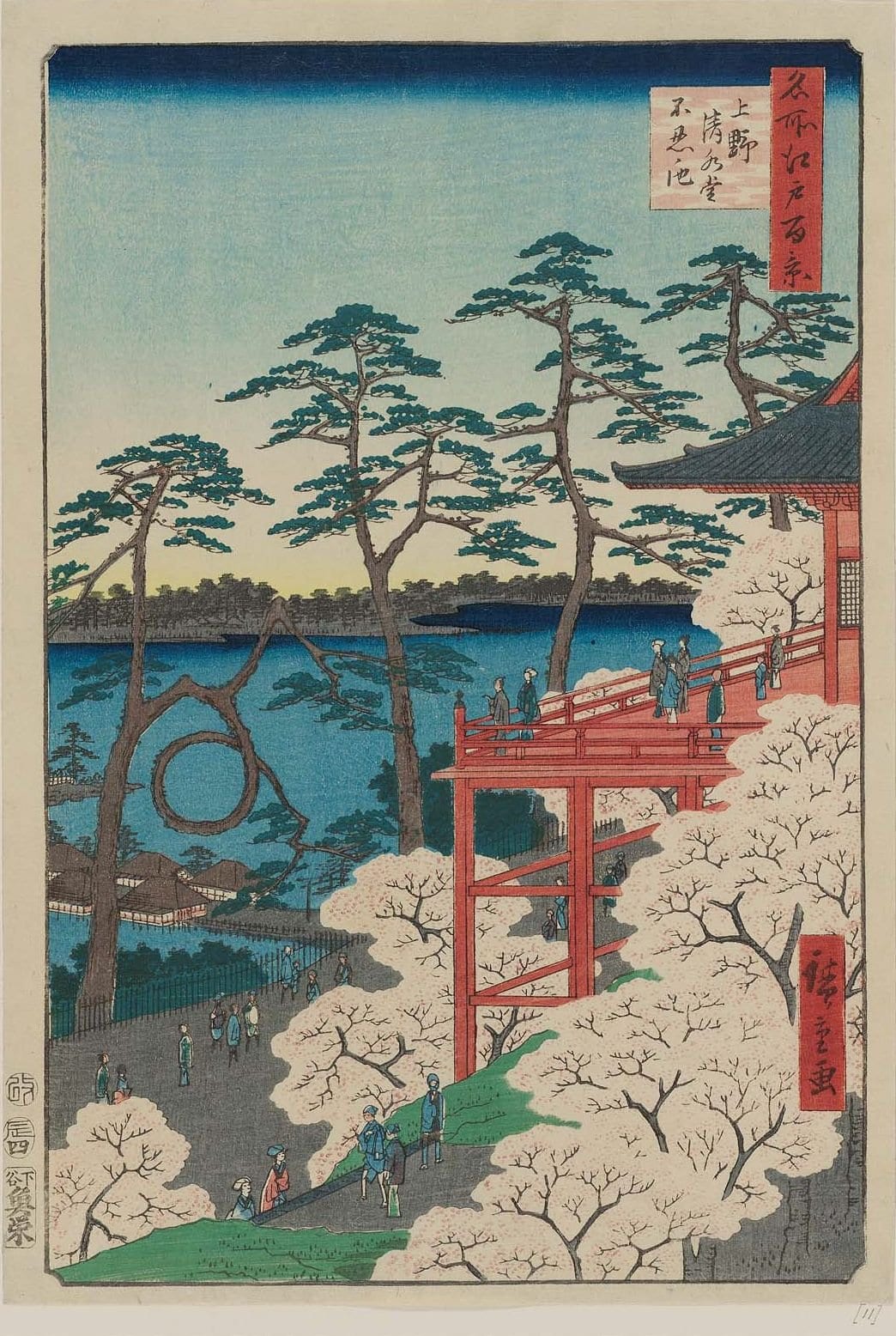 Woodblock print, 1856
Kiyomizu Hall and Shinobazu Pond at Ueno (One Hundred Famous Views of Edo)
The same series looks out from the Kiyomizu hall over the cherry blossoms to Shinobazu Pond and the causeway to Bentendo, the layout that still defines the southwest corner of the park.
Shinobazu PondSource- Novel, 2014
Tokyo Ueno Station by Yu Miri
Yu Miri's novel is narrated by the ghost of a homeless man who spent his last years among the blue tarps in Ueno Park. The English translation, by Morgan Giles, won the 2020 US National Book Award for Translated Literature.
Ueno ParkSource


Eat & drink
Where to eat and drink in Ueno
Ueno eats old and cheap: a 300-year-old eel house by the pond, legendary fried pork off the market, dorayaki from 1913, and a teahouse hidden in the park. A few we'd point you to:
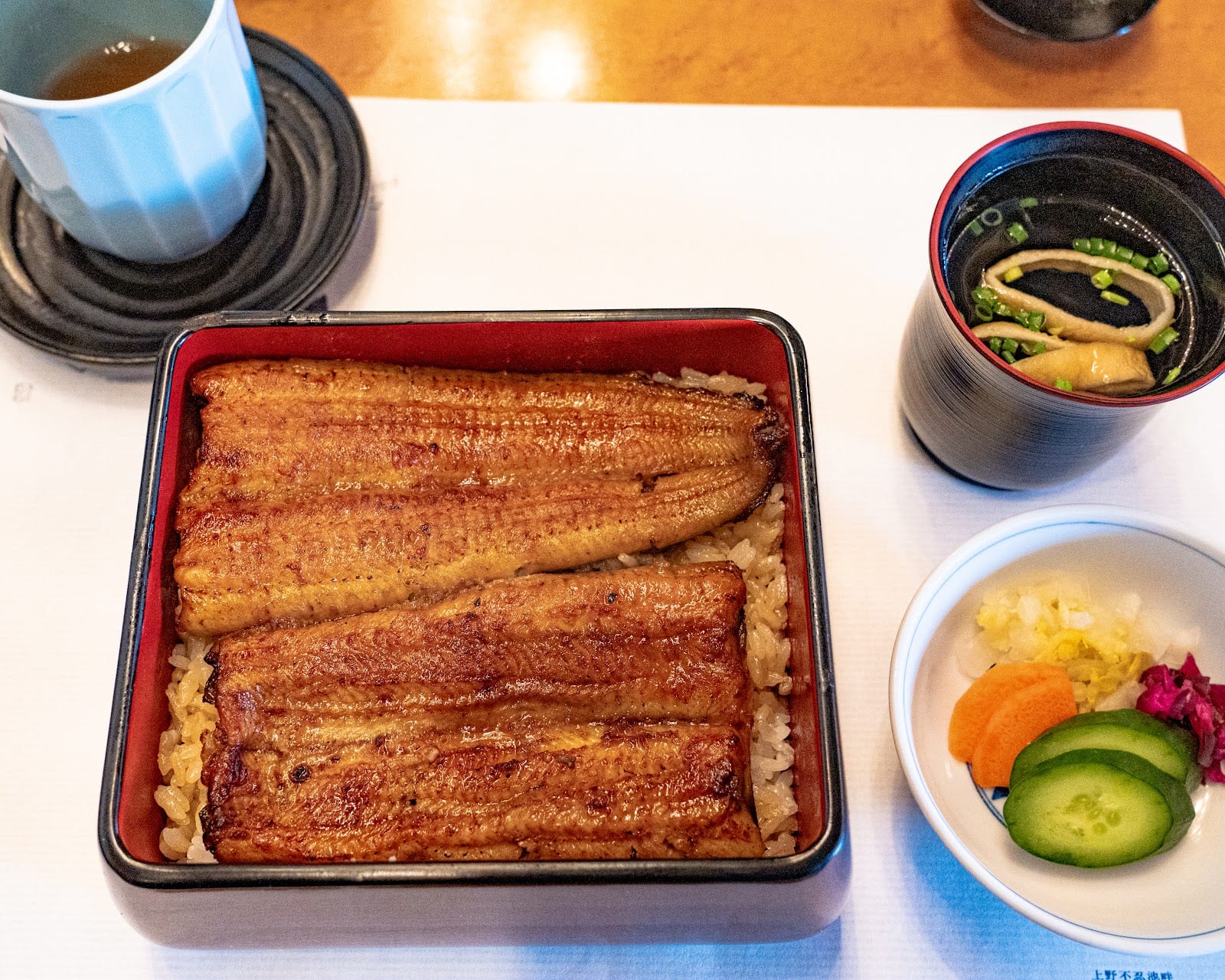
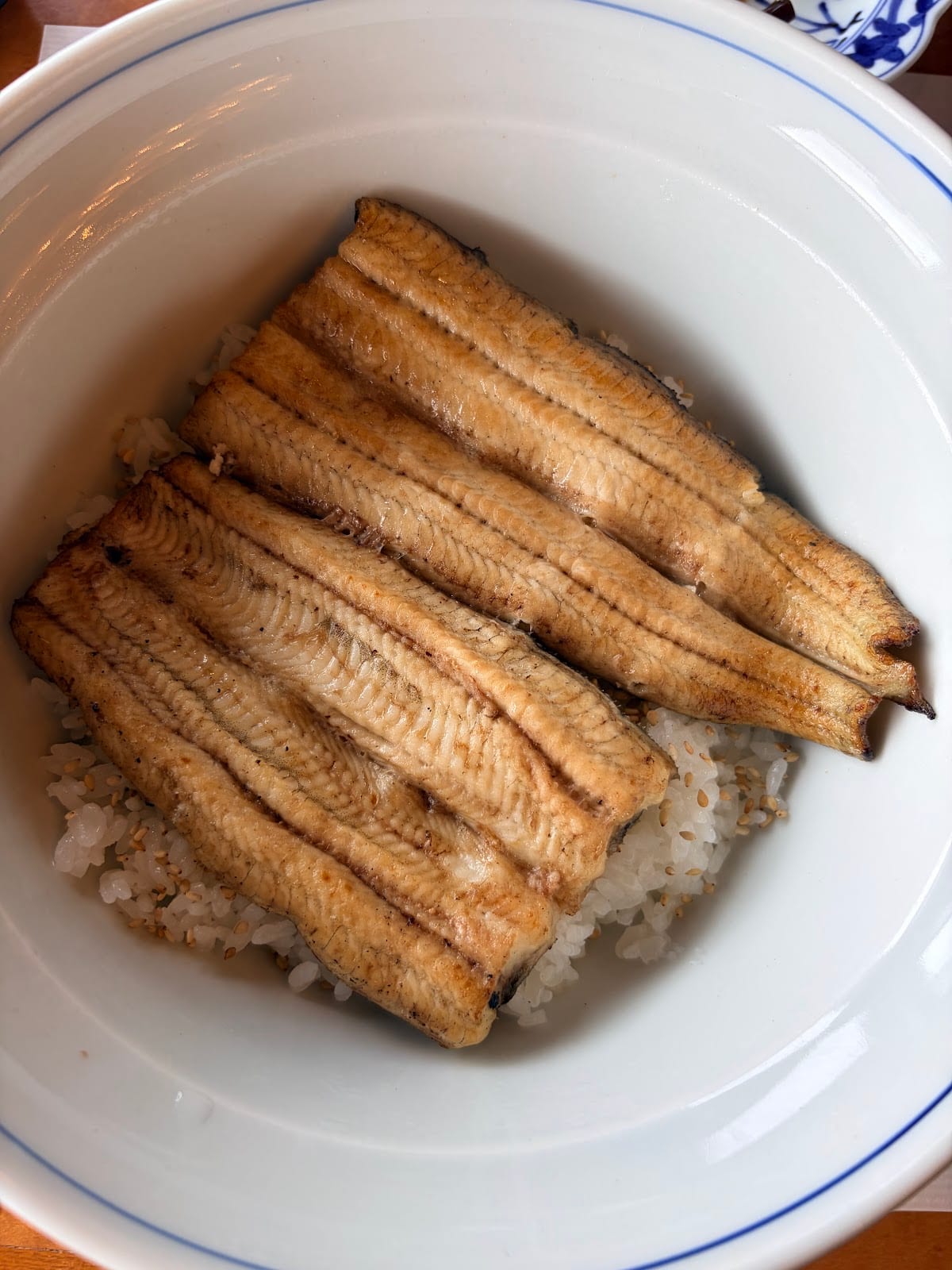
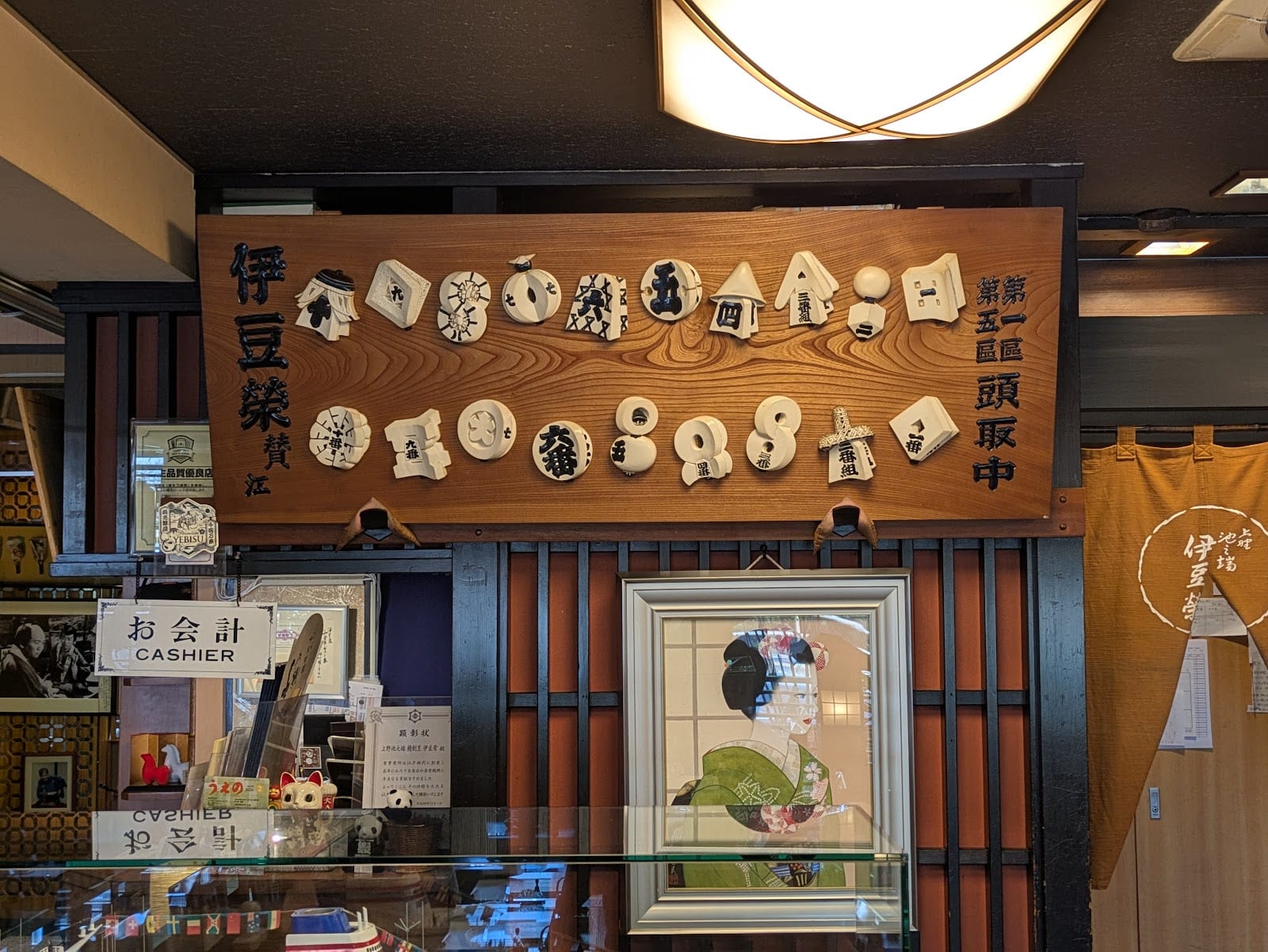
Izuei Honten
By Shinobazu PondAn unagi house that traces its roots to around 1723, making it one of the oldest eel restaurants in Tokyo. The thing to order is unaju, charcoal-grilled eel lacquered with a sweet-savory sauce over rice in a lacquer box. It is a sit-down splurge rather than a quick bite, in a calm building a minute from the pond.
on Google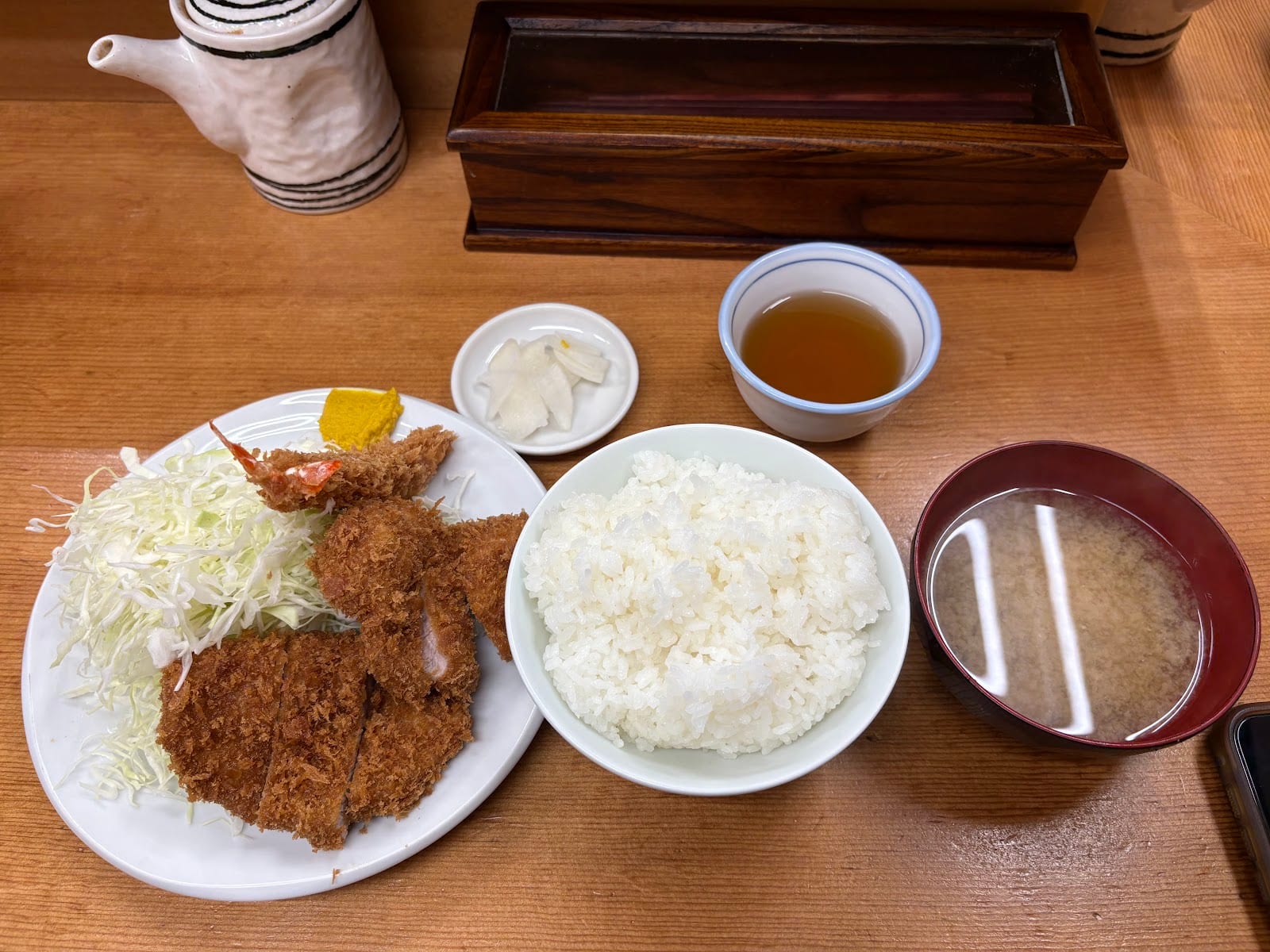
Tonkatsu Yamabe Okachimachi
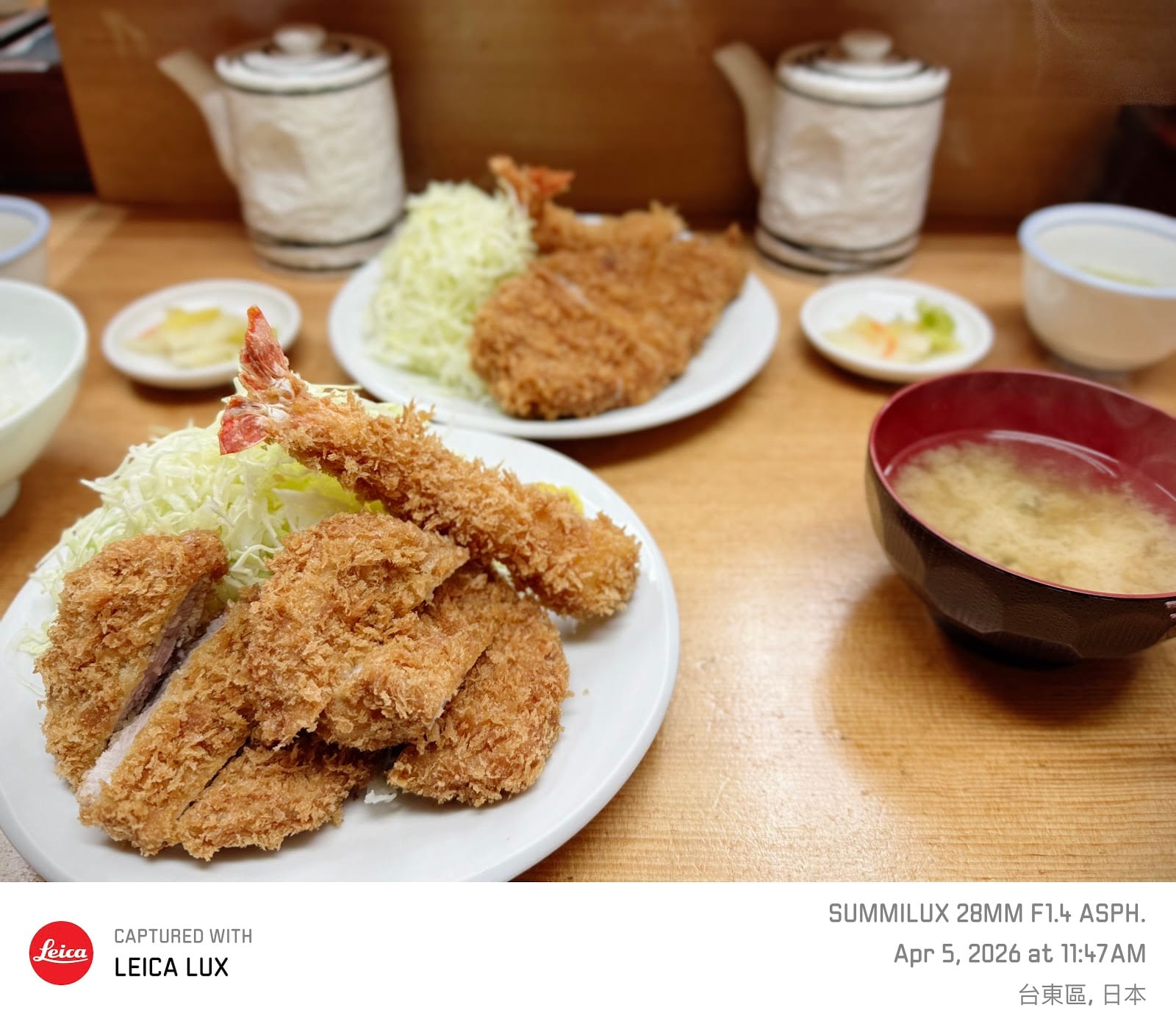
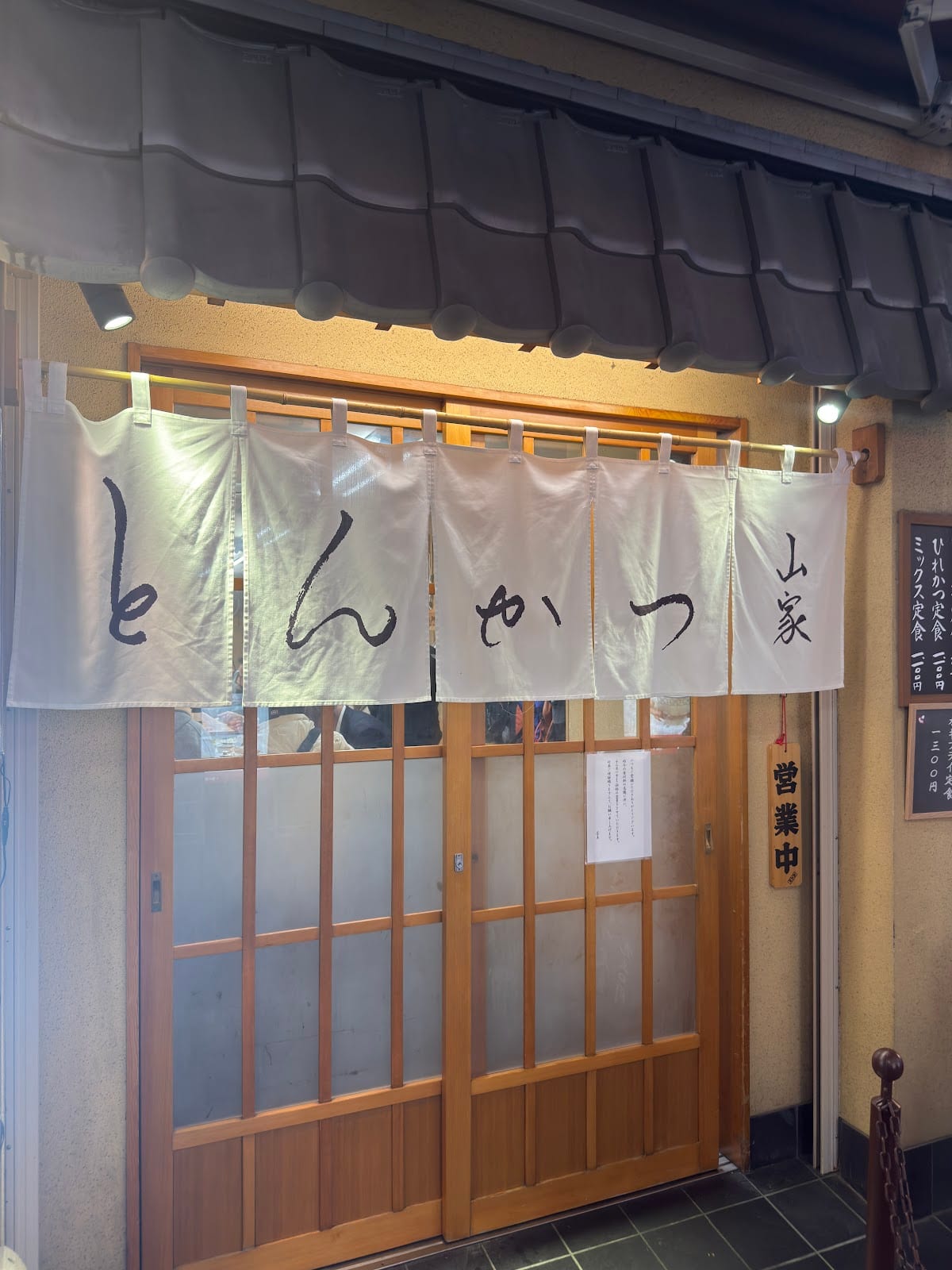
Okachimachi, off AmeyokoA long-running tonkatsu shop near the market, loved for big, crisp, juicy deep-fried pork cutlets at prices that undercut the fancier houses. Expect a line at lunch and a paper bib; this is cheap, satisfying, old-school Ueno eating.
on Google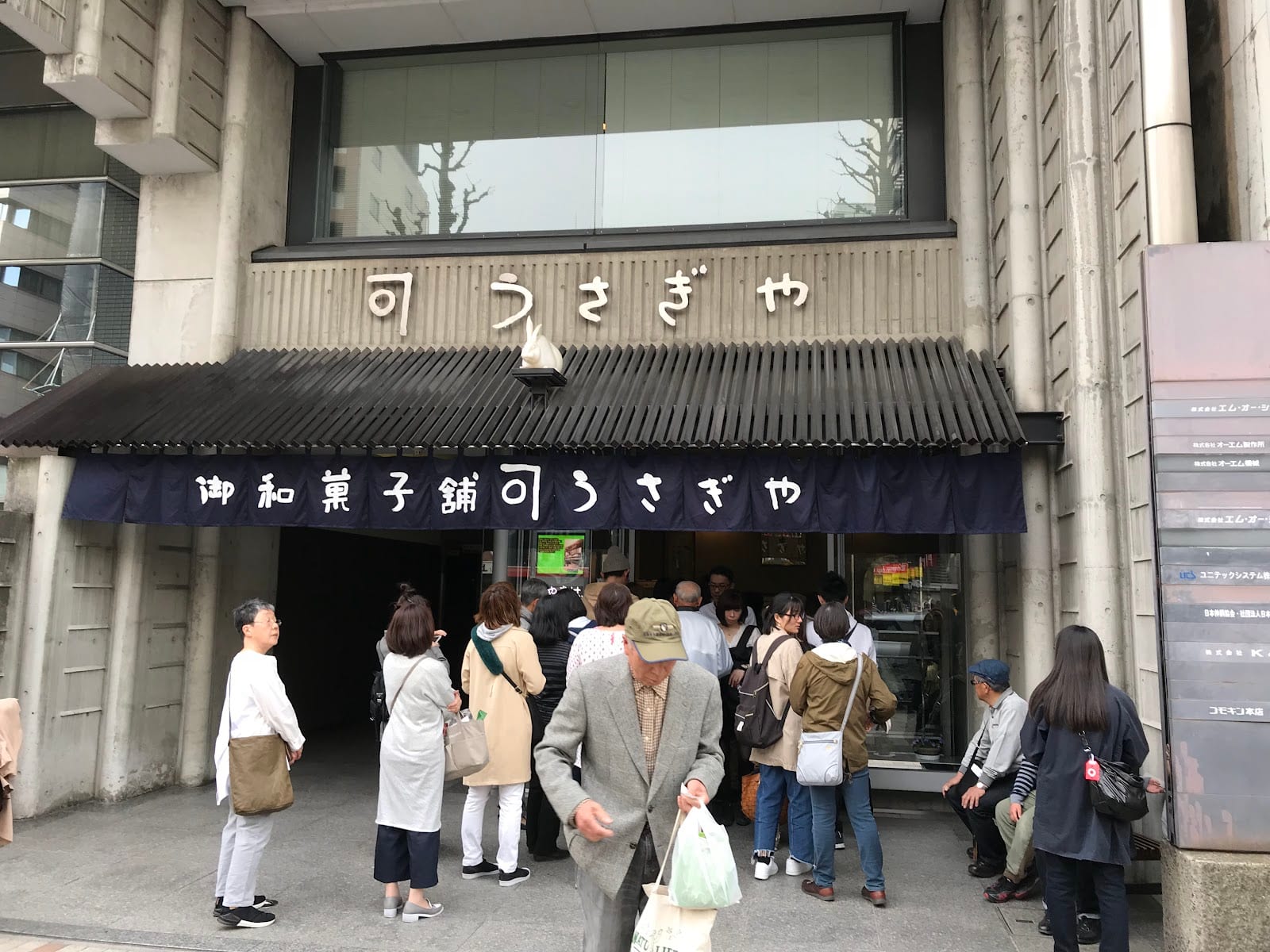
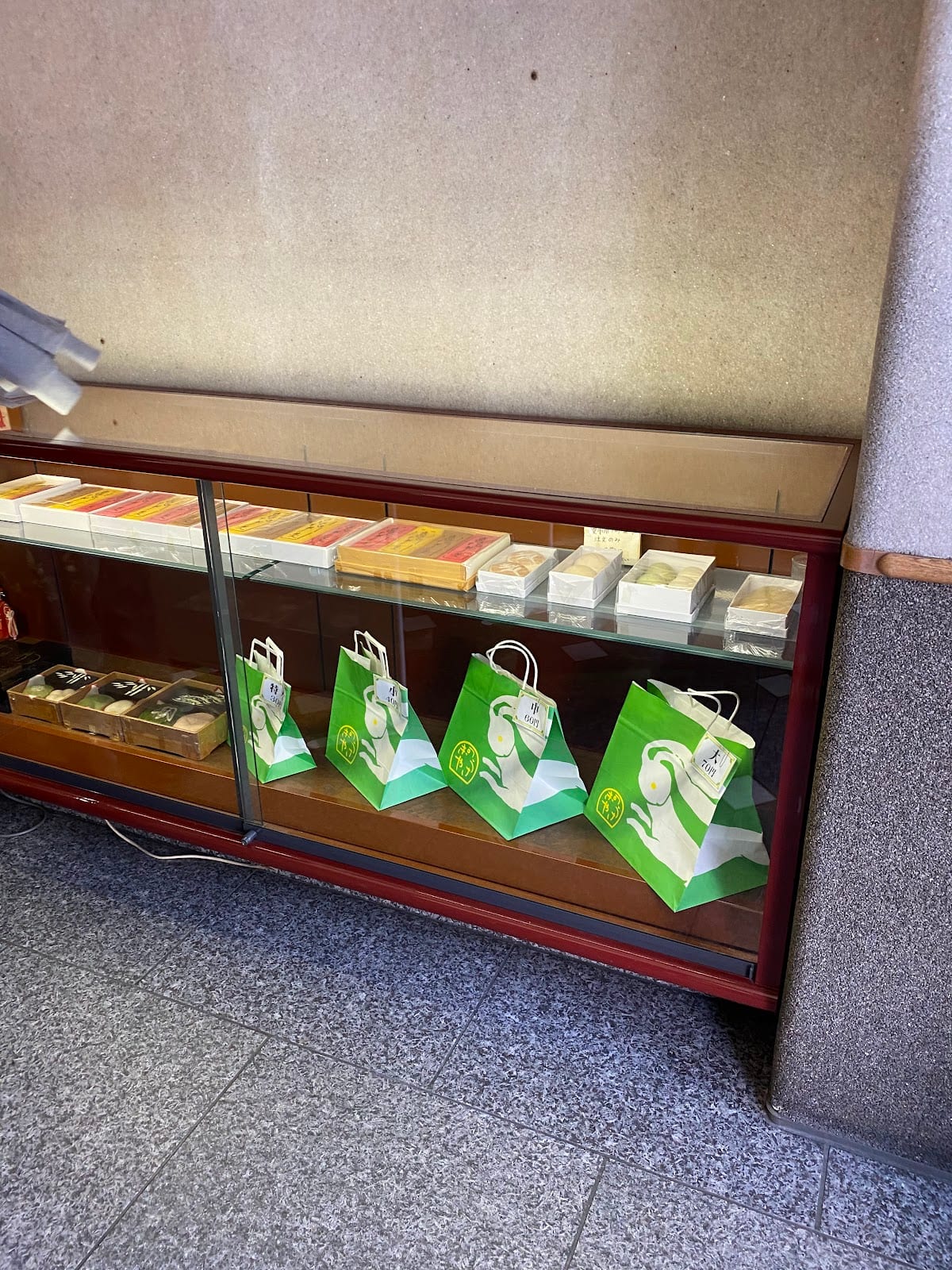
Usagiya
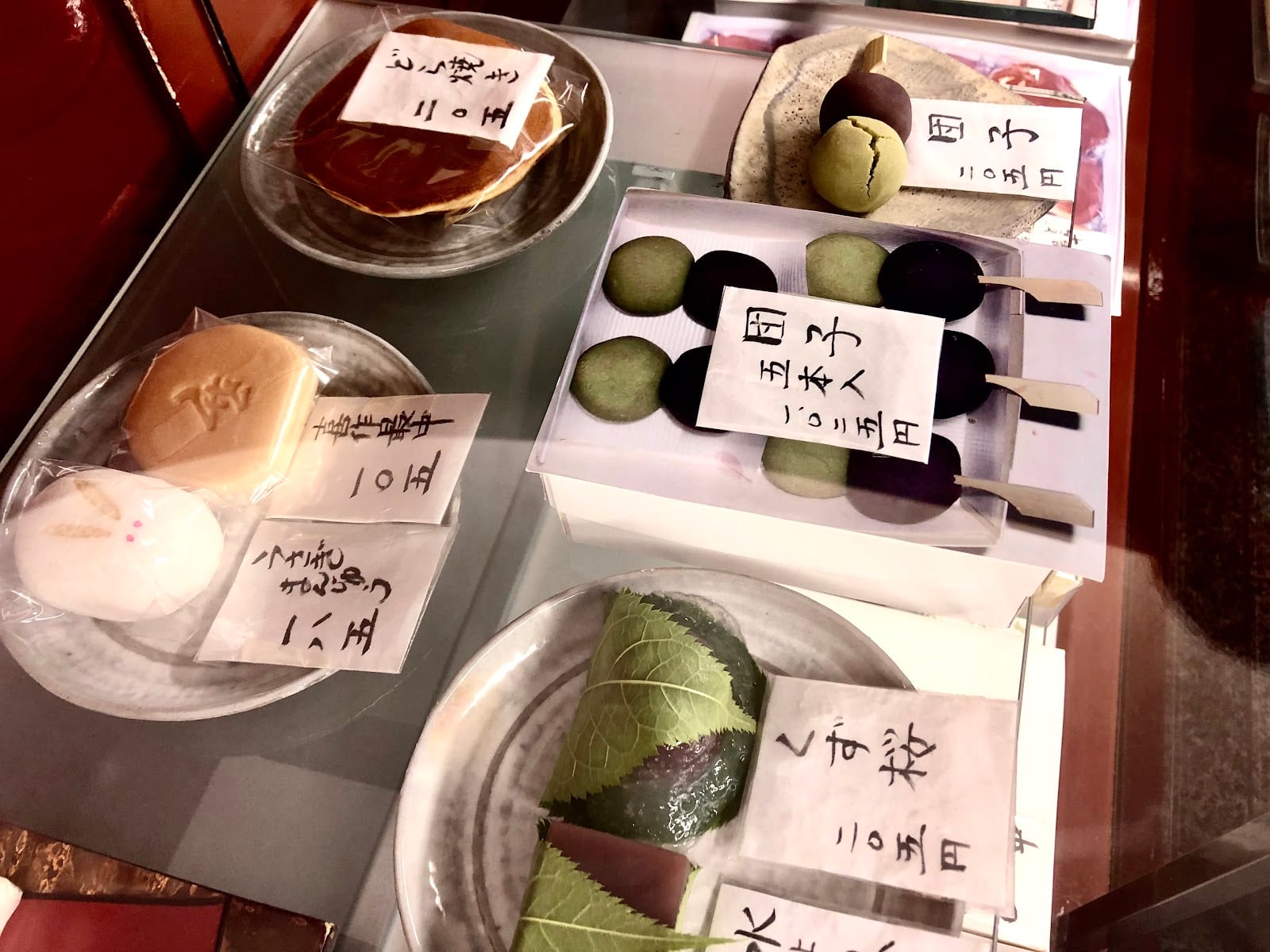
Ueno-hirokojiA confectioner founded in 1913 and counted among Tokyo's great dorayaki makers: two small pancakes around a generous fill of glossy red-bean paste, best eaten the day you buy it. There is a cafe nearby if you want yours with tea instead of on the move.
on Google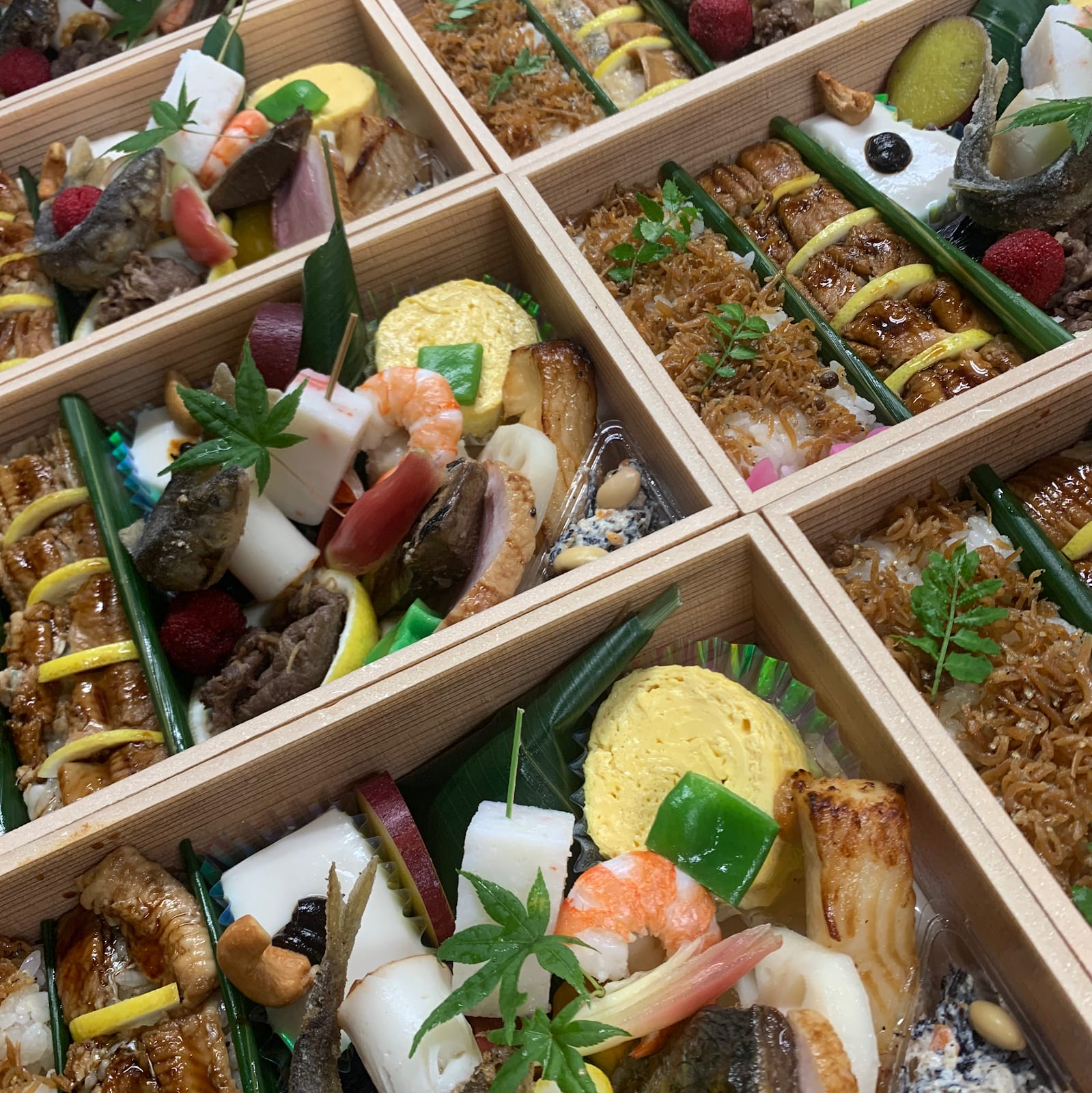
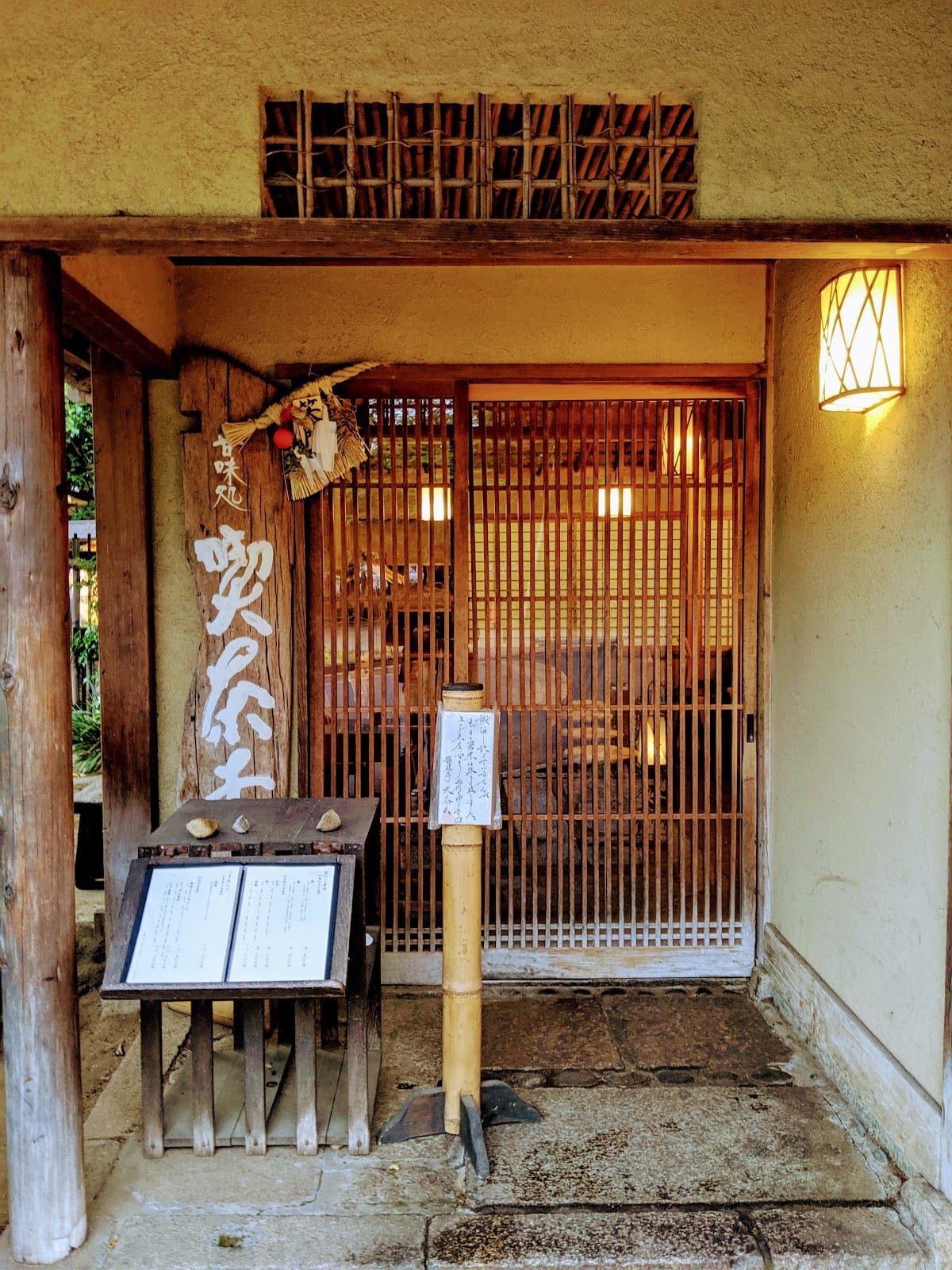
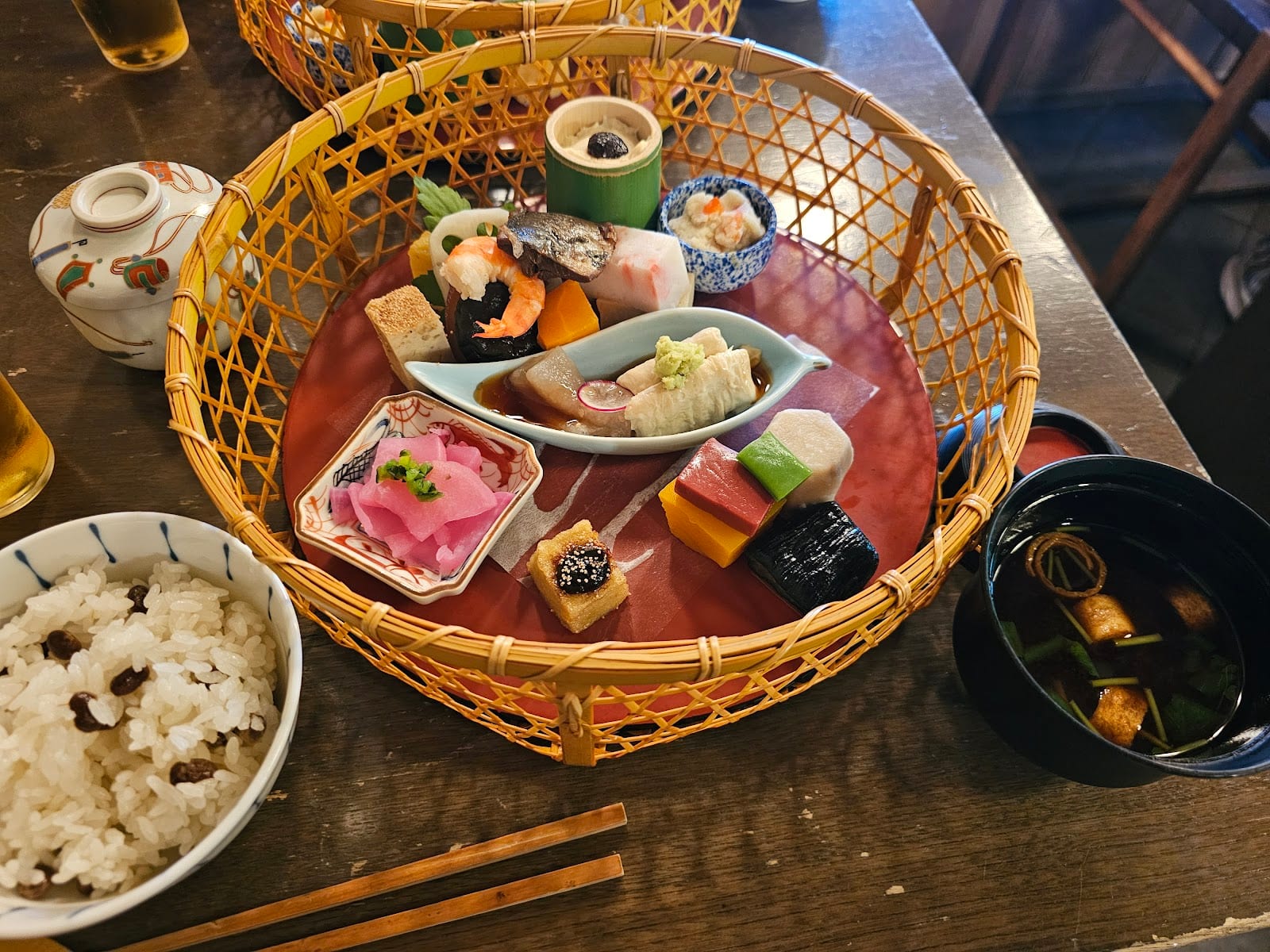
Innsyoutei
Inside Ueno ParkA traditional restaurant set in a wooden Meiji-era building right in the park, serving since 1875. Lunch is the smart move: a beautifully boxed kaiseki-style bento for a fraction of the dinner price, eaten among the trees a short walk from the museums.
on Google


Getting around
Getting around Ueno
Ueno is one of the easiest places in Tokyo to reach, and the sights are a single walk once you arrive.
Ueno Station
A major hub on the JR Yamanote and Keihin-Tohoku lines and several Shinkansen, plus the Tokyo Metro Ginza and Hibiya lines. Use the Park exit (Koen-guchi) to come out facing the museums.
Straight from Narita
Keisei Ueno Station, next door, is the city terminus of the Keisei Skyliner, which reaches Narita Airport in about 41 minutes, so Ueno is a common first or last stop on a trip.
A walkable hill
The whole park is on foot: the museums, zoo, pond, and shrines are within about 15 minutes of each other, with a gentle climb up from the pond and the station.
Ameyoko and Okachimachi
The market runs south from the station to Okachimachi; walk it through to reach the shops and food of Okachimachi, or loop back up into the park.
Where to stay
Where to stay in Ueno
Ueno is a well-connected, good-value base, strong for museum lovers and anyone flying in and out of Narita. Where you land within it changes the feel:
Around the station and Ameyoko
The most convenient: trains everywhere, the Skyliner to Narita, and the market on your doorstep. Busy and a little gritty, with plenty of mid-range and budget hotels.
By the park
Quieter and greener, steps from the museums and the pond. Good if you want morning walks under the trees before the day-trippers arrive.
Toward Okachimachi
South of the market, packed with shops, cheap eats, and izakaya under the tracks. A lively, local base that stays cheaper than central Tokyo.
Toward Yanaka
Northwest, on the edge of the old-town Yanaka district, with low-rise streets and a slower pace, a short walk or one stop from the park.

Where to Stay in Tokyo
Compare every Tokyo neighborhood and find the right base, with hotel picks at each price.
View the guideWho it's for
Ueno for families, couples, and solo
- Ueno for families
- Hard to beat for a day out with kids: the open park to run in, a cheap zoo and a hands-on science museum side by side, swan boats on the pond, and snacks all the way down Ameyoko. Just know the pandas are no longer there.
- Ueno for couples
- Pair a great museum with a slow loop of Shinobazu Pond, the framed view through the Moon Pine, and the gold gate at Toshogu, then graze the market or settle into the old eel house by the water.
- Ueno for solo travelers
- A museum lover's day: the Tokyo National Museum could fill a morning on its own, the Western Art museum an afternoon, and Ameyoko is made for eating your way along alone. The face of the old Great Buddha is the best small story to go find.
More of Tokyo
Nearby neighborhoods
A short hop from Ueno, and worth pairing on the same trip.


Ready to explore Ueno?
Tell Zoya, your personal travel assistant, how you like to travel, and she'll turn these into a Ueno day, or a whole Tokyo trip, that fits your dates.
Explore now