

Asakusa · Tokyo neighborhood guide
Things to Do in Asakusa
Tokyo's old town: the city's oldest temple, a 250-meter street of Edo-era snack stalls, and the low-rise shitamachi lanes that feel like an older Japan. Here's what's actually worth your time, ranked and judged.
Asakusa in brief
What is Asakusa known for?
Senso-ji, Tokyo's oldest temple, and the old-town streets around it: the great red lantern of Kaminarimon, the snack and souvenir stalls of Nakamise-dori, and a low-rise, pre-war Tokyo that has mostly vanished elsewhere.
What is there to do in Asakusa?
Walk through Kaminarimon and up Nakamise-dori to Senso-ji and Asakusa Shrine, ride the free observation deck across the street for the view, eat and drink on Hoppy Street, then cross the river to Tokyo Skytree.
Is Asakusa worth visiting?
Yes. It is the best place in Tokyo to feel the old shitamachi city, it centers on the city's oldest temple, and almost everything is free and walkable from one station. Most visitors spend a half to a full day here.
Get oriented
How Asakusa fits together
Asakusa is small, flat, and easy to read, with almost everything lined up on a single axis.
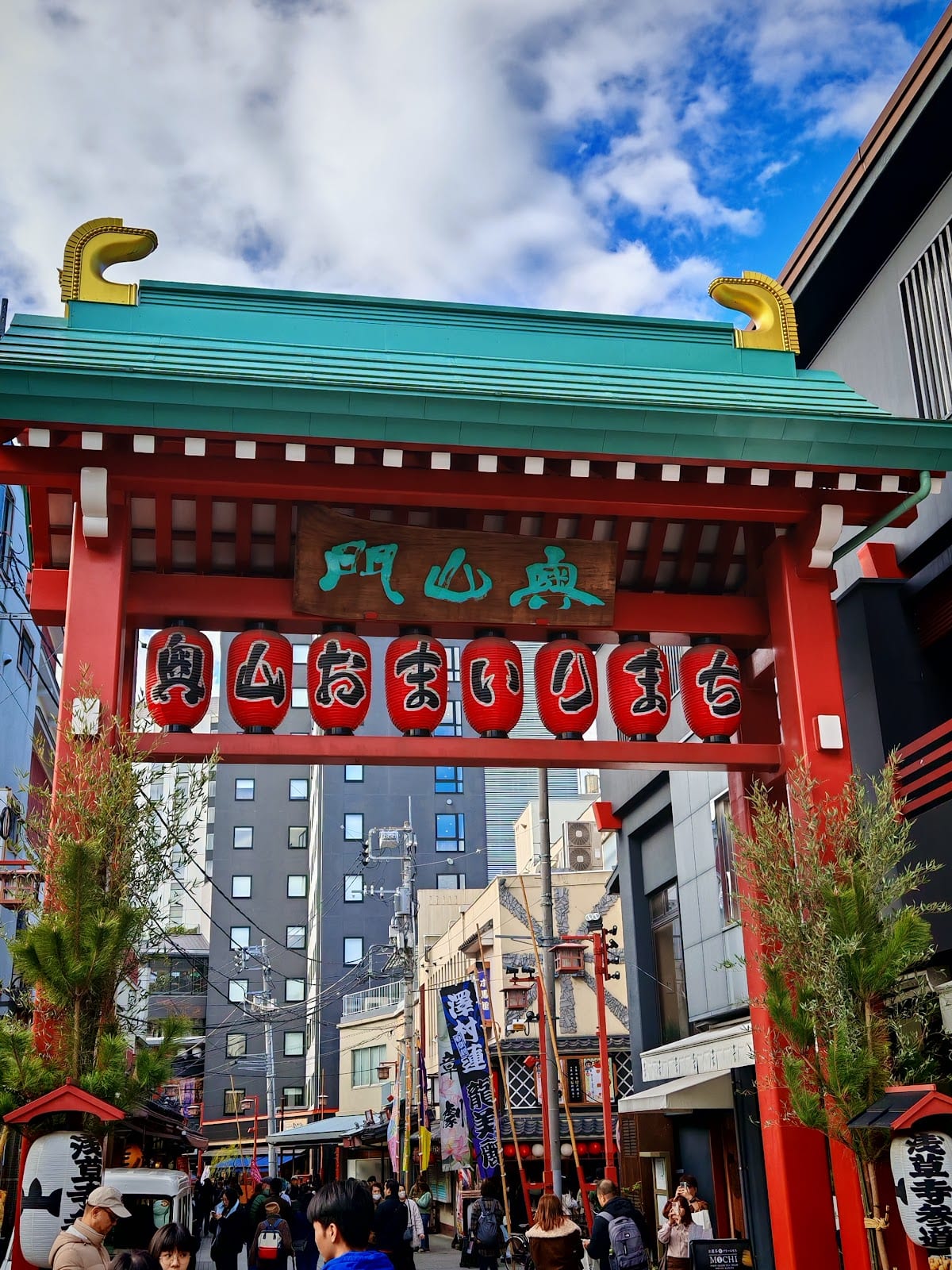
From Kaminarimon, the great lantern gate, the Nakamise shopping street runs about 250 meters straight to Senso-ji, with Asakusa Shrine just to the right of the main hall. The Sumida River is a few minutes east, with Tokyo Skytree rising across it; Hoppy Street and the old amusement park Hanayashiki sit a short walk west of the temple, and Kappabashi, Tokyo's kitchenware street, runs further west toward Ueno. The quiet lucky-cat shrine of Imado is about fifteen minutes north.
A half-day loop on foot, starting under the great lantern gate:
See & do, ranked
The best things to do in Asakusa
Our honest ranking of what is worth your time, from the must-sees to a tourist-light hidden gem, with a verdict on each so you know what to prioritize and what is overhyped.
Must-see
The essentials, ranked.- 1
 Temple Worth it
Senso-ji Temple
Tokyo's oldest temple, and the reason Asakusa exists.
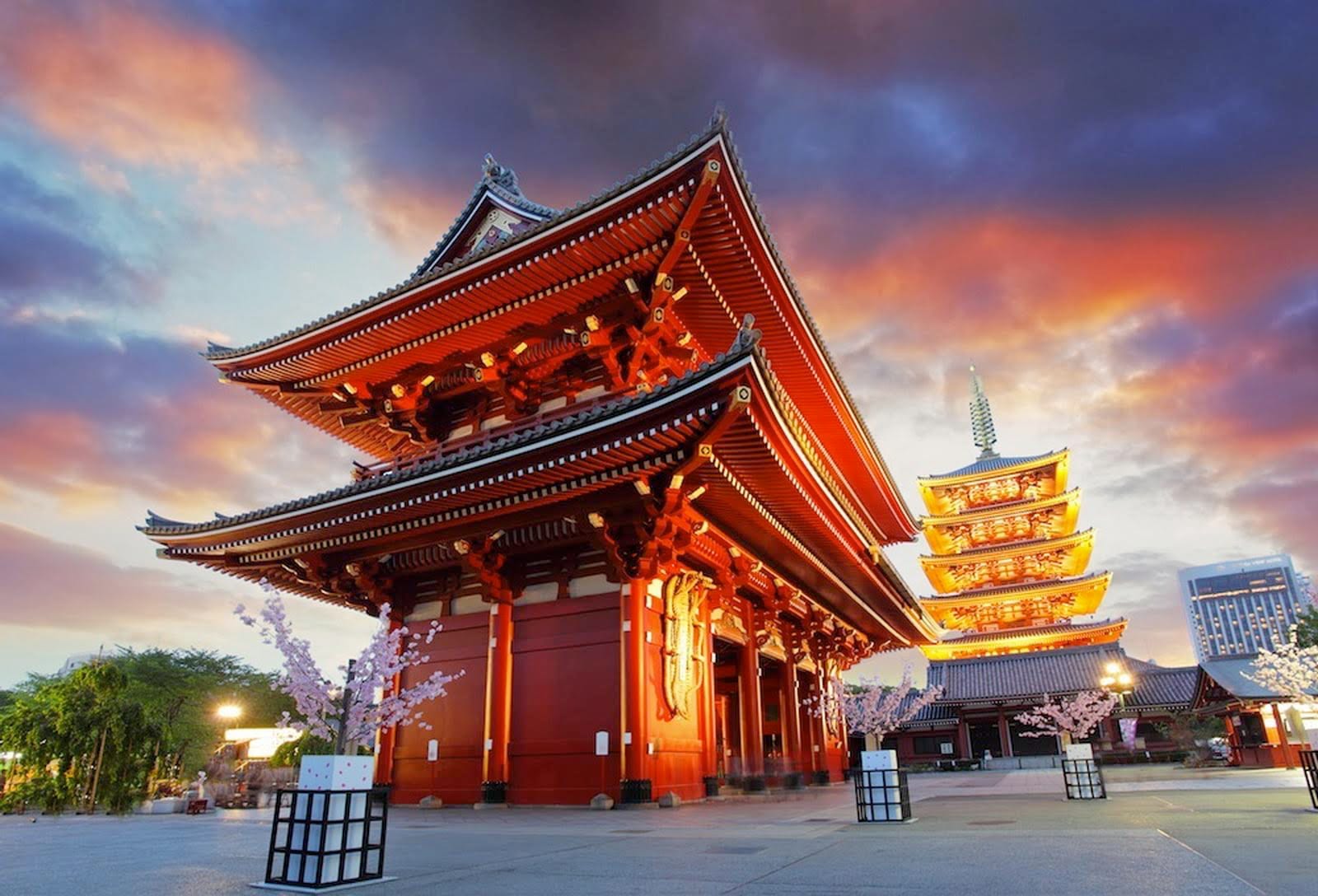
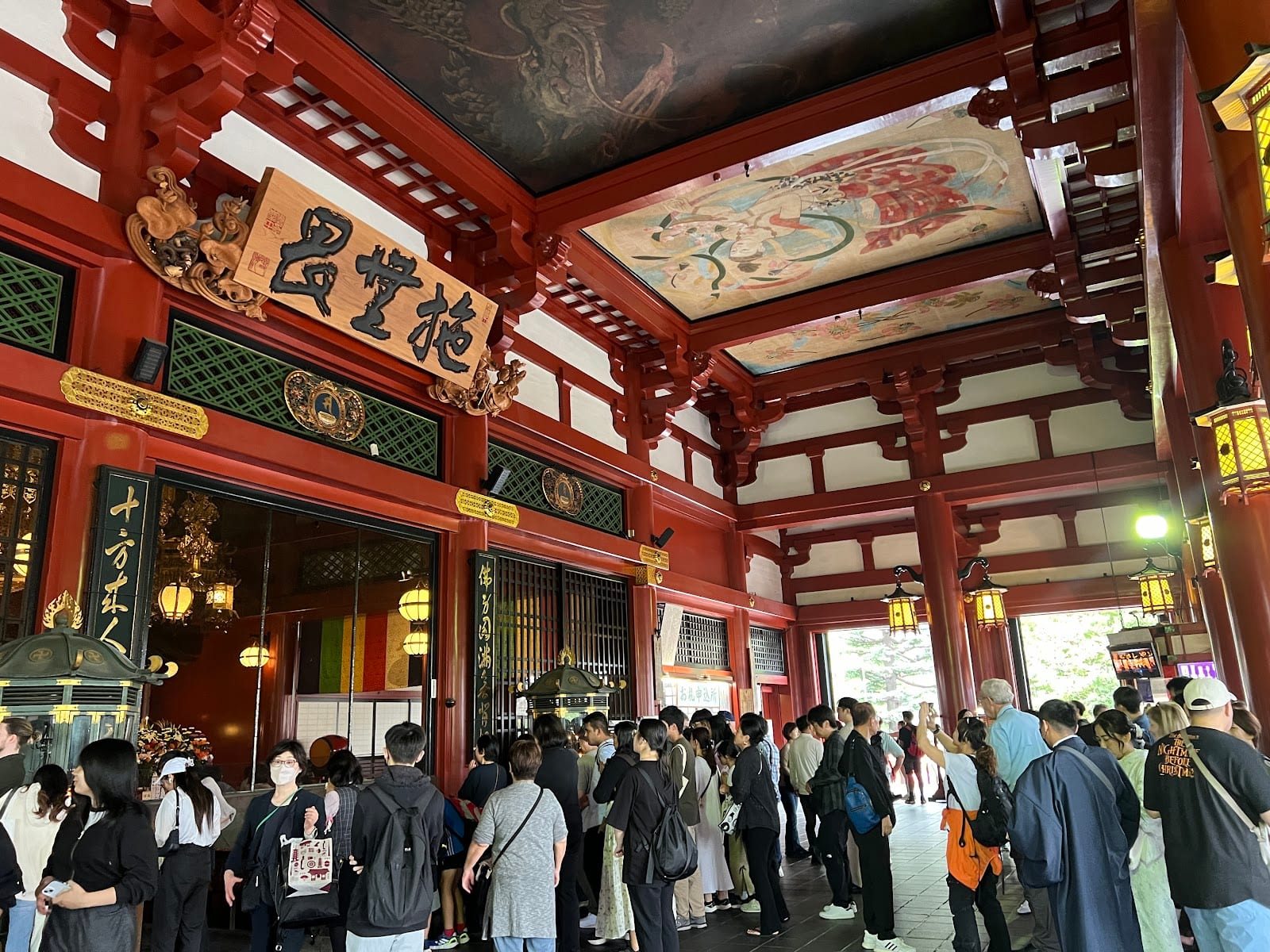
Senso-ji is the oldest temple in Tokyo. Legend dates it to 628, when two fishermen brothers pulled a tiny golden statue of the Buddhist goddess Kannon from the Sumida River; a hall was built for it in 645, and the temple has anchored Asakusa ever since. The current main hall is a faithful rebuild finished in 1958, after the original was lost in the 1945 firebombing, and the temple still draws around 30 million visitors a year. Walk up through the Kaminarimon and Hozomon gates, past the five-story pagoda, into the incense smoke in front of the hall. The grounds are open around the clock and cost nothing, and the main hall is open 6:00 to 17:00 (from 6:30 October through March). Come at opening or after dark to have it close to yourself.
Grounds open 24 hours; main hall 6:00 AM - 5:00 PMGood for families, couples, solo
- 2
 Kaminarimon Worth it
Kaminarimon
The giant red lantern that is the symbol of Asakusa, and the gateway to the temple.
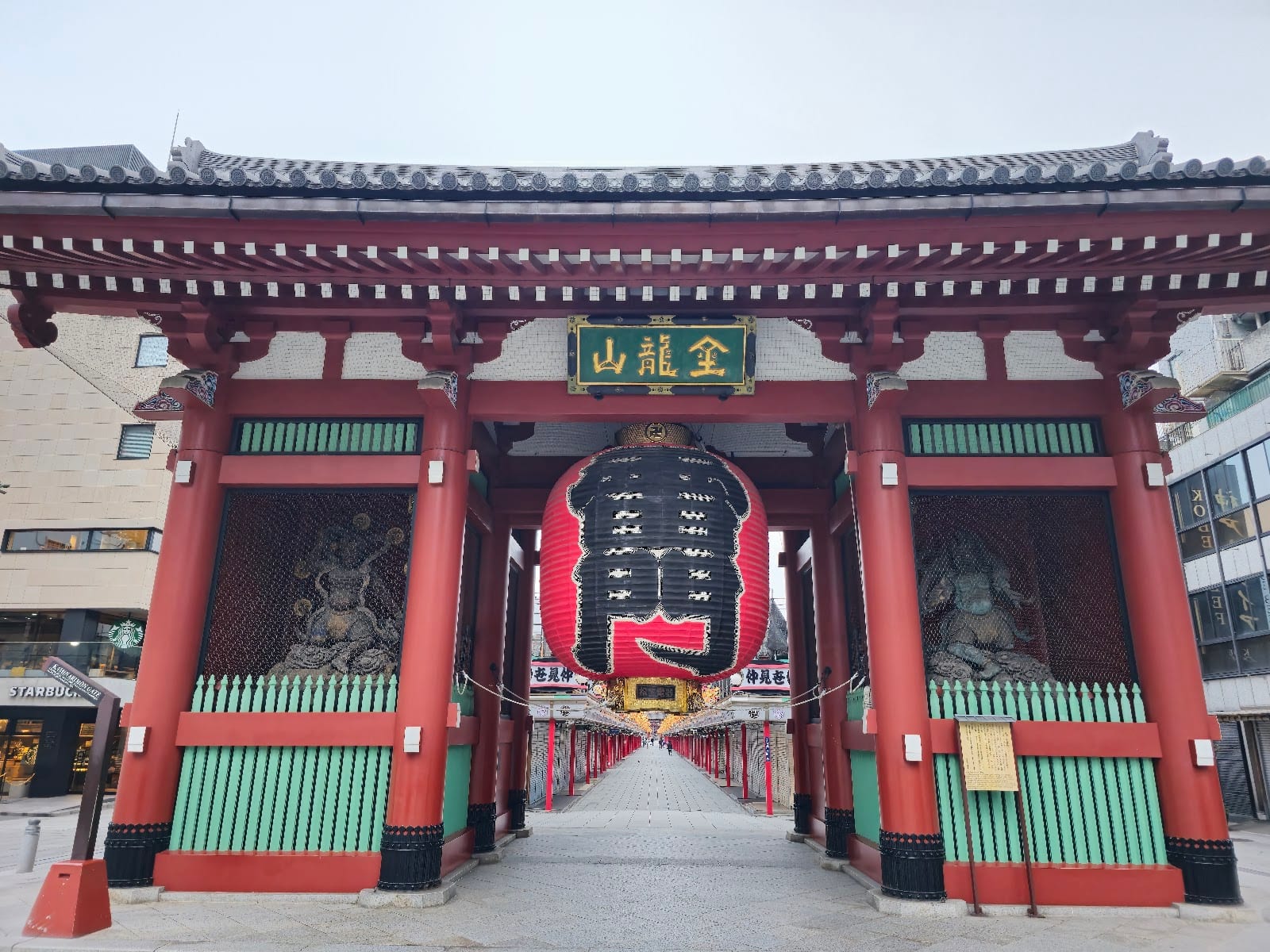
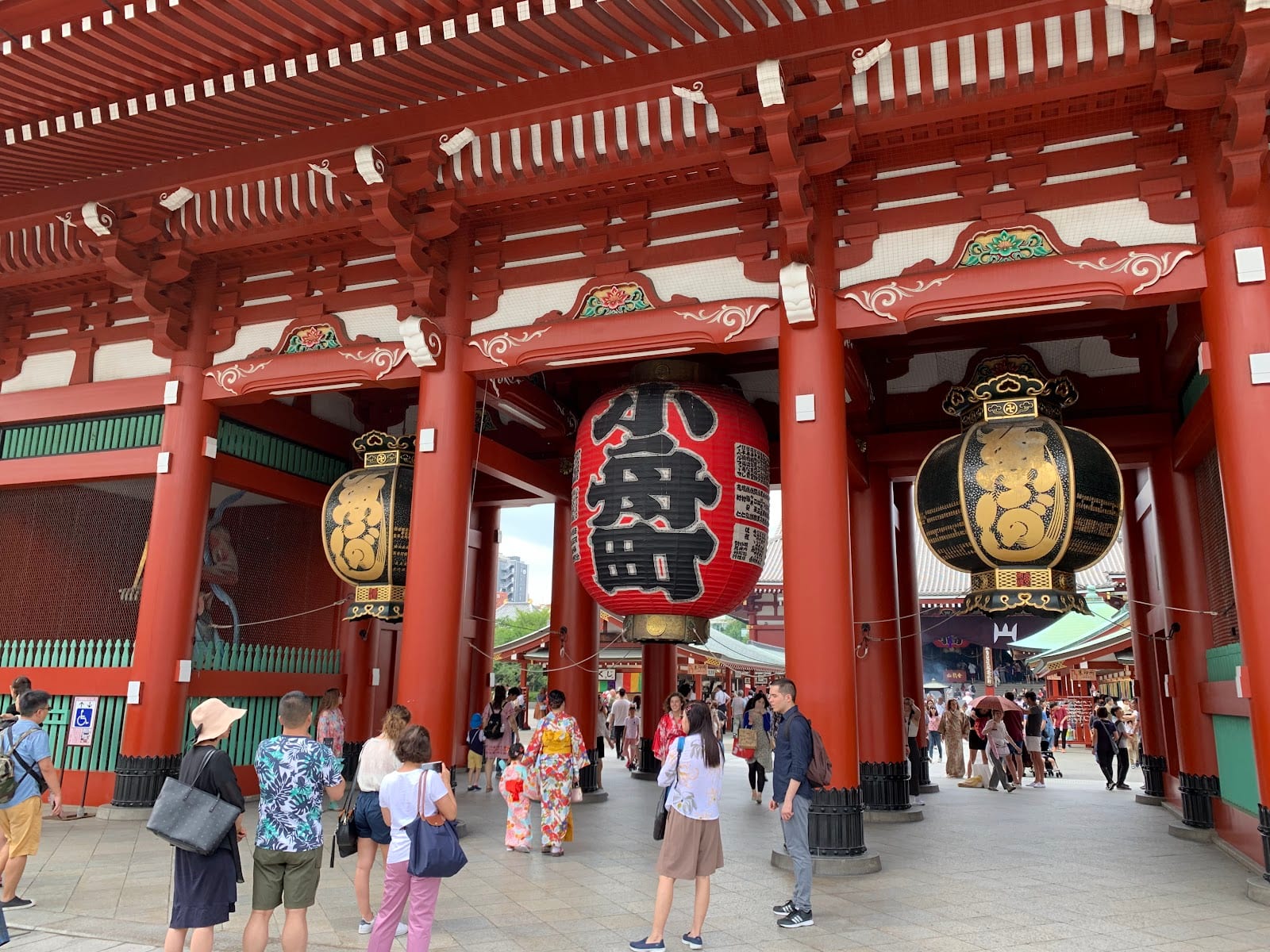
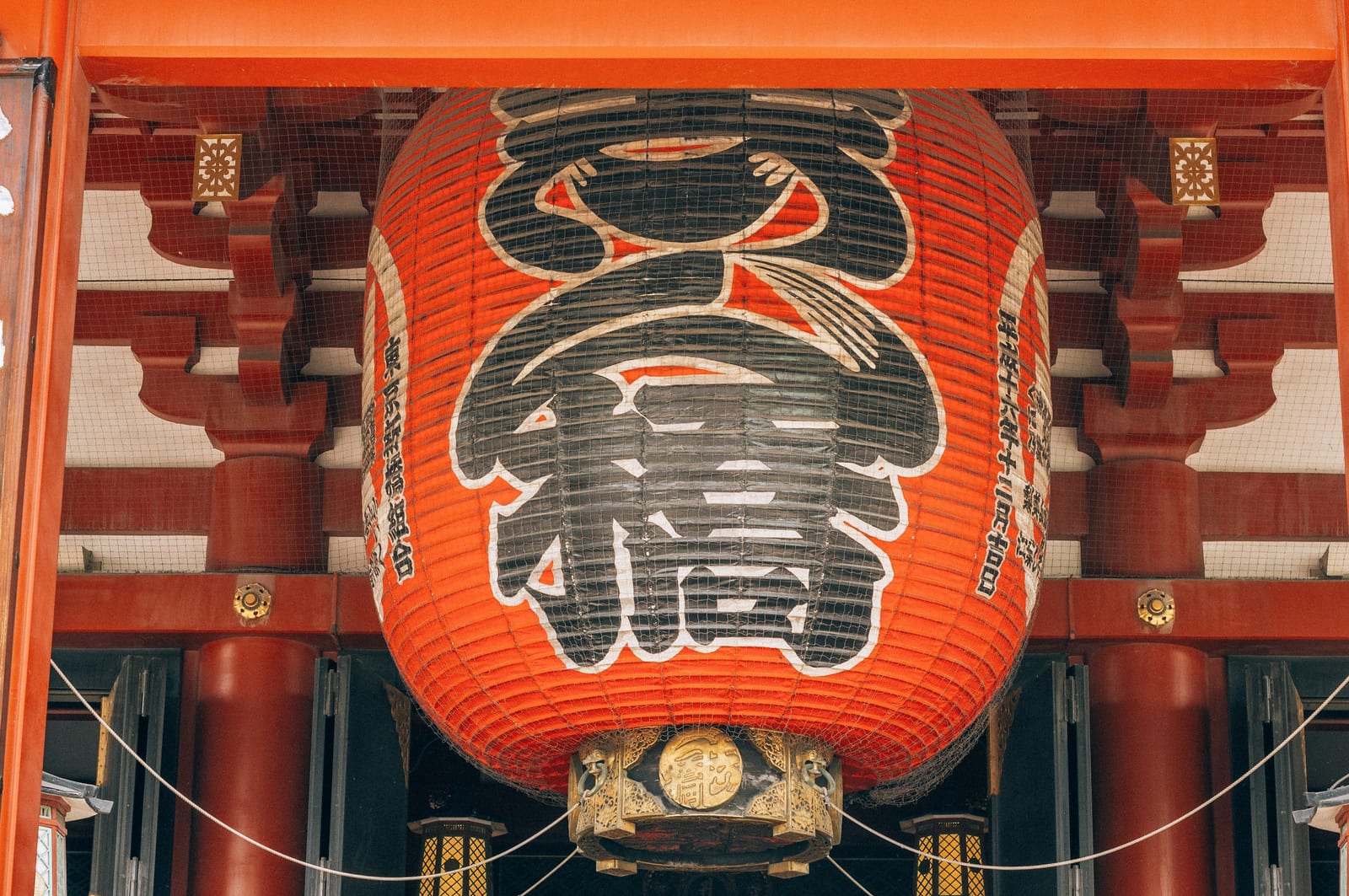
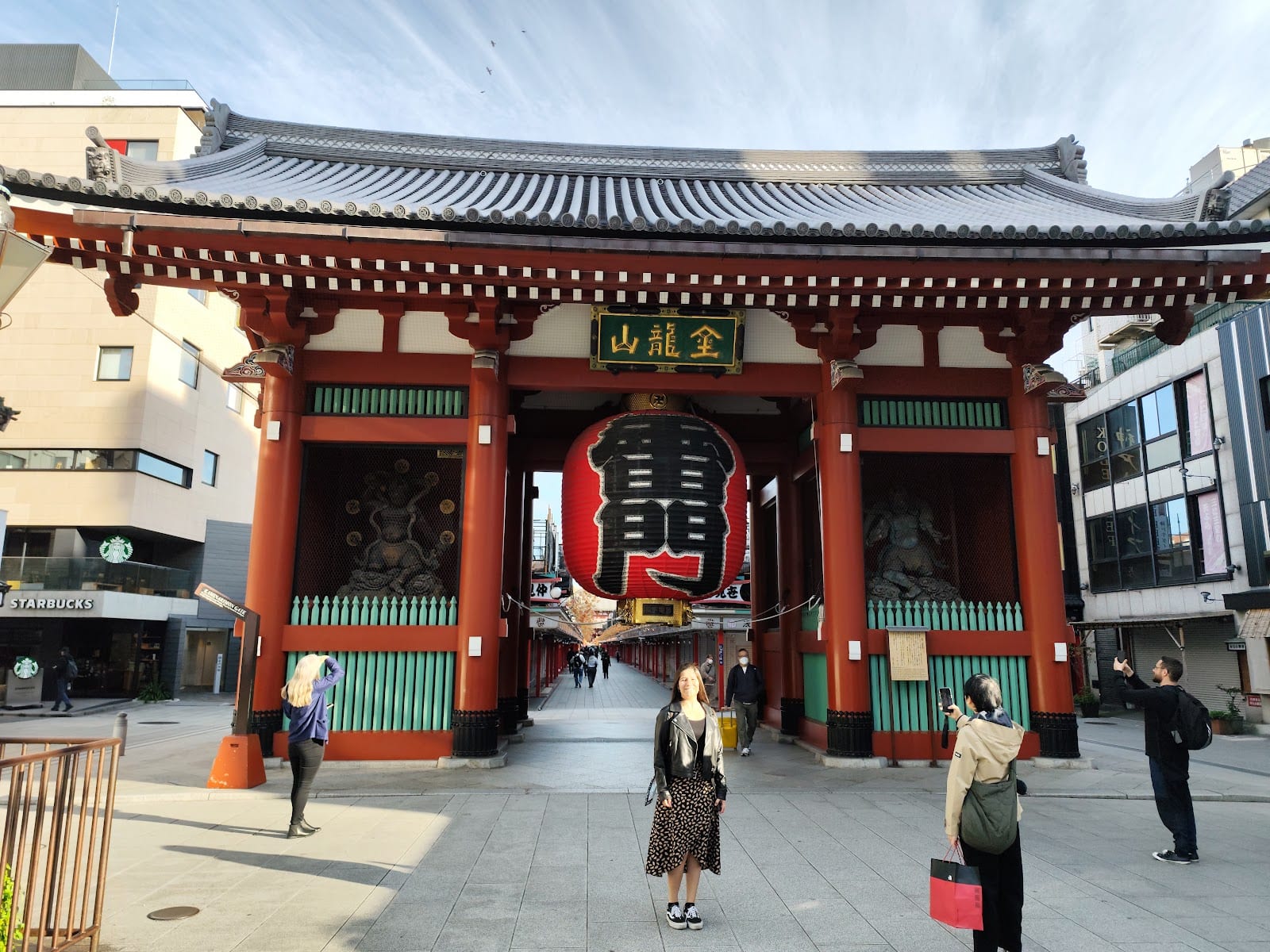
Kaminarimon, the Thunder Gate, is the outer gate to Senso-ji and the most photographed thing in Asakusa. Its huge red paper lantern stands 3.9 meters tall and weighs about 700 kilograms, with the wind god Fujin and the thunder god Raijin guarding either side, which is where the gate gets its name. A gate has stood here since 941, but the present one dates only to 1960, rebuilt with a donation from Konosuke Matsushita, the founder of what is now Panasonic, after the previous gate burned in 1865. It is free, always there, and impossible to miss; the only catch is the crowd, so expect to wait your turn for a clean photo under the lantern.
Open 24 hoursGood for families, couples, solo
Sourcesen.wikipedia.orggotokyo.org
- 3
 Nakamise Worth it
Nakamise-dori
A 250-meter run of Edo-era snack and souvenir stalls leading to the temple.
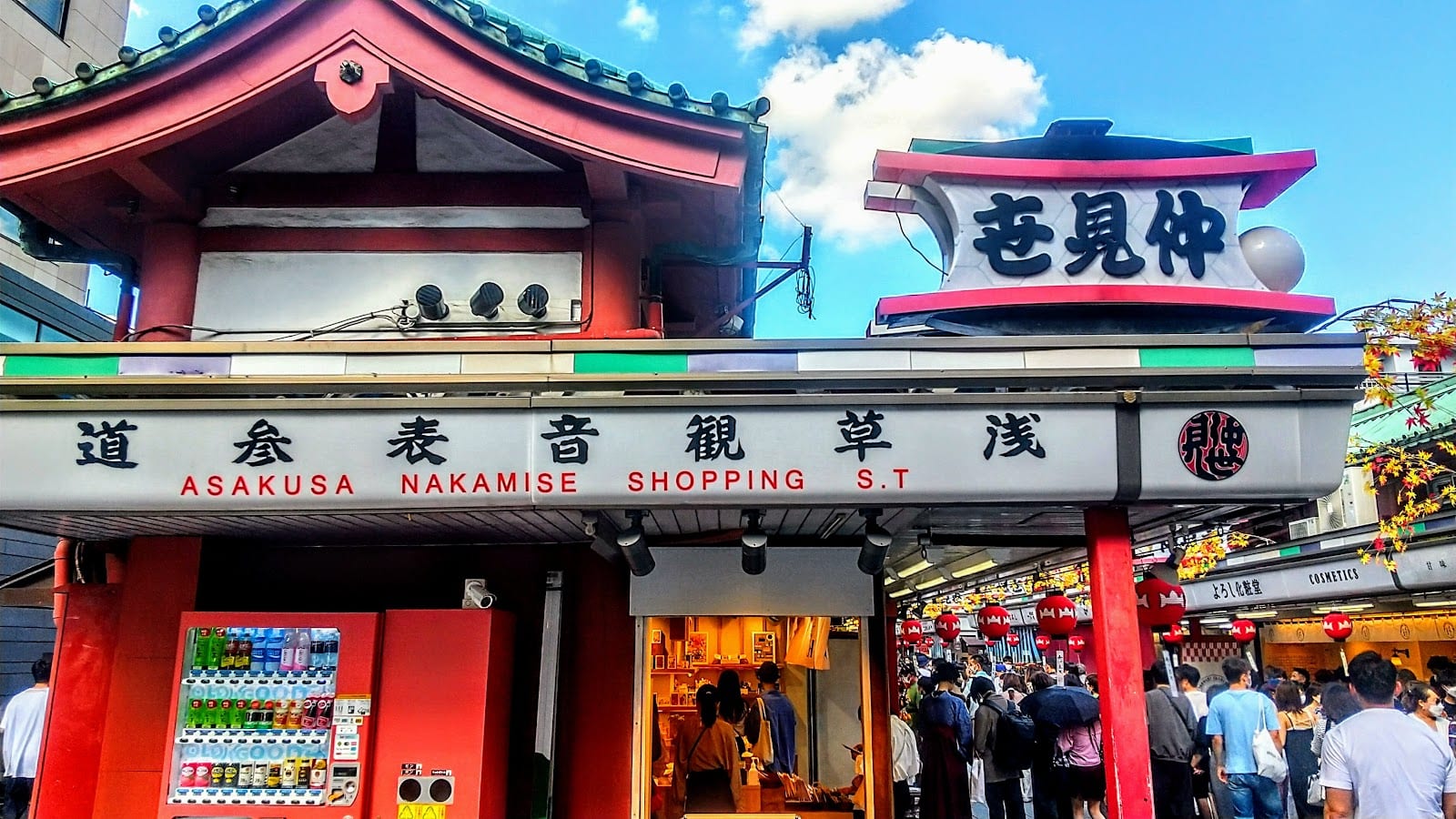
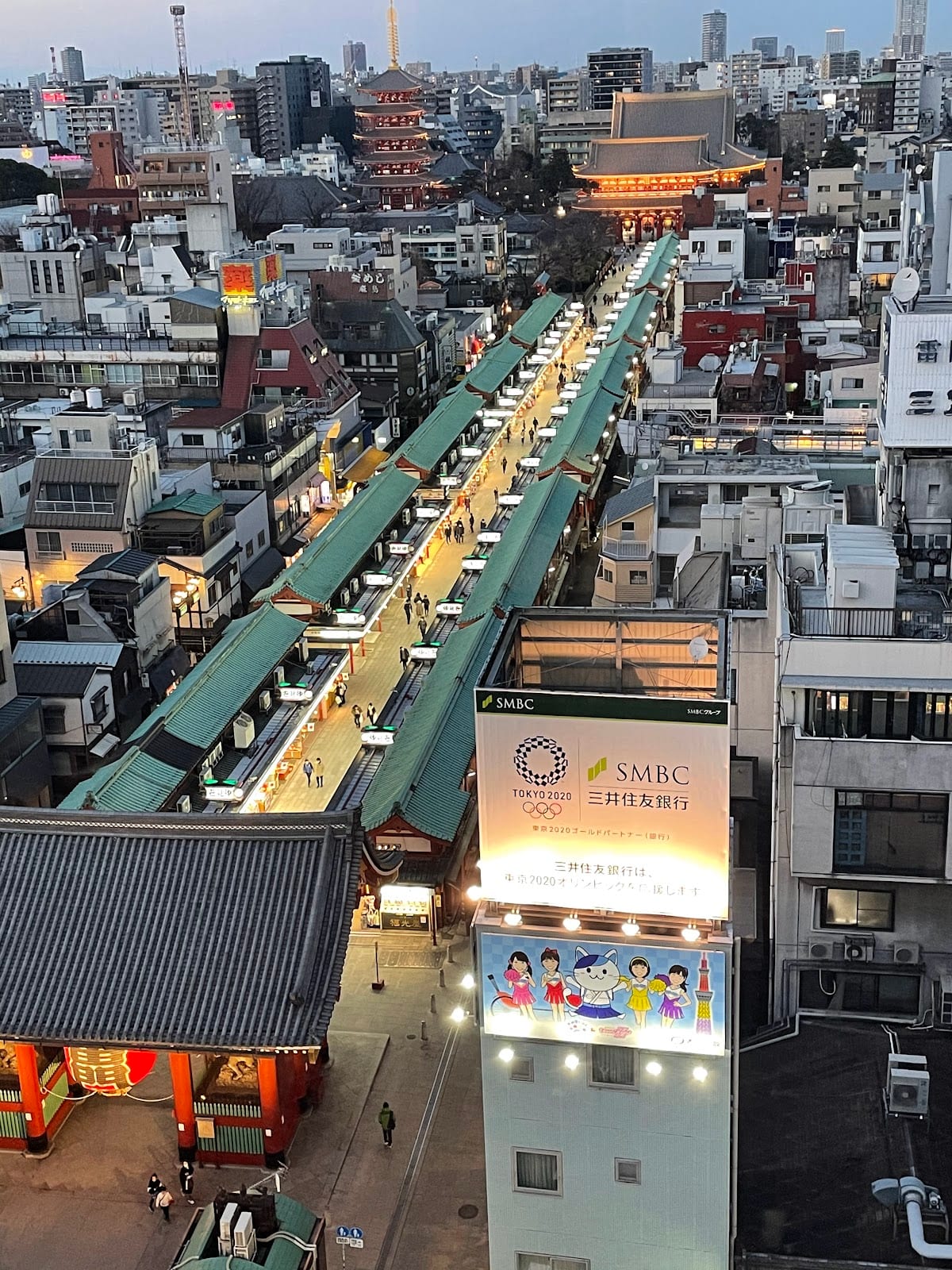
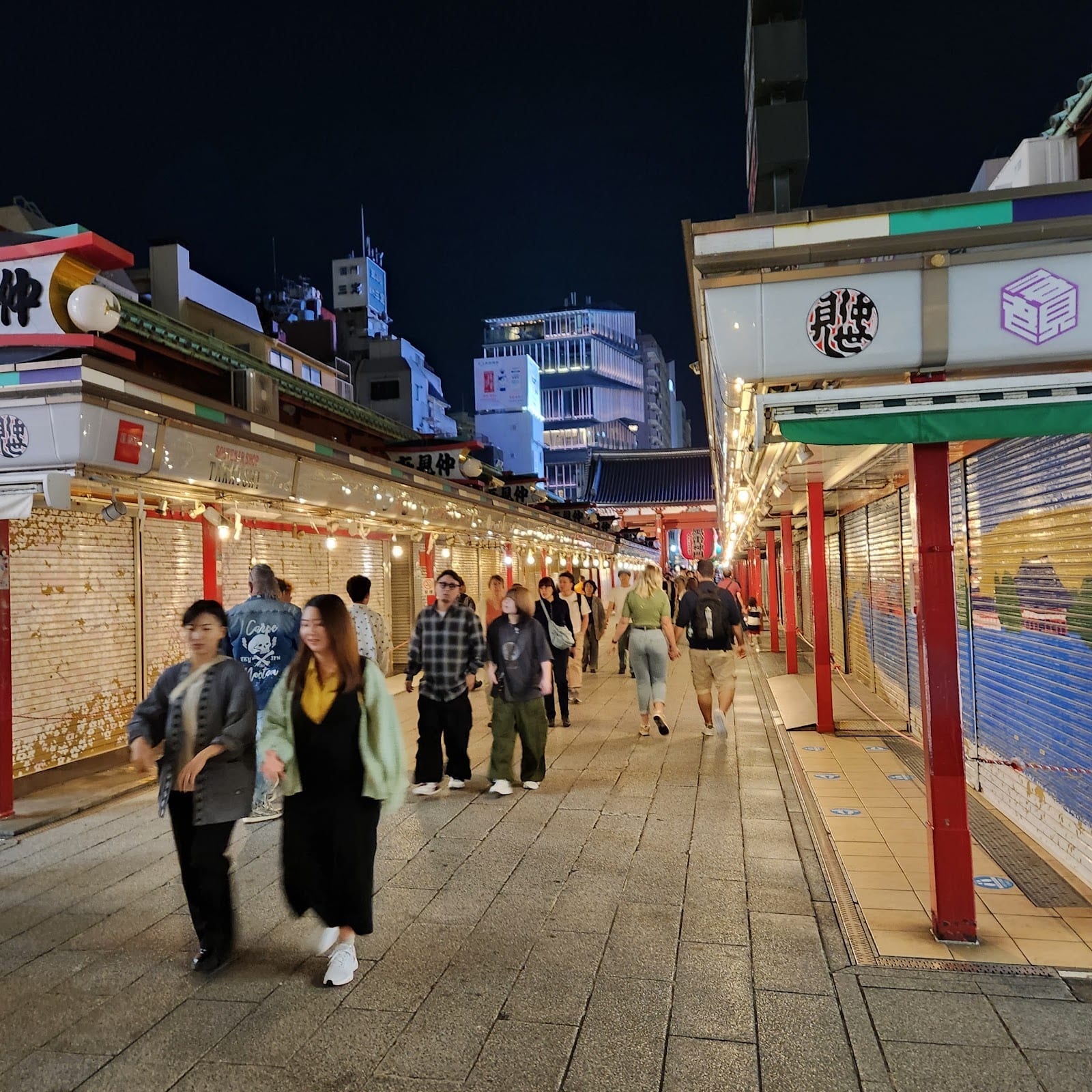
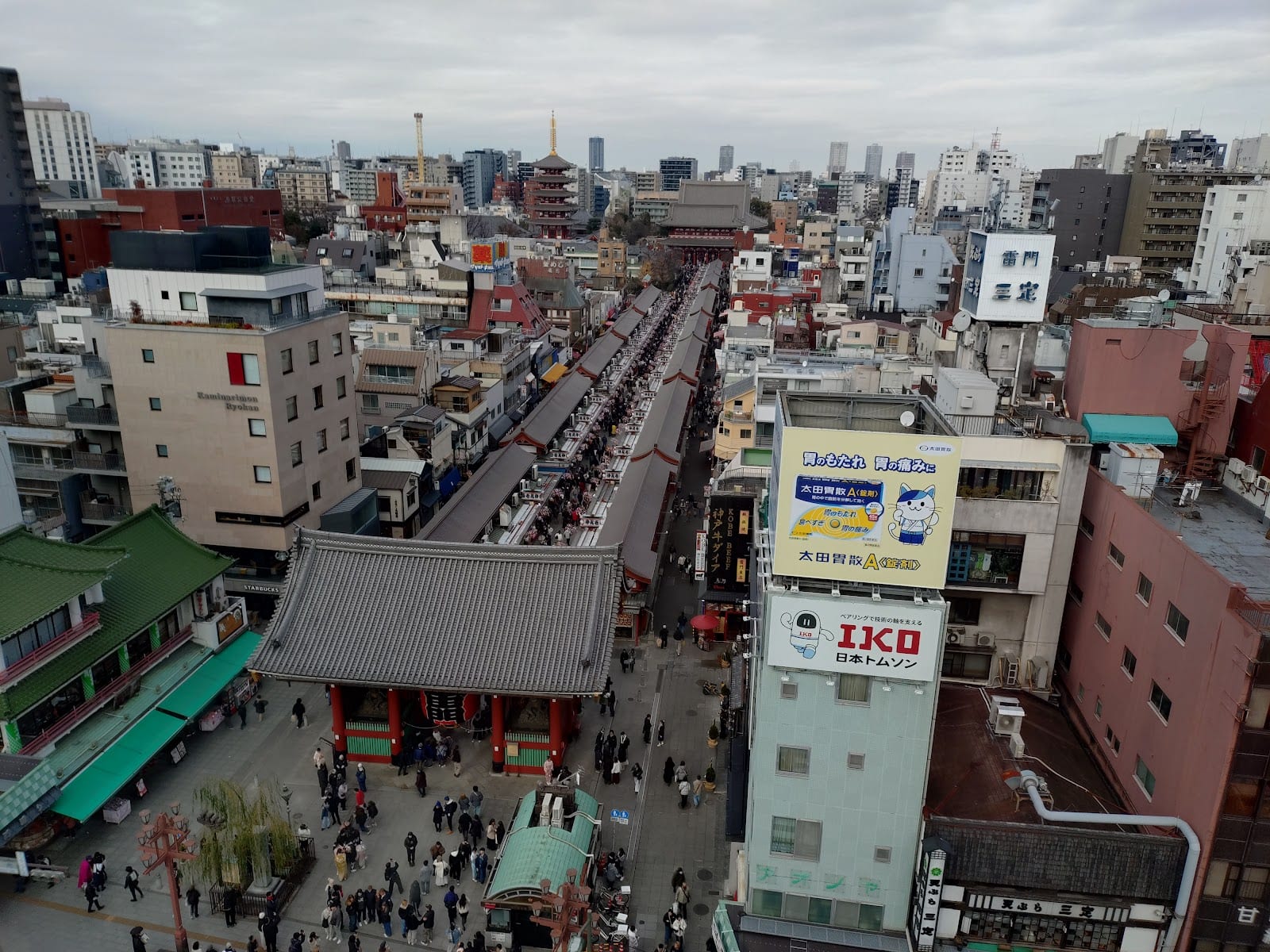
Nakamise-dori is the shopping street that connects Kaminarimon to the temple, about 250 meters lined with roughly 90 stalls, and one of the oldest shopping streets in Japan. Locals were first granted the right to sell here in the Edo period in exchange for helping keep the temple grounds, and the stalls still trade in the same things: ningyo-yaki cakes, hand-grilled senbei crackers, folding fans, kokeshi dolls, and paper umbrellas. It is unapologetically touristy and almost always packed, but it is the heart of the approach and worth walking once, ideally early when the shutters are still painted with their Edo-style scenes. Most stalls open mid-morning and close around 5 in the afternoon with the temple.
Most stalls 9:00 AM - 5:00 PMGood for families, couples, solo


Worth it with more time
Good additions once you've done the icons.- 1
 Temple Worth it
Asakusa Shrine
The Shinto shrine beside the temple, one of the few local buildings to survive the war.
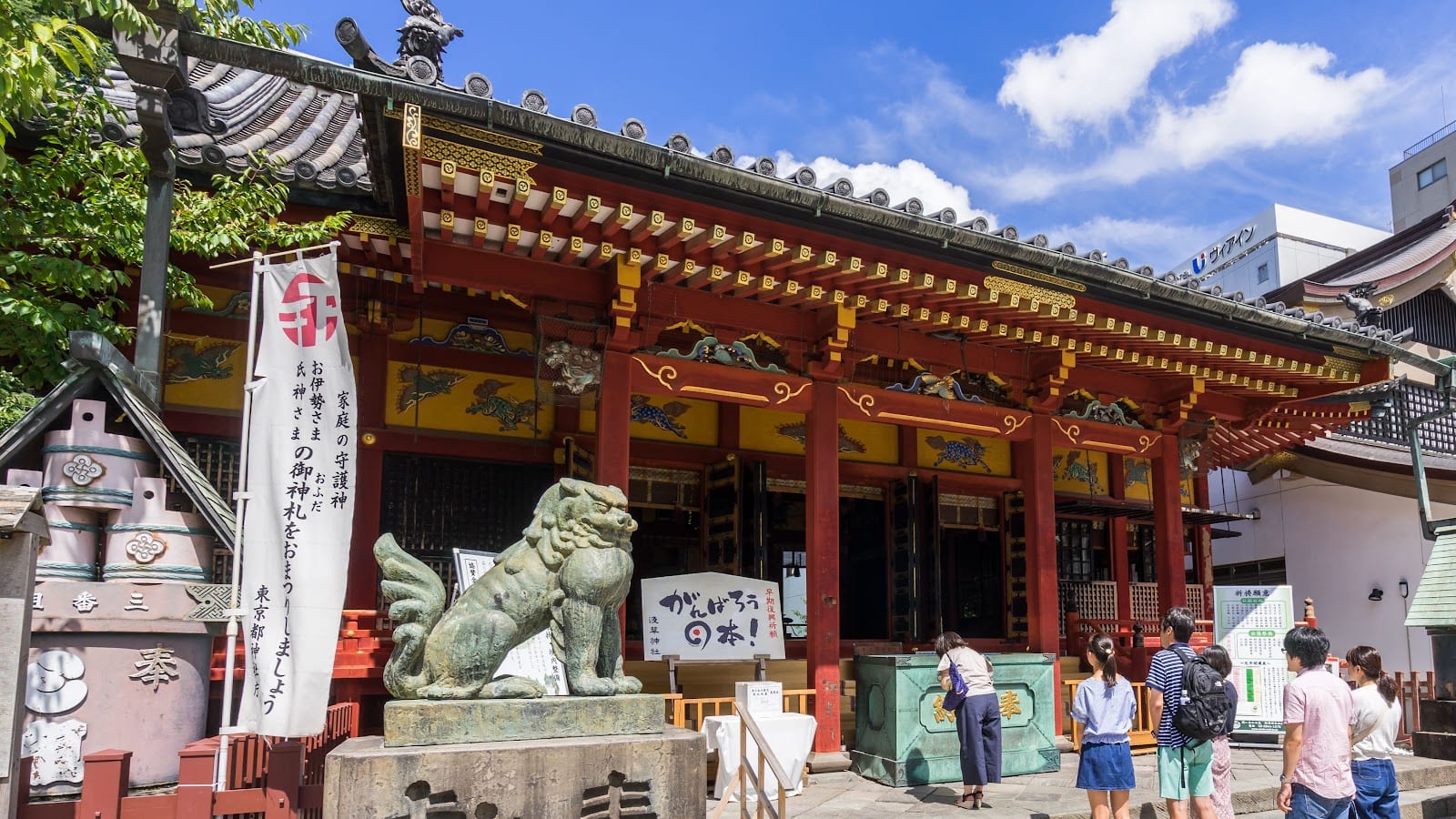
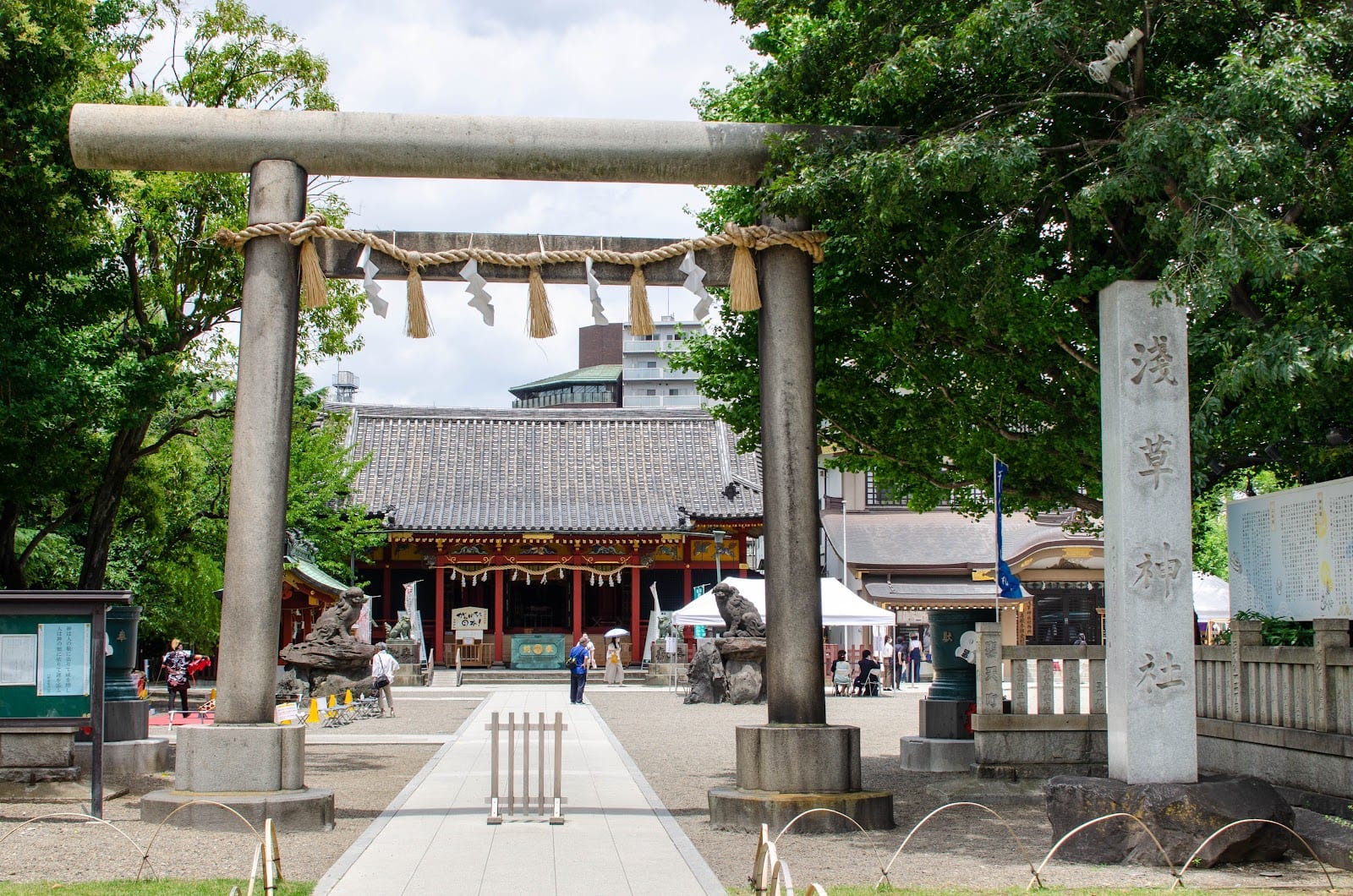
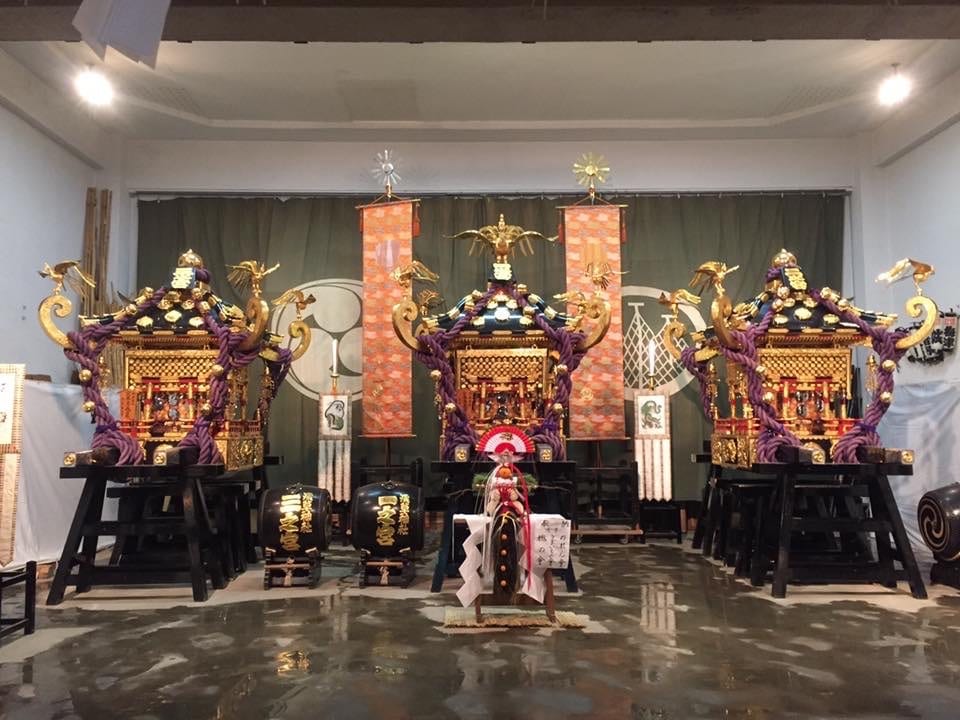
Right beside Senso-ji's main hall stands Asakusa Shrine, built in 1649 on the order of the shogun Tokugawa Iemitsu and dedicated to the three men tied to the temple's founding, which is why locals call it Sanja-sama, the shrine of the three. It is one of the very few buildings in the area to come through the 1945 air raids intact, and it is registered as an Important Cultural Property. Most of the year it is a calm counterpoint to the temple crowds; for one weekend in May it erupts into the Sanja Matsuri, one of Tokyo's biggest festivals, when around a hundred portable shrines are carried through the streets. Free, and a two-minute walk from the main hall.
Grounds open 24 hoursGood for families, couples, solo
Sourcesen.wikipedia.orgjapan-guide.comgotokyo.orgjapan-guide.com
- 2
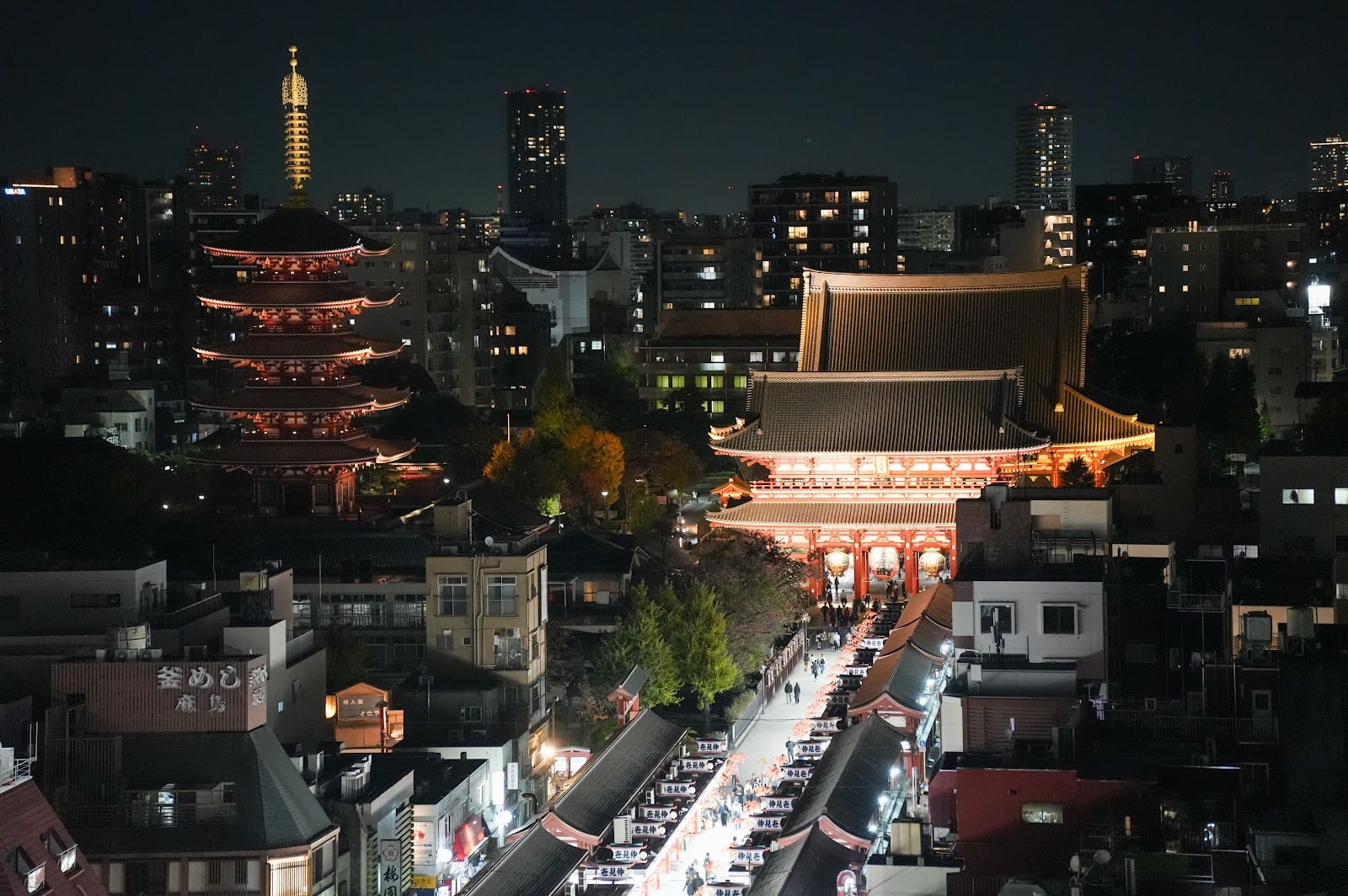 Kaminarimon Worth it
Asakusa Culture Tourist Information Center
A free 8th-floor deck with the best view down the temple approach, right across from the gate.
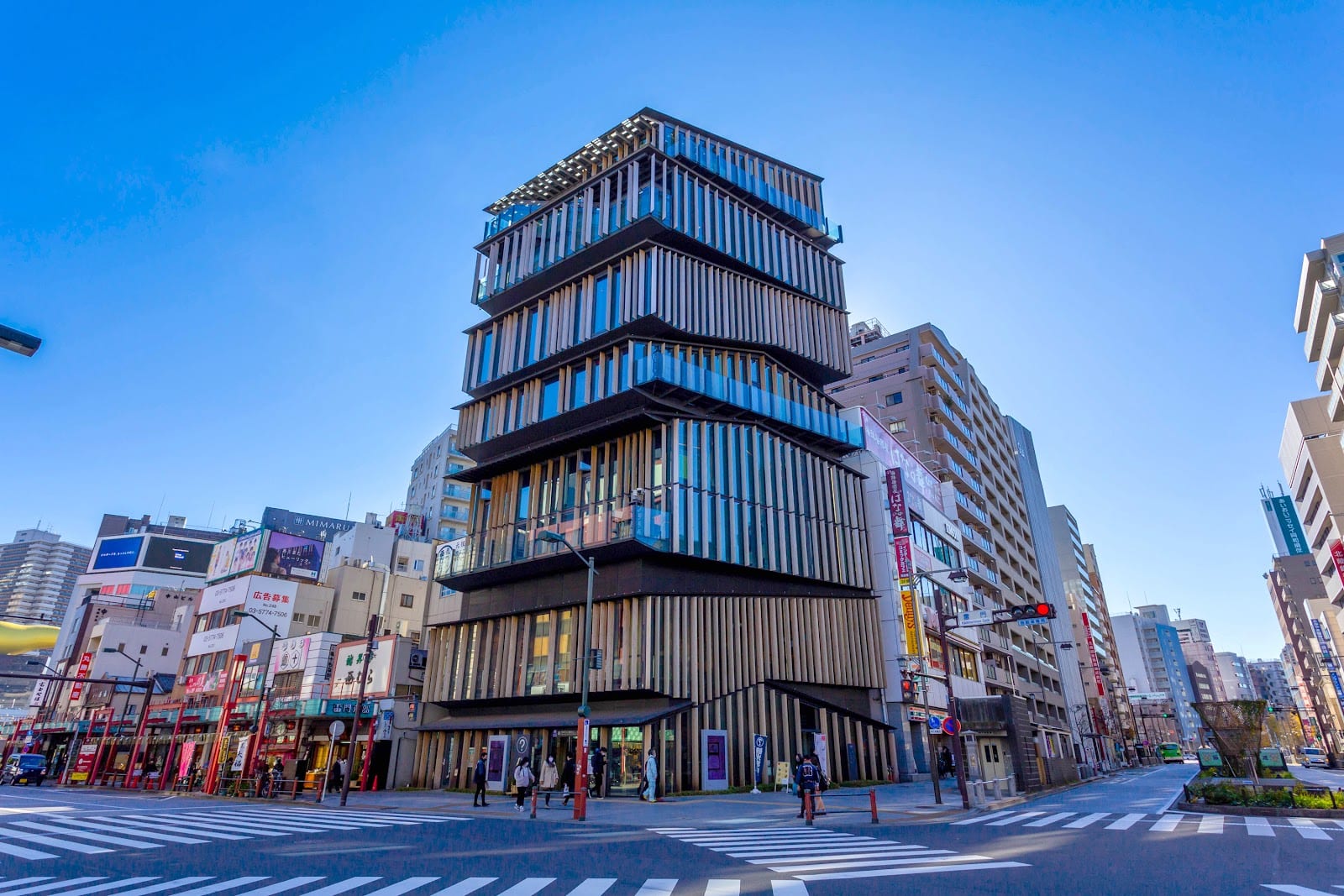
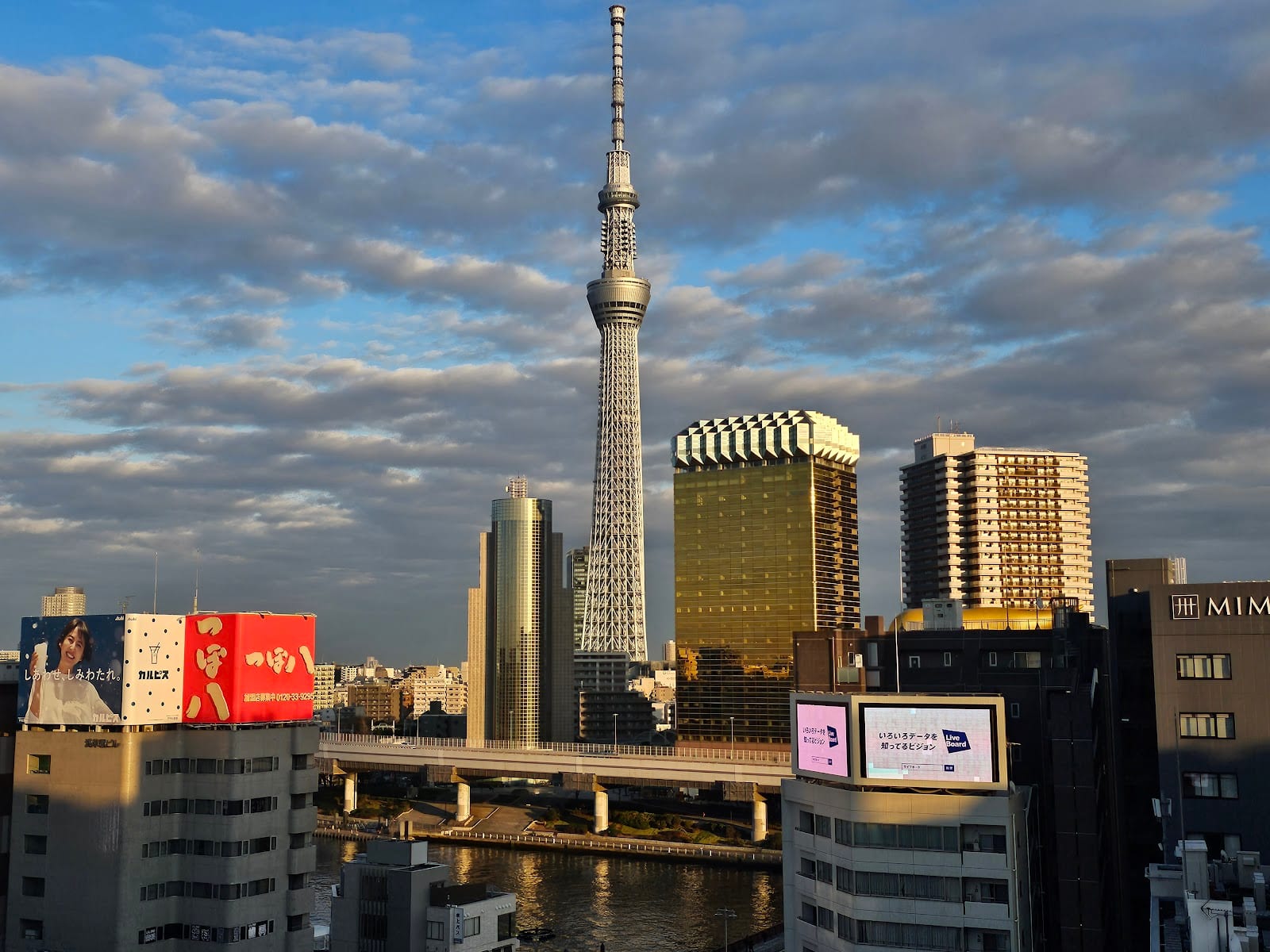
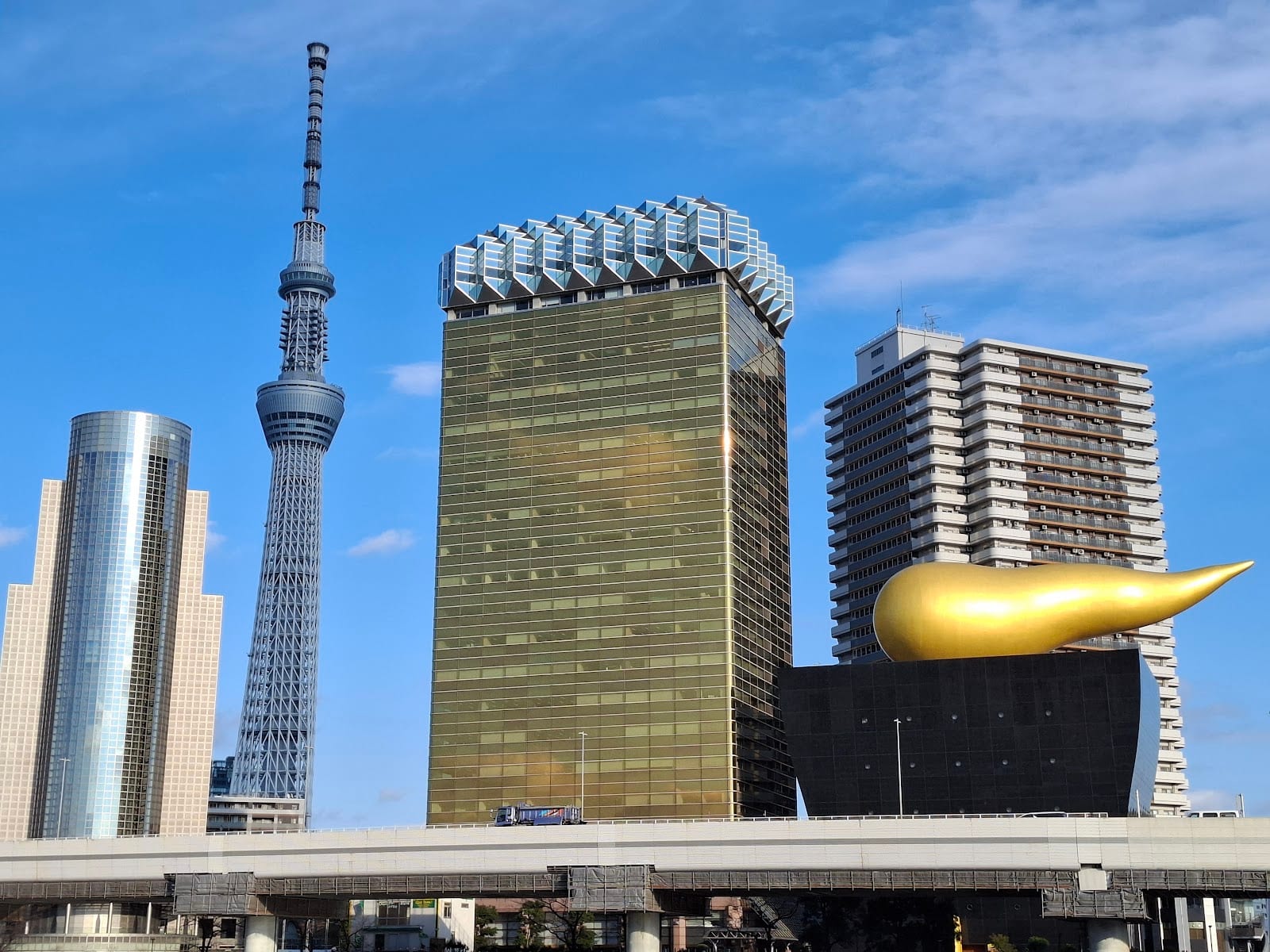
Directly across the street from Kaminarimon is the Asakusa Culture Tourist Information Center, a stack of timber-clad floors designed by the architect Kengo Kuma. Skip the views you pay for elsewhere and ride the lift to the free observation terrace on the eighth floor: it looks straight down the length of Nakamise to Senso-ji, east across the Sumida River to Tokyo Skytree, and over to the golden Asahi Beer Hall. There is a small cafe up top if you want to linger. It is the best-value view in Asakusa and the smartest first stop, both to get your bearings and to grab the photo everyone else is queuing for. Open 9:00 to 20:00.
Good for families, couples, solo
- 3
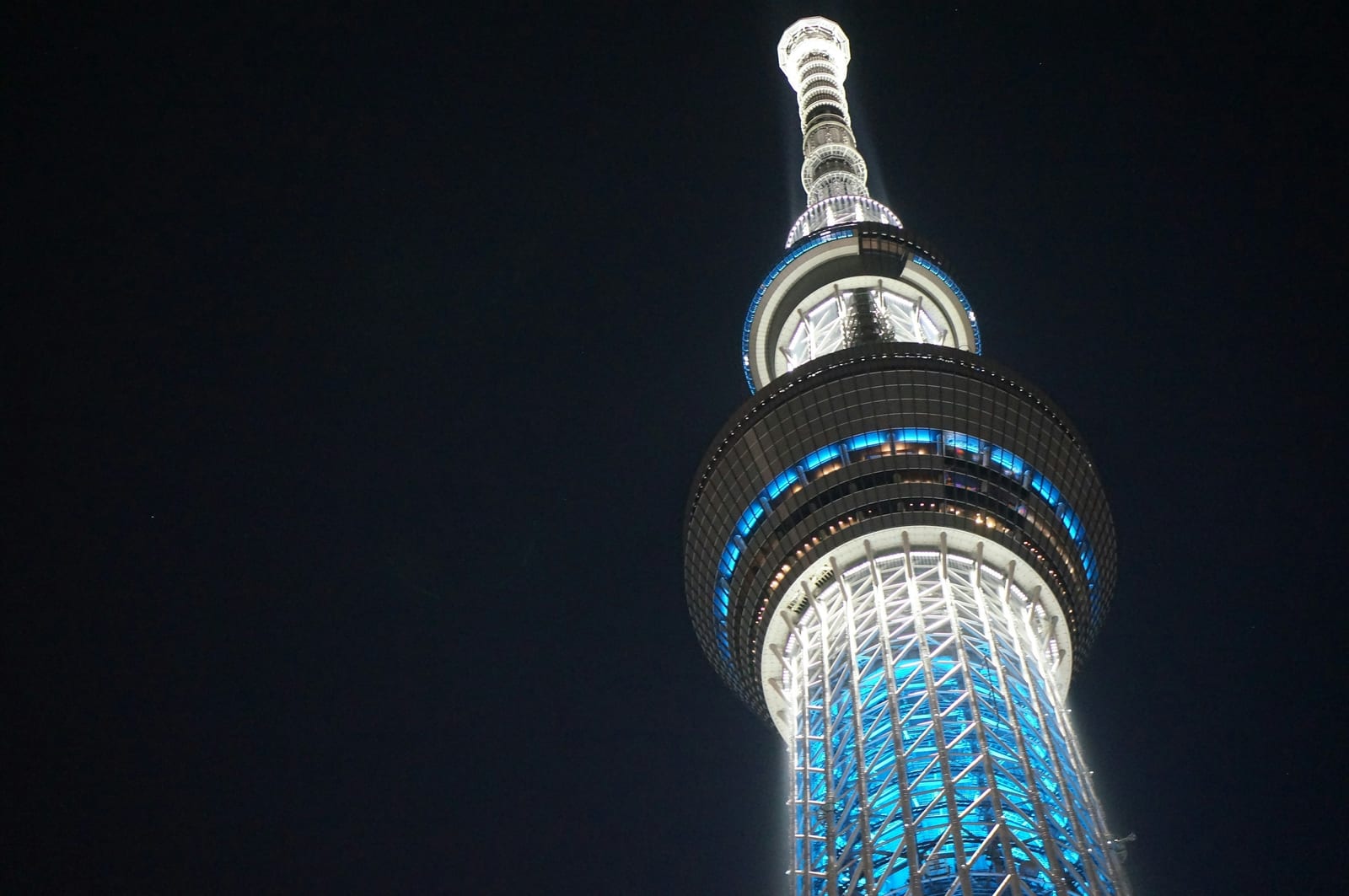
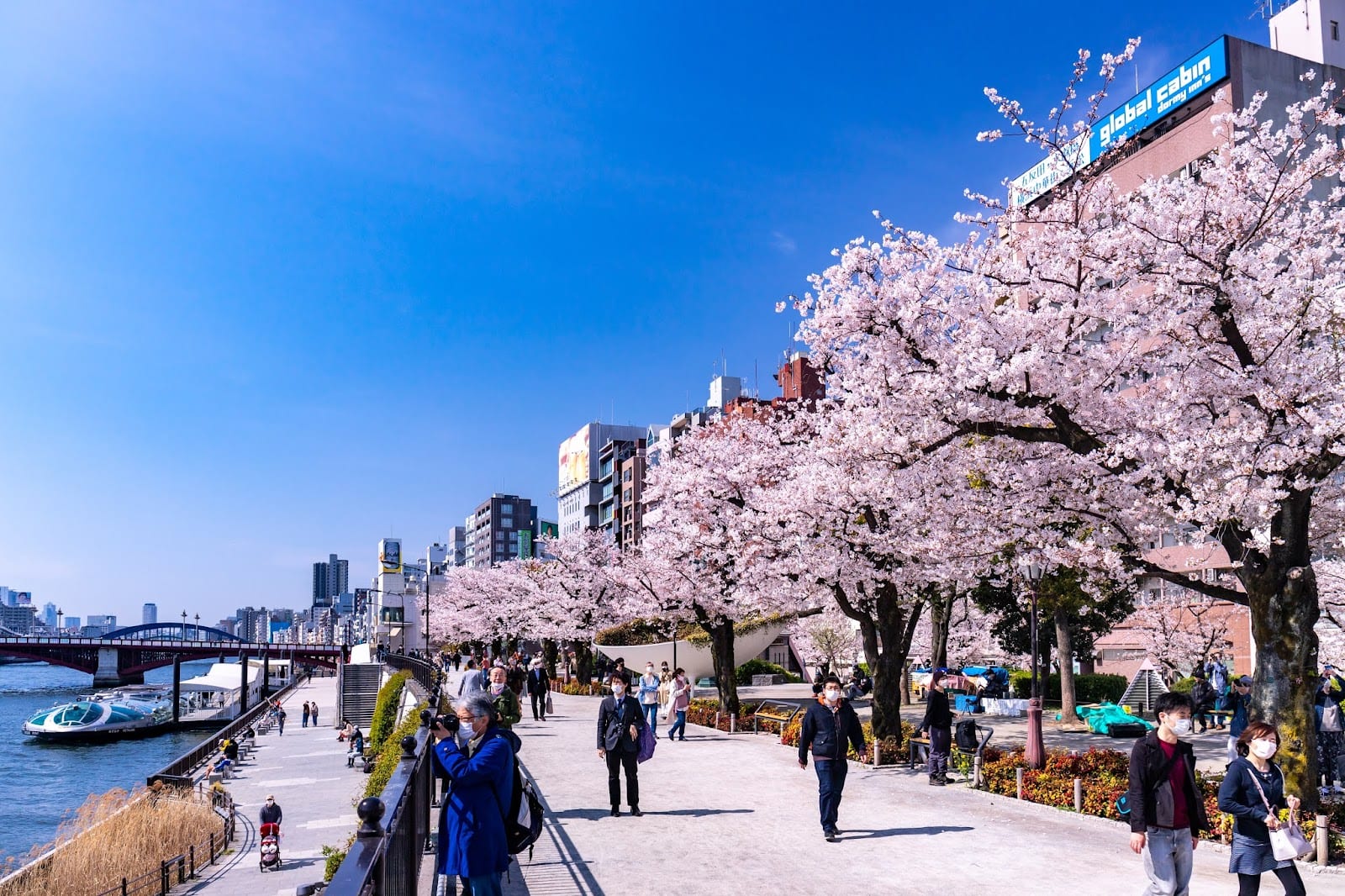
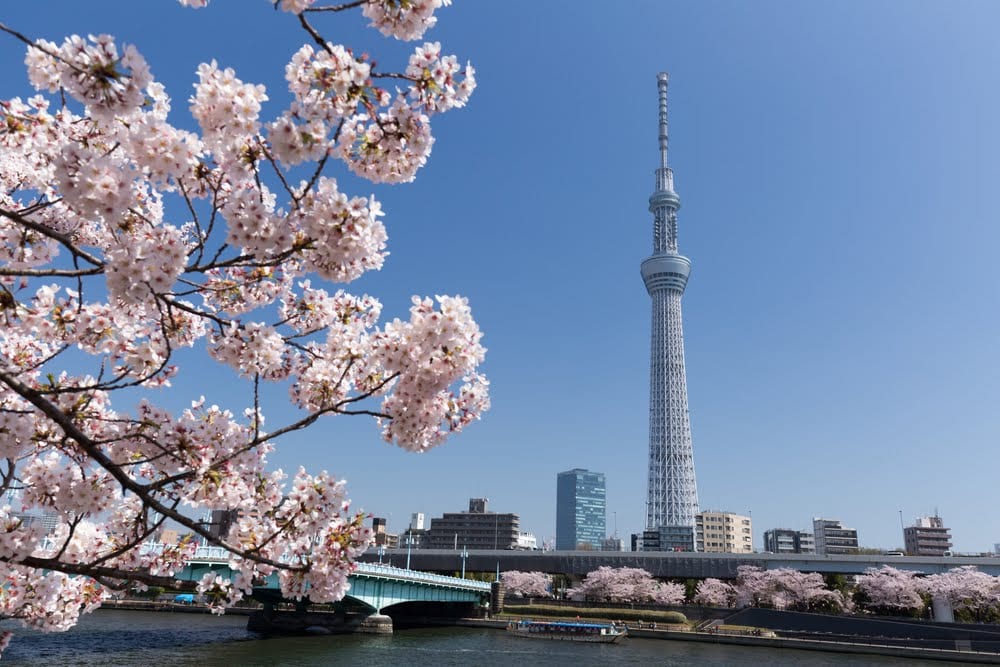
 Riverside Worth it
Sumida Park
A riverside park with the classic Skytree view and some of Tokyo's oldest cherry blossoms.
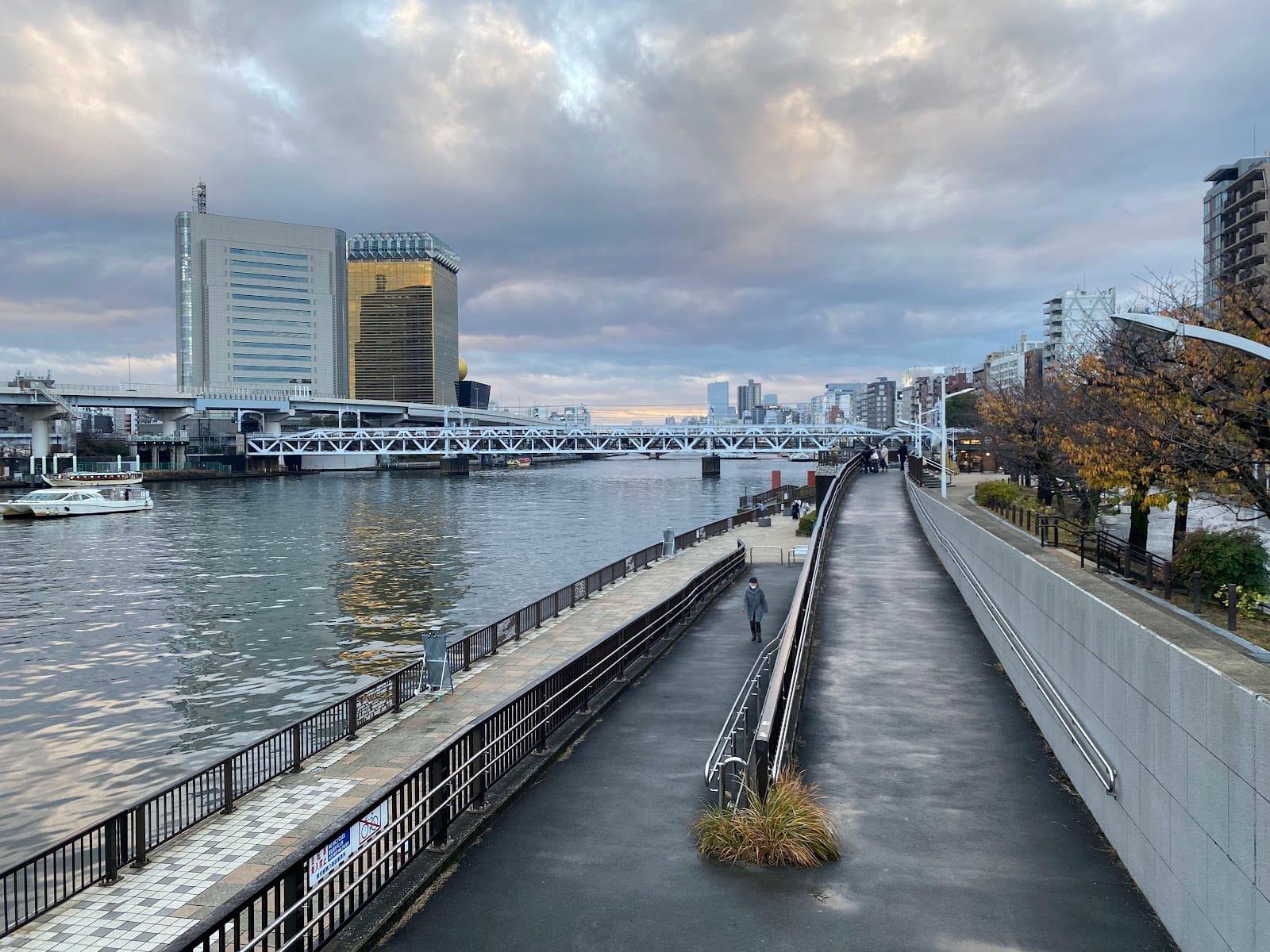
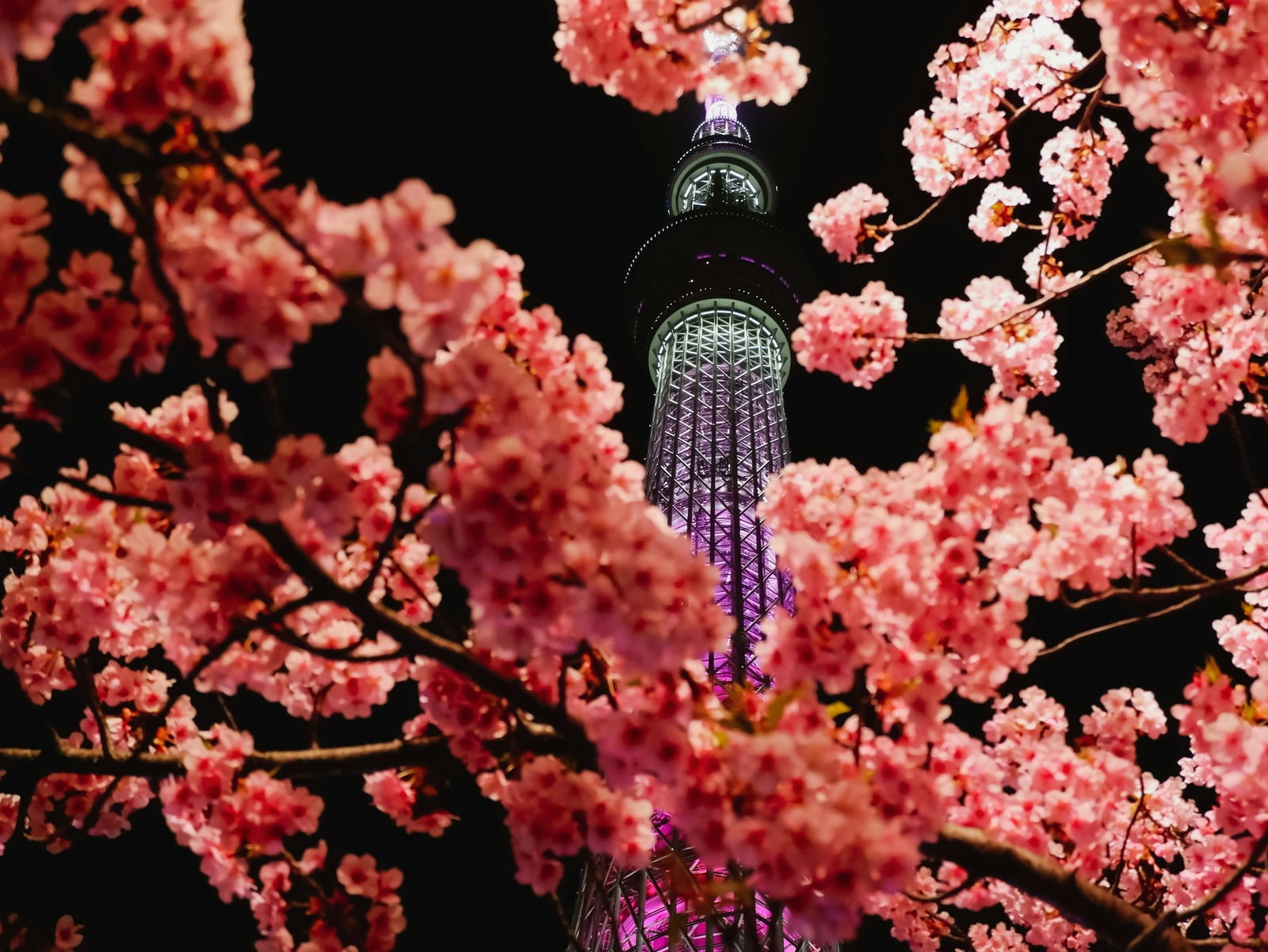
A few minutes east of the temple, Sumida Park runs along both banks of the Sumida River and gives Asakusa its open sky and its best river view of Tokyo Skytree. Its cherry trees are among Tokyo's oldest, said to have been planted in the Edo period on the orders of the shogun Tokugawa Yoshimune so ordinary townspeople could enjoy the blossoms too, and the avenue along the water still draws big crowds each spring, with night viewing under the lit-up Skytree the real prize. In late July the same banks host the Sumida River Fireworks, one of the city's biggest. The Asakusa pier sits at the park's edge by Azuma Bridge, where the river cruises to Hama-rikyu and Odaiba depart. Free, and open all the time.
Open 24 hoursGood for families, couples, solo
- 4
 Behind the temple Mixed
Hanayashiki
Japan's oldest amusement park, tiny and gloriously retro. Fun if you are in the mood.
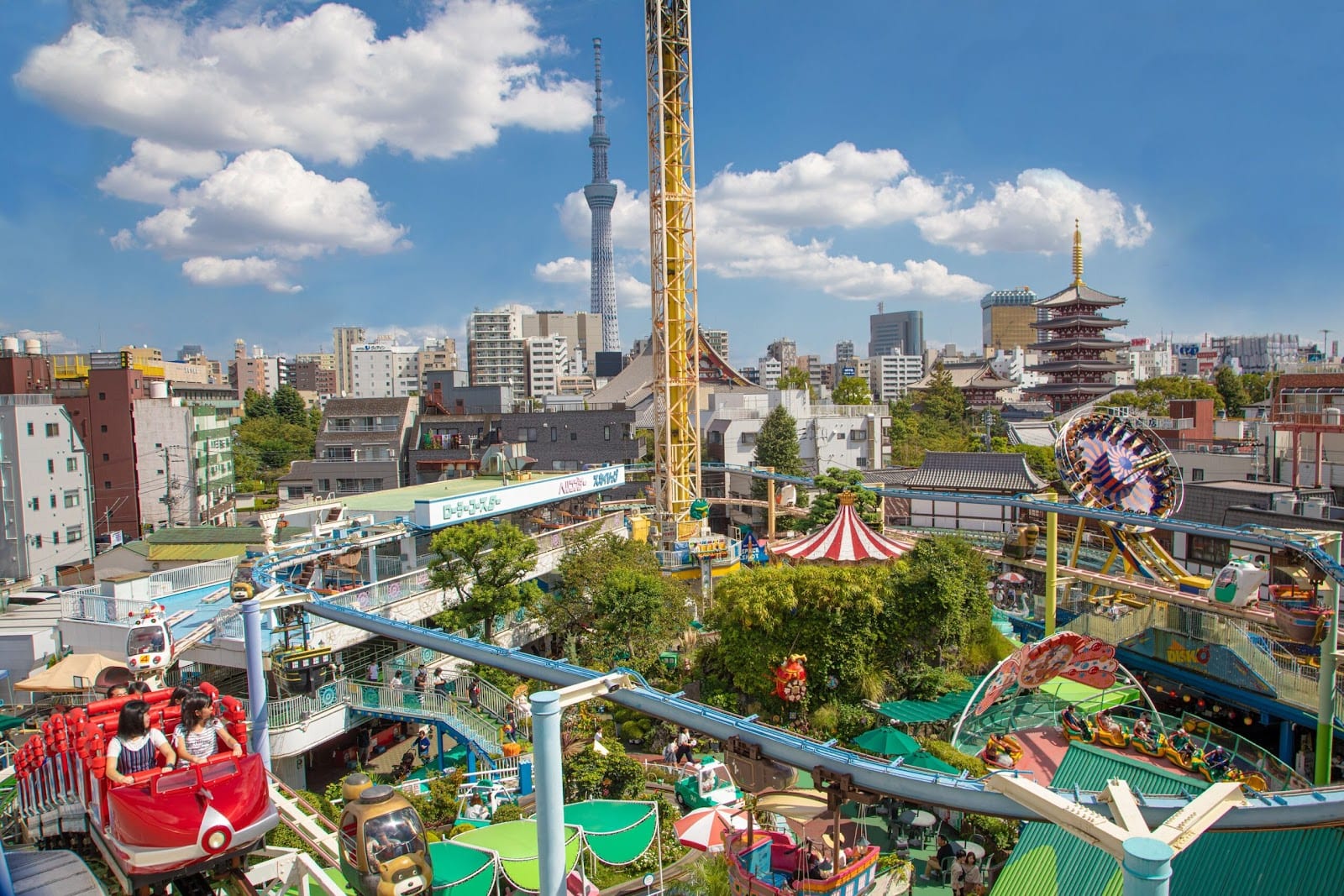
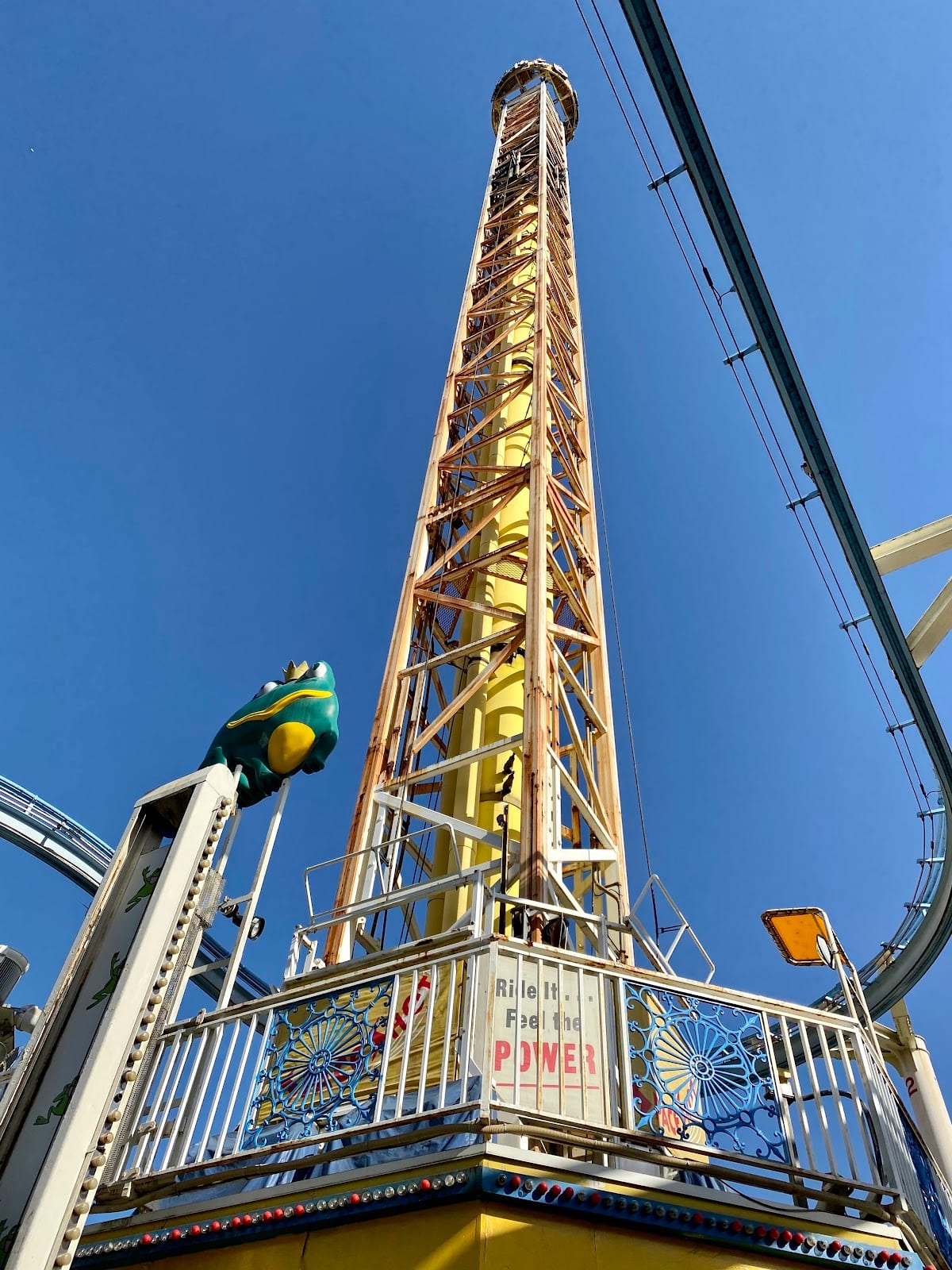
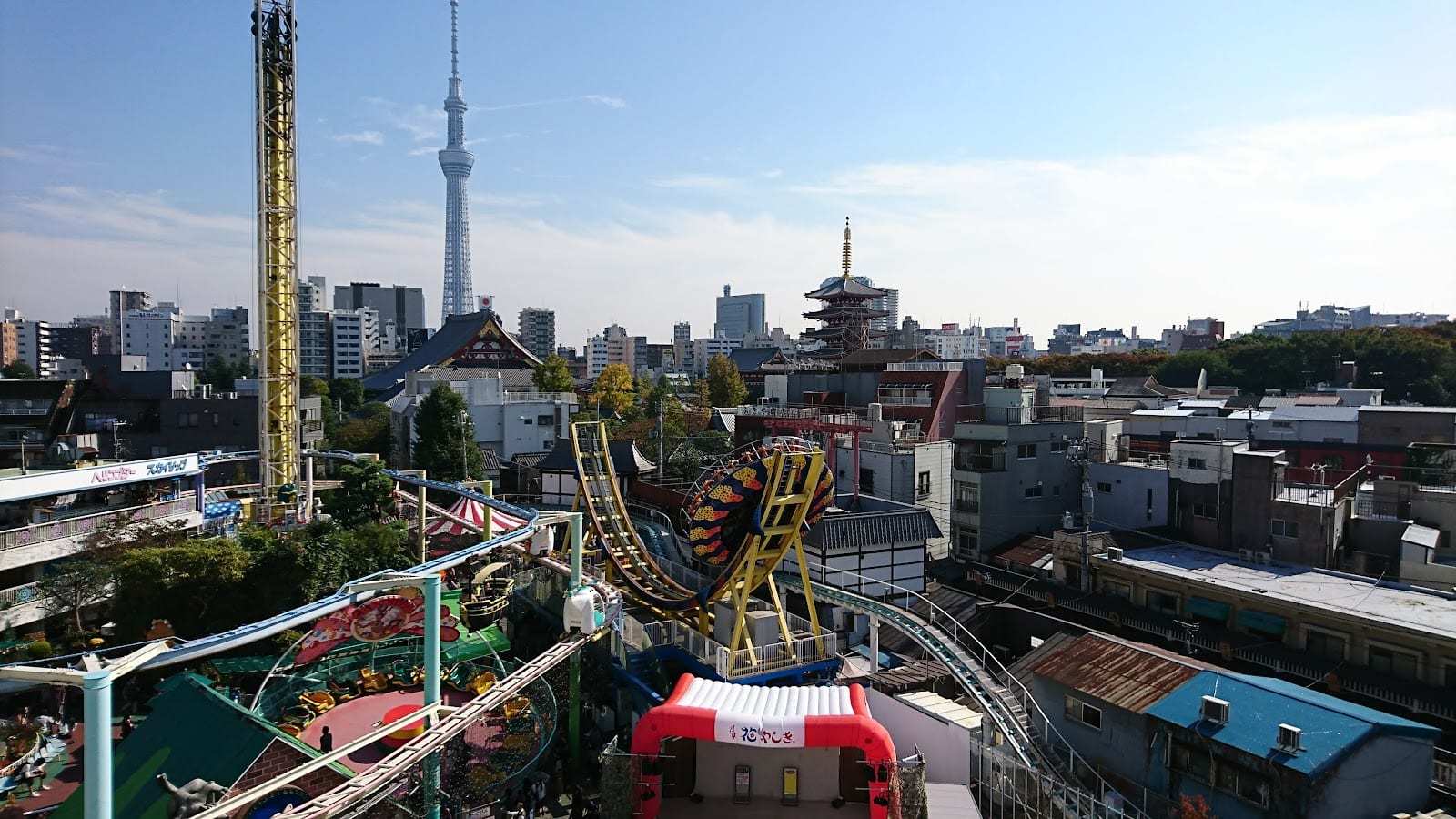
Tucked into the streets behind the temple, Hanayashiki opened in 1853 as a flower garden and is billed as the oldest amusement park in Japan. It is small, packed into about 5,800 square meters, and proudly old-fashioned: the star ride is a clattering 1953 roller coaster, the oldest still running in the country, that threads between the buildings at rooftop height. Whether it is worth it depends entirely on your mood. With kids, or a soft spot for Showa-era nostalgia, it is a real charm; expecting a modern theme park, you will be underwhelmed. Admission is about 1,600 yen, with rides paid for separately or with a day pass. Open 10:00 to 18:00, weather and season permitting.
Good for families
Sourcesen.wikipedia.orggotokyo.org
- 5
 Across the river (Sumida) Mixed
Tokyo Skytree
The 634-meter tower across the river. A great view, with one honest catch.
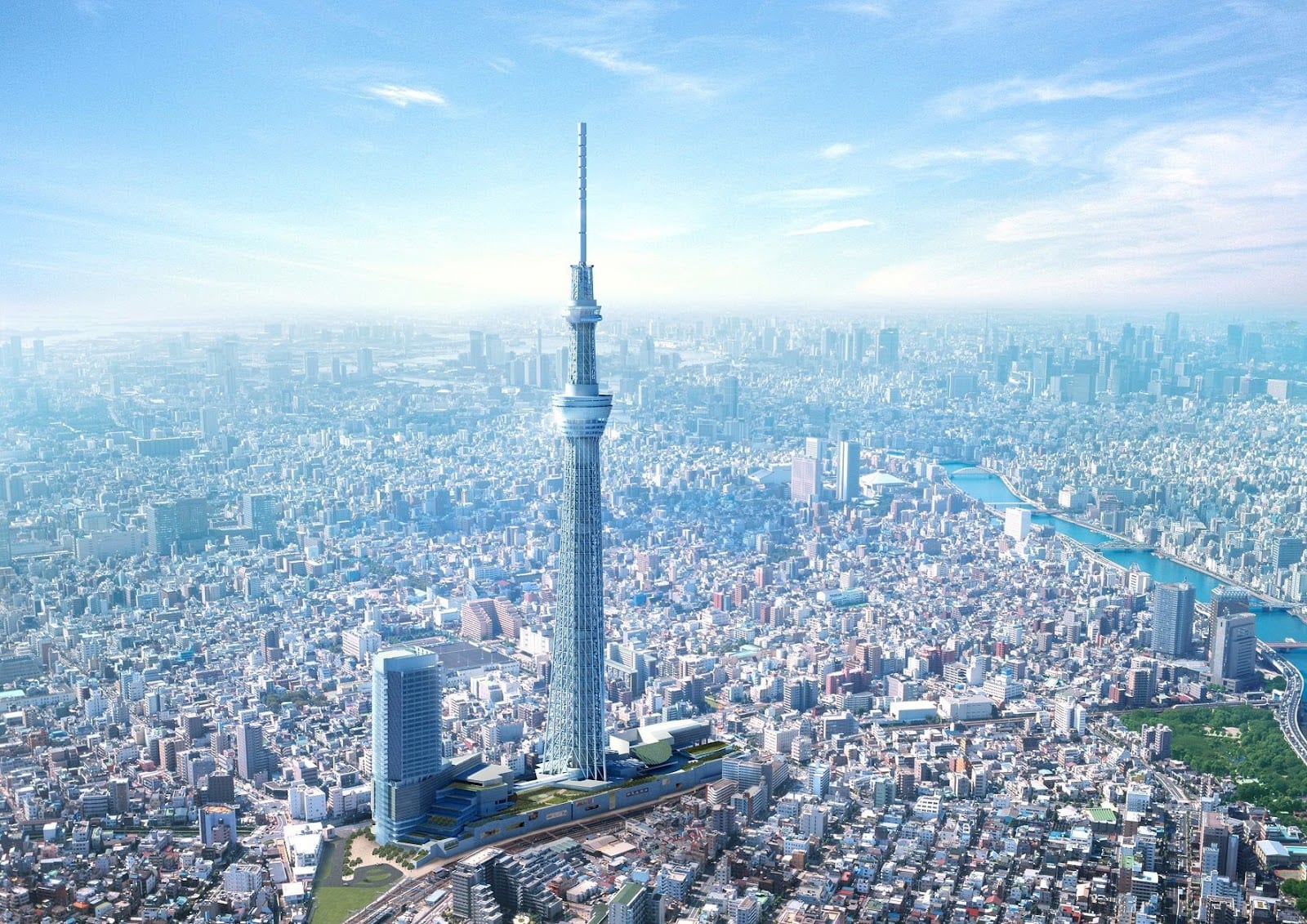
Tokyo Skytree is the tallest tower in the world at 634 meters, and from Asakusa it looms over every river view. The honest note is that it is not actually in Asakusa: it stands across the Sumida River in Sumida ward, a 15-to-20-minute walk over the bridge or one stop on the Tobu line. Its two decks, the Tembo Deck at 350 meters and the Tembo Galleria at 450, sell timed tickets from about 1,800 yen, more for the upper deck, and they are worth booking ahead to skip the on-site line; on a clear day you can pick out Mount Fuji to the west. It is a fine thing to do, but if you only want the photo of the tower, the free deck at the tourist information center already gives you Skytree and Senso-ji in one frame for nothing.
Good for families, couples, friends


Hidden gems
Where the crowds thin out.- Hidden gem
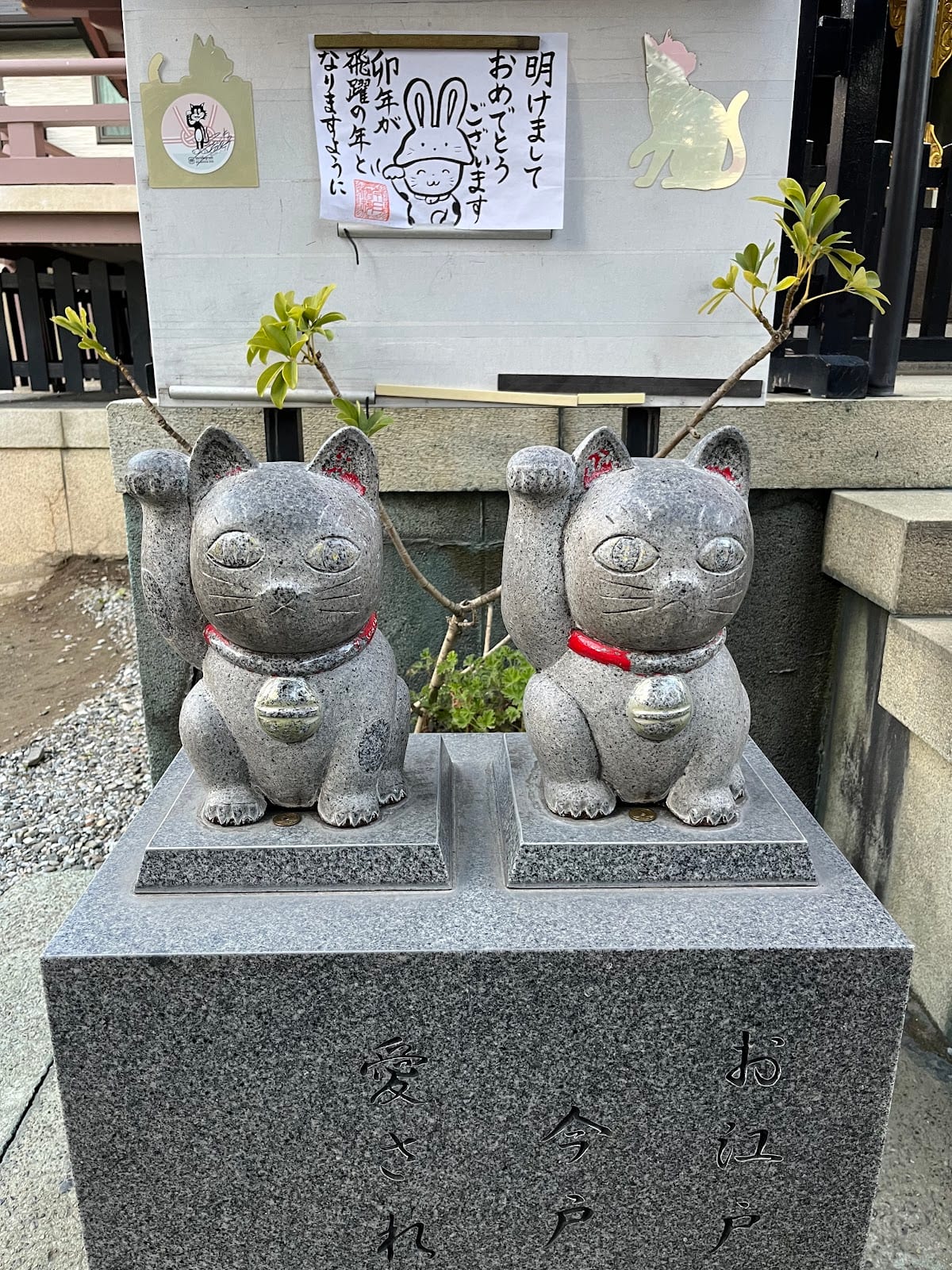
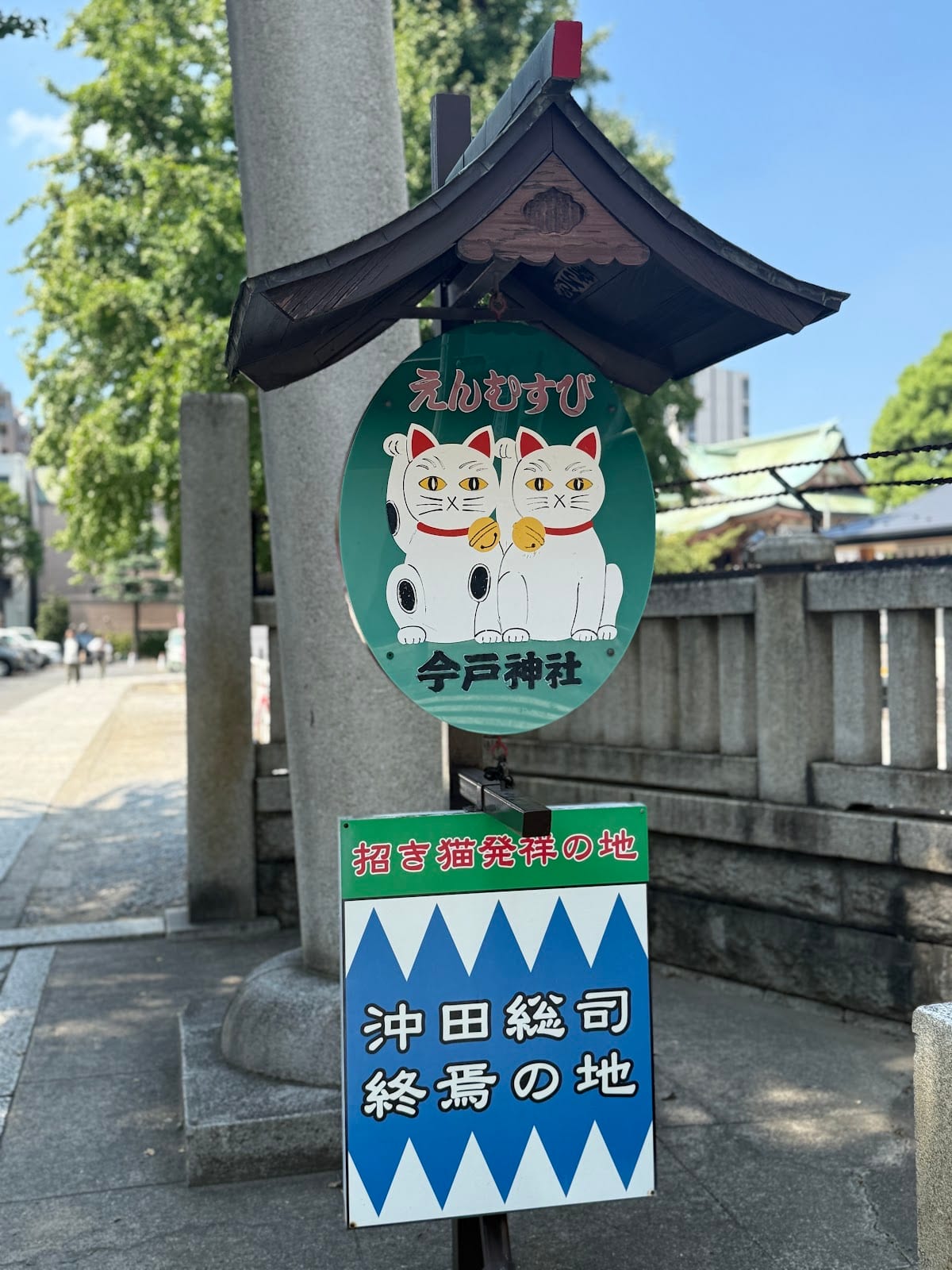 Imado (north) Worth it
Imado Shrine
A quiet shrine north of the crowds, full of lucky cats and couples praying for love.
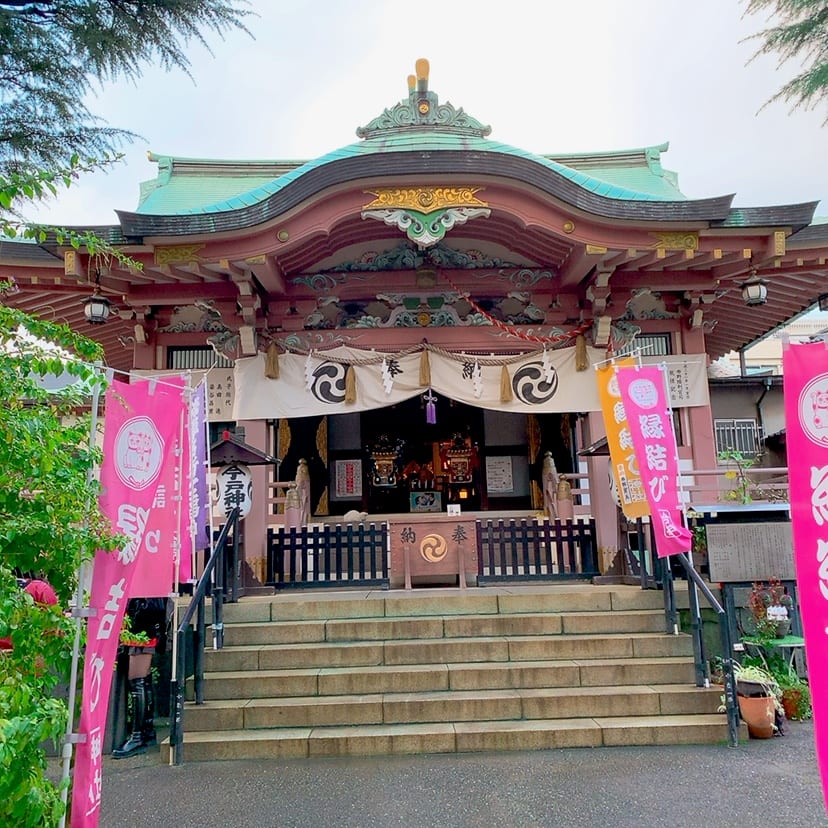
Fifteen minutes' walk north of the temple, past where the day-trippers thin out, Imado Shrine is Asakusa's lucky-cat shrine. It is one of several places in Japan that claim to be the birthplace of the maneki-neko, the beckoning cat (Gotokuji Temple, across the city, makes the best-known rival claim, so treat it as a good story rather than settled history). What is certain is the mood: the grounds are dotted with paired cat figures, and because it enshrines the creator gods Izanagi and Izanami it has become a favorite matchmaking shrine, busy with people praying to find a partner. It is free, genuinely off the tourist track, and an easy add-on if you are walking north.
Good for couples, solo


Verdicts and rankings are our own; ratings open each place on Google. Prices, where shown, are an approximate per-person guide in USD.
Asakusa on screen
Where you've seen Asakusa before
Asakusa's old streets and the temple have a long screen life, from prewar comedy halls to a modern anime blockbuster. Tap a trailer, then go stand in it:
- Anime, 2019
Demon Slayer: Kimetsu no Yaiba
In the Asakusa arc, Tanjiro steps into a dazzling Taisho-era Asakusa of electric lights and crowds near the temple, and there comes face to face with Muzan, the demon who destroyed his family. The setting is stylized period Asakusa rather than today's streets, but the Nakamise approach is unmistakable.
Nakamise-dori / Senso-jiSource - Film, 2021
Asakusa Kid
Takeshi Kitano's memoir of his apprenticeship under the comedian Senzaburo Fukami at the France-za strip theater, a love letter to Asakusa's rokku entertainment quarter, which made the district Tokyo's comedy capital before television.
The rokku theater districtSource - Festival
Sanja Matsuri
Not a film but Asakusa's own spectacle: for one weekend in May, around a hundred portable shrines and crowds of locals flood the streets around Asakusa Shrine in one of Tokyo's biggest festivals. This short film catches the shitamachi at full volume.
Asakusa ShrineSource
Eat & drink
Where to eat and drink in Asakusa
Asakusa eats old-school: street snacks off Nakamise, a tempura house older than your grandparents, and a cheap-and-loud drinking street. A few we'd point you to:
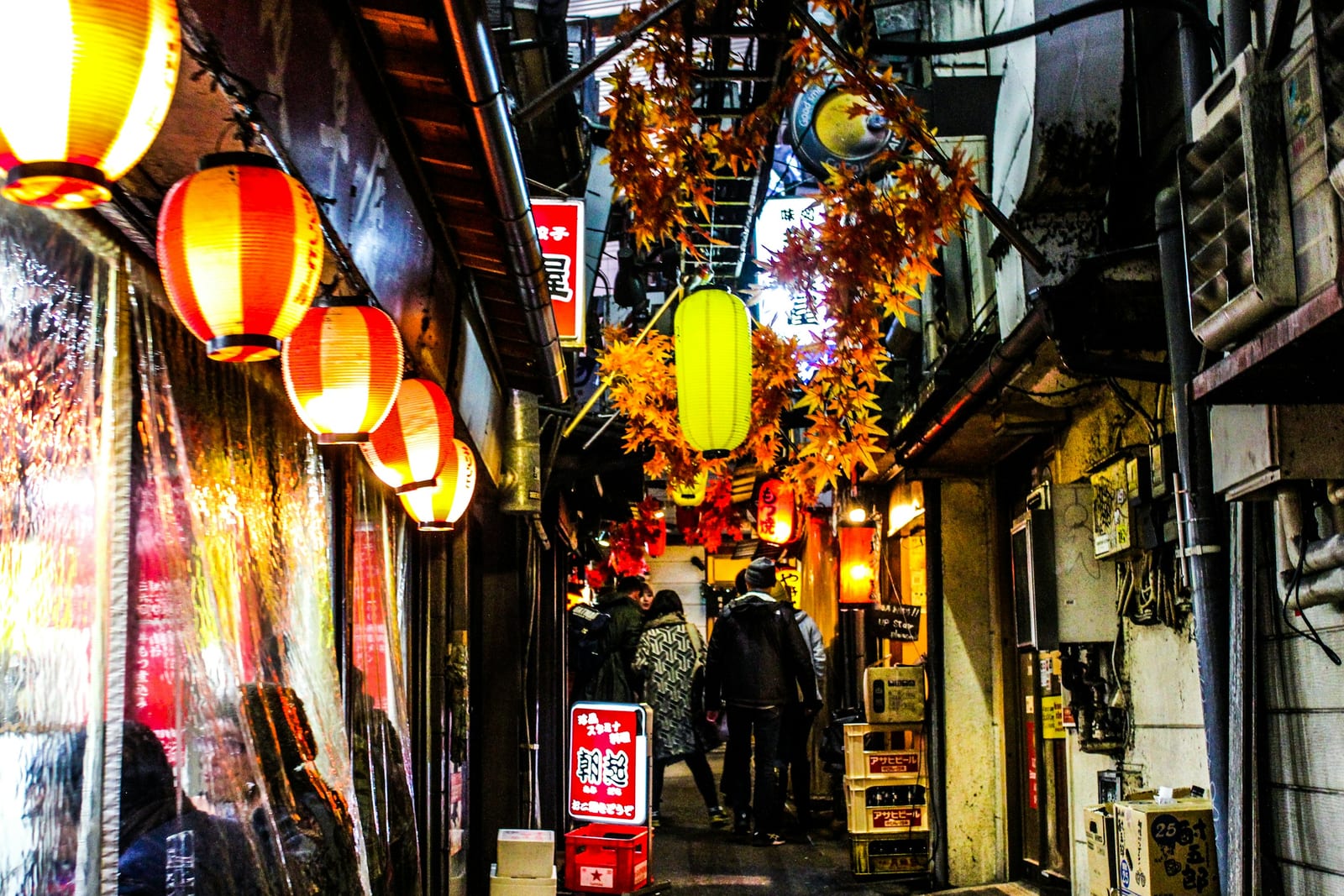
Hoppy Street
West of the templeA row of cheap, open-fronted izakaya just west of Senso-ji, busy from the afternoon on. The local order is nikomi, a slow-stewed beef-tendon and vegetable hotpot, washed down with Hoppy, the low-alcohol beer-style drink mixed with shochu that gives the street its name. Loud, cheap, and the most shitamachi thing you can do here.
on Google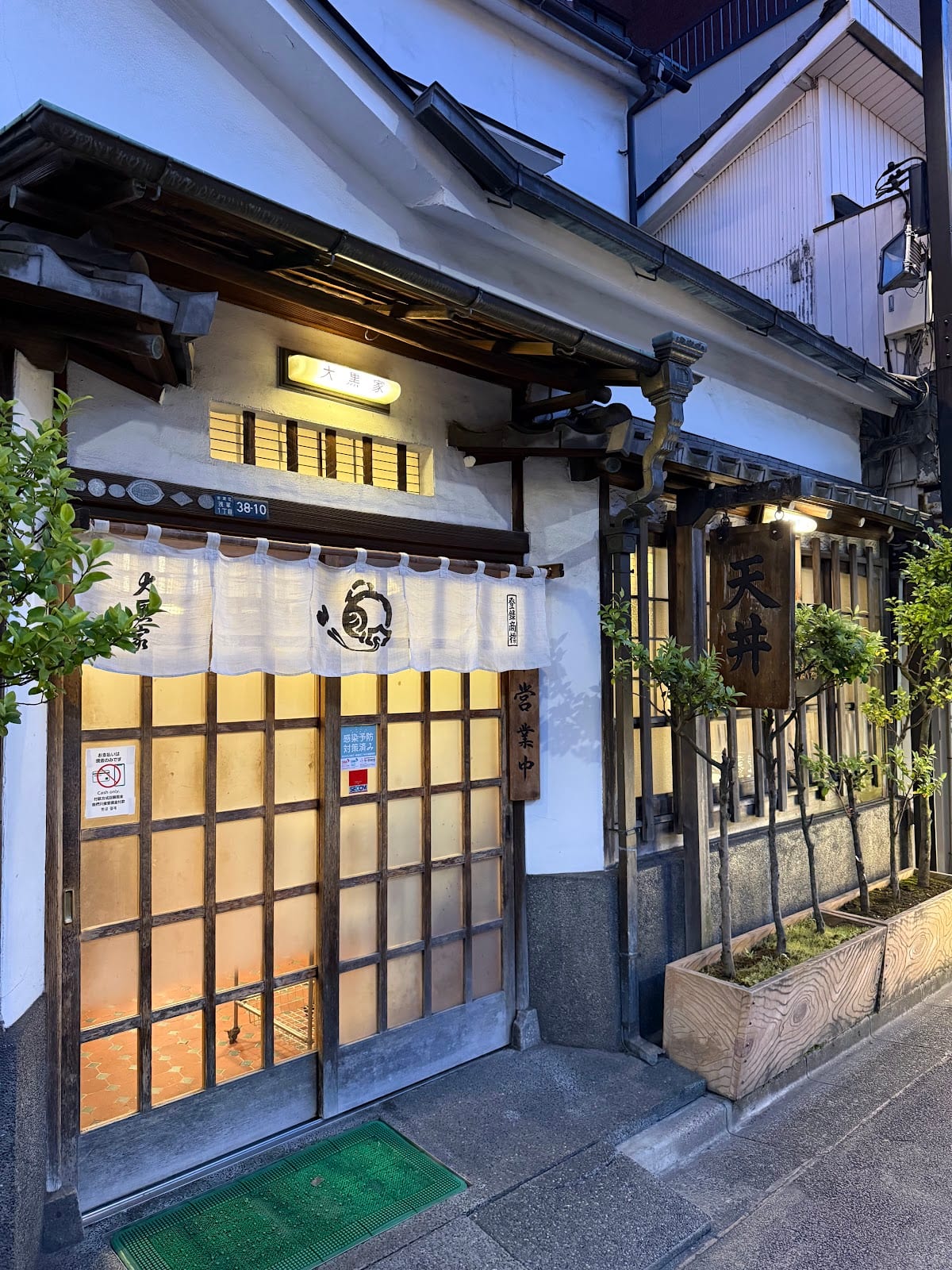
Daikokuya Tempura
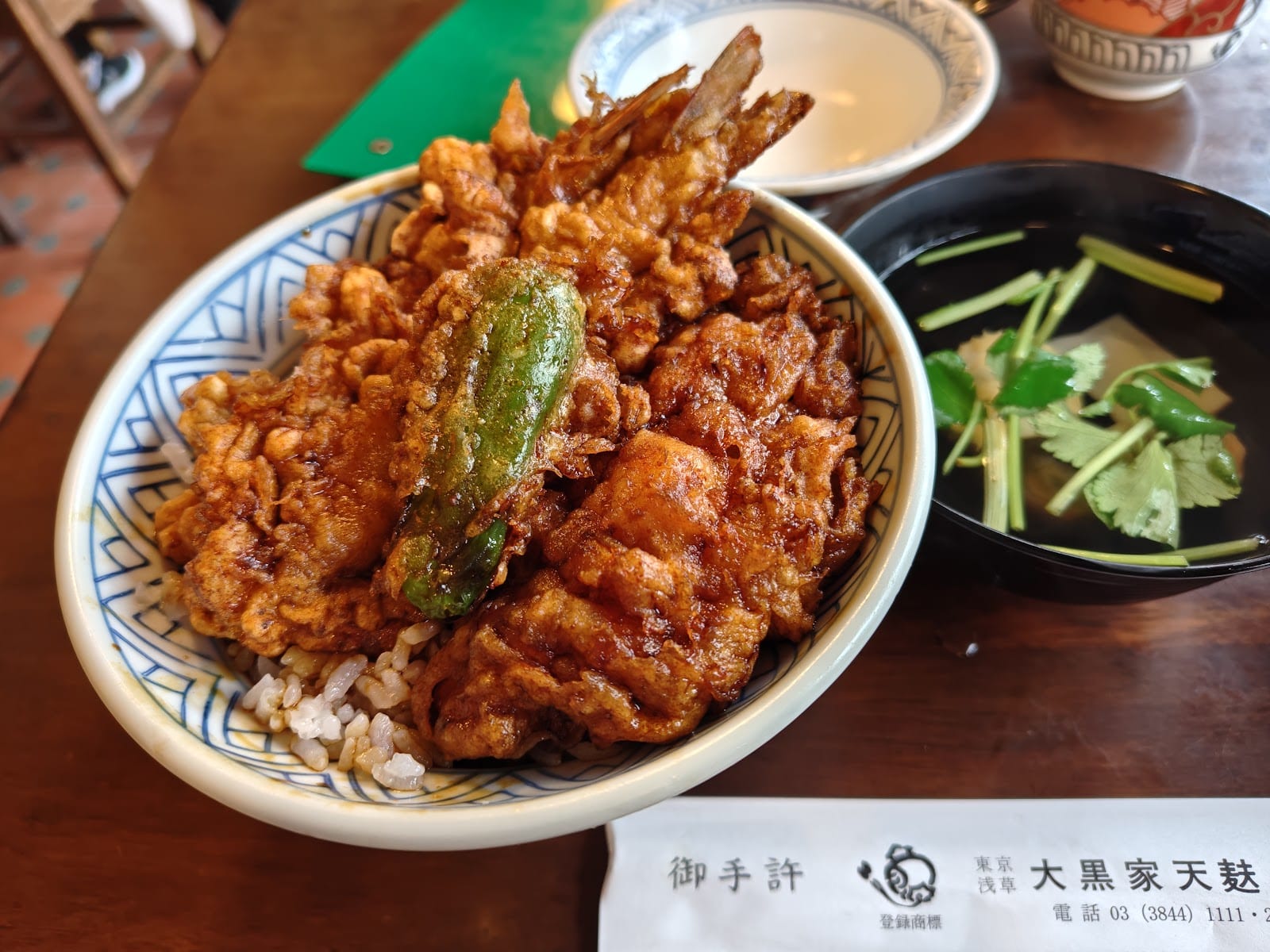
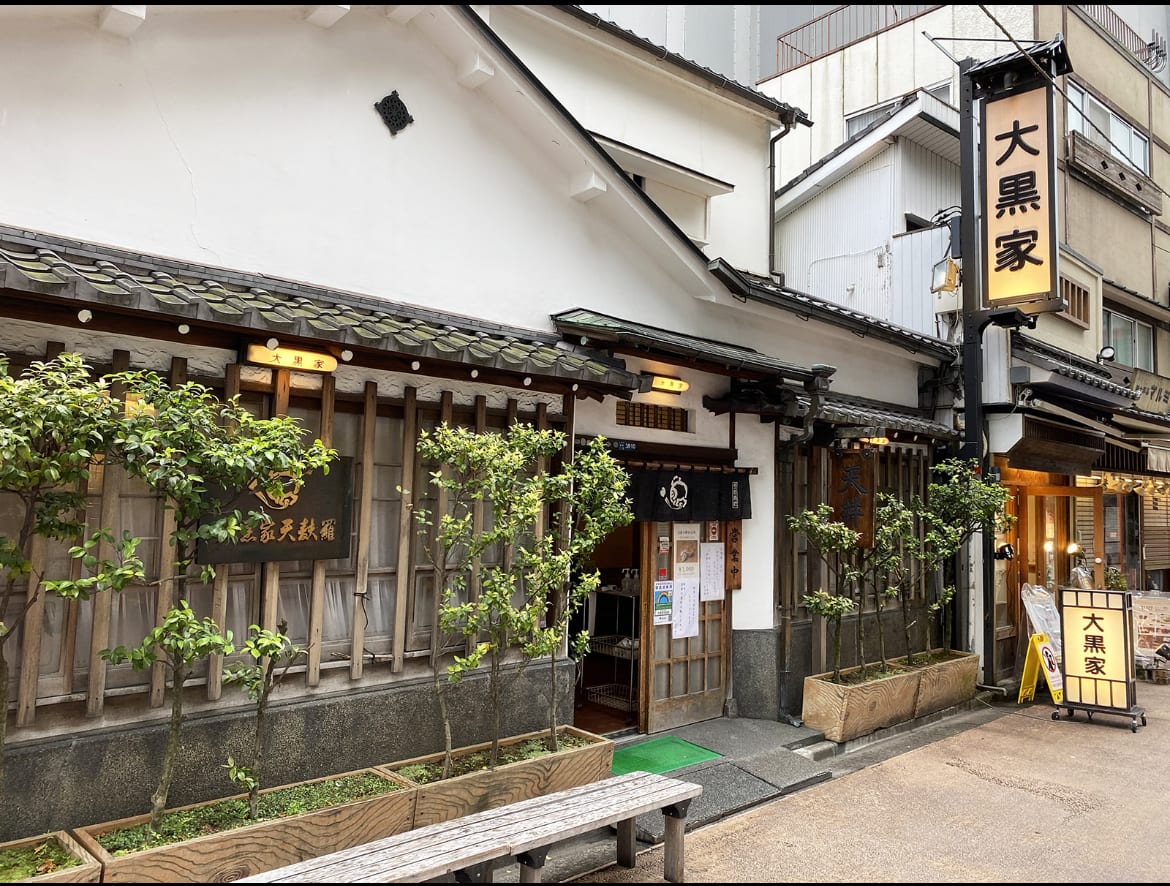
By the templeAn Asakusa institution since 1887, serving tendon, tempura over rice, fried in dark sesame oil and lacquered in a sweet-savory sauce until it is almost mahogany. Expect a queue around the block, so come early or off-peak. The honten (main shop) is a couple of minutes from the temple.
on Google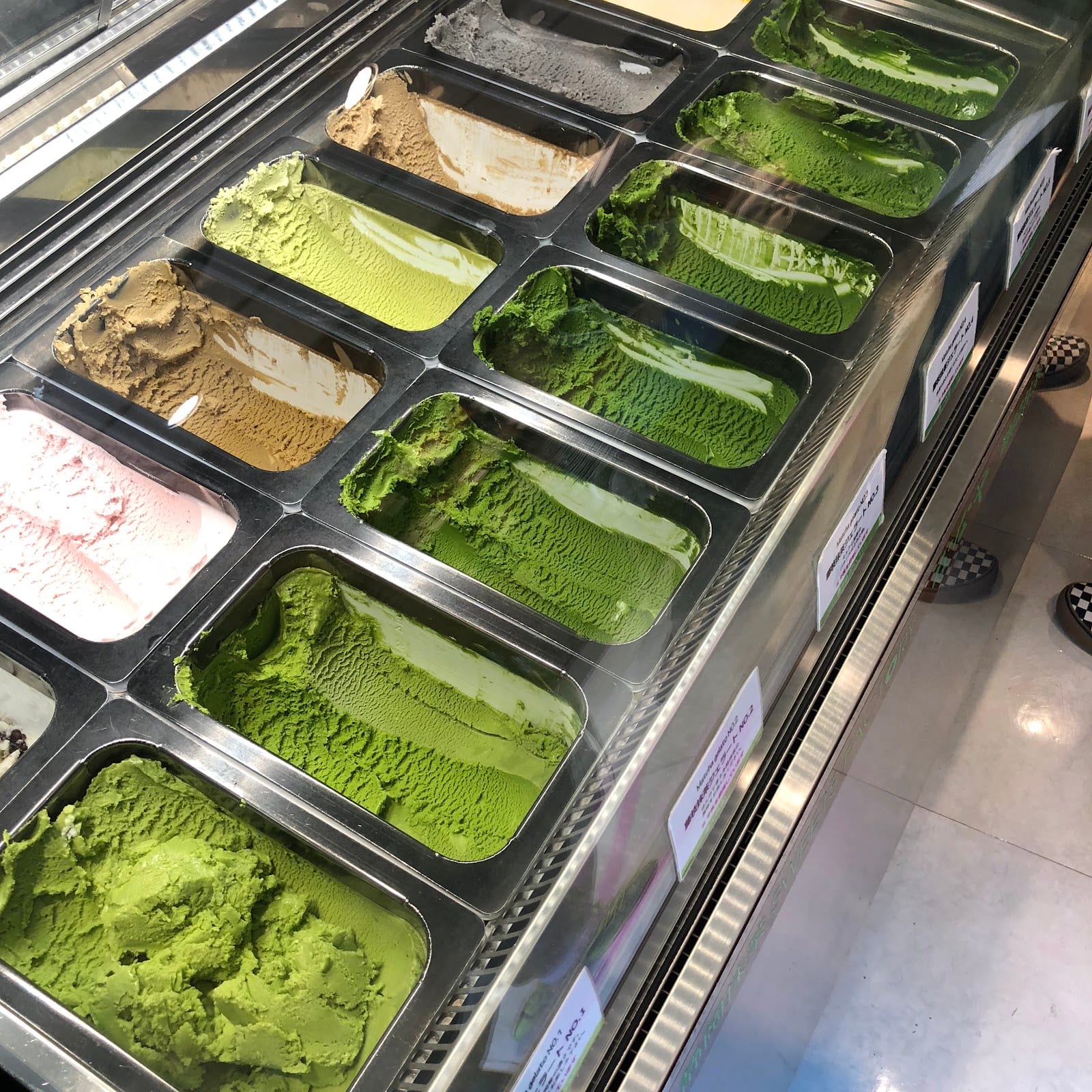
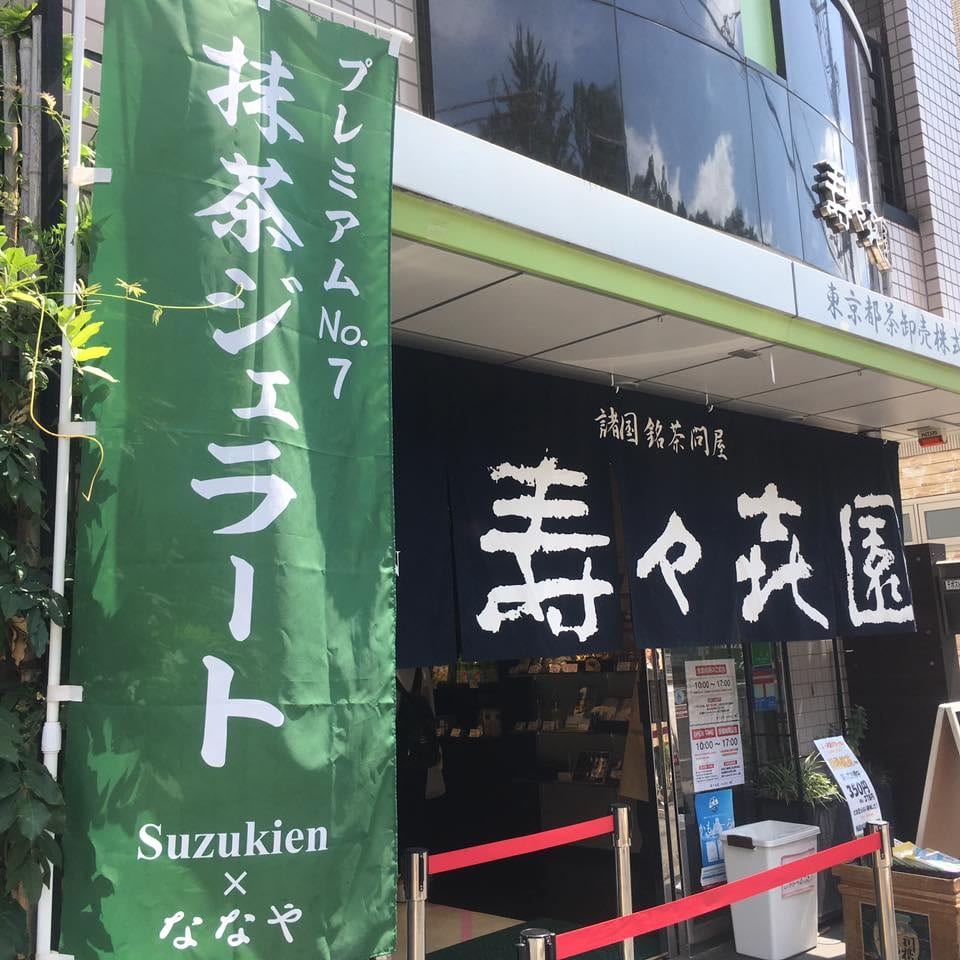
Suzukien Asakusa
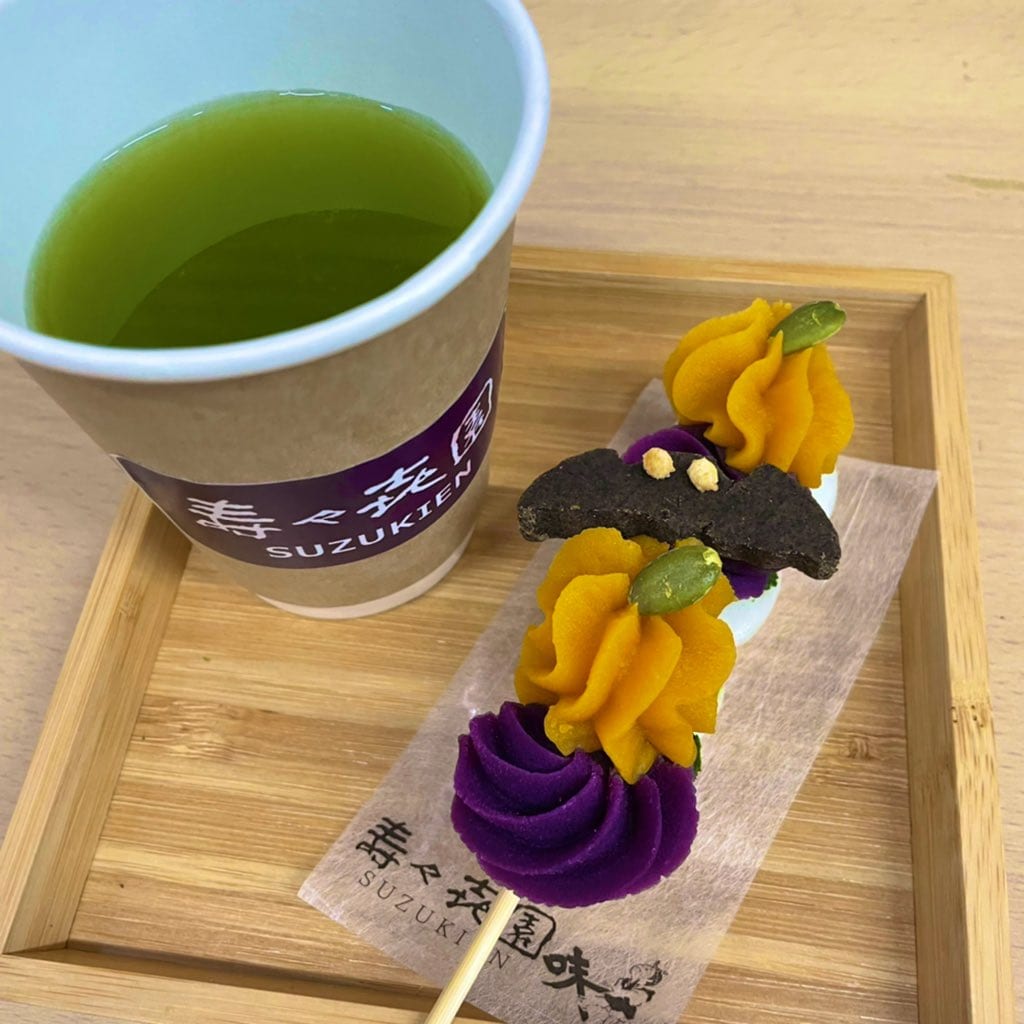
By the templeA historic Asakusa tea shop that makes matcha gelato in seven escalating strengths, the darkest of which is apparently certified as the richest matcha gelato in the world. It is made with Shizuoka tea from Nanaya; start a level or two below the top unless you want it genuinely bracing.
on Google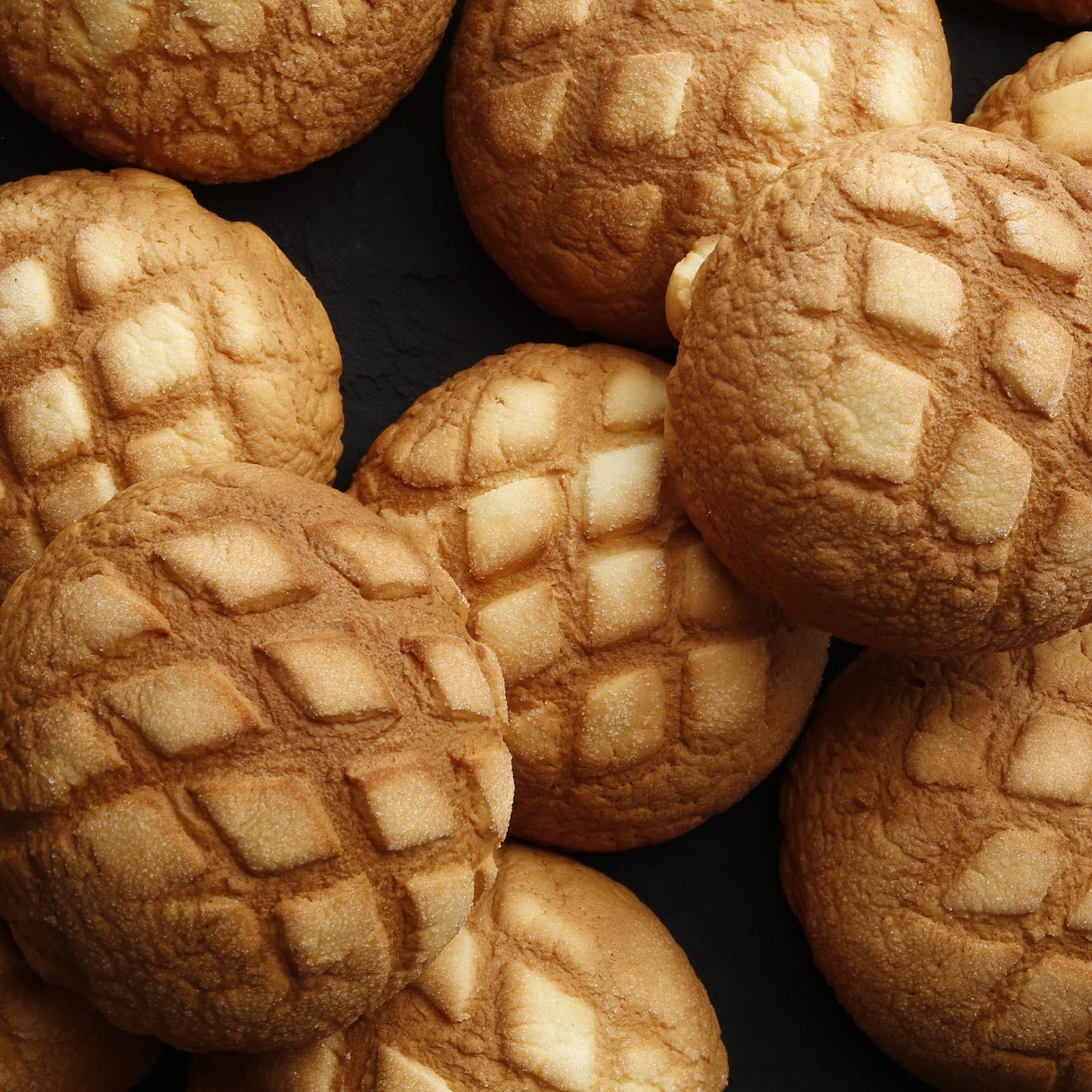
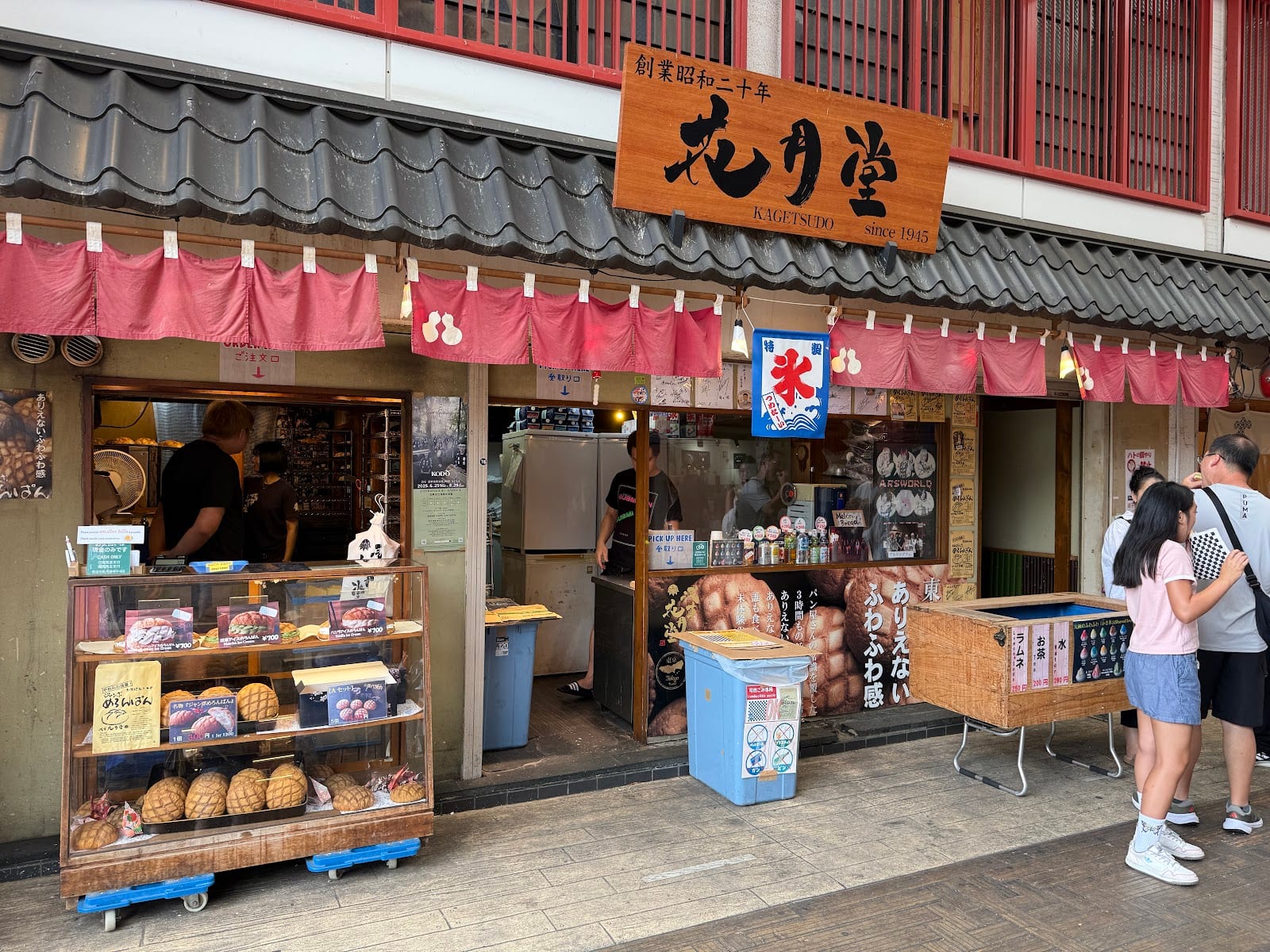
Asakusa Kagetsudo
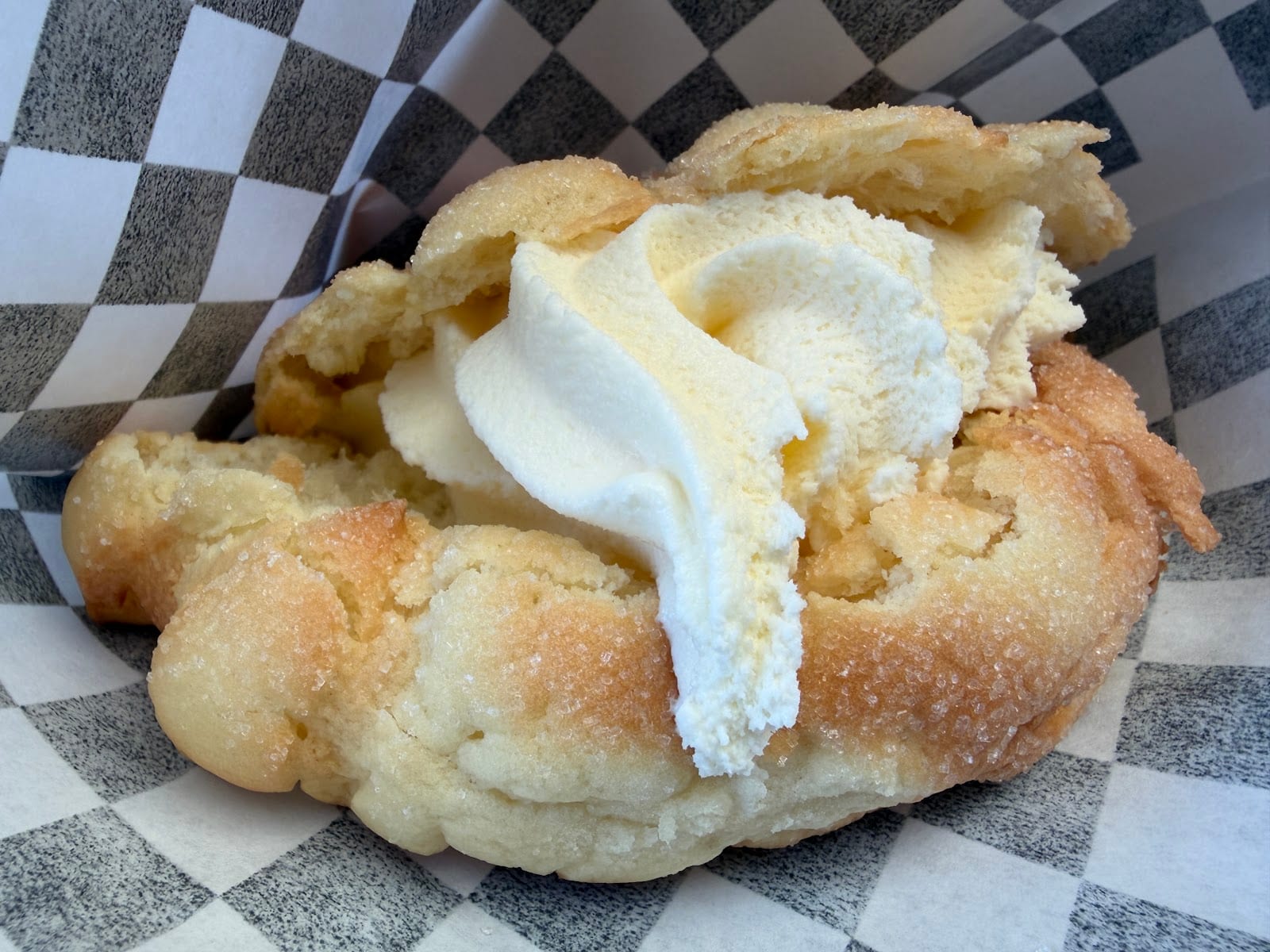
Nishi-Sando arcadeFamous for jumbo melonpan, a melon-bread bun the size of your face, crisp and sugary outside and soft within, baked fresh through the day. The honten in the Nishi-Sando arcade is the original; about 200 to 300 yen and best eaten warm on the spot.
on Google


Getting around
Getting around Asakusa
Asakusa is one of Tokyo's easiest neighborhoods to reach and to walk.
Asakusa Station
Four lines meet here: the Tokyo Metro Ginza line (a straight ride from Ueno, Ginza, and Shibuya), the Toei Asakusa line, and the Tobu Skytree line toward Nikko. The separate Tsukuba Express station is a five-minute walk west.
A walkable old town
The gate, Nakamise, the temple, the shrine, and Hoppy Street are all within a flat ten-minute walk; you will not need a train inside Asakusa.
Down the river by boat
The Asakusa pier sits by Azuma Bridge, a minute from the station, where Tokyo Cruise water buses run down the Sumida to Hama-rikyu Gardens and Odaiba.
Beat the day-trippers
Asakusa fills with tour groups from late morning to afternoon. Come at opening, or stay into the evening when the lanterns light up and the crowds thin.
Where to stay
Where to stay in Asakusa
Asakusa is a calmer, cheaper, more traditional base than central Tokyo, well connected and steps from the temple. Where you land within it changes the feel:
Around Kaminarimon and the station
The most convenient: all four train lines and the river pier within a few minutes, and Nakamise on your doorstep. Busiest and most touristy by day.
By the temple
The streets right around Senso-ji turn atmospheric once the day-trippers leave, with lantern-lit lanes and the temple quiet at dawn. A little calmer at night.
Along the river
The blocks toward the Sumida trade some bustle for open sky and Skytree views across the water, with the cruise pier right there.
Toward Kappabashi (west)
Quieter, more local streets running toward Kappabashi kitchenware town and Ueno, good if you want calm evenings and don't mind a short walk in.

Where to Stay in Tokyo
Compare every Tokyo neighborhood and find the right base, with hotel picks at each price.
View the guideWho it's for
Asakusa for families, couples, and solo
- Asakusa for families
- The temple grounds are open and stroller-friendly, Nakamise is a parade of snacks, and the small rides at Hanayashiki are made for younger kids. A rickshaw ride is a hit if the budget stretches.
- Asakusa for couples
- Come early or stay late for the lantern-lit lanes, ride up for the free river-and-Skytree view, then walk to Imado Shrine, where couples pray for love among the lucky cats.
- Asakusa for solo travelers
- Asakusa is easy and safe to wander alone: graze your way up Nakamise, pull up a stool for nikomi and a Hoppy on Hoppy Street, and slip into the temple at dawn before the crowds.
More of Tokyo
Nearby neighborhoods
A short hop from Asakusa, and worth pairing on the same trip.


Ready to explore Asakusa?
Tell Zoya, your personal travel assistant, how you like to travel, and she'll turn these into an Asakusa day, or a whole Tokyo trip, that fits your dates.
Explore now