

Harajuku · Tokyo neighborhood guide
Things to Do in Harajuku
Tokyo's youth-fashion capital, where candy-colored Takeshita Street, a 100,000-tree shrine forest, and a luxury boulevard all sit within a fifteen-minute walk. Here's what's actually worth your time, ranked and judged.
Harajuku in brief
What is Harajuku best known for?
Harajuku is best known as the center of Tokyo's youth and kawaii fashion, built around the crepe stands and costume shops of Takeshita Street. The same compact area also holds the calm of the Meiji Jingu shrine forest and the tree-lined luxury boulevard of Omotesando, so it packs Tokyo's loudest and quietest sides into one short walk.
What is the most famous street in Harajuku?
Takeshita Street (Takeshita-dori), the roughly 350-metre pedestrian lane running from Harajuku Station, is the most famous and the one most people picture. Omotesando, the wide avenue nearby, is its grown-up counterpart, and Cat Street is the quieter backstreet where the better streetwear shops sit.
How do you spend a day in Harajuku?
Start early at Meiji Jingu while the forest is quiet, then cross to Takeshita Street for the kawaii shops and a crepe. Wander the Ura-Harajuku backstreets and Design Festa Gallery, photograph the mirrored entrance and free rooftop at Tokyu Plaza, then stroll down tree-lined Omotesando and finish along Cat Street toward Shibuya. It is a comfortable half to full day on foot.
Get oriented
How Harajuku fits together
Harajuku is small and entirely walkable, fanning out from Harajuku Station and the Jingumae crossing.
Almost everything in this guide sits within about a fifteen-minute walk. Meiji Jingu and Yoyogi Park fill the green west side, right by the station. Takeshita Street runs east from the station exit, with the quieter Ura-Harajuku backstreets behind it. South of all that, the Jingumae crossing marks the top of Omotesando, the luxury boulevard that slopes southeast toward Aoyama, with Cat Street cutting across it down toward Shibuya.
A half-day loop from Harajuku Station, the calm forest first, then the fashion streets:
See & do, ranked
The best things to do in Harajuku
Our honest ranking of what's worth your time, from the must-sees to a hidden gem, with a verdict on each so you know what to prioritize and what's overhyped.
Must-see
The essentials, ranked.- 1
 Takeshita-dori Worth it
Takeshita Street
Harajuku's famous pedestrian street, the loud, candy-colored heart of Tokyo youth fashion.
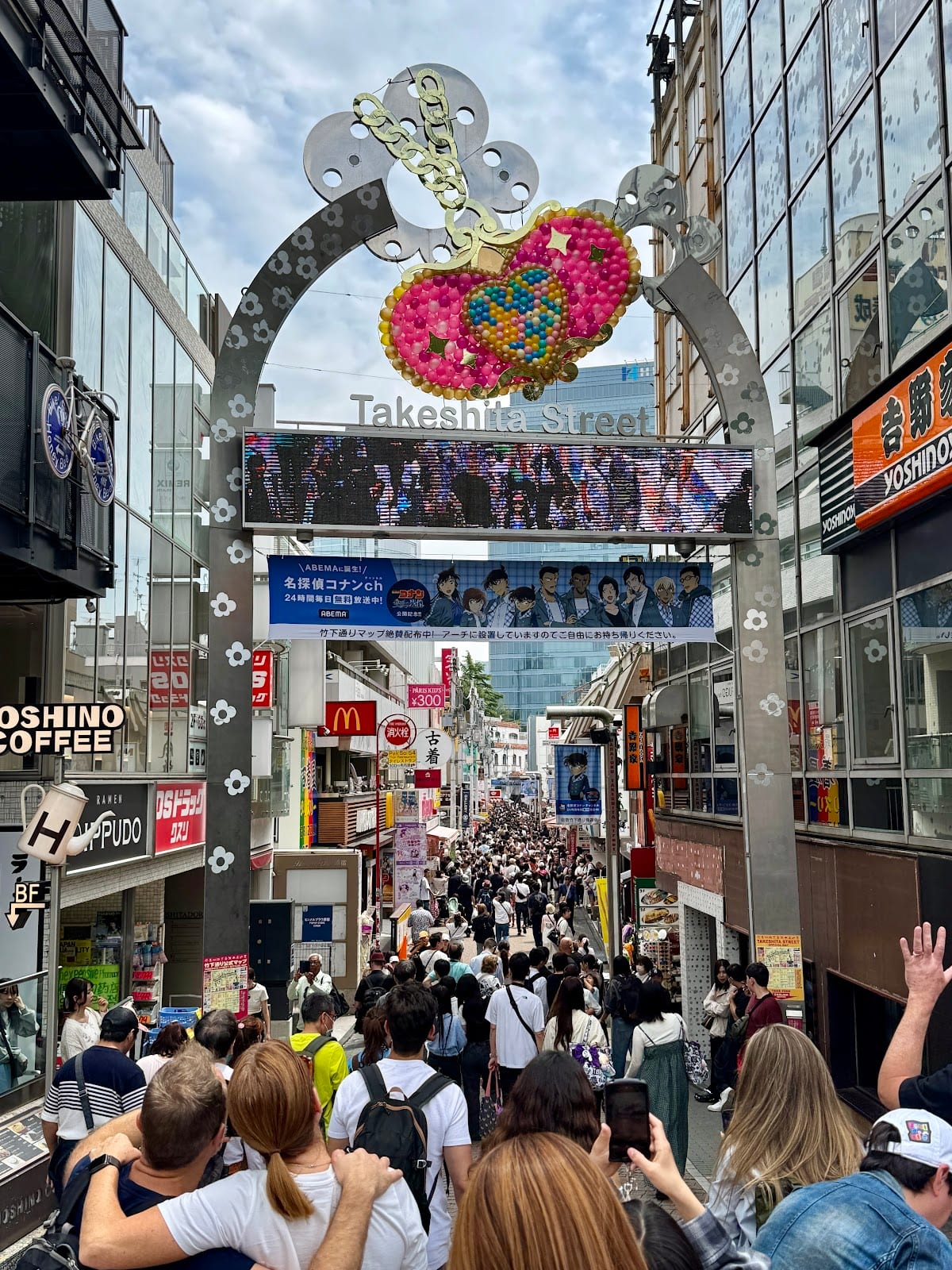
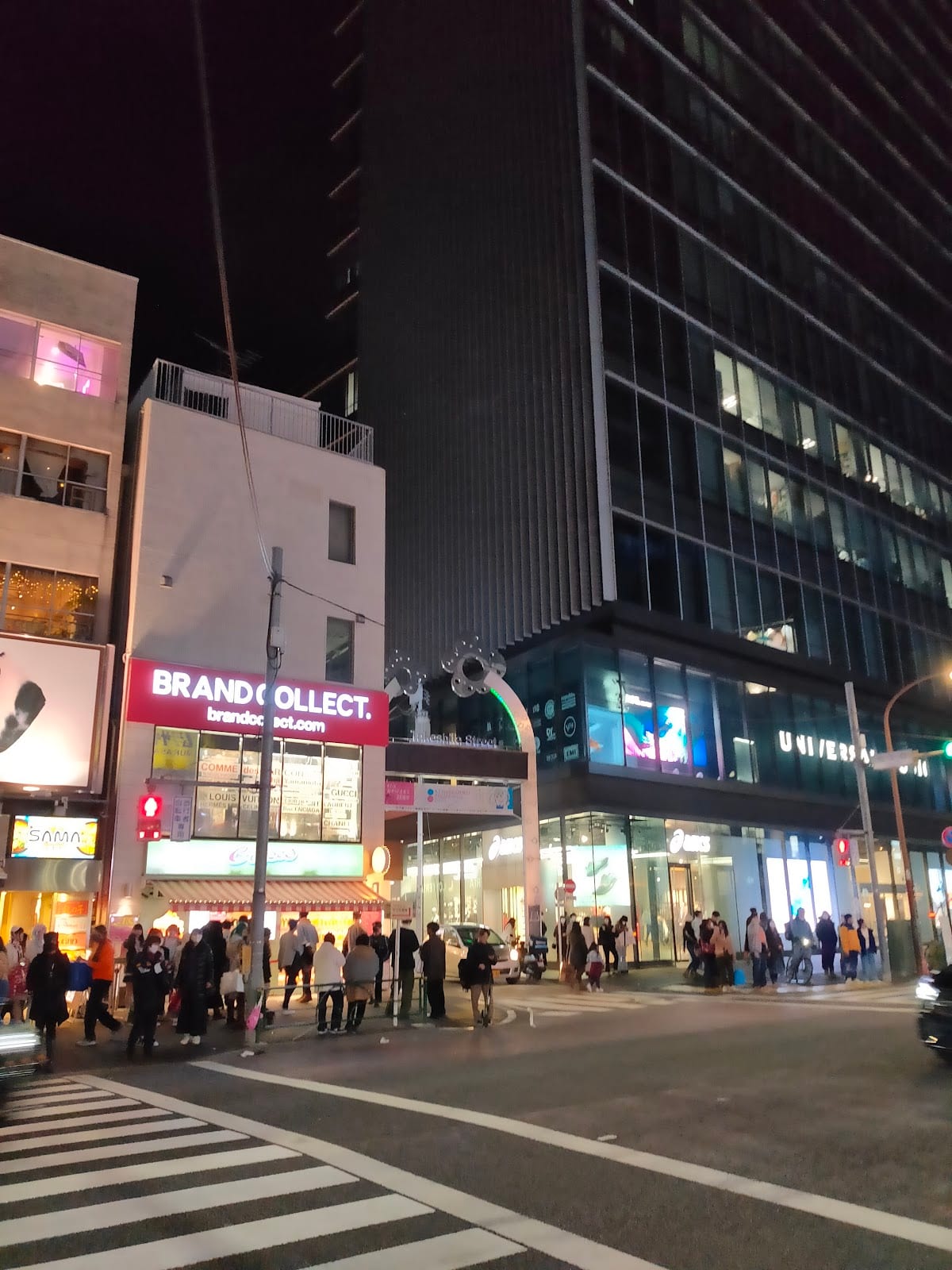
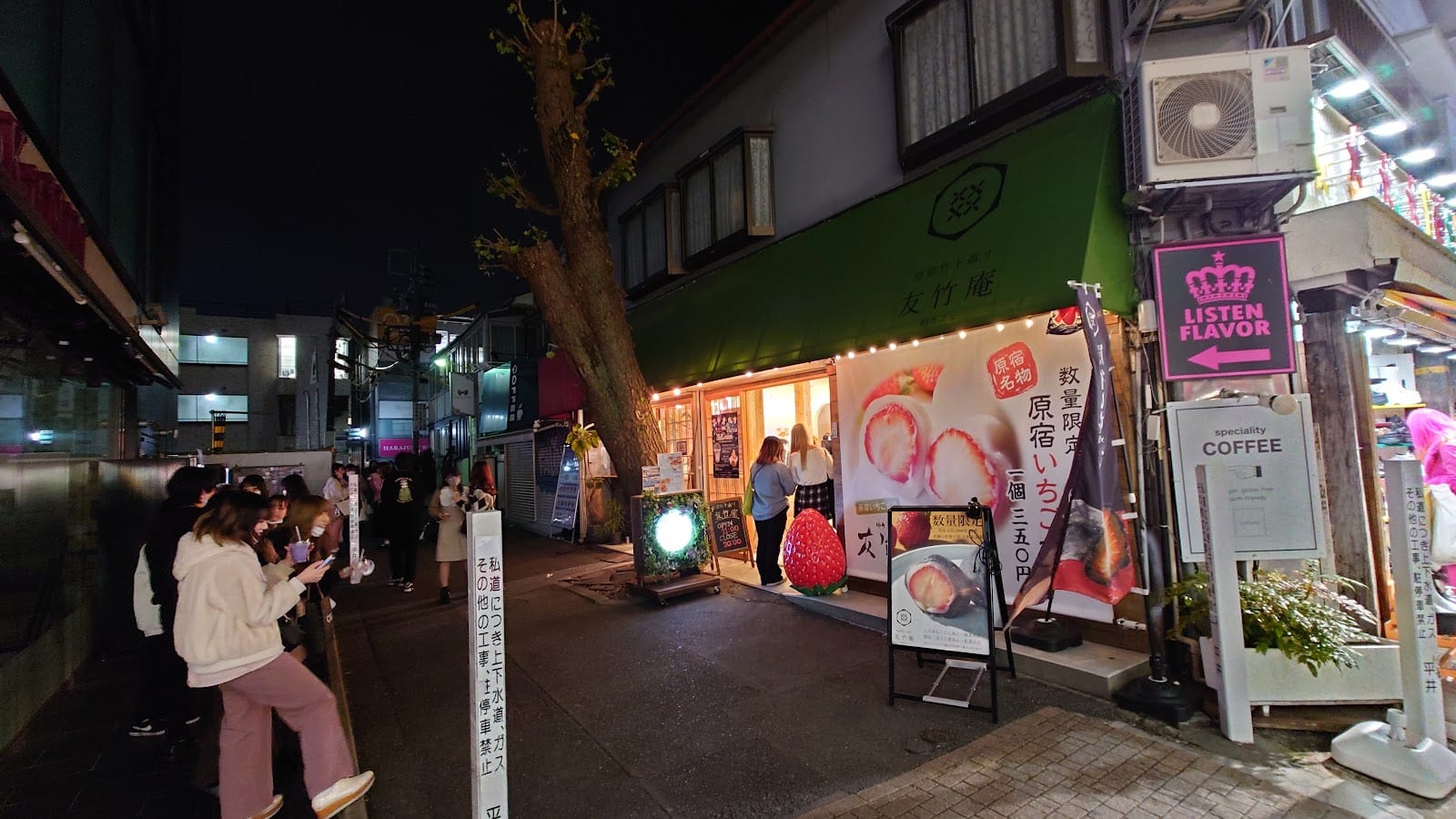
Takeshita Street (Takeshita-dori) is the roughly 350-metre pedestrian lane that begins right across from Harajuku Station, and it is what gave the neighbourhood its name as the centre of Japanese youth and kawaii culture. It is a narrow, sign-saturated run of cheap fashion and vintage shops, costume and character stores, crepe stands, rainbow cotton candy, and photo-sticker (purikura) booths, and on weekend afternoons it is packed shoulder to shoulder. Walk it once for the spectacle and the street food, ideally on a weekday morning when the crush thins. One honest steer: the owl, hedgehog, and micro-pig cafes around here trade on novelty and draw real animal-welfare criticism, so they are an easy skip. The street itself is free and open around the clock.
Free45 minOpen 24 hoursGood for friends, solo
- 2
 Yoyogi Worth the hype
Meiji Jingu
Tokyo's grandest Shinto shrine, hidden inside a man-made forest beside the station.
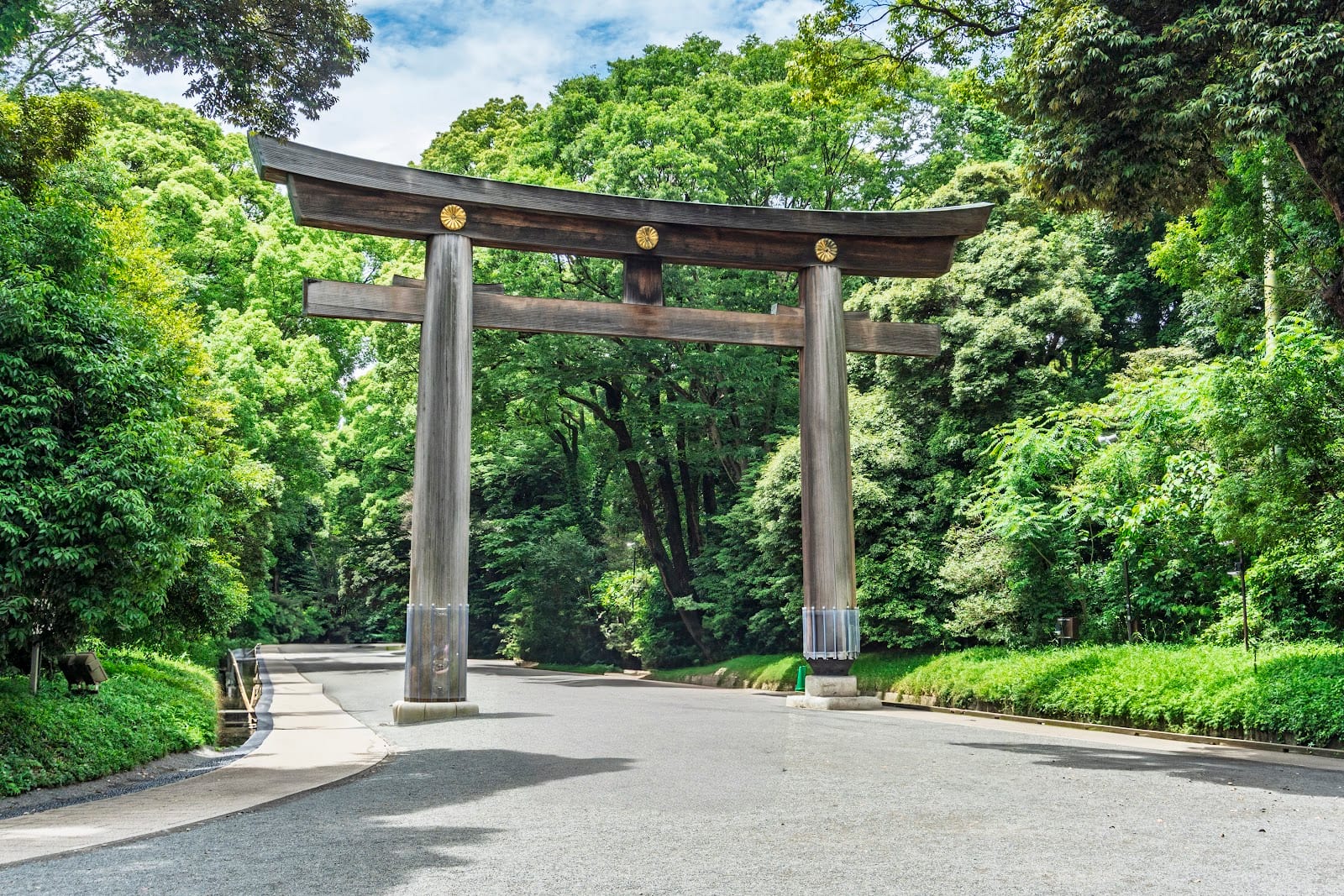
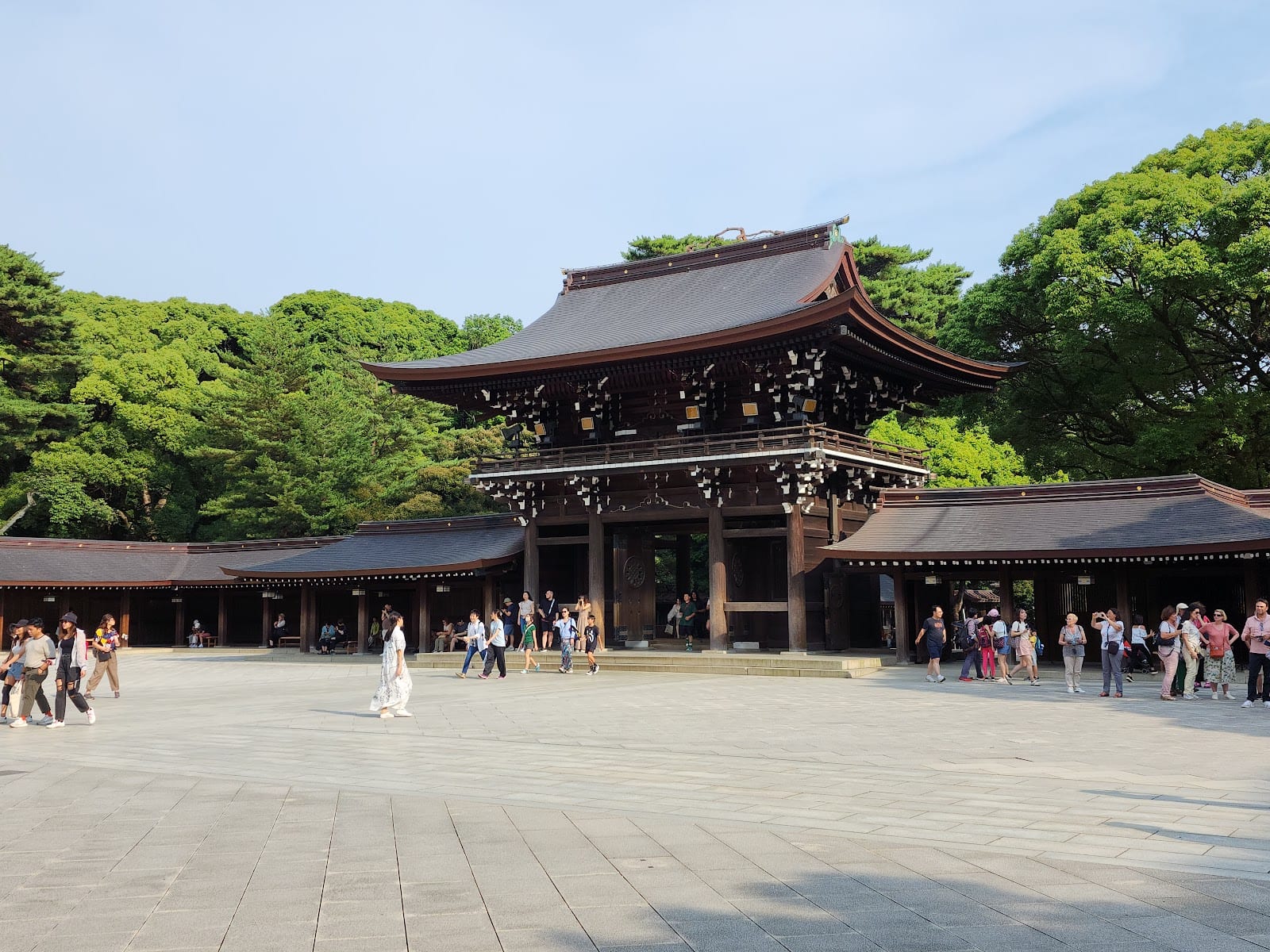
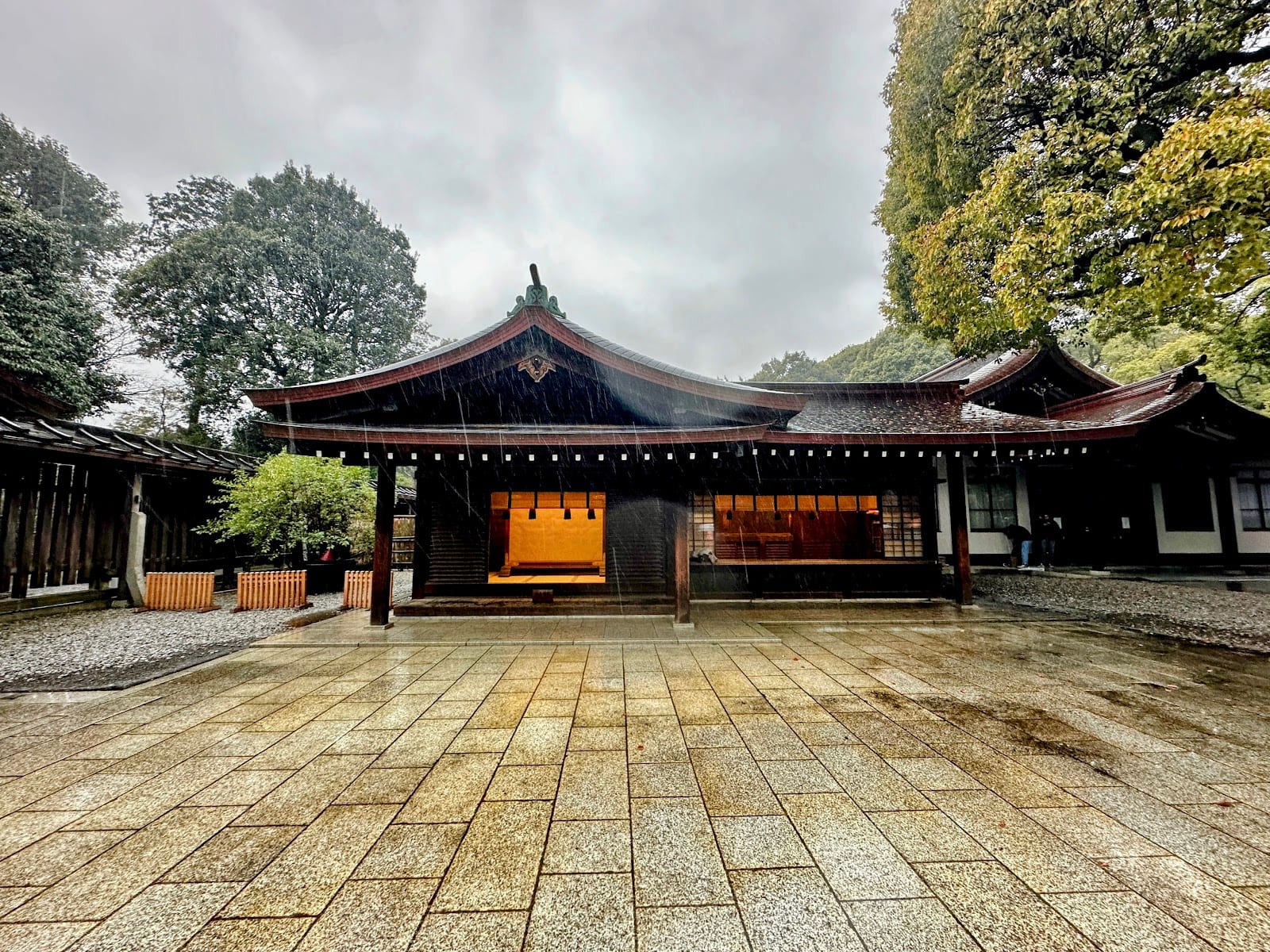
Meiji Jingu is the shrine dedicated to Emperor Meiji and Empress Shoken, set in a 70-hectare forest of around 100,000 trees that were donated from across Japan and planted by hand when the shrine was completed in 1920. (The original buildings were destroyed in 1945 wartime air raids and rebuilt in 1958.) From the Harajuku Station entrance you pass under towering wooden torii gates and walk a wide gravel path through dense woodland, with a wall of decorated sake barrels on one side, until the city noise drops away entirely and you reach the main hall, where visitors bow, pray, and write wishes on wooden ema plaques. It is the most visited shrine in Japan for the New Year, drawing over three million people in the first days of January, yet on an ordinary morning the forest is calm. Entry is free; allow about an hour to walk in, take in the grounds, and walk back out. The inner garden (Gyoen), known for its June irises, costs a small extra fee.
Good for families, couples, solo
- 3
 Omotesando Worth it
Omotesando
Tokyo's tree-lined luxury boulevard, the elegant counterpoint to Takeshita's chaos.
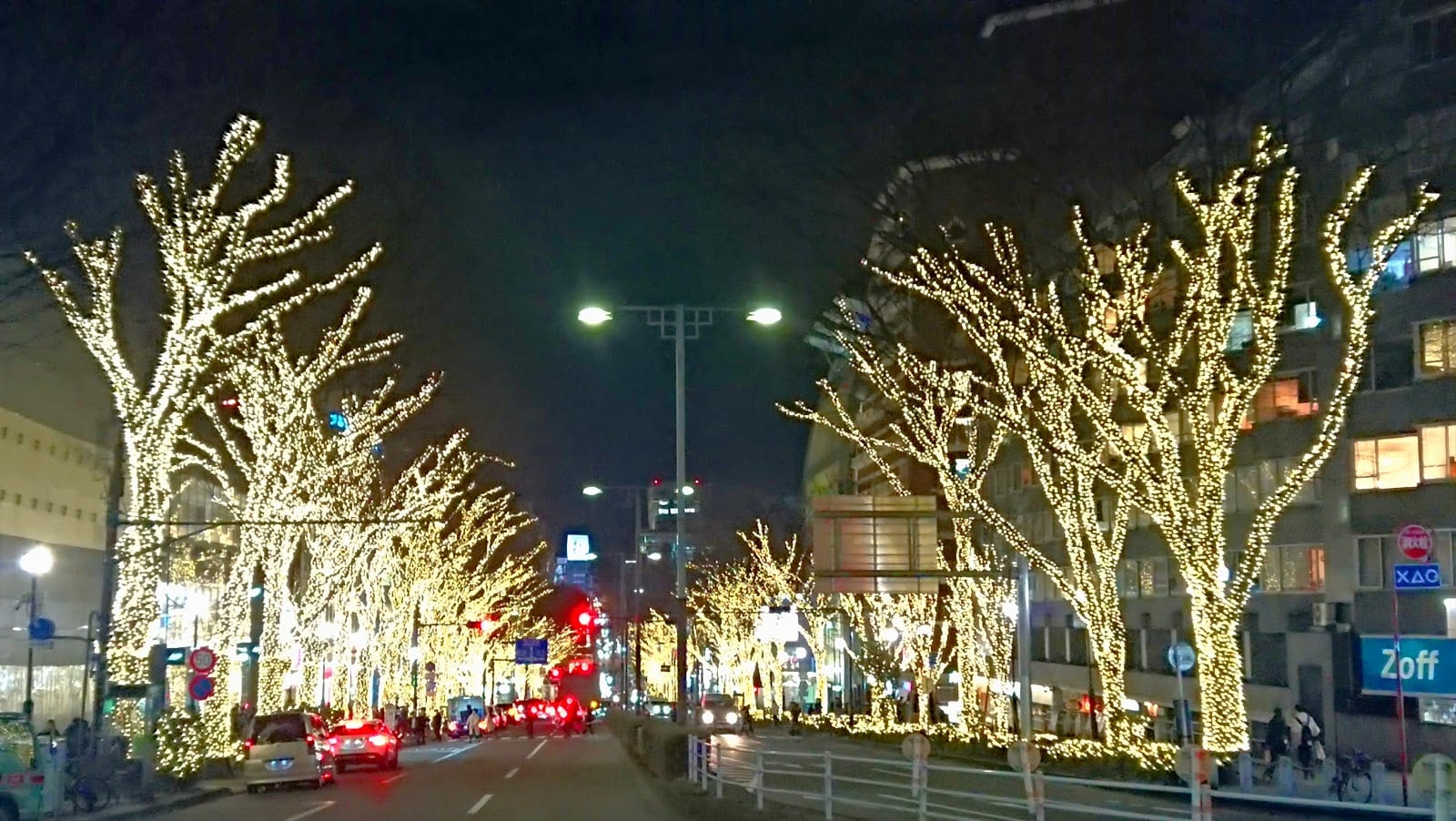
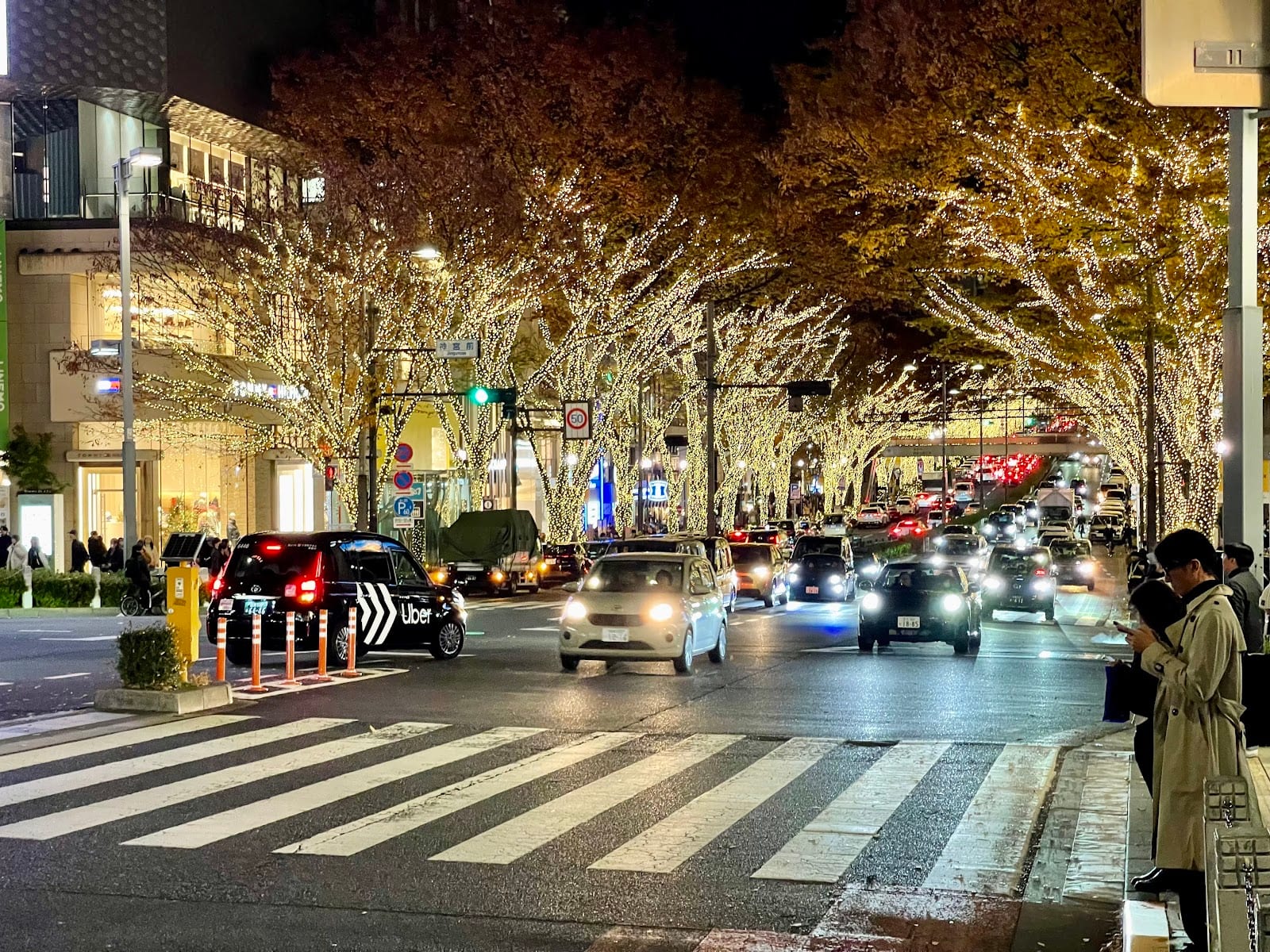
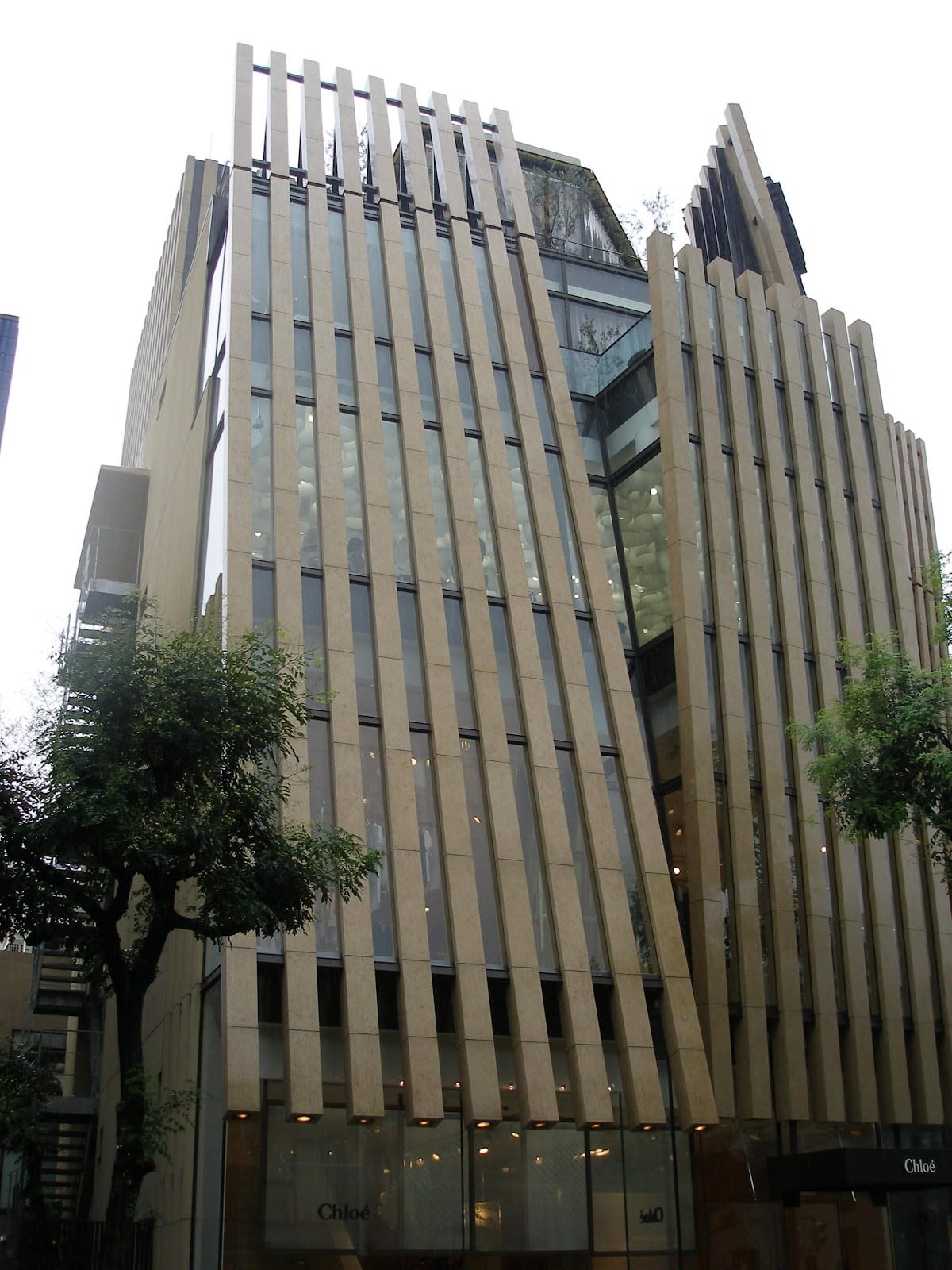
If Takeshita Street is Harajuku's loud teenage face, Omotesando is its grown-up one: a broad, zelkova-lined avenue running southeast from the Meiji Jingu approach down toward Aoyama, and often called Tokyo's Champs-Elysees. It is a showcase of contemporary architecture, with flagship stores designed by some of the world's best-known architects, among them Tod's by Toyo Ito and the Tadao Ando-designed Omotesando Hills. You come here to walk under the trees, look up at the buildings, and people-watch rather than to shop, since most of it is luxury, and it is at its best in the late afternoon and during the winter illuminations when the avenue is lit. Free to wander.
Free to wanderOpen 24 hoursGood for couples, friends


Worth it with more time
Good additions once you've done the icons.- 1
 Yoyogi Worth it
Yoyogi Park
Tokyo's big, easy park, best on a Sunday when the performers come out.
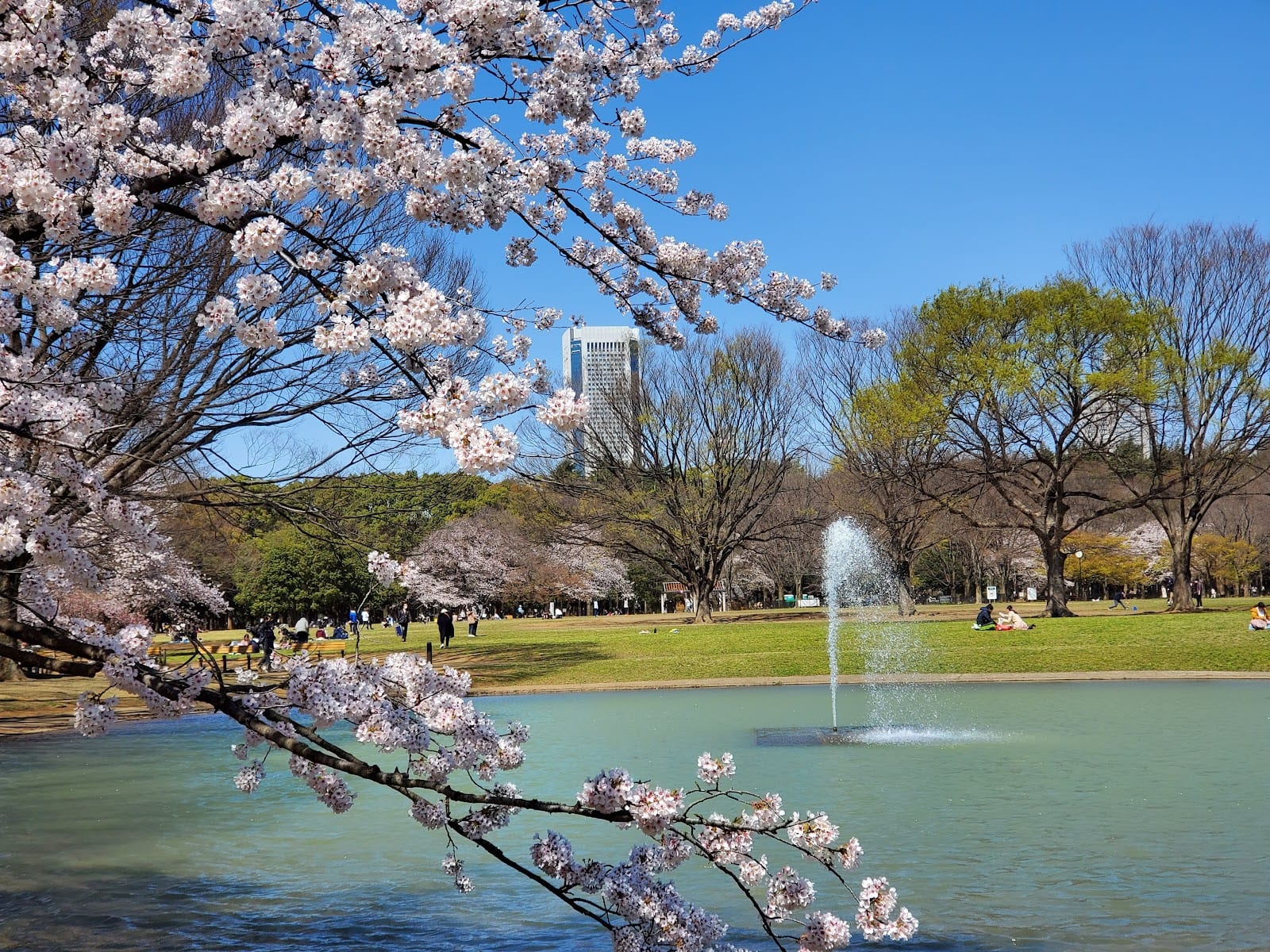
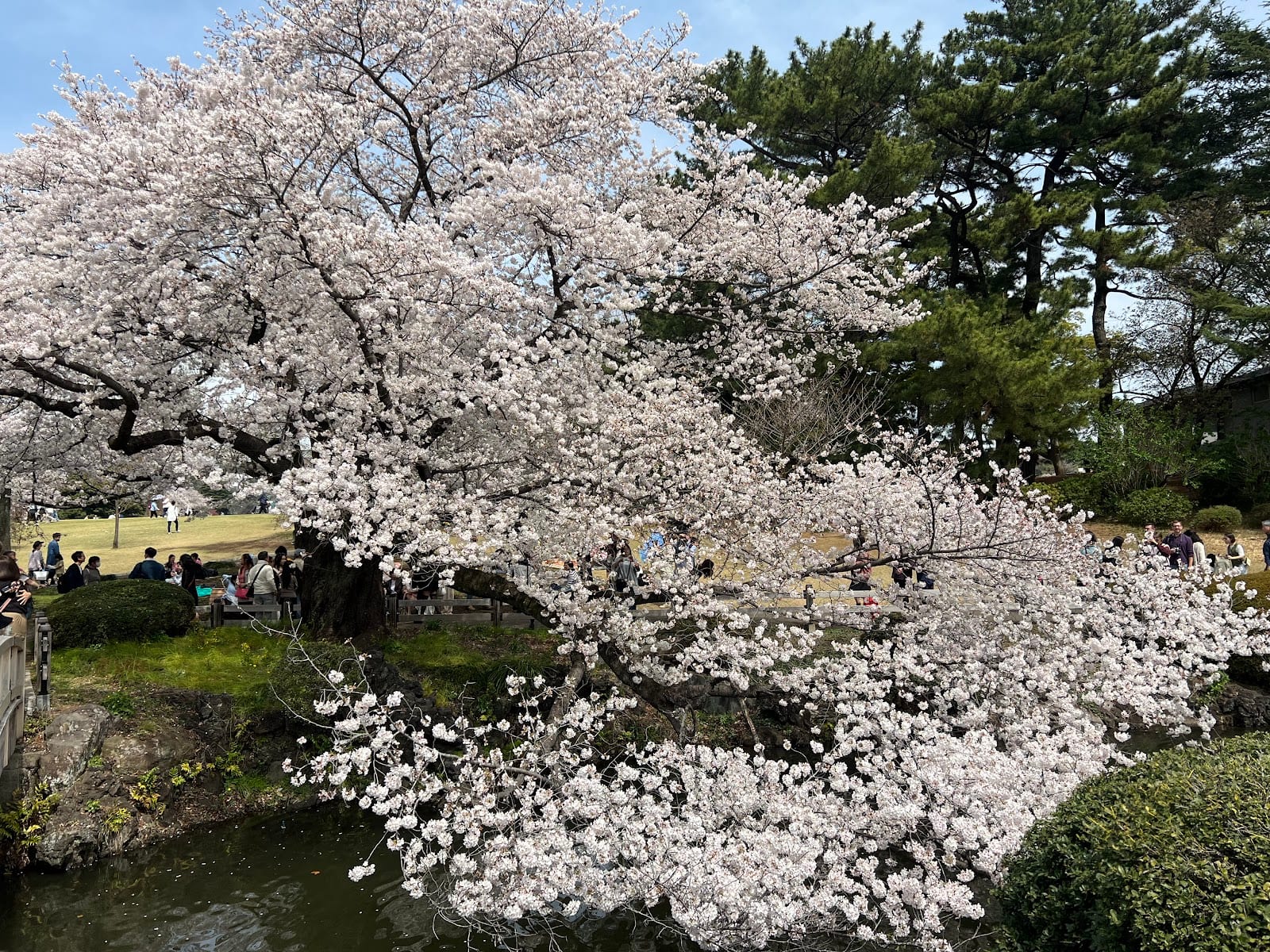
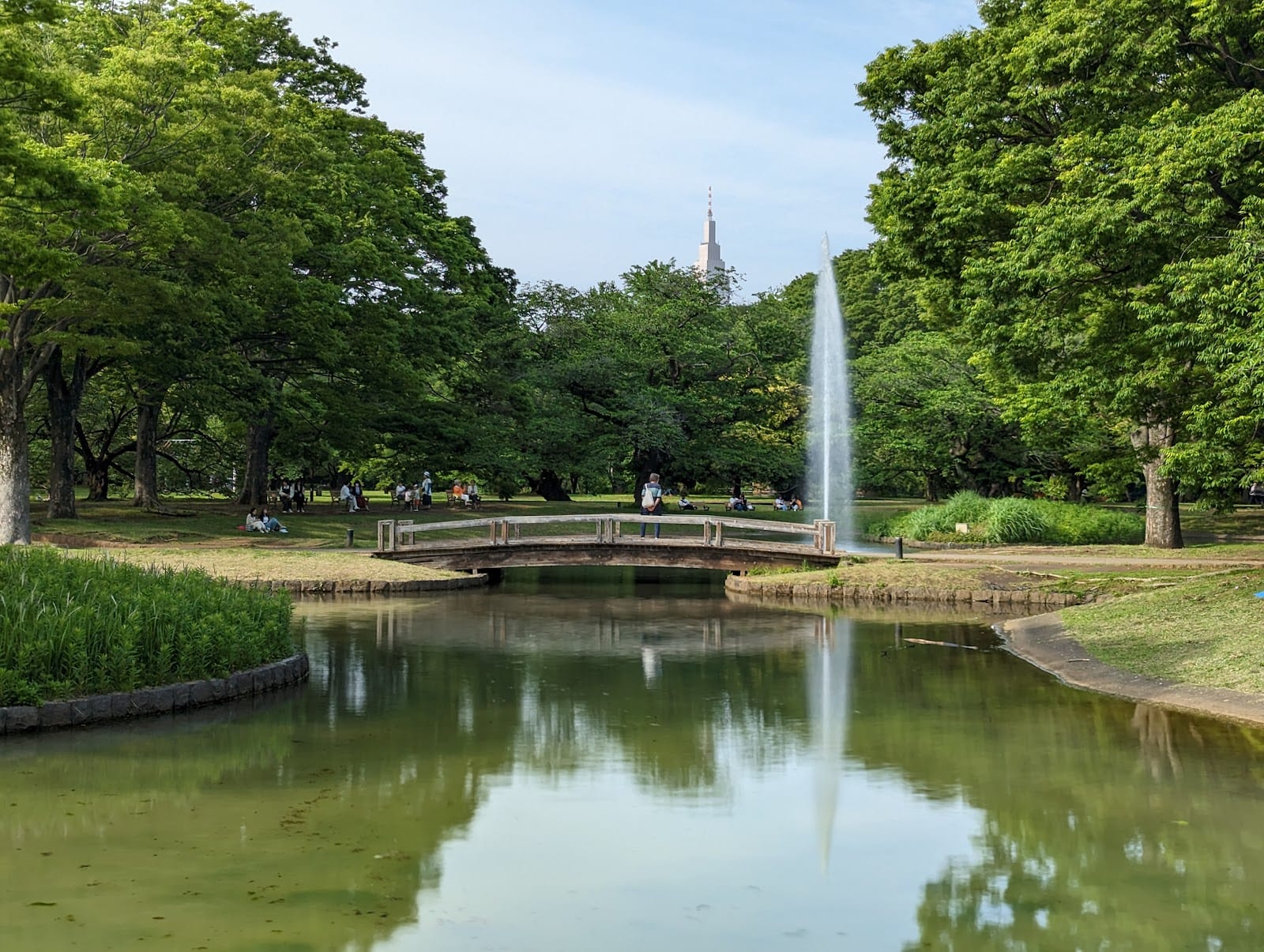
Next to Meiji Jingu but completely different in spirit, Yoyogi Park is one of central Tokyo's largest green spaces: wide lawns, ponds, and gingko avenues where Tokyoites picnic, jog, and relax. It is liveliest on Sundays, when the open areas near the entrance fill with rockabilly dancers, musicians, and street performers, a free and long-running piece of Tokyo street culture. In late March and early April it is one of the city's busier cherry-blossom spots. Entry is free, and it is an easy, unstructured stop to pair with the shrine next door, though the park and the Meiji Jingu grounds are separate, entered apart.
Good for families, friends
- 2
 Jingumae Worth it
Cat Street
The winding backstreet to Shibuya, where Harajuku's real streetwear lives.
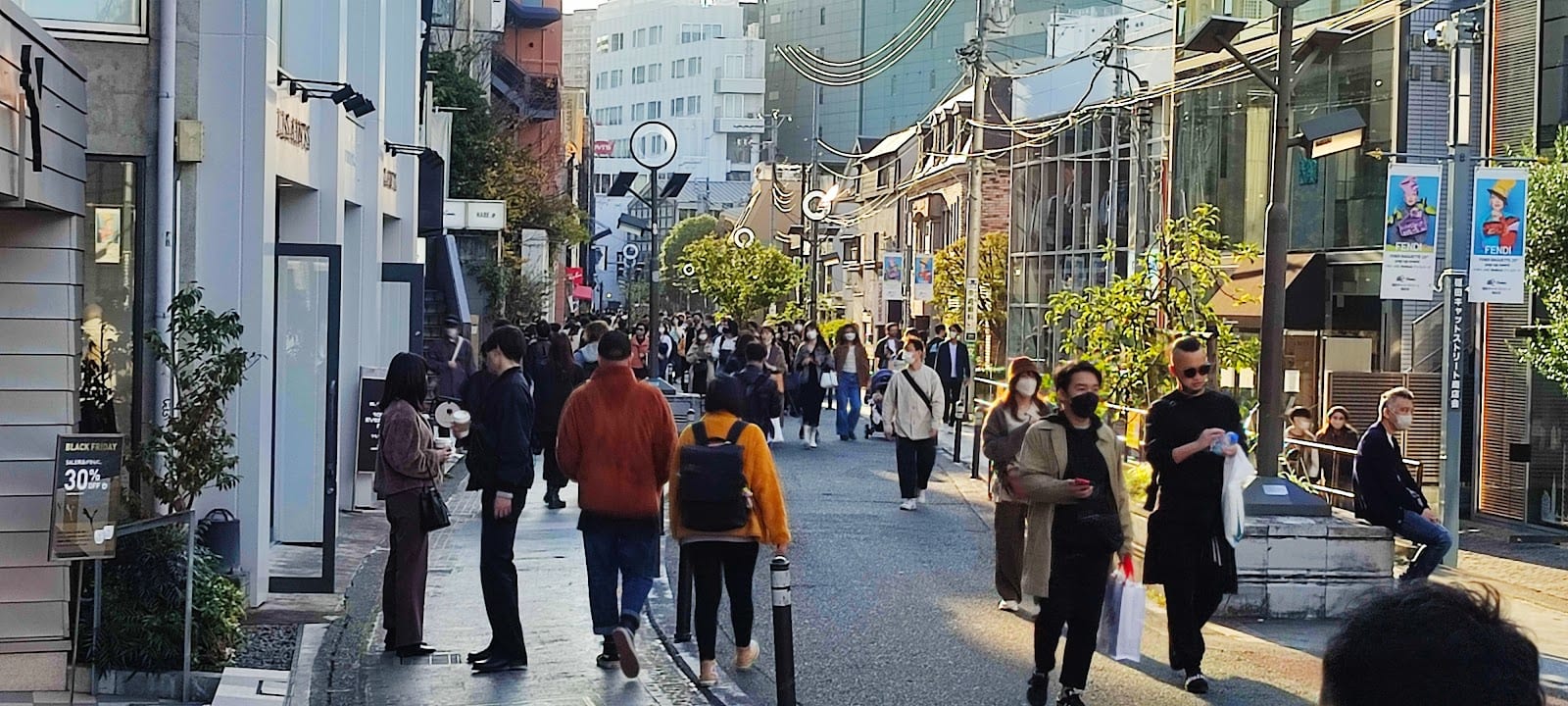
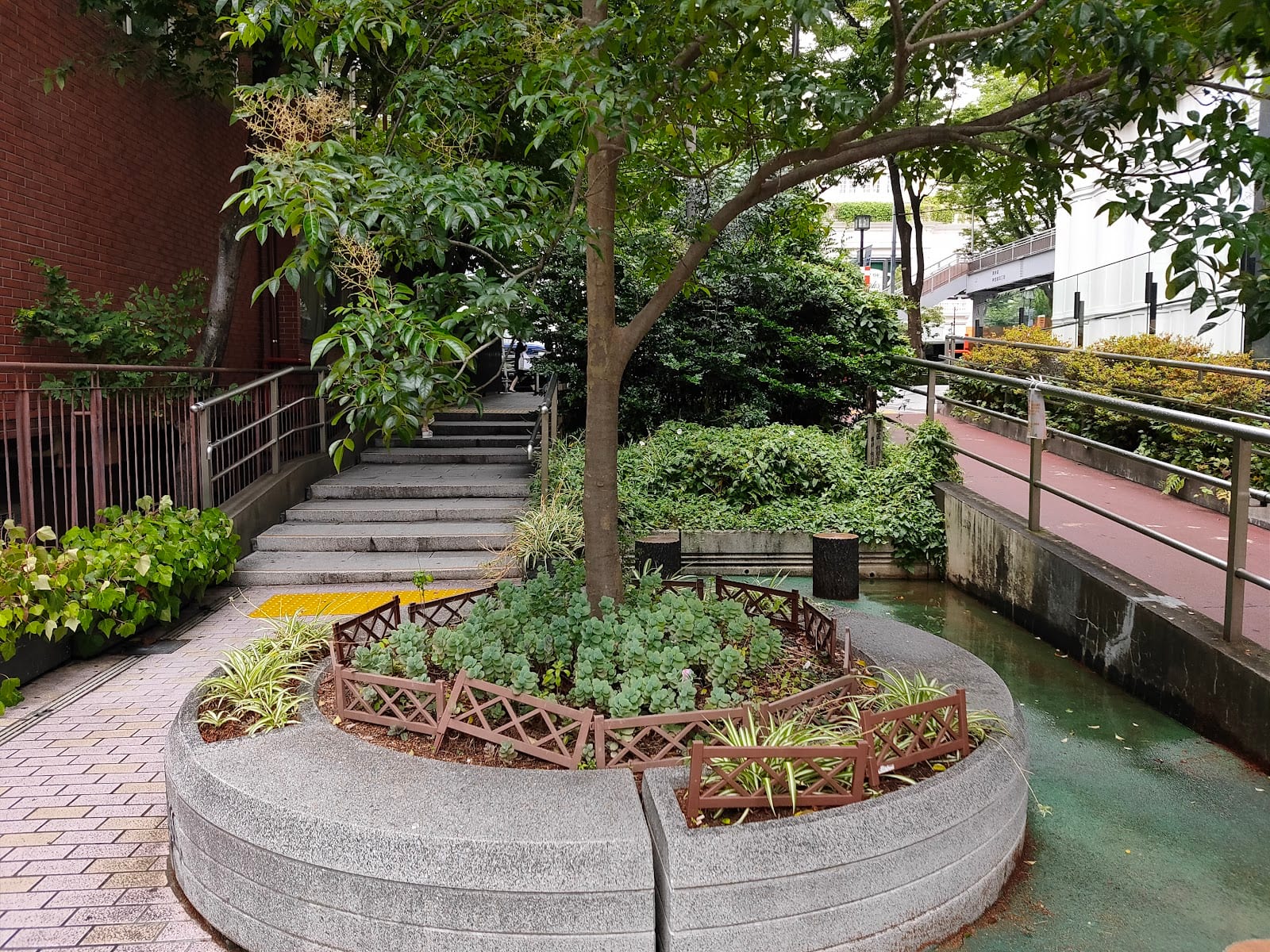
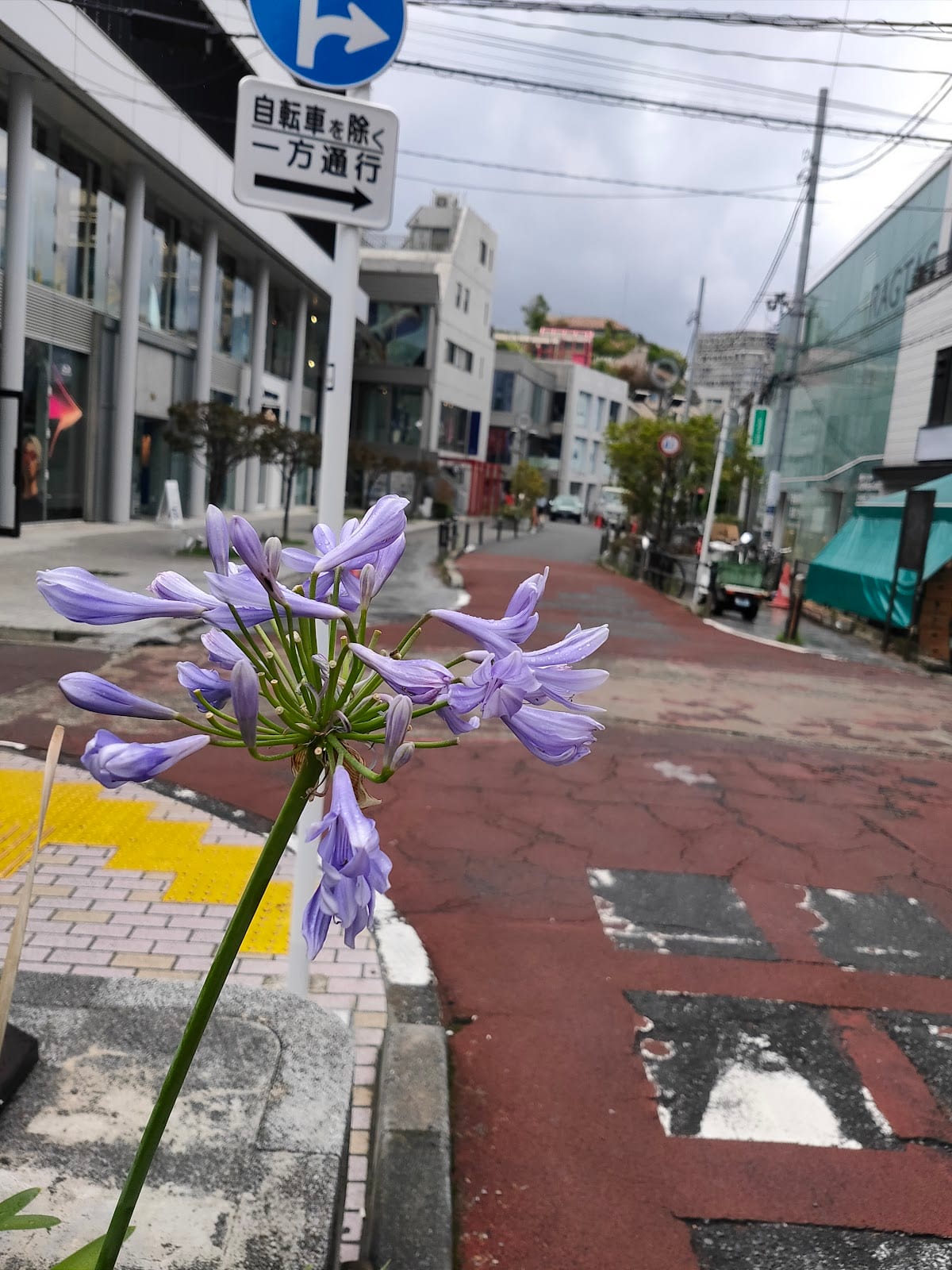
Cat Street is the pedestrian-friendly back lane that follows the course of the old Shibuya River, which was diverted underground in 1964, running roughly from Omotesando down to Shibuya. This is where Harajuku's fashion identity gets interesting: independent streetwear labels, vintage and secondhand shops, sneaker boutiques, and small cafes, with far fewer crowds and chain stores than Takeshita. There is no single sight here; the point is the walk, browsing the boutiques and watching some of the city's best-dressed go by. It is also the most pleasant on-foot route between Harajuku and Shibuya, about fifteen minutes end to end.
FreeOpen 24 hoursGood for friends, couples
- 3
 Jingumae Worth it
Tokyu Plaza Omotesando Harajuku
The kaleidoscope-entrance mall with a free rooftop terrace over the crossing.
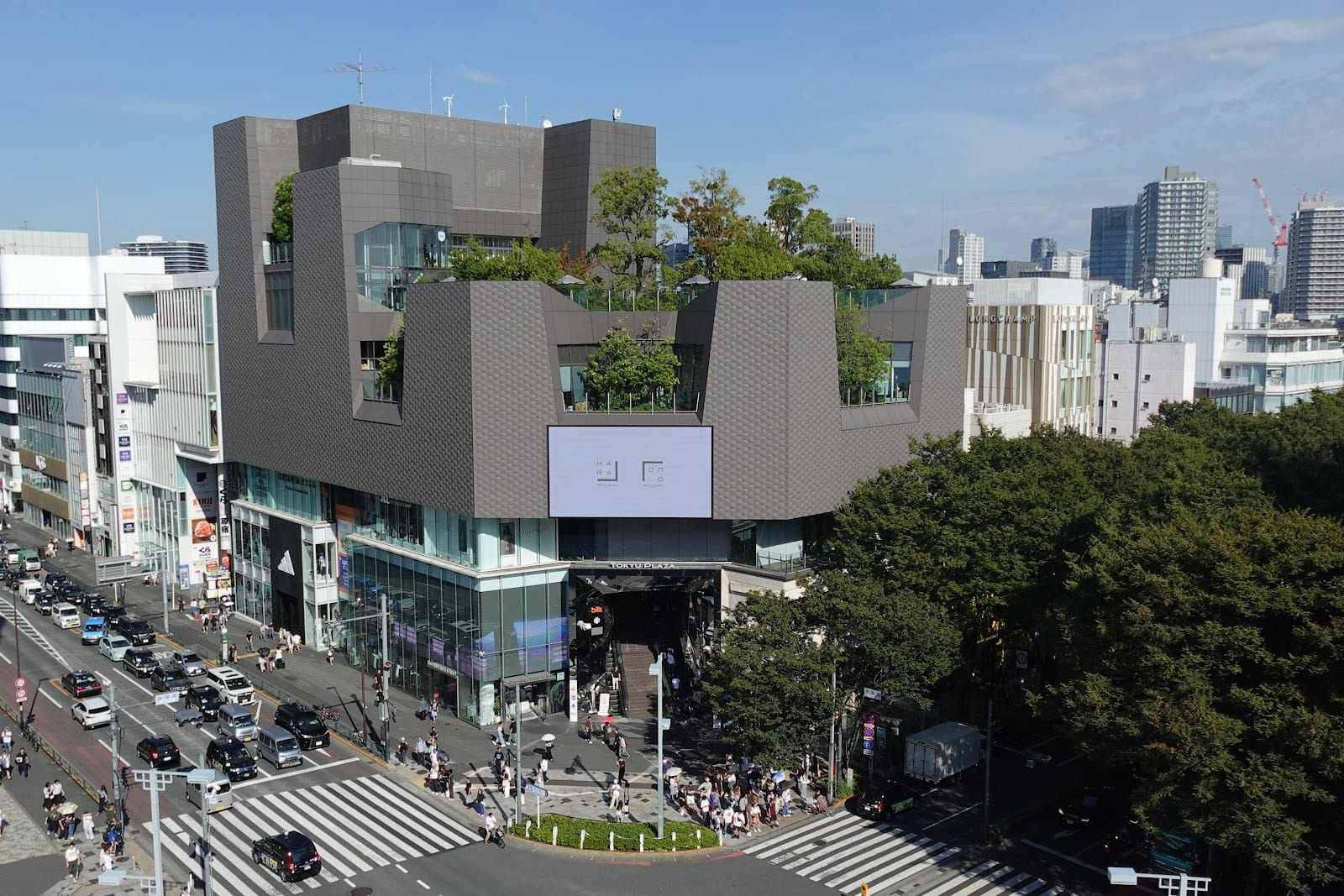
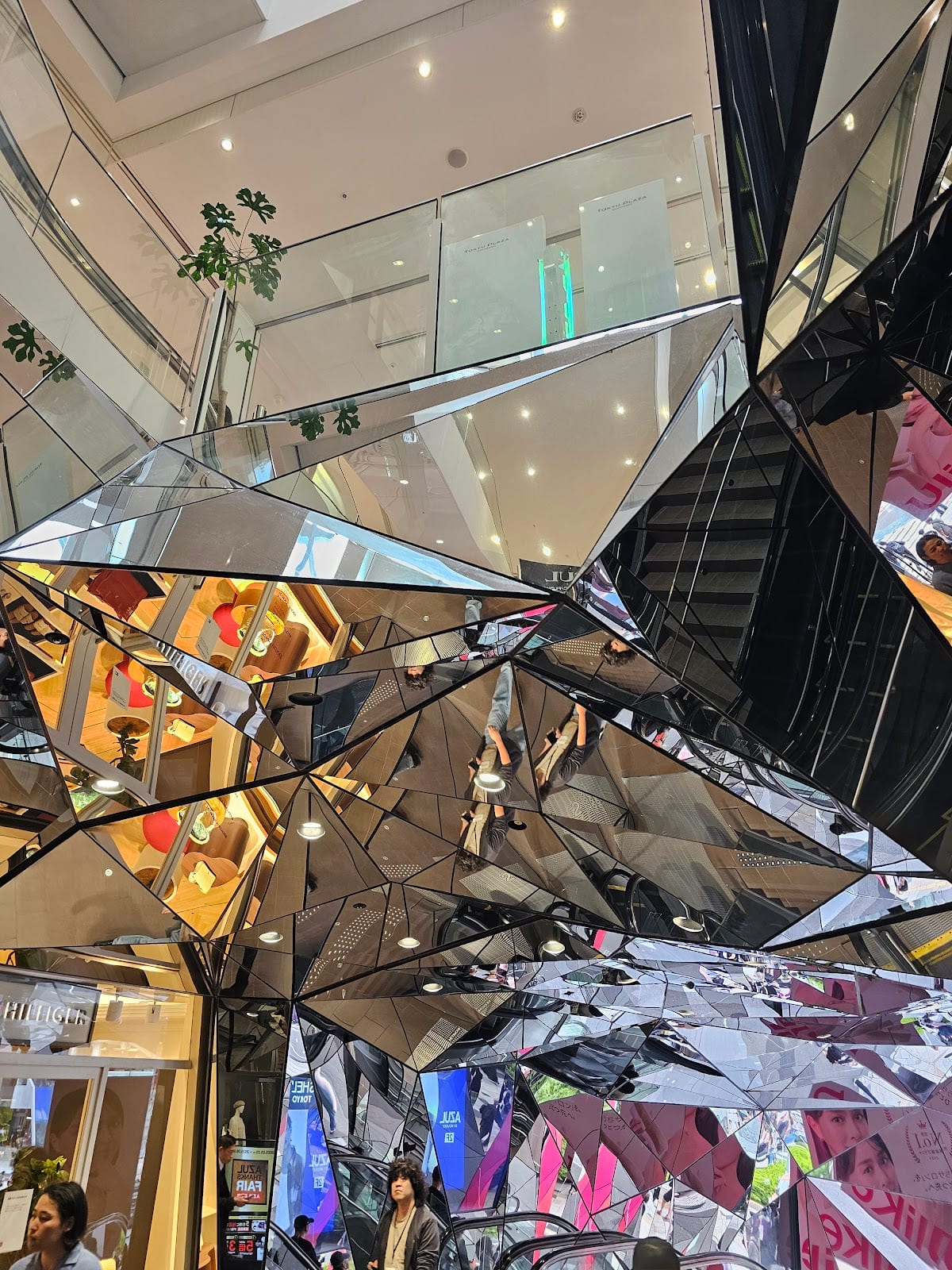
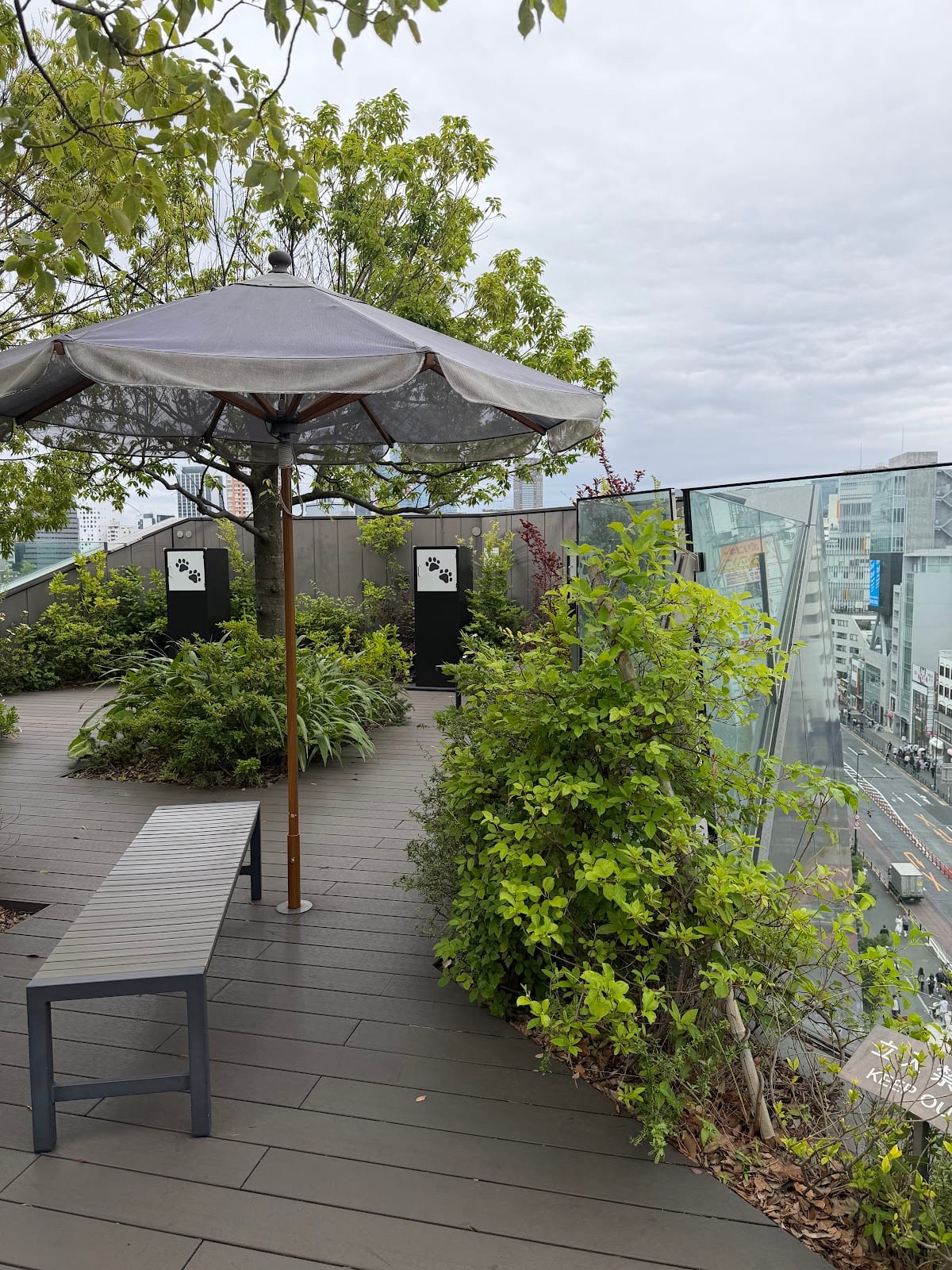
At the busy Jingumae crossing where Omotesando meets Meiji-dori, a couple of minutes from the foot of Takeshita-dori, Tokyu Plaza Omotesando Harajuku (nicknamed Omokado) is worth a stop for two things, both free. Its entrance is a mirror-clad escalator hall, hundreds of angled mirrors that fracture the street into a kaleidoscope and make one of the area's most photographed spots. And on the sixth floor, the Omohara no Mori rooftop terrace is a small wooded garden with seating and a wide view over Omotesando, an easy free place to rest with a coffee. The shops in between lean fashion and lifestyle. A quick, rewarding ten-minute stop.
Good for friends, couples
Sourcesgotokyo.orgnightscape.tokyo
- 4
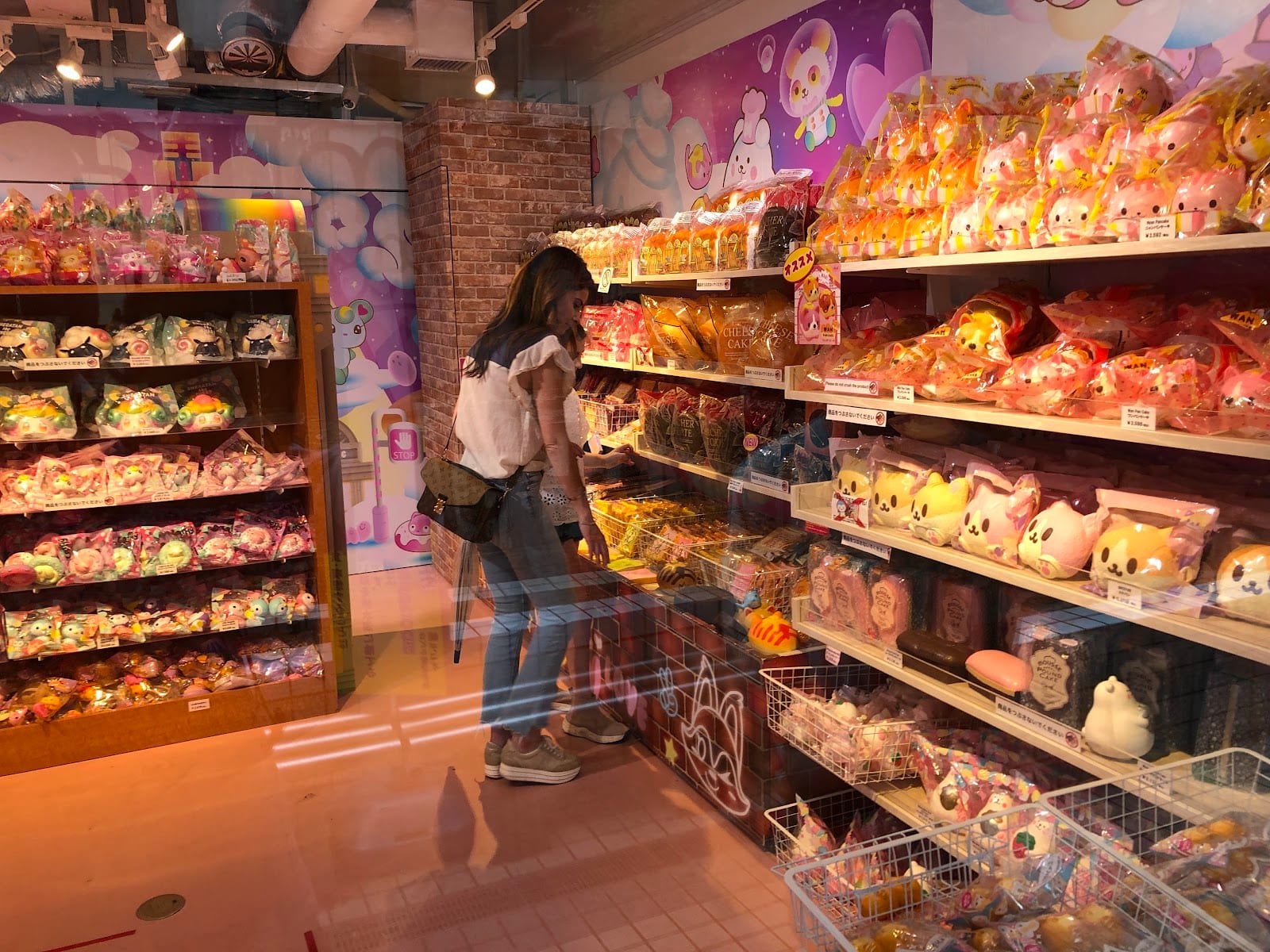 Takeshita-dori Overrated
Totti Candy Factory
The giant rainbow cotton candy you've seen online, and why we'd skip the queue.
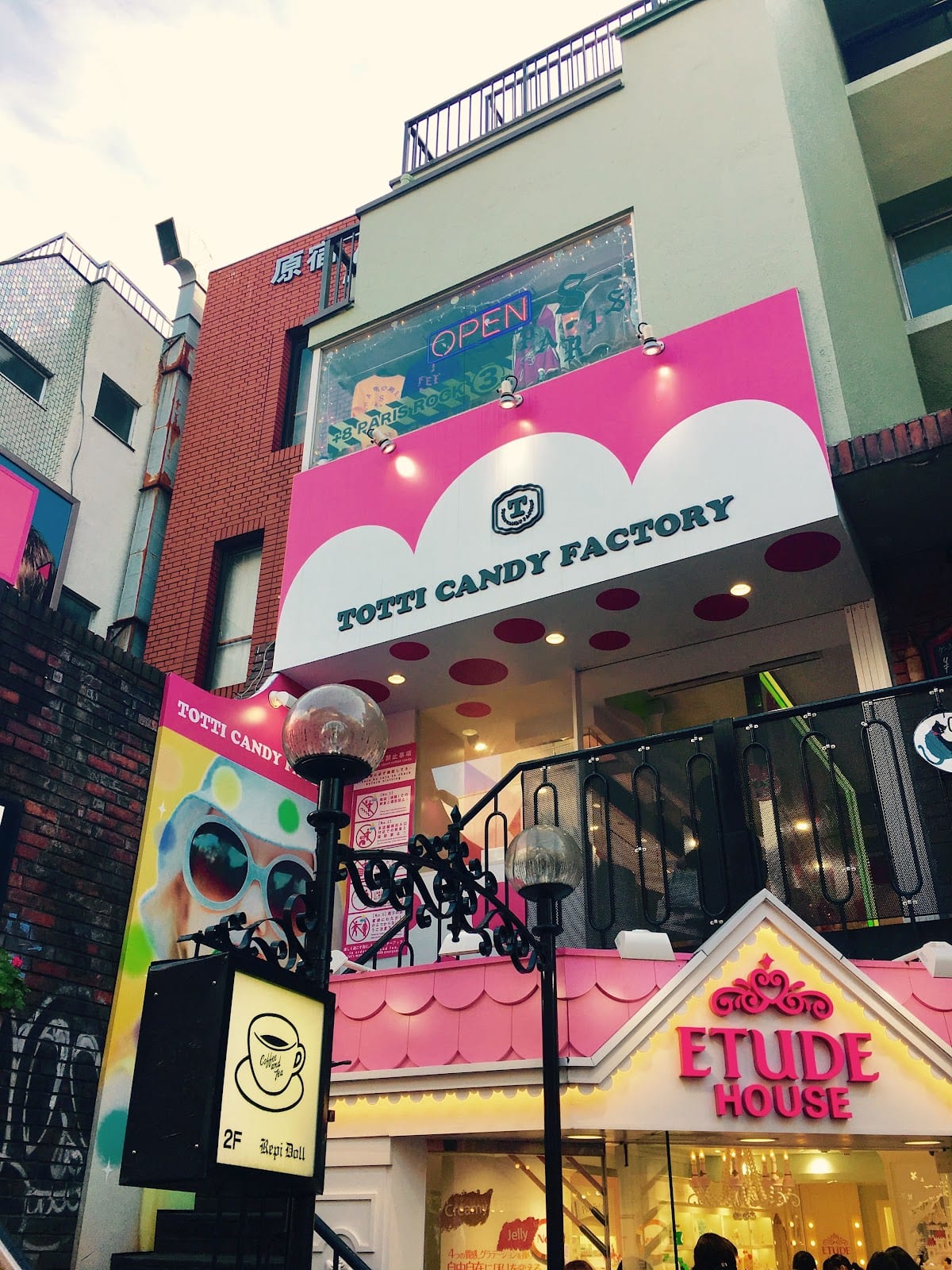
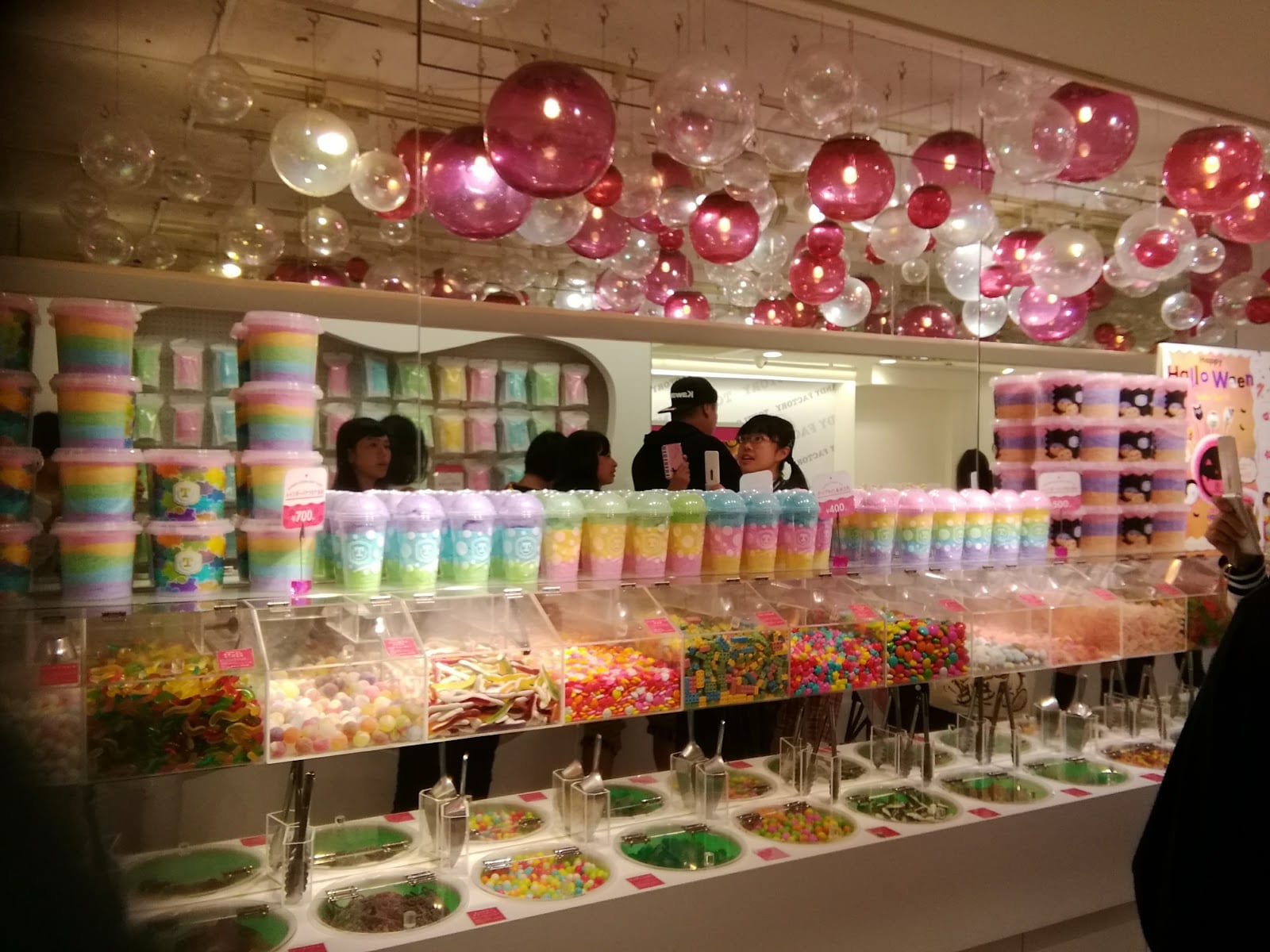
The oversized, rainbow-coloured cotton candy from Totti Candy Factory, on a Takeshita Street side lane, is the single most-photographed snack in Harajuku, and that fame is the whole problem. It is mostly air and sugar for around 900 to 1,000 yen, the queue can be long, and it photographs far better than it tastes. Worth knowing about as the source of the picture; not worth a long wait. If you want Harajuku street food that actually delivers, get a filled crepe from one of the Takeshita stands instead.
~$7on GoogleGood for friends
Sourceslivejapan.com


Hidden gems
Where the crowds thin out.- Hidden gem
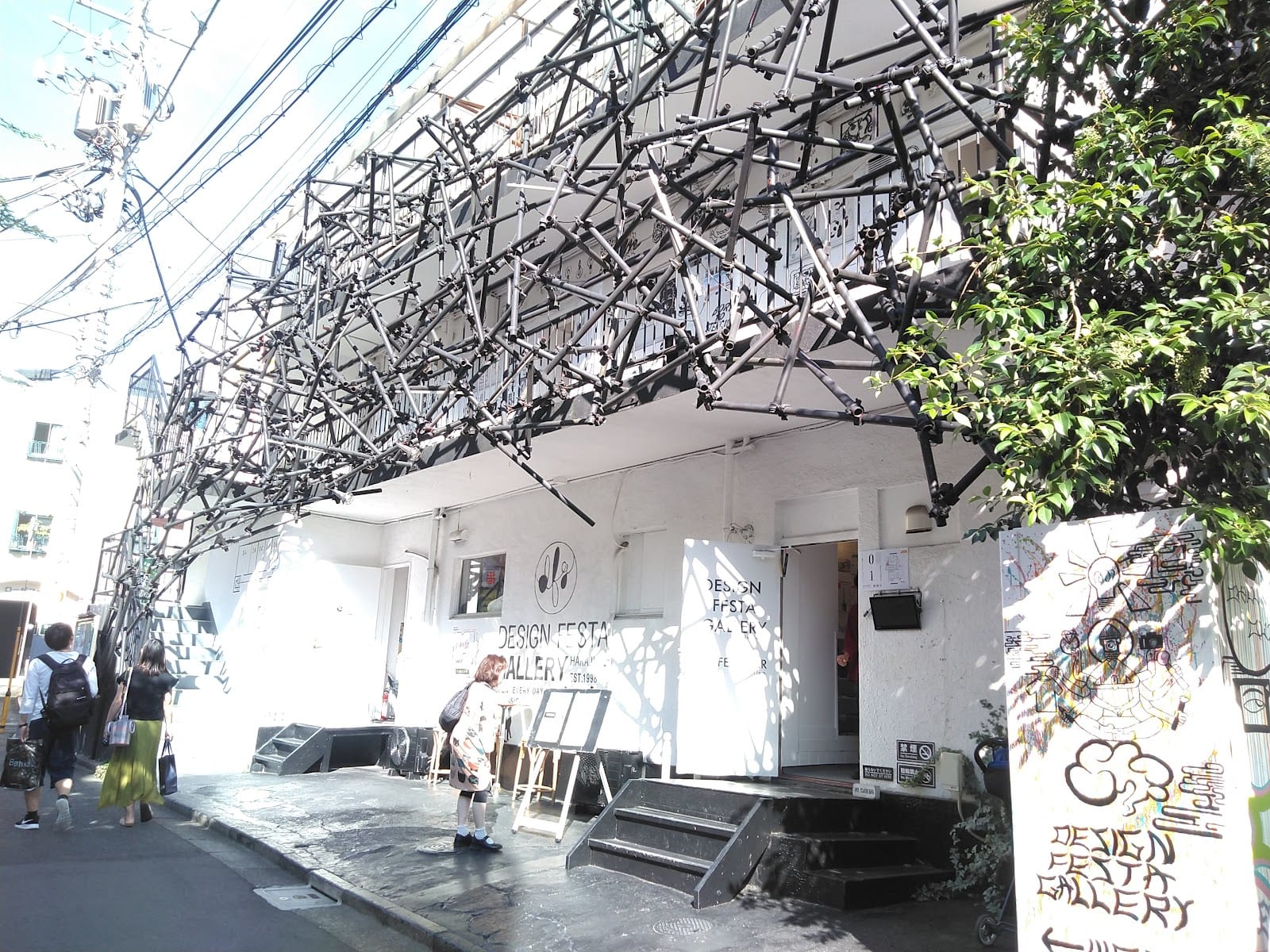
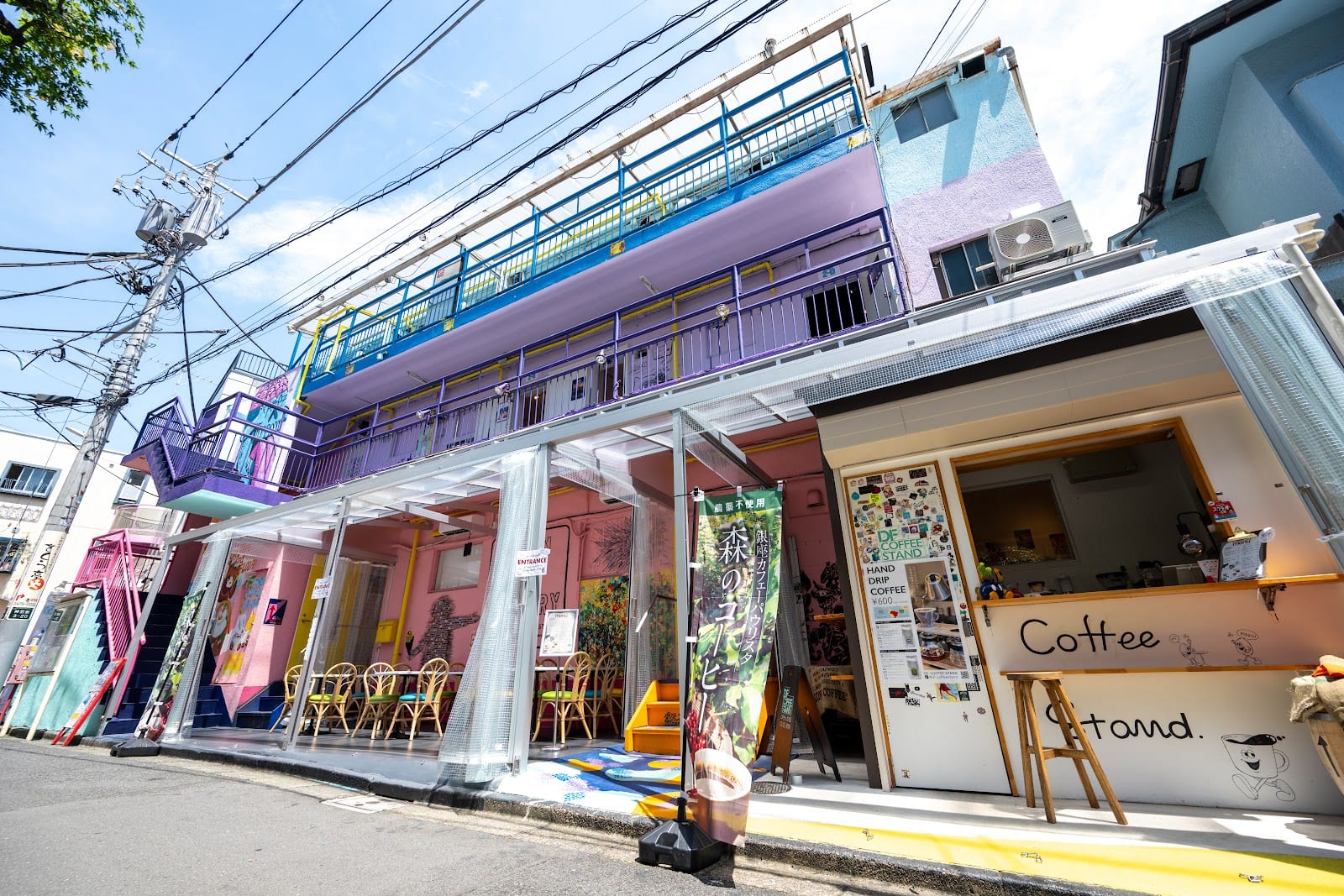
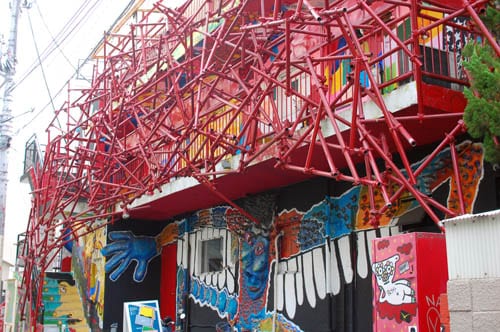 Ura-Harajuku Worth it
Design Festa Gallery
A free, ever-changing indie art gallery hidden in the Harajuku backstreets.
A few minutes from the Takeshita crowds, in the Ura-Harajuku backstreets, Design Festa Gallery is a free, independent art space that has run since 1998 as an open, no-jury venue: any artist can rent a spot, so its two buildings are a constantly changing warren of paintings, installations, performance, and the unclassifiable, wrapped in a facade covered in pipes and graffiti-style art. Nothing here is curated or predictable, which is the point, and it is one of the few places that still channels the raw, do-it-yourself creativity Harajuku is known for. Admission is free (individual exhibits vary), and there is a long-running okonomiyaki restaurant, Sakuratei, between the two buildings. A real antidote to the chain-store side of Harajuku.
Good for solo, couples, friends
Sourcesjapan-guide.com


Verdicts and rankings are our own; ratings open each place on Google. Prices, where shown, are an approximate per-person guide in USD.
Harajuku on screen
Where you've seen Harajuku before
Harajuku's on-screen identity is its candy-kawaii pop, and no one embodies it like Kyary Pamyu Pamyu, the Harajuku Pop Princess. Three of her videos, then go stand in it:
- Music video, 2011
Kyary Pamyu Pamyu: PONPONPON
The breakout single that sent Harajuku's candy-colored kawaii look around the world. It was art-directed by Sebastian Masuda of the Harajuku shop 6%DOKIDOKI, and Kyary herself was discovered as a Takeshita Street fashion model.
Takeshita StreetSource - Music video, 2012
Kyary Pamyu Pamyu: Fashion Monster
More gleeful Harajuku-kawaii excess. 'Fashion Monster' became a media nickname for Kyary herself, whose decora style grew straight out of the neighbourhood's street fashion.
Harajuku fashionSource - Music video, 2017
Kyary Pamyu Pamyu: Harajuku Iyahoi
A song named for the neighbourhood itself, a sugar-rush love letter to the streets where Kyary's style was born.
HarajukuSource
Eat & drink
Where to eat and drink in Harajuku
Harajuku food runs from a crepe eaten on the move to a famous bowl of yuzu ramen. A few we'd point you to:
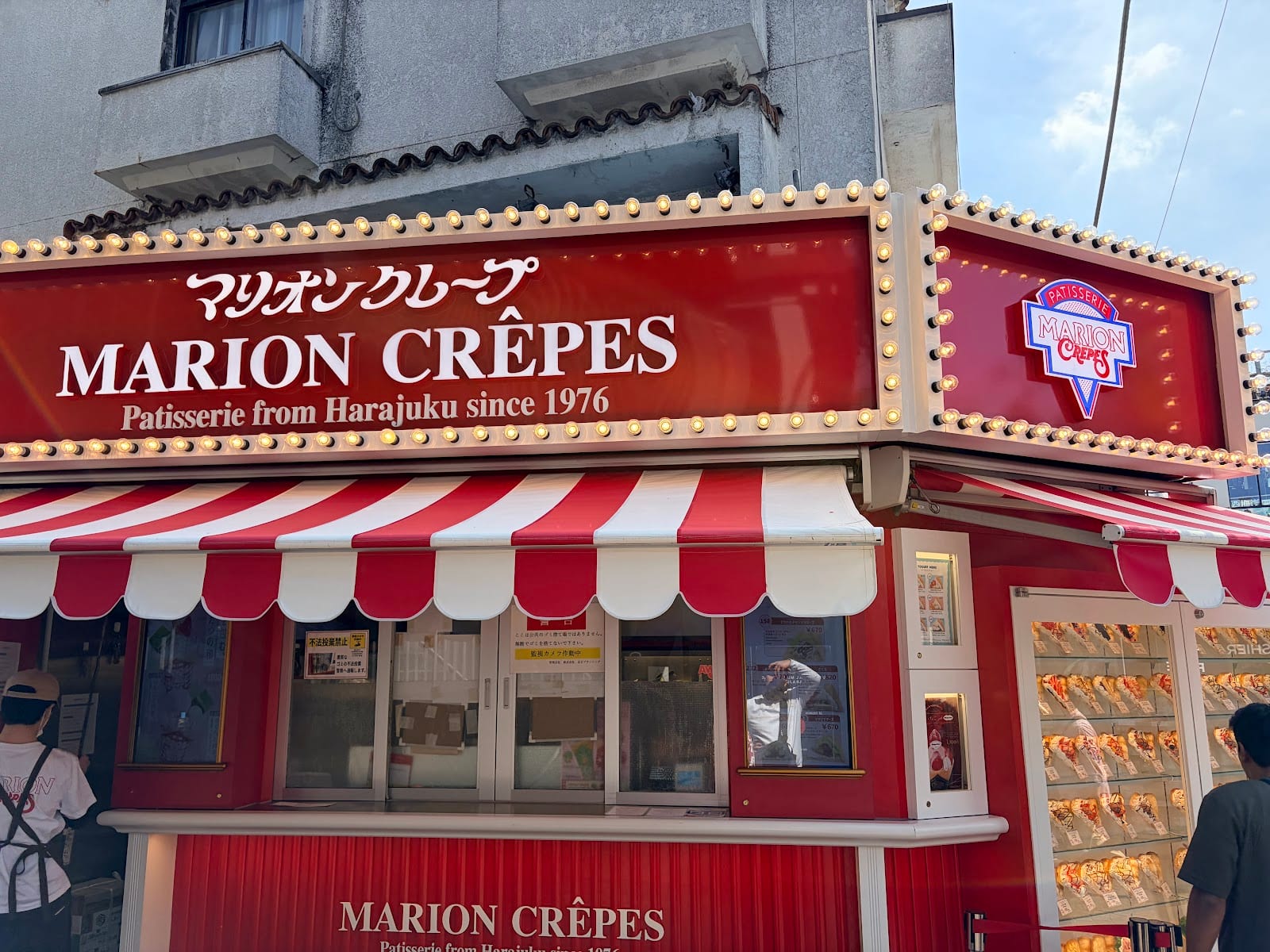
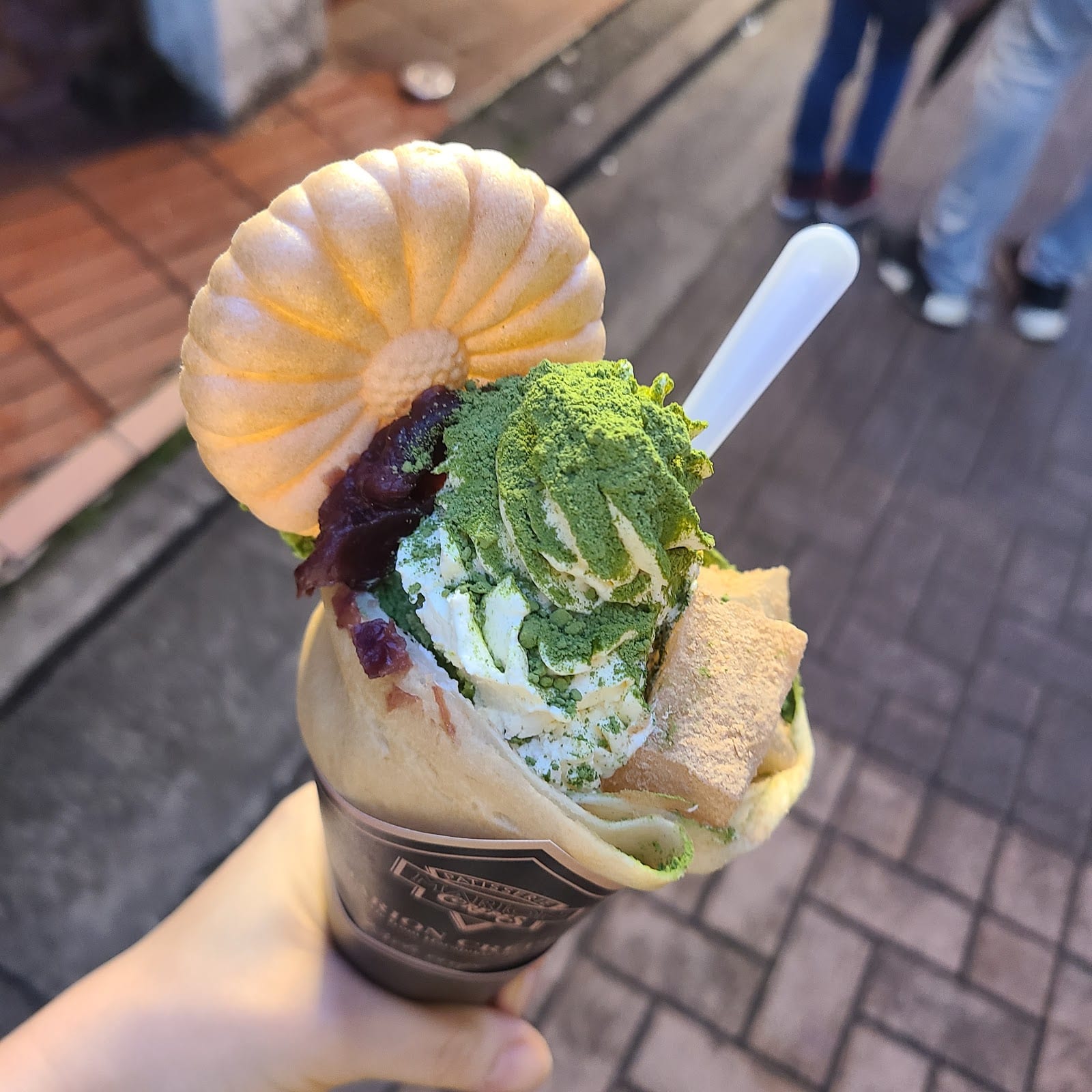
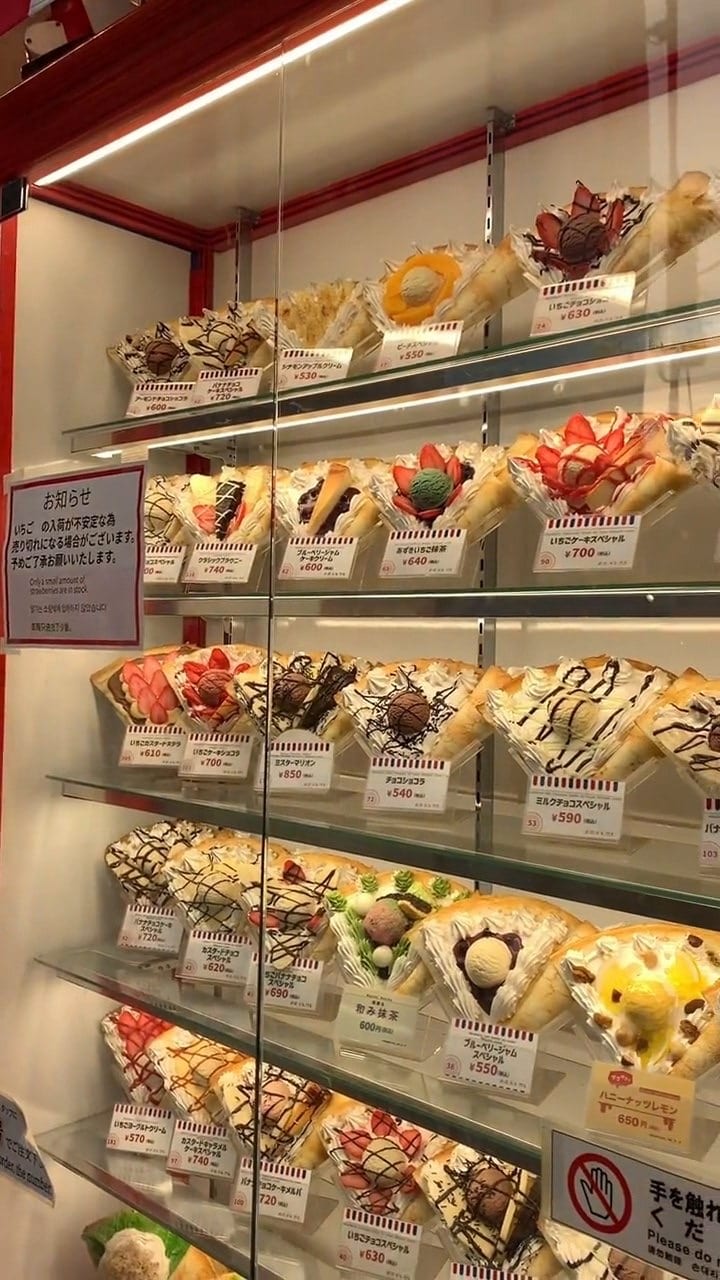
Marion Crepes
Takeshita-doriThe shop that kicked off Harajuku's crepe craze in 1976 (it began as a food truck and opened its Takeshita-dori store the year after), and still the signature thing to eat on the street. Choose from dozens of sweet and savoury crepes and eat it on the move.
on Google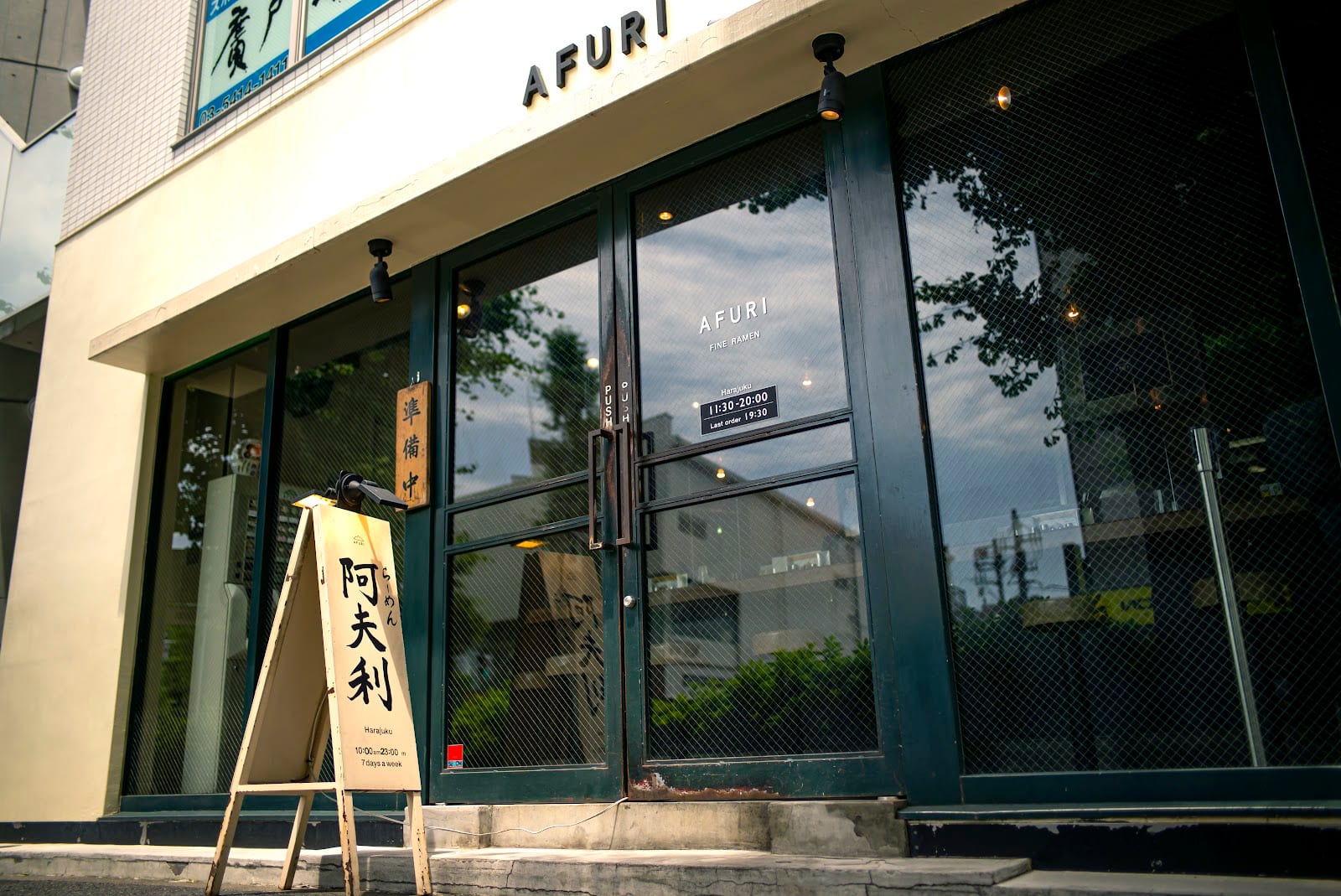
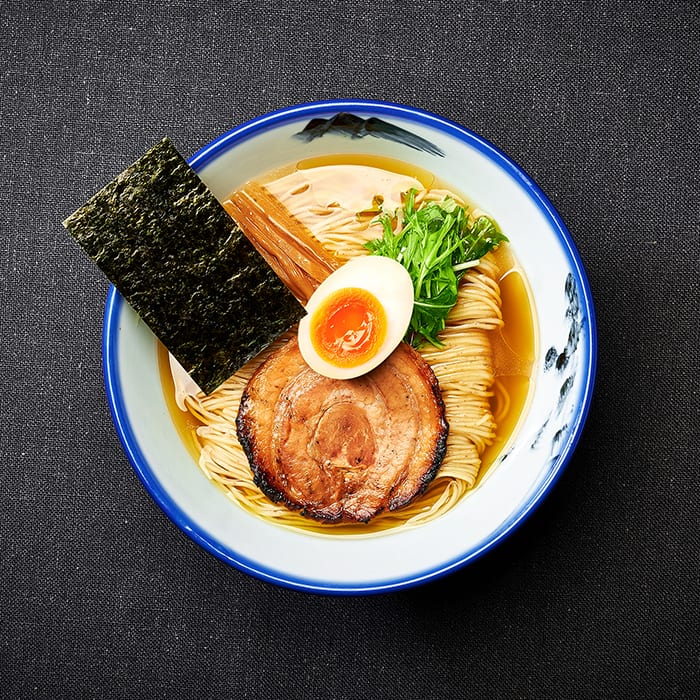
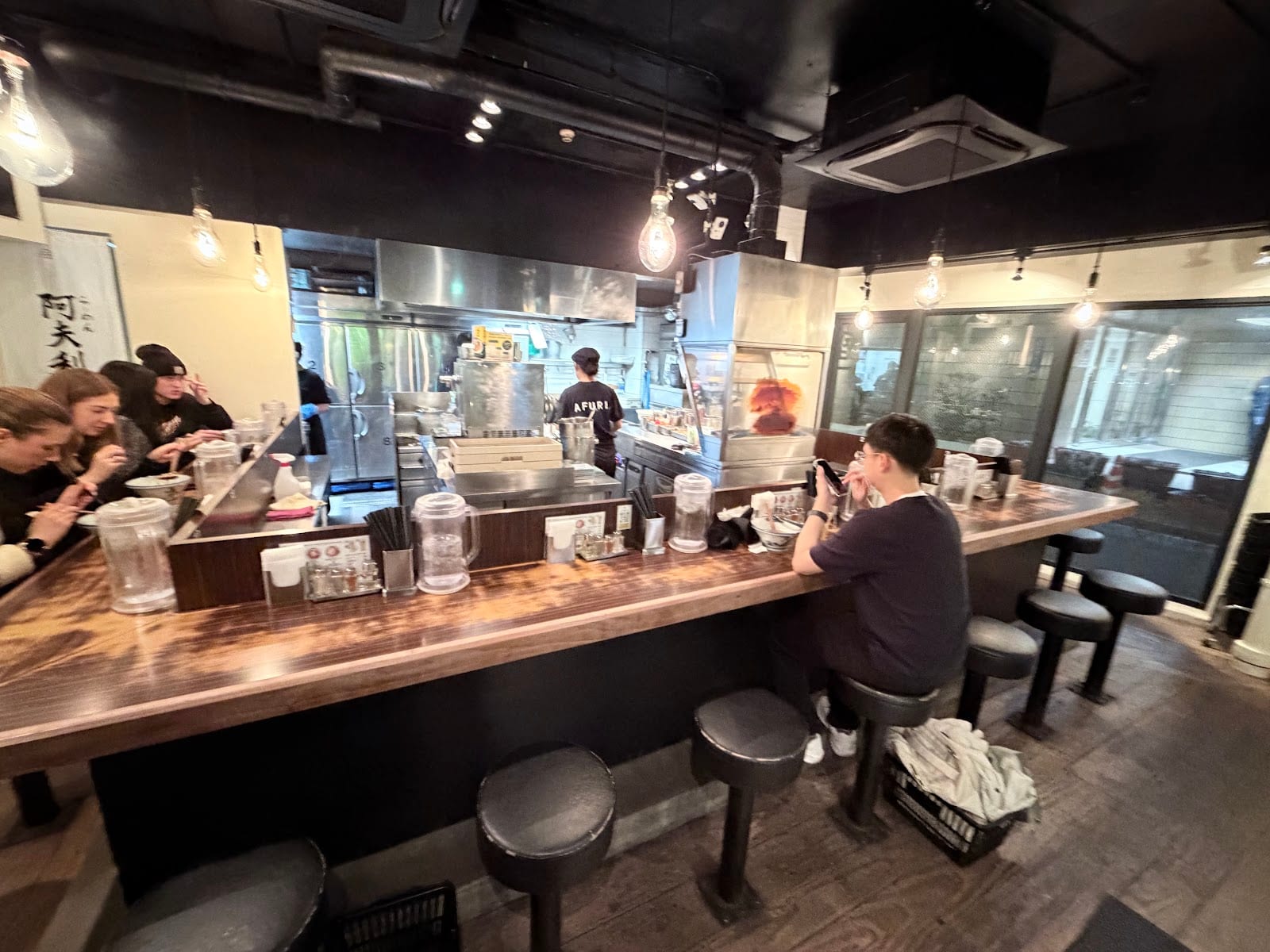
Afuri Harajuku
Sendagaya-sideAfuri's Harajuku branch serves the brand's signature yuzu shio ('yuzu salt') ramen, a light, citrus-bright bowl (the original shop is over in Ebisu), ordered at the ticket machine. There's often a short queue.
on Google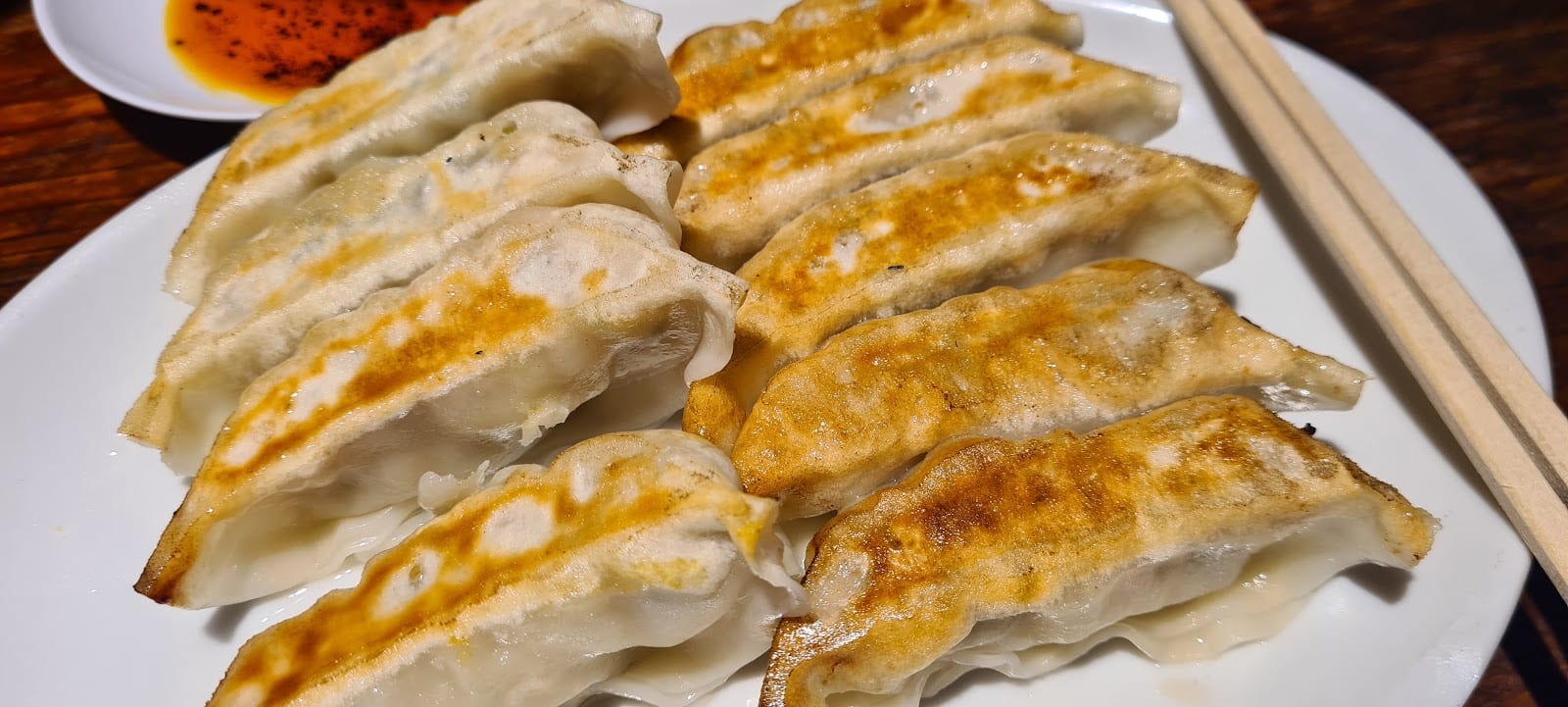
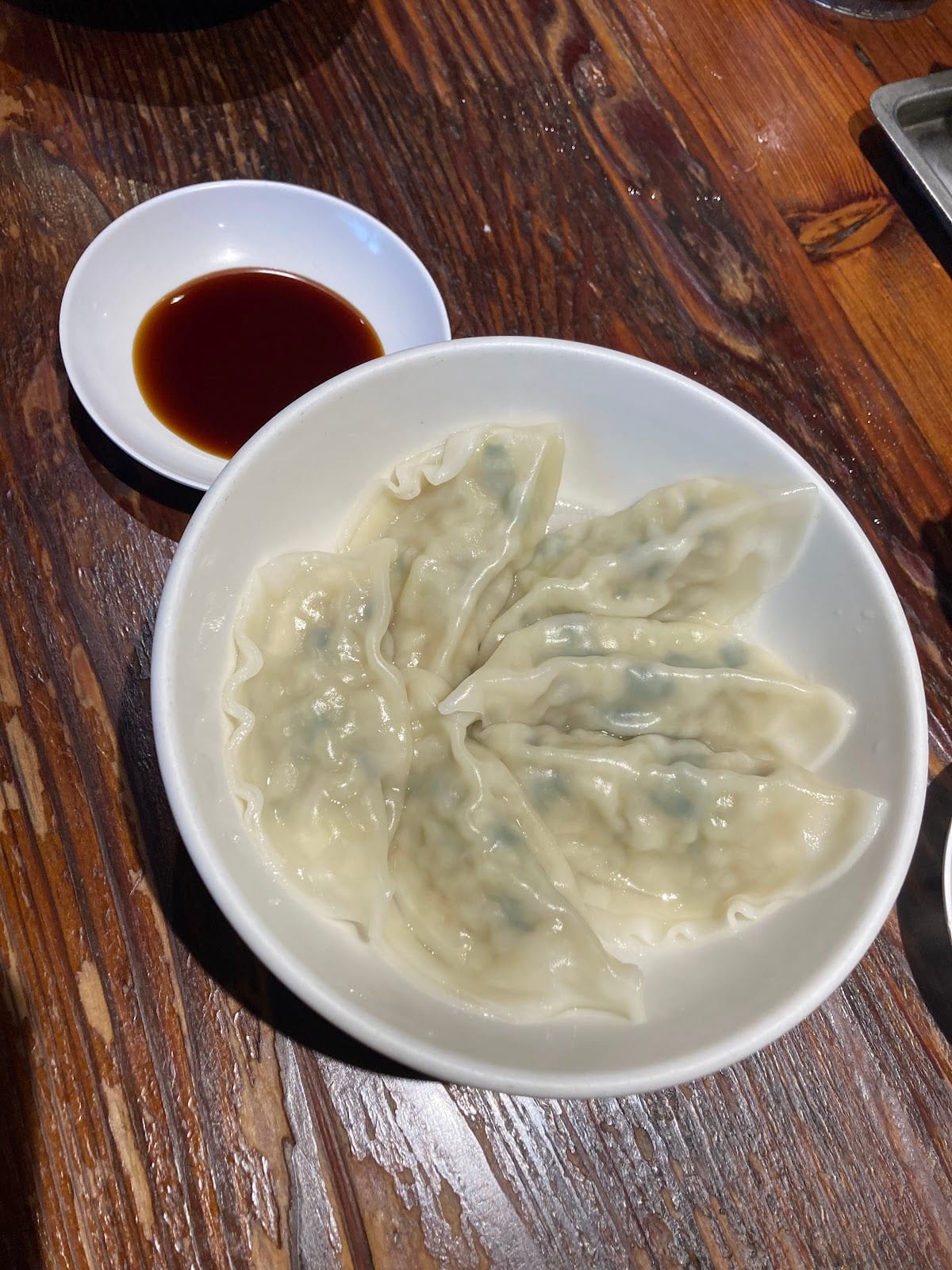
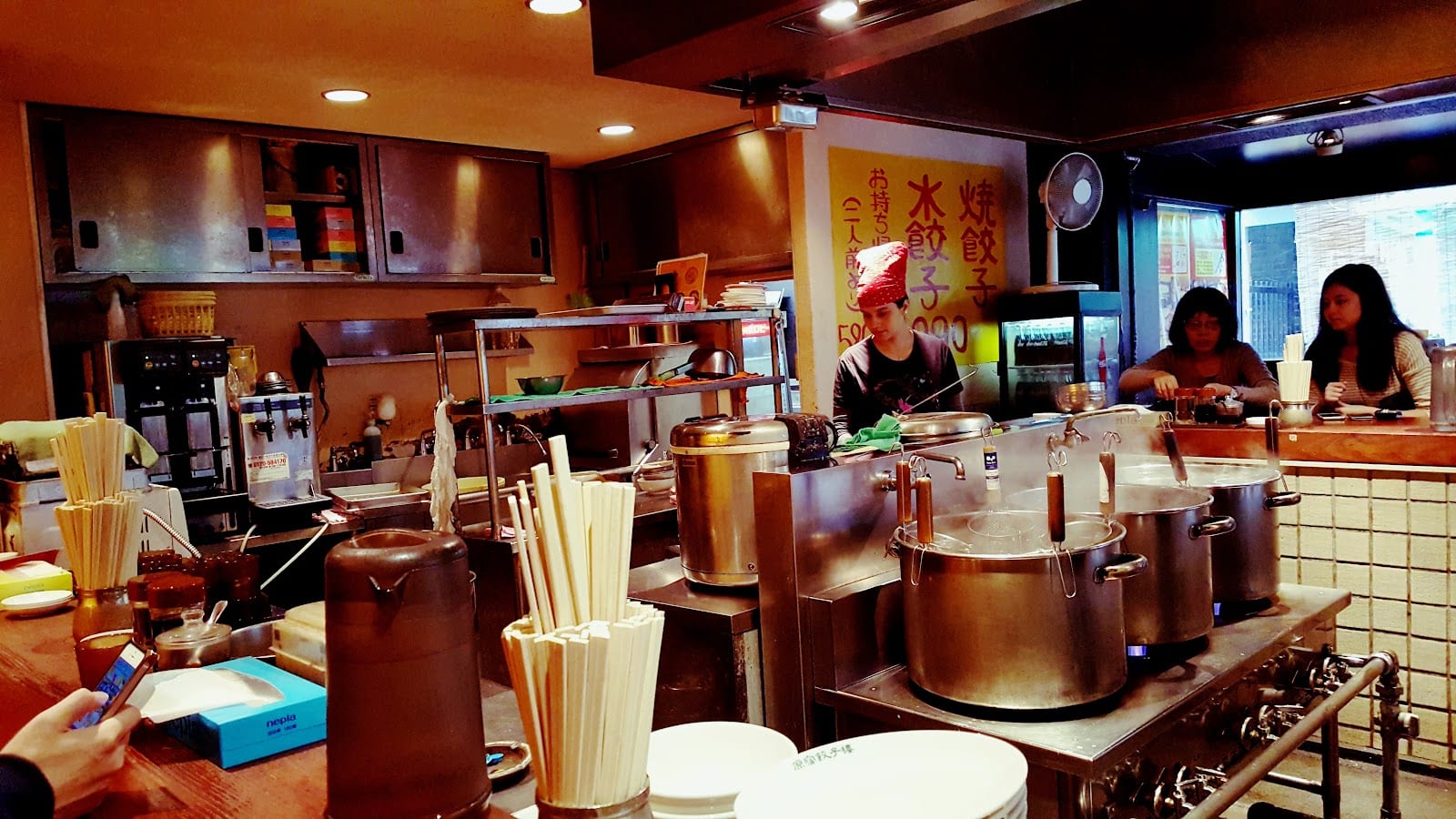
Harajuku Gyozaro
Omotesando backstreetA cheap gyoza specialist that does one thing, dumplings (fried or steamed, with or without garlic and chives), and does it brilliantly. Cash is the safe bet; expect to queue and share a table.
on Google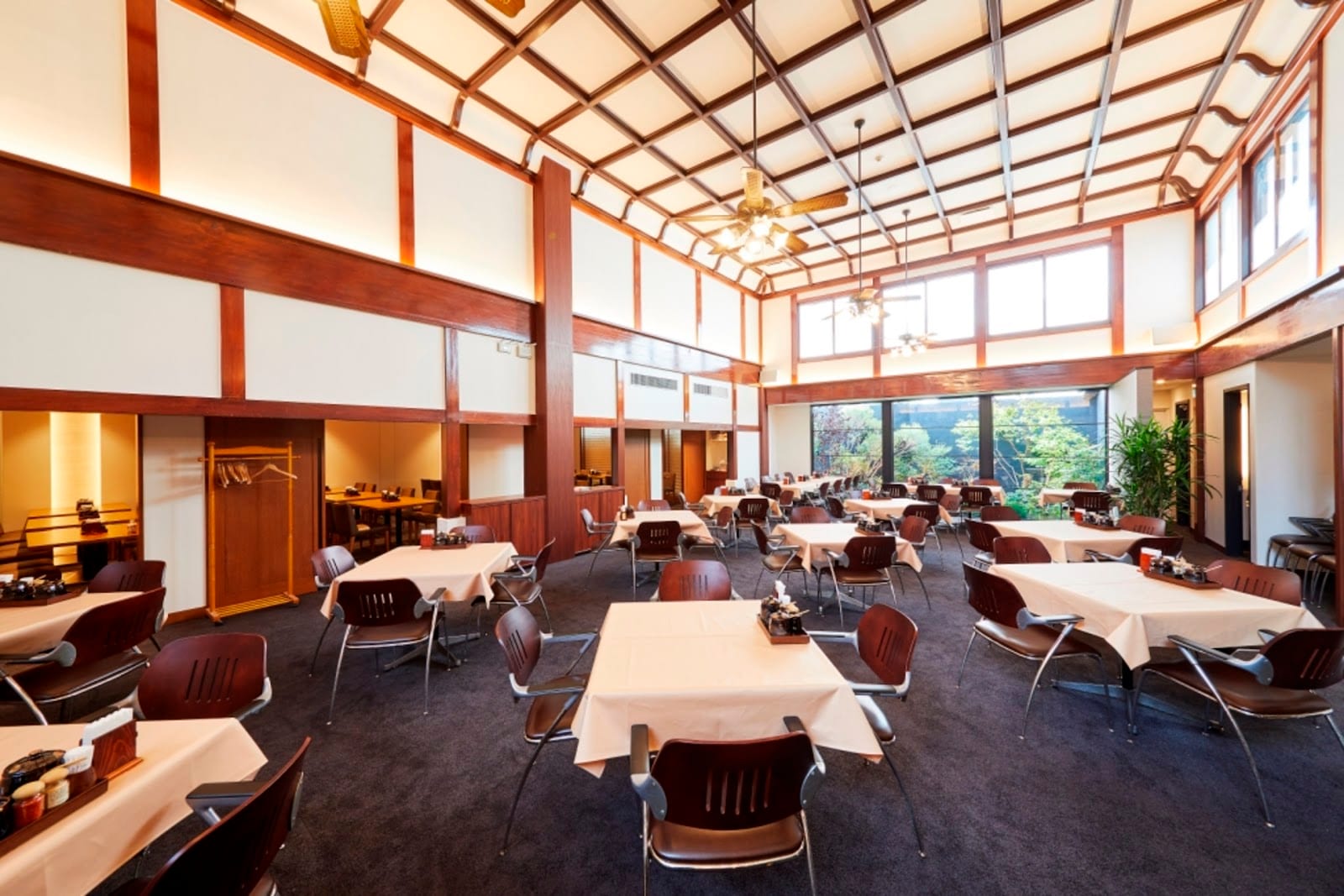
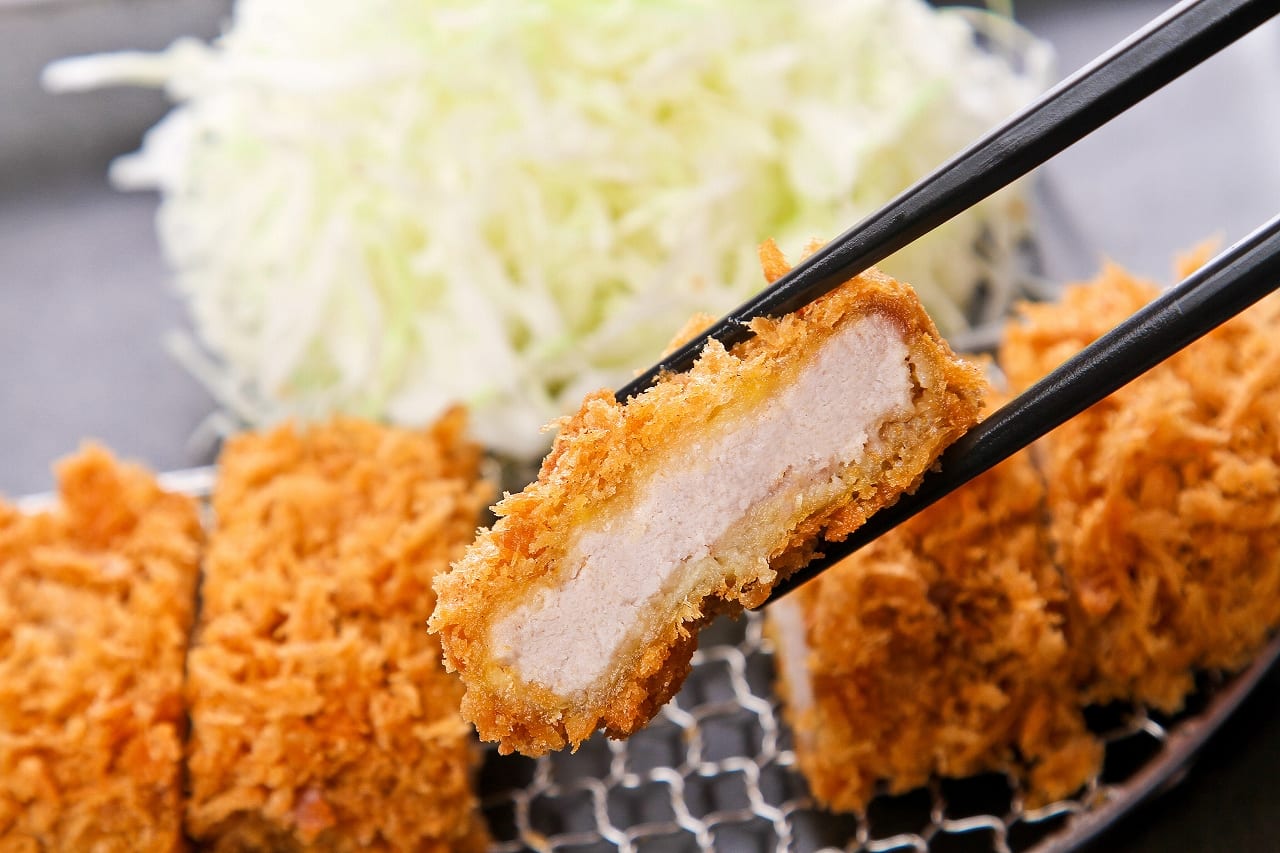
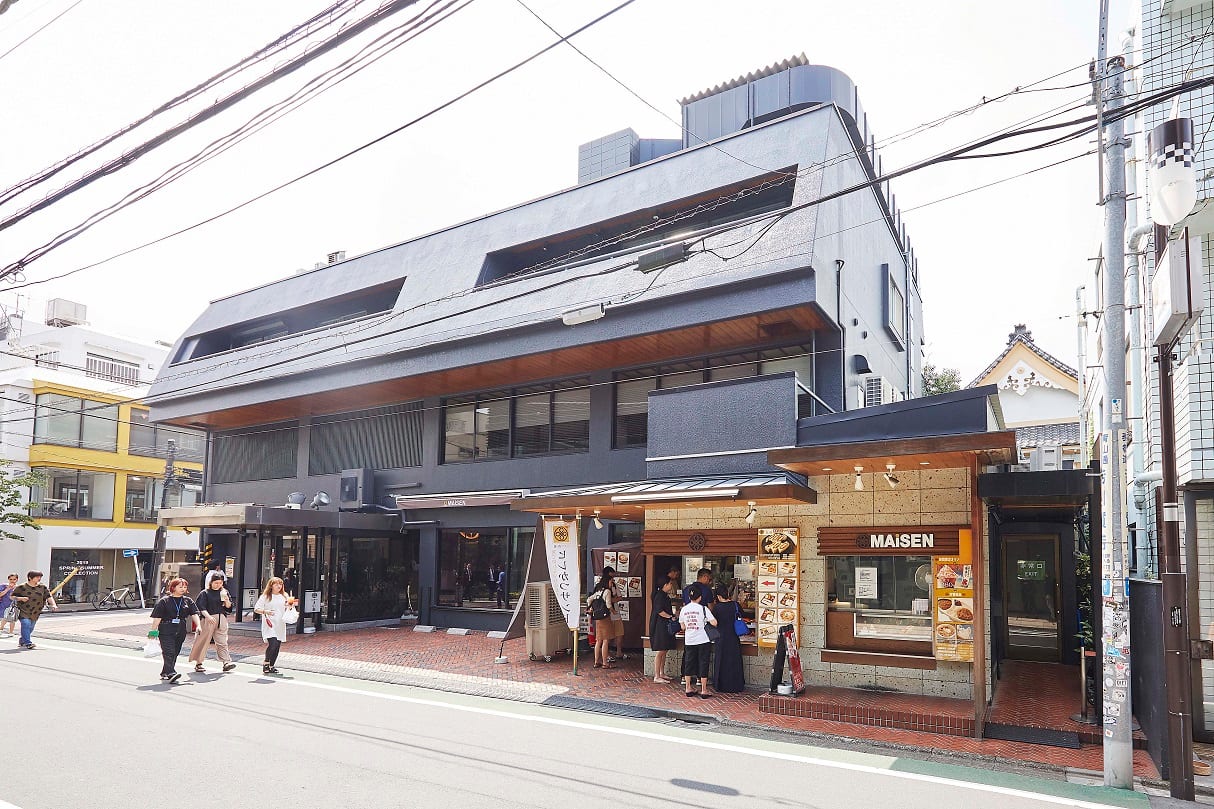
Tonkatsu Maisen Aoyama
OmotesandoThe flagship of the Maisen name, in a converted old public bathhouse, serving crisp, tender breaded pork cutlets. A calm, sit-down counterpoint to the street food.
on Google


Getting around
Getting around Harajuku
Everything in this guide is within about a fifteen-minute walk, between two stations.
Harajuku Station
On the JR Yamanote line, one stop from Shibuya and a few minutes from Shinjuku. The connected Meiji-jingumae 'Harajuku' Station adds the Tokyo Metro Chiyoda and Fukutoshin lines.
Omotesando Station
At the far end of Omotesando, on the Ginza, Hanzomon, and Chiyoda lines. Start here and walk back toward Harajuku to take the boulevard first.
A walkable core
Meiji Jingu, Takeshita Street, Omotesando, and Yoyogi Park are all within a fifteen-minute walk of Harajuku Station.
Come on a weekday, or a Sunday
Takeshita Street is shoulder-to-shoulder on weekend afternoons; weekday mornings are calmer. Sundays are best for Yoyogi Park's street performers.
Where to stay
Where to stay in Harajuku
Harajuku is light on hotels but superbly connected, so most people stay nearby and walk in. Where to base yourself:
Around Harajuku & Jingumae
The most central choice, steps from Takeshita and the Meiji Jingu approach, though hotels are limited and book up fast. Quiet at night once the shops close.
Omotesando & Aoyama
Upscale and leafy just south, with boutique hotels, calm tree-lined streets, and the city's best cafe-and-shopping strolls on your doorstep.
Sendagaya & north
Quieter and more residential north of the station, near the National Stadium, usually better value while staying walkable to Harajuku.
Shibuya (nearby)
One stop south, or a fifteen-minute walk down Cat Street, with far more hotels and nightlife if you want the action close and Harajuku by day.

Where to Stay in Tokyo
Compare every Tokyo neighborhood and find the right base, with hotel picks at each price.
View the guideWho it's for
Harajuku for friends, couples, and solo
- Harajuku for friends
- This is the area's home turf: browse Takeshita and Cat Street for fashion, grab rainbow crepes and purikura photo stickers, then refuel over gyoza or yuzu ramen.
- Harajuku for couples
- Walk the quiet Meiji Jingu forest, then take Omotesando and Cat Street slowly, ducking into backstreet cafes and the free rooftop garden at Tokyu Plaza.
- Harajuku for solo travelers
- Harajuku is safe and made for wandering: vintage shops on Cat Street, a counter seat for yuzu ramen at Afuri, and the calm of the shrine when you want a break from the crowds.
More of Tokyo
Nearby neighborhoods
A short hop from Harajuku, and worth pairing on the same trip.


Ready to explore Harajuku?
Tell Zoya, your personal travel assistant, how you like to travel, and she'll turn these into a Harajuku day, or a whole Tokyo trip, that fits your dates.
Explore now