

Shinjuku · Tokyo neighborhood guide
Things to Do in Shinjuku
Tokyo at its most concentrated: the world's busiest station, a free skyscraper view, a vast garden, and neon backstreets that never sleep. Here's what's actually worth your time, ranked and judged.
Shinjuku in brief
What is Shinjuku famous for?
Shinjuku is famous for the world's busiest railway station, the neon nightlife of Kabukicho, the free observation decks atop the Tokyo Metropolitan Government Building, the cherry blossoms of Shinjuku Gyoen, and tiny-bar alleys like Golden Gai and Omoide Yokocho.
What can you do in Shinjuku in a day?
Walk the gardens of Shinjuku Gyoen, ride up to the free 202-meter deck at the Tokyo Metropolitan Government Building, catch the 3D cat by the East exit, then spend the evening in Kabukicho, the lantern alley of Omoide Yokocho, and the tiny bars of Golden Gai.
Is Shinjuku worth visiting?
Yes. Shinjuku is one of Tokyo's defining neighborhoods, packing the city's best free view, its biggest nightlife district, a beautiful garden, and atmospheric old drinking alleys into a few walkable blocks around one station. Most visitors give it at least an evening, ideally a full day.
Get oriented
How Shinjuku fits together
Shinjuku splits cleanly around its giant station: skyscrapers to the west, neon and nightlife to the east.
Shinjuku Station sits in the middle, and the neighborhood divides around it. To the west, in Nishi-Shinjuku, the skyscraper district holds the big hotels and the twin-towered Tokyo Metropolitan Government Building with its free observation decks. To the east and northeast lie the bright lights: the department stores around the station, the neon of Kabukicho, and the tiny-bar warrens of Golden Gai and Omoide Yokocho, with the quiet Hanazono Shrine tucked among them. The huge Shinjuku Gyoen garden spreads to the southeast. Almost everything here is within a fifteen-minute walk of the station, once you find the right exit.
A day-into-night loop around the station, saving the lights for after dark:
See & do, ranked
The best things to do in Shinjuku
Our honest ranking of what is worth your time, from the must-sees to a hidden gem, with a verdict on each so you know what to prioritize and what is overhyped.
Must-see
The essentials, ranked.- 1
 Nishi-Shinjuku Worth it
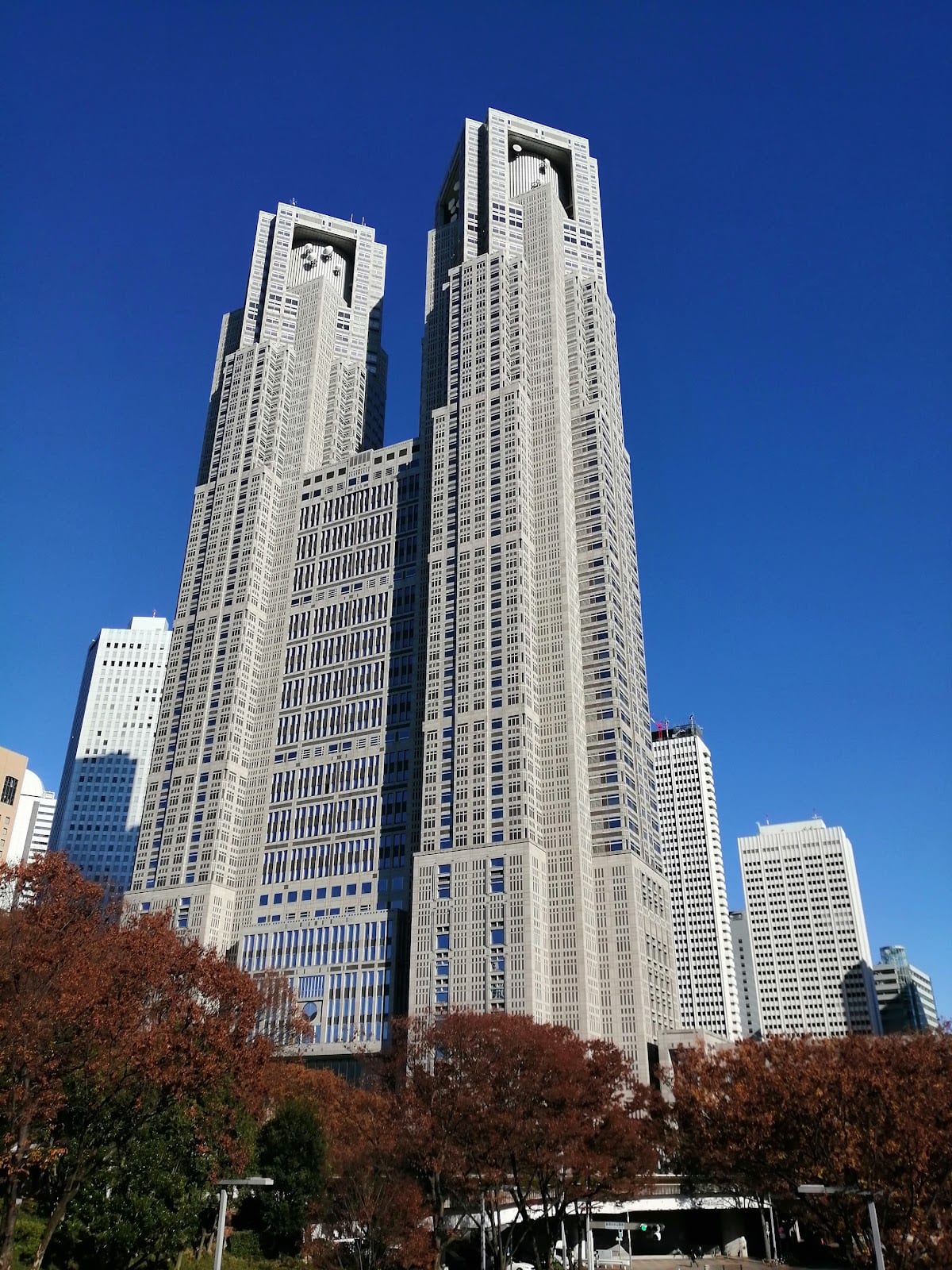
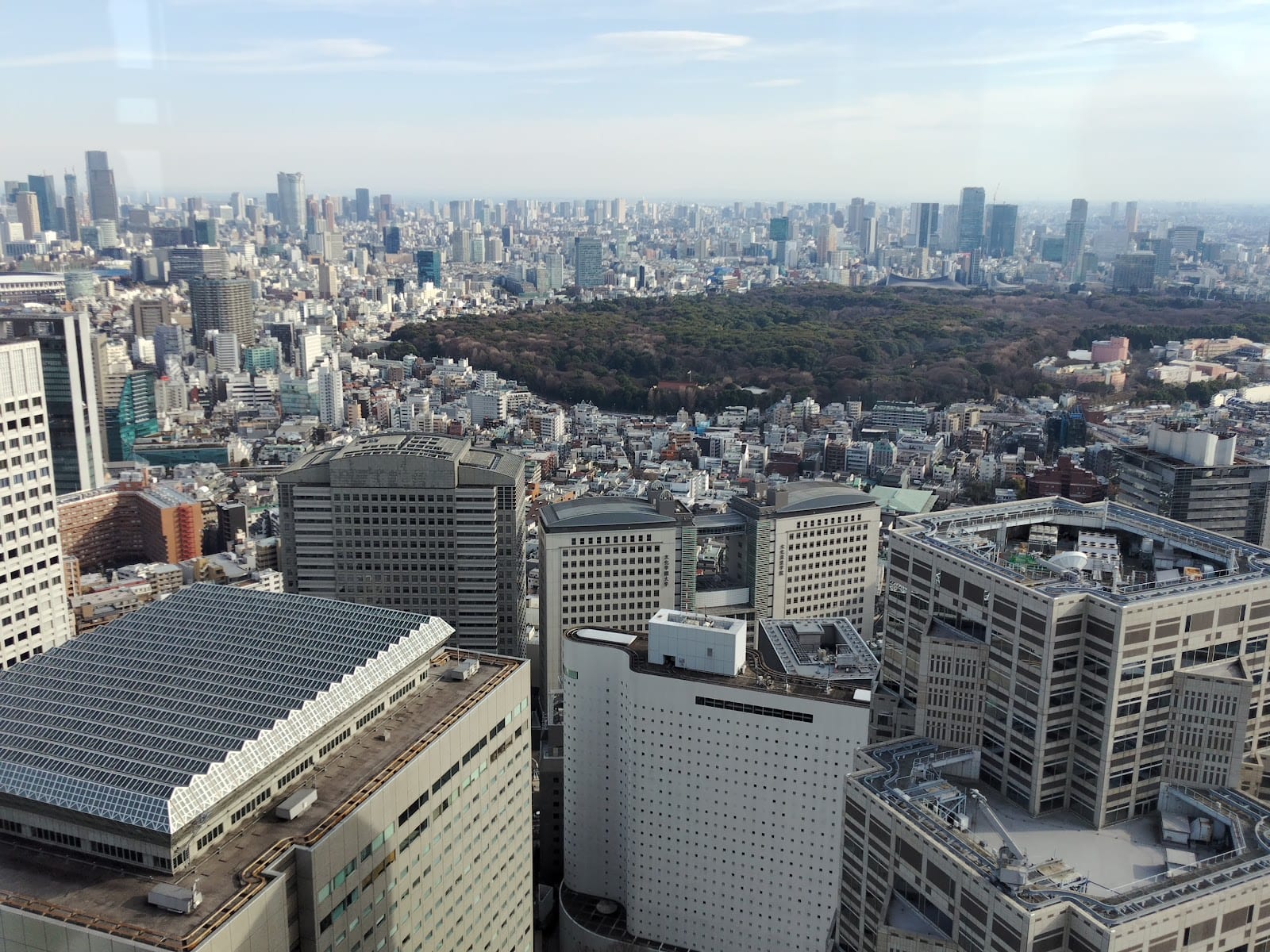
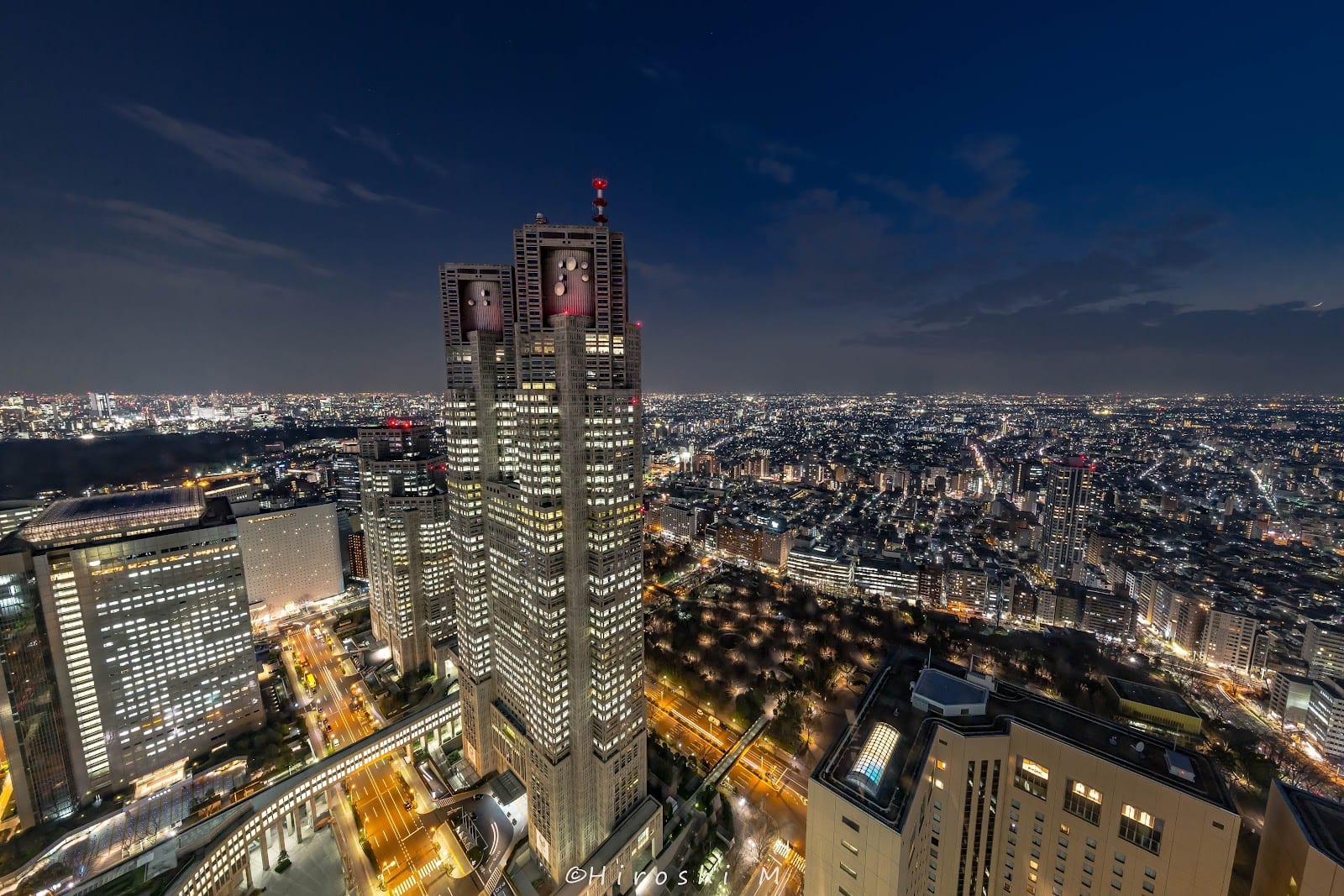
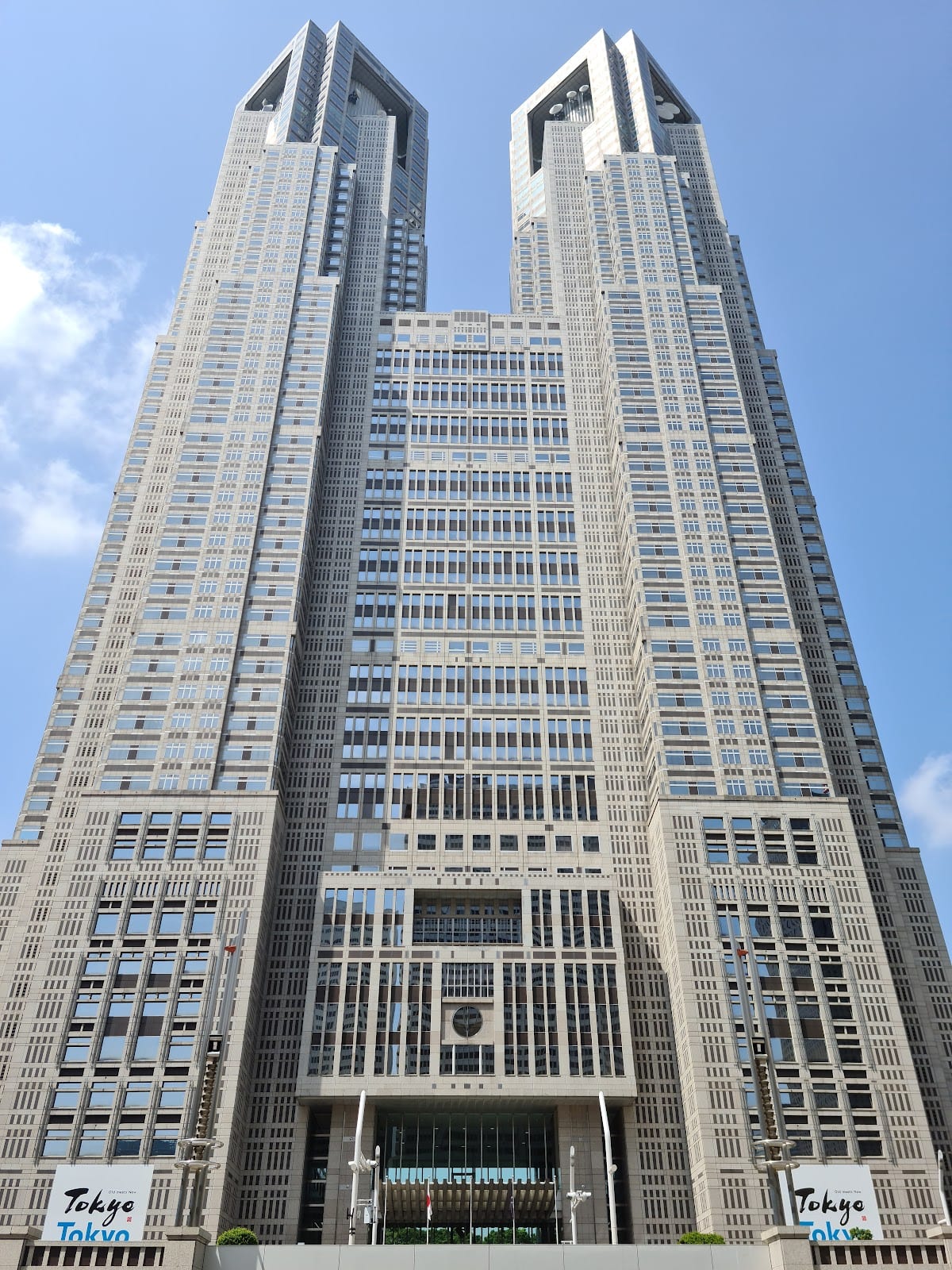
Tokyo Metropolitan Government Building
Tokyo's best free view: twin 202-meter observation decks, no ticket needed.
Locals call it the Tocho, and it is the smartest first stop in Shinjuku. Kenzo Tange's twin-towered city hall rises 243 meters over Nishi-Shinjuku, and near the top of each tower sits a free observation deck at 202 meters, reached by a dedicated express lift in about 55 seconds. On a clear day you look west to Mount Fuji and down over the whole skyscraper district; after dark the city becomes a carpet of light. The two decks open on slightly different schedules, so one is almost always available, and since 2024 the towers have hosted Tokyo Night & Light, a free nightly projection-mapping show billed as the world's largest permanent architectural projection mapping. It costs nothing, and it beats every paid deck in the area on value.
Observation decks 9:30 AM - 10:00 PM (last entry 9:30 PM)Good for families, couples, solo
Sourcesgotokyo.orgjapan-guide.com
- 2
 Southeast Worth the hype
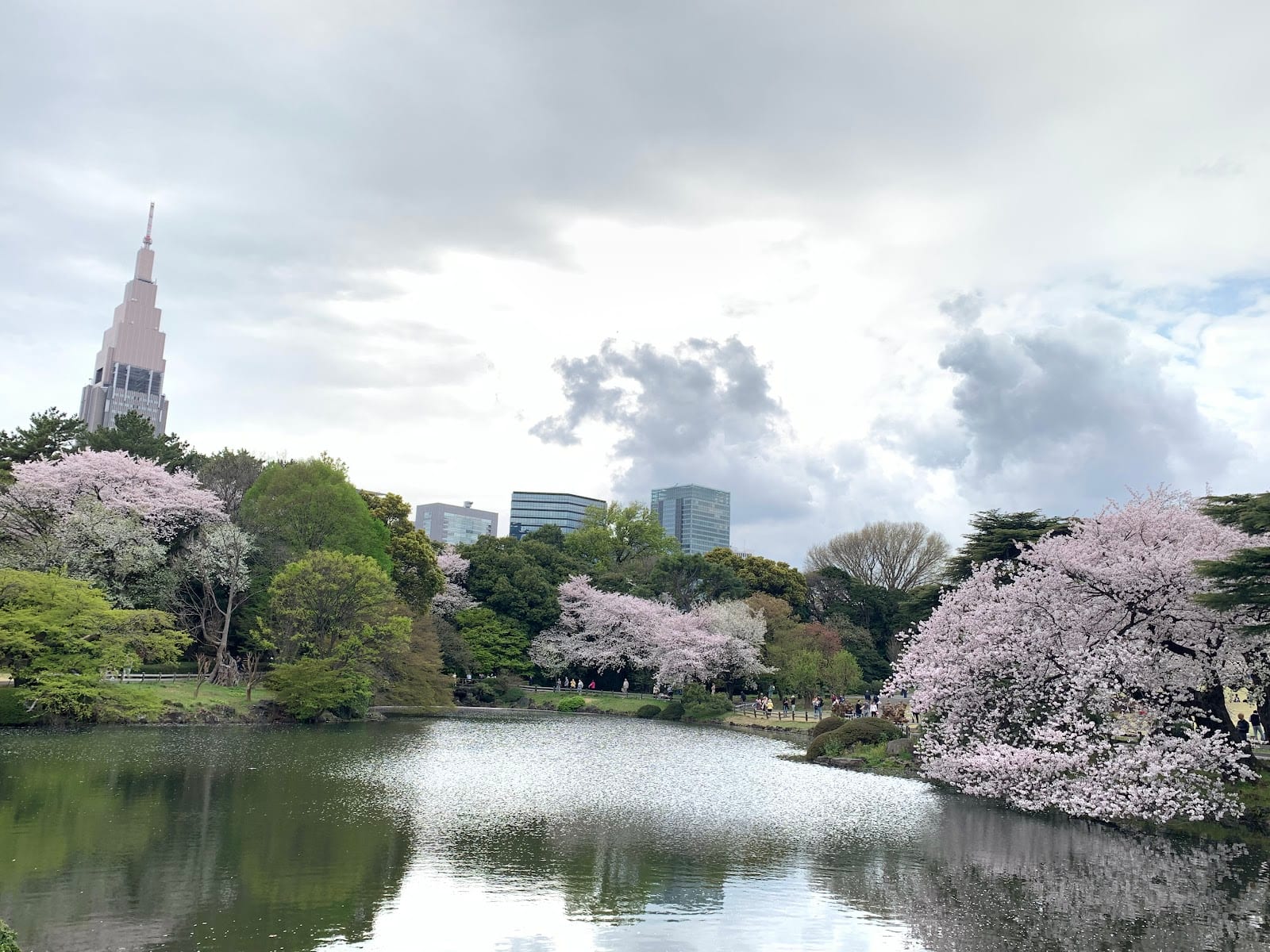
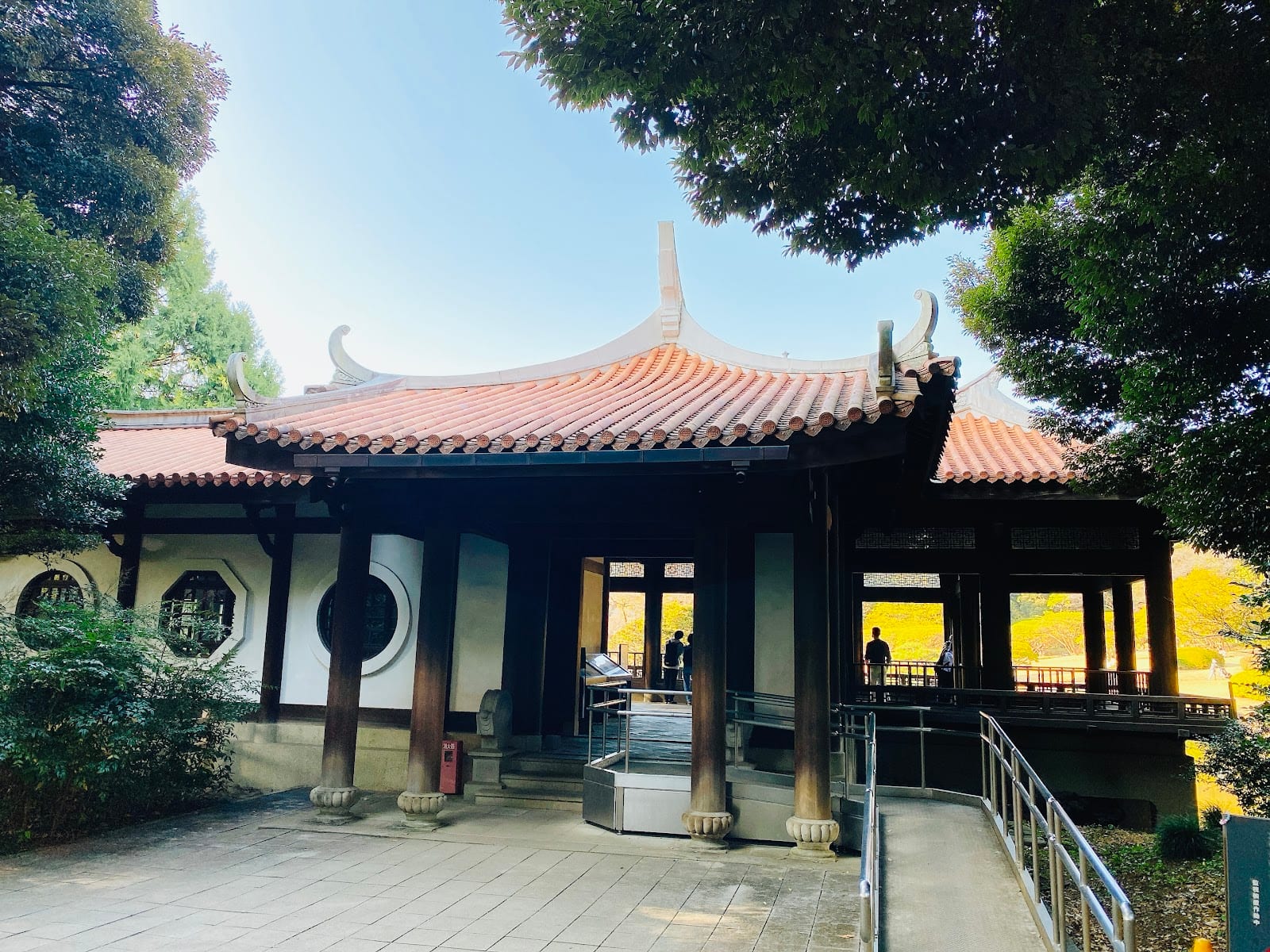
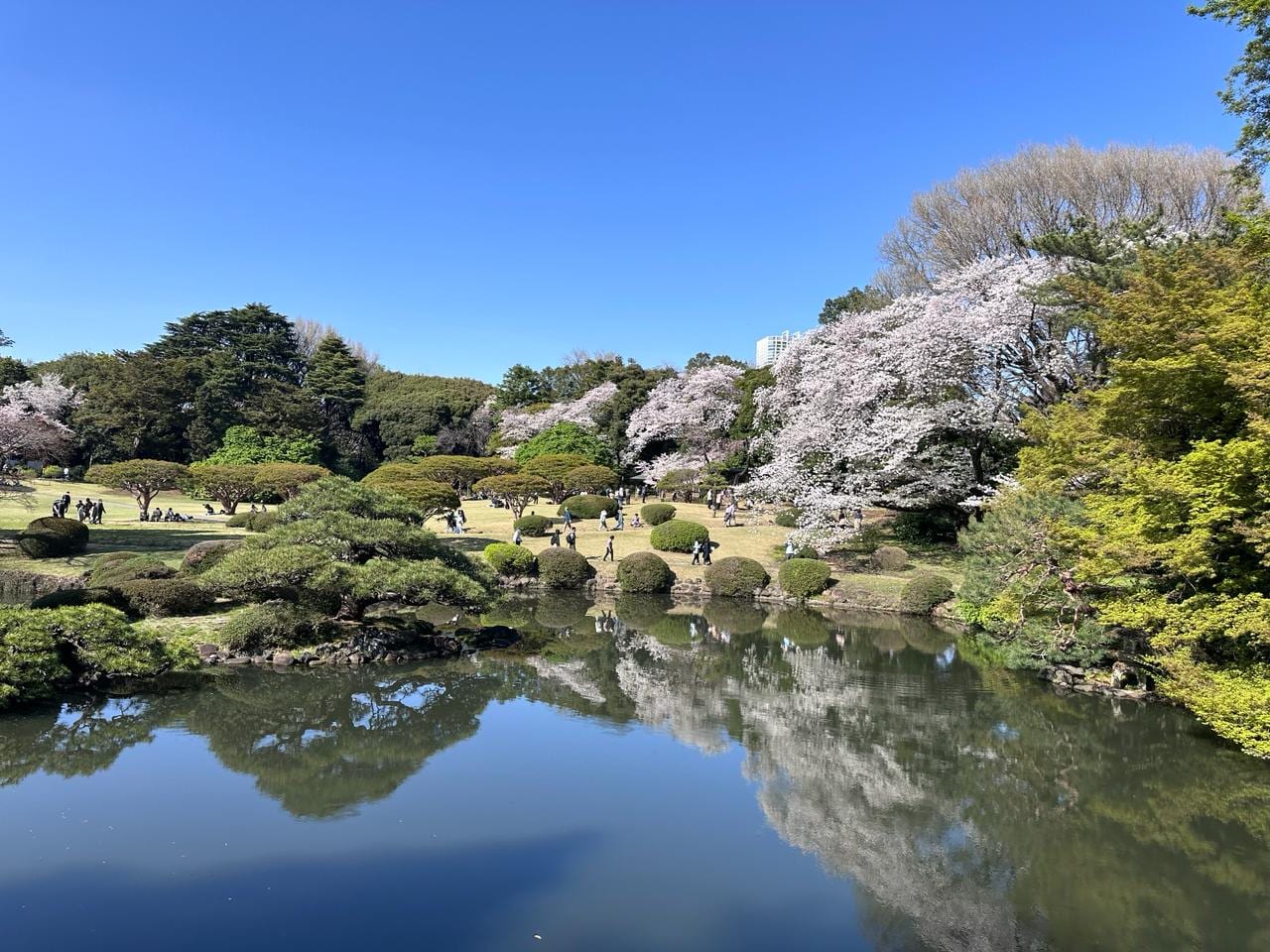
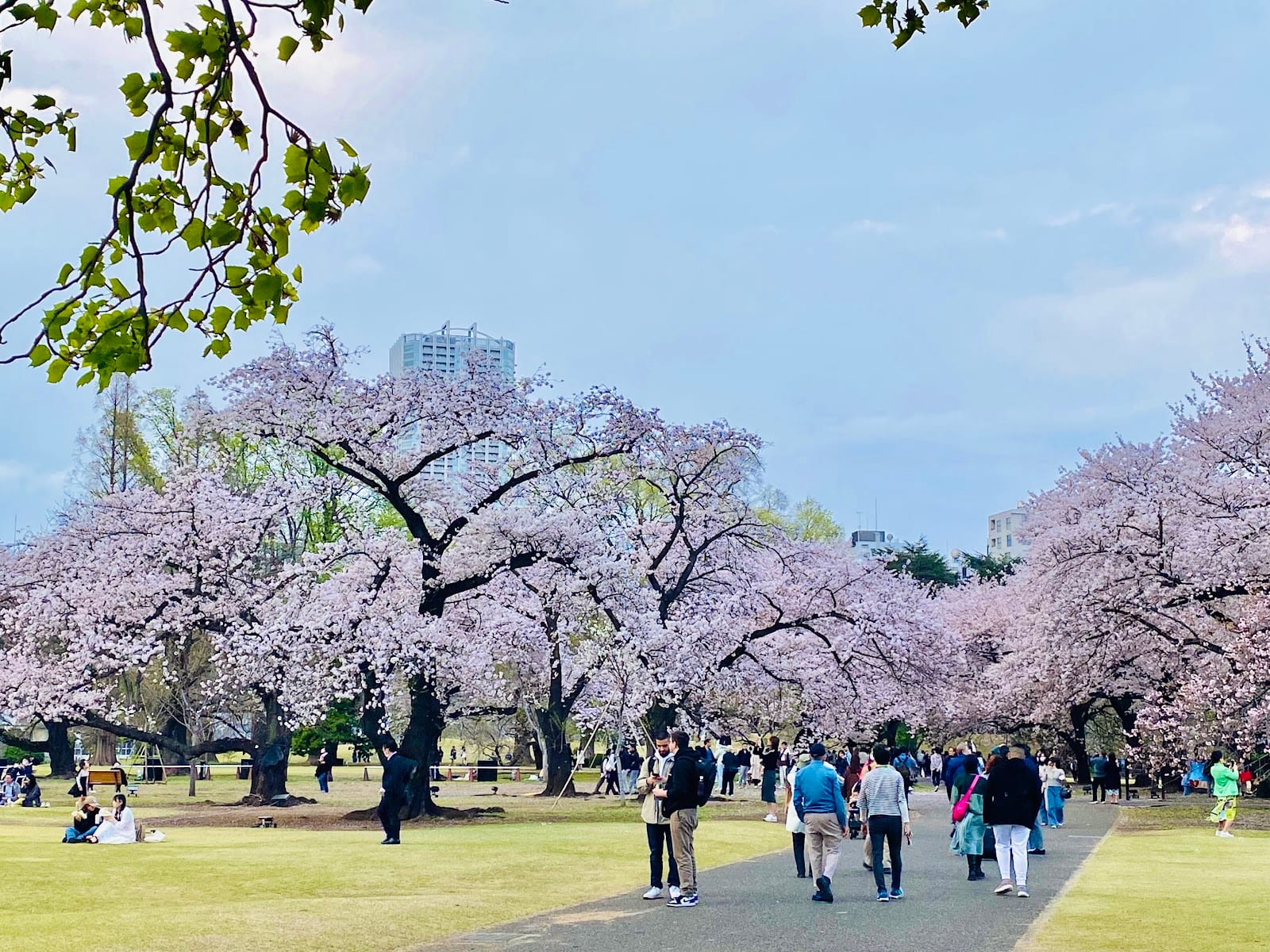
Shinjuku Gyoen National Garden
Fifty-eight hectares of French, English, and Japanese gardens, and Tokyo's longest cherry-blossom season.
Shinjuku Gyoen is one of Tokyo's largest and most beautiful gardens, 58 hectares laid out on the grounds of a former feudal lord's estate, completed in 1906 as an imperial garden and opened to the public after the war. It holds three distinct landscapes, a formal French garden of plane trees and rose beds, a wide English lawn, and a classic Japanese garden of ponds, bridges, and a teahouse, plus a tropical greenhouse. It is best known for cherry blossoms: more than a thousand cherry trees of dozens of varieties stretch the bloom over a month, far longer than the brief peak elsewhere. Entry is 500 yen, and to answer the common question, no, it is not free, but the small fee and the ban on alcohol keep it the calm, manicured garden that the free, party-friendly parks like Yoyogi are not. It closes on Mondays.
9:00 AM - 6:00 PM, closed Mondays (seasonal closing times vary)Good for families, couples, solo
- 3
 Kabukicho Worth it
Kabukicho
Japan's biggest entertainment district, neon from end to end, with a Godzilla looking down on it.
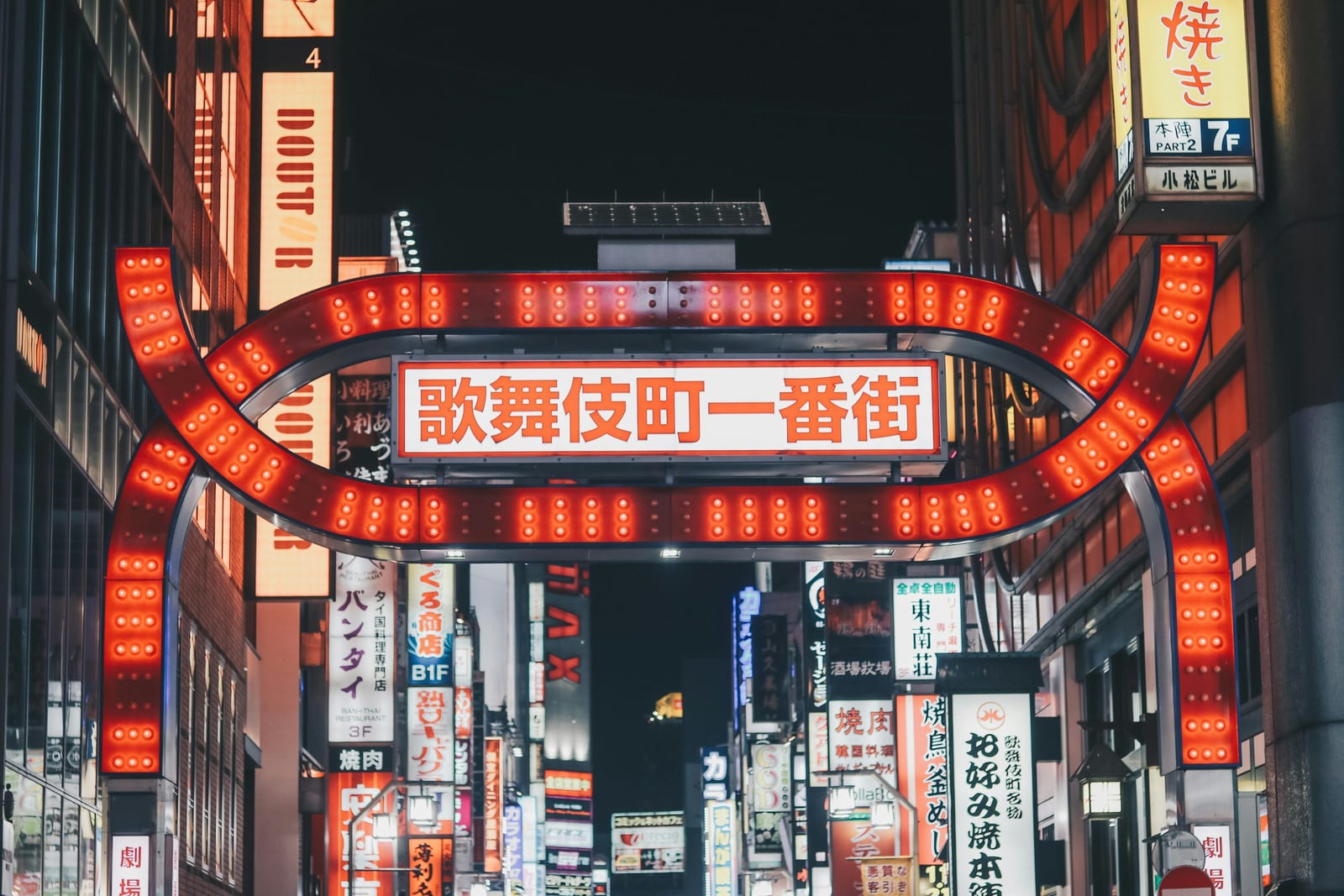
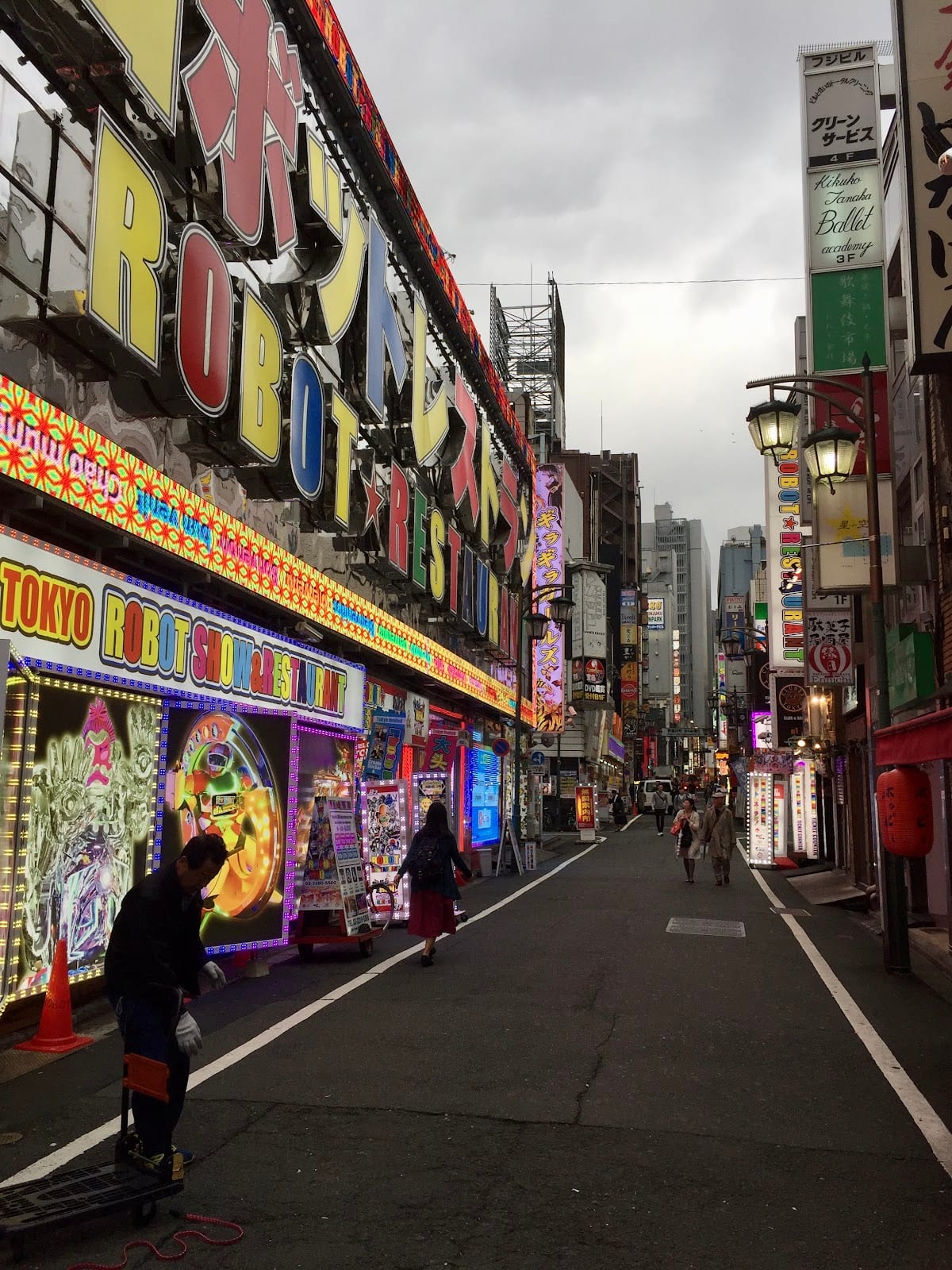
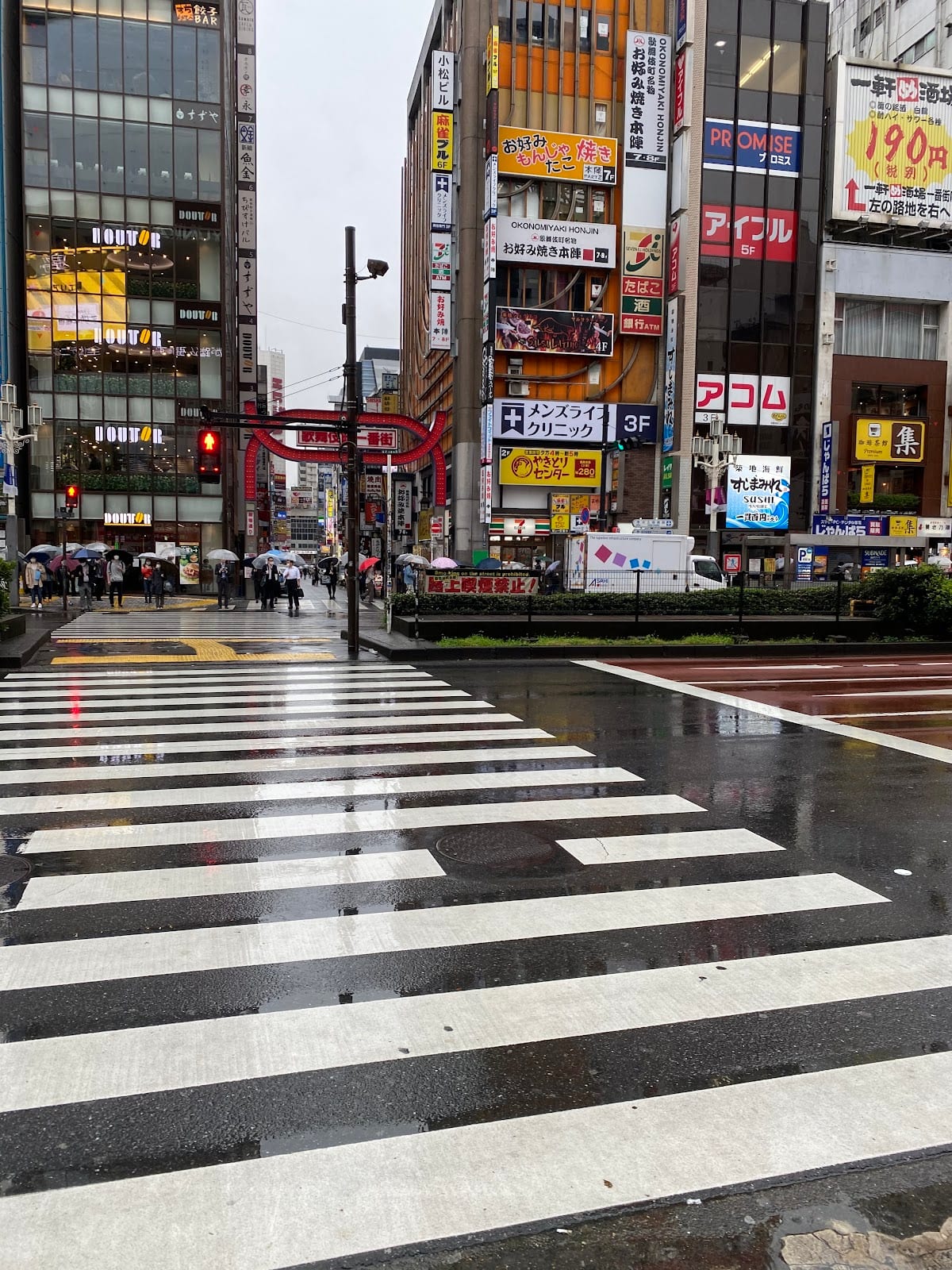
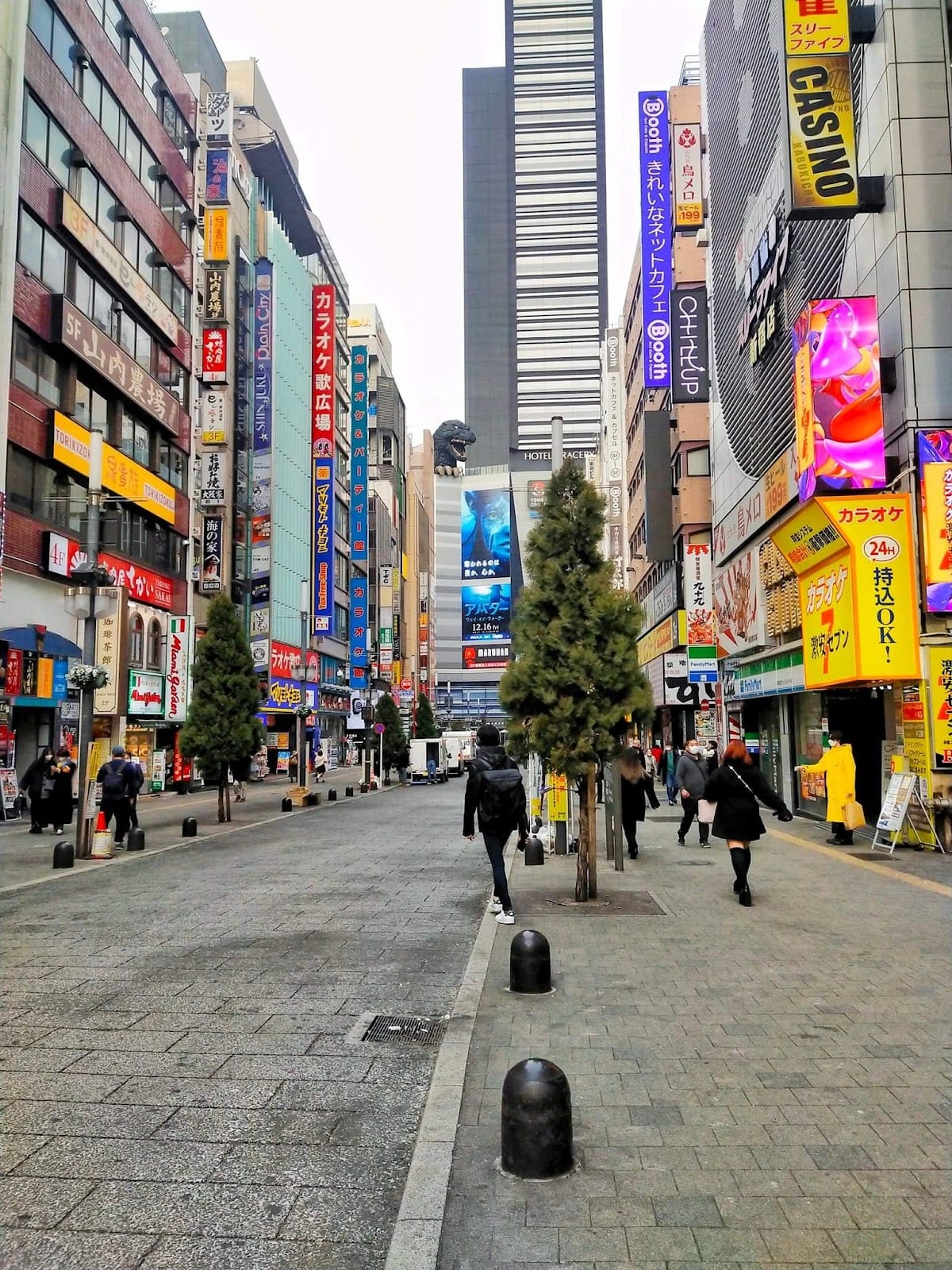
Northeast of the station, Kabukicho is the biggest nightlife district in Tokyo: a dense grid of izakaya, bars, ramen counters, karaoke towers, cinemas, arcades, and host and hostess clubs, lit floor to roof in signage. It is named for a kabuki theater planned here after the war that was never actually built. The landmarks are hard to miss, a life-sized Godzilla head roaring over the Toho cinema building (Hotel Gracery) and, since 2023, the soaring Tokyu Kabukicho Tower. On the common safety question, Kabukicho is generally safe to walk and gawk at, Tokyo is a remarkably low-crime city, but it is the red-light district, so wave off the touts who approach you, never follow anyone to an unadvertised bar, and stick to places with posted prices. Walked with a little sense, it is one of Tokyo's great night-time spectacles, and free to wander.
Free1 hrStreets open 24 hours; liveliest after darkGood for friends, couples, solo


Worth it with more time
Good additions once you've done the icons.- 1
 West of the station Worth it
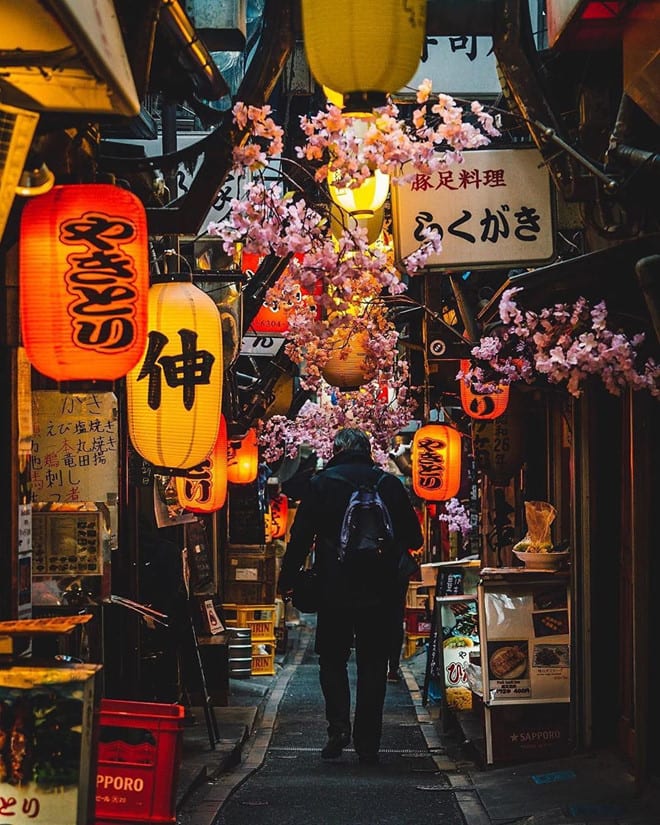
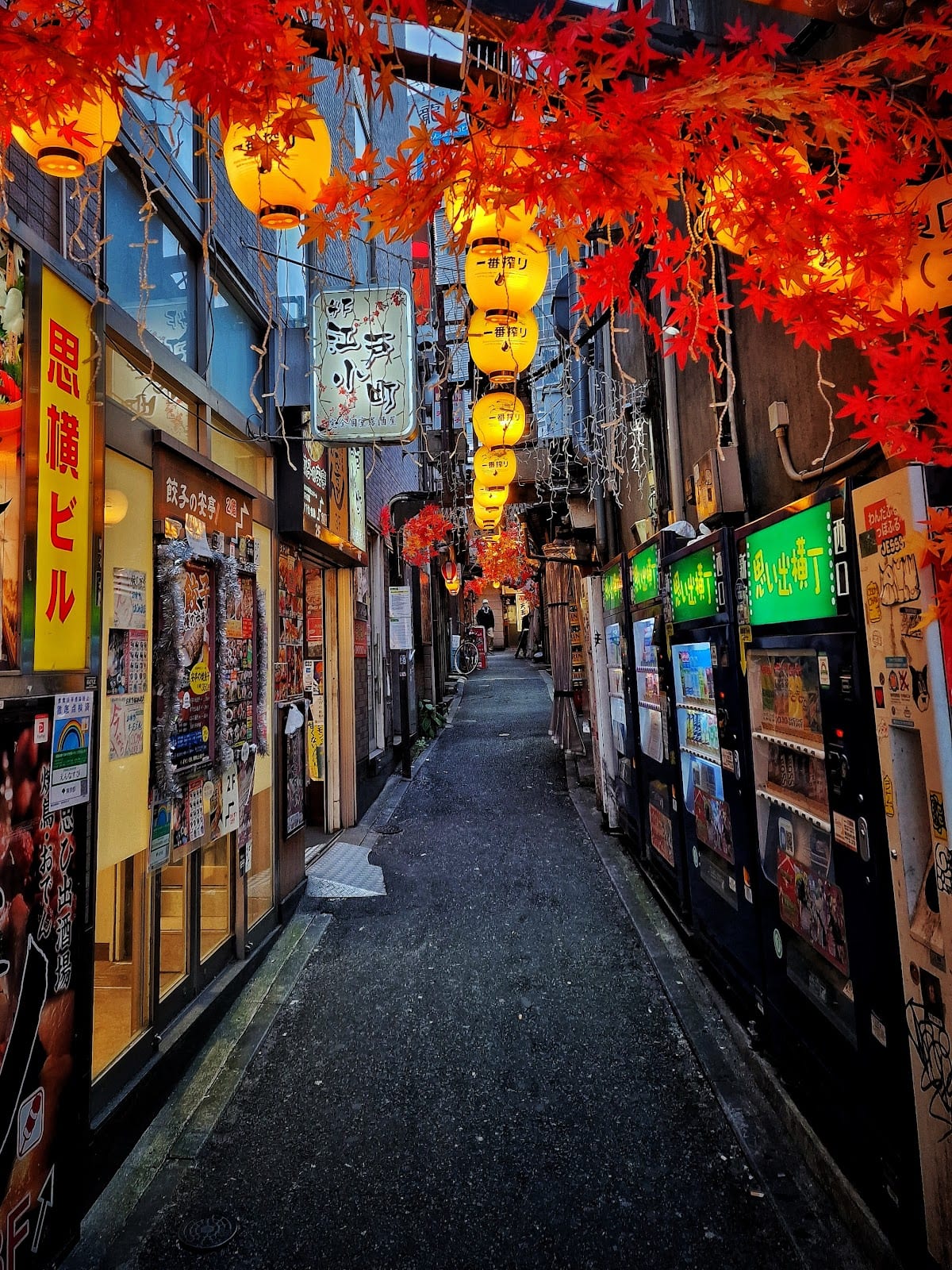
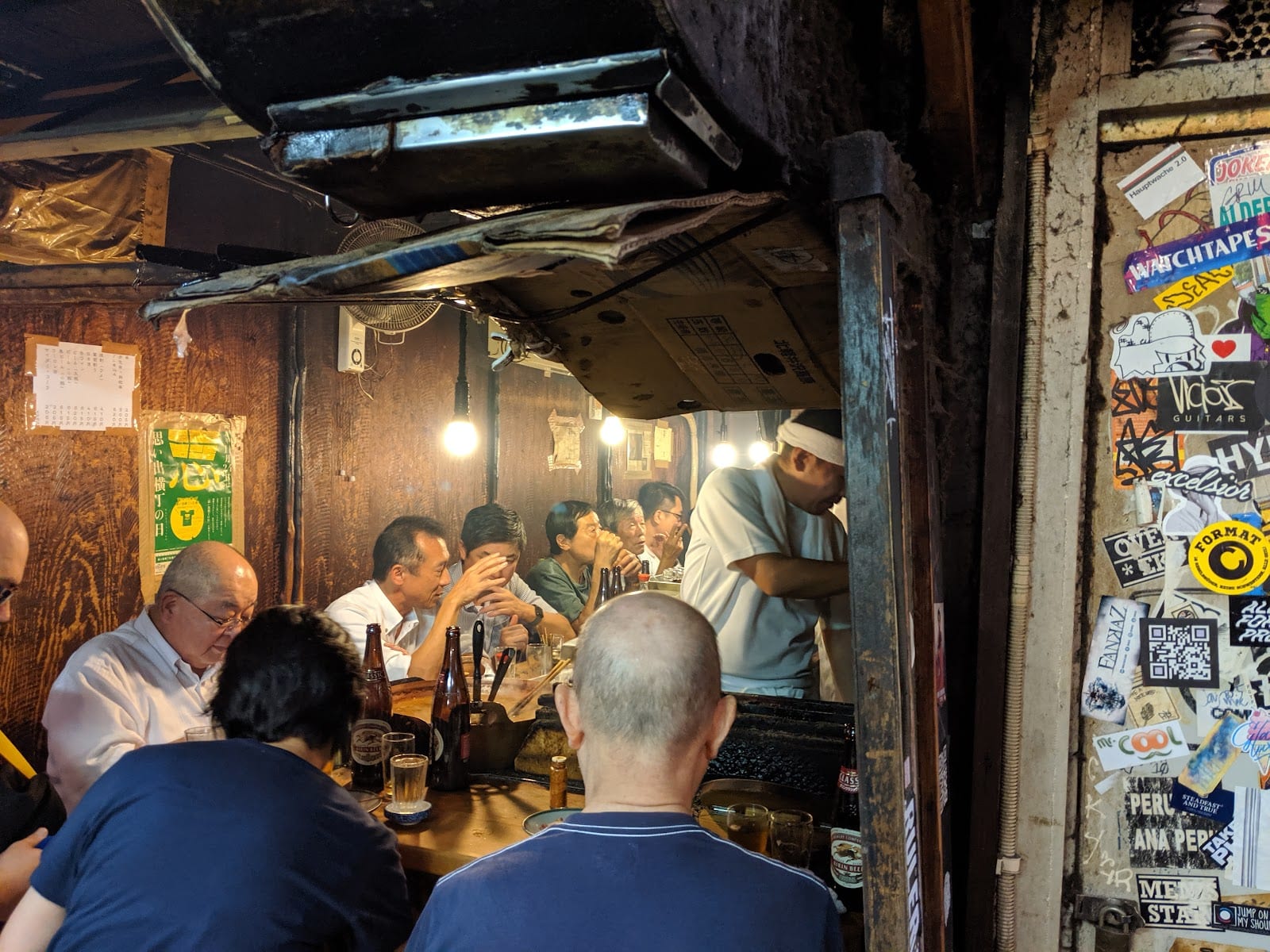
Omoide Yokocho
Memory Lane: a smoky postwar maze of yakitori counters wedged beside the station tracks.
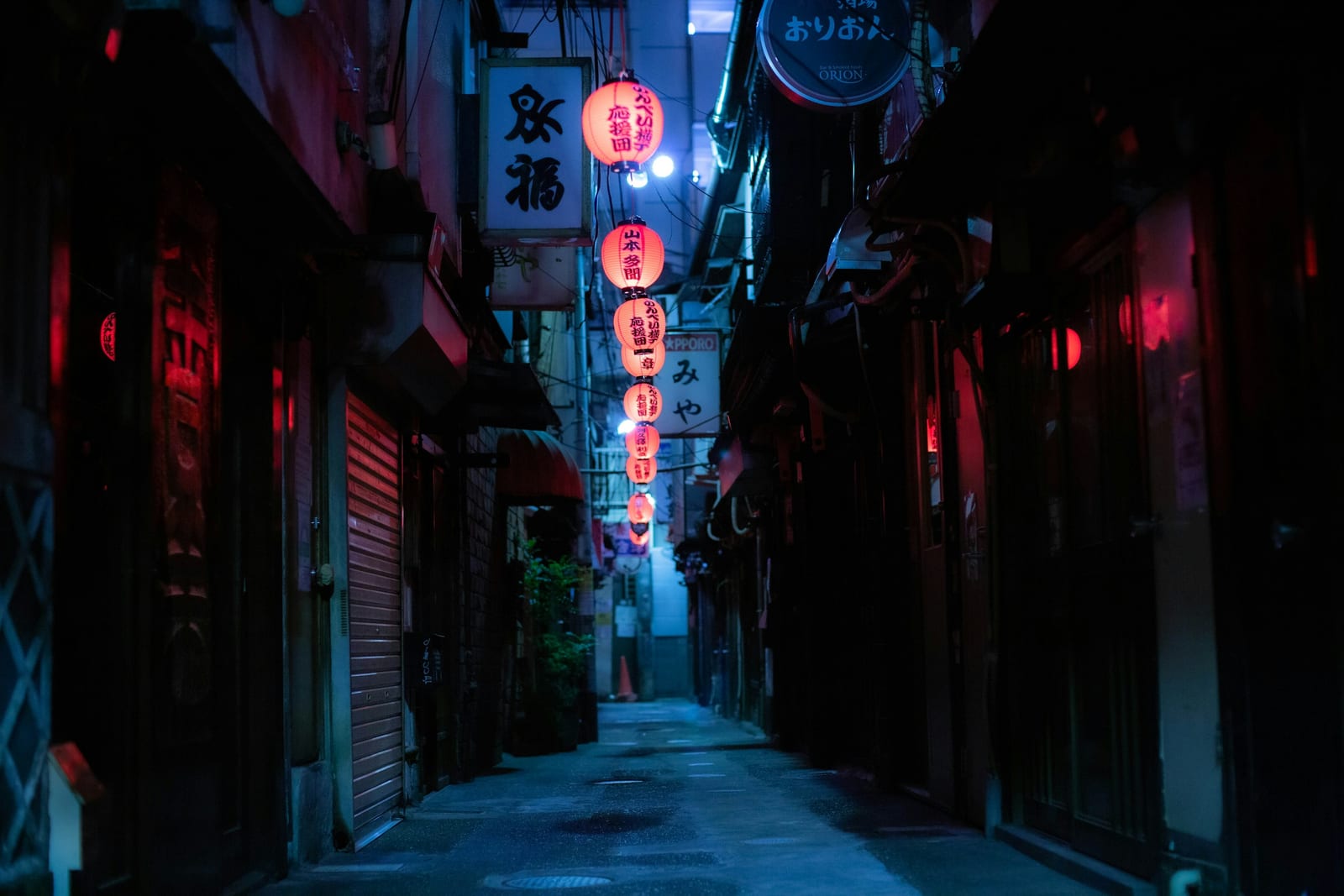
Just northwest of the station, Omoide Yokocho, or Memory Lane, is a tight lattice of tiny eateries that grew out of the black-market years right after the war, when this was a cluster of cheap open-air stalls. A few dozen counters, most seating only a handful, grill yakitori and offal over charcoal under low red lanterns, and on a wet night the steam and smoke and glow make it one of the most photogenic corners of Tokyo. The honest note, since people ask whether it is a tourist trap: it is touristy now, it is cramped and very smoky, and a few places add a small seat charge or mark up for visitors, so glance at prices before you sit. Treat it as paying for the atmosphere over a couple of skewers and a beer, and it delivers.
Most bars open evening until lateGood for friends, couples, solo
Sourcesgotokyo.orgjapan-guide.com
- 2
 Kabukicho Mixed
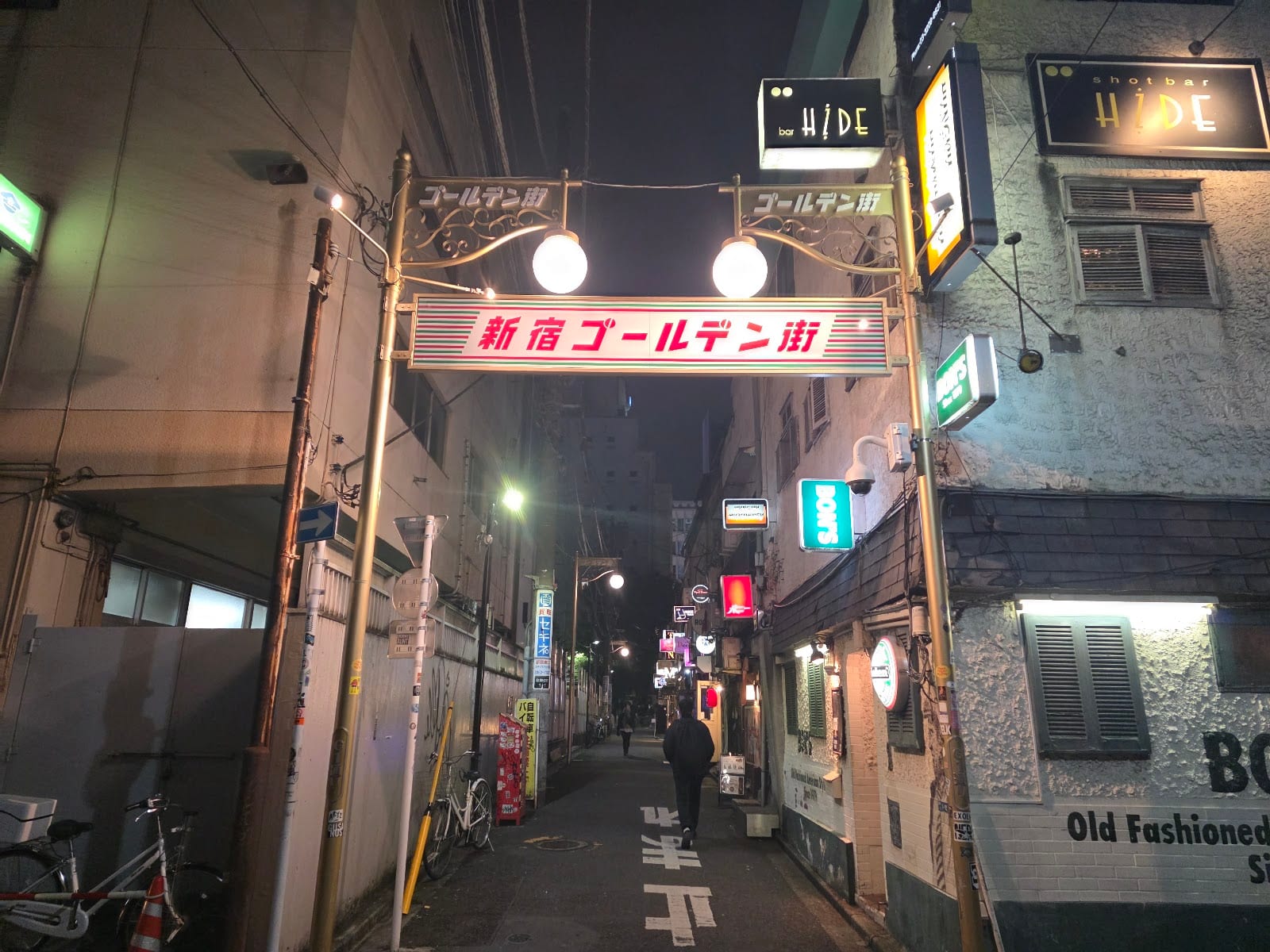
Golden Gai
Six alleys of two hundred tiny bars, and an honest word about the cover charges.
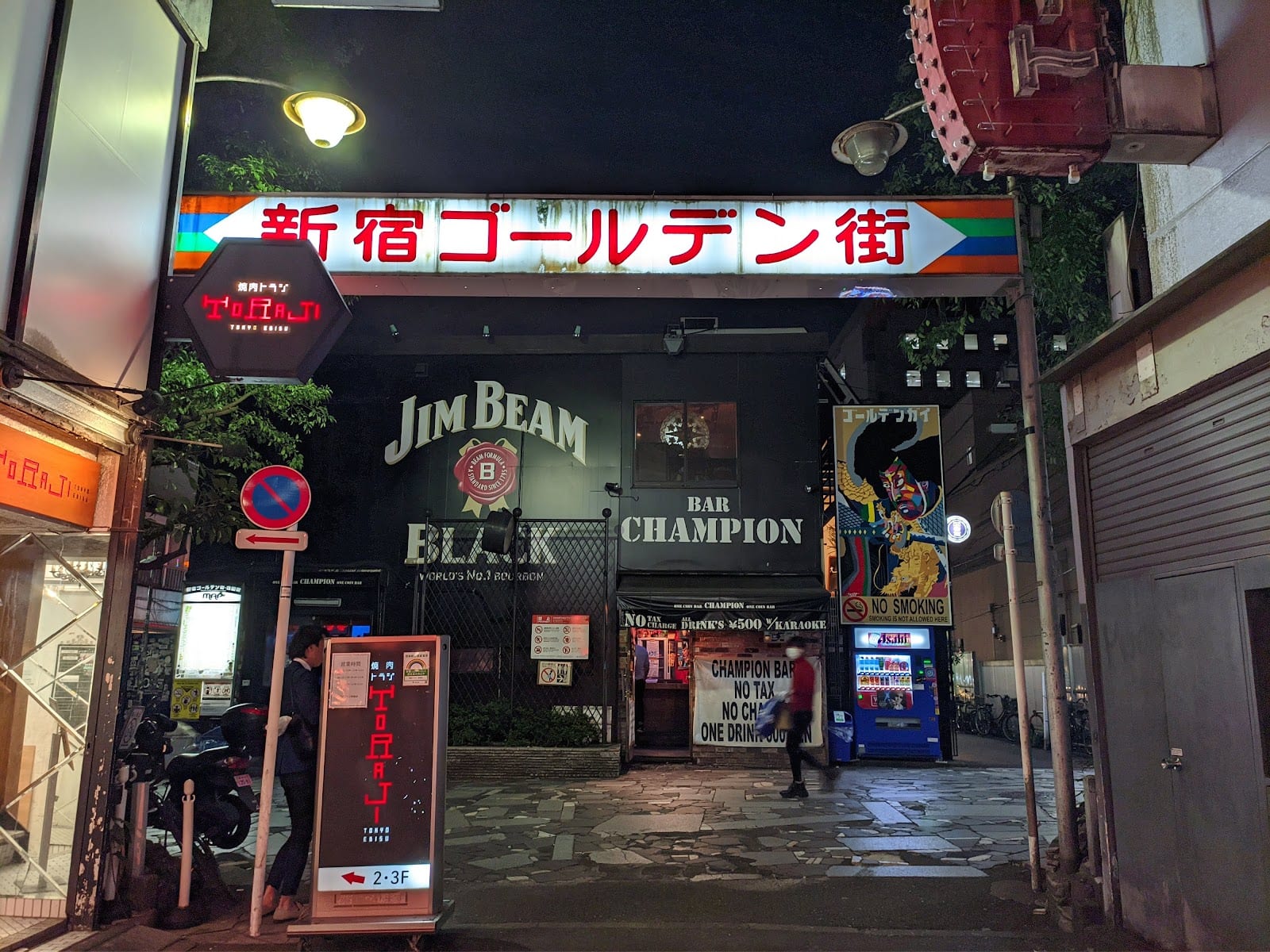
Behind Hanazono Shrine, Golden Gai is a warren of six narrow lanes packed with around two hundred minuscule bars, many seating six people or fewer, a survivor of the postwar drinking quarters that once filled the area. Each bar is its own tiny themed world, from jazz to punk to film, and the atmosphere is genuinely like nowhere else. Here is the honest part, because the question gets asked a lot: many bars charge a seat or cover fee on top of your drinks, some still post members-only or regulars-only signs and do not welcome walk-in visitors, and prices run well above a normal izakaya. Go in with eyes open, look for the bars that post English menus or a tourists-welcome sign, expect to pay a cover, and treat one drink as the price of soaking up the place. Worth doing once; not the cheap, anything-goes night its legend suggests.
Most bars open from evening until lateGood for friends, couples, solo
Sourcesen.wikipedia.orggotokyo.org
- 3
 East exit Worth it
Cross Shinjuku Vision
The giant 3D calico cat that prowls the curved screen by the East exit. Free, quick, only in Tokyo.
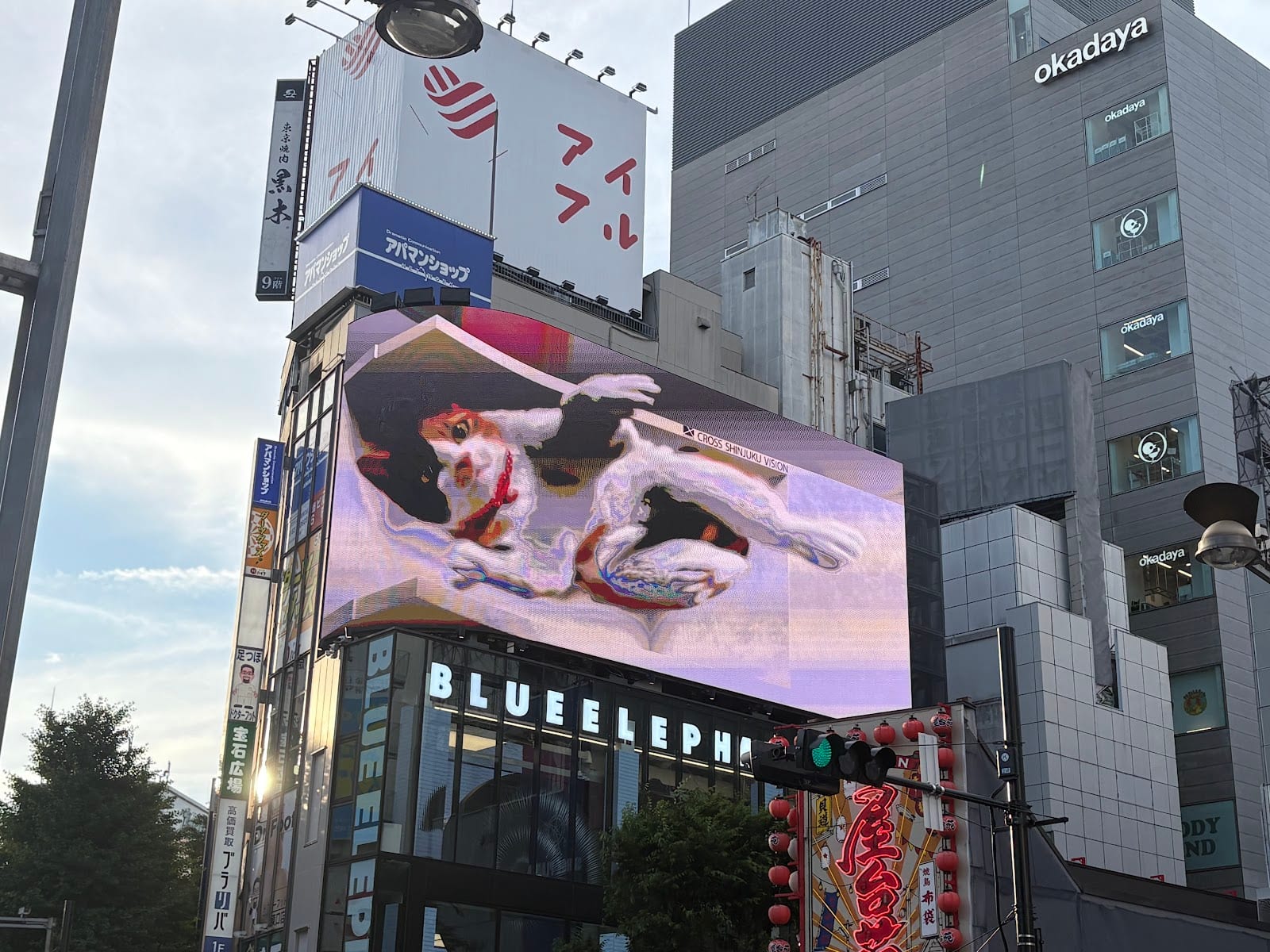
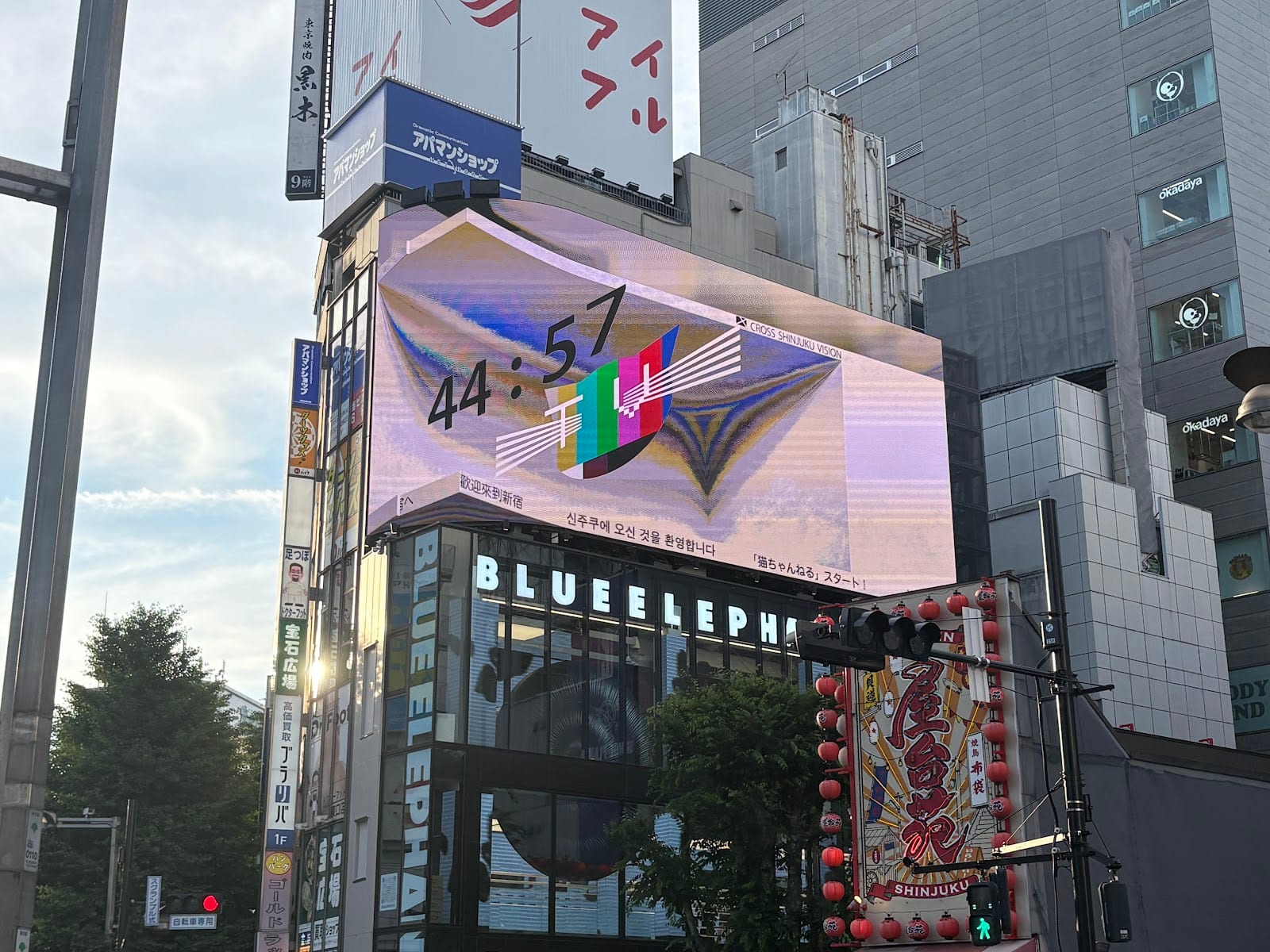
Wrapped around a building corner across from Shinjuku Station's East exit, the Cross Shinjuku Vision screen is famous for one thing: a photorealistic 3D calico cat that wakes, stretches, yawns, and pads along the curved display between the advertisements. Switched on in 2021, it quickly became one of the most-filmed sights in the city. To answer the questions everyone asks, yes, the cat is still there, it appears for a short spot several times an hour through the day, more often in the evening, and the screen powers down overnight so the cat goes to sleep. It costs nothing and takes five minutes, but it is a genuinely charming, only-in-Tokyo moment and the best after dark, when the screen is at its brightest. A modern counterpoint to the old alleys a few minutes away.
Screen runs through the day into late eveningGood for families, friends, solo
Sourcestimeout.comgltjp.com
- 4
 Kabukicho Overrated
Samurai Restaurant
The neon dinner-show heir to the old Robot Restaurant. Pure tourist kitsch, priced like it.
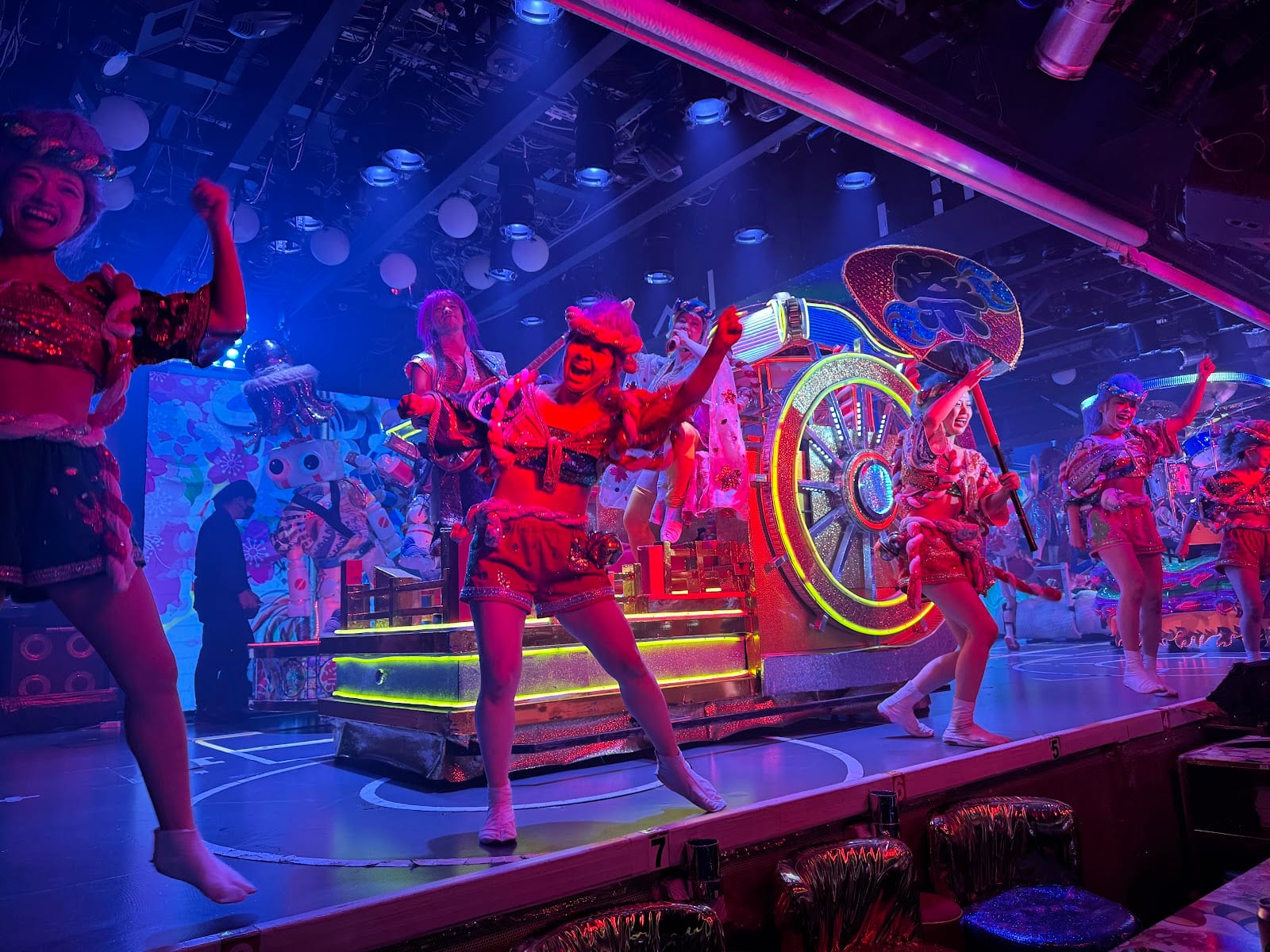
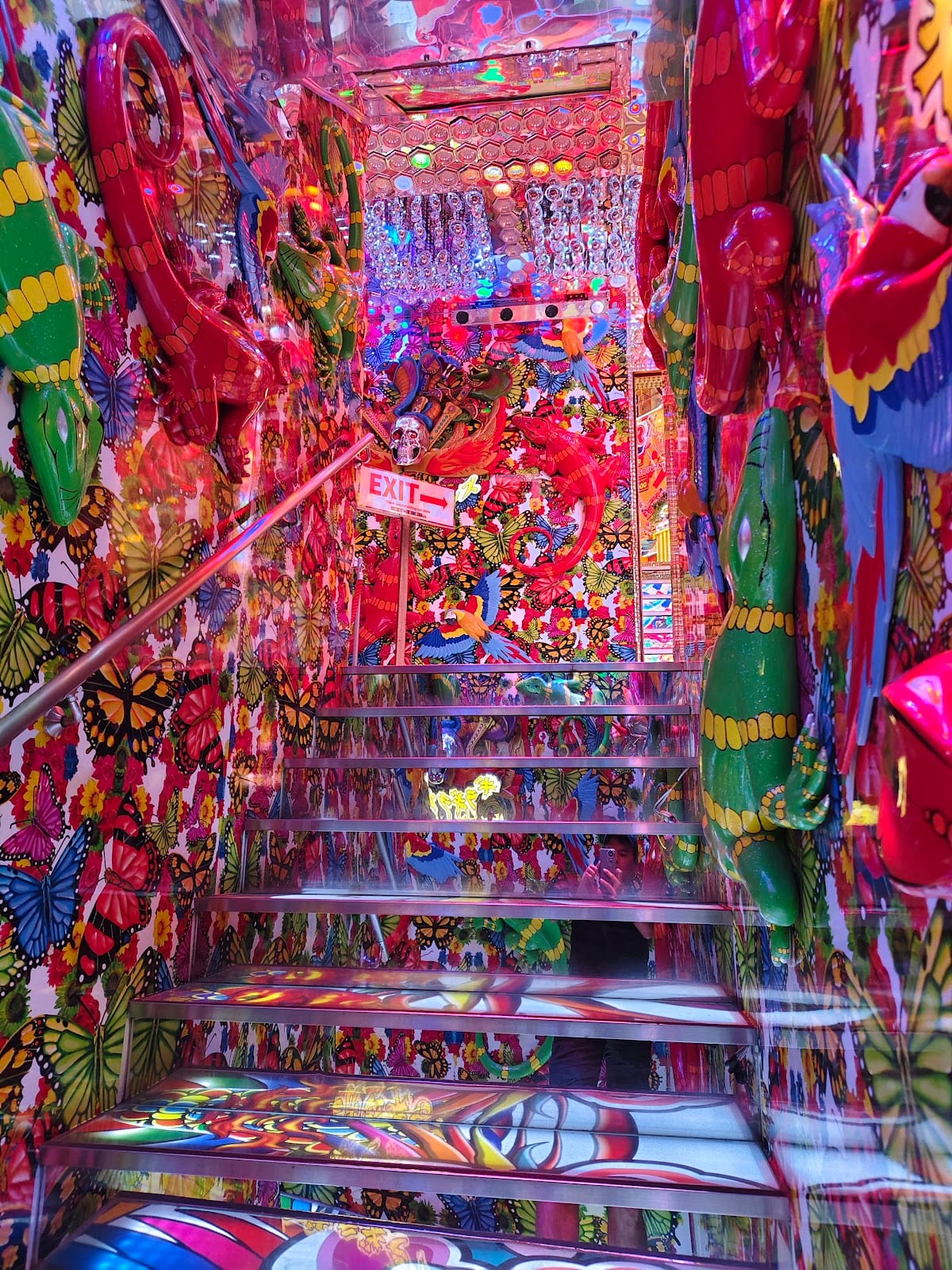
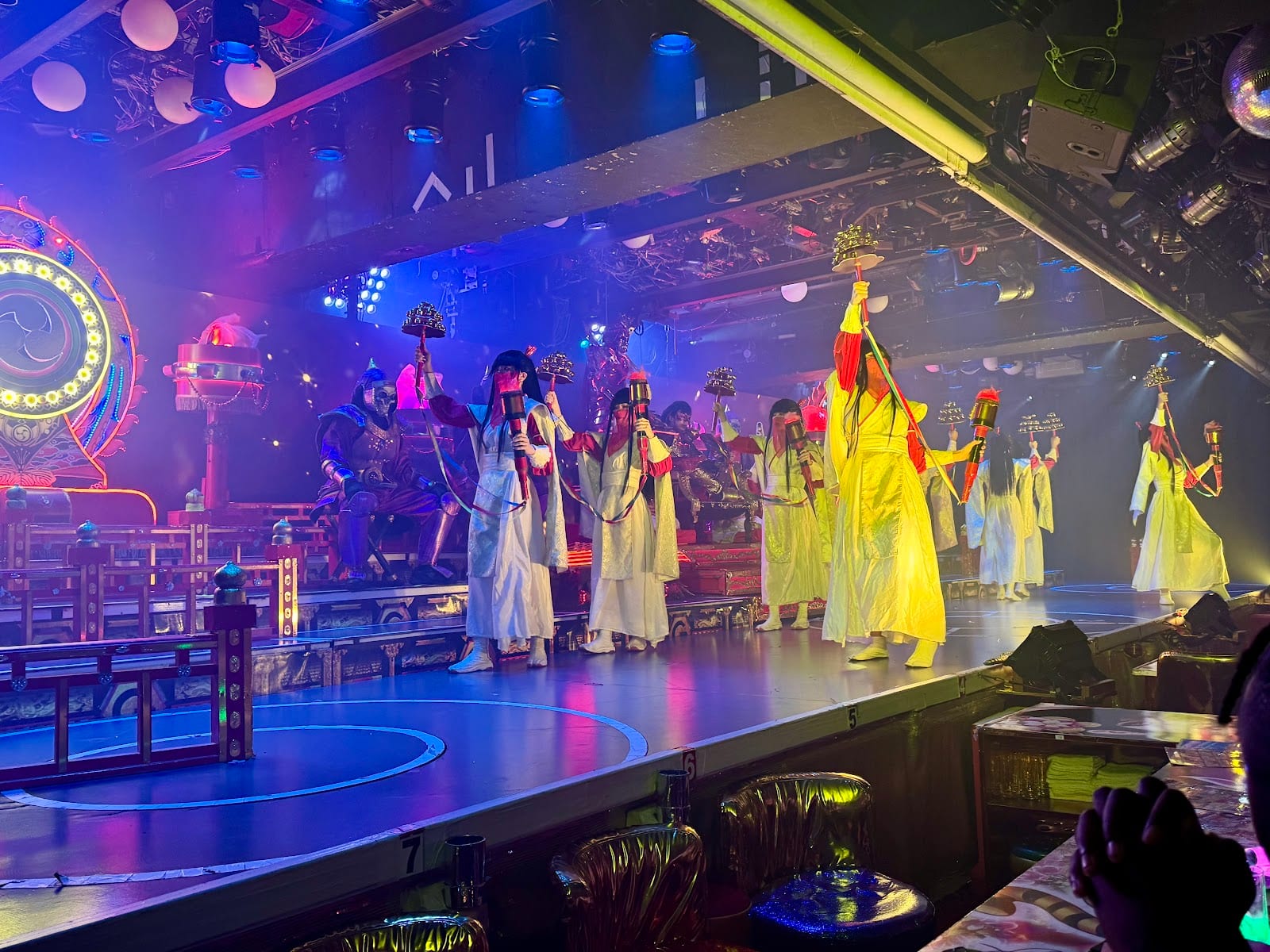
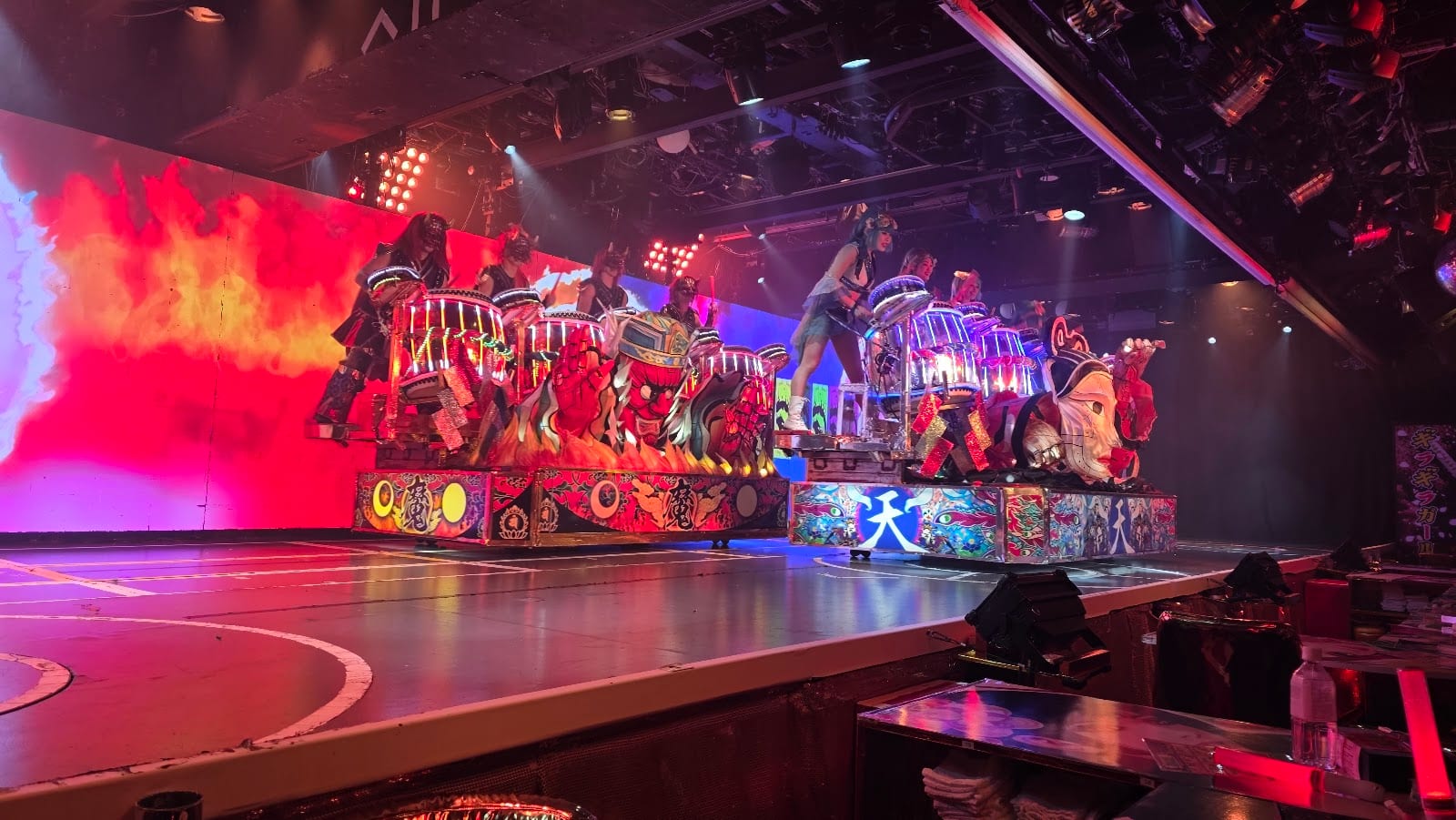
In the middle of Kabukicho, the Samurai Restaurant opened in 2023 as a spiritual successor to the shuttered Robot Restaurant: a loud, strobing cabaret of dancers, taiko drummers, glowing floats, and costumed performers, aimed squarely at overseas visitors. It is undeniably unique, and plenty of people have a blast with the sheer camp of it. But it is expensive, tickets run upward of 8,000 yen, it is marketed everywhere, and it is about as connected to real Shinjuku nightlife as a theme-park ride. We would only point you here if over-the-top neon spectacle is exactly what you are after; otherwise the same money buys a memorable meal and a couple of drinks in a Golden Gai bar, which feel far more like the real thing.
Multiple show times daily, by reservationGood for friends, families, couples
Sourcesjapantimes.co.jp


Hidden gems
Where the crowds thin out.- Hidden gem
 Kabukicho Worth it
Hanazono Shrine
A 400-year-old shrine hidden between Kabukicho and Golden Gai, calm in the middle of the noise.
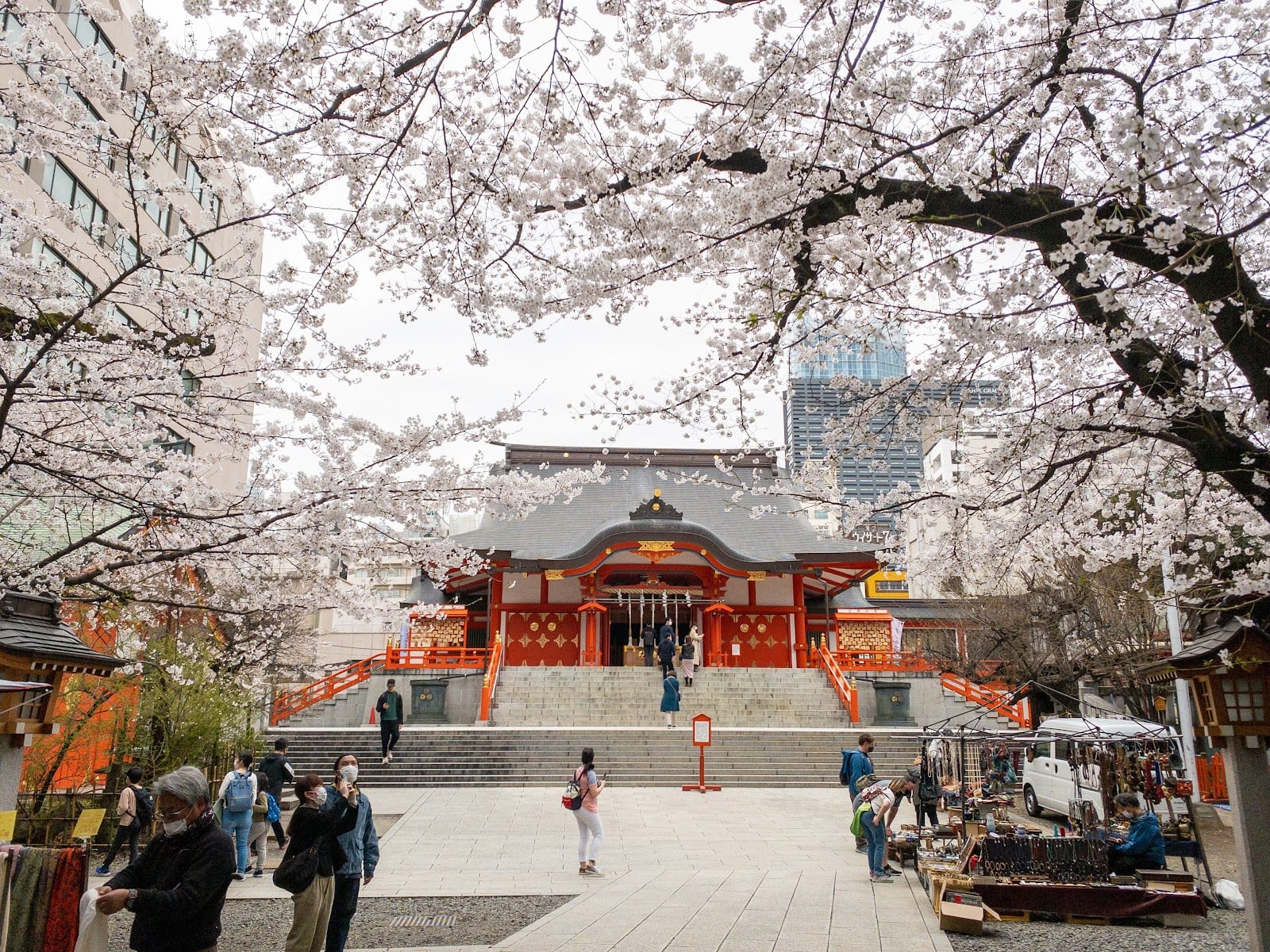
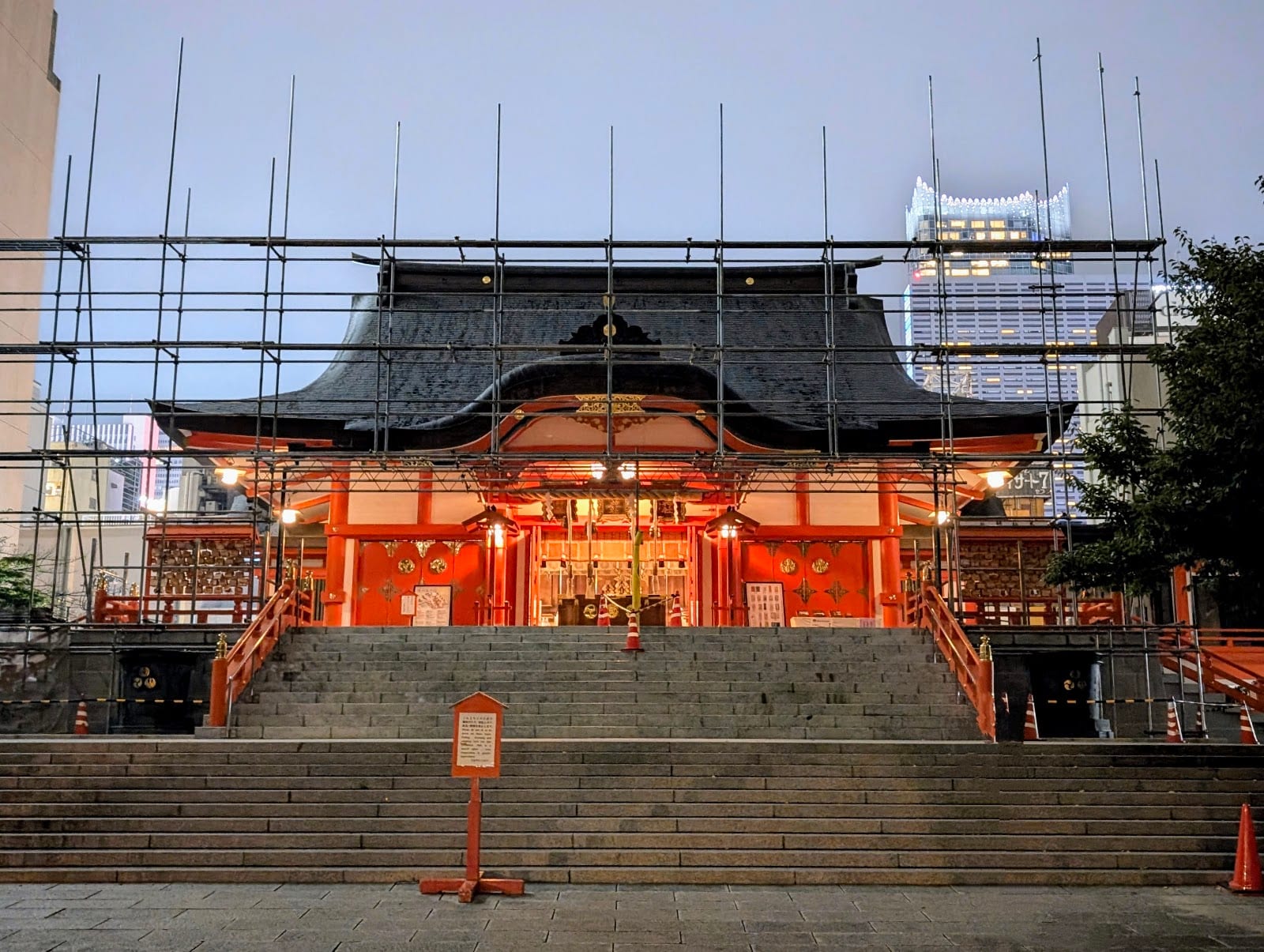
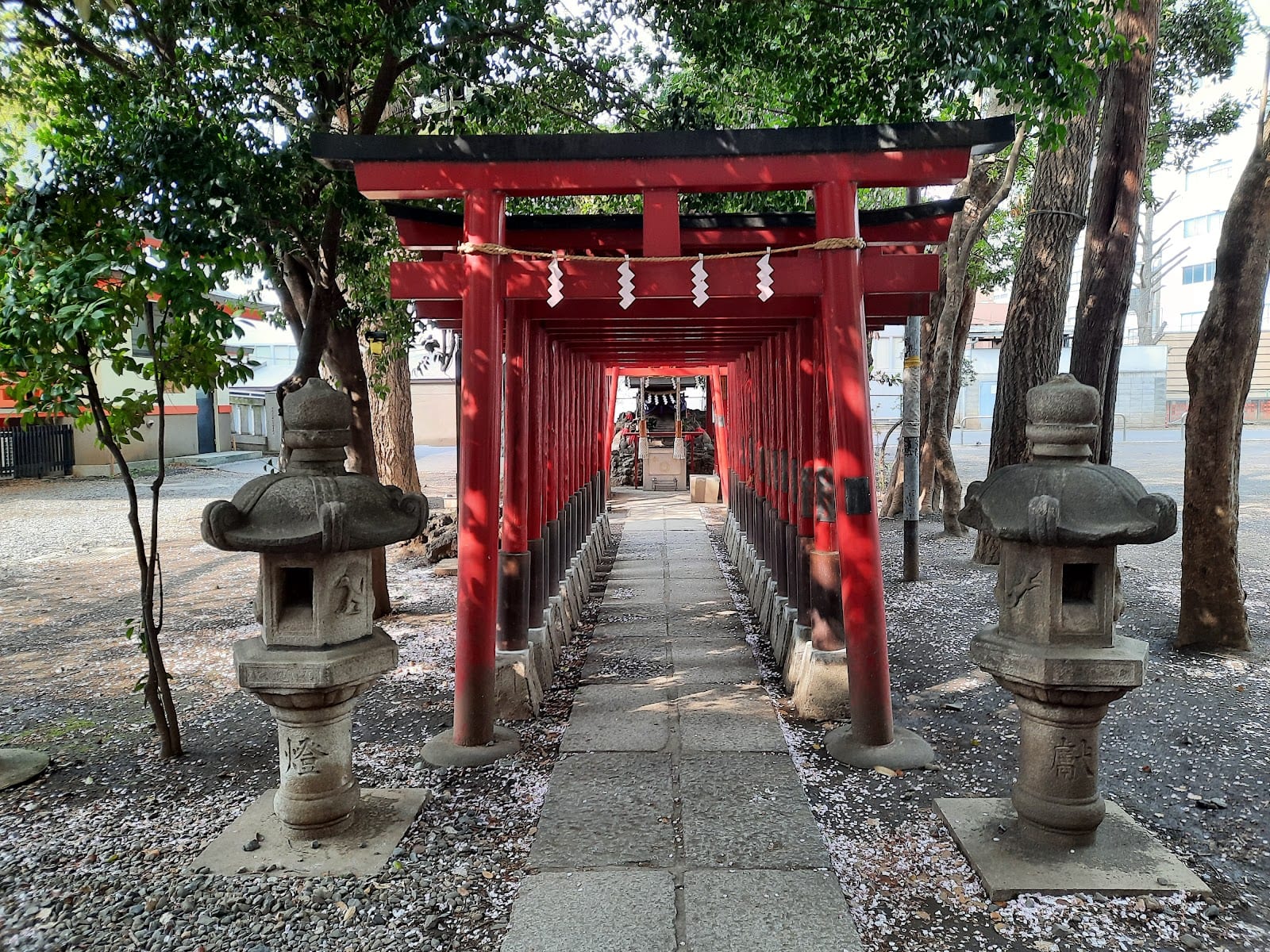
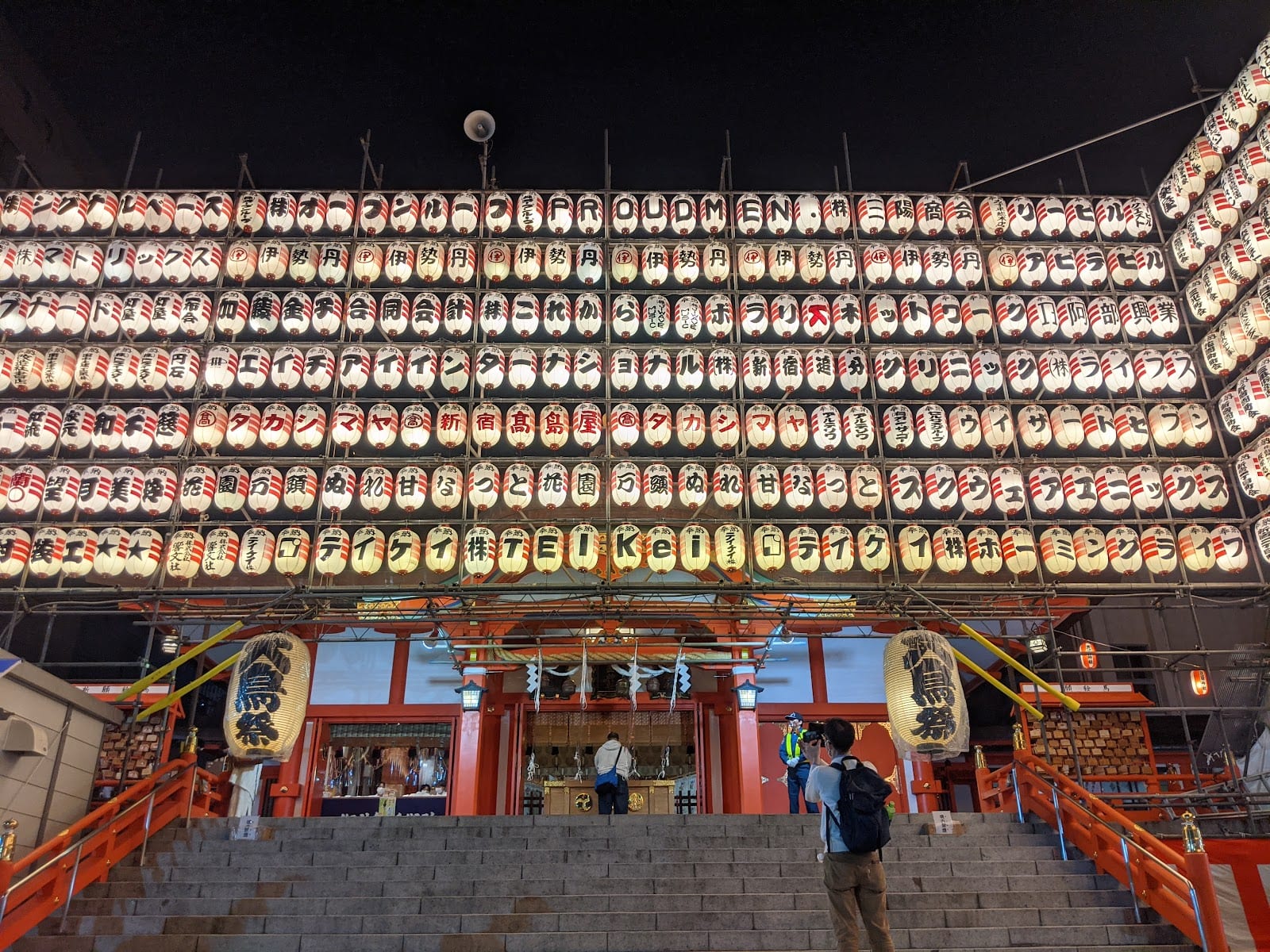
Set just off Yasukuni-dori between the neon of Kabukicho and the alleys of Golden Gai, Hanazono Shrine is the guardian shrine of Shinjuku and has stood here since the Edo period, before the modern city grew up around it. Step through the vermilion gates and the racket of the entertainment district drops away into a quiet courtyard of lanterns and red torii. Within the grounds is the small Geino Asama Shrine, where performers and entertainers come to pray for success, a fitting patron given the theaters and clubs next door. The shrine hosts the lively Tori-no-Ichi rooster fairs each November, when stalls sell ornate lucky rakes, and an antiques market on many Sundays. It is free, almost always tourist-free, and two minutes from Golden Gai, the easiest quiet moment to find in east Shinjuku.
Grounds open 24 hoursGood for solo, couples
Sourcesen.wikipedia.orggotokyo.org


Verdicts and rankings are our own; ratings open each place on Google. Prices, where shown, are an approximate per-person guide in USD.
Shinjuku on screen
Where you've seen Shinjuku before
Shinjuku's neon and its high towers have a long screen life, from an Oscar-winning drama to a tower-stomping monster. Tap a trailer, then go stand in it:
- Film, 2003
Lost in Translation
Sofia Coppola's film lives in Nishi-Shinjuku: Bill Murray and Scarlett Johansson drift through the Park Hyatt Tokyo high in a Shinjuku skyscraper, with the neon of the Shinjuku streets far below. The hotel bar and the skyscraper views are pure west Shinjuku.
Park Hyatt Tokyo, Nishi-ShinjukuSource - TV series, 2022
Tokyo Vice
Adapted from Jake Adelstein's memoir of crime reporting in Tokyo, the series is steeped in 1990s Shinjuku and Kabukicho, the hostess clubs, the neon, and the back rooms of the entertainment district. It is the most vivid recent screen portrait of after-dark Shinjuku.
KabukichoSource - Film, 2016
Shin Godzilla
Godzilla and Tokyo go back to 1954, and Shinjuku wears the connection proudly: a life-sized Godzilla head looms from the terrace of the Shinjuku Toho Building, home to a Toho cinema, in Kabukicho. Hideaki Anno and Shinji Higuchi's reboot sends the monster tearing through the capital, and the Toho head is the spot to nod to the franchise that flattened this city on screen more than any other.
Kabukicho, Toho BuildingSource
Eat & drink
Where to eat and drink in Shinjuku
Shinjuku feeds every budget, from a queue-out-the-door noodle counter to one of Tokyo's cheapest Michelin lunches. A few we'd point you to:
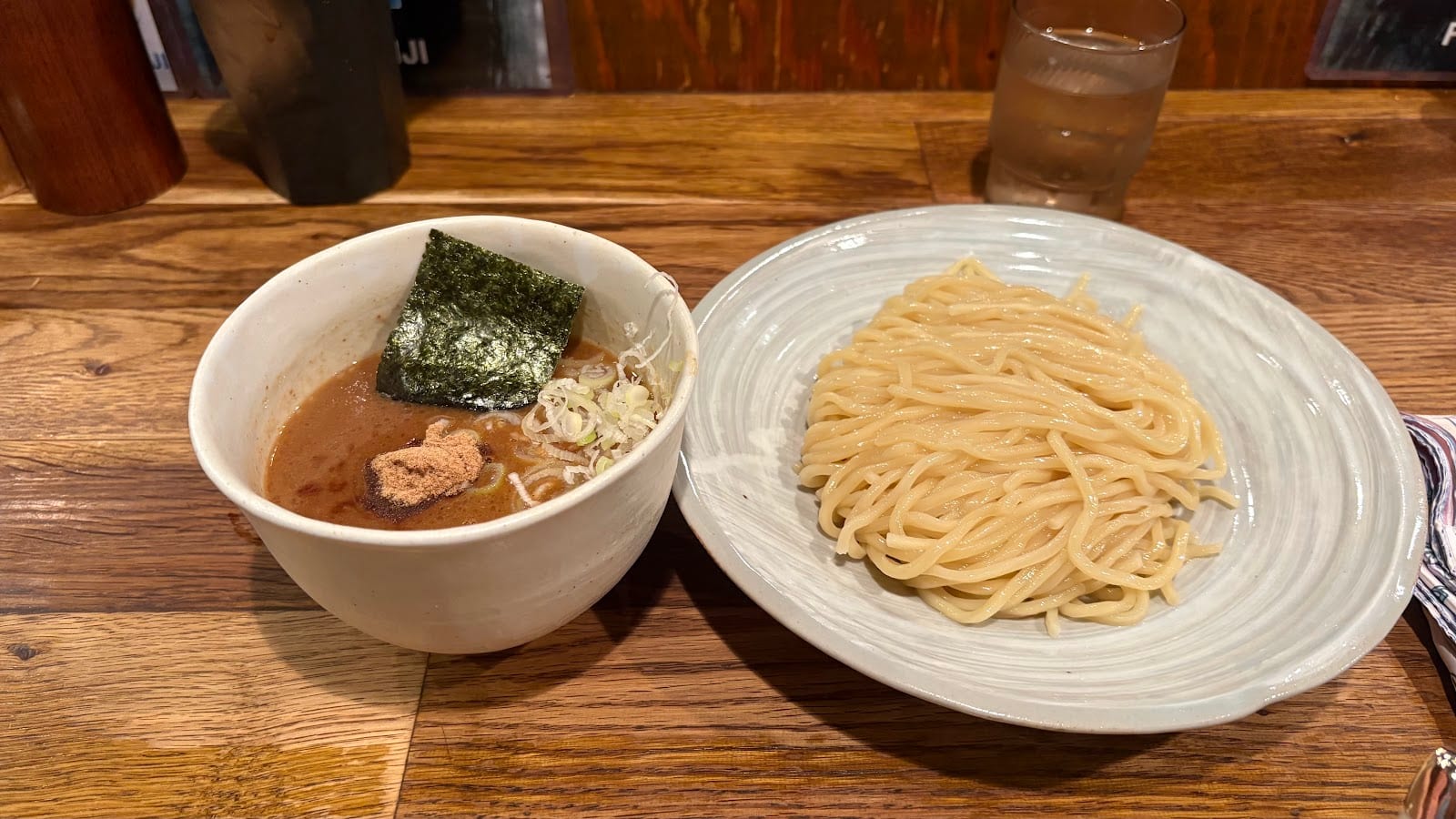
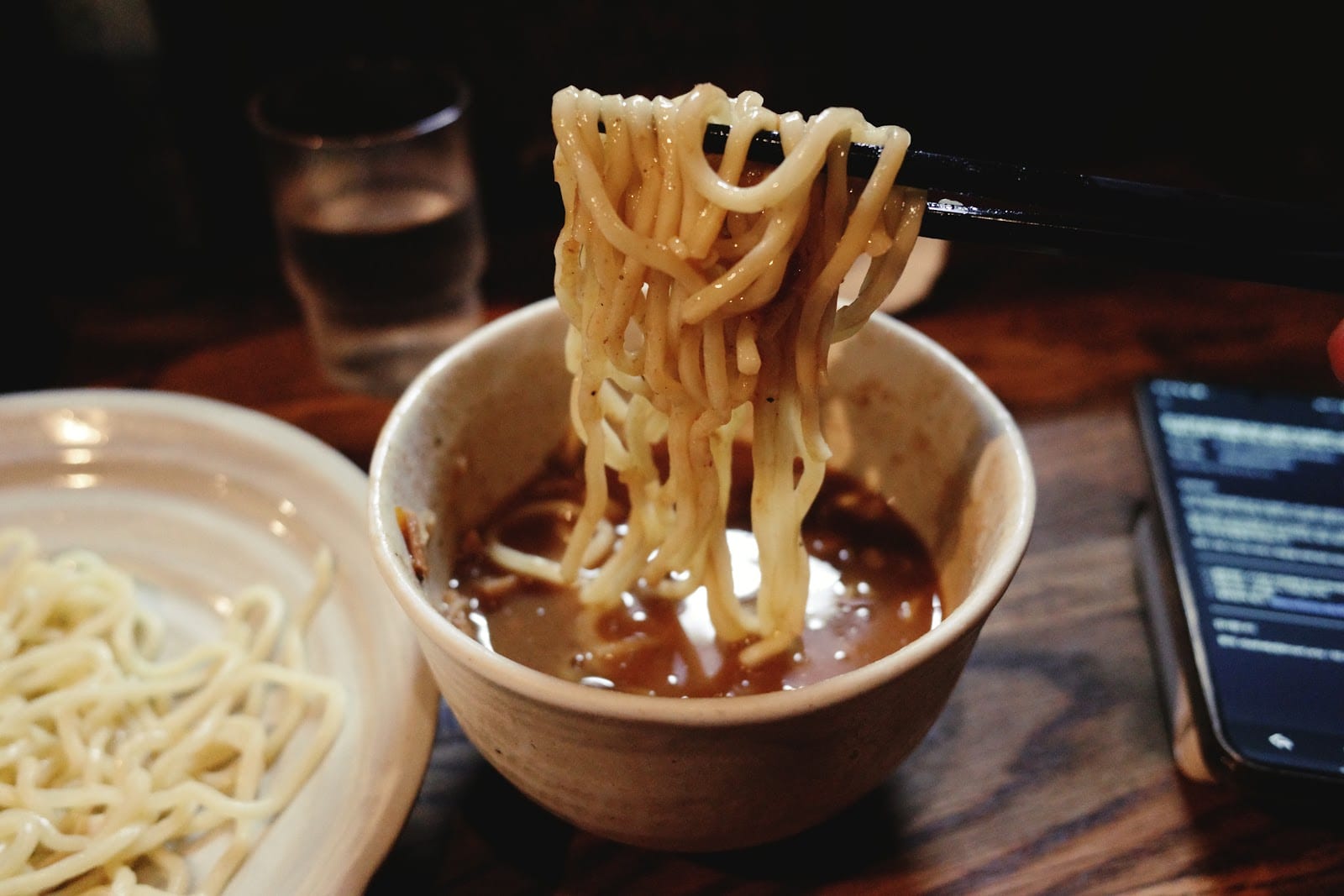
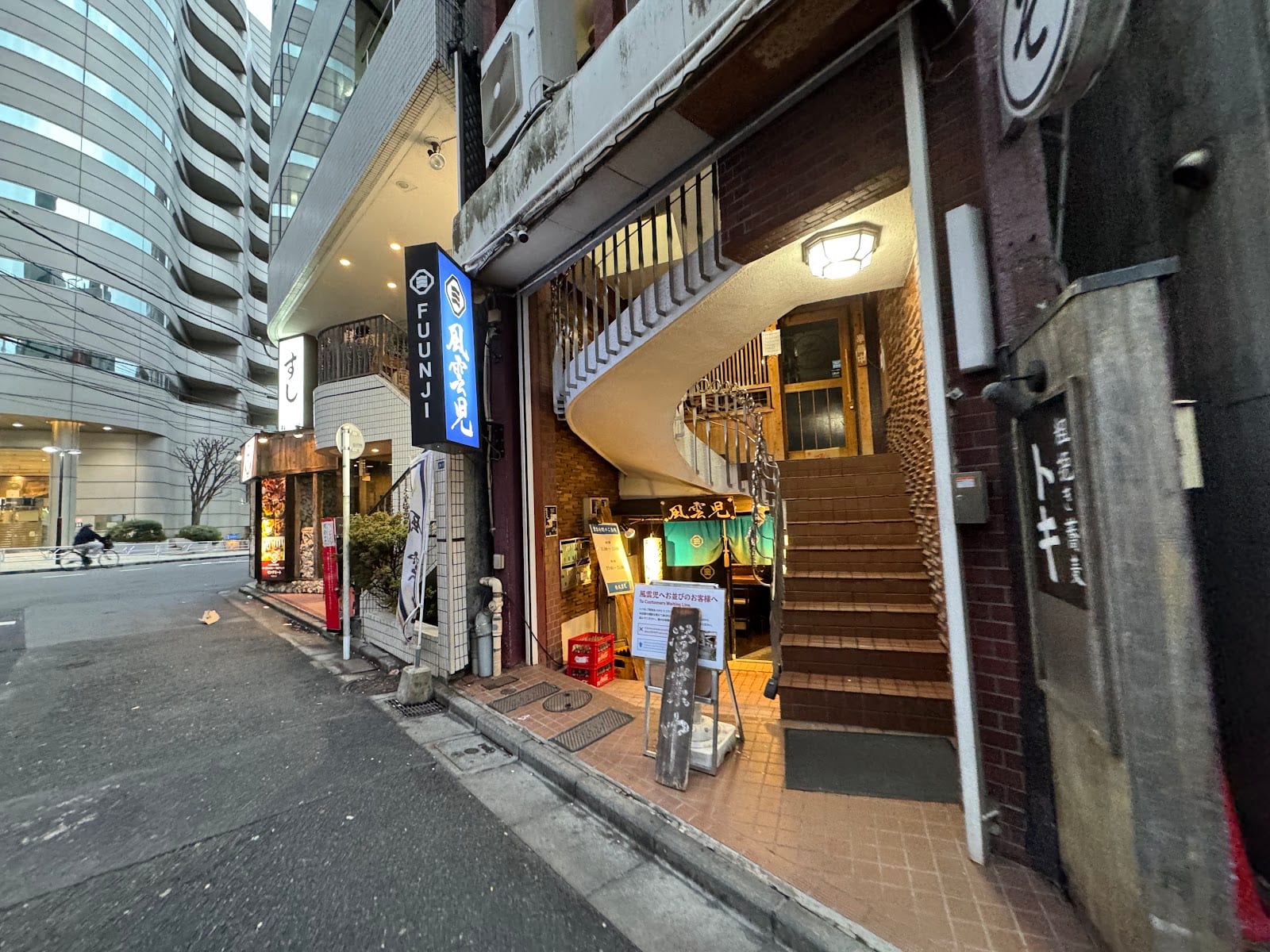
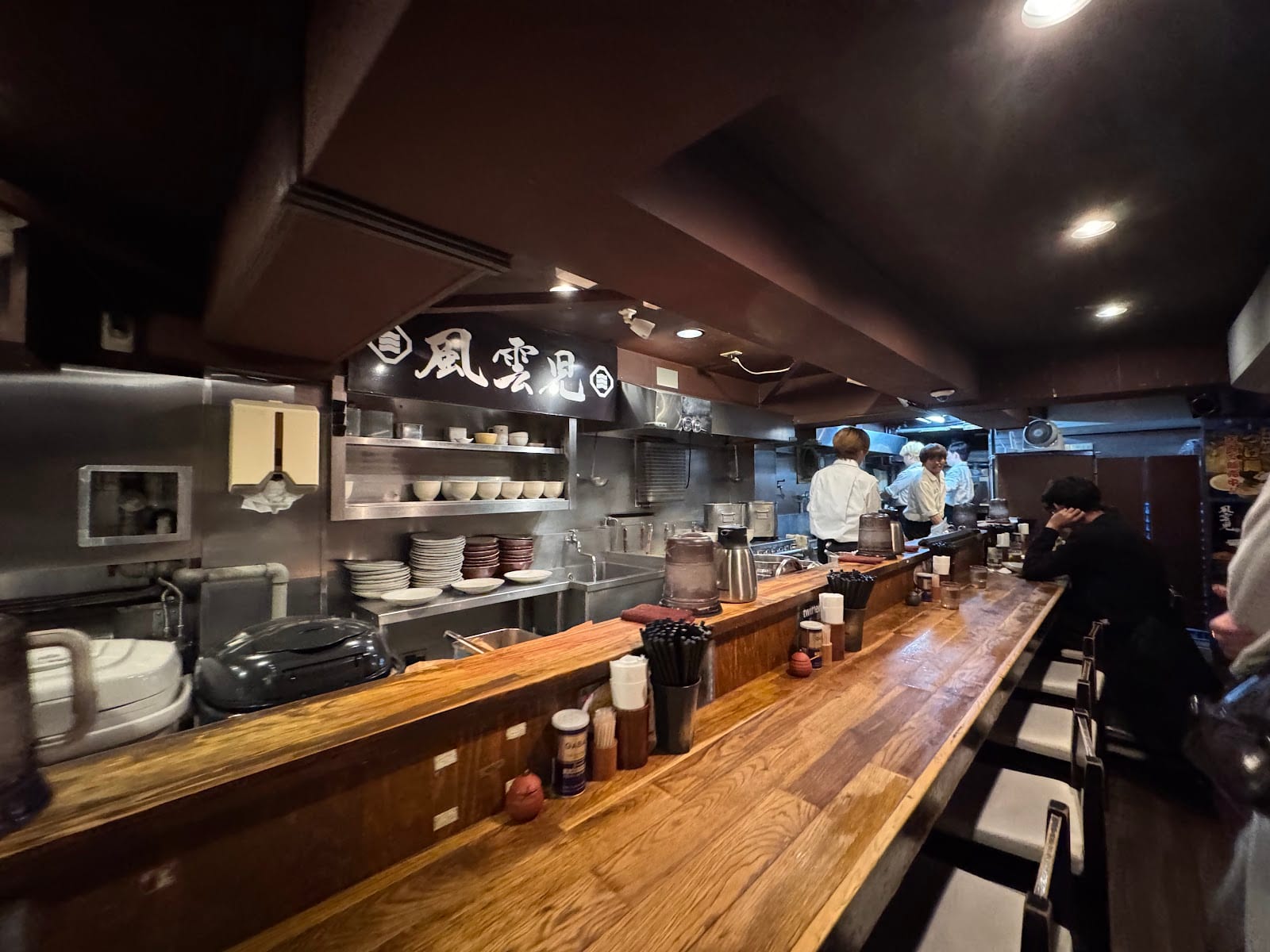
Fuunji
South of the stationOne of Tokyo's most famous tsukemen shops, where you dip thick, springy noodles into an intense chicken-and-fish dipping broth. A tiny counter, an order-by-ticket machine, and a queue at almost any hour, so aim for off-peak. A few minutes south of the station near Southern Terrace.
on Google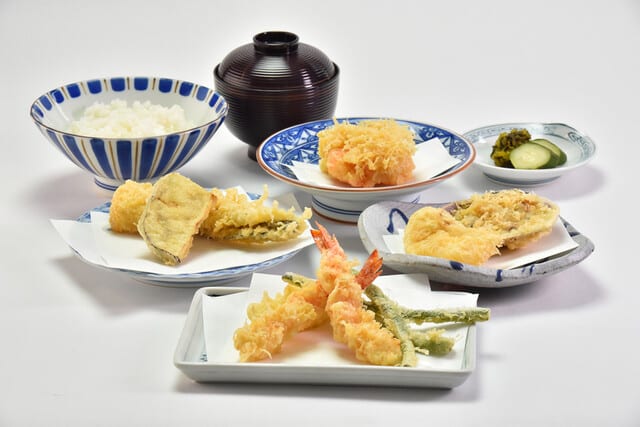
Tsunahachi
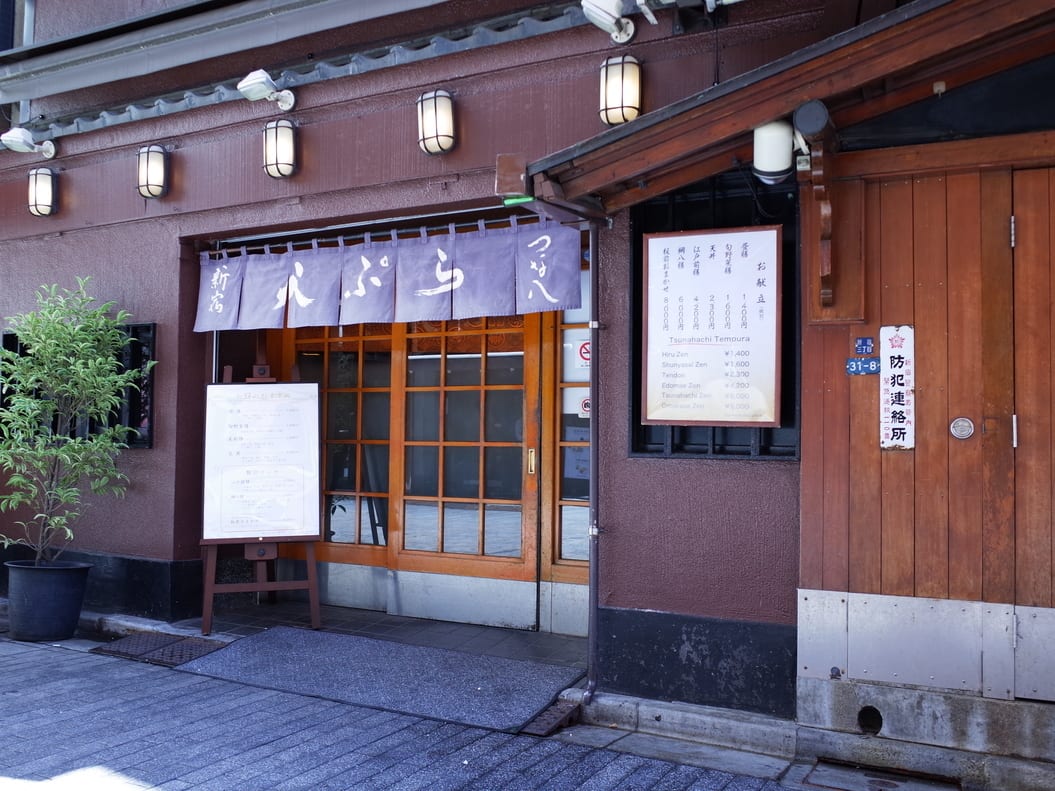
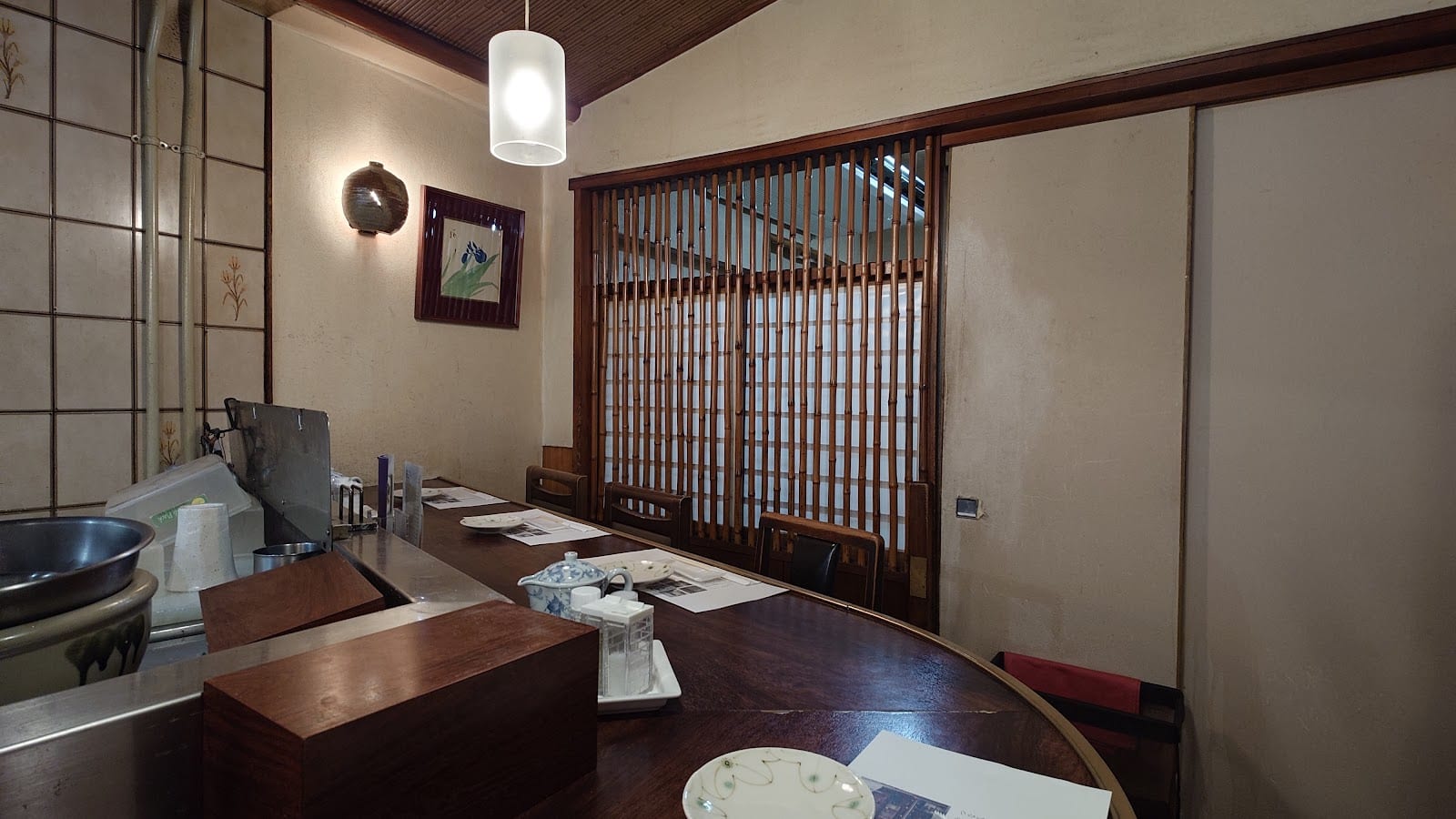
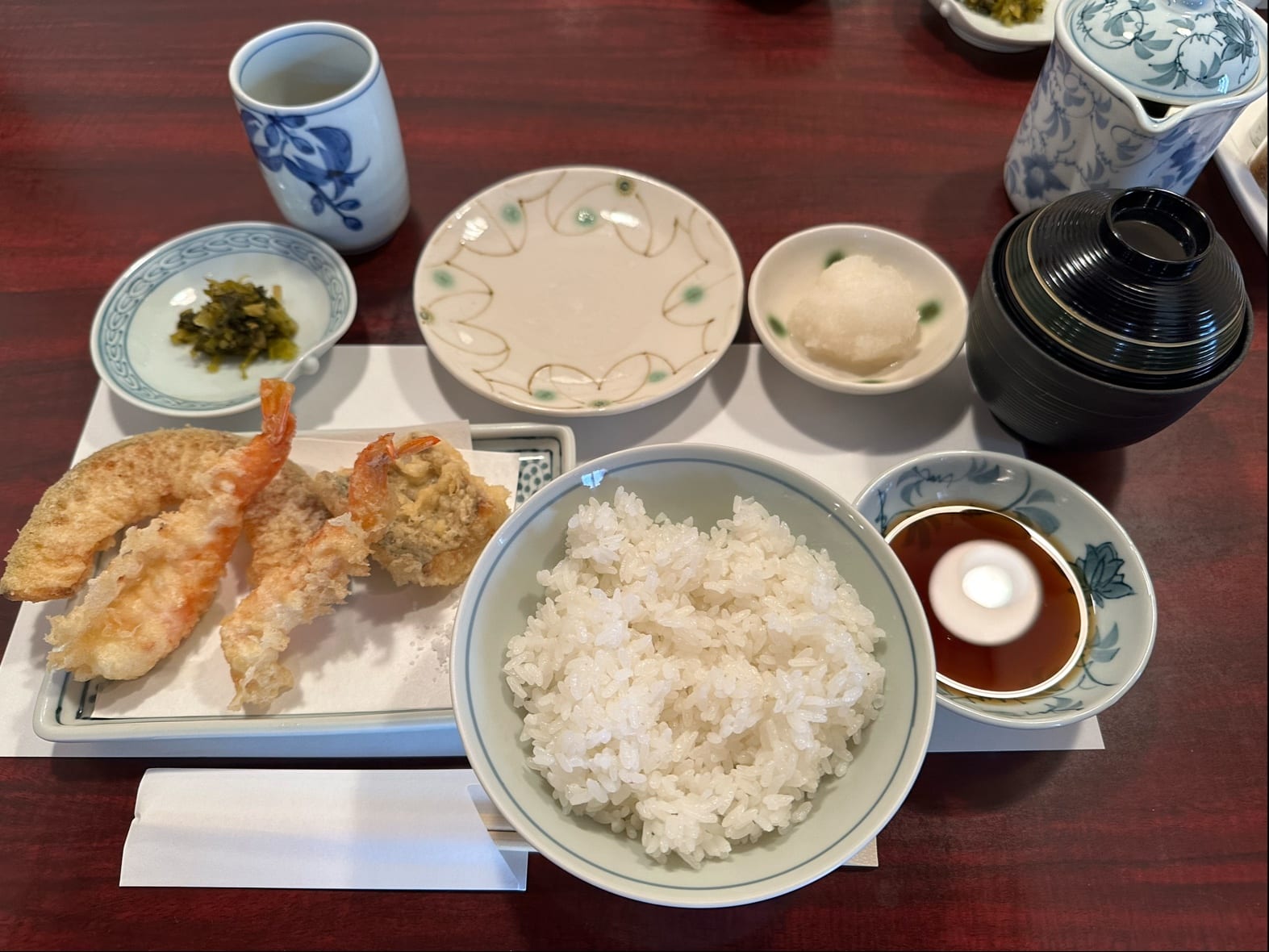
Shinjuku-sanchomeA Shinjuku tempura institution since 1923, frying seasonal seafood and vegetables to order right in front of you at the counter. The main shop a few minutes east of the station does a superb, surprisingly affordable set lunch; sit at the counter and watch the chef work the oil.
on Google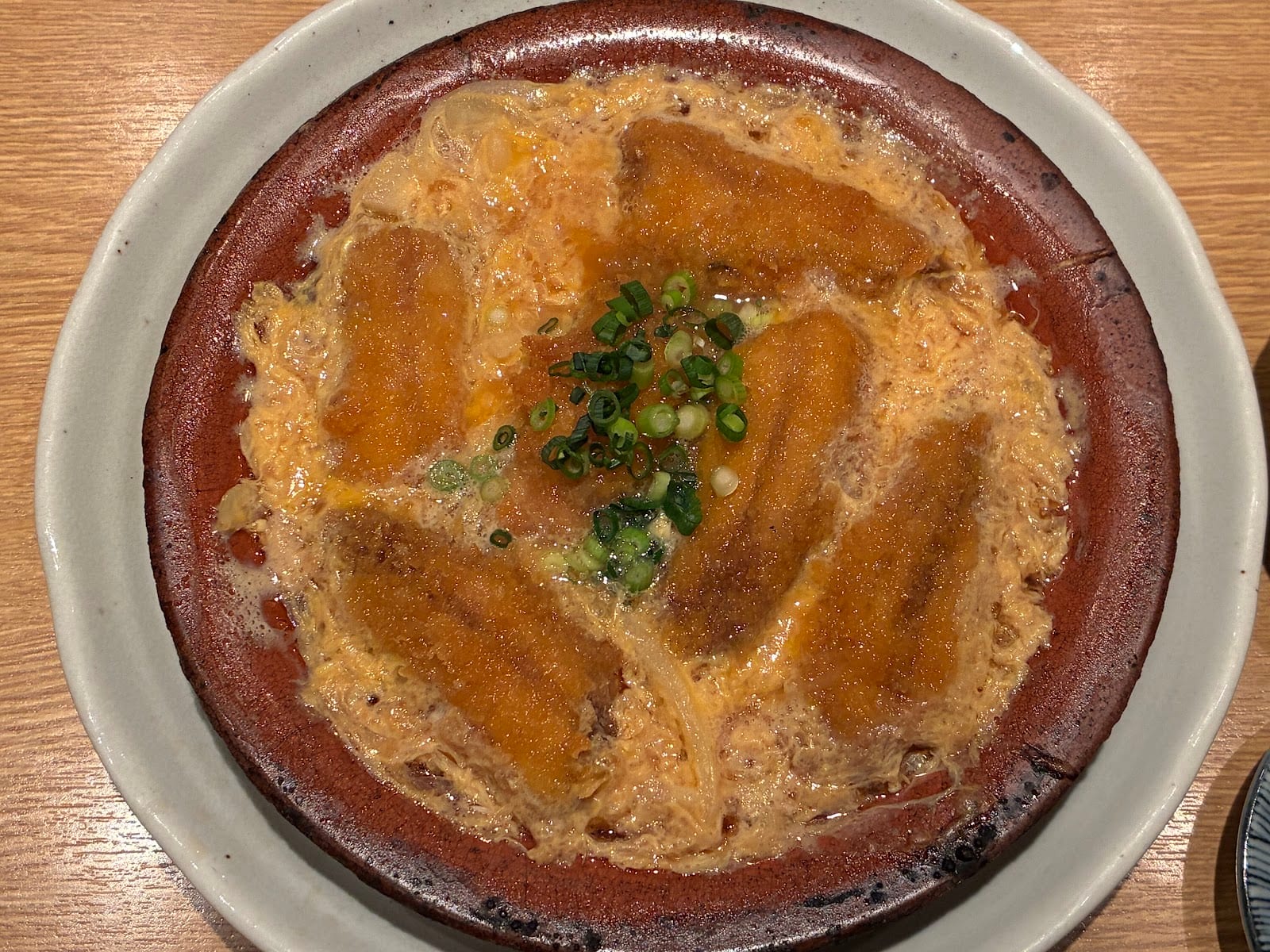
Nakajima
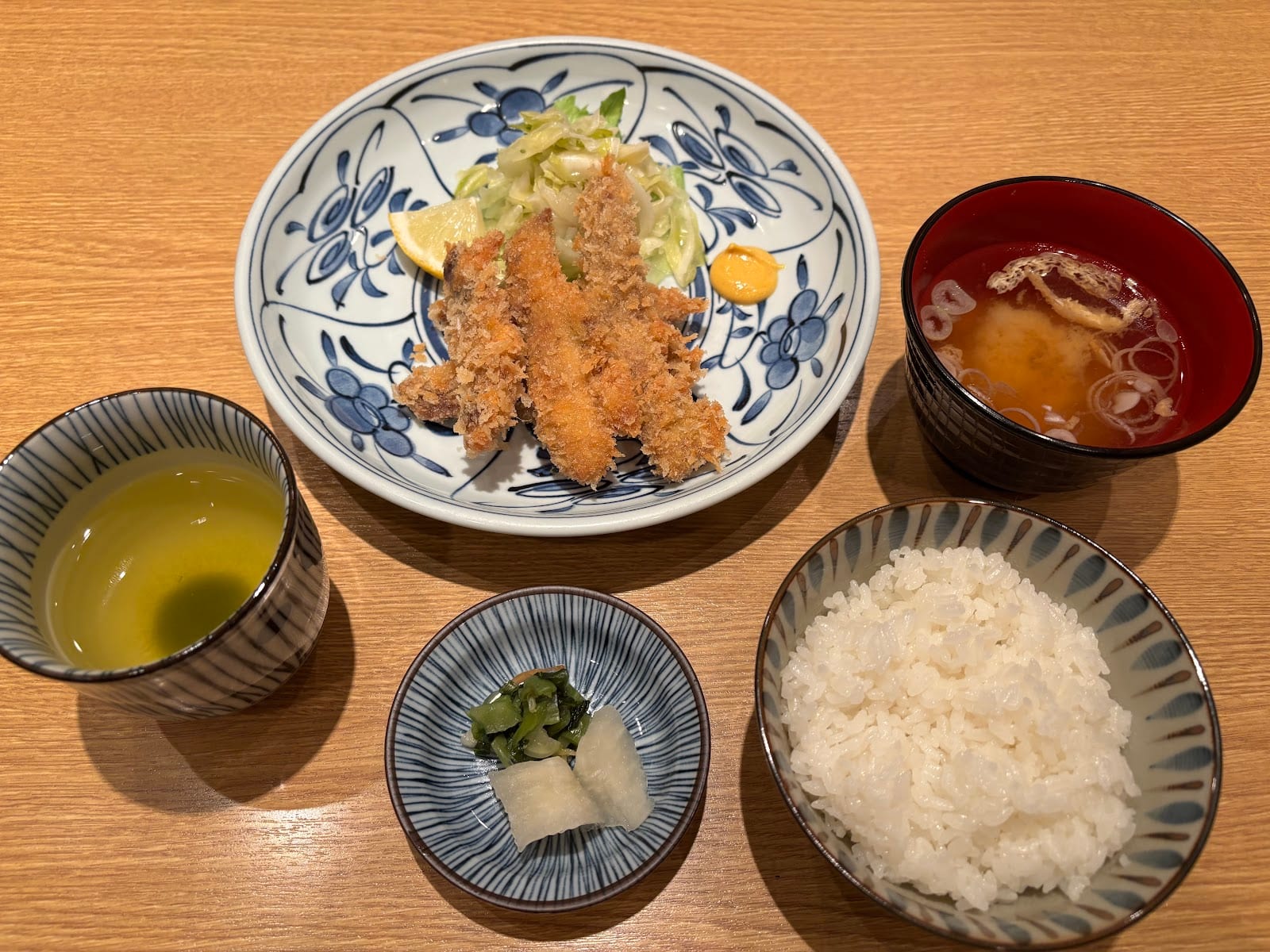
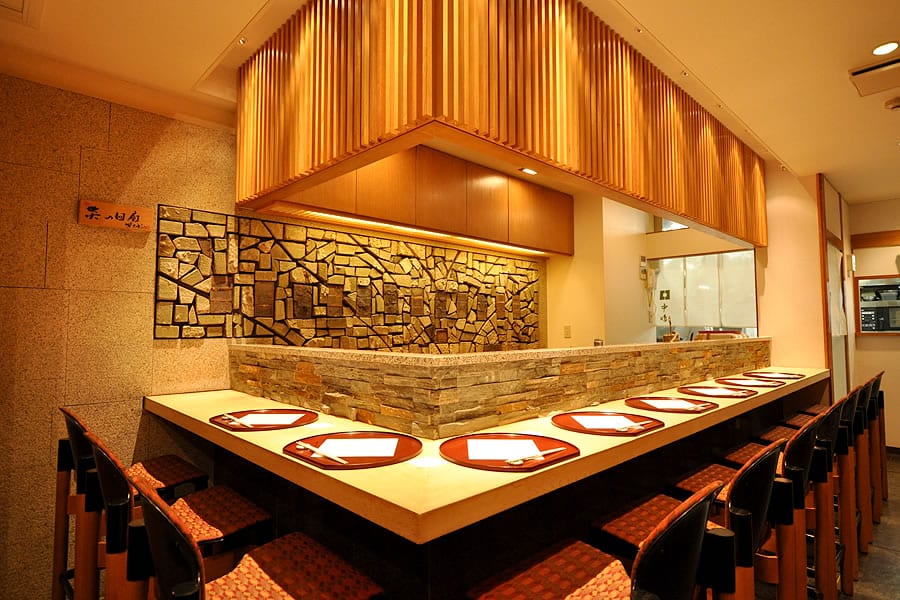
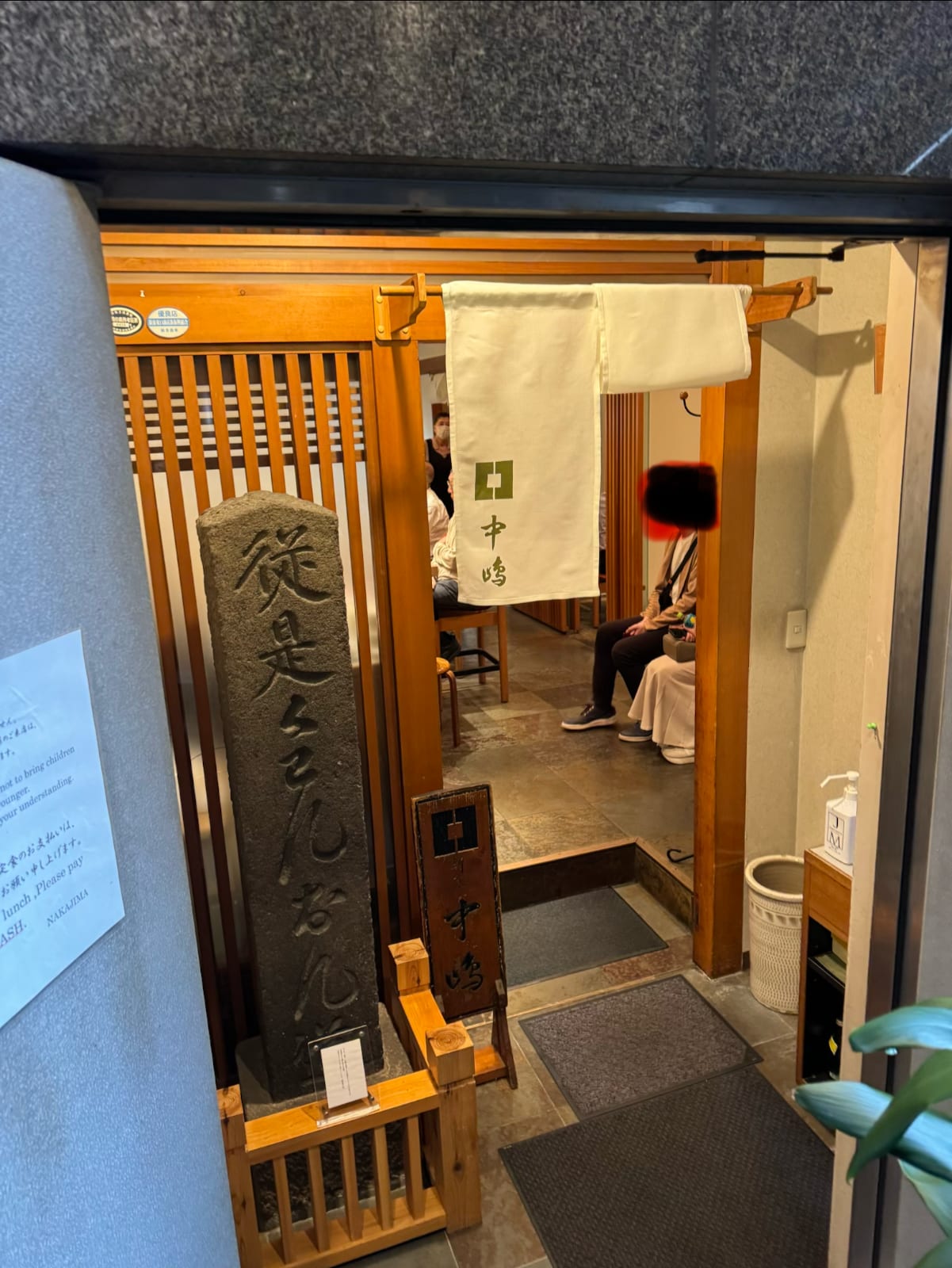
Shinjuku-sanchomeA basement kaiseki restaurant with a Michelin star that, at lunchtime, serves humble sardine dishes, simmered, fried, or over rice, for around 1,000 yen. It is regularly called one of the cheapest Michelin meals in Tokyo, so expect a midday queue and come hungry.
on Google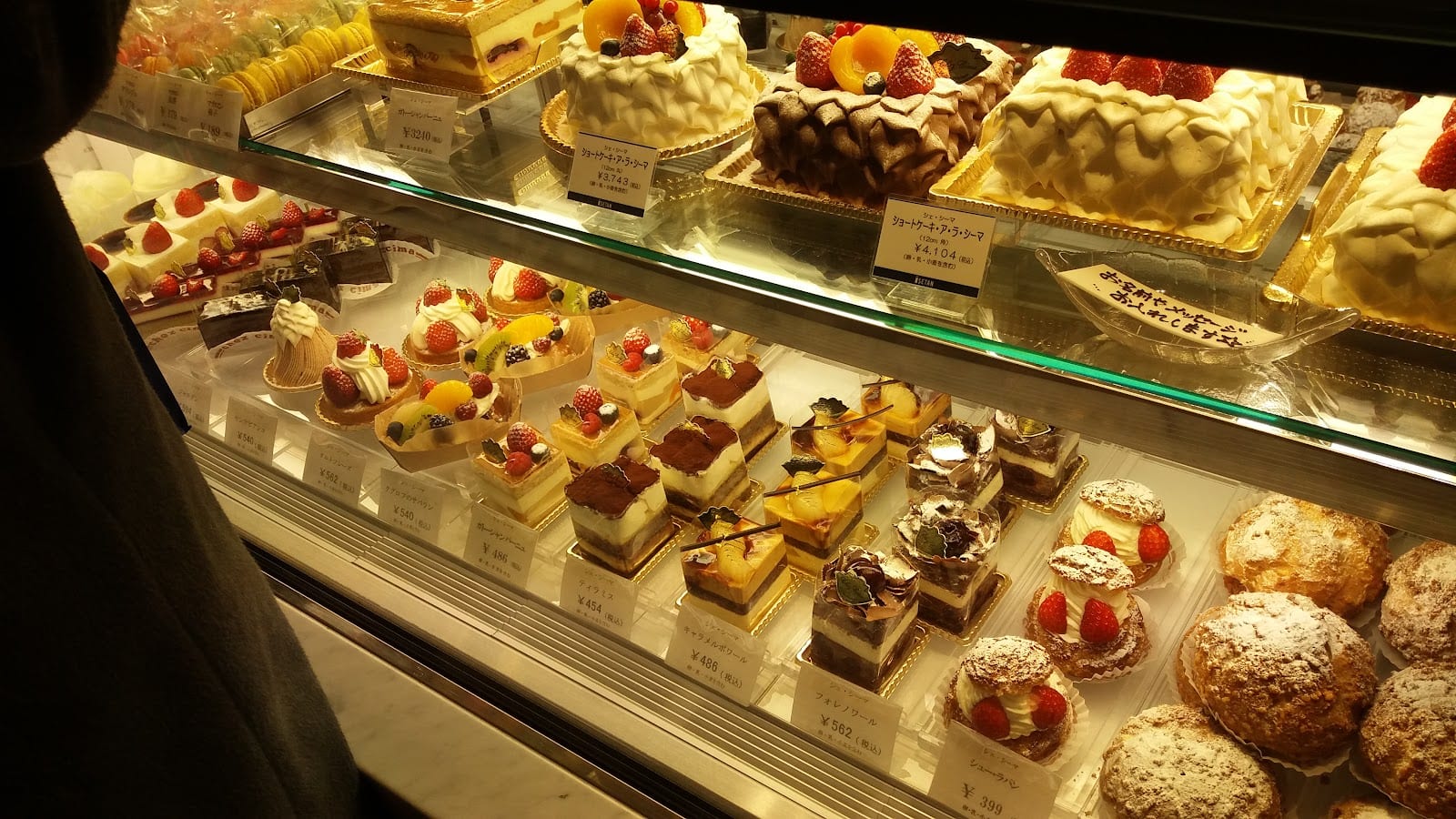
Isetan Shinjuku Depachika
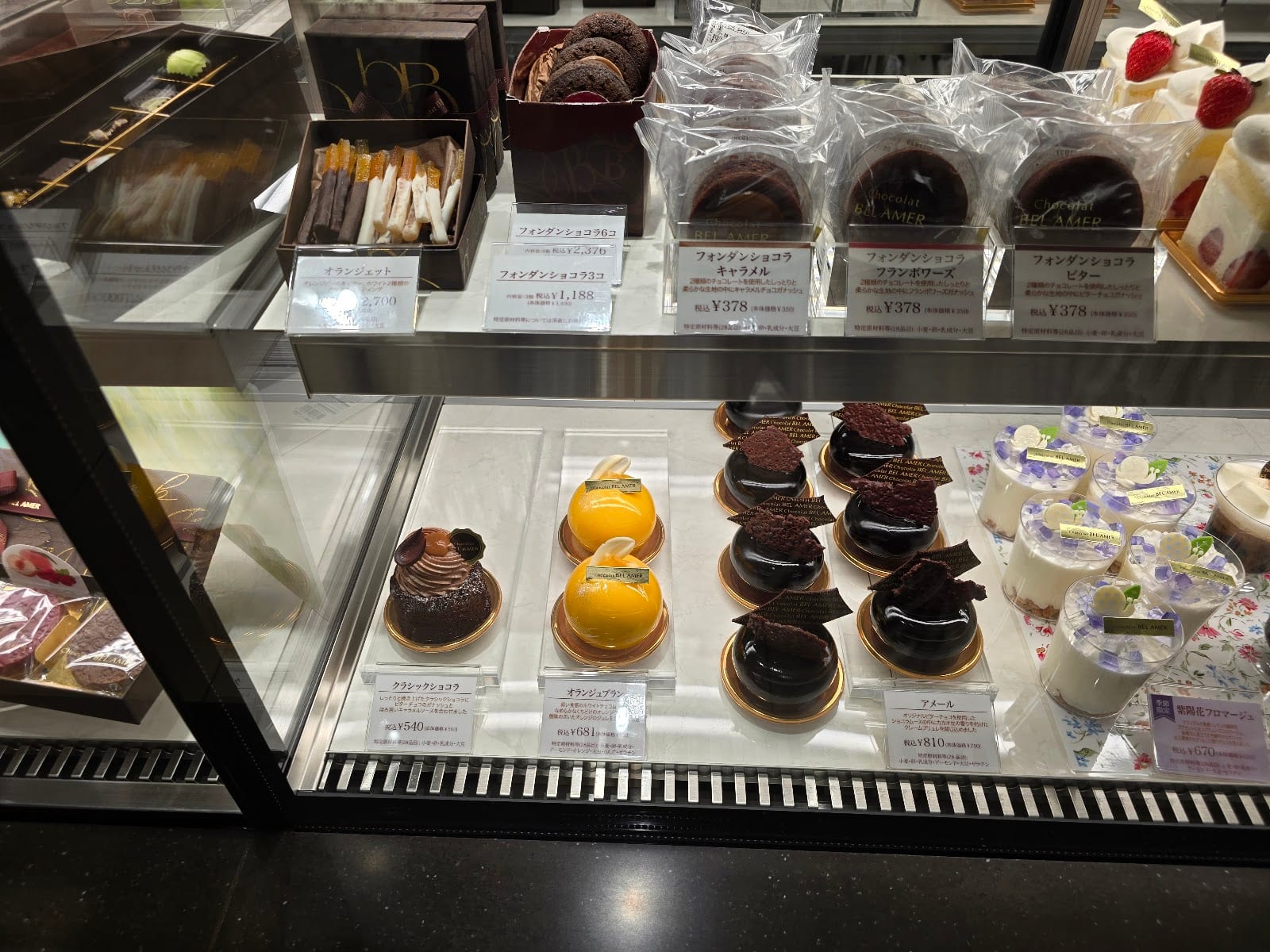
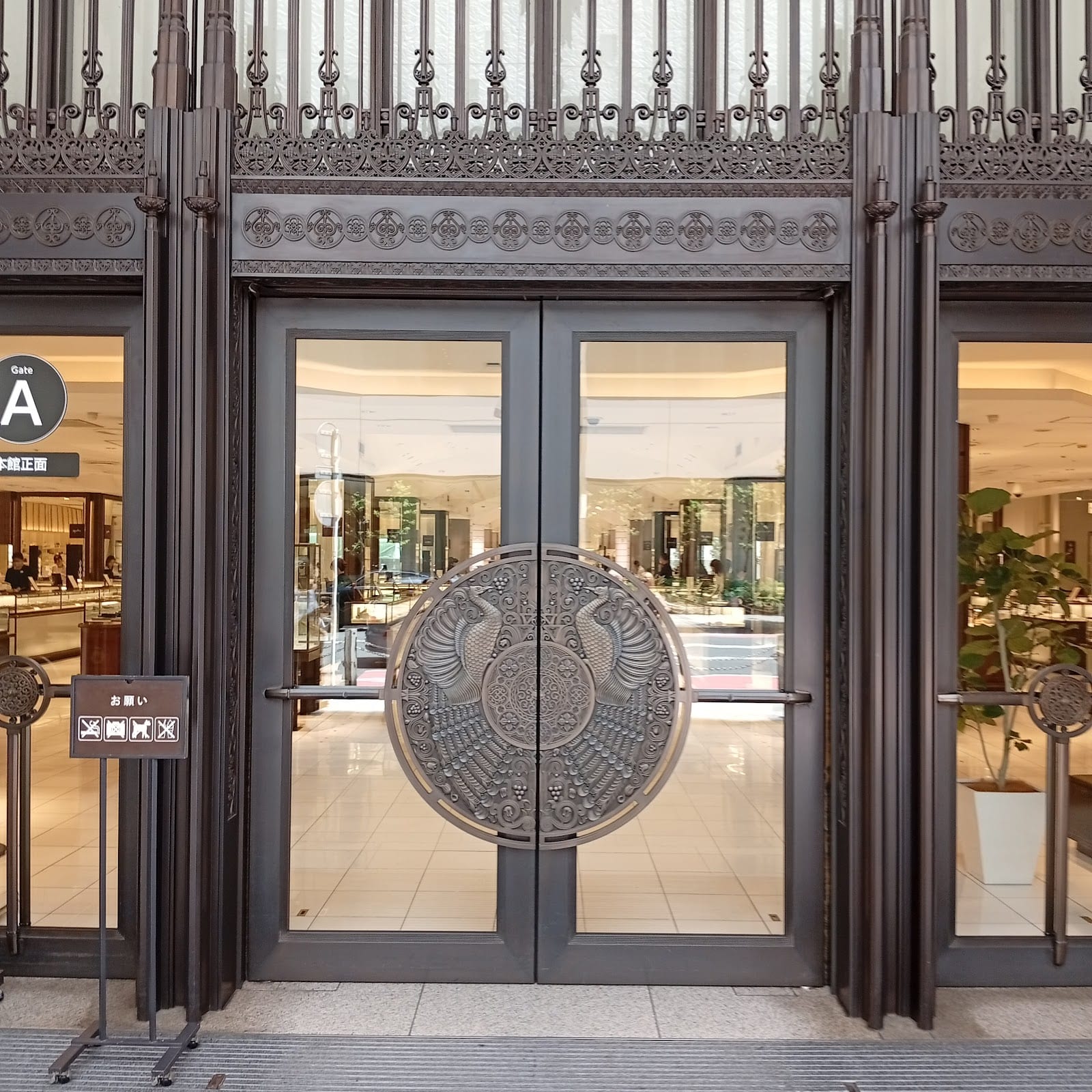
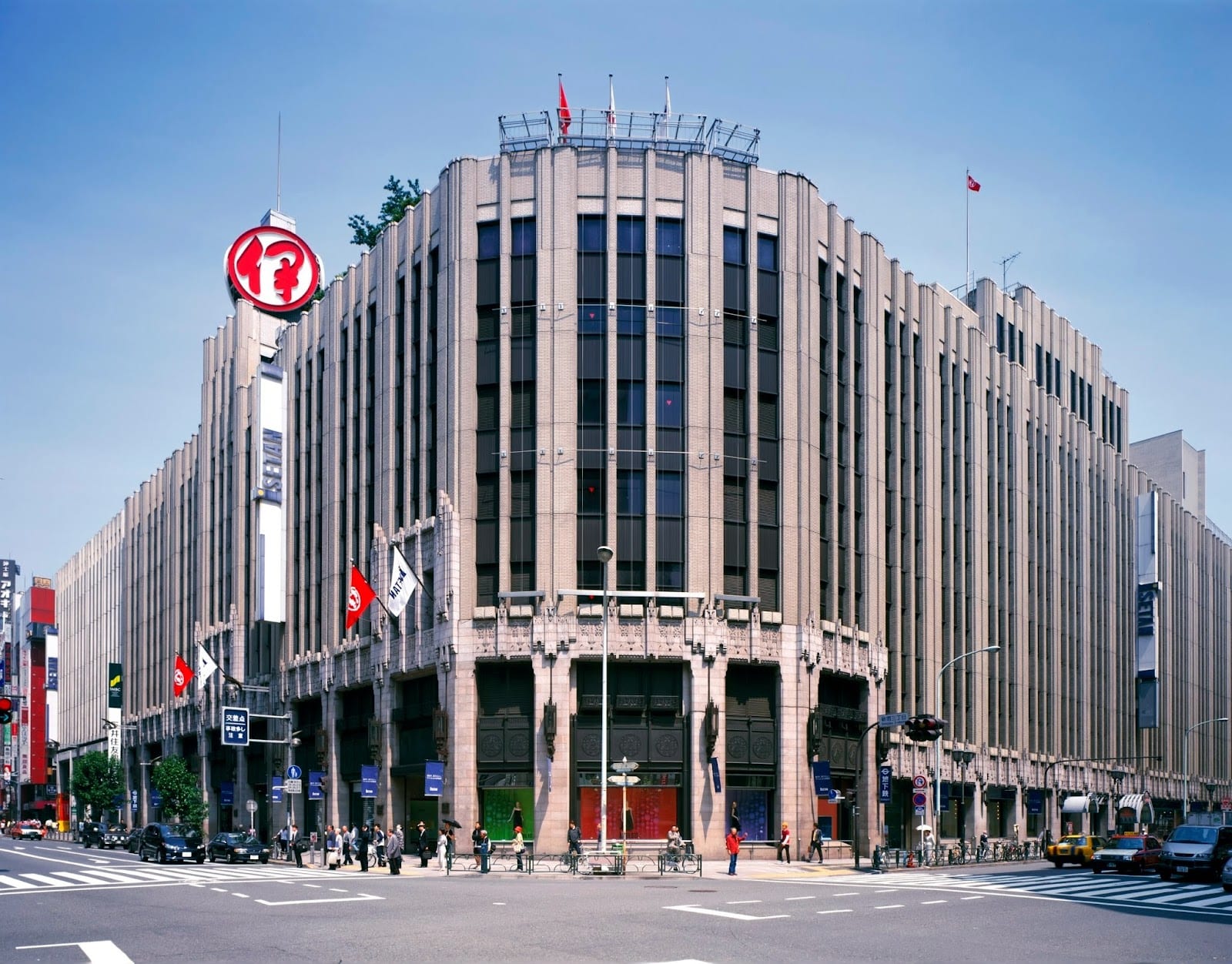
Shinjuku-sanchomeThe basement food hall of Isetan's flagship department store is a destination in its own right: immaculate bento, glistening wagashi sweets, sushi, and pastries from dozens of counters. Graze, or assemble a picnic to carry into Shinjuku Gyoen a few minutes away.
on Google


Getting around
Getting around Shinjuku
Everything in this guide is a walk from Shinjuku Station, the busiest railway station in the world.
Shinjuku Station
The world's busiest station, handling several million passengers a day across the JR Yamanote, Chuo, and other lines, the Odakyu and Keio private railways, and three subway lines, so almost anywhere in Tokyo is a direct ride.
Mind the exits
The station is a famous maze with dozens of exits. Use the West exit for the skyscrapers and the government building, and the East exit for Kabukicho, the alleys, and the 3D cat.
A walkable core
Kabukicho, Golden Gai, Omoide Yokocho, and the East-side shopping are all within a ten-minute walk of the station; Shinjuku Gyoen and the government building are about fifteen.
Come back after dark
Shinjuku is good by day and electric by night. Time the free government-building deck for sunset, then drop into the neon and the alleys when the lights are at full strength.
Where to stay
Where to stay in Shinjuku
Staying in Shinjuku puts you on the Yamanote loop with the city's biggest transport hub at your feet. Where you base yourself within it changes the experience a lot:
West Shinjuku (Nishi-Shinjuku)
The skyscraper district holds the big international hotels, including the Park Hyatt, with calmer streets at night and the free government-building view on your doorstep. Refined and quiet after dark.
East of the station
The shopping side around the department stores is the most convenient base, steps from the station and the alleys, lively but not seedy. The natural choice for first-timers.
Kabukicho
The cheapest and liveliest rooms sit in or beside the entertainment district. Brilliant if you want nightlife at the door; loud and red-light by night, so not for everyone.
Shinjuku-sanchome and Gyoenmae
Toward the garden, the streets turn quieter and more grown-up, with good restaurants and the calm of Shinjuku Gyoen nearby, still a short walk from the action.

Where to Stay in Tokyo
Compare every Tokyo neighborhood and find the right base, with hotel picks at each price.
View the guideWho it's for
Shinjuku for families, couples, and solo
- Shinjuku for families
- The free government-building deck is an easy hit with kids, Shinjuku Gyoen has acres of lawn to run on, and the 3D cat over the East exit is a guaranteed crowd-pleaser. Keep the youngest close in the Kabukicho crowds and you are fine.
- Shinjuku for couples
- Time the free deck or a Nishi-Shinjuku hotel bar for sunset, wander Shinjuku Gyoen by day, then find a counter for two in the lantern-lit lanes of Omoide Yokocho or a tiny Golden Gai bar after dark.
- Shinjuku for solo travelers
- Shinjuku is safe and made for wandering alone: ramen counters everywhere, single-seat bars in Golden Gai and Omoide Yokocho, and a quiet shrine to duck into when the neon gets to be too much.
More of Tokyo
Nearby neighborhoods
A short hop from Shinjuku, and worth pairing on the same trip.


Ready to explore Shinjuku?
Tell Zoya, your personal travel assistant, how you like to travel, and she'll turn these into a Shinjuku day, or a whole Tokyo trip, that fits your dates.
Explore now