

Roppongi · Tokyo neighborhood guide
Things to Do in Roppongi
Roppongi is Tokyo's art-and-nightlife district: major museums and skyline views by day, a famous (and notorious) bar scene by night. Here's what's actually worth your time, ranked and judged, with honest calls on what to skip.
Roppongi in brief
What is Roppongi famous for?
Roppongi is famous for art and nightlife. By day it holds the Roppongi Art Triangle (the Mori Art Museum, the National Art Center, and the Suntory Museum of Art), the teamLab Borderless digital-art museum, and skyline views; by night it is one of Tokyo's best-known, and most cautioned-about, bar and club districts.
What is there to do in Roppongi during the day?
Spend the day on art and views: the Mori Art Museum and Tokyo City View at Roppongi Hills, teamLab Borderless at Azabudai Hills, the free architecture of the National Art Center, the museums of Tokyo Midtown, and Tokyo Tower a short walk southeast. The quiet Nogi Shrine makes an easy detour.
Is Roppongi worth visiting?
Yes, mainly for the art and the views, which are some of the best in Tokyo. The nightlife is genuinely good if you stick to reputable venues, but the area around Roppongi Crossing has a real reputation for touts and overcharging, so it pays to be careful after dark.
Get oriented
How Roppongi fits together
Roppongi is compact and walkable, strung between two big complexes and a famous crossing.
The district radiates out from Roppongi Crossing, where Roppongi-dori meets Gaienhigashi-dori. The National Art Center and the quiet Nogi Shrine sit to the northwest by Nogizaka station; Tokyo Midtown is just north; Roppongi Hills, with the Mori Art Museum and Tokyo City View, is a few minutes south; the new Azabudai Hills and teamLab Borderless are southeast toward Kamiyacho; and Tokyo Tower stands about fifteen minutes' walk beyond that. Almost everything except Tokyo Tower is within a ten-minute walk of the station.
A day on foot from Nogizaka down to Tokyo Tower, art first and nightlife last:
See & do, ranked
The best things to do in Roppongi
Our honest ranking of what's worth your time, from the must-sees to a hidden gem, with a verdict on each so you know what to prioritize and what is overhyped.
Must-see
The essentials, ranked.- 1
 Roppongi Hills Worth the hype
Mori Art Museum & Tokyo City View
Tokyo's top contemporary-art museum and an indoor skyline deck, near the top of the Roppongi Hills tower.
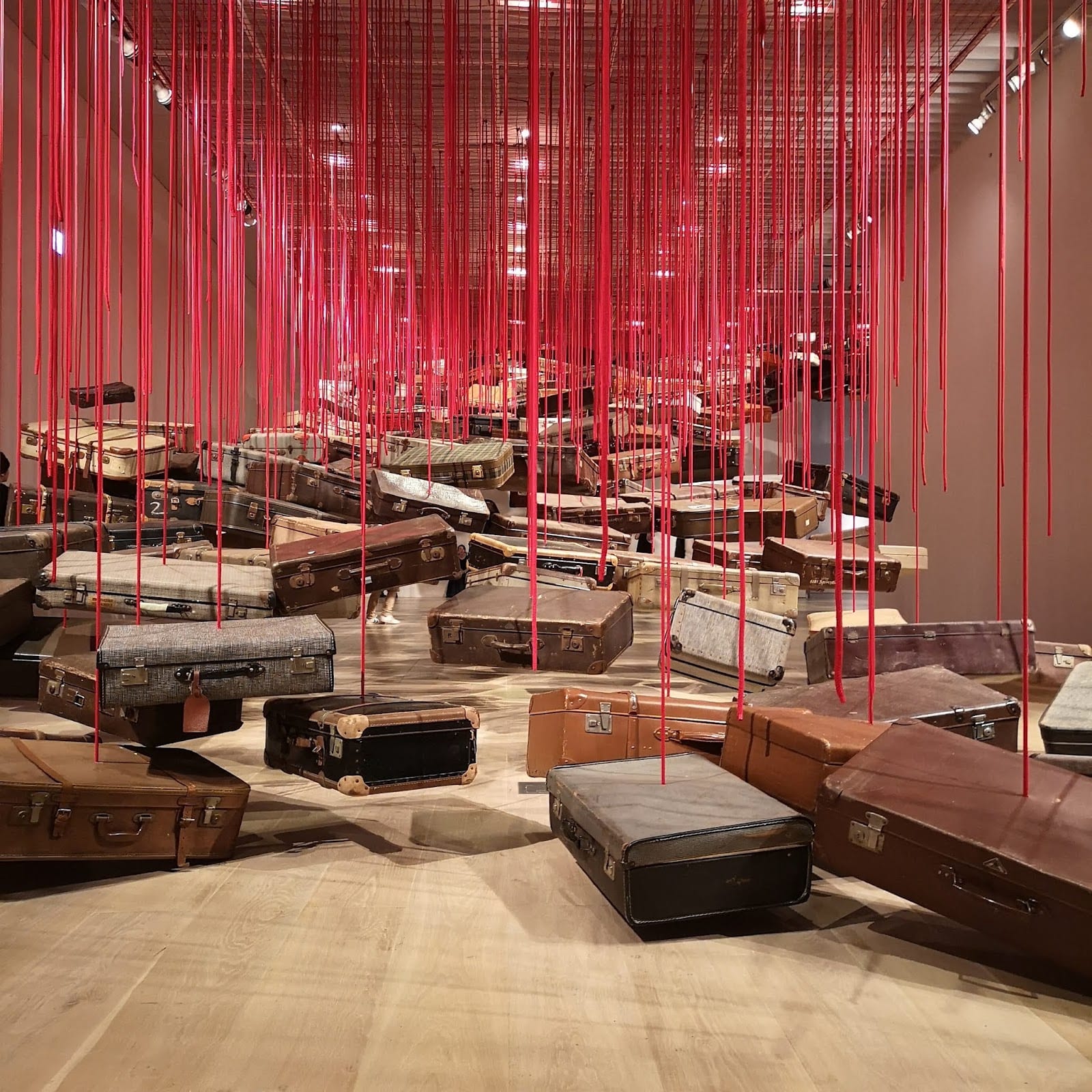
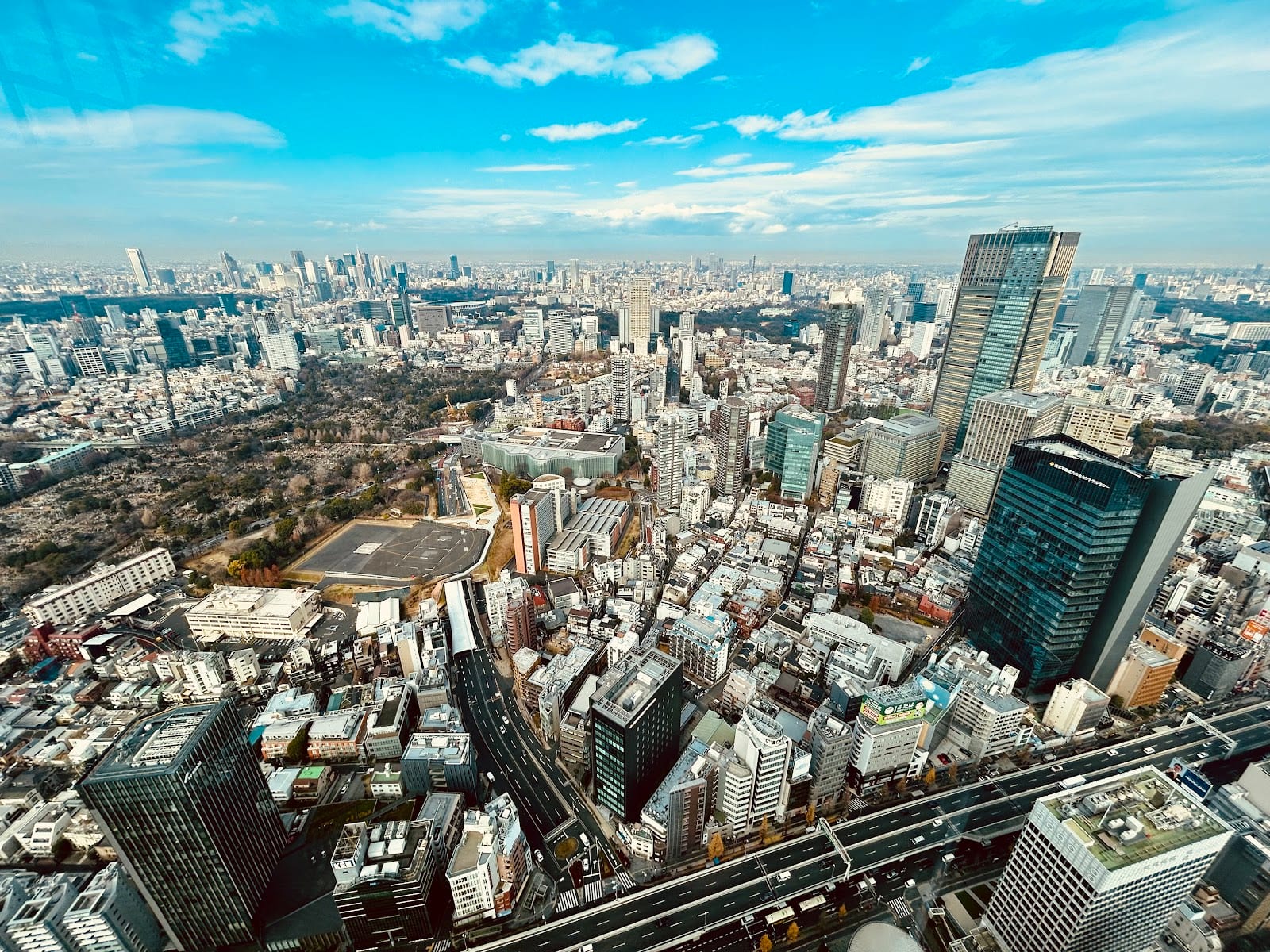
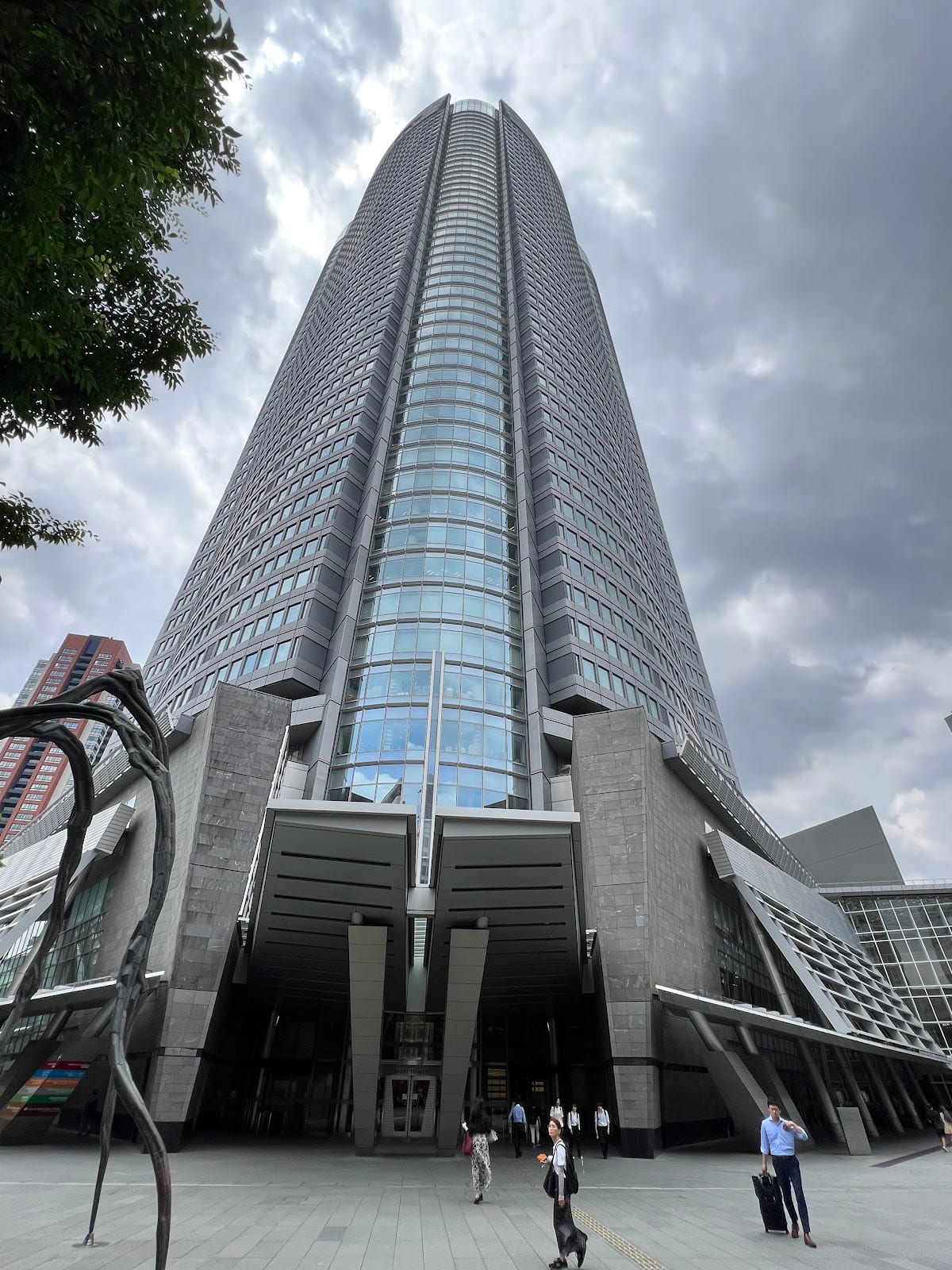
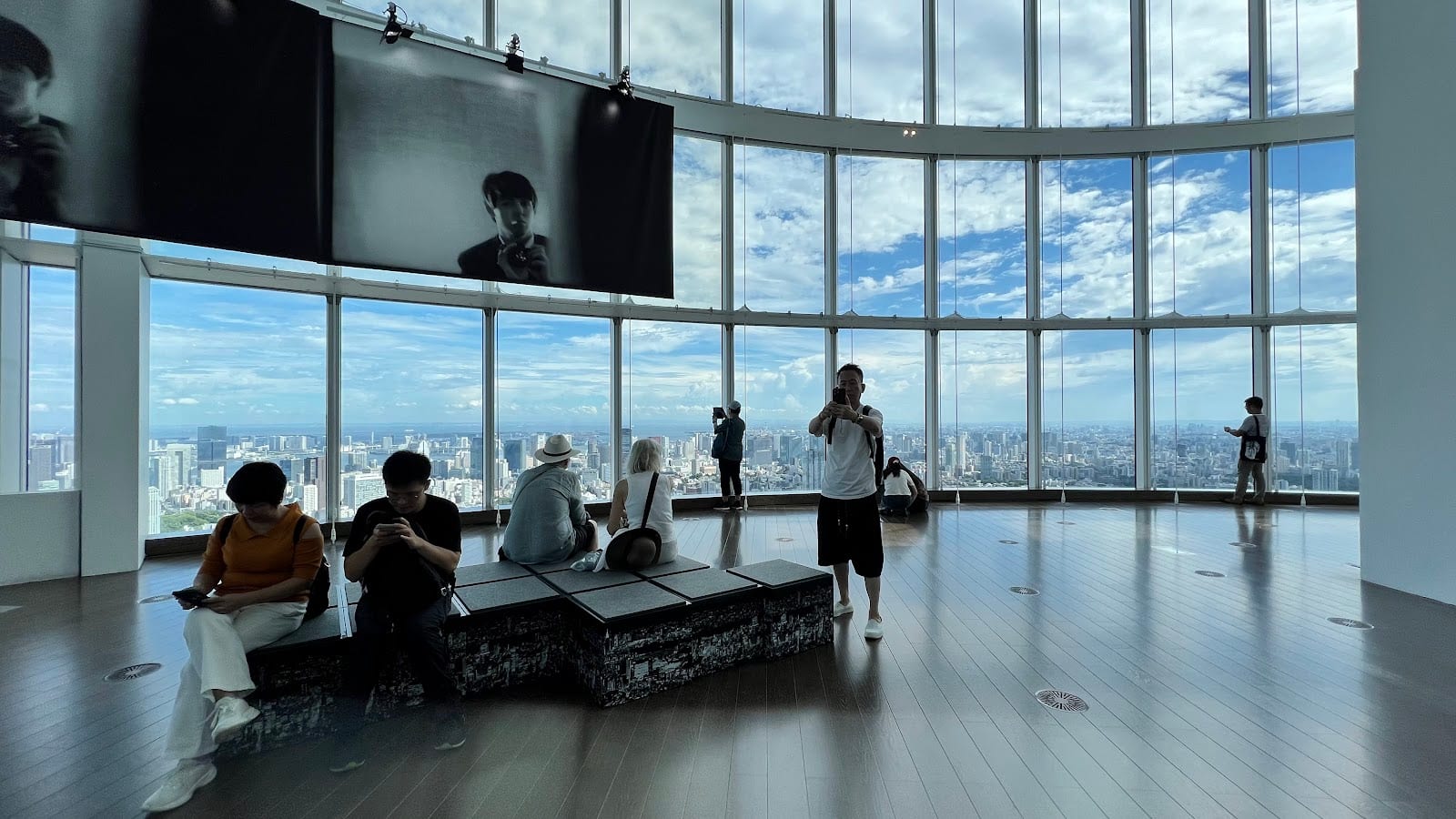
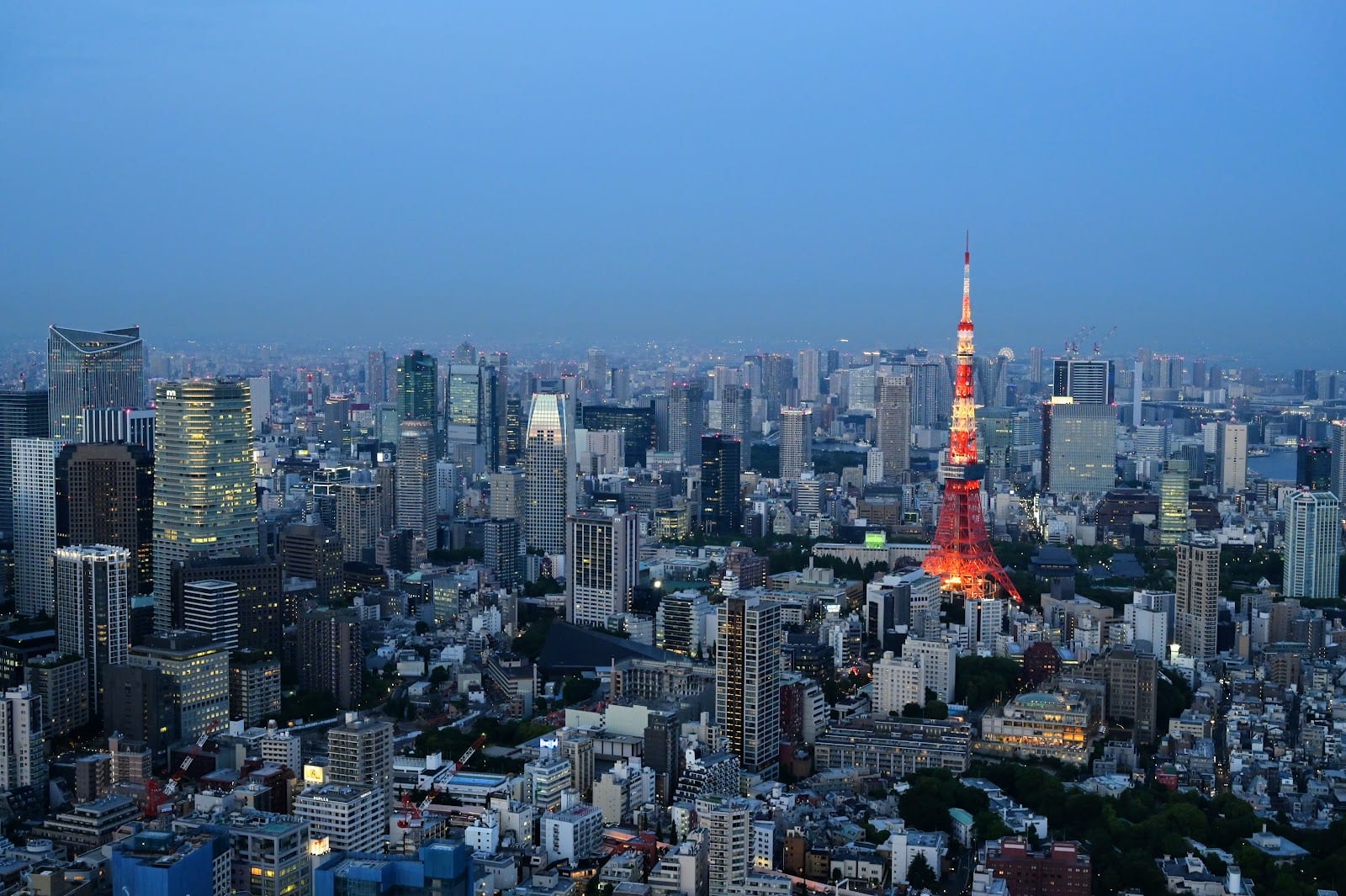
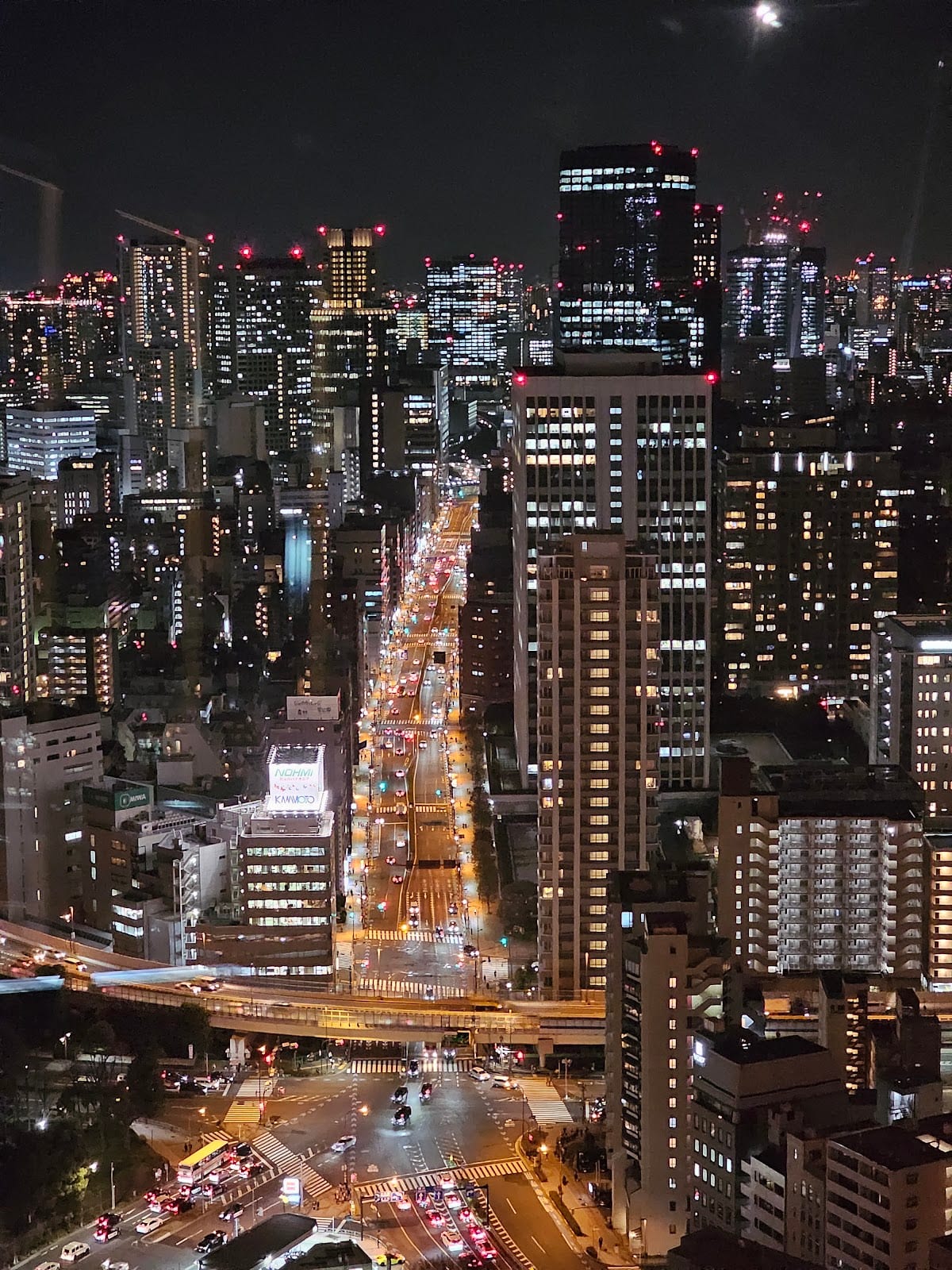
Near the top of the 238-metre Mori Tower, the Mori Art Museum is one of Tokyo's best-known contemporary-art venues. It shows only temporary exhibitions, so there is always a fresh, ambitious show on, and it stays open unusually late (to 22:00 most days, and to 17:00 on Tuesdays), which makes it a rare evening museum. One floor below, on the 52nd, Tokyo City View is a glassed-in observation deck that takes in the whole city, with Tokyo Tower glowing to the southeast. A combination ticket covers both, and admission runs roughly 1,600 to 2,400 yen depending on the show. One honest note: the open-air rooftop Sky Deck closed to the public in 2024, so the view here is now through glass.
Good for couples, solo, families
Sourcestcv.roppongihills.comtcv.roppongihills.comgotokyo.org
- 2
 Azabudai Hills Worth the hype
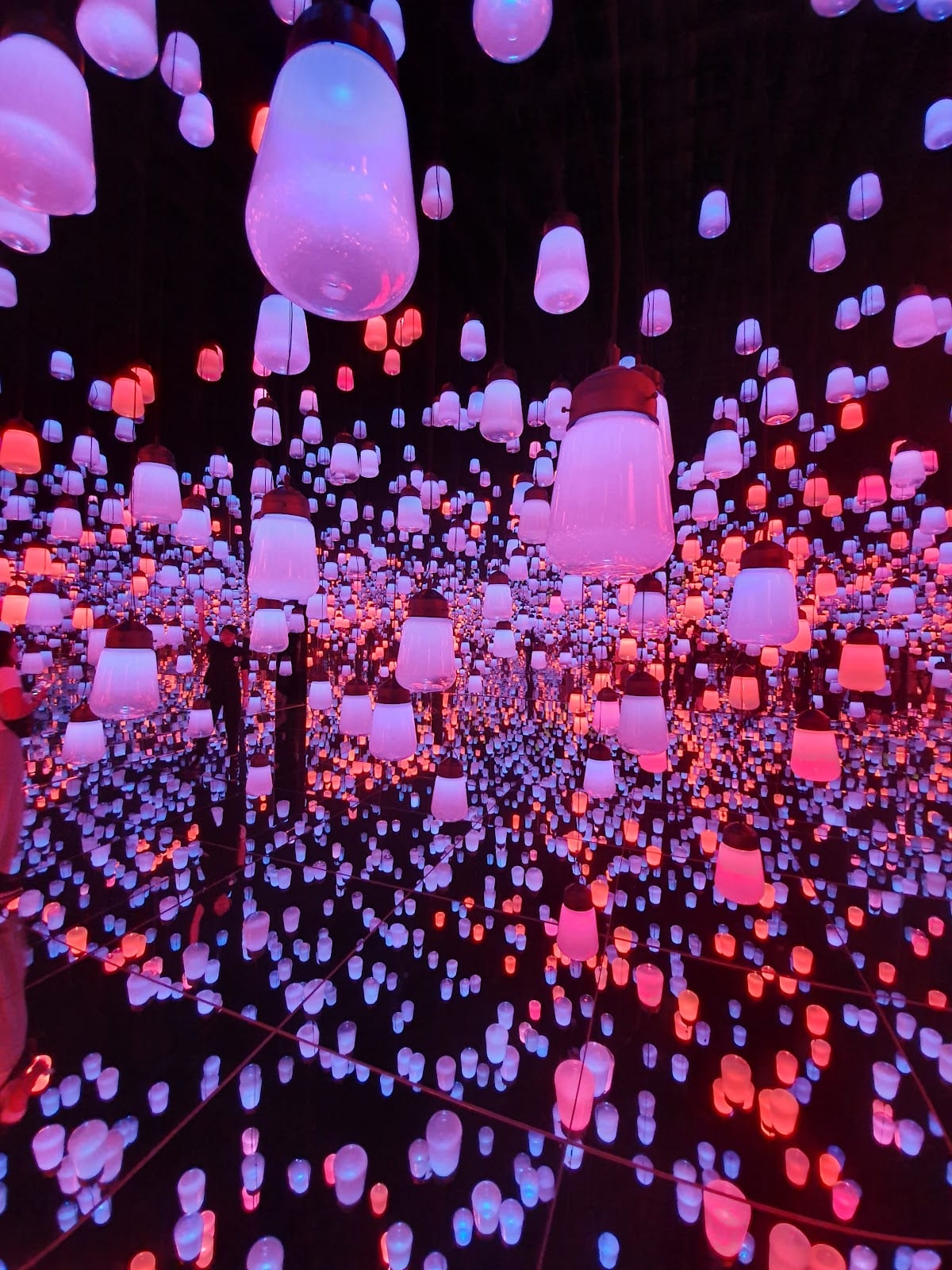
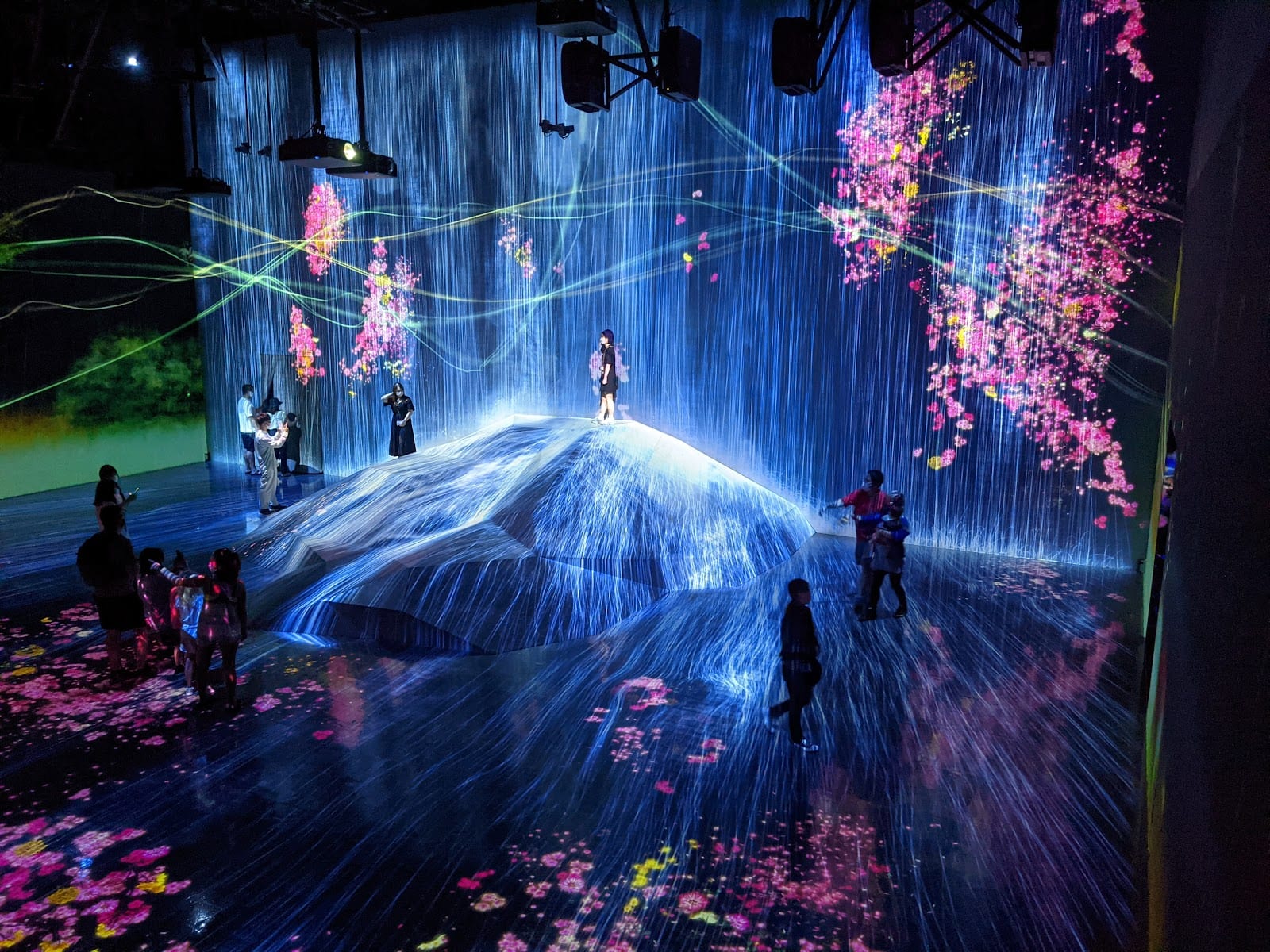
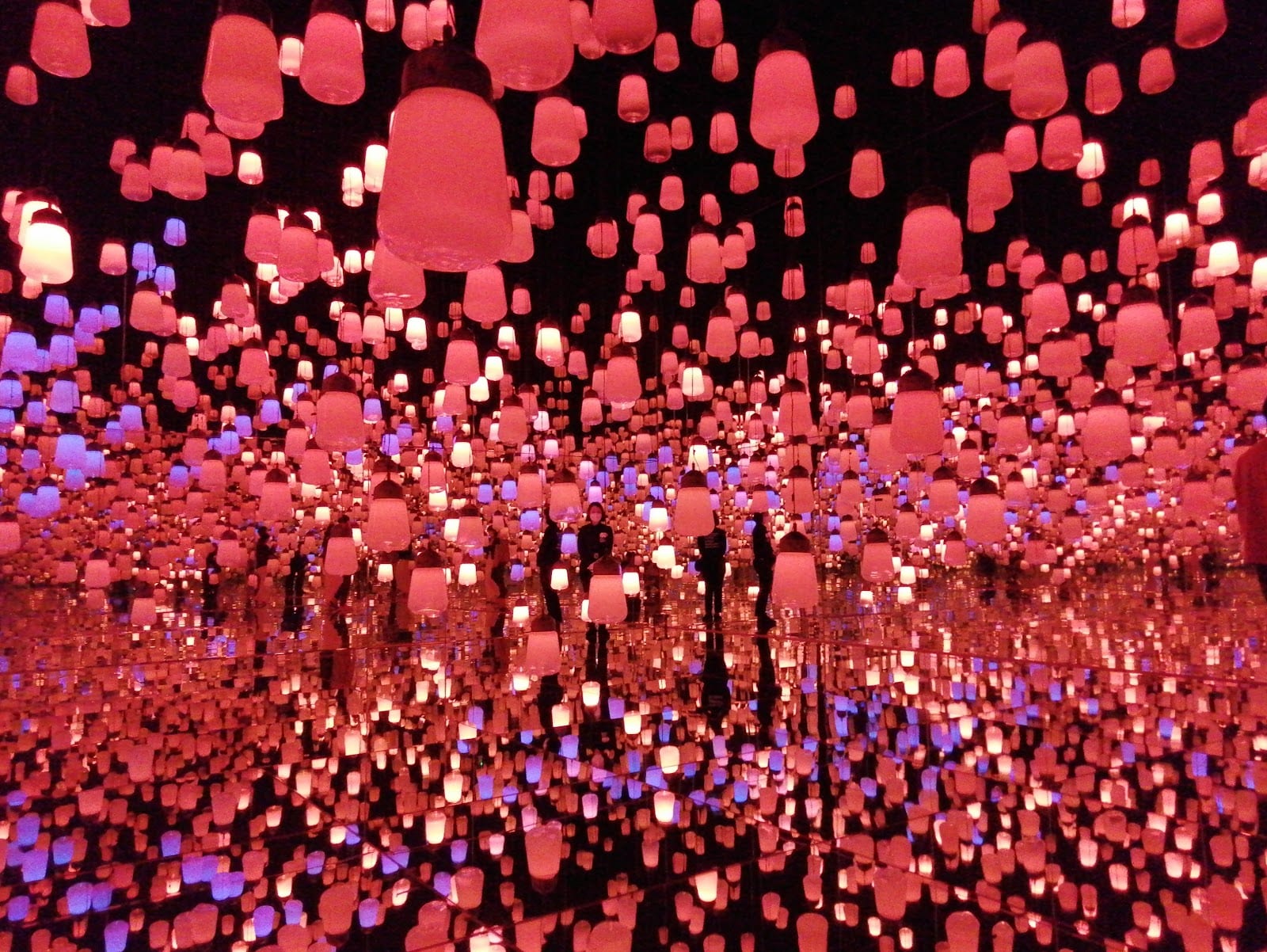
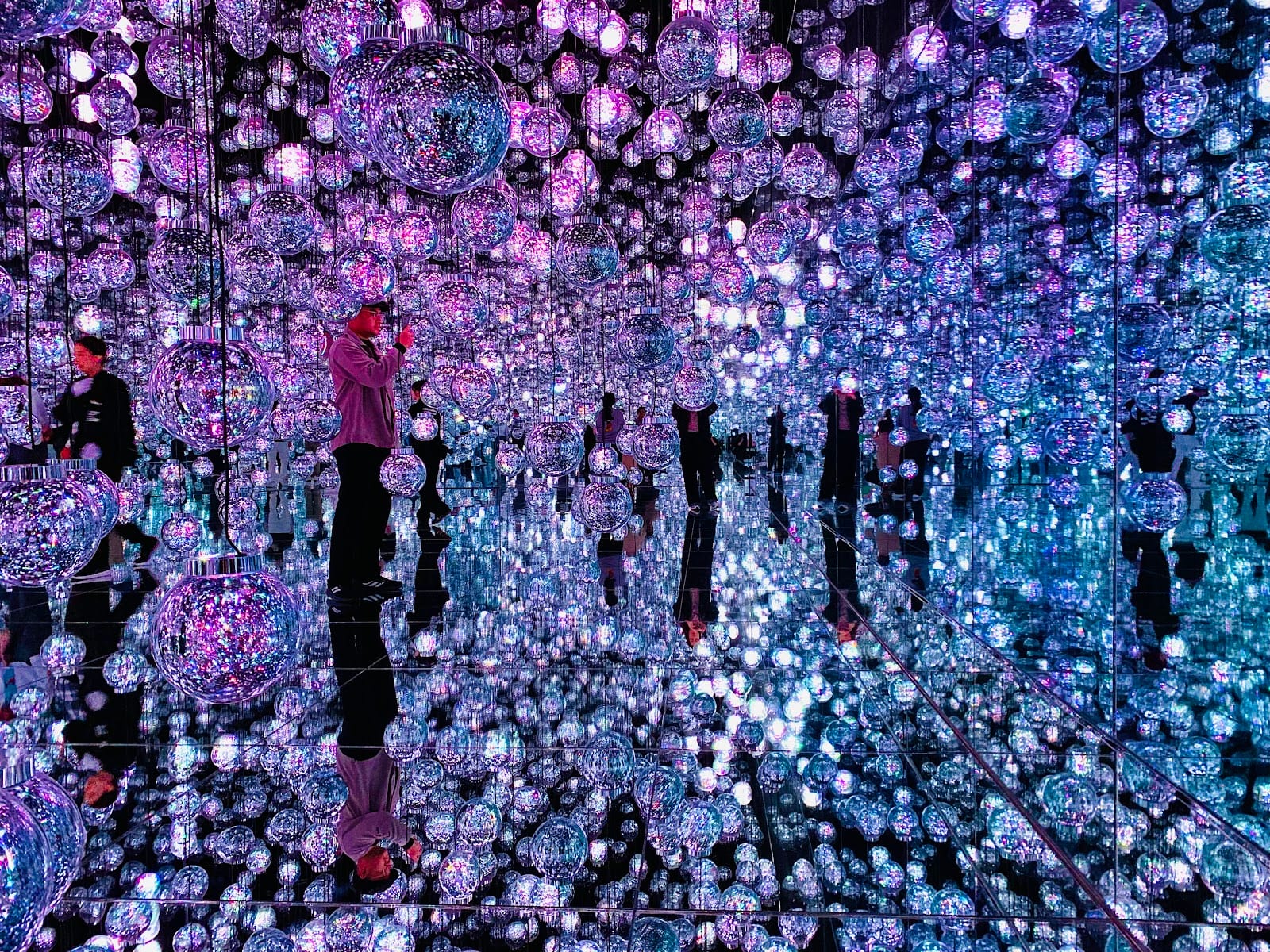
teamLab Borderless
The immersive digital-art museum, reopened inside the new Azabudai Hills in 2024.
teamLab Borderless is the wander-where-you-like digital-art museum that reopened in February 2024 in the basement of Azabudai Hills, about a ten-minute walk from Roppongi Crossing, after its original Odaiba home closed in 2022. Rooms of projected light, falling flowers, mirrors, and water spill into one another with no map and no set path, which is the whole idea. It is a different thing from the Mori Art Museum (paintings and sculpture on a gallery wall) and a different venue from teamLab Planets in Toyosu across town (a separate teamLab venue across town). Tickets are timed and dynamically priced from around 3,800 yen, so book ahead and allow one to two hours.
Good for families, couples, friends
Sourcesjapan.travelgotokyo.org
- 3
 Nogizaka Worth it
The National Art Center, Tokyo
Kisho Kurokawa's wave of glass, and you can walk in for free.
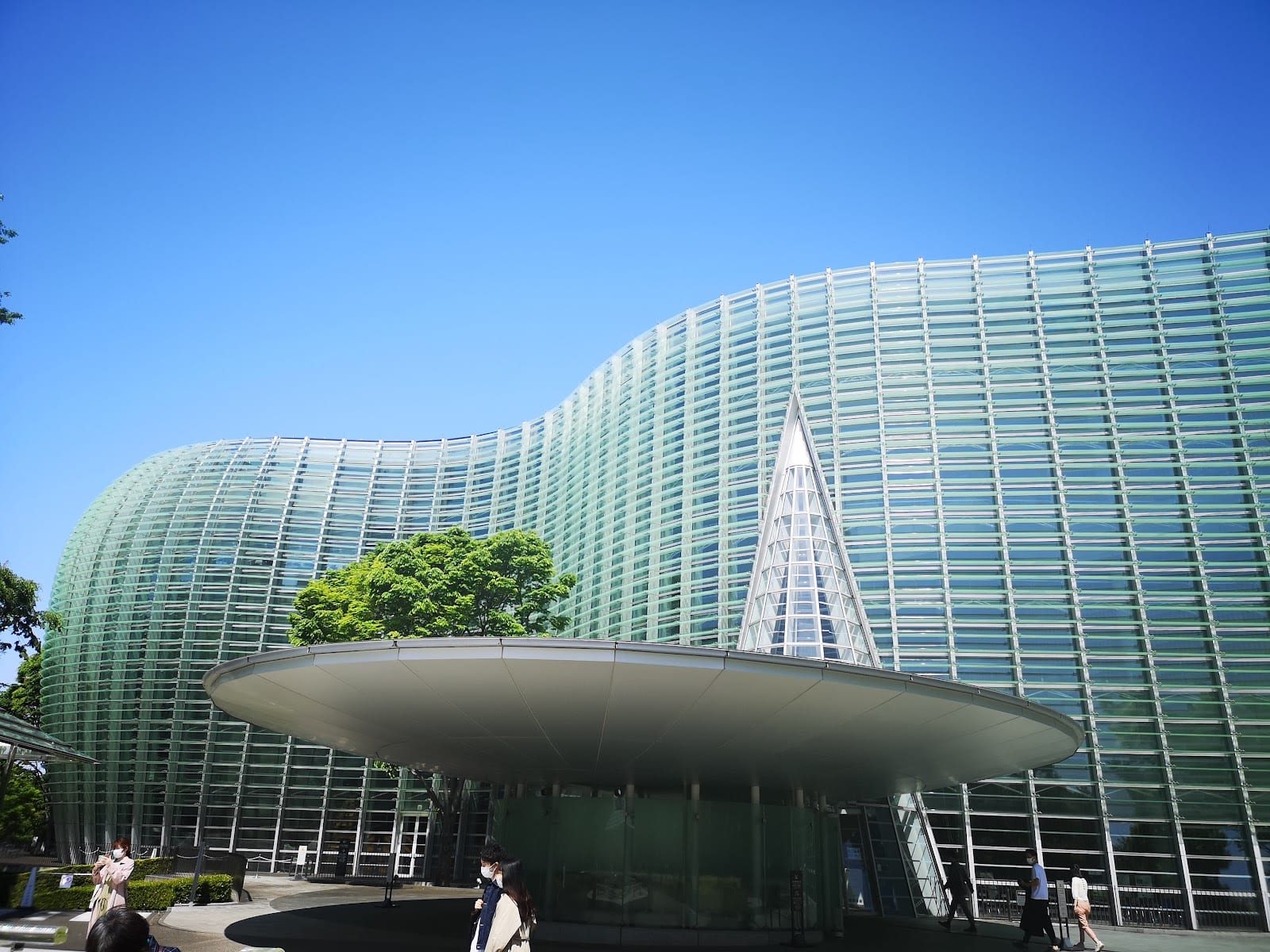
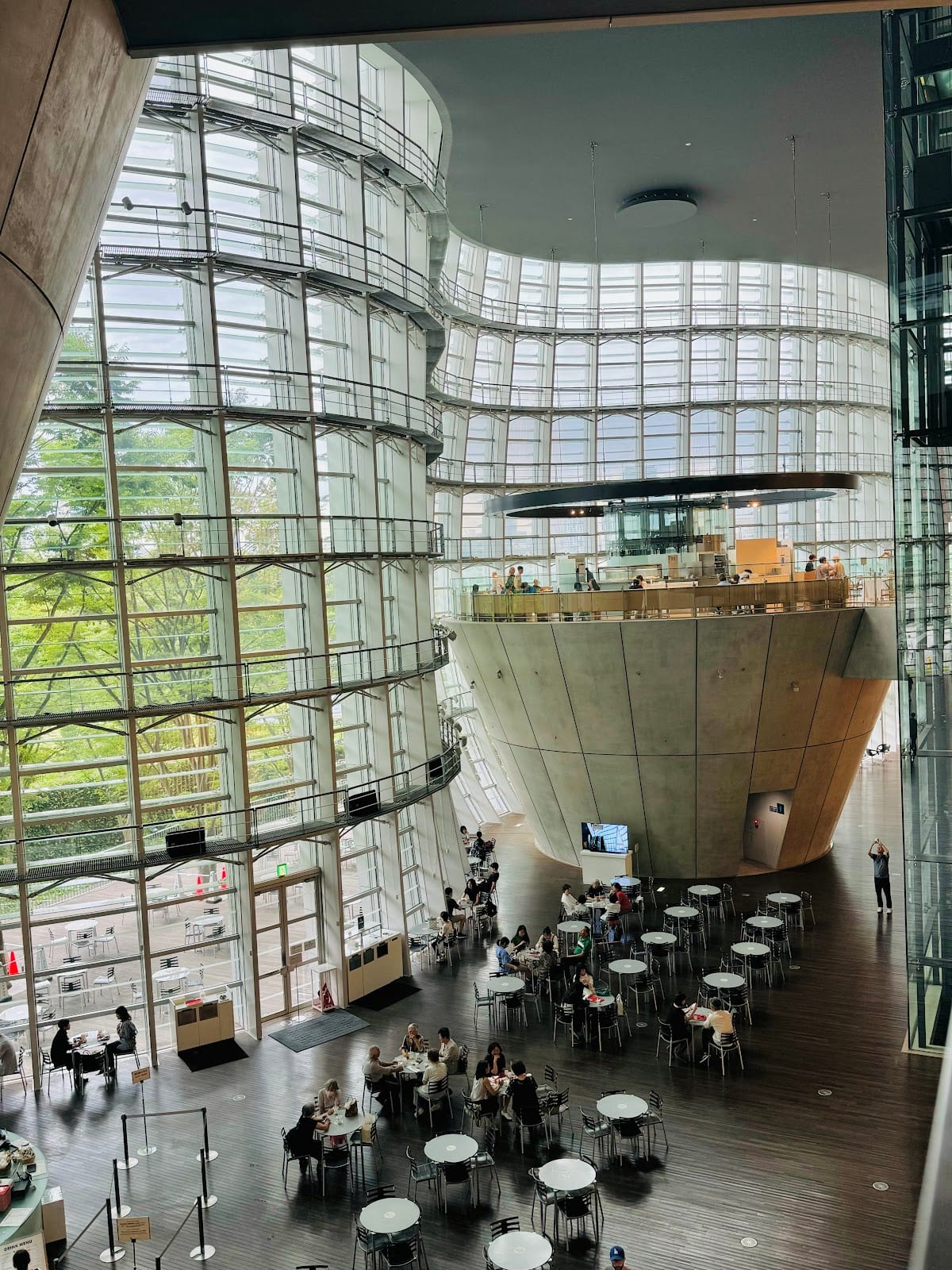
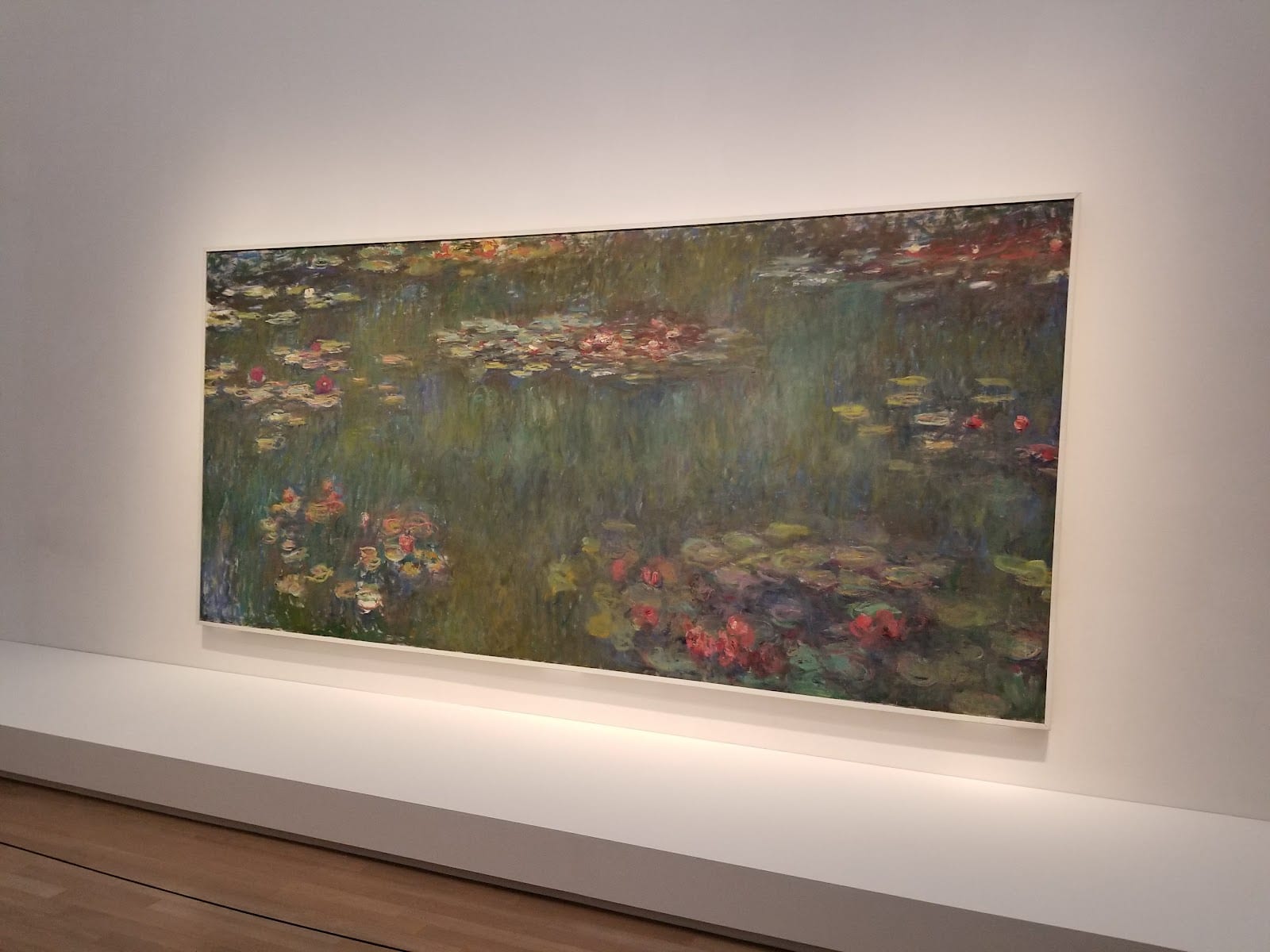
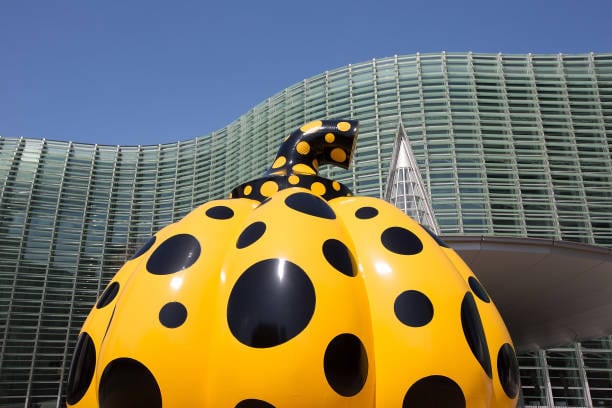
A short walk from Nogizaka station, the National Art Center is one of the largest exhibition spaces in Japan and, with no permanent collection, a pure stage for rotating blockbuster shows and the big artist-association exhibitions. The building itself is the draw even when nothing grabs you on the bill: it was Kisho Kurokawa's final work, a rippling wall of glass fronting a soaring atrium, with huge inverted concrete cones inside, one of them topped by the Brasserie Paul Bocuse restaurant. Entry to the building and its architecture is free; you pay only for ticketed exhibitions. Closed Tuesdays.
Good for solo, couples, families


Worth it with more time
Good additions once you've done the icons.- 1
 Shiba-koen Worth it
Tokyo Tower
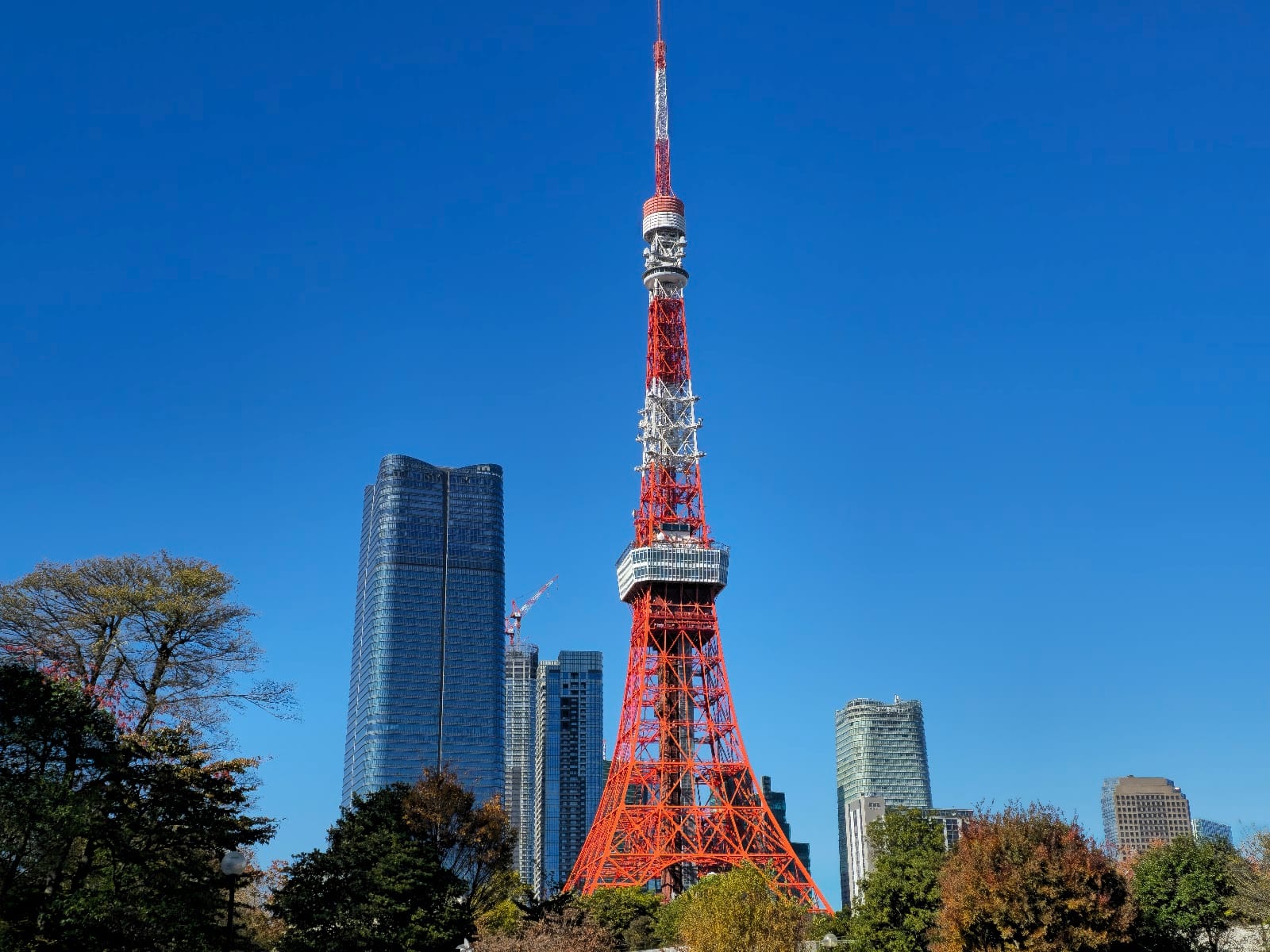
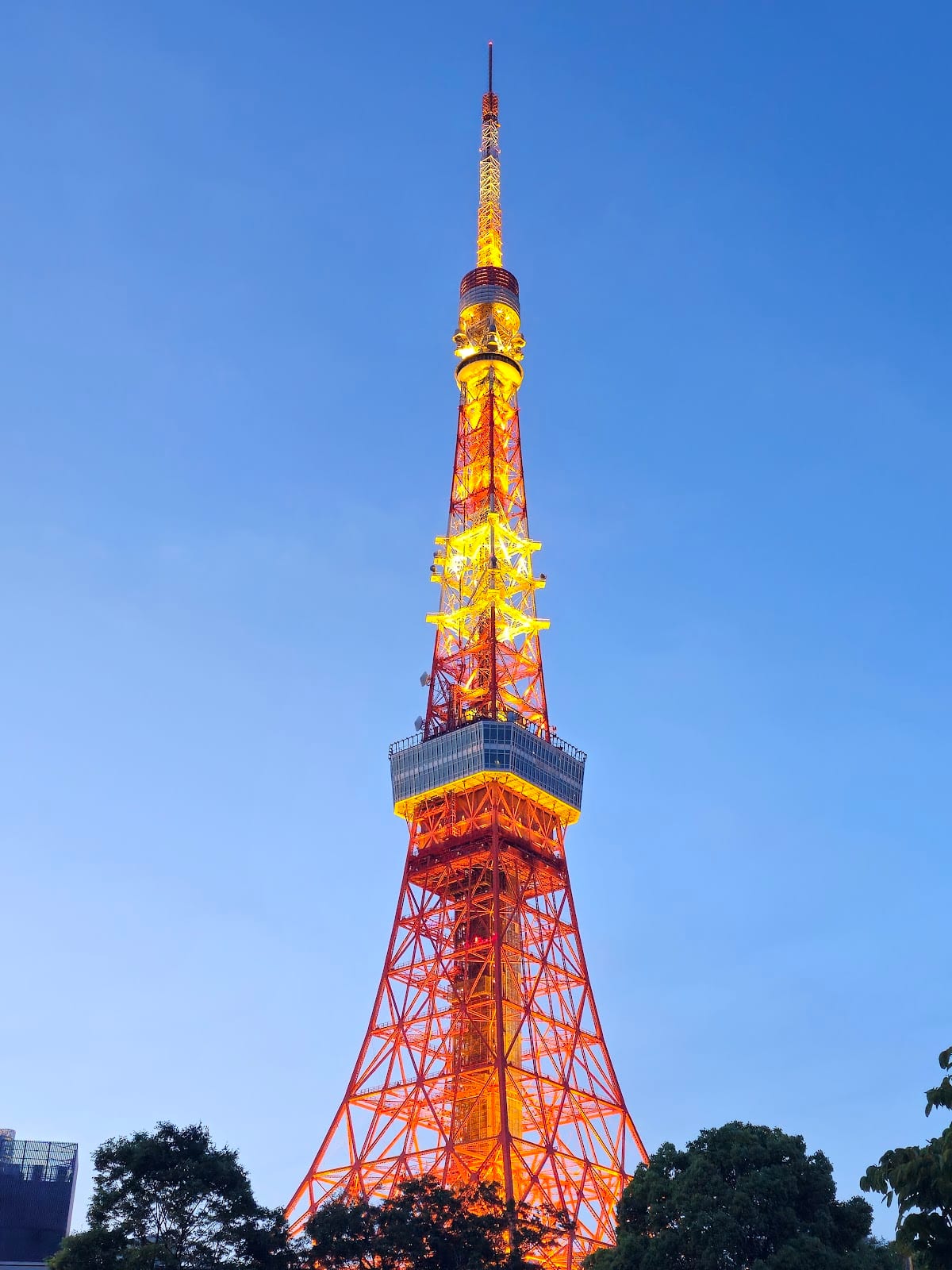
Tokyo's beloved 1958 answer to the Eiffel Tower, 333 metres of orange steel.
A short walk southeast of Roppongi, Tokyo Tower has been the city's romantic skyline landmark since 1958, a deliberate homage to the Eiffel Tower painted international orange and white, and at 333 metres it stands just taller than its Paris inspiration. The two-storey Main Deck at 150 metres (around 1,500 yen) is enough for most visitors; the Top Deck Tour climbs to 250 metres (around 3,300 yen booked online). For the classic photo you need no ticket at all: the grounds of Zojoji, the free Tokugawa family temple next door, frame the orange tower beautifully.
Good for families, couples, solo
- 2
 Tokyo Midtown Worth it
Tokyo Midtown
The other big complex: traditional art, a design gallery, and a garden.
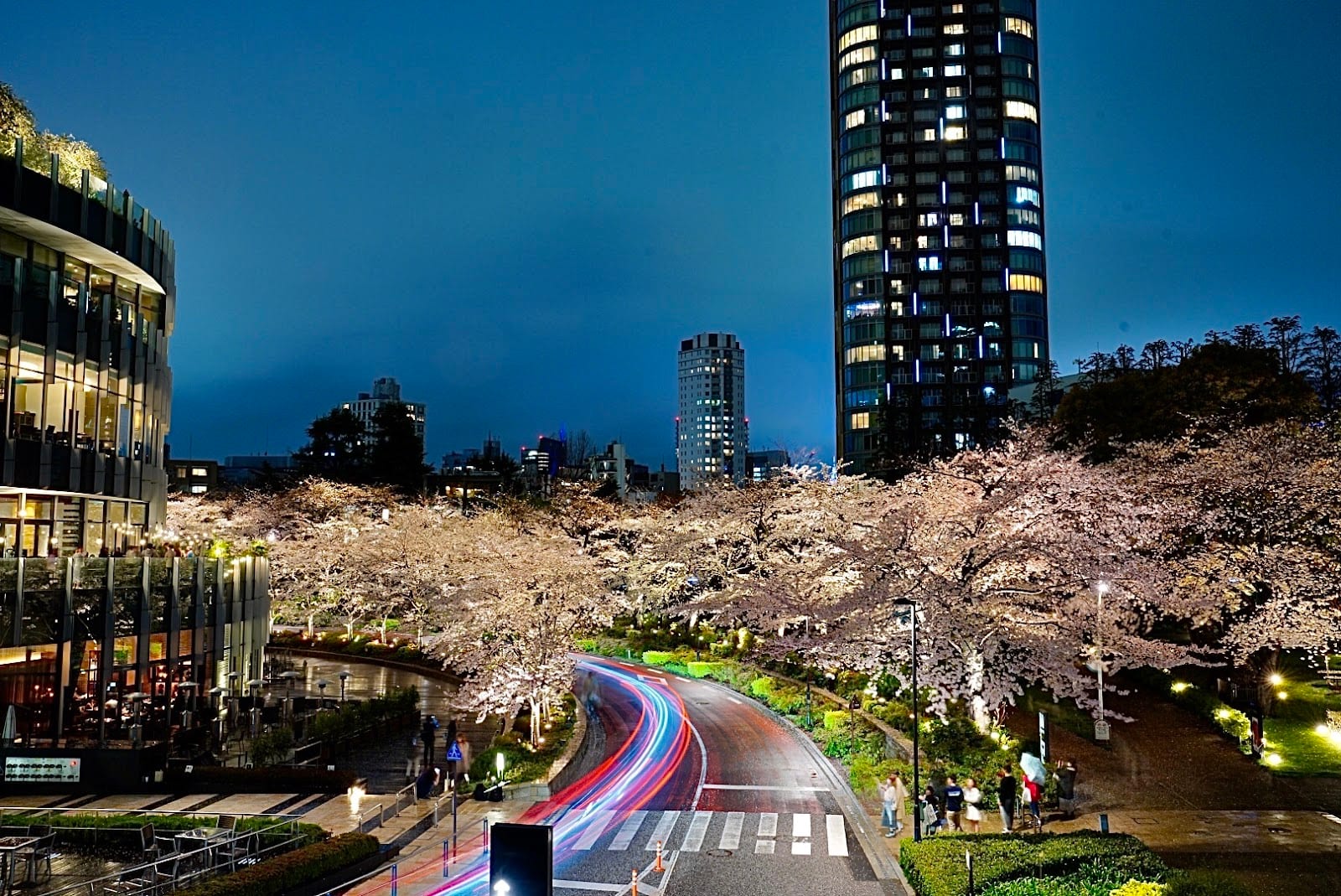
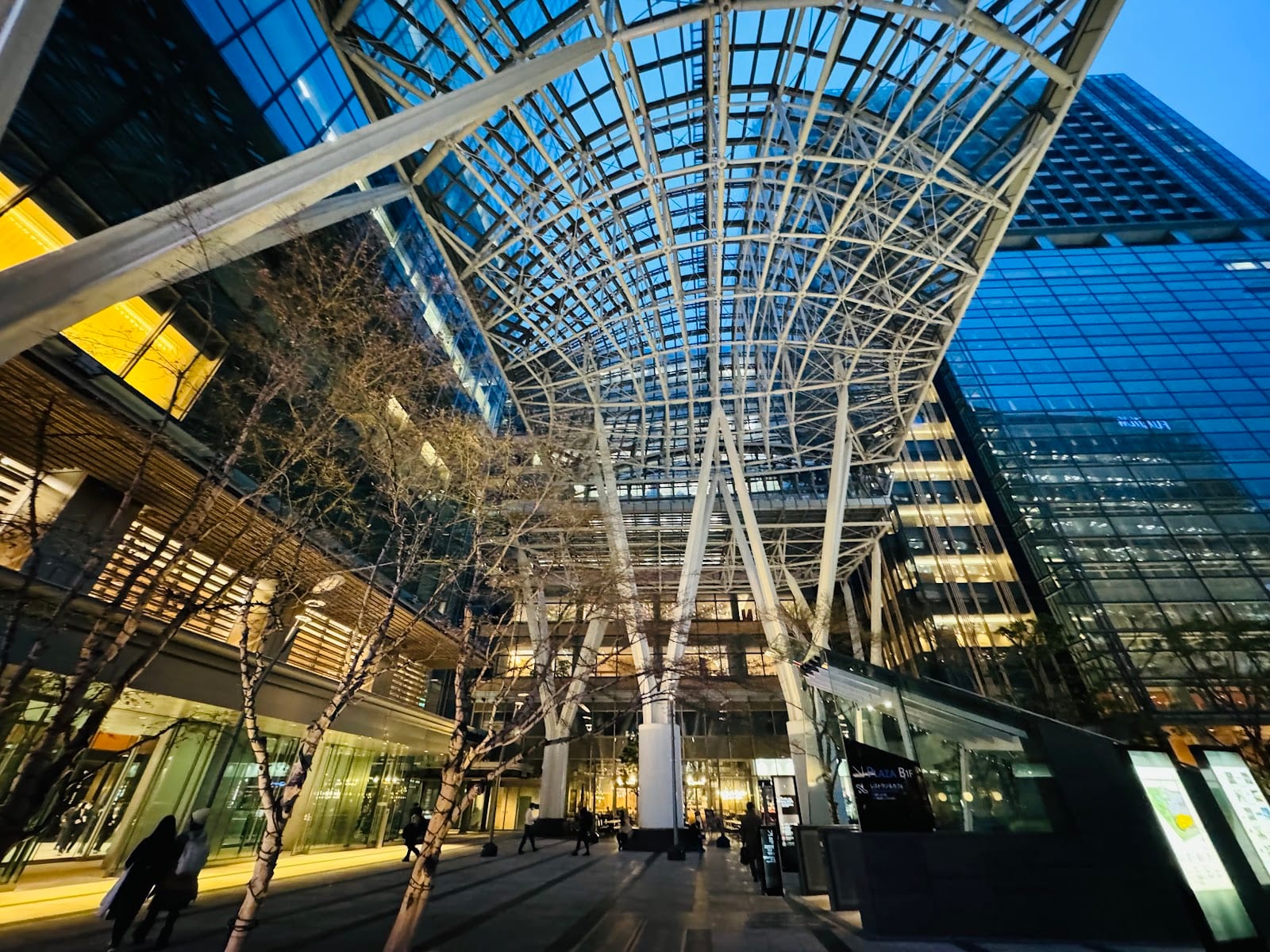
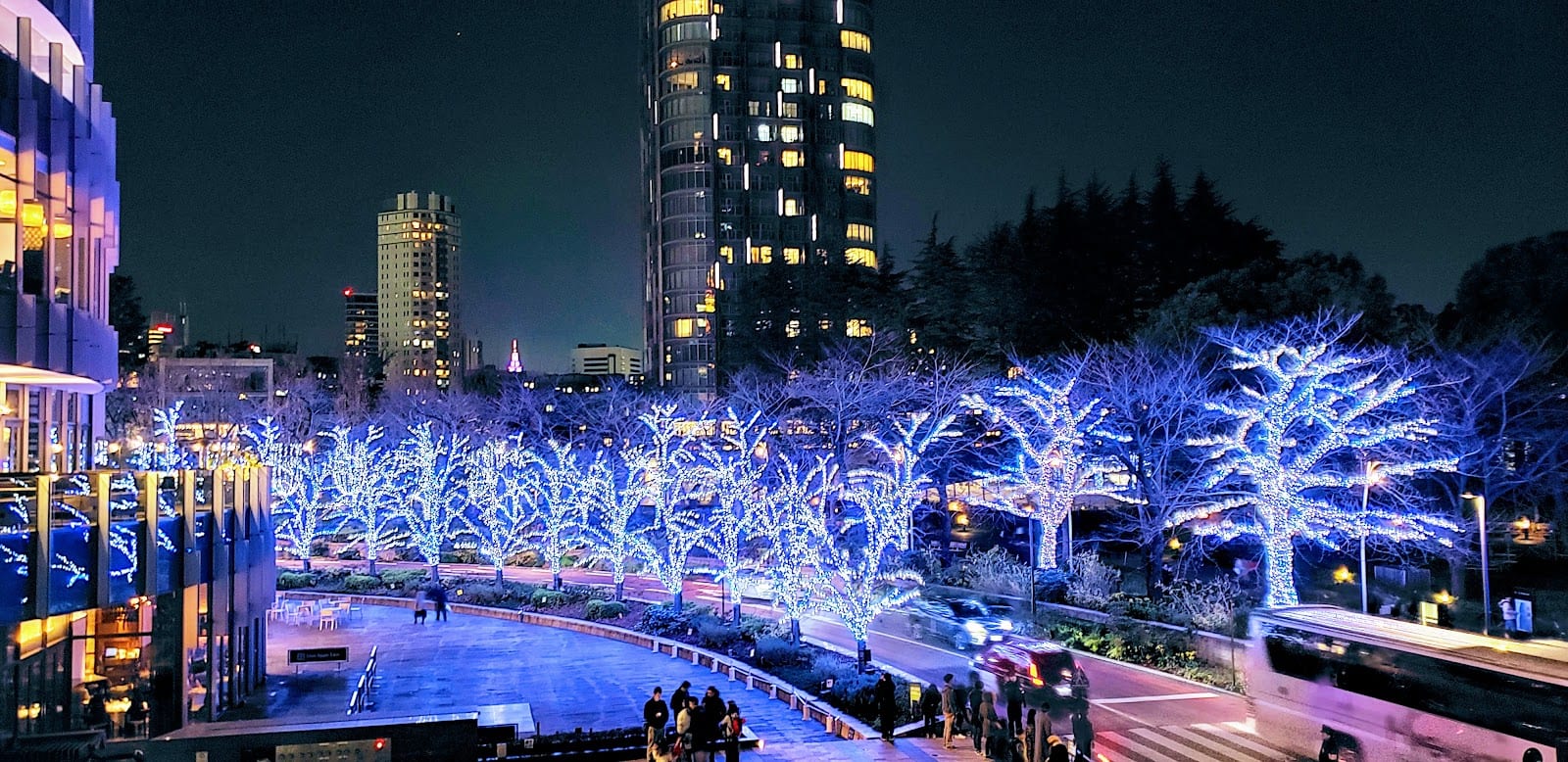
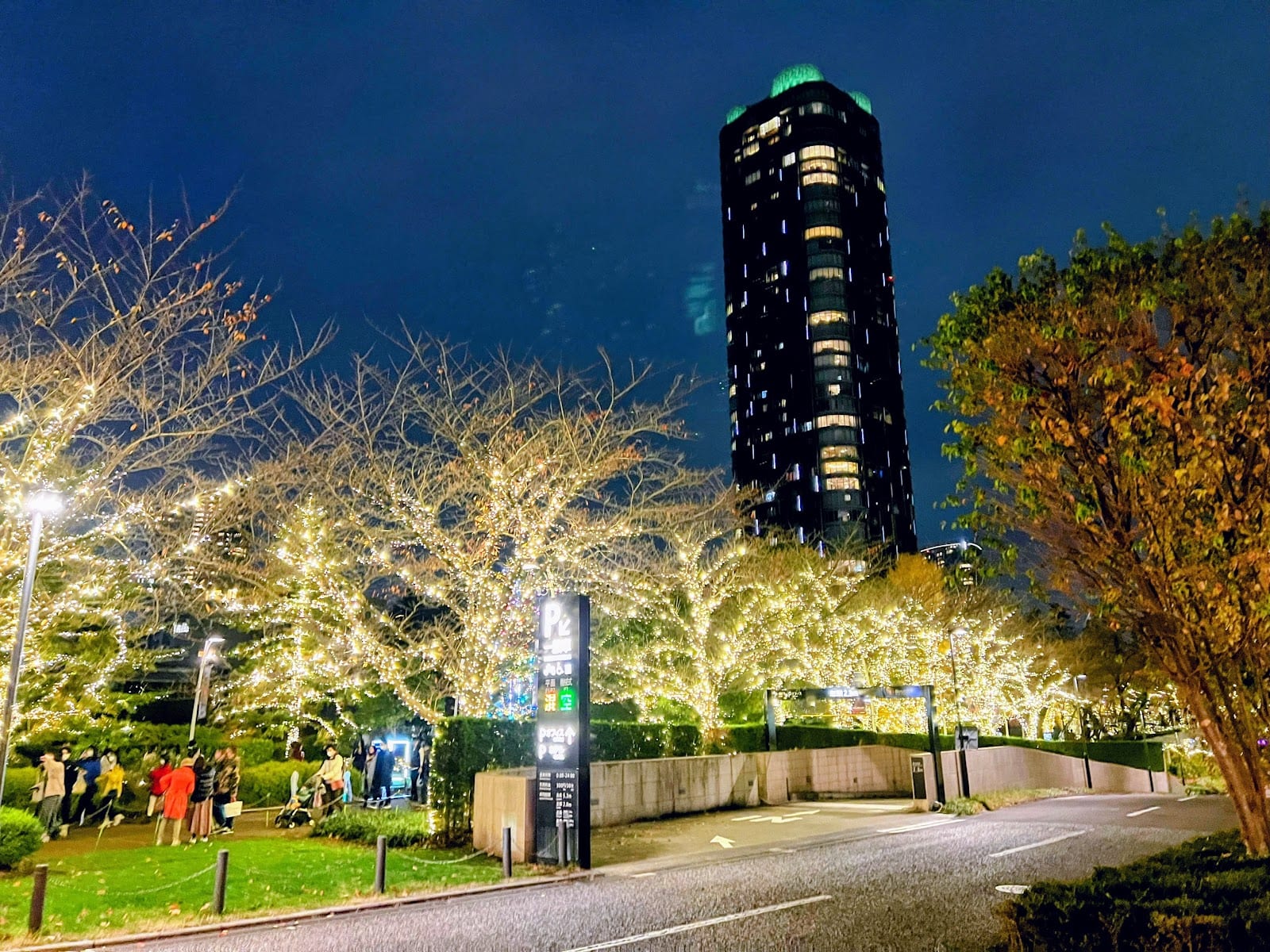
Roppongi's quieter, greener mega-complex sits a fifteen-minute walk north of Roppongi Hills, and it holds two of the Art Triangle's three points. The Suntory Museum of Art shows traditional Japanese painting, ceramics, lacquer, and glass in rotating exhibitions. Out in the garden, 21_21 Design Sight is Tadao Ando's part-buried concrete gallery devoted to design, founded with the clothing designer Issey Miyake (admission around 1,600 yen). Behind it, Hinokicho Park is a free remnant of an Edo-era daimyo garden. A calm counterweight to the towers.
Good for couples, families, solo
Sourcessuntory.comen.wikipedia.orgen.wikipedia.orggotokyo.org
- 3
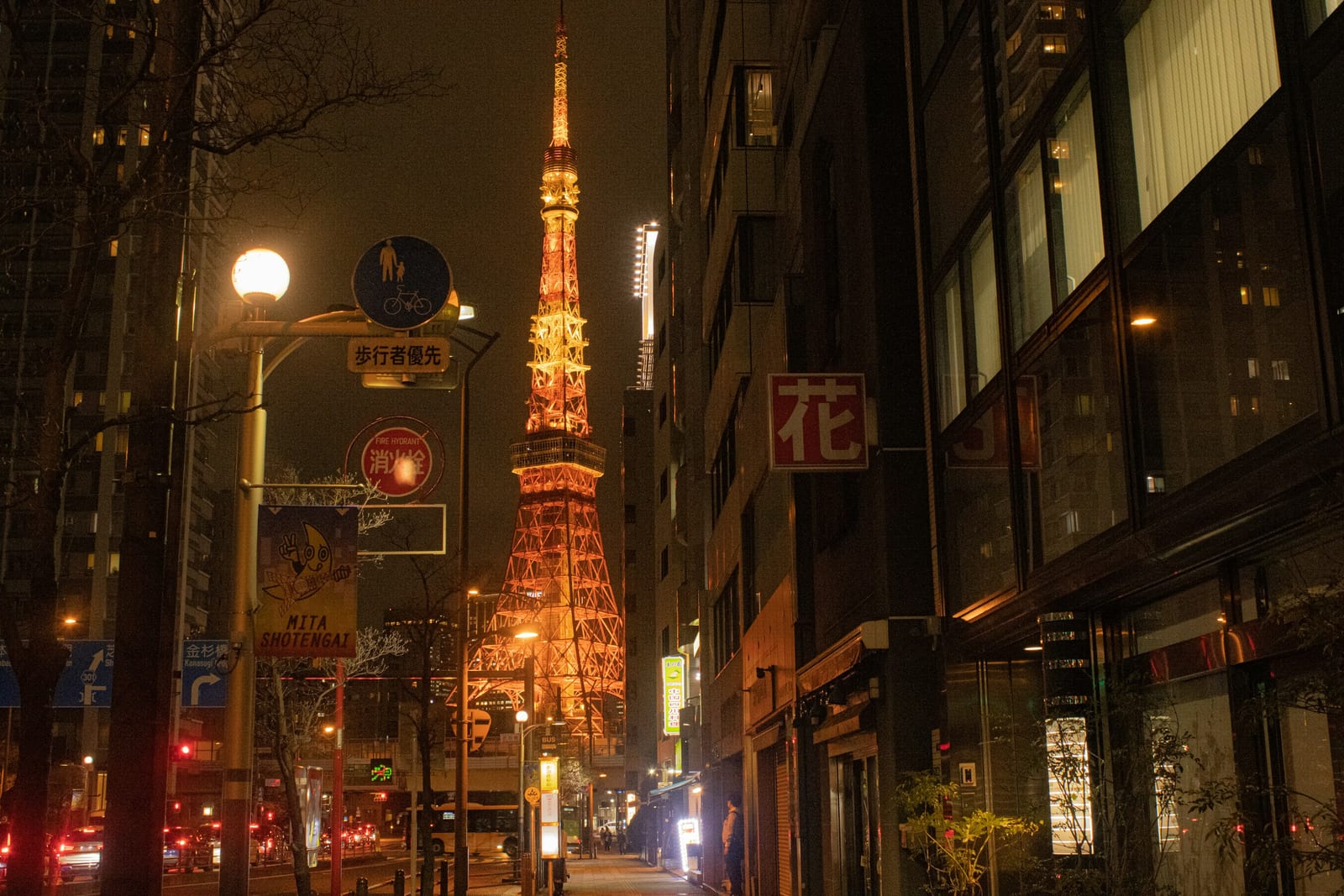 Roppongi Crossing Mixed
Roppongi Crossing & nightlife
The neon heart of Roppongi after dark, and the honest warning that comes with it.
Roppongi-dori and Gaienhigashi-dori meet at Roppongi Crossing, the centre of the district's famous nightlife. There are genuinely good bars and clubs around here, but this is also the one corner of Tokyo where you need your guard up: the UK and US governments have both publicly warned about aggressive touts, clip-joint bars that pad the bill, and drink-spiking around Roppongi specifically. The rules that keep a night out fun are simple. Never follow a street tout into a bar, check prices before you sit down, and never leave a drink unattended. Stick to established, well-reviewed places and Roppongi at night is a good time; wander into a tout's special offer and it usually is not.
Free30 minGood for friends, couples
Sourcesgov.ukjapantoday.com
- 4
 Azabudai Worth it
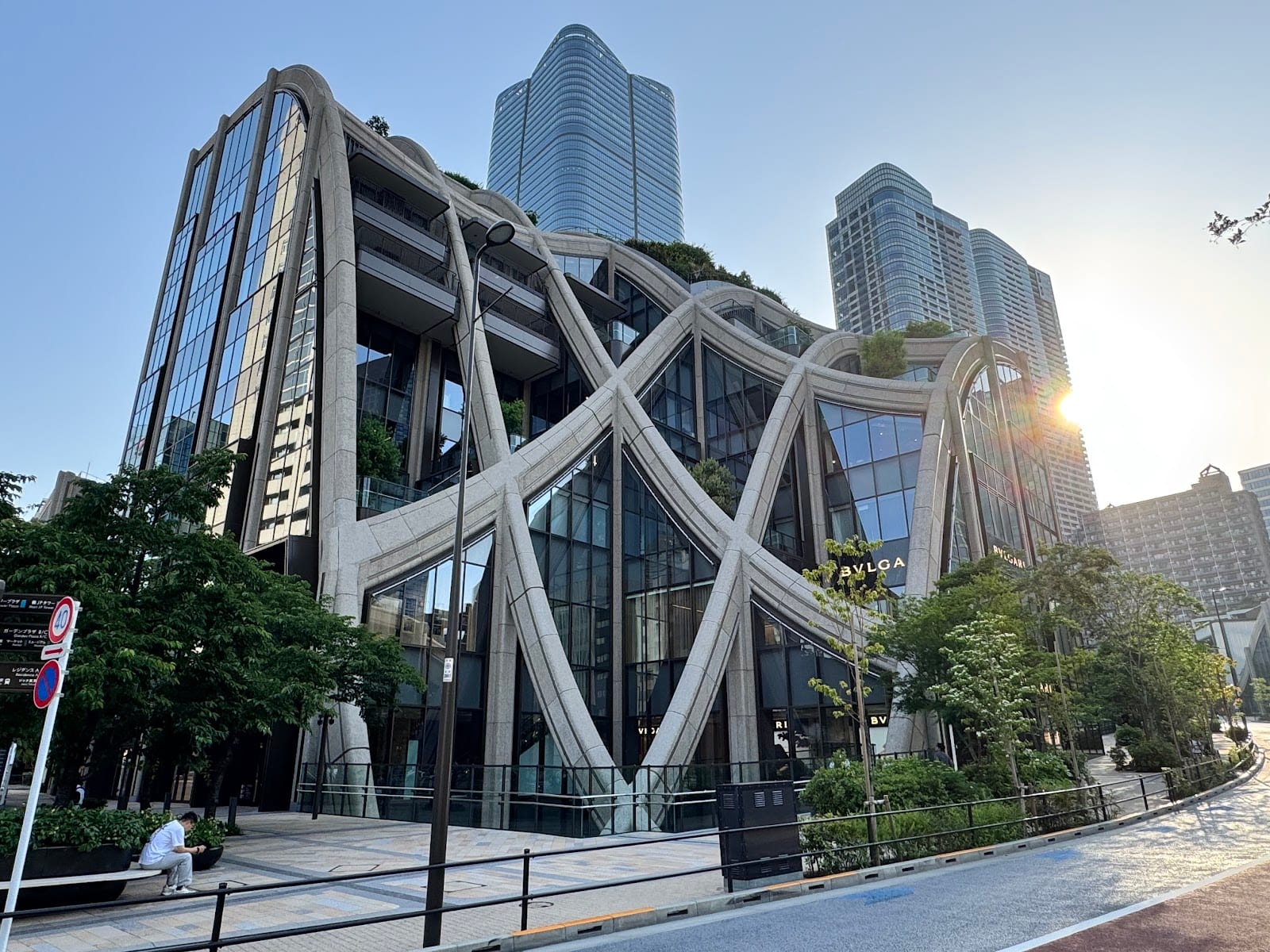
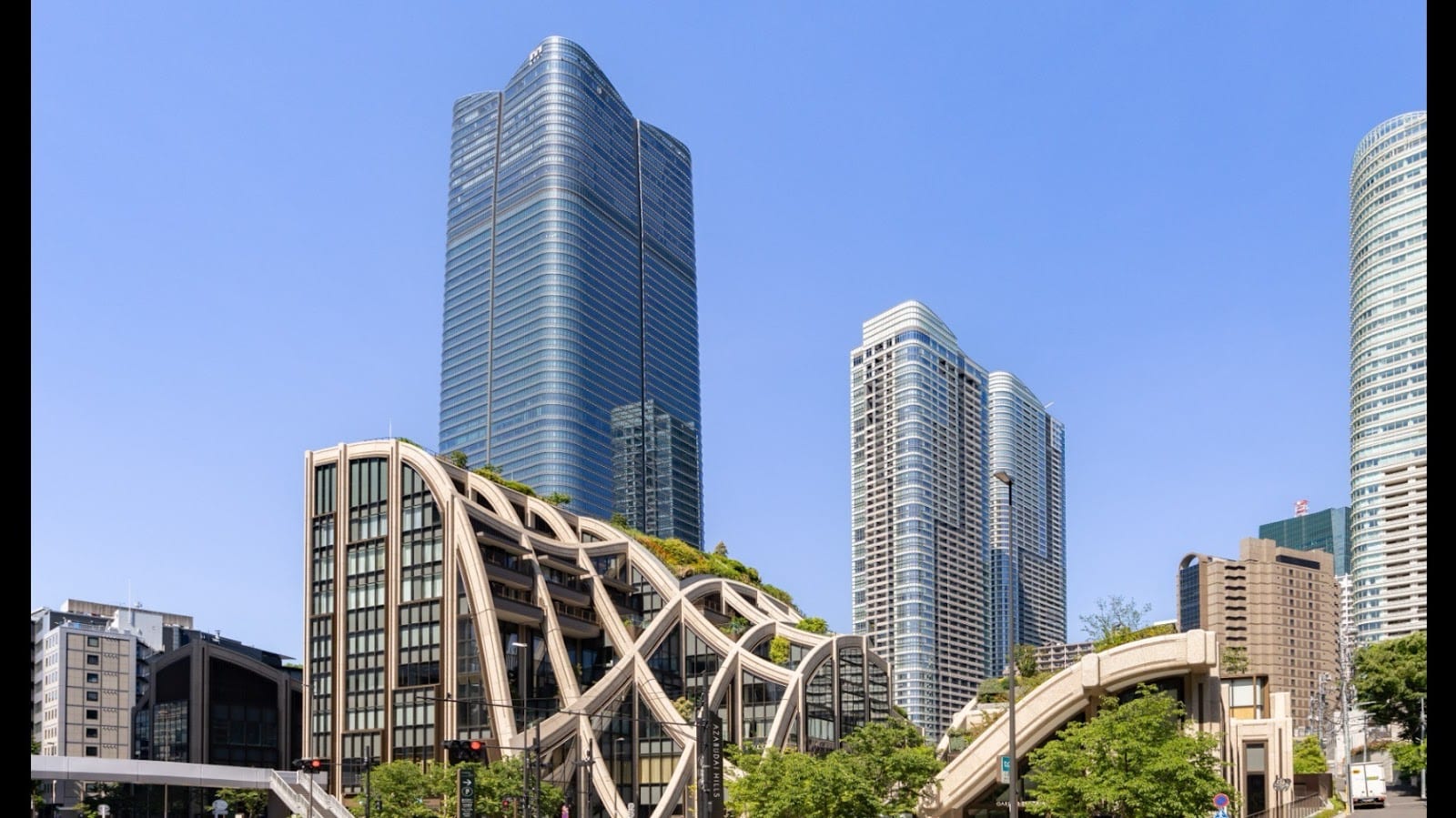
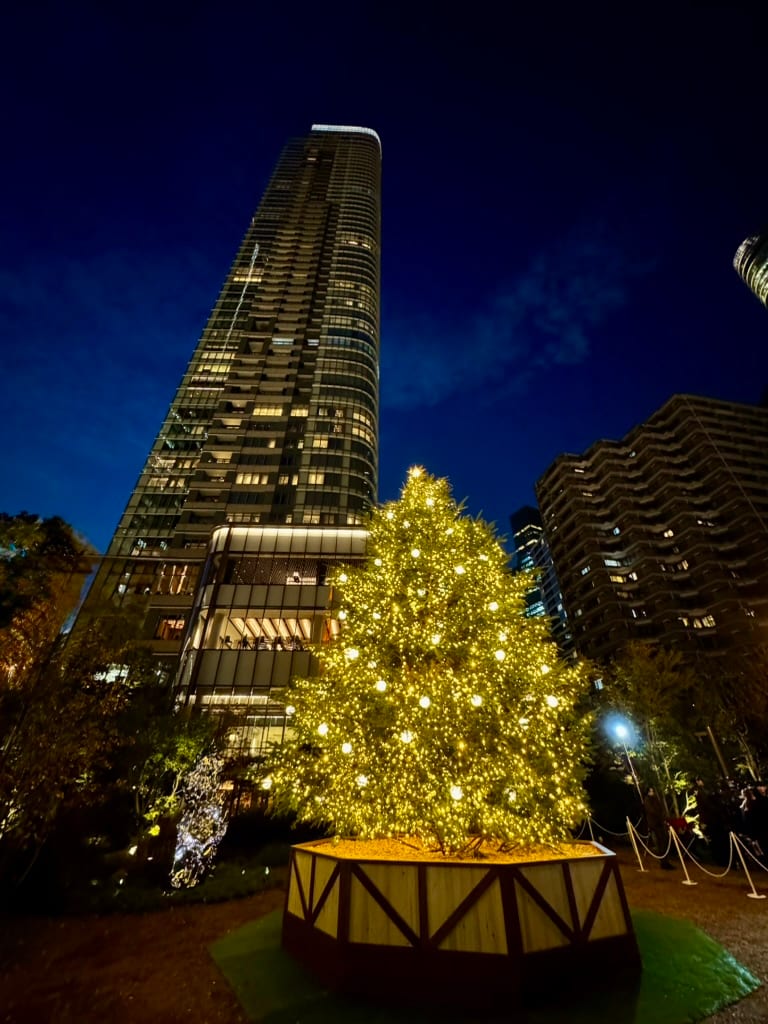
Azabudai Hills
Japan's tallest tower and a brand-new garden quarter on Roppongi's edge.
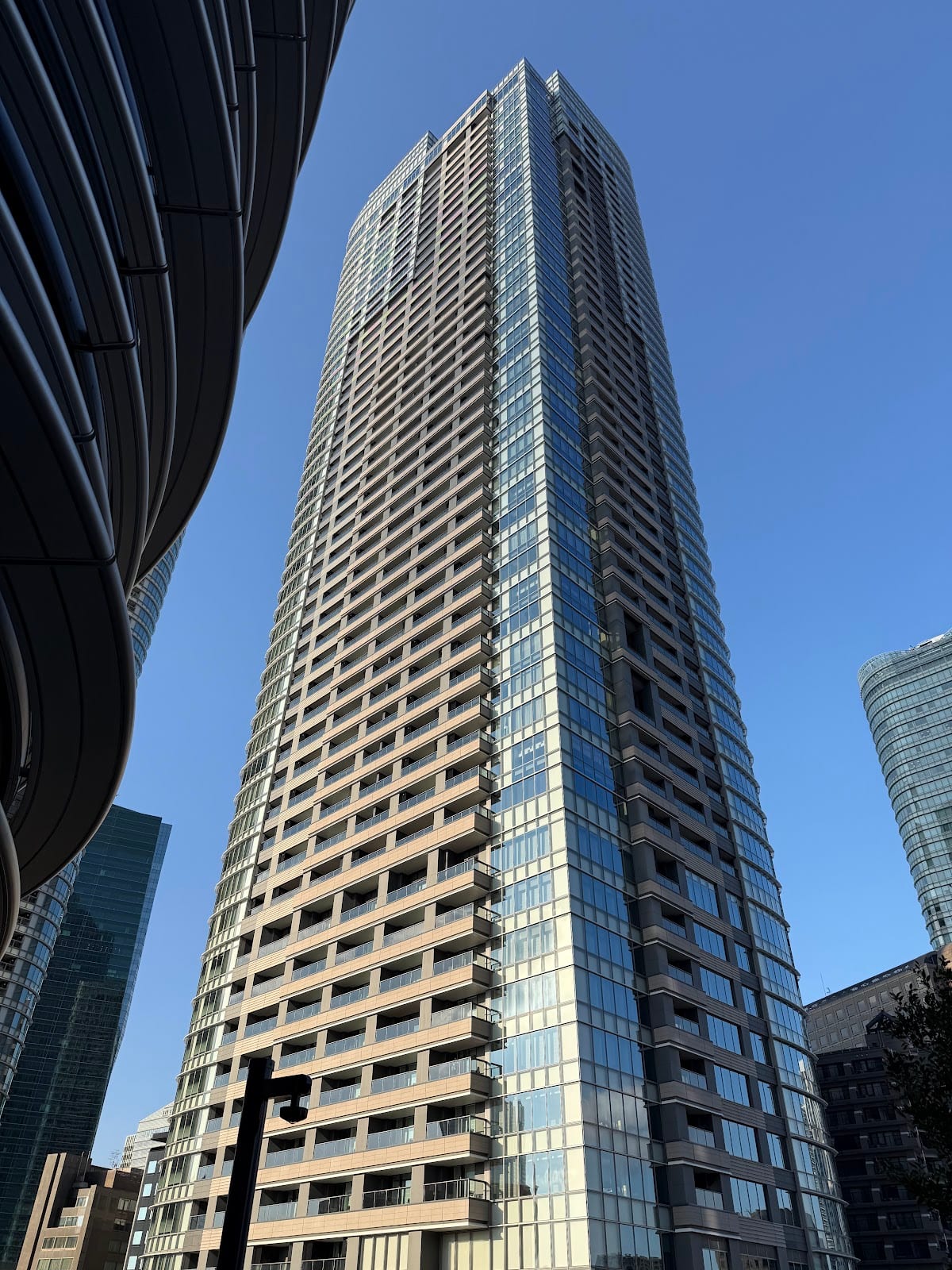
Opened in late 2023 between Roppongi and Kamiyacho, Azabudai Hills is anchored by the 325-metre Mori JP Tower, now the tallest building in Japan, with terraced gardens and low-rise buildings designed by Heatherwick Studio, plus plazas, shops, and (below ground) the teamLab Borderless museum. It is the most polished new corner of Tokyo, free to wander, and worth a look for the architecture and landscaping alone. One honest note: the 33rd-floor Sky Lobby that opened with sweeping skyline views is no longer freely open to the public, so to go up you now need to buy something at one of its cafes.
Open daily; shops and gardens vary by tenant.Good for couples, families, friends


Hidden gems
Where the crowds thin out.- Hidden gem
 Nogizaka Worth it
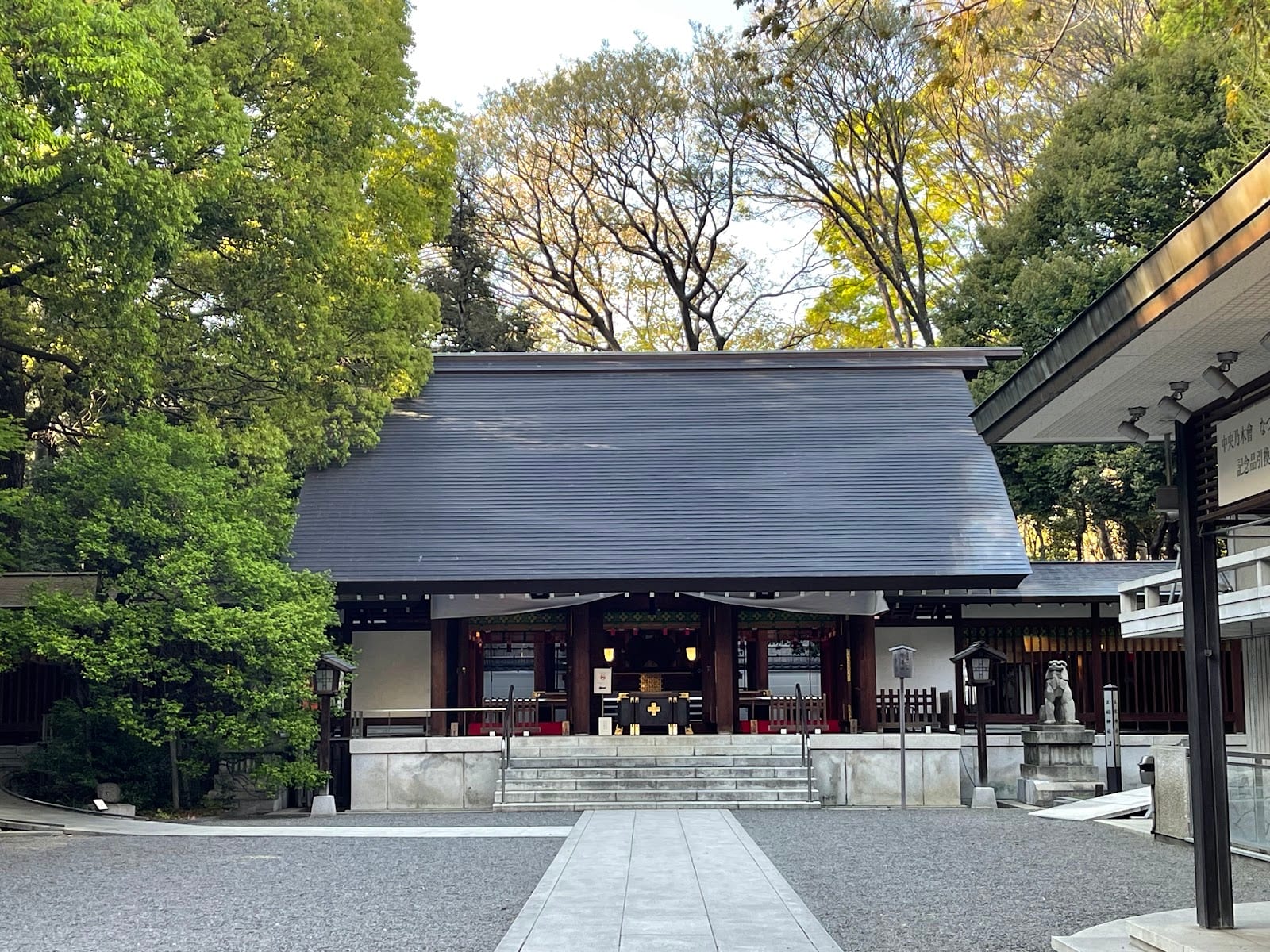
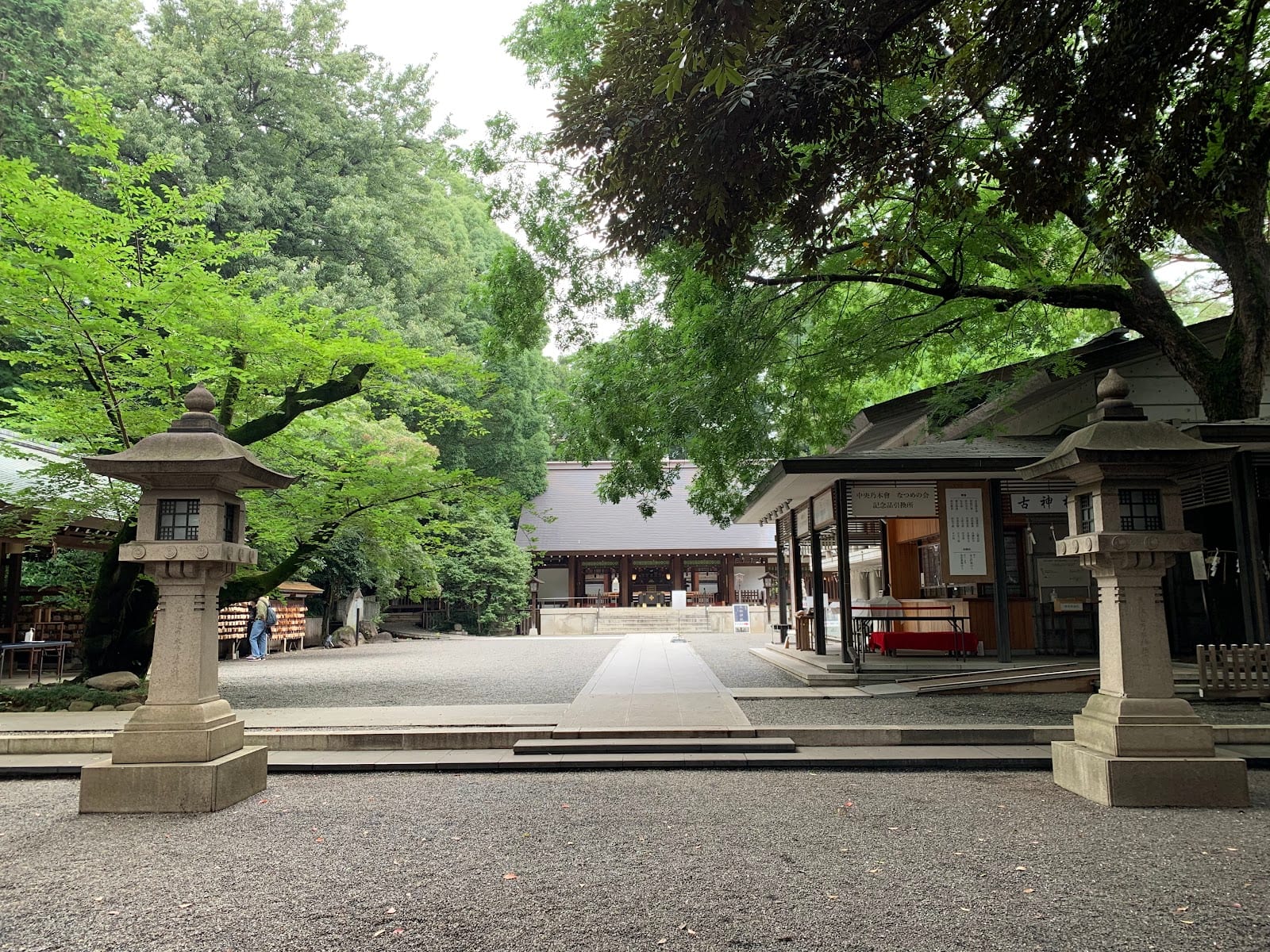
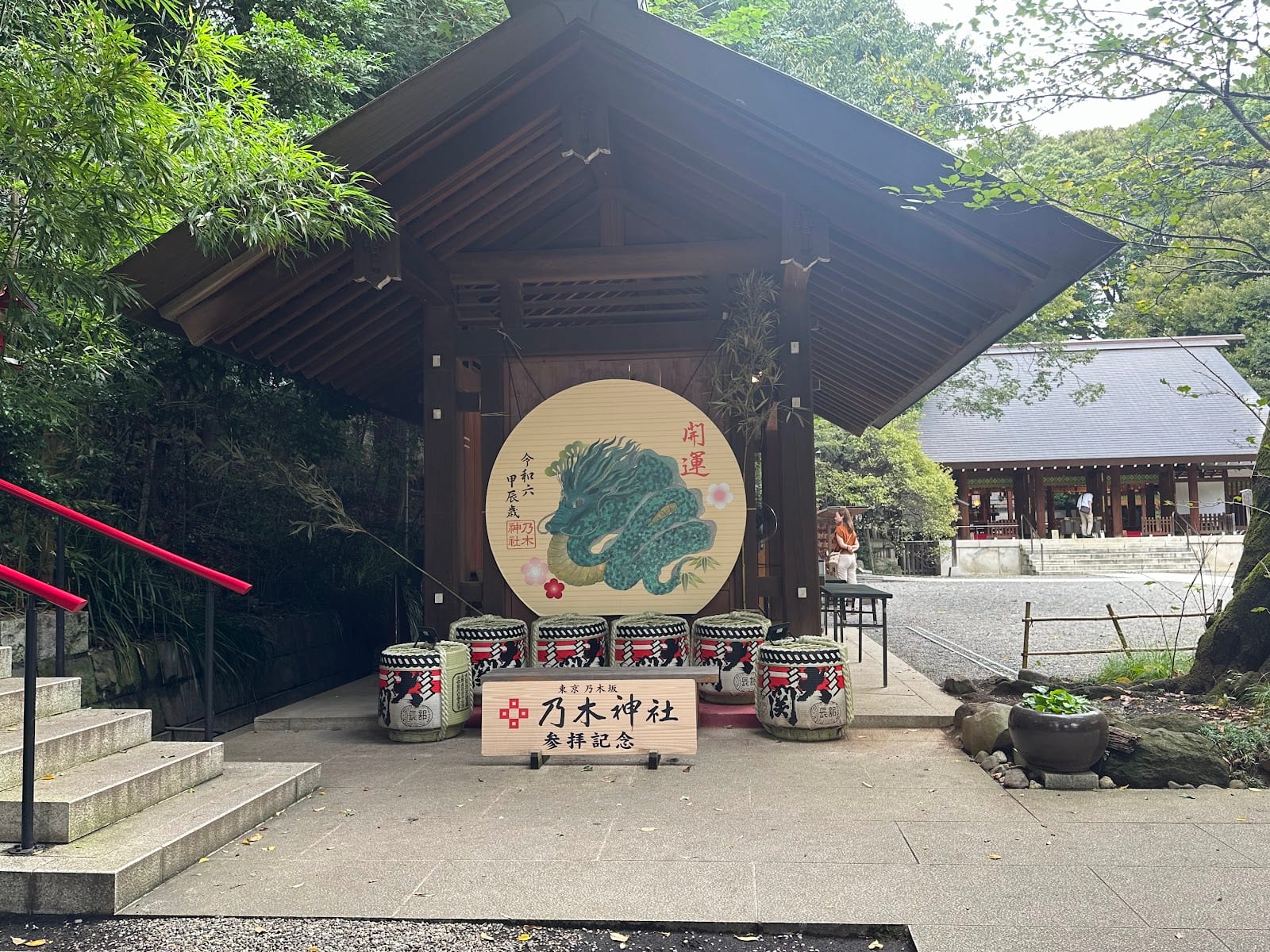
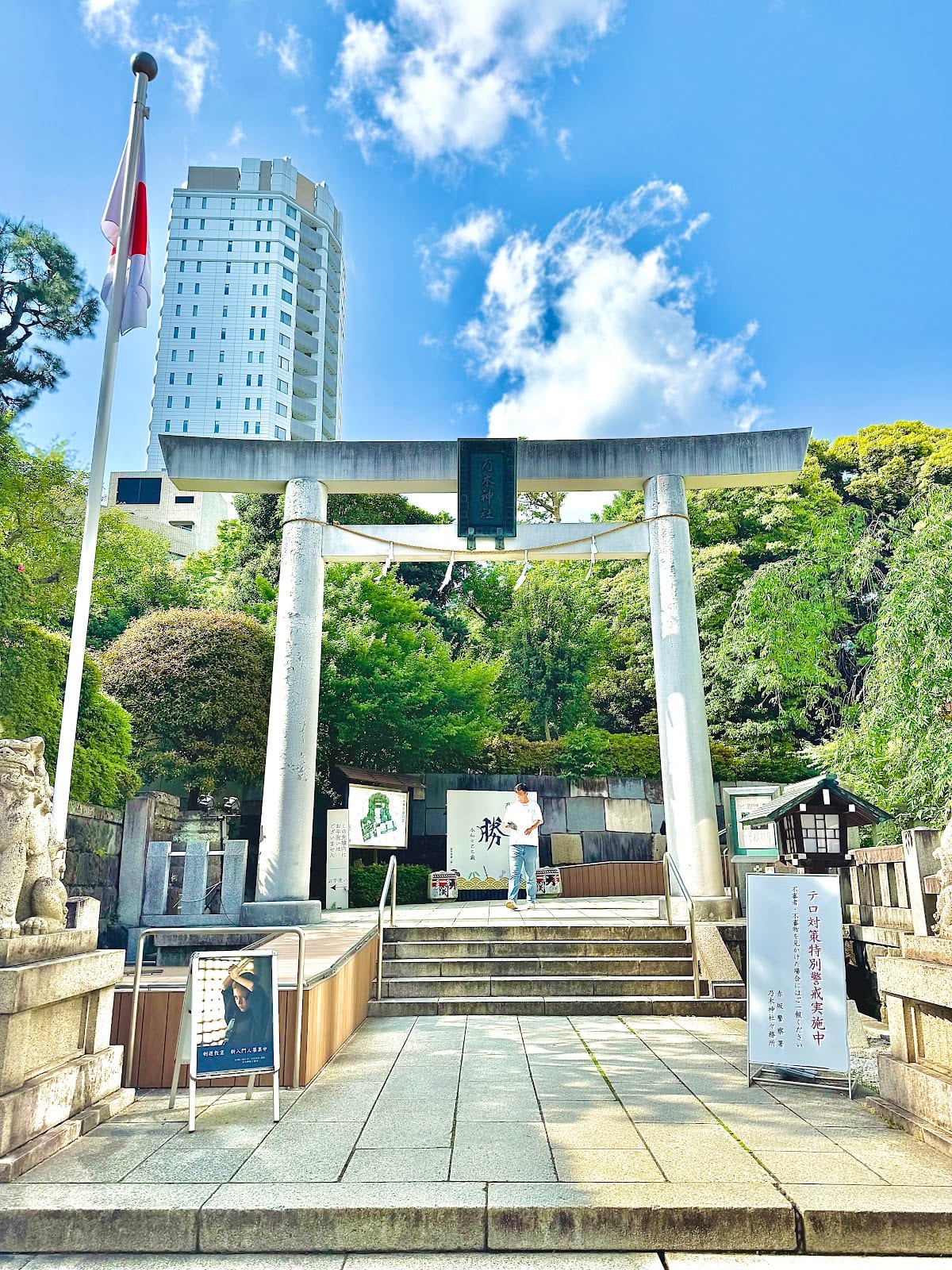
Nogi Shrine
A quiet shrine to a tragic general, one stop from the towers and almost tourist-free.
Beside Nogizaka station, a short walk from the National Art Center, Nogi Shrine honours General Nogi Maresuke, the Russo-Japanese War commander, and his wife Shizuko, who took their own lives here in 1912 on the day of Emperor Meiji's funeral, a final act of loyalty that made Nogi a national figure and gave the area its name. The shrine, founded in 1923, is calm and green and costs nothing. His preserved former residence stands next door; its interior opens to the public only a few days a year, most notably on the 12th and 13th of September, the anniversary, though you can see the house and garden from the outside year-round. Ten quiet minutes a world away from the crowds.
Good for solo, couples


Verdicts and rankings are our own; ratings open each place on Google. Prices, where shown, are an approximate per-person guide in USD.
Roppongi on screen
Where you've seen Roppongi before
Roppongi's restaurants and after-dark world have been borrowed by film and TV more than once. Tap a trailer, then go find the real thing:
- Film, 2003
Kill Bill: Vol. 1
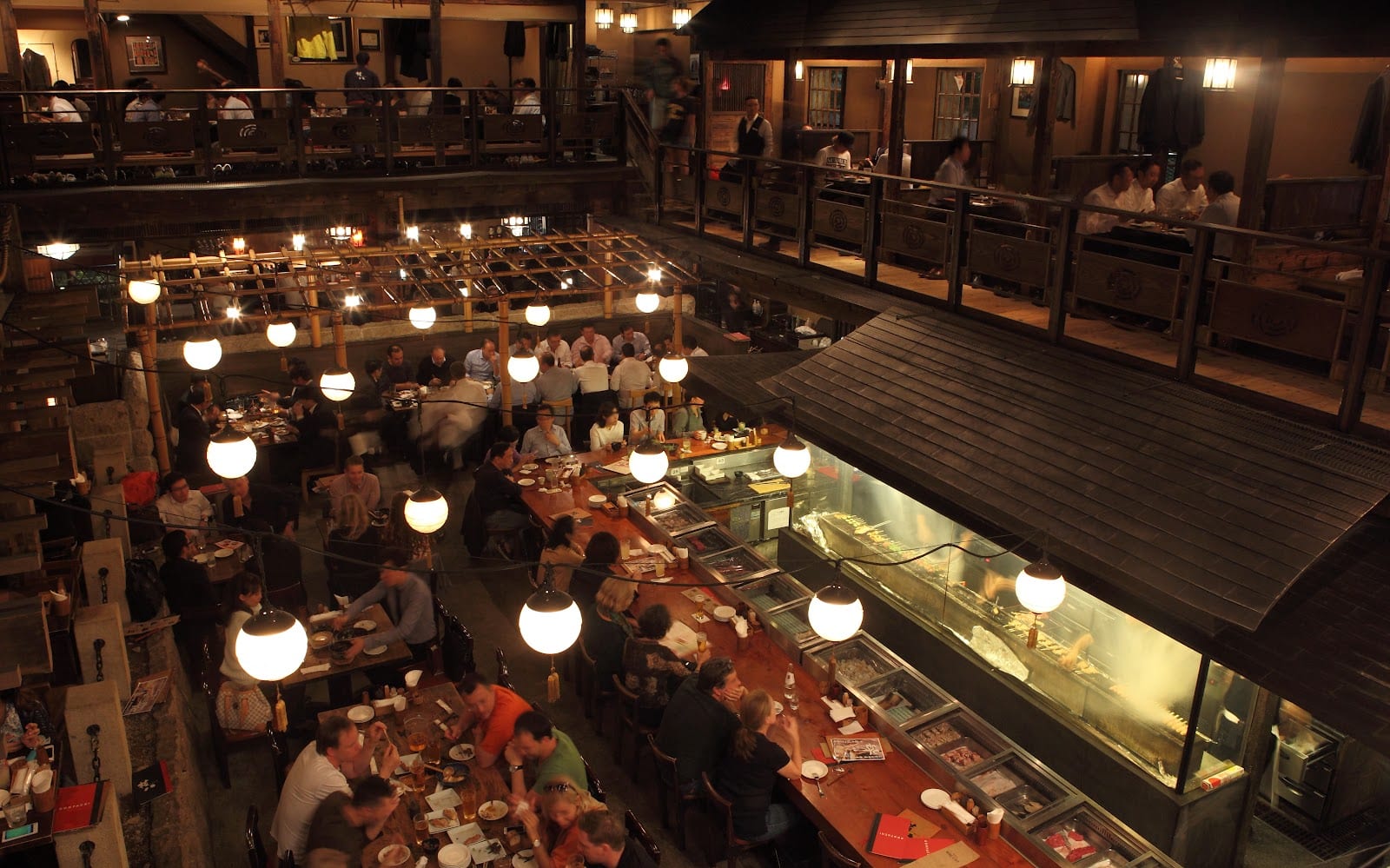
The two-storey wooden Gonpachi izakaya in Nishi-Azabu inspired the design of the House of Blue Leaves, the restaurant where the Bride takes on the Crazy 88. The film built its own set on a soundstage, but the look is pure Gonpachi, and you can still go eat in it.
Gonpachi Nishi-AzabuSource - TV series, 2022
Tokyo Vice
HBO and Max's crime drama, based on a real American reporter's years on the Tokyo police beat, lives in exactly this world of host clubs, yakuza, and after-dark Roppongi and Akasaka, much of it filmed on location across the city.
Roppongi nightlifeSource
Eat & drink
Where to eat and drink in Roppongi
Roppongi food runs from a clean bowl of ramen to the izakaya that inspired a Tarantino set. A few we'd point you to:
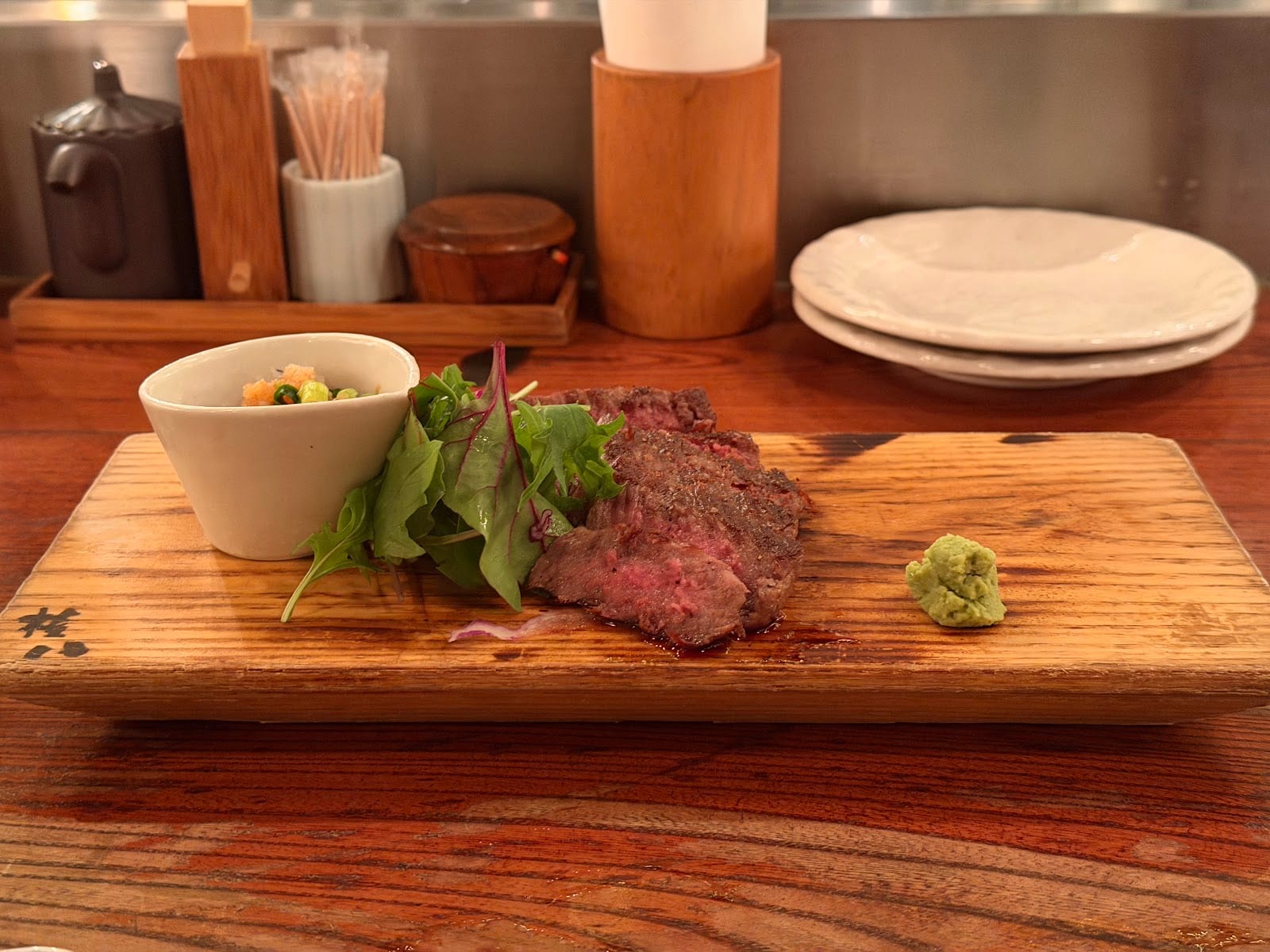
Gonpachi Nishi-Azabu
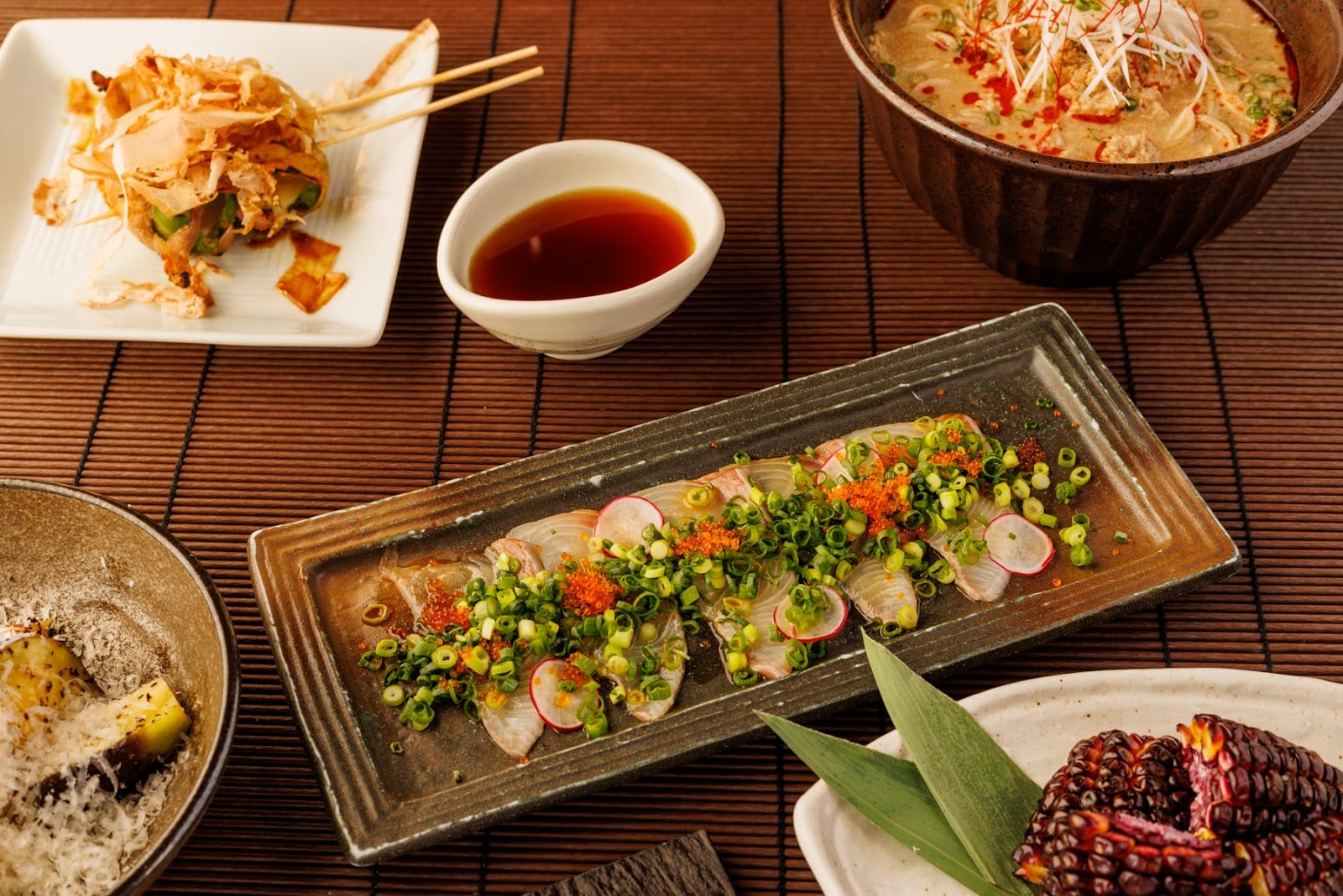
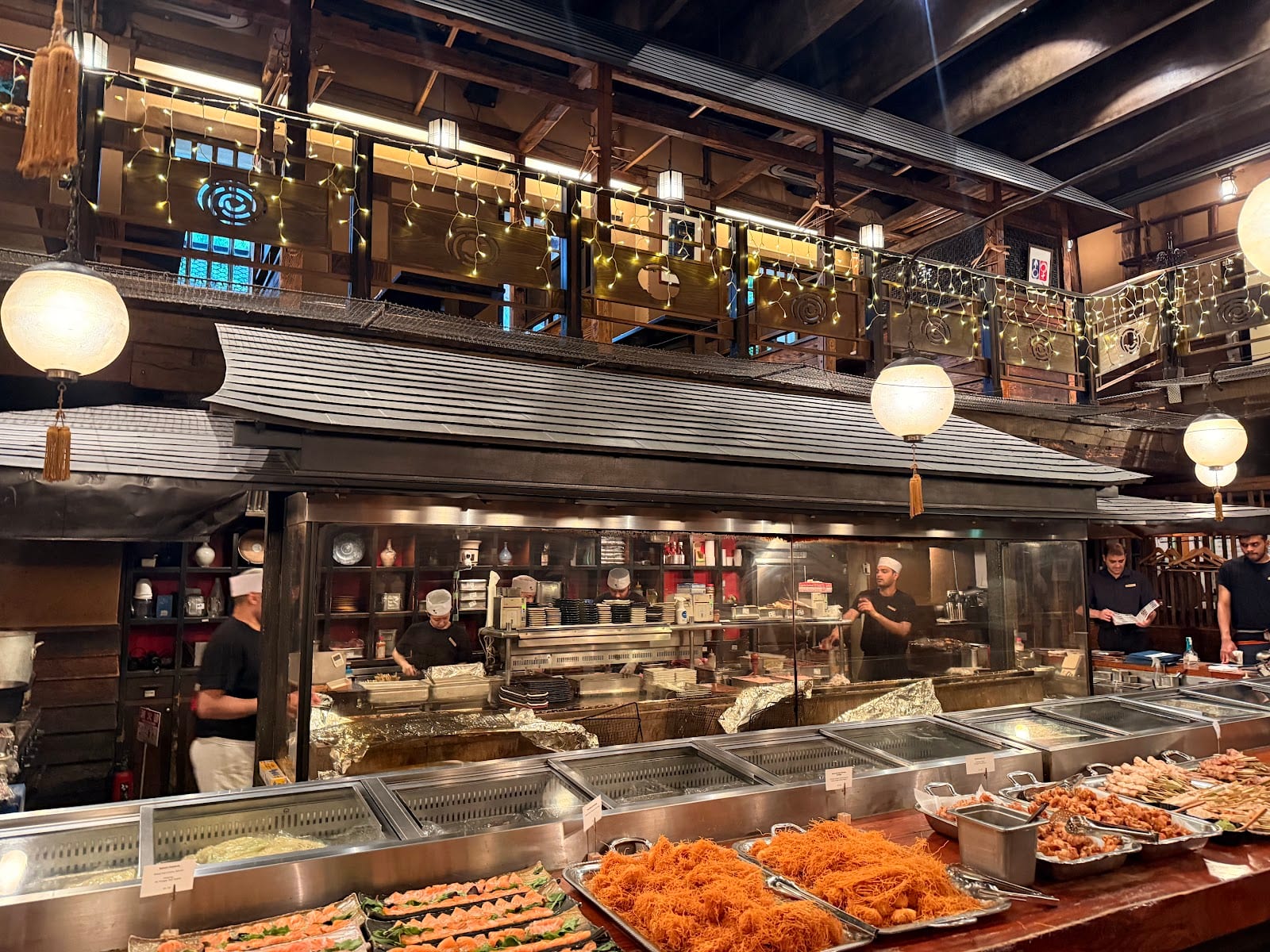
Nishi-AzabuThe cavernous wooden robatayaki-and-soba izakaya that inspired the Kill Bill set, hung with round paper lanterns over two galleried floors. Touristy, yes, but a genuinely fun room for grilled skewers and soba.
on Google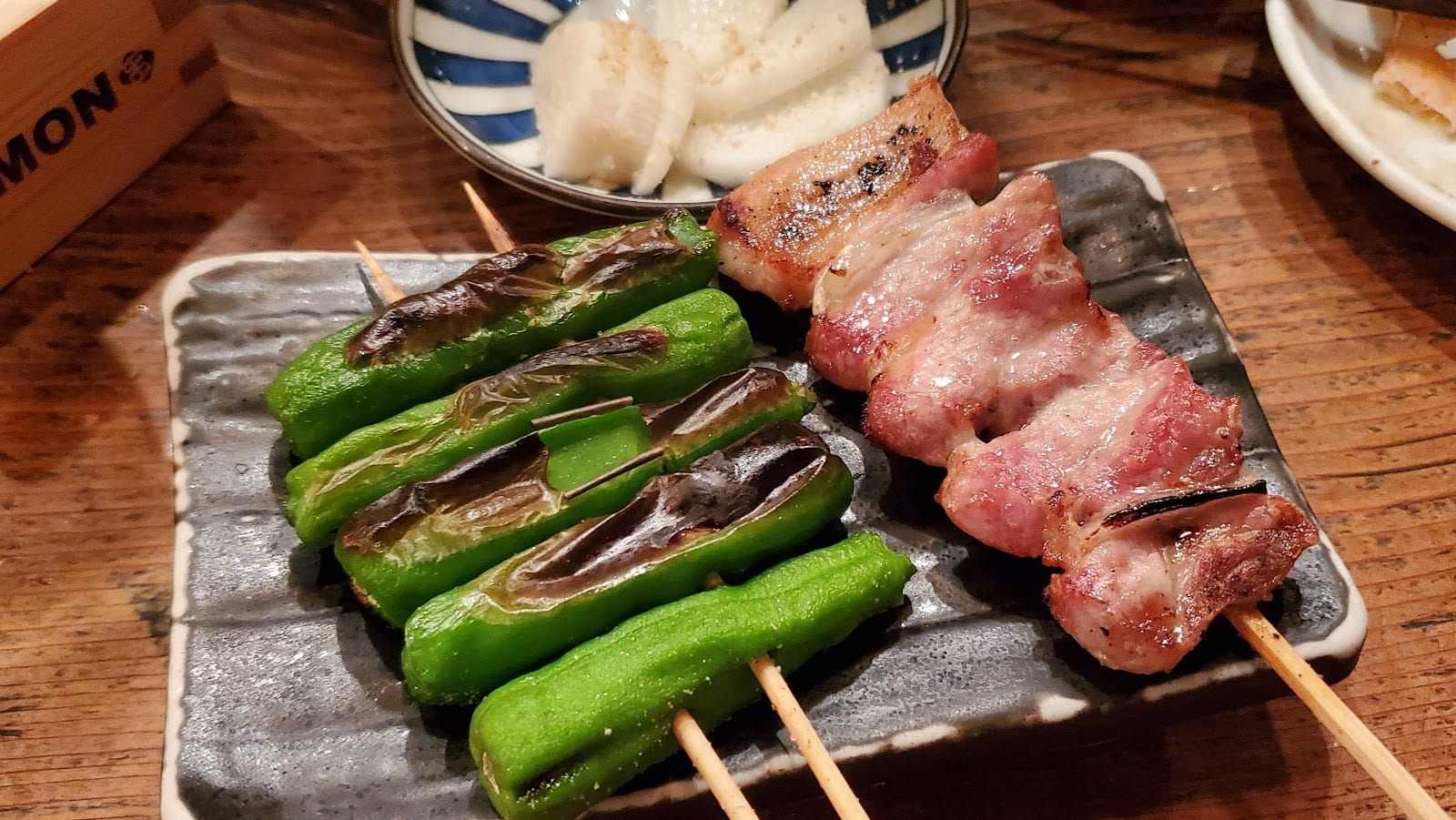
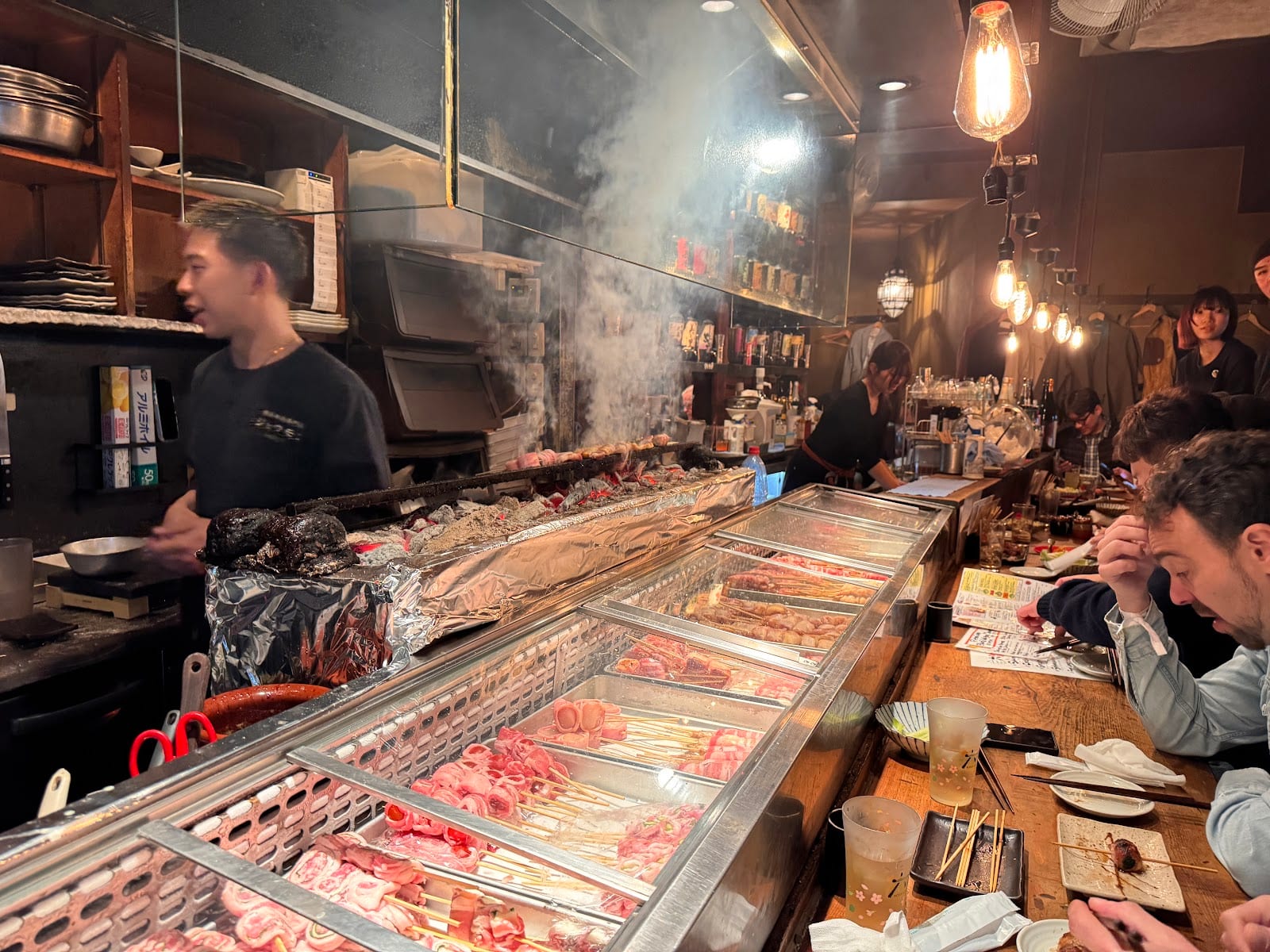
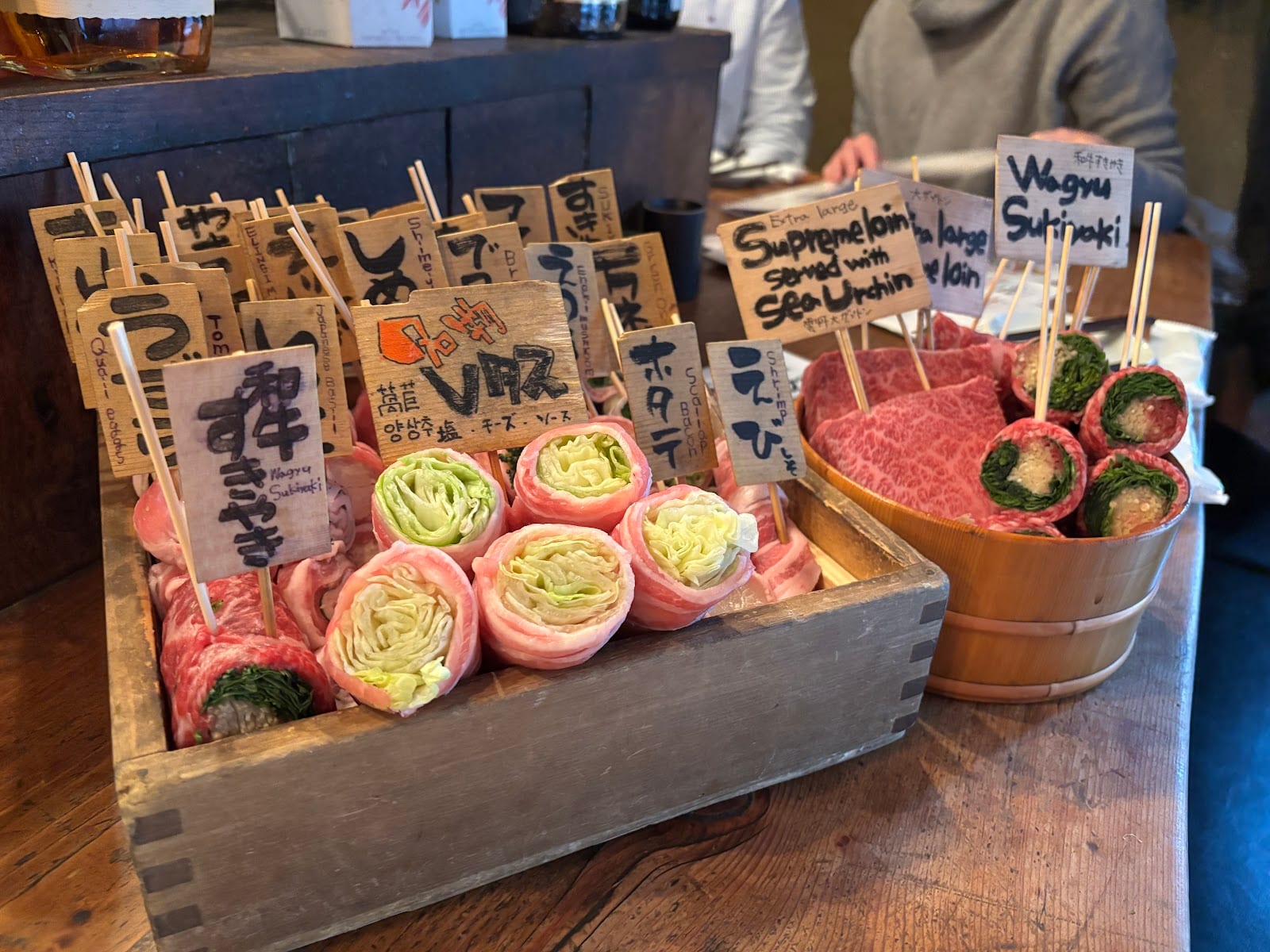
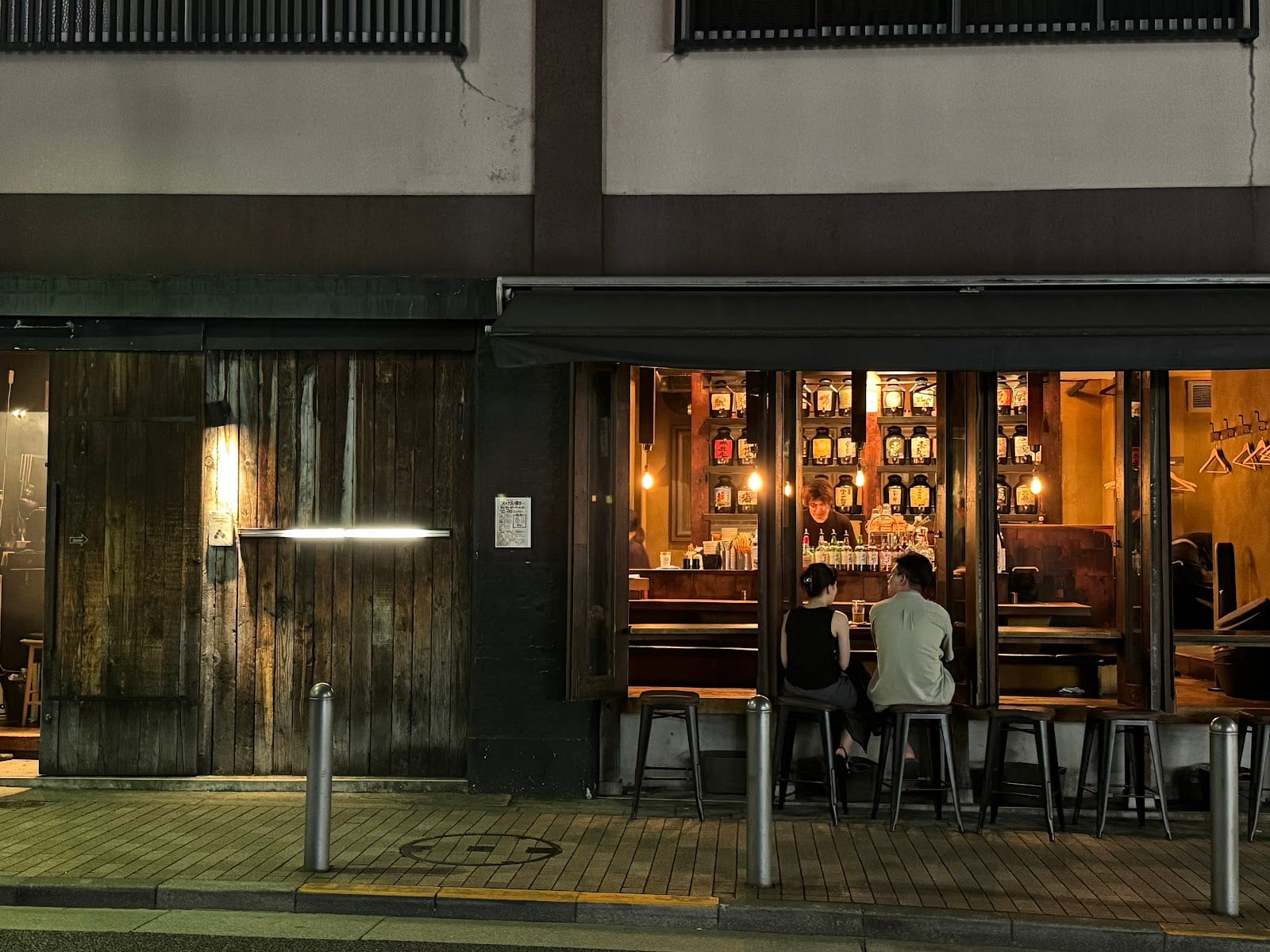
Jomon Roppongi
RoppongiA tight, smoky Hakata-style kushiyaki counter where charcoal-grilled skewers are handed to you one at a time. Atmospheric and popular, so reserve.
on Google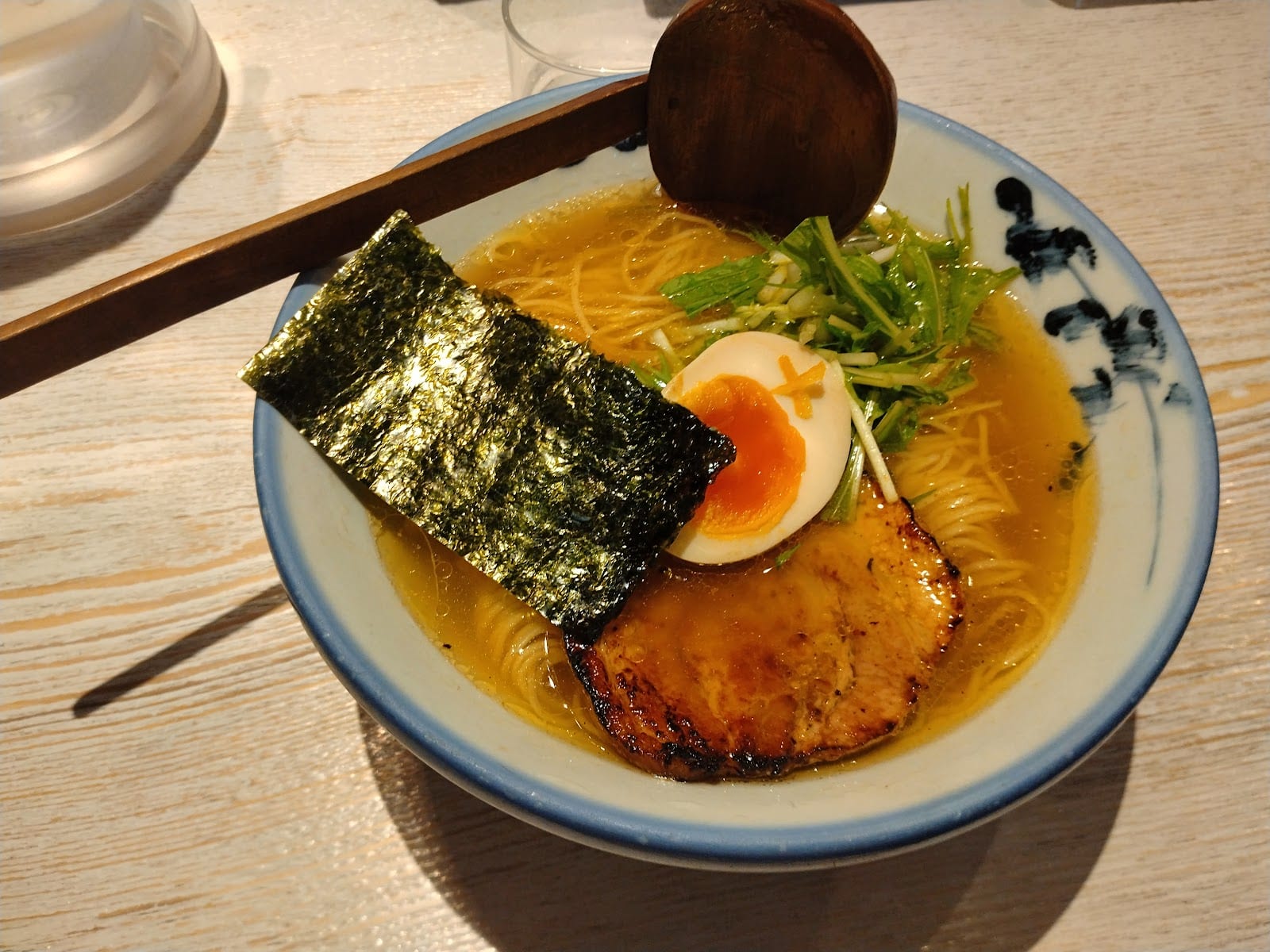
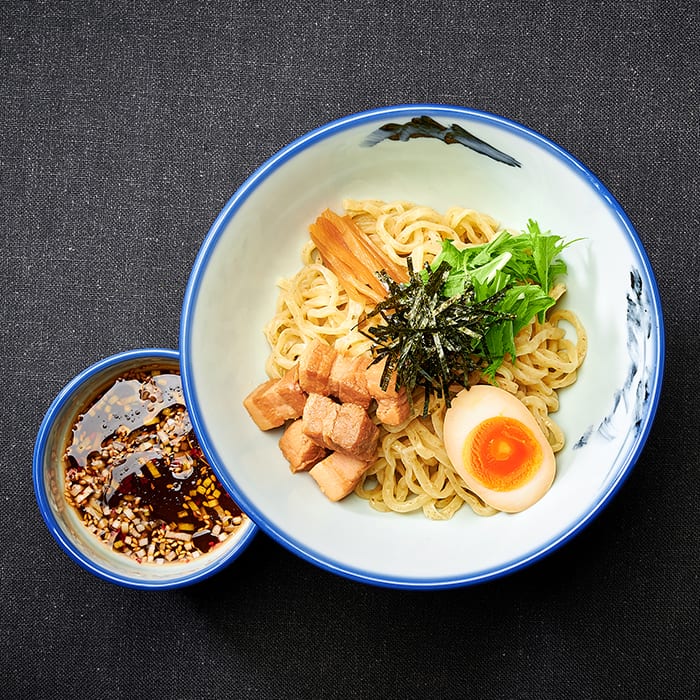
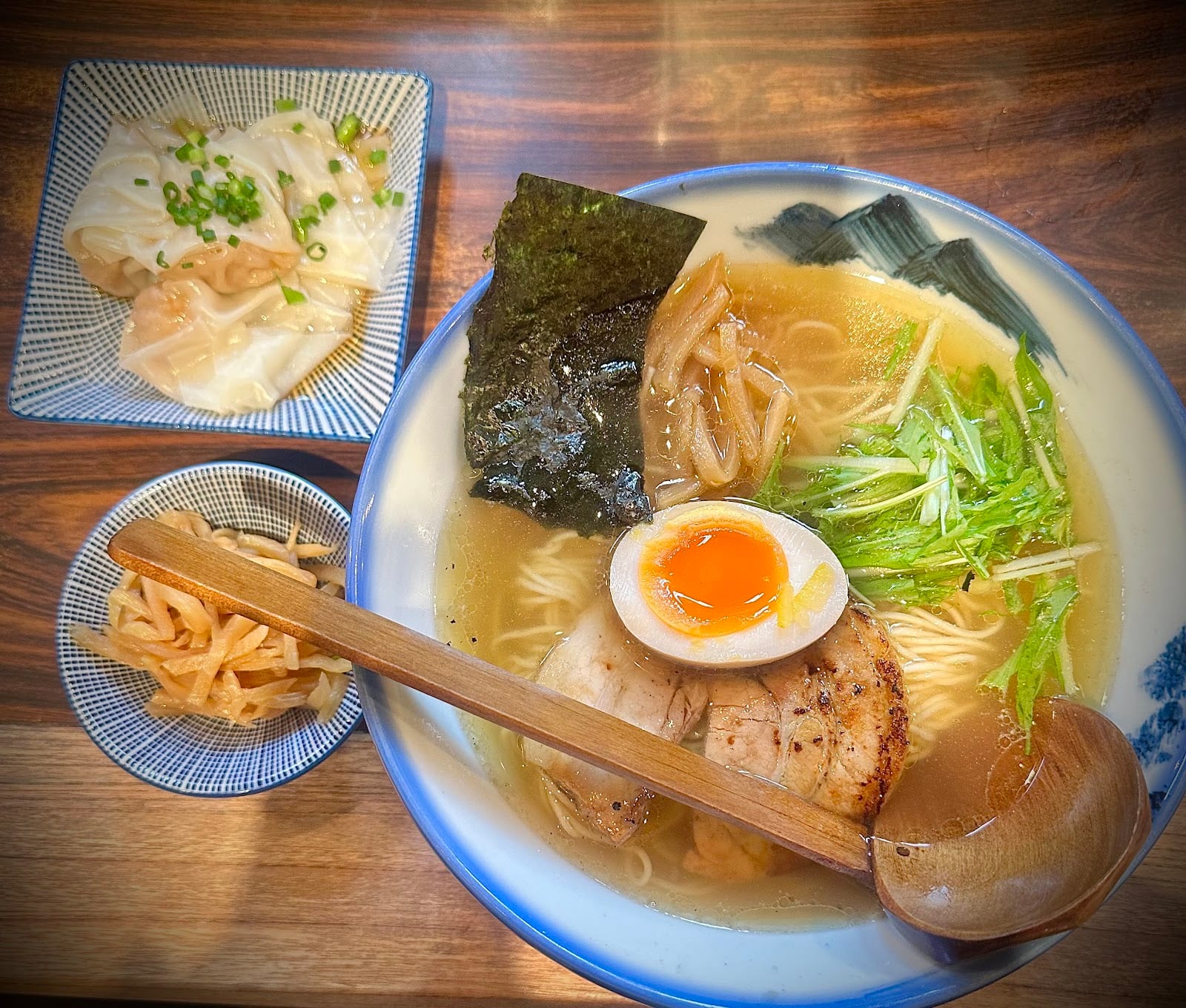
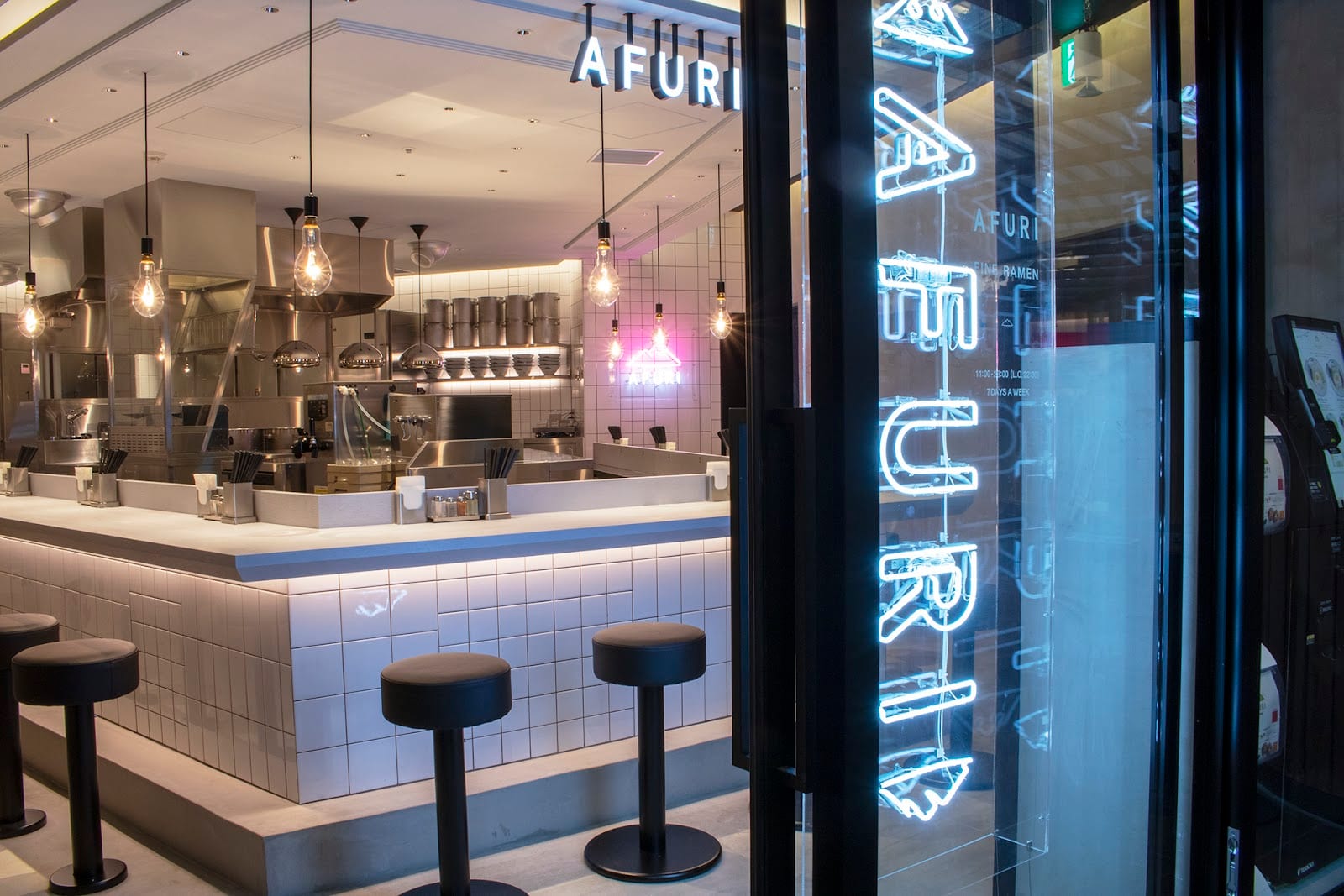
Afuri Roppongi
Roppongi HillsThe yuzu-shio ramen specialist, a light, clear, citrus-scented chicken-and-fish broth that is a refreshing change from heavy tonkotsu. Order at the kiosk, sit, slurp.
on Google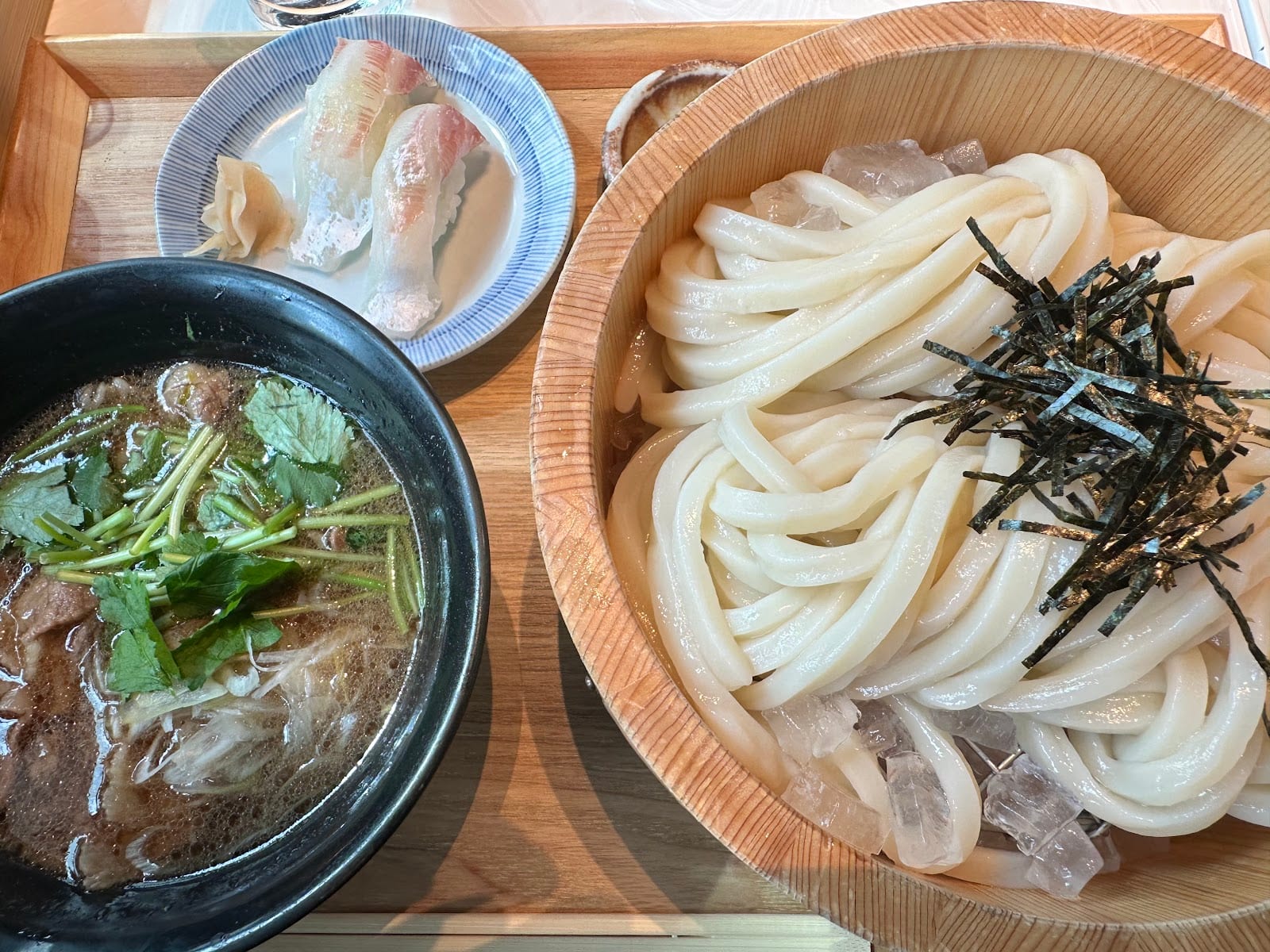
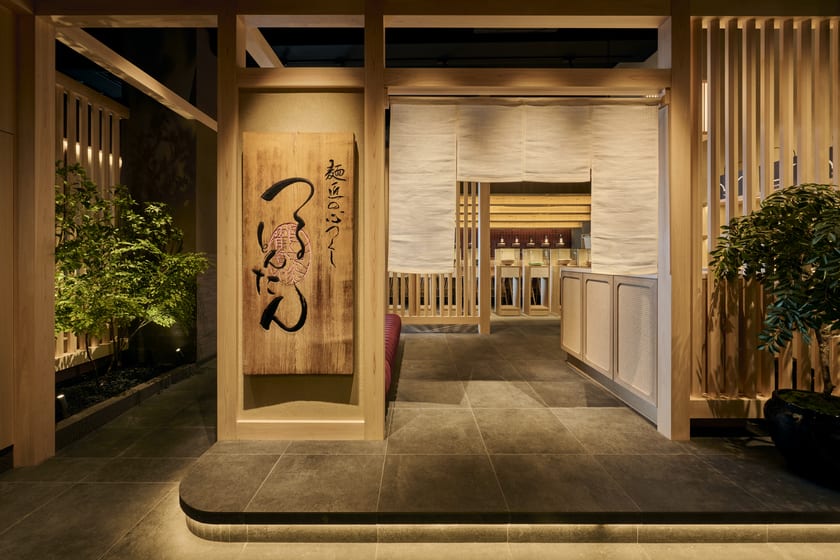
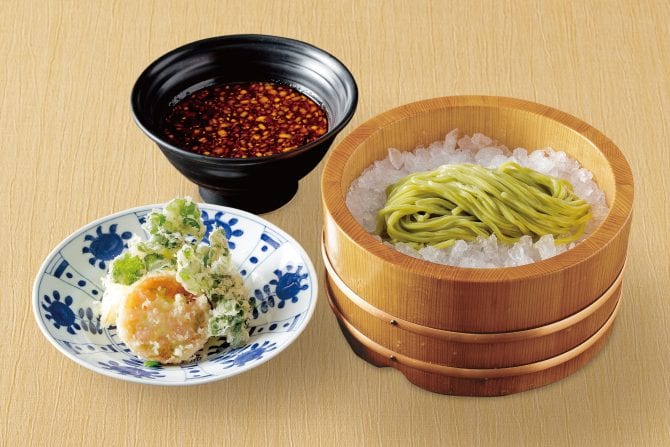
Tsurutontan Roppongi
RoppongiUdon in washbasin-sized bowls, stylish and open very late, which makes it the classic Roppongi stop after a night out. Steps from the crossing.
on Google


Getting around
Getting around Roppongi
Almost everything in this guide is a short walk from Roppongi Station, in the middle of Minato ward.
Roppongi Station
On the Tokyo Metro Hibiya line and the Toei Oedo line, a direct ride from Ginza, Hibiya, and much of central Tokyo.
Nogizaka & Azabu-Juban
The National Art Center sits right by Nogizaka station (Chiyoda line); Azabu-Juban (Oedo and Namboku lines) serves the southern edge and Azabudai Hills.
A walkable core
Roppongi Hills, Tokyo Midtown, the National Art Center, and Azabudai Hills are all short walks from the crossing. Tokyo Tower is about fifteen minutes southeast.
Do art late, be choosy at night
The Mori Art Museum runs to 22:00, so save indoor art for the afternoon and the views for dusk, then pick your nightlife with care.
Where to stay
Where to stay in Roppongi
Roppongi puts art, views, and nightlife on your doorstep in central Minato. Where you base yourself within it changes the mood:
Around Roppongi Hills & the station
Most central and best connected, with the museums and nightlife right there. The Grand Hyatt is here. Busiest and priciest.
Nishi-Azabu
Quieter, upscale residential streets just west, with some of the area's best dining (Gonpachi included). Calm nights, still an easy walk in.
Azabu-Juban
A charming old-town shopping street south of the towers, calmer and full of good food, and close to Azabudai Hills.
Akasaka (nearby)
The well-connected business-and-hotel district just north, a short walk or one stop away if Roppongi itself is booked up.

Where to Stay in Tokyo
Compare every Tokyo neighborhood and find the right base, with hotel picks at each price.
View the guideWho it's for
Roppongi for couples, families, and solo
- Roppongi for couples
- Spend the afternoon in the Mori Art Museum, watch the city light up through the glass at Tokyo City View, then have dinner in the quiet streets of Nishi-Azabu.
- Roppongi for families
- teamLab Borderless is a hit with kids, the National Art Center and Azabudai's gardens are easy and open, and Tokyo Tower is a classic. Keep small children close in the crowds around the crossing at night.
- Roppongi for solo travelers
- The Art Triangle is made for an unhurried solo day. For dinner, take a counter seat at Jomon for charcoal skewers, or a late bowl of udon at Tsurutontan.
More of Tokyo
Nearby neighborhoods
A short hop from Roppongi, and worth pairing on the same trip.


Ready to explore Roppongi?
Tell Zoya, your personal travel assistant, how you like to travel, and she'll turn these into a Roppongi day, or a whole Tokyo trip, that fits your dates.
Explore now