

Sanur · Bali neighborhood guide
Things to Do in Sanur
Sanur is Bali's gentler east-coast character: sunrise over a reef, a car-free beach walk, and boats to the Nusa islands. Here's what's actually worth your time, ranked and judged.
Sanur in brief
Is Sanur, Bali worth visiting?
Yes, especially if you want a quieter, low-key base with a relaxed beachfront, calm water, sunrise views, and access to the Nusa islands. It is less suited to travelers seeking Bali’s busiest nightlife or surf scene.
What are the best things to do in Sanur?
Start with sunrise at Sanur Beach, then walk or cycle the beachfront promenade, swim or try stand-up paddleboarding in calm water, visit the Le Mayeur Museum, and take a boat to Nusa Penida or Nusa Lembongan.
What should I do in Sanur for 3 days?
Use the first morning for Sanur Beach and the waterfront, the second day for a Nusa Penida or Nusa Lembongan boat trip, and the third for Le Mayeur Museum, cultural sights and relaxed beach time.
Get oriented
How Sanur fits together
Sanur is a low-key, east-facing coastal district of Denpasar, built around a long reef-protected shoreline and a paved waterfront path.
The beach and promenade are Sanur's spine, with named stretches including Segara Ayu, Sindhu, Karang, Semawang and Mertasari. The northern waterfront leads toward Matahari Terbit Harbour, Bali's modern fast-boat terminal for Nusa Penida and Nusa Lembongan. Le Mayeur Museum sits beside Sanur Beach on Jl. Hang Tuah, while Sindhu Market is inland near the northern end of Jalan Danau Tamblingan. Pura Blanjong is farther south in Intaran Village. Sanur is walkable along the coast, though a bicycle or scooter helps cover the full shoreline.
A sunrise-to-night loop that stays close to the water before turning inland:
See & do, ranked
The best things to do in Sanur
Our honest ranking of Sanur's calm beaches, old-Bali history, boat connections and one properly local night market.
Must-see
The essentials, ranked.- 1
 Sanur Beach Worth it
Sanur Beach
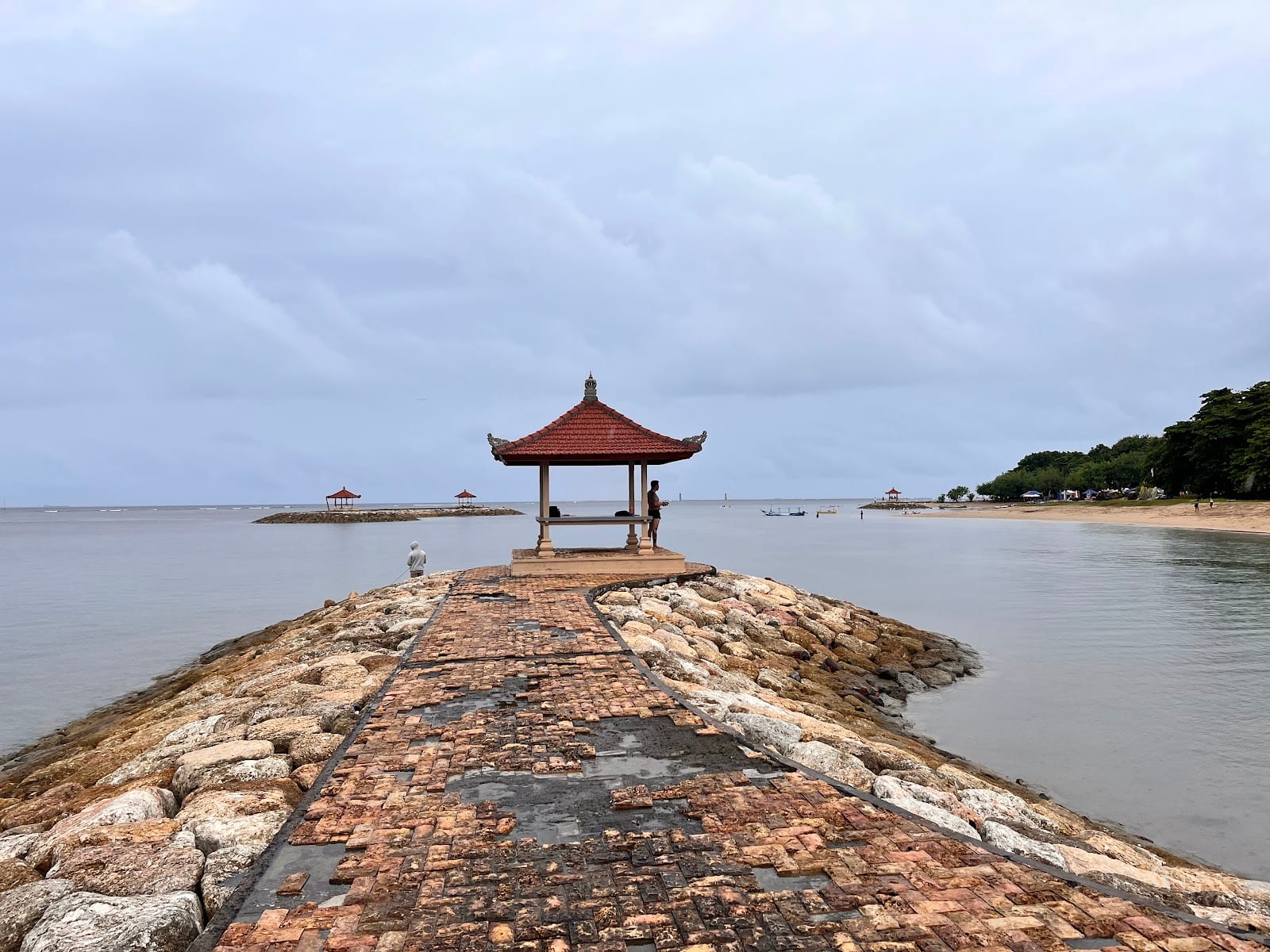
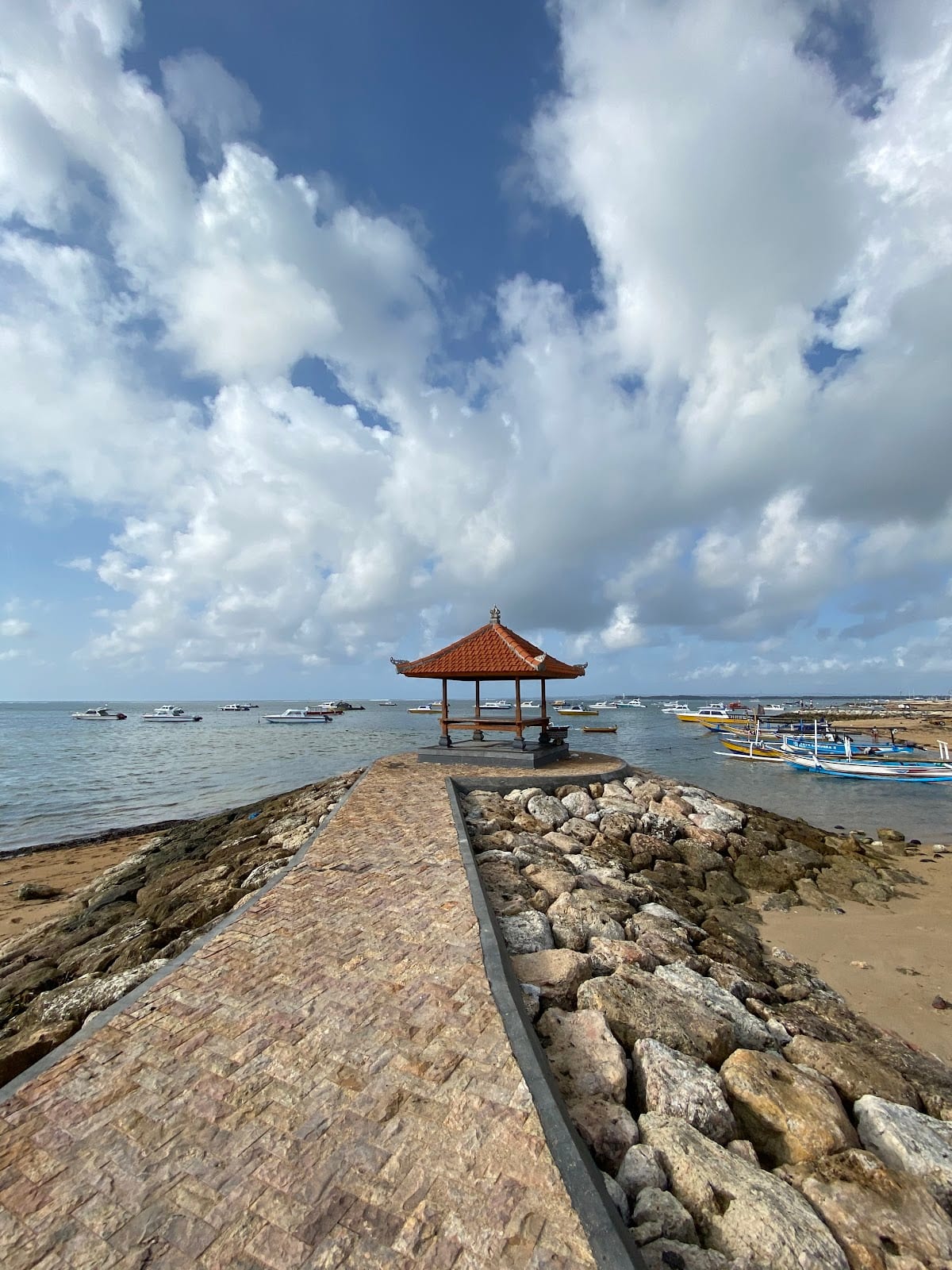
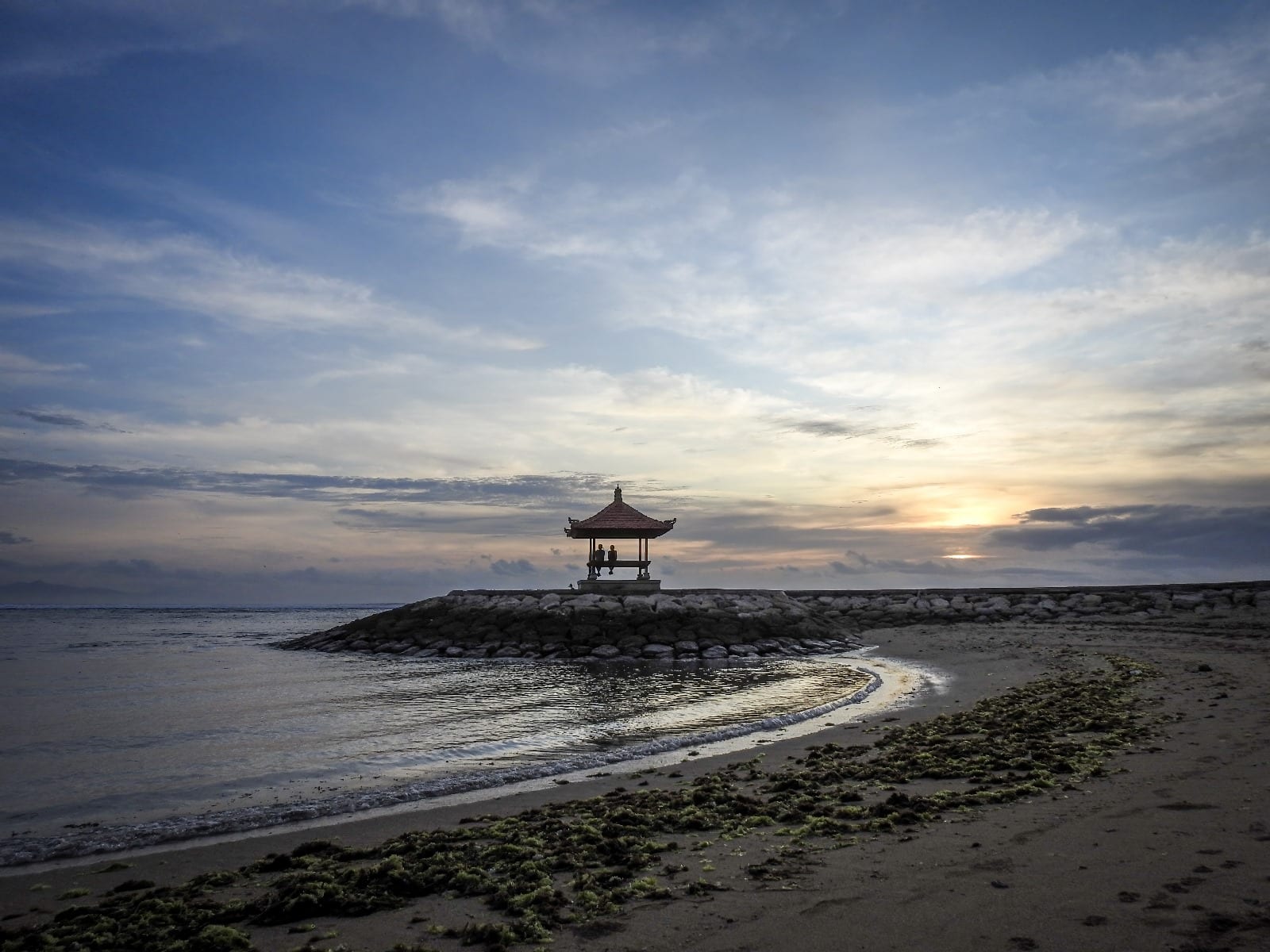
Sanur's sunrise beach is less about a perfect swim than the quiet ritual of fishermen, reef and mountain light.
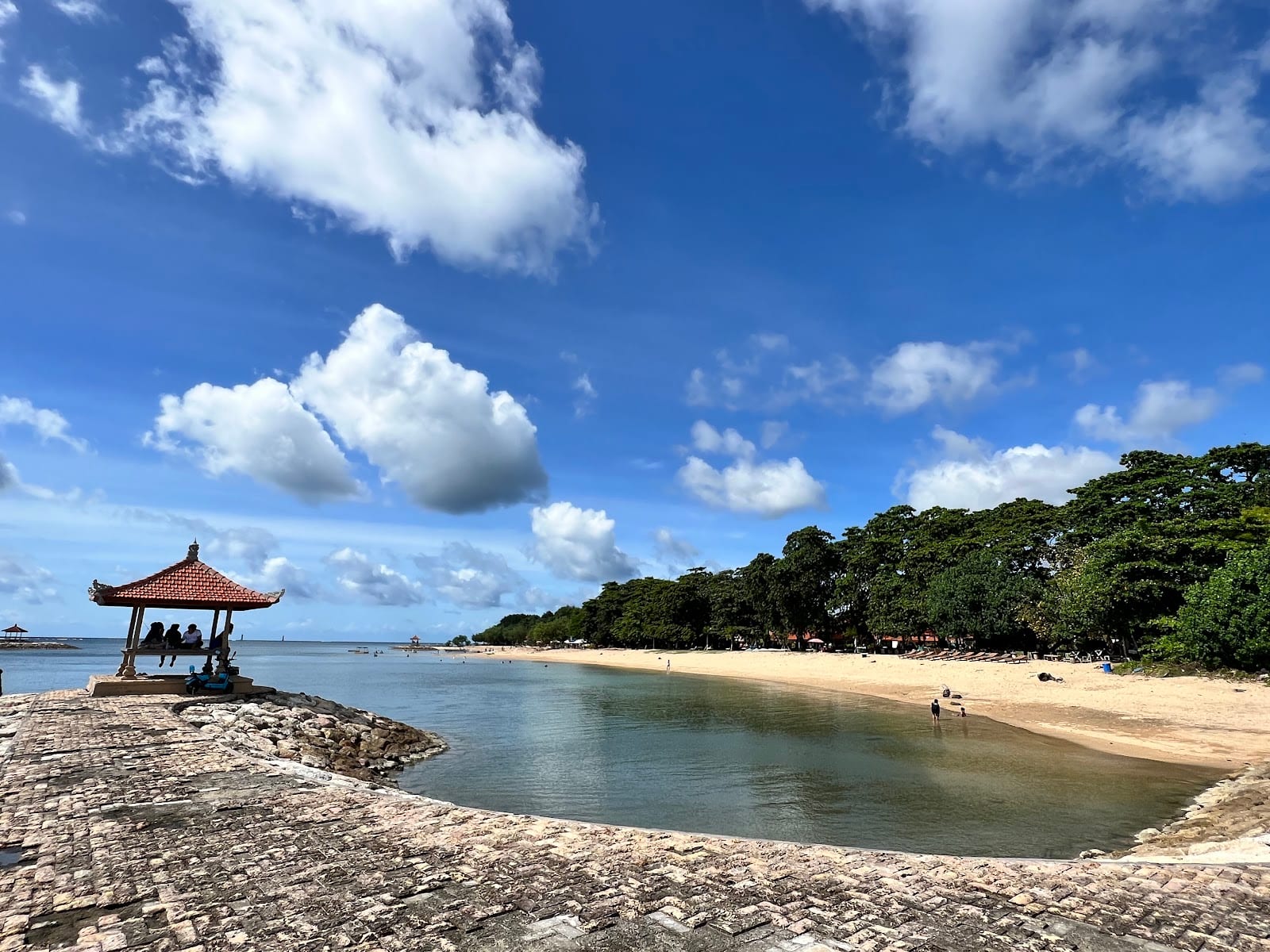
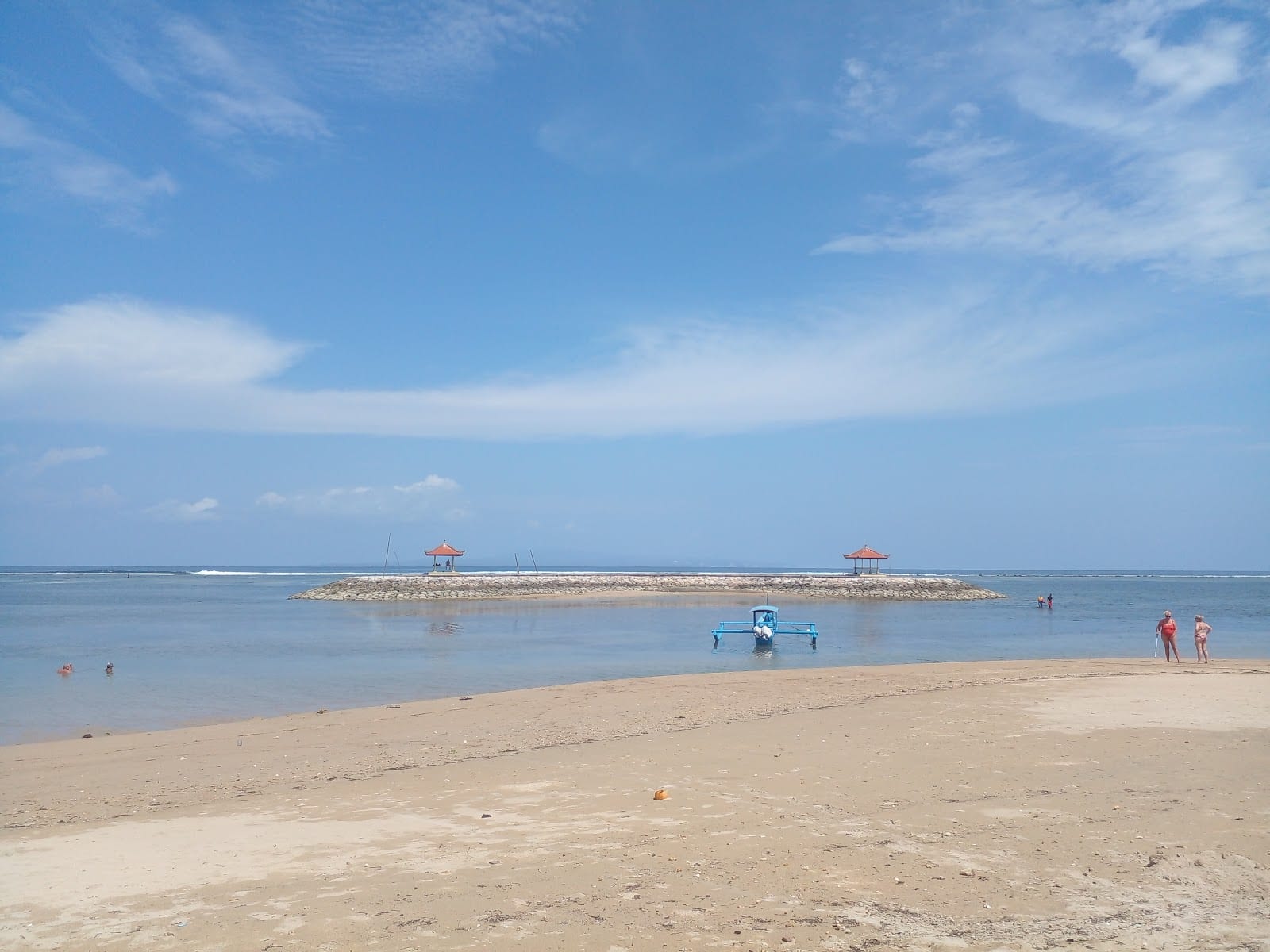
Sanur Beach is the district's essential first stop: an east-facing public shoreline where sunrise does the heavy lifting. A protective reef keeps the water shallow and generally calm, making it more useful for gentle swimming, families and casual water sports than for serious surf. The paved coastal route runs roughly 4 to 7 kilometres depending on the measurement, and bicycles make the distance easy. Sanur's tourism history is unusually deep: the Bali Beach InterContinental began construction in 1963 and opened in 1966 as Bali's first internationally managed five-star resort. The coastline was reclaimed over 5.1 kilometres in 2008. Come early, when fishermen wade across the reef and Mount Agung appears in the distance.
1-3 hourson GoogleGood for families, couples, friends, solo
- 2
 Sanur waterfront Worth the hype
Sanur Beach Promenade
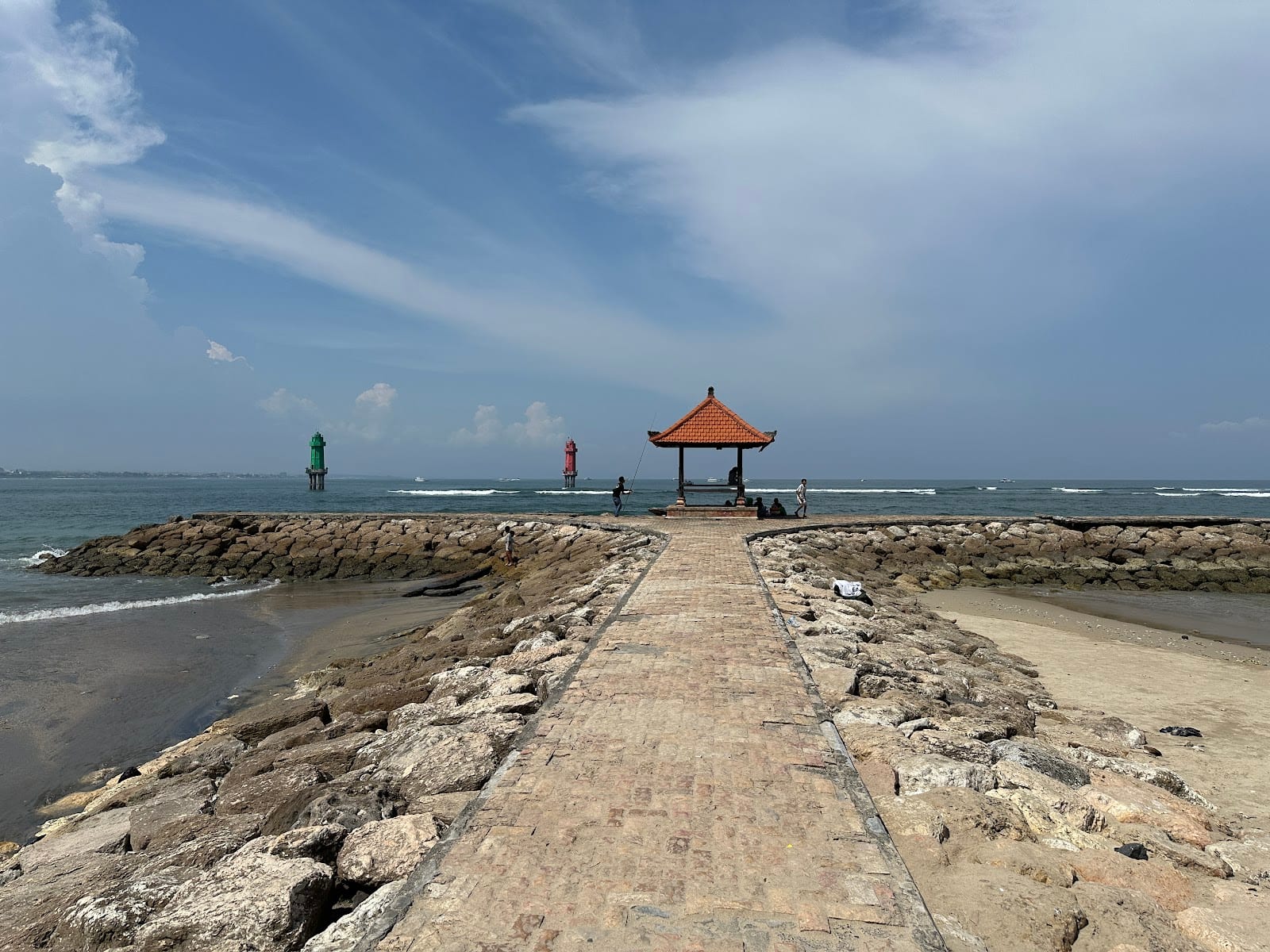
The Sanur Beach Walk is the district's best everyday pleasure, a flat car-free route where the shoreline still feels lived in.
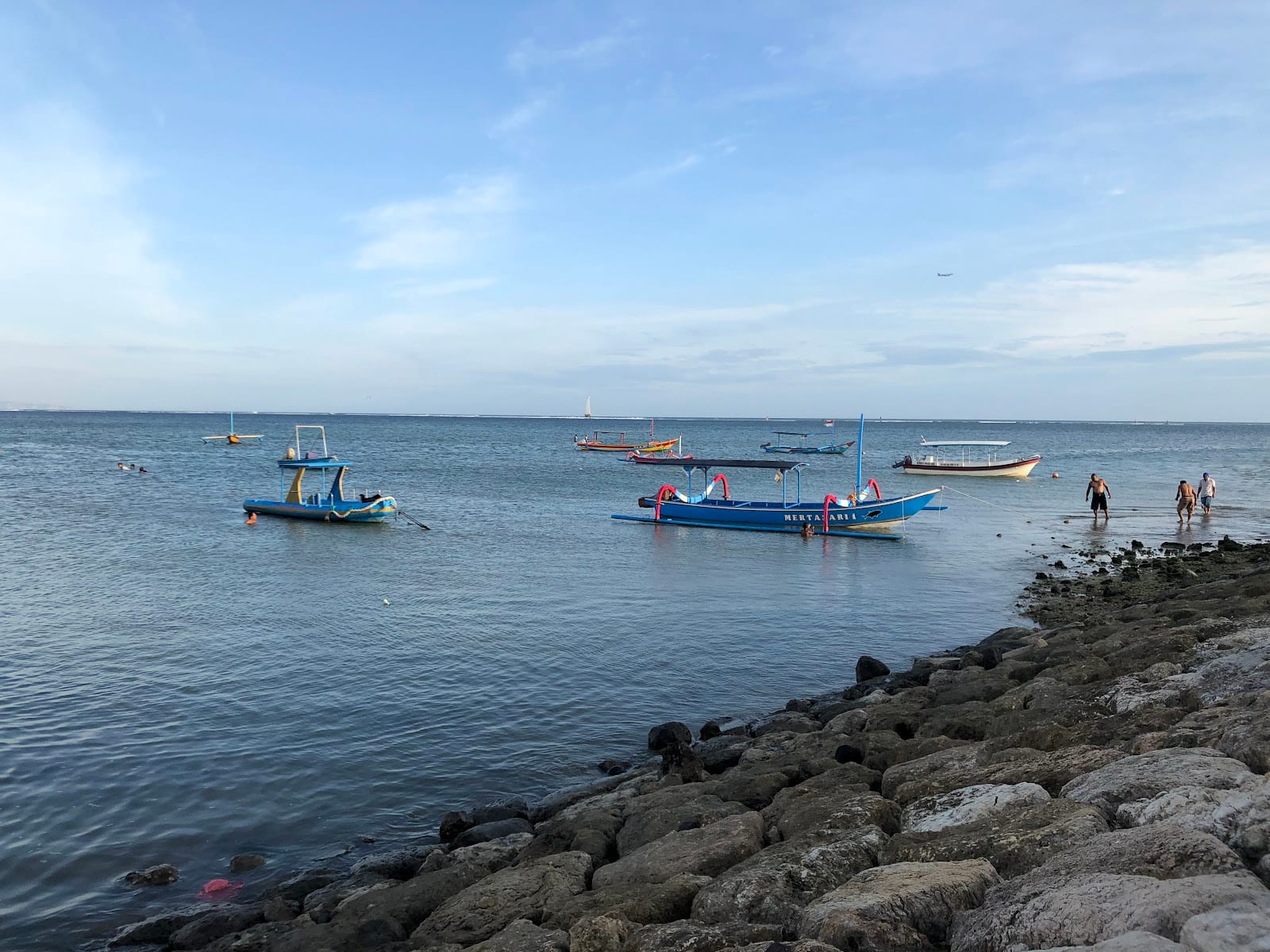
The promenade is the reason Sanur works so well without an agenda. This flat cement beachfront path is closed to cars and motorcycles, running past family-owned businesses, restaurants, hotels, patios and several named beaches. The broader coastline is described as about 7 kilometres long, while the walk itself is measured at roughly 4 to 7 kilometres by different sources. Painted jukung fishing canoes sit on the sand, their traditional eyes intended to ward off evil spirits. Swimming is best around mid- to high tide because low tide can expose shallow coral flats. Mertasari, at the southern end, is one of the few places on the coast with a surf break. Walk it at sunrise, then rent a bicycle if you want the whole shoreline.
1-3 hourson GoogleGood for families, couples, friends, solo
Sourcesthemerusanur.com
- 3
 Sanur Kaja Worth it
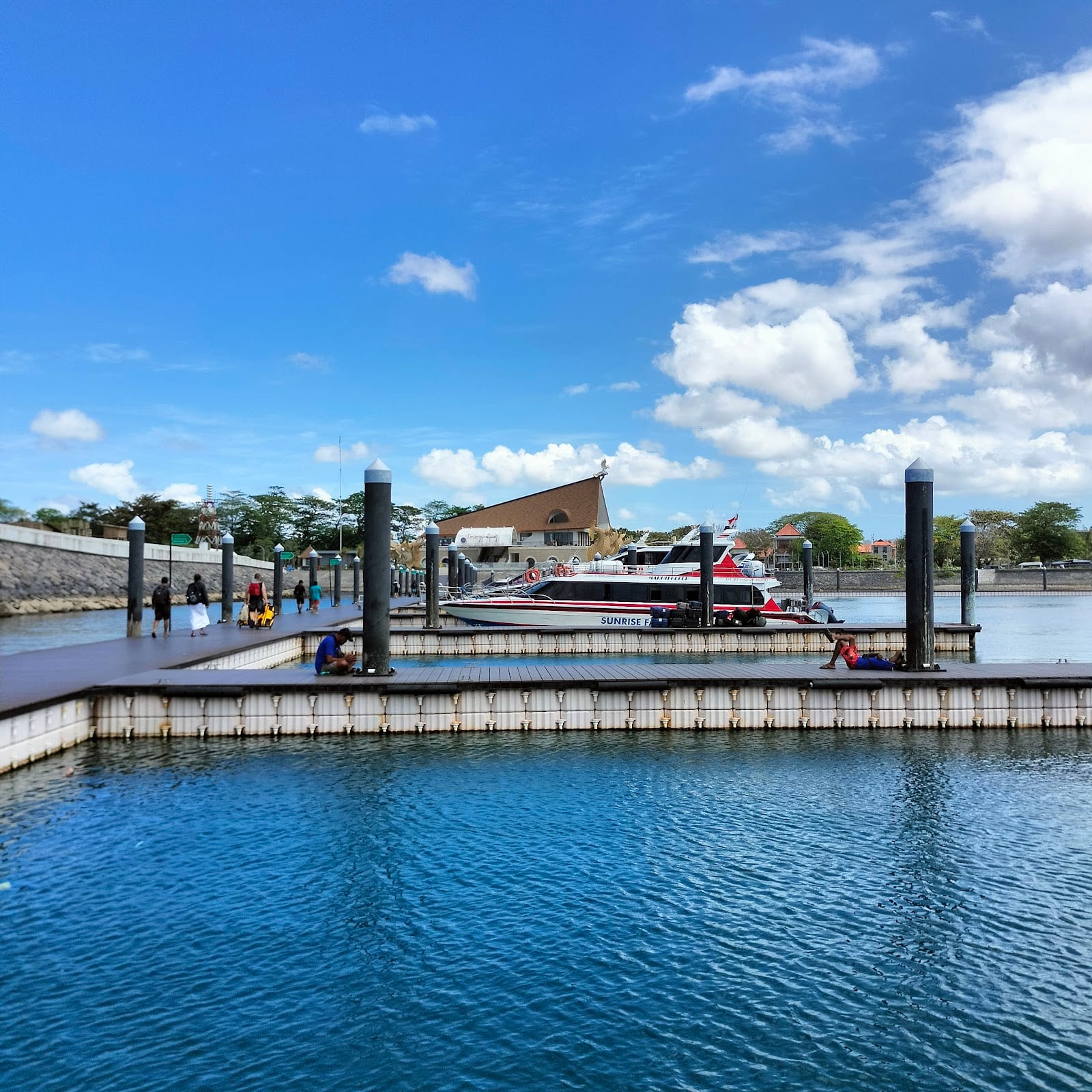
Sanur Port (Matahari Terbit Harbour)
This is less a sightseeing stop than Sanur's most useful modern transformation, making island-hopping markedly less awkward.
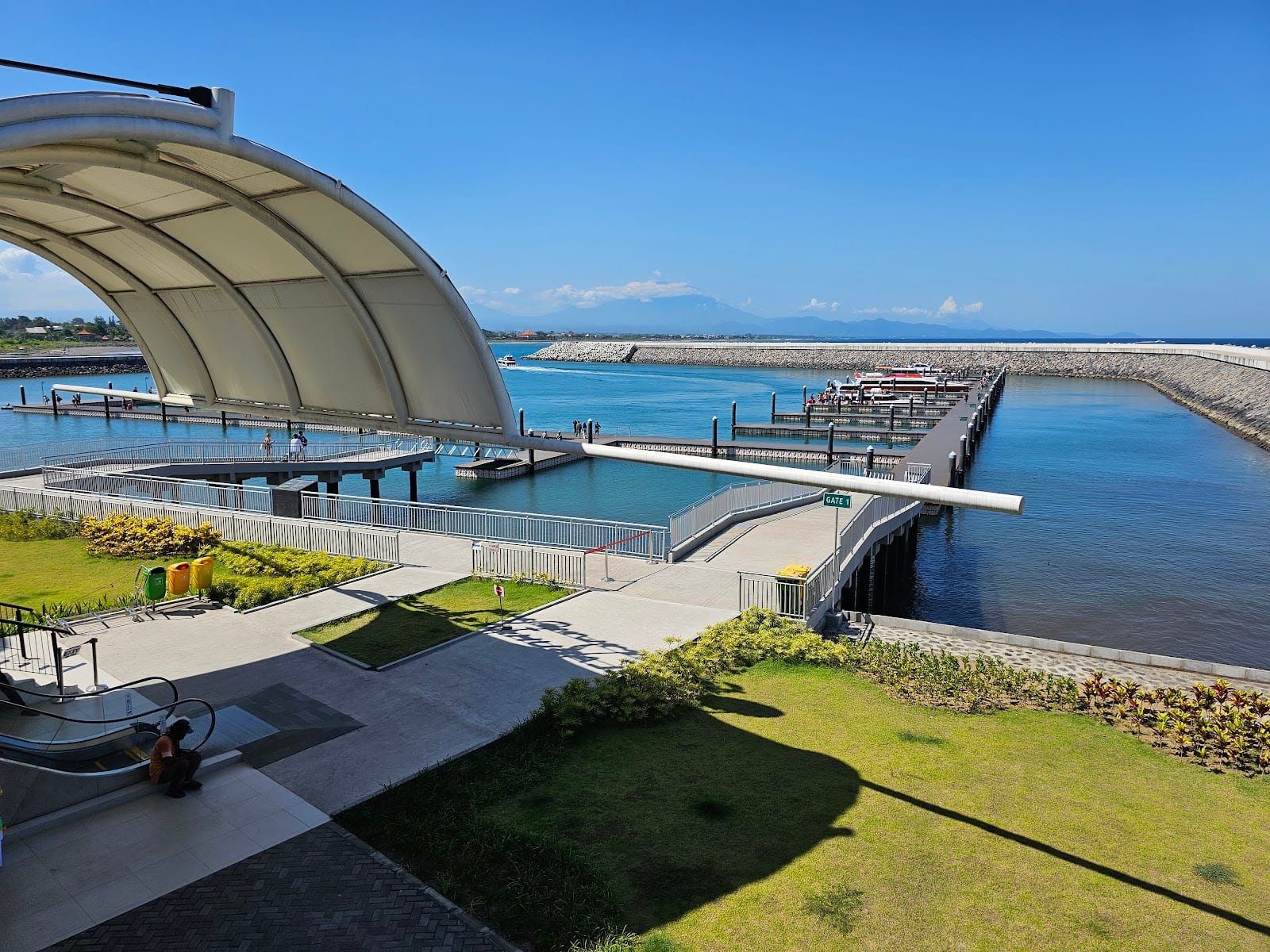
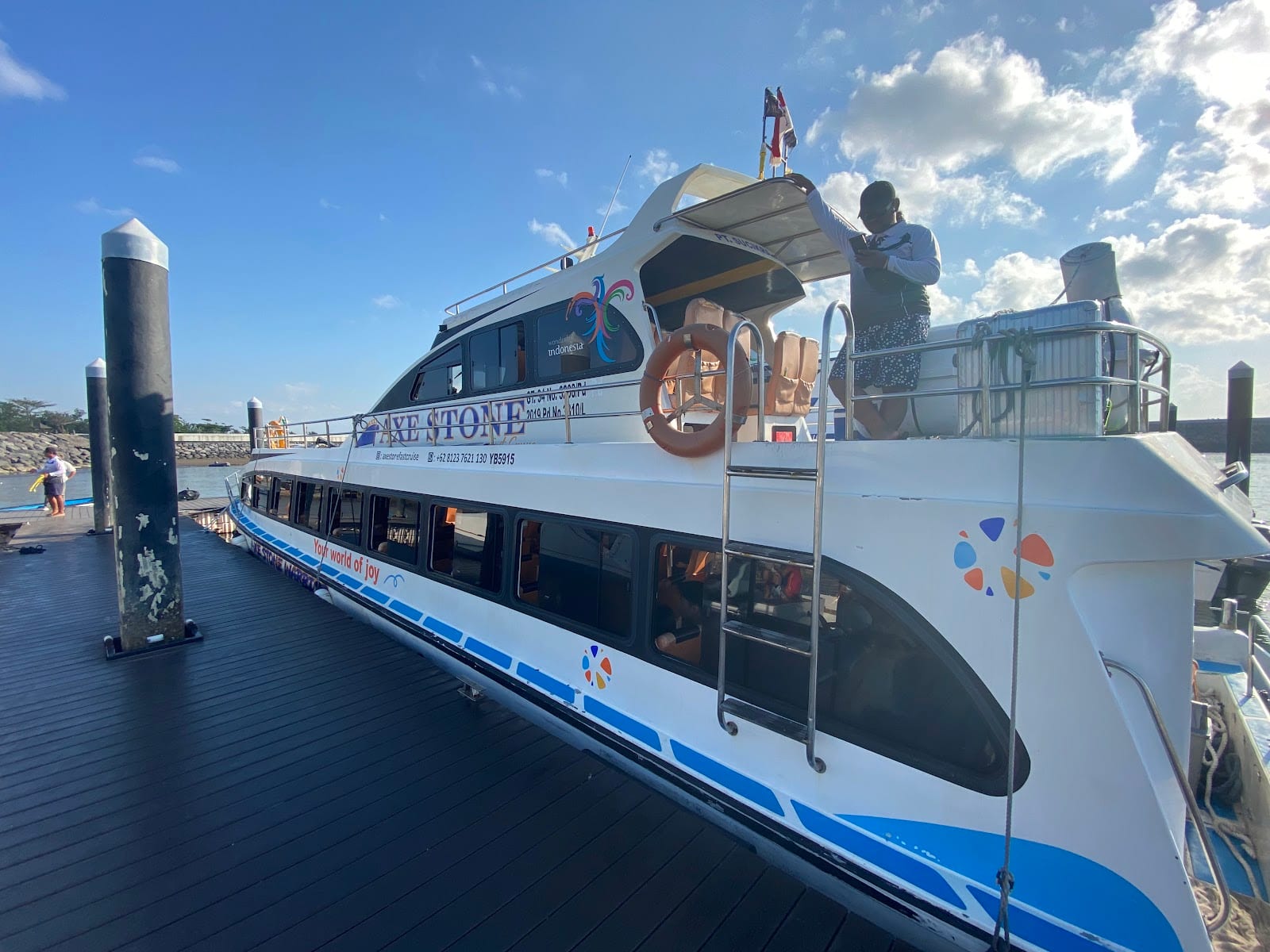
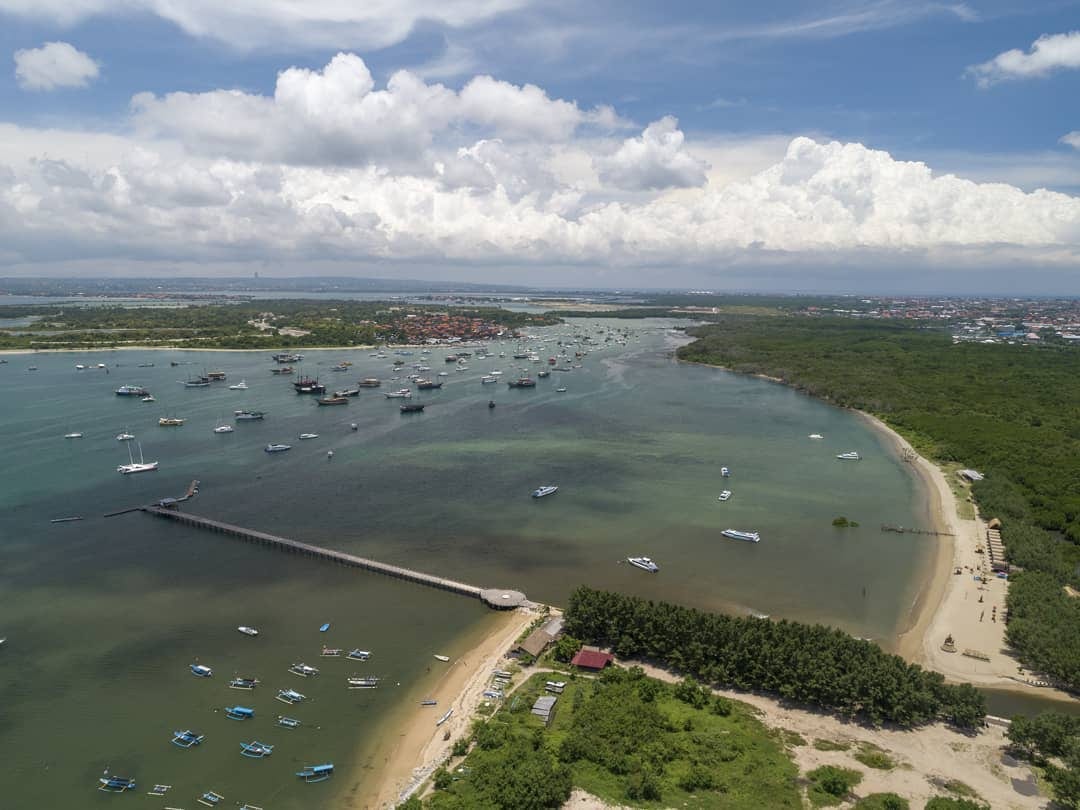
Matahari Terbit Harbour is where Sanur's old boat culture meets modern logistics. Traditionally, passengers carried luggage across the sand to waiting boats for Nusa Penida and Nusa Lembongan; the current terminal replaced that beach-boarding ritual and was officially inaugurated in 2022. It is Bali's main fast-boat departure point for Nusa Penida, with crossings typically taking about 30 to 50 minutes depending on conditions and arrival port. Toilets, seating, cafés and small shops make the wait manageable, though parking fills quickly around morning departures and holidays. The terminal is generally open 6:00 AM to 6:00 PM. Arrive 30 to 45 minutes early, or about an hour during busy periods, and check the individual operator's counter before assuming your booking is final.
1 houron GoogleGood for families, couples, friends, solo
Sourcesnowbali.co.id


Worth it with more time
Good additions once you've done the icons.- 4
 Jl. Hang Tuah Worth it
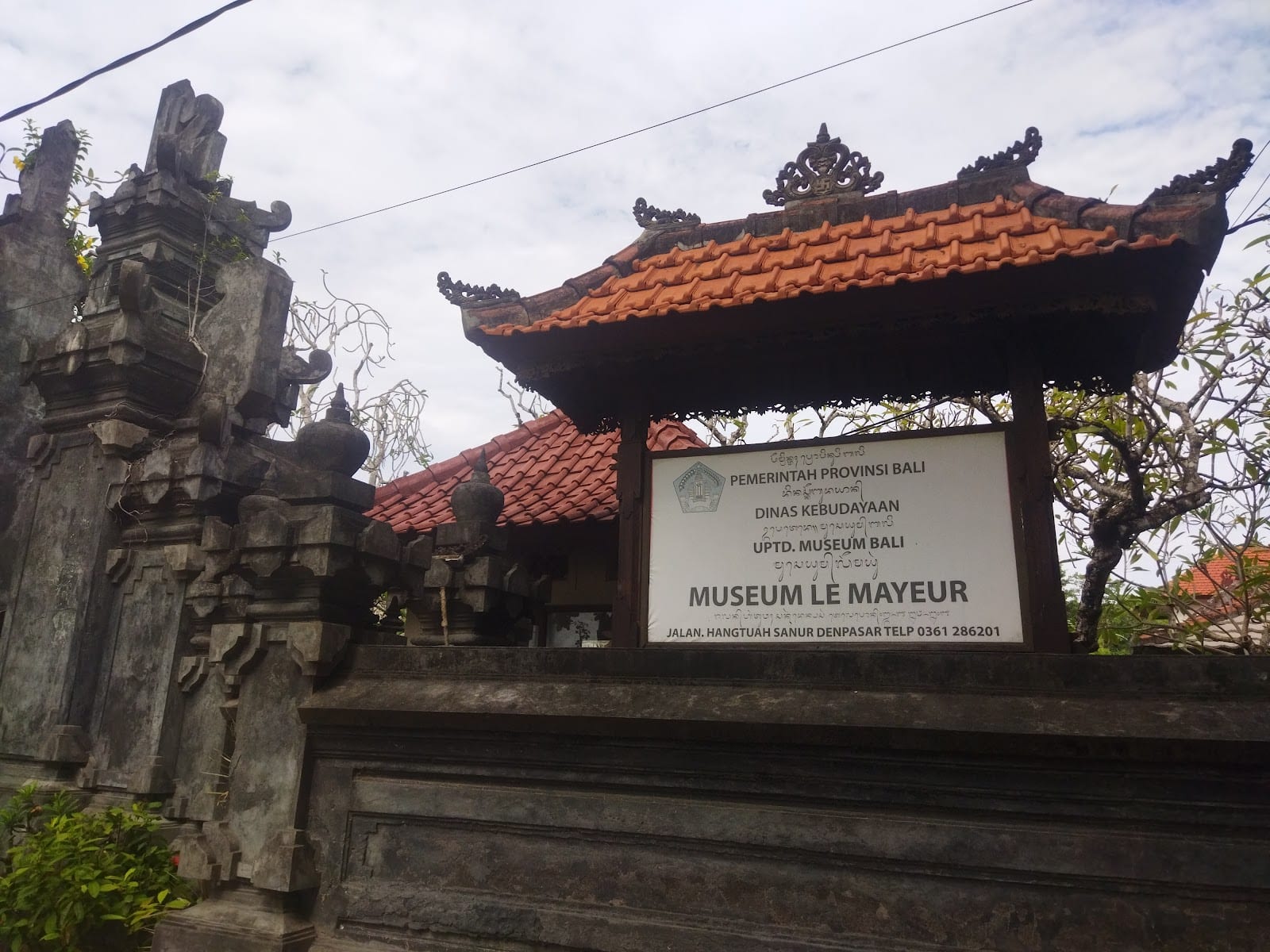
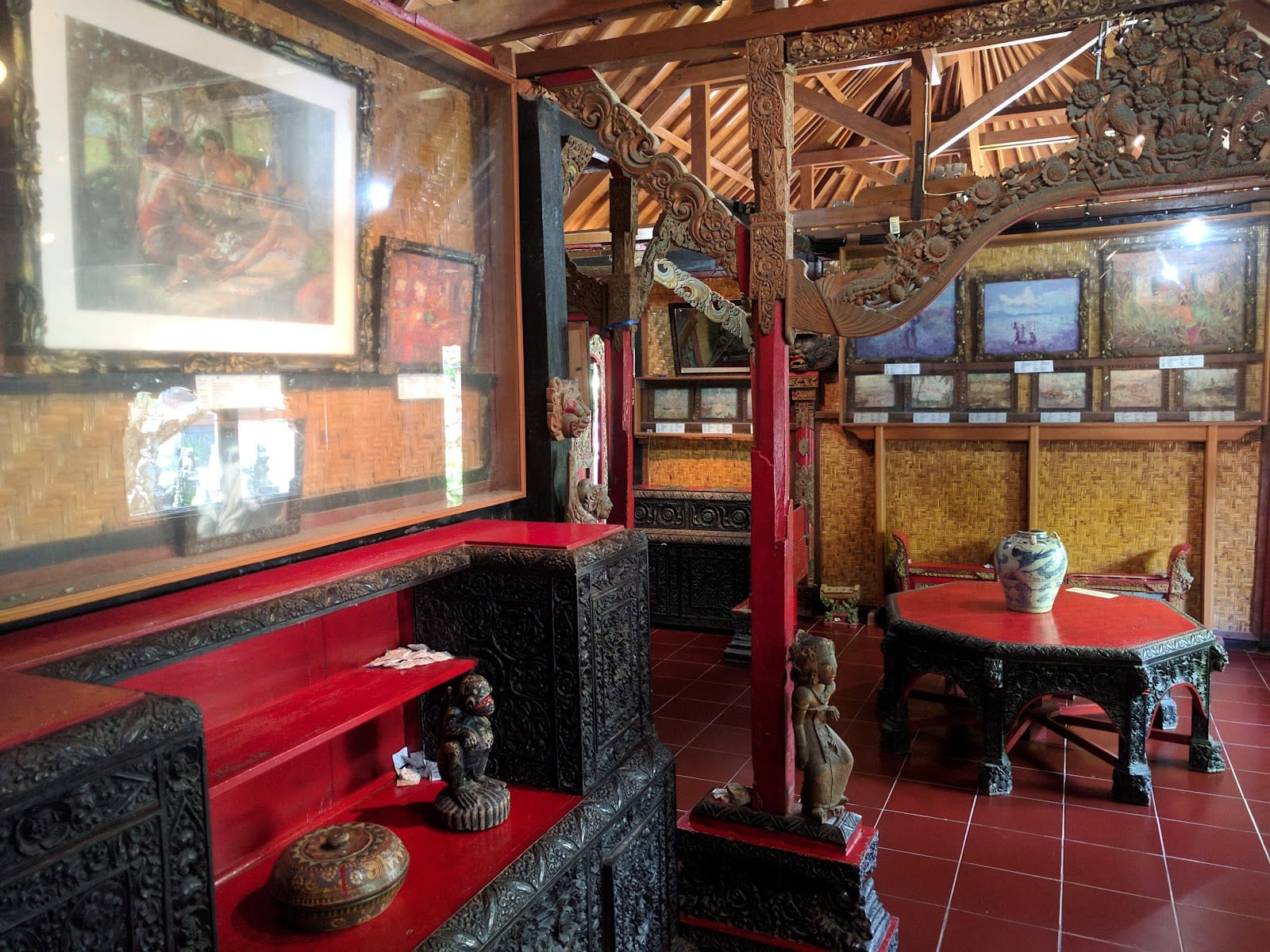
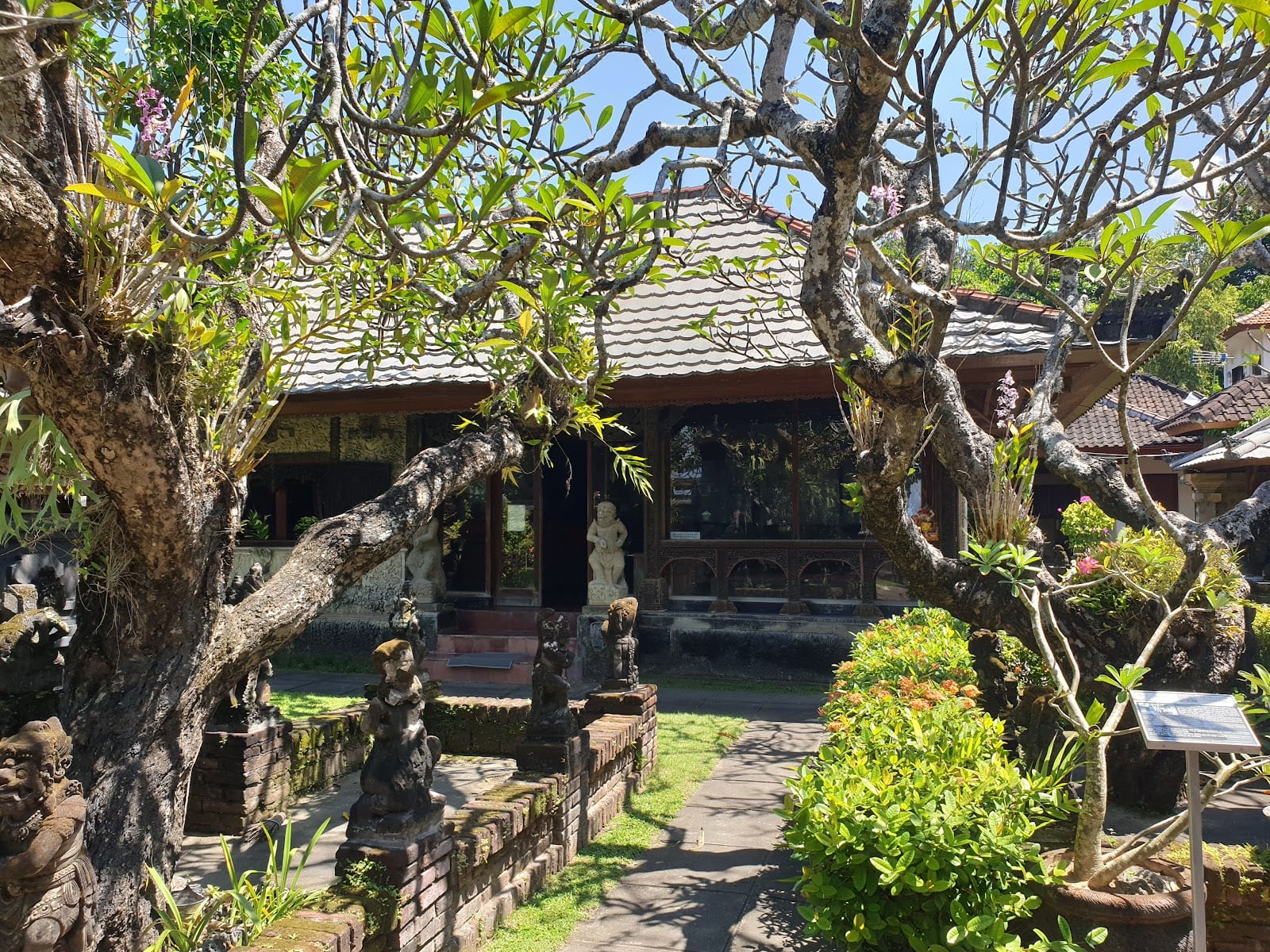
Le Mayeur Museum
A compact, atmospheric house museum where Bali's light matters less than the complicated domestic story behind the paintings.
Le Mayeur Museum occupies the former Sanur home and studio of Belgian painter Adrien-Jean Le Mayeur de Merprès, who arrived in Bali in 1932, met Legong dancer Ni Nyoman Pollok and married her in 1935. Their property and collection were gifted to Indonesia in 1957, when the museum opened. Roughly 80 to almost 90 paintings remain displayed across the compound, on canvas, hardboard, plywood and paper, and Ni Pollok appears in many as muse and wife. Lonely Planet notes that she stayed in the house until her death in 1985. The museum sits directly beside the beach on Jl. Hang Tuah. Its best detail is architectural: carved shutters show Rama and Sita from the Ramayana. Go on a weekday morning for cooler, quieter rooms; a small entrance fee applies.
1 houron GoogleGood for couples, solo, families
Sourceslonelyplanet.com
- 6
 Sanur Kauh Mixed
Mertasari Beach
Sanur's broad southern beach is best for local kite culture and a long walk, not for promising yourself a perfect swim.
Mertasari sits at Sanur's southern end in the Semawang and Sanur Kauh area, reached by the same long paved path used for cycling and jogging. It feels more locally oriented than the central waterfront, with fishing, boating, kite flying and inexpensive shoreline snacks alongside resort restaurants. During June and August, locals fly kites across the broad open space, and the flat field is also used for paramotoring and paragliding take-offs and landings. Sources disagree about swimming: some describe calm, shallow reef-protected water, while others say it is not ideal, and there are no lifeguards. Treat it as an open-air beach walk and activity space first. It is listed as open 24 hours with no entrance fee; weekday mornings are the quietest, while weekend activity rises after 4 p.m.
1-2 hourson GoogleGood for families, couples, friends, solo
Sourceshotels.commaps.apple.com
- 7
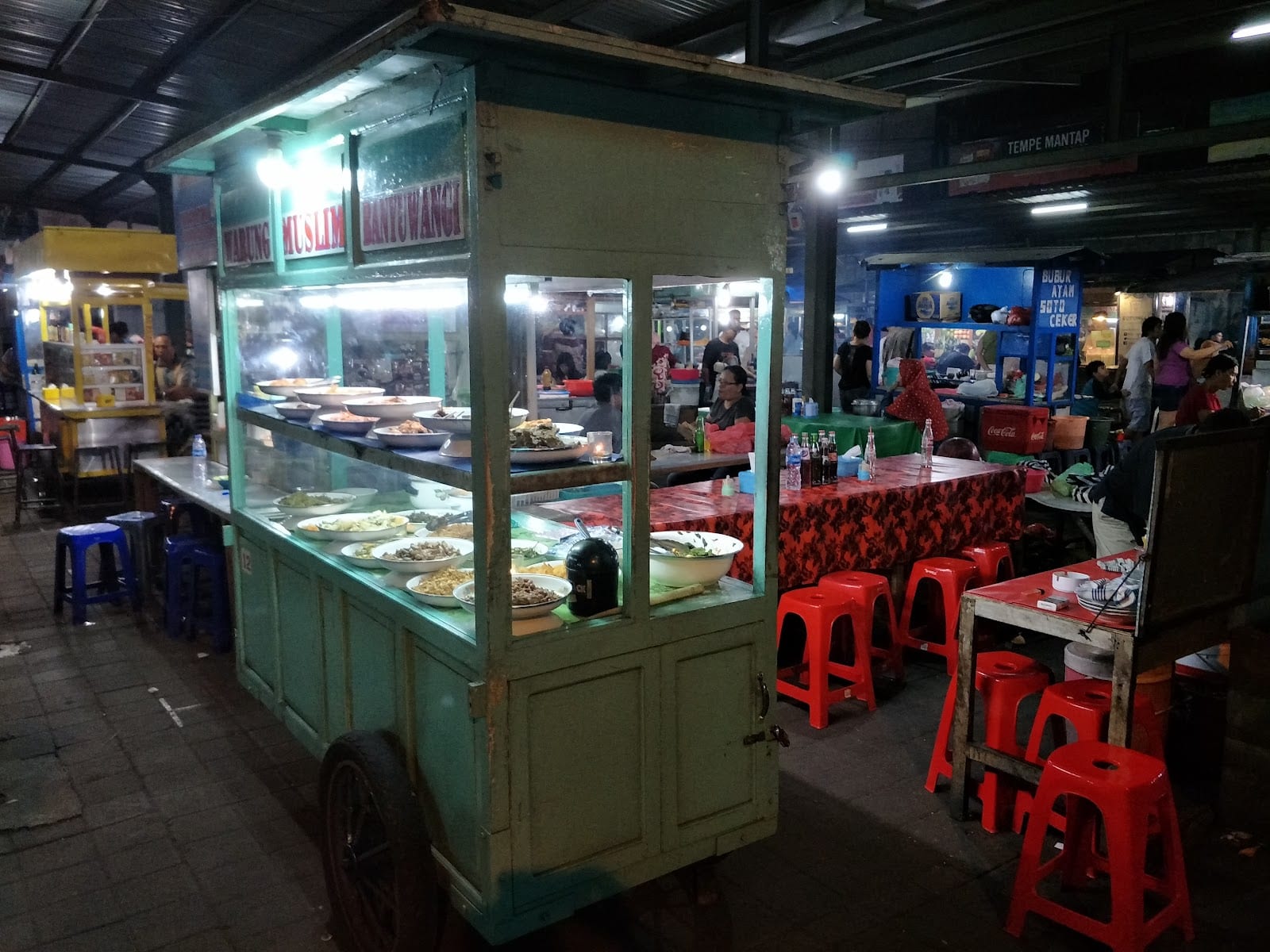
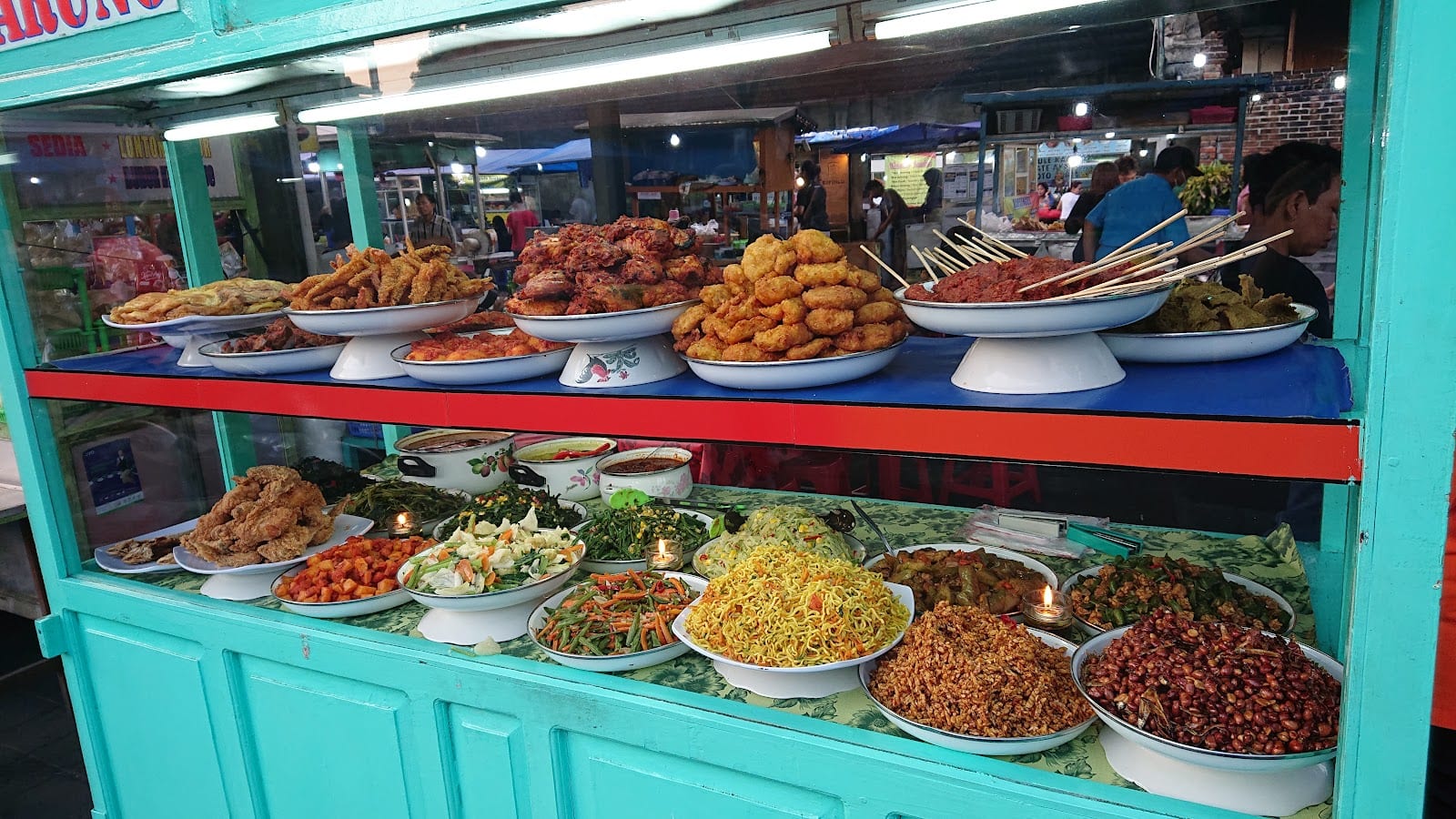 Jalan Pungutan Worth the hype
Sindhu Market (Sanur Night Market)
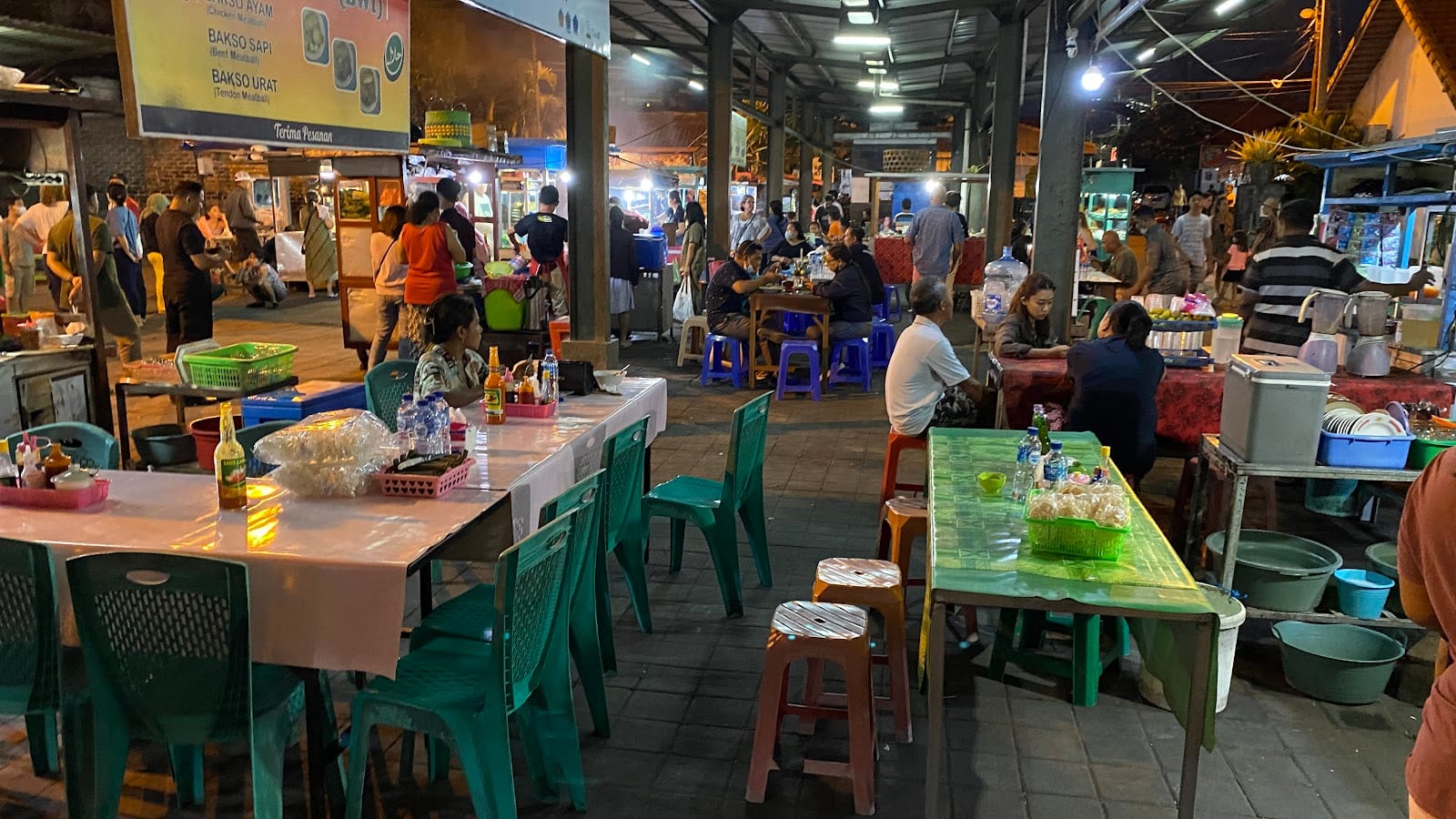
Sanur's most convincing evening plan is still the traditional market's sudden change from daytime produce hall to open-grill street-food strip.
Sindhu Market is a daytime traditional market before its front parking area changes character after dark. Locals come for produce, flowers, spices, household necessities and materials for Hindu offerings; by about 6 p.m., roughly 15 to 25 food stalls are generally ready with grills, woks and familiar dishes such as lamb satay, bakso and nasi goreng. Hotels.com describes around 150 stands in the broader ceramic-tiled market lanes. Entry is free, and the market sits at Jalan Pungutan No. 2, about 650 metres from Sindhu Beach. Most vendors take cash rather than cards. The supplied guide lists food from roughly IDR 1,000 for individual fried snacks to IDR 25,000–30,000 for chicken and rice, with satay around IDR 15,000–30,000. Come hungry, not precious.
1-2 hourson GoogleGood for friends, couples, solo, families
Sourceshotels.com


Hidden gems
Where the crowds thin out.- Hidden gem
 Sanur Worth it
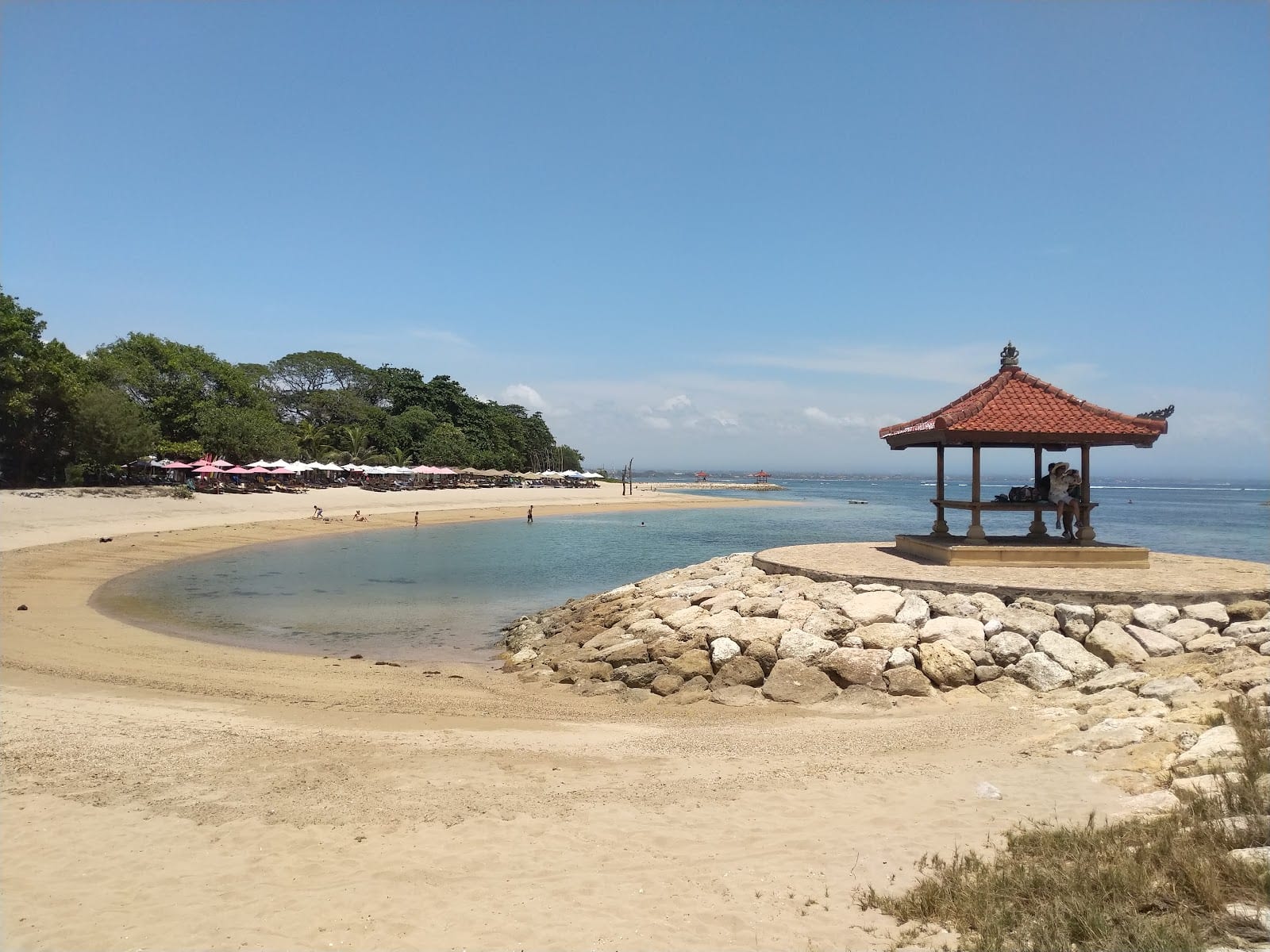
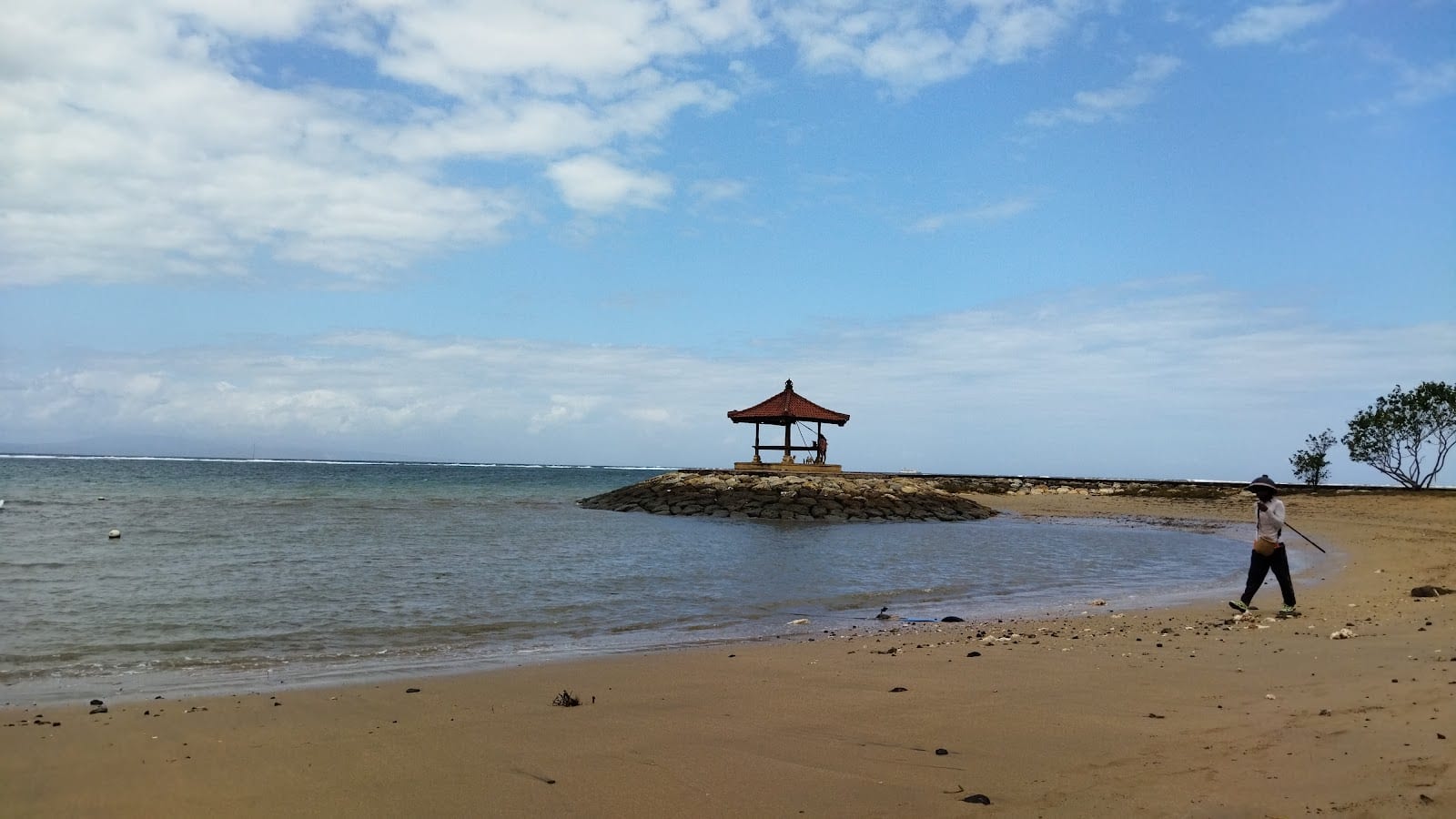
Pantai Karang
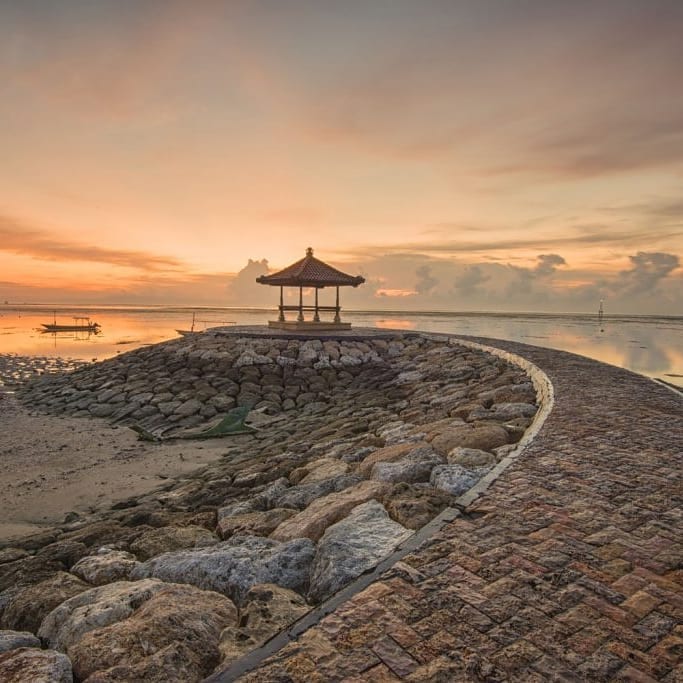
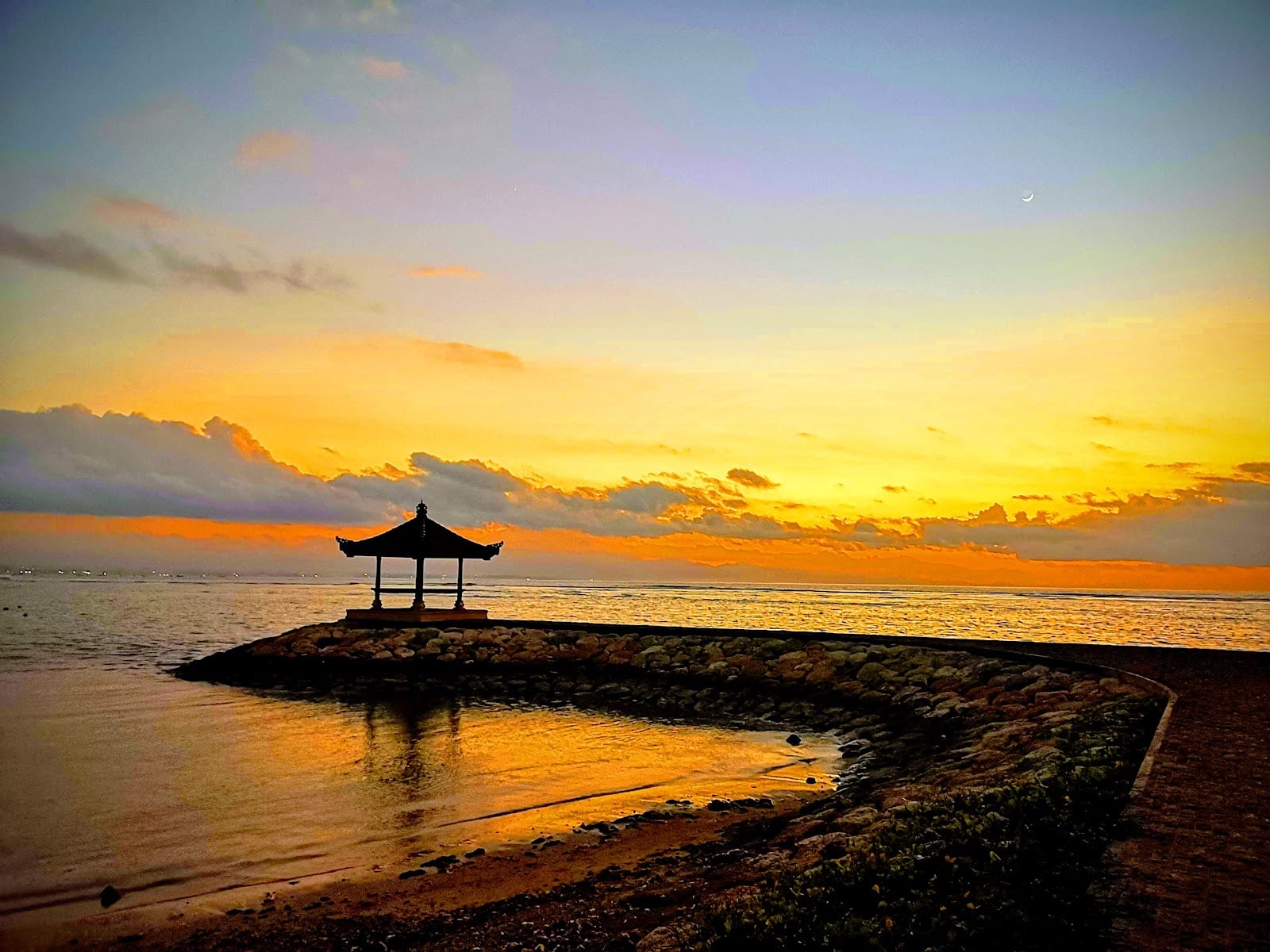
A small, shaded Sanur beach that earns its place through atmosphere, gazebos and one temple that appears offshore at low tide.
Pantai Karang is a relatively secluded stretch about 1 kilometre south of Sindhu Beach, with a reef that keeps the water comparatively calm for families and swimming. The beachfront path continues through some tree-shaded sections, while Balinese-style gazebos sit at the ends of artificial wave breakers for yoga, picnics and photographs. The beach's name refers to its coral rocks, and a small temple becomes visible offshore when the tide goes out. Facilities listed by local sources include parking, toilets, cafés, restaurants and art shops. It is an easy coastal detour rather than a destination worth crossing Bali for, but that is precisely the appeal: walk or cycle down from the busier northern beaches, watch the tide change, and leave before the low water turns the reef into the main event.
1-2 hourson GoogleGood for families, couples, solo
Sourceshotels.com
- Hidden gem
 Sanur Kauh Worth it
Pura Blanjong
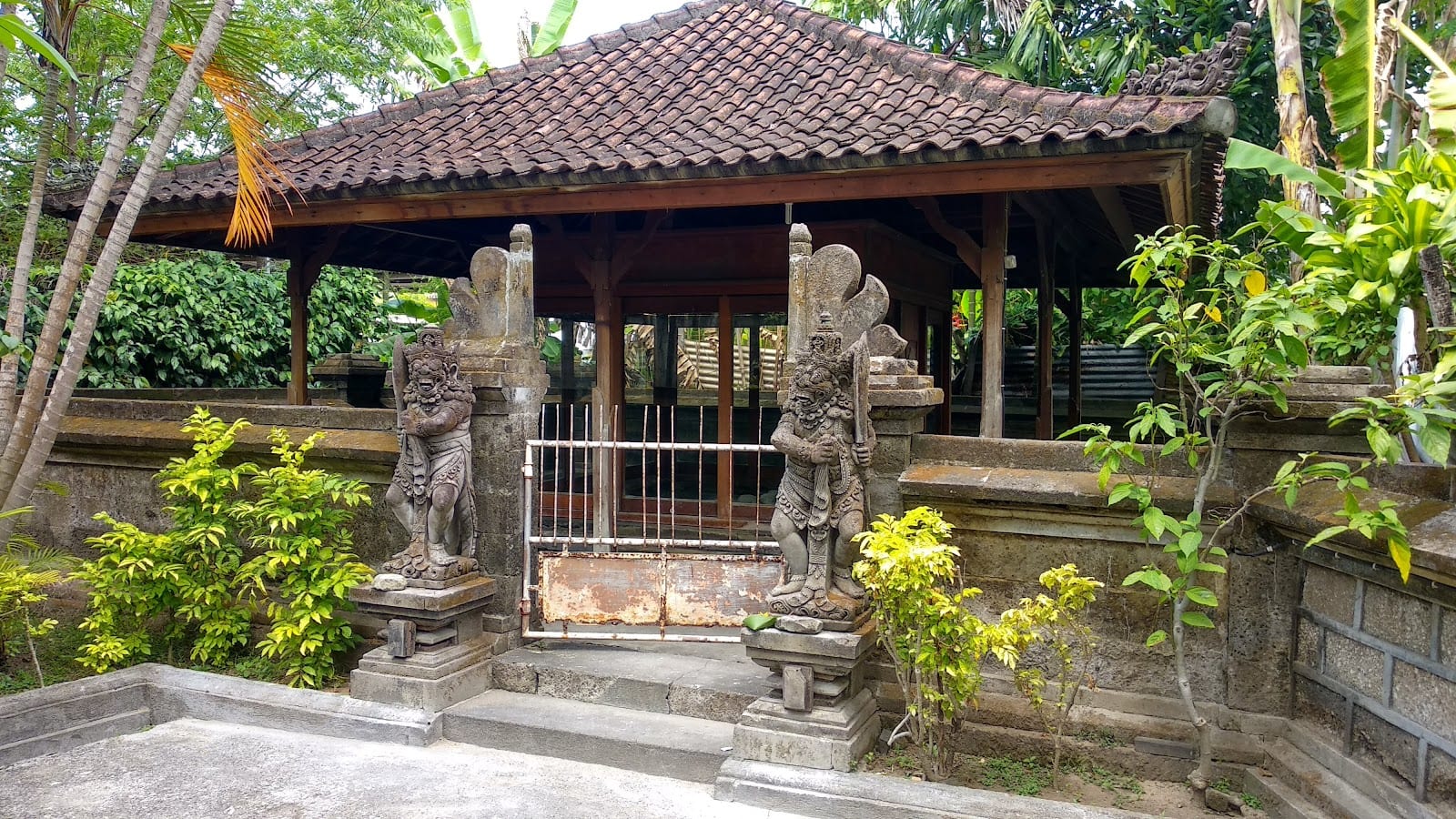
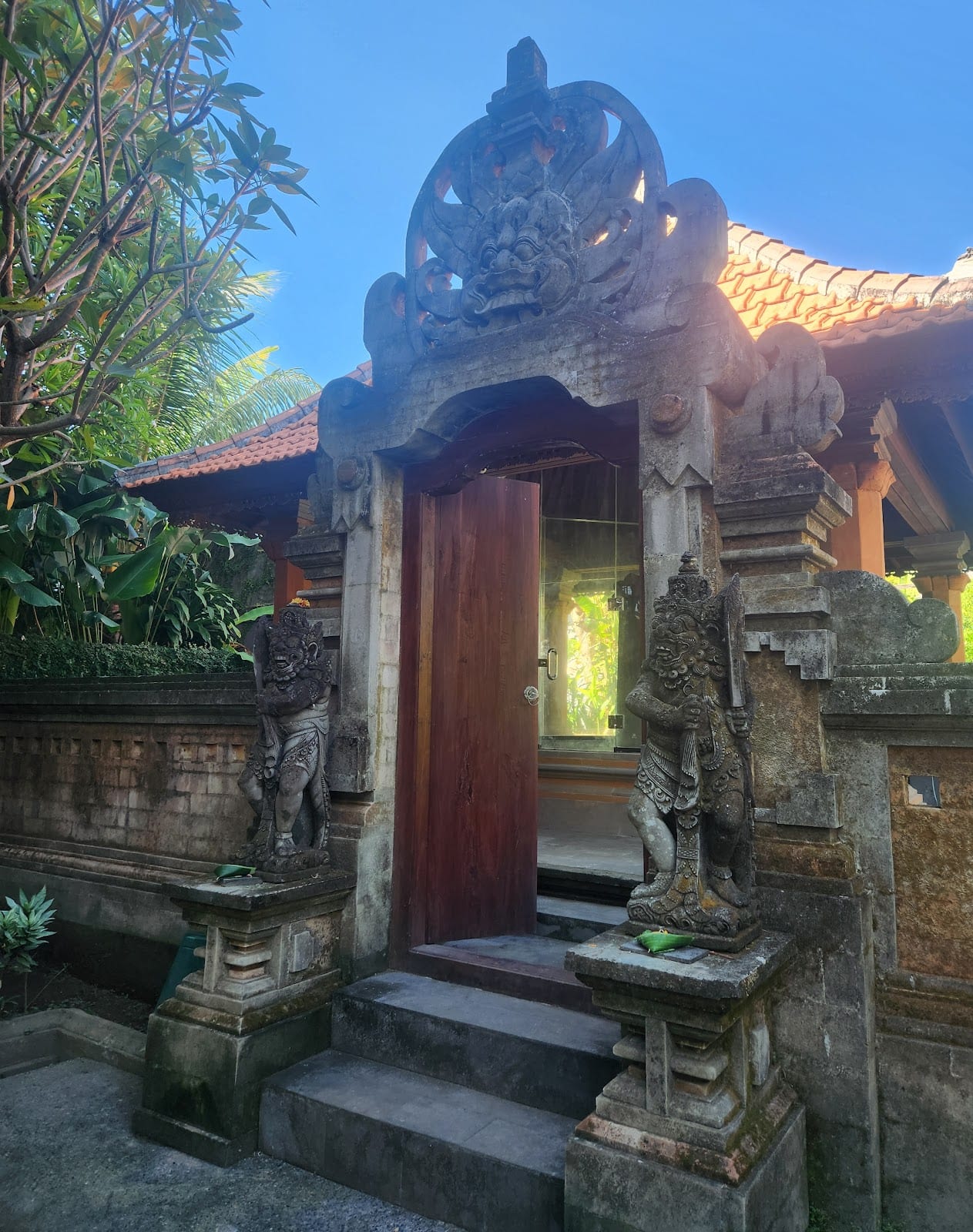
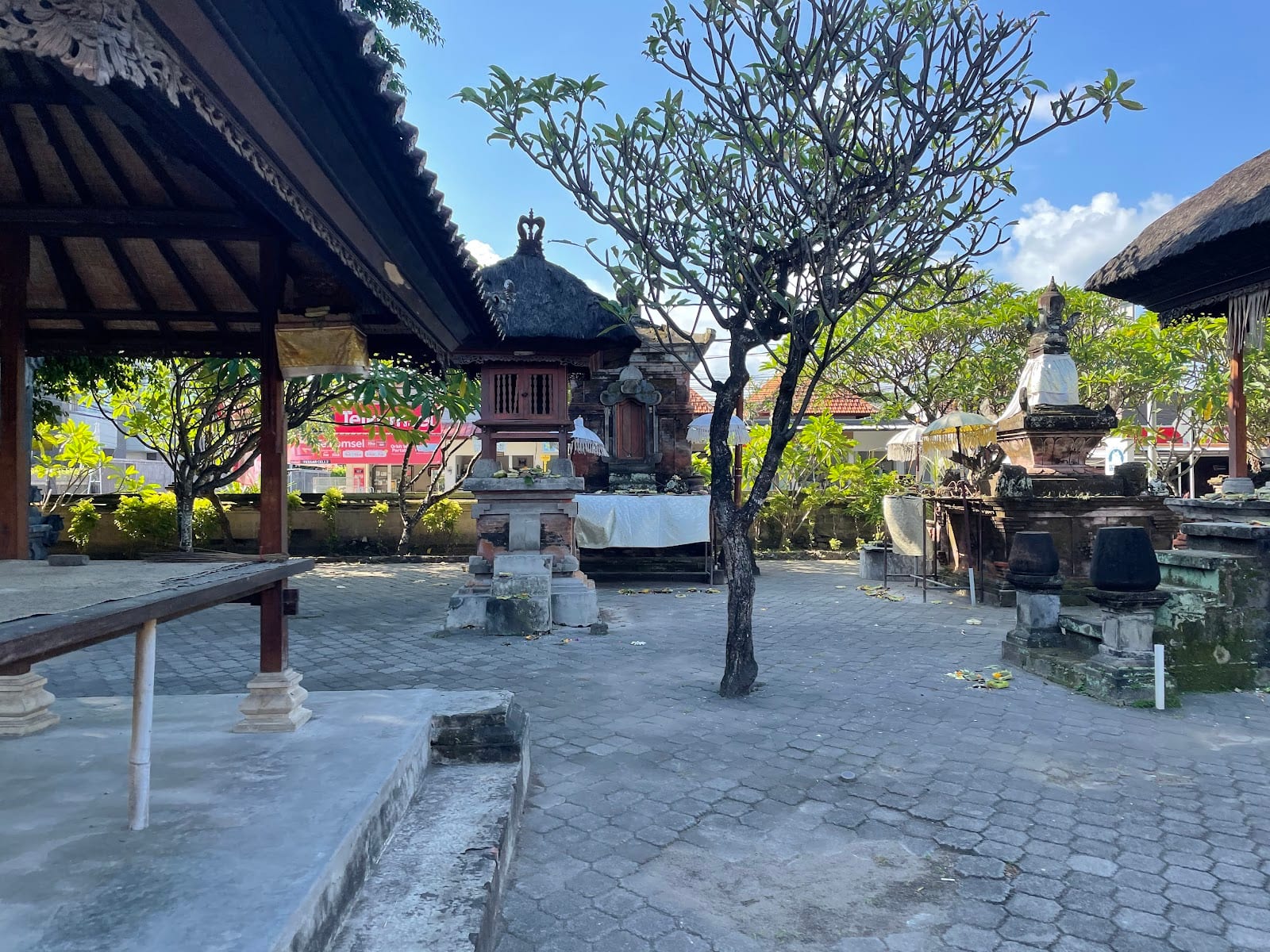
Sanur's most important historical stop is a working temple whose small glass enclosure holds a ninth-century record of Bali.
Pura Blanjong is an active place of worship in Intaran Village, and its significance is easy to miss if you only look at the temple buildings. The Blanjong Pillar's inscription dates to 913 CE and commemorates Sri Kesari Warmadewa's victories in Gurun and Swal; the temple itself is described as dating to the 10th century. The pillar was discovered in 1932, stands 177 centimetres high and 62 centimetres wide, and is topped with a lotus crown. Its text appears in two languages and two scripts and includes Walidwipa, an early recorded name for Bali. Find the signed lane to the left of the entrance on Jalan Danau Poso: the pillar is not in the main building. Visit in daylight, borrow a sarong and sash, and leave a small maintenance donation if you can.
45 minuteson GoogleGood for solo, couples, families
Sourcesorientalarchitecture.com


Verdicts and rankings are our own; ratings open each place on Google. Prices, where shown, are an approximate per-person guide in USD.
Eat & drink
Where to eat in Sanur
Sanur's best food experiences are casual: a market grill, a shoreline snack and a meal timed around the waterfront.
Sindhu Market grills
Jalan PungutanThe night market's open grills and woks are the district's clearest local-food stop. Arrive around 6 p.m.; most stalls take cash. Try the satay, bakso or nasi goreng rather than searching for polish.
on Google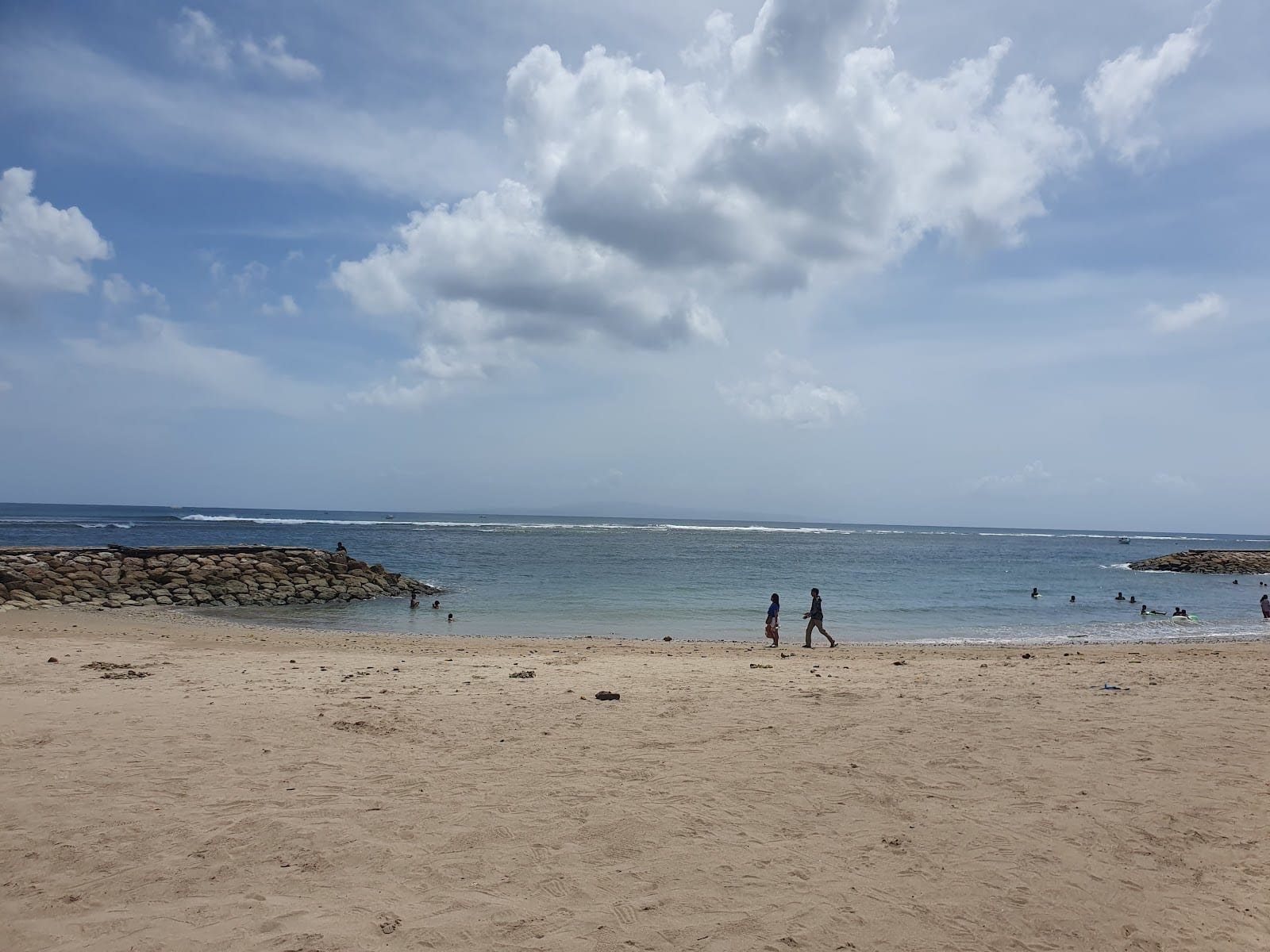
Sanur waterfront cafés
Sanur Beach PromenadeThe promenade is lined with restaurants, small shops, hotels and beachfront patios, making it the easy place for a coffee, cold drink or unhurried meal between walks.
on GoogleMertasari shoreline snacks
Mertasari BeachThe southern beach keeps food simple, with inexpensive shoreline vendors alongside resort restaurants. Pair a snack with the local kite-flying scene and the long paved beachfront path.
on Google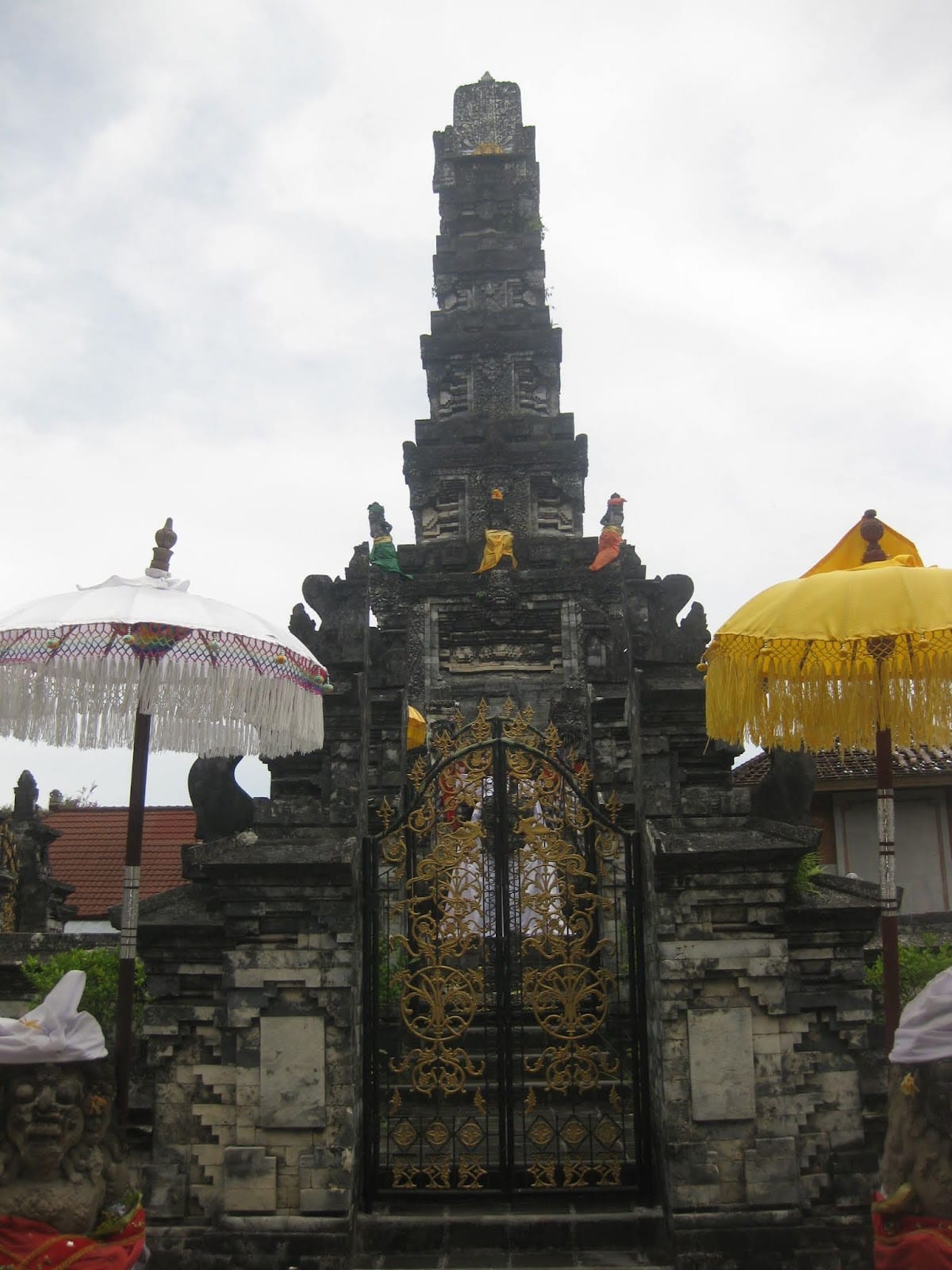
Blanjong-area Balinese stall
Jalan Danau PosoA traditional Balinese food stall is noted near Pura Blanjong. It is the right add-on after the temple, especially if you want the cultural stop to extend beyond the glass case and inscription.
on Google


Getting around
Getting around Sanur
Walk the waterfront
Sanur is walkable along its paved coastal path, which runs beside beaches, fishing boats, hotels and waterfront restaurants. It is flat and closed to cars and motorcycles.
Rent a bicycle for the full beach walk
The shoreline route is roughly 4 to 7 kilometres depending on the measurement. Reported bicycle rentals are about IDR 25,000–50,000 per hour; confirm the current rate locally.
Leave from Matahari Terbit Harbour
Sanur's modern terminal is Bali's main fast-boat departure point for Nusa Penida. Boats generally take about 30–50 minutes; arrive 30–45 minutes early.
Airport transfers take traffic into account
Ngurah Rai International Airport is roughly 30–45 minutes away by taxi or ride-hailing car. Reported fares are about IDR 100,000–150,000, depending on traffic.
Where to stay
Where to stay in Sanur
North Sanur
Stay near Matahari Terbit and Sindhu if the Nusa islands are on your itinerary. You are close to the harbour, the northern beach and the night market.
Central Sanur
The most convenient base for the promenade, Le Mayeur Museum, Sindhu Beach and the densest cluster of restaurants and hotels. Best for a first visit without a car.
South Sanur
The Semawang and Sanur Kauh side is quieter and closer to Mertasari Beach, with more local shoreline activity and an easy walk or cycle along the coast.

Where to stay in Bali
Compare Bali's best bases and find the right place for your trip.
View the guideWho it's for
Sanur for families, couples, and solo
- Sanur for families
- The reef-protected shallows, car-free promenade and gentle pace make Sanur one of Bali's easier family bases. Plan swimming around tides and keep an eye on boat traffic.
- Sanur for couples
- Start with sunrise, walk the promenade, linger over a waterfront meal and finish at Sindhu Market. Sanur is romantic when you want atmosphere without Bali's louder nightlife.
- Sanur for solo travelers
- Sanur is straightforward to navigate on foot or by bicycle, with a public beach, a useful boat terminal, a museum and a market that give the district structure without demanding a tour.
More of Bali
Nearby neighborhoods
A short hop from Sanur, and worth pairing on the same trip.
Ready to plan your Sanur trip?
Tell Zoya, your personal travel assistant, how you like to travel, and she'll turn any of this into a day-by-day plan that fits your dates.
Explore now