

Ubud · Bali neighborhood guide
Things to Do in Ubud
Bali’s cultural heart has a clear shortlist: terraced rice fields, temple courtyards, and a monkey-filled jungle. Here's what's actually worth your time, ranked and judged.
Ubud in brief
Why is Ubud one of the best places to visit in Bali?
Ubud is Bali’s cultural centre and a strong base for Balinese art, temples, traditional performances and inland landscapes.
When is the best time to visit Ubud?
April to May and September to October are the useful shoulder-season windows, balancing generally favorable weather with fewer crowds than peak periods.
When is Ubud busiest?
July and August are generally Bali’s busiest months, with another rush around Christmas and New Year, when popular sights and roads can feel especially crowded.
Get oriented
How Ubud fits together
Ubud is a walkable cultural town surrounded by rice terraces, river ravines, temples and waterfalls that need a ride.
Central Ubud is the useful core: Ubud Palace, the Art Market and Saraswati Temple sit close together, while the Sacred Monkey Forest is south along Jalan Monkey Forest. Campuhan Ridge Walk starts near the western edge of town. Tegallalang, Tirta Empul and the waterfalls are outside the centre, so group them into day trips by scooter, Grab, taxi or private driver. The best plan is not to treat every temple and waterfall as a separate mission. Walk the central sights early, then spend a half-day on one northern or southern route.
Start in central Ubud on foot, then use a scooter, Grab or driver for the outer sights, in this order:
See & do, ranked
The best things to do in Ubud
Our honest ranking of Ubud’s most rewarding sights, from the living rice terraces and temple jungle to the small walk that earns its place between bigger excursions.
Must-see
The essentials, ranked.- 1
 Tegallalang Worth it
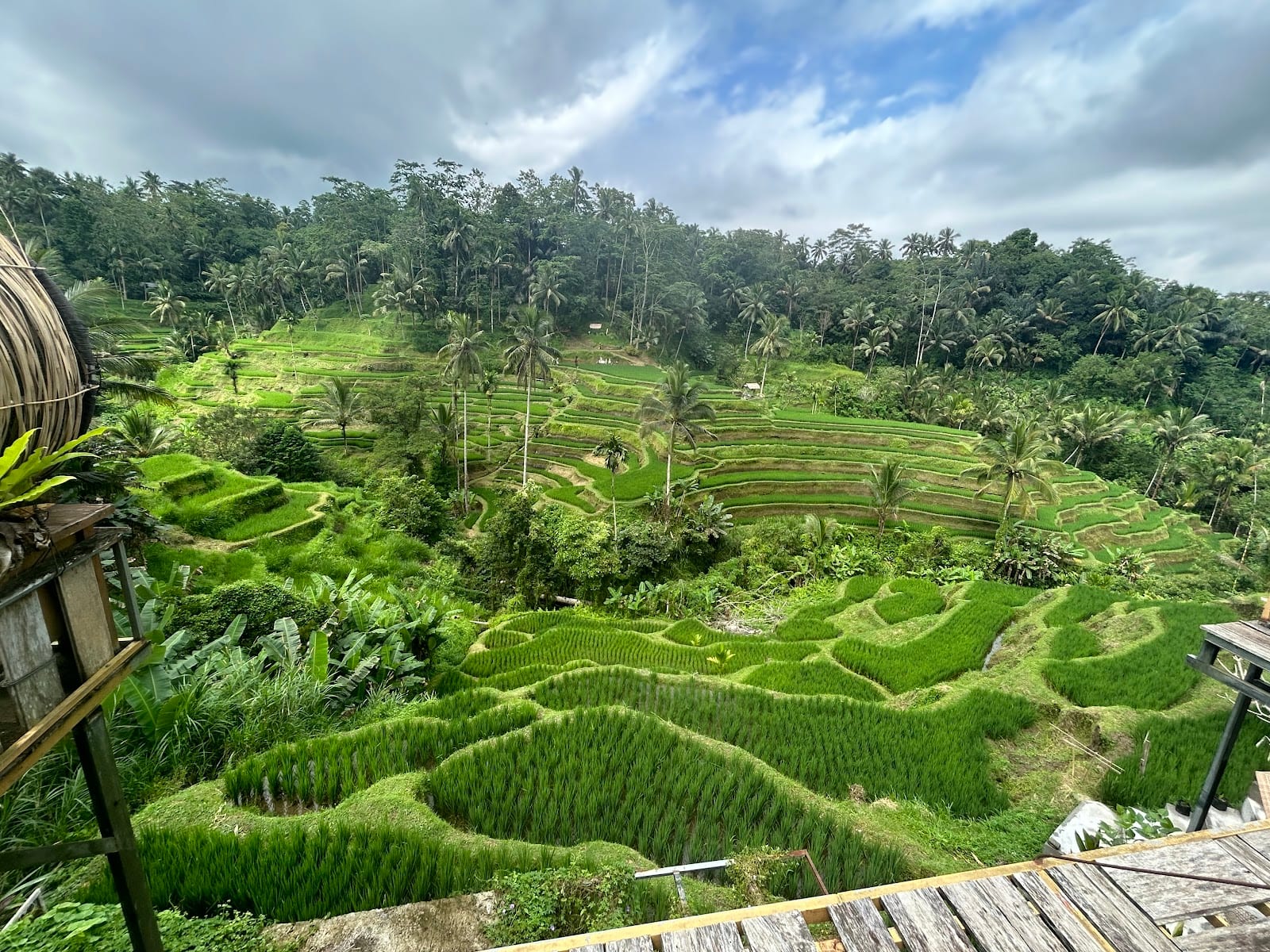
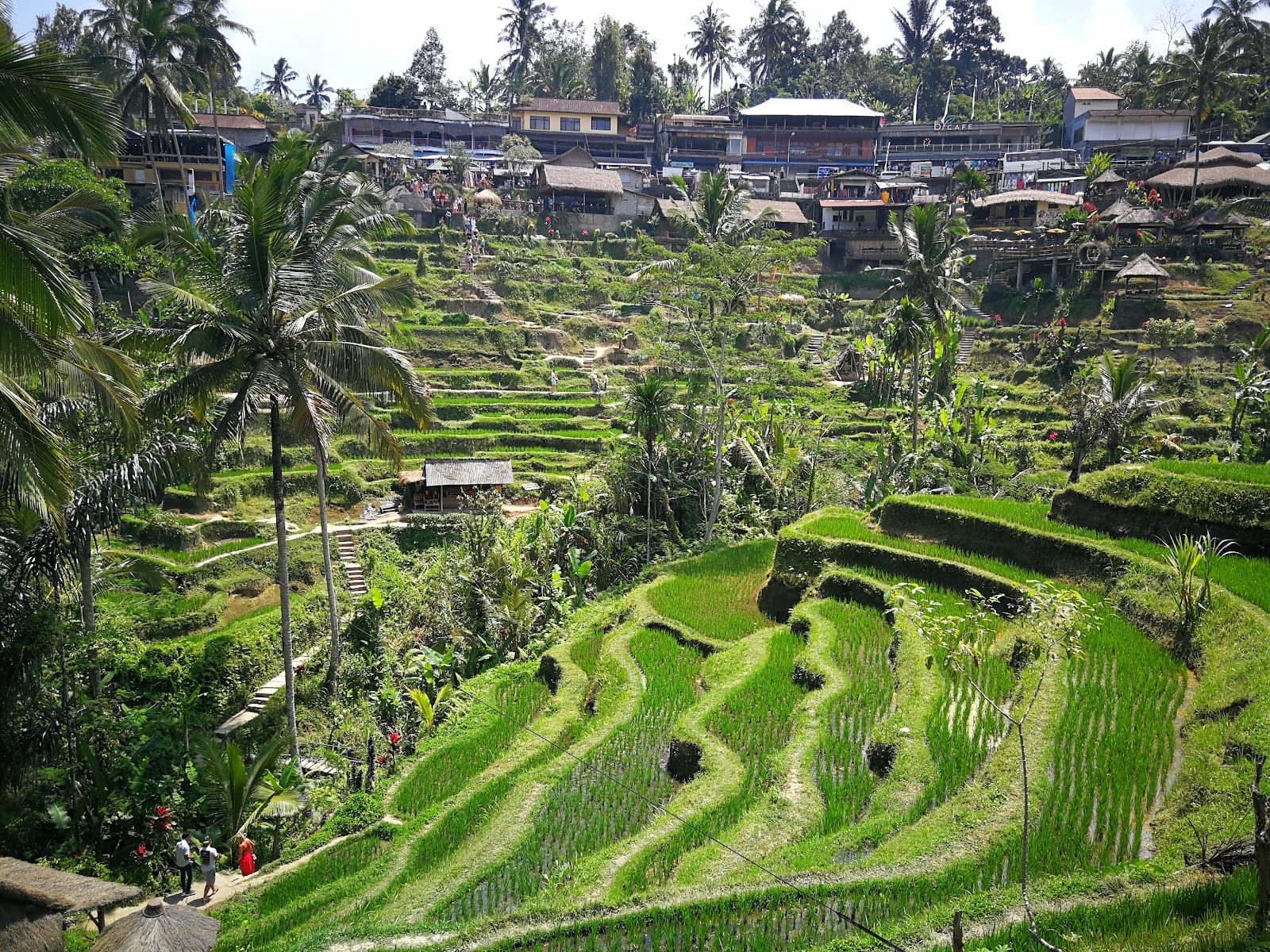
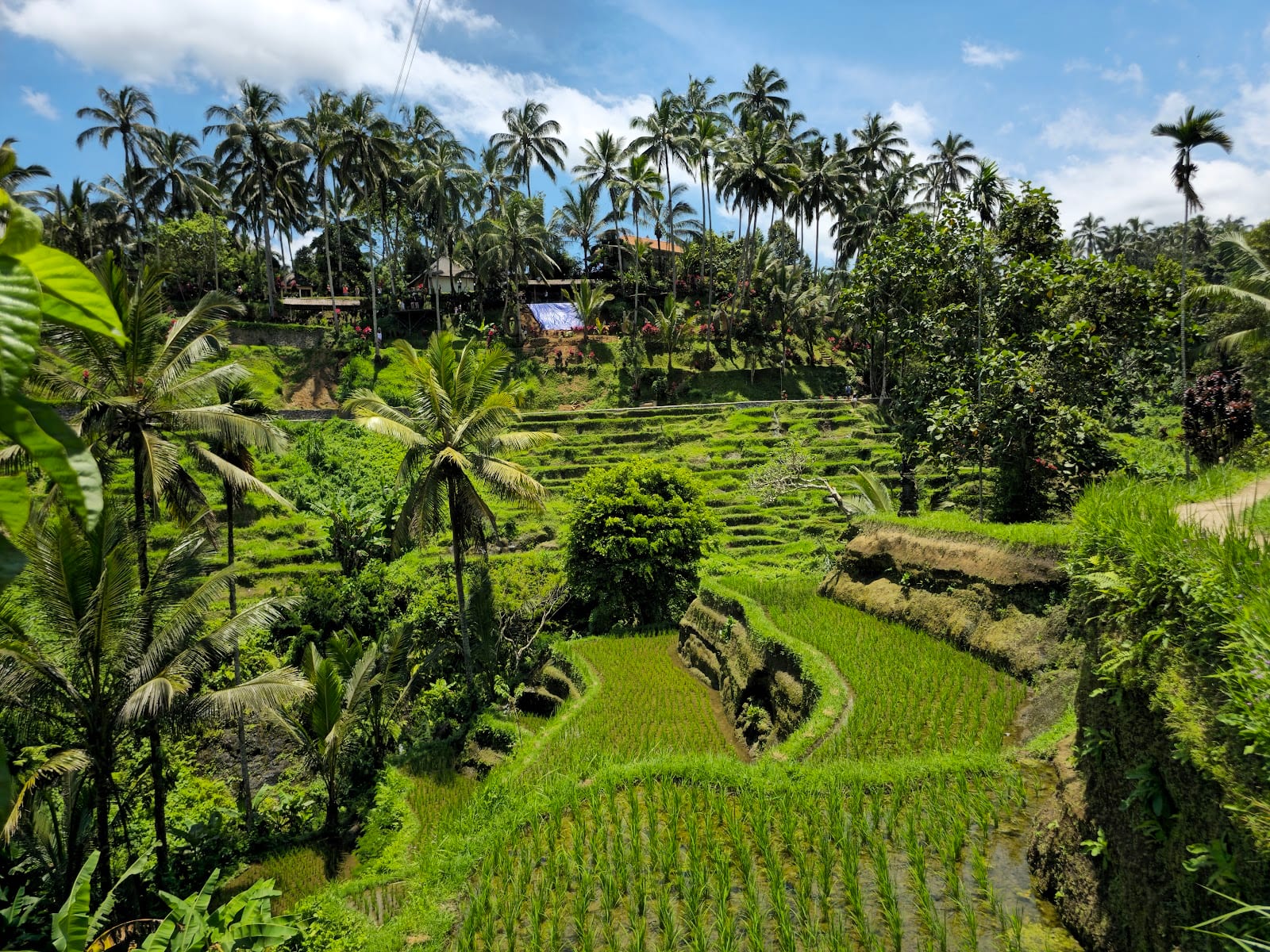
Tegallalang Rice Terrace
Ubud’s signature landscape is still worth seeing, provided you arrive early and treat it as a working farm rather than a photo set.
Tegallalang is the essential Ubud landscape: working hillside rice paddies held together by Bali’s cooperative subak irrigation system, a tradition described as dating to the 8th century. The terraces sit about 20 minutes north of town, with main access on Jl. Raya Tegalalang and another entrance via Kebon Road. Come before 9 a.m. if you want cooler paths and fewer crowds. Entry reports range from free to IDR 20,000, with local checkpoints sometimes requesting small donations; swings and photo stations cost extra. Allow two to three hours if you descend into the fields. The honest catch is that cafés, souvenir stalls and staged photo opportunities are now inseparable from the view.
2-3 hourson GoogleGood for families, couples, friends, solo
Sourcescntraveler.com
- 2
 Padangtegal Worth it
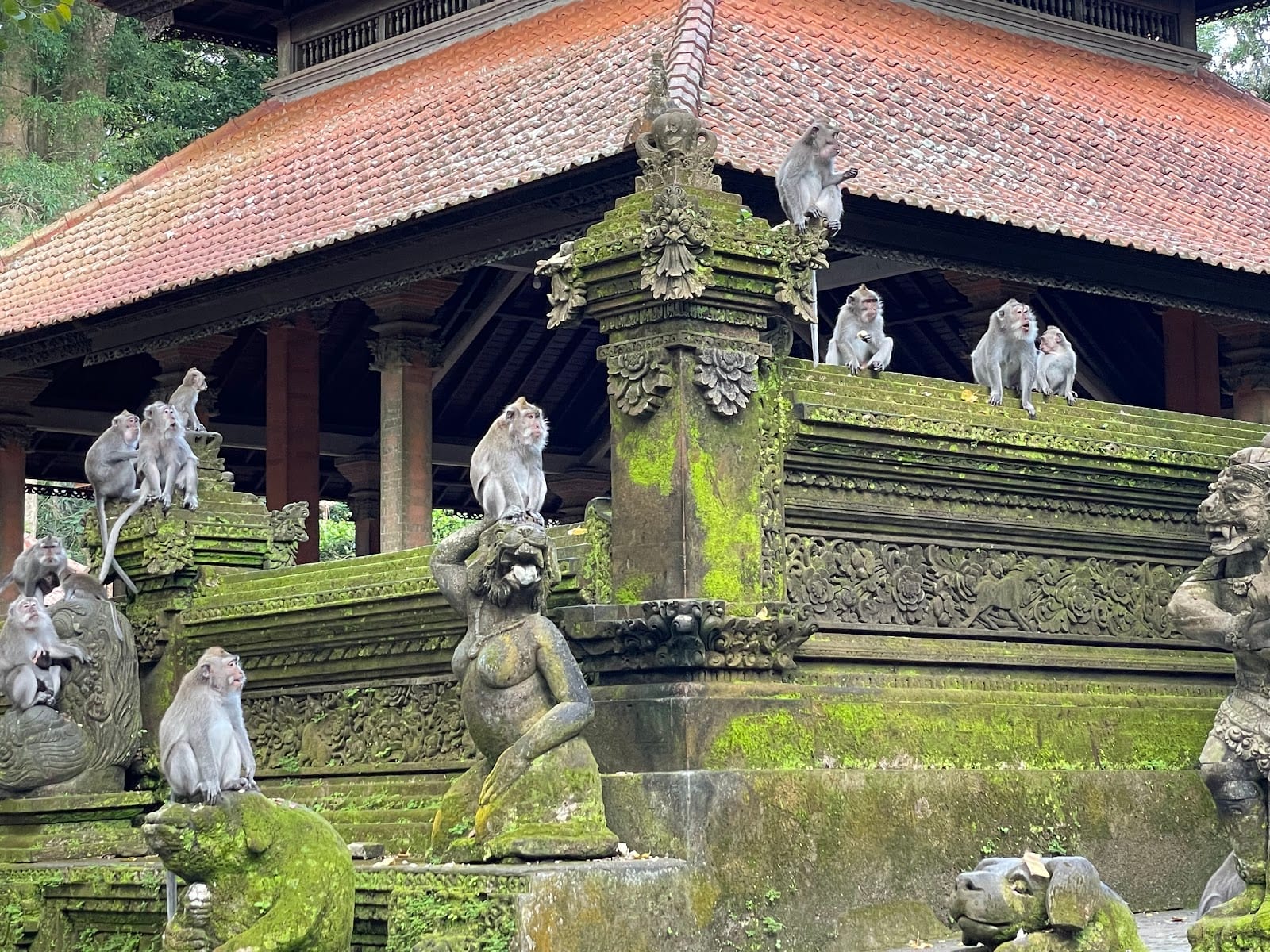
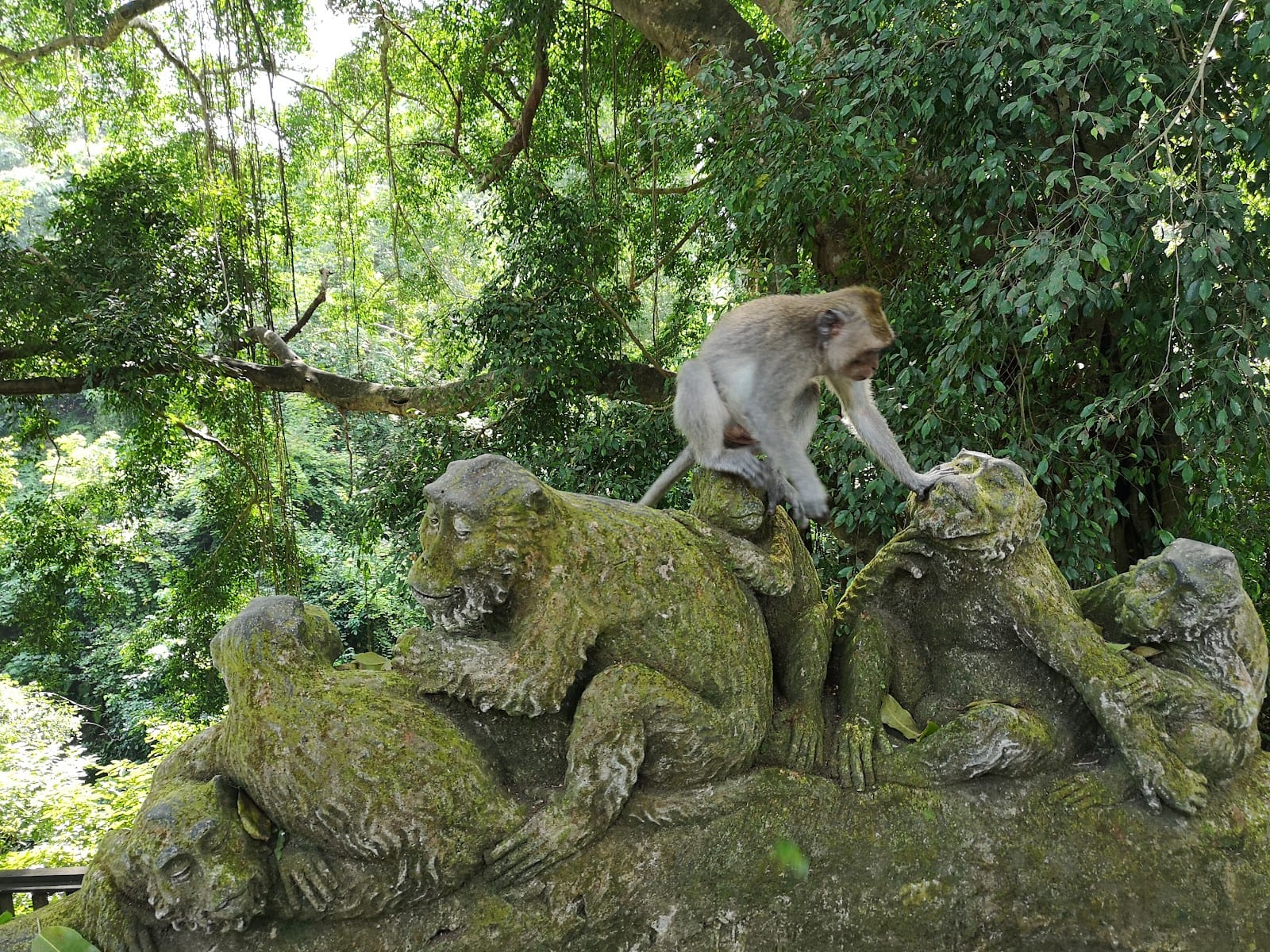
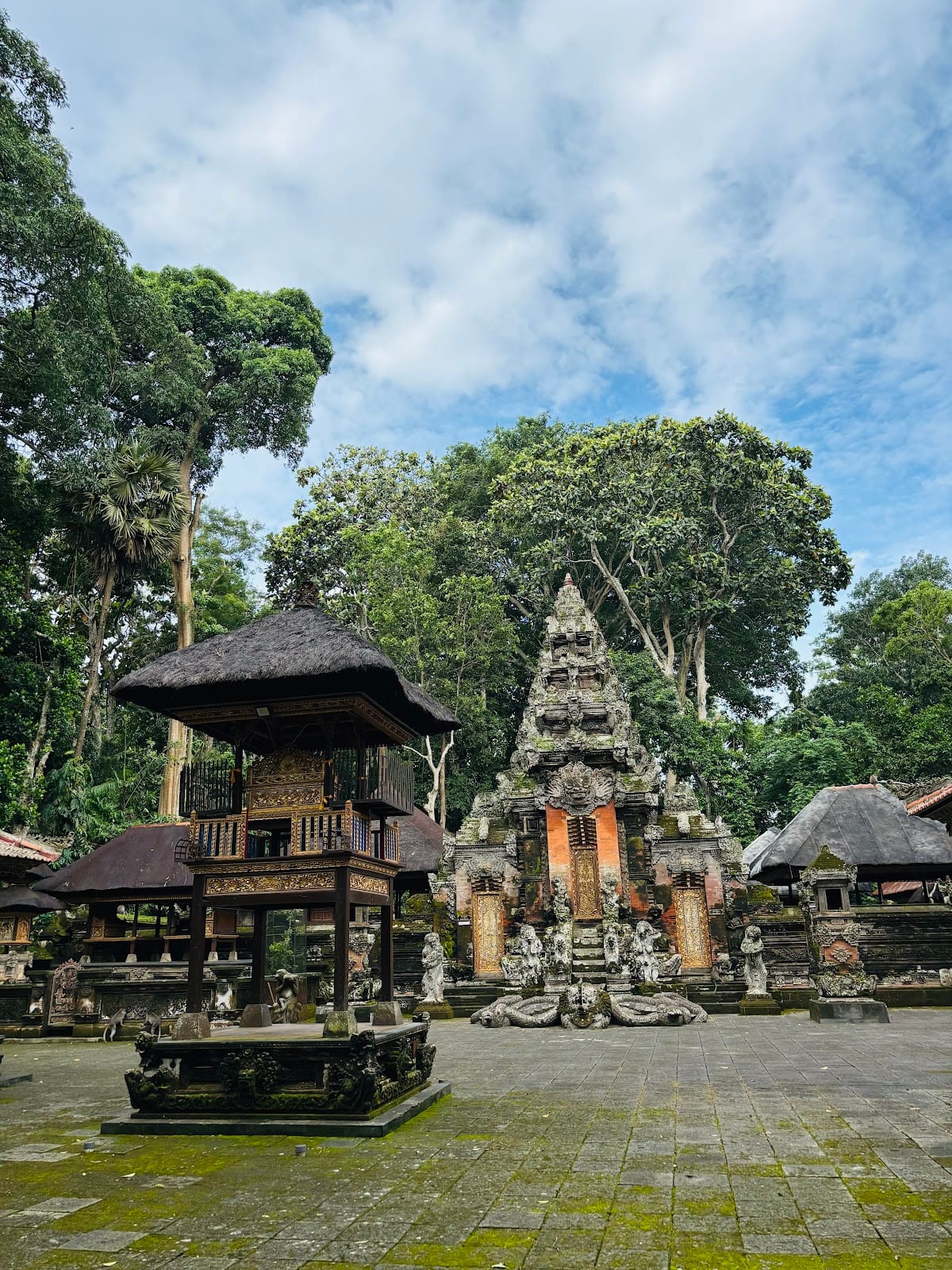
Sacred Monkey Forest Sanctuary
This is more than a monkey stop: it is a substantial temple-and-forest complex, as long as you respect the animals and keep your belongings secured.
The Sacred Monkey Forest Sanctuary combines roughly 10 hectares of forest, at least 115 tree species, three Hindu temples and more than 1,260 long-tailed macaques. The temples apparently date to around 1350, and the grounds remain owned by Padangtegal village and managed by its local organization. It is open daily from 9 a.m. to 6 p.m., with last entry at 5 p.m. Follow the marked paths, avoid prolonged eye contact and secure bags, phones and anything loose: the macaques are semi-wild and may reach into pockets or grab food-containing bags. The telling detail is Pura Prajapati beside a cemetery where bodies are temporarily buried before a mass cremation held every five years.
1.5-2 hourson GoogleGood for families, couples, friends, solo
- 3
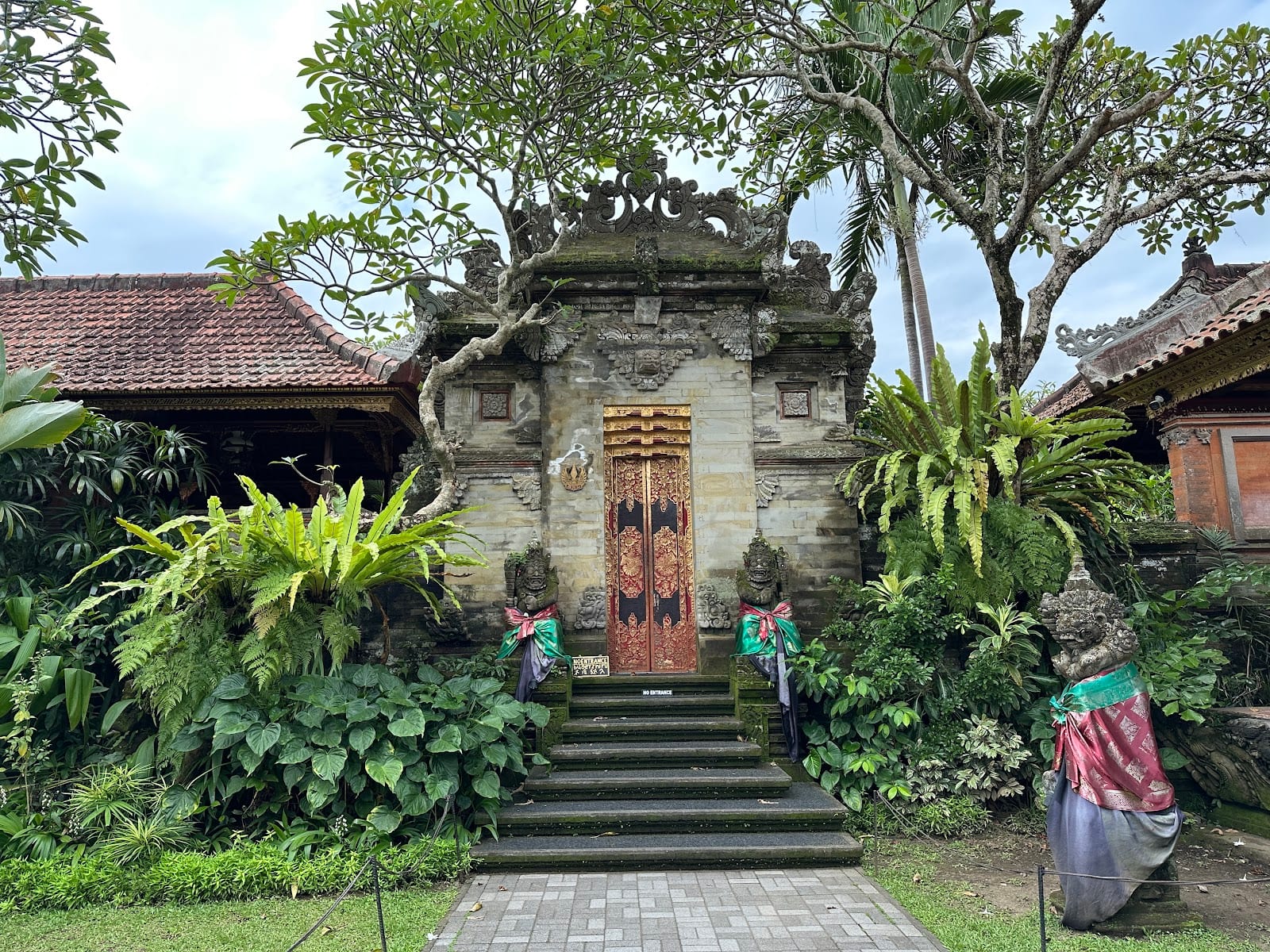 Central Ubud Worth it
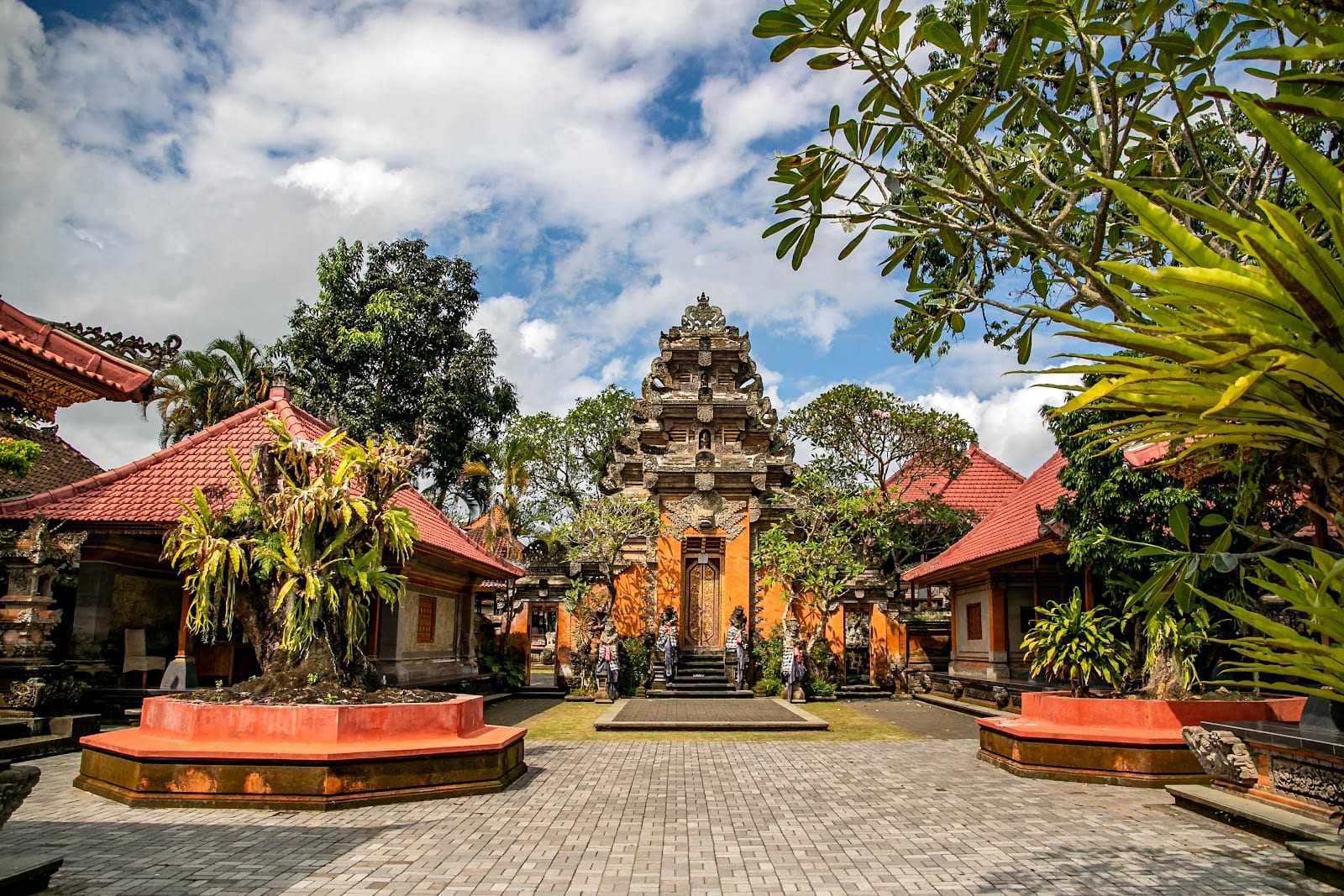
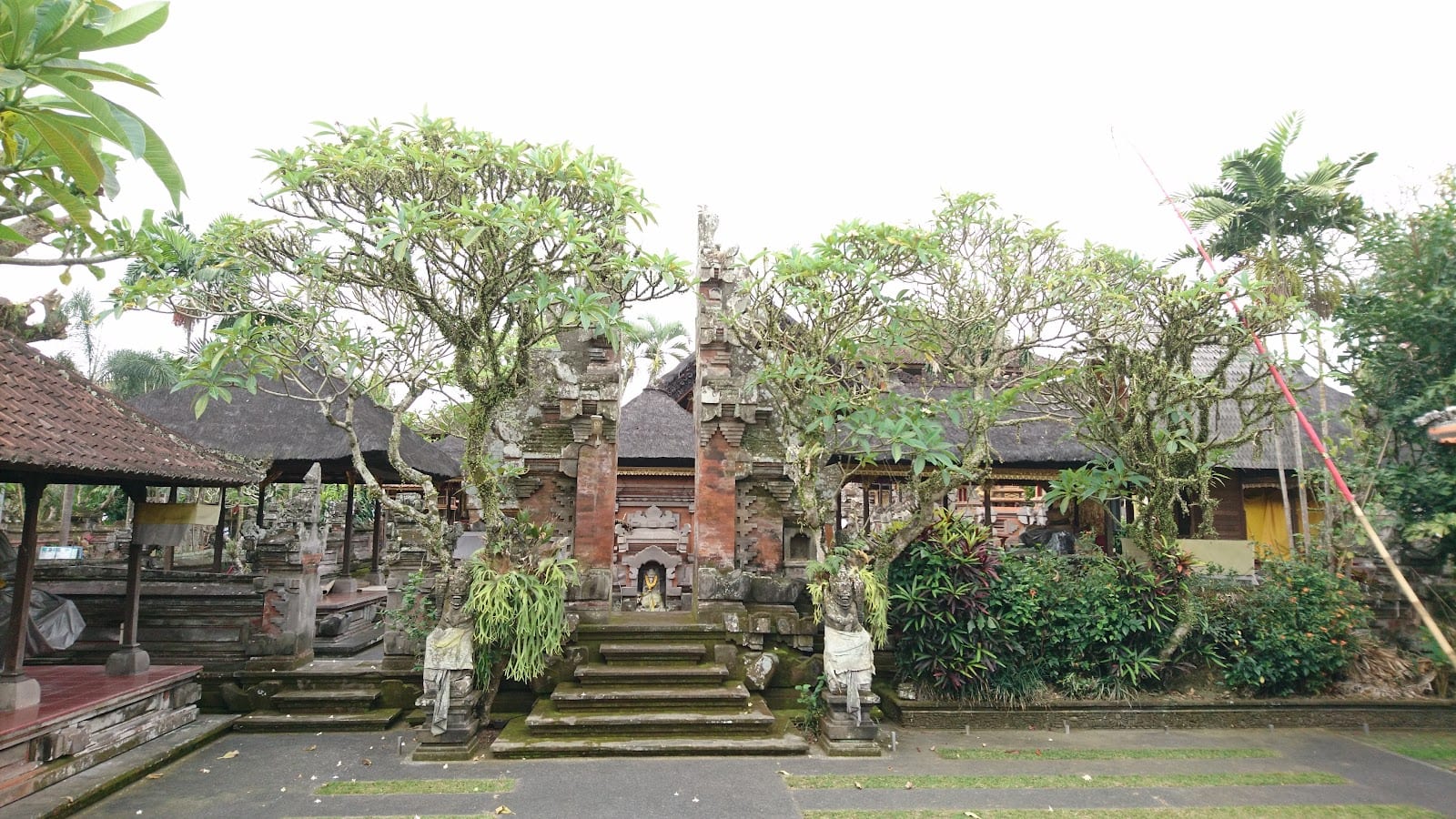
Ubud Palace (Puri Saren)
The palace earns a short daytime visit and a stronger evening one if you want traditional performance in the town centre.
Puri Saren Agung sits at the centre of Ubud, opposite the Art Market and within easy walking distance of Saraswati Temple. It began around 1640 as a residence for a branch of Ubud’s royal family, then took its present shape under King Ida Tjokorda Putu Kandel in the early 1800s. A 6.6-magnitude earthquake damaged it in 1917; restoration was complete enough for a reopening to guests and dignitaries by 1928. General admission is free, with stated hours of 9 a.m. to 6 p.m. except Nyepi. Nightly traditional performances reportedly run 7:30 to 9 p.m. for IDR 100,000. The palace is not enormous, so pair it with the market rather than making it a standalone expedition.
1-2 hourson GoogleGood for families, couples, solo


Worth it with more time
Good additions once you've done the icons.- 4
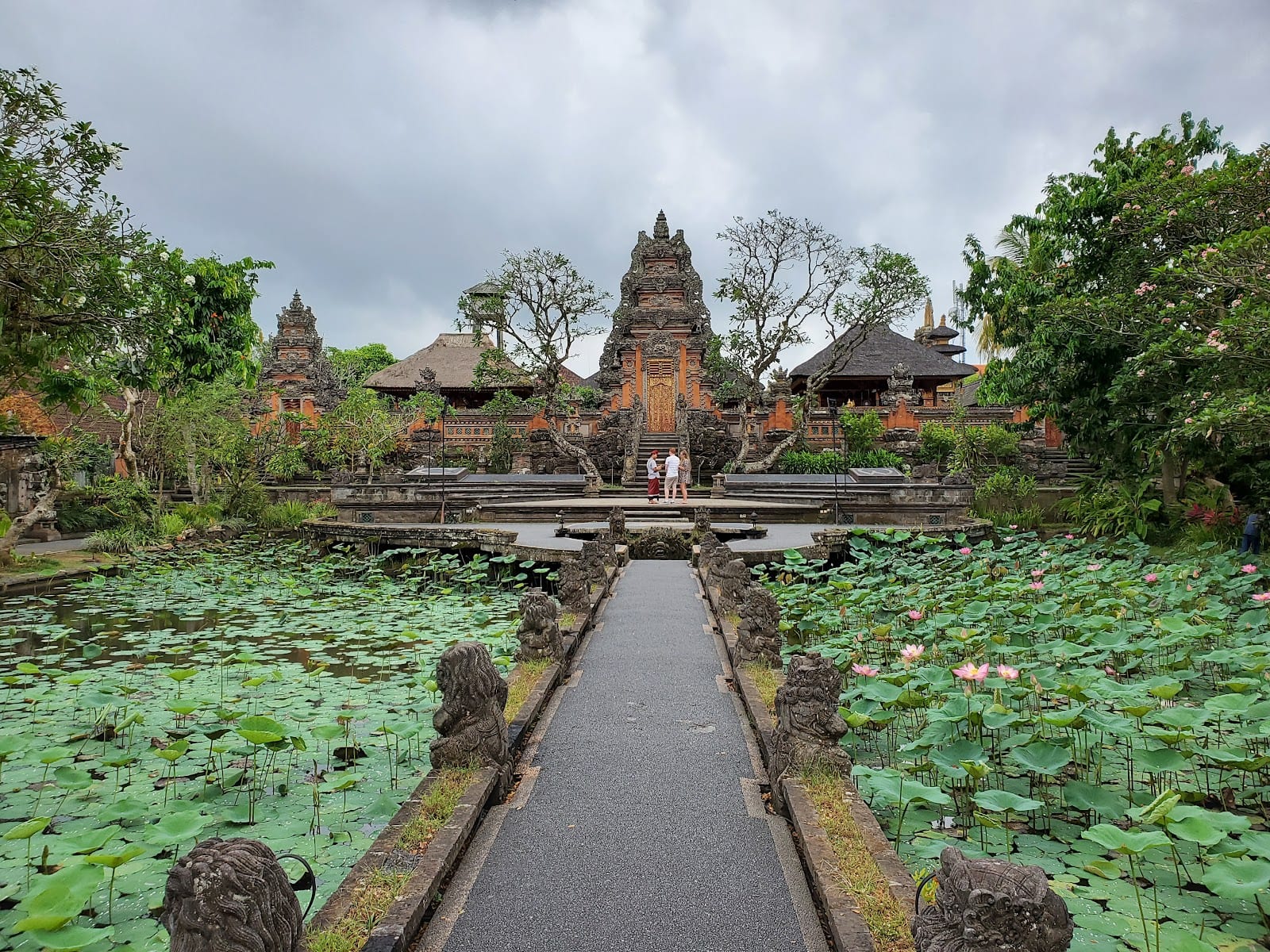
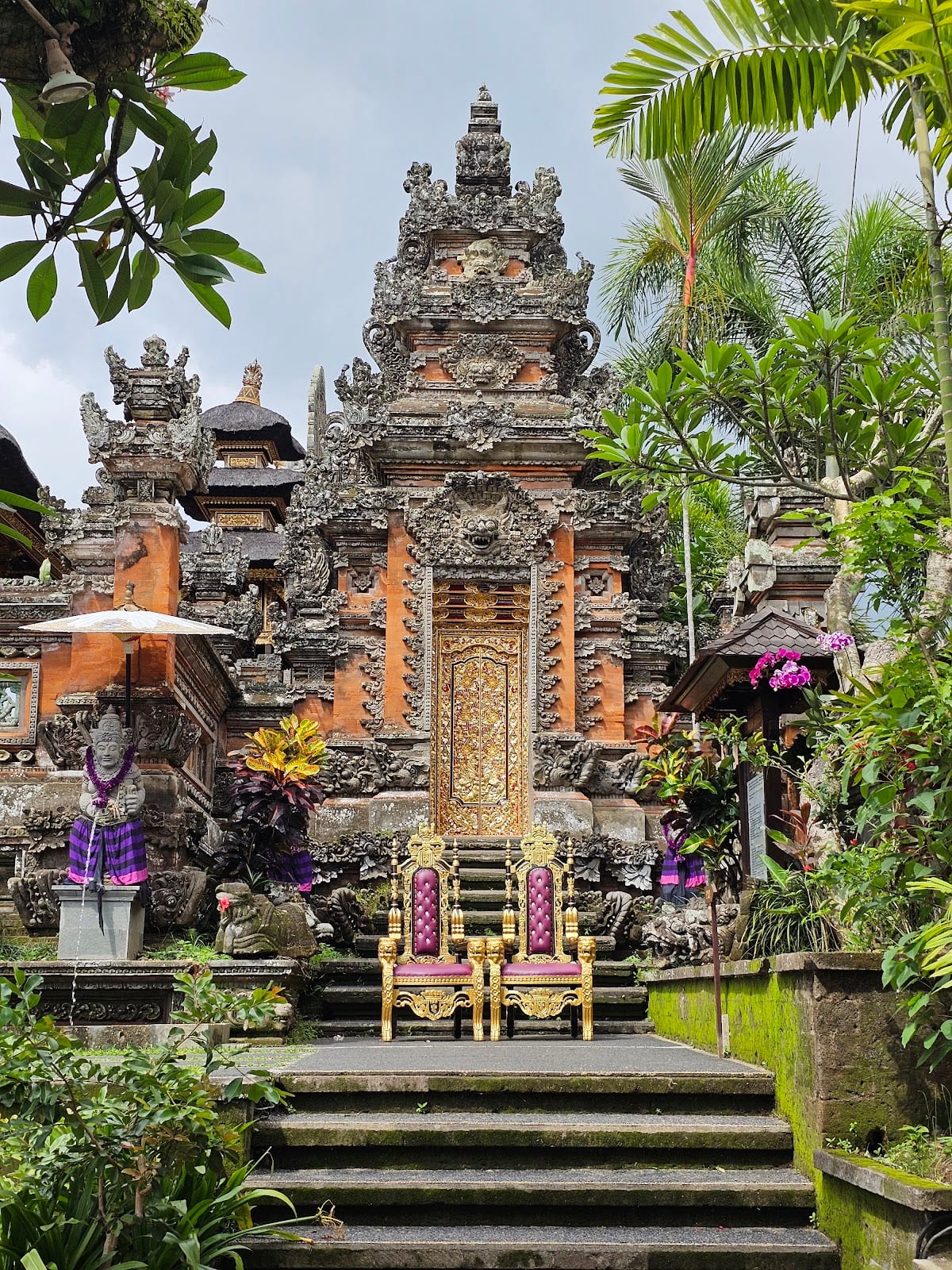
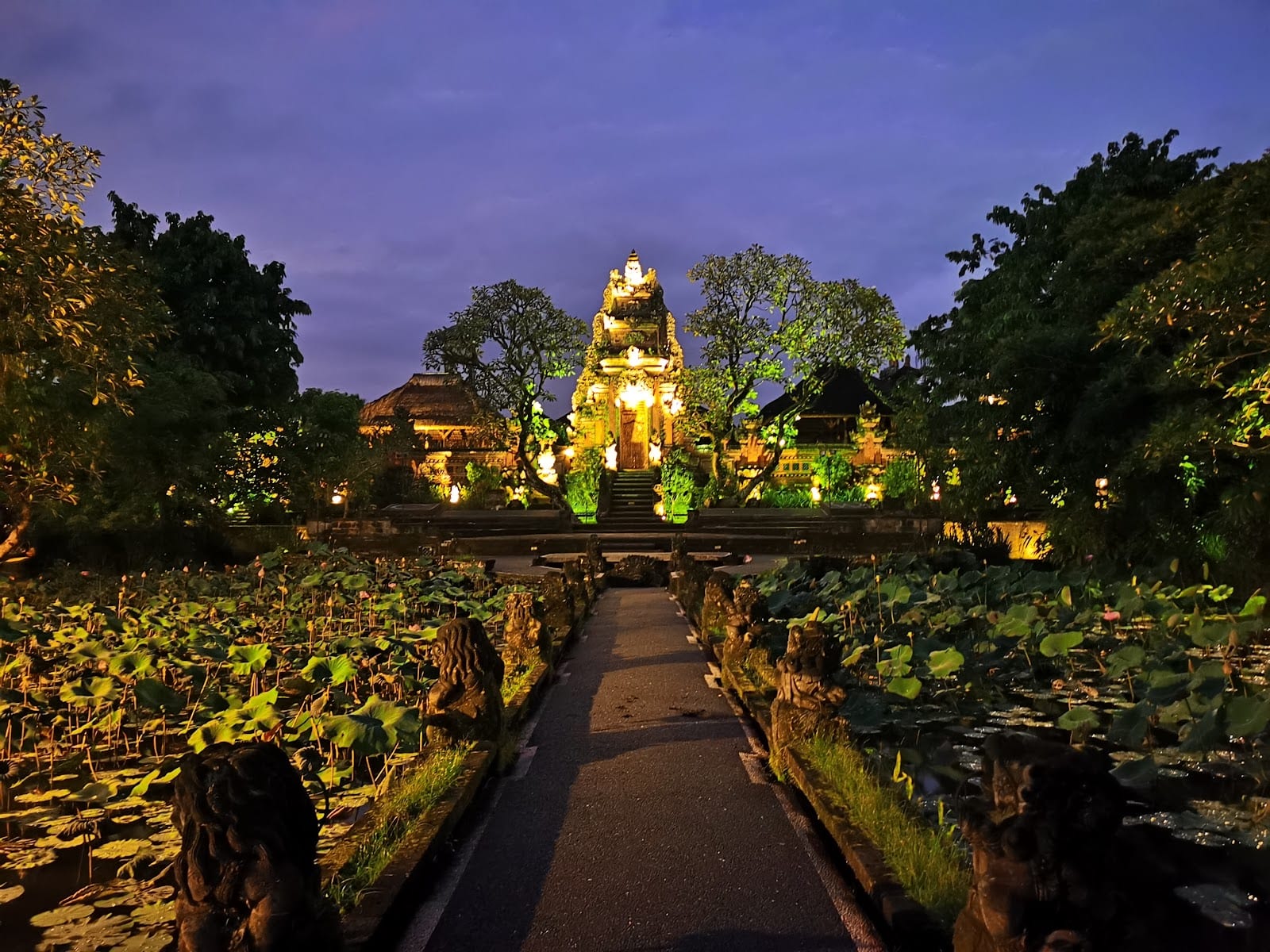 Central Ubud Worth the hype
Saraswati Temple
The lotus pond makes this the prettiest quick stop in central Ubud, though modest dress matters more than the perfect photograph.
Pura Taman Kemuda Saraswati, also called the Ubud Water Palace, was designed by Balinese architect and artist I Gusti Nyoman Lempad for Ubud Prince Cokorda Gede Agung Sukawati. Construction ran from 1951 to 1952. The temple honors Saraswati, goddess of knowledge, wisdom, literature and the arts, and its pink-lotus pond gives the approach its visual punch. Public visiting hours are 7 a.m. to 5 p.m.; worshippers can enter 24 hours a day, and general admission is free. Cover shoulders and knees, with a sarong and sash required and available to rent on site. Look beyond the pond for the Padmasana shrine’s cosmic turtle and nagas. It is a brief, graceful pause, not a half-day sight.
30-60 minuteson GoogleGood for families, couples, solo
Sourcesubudwaterpalace.com
- 6
 Bedulu Worth it
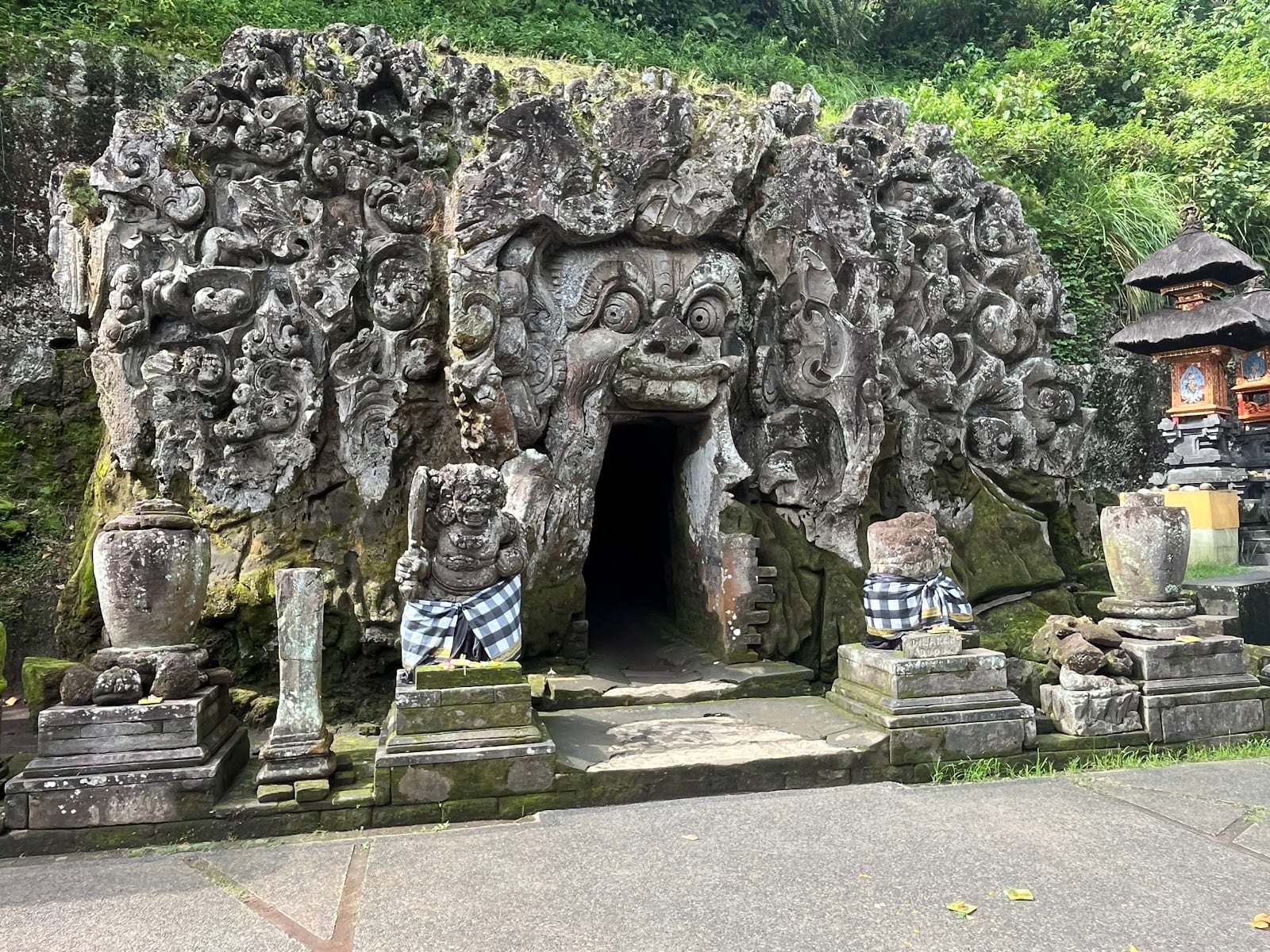
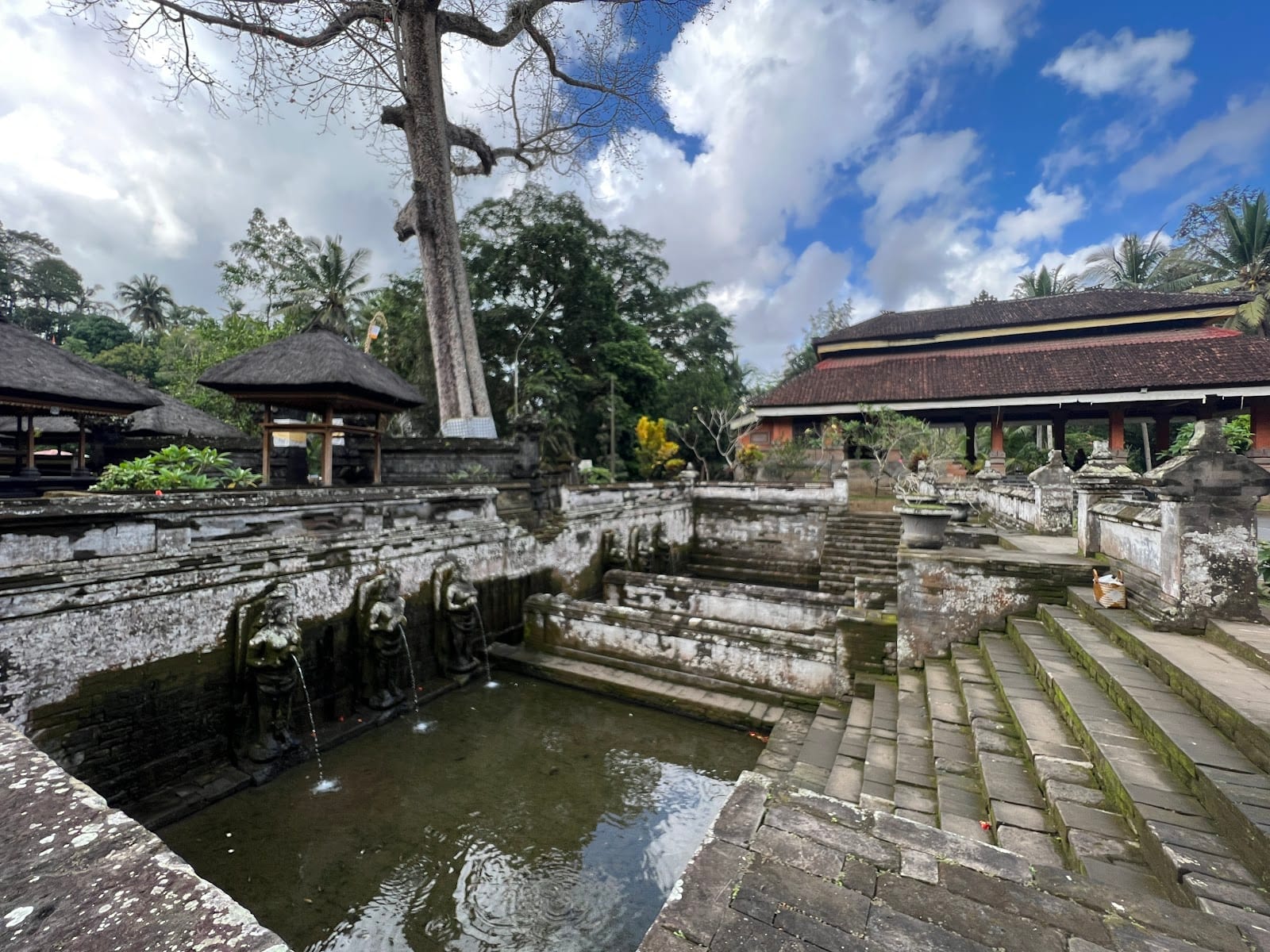
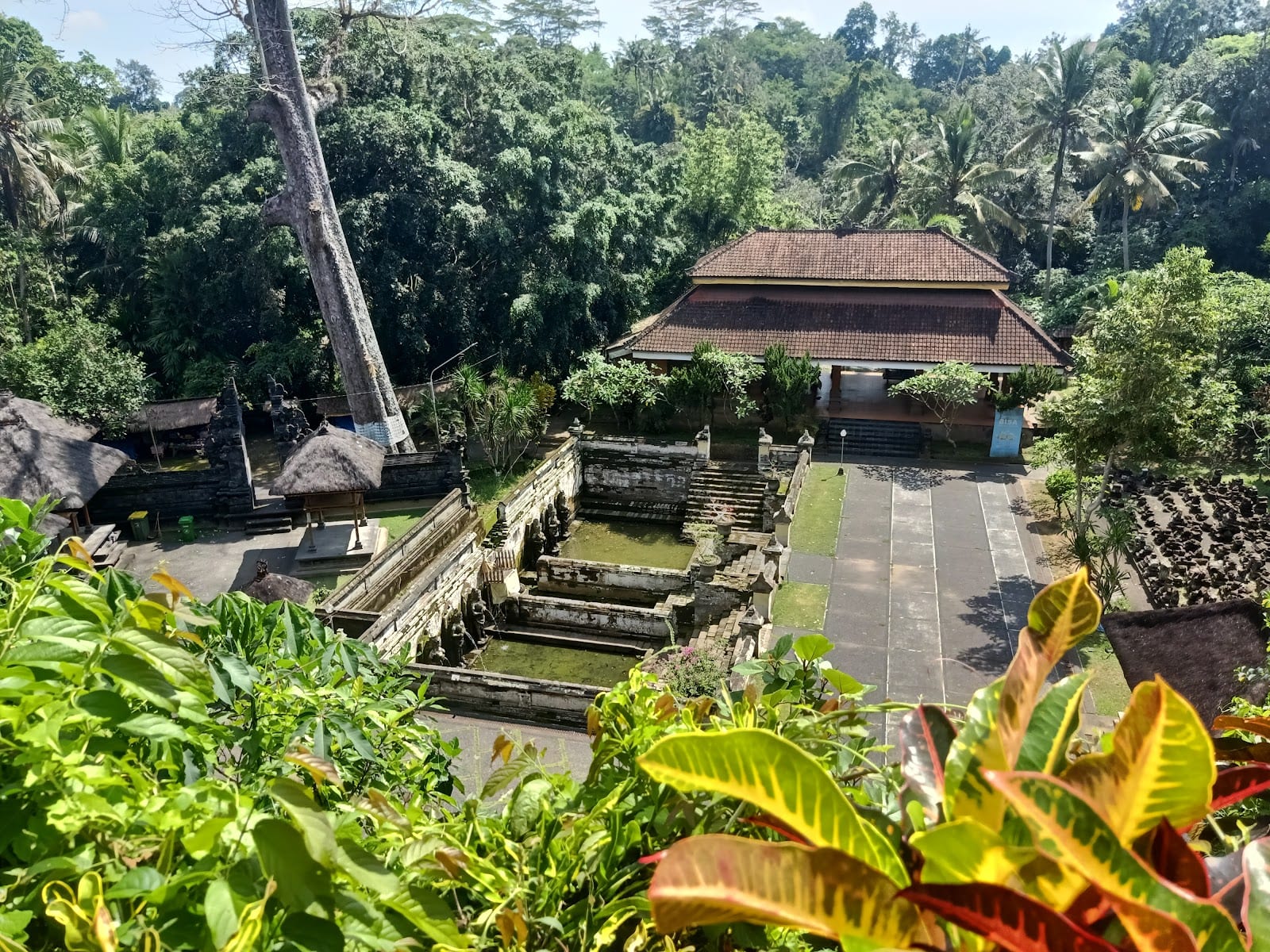
Goa Gajah (Elephant Cave)
The grimacing cave entrance is the draw, but the ravine and the Hindu-Buddhist layering are what justify the ride from Ubud.
About 5 km southeast of Ubud in Bedulu, Goa Gajah is an archaeological complex of a manmade cave, bathing pools, fountains, courtyards, ruins and a ravine running toward the Petanu River. Its northern side carries Buddhist elements while the southern side is predominantly Shivaite. The bathing pool, excavated in 1954, retains five angel statues holding water-spouting vases. The cave is reached through a wide-open stone face that feels deliberately menacing; inside, three cloth-wrapped idols sit in incense-darkened air. Allow 30 to 60 minutes, or up to 1.5 hours for the lower complex. Foreign admission is listed as IDR 50,000 for adults and IDR 25,000 for children, cash-only, with roughly 50 steps down from the parking area.
1-1.5 hourson GoogleGood for couples, solo, friends
Sourcescntraveler.comhotels.com
- 7
 Tampaksiring Worth it
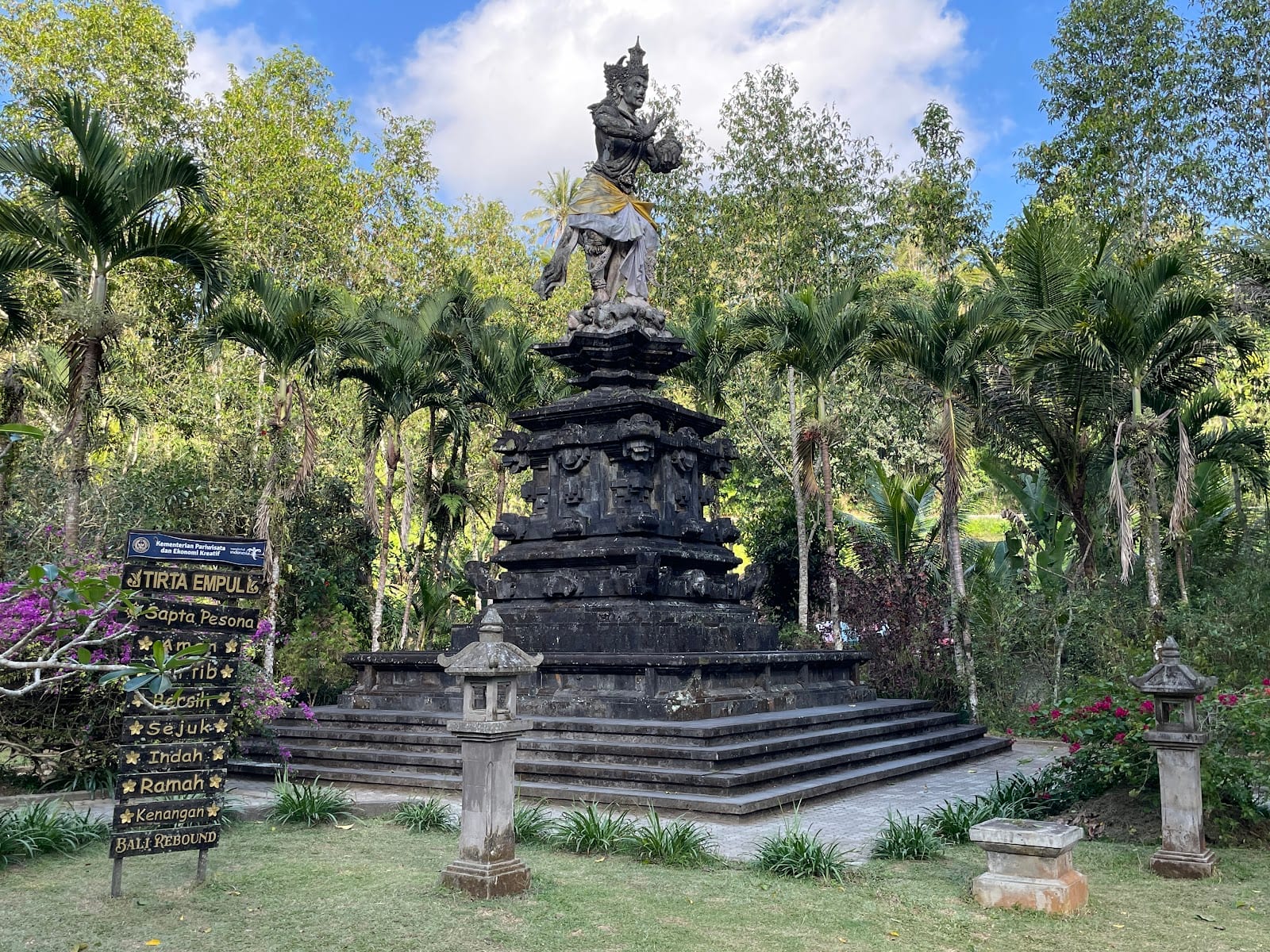
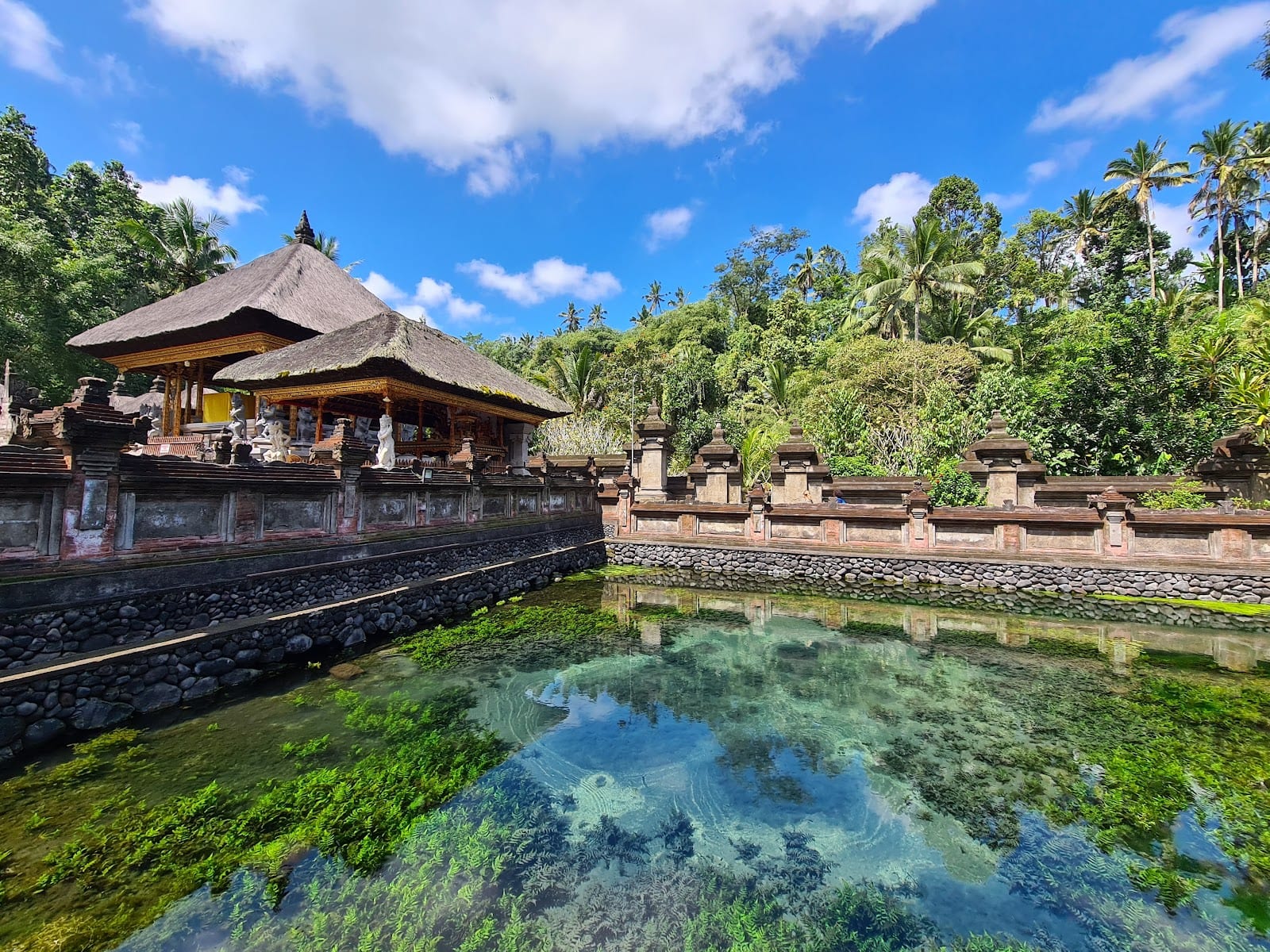
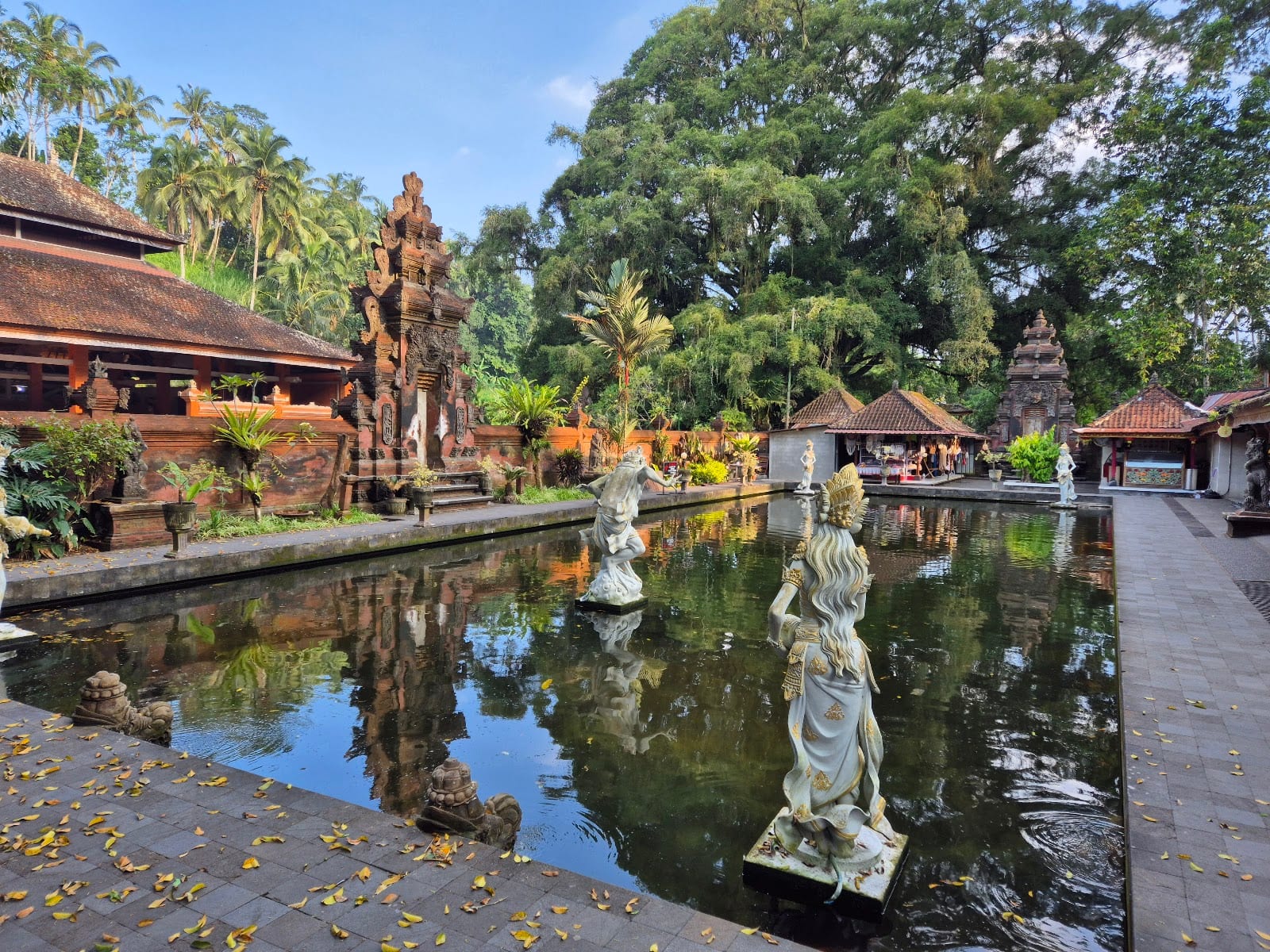
Tirta Empul Holy Water Temple
Choose Tirta Empul for a genuinely active sacred site, not a quick temple photo, and treat the purification pools with appropriate respect.
Tirta Empul is one of Bali’s five most holy temples, roughly 14 km northeast of Ubud near Tampaksiring. Indonesia Travel dates its founding to 926 AD, though another supplied source gives 962 AD, so the exact date is disputed. What is not ambiguous is the spring: it bubbles into a pool and feeds 30 waterspouts across two purification pools. The temple is active, and a standard visit does not automatically include the pools or a Melukat ceremony. A sarong is required and provided at entry; listed admission is IDR 75,000 for adults and IDR 50,000 for children aged 5–12. Hours vary by source between 7 or 8 a.m. and 6 p.m. The telling detail: two spouts are reserved for cleansing the dead.
1.5-2 hourson GoogleGood for couples, solo, friends
Sourcesindonesia.travel
- 8
 Kemenuh Mixed
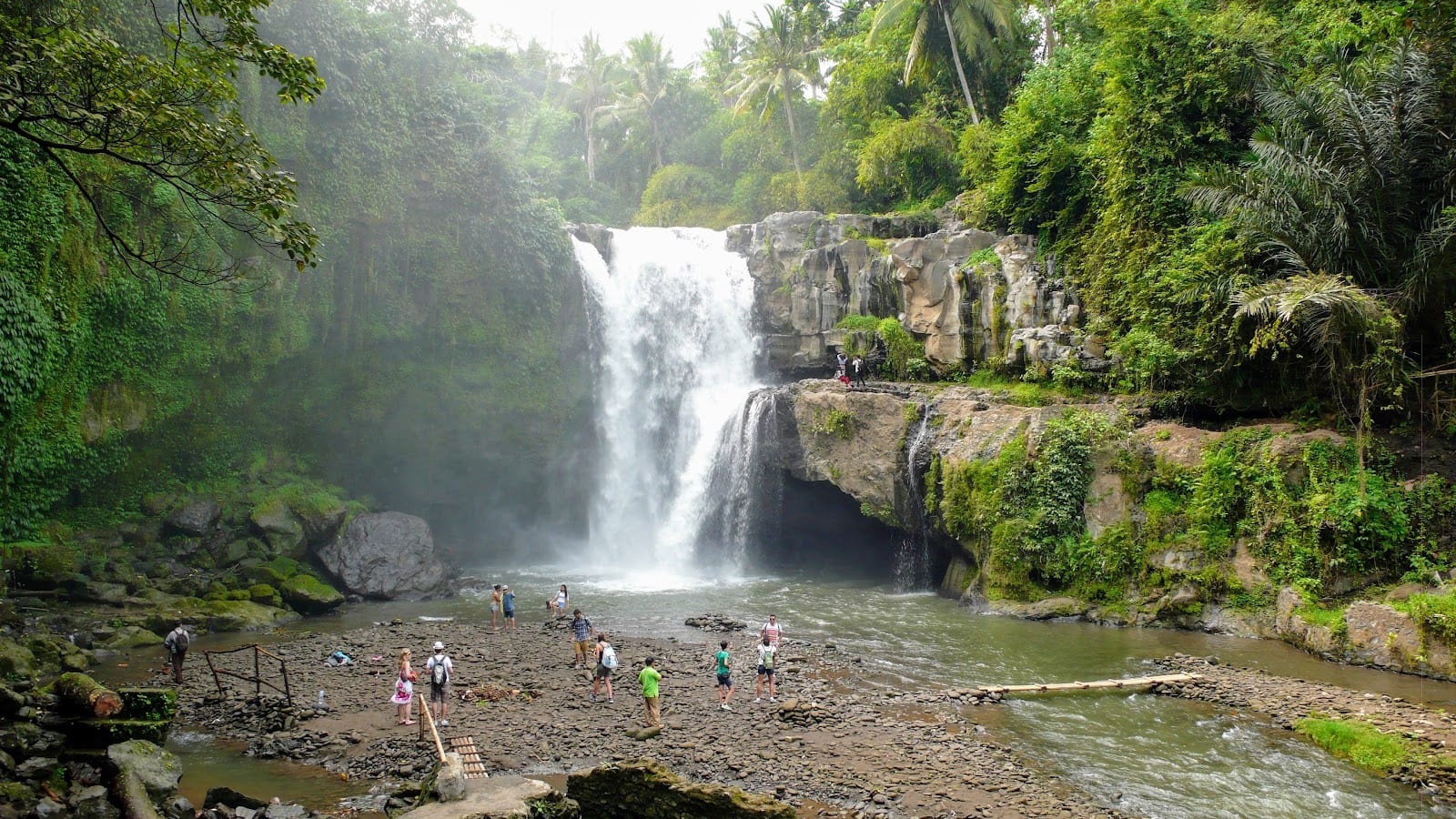
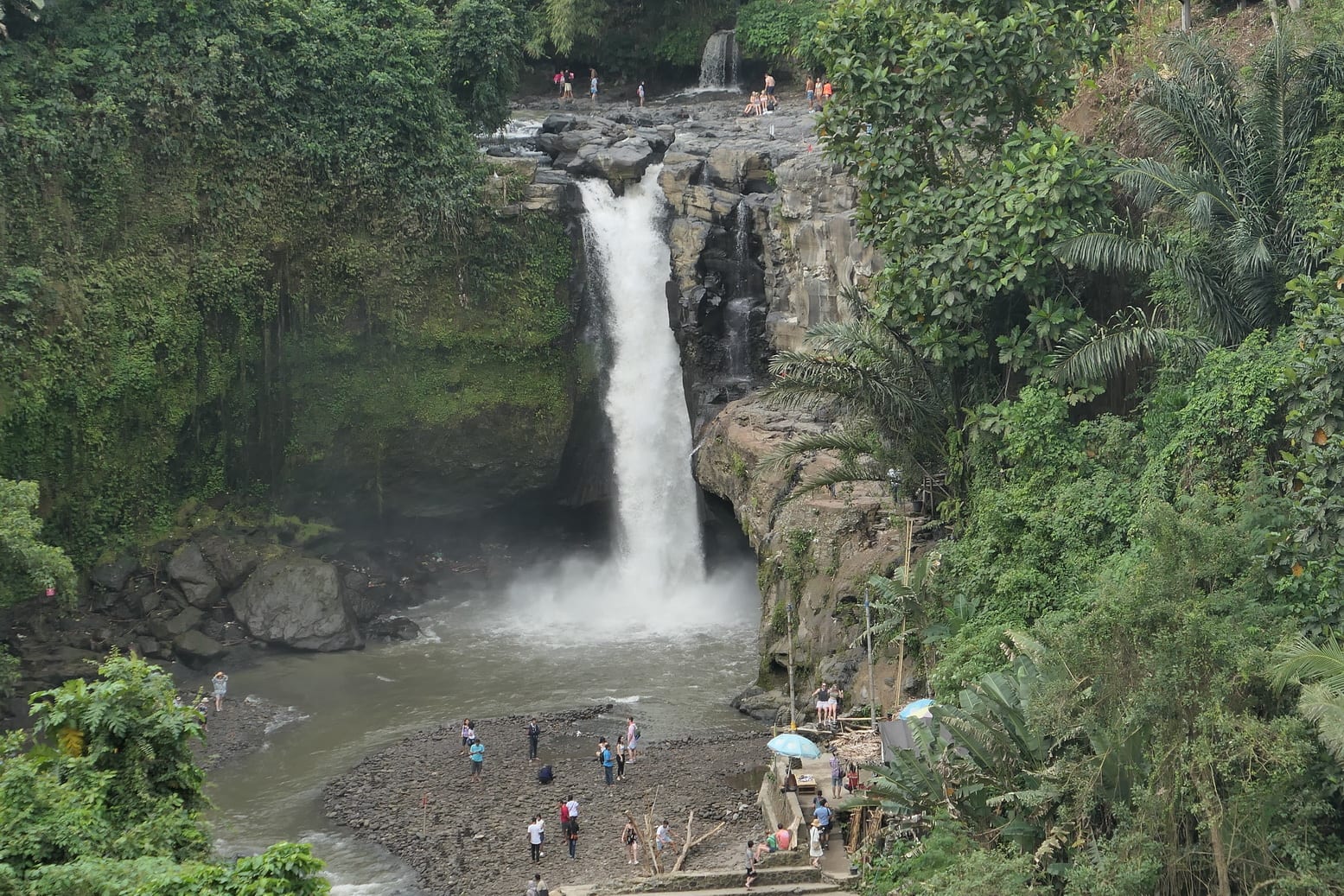
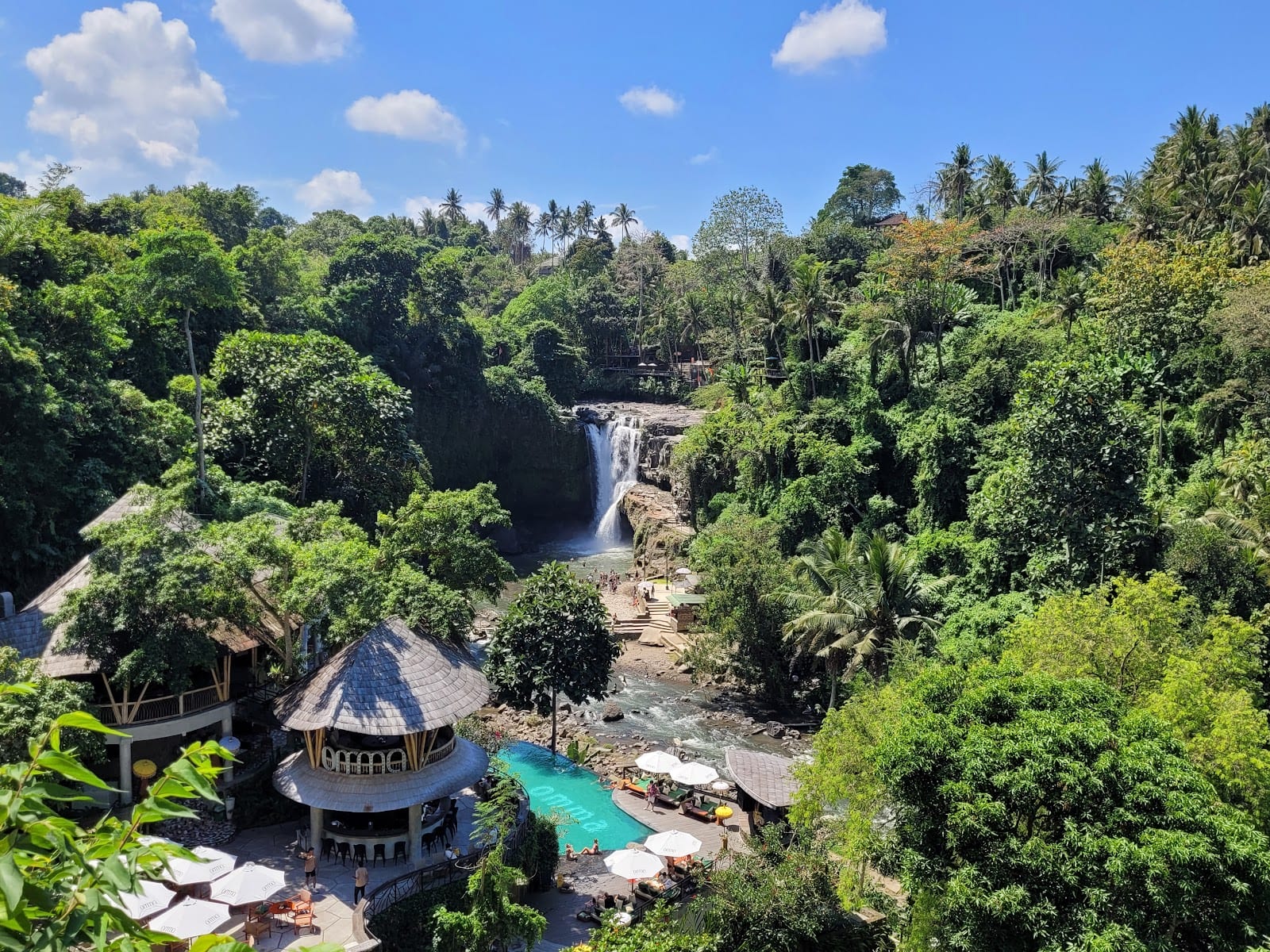
Tegenungan Waterfall
It is an easy, photogenic waterfall trip, but the crowds and 150-plus-step descent make it less special than Ubud’s reputation suggests.
Tegenungan is about 10 km south of Ubud in Kemenuh and takes roughly 20 to 30 minutes by scooter or car. The 15-metre cascade drops into the Petanu River and a natural pool where swimming is allowed, although currents can be strong. The site is open daily from 6:30 a.m. to 6:30 p.m.; admission is IDR 20,000 per person and cash-only. Reaching the base means descending approximately 150 to 170 steps, so grippy shoes matter more than flip-flops. Arrive early, especially in the drier April-to-October period when water is generally clearer and the trail easier. The waterfall itself is lovely. The developed approach and peak-hour crowds are the reason this lands below the temples and terraces.
2-3 hourson GoogleGood for families, friends, couples


Hidden gems
Where the crowds thin out.- Hidden gem
 West Ubud Worth it
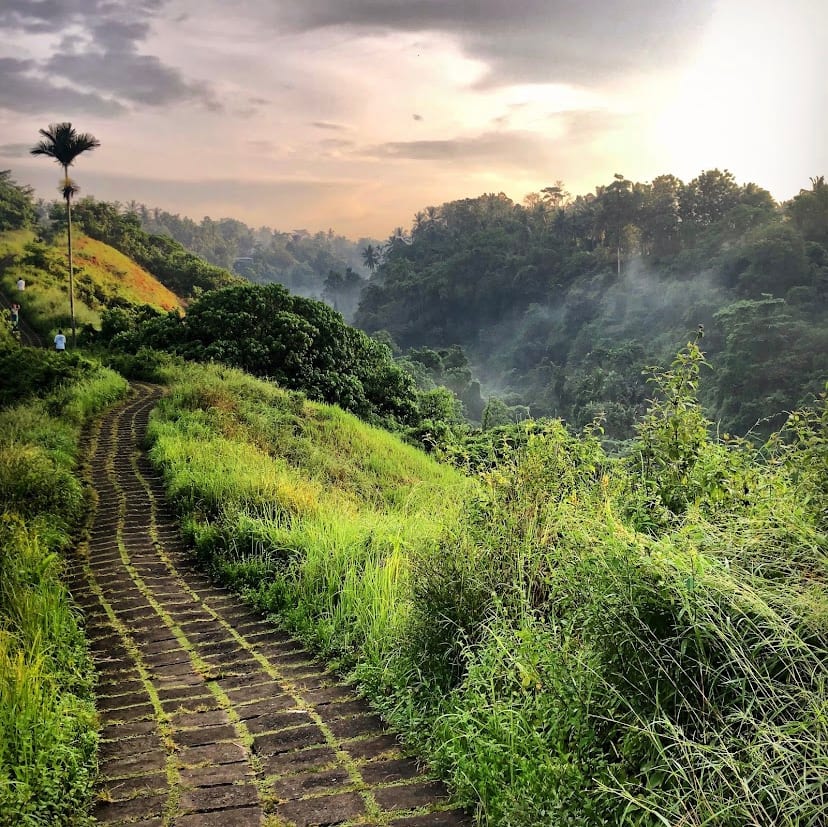
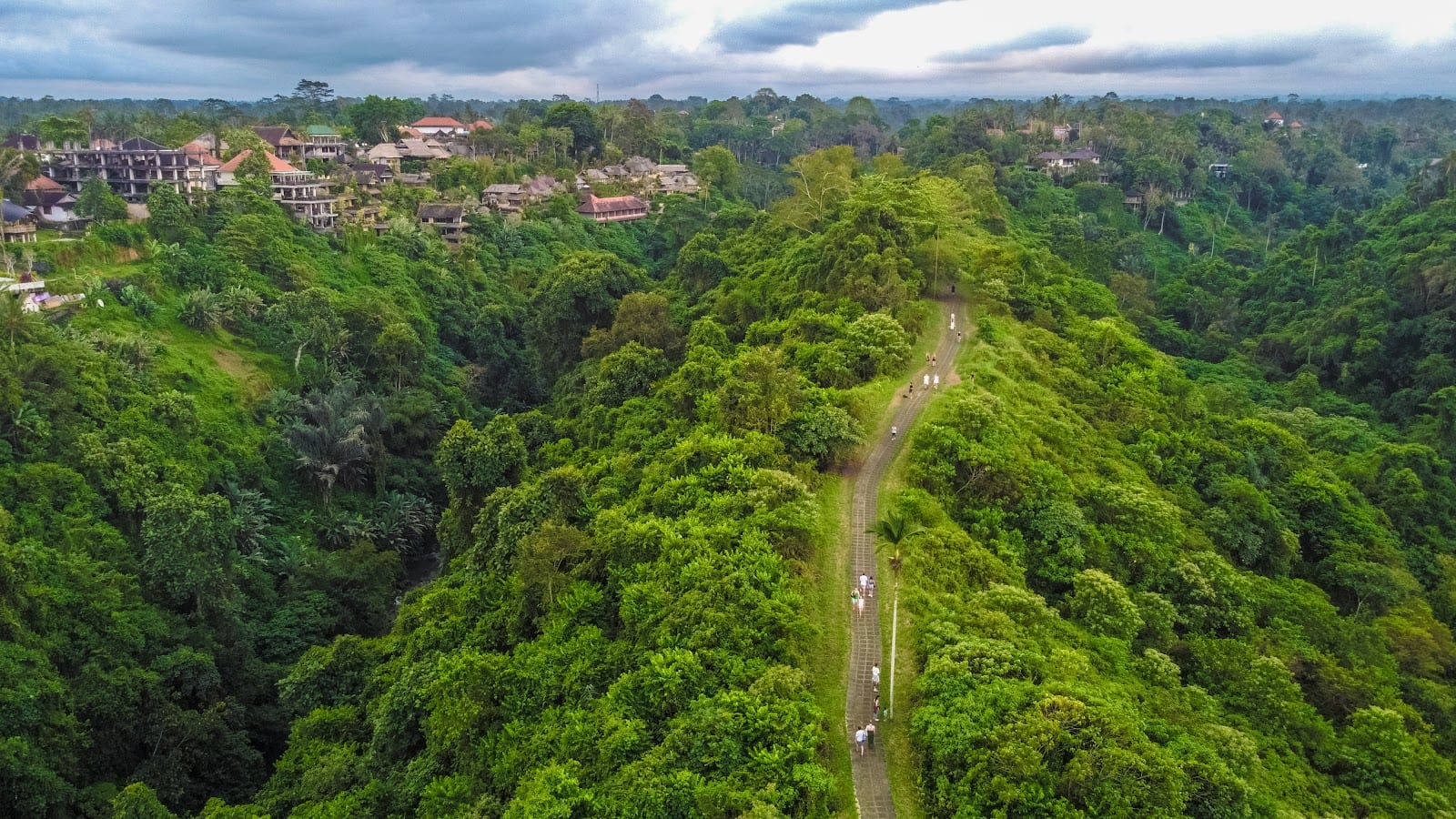
Campuhan Ridge Walk
A simple, free ridge walk is Ubud’s best antidote to traffic, especially before the heat turns the exposed path into work.
Campuhan Ridge Walk begins near Jalan Campuhan, a short distance from central Ubud, and follows a paved ridge above the Campuhan River for about 1.2 miles. The route passes terraced hillsides, villages, rice fields and dense jungle, usually taking one to two hours. Local Balinese residents and farmers originally created the trail, which is why it feels more like a useful rural path than a designed attraction. Go early or late, bring water and sun protection, and expect gentle inclines plus narrow gravelly sections that are awkward for limited mobility. The small surprise is Pura Gunung Lebah, an ancient Hindu temple tucked into jungle at the start. Entry is not stated in the supplied research, so come for the walk, not a promised facility.
1-2 hourson GoogleGood for couples, friends, solo
- Hidden gem
 South Ubud Worth it
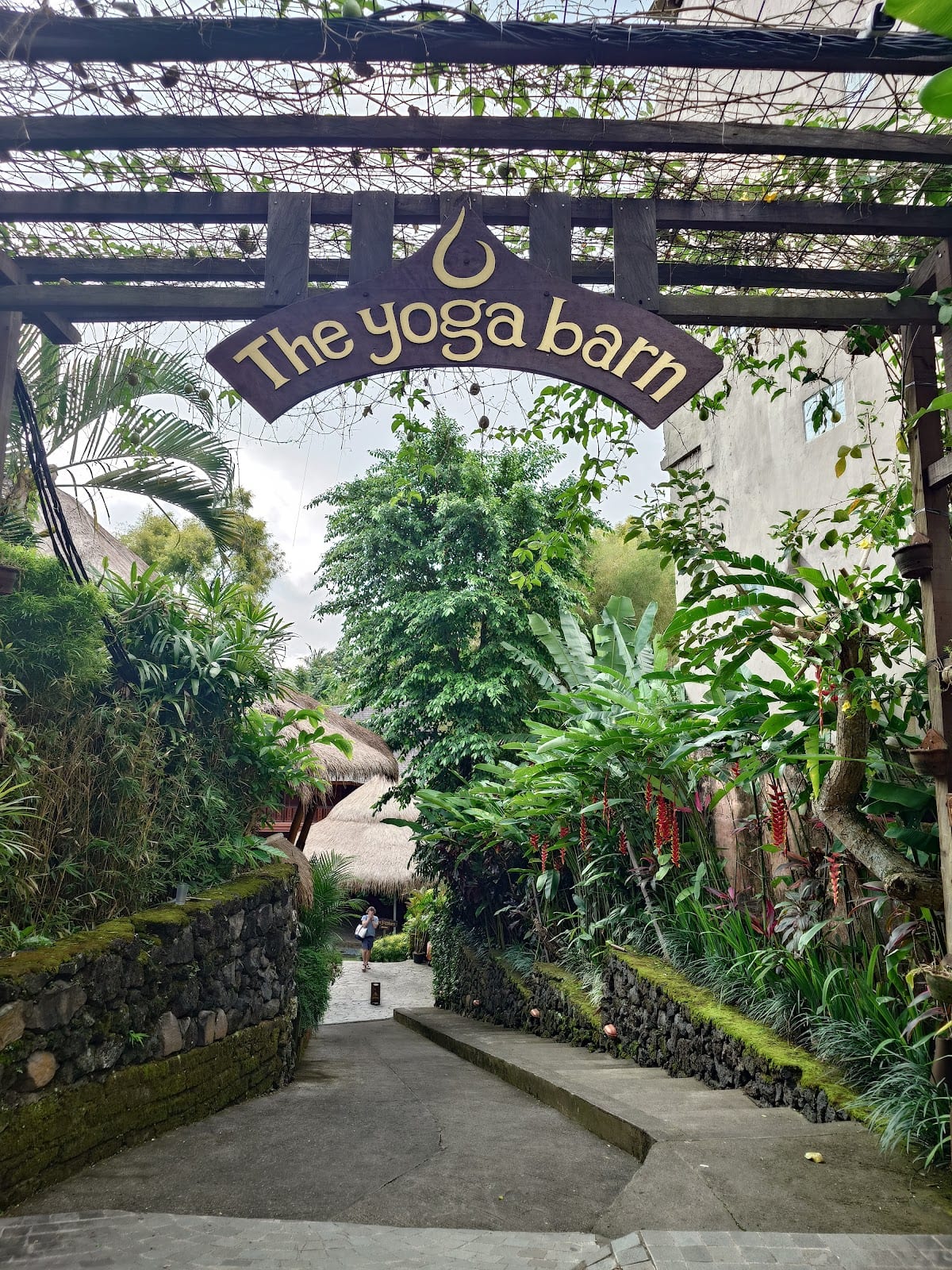
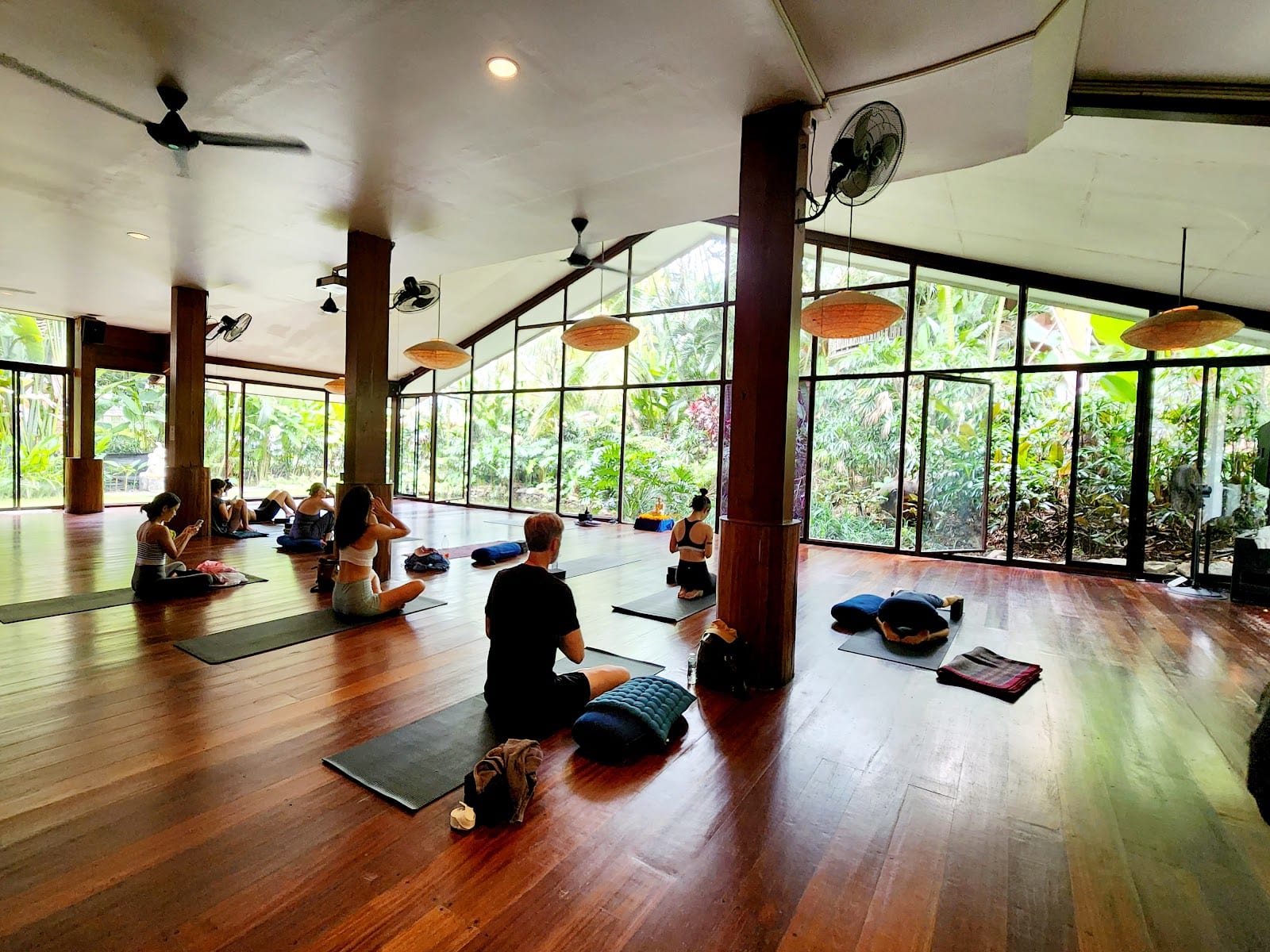
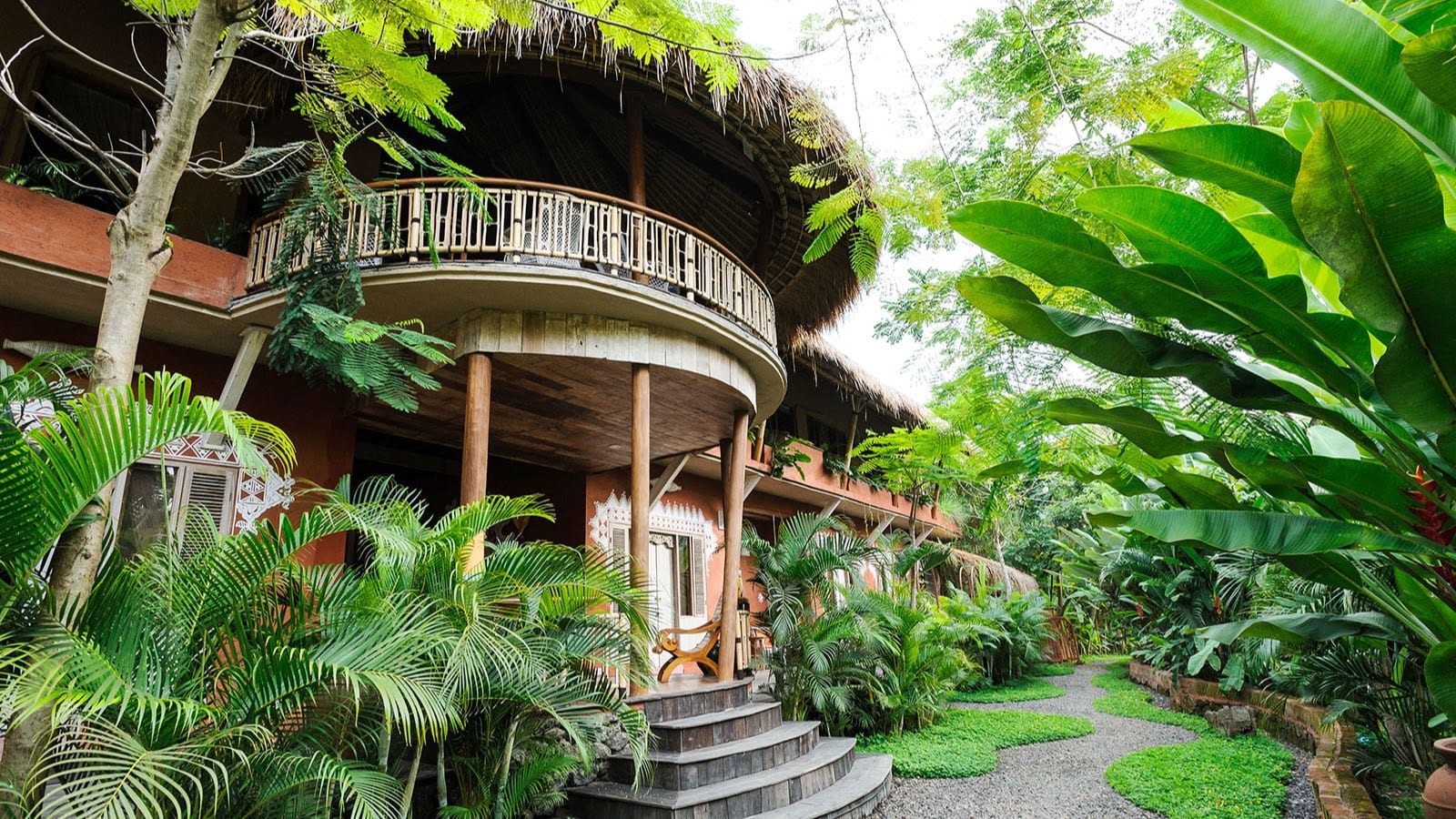
The Yoga Barn
Ubud’s wellness cliché is more convincing here, where a broad daily schedule hides behind a genuinely leafy retreat-like setting.
The Yoga Barn is a wellness centre rather than just a yoga studio, with daily classes labelled by style and level, including approachable hatha, restorative yoga and guided meditation. The schedule runs from 7 a.m. to 7:30 p.m. and also includes sound healing, qi gong, capoeira, ecstatic dance and bodywork. Garden Kafe is on site, and studios have water coolers for refilling bottles. The centre sits down an almost hidden path from Jalan Sukma Kesuma, opening into wooden buildings, ponds and enough wildlife that frogs can accompany an early class. Mats and standard props are provided, though one supplied review found some worn. Drop-in pricing is not stated in the research, so check before budgeting; this is best for people who want a full session, not a quick look.
1.5-3 hourson GoogleGood for couples, solo, friends
Sourcesyogabarnonline.com


Verdicts and rankings are our own; ratings open each place on Google. Prices, where shown, are an approximate per-person guide in USD.
Ubud on screen
Where you’ve seen Ubud before
One of Ubud’s most recognizable visitor rituals was also a film location:
- Film, 2010
Eat Pray Love
The market appears in the film as Julia Roberts’s character walks through its stalls opposite a male character, making the central Ubud shopping stop instantly recognizable to viewers.
Ubud Art MarketSource
Getting around
Getting around Ubud
Walk the central cluster
Ubud Palace, the Art Market and Saraswati Temple are directly adjacent or within roughly a 10-minute walk. Campuhan Ridge Walk also starts close to the central area.
Ride for the outer sights
Tegallalang, Goa Gajah, Tirta Empul and both waterfalls are outside central Ubud. They are reachable by scooter, car, taxi, Grab, bicycle or private driver, depending on your comfort with Bali roads.
Use a driver for a route day
A private driver makes the northern temple-and-terrace route or the southern waterfall route much easier, especially when attractions have different access roads and parking areas.
Expect stairs and uneven paths
Tegallalang has stairs and narrow paths, Goa Gajah drops into a ravine, Tegenungan requires about 150–170 steps, and Tibumana’s trail includes stairs, bamboo bridges and slippery forest sections.
Where to stay
Where to stay in Ubud
Central Ubud
Best for walking to Ubud Palace, the Art Market and Saraswati Temple, with the most convenient access to restaurants, performances and the central streets.
South Ubud
A practical base for the Sacred Monkey Forest and The Yoga Barn, with a greener feel and easier access to the wellness scene.
North Ubud and Tegallalang
Choose this for rice-terrace mornings and a quieter inland base, but expect to use a driver or scooter for central Ubud evenings.
East Ubud and Bedulu
Useful for Goa Gajah and southern or eastern day trips, with a less central feel and more dependence on rides.

Where to stay in Bali
Compare Bali’s beach, cultural and inland bases to find the right place for your trip.
View the guideWho it’s for
Ubud for families, couples, and solo
- Ubud for families
- The palace, market and Saraswati Temple make an easy central cluster, while the monkey forest is memorable for older children who can follow the safety rules. Tegenungan adds a swim, but its long stair descent is not effortless.
- Ubud for couples
- Walk Campuhan Ridge early, visit the lotus pond and palace, then book a terrace café or a Yoga Barn session. The strongest days here balance one beautiful view with one genuinely cultural stop.
- Ubud for solo travelers
- Ubud is easy to shape around your energy: central temples on foot, a class at The Yoga Barn, or a driver-led day to Tegallalang and Tirta Empul. Start outer walks early and keep valuables secured around macaques.
More of Bali
Nearby neighborhoods
A short hop from Ubud, and worth pairing on the same trip.
Ready to plan your Ubud trip?
Tell Zoya, your personal travel assistant, how you like to travel, and she'll turn any of this into a day-by-day plan that fits your dates.
Explore now