

Monti · Rome neighborhood guide
Things to Do in Monti
Rome's oldest rione, minutes from the Colosseum but far from the crowds: cobbled lanes of vintage shops, late-night wine bars, and a Michelangelo most visitors never find. Here's what's actually worth your time, ranked and judged.
Monti in brief
What is Monti known for?
Monti is Rome's first and oldest rione, the ancient Suburra, reinvented as the city's original cool neighborhood: cobbled lanes of vintage and artisan boutiques on Via del Boschetto and Via dei Serpenti, wine bars and trattorias, the weekend Mercato Monti design market, and the pretty Piazza della Madonna dei Monti where locals gather around a 16th-century fountain. Its unmissable sight is Michelangelo's Moses in the church of San Pietro in Vincoli.
What should you not miss in Monti?
Michelangelo's Moses and the chains of St Peter in the free church of San Pietro in Vincoli, an evening on the steps of the fountain in Piazza della Madonna dei Monti, a wander through the boutique lanes around Via del Boschetto and Via Urbana, and, for a real hidden highlight, the shimmering 9th-century Byzantine mosaics in the Chapel of San Zeno at Santa Prassede.
Is Monti worth visiting?
Yes. Monti is one of central Rome's most atmospheric neighborhoods, steps from the Colosseum and the Forum but far quieter, with independent boutiques, some of the city's best wine bars and gelato, two churches hiding first-rank art, and Nero's Domus Aurea on its edge. Most visitors spend a half-day here, and many stay for dinner and drinks.
Get oriented
How Monti fits together
Monti is small, cobbled, and made for wandering, tucked on the slope between the Roman Forum and Termini station.
Monti sits just north of the Forum and the Colosseum, climbing the low hills that gave it its name. Via Cavour runs through the middle and splits it roughly in two. The lower, western side toward the Forum is the postcard Monti of pedestrian lanes, boutiques, and bars, centered on Piazza della Madonna dei Monti and the streets around Via del Boschetto, Via dei Serpenti, and Via Urbana. The higher, eastern side, up toward Santa Maria Maggiore, is quieter and holds the two mosaic churches, Santa Prassede and Santa Pudenziana. San Pietro in Vincoli and Nero's Domus Aurea sit on the Colosseum edge, a short climb south. Almost everything in this guide is within a ten-minute walk, and the Cavour stop on Metro line B drops you in the middle of it.
A half-day loop on foot, from the Colosseum edge up through the boutique lanes to the mosaic churches:
See & do, ranked
The best things to do in Monti
Our honest ranking of what is worth your time in Monti, from the unmissable to the genuinely hidden, with a verdict on each so you know what to prioritize and what is overhyped.
Must-see
The essentials, ranked.- 1
 Oppian hill Worth the hype
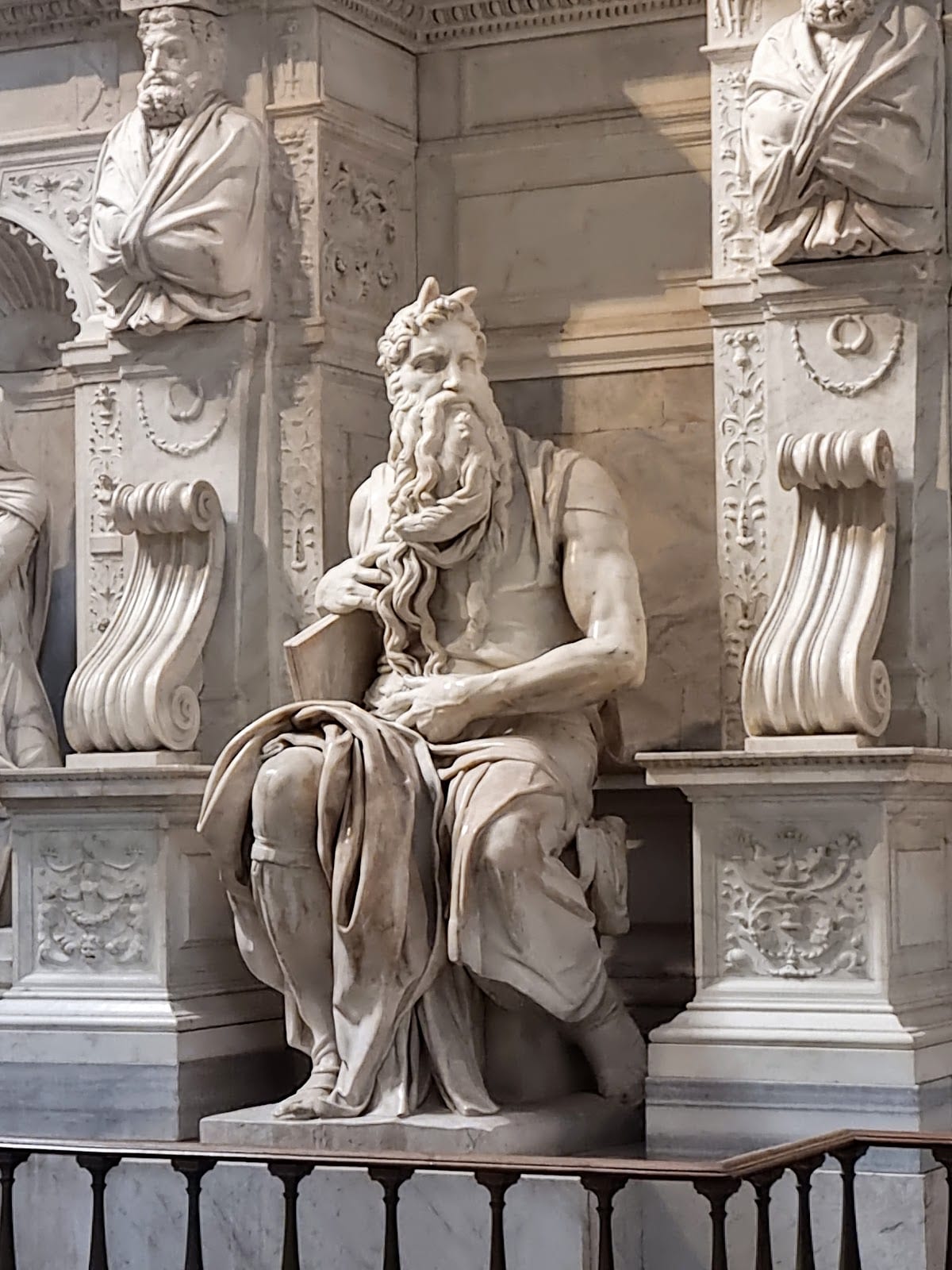
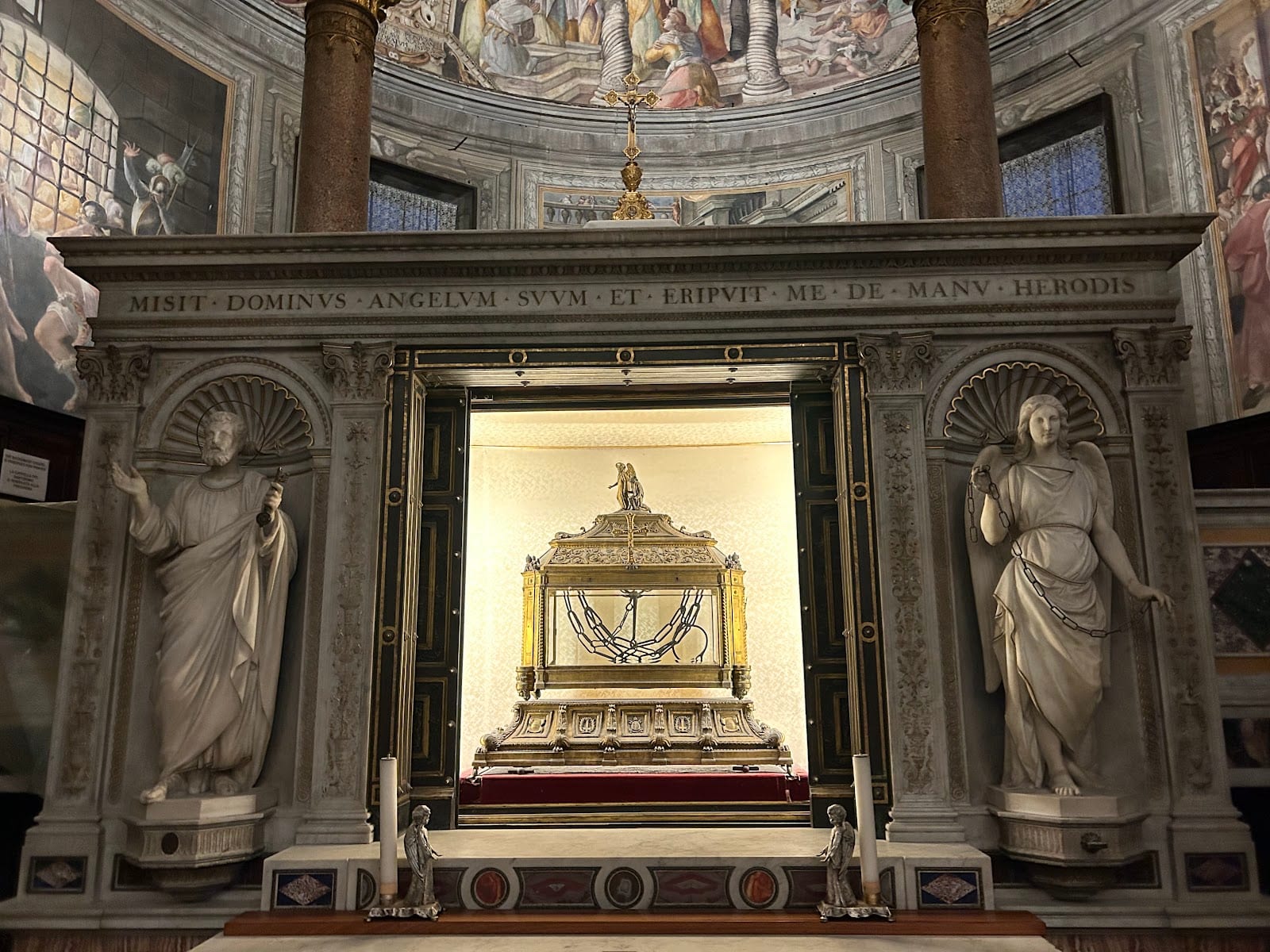
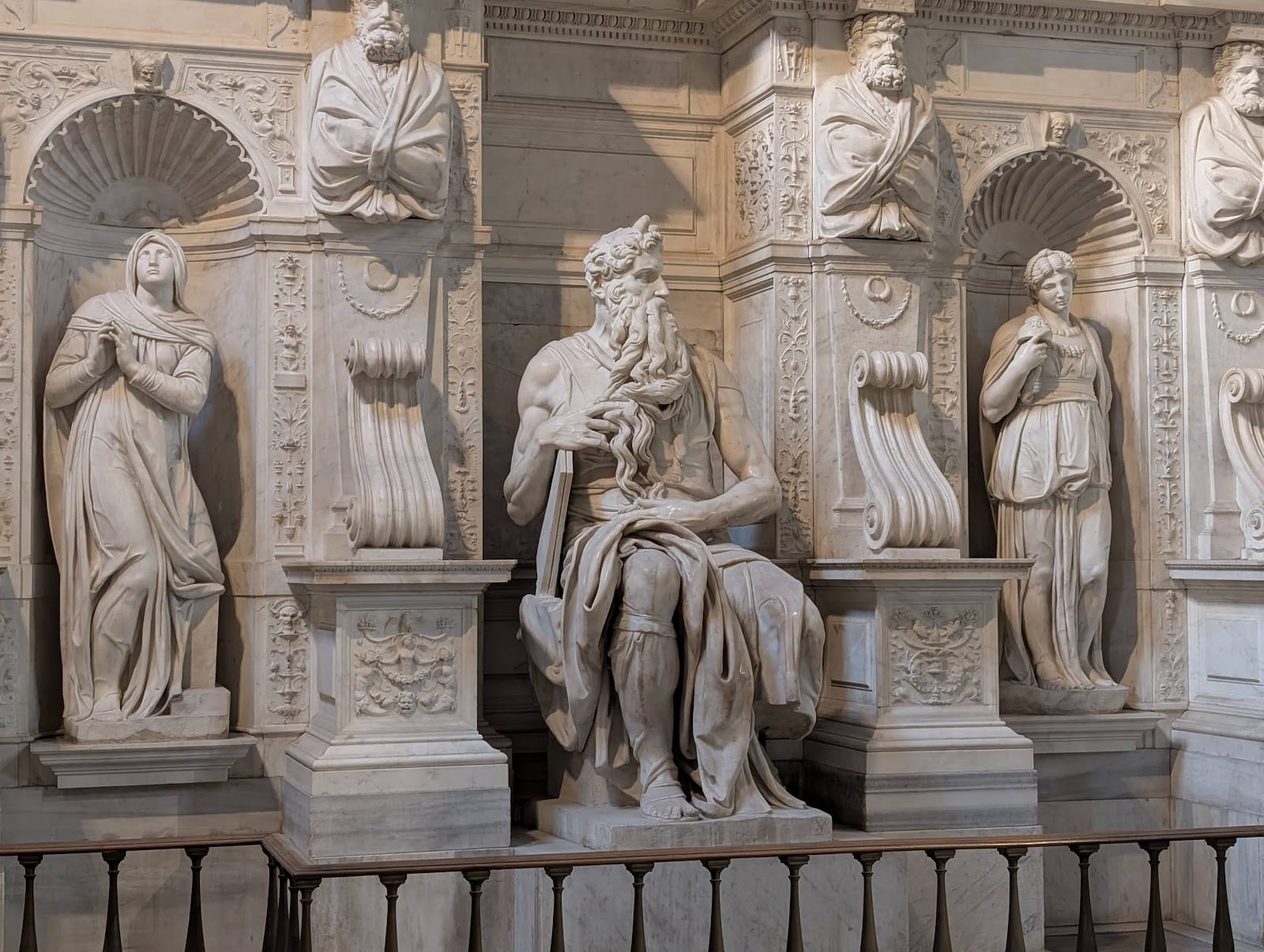
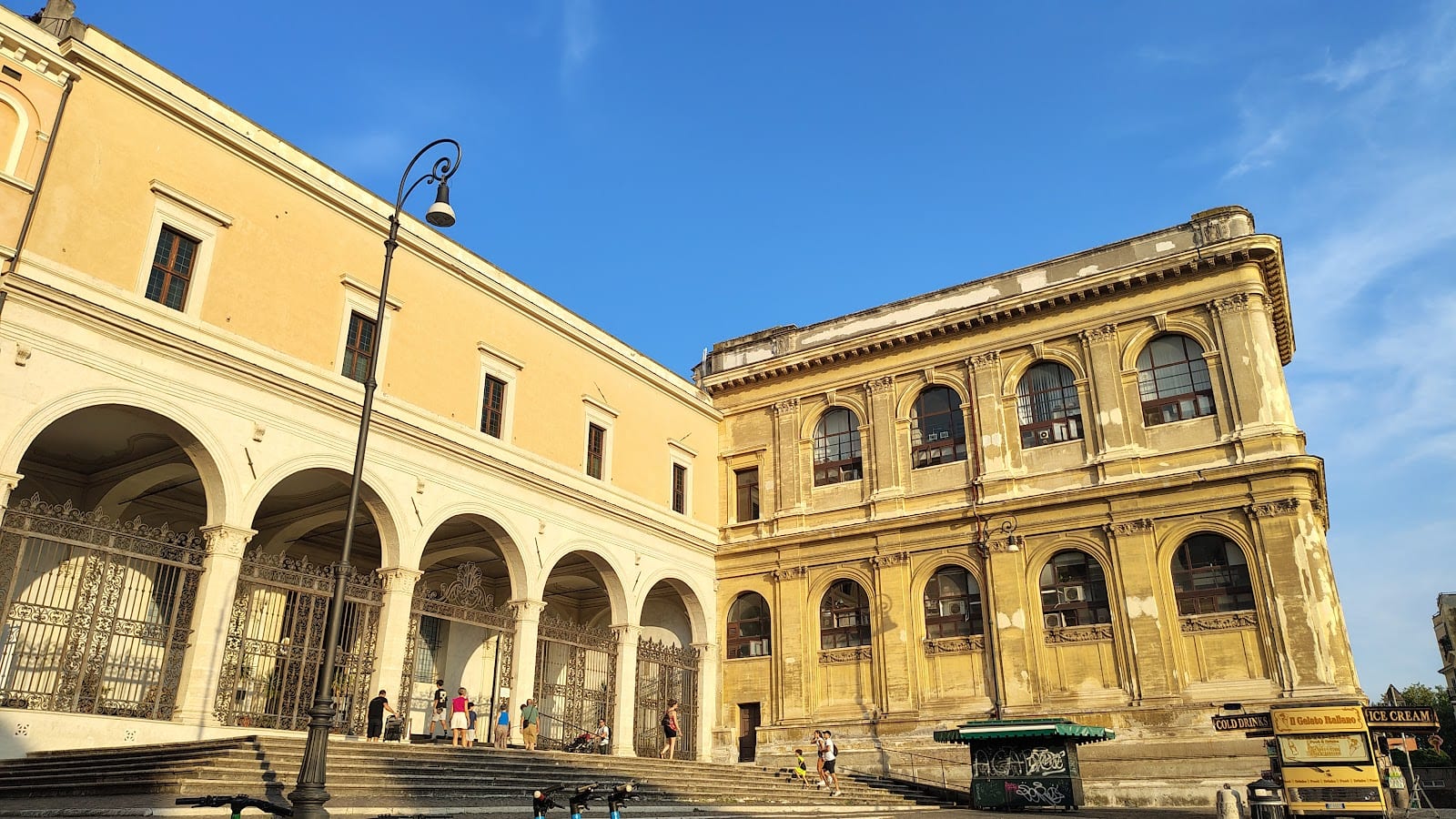
San Pietro in Vincoli (Michelangelo's Moses)
A free church on the Colosseum edge holding one of Michelangelo's greatest statues, which most tourists walk past.
This is the unmissable sight in Monti, and it is free. The plain 5th-century basilica was built to house the chains that bound St Peter in his Jerusalem prison, kept in a reliquary beneath the high altar and giving the church its name, San Pietro in Vincoli, St Peter in Chains. The reason to climb the steps from Via Cavour, though, is against the far wall: Michelangelo's Moses, completed around 1515, the horned, coiled centerpiece of what was meant to be a vast free-standing tomb of some forty statues for Pope Julius II. The artist was pulled away to paint the Sistine Chapel and the grand tomb was never finished, so the Moses ended up here, on the Oppian hill a short walk from the Colosseum. Come early or in the last hour before it closes to have it nearly to yourself, and bring a coin for the light that illuminates the statue.
Daily 7:30 AM – 12:20 PM & 3:00 – 6:50 PM (Sun from 9:00 AM)Good for couples, families, solo
Sourcesitalia.iten.wikipedia.org
- 2
 Piazza della Madonna dei Monti Worth it
Piazza della Madonna dei Monti
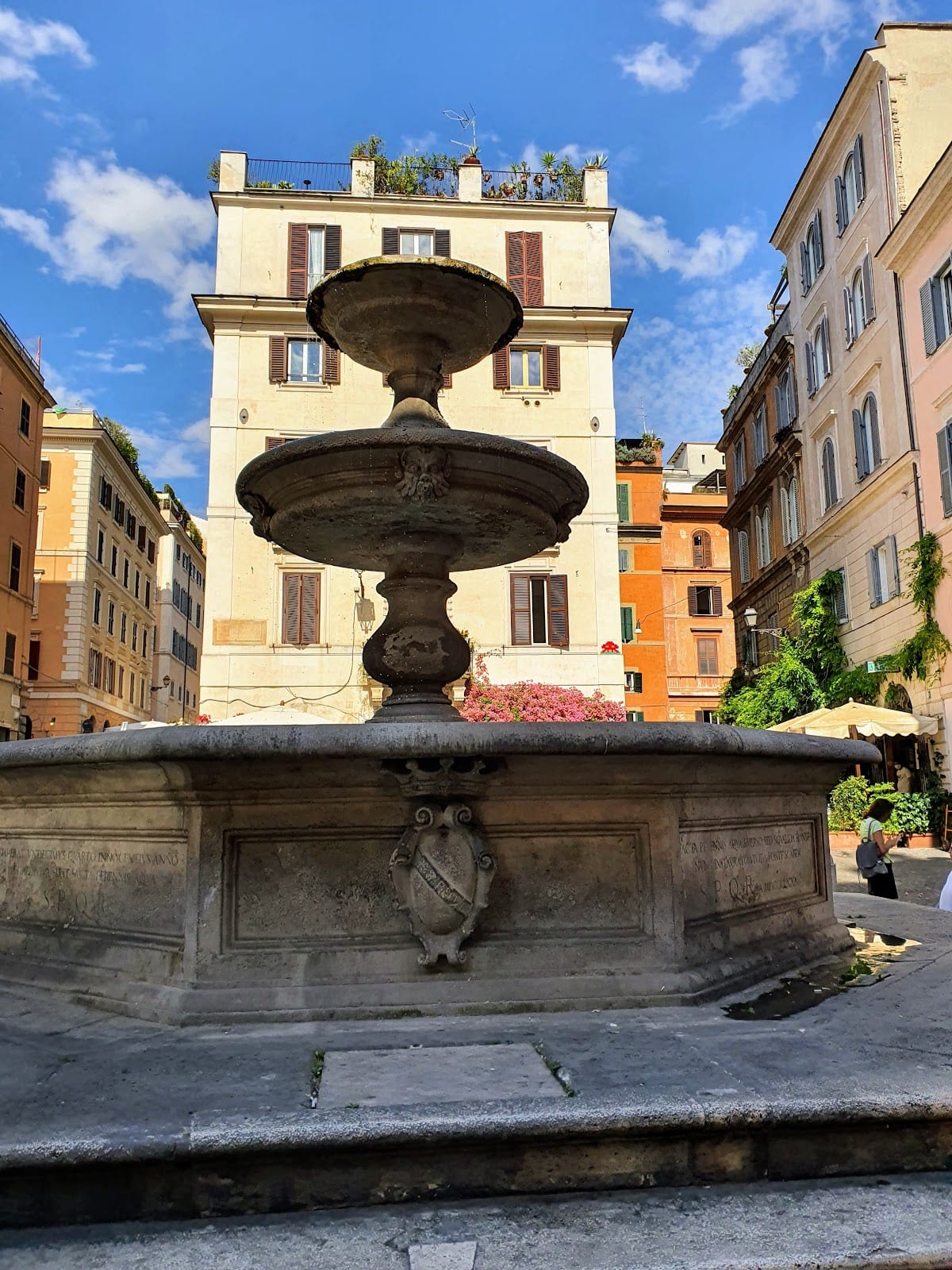
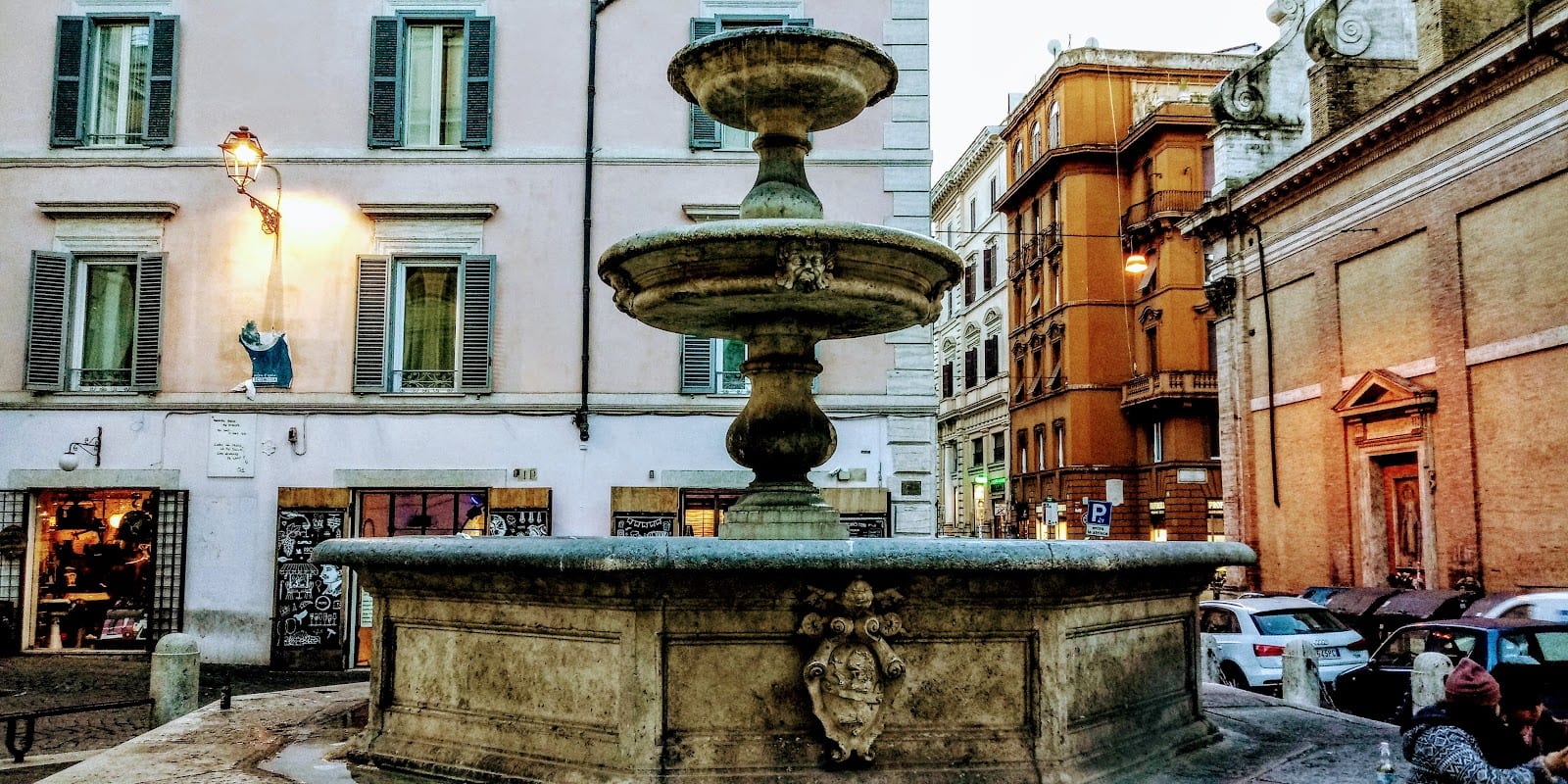
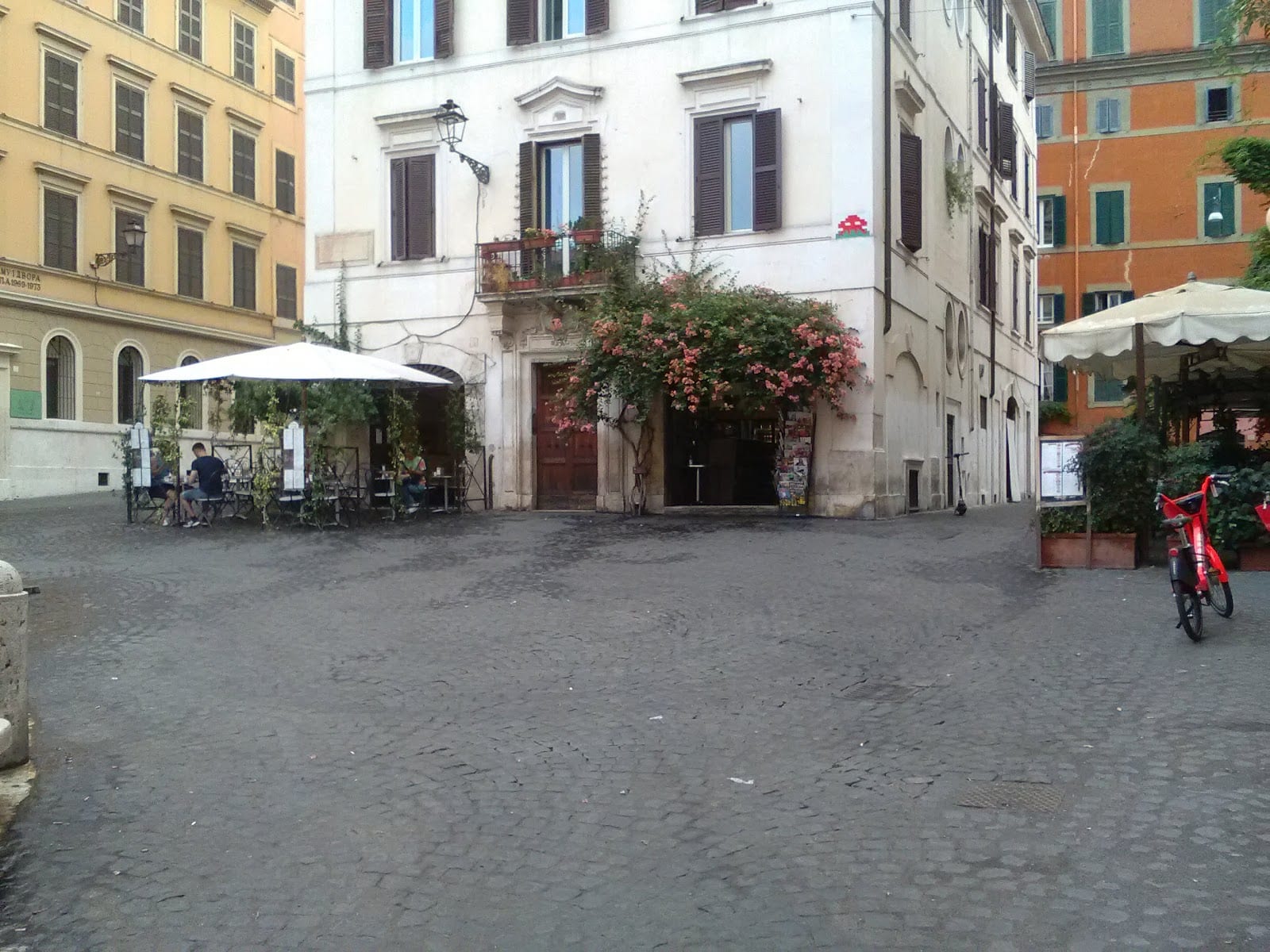
The social heart of the neighborhood, around a 16th-century fountain where Monti spends its evenings.
This is the rione's living room, a small sloping square built around the Fontana dei Catecumeni, a travertine fountain designed by Giacomo della Porta and built in 1588 to 1589 under Pope Sixtus V, when the square held a public market. Its two overlapping basins and low steps were made for everyday use, and they still are: from late afternoon, young Romans and visitors sit on the steps with a spritz or a gelato while the boutiques and wine bars around the edge fill up. There is nothing to pay and nothing to queue for, just the best free seat in Monti. Come at aperitivo hour and stay into the evening, when the square is at its liveliest and prettiest.
Free20 minOpen 24 hoursGood for couples, friends, solo
Sourcesturismoroma.itturismoroma.it
- 3
 Central Monti Worth it
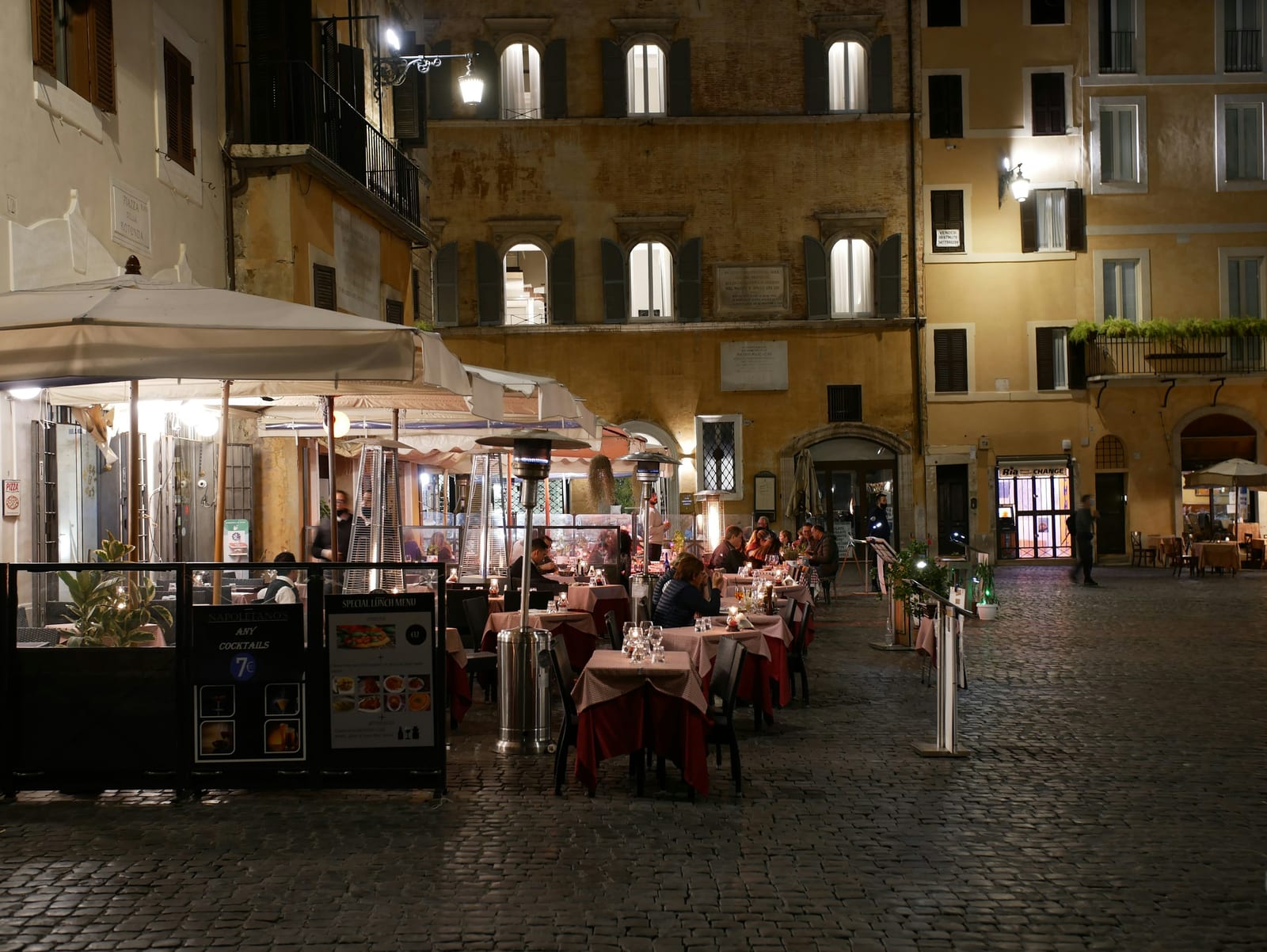
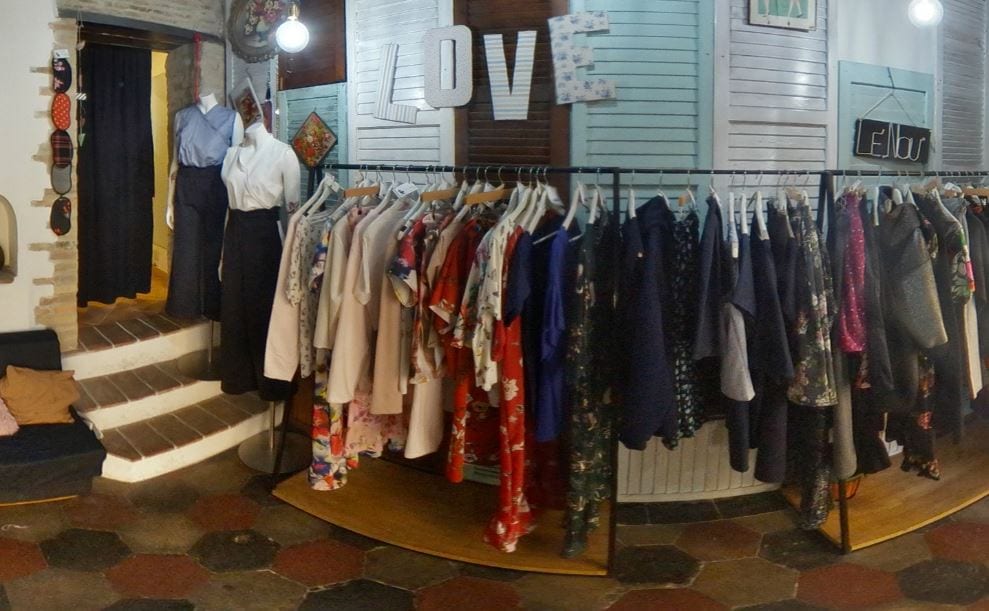
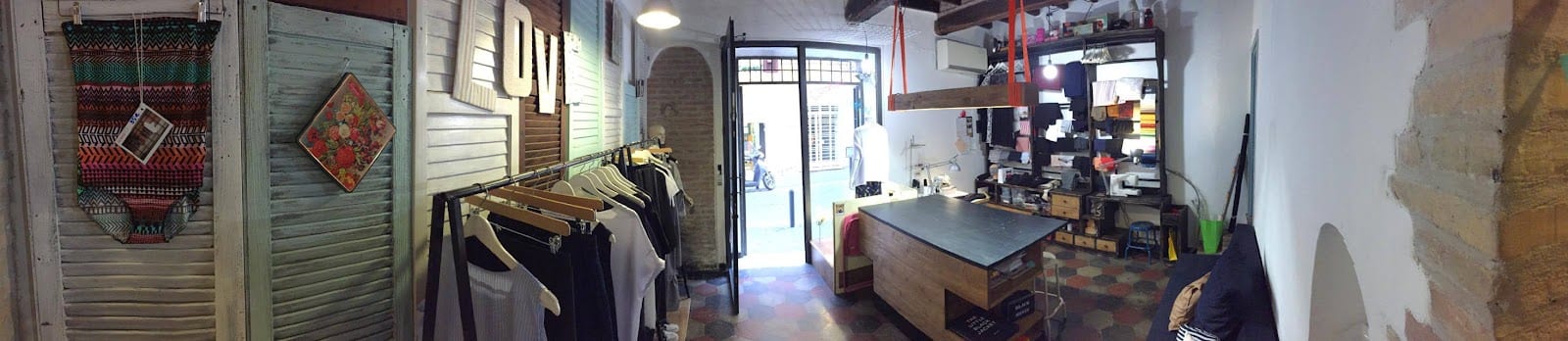
The boutique lanes (Via del Boschetto, Via dei Serpenti & Via Urbana)
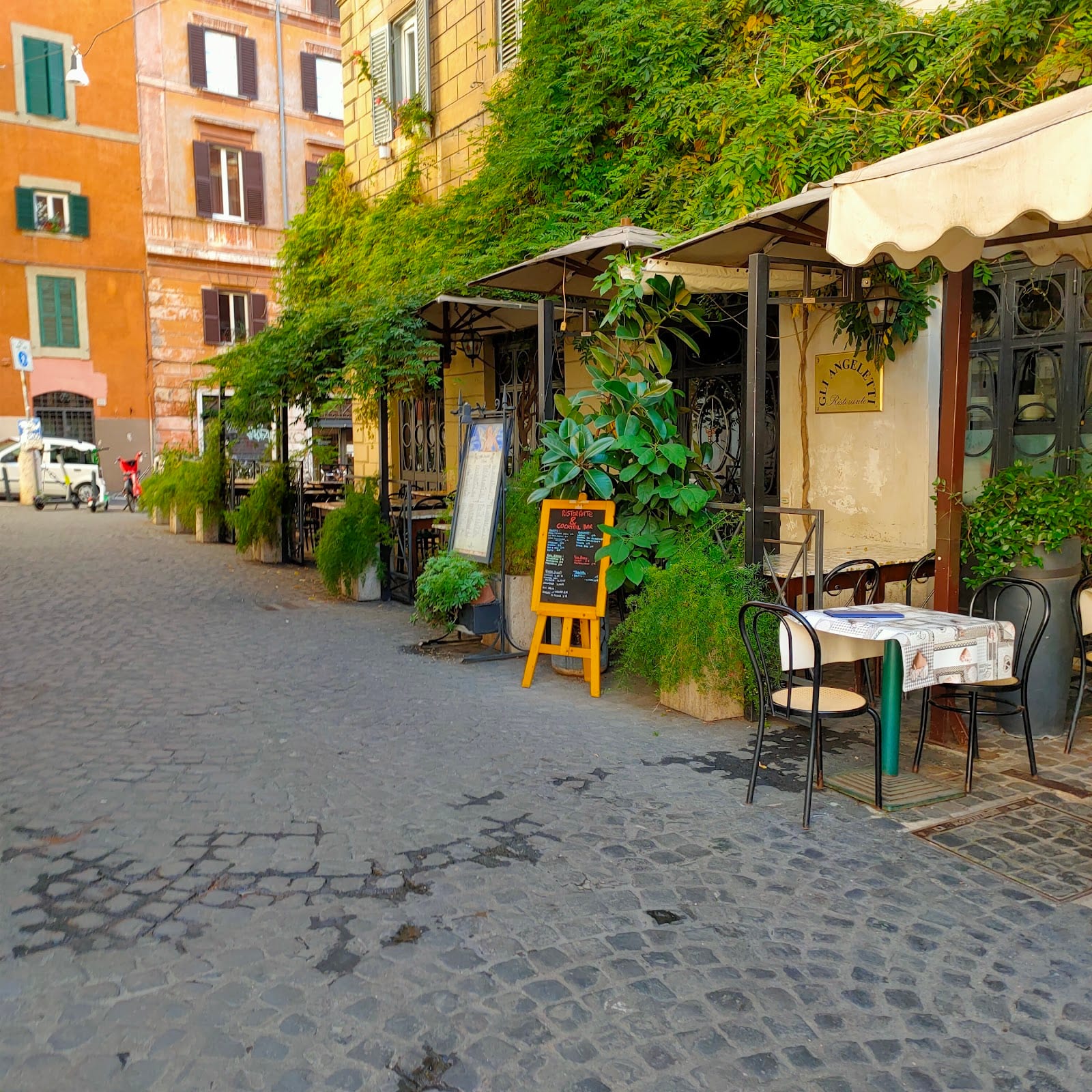
The cobbled backstreets of vintage, artisan, and independent shops that made Monti the city's first cool neighborhood.
The reason Monti feels different from the rest of central Rome is these three lanes and the cobbled streets around them. Via del Boschetto, Via dei Serpenti, and Via Urbana are lined with independent boutiques, vintage and secondhand clothing, artisan jewelry, small design and plant shops, and the wine bars and trattorias between them. You will not find the chain stores of the Corso here; the draw is the browsing, and the neighborhood buzz that goes with it. There is no single best street, so treat the whole quarter as the thing to do: wander it slowly in the late afternoon, when the shops are open and the bars are starting up, then settle in for aperitivo.
Free45 minShops typically 10:30 AM – 7:30 PMGood for couples, friends, solo
Sourcesturismoroma.it


Worth it with more time
Good additions once you've done the icons.- 1
 Oppian hill Worth it
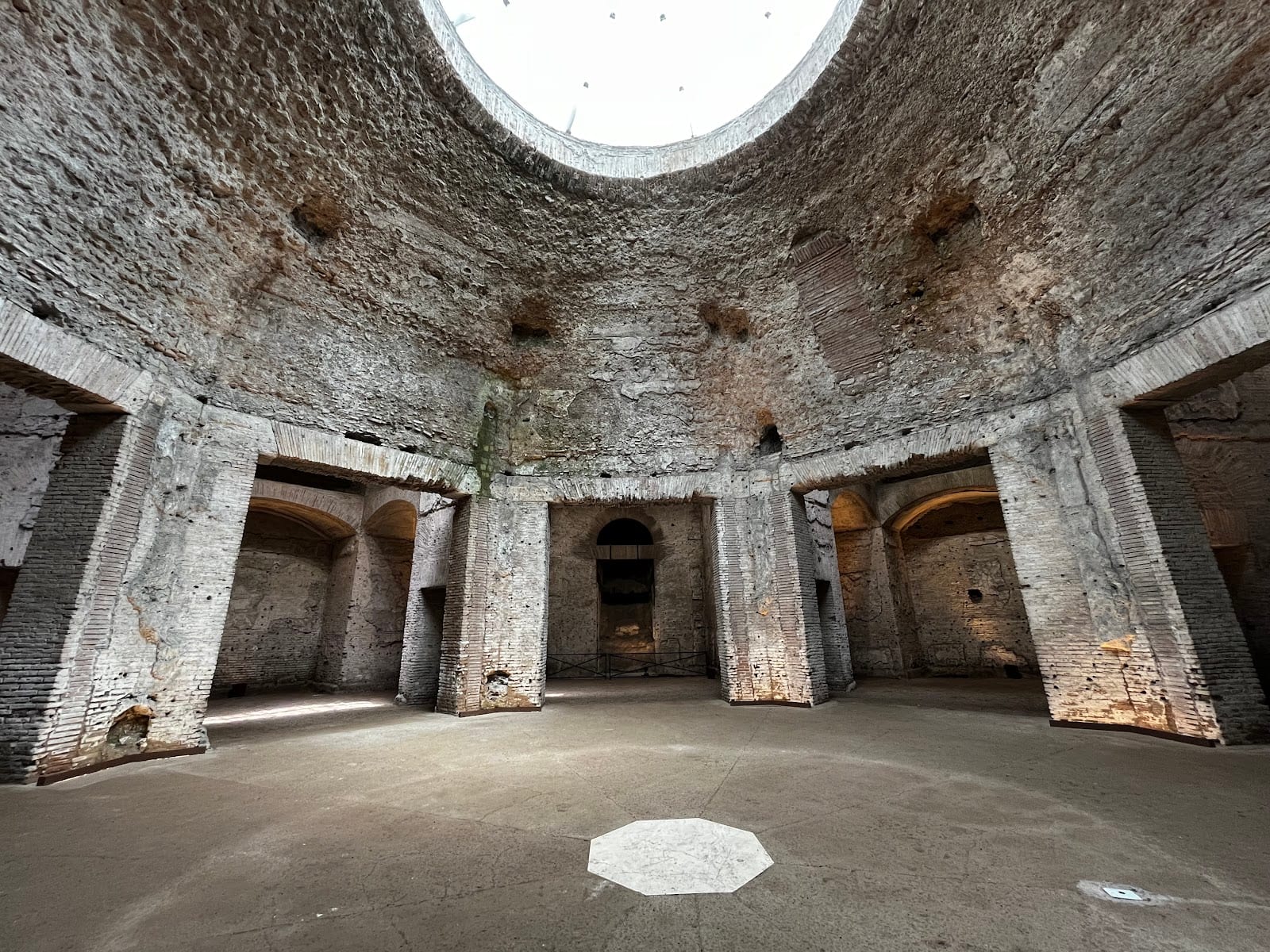
Domus Aurea (Nero's Golden House)
The buried palace of Nero on Monti's edge, seen on a hard-hat guided tour with a VR reconstruction.
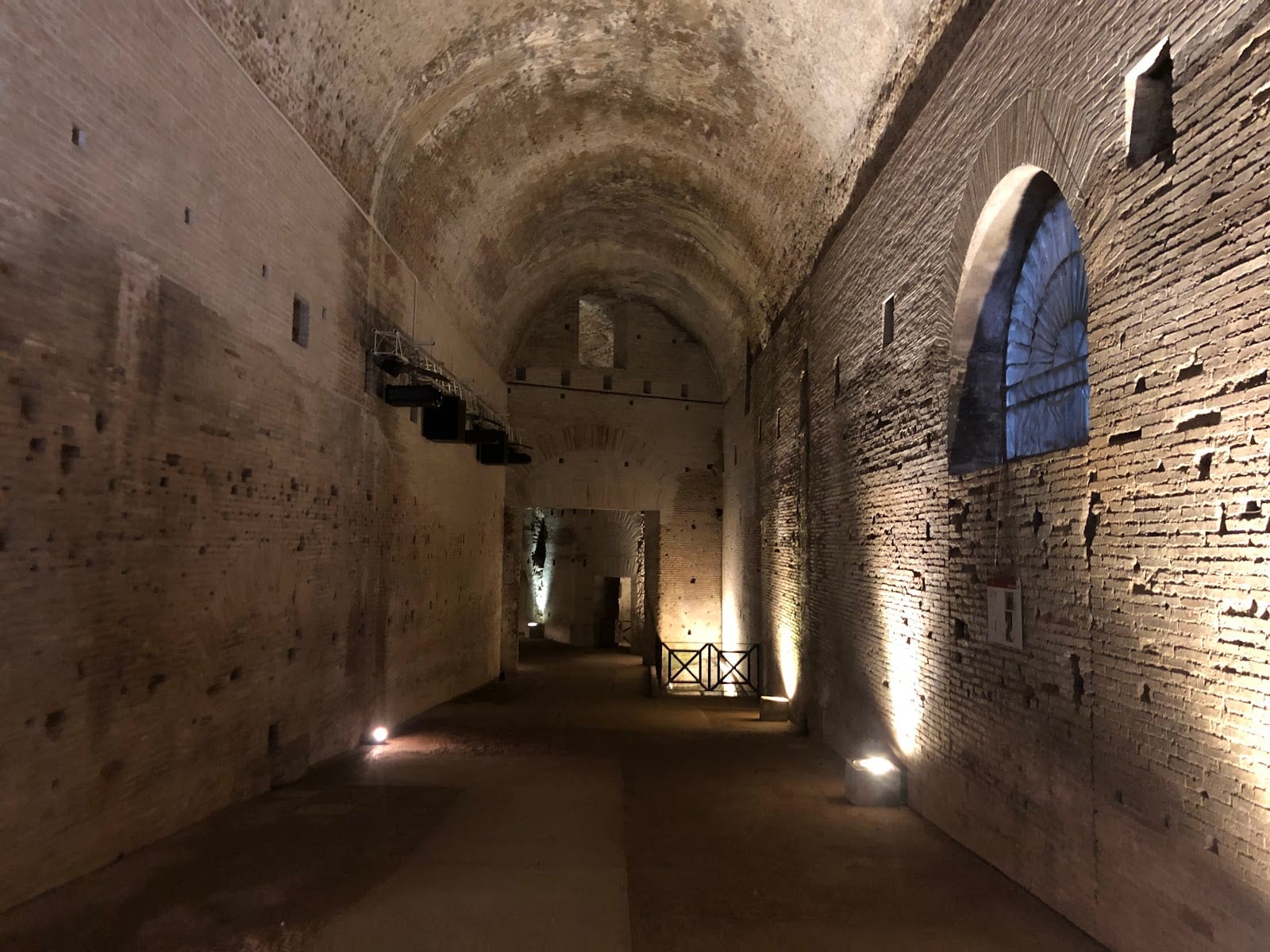
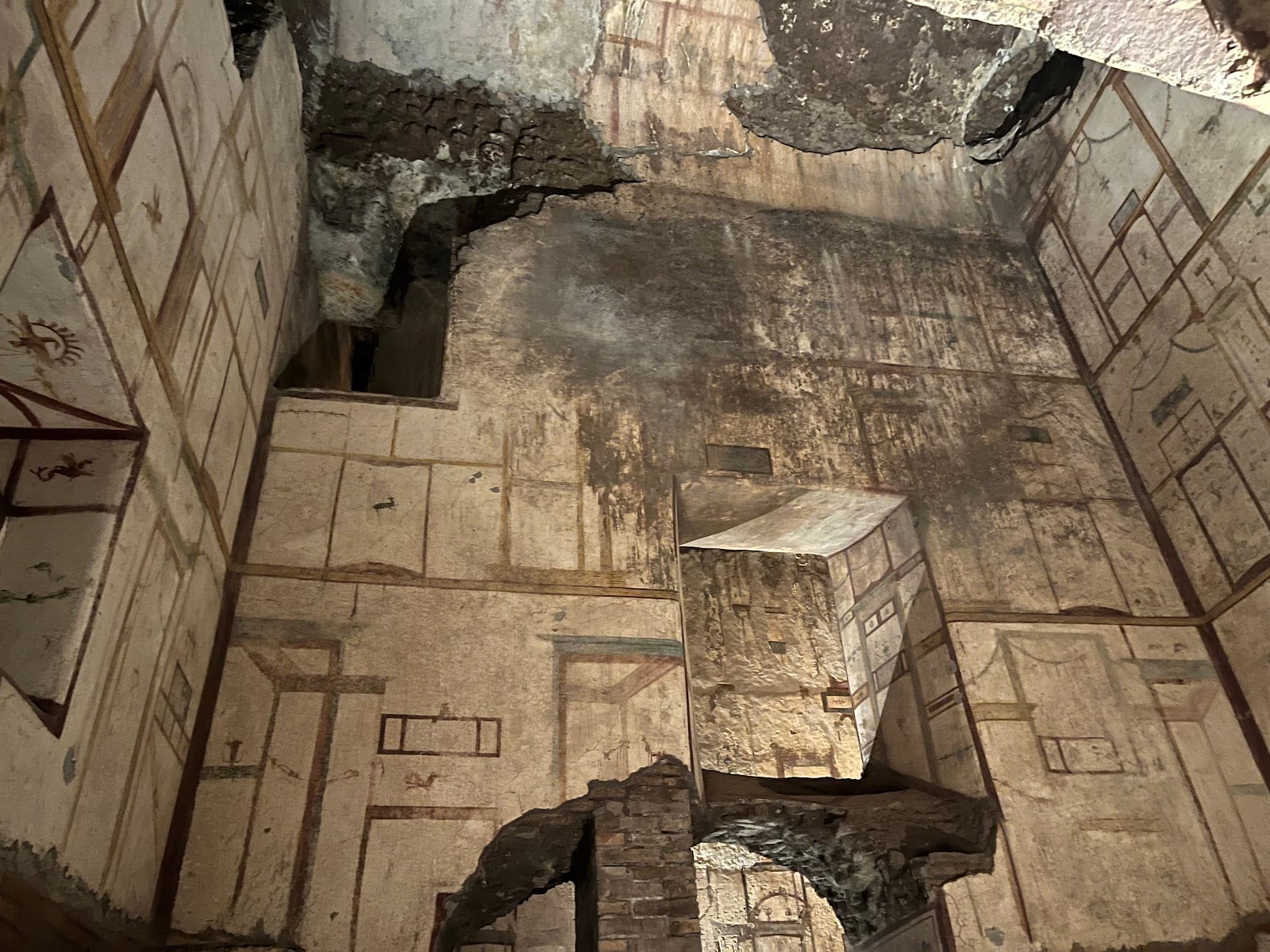
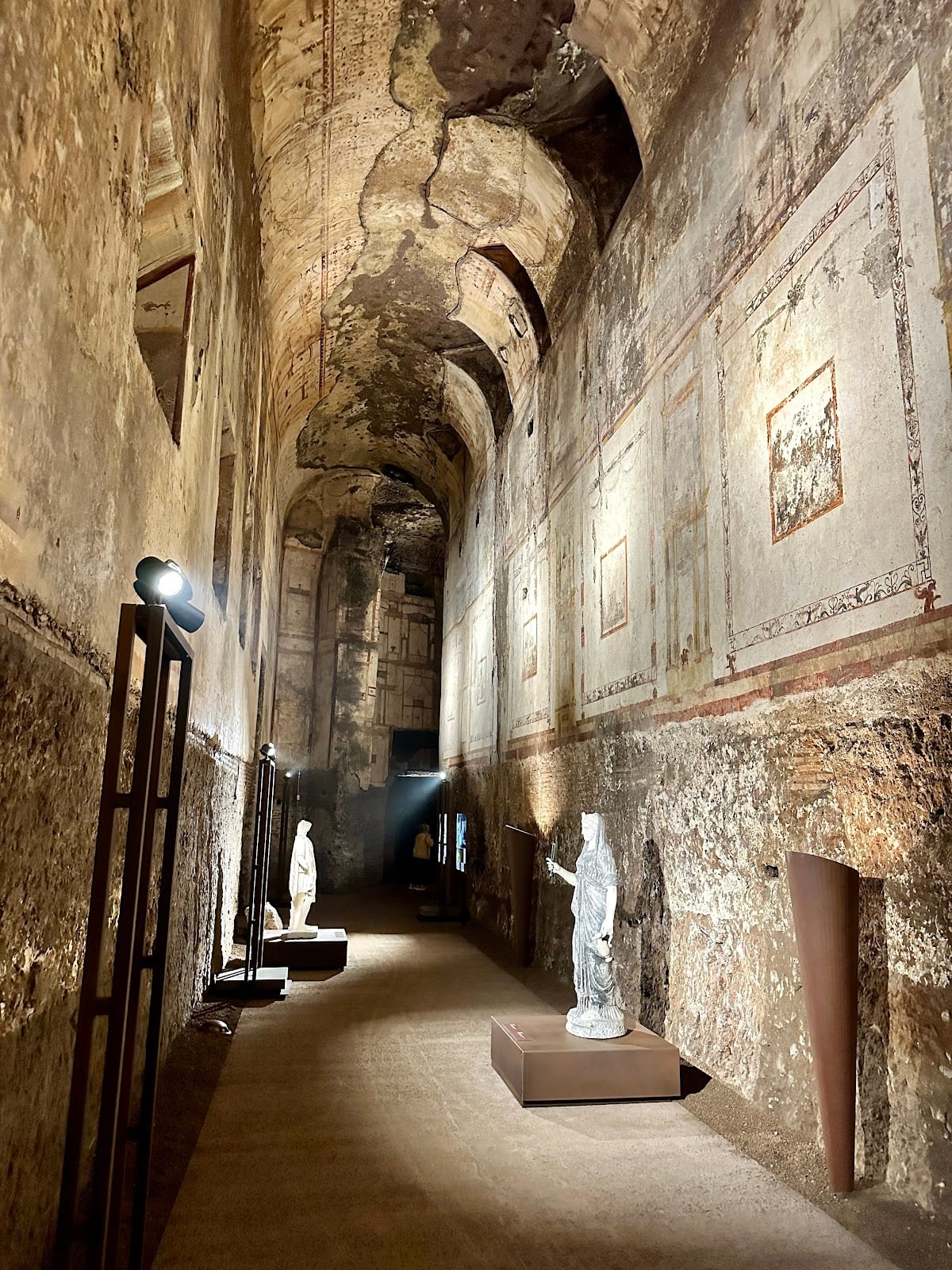
On the Oppian hill above the Colosseum, buried under a public park, lies the Domus Aurea, the vast landscaped palace Nero built for himself after the great fire of AD 64 destroyed much of Rome. It was so enormous and so scandalous that later emperors filled it in and built over it, which is why you visit it underground, in a hard hat, on a guided tour. The payoff is unusual: after walking the excavated frescoed corridors, you put on a VR headset that rebuilds the rooms and gardens around you as they were. It opens only Friday to Sunday and tickets are timed and sell out, so book well ahead. Standard site-and-VR tickets start around 25 dollars; longer expert-led tours cost more.
Fri–Sun 9:30 AM – 5:00 PM; closed Mon–Thu; booking requiredGood for couples, families, solo
- 2
 Via Cavour / Imperial Fora Worth it
Trajan's Market (Mercati di Traiano)
The 2nd-century complex often called the world's first shopping mall, and rarely crowded.
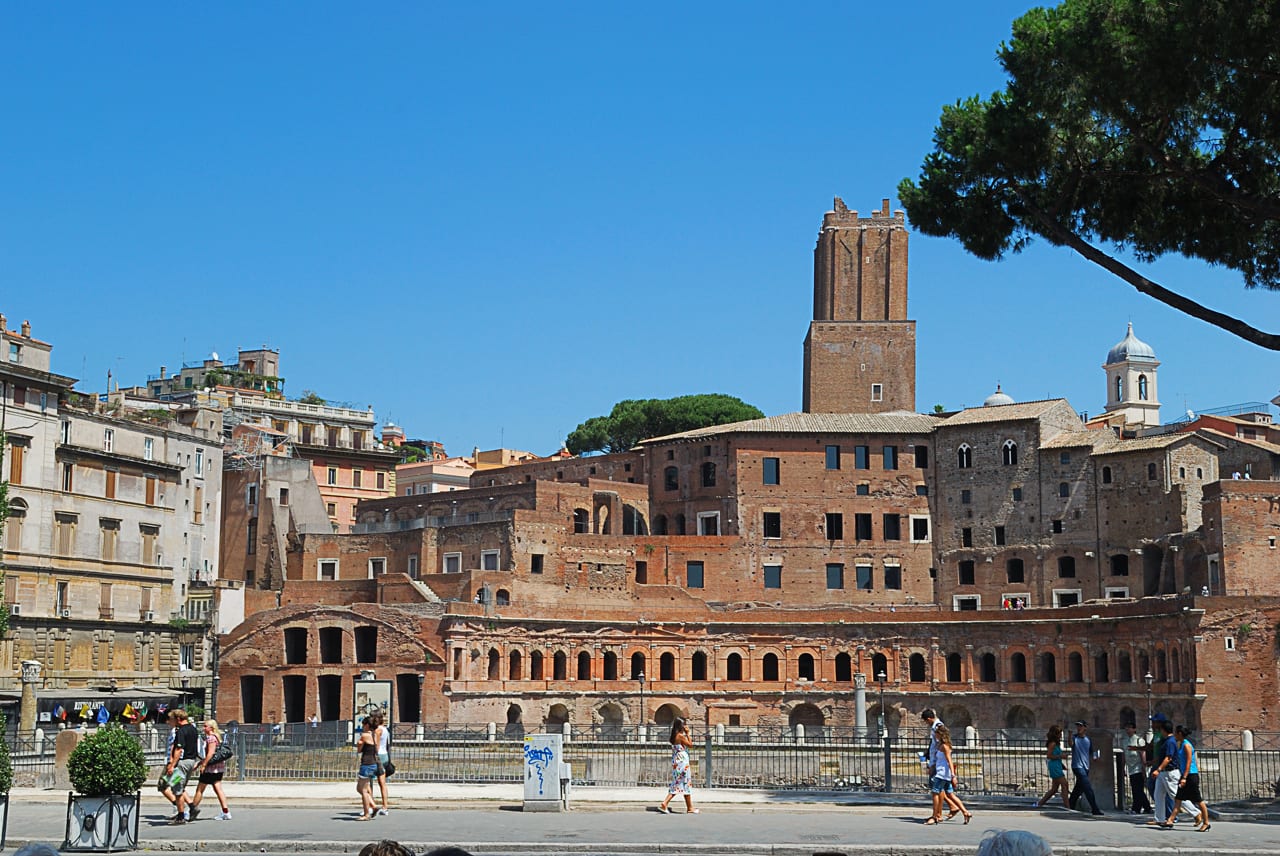
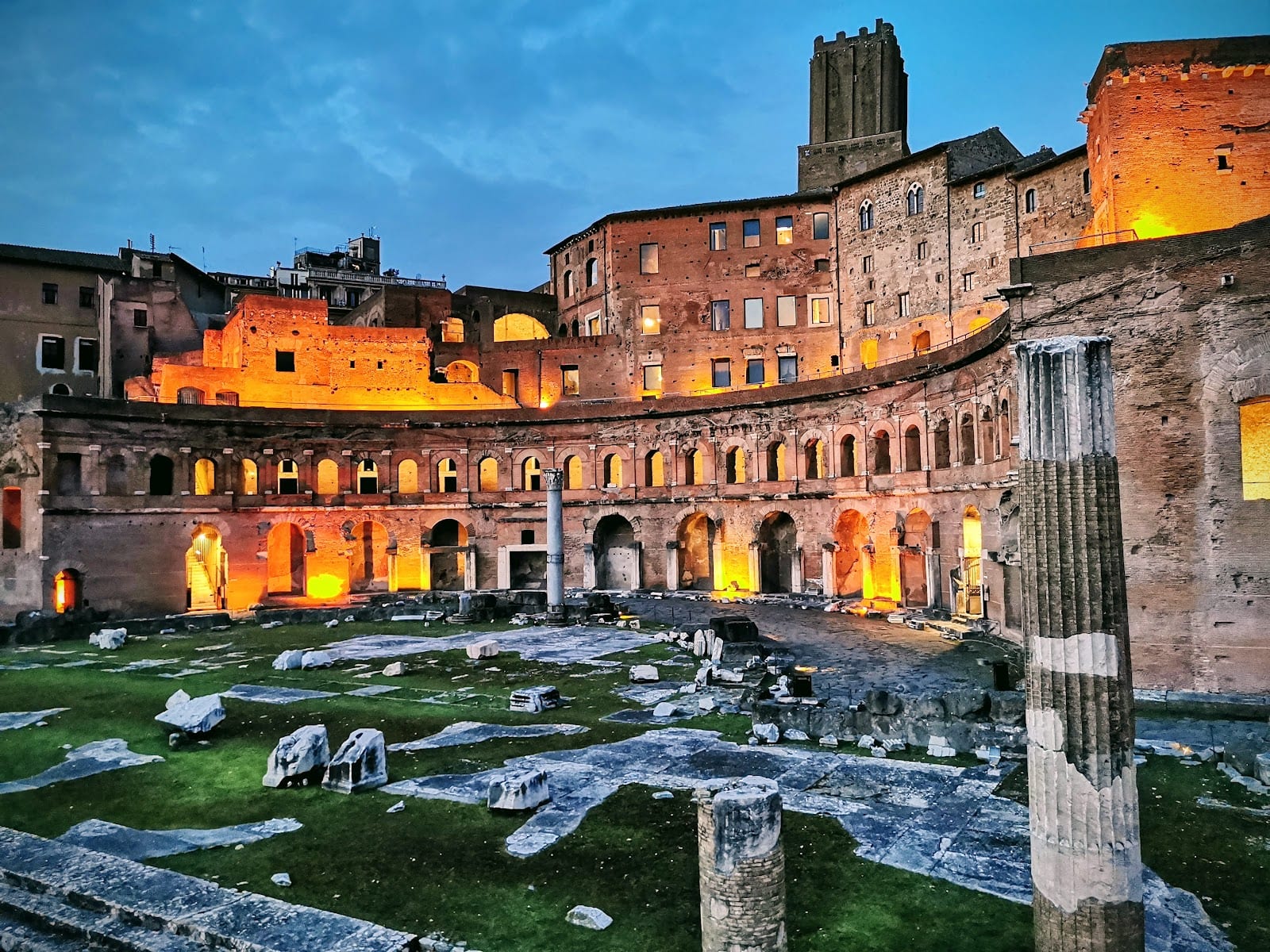
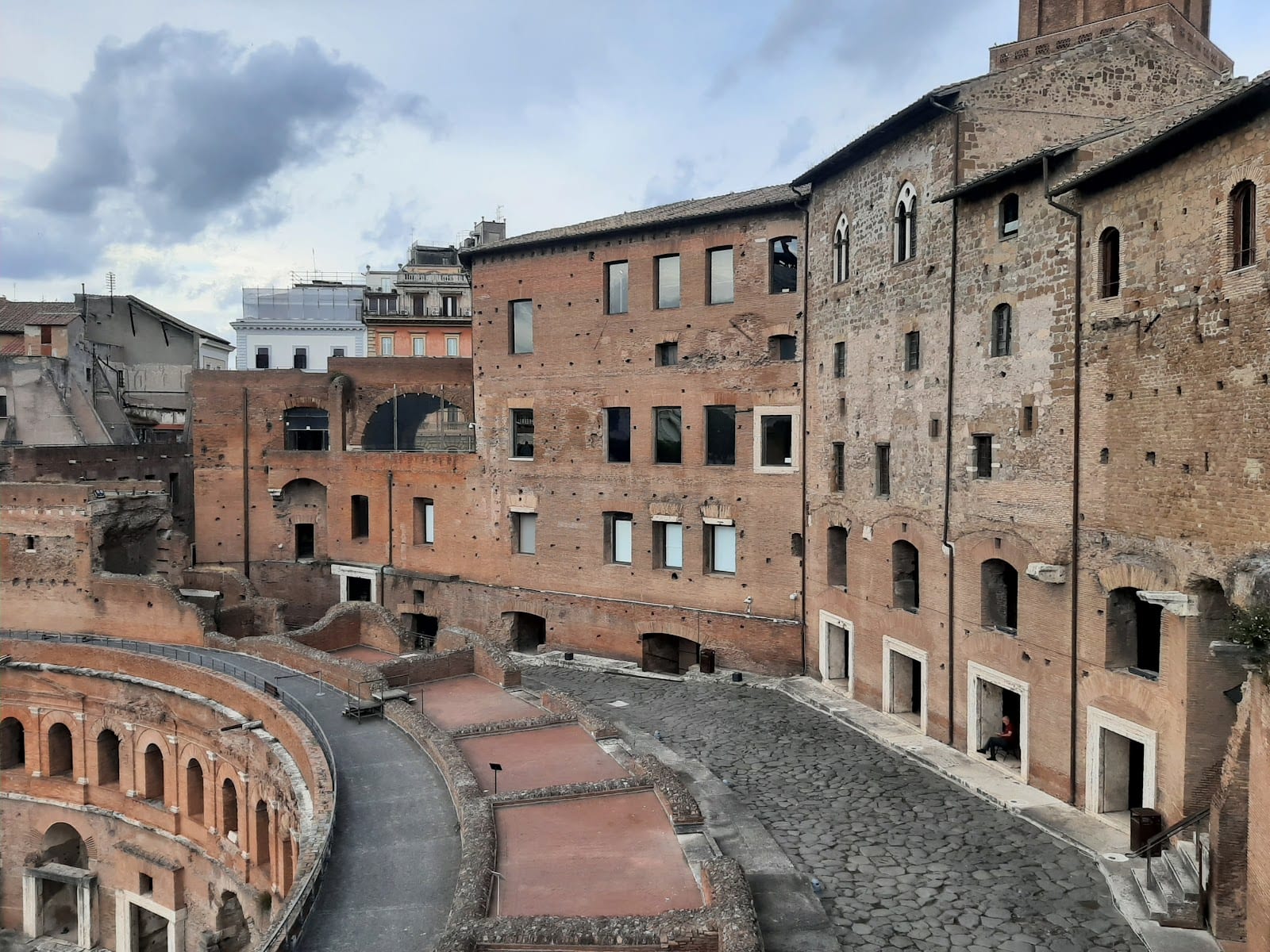
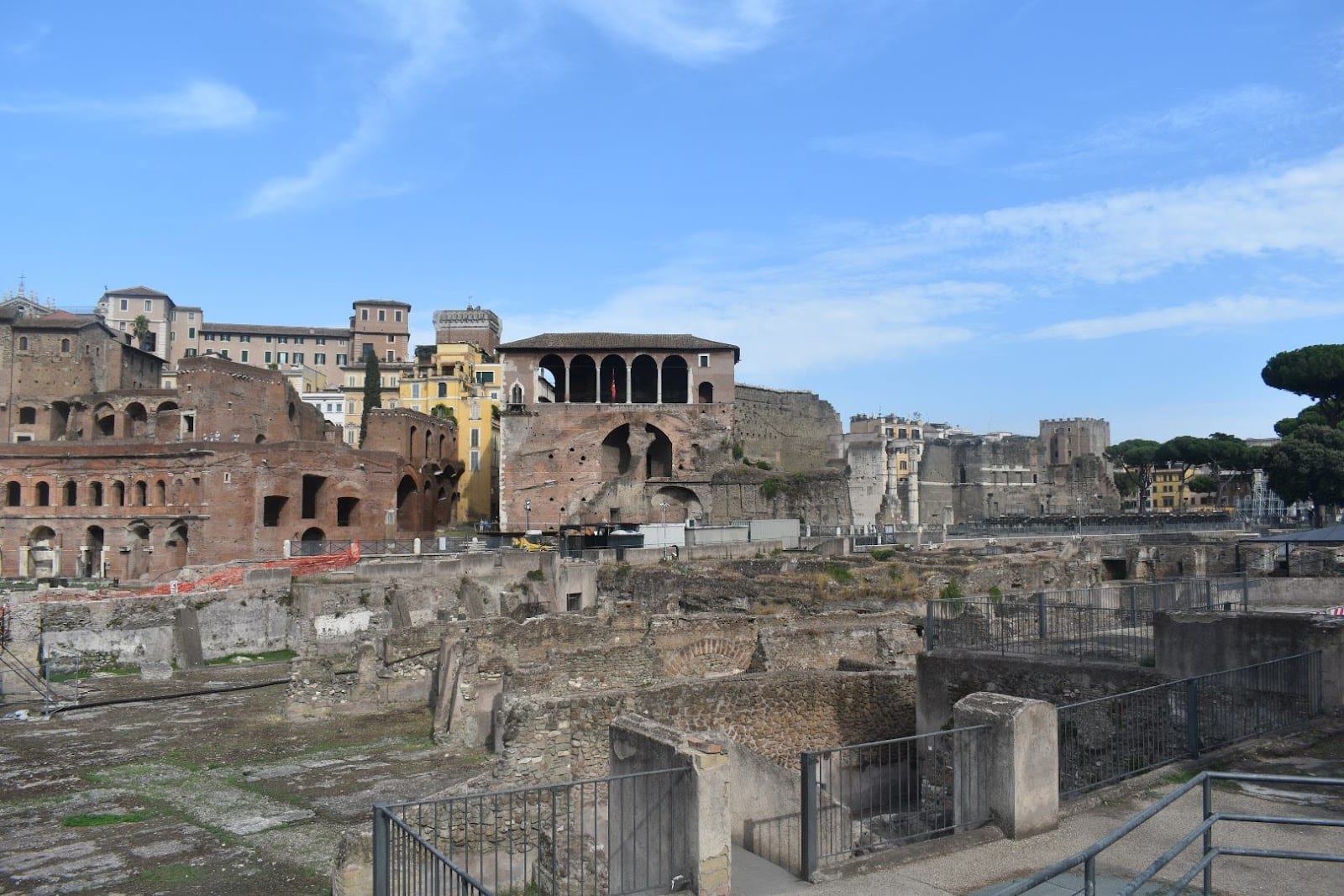
At the western edge of Monti, where Via Cavour meets the Imperial Fora, the curved brick face of Trajan's Market rises in tiers against the Quirinal hill. Built in the early 2nd century as part of Trajan's Forum, its multi-level ranks of vaulted rooms have long been described, a little loosely, as the world's first shopping mall; they more likely held administrative offices and stores. Either way it is a remarkable, well-preserved slice of ancient city planning, and because most visitors pour into the Colosseum and the Forum instead, it is one of central Rome's least crowded major sites. Today it houses the Museo dei Fori Imperiali, so your ticket also buys sculpture, models, and terrace views over the fora.
Daily 9:30 AM – 7:30 PM (last entry 6:30 PM)Good for couples, families, solo
- 3
 Via Leonina Mixed
Mercato Monti Urban Market
A weekend pop-up of young designers and vintage, worth it if you are in Monti on a Saturday or Sunday.
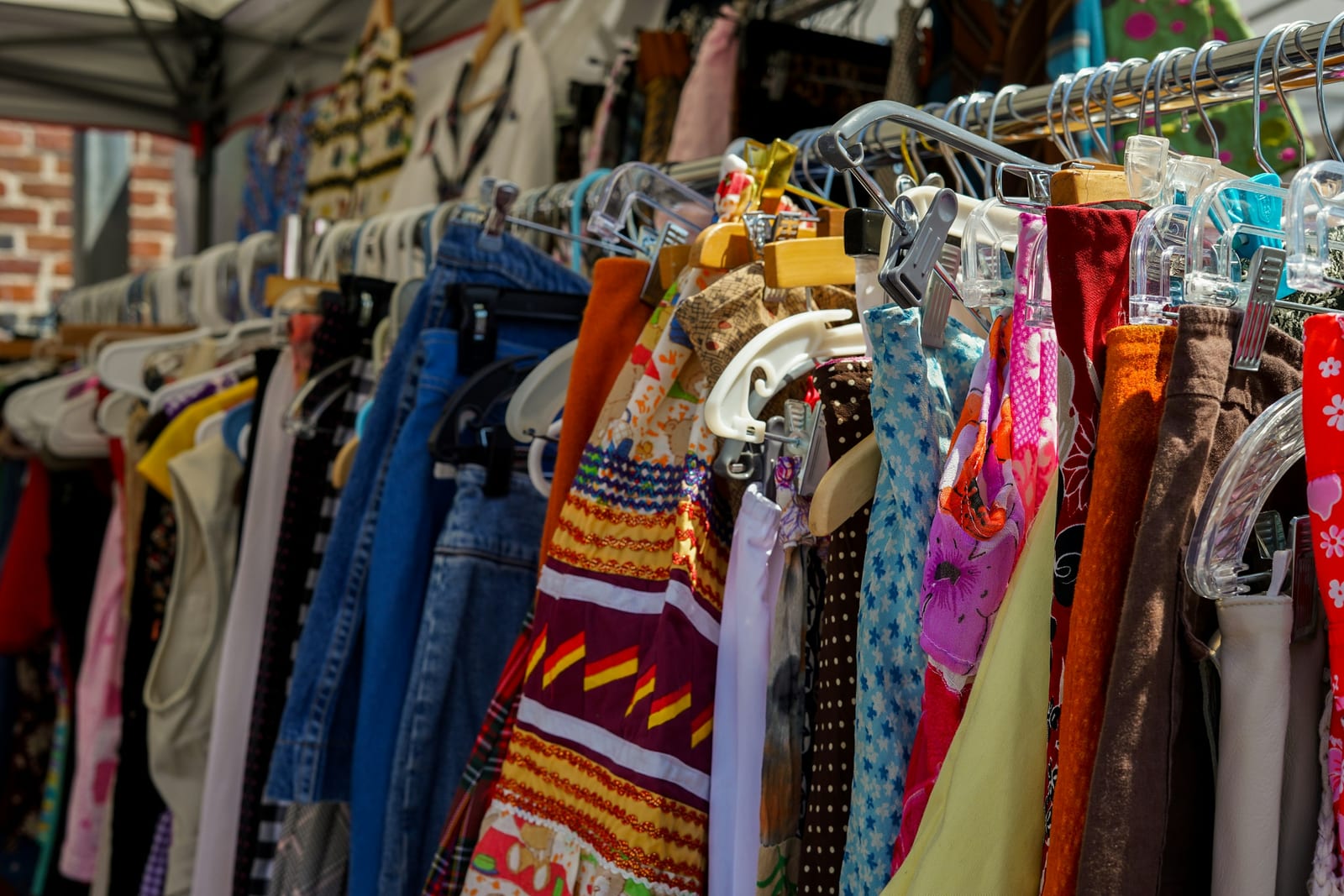
Every weekend, the ground floor of the Hotel Palatino on Via Leonina turns into Mercato Monti, an indoor urban market that has run since 2009. Young designers and makers set out vintage and vintage-inspired clothing, handmade jewelry, accessories, illustrations, and small homewares, and it matches the arty, independent character of the neighborhood well. It is small and hit-or-miss rather than a must-plan destination, so treat it as a bonus if your visit lands on a Saturday or Sunday. Entry is free, it runs 10am to 8pm both days, and it is a two-minute walk from the Cavour metro. On weekdays there is nothing to see here, so skip it and browse the boutique lanes instead.
Free30 minSat–Sun 10:00 AM – 8:00 PM onlyGood for friends, solo, couples
Sourcestimeout.comwantedinrome.com


Hidden gems
Where the crowds thin out.- Hidden gem
 Eastern Monti Worth it
Basilica di Santa Prassede
A plain doorway near Santa Maria Maggiore hiding the best Byzantine mosaics in Rome.
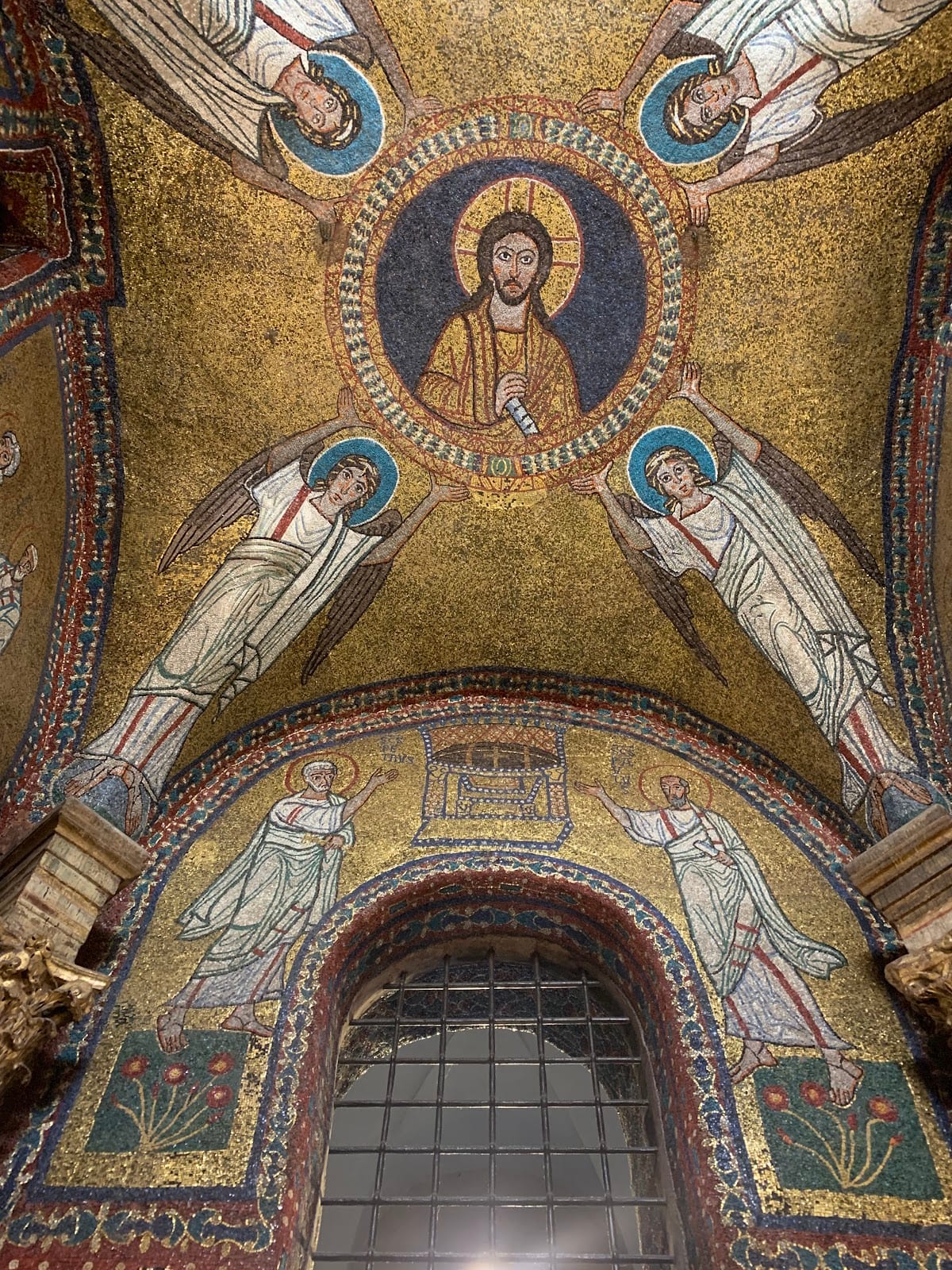
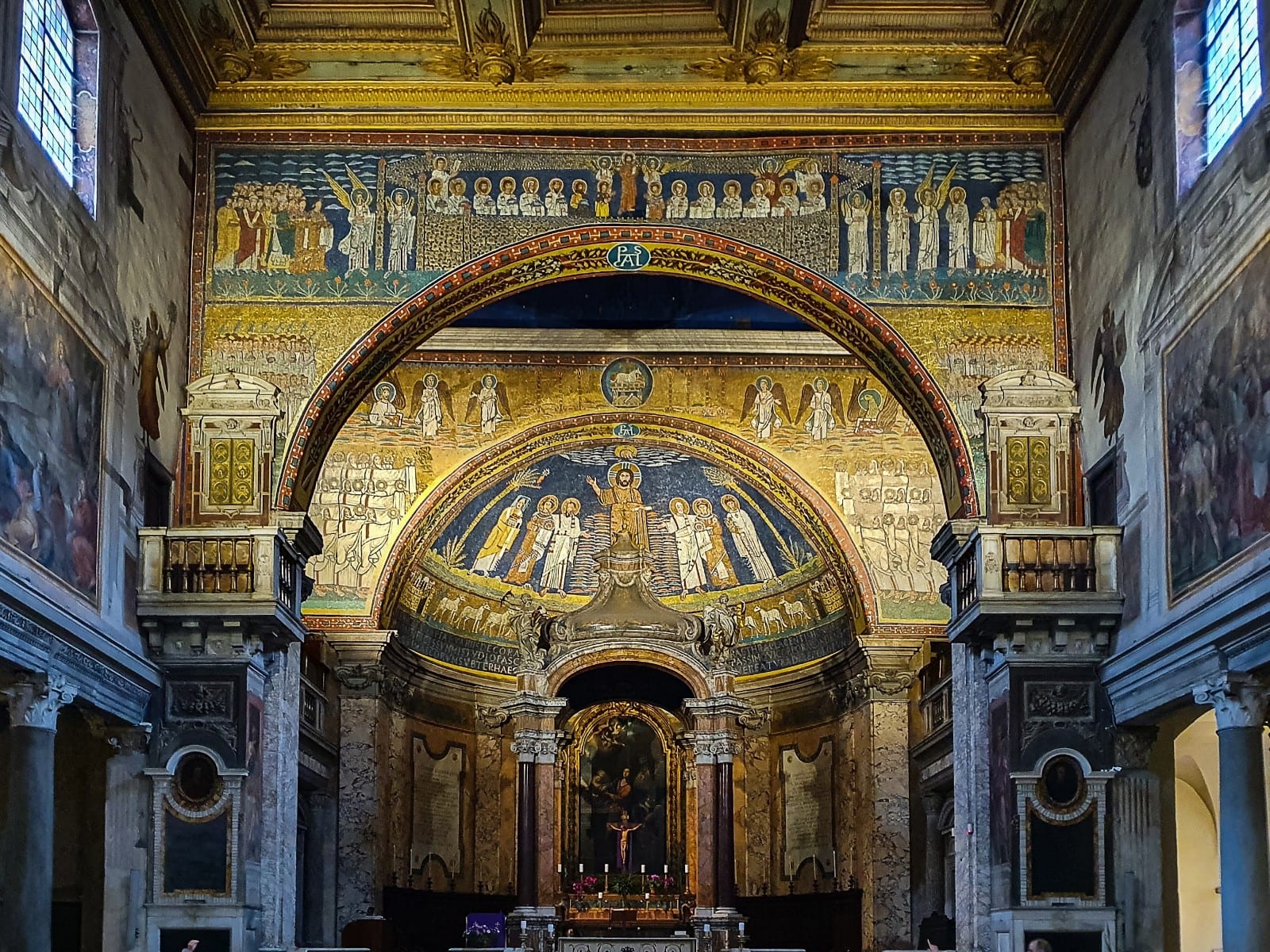
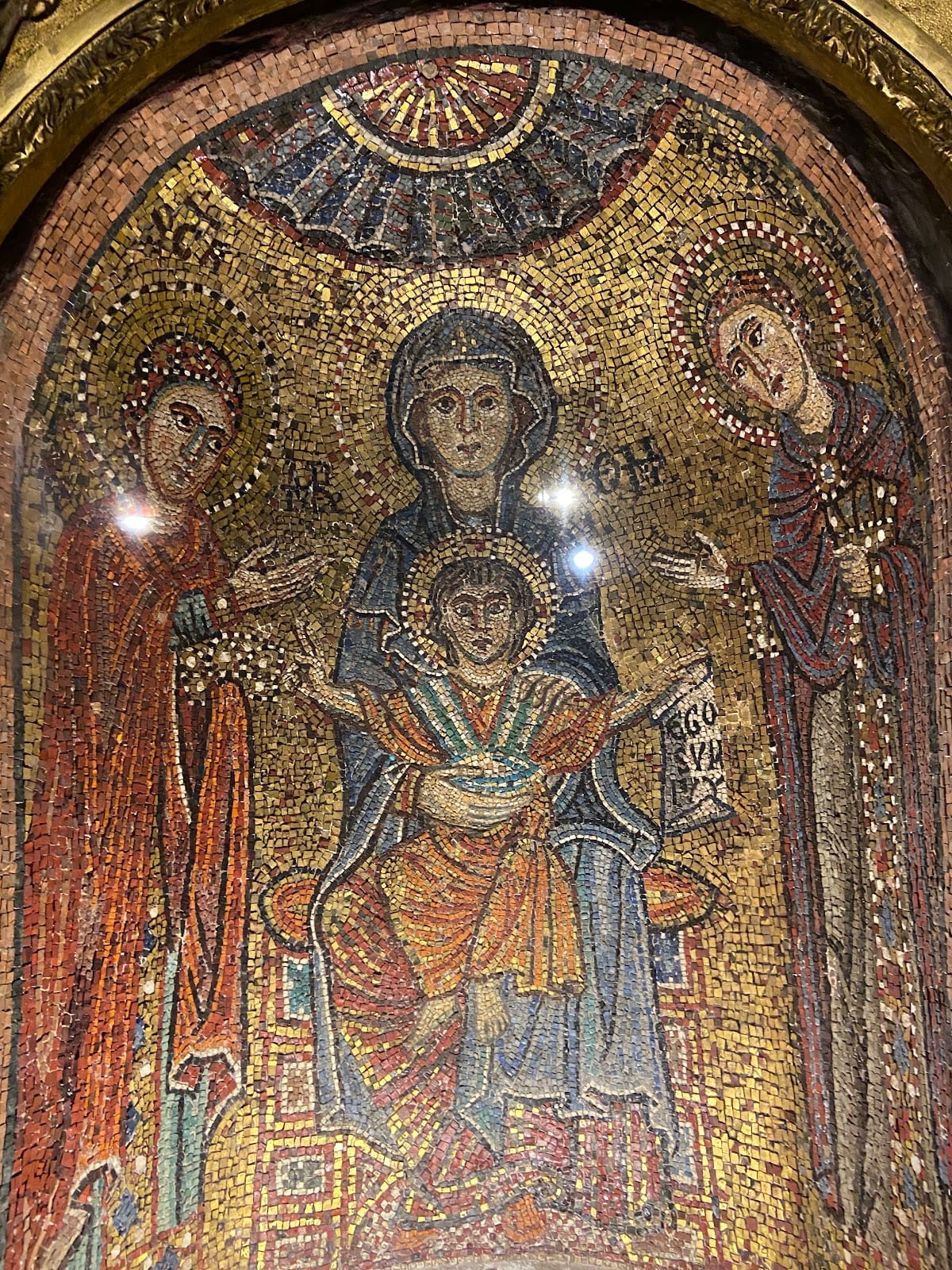
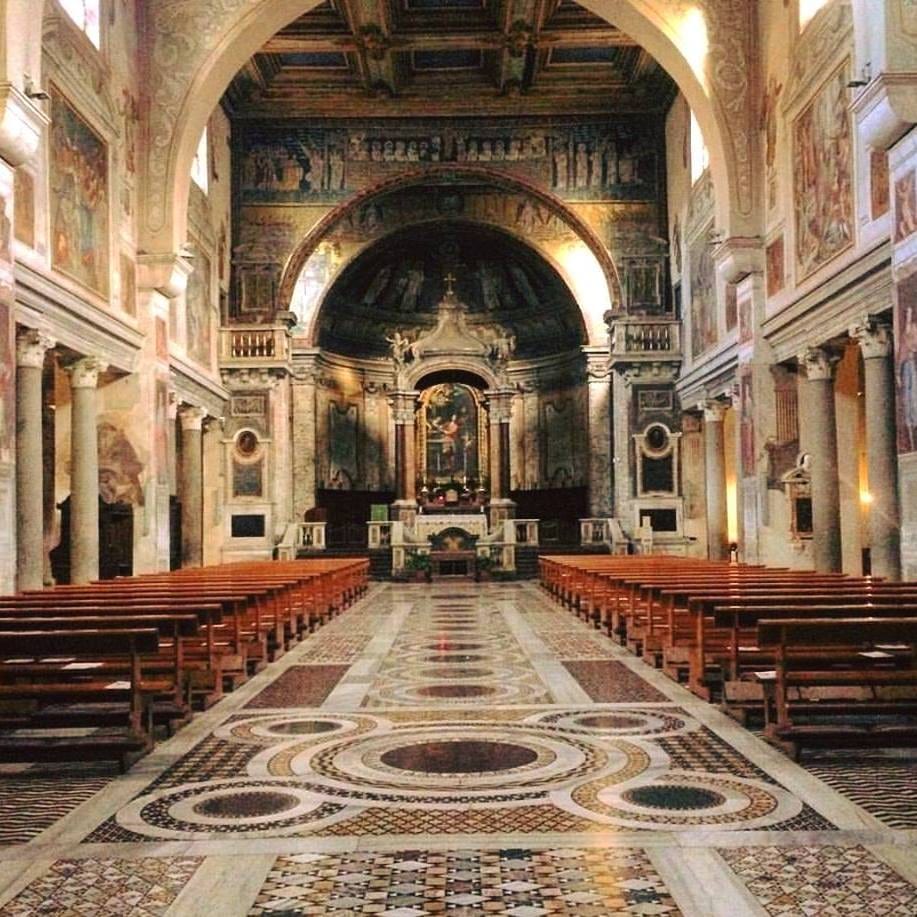
You could walk past the plain side entrance on Via di Santa Prassede without a glance, which is exactly why the 9th-century mosaics inside are such a surprise. The apse and triumphal arch glow with gold Byzantine-style mosaics, but the real treasure is off the right aisle: the tiny Chapel of San Zeno, built by Pope Paschal I around 820 as a tomb for his mother and covered floor to ceiling in mosaic. Medieval Romans called it the Garden of Paradise, and it is often called the most important Byzantine monument in the city. Bring a one-euro coin for the light that switches the chapel on. The church is free and rarely holds more than a handful of visitors, a genuine hidden gem a few steps from the crowds at Santa Maria Maggiore.
Daily 9:00 AM – 12:30 PM & 3:00 – 6:00 PMGood for couples, solo
- Hidden gem
 Via Urbana Worth it
Basilica di Santa Pudenziana
One of the oldest Christian mosaics in Rome, down a quiet flight of steps off Via Urbana.
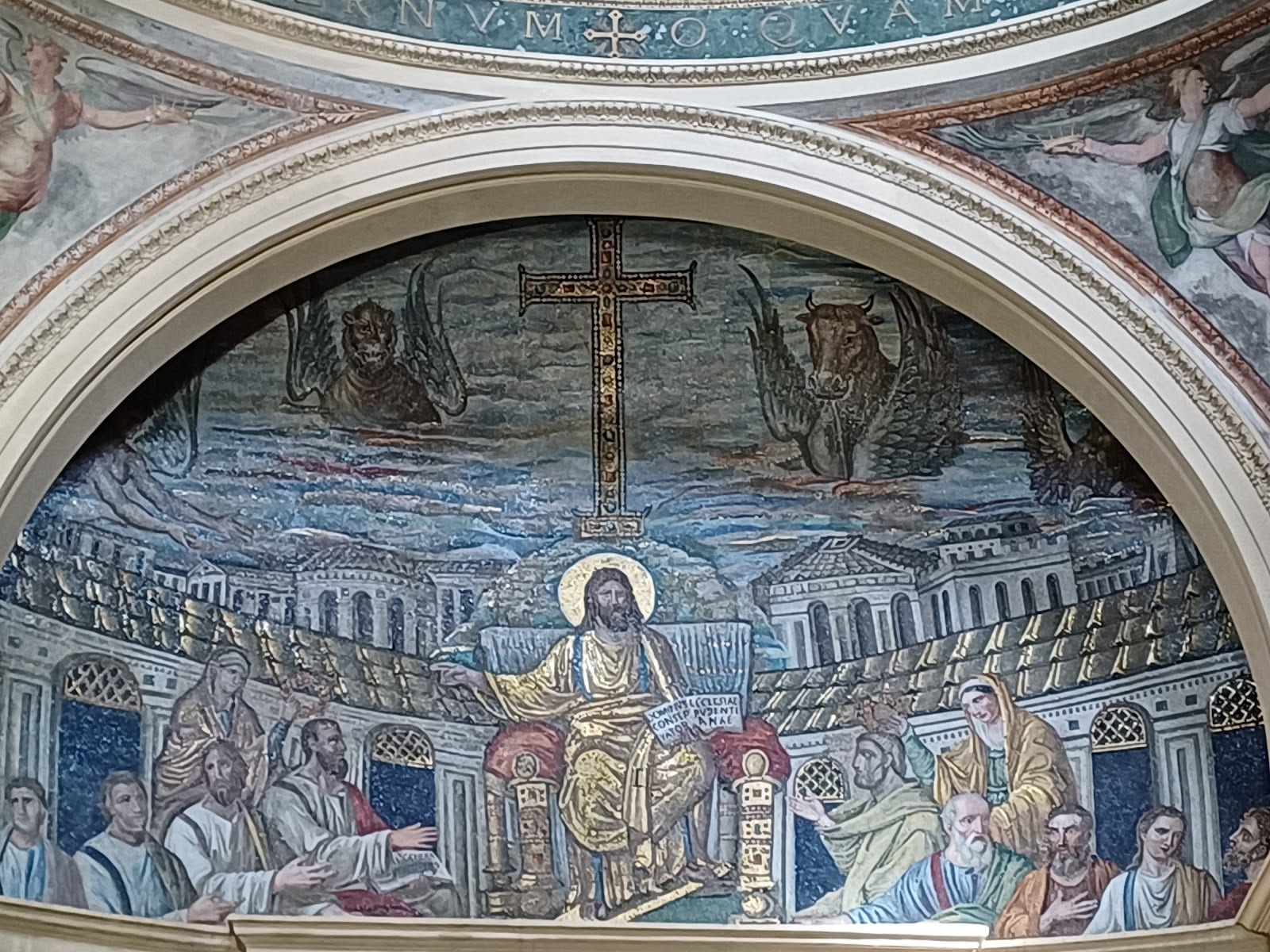
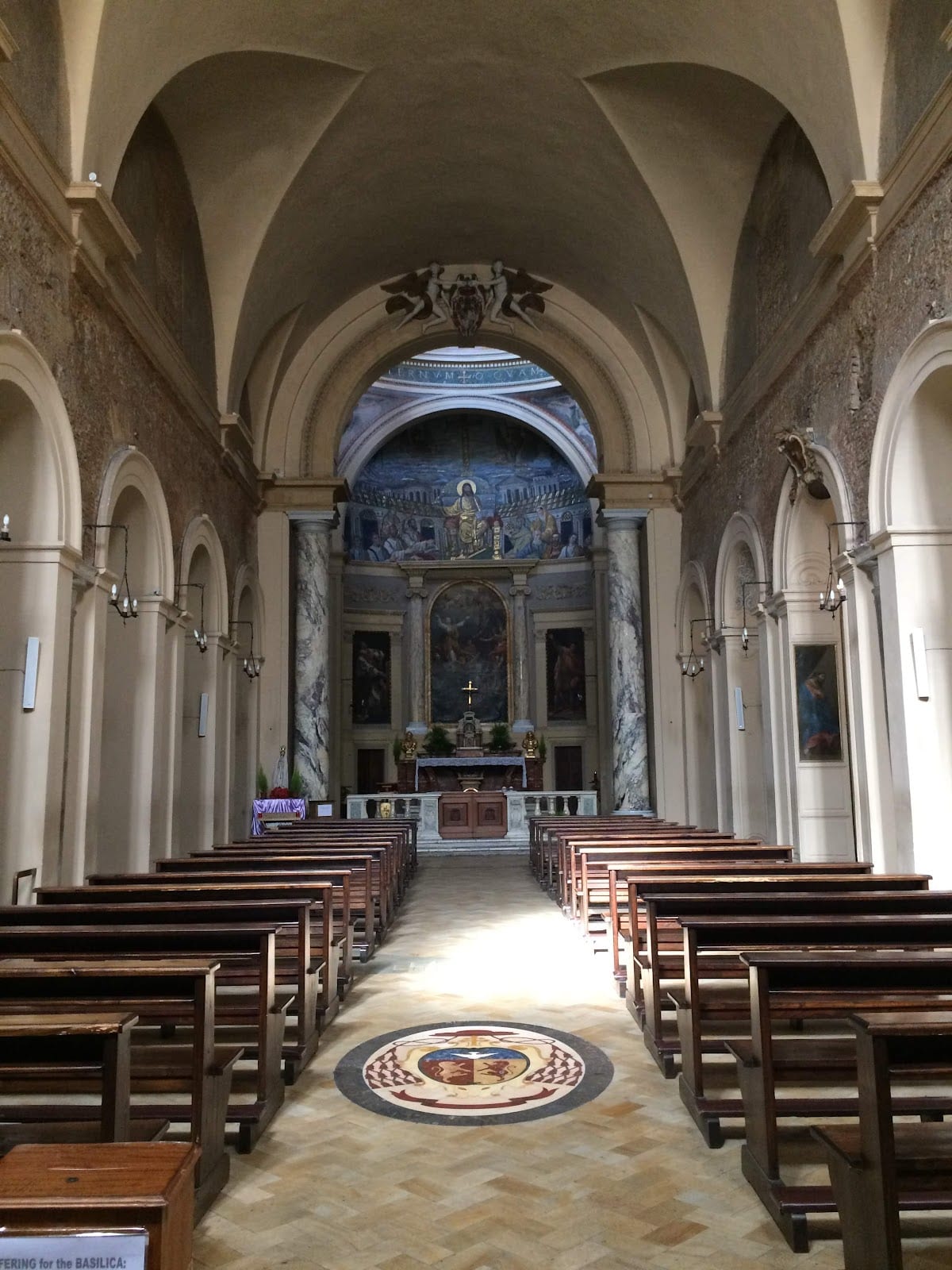
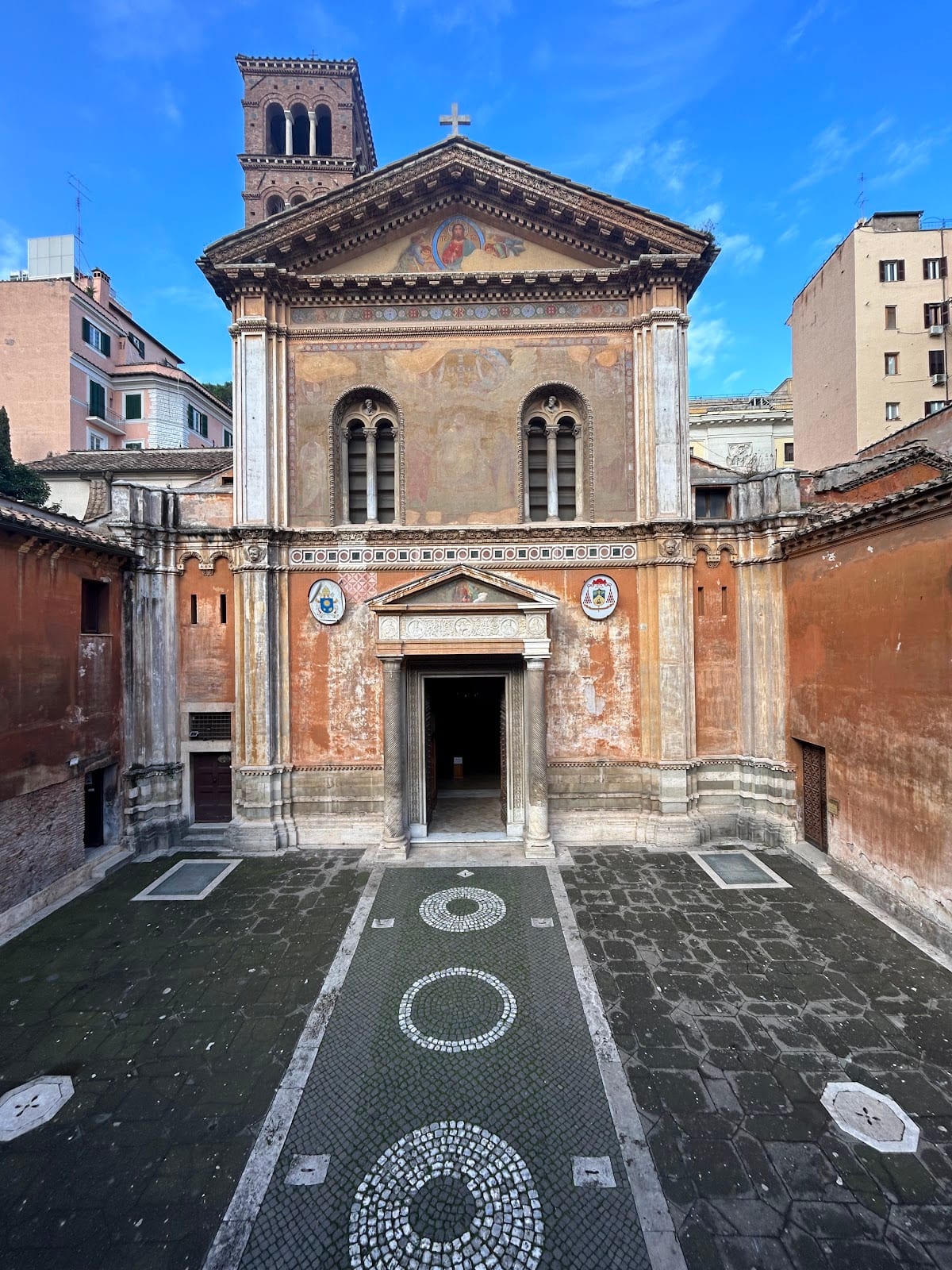
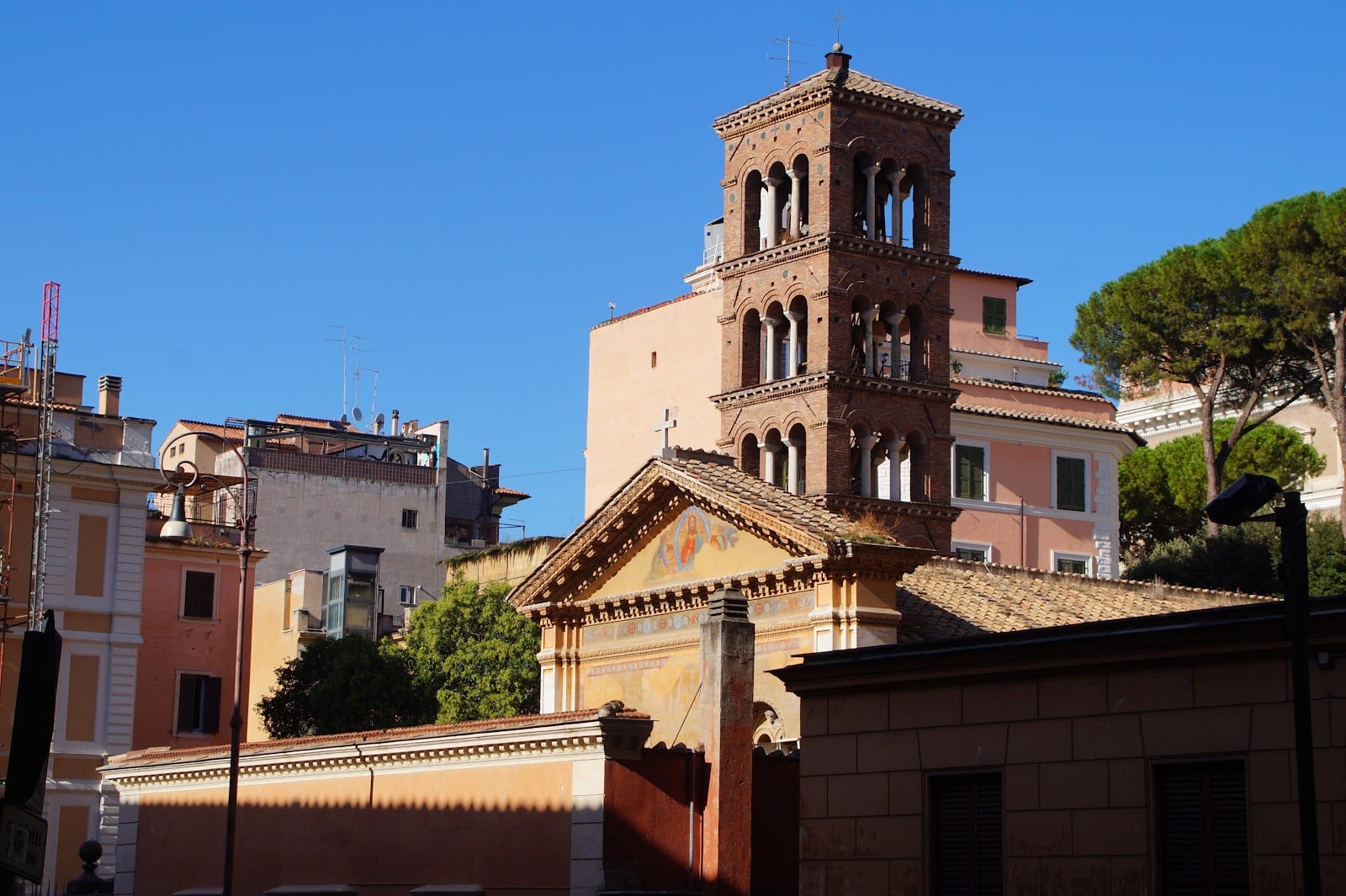
Sunk below the modern street level on Via Urbana, the little church of Santa Pudenziana holds one of the oldest and finest Christian mosaics in Rome, in the apse above the altar. Made around the year 400, it shows Christ enthroned as a bearded human figure among the apostles, robed like a Roman senator, one of the earliest images to picture Christ as a man rather than a symbol. It is a startling thing to stand in front of, and most Rome visitors never see it. The church keeps short hours, mornings only and closed Sundays, so time your visit; it sits a couple of minutes uphill from the boutique lanes and pairs naturally with Santa Prassede nearby.
Good for couples, solo
Sourcesen.wikipedia.org


Verdicts and rankings are our own; ratings open each place on Google. Prices, where shown, are an approximate per-person guide in USD.
Monti on screen
Where you've seen Monti before
Monti's old name, the Suburra, gave a hit crime saga its title, and its lanes have turned up in Rome films for decades. Tap a trailer, then go stand in the scene:
- Netflix series, 2017
Suburra: Blood on Rome
Netflix's Rome crime saga takes its name from the Suburra, the ancient slum that stood where Monti is today, once the city's most notorious district of the poor and the disreputable. The show films across Rome, trading on exactly the underworld reputation this neighborhood carried two thousand years ago.
The ancient SuburraSource - Film, 2012
To Rome with Love
Woody Allen's Rome comedy shot around Monti, and the ordinary Roman clerk who wakes up inexplicably famous lives on Via dei Serpenti, one of the neighborhood's boutique lanes. The film catches the everyday, lived-in Monti of apartment doorways and cobbled streets rather than the monuments.
The boutique lanes (Via del Boschetto, Via dei Serpenti & Via Urbana)Source - Film, 1953
Roman Holiday
The Audrey Hepburn classic wanders the ancient city on the runaway princess's day off, and the great tiered brick ranks of Trajan's Market and the Imperial Fora, at the edge of Monti along Via dei Fori Imperiali, form the backdrop to that famous Vespa ride through Rome.
Trajan's Market (Mercati di Traiano)Source
Eat & drink
Where to eat and drink in Monti
Monti is one of central Rome's best neighborhoods to eat and drink, from the four Roman pastas to wine bars, gelato, and quick panini. A few we'd point you to, all in the boutique lanes:
Ai Tre Scalini
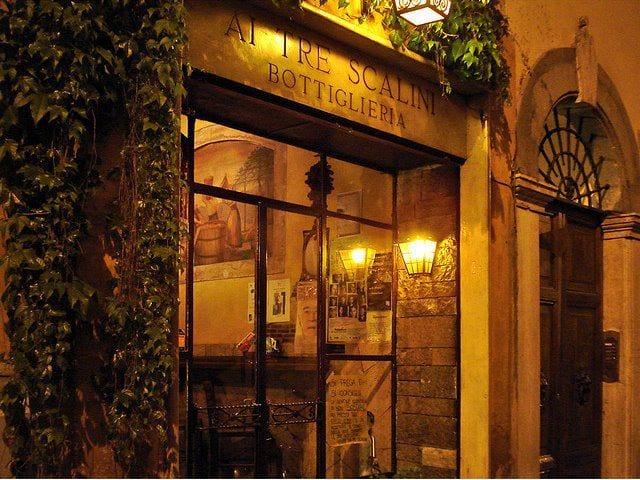
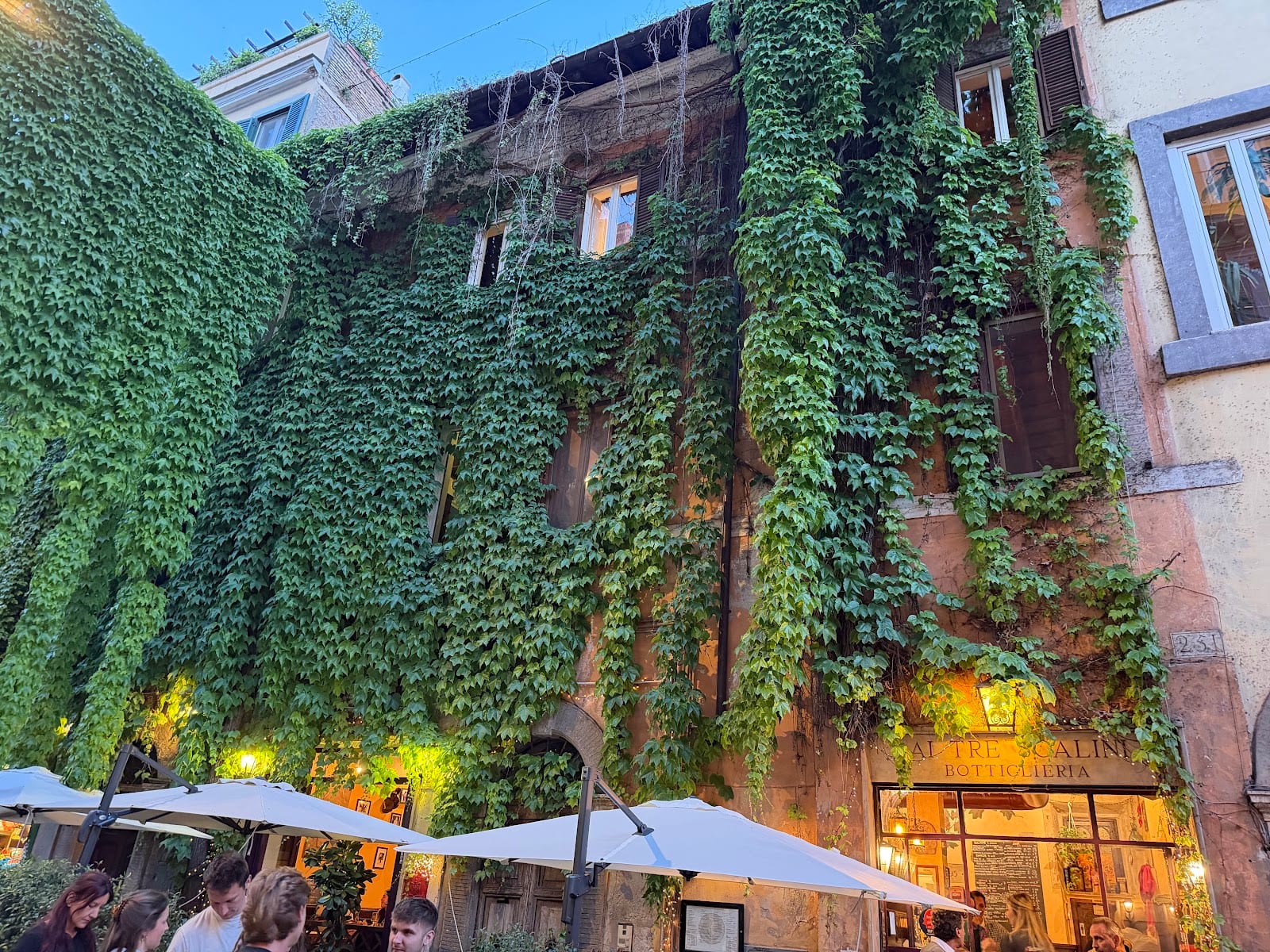
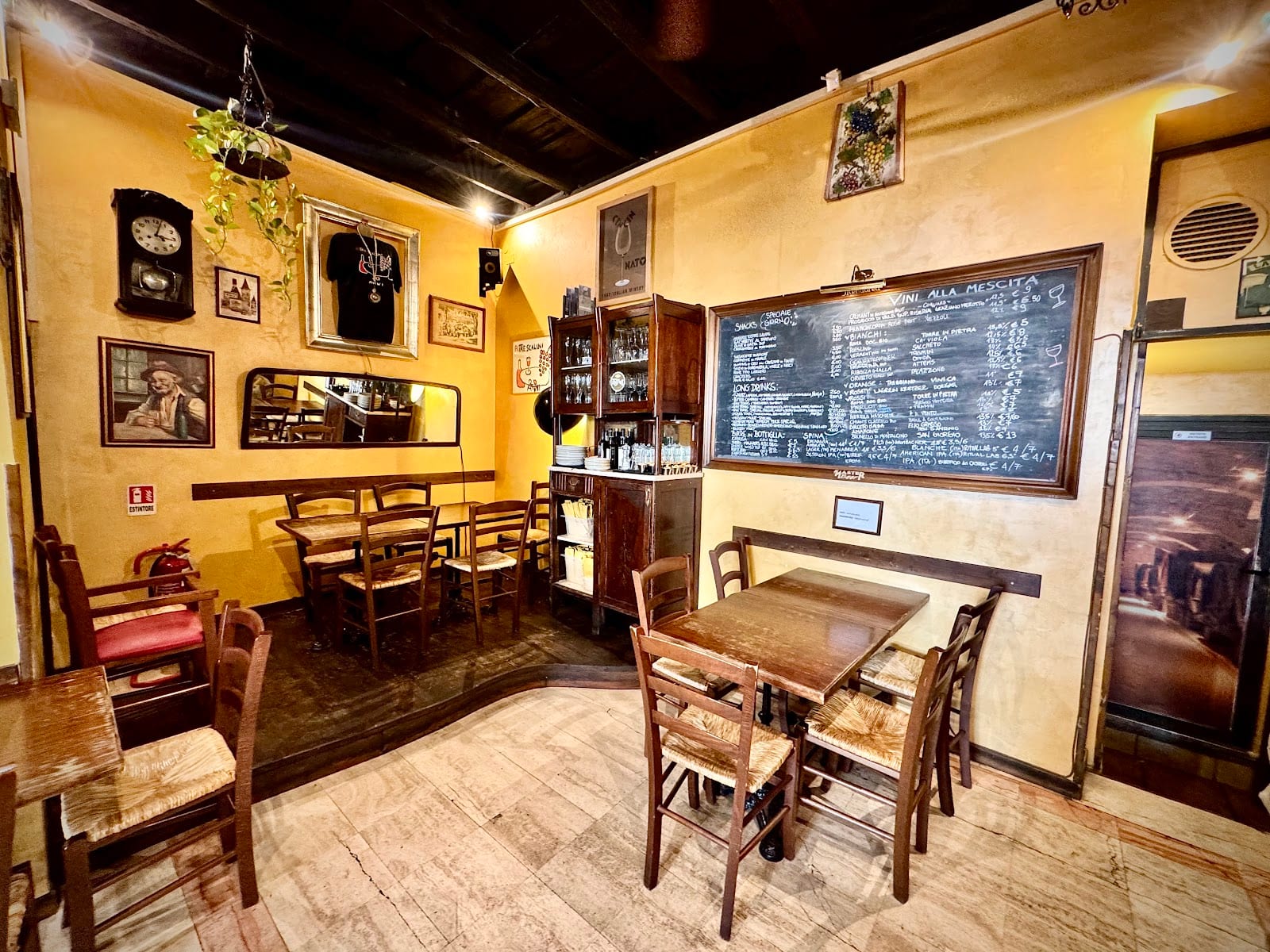
Via PanispernaThe archetypal Monti wine bar, an ivy-hung, always-packed vineria pouring Italian wines and craft beer with cheese and salumi boards and a few hot dishes. No reservations, so arrive early or squeeze in at the bar. Come for the atmosphere and the wine, not a quiet dinner.
on Google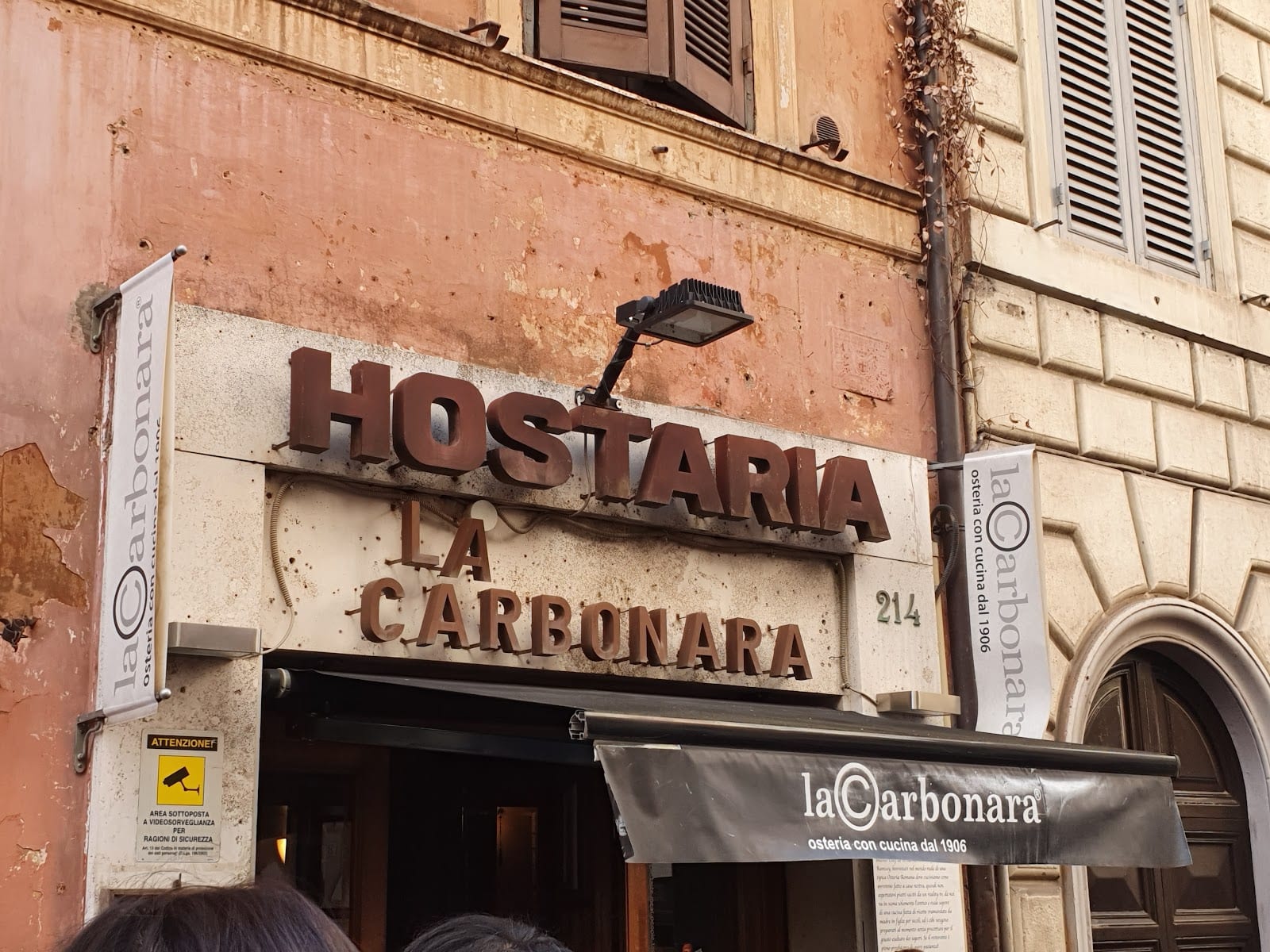
La Carbonara
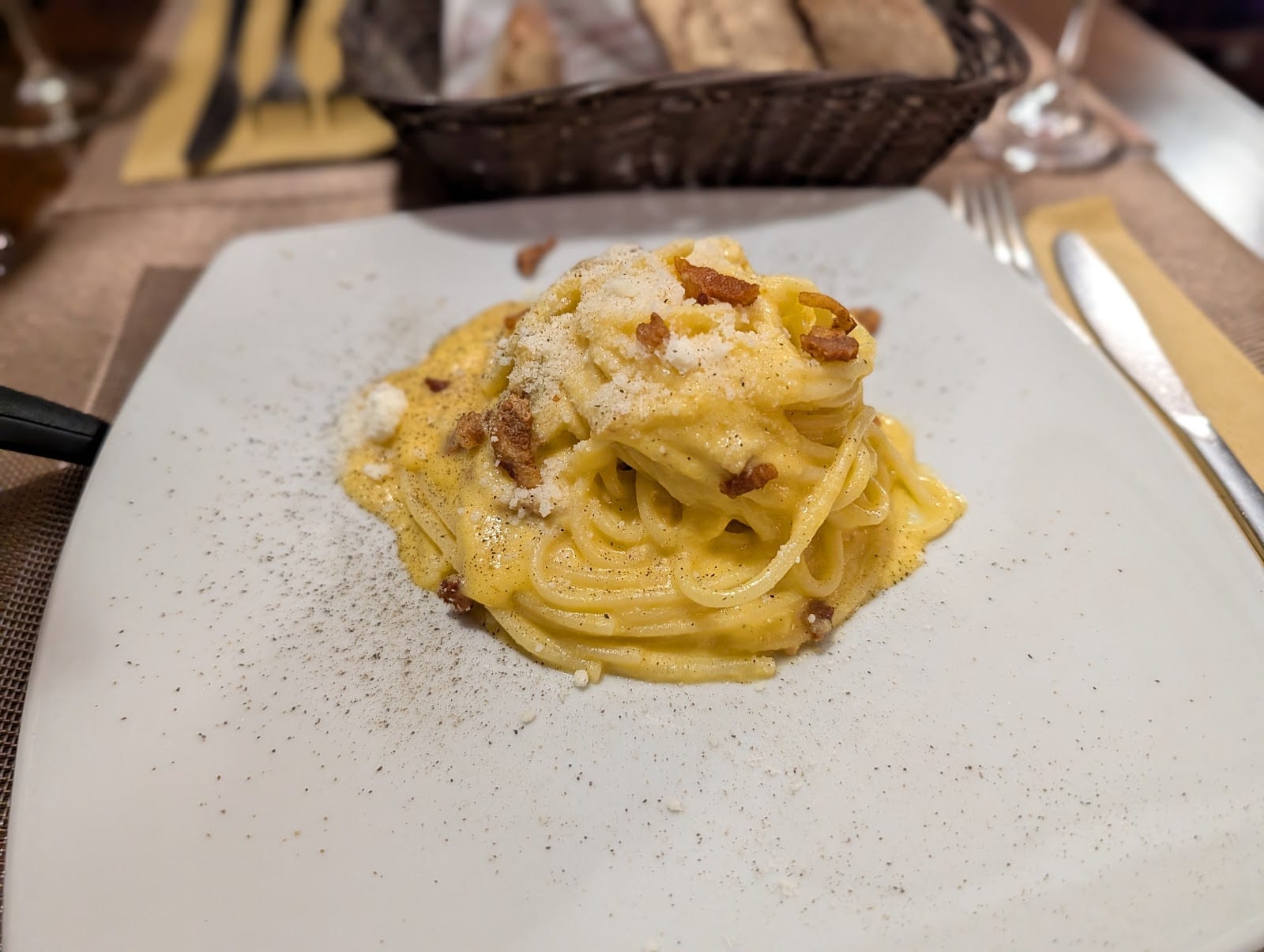
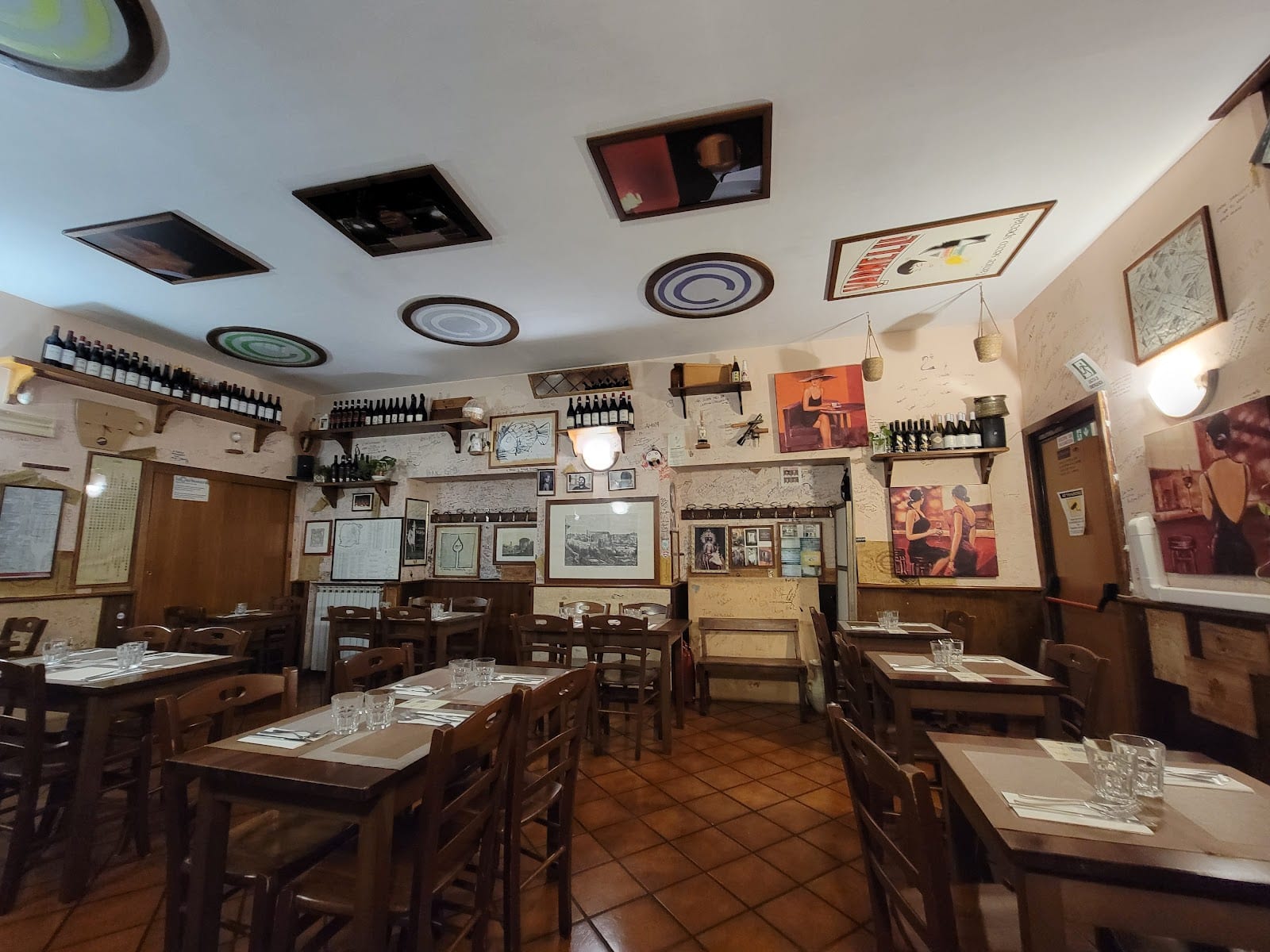
Via PanispernaA Monti institution on Via Panisperna, trading since 1906, for the four Roman pastas: carbonara, cacio e pepe, amatriciana, and gricia. It is popular and well-touristed, so book ahead and come for the classic room and the traditional plates rather than a hidden-gem discovery. Closed Sundays.
on Google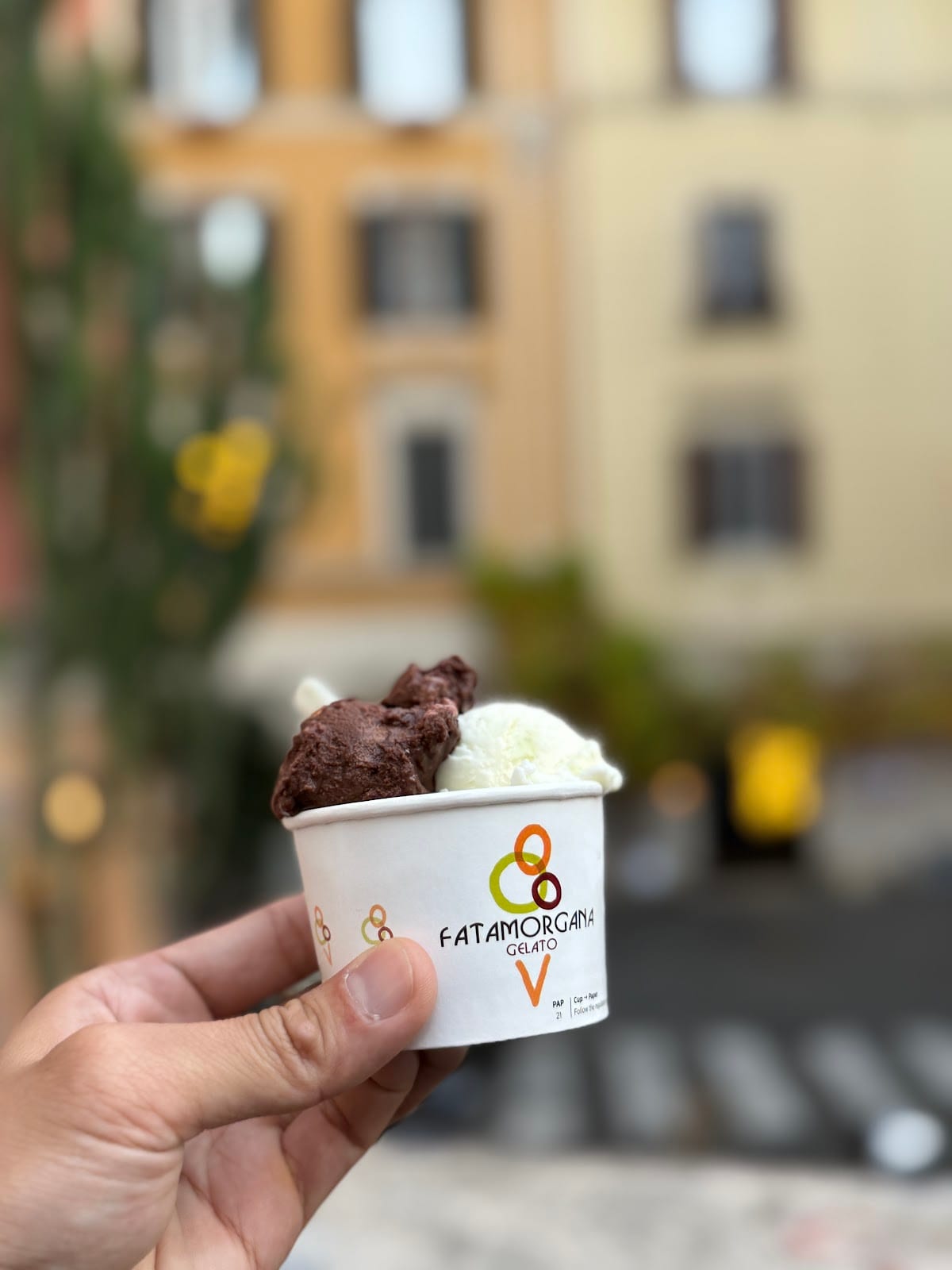
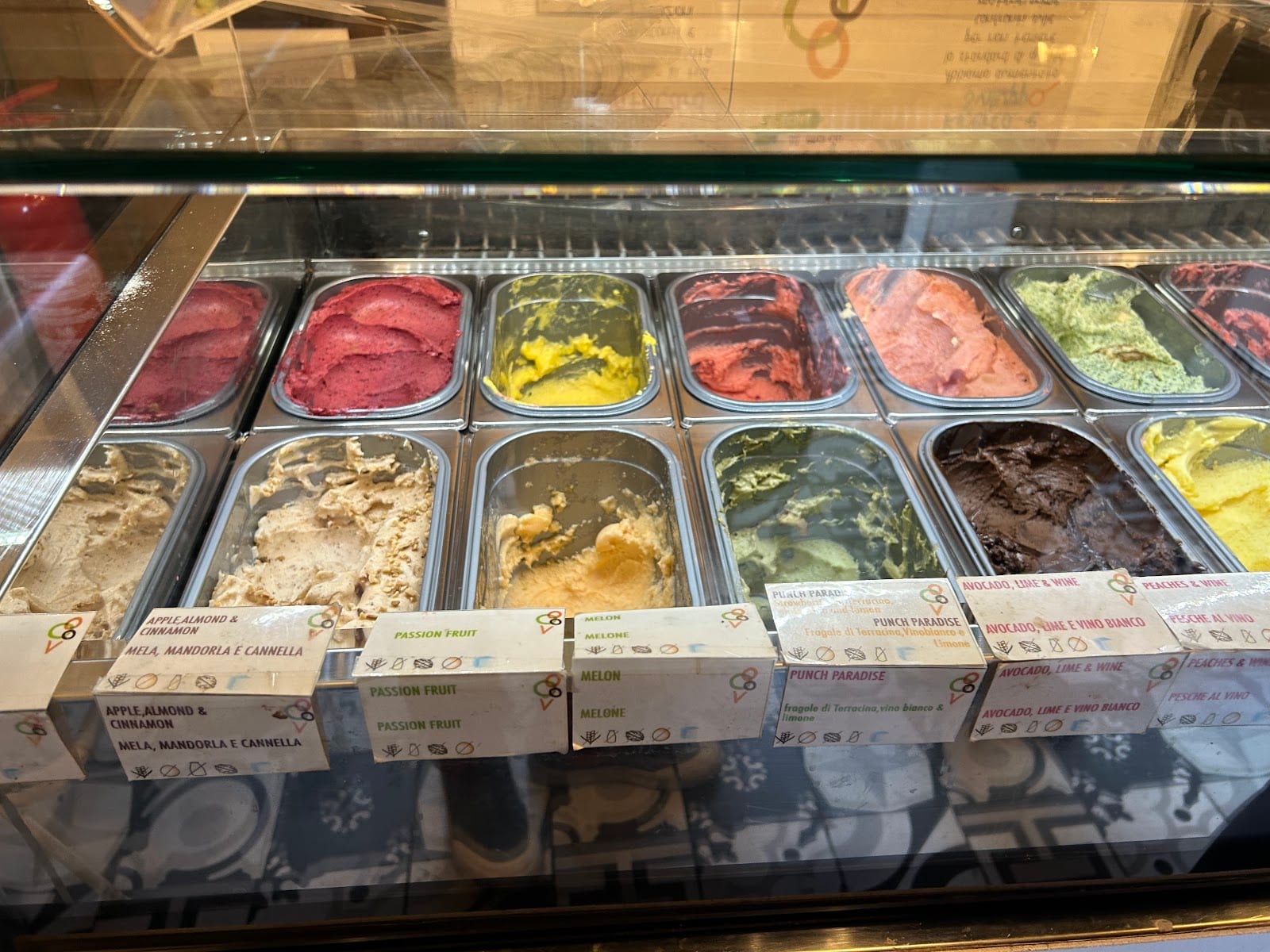
Fatamorgana Monti
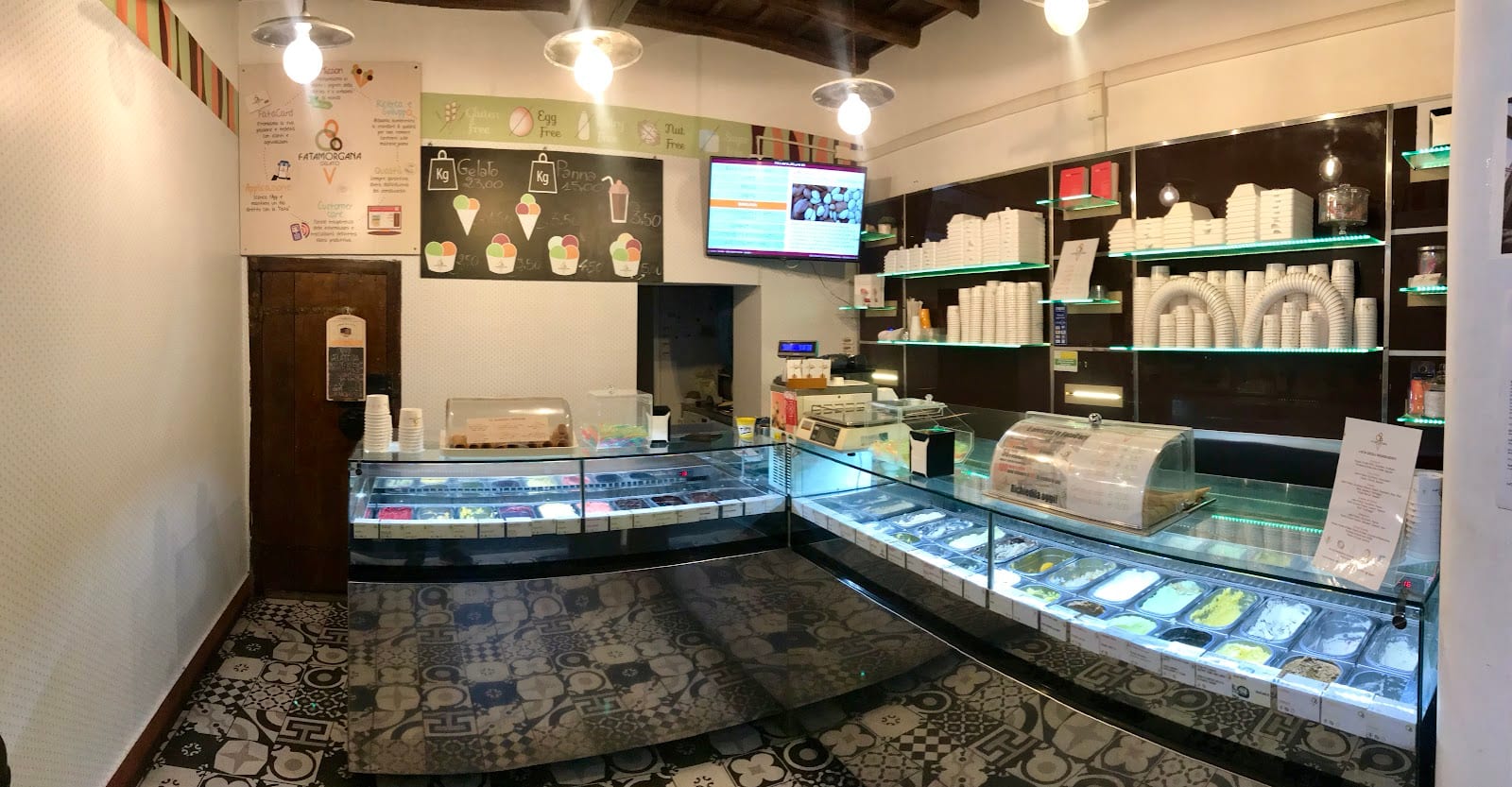
Piazza degli ZingariThe Monti branch of one of Rome's best artisanal gelato makers, all natural ingredients, gluten-free, with inventive flavors alongside the classics and a good run of vegan options. A small, quiet piazza to eat it in. Open afternoons and evenings.
on Google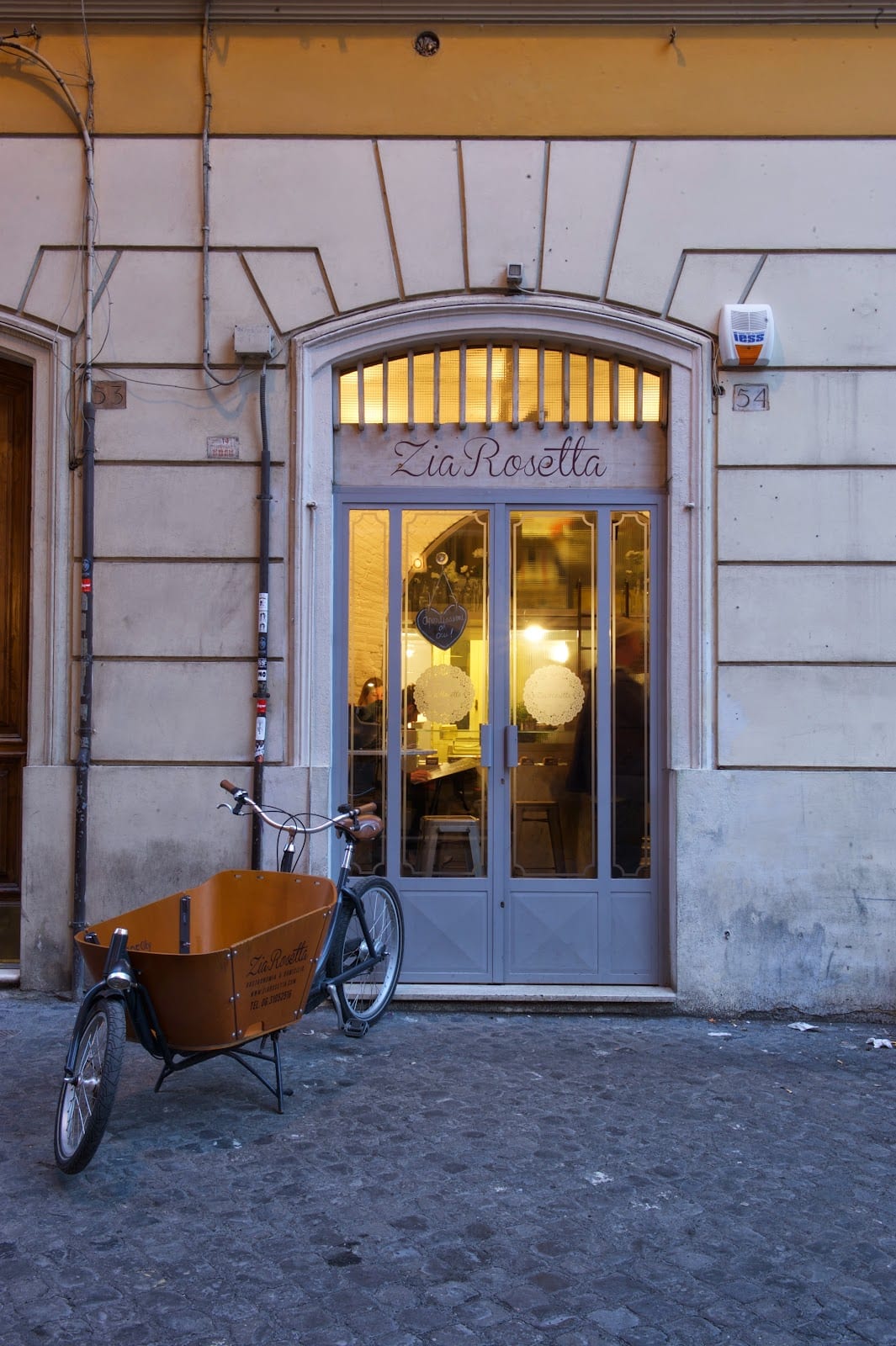

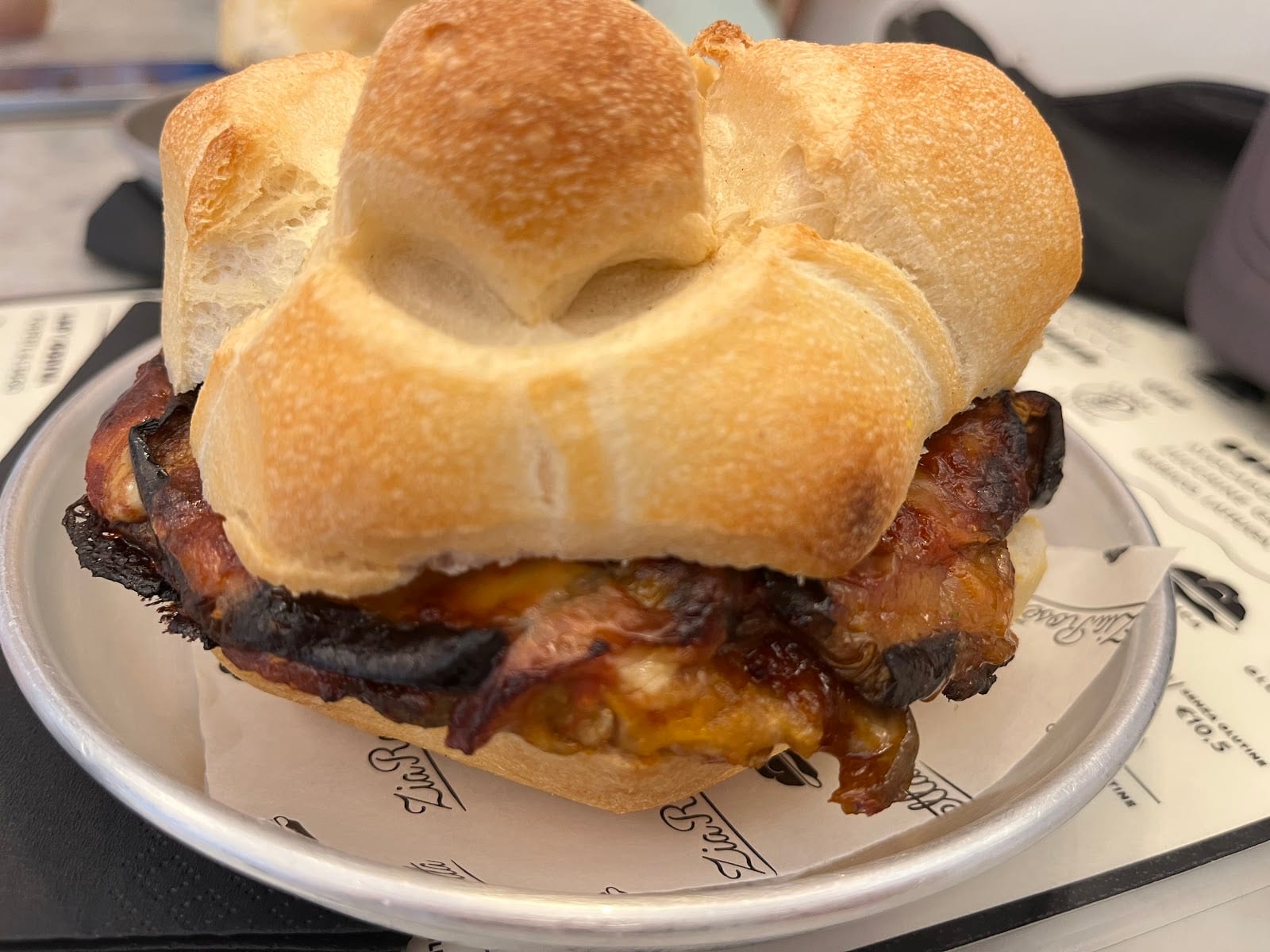
Zia Rosetta
Via UrbanaA bright little spot on Via Urbana for rosette, round Roman sandwiches in mini or full sizes, with creative fillings and fresh juices. Cheap, quick, and a step above the usual grab-and-go, good for lunch on the move between the boutiques and the churches.
on Google


Getting around
Getting around Monti
Monti is small and best on foot, tucked between the Forum and Termini and easy to reach by metro.
Cavour on Metro B
The Cavour stop on Metro line B sits right in the middle of Monti and is the easiest way in. Colosseo, one stop away, drops you at the Colosseum end by San Pietro in Vincoli and the Domus Aurea.
Walk in from the Forum
From the Colosseum or the Imperial Fora it is a short, mostly uphill walk into the lanes. Monti flows straight out of ancient Rome, so it pairs naturally with a Forum or Colosseum morning.
Two halves across Via Cavour
Via Cavour cuts the rione in two: the boutique lanes and Piazza della Madonna dei Monti on the lower western side toward the Forum, the quieter mosaic churches up the eastern side toward Santa Maria Maggiore.
Come back for aperitivo
See the churches and the market by day, when the shops are open, then return in the late afternoon and evening, when the fountain square and the wine bars are at their best.
Where to stay
Where to stay in Monti
Staying in Monti puts you within walking distance of the Colosseum and the Forum in one of Rome's most characterful, walkable neighborhoods, with a local feel the tourist-heavy center lacks. Where you base yourself within it makes a difference:
Around Piazza della Madonna dei Monti
The lively heart, steps from the boutiques, wine bars, and the fountain square. Best if you want the atmosphere on your doorstep and don't mind some evening noise.
The boutique lanes (Via del Boschetto & Via Urbana)
Cobbled, pretty, and central, with the densest run of shops and trattorias. The classic Monti base for first-timers, and walkable to the Forum.
Toward the Colosseum & Via Cavour
The southern edge by San Pietro in Vincoli and the Domus Aurea, closest to the ancient sites and the Cavour and Colosseo metro stops, with easy transport.
Up toward Santa Maria Maggiore
The quieter, more residential eastern side near the mosaic churches, a short walk from the action and handy for Termini station and onward trains.

Explore the Rome City Guide
See every Rome neighborhood, itinerary, and the essentials, and find the right base for your trip.
View the guideWho it's for
Monti for couples, families, and solo
- Monti for couples
- Browse the boutique lanes in the late afternoon, see Michelangelo's Moses in the golden light of San Pietro in Vincoli, then take a spritz on the fountain steps in Piazza della Madonna dei Monti before a wine-bar dinner.
- Monti for families
- The lanes and squares are easy and largely pedestrian, the free churches are quick to duck into, Nero's Domus Aurea has a VR reconstruction kids enjoy, and a Fatamorgana gelato keeps everyone happy between sights.
- Monti for solo travelers
- Monti is safe, central, and made for wandering: free churches hiding great art, a counter seat for a panino or a gelato, and the easy, friendly buzz of a Monti wine bar in the evening.
More of Rome
Nearby neighborhoods
A short hop from Monti, and worth pairing on the same trip.

Ready to explore Monti?
Tell Zoya, your personal travel assistant, how you like to travel, and she'll turn these into a Monti day, or a whole Rome trip, that fits your dates.
Explore now