

Rome · Travel guide
Things to Do in Rome
Rome layers three thousand years into one walkable center, from the Colosseum to the Vatican to the lanes of Trastevere. Use this as your map to all of it: the neighborhoods, the experiences worth your time, ready-made itineraries, where to stay, and what to know before you go.
9 neighborhoods · 8 things to do · 5 itineraries
Rome in brief
What shouldn't you miss in Rome?
The must-sees most first trips are built around: the Colosseum with the Roman Forum and Palatine, the Vatican Museums and Sistine Chapel, St Peter's Basilica, the Pantheon, and the Trevi Fountain, with an evening in Trastevere to round it out.
How many days do you need in Rome?
Three days covers the must-sees comfortably, splitting the city into ancient Rome, the Vatican, and the historic center; with two you focus on the highlights, and four or five give you room for the Borghese, Trastevere, and a day trip.
Is Rome expensive?
Less than most of Western Europe. Many of the best things, from St Peter's to the Pantheon's piazza to the Trevi Fountain, are free, and around 100 to 130 dollars a day covers a comfortable trip outside the priciest hotels.
Explore by neighborhood
Rome's neighborhoods, mapped
Rome is a set of distinct rioni, each its own world: Centro Storico for the Pantheon and Piazza Navona, the Vatican and Prati for St Peter's, Trastevere for medieval lanes and nightlife, Monti for boutiques between the Forum and Termini, the Spanish Steps and Tridente for shopping, and Testaccio, Aventine, San Lorenzo, and Esquilino for food, quiet, and student life. Tap a pin or a card to open a neighborhood's full guide.
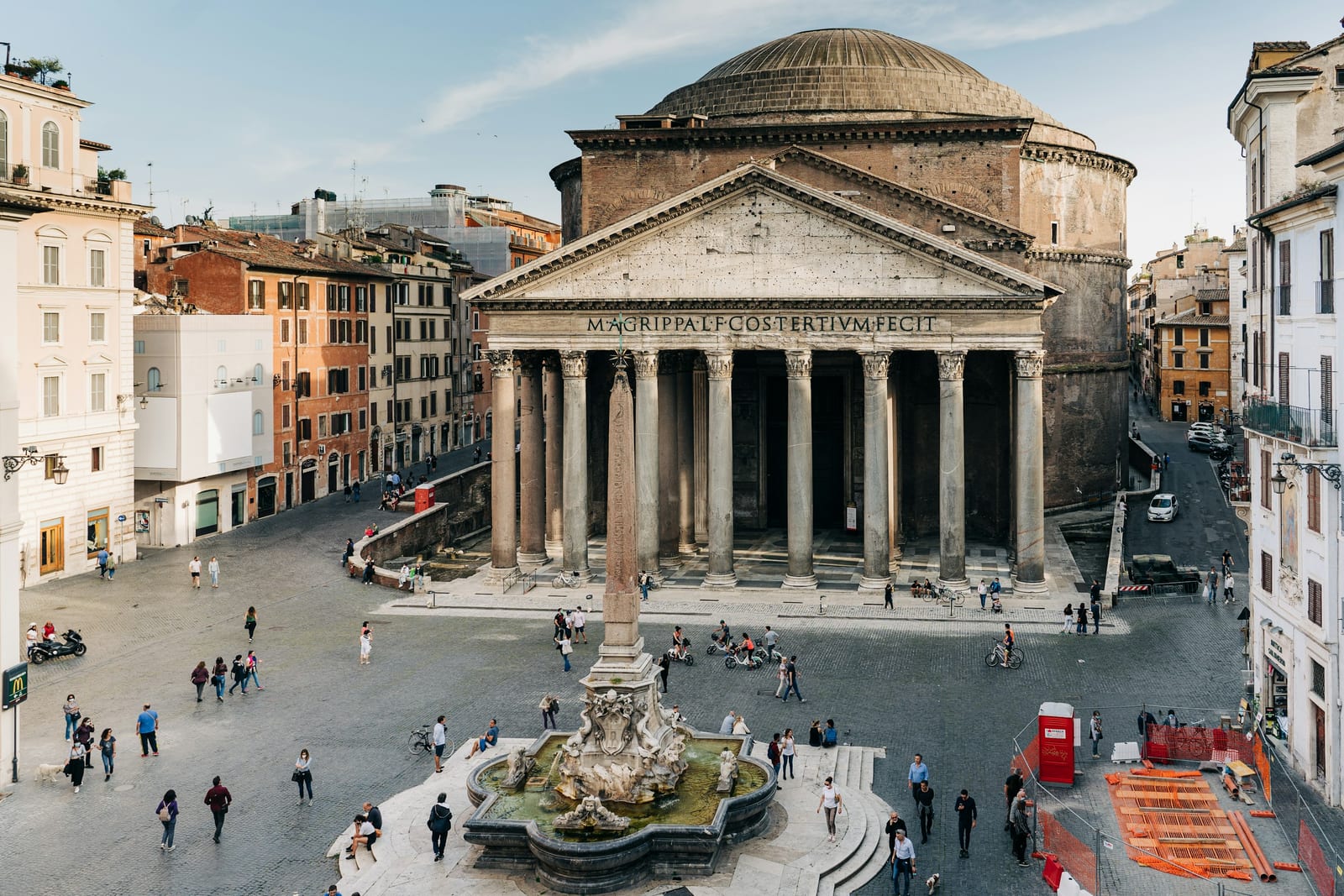
Centro Storico
The walkable core: Pantheon, Piazza Navona, Trevi, and Campo de' Fiori.
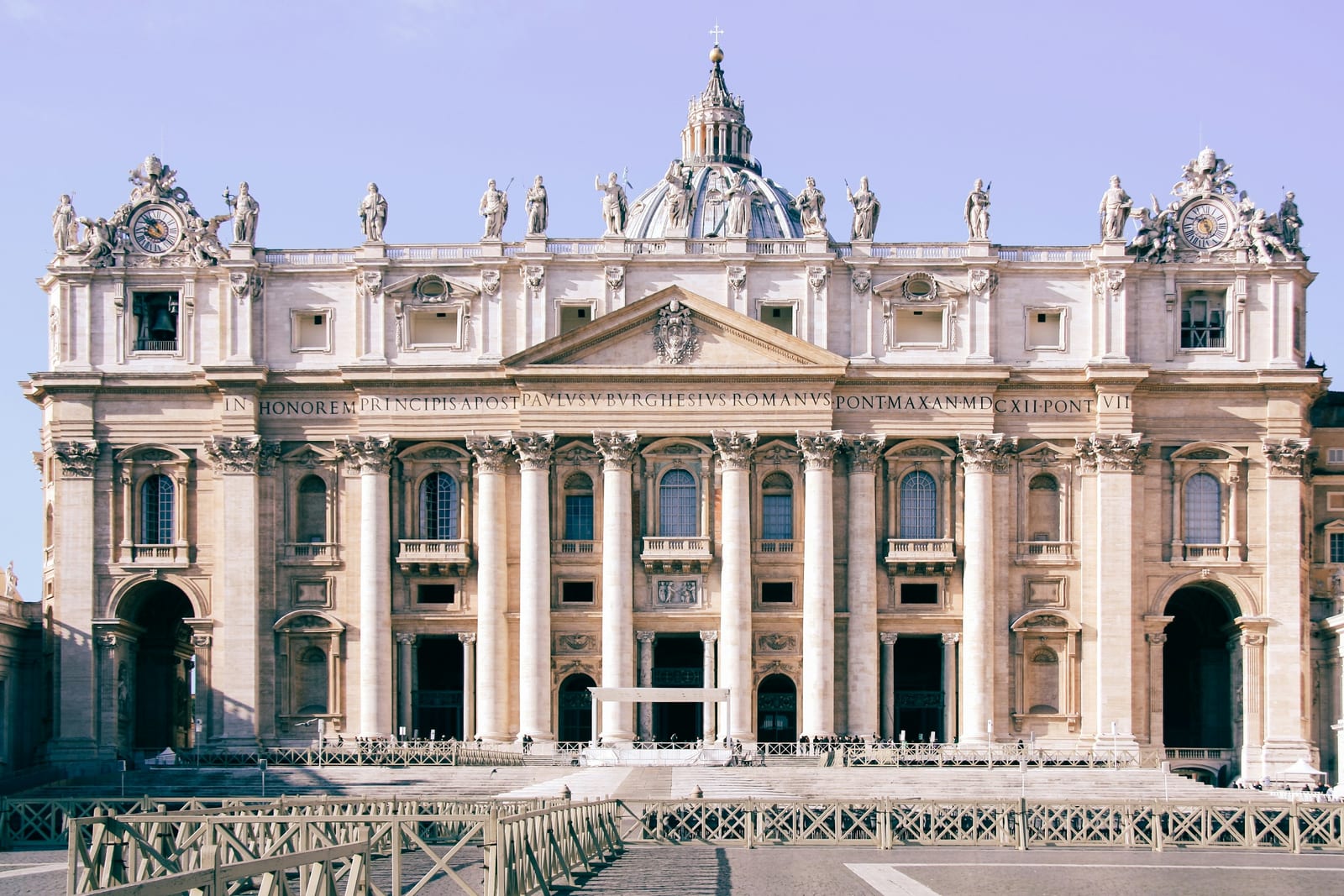
Vatican & Prati
St Peter's, the Vatican Museums, and the elegant Prati grid beside them.
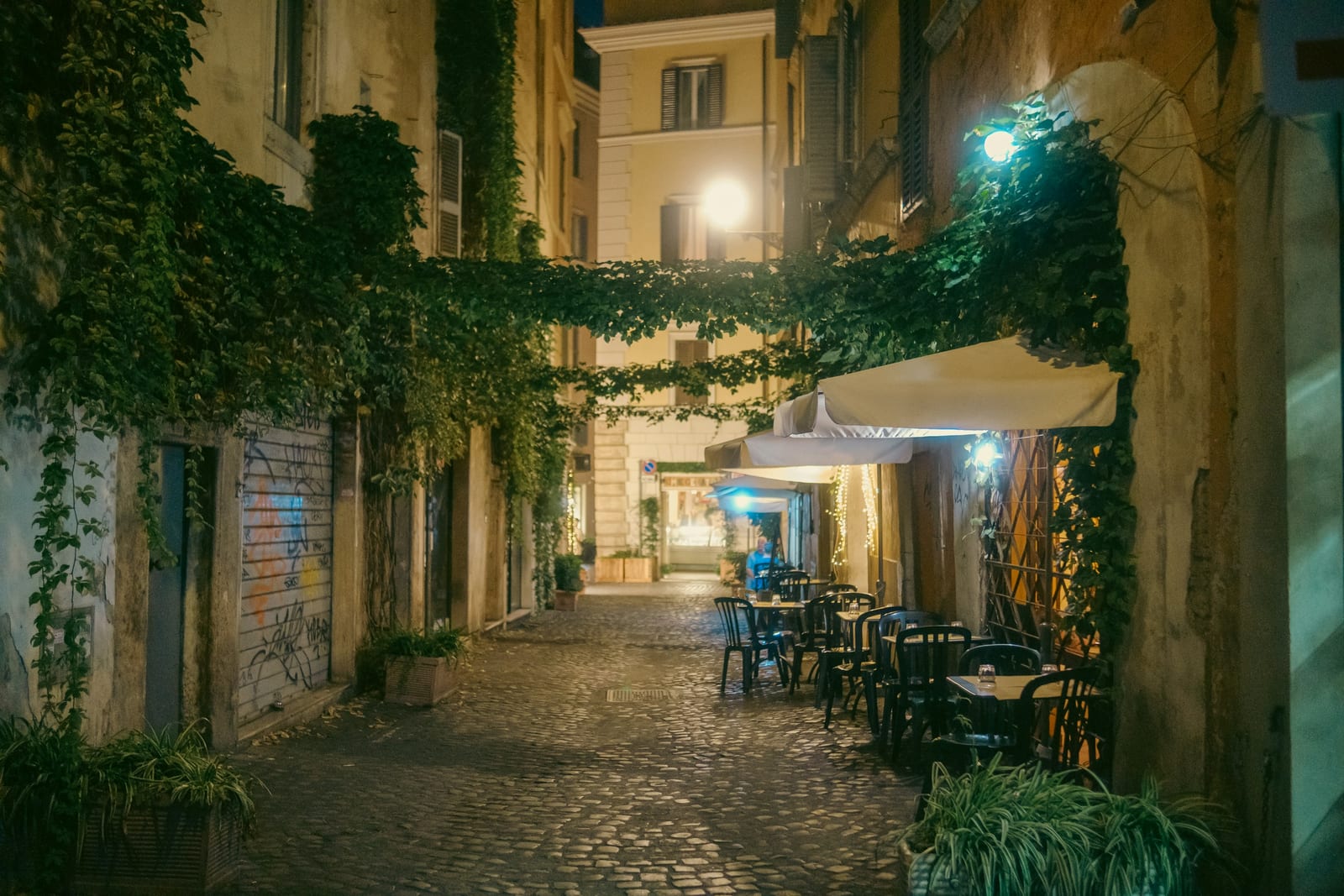
Trastevere
Medieval lanes, Santa Maria in Trastevere, and Rome's best nightlife.
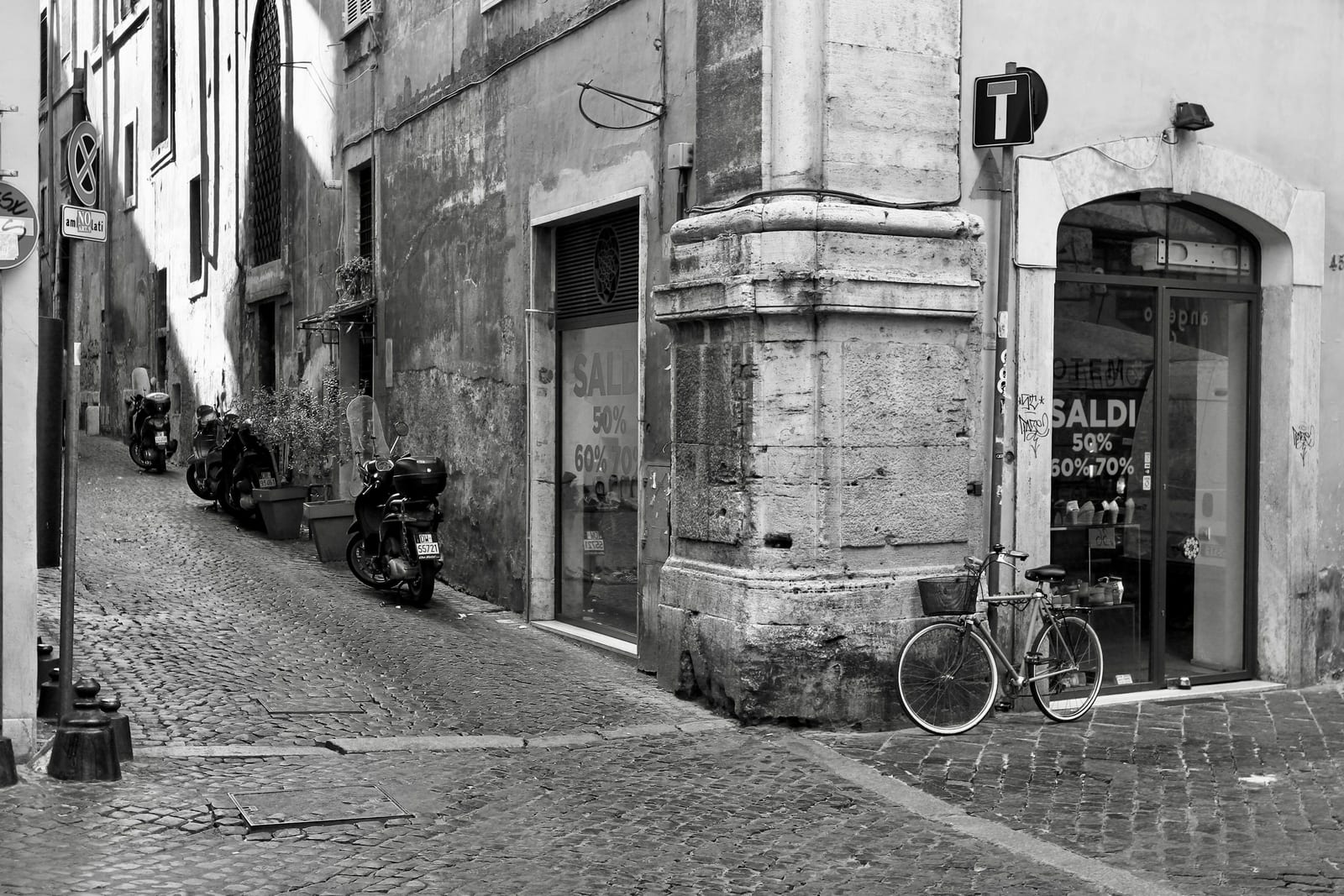
Monti
The trendy rione between the Forum and Termini: boutiques and wine bars.
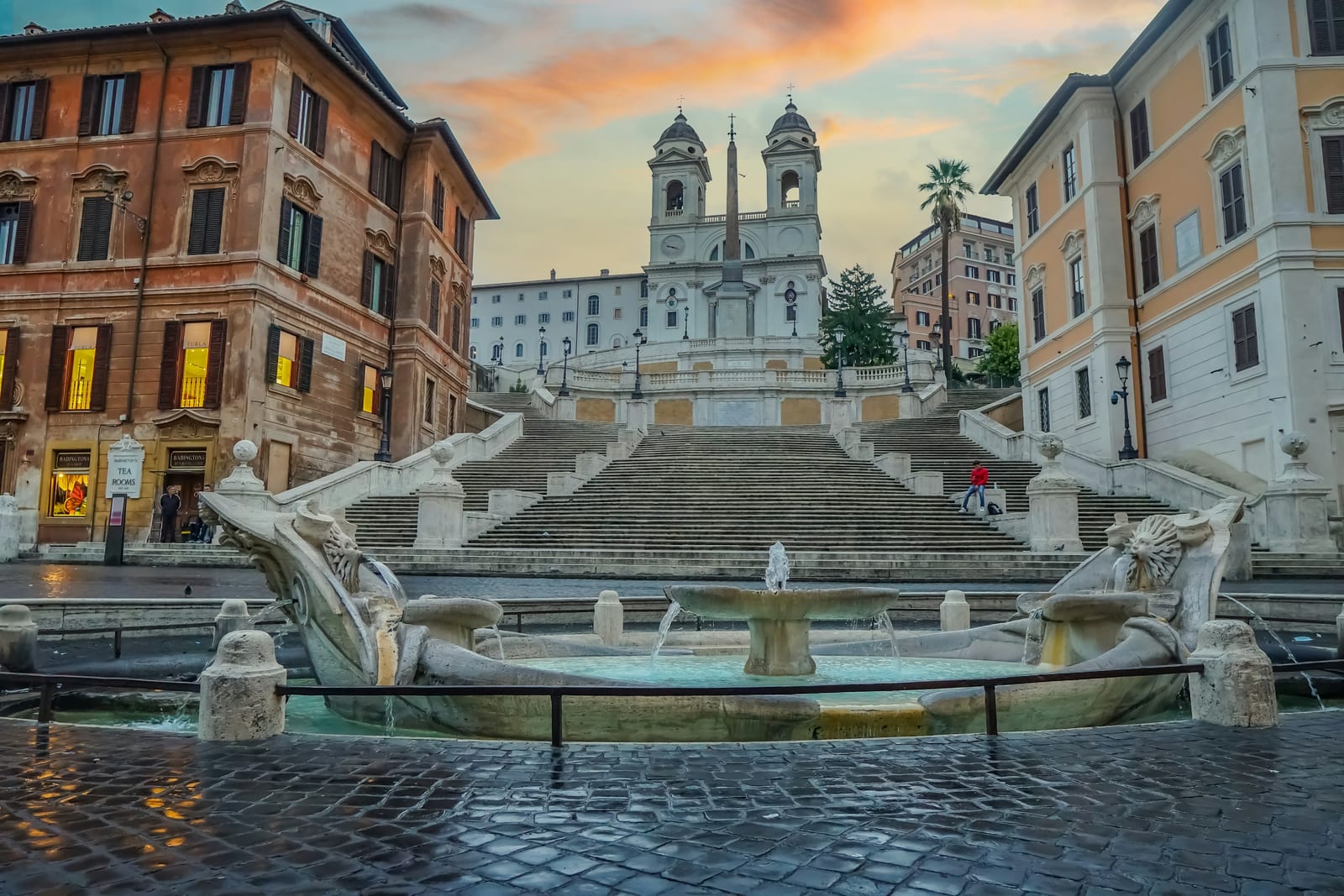
Spanish Steps & Tridente
The shopping quarter: Piazza di Spagna, Via del Corso, and Piazza del Popolo.
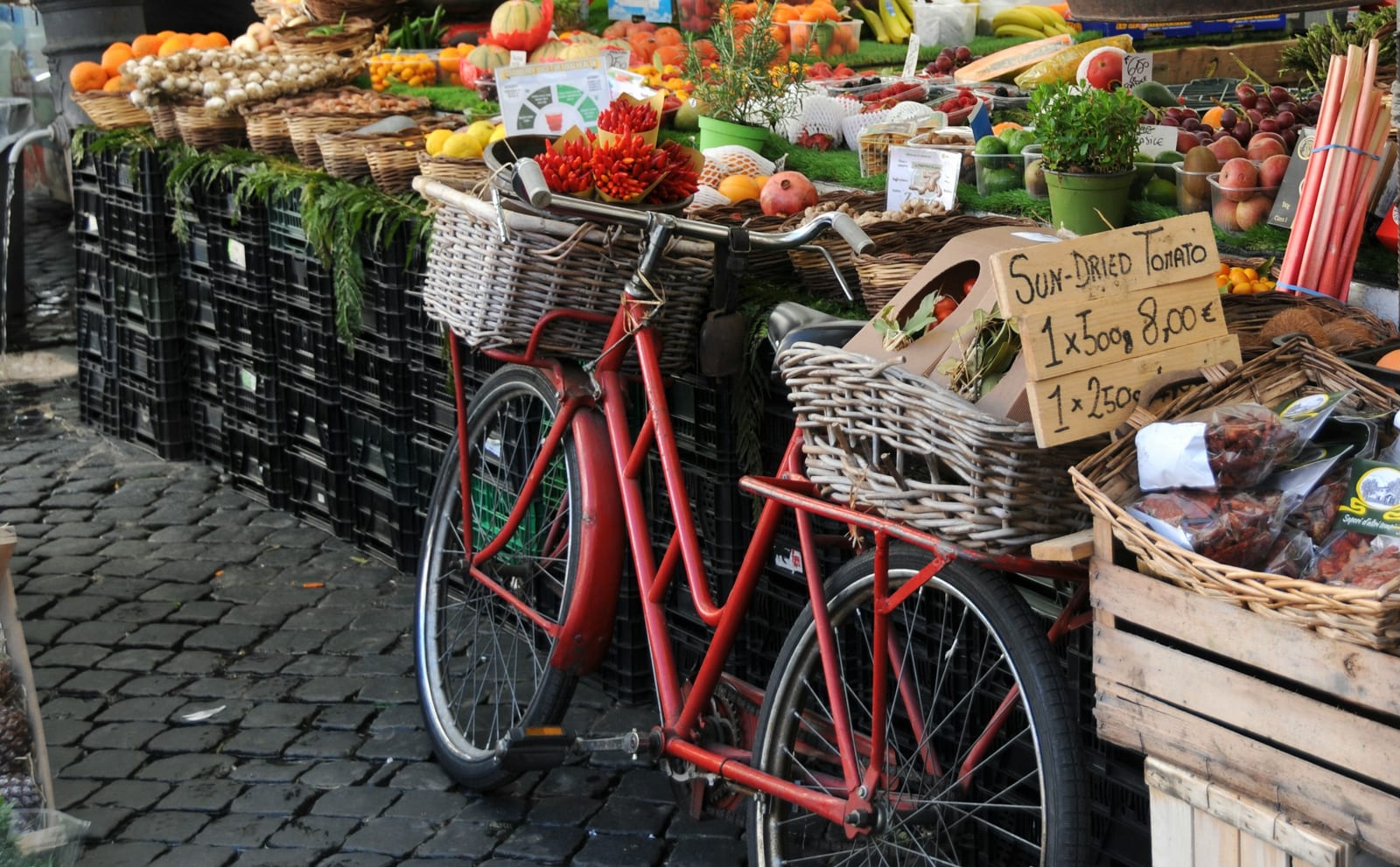
Testaccio
Rome's food neighborhood: the market, offal-rich cucina, and late nights.
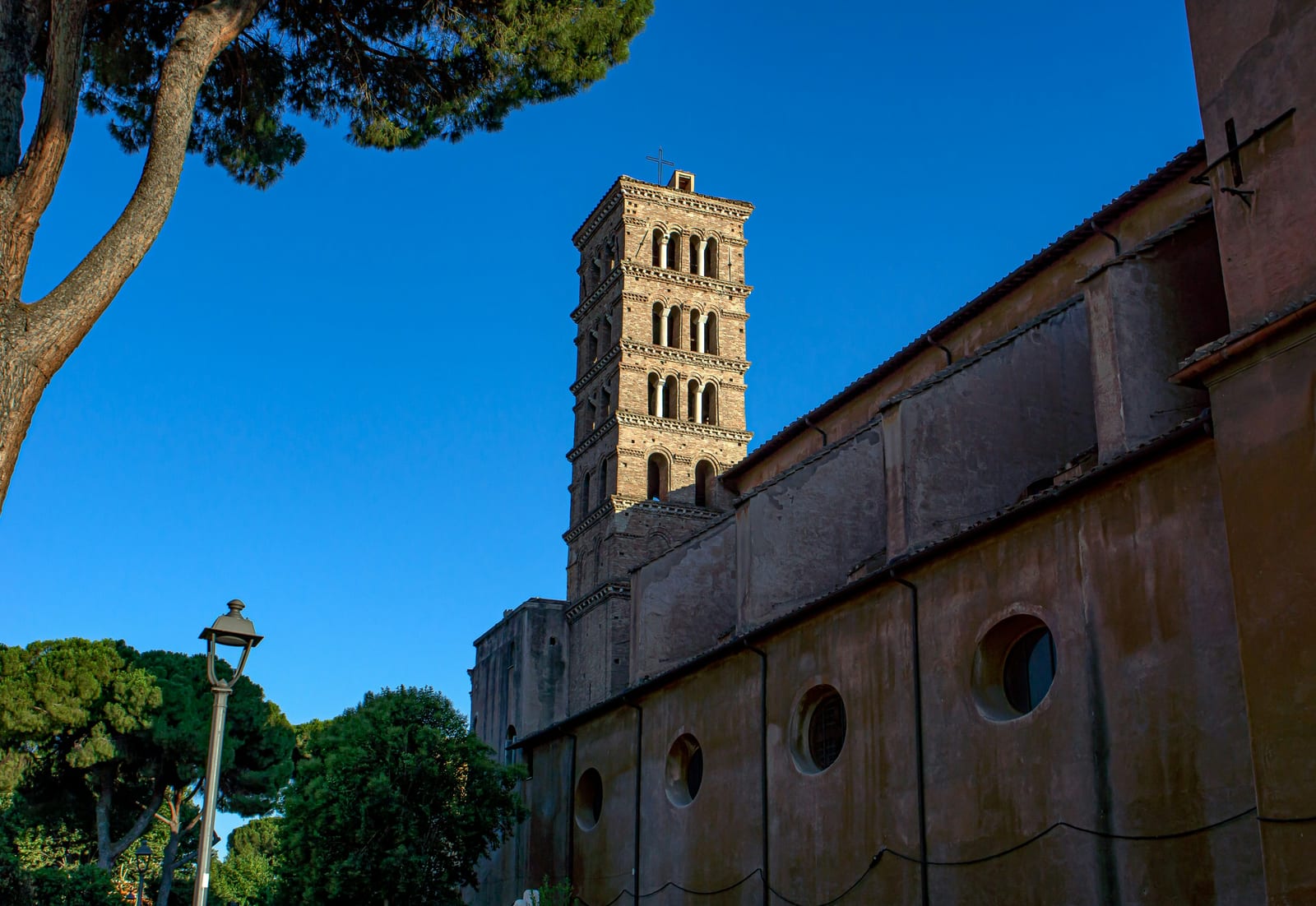
Aventine
The quiet hill: the Orange Garden, the Knights of Malta keyhole, and views.
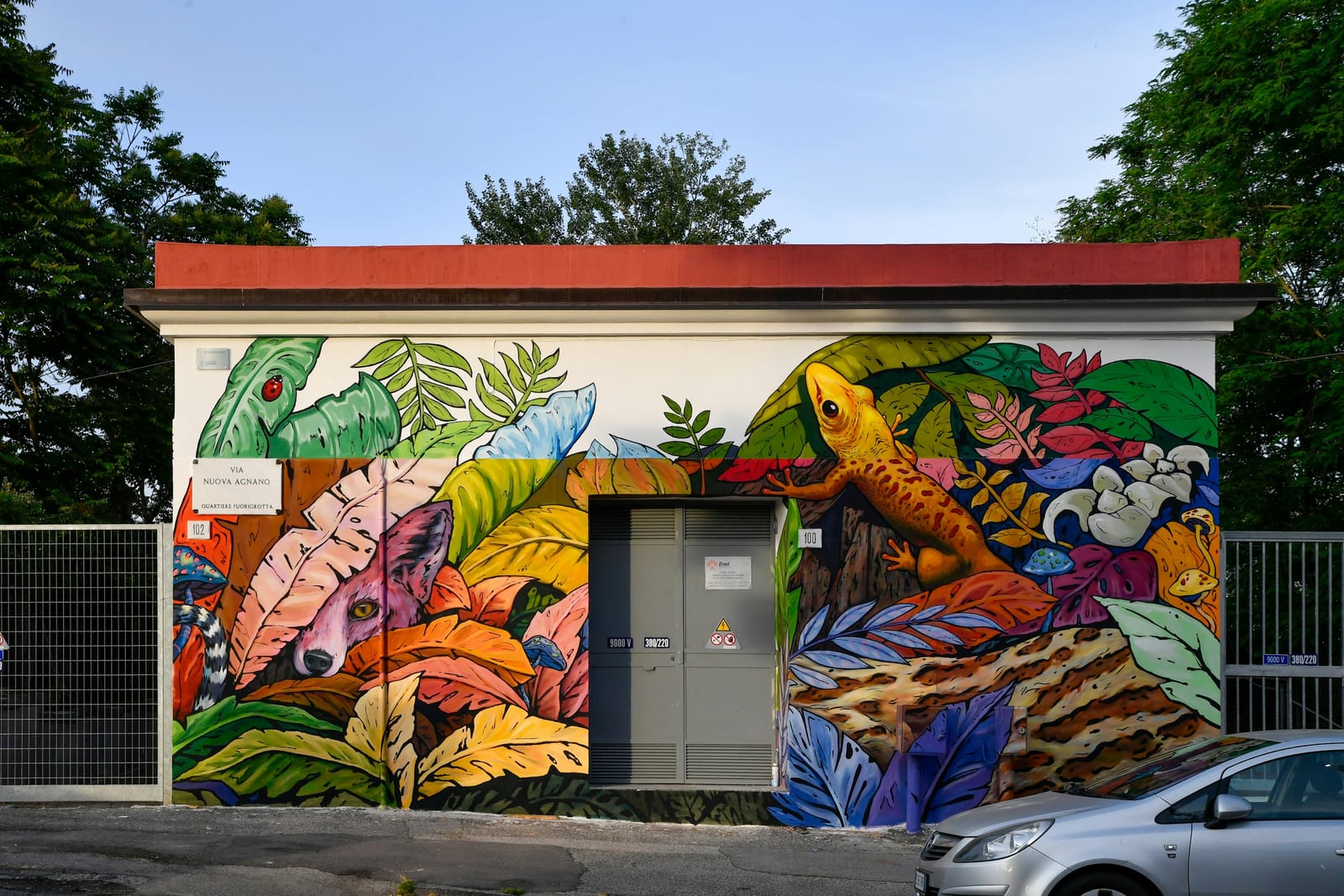
San Lorenzo
The student quarter east of Termini: bars, street art, and casual trattorias.
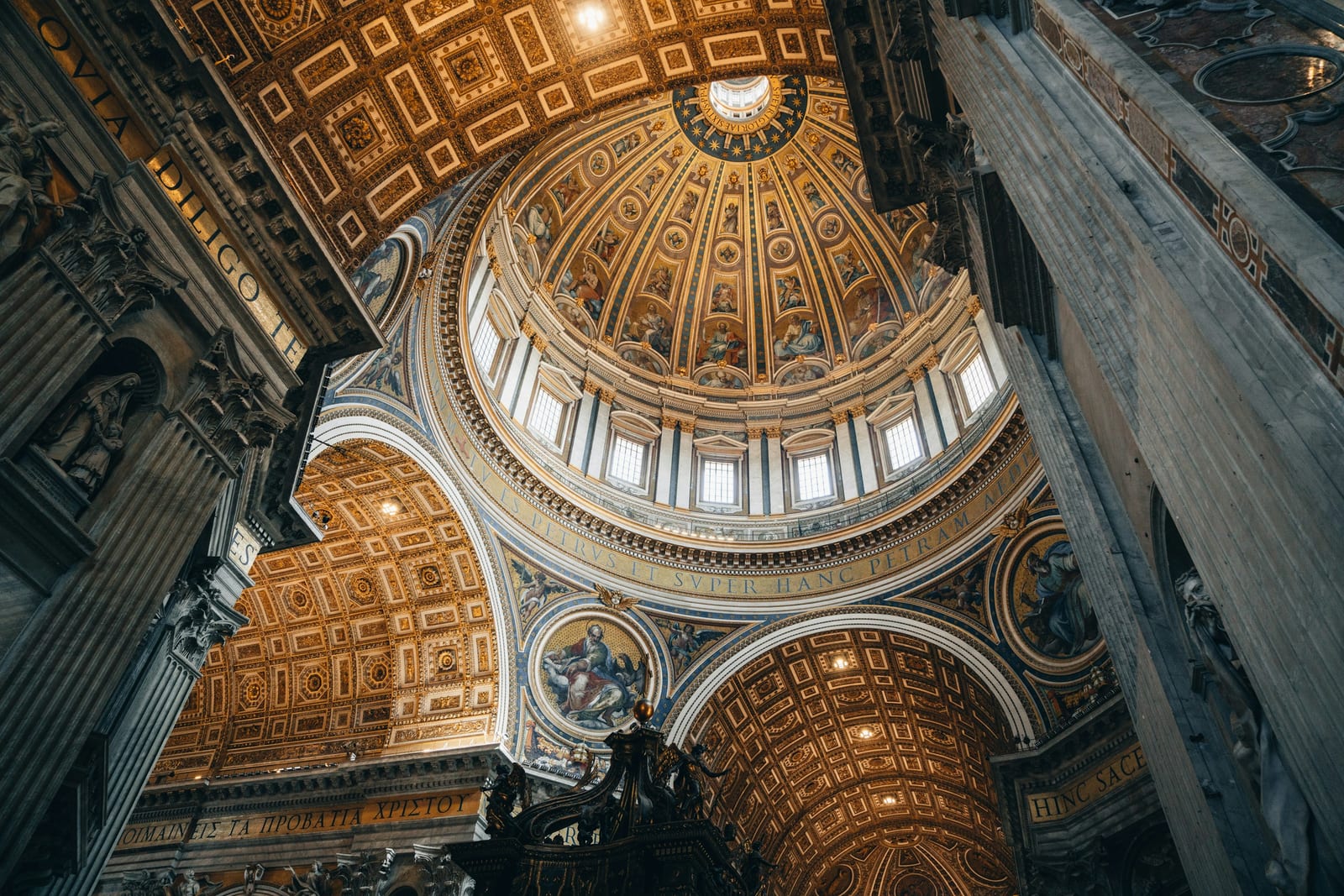
Esquilino
The multicultural Termini gateway: Santa Maria Maggiore and Piazza Vittorio.


See & do
The best things to do in Rome
The best things to do in Rome run from the Colosseum, Roman Forum, and Pantheon to the Vatican Museums and Sistine Chapel, the Trevi Fountain, and the Galleria Borghese; several, like St Peter's Basilica and Piazza Navona, are free to visit. Filter by what you're in the mood for, then open the neighborhood each one lives in.
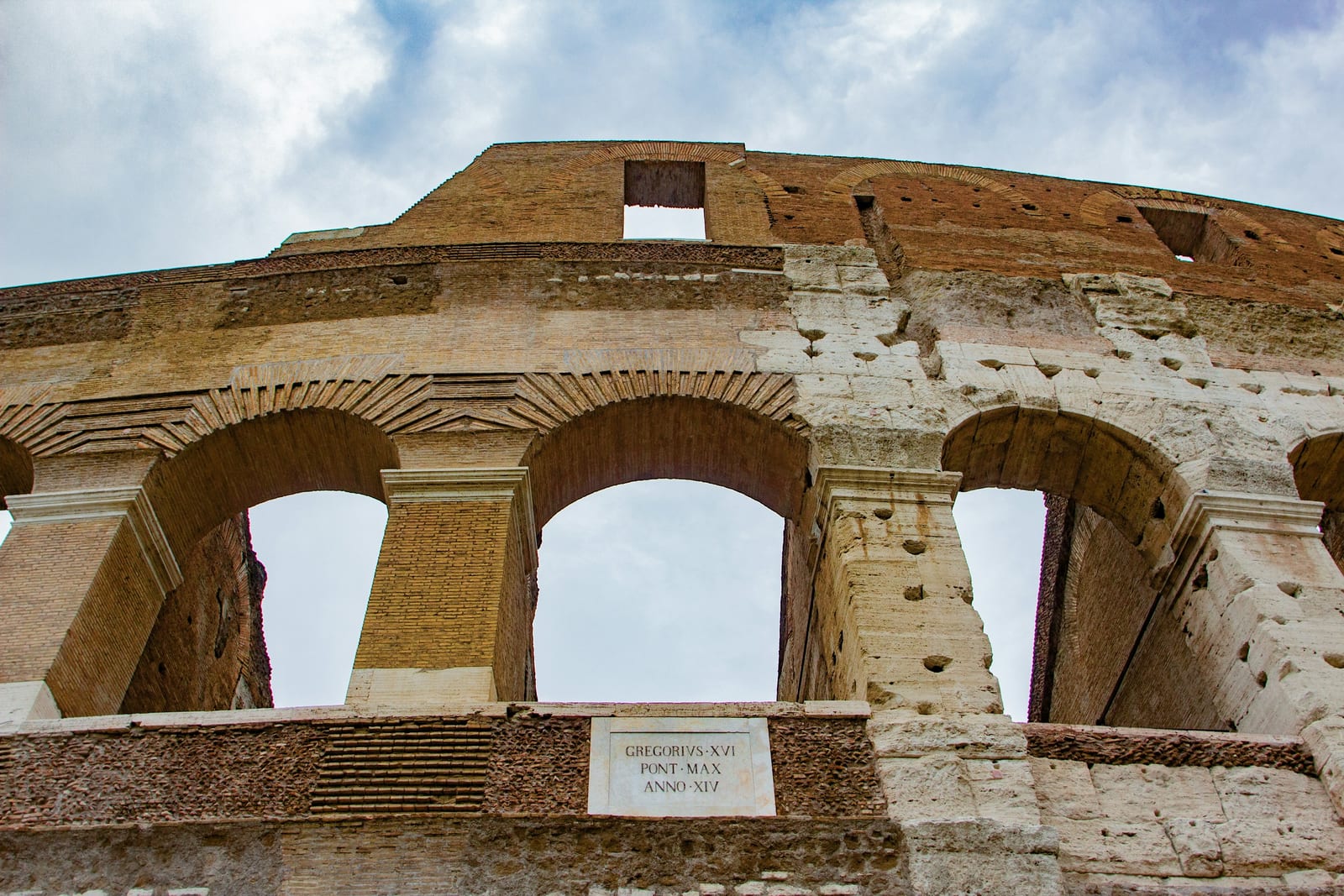
Colosseum
In Ancient Rome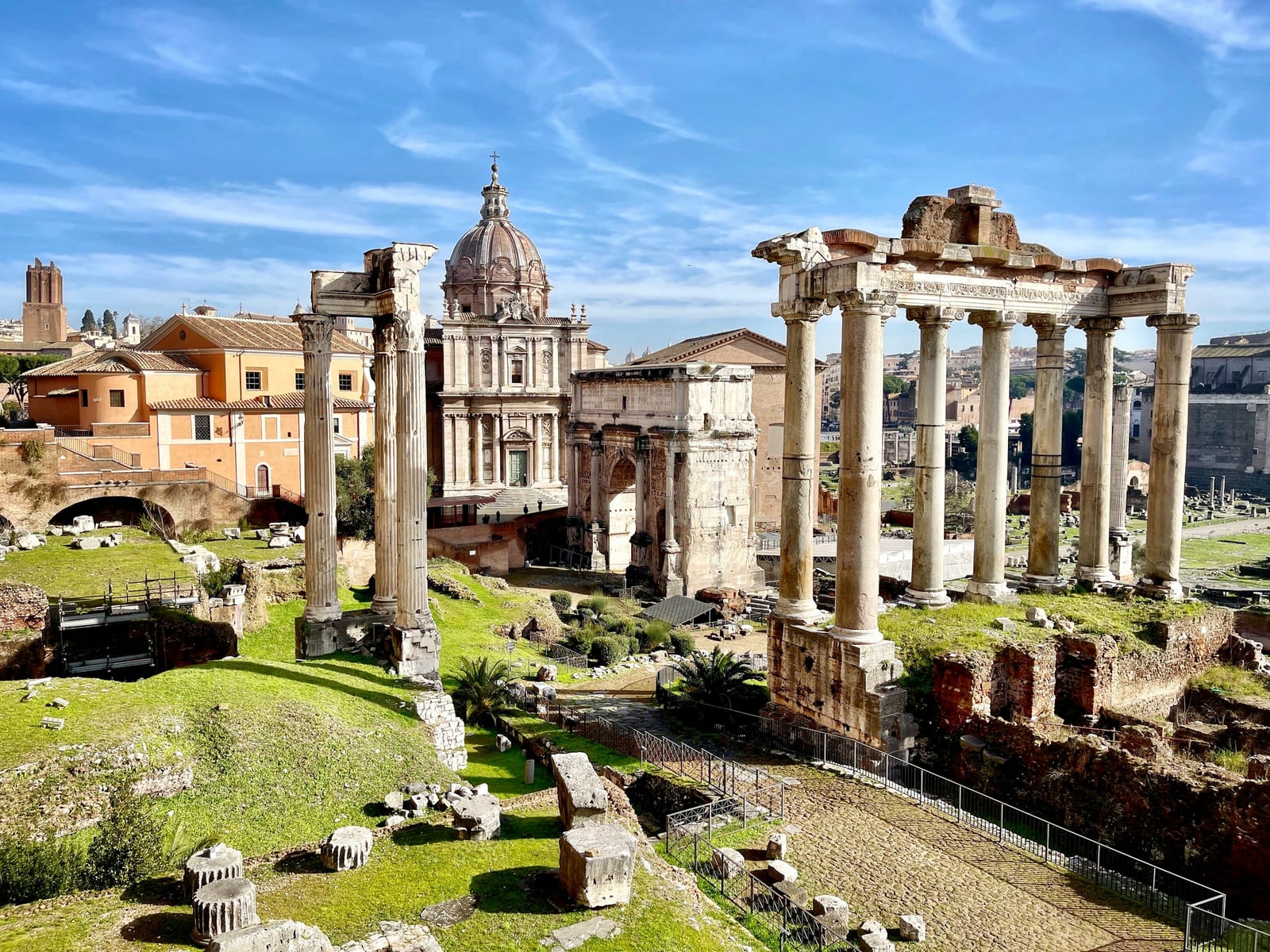
Roman Forum & Palatine
In Ancient Rome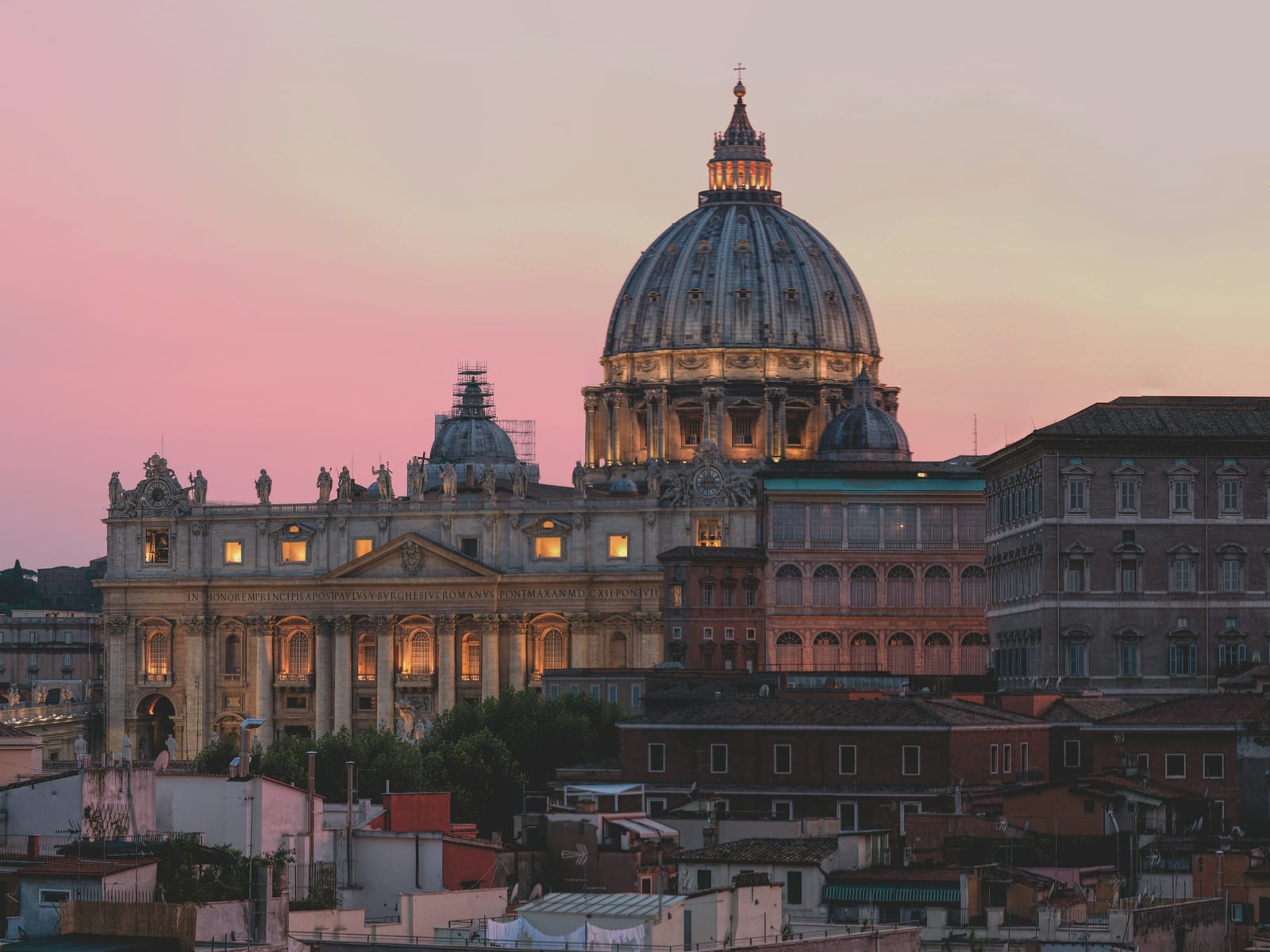
Vatican Museums & Sistine Chapel
In Vatican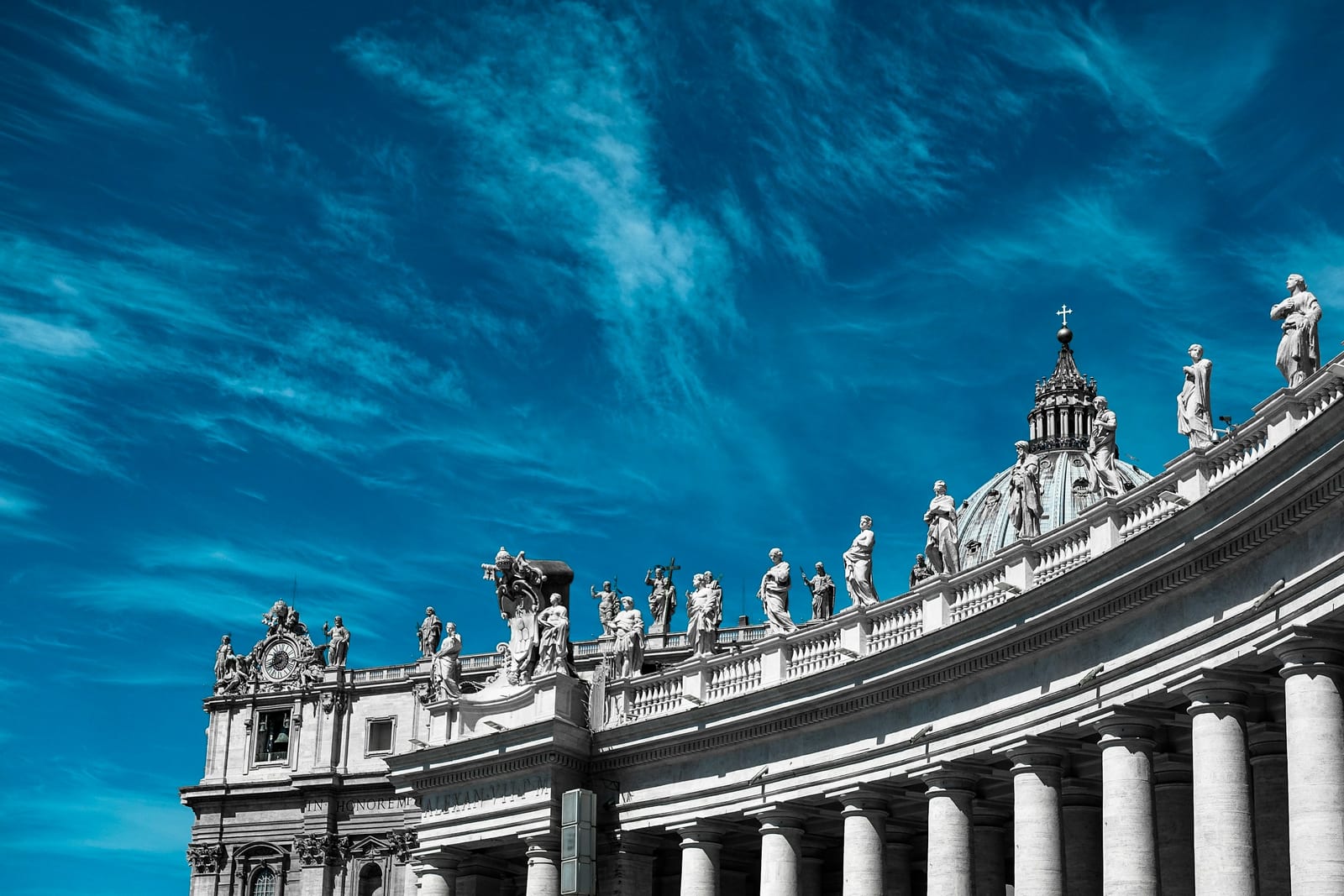
St Peter's Basilica
In Vatican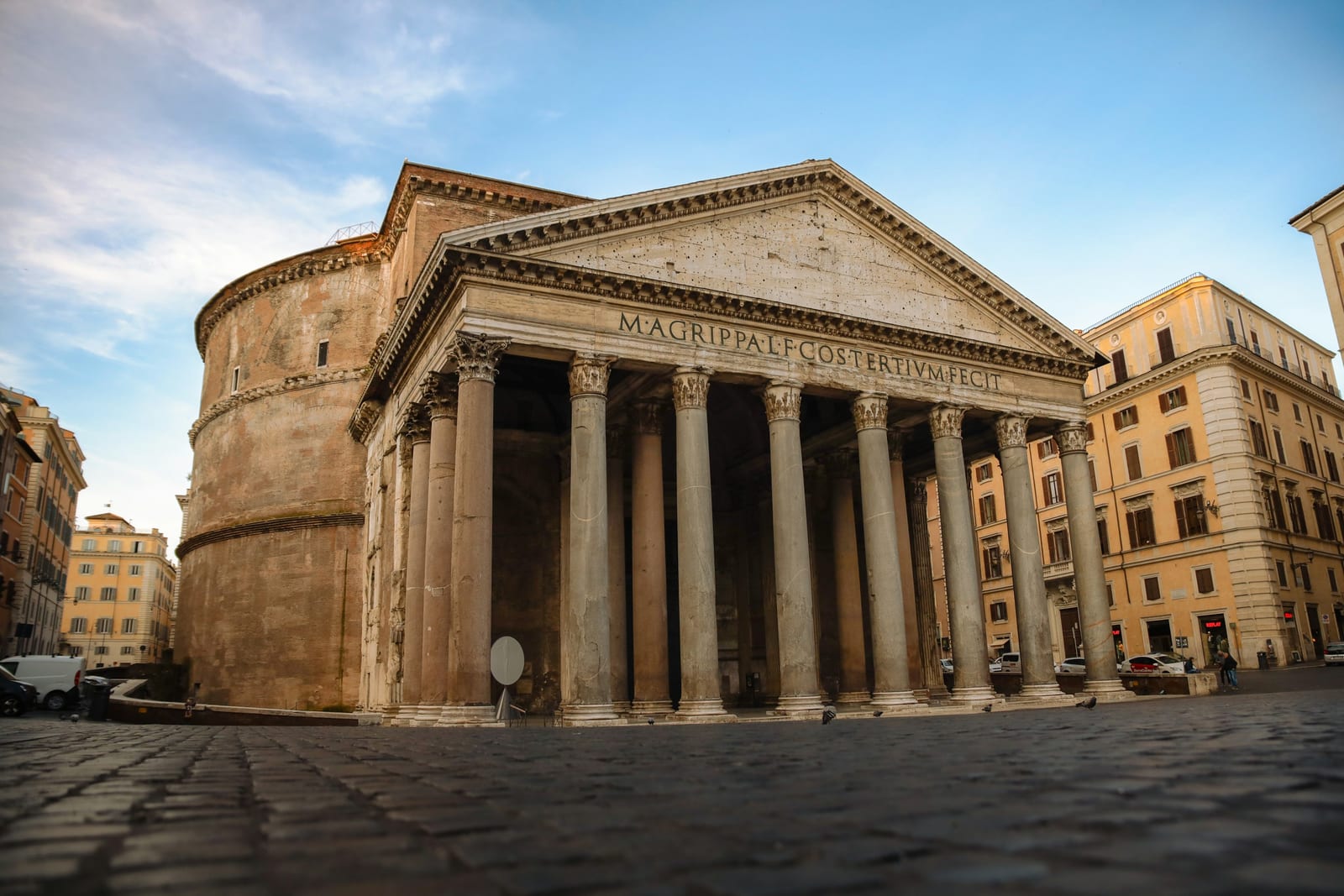
Pantheon
In Centro Storico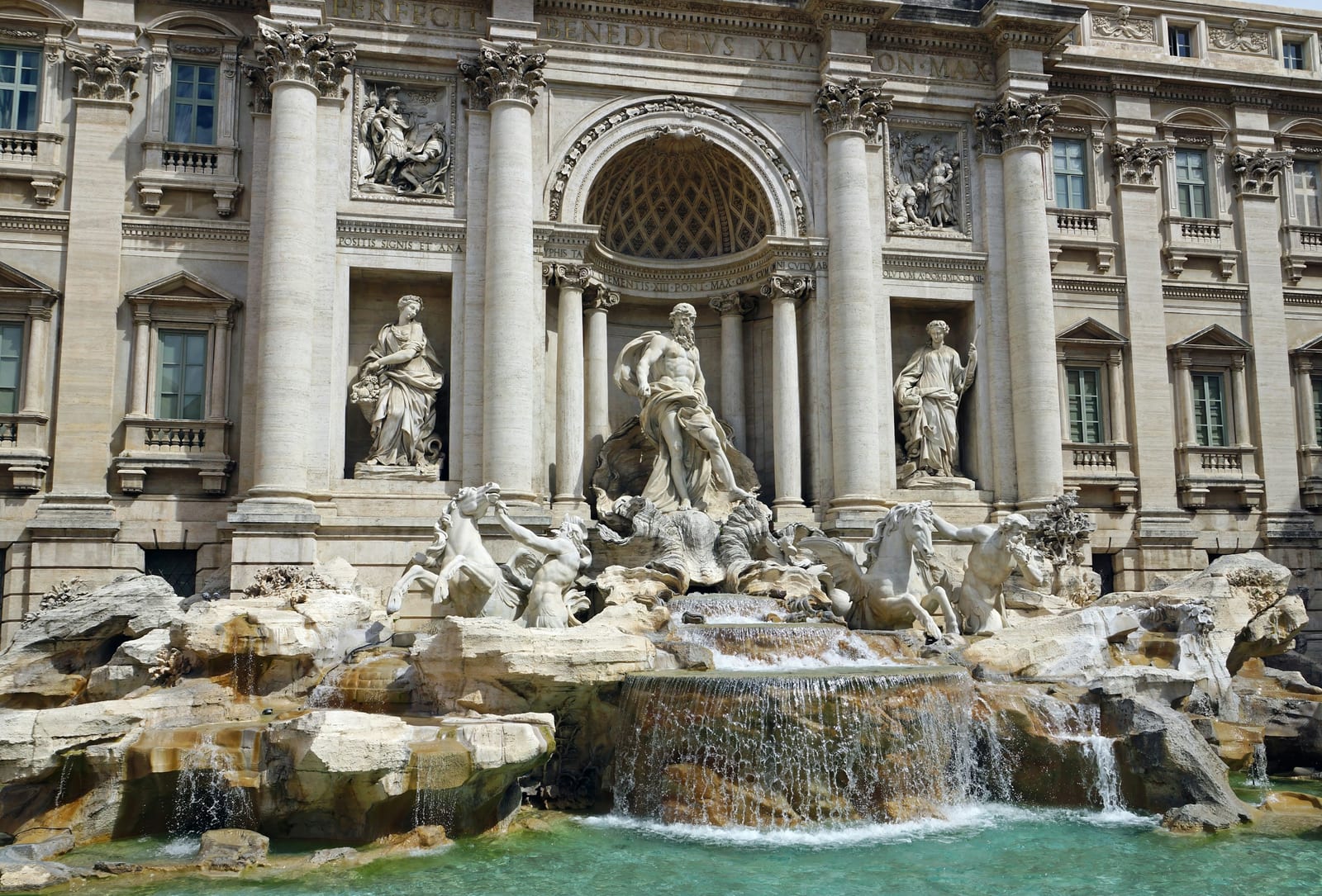
Trevi Fountain
In Centro Storico
Galleria Borghese
In Villa Borghese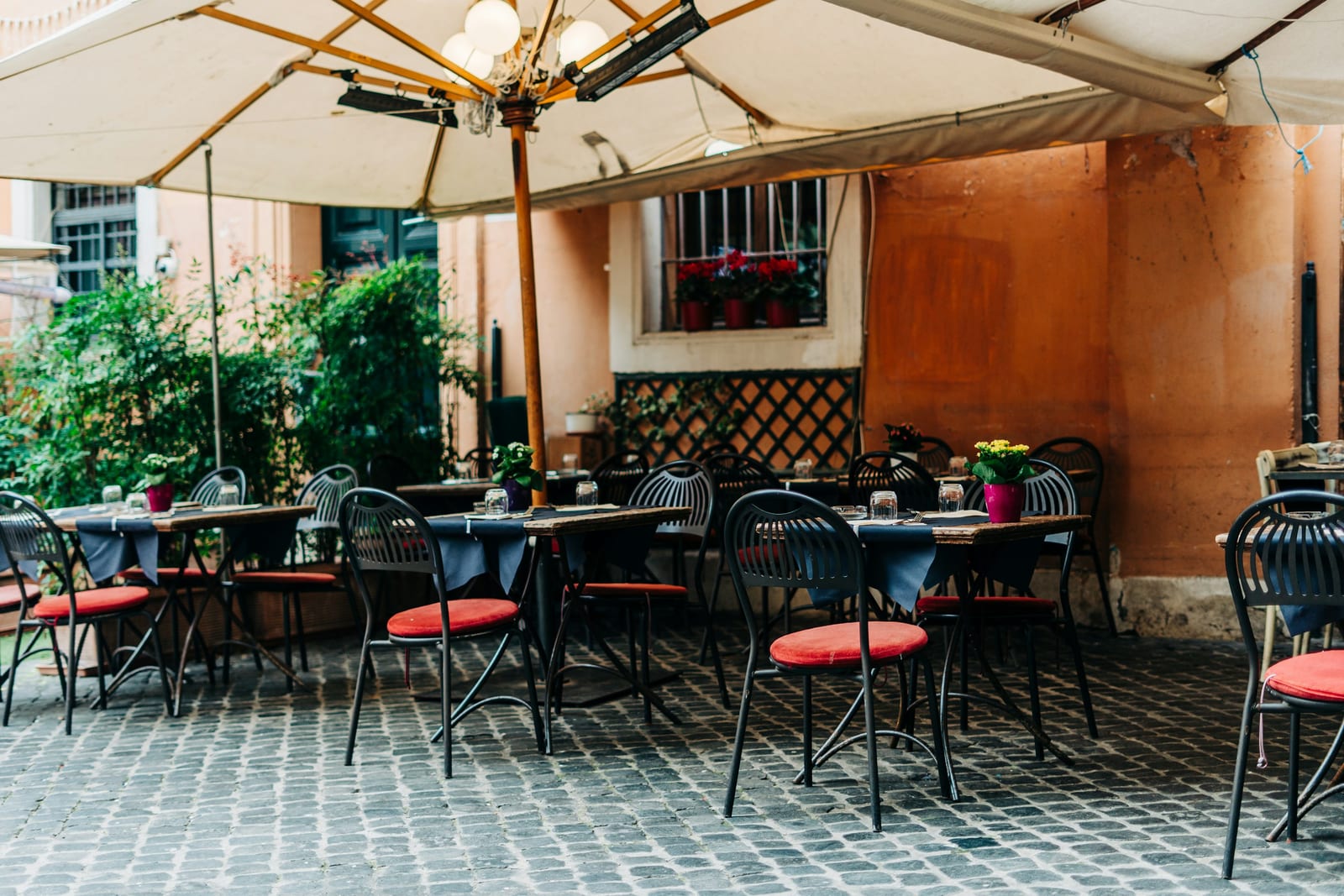
Trastevere by night
In Trastevere


Highlights across the city; each neighborhood guide has the full list for its area. Ratings link to each place's Google listing; prices are approximate, per person, in USD.
Plan your trip
Rome itineraries, from a day to five
Most first-time visitors spend two to four days in Rome, and three is the classic. Pick a ready-made Rome itinerary below, from a single packed day to a five-day trip with room for a day trip, or hand any of them to Zoya to tailor to your dates.
Where to stay
Where to stay in Rome
The best areas to stay in Rome are Centro Storico for walkable history, Monti for atmosphere near the ancient sites, Trastevere for lanes and nightlife, Prati for calm beside the Vatican, and the Spanish Steps for shopping. Pick a base by what you want from your days and nights.

Popular areas to stay
Tap an area to preview it, then open the full where-to-stay guide.
Know before you go
Rome travel essentials
The quick answers most Rome trips start with: getting in from the airport, the tickets to book ahead, what it costs, when to go, where to eat, the day trips worth taking, and how to stay a step ahead of the pickpockets.
Airport to the Center
The Leonardo Express runs Fiumicino to Termini in about 32 minutes for 14 euros.
Getting Around
ATAC metro, trams, and buses; a 48 or 72-hour Roma Pass bundles transit with museums.
Book the Big Tickets
Reserve timed entry for the Colosseum and Vatican Museums well ahead; both sell out.
What It Costs
Euros; the per-head coperto cover charge was banned in Rome in 2006, and tipping is light and optional.
Church Dress Code
St Peter's and major churches require covered shoulders and knees to enter.
Best Time to Visit
April to June and September to October; August is hot, and many places close for Ferragosto.
Free Water Everywhere
Refill at the nasoni, Rome's 2,500 cast-iron street fountains; the water is clean and cold.
Watch for Pickpockets
Rome is safe, but keep bags zipped on Metro Line A, buses 40 and 64, and at the big sights.
Day Trips from Rome
Pompeii, Ostia Antica, and Tivoli, all reachable by train in about an hour.
Best Food in Rome
The four Roman pastas, pizza al taglio, and the stalls of Testaccio Market.
Ready to plan your Rome trip?
Tell Zoya, your personal travel assistant, how you like to travel, and she'll turn any of this into a day-by-day plan that fits your dates.
Explore now