

Aventine · Rome neighborhood guide
Things to Do on the Aventine Hill
The quiet hill above the Circus Maximus: an orange garden facing St Peter's, a keyhole framing the dome, and a fifth-century basilica with the oldest carved church doors in Rome. Here's what's actually worth your time, ranked and judged.
Aventine in brief
Is the Aventine Hill worth visiting in Rome?
Yes, if you want a calm, beautiful hour or two away from the crowds. The Aventine is a quiet residential hill just above the Circus Maximus with three things worth the climb: the Orange Garden and its free view over the Tiber to St Peter's, the famous keyhole in the Knights of Malta gate that frames the dome, and the early Christian Basilica of Santa Sabina. It is a short, calm contrast to the packed historic center, and almost everything on it is free.
What is the Aventine keyhole in Rome?
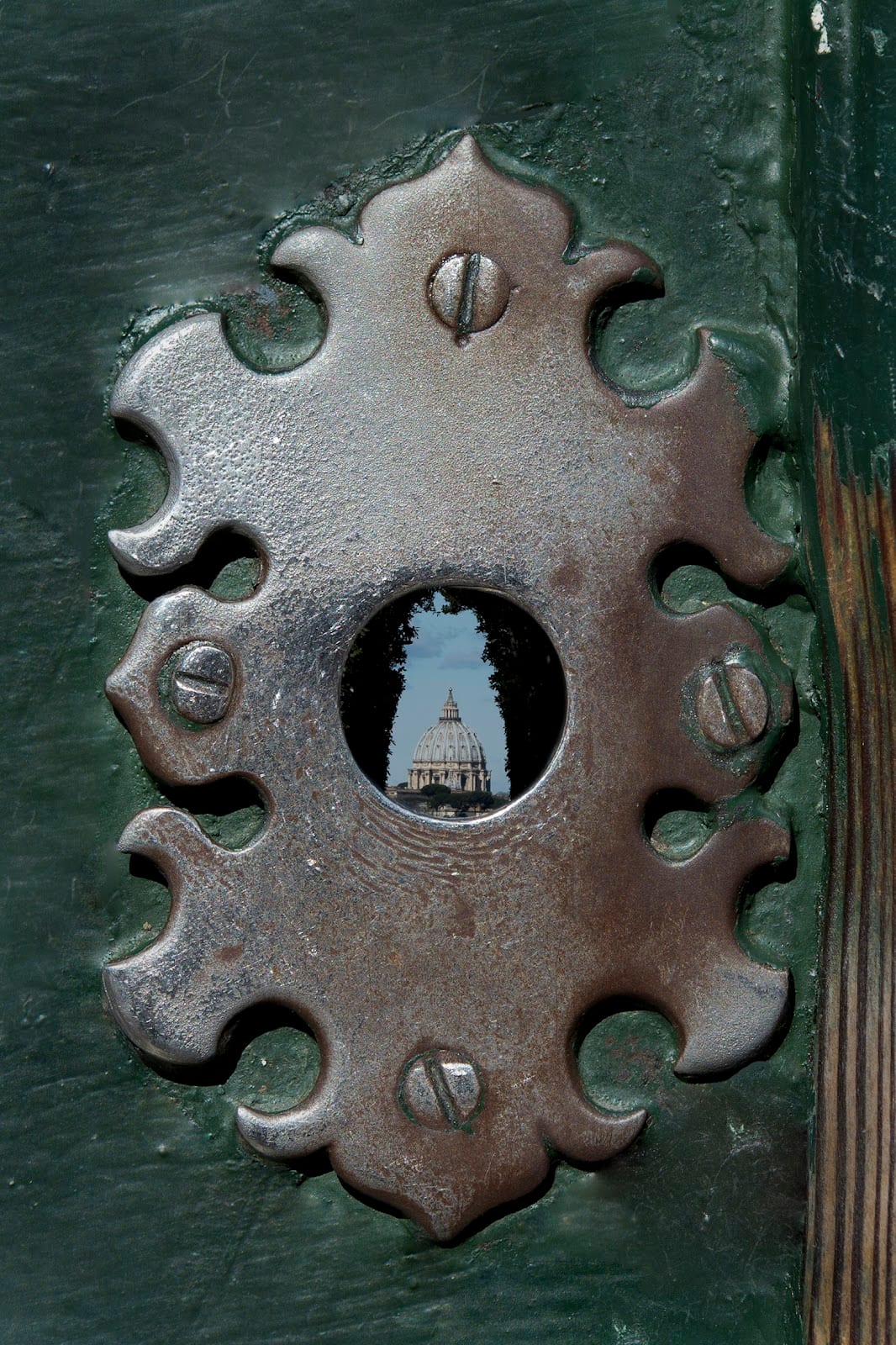
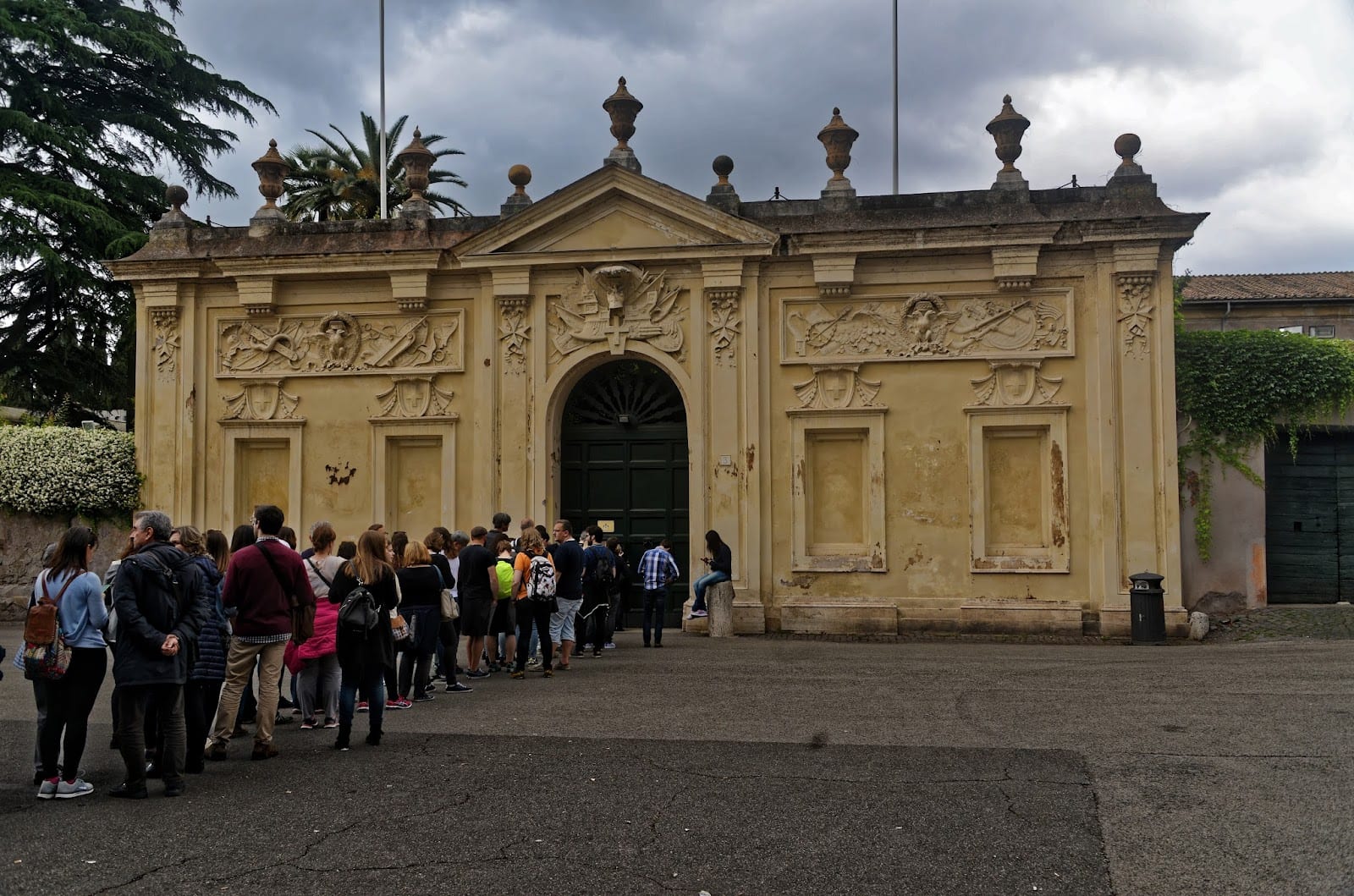
It is a keyhole in the green door of the Priory of the Knights of Malta, on Piazza dei Cavalieri di Malta, through which you see the dome of St Peter's Basilica perfectly framed at the end of a cypress-lined garden path. The square and the priory were designed by the engraver Giovanni Battista Piranesi in 1765. Peering through is free, but a queue usually forms because only one person can look at a time.
How do you spend time on the Aventine?
Come up from the Circo Massimo metro, pass the Rose Garden on the slope, and climb to the top of the hill. See the Basilica of Santa Sabina and its 5th-century carved doors, walk into the Orange Garden for the view, then join the short line for the Knights of Malta keyhole a few steps away. If you can time it for early evening, stay for Gregorian chant Vespers at Sant'Anselmo. Plan on one to two calm hours.
Get oriented
How the Aventine fits together
The Aventine is the southernmost of Rome's seven hills, a leafy, upscale, residential quarter that sits directly above the Circus Maximus, southwest of the Palatine and just north of Testaccio.
Almost everything worth seeing clusters at the top of the hill, within a few minutes' walk of one another: the Basilica of Santa Sabina and the quieter Sant'Alessio next door, the Orange Garden (Parco Savello) with its belvedere, and Piazza dei Cavalieri di Malta with the keyhole and the Benedictine church of Sant'Anselmo. The Rose Garden and the great grassy oval of the Circus Maximus lie downhill on the Circus Maximus side, where the Circo Massimo metro drops you. This is one of the few corners of central Rome with almost no shops or bars, which is exactly the point: it is calm, green, and quiet, an easy climb from the ancient center but a world away from it. Eating happens at the foot of the hill and in neighboring Testaccio, a short walk down.
A calm hour or two on foot, up from the Circus Maximus and around the top of the hill:
See & do, ranked
The best things to do on the Aventine
Our honest ranking of what is worth the climb, from the must-sees to a hidden gem most visitors miss, with a verdict on each so you know what to prioritize and what to skip.
Must-see
The essentials, ranked.- 1
 Top of the hill Worth the hype
Giardino degli Aranci (Parco Savello)
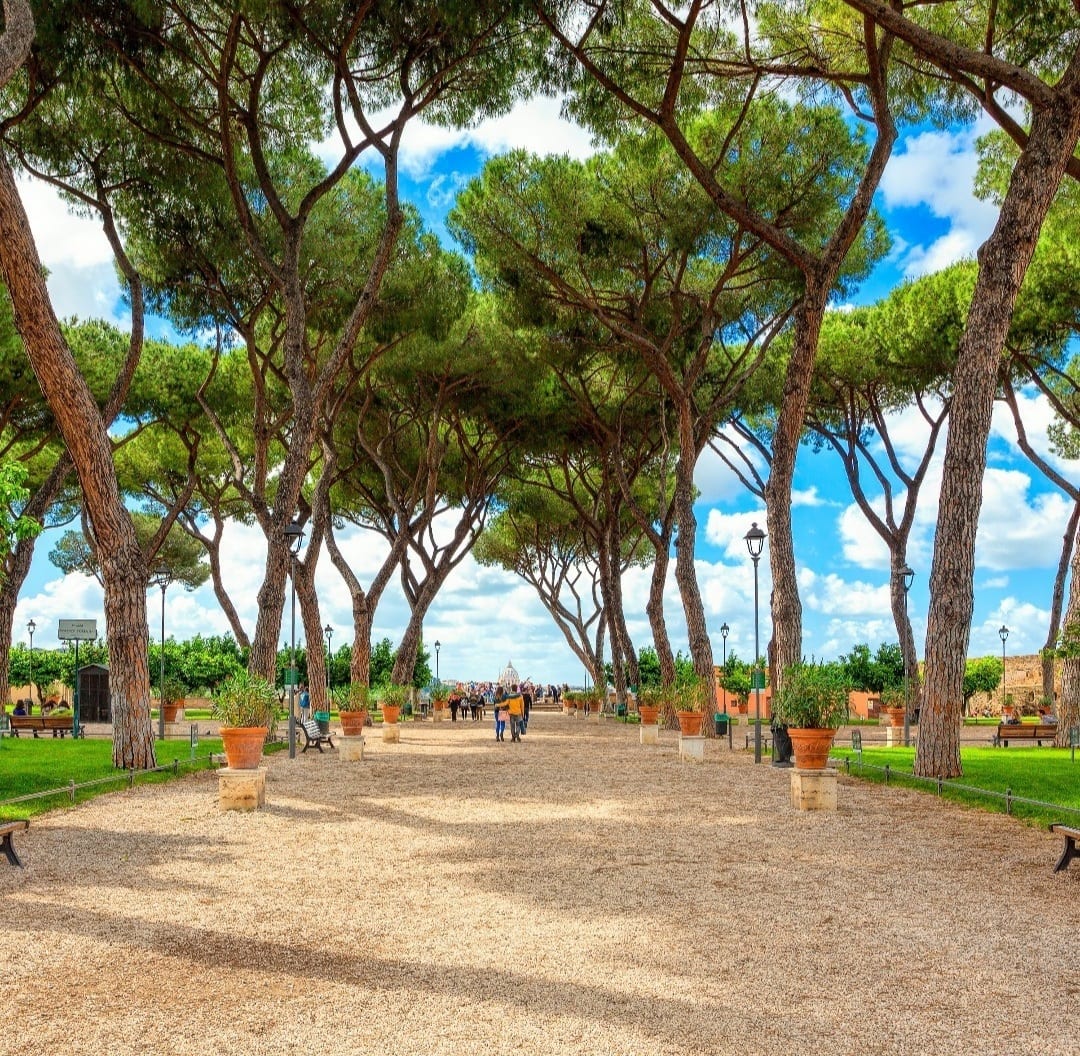
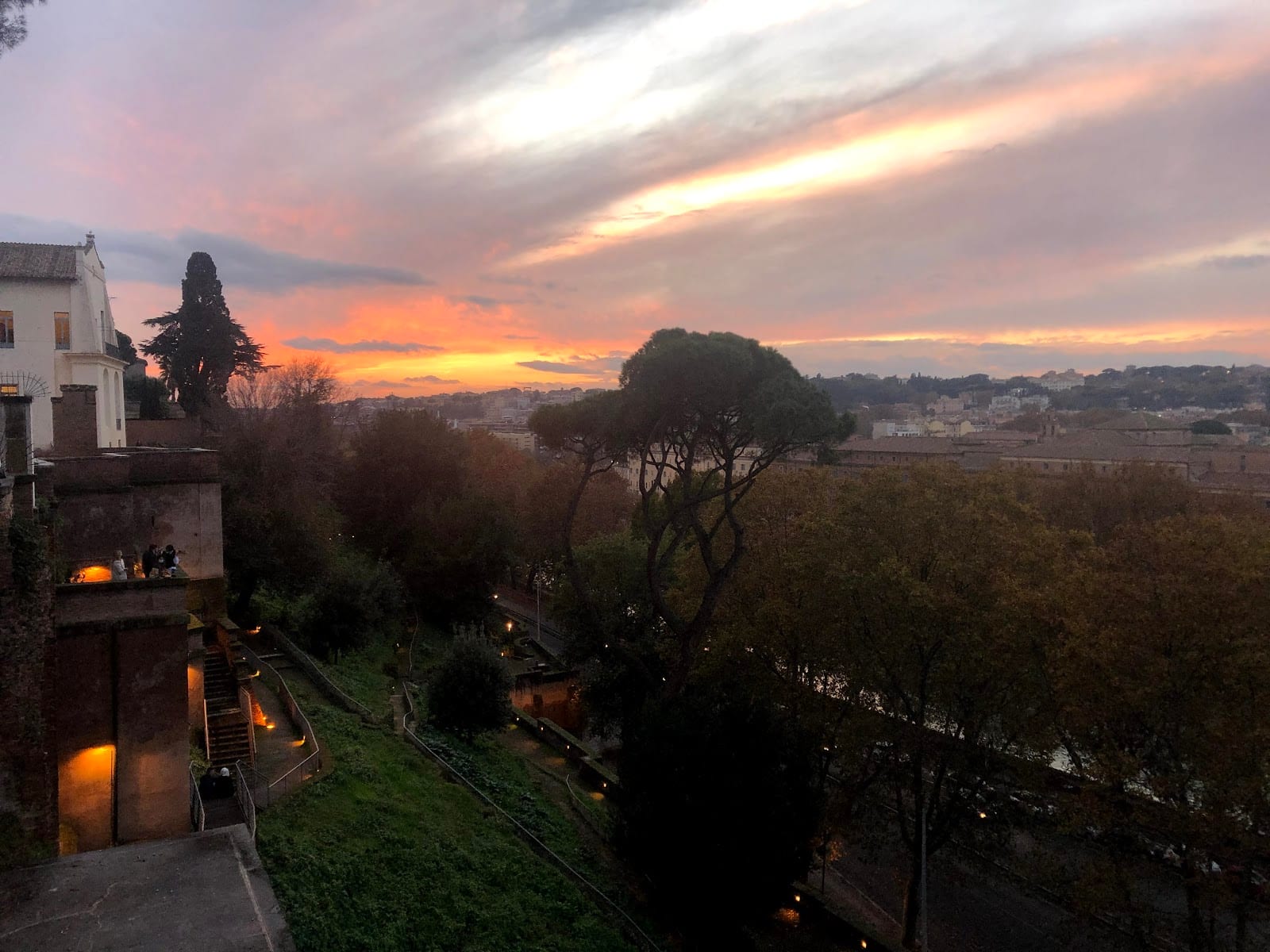
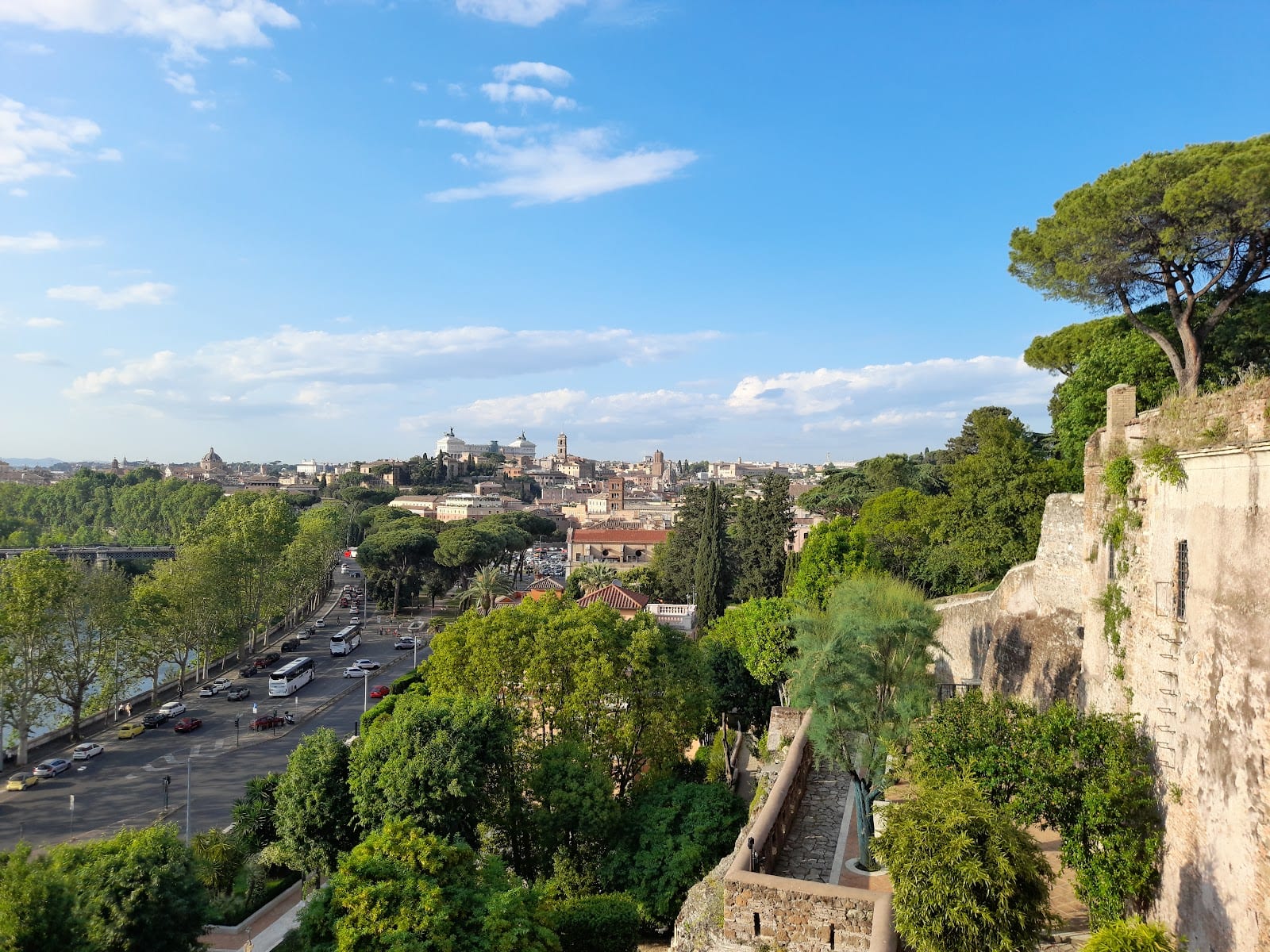
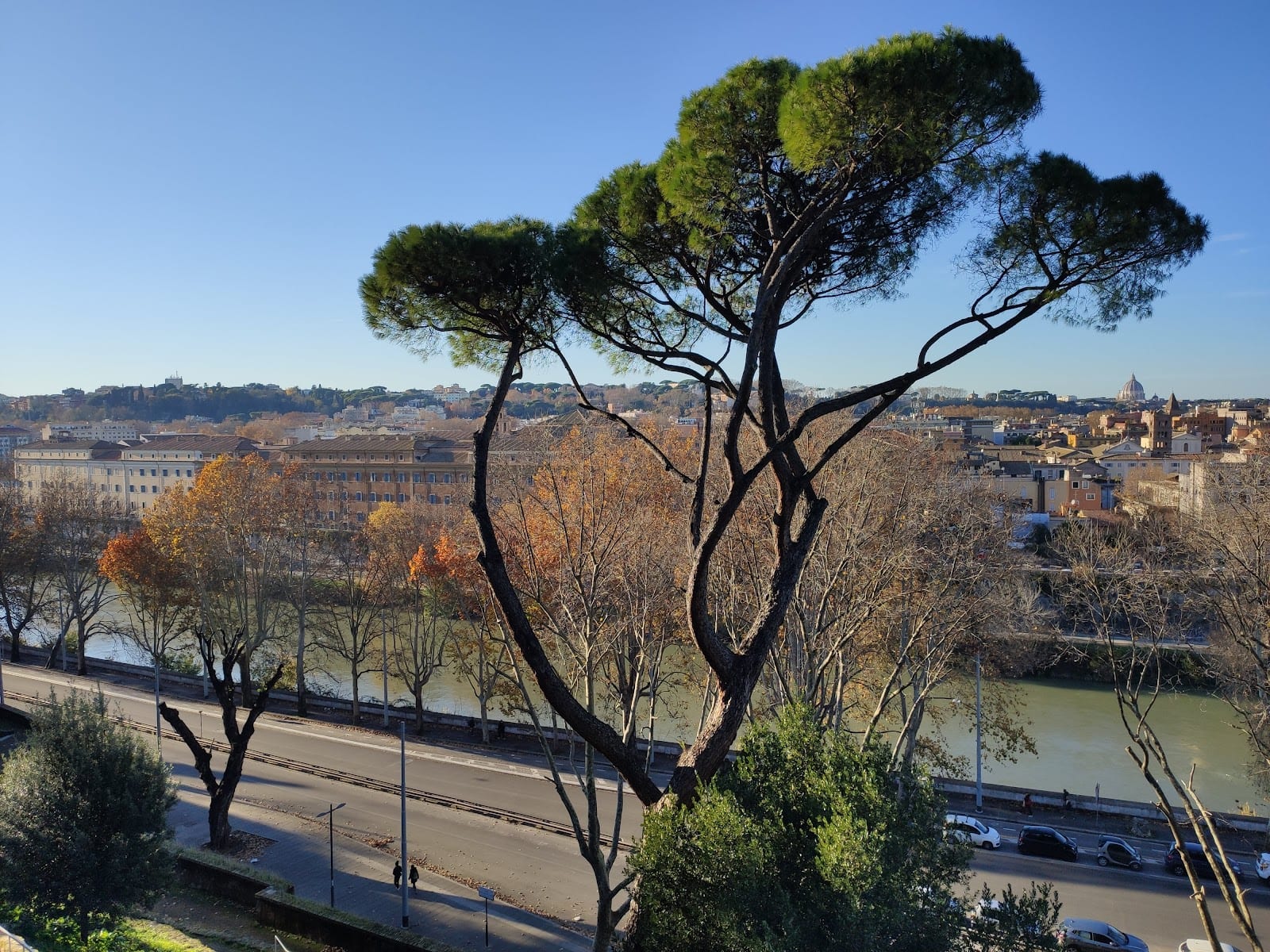
A walled garden of bitter orange trees with a free belvedere over the Tiber and St Peter's dome.
Officially Parco Savello, this walled garden was laid out in 1932 by the architect Raffaele De Vico on the site of a late-13th-century fortress of the Savelli family, beside Santa Sabina. It is planted with bitter orange trees, the melangoli that give it its popular name, and its whole point is the belvedere at the far end: a terrace with a sweeping view from the bend of the Tiber across the rooftops to the dome of St Peter's. It is free, it is open daily from 7am until around sunset, and it is loveliest in the late afternoon when the light turns gold. Walk straight through the umbrella-pine avenue to the terrace, then linger.
Good for couples, families, solo
- 2
 Piazza dei Cavalieri di Malta Worth it
The Aventine Keyhole (Priory of the Knights of Malta)
A keyhole that frames St Peter's dome down an avenue of cypresses, with an honest queue.
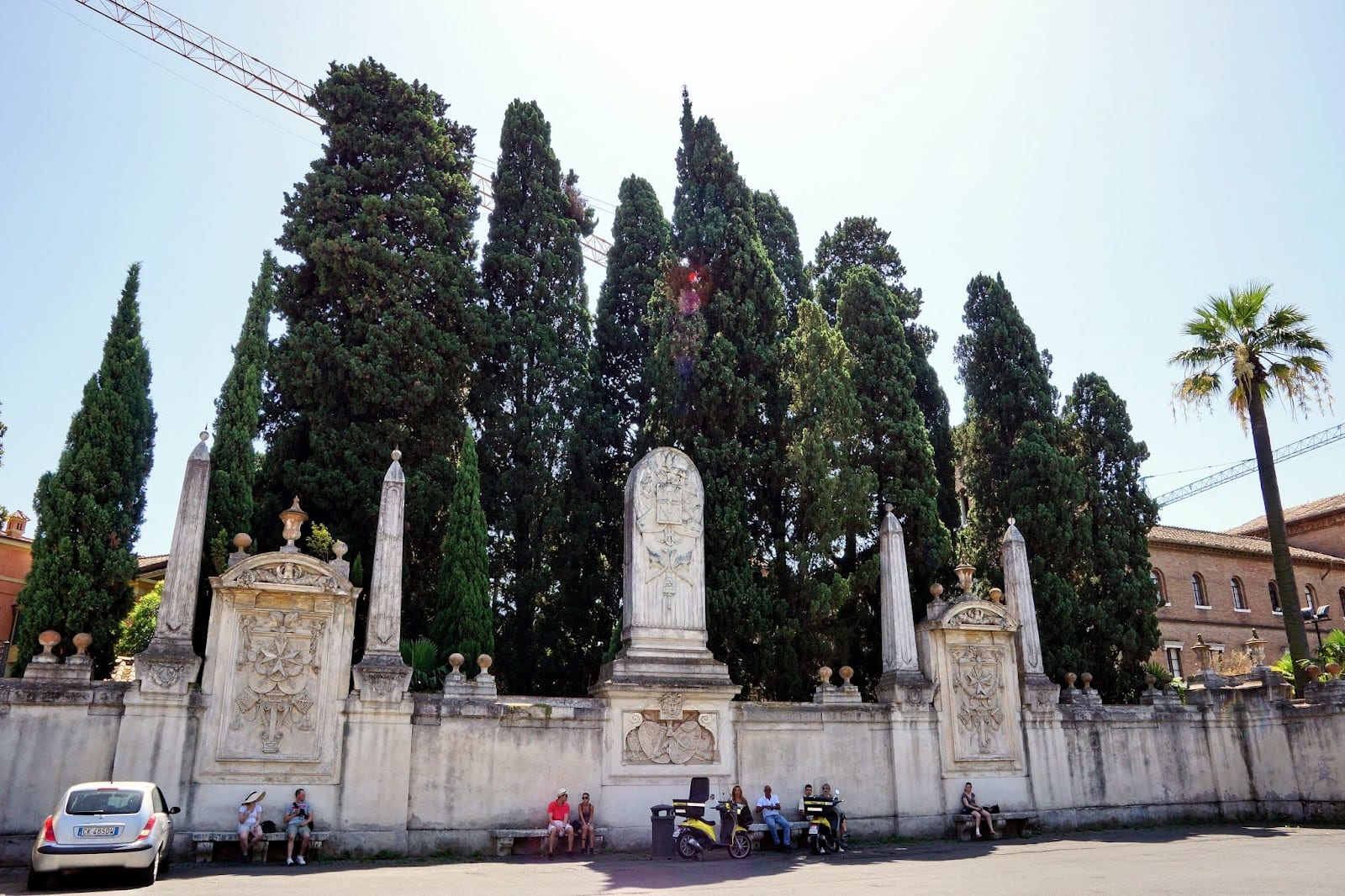
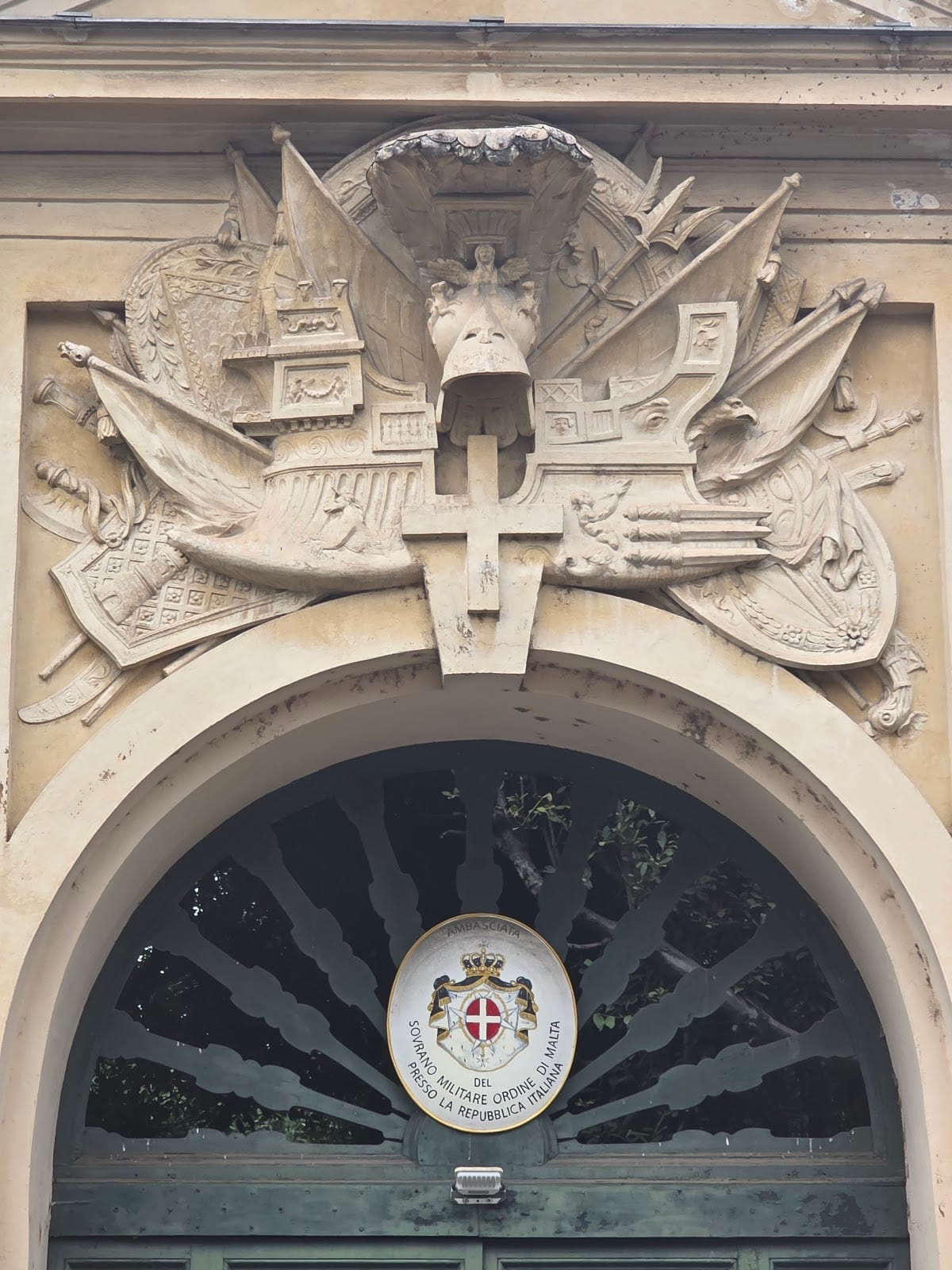
On Piazza dei Cavalieri di Malta stands the green door of the Priory of the Knights of Malta, and set into it is the most famous keyhole in Rome. Look through it and you see the dome of St Peter's perfectly framed at the end of a hedge-lined garden path, a view that crosses three jurisdictions in a single line: Italy, where you stand, the extraterritorial garden of the Order of Malta, and the Vatican beyond. The square and the priory were designed in 1765 by the engraver Giovanni Battista Piranesi, one of his very few executed architectural works. The honest catch: peering through is free and takes ten seconds, but only one person can look at a time, so a queue forms, usually a short wait early in the morning and fifteen to thirty minutes on a weekend afternoon in high season. Come early or after dark, and enjoy Piranesi's obelisk-studded square while you wait. The garden itself is visitable only on a booked guided tour.
The keyhole is on a public street, viewable any time; expect a short queueGood for couples, solo, friends
- 3
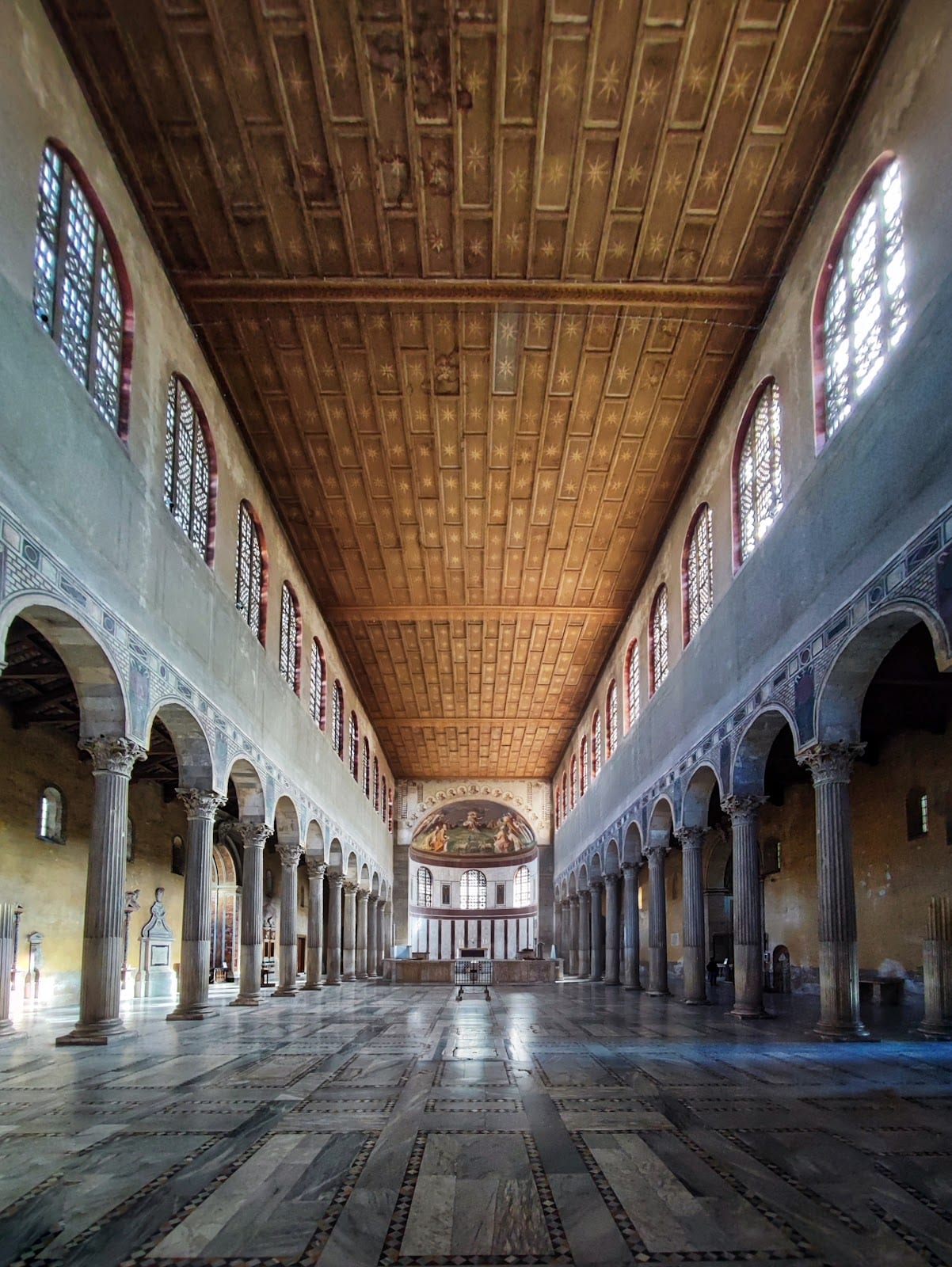
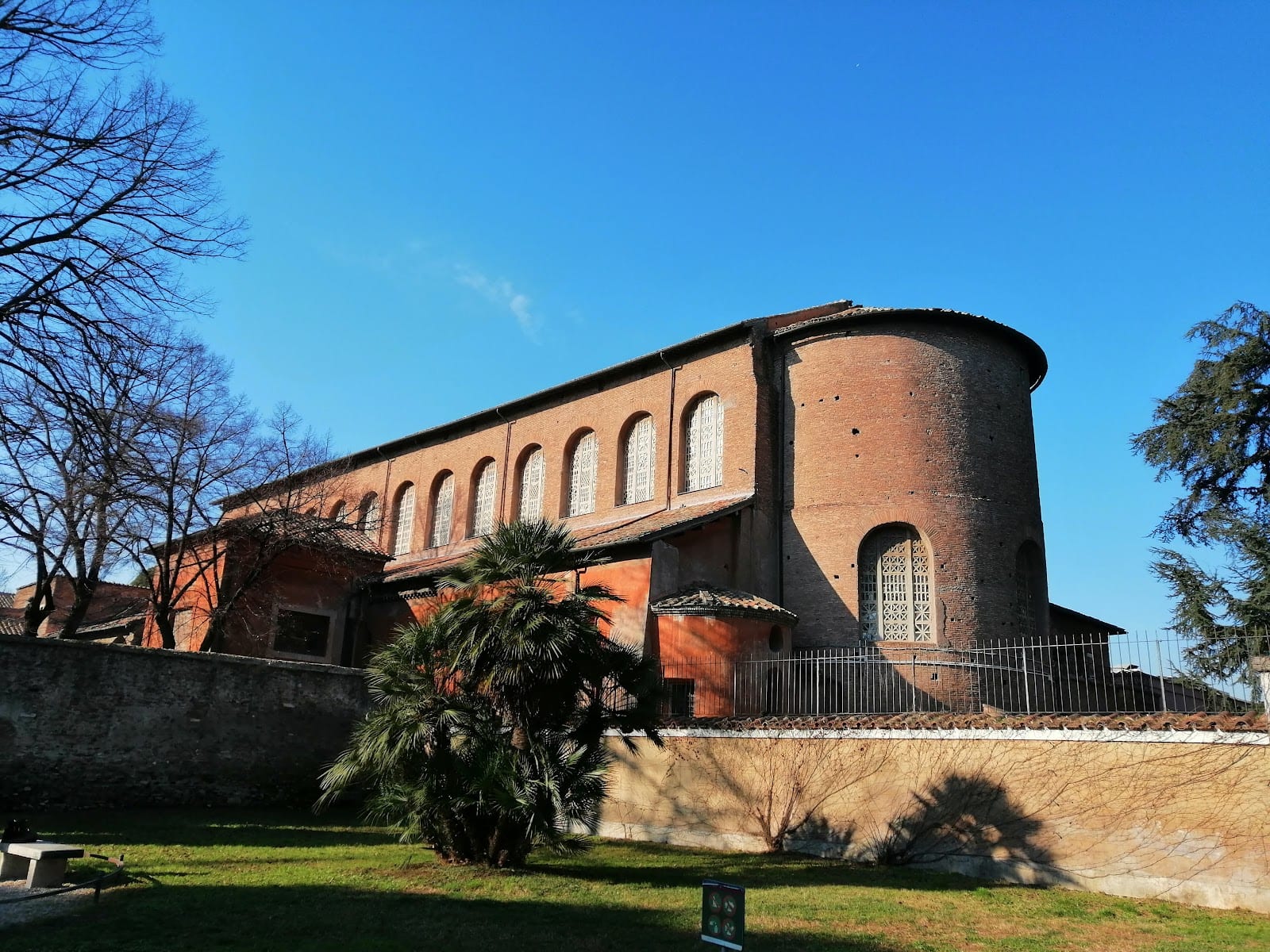
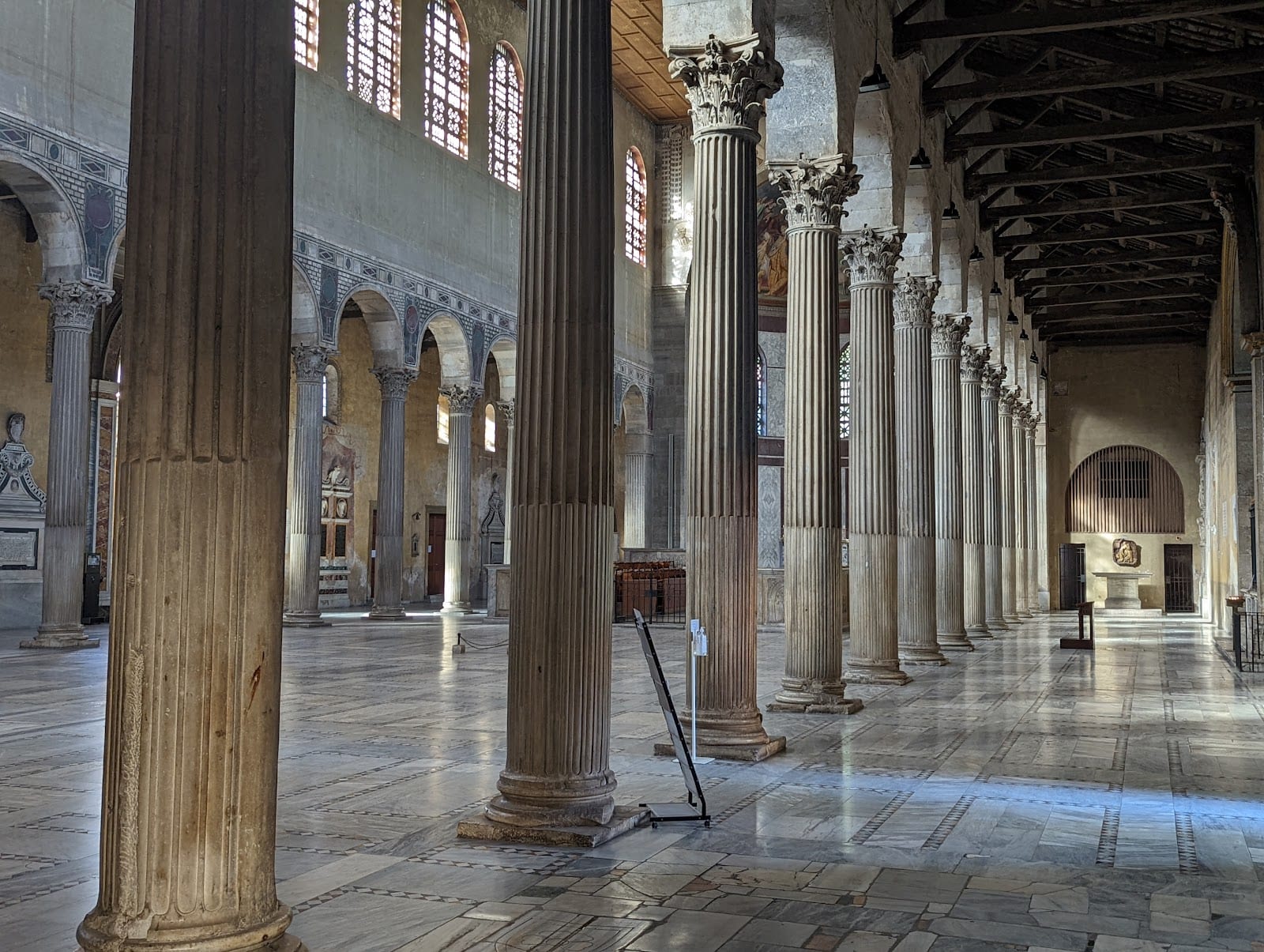
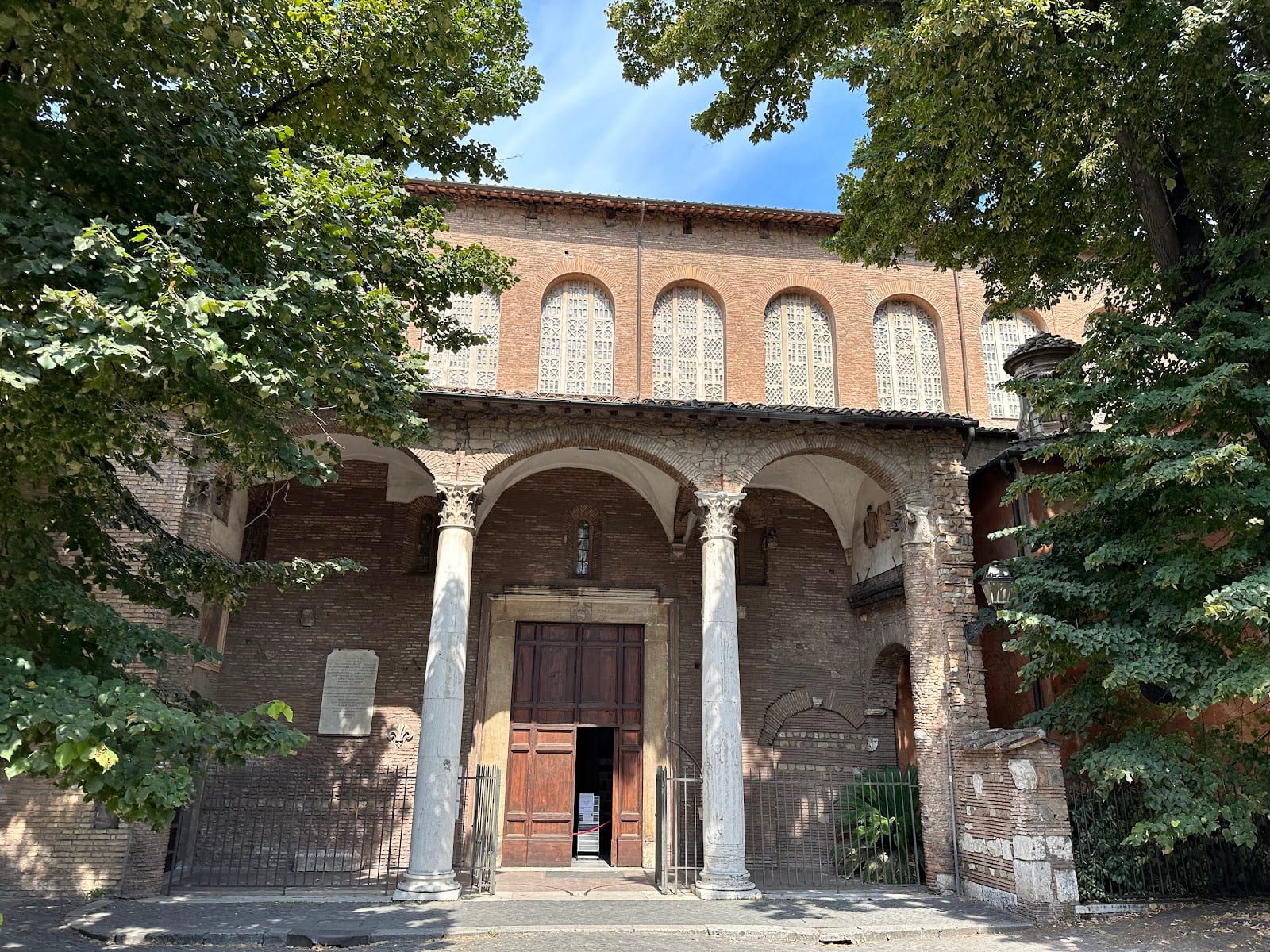 Top of the hill Worth it
Basilica di Santa Sabina all'Aventino
A luminous 5th-century basilica with the oldest carved church doors in Rome.
Santa Sabina is one of the oldest and most perfectly preserved early Christian churches in Rome, built between 422 and 432 AD and the mother church of the Dominican Order, who were given it in 1219 when St Dominic lived here. Step inside for the space itself: a serene, luminous nave of 24 ancient columns under a plain clerestory, the model of a 5th-century basilica, with none of the baroque gilding of later Roman churches. The reason to look closely is by the entrance: the carved cypress-wood doors, made around 430 AD, whose 18 surviving panels include what is thought to be the earliest publicly displayed depiction of the Crucifixion of Christ. It is free, it is usually quiet, and it is the church where the Pope traditionally opens Lent on Ash Wednesday. Hours vary with the season, so check before a special trip.
Good for couples, families, solo


Worth it with more time
Good additions once you've done the icons.- 1
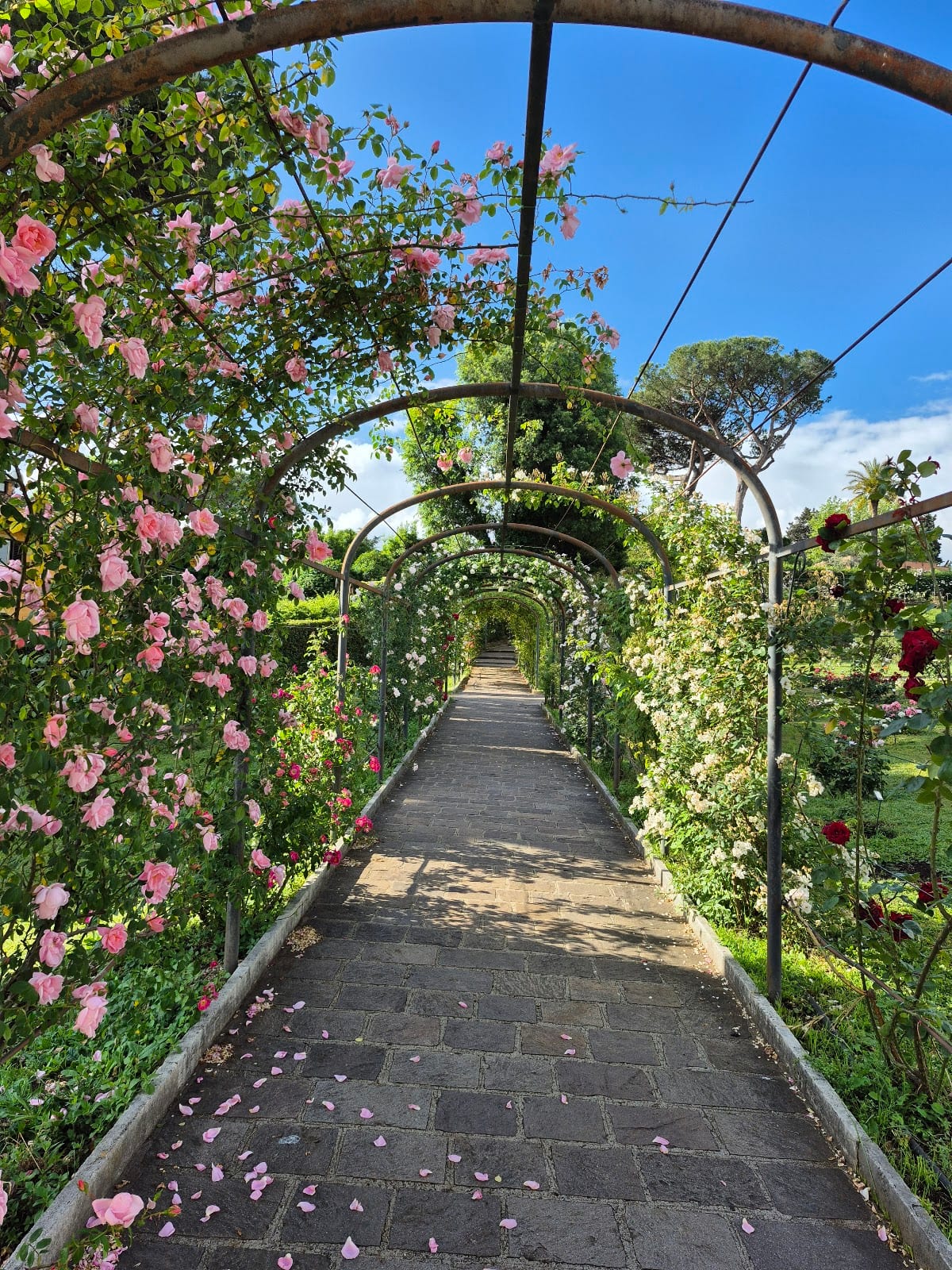
 Circus Maximus slope Worth it
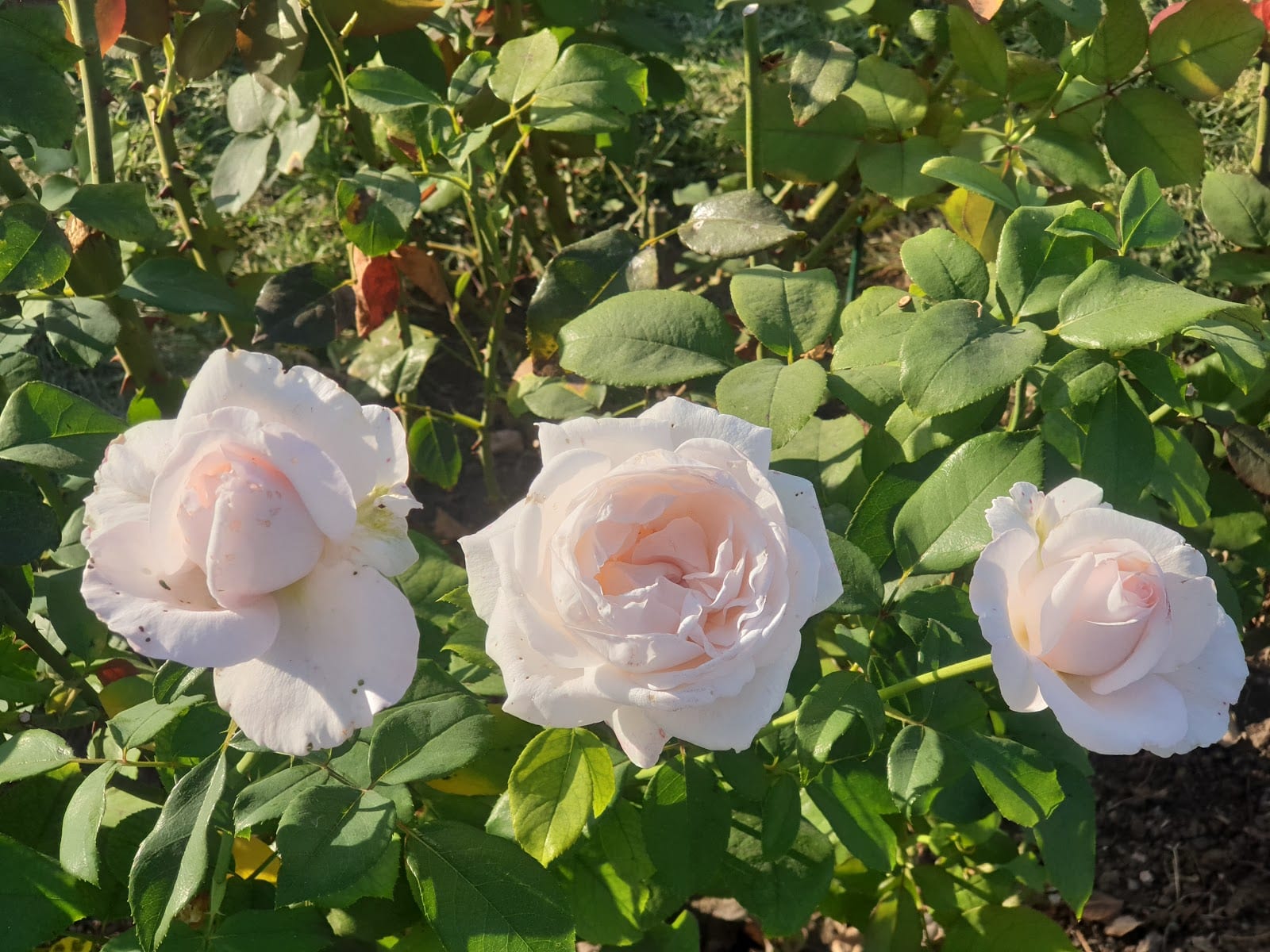
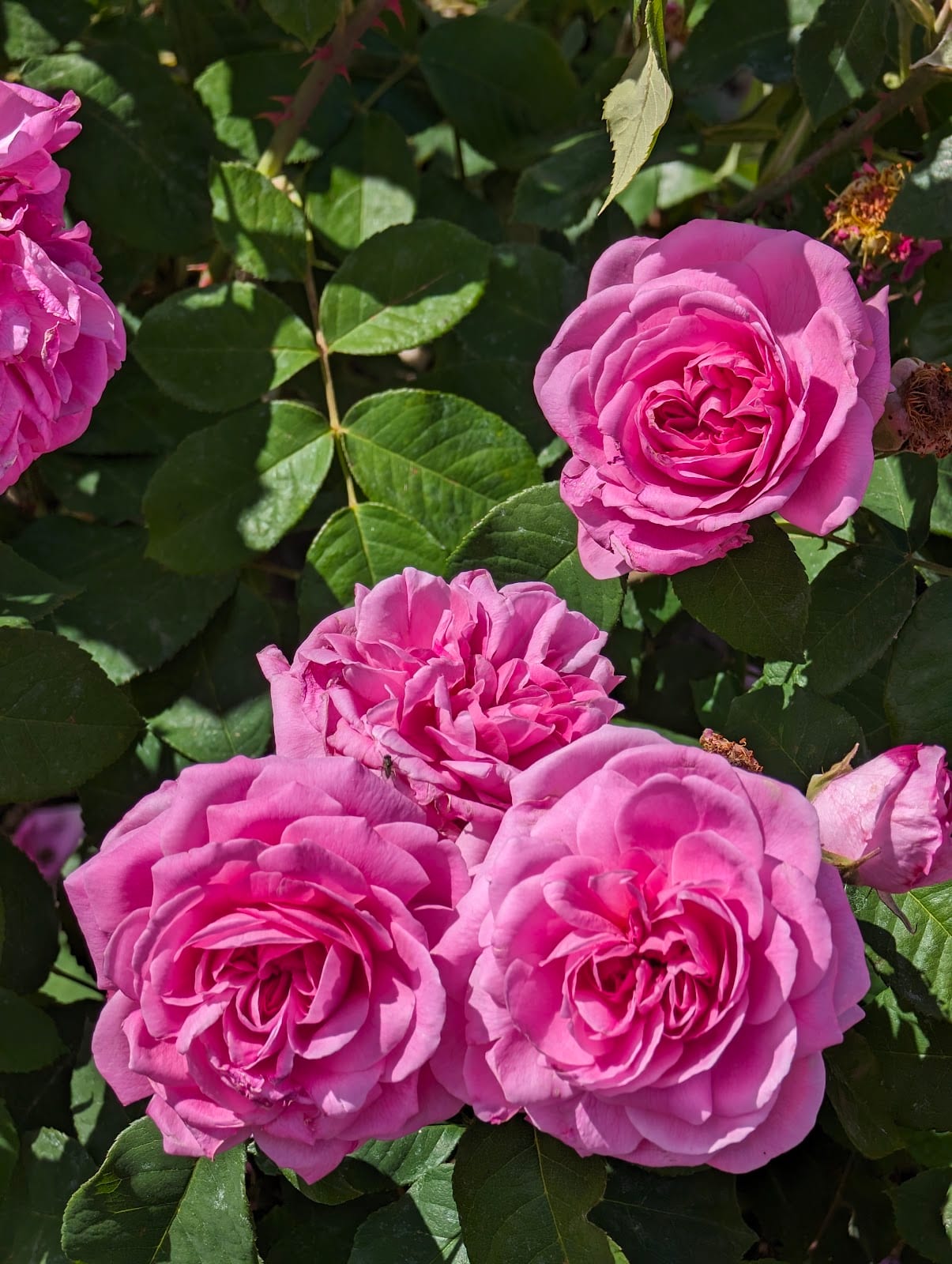
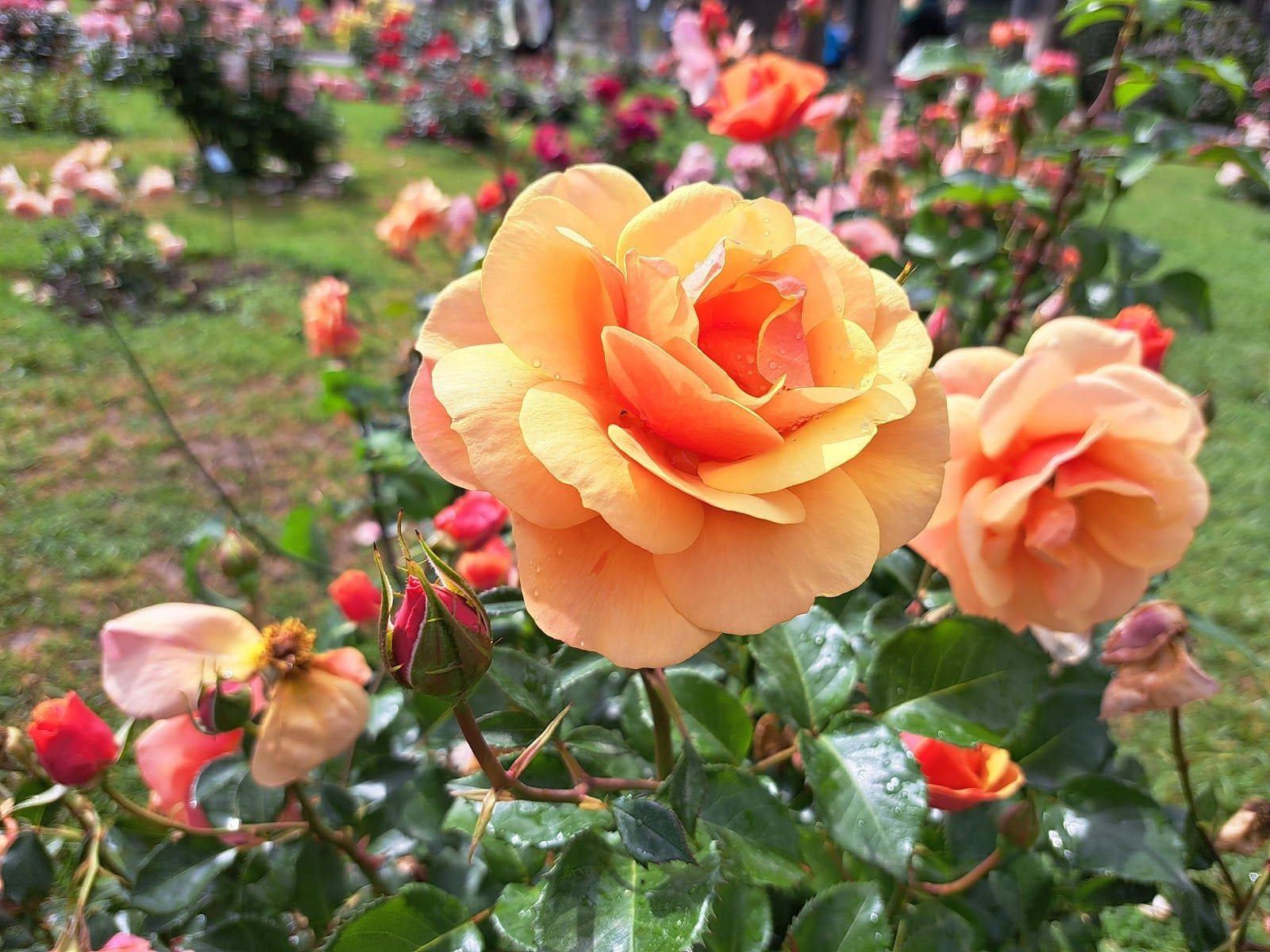
Roseto Comunale di Roma (Rome Rose Garden)
A free public rose garden of some 1,100 varieties, but only open in bloom season.
On the Aventine slope facing the Palatine across the Circus Maximus, Rome's municipal rose garden holds around 1,100 varieties from all over the world, laid out on ground that served as the city's Jewish cemetery from 1645 until 1934, a history the garden's paths still quietly commemorate. Since 1933 it has hosted the Premio Roma, an international competition for new rose breeds. The important catch: it is free but only open for the flowering seasons, roughly mid-April to mid-June in spring, with a shorter reopening in October, so it is a wonderful stop if your timing lines up and simply closed if it does not. Access points shift with municipal works, so check the current entrance before you go. When it is open, it is a fragrant, uncrowded half-hour with a fine view over the Circus Maximus.
Free, seasonal: roughly mid-April to mid-June and a short reopening in October (2026 spring: 11 April – 14 June, daily 8:30 AM – 7:30 PM)Good for couples, families, solo
Sourcesturismoroma.itturismoroma.it
- 2
 Foot of the hill Worth it
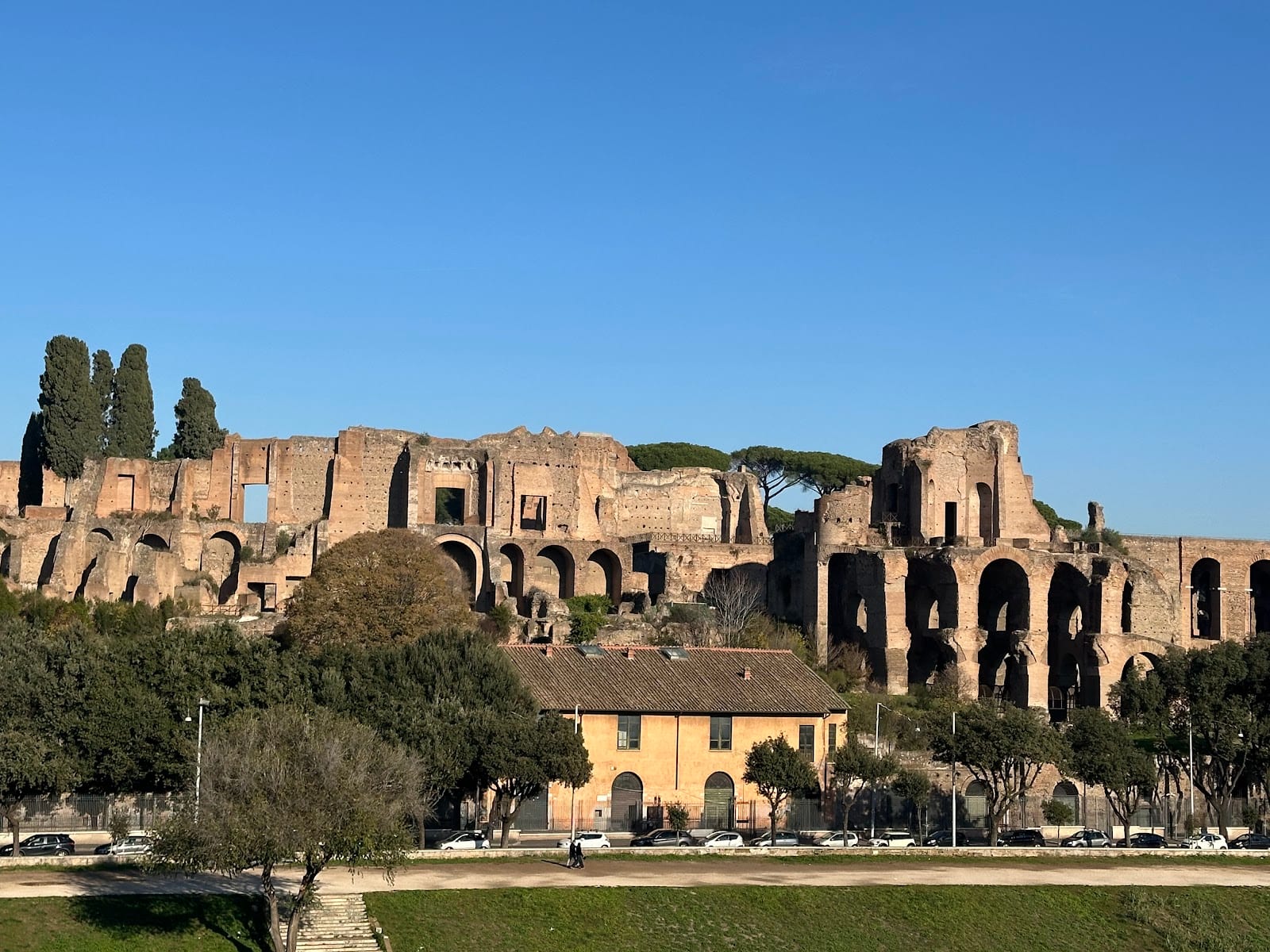
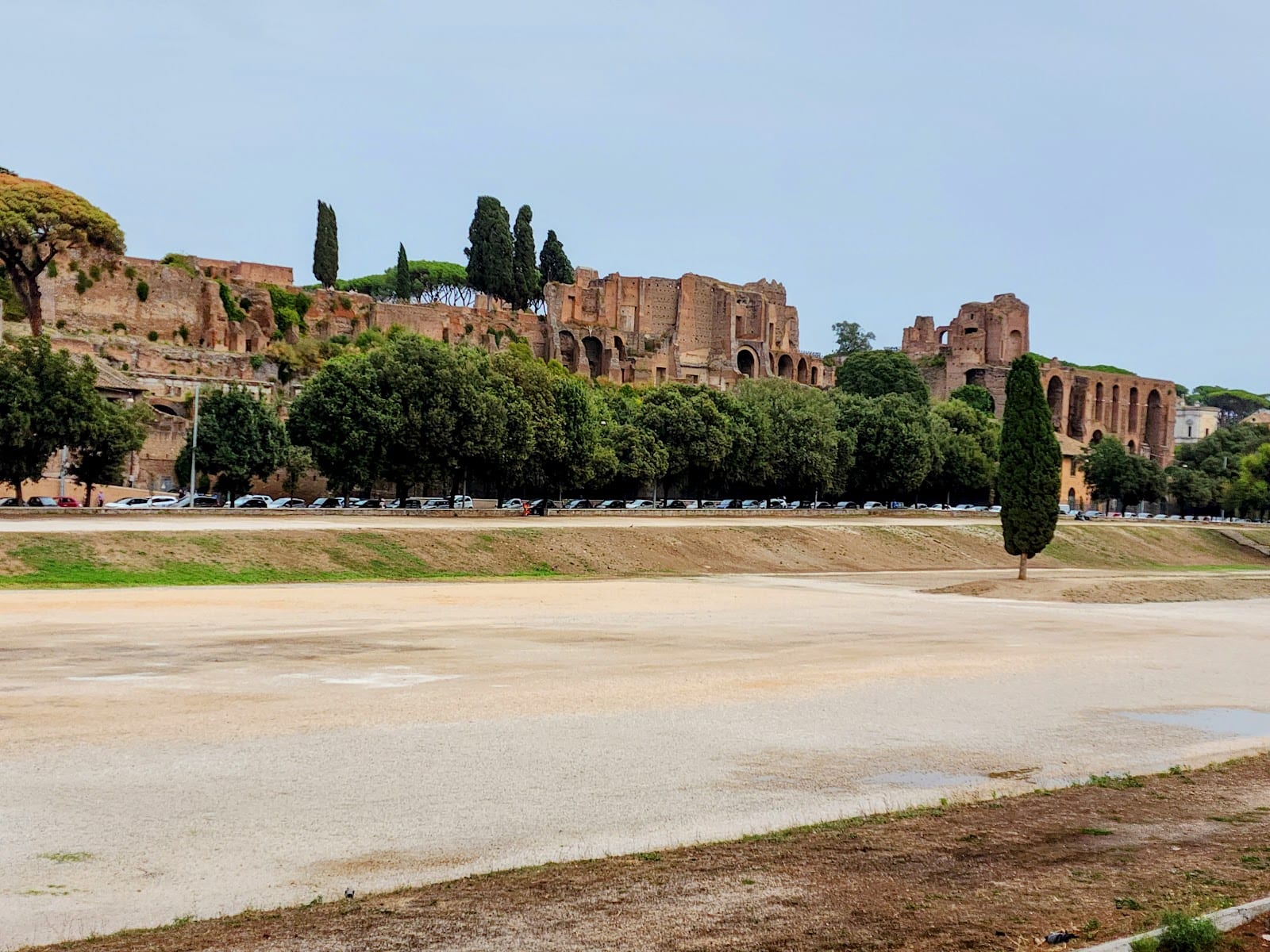
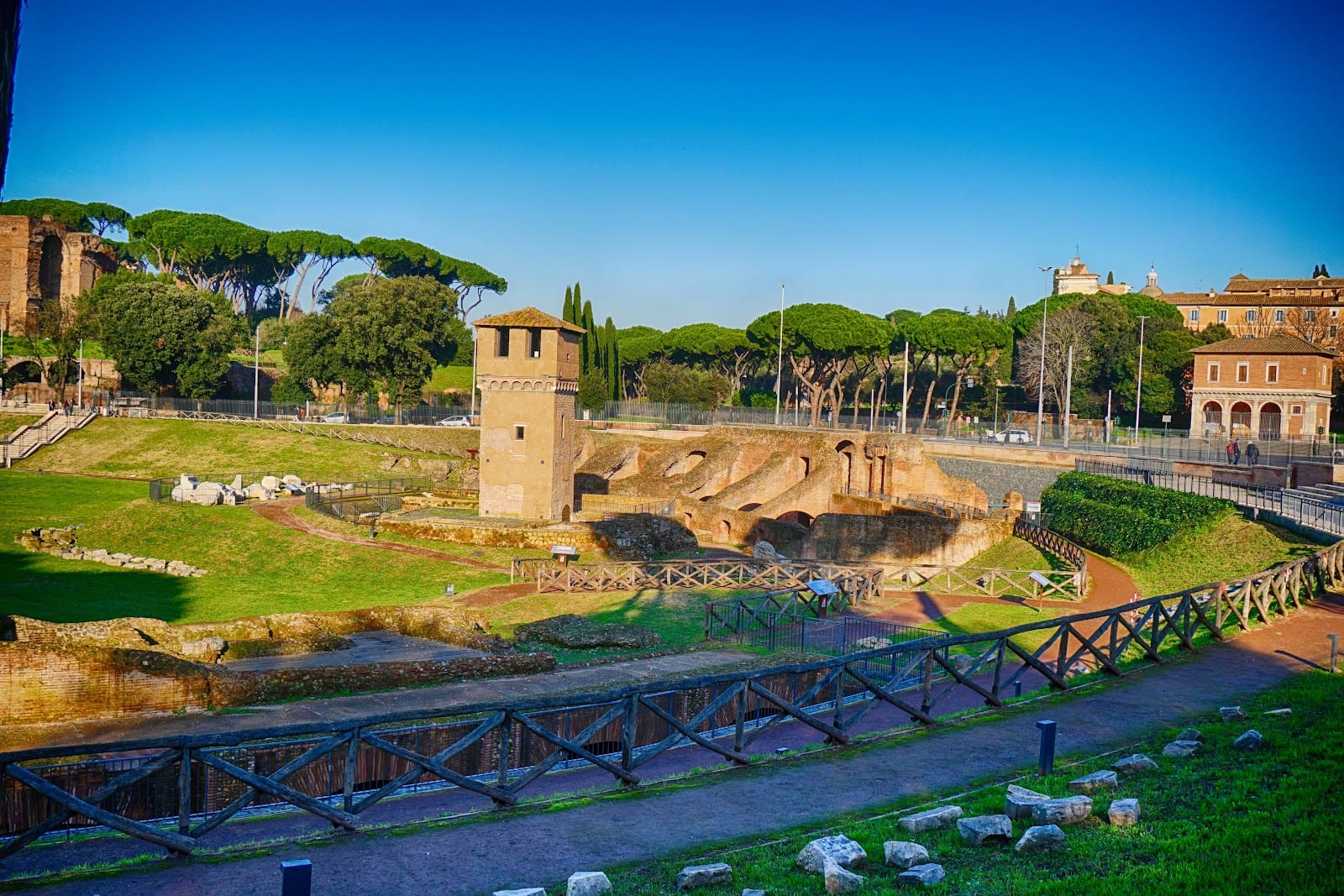
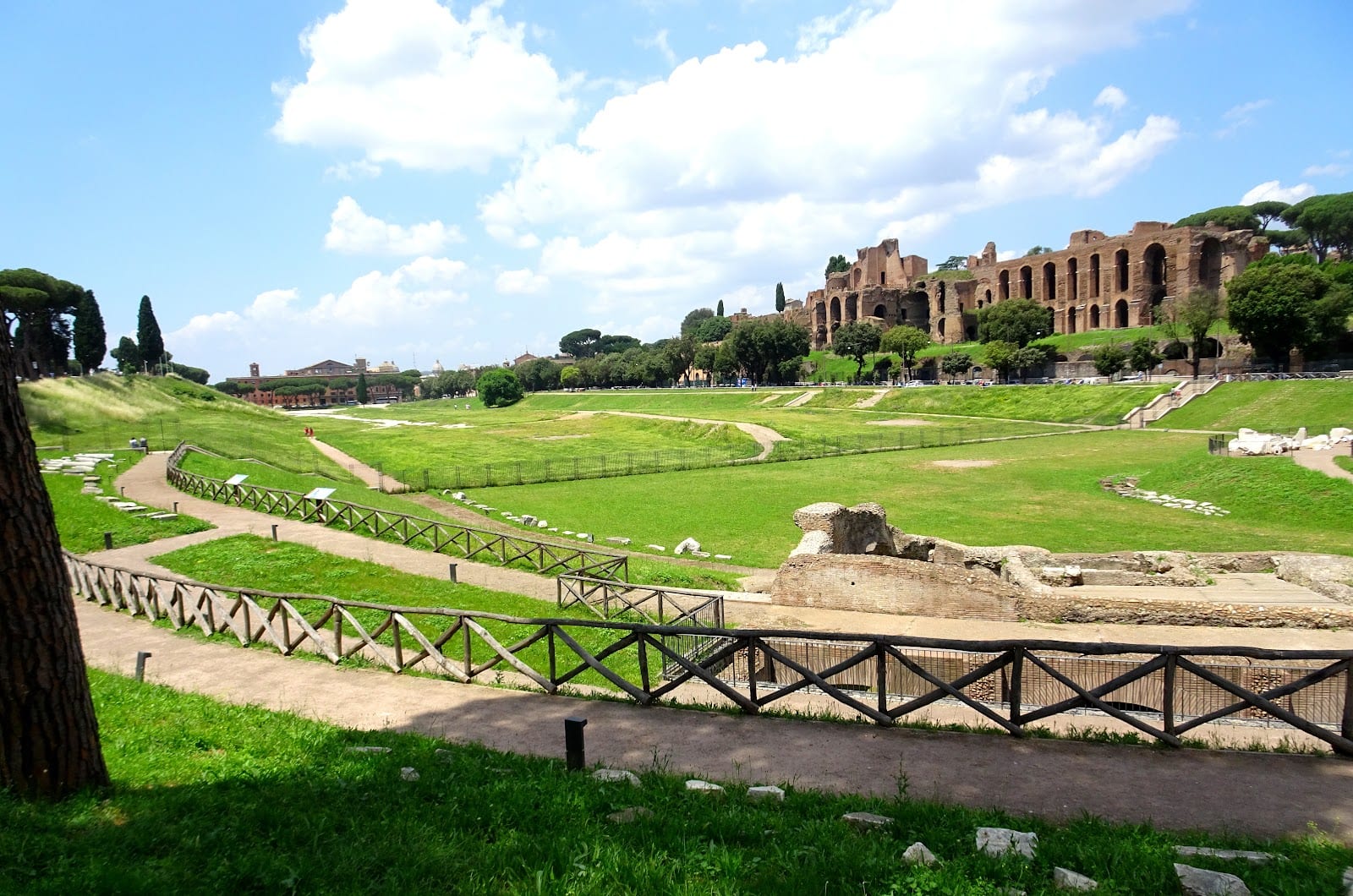
Circus Maximus (Circo Massimo)
Ancient Rome's vast chariot-racing arena, now a free grassy oval under the Palatine.
In the valley between the Aventine and the Palatine lies the Circus Maximus, ancient Rome's largest chariot-racing stadium, which held over 150,000 spectators (ancient writers claimed far more, a figure modern scholars doubt). Today it is a huge grassy public space, free to walk across, with the ruined imperial palaces of the Palatine rising along one side, and it makes a natural approach to the hill from the Circo Massimo metro. Do not expect standing arches and tiers: what survives is mostly the shape of the arena itself, best appreciated from the Aventine's edge above. At the curved southeastern end there is a small paid archaeological area, the Circo Maximo Experience, with excavated remains and a medieval tower; the rest is open ground. Good for a walk-through and a photo, not a long visit.
Open space, free and accessible any time; paid archaeological area has set hoursGood for couples, families, solo
- 3
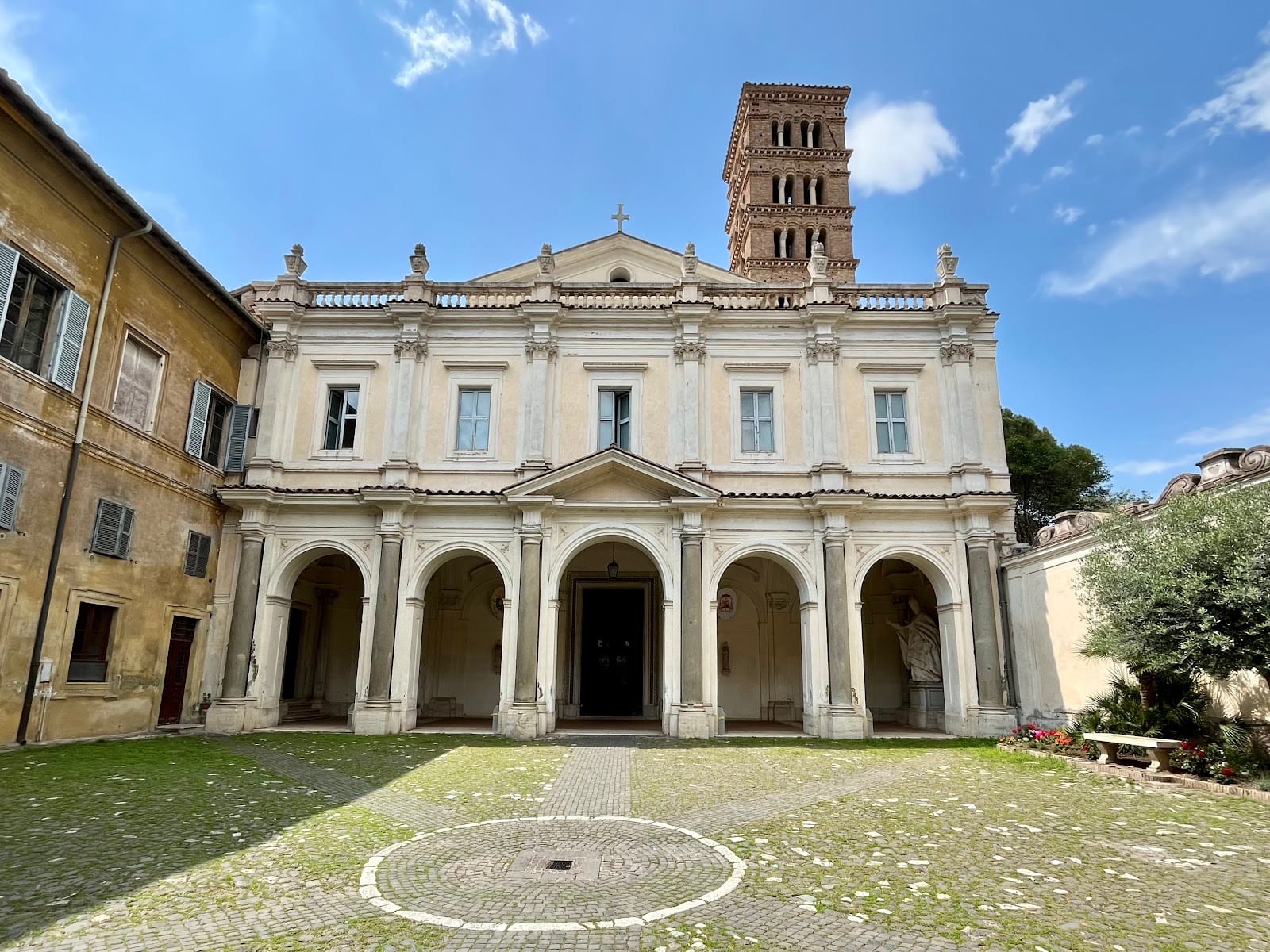
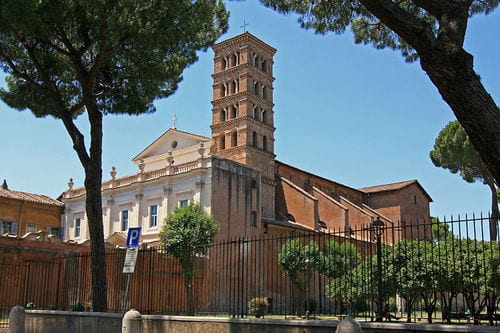
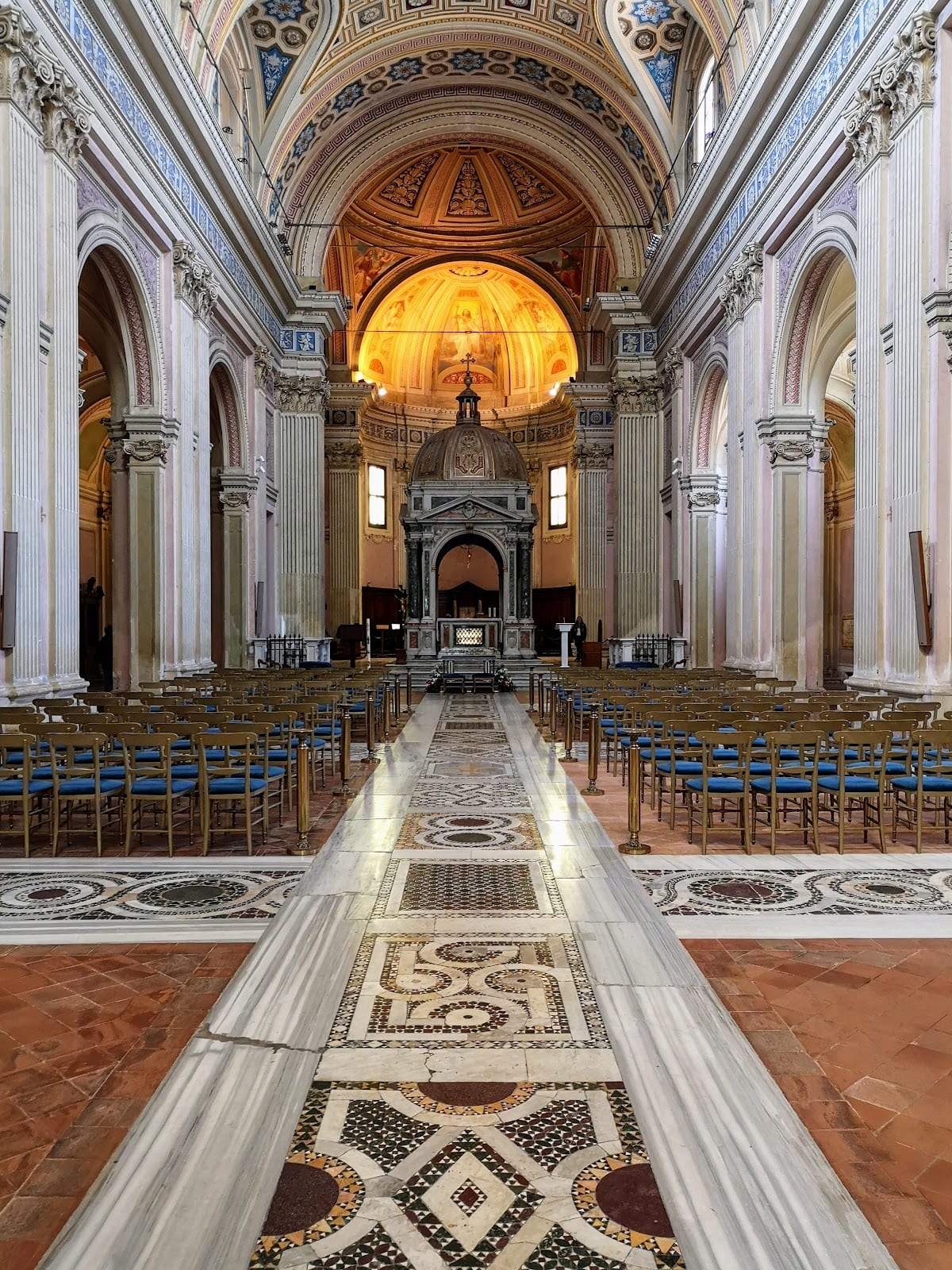
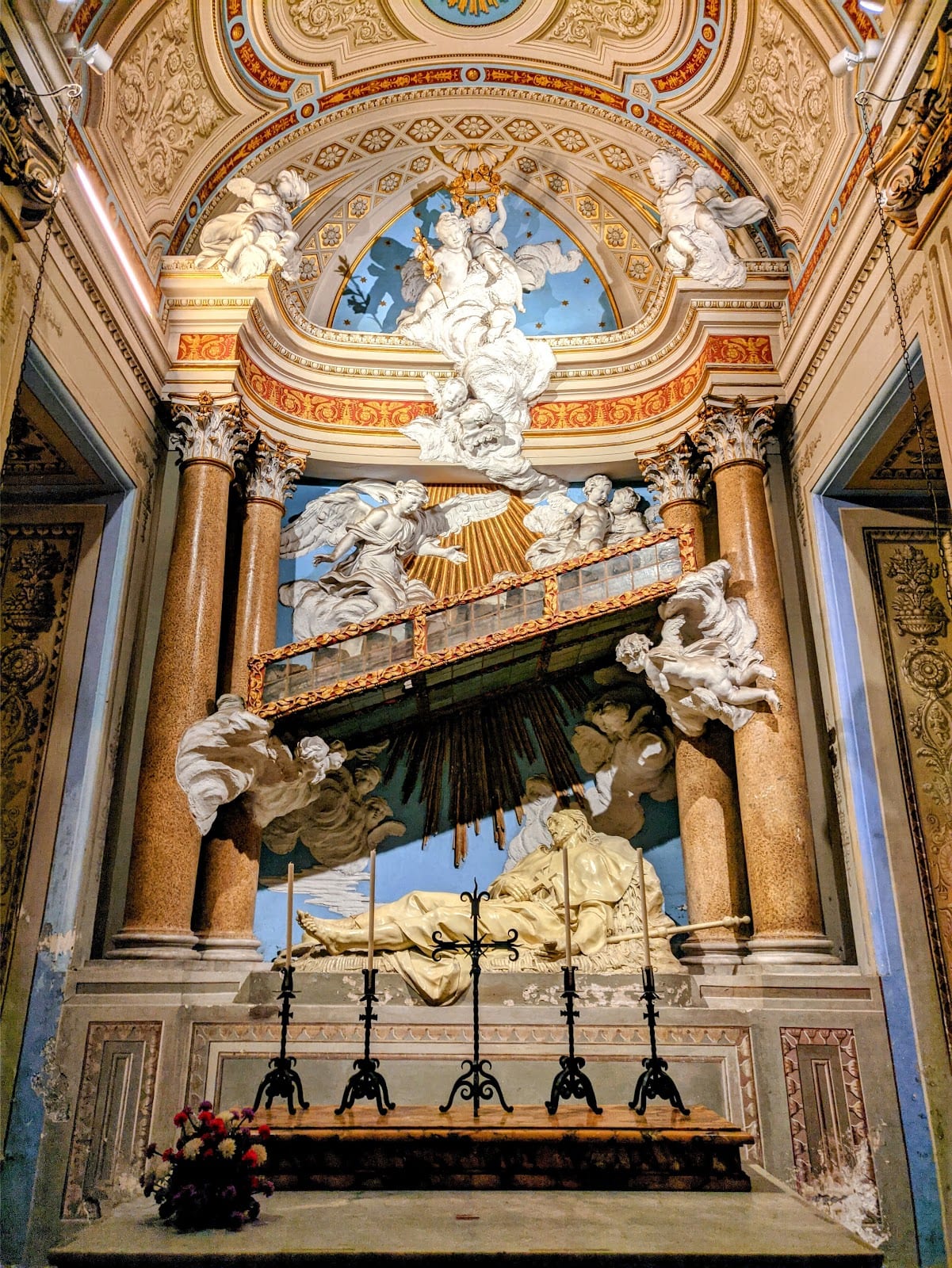 Piazza Sant'Alessio Worth it
Basilica dei Santi Bonifacio e Alessio
The quiet church next to Santa Sabina, with a Romanesque bell tower and a curious relic.
A few steps past Santa Sabina, on Piazza Sant'Alessio, stands this much quieter church, founded between the 3rd and 4th centuries and rebuilt over the ages, its present facade the work of Tommaso De Marchis around 1750. It is dedicated to Saints Boniface and Alexius, and its curiosity is the relic of St Alexius: the wooden staircase under which he is said to have lived unrecognized as a beggar in his own family's house, now displayed in a theatrical glass case held up by carved angels. Outside, a fine 13th-century Romanesque bell tower survives. Most visitors to the hill walk straight past it to the keyhole, which is exactly why it is worth ducking into: it is free, calm, and usually empty.
Good for couples, solo


Hidden gems
Where the crowds thin out.- Hidden gem
 Piazza dei Cavalieri di Malta Worth it
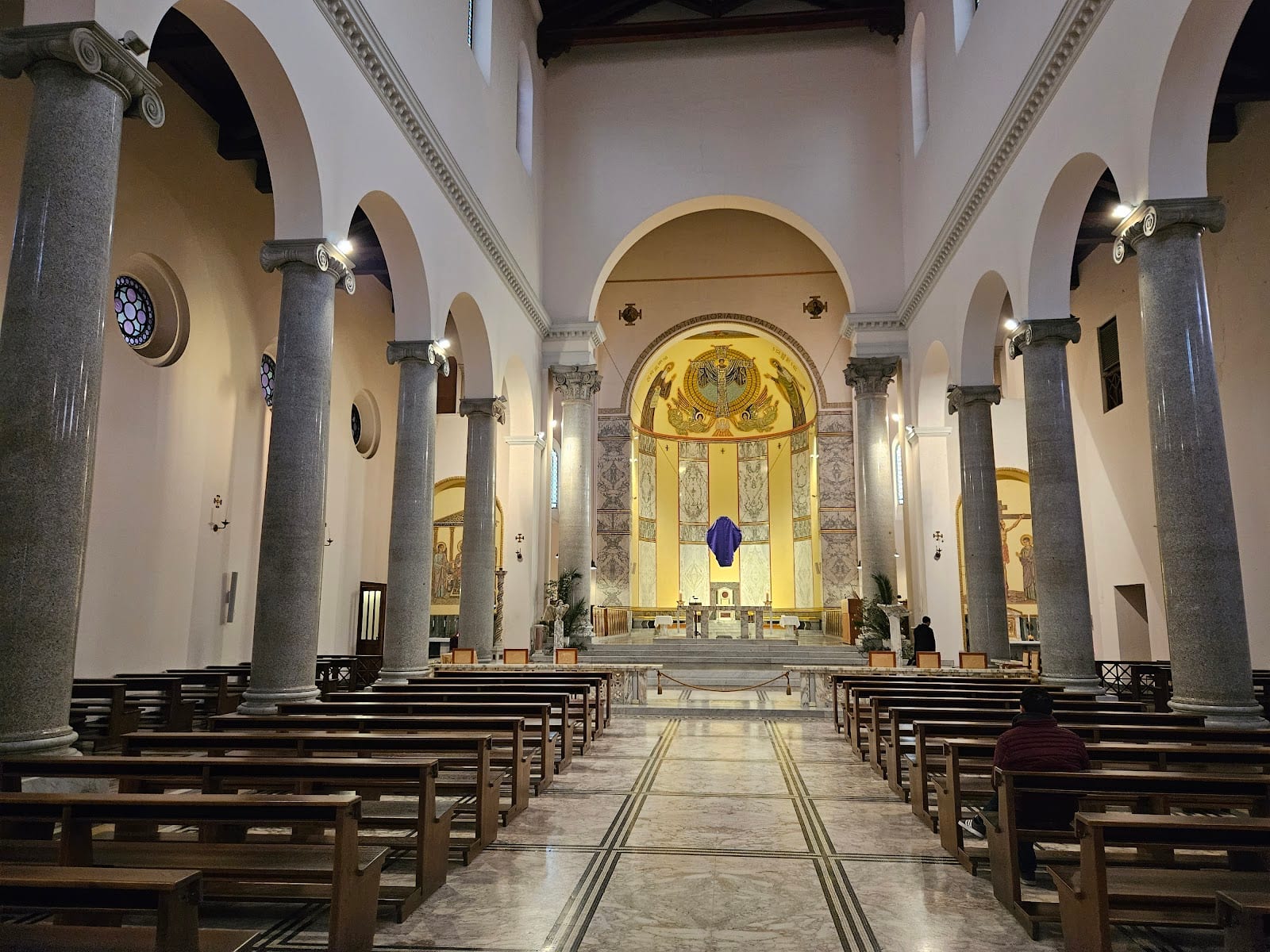
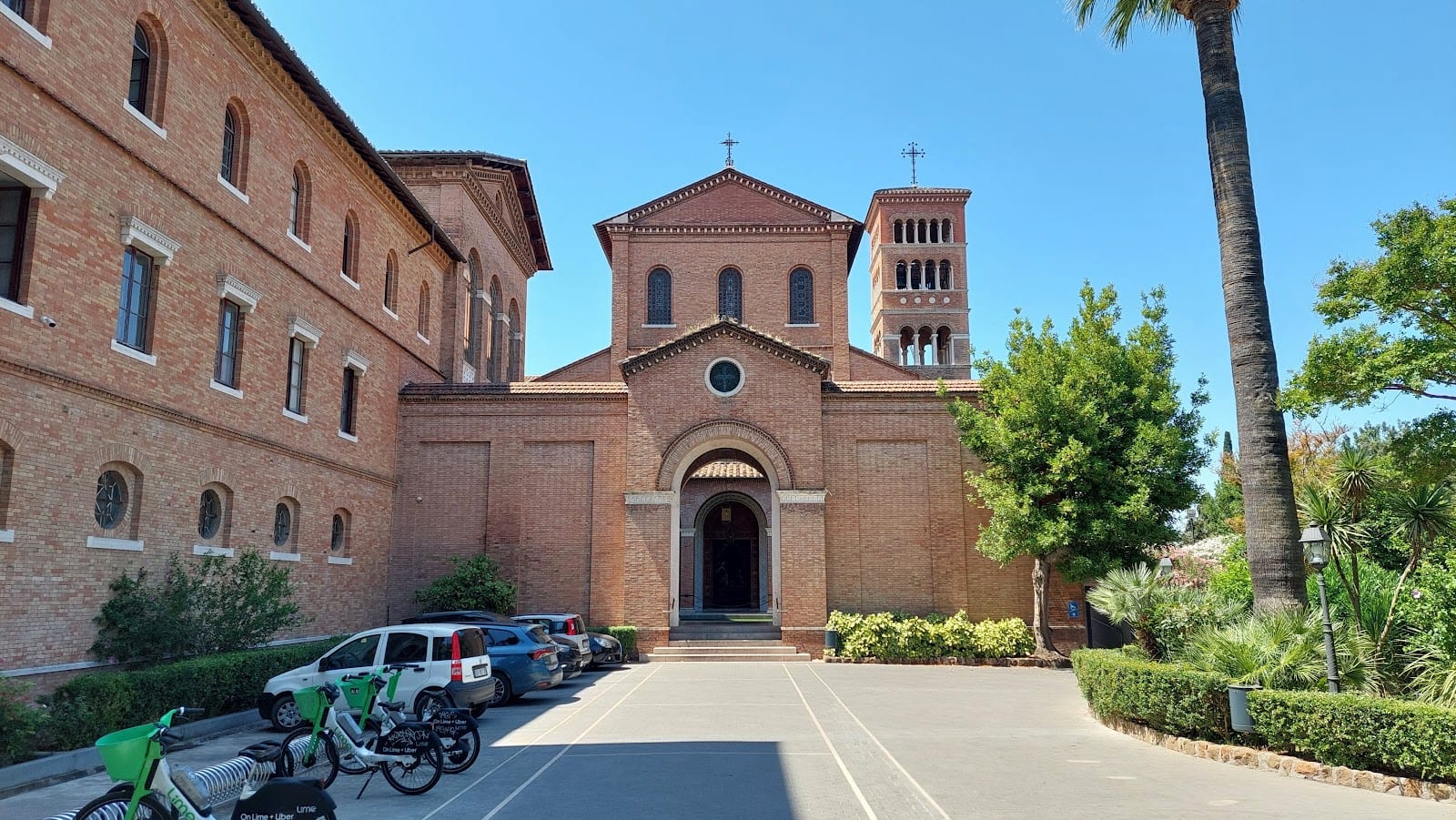
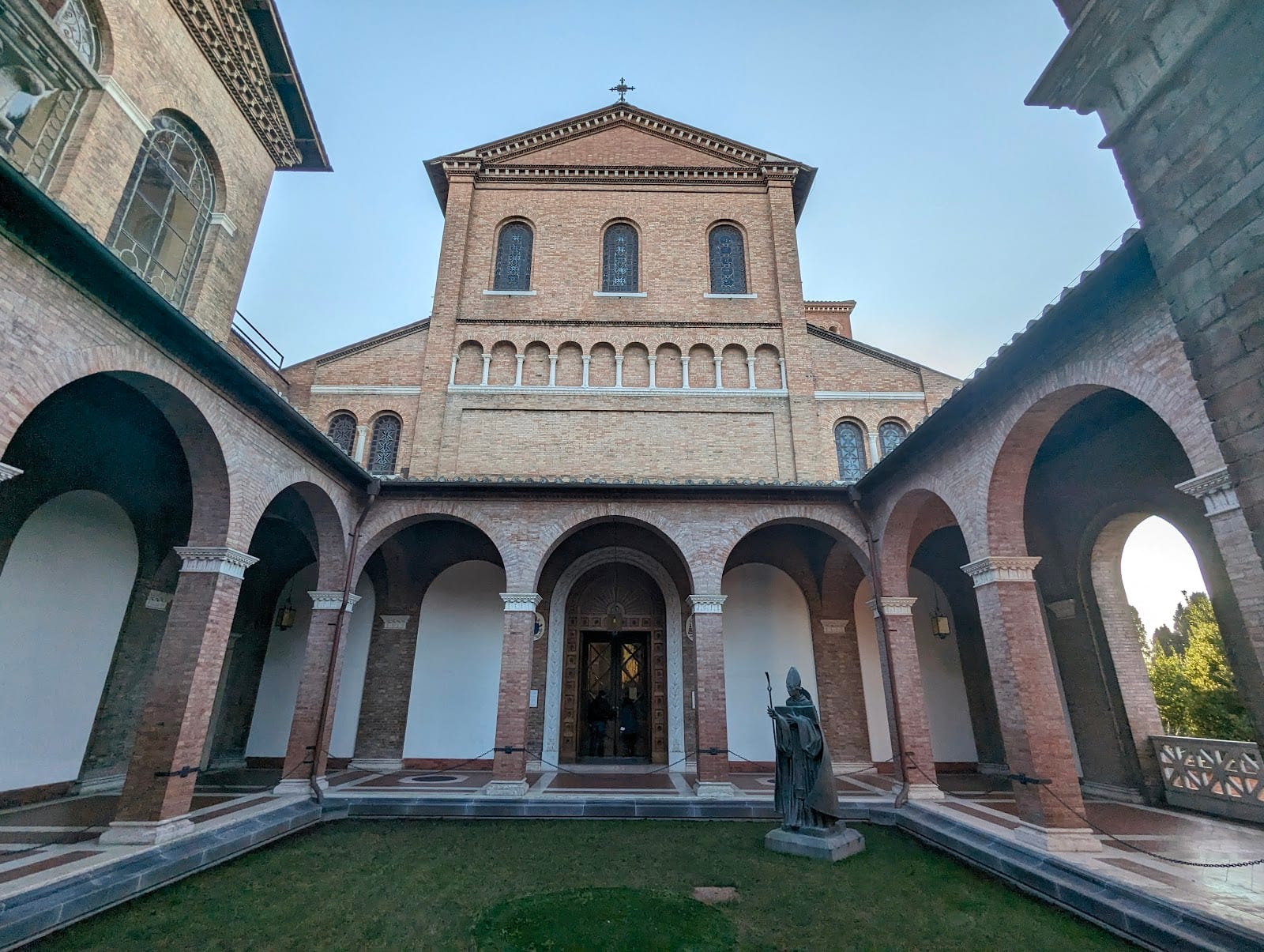
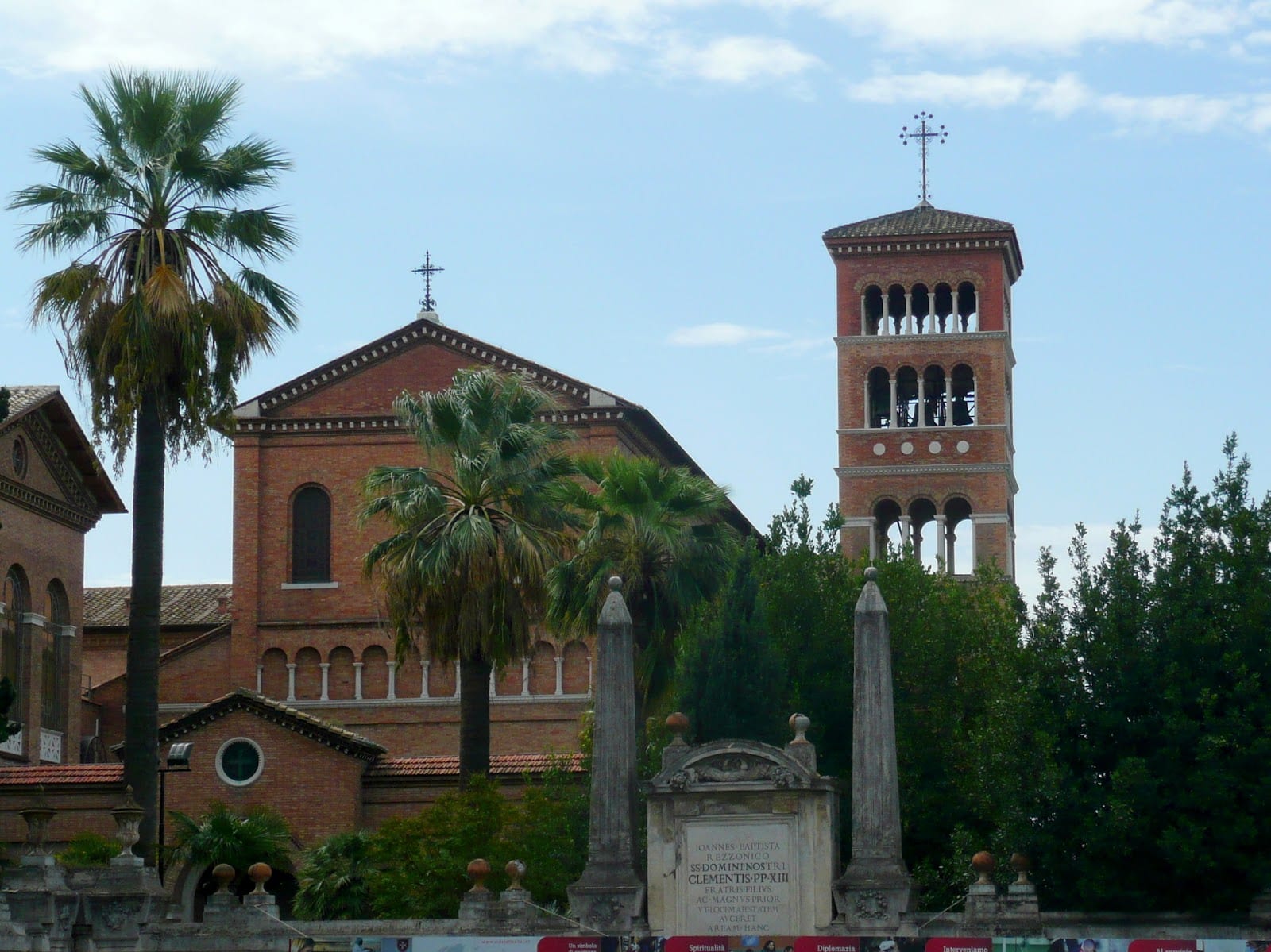
Sant'Anselmo all'Aventino (Gregorian chant Vespers)
Benedictine monks singing Gregorian chant at dusk, in a calm neo-Romanesque church almost no tourist finds.
The genuine hidden gem of the Aventine is not a sight you look at but one you listen to. Sant'Anselmo, the international Benedictine complex on Piazza dei Cavalieri di Malta, built between 1892 and 1900 in a pure neo-Romanesque style, is the seat of the Abbot Primate of the Benedictine order. Most people who queue at the keyhole a few doors away never realize that inside this church, most evenings, the monks sing Vespers, the sung evening prayer, in Gregorian chant, and that anyone may quietly slip in and sit. It is free, it is deeply atmospheric, and it is about as far from the tourist Rome of selfie sticks as you can get while standing in the middle of it. Vespers is usually around 7:15 PM, but the monastic timetable shifts, especially in summer, so confirm the current time before you plan an evening around it. Step into the peaceful cloister afterward if it is open.
Good for couples, solo


Verdicts and rankings are our own; ratings open each place on Google. Prices, where shown, are an approximate per-person guide in USD.
The Aventine on screen
Where you've seen the Aventine before
The hill's quiet beauty was made for the movies. Tap the trailer, then go stand in the scene:
- Film, 2013
The Great Beauty
Paolo Sorrentino's Oscar-winning portrait of Rome brings its hero, Jep Gambardella, up to the Aventine on a nocturnal tour of the city's secret keys: he peers through the keyhole of the Knights of Malta gate at the floodlit dome of St Peter's, walks by Santa Sabina, and in another scene watches a nun gathering oranges in the Orange Garden.
The Aventine Keyhole (Priory of the Knights of Malta)Source
Eat & drink
Where to eat and drink near the Aventine
The Aventine is residential and has almost no restaurants of its own, which is part of its calm. The good eating is at the foot of the hill and in neighboring Testaccio, a short walk down:
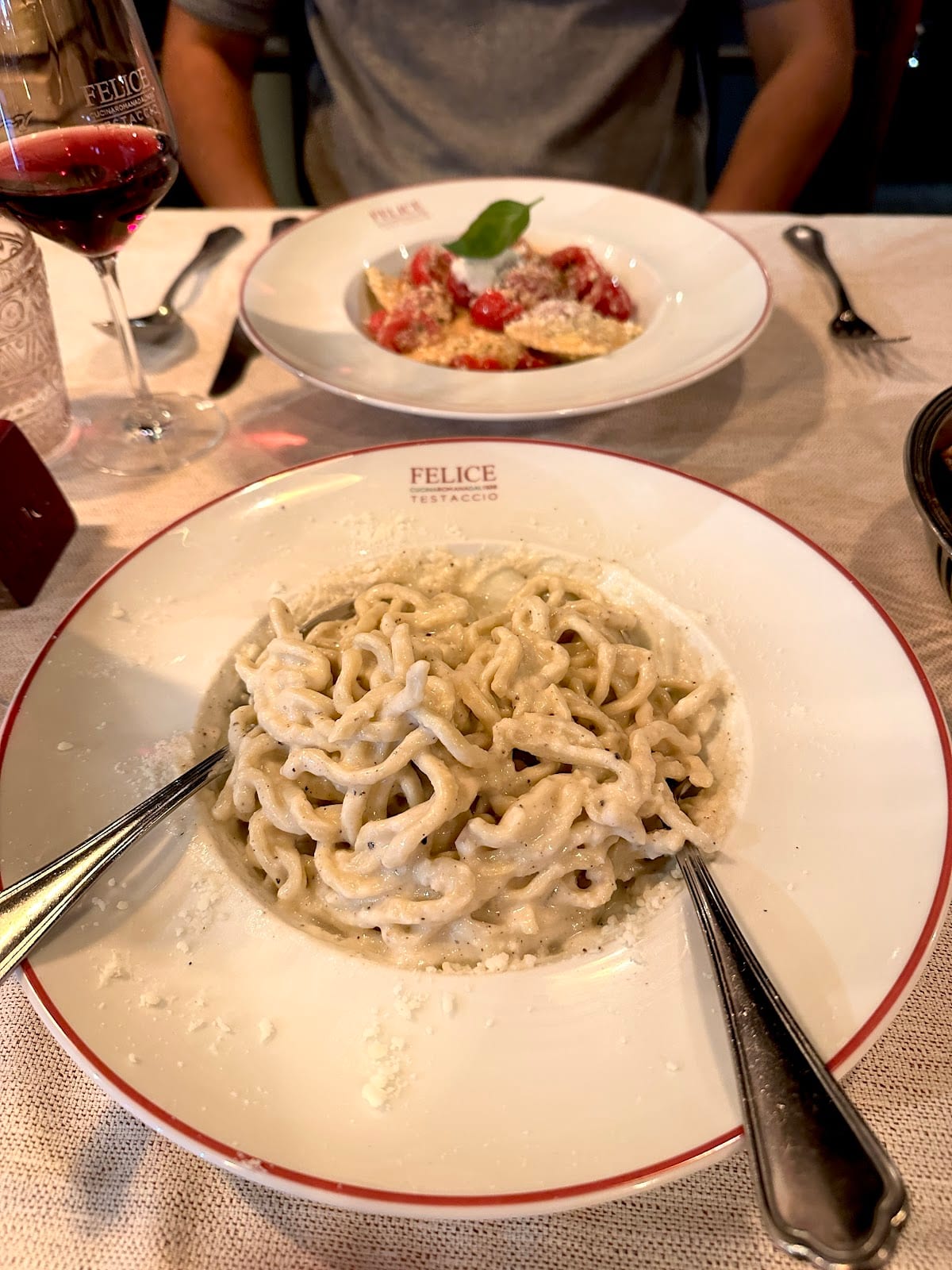
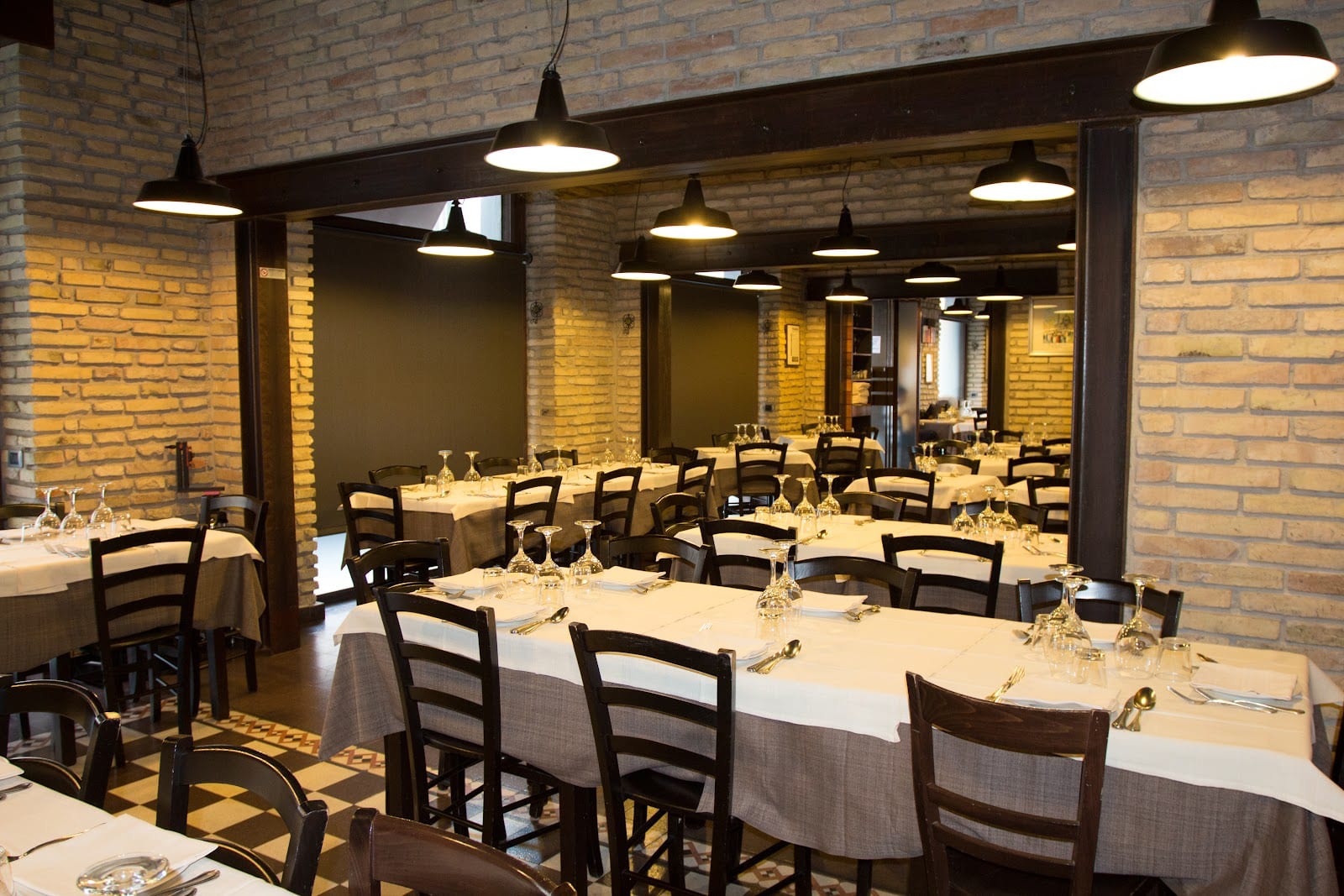
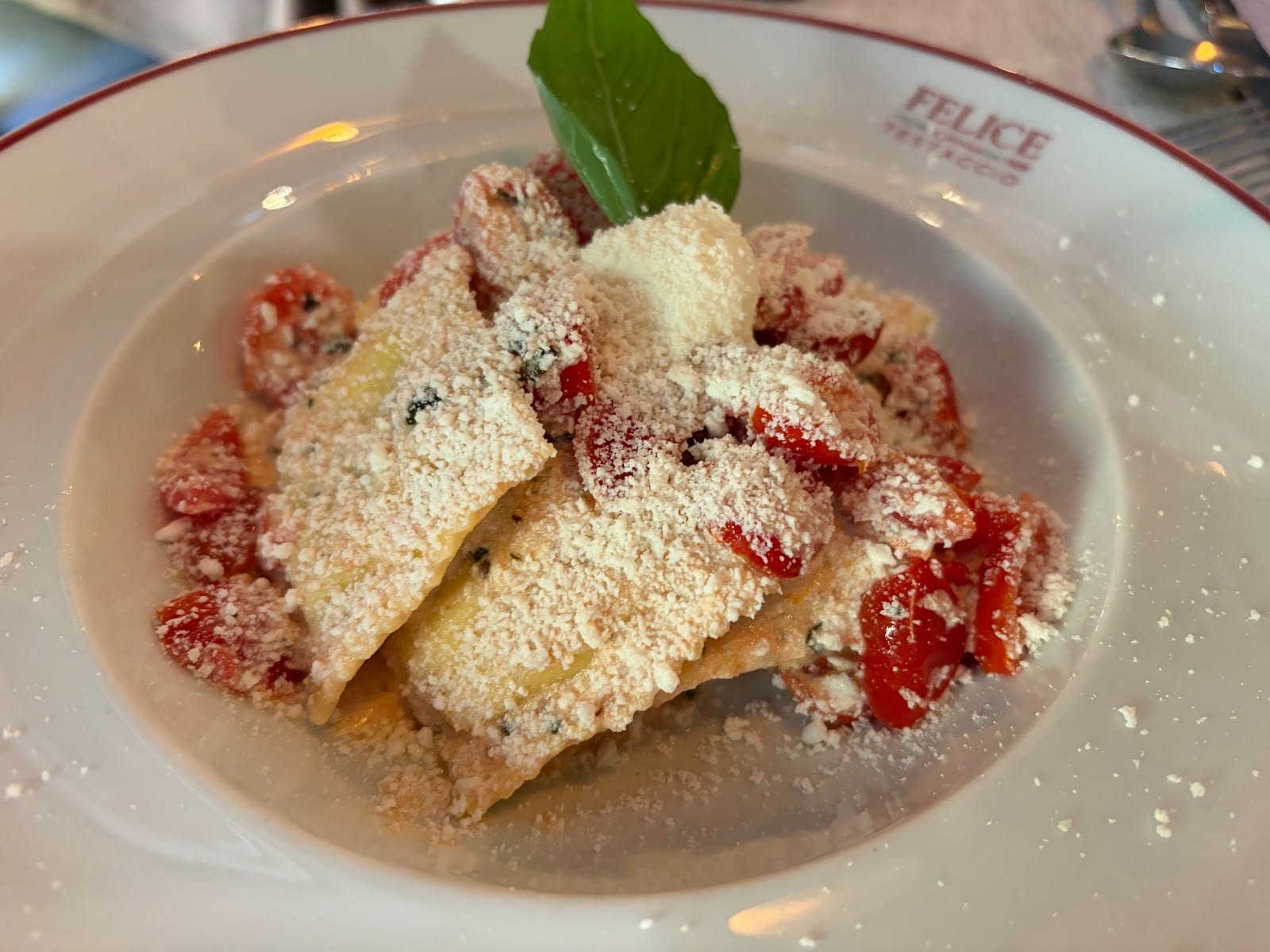
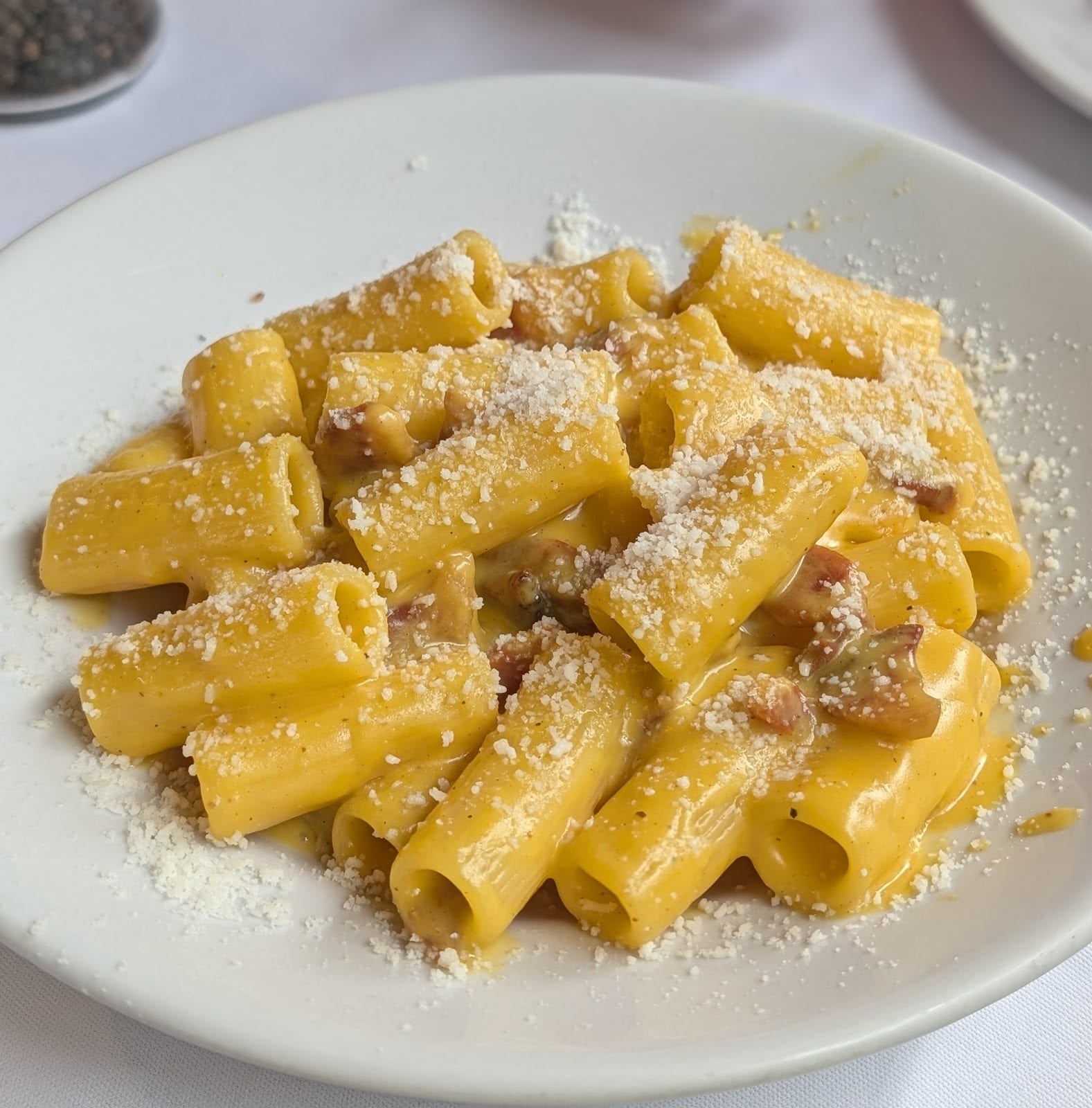
Felice a Testaccio
Testaccio (a 10-minute walk from the hill)A Testaccio institution since 1936 and the place for tonnarelli cacio e pepe, tossed at your table, plus the rest of the Roman pasta canon. Reserve ahead; it is deservedly busy.
on Google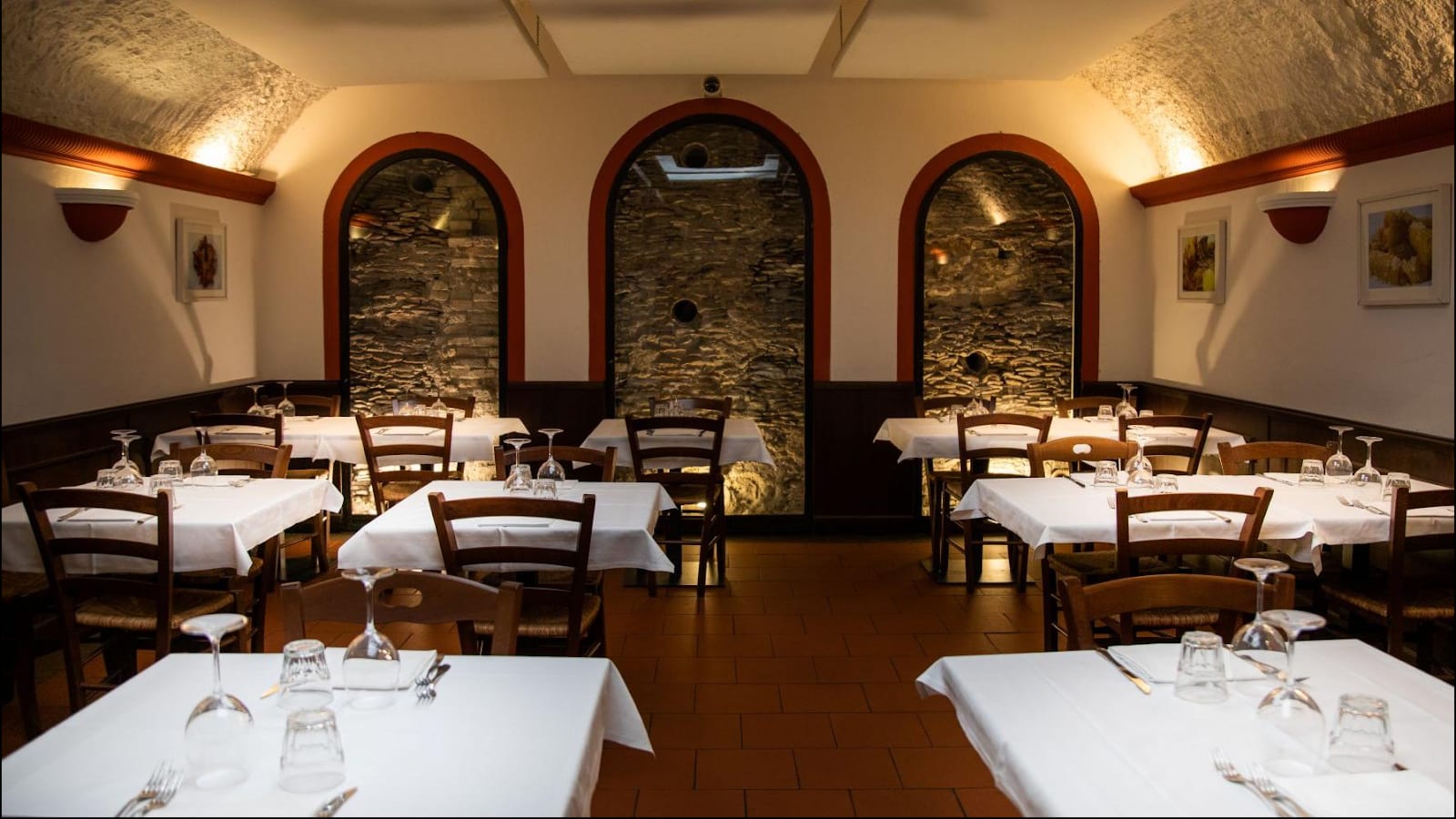
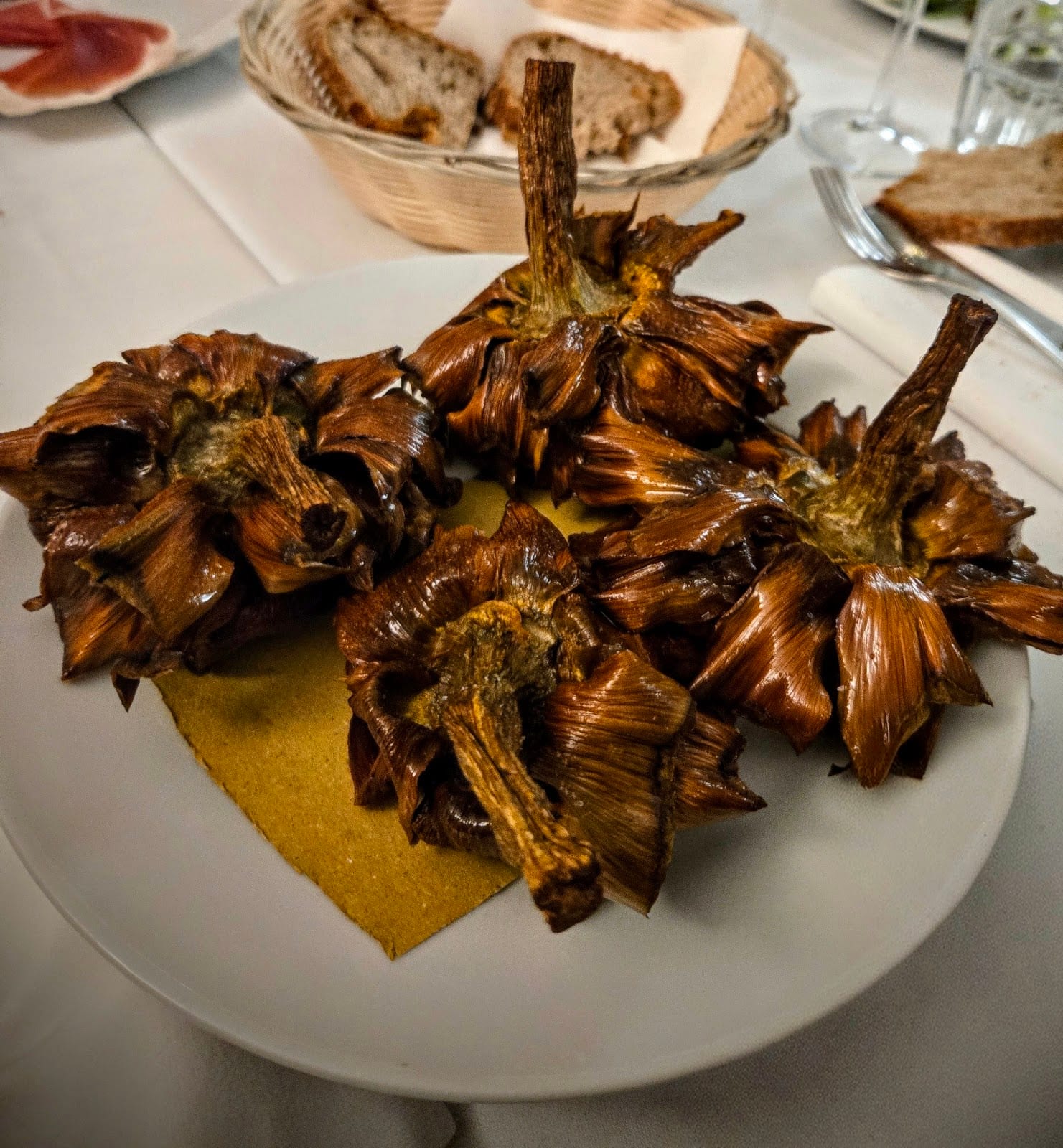
Flavio al Velavevodetto
Monte TestaccioA classic Roman osteria dug into the base of Monte Testaccio, the ancient hill of broken amphorae, with a glass panel showing the shards. Come for gricia, carbonara, and cacio e pepe done properly.
on Google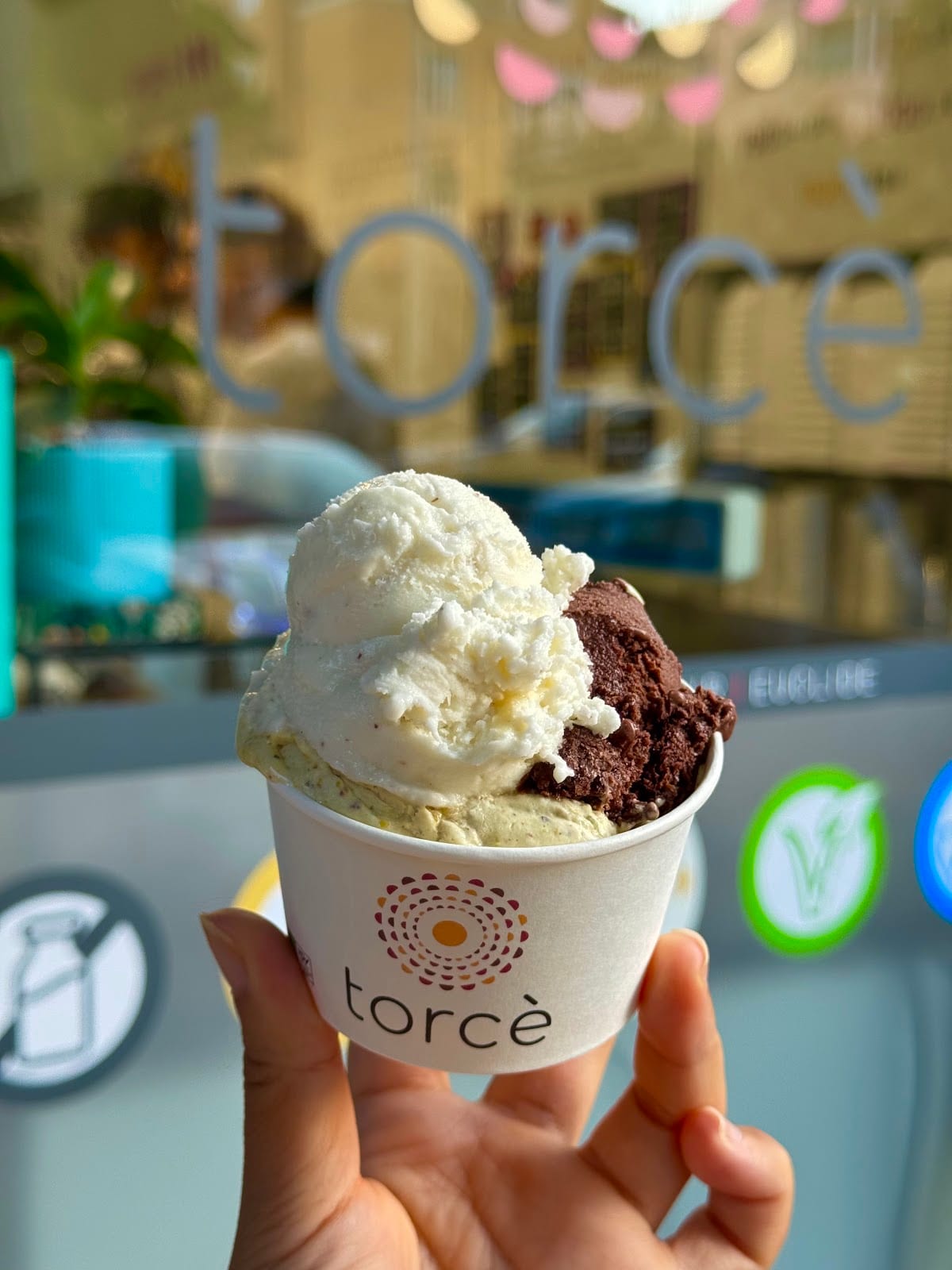

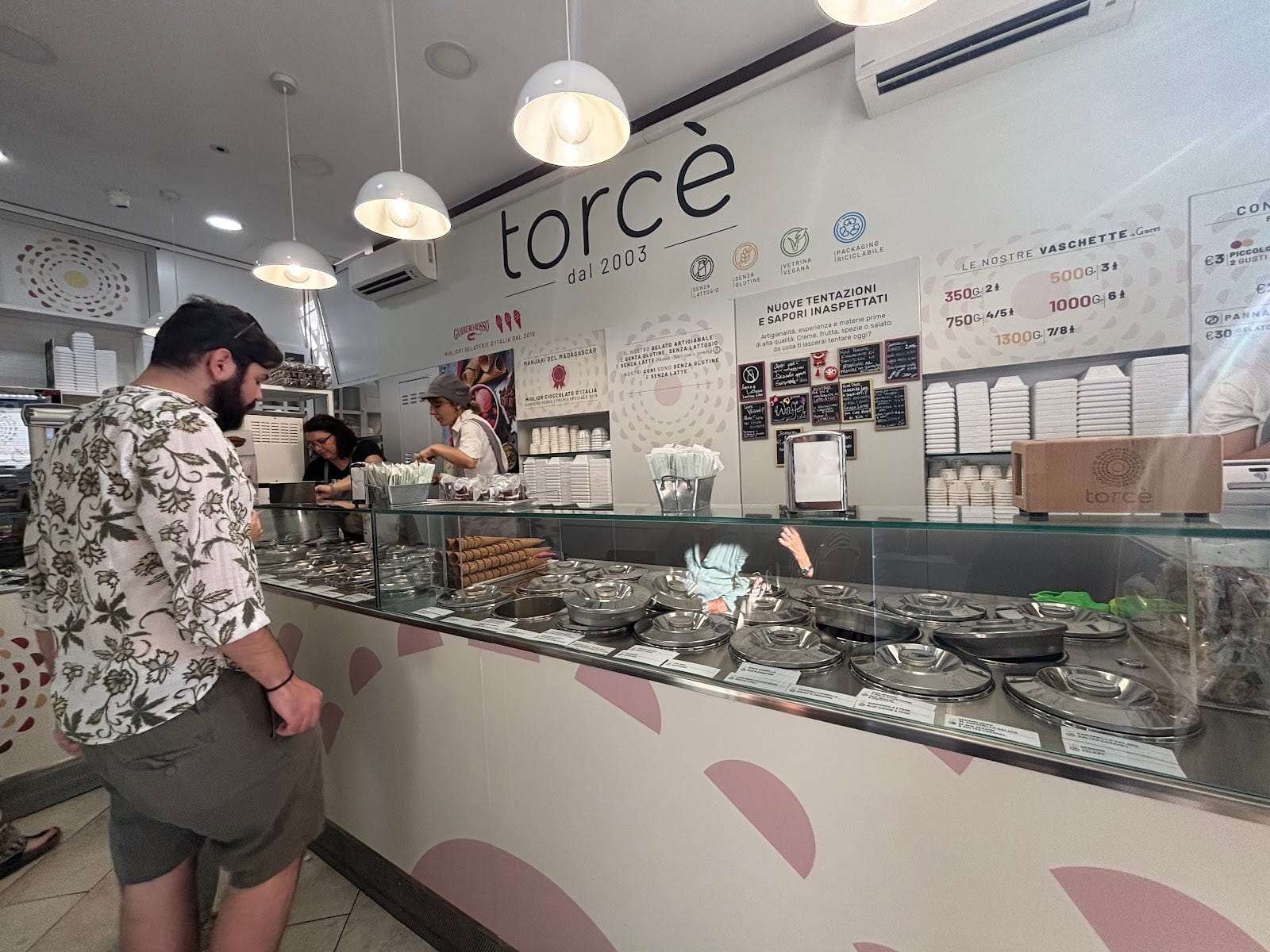
Il Gelato di Claudio Torcè
Viale Aventino (foot of the hill, by Circo Massimo)A famous Rome gelato name from a pioneer of experimental flavors, near the Circo Massimo metro at the foot of the Aventine. A perfect cone before or after the climb.
on Google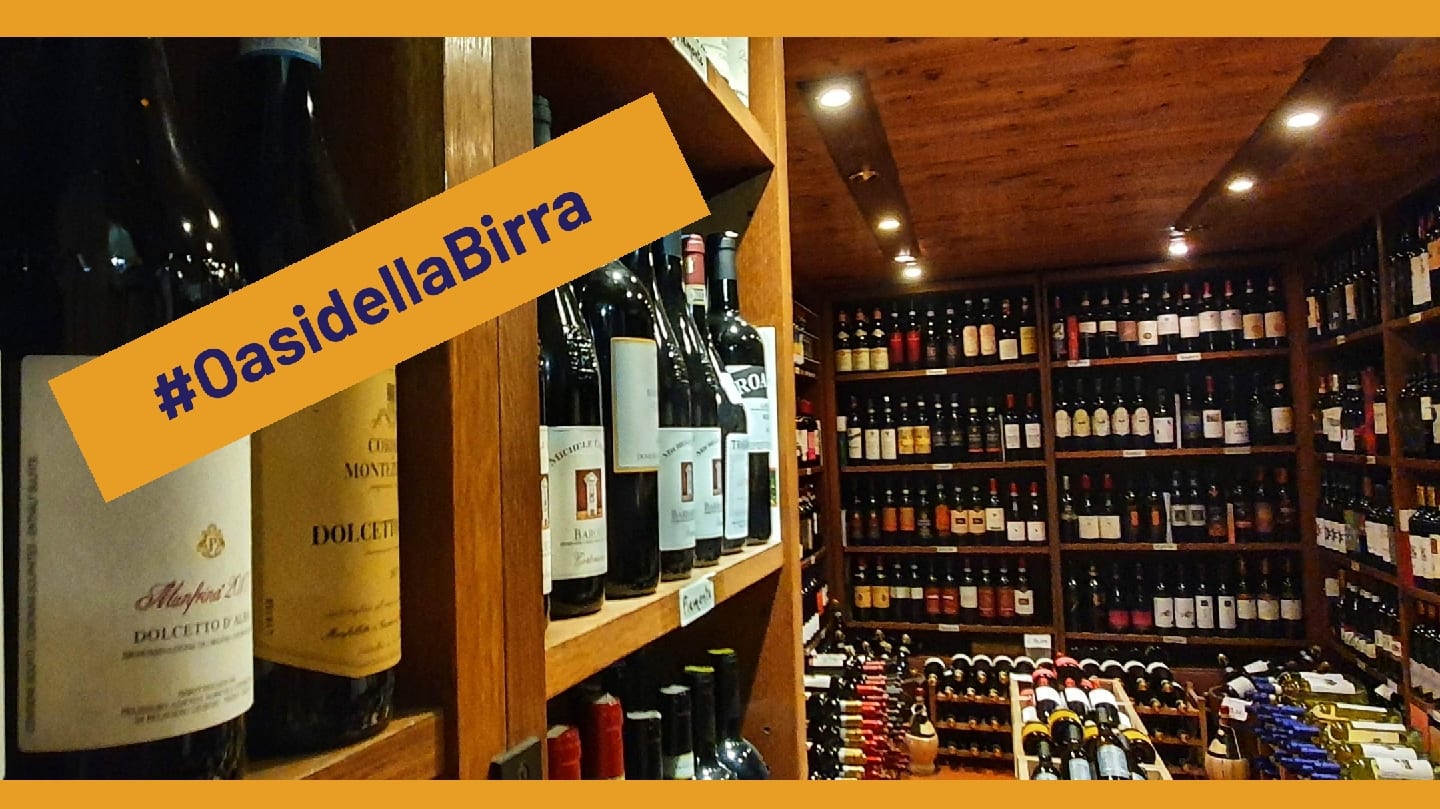
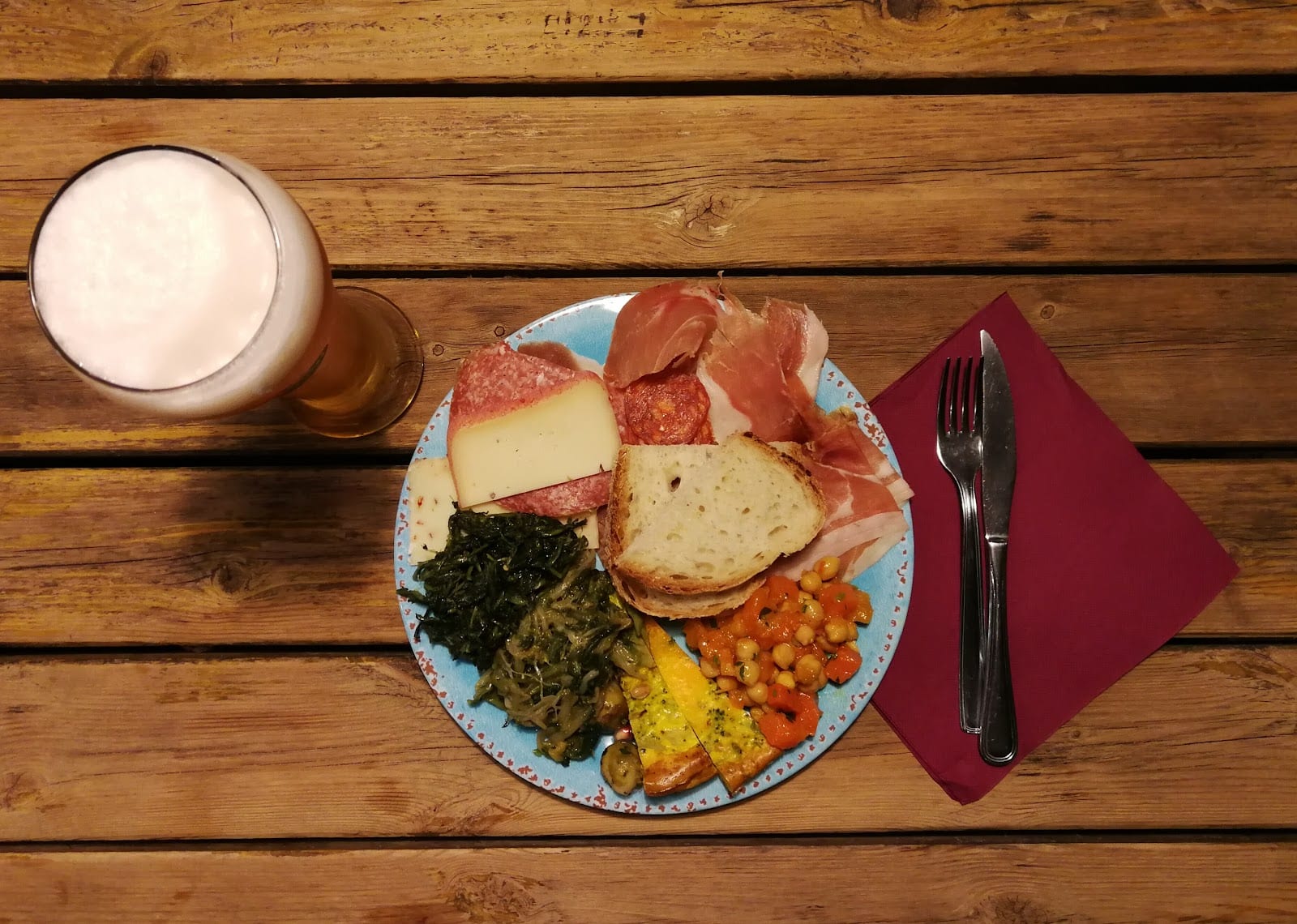
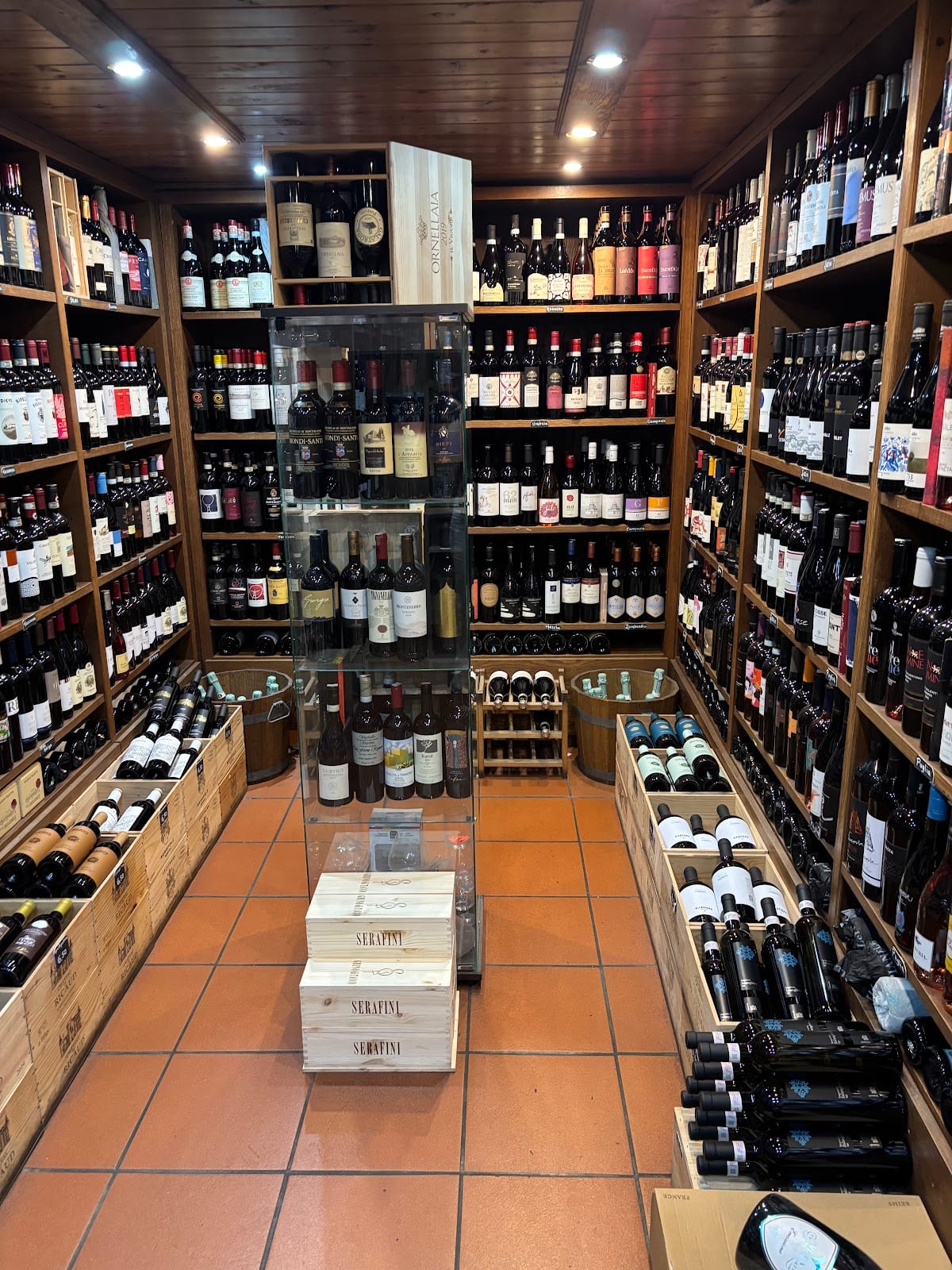
L'Oasi della Birra (Enoteca Palombi)
Piazza TestaccioA long-standing enoteca and bar on the main Testaccio square, known for a generous, great-value aperitivo and a deep wine and beer list. The relaxed local scene the Aventine itself does not have.
on Google


Getting around
Getting around the Aventine
The Aventine is small and best on foot, an easy climb from the ancient center.
Circo Massimo metro (Line B)
The Circo Massimo station on Metro Line B sits at the foot of the hill. From there it is a five-to-ten-minute walk up, passing the Rose Garden, to Santa Sabina and the Orange Garden at the top.
The sights cluster at the top
Santa Sabina, Sant'Alessio, the Orange Garden, the keyhole square, and Sant'Anselmo are all within a few minutes' walk of one another on the crown of the hill. The Rose Garden and Circus Maximus are downhill on the Circus Maximus side.
A calm contrast to the center
This is one of the few corners of central Rome with almost no shops, bars, or traffic. It is quiet and leafy by design, so come for the calm and plan to eat elsewhere.
Time it for the light, or for Vespers
The Orange Garden view is best in late afternoon, the keyhole queue is shortest early or after dark, and if you can, stay for the sung Vespers at Sant'Anselmo in the early evening.
Where to stay
Where to stay on the Aventine
The Aventine is one of Rome's calmest, most exclusive places to sleep: leafy, quiet, and safe, a short walk or one metro stop from the ancient center. It suits travelers who want peace over nightlife.
The top of the hill
Around Santa Sabina and the Orange Garden, the most peaceful and prestigious part, with a handful of elegant hotels in former villas. Quiet nights and beautiful mornings, but you walk or take the metro down to almost everything.
Toward Circo Massimo
The lower slope near the metro is the most convenient base, a short step from Line B and an easy walk up into the greenery. The best balance of calm and access on the hill.
The Testaccio edge
Down toward Testaccio you trade the hush of the hill for Rome's best working-class food scene and a livelier evening, still an easy walk back up. Good if you want dinner on your doorstep.
Near the Circus Maximus
The flat ground by the Circus puts the ancient center, the Colosseum, and the Forum within a long walk, with the Aventine's calm rising just behind you. Central, with a green escape at hand.

Explore the Rome City Guide
See every Rome neighborhood, itinerary, and the essentials, and find the right base for your trip.
View the guideWho it's for
Aventine for couples, families, and solo
- The Aventine for couples
- Time the Orange Garden for sunset, when the light turns gold over the dome of St Peter's, then take turns at the keyhole and stay for the hush of Vespers at Sant'Anselmo. It is one of the most romantic hours in Rome, and almost free.
- The Aventine for families
- The Orange Garden has room to run and a big view, the keyhole is a genuine thrill for kids, and the Circus Maximus is a vast open field to cross on the way up. Cap it with a gelato at the foot of the hill by the metro.
- The Aventine for solo travelers
- The Aventine is safe, quiet, and made for a slow wander: free churches to sit in, the calm of the gardens, and the near-secret Vespers at Sant'Anselmo. A restorative couple of hours away from the crowds.
More of Rome
Nearby neighborhoods
A short hop from Aventine, and worth pairing on the same trip.

Ready to explore the Aventine?
Tell Zoya, your personal travel assistant, how you like to travel, and she'll turn these into an Aventine morning, or a whole Rome trip, that fits your dates.
Explore now