

Centro Storico · Rome neighborhood guide
Things to Do in Rome's Centro Storico
Rome's dense historic heart, where the ancient and the Baroque sit side by side: the Pantheon, the Trevi Fountain, Bernini's Piazza Navona, and the lanes around Campo de' Fiori. Here's what's actually worth your time, ranked and judged.
Centro Storico in brief
What are the top things to do in Rome's Centro Storico?
Stand under the open oculus of the Pantheon, the best-preserved building of ancient Rome and free to enter with a small ticket; see Bernini's Fountain of the Four Rivers on Piazza Navona; toss a coin in the Trevi Fountain; browse the morning market on Campo de' Fiori; and walk the old Jewish Ghetto for the Portico d'Ottavia and a plate of fried artichokes. Almost all of it is a short walk apart.
What is considered the historic center of Rome?
Centro Storico is the historic core inside the bend of the Tiber, the UNESCO-listed heart of the city that holds the Pantheon, Piazza Navona, the Trevi Fountain, Campo de' Fiori, Largo di Torre Argentina, and the Jewish Ghetto. It is the most-walked part of Rome and is almost entirely explored on foot.
Is Rome's historic center walkable?
Yes, and walking is by far the best way to see it. The Pantheon, Piazza Navona, the Trevi Fountain, Campo de' Fiori, and the Jewish Ghetto are all within a ten to fifteen minute walk of one another through a tangle of cobbled lanes. There is no metro in the core, so plan to be on foot and wear comfortable shoes for the sampietrini cobblestones.
Get oriented
How Rome's Centro Storico fits together
Centro Storico is compact, cobbled, and made for wandering, packed into the bend of the Tiber between the river and Via del Corso.
The historic center is the dense wedge of old Rome inside the Tiber's curve. Piazza Navona and the Pantheon sit at its center, a few minutes apart, with San Luigi dei Francesi and Borromini's Sant'Ivo tucked into the lanes between them. To the west, toward the river, the market square of Campo de' Fiori runs into the old Jewish Ghetto and the Portico d'Ottavia. To the east, the streets climb toward the Trevi Fountain, which sits on the edge of the district where it meets the Tridente and the Spanish Steps. In the middle, the sunken temples of Largo di Torre Argentina mark the spot where Julius Caesar was killed. There is no metro down here, so everything in this guide is walked, and almost all of it is within fifteen minutes on foot.
A half-day loop on foot through the historic core, from Piazza Navona to the Ghetto:
See & do, ranked
The best things to do in Rome's Centro Storico
Our honest ranking of what's worth your time in the historic center, from the essentials to the hidden gems, with a verdict on each so you know what to prioritize and where the tourist traps are.
Must-see
The essentials, ranked.- 1
 Piazza della Rotonda Worth the hype
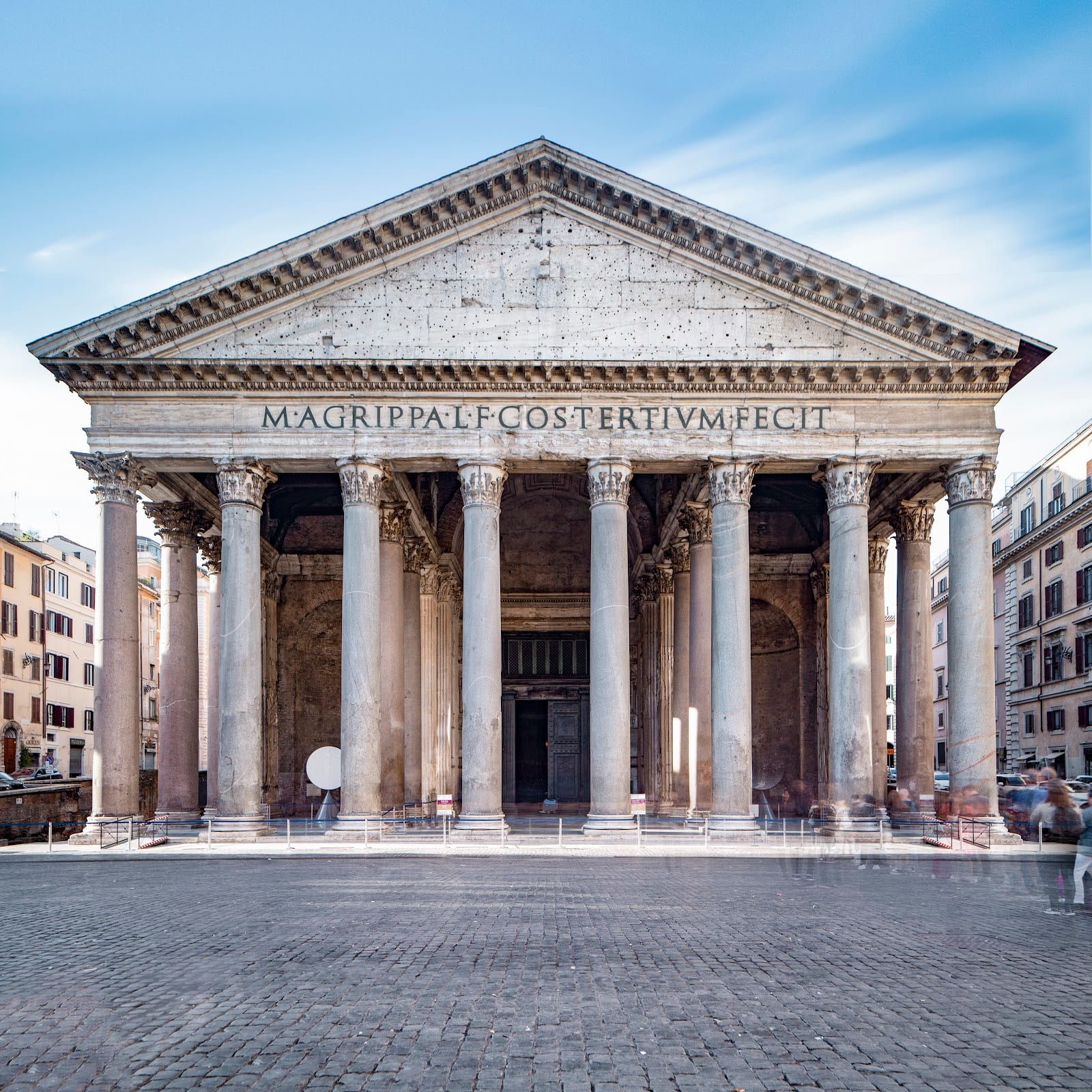
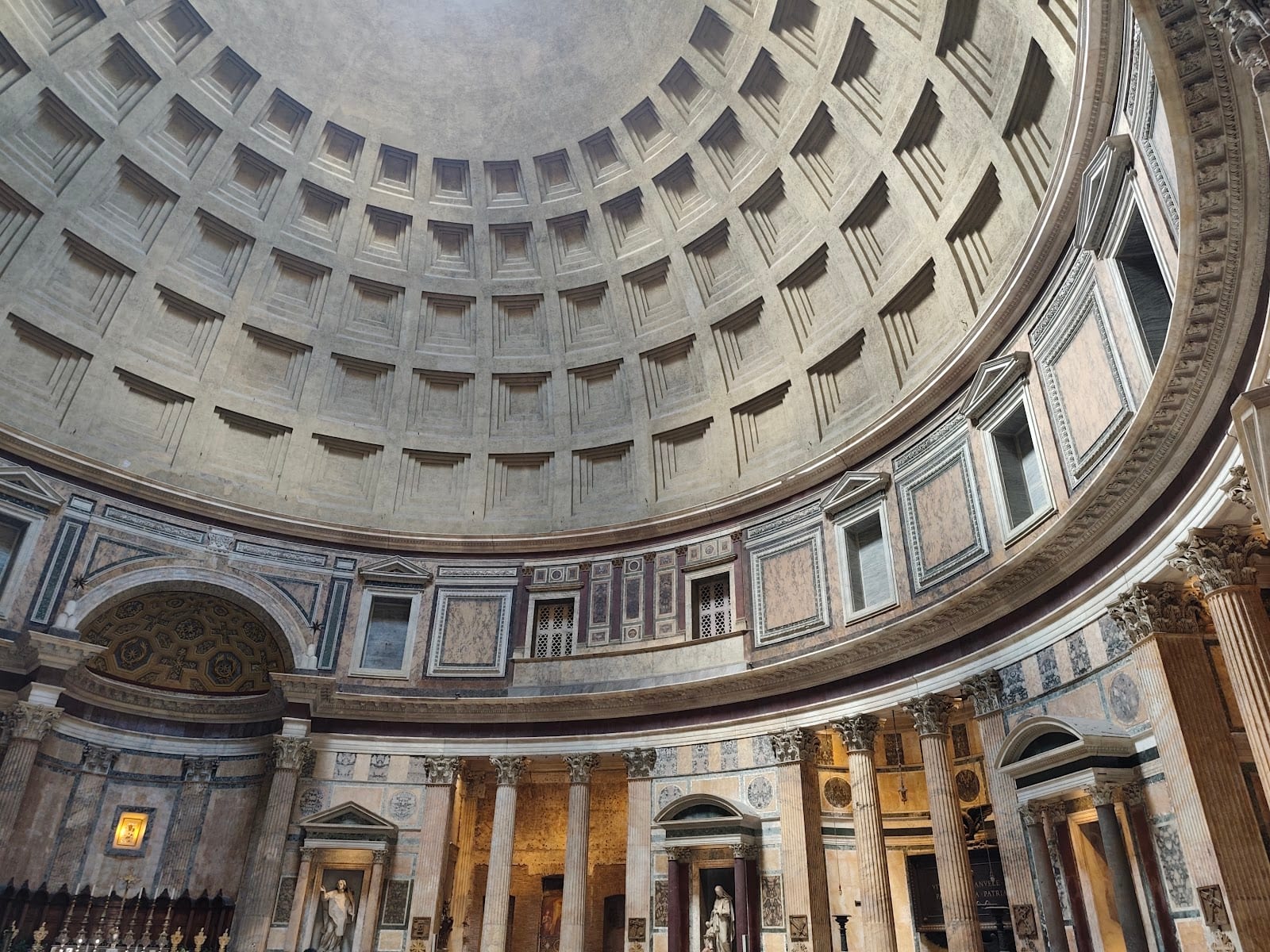
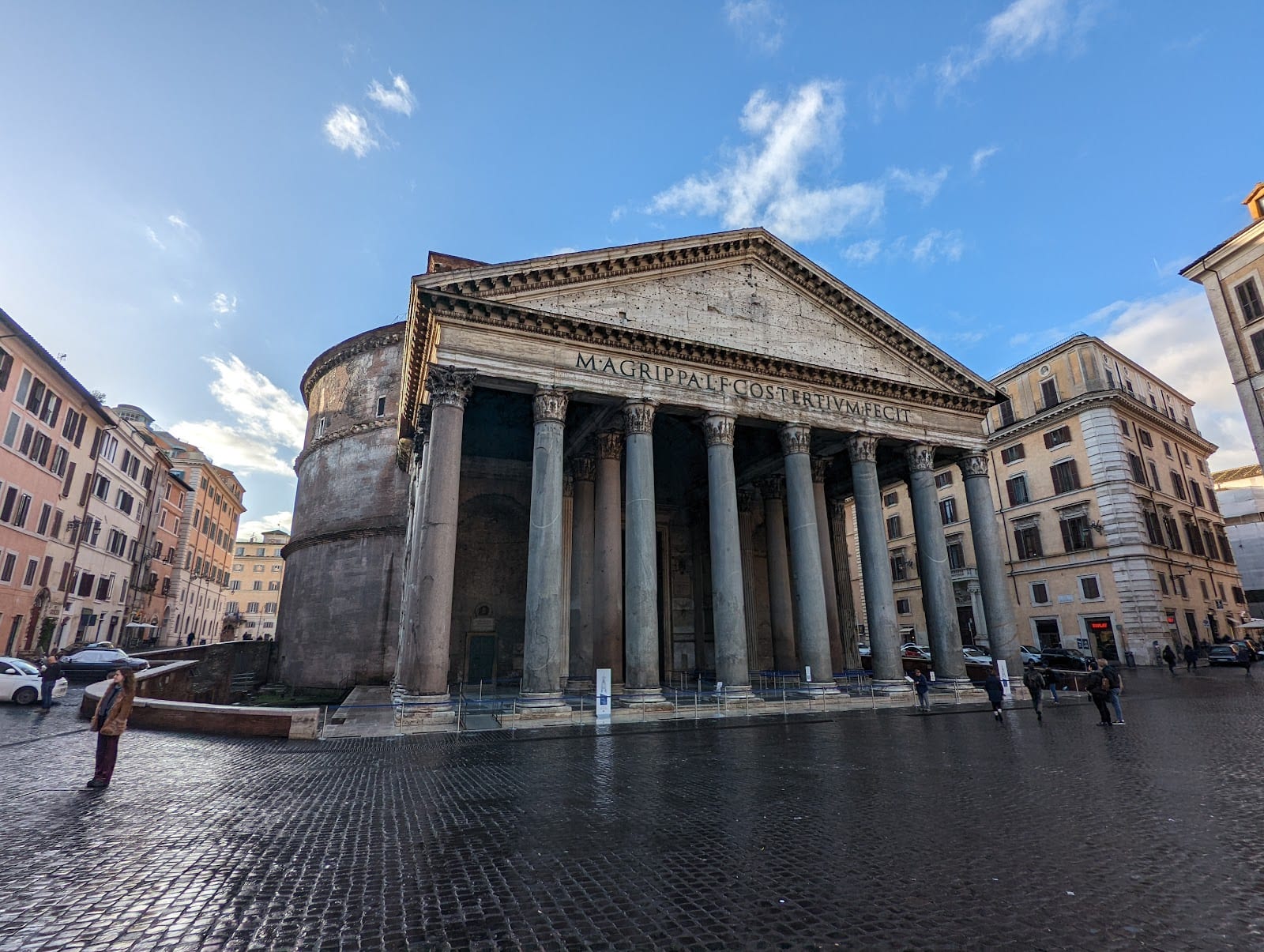
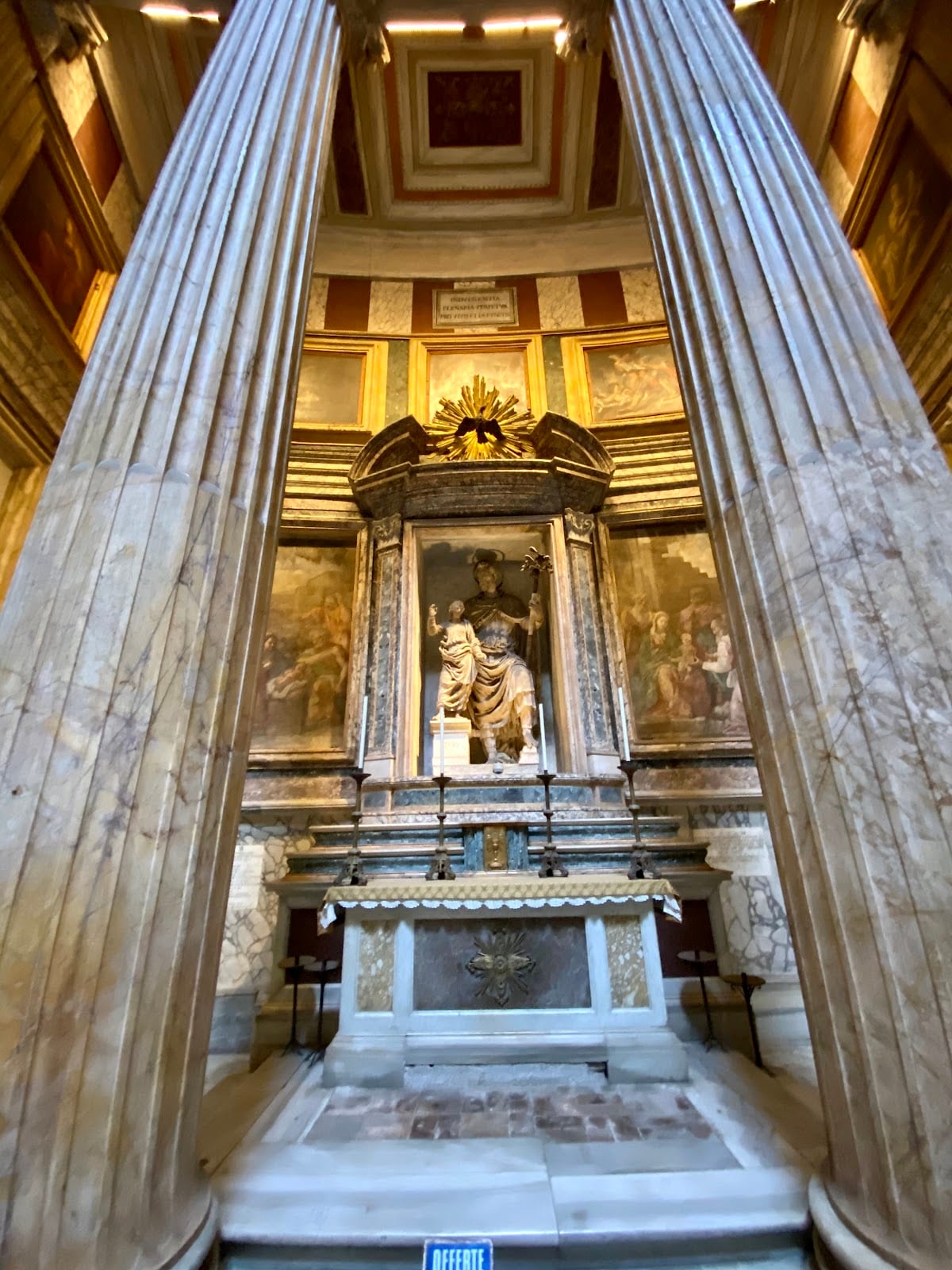
The Pantheon
The best-preserved building of ancient Rome, and the single thing to see in the historic center.
Nothing else in Rome survives like this. Built by the emperor Hadrian around 113 to 125 AD, on the site of an earlier temple whose builder Marcus Agrippa is still named across the portico, the Pantheon has stood almost intact for nearly nineteen centuries because it was consecrated as the church of Santa Maria ad Martyres in 609 AD and never abandoned. Step inside and the reason to come is overhead: the largest unreinforced concrete dome ever built, a perfect half-sphere whose diameter and height from the floor are identical at 43 meters, pierced by a single open oculus about nine meters across that is the only light source and lets the rain fall straight through to a drained floor. It is also a tomb, holding the painter Raphael and the first two kings of united Italy. General entry costs 7 euros as of July 2026, free for under-18s; go early or late to dodge the queue, and look up.
Daily 9:00 AM – 7:00 PM (last entry 6:30 PM)Good for couples, families, solo
- 2
 Piazza di Trevi Worth the hype
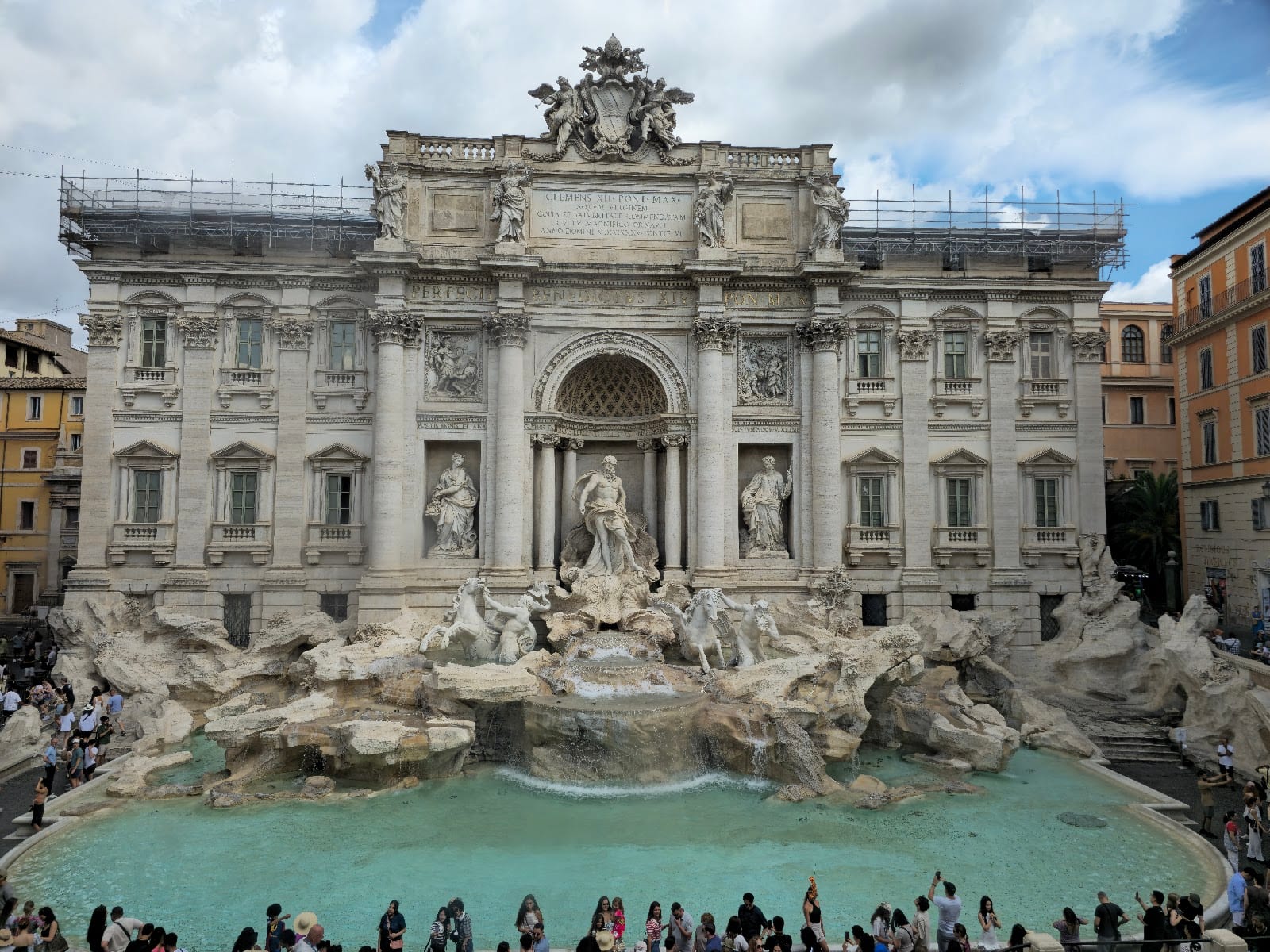
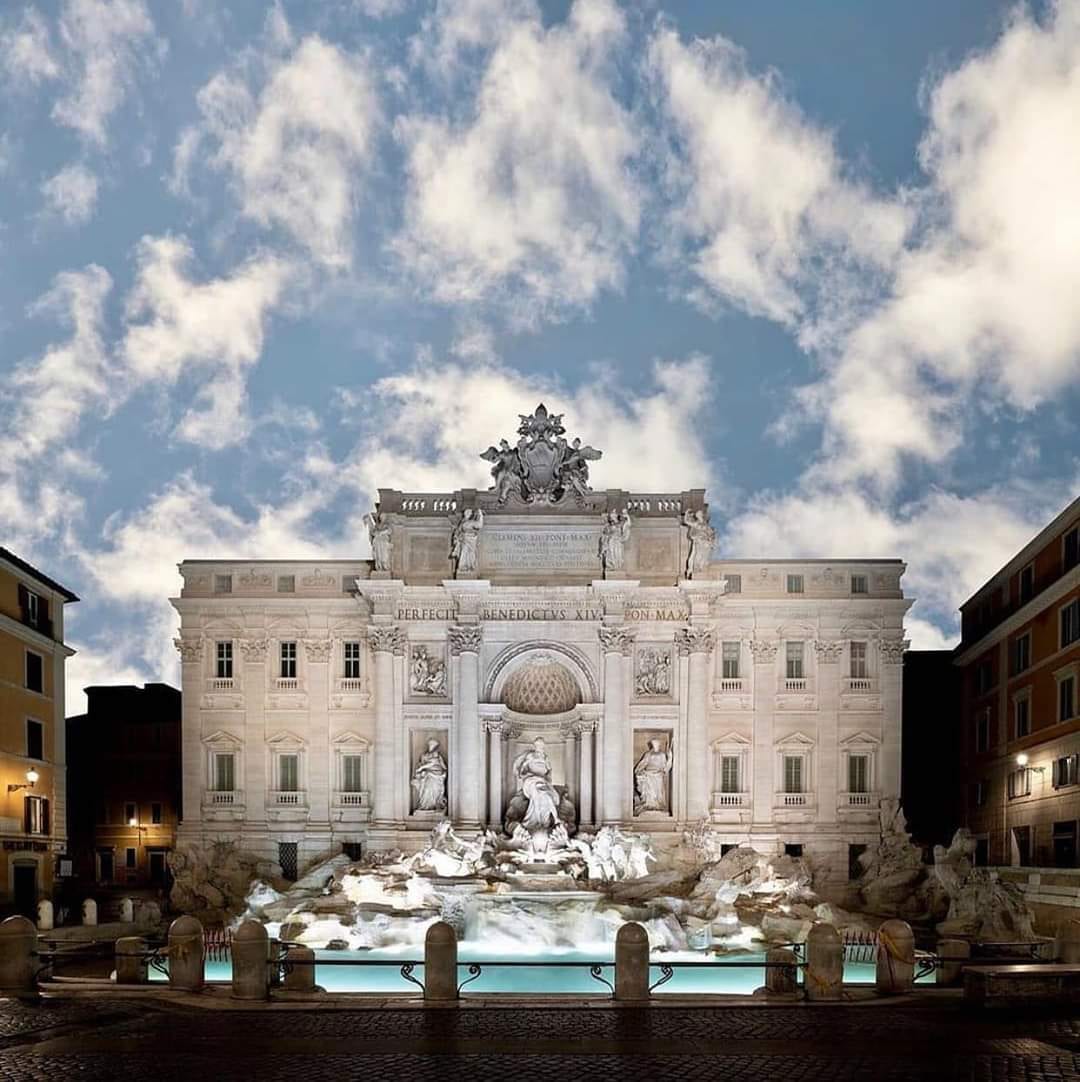
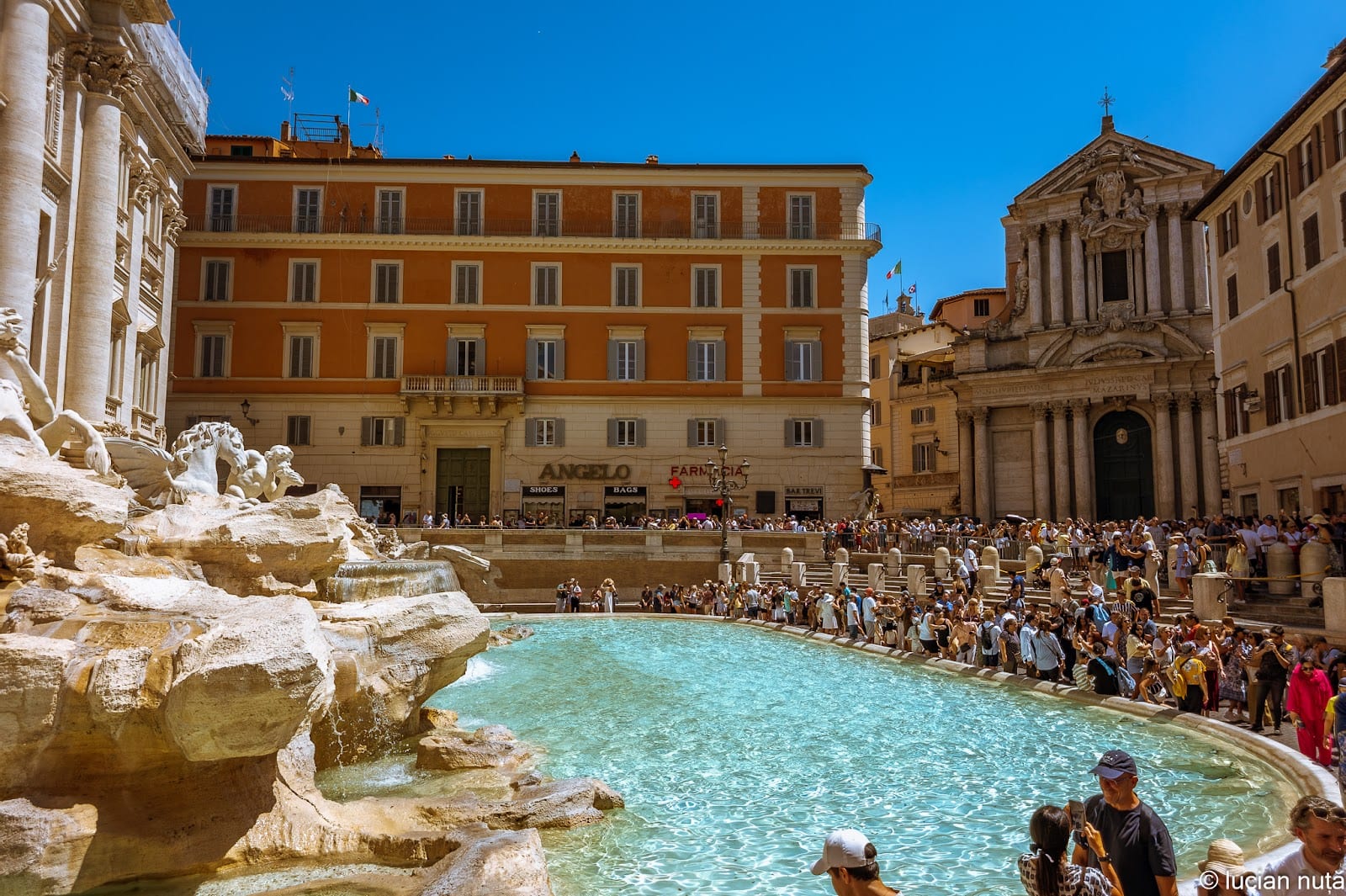
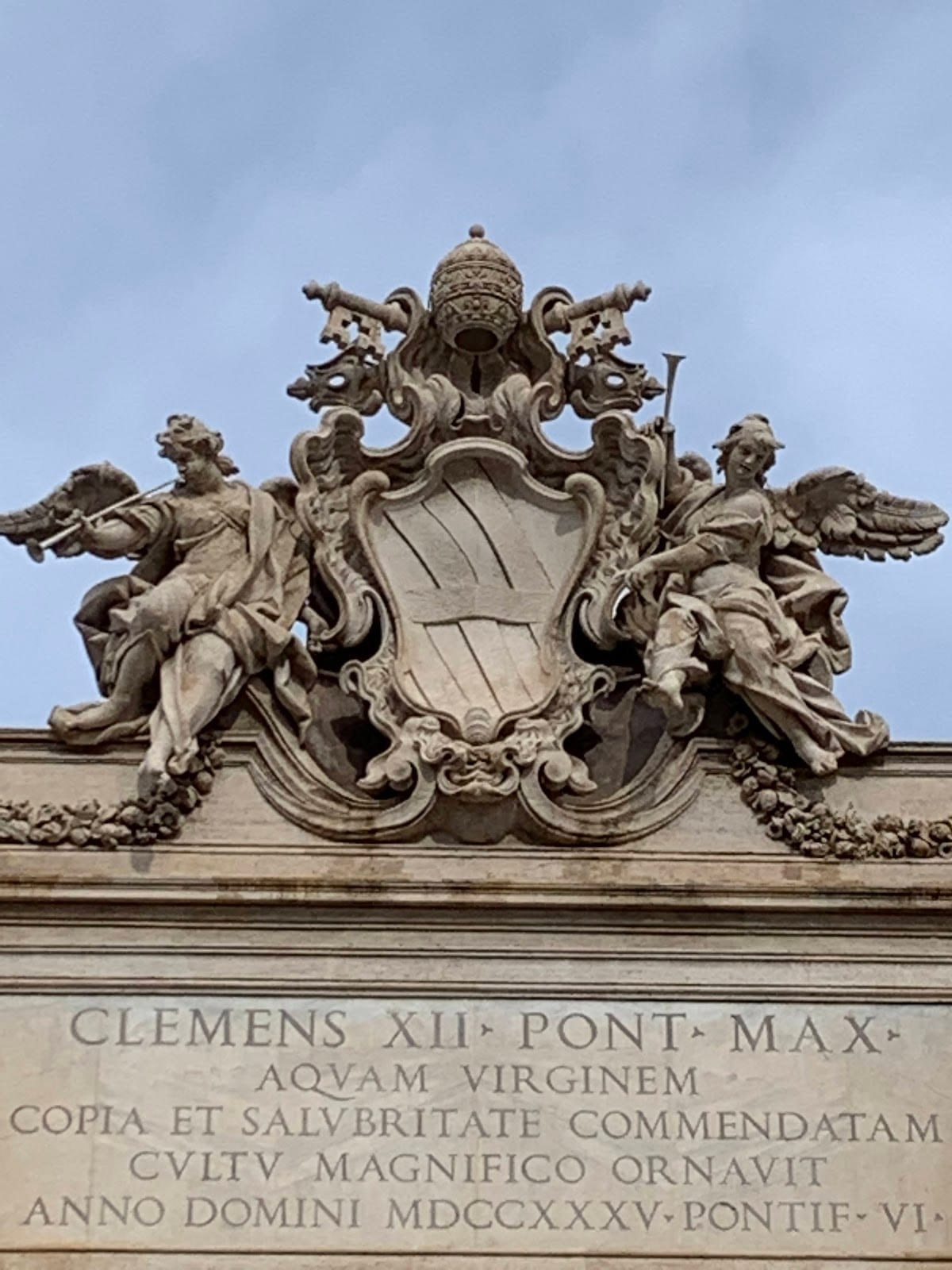
Trevi Fountain
Rome's great Baroque fountain, dazzling and genuinely mobbed; go at dawn or late at night.
The Fontana di Trevi is the largest and most theatrical fountain in Rome, a whole palace wall dissolving into a Baroque reef of rock, tritons, and sea-horses that fills a small square with the roar of falling water. Designed by Nicola Salvi and begun in 1732, it was finished in 1762 by Giuseppe Pannini, decades after Salvi's death. The commanding central figure is not Neptune, as most assume, but Oceanus, the Titan of all the world's water, riding a shell chariot carved by Pietro Bracci. It is fed by the Acqua Vergine, the same ancient aqueduct running since 19 BC that once watered the Roman baths. The tradition is to toss a coin over your left shoulder with your right hand to ensure your return to Rome; the roughly one and a half million euros a year that pile up are collected for the Catholic charity Caritas. The honest catch: it is genuinely mobbed shoulder to shoulder by day and a known pickpocket magnet, so come at dawn or late at night when you can actually see it. Since February 2026 a 2-euro ticket is required to walk down to the basin barrier during the ticketed hours, roughly 9am to 10pm; the view from the piazza above is still free.
Open 24 hours; daytime basin access is ticketedGood for couples, families, solo
- 3
 Piazza Navona Worth it
Piazza Navona
Rome's great Baroque square, built on an ancient stadium, around Bernini's Four Rivers fountain.
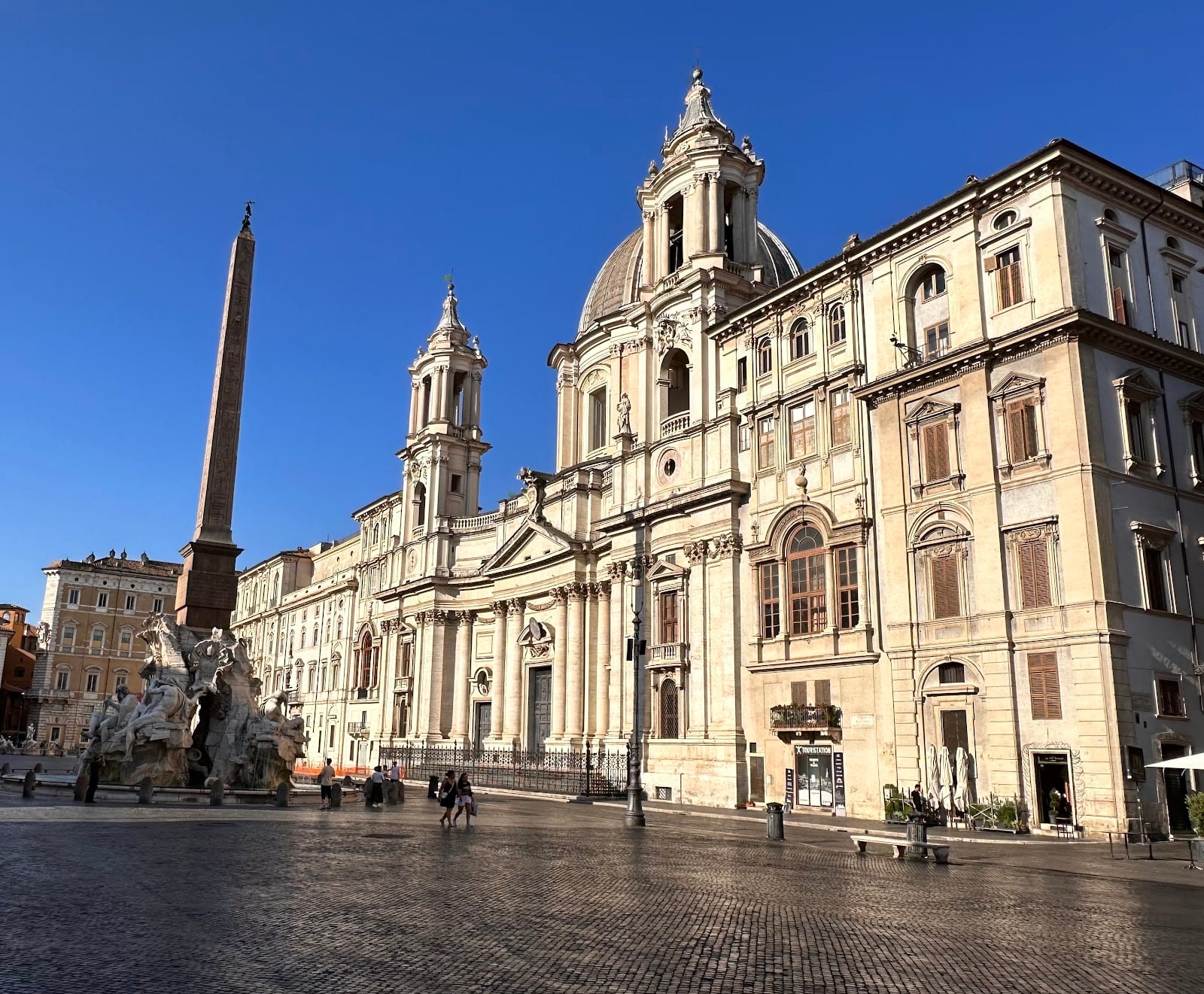
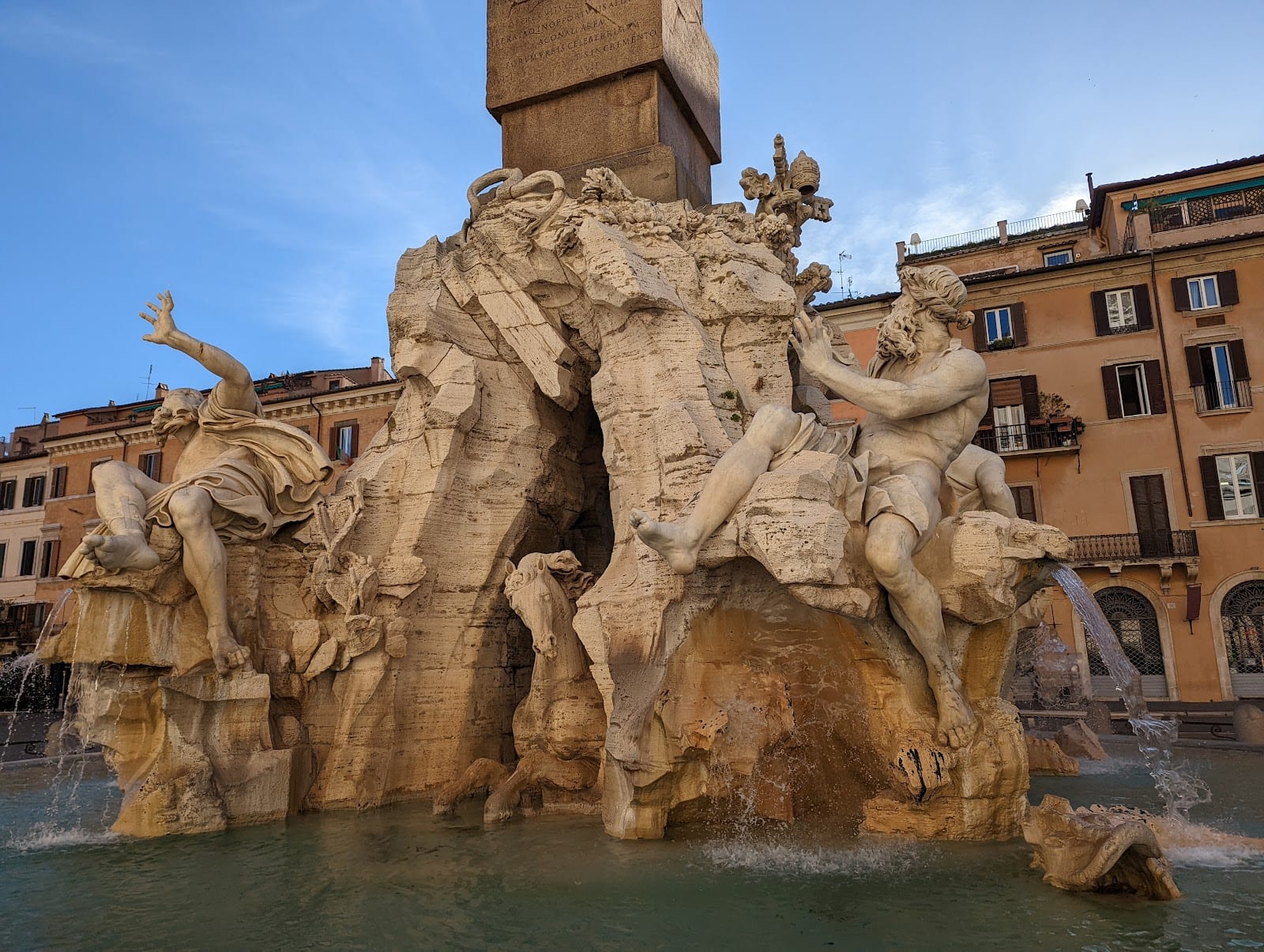
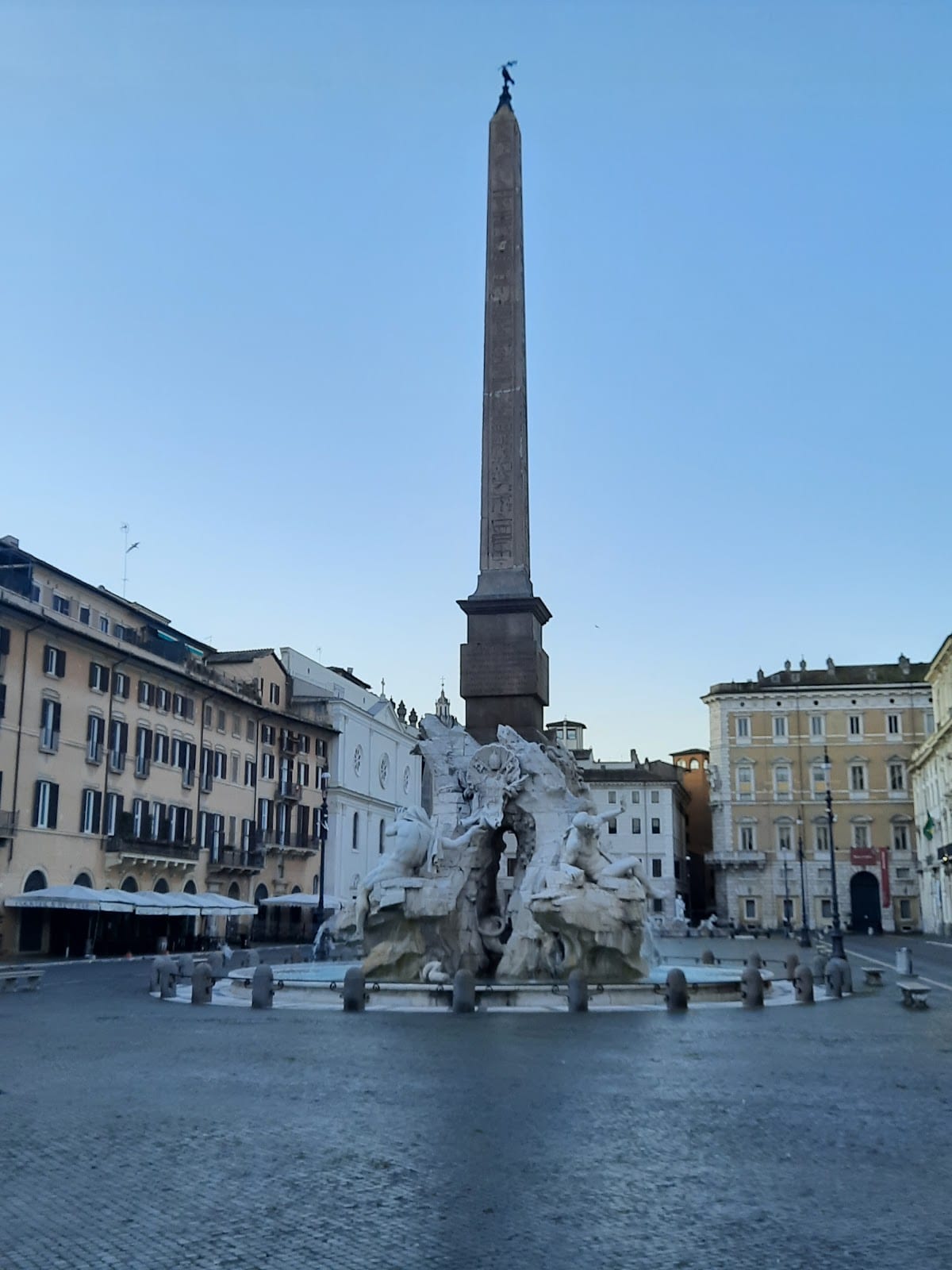
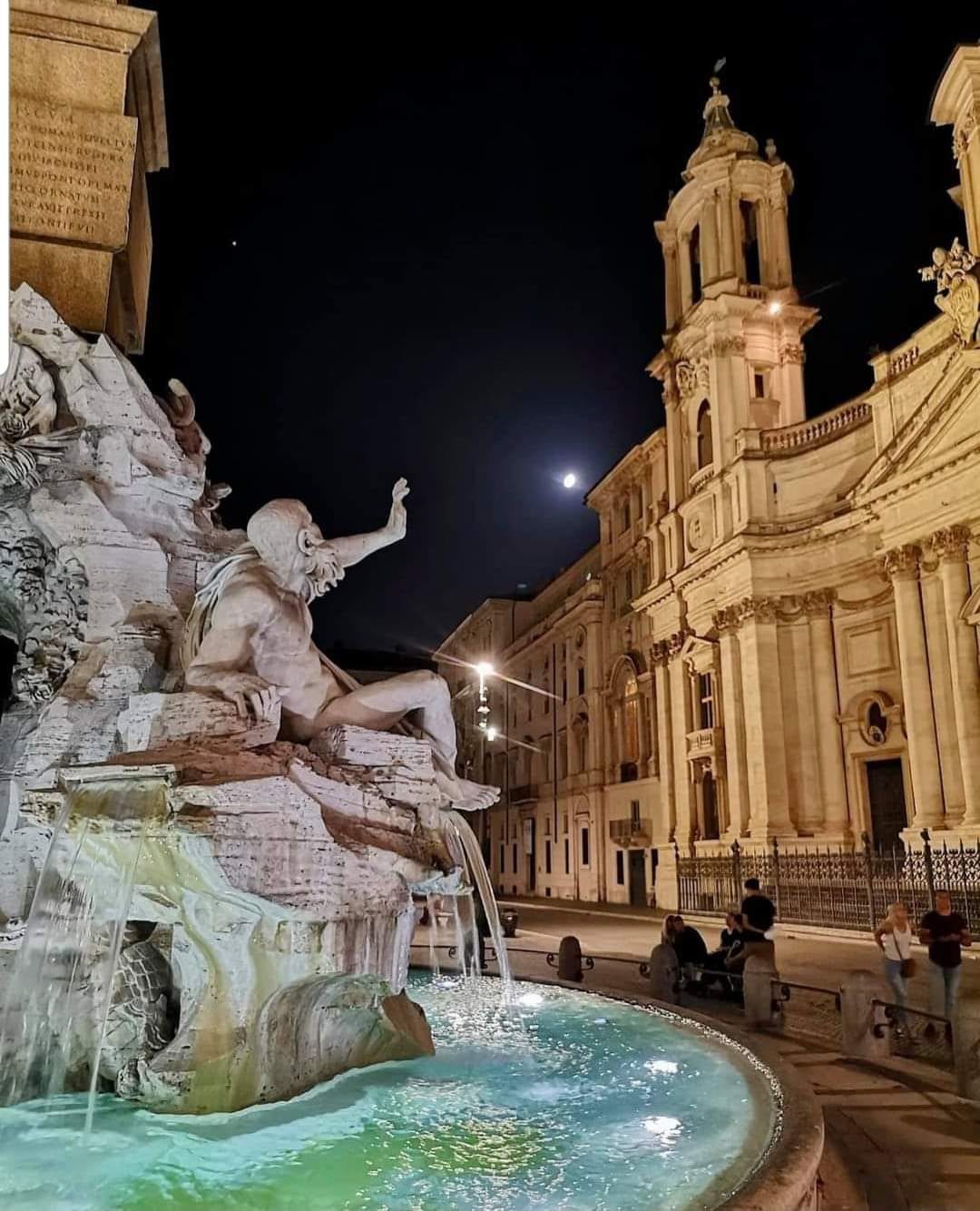
Piazza Navona keeps the long, rounded shape of the thing it was built on: the Stadium of Domitian, a first-century arena for Greek-style athletics whose track the square still traces. Its centerpiece is one of the masterpieces of Baroque Rome, Gian Lorenzo Bernini's Fountain of the Four Rivers, finished in 1651, where four muscular river gods stand for the Nile, the Ganges, the Danube, and the Río de la Plata beneath an Egyptian obelisk. Two more fountains close the square at either end, the Fontana del Moro and the Fontana del Nettuno, and the church behind Bernini's fountain, Sant'Agnese in Agone, carries a facade by his great rival Francesco Borromini. It is free, open, and always busy with painters and performers. The cafes ringing the piazza charge dearly for the setting, so enjoy the square and eat a lane or two away.
Free30 minOpen 24 hoursGood for couples, families, solo


Worth it with more time
Good additions once you've done the icons.- 1
 Campo de' Fiori Mixed
Campo de' Fiori
A morning market square by day and a drinking crowd by night, watched over by a burned heretic.
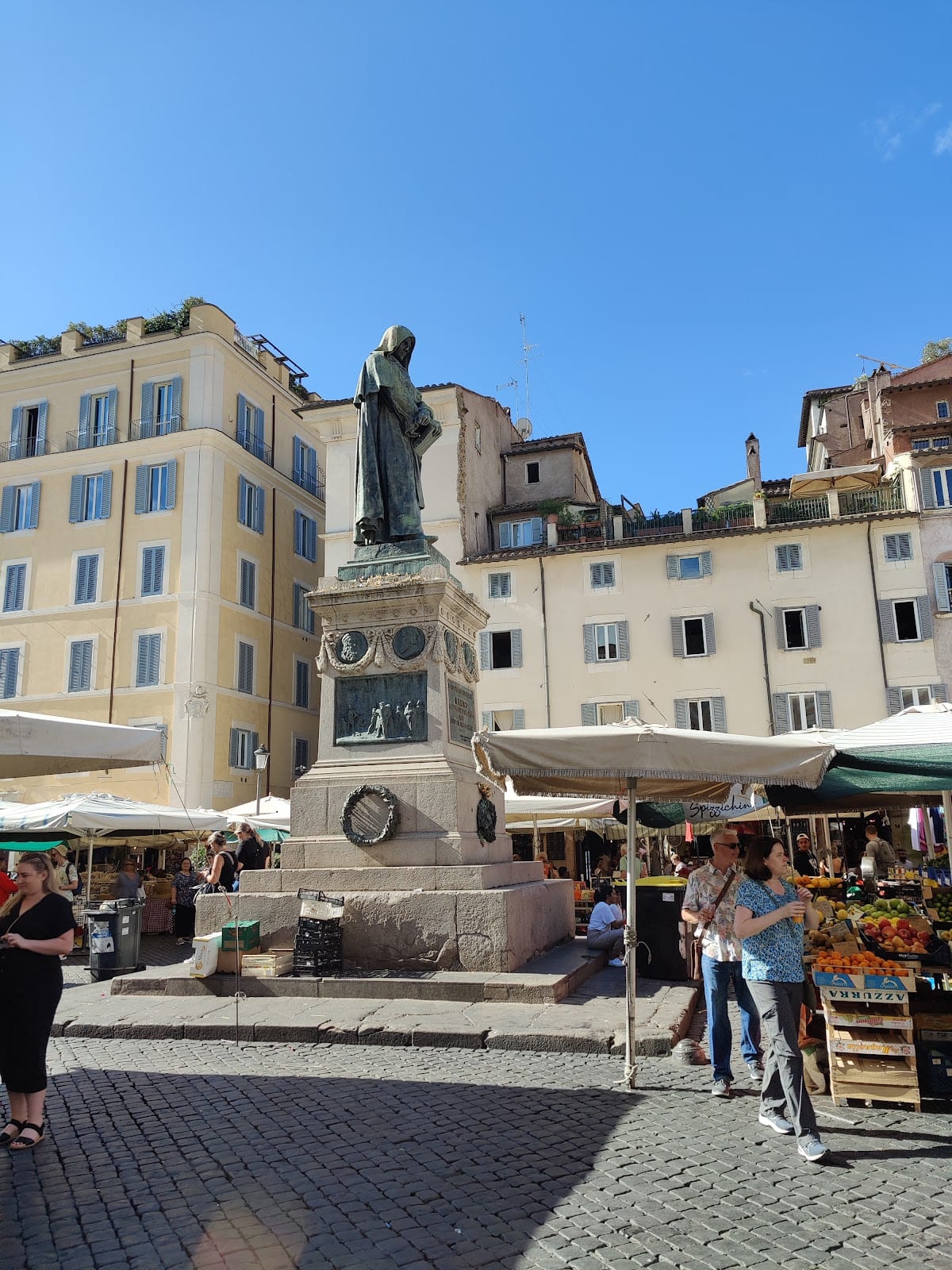
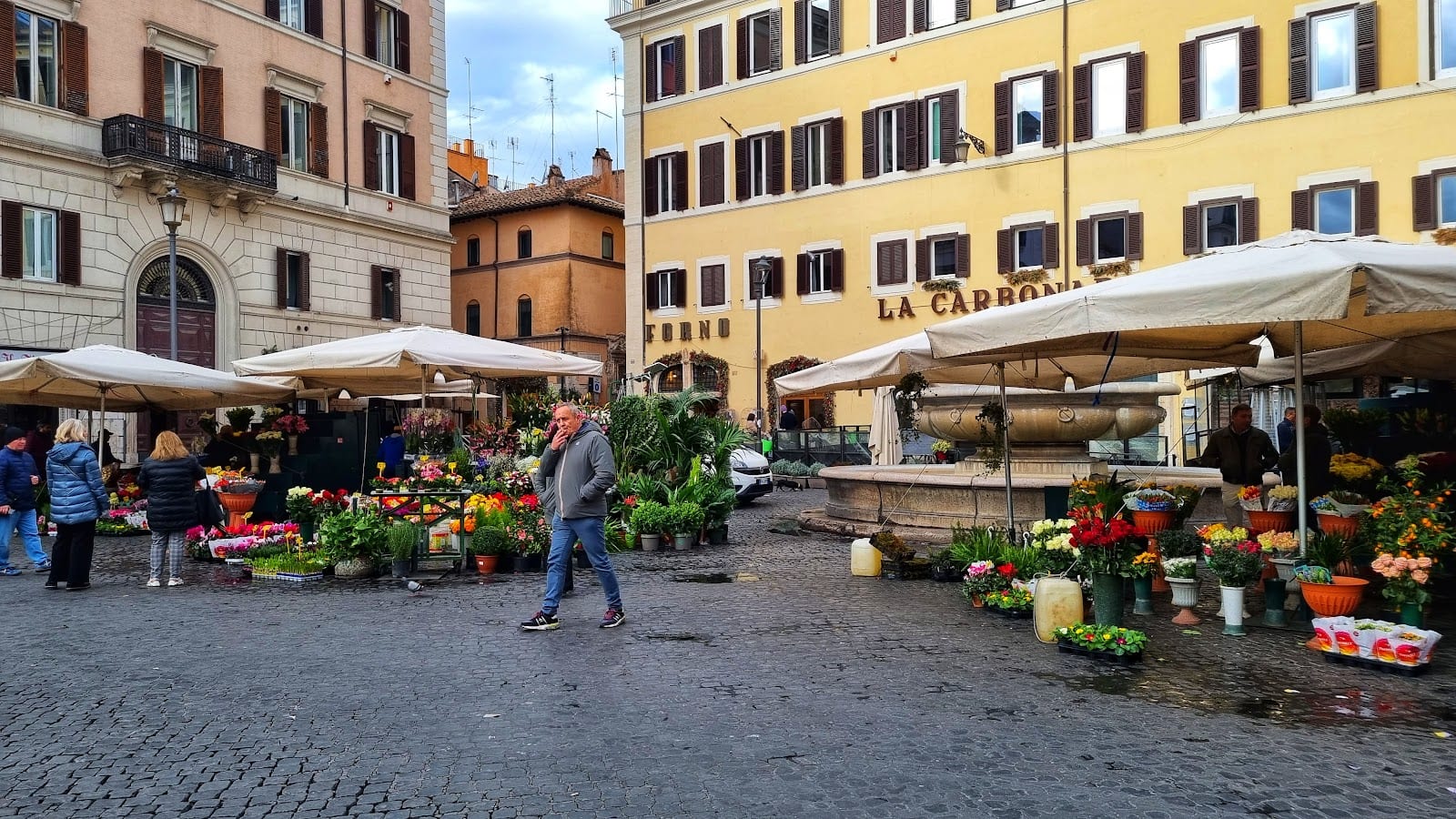
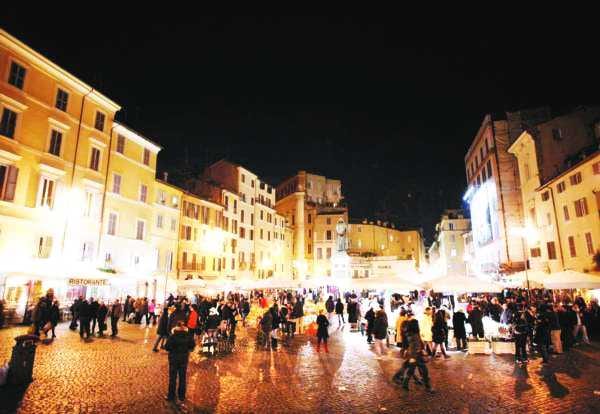
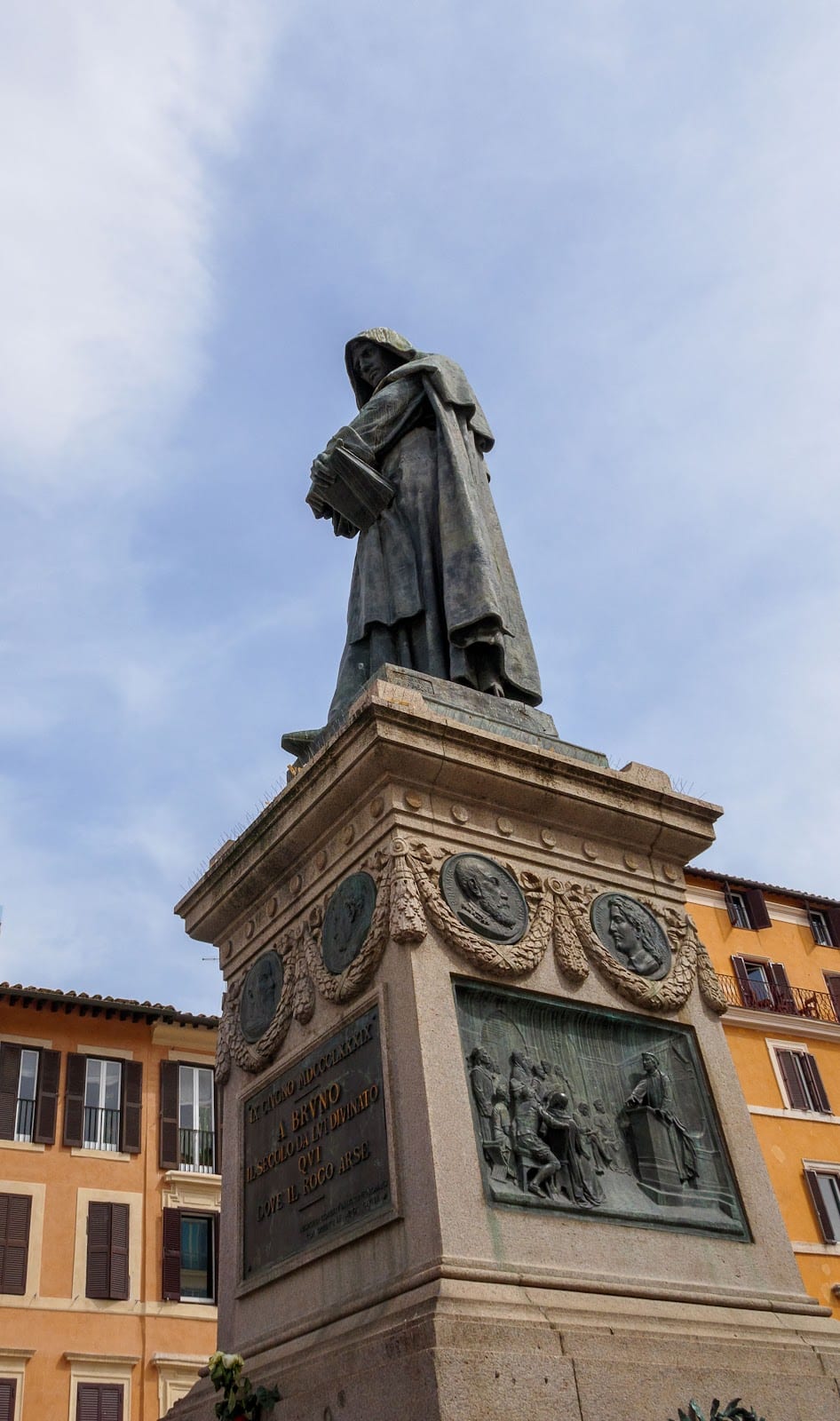
Campo de' Fiori has held an open-air market on its cobbles almost every morning, Monday to Saturday, since 1869, and it is the only major central square in Rome with no church facing it. The brooding bronze figure at its center is Giordano Bruno, the philosopher burned alive here for heresy in 1600 and given his defiant statue on the spot in 1889. The honest verdict is Mixed: much of the market has drifted toward pricey pasta, magnets, and limoncello aimed at tourists, though a handful of genuine produce and flower stalls run by the same families still hold on among them. Come early for the atmosphere rather than the shopping, and know that after dark the square flips into one of the busiest, rowdiest bar scenes in the center, fun or grating depending on your mood.
Free30 minMarket Mon–Sat roughly 7:00 AM – 2:00 PM; square always openGood for friends, couples, solo
- 2
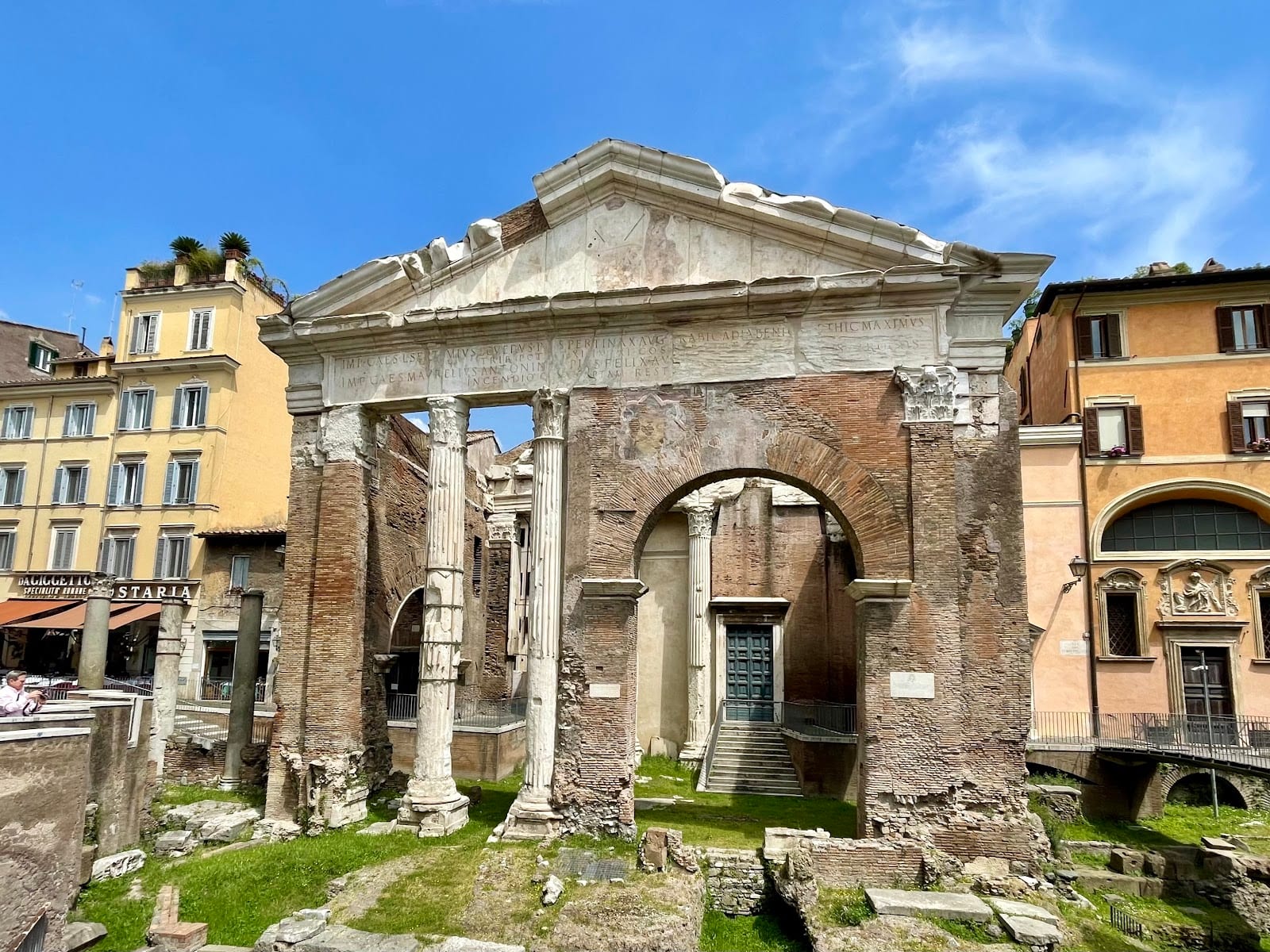
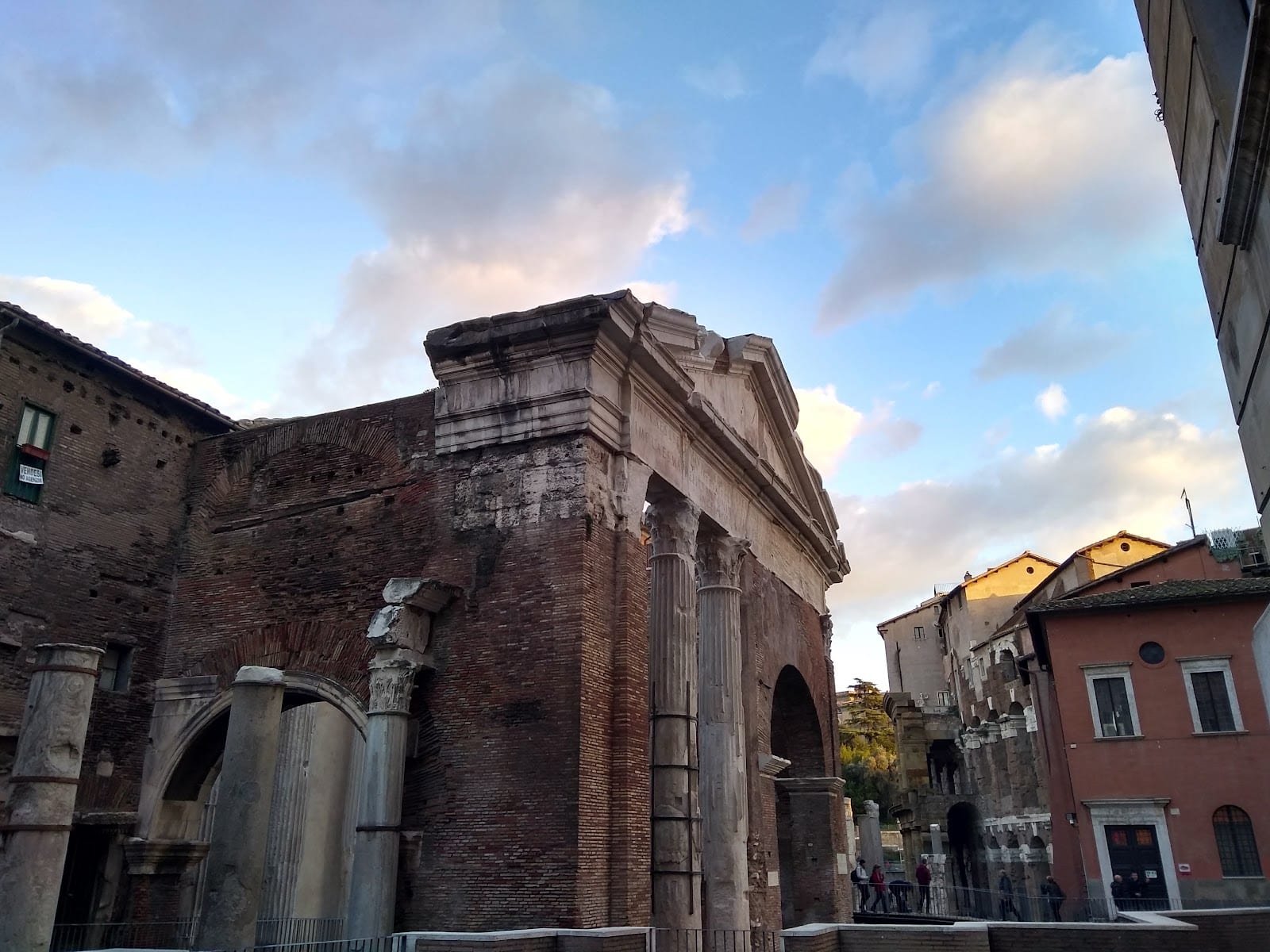
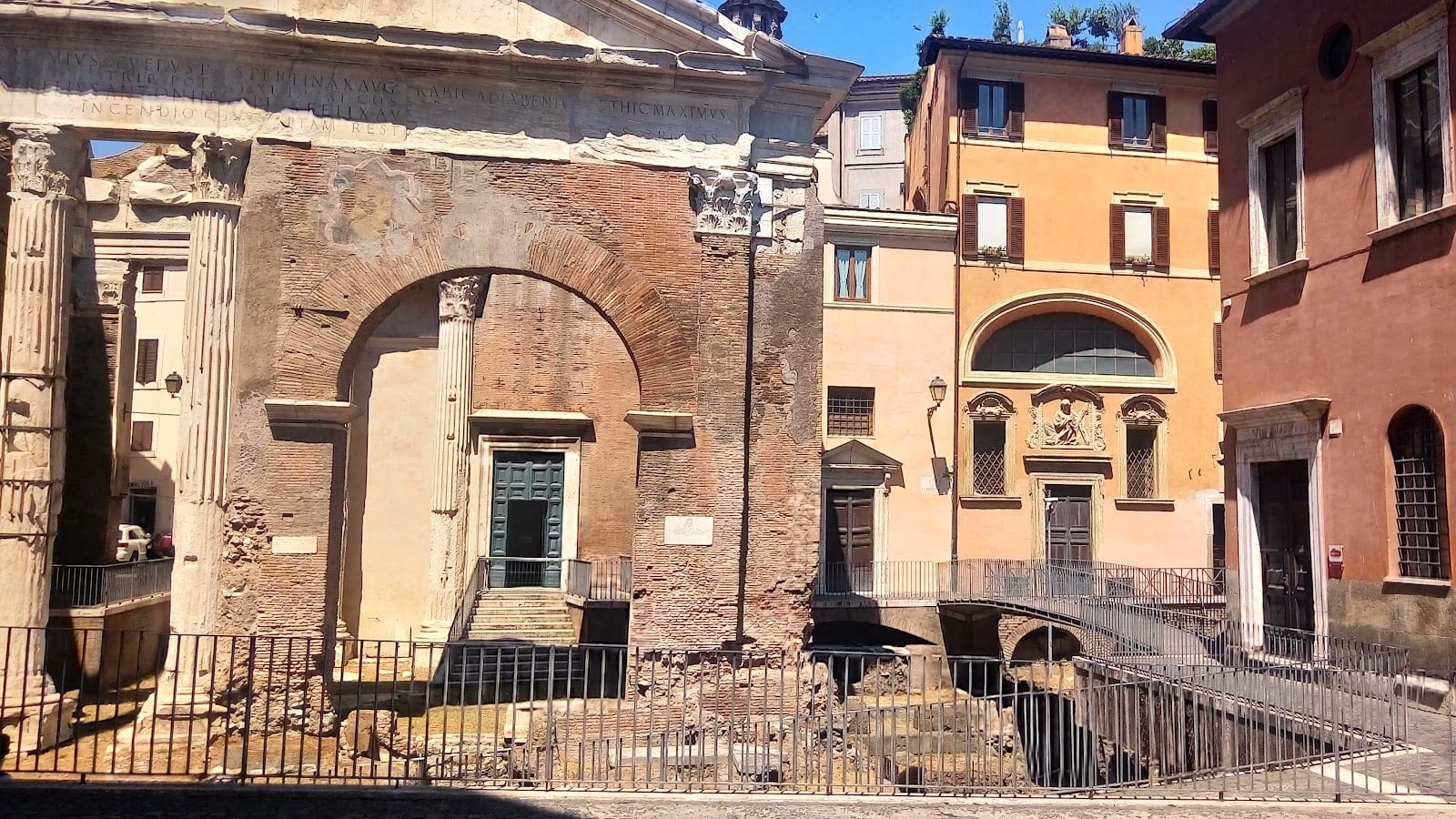
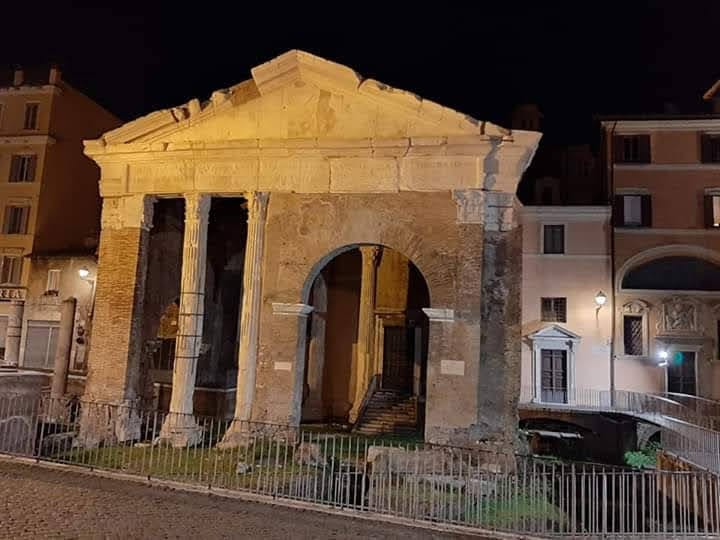 Via del Portico d'Ottavia Worth it
The Jewish Ghetto & Portico d'Ottavia
One of the oldest Jewish communities in the world, and the home of the fried artichoke.
Rome's Jewish community is among the oldest continuous Jewish communities anywhere, present in the city since before the Common Era. In 1555 a papal bull confined it to a walled quarter beside the Tiber, one of Europe's earliest ghettos, and though the walls came down in the nineteenth century the neighborhood remains the heart of Jewish Rome. Today it is one of the most atmospheric corners of the center: the ancient Portico d'Ottavia, first raised under Augustus and named for his sister, frames the old fish market at the top of the main street, and the Great Synagogue of 1904 rises over the river with the Jewish Museum inside it. It is also a place to eat. This is the home of carciofi alla giudia, the whole artichoke flattened and deep-fried to a bronze crisp, and the little kosher trattorias along Via del Portico d'Ottavia are the place to try it.
Open 24 hours; synagogue and museum have set hoursGood for couples, families, solo


Hidden gems
Where the crowds thin out.- Hidden gem
 Largo di Torre Argentina Worth it
Largo di Torre Argentina
Four sunken Republican temples, the site where Caesar was struck down, and a colony of stray cats.
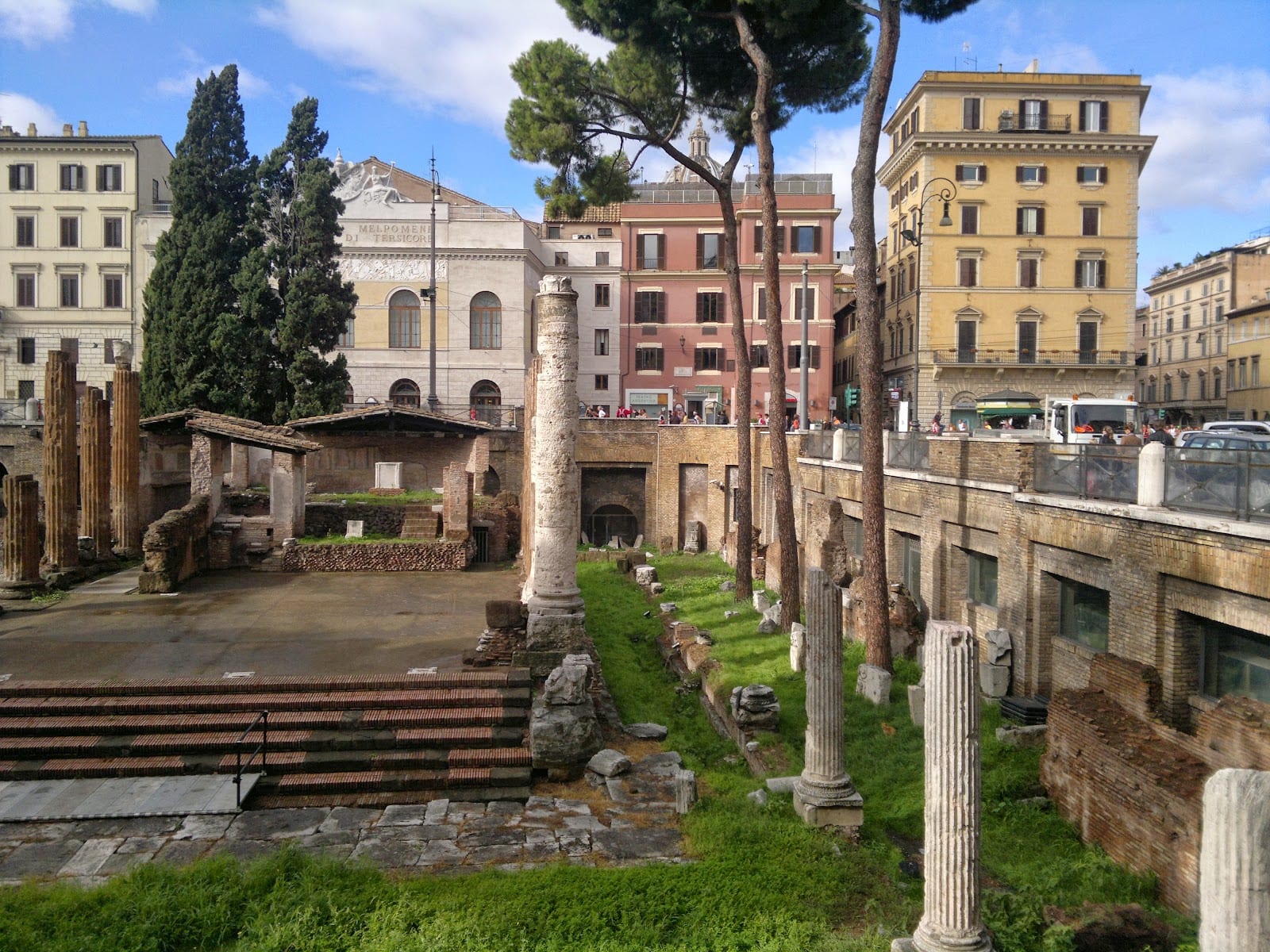
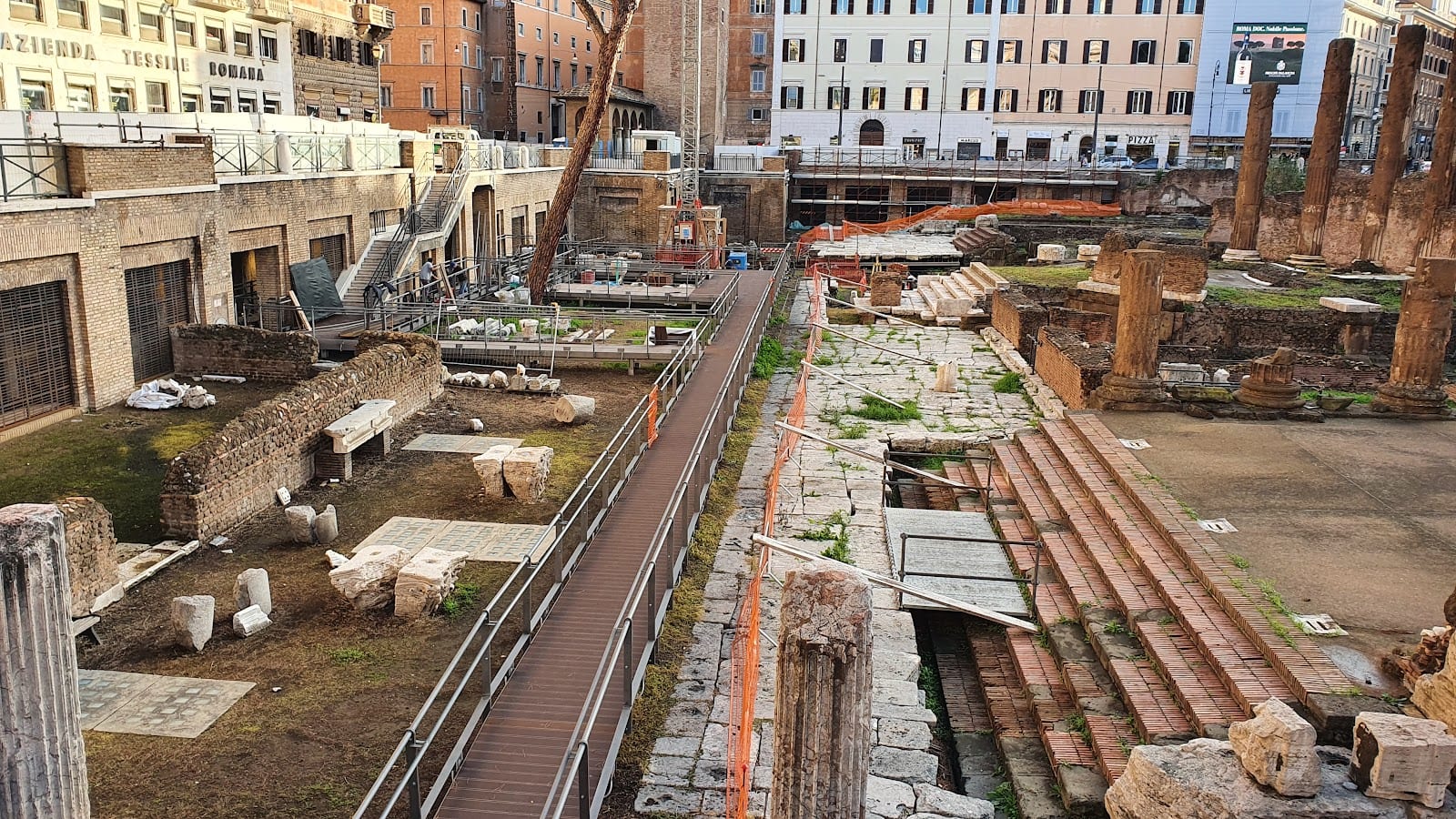
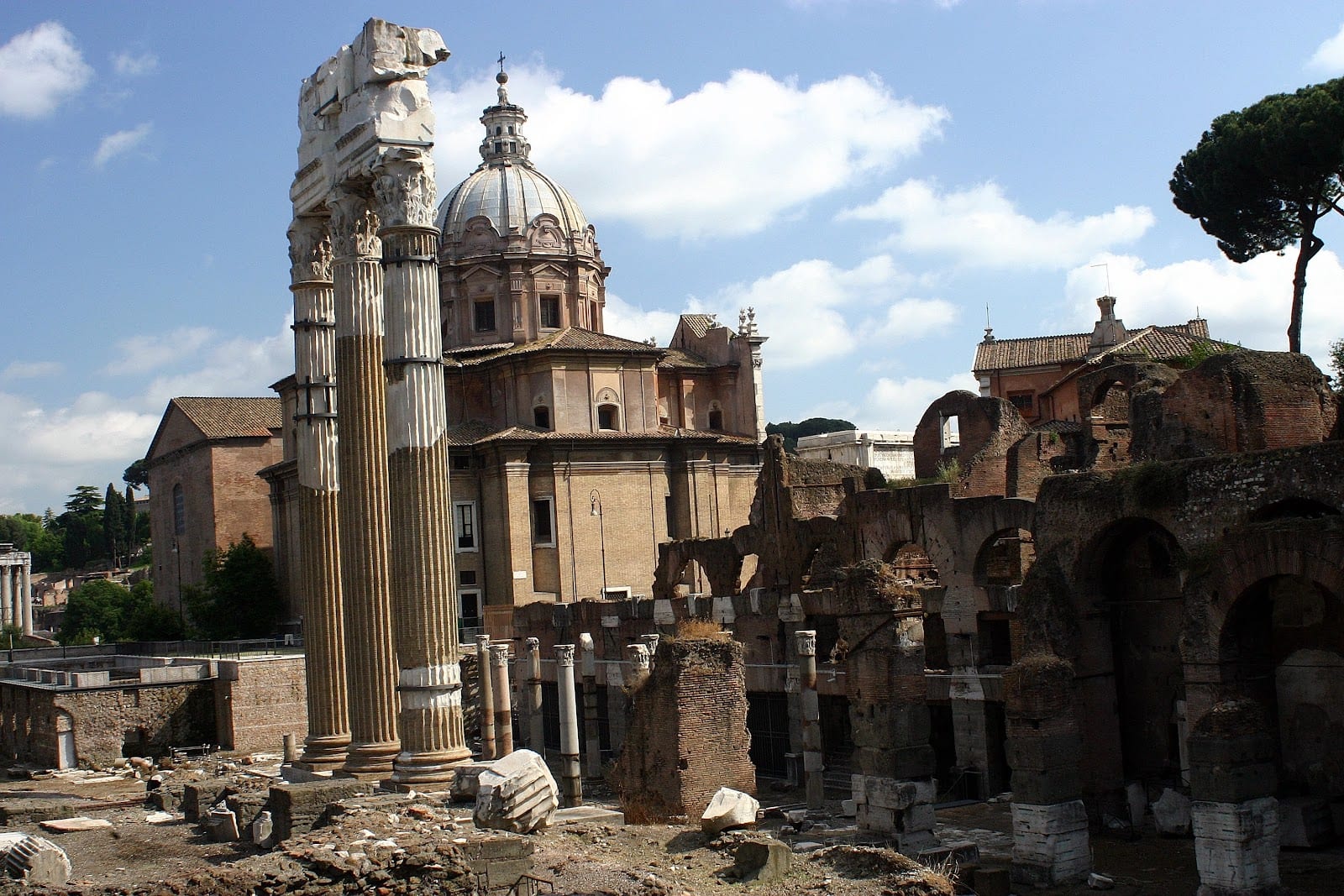
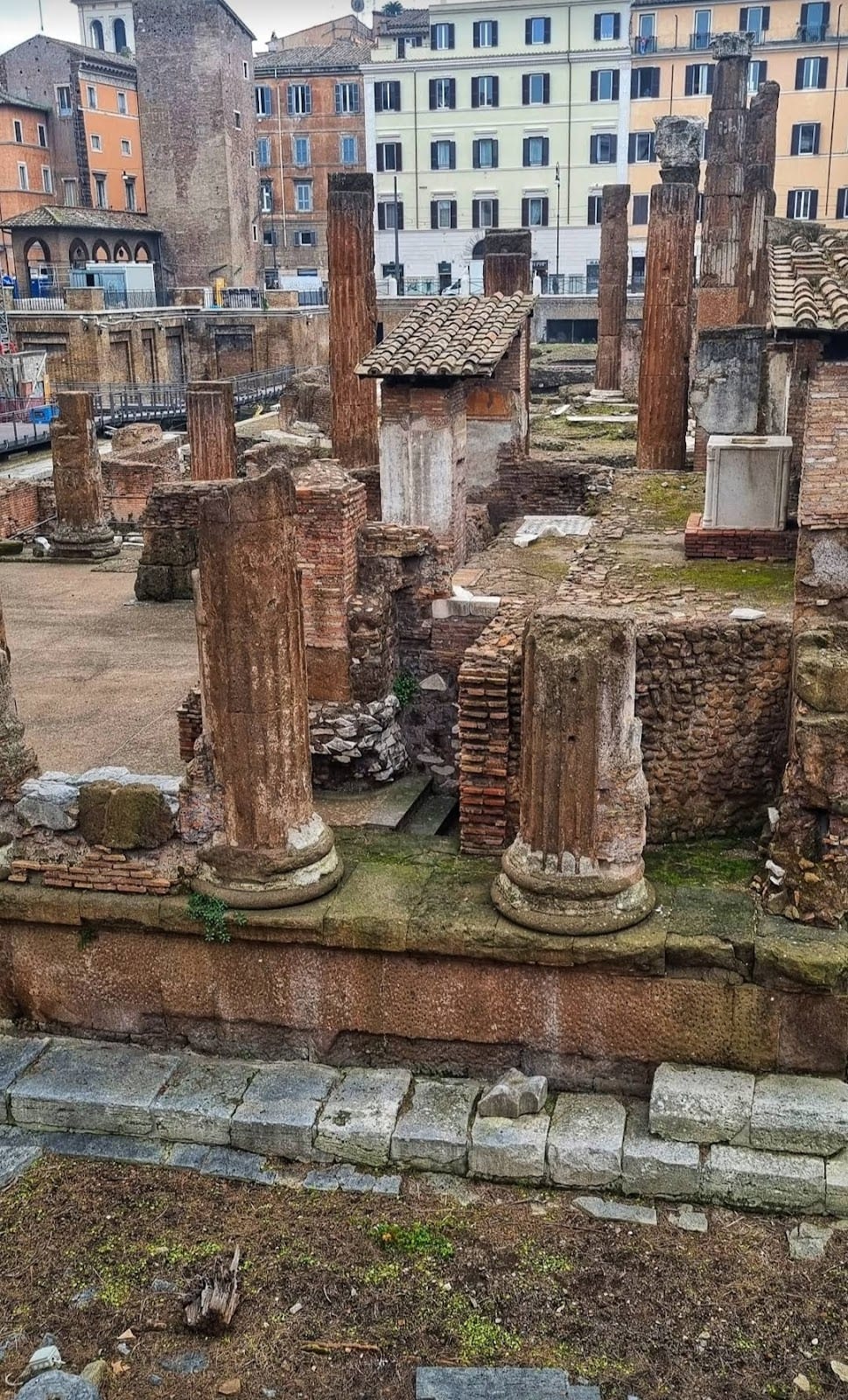
Most people rush past this sunken square on their way between the Pantheon and Trastevere without knowing what it is. Below street level sit four of the oldest temples in Rome, from the Republican era, uncovered by accident between 1926 and 1928. Behind the temples stood the Curia of Pompey, the hall attached to the Theatre of Pompey complex where Julius Caesar is believed to have been assassinated on the Ides of March, 44 BC, which makes this quiet traffic island one of the most consequential spots in the ancient world. For decades it was best known for its cats: a volunteer-run sanctuary founded in 1993 still shelters the strays that sun themselves on the ancient stone. Since 2023 a raised walkway lets you go down among the temples for a ticket of around 5 euros, which is the way to see it properly.
Free to view; ~$5 to enter30 minWalkway daily; cat sanctuary open afternoonsGood for couples, families, solo
- Hidden gem
 Piazza di San Luigi de' Francesi Worth it
San Luigi dei Francesi
Three Caravaggios hanging where the painter put them, in a free church most visitors miss.
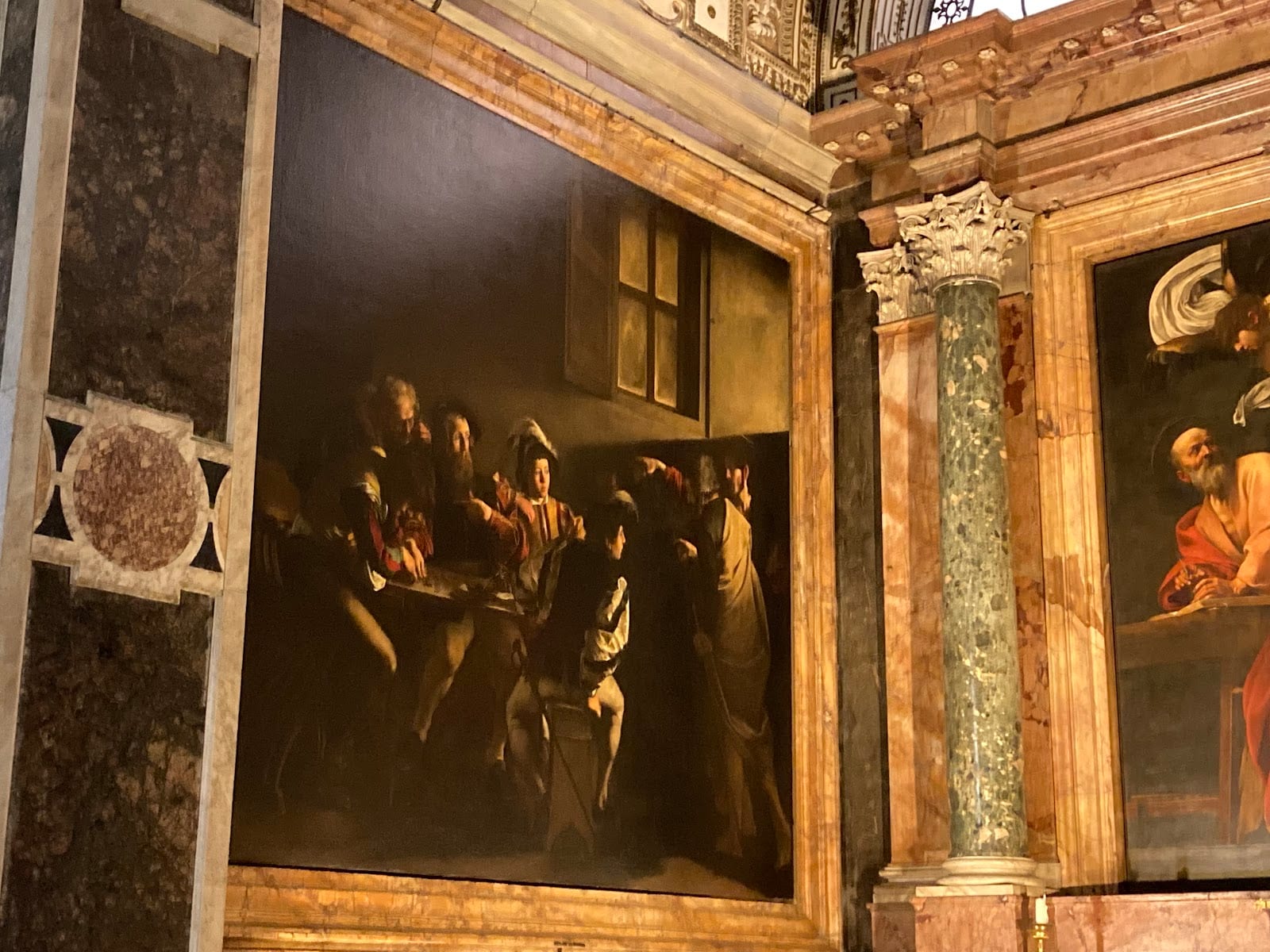
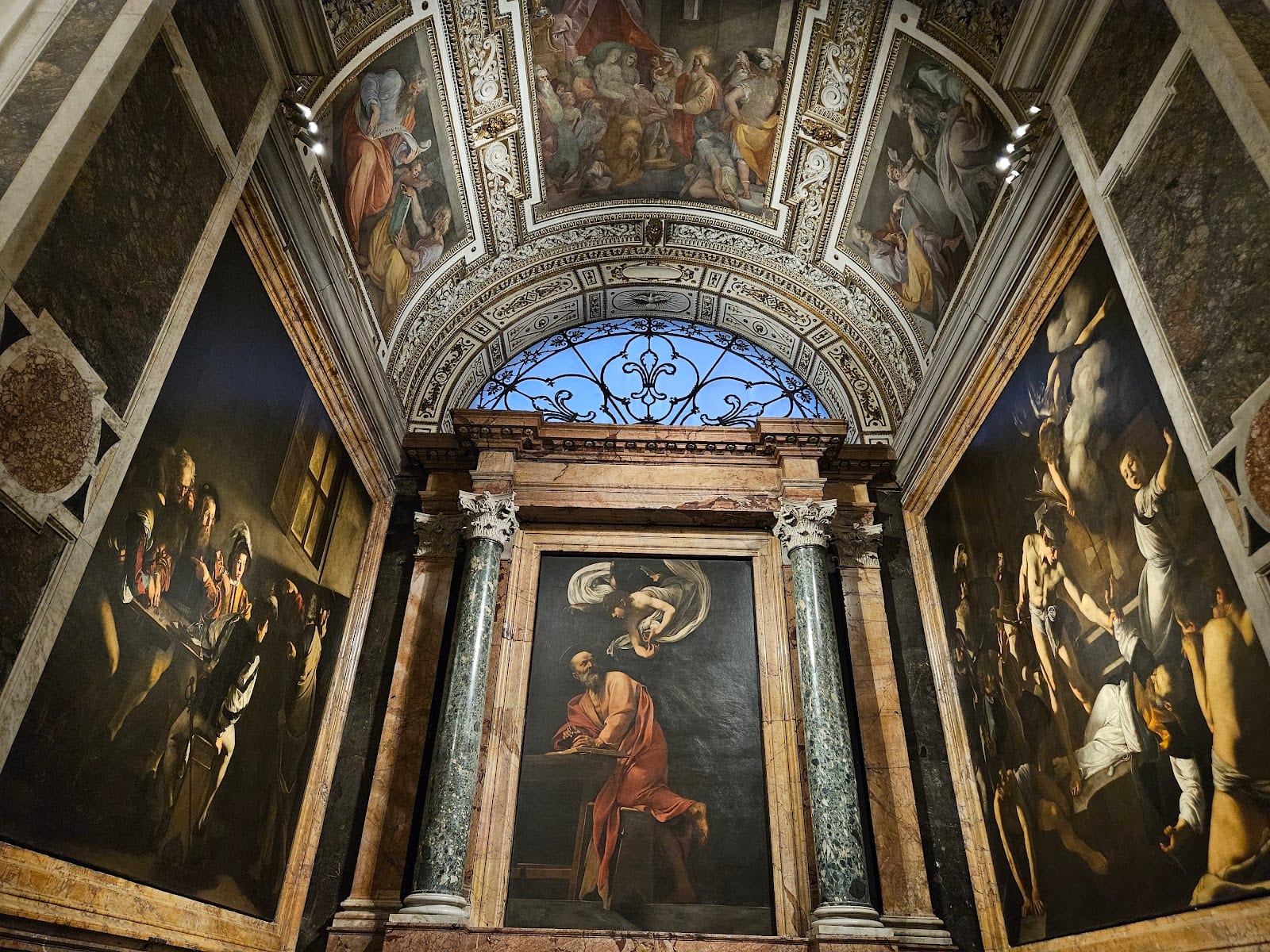
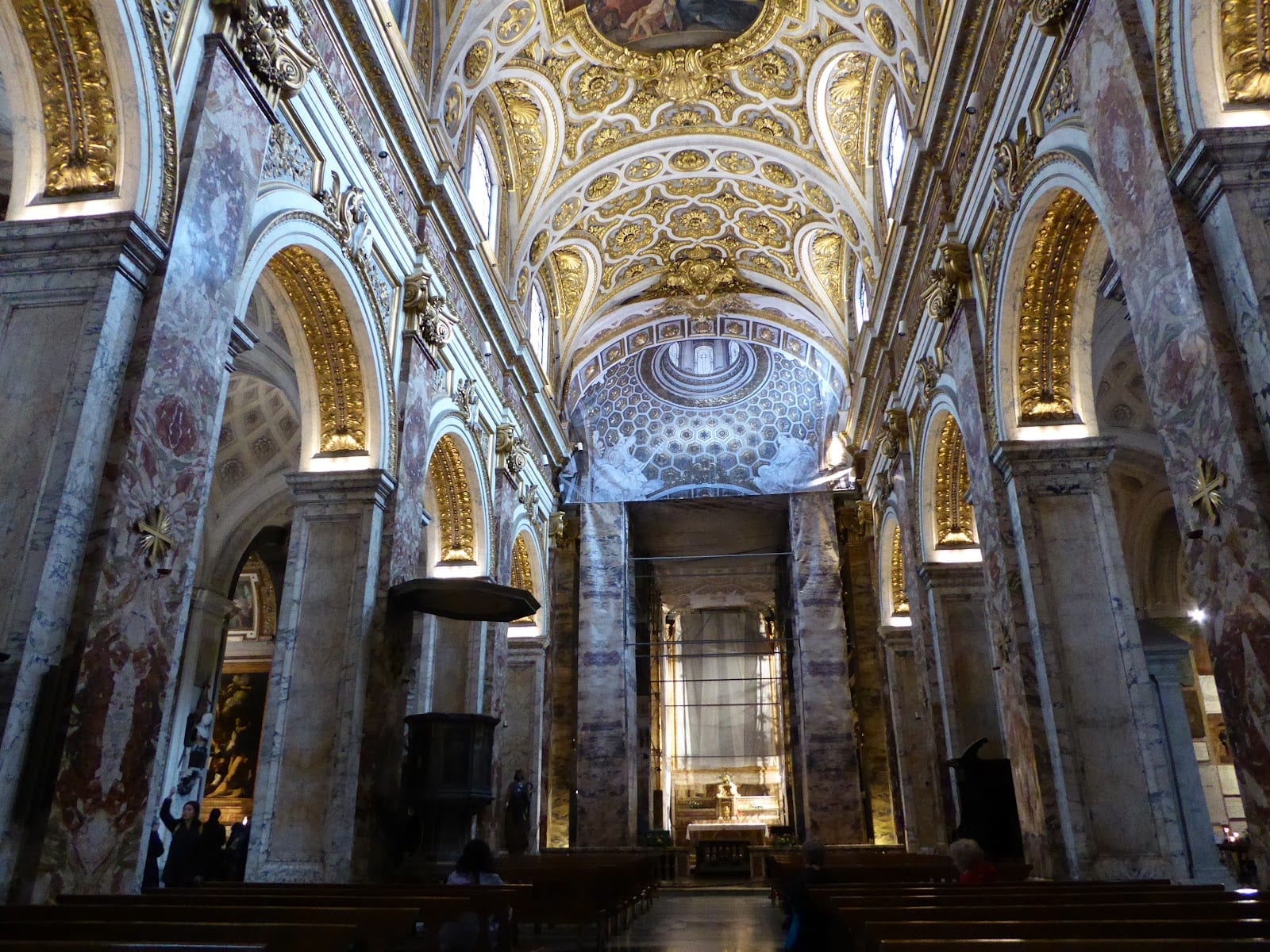
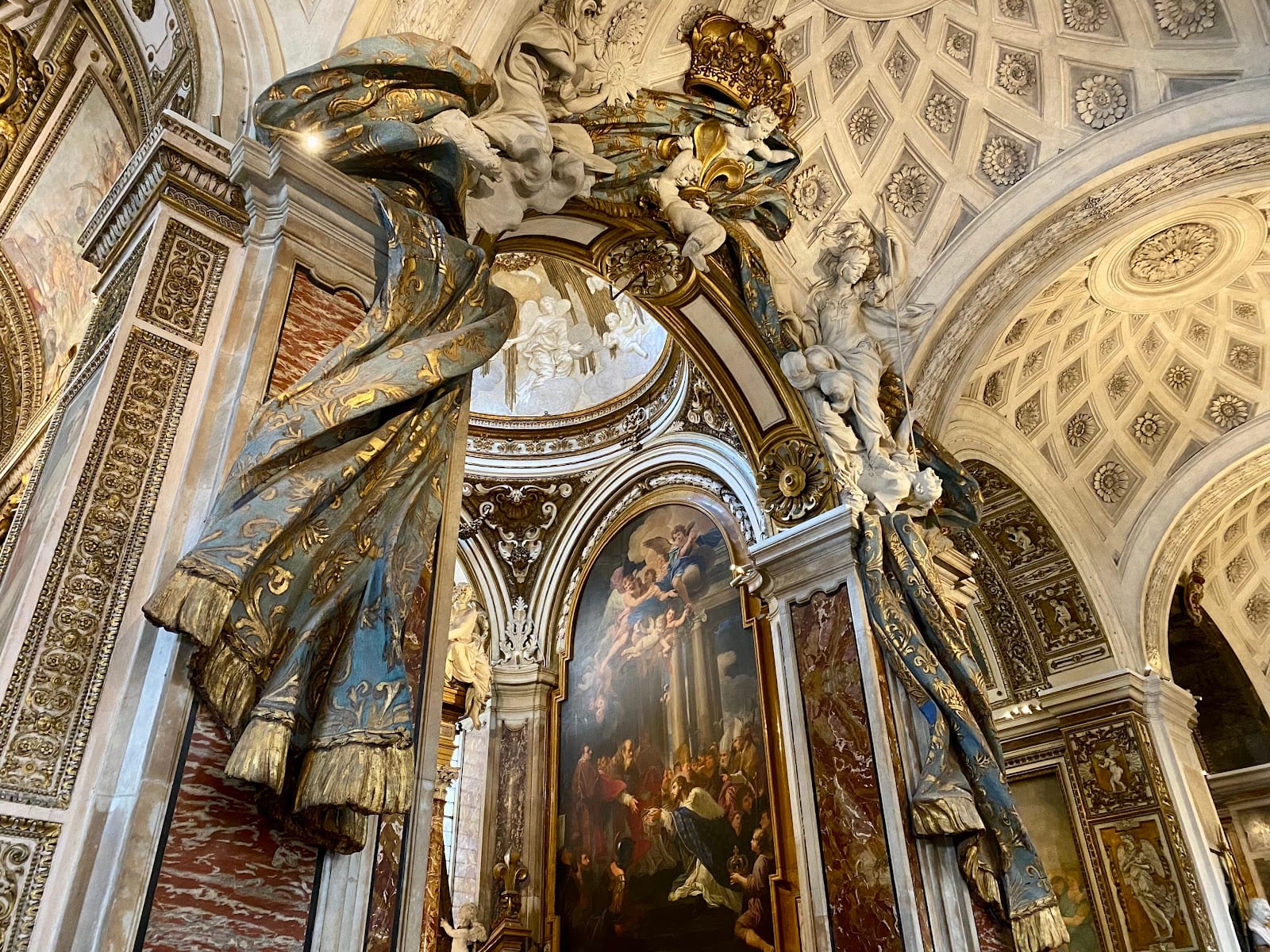
A few steps from Piazza Navona stands the French national church in Rome, and in a side chapel it holds one of the greatest things you can see in the city for free. The Contarelli Chapel contains three paintings by Caravaggio from around 1599 to 1602, his cycle on the life of Saint Matthew: the Calling, the Inspiration, and the Martyrdom. The Calling of Saint Matthew, with its shaft of raking light picking figures out of a shadowed room, is one of the turning points of Western painting, and it hangs in the dim chapel it was made for rather than behind museum glass. Bring a couple of coins for the light box that illuminates the canvases, and go outside the midday closing, when the church is quieter and you can stand in front of the Calling almost alone.
Daily, with a long midday closing; check on the dayGood for couples, solo
- Hidden gem
 Corso del Rinascimento Worth it
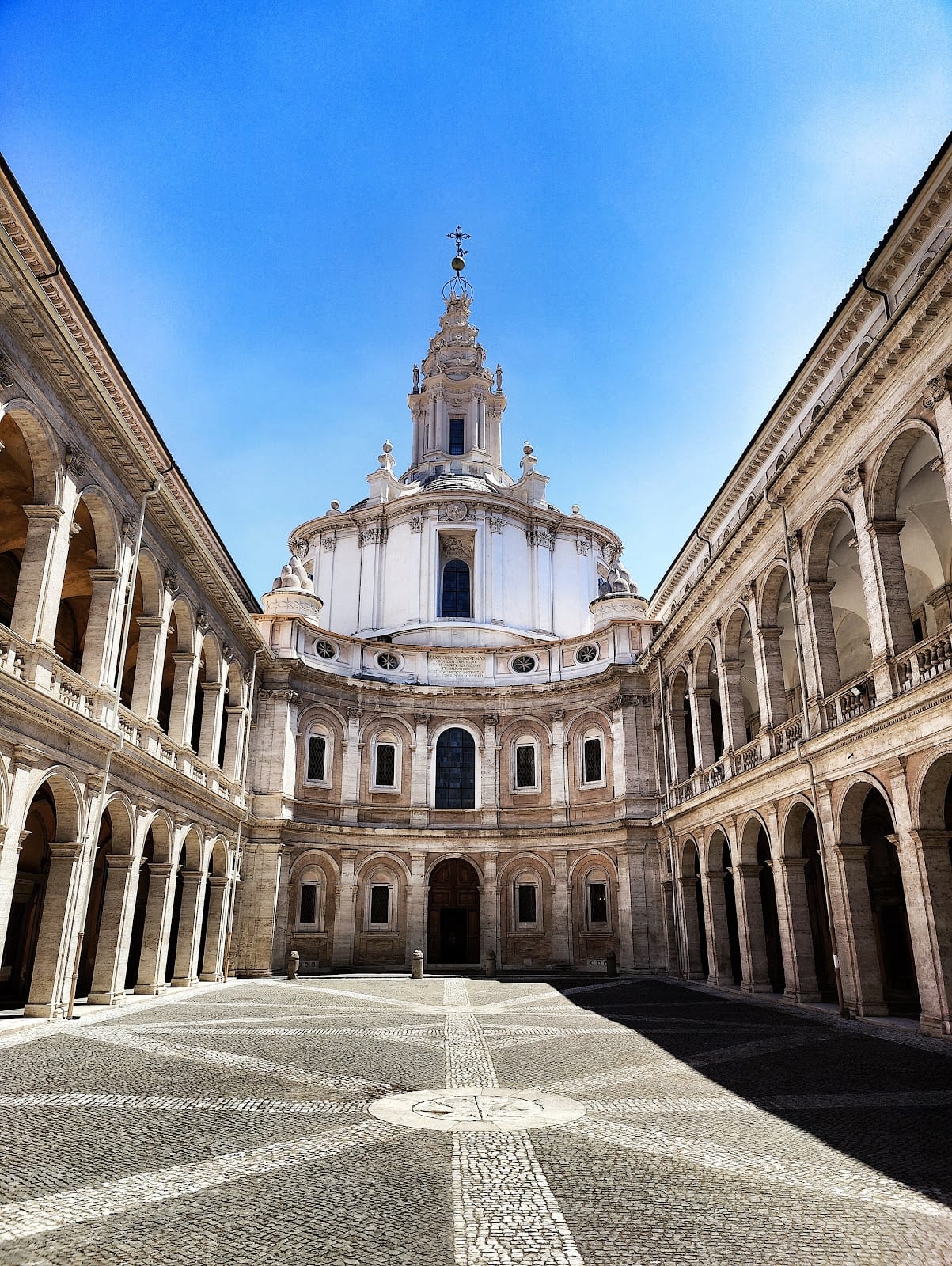
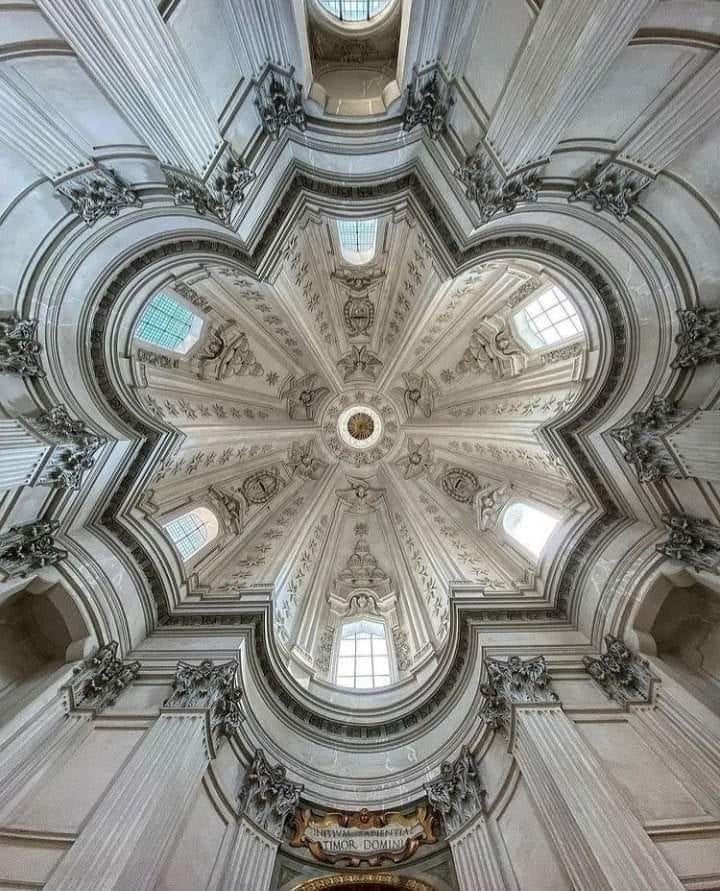
Sant'Ivo alla Sapienza
Borromini's dizzying corkscrew dome, hidden in a courtyard and open just a few hours a week.
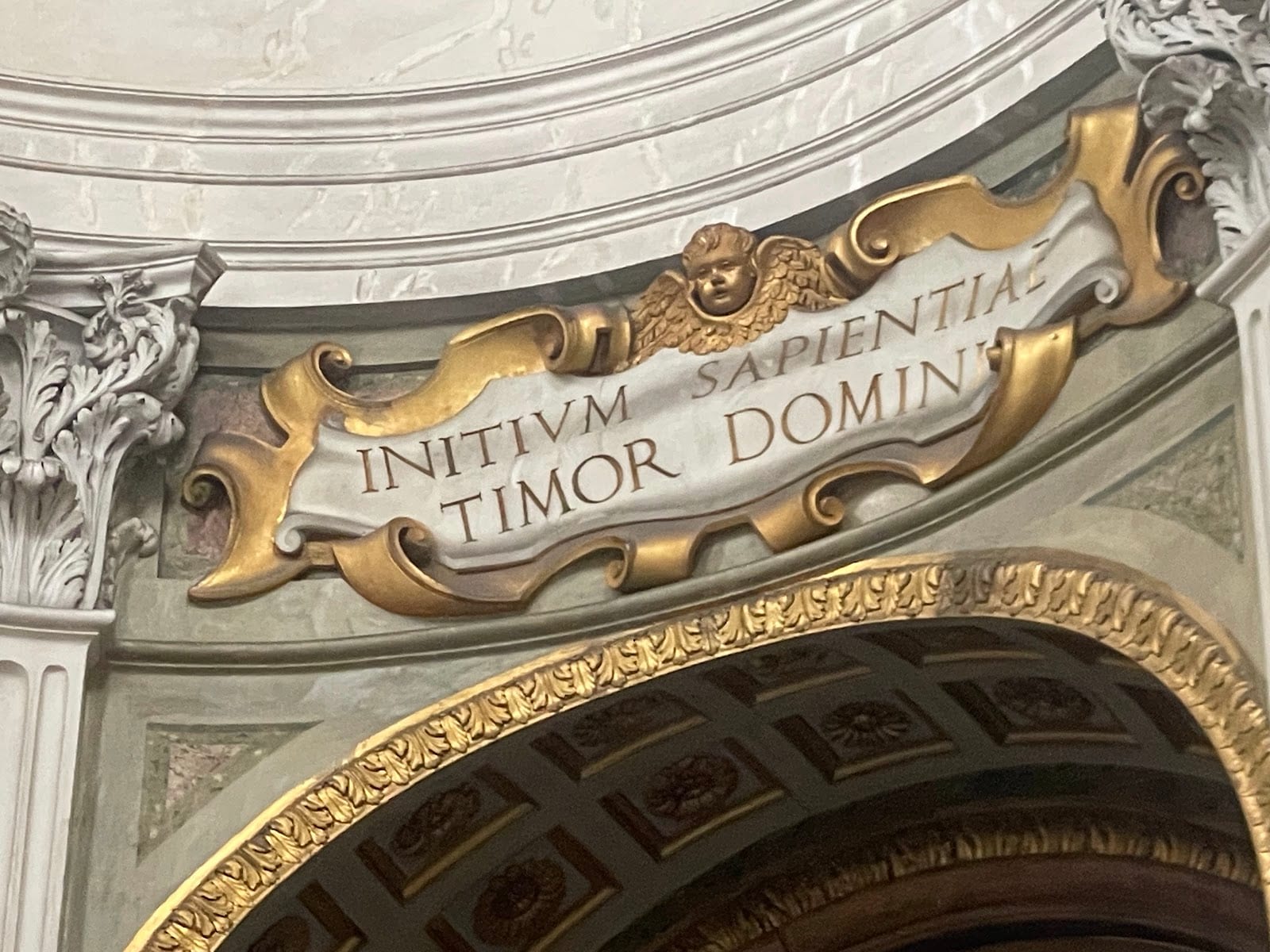
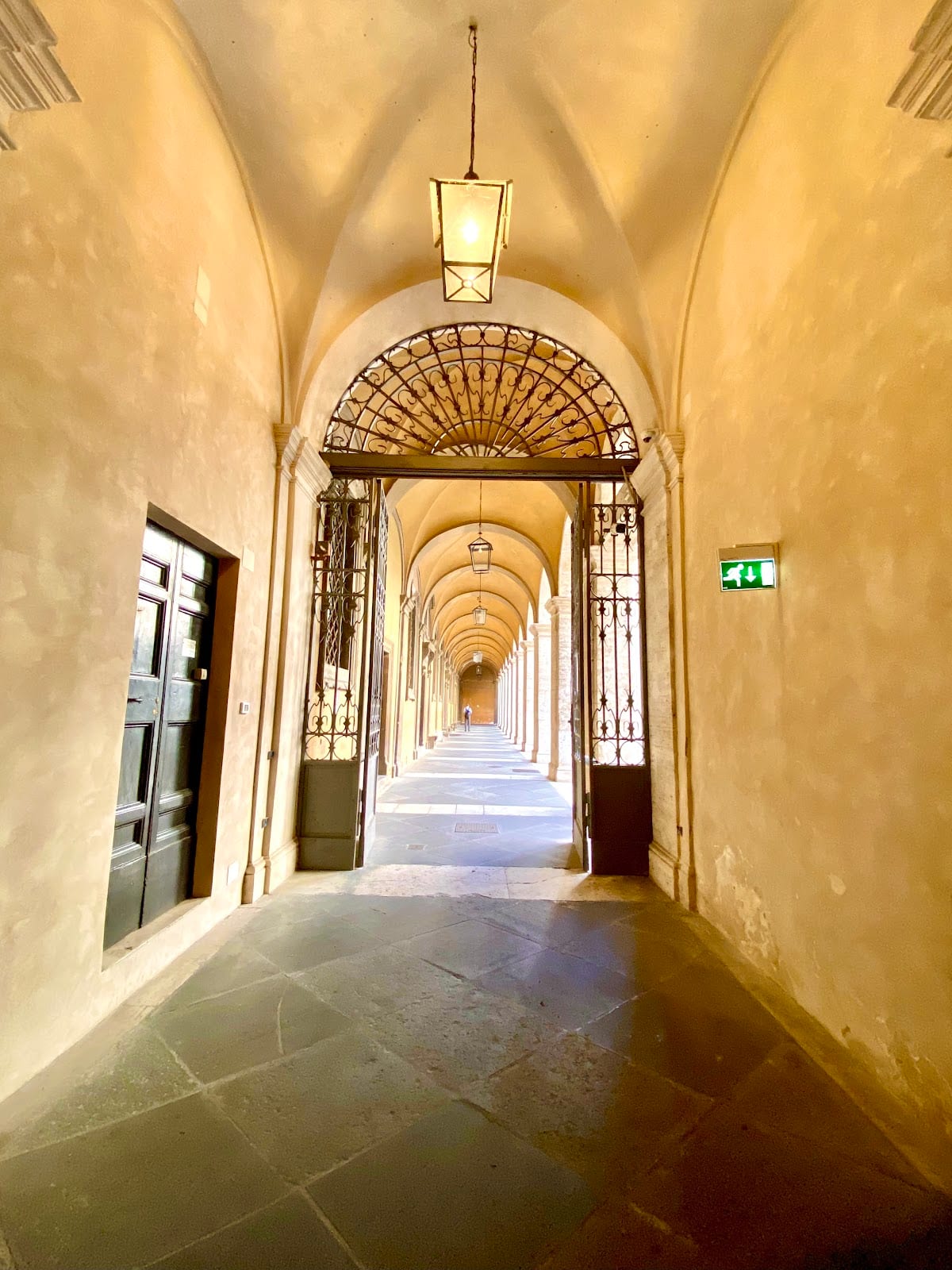
Tucked in the courtyard of Rome's old university, Sant'Ivo alla Sapienza is Francesco Borromini's small Baroque masterpiece, built between about 1642 and 1660, and most visitors never even find the entrance. From the street you glimpse its extraordinary lantern spiraling up into a corkscrew helix, a shape unlike anything else in the city. Inside, the plan is a restless star that pulls the eye straight up into the white geometry of the dome. The catch that keeps it a genuine secret is the opening: for years it has been open only on Sunday mornings for a few hours, so it takes planning to catch. Time it right, step into the empty courtyard, and you get one of the boldest interiors in Rome to yourself.
Typically Sunday mornings only; check before you goGood for couples, solo


Verdicts and rankings are our own; ratings open each place on Google. Prices, where shown, are an approximate per-person guide in USD.
Centro Storico on screen
Where you've seen the historic center before
Rome's historic core has starred on film for seventy years. Tap a trailer, then go stand in the scene:
- Film, 1960
La Dolce Vita
Federico Fellini's 1960 classic gave the Trevi Fountain its most famous screen moment, when Anita Ekberg wades fully clothed into the basin at night and calls Marcello in after her. It is the scene that fixed the fountain in the popular imagination.
Trevi FountainSource - Film, 2009
Angels & Demons
Ron Howard's Dan Brown adaptation races through the historic center, and its climax plays out at Bernini's Fountain of the Four Rivers on Piazza Navona, with the Pantheon featuring earlier in the hunt across Rome.
Piazza NavonaSource - Film, 1953
Roman Holiday
William Wyler's Roman Holiday sent Audrey Hepburn and Gregory Peck chasing through the real streets and squares of the historic center on a Vespa, and the film still shapes how the world pictures a day in old Rome.
Piazza NavonaSource
Eat & drink
Where to eat and drink in the historic center
The streets around the Pantheon and the Ghetto hide some of Rome's oldest cafes and bakeries between the tourist traps. A few we'd point you to, all a short walk from the sights:
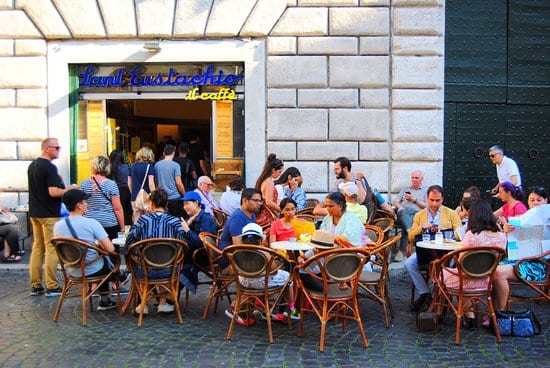
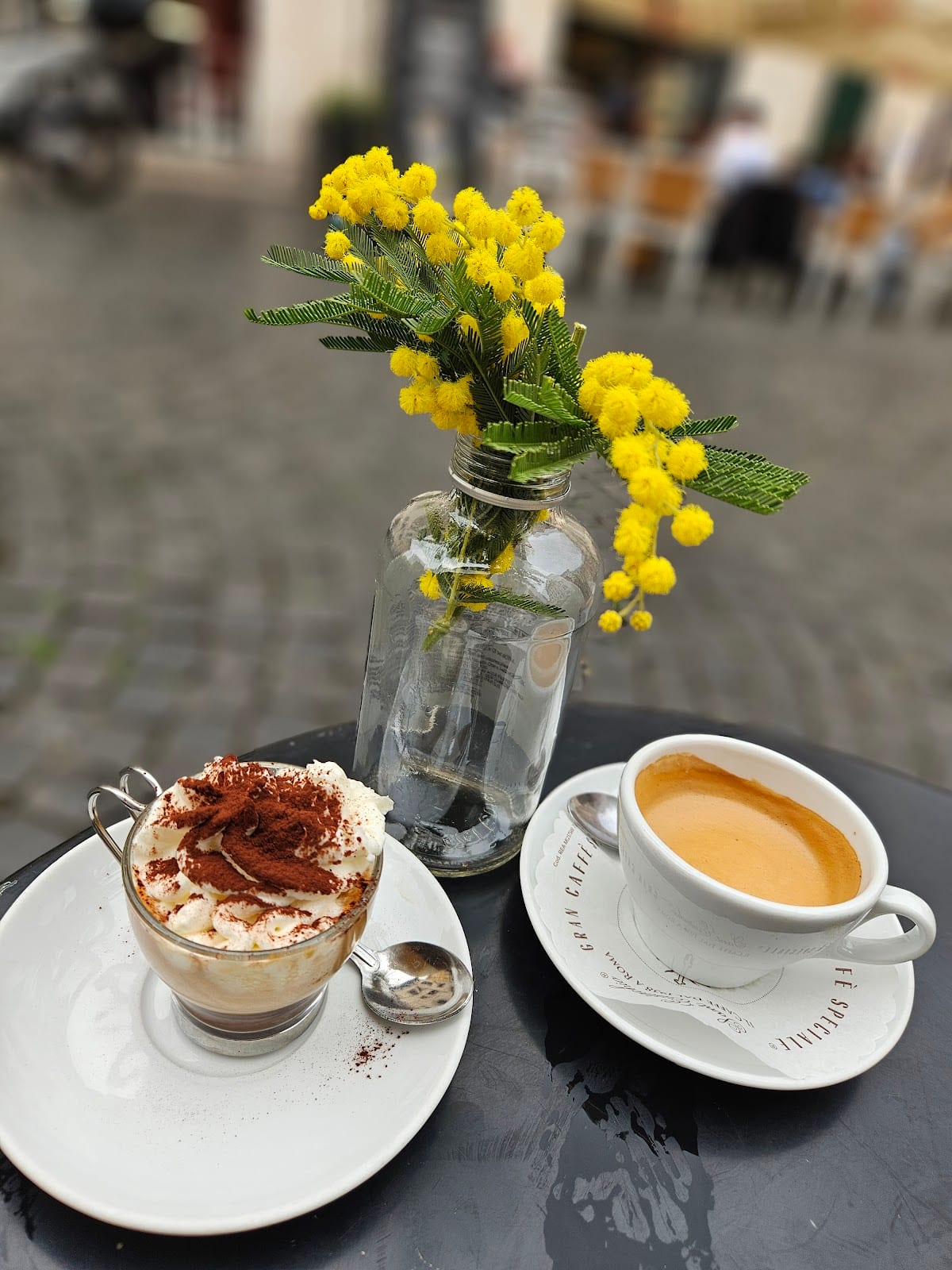
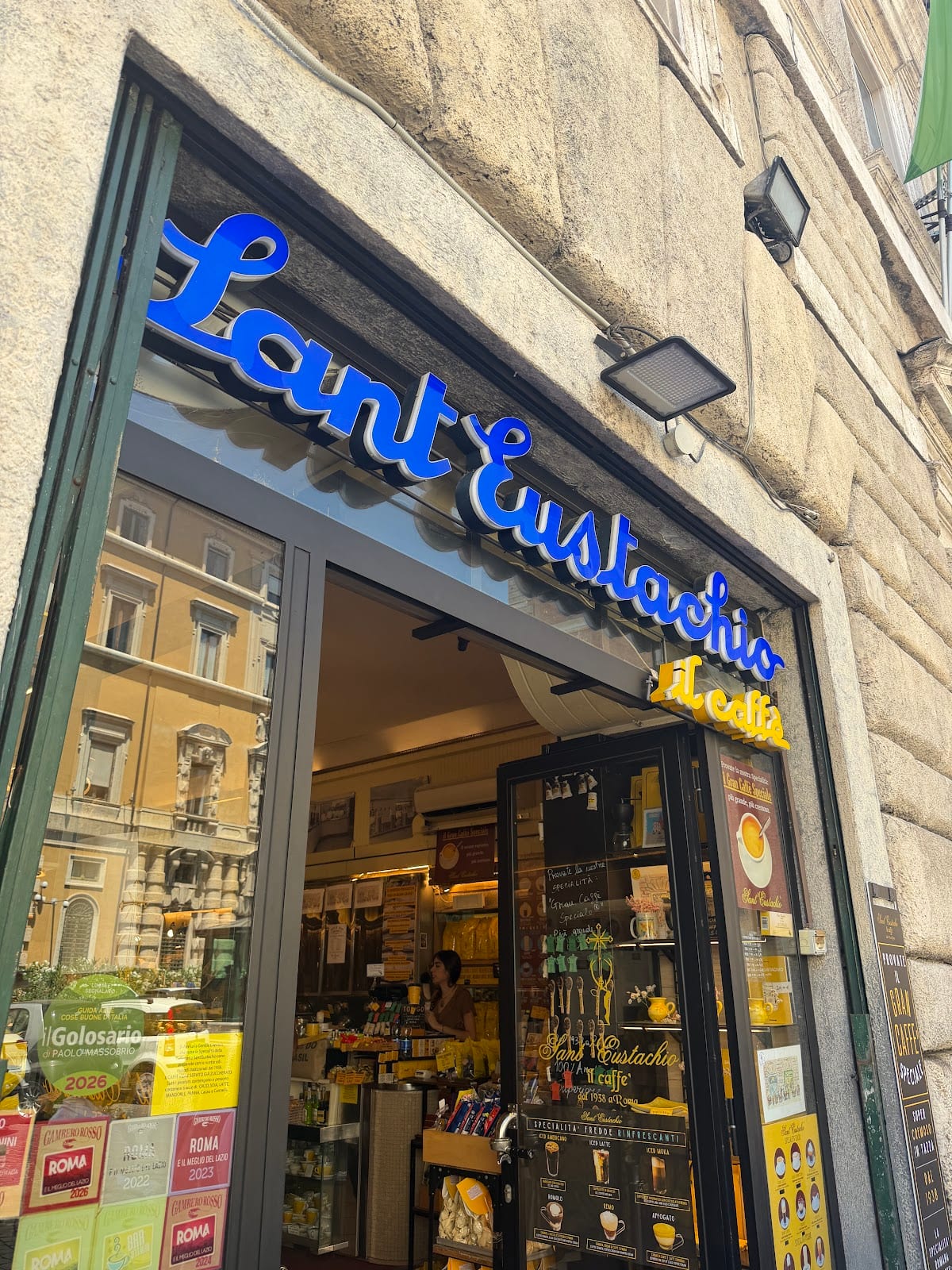
Sant'Eustachio Il Caffè
Piazza Sant'EustachioThe most famous coffee in Rome, a tiny bar behind the Pantheon serving its secret-recipe gran caffè since 1938. Order it at the counter and drink it standing, Roman-style; ask for it without sugar if you don't want it pre-sweetened.
on Google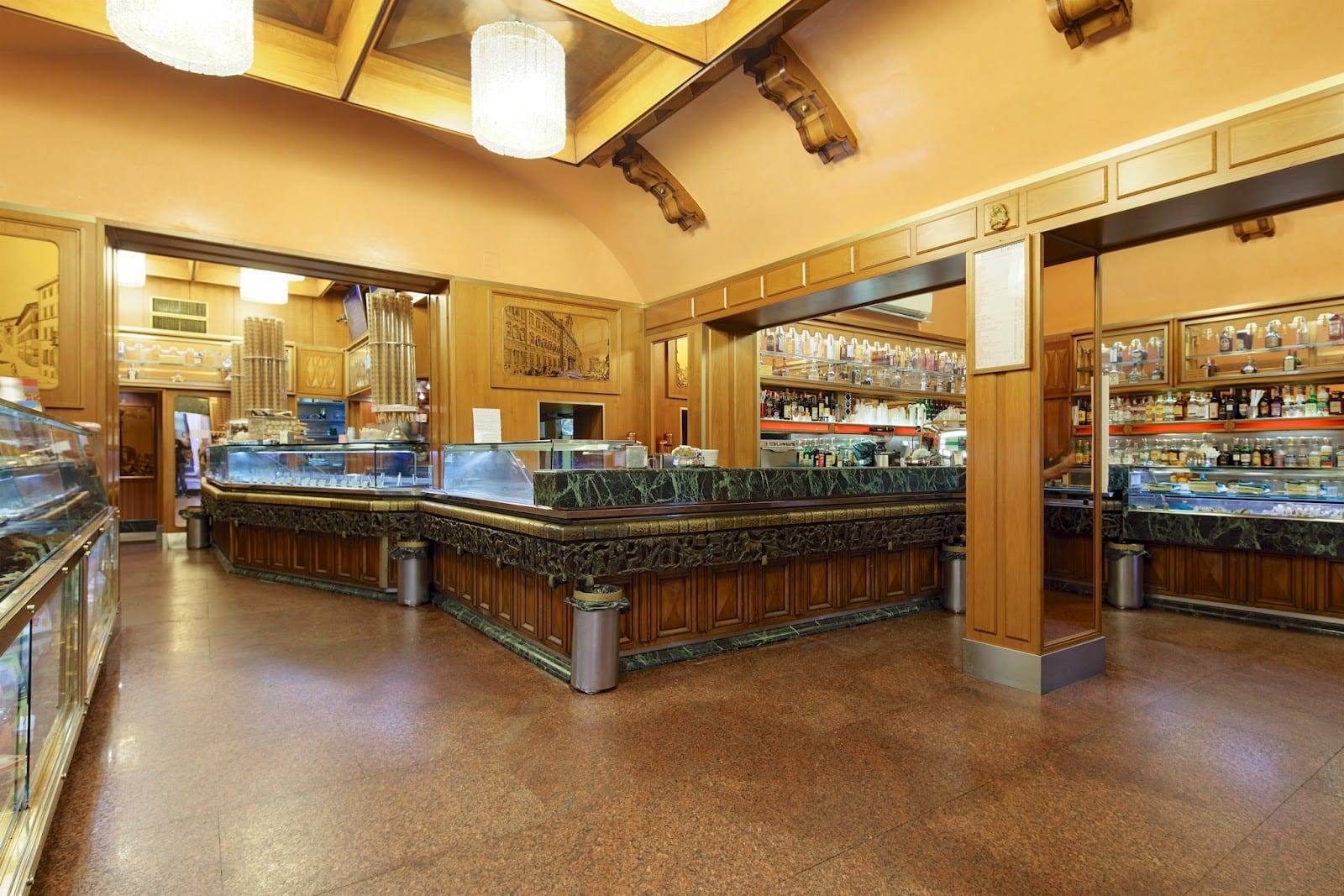
Giolitti
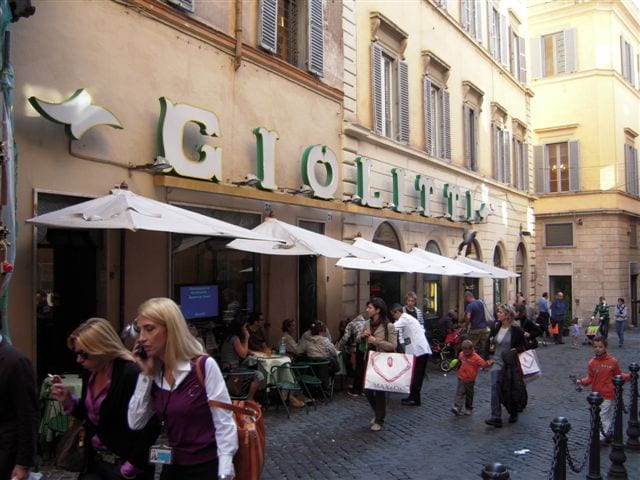
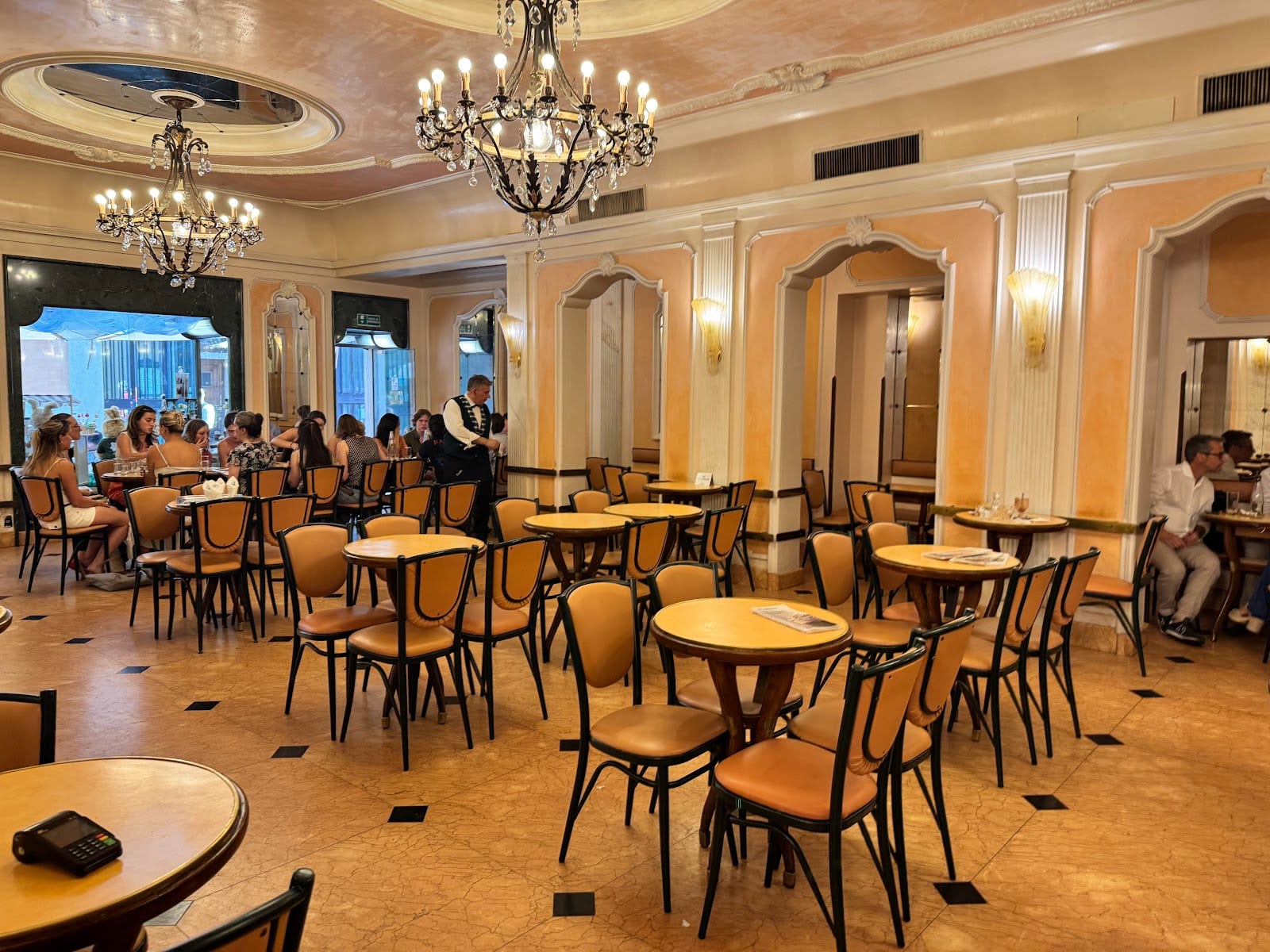
Via degli Uffici del VicarioA grand old gelateria near the Pantheon, going since 1890 and still one of Rome's best-loved. Pay at the till first, then take your receipt to the counter and pick your flavors; the crowd is half the fun.
on Google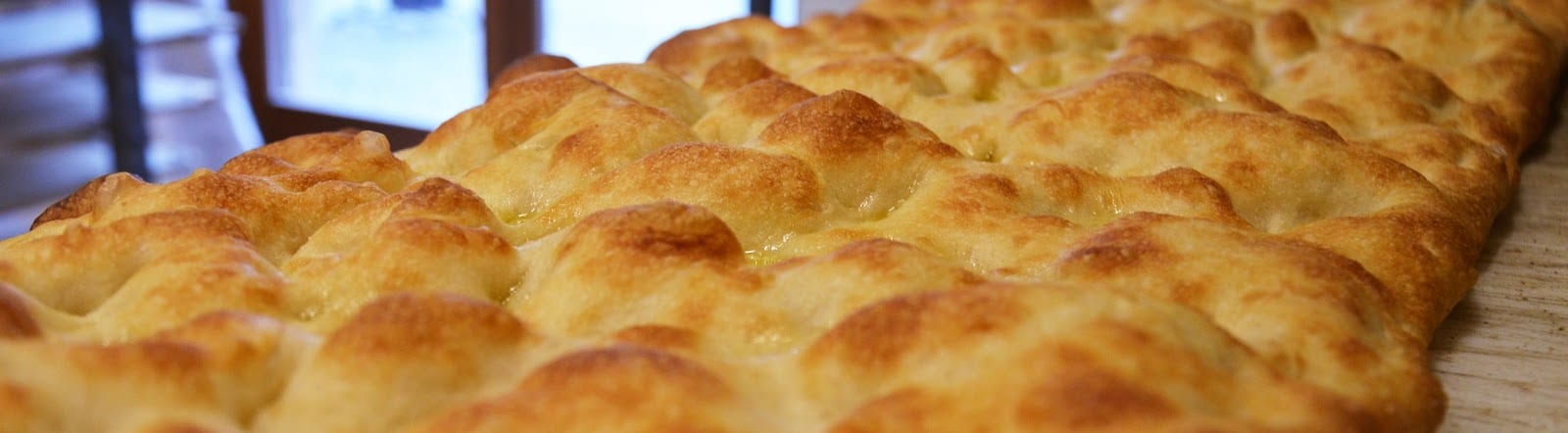
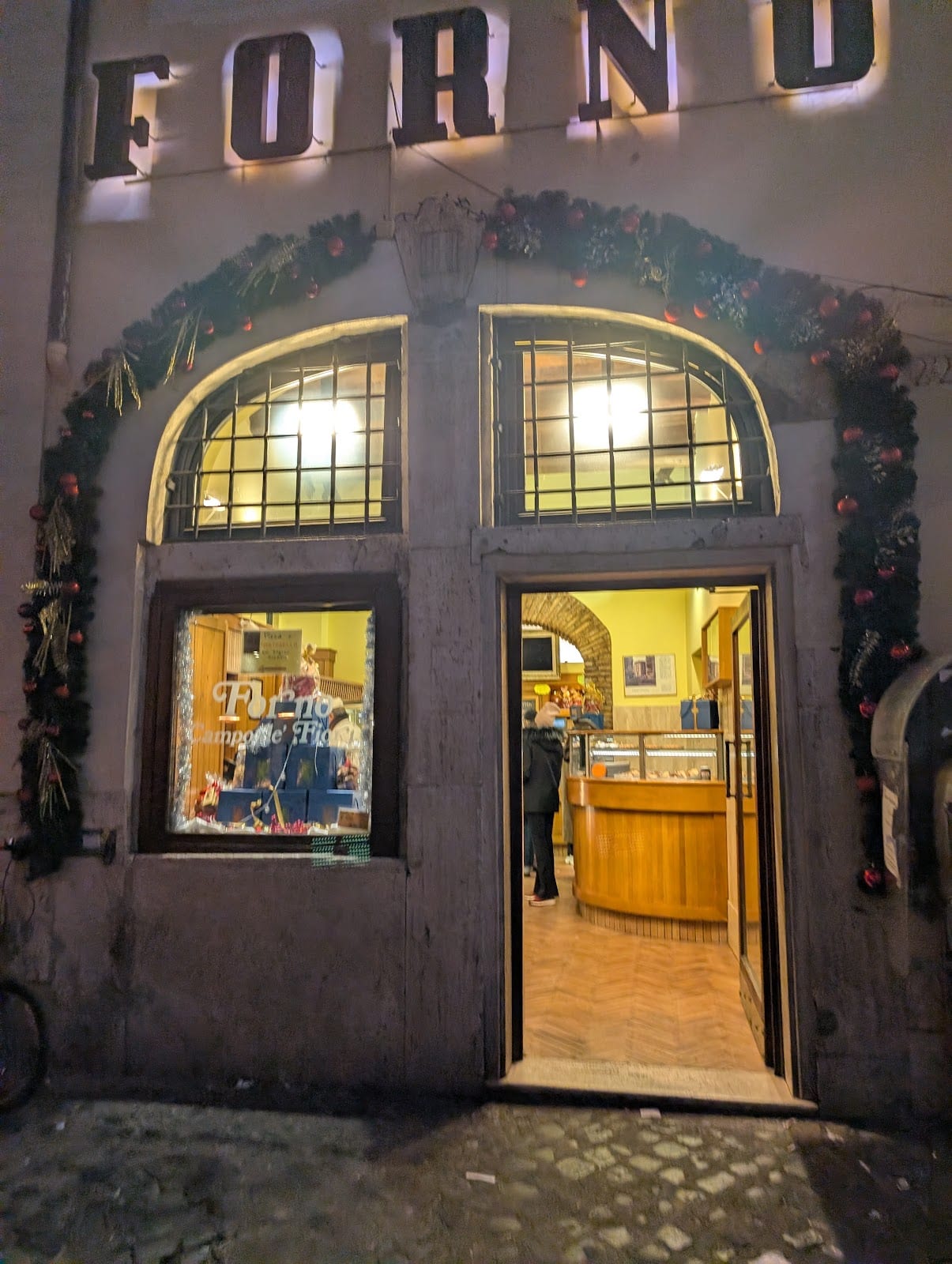
Forno Campo de' Fiori
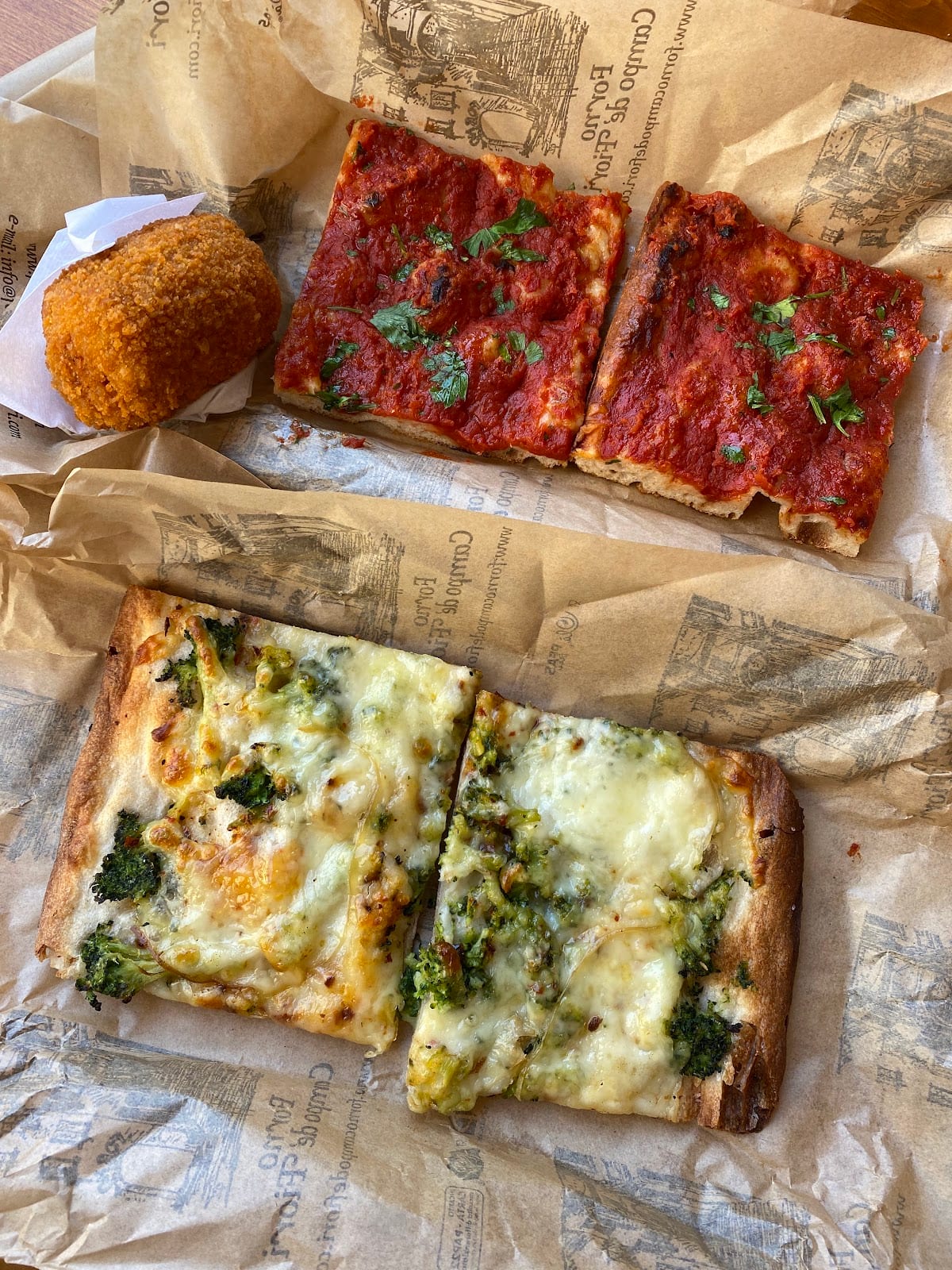
Campo de' FioriThe bakery on the market square Romans queue at for pizza bianca and pizza rossa by the slice, weighed and cut at the counter. It's a stand-up snack on the go, cheap and excellent, not a sit-down meal.
on Google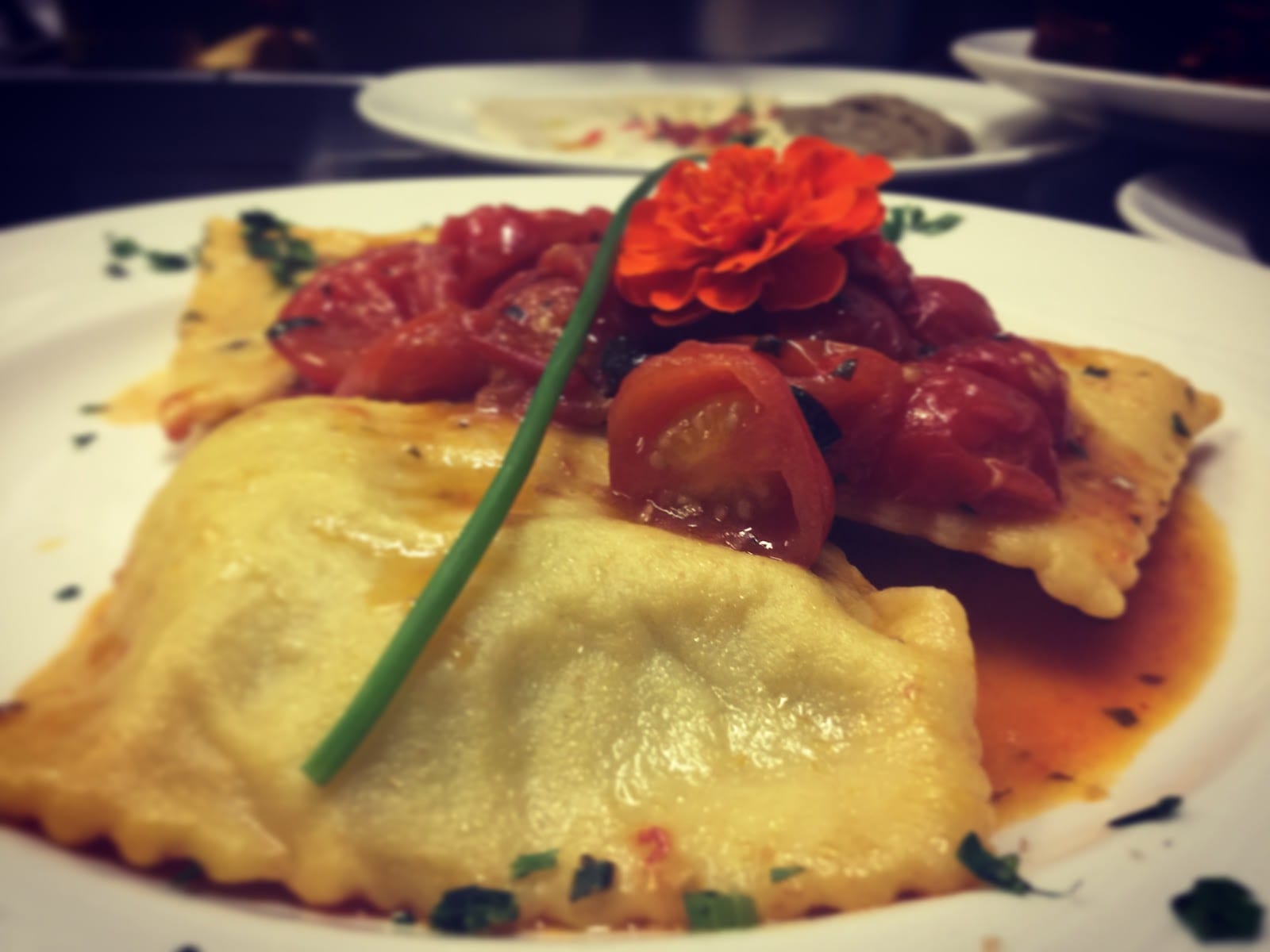
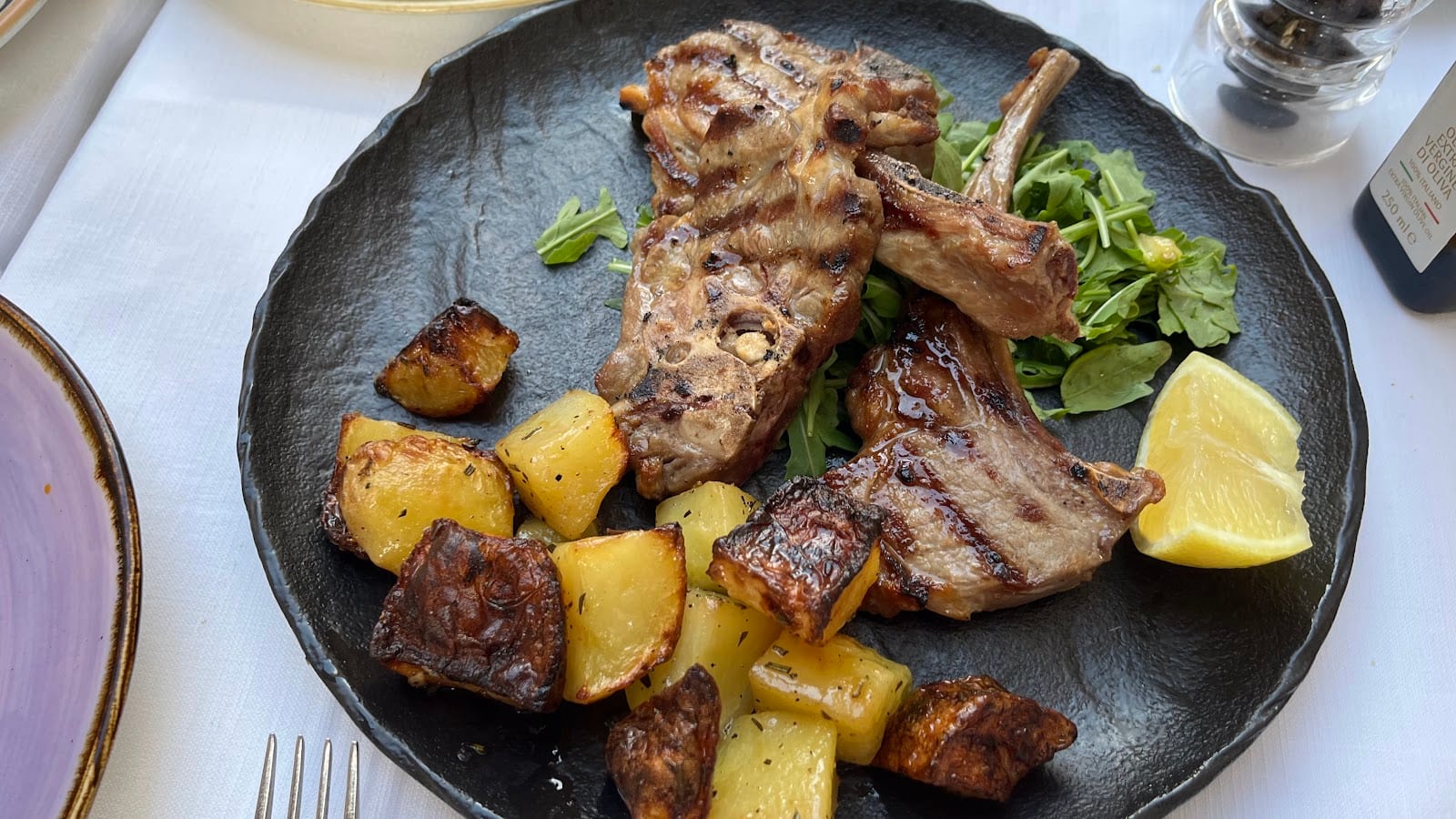
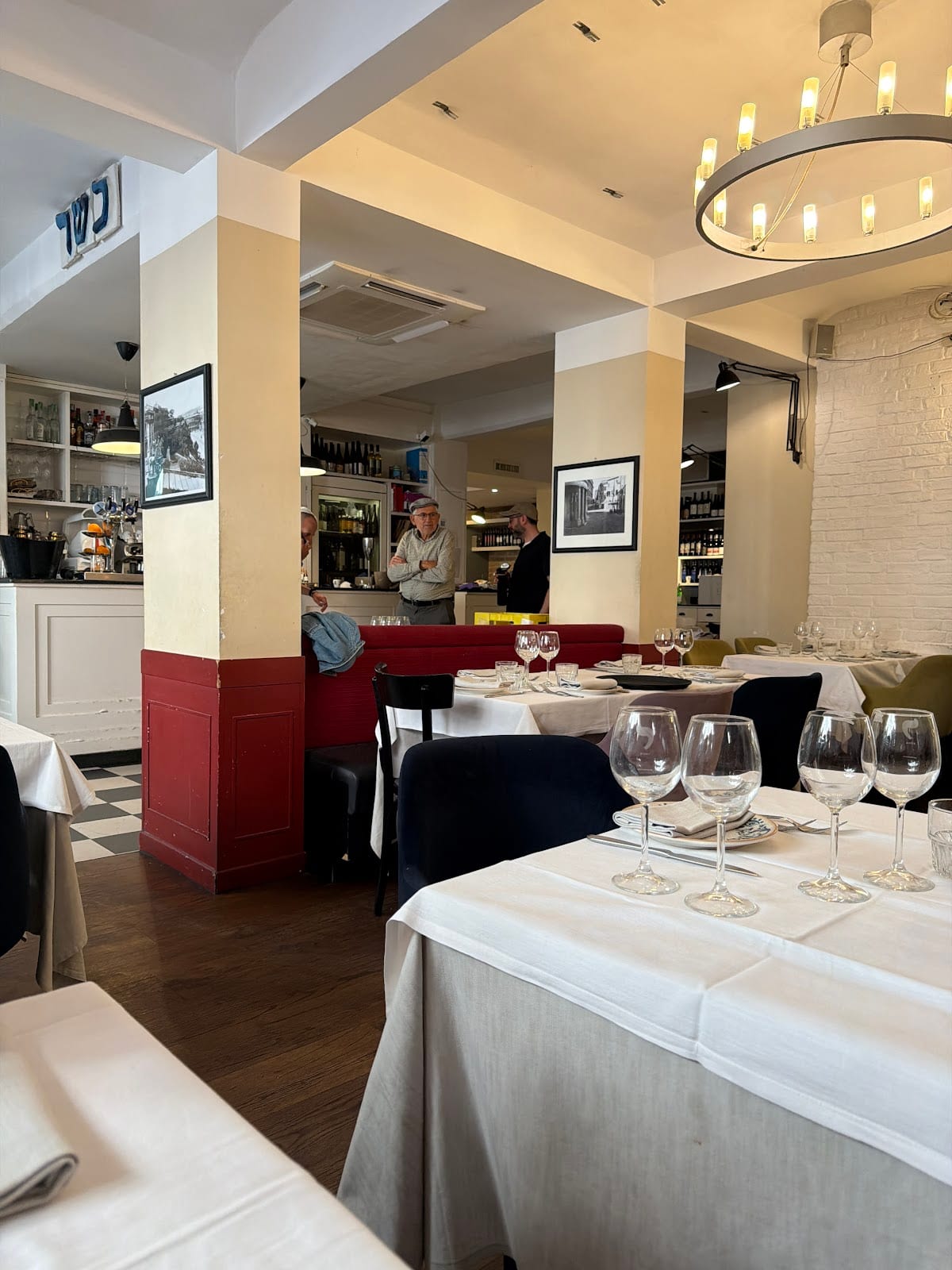
Ba'Ghetto
Via del Portico d'OttaviaA kosher Roman-Jewish trattoria on the Ghetto's main street, the place to try carciofi alla giudia, the crisp deep-fried whole artichoke, alongside classic Roman-Jewish plates. Book ahead on weekend evenings.
on Google


Getting around
Getting around Rome's Centro Storico
The historic center has no metro and is best on foot, right in the middle of the city.
Walk everything
There is no metro in the historic core, and that is fine: the Pantheon, Piazza Navona, the Trevi Fountain, Campo de' Fiori, and the Ghetto are all within about fifteen minutes of one another on foot through the lanes.
Buses and the tram to the edge
Buses along Corso Vittorio Emanuele II and Largo di Torre Argentina, a major hub, bring you to the western edge, and Tram 8 from Trastevere terminates there. The nearest metro stops, Barberini and Spagna, are a walk from the Trevi end.
Cobbles and comfortable shoes
The streets are paved with sampietrini, the small black basalt cobbles, which are hard on thin soles and slippery in the rain. Wear proper walking shoes and expect to cover a lot of ground slowly.
Go early or late for the icons
The Trevi Fountain, the Pantheon, and Piazza Navona are shoulder to shoulder by midday. See them at dawn or after dark, when the crowds thin and the fountains are lit, and save the market and the Ghetto for the middle of the day.
Where to stay
Where to stay in Rome's Centro Storico
Staying in the historic center puts every icon on your doorstep and everything within walking distance, at a price. Where you base yourself within it changes the trip:
Around the Pantheon & Piazza Navona
The absolute center, walkable to everything and beautiful at night, but the priciest and busiest, with limited car access. Best if you want to step straight out into the sights and don't mind paying for it.
Around Campo de' Fiori
Lively and central, with the morning market on your doorstep and the best nightlife in the core. Wonderful by day, but loud late into the night around the square, so pick a street back from it if you want to sleep.
The Jewish Ghetto
The quietest and most characterful pocket of the center, with great food and a real neighborhood feel, still a few minutes' walk from the Pantheon. A calmer, more local base right in the middle of everything.
Toward the Trevi Fountain
On the eastern edge where the center meets the Tridente, close to the Trevi and a short walk to the Spanish Steps and the metro at Barberini. Central and well-connected, though the Trevi crowds spill through by day.

Explore the Rome City Guide
See every Rome neighborhood, itinerary, and the essentials, and find the right base for your trip.
View the guideWho it's for
Centro Storico for couples, families, and solo
- The historic center for couples
- See the Pantheon and Piazza Navona in the early evening light, have dinner in a lane off Campo de' Fiori, then walk to the Trevi Fountain late at night when the crowds have gone and it is lit and almost yours.
- The historic center for families
- The open squares and fountains are easy with kids, the cats and sunken temples at Largo di Torre Argentina are a hit, and a gelato at Giolitti or a slice of pizza bianca at Forno Campo de' Fiori keeps everyone going between sights.
- The historic center for solo travelers
- It is safe, central, and made for wandering on foot: free churches with Caravaggios and Bernini fountains to duck into, a counter espresso at Sant'Eustachio, and squares where it's easy to sit with a drink and watch the city go by.
More of Rome
Nearby neighborhoods
A short hop from Centro Storico, and worth pairing on the same trip.

Ready to explore Rome's Centro Storico?
Tell Zoya, your personal travel assistant, how you like to travel, and she'll turn these into a day in the historic center, or a whole Rome trip, that fits your dates.
Explore now