

Spanish Steps & Tridente · Rome neighborhood guide
Spanish Steps & the Tridente
Rome's grand shopping quarter around the Spanish Steps: the 135-step Baroque staircase, the luxury windows of Via dei Condotti, and Piazza del Popolo with two Caravaggios beside it. Here's what's actually worth your time, ranked and judged.
Spanish Steps & Tridente in brief
What are the Spanish Steps famous for?
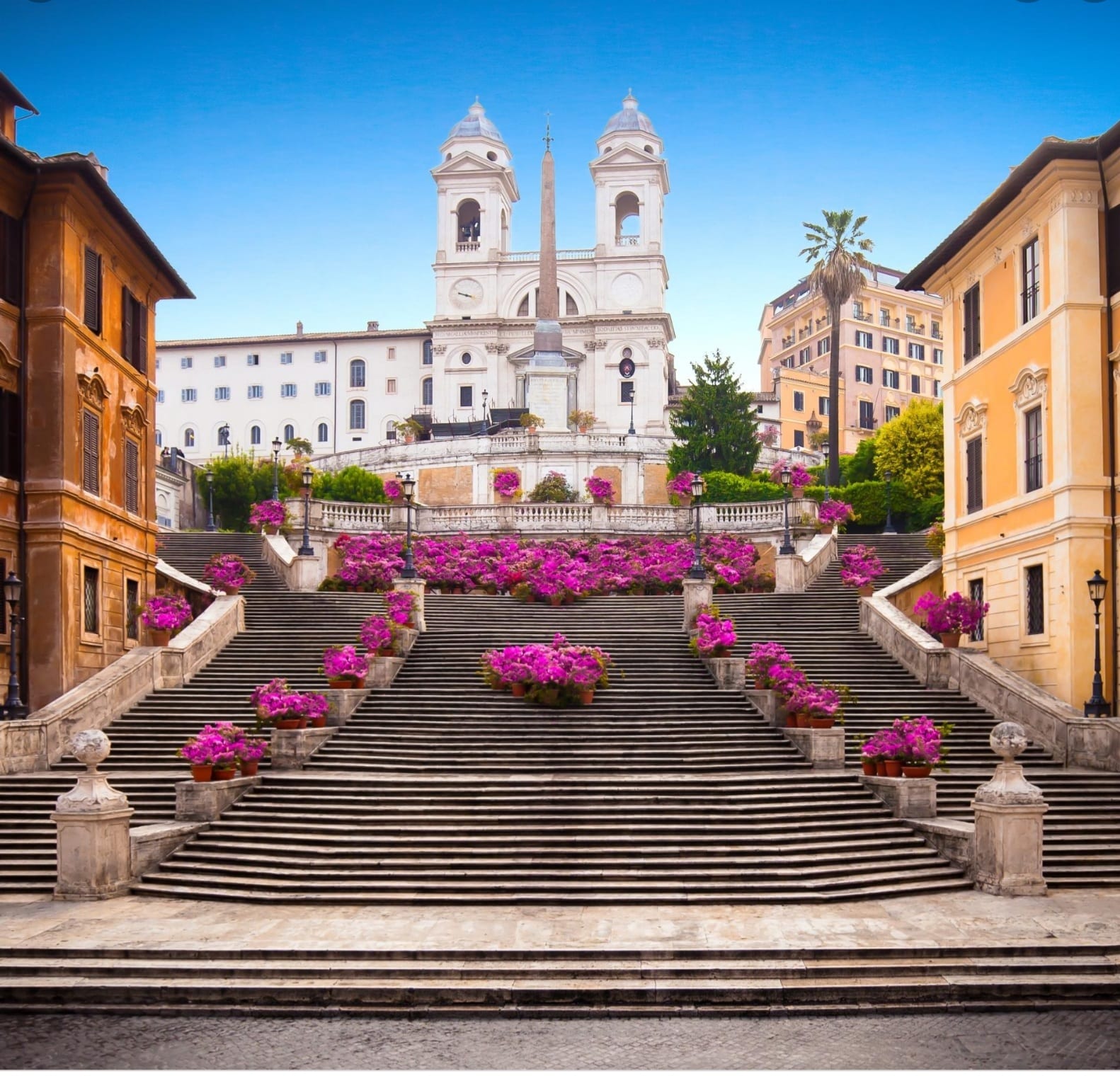
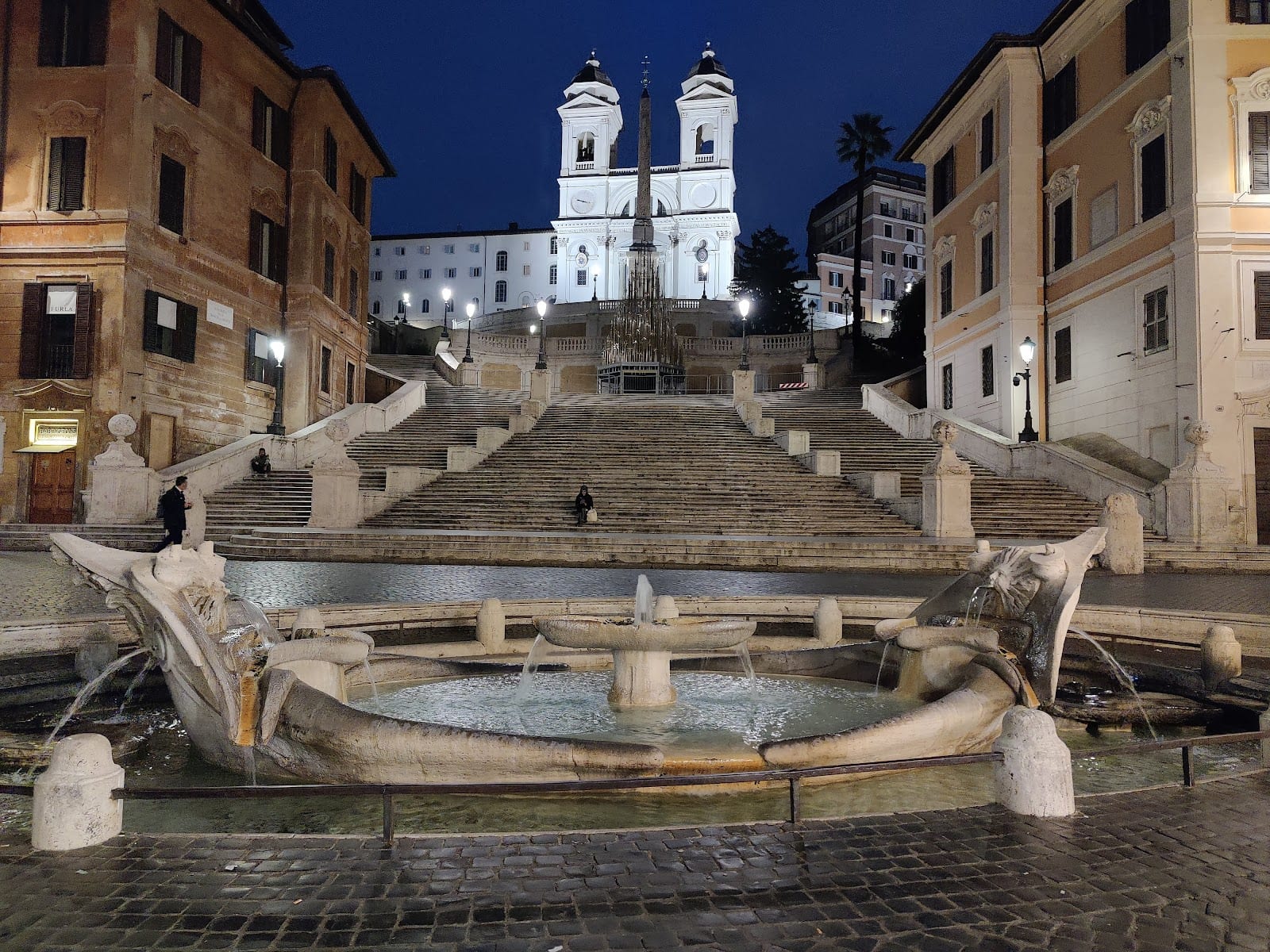
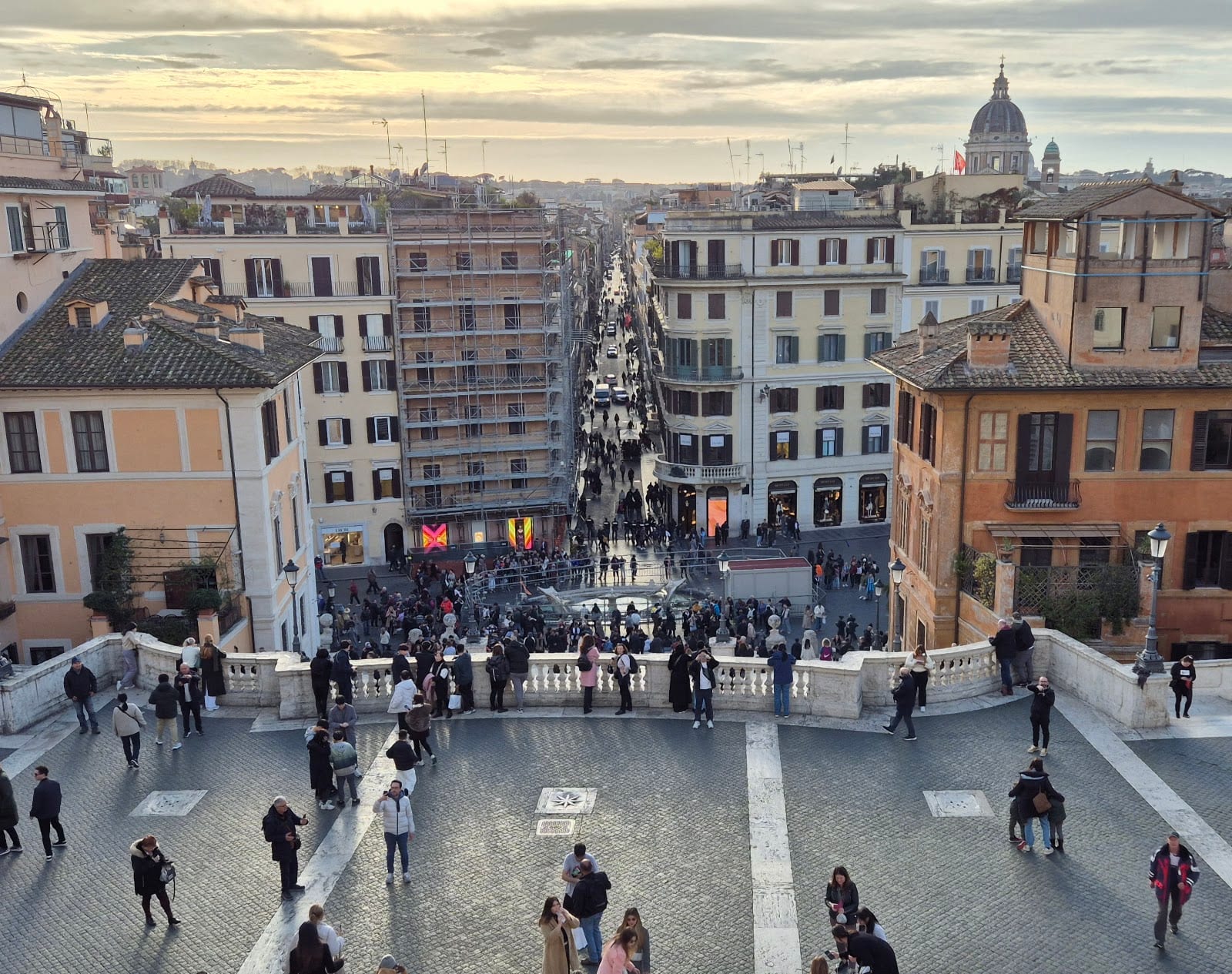
The Spanish Steps are a monumental Baroque staircase of 135 steps, built in the 1720s, that climbs from Piazza di Spagna to the French church of Trinita dei Monti at the top. At their foot sits the Barcaccia, a sinking-boat fountain by Pietro Bernini, and they are lined with blooming azaleas each spring. They are free to climb, though since 2019 you are not allowed to sit on them.
Are the Spanish Steps worth seeing?
Yes, as part of a wider walk through the Tridente rather than a stop in themselves. The staircase, the Barcaccia fountain, and the view down Via dei Condotti make a quick, free, worthwhile visit, best in the early morning or at dusk when the crowds thin. Pair them with Piazza del Popolo, the Caravaggios in Santa Maria del Popolo, and the Trevi Fountain ten minutes away.
Do the Spanish Steps lead to the Trevi Fountain?
No, but they are close. The Spanish Steps and the Trevi Fountain are two separate sights about a ten-minute walk apart through the lanes south of Piazza di Spagna. The full Trevi story sits on our Centro Storico guide, since the fountain straddles the two neighborhoods, but it is an easy and natural add-on to a Tridente walk.
Get oriented
How the Tridente fits together
The Tridente is the flat, walkable shopping district between the Spanish Steps, Piazza del Popolo, and the Tiber, on the northern edge of the historic center.
The name comes from the trident of three straight streets that fan south from Piazza del Popolo: Via del Corso in the center, Via del Babuino toward the Spanish Steps on one side, and Via di Ripetta toward the river on the other. Piazza di Spagna and the Spanish Steps sit at the end of Via del Babuino, with the luxury boutiques of Via dei Condotti running off the square. Piazza del Popolo anchors the north end, with the terrace of the Pincio rising above it and the Ara Pacis down by the Tiber. The Trevi Fountain lies just off the southeastern edge, toward Centro Storico. Officially this is the rione of Campo Marzio, but everyone calls it the Tridente. It is compact and level, and everything in this guide is a walk of fifteen minutes or less.
A half-day walk on foot, north to south down the Tridente and over to the fountain:
See & do, ranked
The best things to do around the Spanish Steps
Our honest ranking of what's worth your time in the Tridente, from the must-sees to the hidden gems, with a verdict on each so you know what to prioritize and what is overhyped.
Must-see
The essentials, ranked.- 1
 Piazza di Spagna Worth it
Spanish Steps (Piazza di Spagna)
Rome's grand Baroque staircase, best at dawn before the crowds and the no-sitting police arrive.
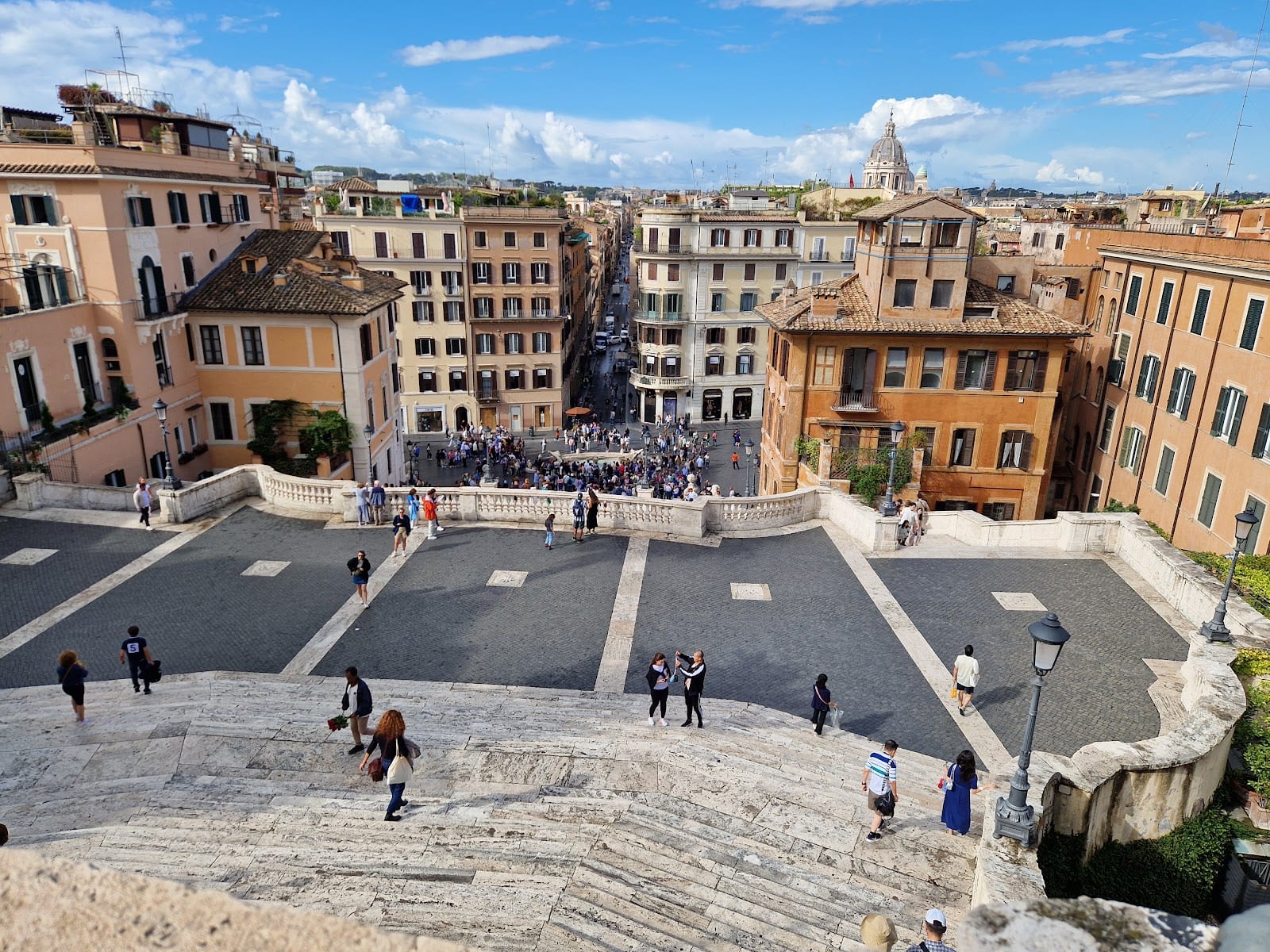
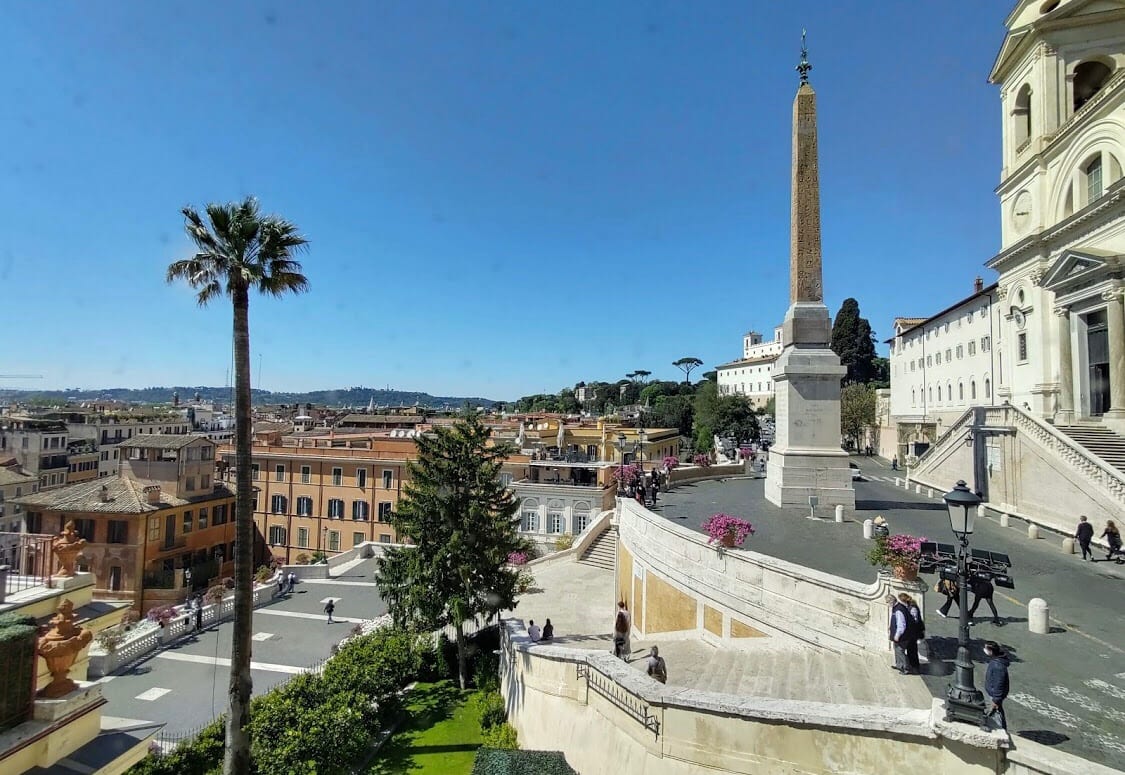
The Scalinata di Trinita dei Monti, the Spanish Steps, is a sweeping Baroque staircase of 135 steps that climbs from Piazza di Spagna to the French church of Trinita dei Monti at the top. It was built between 1723 and 1726 to the design of Francesco de Sanctis, paid for by a bequest from the French diplomat Etienne Gueffier and the Bourbon kings of France, and it takes its name from the Spanish Embassy to the Holy See that stood on the square below. In spring the steps are banked with pink azaleas, and the view down over the rooftops from the top is one of the city's classic set-pieces. It is free to climb, but note that since 2019 you may not sit on the steps: the fine starts at 250 euros, rising to 400 if you dirty or damage them, and yellow-vested police do enforce it. Come early in the morning or at dusk to have the staircase to yourself. Metro Spagna on Line A comes up right at the foot.
Open 24 hours; no sitting permittedGood for couples, families, solo
- 2
 Piazza del Popolo Worth it
Piazza del Popolo
A vast neoclassical oval with an Egyptian obelisk, the head of the Tridente's three streets.
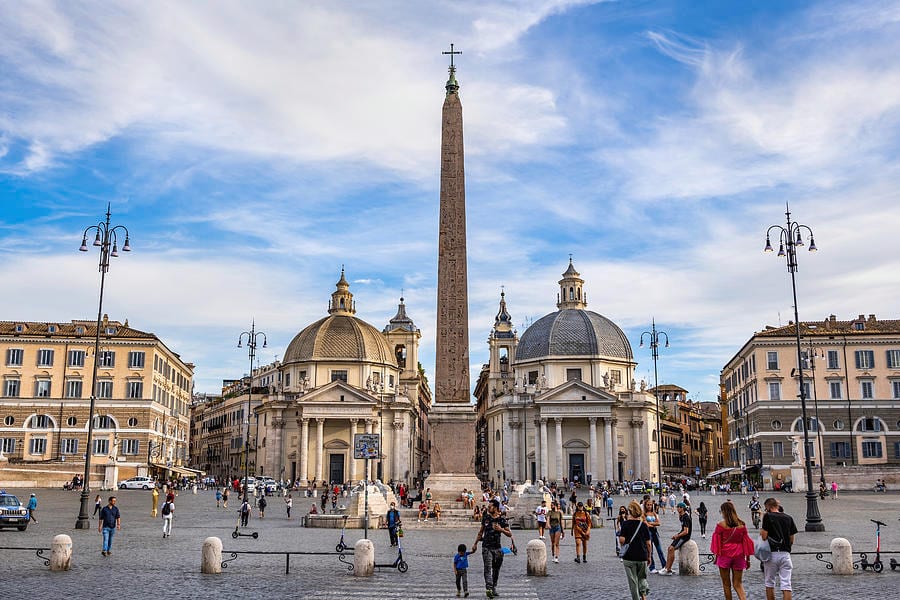
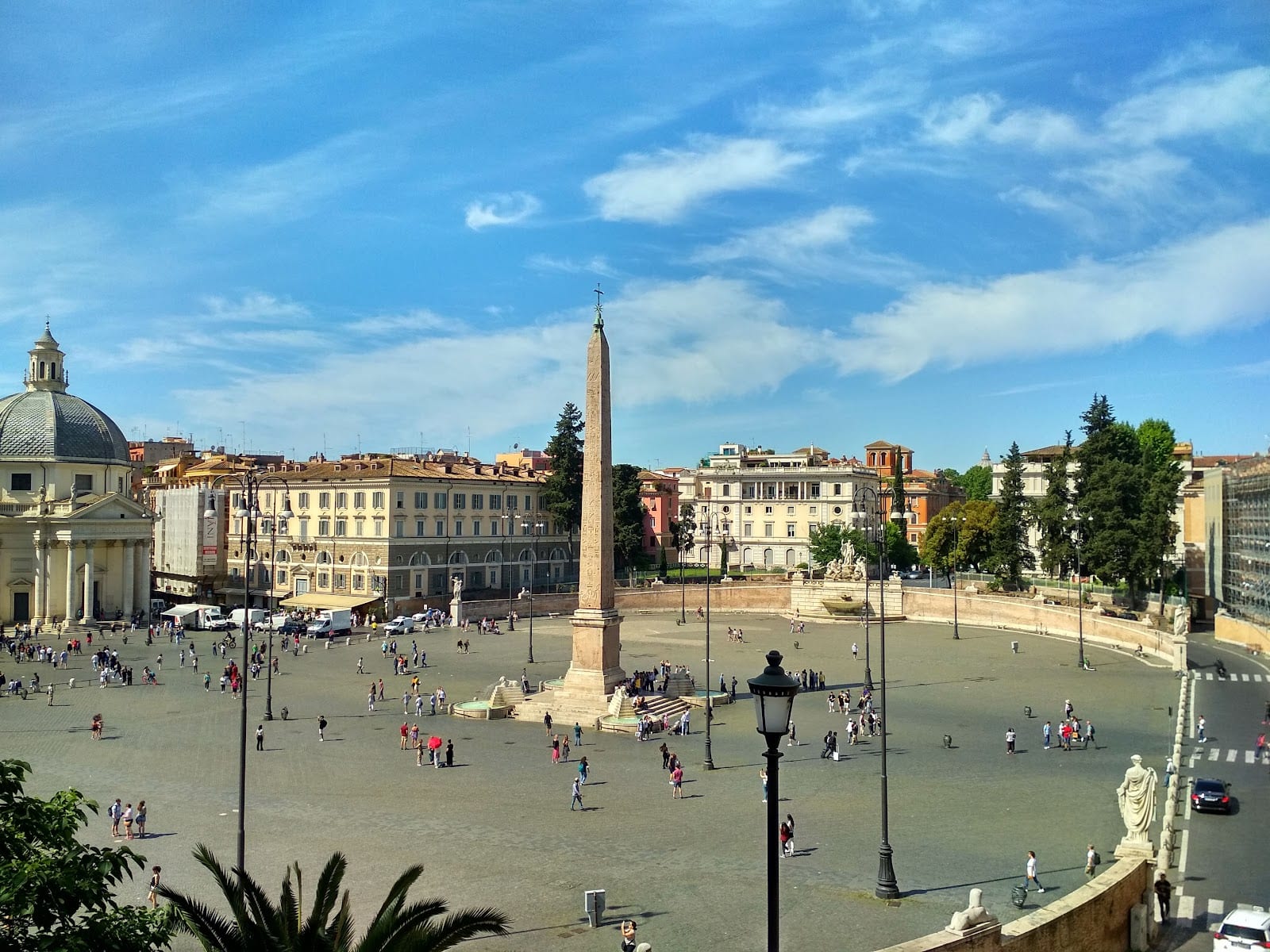
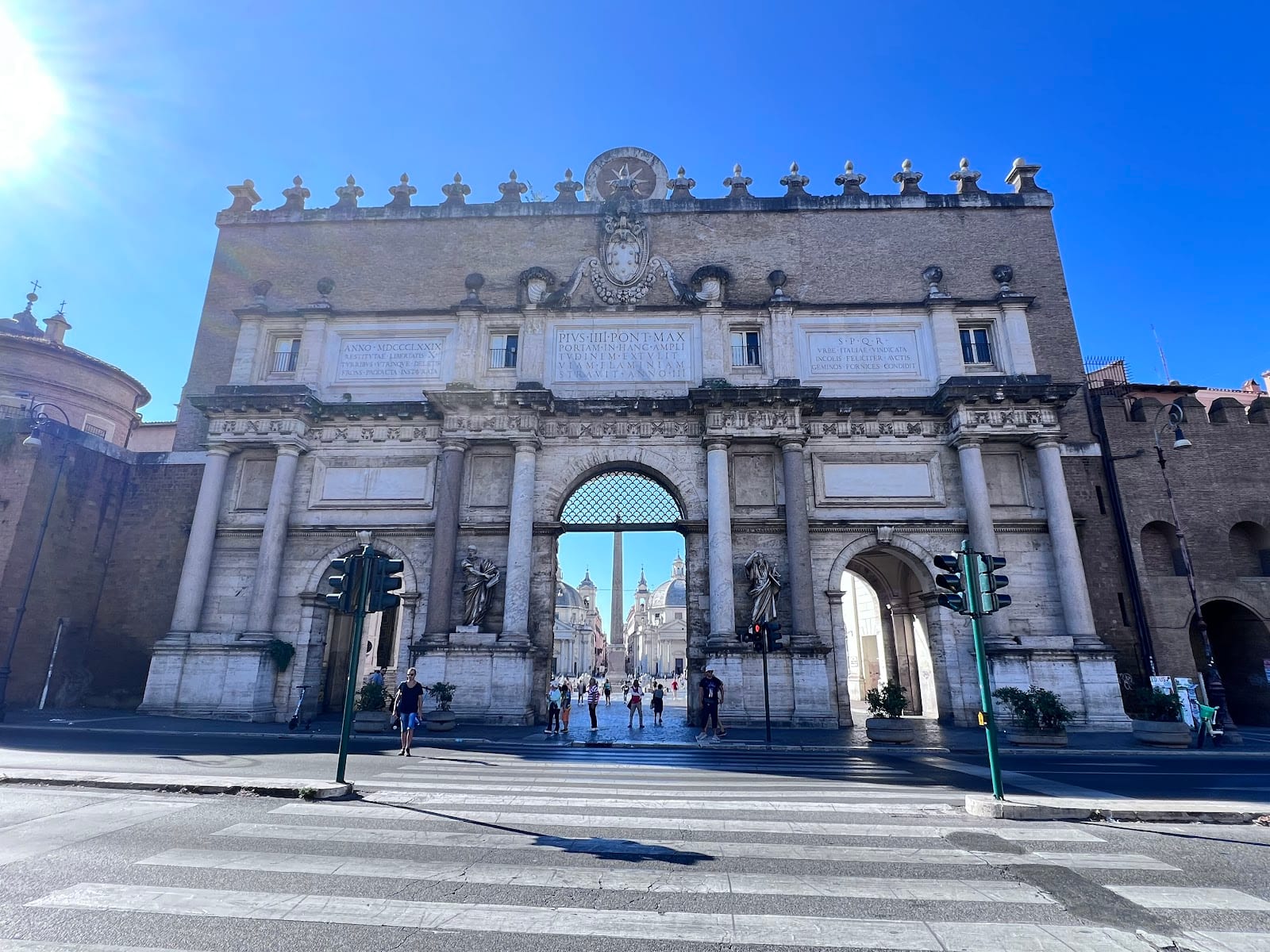
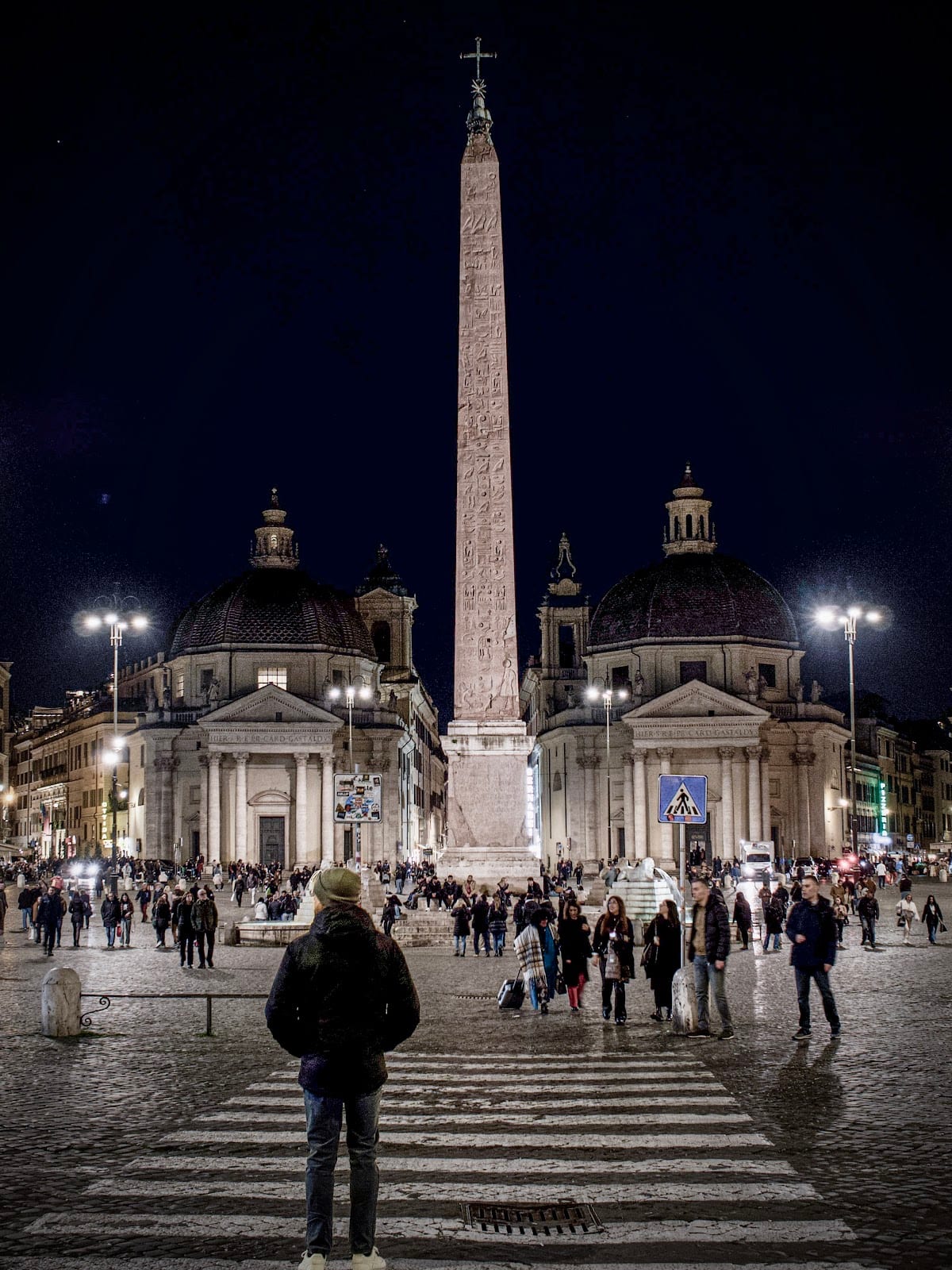
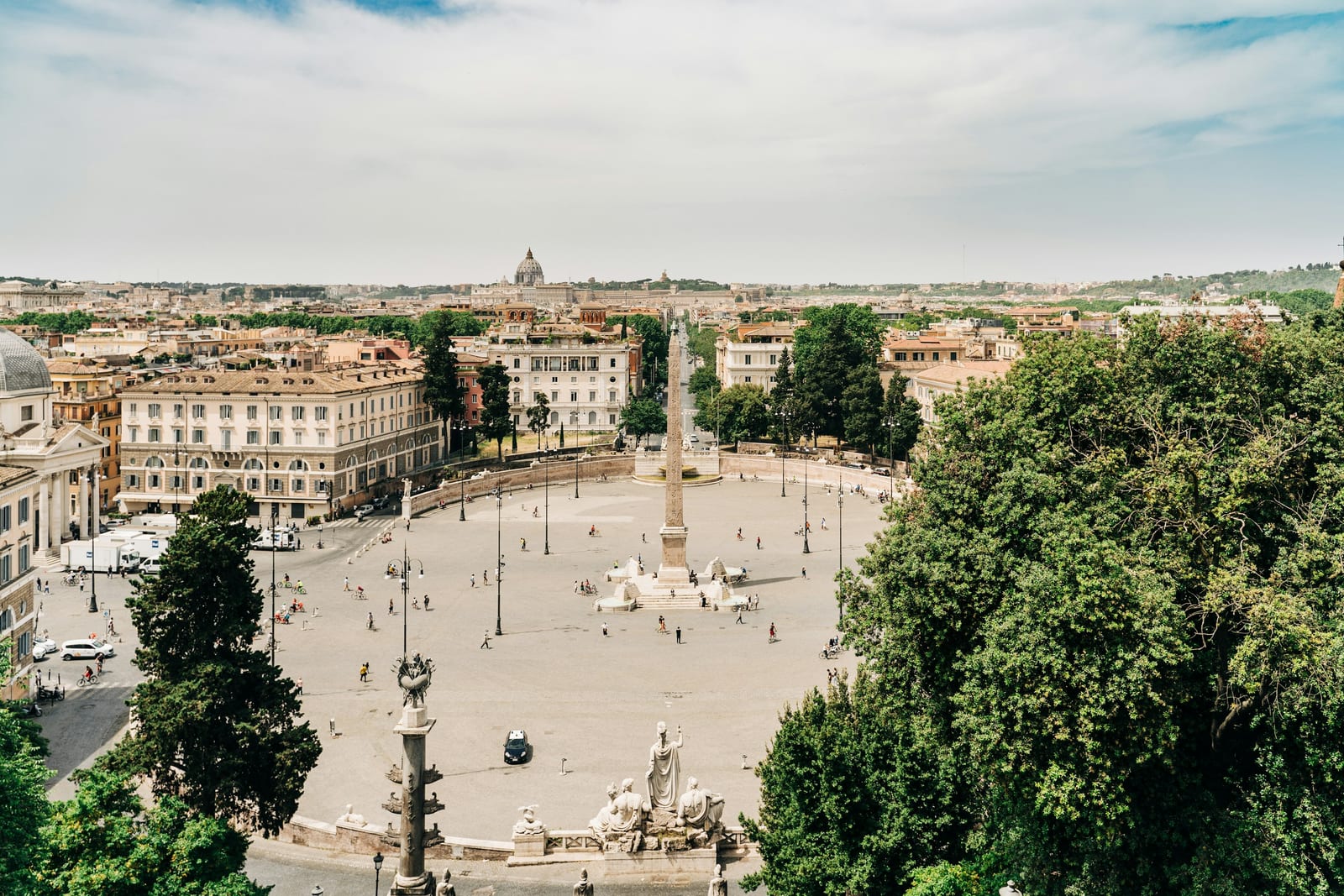
Piazza del Popolo is the grand oval square that anchors the north end of the Tridente, given its present neoclassical form by Giuseppe Valadier between 1811 and 1822. At its center stands the Flaminio Obelisk, one of Rome's oldest and the first obelisk ever brought from Egypt to the city, carried here by Augustus from the sun temple at Heliopolis. This is where the trident of streets begins, with Via del Corso running dead ahead into the historic center. On the northern side is the Porta del Popolo, the old gate on the Via Flaminia that was, before the railways, a traveler's first sight of Rome, its inner face reworked by Bernini in 1655 for the arrival of Queen Christina of Sweden. It is an open public square, free to wander, and it is at its best in the late afternoon light with the Pincio terrace glowing above it.
Open 24 hoursGood for couples, families, solo
- 3
 Trevi Worth the hype
Trevi Fountain
Rome's great Baroque fountain, dazzling and mobbed; go at dawn or late at night.
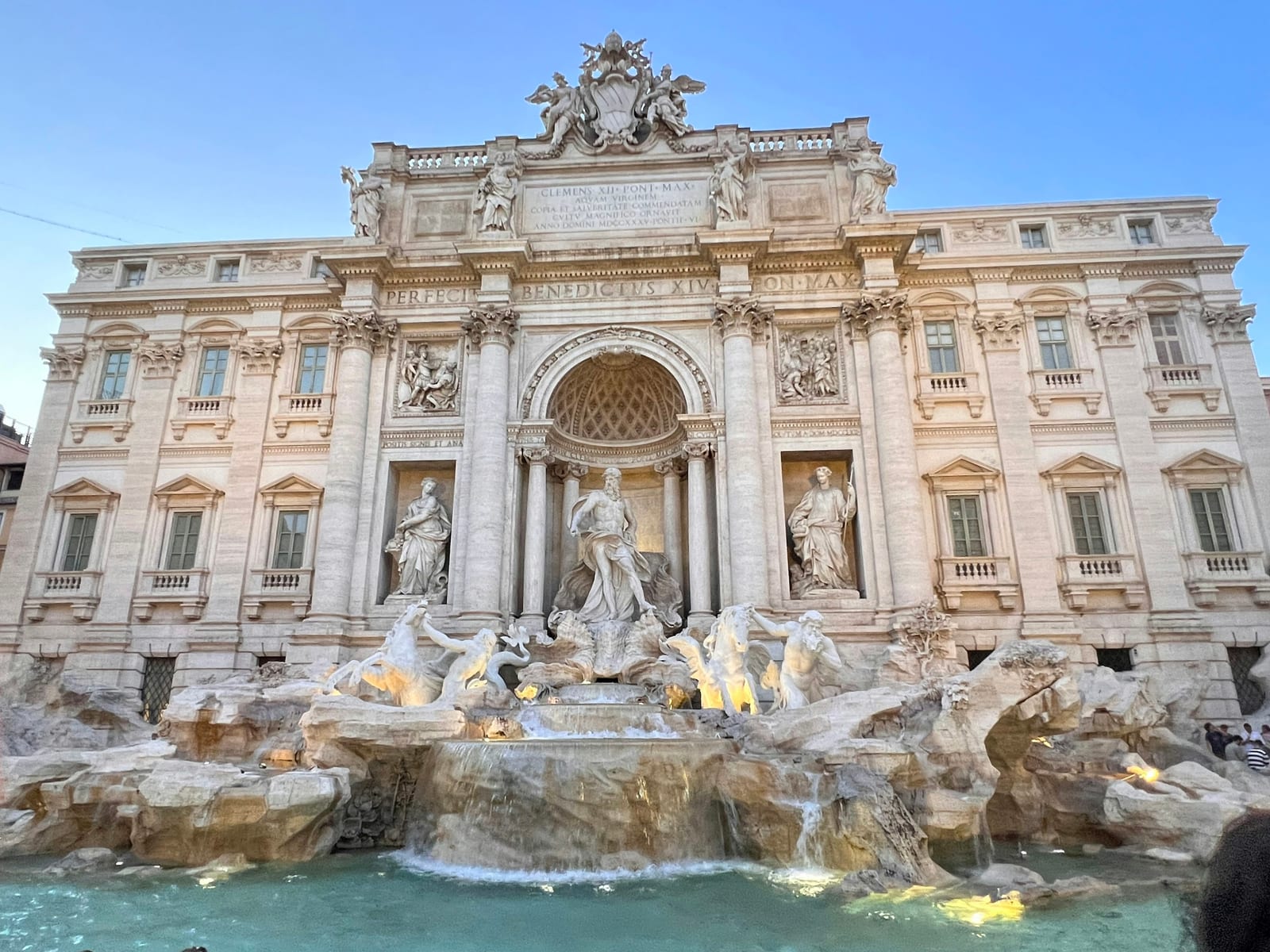
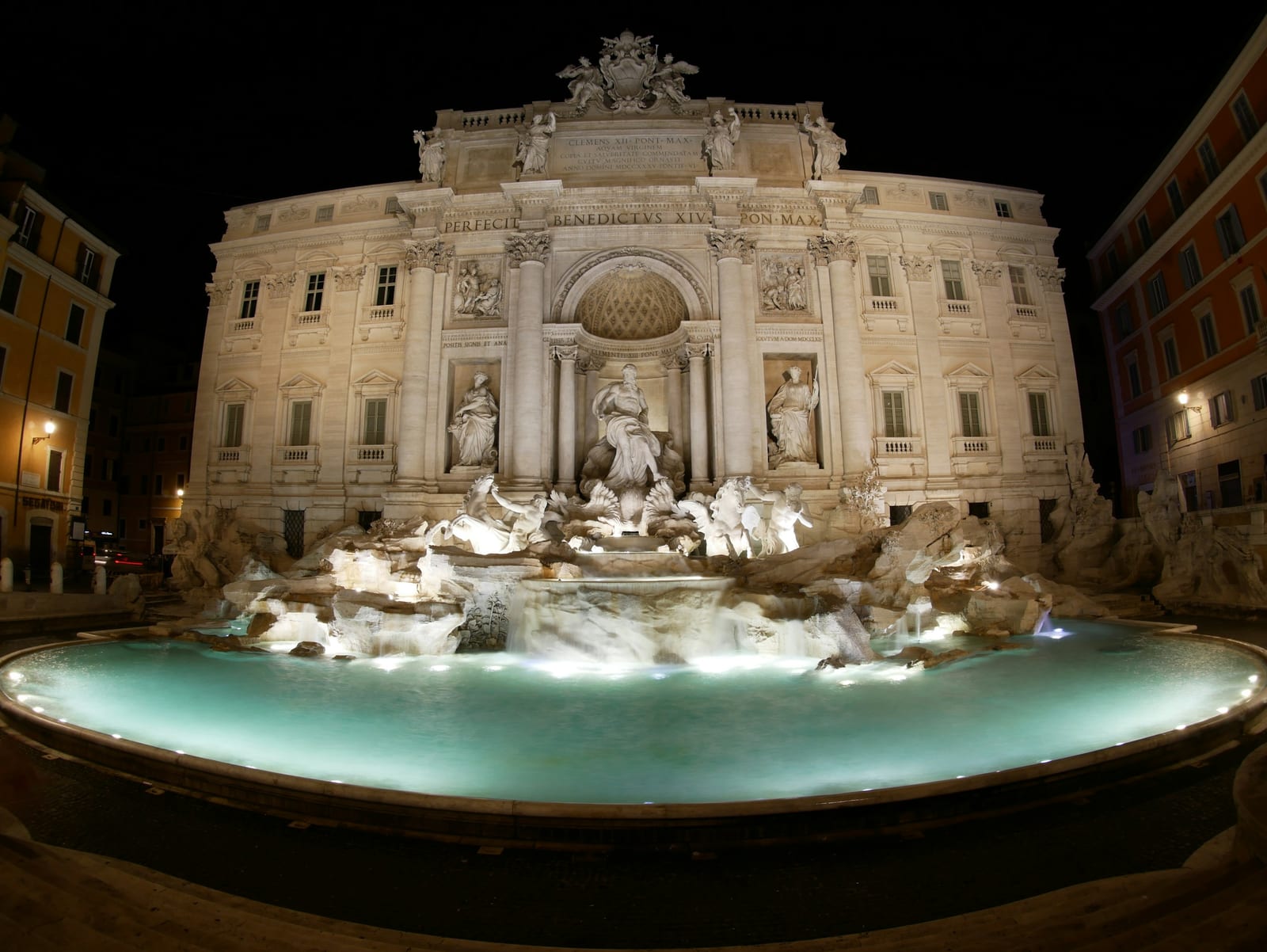
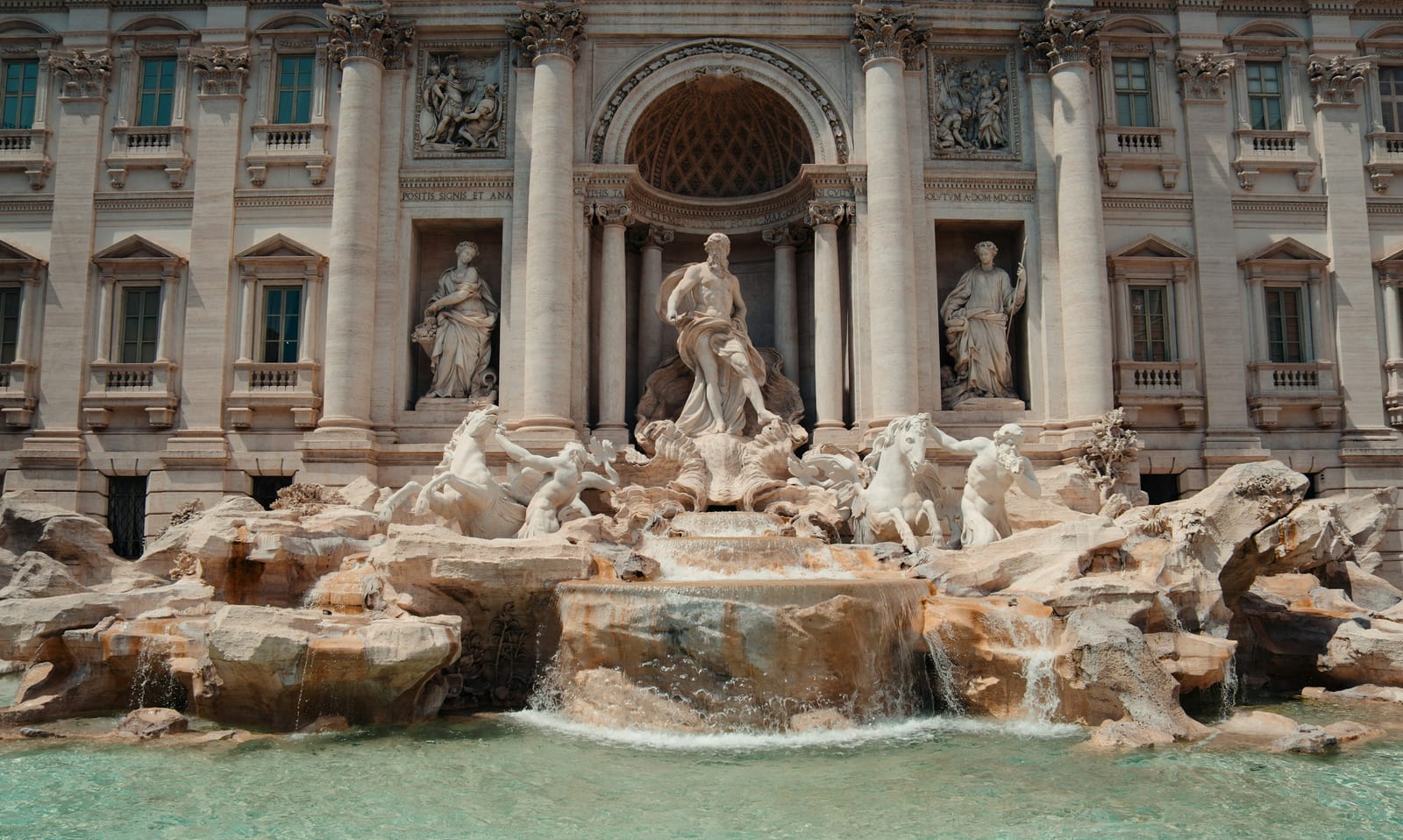
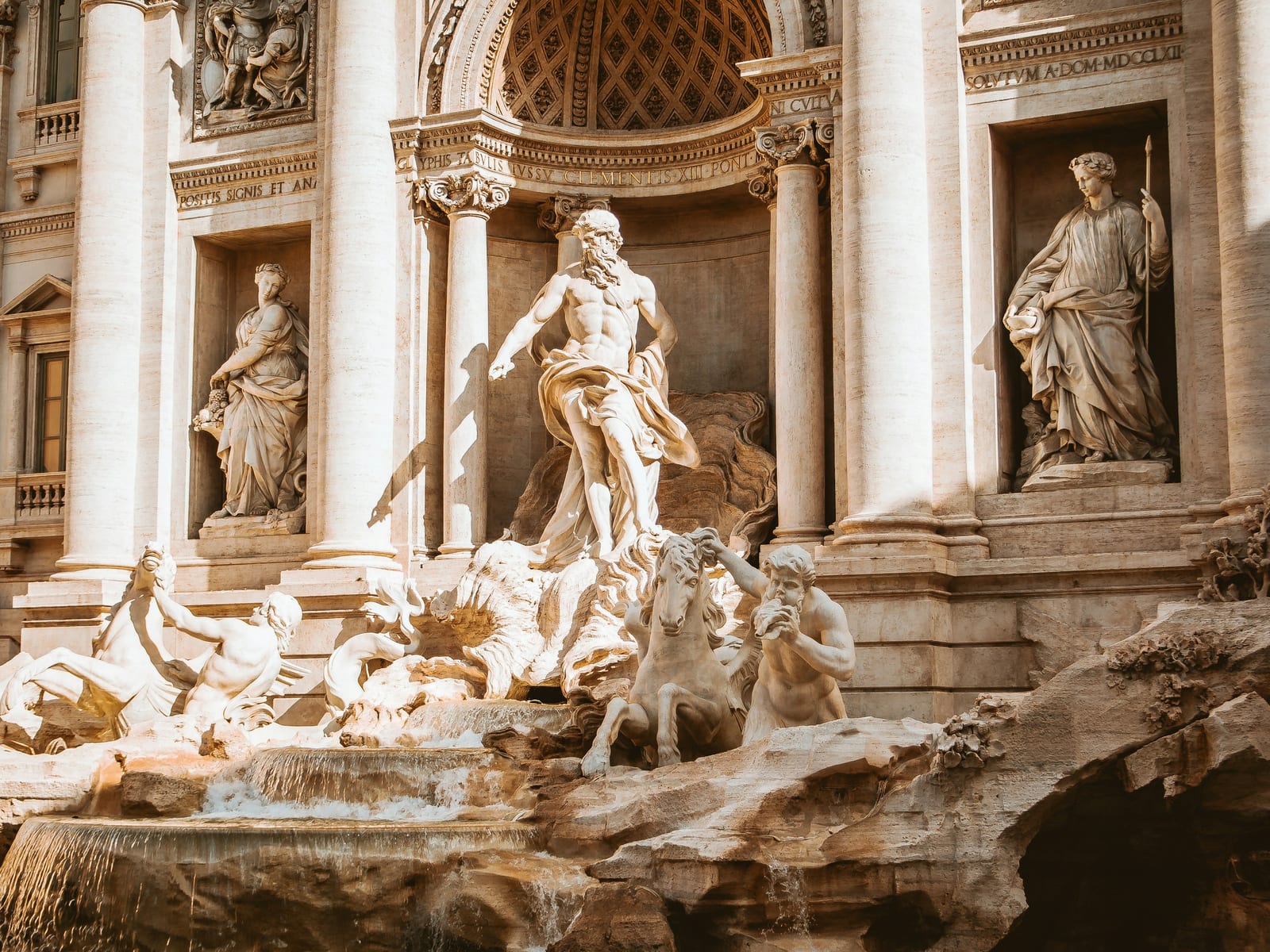
The Fontana di Trevi is the largest and most theatrical of Rome's fountains, a wall of Baroque rock and sea-gods filling a small square about a ten-minute walk from the Spanish Steps. Designed by Nicola Salvi and completed in 1762 by Giuseppe Pannini, its central figure is not Neptune, as many assume, but Oceanus, the Titan of all water, riding a shell chariot pulled by sea-horses, carved by Pietro Bracci. It is fed by the Acqua Vergine, the same ancient aqueduct that supplies the Barcaccia at the Spanish Steps. The custom is to toss a coin over your left shoulder with your right hand to ensure your return to Rome. Viewing from the piazza is free, but as of February 2026 a 2-euro ticket is required to descend to the basin barrier between 9am and 10pm; after 10pm the barriers open and it is free again. It is worth the hype, but it is genuinely mobbed by day, so come very early or very late. The fountain sits on the edge of Centro Storico, and the fuller Trevi story lives on that guide.
Piazza open 24 hours; basin access ticketed 9:00 AM – 10:00 PMGood for couples, families, solo


Worth it with more time
Good additions once you've done the icons.- 1
 Via dei Condotti Worth it
Via dei Condotti & the shopping streets
The luxury run at the foot of the steps, plus the high-street Corso down to Piazza Venezia.
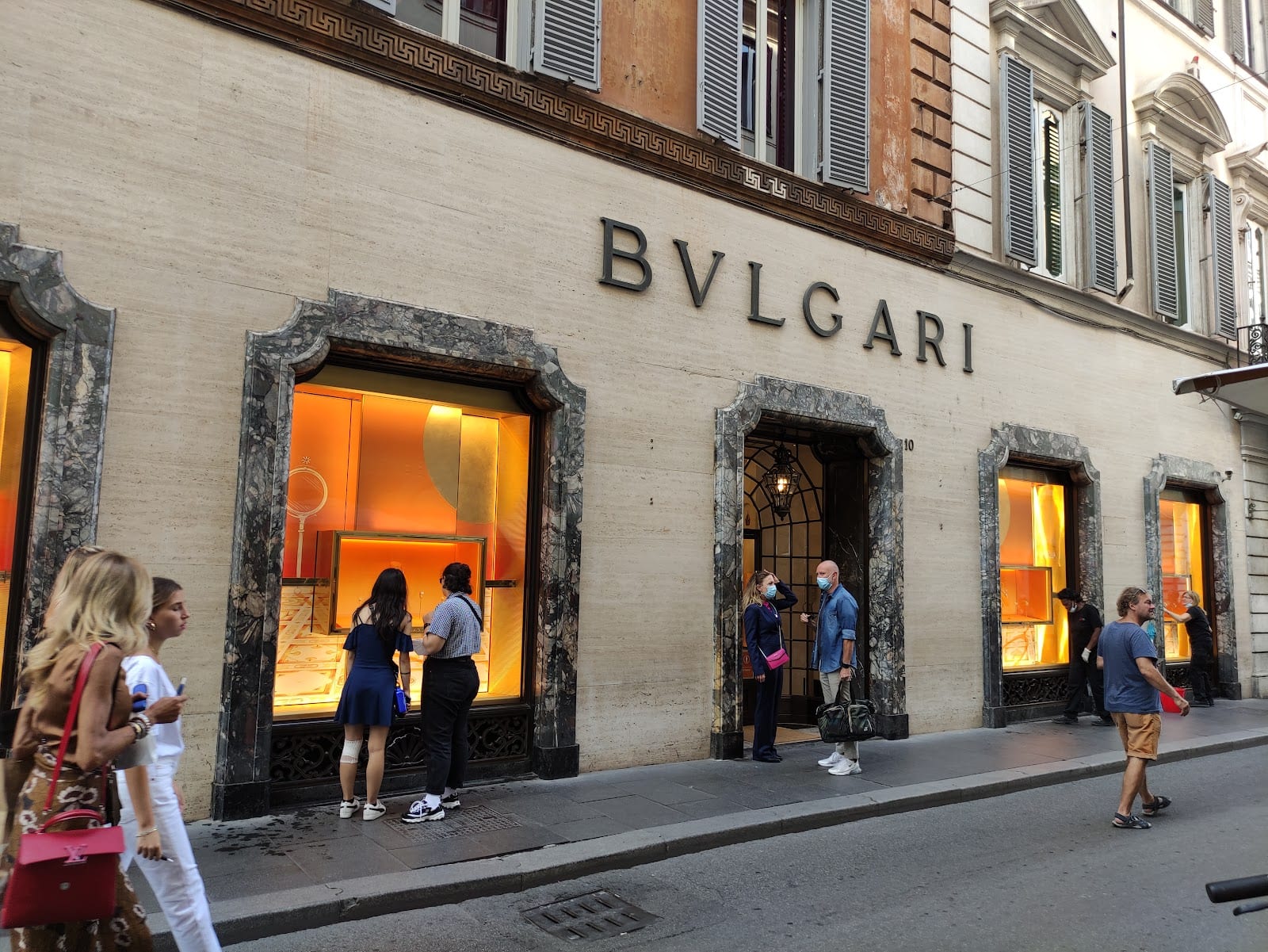
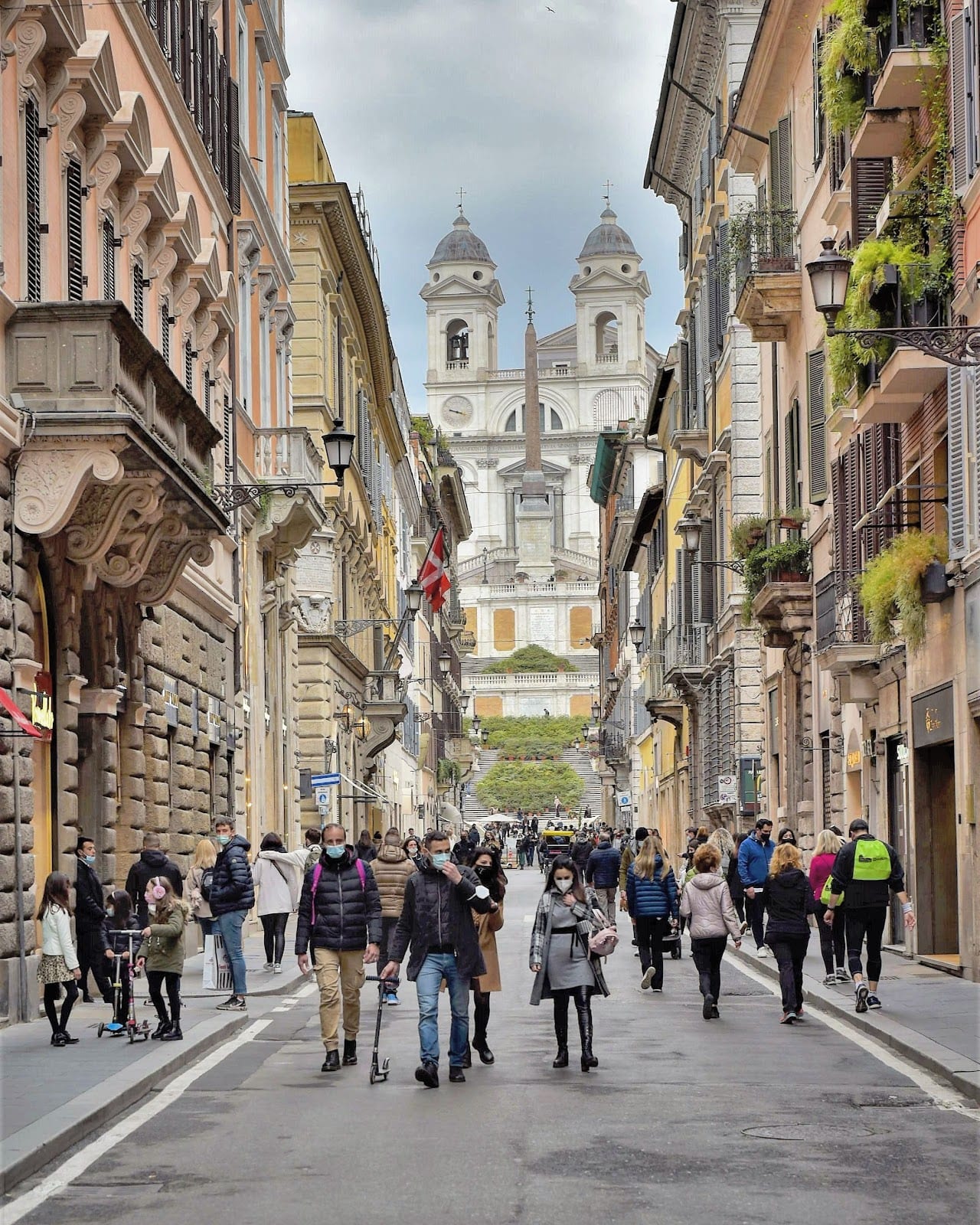
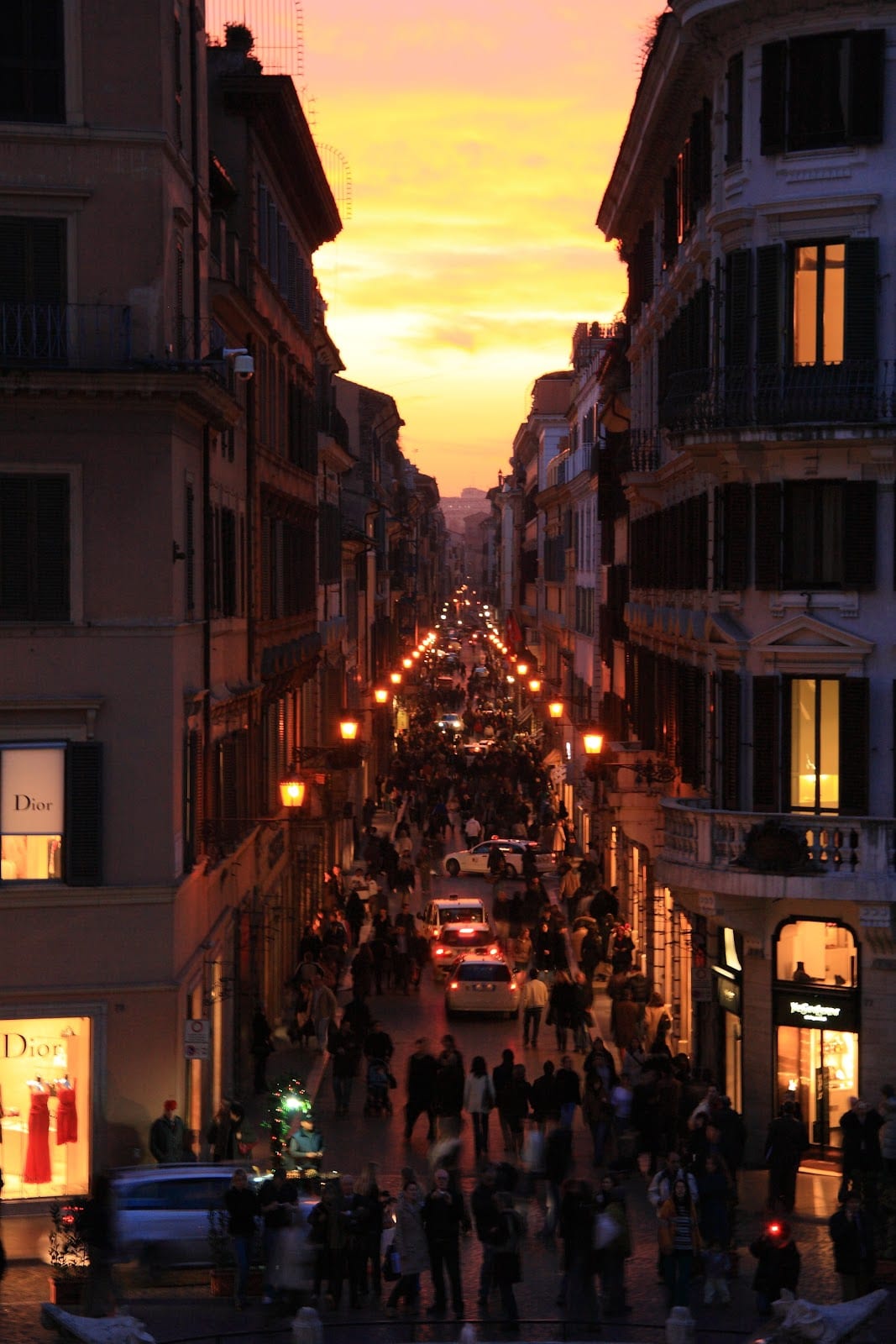
Via dei Condotti is Rome's most prestigious shopping street, a short straight run from the foot of the Spanish Steps lined with the flagships of Gucci, Prada, Valentino, Dior, Hermes and Bulgari, whose historic store has sat at number 10 since 1905. Its name has nothing to do with fashion: it comes from the conduits that once carried water to the ancient Baths of Agrippa. Halfway along at number 86 stands the Antico Caffe Greco, opened in 1760 and long Rome's oldest cafe, haunt of Byron, Keats and Goethe, though after a long rent dispute it closed its doors in October 2025, so for now it is a shuttered landmark to walk past rather than a coffee stop. For everyday shopping, Via del Corso runs a straight kilometre and a half from Piazza del Popolo down to Piazza Venezia, a high-street strip of Zara and the like named for the riderless Barbary horse races that once thundered down it during Carnival. Window-shopping the Condotti is free; the Corso is where Romans actually buy their clothes.
Shops generally 10:00 AM – 7:30 PMGood for couples, friends, solo
- 2
 Pincio Worth the hype
Pincio Terrace (Terrazza del Pincio)
The free sunset balcony over Piazza del Popolo, looking clear across to St Peter's dome.
Above the north end of Piazza del Popolo, on the edge of the Villa Borghese gardens, the Pincio terrace is one of Rome's classic free viewpoints. From the balustrade you look straight down onto the oval of the piazza and its obelisk, out over the domes and rooftops of the historic center, and across to the dome of St Peter's on the skyline, an especially fine sight at sunset. You reach it on foot from Piazza del Popolo up the ramped path that Valadier laid out as part of his early-19th-century redesign of the square, or by strolling in from the top through the Villa Borghese park. The gardens are a free public park, and the walk up takes only a few minutes. It gets busy at golden hour, deservedly, but there is room along the railing for everyone.
Free30 minOpen 24 hours (Villa Borghese gardens close at night)Good for couples, families, solo
Sourcesen.wikipedia.org
- 3
 Lungotevere in Augusta Worth it
Ara Pacis Museum
Augustus's Altar of Peace inside a striking, controversial glass pavilion by Richard Meier.
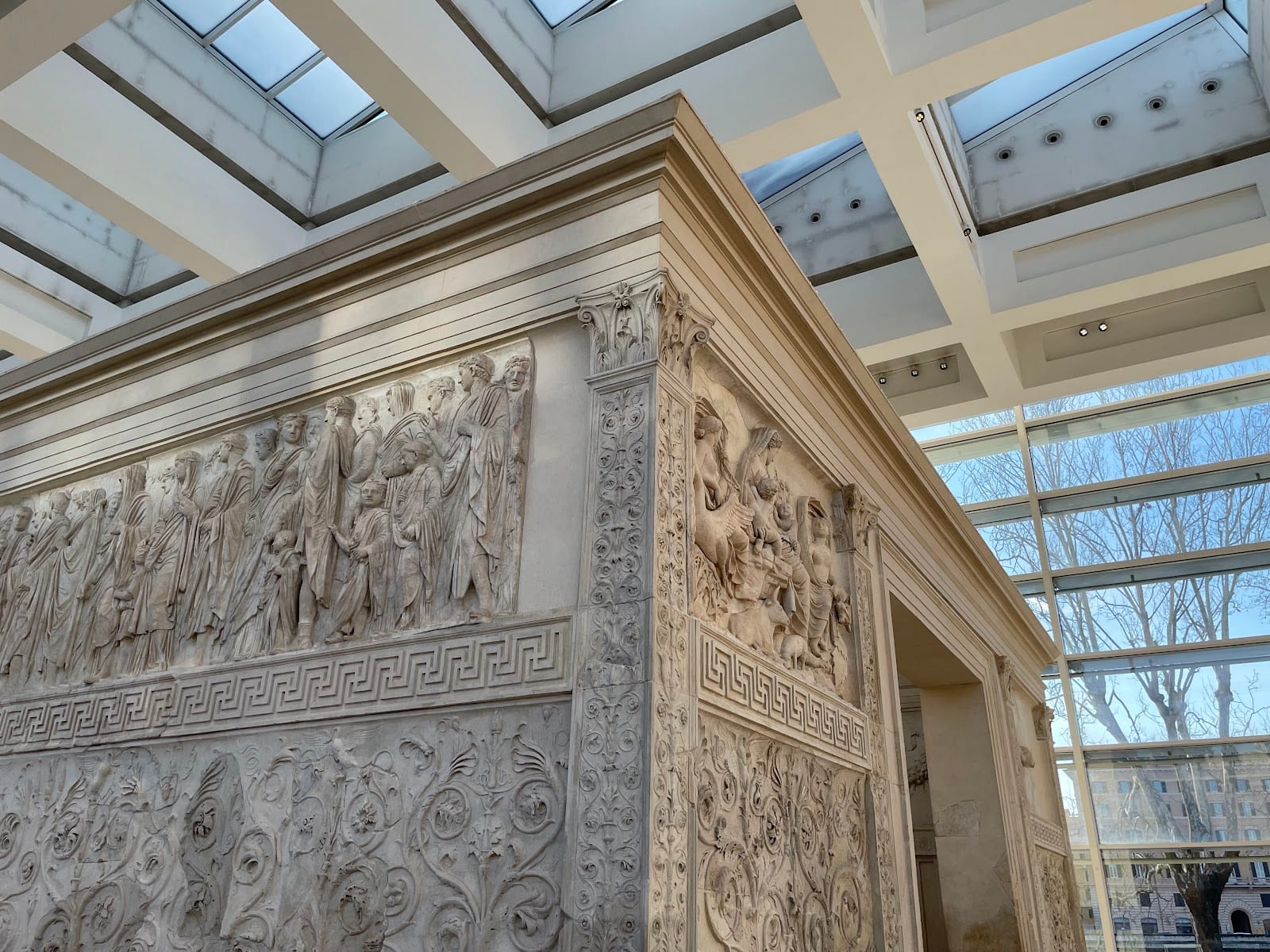
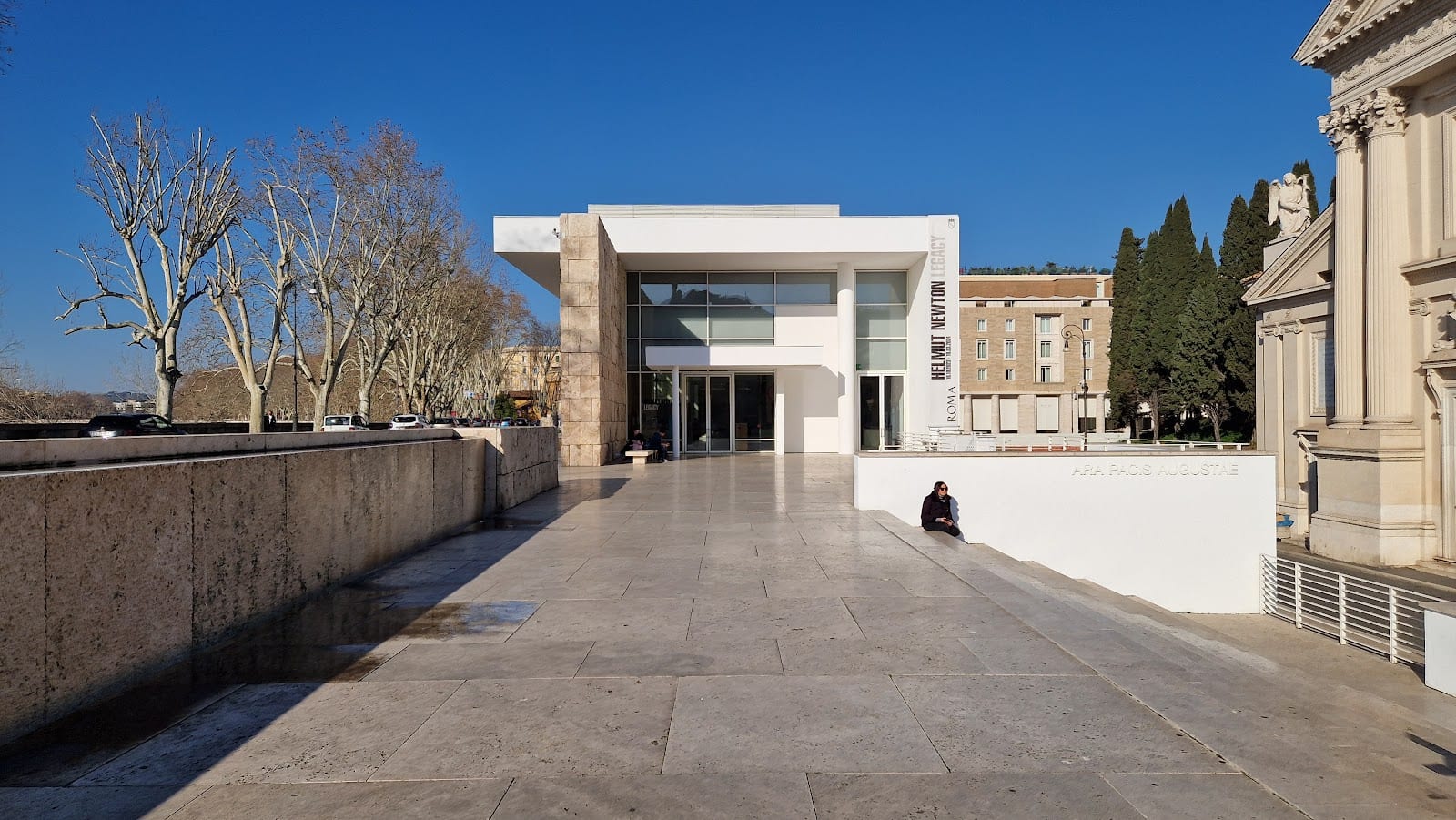
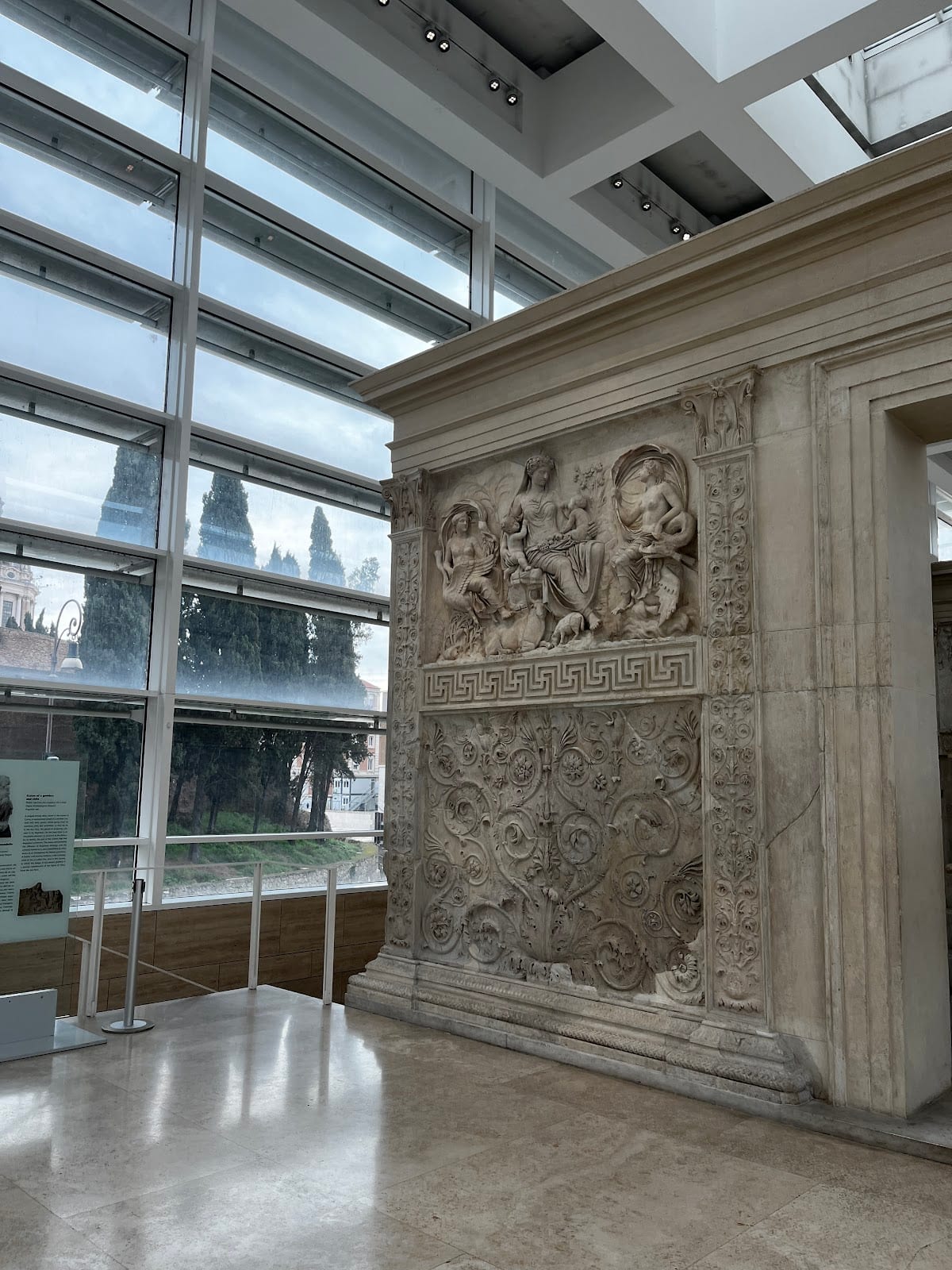
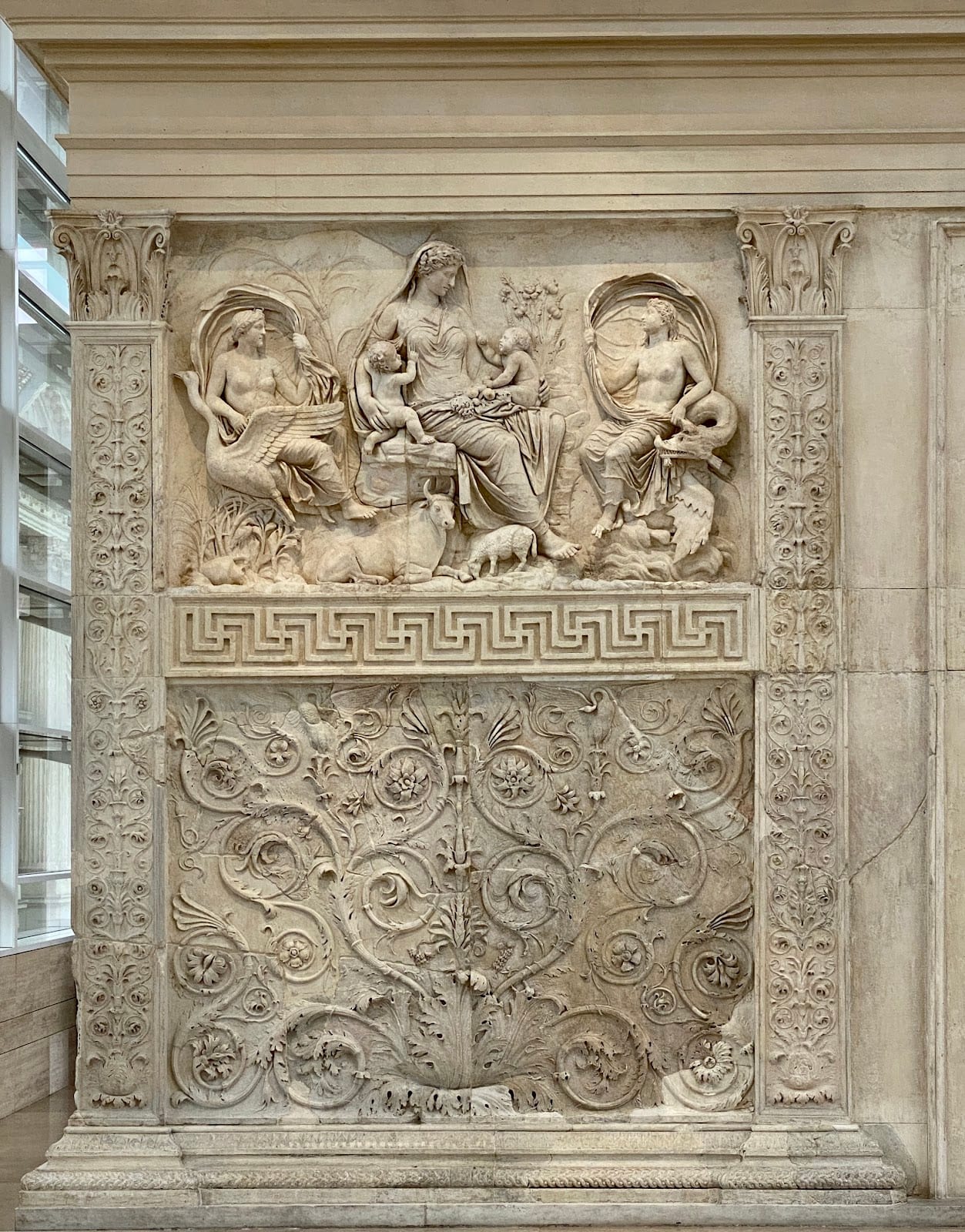
The Ara Pacis, the Altar of Peace, was consecrated in 9 BC on the orders of the Roman Senate to celebrate the peace and prosperity of the age of Augustus, and its marble walls carry some of the finest relief carving to survive from ancient Rome: a solemn procession of the imperial family and a famous panel of a mother goddess amid fruit and animals. Since 2006 it has been sheltered in a luminous glass-and-travertine pavilion by the American architect Richard Meier, built on the site of a 1930s Fascist-era shelter and widely described as the first major modern building in Rome's historic center in decades. It was fiercely controversial when it opened, and it is still the sight most likely to spark an argument about whether it belongs. Full admission is 14 euros, 8.50 reduced. Allow about an hour; it sits by the Tiber, a short walk west of Piazza del Popolo.
Good for couples, solo
Sourcesen.wikipedia.orgarapacis.it


Hidden gems
Where the crowds thin out.- Hidden gem
 Piazza del Popolo Worth it
Santa Maria del Popolo
Two Caravaggios and a Raphael chapel, free, in the church most people walk straight past.
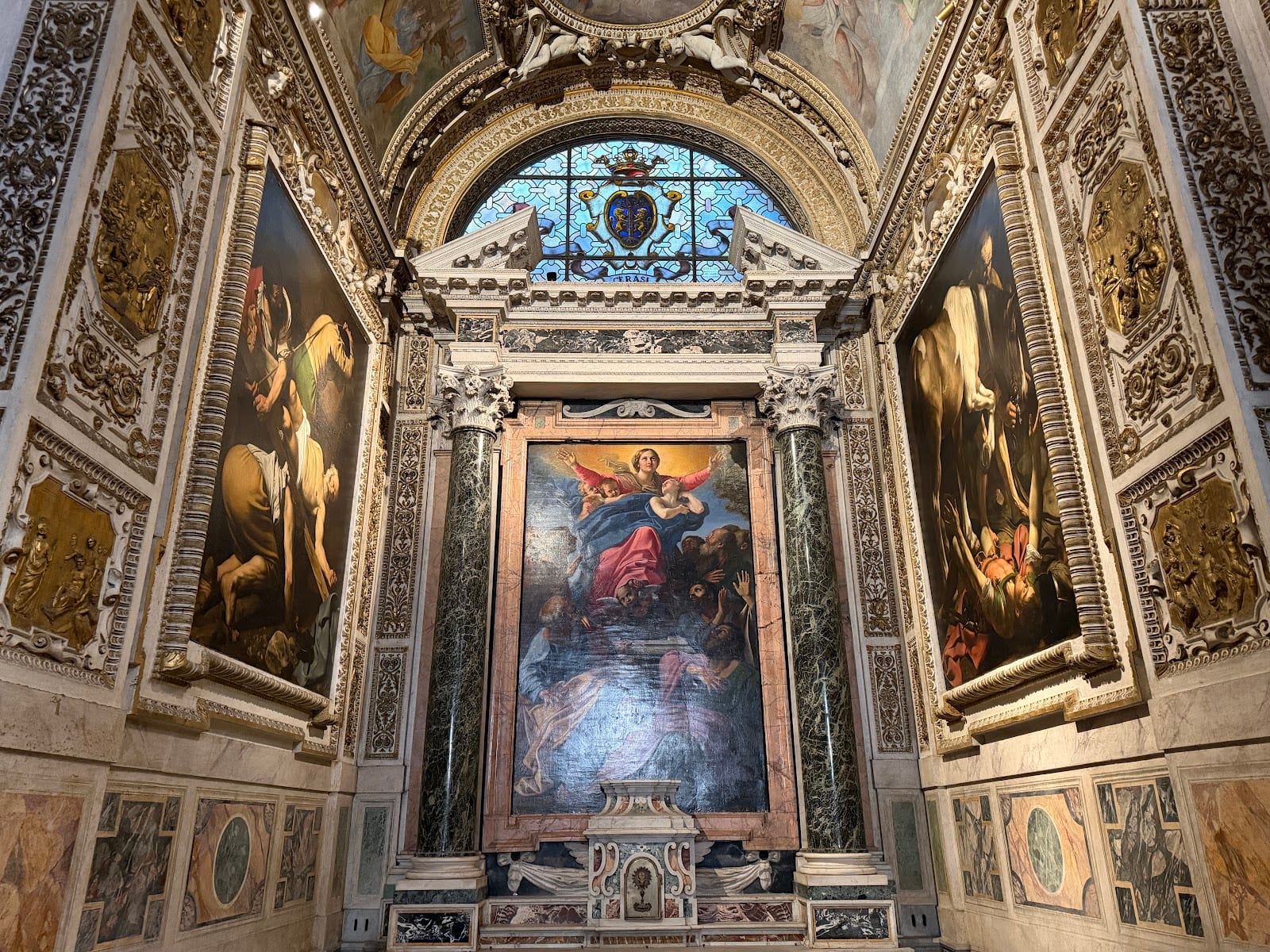
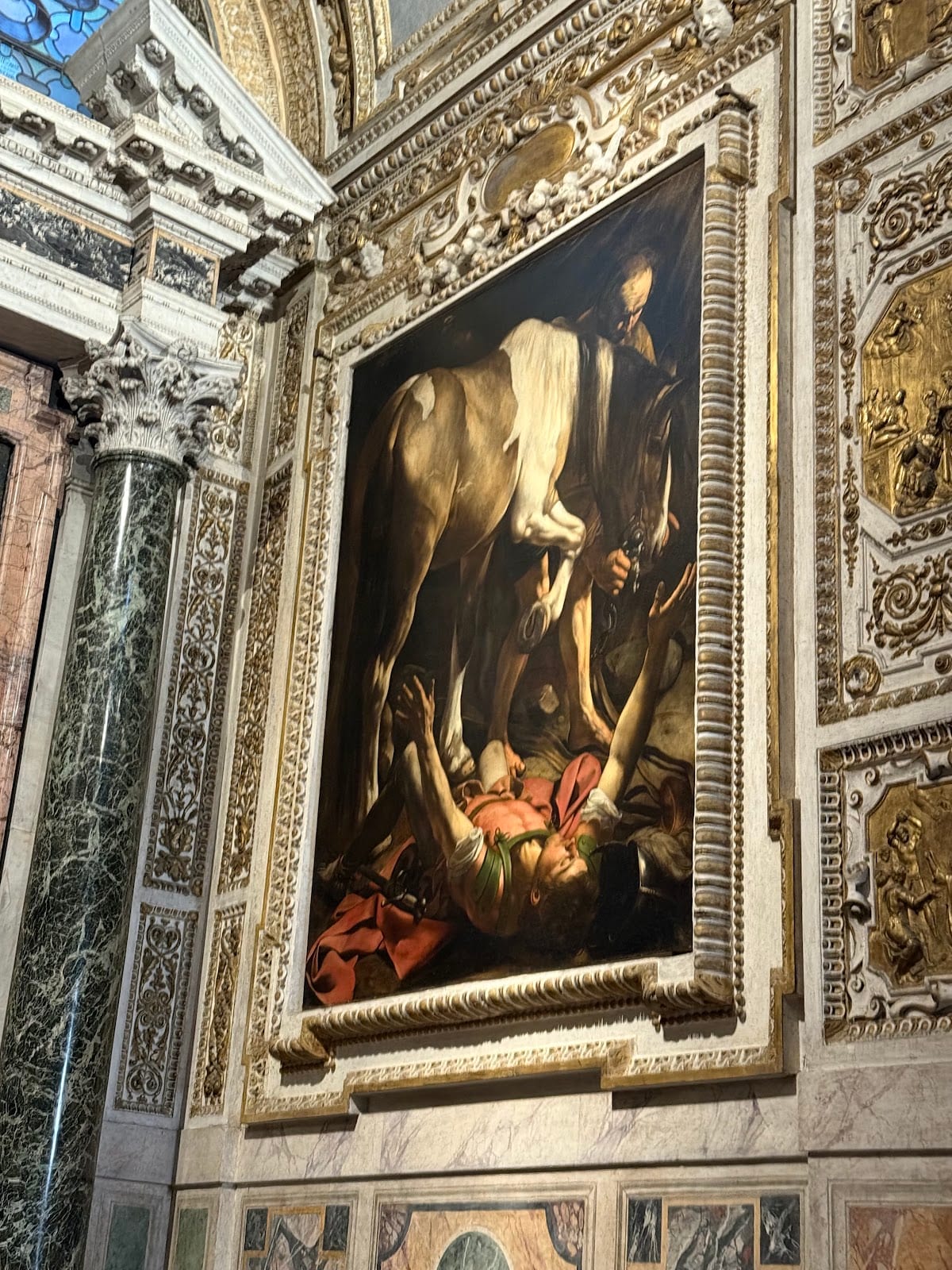
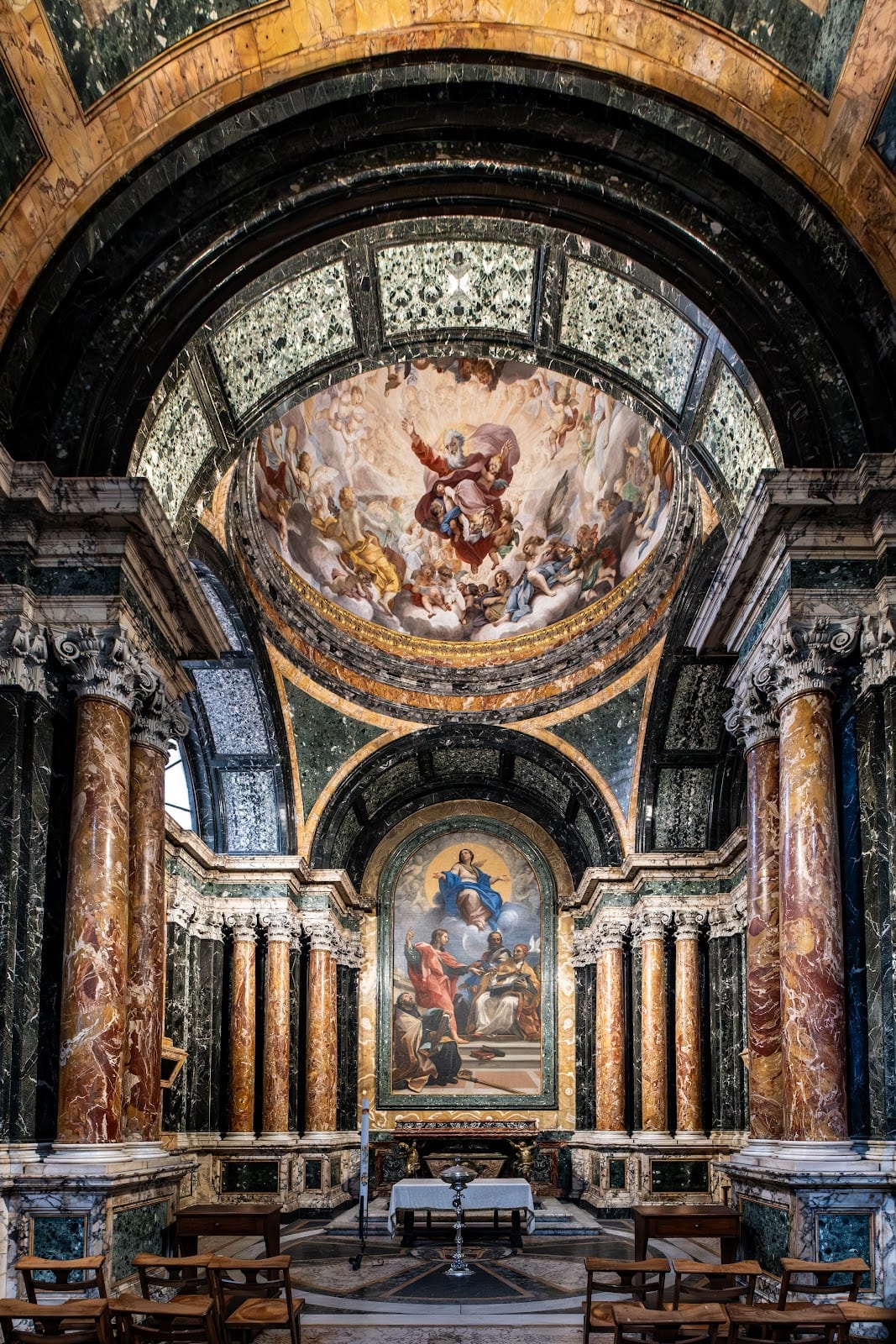
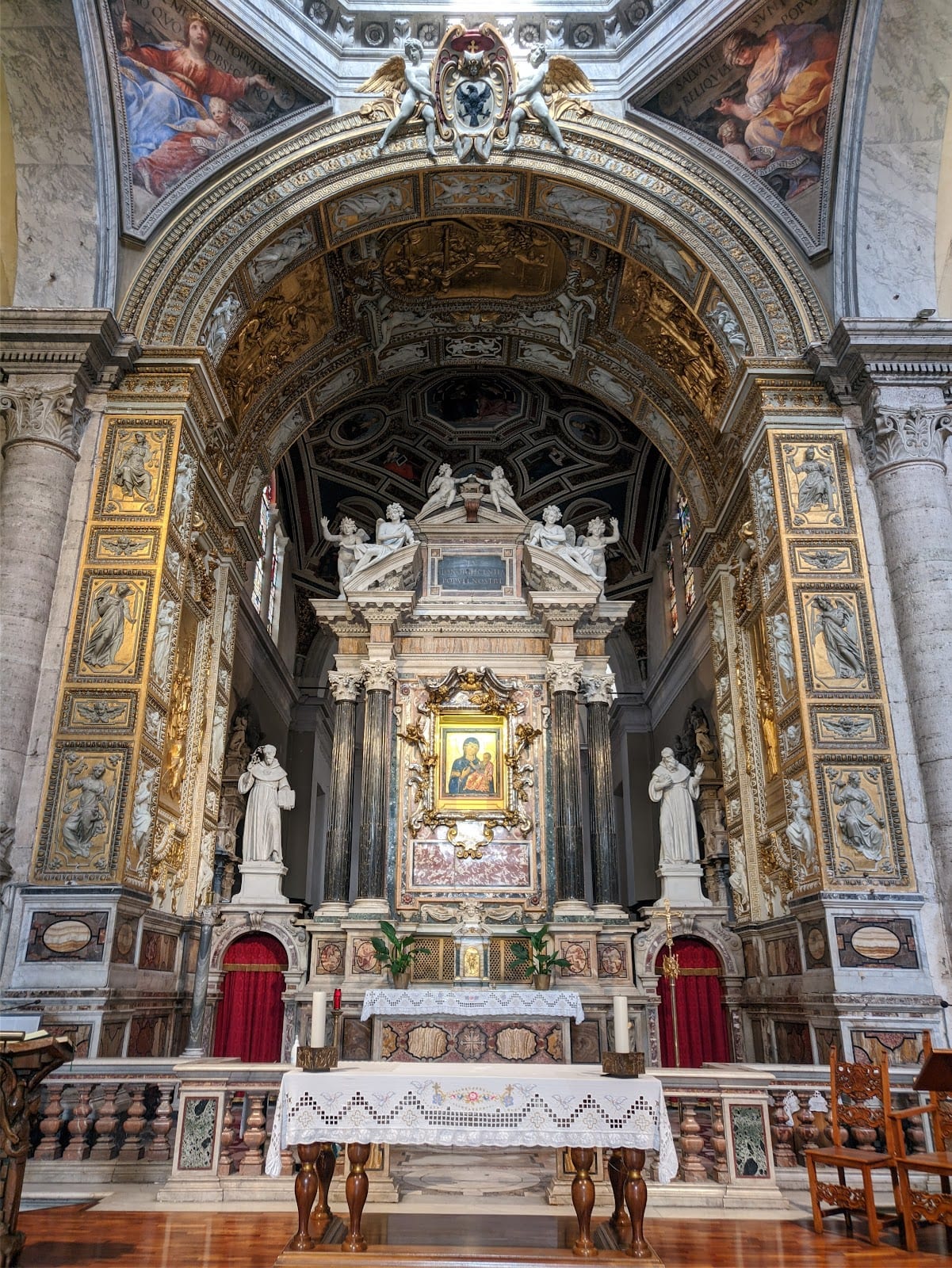
Tucked against the old gate on the north side of Piazza del Popolo, this basilica is the best free art in the district and one most visitors miss entirely. In the Cerasi Chapel, left of the altar, hang two Caravaggios from around 1601, the Conversion of Saint Paul and the Crucifixion of Saint Peter, flanking an altarpiece by Annibale Carracci, a knot of Baroque genius in a single small chapel. Nearby is the Chigi Chapel, designed by Raphael for the banker Agostino Chigi and finished decades later with sculpture by Bernini, and there are frescoes by Pinturicchio and an apse by Bramante. By legend the church was raised over the burial spot of the emperor Nero to lay his ghost, though Chigi's own pyramid tomb inside is real enough. It is free to enter. Bring coins for the light box that illuminates the Caravaggios, dress modestly, and note the doors close over the middle of the day and during Mass, so mornings and late afternoons are safest.
Good for couples, solo
- Hidden gem
 Piazza di Spagna Worth it
Keats-Shelley House
The little museum at the foot of the steps where John Keats died, easy to miss and quietly moving.
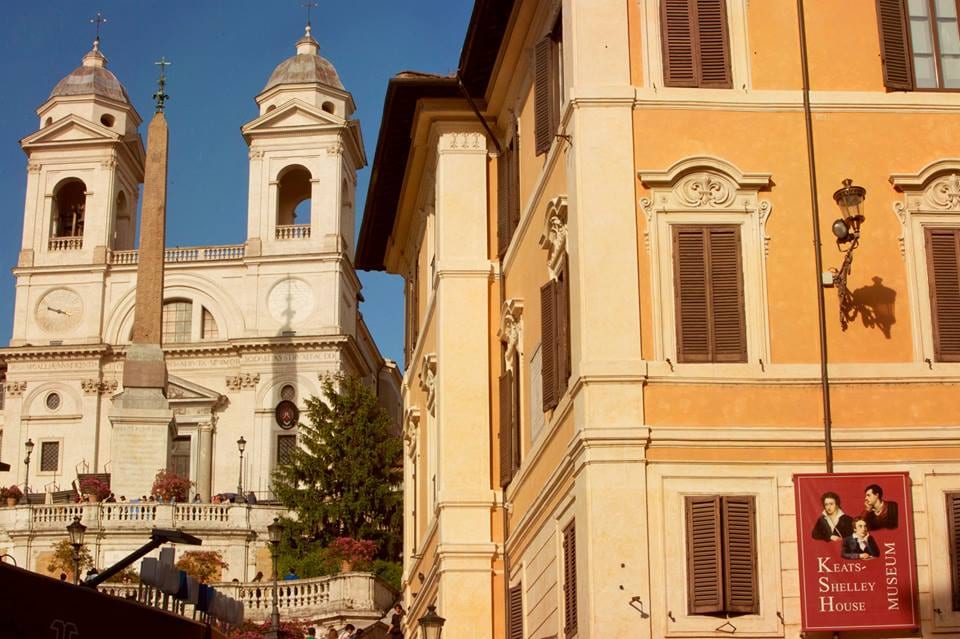
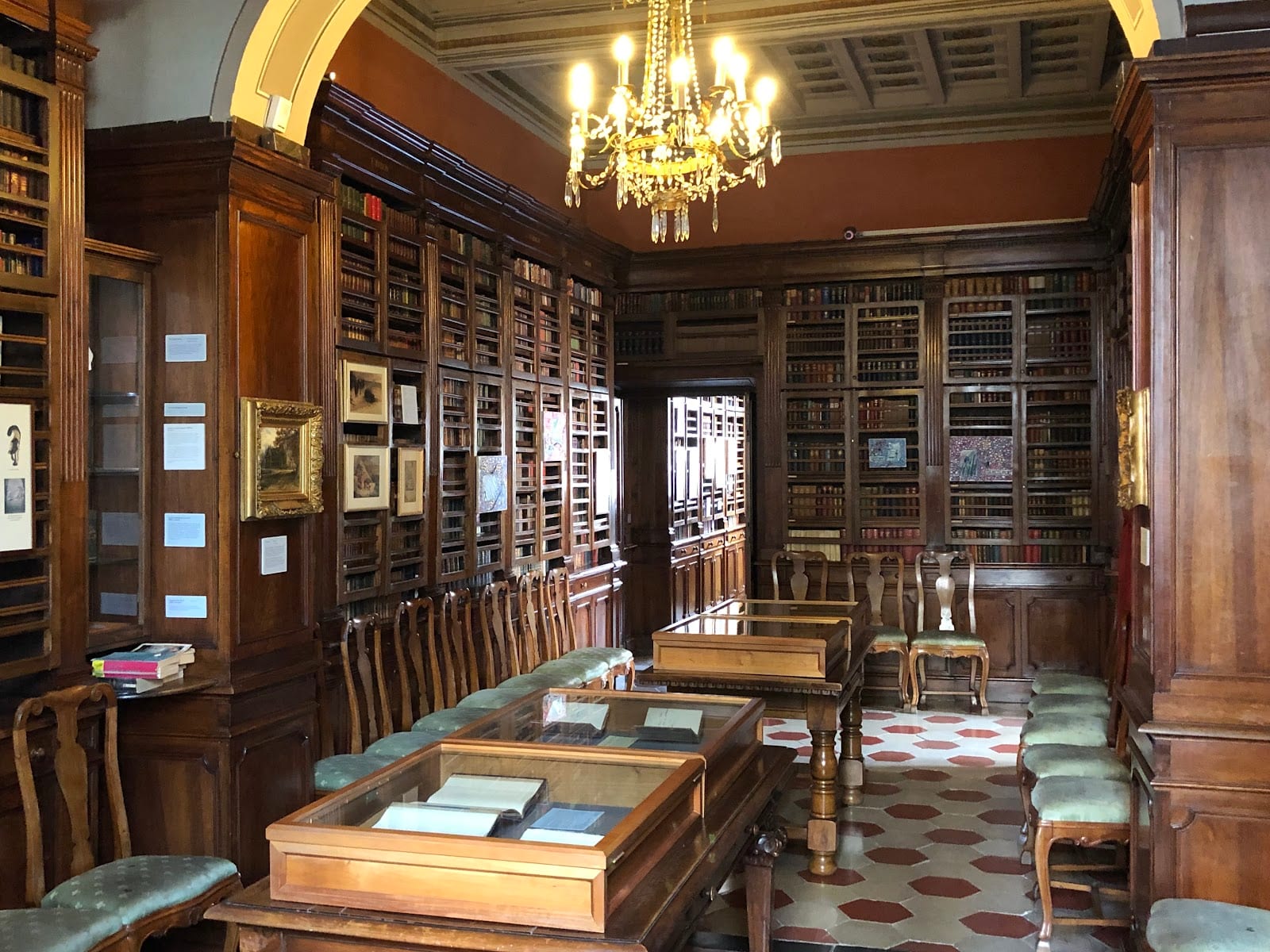
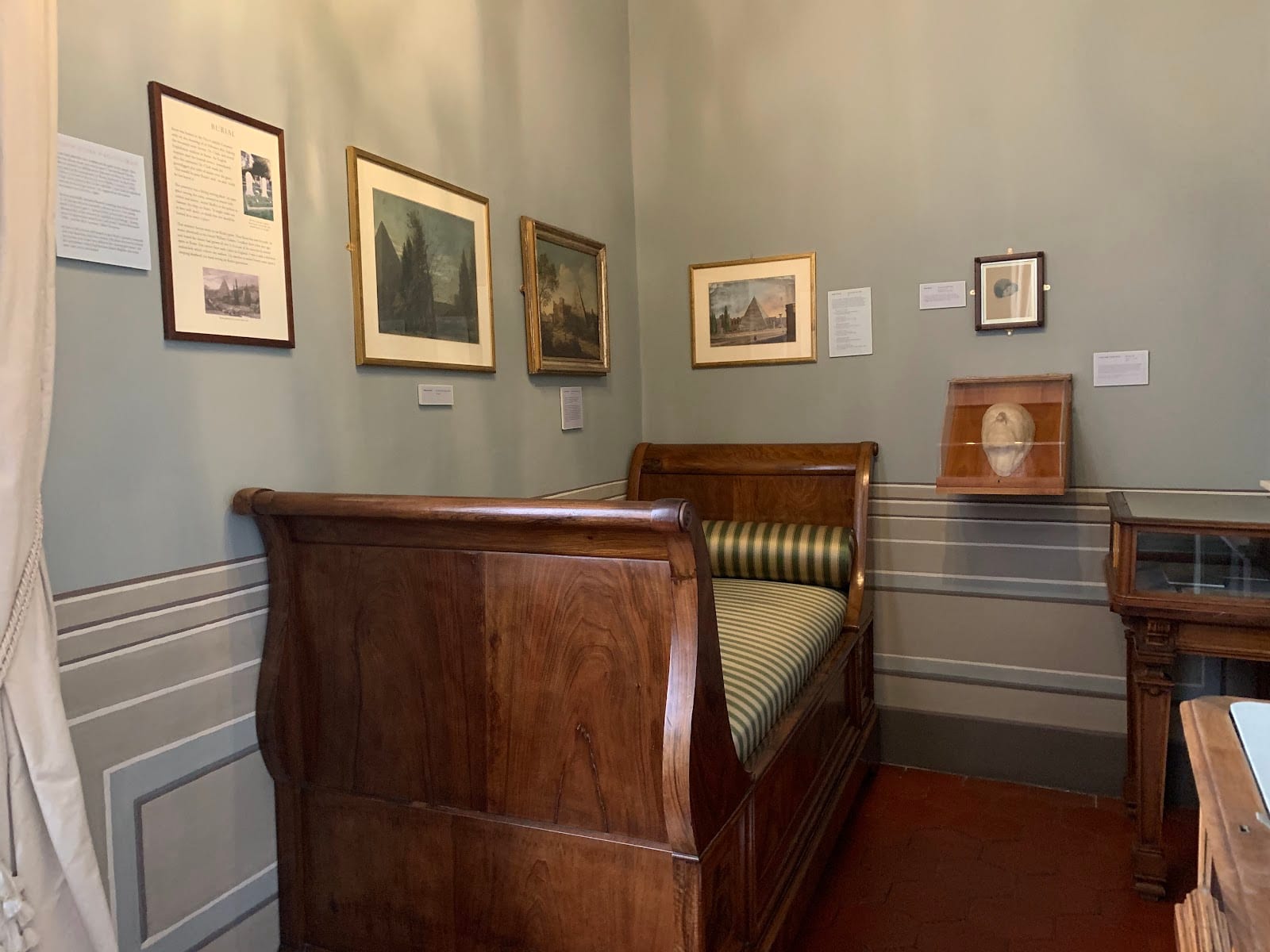
In the ochre house to the right of the Spanish Steps, at Piazza di Spagna 26, the English Romantic poet John Keats died of tuberculosis in February 1821, aged just 25. Today it is a small, atmospheric museum and library devoted to Keats, Shelley, Byron and the Romantics who came to Rome, its walls lined with manuscripts and portraits and, upstairs, the room where Keats spent his last months looking out over the steps. It is the kind of place thousands walk past without noticing, which is exactly its charm. One point that trips people up: Keats died here, but he and Shelley are both buried across town in the Non-Catholic Cemetery in Testaccio, not at the house. Admission is 7 euros, 5 reduced, and it is open Monday to Saturday, closed Sundays.
Good for couples, solo
Sourcesksh.roma.iten.wikipedia.org


Verdicts and rankings are our own; ratings open each place on Google. Prices, where shown, are an approximate per-person guide in USD.
The Tridente on screen
Where you've seen the Spanish Steps before
The Spanish Steps and the Trevi Fountain are two of cinema's most filmed corners of Rome. Tap a trailer, then go stand in the scene:
- Film, 1953
Roman Holiday
William Wyler's Roman Holiday made the Spanish Steps world-famous: it is here that Gregory Peck's reporter runs into Audrey Hepburn's runaway princess again, eating a gelato on the steps. The scene is the reason generations of visitors have wanted to sit on them, which is now, ironically, exactly what you can no longer do.
Spanish Steps (Piazza di Spagna)Source - Film, 1960
La Dolce Vita
Fellini's La Dolce Vita gave the Trevi Fountain its most indelible screen moment, Anita Ekberg wading into the water at night and calling Marcello Mastroianni in after her. Nobody wades in today, but the fountain a short walk from the steps is still the image the film burned into the world's imagination.
Trevi FountainSource
Eat & drink
Where to eat and drink around the Spanish Steps
This is one of Rome's biggest tourist-trap zones: the view-terrace cafes on Piazza del Popolo, Rosati and Canova, trade on the setting and are punished for their prices by locals, and the restaurants right on Piazza di Spagna are best avoided. A lane or two away, these four are the real thing:
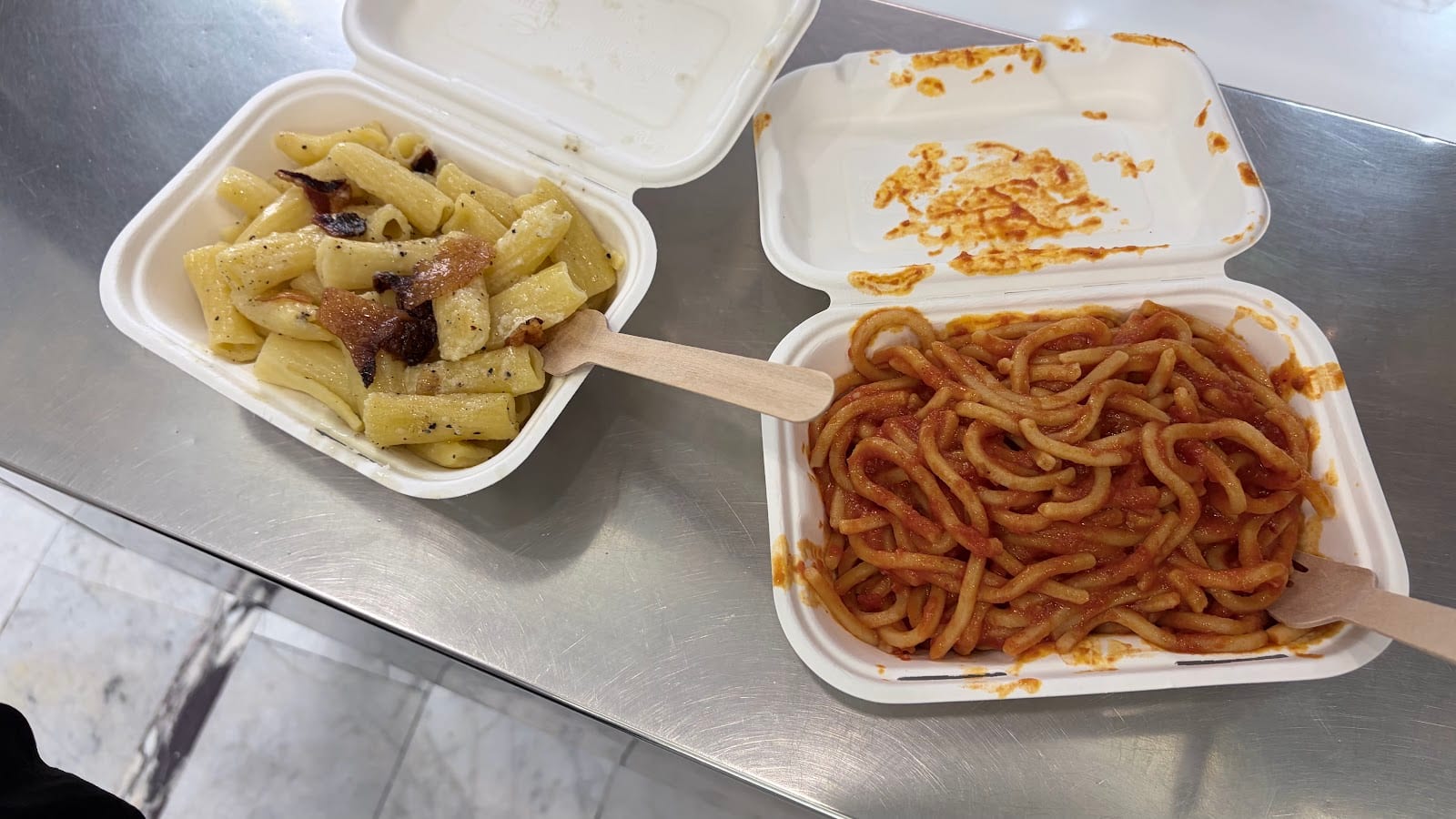
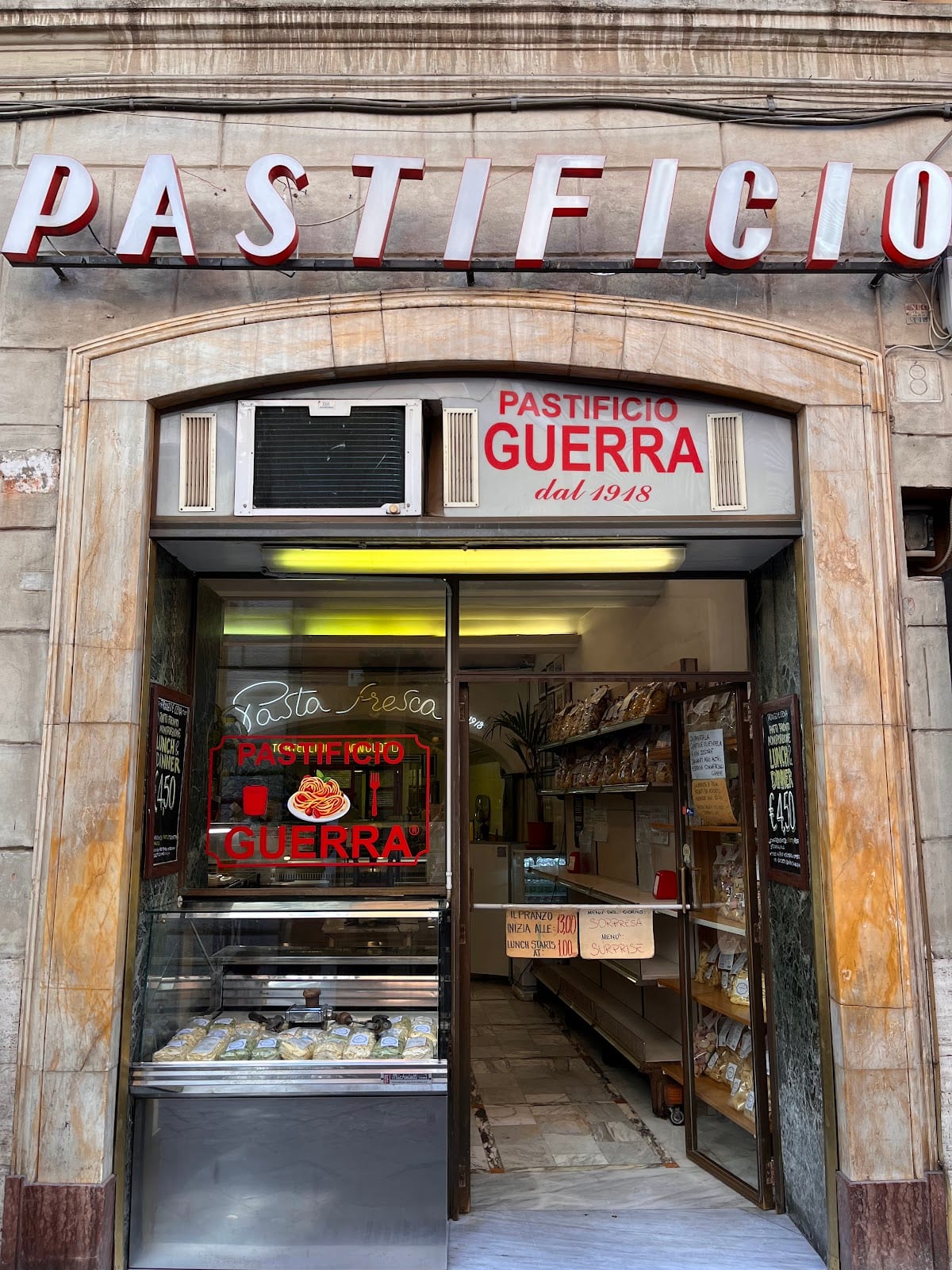
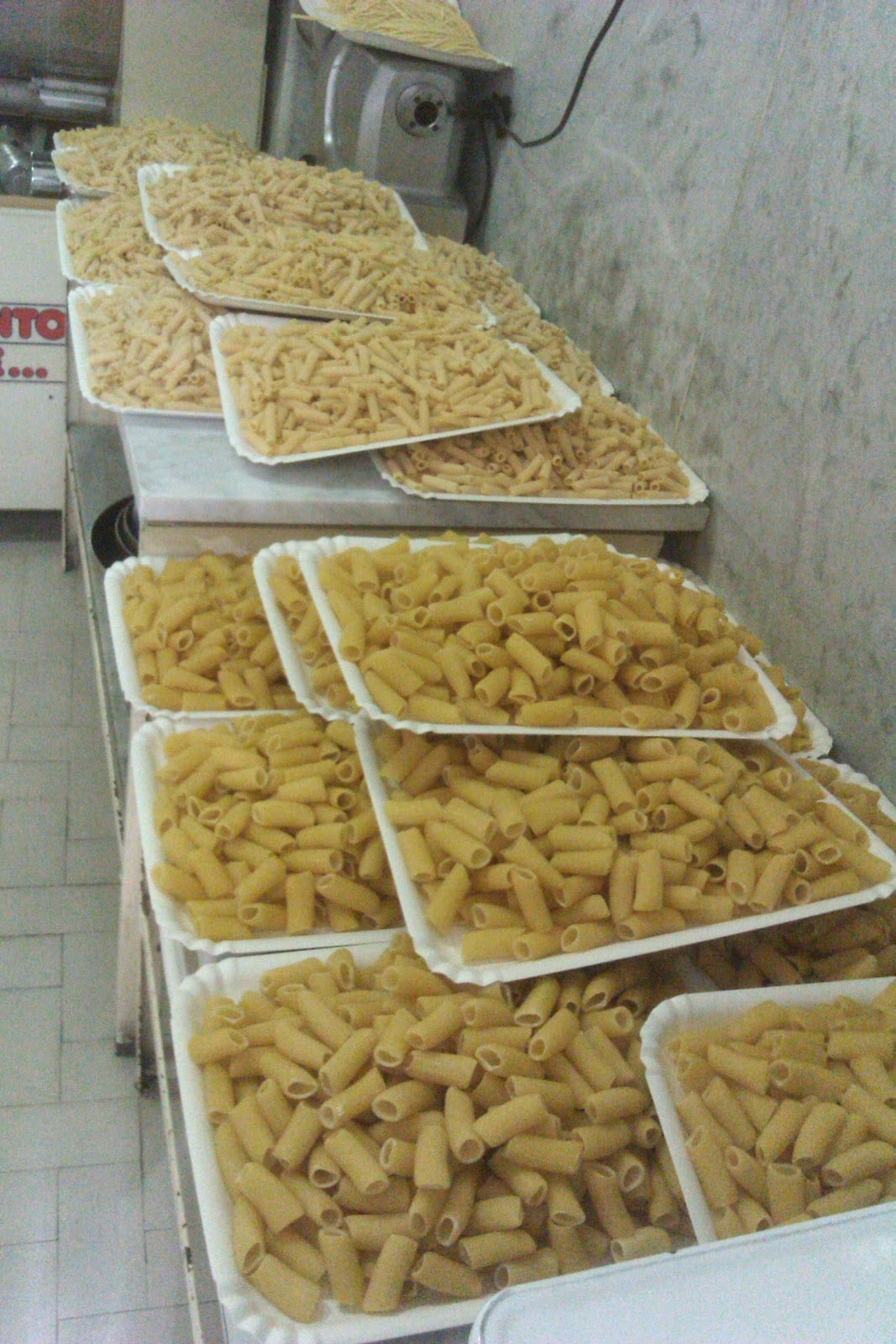
Pastificio Guerra
Via della CroceThe best-value lunch in the priciest quarter of Rome: a tiny fresh-pasta shop that serves two daily pastas on a plastic plate, with water and a cup of wine, for around 4 euros. No seats, cash, a long line from opening. Come at 1pm and eat standing on the street.
on Google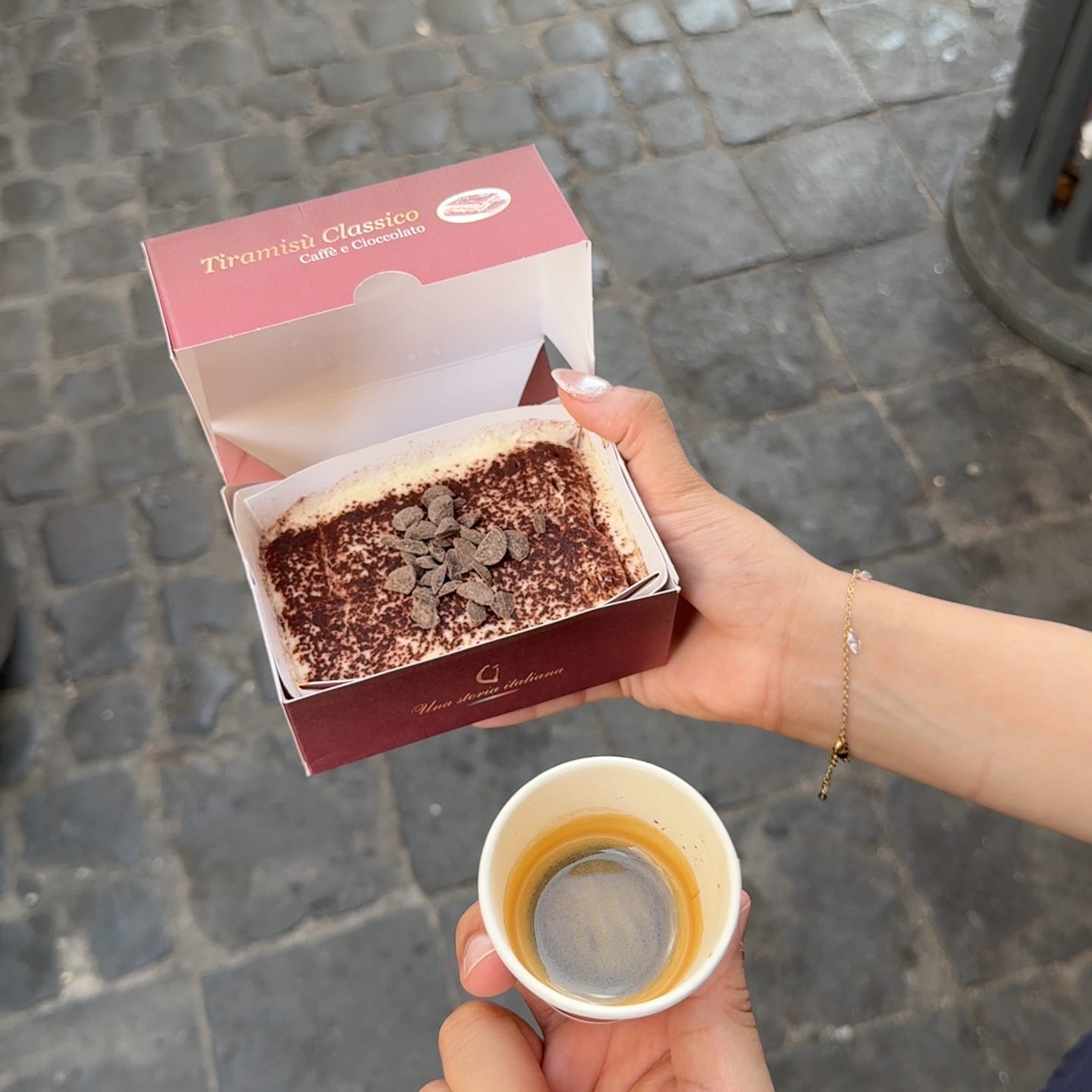
Pompi
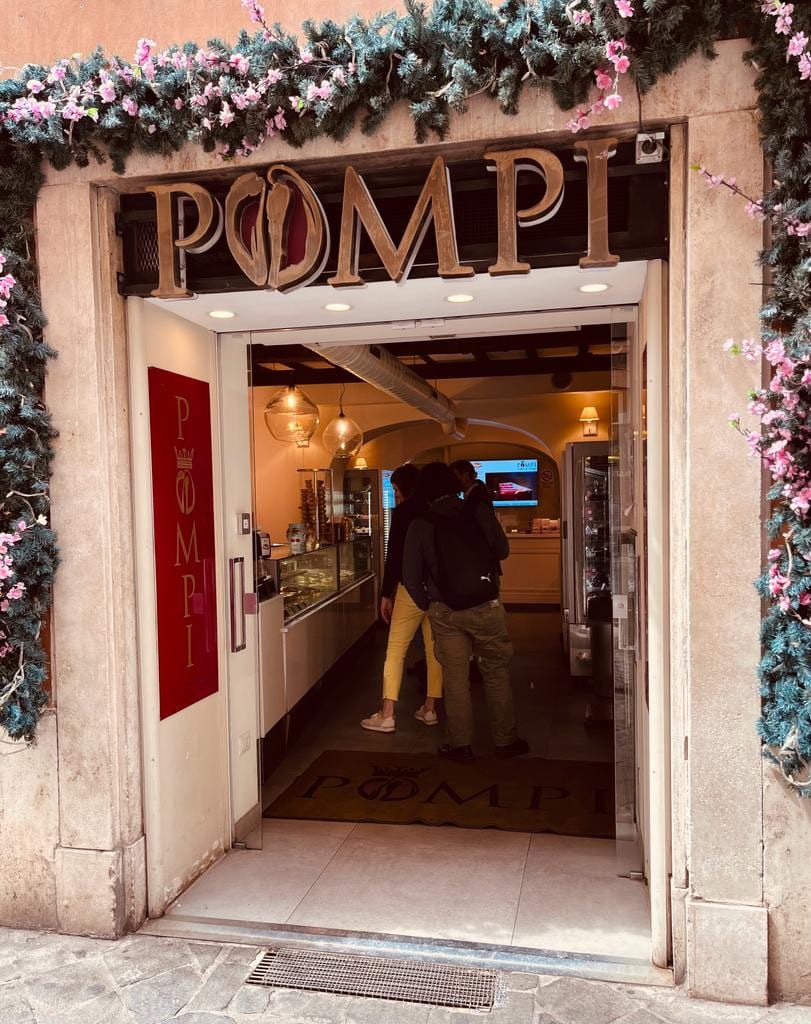
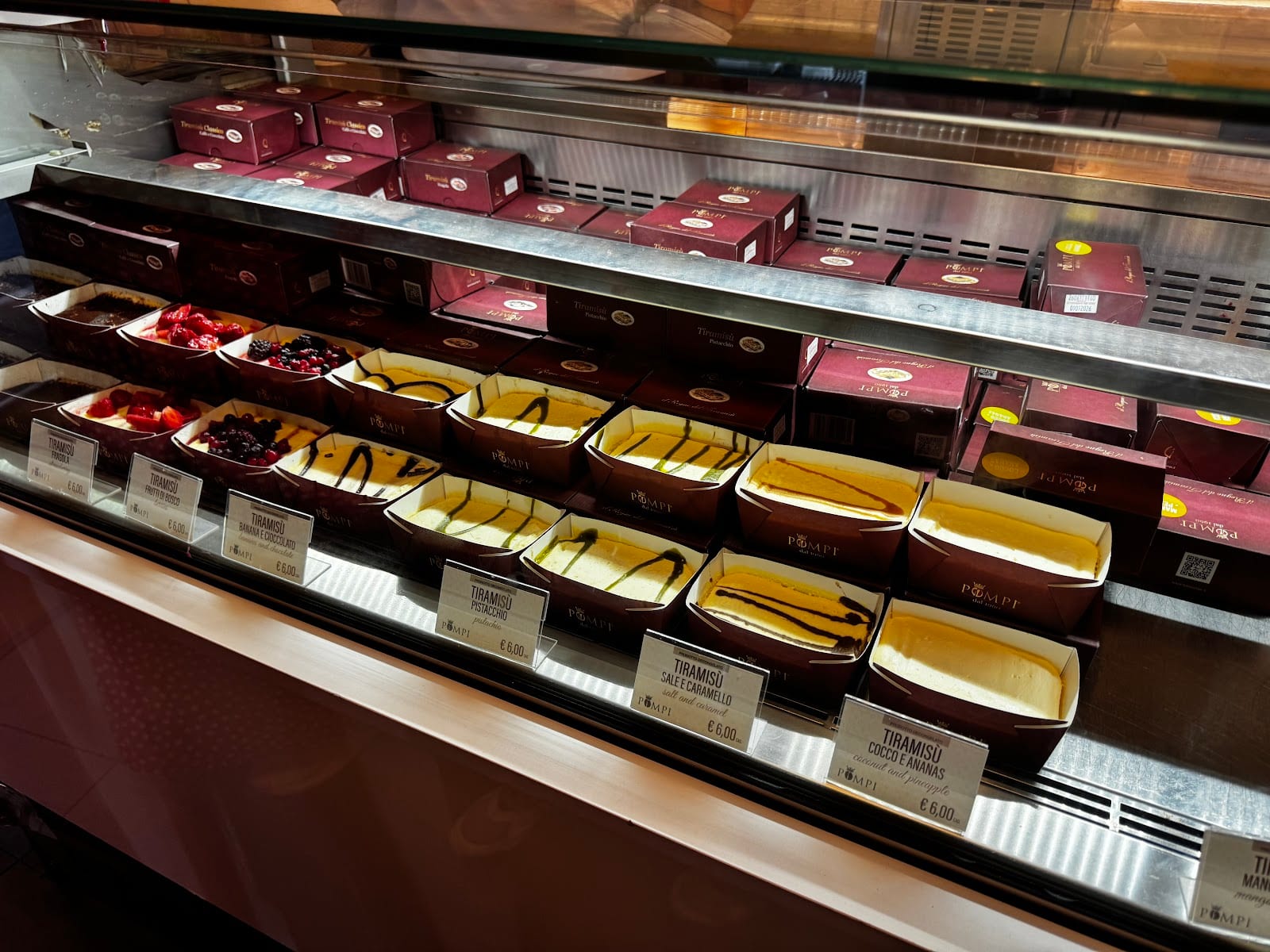
Via della CroceKnown across Rome as the king of tiramisu: portioned tubs of the classic and variations like pistachio and strawberry, plus gelato, a couple of minutes from the steps on Via della Croce. Grab one to go rather than paying for a table.
on Google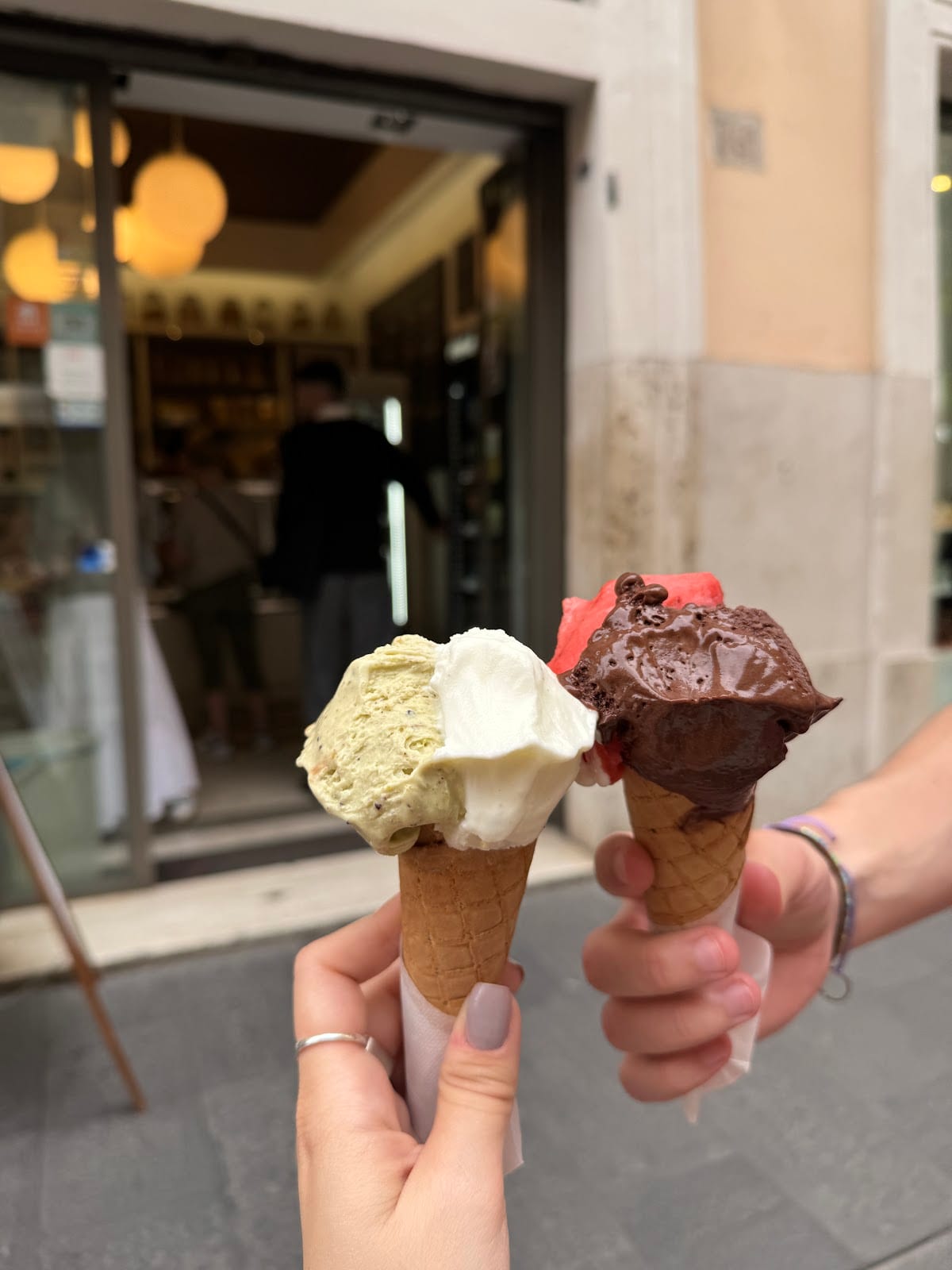
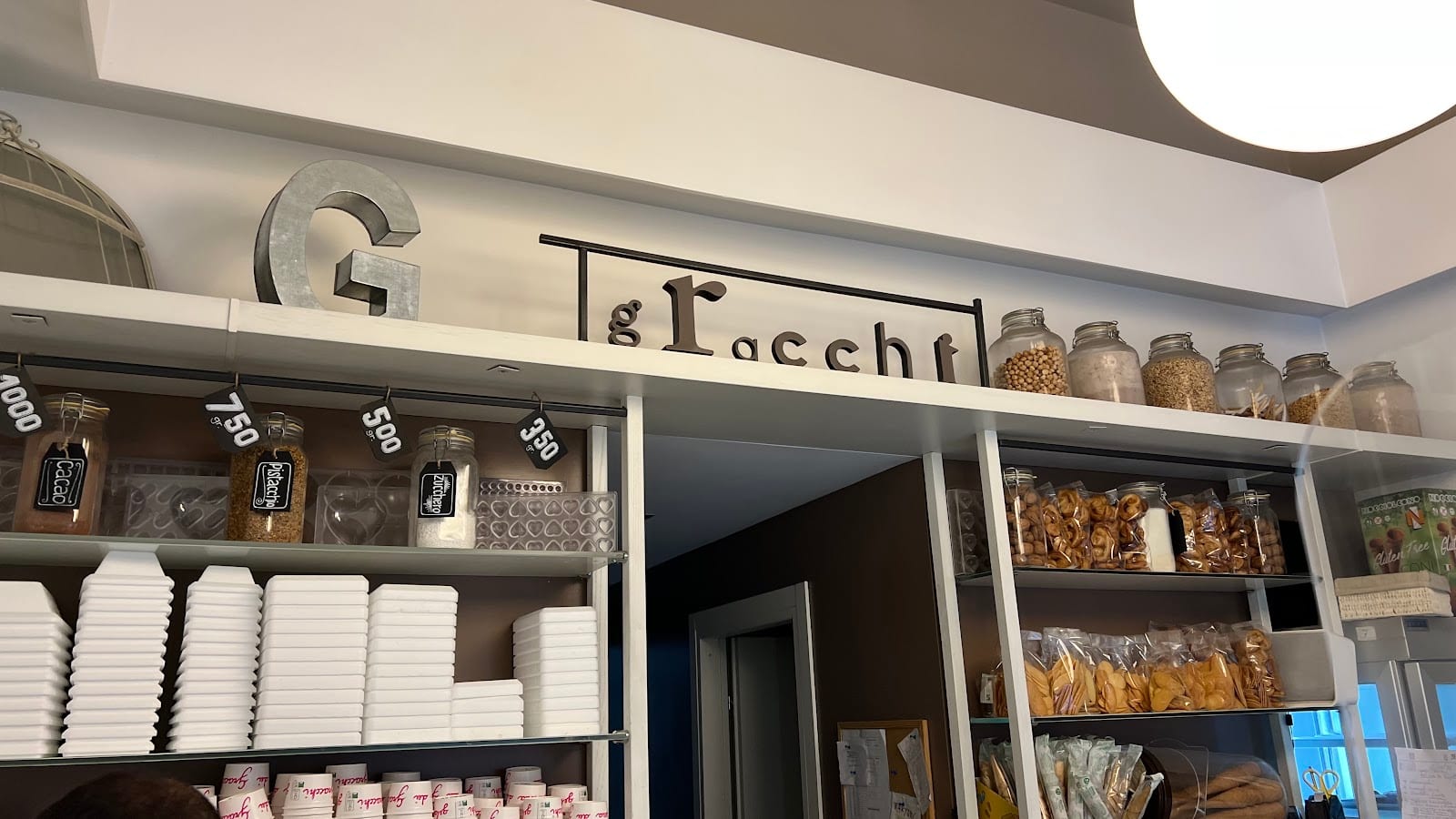
Gelateria dei Gracchi
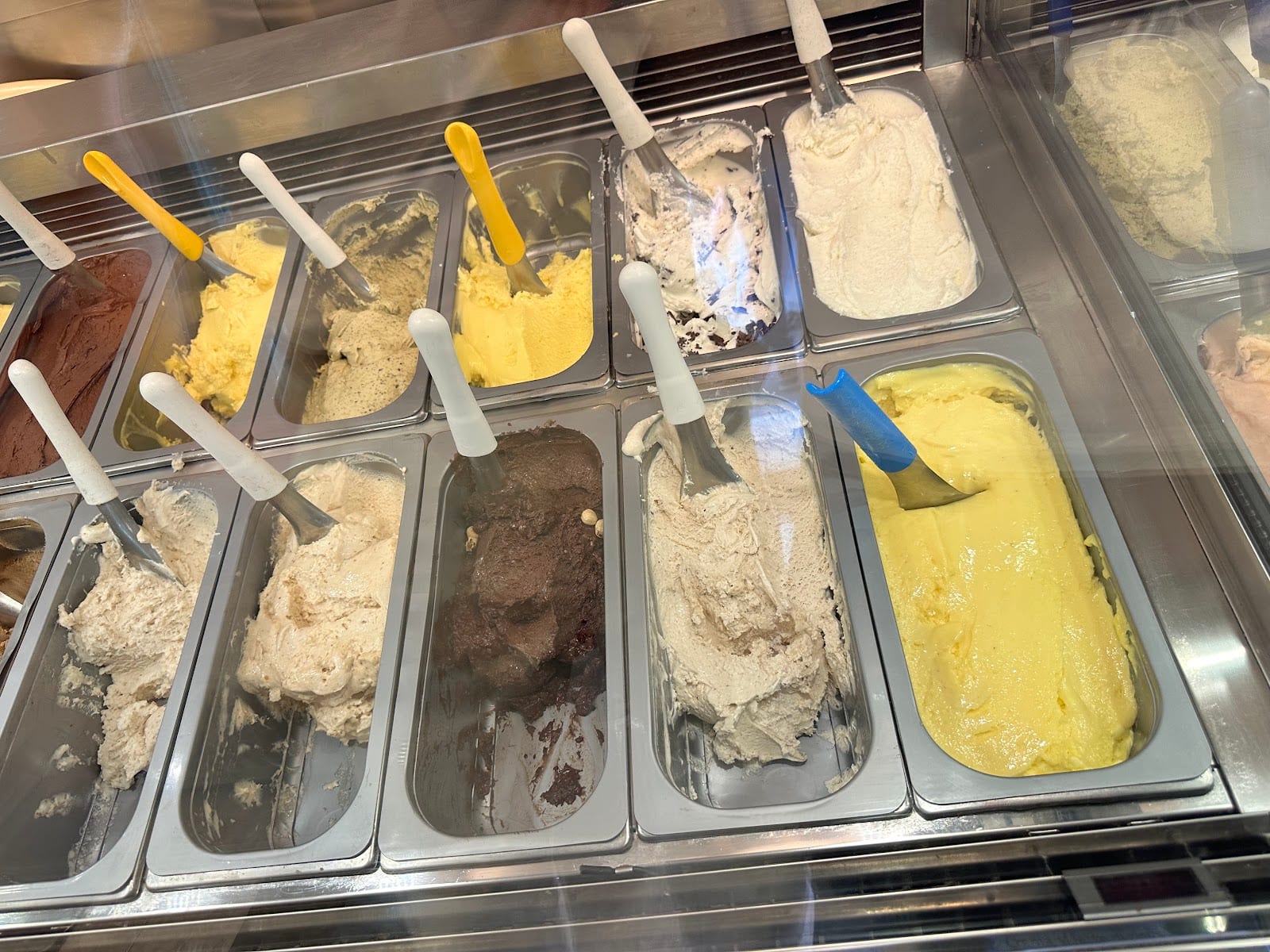
Via di RipettaProper artisanal gelato, made in-house with seasonal fruit and no additives, a real alternative to the fluffy tourist gelato on the Corso. The Via di Ripetta branch is the one on the Tridente, near Piazza del Popolo.
on Google
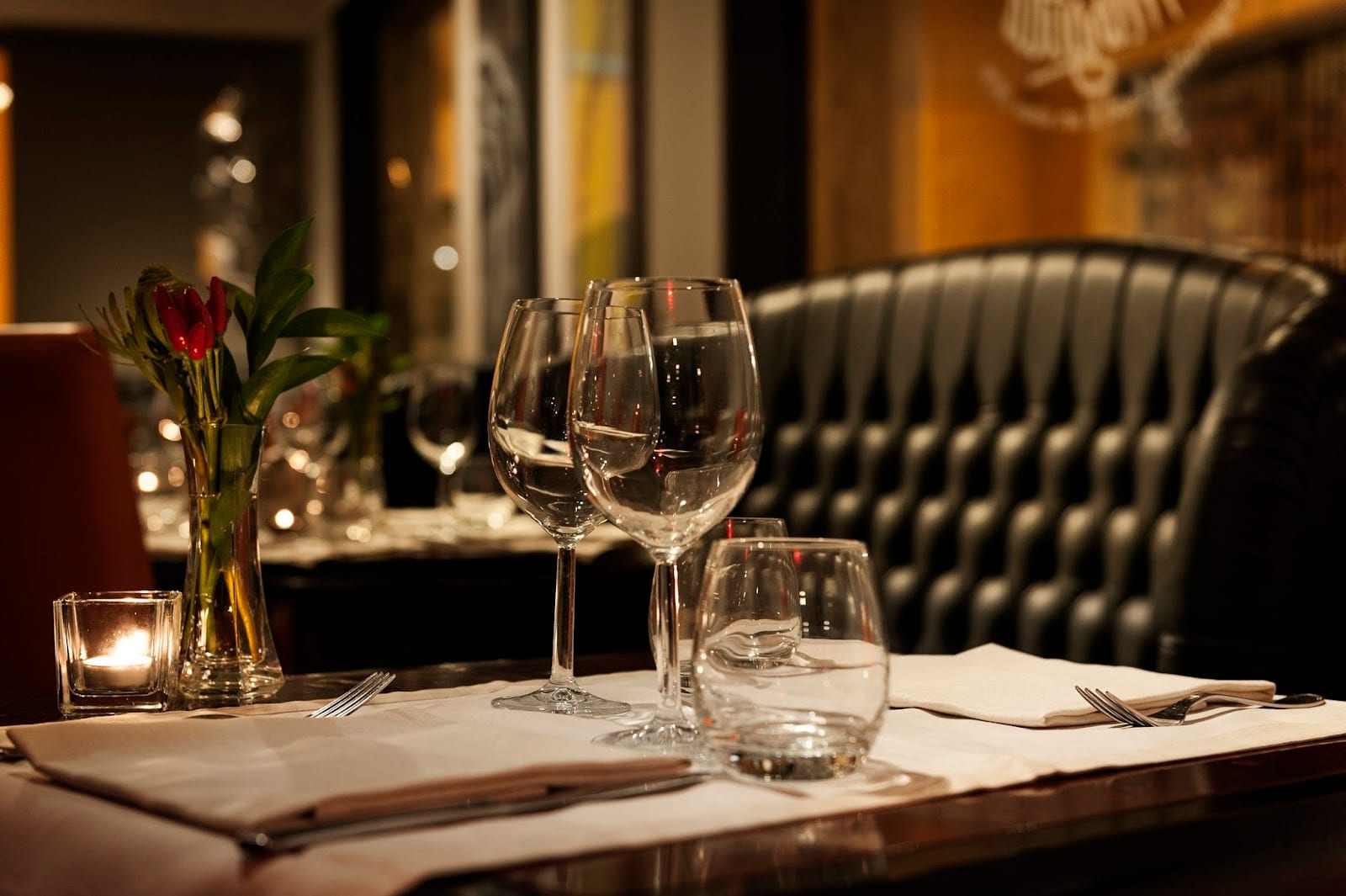
Il Margutta
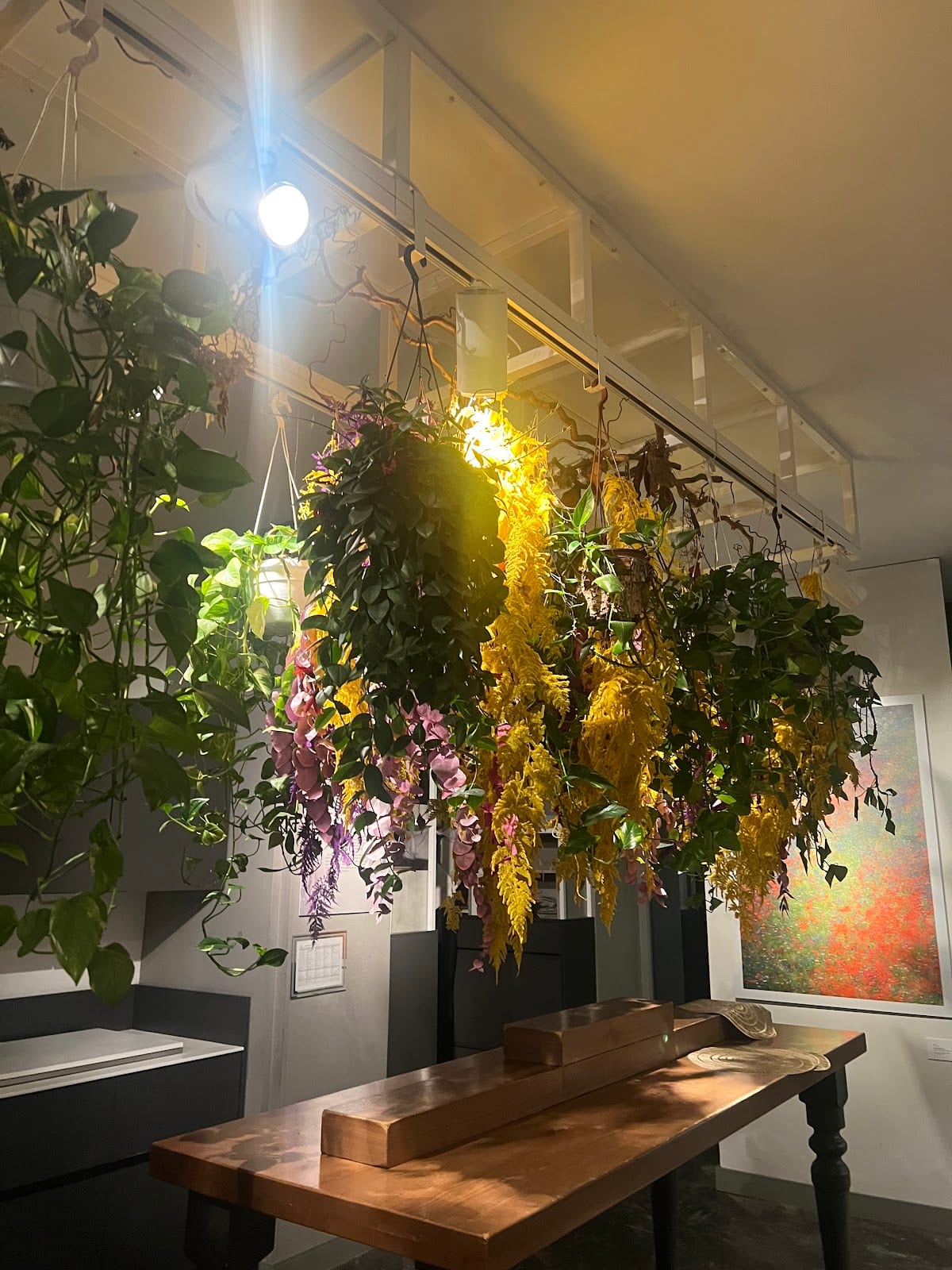
Via MarguttaA long-running vegetarian and vegan restaurant on Via Margutta, the pretty cobbled artists' lane off Piazza del Popolo where Fellini once lived. A calm, sit-down option with atmosphere on the most photogenic side street in the district; good for a proper lunch or dinner.
on Google


Getting around
Getting around the Tridente
The Tridente is flat, compact, and made for walking, on the northern edge of the historic center.
Metro Spagna and Flaminio
Line A of the metro serves the district at both ends: Spagna comes up right at the foot of the Spanish Steps, and Flaminio sits just outside Piazza del Popolo. Both put you in the heart of the quarter in a couple of minutes.
Walk the trident
The three streets from Piazza del Popolo, Via del Corso in the middle, Via del Babuino and Via di Ripetta on the sides, are the natural walking spine. From the steps to the Trevi Fountain is about ten minutes on foot through the lanes.
Steps at one end, square at the other
Orient yourself between the two anchors: Piazza di Spagna and the Spanish Steps to the southeast, Piazza del Popolo and the Pincio to the north, with the shopping streets running between them and the Ara Pacis down by the river.
Go early or late
The Spanish Steps and the Trevi Fountain are mobbed in the middle of the day. See them soon after sunrise or after dark, and save the shops and the Ara Pacis for the busy hours in between.
Where to stay
Where to stay around the Spanish Steps
The Tridente is one of Rome's most central and elegant places to sleep, walkable to the major sights but pricier than most, and quieter at night than Trastevere or the Centro. Where you base yourself within it shifts the feel:
Around Piazza di Spagna
The most prestigious address in the city, steps from the staircase and the Condotti boutiques. Elegant, well-connected by the Spagna metro, and expensive; best if you want luxury shopping and the sights on your doorstep.
Near Piazza del Popolo & the Pincio
The calmer north end, with the great square, the park, and the sunset terrace close by. A little more breathing room and greenery, still an easy walk to everything.
Along Via del Corso & Via del Babuino
In the thick of the shopping, central and lively by day, with good tram and metro links. Handy and well-priced by Tridente standards, though busier and less hushed.
Toward the Trevi Fountain
The southeastern edge, blending into Centro Storico, puts you within a short walk of both the Tridente and the ancient center. Central and atmospheric, but the streets right by Trevi are the most crowded.

Explore the Rome City Guide
See every Rome neighborhood, itinerary, and the essentials, and find the right base for your trip.
View the guideWho it's for
Spanish Steps & Tridente for couples, families, and solo
- The Tridente for couples
- Climb to the Pincio terrace for sunset over the domes, wander the Condotti windows after dark, and time the Spanish Steps and the Trevi Fountain for late evening, when the crowds have gone and both are lit and almost yours.
- The Tridente for families
- It is flat and stroller-friendly, with the open space of Piazza del Popolo and the Pincio gardens to run around, a coin to toss at the Trevi, and a Pompi tiramisu or a Gracchi gelato to keep everyone going between sights.
- The Tridente for solo travelers
- It is safe, central, and easy to walk: duck into Santa Maria del Popolo for the free Caravaggios, take your time in the Keats-Shelley House, and grab a 4-euro plate at Pastificio Guerra standing up with the locals.
More of Rome
Nearby neighborhoods
A short hop from Spanish Steps & Tridente, and worth pairing on the same trip.

Ready to explore the Spanish Steps?
Tell Zoya, your personal travel assistant, how you like to travel, and she'll turn these into a Tridente afternoon, or a whole Rome trip, that fits your dates.
Explore now