

Testaccio · Rome neighborhood guide
Things to Do in Testaccio
Rome's original food quarter, built on a hill of ancient broken pottery: the city's best food market, the trattorias that made Roman food famous, and the graves of Keats and Shelley. Here's what's actually worth your time, ranked and judged.
Testaccio in brief
What should you not miss in Testaccio?
The Testaccio food market for lunch, the ancient pottery hill of Monte Testaccio it grew up around, and the quiet Non-Catholic Cemetery beside the Pyramid of Cestius, where the poets Keats and Shelley are buried. Then eat: this is the neighborhood where the modern Roman trattoria scene and the trapizzino were born, so a plate of cacio e pepe or a stuffed panino is as much the point as any sight.
Is Testaccio, Rome a good area?
Yes, especially for food. Testaccio is a real, largely residential Roman neighborhood south of the center, safe and unshowy, long known as the home of authentic Roman cooking and now a food-lover's pilgrimage. It has fewer big monuments than the center, so it rewards travelers who want to eat well and see how Romans actually live over another round of ruins.
Is Testaccio close to Trastevere?
Yes. Testaccio sits just south of Trastevere on the east bank of the Tiber, about a 15 to 20 minute walk or a couple of tram stops apart. The two pair naturally on the same day or trip: Trastevere for medieval lanes and evening atmosphere, Testaccio for the market, the food, and a genuinely local feel.
Get oriented
How Testaccio fits together
Testaccio is a small, flat, walkable wedge of Rome between the Tiber and the Aventine hill, laid out on a grid around one strange hill made of ancient pottery.
The neighborhood takes its name from Monte Testaccio, the artificial mound of broken Roman amphorae at its center, and its whole character from the food trade that clustered here around the old river port and the 19th-century municipal slaughterhouse. Via Marmorata is the main artery, running from the Piramide metro and the Pyramid of Cestius down toward the river. The market and the best trattorias sit in the grid of streets to the west and south of it, around Via Mastro Giorgio and Via di Monte Testaccio, where the clubs are cut into the base of the hill. The Non-Catholic Cemetery and the Pyramid mark the eastern edge by the metro. Everything in this guide is within a flat ten to fifteen minute walk.
A half-day loop on foot, arriving at the Pyramid and eating your way through the market:
See & do, ranked
The best things to do in Testaccio
Our honest ranking of what's worth your time, from the unmissable to the genuinely hidden, with a verdict on each so you know what to prioritize and what's overhyped. In Testaccio, the food is a sight in its own right.
Must-see
The essentials, ranked.- 1
 Via Beniamino Franklin Worth it
Mercato di Testaccio
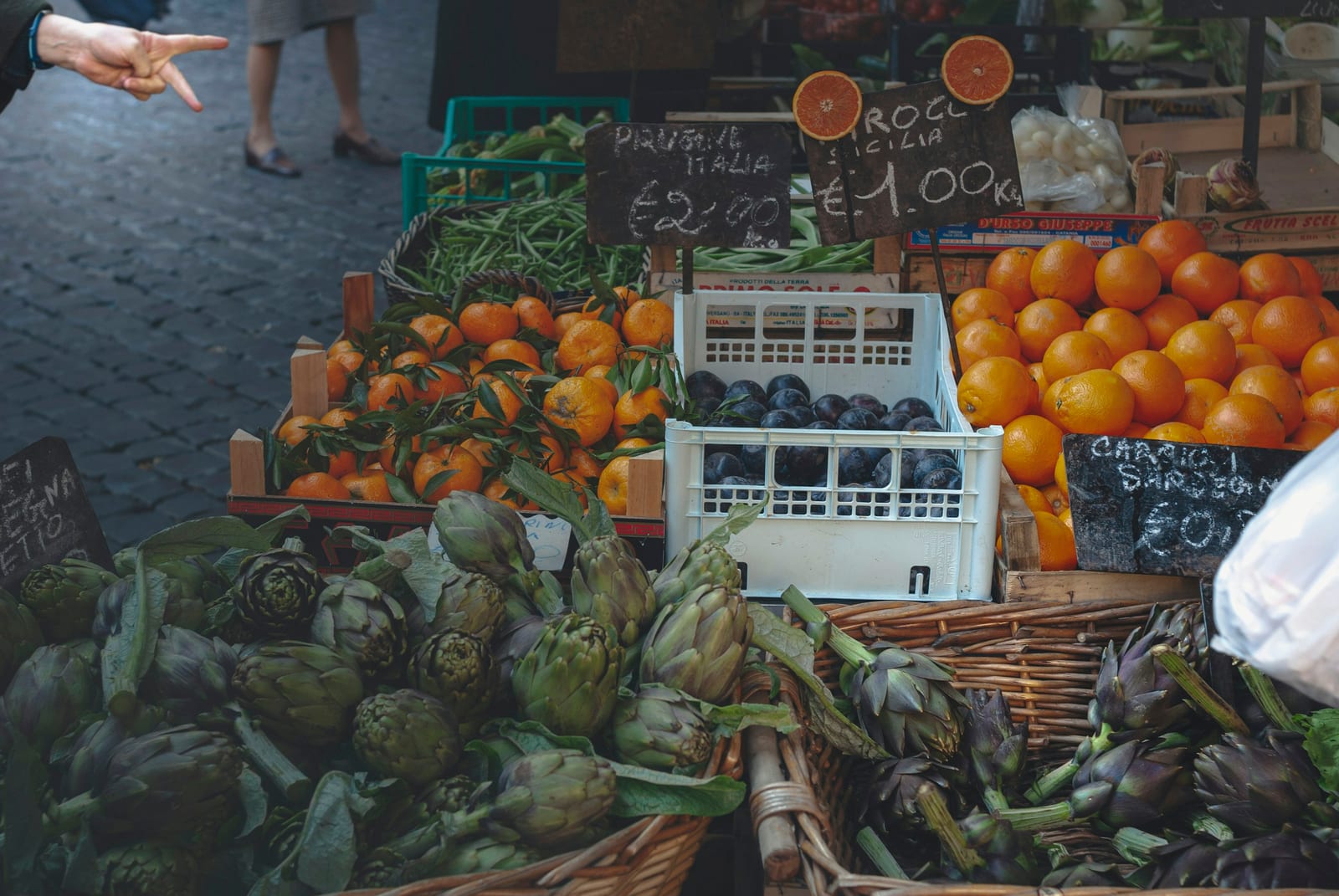
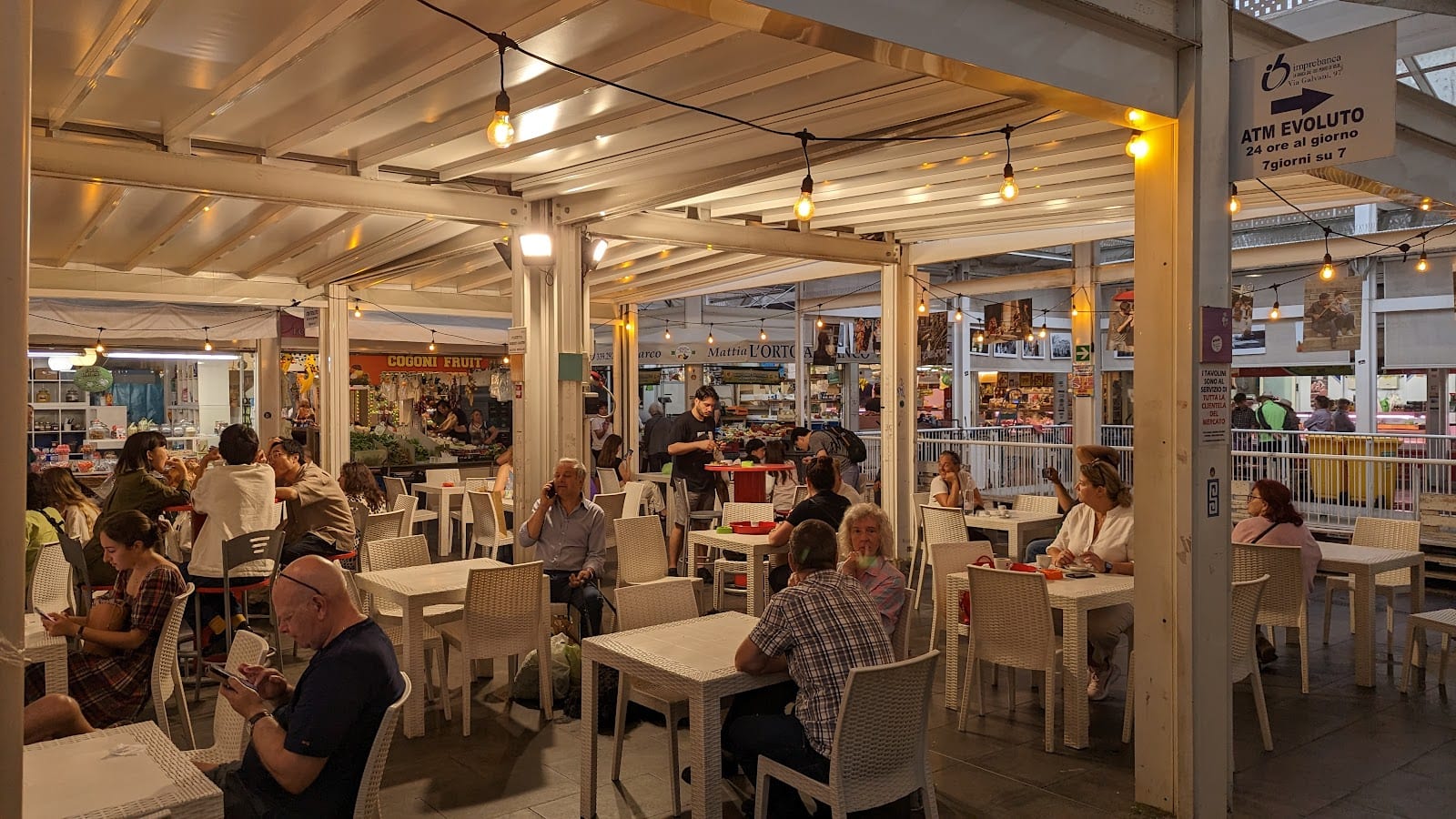
Rome's best neighborhood food market, and the single best reason to come at lunchtime.
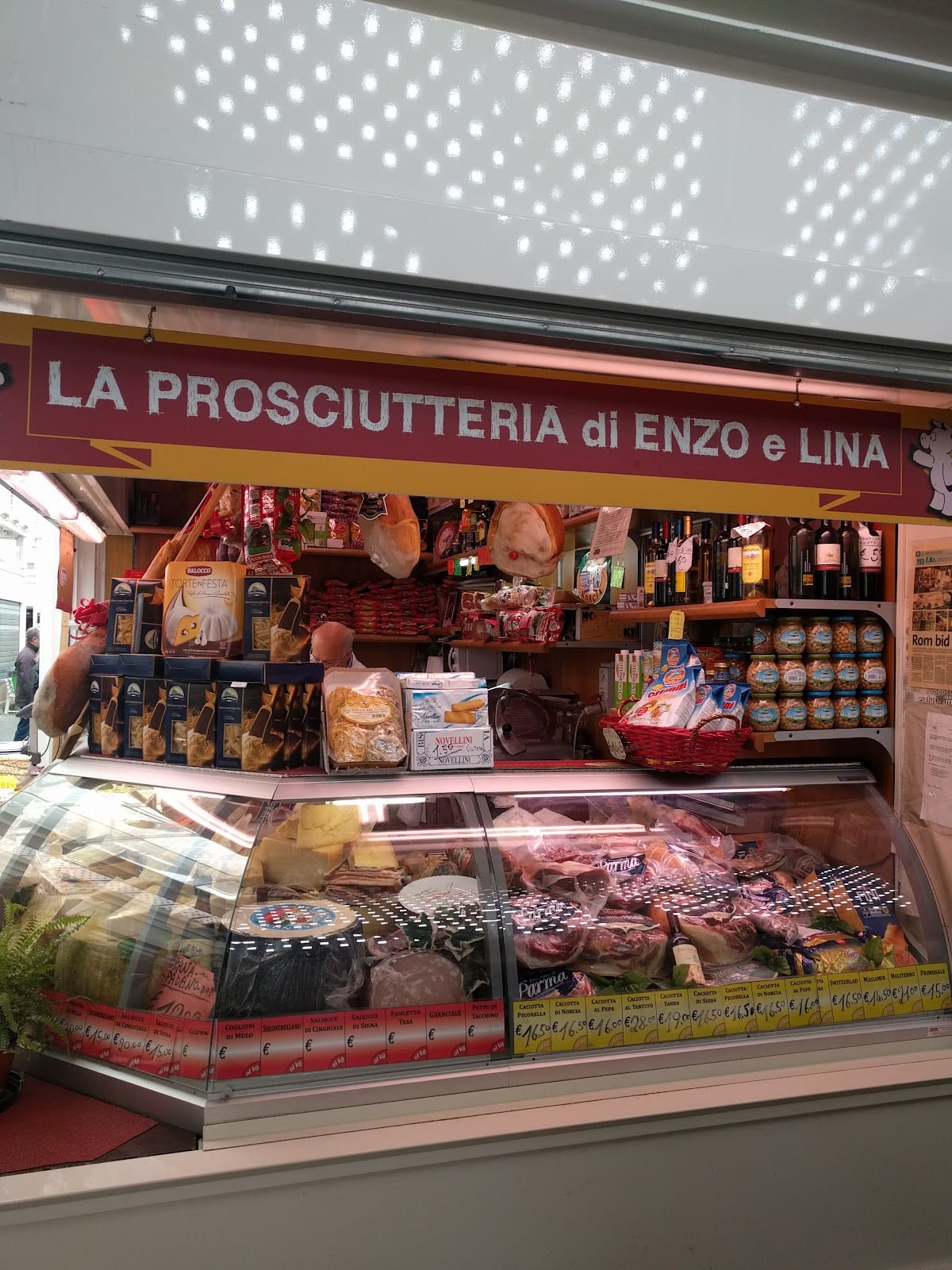
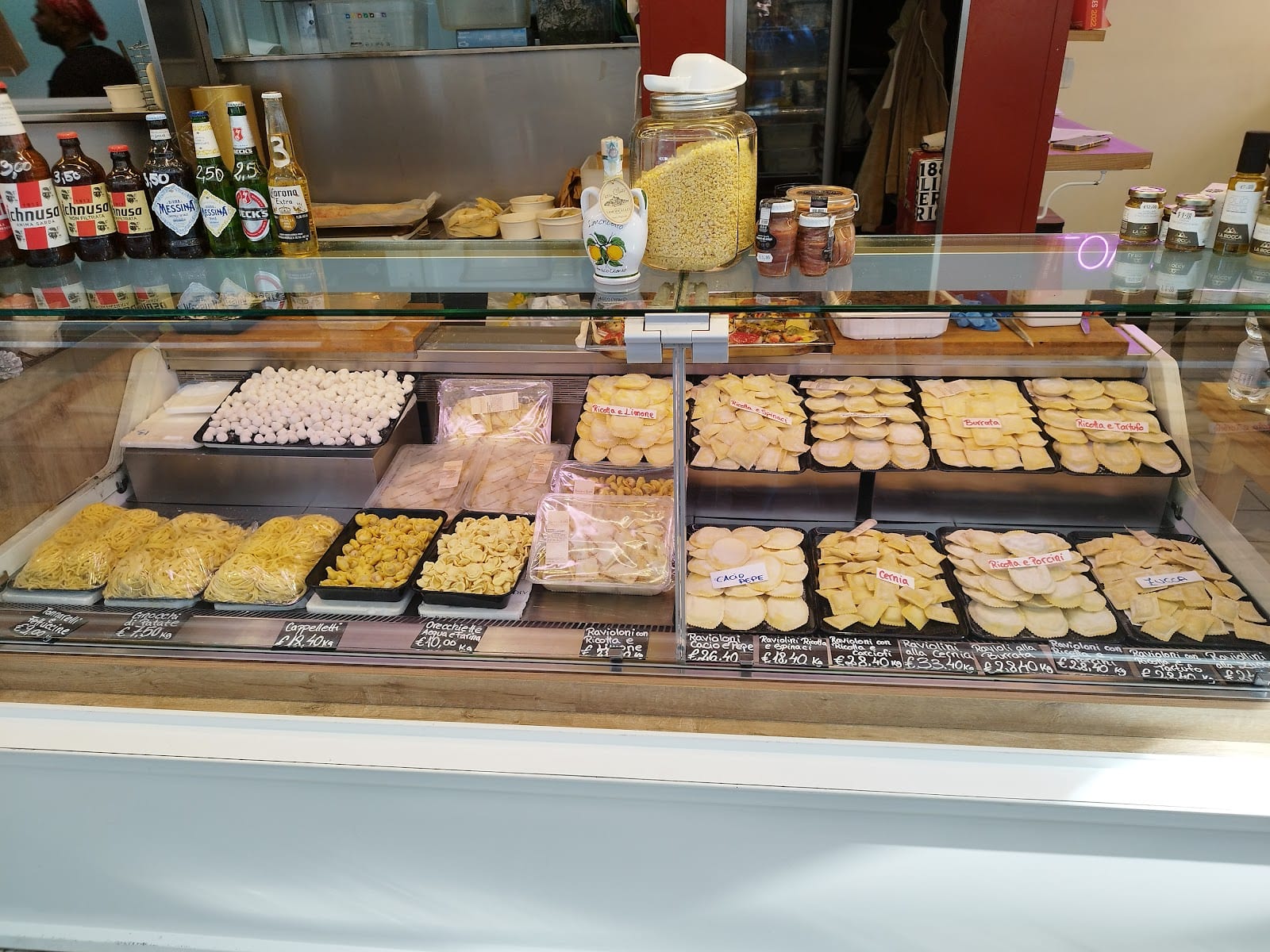
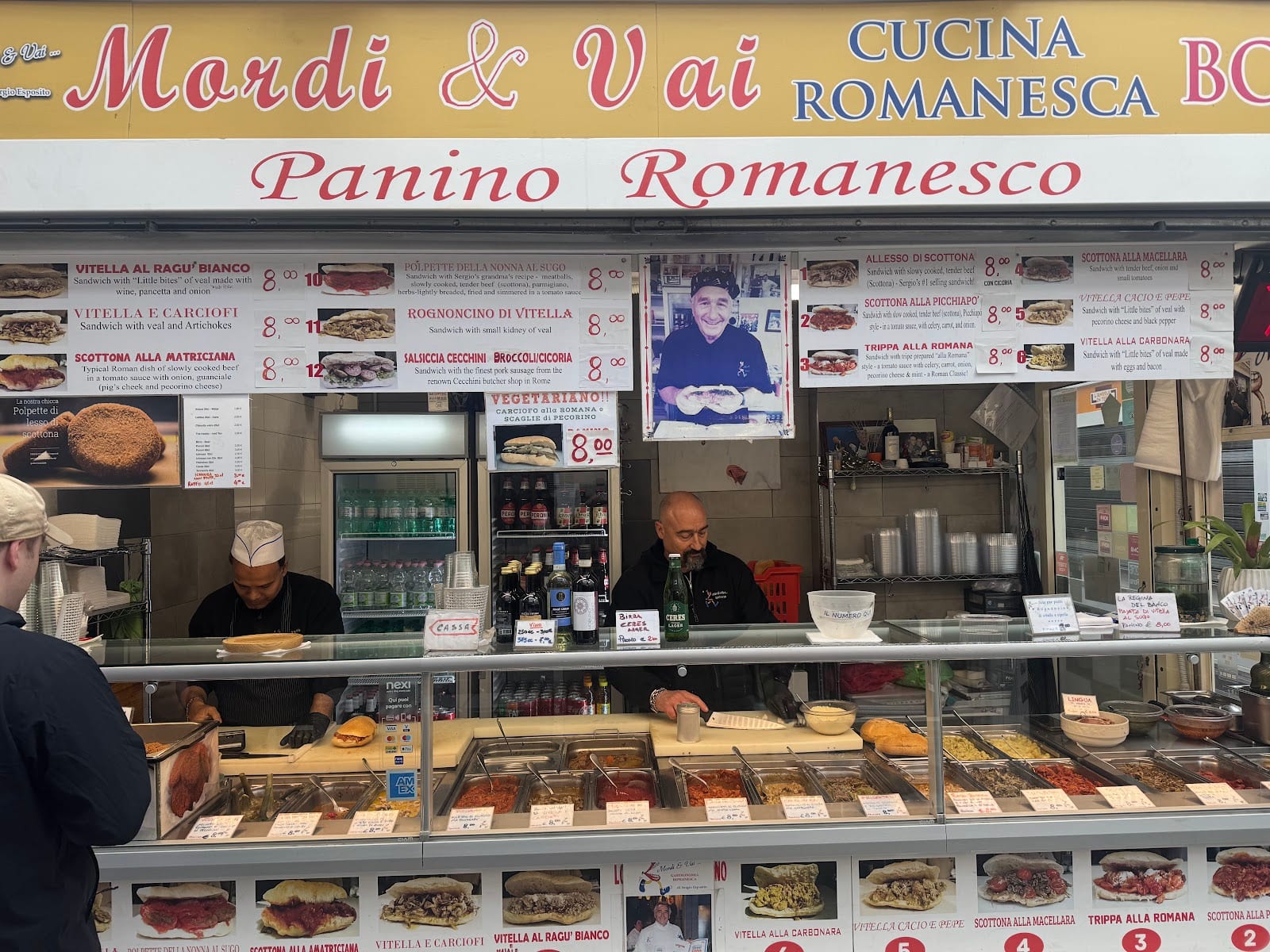
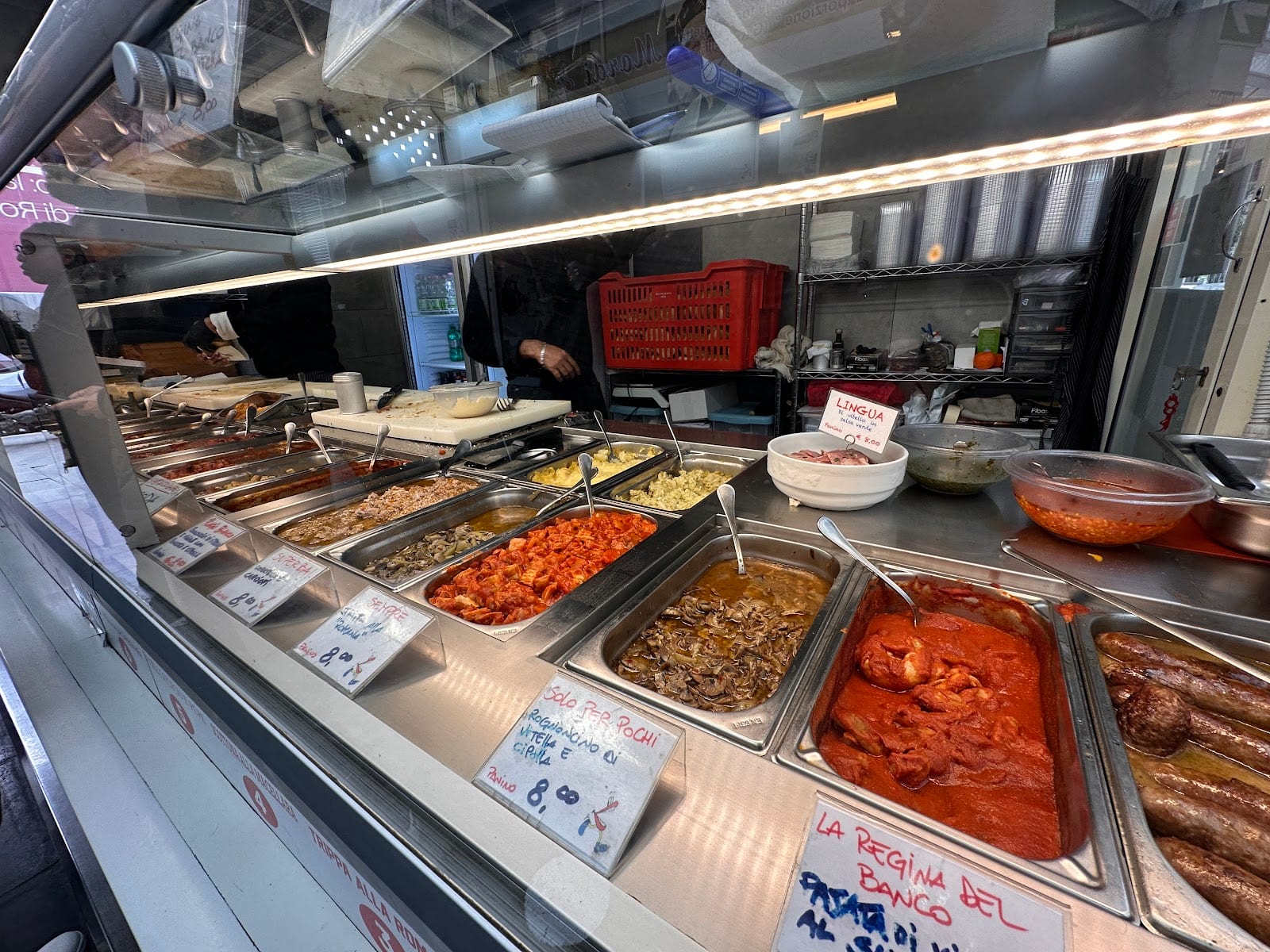
The covered Testaccio market is the heart of the neighborhood and the place to understand why Testaccio is a food destination. It moved in 2012 from its old square into this light, modern hall, but the vendors and the spirit came with it: fruit and vegetable stalls where locals still do their shopping, alongside a run of food counters that draw people from across the city. Come hungry and graze. The market's star is Mordi e Vai, a stall run by a former butcher who fills bread with slow-cooked Roman classics; nearby you can get supplì, pizza al taglio, and fresh pasta cooked to order. It is a working market, busiest and best in the morning, and it closes by mid-afternoon and all day Sunday, so plan lunch, not dinner, around it.
Good for couples, families, solo
Sourcesitalia.it
- 2
 Via di Monte Testaccio Worth it
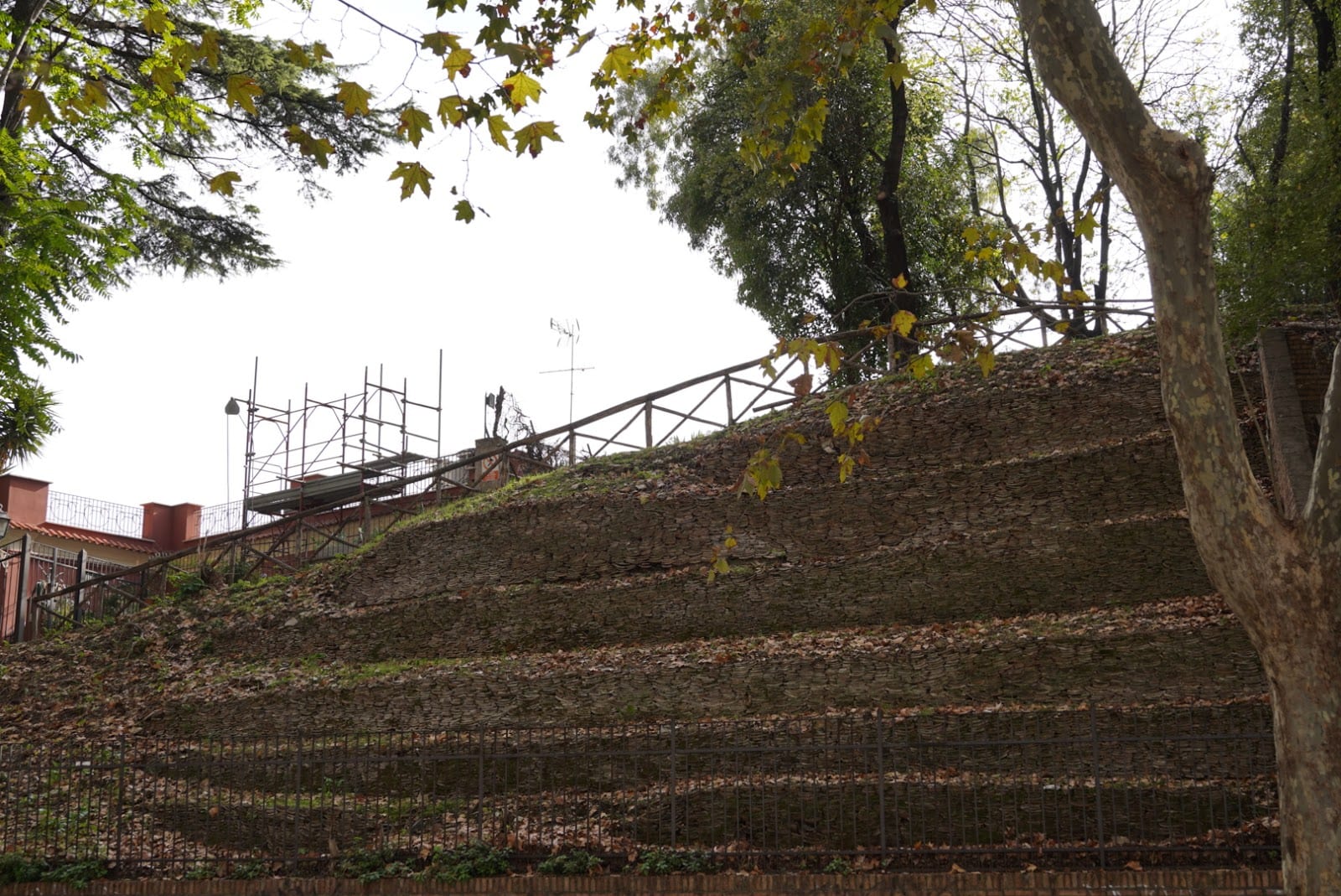
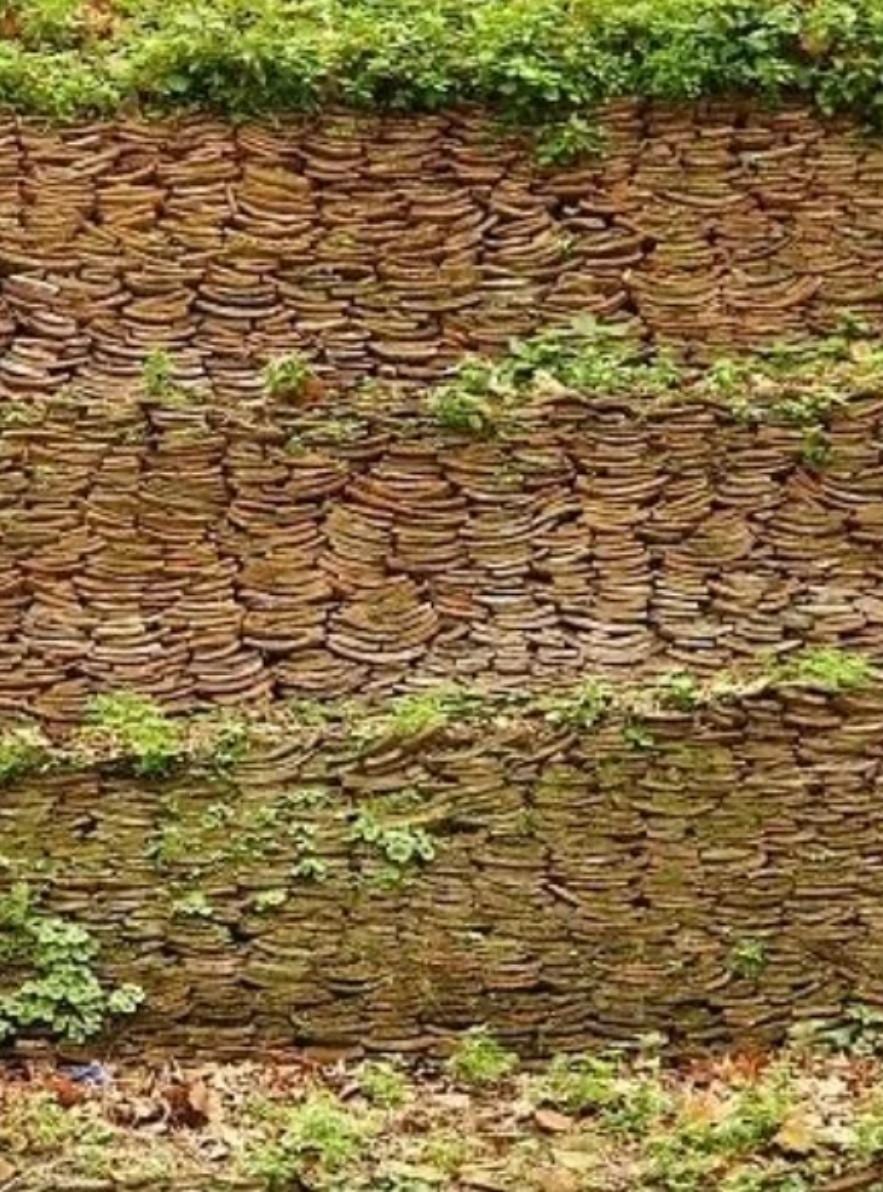
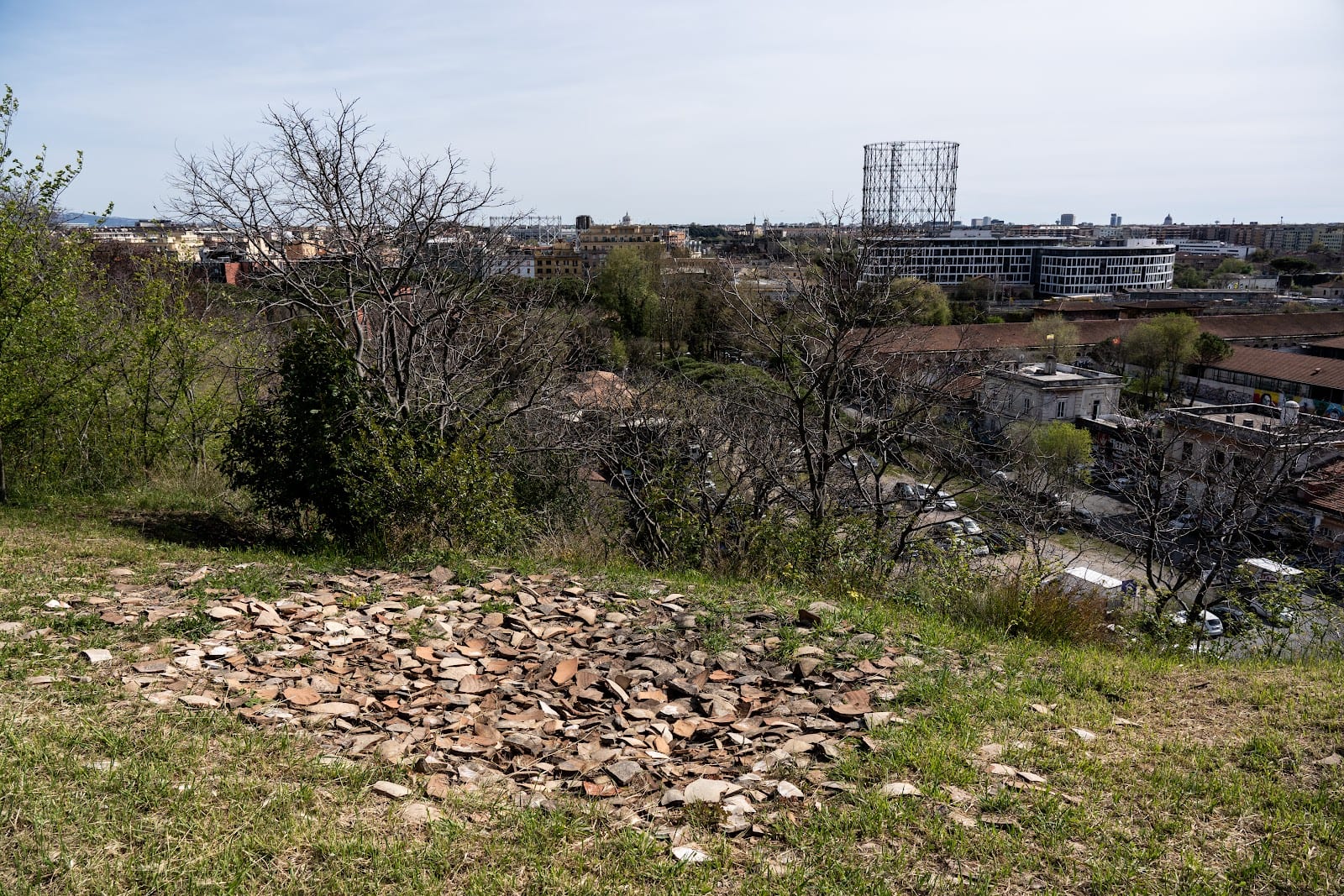
Monte Testaccio (Monte dei Cocci)
A hill built entirely of ancient broken pots, and the reason the neighborhood exists.
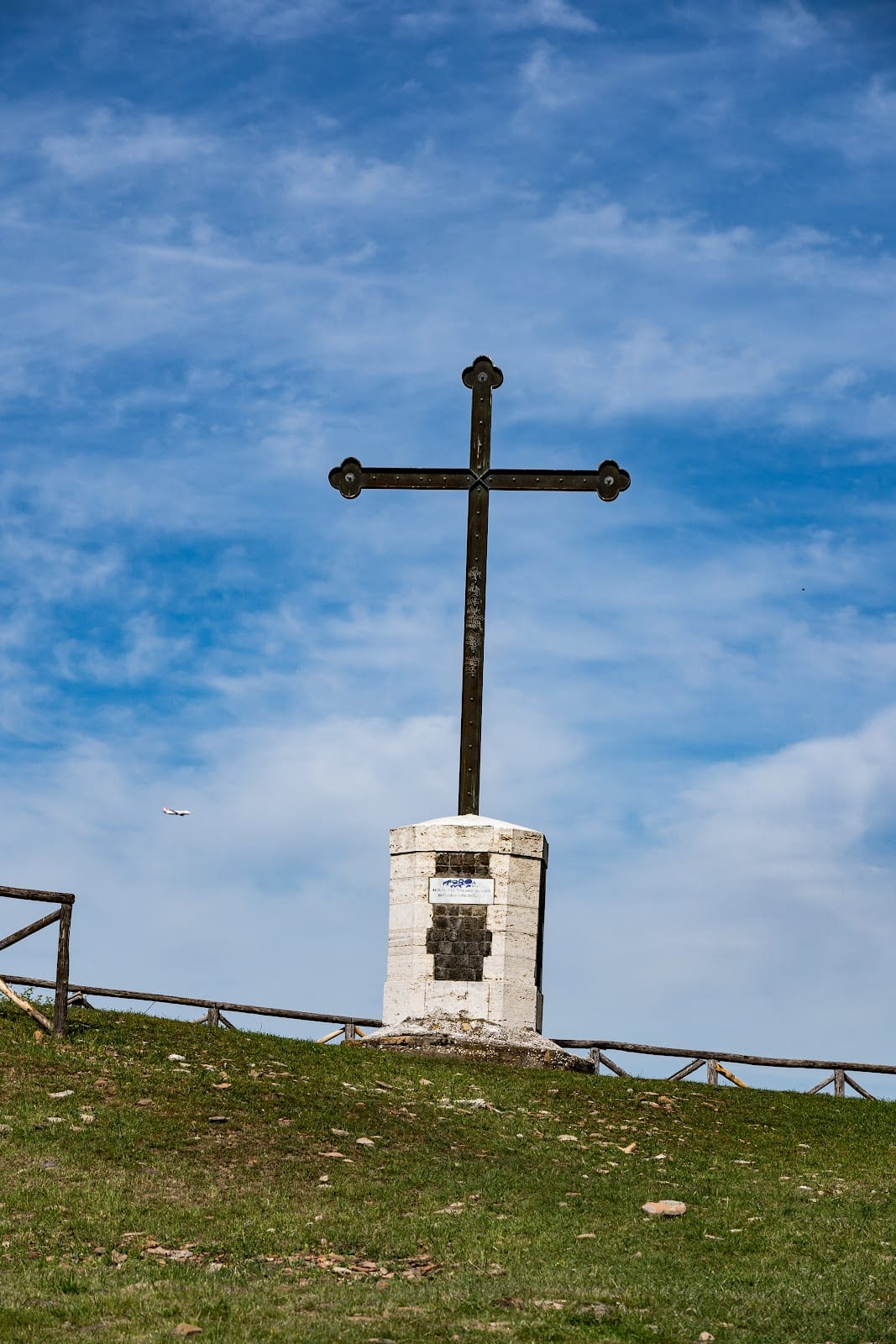
This grassy mound looks like a natural hill until you learn what it is: an artificial mountain built almost entirely from the shards of broken Roman amphorae, the remains of an estimated 53 million clay jars that once carried olive oil into the city, mostly from Roman Spain. It grew over roughly the first three centuries AD as a regulated dump beside the ancient river port, and its name, from the Latin for potsherds, gave the whole neighborhood its identity. You can see the packed layers of terracotta shards poking through the grass along Via di Monte Testaccio. The summit itself is fenced and normally reached only on a booked guided tour, so for most visitors this is a walk-around-and-understand sight rather than a climb, best paired with the clubs and trattorias cut into its base.
Exterior always open; interior/summit by guided tour onlyGood for couples, families, solo
- 3
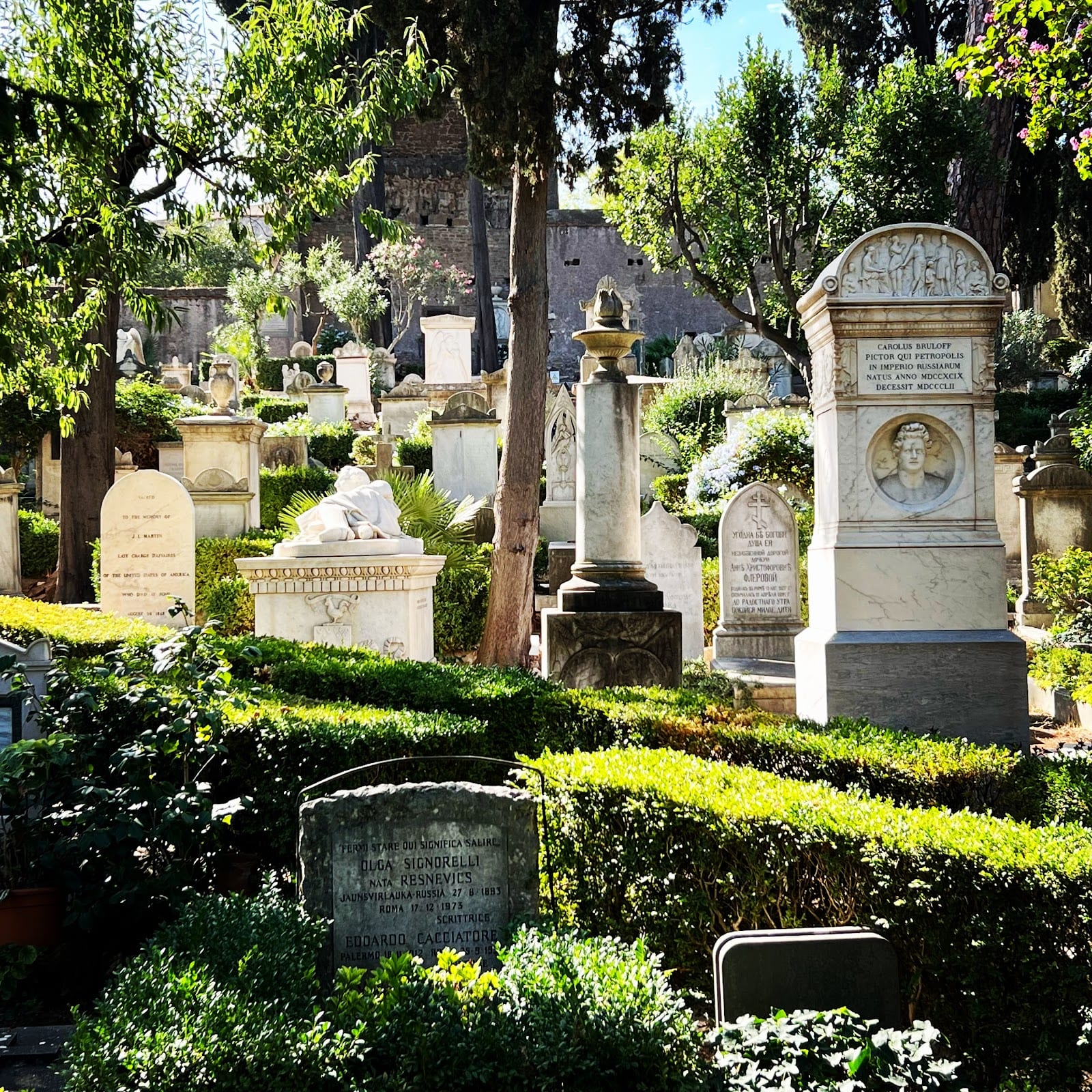
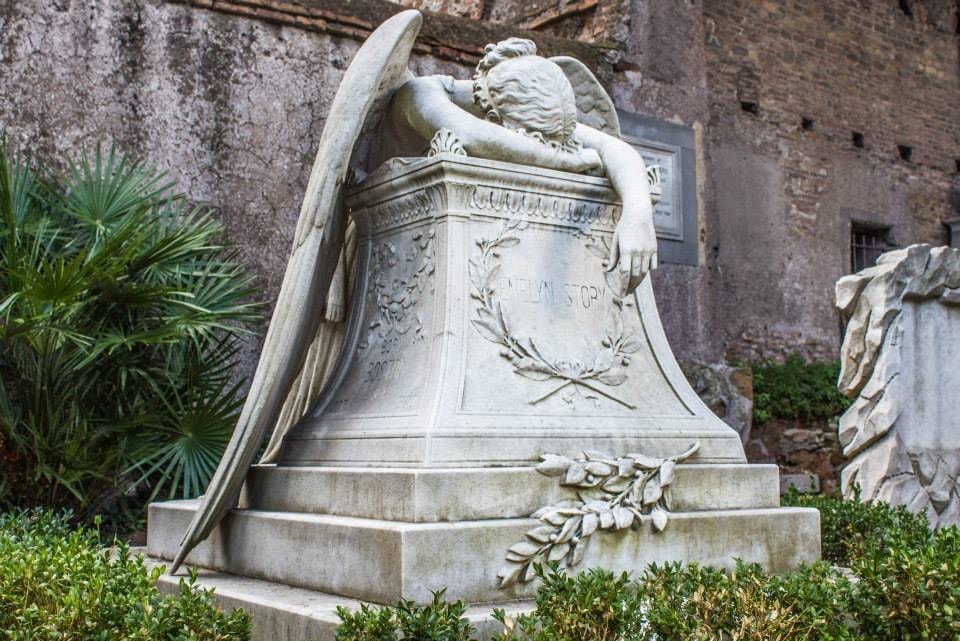
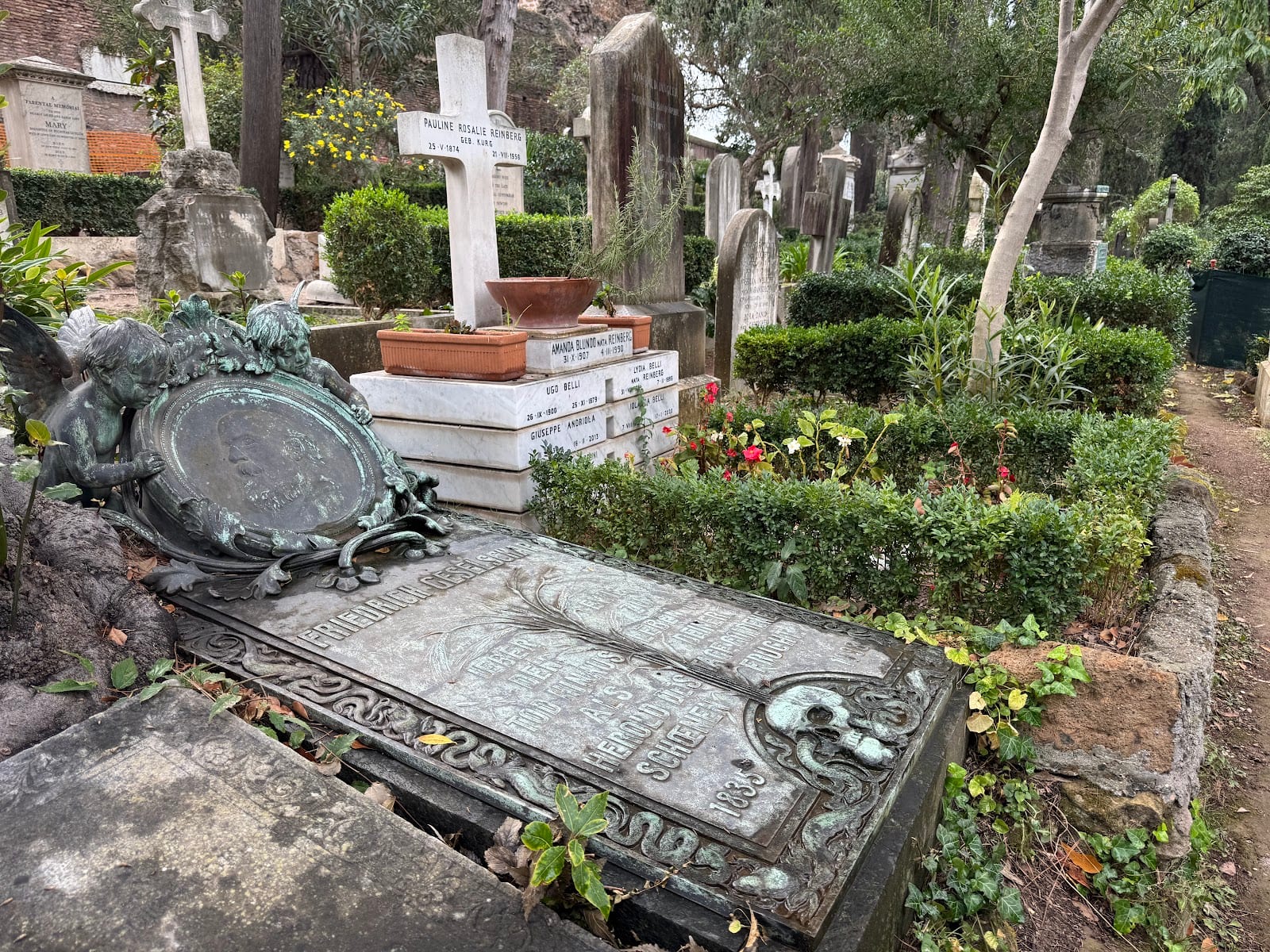
 Via Caio Cestio Worth the hype
Non-Catholic Cemetery (Cimitero Acattolico)
The quiet, moving cemetery where Keats and Shelley are buried, in the shadow of the Pyramid.
One of the most peaceful and affecting places in Rome, this walled cemetery beside the Pyramid of Cestius has been the burial ground for non-Catholics, mostly Protestants and other foreigners, since the early 18th century. It is famous as the resting place of the English Romantic poets: John Keats, who died in Rome in 1821 at 25, lies in the oldest corner under a stone that does not name him and reads only "Here lies One Whose Name was writ in Water," and Percy Bysshe Shelley, drowned off the Tuscan coast in 1822, is buried on the upper terrace. Shaded by cypresses and pines and roamed by the cemetery's protected cats, it is genuinely moving and rarely crowded. Entry is by a voluntary donation of a few euros. Come in the morning for the light and the quiet.
Good for couples, solo


Worth it with more time
Good additions once you've done the icons.- 1
 Piazzale Ostiense Worth it
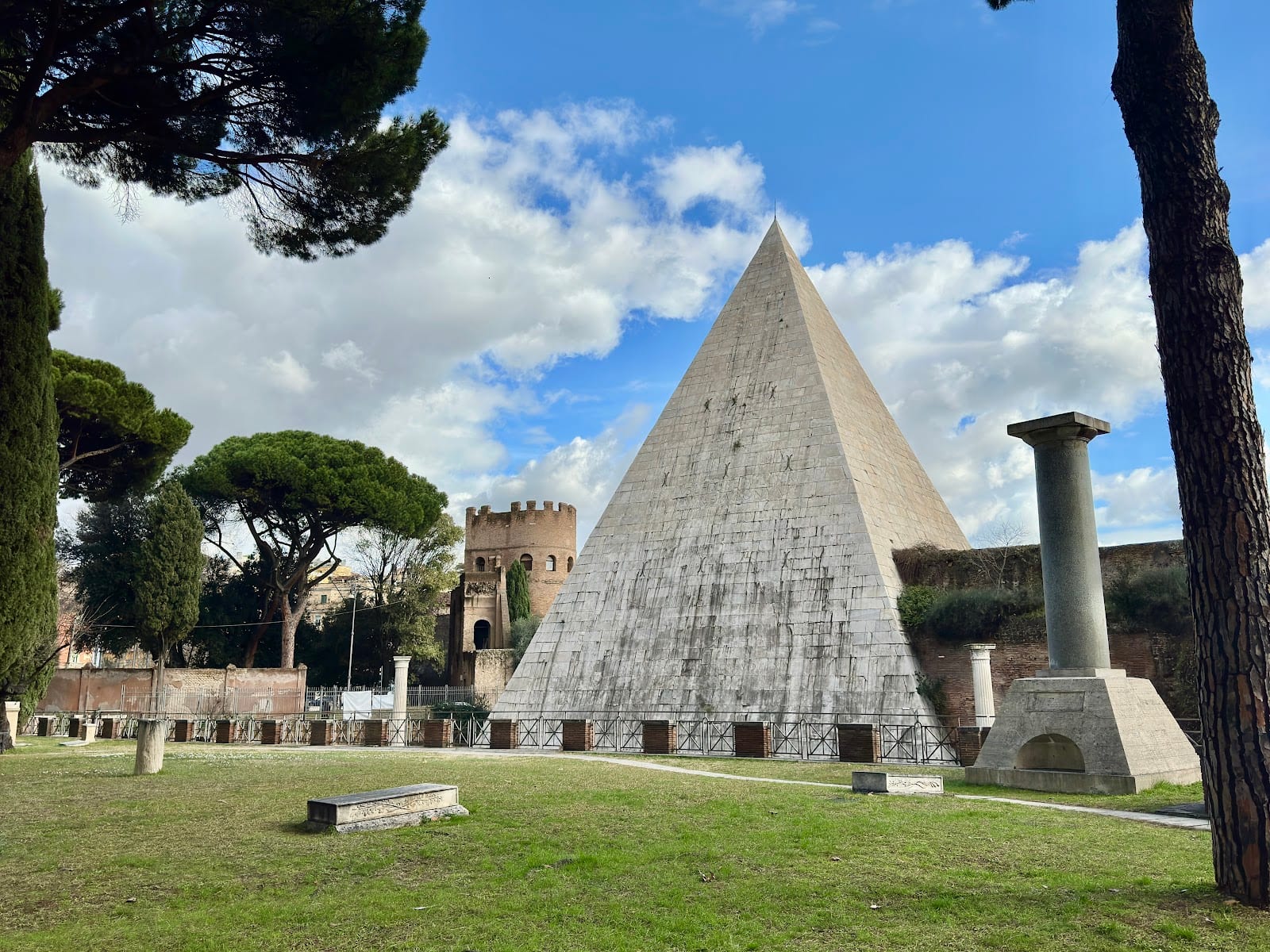
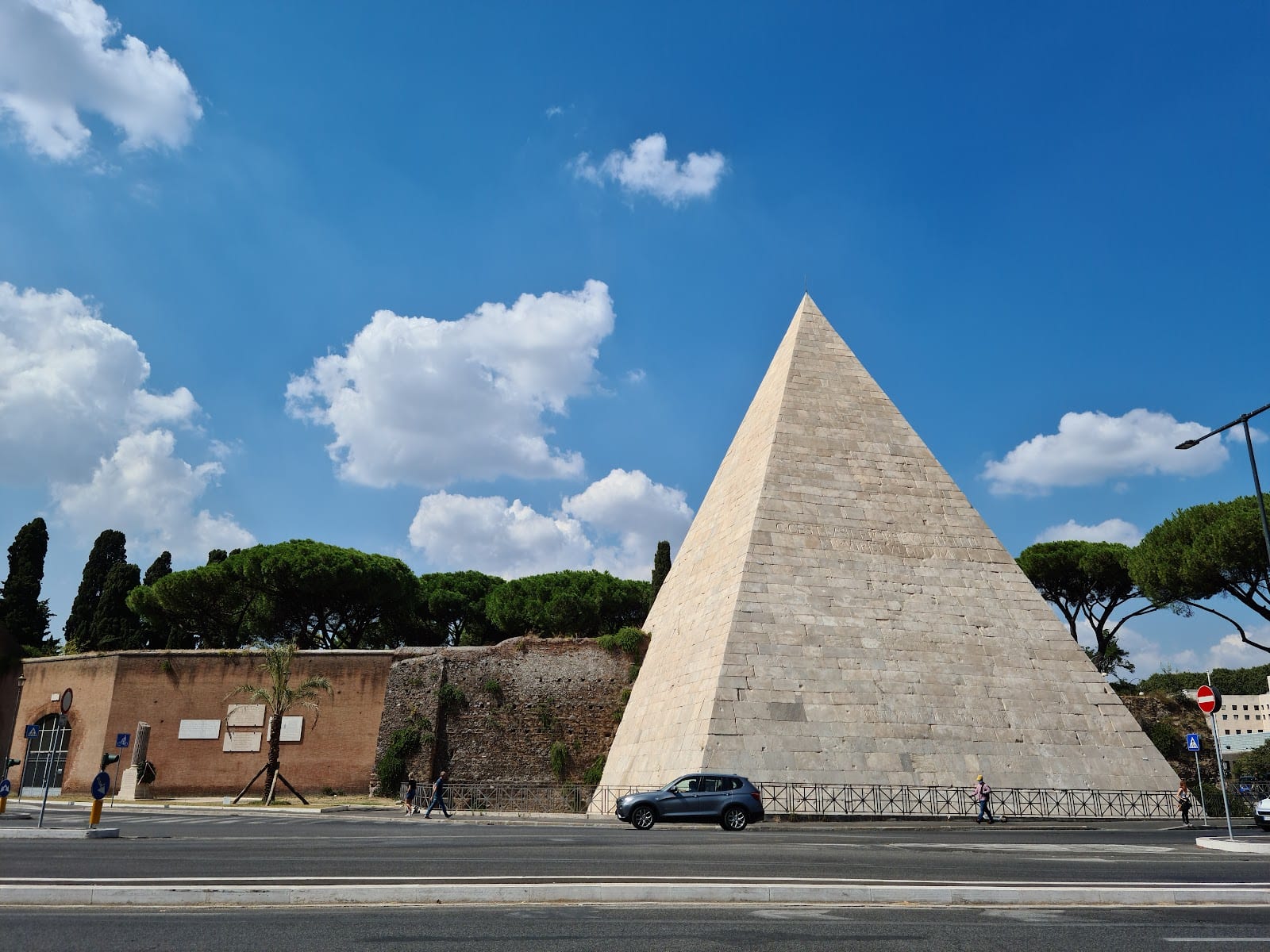
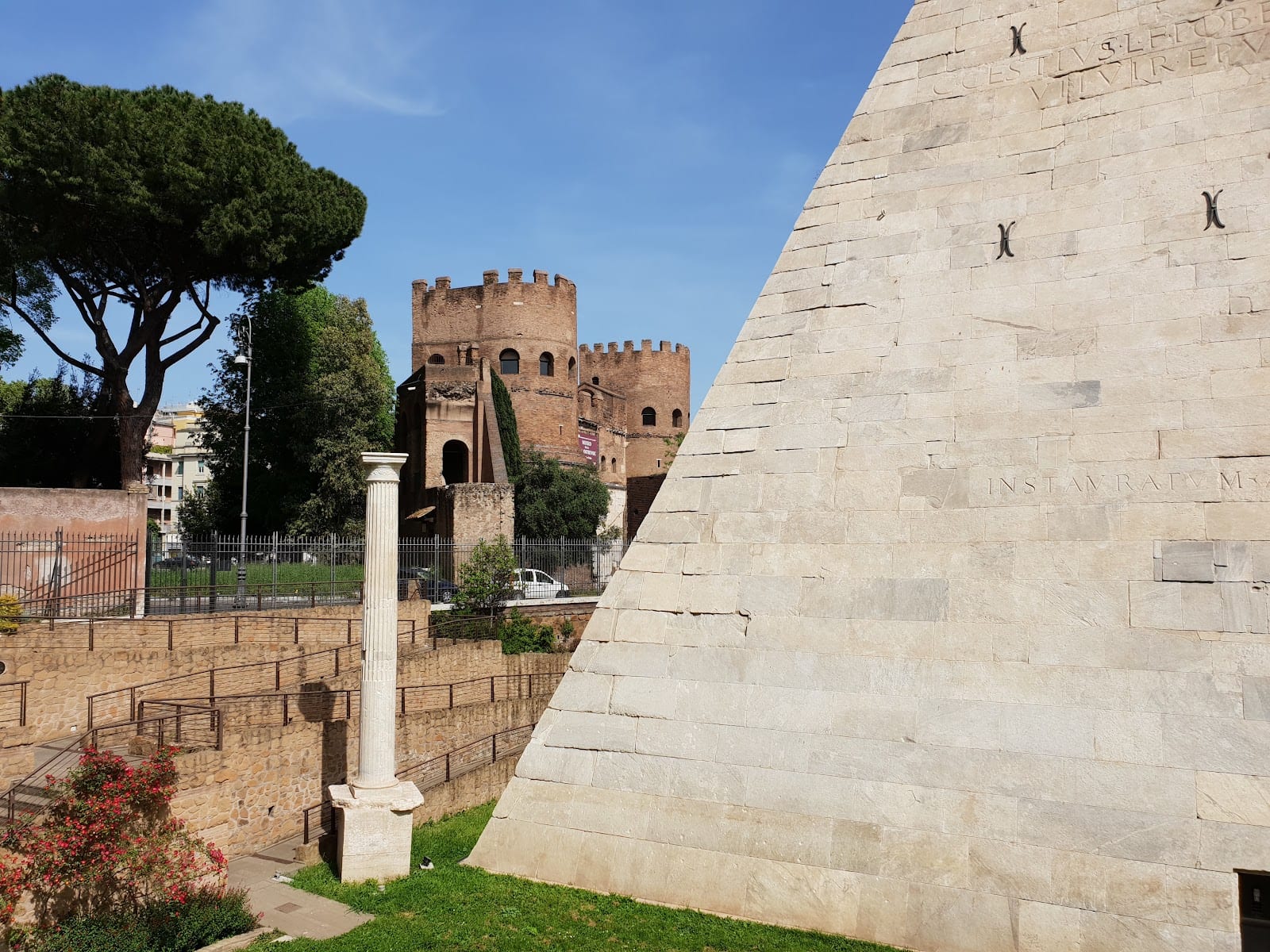
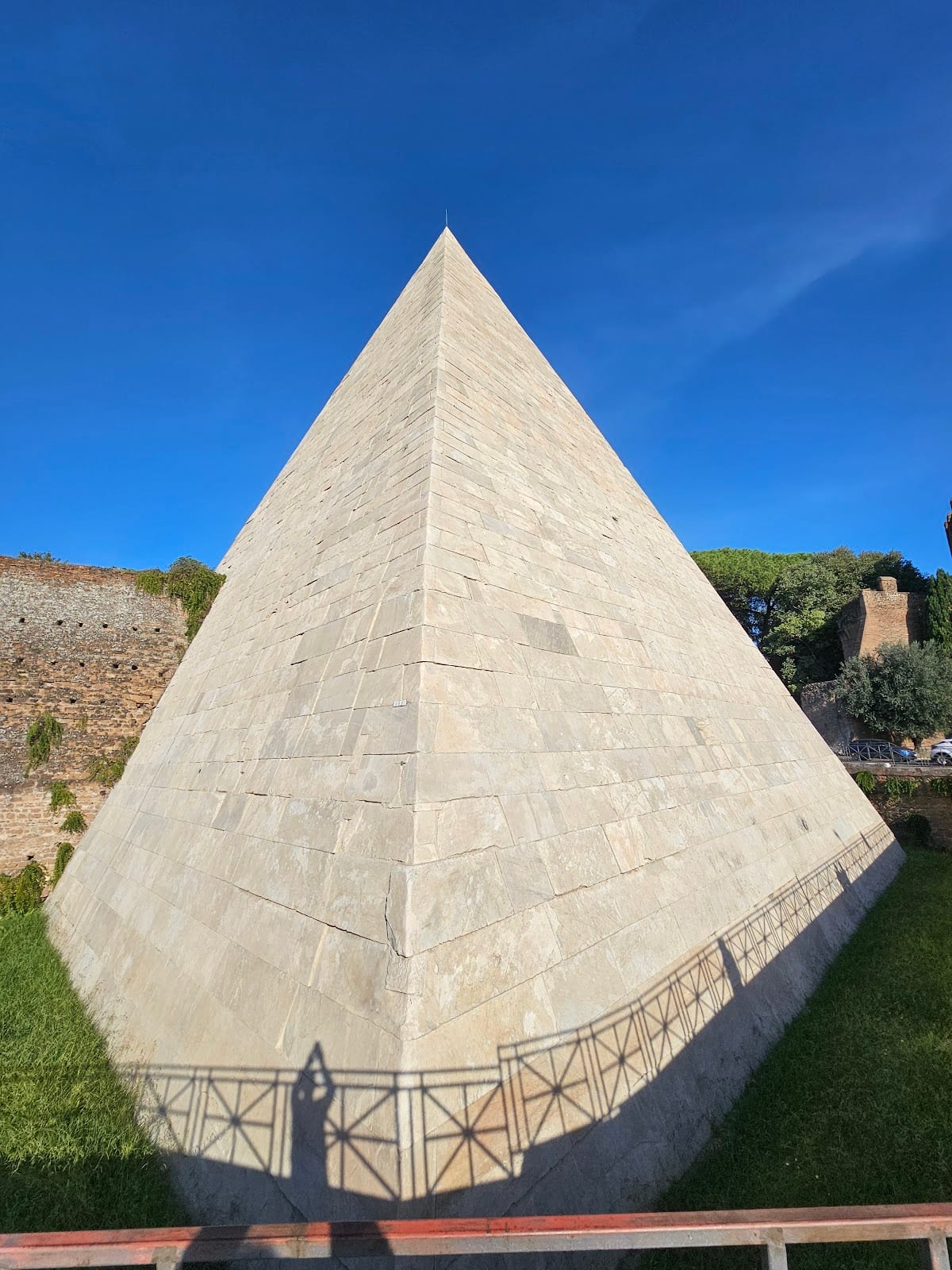
Pyramid of Cestius (Piramide Cestia)
A real Egyptian-style pyramid, wedged into the ancient city wall on the edge of the neighborhood.
Rome has its own pyramid, and it is a genuine surprise: a steep, marble-faced tomb about 36 metres high, built around 18 to 12 BC for Gaius Cestius, a wealthy Roman magistrate, during the wave of fashion for all things Egyptian after Rome annexed Egypt. It was later absorbed into the 3rd-century Aurelian Walls, which is why it now stands half-embedded in them at the busy Piramide junction. For most visitors the pyramid is an exterior sight, striking from the street and from the neighboring cemetery. The burial chamber inside is opened only on limited days, by advance-booked guided visit, so check ahead if you want to go in. It anchors the eastern edge of Testaccio, right by the metro.
Exterior always visible; interior on limited booked daysGood for couples, families, solo
- 2
 Piazza Orazio Giustiniani Mixed
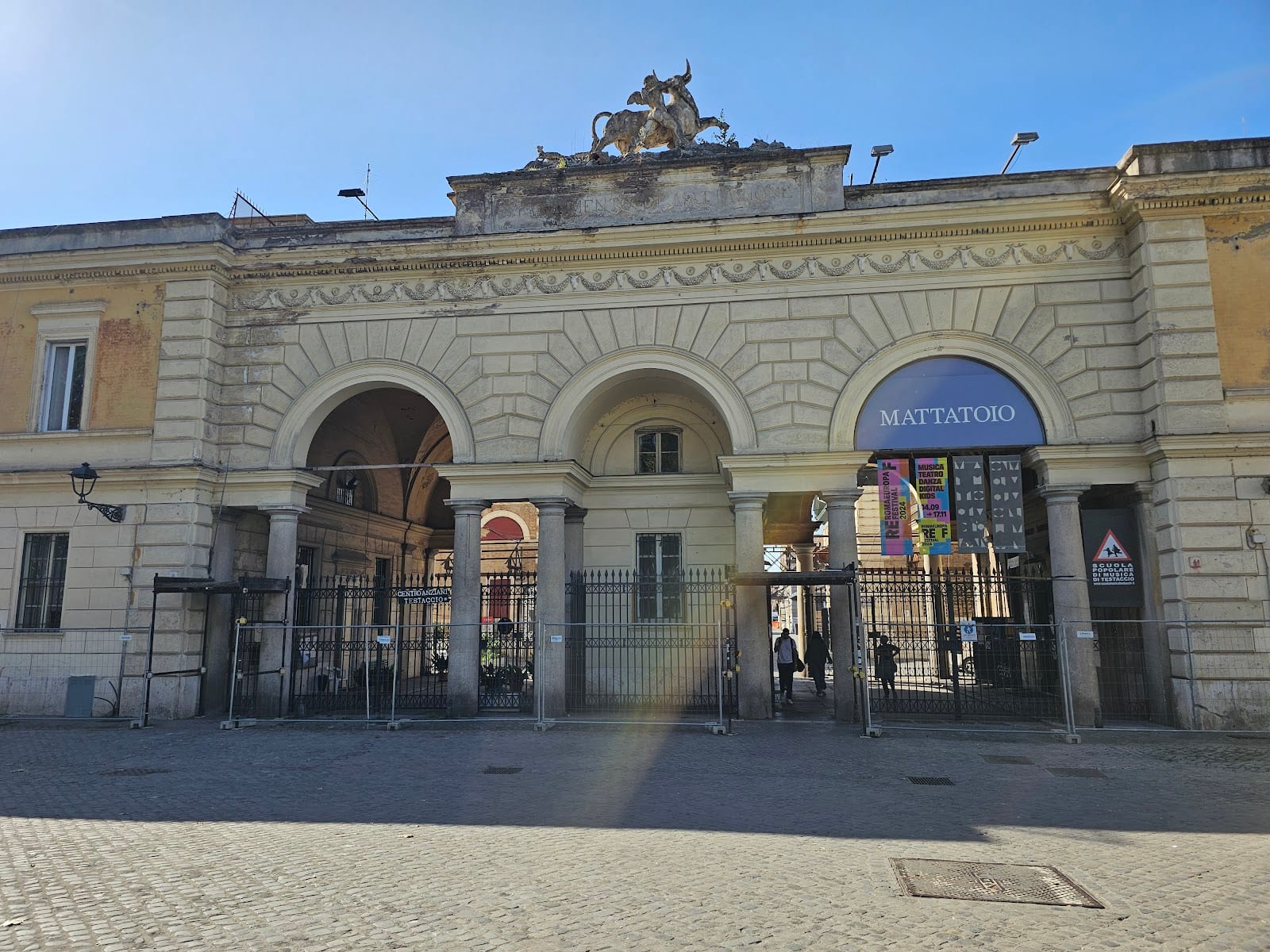
Mattatoio & MACRO Testaccio
Rome's grand former slaughterhouse, reborn as a raw, cavernous arts space.
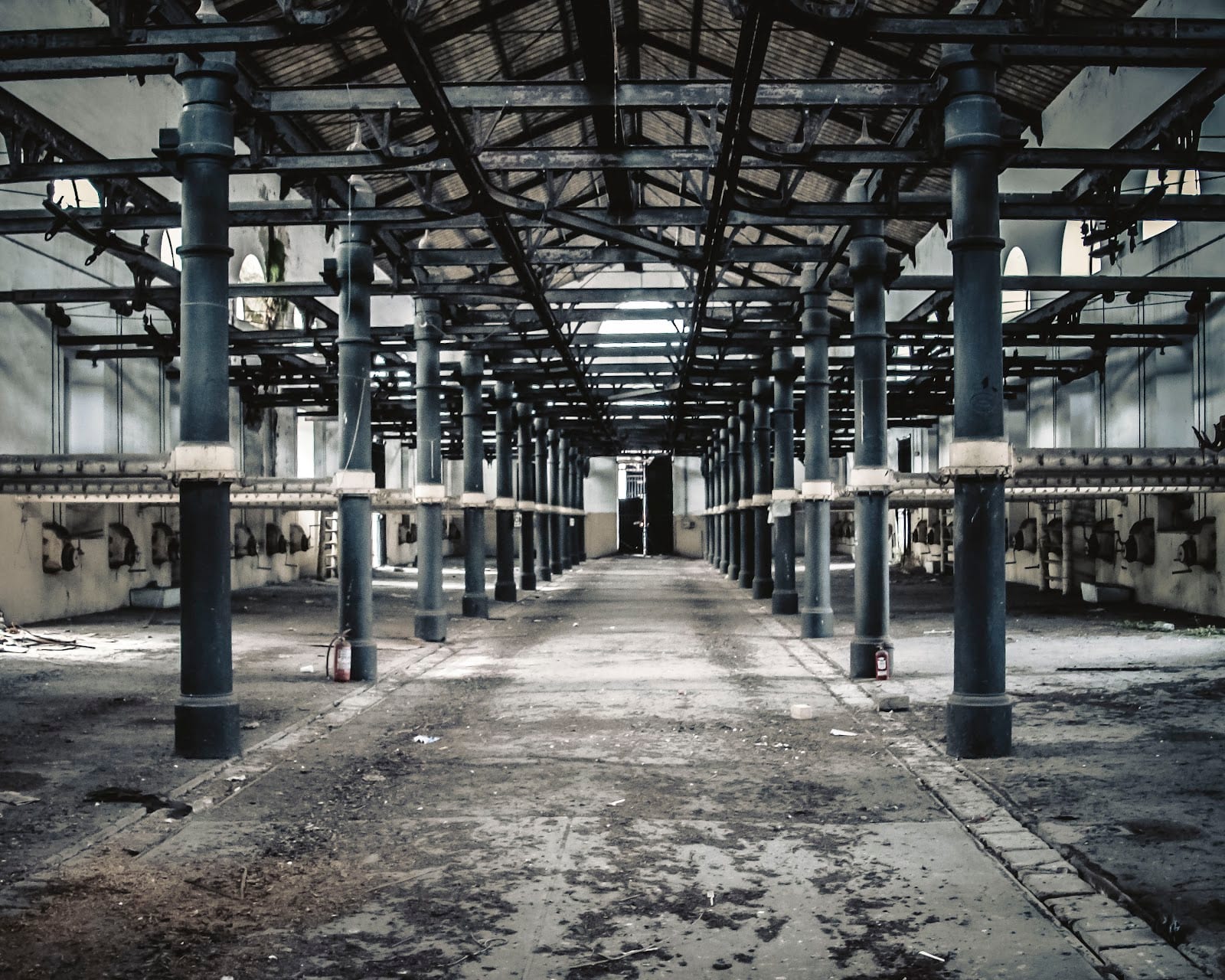
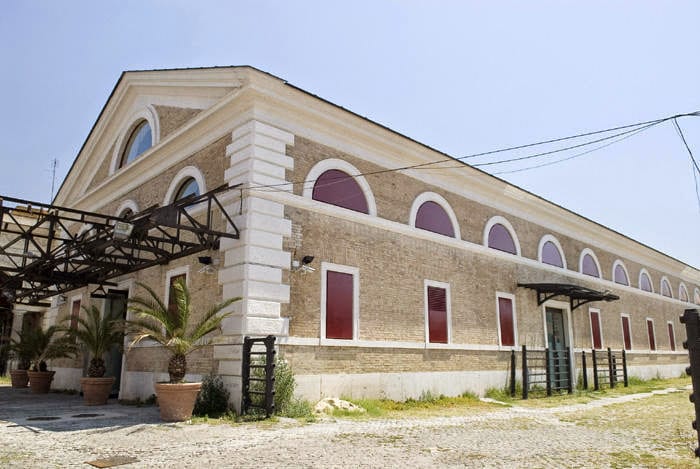
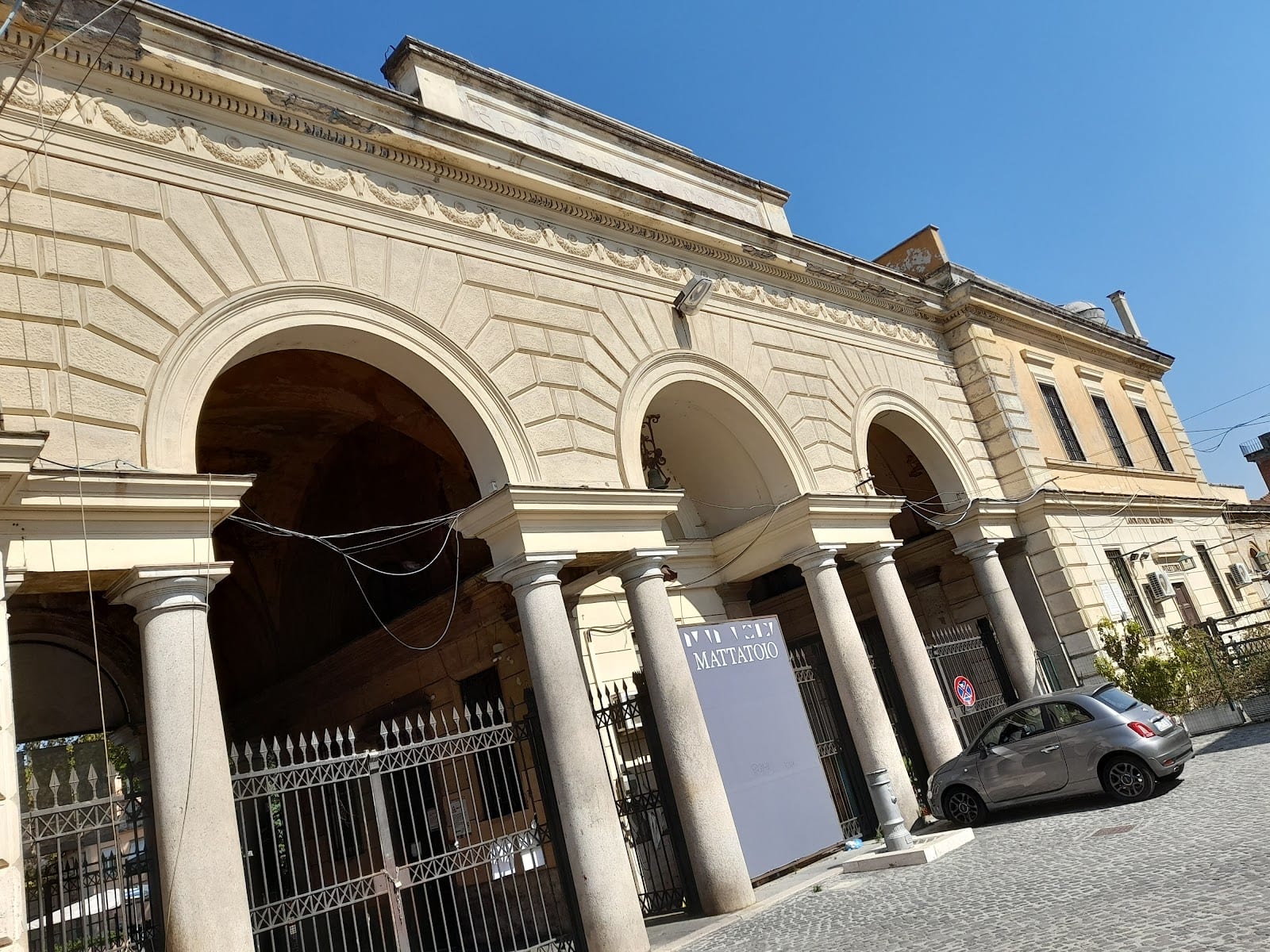
Testaccio grew up around Rome's municipal slaughterhouse, a vast late-19th-century complex of iron and travertine pavilions that stopped killing animals in 1975. Rather than demolish it, the city turned it into a cultural campus: the Mattatoio hosts contemporary art exhibitions and events, part of it houses MACRO Testaccio galleries, and the city's architecture school and other tenants share the site. The buildings themselves, all cast-iron canopies and old stockyard ramps, are worth a wander. The honest catch is that this is a rotating-exhibition space, not a fixed collection, so what's on ranges from excellent to forgettable, and sometimes the halls are between shows. Check the current program before making a special trip; if something good is up, it's a great, uncrowded couple of hours.
Good for couples, solo
- 3

 Via di Monte Testaccio Mixed
The clubs under Monte Testaccio
Bars and dance clubs cut straight into the ancient pottery hill, for a certain kind of night.
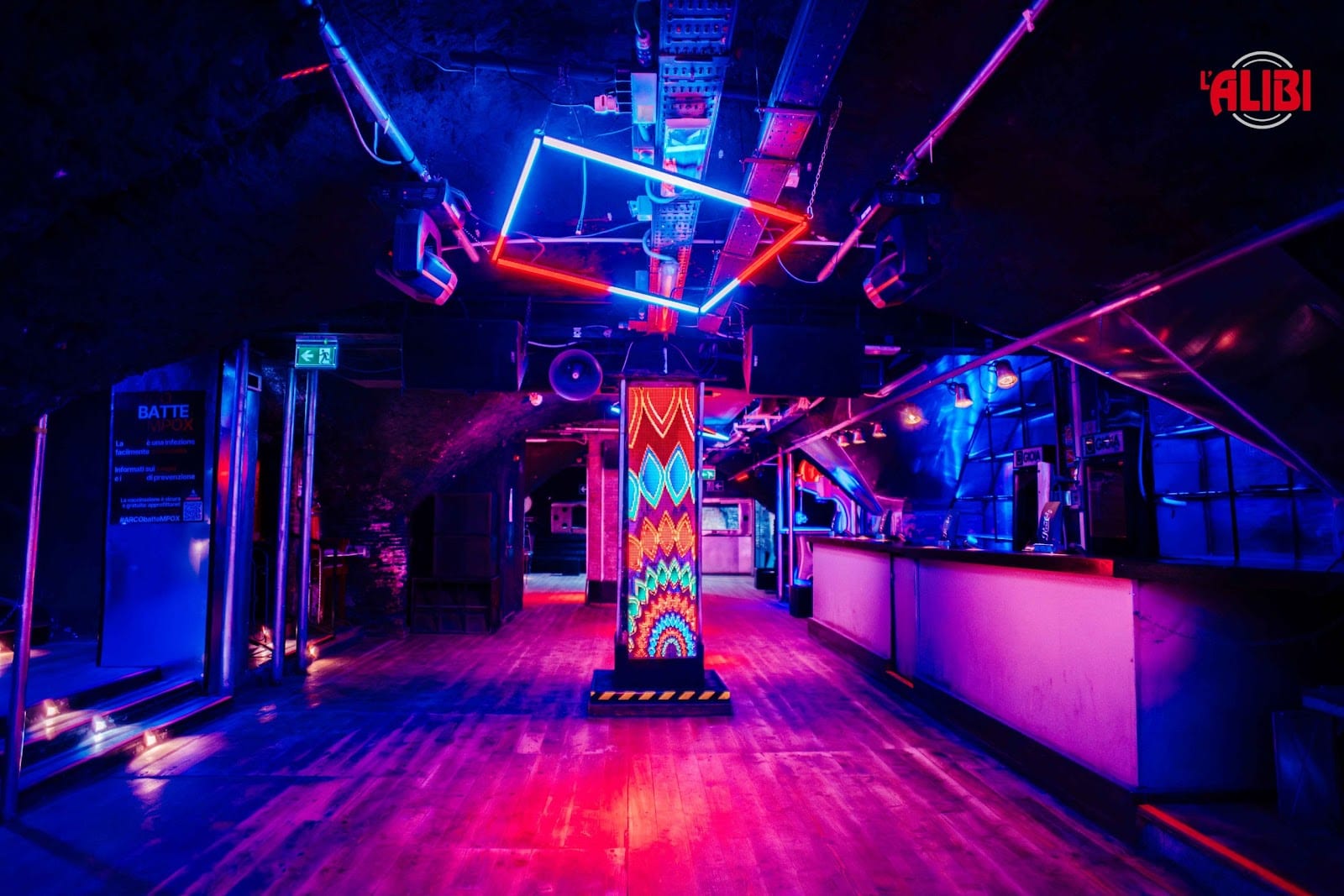
The stretch of Via di Monte Testaccio that curves around the base of the hill is one of Rome's oldest nightlife strips, and its gimmick is real: several of the clubs and bars are built into caves dug into the mound of ancient amphora shards, so you are quite literally dancing inside a 2,000-year-old pile of broken pots. L'Alibi, a long-running club with a rooftop terrace, is the best known, historically a gay and gay-friendly venue. The honest verdict is that the scene here is hit-or-miss and skews late, loud, and a little dated compared with newer parts of the city; Roman students still fill it on weekends, but this is a go-if-it's-your-thing stop, not a must. If you just want a drink, the trattoria terraces along the same street are the easier call.
Clubs typically Fri–Sat late; varies by venueGood for friends, solo
Sourcesatlasobscura.com


Hidden gems
Where the crowds thin out.- Hidden gem
 Via Marmorata Worth it
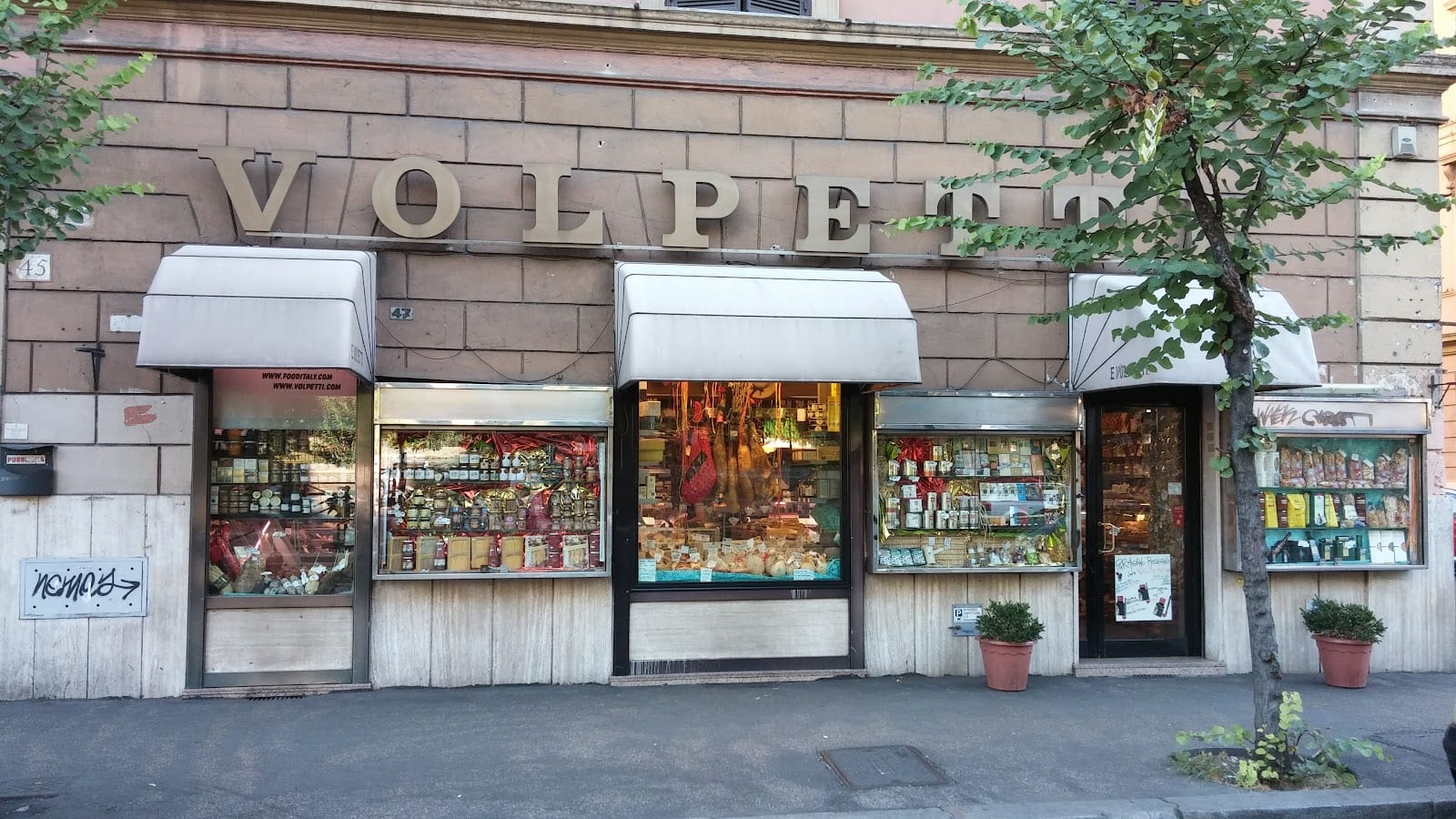
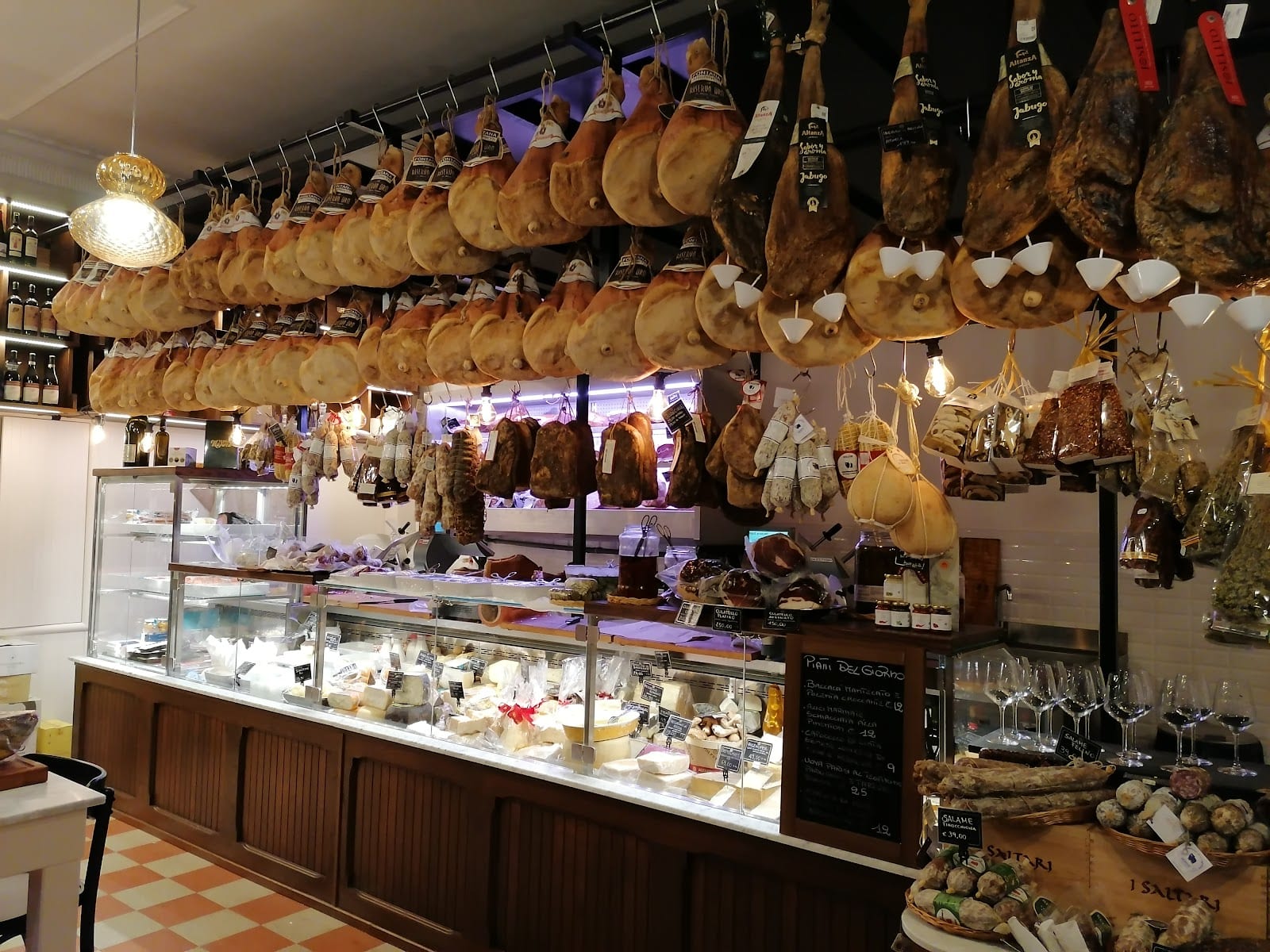
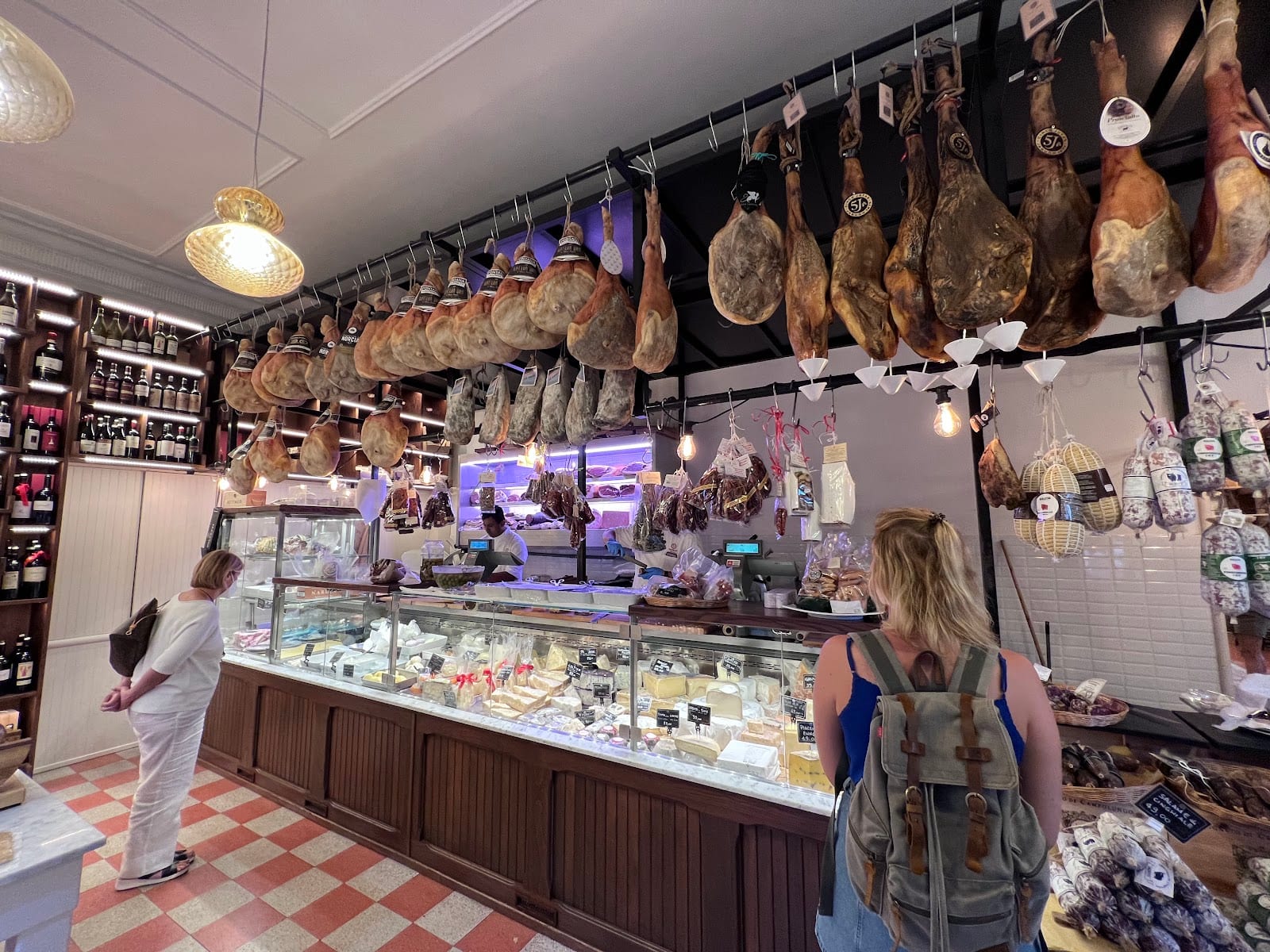
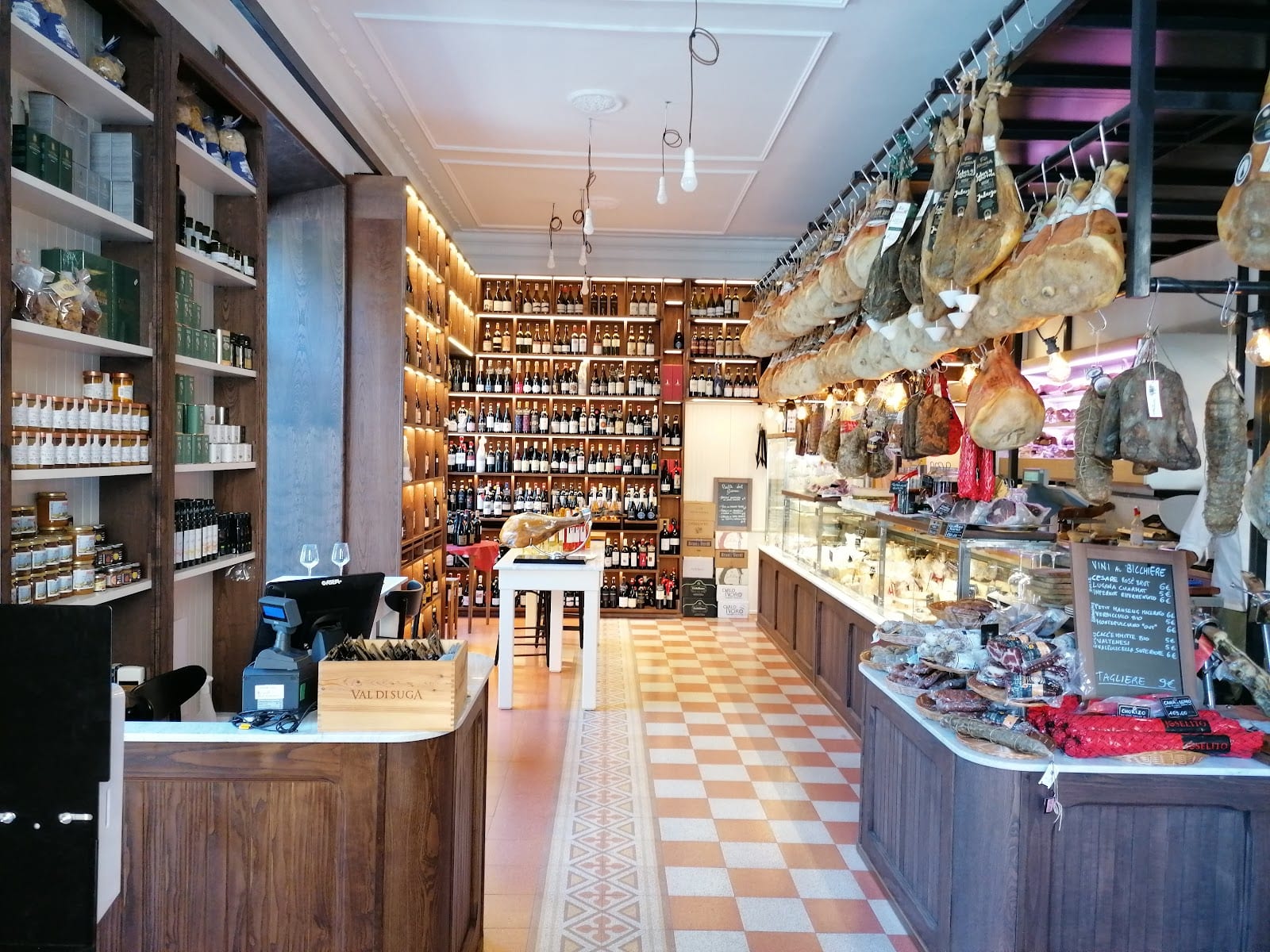
Salumeria Volpetti
A cult, half-century-old deli where the counter staff feed you as you shop.
Tucked on Via Marmorata, Volpetti is the kind of temple to Italian food that regulars guard jealously: a small, densely stocked salumeria run by the same family since 1973, hung with cured hams and lined with cheeses, and known for staff who carve off slivers for you to taste until you have half a meal in front of you before you've bought anything. It is not cheap and it is not a secret to serious food travelers, but it stays off the main tourist track and is a genuine Testaccio institution. Come to assemble a picnic of prosciutto, pecorino, and stuffed olives, or just to be talked through the counter by people who love it. A perfect stop before the cemetery or a Tiber-side lunch.
Good for couples, families, solo
Sourcesvolpetti.com
- Hidden gem
 Piazza Testaccio Worth it
Piazza Testaccio
The neighborhood's everyday square, with the old market fountain returned to it.
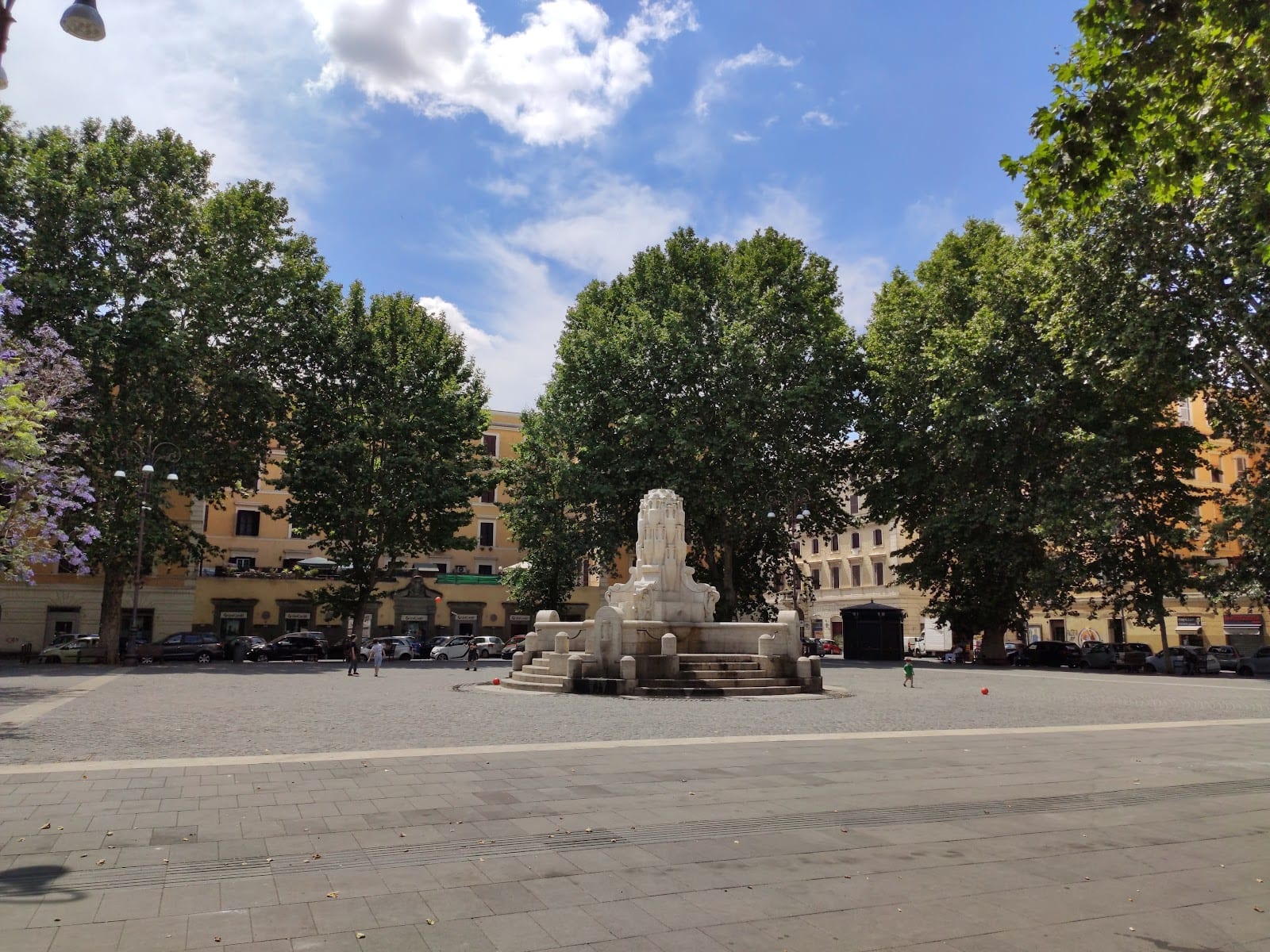
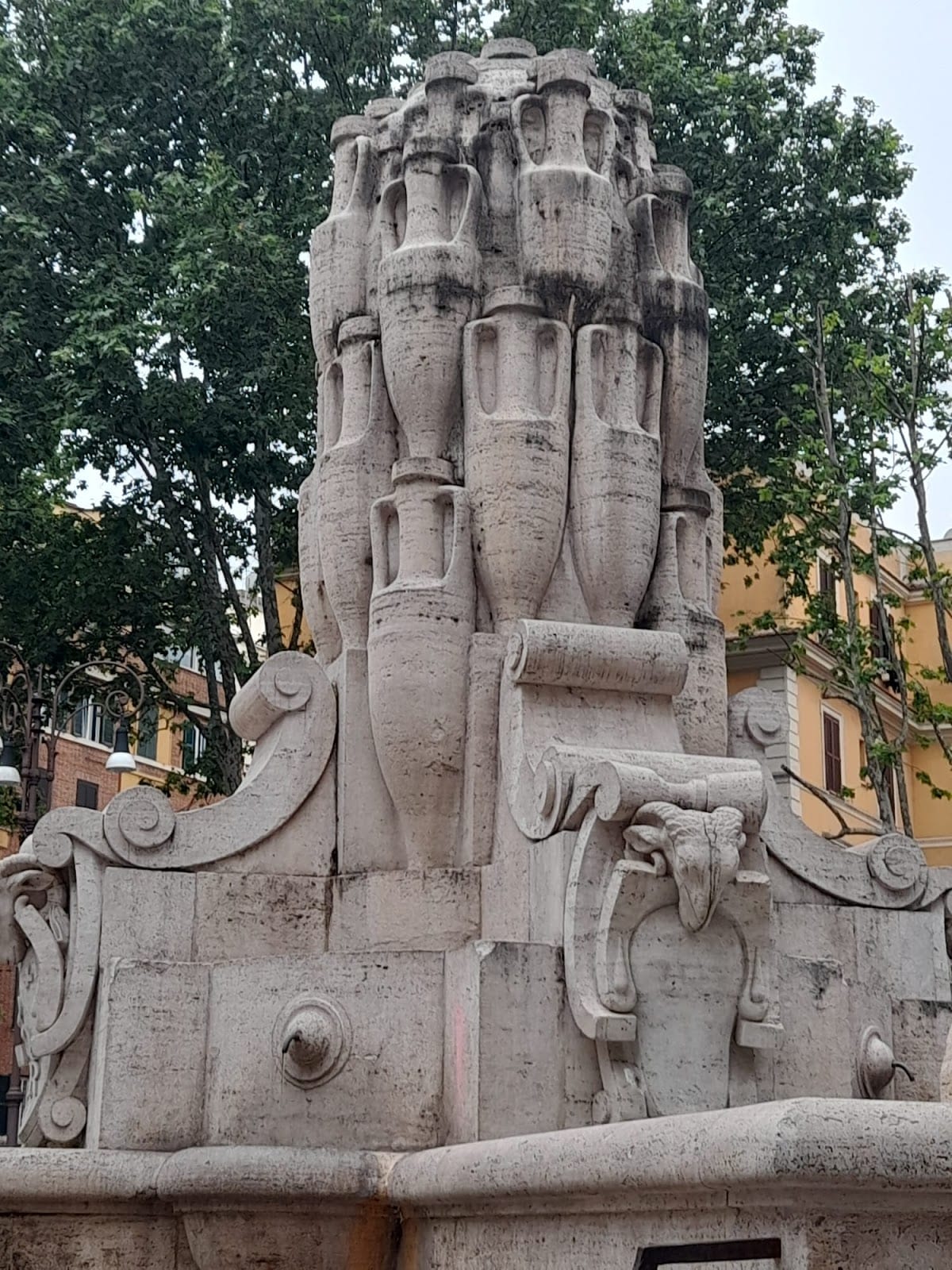
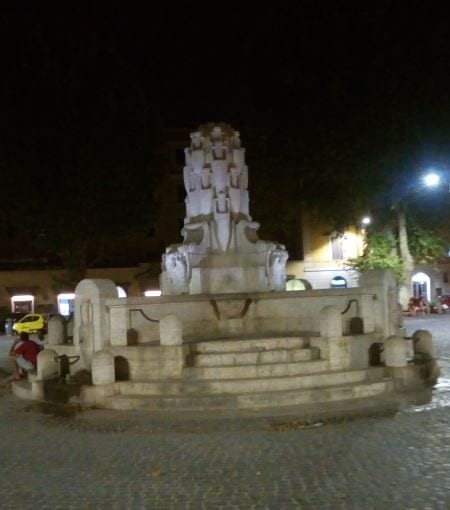
The real social center of Testaccio is this unpretentious square, ringed by bars, a pharmacy, and apartment blocks, where the neighborhood does its ordinary living. For decades it held the open-air market that has since moved indoors; when the square was reworked, its centerpiece fountain, the Fontana delle Anfore, a 1920s design whose stacked amphorae nod straight to Monte Testaccio, was returned to the middle of it. There is nothing to tick off here, and that is the point: it is a good place to sit with a coffee or a gelato, watch local life, and feel how different this Rome is from the monument-packed center a few stops away.
Free15 minOpen 24 hoursGood for couples, families, solo
Sourcesen.wikipedia.org


Verdicts and rankings are our own; ratings open each place on Google. Prices, where shown, are an approximate per-person guide in USD.
Testaccio on screen
Testaccio, Roman food, and the neighborhood on film
Testaccio's food and its pottery hill run right through Rome's food culture on screen. A few clips worth a watch before you go:
- Serious Eats
Trapizzino: The Pocket Pizza
Serious Eats visits Rome to tell the story of the trapizzino, the triangular pizza-bianca pocket stuffed with Roman braises that Stefano Callegari invented in Testaccio, and shows how it's made and filled.
TrapizzinoSource - toldinstone
Rome's Mountain of Ancient Garbage
The history channel toldinstone explains how Monte Testaccio was built from tens of millions of broken olive-oil amphorae, turning a Roman rubbish heap into the hill Testaccio is named for.
Monte Testaccio (Monte dei Cocci)Source - Roma Walks
Explore Rome's Testaccio Market
A walk through the covered Testaccio market, its produce stalls and street-food counters, that captures why locals and food travelers alike come here for lunch.
Mercato di TestaccioSource
Eat & drink
Where to eat in Testaccio
This is the whole point of Testaccio: the neighborhood is the home of the modern Roman trattoria and the offal-based quinto quarto tradition of Roman cooking, and one of the best places in the city to eat. A few we'd send you to, honestly judged:
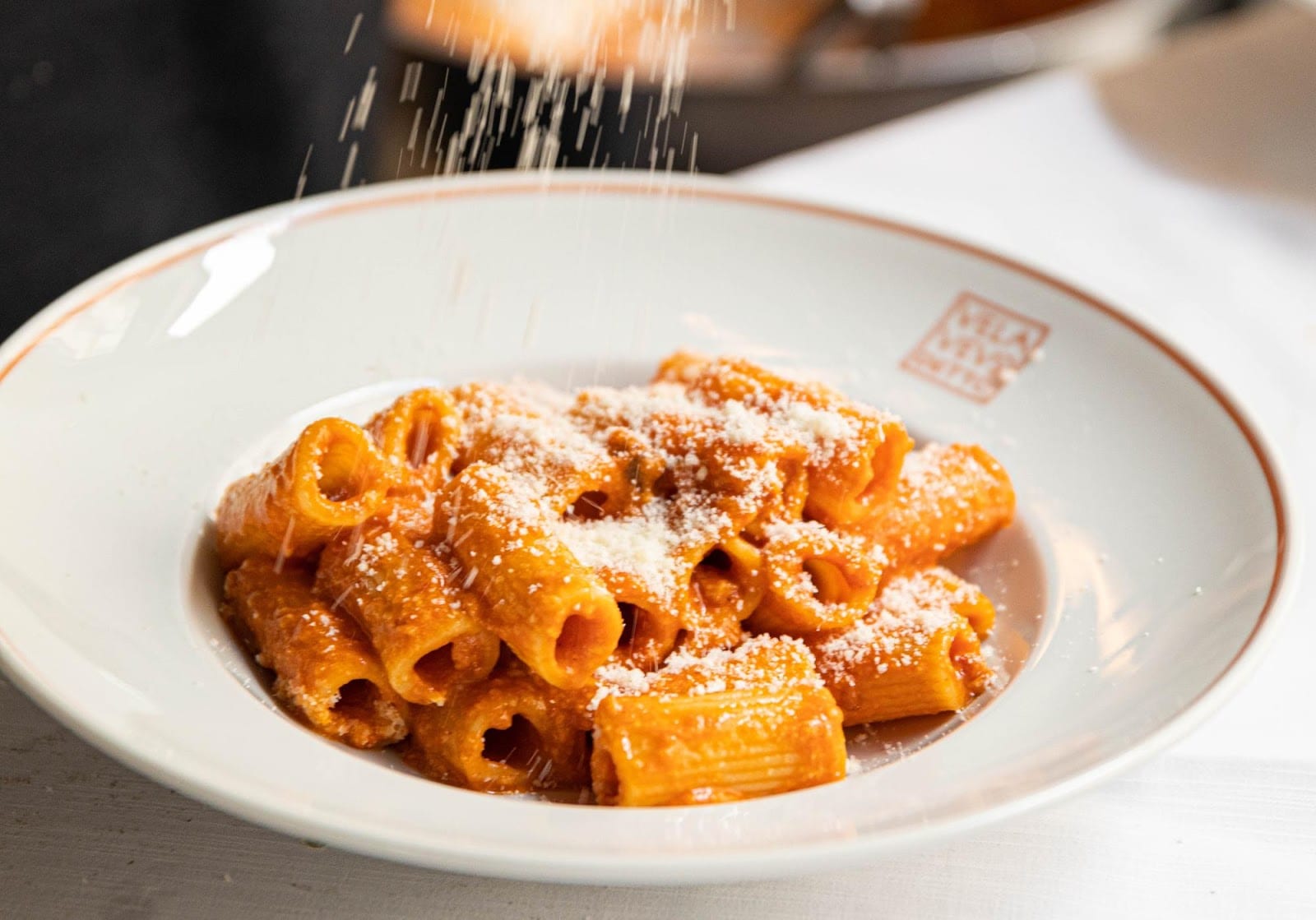
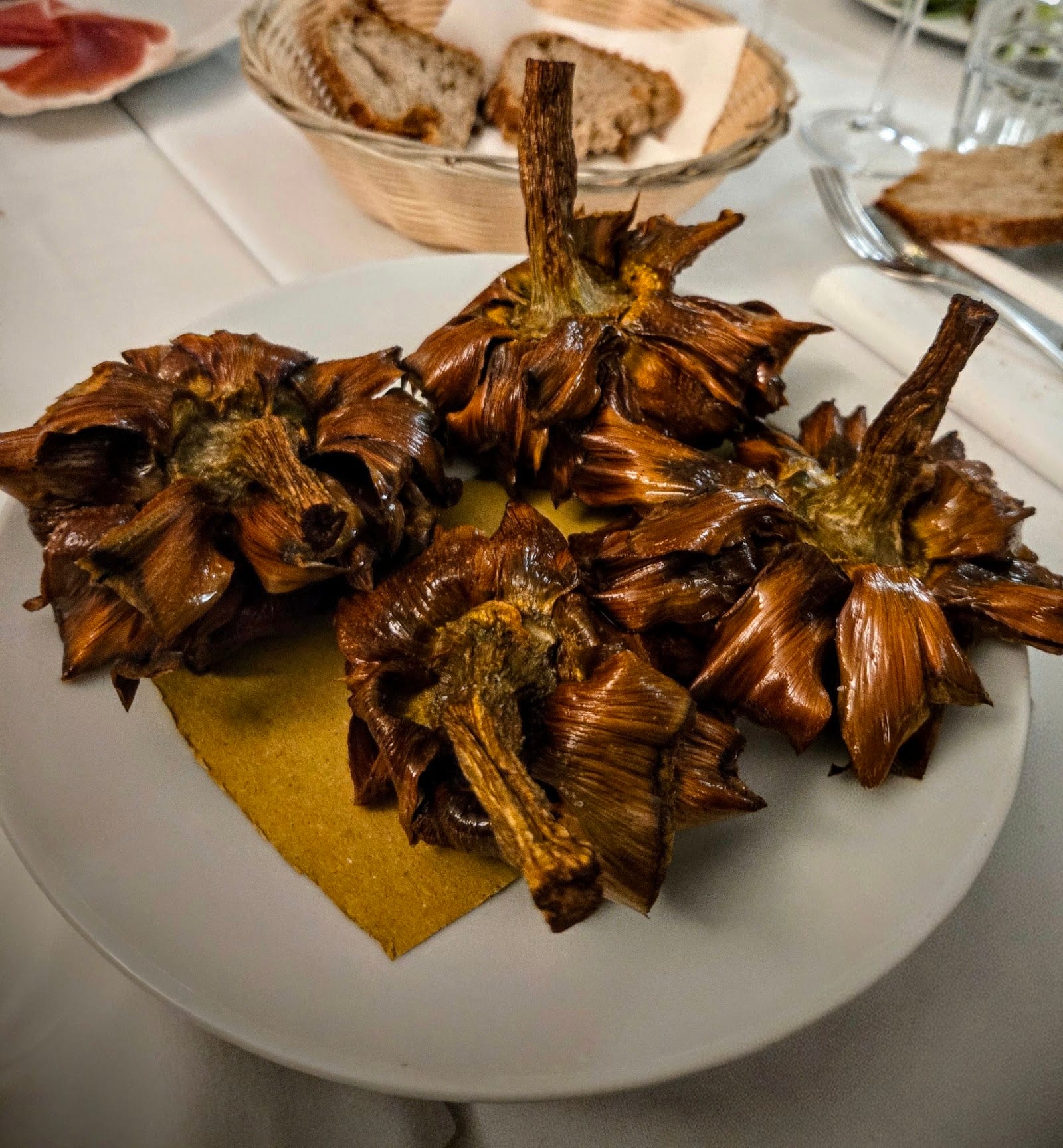
Flavio al Velavevodetto
Via di Monte TestaccioA classic Roman trattoria built right against the pottery hill, with a glass panel in the wall showing the ancient amphora shards. Justly renowned for its cacio e pepe and the other Roman pastas, plus fried starters and slow-cooked meats. Book ahead.
on Google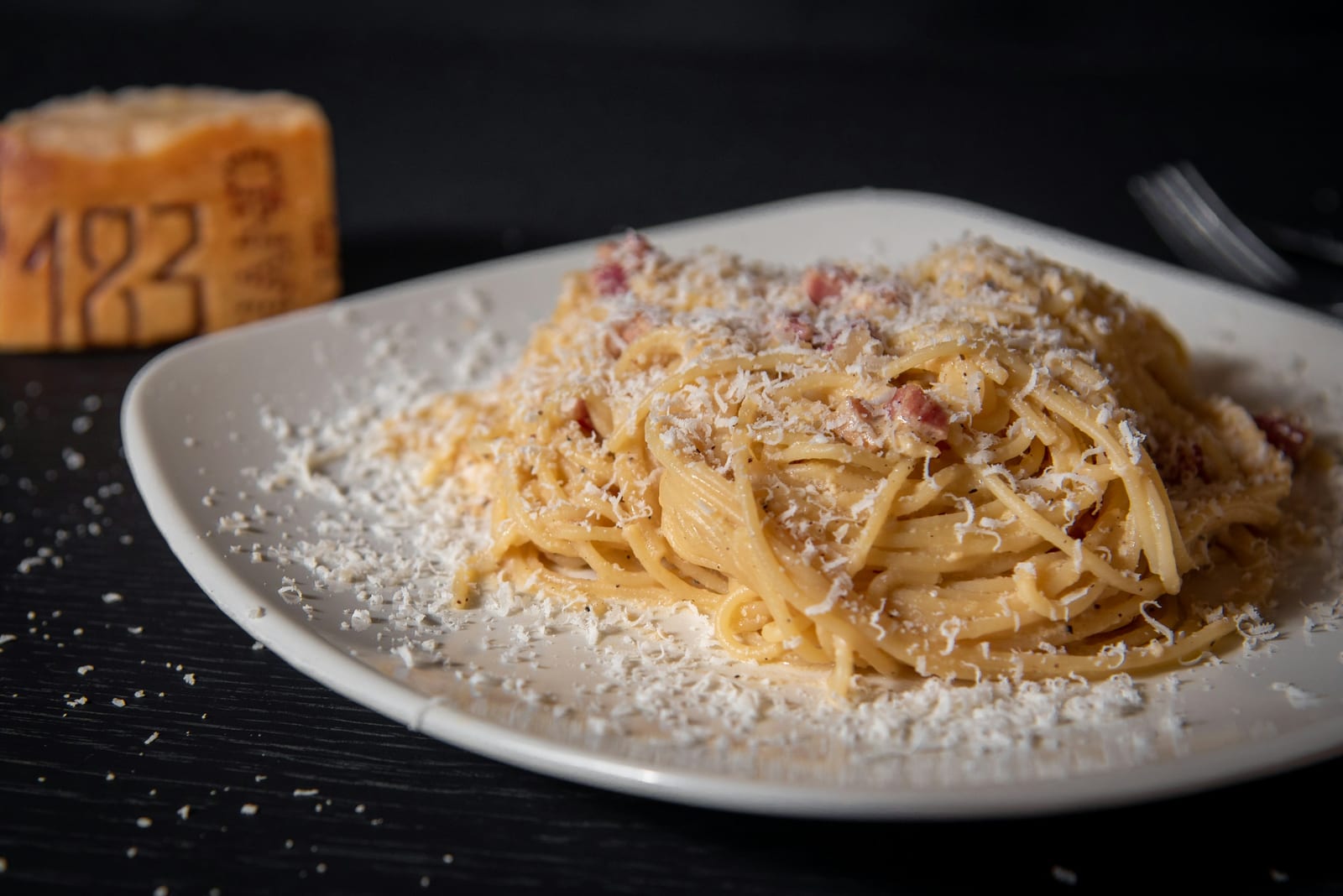
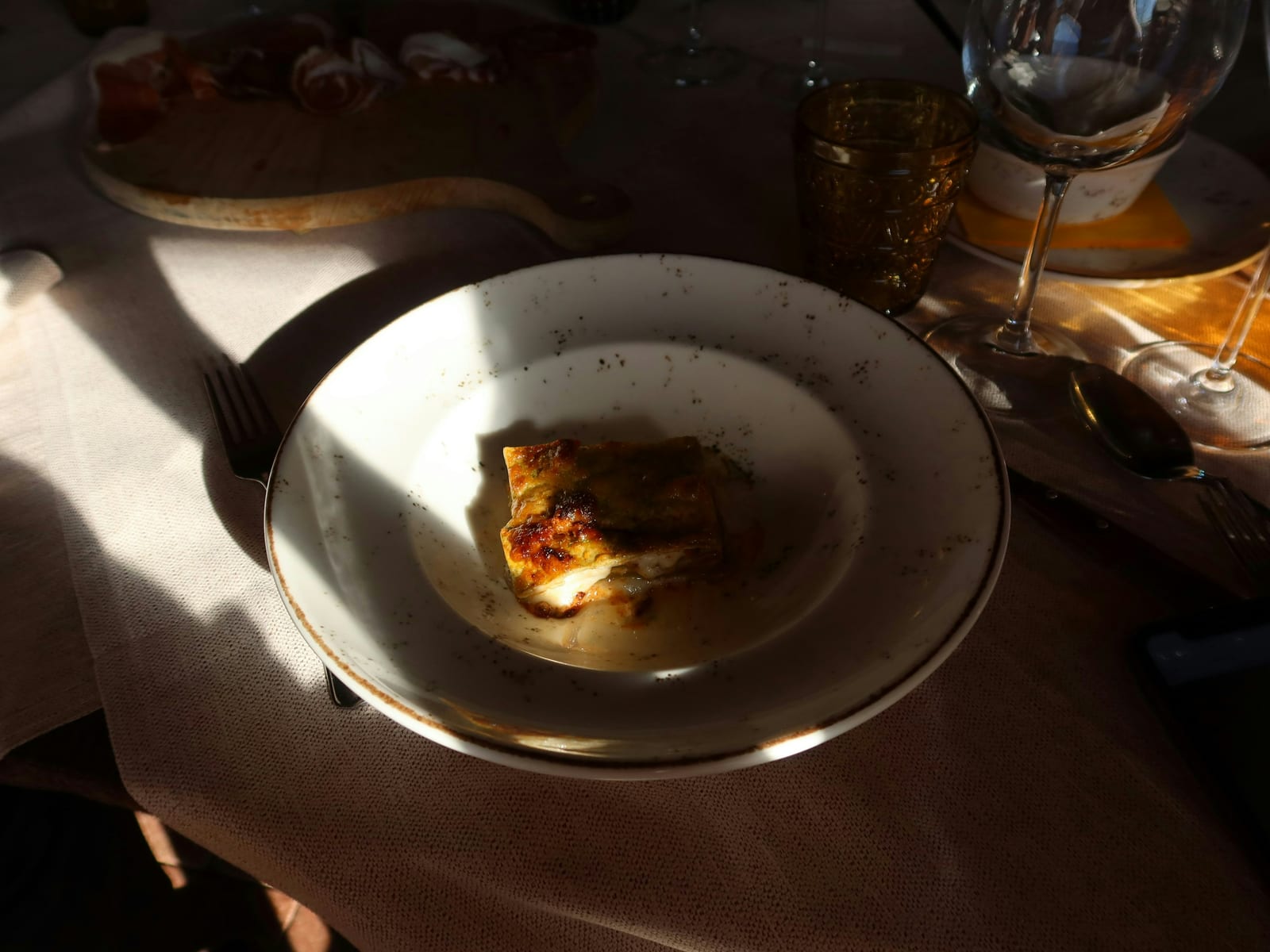
Felice a Testaccio
Via Mastro GiorgioA neighborhood institution open since 1936 and famous for its tonnarelli cacio e pepe, still finished and tossed at your table. Traditional Roman cooking done with care; reservations are essential and the room fills fast.
on Google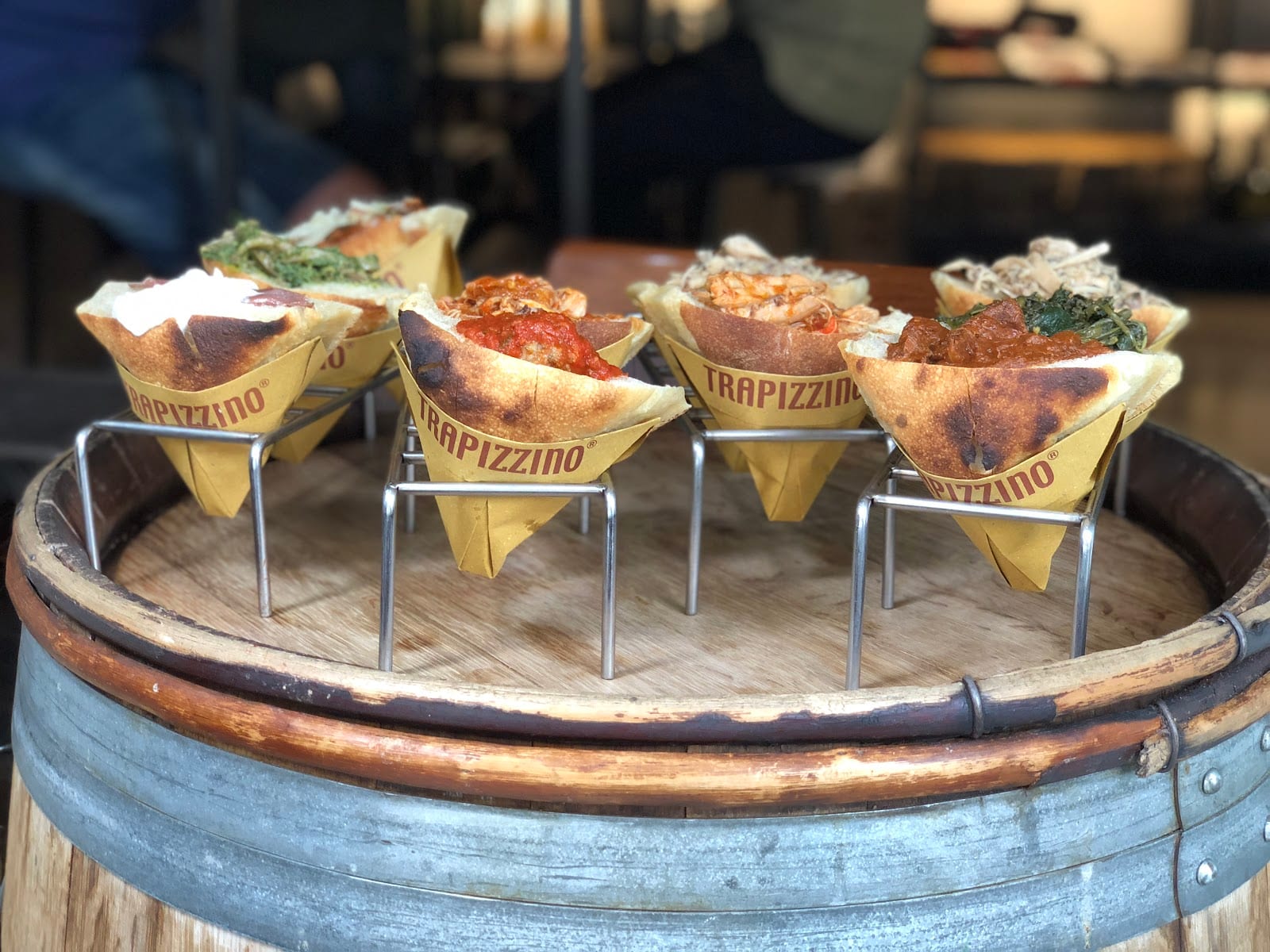
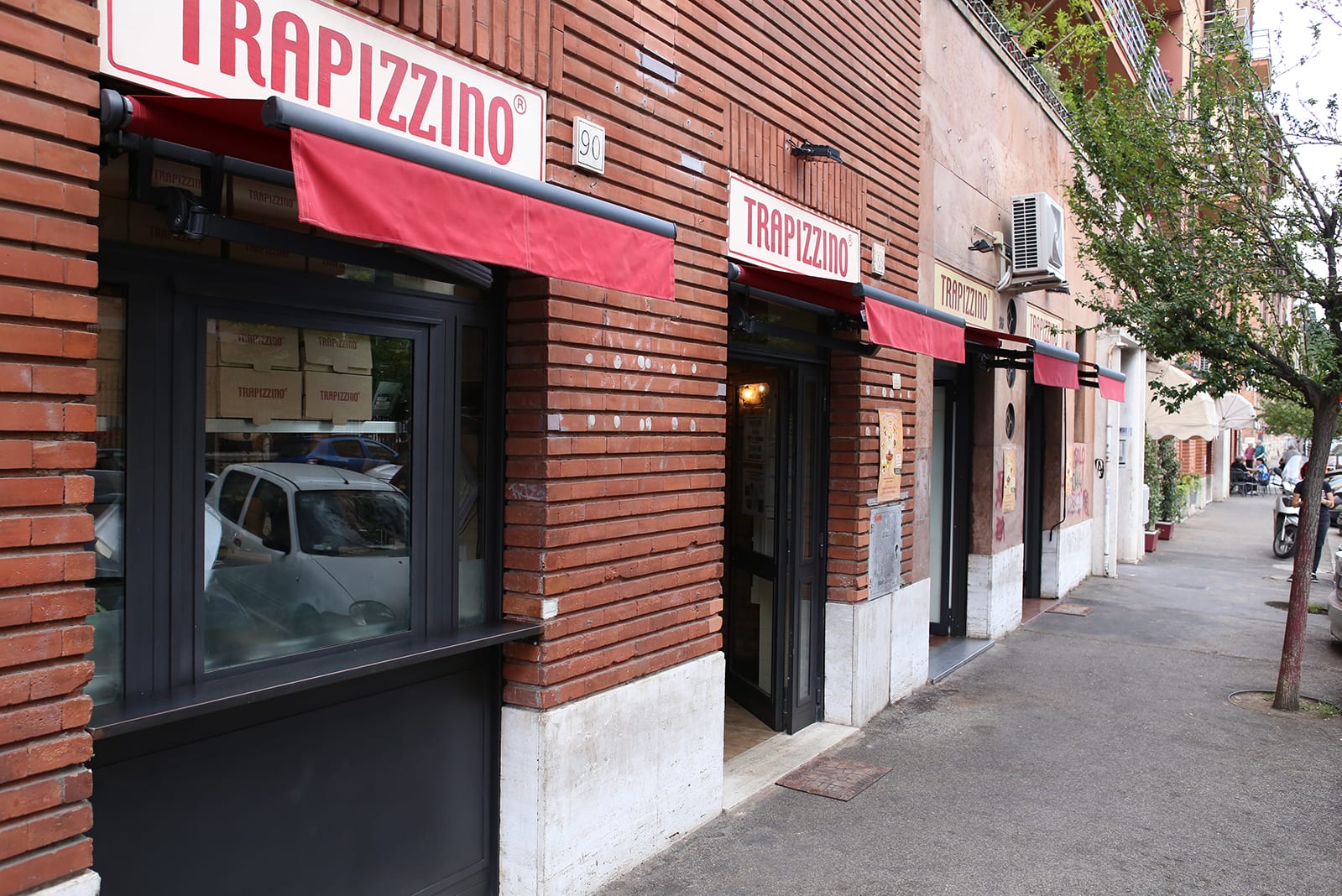
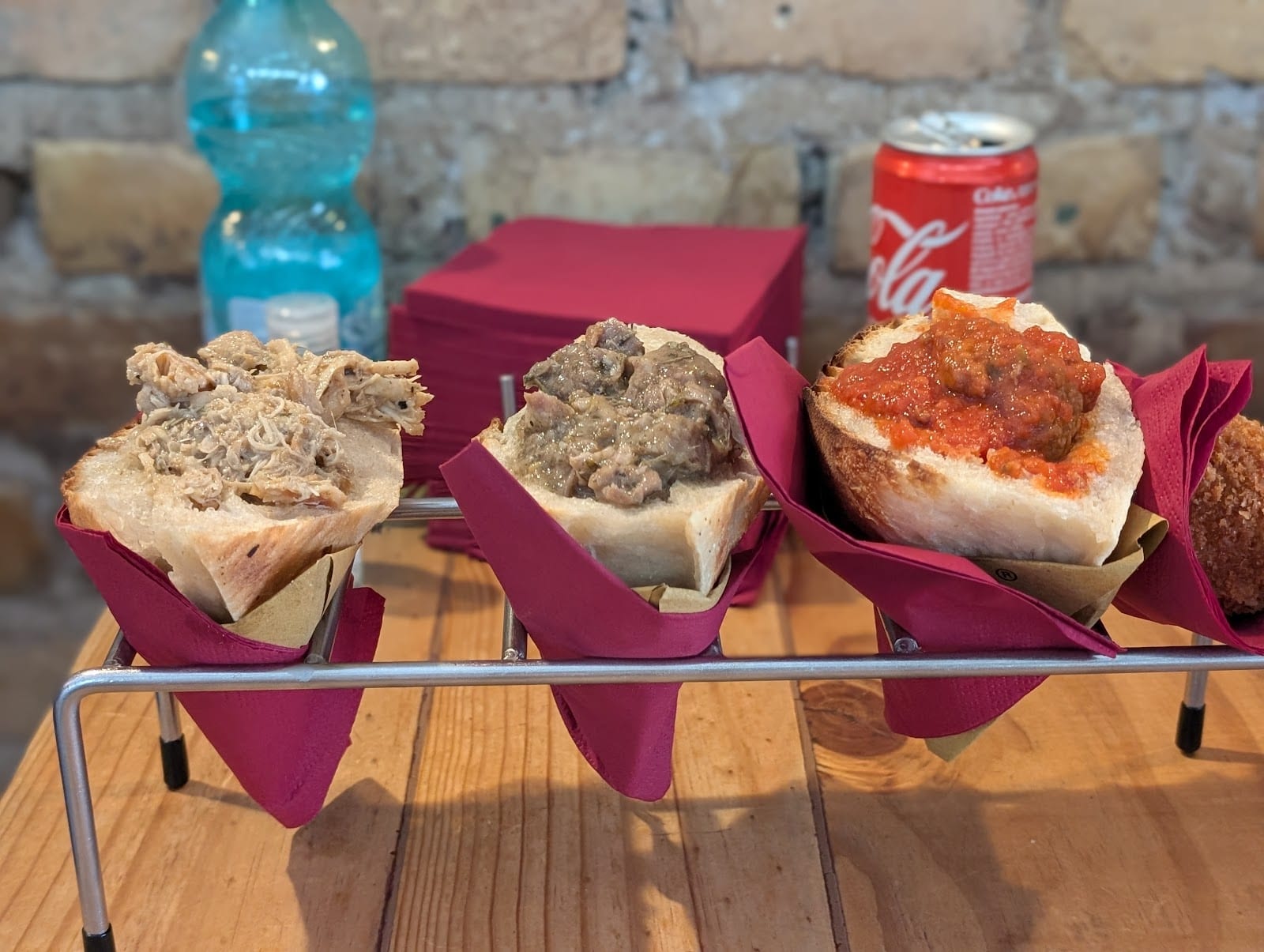
Trapizzino
Via Giovanni BrancaThe original home of the trapizzino, the now-famous triangle of pizza bianca stuffed with Roman braises like oxtail or chicken cacciatore, invented here by Stefano Callegari in 2008. A cheap, brilliant, stand-up bite; expect a line at peak times.
on Google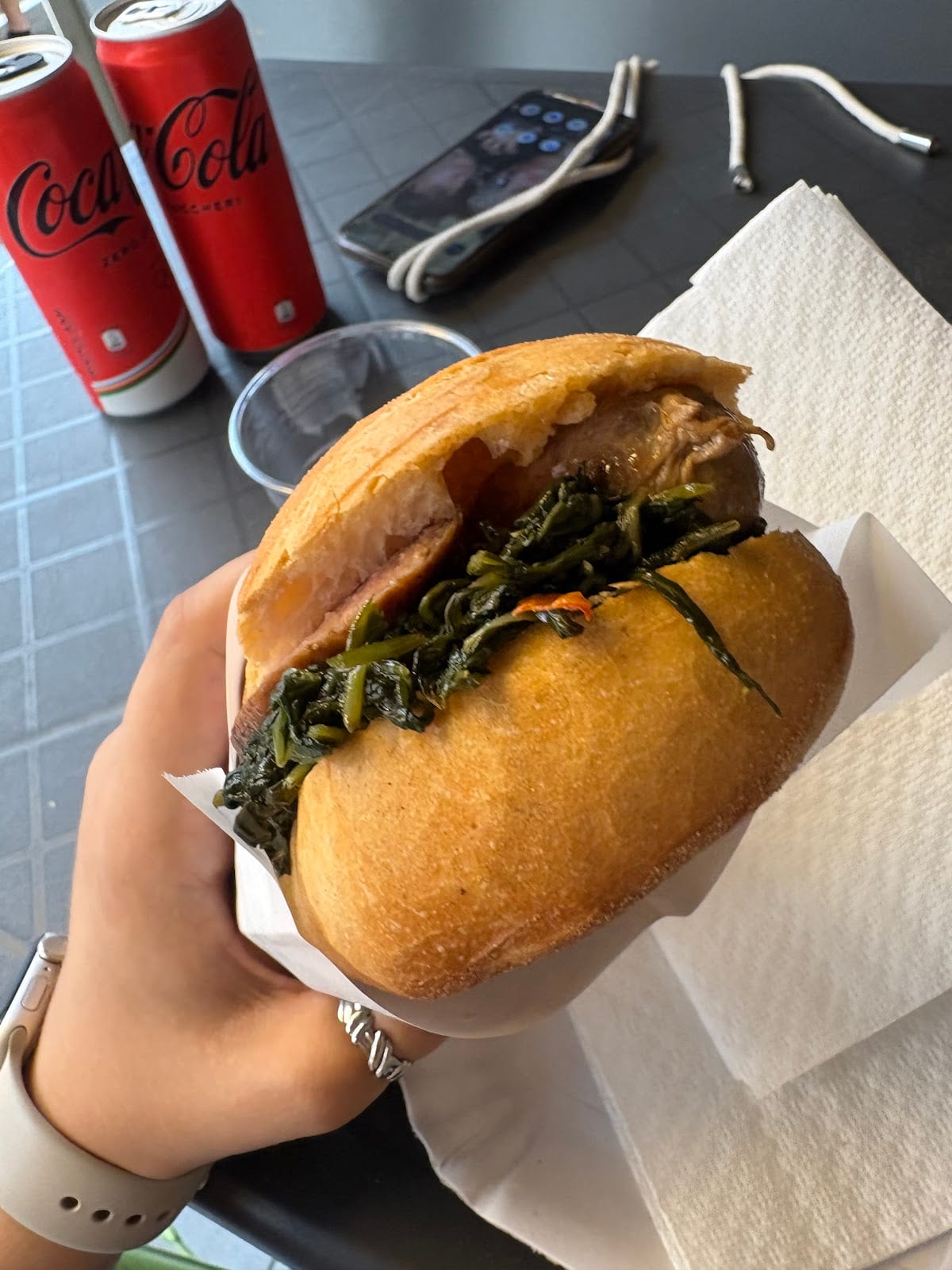
Mordi e Vai
Mercato di TestaccioThe market's legendary sandwich stall, run by a former butcher who fills crusty bread with slow-cooked Roman classics like allesso di scottona and tripe. One of the best-rated bites in the city and the single thing to eat at the market. Lunchtime only, closed Sunday.
on Google


Getting around
Getting around Testaccio
Testaccio is small, flat, and easy on foot, just south of the center on the east bank of the Tiber.
Piramide metro (Line B)
The neighborhood's own metro stop, Piramide, is on Line B, right by the Pyramid of Cestius and the cemetery, two stops from Termini and an easy ride from the Colosseum.
Walk from Trastevere or the Aventine
Testaccio is a flat 15 to 20 minute walk from Trastevere along the river, and just below the Aventine hill; you can easily pair any of them on foot in a day.
Trams and buses
Tram 3 and several buses run along Via Marmorata and the riverside, linking Testaccio to Trastevere, the Colosseum, and the center; Ostiense station is a short walk for regional trains.
Lunch by day, dinner and drinks by night
The market and delis run in the morning and close by mid-afternoon, so come for lunch; the trattorias and the clubs under the hill are the evening. Plan around the market's morning hours.
Where to stay
Where to stay in Testaccio
Staying in Testaccio puts you in an authentic, food-focused Roman neighborhood, quieter than the center but well connected by metro and walkable to Trastevere. Where you base yourself within it shapes the trip:
Around Via Marmorata
The main artery, near the Piramide metro, the Pyramid, and the cemetery, and lined with shops and delis. Best for easy transport and being a short walk from everything, with normal city-street noise.
Near the market (Via Mastro Giorgio)
The residential heart around the food market and the best trattorias, calm at night and deeply local. Best if eating well and living like a Roman is the priority.
Toward the river and Ostiense
The western and southern edge toward the Tiber and the Ostiense district, with a grittier, up-and-coming feel, street art, and a slightly longer walk in. Best for a lower-key, less touristy base.
Up toward the Aventine
The quiet, leafy slope on Testaccio's northern edge, one of Rome's most peaceful residential areas, with gardens and views. Best for calm and greenery, a short walk from the neighborhood's food.

Explore the Rome City Guide
See every Rome neighborhood, itinerary, and the essentials, and find the right base for your trip.
View the guideWho it's for
Testaccio for couples, families, and solo
- Testaccio for couples
- Spend a quiet morning at the Non-Catholic Cemetery and the Pyramid, graze the market at lunch, and book a candlelit dinner of cacio e pepe at Flavio al Velavevodetto against the ancient pottery hill.
- Testaccio for families
- The market is a fun, low-stress lunch with something for every taste, the Pyramid is a genuine surprise for kids, and Piazza Testaccio has space and gelato; skip the late-night clubs under the hill.
- Testaccio for solo travelers
- Testaccio is safe and easy to eat your way through alone: a stool at Mordi e Vai in the market, a trapizzino on the go, and a slow browse of the counter at Volpetti make a perfect solo food day.
More of Rome
Nearby neighborhoods
A short hop from Testaccio, and worth pairing on the same trip.

Ready to explore Testaccio?
Tell Zoya, your personal travel assistant, how you like to travel, and she'll turn these into a Testaccio food day, or a whole Rome trip, that fits your dates.
Explore now