

Rome · when to go
Best Time to Visit Rome
Spring and autumn are the best times to visit Rome: mild weather, long light, and thinner crowds than the summer peak. Here is how the city's seasons, crowds, and prices really break down, month by month.
Rome in brief
What is the cheapest time to visit Rome?
January and February are the cheapest months to visit Rome. Once the Christmas and New Year period ends, hotel rates and airfares drop to their lowest and the queues at the Colosseum and Vatican shrink. Skip the days around Epiphany (January 6), when prices briefly rise again.
What is the hottest month in Rome?
July and August are the hottest months, with average highs near 88°F (31°C) and afternoons that can push past 95°F (35°C). The stone streets hold the heat, so midday sightseeing in high summer is slow going. Start early, rest through the afternoon, and go back out in the evening.
When is the rainy season in Rome?
November is Rome's wettest month, with about 108mm of rain over about 9 days, and October and December are damp too. Rome has no monsoon: rain comes as passing autumn and winter showers, while July is the driest month of the year at around 20mm.
Rome weather by month
When to visit, at a glance
Average daily high and low temperatures, how busy each month runs, and the dates worth planning a trip around.
Rome season by season
When to visit Rome, season by season
Each season is a different city. Jump to any season for its weather, its crowd and price level, and the best places to feel it.

The sweet spot: mild days, gardens in bloom, and Easter
Warm, comfortable weather and a city full of flowers, from the Spanish Steps azaleas to the Aventine rose garden. Easter (April 5 in 2026) and the weeks around it bring the year's biggest crowds and highest prices, so book early if you travel then.
- Temperature
- 62-74°F
- Crowds
- Building
- Prices
- High at Easter
- Highlight
- Gardens in bloom
Where to see spring in Rome
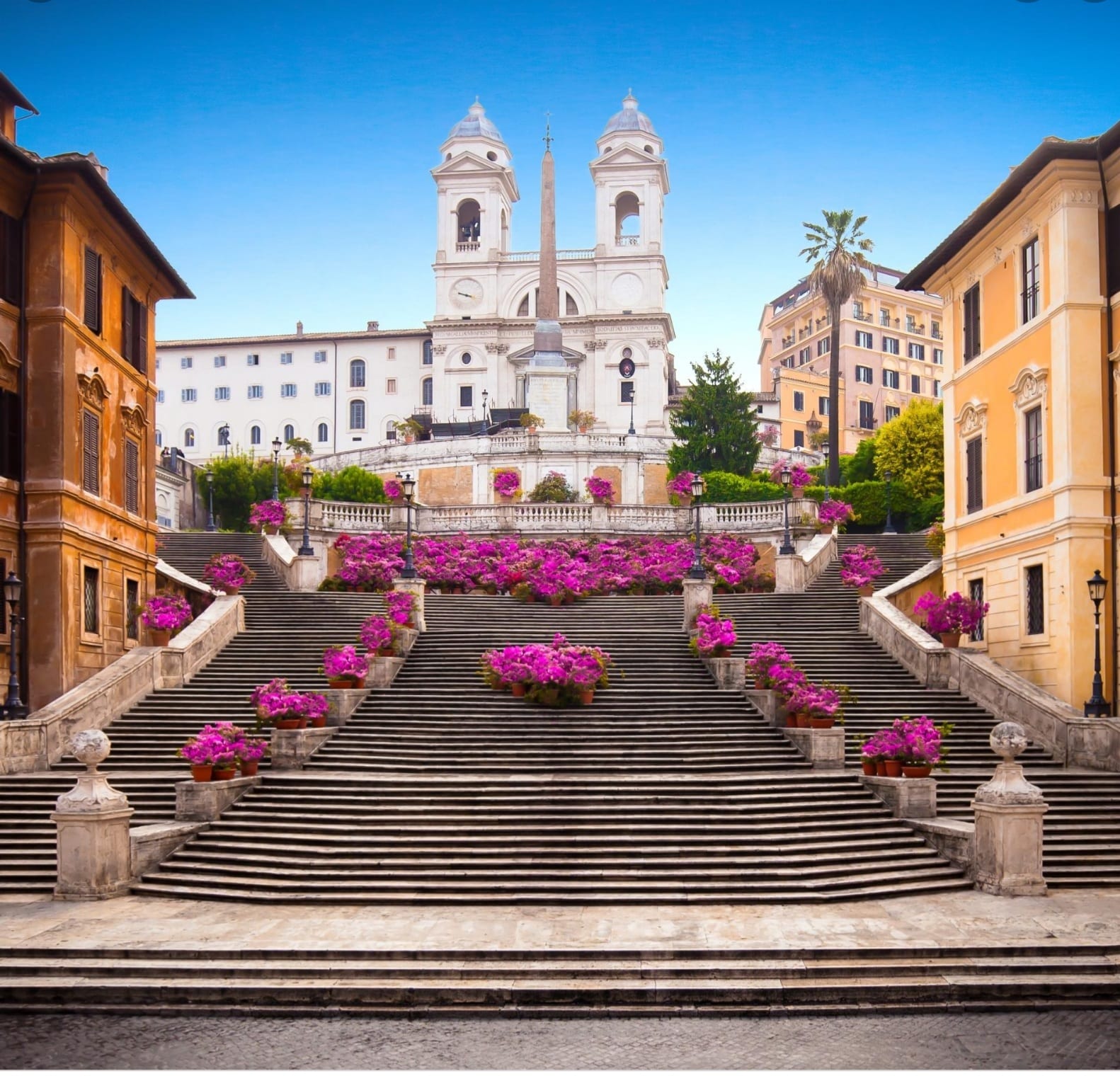
The Spanish Steps
Each spring the city sets hundreds of pink and white azaleas down the travertine steps, the showpiece of Rome's flowering season, in place for about a month from mid-April.
Explore the Spanish Steps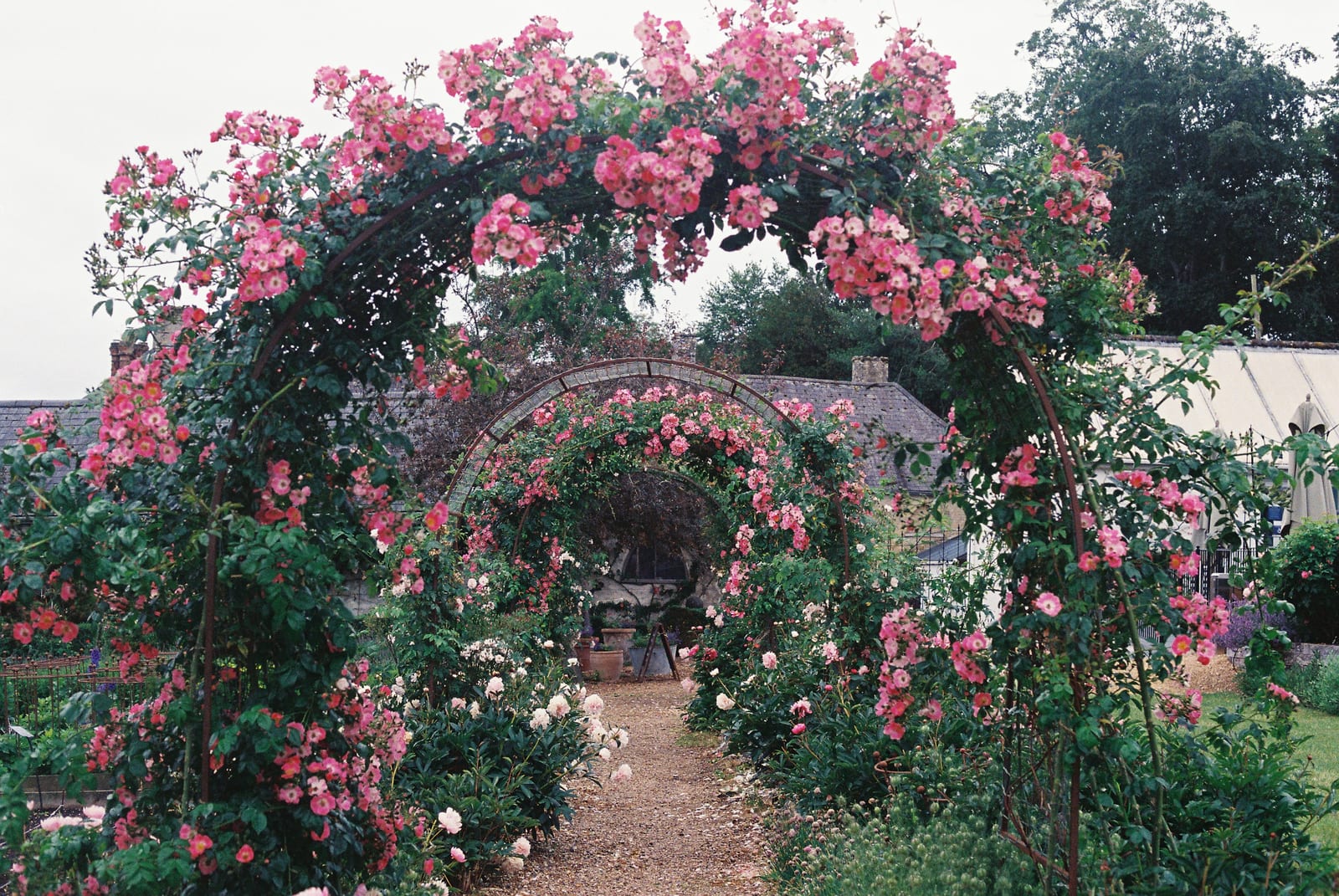
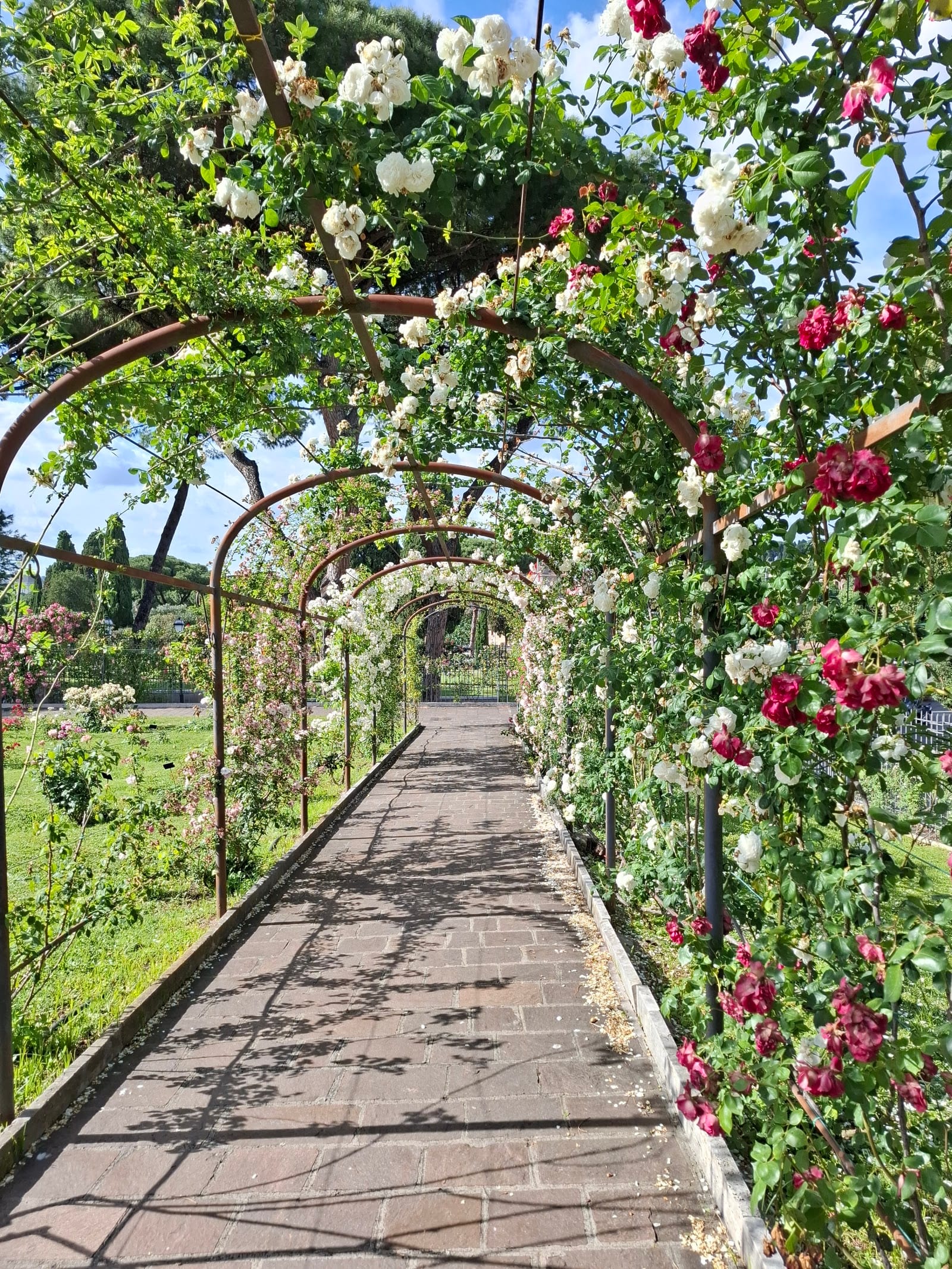
Roseto Comunale
Rome's municipal rose garden on the Aventine slope opens for its spring bloom from late April into June, a pergola tunnel of climbing roses looking across to the Palatine.
Explore the Aventine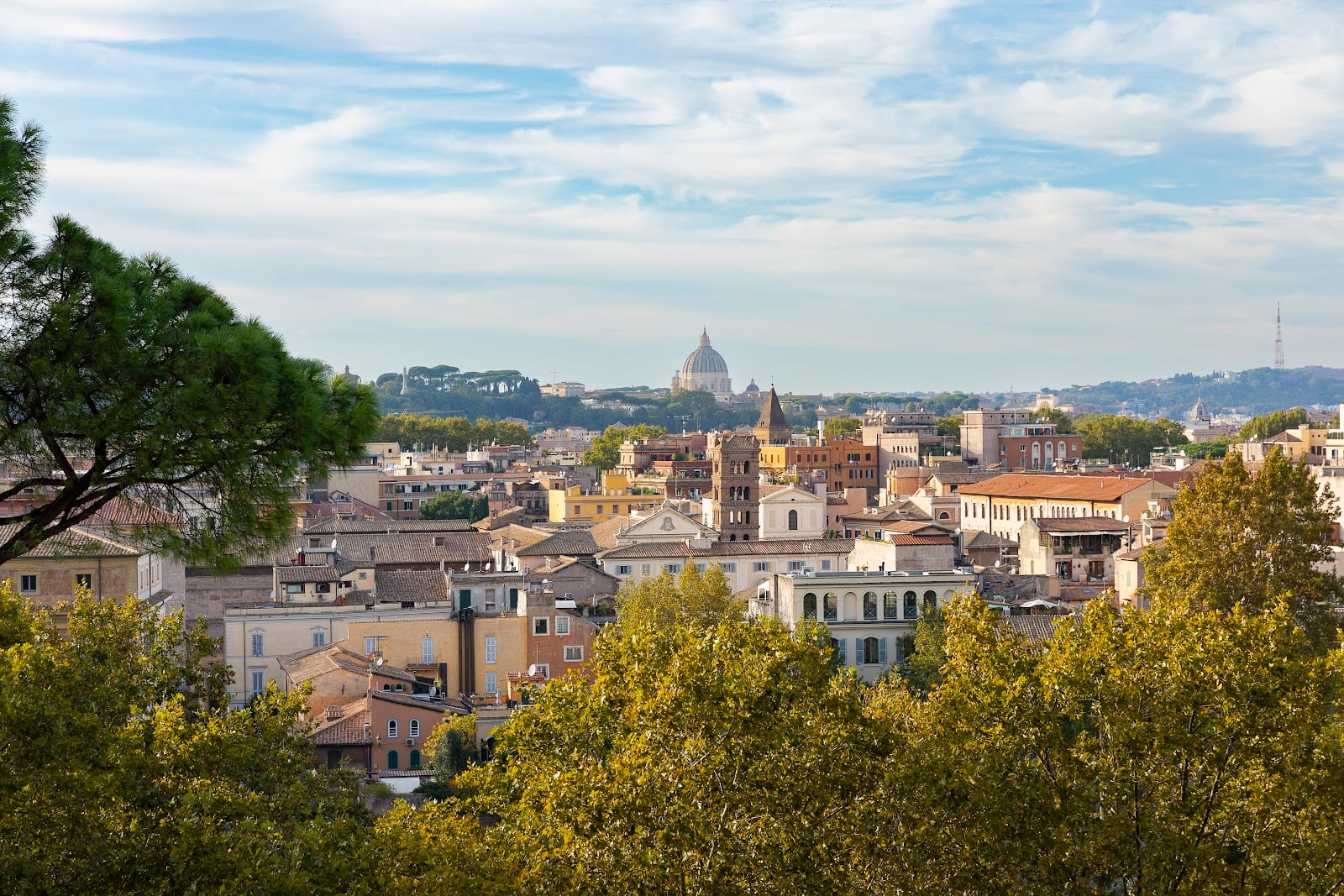
Giardino degli Aranci
The Orange Garden on the Aventine, an umbrella-pine avenue lined with orange trees that frames a wide view over the rooftops to St Peter's dome, best at sunset.
Explore the Aventine


Hot afternoons, long evenings, and a half-empty August
July and August are the hottest, least comfortable months, with highs near 88°F. The trade-off is Rome's best evenings and a quieter city: around Ferragosto (August 15) many Romans leave and small shops and family trattorias close, though the Colosseum and museums stay open with shorter queues.
- Temperature
- 82-88°F
- Crowds
- Thins in August
- Prices
- Lower in August
- Highlight
- Long evenings out
Where to feel summer in Rome
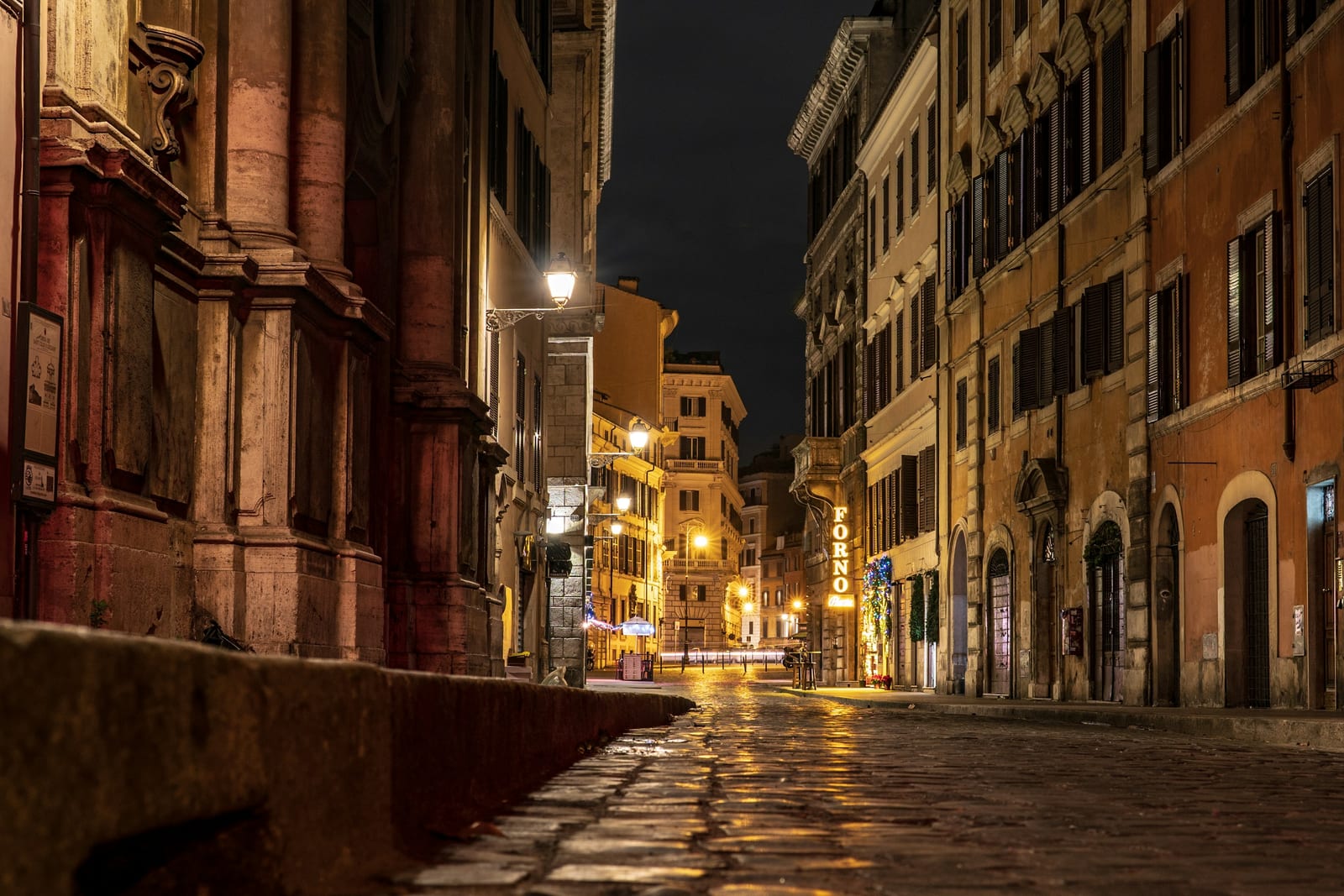
Trastevere after dark
The old lanes across the river fill up once the heat lifts, with wine bars, trattorias, and cobblestone squares that stay lively deep into a summer night.
Explore Trastevere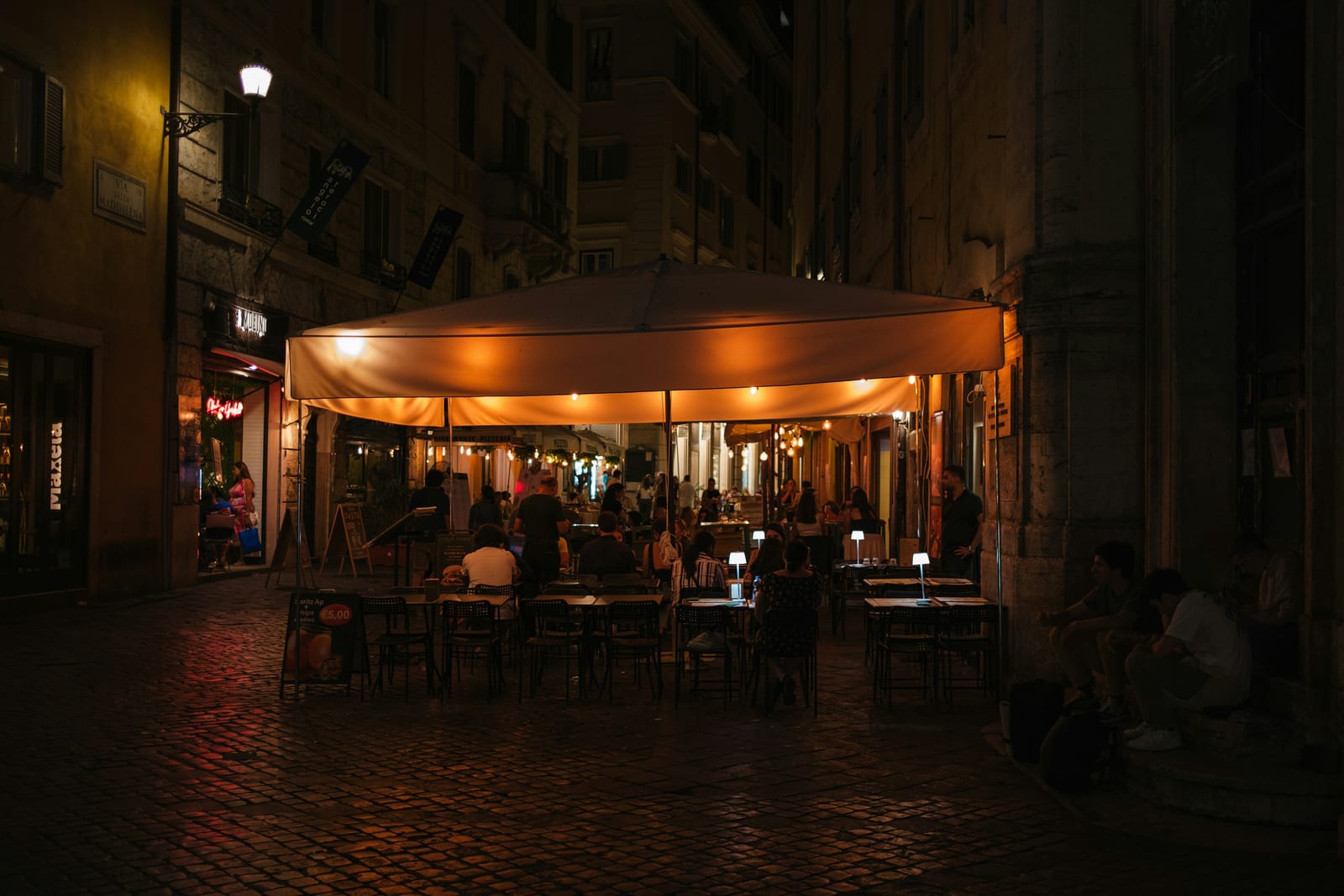
Testaccio in the evening
Rome's old slaughterhouse quarter is now a food and nightlife hub. Come after dark for terrace dinners and the clubs built into the flanks of Monte Testaccio.
Explore Testaccio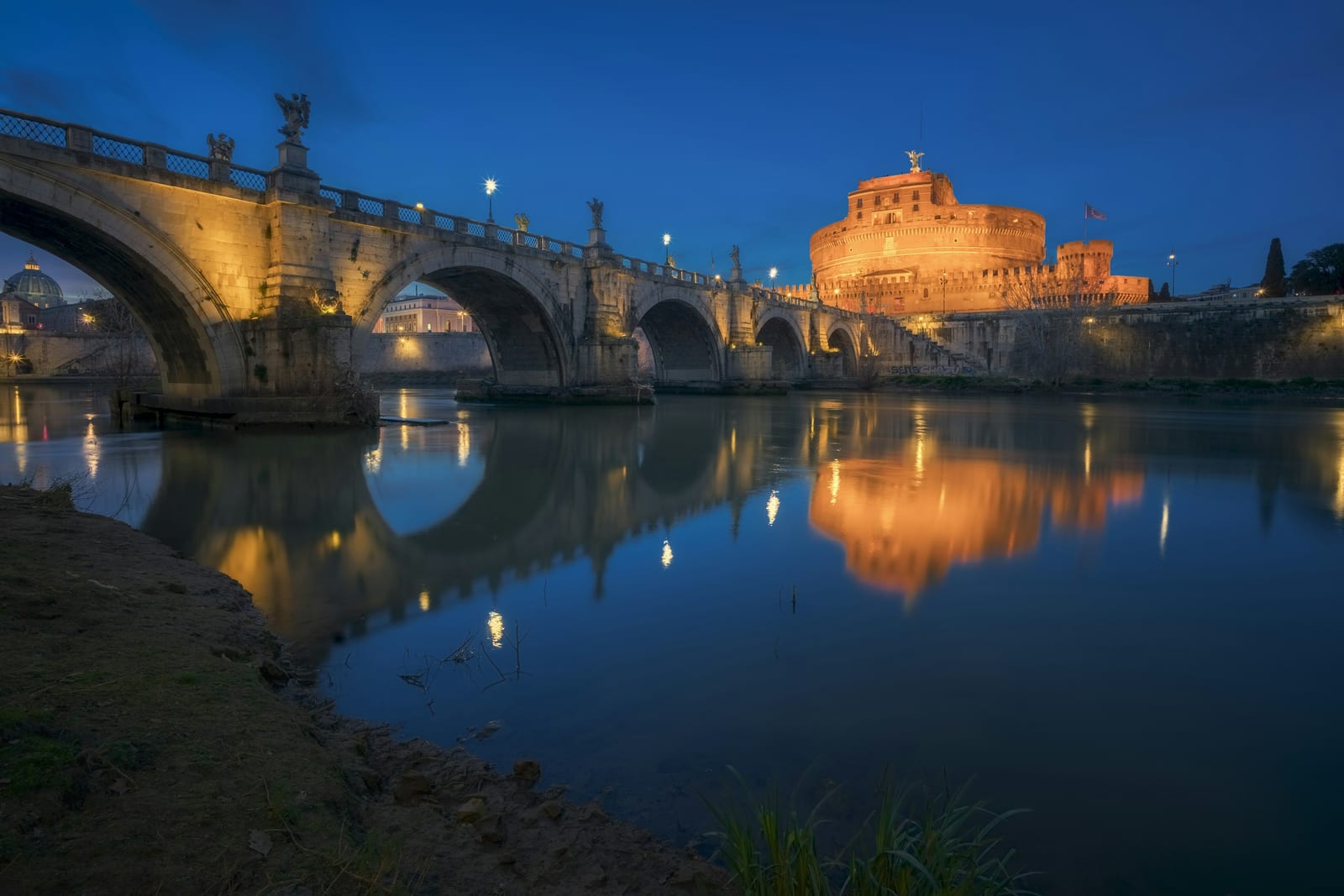
Lungo il Tevere
Every summer the Tiber banks between Ponte Sublicio and Ponte Sisto turn into a riverside promenade of stalls, bars, and events, running from early June to late August.
Guide coming soon


The other sweet spot: warm into mild, golden light, thinner crowds
September is still warm and lively; by October the heat eases into the pleasant ottobrata, the clear, mild Roman autumn, with softer crowds than spring. The one caveat is rain: autumn into early winter is Rome's wettest stretch, peaking in November, so pack a light layer and an umbrella.
- Temperature
- 62-81°F
- Crowds
- Easing
- Prices
- Moderate
- Rain
- Wettest Oct-Nov
Where to see autumn in Rome
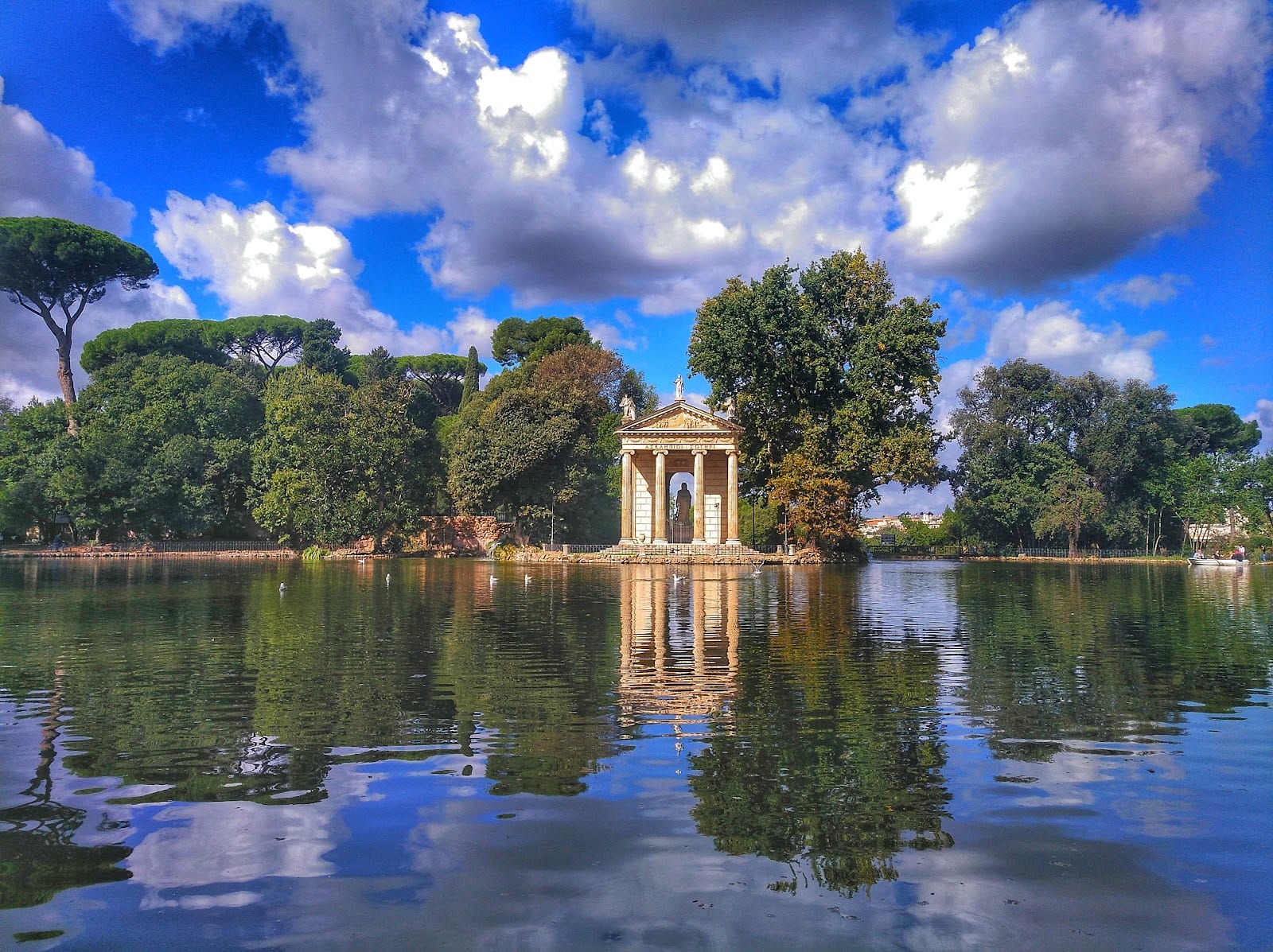
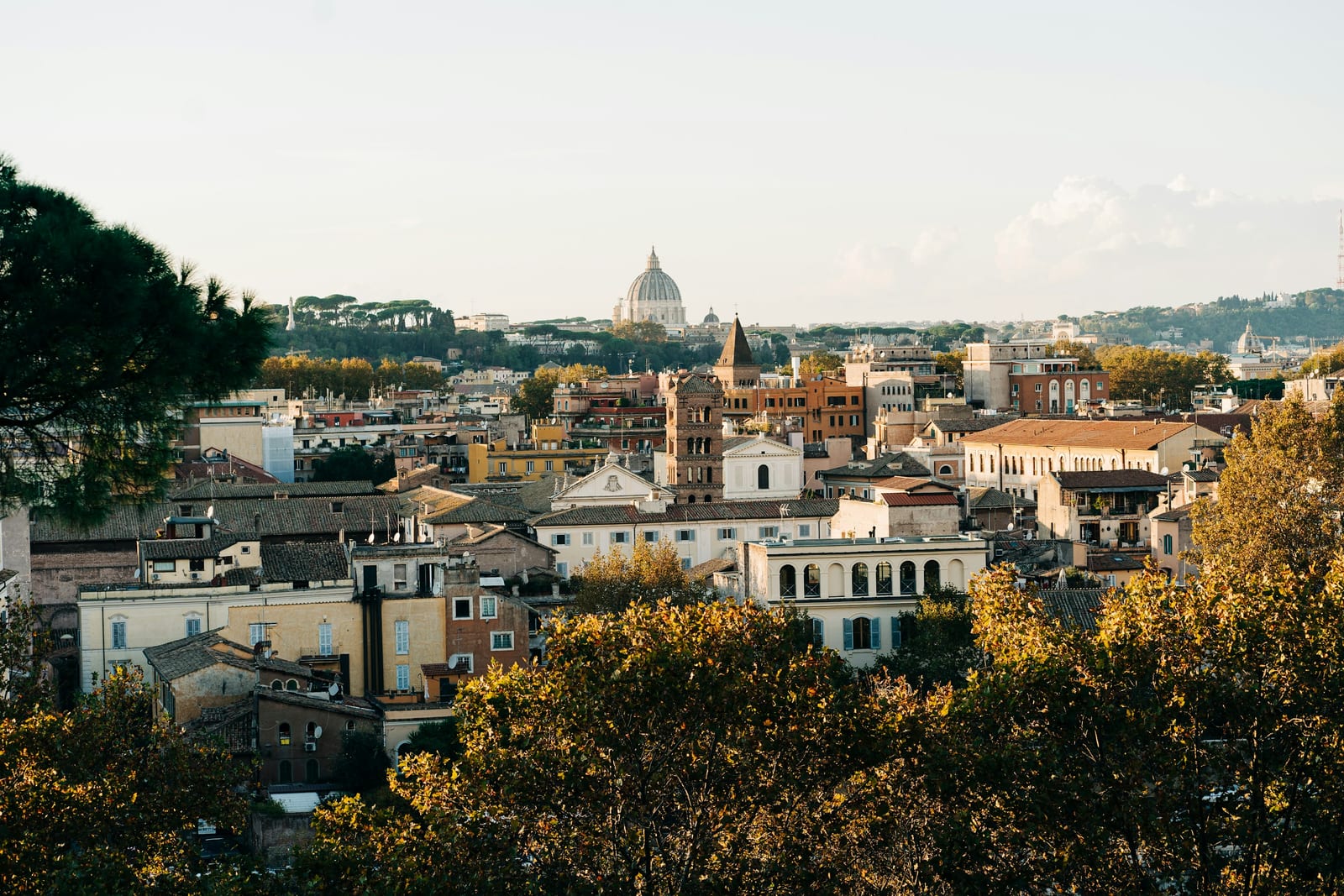
Villa Borghese
Rome's great central park turns gold in autumn. Walk the shaded avenues to the Pincio terrace for a wide view over the city, with the Galleria Borghese and its Bernini sculptures in the grounds.
Guide coming soon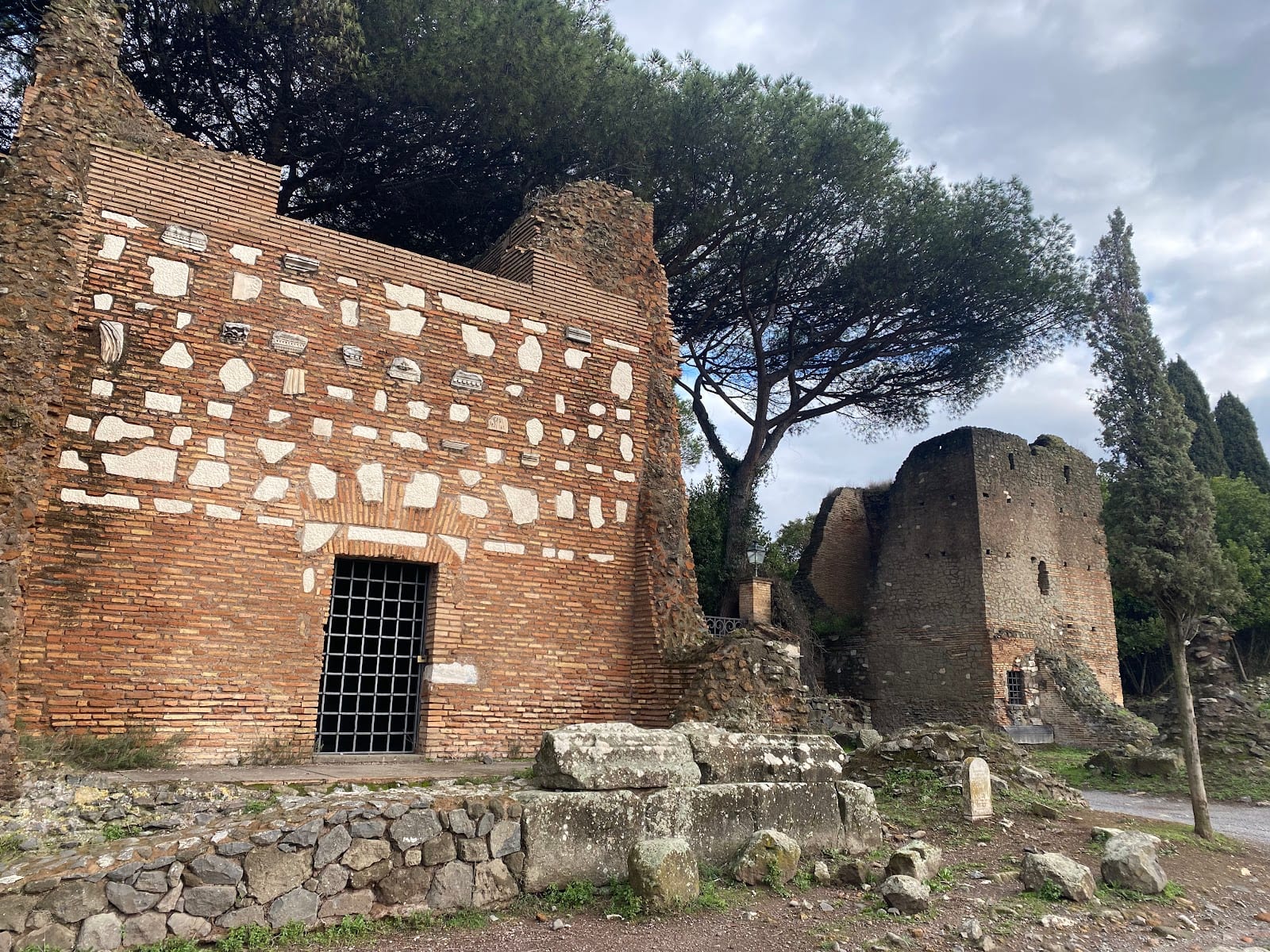
The Appian Way
The ancient Via Appia Antica, a traffic-free regional park on Sundays and holidays, is at its best in crisp autumn light, with Roman tombs and umbrella pines lining the old basalt road.
Guide coming soon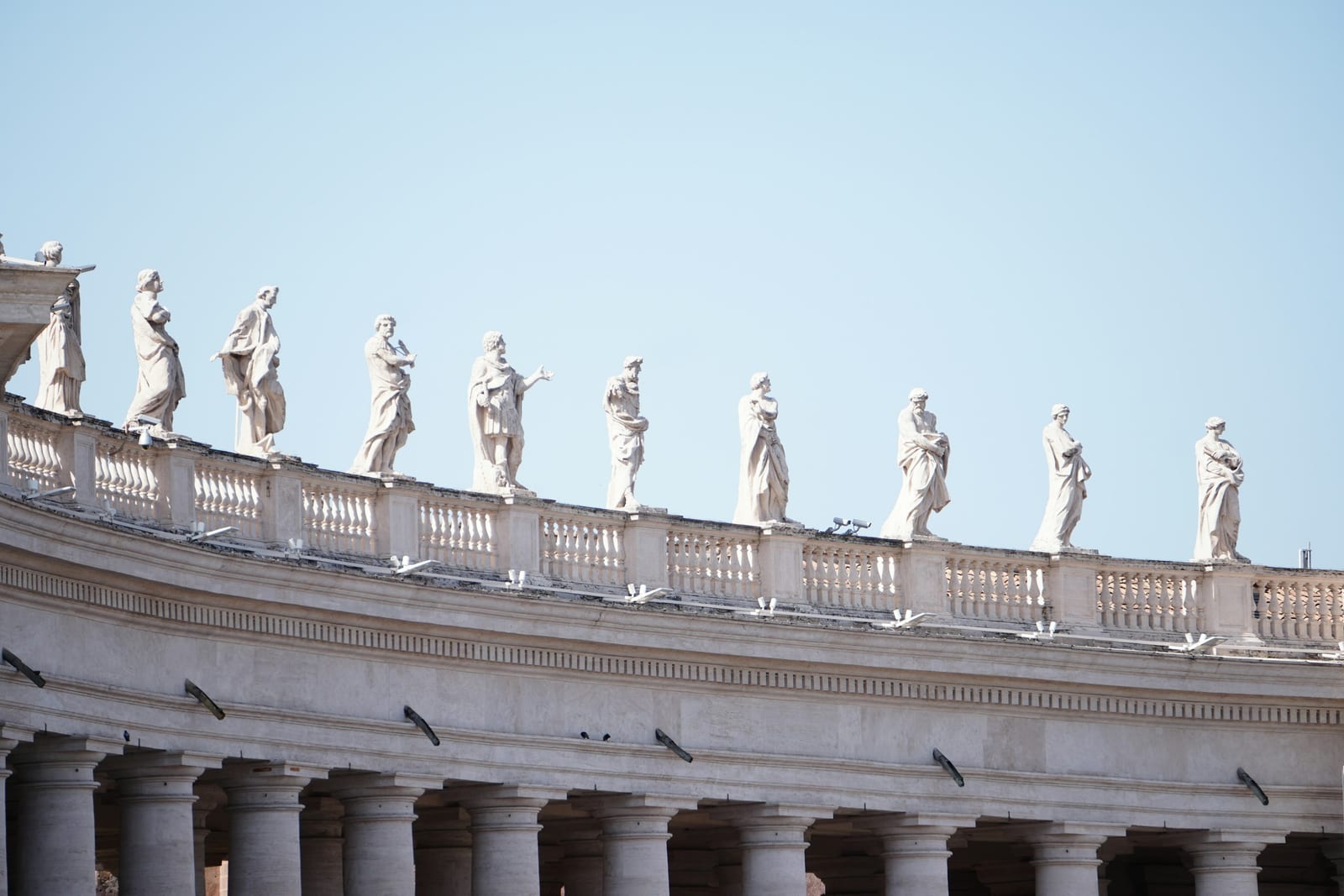
The Vatican, thinner crowds
Autumn's clear skies and easing crowds make it one of the better windows for St Peter's and the Vatican Museums, with shorter queues than the spring and summer peak.
Explore the Vatican


Low season: mild, quiet, and the best value of the year
Rome's winters are mild for Europe: highs in the mid-50s and night lows that rarely drop below freezing, though frost is possible. January and February are the calmest, cheapest months, with the shortest queues. December is the exception, lively with Christmas lights and the Piazza Navona market through Epiphany.
- Temperature
- 55-57°F
- Crowds
- Lowest
- Prices
- Lowest
- Highlight
- Christmas & free Sundays
Where to feel winter in Rome
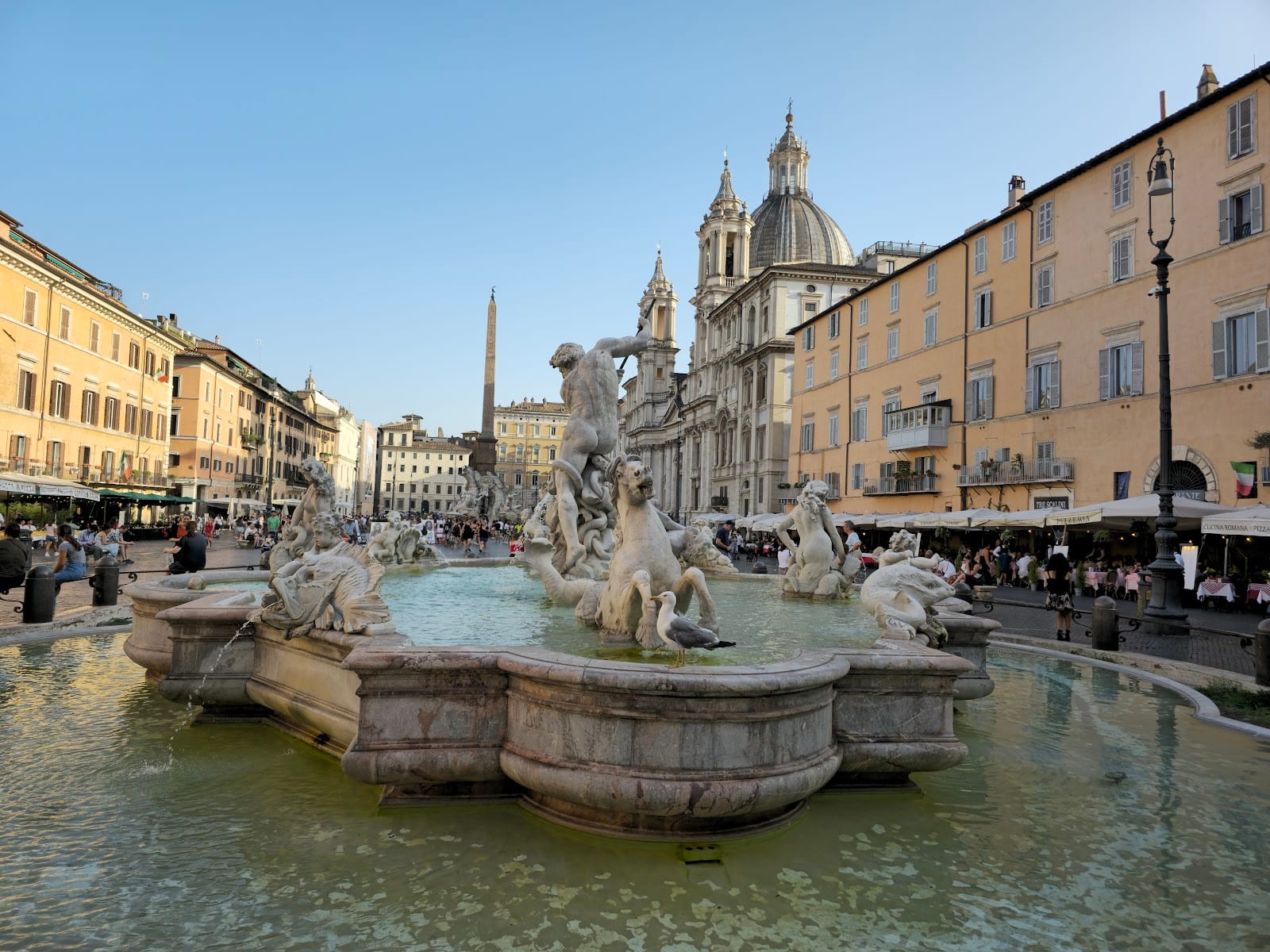
Piazza Navona at Christmas
The baroque square hosts Rome's traditional Christmas market, the Mercatino della Befana, from early December to Epiphany on January 6, wrapped around Bernini's Fountain of the Four Rivers.
Explore Centro Storico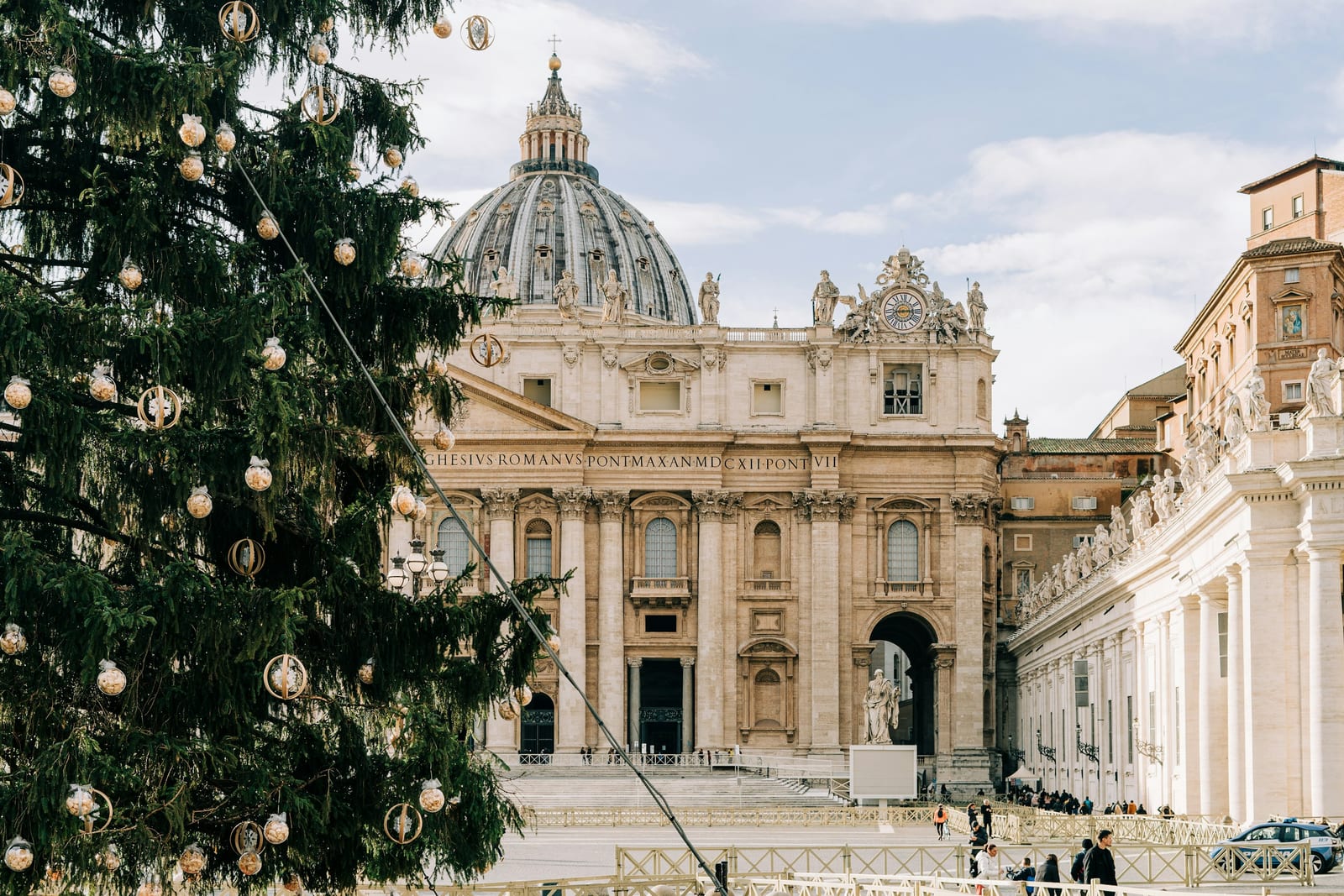
St Peter's & the Vatican
A giant Christmas tree and nativity scene fill St Peter's Square through the holidays, and winter's low season means the Vatican Museums are at their quietest of the year.
Explore the Vatican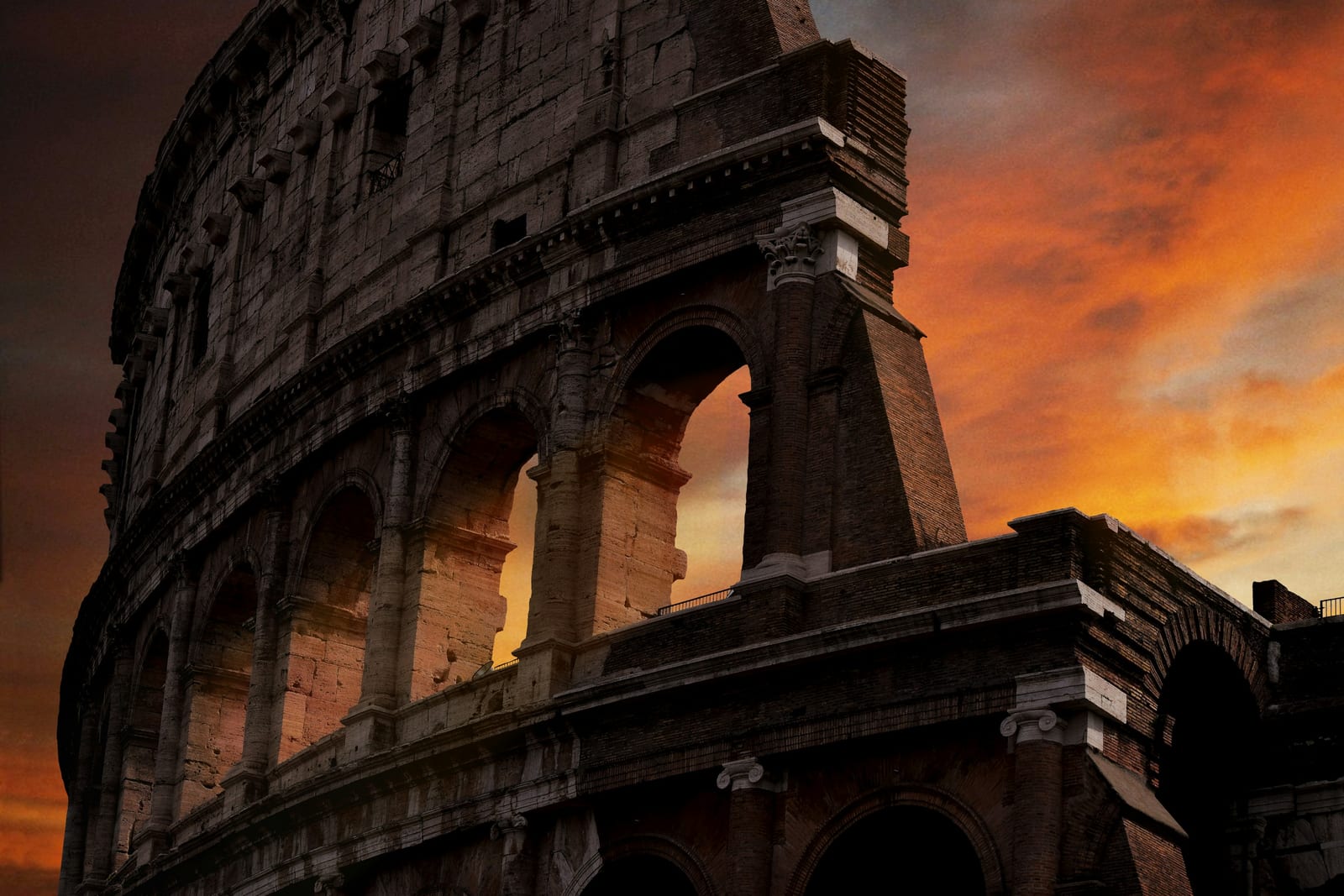
A low-crowd Colosseum
Winter is the easiest time to see the big sights. On the first Sunday of every month, state sites including the Colosseum, Forum, and Palatine are free, and the January queues are the shortest all year.
See a 3-day Rome plan


Ready to plan your Rome trip?
Tell Zoya, your personal travel assistant, how you like to travel, and she'll turn any of this into a day-by-day plan that fits your dates.
Explore now