

Rome · food
Best Food & Restaurants in Rome
The dishes worth crossing the city for, ranked with honest verdicts, from the four Roman pastas to the one thing near the Trevi Fountain we would skip.
Rome in brief
What food is Rome famous for?
Rome is famous for four simple pasta dishes above all: cacio e pepe, gricia, carbonara and amatriciana, all built on pecorino, black pepper and guanciale (cured pork jowl). Add the Jewish-Ghetto fried artichoke, pizza al taglio by the slice, the fried-rice-ball suppli, and the quinto quarto offal cooking of Testaccio, and you have the heart of Roman food. It is peasant cooking done perfectly, not fine dining.
What should you not miss eating in Rome?
Eat at least two of the four Roman pastas, ideally cacio e pepe and carbonara, at a real trattoria in Testaccio or Trastevere. Then graze: a slice of pizza al taglio, a suppli, a plate of carciofi alla giudia in the Jewish Ghetto, and a real gelato from an artisan gelateria. Skip the picture-menu restaurants on the tourist squares and you will eat brilliantly.
Where do locals eat in Rome?
Not on Piazza Navona or beside the Trevi Fountain. Romans eat in Testaccio, the working-class food quarter, and in the back lanes of Trastevere, at trattorias like Felice a Testaccio and Da Enzo al 29 that keep to the classic dishes. The rule is simple: walk two or three streets off any famous monument, avoid anywhere with a picture menu or a host waving you in, and you will find the real thing.
What to eat in Rome at a glance
The nine things worth seeking out, what each is, where to try it, and roughly what it costs. Tap a neighborhood to open our guide to it.
| Dish | What it is | Where to try | Typical price |
|---|---|---|---|
| Cacio e pepe | Pecorino and black pepper pasta, three ingredients | Felice, Testaccio | $13-18 |
| Carbonara | Egg, pecorino, guanciale; no cream | Roscioli / Da Enzo, Trastevere | $14-22 |
| Amatriciana | Guanciale and pecorino in tomato sauce | Da Enzo, Trastevere | $13-18 |
| Pizza al taglio | Roman pizza by the slice, sold by weight | Bonci; Forno Campo de' Fiori | $3-6 a slice |
| Suppli | Fried tomato-rice ball with mozzarella | Friggitorie; Testaccio market | $2-3 each |
| Carciofi alla giudia | Whole deep-fried Jewish-style artichoke | The Jewish Ghetto | $6-9 each |
| Gricia | Guanciale, pecorino, pepper; no tomato or egg | Trattorias, Testaccio | $13-18 |
| Testaccio market | Food market and quinto quarto sandwiches | Mordi e Vai, Testaccio | $5-9 |
| Gelato | Dense artisan gelato in natural colors | Fatamorgana, Otaleg, Giolitti | $3-5 |
The best food in Rome is its pasta: cacio e pepe, carbonara, amatriciana and gricia, four simple dishes built on pecorino, black pepper and guanciale that the city does better than anywhere. Around them sits the rest of what you should eat here: pizza al taglio by the slice, the fried-rice-ball suppli, the Jewish-Ghetto fried artichoke, the quinto quarto cooking of Testaccio market, and real artisan gelato. Below we rank the things worth seeking out by how essential they are on a first trip, with honest verdicts, where to try each, and roughly what it costs, plus the one tourist trap to avoid.
How we ranked the best food in Rome
We ordered this list by what we would send a first-timer to eat, not by fame. The four Roman pastas come first because they are the city's signature and the truest test of a kitchen; the street food and market eating follow because they are cheap, everywhere, and how Romans actually eat. Every pick names a specific place to try it, all of them real trattorias, market stalls and gelaterie rather than the picture-menu restaurants on the tourist squares. Prices are a rough per-person guide and will shift with the spot and the season. The one honest note up front: skip the restaurants with prime views of the Trevi Fountain, the Pantheon and Piazza Navona, and walk two streets away instead.
Make these into a Rome trip
Zoya, your personal travel assistant, can turn these picks into a day-by-day Rome plan.
Ranked, with honest verdicts
The best food in Rome, ranked
Nine things worth eating in Rome, ordered by how essential they are on a first trip, plus the one thing we would tell you to skip. Prices are an approximate per-person guide and shift with the place.
- 1
 The Roman essential Worth the hype
Cacio e pepe
Pecorino and black pepper whipped into a glossy sauce on fresh pasta; three ingredients, and the truest test of a Roman kitchen.
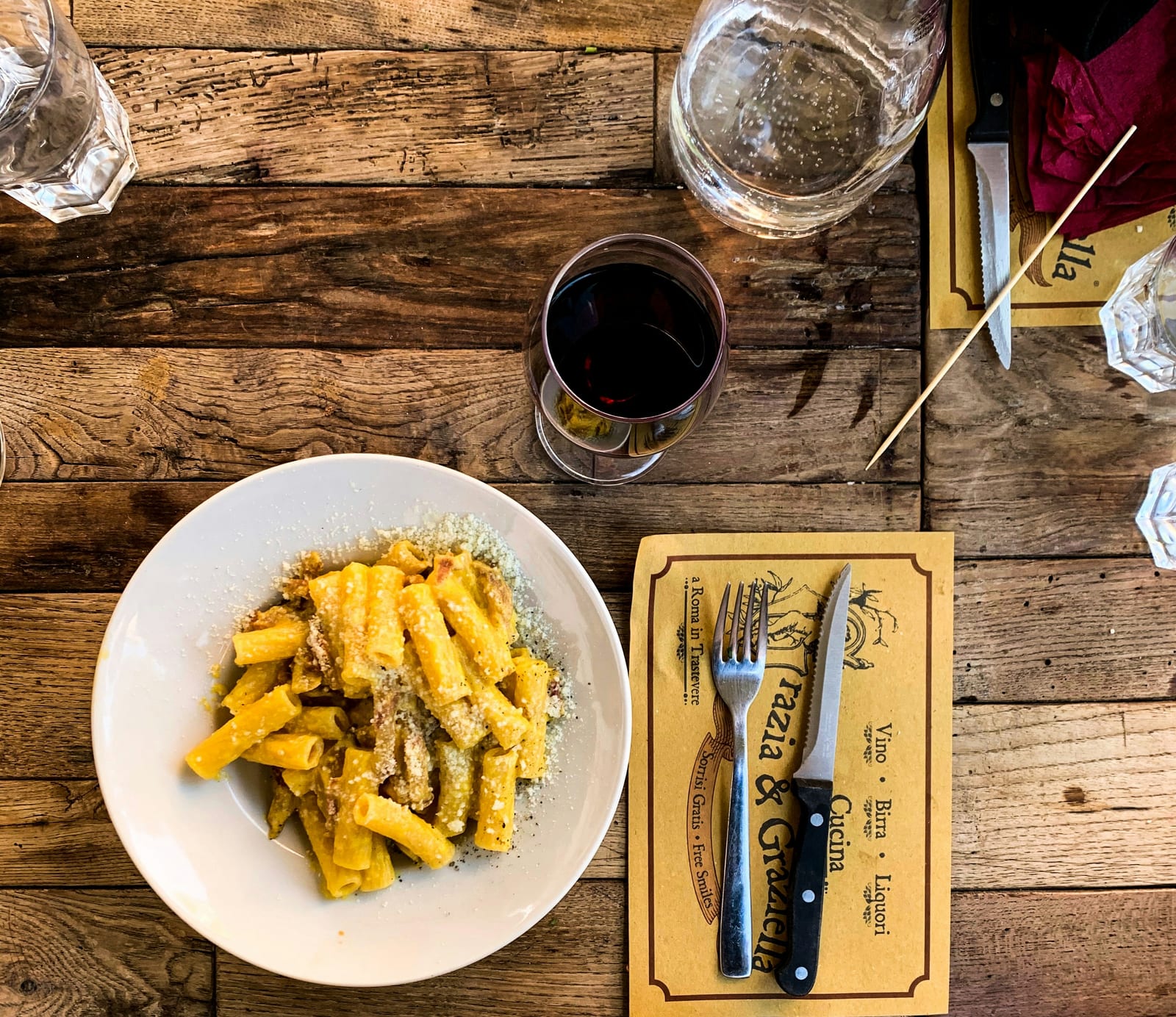
If you eat one thing in Rome, make it cacio e pepe, the dish that shows what Roman cooking is: almost nothing, done perfectly. It is just tonnarelli or spaghetti, aged pecorino Romano, and coarsely cracked black pepper, loosened with starchy pasta water until the cheese turns to a silky, clinging sauce. There is no cream and no butter, which is exactly why it is so hard to get right; a badly made one clumps or splits. Felice a Testaccio, open since 1936, still mixes and tosses its tonnarelli cacio e pepe at your table, and it is a benchmark. It comes from the shepherds' pantry, cheese and pepper that kept on the road, and it remains the cheapest great plate in the city.
Where to try it: Felice a Testaccio, tossed tableside; or any real trattoria in Testaccio or TrastevereTypical price: $13-18What to order: Tonnarelli cacio e pepe; no cream, everPastaThree ingredientsTestaccio - 2
 Rome's signature bowl Worth the hype
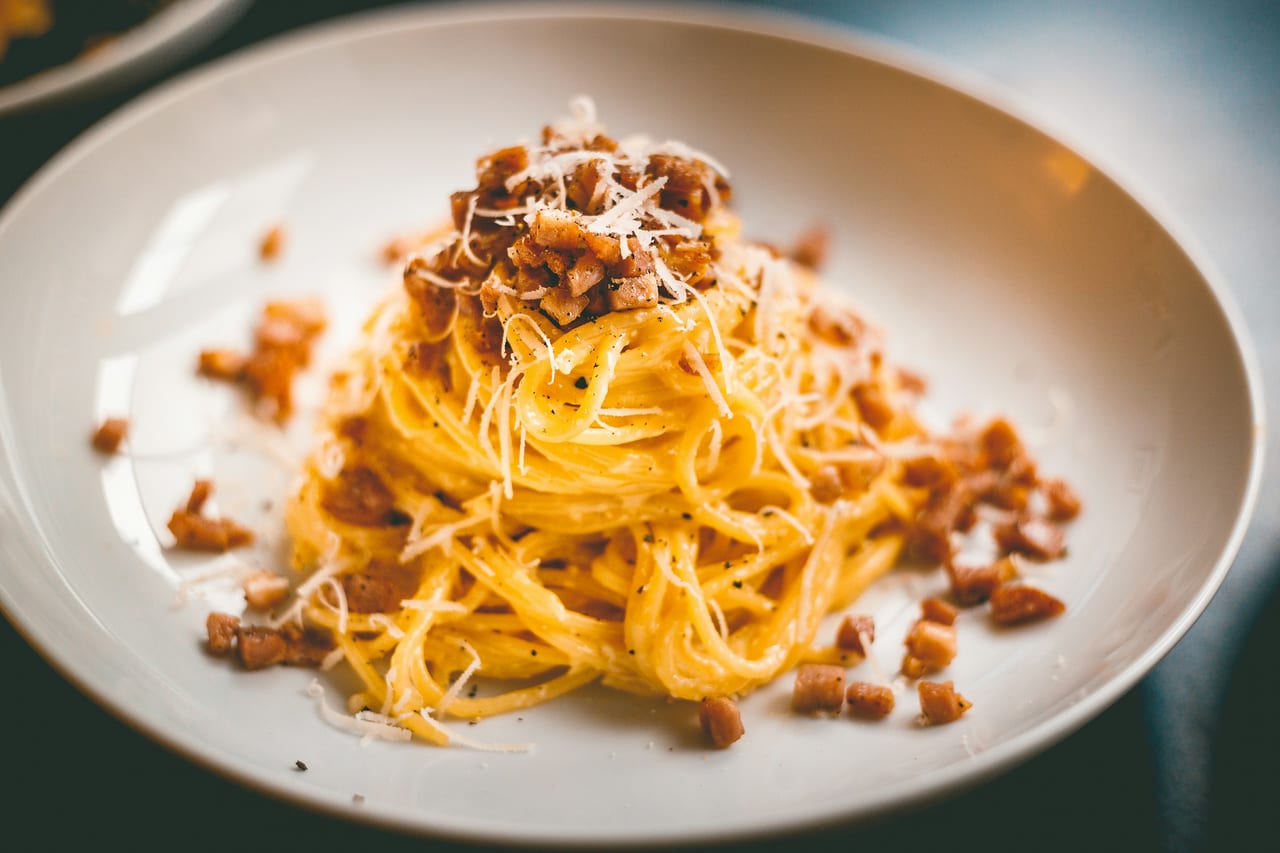
Carbonara
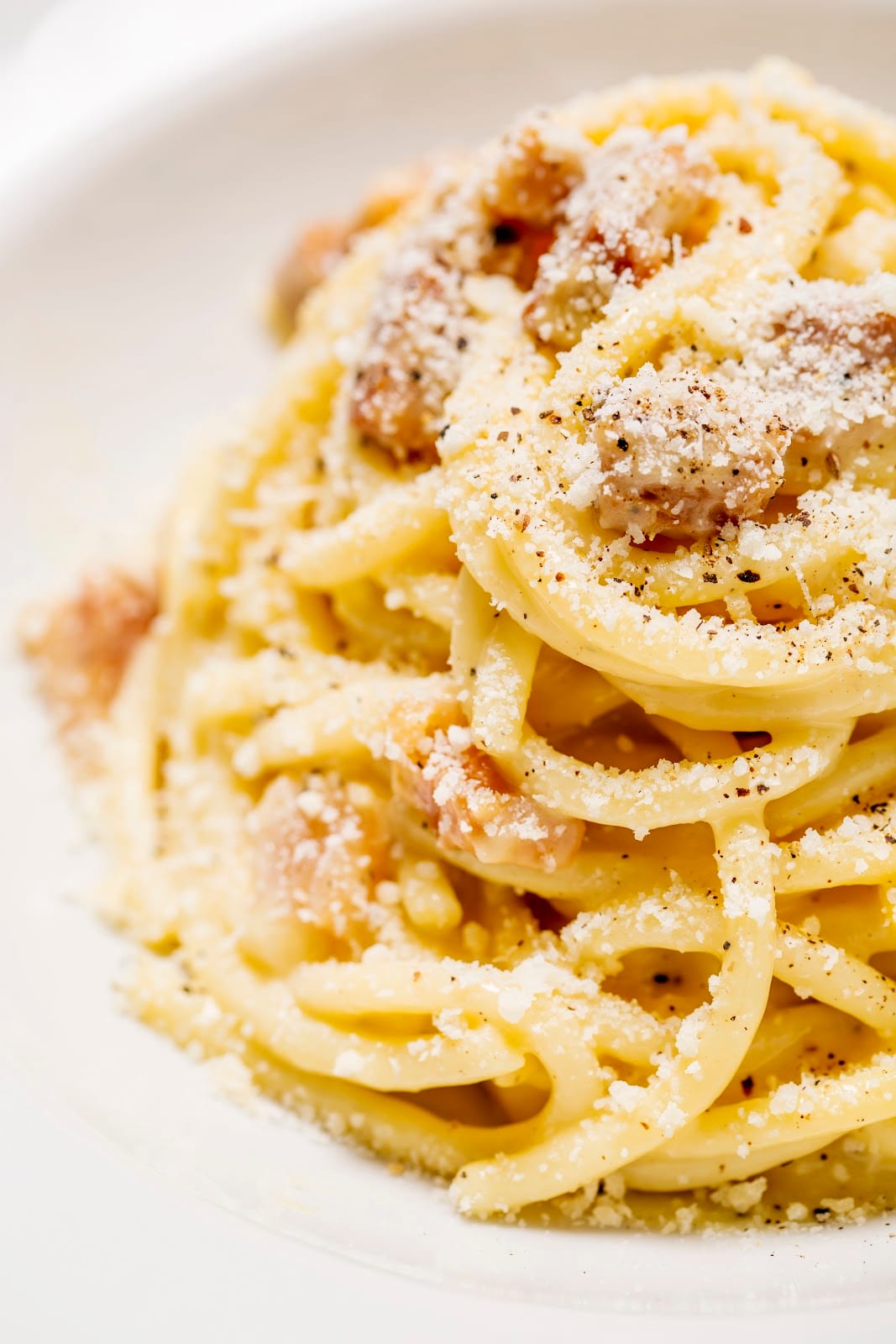
Egg yolk, pecorino, black pepper and crisp guanciale on hot pasta, whipped to a glossy sauce off the heat; no cream, whatever you have eaten at home.
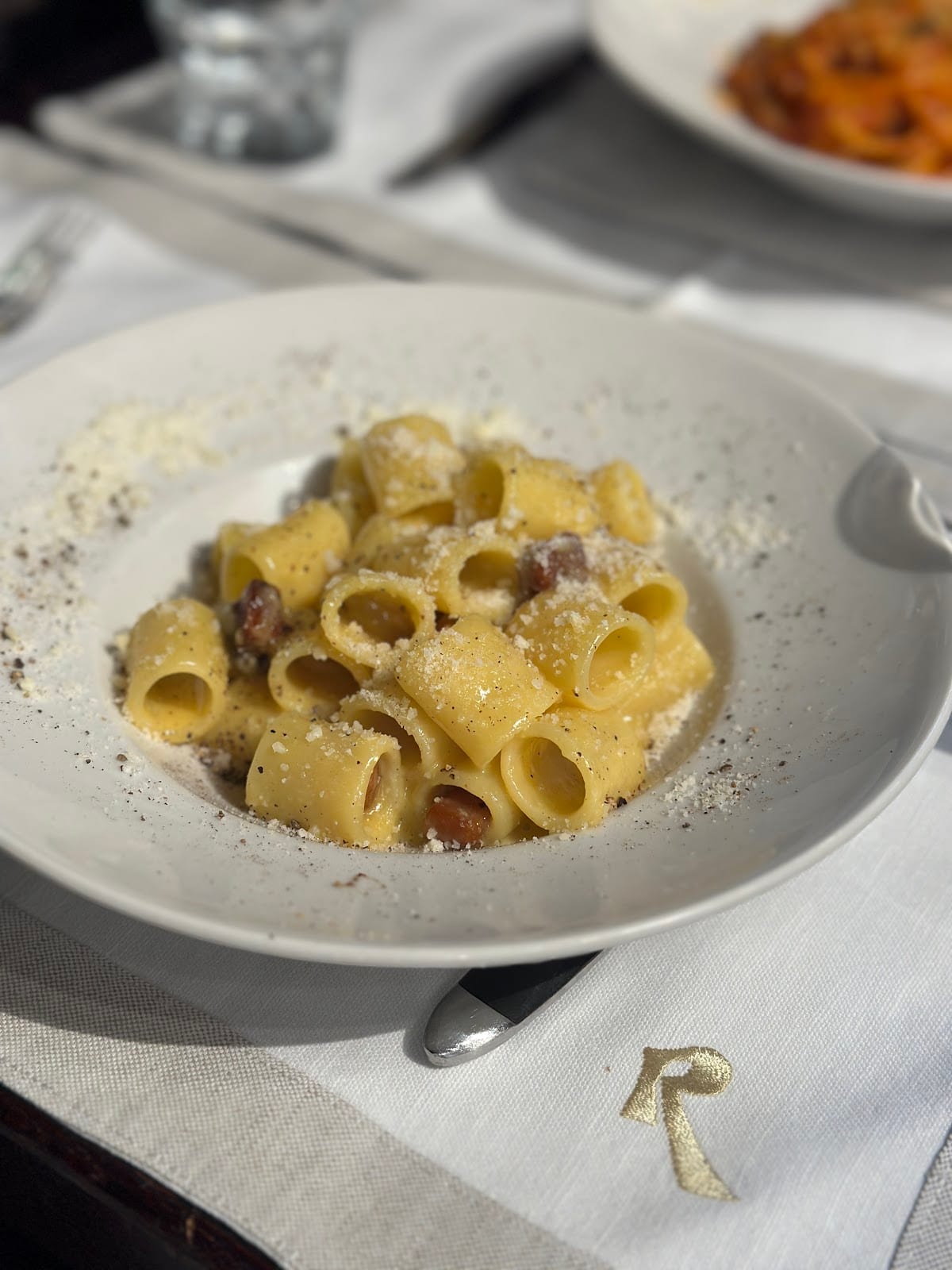
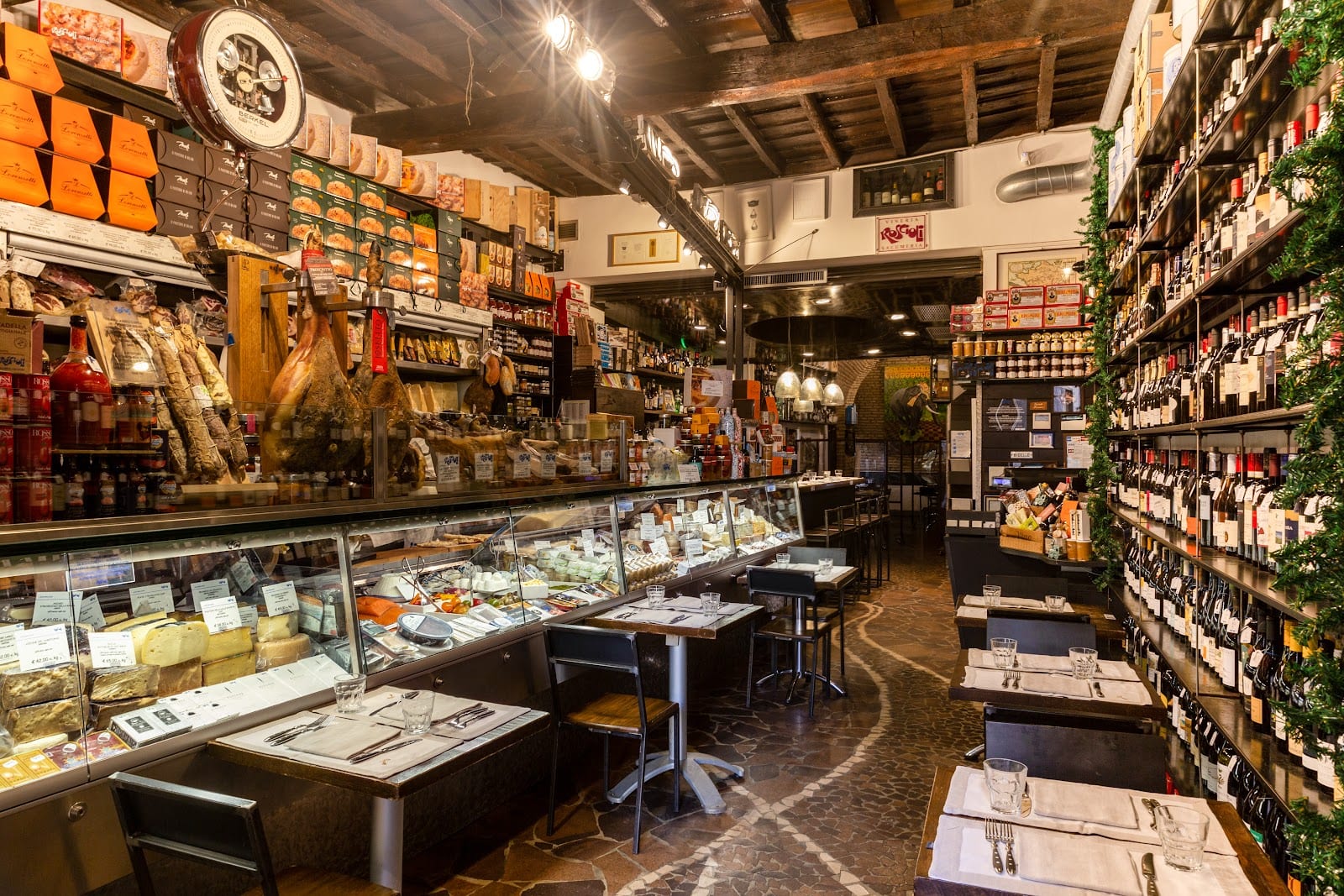
Carbonara is the Roman pasta the rest of the world gets wrong. The real thing is guanciale (cured pork jowl, not pancetta or bacon) rendered crisp, tossed with pasta and a sauce of beaten egg yolk and grated pecorino Romano, thickened by the pan's residual heat and a little pasta water, then finished with a storm of black pepper. There is no cream in a Roman carbonara, ever, and adding it will get you funny looks. Roscioli, near Campo de' Fiori, makes a famous version with Verrigni pasta, deep-orange Parisi egg yolks and a blend of pecorinos; Da Enzo al 29 in Trastevere does the classic, no reservations and a real queue. It is Rome's signature plate for a reason.
Where to try it: Roscioli near Campo de' Fiori (book ahead); Da Enzo al 29 in Trastevere (walk-in, expect a line)Typical price: $14-22What to order: Rigatoni or spaghetti alla carbonara; guanciale, not baconPastaNo creamGuanciale - 3
 The red one Worth it
Amatriciana
Guanciale and pecorino in a sharp tomato sauce, usually on bucatini; the tomato member of the Roman pasta family, from the mountain town of Amatrice.
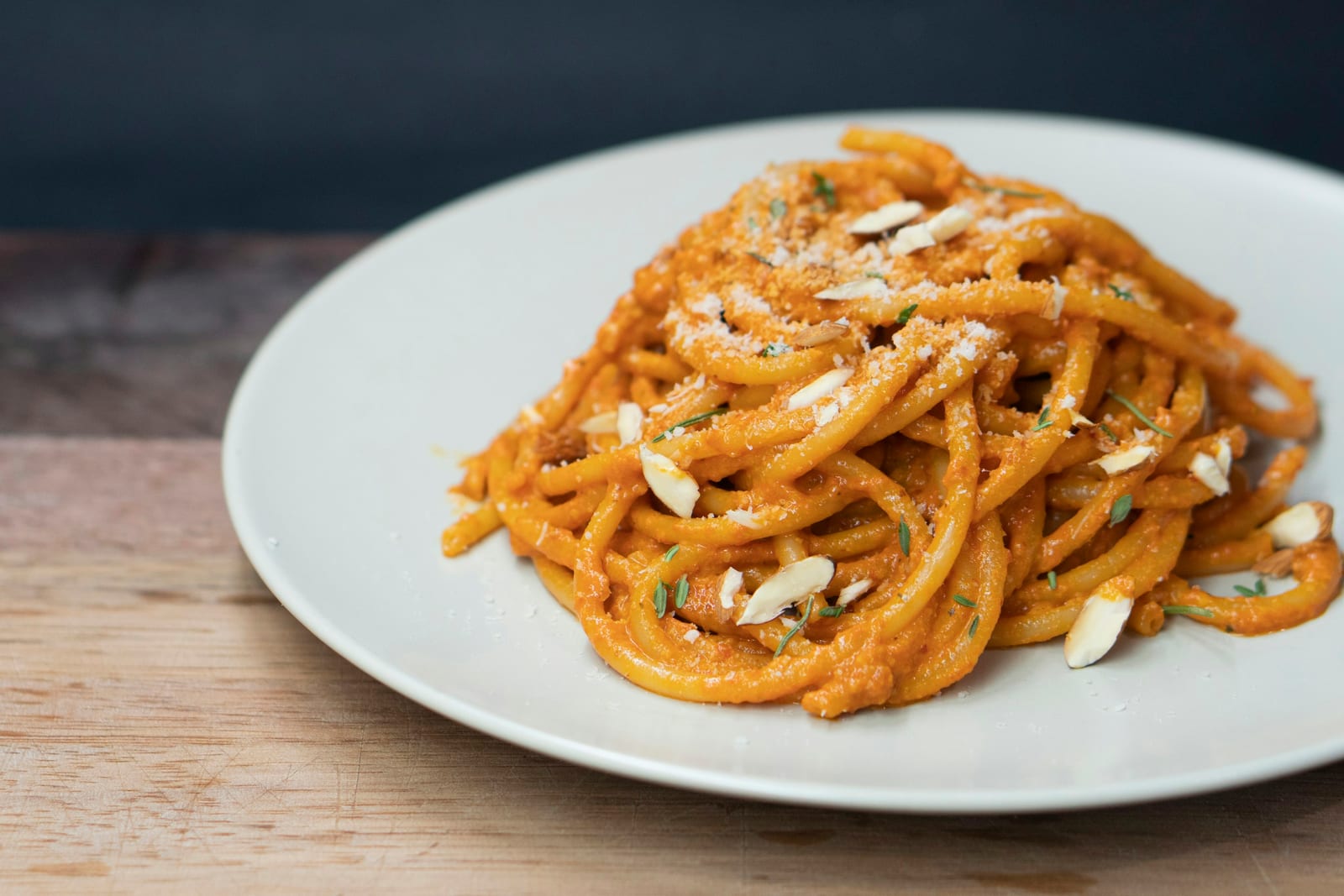
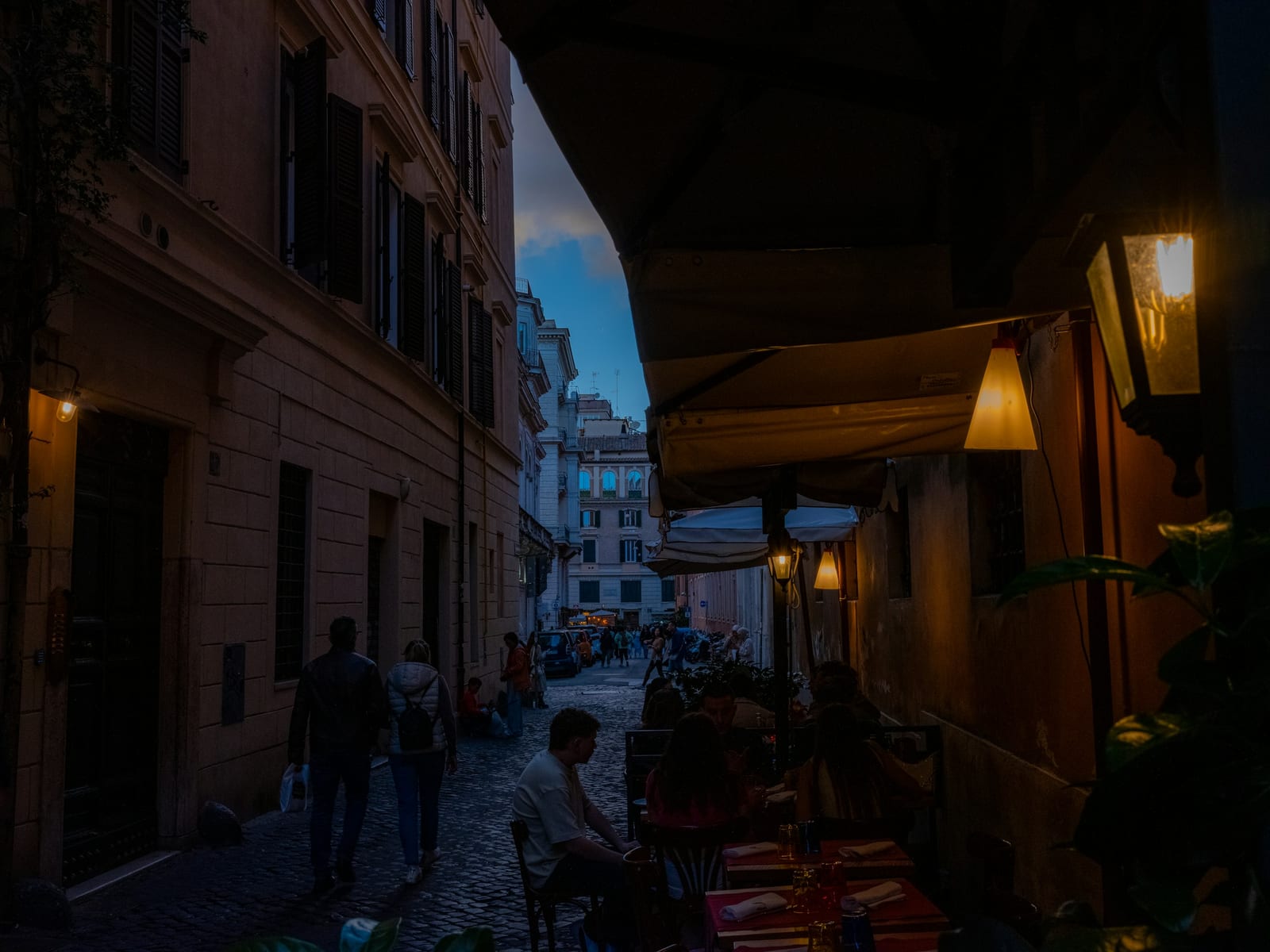
Amatriciana is what you get when you add tomato to gricia: crisp guanciale, a bright tomato sauce sometimes lifted with a splash of white wine or chili, and a heavy grating of pecorino Romano, traditionally on bucatini, the fat hollow spaghetti that whips sauce everywhere. It takes its name from Amatrice, a town in the mountains northeast of Rome, and Romans argue endlessly about whether onion belongs in it (many purists say no). Da Enzo al 29 in Trastevere and the old Testaccio trattorias do a proper one. It is richer and tangier than the other three, and the most familiar-tasting to a first-timer.
Where to try it: Da Enzo al 29 in Trastevere; the classic Testaccio trattoriasTypical price: $13-18What to order: Bucatini all'amatricianaPastaTomatoGuanciale - 4
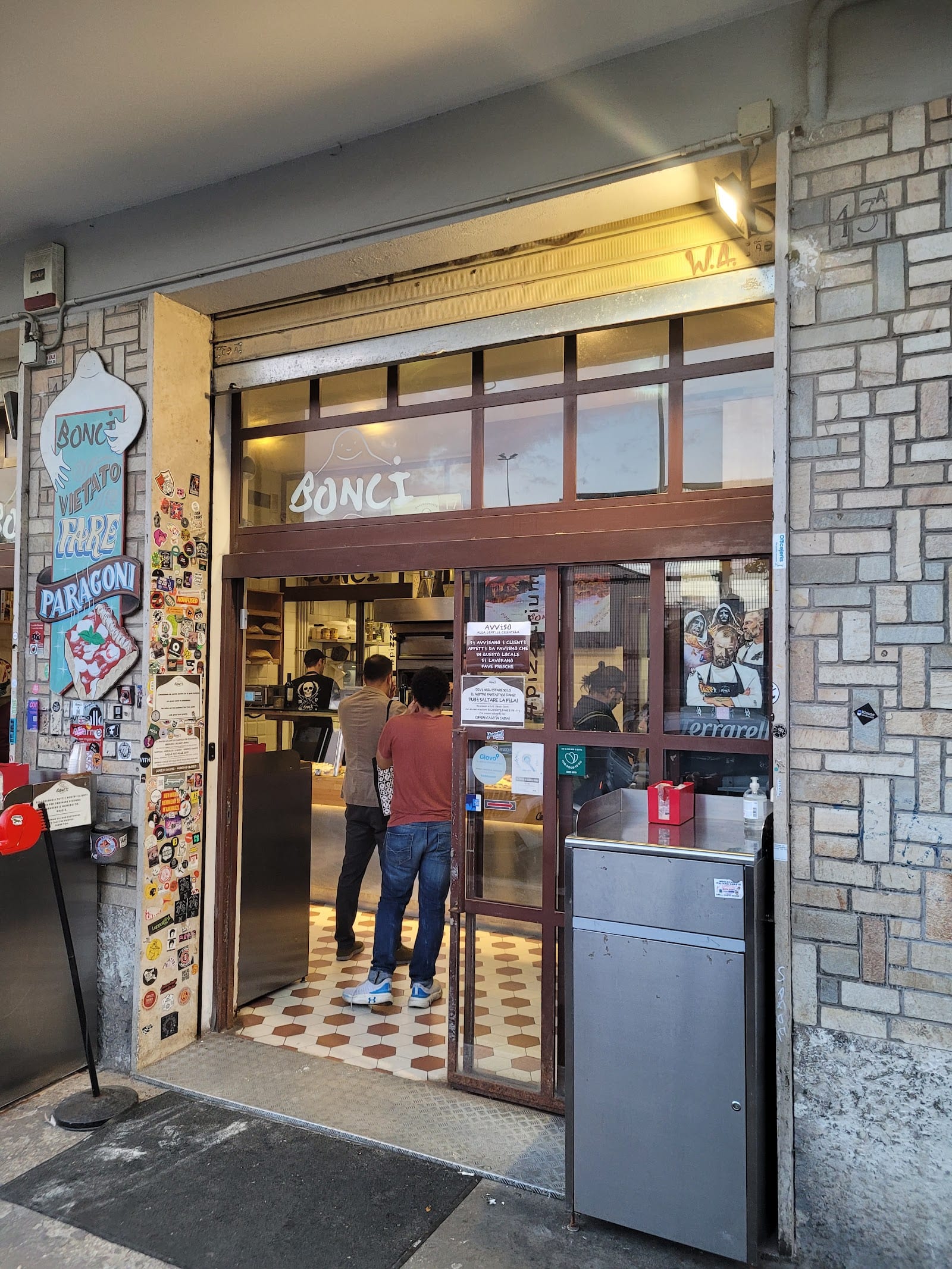 Pizza by the slice Worth it
Pizza al taglio
Airy, rectangular Roman pizza baked in trays, cut with scissors and sold by weight; the perfect cheap lunch on the move.
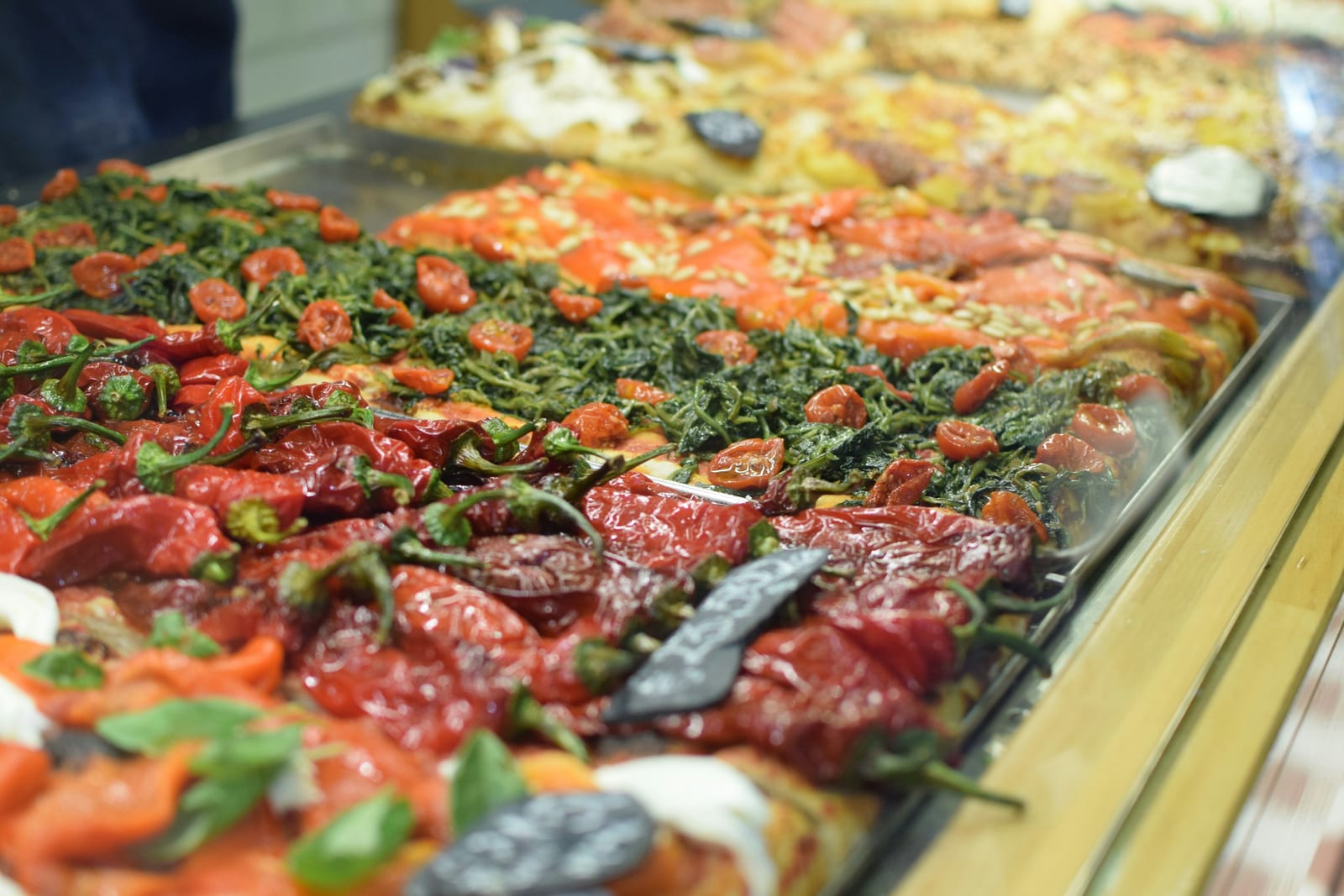
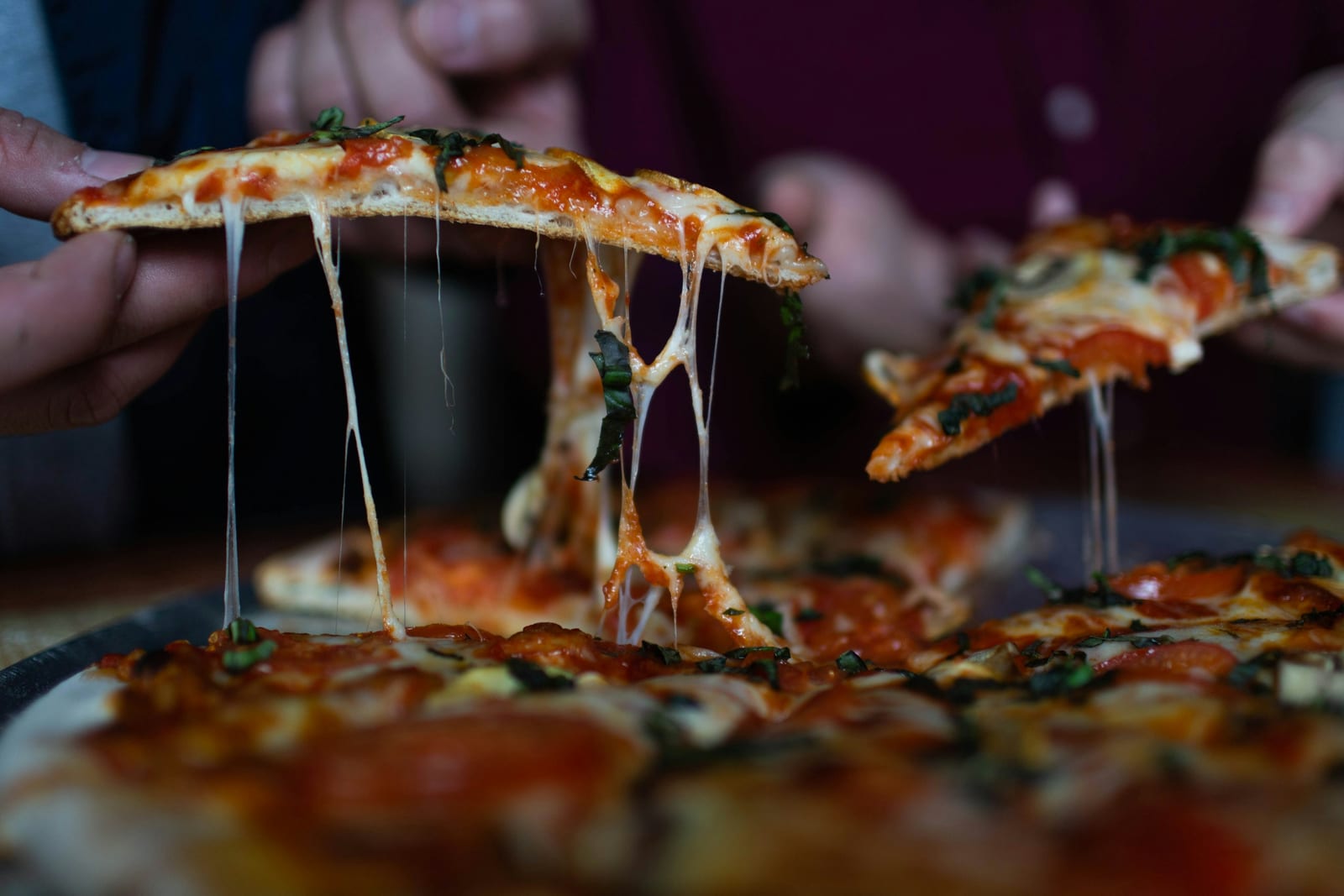
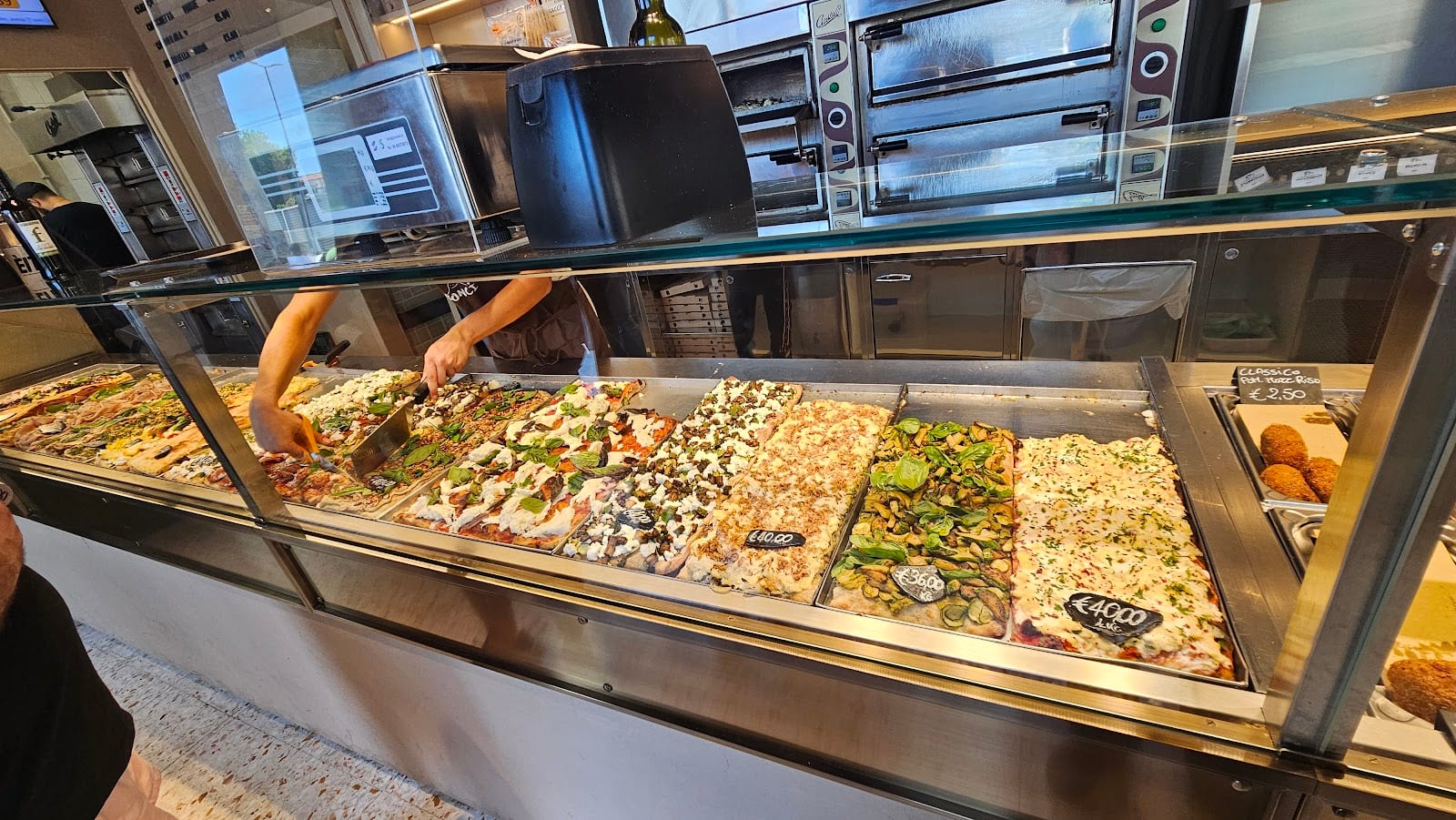
Roman pizza al taglio is a different thing from a Neapolitan pie: baked in long rectangular trays, cut to the size you want with scissors, weighed, and eaten standing or folded in paper. The Roman base is thin and crisp, or, in the sourdough style, tall and airy with a shattering crust. Gabriele Bonci's Pizzarium in Prati, near the Vatican, is the famous one, with a long-fermented dough and inventive seasonal toppings that put it on best-pizza lists worldwide; Forno Campo de' Fiori is the classic central bakery for a slice of plain pizza bianca or pizza rossa. Point at what you want, say how big a piece, and pay by weight. It is Rome's great cheap snack.
Where to try it: Bonci Pizzarium in Prati; Forno Campo de' Fiori for a classic sliceTypical price: $3-6 a slice, sold by weightWhat to order: Pizza bianca or pizza rossa to start; point and ask by sizeStreet foodBy weightCheap - 5
 The Roman fried snack Worth it
Suppli
A fried, breadcrumbed rice croquette with a molten mozzarella heart; Rome's own fried snack, and not to be confused with Sicilian arancini.
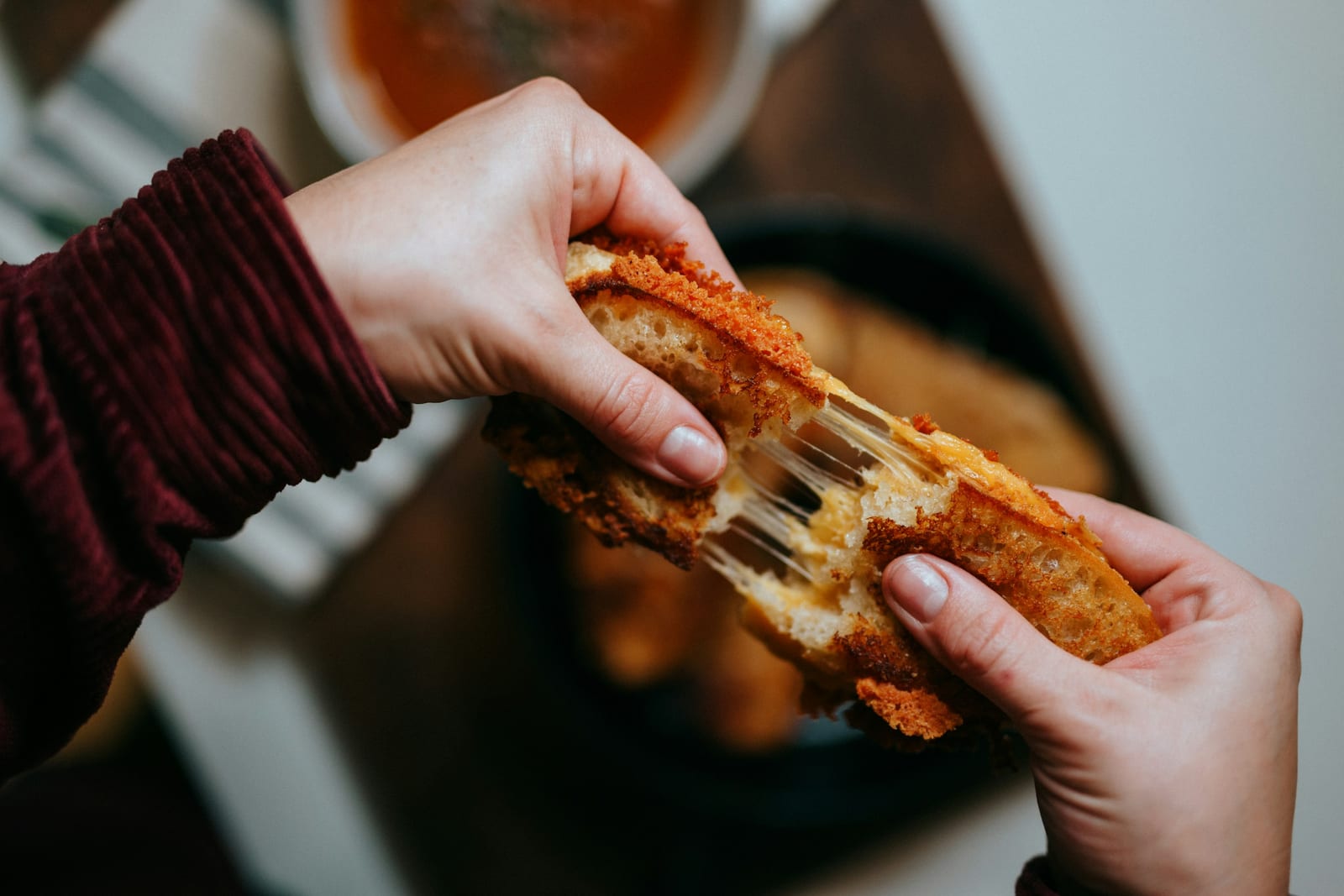
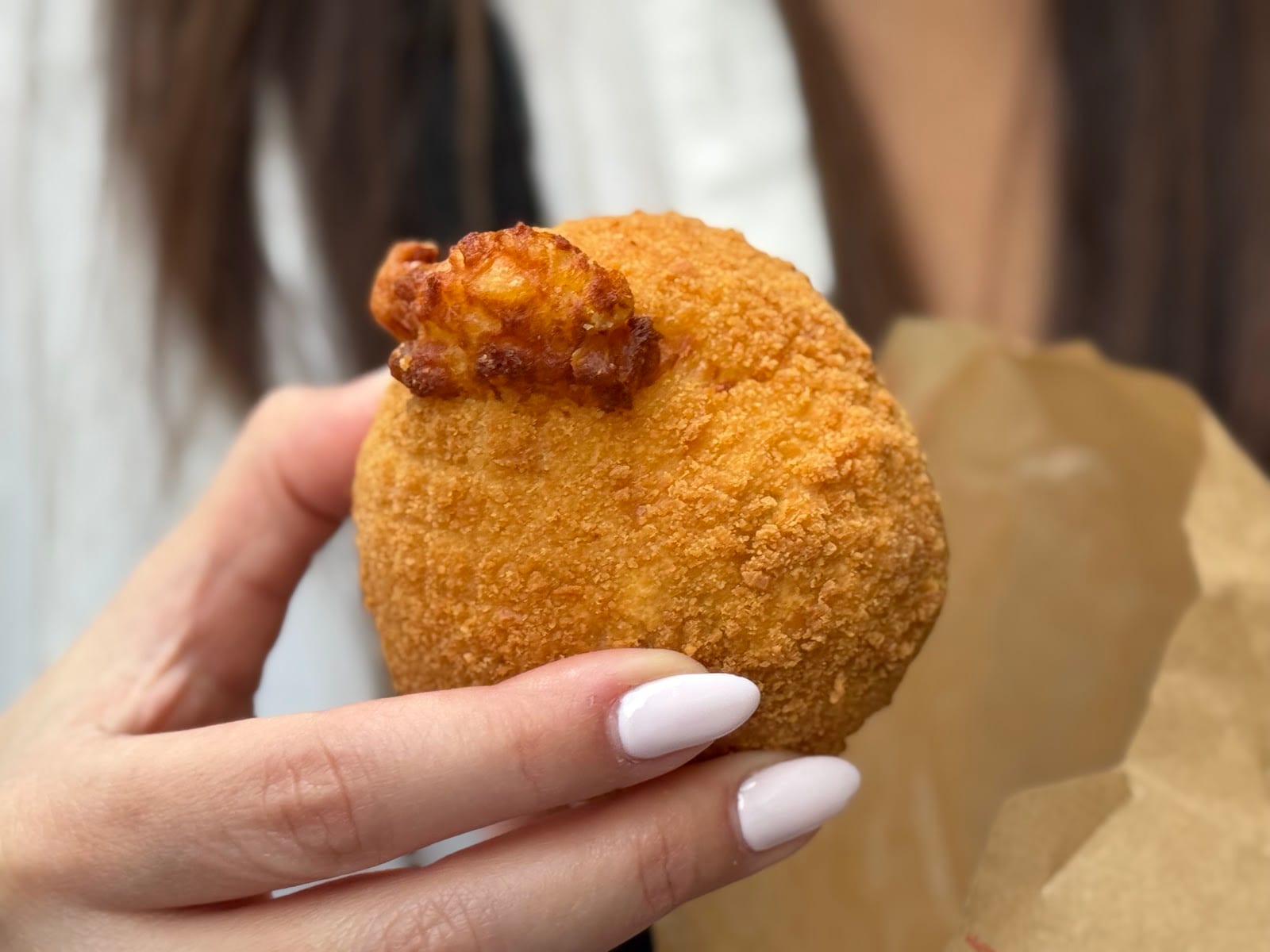
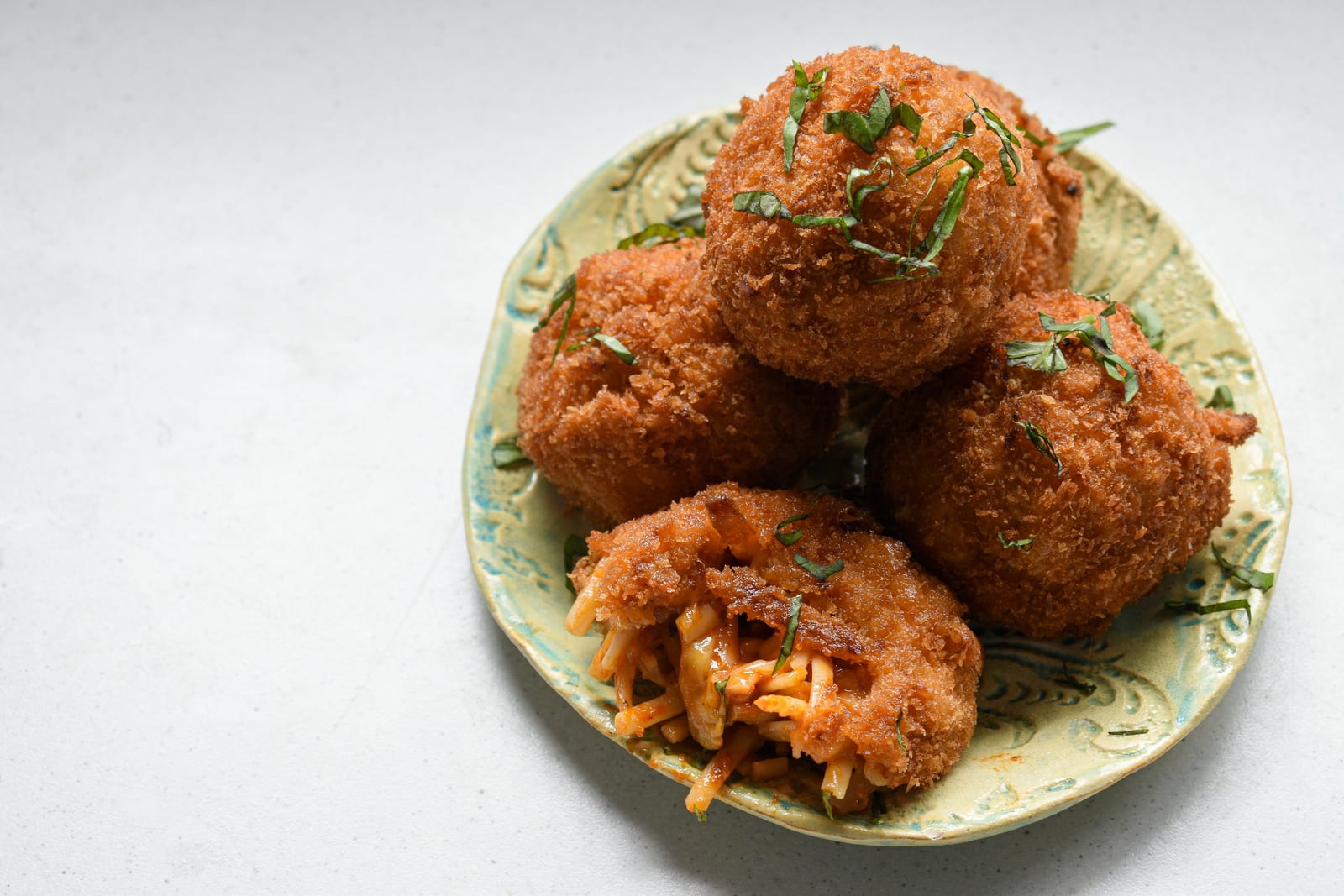
The suppli is Rome's essential fried bite: an oval of tomato-tinged risotto rice wrapped around a core of mozzarella, breaded and deep-fried until crisp. Pull one apart and the cheese stretches into a long thread, which is why the classic is called suppli al telefono, after the old telephone cord. Be precise when you order: a suppli is Roman, oval, and tomato-rice; the round, saffron-and-ragu, often meal-sized ball is a Sicilian arancino, a different thing. You will find suppli at pizza-al-taglio counters, in the Testaccio market, and at dedicated friggitorie all over the city, and at a euro or two it is the best cheap snack while you walk.
Where to try it: Pizza al taglio counters and friggitorie citywide; the Testaccio marketTypical price: $2-3 eachWhat to order: Suppli al telefono (the classic tomato-and-mozzarella); it is not aranciniStreet foodFriedNot arancini - 6

 The Jewish Ghetto's fried artichoke Worth it
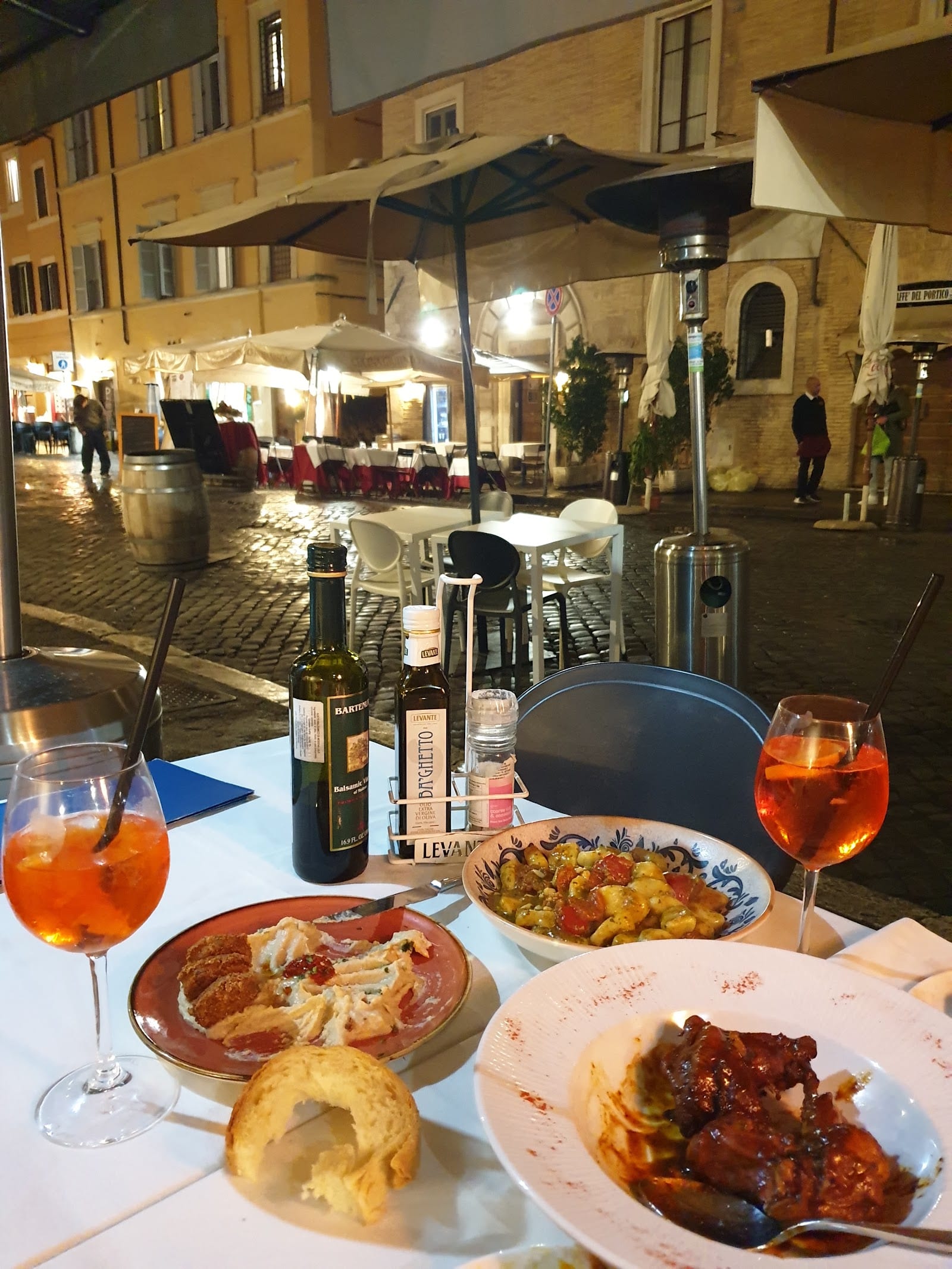
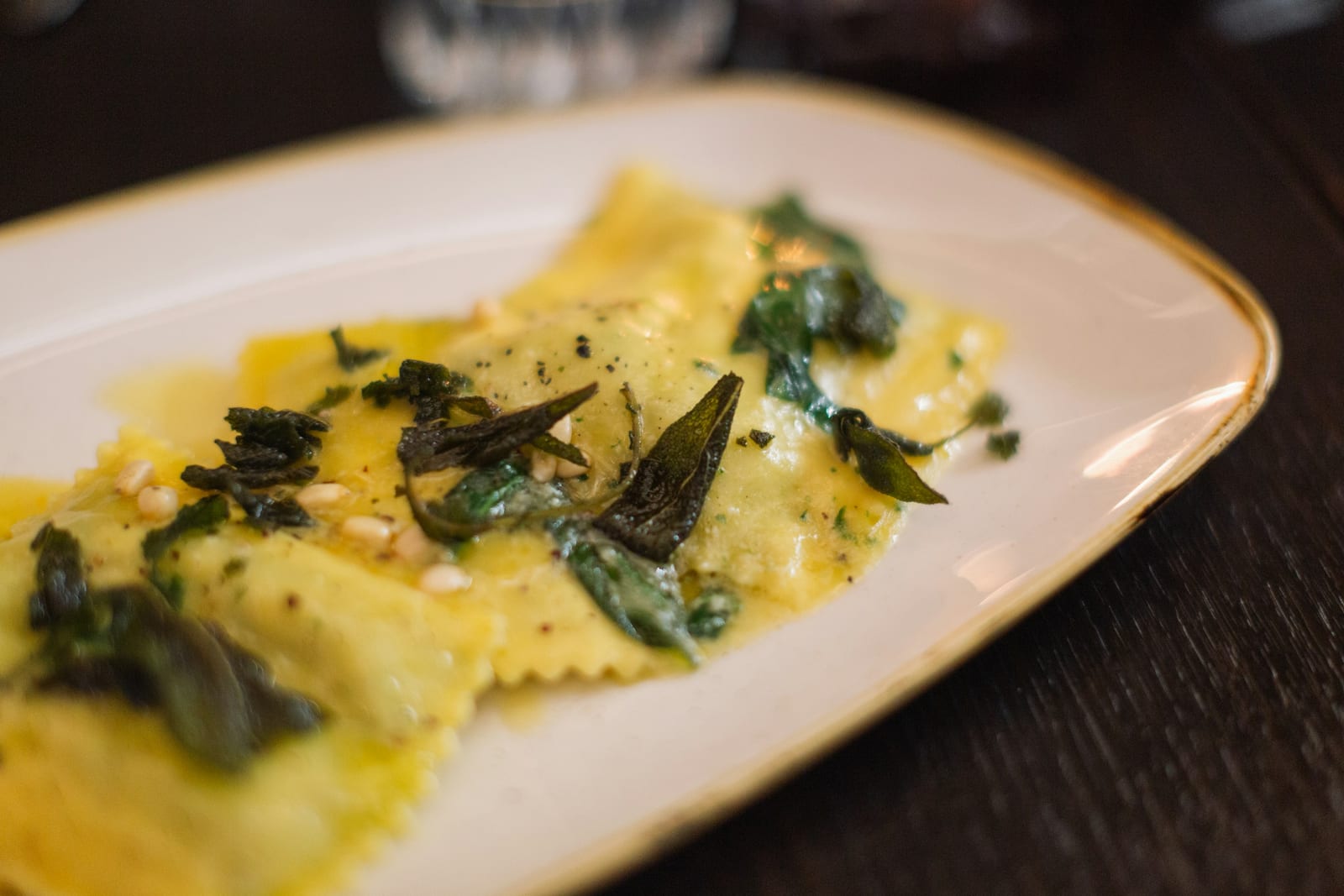
Carciofi alla giudia
A whole artichoke flattened and twice-fried to a bronze, crackling crisp; the signature dish of Rome's Jewish Ghetto.
Carciofi alla giudia, Jewish-style artichokes, are the great dish of Rome's Jewish quarter and one of the city's most distinctive plates: a whole globe artichoke trimmed, pressed open into a flower, and deep-fried, often twice, until the outer leaves turn to a golden, glass-crisp crackle and the heart stays tender. It is the pride of Roman-Jewish cooking, born in one of the oldest Jewish communities in the world, and best eaten in the little kosher trattorias along Via del Portico d'Ottavia in the Ghetto, like Ba'Ghetto. Order the alla romana version too if you want the softer, braised, mint-and-garlic style. Best in the Roman artichoke season, roughly late winter into spring.
Where to try it: The kosher trattorias of the Jewish Ghetto, like Ba'Ghetto on Via del Portico d'OttaviaTypical price: $6-9 eachBest time: Roman artichoke season, roughly February to AprilJewish GhettoArtichokeSeasonal - 7
 The oldest of the four Worth it
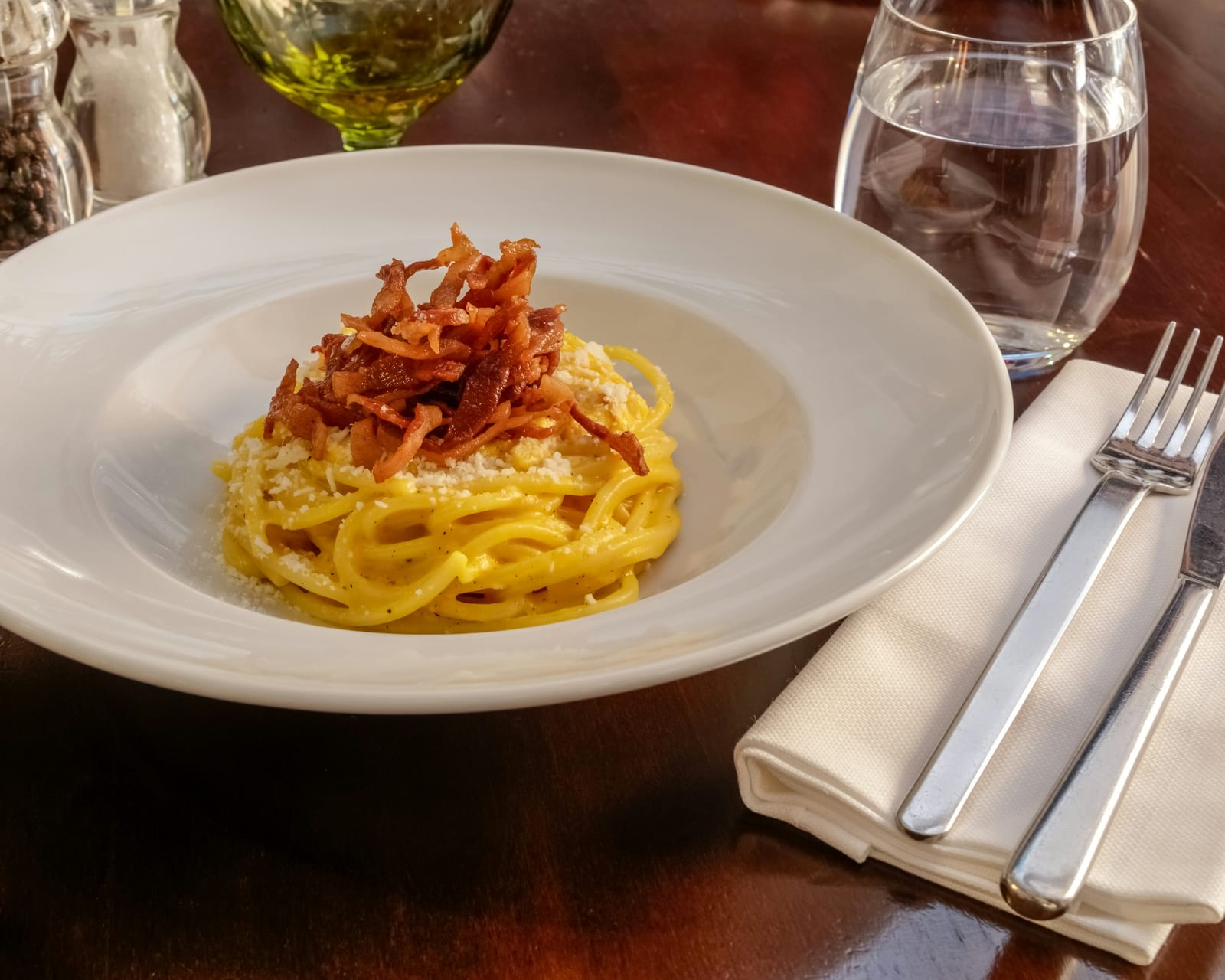
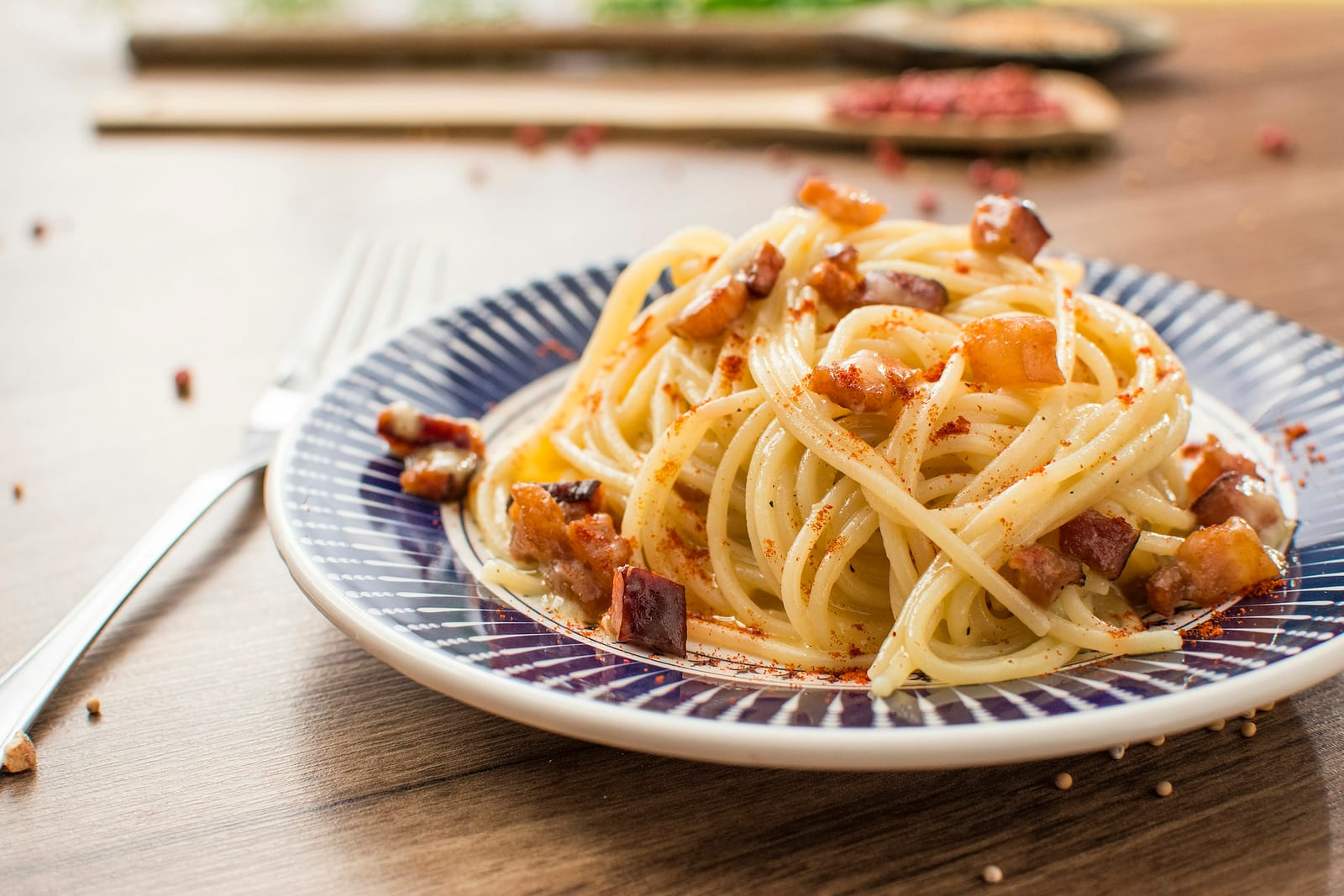
Gricia
Guanciale, pecorino and black pepper, no tomato and no egg; the oldest and most overlooked of the four Roman pastas.
Gricia is the one first-timers miss, and it is the mother of the family: guanciale rendered crisp, pecorino Romano, black pepper and pasta water, with neither the tomato of amatriciana nor the egg of carbonara. It is the oldest of the four, predating documented carbonara (which appears only in the 1940s) and modern amatriciana, and it is often called the "white amatriciana." Think of it as cacio e pepe with the addition of guanciale. Any serious Roman trattoria in Testaccio or Trastevere, or an institution like Armando al Pantheon, will do a proper plate. Order it once and you understand how the whole quartet is built from the same handful of ingredients.
Where to try it: Serious Roman trattorias in Testaccio and Trastevere; Armando al PantheonTypical price: $13-18What to order: Pasta alla gricia; the base for carbonara and amatricianaPastaThe originalNo tomato - 8
 Where Romans actually eat Worth it
Testaccio market & the quinto quarto
Rome's best food market and the home of quinto quarto offal cooking; graze the stalls, and eat the braised-beef sandwich at Mordi e Vai.
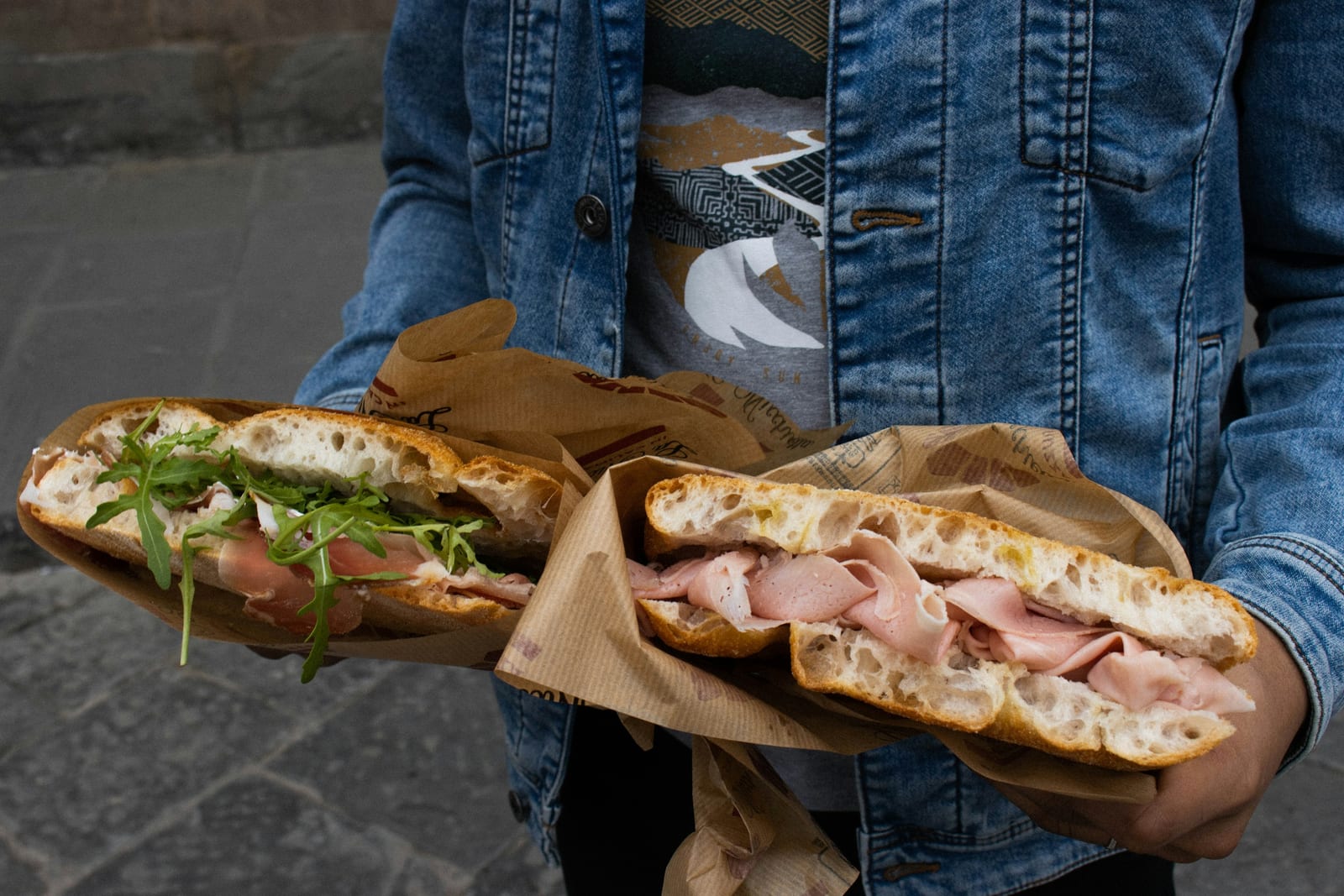
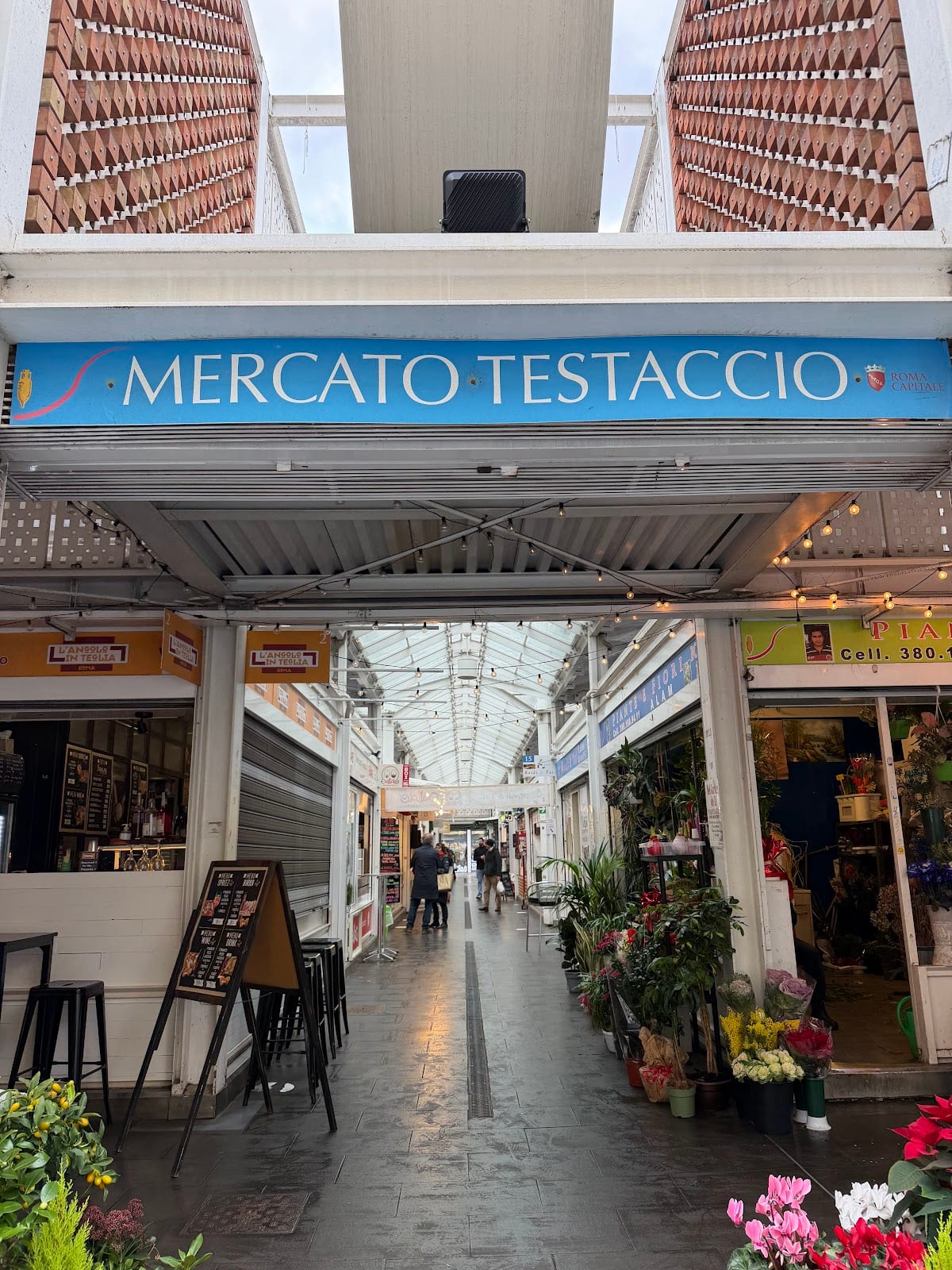
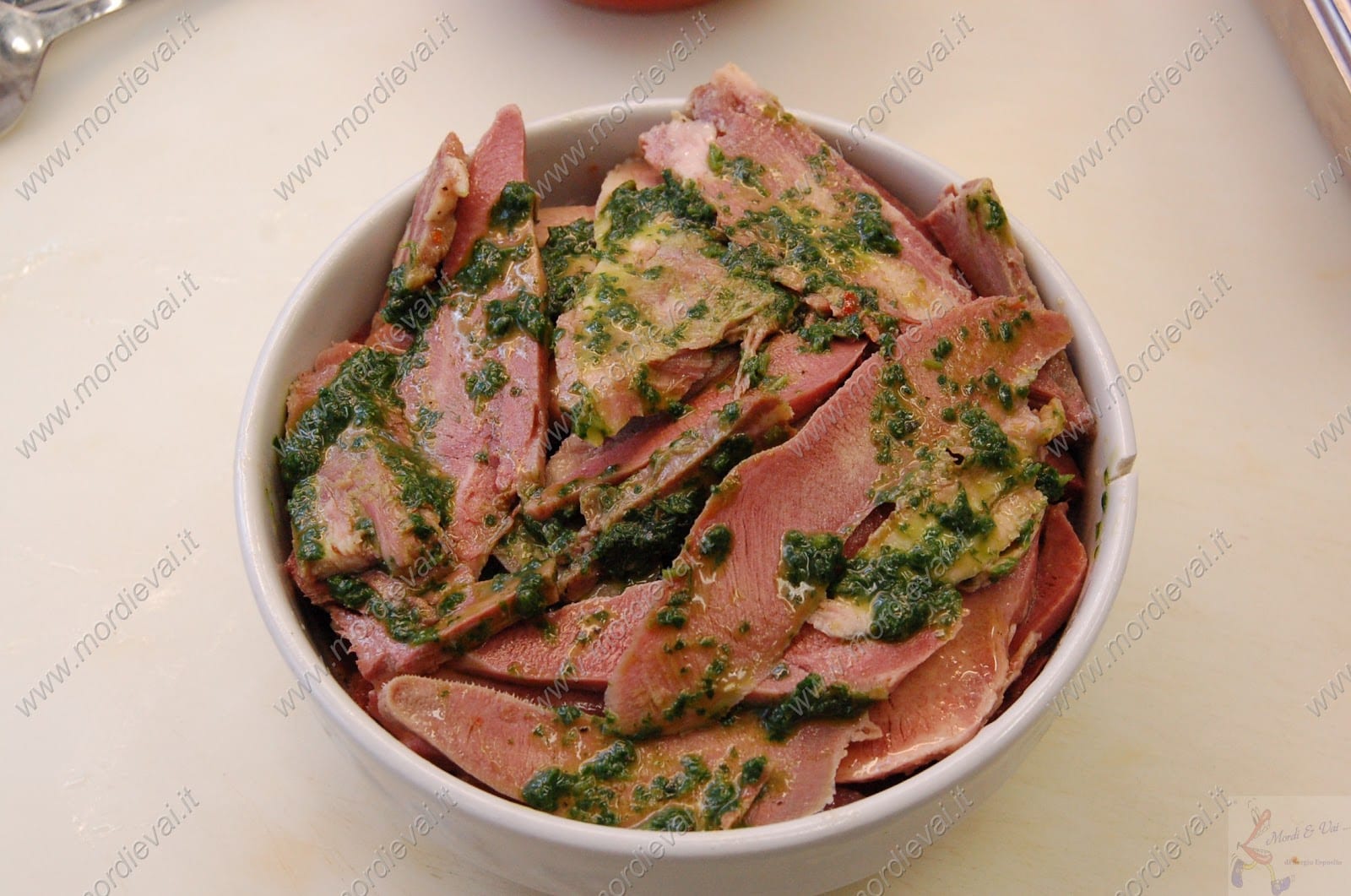
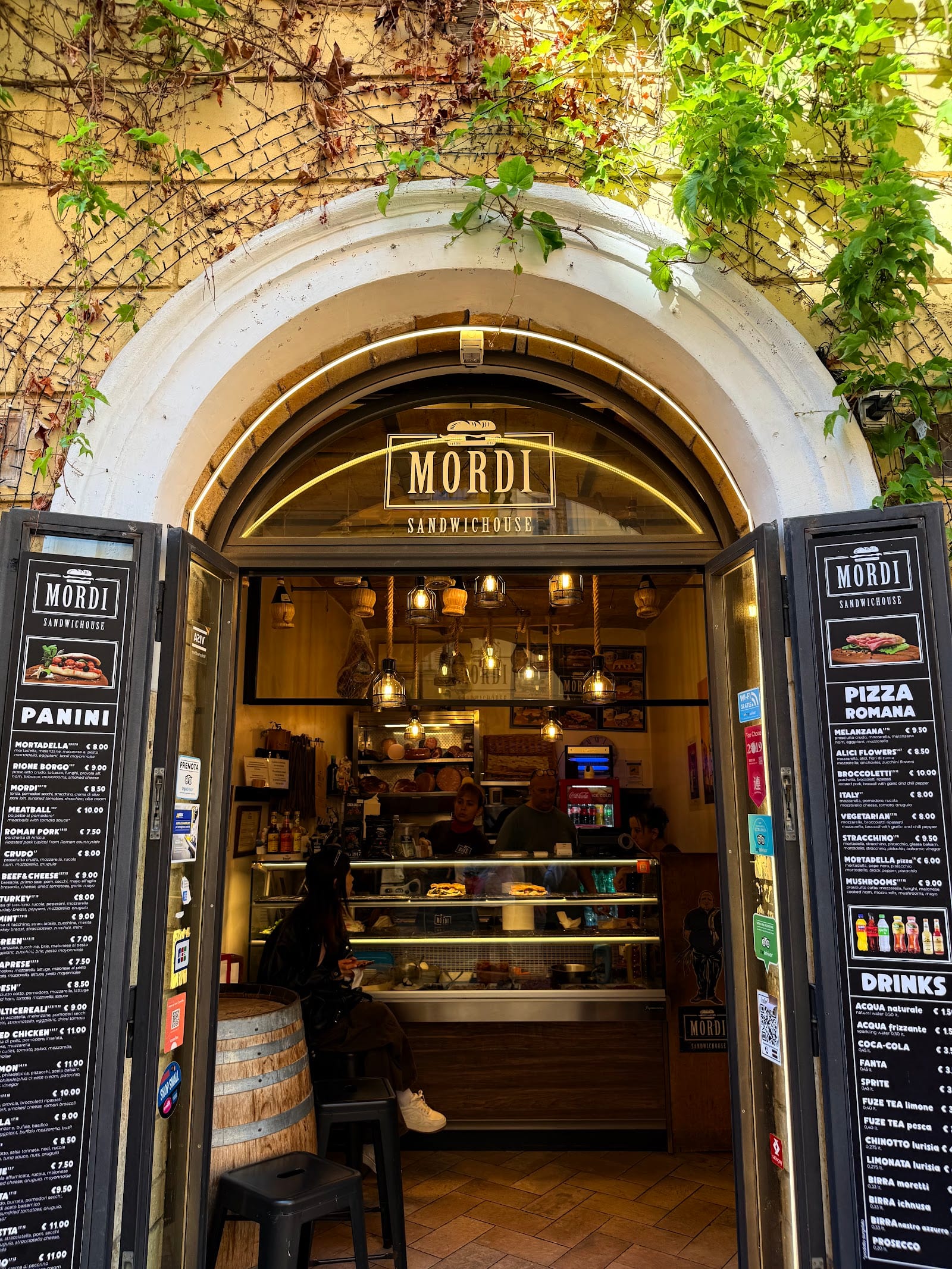
To eat where Romans eat, go to Testaccio, the old working-class quarter built around the city slaughterhouse, and its covered market. This is the birthplace of the quinto quarto, the "fifth quarter," the offal cuts (oxtail, tripe, sweetbreads) that slaughterhouse workers took home and turned into the soul of traditional Roman cooking. The star of the market is Mordi e Vai, a stall founded by a former butcher and now run by his family, stuffing crusty rolls with slow-cooked Roman braises like allesso di scottona; it is one of the highest-rated bites in the city. Nearby you can get suppli, pizza al taglio, and, a few streets away, the original Trapizzino, the pizza-dough pocket filled with those same Roman stews, invented in Testaccio around 2008-09. Come for lunch: the market closes by mid-afternoon and all day Sunday.
Where to try it: Mercato di Testaccio; Mordi e Vai for the sandwich; Trapizzino nearbyTypical price: $5-9 for a sandwich or a few stall bitesGood to know: A lunch market: mornings to mid-afternoon, closed SundayMarketOffalStreet food - 9

 The real stuff, not the mountains Worth it
Gelato
Dense, muted, naturally colored artisan gelato from a real gelateria; learn to spot it and skip the fluffy tourist mountains.
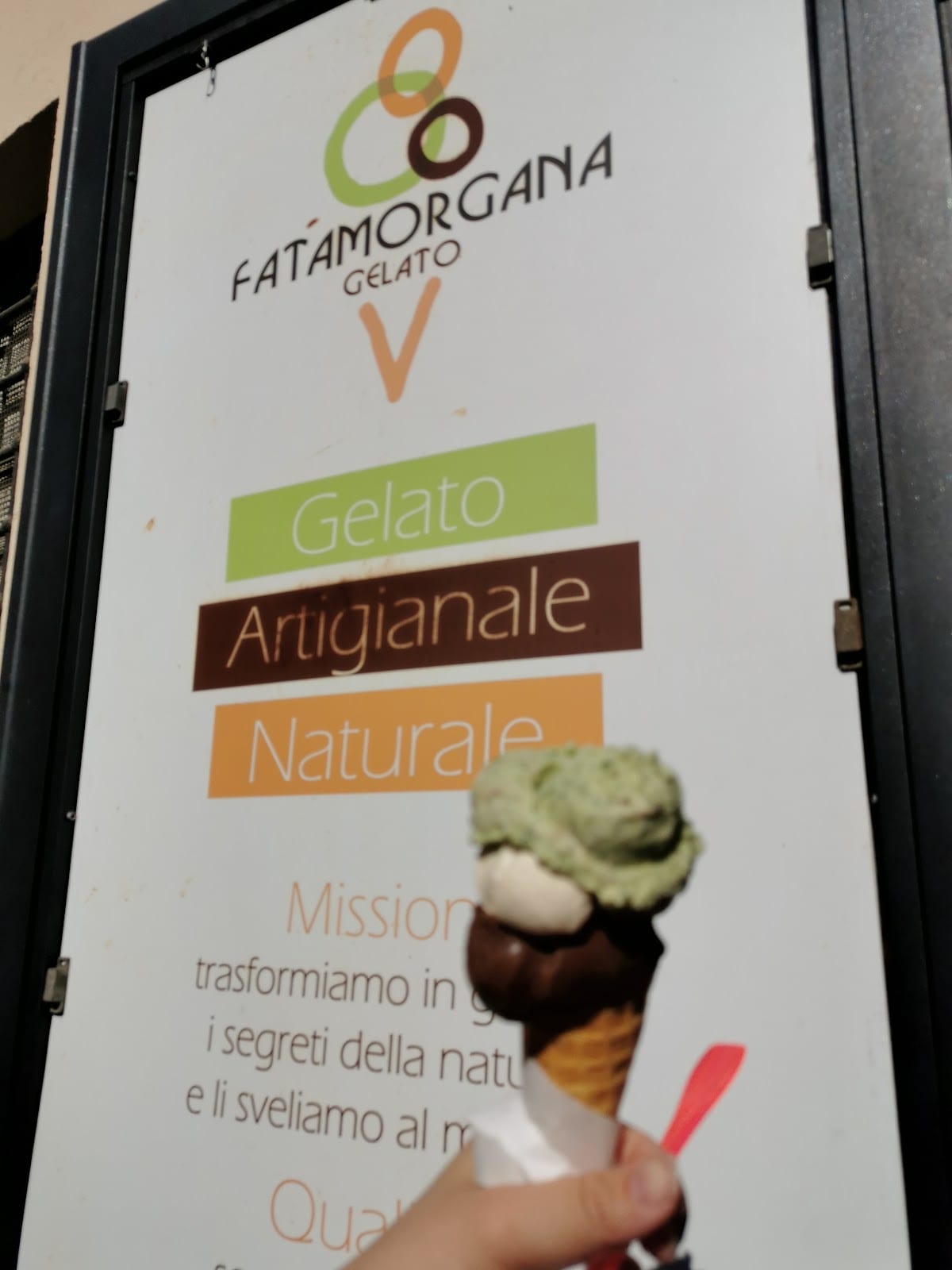
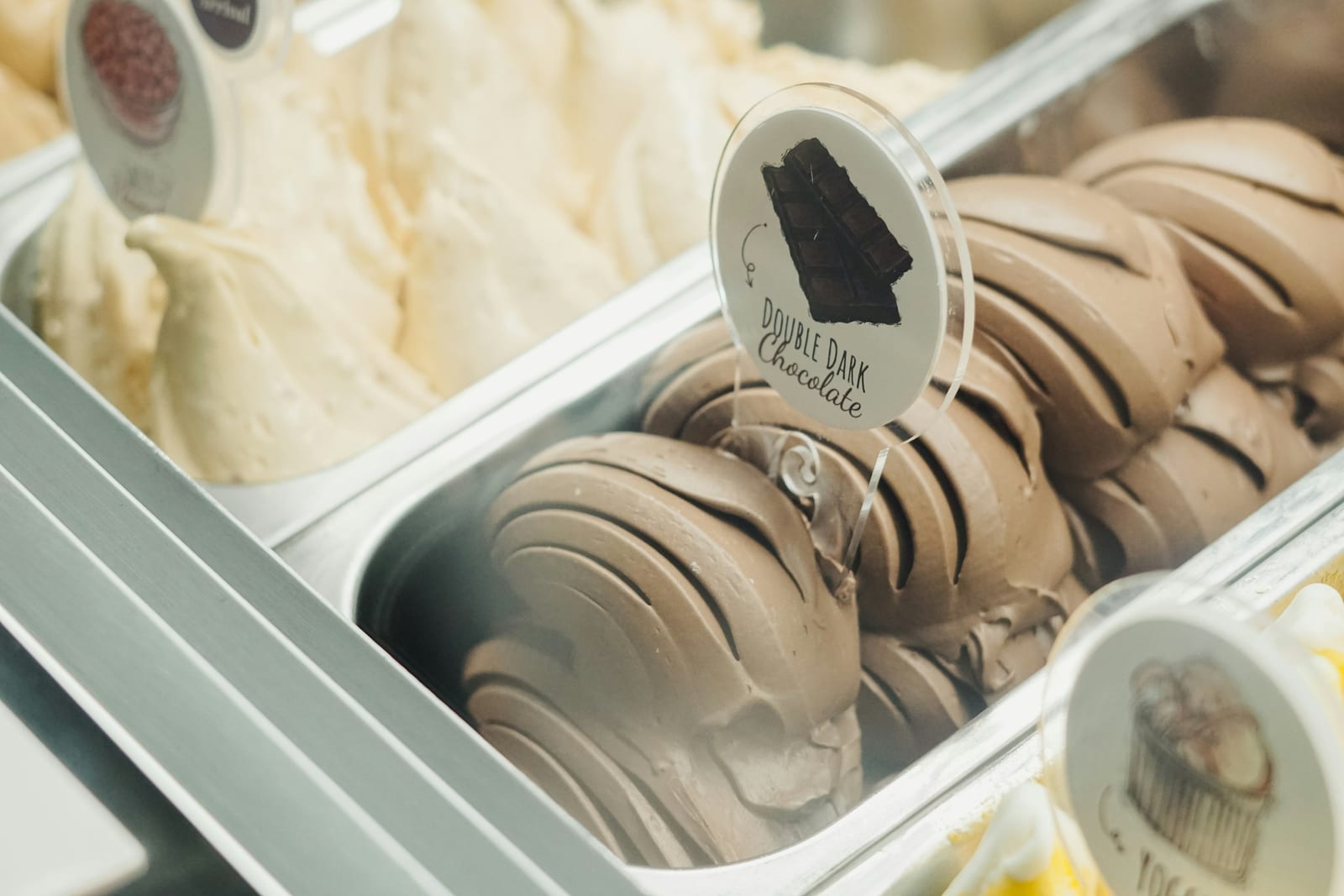
Rome does not claim to have invented gelato, but it has some of the best gelaterie anywhere, if you know what to look for. Real artisan gelato is stored in covered metal tins, is dense rather than fluffy, and comes in muted, natural colors: pistachio is an earthy brown-green, banana a pale grey, not neon. The giveaway of the tourist trap is gelato piled into tall, brightly colored mountains above the tub rim, held up by air and stabilizers, usually right on a famous square. Go instead to an artisan: Fatamorgana for its all-natural, inventive flavors, Otaleg (gelato spelled backwards) for its celebrated pistachio, Gelateria del Teatro near Piazza Navona, or the grand old Giolitti by the Pantheon. Walk a couple of streets off the main squares and you will find the good stuff.
Where to try it: Fatamorgana, Otaleg, Gelateria del Teatro; the classic Giolitti near the PantheonTypical price: $3-5 for a small cup or coneHow to spot the real thing: Covered tins, muted colors (grey-green pistachio), no fluffy mountainsDessertArtisanAvoid the fakesSourcesromewise.comlocalaromas.com
 The tourist trap Skip it
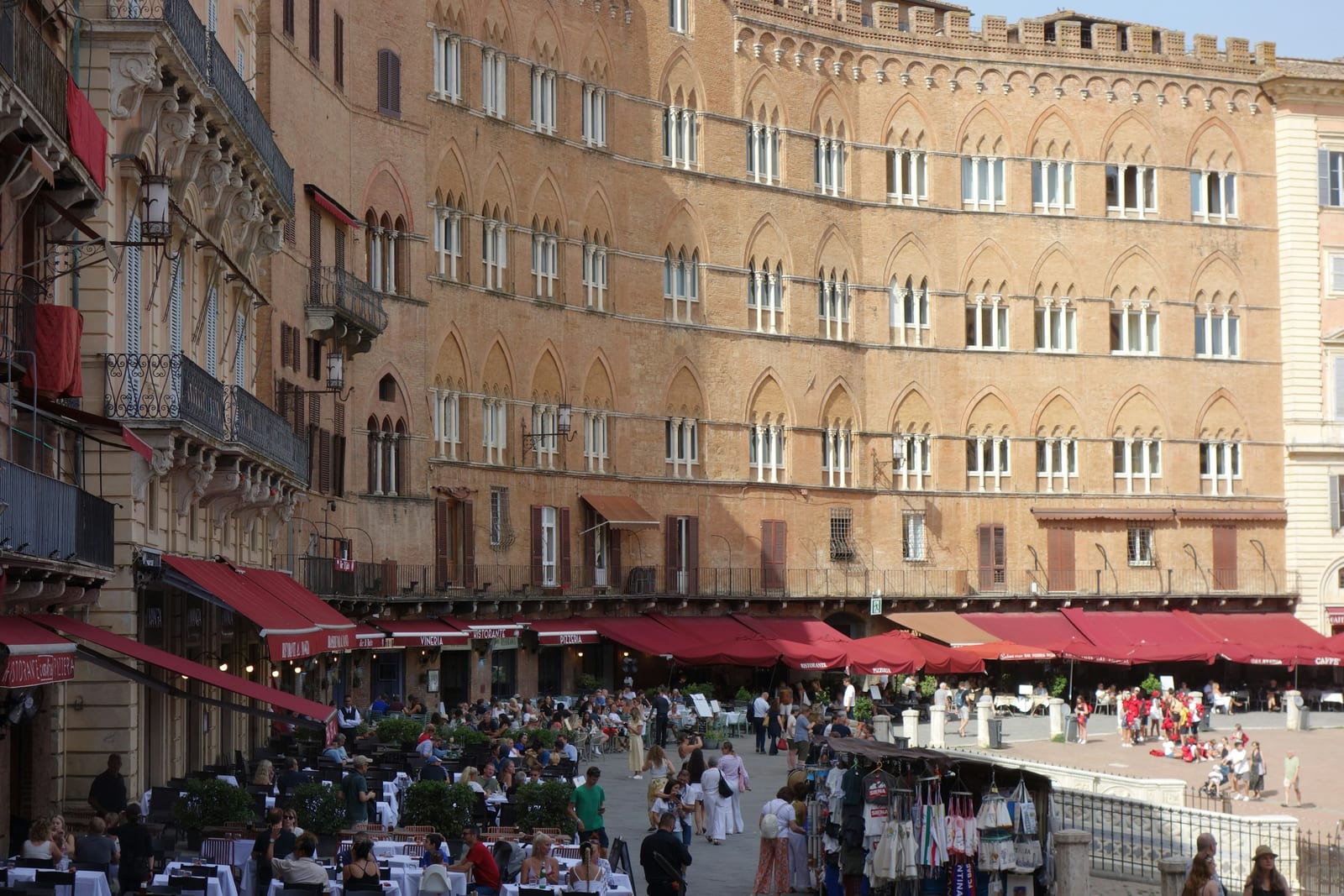
The restaurants on the tourist squares
The picture-menu restaurants ringing the Trevi Fountain, the Pantheon and Piazza Navona are a view with a markup. Eat two streets away instead.
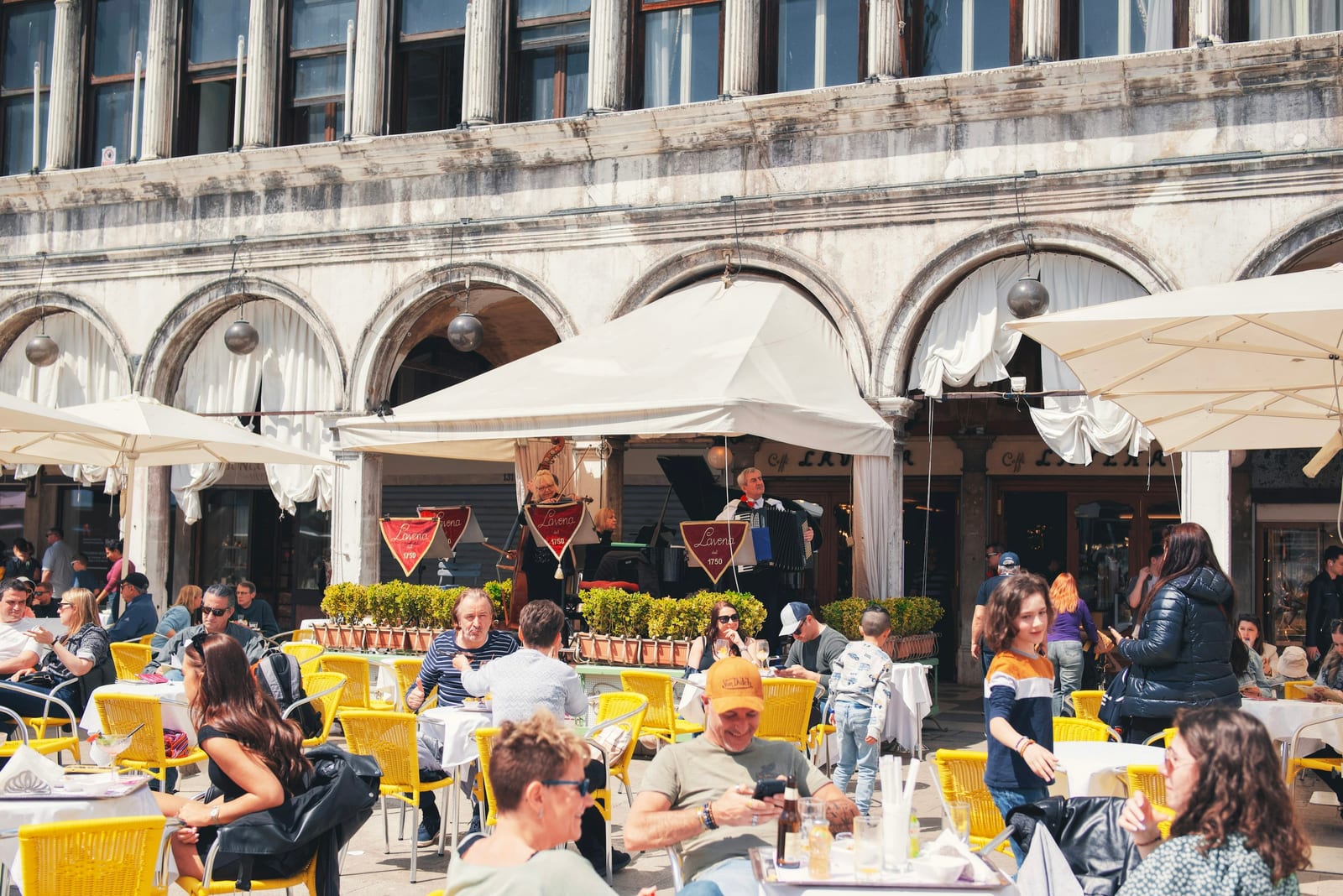
It is the most common way visitors waste a meal in Rome, so to be blunt: skip the restaurants with prime views of the Trevi Fountain, the Pantheon or Piazza Navona. The pattern is easy to spot, a laminated picture menu, photos of the dishes, a "menu turistico," a host outside waving you in, and menus in five languages. You pay a premium for the location and get frozen, microwaved, or mediocre food, and the local food press (from the Michelin guide to Rome's own writers) says the same thing. It is not one villain restaurant, it is a whole genre. The fix costs nothing: walk two or three streets off the monument, or go to Testaccio or Trastevere, and the quality jumps while the price drops.
Typical price: $25-40+ for worse food than a $15 trattoria plateHow to spot it: Picture menus, a host waving you in, prime monument views, menus in five languagesDo this instead: Walk 2-3 streets off the square, or eat in Testaccio or TrasteverePicture menusPrime viewsNot about the foodSourcesdevourtours.comromewise.com


Rankings and verdicts are our own; star ratings open each spot's main Google listing. Prices are a rough per-person guide for a typical serving and change with the restaurant, the neighborhood, and the exchange rate.
The four Roman pastas, decoded
The four Roman pastas, decoded
Rome's four classic pastas are variations on one idea, each adding a single thing to the last. Learn the family and you can order like a local. Tap any one to jump to it:

Cacio e pepe
The base: just pecorino Romano and black pepper, emulsified with pasta water into a glossy sauce. No meat, no cream, three ingredients. Deceptively hard to get right.
See more
Gricia
Cacio e pepe plus guanciale: the oldest of the four, sometimes called the "white amatriciana" because it is amatriciana without the tomato. Guanciale, pecorino, pepper.
See more
Carbonara
Gricia plus egg: guanciale, pecorino, black pepper and egg yolk beaten into a silky sauce off the heat. Never cream. This is Rome's signature bowl.
See more
Amatriciana
Gricia plus tomato: guanciale, pecorino and a tomato sauce, from the town of Amatrice in the mountains north of Rome. The red one of the family.
See moreThe unwritten rules
How to eat like a Roman
A few things that make eating in Rome easier and cheaper, and keep you out of the traps:
Eat late
Romans eat dinner from about 8pm, and many kitchens do not open before 7:30. A restaurant serving full meals at 6pm is fishing for tourists. Lunch runs roughly 1 to 3pm.
No coperto here, but watch the bread
The flat per-person coperto cover charge was banned in Rome and the whole Lazio region in 2006, so it should not appear on your bill. A pane (bread) or servizio (service) line can still show up legally only if it is printed on the menu; check before you sit.
Coffee costs less standing up
An espresso at the bar (al banco) is about a euro; sit at a table and you pay two or three times as much for the same cup. Order and drink it standing like everyone else, then move on.
Order primi, then secondi, and don't over-order
A Roman meal runs antipasto, then a pasta (primo), then a meat or fish (secondo) with a side (contorno). You do not need every course; a starter and a pasta is a perfectly normal, filling meal.
Drink from the nasoni
The cast-iron street fountains all over Rome, the nasoni (big noses), run cold, clean, free drinking water. Fill your bottle from them instead of buying water, block the spout with a finger and it jets up to drink.
Ready to plan your Rome trip?
Tell Zoya, your personal travel assistant, how you like to travel, and she'll turn any of this into a day-by-day plan that fits your dates.
Explore now