

Rome · where to stay
Where to Stay in Rome
For a first trip to Rome, base yourself in the Centro Storico or Trastevere: both keep the major sights and the best dining within walking distance. Rome's center is compact, so the base you pick shapes the feel of your trip more than your commute. This guide compares them all so you can match one to the trip you want.
Rome in brief
Which area of Rome is best to stay in?
For a first visit, the Centro Storico or Trastevere. The Centro Storico lets you walk to the Pantheon, Piazza Navona, and the Trevi Fountain; Trastevere trades the central address for the best trattorias and liveliest evenings, a short walk across the river. Both keep you close to the sights without relying on transit.
Where do most tourists stay in Rome?
Most first-time visitors stay in the Centro Storico and around the Spanish Steps and Trevi Fountain, close to the major monuments and walkable to almost everything. Trastevere and Monti are the next most popular, chosen for their food and atmosphere.
Where should you not stay in Rome?
Many travelers skip the blocks immediately around Termini station, which can feel run-down late at night, and it is worth being wary of characterless hotels booked only for being near the Colosseum on busy traffic roads. Rome is generally safe, but for a first trip a central, walkable base is worth more than a cheap room by the station.
How to choose
How to choose where to stay in Rome
Rome's historic center is compact and walkable, so almost any central neighborhood keeps the major sights within reach on foot or a short ride. That makes the choice less about logistics than about the kind of days you want, and your budget. Central, atmospheric areas like the Centro Storico and the Spanish Steps cost the most; residential quarters like Prati, Testaccio, and the streets near Termini give you more room for your money. One base is almost always enough.
Compare
Best neighborhoods to stay in Rome, compared
Nine bases, side by side: the feel of each area, who it suits, a price band, and the nearest station. Tap any neighborhood to jump to its full write-up.
| Neighborhood | Vibe | Best for | Price | Getting there | Stay here if |
|---|---|---|---|---|---|
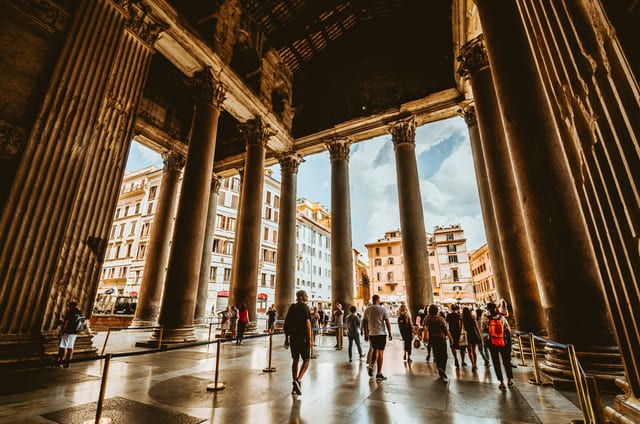 Centro Storico Centro Storico | The walkable historic core: baroque piazzas, fountains, and cobbled lanes, with no Metro but everything in reach. | First-timers | $$$ · Upscale | Buses along Corso Vittorio Emanuele II · nearest Metro Spagna or Barberini (Line A), a 10-15 min walk | You want to walk out the door into postcard Rome and reach the Pantheon, Piazza Navona, and Trevi on foot. |
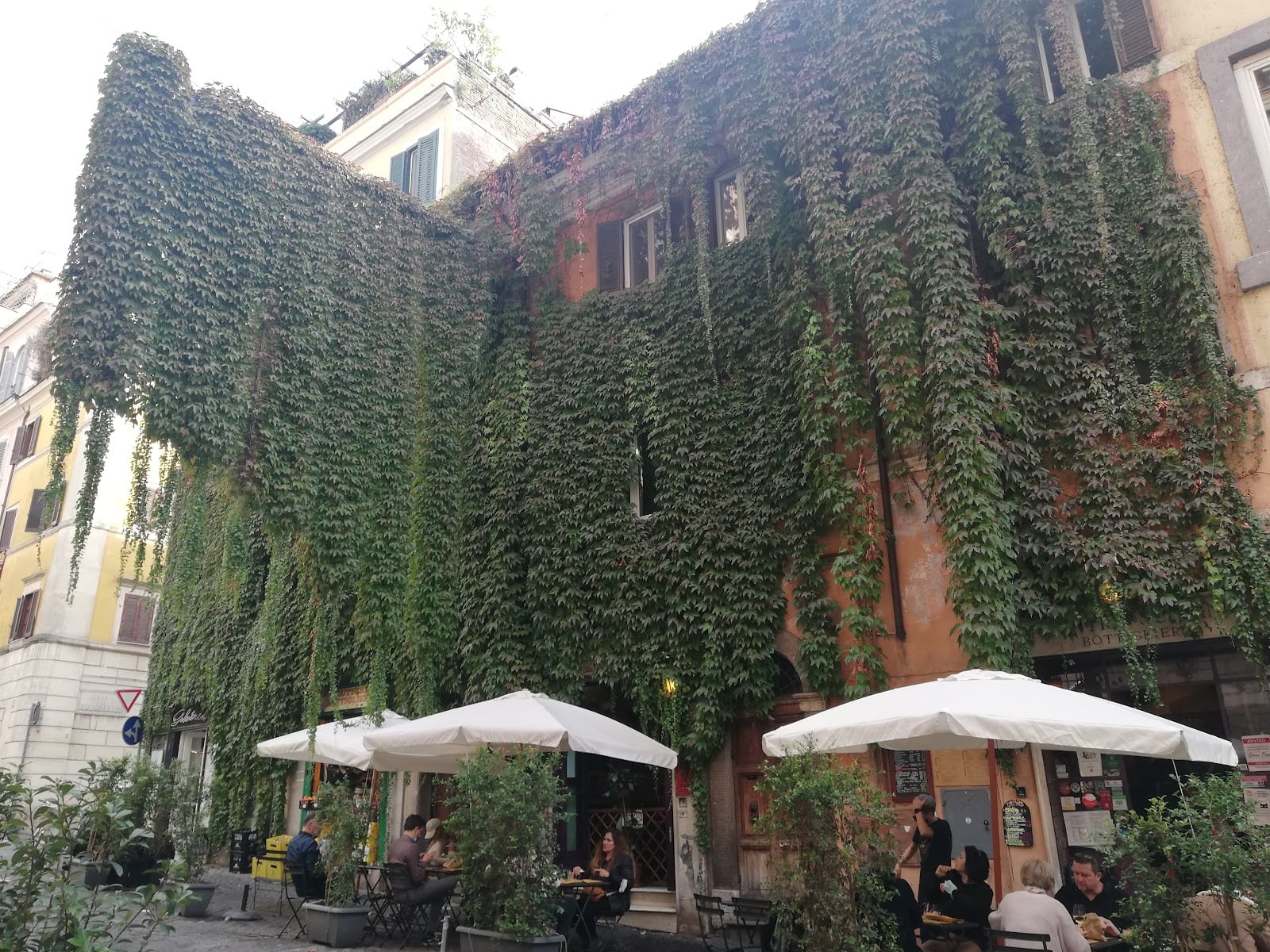
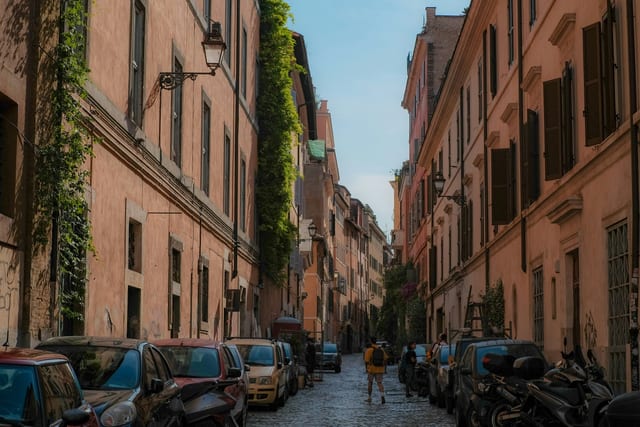 Trastevere Trastevere | Ivy-hung lanes, piazzas that fill after dark, and a food-and-nightlife scene locals cross the river for. | Atmosphere | $$ · Mid-range | Trams 8 and H to Largo Argentina and Termini · Tram 3 · a 15 min walk to Campo de' Fiori | You want cobbled medieval lanes, the best trattorias, and Rome's liveliest nights a bridge from the center. |
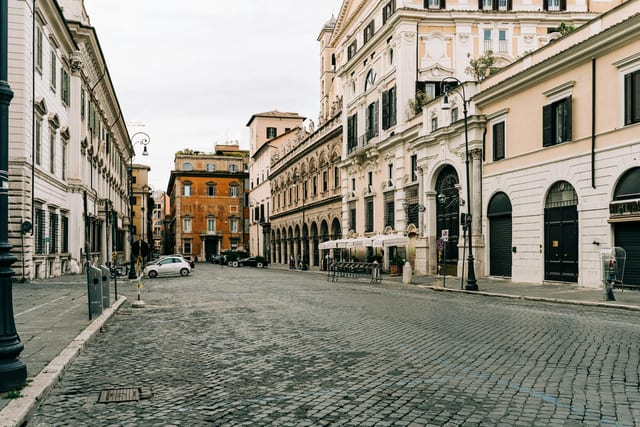 Monti Monti | Rome's oldest quarter turned boutique-and-wine-bar rione, wedged between the Forum and Termini. | First-timers | $$ · Mid-range | Cavour (Line B) · a 10 min walk to the Colosseum and to Termini | You want a trendy, local rione that is still a short walk from the Colosseum and the Forum. |
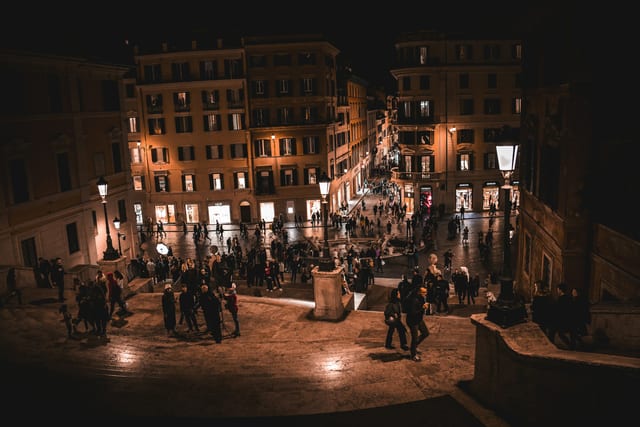 Spanish Steps & Tridente Spanish Steps & Tridente | Rome's shopping and luxury quarter: designer streets, grand hotels, and the Spanish Steps. | Luxury | $$$$ · Luxury | Spagna and Flaminio (Line A) · a 10 min walk to the Trevi Fountain | You want elegant, central, and upscale, with the big shopping streets and the Trevi Fountain nearby. |
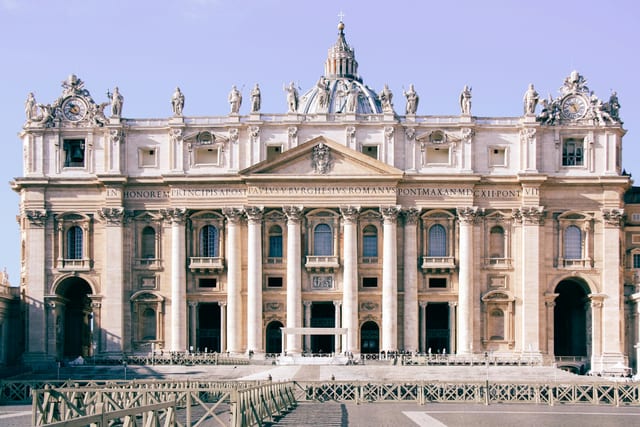 Prati & the Vatican Prati & the Vatican | Orderly early-1900s boulevards beside the Vatican: quiet, residential, and full of good, unfussy restaurants. | Families | $$ · Mid-range | Ottaviano and Lepanto (Line A) · a 10 min walk to St Peter's Square | You want a calm, elegant, well-priced base with St Peter's and the Vatican Museums on your doorstep. |
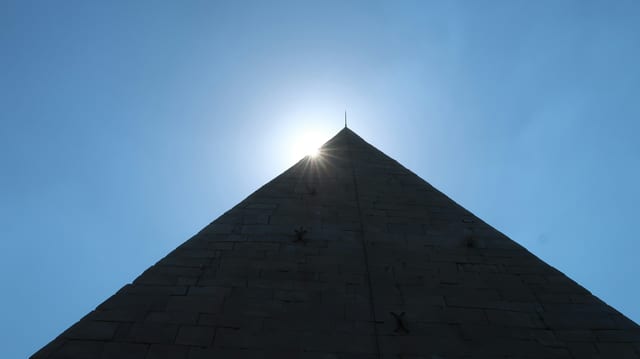 Testaccio Testaccio | The old slaughterhouse district turned food capital: a market, cucina romana, and a genuine local feel. | Food lovers | $$ · Mid-range | Piramide (Line B) · trams 3 and 8 to Trastevere and the center | You want to eat like a Roman, away from the crowds, in the neighborhood that invented the city's cooking. |
 Aventine Hill Aventine Hill | A serene, leafy hill of gardens, churches, and villas above the Circus Maximus, the calmest central address in Rome. | Quiet | $$$ · Upscale | Circo Massimo (Line B) · a 10 min walk to the Colosseum | You want near-total quiet, gardens, and a short walk to the ancient core, and you do not mind few restaurants. |
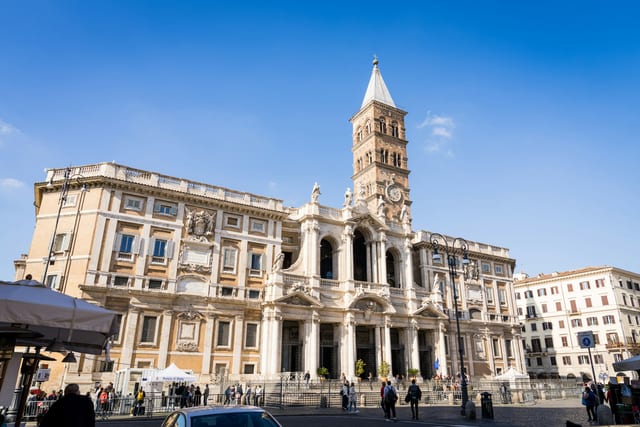 Esquilino & Termini Esquilino & Termini | The multicultural quarter around Termini station: Rome's transit hub, budget beds, and its most diverse food. | Budget | $ · Budget | Termini (Lines A and B, all trains, Leonardo Express to Fiumicino) | You want the best transit in Rome and lower prices, and you will trade some polish for the convenience. |
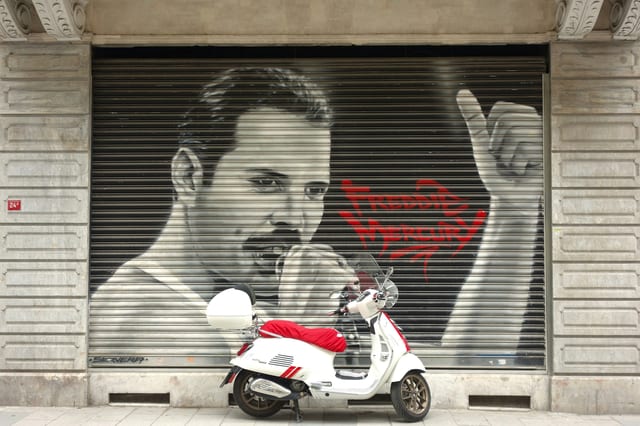 San Lorenzo San Lorenzo | The gritty student quarter east of Termini: cheap eats, craft-beer bars, murals, and a young, local crowd. | Budget | $ · Budget | Termini (a 10 min walk) · trams 3 and 19 | You want cheap beds, street art, and a student nightlife scene, and you do not need to be central or polished. |
Price bands and picks are our own, based on typical hotel rates by area. We describe areas and hotel types only, with no booking links. Tap a neighborhood to jump to its full write-up.
Rome neighborhoods, mapped
Where to stay in Rome, mapped
How the main bases sit across Rome. Tap an area to open its guide.
The best Rome neighborhoods
The best Rome neighborhoods to stay in
What each neighborhood is really like to stay in, who it suits, and what it will cost.
- 1
 $$$Upscale Worth it
Centro Storico
The walkable historic core: baroque piazzas, fountains, and cobbled lanes, with no Metro but everything in reach.
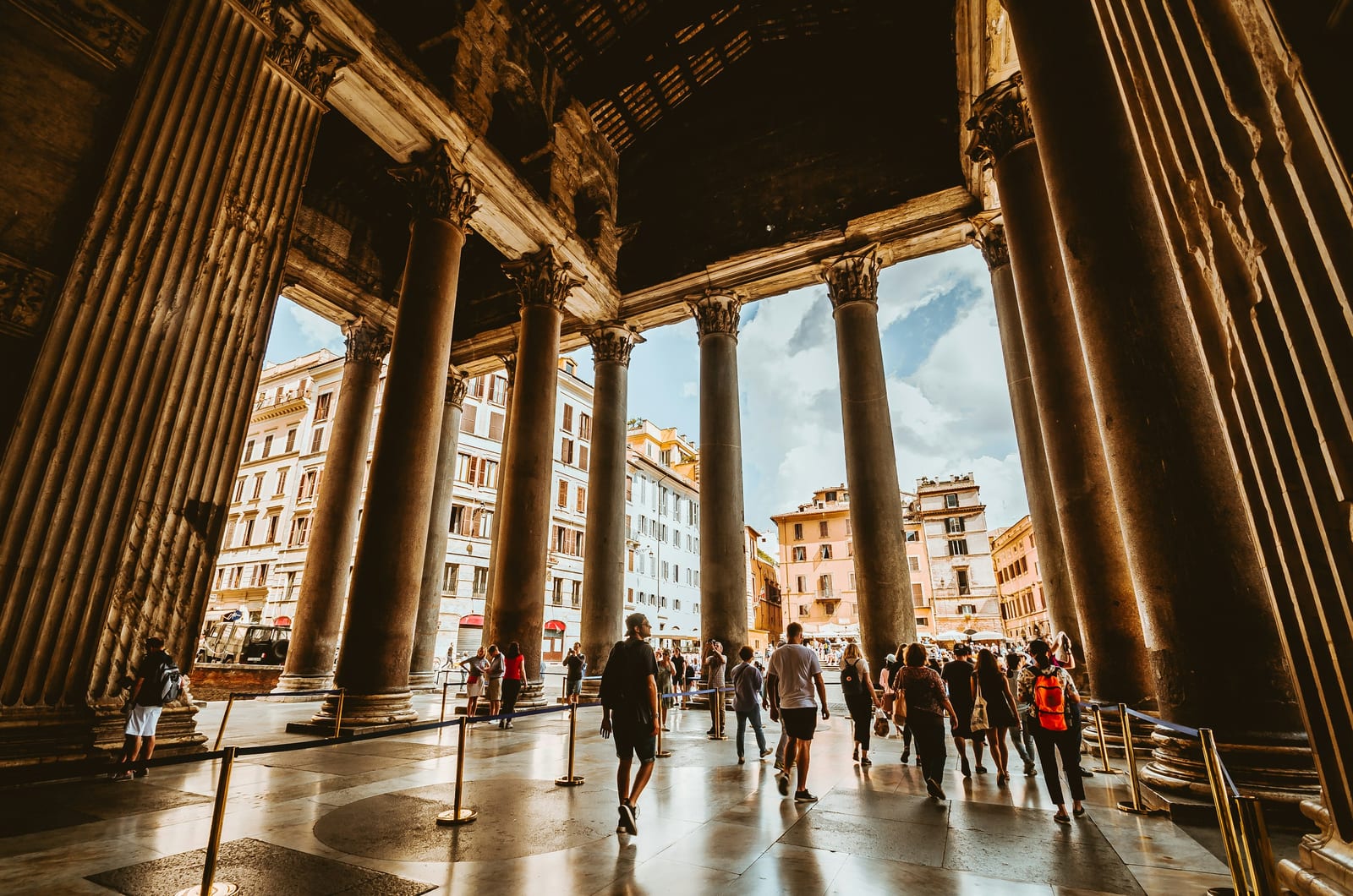
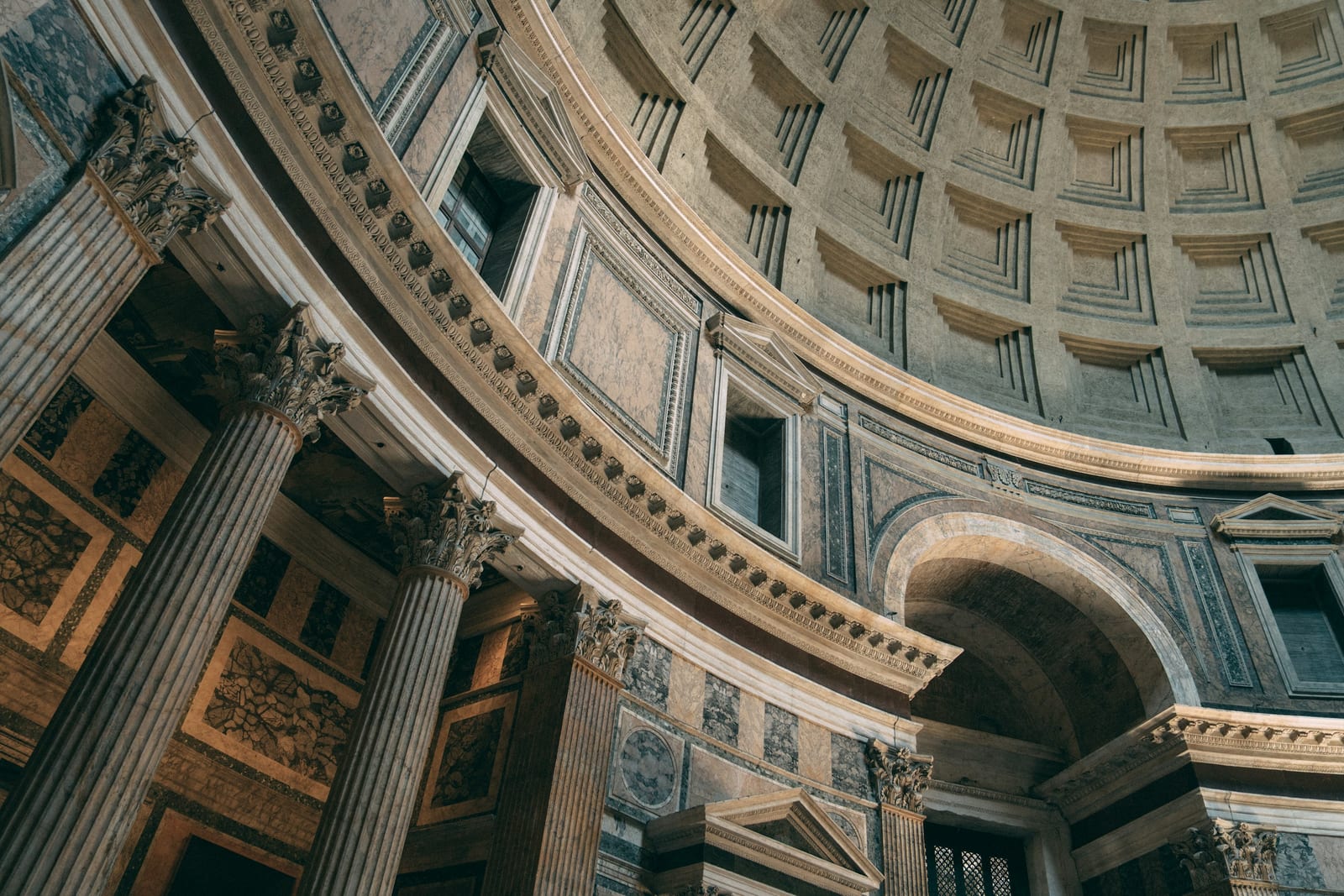
The Rome most people picture, and the easiest base for a first trip. From the Pantheon or Piazza Navona you can walk to the Trevi Fountain, Campo de' Fiori, and the Jewish Ghetto without a bus. The catch: no Metro inside the core, and rooms run small and pricey in the old buildings. For atmosphere and time saved, most first-timers still put it first.
- First-timers
- Walkers
- Sightseeing
- Short stays
Buses along Corso Vittorio Emanuele II · nearest Metro Spagna or Barberini (Line A), a 10-15 min walkDoubles roughly €160-320; boutique stays climb past €400 near the Pantheon.Boutique hotels and small B&Bs in historic palazzi, plus a few four-star stays.Stay here if
- Walk to the Pantheon, Navona, and Trevi
- The most atmospheric streets in Rome
- No transit needed for the main sights
Maybe look elsewhere if
- No Metro inside the core
- Small, pricey rooms
- Crowds and some tourist-trap dining
Sub-areas: Pantheon · Piazza Navona · Campo de' Fiori · Jewish Ghetto
Sourcesen.wikipedia.org
Explore things to do in Centro Storico - 2
 $$Mid-range Worth it
Trastevere
Ivy-hung lanes, piazzas that fill after dark, and a food-and-nightlife scene locals cross the river for.
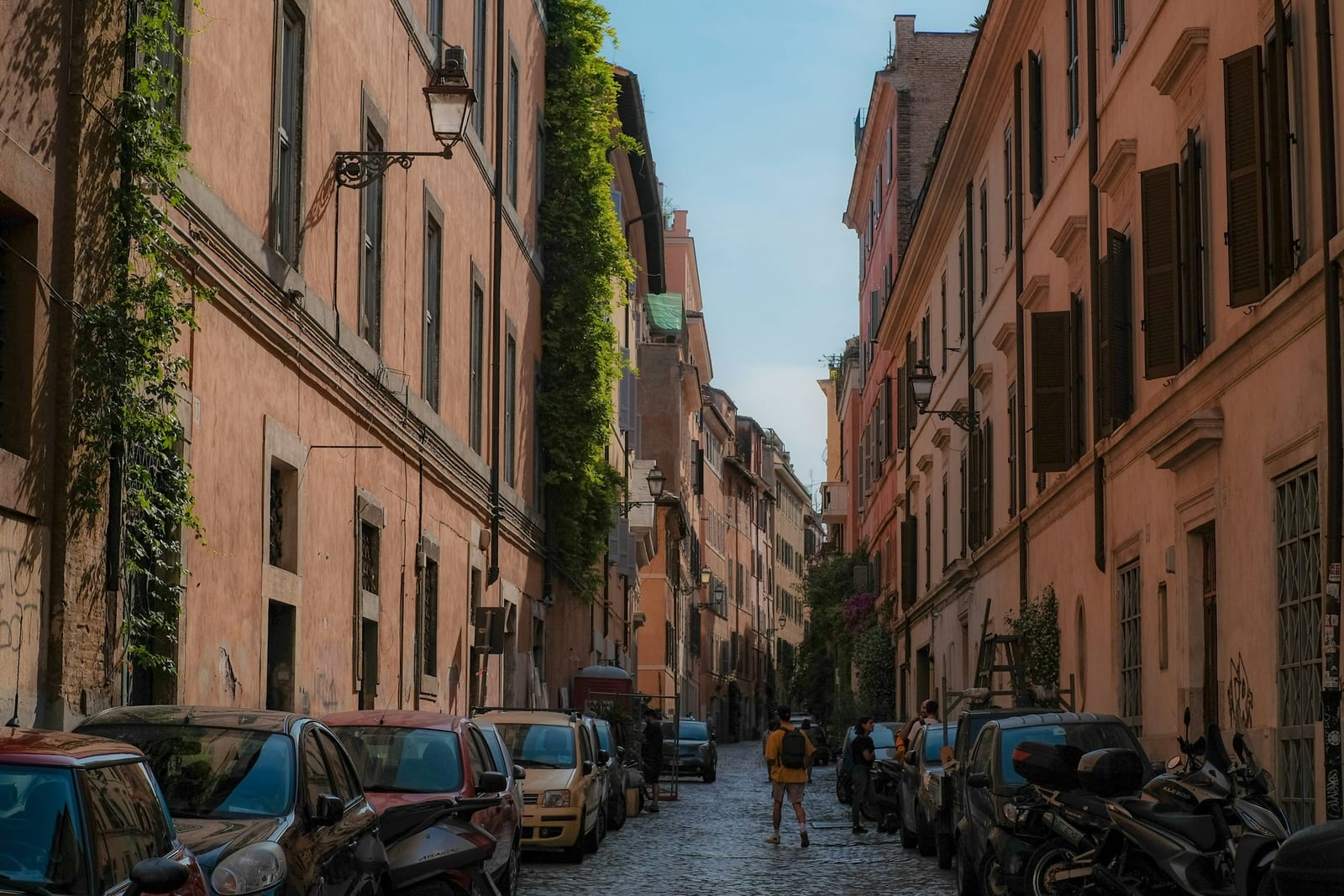
A warren of cobbled lanes and ochre houses across the Tiber, anchored by the mosaics of Santa Maria in Trastevere and packed with trattorias and wine bars. Postcard-quiet by day, it becomes Rome's nightlife heart after dark, so the streets near Piazza Trilussa get loud on weekends. No Metro, but trams and a short walk reach the center.
- Atmosphere
- Food
- Nightlife
- Couples
Trams 8 and H to Largo Argentina and Termini · Tram 3 · a 15 min walk to Campo de' FioriB&Bs and apartments from about €110; boutique hotels €200-300.B&Bs, apartments, and a handful of boutique hotels; few chains.Stay here if
- Rome's best trattorias at the door
- The most atmospheric lanes in the city
- Lively, walkable nights
Maybe look elsewhere if
- Noisy near the bars on weekends
- No Metro station
- Fills with tourists in peak season
Sub-areas: Santa Maria in Trastevere · Piazza Trilussa · Viale di Trastevere · Gianicolo
Sourcesnationalgeographic.com
Explore things to do in Trastevere - 3
 $$Mid-range Worth it
Monti
Rome's oldest quarter turned boutique-and-wine-bar rione, wedged between the Forum and Termini.
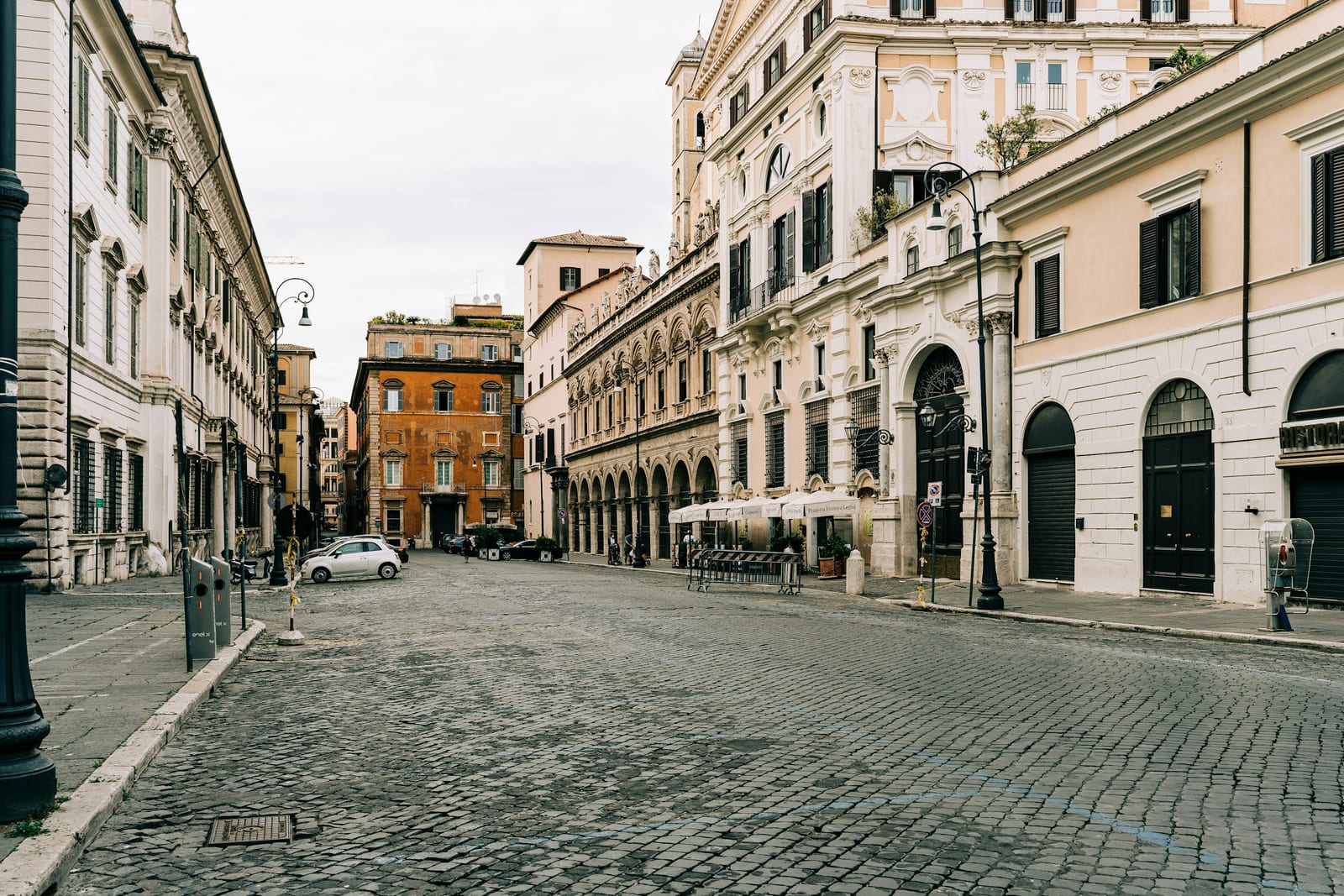
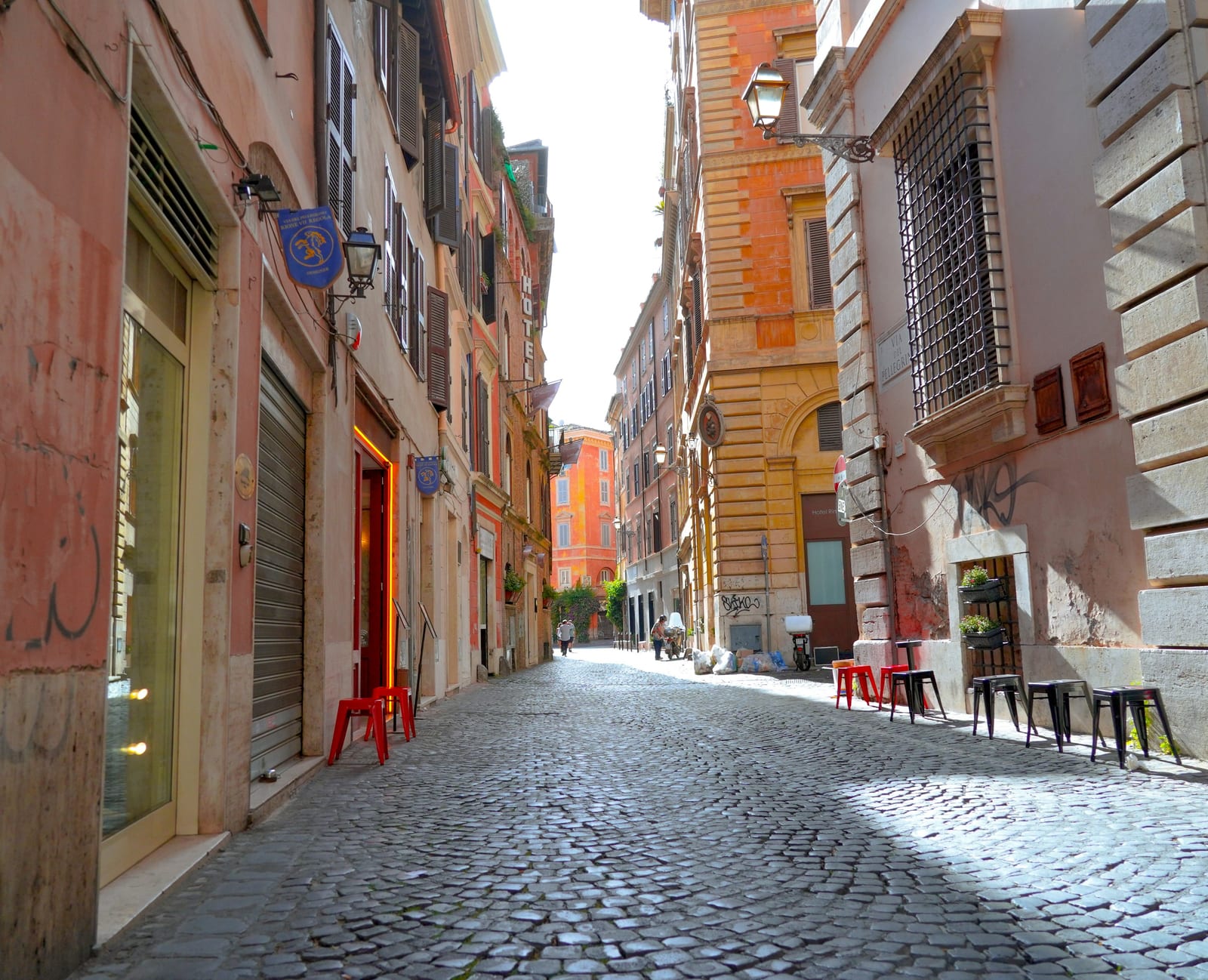
The oldest rione in Rome, just north of the Forum, its lanes lined with vintage shops, wine bars, and small trattorias around Piazza della Madonna dei Monti. Michelangelo's Moses sits a few steps uphill at San Pietro in Vincoli. Monti has its own Metro stop at Cavour and puts ancient Rome, Termini, and the Centro Storico within a short walk: the sweet spot for cool but central.
- First-timers
- Central and local
- Wine bars
- Boutiques
Cavour (Line B) · a 10 min walk to the Colosseum and to TerminiDoubles roughly €130-240; a few design hotels run higher.Boutique and design hotels, guesthouses, and apartments.Stay here if
- Trendy but central and walkable
- Its own Metro stop (Cavour)
- Steps from the Forum and Colosseum
Maybe look elsewhere if
- Small area, books up fast
- Busy nightlife on the main piazza
- Limited big-hotel options
Sub-areas: Piazza della Madonna dei Monti · Via del Boschetto · Via Urbana · Rione Monti
Sourcesen.wikipedia.org
Explore things to do in Monti - 4
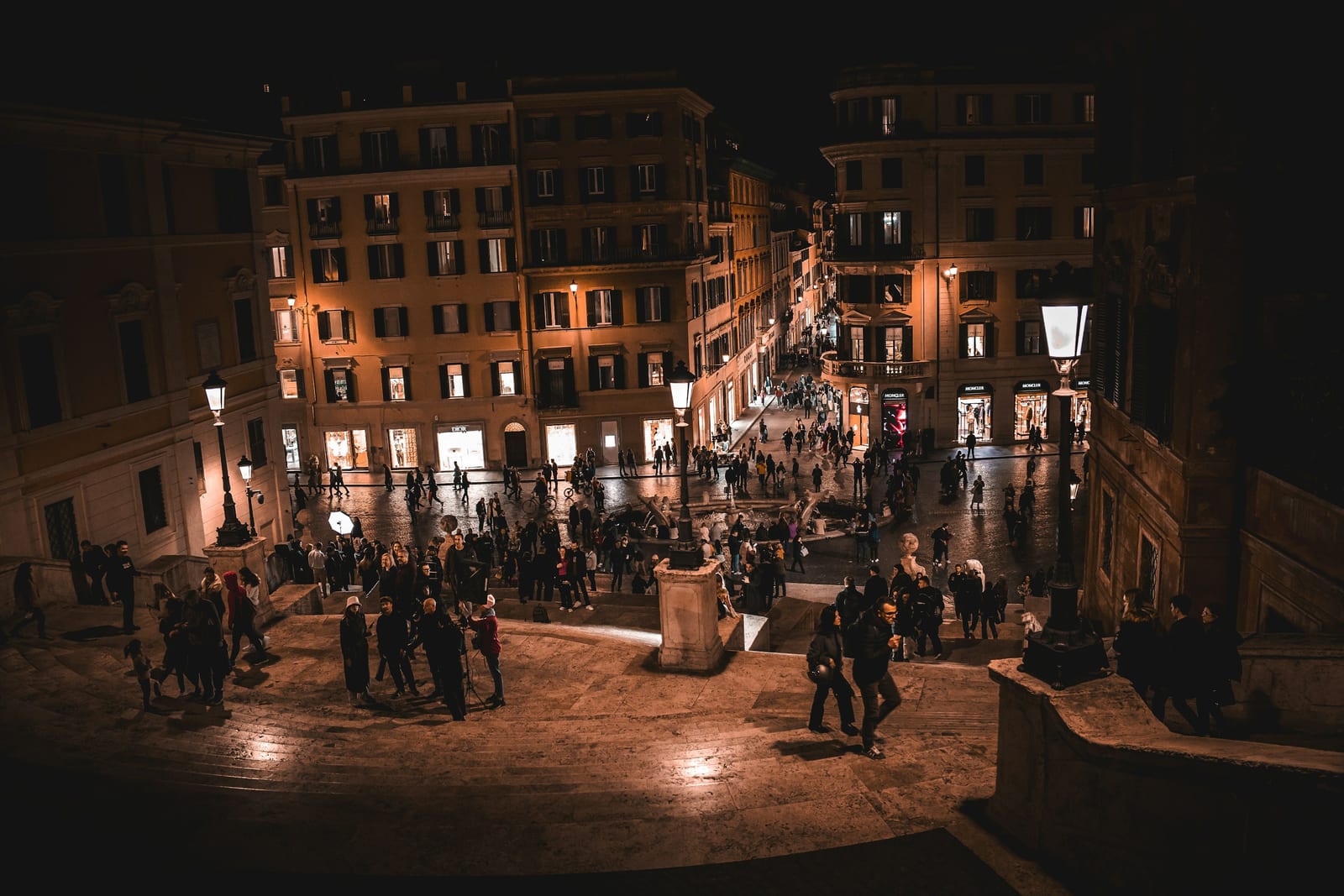 $$$$Luxury Worth it
Spanish Steps & Tridente
Rome's shopping and luxury quarter: designer streets, grand hotels, and the Spanish Steps.
The Tridente, spreading south from Piazza del Popolo, is Rome's most polished address. Around Piazza di Spagna you get the flagship boutiques of Via dei Condotti, grand five-star hotels, and easy walks to the Trevi Fountain and the Pantheon. It is central, refined, and well connected (Spagna on Line A), which is also why it is expensive and busy around the Steps.
- Luxury
- Shopping
- Romance
- Central
Spagna and Flaminio (Line A) · a 10 min walk to the Trevi FountainFour- and five-star doubles €300-600 and up; few budget options.Grand five-star hotels and upscale boutiques.Stay here if
- Elegant and very central
- The best shopping in Rome
- Excellent Metro access (Spagna)
Maybe look elsewhere if
- The most expensive area to sleep
- Crowds around the Steps
- More polished than characterful
Sub-areas: Piazza di Spagna · Via del Corso · Piazza del Popolo · Via dei Condotti
Sourcesen.wikipedia.org
Explore things to do in Spanish Steps & Tridente - 5
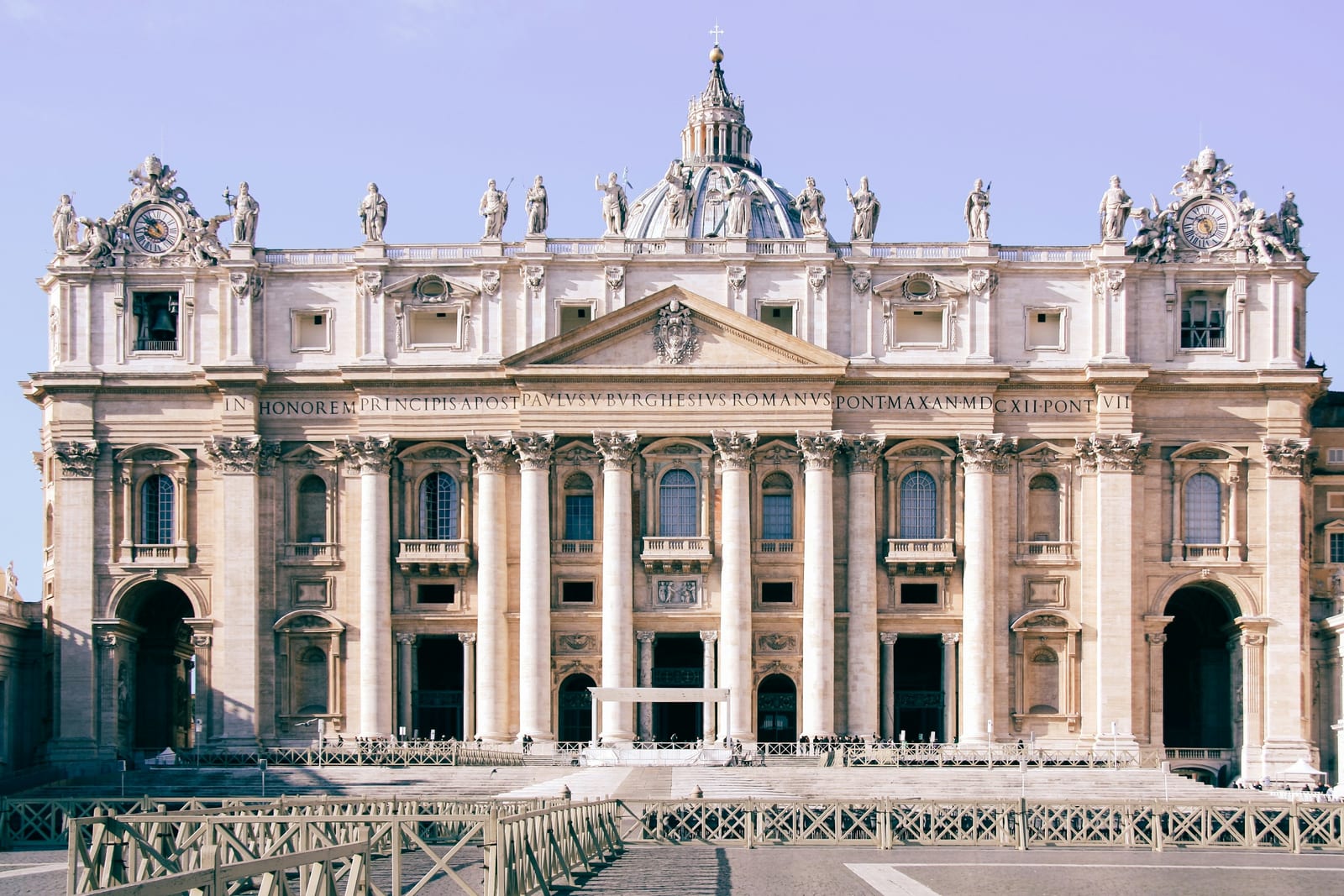 $$Mid-range Worth it
Prati & the Vatican
Orderly early-1900s boulevards beside the Vatican: quiet, residential, and full of good, unfussy restaurants.
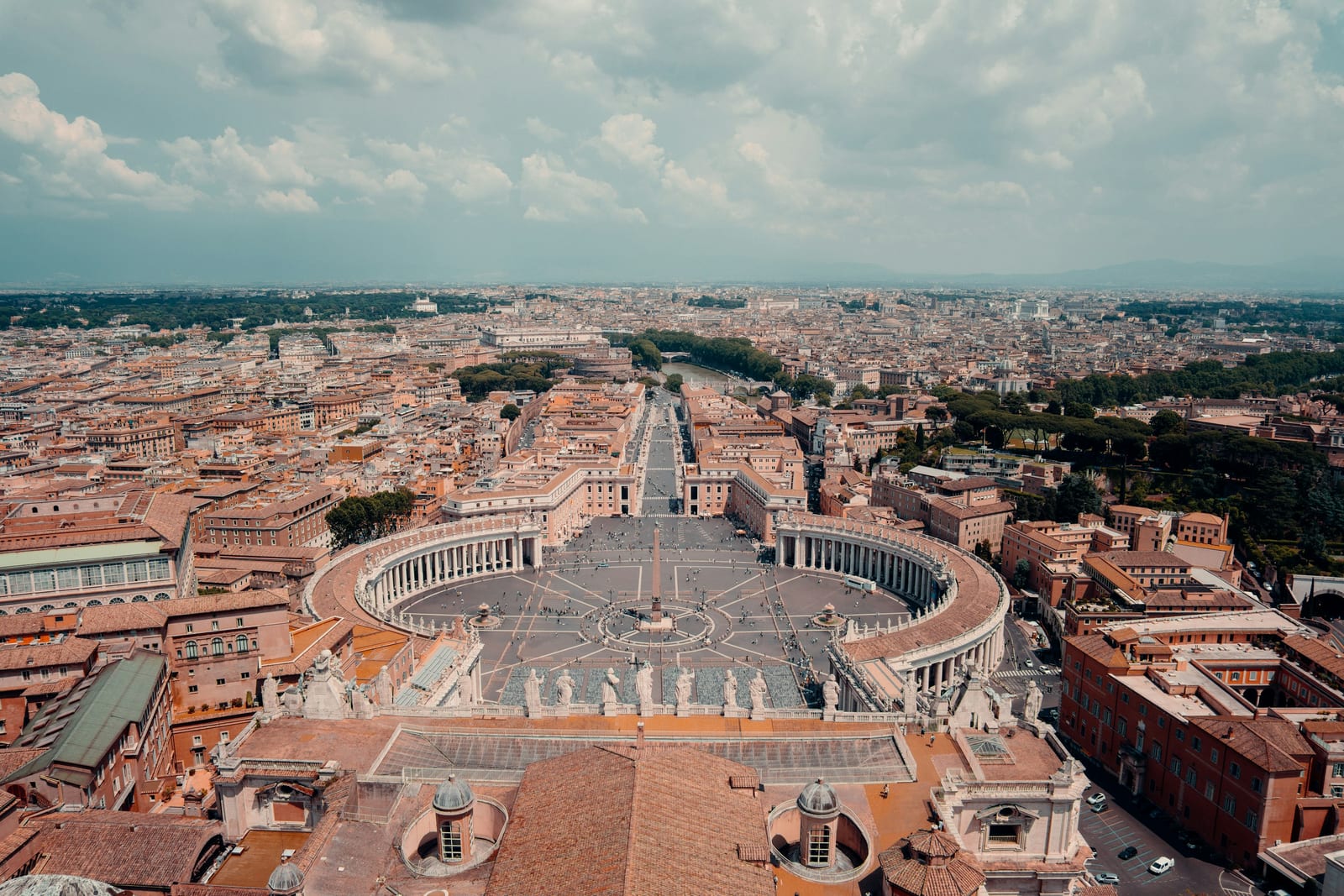
Prati is the grid of handsome boulevards north of the Vatican walls, and one of Rome's smartest bases for the money: residential and calm, with wide streets, excellent everyday restaurants, and the shopping of Via Cola di Rienzo. St Peter's and the Vatican Museums are a short walk, and two Line A stops (Ottaviano, Lepanto) put the center minutes off. Families and quiet-seekers love it.
- Families
- Value
- Quiet and central
- Vatican visits
Ottaviano and Lepanto (Line A) · a 10 min walk to St Peter's SquareDoubles roughly €120-230; better value than the historic core.Mid-range hotels, residences, and family-friendly apartments.Stay here if
- Quiet and residential, still central
- Great value for the location
- Walk to the Vatican; easy Metro
Maybe look elsewhere if
- A little removed from the ancient-Rome core
- More local than lively at night
- Vatican crowds spill over nearby
Sub-areas: Prati · Via Cola di Rienzo · Borgo · Ottaviano
Sourcesen.wikipedia.org
Explore things to do in Prati & the Vatican - 6
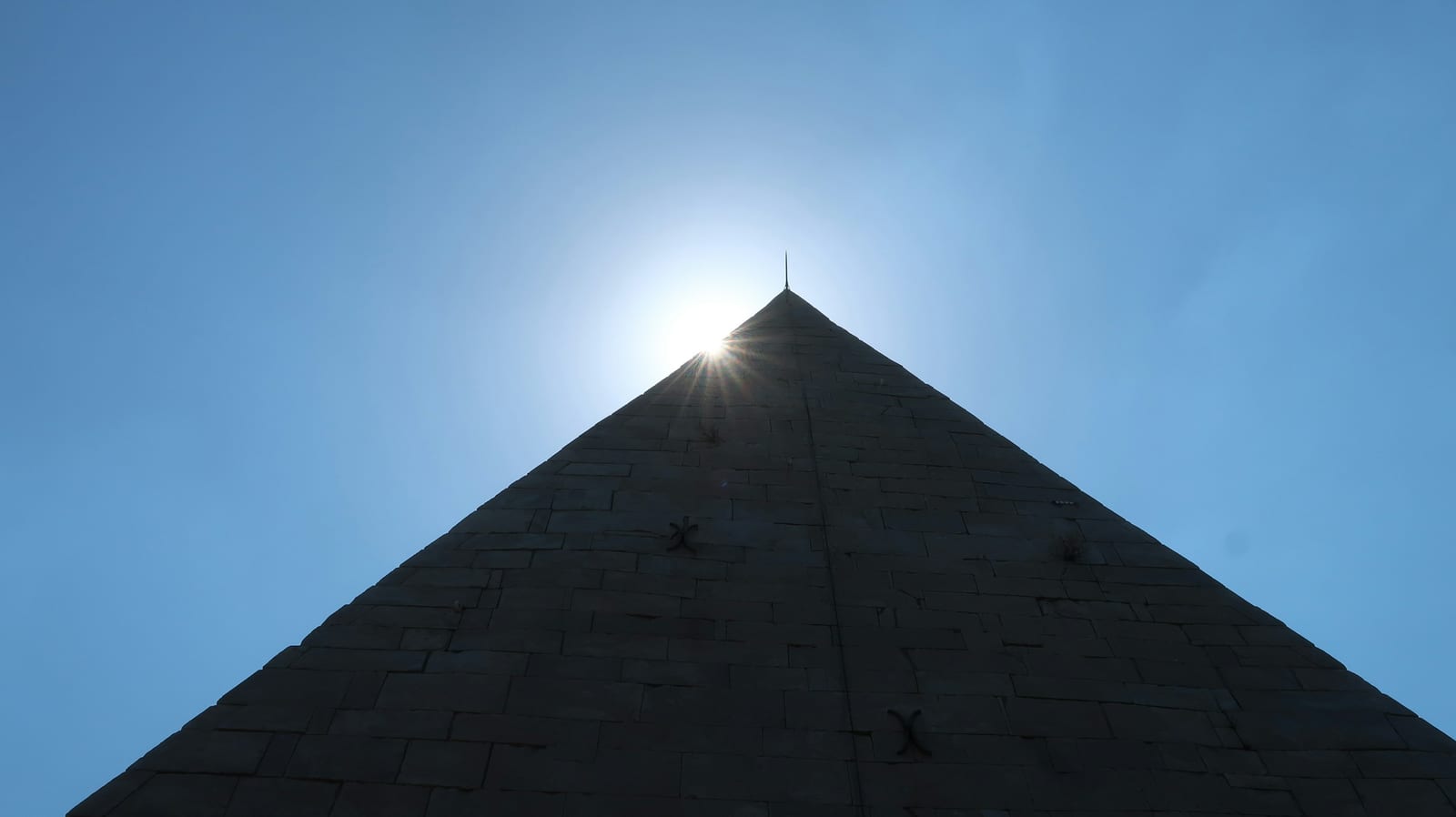 $$Mid-range Worth it
Testaccio
The old slaughterhouse district turned food capital: a market, cucina romana, and a genuine local feel.
Rome's food neighborhood. Built around the old slaughterhouse, it is the birthplace of the city's cucina and still home to its best food market, classic trattorias, and a nightlife strip under Monte Testaccio. Largely tourist-free, residential, and well priced, with the Metro at Piramide and trams for the center. You trade a central address for the most authentic eating in Rome.
- Food lovers
- Authentic local
- Value
- Nightlife
Piramide (Line B) · trams 3 and 8 to Trastevere and the centerDoubles roughly €100-190; strong value.Small hotels, B&Bs, and apartments; few chains.Stay here if
- The best food in Rome, at local prices
- Almost no tourists staying here
- Metro and trams to everywhere
Maybe look elsewhere if
- Not central or especially pretty
- Fewer hotels to choose from
- Nightlife noise under the hill
Sub-areas: Testaccio Market · Monte Testaccio · Via Marmorata · Ostiense edge
Sourcesitalia.it
Explore things to do in Testaccio - 7 Hidden gem
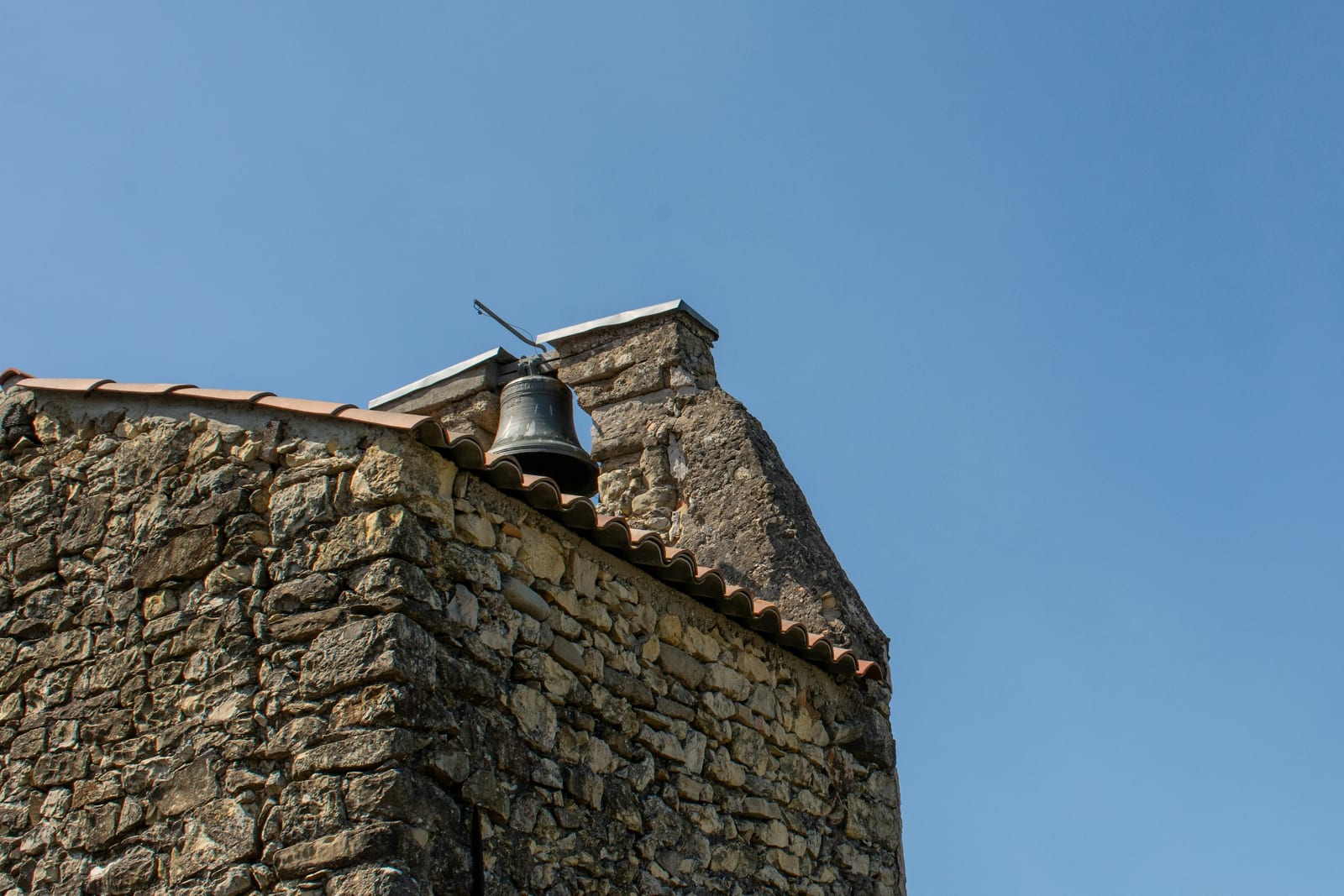 $$$Upscale Worth it
Aventine Hill
A serene, leafy hill of gardens, churches, and villas above the Circus Maximus, the calmest central address in Rome.
The base the guidebooks skip, and that is the point. One of Rome's seven hills, it is a hushed, green quarter of medieval churches, the Orange Garden with its dome view, and the Knights of Malta keyhole, a short downhill walk from the Circus Maximus and the Colosseum. Almost no nightlife and few restaurants, so it suits couples and quiet-seekers over first-timers who want buzz at the door.
- Quiet
- Romance
- Gardens
- A calm base
Circo Massimo (Line B) · a 10 min walk to the ColosseumA few upscale hotels and garden B&Bs, roughly €160-300.A handful of quiet upscale hotels and garden B&Bs.Stay here if
- The quietest central base in Rome
- Gardens and dome views
- Short walk to ancient Rome
Maybe look elsewhere if
- Very few restaurants nearby
- No nightlife
- A steep walk up the hill
Sub-areas: Giardino degli Aranci · Santa Sabina · Knights of Malta keyhole · Circus Maximus
Sourcesturismoroma.it
Explore things to do in Aventine Hill - 8
 $Budget Mixed
Esquilino & Termini
The multicultural quarter around Termini station: Rome's transit hub, budget beds, and its most diverse food.
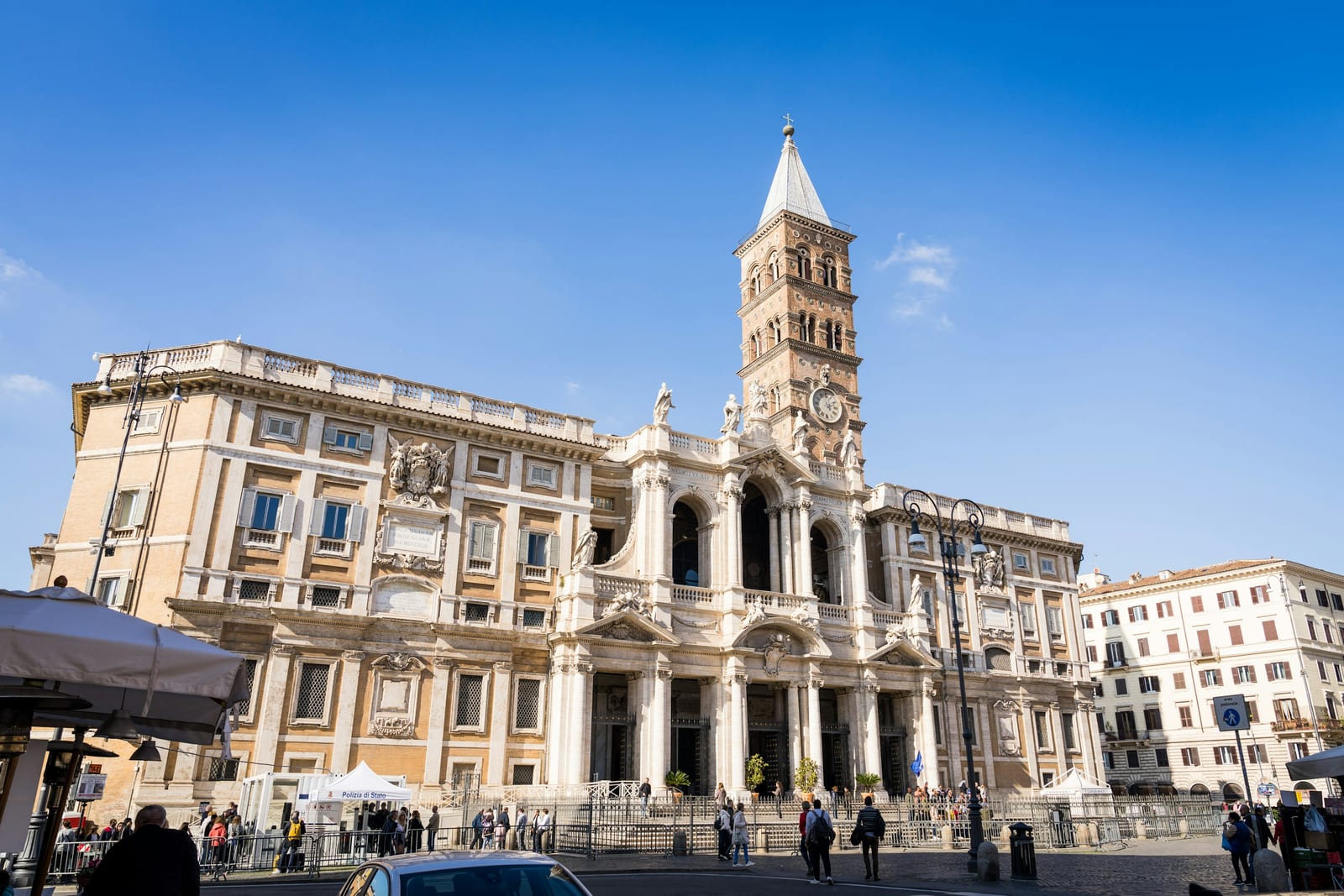
Esquilino wraps around Termini, Rome's main station, making it the most connected base in the city: both Metro lines, every train, and the Leonardo Express to the airport start here, ideal for budget travelers and day trips. The rione is Rome's most multicultural, anchored by Santa Maria Maggiore and the Piazza Vittorio market. The honest caveat: the streets right by Termini can feel run-down at night, so stay a few blocks in.
- Budget
- Transit and day trips
- Early departures
- Diverse food
Termini (Lines A and B, all trains, Leonardo Express to Fiumicino)Budget hotels and hostels from about €70; plenty under €130.Budget hotels, hostels, and chain properties near the station.Stay here if
- Unbeatable transit and airport access
- Rome's cheapest central beds
- Great multicultural food
Maybe look elsewhere if
- Busier and less polished right by the station
- Less charm than other areas
- Busy, trafficked streets
Sub-areas: Santa Maria Maggiore · Piazza Vittorio · Termini · Via Merulana
Sourcesen.wikipedia.org
Explore things to do in Esquilino & Termini - 9
 $Budget Mixed
San Lorenzo
The gritty student quarter east of Termini: cheap eats, craft-beer bars, murals, and a young, local crowd.
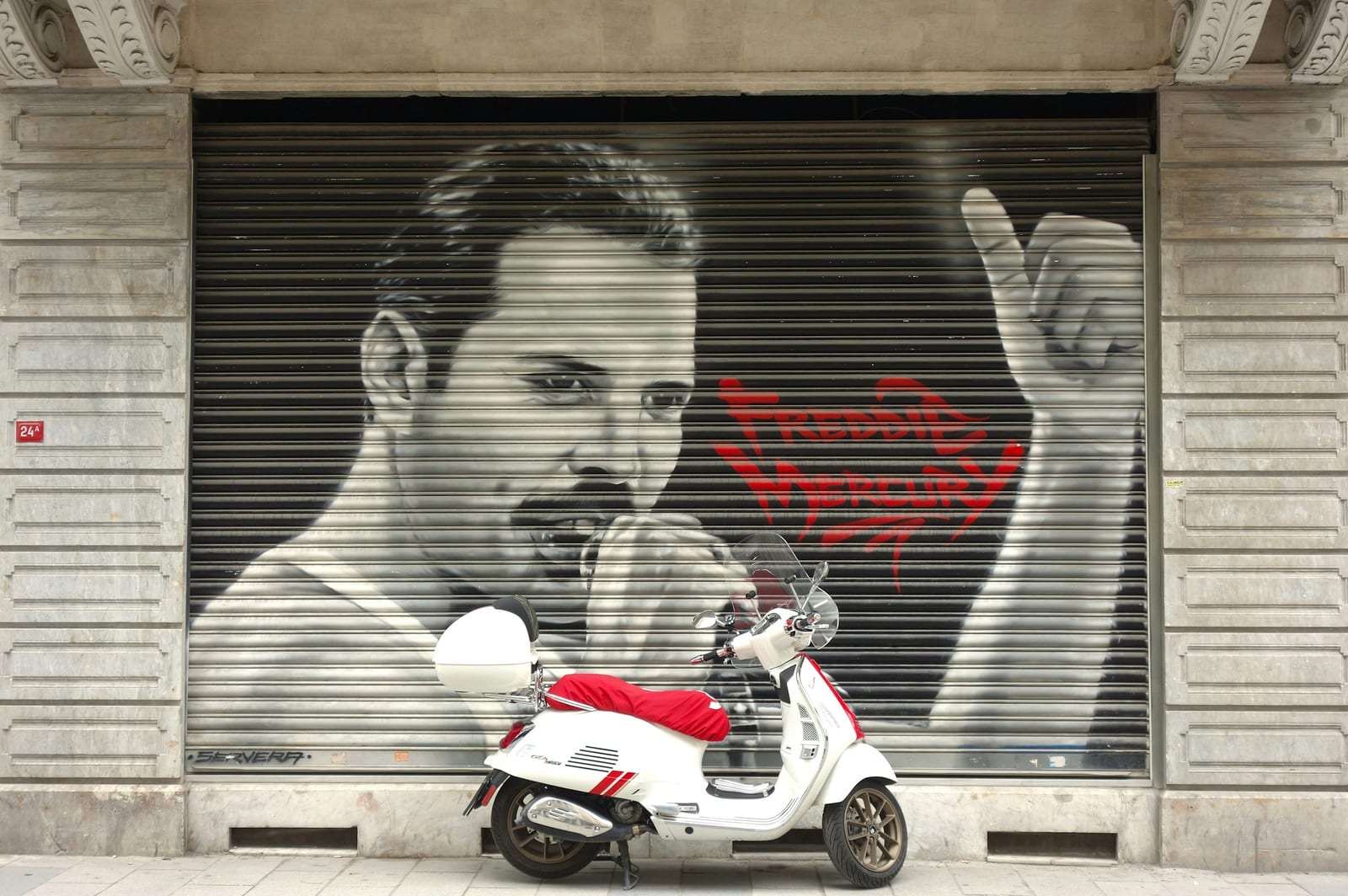
Wedged between Termini and the Sapienza university, San Lorenzo is Rome's student and nightlife quarter: bohemian, covered in street art, and full of cheap trattorias, craft-beer bars, and late clubs. It is the base for younger, budget-minded travelers who want a local scene over sights, and it is walkable to Termini. The trade-offs: it is gritty and worn, with some late-night safety issues.
- Budget
- Nightlife
- Younger travelers
- Local scene
Termini (a 10 min walk) · trams 3 and 19Hostels and budget rooms from about €60; among the cheapest in Rome.Hostels, budget guesthouses, and apartments.Stay here if
- Rome's cheapest, most local nightlife
- Real student-quarter energy
- Walkable to Termini transit
Maybe look elsewhere if
- Gritty and worn in places
- Some late-night safety issues
- A long walk from the sights
Sub-areas: Via dei Volsci · Verano cemetery · Sapienza University · Via Tiburtina
Sourcesen.wikipedia.org
Explore things to do in San Lorenzo


By traveler
Best area to stay in Rome for your kind of trip
The right Rome base depends on what you want from your days and nights. Here is where to point each kind of traveler.
Best for first-time visitors
Centro Storico
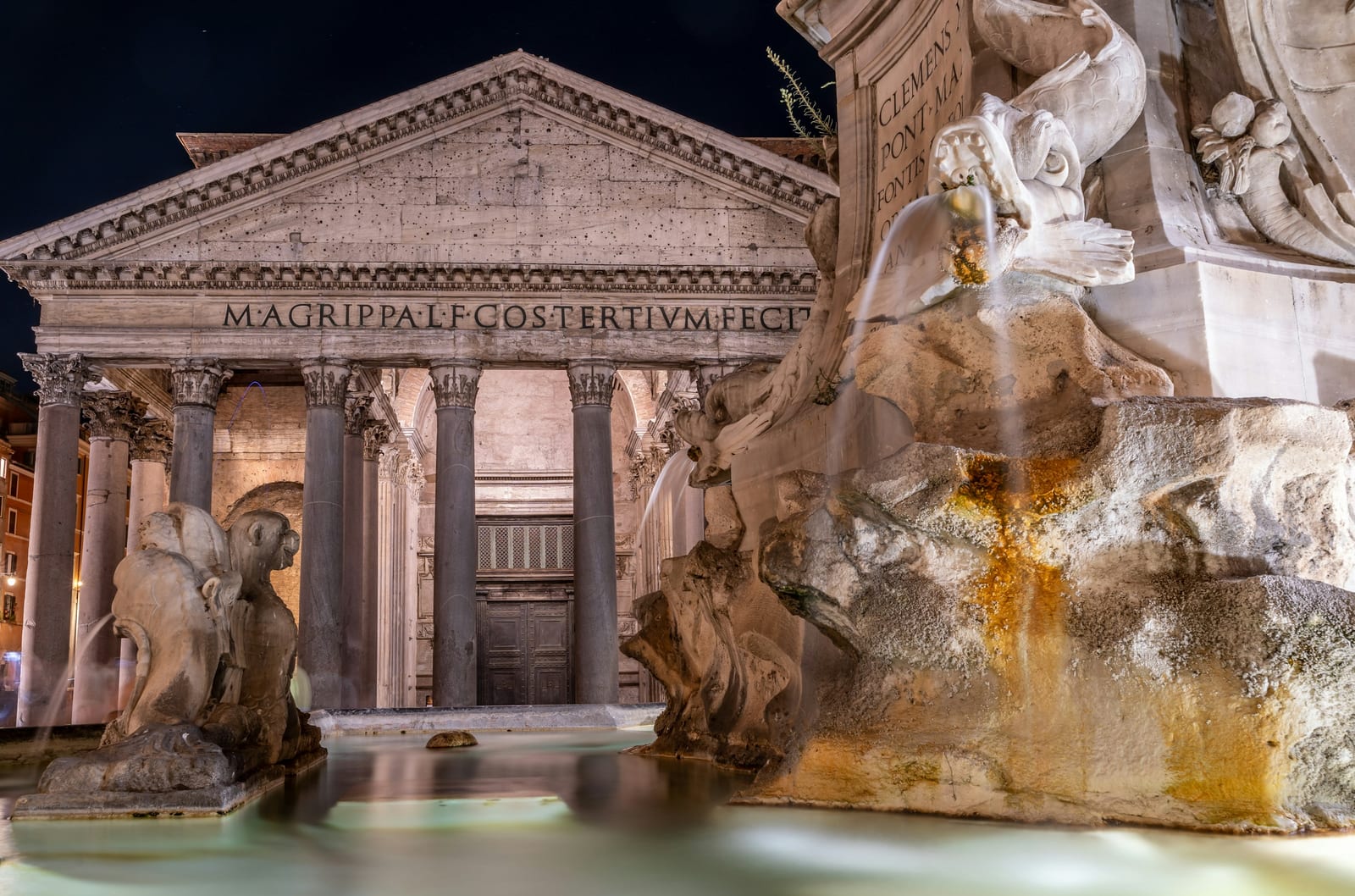
Walk straight out into the Pantheon, Piazza Navona, and the Trevi Fountain. On a first trip, the time saved and the atmosphere are worth the higher room rates.
Best for families
Prati, by the Vatican
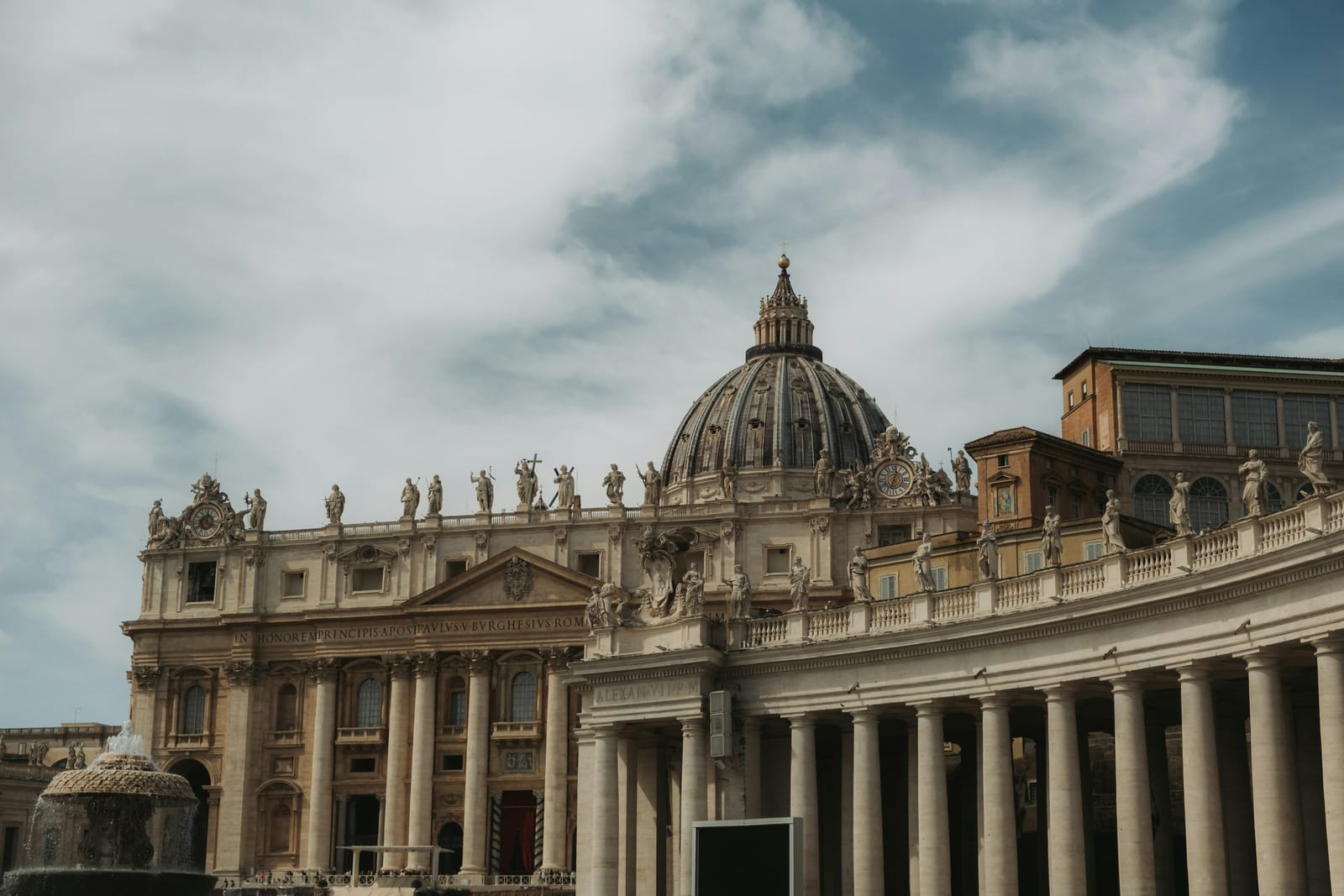
Quiet, residential streets, larger rooms and apartments, everyday restaurants, and an easy walk to the Vatican, all for less than the historic core.
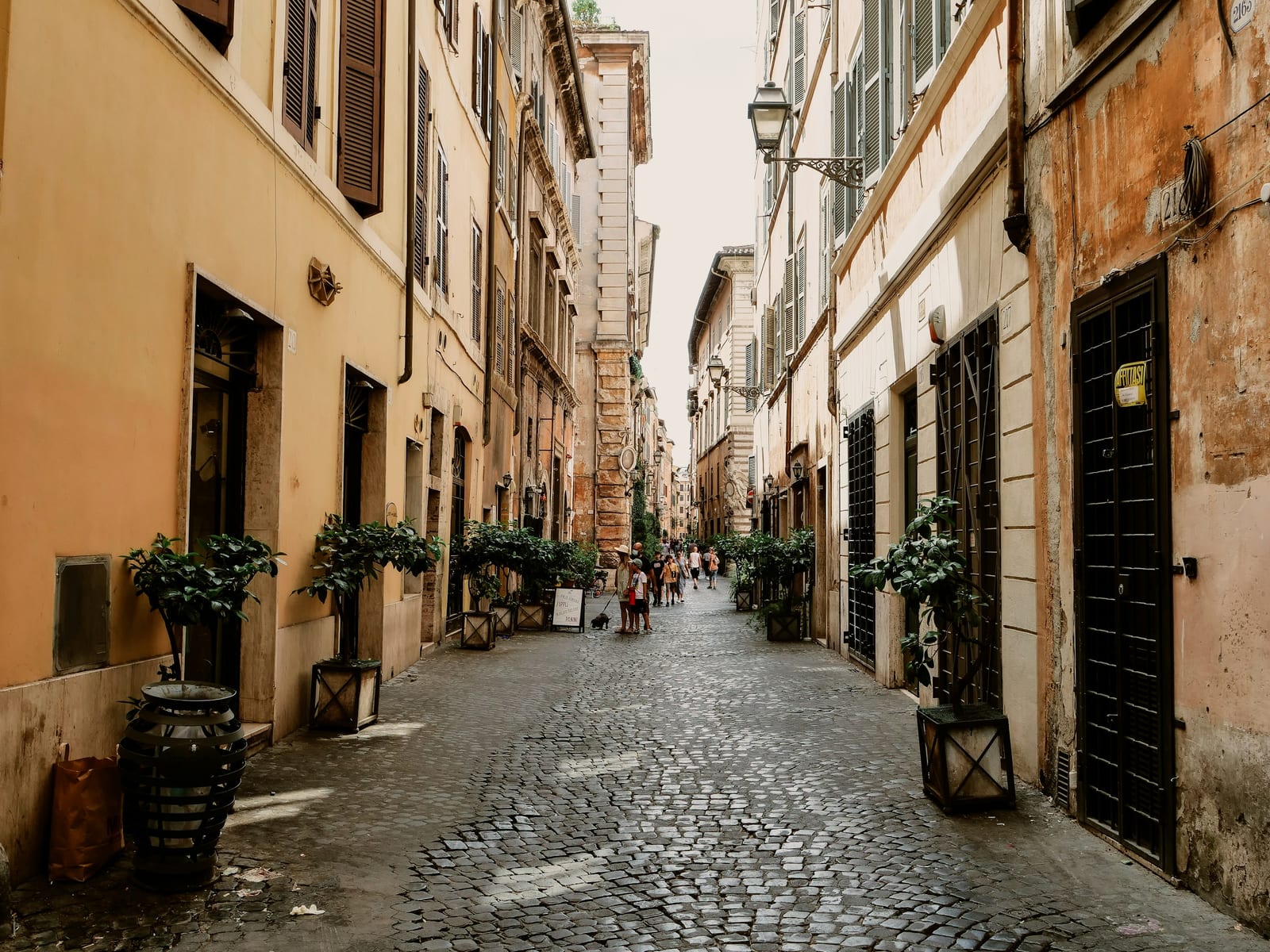
Best for couples and romance
Trastevere or the Aventine
Trastevere for candlelit trattorias and lively lanes; the Aventine for gardens, dome views, and near-total quiet a short walk from the sights.
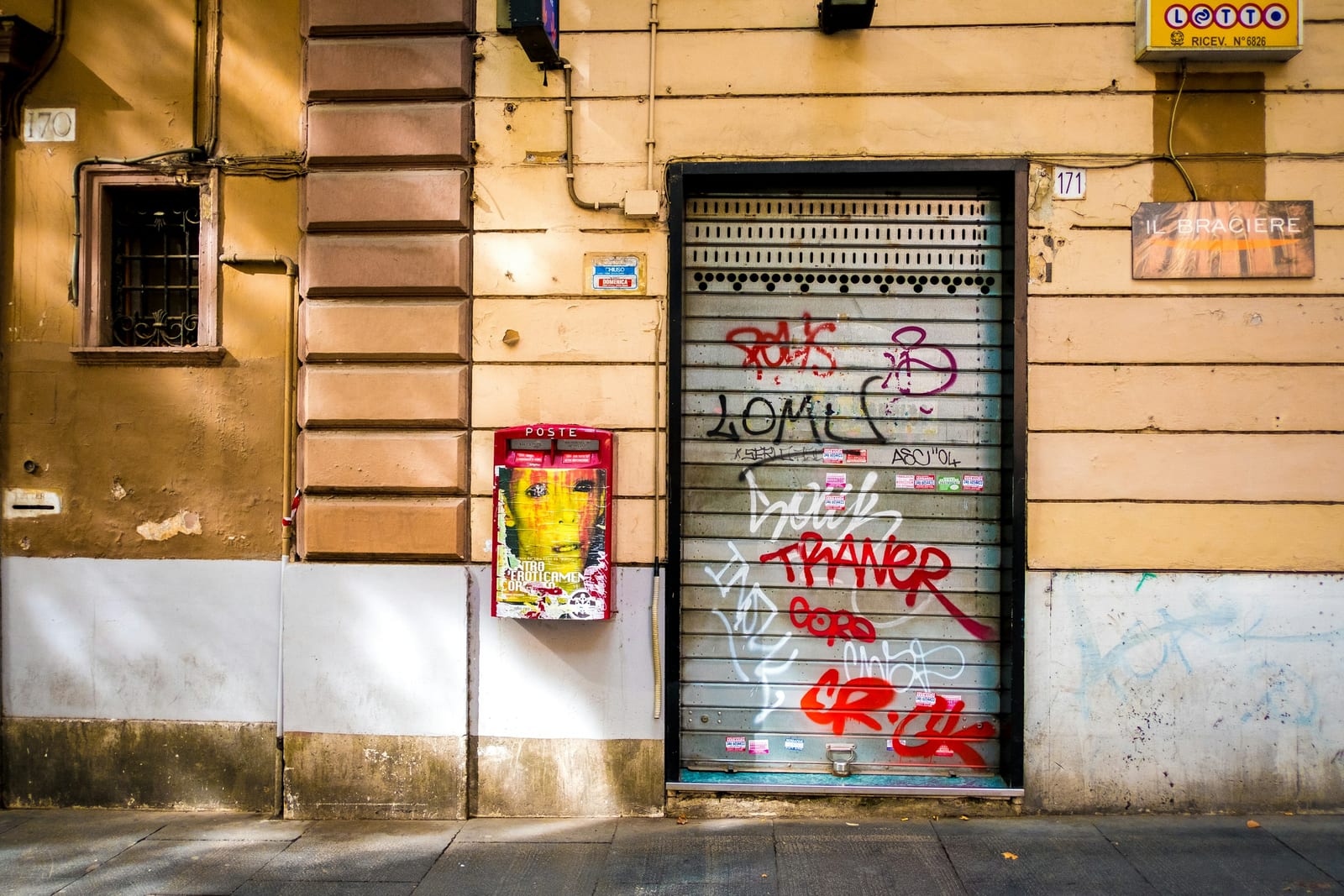
Best for nightlife and going out
Trastevere or San Lorenzo
Trastevere's piazzas fill every night; San Lorenzo is the grittier, cheaper student and craft-beer scene east of Termini.
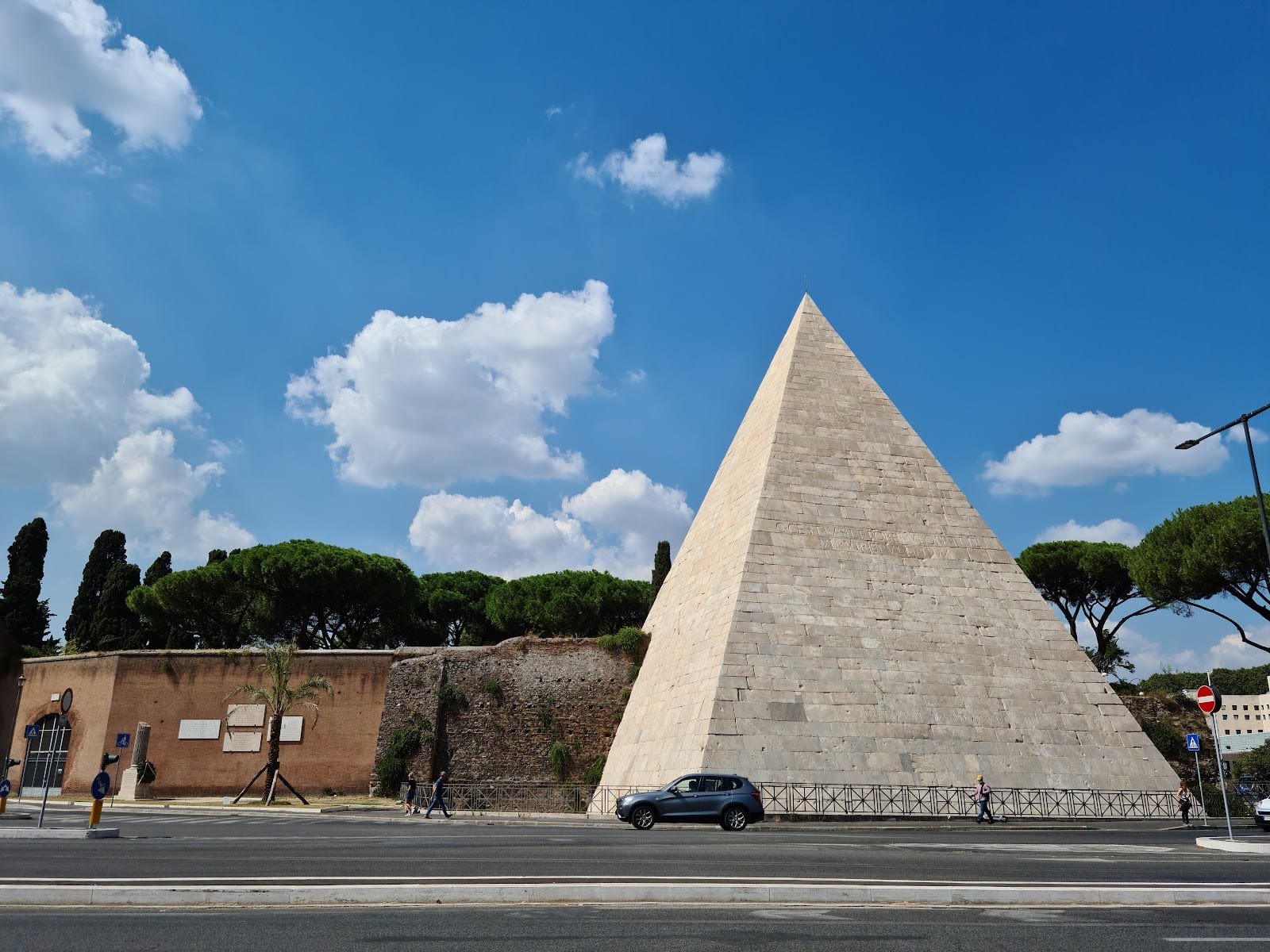
Best for food lovers
The birthplace of Roman cooking, with the city's best food market and classic trattorias, almost entirely free of tourists.
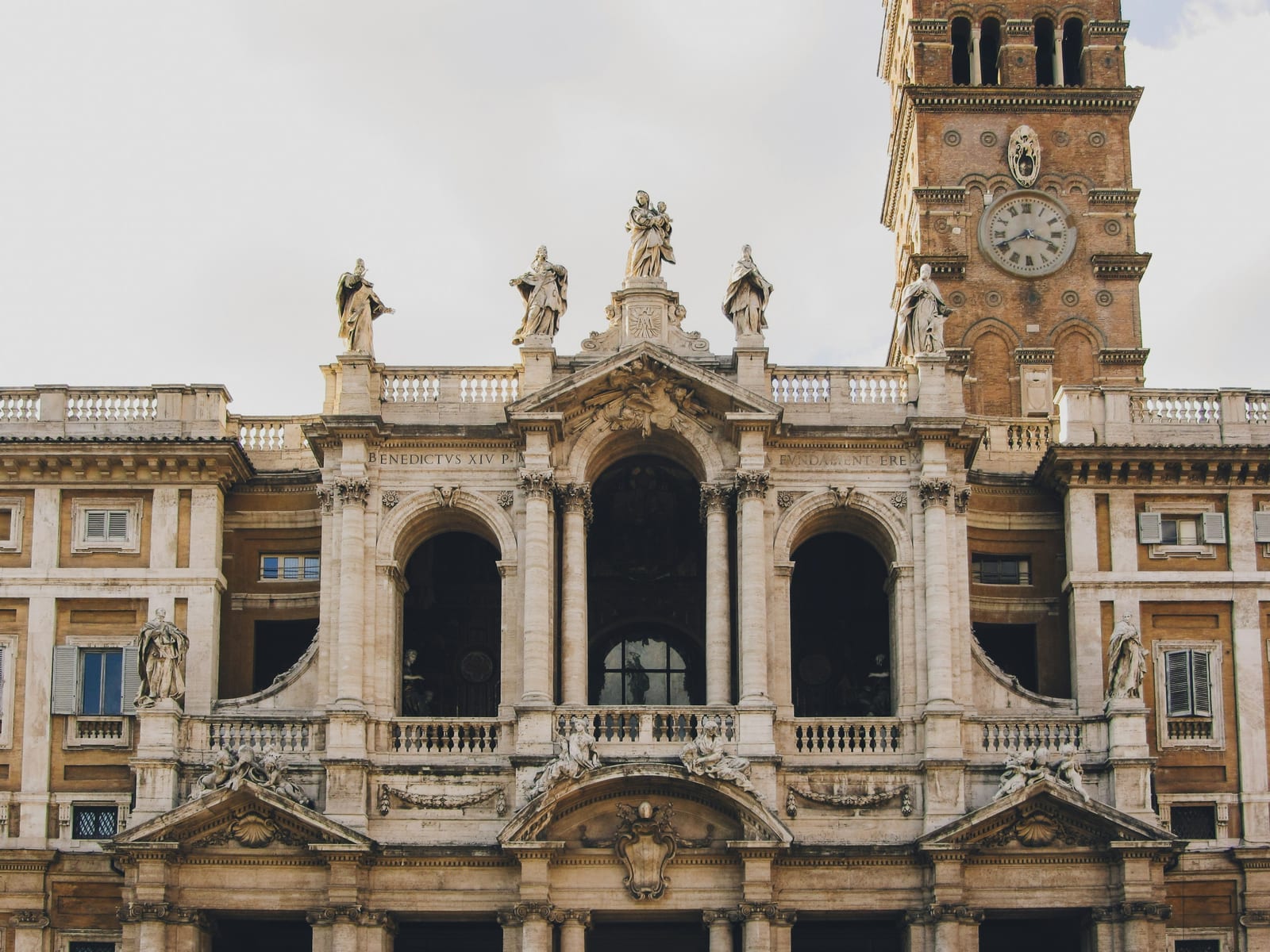
Best for travelers on a budget
Esquilino, near Termini
Rome's cheapest central beds and unbeatable transit, with the best multicultural food. Stay a few streets in from the station itself.
Best for staying close to everything
Monti or the Centro Storico
Both put ancient Rome and the baroque center within a 15-minute walk, so you can leave the Metro map in your pocket.


Head to head
Common Rome neighborhood decisions
The match-ups first-timers agonize over, settled.
 vs
vs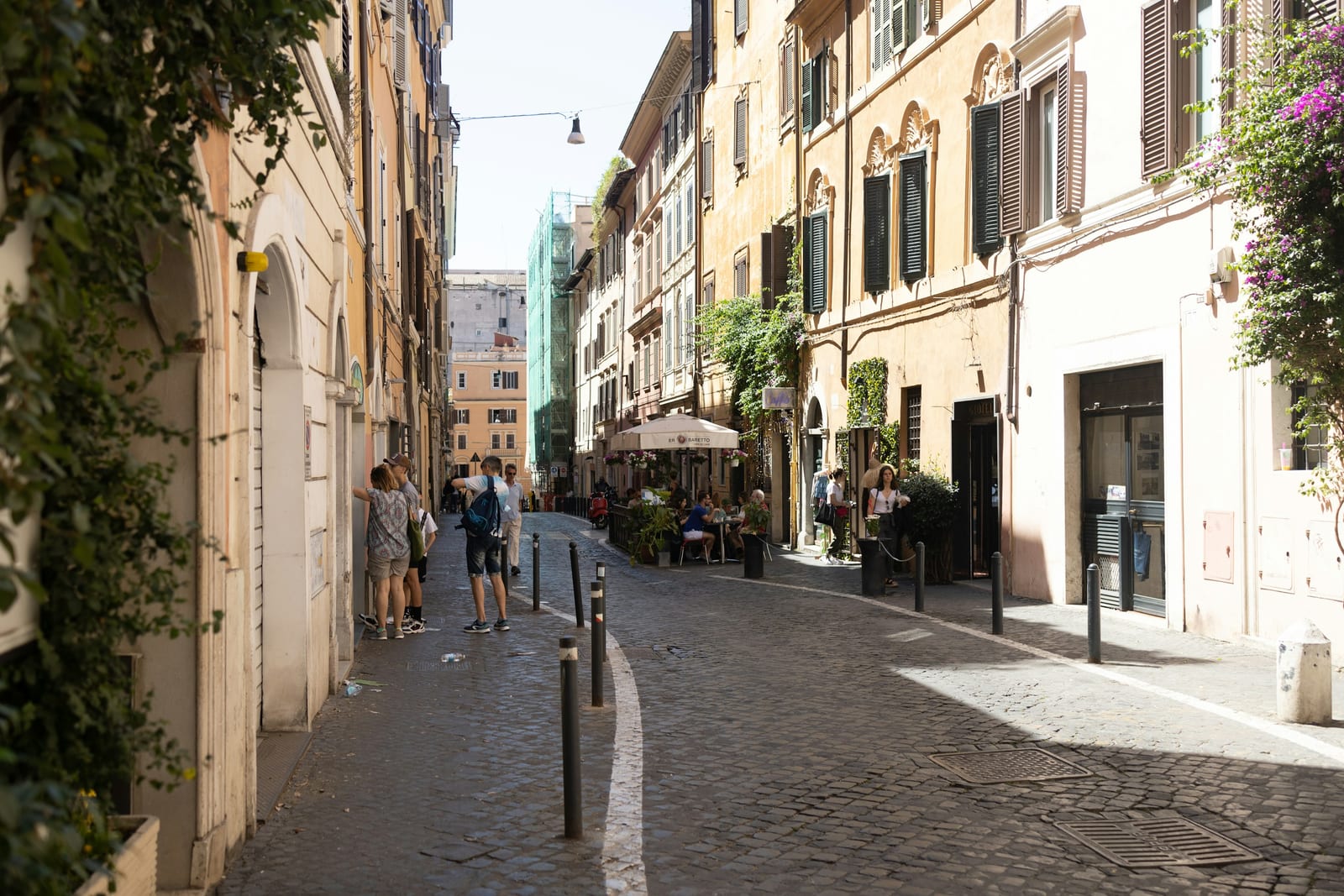
Is it better to stay in Trastevere or Monti?
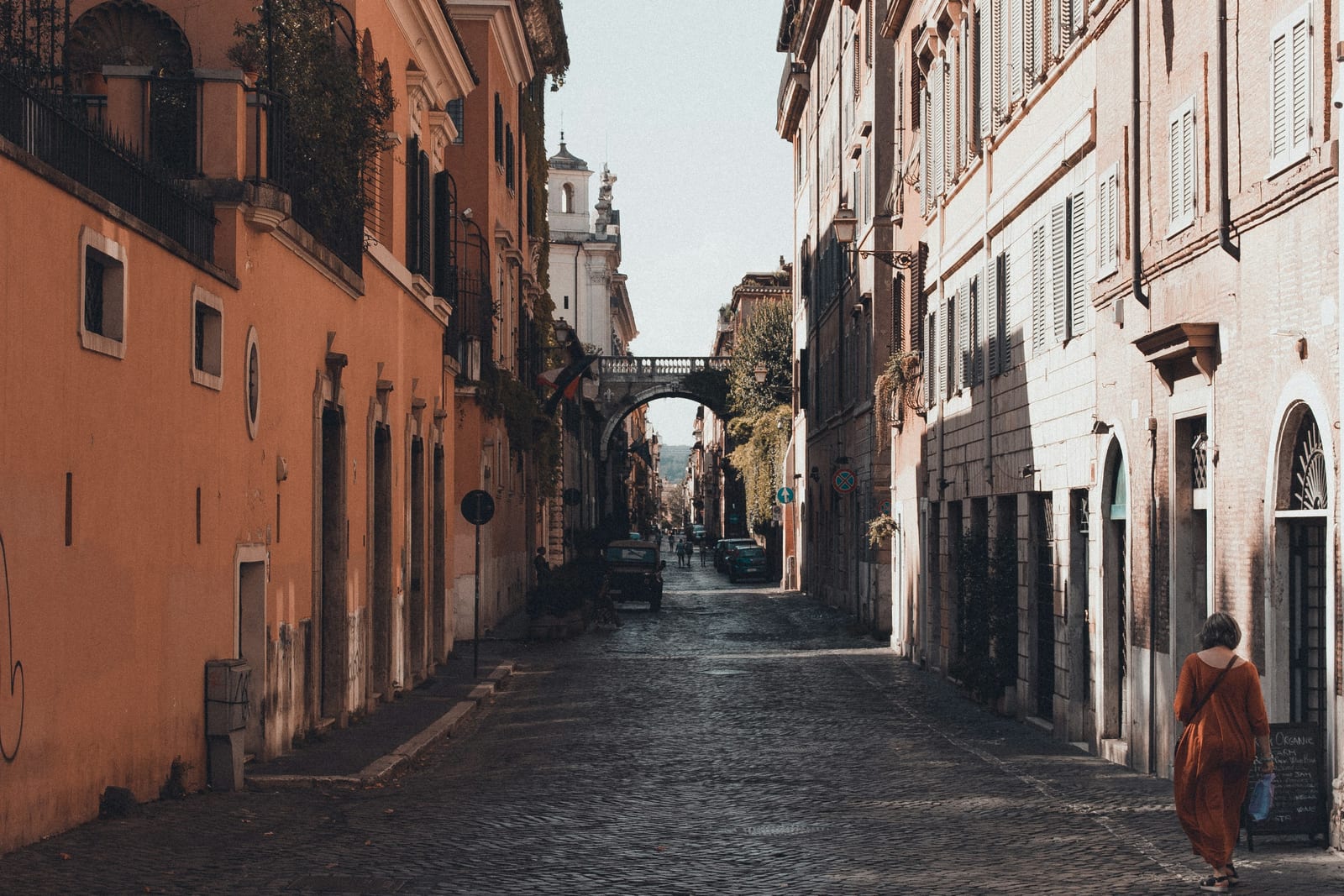
Both are atmospheric, walkable, and mid-priced, so it comes down to scene. Choose Trastevere for cobbled lanes, the best trattorias, and Rome's liveliest nights across the river; choose Monti for a trendier, calmer rione with its own Metro stop at Cavour and a shorter walk to the Colosseum and Forum. Trastevere for food and buzz, Monti for cool and convenience.
 vs
vs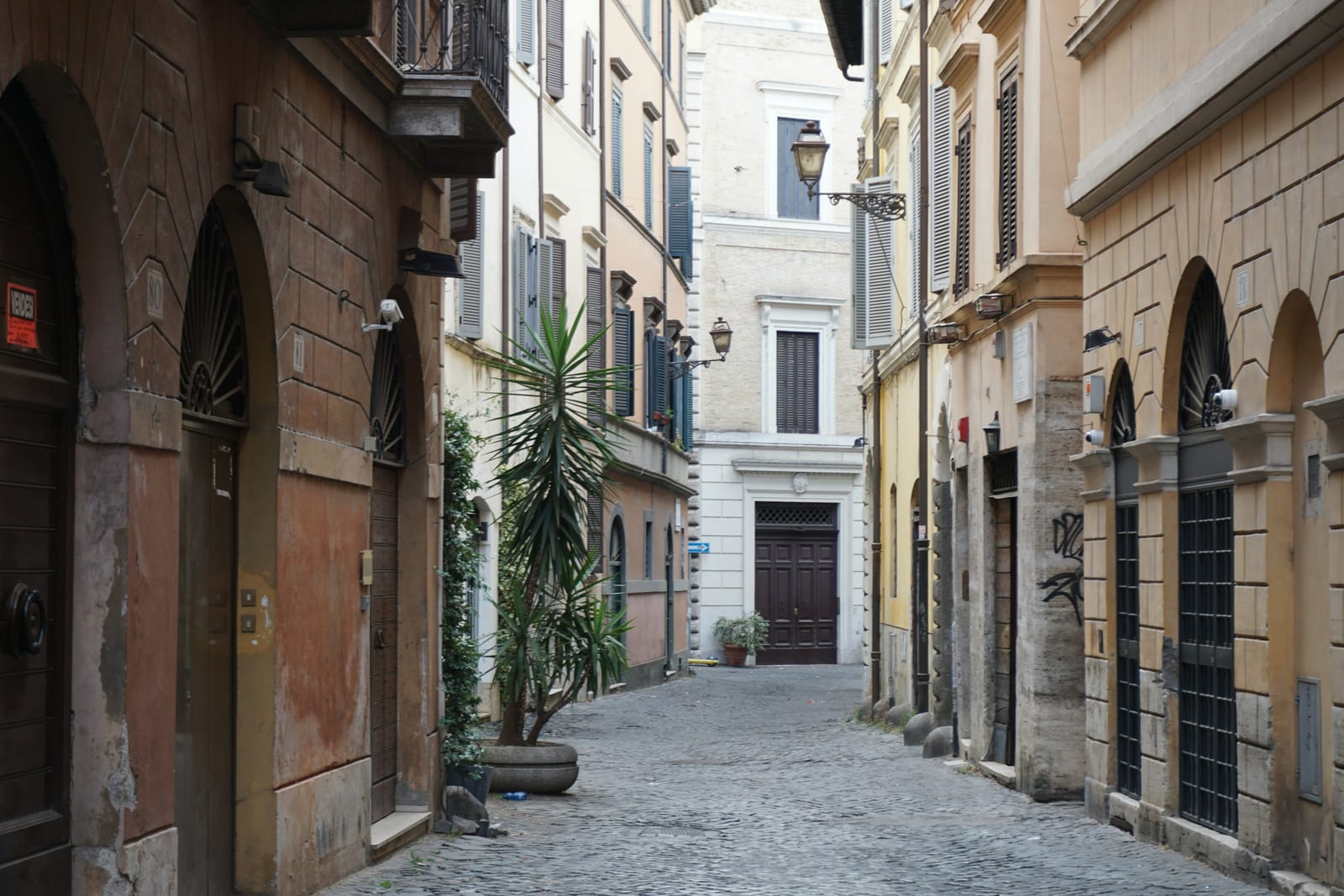
Centro Storico or Trastevere for a first trip?
The Centro Storico wins for walking straight out into the sights (the Pantheon, Navona, Trevi) and central convenience; Trastevere wins for atmosphere, dining, and value, at the cost of a river crossing and no Metro. First-timers who prioritize sightseeing pick the Centro Storico; those who prioritize food and evenings pick Trastevere.
 vs
vs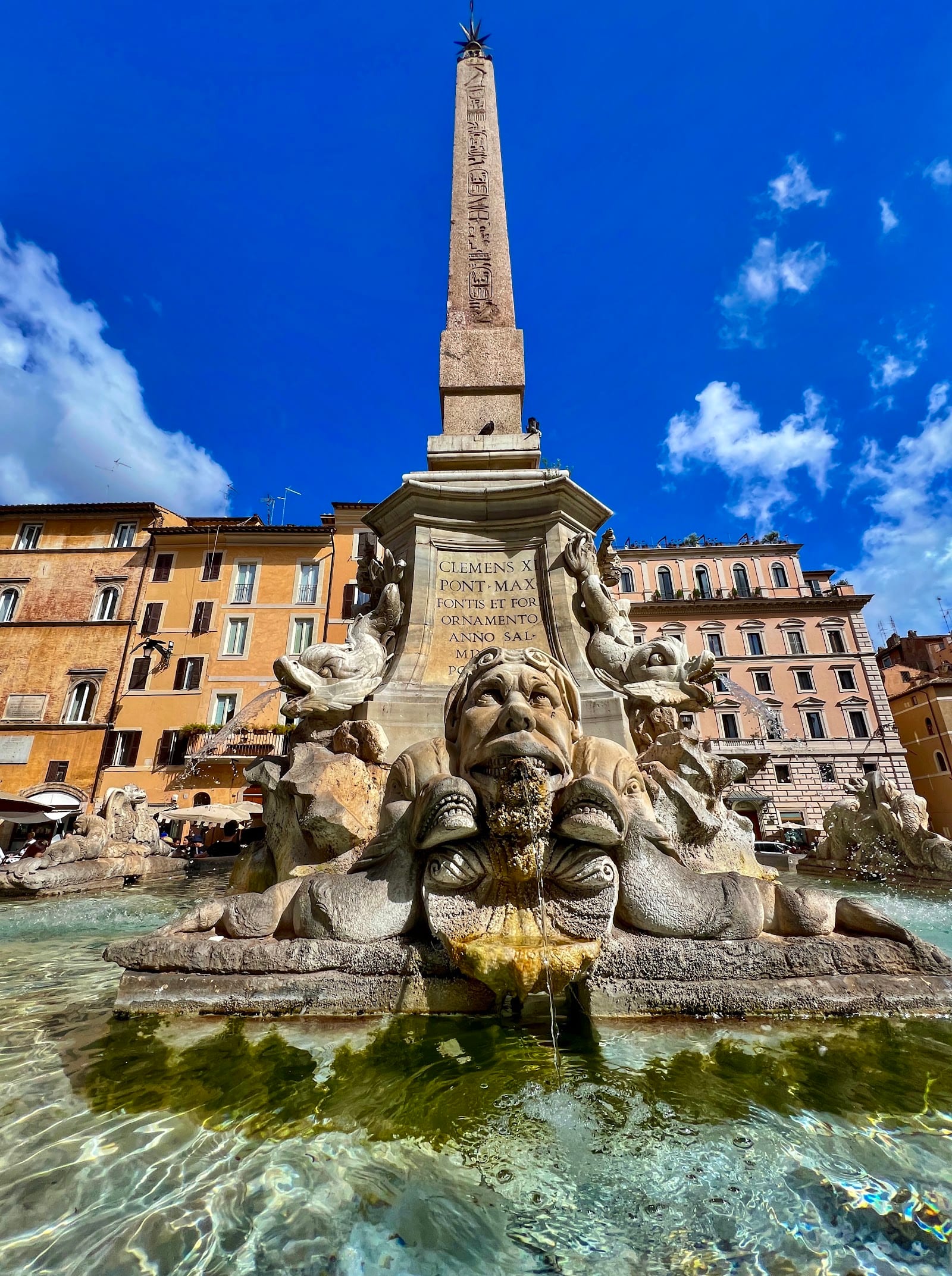
Is it better to stay near the Vatican or in the city center?
Stay in Prati, by the Vatican, for a quieter, better-value, family-friendly base with excellent Metro access, if you don't mind being a little removed from ancient Rome. Stay in the Centro Storico if you want to walk to the main sights and don't mind higher prices and smaller rooms. Prati for value and calm; the center for walkability.
 vs
vs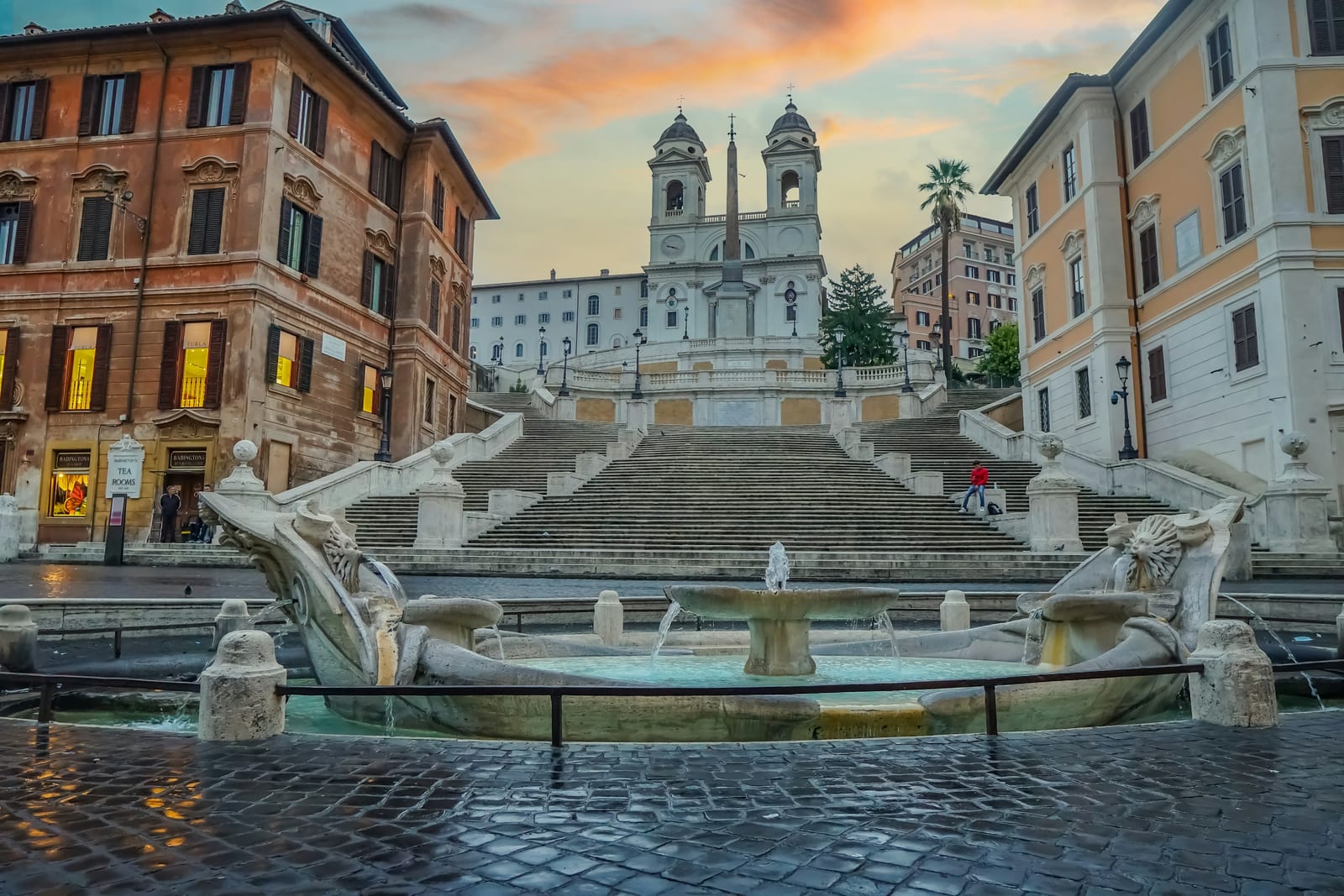
Monti or the Spanish Steps?
Both are central and stylish. Monti is the trendier, more affordable rione of wine bars and boutiques, with its own Metro stop; the Spanish Steps and Tridente are Rome's luxury-and-shopping quarter, more polished and far pricier. Monti for character and value, the Spanish Steps for grand hotels and designer streets.


Rome on screen
Rome on screen
The films that made these streets famous, from Hollywood classics to an Oscar winner.
- Film
Roman Holiday (1953)
William Wyler's romance sent Audrey Hepburn and Gregory Peck scootering past the Spanish Steps, the Trevi Fountain, and the Mouth of Truth, and made Rome the original movie postcard.
- Film
La Dolce Vita (1960)
Fellini's classic gave Rome its most famous scene, Anita Ekberg wading into the Trevi Fountain, and turned the city's nightlife into a byword for glamour.
- Film
The Great Beauty (2013)
Paolo Sorrentino's Oscar-winning portrait drifts through Rome's rooftops, gardens, and palazzi by night, from the Aventine to the Gianicolo.
- Film
Angels & Demons (2009)
The Dan Brown thriller races between St Peter's Square, Piazza Navona, and Santa Maria del Popolo, past the landmarks of the Vatican and the baroque center.
Good to know
Rome where-to-stay essentials
The practical details that shape where you sleep.
Getting in from the airport
From Fiumicino (FCO), the Leonardo Express runs nonstop to Termini in about 32 minutes for 14 euros; from Ciampino, shuttle buses reach Termini in roughly 40 minutes. If your base is near Termini, you skip a transfer with your luggage.
Getting around
Rome's historic center is best walked; the Metro's two main lines, A and B, cross at Termini, and buses and trams fill the gaps. A 48- or 72-hour Roma Pass bundles unlimited transit with free entry to your first one or two museums or sites, then discounted admission after that.
One base is enough
The center is compact, so one well-chosen neighborhood covers a typical three- to four-day trip. Changing hotels mid-stay usually costs you half a day for little gain.
Good to know
Expect a per-person coperto cover charge at restaurants; dress modestly, with covered shoulders and knees, for churches and the Vatican; many businesses close in mid-August around Ferragosto; and watch for pickpockets on crowded buses (the 64 to the Vatican) and around Termini.

Ready to plan your Rome trip?
Tell Zoya your dates and travel style, and get a day-by-day Rome itinerary built around the neighborhood you choose.
Explore now