

Naha · Okinawa neighborhood guide
Things to Do in Naha
Okinawa's arrival city has a royal castle, market breakfasts, pottery alleys, and a beach beneath a shrine. Here's what's actually worth your time, ranked and judged.
Naha in brief
Is Naha, Okinawa worth visiting?
Yes. Naha is Okinawa's prefectural capital, arrival gateway, and a destination in its own right for history, food, shopping, nightlife, and access to nearby islands.
What are the best things to do in Naha?
Start with Shurijo Castle, Kokusai Street, Makishi Public Market, Tsuboya's pottery district, Naminoue Beach, and local restaurants and izakaya around central Naha.
How should I spend one day in Naha?
Begin at Shurijo Castle, continue to Makishi Public Market and Tsuboya's pottery streets, then walk Kokusai Street for shopping and dinner. Finish at Naminoue Beach or explore Naha's nightlife.
Get oriented
How Naha fits together
Naha is compact enough for a car-free day, but its attractions fall into a few distinct pockets.
Central Naha is organized around Kokusai Dori, the shopping and eating spine that runs toward Makishi and the covered arcades. Makishi Public Market and Tsuboya are close enough to combine on foot. Shuri Castle sits uphill in the city's historic southeast, while Naminoue Shrine, Naminoue Beach, and Fukushuen Garden occupy the harbor side. The Okinawa Prefectural Museum & Art Museum is north in Omoromachi. The Yui Rail links the airport, downtown, Shuri, and Omoromachi, making it the easiest backbone for a first visit.
A sensible first-day loop that starts with Ryukyu history and finishes where Naha is most alive:
See & do, ranked
The best things to do in Naha
The castle earns the top spot, but Naha's strongest experiences are the ones that let history, food, craft, and ordinary city life overlap.
Must-see
The essentials, ranked.- 1
 Shuri Worth it
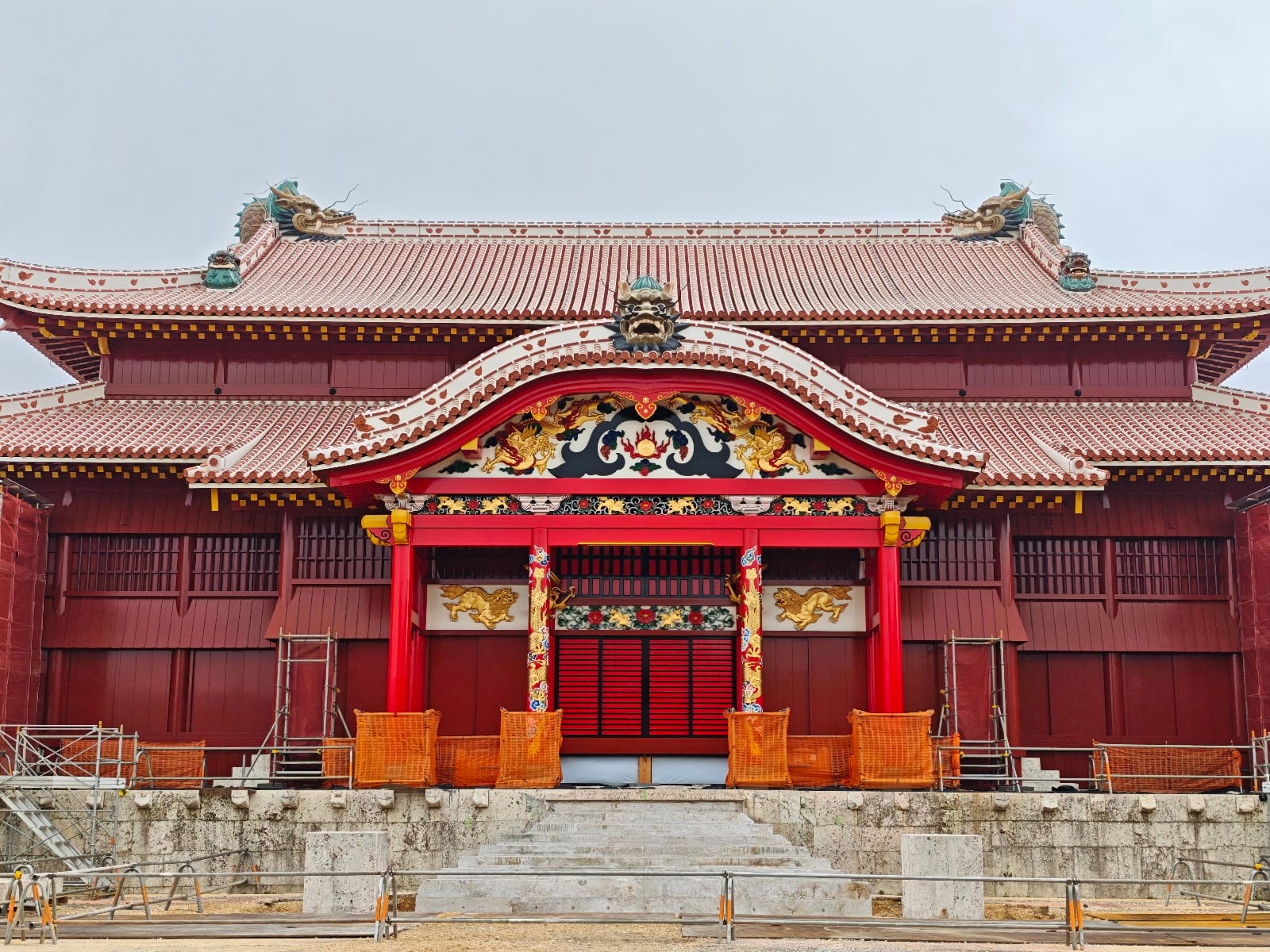
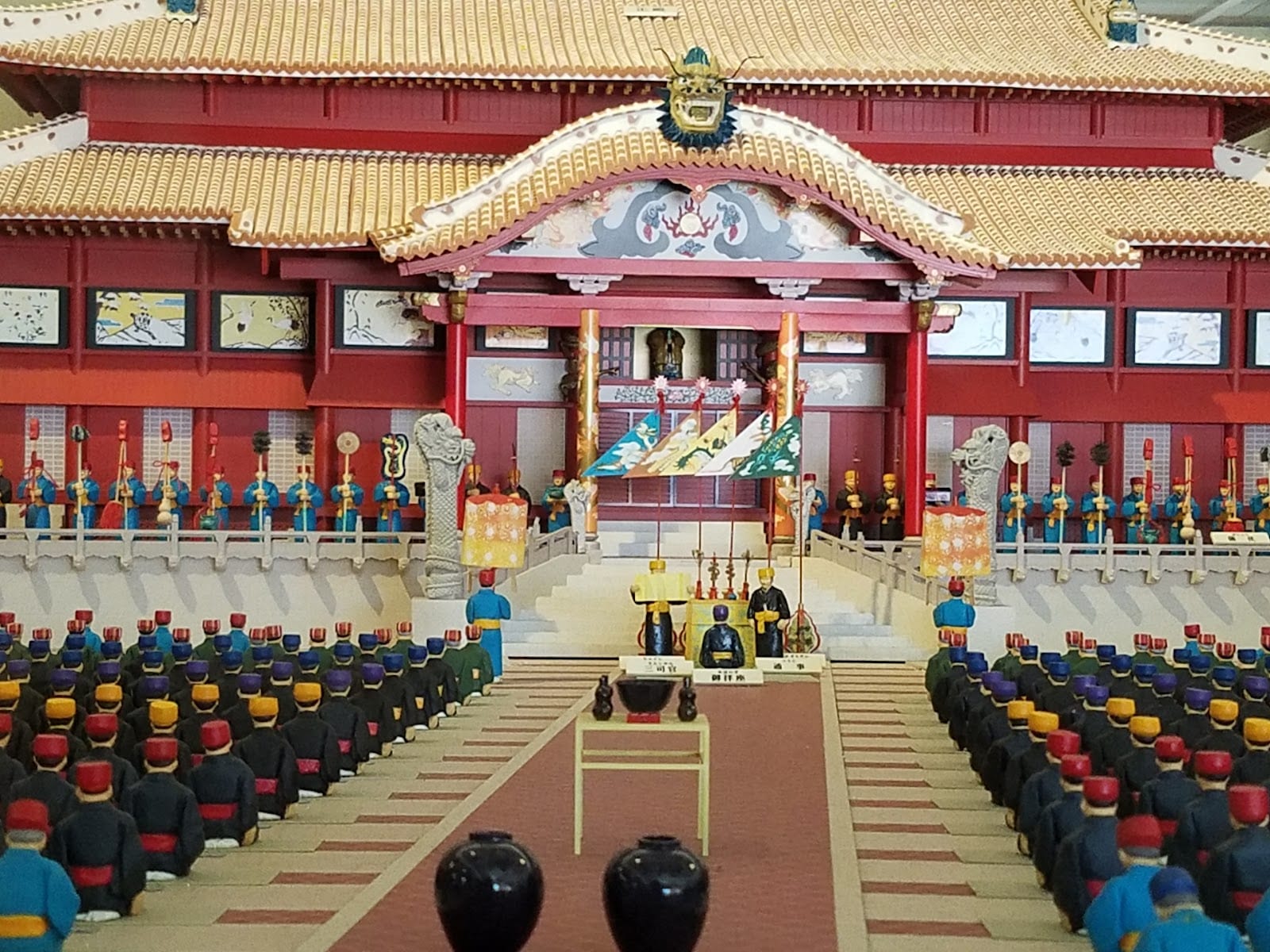
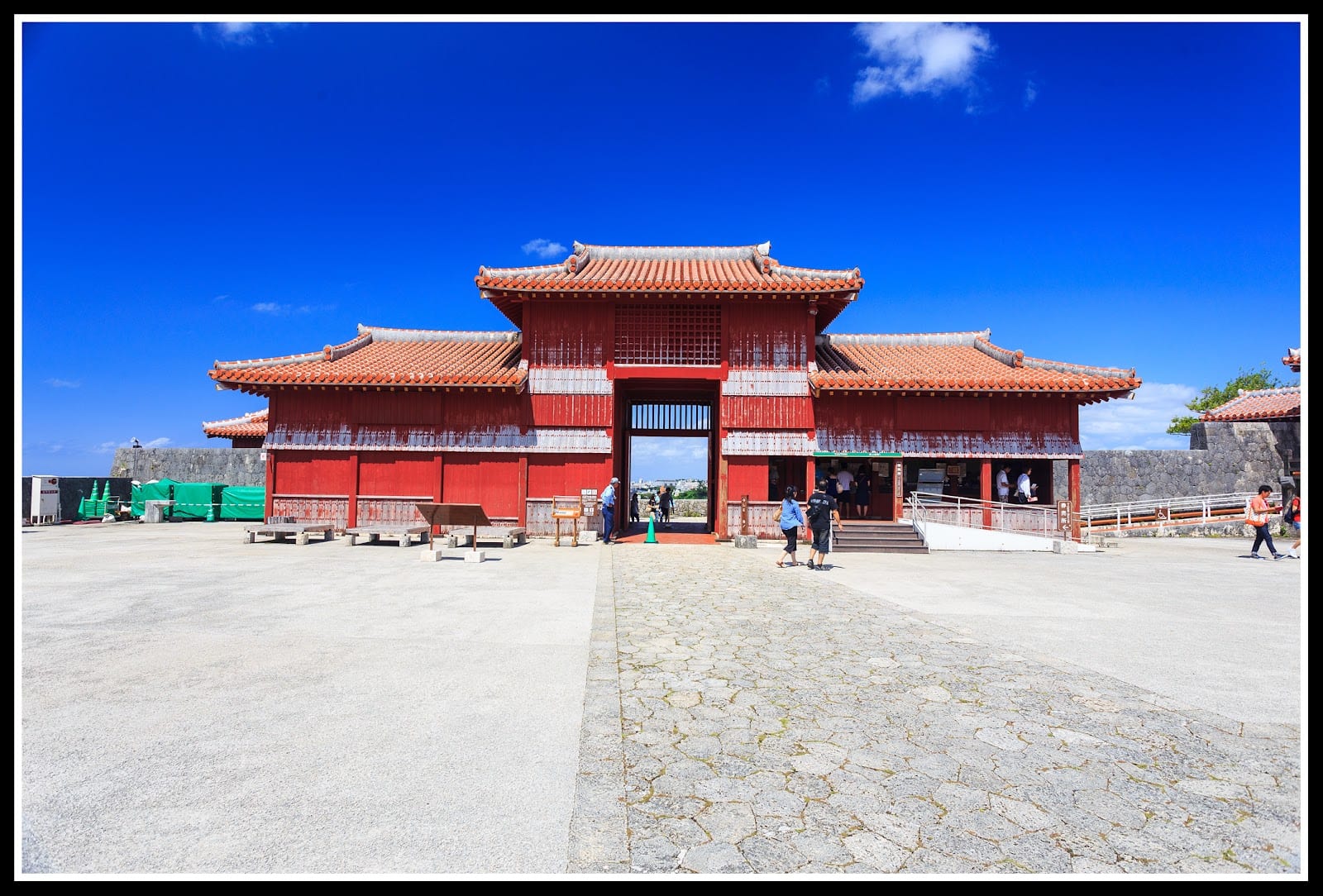
Shuri Castle
Naha's essential historic landmark, where the Ryukyu Kingdom's royal past meets a very visible reconstruction.
Originally built in the late 1300s, Shuri Castle served for roughly 450 years as the political, diplomatic, cultural, and royal center of the Ryukyu Kingdom. Japan annexed the kingdom in spring 1879, and the castle was destroyed during the Battle of Okinawa in 1945 before reopening as a national park in 1992. UNESCO added it to the Gusuku Sites listing in December 2000. The October 31, 2019 fire destroyed eight structures, including the Seiden, so this is not a perfectly restored postcard. That is the point: the reconstruction is part of the visit. The paid area is listed at 8:30-19:00, shortening to 18:00 December through March.
Good for families, couples, solo
Sourcesoki-park.jpjapan-guide.com
- 2
 Downtown Naha Worth it
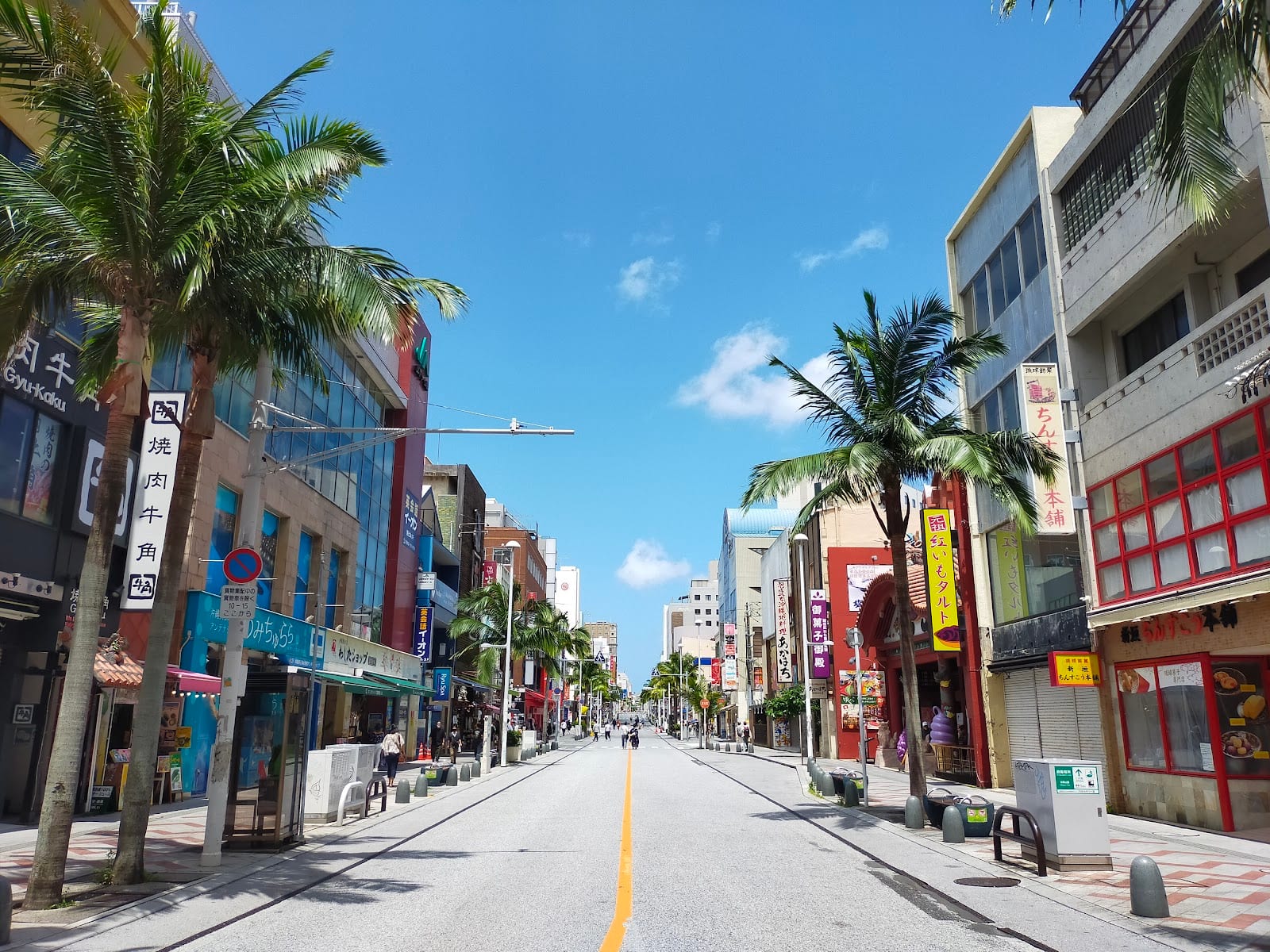
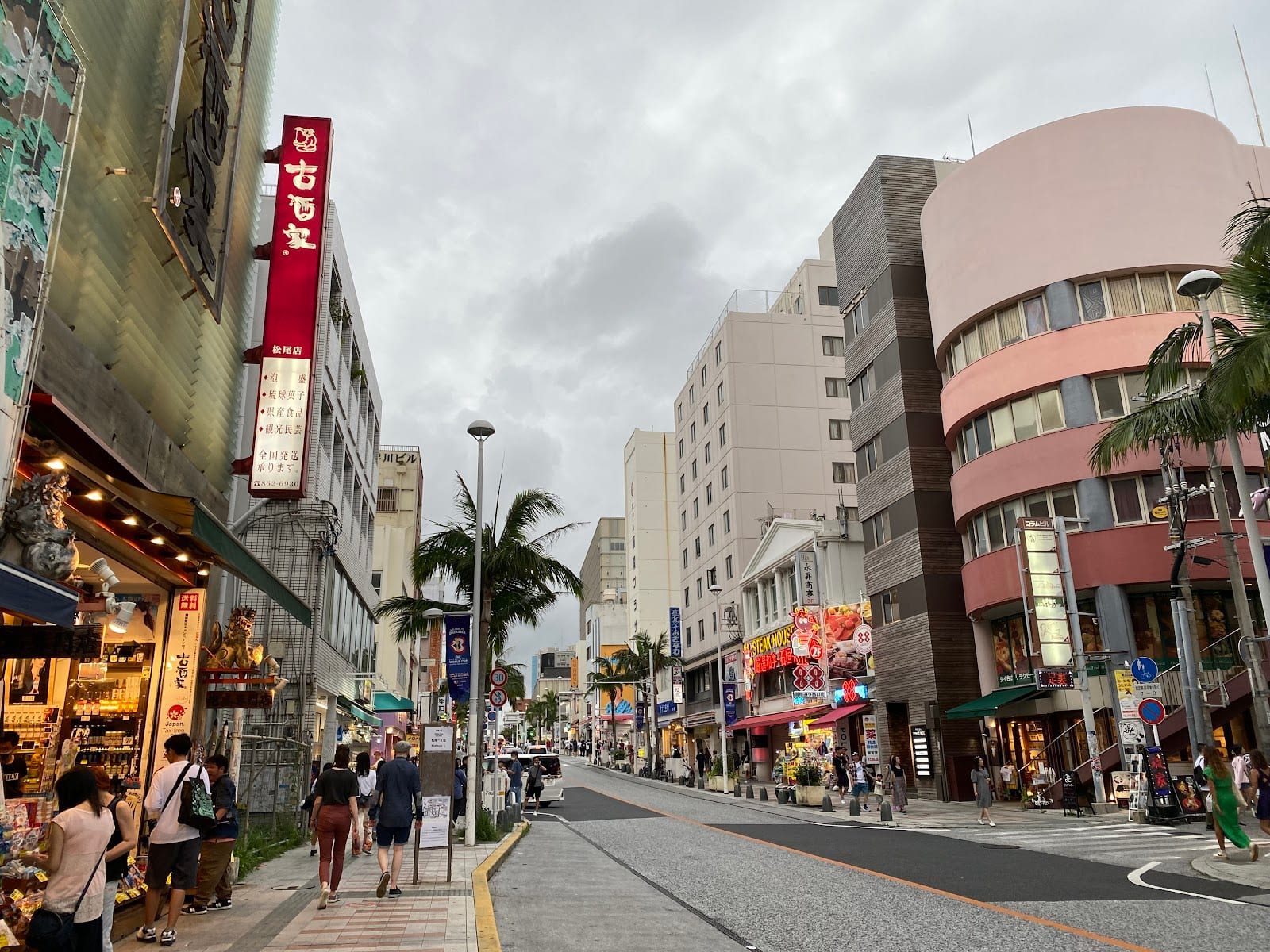
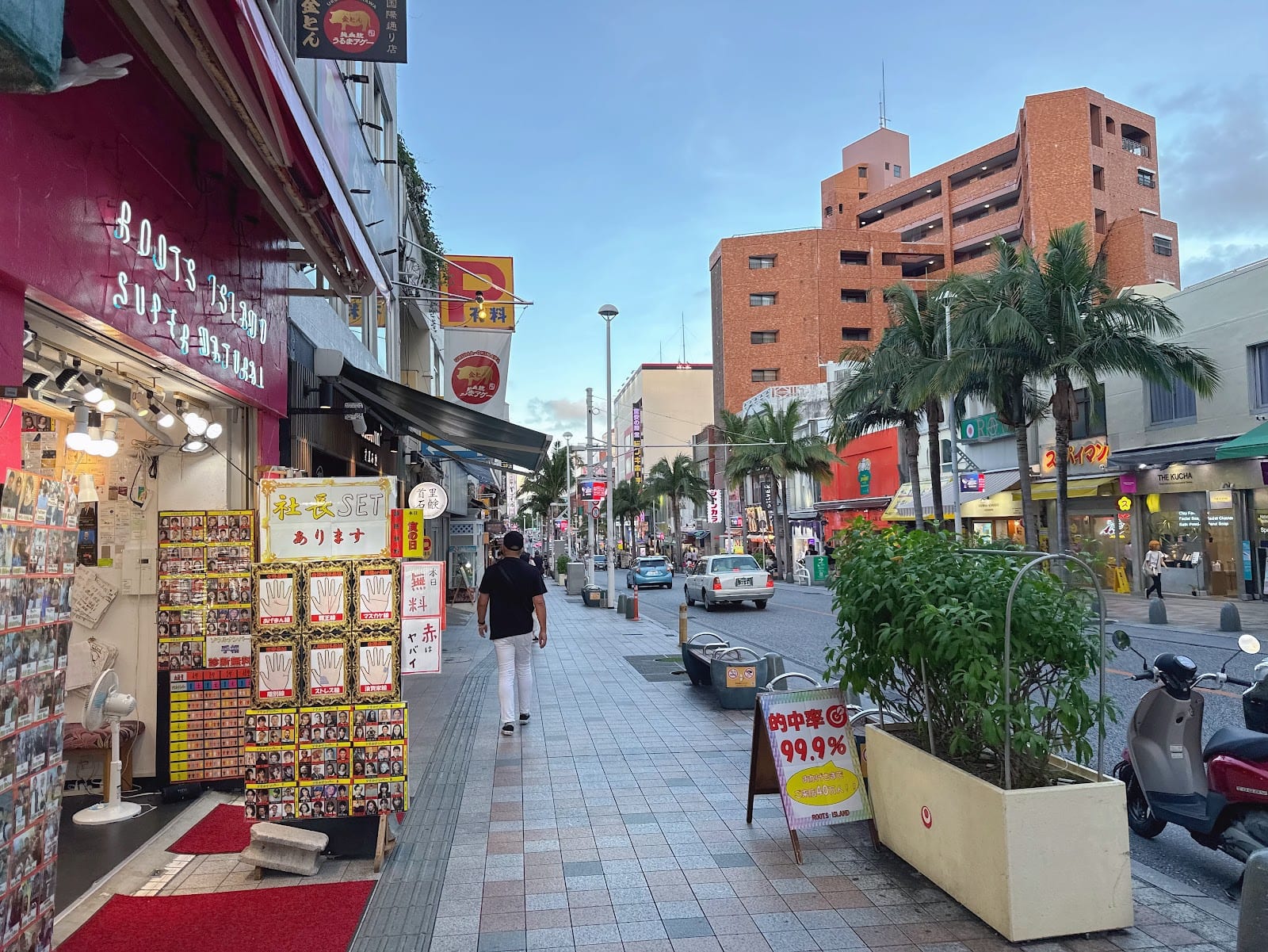
Kokusai Dori (International Street)
Naha's busy main street is best treated as a launchpad for arcades, food, and people-watching.
Kokusai Dori means International Road and takes its name from the former Ernie Pyle International Theater, a movie theater built here after World War II. The street runs approximately 1.6 to 2 kilometers through downtown Naha and is lined with about 600 restaurants, souvenir shops, variety stores, and other businesses. Heiwa Dori, Mutsumidori, and Ichiba Hondori branch away into covered shopping arcades, with Daiichi Makishi Public Market at the end of the adjoining lanes. Shops typically run from 10:00 a.m. into the evening, while nightlife continues later. Sunday noon to 6:00 p.m. is the best time to see part of the street closed to traffic. Look for habushu, the local drink served with a preserved viper.
2-3 hoursGood for families, couples, friends, solo
Sourcesjapan-guide.comjapan.travel
- 3
 Makishi Worth the hype
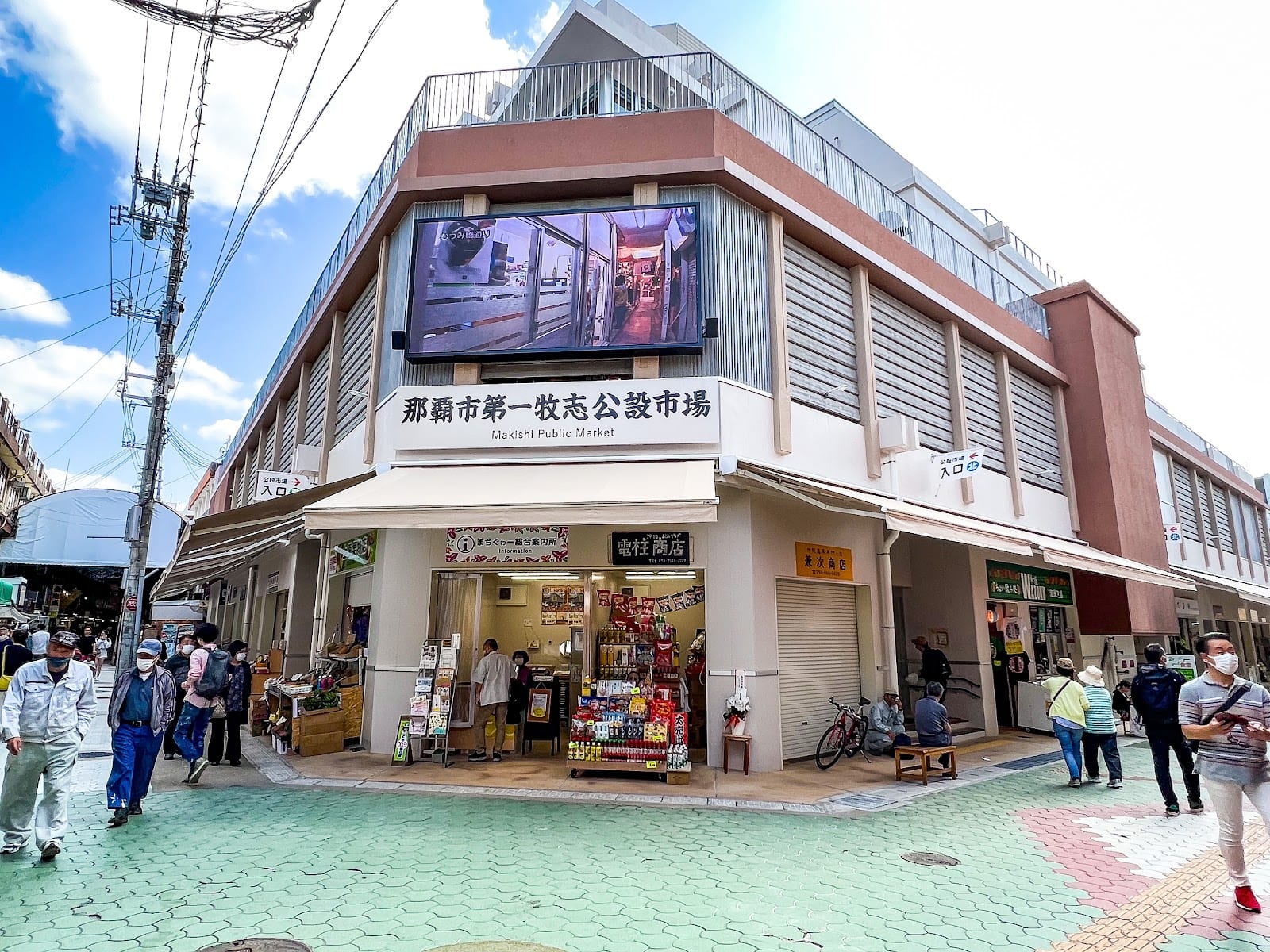
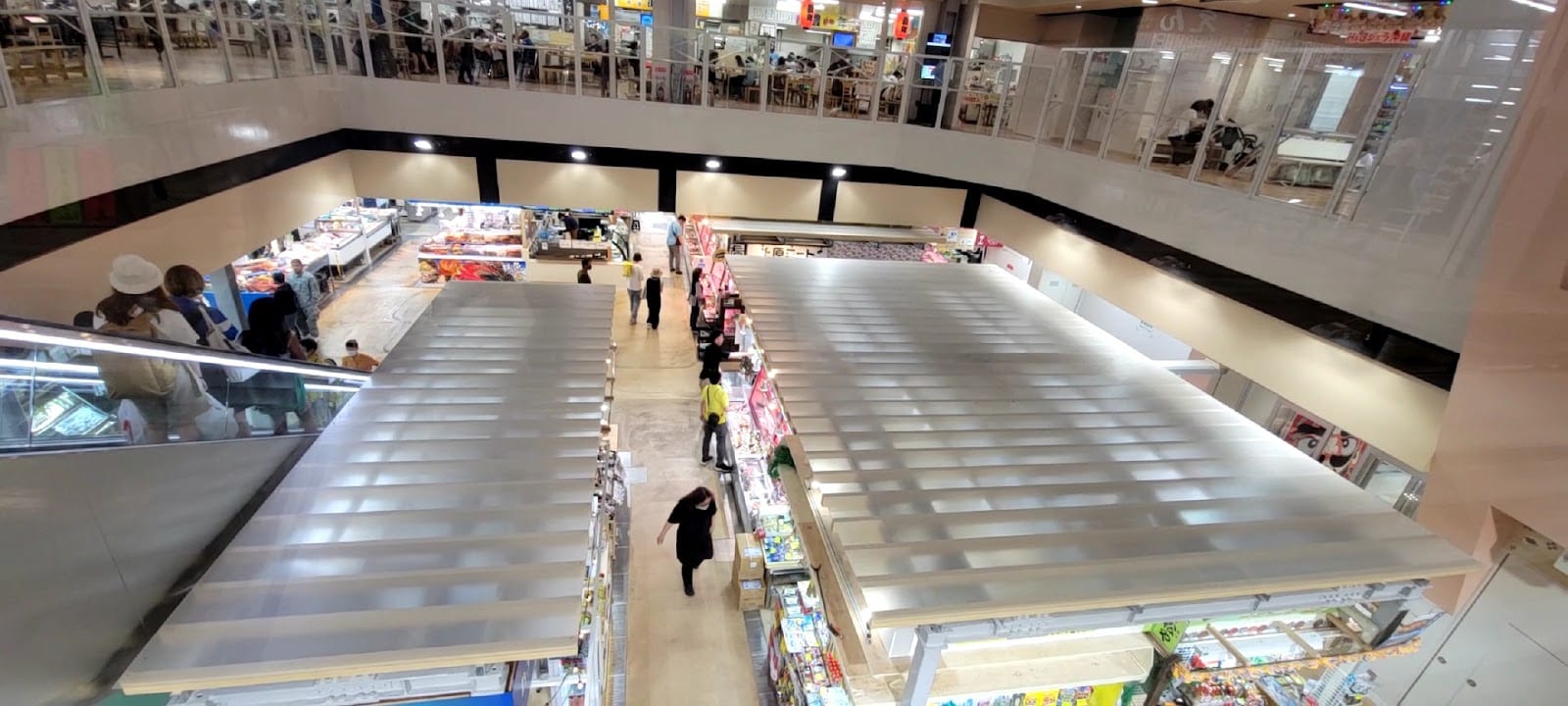
Makishi Public Market
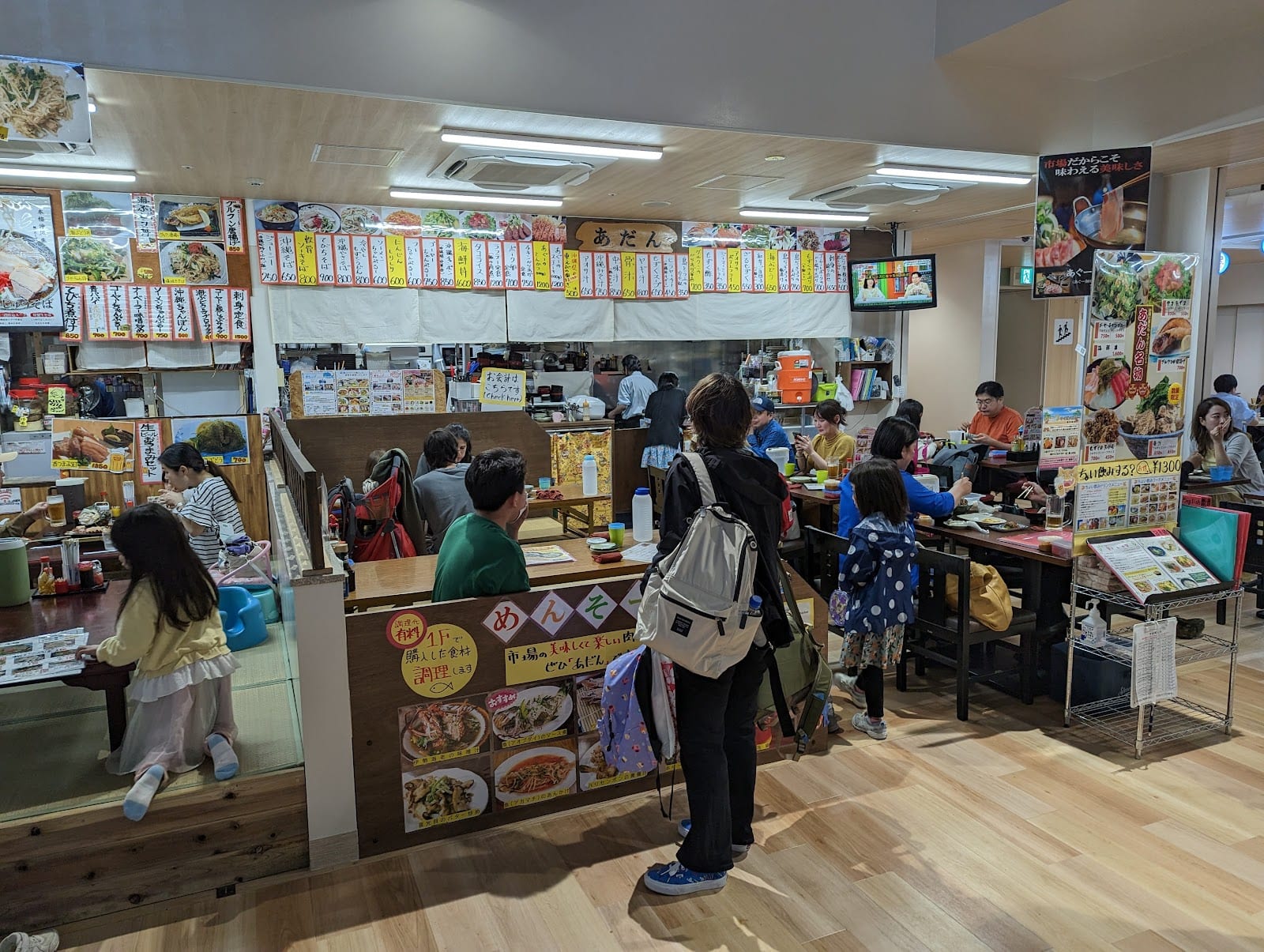
The best place in central Naha to turn browsing into lunch by buying ingredients downstairs and having them cooked upstairs.
Makishi Public Market grew organically after World War II before becoming a city-run market in December 1950. After temporary relocation and rebuilding, it reopened at its original site in March 2023. The first floor has 75 shops selling seafood, meat, vegetables, dried goods, drinks, and souvenirs; the second floor has 12 establishments, mostly restaurants. Its signature move is mochiage cooking: buy ingredients downstairs, ask staff to recommend a second-floor restaurant, and have the purchase turned into a meal. Fish can become sashimi, while meat can become steak or shabu-shabu. Okinawa Island Guide puts the cooking fee at about ¥500 for up to three items, paid separately from ingredients. It is touristy, but the transaction still feels physical and local.
Good for families, couples, friends, solo
Sourcesgov-online.go.jp


Worth it with more time
Good additions once you've done the icons.- 4
 Tsuboya Worth the hype
Tsuboya Yakimono-dori (Tsuboya Pottery Street)
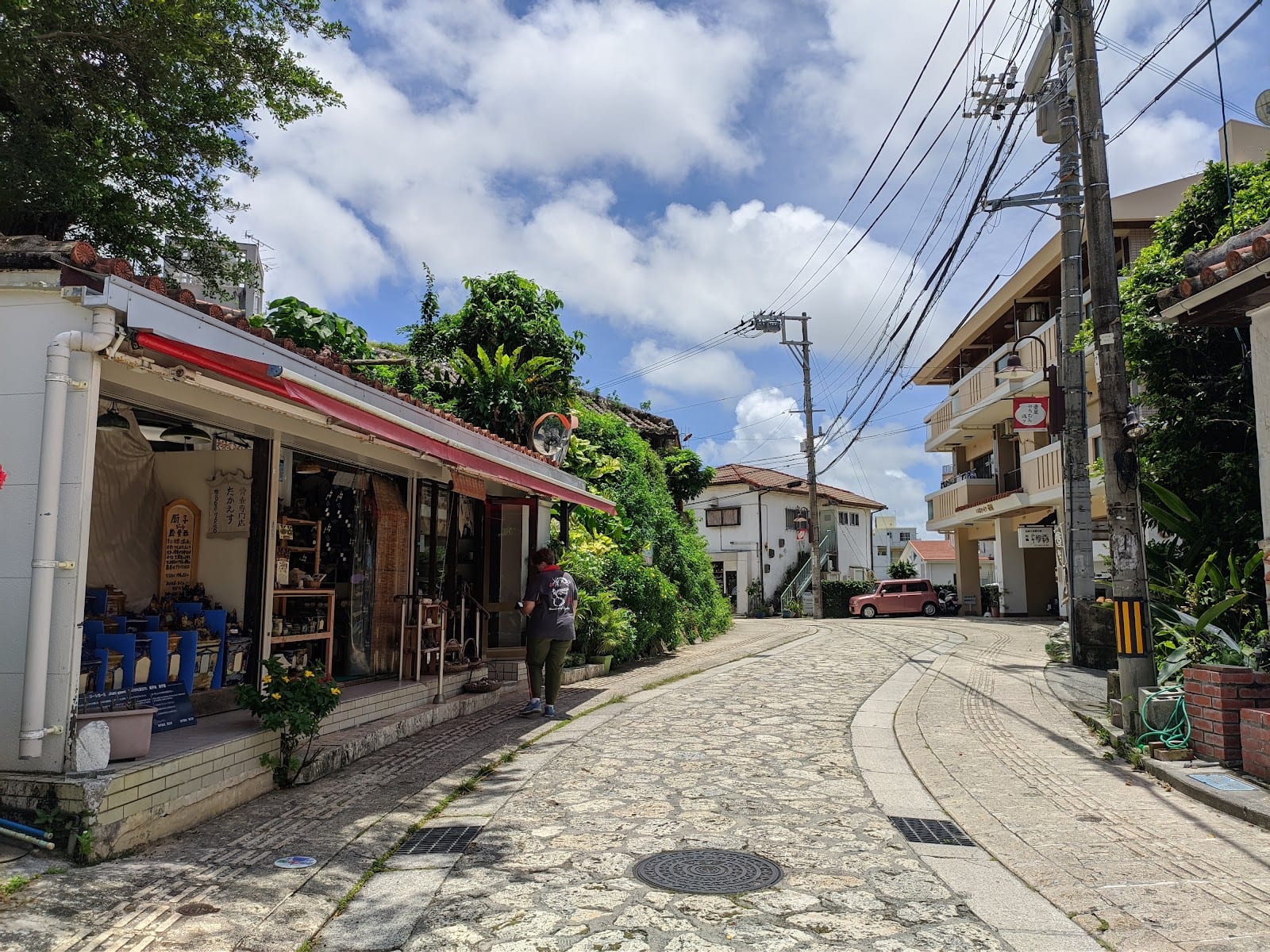
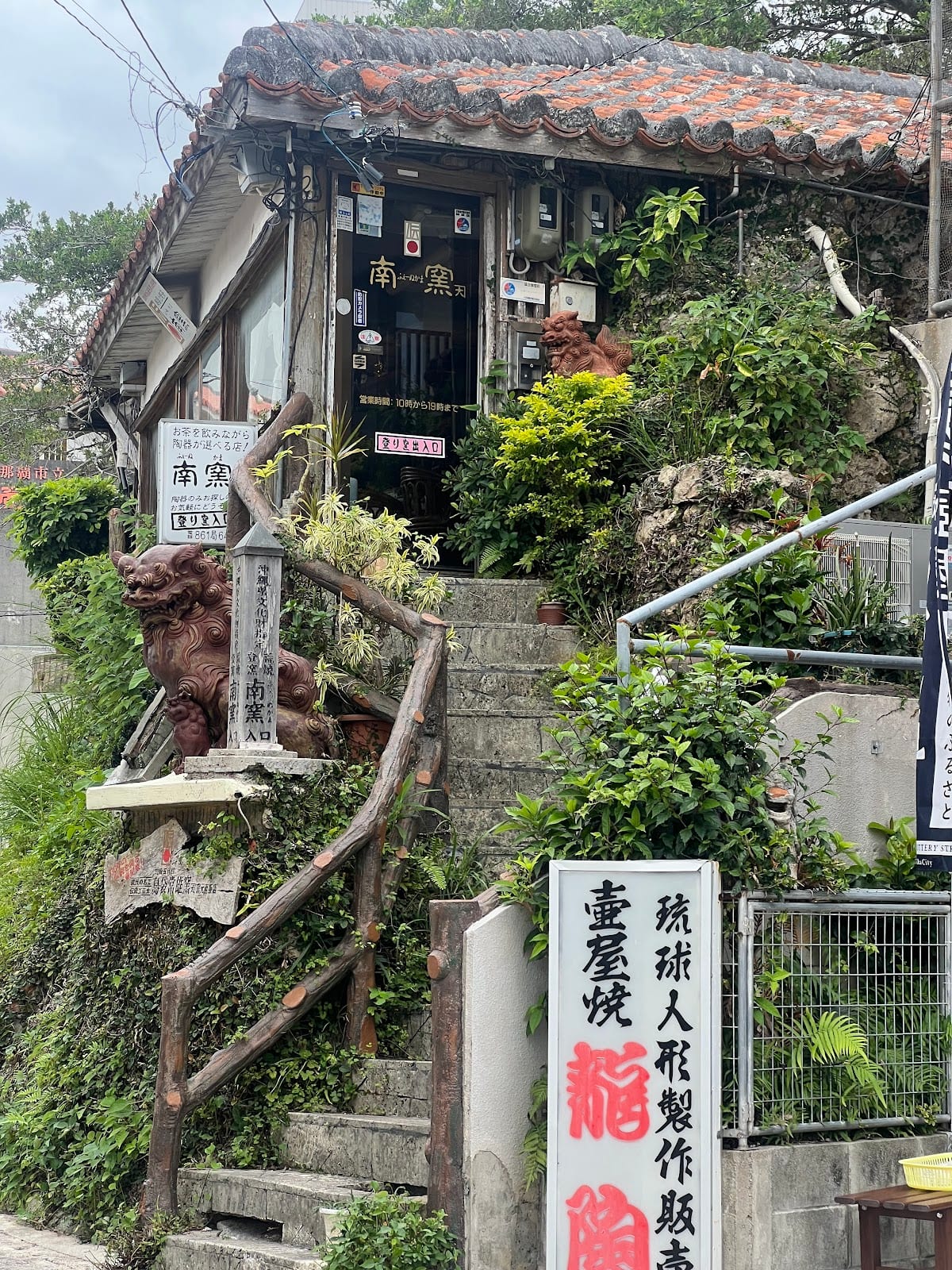
A short stone-paved lane where Okinawa's pottery tradition is more tangible than it is in any souvenir shop.
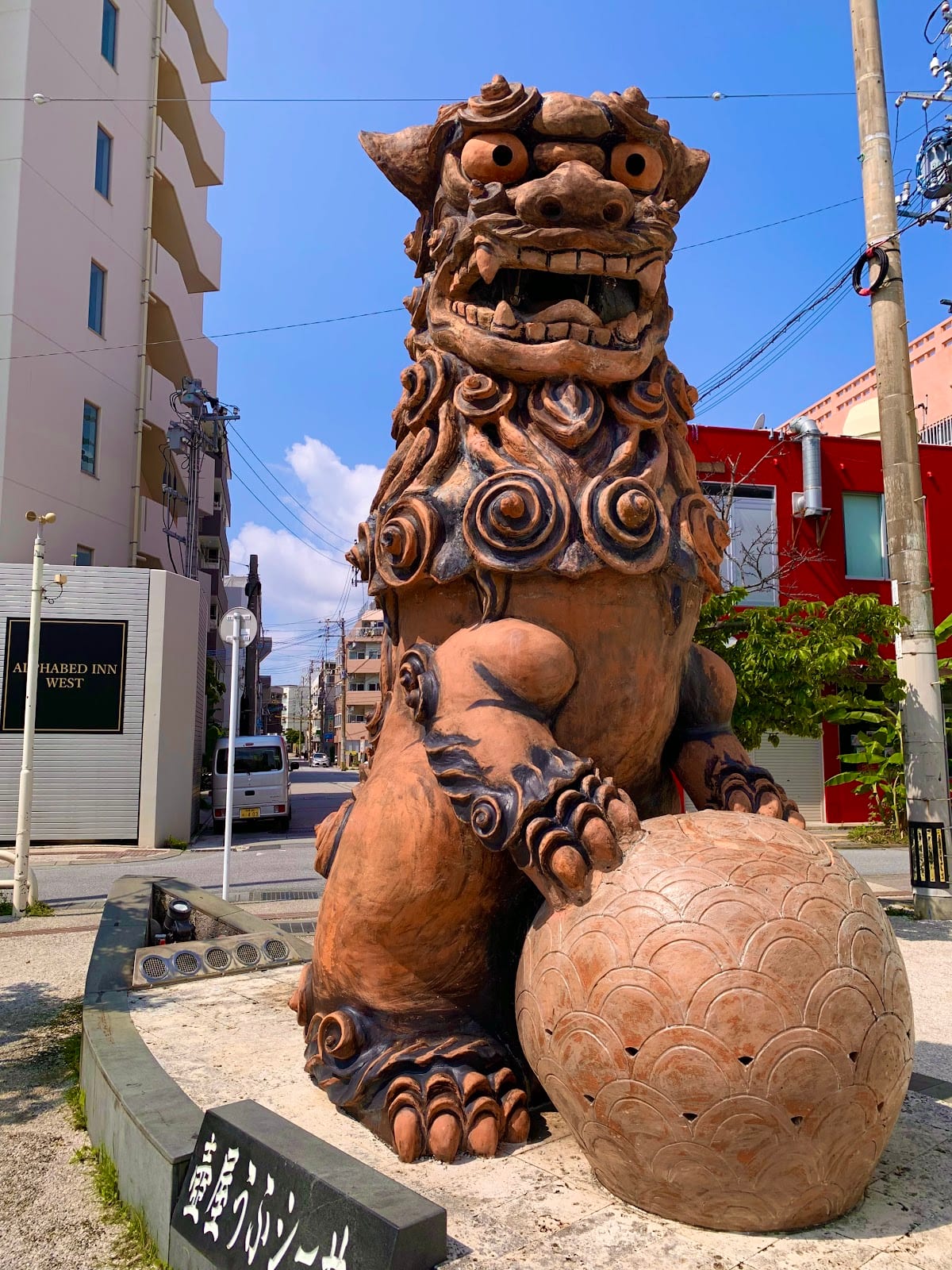
Tsuboya's pottery tradition reaches back to the Ryukyu Kingdom, but the decisive change came in 1682, when pottery production was centralized in Naha's Tsuboya area. The roughly 300-meter street, also called Yachimun Alley, now holds about 50 pottery studios, shops, cafés, and historical sites. Browse for mugs, plates, vases, urns, and shisa figures, or try a beginner workshop, commonly around one hour and ¥3,000. The Naha Municipal Tsuboya Pottery Museum adds a deeper layer, with about 7,000 objects and hours of 10:00 a.m. to 6:00 p.m.; last admission is 5:30 p.m., and admission is ¥350. The standout remnant is South Feenukama, a preserved hog-backed kiln 66 feet long and 10 feet wide.
Good for couples, solo, families
- 5
 Wakasa Worth it
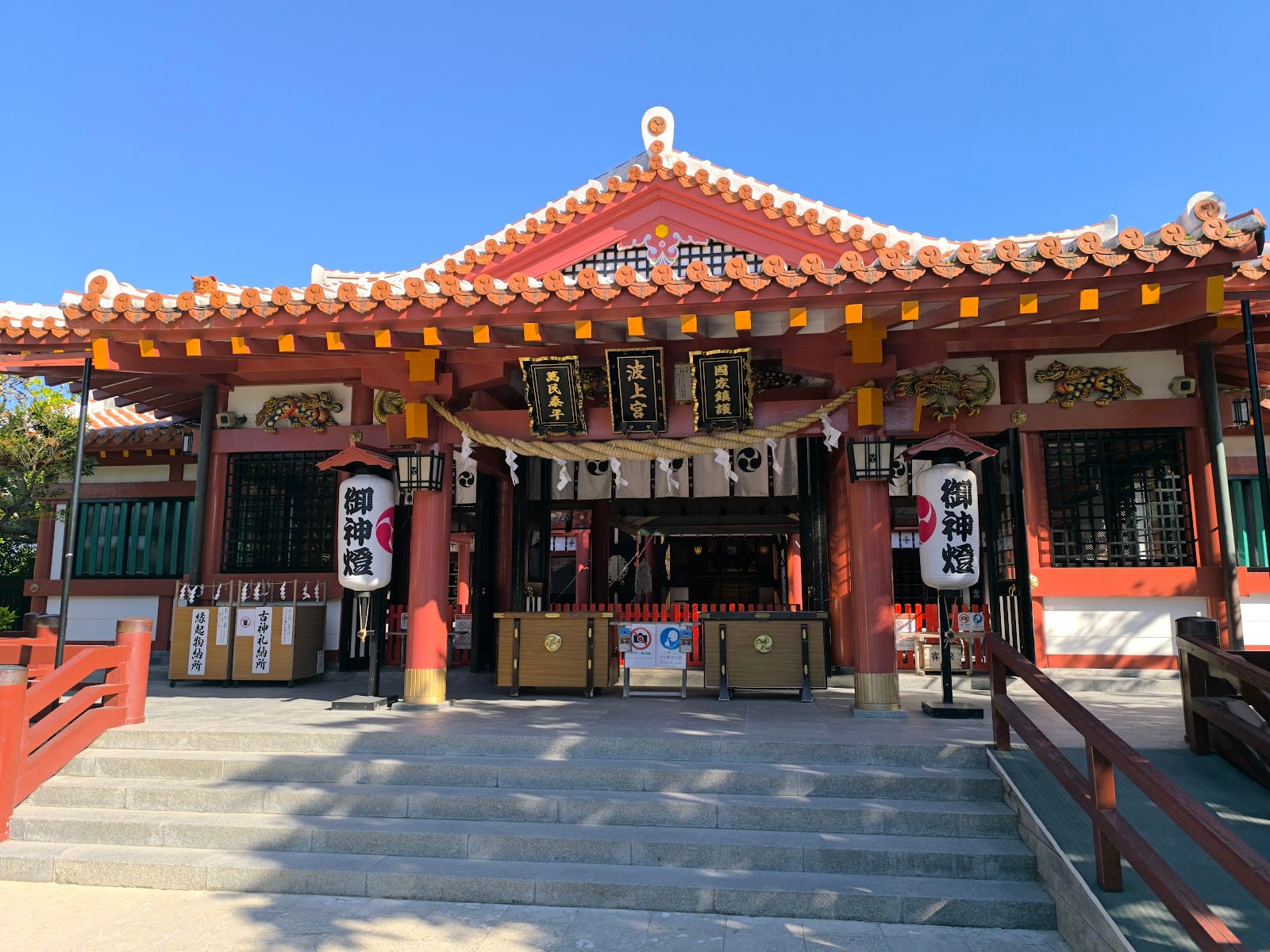
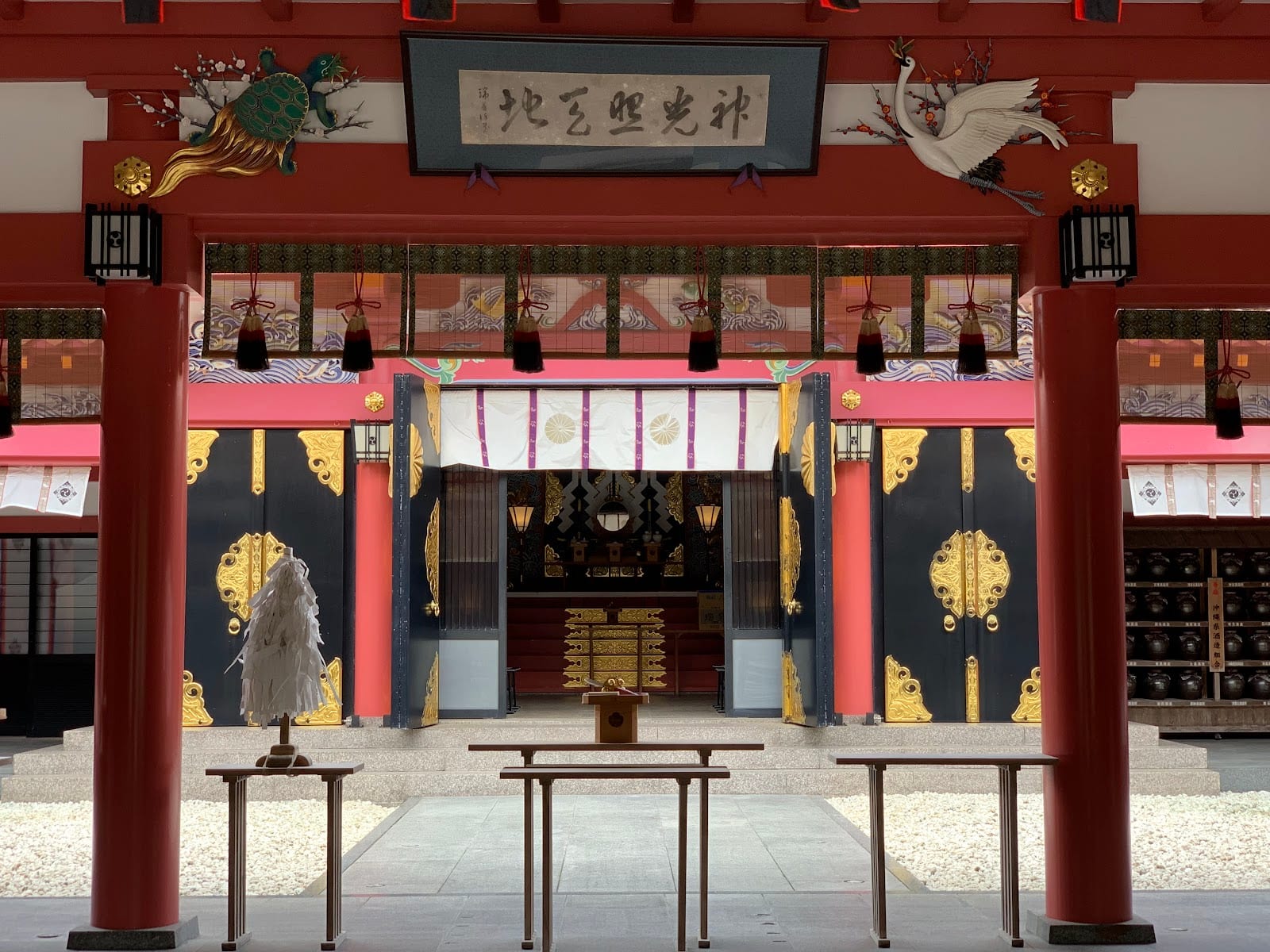
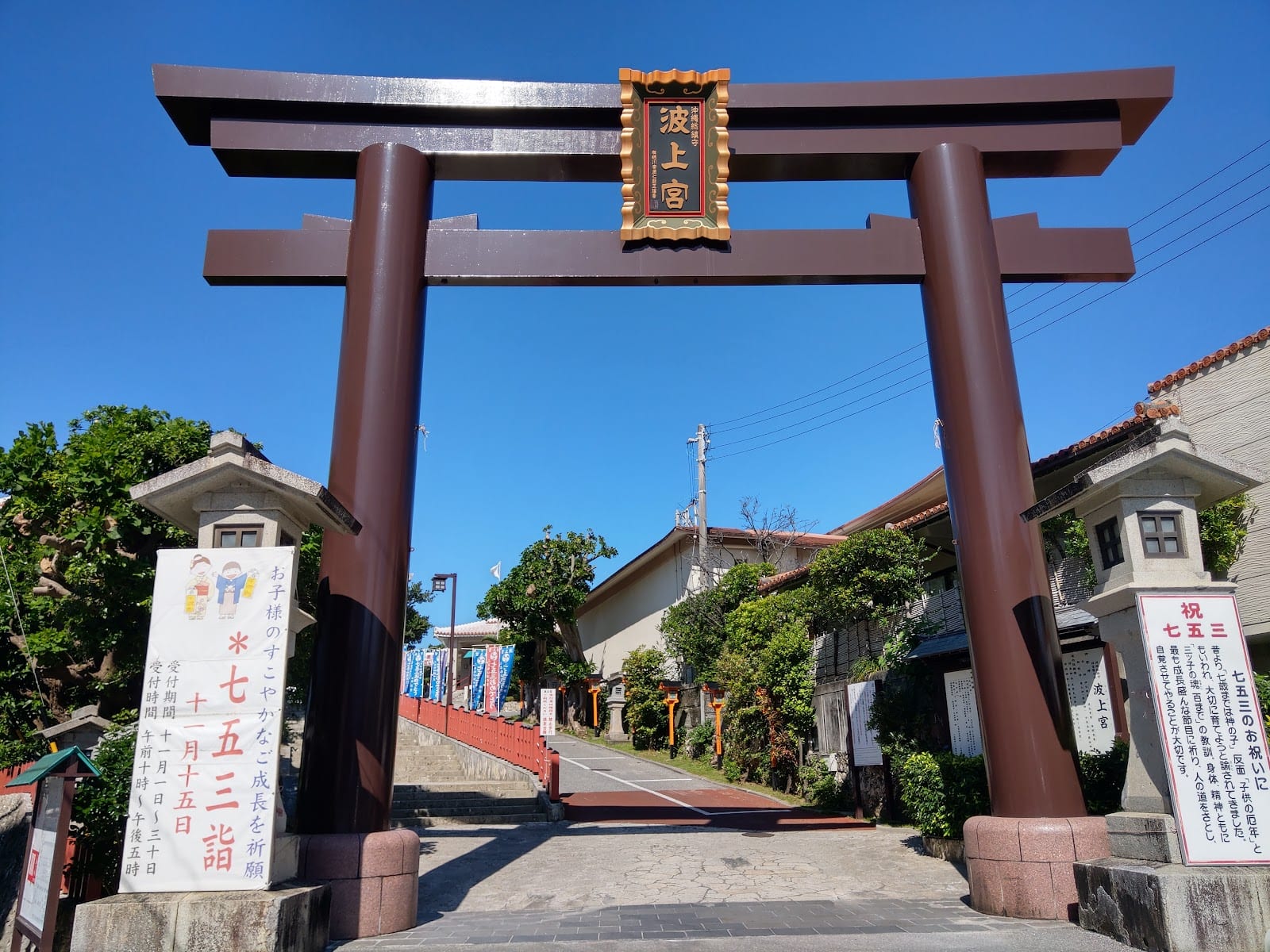
Naminoue Shrine
A compact shrine with a genuinely Okinawan setting, perched above Naha's harbor and only swimming beach.
Naminoue was the highest-ranked shrine of the Ryukyu Kingdom, but the cliff was sacred before the shrine: local belief placed it in Nirai Kanai, the gods' realm across the sea. The first documented shrine-related structure was the Buddhist temple Naminoue-san Gokoku-ji, constructed in 1367. The Shinto shrine was established in 1890, destroyed during the Battle of Okinawa in 1945, and rebuilt in stages through 1993. Today it combines Ryukyuan folk beliefs with mainland Shinto traditions and looks directly over Naha harbor and Naminoue Beach. The limestone beneath it contains Ryugu, a sacred site believed to link the land and the gods' realm. Visitor hours are listed as 9:00 a.m. to 5:00 p.m. daily.
45 minutes-1 houron GoogleGood for couples, solo, families
- 6
 Wakasa Mixed
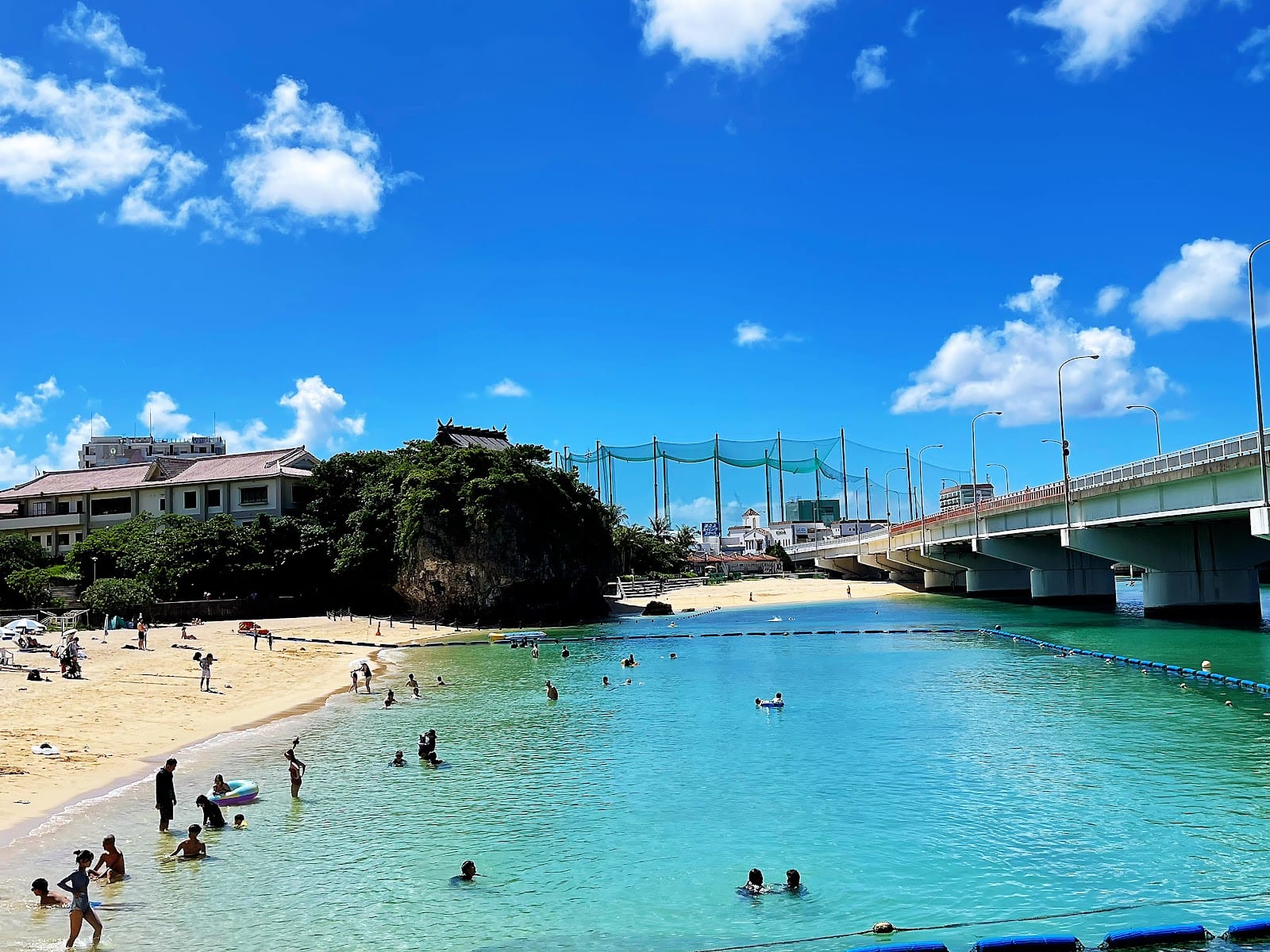
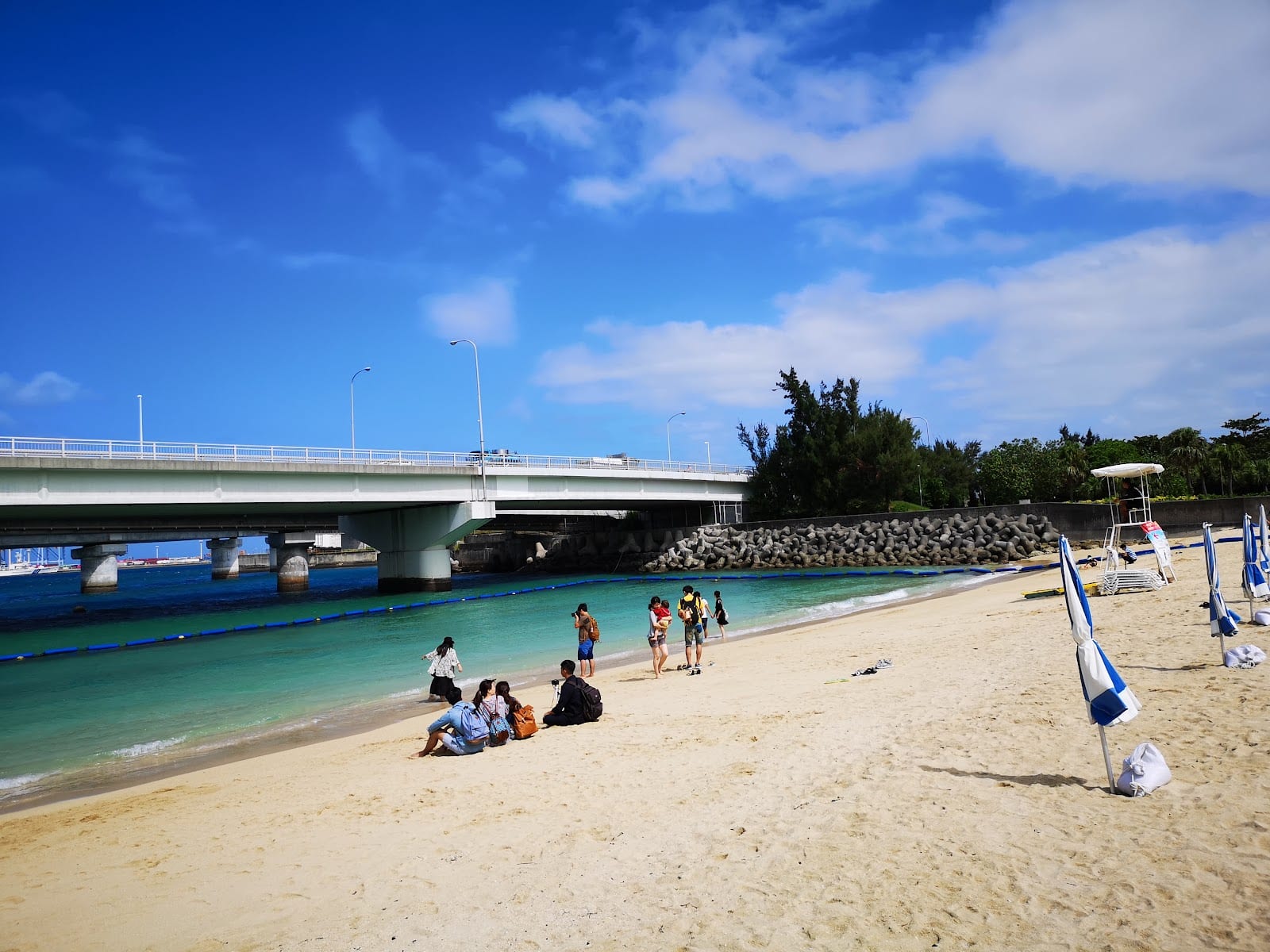
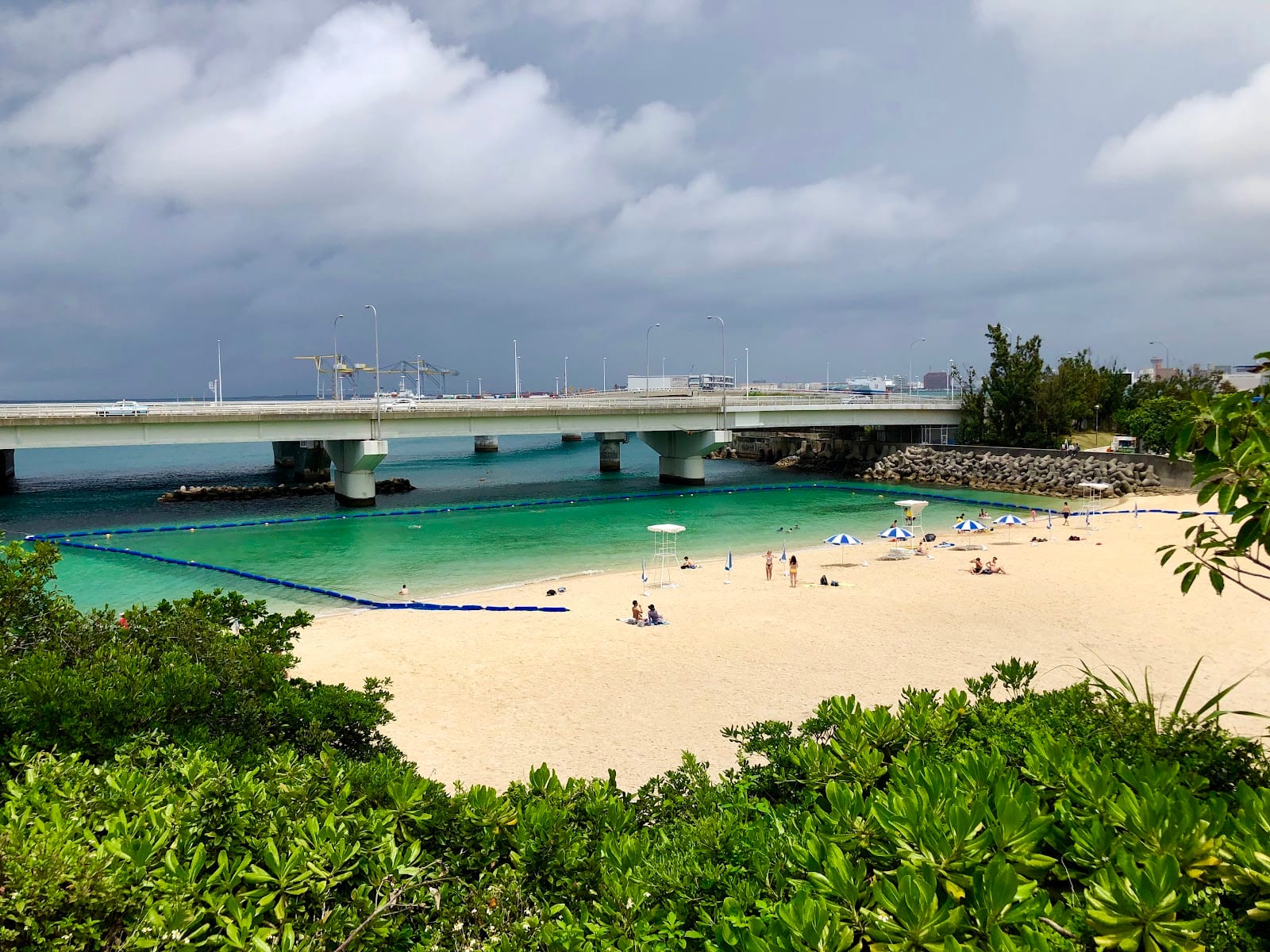
Naminoue Beach
A convenient urban swim beneath Naminoue Shrine, useful on a hot arrival day but not a substitute for Okinawa's bigger beaches.
Naminoue is Naha's only swimming beach, making its location beside the city unusually convenient and its limitations easy to see. Swimming is available from 9:00 a.m. to 6:00 p.m. April through June and September through October, extending to 7:00 p.m. in July and August; it is unavailable from November through March. The Wakasa side is about a five-minute walk from two bus stops. Drivers can use nearby parking lots, with 24-hour maximums of ¥700 and ¥800. The beach does not allow personal snorkeling equipment, jet skis, or other personal watercraft. For a quick dip between city sights, it works. For a dedicated beach day, choose somewhere beyond Naha.
1-2 hourson GoogleGood for families, couples, friends
Sourcesnaminouebeach.jp


Hidden gems
Where the crowds thin out.- Hidden gem
 Kume Worth it
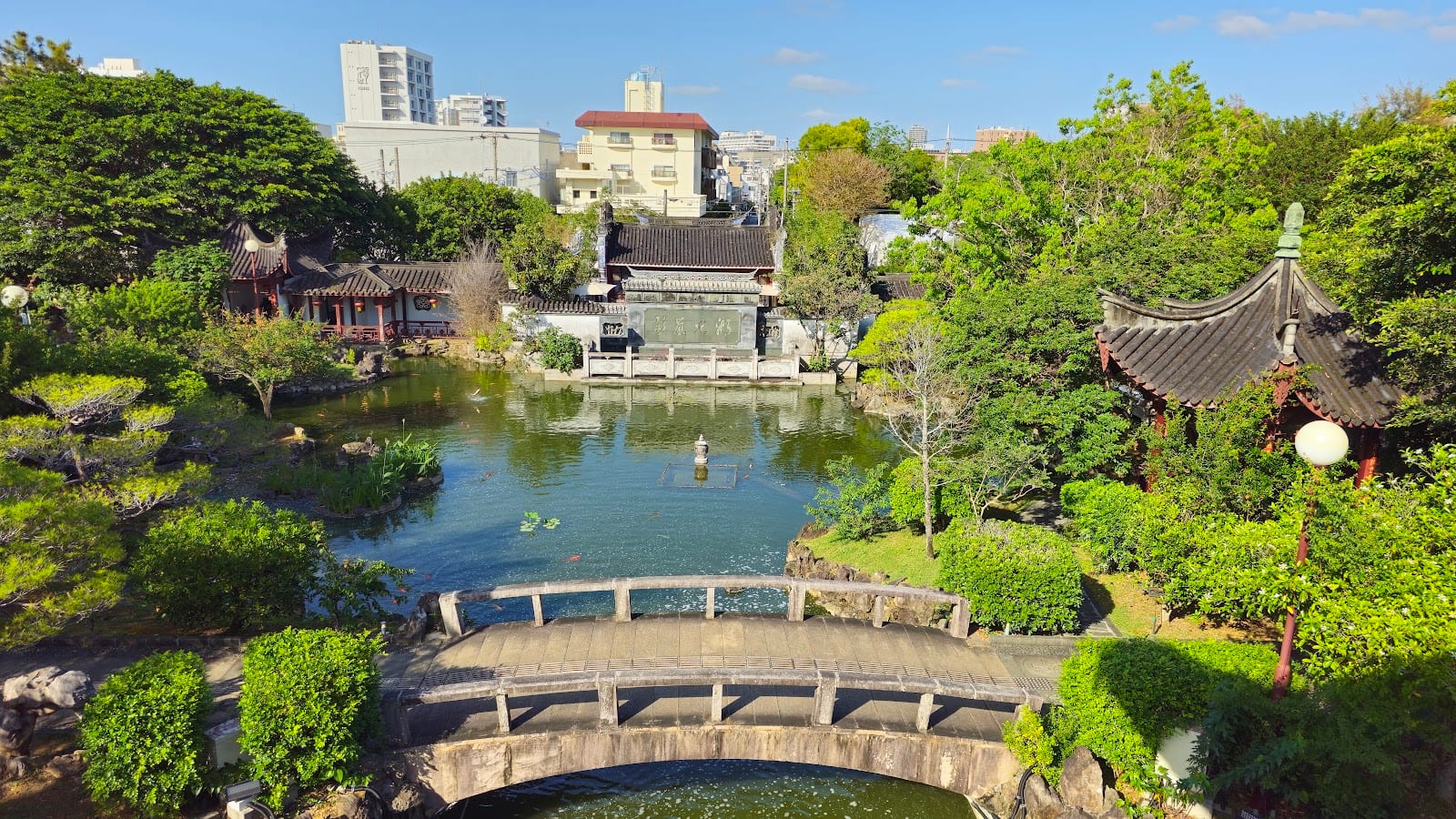
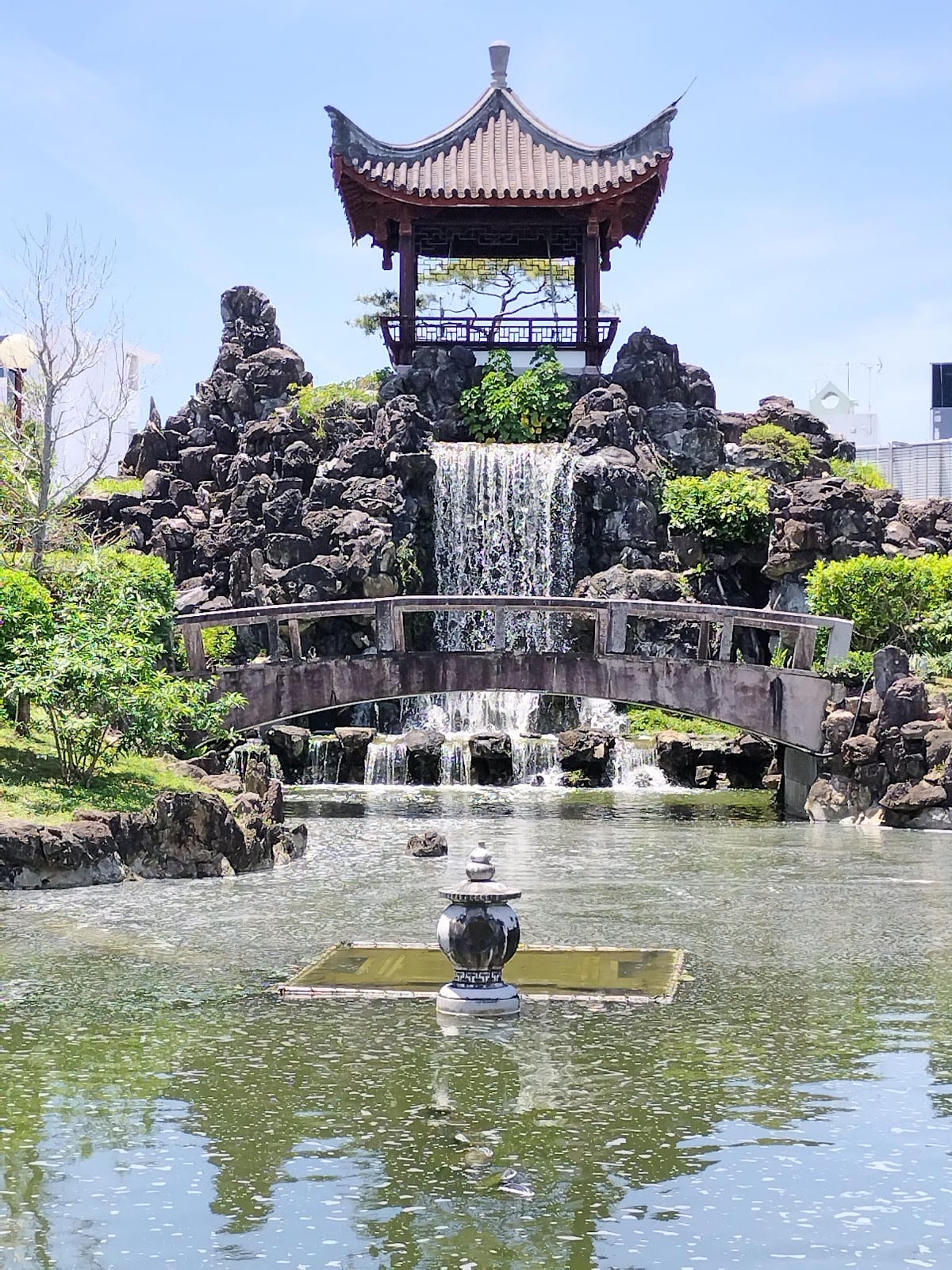
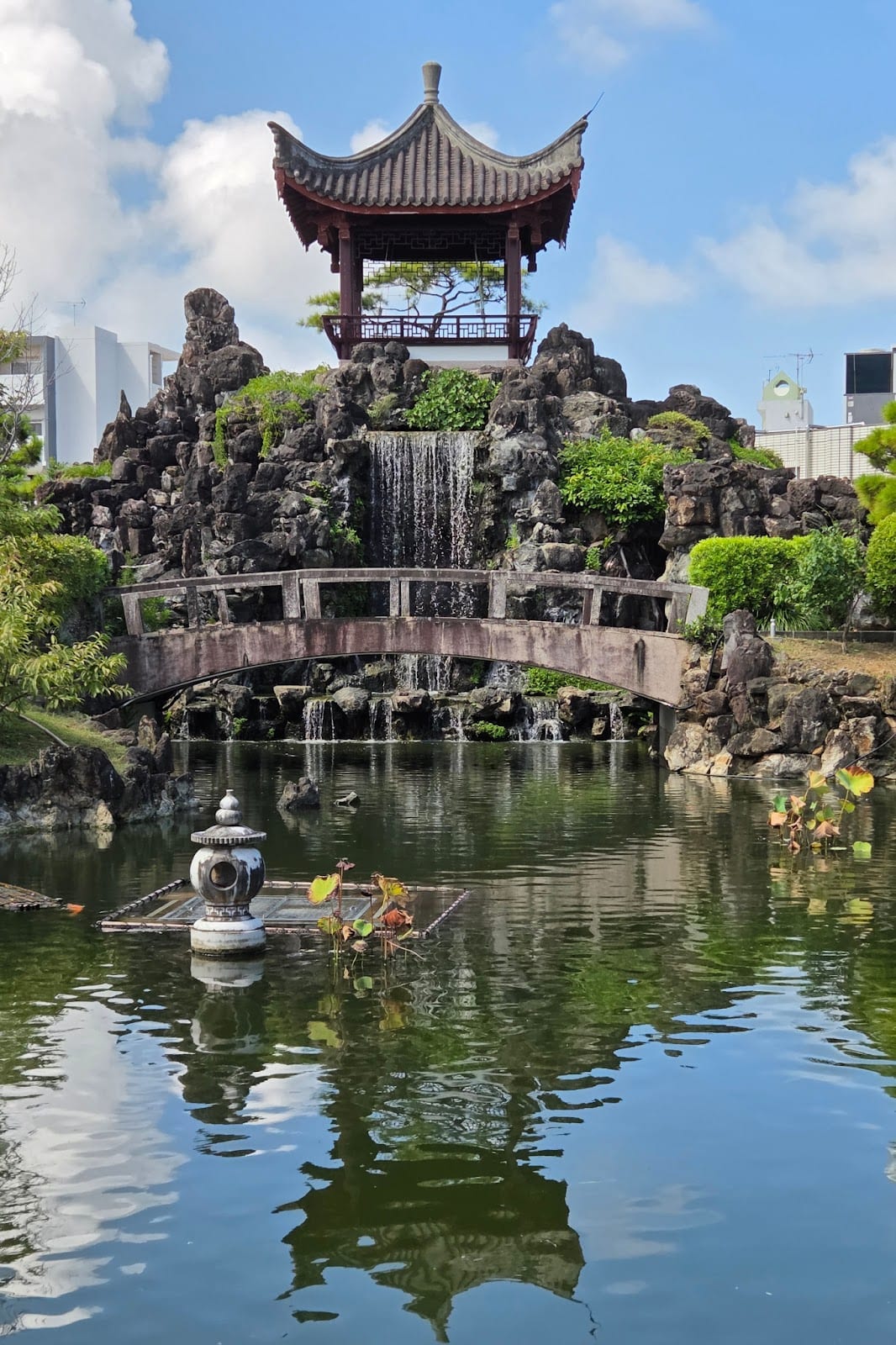
Fukushuen Garden
The city's most restorative pause, a Chinese-style garden whose best feature is a secret passage behind a waterfall.
Fukushuen Garden was created to commemorate Naha's relationship with its Chinese sister city, Fuzhou, and opened in 1992. The garden uses wood and stone from Fuzhou alongside local craftsmanship, with pagodas, a zodiac-decorated bridge, pond, koi, turtles, and covered corridor giving it a deliberately Chinese character. Its best detail is easy to miss: a passage behind the main waterfall lets you stand directly behind the falling water. The garden is listed at 9:00 a.m. to 6:00 p.m. and closed Wednesdays, except when a public holiday moves the closure to Thursday. Admission is ¥200 for adults and ¥100 for children; under-sixes enter free. Allow one to two hours, especially if you want to feed the fish and turtles.
Good for couples, families, solo
- Hidden gem
 Omoromachi Worth it
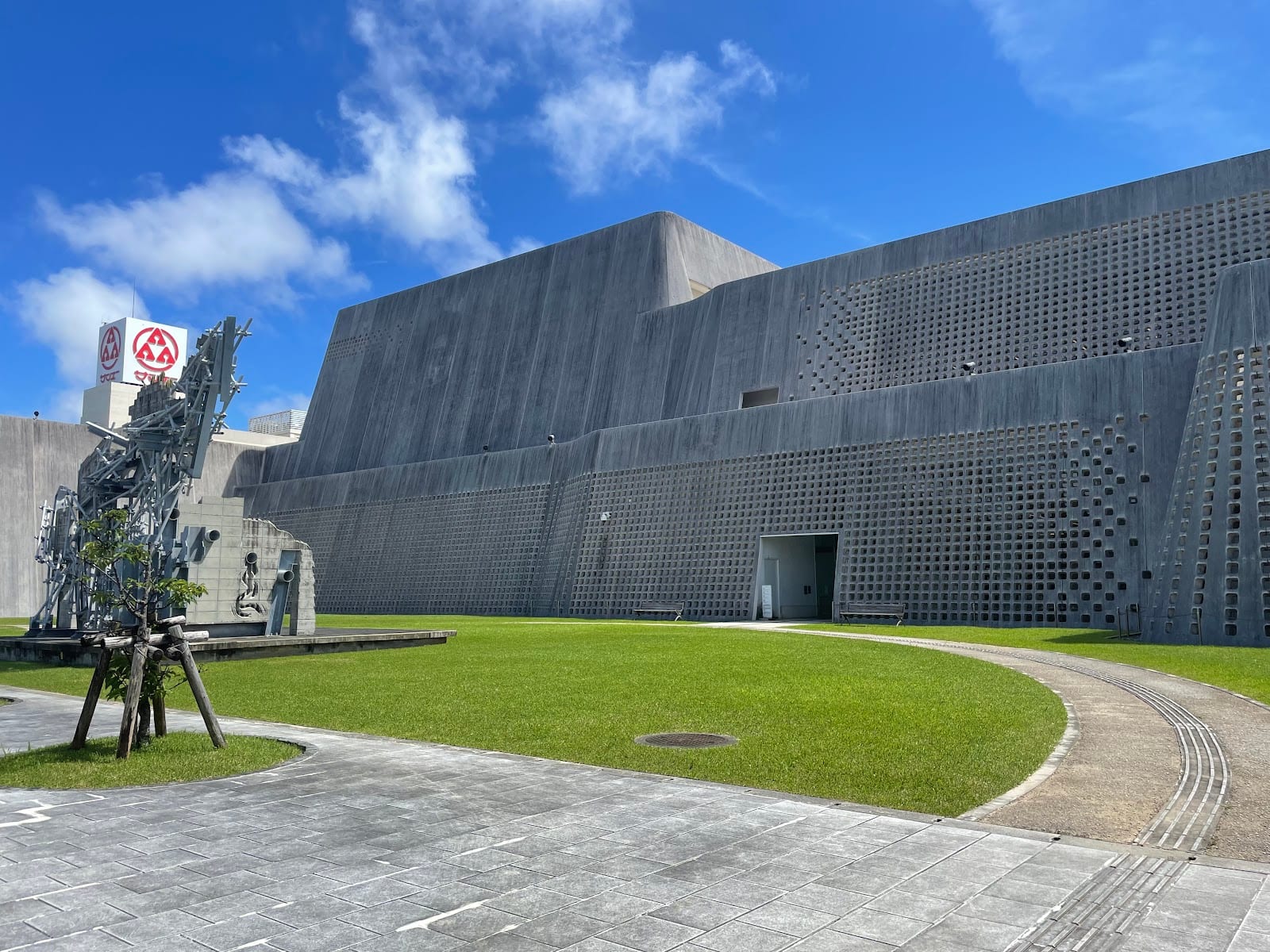
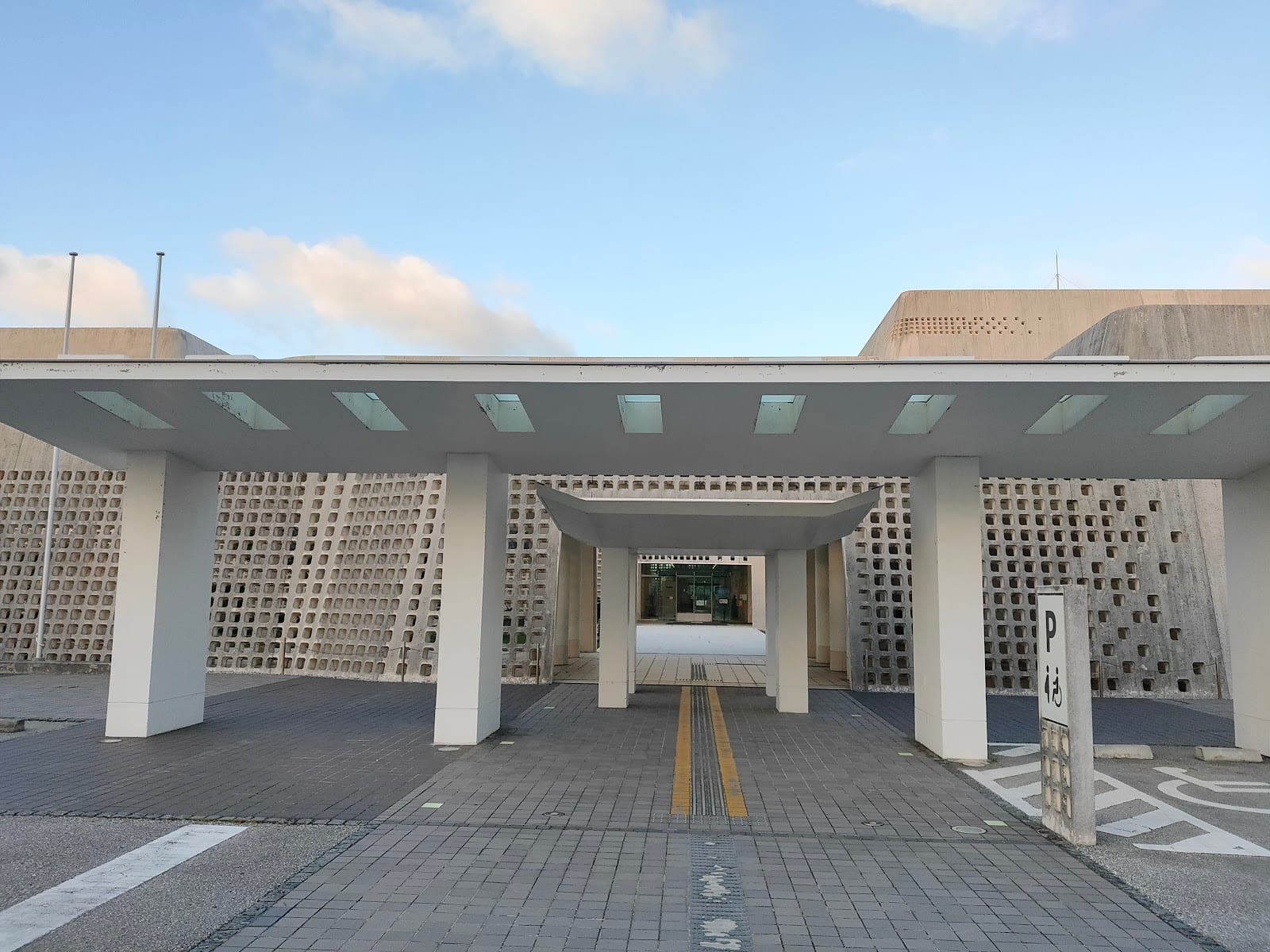
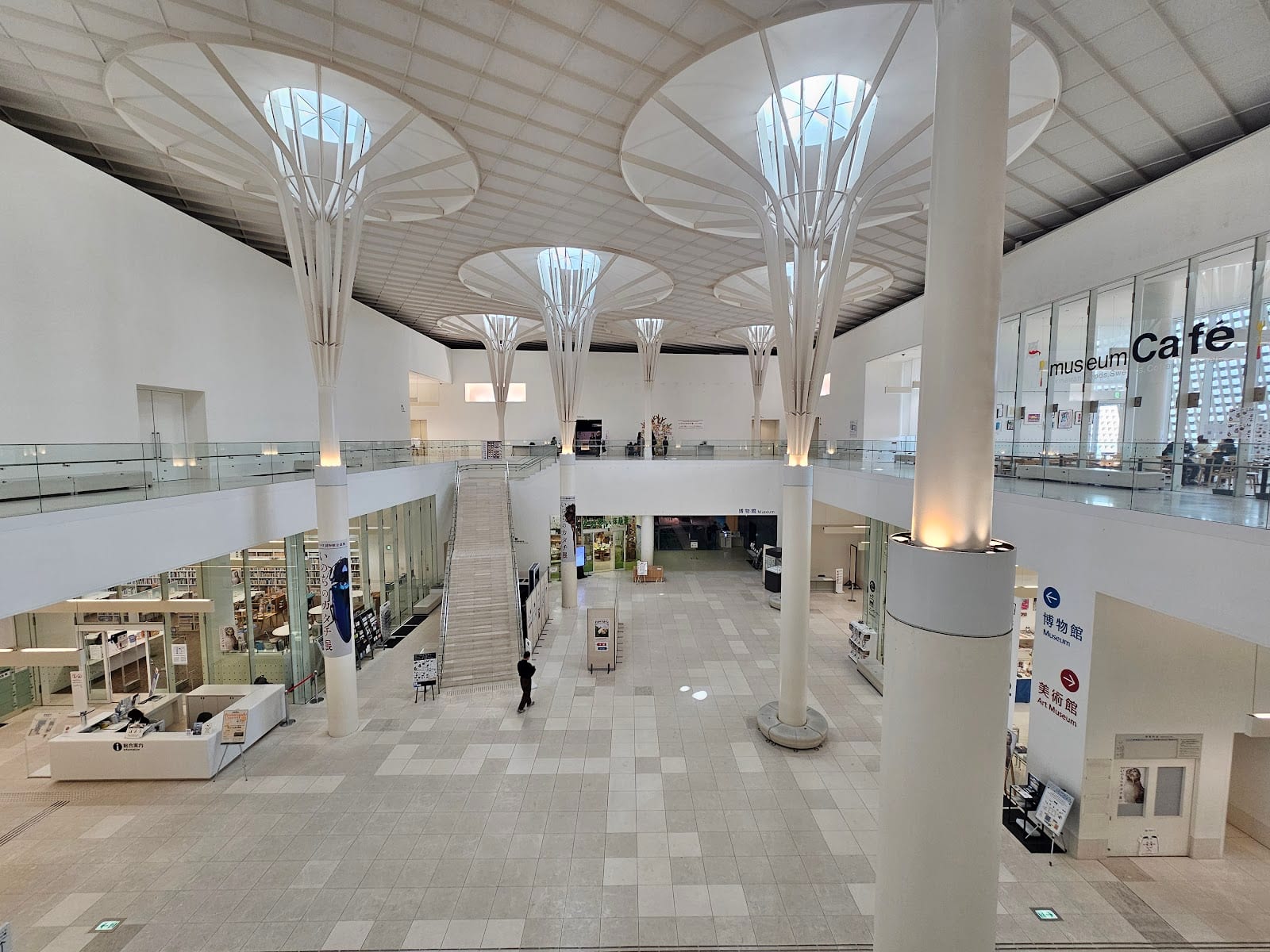
Okinawa Prefectural Museum & Art Museum
The best rainy-day reset in Naha, pairing Okinawan history with local art, architecture, and a multilingual audio guide.
The Okinawa Prefectural Museum & Art Museum moved from near Shuri Castle to a modern building in Omoromachi, reopening in 2007 as a combined history and art complex. The history galleries run from before the Ryukyu Kingdom through the modern era, while the art museum focuses on Okinawan artists and themes across paintings, sculptures, sketches, videos, and contemporary work. A free audio guide for permanent exhibits is available in Japanese, English, Chinese, Korean, and Spanish. The hands-on Touch and Experience Room adds natural mechanisms and ancestral knowledge, while outdoor displays of traditional Okinawan architecture extend the visit beyond indoor galleries. It is open Tuesday through Sunday, 9:00 a.m. to 6:00 p.m., with Friday and Saturday hours to 8:00 p.m.
Good for families, couples, solo
Sourcesokimu.jp


Verdicts and rankings are our own; ratings open each place on Google. Prices, where shown, are an approximate per-person guide in USD.
Getting around
Getting around Naha
Use the Yui Rail
The Okinawa Urban Monorail runs from Naha Airport through the city to Tedako-Uranishi, with 19 stations over 17.0 km. Trains arrive approximately every eight minutes.
Walk central Naha
Kokusai Dori, Makishi Public Market, and Tsuboya are close enough to combine on foot. Tsuboya is about 400 meters south of Kokusai Dori.
Take the bus to Shuri
From Shuri Station, Shuri Castle is a 15-20-minute walk or a five-minute bus ride. Bus 14 from central Naha takes about 15-20 minutes and costs ¥240 one way.
Plan around weather
Naha has a humid subtropical climate, sudden showers, and typhoon risk from June through September. Ferry and flight schedules can change with the weather.
Where to stay
Where to stay in Naha
Kokusai Dori and Makishi
The most convenient base for first-timers, with central shopping, the public market, covered arcades, restaurants, and late-night activity.
Kume and Wakasa
A calmer harbor-side base near Fukushuen Garden, Naminoue Shrine, and Naminoue Beach, while still close to central Naha.
Shuri
Best for a history-first stay near Shuri Castle, with a more residential feel and easy monorail or bus access downtown.
Omoromachi
A practical modern base near the Okinawa Prefectural Museum & Art Museum and Omoromachi Station.

Where to stay in Okinawa
Compare Naha, the southern coast, and Okinawa's other best bases for your trip.
View the guideWho it's for
Naha for families, couples, and solo
- Naha for families
- Shuri Castle, Makishi Market, and the museum give you several weather-proof choices, while Naminoue Beach adds an easy urban swim when the season is right.
- Naha for couples
- Pair Tsuboya's pottery shops with Fukushuen's waterfall passage, then wander Kokusai Dori for dinner. Naminoue Shrine offers a quieter counterweight to the tourist spine.
- Naha for solo travelers
- Naha is easy without a car: use the monorail, walk the central arcades, and let Makishi Market turn lunch into an interaction rather than a reservation.
More of Okinawa
Nearby neighborhoods
A short hop from Naha, and worth pairing on the same trip.
Southern Okinawa
The island's quieter southern edge, with wartime history, dramatic coastlines, and day trips beyond Naha.
Explore Southern OkinawaAmerican Village
A colorful Chatan waterfront of shops, food, and sunset views, with a distinctly American-influenced Okinawan feel.
Explore American Village
Ready to plan your Naha trip?
Tell Zoya, your personal travel assistant, how you like to travel, and she'll turn any of this into a day-by-day plan that fits your dates.
Explore now