

Southern Okinawa · Okinawa neighborhood guide
Things to Do in Southern Okinawa
Southern Okinawa has a rare mix: cobalt-blue coastal roads, sacred Ryukyuan groves, and the places where the Battle of Okinawa still asks you to pay attention. Here's what's actually worth your time, ranked and judged.
Southern Okinawa in brief
What is Itoman, Okinawa, known for?
Itoman is known for Battle of Okinawa memorials, Ryukyuan sacred sites, limestone caves, and beaches. Nearby Nanjo shares many of southern Okinawa's biggest attractions.
Are Itoman and Nanjo the same place?
No. Itoman and Nanjo are separate administrative cities in southern Okinawa, together covering approximately 100 square kilometers.
What should travelers see at the Okinawa Peace Memorial Park?
Give the park time rather than treating it as a quick photo stop. It commemorates people who died in the Battle of Okinawa and includes the Peace Memorial Museum, the Cornerstone of Peace, meditation forest, and a peace bell.
Get oriented
How southern Okinawa fits together
Southern Okinawa is the stretch below Naha where Itoman's wartime memorials meet Nanjo's caves, sacred sites, beaches, and Pacific-facing roads.
Itoman occupies the southwestern side of the district, with the Okinawa Peace Memorial Park, the Peace Memorial Museum, Himeyuri Peace Museum, Cape Kyan, and the Itoman coast. Nanjo spreads east across the southern peninsula: Okinawa World and Gyokusendo Cave and Valley of Gangala sit inland, while Mibaru Beach, Sefa Utaki, Nirai Kanai Bridge, and Chinen Cape Park face the Pacific. The sights are too scattered for a satisfying walking itinerary. A car is the practical choice, although buses from Naha reach the major attractions with transfers and infrequent service. Treat the memorials as serious visits, then use the caves, coast, and bridge for a change of pace.
Start with the memorials in Itoman, continue east through the caves and coast, and finish with the sacred peninsula and its sea views:
See & do, ranked
The best things to do in southern Okinawa
Our honest ranking of southern Okinawa's memorials, caves, sacred sites, beaches, and viewpoints, with the solemn places given the time they deserve.
Must-see
The essentials, ranked.- 1
 Mabuni, Itoman Worth it
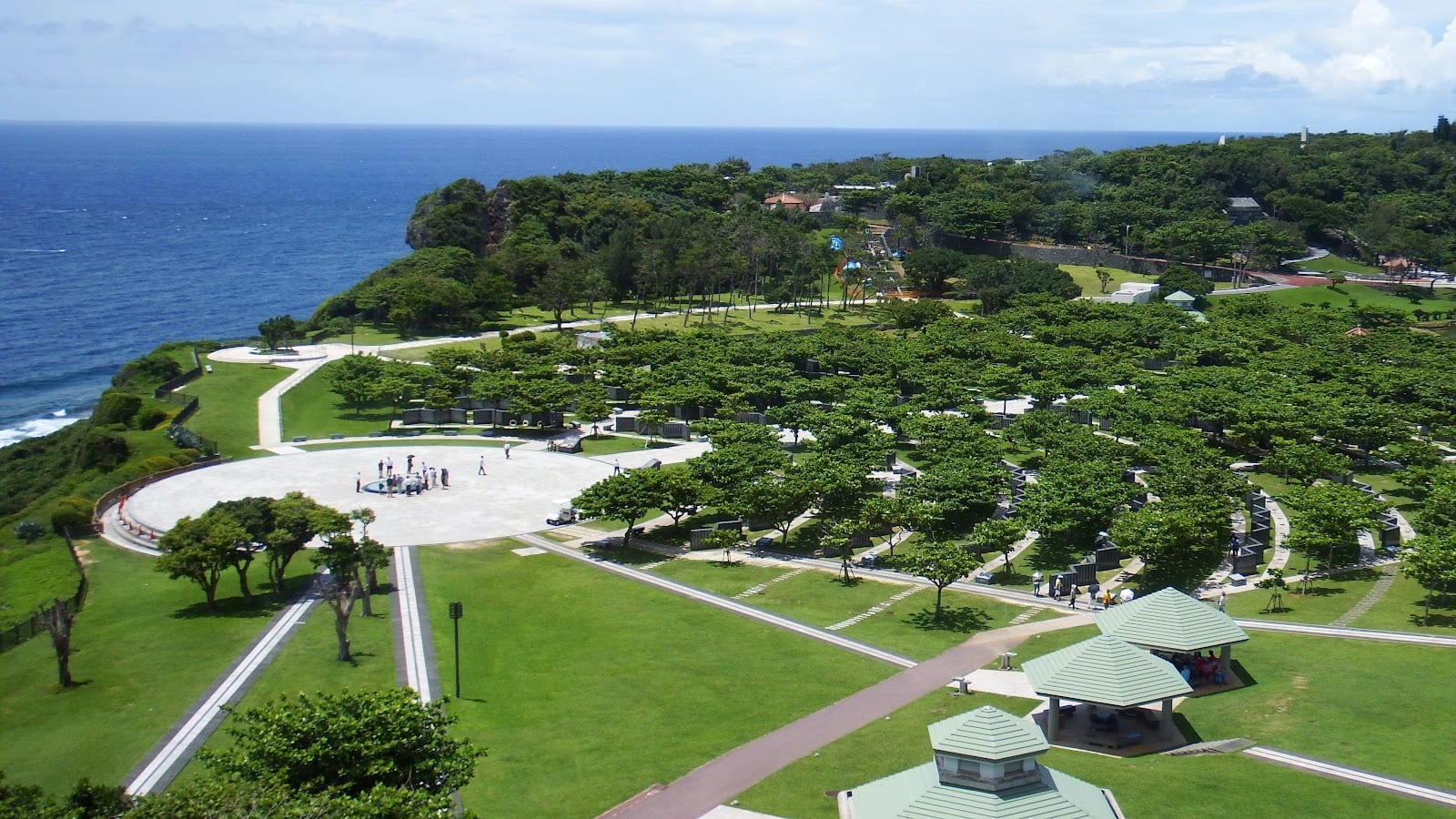
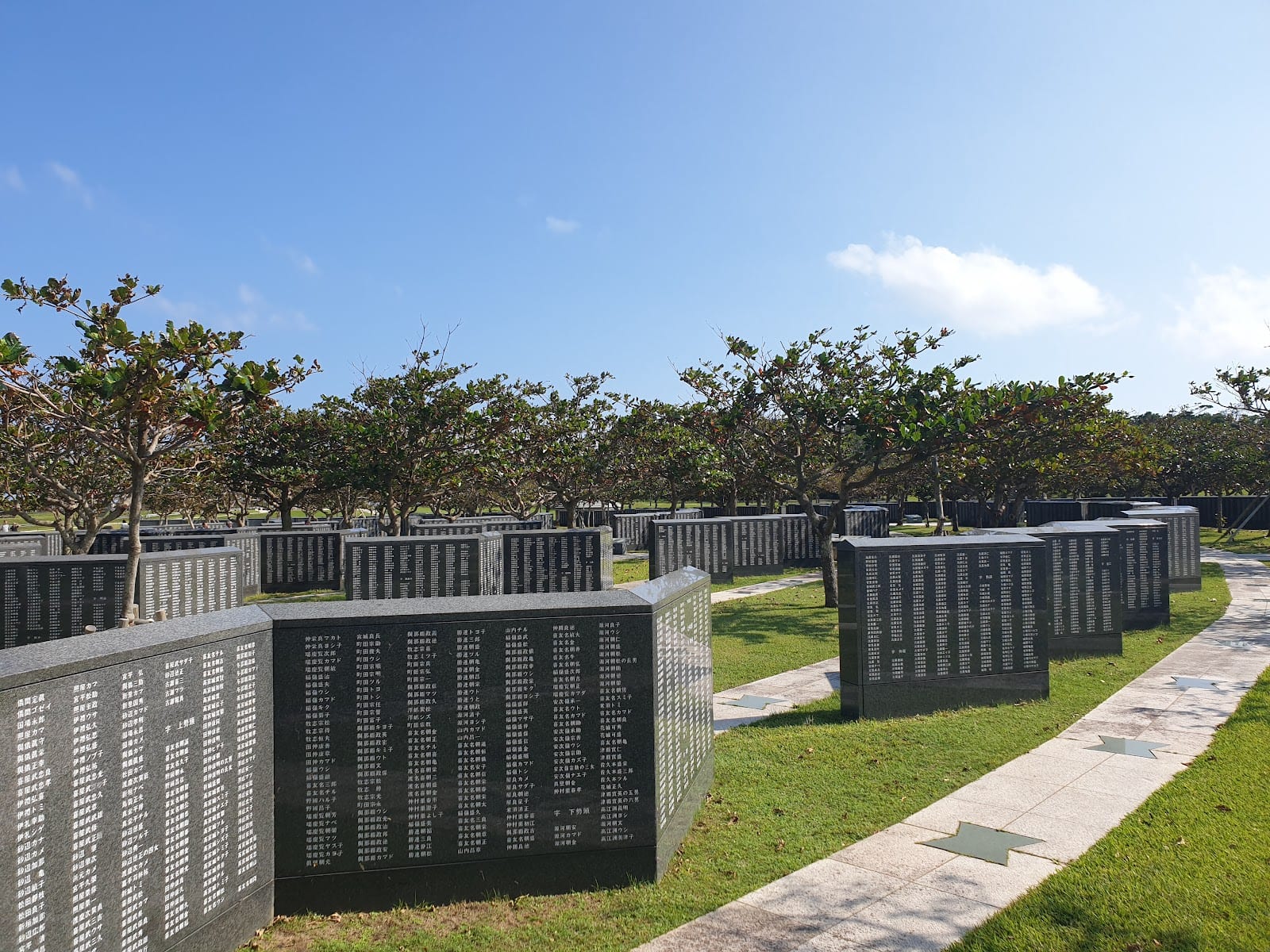
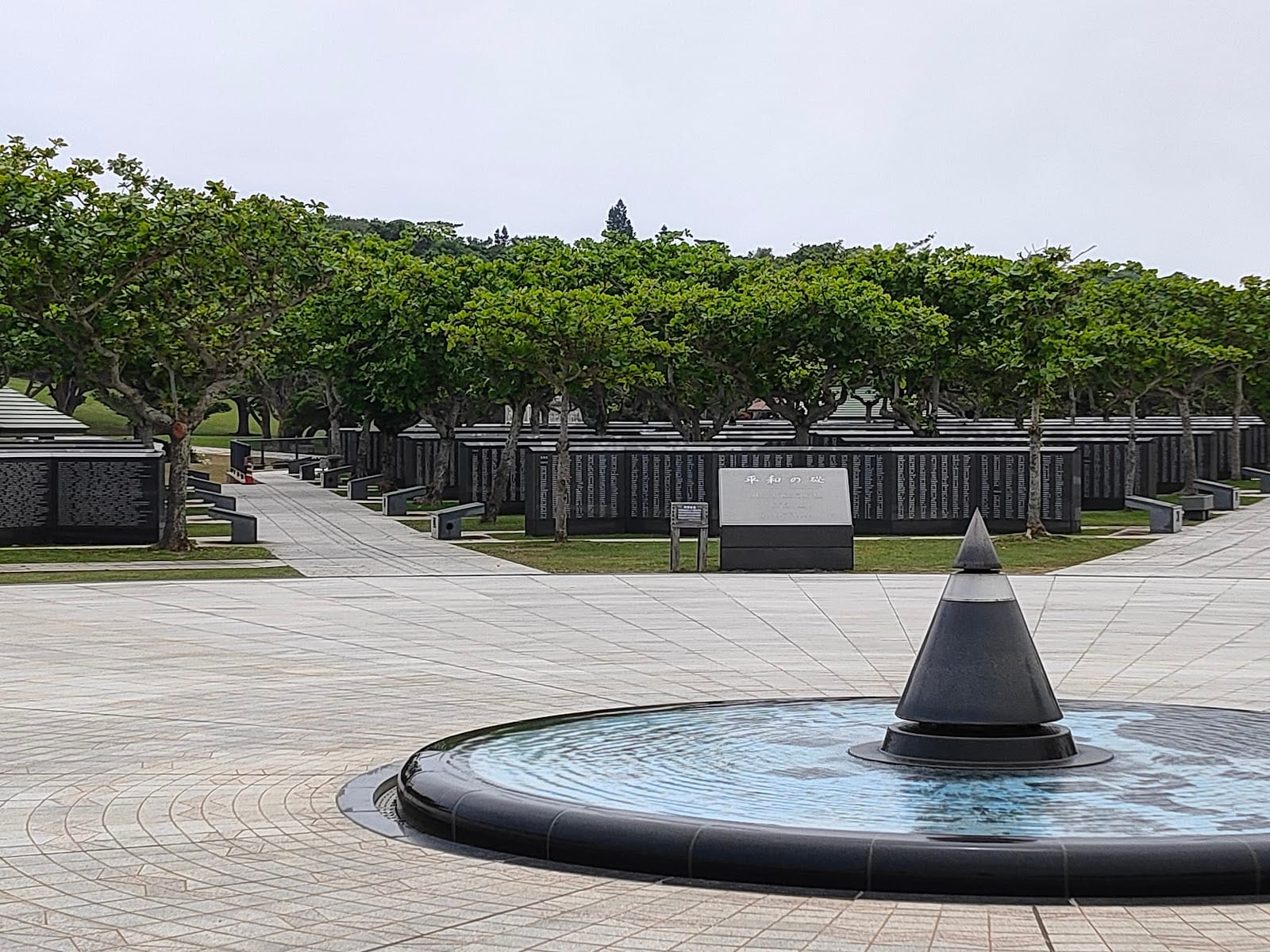
Okinawa Peace Memorial Park
A spacious memorial landscape on Mabuni Hill that makes the human cost of the Battle of Okinawa impossible to reduce to a battlefield statistic.
Okinawa Peace Memorial Park sits on Mabuni Hill, where the Battle of Okinawa ended, and it is the district's most important stop. The battle lasted from April 1 to June 22, 1945, killing more than 200,000 people, including over 100,000 Okinawan civilians. The park grew from a prefectural decision in 1975, while the Cornerstone of Peace was unveiled in 1995 for the battle's 50th anniversary. Its black granite walls curve in zigzagging concentric arcs and record the dead from multiple countries and sides without separating them by nationality. Admission to the grounds is free. Allow more than two hours if you are combining the park and museum, and come prepared for a quiet, emotionally demanding visit.
2+ hourson GoogleGood for families, couples, solo
- 2
 Ibara, Itoman Worth it
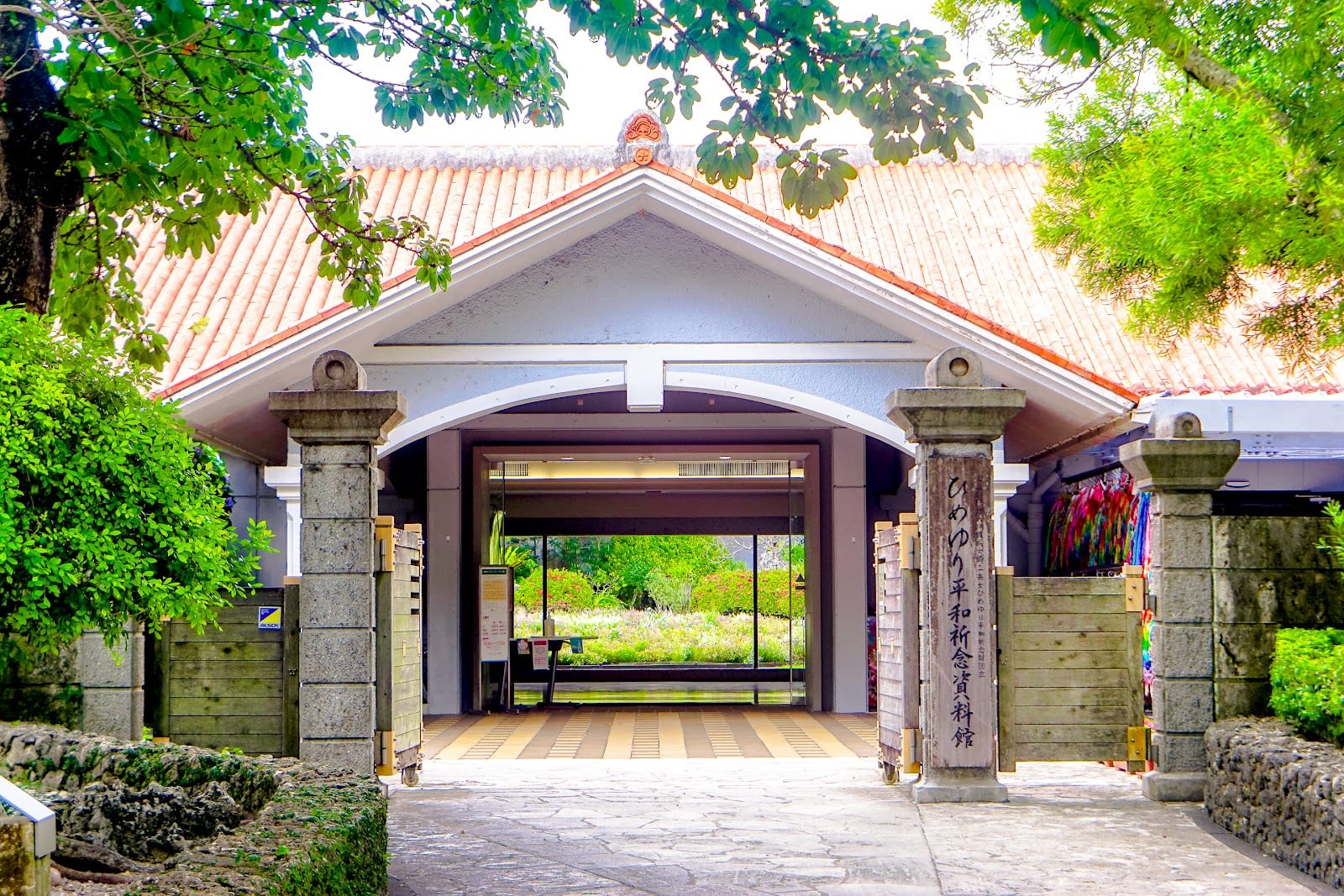
Himeyuri Peace Museum
The clearest, most personal account of the student nurses caught inside the Battle of Okinawa.
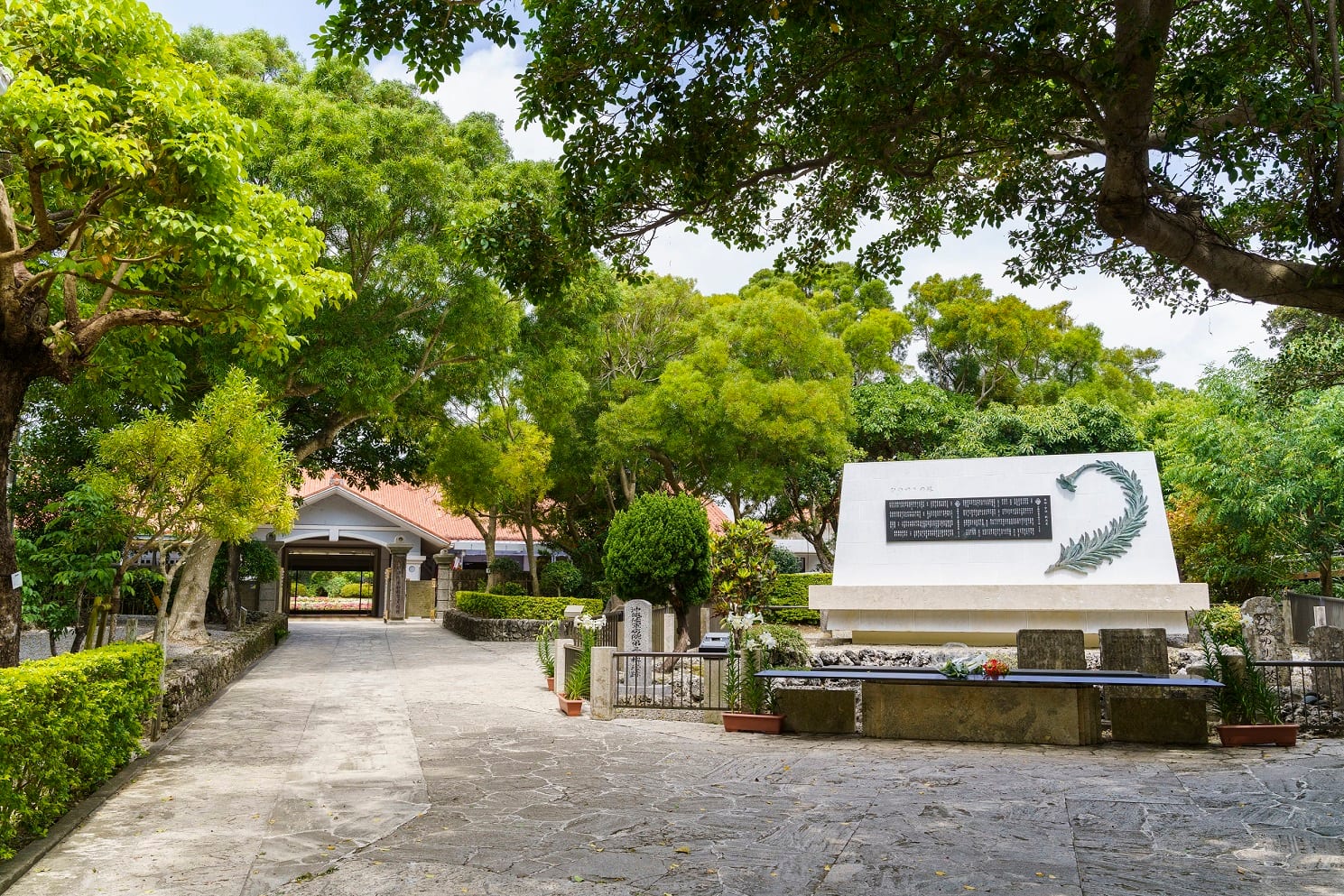
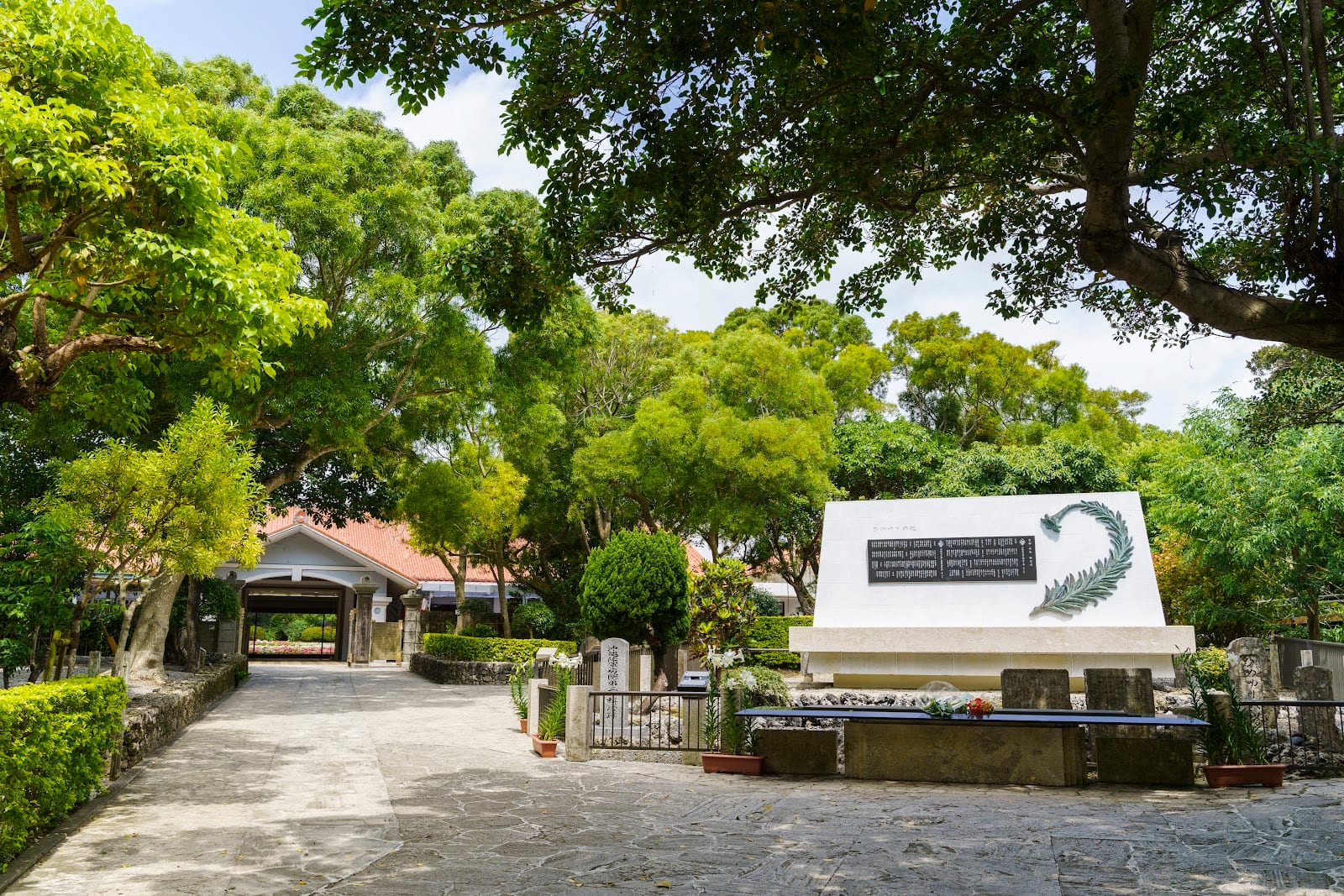
The Himeyuri Peace Museum tells the wartime story of students and teachers from two Okinawan girls' schools who were ordered to work in the Japanese Army's Haebaru Field Hospital. The museum was modernized in 2004, and its exhibition rooms combine photographs, artifacts, portraits, survivors' written testimonies, and video accounts. The most arresting detail is the cave georama: a life-size reconstruction of part of the underground clinic, alongside a room displaying 200 photographic portraits of the schoolgirls. Former Himeyuri nurses have also served as volunteer guides. It is roughly 15 kilometers south of Naha and northwest of the Peace Memorial Park, making the two natural companions, but do not rush through either. Entry is ¥310 for adults and the museum closes at 5:25 PM.
Good for couples, solo, families
Sourceshimeyuri.or.jpokinawa.stripes.comvisitokinawajapan.com
- 3
 Mabuni, Itoman Worth it
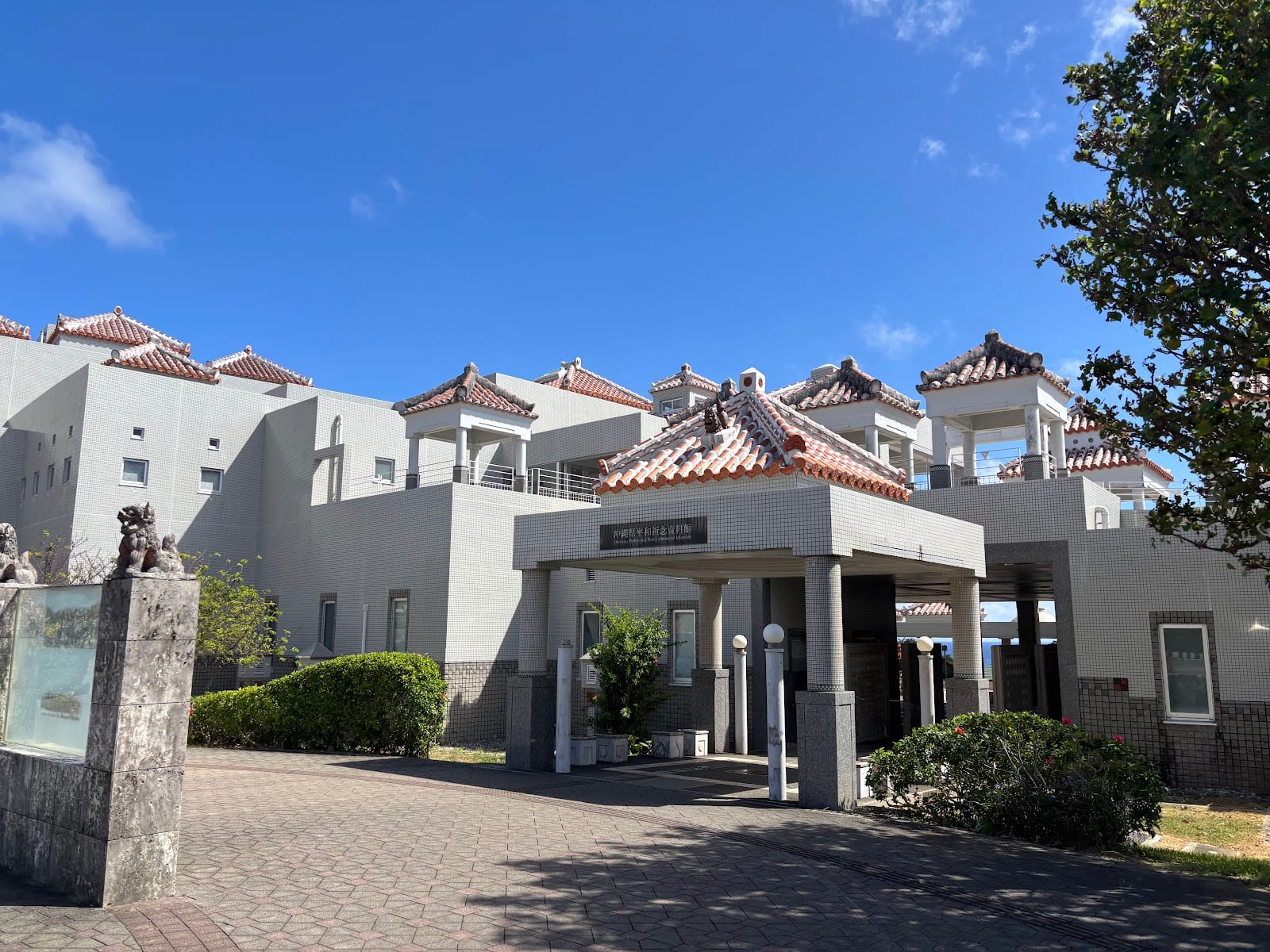
Okinawa Prefectural Peace Memorial Museum
The museum to choose when you want the Battle of Okinawa explained through civilian testimony rather than a detached military timeline.
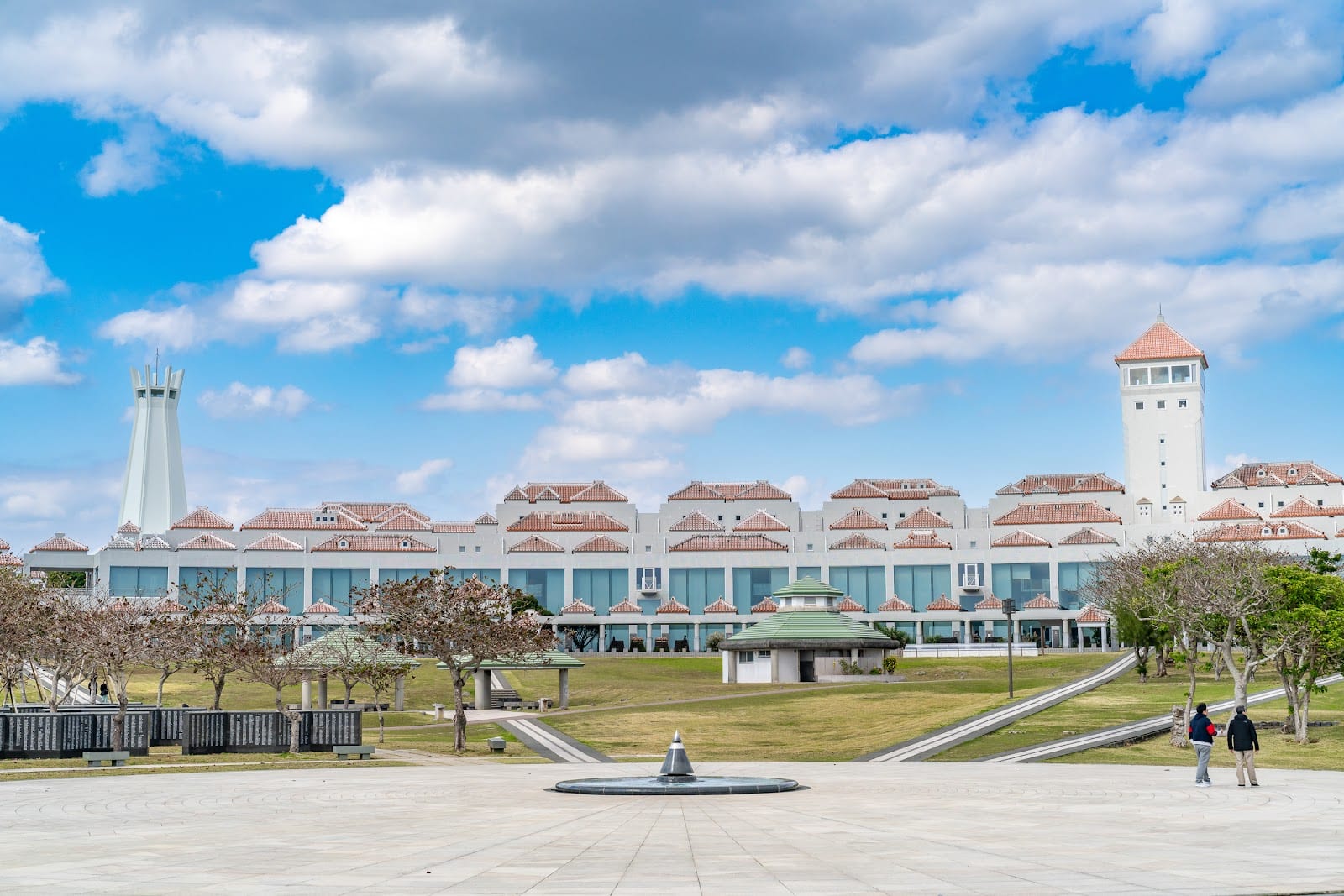
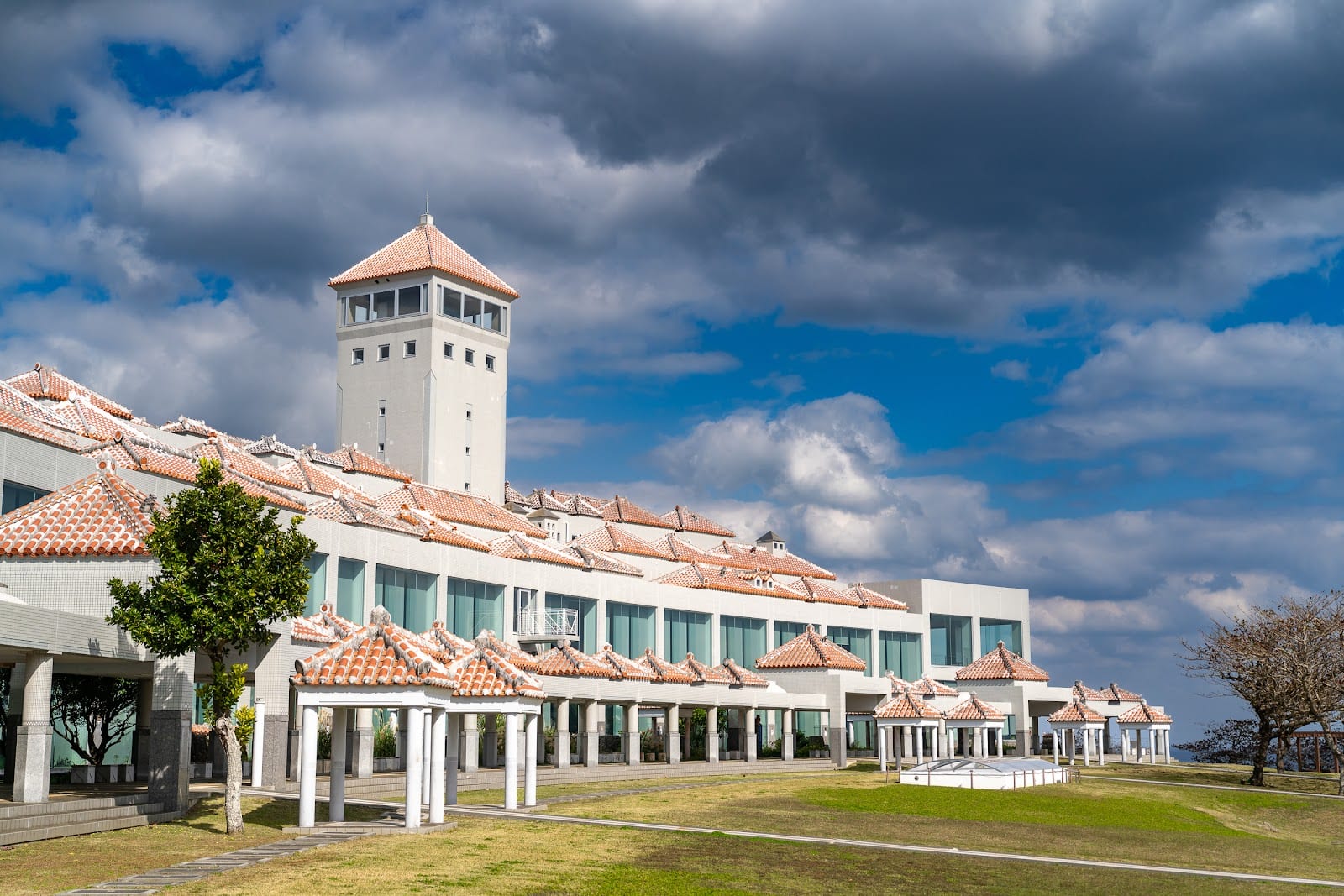
Inside the Okinawa Peace Memorial Park on Mabuni Hill, this museum follows the lead-up to the Battle of Okinawa, the battle itself, and the reconstruction that followed. Its strongest material is the firsthand testimony of survivors, which gives the conflict a personal texture that a monument alone cannot provide. The museum stands at the site where coordinated fighting ended on June 23, 1945, after Japanese commanders Ushijima Mitsuru and Cho Isamu died at Mabuni Hill. Admission is ¥300 for adults and ¥150 for ages 6-18. It opens from 9:00 AM to 5:00 PM, with entry until 4:30 PM, and closes December 29 through January 3. Plan on 60-90 minutes inside, then walk the wider park and Cornerstone of Peace.
Good for couples, solo, families
- 4
 Chinen, Nanjo Worth the hype
Sefa Utaki
A genuinely atmospheric UNESCO sacred site where a forest trail ends at the rock passage known as Sangui and a view toward Kudaka Island.
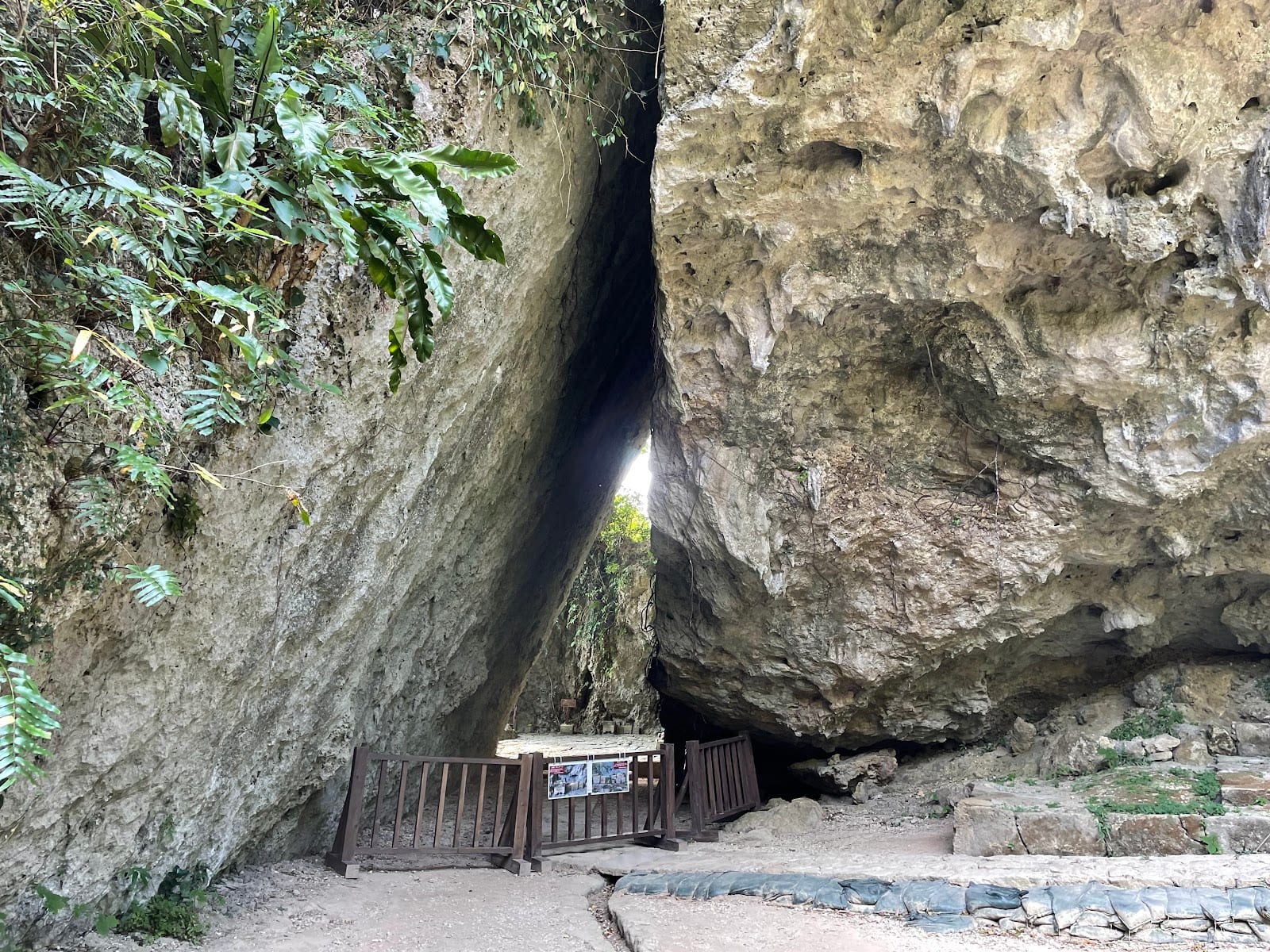
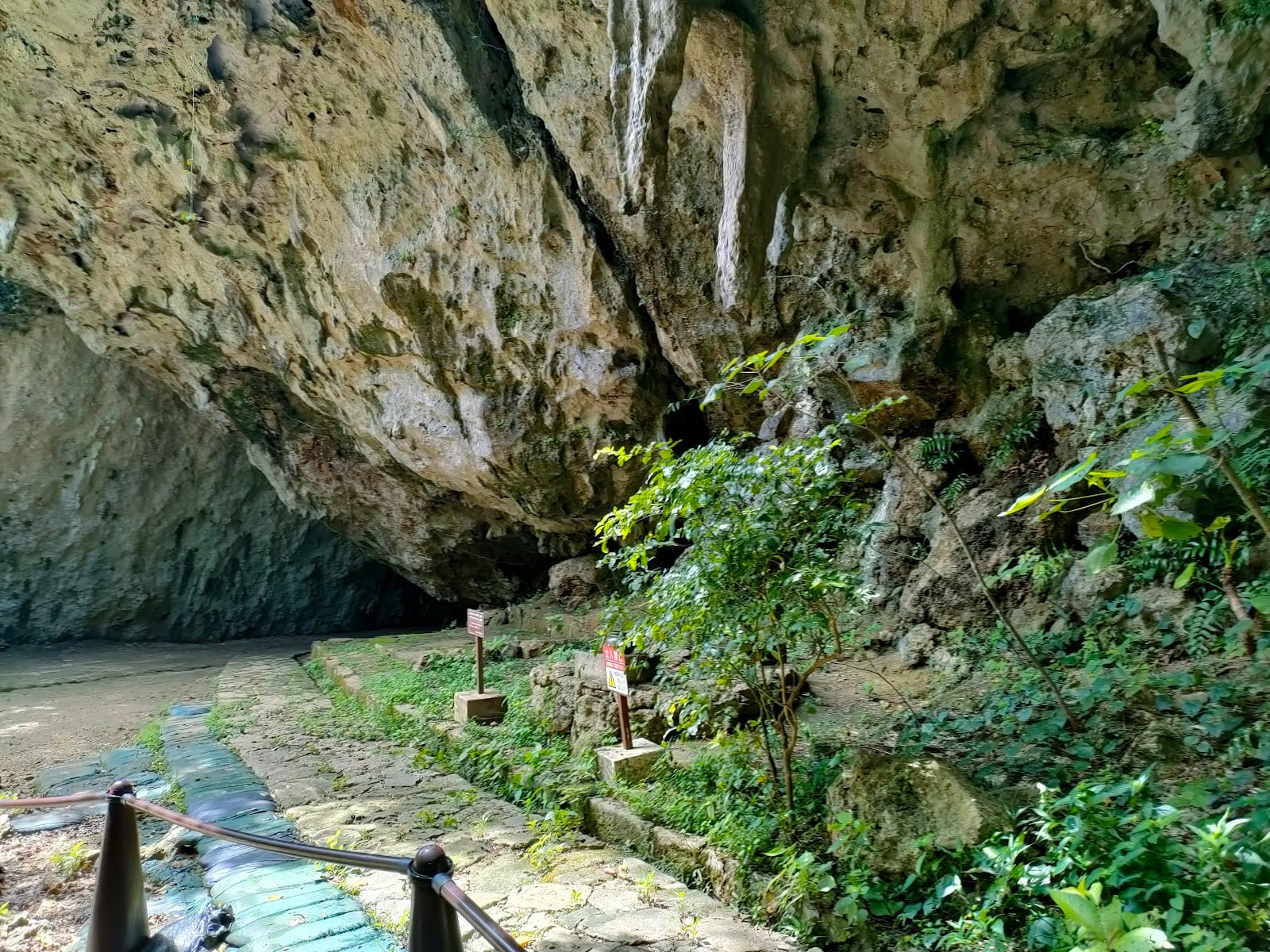
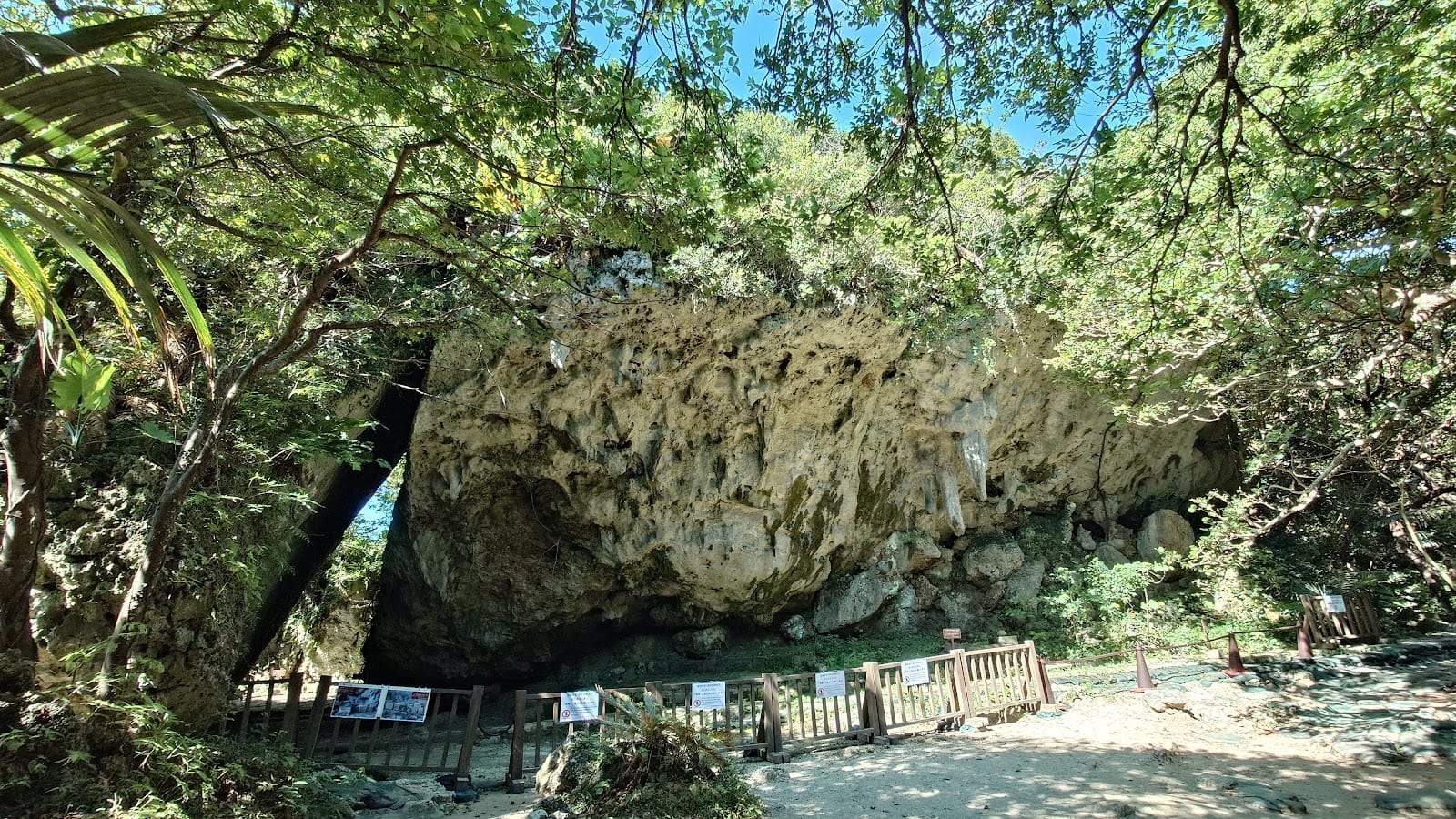
Sefa Utaki was the most sacred site in the Ryukyu Kingdom, a place historically closed to men except members of the royal family, who even had to dress as women to enter. The site rose to prominence in the early 16th century as the royal government reorganized Okinawan religion and became a venue for ceremonies including the inauguration of the highest-ranking priestess. Today, a forested hillside trail leads past six sacred places toward the ocean and Kudaka Island, associated with Amamikiyo, the creator deity of the Ryukyu Islands. Sangui, the signature triangular passage formed by two enormous leaning rocks, is currently closed to entry. Admission is ¥300, and access can also close for three days during the fifth and tenth lunar months, so check notices before going.
Good for couples, solo, families


Worth it with more time
Good additions once you've done the icons.- 5
 Maekawa, Nanjo Worth it
Okinawa World and Gyokusendo Cave
A touristy but unusually rewarding three-part park, with a huge limestone cave doing most of the heavy lifting.
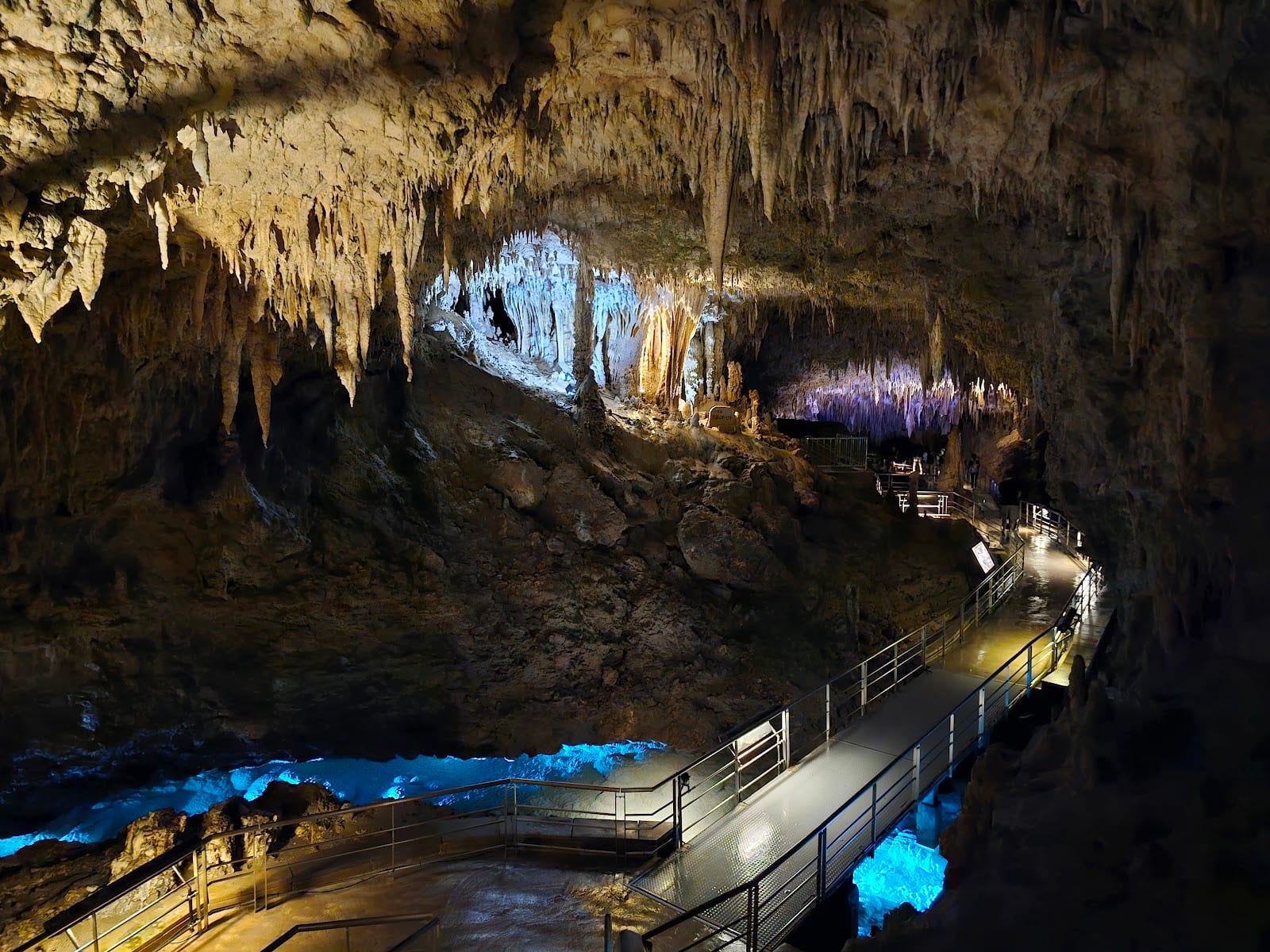
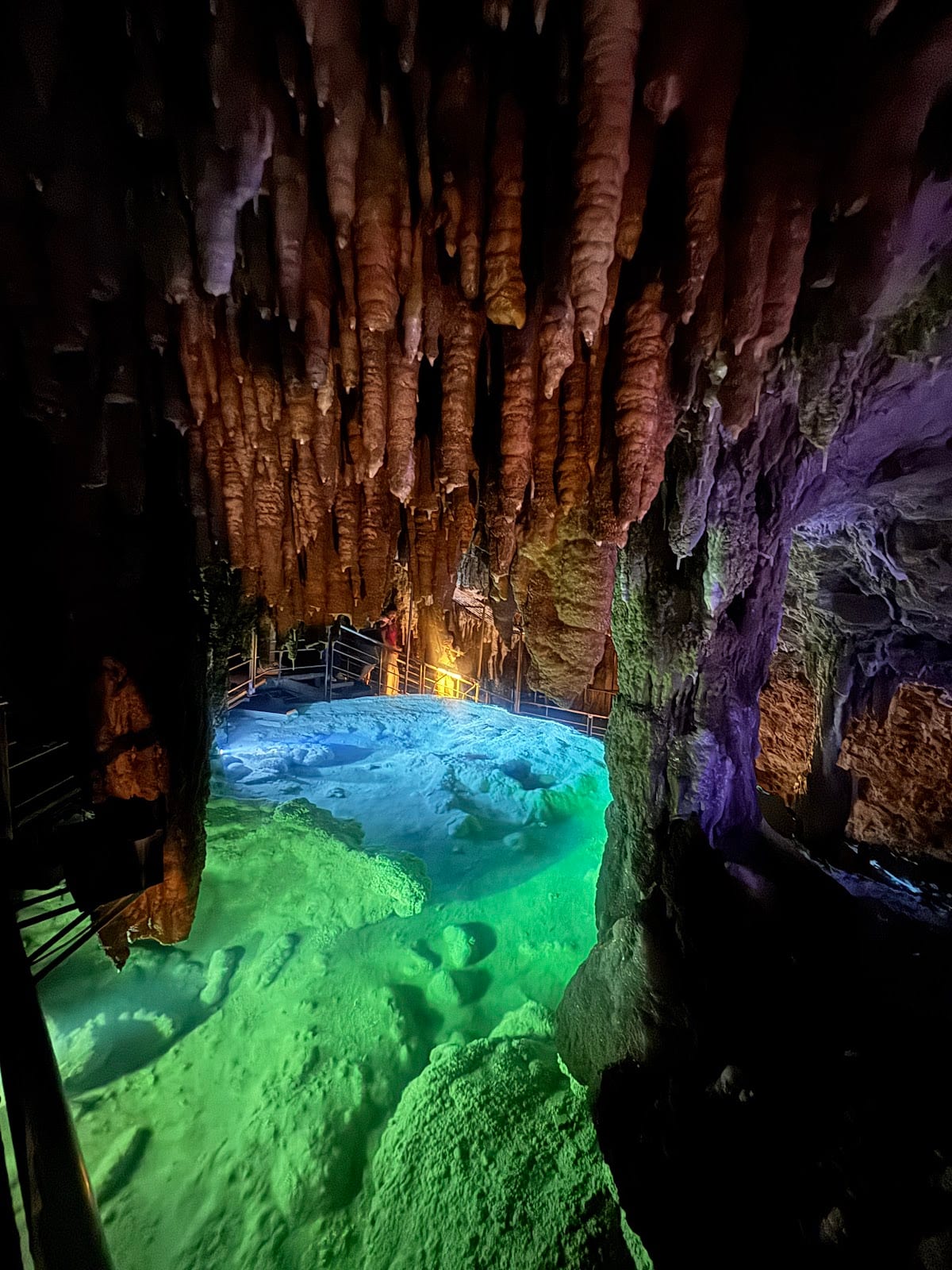
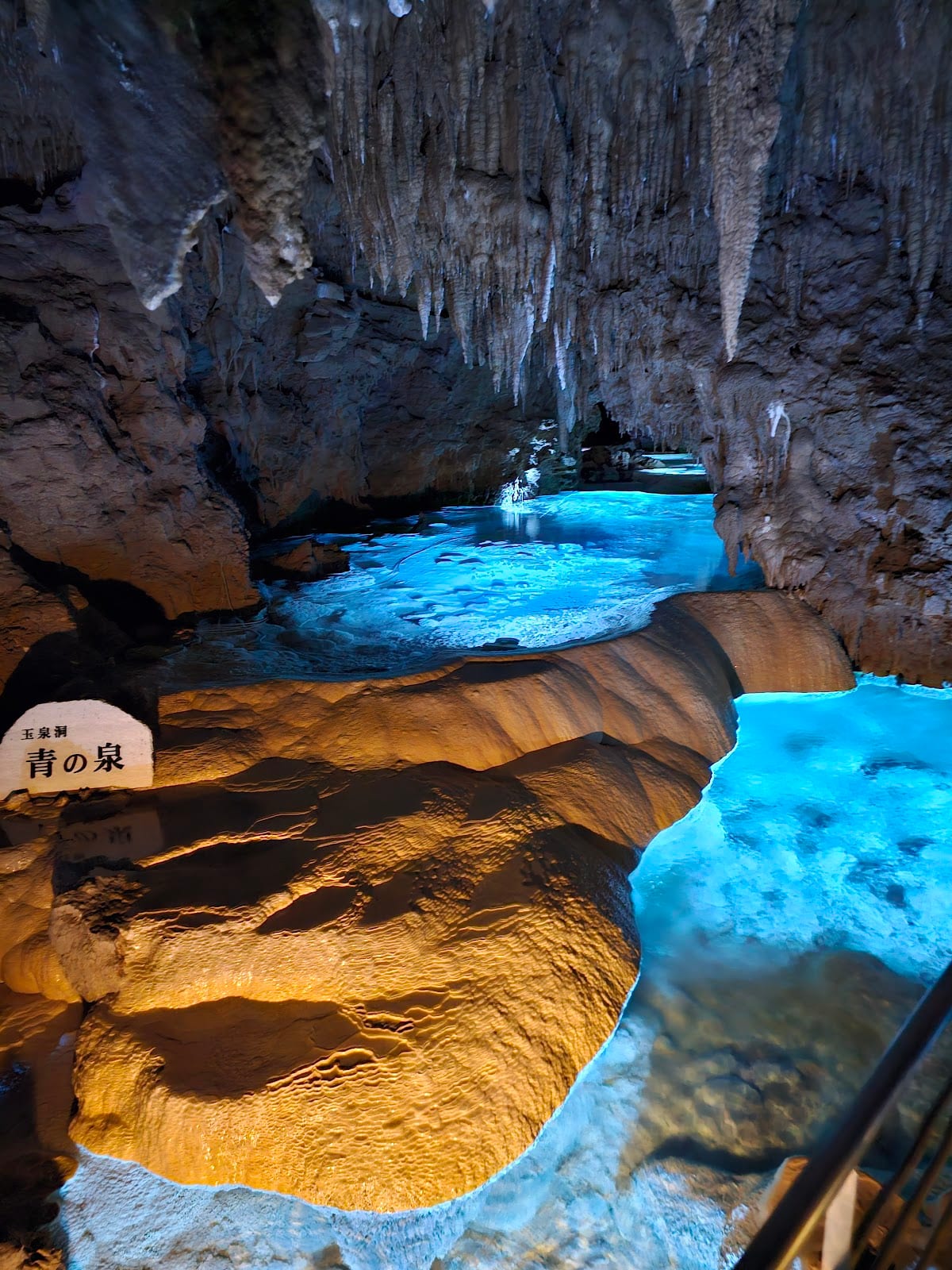
Okinawa World bundles three attractions into one Nanjo stop: Gyokusendo Cave, the Habu Museum Park, and a Ryukyu Kingdom Castle Town built around traditional crafts. The cave system runs roughly five kilometers, with approximately 890 meters open to visitors, and contains more than one million stalactites and stalagmites. The telling detail is geological rather than theatrical: formations grow about one millimeter every three years, a rate attributed to Okinawa's subtropical climate. Above ground, you can try indigo dyeing, Ryukyu glass, bingata weaving, and pottery, with shows including Eisa and a Habu performance. Admission is ¥2,000; the park opens at 9:00 AM and last entry is 4:00 PM. Allow 1-3 hours for the core sights, longer for workshops and shows.
Good for families, couples, friends
- 6
 Maekawa, Nanjo Worth it
Valley of Gangala
The better cave-and-jungle experience for travelers who prefer a guided, archaeological landscape to a polished attraction.
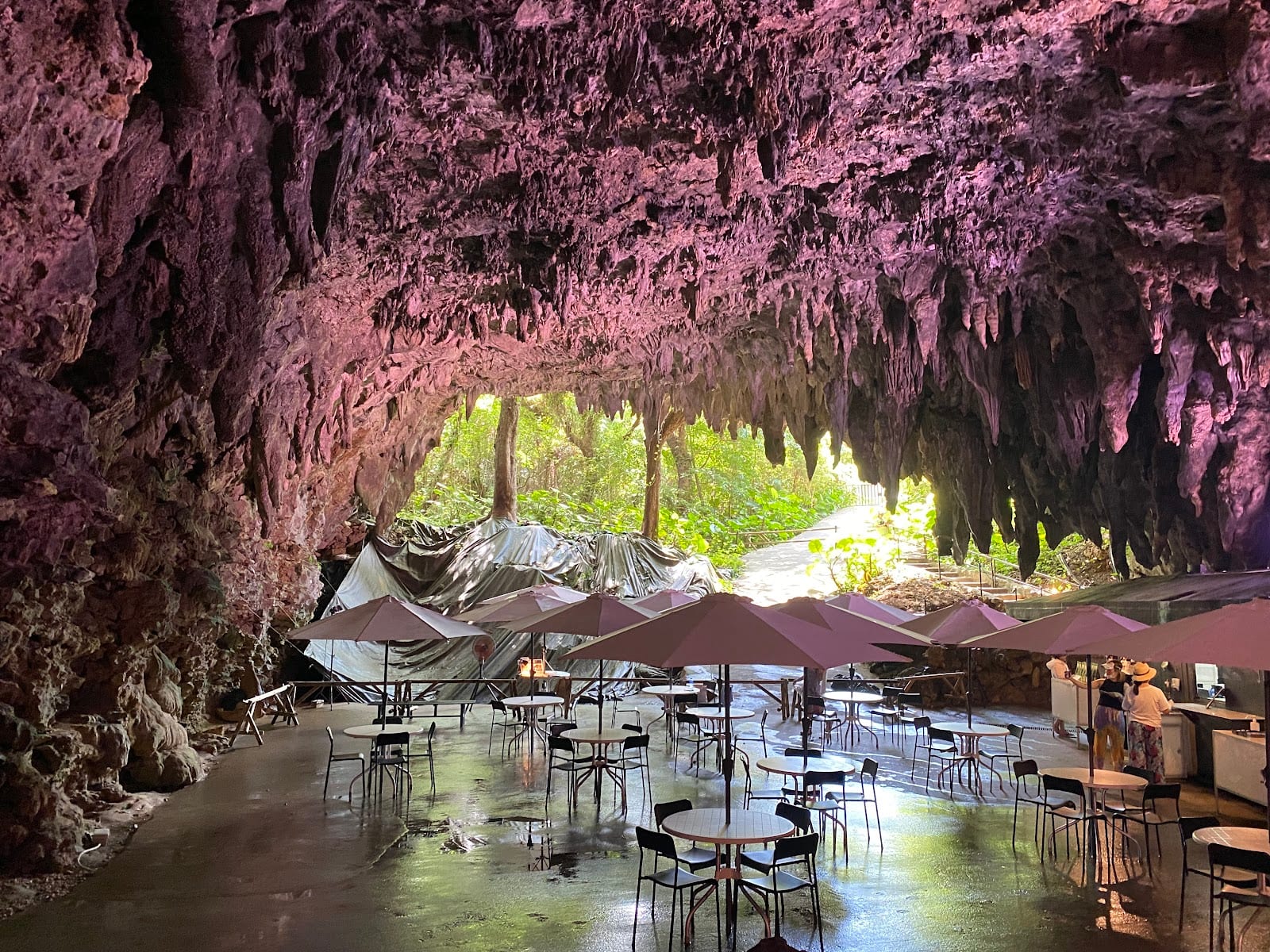
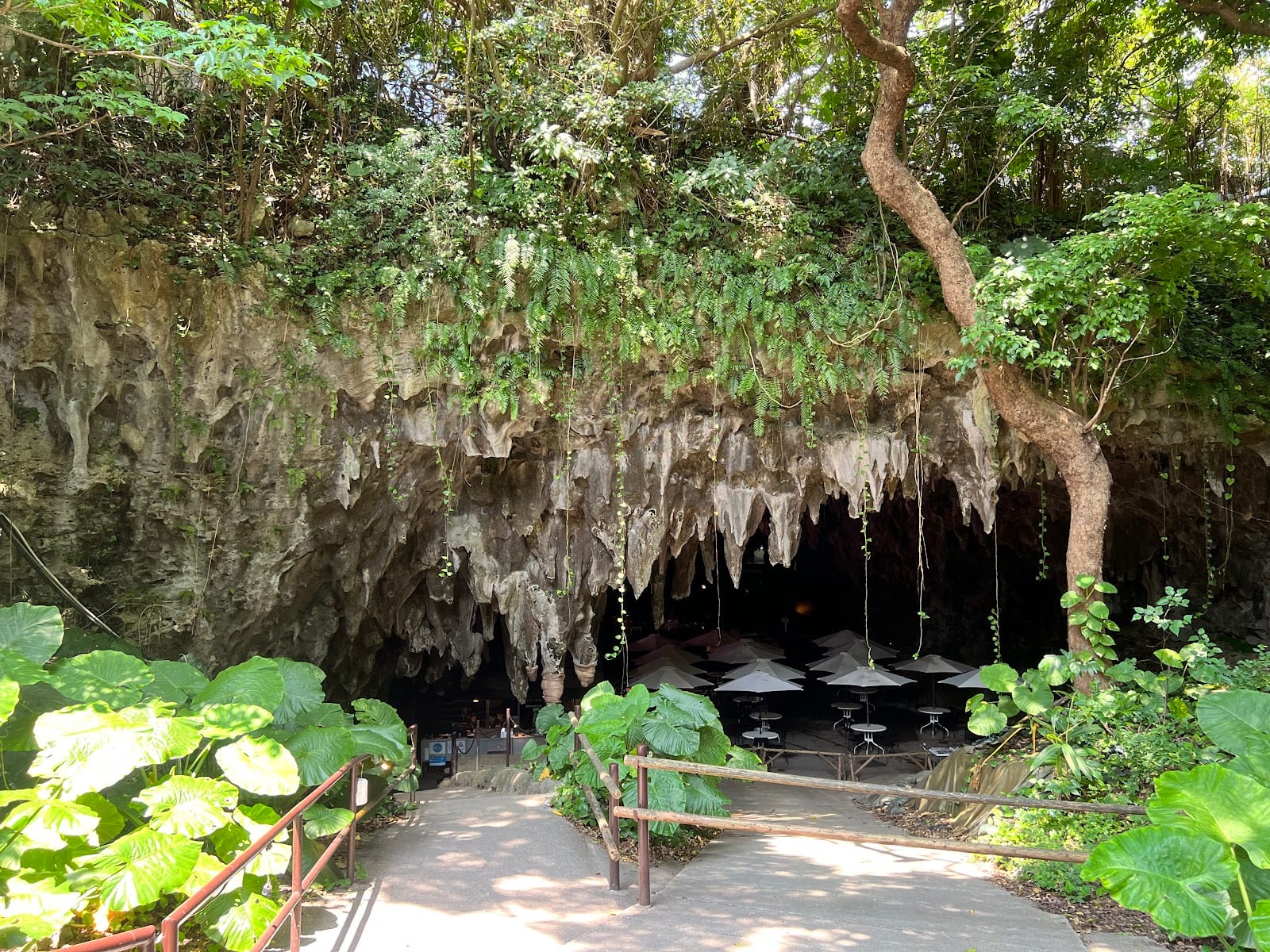
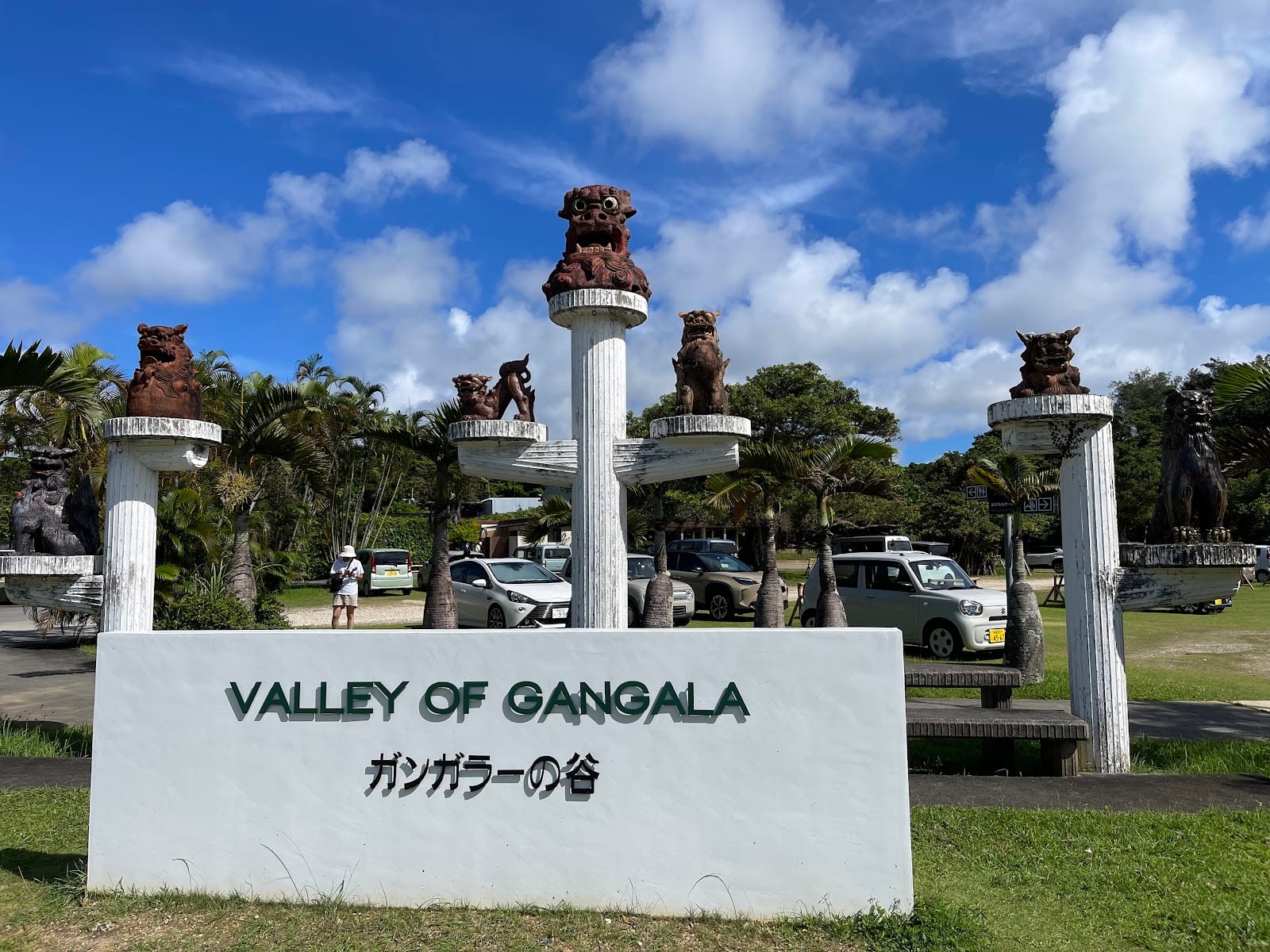
Valley of Gangala is a roughly 48,000-square-meter subtropical forest created when an ancient limestone cave system collapsed. It opened to the public in 2008, but the adjoining Sakitari Cave reaches much further back: excavations found a fish hook dating to approximately 23,000 years ago. Visitors cannot wander in independently; the valley is accessible only on guided tours lasting about 80-90 minutes. Tours begin at Sakitari Cave and the Cave Café, and advance reservations are required, although same-day spaces may remain. The detail you remember is Ufushu Gajumaru, a giant banyan estimated at about 150 years old, its aerial roots hanging from the cliff and earning it the reputation of the valley's master. The experience costs ¥2,500 for Japanese/text-guide tours or ¥3,500 for multilingual audio-guide tours.
Good for couples, friends, solo
- 8
 Hyakuna, Nanjo Worth it
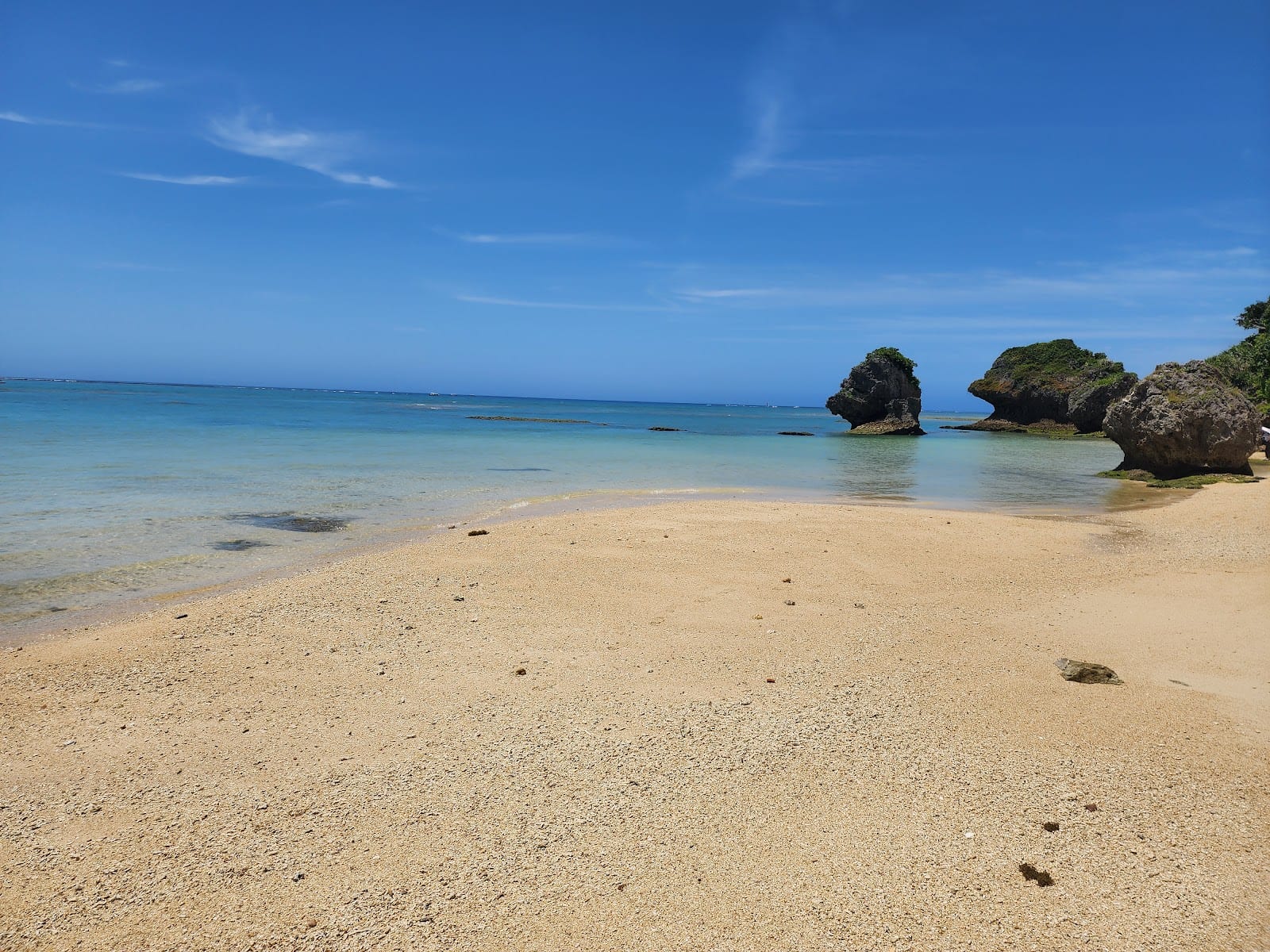
Mibaru Beach
A practical, shallow Pacific beach where the reef makes a glass-bottom boat and a low-tide wander more appealing than a resort-day fantasy.
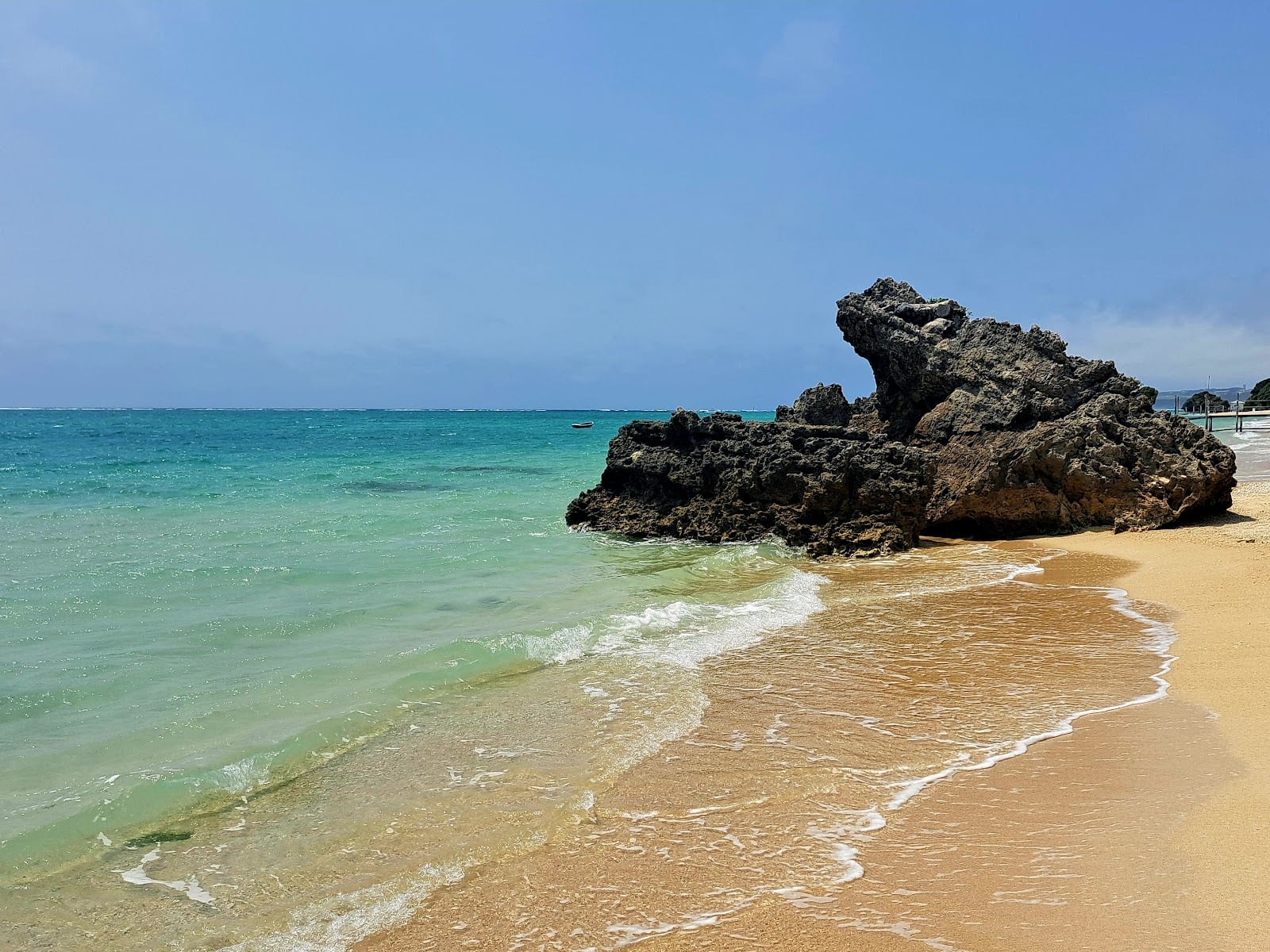
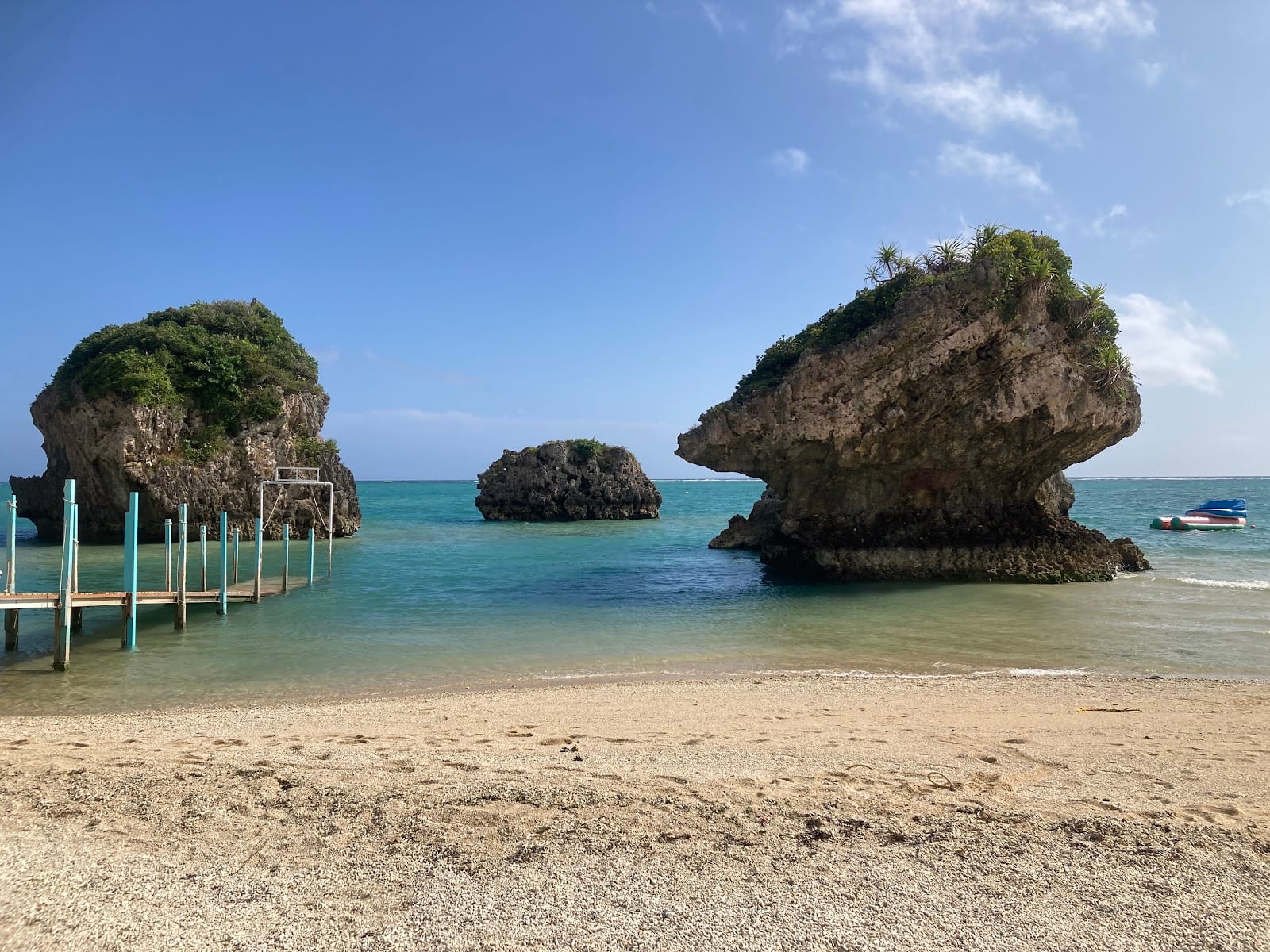
Mibaru Beach runs for about two kilometers along southern Okinawa's Pacific coast, sheltered by coral reefs that keep the water relatively calm even on windy days. It is free to enter and swimming is listed year-round, with changing rooms, lockers, a shop, restaurant, rentals, marine activities, and free camping on site. The glass-bottom boat is the draw beyond simply putting down a towel: sailings last 20 minutes, cost ¥1,800 for adults and ¥1,000 for children, and leave roughly every 15-20 minutes rather than on a fixed timetable. At summer low tide, you can walk roughly one kilometer out toward the reef, looking in rocky pools for crabs and gobies or digging for clams. Parking is ¥500 per day, and the boat stops during storms and typhoons.
Good for families, couples, friends


Hidden gems
Where the crowds thin out.- Hidden gem
 Chinen, Nanjo Worth it
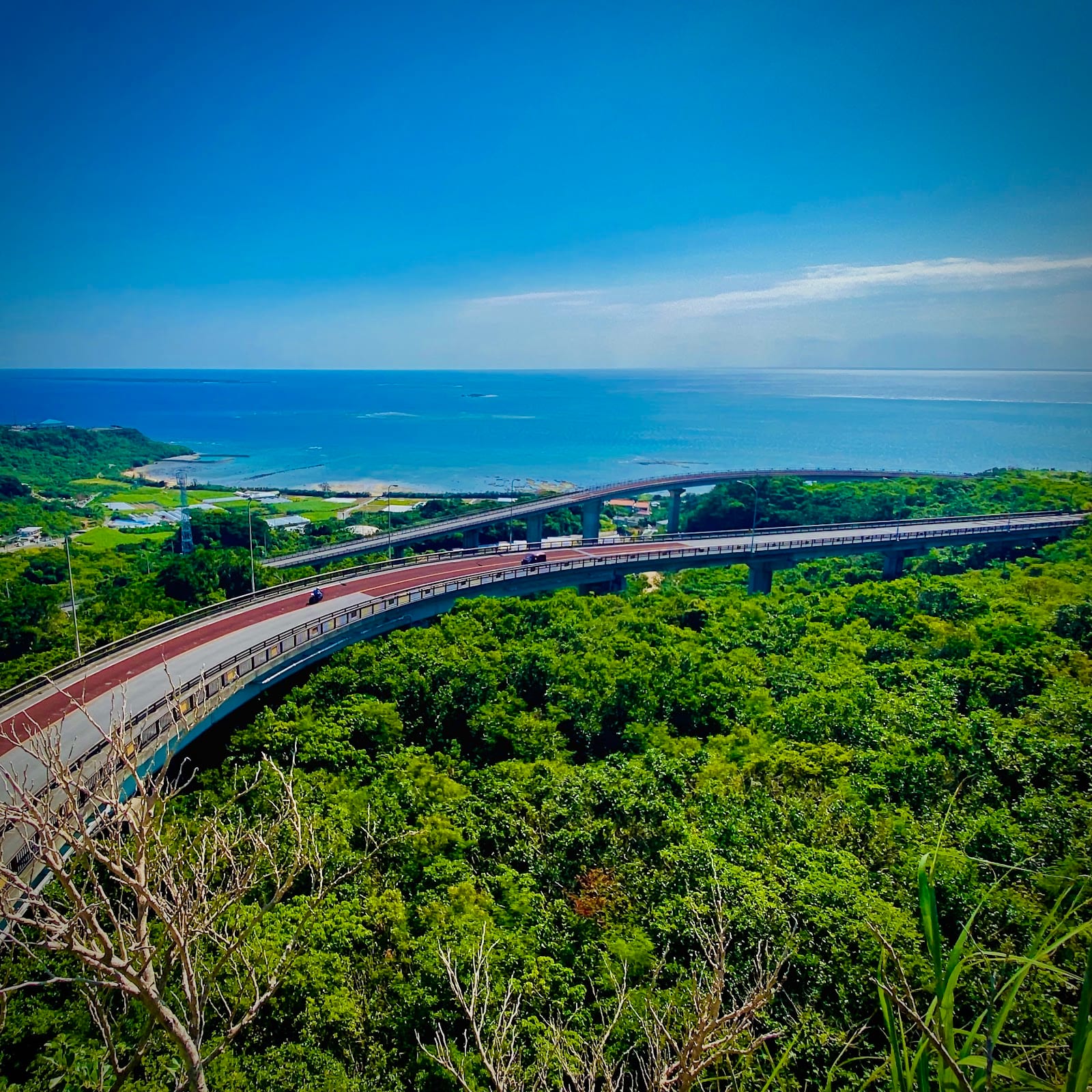
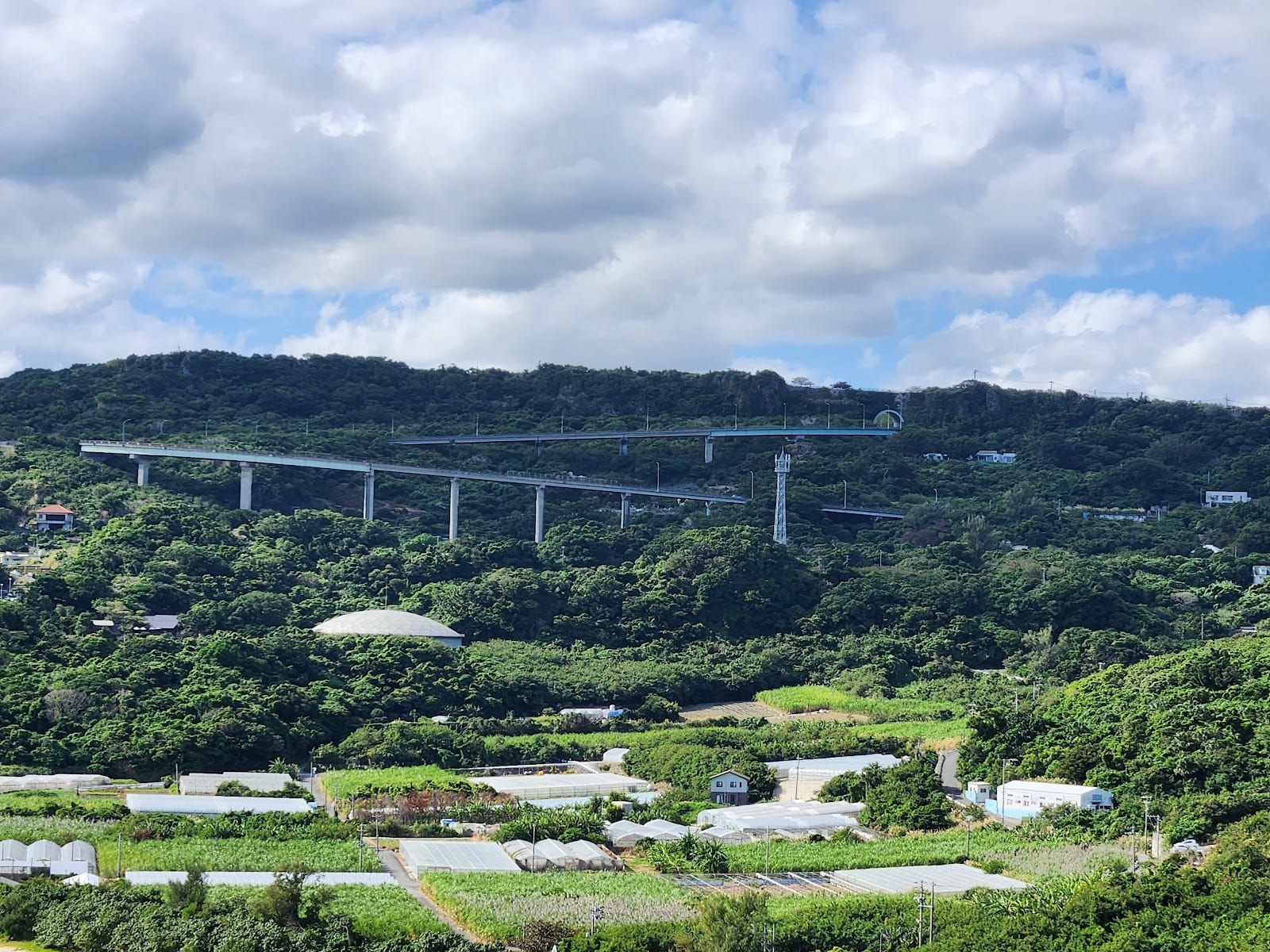
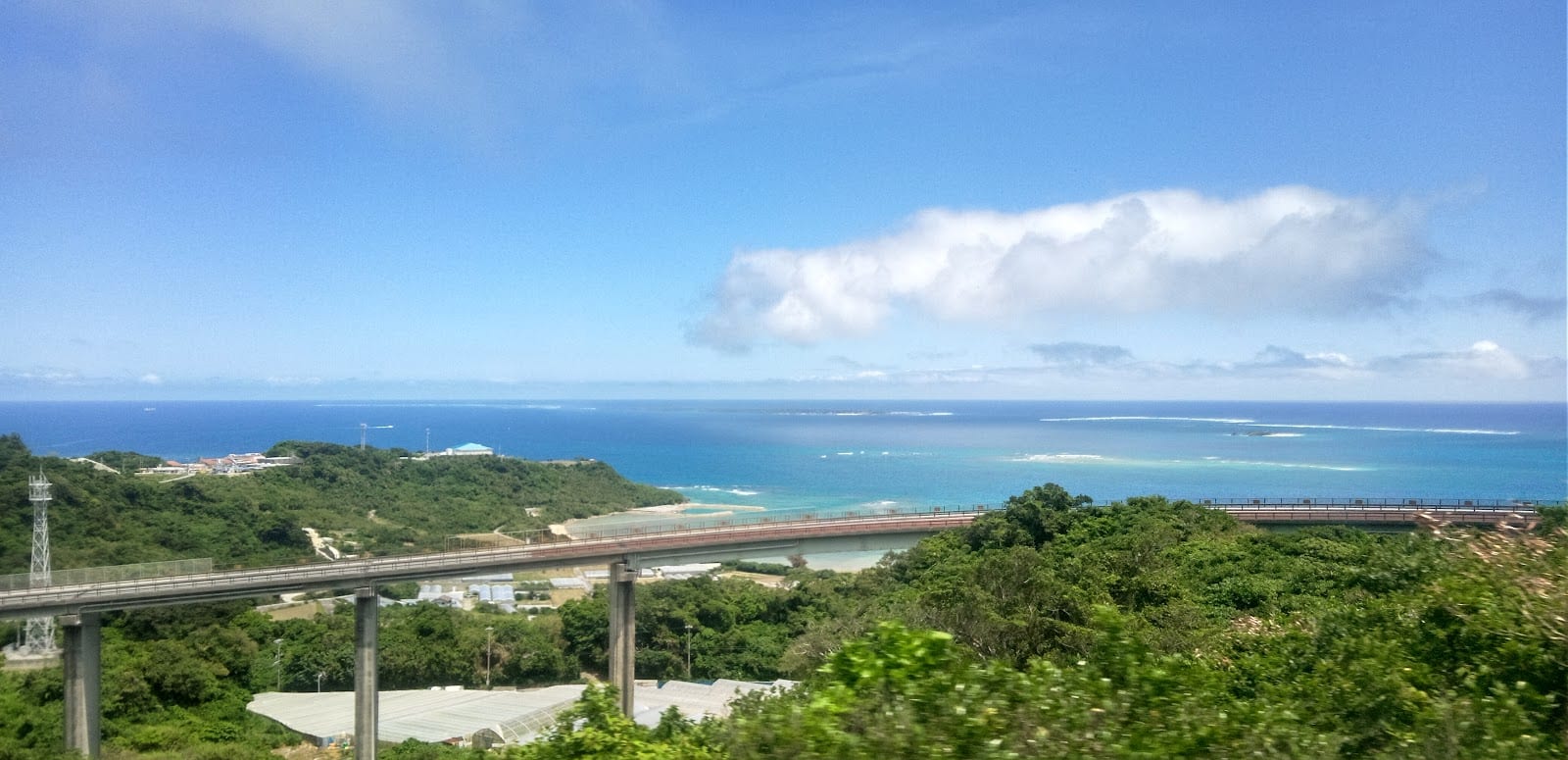
Nirai Kanai Bridge
The district's best quick viewpoint, especially when the road exits its tunnel and the Pacific suddenly opens beneath you.
Nirai Kanai is actually two connected bridges, Nirai Bridge on the mountain side and Kanai Bridge on the sea side, with a combined length of approximately 660 meters. The route links Prefectural Route 86 with National Route 331 and handles an 80-meter elevation difference through broad curves. The name refers to Nirai-Kanai, the ideal paradise beyond the sea from which gods are said to bring prosperity and abundance. Drive downhill toward the ocean if you can: the road vanishes into a short, dark tunnel and then reveals the cobalt Pacific, Cape Chinen, and Kudaka Island beyond the bend. The observatory is free and open all day. There is no dedicated parking lot, but roadside parking is available nearby, followed by a two-minute walk. Around noon usually gives the clearest ocean view.
Good for couples, families, friends
Sourcesgov-online.go.jp
- Hidden gem
 Itoman Mixed
Cape Kyan
A stark southern cliff with an extraordinary ocean horizon, but its wartime history and lack of facilities make it a purposeful stop rather than a casual outing.
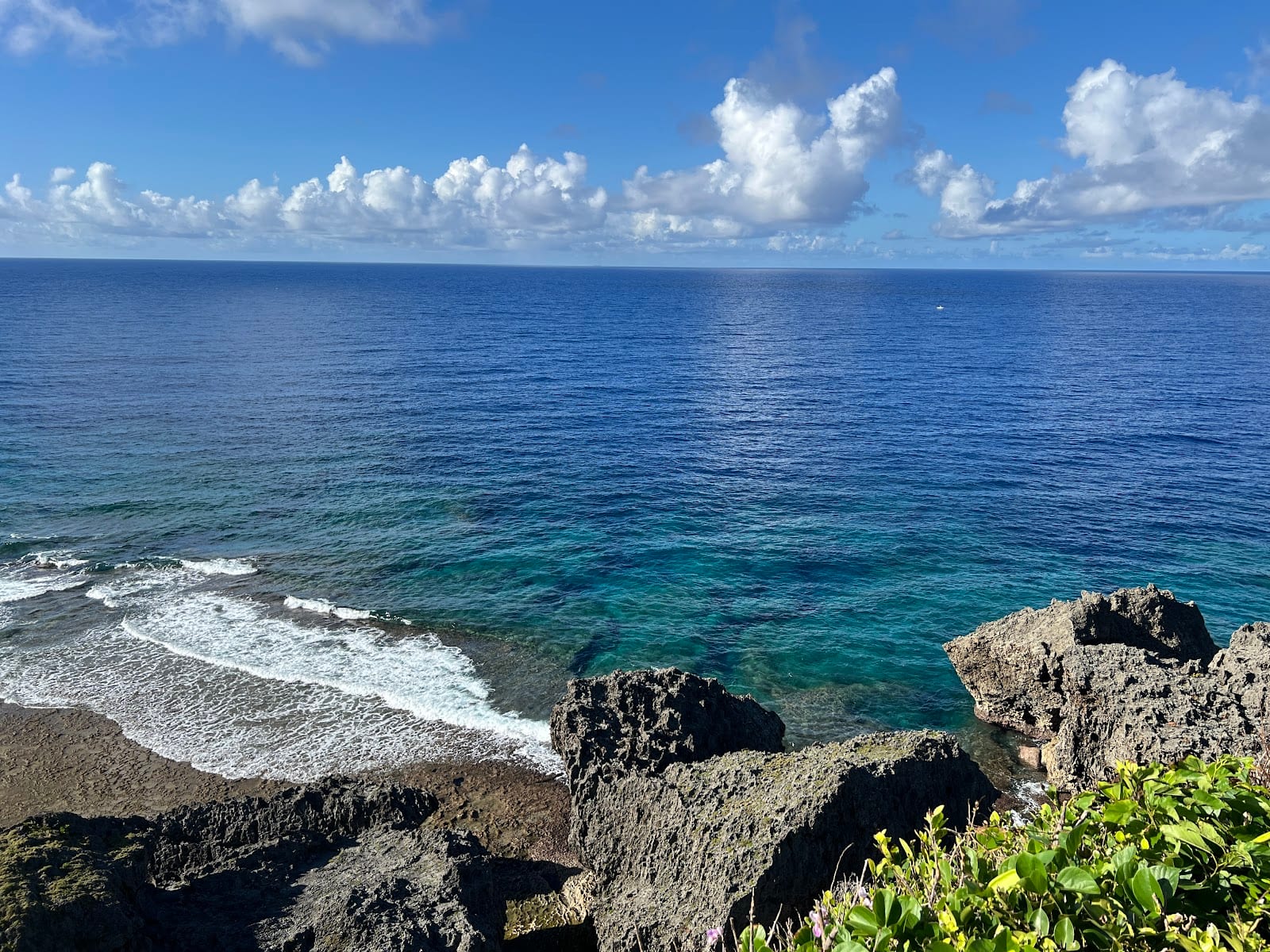
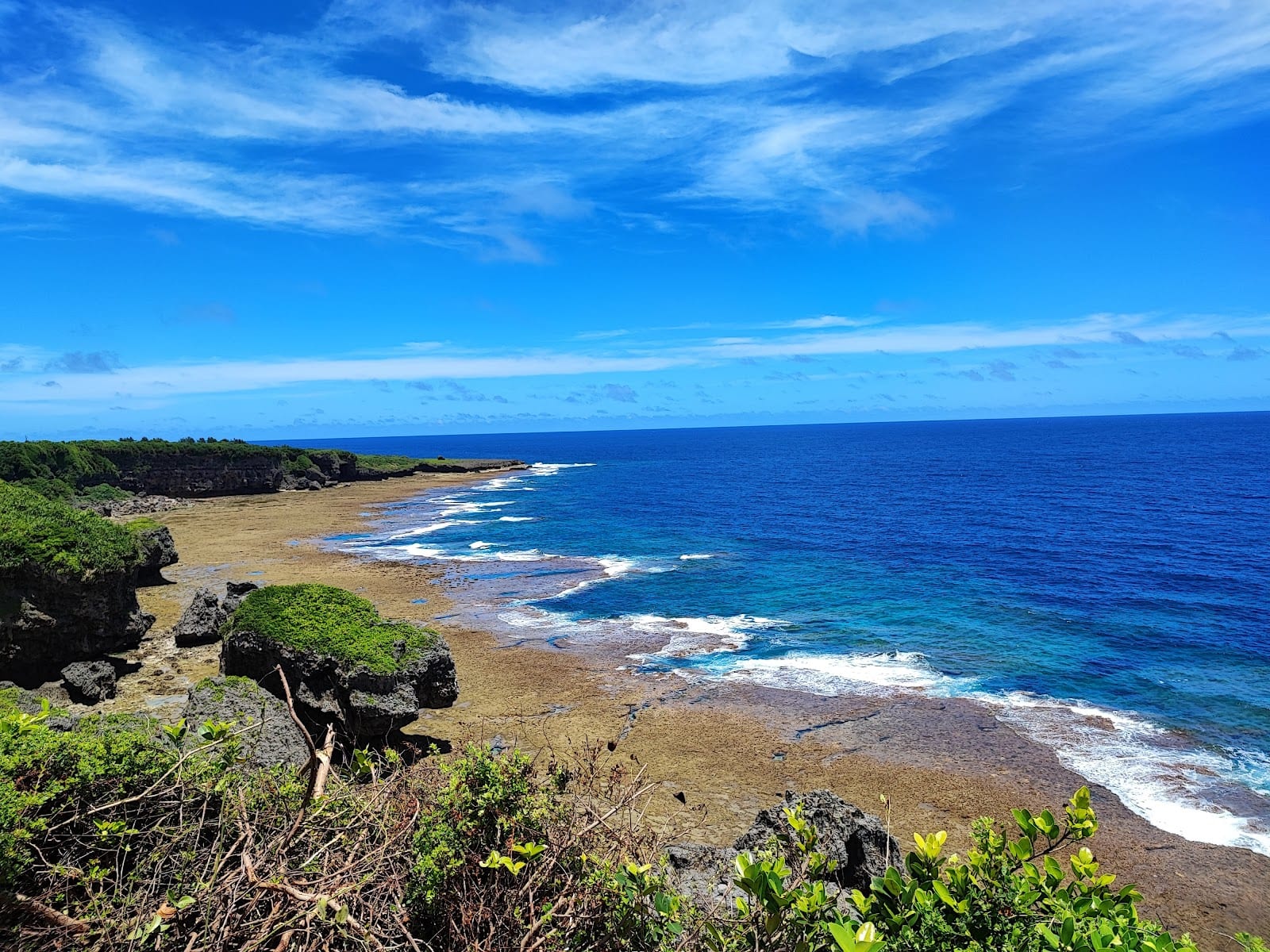
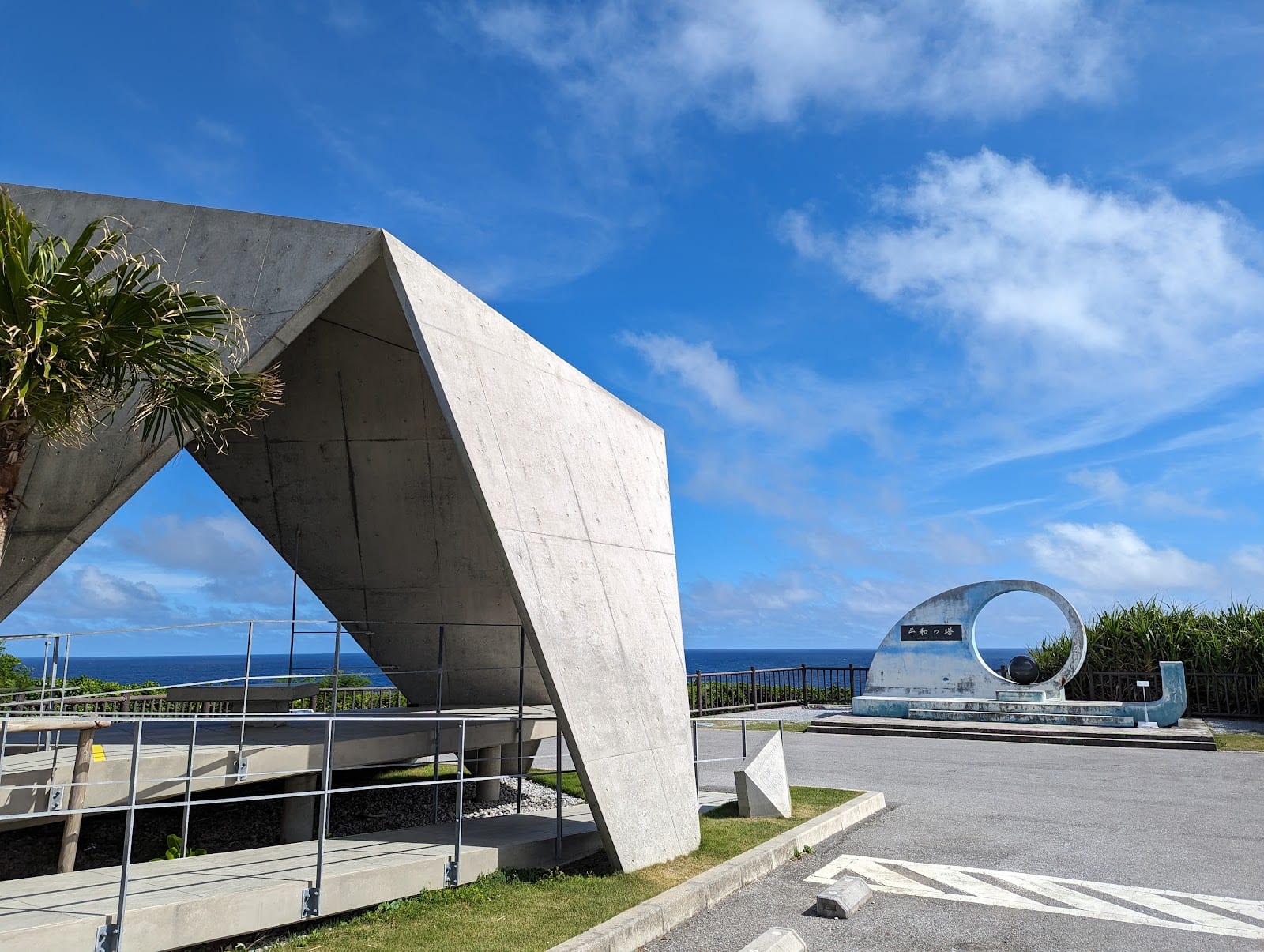
Cape Kyan is the southern tip of Okinawa Island, reached along narrow roads bordered by sugarcane fields before a short walk to dramatic cliffs above the deep-blue ocean. It is also associated with wartime suicides during the Battle of Okinawa, and a simple monument commemorates those who died during World War II. That history changes the mood: this is not simply a scenic overlook or a surfing point, even though it is described as a famous surfing spot. There is a small parking area near the entrance and no admission or opening schedule stated in the supplied research. There are also no fancy shops or cafés nearby, so bring what you need and keep the visit unhurried. Worth adding if you are already exploring Itoman, less compelling as a stand-alone drive.
30-60 minuteson GoogleGood for couples, solo, friends
Sourcesoki-islandguide.com
- Hidden gem
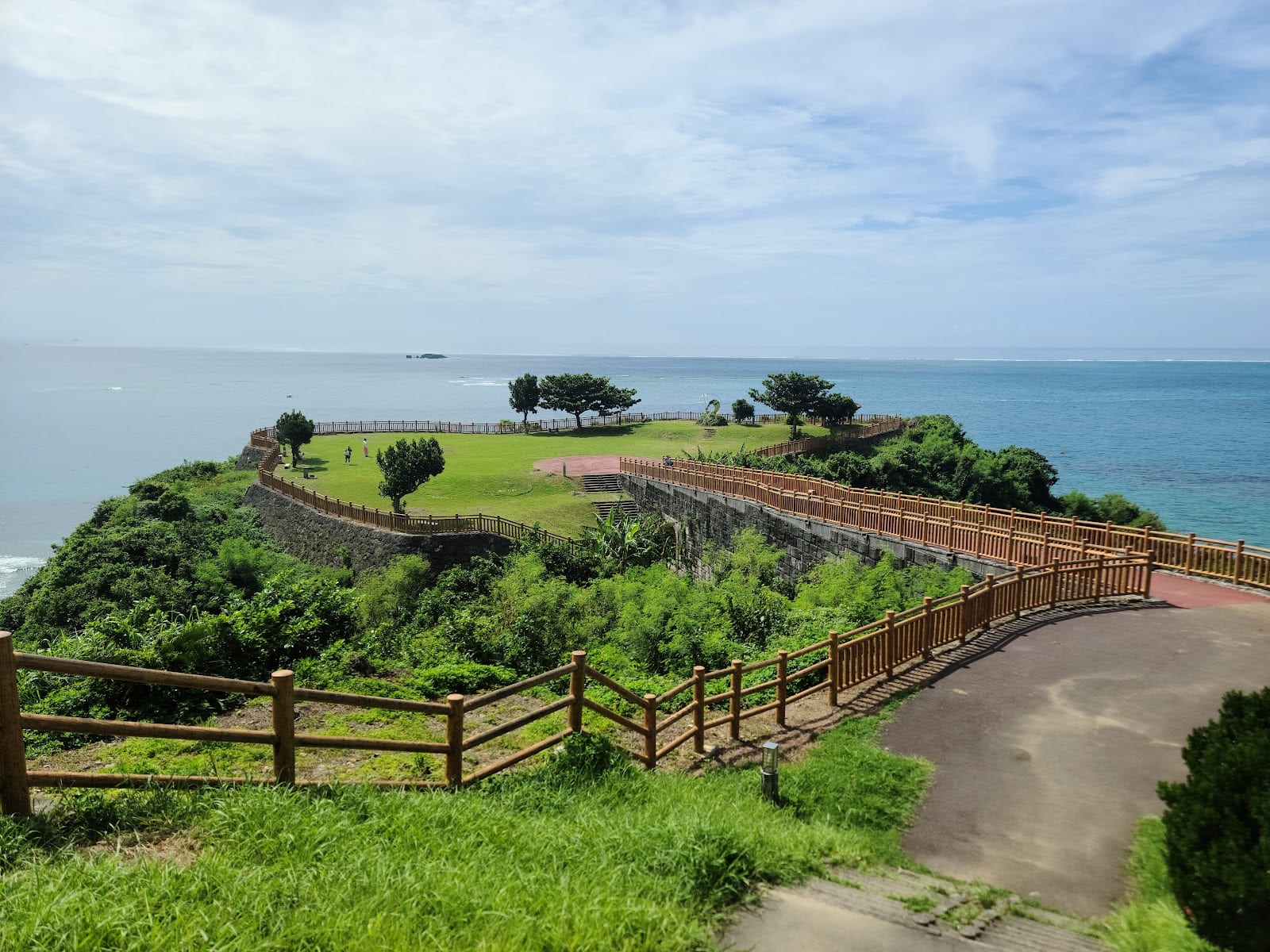
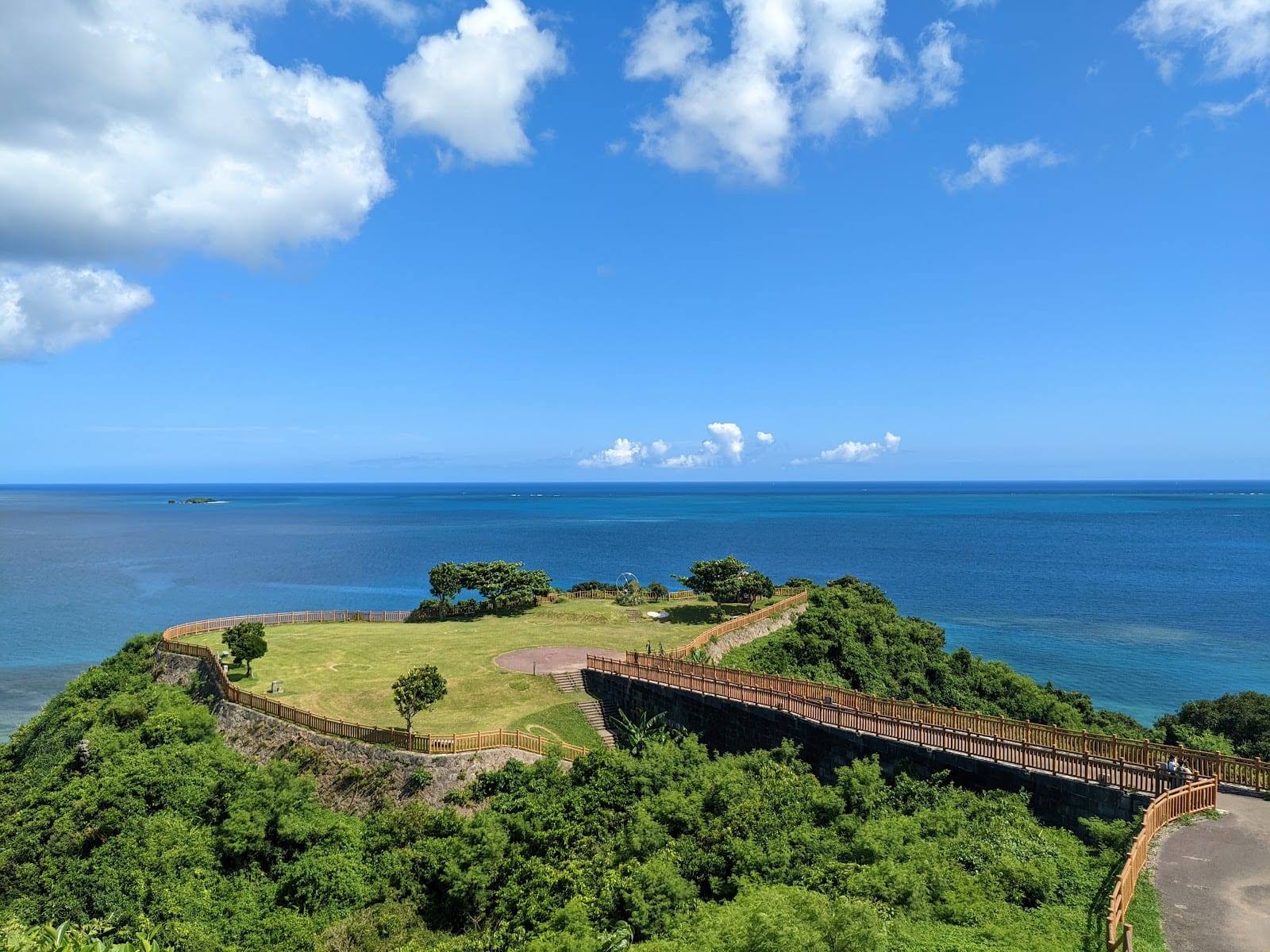 Chinen, Nanjo Skip it
Chinen Cape Park
A pleasant free lookout near Sefa Utaki, but the bigger bridge and sacred-site views nearby make it an optional extra rather than a destination.
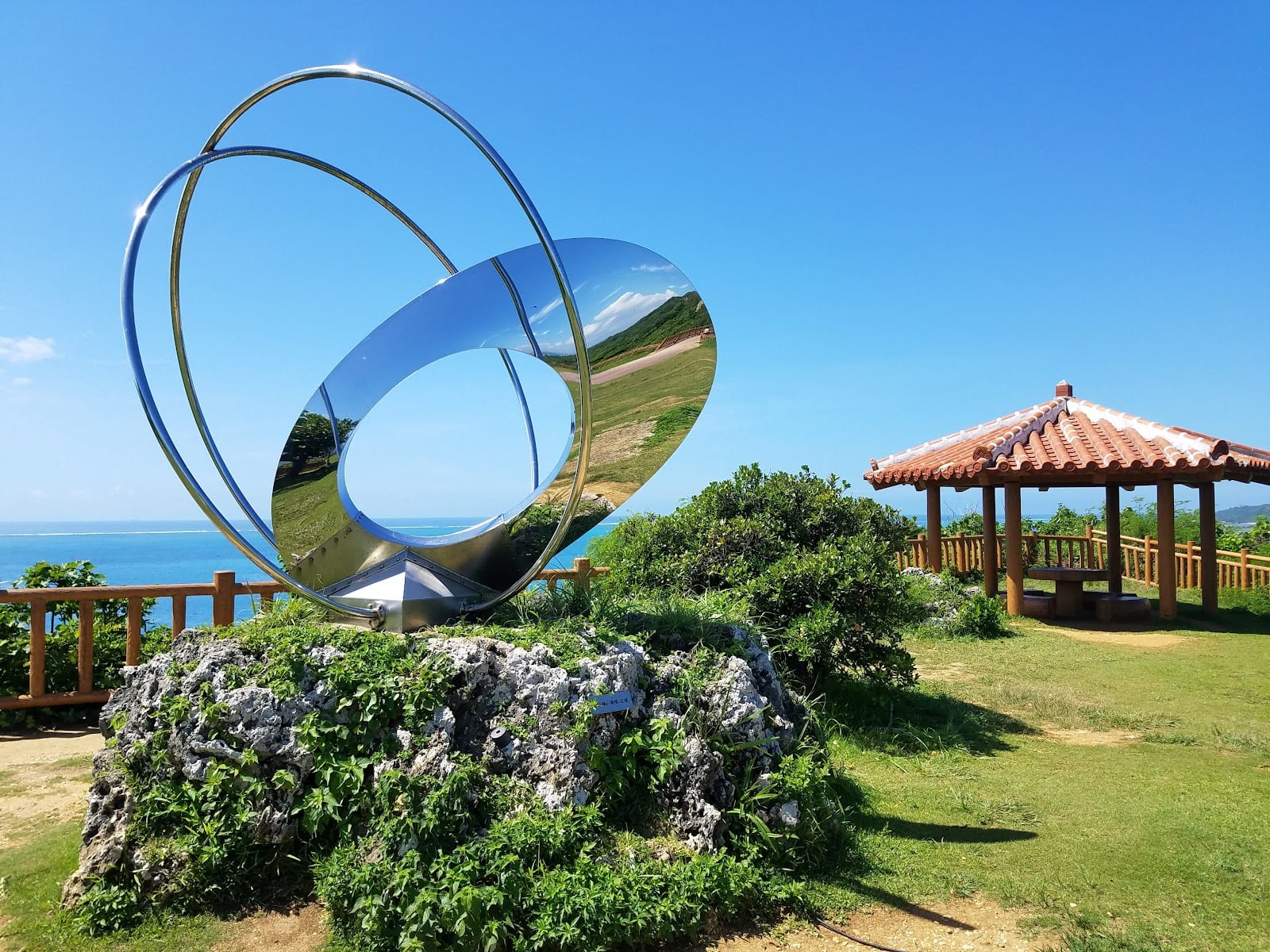
Chinen Cape Park occupies the eastern end of the Chinen Peninsula, facing the Pacific and looking toward Kudaka Island, which local tradition regards as the Island of the Gods. The park has a promenade, observation deck, benches, and Okinawan-style roofed pavilions, with the surrounding water shifting from emerald to cobalt over coral reefs. It is free, has free on-site parking, and can be visited at any time according to one supplied source, although another lists hours of 9:00 AM to 10:00 PM. There are no restrooms or Wi-Fi, so do not plan it as a long stop. The small telling detail is the grassy area where visitors look for heart-shaped four-leaf clovers beside the message “Be happy.” Nice as a quiet pause after Sefa Utaki, but not worth crossing southern Okinawa for alone.
Good for families, couples, solo


Verdicts and rankings are our own; ratings open each place on Google. Prices, where shown, are an approximate per-person guide in USD.
Getting around
Getting around southern Okinawa
Rent a car if you can
The attractions spread across Itoman and Nanjo, and the supplied regional guidance recommends a car. Central Naha to the Peace Memorial Park takes about 50 minutes by car; Okinawa World takes about 40 minutes.
Buses work, but transfers take planning
From Naha Bus Terminal, bus 89 reaches Itoman Bus Terminal in about 60 minutes, then bus 82 continues toward the Peace Memorial Park. Okinawa World is served by bus 83 in about 50 minutes, with buses every 1-2 hours.
Group sights by side of the district
Pair the Peace Memorial Park, its museum, Himeyuri, and Cape Kyan in Itoman. Group Okinawa World, Valley of Gangala, Mibaru Beach, Sefa Utaki, Nirai Kanai Bridge, and Chinen Cape Park in Nanjo.
Expect short walks, not walkable districts
Most venues require a vehicle or bus stop transfer, then a walk from parking or the road. Sefa Utaki uses forested hillside trails, Cape Kyan has a short walk from its small parking area, and Nirai Kanai's observatory is about two minutes from roadside parking.
Where to stay
Where to stay for southern Okinawa
Naha
The practical base for travelers relying on buses, with direct or connecting routes to the major southern attractions. Expect roughly 30-60 minutes to the sights depending on traffic and destination.
Itoman
Best for an early start at the Peace Memorial Park, Himeyuri Peace Museum, Cape Kyan, and the southwestern coast. It keeps the memorial sites close but is less useful for Nanjo's eastern peninsula.
Nanjo
The strongest base for caves, Mibaru Beach, Sefa Utaki, Nirai Kanai Bridge, and Chinen Cape Park. Choose it for a quieter coastal itinerary and easier starts in the east.
Where to stay in Okinawa
Compare Naha, Itoman, Nanjo, and Okinawa's other bases for the right fit.
View the guideWho it's for
Southern Okinawa for families, and couples
- Southern Okinawa for families
- Okinawa World, Gyokusendo Cave, and Mibaru Beach offer the most straightforward family day, with a cave, shows, crafts, a glass-bottom boat, and shallow reef water. The memorial museums are worthwhile but require an age-appropriate conversation.
- Southern Okinawa for couples
- Drive Nirai Kanai Bridge toward the Pacific, walk the forest trail at Sefa Utaki, and finish with Mibaru Beach or a quiet Chinen viewpoint. Keep the Itoman memorials separate and give them the attention they deserve.
More of Okinawa
Nearby neighborhoods
A short hop from Southern Okinawa, and worth pairing on the same trip.
Ready to plan your Southern Okinawa trip?
Tell Zoya, your personal travel assistant, how you like to travel, and she'll turn any of this into a day-by-day plan that fits your dates.
Explore now