

Yomitan · Okinawa neighborhood guide
Things to Do in Yomitan, Okinawa
Okinawa's pottery-and-cape village has a white lighthouse, red-roofed kilns, and quiet west-coast beaches: Cape Zanpa, yachimun workshops, and sunset coves. Here's what's actually worth your time, ranked and judged.
Yomitan in brief
What is Yomitan, Okinawa known for?
Yomitan is the west-coast village for beaches, Ryukyu culture, beni imo sweet potatoes, Zakimi Castle, Cape Zanpa, and traditional ceramics. It is less a single attraction than a useful cluster of craft, history, and open-sea scenery.
How do you get to Yomitan from Naha Airport?
Driving takes about an hour; the bus journey takes around 85 minutes. For the scattered beaches, cape, pottery village, and castle, a car is the less frustrating choice.
What should travelers be careful of when visiting Yomitan and Okinawa?
Expect humid subtropical weather, a rainy season usually running from mid-May to late June, sudden showers, and possible typhoons from June through September. At Cape Zanpa, stay on marked paths because the rocky terrain is habu-snake habitat.
Get oriented
How Yomitan fits together
Yomitan spreads across central Okinawa's western coast, with the sea to the west and craft, history, and residential neighborhoods inland.
Cape Zanpa is the dramatic northwestern end, where cliffs, lighthouse views, and the recreation plaza make the coast feel deliberately scenic. Nirai Beach, Toya Beach, and Toguchi Beach offer different versions of a quieter shoreline, while Murasaki Mura and Gala Aoiumi sit around Takashiho. Inland, Zakimi Castle Ruins and Yachimun no Sato form the cultural core: one gives you Ryukyu history, the other Okinawan ceramics. Distances are manageable by car but awkward on foot, and several venues have seasonal or studio-specific hours. Treat Yomitan as a day of linked stops rather than a compact walking district.
A west-coast loop that starts with the cape, cuts inland for history and pottery, then finishes at the beaches:
See & do, ranked
The best things to do in Yomitan, Okinawa
Our honest ranking of Yomitan's cliffs, kilns, castle walls, craft workshops, and beaches, including the places worth skipping if your day is short.
Must-see
The essentials, ranked.- 1
 Uza Worth it
Cape Zanpa
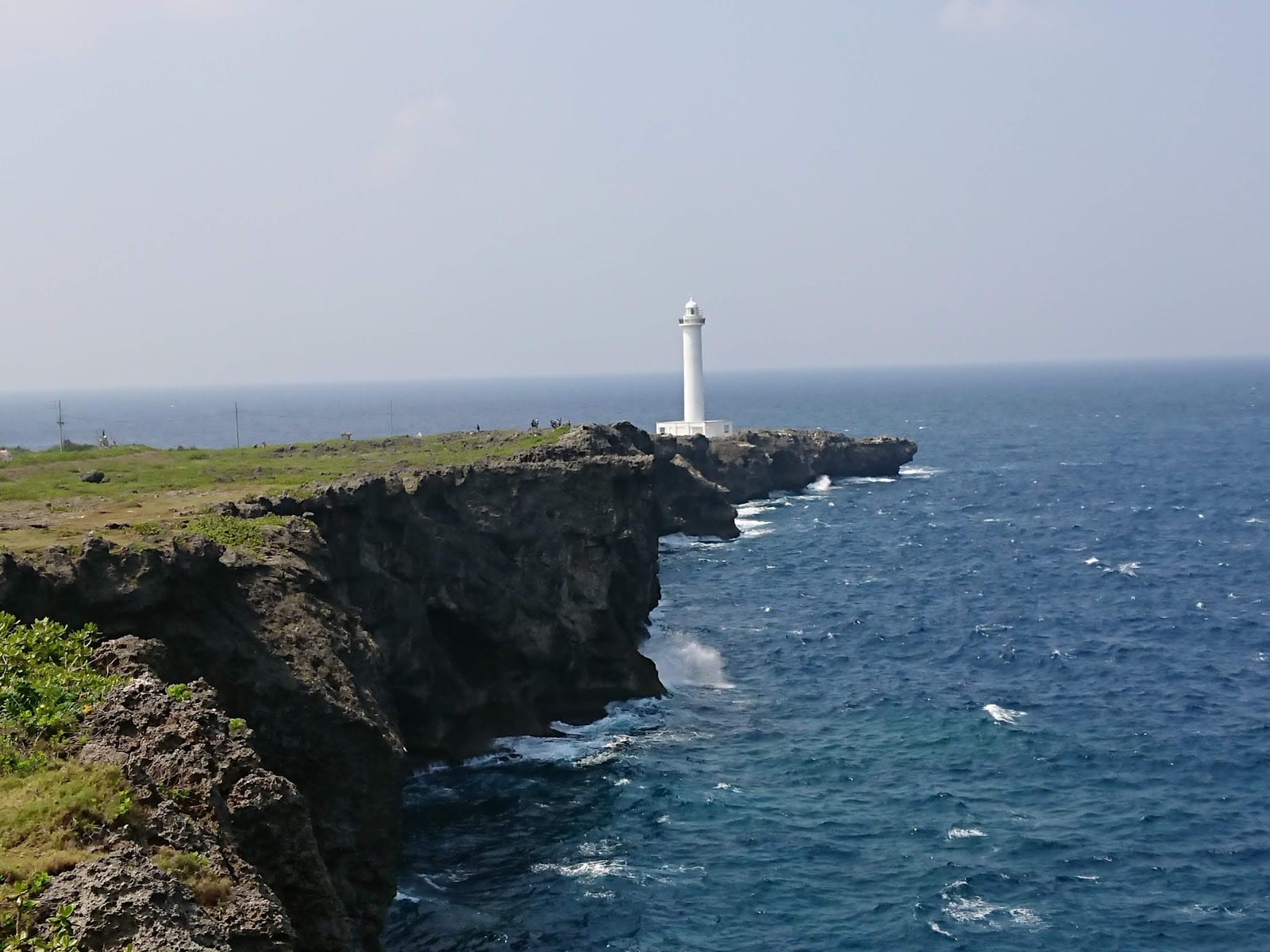
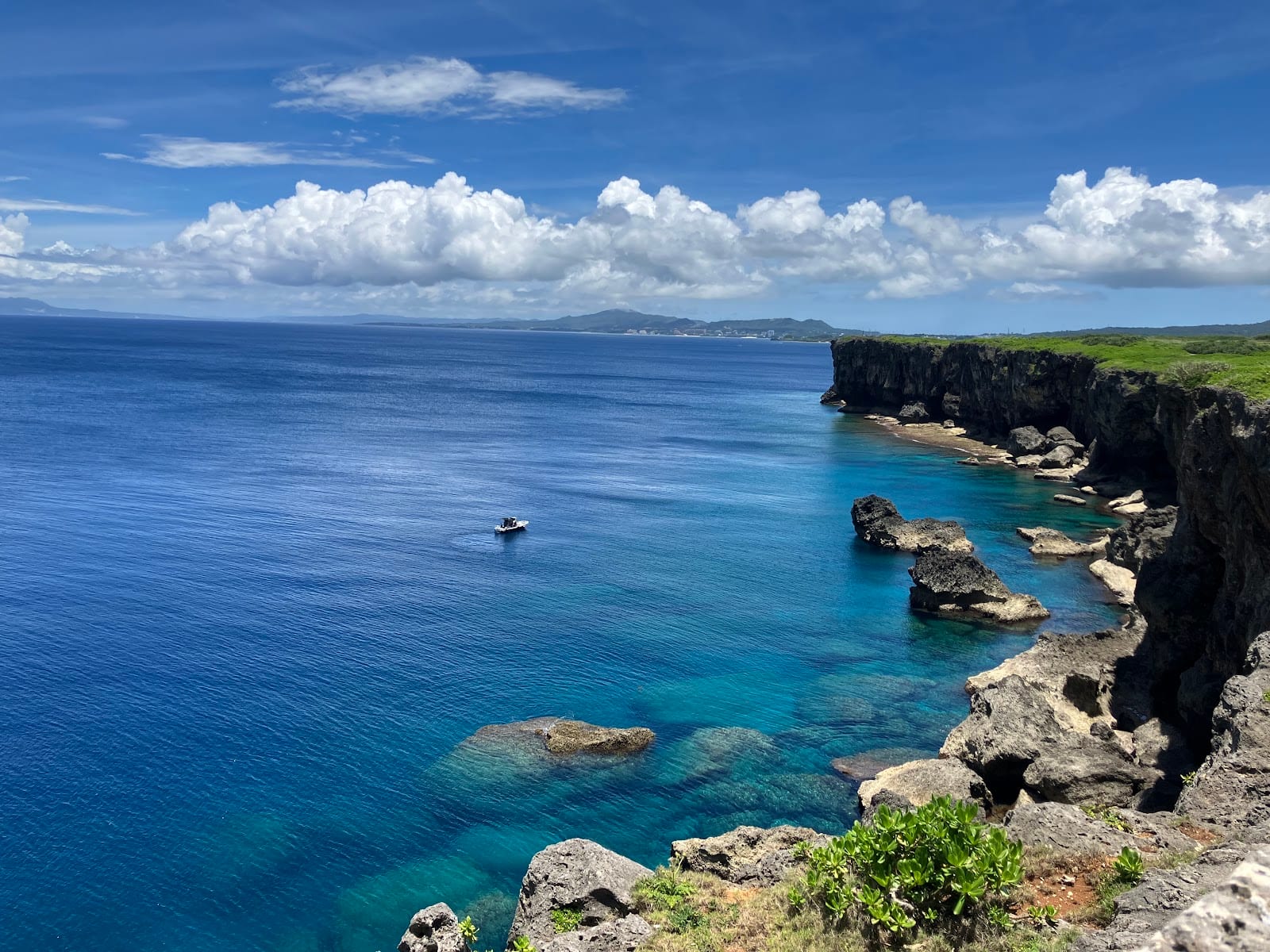
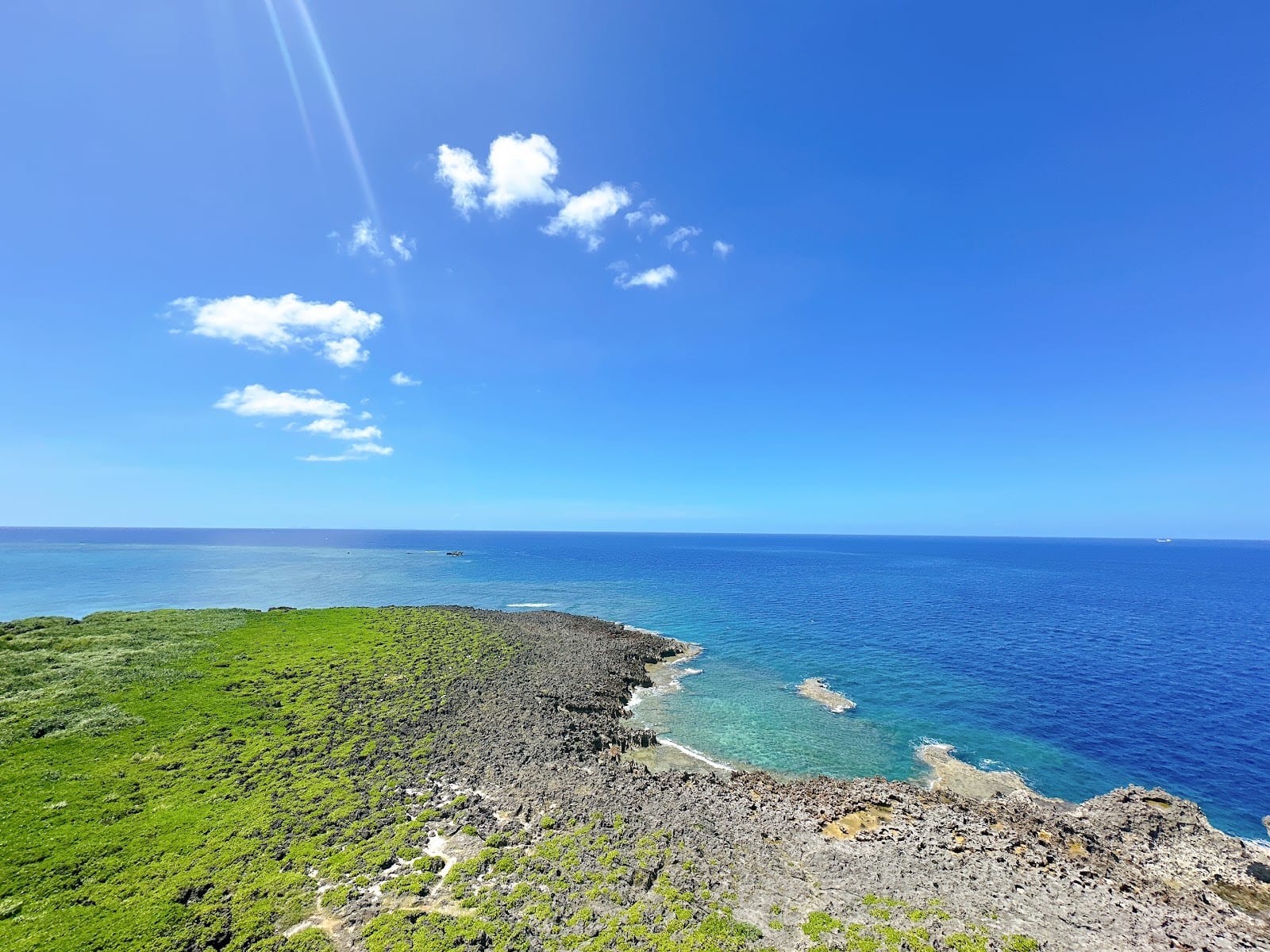
Yomitan's best all-round stop, combining two kilometers of rough western coastline with a lighthouse, sunset, and a gloriously oversized shisa.
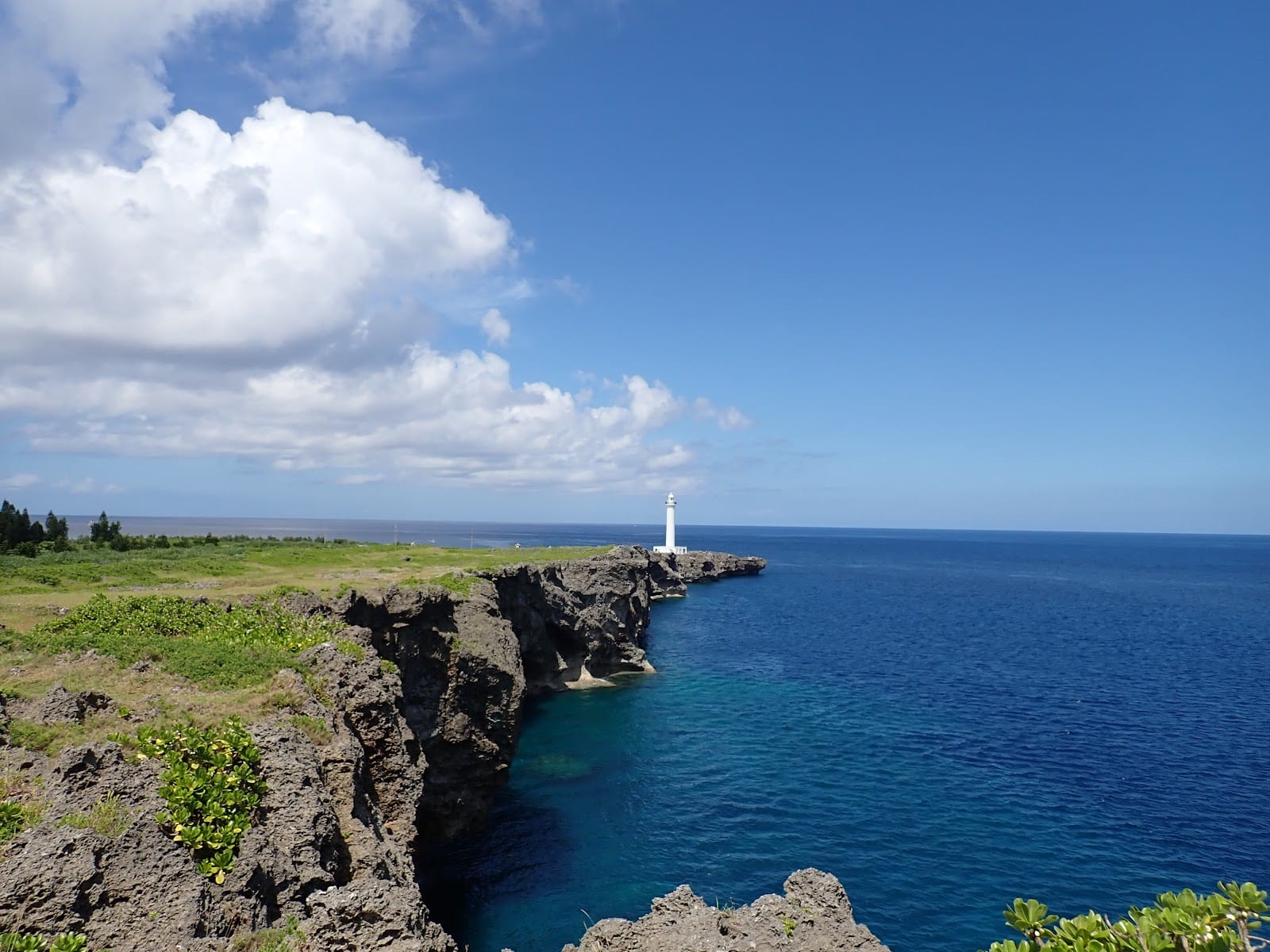
Cape Zanpa is Okinawa's westernmost point, a roughly two-kilometer run of black limestone cliffs rising about 20–40 meters above the sea. The draw is not a single lookout but the combination: walk the coast, see the white lighthouse, then wander through Zanpa Misaki Recreation Plaza for shops, food, tennis courts, and the giant Shisa statue. Route 6 and free parking at Zanpa Resort Activity Park make it easy, with about a five-minute walk to the lighthouse. The lighthouse is ¥300 and open 9:30–16:30, later on some summer weekends and holidays. Look for the rock carrying a sign saying a 1990 typhoon moved it here. It is scenic, busy, and absolutely worth the stop.
Good for families, couples, friends
Sourcesokinawa.stripes.com
- 2
 Zakimi Worth the hype
Zakimi Castle Ruins
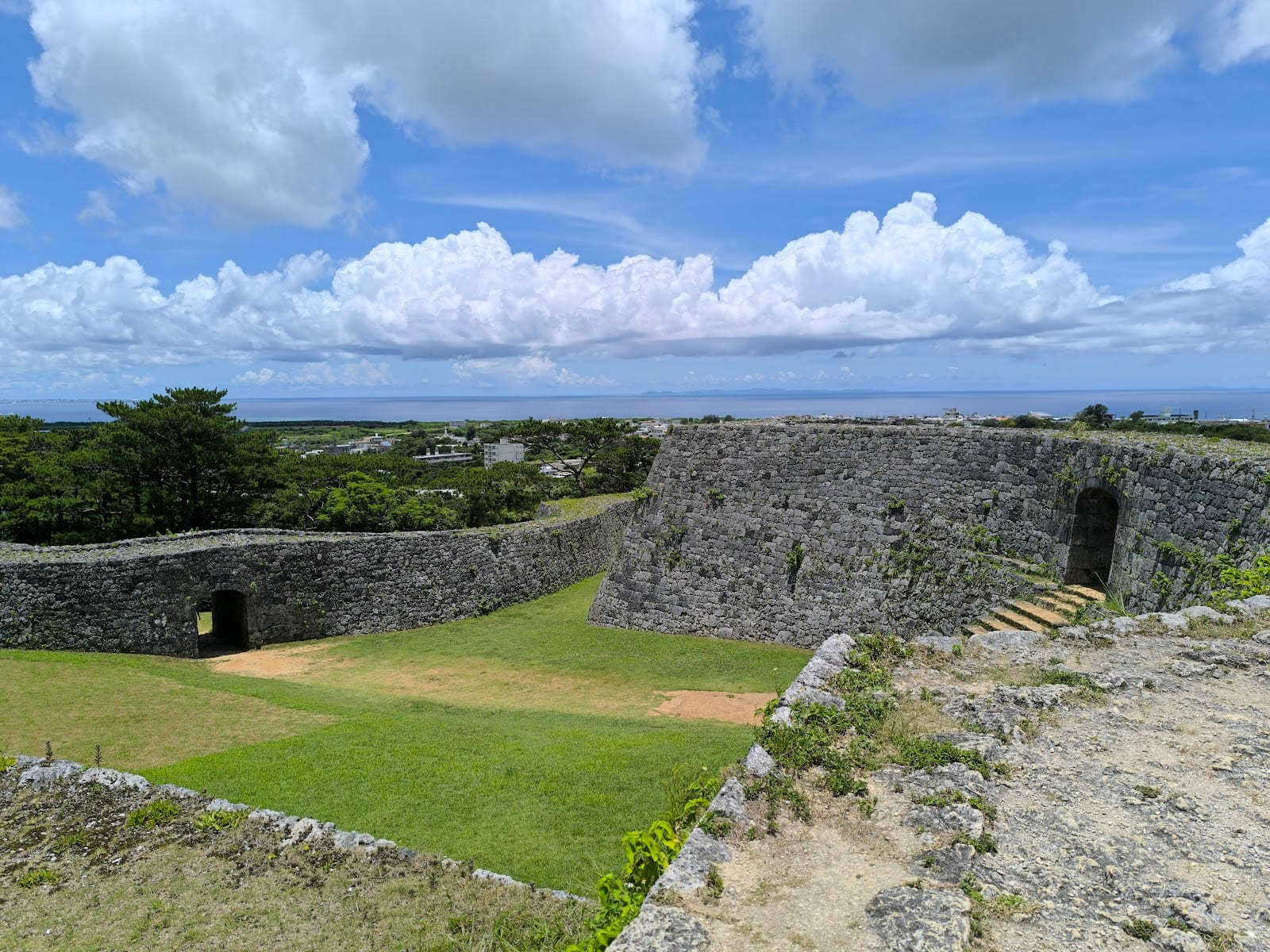
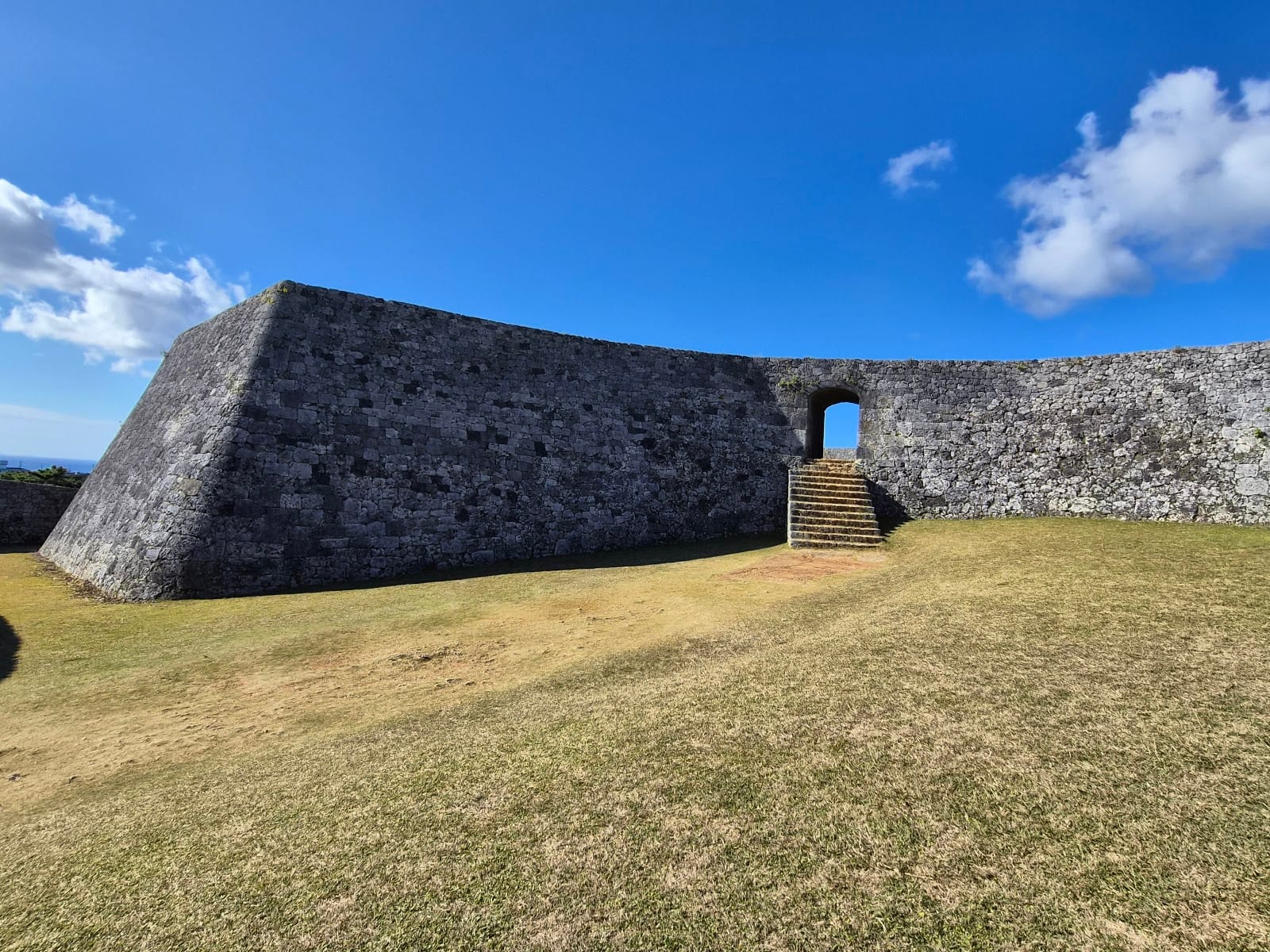
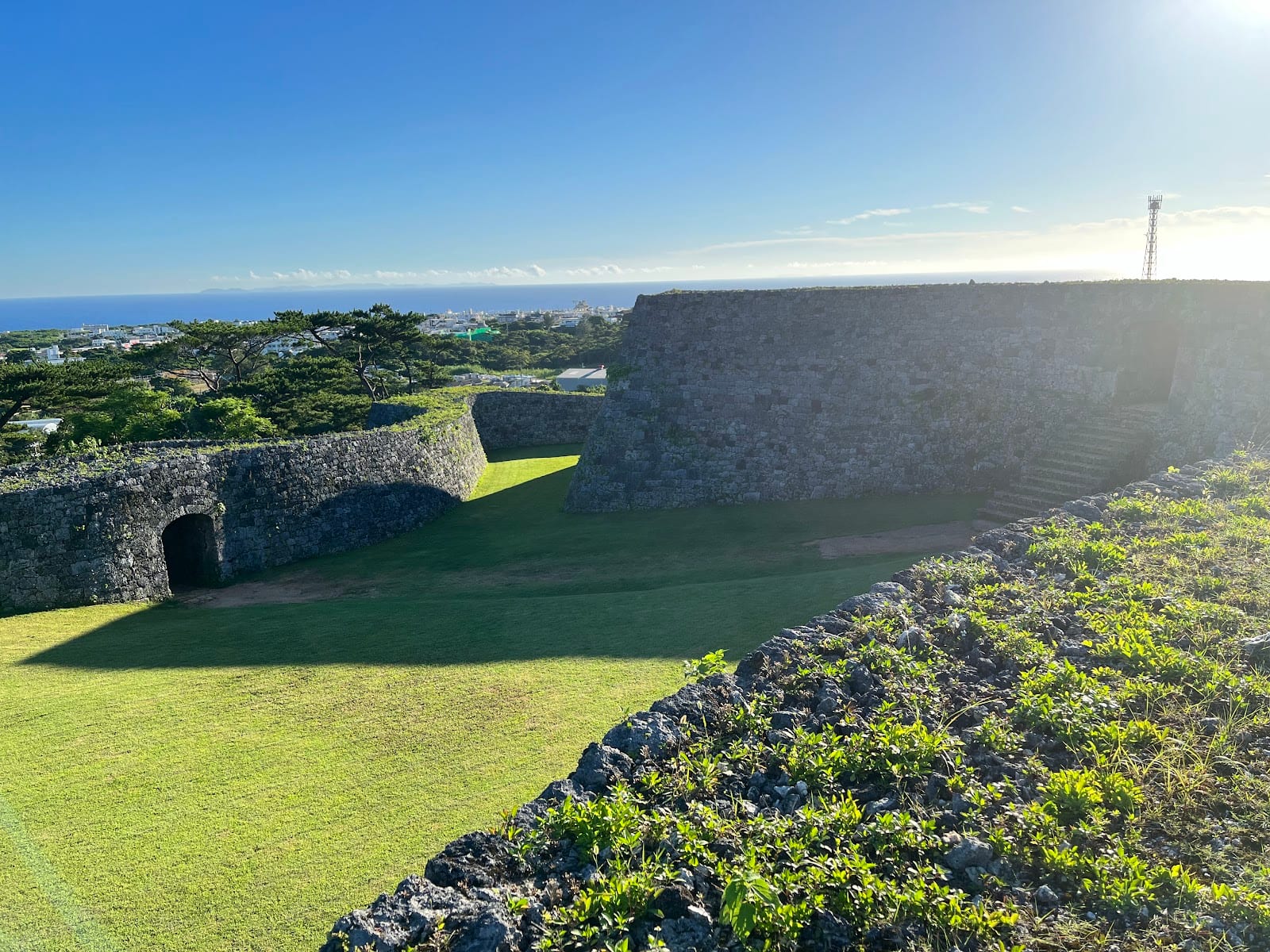
The Yomitan history stop that earns its reputation with elegant stonework, hilltop views, and permission to walk on the surviving walls.
Zakimi Castle was built around 1420 by Gosamaru of the Chuzan kingdom as a defensive stronghold during the Sanzan era. Today only the stone walls remain, but they are unusually inviting: visitors may stand on sections of them, a privilege the official guide says is allowed at only two Okinawan castles. The site is part of the UNESCO-listed Castles of the Ryukyu Kingdom and the hill sits about 125 meters above sea level, with distant views toward Shurijo Castle on clear days. Grounds are always open and free. Give the walls 20 minutes, then add the Yuntanza Museum if you want local crafts, archaeology, dwellings, and war history. Its oldest arched gate and dead-end musha gakushi passage are the details to notice.
Good for families, couples, solo
Sourcesvisitokinawajapan.com
- 3
 Zakimi Worth it
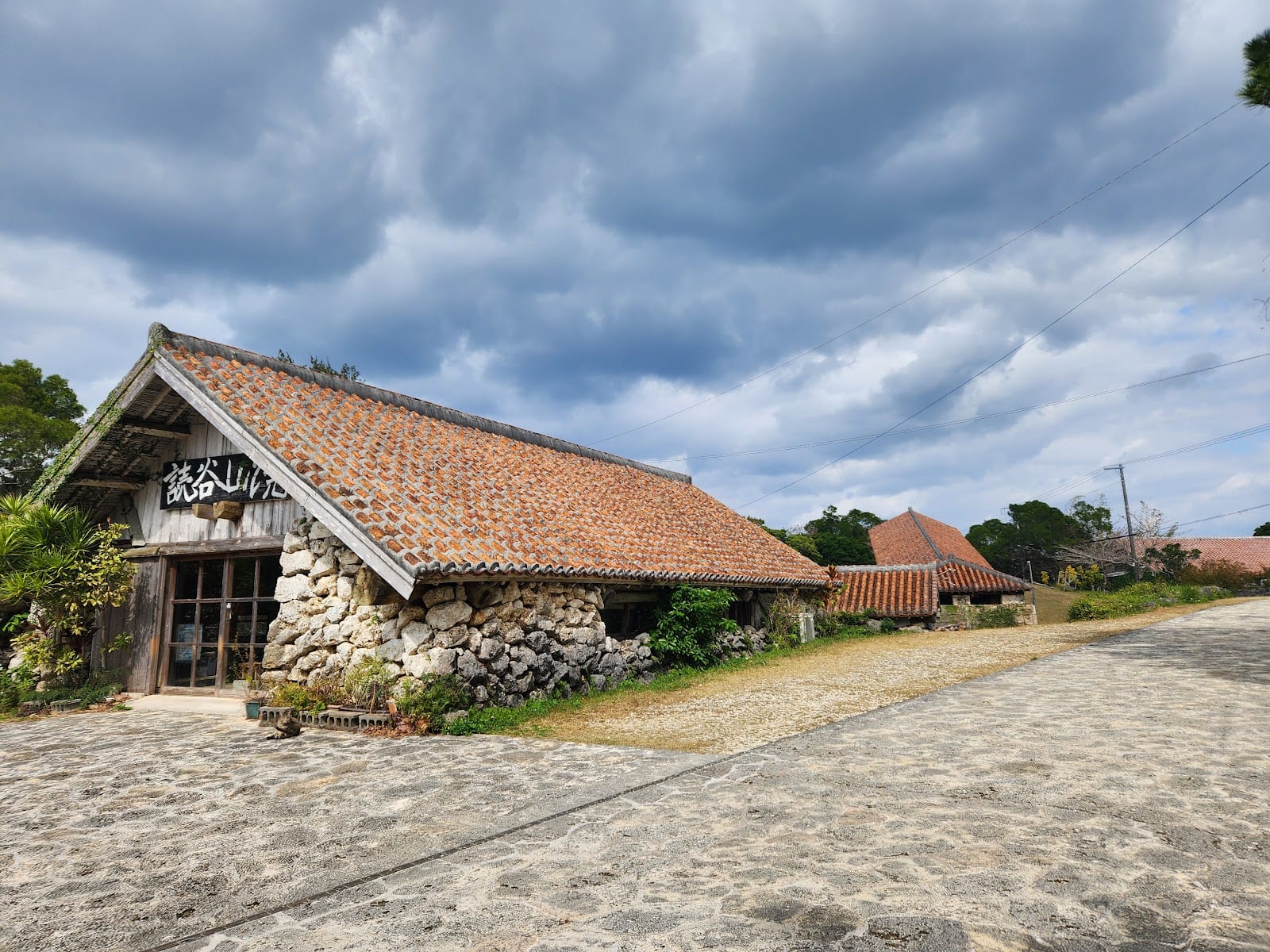
Yachimun no Sato
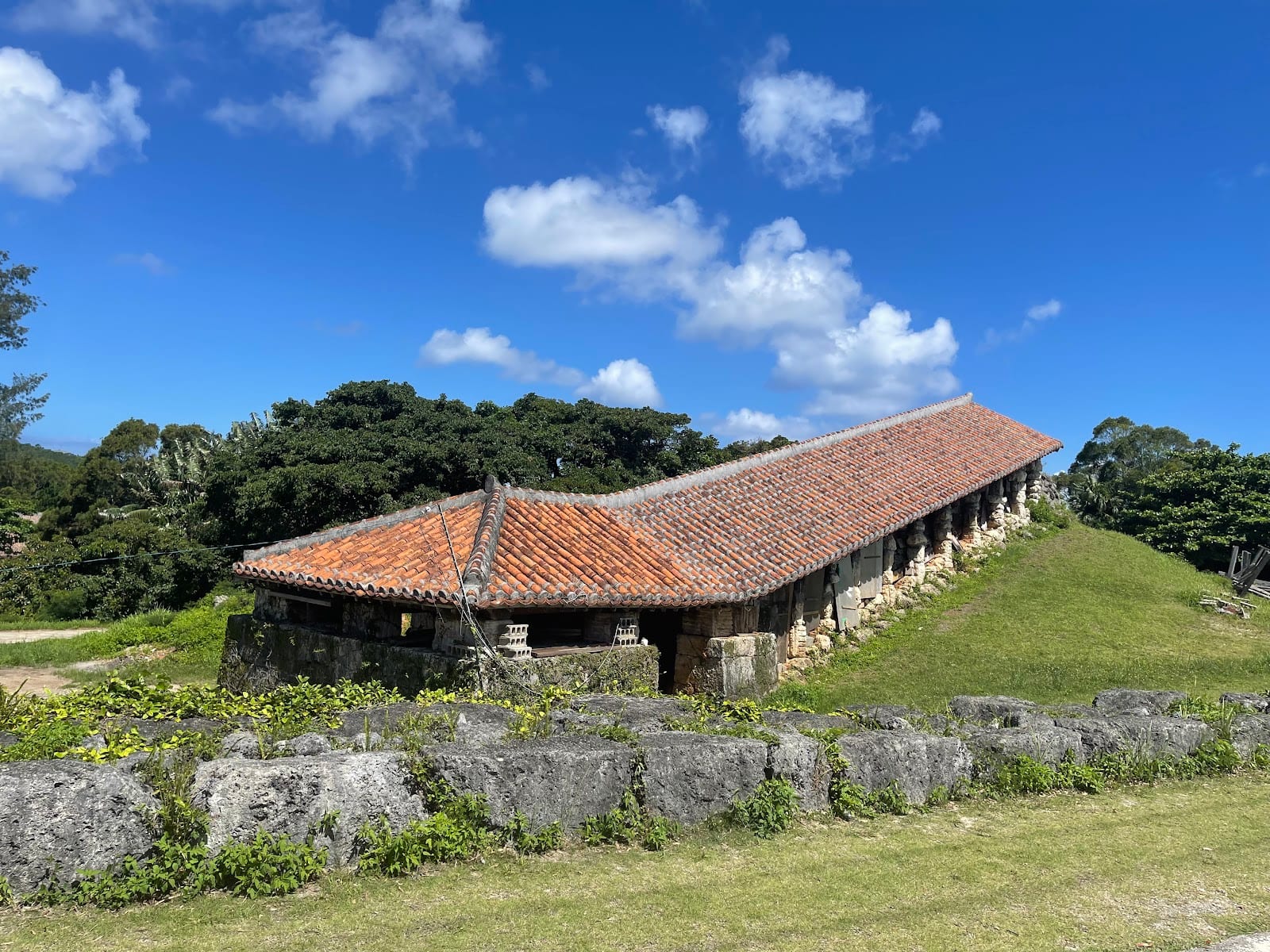
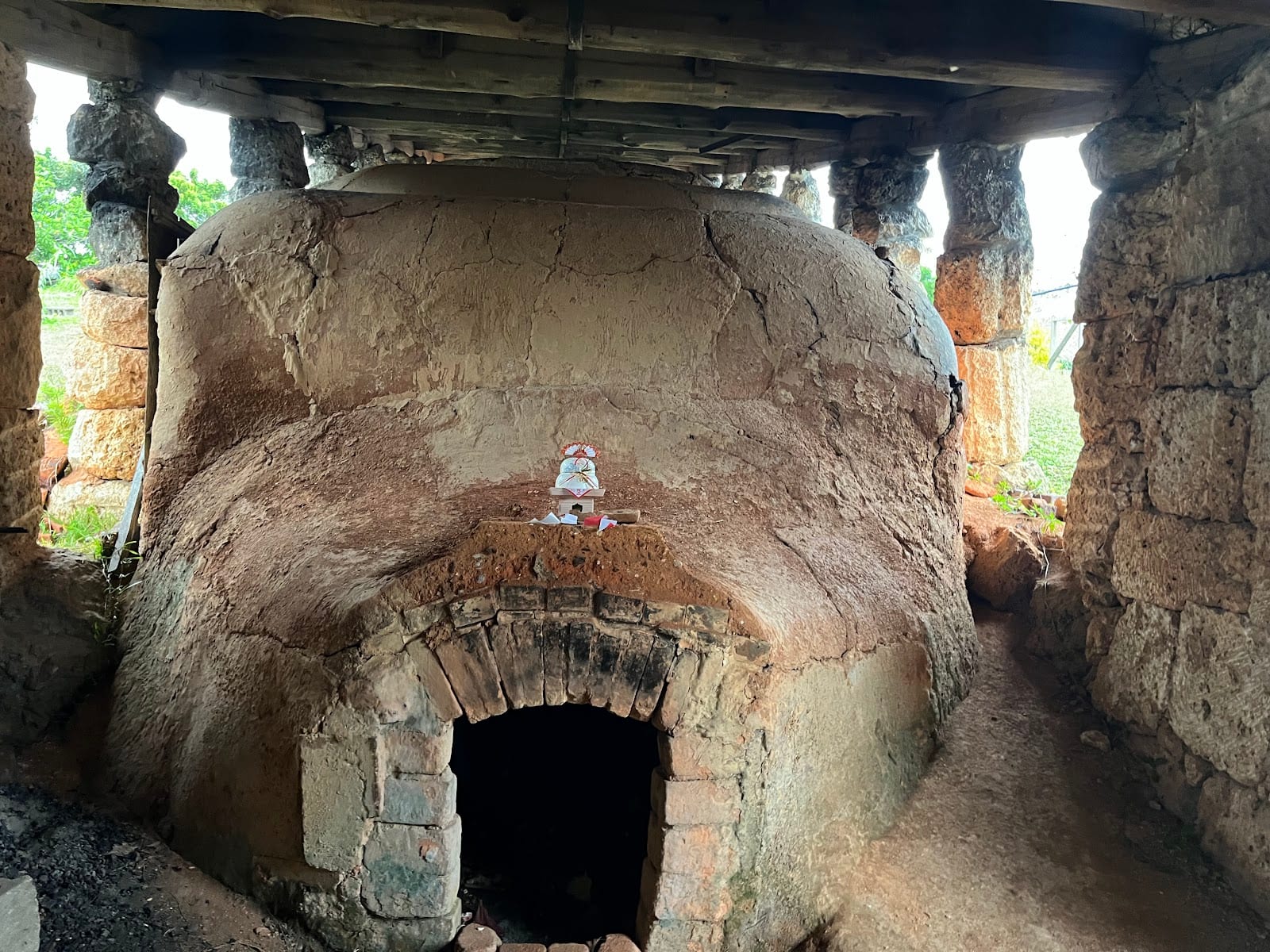
Yomitan's most distinctive cultural stop, where working pottery studios and a hand-fired climbing kiln make the village's ceramics feel alive.
Yachimun no Sato is not a single gallery pretending to be a craft district: it brings together 19 pottery workshops, three climbing kilns, and stores packed with Okinawan earthenware. Yachimun is recognizable for its thick texture and rustic painted decoration, and the cooperative shop covers the useful range, from vases and household goods to sake bottles, lamps, and coffee cups. Pottery production moved from Naha's Tsuboya to Yomitan in the late 1970s because the city's growing population could no longer accommodate climbing-kiln smoke. Browse at your own pace, and observe workshops only when invited or when it will not disturb artists. The telling detail is the north kiln's 13 chambers, where artisans stoke the fire by hand for four straight days. Hours vary by studio, so this rewards an unhurried visit.
1-2 hourson GoogleGood for couples, solo, families
Sourcesana.co.jpjapan.travel


Worth it with more time
Good additions once you've done the icons.- 4
 Gima Worth it
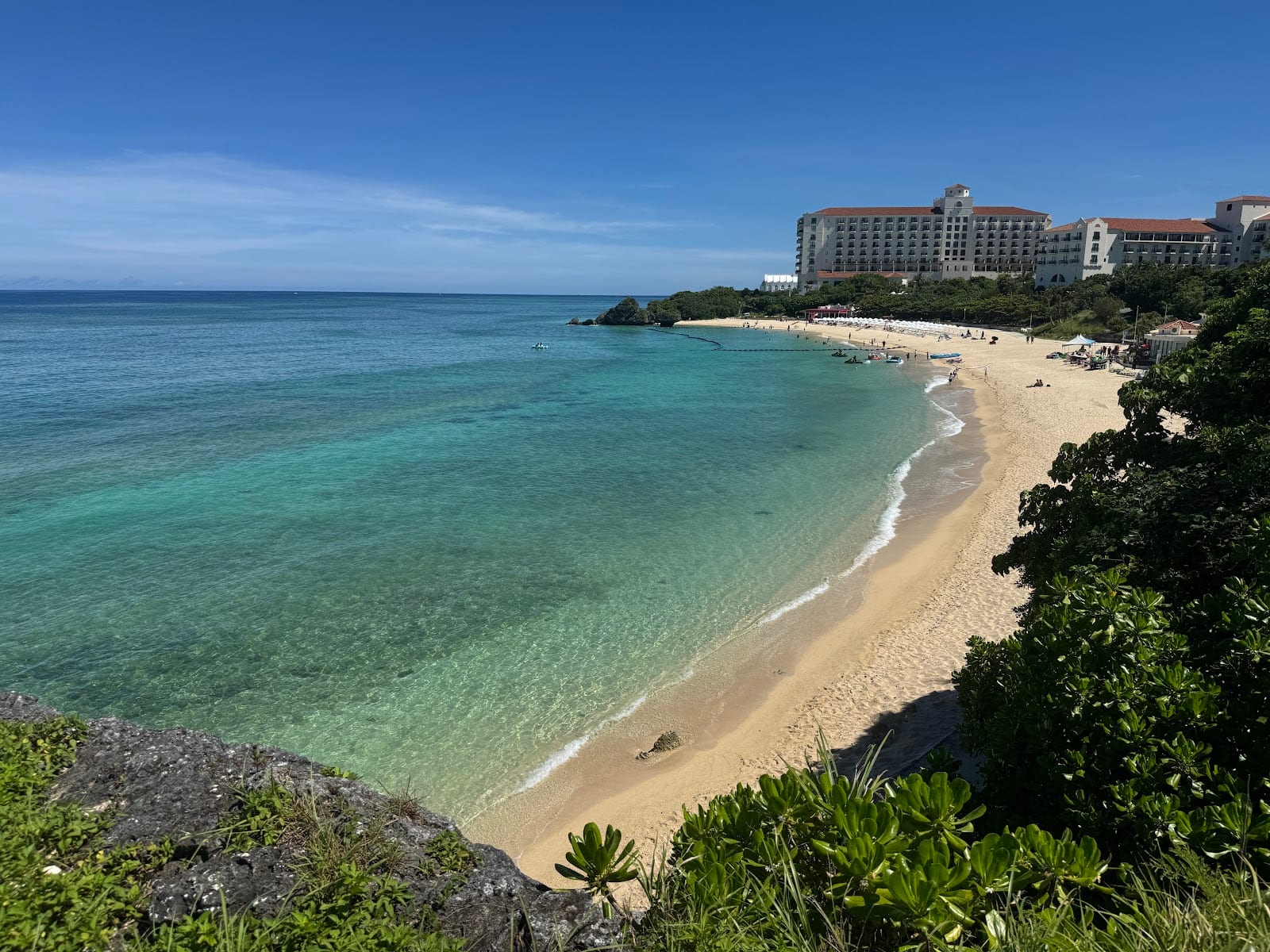
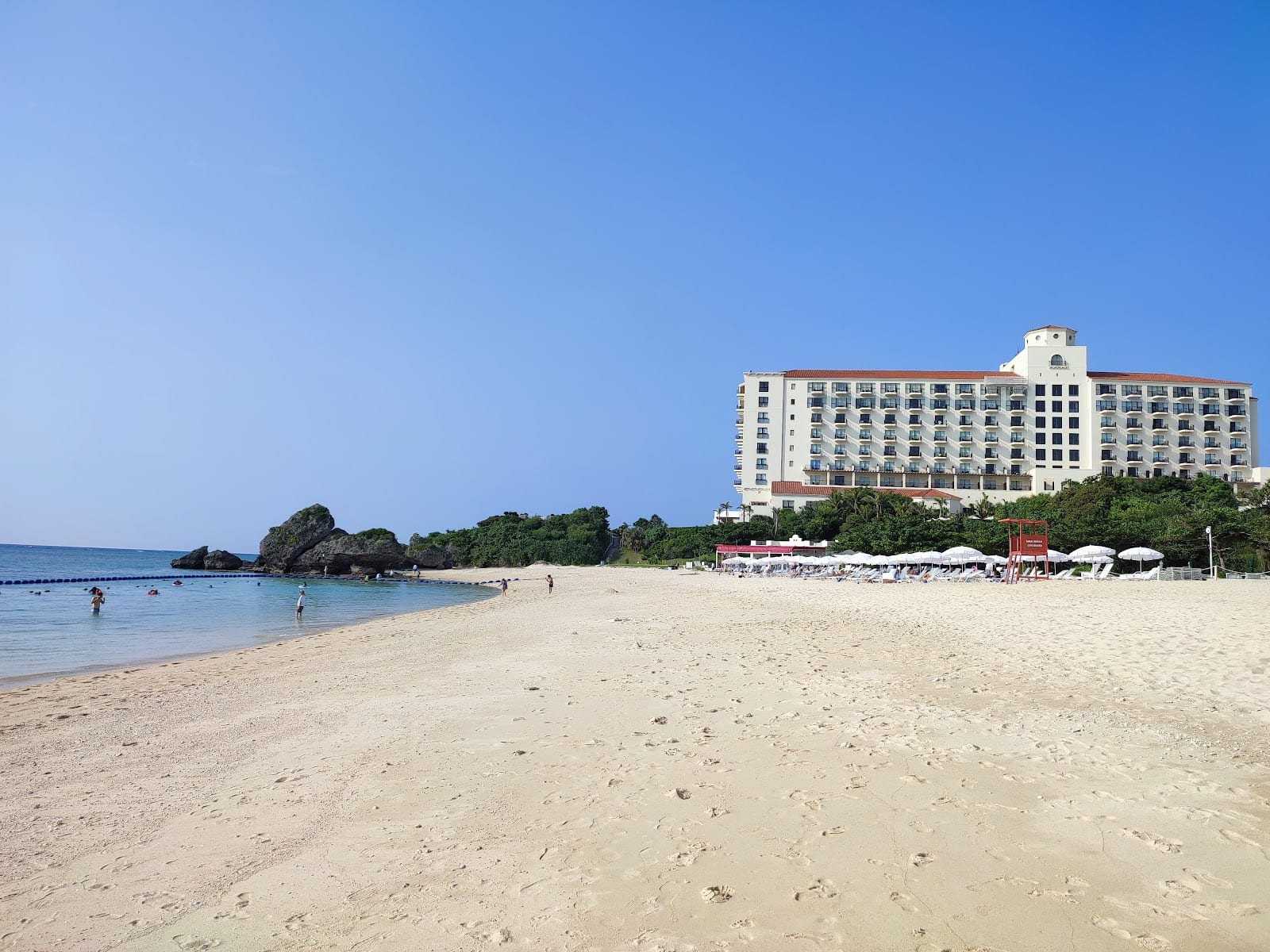
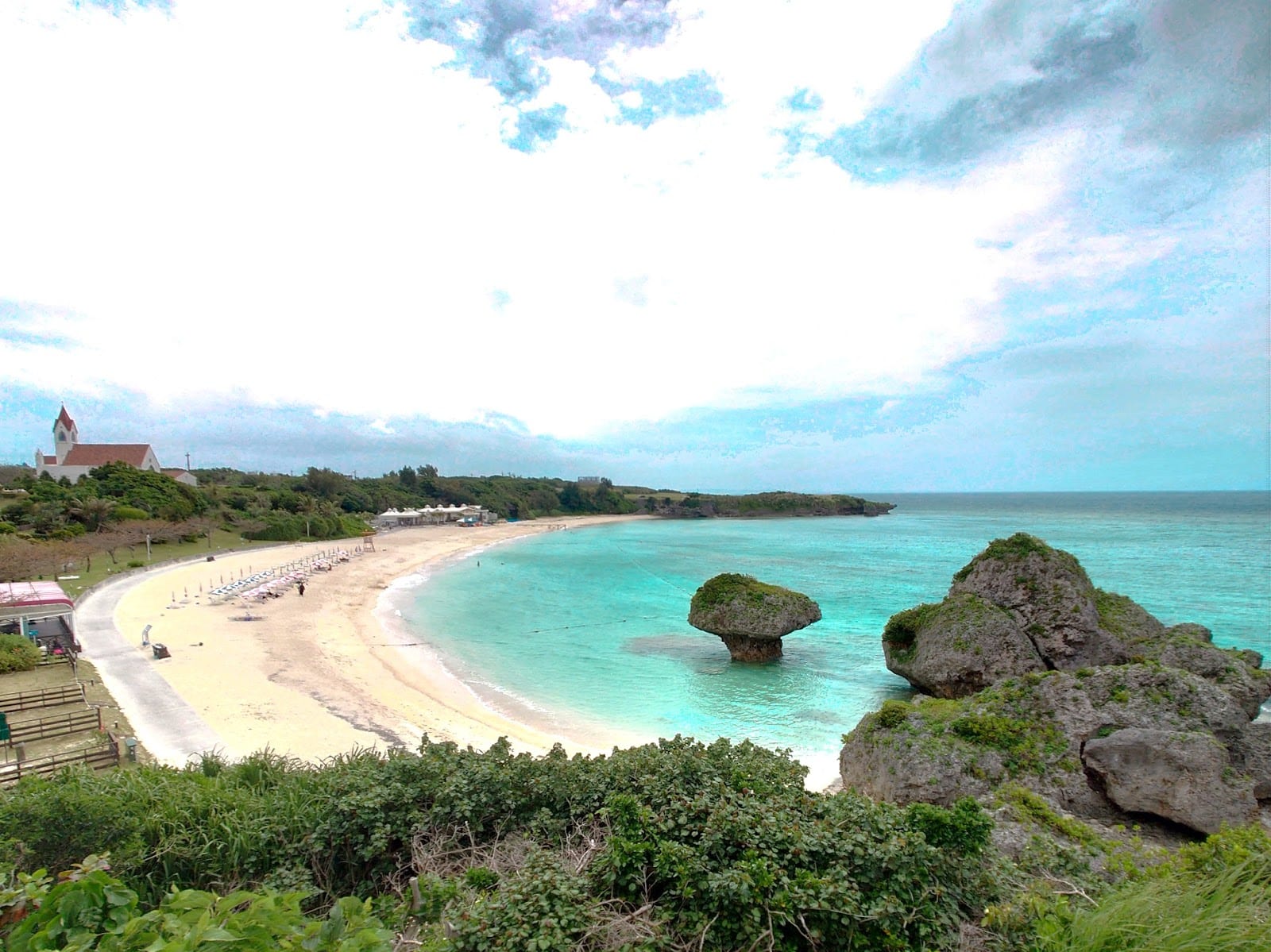
Nirai Beach
The resort-adjacent beach that still feels genuinely beautiful, with shallow water, coral, and enough room for a slow swim rather than a spectacle.
Nirai Beach is a roughly 400-meter stretch of shallow water and coral on Yomitan's west coast, described as among the most beautiful on Okinawa's main island. It is the natural beach of Hotel Nikko Alivila, but entry and parking are free, which makes it a useful counterpoint to the area's paid resort activities. Swimming is listed year-round, with hours shifting from 9:00–18:00 in spring to 8:30–18:30 at the height of summer and 9:00–16:30 in winter. Snorkeling is allowed, though life jackets are required and rentals are available. Sea turtles hatched here in 2012, the kind of quiet natural detail that lands better than another ranking badge. Come for water time, not nightlife, and expect a slower trip by bus.
Good for families, couples
- 5
 Takashiho Mixed
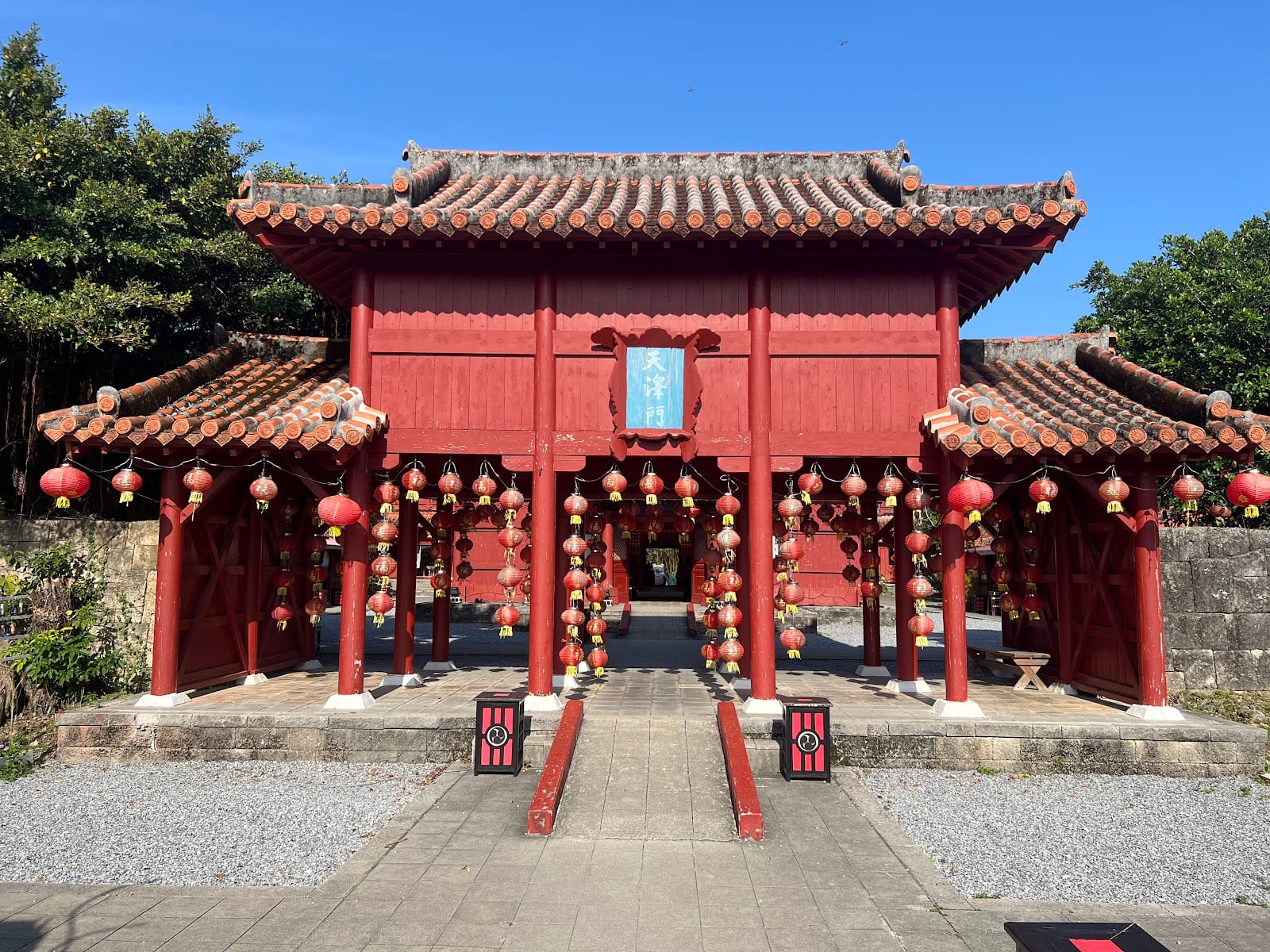
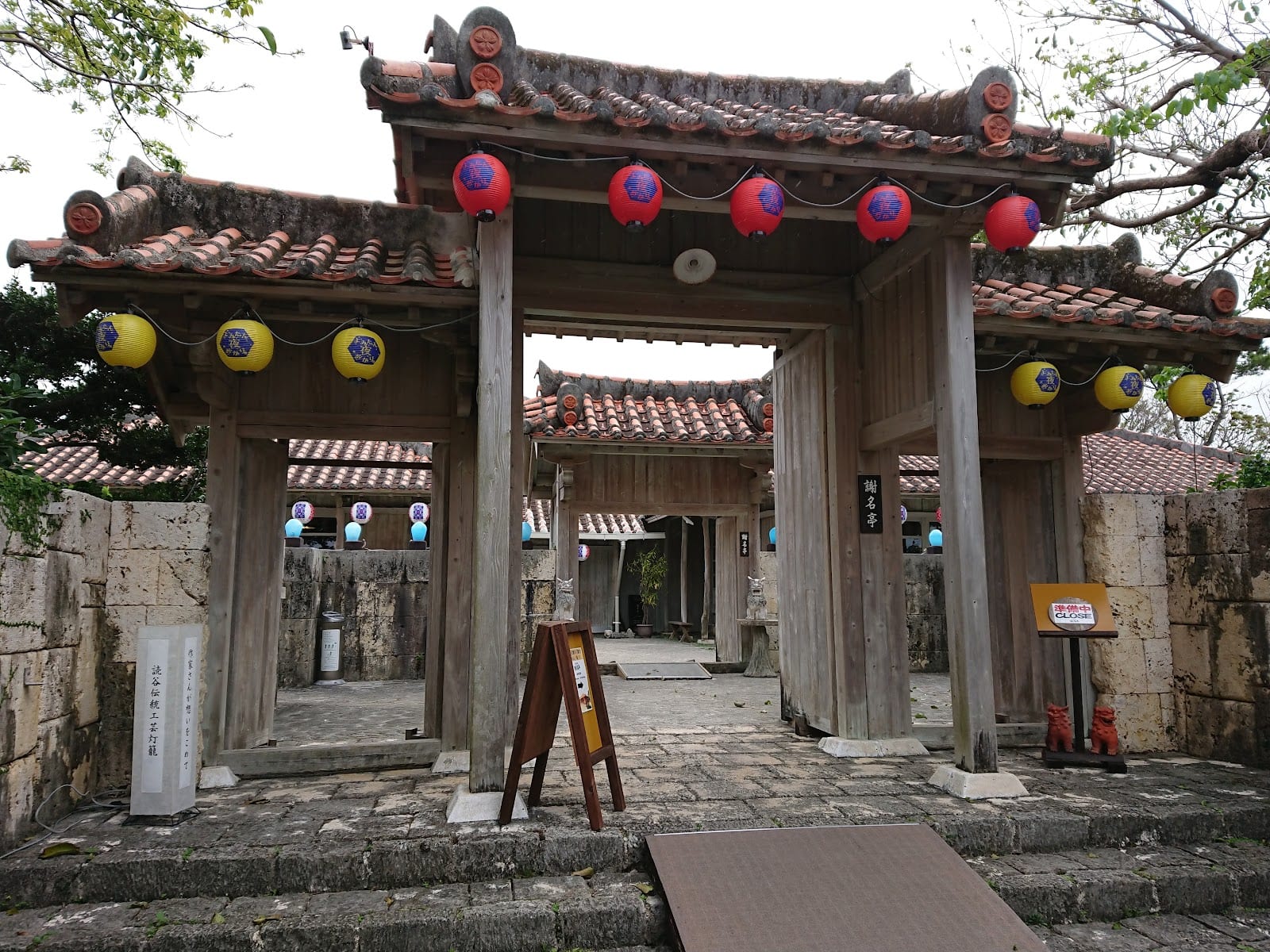
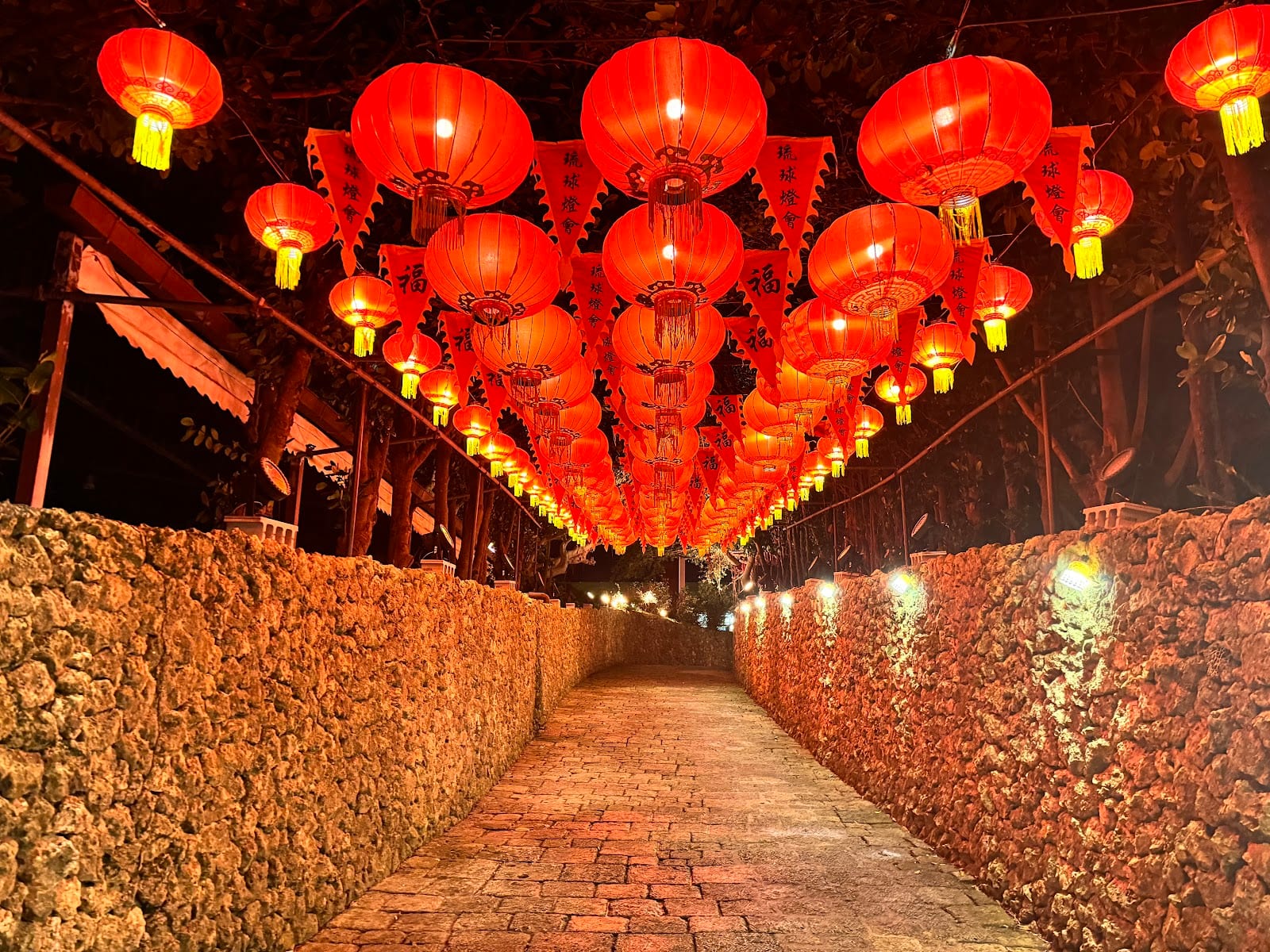
Murasaki Mura
A useful craft sampler for families, but its recreated Ryukyu streets work best when you commit to a workshop rather than just walk through.
Murasaki Mura recreates a 14th- and 15th-century Ryukyu Kingdom-era trading town with red-tile roofs, stone walls, and cobblestone streets. The reason to come is hands-on: 32 workshops cover shisa painting, ceramics, Ryukyu glass, cloth dyeing, and more. General admission is ¥600 for adults, with separate fees for activities. The most memorable option is a 60-minute sanshin-making class using an empty tin can, a wartime improvisation that reflects how scarce materials shaped everyday creativity; that class is listed at ¥4,350. The park is open 9:00–18:00 daily, and its Ryukyu Lantern Festival fills the recreated town with more than 3,000 lanterns. Adults looking for unfiltered history may find it theme-park polished, but families and craft-curious travelers have plenty to do.
Good for families, couples
- 6
 Toguchi Worth it
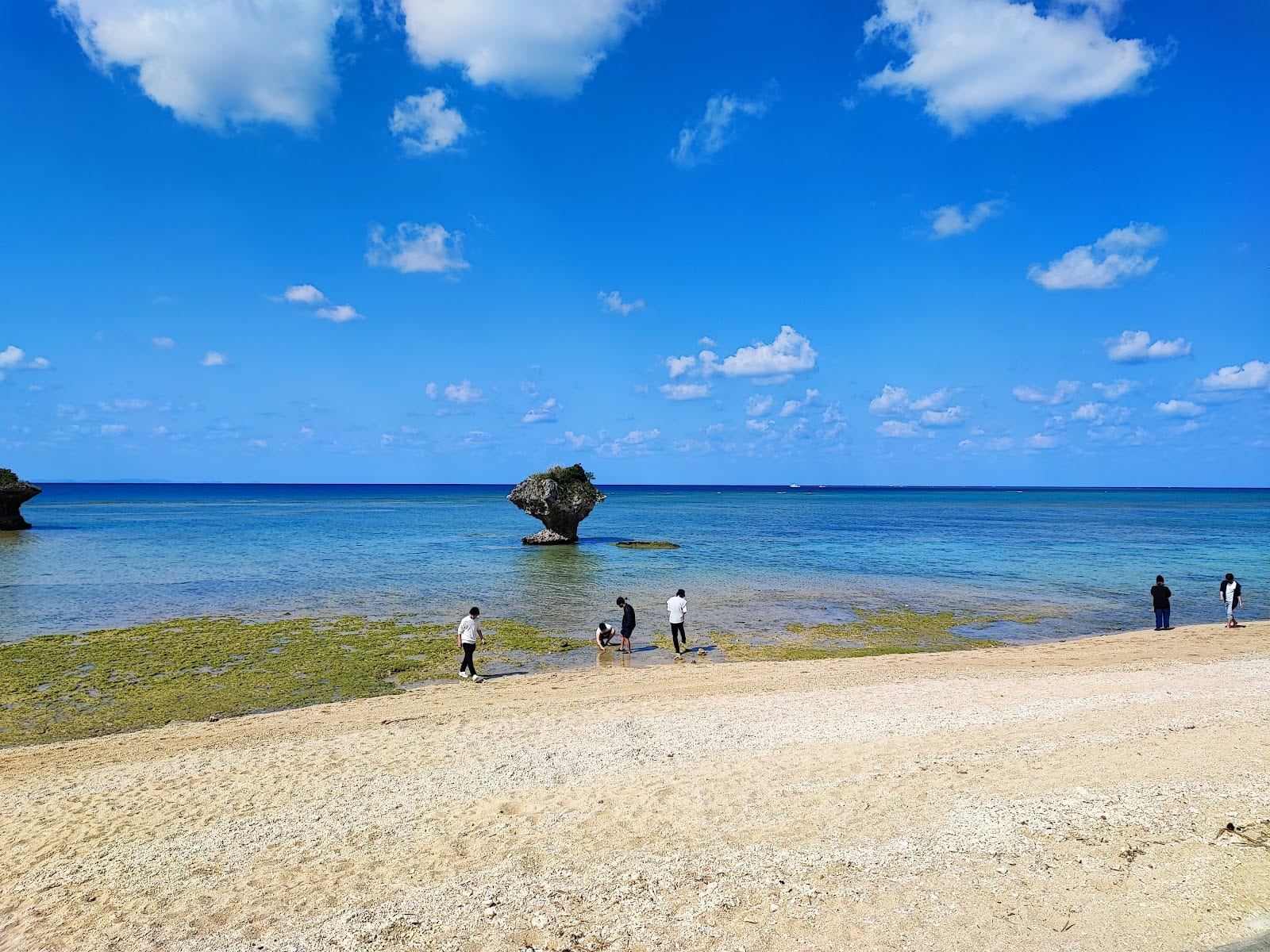
Toguchi Beach
The practical local beach: free parking, facilities, a sunset-facing shoreline, and a reef for confident snorkelers who respect the current.
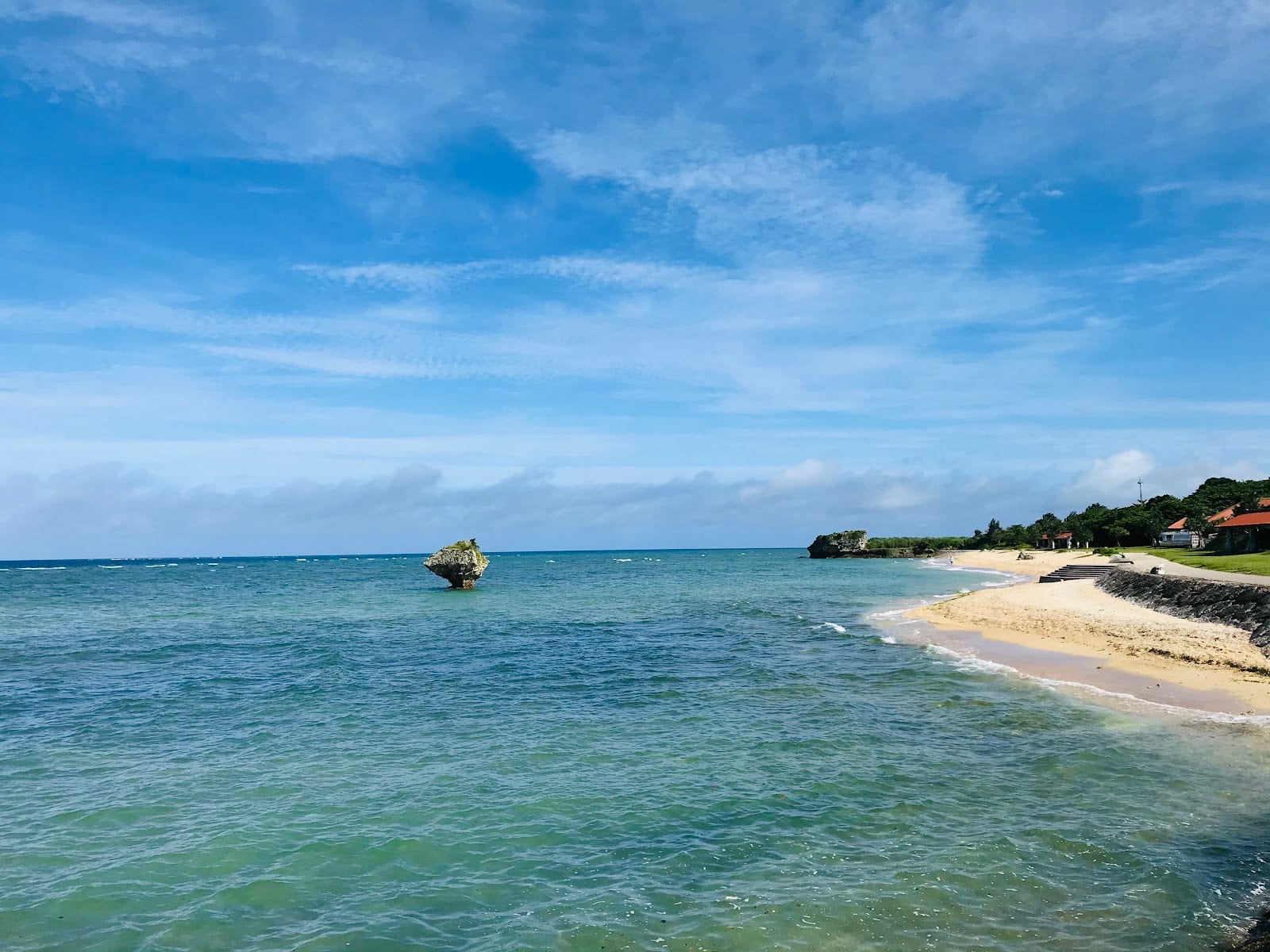
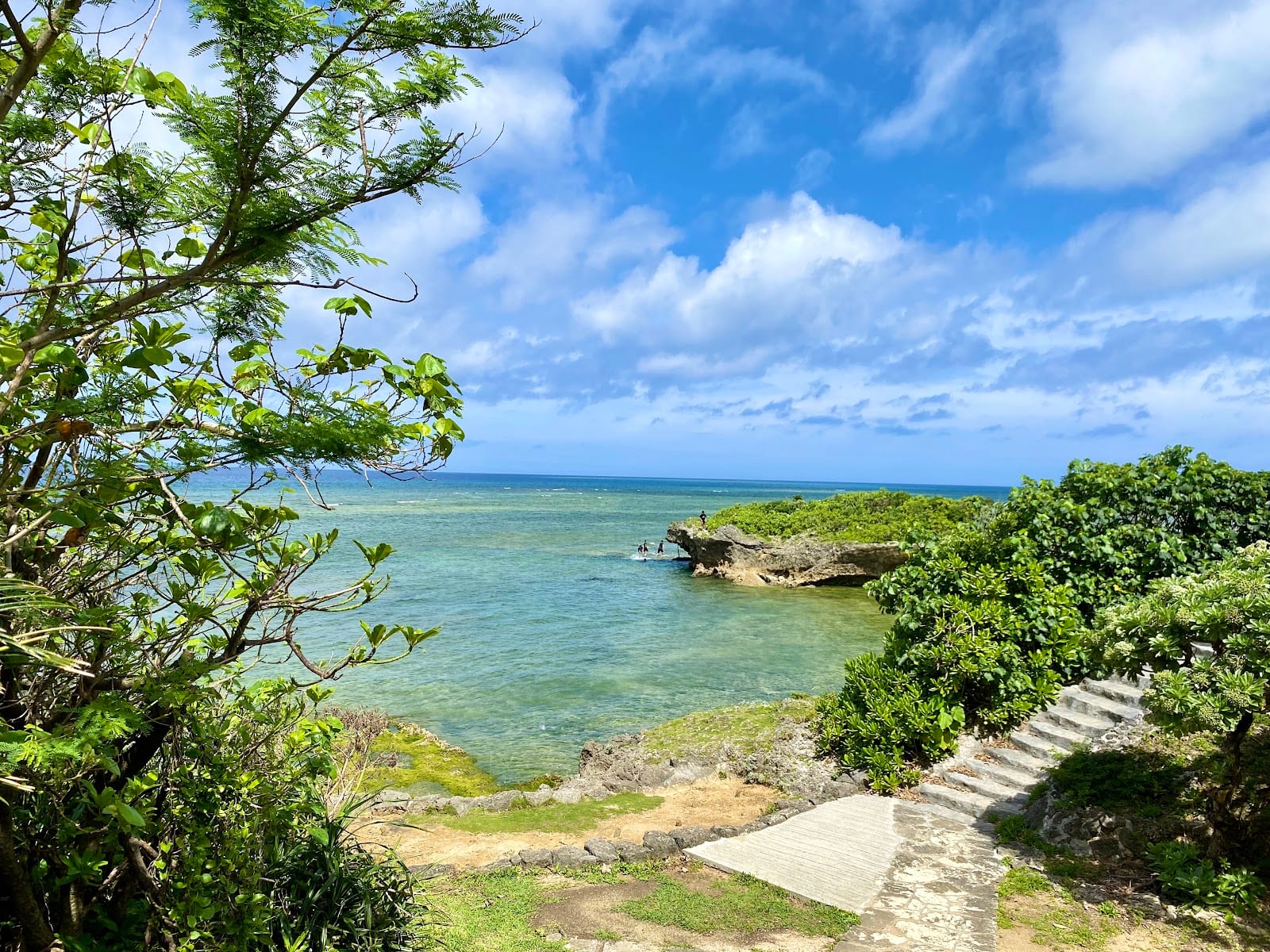
Toguchi Beach is a 200-meter natural beach beside Tomarigusuku Park, making it one of Yomitan's easiest stops when you want shore time without resort choreography. Swimming is year-round, entry is free, and the official guide lists 105 free parking spaces plus toilets, showers, lockers, and a shop. The reef begins about 170 meters from shore and the water gets deep quickly beyond its crest; moderate currents make the snorkeling an intermediate outing rather than a casual float. There is no jellyfish-protection net. The beach is known for sunsets, and the park next door adds children's equipment, so families can make a day of it even if the water conditions turn. The grounded surprise is the reef's regular blue-lipped sea kraits, alongside clownfish and other small reef fish.
Good for families, friends, couples
Sourcesvisitokinawajapan.com
- 9
 Uza Mixed
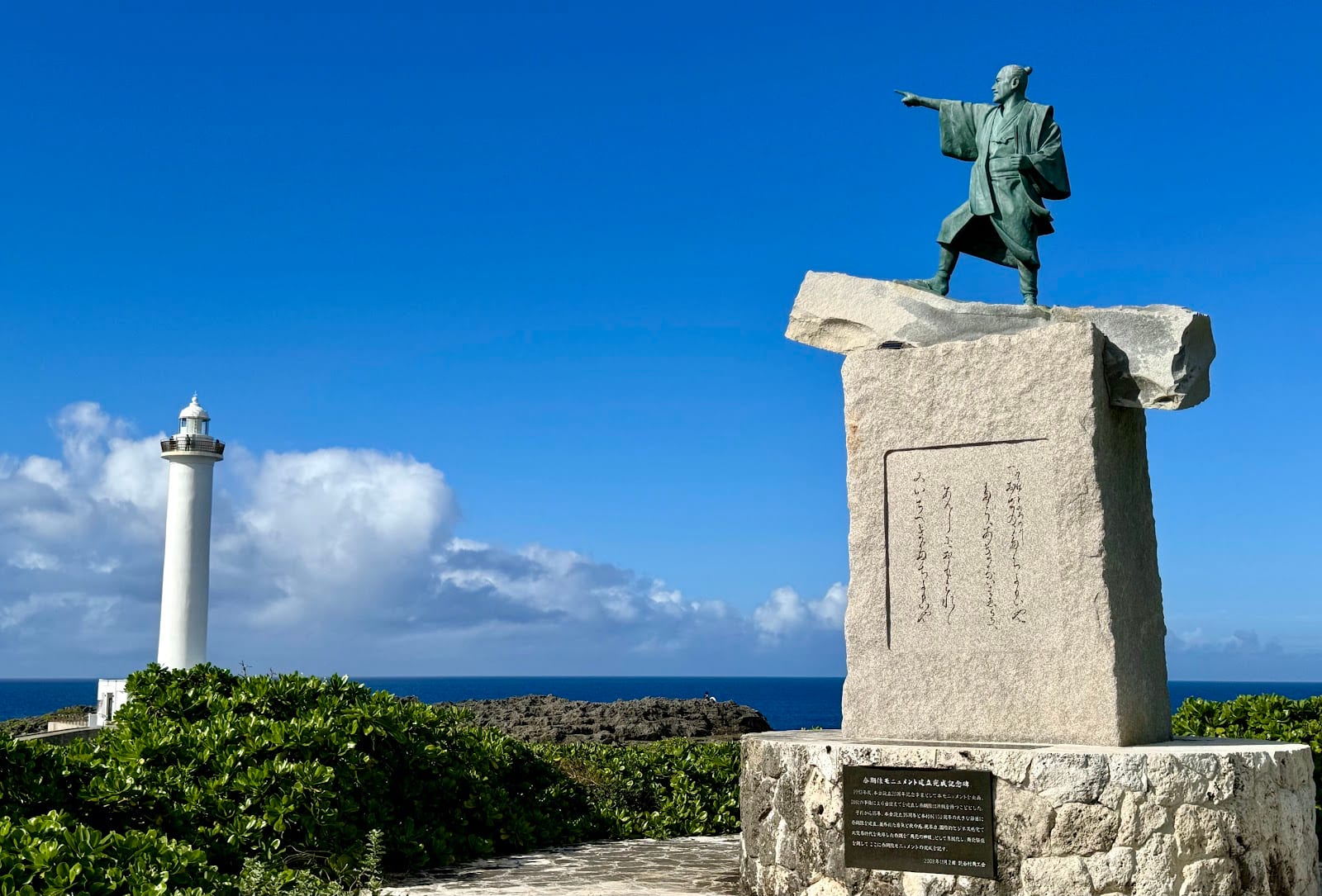
Cape Zanpa Lighthouse
The lighthouse is photogenic and historically flavored, but the cape's open-air cliffs are the better experience if you do not need the climb.
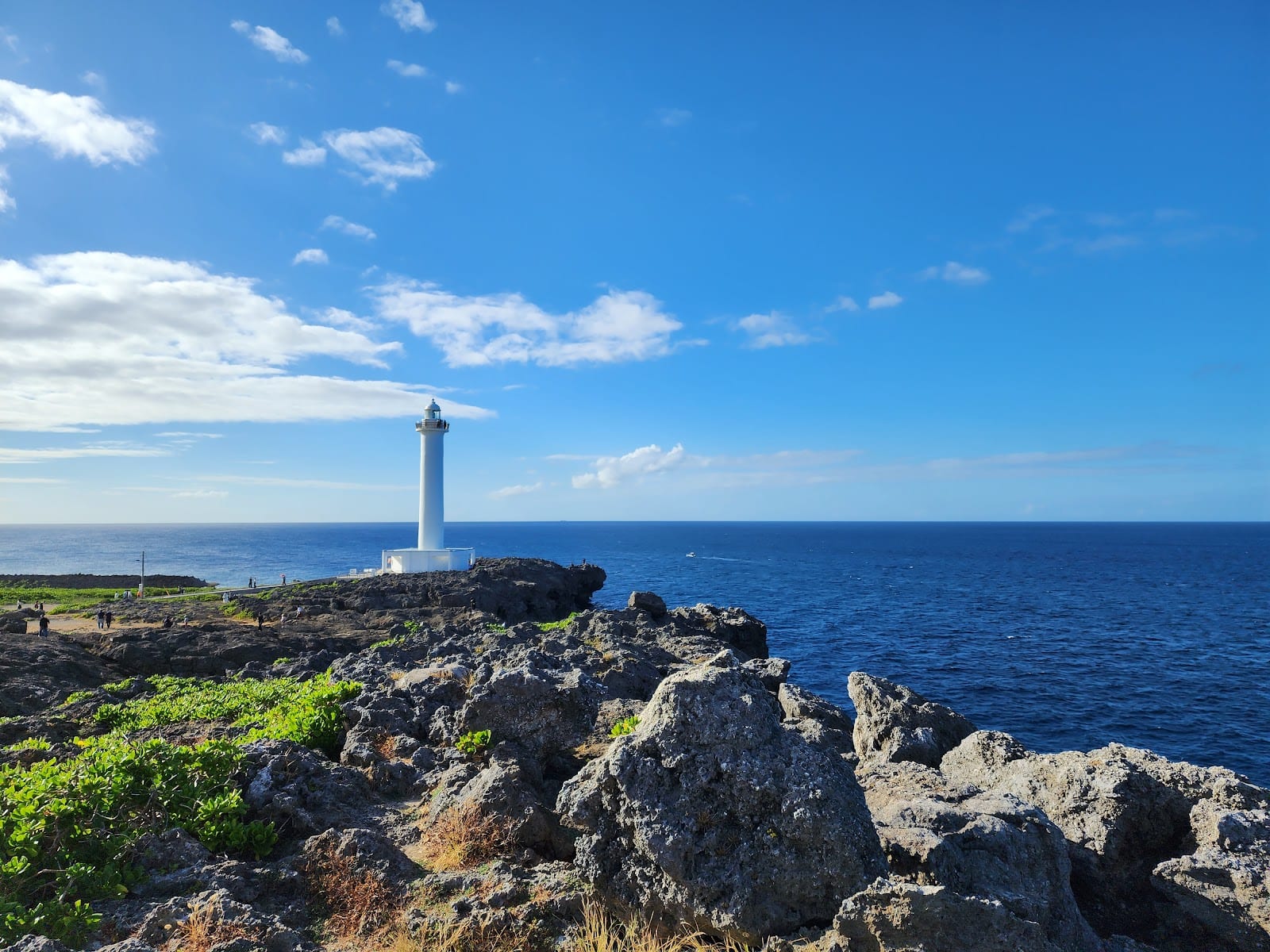
Cape Zanpa Lighthouse is the white vertical marker on Yomitan's west coast, approximately 30 kilometers north of Naha. The tower is listed at 30 meters, while another supplied account gives 31 meters; either way, it is the unmistakable landmark above the cliffs. Cape Zanpa Park is open 24 hours, but lighthouse access is more limited and climbing may be stopped by strong wind. There is no elevator: visitors climb stairs and then a ladder to reach the deck below the beacon. A ground-level exhibit space opened in 2009 through a Yomitan Village–Nippon Foundation partnership. A statue of Taiki, described as a 14th-century Okinawan diplomat, stands nearby among volcanic rocks and adan thickets. Choose this separately only if the tower matters; Cape Zanpa itself delivers the broader view.
Good for couples, solo, friends
Sourcesokinawa.stripes.com


Hidden gems
Where the crowds thin out.- Hidden gem
 Toya Worth it
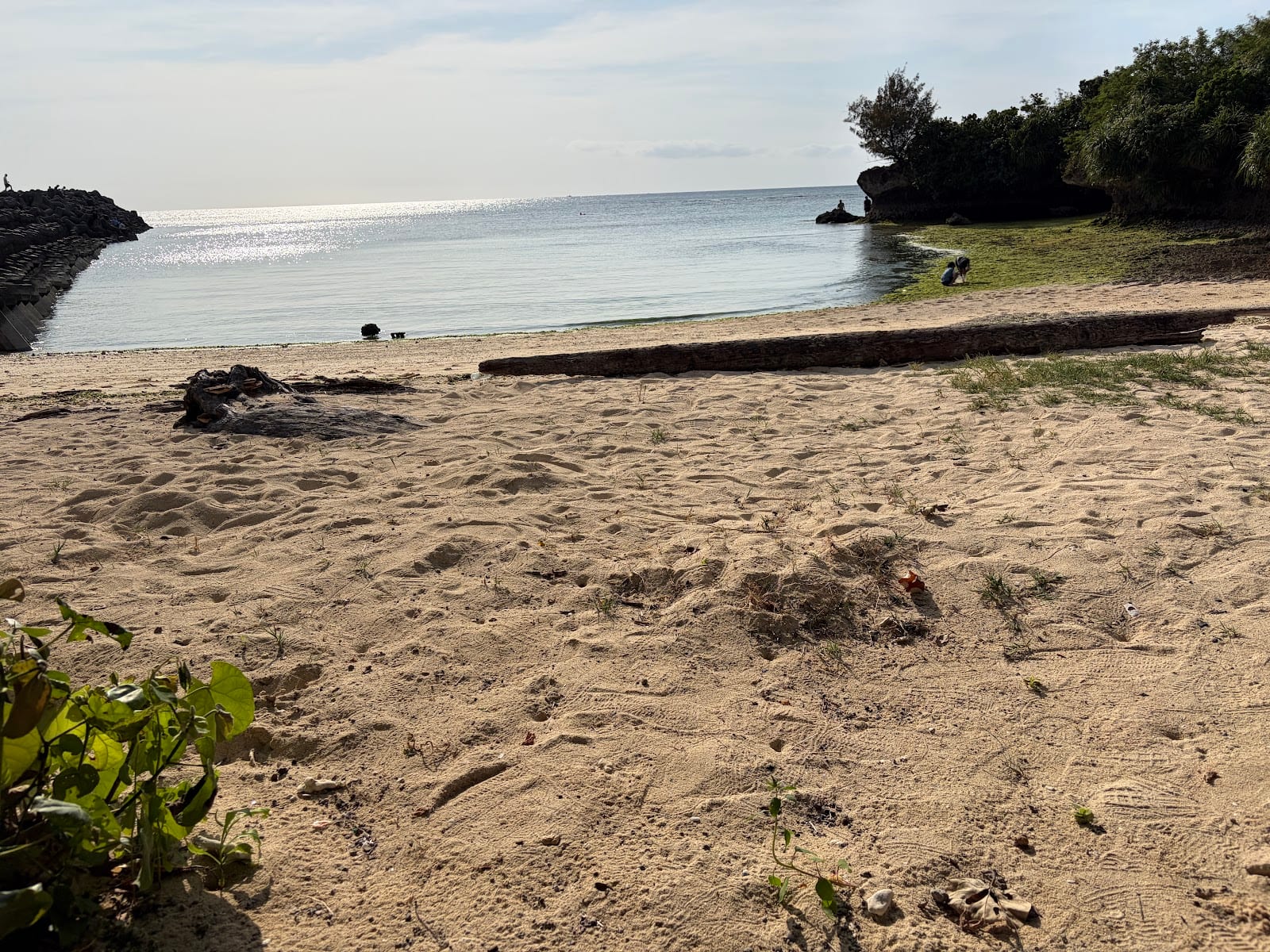
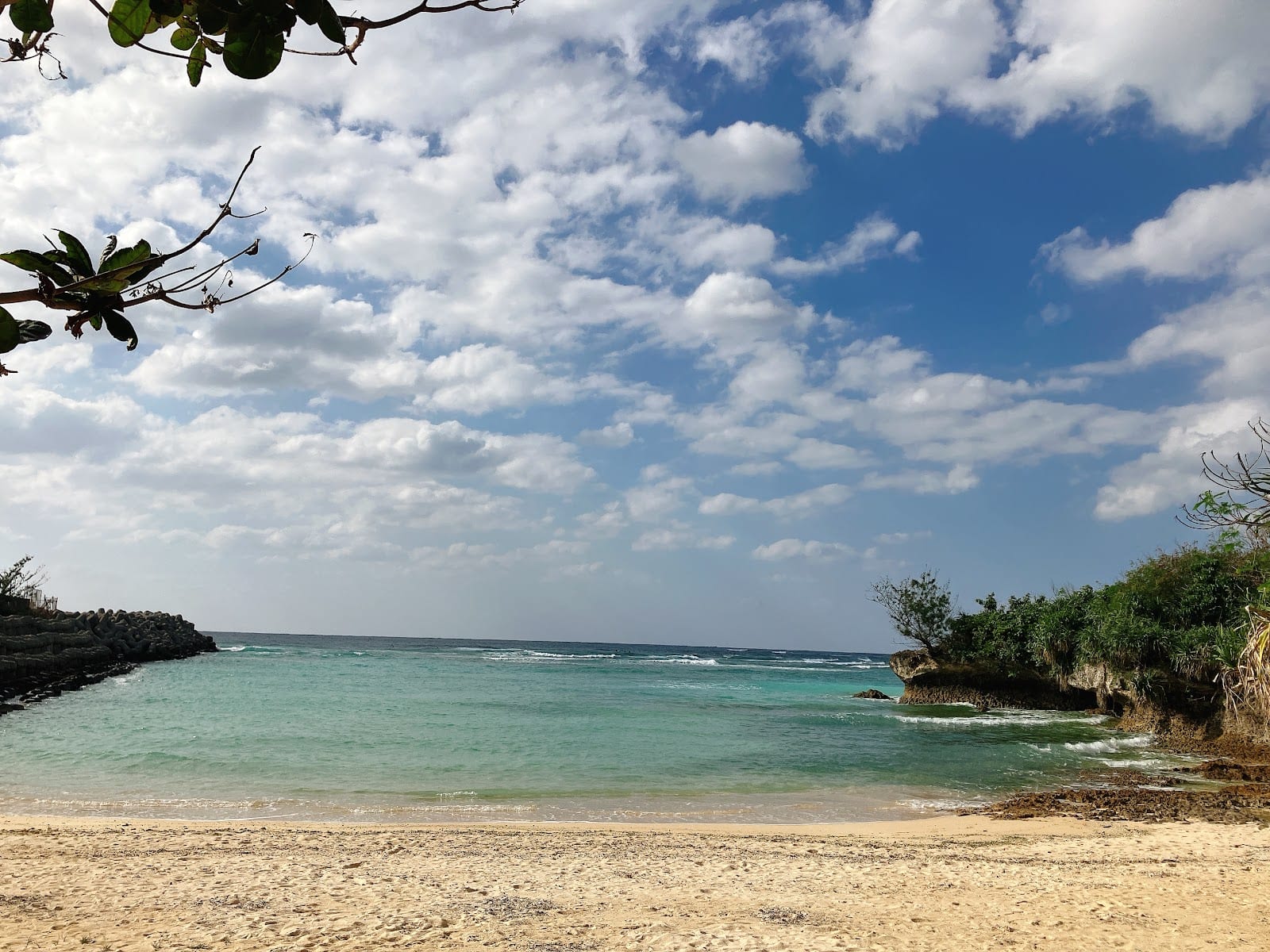
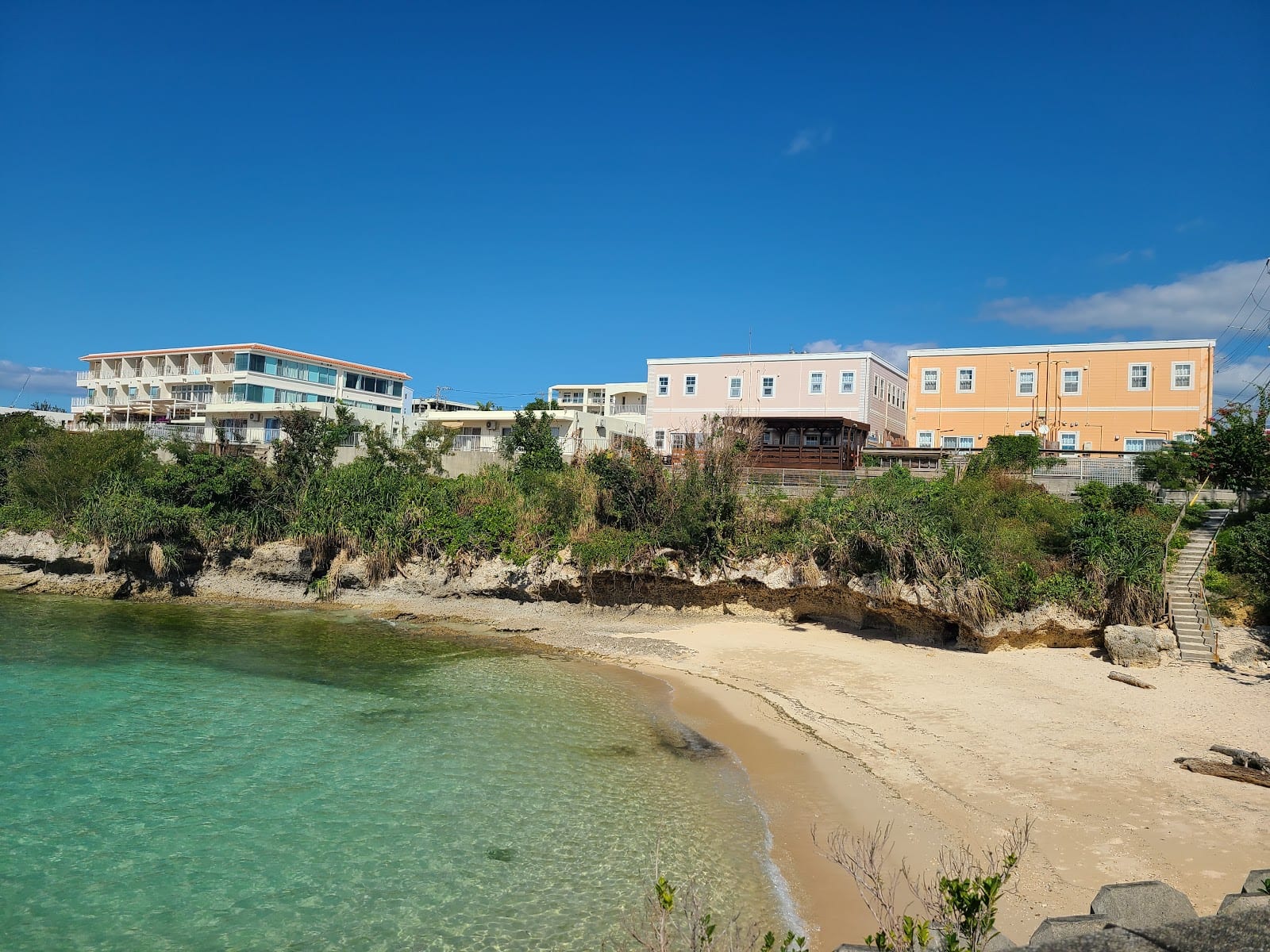
Toya Beach
Yomitan's low-key beach pick for a west-coast sunset, shallow water, and almost-private atmosphere, provided you bring sensible footwear.
Toya Beach is a natural white-sand beach on Yomitan's west coast, directly in front of Sea of Toya and close to Toya Fishing Port. It is not listed in guidebooks, which explains the “almost private beach” reputation reported by nearby accommodation guests. The appeal is simple: sunset views, a fishing port a one- to two-minute walk away, and access to snorkeling, diving, and glass-bottom-boat experiences through Top Marine Zanpa. There is no reliable evidence here of public parking, beach hours, admission, or a separate entrance fee, so do not plan around facilities that may not exist. At high tide, an adult may find the water only waist-deep, but exposed rocks and coral make marine shoes a smart call. Quiet and limited, it is better for atmosphere than a full beach-service day.
1-2 hourson GoogleGood for couples, solo, friends
- Hidden gem
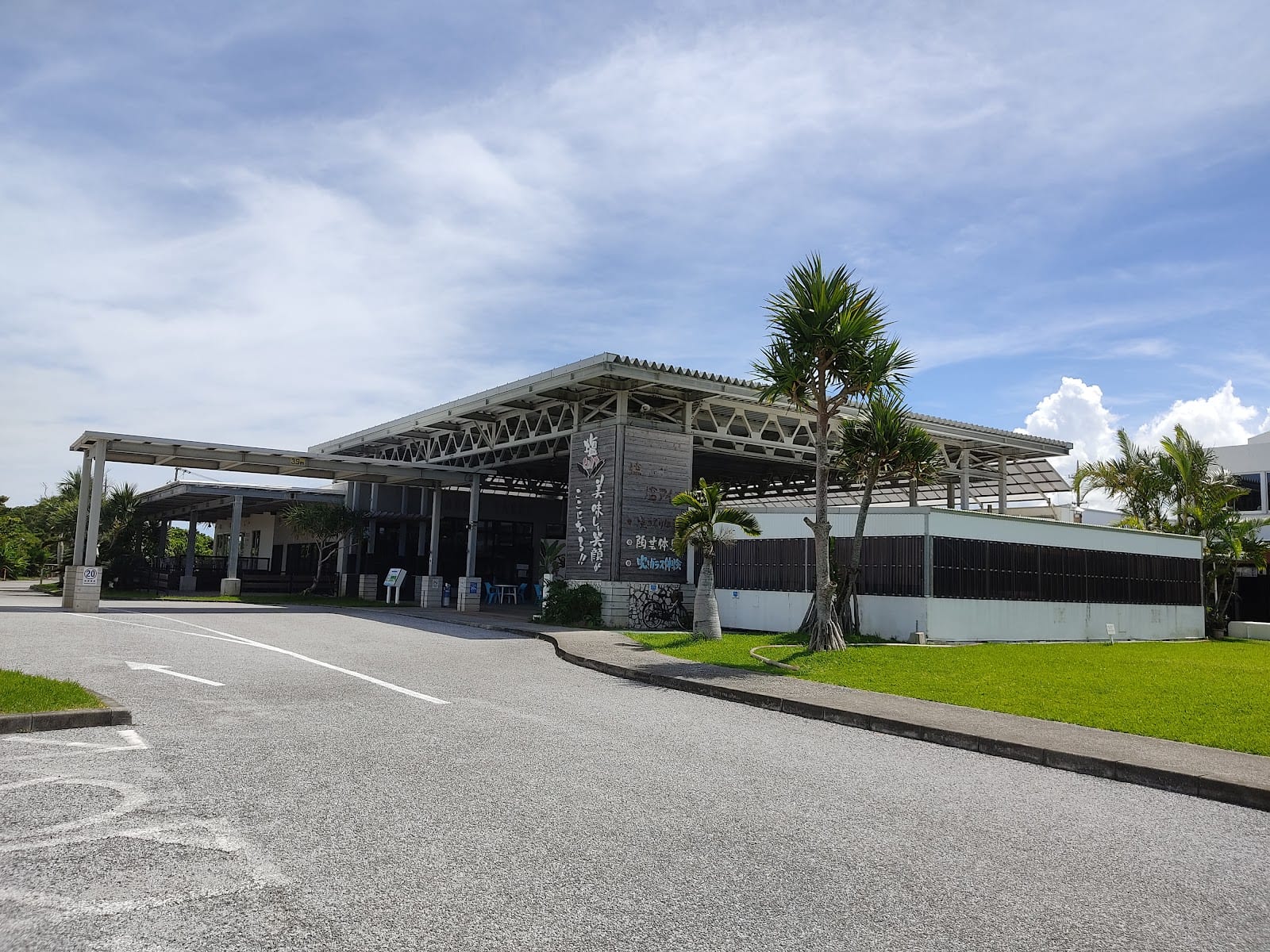
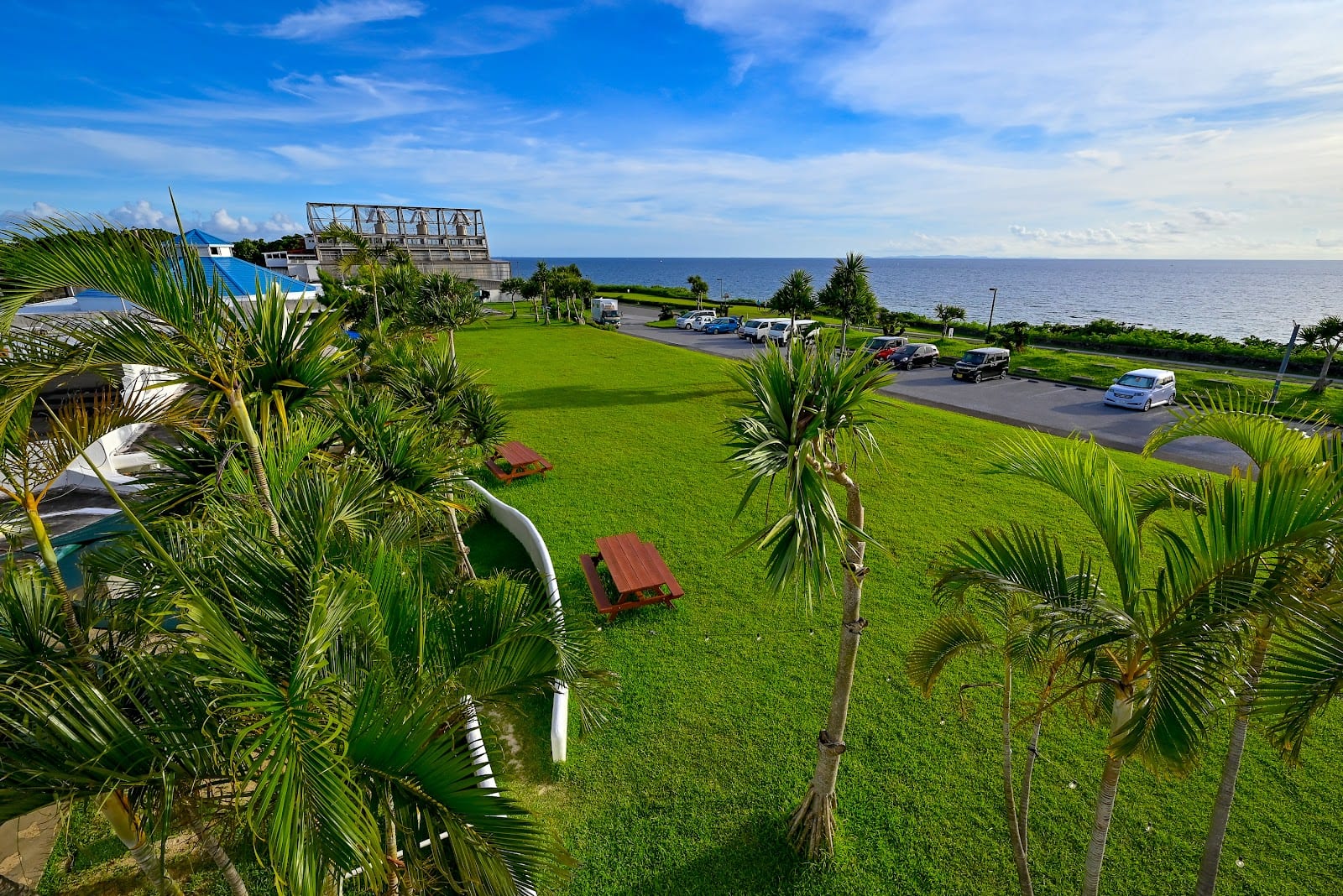
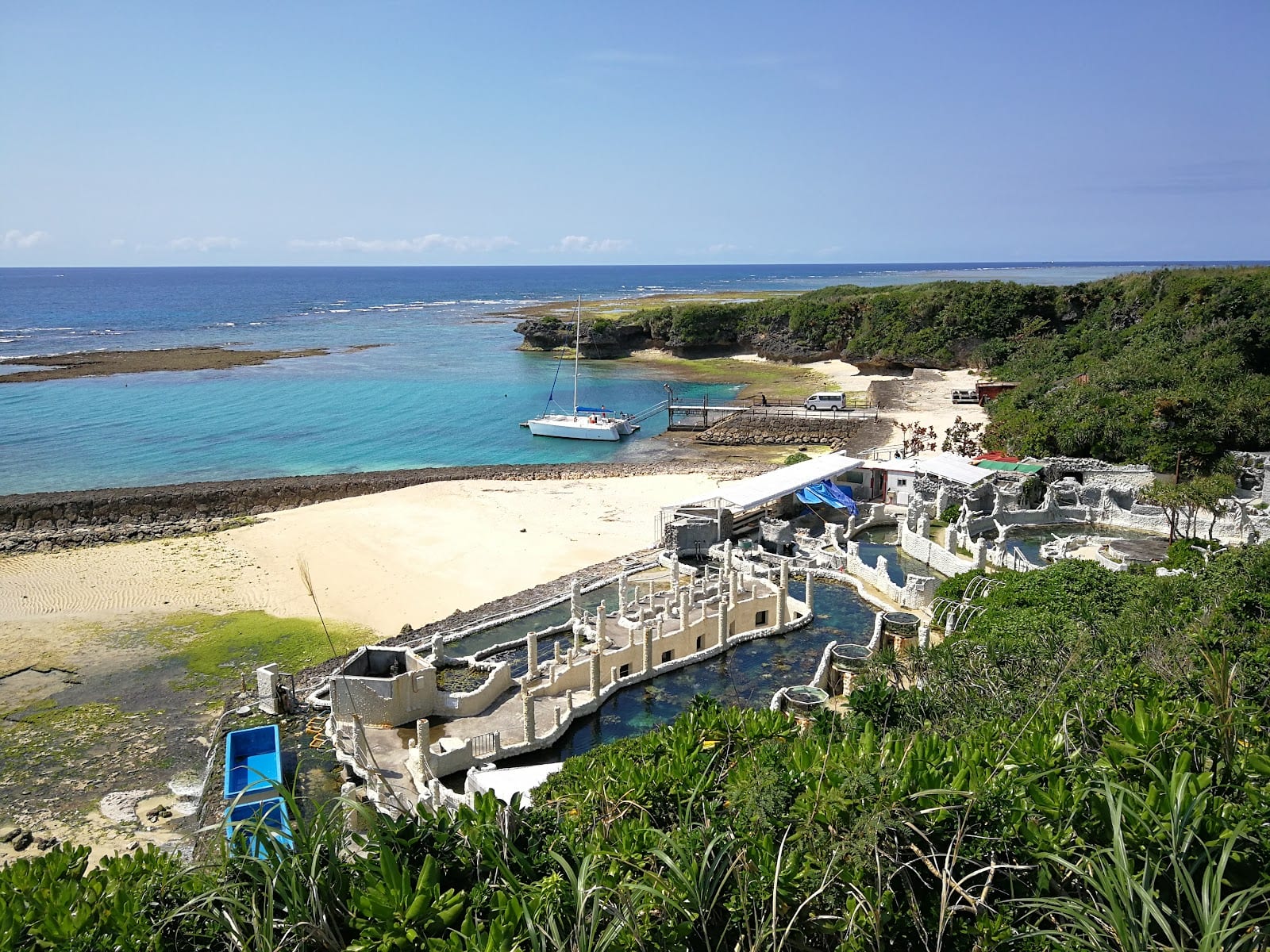 Takashiho Worth it
Gala Aoiumi
A compact, free craft stop where Yomitan's sea, salt, glass, and ceramics come together without demanding a whole afternoon.
Gala Aoiumi sits on Yomitan's west coast and makes a good connective stop between Zakimi Castle, Yachimun no Sato, and the beaches. Admission is free, the site is open daily, and the barrier-free layout is useful for travelers who want a low-effort cultural visit. Inside, the Salt Museum shows salts from around the world and lets visitors watch salt production from seawater; shops add Yomitan yachimun, Ryukyu glass, and Okinawan specialties. The activities are the reason to linger: salt-making takes about 40 minutes and costs ¥1,500, while glass, bead, and pottery workshops cost extra. The telling detail is the sea-salt ice cream after making salt from seawater. It is not Yomitan's headline attraction, but it is an efficient, tactile stop with a clear payoff.
Good for families, couples, solo
- Hidden gem
 Yomitan Skip it
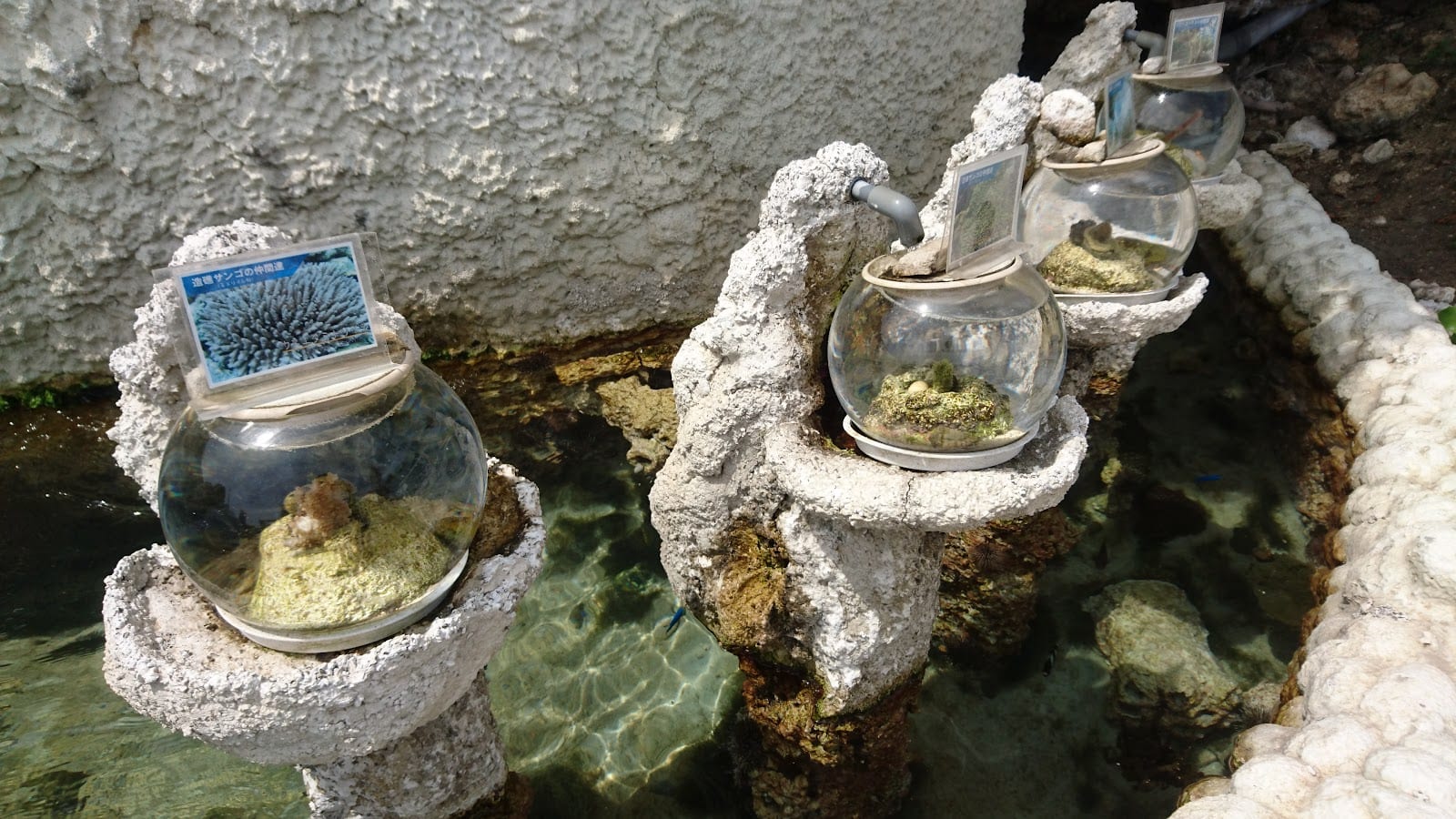
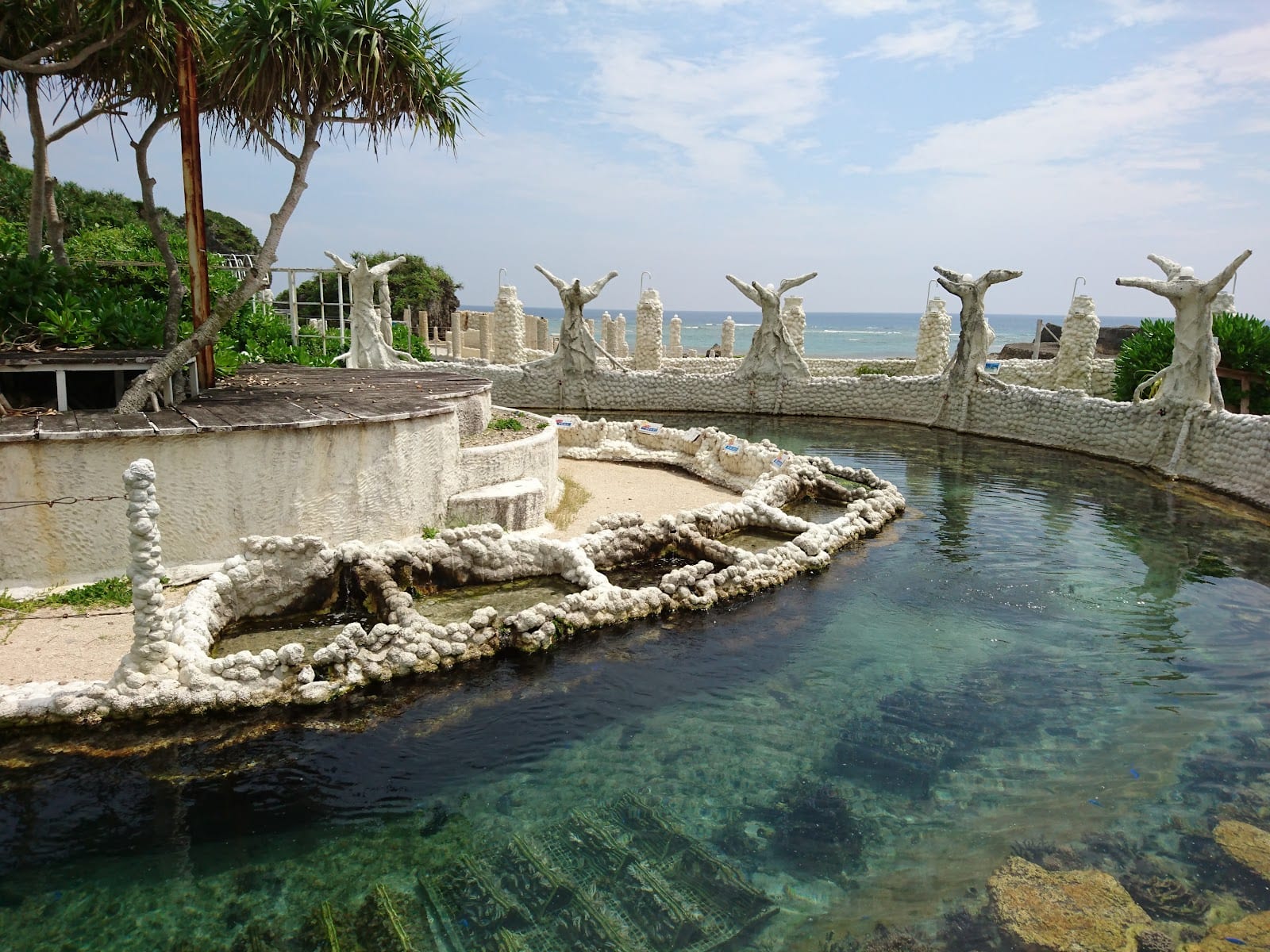
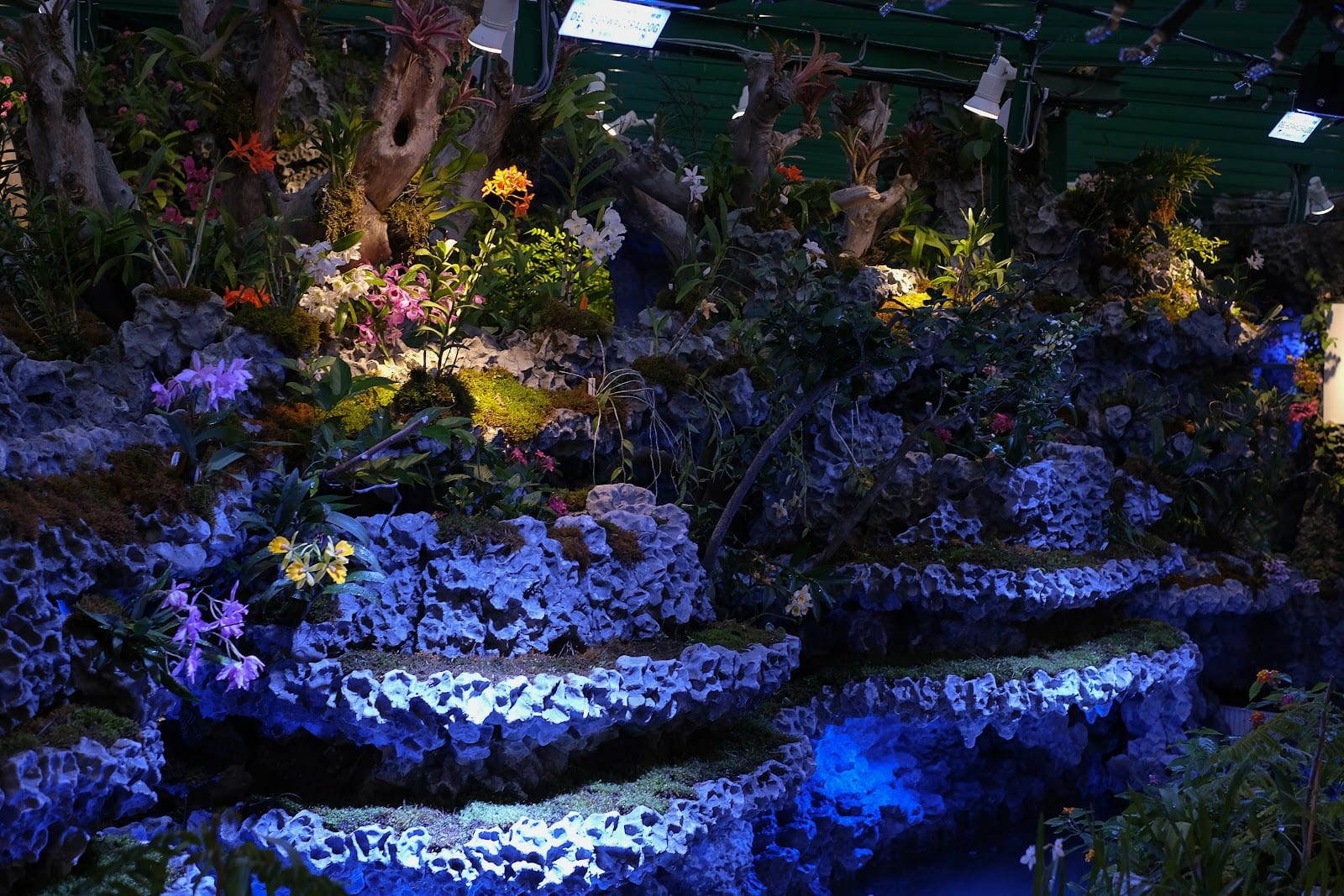
Sango Batake Coral Farm
An important coral-preservation project with an impressive scale, but the visitor logistics are too thinly documented to justify building a Yomitan day around it.
Sango Batake is a coral-preservation farm in Yomitan rather than a conventional sightseeing attraction. It can culture up to 300,000 coral seedlings, gathering natural coral under special permission from Okinawa Prefecture and breeding it for legal transplantation because reef-building coral cannot simply be gathered, bought, or sold under Okinawan regulations. Its work supplied plate coral and branching Montipora for the first transplanting phase at Busena Marine Park, a project connected to the park's 50th anniversary in 2020; preparation of about 50 seedlings was recorded in March 2021. That is meaningful conservation, and the scale is the telling detail. But the supplied research does not establish a dependable admission price, booking process, parking, or access instructions. Treat it as a pre-arranged specialist visit, not a casual drop-in.
Verify before visitingon GoogleGood for solo, couples, friends
Sourcesbusena-marinepark.com


Verdicts and rankings are our own; ratings open each place on Google. Prices, where shown, are an approximate per-person guide in USD.
Getting around
Getting around Yomitan
Rent a car if you can
Yomitan's sights are spread between Cape Zanpa, Takashiho, Zakimi, the beaches, and Toya. The supplied tourism guidance puts the drive from Naha Airport at about one hour.
Build a loop, not a walk
Pair Zakimi Castle Ruins with Yachimun no Sato, then continue toward Gala Aoiumi and Murasaki Mura. Cape Zanpa and the beaches are separate coastal legs.
Buses work, but add walking
From Naha, bus journeys to Yomitan take around 85 minutes. Zakimi Castle's bus route takes about 80 minutes, followed by a 20-30-minute walk.
Check conditions at the coast
Strong wind can close lighthouse climbing, sudden showers are common, and Toguchi's reef can have moderate currents. At Cape Zanpa, stay on marked paths because the rocky terrain is habu-snake habitat.
Where to stay
Where to stay in Yomitan
Zanpa and Uza
Best for Cape Zanpa, lighthouse views, and west-coast resort beaches. You trade village-center convenience for easy access to the dramatic coastline.
Takashiho and Gima
The most useful sightseeing base for Murasaki Mura, Gala Aoiumi, Nirai Beach, and craft-focused stops, with the coast close by.
Zakimi
A quieter inland base near Zakimi Castle Ruins and Yachimun no Sato, suited to travelers who want pottery and history before beach time.
Toya and Toguchi
A lower-key southern Yomitan choice near Toya Beach, Toya Fishing Port, and Toguchi Beach, with sunset and shoreline access rather than resort polish.

Where to stay in Okinawa
Compare Okinawa's coast, resort strips, and culture-focused villages to find the right base for your trip.
View the guideWho it's for
Yomitan for families, couples, and solo
- Yomitan for families
- Murasaki Mura's workshops, the playground beside Toguchi Beach, shallow Nirai Beach, and the giant shisa at Cape Zanpa give families more variety than a day spent only at the resort.
- Yomitan for couples
- Walk Cape Zanpa near sunset, browse handmade yachimun, then choose the quieter mood of Toya Beach. Yomitan works best when you leave room between stops rather than chase every attraction.
- Yomitan for solo travelers
- Zakimi Castle and Yachimun no Sato are easy to explore at your own pace, while Gala Aoiumi offers a compact craft stop. A car makes the scattered coastline much less cumbersome.
More of Okinawa
Nearby neighborhoods
A short hop from Yomitan, and worth pairing on the same trip.
American Village
A neon waterfront entertainment district south of Yomitan, with shopping, restaurants, sunset views, and a distinctly American-influenced Okinawan feel.
Explore American VillageOnna
The resort-lined coast north of Yomitan, home to Cape Maeda, the Blue Cave, and some of Okinawa's best-known marine excursions.
Explore Onna
Ready to plan your Yomitan trip?
Tell Zoya, your personal travel assistant, how you like to travel, and she'll turn any of this into a day-by-day plan that fits your dates.
Explore now