

Reykjavik · when to go
What is the best time to see the Northern Lights in Reykjavík?
Autumn and winter are the best overall seasons for Northern Lights in Reykjavík, especially October through March. You need darkness, cloud breaks, and solar activity, and a short trip outside the city can improve contrast. Sightings are never guaranteed.
Reykjavik in brief
Can you see the Northern Lights in Reykjavík?
Yes, on a clear and dark night, though city lights reduce contrast. Try Grótta or join a tour outside Reykjavík for darker skies.
What are the odds of seeing the Northern Lights in Iceland?
There is no dependable percentage for one trip. Your chances improve with several dark nights, flexible plans, a darker location, and regular cloud and aurora forecast checks.
Is 2026 a good year to see the aurora in Iceland?
It may be, but annual solar activity cannot guarantee a display on your dates. Plan several dark nights and check the Icelandic Meteorological Office forecast before going out.
Reykjavik through the year
When to see the Northern Lights, at a glance
October through March offers the darkest skies and longest viewing opportunities, while bright summer nights normally rule out aurora sightings.
Aurora seasons in Reykjavik
The best Northern Lights seasons in Iceland
Choose autumn or winter for the strongest aurora window, use early spring as a shoulder option, and skip summer if the Northern Lights are your main reason to visit.

Long dark evenings give way to bright spring nights
March and early April still provide useful darkness for aurora hunting, with cool and changeable weather. The season fades quickly by late April, and May brings better sightseeing light but little practical chance of seeing the Northern Lights.
- Temperature
- 30-50 °F
- Crowds
- Moderate
- Prices
- Moderate
- Highlight
- Longer daylight
Where to see spring in Reykjavik
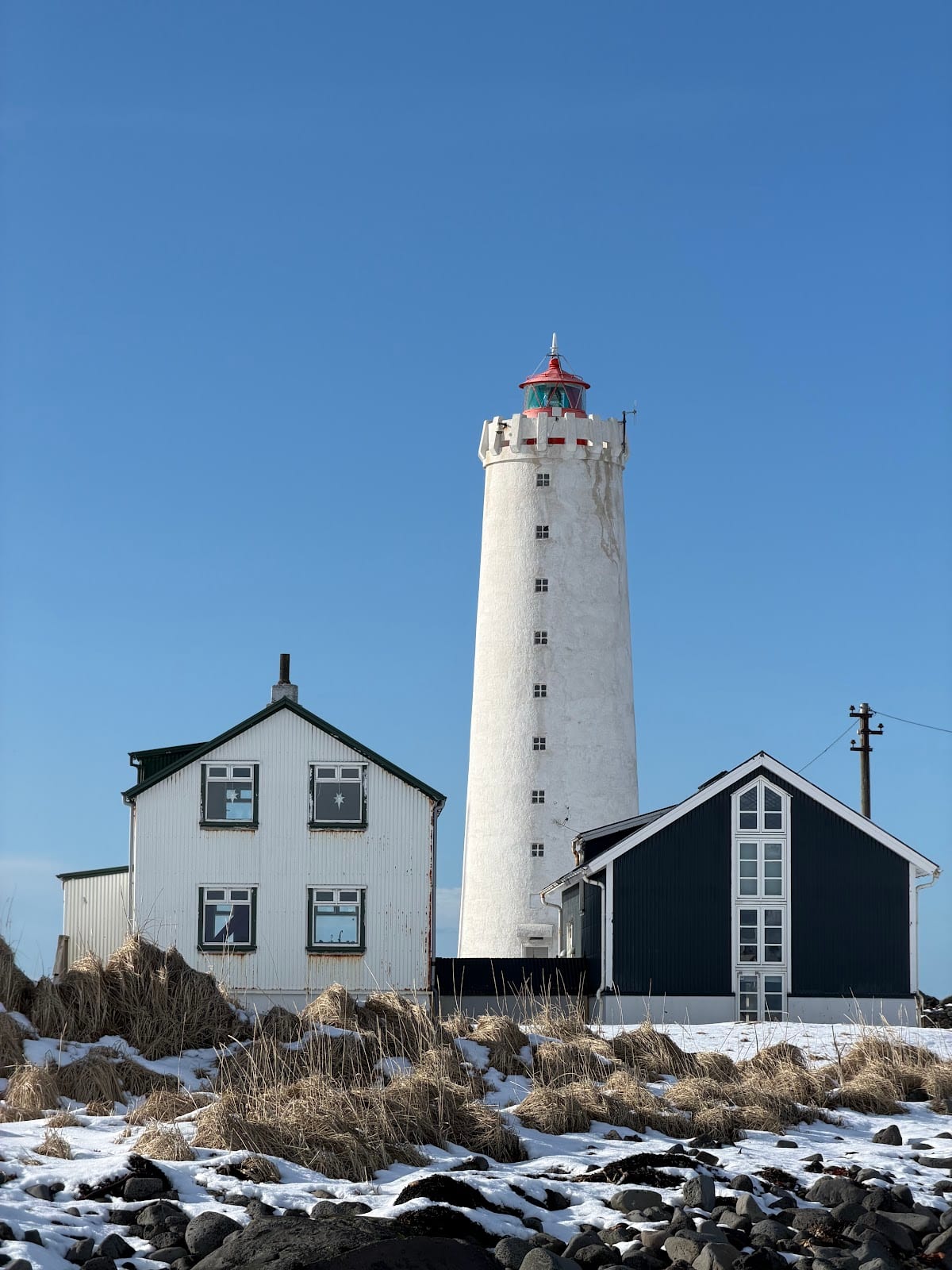
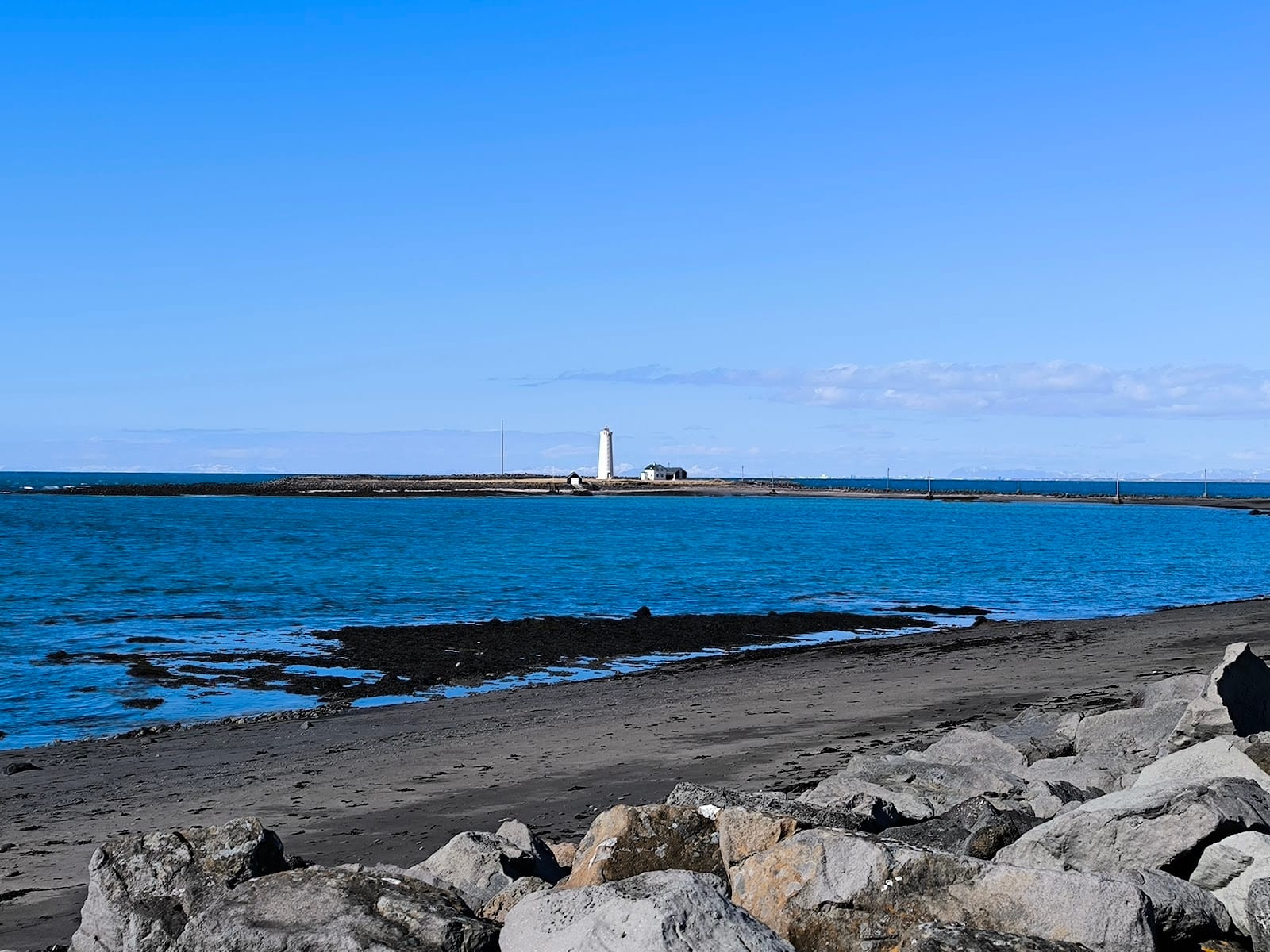
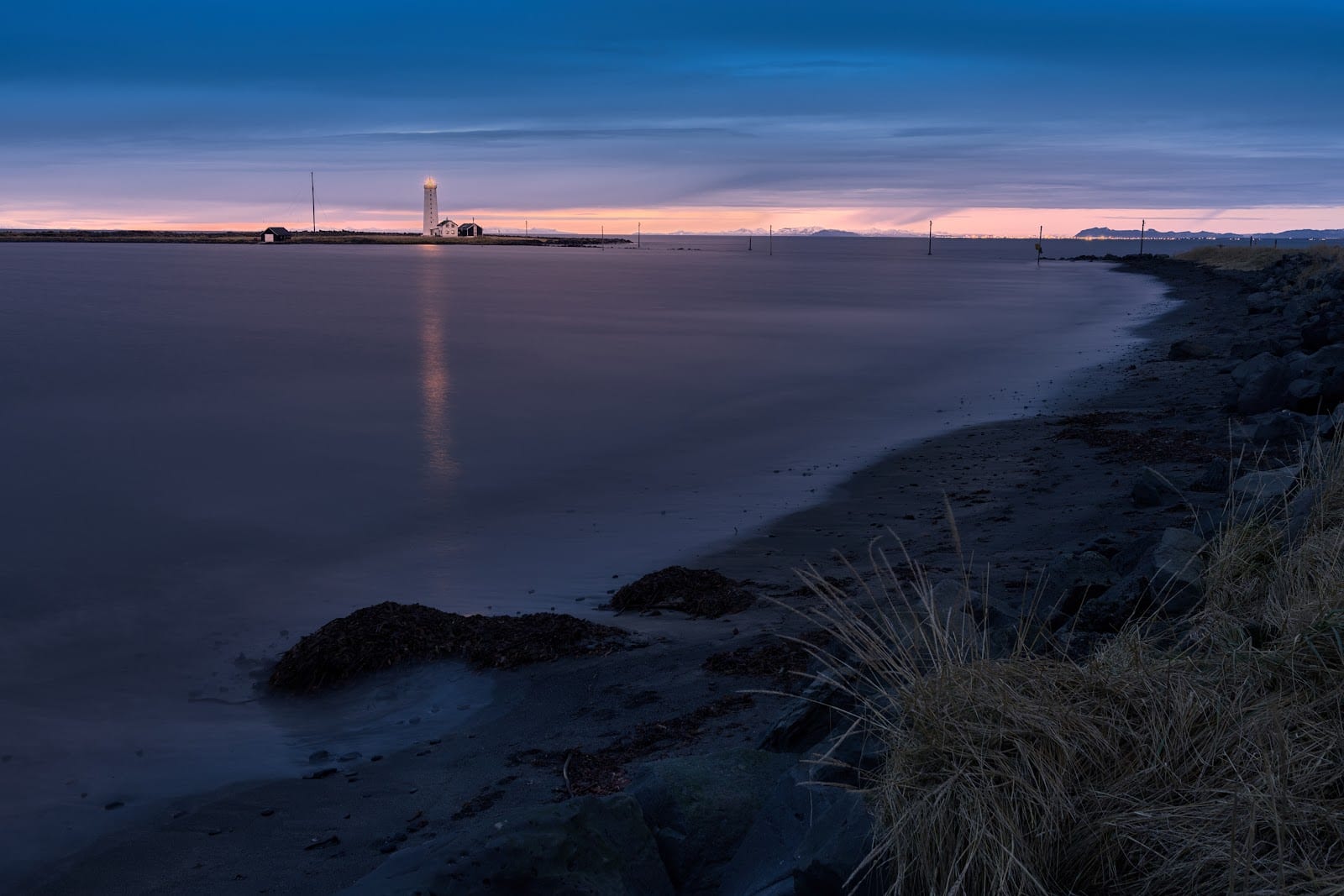
Grótta Lighthouse
This seaside nature area on Reykjavík’s Seltjarnarnes peninsula is one of the city’s best-known darker viewing points. In early spring, it can work well for a late aurora attempt while still offering a coastal walk by day.
Guide coming soon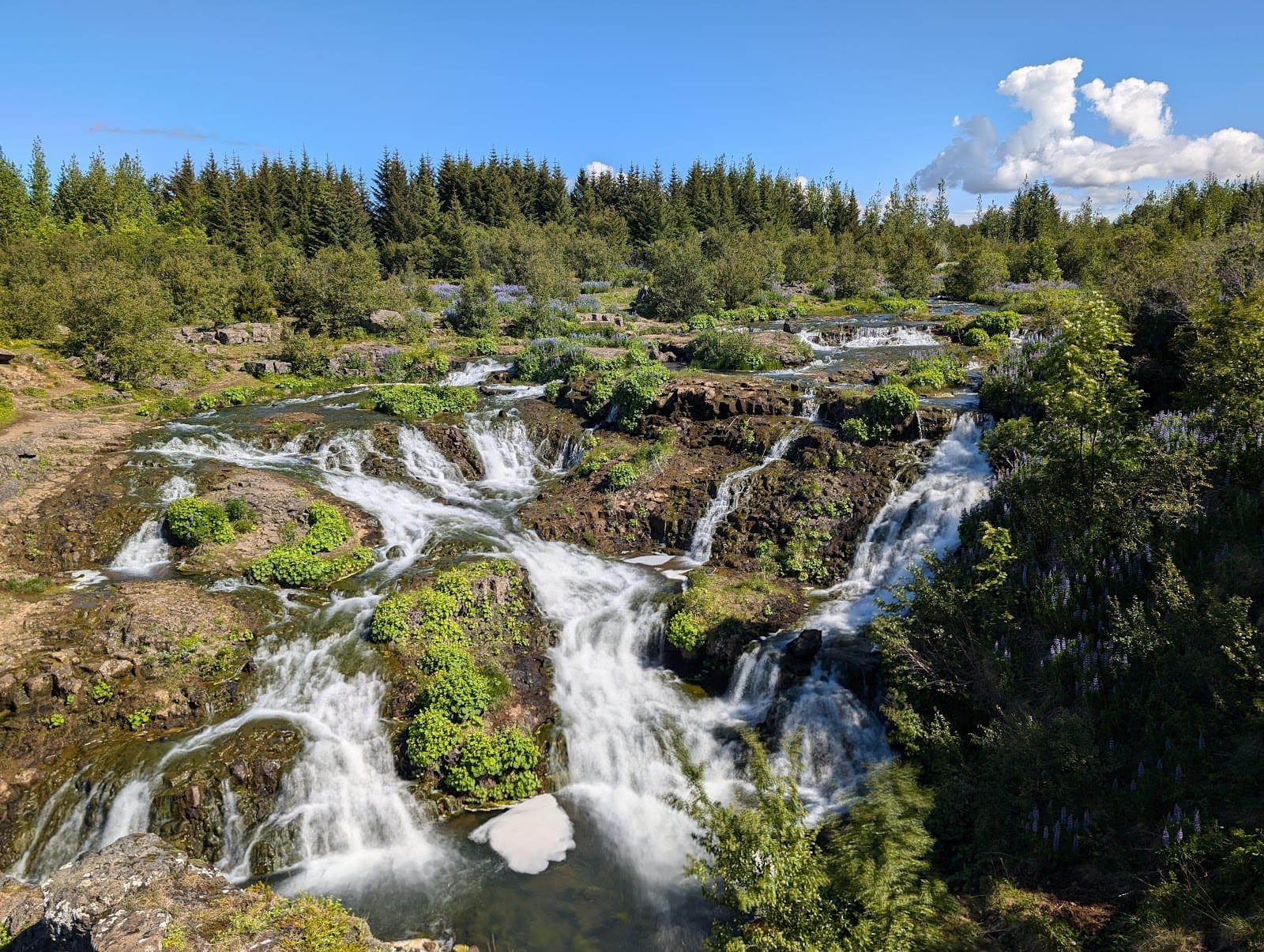
Elliðaárdalur
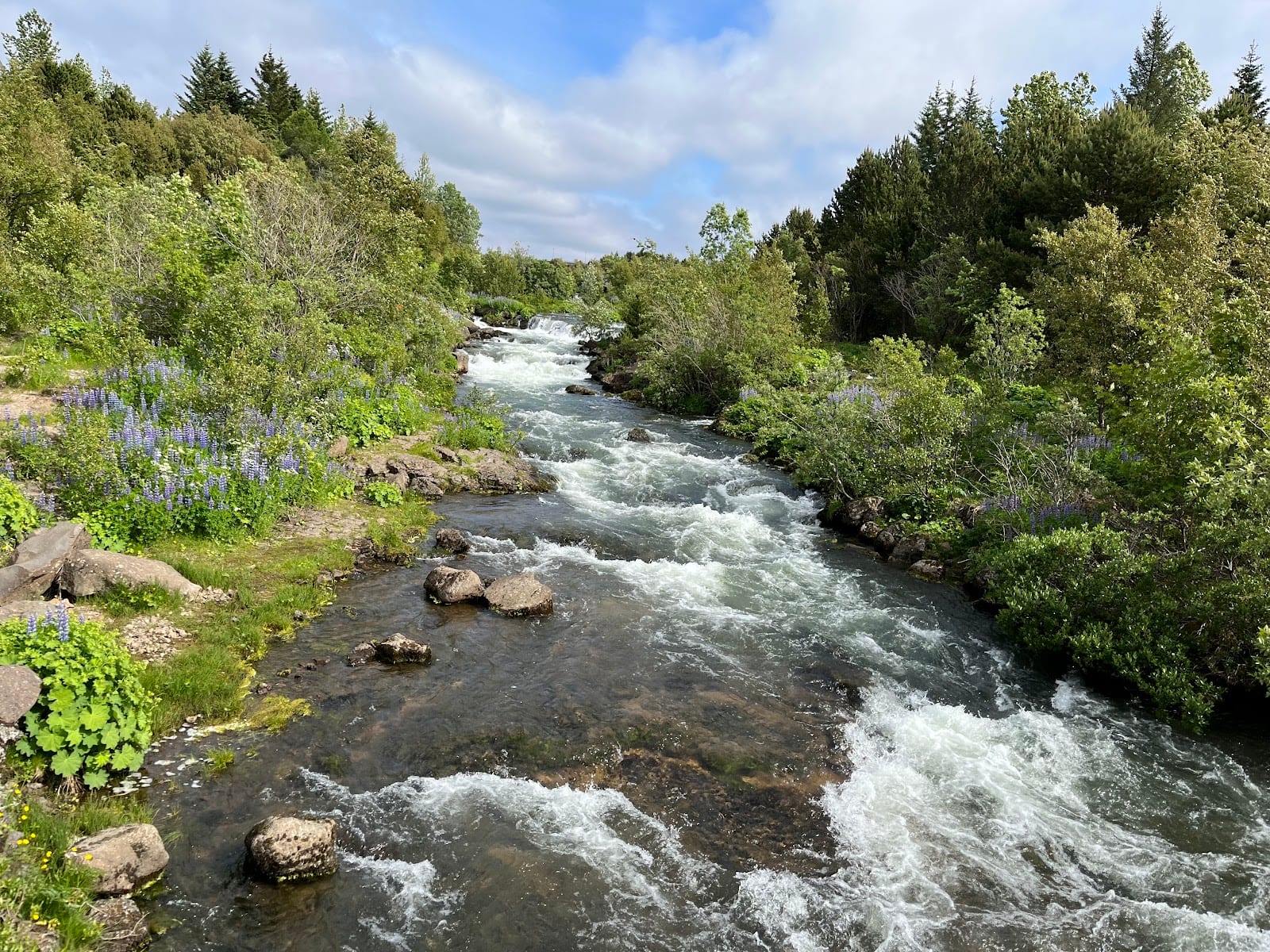
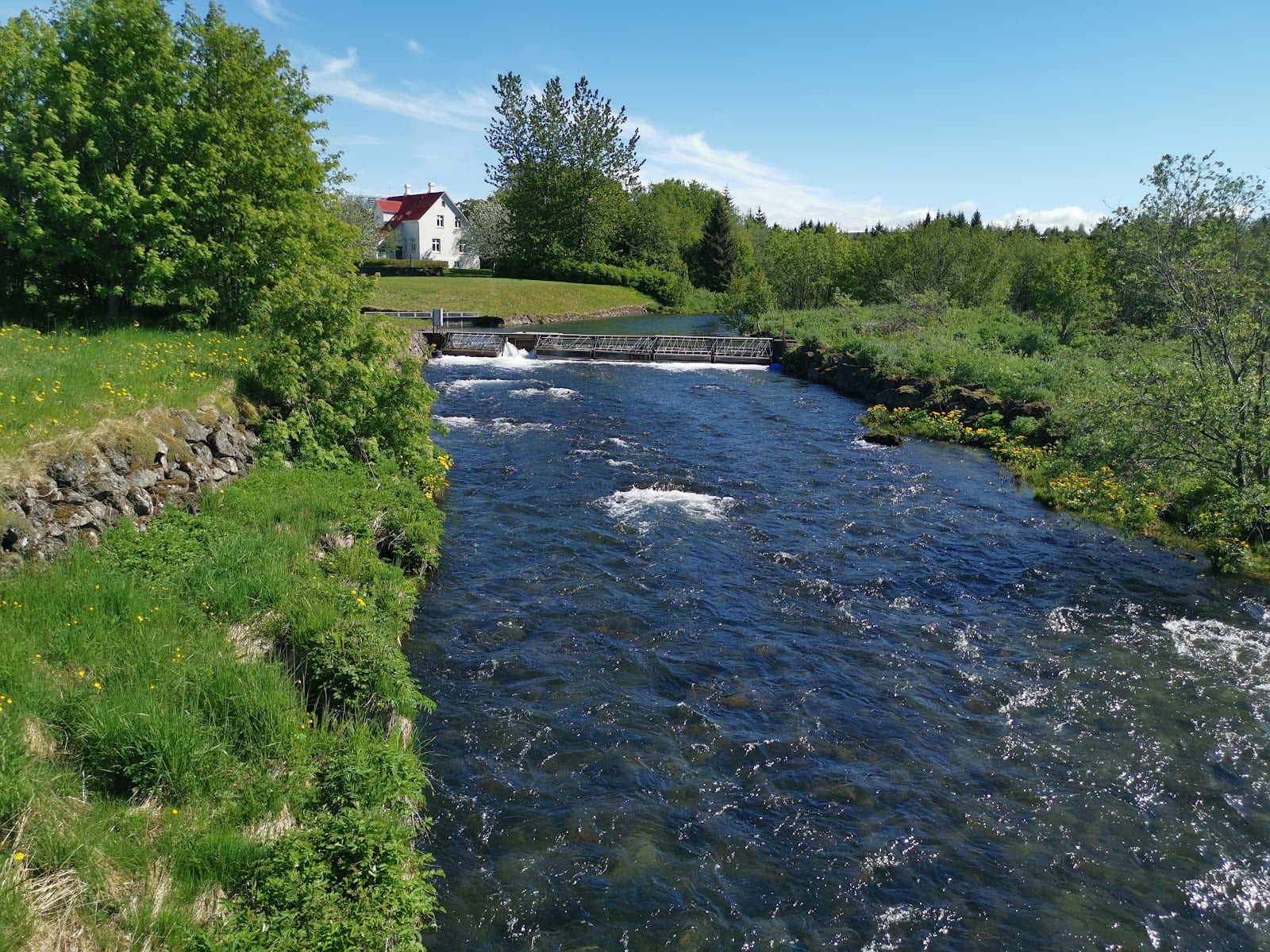
A green river valley within Reykjavík, Elliðaárdalur gives you a nature break close to the center. Spring brings thawing paths and longer daylight, though aurora visibility still depends on darkness and cloud cover.
Guide coming soon


Midnight sun is excellent for days, not aurora nights
Very bright summer nights mean the Northern Lights are not normally visible. June through August is also the busiest and generally most expensive period, though long daylight is useful for road trips, museums, pools, and coastal walks.
- Temperature
- 45-58 °F
- Crowds
- Peak
- Prices
- Highest
- Highlight
- Midnight sun
Where to see summer in Reykjavik
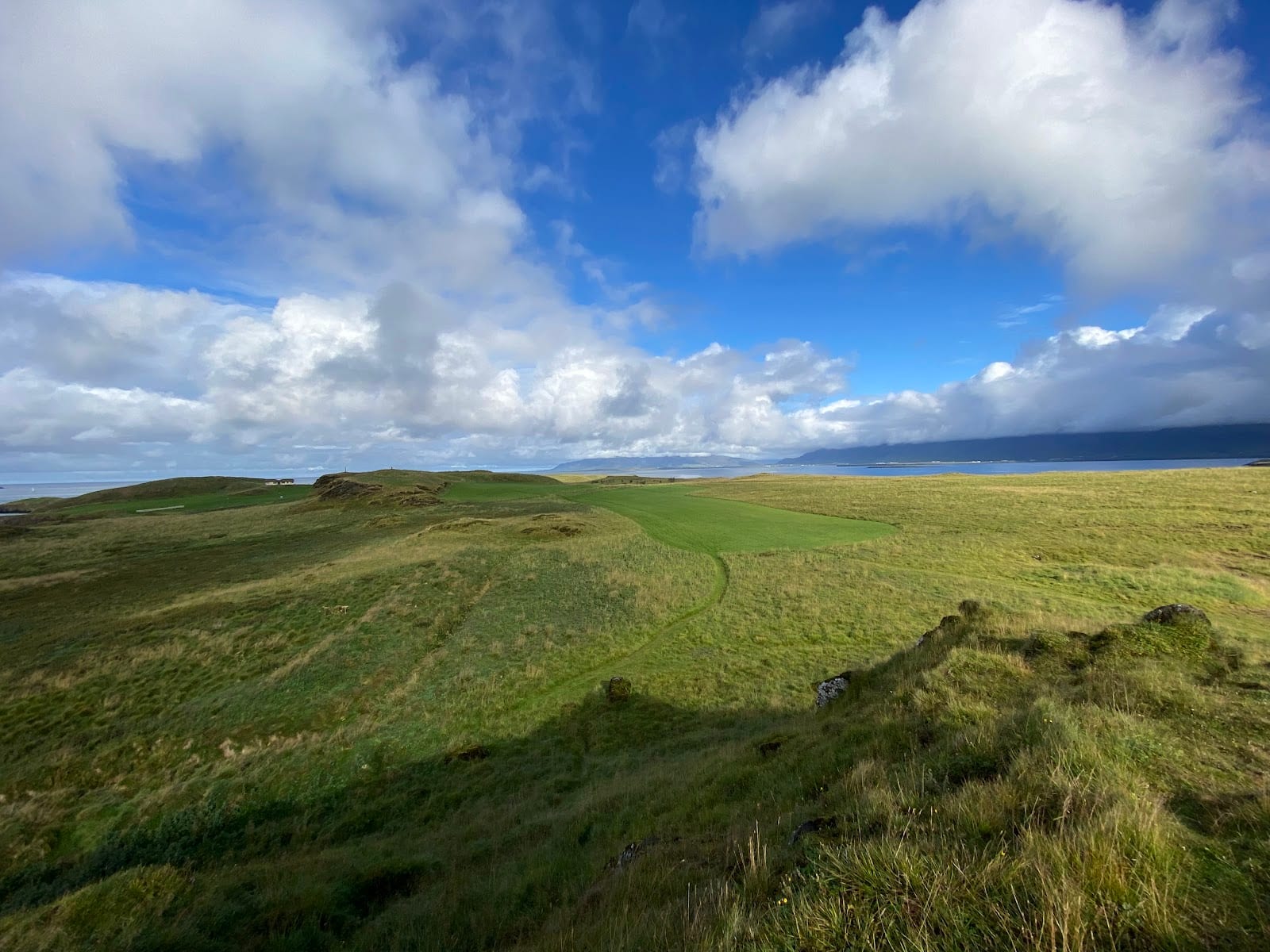
Viðey Island
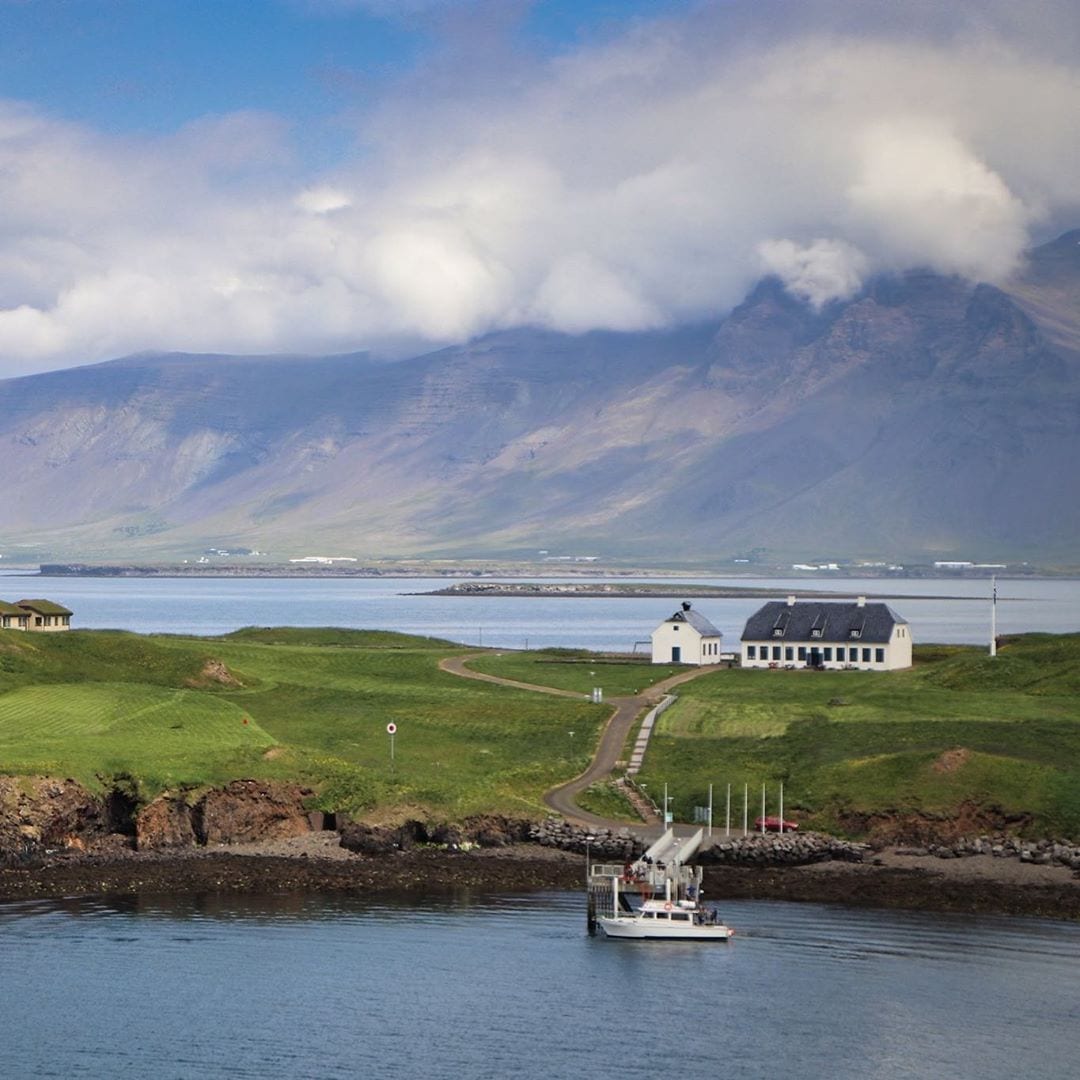
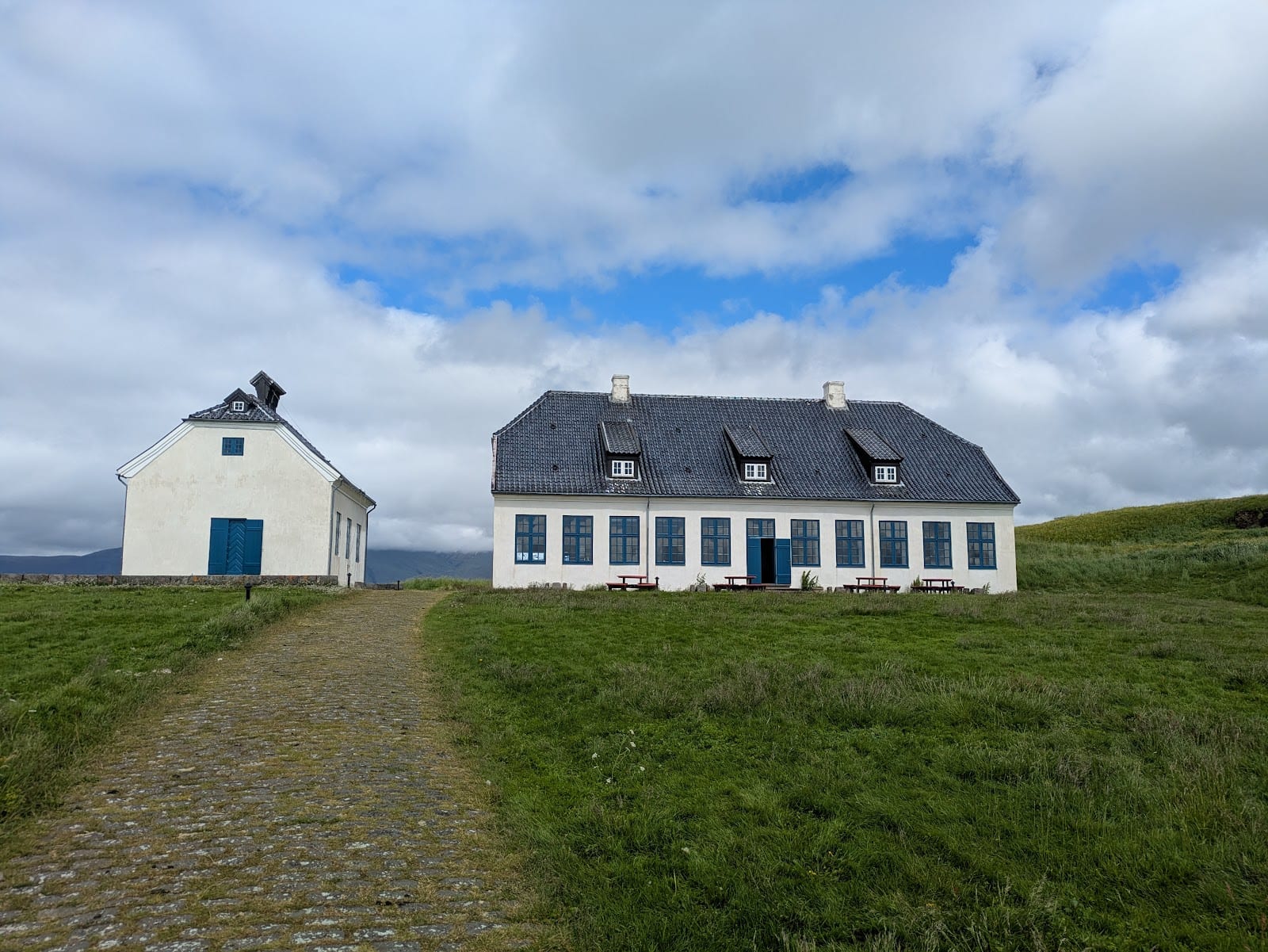
Viðey is a peaceful island reached by ferry from Reykjavík, with open views and walking trails. Summer is the time to visit for long bright evenings and easy outdoor exploring, not for Northern Lights.
Guide coming soon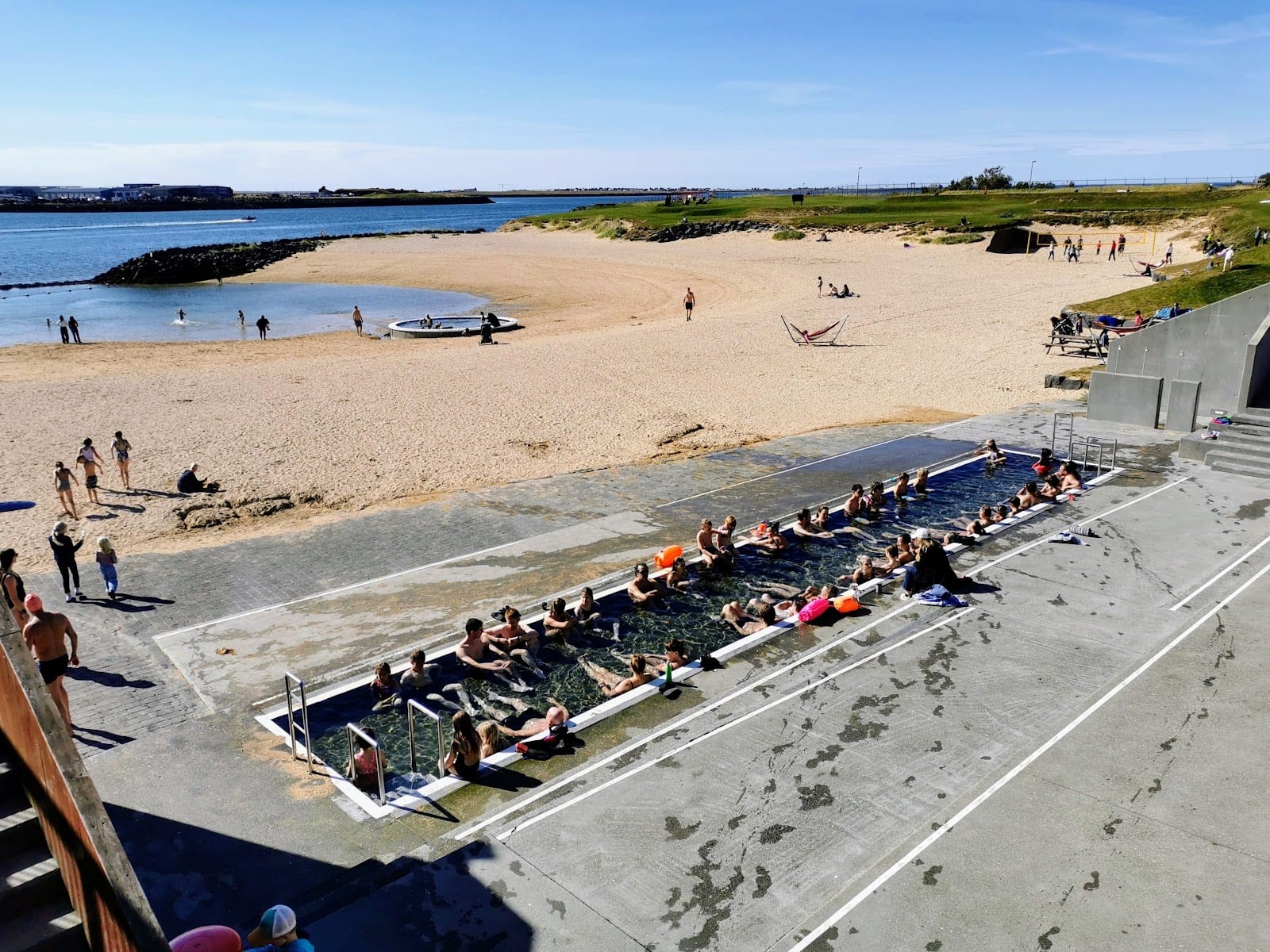
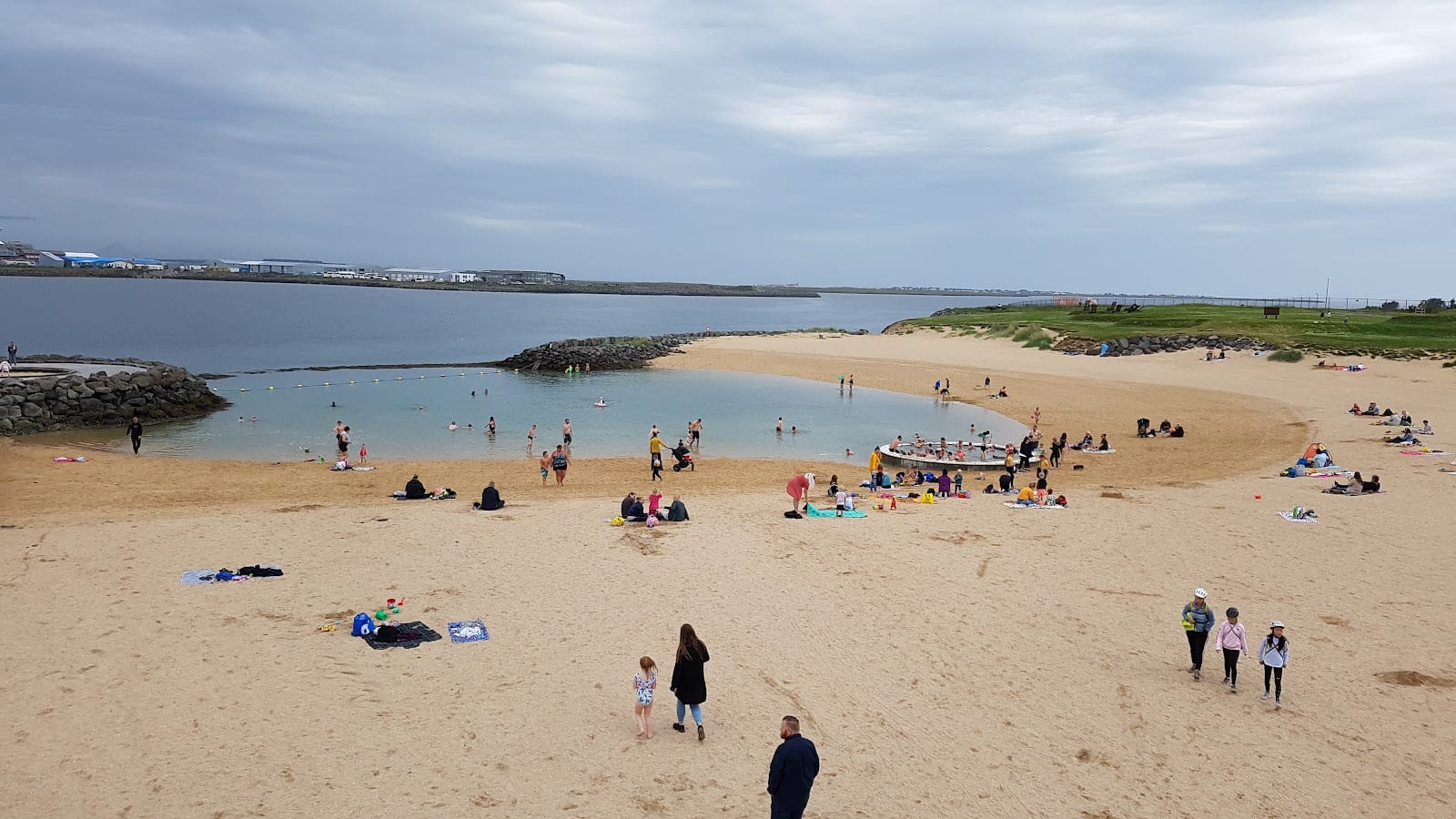
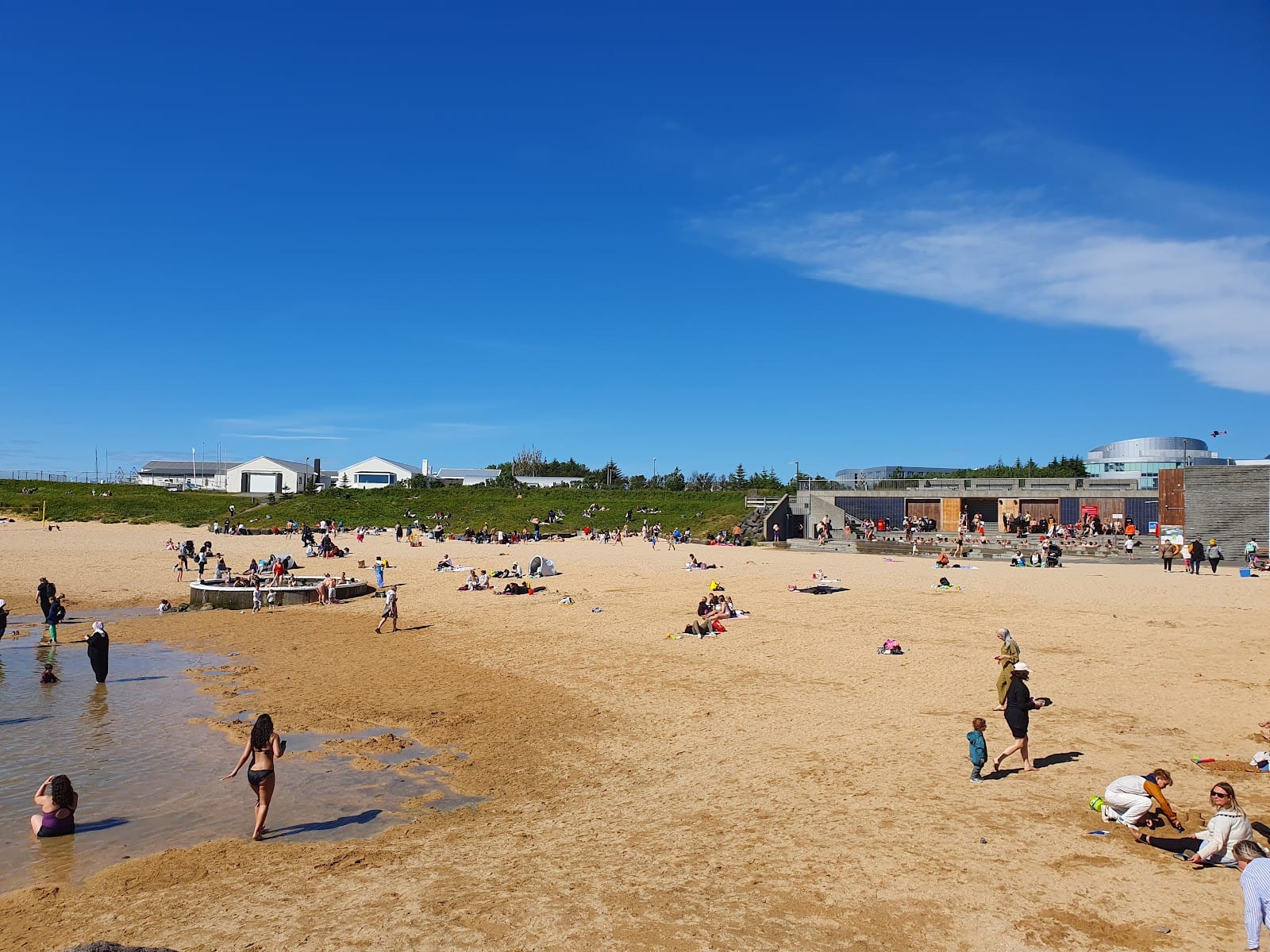
Nauthólsvík Geothermal Beach
This urban beach combines a sandy shoreline with geothermal seawater and outdoor facilities. The mildest, brightest months are best for enjoying the beach, while summer skies are too light for aurora viewing.
Guide coming soon


Darkness returns with a strong mix of access and value
Aurora viewing becomes possible again around late August or September, and October and November pair long nights with fewer visitors than summer. Cloud cover is often the main obstacle, so check both forecasts and bring waterproof layers for wind and rain.
- Temperature
- 31-51 °F
- Crowds
- Moderate
- Prices
- Moderate
- Highlight
- Aurora season
Where to see autumn in Reykjavik
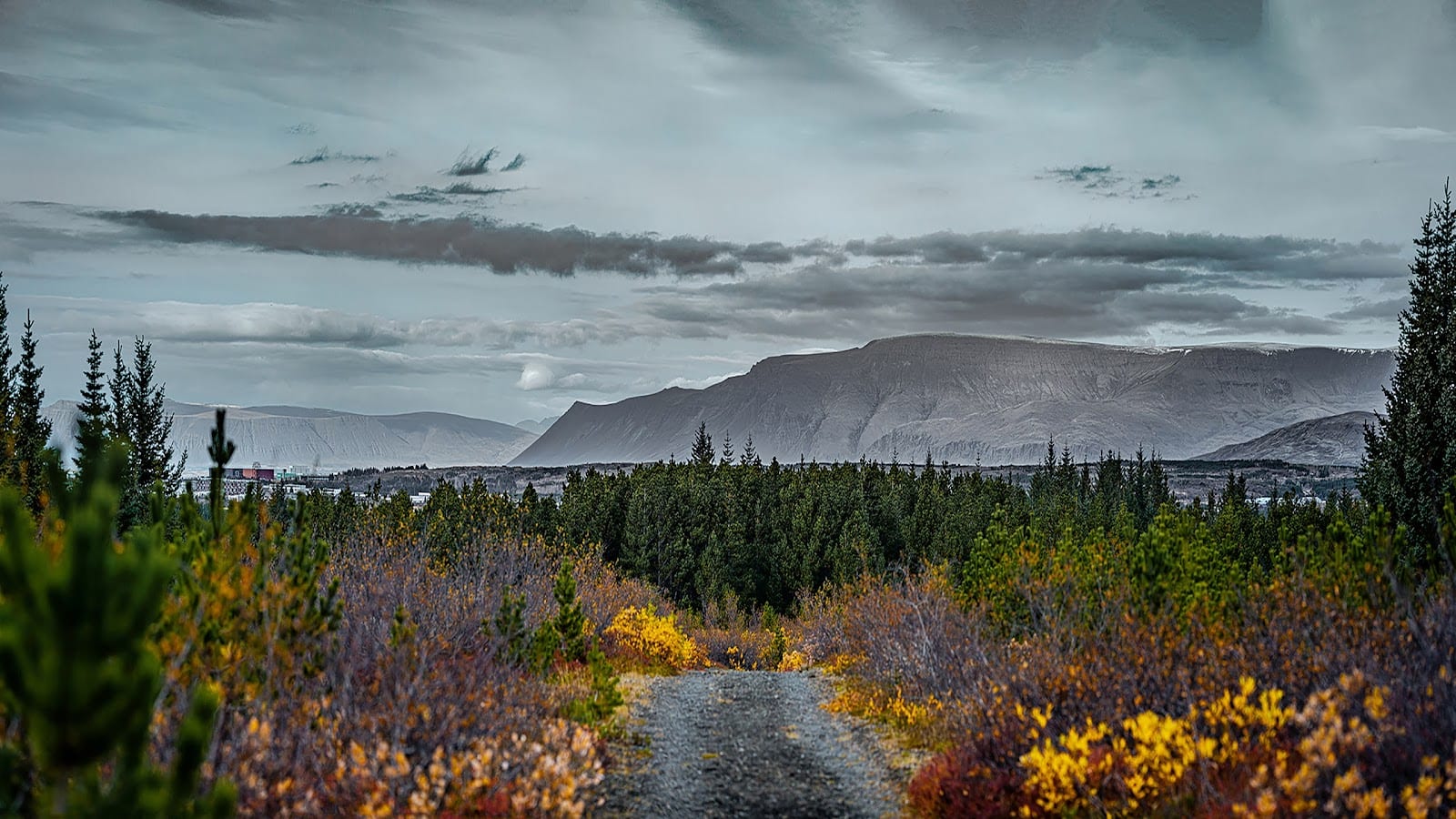
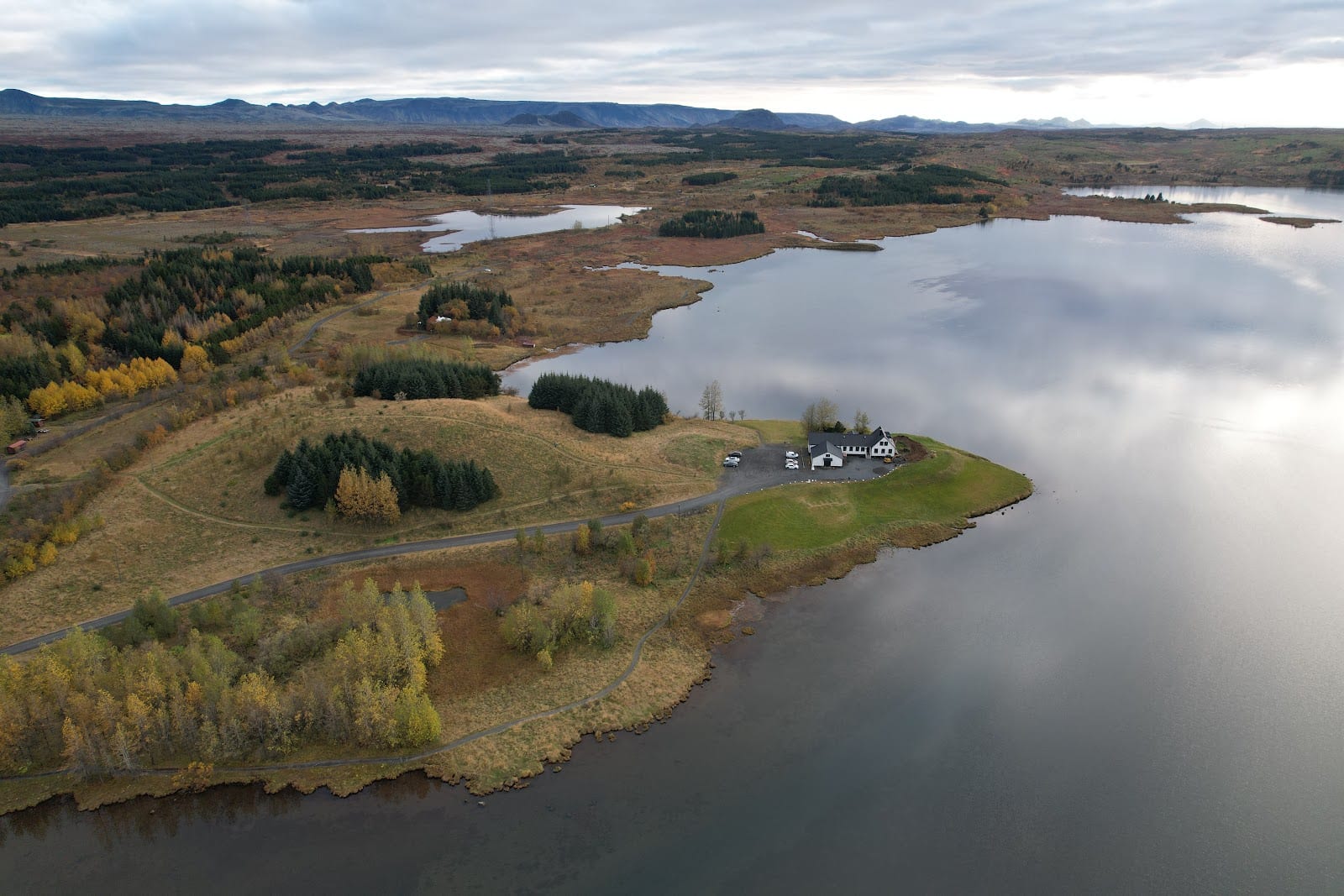
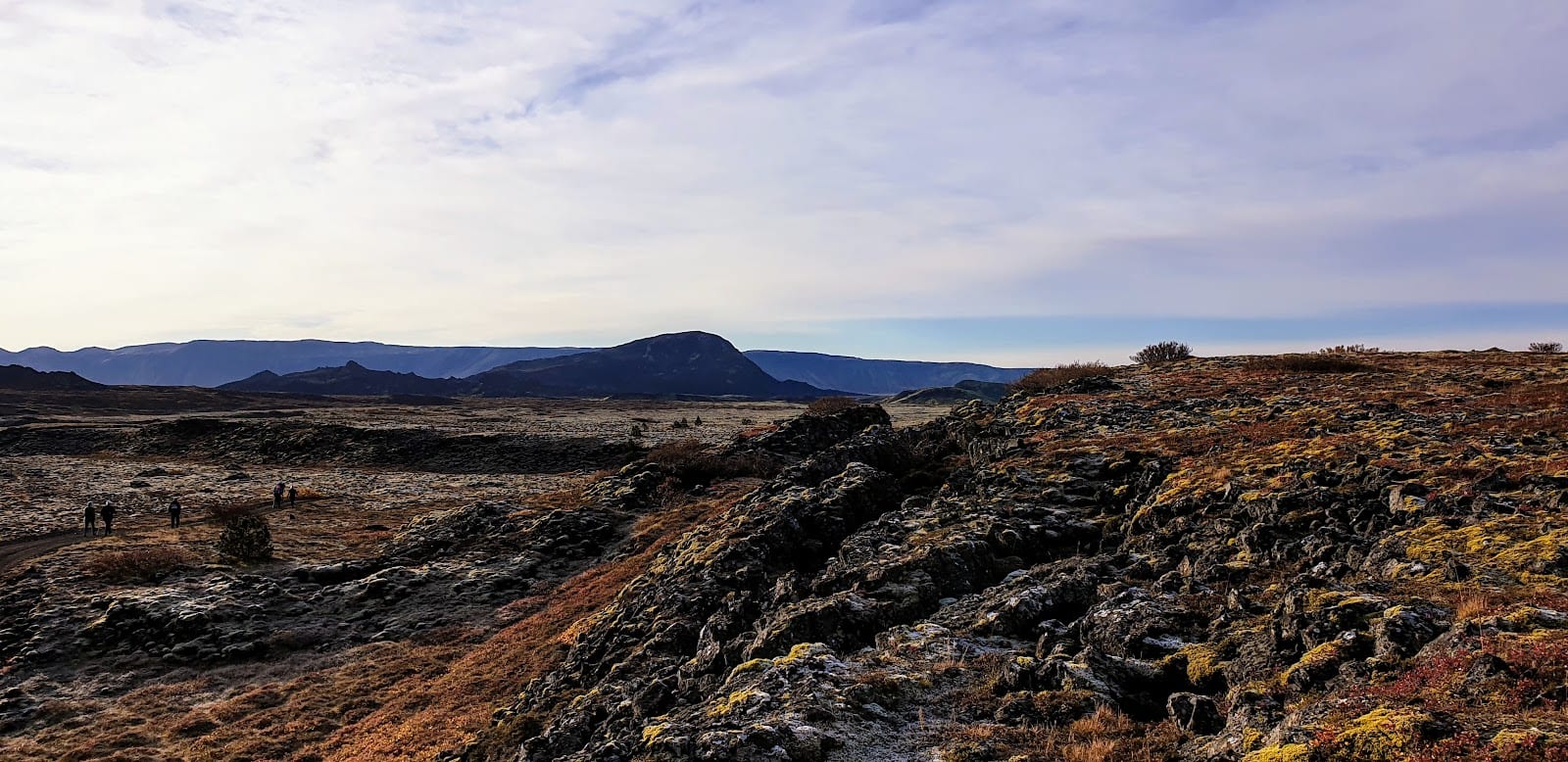
Heiðmörk Nature Reserve
Heiðmörk is a broad woodland and lava-field area on Reykjavík’s outskirts with less city glare than the center. Autumn’s returning darkness makes it a useful self-drive option when skies are clear and roads are safe.
Guide coming soon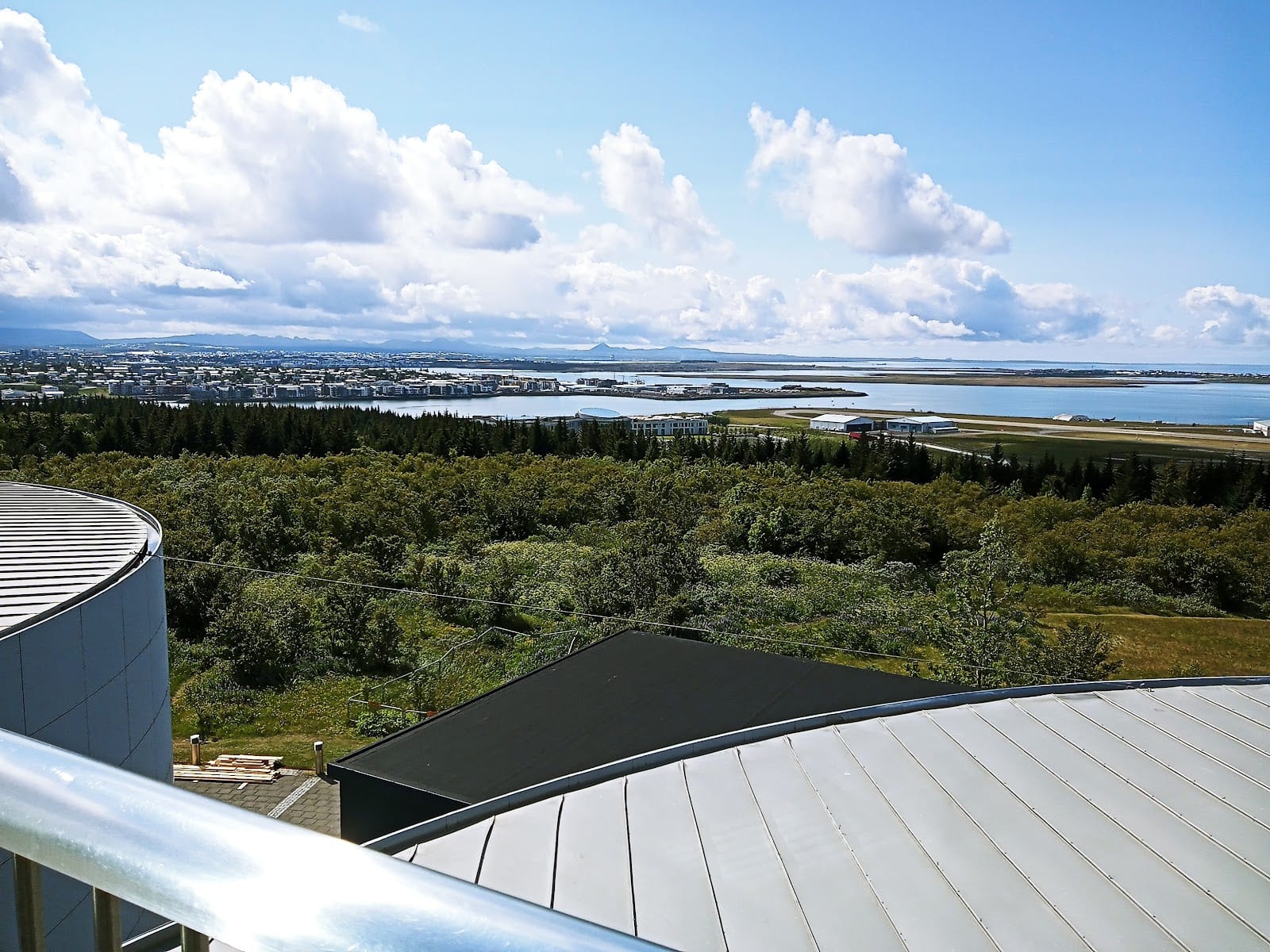
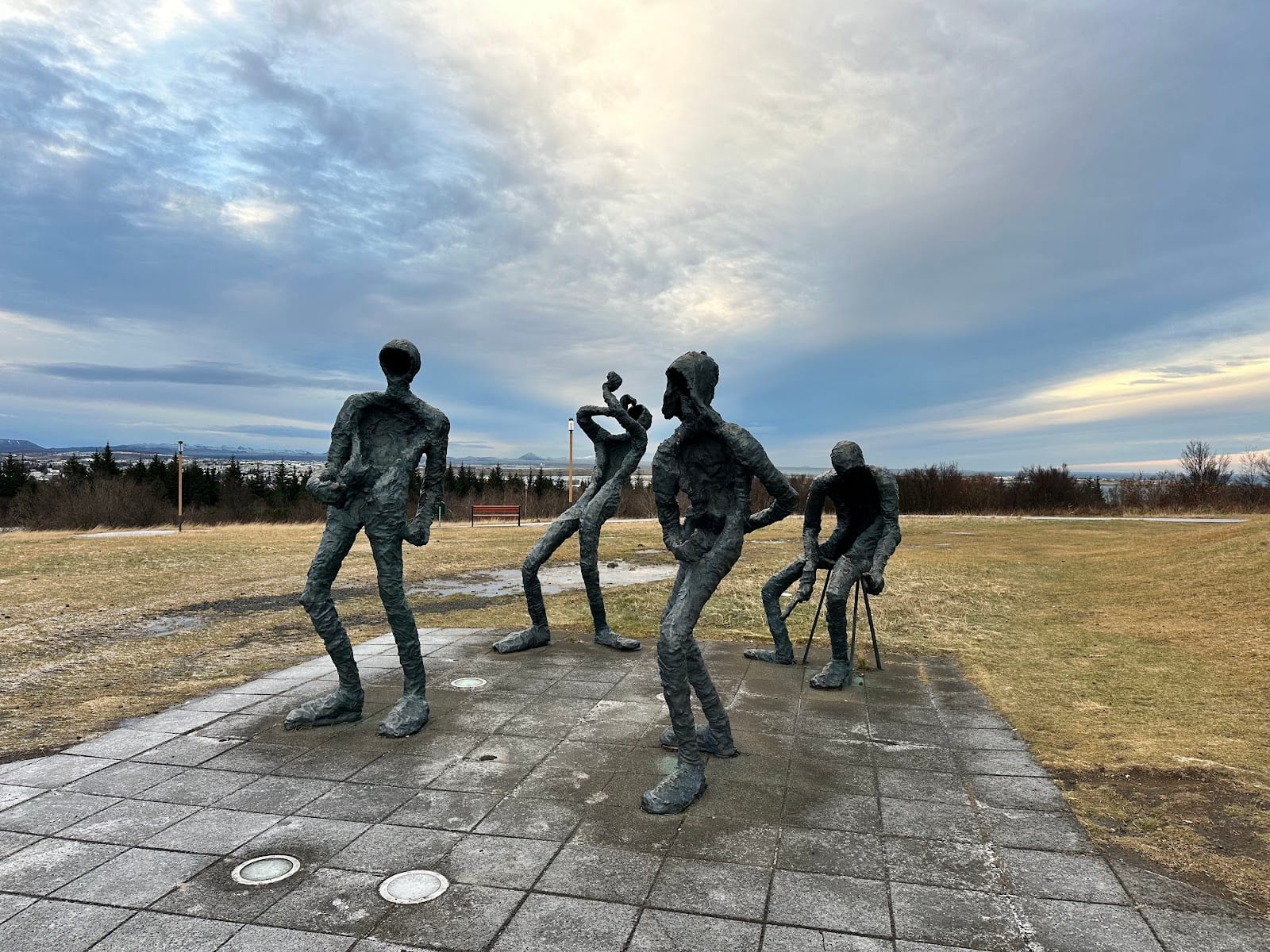
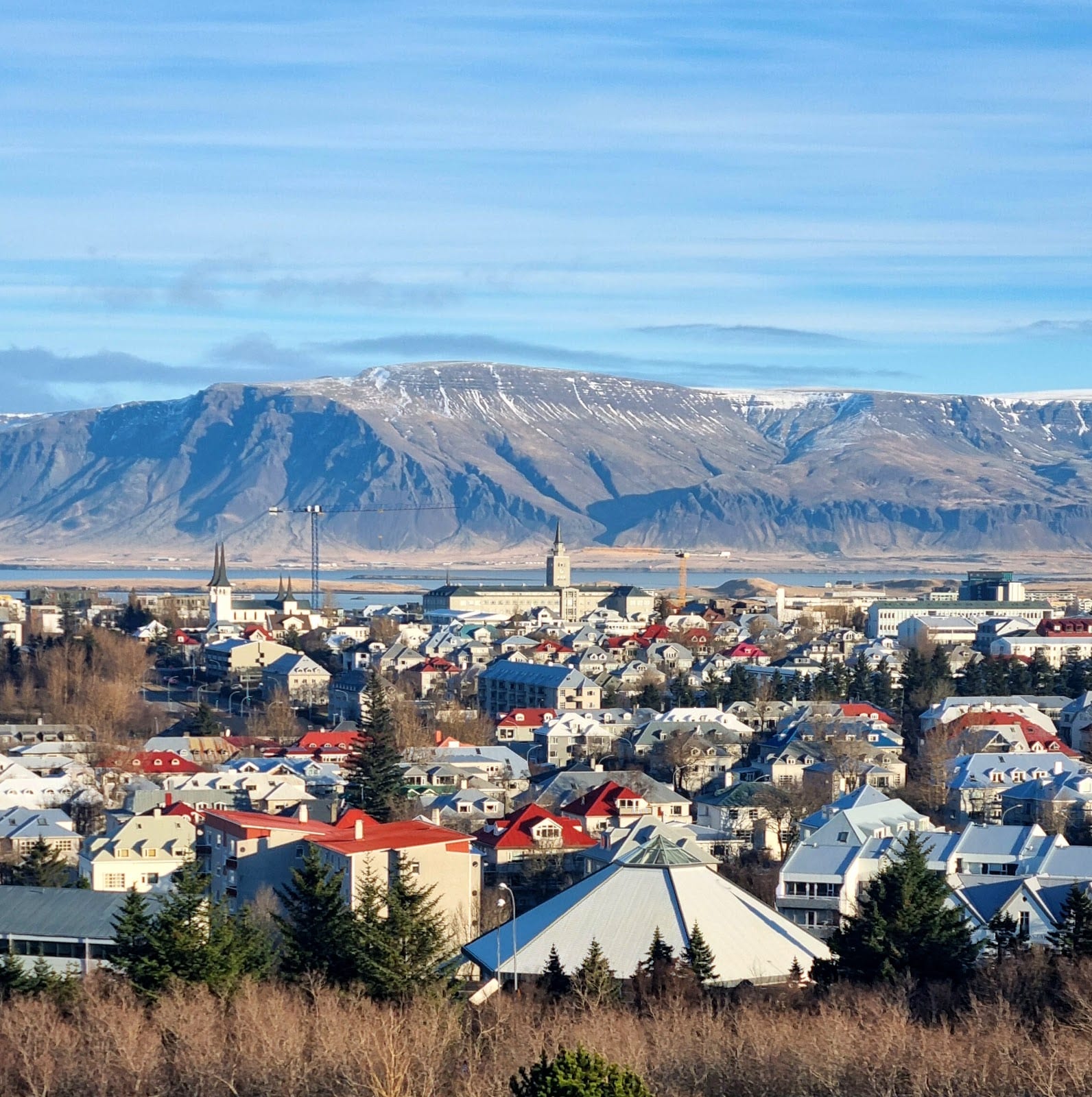
Öskjuhlíð
The wooded hill around Perlan offers trails and elevated views close to central Reykjavík. Visit in autumn for colorful walks by day and a possible aurora glimpse from a darker patch away from the brightest streets.
Guide coming soon


Maximum darkness, with weather as the trade-off
December through February gives you the longest periods of darkness for aurora attempts, and October to March is generally the strongest viewing window. Cold, wind, snow, and storms can disrupt plans, while Christmas and New Year raise demand and prices.
- Temperature
- 28-37 °F
- Crowds
- Low
- Prices
- Moderate
- Highlight
- Maximum darkness
Where to see winter in Reykjavik
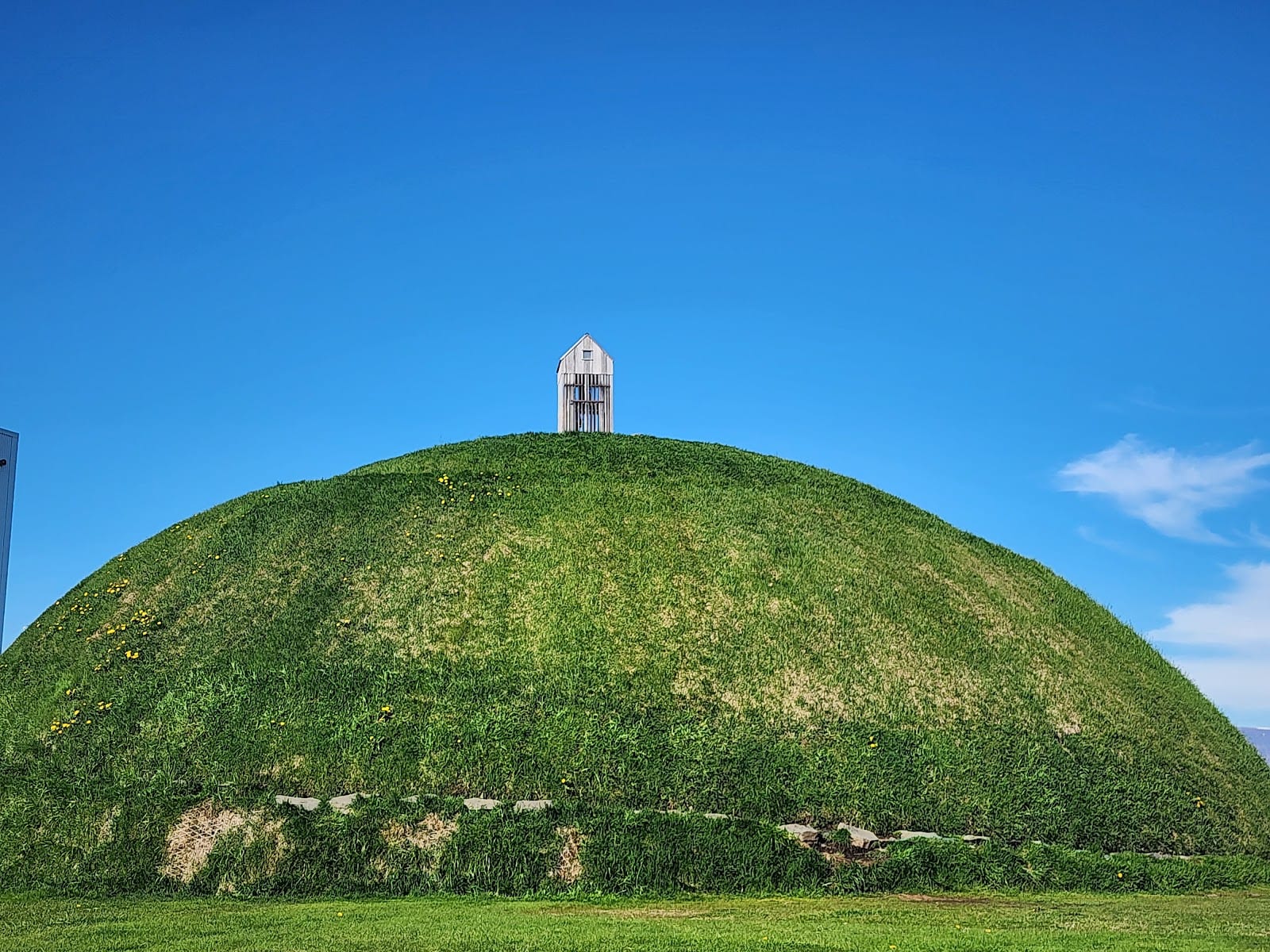
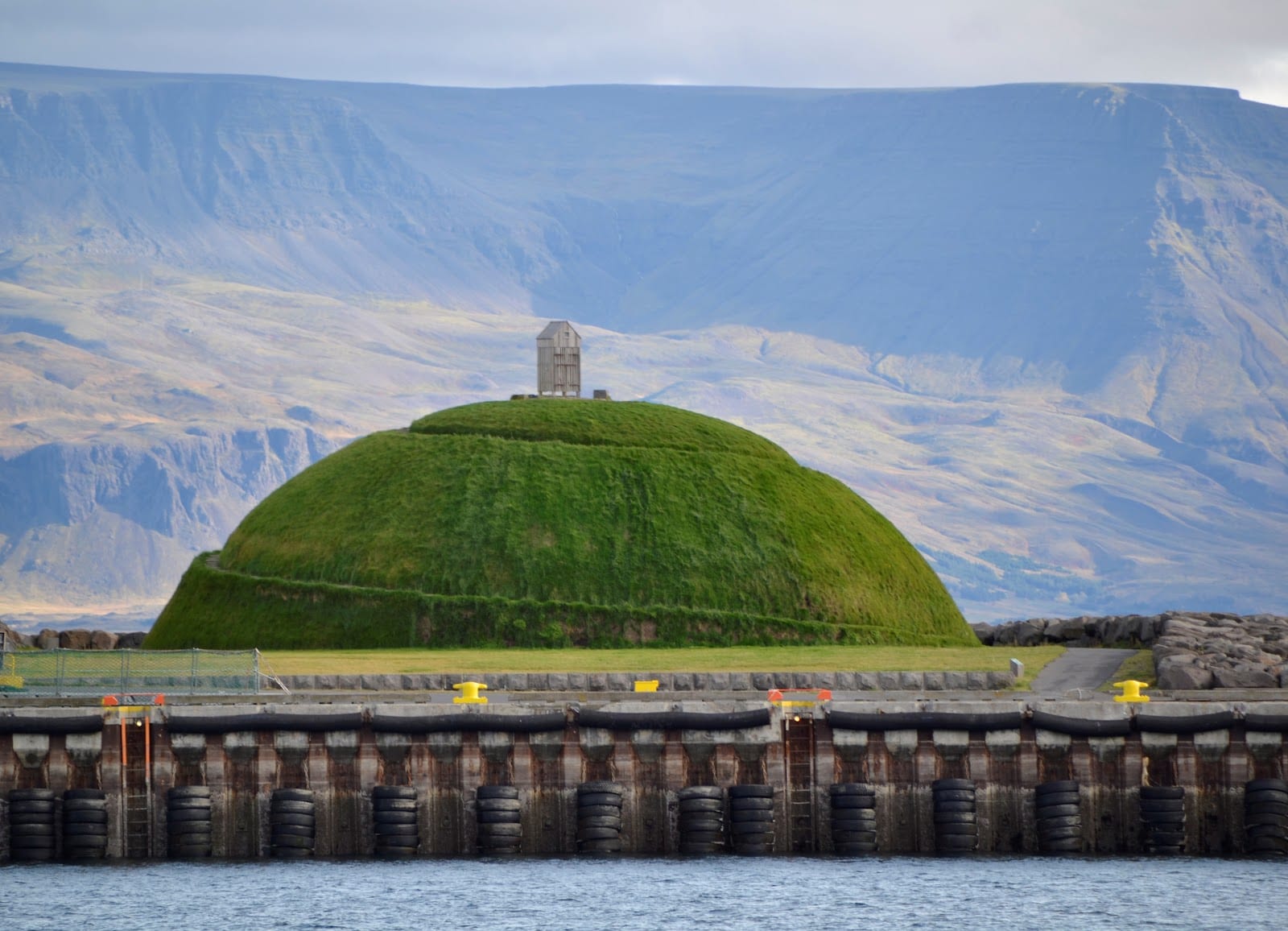
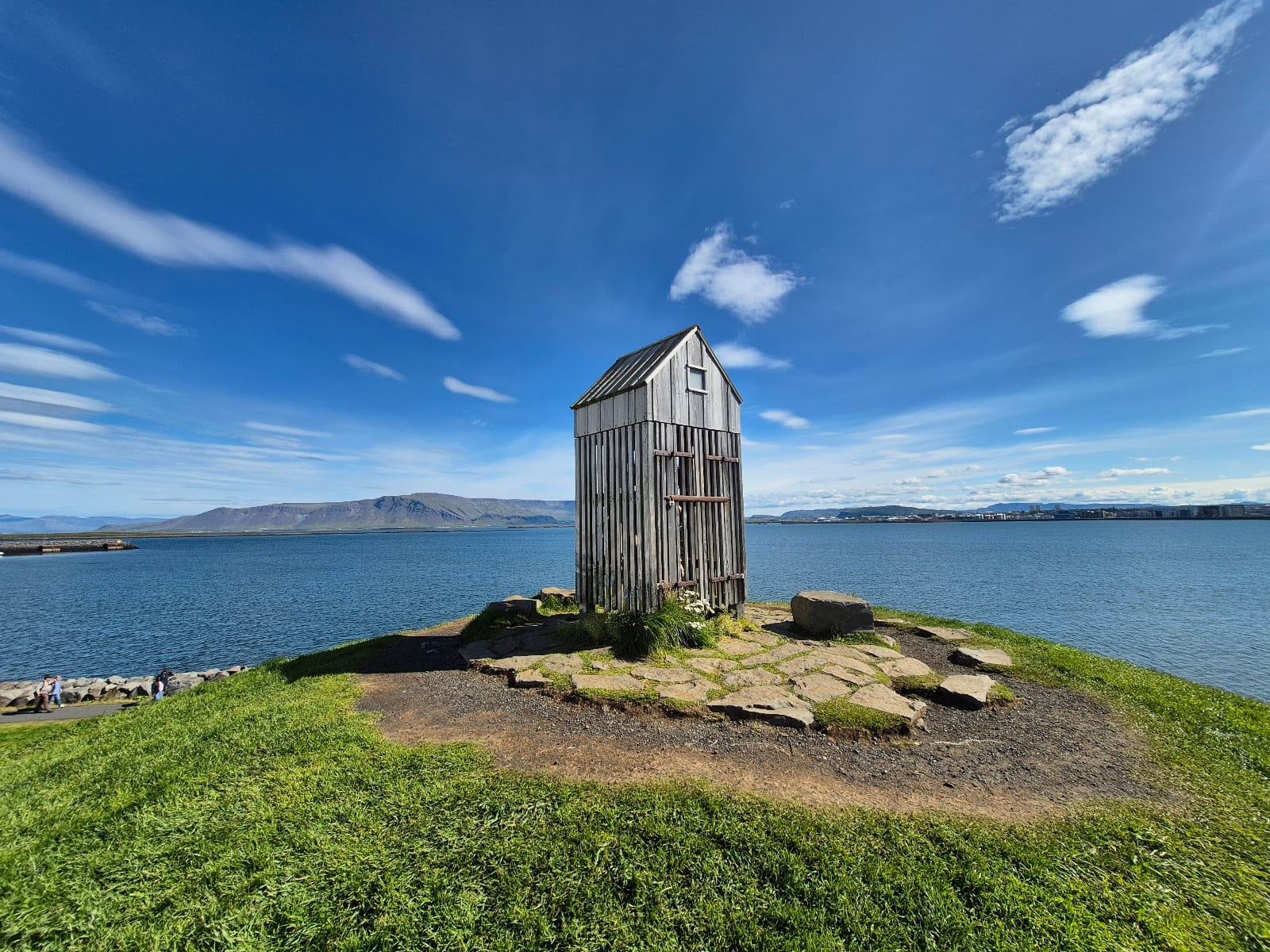
Þúfa
Þúfa is a grassy sculptural mound beside Reykjavík’s harbor with broad views across the water. Winter’s long darkness makes it a convenient short outing, although nearby lights can still affect faint auroras.
Guide coming soon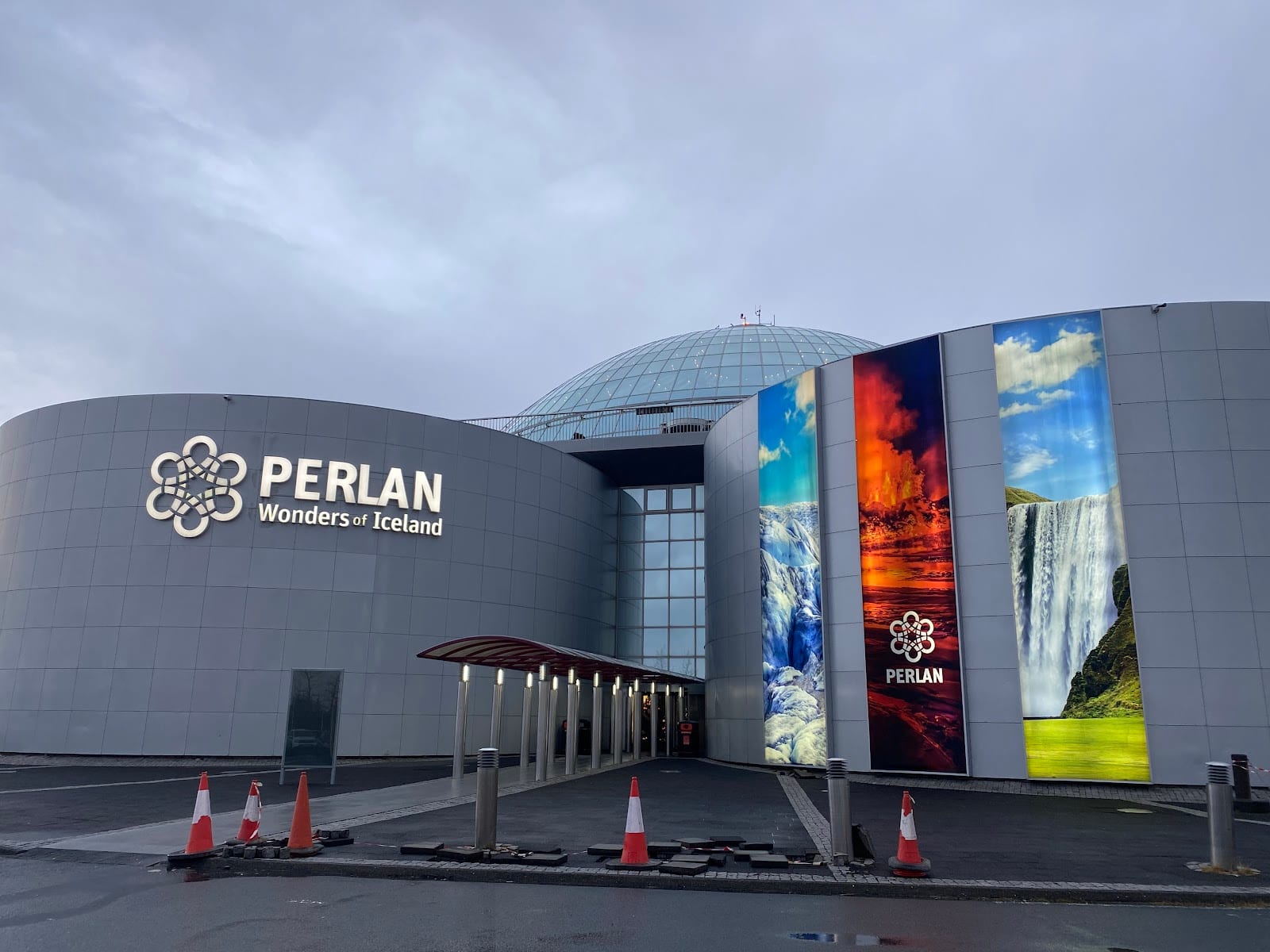
Perlan
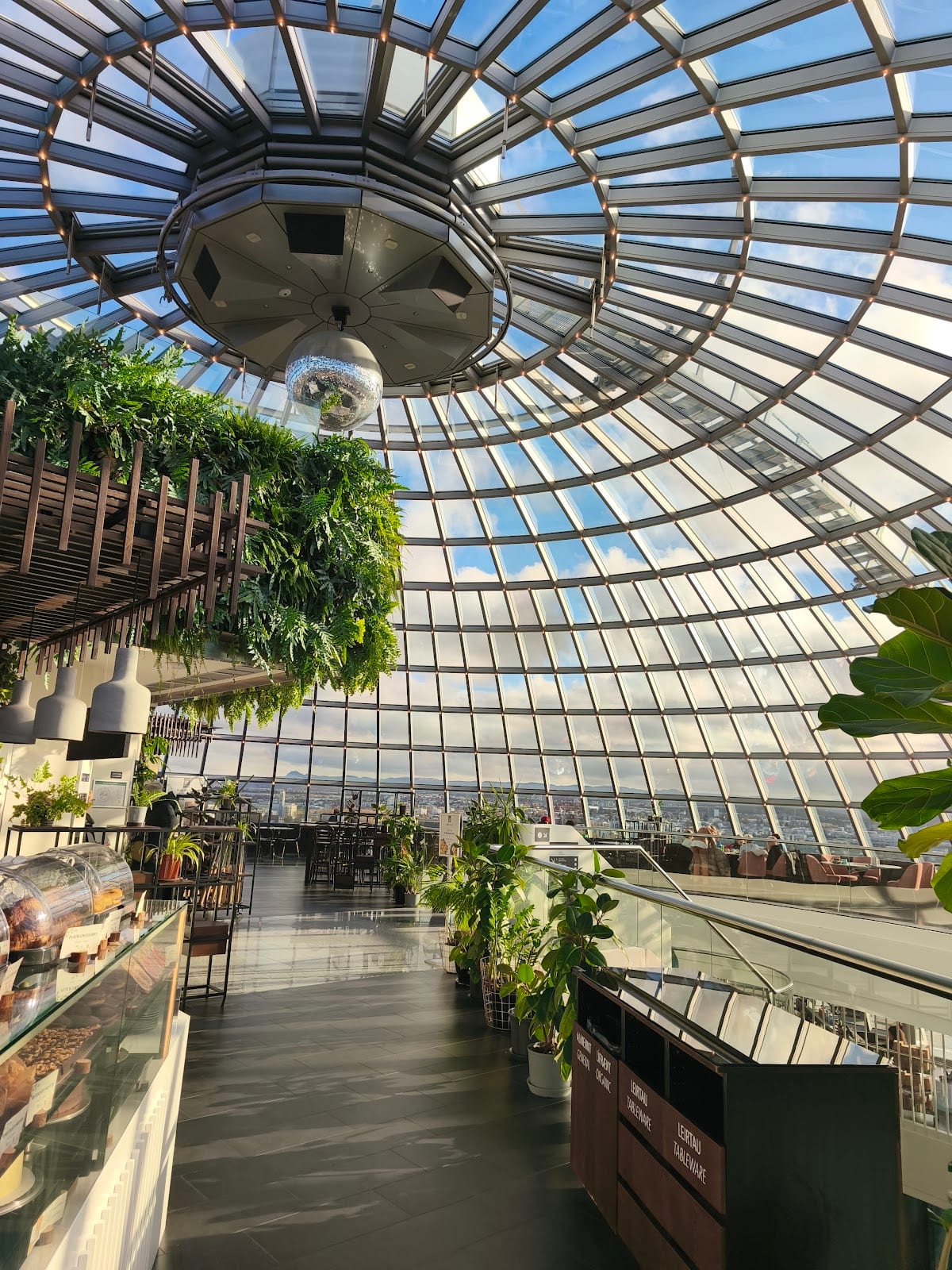
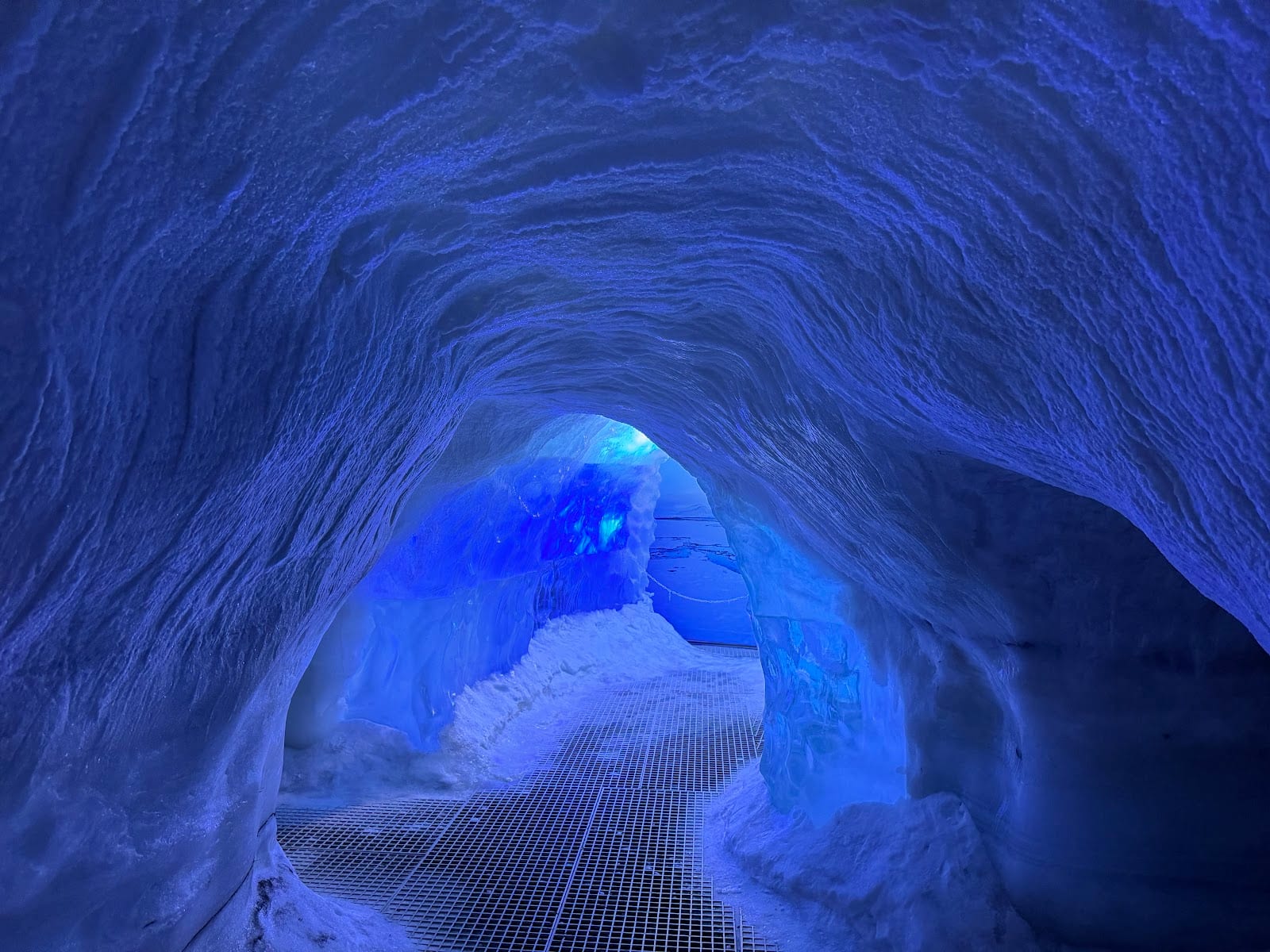
Perlan is a landmark museum and observation point on Öskjuhlíð, useful when winter weather turns unpleasant. Its exhibitions provide a reliable indoor Northern Lights introduction, but outdoor viewing is better away from city lights.
Guide coming soon


Plan your aurora trip with Zoya
Ask Zoya, your personal travel assistant, to shape a Reykjavík plan around dark nights, flexible forecasts, and the experiences you want between aurora attempts.
Explore now