

Reykjavik · when to go
What Is the Best Time to Visit Reykjavik?
Spring and autumn are the best overall seasons to visit Reykjavik, balancing manageable crowds, useful daylight, and better value. Summer is best for open roads and long outdoor days, while winter is the pick for northern lights and lower prices.
Reykjavik in brief
What is the best month to travel to Iceland?
July is the best all-round month for road trips, hiking, and highland access because daylight is longest and weather is mildest. It is also Iceland's busiest and most expensive period.
What I wish I knew before going to Iceland?
Reykjavik weather can change quickly in any season. Bring waterproof outer layers, warm mid-layers, and sturdy shoes, even for a summer visit.
How many days in Reykjavik is enough?
Two to three full days cover the main sights, pools, museums, and a short excursion. Add more time for the Golden Circle, whale watching, or longer day trips.
Reykjavik through the year
Reykjavik weather by month, at a glance
The month-by-month view shows temperature, daylight, crowds, and the seasonal moments worth timing your trip around.
Reykjavik seasons
The best season for your kind of Iceland trip
Spring and autumn are the best balanced seasons, summer is strongest for outdoor access, and winter offers the best value and darkest skies for aurora trips.

Longer days, greener landscapes, and a gentler start to the season
Spring is a flexible shoulder season with quickly increasing daylight, moderate prices, and fewer visitors than summer. March can still bring northern-lights opportunities, while April improves whale watching and May adds greener scenery.
- Temperature
- 30-50°F
- Crowds
- Moderate
- Prices
- Moderate
- Highlight
- Longer daylight
Where to see spring in Reykjavik
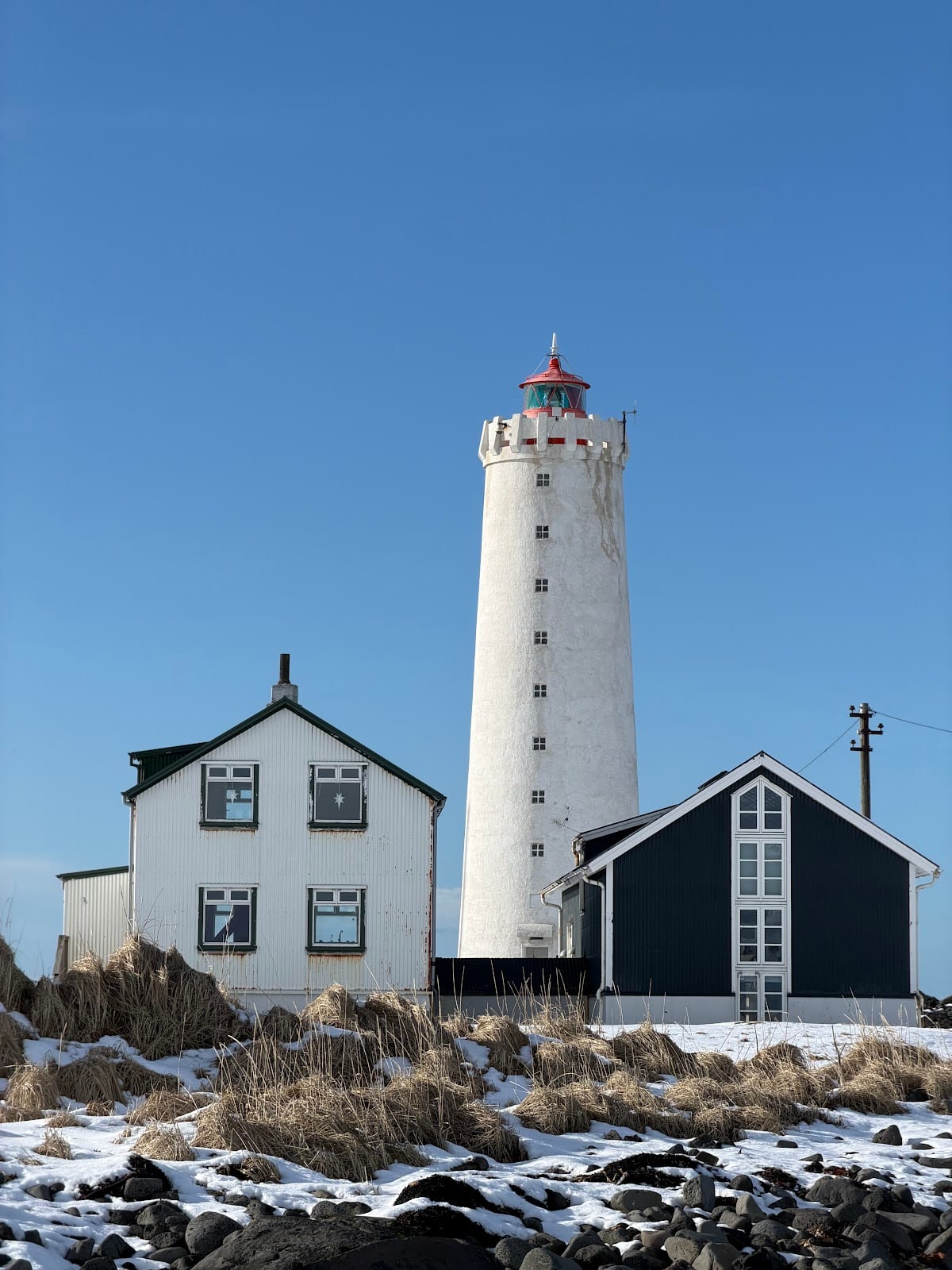
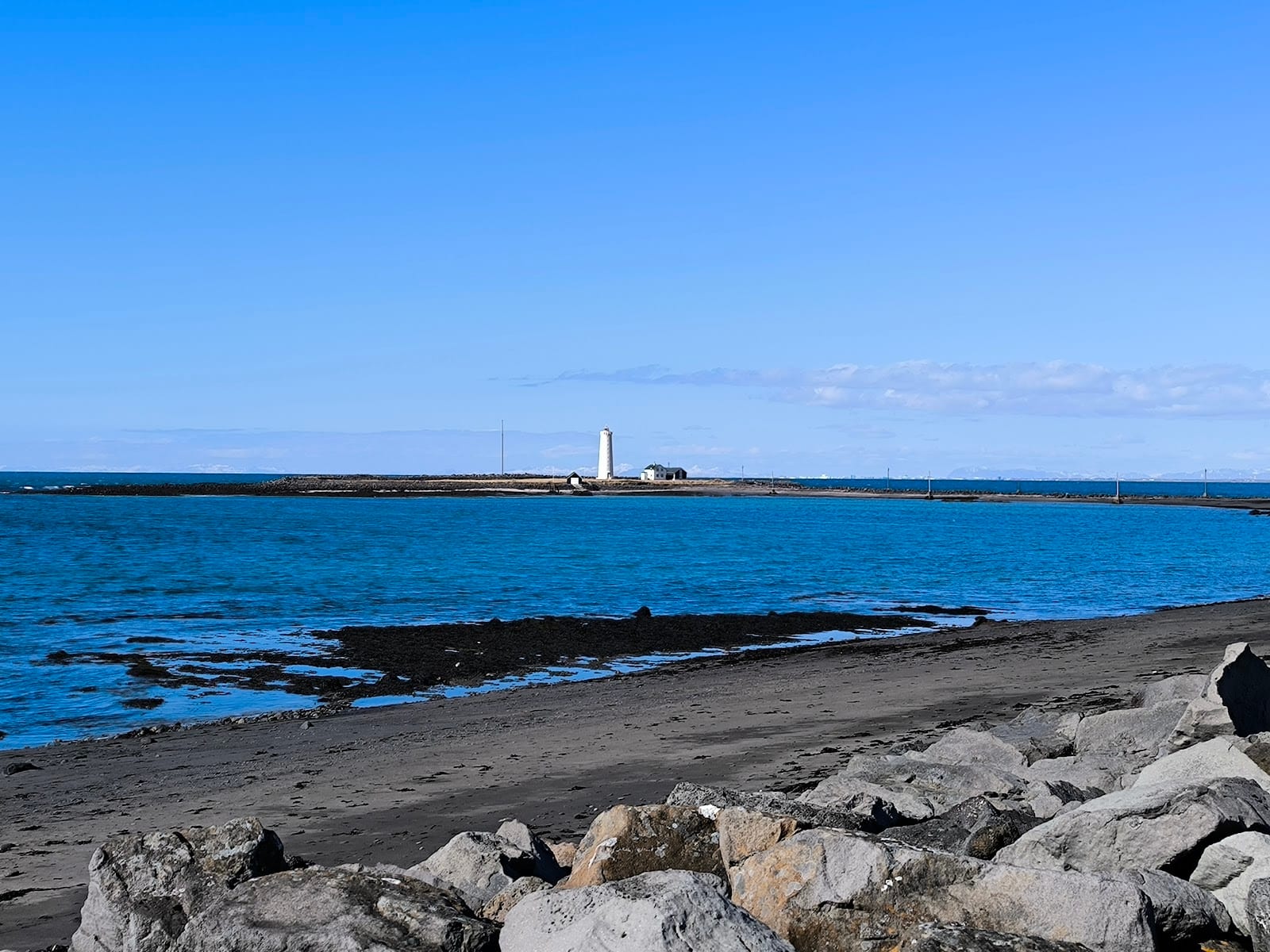
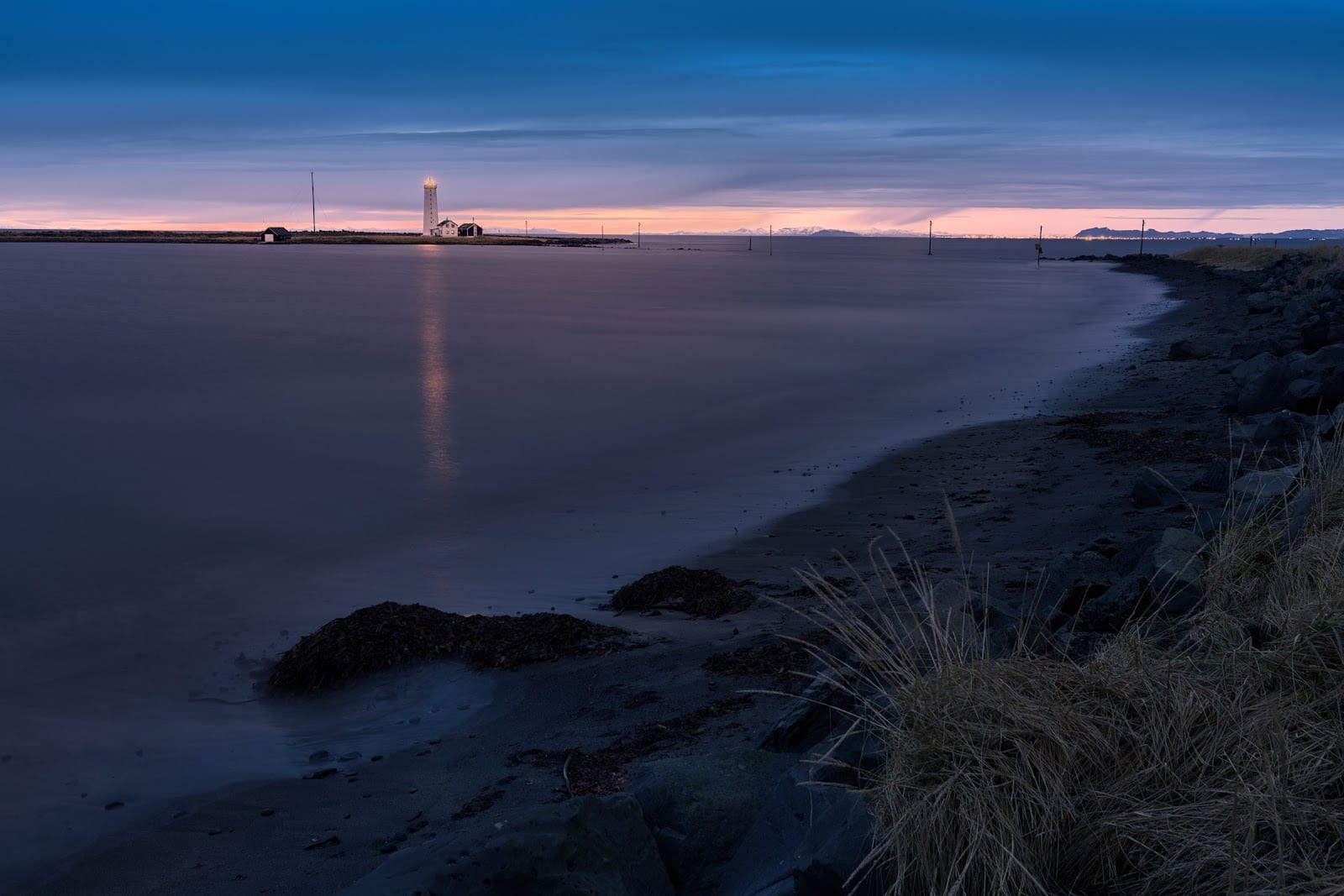
Grótta Lighthouse
This lighthouse sits at the end of the Seltjarnarnes peninsula, close to Reykjavík. Spring brings longer evenings for coastal walks, though access to the tidal area can be restricted during nesting season.
Guide coming soon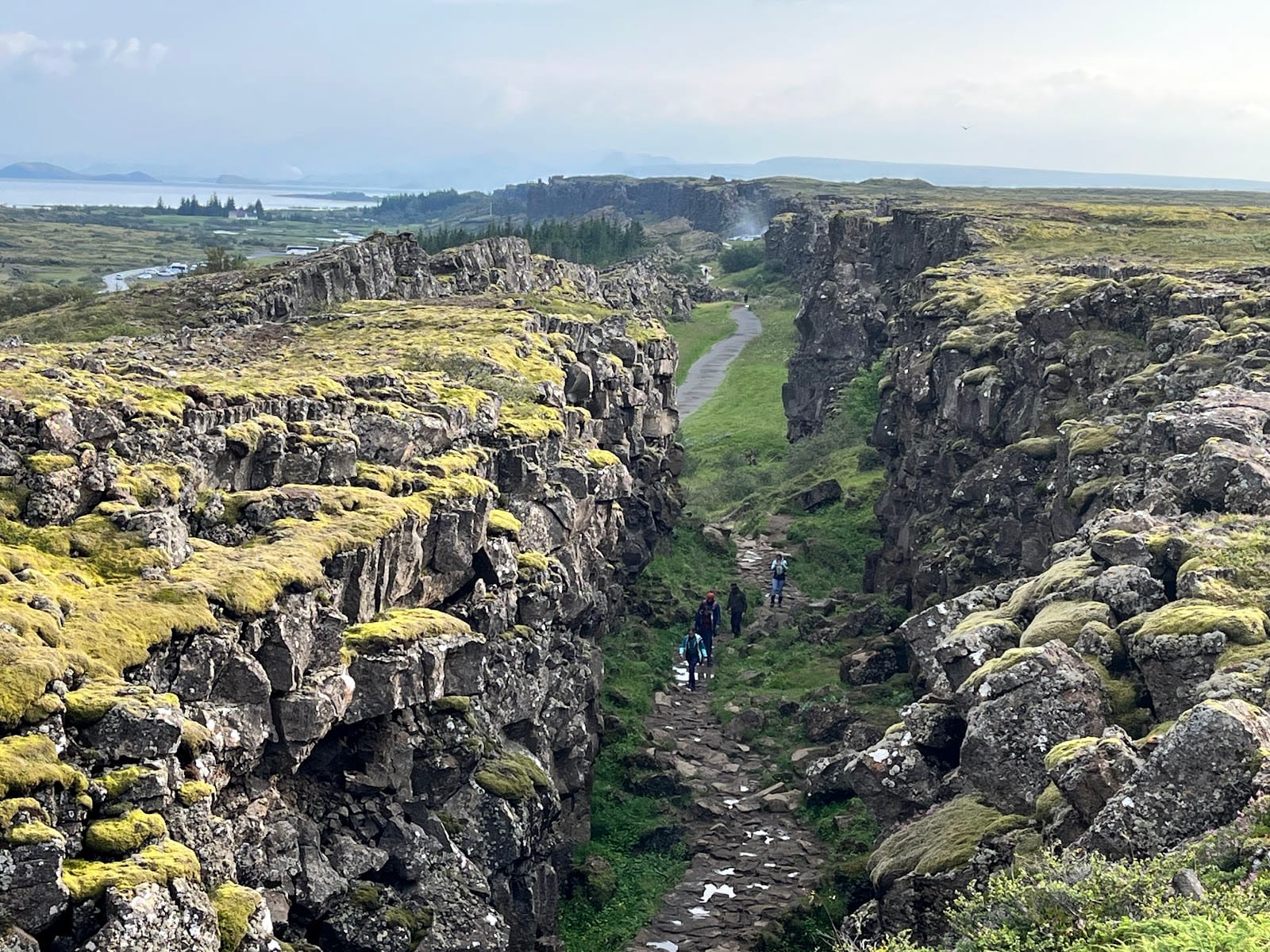
Þingvellir National Park
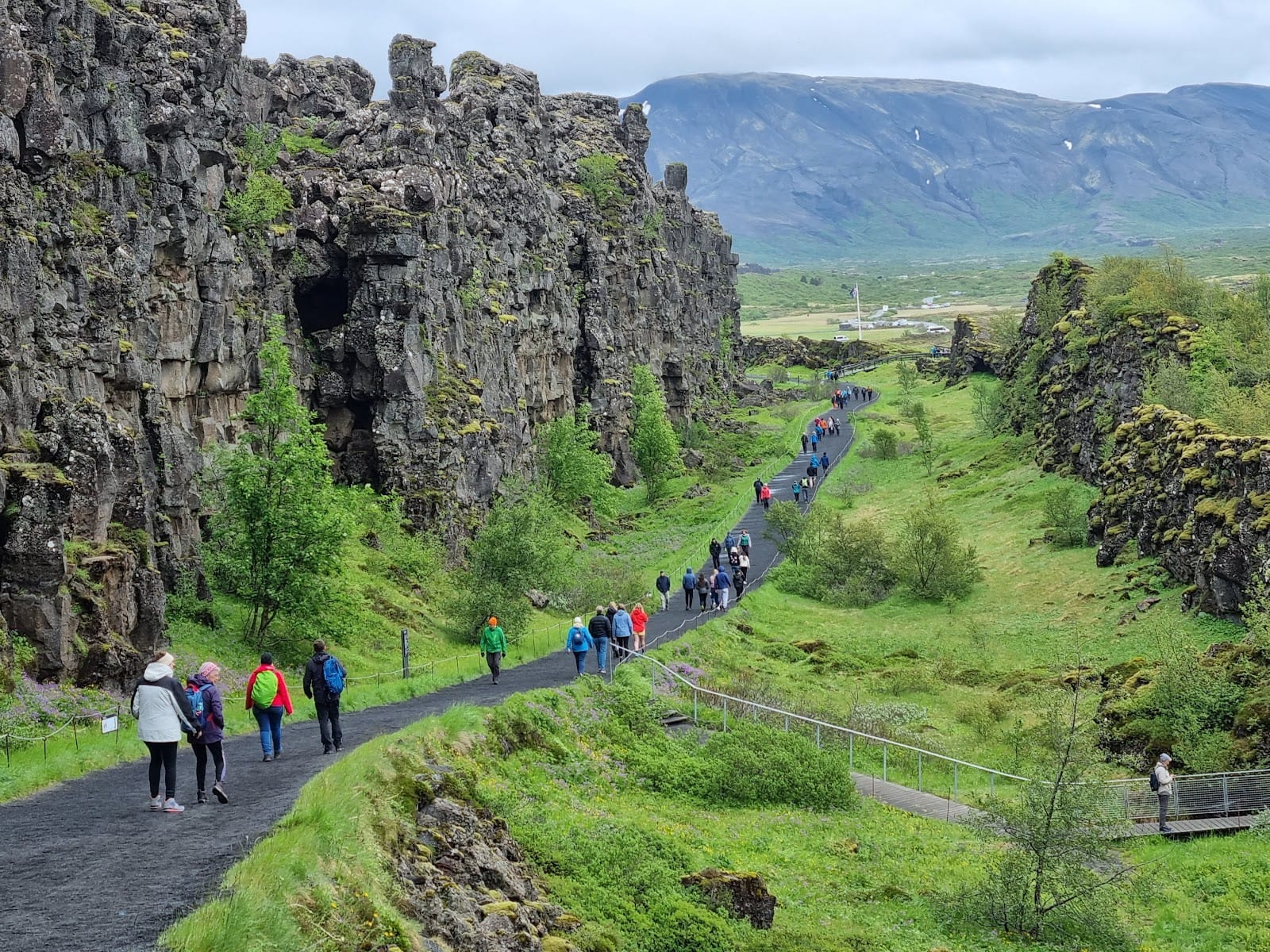
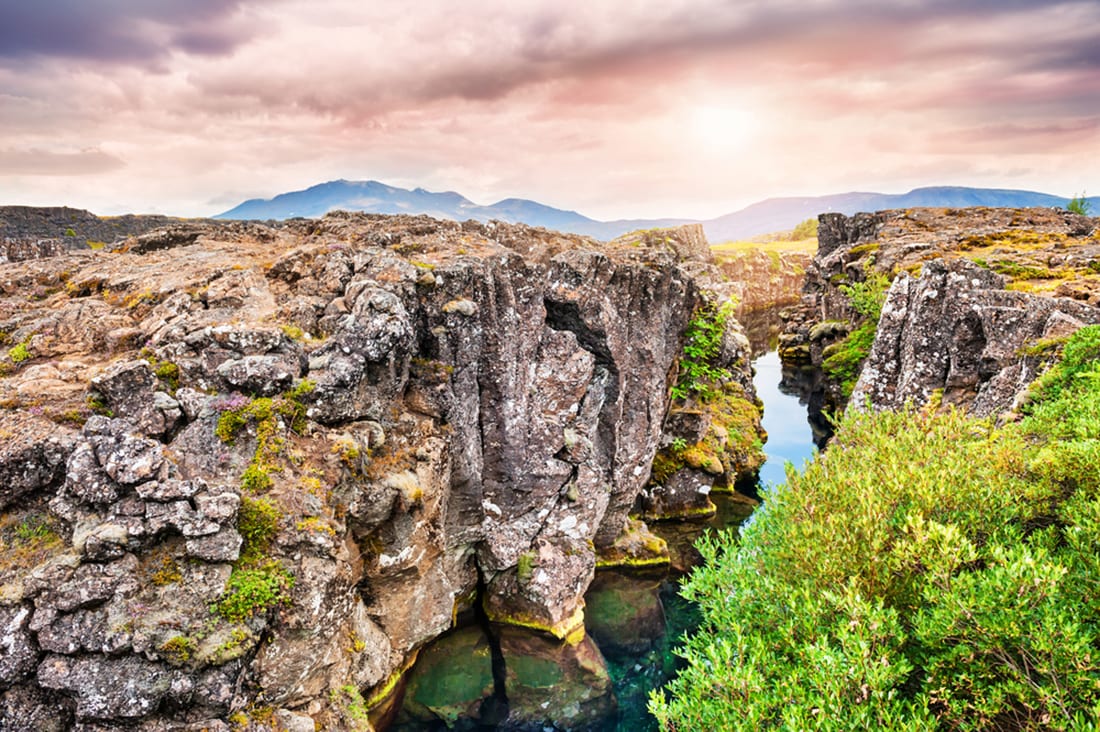
Þingvellir is a historic national park with rift landscapes, lava fields and hiking routes. Spring is a good compromise between improving access and lighter crowds than summer.
Explore Golden Circle From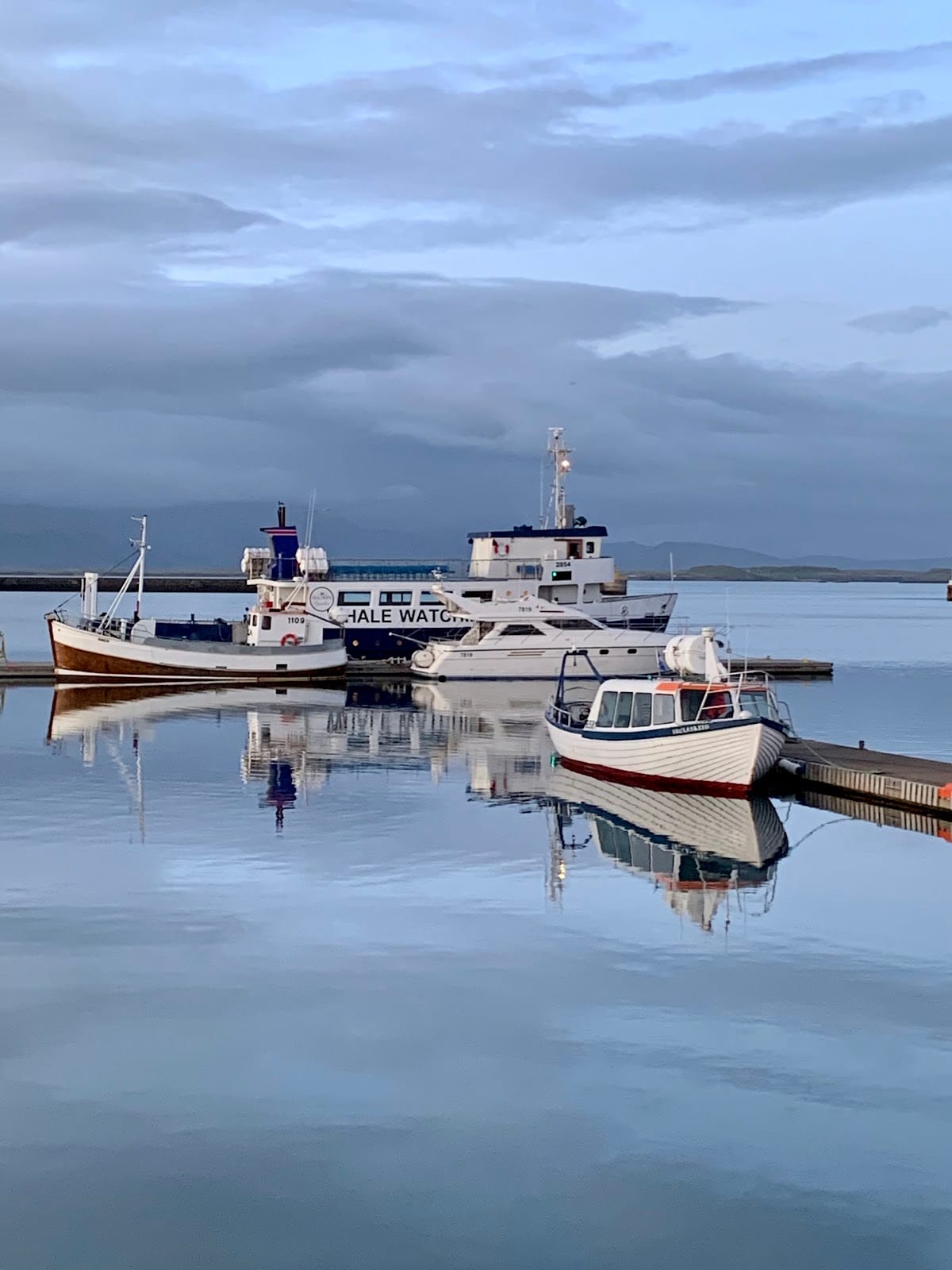
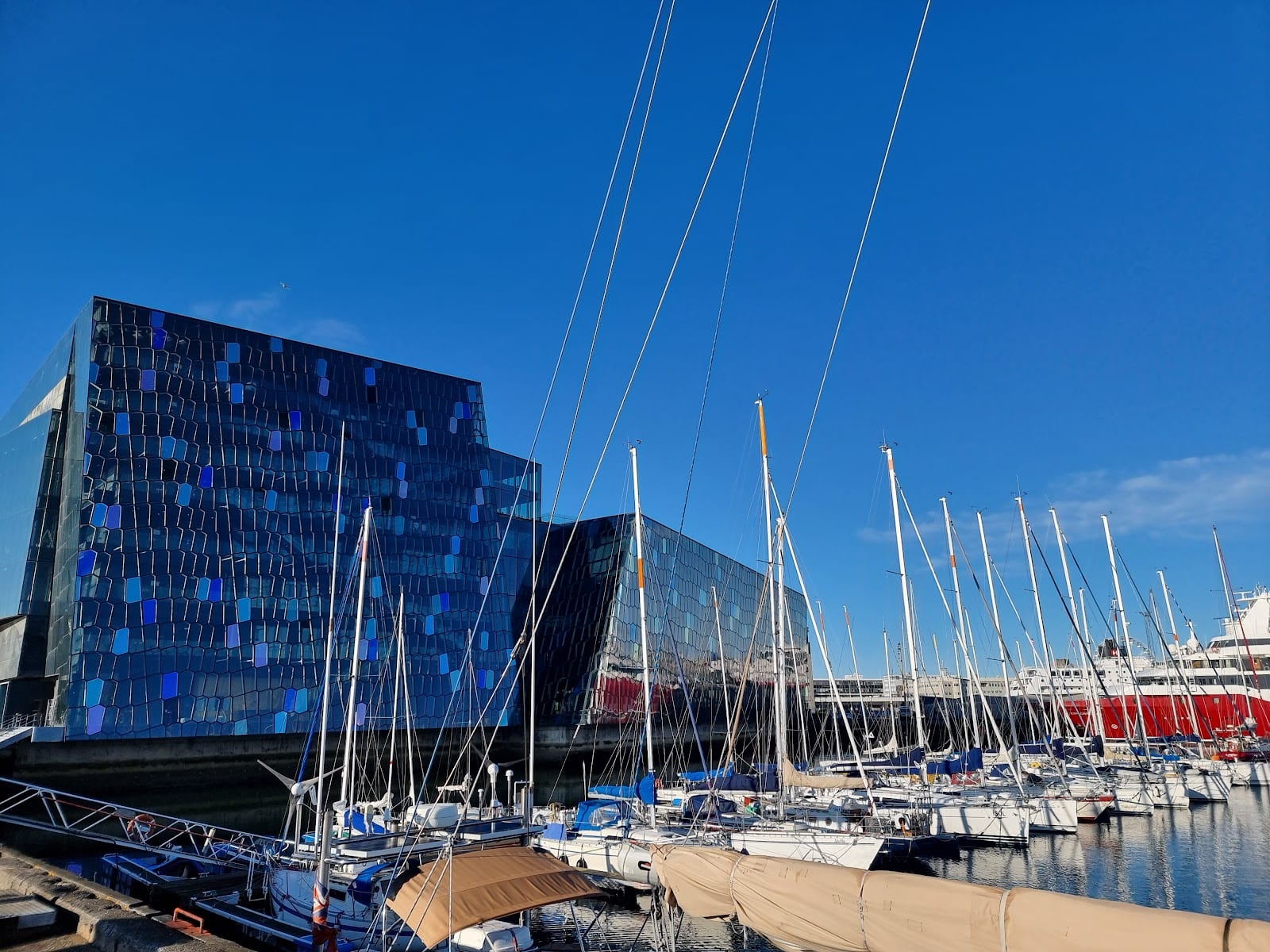
Reykjavík Old Harbour
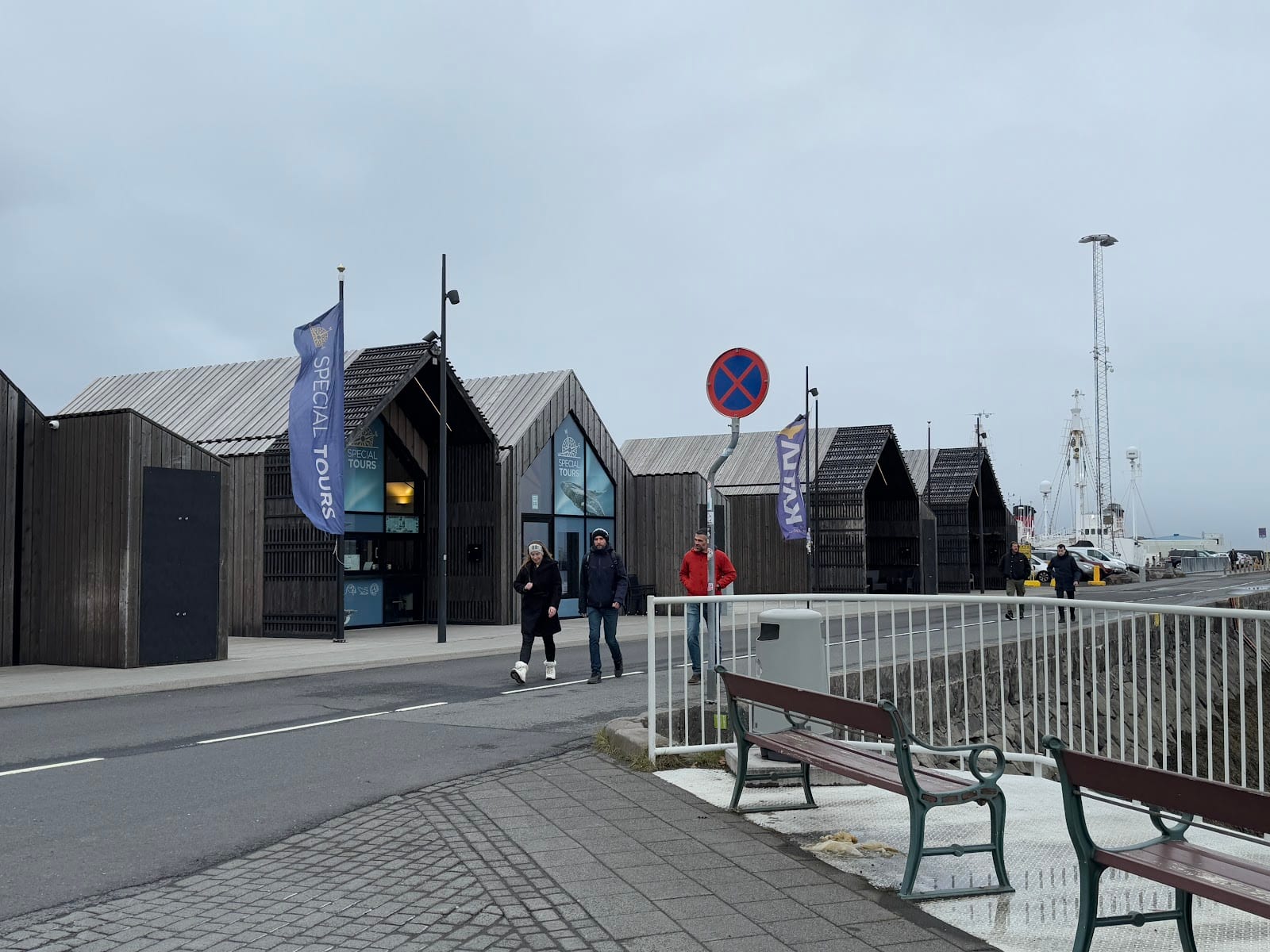
The Old Harbour is the departure point for whale-watching boats and a pleasant waterfront district. From April, marine wildlife activity increases as the season gets underway.
Guide coming soon


The open-road season, with midnight light and peak demand
Summer brings around 21 hours of daylight near midsummer, mild daytime highs, and the most practical access to hiking routes, highlands, and longer drives. It is also the busiest and most expensive season, and bright nights make aurora viewing impractical.
- Temperature
- 45-57°F
- Crowds
- Peak
- Prices
- Highest
- Highlight
- Midnight sun
Where to see summer in Reykjavik
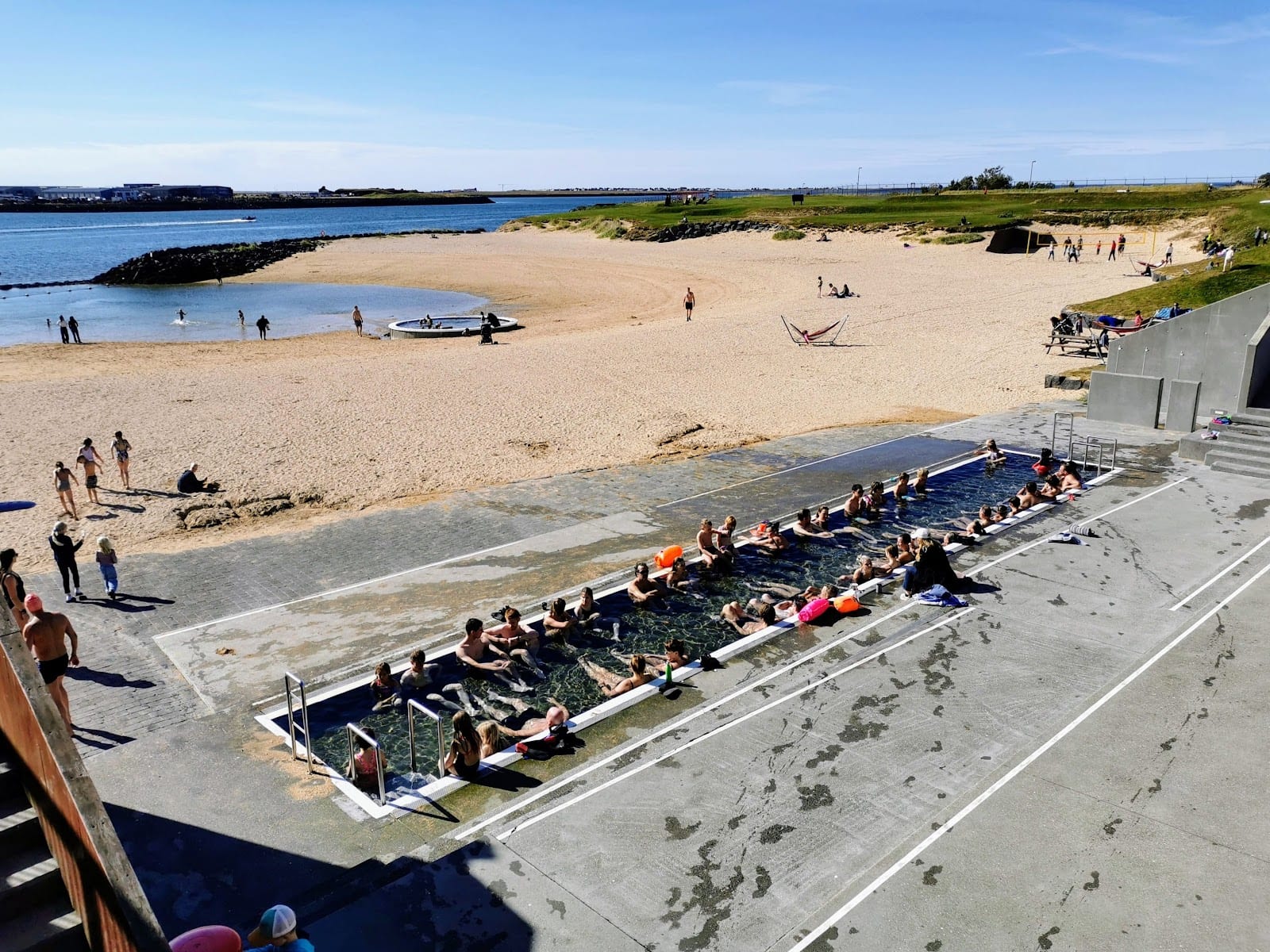
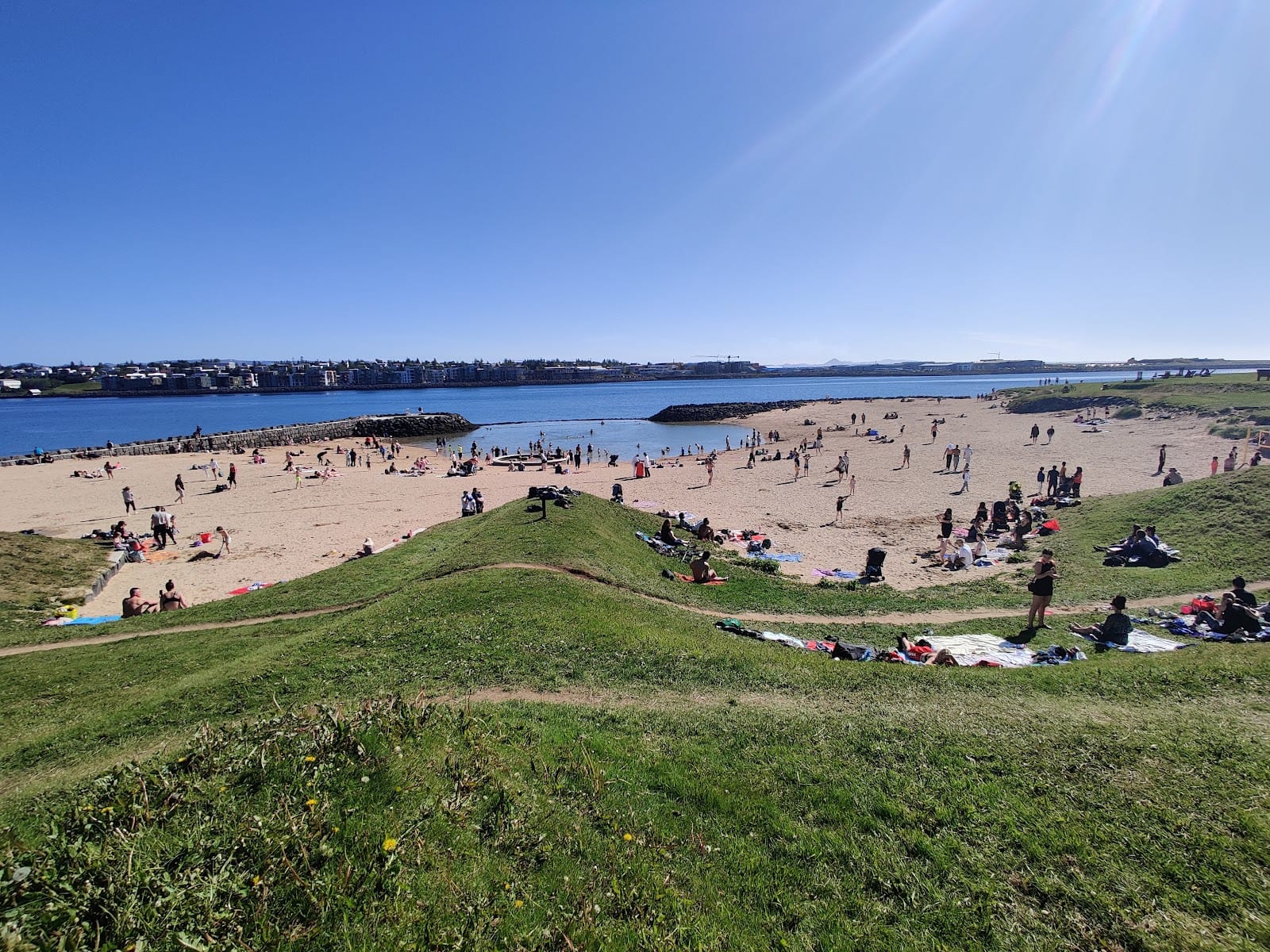
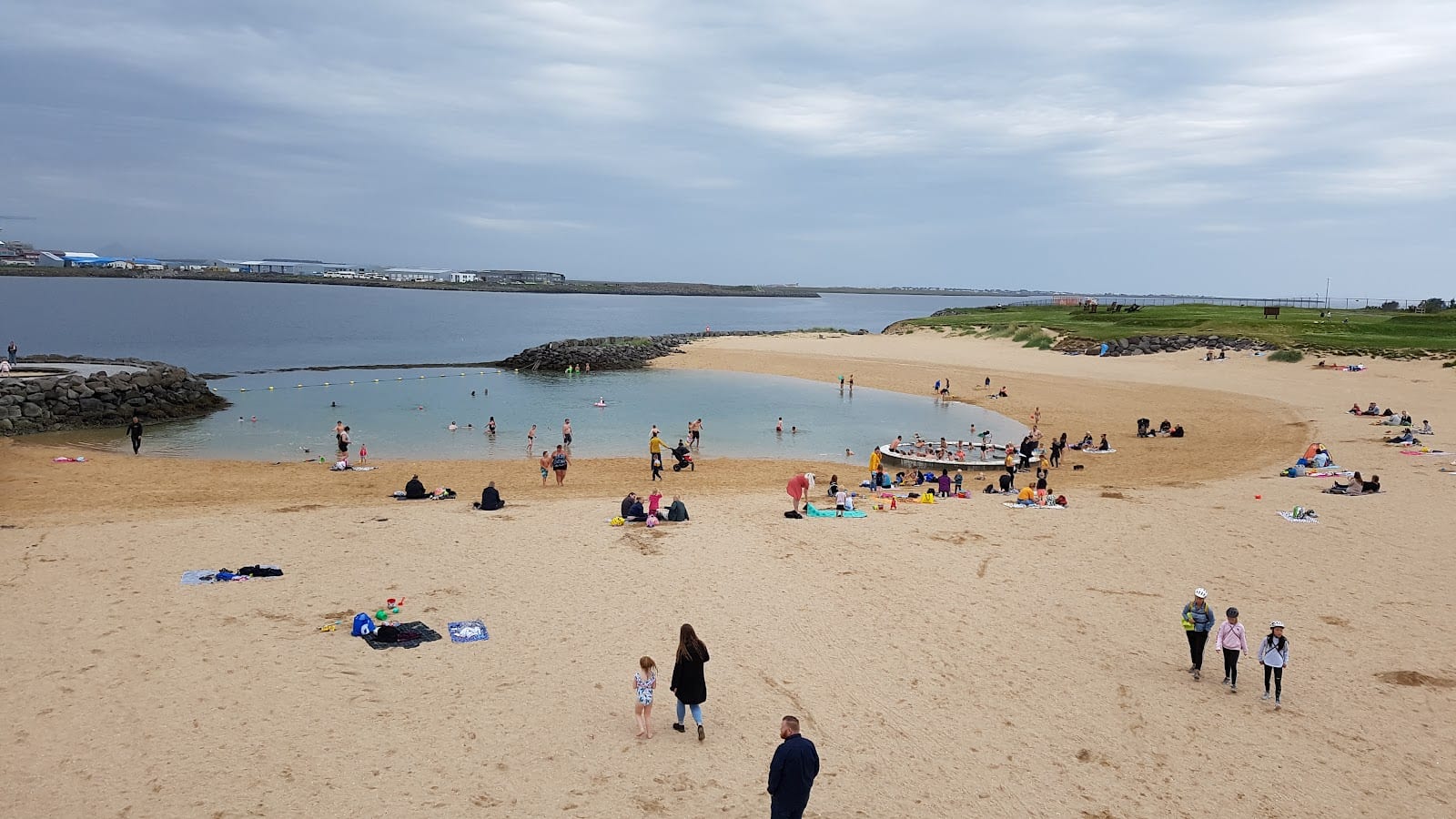
Nauthólsvík Geothermal Beach
Nauthólsvík is Reykjavík’s geothermal beach, with a heated sea lagoon and hot tubs. Summer’s long daylight makes it easiest to combine with a beach walk or nearby outdoor activity.
Guide coming soon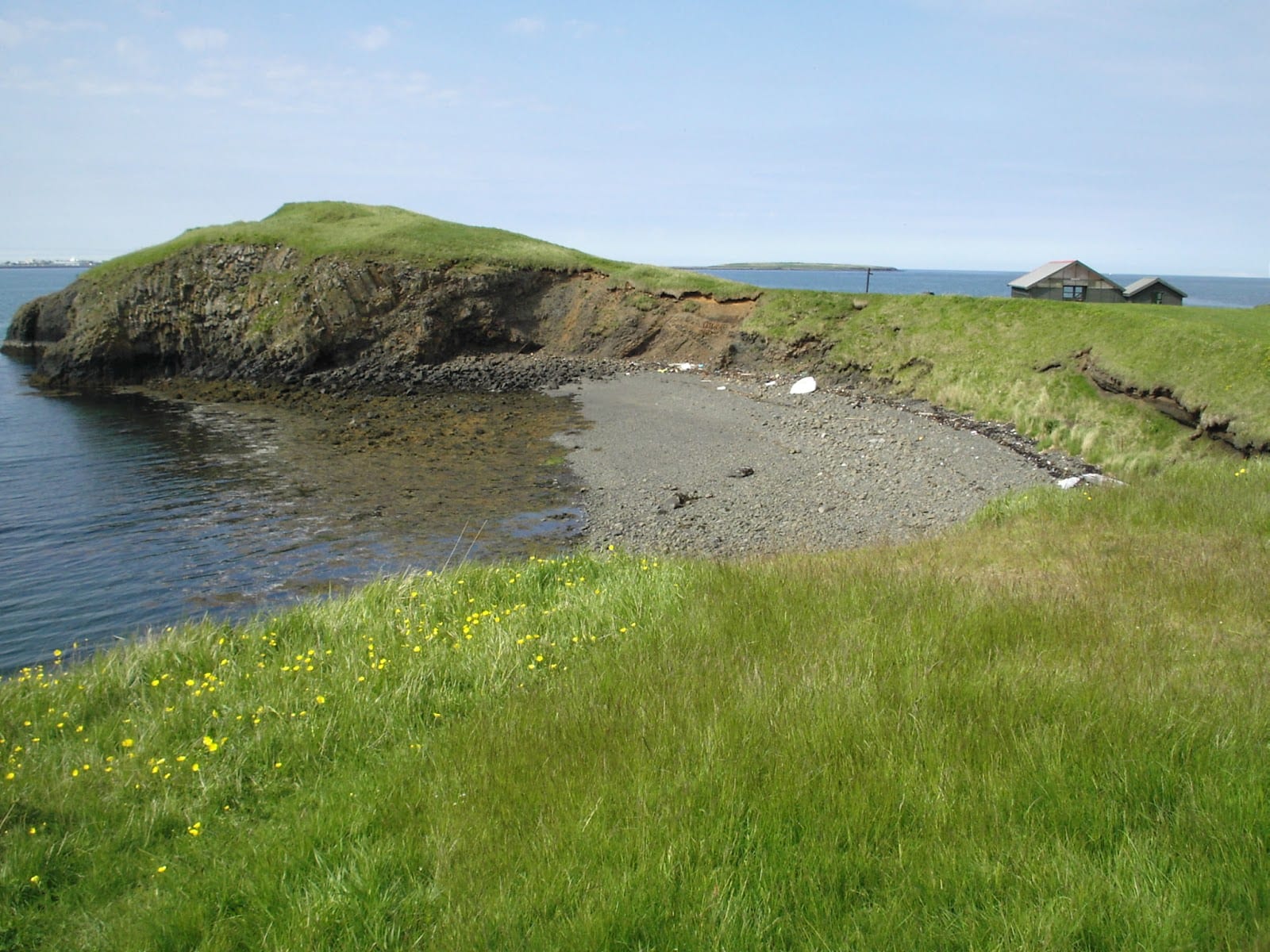
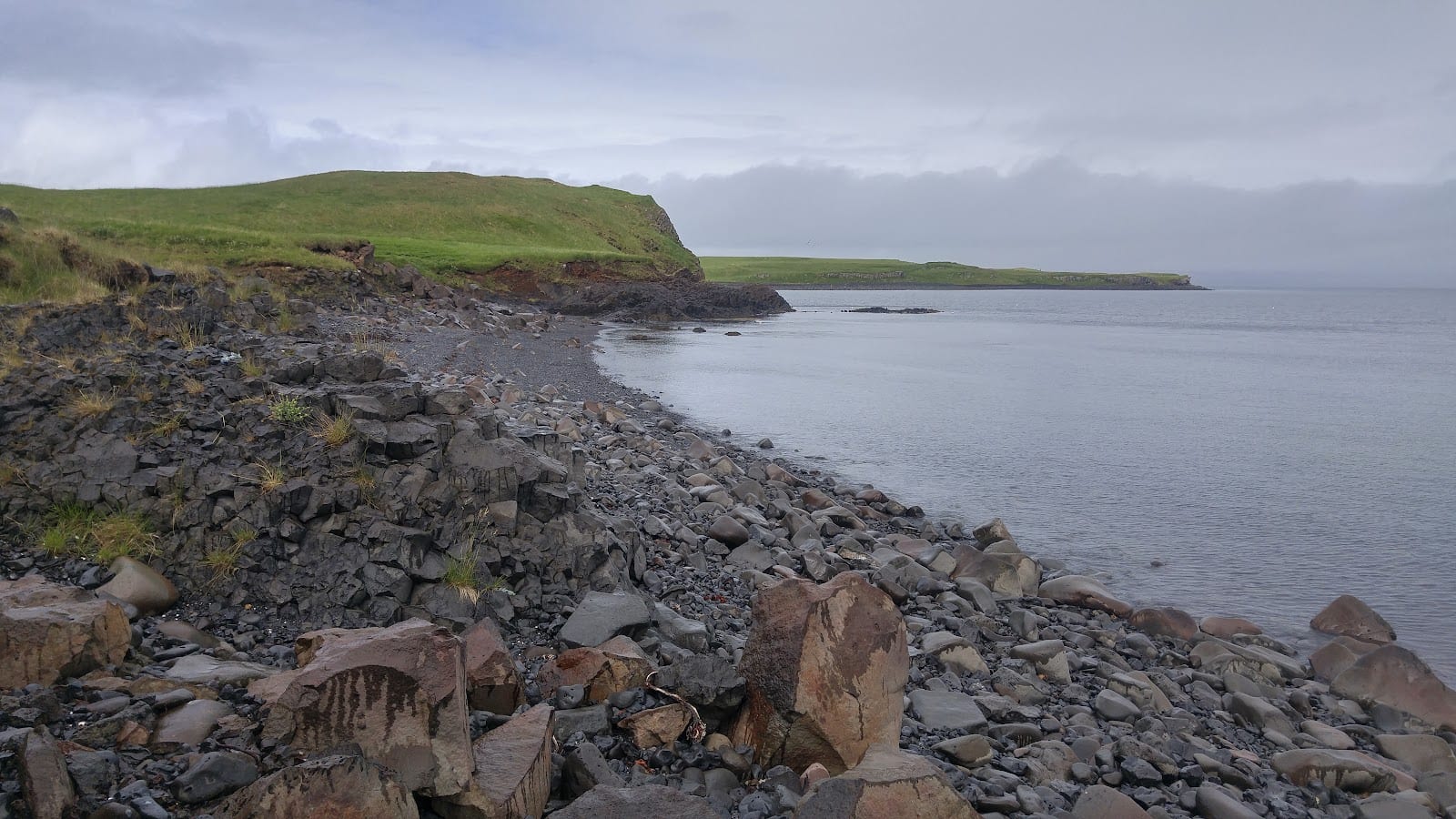
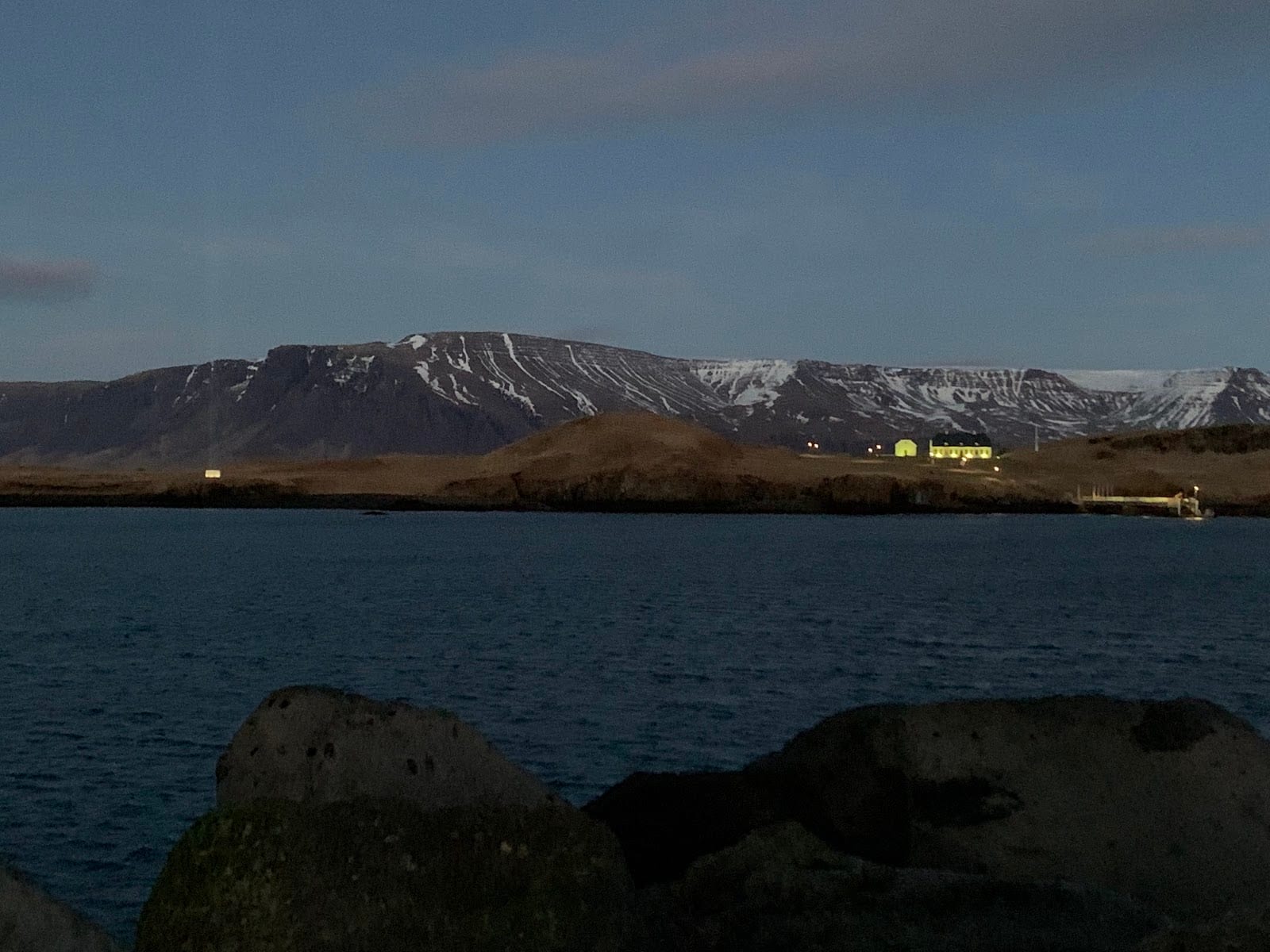
Viðey Island
Viðey is a short boat ride from Reykjavík and offers open landscapes, artworks and walking paths. Summer ferries and extended daylight make exploring the island particularly straightforward.
Guide coming soon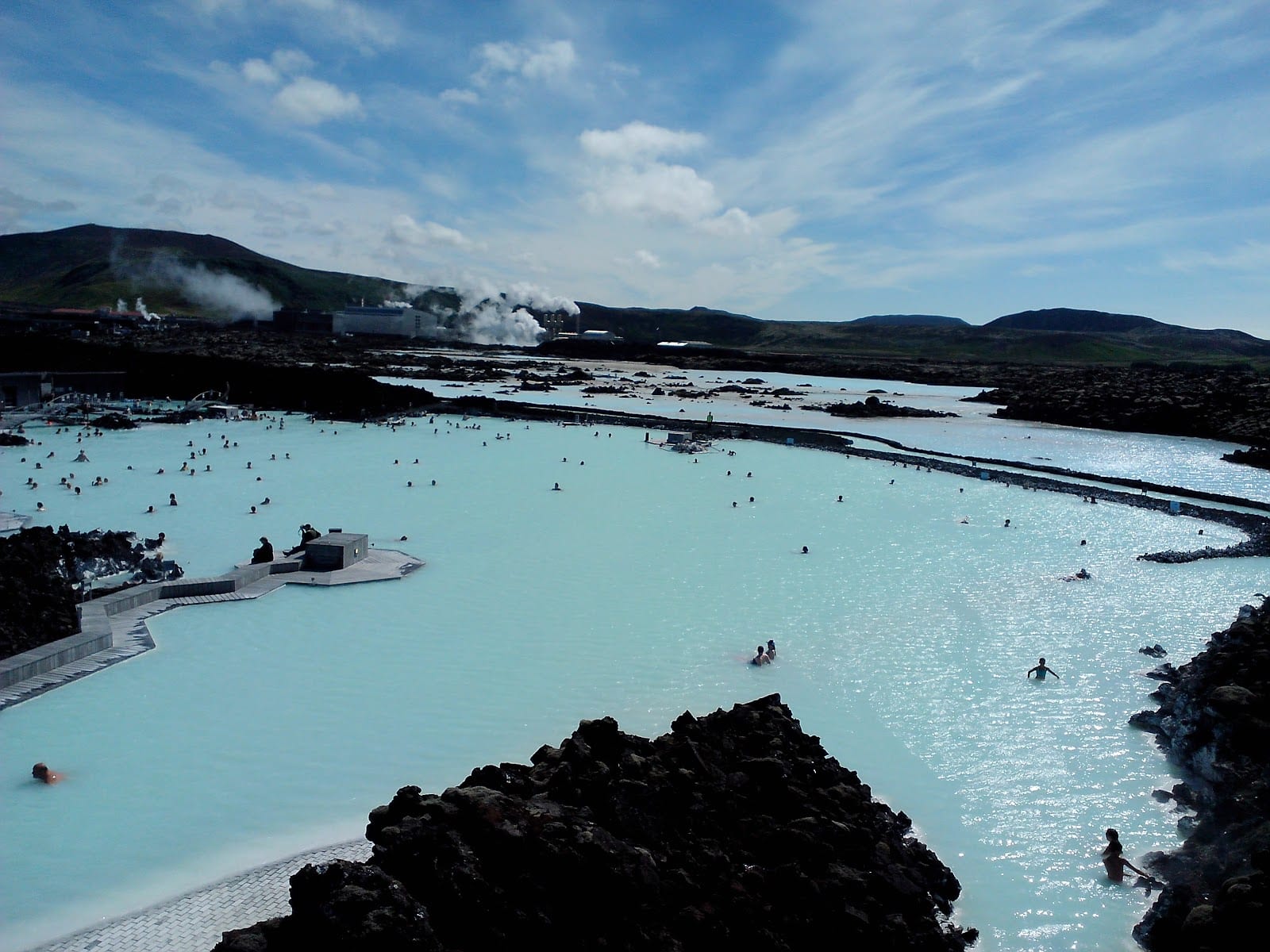
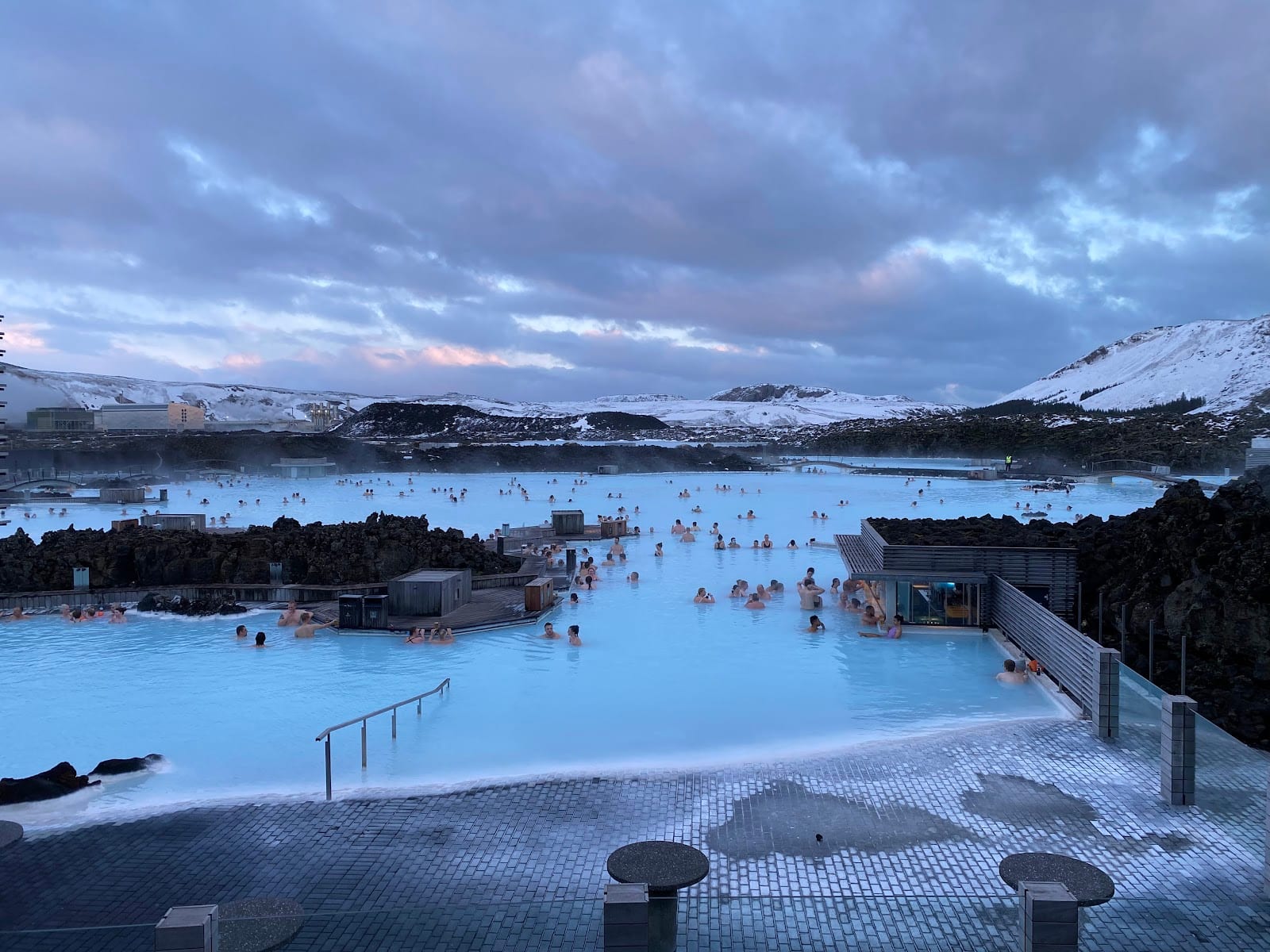
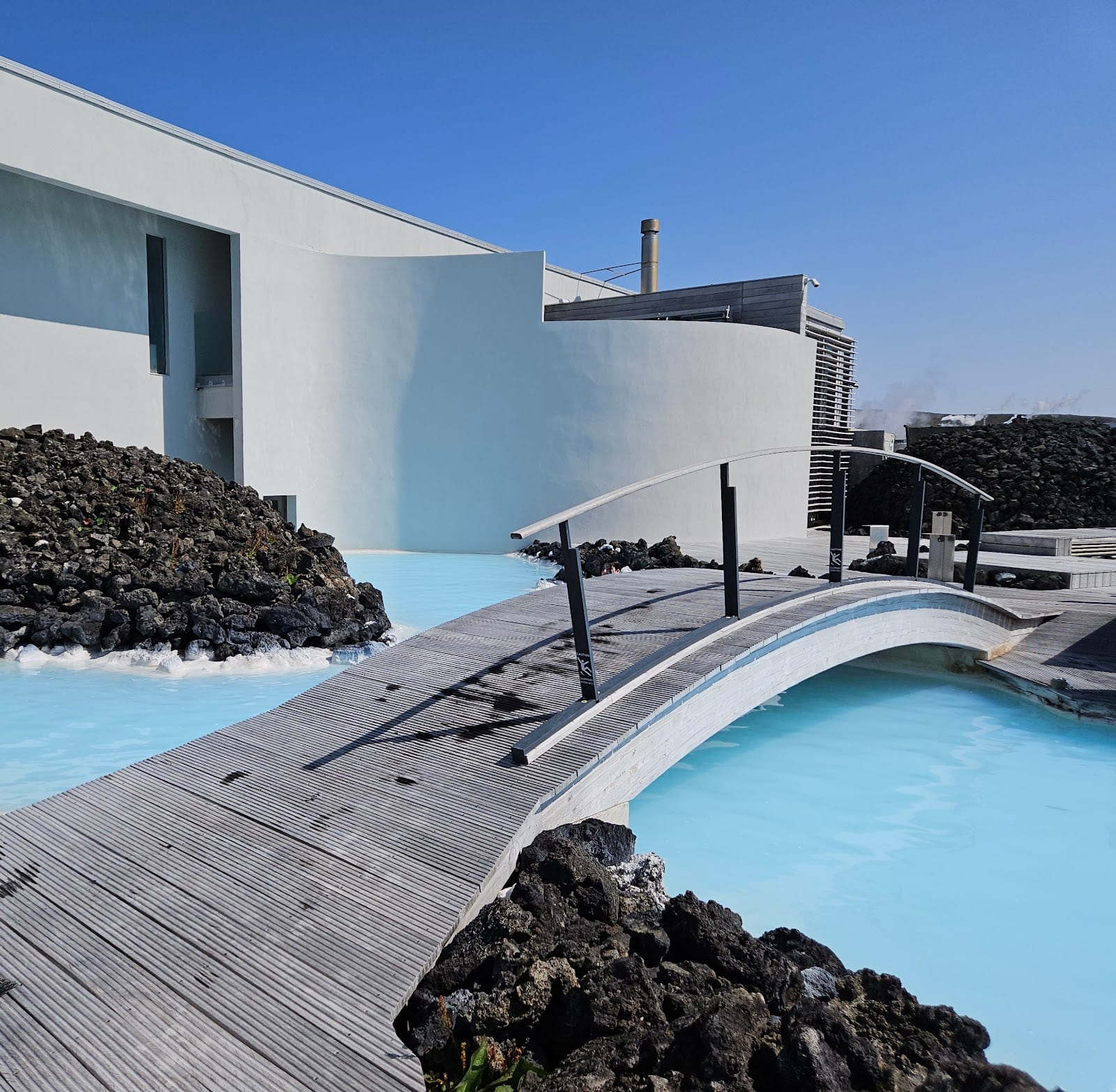
Blue Lagoon
The Blue Lagoon is a geothermal spa in a lava-field setting near Grindavík. Summer provides the easiest surrounding-road conditions, but advance reservations and peak pricing are common.
Guide coming soon


Dark skies return before the weather turns fully wintry
Autumn is a strong compromise for northern lights, with genuinely dark nights returning in September and quieter, less expensive travel in September and October. Rain and wind become more common later in the season, so waterproof layers matter.
- Temperature
- 31-51°F
- Crowds
- Moderate
- Prices
- Moderate
- Highlight
- Northern lights
Where to see autumn in Reykjavik
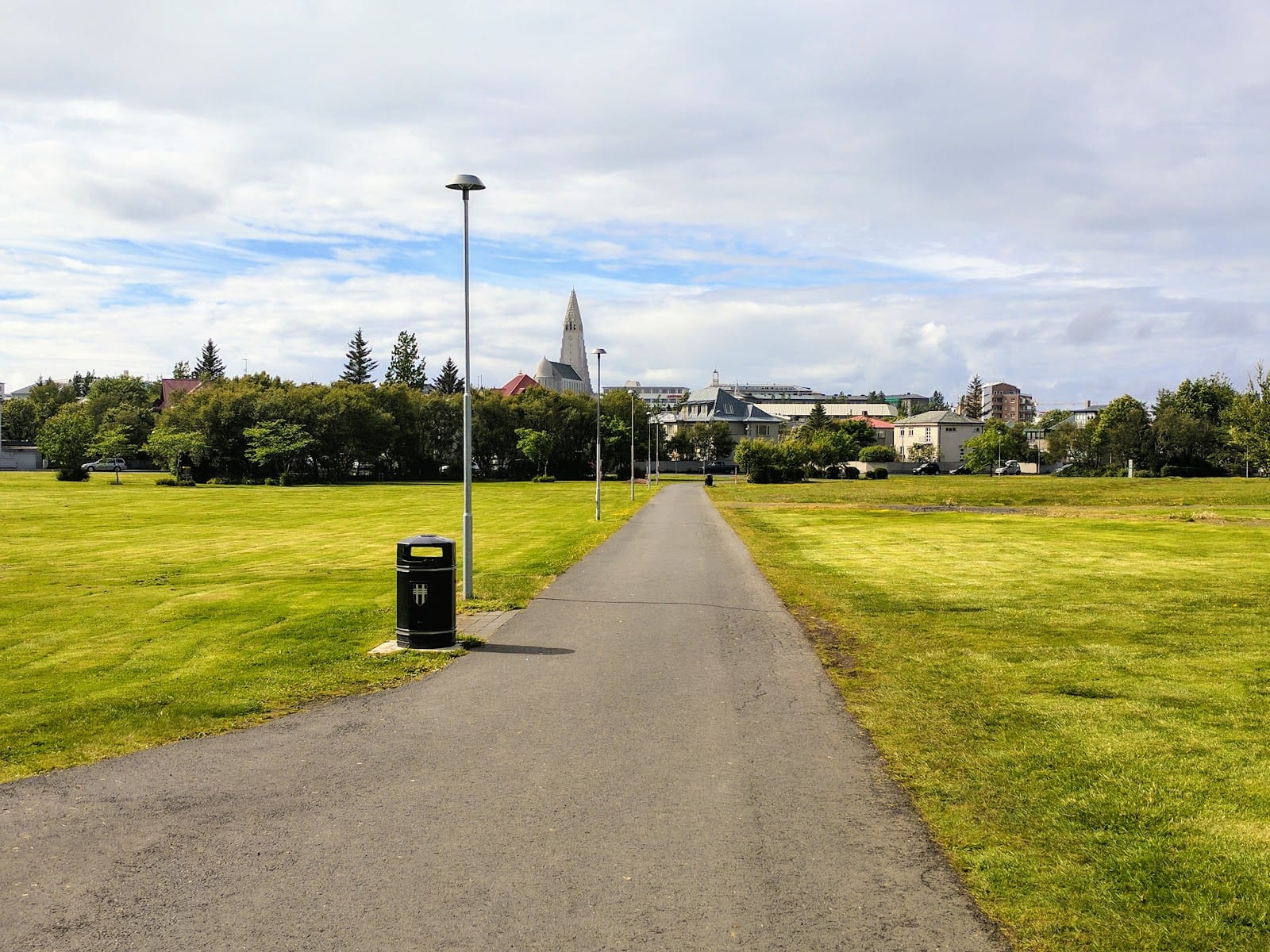
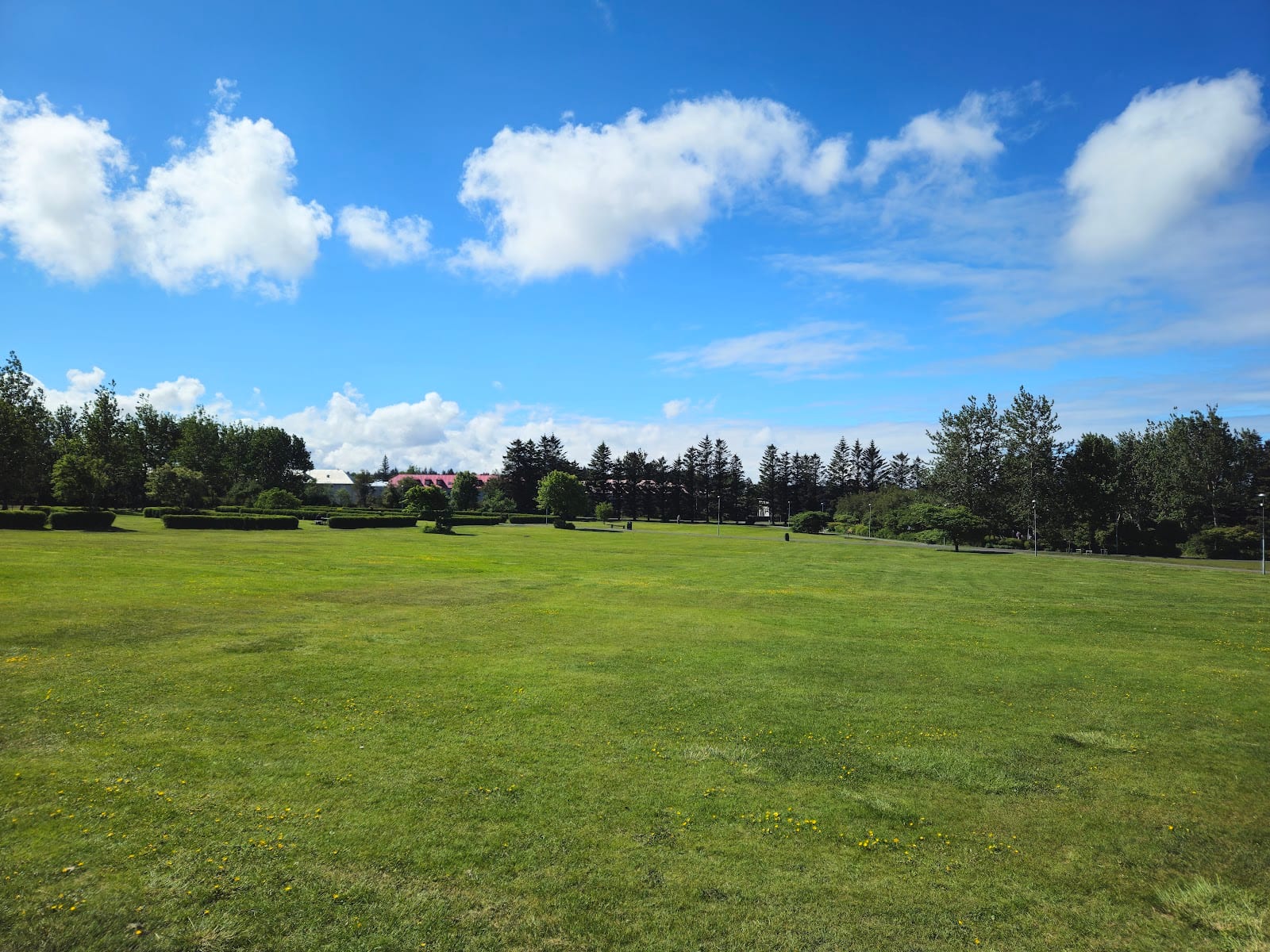
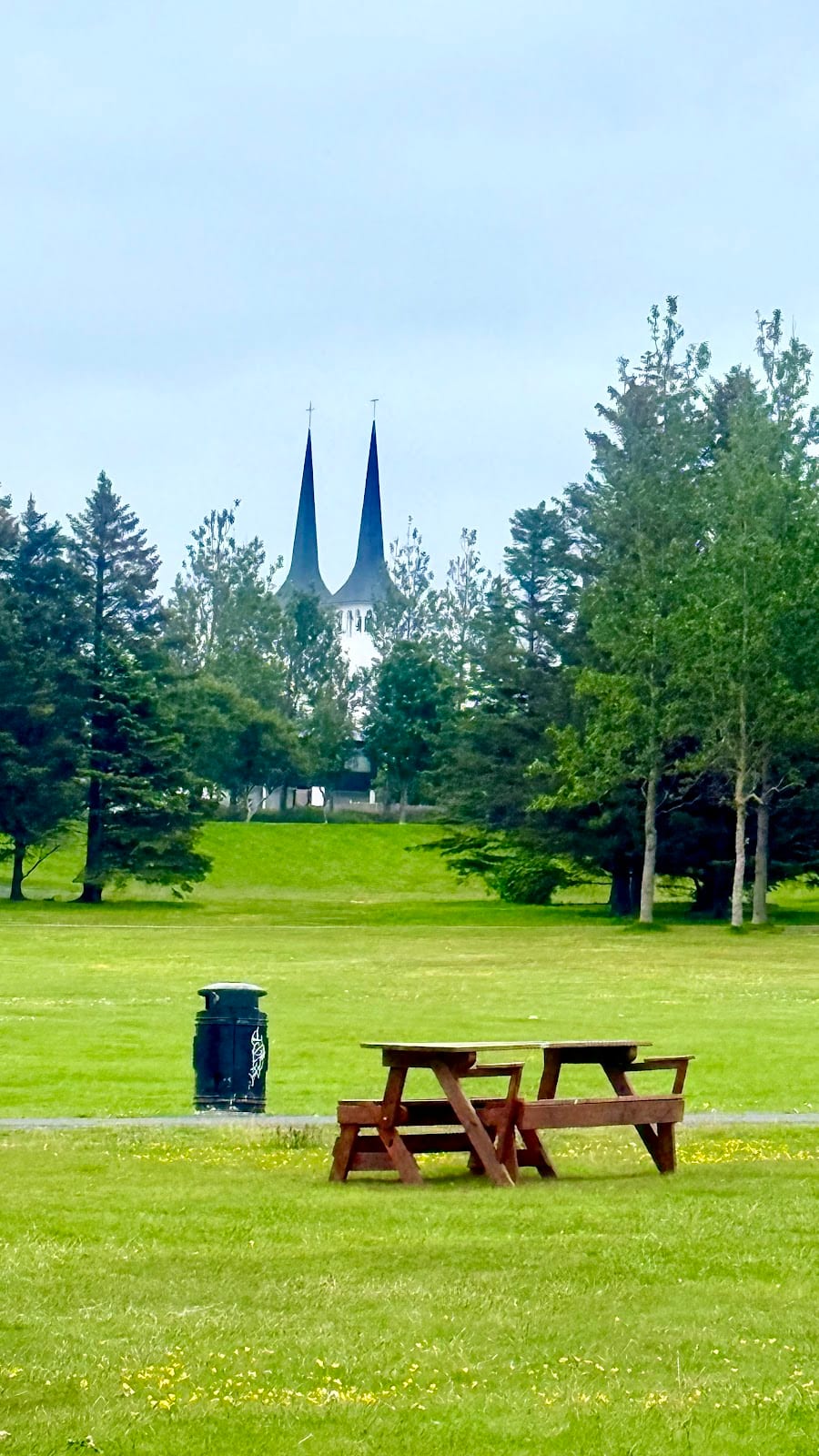
Klambratún Park
Klambratún is a central park beside the Reykjavík Art Museum’s Kjarvalsstaðir site. Early autumn offers crisp walking weather and changing colors before the darkest days arrive.
Guide coming soon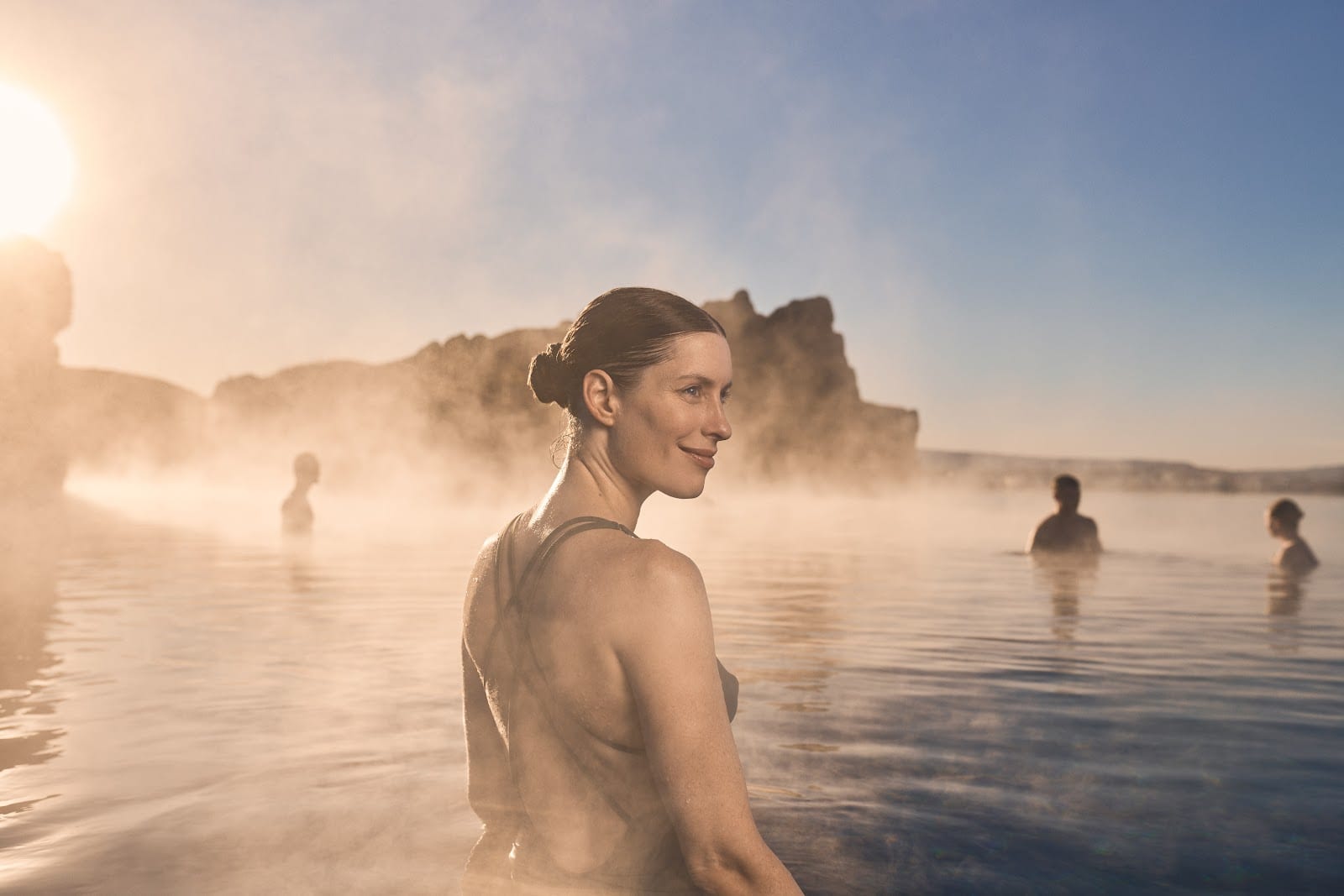
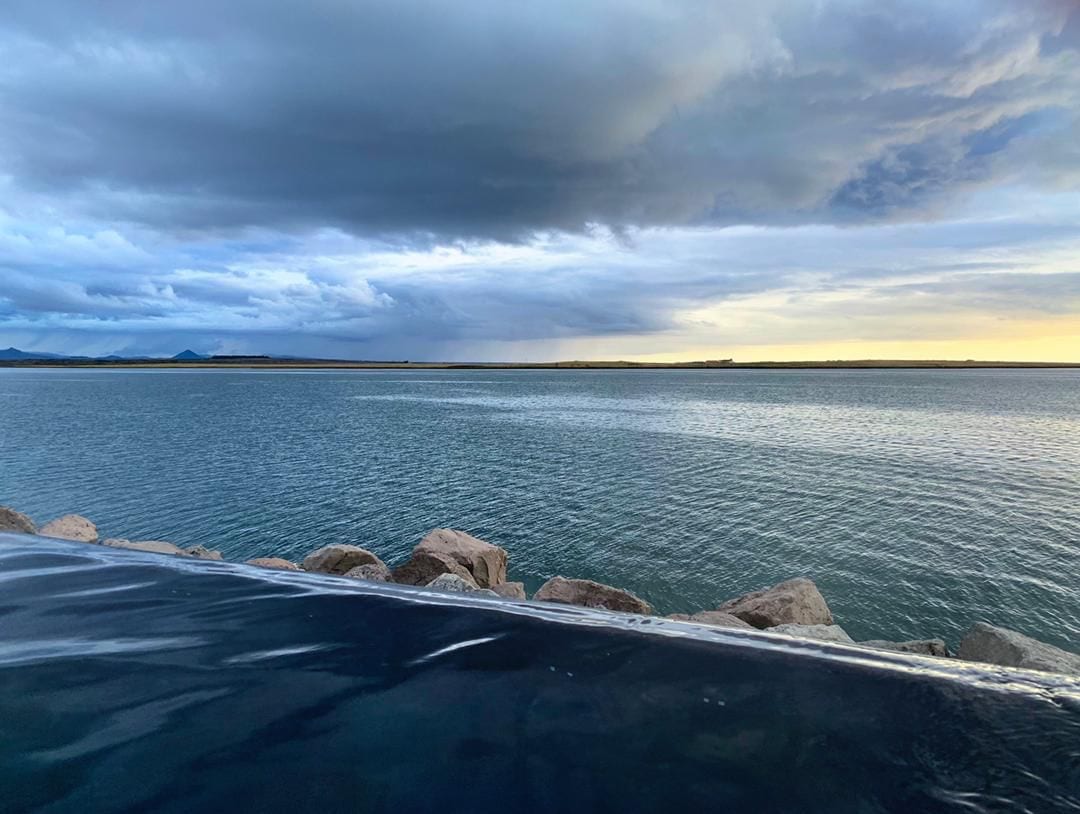
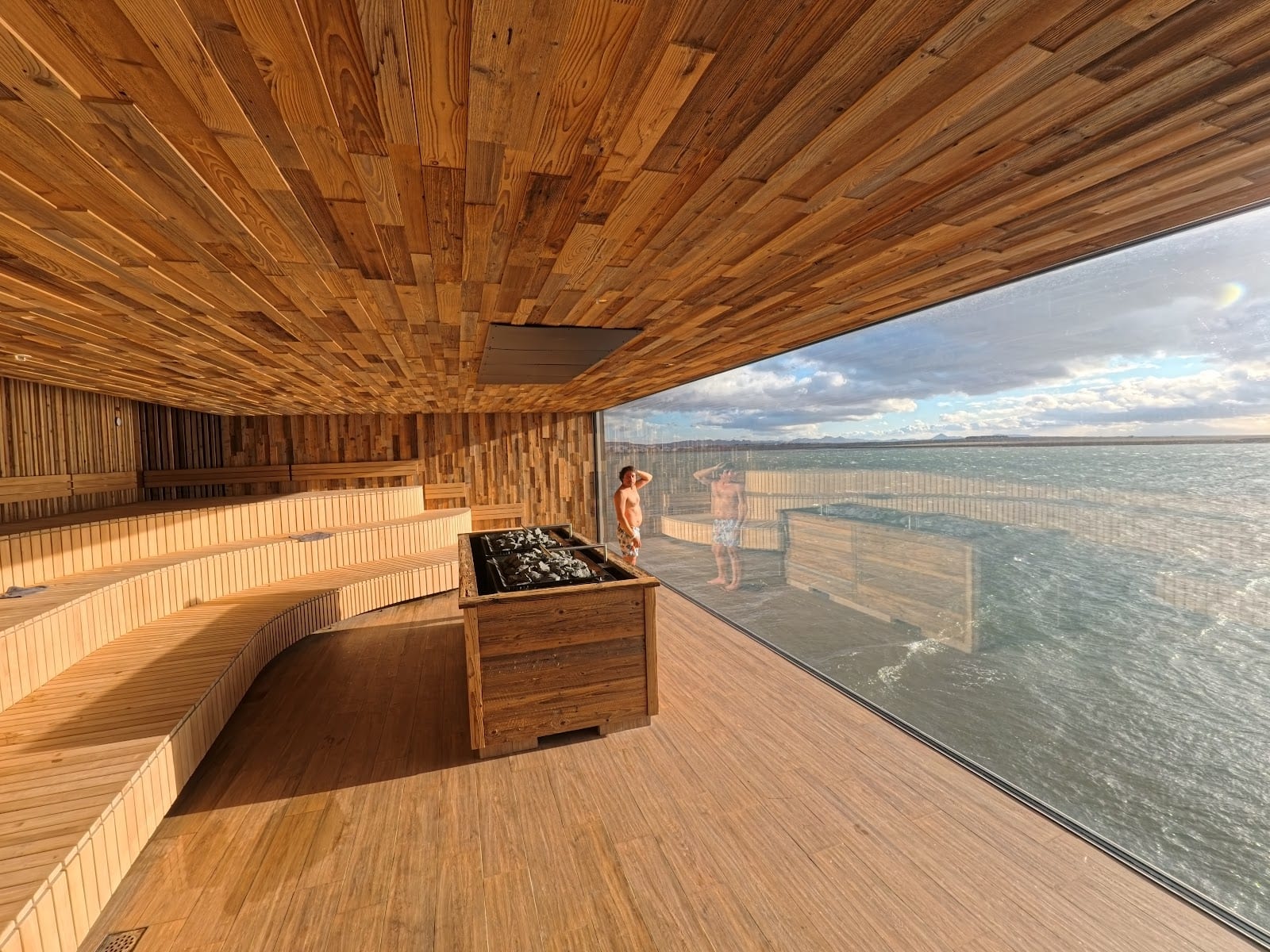
Sky Lagoon
Sky Lagoon is a geothermal spa on Reykjavík’s coast, known for its ocean views and warm water. Autumn is well suited to a soak after a windy sightseeing day, with fewer visitors than midsummer.
Guide coming soon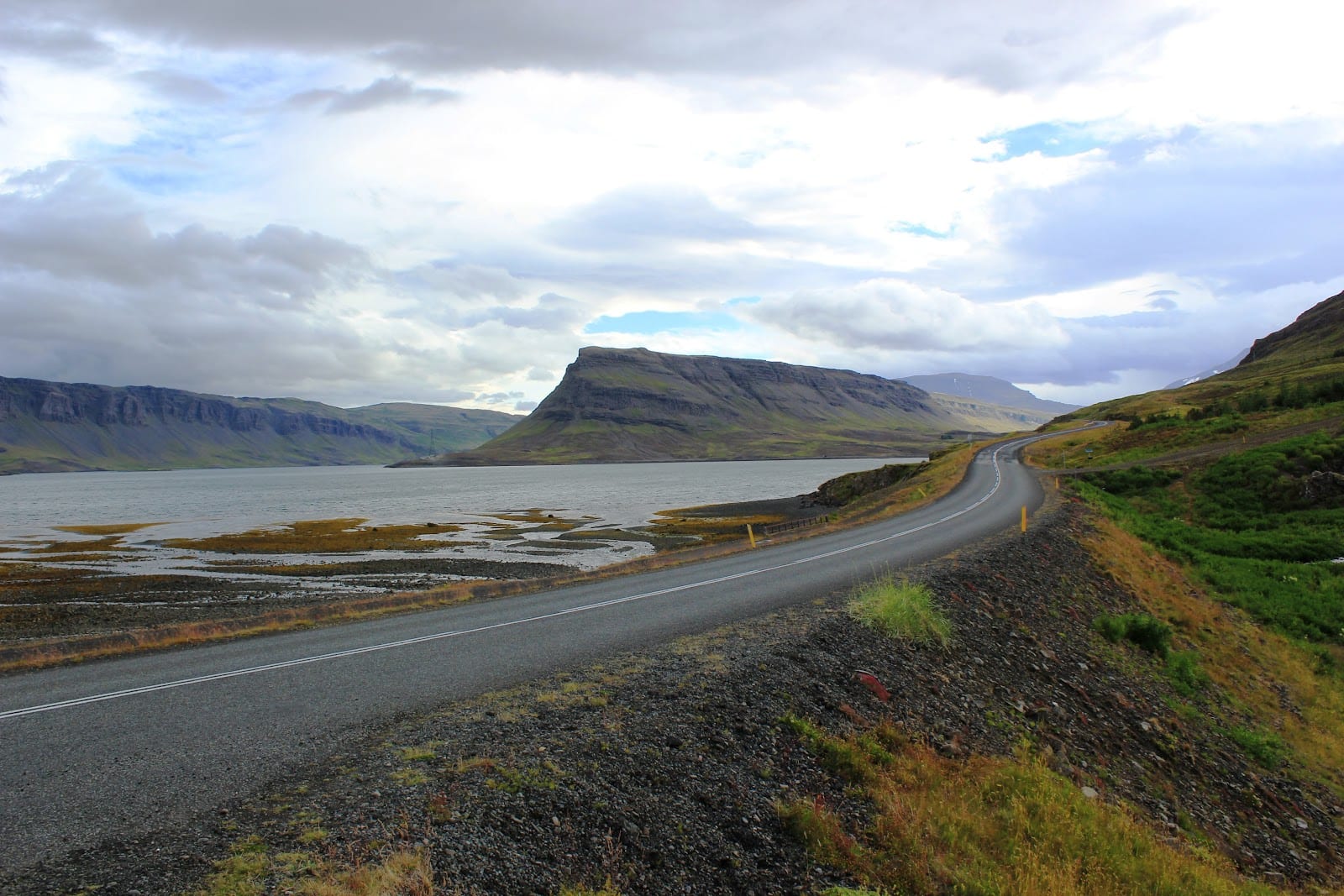
Hvalfjörður
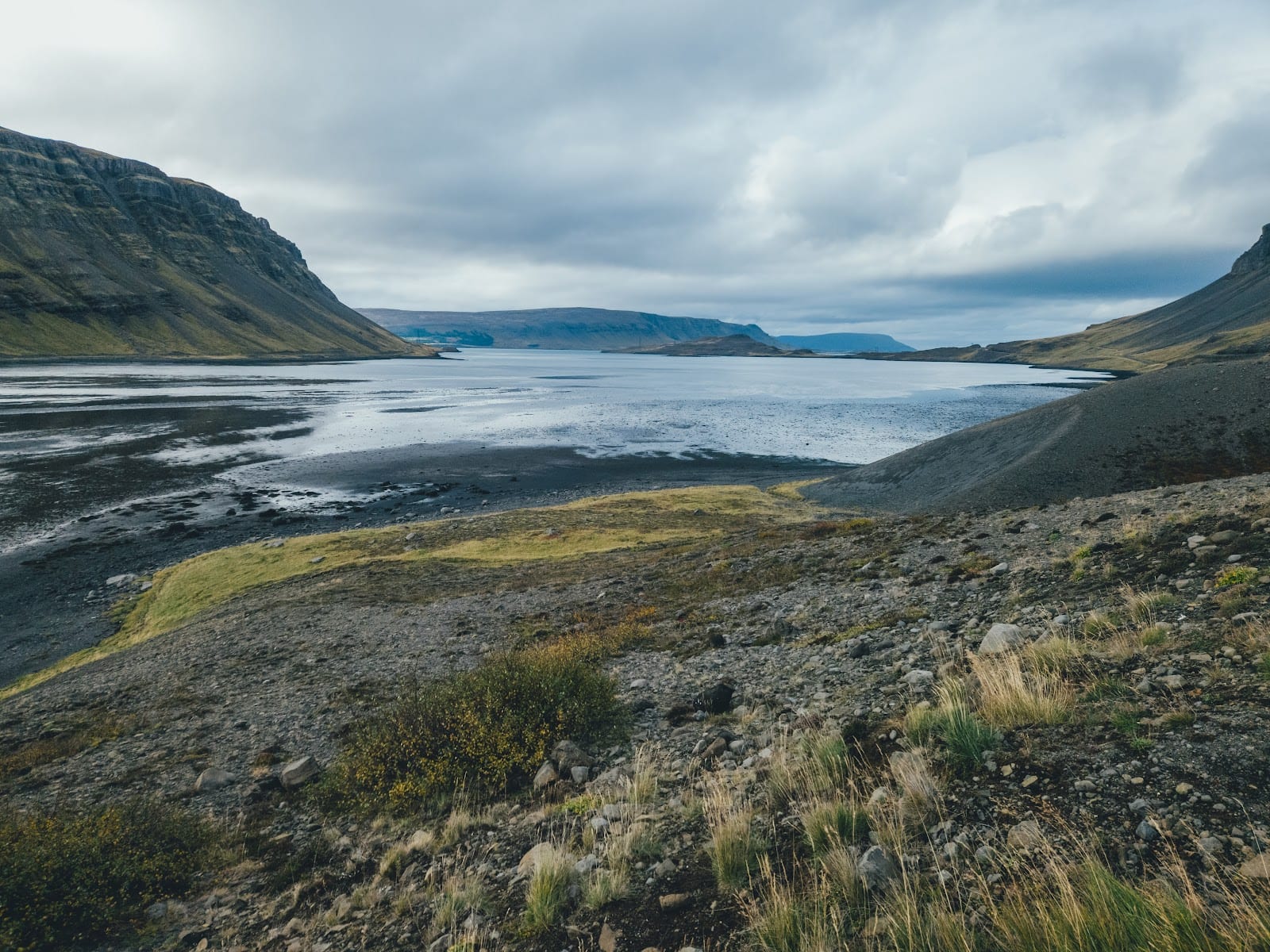
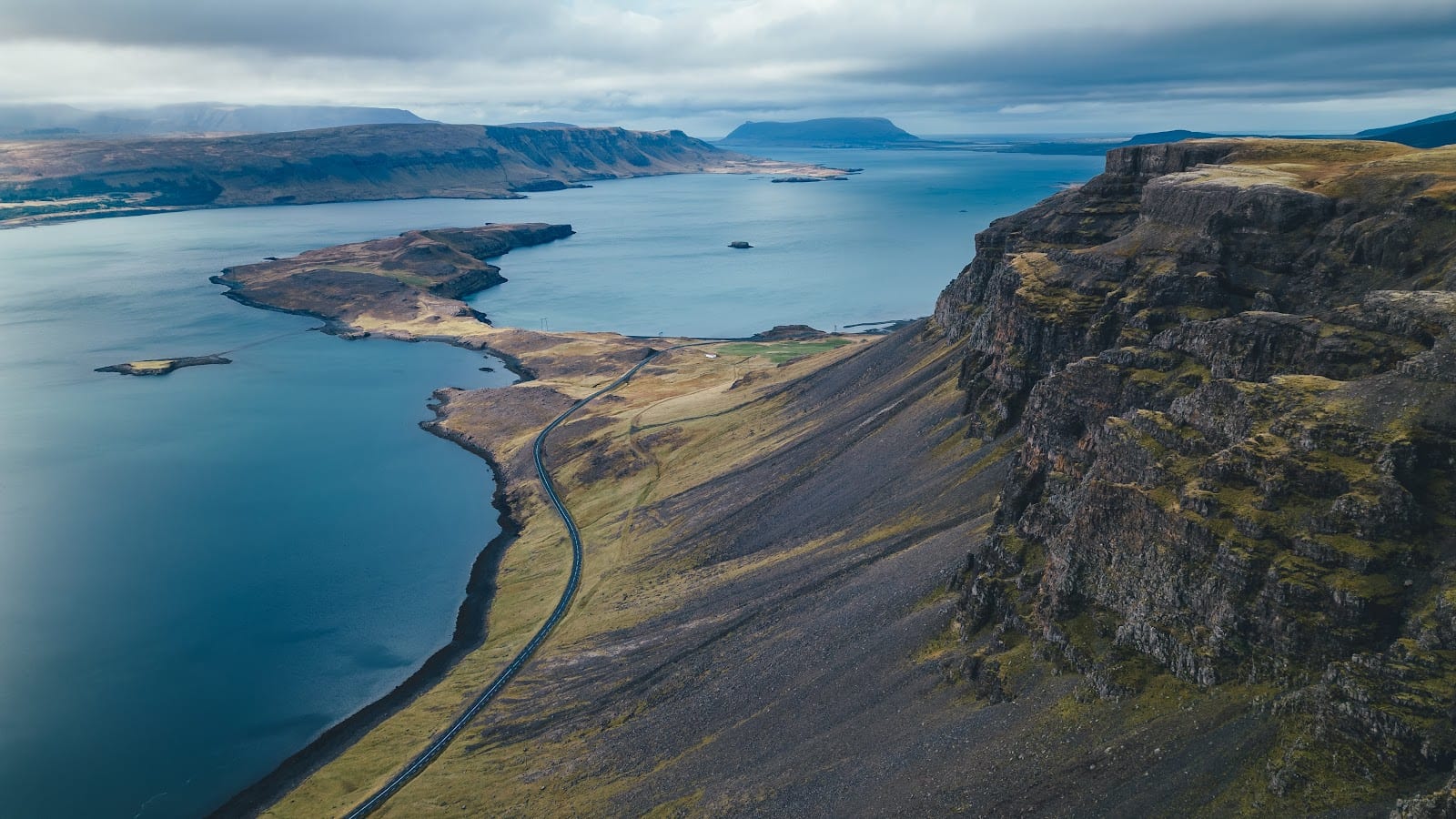
Hvalfjörður is a scenic fjord within reach of Reykjavík, with quiet roads, mountains and coastal viewpoints. Autumn’s softer light and lower visitor numbers suit scenic drives and photography.
Guide coming soon


Aurora nights, festive streets, and the year's shortest days
Winter is the best-value season for dark skies, northern-lights trips, ice caves, winter landscapes, and cozy museums. Expect roughly four to five hours of daylight around the darkest part of the season, plus wind, storms, and road conditions that can disrupt plans.
- Temperature
- 28-38°F
- Crowds
- Low
- Prices
- Lowest
- Highlight
- Aurora nights
Where to see winter in Reykjavik

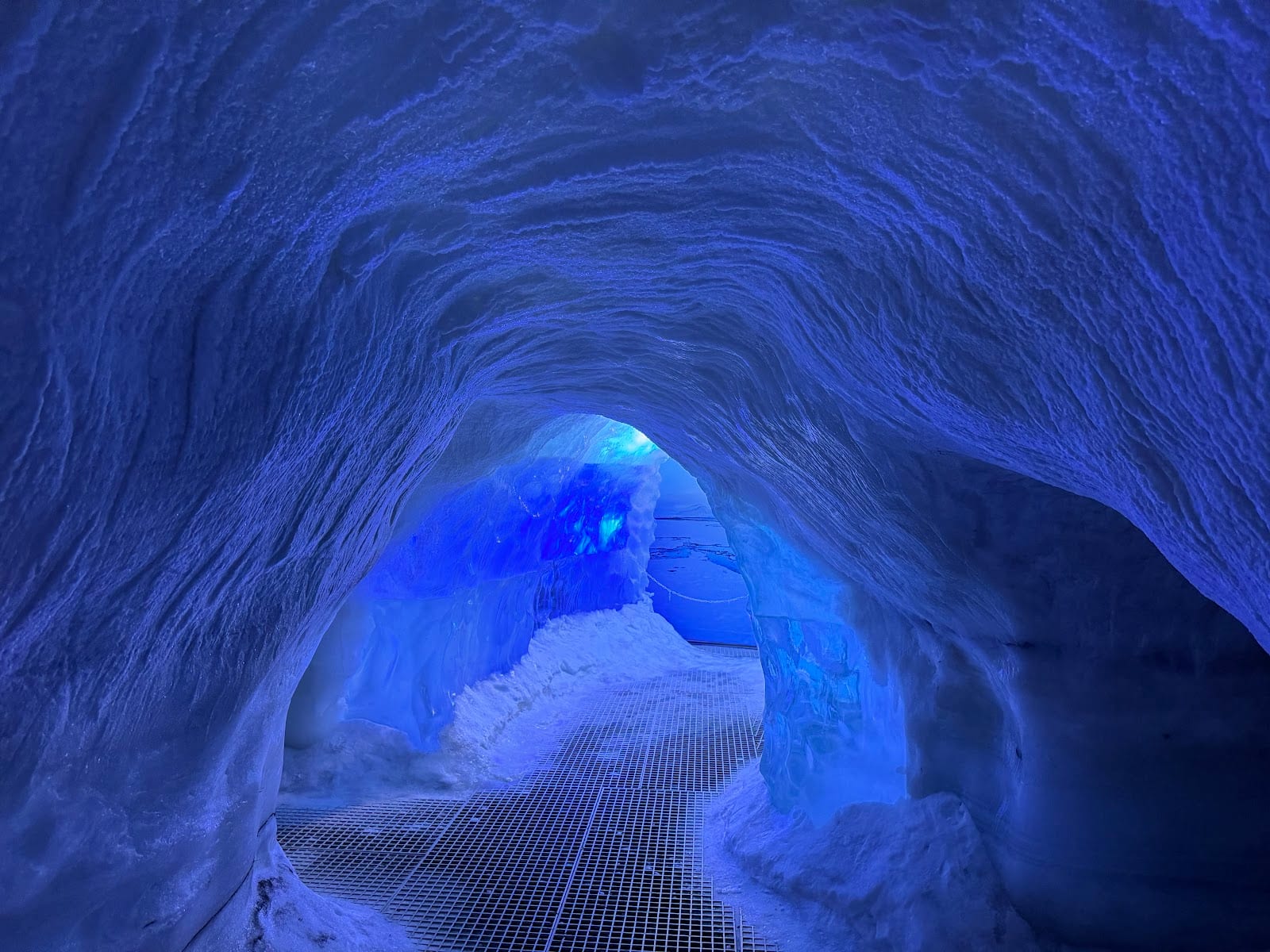
Perlan
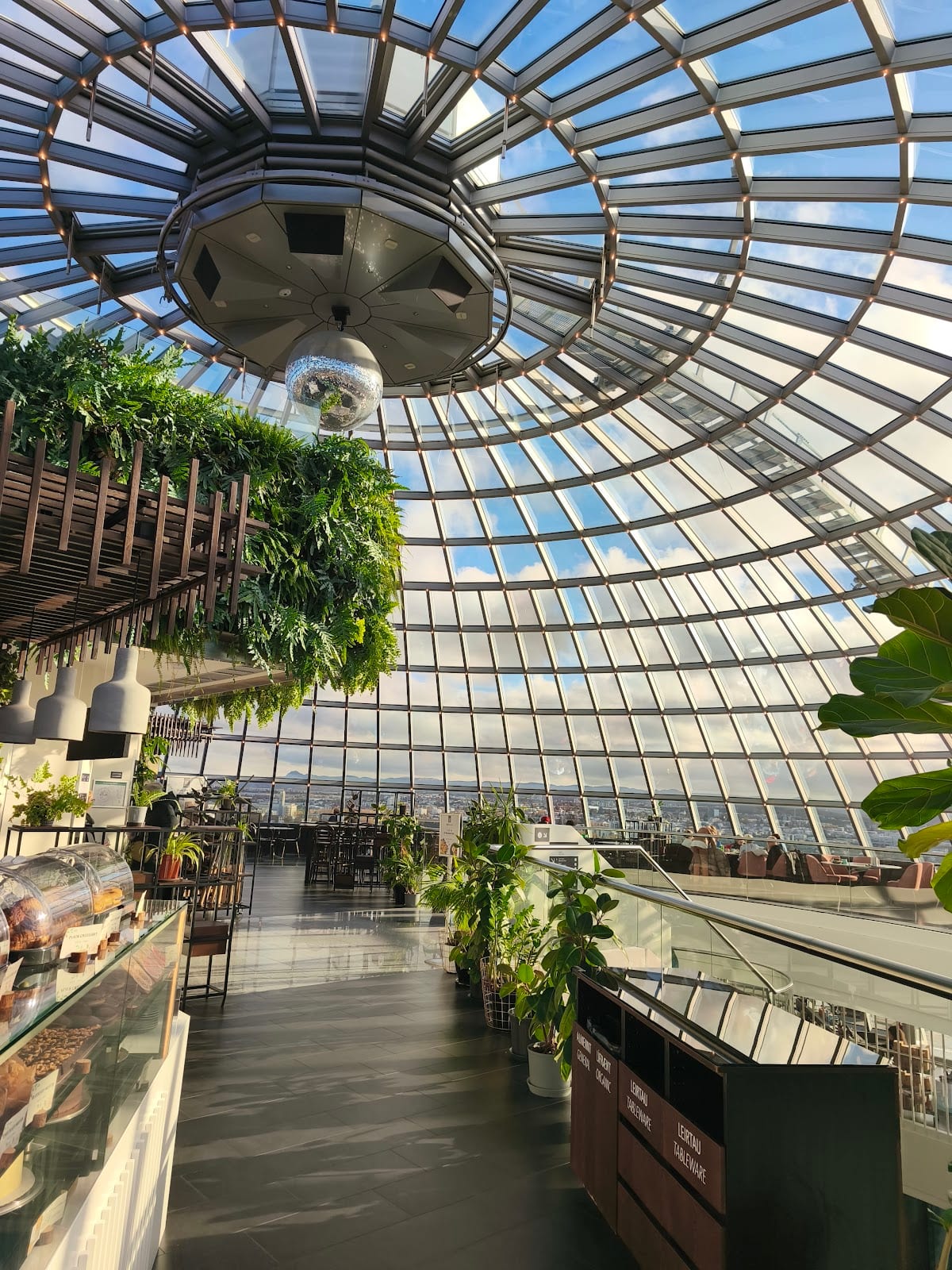
Perlan combines exhibitions, a planetarium and a panoramic observation deck under its distinctive glass dome. It is a reliable winter stop when wind, snow or short daylight disrupt outdoor plans.
Guide coming soon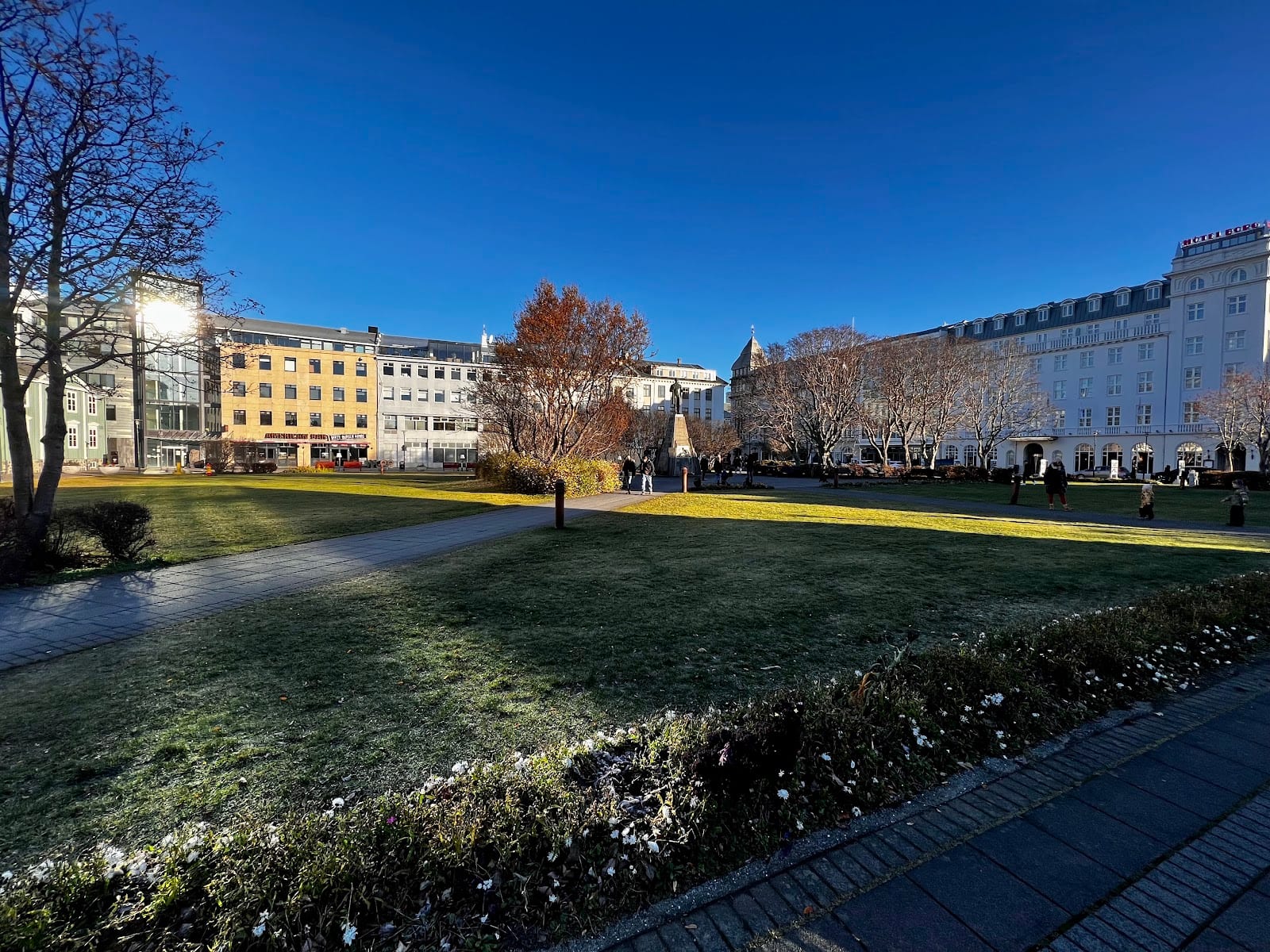
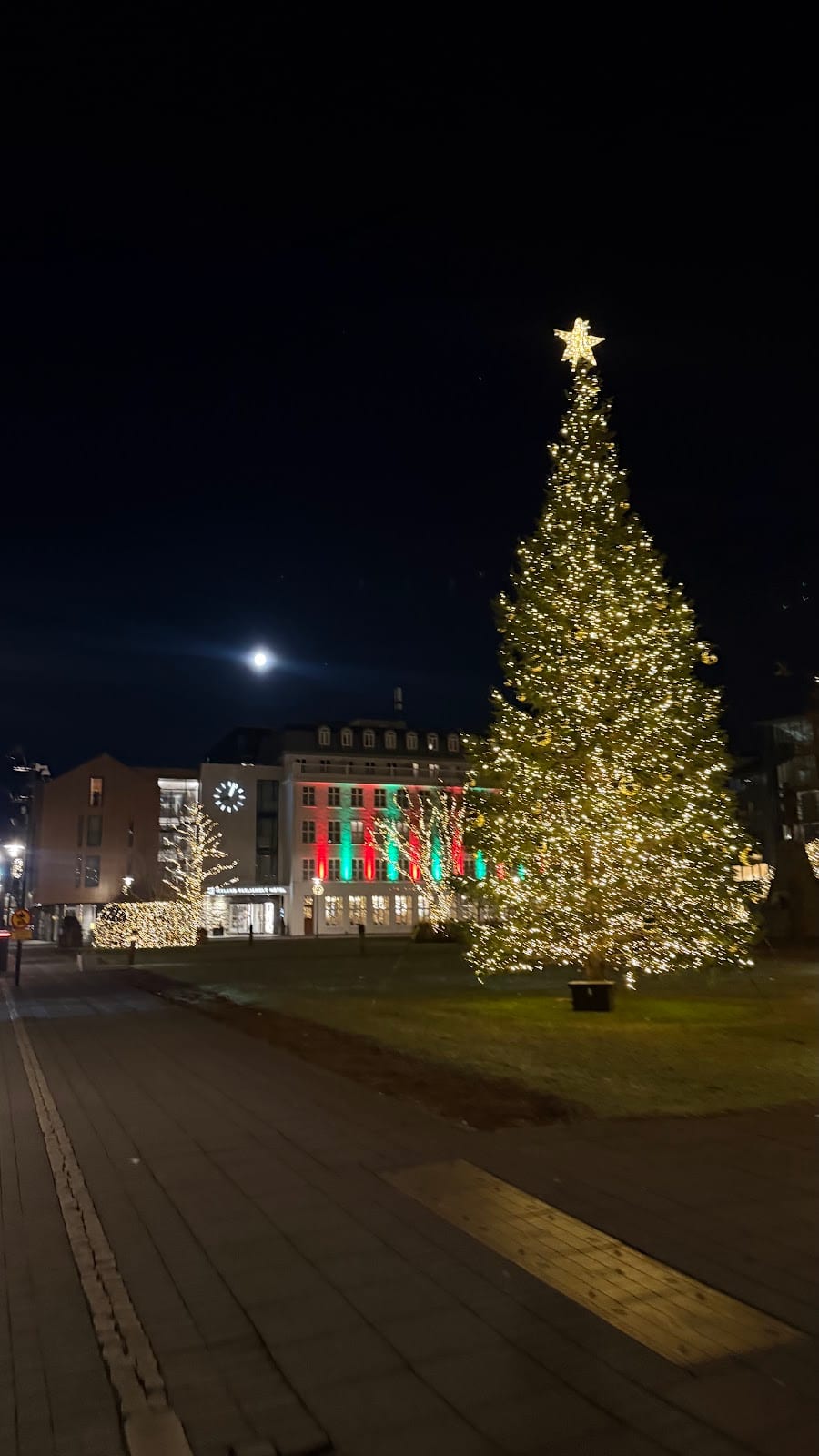
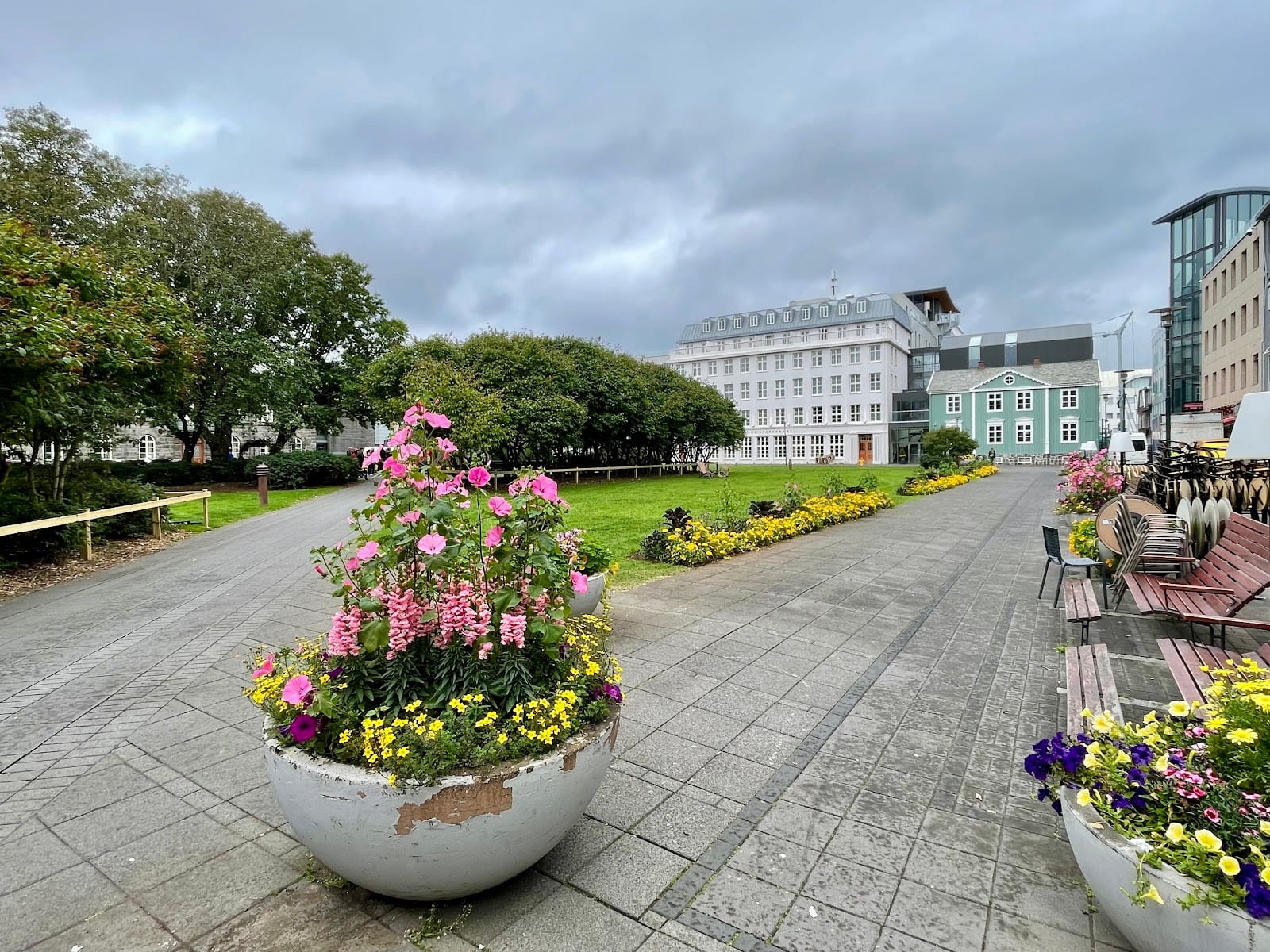
Austurvöllur
Austurvöllur is a central square beside Alþingi and Reykjavík’s historic core. In December, lights and seasonal celebrations add atmosphere, while nearby cafés provide shelter from the cold.
Guide coming soon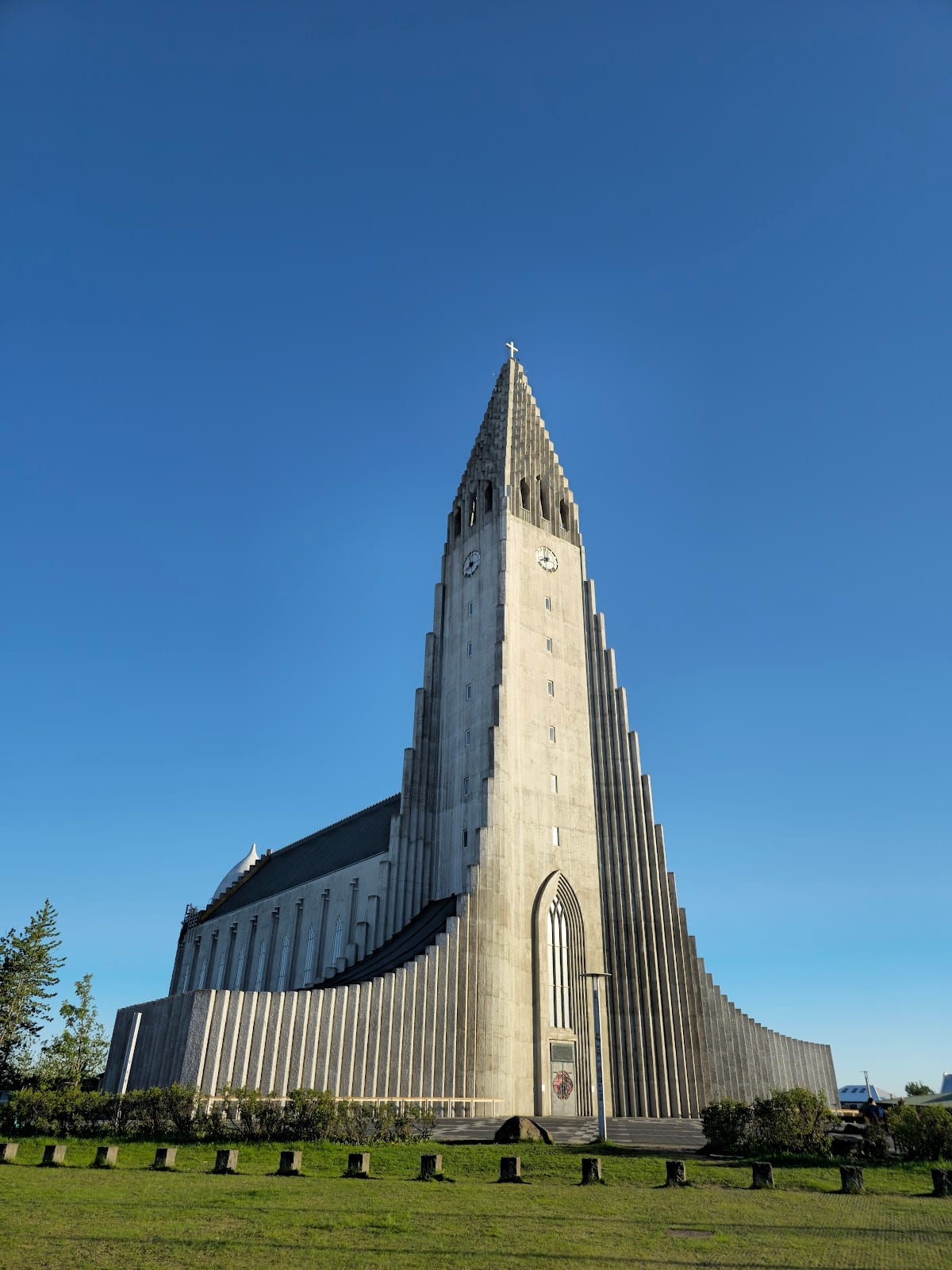
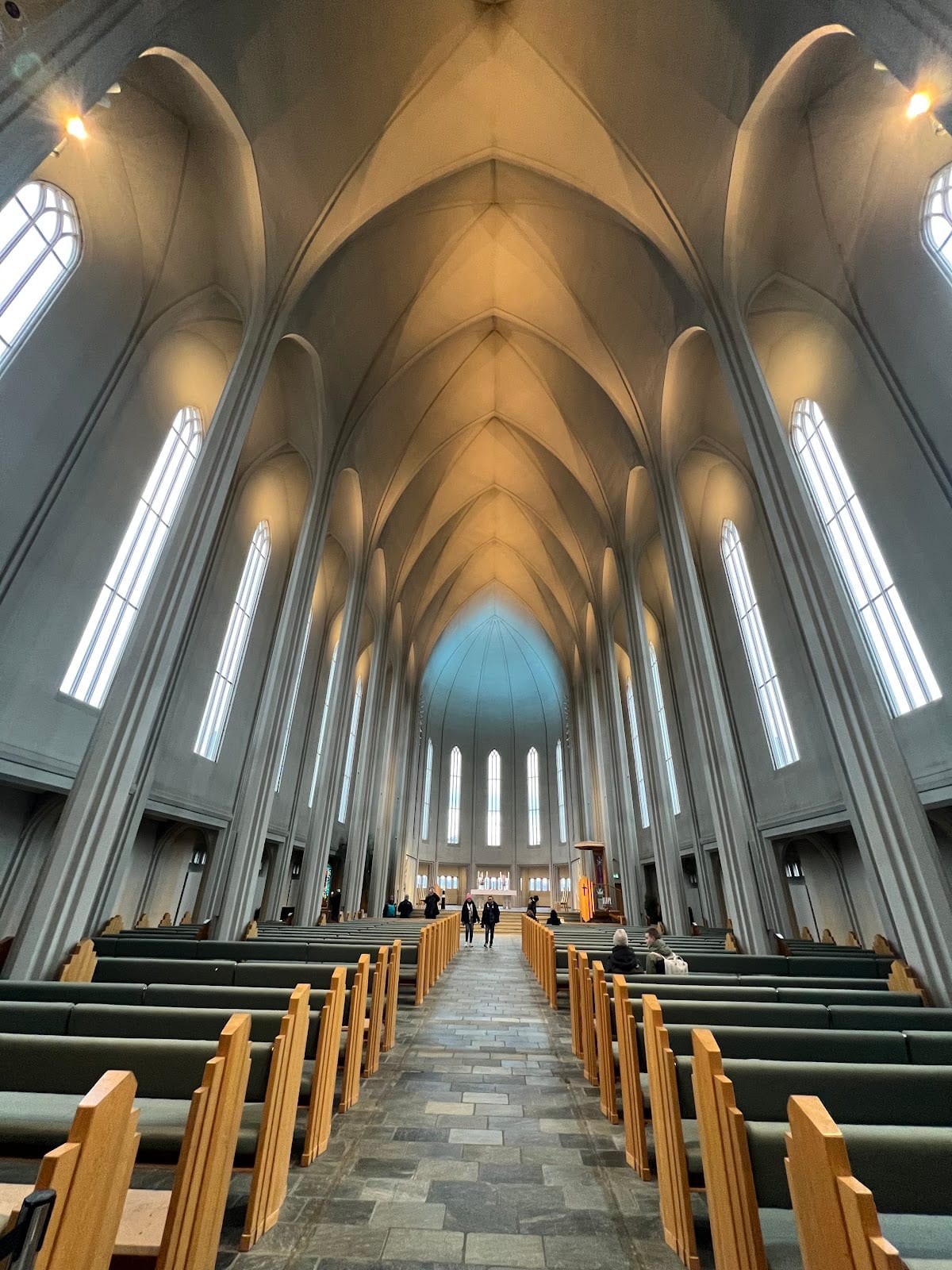
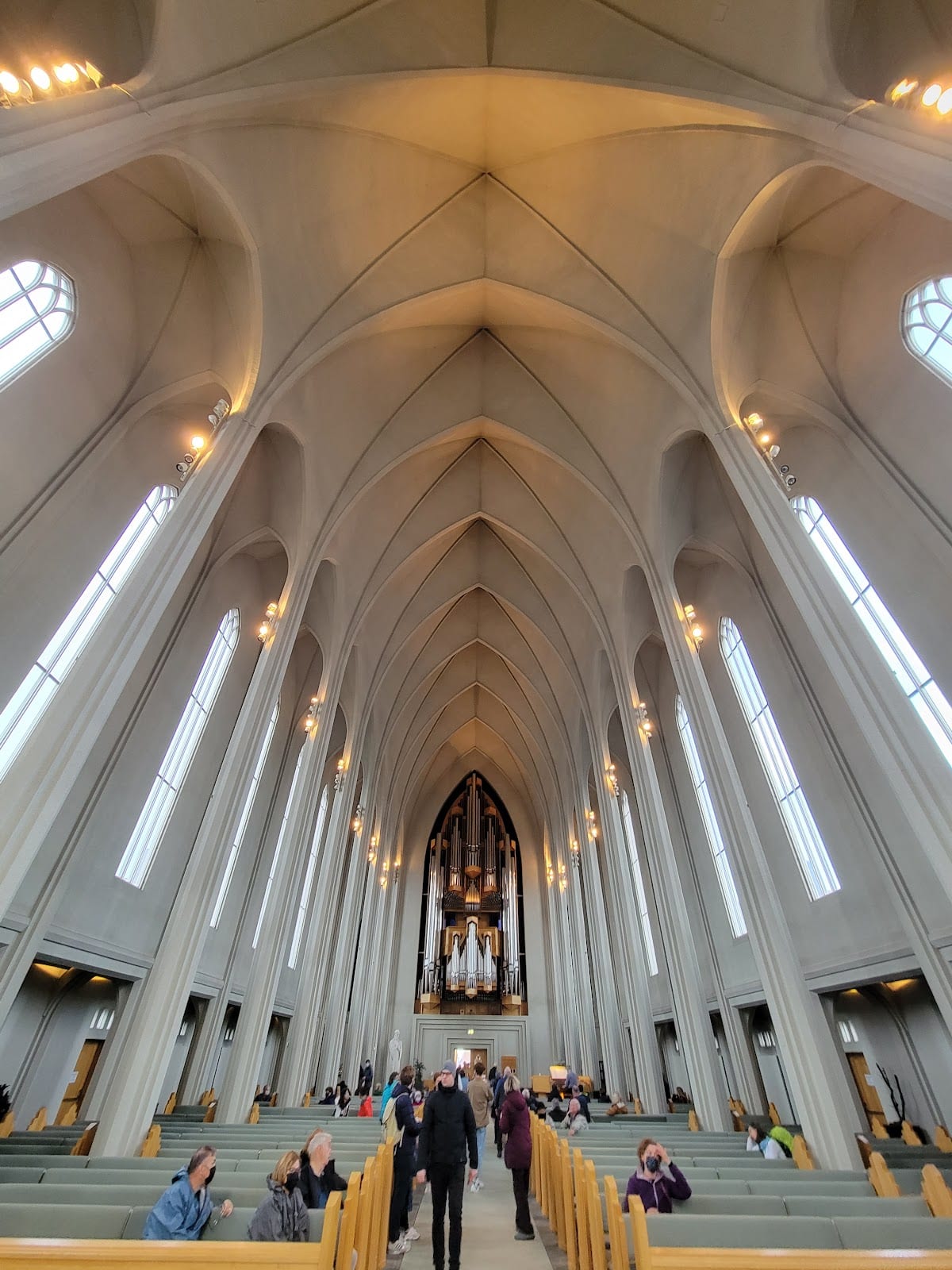
Hallgrímskirkja
Hallgrímskirkja is Reykjavík’s landmark church and one of the city’s best-known viewpoints. Winter gives the tower’s city panorama a dramatic backdrop and leaves more time for indoor cultural visits.
Guide coming soon


Ready to plan your Reykjavik trip?
Ask Zoya, your personal travel assistant, to shape the right season, pace, and day trips around your priorities.
Explore now