

Insadong · Seoul neighborhood guide
Things to Do in Insadong
Seoul's traditional-crafts quarter has three signatures: tea houses, working galleries, and Jogyesa's lantern-filled temple grounds. Here's what's actually worth your time, ranked and judged.
Insadong in brief
What is Insadong famous for?
Insadong is known for Korean cultural shopping and dining, including traditional teahouses, Korean restaurants, souvenirs, pottery, handicrafts, antiques, and boutique art galleries.
Is Insadong worth visiting?
Yes, especially if you want a compact introduction to Korean crafts, tea culture, traditional food, galleries, and cultural attractions in central Seoul.
Is Insadong a tourist trap?
Insadong is tourist-oriented, but it also has substantial cultural offerings, including traditional teahouses, pottery and handicraft shops, antiques, galleries, and Jogyesa Temple.
Get oriented
How Insadong Seoul fits together
Insadong is a compact Jongno neighborhood organized around Insadong-gil, with craft malls, galleries, tea houses, temples, and historic sites branching into narrow lanes.
Start at Anguk Station and take Exit 6 for the simplest approach to Insadong-gil. The main street runs roughly 630 meters toward Dynamic Maze, with galleries, traditional restaurants, teahouses, cafés, pottery, souvenir shops, and antique dealers along it. Ssamziegil sits on the main strip; the Beautiful Tea Museum and Kyung-in Museum of Fine Art are nearby. Jogyesa Temple, Tapgol Park, and Unhyeongung extend the walk toward Jongno.
A compact walk from Anguk Station through the main street, craft lanes, tea rooms, and historic stops:
See & do, ranked
The best things to do in Insadong
Our honest ranking of Insadong's strongest experiences, from its main street to its quieter museums and historic corners.
Must-see
The essentials, ranked.- 1
 Insadong-gil Worth it
Insadong-gil
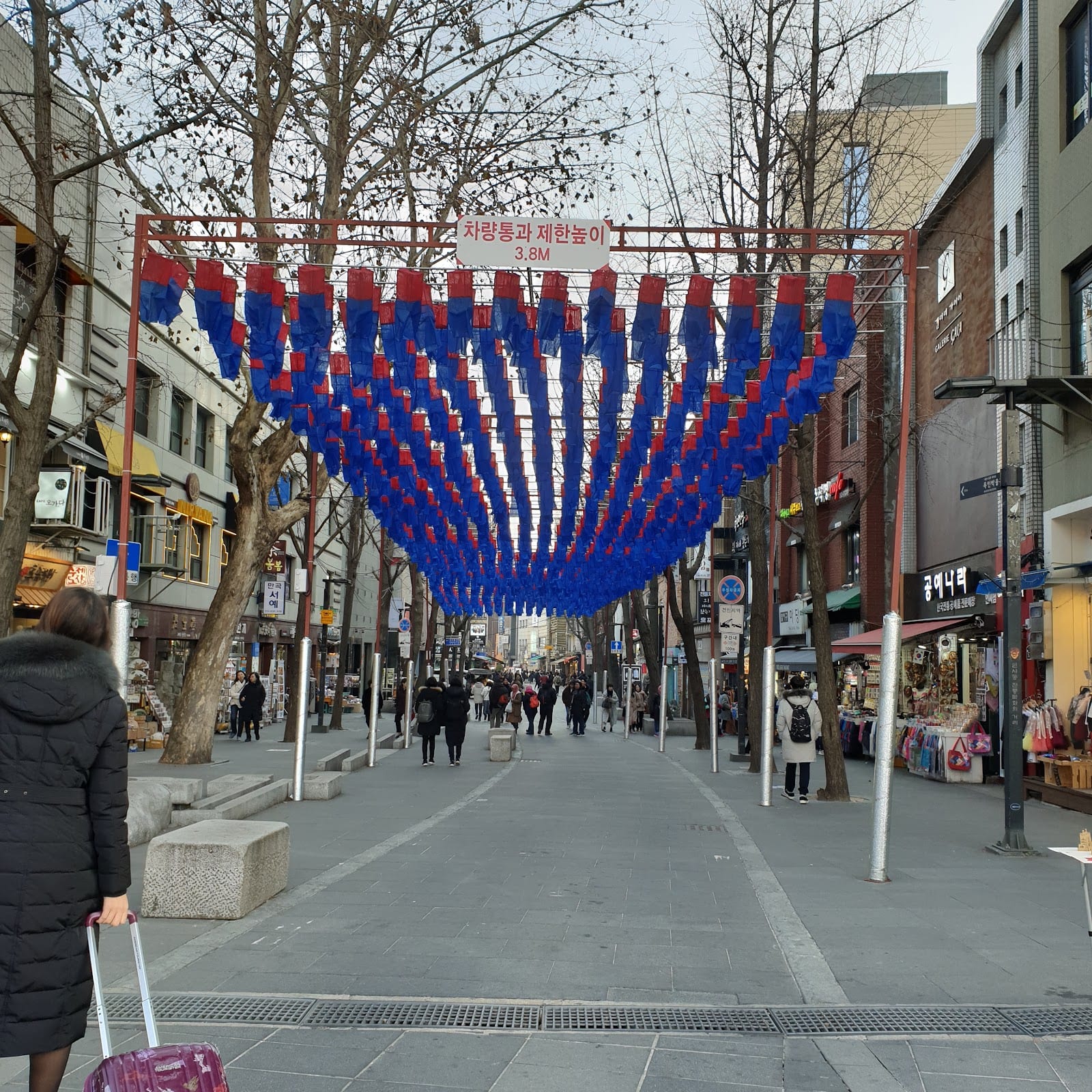
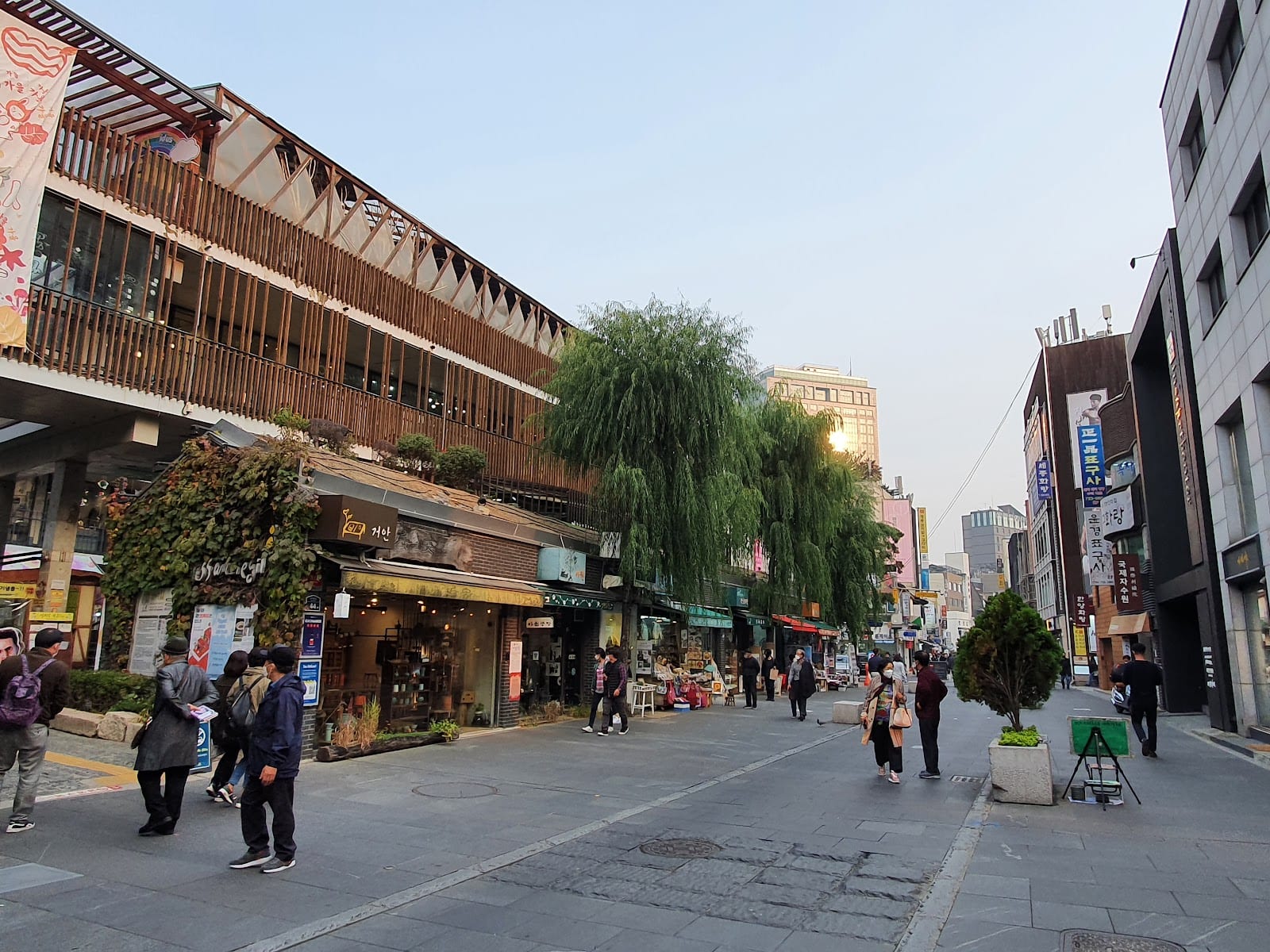
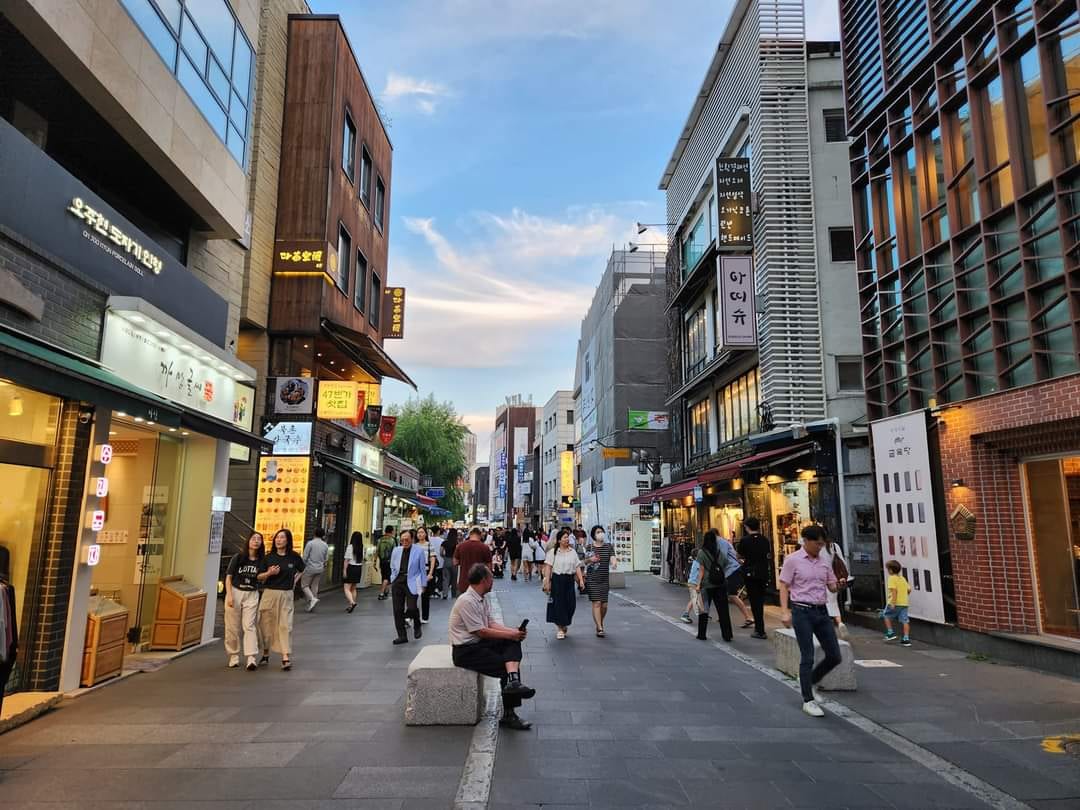
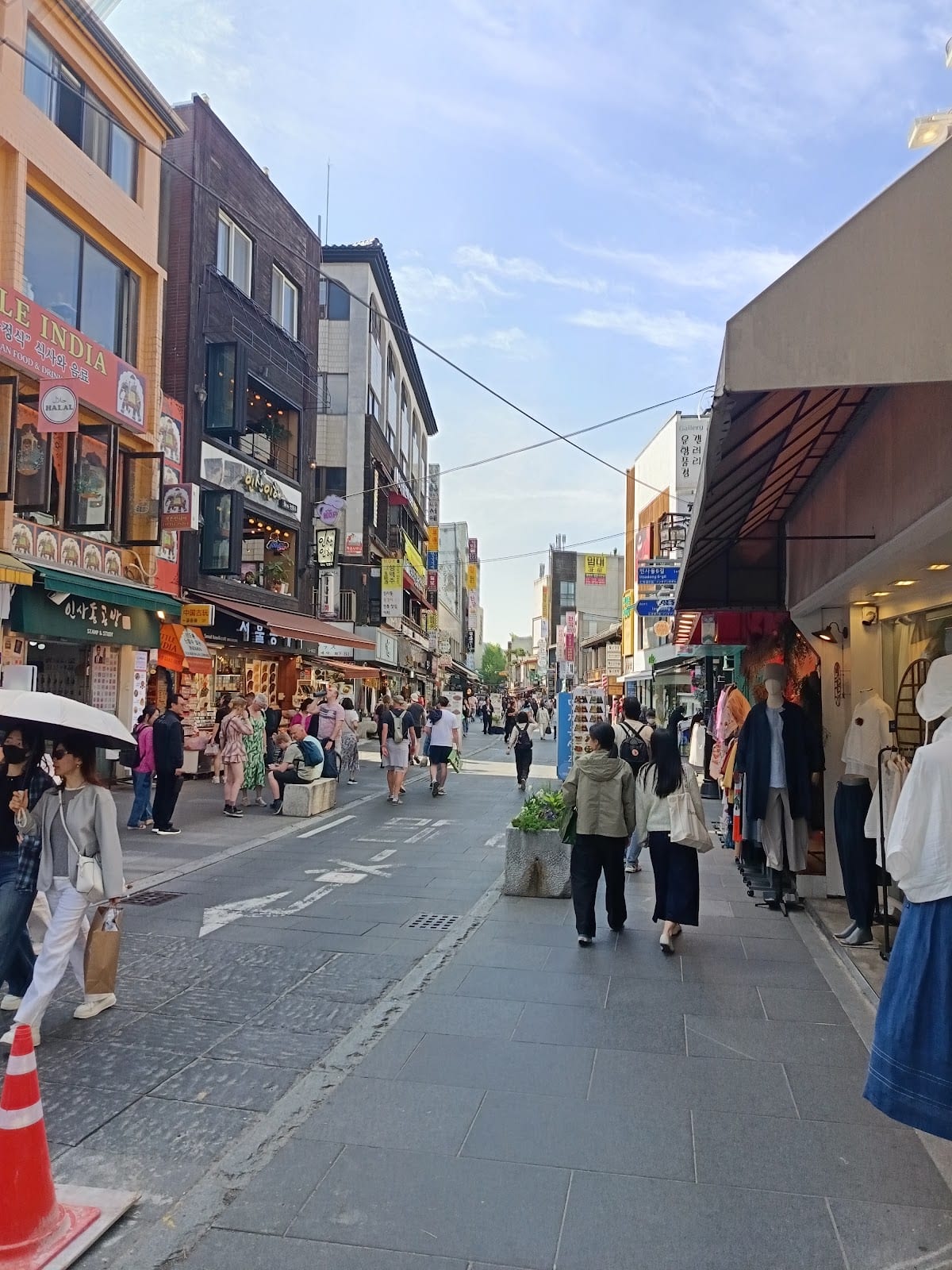
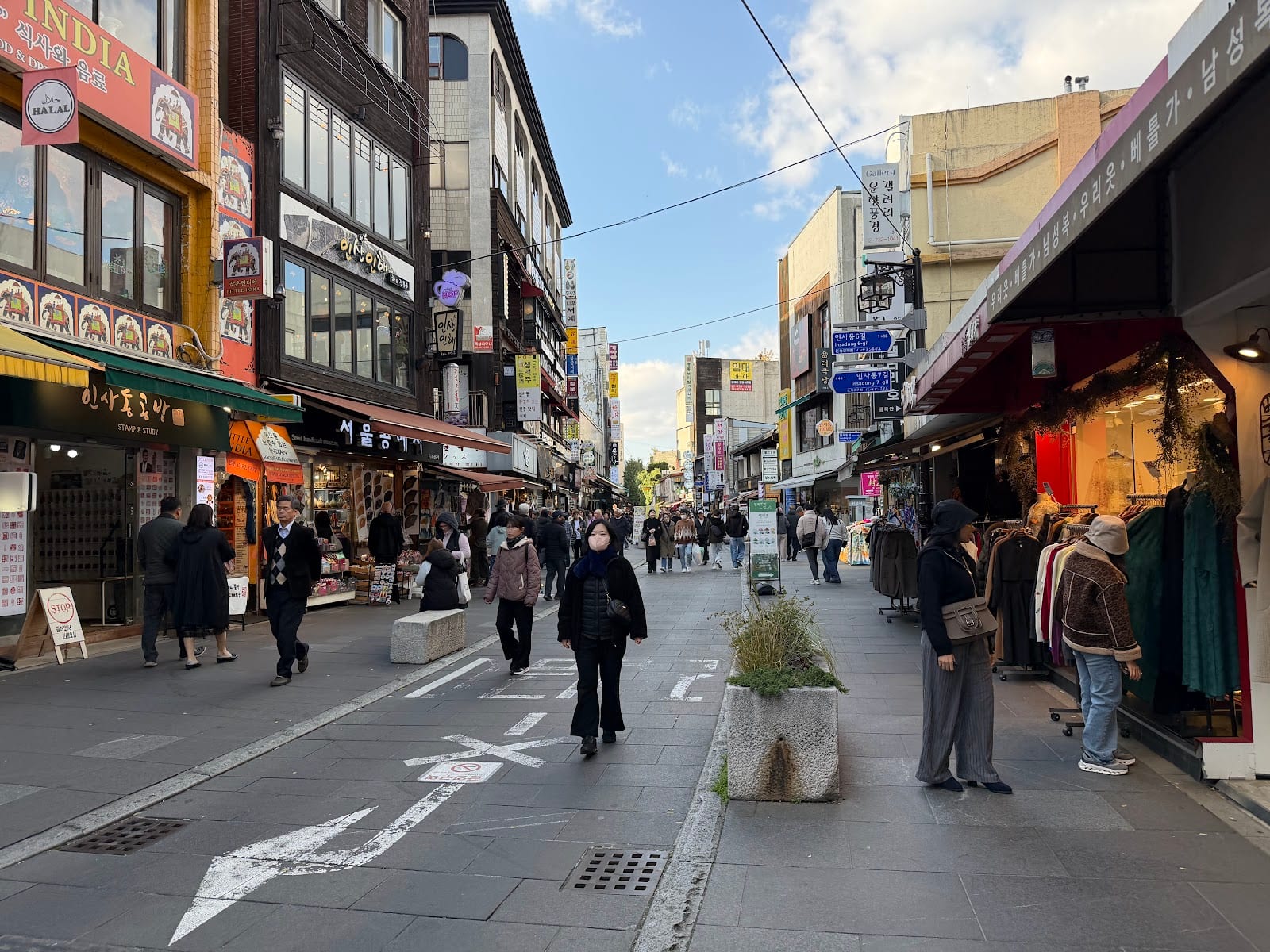
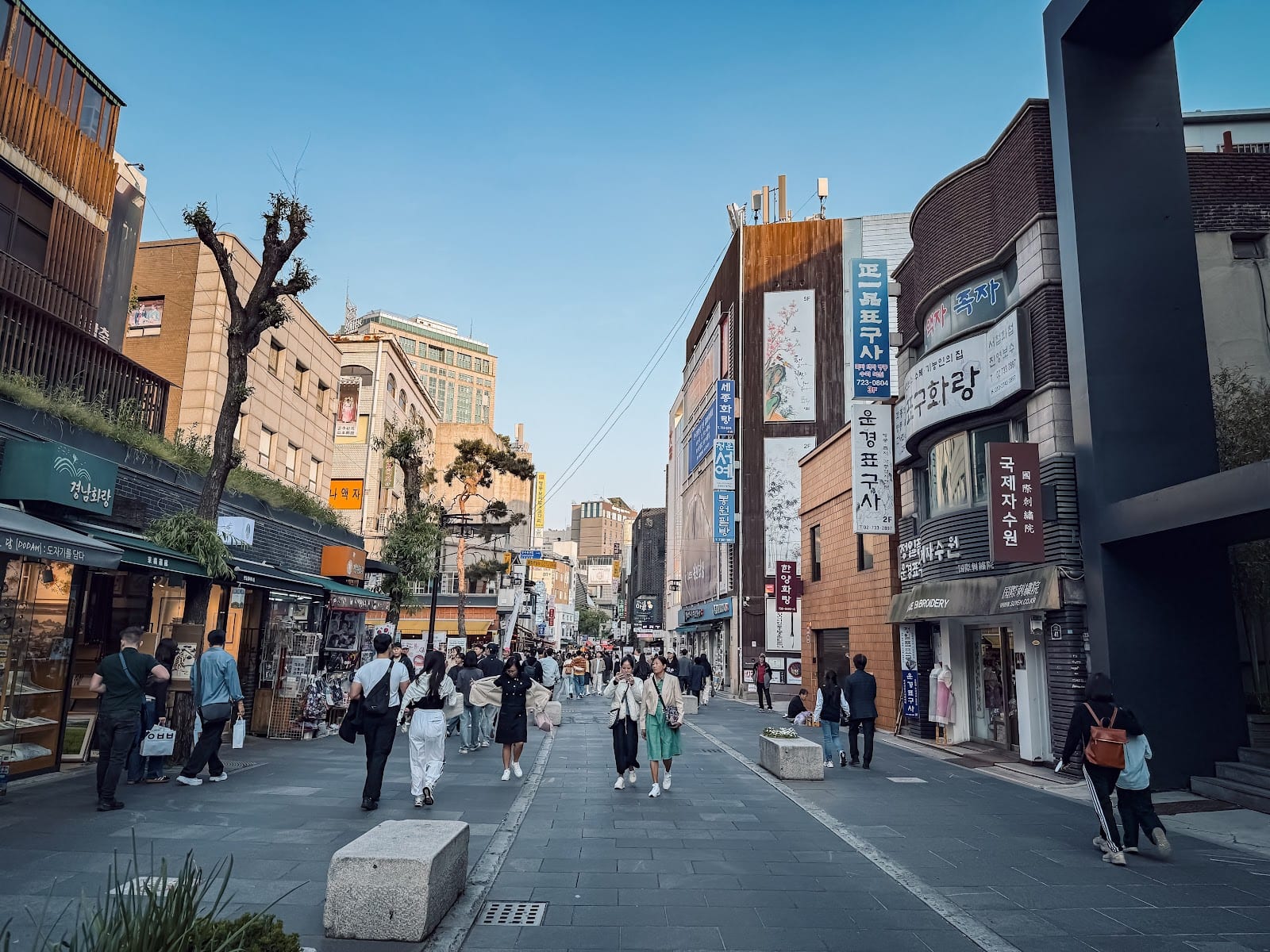
Insadong-gil is the district's essential first walk, where galleries, tea houses, craft shops, and weekend street culture meet.
Insadong-gil is the spine of historic Insadong, an area known for antiques after the Japanese occupation and for galleries, shops, and tea rooms since the 1950s. It was redesigned between 1999 and 2000, when utility poles were removed, sidewalks widened, and traditional black tiles were added. The main shopping and culture street runs about 630 meters from Anguk Station toward Dynamic Maze. Come to wander rather than chase one shop: galleries, restaurants, teahouses, pottery, cafés, and souvenir stores fill the route. Weekend vehicle closures make room for booths, performances, and exhibits. Its best detail is easy to miss: the street furniture carries engraved historic tales.
1-2 hourson GoogleGood for families, couples, friends, solo
- 2
 Ujeongguk-ro Worth the hype
Jogyesa Temple
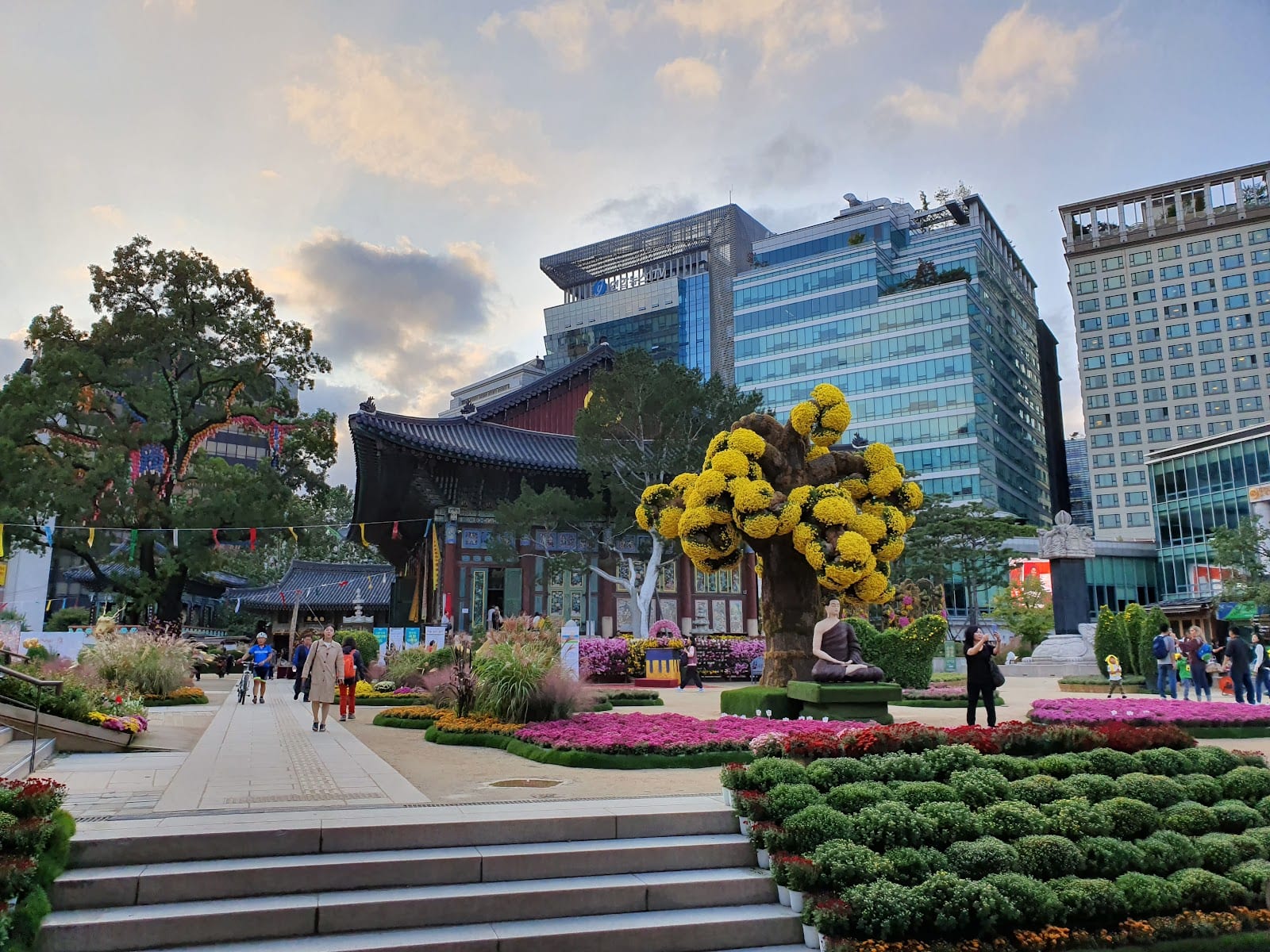
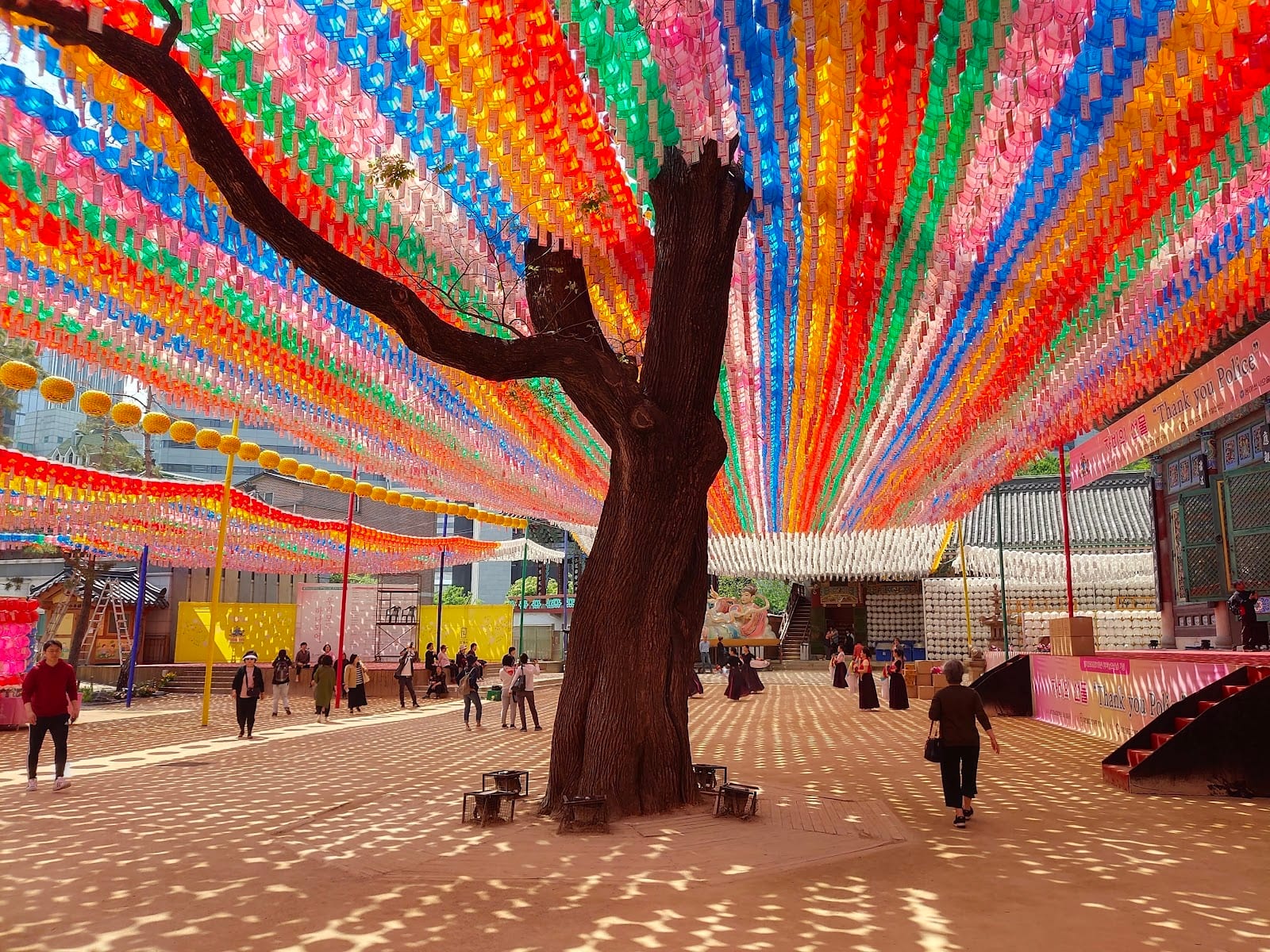
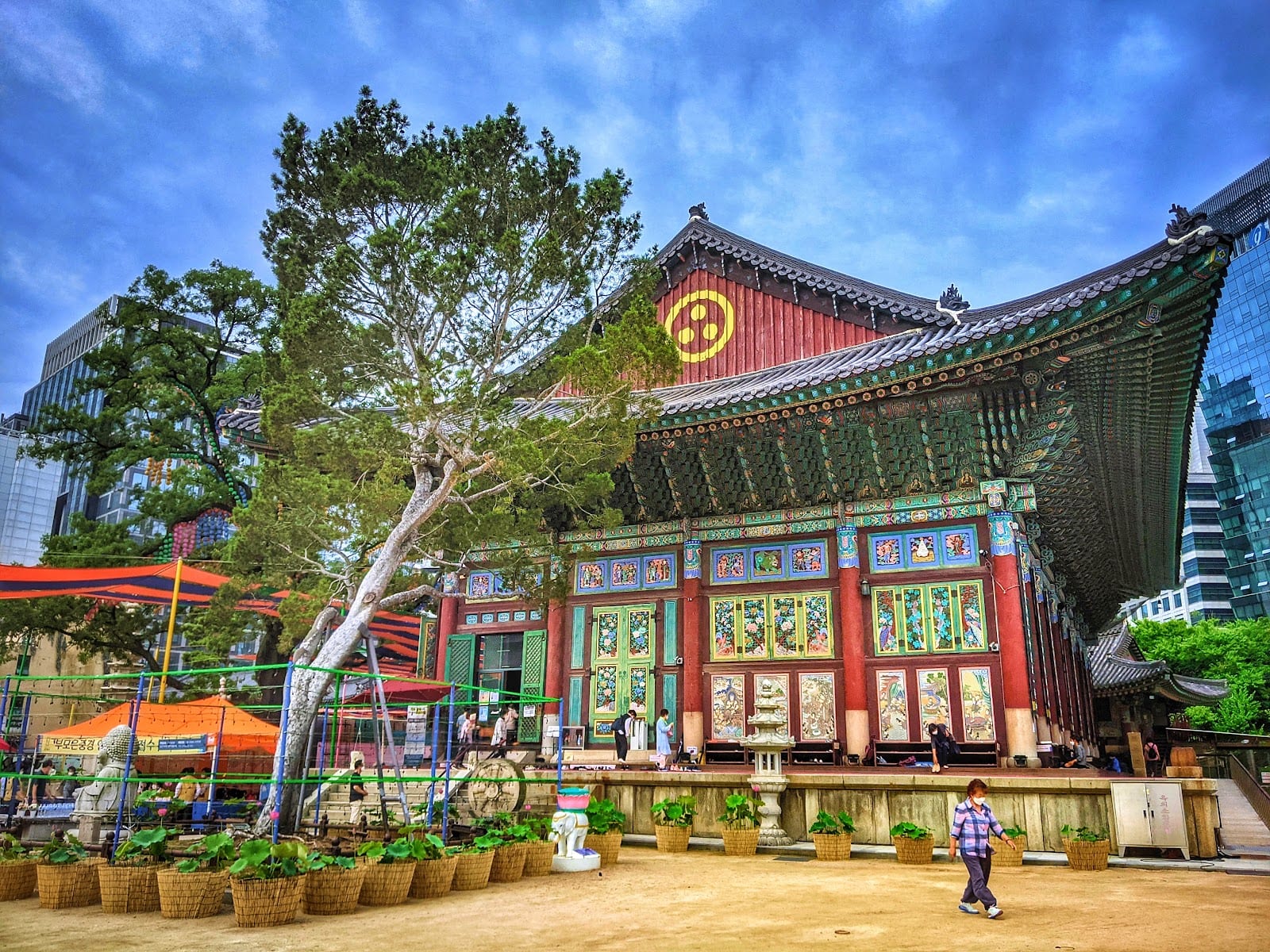
Jogyesa is Insadong's most affecting pause, a living Buddhist headquarters whose lanterns transform the grounds.
Jogyesa is Seoul's main temple and the district head temple of the Jogye order. The modern temple began as Gakwangsa in 1910, became Tegosa Temple in 1936, and took its present name after a 1954 purification drive. Its Dharma Hall hosts rituals, lectures, ceremonies, and other Buddhist events. Admission is free, and public transport is recommended because parking is limited. It is reachable from Jonggak or Anguk Station, making it an easy detour from Insadong-gil. The annual lantern festival celebrating Buddha's birthday is the detail that changes the visit: ordinary temple grounds become a canopy of color rather than just another sightseeing stop.
30-60 minuteson GoogleGood for families, couples, solo
Sourcesenglish.visitkorea.or.kr
- 3
 Insadong-gil Worth it
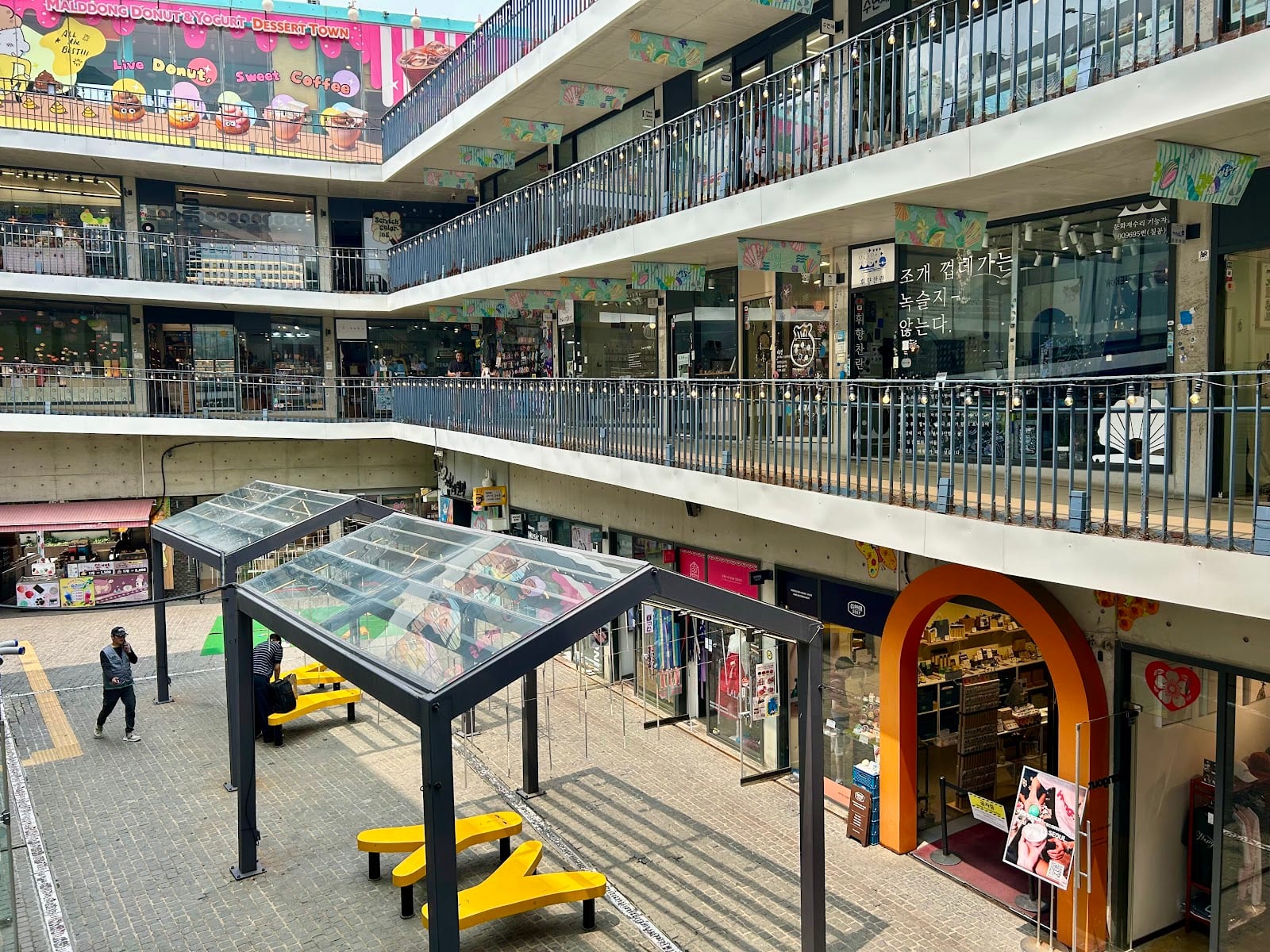
Ssamziegil
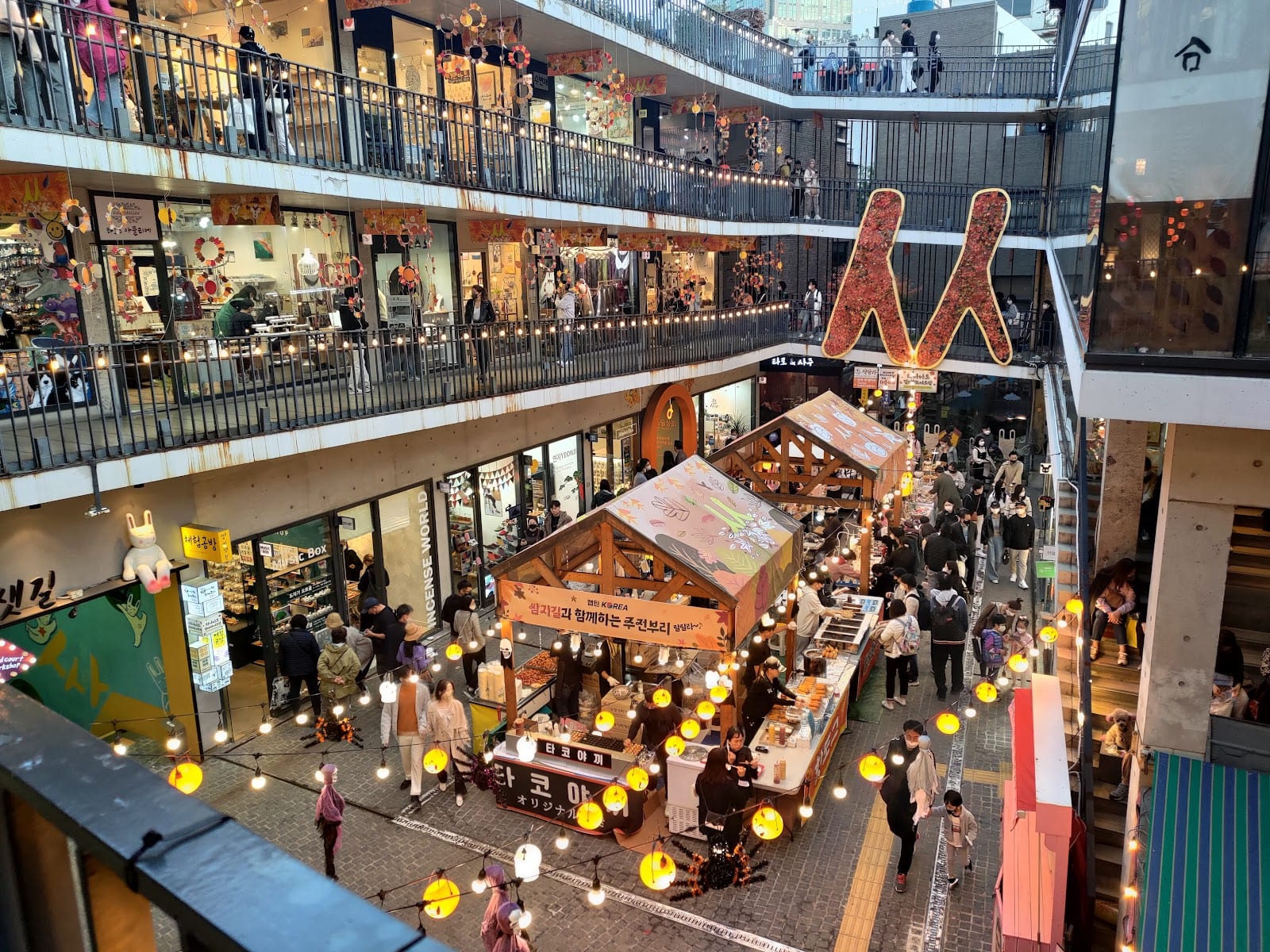
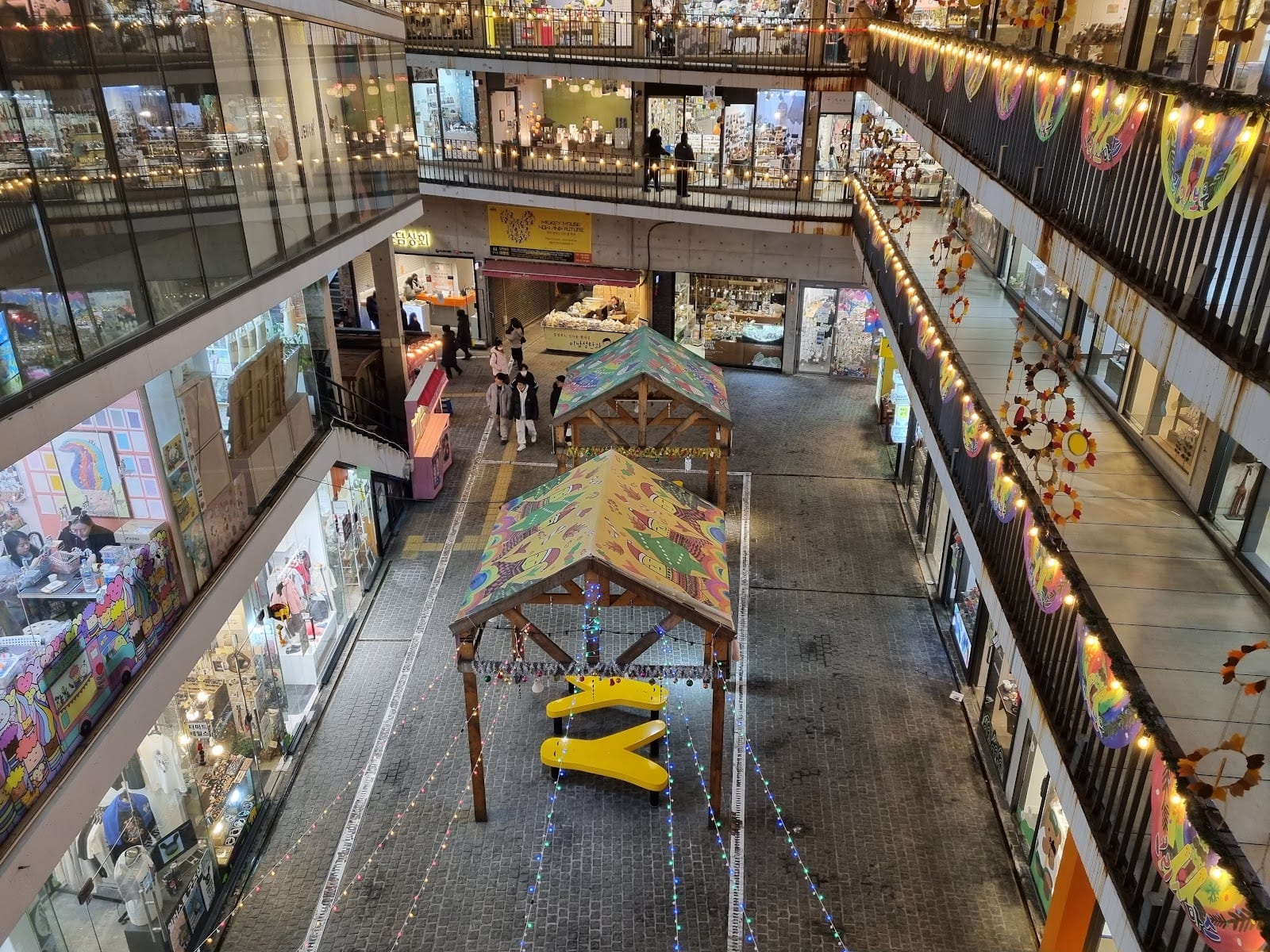
Ssamziegil turns Insadong's craft-shopping brief into an enjoyable architectural loop.
Ssamziegil opened in 2004 as a modern cultural shopping mall designed to fit Insadong's traditional neighborhood while bringing traditional and contemporary crafts together. Its four floors and basement hold about 70 small shops, while a 500-meter footpath winds around the courtyard toward the roof. The fourth floor adds a Sky Garden, Gallery Sum, a crafts exhibition hall, and the Galpi book cafe. Admission is free, though craft experiences cost extra, and there is no parking. It is about a three-minute walk from Anguk Station Exit 6 and opens daily from 10:30 to 20:30. The rose-stem installation climbing from the basement to the roof, beside scribbled walls and graffiti, is what makes the building memorable.
45-90 minuteson GoogleGood for families, couples, friends
Sourcesenglish.visitkorea.or.kr


Worth it with more time
Good additions once you've done the icons.- 5
 Insadong-gil Worth it
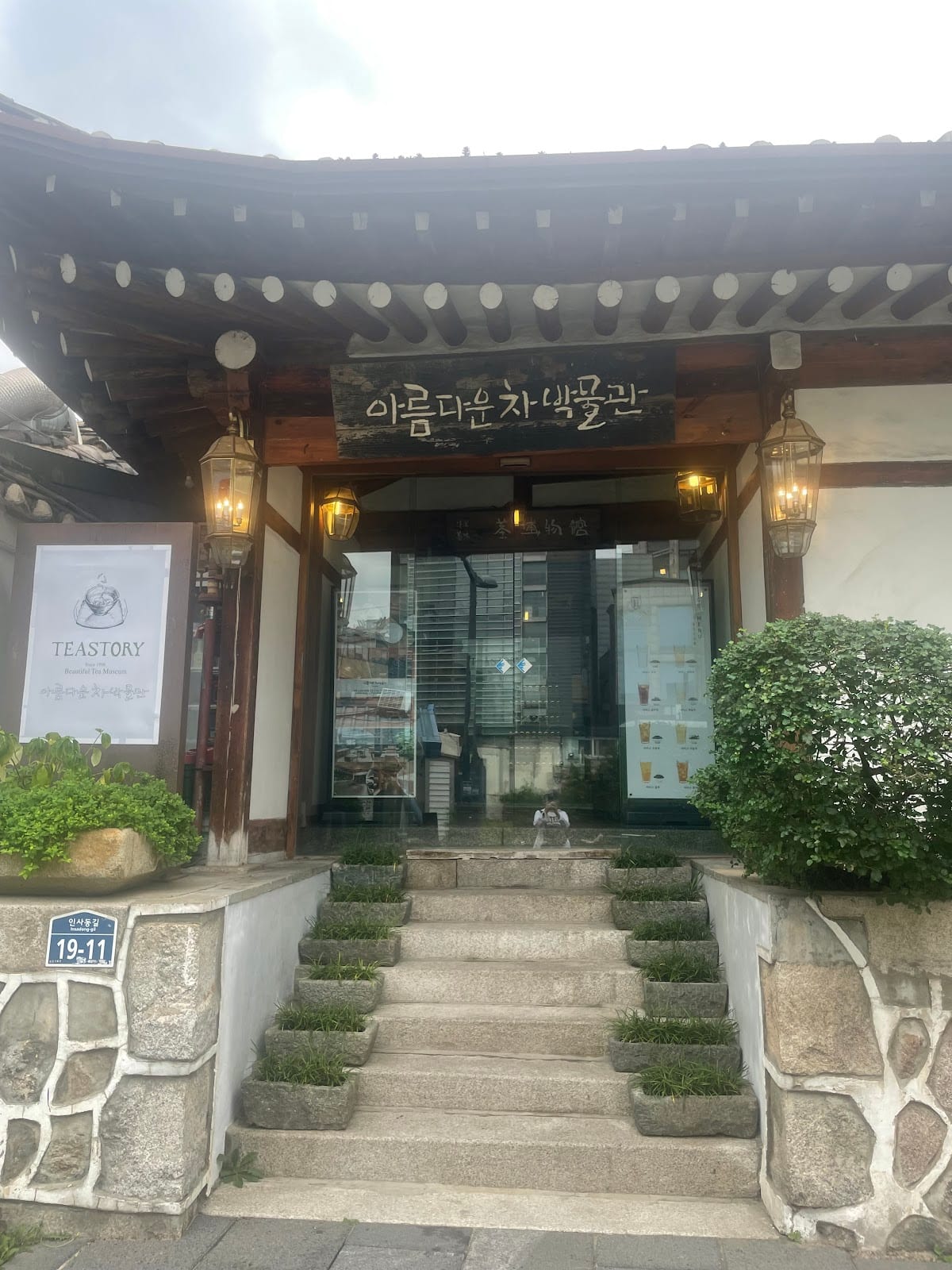
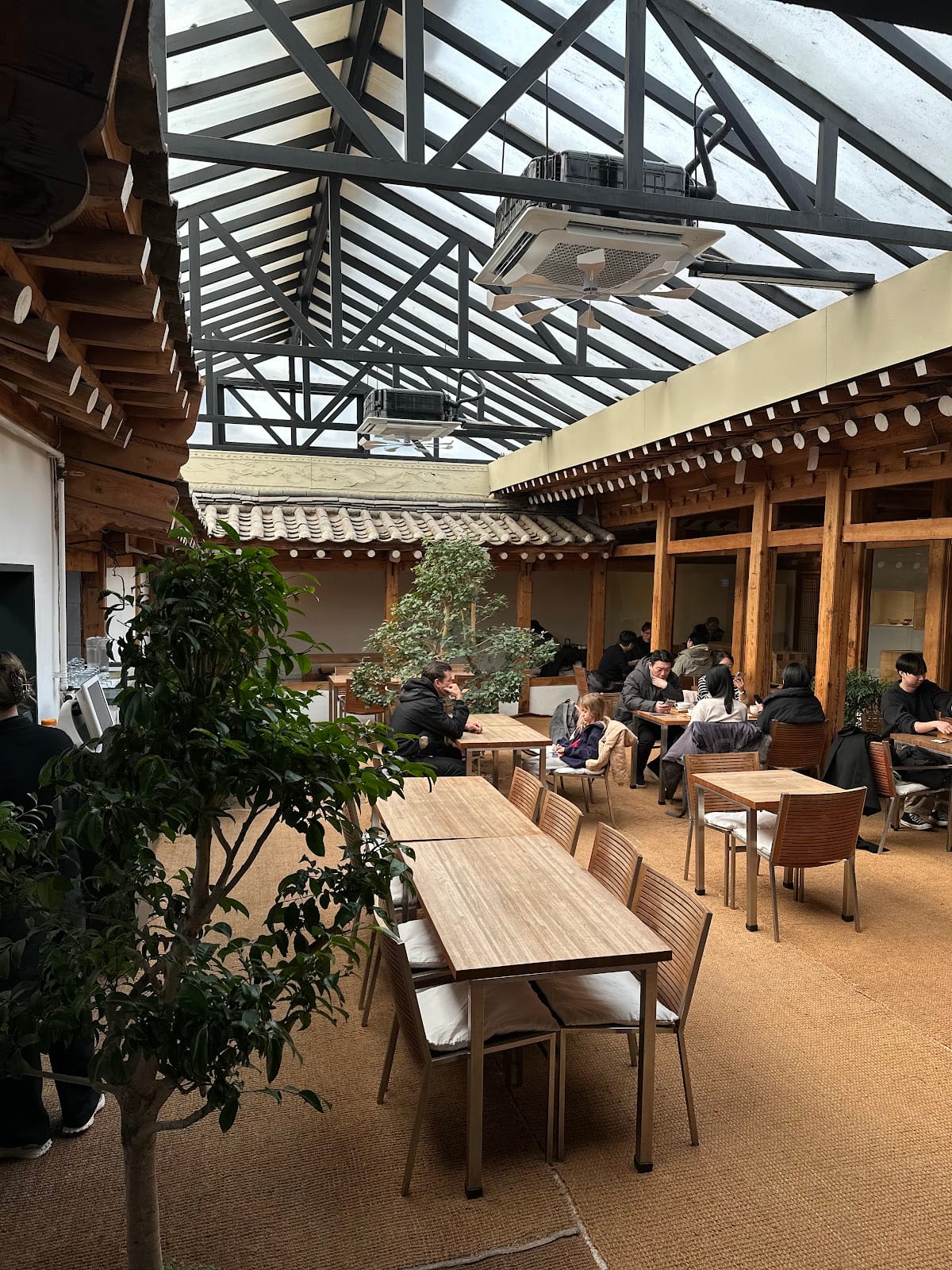
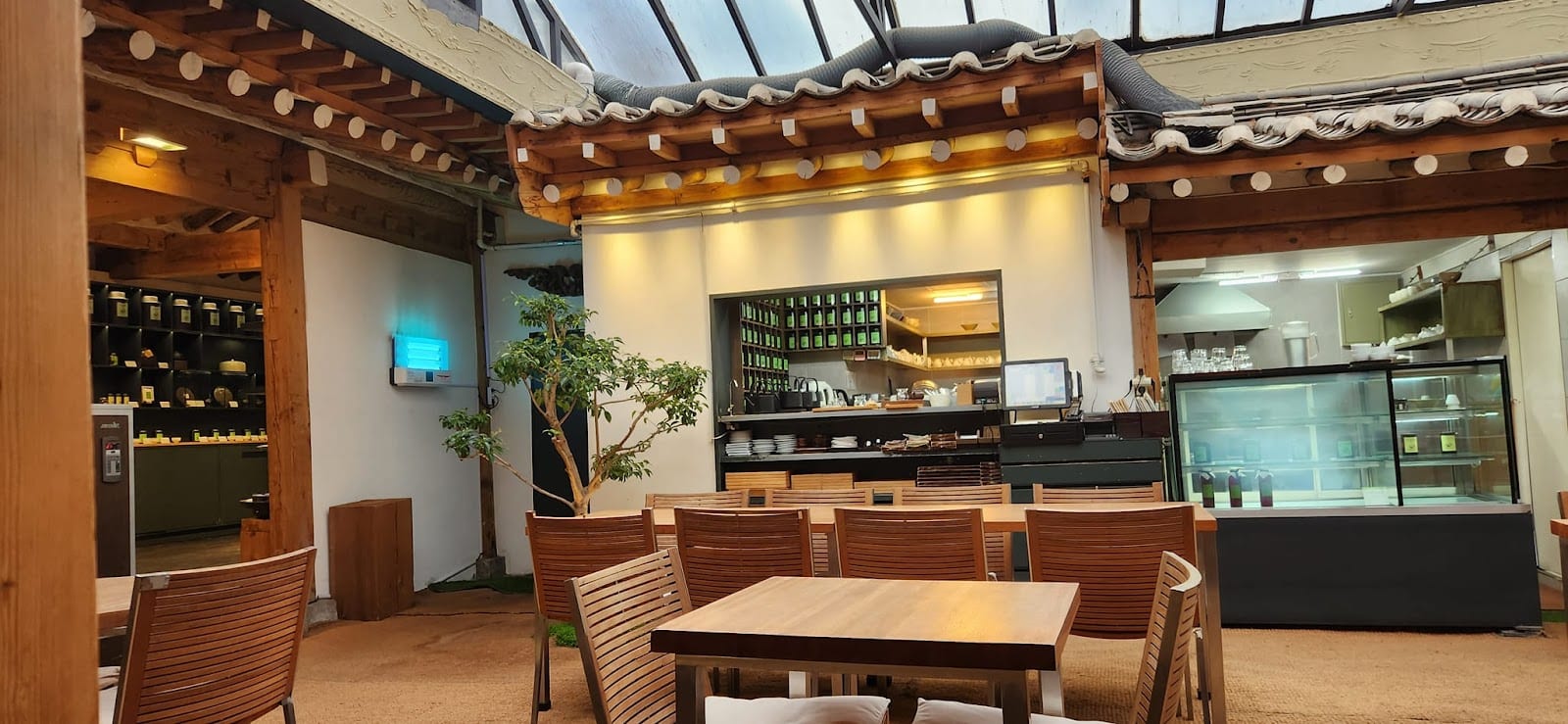
Beautiful Tea Museum
The Beautiful Tea Museum is the best compact answer to what Insadong's tea culture is actually about.
Founded in Seoul in May 2001 by David and Jade Kilburn, the Beautiful Tea Museum is built around preserving and sharing tea culture. Its shop carries more than 110 kinds of tea from Korea, China, Japan, Europe, and elsewhere, while the collection includes objects associated with ancient Gaya and the Joseon period, alongside pieces from China and Tibet. Gallery admission is free, but the cafe requires each visitor to order at least one menu item, and there is no visitor parking. It sits at 19-11 Insadong-gil and opens year-round from 11:30 to 20:00. The strongest detail is the mix of original teapots made by young artists and ceramists with older tea objects.
Good for couples, solo, friends
Sourcesen.teamuseum.co.kr
- 6
 Insadong 10-gil Worth it
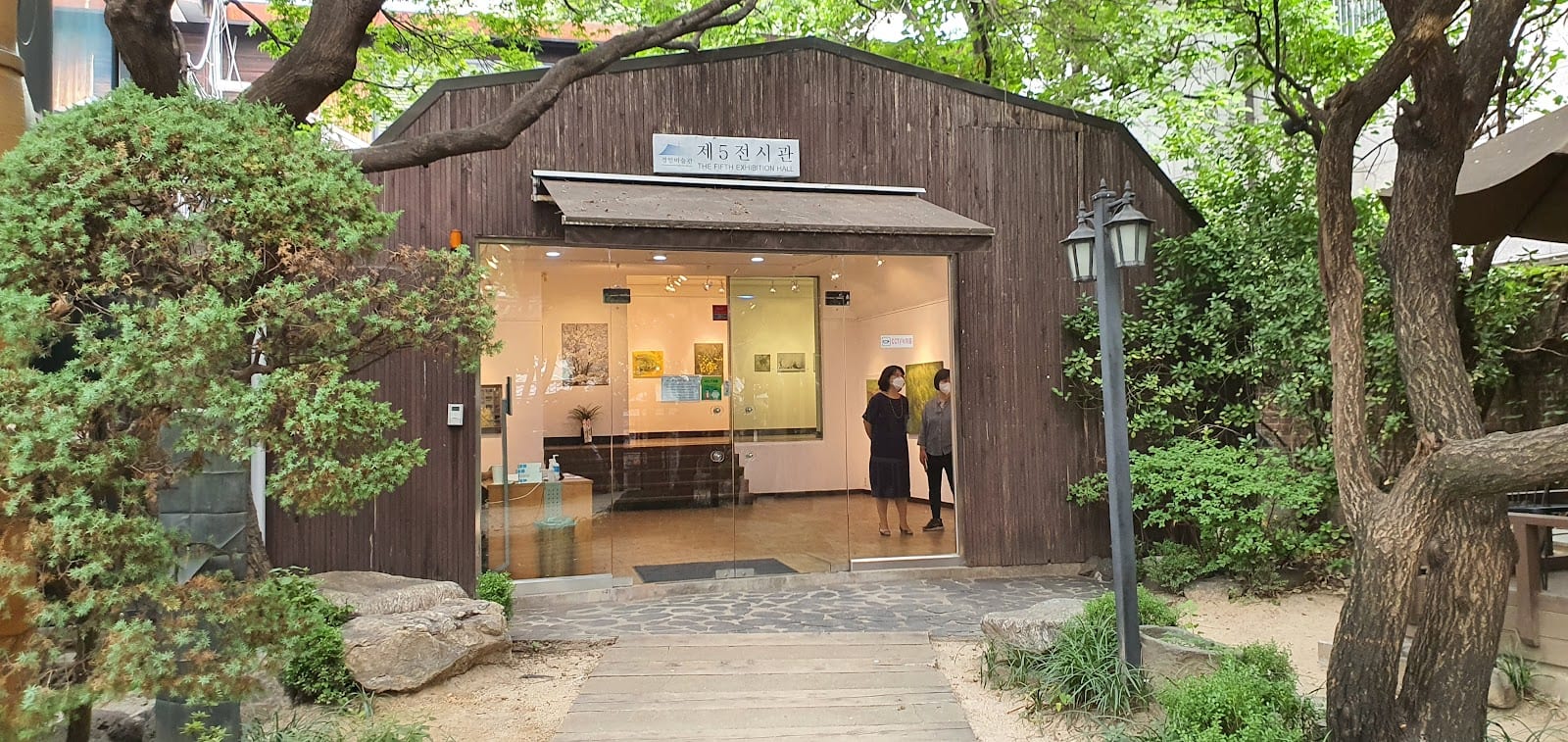
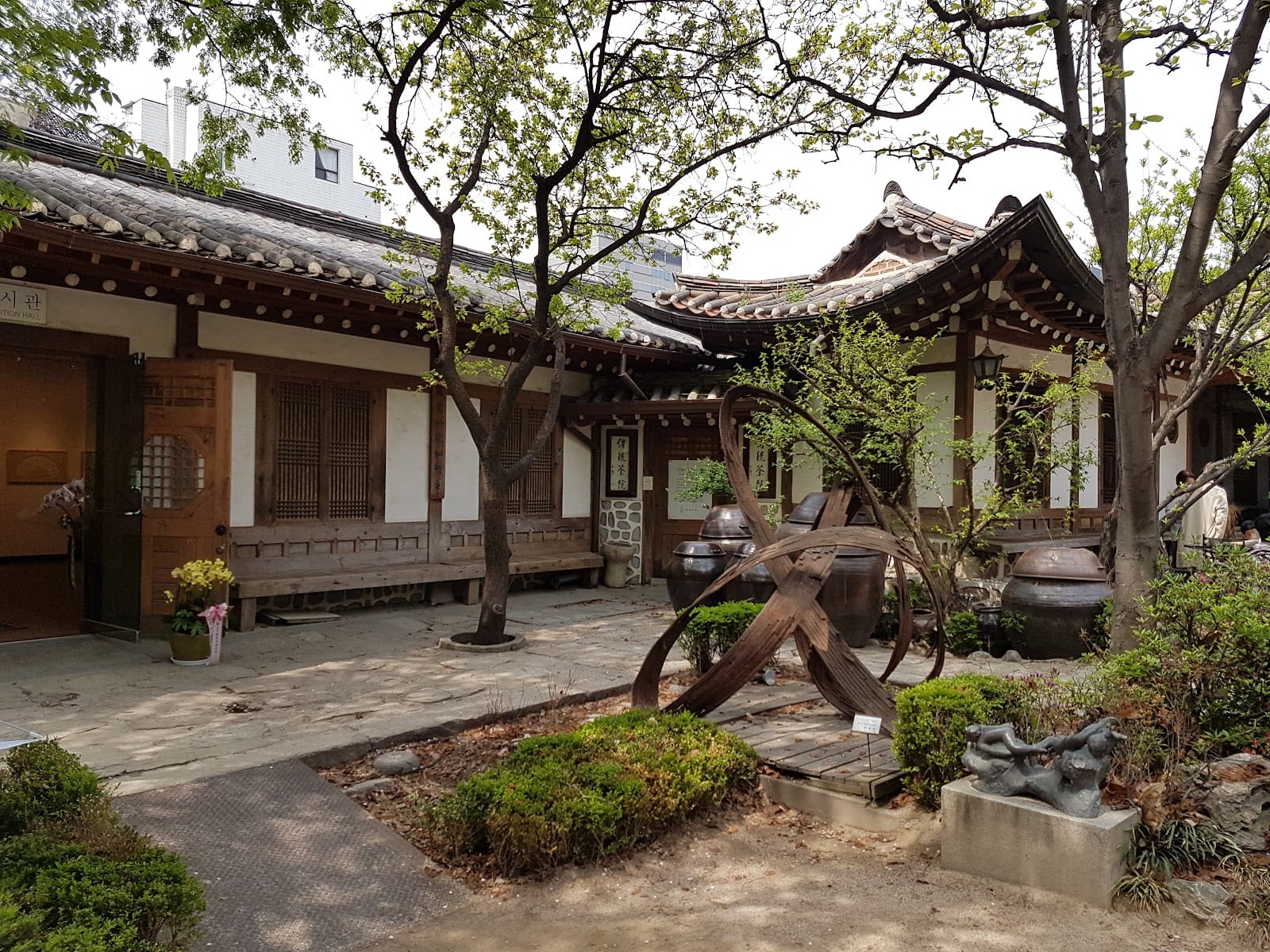
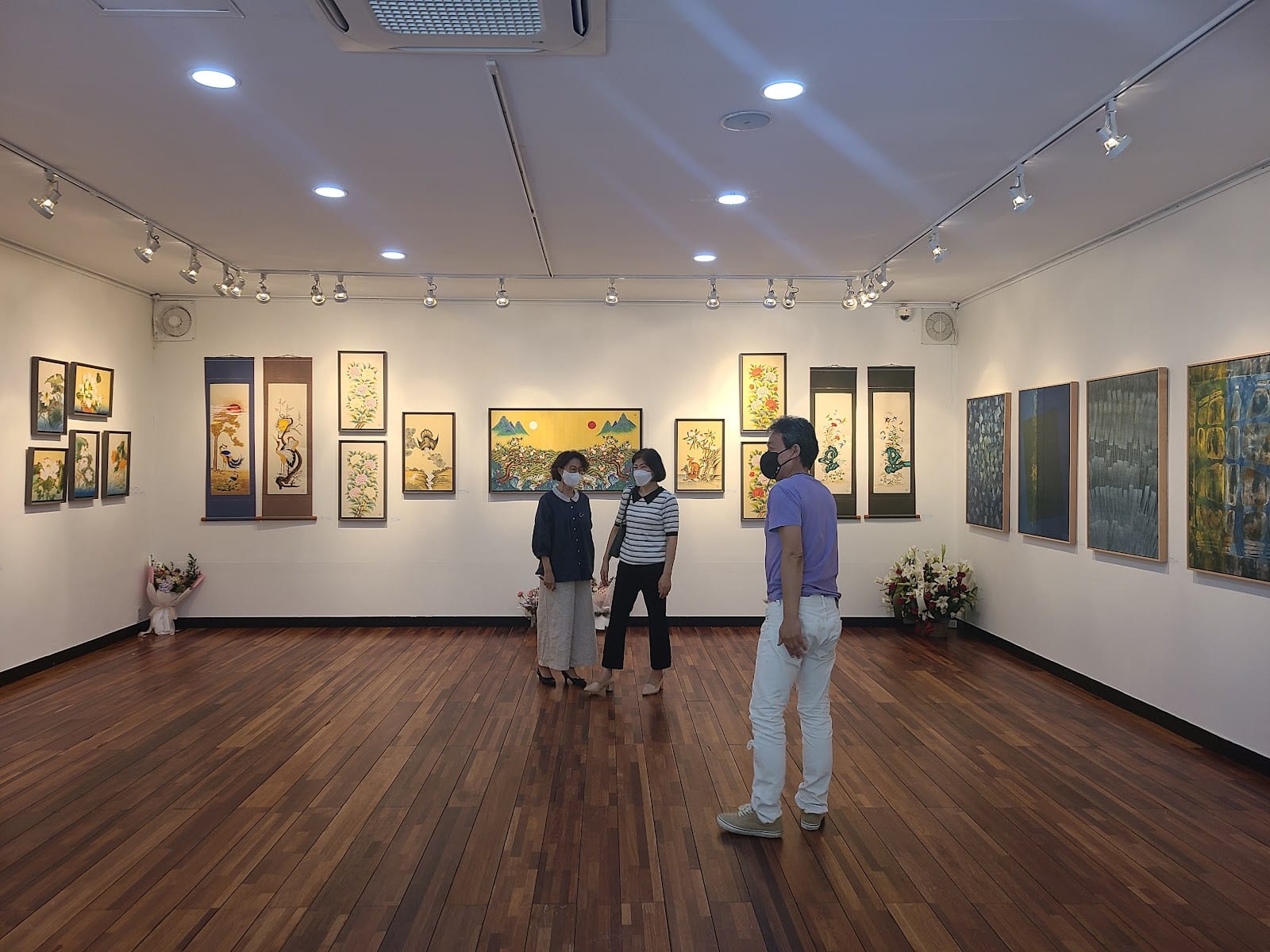
Kyung-in Museum of Fine Art
This free Hanok art museum earns its place with garden breathing room and a tea house.
Founded in 1983 by Gyeongin Lee Geum-hong, Kyung-in Museum of Fine Art was conceived as a cultural space open to artists and visitors of all ages. It occupies a Hanok complex described as Korea's first Hanok art museum, with six exhibition halls, an atelier, outdoor exhibition space, a garden, and a traditional tea house. Admission is free, and Anguk Station Exit 5 is the nearest stated subway access. Museum hours are listed as 10:00-18:00, while the tea house is listed separately until 22:50. Listings disagree about Tuesday closures, so verify before visiting. The telling detail is the tea house overlooking the garden, with about 15 types of Korean tea.
Good for couples, solo, families
Sourcesenglish.visitseoul.net
- 8
 Near Anguk Station Worth it
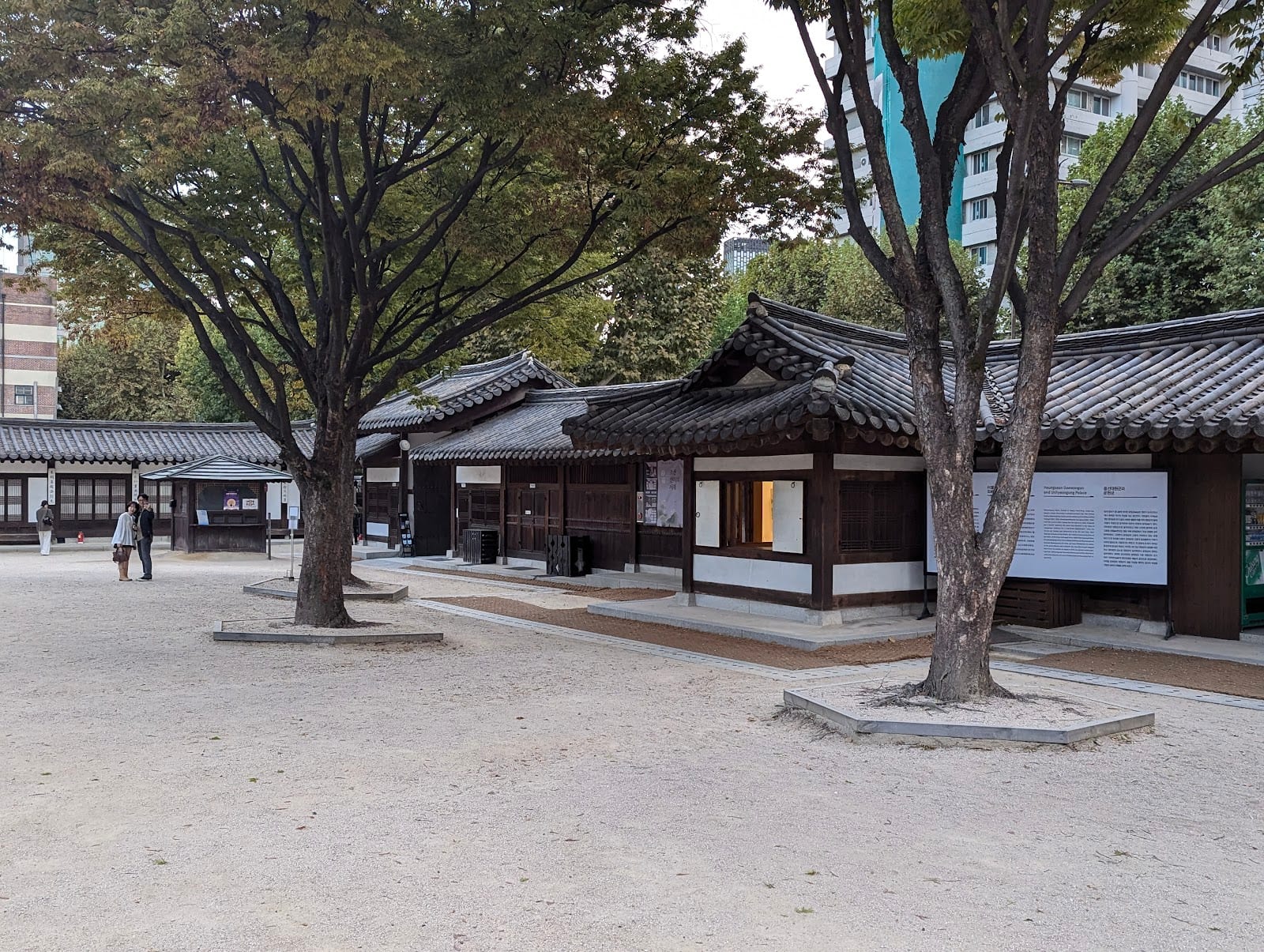
Unhyeongung Royal Residence
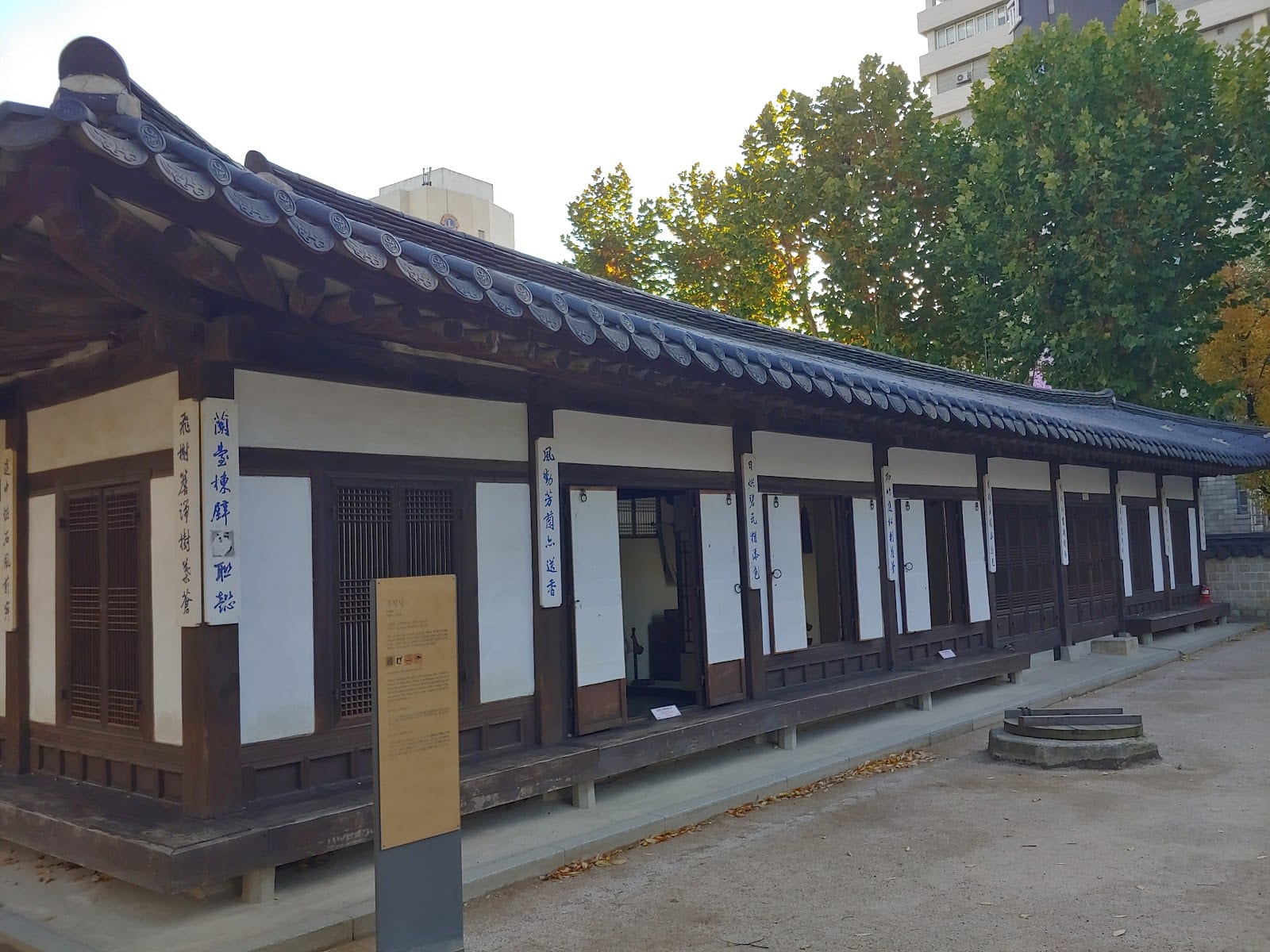
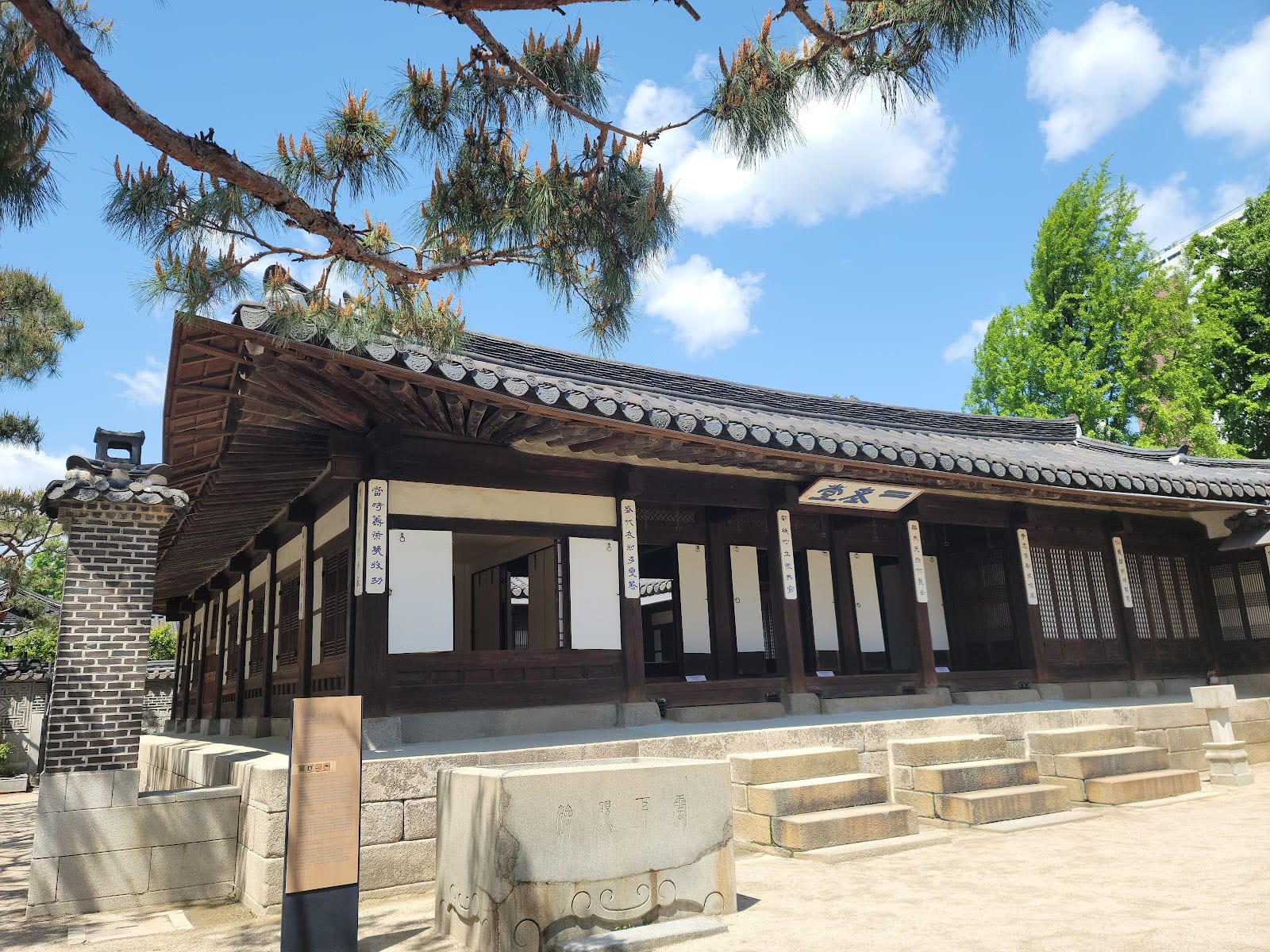
Unhyeongung is the quiet historical counterweight to Insadong's shopping street, with a royal wedding site behind a modest entrance.
Unhyeongung was the residence of Heungseon Daewongun and the future King Gojong, who was born there and lived there until age twelve. Noandang and Norakdang Halls were built in 1864, followed by Irodang in 1869. Norakdang is the actual site of Gojong's wedding to Queen Min, later known as Empress Myeongseong. The residence is about 100 meters from Anguk Station Exit 4, free to enter, and closed Mondays except when the closure shifts after a holiday. Hours are 09:00-19:00 from April through October and 09:00-18:00 from November through March. It is a better fit for travelers seeking historical context than another busy photo stop.
Good for families, couples, solo
Sourcesenglish.visitkorea.or.kr


Hidden gems
Where the crowds thin out.- Hidden gem
 Jong-ro Worth it
Tapgol Park
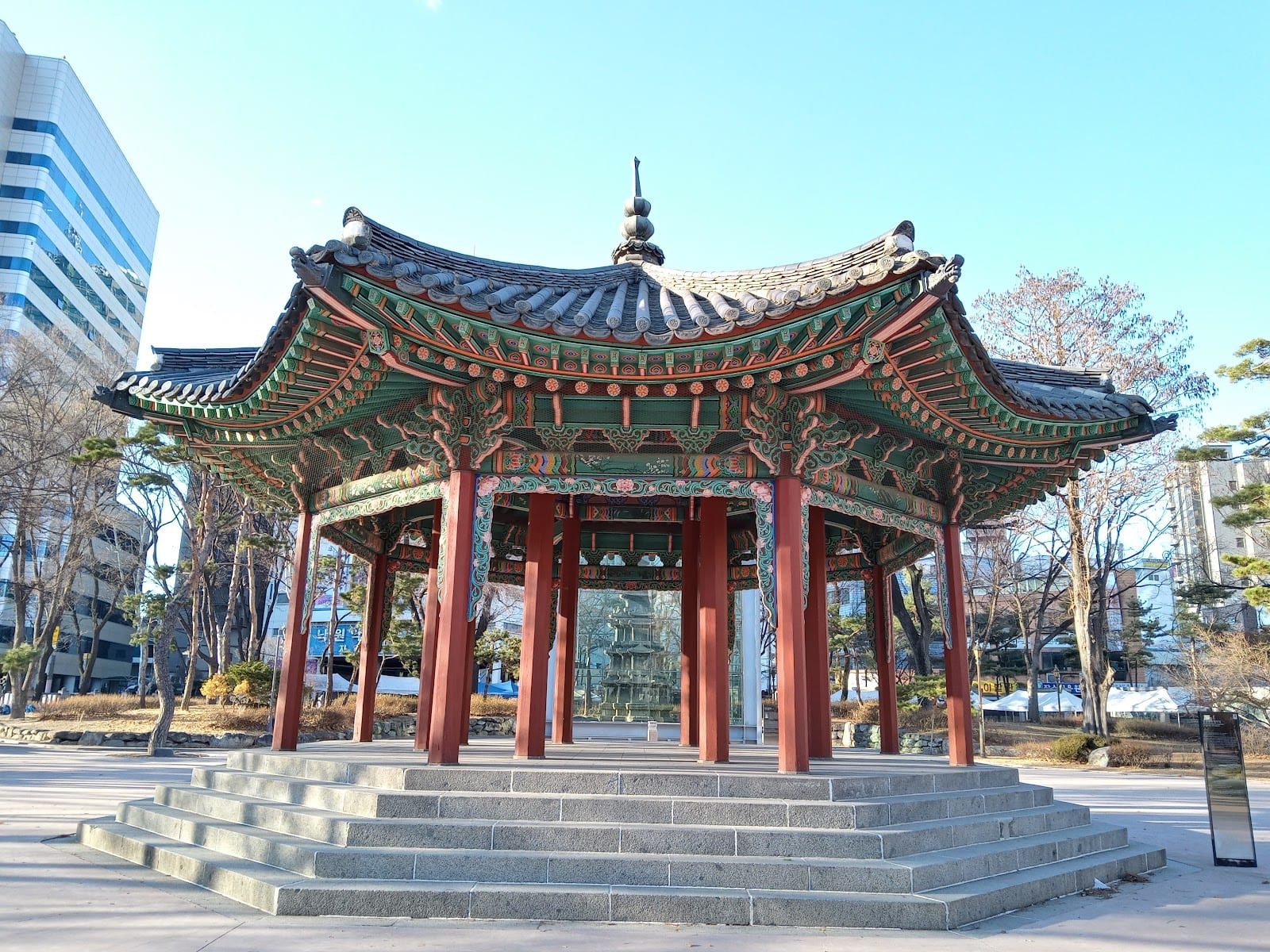
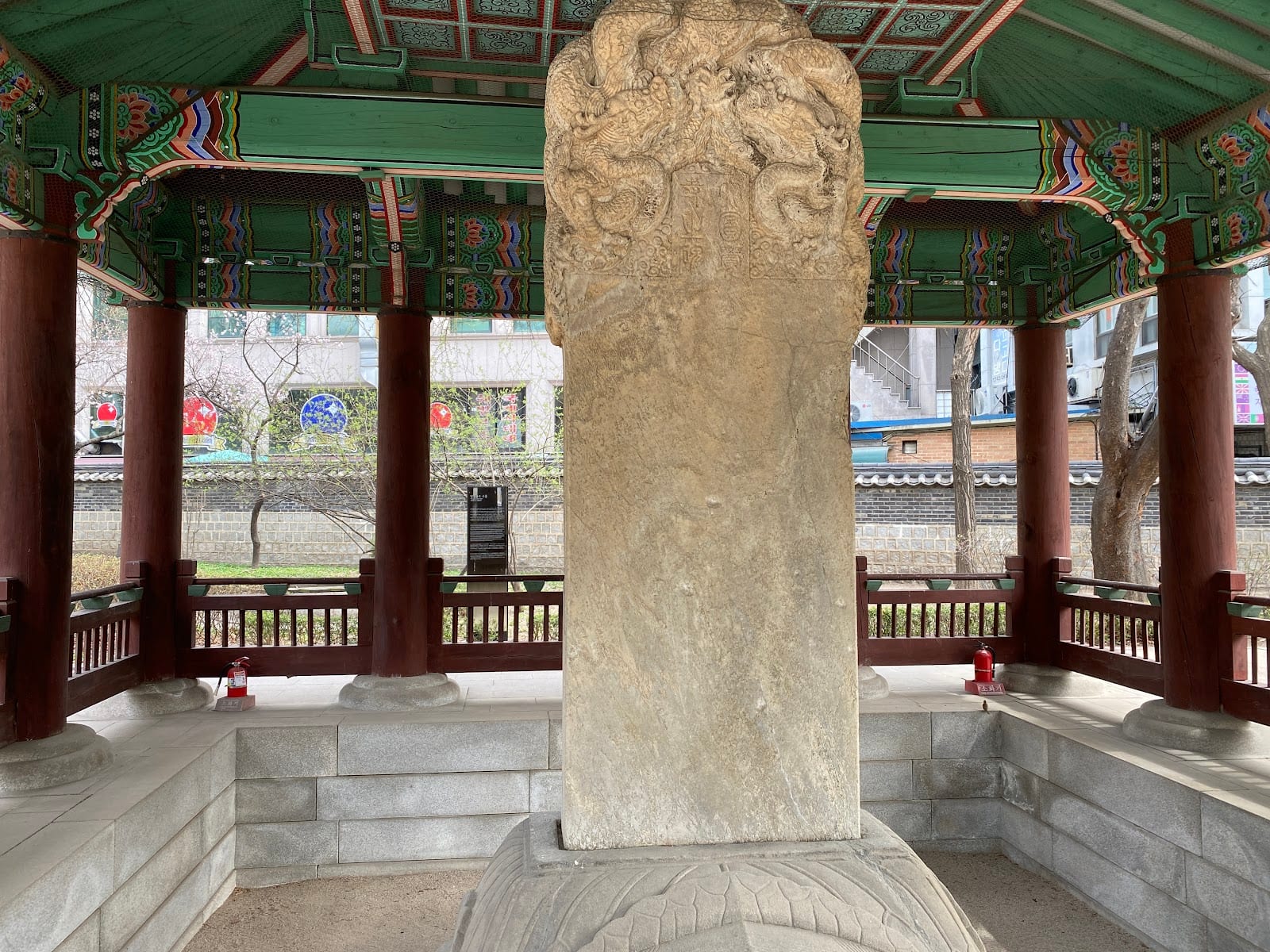
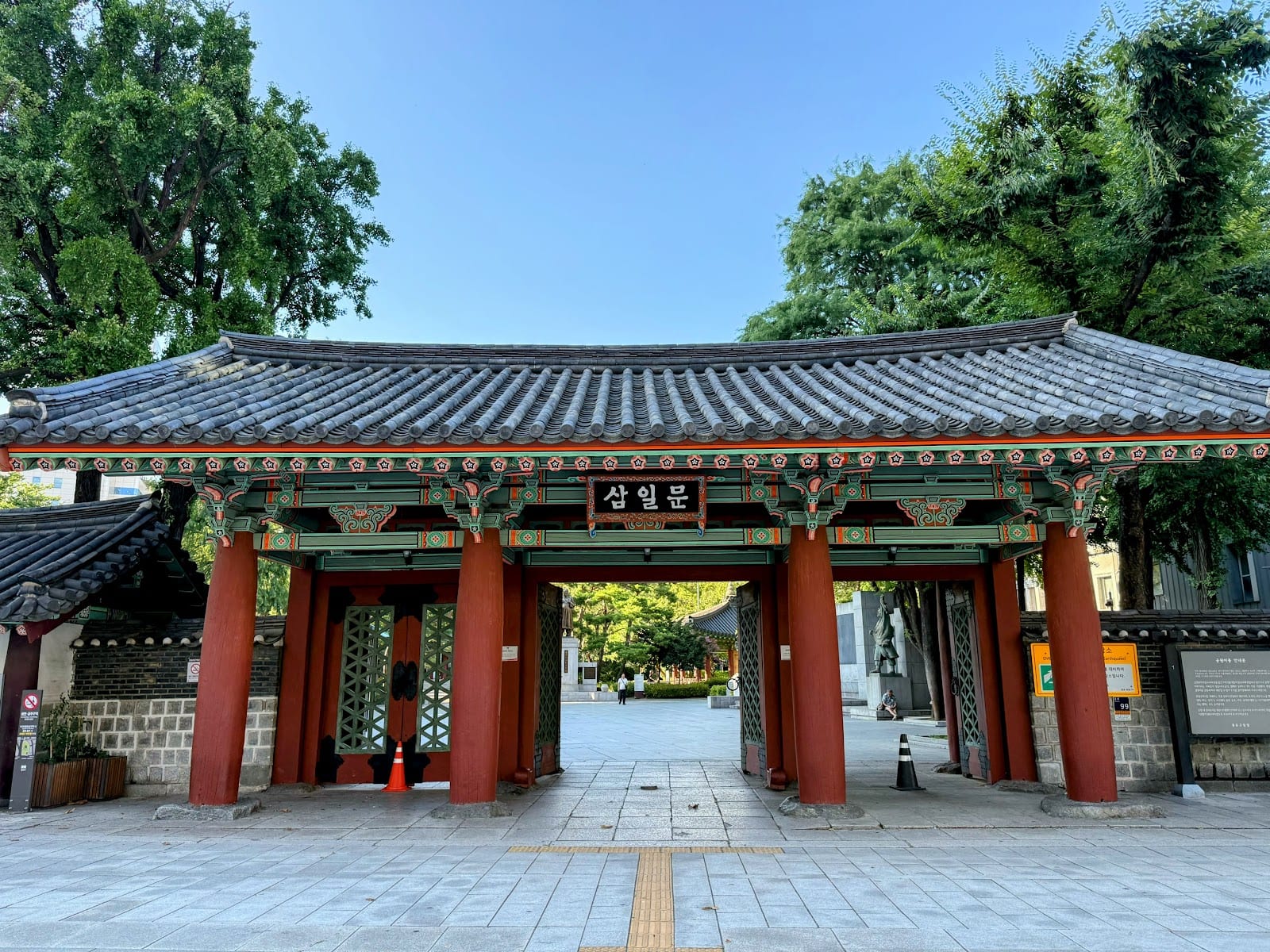
Tapgol Park is the small, historically heavy detour where Insadong connects to Korea's independence story.
Tapgol Park occupies a site that was home to Wongaksa Temple from 1467 before becoming a park in 1897. VisitKorea describes it as Seoul's first modern park, and the March 1 Independence Movement began here on March 1, 1919. Palgakjeong Pavilion is identified as the movement's center, while the park was restored as a free public park in May 1988. Admission is free. Listed hours are 09:00-18:00 from March through October and 09:00-17:00 from December through February; November is not stated in the supplied listing. The name is literal: the Ten-story Stone Pagoda of the former Wongaksa Temple still stands inside, anchoring the park to its earlier life.
Good for families, solo, couples
Sourcesenglish.visitkorea.or.kr
- Hidden gem
 Insadong-gil Mixed
Insadong Antique Street
Insadong's antique lanes reward patient browsing, but not shoppers expecting easy bargains.
Insadong has been associated with calligraphy, paintings, and antiques since the Joseon Dynasty, and approximately 70 shops in the area sell antique arts today. Offerings include artworks, porcelain, woodcrafts, and metalwork, with some shops reportedly carrying Silla-period earthenware and white porcelain used during the Joseon Dynasty. The broader cultural street is open year-round, but individual antique shops keep their own hours and no general admission charge is stated. Reach it from Anguk Station Exit 6 and follow Insadong-gil into the side lanes; parking is not available. The most distinctive visual clue is on the storefronts: Hangeul is used prominently, giving the street a distinctly Korean face.
45-90 minuteson GoogleGood for couples, solo, friends
Sourcesenglish.visitkorea.or.kr


Verdicts and rankings are our own; ratings open each place on Google. Prices, where shown, are an approximate per-person guide in USD.
Eat & drink
Where to eat and drink in Insadong
Insadong's most dependable food stops are the tea rooms woven into its cultural sights, where the setting is part of the order.
Beautiful Tea Museum cafe
Insadong-gilA tea-focused cafe attached to a collection spanning Korean, Chinese, Japanese, European, and other teas. Each visitor must order at least one menu item.
on GoogleKyung-in Museum traditional tea house
Insadong 10-gilA garden-facing tea house inside a Hanok art museum, offering about 15 types of Korean tea.
on Google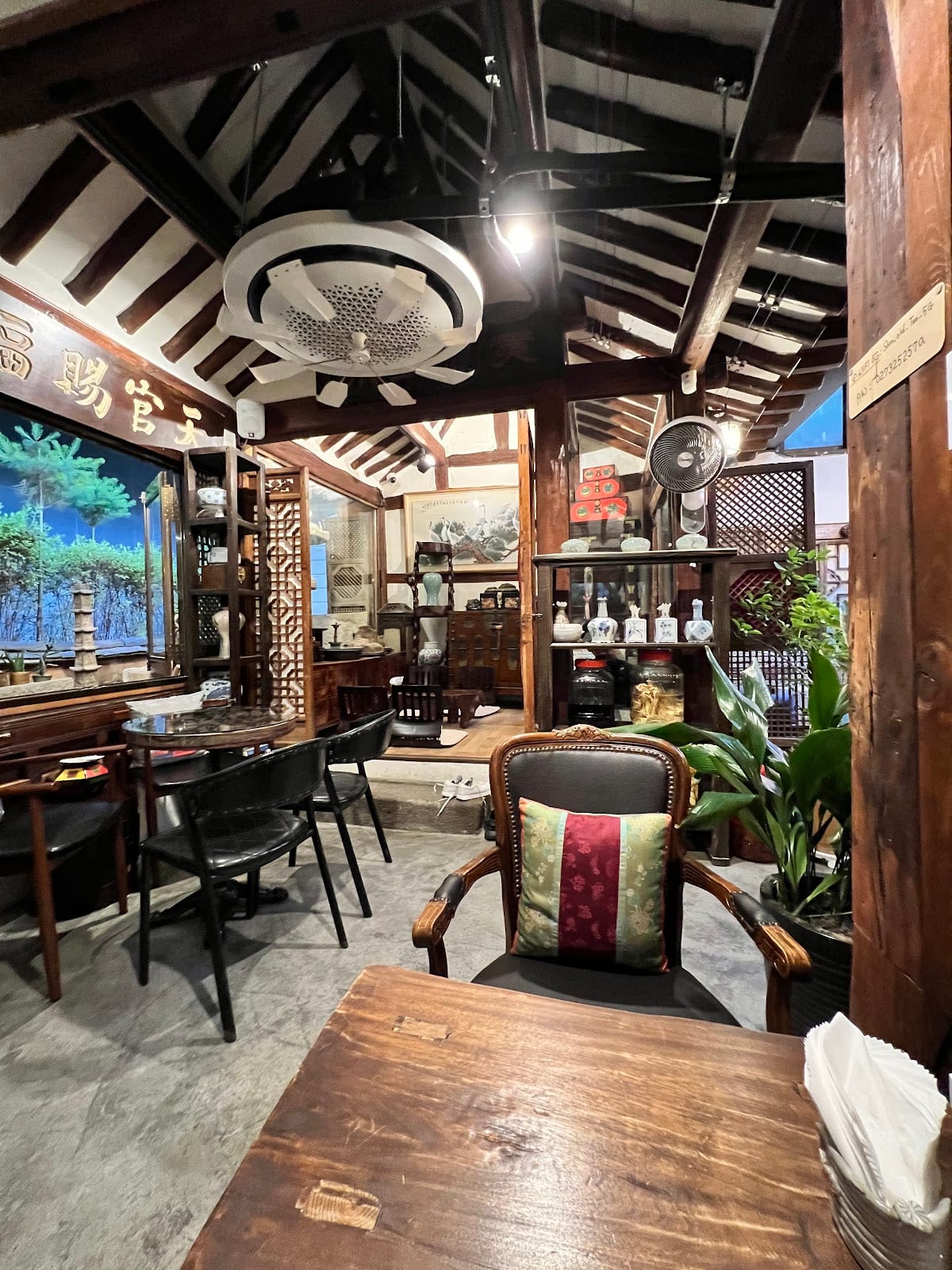
Shin Old Tea House
Insadong-gil alleyReportedly a floor-cushion tea room with traditional tea and a courtyard, but its current identity is uncertain. Verify locally before seeking it out.
on Google

Getting around
Getting around Insadong Seoul
Use Anguk Station
From Anguk Station on Line 3, take Exit 6, walk about 100 meters, and turn left onto Insadong-gil.
Walk the district
Insadong-gil stretches roughly 630 meters, with galleries, tea houses, craft shops, and restaurants branching into short alleys.
Choose the weekend closures
Vehicles are blocked on Saturdays from 14:00 to 22:00 and Sundays from 10:00 to 22:00, when booths, performances, and exhibits use the main street.
Do not plan around parking
Parking is not available at Ssamziegil, the Beautiful Tea Museum, Insadong Antique Street, or Unhyeongung. Jogyesa has limited parking.
Where to stay
Where to stay near Insadong
Insadong-gil
The most convenient base for tea houses, craft shopping, galleries, and evening wandering.
Anguk and Bukchon edge
A quieter position near Anguk Station, Unhyeongung, Bukchon, and the northern end of Insadong-gil.
Jongno and Jonggak
A central base with easy access to Jogyesa, Tapgol Park, Insadong, and the wider historic core.
Myeongdong
A useful alternative if modern shopping, hotels, and subway connections matter more than being beside the tea houses.

Where to stay in Seoul
Compare Seoul's best neighborhoods and choose the right base for your trip.
View the guideWho it's for
Insadong for families, couples, and solo
- Insadong for families
- Ssamziegil's winding path, free museums, Tapgol Park, and the temple grounds make this a manageable culture day.
- Insadong for couples
- Browse galleries, share tea in a hanok setting, then walk through Jogyesa and toward Unhyeongung.
- Insadong for solo travelers
- A clear main street, compact museums, free historic sites, and tea rooms make Insadong easy to explore independently.
More of Seoul
Nearby neighborhoods
A short hop from Insadong, and worth pairing on the same trip.
Ready to plan your Insadong trip?
Tell Zoya, your personal travel assistant, how you like to travel, and she'll turn any of this into a day-by-day plan that fits your dates.
Explore now