

Jongno · Seoul neighborhood guide
Things to Do in Jongno District
Seoul's historic heart has a royal-palace scale: Gyeongbokgung's gates, Bukchon's hanok lanes, and Gwanghwamun's statues. Here's what's actually worth your time, ranked and judged.
Jongno in brief
What is Jongno District known for?
Jongno is Seoul's historic center, where the Joseon-era capital survives in royal palaces, shrines, traditional neighborhoods, civic squares, and market streets.
Is Jongno a good area to stay in Seoul?
Yes, if Seoul's historic core is your priority. Jongno puts the palaces, Bukchon, Gwanghwamun Square, Jogyesa, and Insadong within a compact sightseeing area.
What are the best things to do in Jongno District?
Start with Gyeongbokgung, then choose Changdeokgung and Huwon, Bukchon, Gwanghwamun Square, Jongmyo Shrine, Jogyesa Temple, and Gwangjang Market.
Get oriented
How Jongno District fits together
Jongno is Seoul's historic center, stretching from Gwanghwamun and Gyeongbokgung east through Bukchon, Jongmyo, and Gwangjang Market.
Gyeongbokgung anchors the western palace zone, with Gwanghwamun Square directly in front and Bukchon tucked between Gyeongbokgung and Changdeokgung. Changdeokgung and Huwon sit farther east near Anguk Station. Jogyesa is south of Bukchon, close to Insadong. Jongmyo Shrine and Gwangjang Market make the eastern side quieter, ceremonial, and then intensely edible. The district is easy to explore by subway and on foot, but the palace sites have fixed closing days and Bukchon is a lived-in neighborhood.
A west-to-east route through Jongno's palaces, residential lanes, shrines, and market stalls, in a sensible order:
See & do, ranked
The best things to do in Jongno District
Our honest ranking of Jongno's grand palace, UNESCO garden, crowded market, and quieter historical corners.
Must-see
The essentials, ranked.- 1
 Gwanghwamun Worth it
Gyeongbokgung Palace
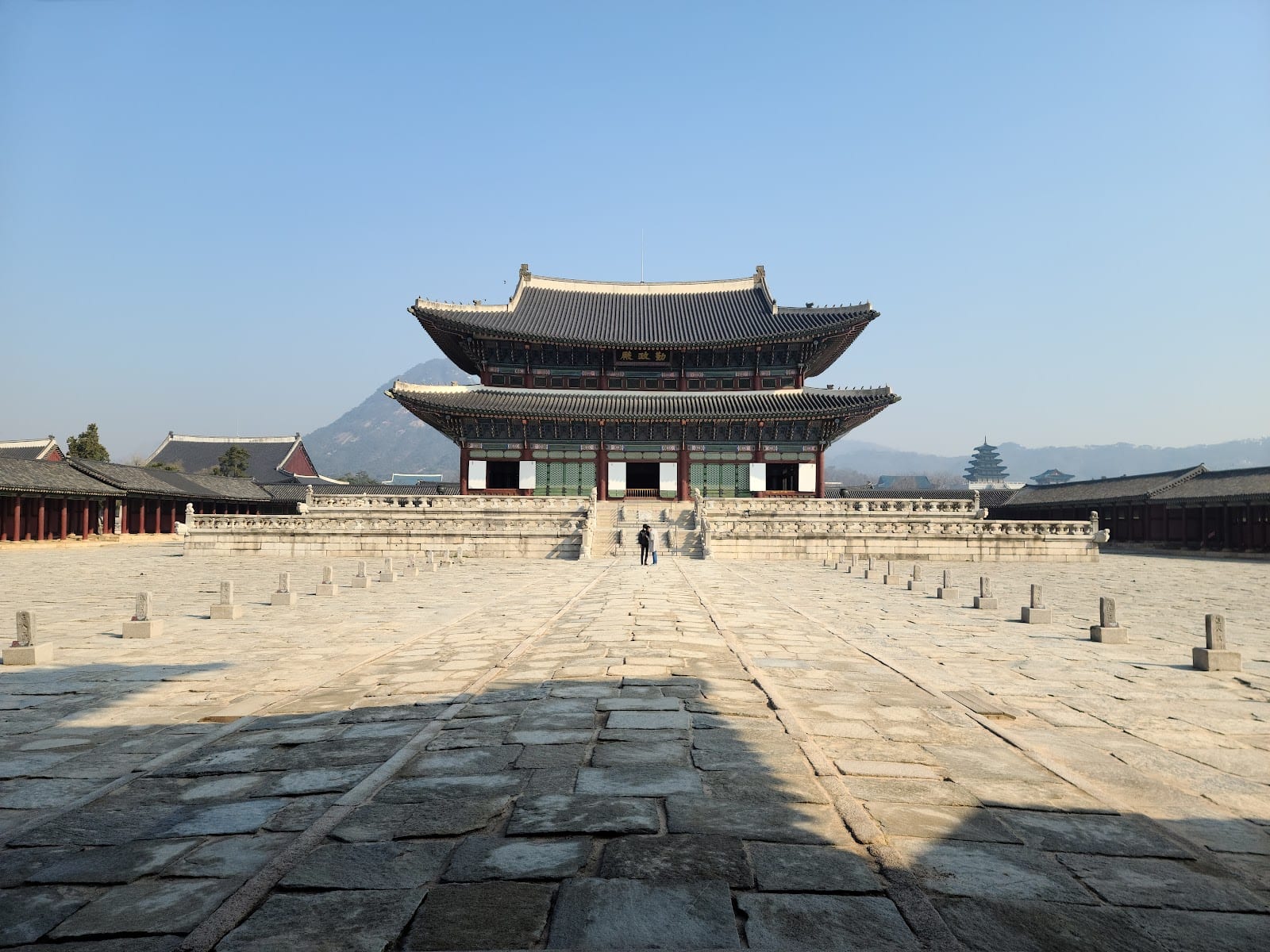
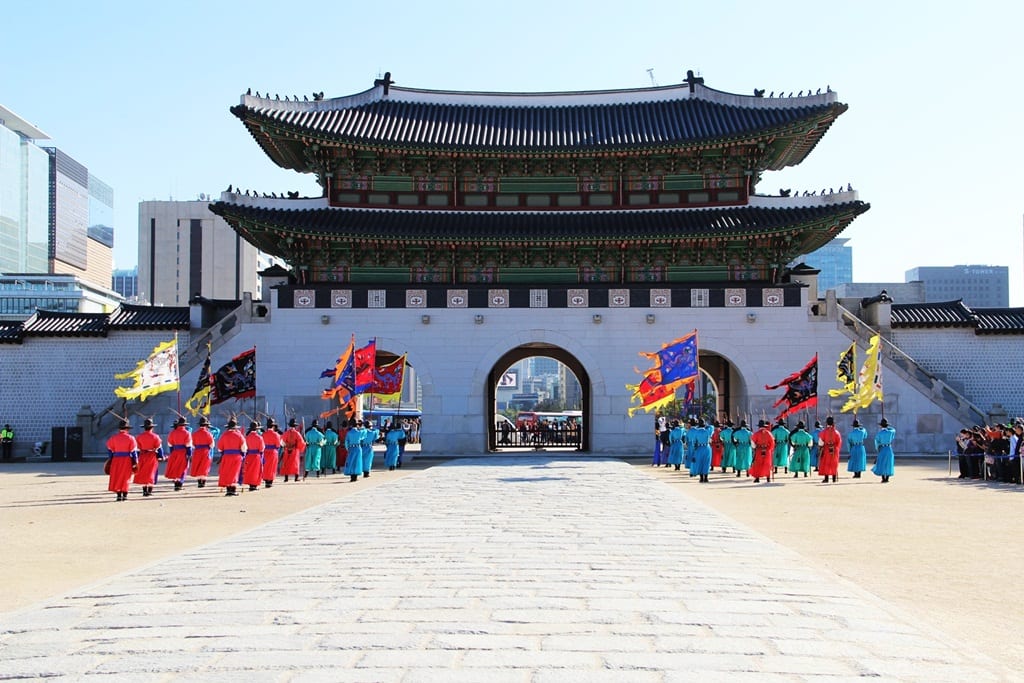
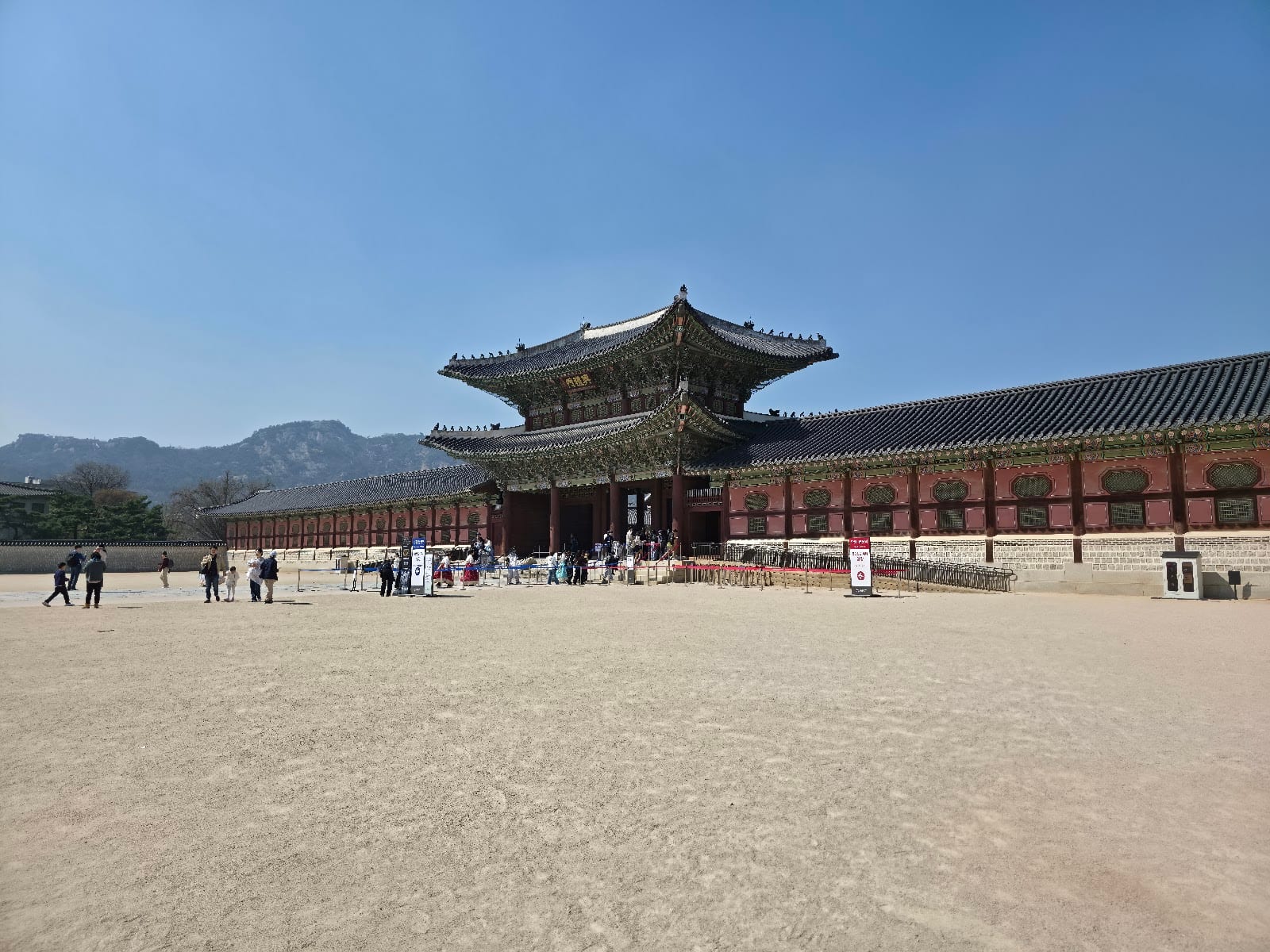
Seoul's grandest palace is the essential Jongno first stop, especially if you time it for the Royal Guard Changing Ceremony.
Established in 1395 as Joseon's first official royal palace, Gyeongbokgung is Jongno's big, legible statement: broad courtyards, formal gates, and mountain-backed scale. It was burned during the Imjin War in 1592, then left vacant for 273 years before restoration during King Gojong's reign. The Royal Guard Changing Ceremony runs twice daily except Tuesdays, and hanbok wearers enter free. Give yourself time for the National Folk Museum and National Palace Museum rather than treating the complex as a quick gate photo. It is the obvious tourist choice, but here the obvious choice is right.
Good for families, couples, solo
- 2
 Anguk Worth the hype
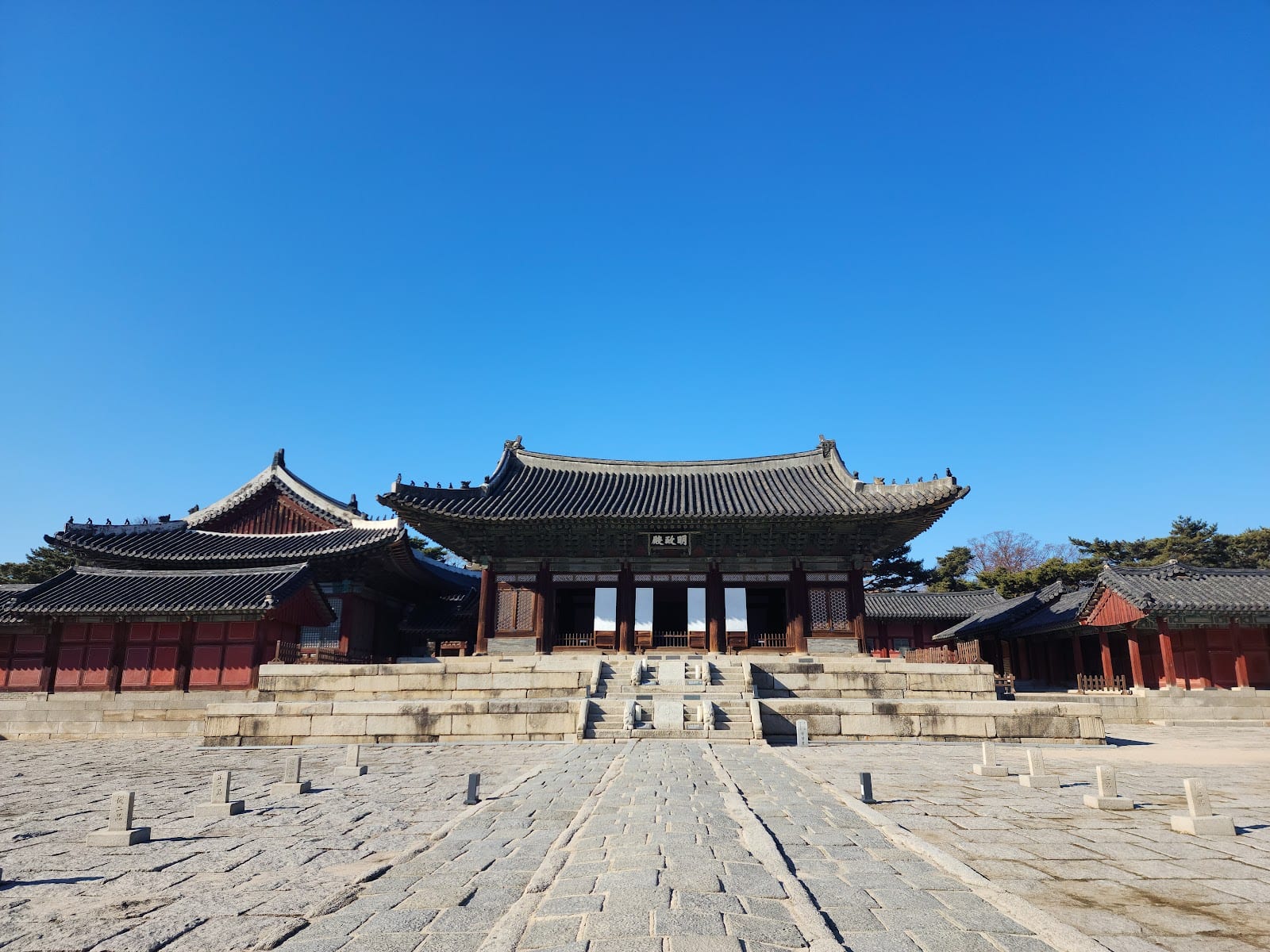
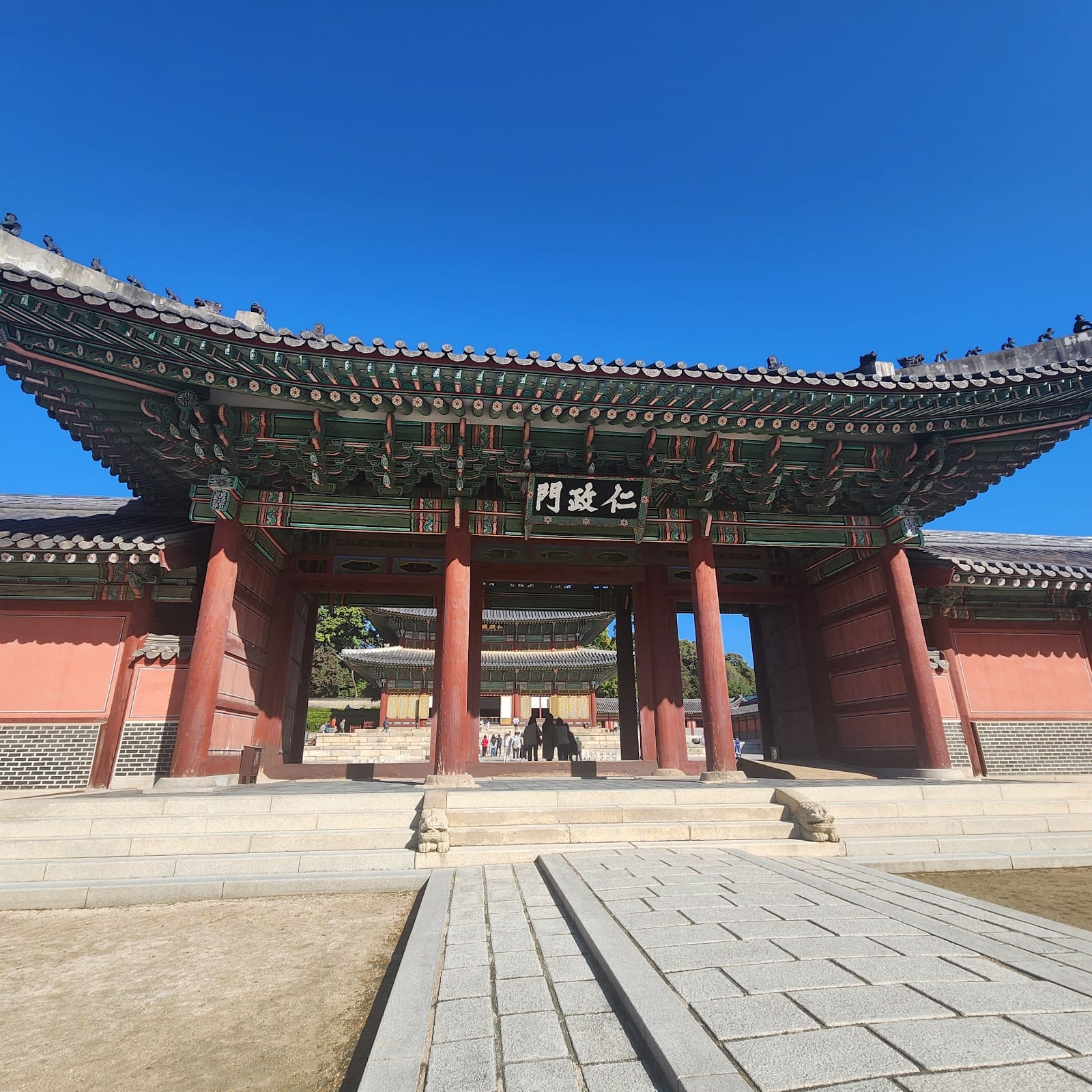
Changdeokgung Palace
Changdeokgung feels less staged than Gyeongbokgung, with palace buildings that yield naturally to the wooded royal garden.
Built in 1405 as Joseon's second palace, Changdeokgung became the principal seat of many kings after the palaces were burned during the Imjin War in 1592. It was rebuilt in 1611 and served as the dynasty's main seat for 250 years. The complex feels designed around its setting at the foot of Mount Baegaksan rather than imposed on it. UNESCO inscribed the site in December 1997. Palace admission is separate from Huwon, and the garden requires its own ticket and advance reservation. If Gyeongbokgung is the grand introduction, Changdeokgung is the more persuasive argument for staying in Jongno.
Good for couples, solo
- 3
 Changdeokgung Worth it
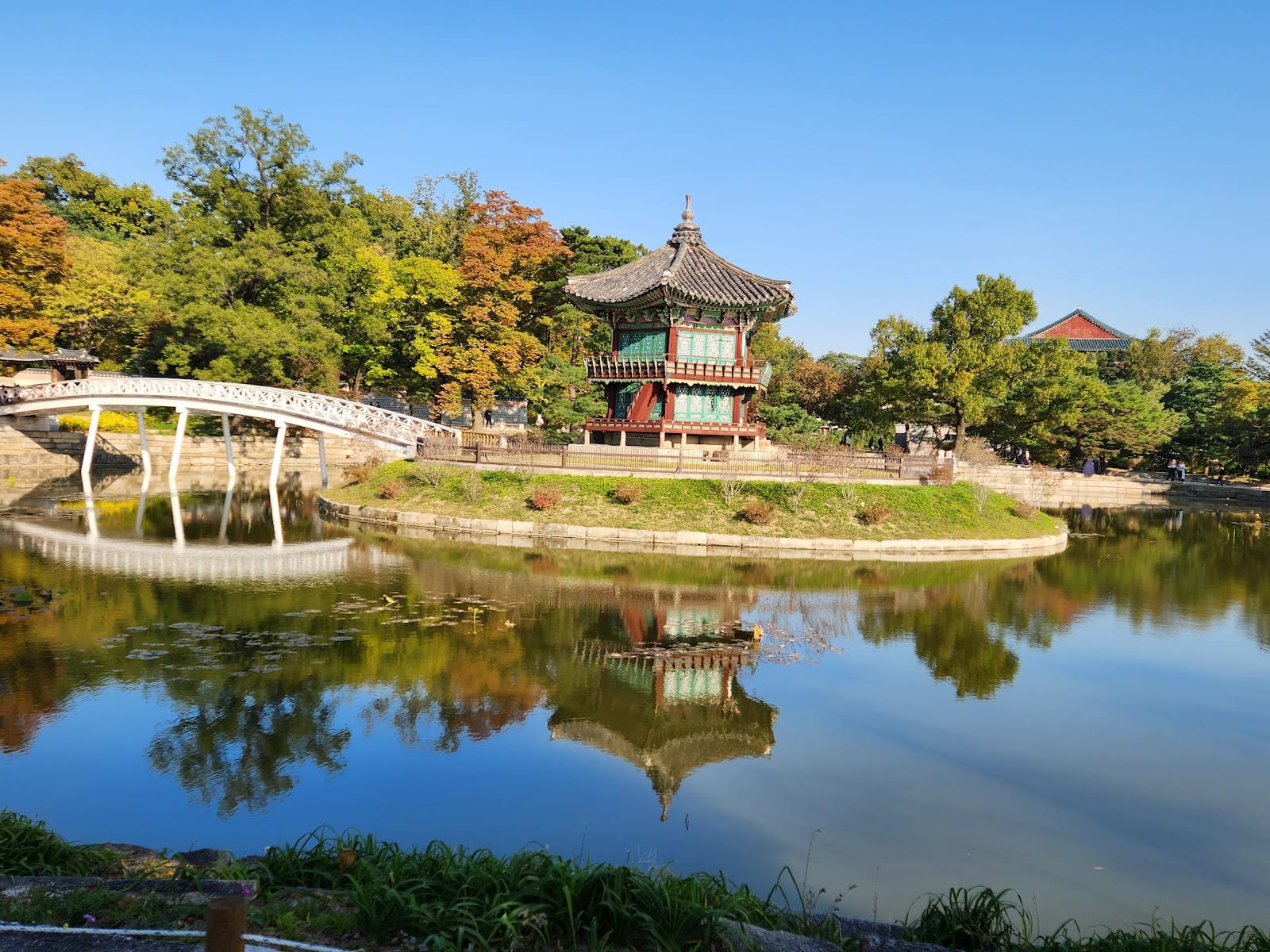
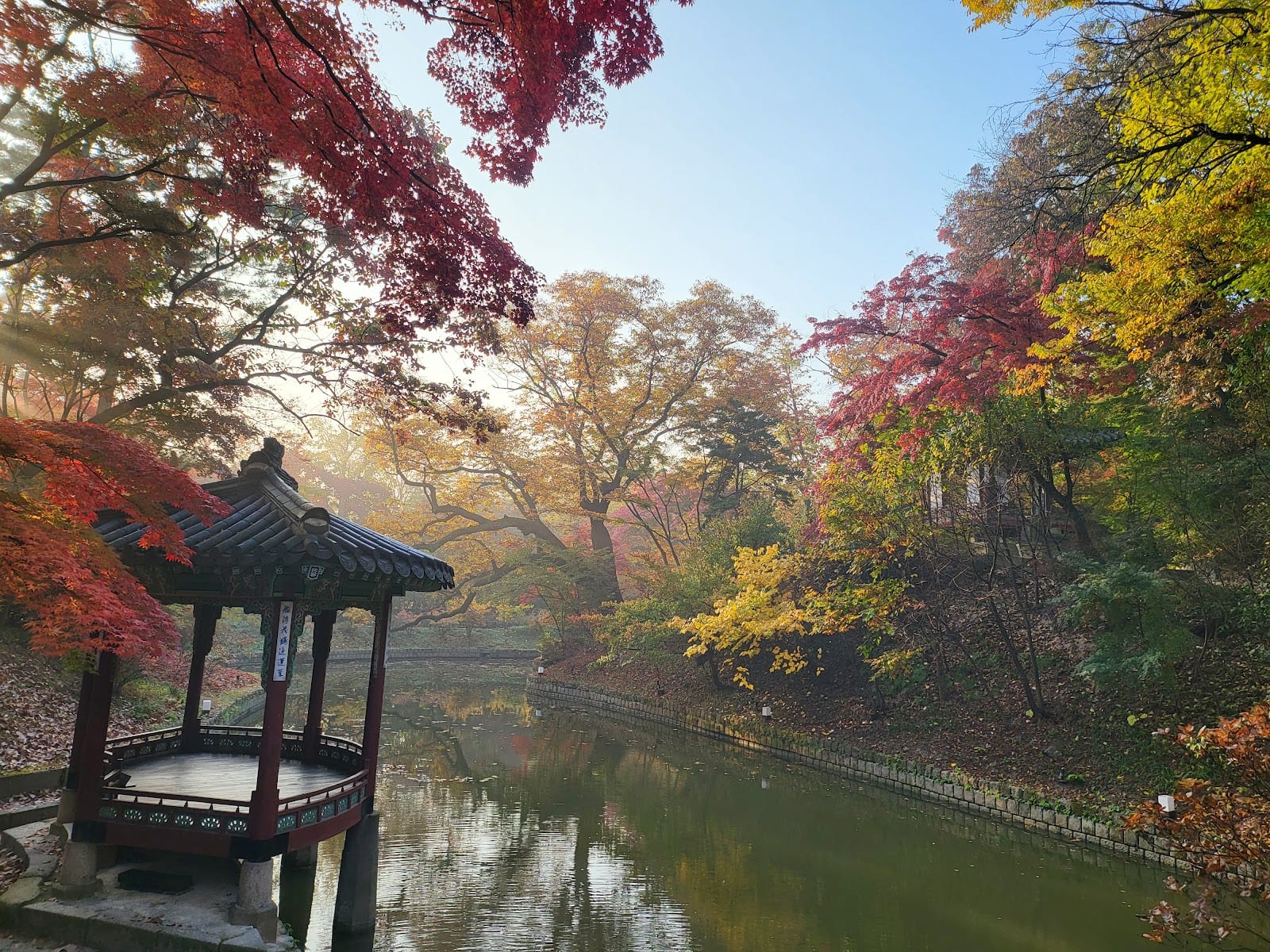
Huwon Secret Garden
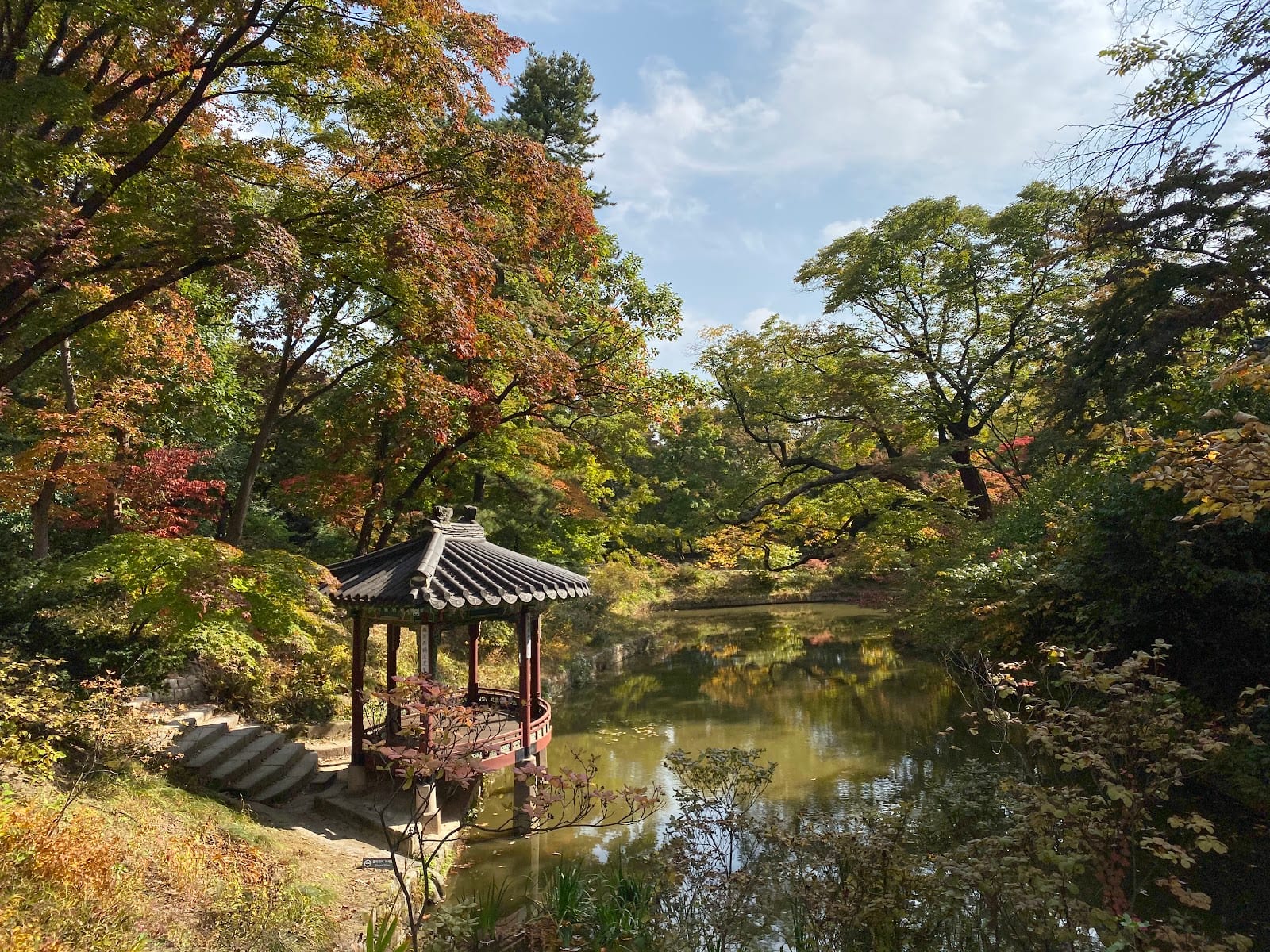
The best palace experience in Jongno is this protected royal landscape, but only if you accept the timed guided visit.
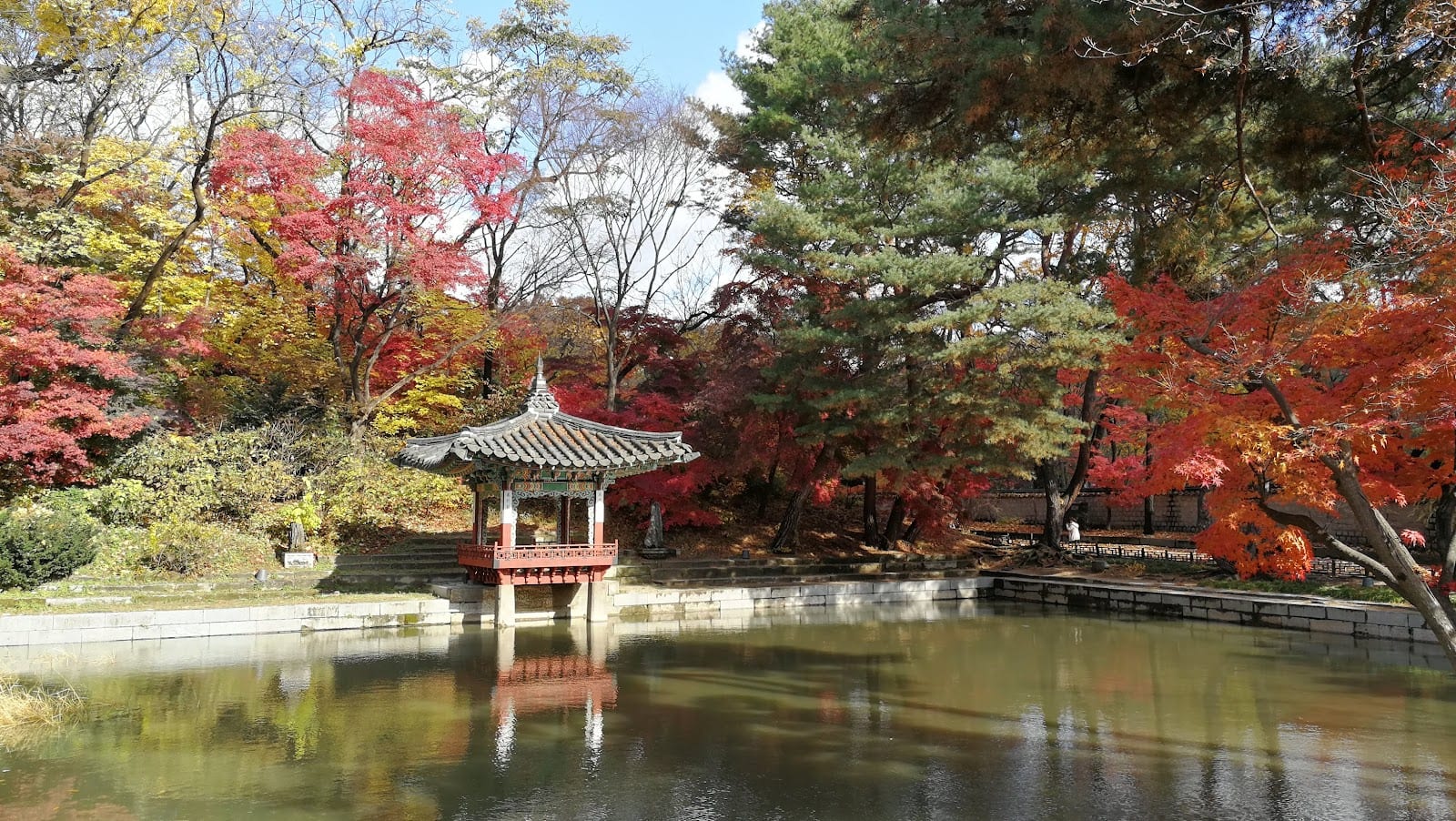
Huwon was the Joseon royal garden behind Changdeokgung, used for ceremonies, study, relaxation, entertainment, and outdoor activities. Its governing idea is restraint: the landscape was kept as natural as possible, with intervention only when necessary. Buyongji, a square lily pond ringed by pavilions and halls, is the telling scene, with Buyongjeong Pavilion set directly on the pond. Nearly 60 percent of Changdeokgung's grounds belong to Huwon, but access is controlled. Individual viewing is not allowed; tours are capped at 100 people per language session. Reserve ahead, wear sensible shoes, and do not mistake the word Secret for casual.
Good for couples, solo
- 4
 Gahoe-dong Mixed
Bukchon Hanok Village
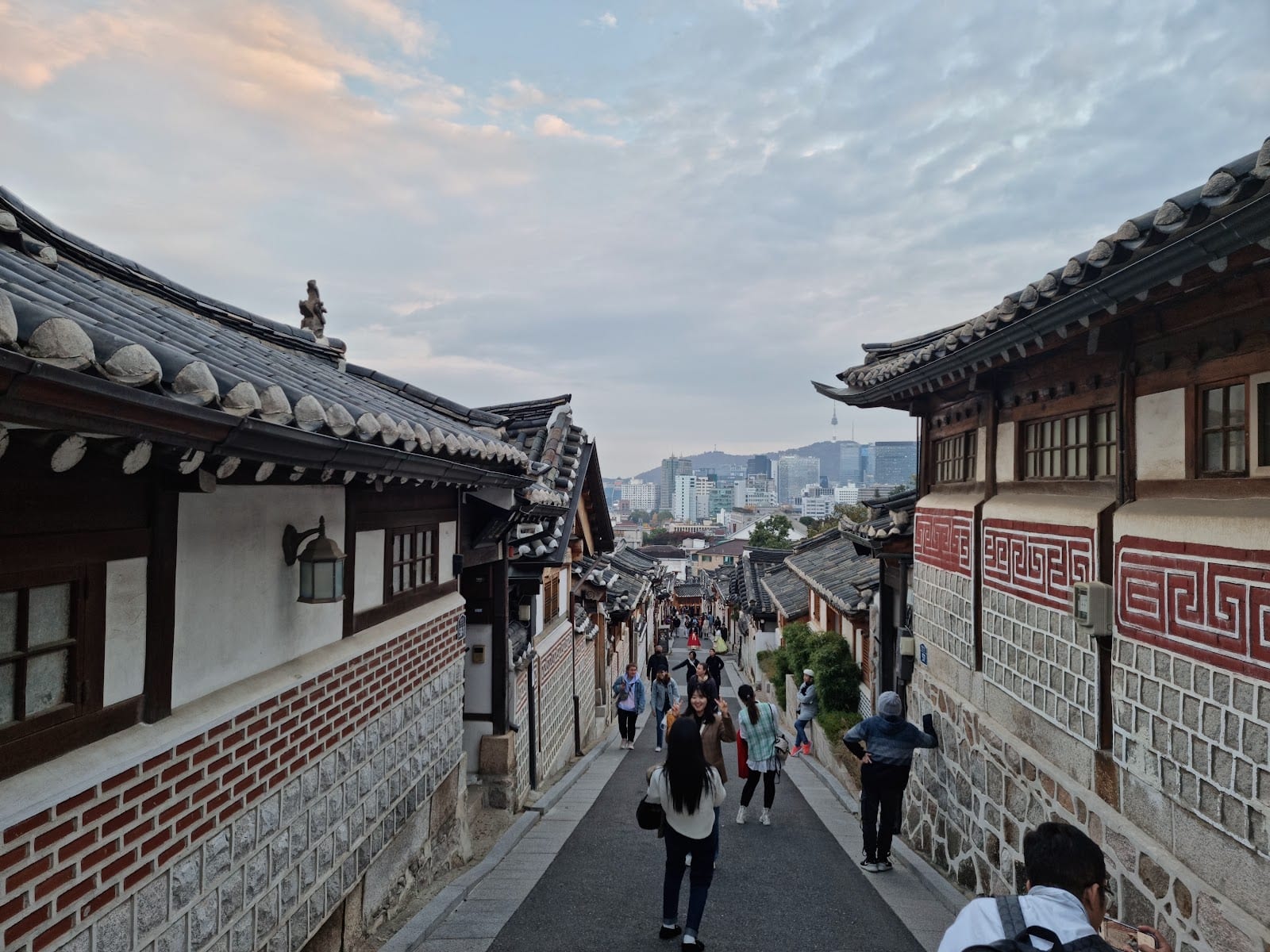
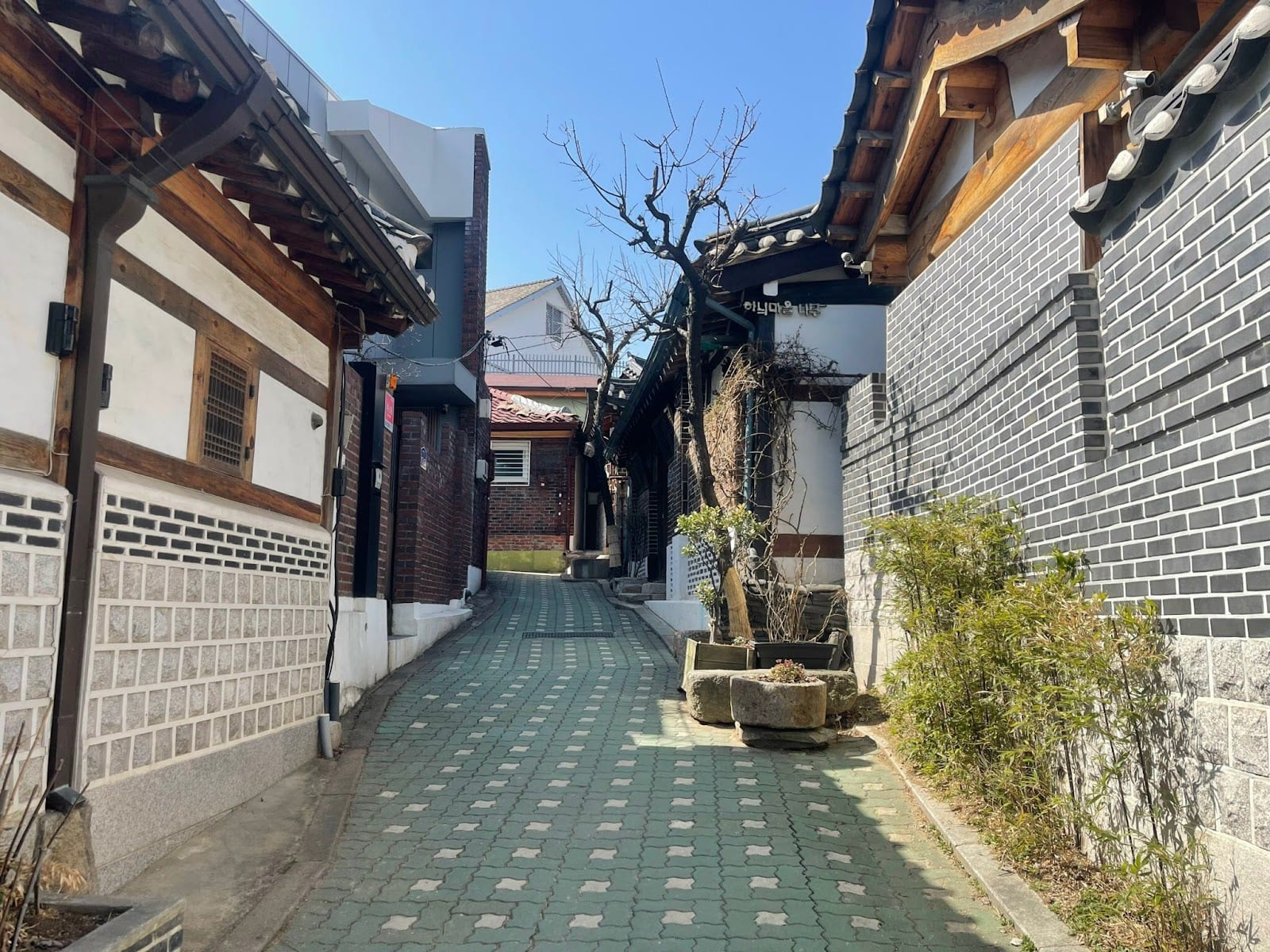
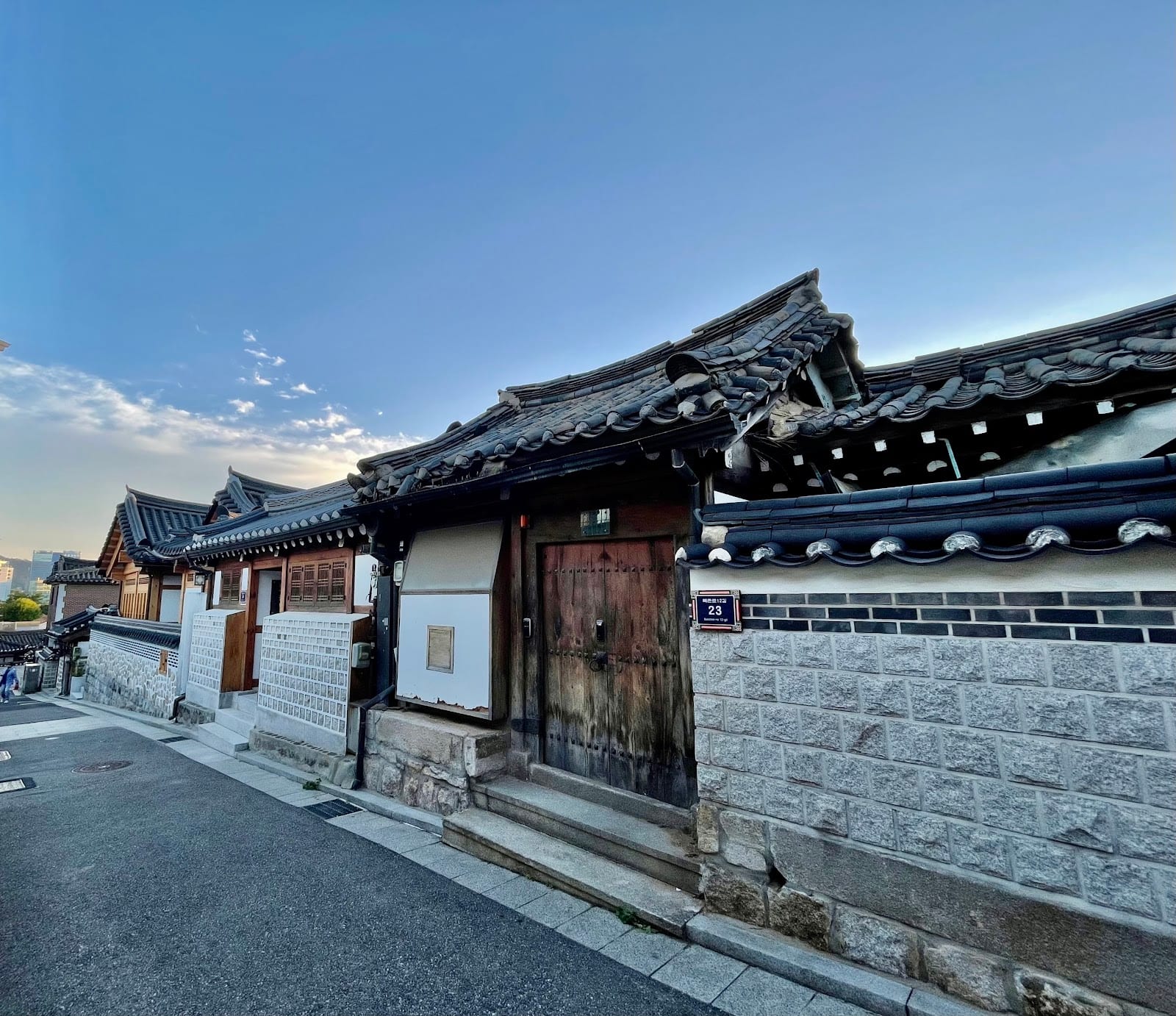
Bukchon is visually indispensable and socially delicate: come for the lanes, but remember people actually live behind those doors.
Bukchon means northern village, the traditional neighborhood between Gyeongbokgung, Changdeokgung, and Jongmyo Shrine. Its present hanok clusters largely emerged in the 1930s, when housing companies subdivided large plots and built standardized traditional houses for a growing Seoul. That detail explains the neighborhood's rhythm: homes stand shoulder to shoulder, recognizable as hanok but shaped by modern urban pressure. Many now operate as cultural centers, guesthouses, tea houses, and restaurants, while others remain private residences. Admission is free, but the famous Bukchon-ro 11-gil tourist stretch has visiting restrictions from 17:00 to 10:00 effective March 1, 2025. Go earlier, keep your voice down, and treat the photo ritual as a privilege.
2-4 hourson GoogleGood for couples
- 6
 Jongno 5-ga Worth the hype
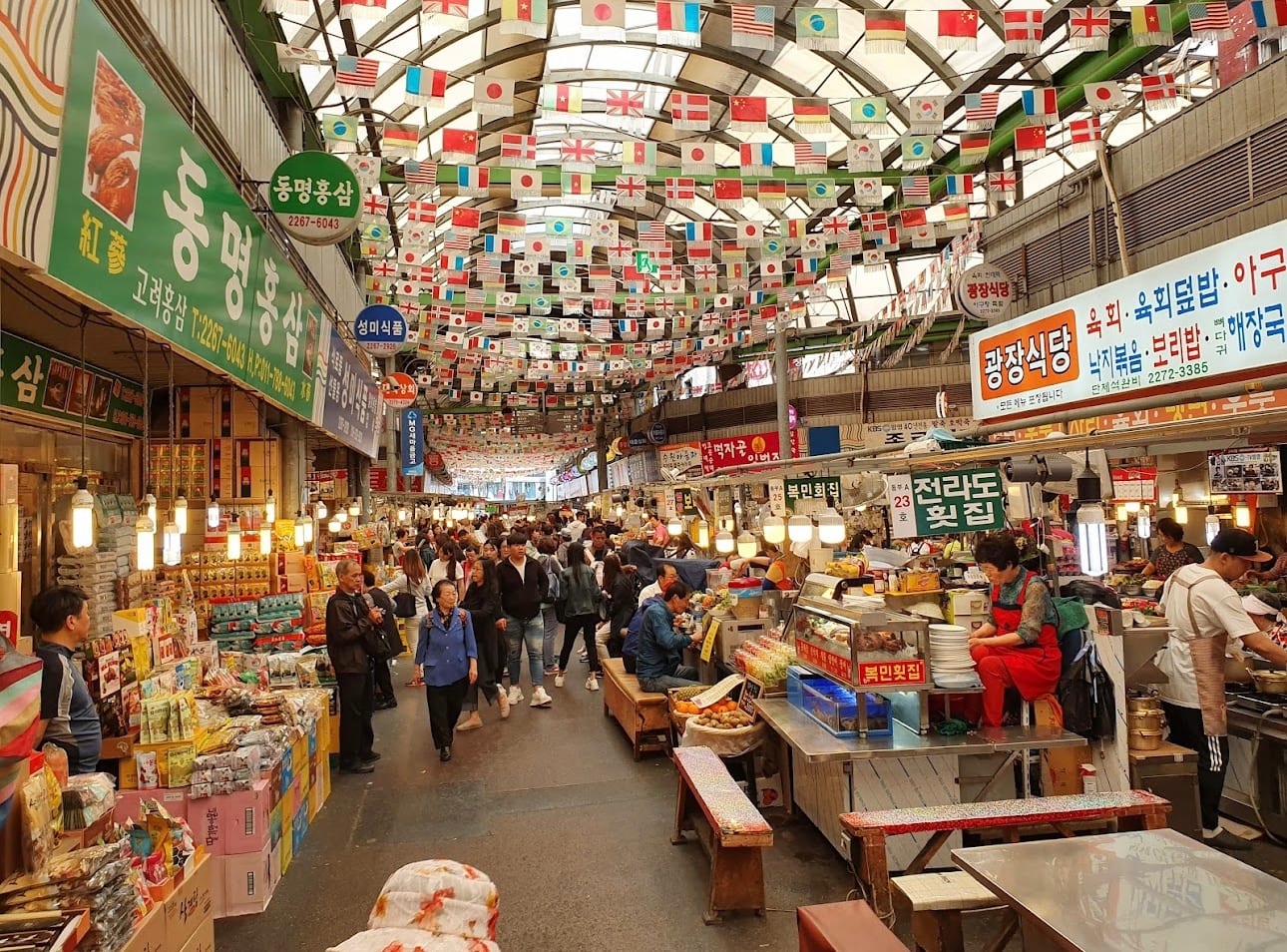
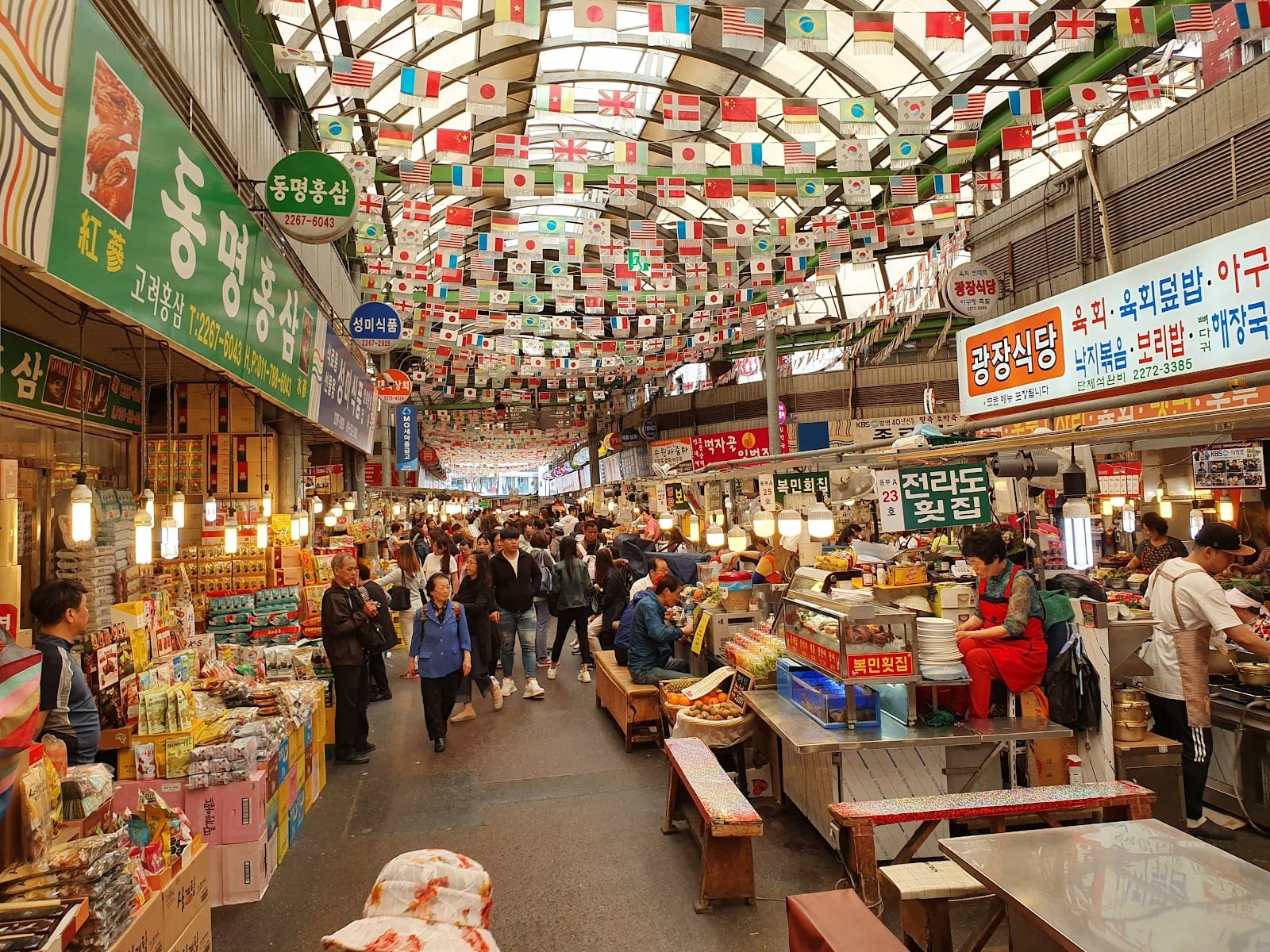
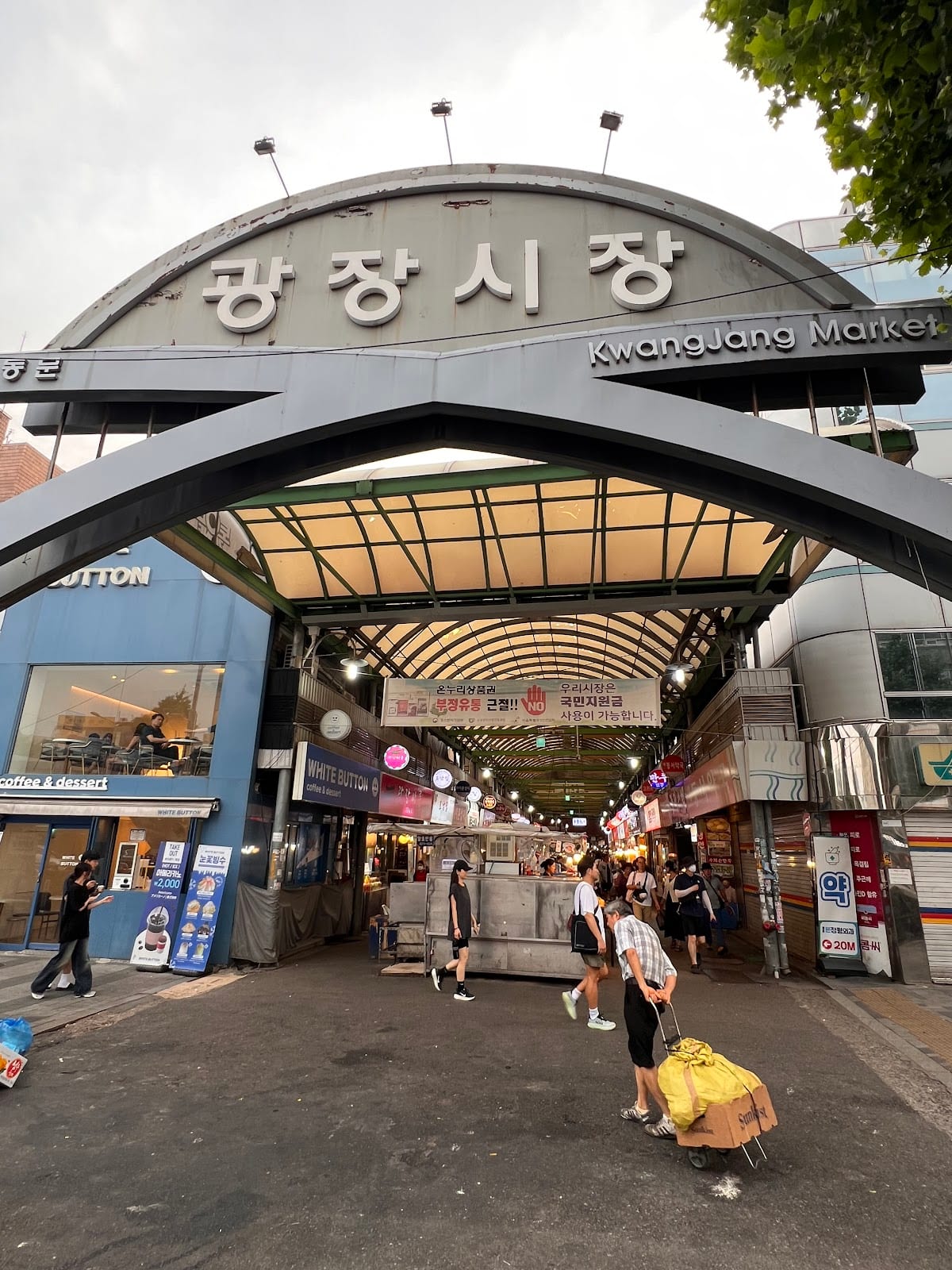
Gwangjang Market
Jongno's best answer to palace fatigue is a loud, old, food-first market where mayak gimbap and bindaetteok do the talking.
Gwangjang grew from the Bae O Gae morning market after Korean investors formed the Gwangjang Corporation on July 5, 1905, partly in response to Japanese control of Namdaemun Market. It opened as Dongdaemun Market and became Korea's first permanent every-day market before taking the Gwangjang name in 1960. The scale is still serious: roughly 5,000 shops and 20,000 employees across 42,000 square meters. You do not need to understand the whole market to enjoy it. Head for the food street, order bindaetteok or mayak gimbap, and let the counter seating carry the experience. Mayak means narcotic here because the sesame-brushed mini rolls are considered addictive, not because they contain drugs.
1-2 hourson GoogleGood for friends, families


Worth it with more time
Good additions once you've done the icons.- 5
 Gwanghwamun Worth it
Gwanghwamun Square
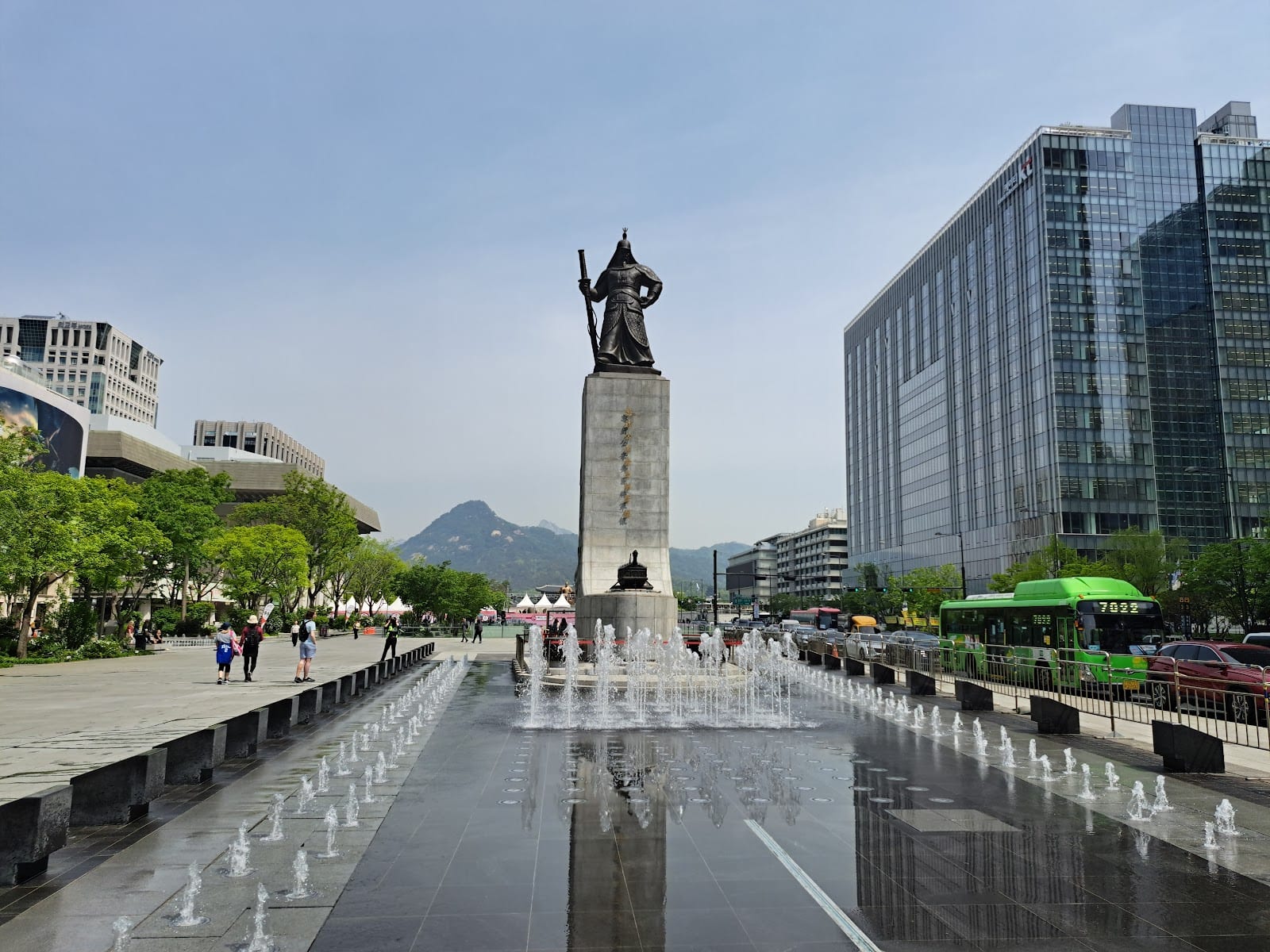
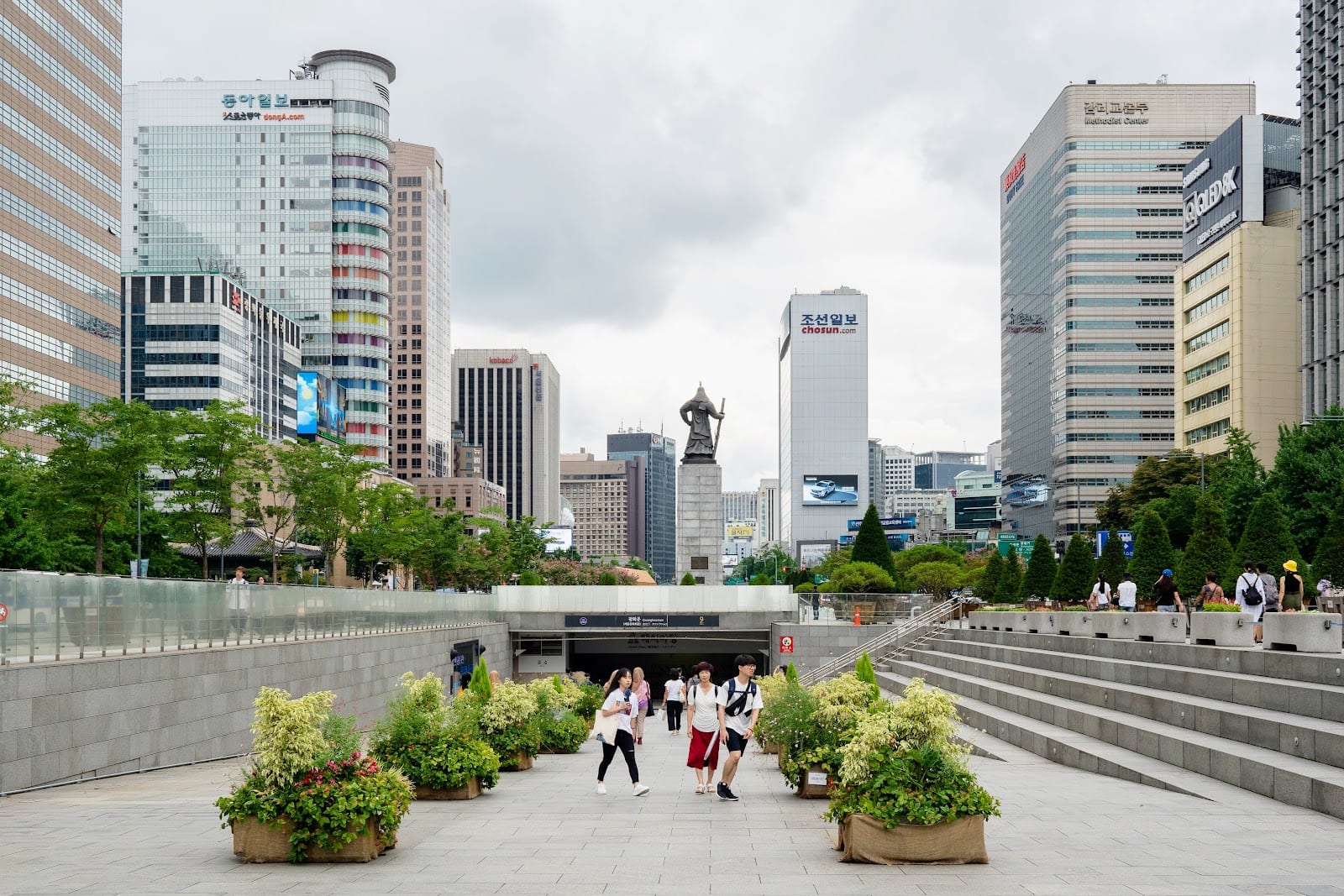
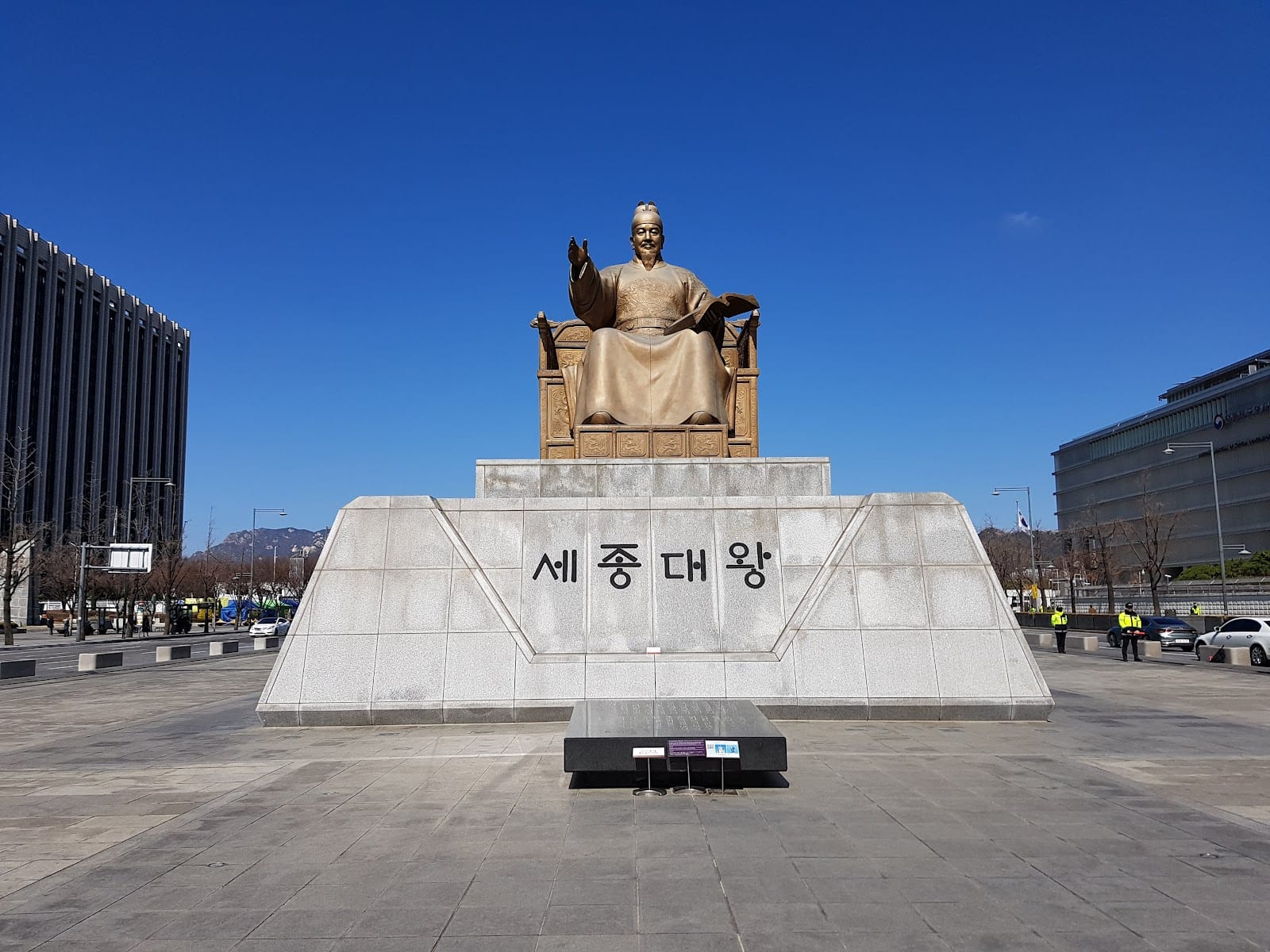
This is Jongno's civic stage, best understood through its huge statues, palace axis, and buried traces of the old capital.
Gwanghwamun Square occupies the historic Yukjo-geori, the Avenue of Six Ministries that formed the main street of Hanyang, Joseon's capital. Seoul converted ten lanes of the former 16-lane roadway into a public square in 2009. Today the 555-meter space points directly toward Gyeongbokgung and Bugaksan Mountain, with King Sejong and Admiral Yi Sun-sin presiding over the axis. Look closely at Sejong's 6.2-meter statue: he holds a copy of the Hunminjeongeum Haeryebon, while the pedestal records scientific achievements including a sundial, rain gauge, and armillary sphere. The square is free and open 24 hours, but its meaning lands better in daylight than as a quick nighttime backdrop.
45-90 minuteson GoogleGood for families, solo
- 7
 Jongno 3-ga Worth it
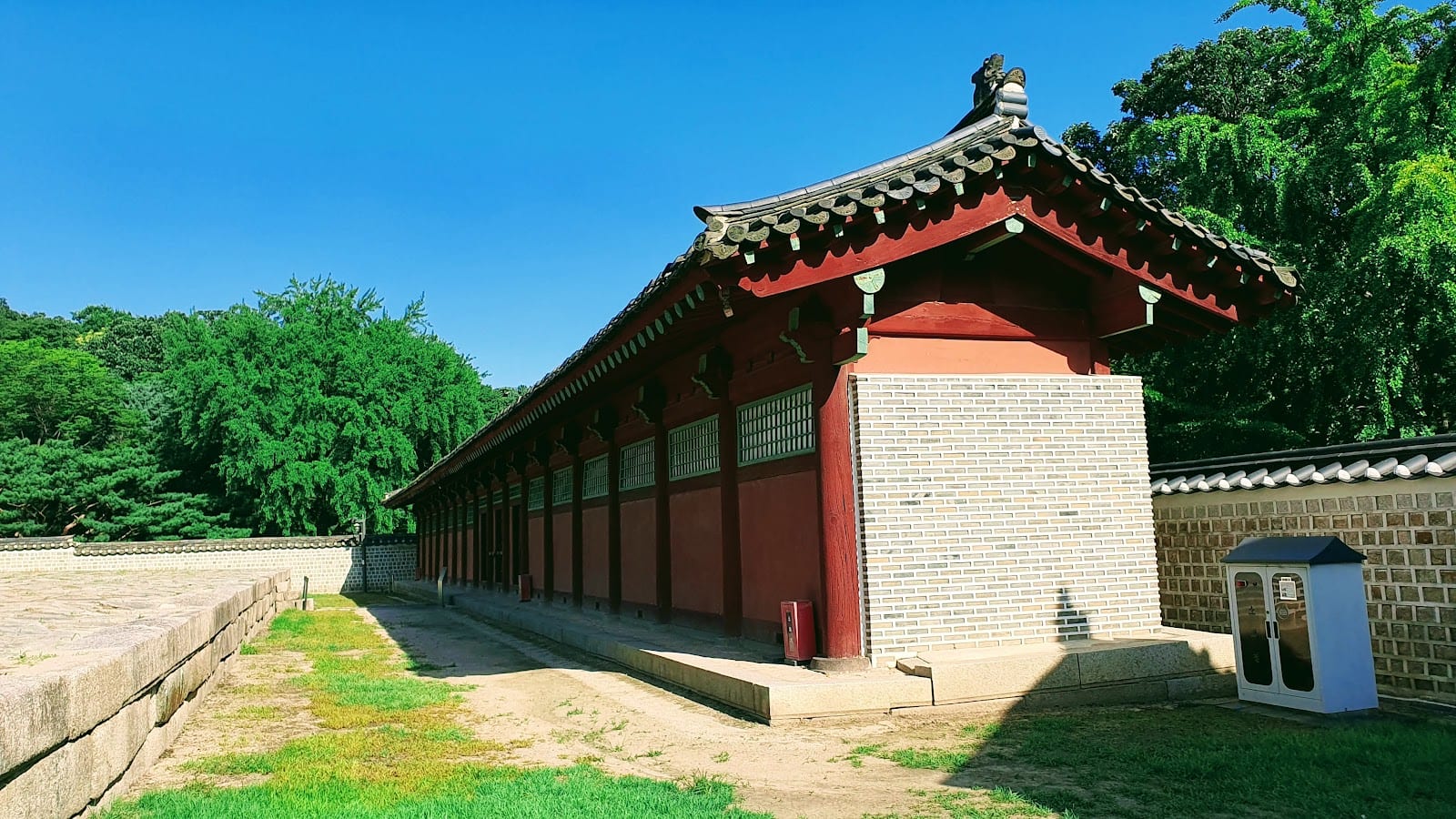
Jongmyo Shrine
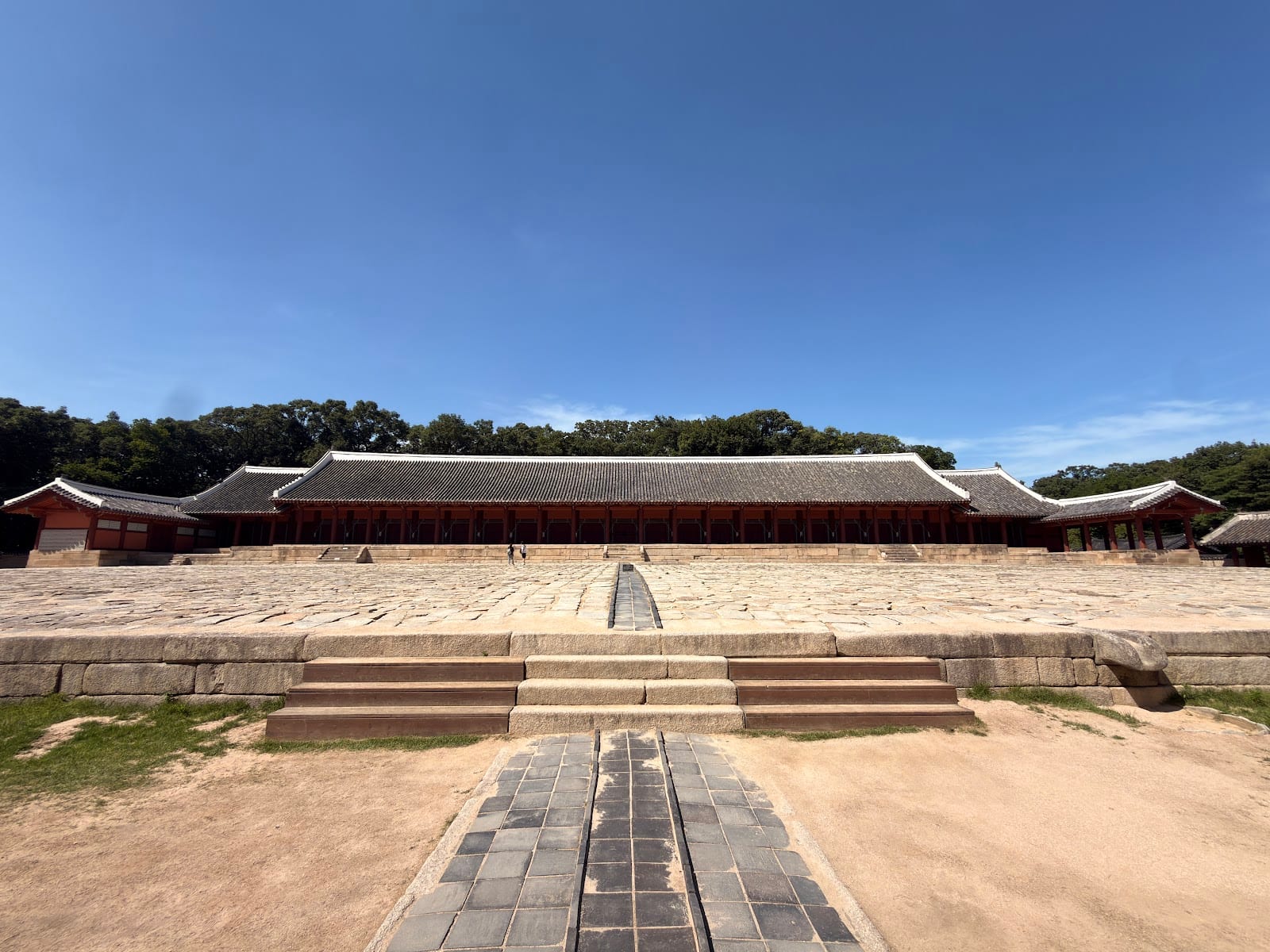
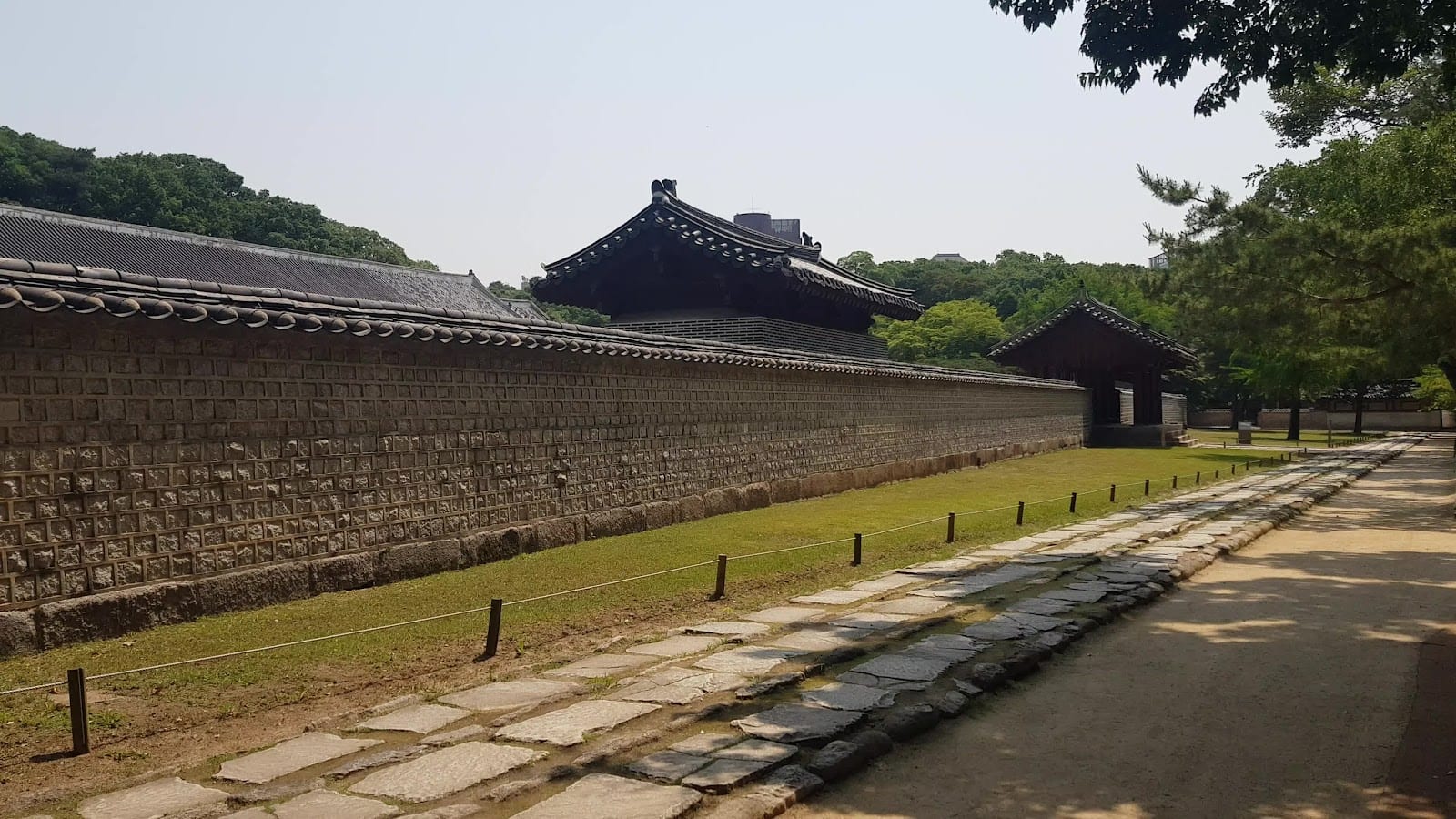
Jongmyo is Jongno at its most austere: a forested royal shrine where the empty spaces are the point.
Built in 1394 by King Taejo, Jongmyo houses the spirit tablets of Joseon's former kings and queens and preserves the dynasty's ancestral ritual tradition. UNESCO calls it the oldest and most authentic preserved Confucian royal ancestral shrine; the ritual tradition reaches back to the 14th century. The complex's main buildings are Jeongjeon, the long principal shrine, and Yeongnyeongjeon, the Hall of Eternal Peace, set within a 19.4-hectare oval site surrounded by low hills and forest. Except on Saturdays, entry is by guided tour, which suits the place: this is not a wander-and-selfie attraction. The annual Jongmyo Jerye ceremony, with court music, song, and dance, makes the architecture feel alive rather than merely preserved.
Good for solo


Hidden gems
Where the crowds thin out.- Hidden gem
 Ujeongguk-ro Worth it
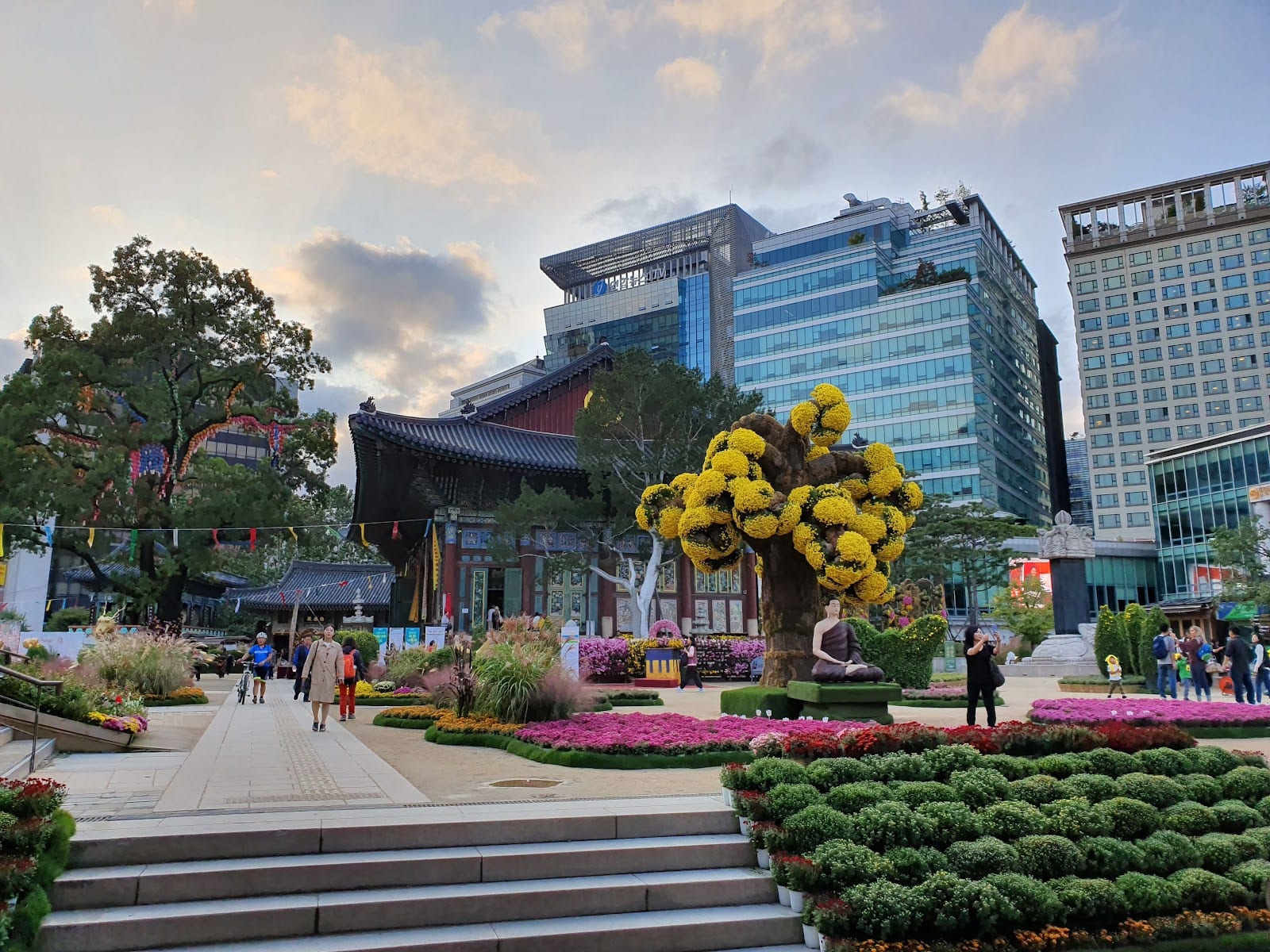
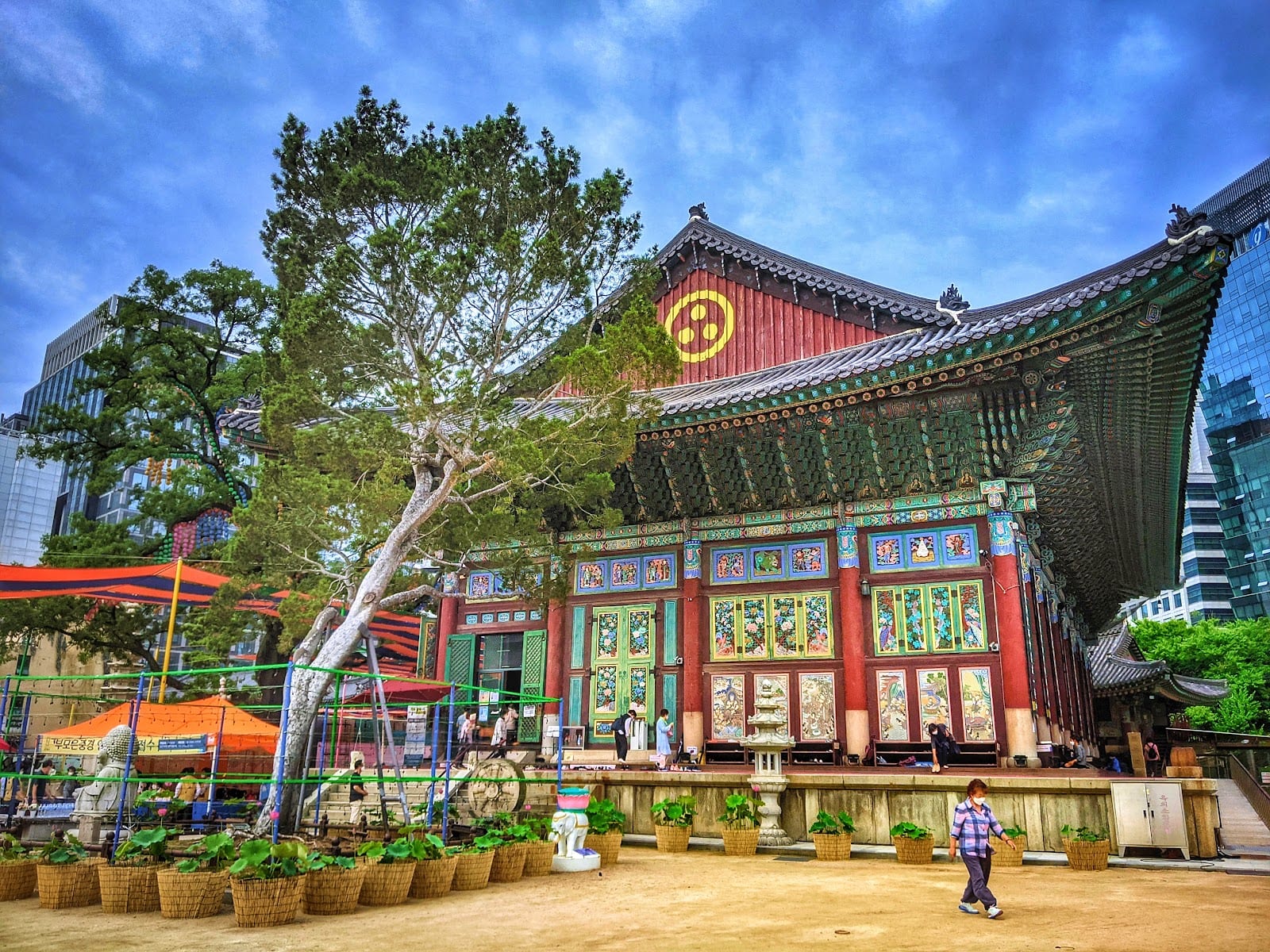
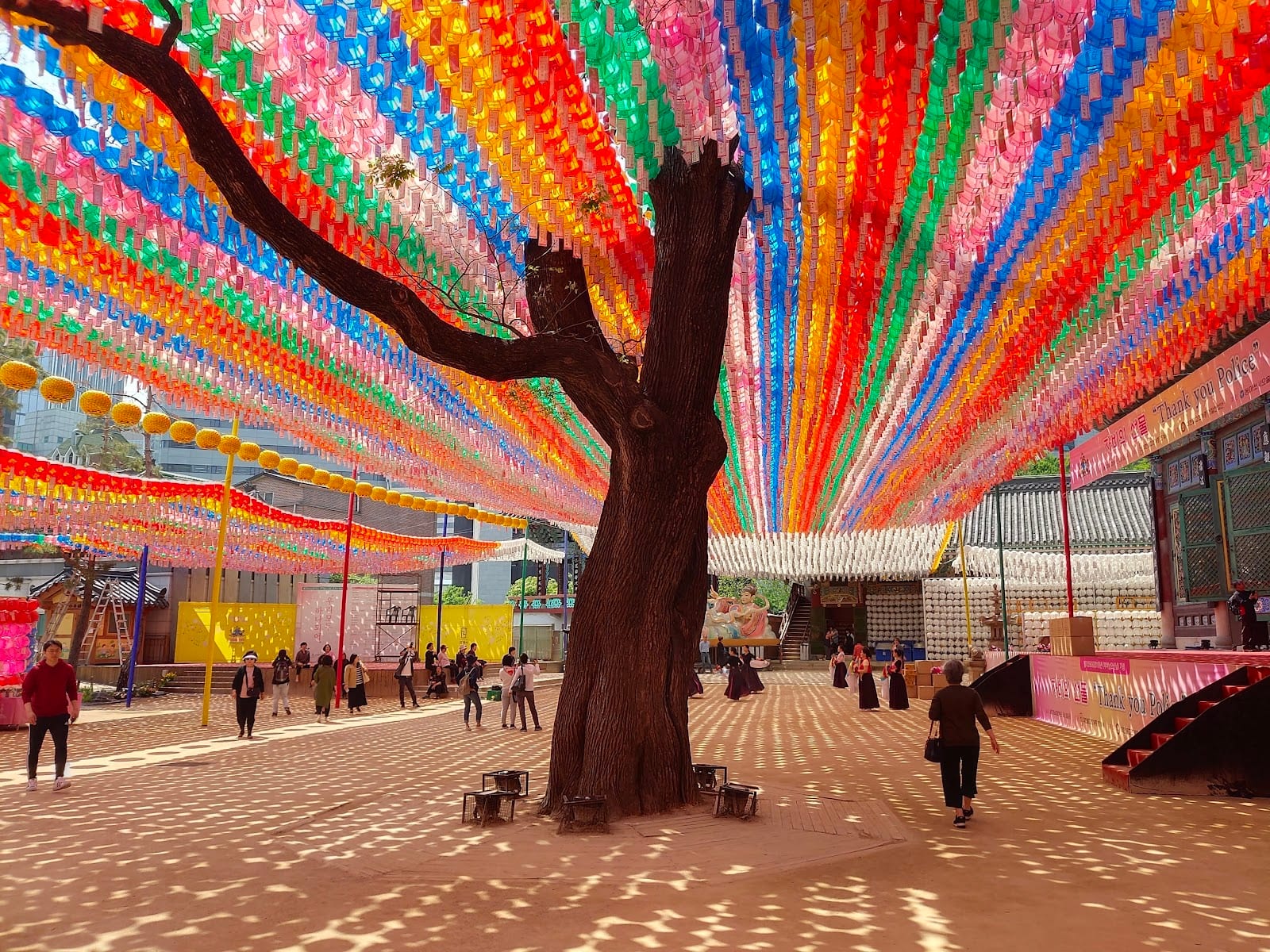
Jogyesa Temple
A free, working Buddhist temple in central Seoul, and the easiest place in Jongno to trade sightseeing momentum for stillness.
Jogyesa is the main temple and district head temple of Seoul's Jogye order, but its present identity is layered rather than ancient-looking. The earlier temple was destroyed by fire; it was rebuilt as Gakwangsa in 1910, became Korea's Buddhist head temple, and was renamed Tegosa in 1936. A 1954 purification drive to remove Japanese influence and revive traditional Buddhism established today's Jogyesa. Admission is free and the temple is open year-round, making it a useful unscheduled stop between Bukchon, Insadong, and Gwanghwamun. The Dharma Hall hosts rituals, lectures, ceremonies, and Buddhist events, including the city's annual lantern festival. It is not a blockbuster sight, which is precisely why it earns hidden-gem status.
30-60 minuteson GoogleGood for solo, couples
- Hidden gem
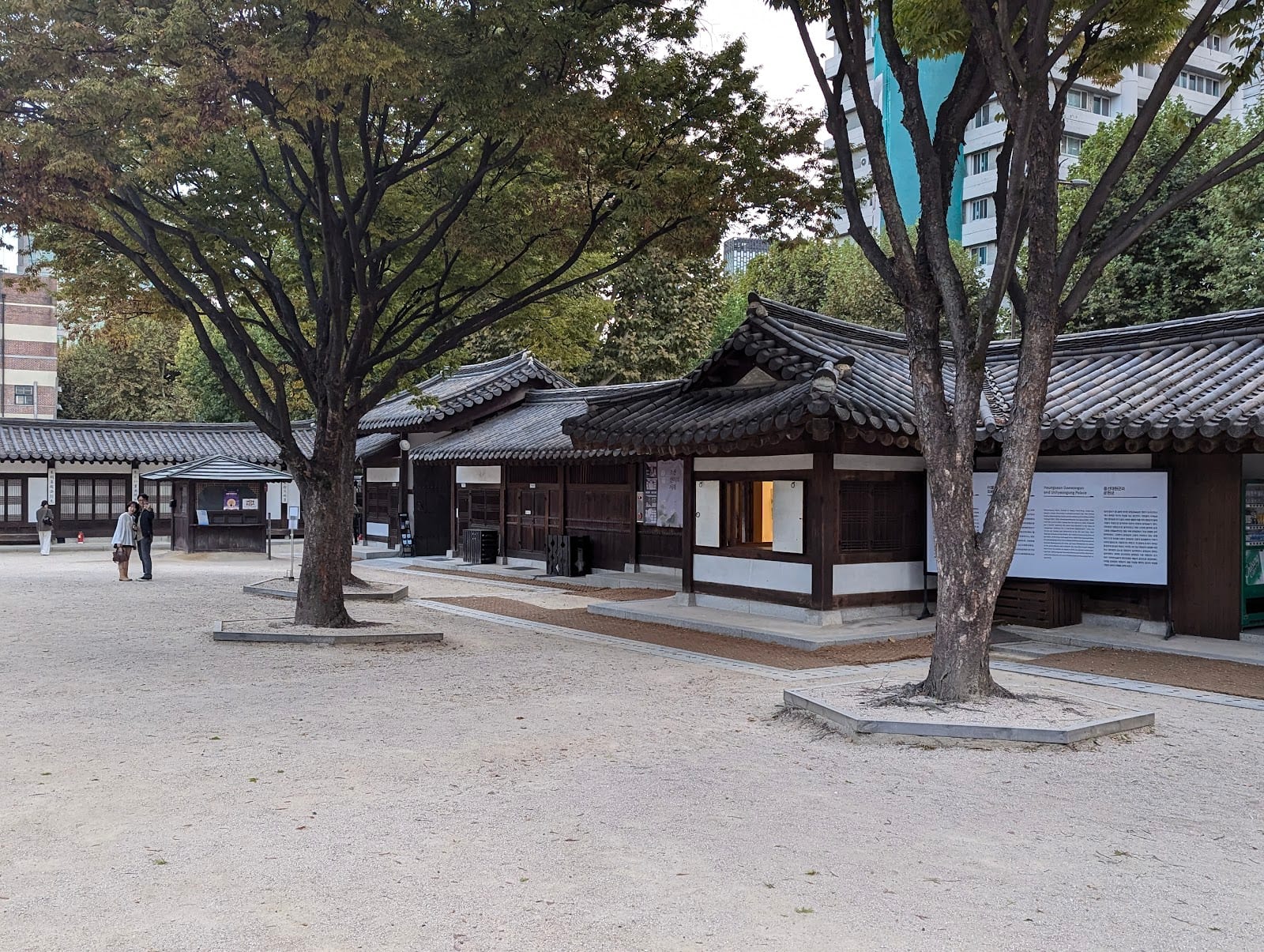
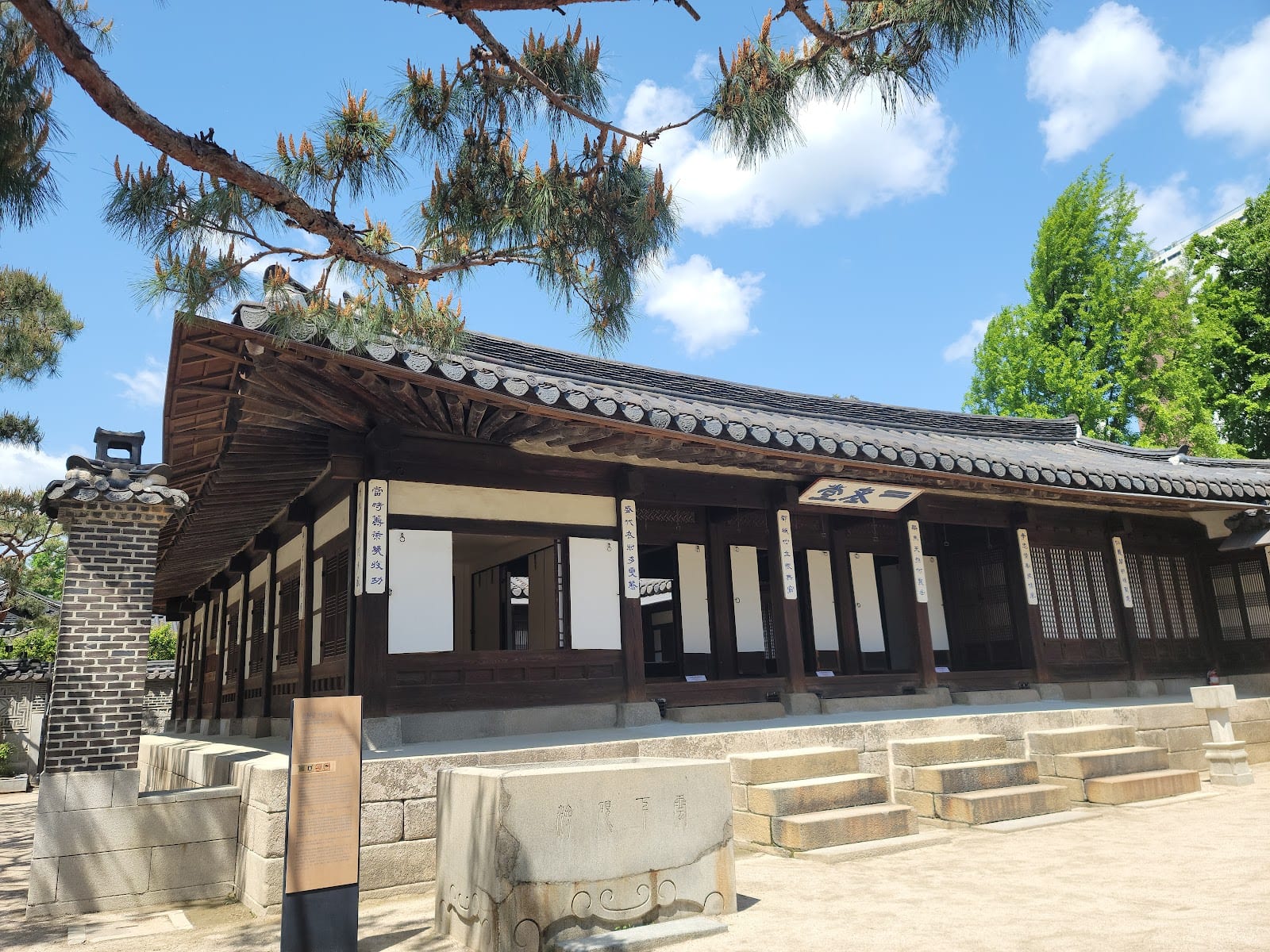
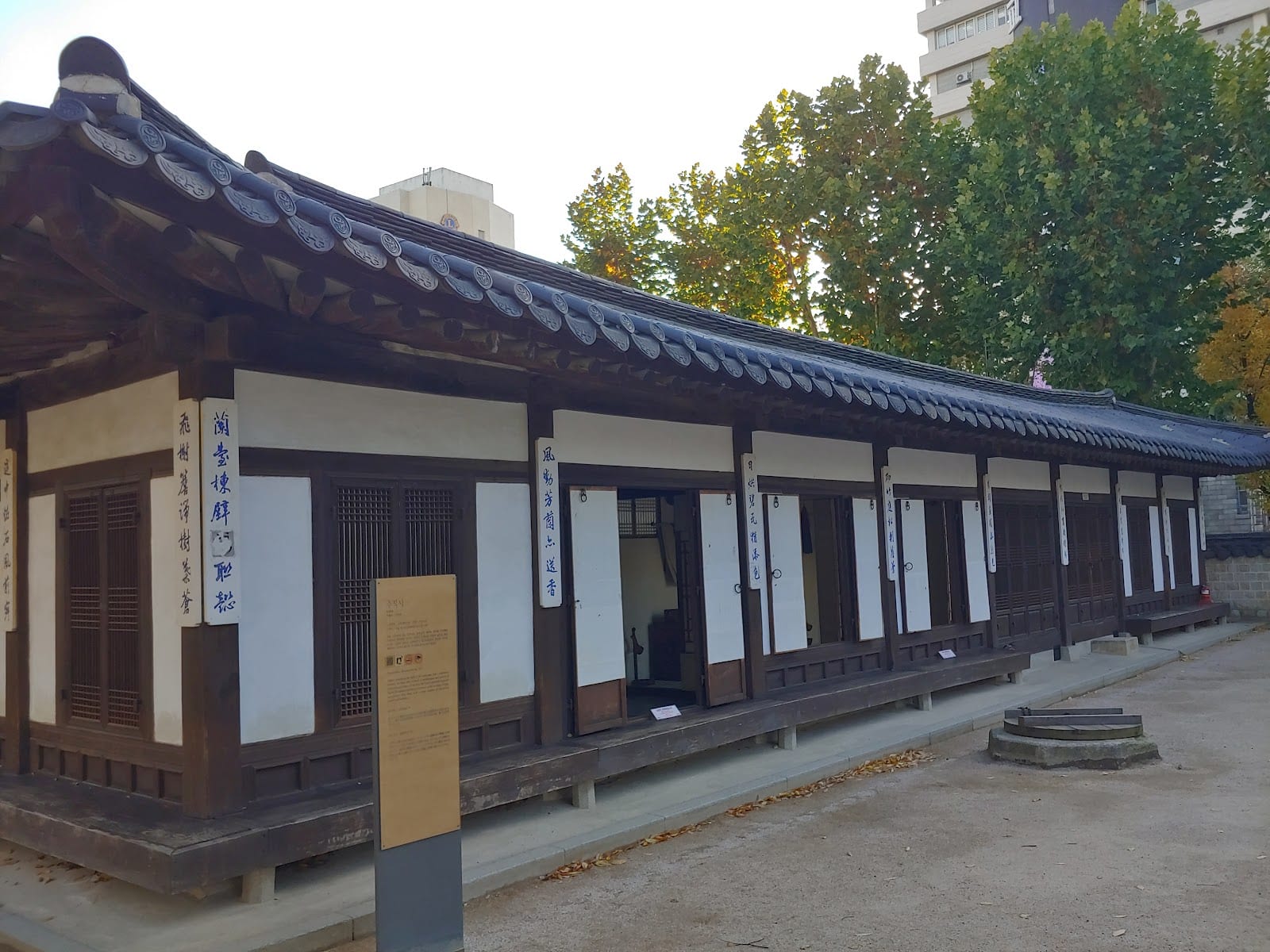 Anguk Worth it
Unhyeongung Royal Residence
This compact free residence gives you the political and domestic backstory that the grand palaces leave out.
Unhyeongung was the residence of Heungseon Daewongun and his son, the future King Gojong, who lived there until age 12. It received its formal name on December 9, 1863; Noandang and Norakdang followed in 1864, and Irodang in 1869. Daewongun used the residence as a political stage while governing Joseon as regent for ten years. Much of the original complex was lost during the Korean War, and Seoul restored the site between December 1993 and October 1996. The most telling detail is Norakdang: King Gojong and Queen Min, later Empress Myeongseong, held their wedding there. It is free, close to Anguk Station, and a smart counterweight to palace grandeur.
45-75 minuteson GoogleGood for families, solo


Verdicts and rankings are our own; ratings open each place on Google. Prices, where shown, are an approximate per-person guide in USD.
Getting around
Getting around Jongno District
Use the palace subway stations
Gyeongbokgung is a three-minute walk from Gyeongbokgung Station on Line 3. Gwanghwamun Square is closest to Gwanghwamun Station on Line 5, while Changdeokgung and Unhyeongung are easiest from Anguk Station on Line 3.
Walk the historic core
The major sites form a connected sightseeing district, but palace compounds and Bukchon's hills make the day longer than the map suggests.
Plan around closing days
Gyeongbokgung and Jongmyo close Tuesdays; Changdeokgung and Unhyeongung close Mondays; Huwon also closes Mondays.
Treat Bukchon as residential
Anguk Station Exit 2 is about a 10-minute walk from Bukchon. The Bukchon-ro 11-gil tourist area restricts visiting from 17:00 to 10:00.
Where to stay
Where to stay in Jongno
Gwanghwamun
The best base for Gyeongbokgung, Gwanghwamun Square, and the western palace core.
Anguk and Bukchon
The prettiest and most atmospheric choice, close to Changdeokgung, Huwon, Unhyeongung, and hanok streets.
Jongno 3-ga
A practical central base between Jogyesa, Jongmyo Shrine, and Gwangjang Market, with several subway lines.
Jongno 5-ga
The strongest choice for market access and late food, especially if Gwangjang Market is part of your nightly plan.

Where to stay in Seoul
Compare Seoul's neighborhoods and find the right base for palace days, markets, nightlife, or a quieter local stay.
View the guideWho it's for
Jongno for families, couples, and solo
- Jongno for families
- Gyeongbokgung, Gwanghwamun Square, and the market make an easy varied day, while free Jogyesa and Unhyeongung offer shorter stops.
- Jongno for couples
- Choose Changdeokgung and Huwon for a slower garden day, walk Bukchon's lanes early, then finish with market food.
- Jongno for solo travelers
- Jongno rewards an unhurried solo route: a guided visit at Jongmyo, a quiet pause at Jogyesa, and counter-seat snacks at Gwangjang Market.
More of Seoul
Nearby neighborhoods
A short hop from Jongno, and worth pairing on the same trip.
Insadong
Traditional crafts, tea houses, galleries, and Seoul's established culture-street atmosphere immediately south of Jongno's palace core.
Explore InsadongMyeongdong
Seoul's high-energy shopping district, with cosmetics, department stores, street food, and a very different pace from historic Jongno.
Explore Myeongdong
Ready to plan your Jongno trip?
Tell Zoya, your personal travel assistant, how you like to travel, and she'll turn any of this into a day-by-day plan that fits your dates.
Explore now