

Seoul · guide
Best Restaurants in Seoul
From Gwangjang Market's bindaetteok to Mingles' modern Korean tasting menu, these are Seoul's most rewarding meals by style, neighborhood, and budget.
Seoul in brief
What is a must-eat food in Seoul?
Start with Korean barbecue, Pyongyang-style naengmyeon, seolleongtang, and fried mung-bean pancakes at a market such as Gwangjang Market. The best choice depends on whether you want a sit-down meal or several small bites.
Is there a three-Michelin-star restaurant in Seoul?
Yes. Seoul's Michelin selection includes three-Michelin-star restaurants, but stars and restaurant selections can change, so check the current guide before booking.
Where should I go for Korean barbecue in Seoul?
Samwon Garden is the established pick on this list for grilled marinated Korean galbi. Eater also highlights Woo Lae Oak and other established barbecue destinations, so choose by neighborhood and budget.
Eat the city, not just its most famous tables
Seoul's best food is not one cuisine or one price point. This list rewards places with a clear point of view, a dish worth crossing town for, and enough substance to justify the queue or bill. It also calls out polished names that are harder to recommend when the research is thin or the experience depends more on reputation than the plate.
The picks are grouped into destination meals, old Seoul classics, and markets for grazing. Plan them around Things to Do in Jongno, Things to Do in Insadong, Things to Do in Gangnam, Things to Do in Myeongdong, and a Seoul 3 Day Itinerary, then use Where to Stay in Seoul to cut down on cross-city dinners.
The full ranking, compared
Every pick at a glance, ranked by how well it earns its place, not by tourist traffic. Tap a name to jump to the full review.
| Place | Order this | Neighborhood | Best for | Our verdict |
|---|---|---|---|---|
| 1. Mingles | Mixed | |||
| 2. Onjium | Mixed | |||
| 3. Samwon Garden | Worth the hype | |||
| 4. Woo Lae Oak | Mixed | |||
| 5. Tosokchon Samgyetang | Worth the hype | |||
| 6. Jinokhwa Halmae Wonjo Dakhanmari | Mixed | |||
| 7. Gaeseong Mandu Koong | Mixed | |||
| 8. Gwangjang Market | Worth the hype | |||
| 9. Tongin Market | Mixed | |||
| 10. Hadongkwan | Mixed |
Make these into a Seoul trip
Zoya, your personal travel assistant, can turn these picks into a day-by-day Seoul plan.
Ranked, with honest verdicts
The best food in Seoul, ranked
Ten stops for eating Seoul properly, from a 1905 market and a 1938 gomtang counter to modern Korean tasting menus, ranked by how much each place says about the city and how rewarding it is for a visitor.
The destination tables, start here
These are the meals to reserve or build an evening around, from modern Korean tasting menus to Gangnam galbi.
- 1
 Gangnam · Cheongdam-dong Mixed
Mingles
The strongest splurge here is modern Korean cooking that still tastes unmistakably Korean.
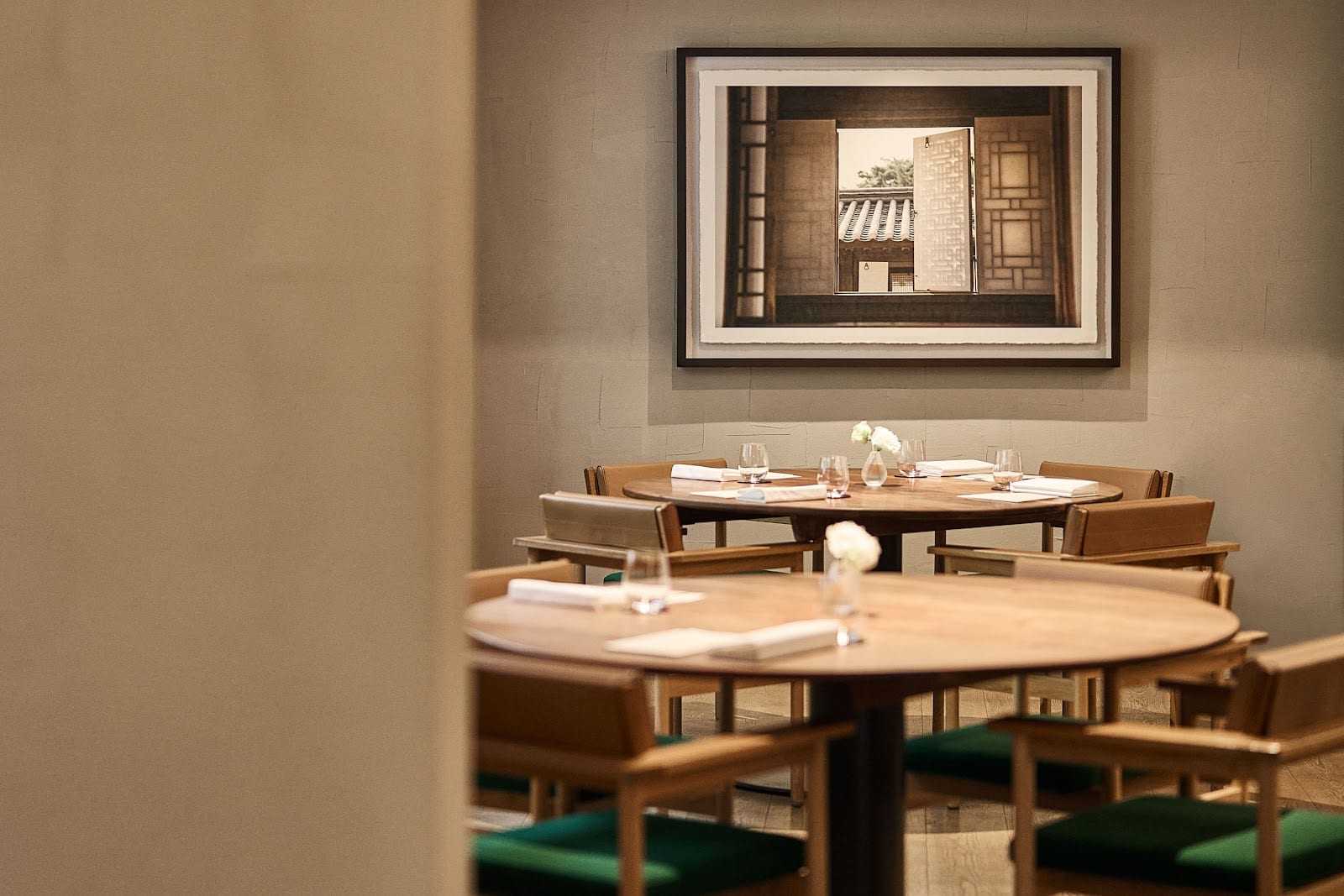
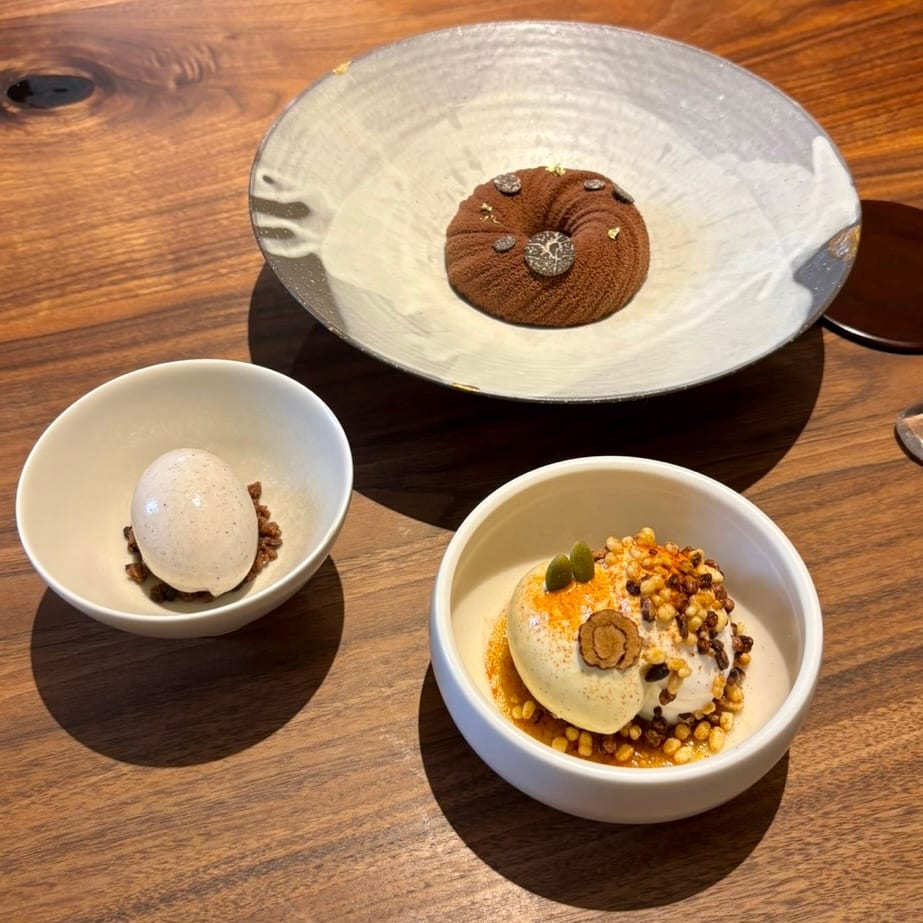
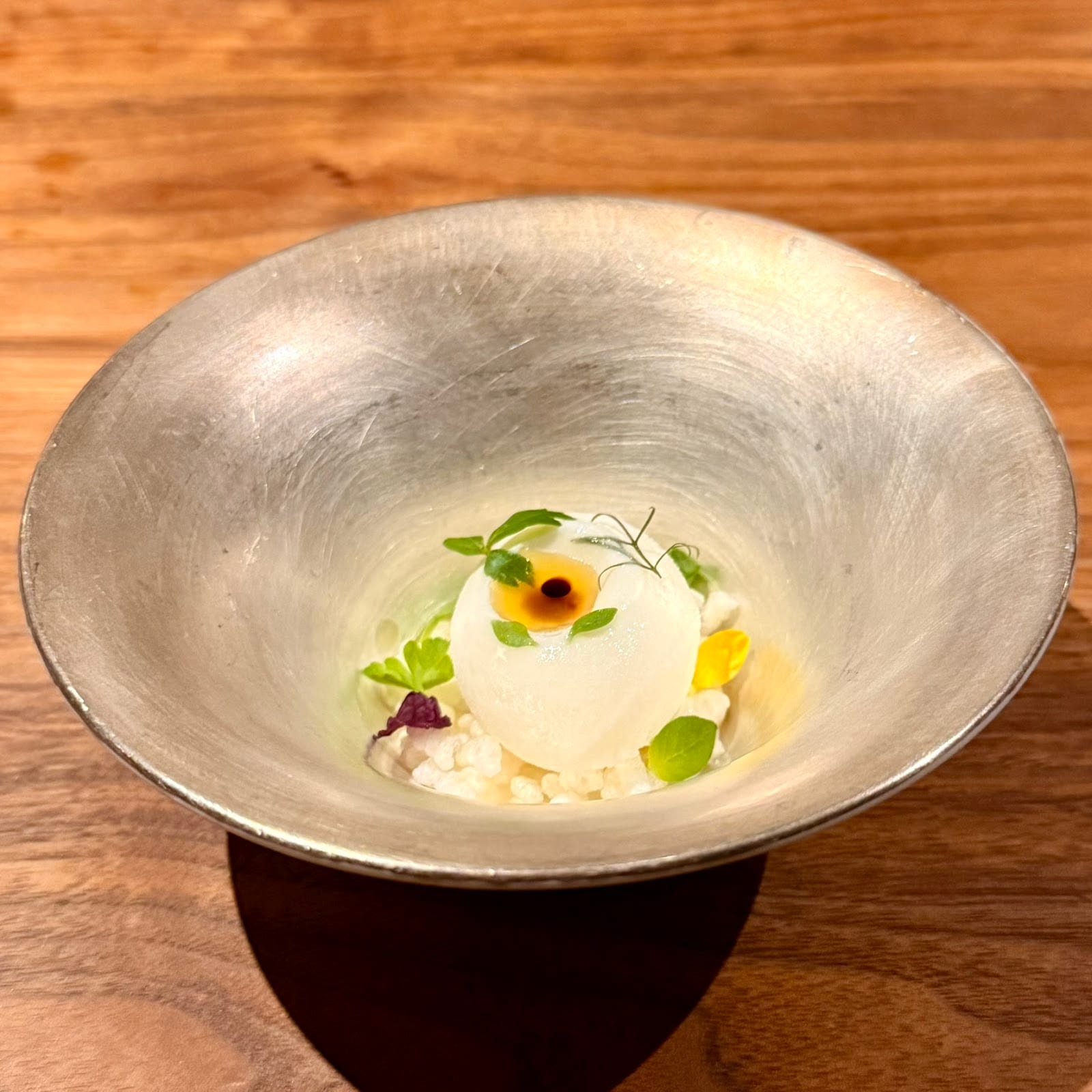
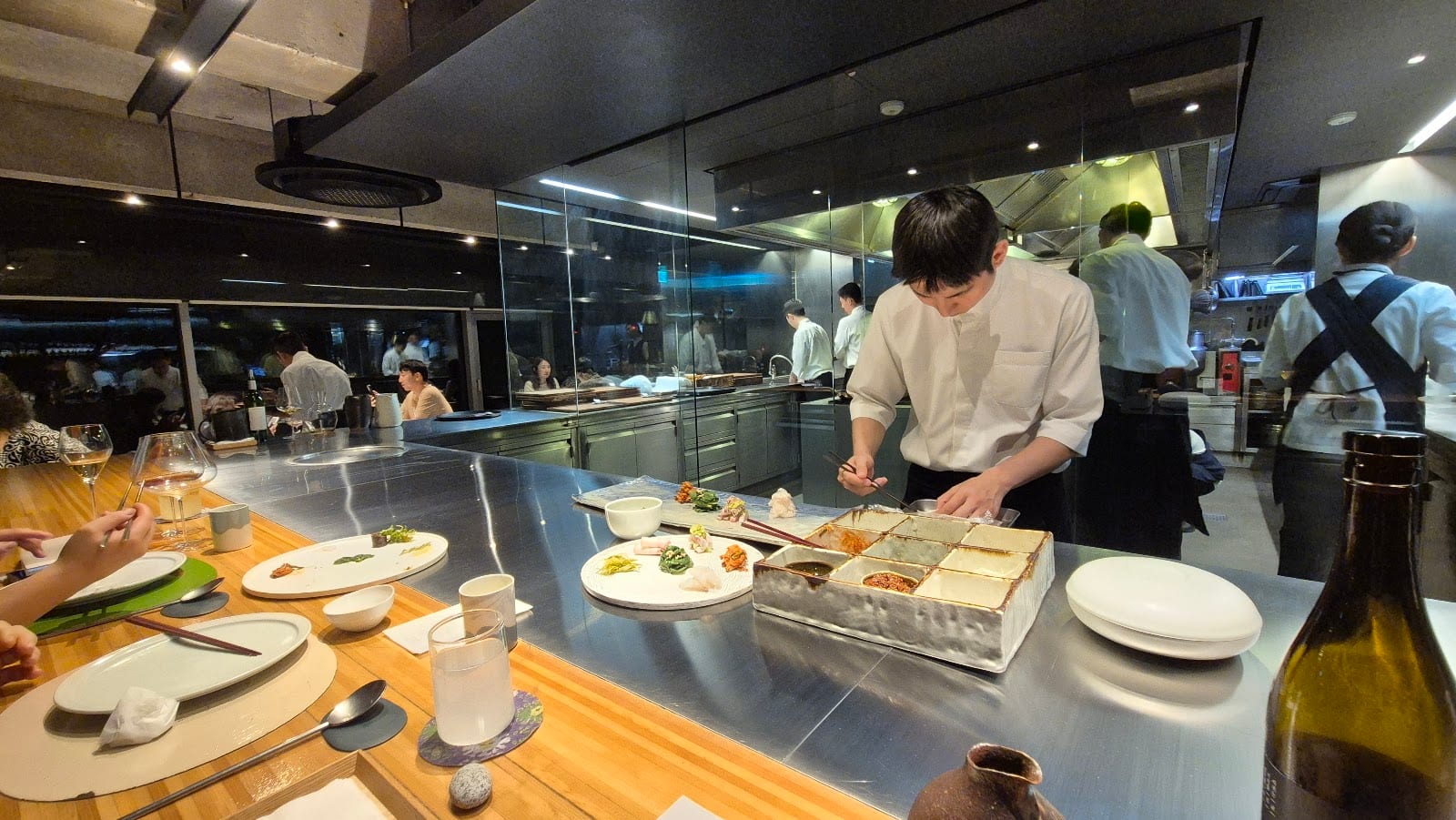
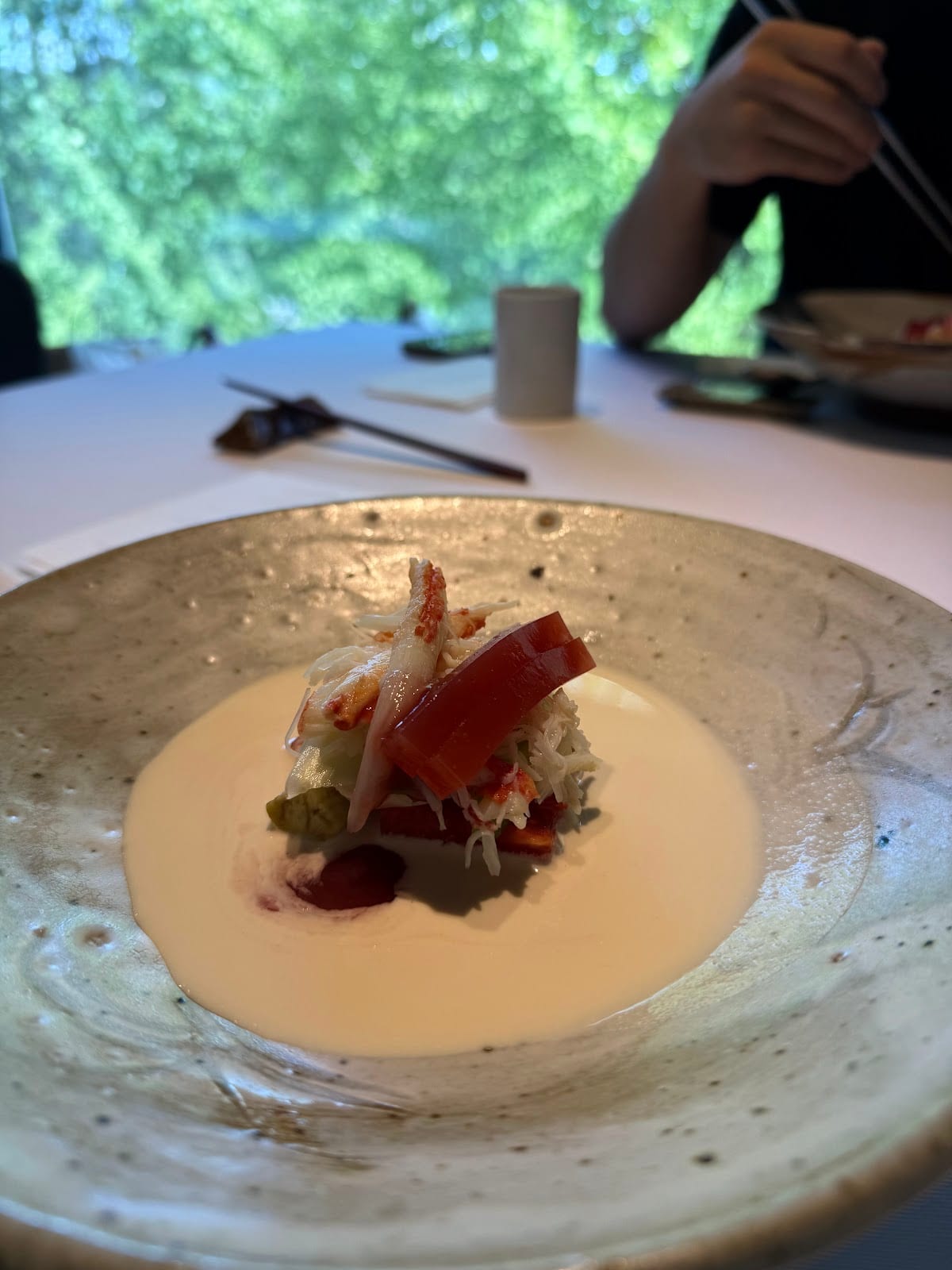
Mingles earns the top spot because it turns familiar Korean building blocks into a composed meal without losing their identity. Chef Mingoo Kang leads a 10-course tasting menu built around seasonal ingredients, fermented sauces, and vinegars, and the restaurant opened in Cheongdam-dong in April 2014. The telling dish is the mingling pot: anchovy broth with three kinds of dumplings, abalone, sea cucumber, peas, and angelica. A May 2025 review reported 350,000 KRW per person, with the price scheduled to rise to 400,000 KRW from June, before drinks. Reserve through the restaurant. This is a serious occasion meal, but it is also the clearest argument for Seoul's modern Korean fine dining.
Order: 10-course seasonal Korean tasting menuPrice: $$$$; reported 350,000 KRW per personWhere: Dosan-daero 67-gil, Cheongdam-dongBooking: Reserve through the restaurant - 2
 Jongno · Cheongunhyoja-dong Mixed
Onjium
Choose Onjium when you want Korean history and technique explained through a tasting menu.
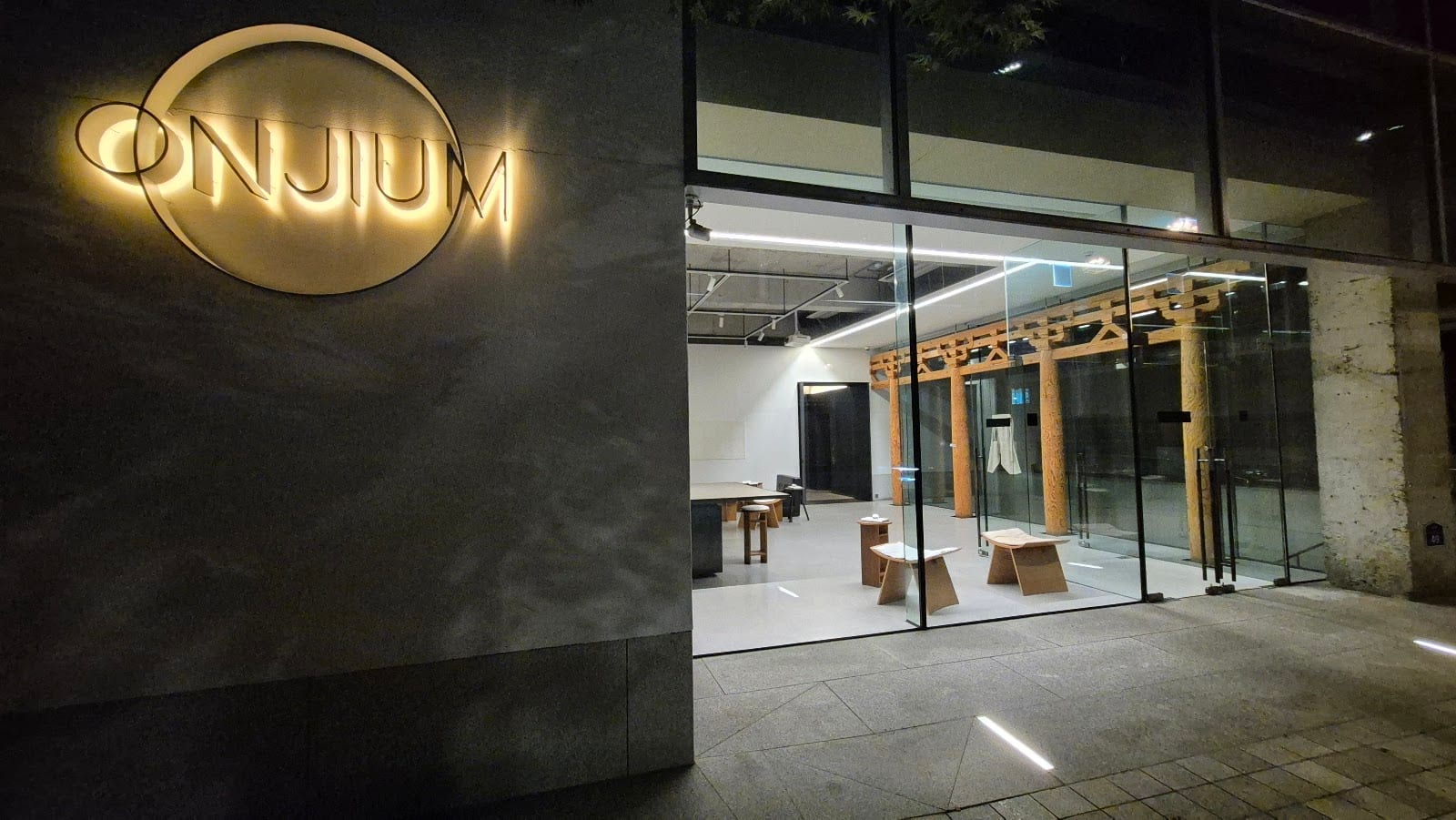
Onjium ranks just behind Mingles because its meal carries a cultural argument as well as culinary ambition. Co-founder Cho Eun-hee trained in Joseon-dynasty royal cuisine, and the restaurant works from royal-court cooking, Buddhist temple cuisine, and local traditions inside a Korean cultural centre. Its own doenjang, gochujang, and ganjang are fermented and aged in-house, a small but revealing detail that gives the menu a sense of time. Lunch and dinner are served Tuesday through Friday, and the tasting menu starts at $116. On-site Korean history and culture classes run twice a month. Come here for a focused, educational splurge, not a spontaneous dinner after sightseeing.
Style: Royal-court, temple, and local Korean cookingPrice: $$$$; tasting menu starts at $116Hours: Lunch and dinner, Tuesday through FridayWhere: 4F, 49 Hyoja-ro, Jongno - 3
 Gangnam · Apgujeong Worth the hype
Samwon Garden
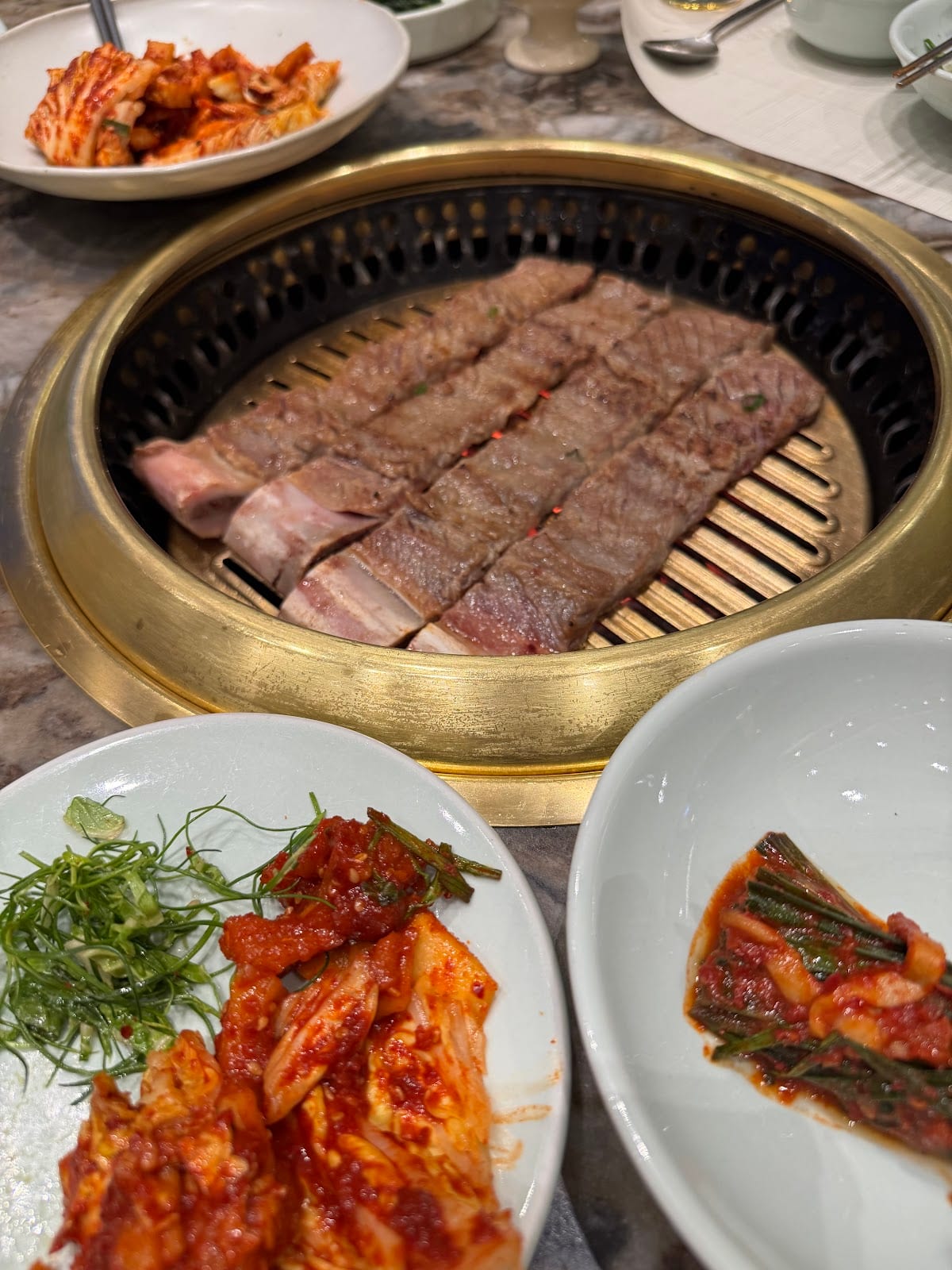
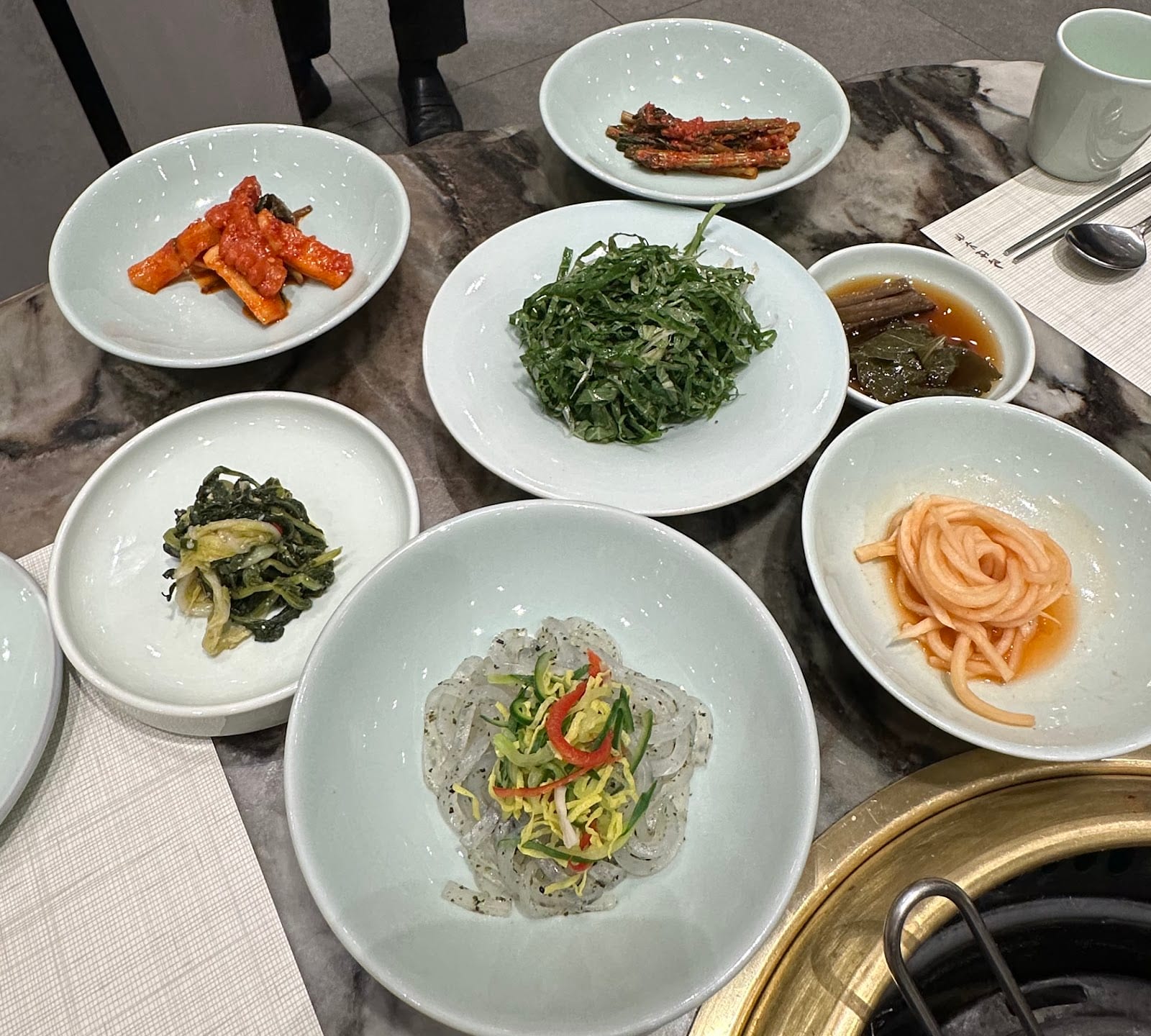
For a polished Korean barbecue night, Samwon Garden is the dependable choice, especially for marinated galbi.
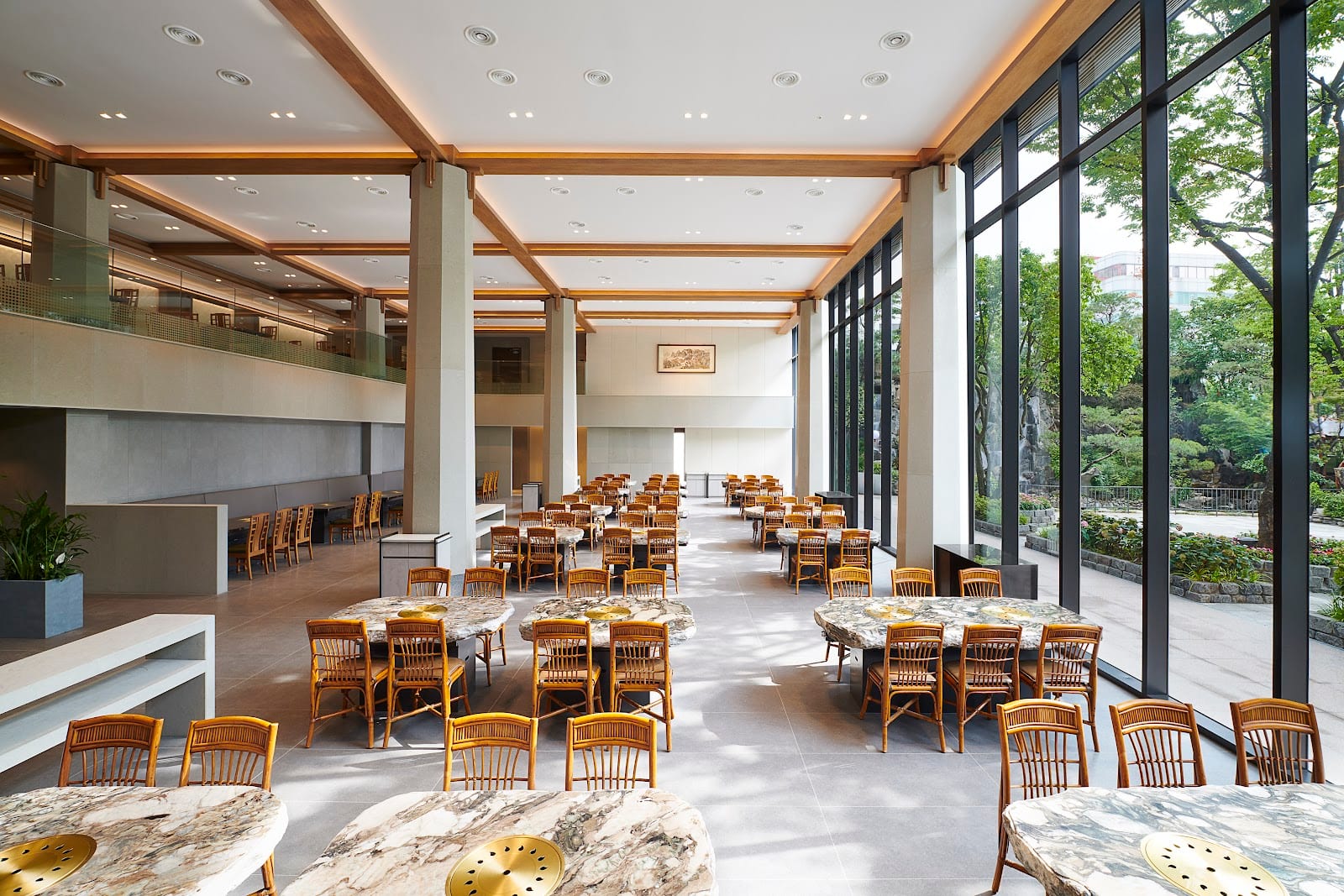
Samwon Garden is the barbecue pick for travelers who want a comfortable, established dining room rather than a tiny grill counter. The brand's first Seoul location opened in Apgujeong in March 1981, and the current restaurant lists hanu yangnyeom galbi, saenggalbi, bulgogi, naengmyeon, galbitang, and yukhoe bibimbap. The distinction to make at the table is between yangnyeom galbi, whose tenderness comes with a savory sauce, and saenggalbi, chosen for its meat texture and richer flavor. The restaurant is open year-round, with a weekday afternoon break and later dinner service. Prices are not established in the supplied research, so treat this as a splurge without a quoted bill. It is classic, broad, and easy to recommend.
Order: Hanu yangnyeom galbi or saenggalbiHours: Weekday break, 15:00–17:00Where: 835 Eonju-ro, ApgujeongGood to know: Open year-round; cards accepted


Old Seoul classics worth the queue
Long-running counters and family kitchens make the case for soup, noodles, chicken, and dumplings.
- 4
 Jung-gu · Jugyo-dong Mixed
Woo Lae Oak
Go for the cold noodles first, then add grilled beef if you have the appetite and patience.
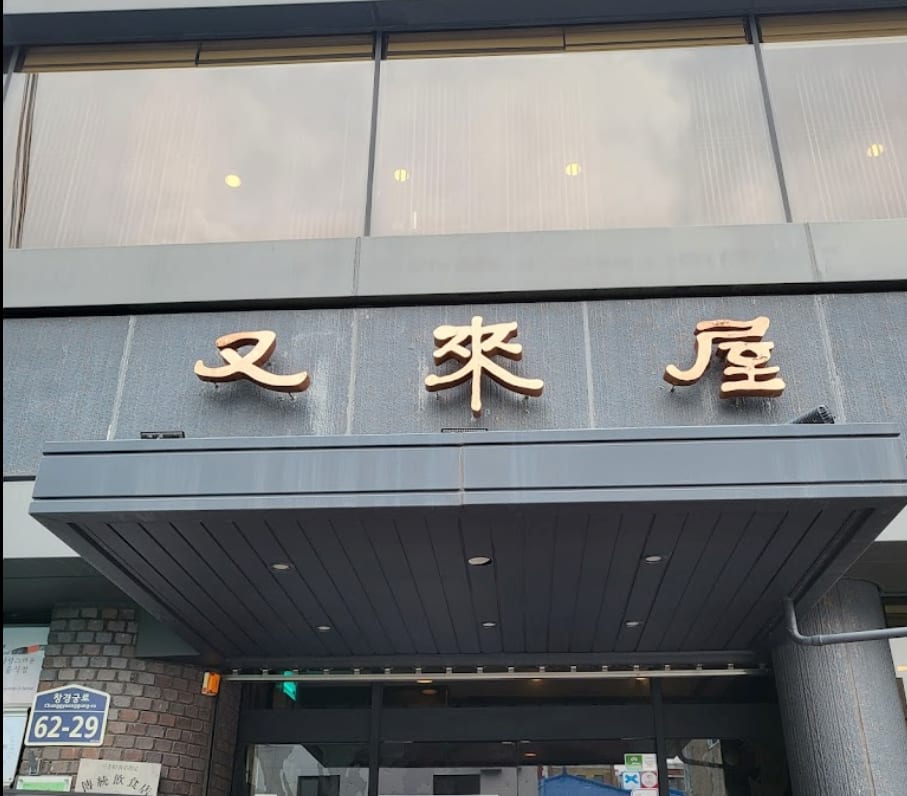
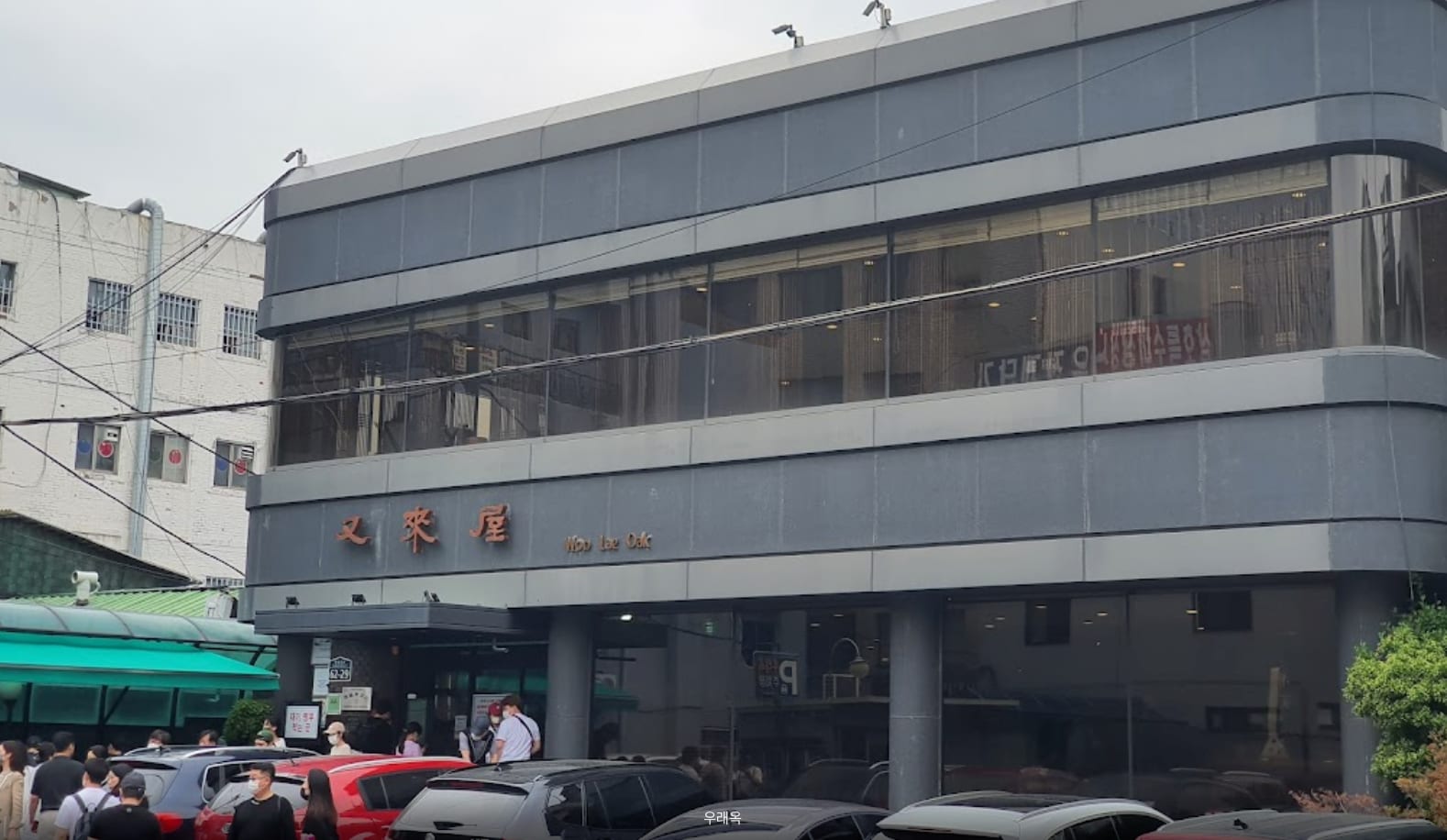
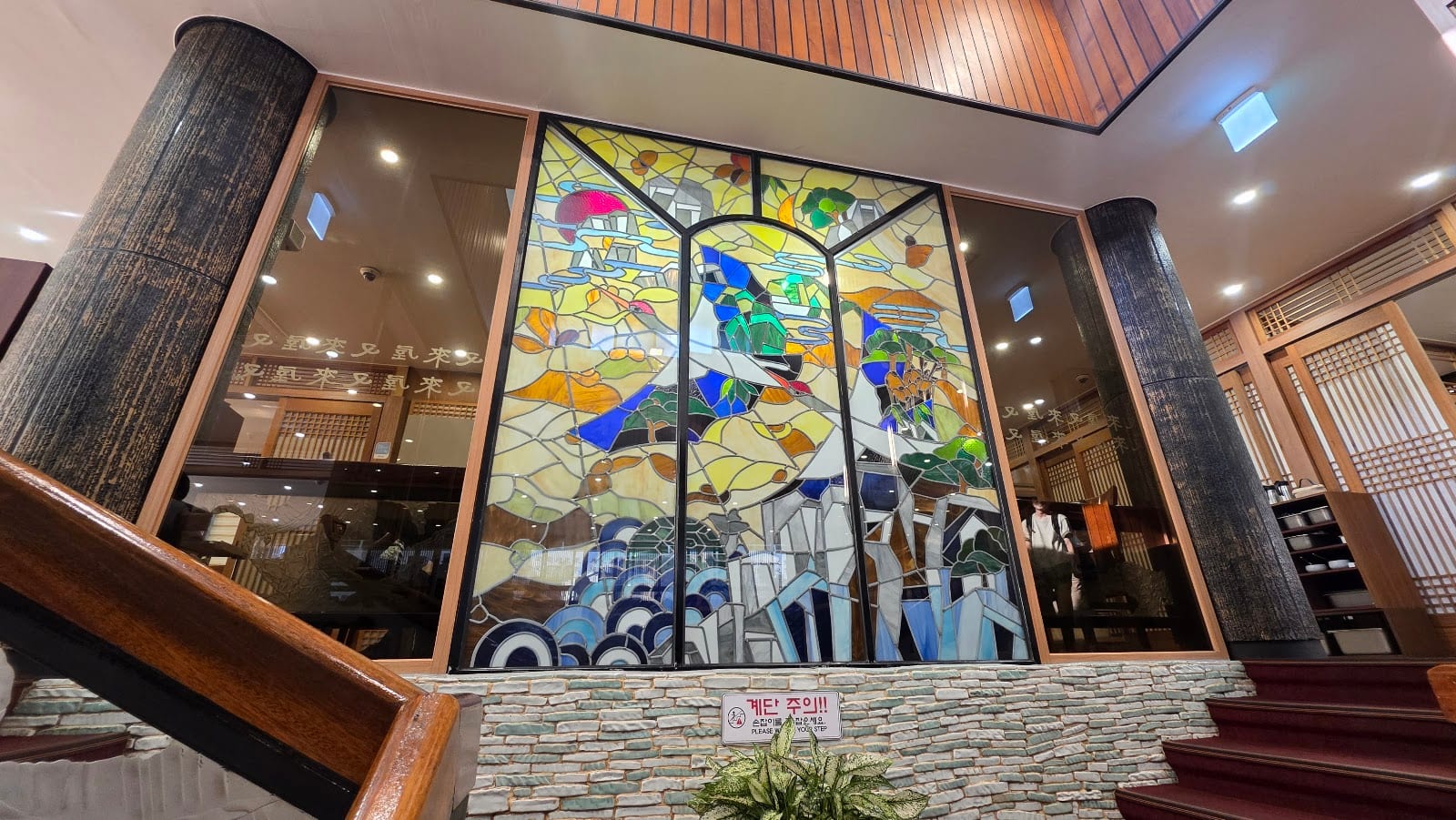
Woo Lae Oak is the essential naengmyeon stop because the restaurant has been operating since 1946 and still makes Pyongyang-style cold buckwheat noodles its calling card. The bowl arrives in a clear, cold broth with pork belly, marinated radish, kimchi, Asian pear, and scallions; the broth is the detail that makes this more than a cooling side dish. The original Jung-gu location also grills bulgogi and un-marinated fresh tenderloin, with private rooms and two levels of seating. Cold noodles were reported at 13,000 KRW, while bulgogi was 31,000 KRW per person. It closes Mondays, and summer waits can be punishing, so arrive early or use the queue system before committing to lunch.
Order: Pyongyang-style naengmyeonPrice: $$; cold noodles reported at 13,000 KRWHours: Tuesday–Sunday, 11:30–21:30; closed MondayWhere: 62-29 Changgyeonggung-ro, Jung-guSourcesasseeninjapan.com
- 5
 Jongno · Seochon Worth the hype
Tosokchon Samgyetang
The palace-side queue is justified if a whole ginseng chicken is the Seoul comfort food you came for.
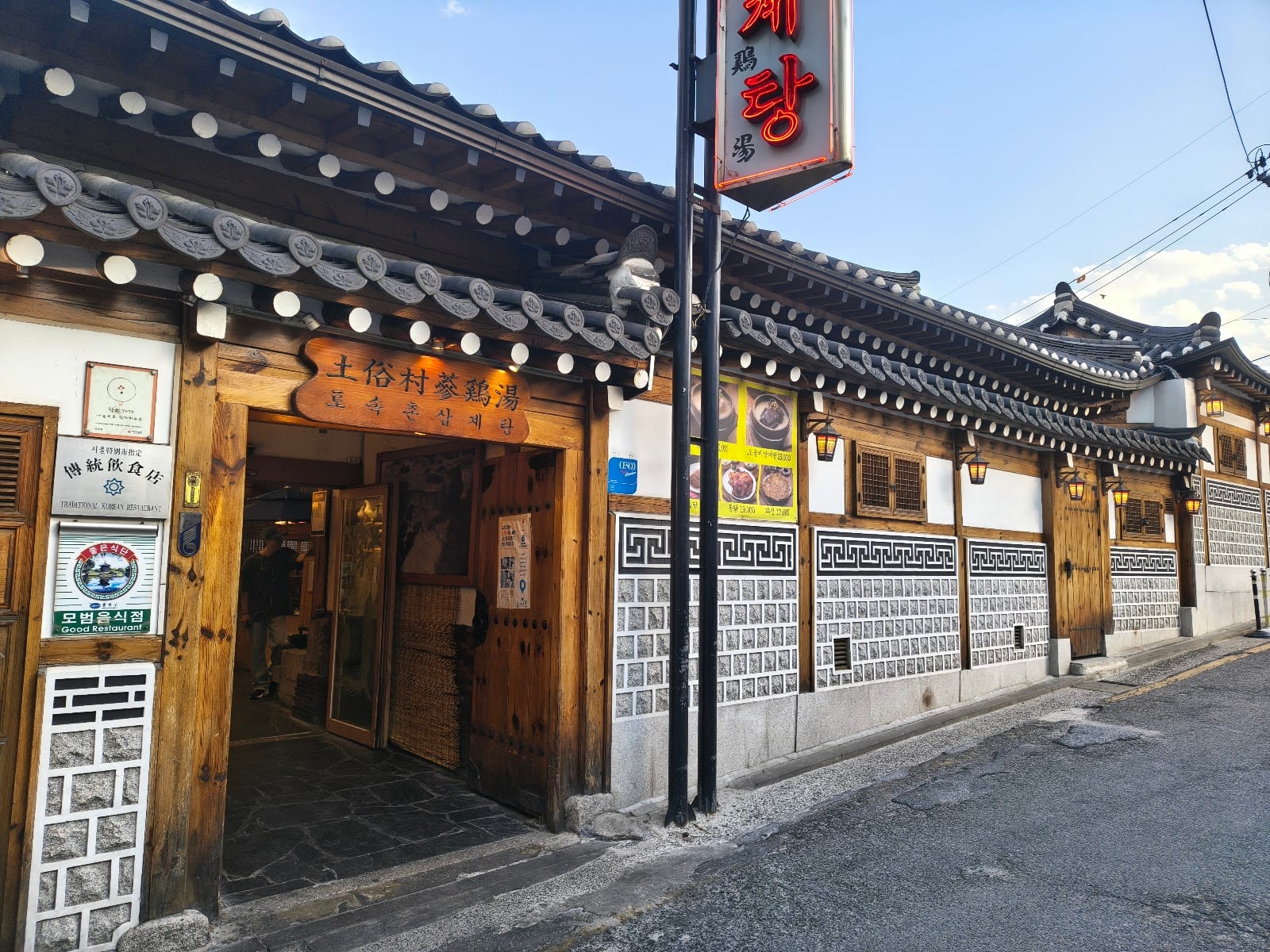
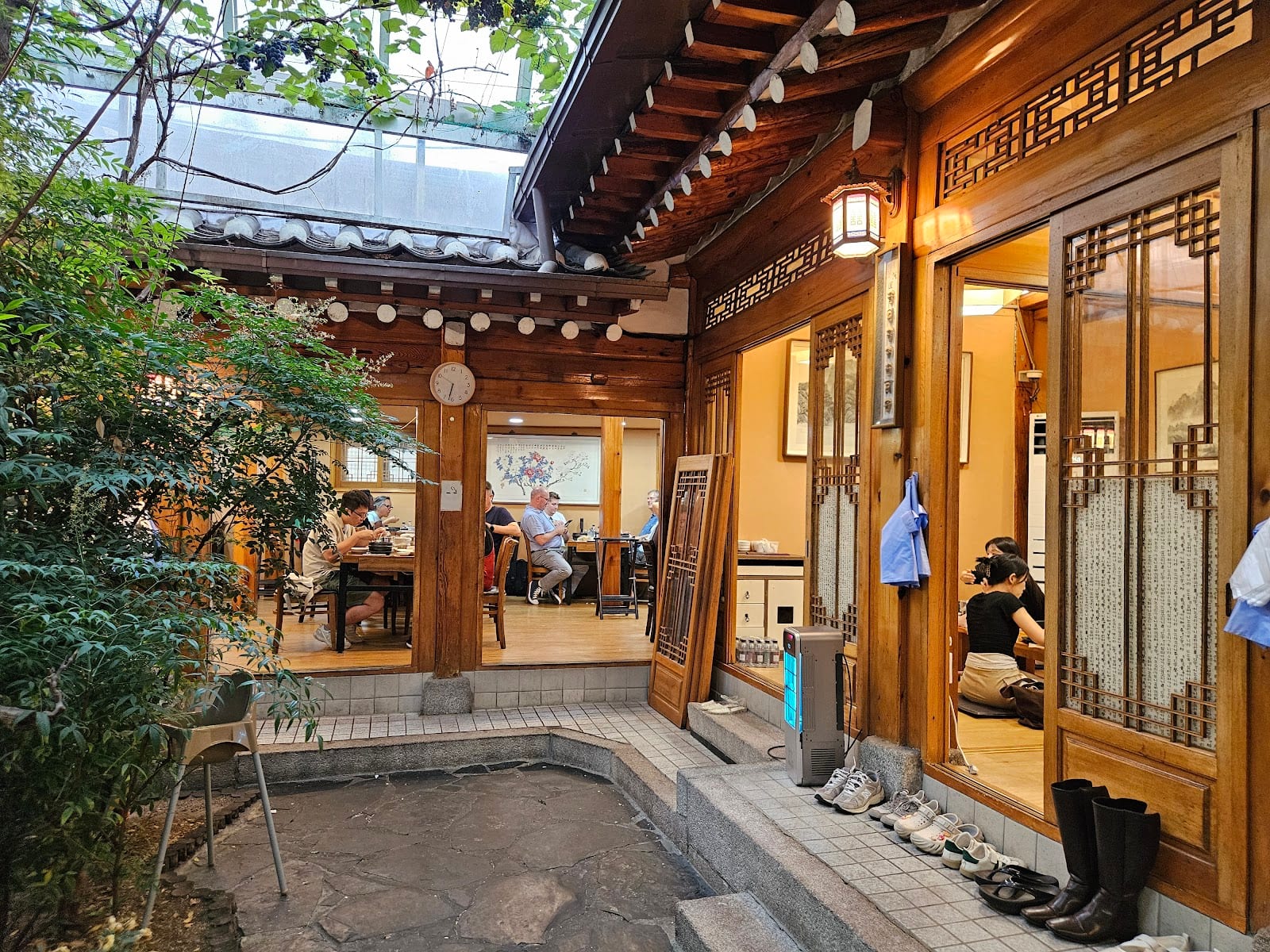
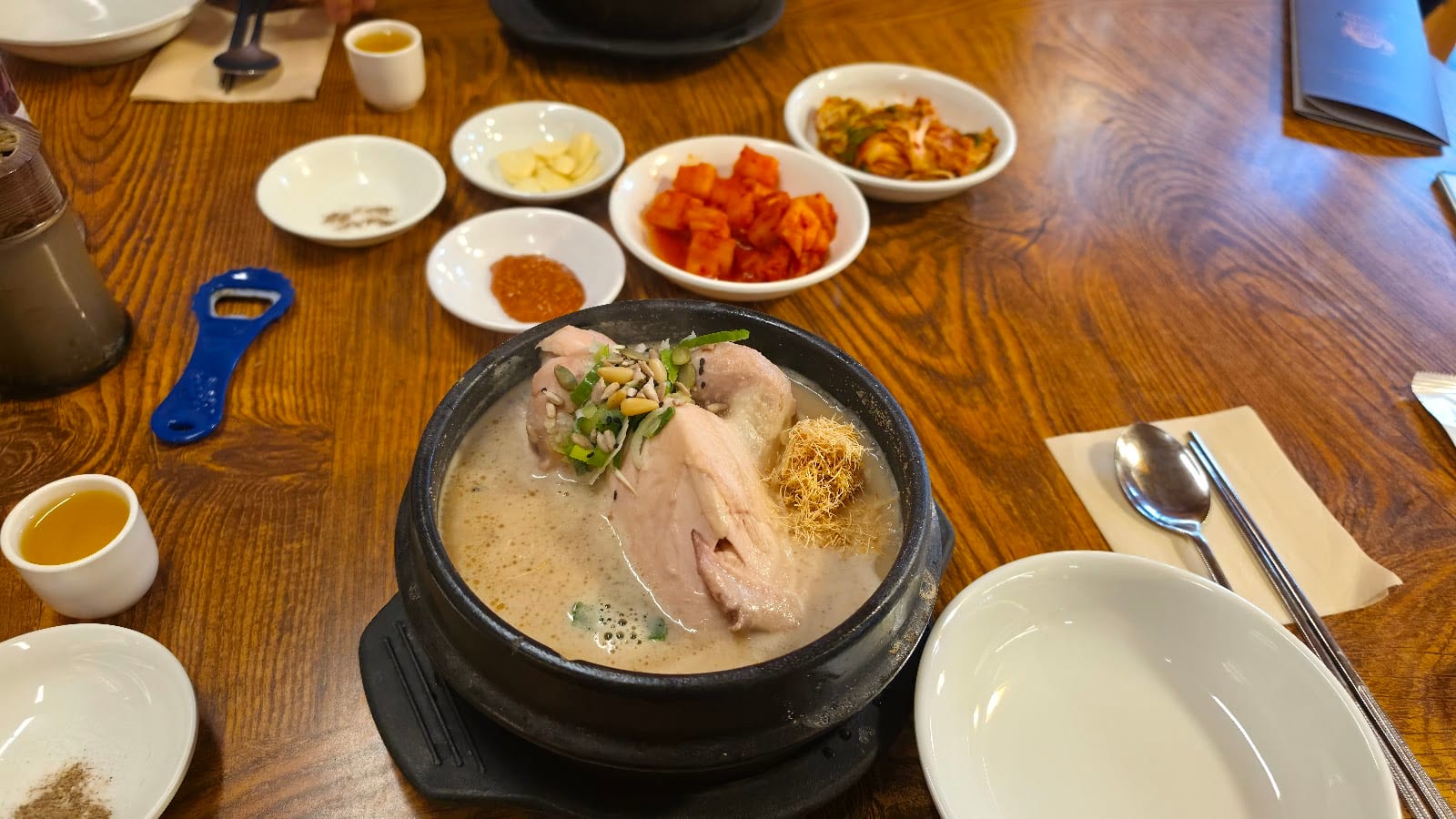
Tosokchon is the classic answer for samgyetang near Gyeongbokgung, and its setting does part of the work: a large traditional hanok with wooden beams and multiple rooms. The signature is a whole young chicken stuffed with sticky rice, garlic, jujube, seeds, and nuts, submerged in a creamy ginseng broth. Banchan, kimchi, kkakdugi, and a small shot of ginseng liquor come with the experience. The main branch has more than 400 seats, yet waits of 30 to 45 minutes are reported. Gyeongbokgung Station, Line 3 Exit 2, is about a five-minute walk. Samgyetang was listed at 19,000 KRW in the research. Come early, especially before or after the palace crowds.
Order: Whole chicken samgyetangPrice: $$; samgyetang reported at 19,000 KRWHours: Daily service; published hours varyGetting there: About five minutes from Gyeongbokgung StationSourcescarriesim.com
- 6
 Jongno · Dongdaemun Mixed
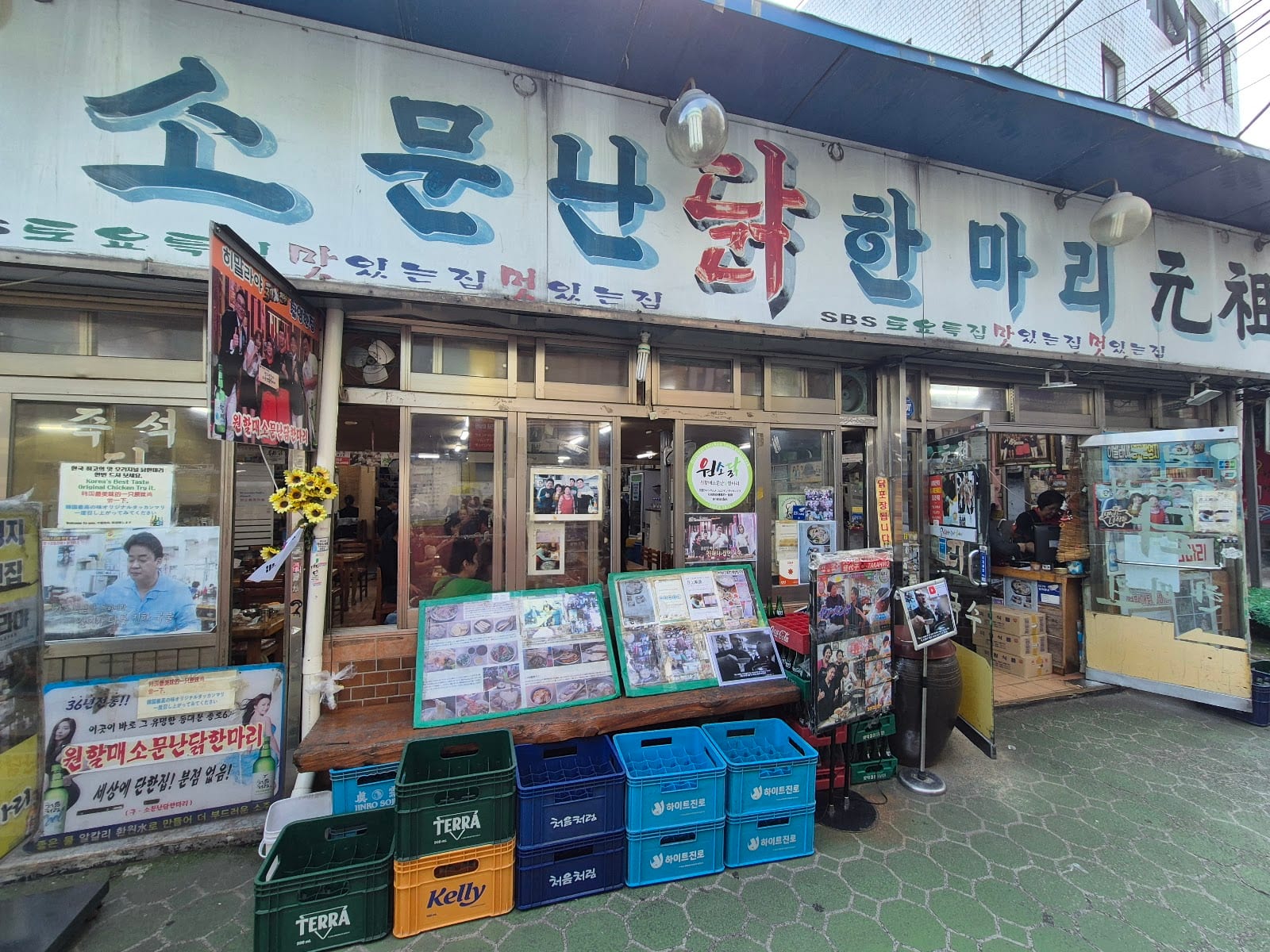
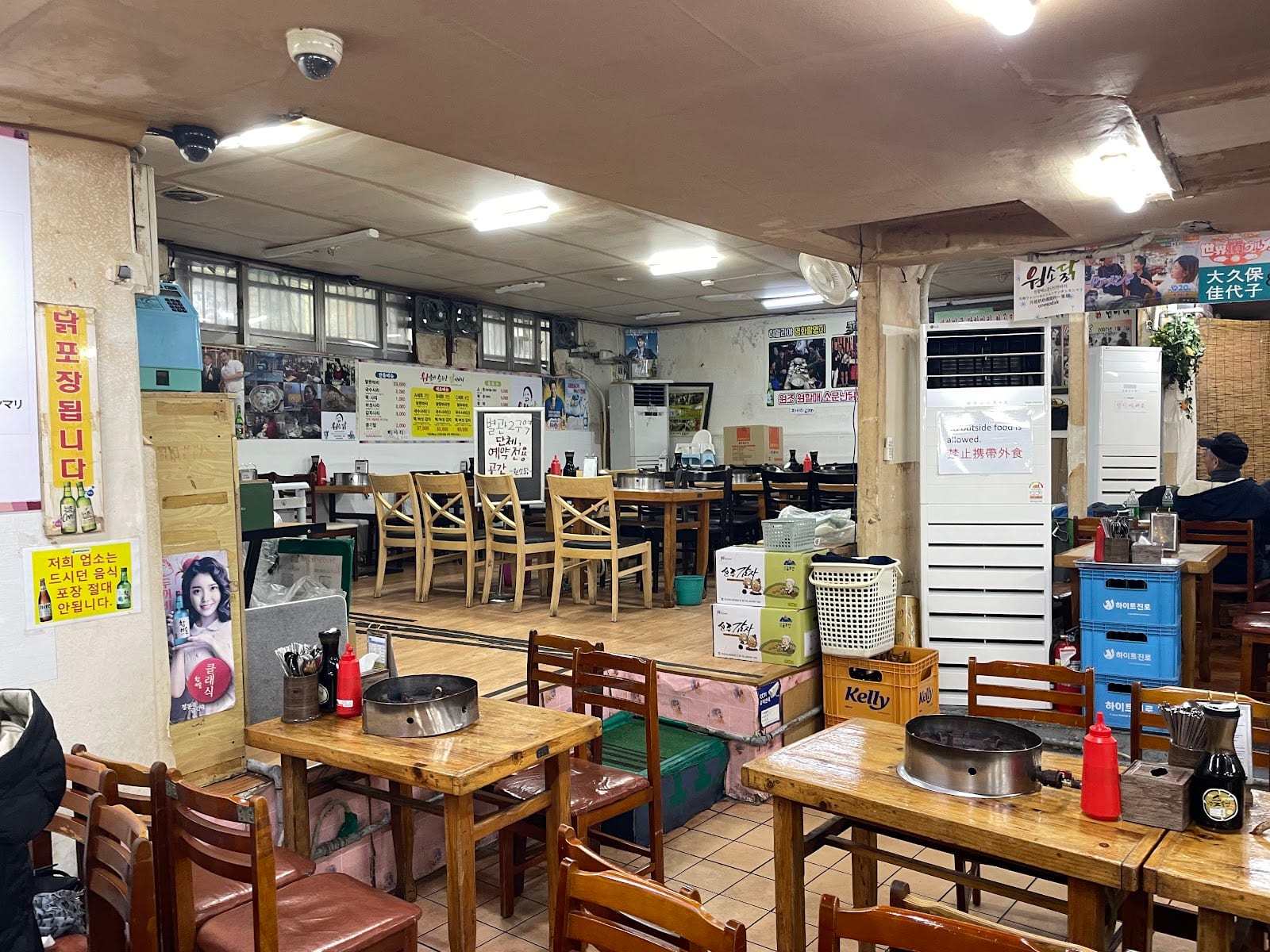
Jinokhwa Halmae Wonjo Dakhanmari
This is the communal, late-night chicken soup to choose when the table theatrics matter as much as the broth.
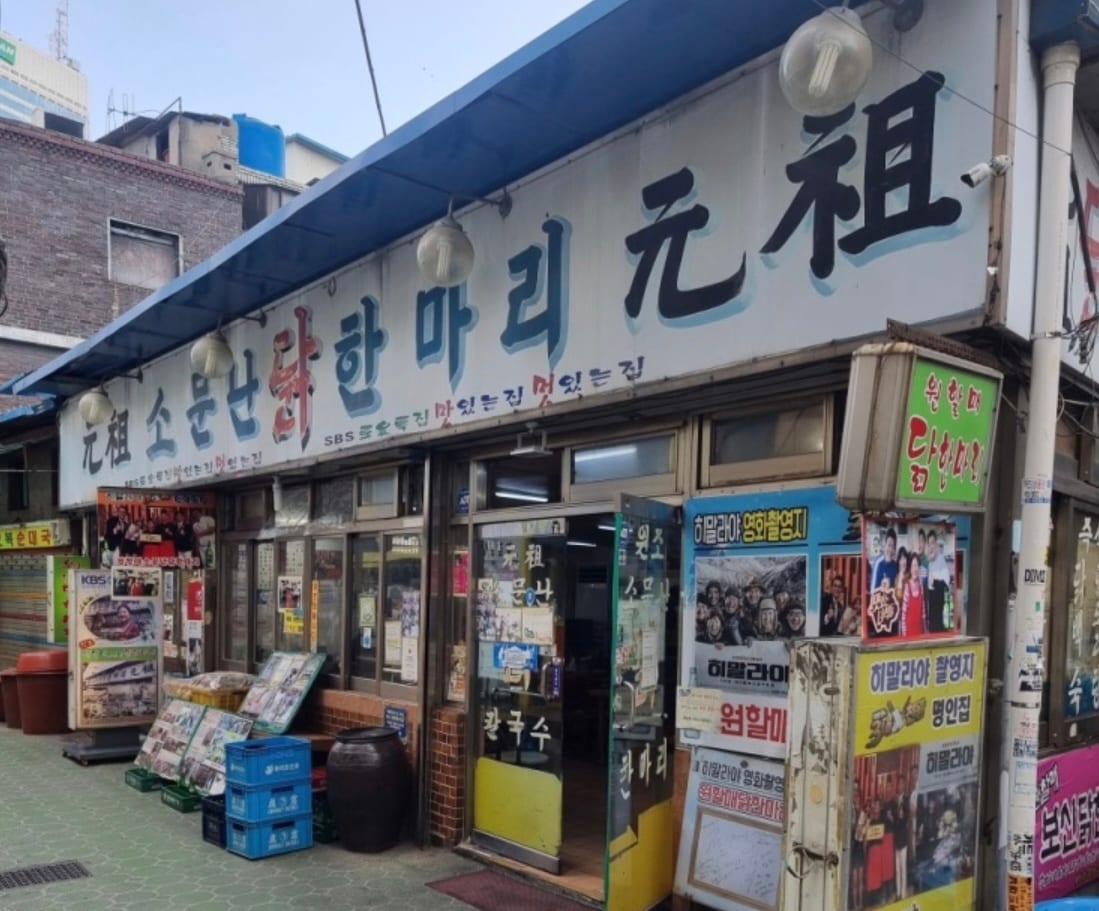
Jinokhwa Halmae Wonjo Dakhanmari keeps its menu admirably narrow: dakhanmari, a whole-chicken soup, with optional rice cakes, green onions, potatoes, and noodles. The restaurant has operated since 1978 in Dongdaemun Market's food alley, and the bubbling metal pot arrives at the table while a server cuts the chicken into pieces with scissors as it cooks. That hands-on rhythm is the appeal. It is open from 10:30 until 01:00 the next day, with last order at 23:30, making it unusually useful after shopping or an evening walk. Parking is not available, and current pricing is not established in the supplied research. Take the subway to Dongdaemun Station Exit 9 and expect a lively, practical meal rather than polished service.
Order: Dakhanmari with rice cakes and noodlesHours: 10:30–01:00; last order 23:30Where: 18 Jong-ro 40ga-gil, JongnoGetting there: Walk from Dongdaemun Station Exit 9Sourcesenglish.visitkorea.or.krcarryitlikeharry.comchinchaijiak.wordpress.com
- 7
 Insadong · Gwanhun-dong Mixed
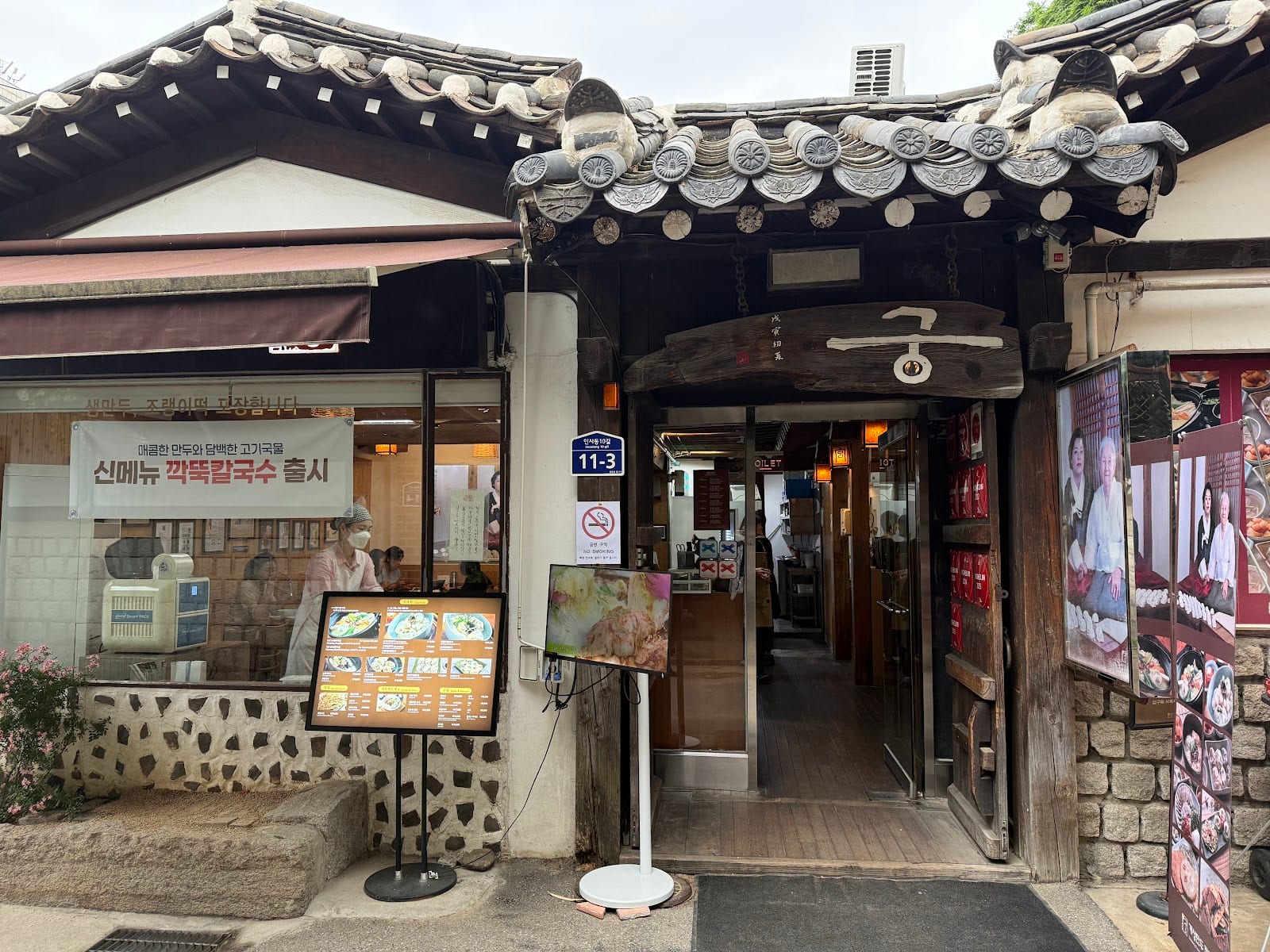
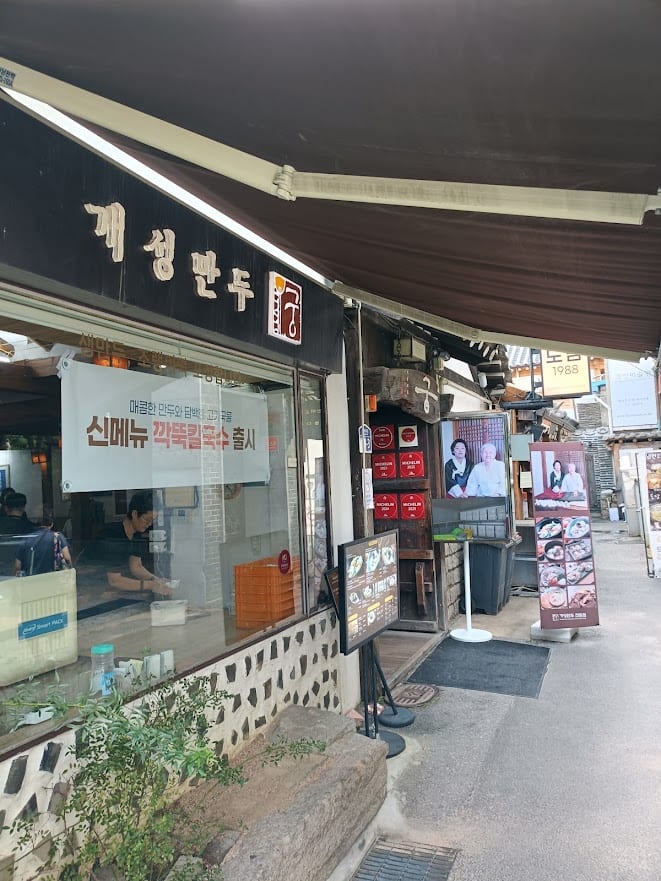
Gaeseong Mandu Koong
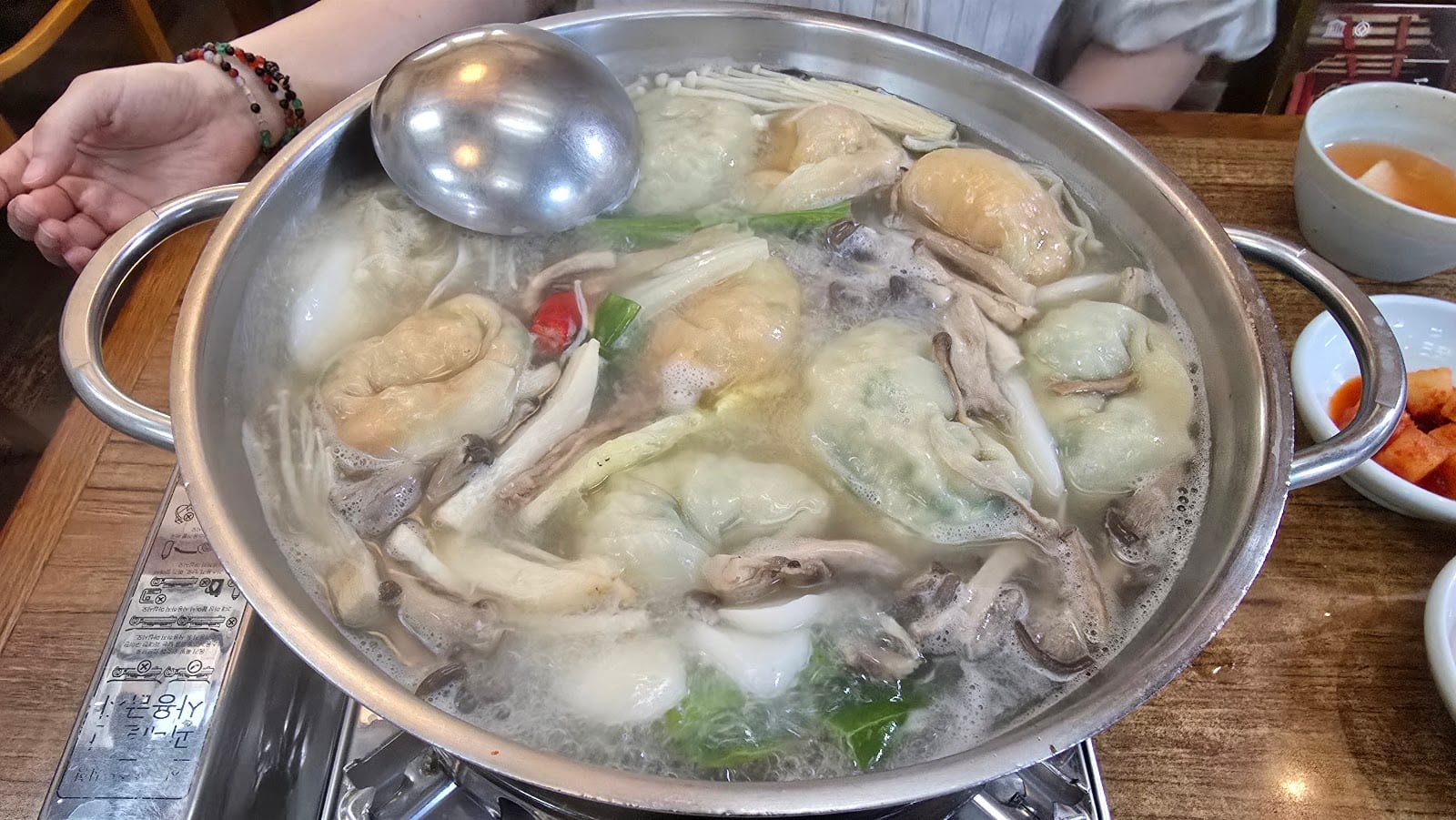
Large, thin-skinned dumplings and a family story make this the most satisfying Insadong lunch on the list.
Gaeseong Mandu Koong brings a refugee family's dumpling tradition into an easy Insadong stop. Gaeseong-style filling uses pork and vegetables such as cabbage and pumpkin, and the menu extends from mandu-guk and steamed dumplings to mandu jeongol, bossam, and Korean pancakes. The telling contrast is texture: the dumplings are notably large but wrapped in unusually thin dough, while the assorted steamed plate combines pork, kimchi, and mushroom versions. Reported prices range from 13,000 KRW for tteok manduguk to 19,000 KRW for assorted steamed dumplings. It can queue outside, and dumplings may sell out before evening. VisitKorea lists a 15:00–16:00 break on weekdays and Saturdays, so plan lunch rather than a late snack.
Order: Steamed assorted dumplings or mandu-gukPrice: $$; reported 13,000–19,000 KRWHours: Weekday break, 15:00–16:00Where: 11-3 Insadong 10-gil, Gwanhun-dong - 10
 Jung-gu · Myeongdong Mixed
Hadongkwan
The bowl is historically important, but the current experience is too abbreviated and uneven to rank higher.
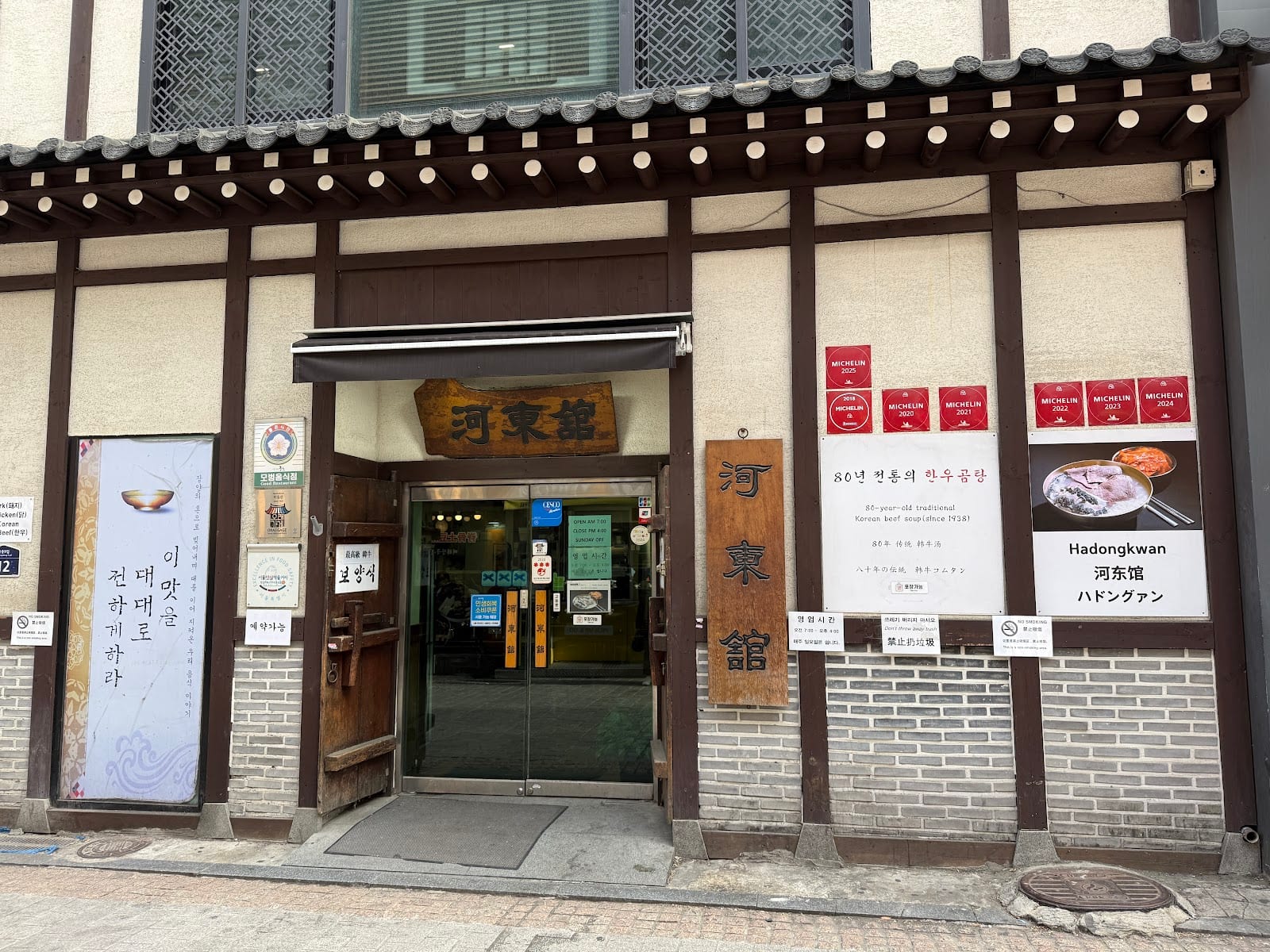
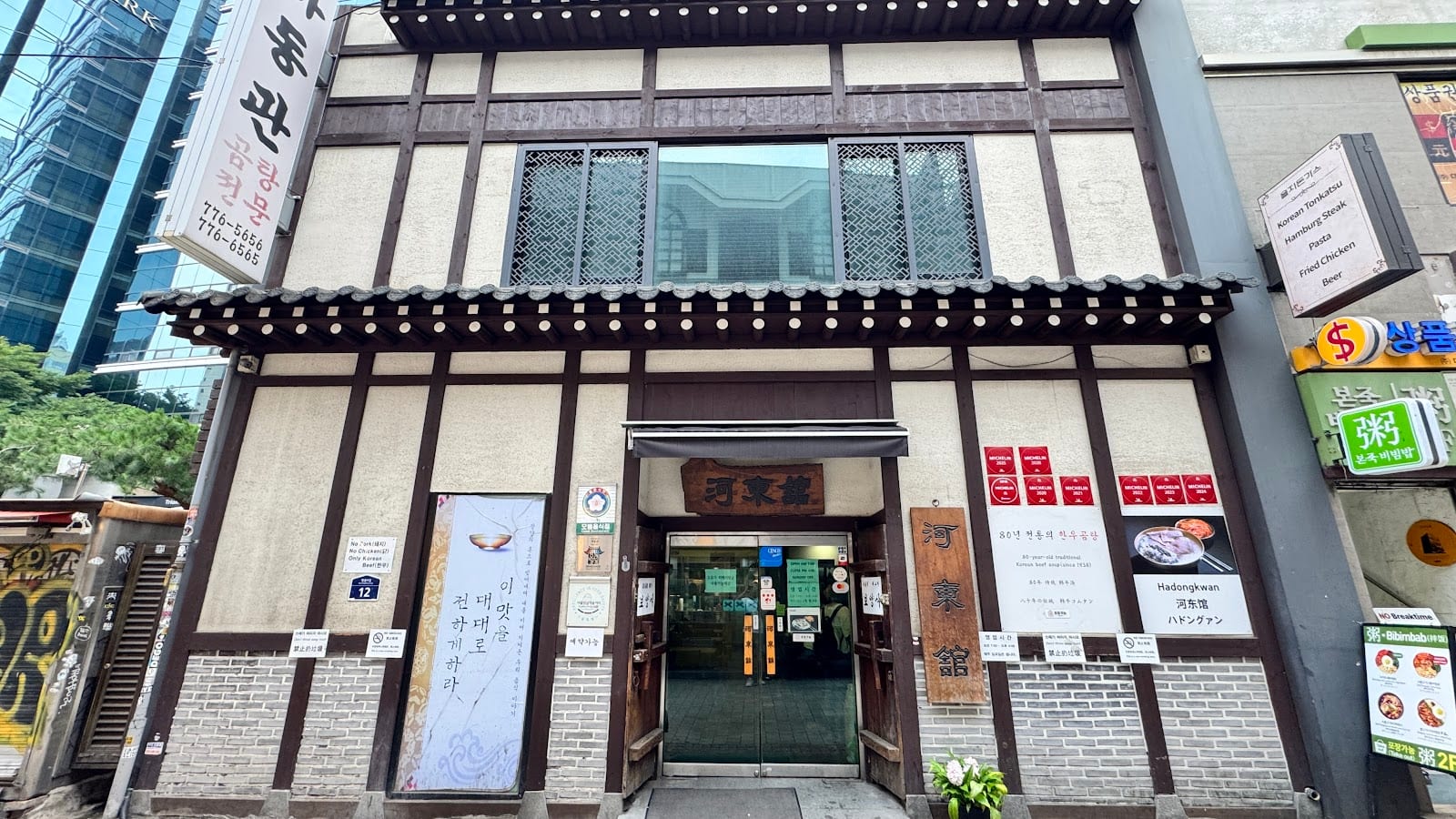
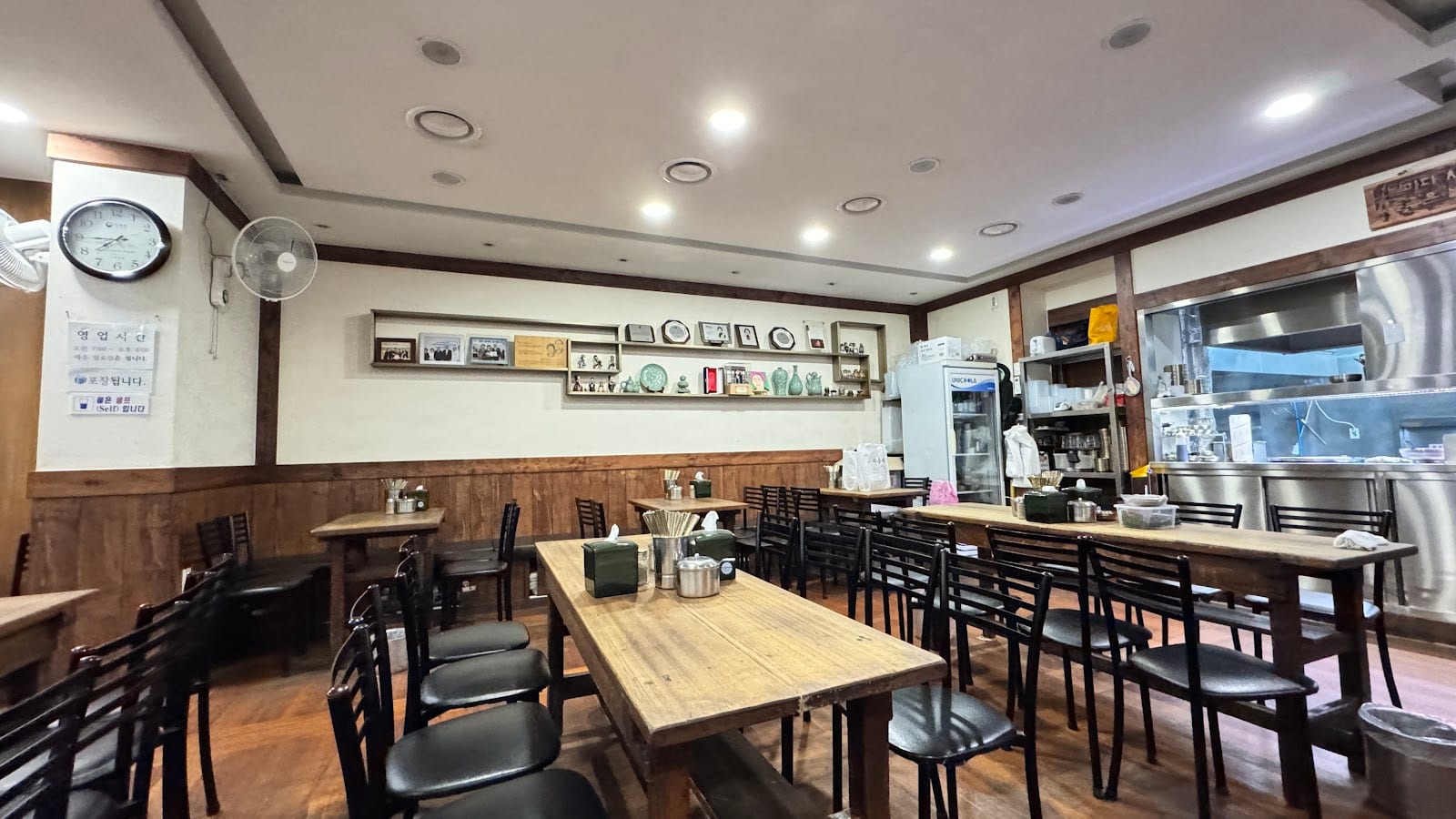
Hadongkwan has been serving gomtang since 1938, and its Myeongdong branch still makes a quietly persuasive bowl from Korean beef sourced from one provider, according to the restaurant. The 25-Gong version adds thinly sliced brisket and beef intestines, while a meat-only bowl can be requested. The most telling house rule is that leftover soup is never reheated: once the prepared gomtang is gone, the restaurant closes for the day. That sense of discipline is appealing, but the resolved Google rating is 3.6, the visit is short, and the branch closes Sundays. Regular gomtang is 15,000 KRW and 25-Gong is 25,000 KRW. Go early for a traditional breakfast or lunch, not for a lingering meal.
Order: Gomtang or the 25-Gong brisket bowlPrice: $$; 15,000–25,000 KRWHours: Monday–Saturday, 07:00–16:00; closed SundayWhere: 12 Myeongdong 9-gil, Jung-guSourceshadongkwan.co.kr


Markets for grazing and grazing again
Come hungry, order in small rounds, and let Seoul's market food set the pace.
- 8
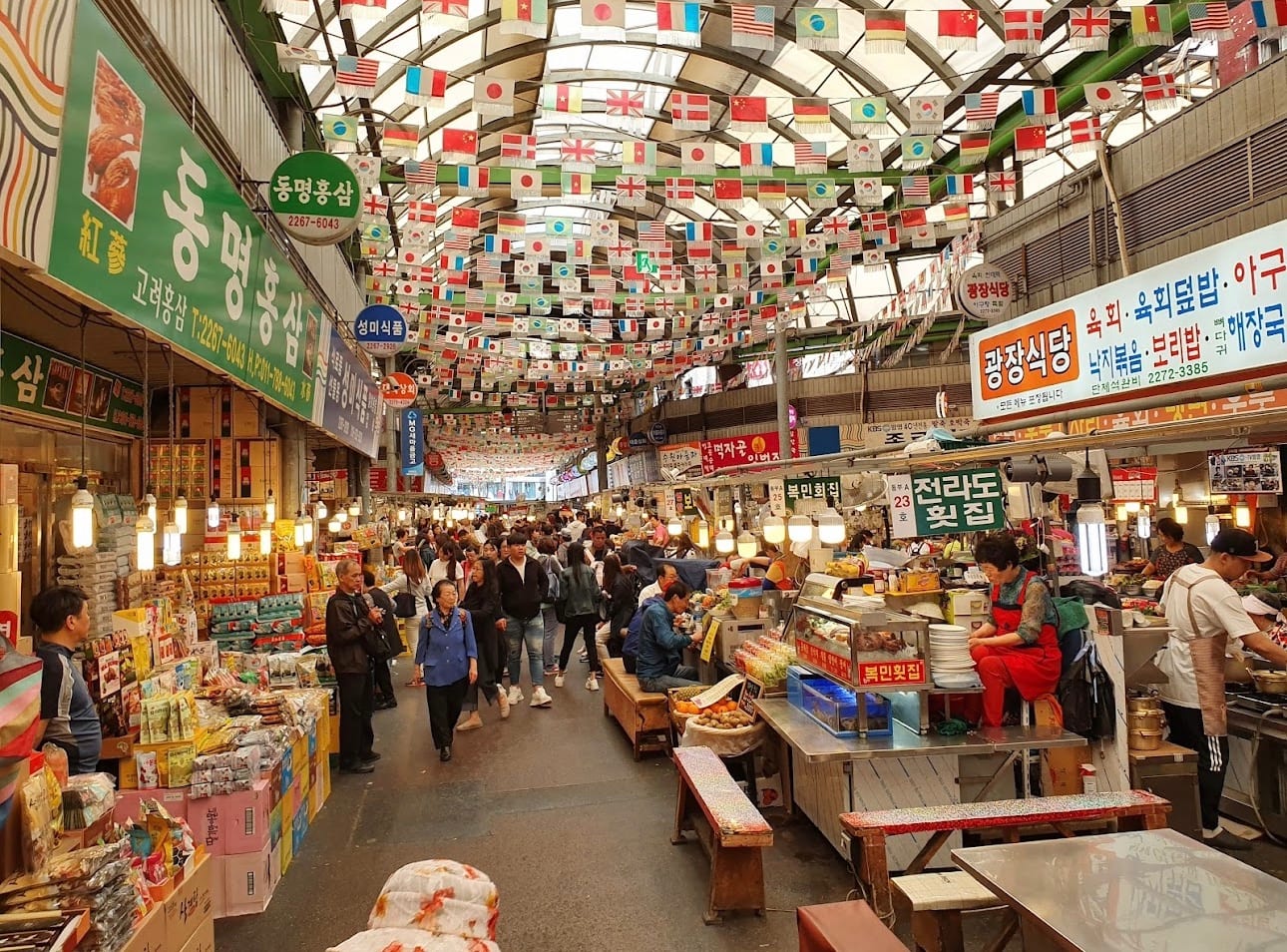
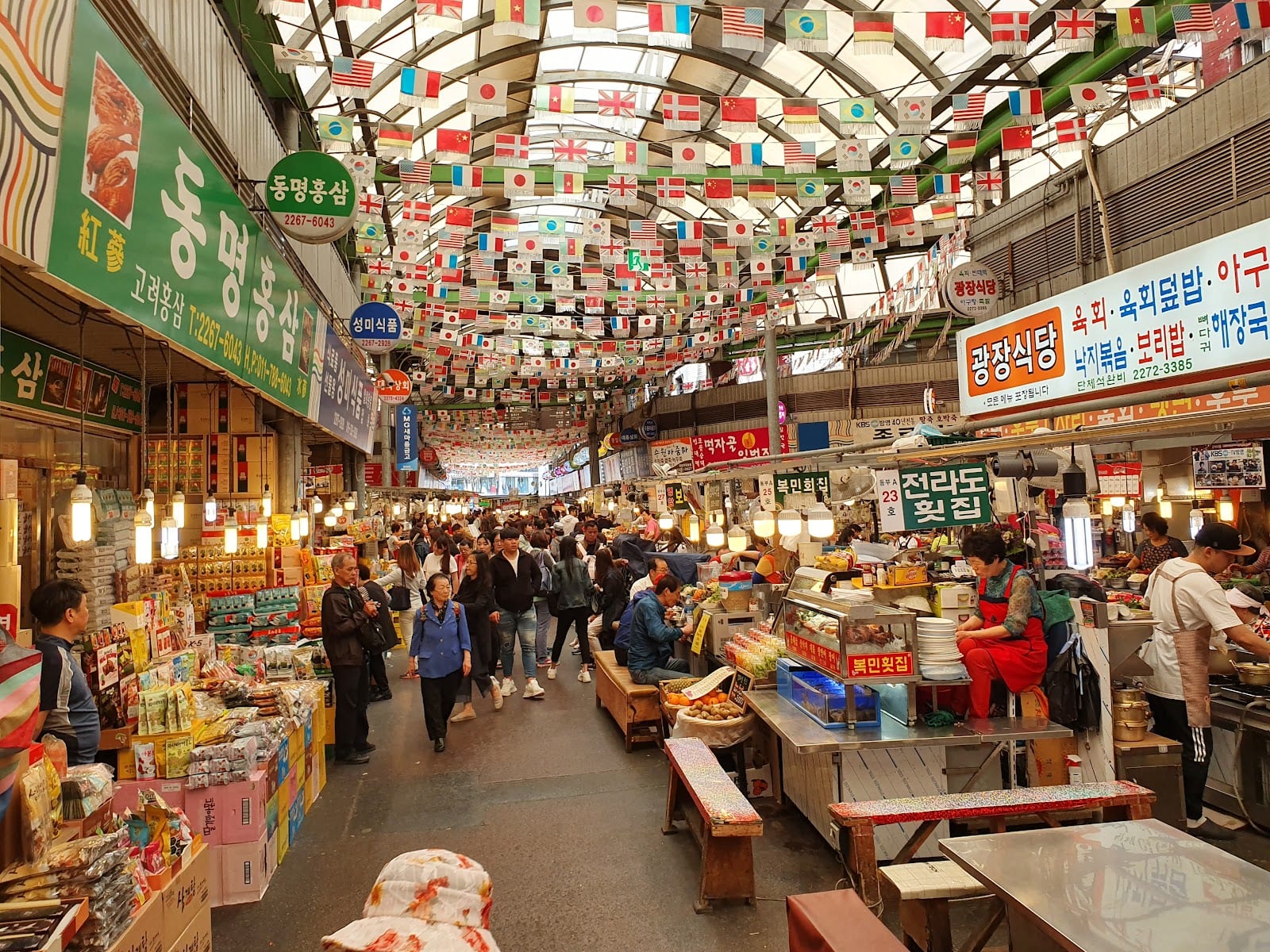
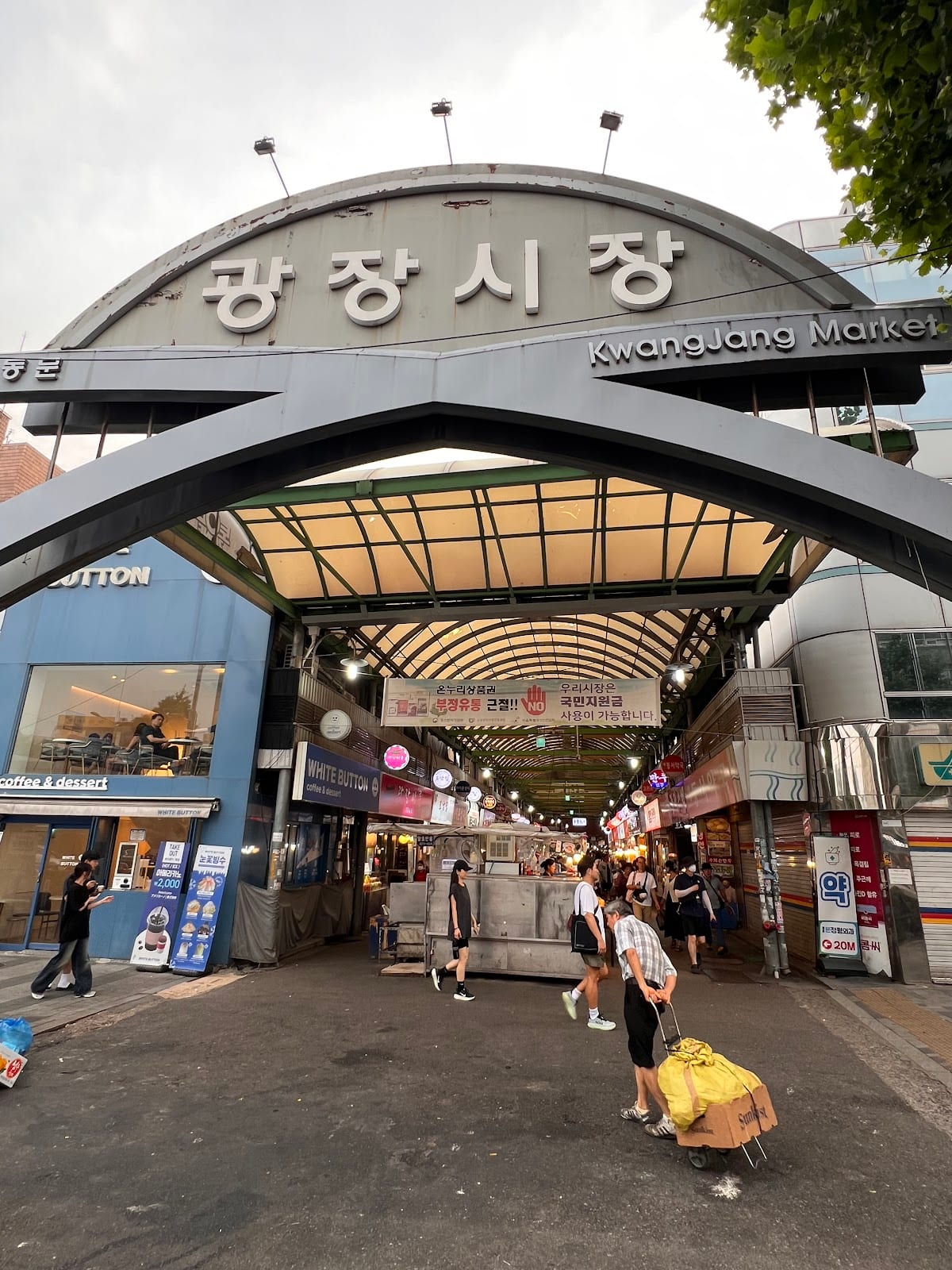 Jongno · Gwangjang Worth the hype
Gwangjang Market
For a first market-food hit, this is the place to sample several Seoul staples in one noisy, flexible stop.
Gwangjang Market is the broadest introduction to Seoul's street-food culture, with food stalls tied to the East Gate, North Gate 2, and South Gate 1. Established in 1905, the market now covers about 42,000 square metres and has roughly 5,000 shops, so this is a real working market rather than a themed food court. Start with bindaetteok, the fried mung-bean pancake, and mayak gimbap, miniature seaweed rolls brushed with sesame oil and sesame seeds. The food street runs 09:00–23:00 and is open year-round, although general market operations close Sundays. Order directly from individual stalls, carry a card, and accept that the best meal here is assembled from several short stops, not one perfect vendor.
Order: Bindaetteok and mayak gimbapFood street: 09:00–23:00; open year-roundWhere: 88 Changgyeonggung-ro, JongnoGetting there: Jongno 5-ga or Euljiro 4-ga stations - 9
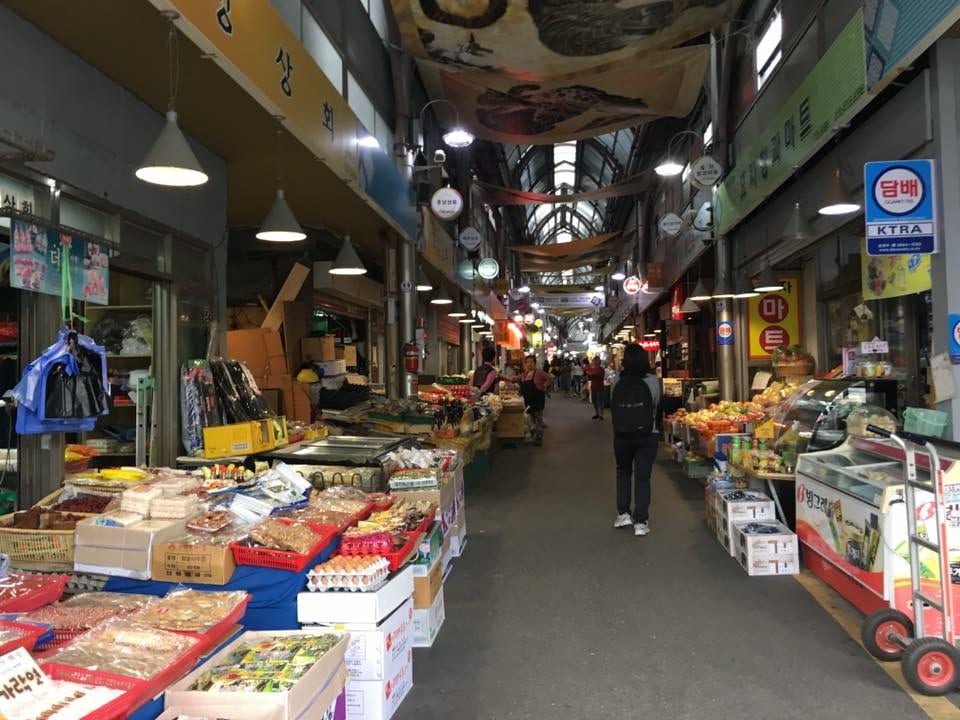
 Jongno · Hyoja-dong Mixed
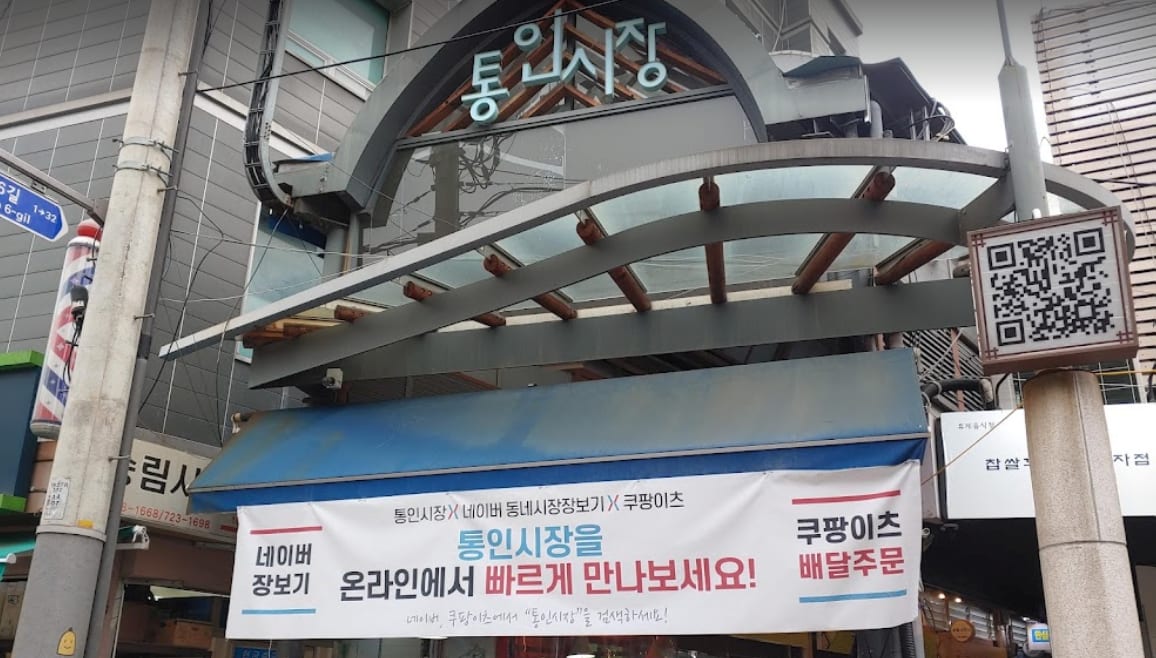
Tongin Market
Tongin is the better market pick for a structured, affordable lunch built one small dish at a time.
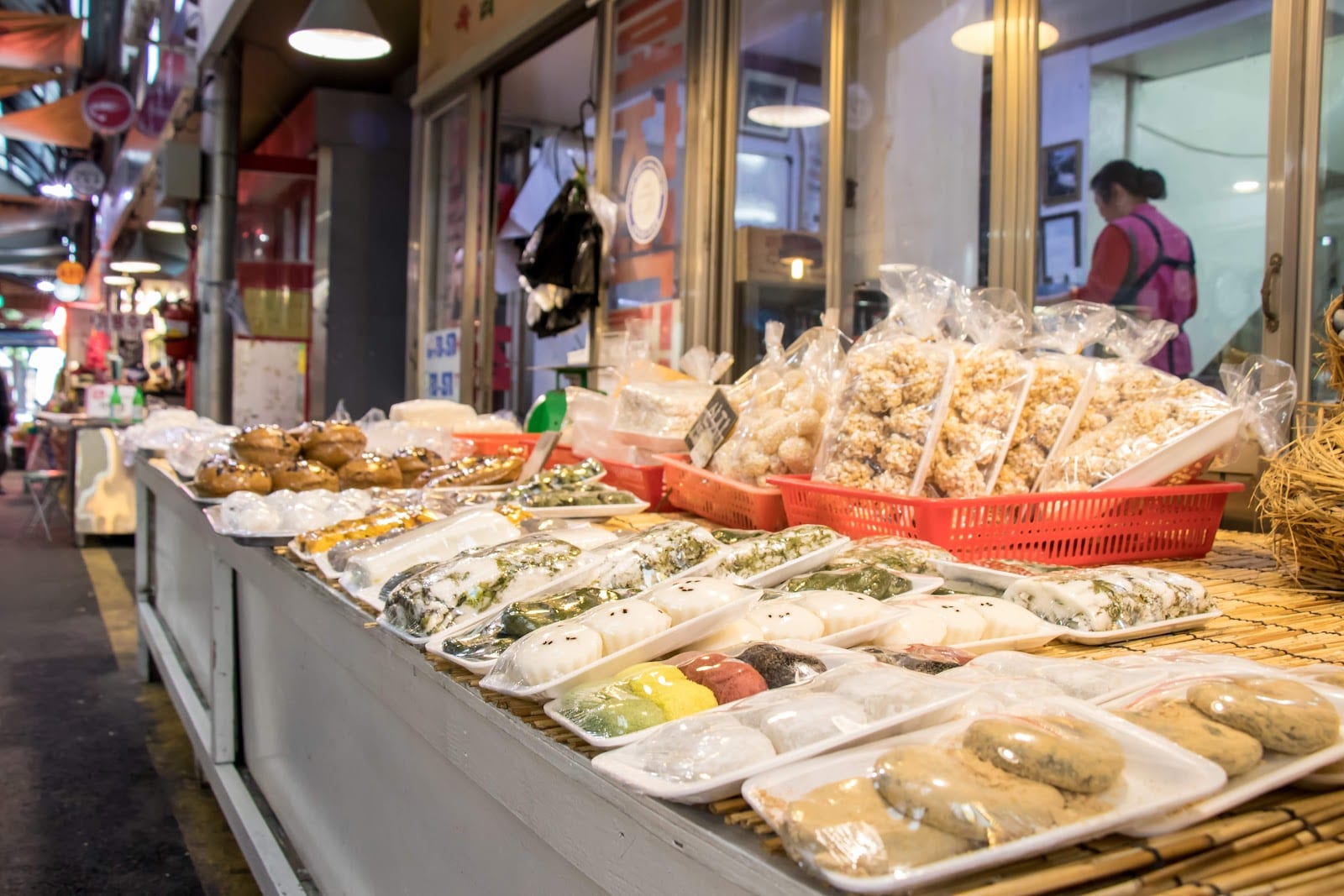
Tongin Market is smaller and more manageable than Gwangjang, with about 75 stores along the stretch from Jahamun-ro to Pirundae-ro. Its signature experience is the Dosirak Lunchbox Cafe: buy yeopjeon brass coins upstairs, spend them at participating stalls, then assemble a lunchbox in the cafe on the second or third floor. Each coin is 500 KRW, and the supplied guidance recommends at least 20 coins, or 10,000 KRW, per person, with unused coins refundable. The cafe runs 11:00–15:00, with longer weekend and holiday hours listed. Market stores generally run 07:00–21:00, though individual schedules vary. It is about a 10-minute walk from Gyeongbokgung Station Exit 2. Choose Tongin for a calmer, more interactive lunch.
Order: Dosirak Lunchbox Cafe and stall dishesPrice: $; coins are 500 KRW eachCafe hours: 11:00–15:00; longer on some weekendsGetting there: About 10 minutes from Gyeongbokgung StationSourcesenglish.visitkorea.or.kr


For a first pass, reserve Mingles or Onjium for one major dinner, then spend the rest of the trip on Woo Lae Oak, Tosokchon, and the Jongno markets. That mix gives you Seoul's high-end argument, its old soup-and-noodle vocabulary, and the quick bites that make the city fun. Rankings and verdicts are our own; where shown, star ratings open each spot's Google listing, and details shift by season, so confirm before you go.
The big decision
Splurge or graze?
Seoul rewards both a carefully reserved tasting menu and an unplanned market crawl, but they make very different days.

The tasting menu
Reserve Mingles or Onjium when the meal itself is the reason for the evening. You will spend much more, but you get a guided argument for what modern or heritage Korean cooking can be.
See more
The market crawl
Choose Gwangjang or Tongin when you want variety, flexibility, and smaller commitments. Gwangjang is louder and broader; Tongin gives lunch a playful brass-coin structure.
See moreBefore you go
Know before you go
A few practical things that decide whether the day goes smoothly.
Plan around breaks and sellouts
Gaeseong Mandu Koong lists a 15:00–16:00 break on weekdays and Saturdays, while Tongin's Lunchbox Cafe is a daytime-only stop. Dumplings at Gaeseong Mandu Koong can sell out before evening, so lunch is the safer plan.
Use the subway for the Jongno cluster
Gwangjang Market is accessible from Jongno 5-ga or Euljiro 4-ga stations, and Jinokhwa Halmae Wonjo Dakhanmari is walkable from Dongdaemun Station Exit 9. Tosokchon and Tongin Market are both about a 10-minute walk or less from Gyeongbokgung Station, Line 3, Exit 2.
Queues are part of the classics
Tosokchon reports waits around 30 minutes, with another account recalling at least 45 minutes. Woo Lae Oak has used a touchscreen queue system that requests a Korean phone number, and summer crowds can be heavy, so arrive early.
Carry a practical mix of payment
Cards are accepted at Gwangjang Market and Tongin Market, while Gaeseong Mandu Koong accepts cards and take-out. Tongin's lunchbox requires 500-KRW brass coins bought at the cafe, and unused coins can be refunded.
Group meals by neighborhood
Mingles and Samwon Garden both make sense on a Gangnam day, while Tosokchon, Tongin Market, Gaeseong Mandu Koong, and Gwangjang Market can be paired across Jongno. Do not treat Seoul's dining map as a single walkable strip.
Reserve the expensive tables
Mingles handles reservations through its own reservation page, and Onjium serves lunch and dinner only Tuesday through Friday. For those tasting menus, confirm availability before building the day's sightseeing around the meal.

Ready to plan your Seoul trip?
Tell Zoya, your personal travel assistant, how you like to travel, and she'll turn any of this into a day-by-day plan that fits your dates.
Explore now