

Getting around Japan · Rail passes
Is the Japan Rail Pass Worth It?
Only if you are covering serious ground. A 7-day pass is about $333, and pays off at roughly three or more long shinkansen trips in a week.
Tokyo in brief
Is the JR Pass worth it for a Tokyo-only trip?
No. A week of Tokyo trains runs about $35 to $60 on a Suica, and the 7-day pass is about $333. Buy it only if you are leaving the city for several long shinkansen trips.
How much is the Japan Rail Pass?
About $333 for 7 days, $533 for 14, and $667 for 21 (¥50,000 / ¥80,000 / ¥100,000). Overseas prices rise slightly from October 2026.
What does the JR Pass cover?
Almost all JR trains nationwide, most shinkansen (Hikari, Sakura and Kodama, not the fastest Nozomi or Mizuho without a supplement), the Tokyo Monorail, the Narita Express, and the JR ferry to Miyajima.
Where it pays off
The pass breaks even at about three long trips
Each bar is what the same travel costs paying as you go, in reserved tickets. The dashed line is the 7-day pass at $333. A bar shorter than the line is cheaper without the pass; once your travel runs past it, the pass wins.
Tokyo only, 7 days
Plus Hakone and Nikko day trips
Plus Kyoto and back
Plus an Osaka leg
Plus Hiroshima
Grand tour
By trip shape
Buy it, or skip it
The pass only makes sense past a certain amount of long-distance travel. By trip shape:
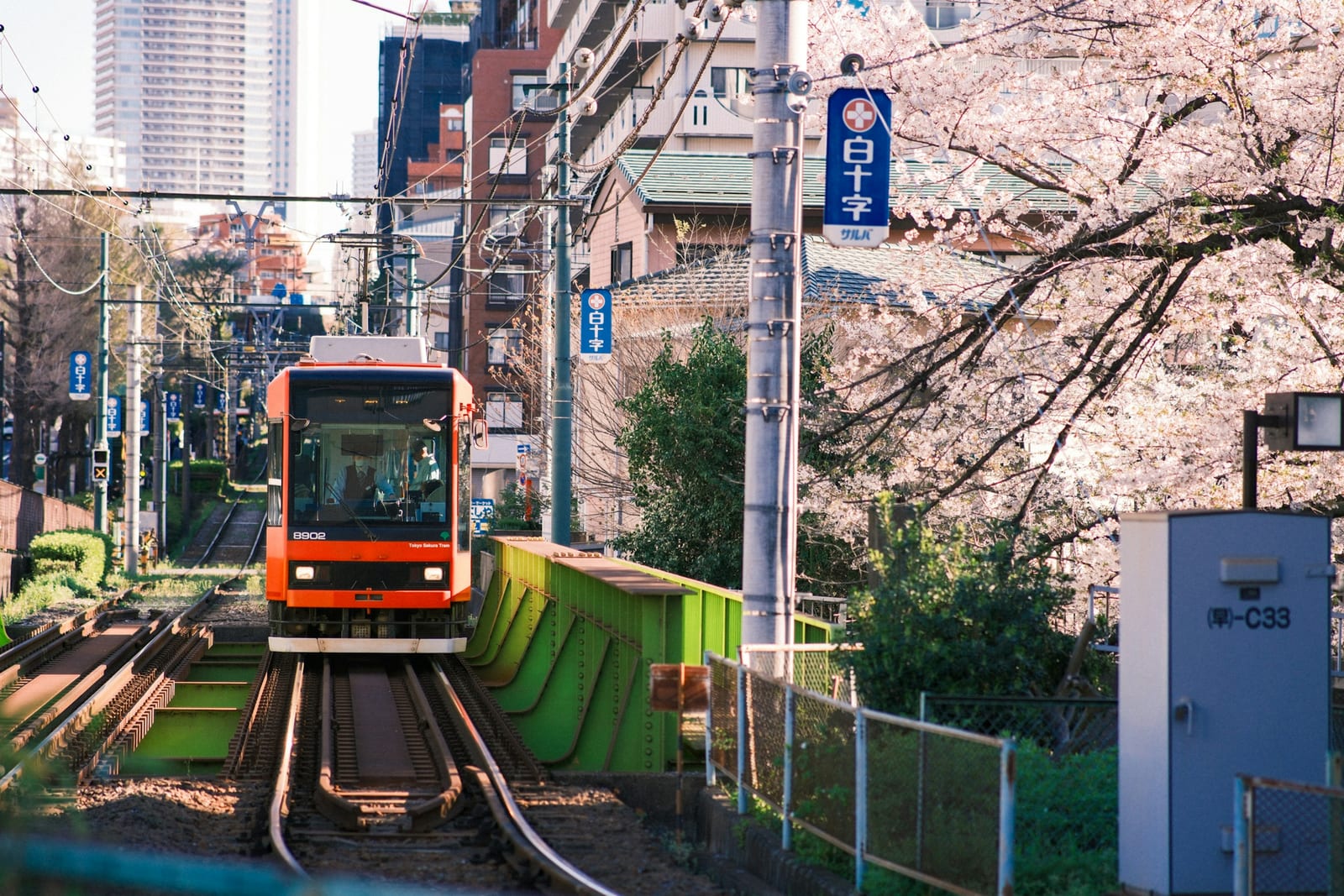
Skip it
A Suica for the metro and JR lines is a fraction of the cost, and there is nothing to break even against. See is Tokyo expensive.Pay as you go
Skip it
Hakone runs on the Odakyu line and Nikko on Tobu, both private railways the pass does not cover, so day trips barely benefit. Buy point to point or a regional pass. See day trips from Tokyo.Pay as you go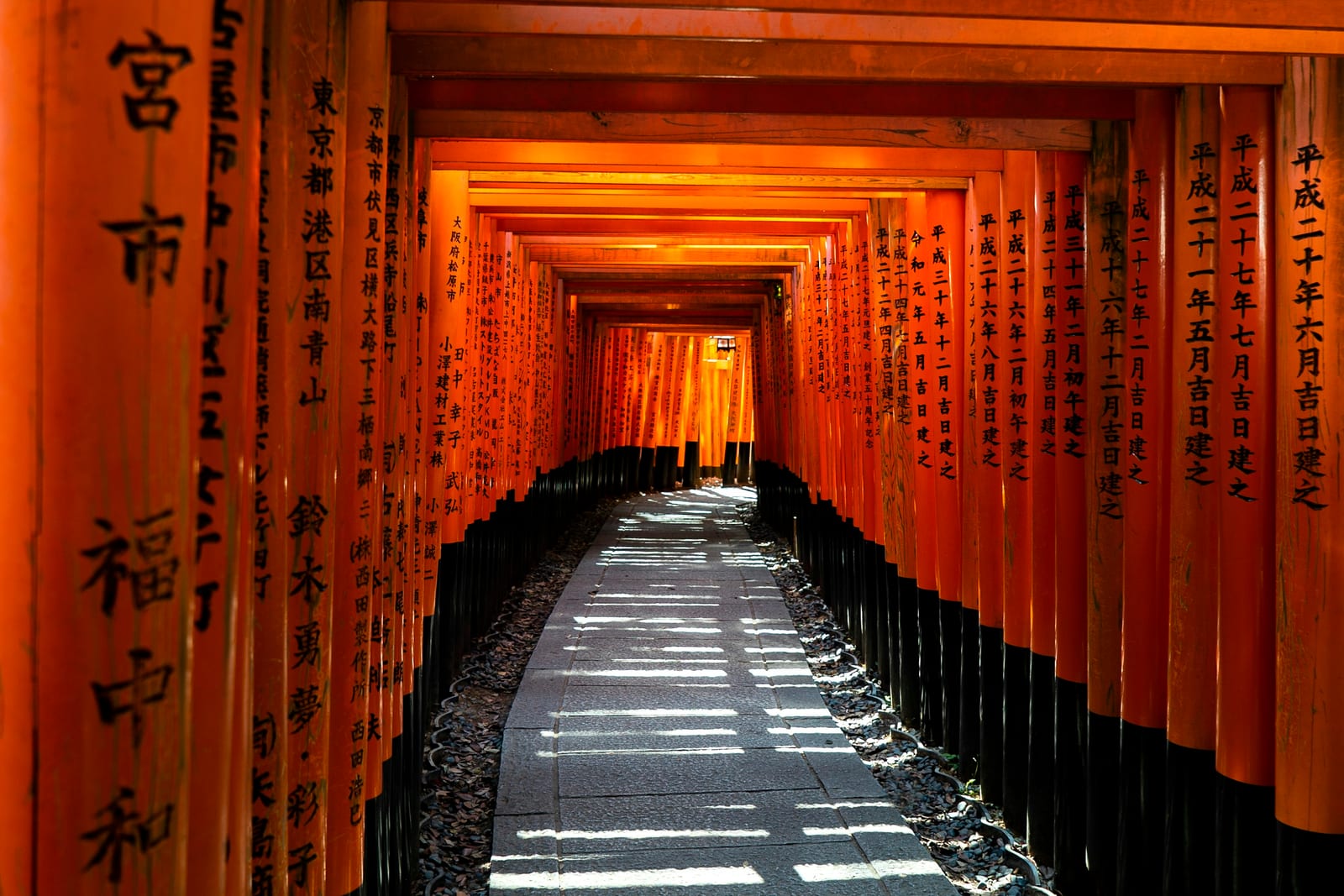
Worth it
Two or three shinkansen legs in a week clears the $333, and you skip the ticket machines and reserve your seats for free.Buy the 7-day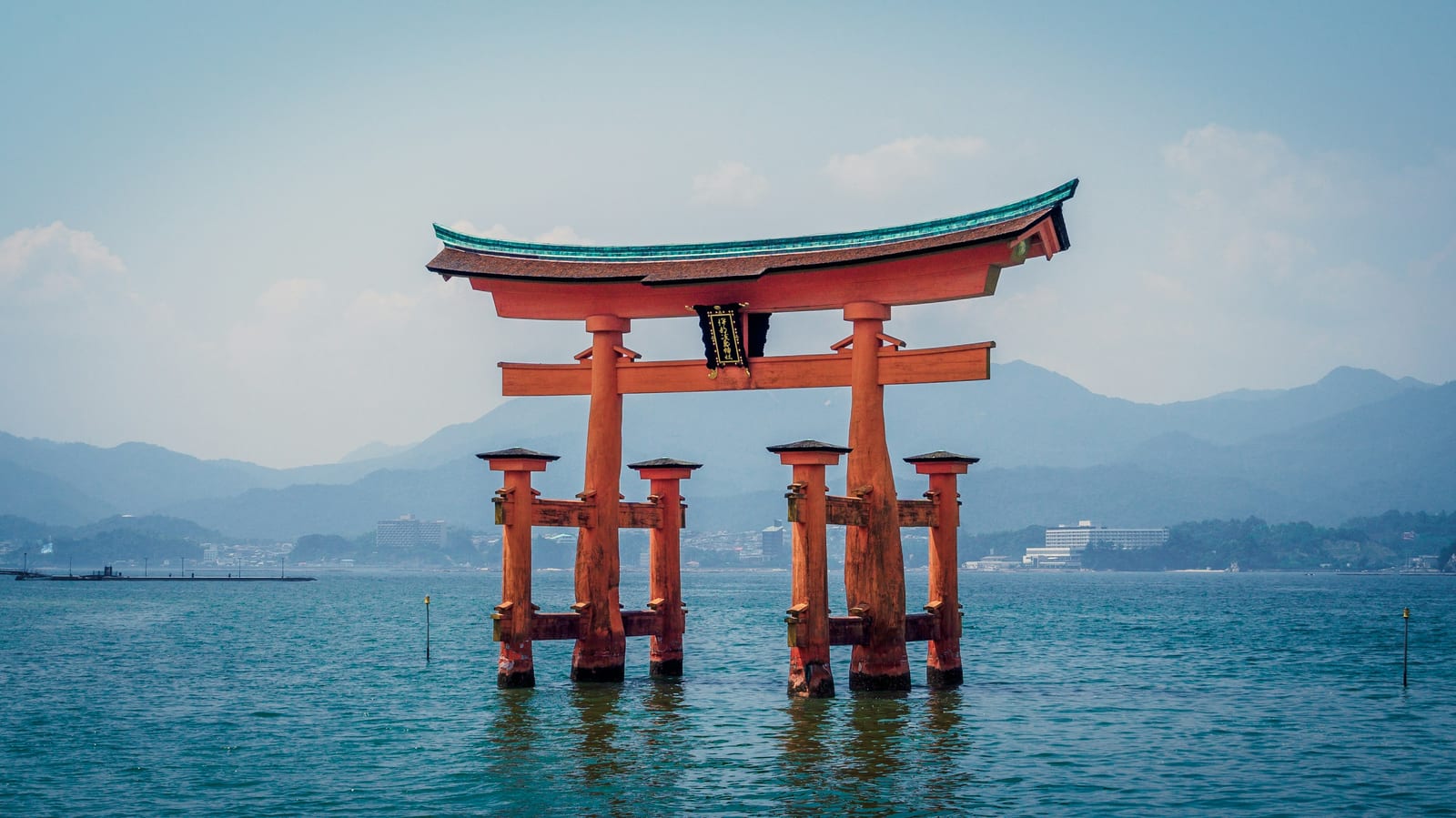
Worth it
Clearly ahead. Consider the 14-day if the trip is spread over more than a week.Buy the 7 or 14-day


The fine print, plainly
What the pass gets you into
The single most-asked question after price, laid out plainly.
- Almost all JR trains nationwide: shinkansen, limited express, rapid, and local
- Most shinkansen: Hikari, Sakura, Kodama, and Tsubame
- The Tokyo Monorail to and from Haneda Airport
- The Yamanote loop and other JR lines inside Tokyo
- The Narita Express to and from Narita Airport
- The JR ferry to Miyajima and select JR buses
- The fastest Nozomi and Mizuho shinkansen, unless you buy a per-trip supplement (about $33 Tokyo to Kyoto)
- Tokyo Metro and Toei subways, which need a Suica or a subway ticket
- Private railways: Odakyu (Hakone), Tobu (Nikko), Keikyu, Hankyu, and Keisei
- City buses and non-JR highway buses
Before you go
How to buy and use it
The whole process takes about five minutes to understand.
1 Buy before you go
You can no longer buy the pass at Japanese stations; that ended in 2023. Order online through the official JR Pass website before you travel, or through a travel agent.
Sourcesjapan-guide.com
2 Exchange it in Japan
Swap your online order or voucher for the physical pass at a JR exchange office at the airport or a major station, showing your passport. You choose your start date then, and it cannot be changed once the pass is issued.
Sourcesjapanrailpass.net
3 Reserve seats for free
Seat reservations are free and unlimited with the pass. Reserve shinkansen seats at any ticket machine or JR office, which is worth doing in peak travel seasons.
Sourcesjapanrailpass.net
4 Insert it at the gate
The pass is a paper ticket you insert into the automatic ticket gates, not a card you tap, so it will not work at gates marked IC only. It runs on consecutive calendar days, so activate it the morning of your first long trip, not your Tokyo days.
Sourcesjapanrailpass.net
If it does not pay off
What to buy instead
For most Tokyo-based trips, one of these beats the pass.

Suica or Pasmo
A tap-to-ride IC card for the Tokyo metro, buses, and short JR hops. The Welcome Suica and Tourist Pasmo skip the deposit for visitors.
Coming soon
JR regional passes
The JR Tokyo Wide Pass (3 days, about $107) covers Nikko, the Fuji lakes, and Izu from a Tokyo base. The JR East Pass reaches the northeast.
Day trips from Tokyo
Point to point
For one or two long trips, buy individual reserved tickets at a machine or on the smartEX app. Cheaper than any pass.
Is Tokyo expensive?Planning a multi-city Japan trip?
Tell Zoya your cities and dates, and it builds the route and tells you whether the rail pass actually pays off for your plan.
Explore now