

Staying safe in Tokyo
Is Tokyo Safe? An Honest Guide
YES, Tokyo is one of the safest big cities to visit, and ordinary awareness is usually enough.
Start here
The honest answer is yes
Tokyo is one of the safest big cities in the world for ordinary visitors. Serious violence and routine tourist theft are uncommon, so normal city awareness is usually enough. A little Tokyo etiquette, especially on trains and in busy public spaces, makes the trip smoother.
Two things deserve specific attention: nightlife touts, who may steer visitors into venues with inflated bills, and natural hazards such as earthquakes, typhoons, heavy rain, and heat. In Shinjuku, Shibuya, and Asakusa, stay aware without treating normal sightseeing as a high-risk activity.
Tokyo asks for ordinary care, not constant vigilance
Tokyo in brief
Is Tokyo safe for US citizens?
Tokyo is generally safe for US citizens. Japan has low violent-crime levels, though travelers should take normal precautions, protect valuables, and follow local laws. Check the U.S. State Department’s current Japan advisory before departure, and register travel details if you want official alerts during your trip.
Is it safe to walk around Tokyo at night?
Tokyo is generally safe to walk around at night, including in busy entertainment and transit areas. Still, stay aware of your surroundings, avoid isolated streets, secure your belongings, and use licensed taxis or public transport if you feel uncomfortable. Take extra care around nightlife districts.
Is Tokyo safe to travel to right now?
Tokyo is generally considered safe to visit, but conditions can change because of earthquakes, typhoons, public-health events, or isolated crime. Before leaving, review the current Japan travel advisory and local weather or emergency notices. Keep emergency contacts available and follow instructions from Japanese authorities.
Tokyo safety scorecard
What are the real risks in Tokyo?
Tokyo is low-concern for everyday city safety, with nightlife scams and natural hazards the main areas needing extra attention.
One of the safest big cities to visit
4 low concern2 stay aware- Low concern
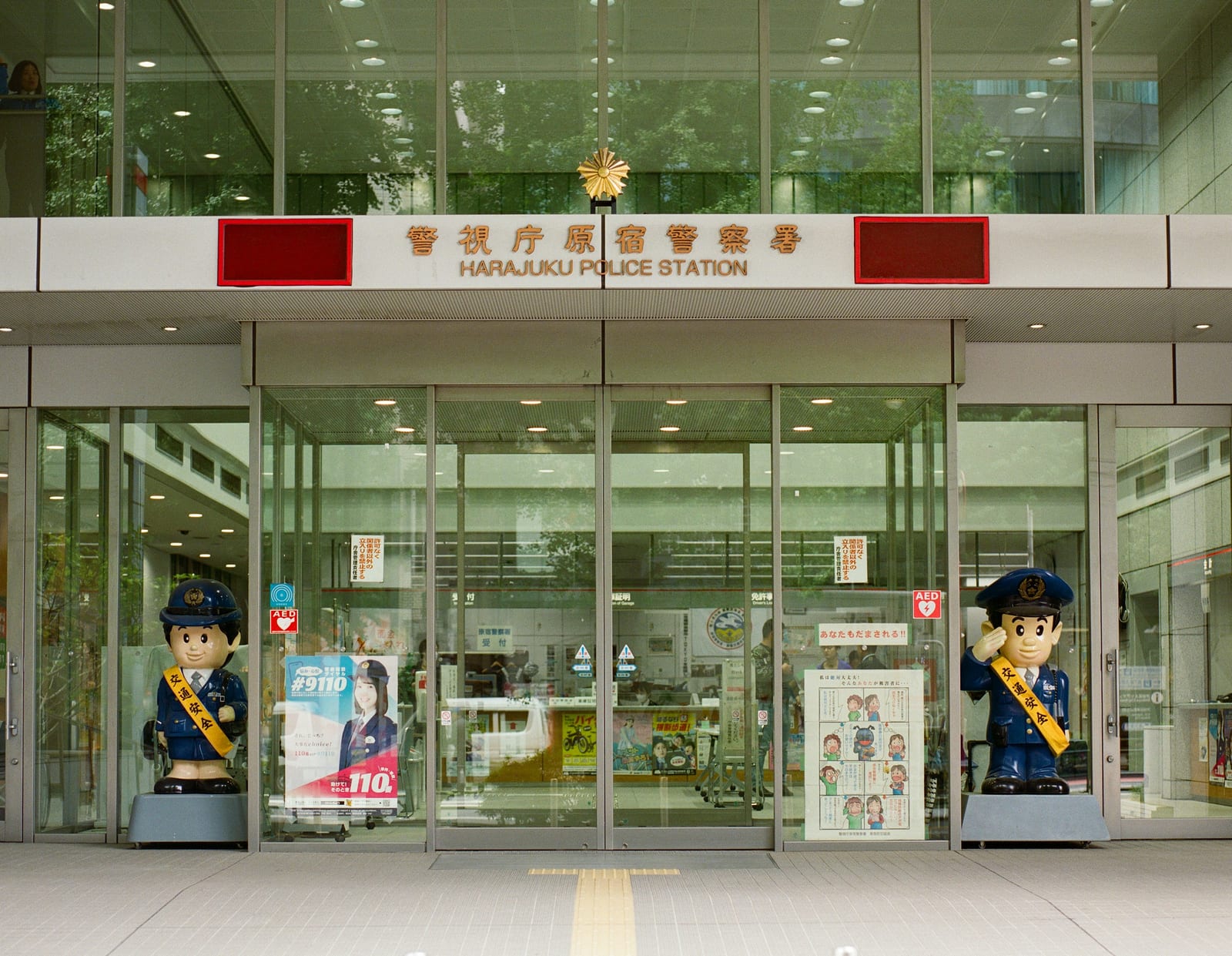
Serious violence against visitors is uncommon, so ordinary big-city awareness is generally sufficient.
- Low concern
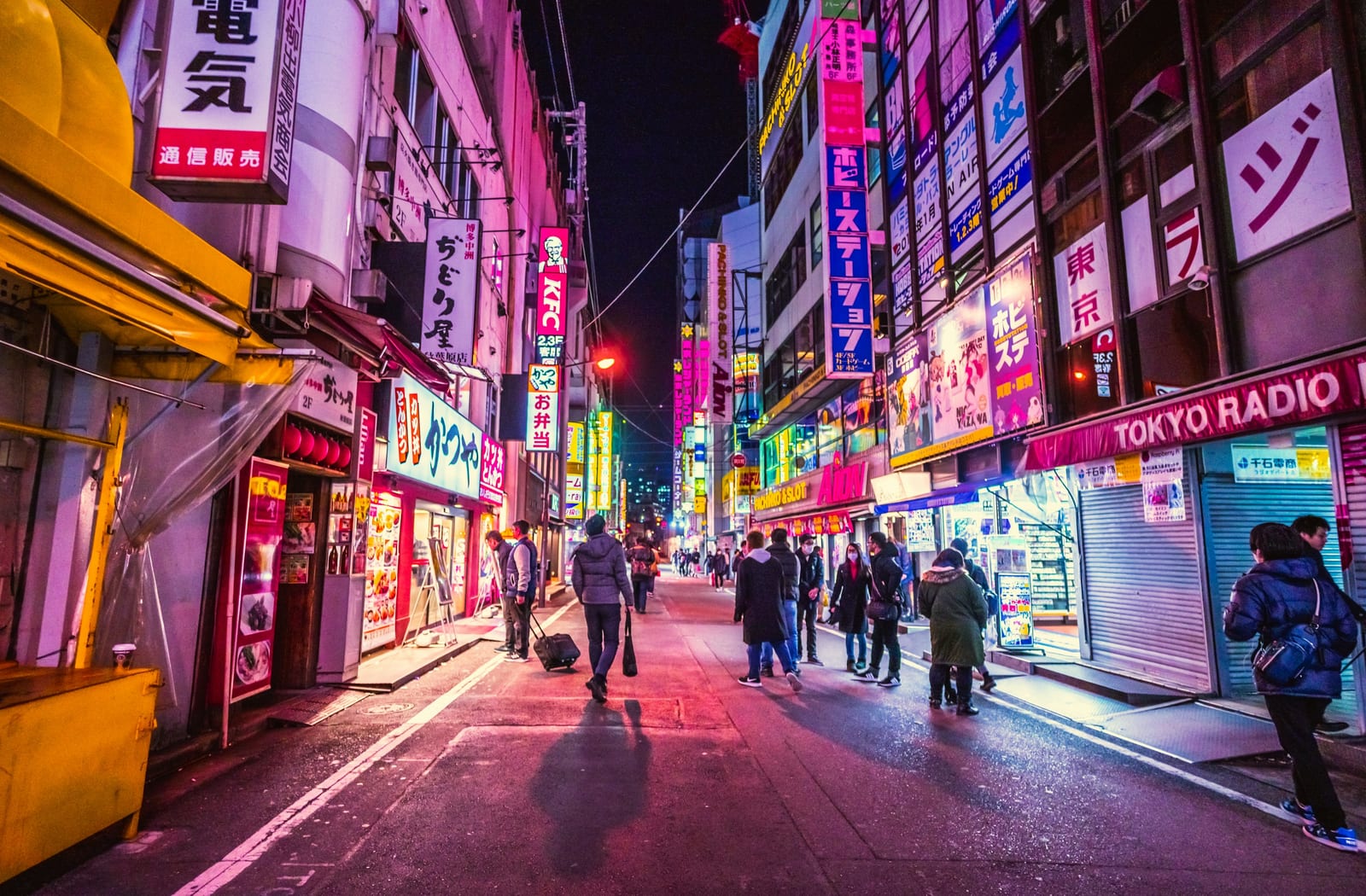
Busy central areas are commonly walkable after dark, while quiet streets and unfamiliar nightlife districts deserve normal caution.
- Low concern
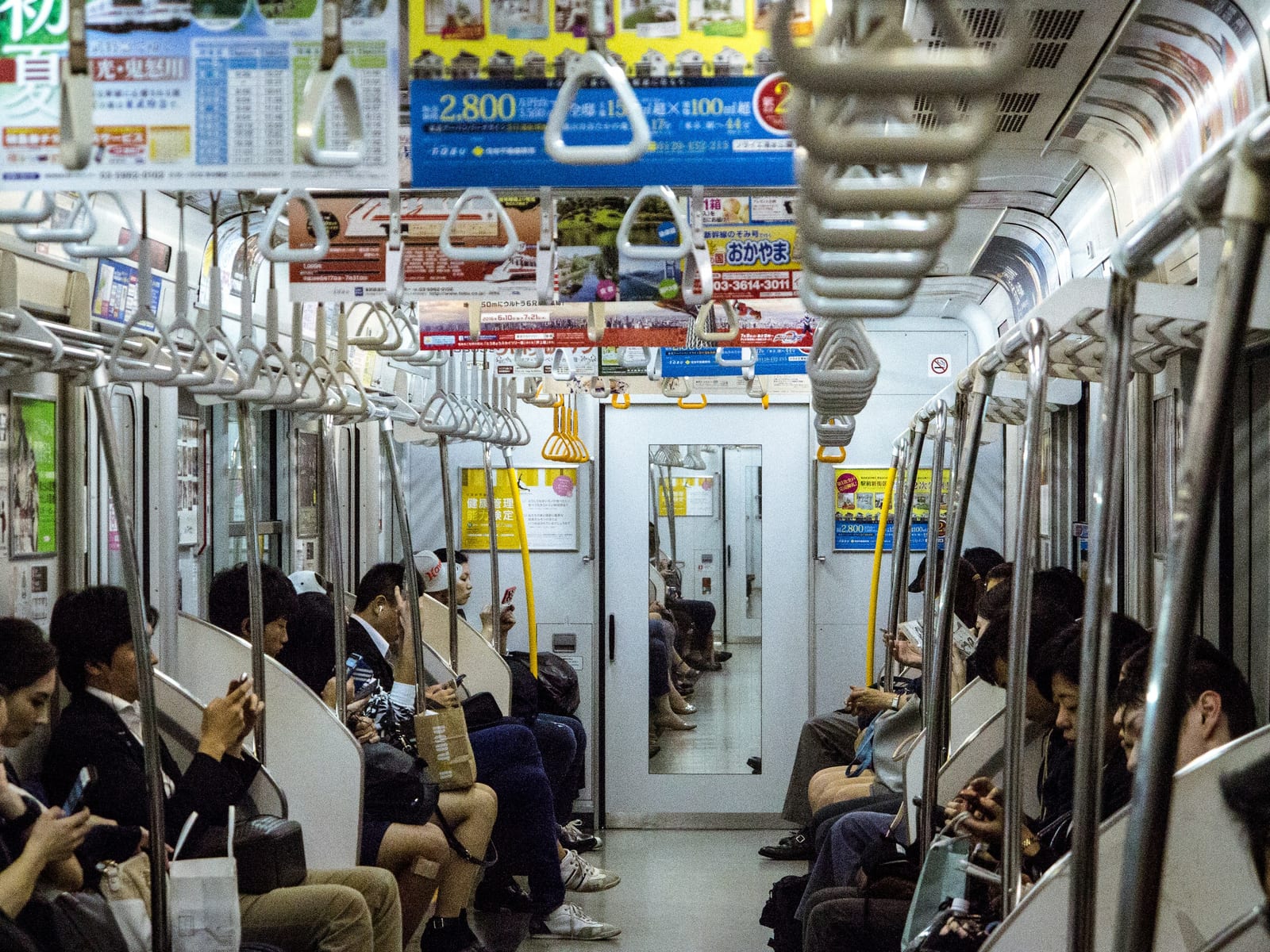
Tokyo trains are heavily used by visitors, and treated tap water is generally safe to drink.
- Low concern
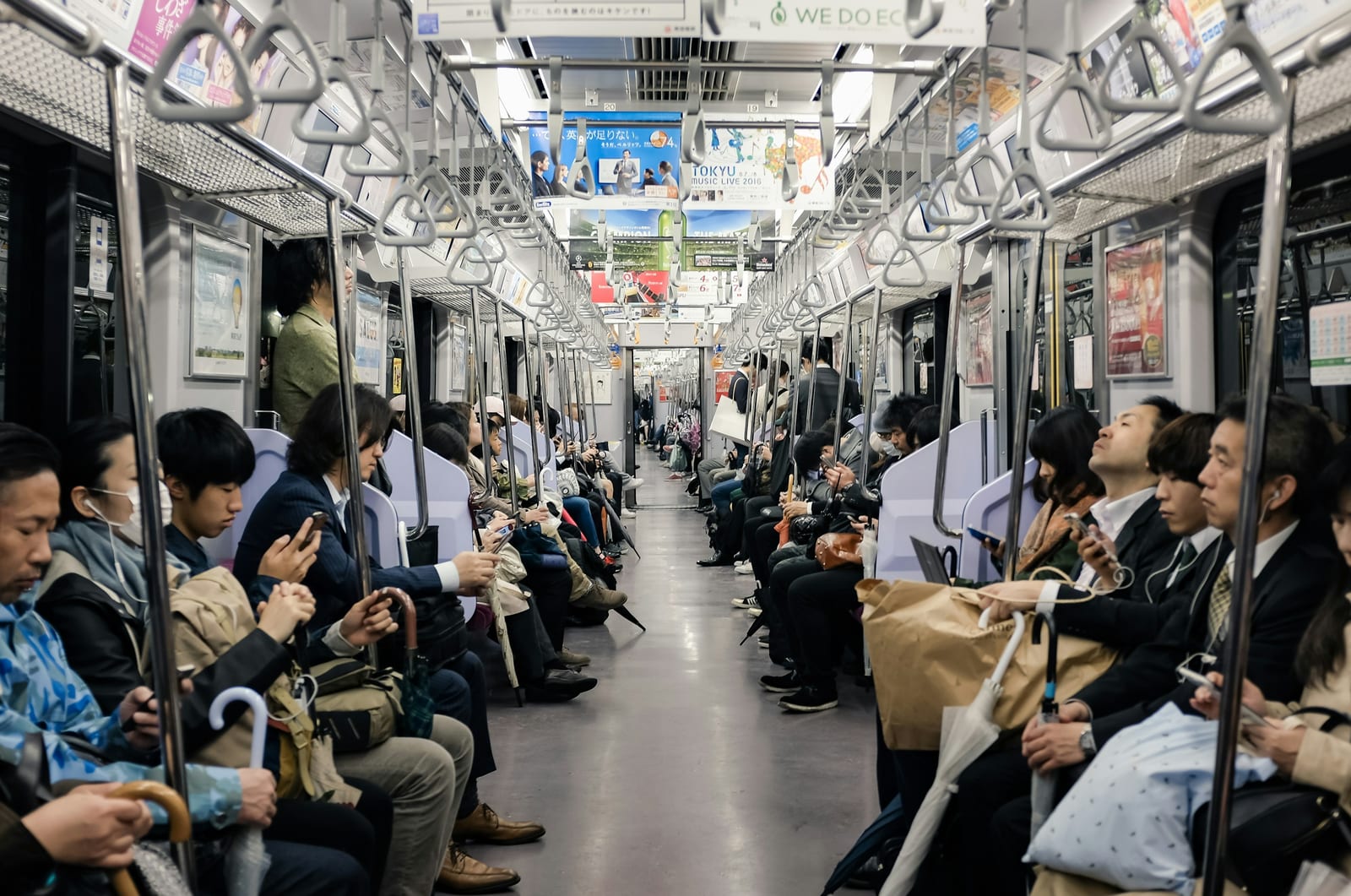
Pickpocketing is not usually a major tourist problem, but crowded stations, trains, and nightlife areas still require belongings awareness.
- Stay aware
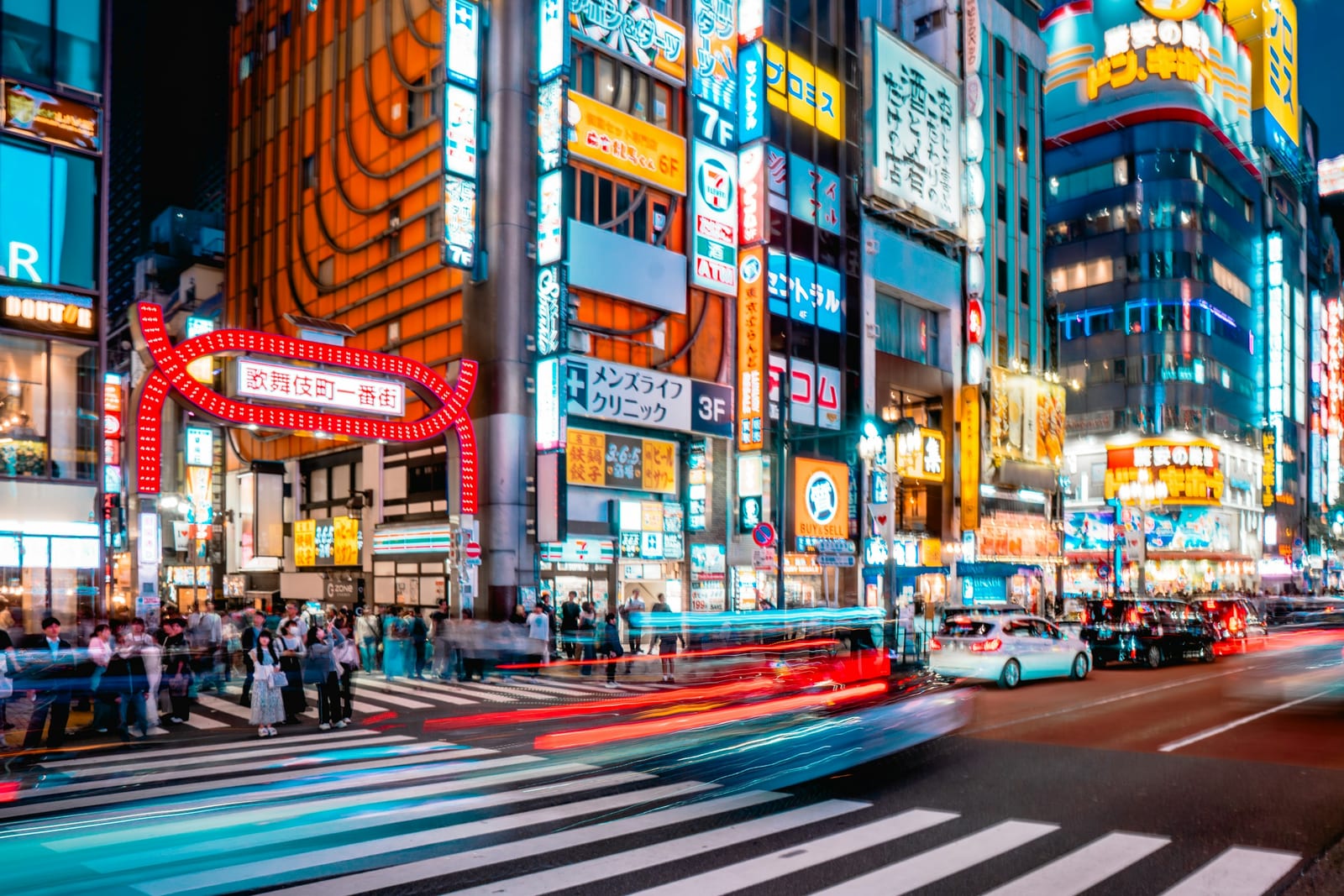
Touts may lead visitors to venues with inflated bills or coercive charges, making nightlife the main avoidable urban risk.
- Stay aware
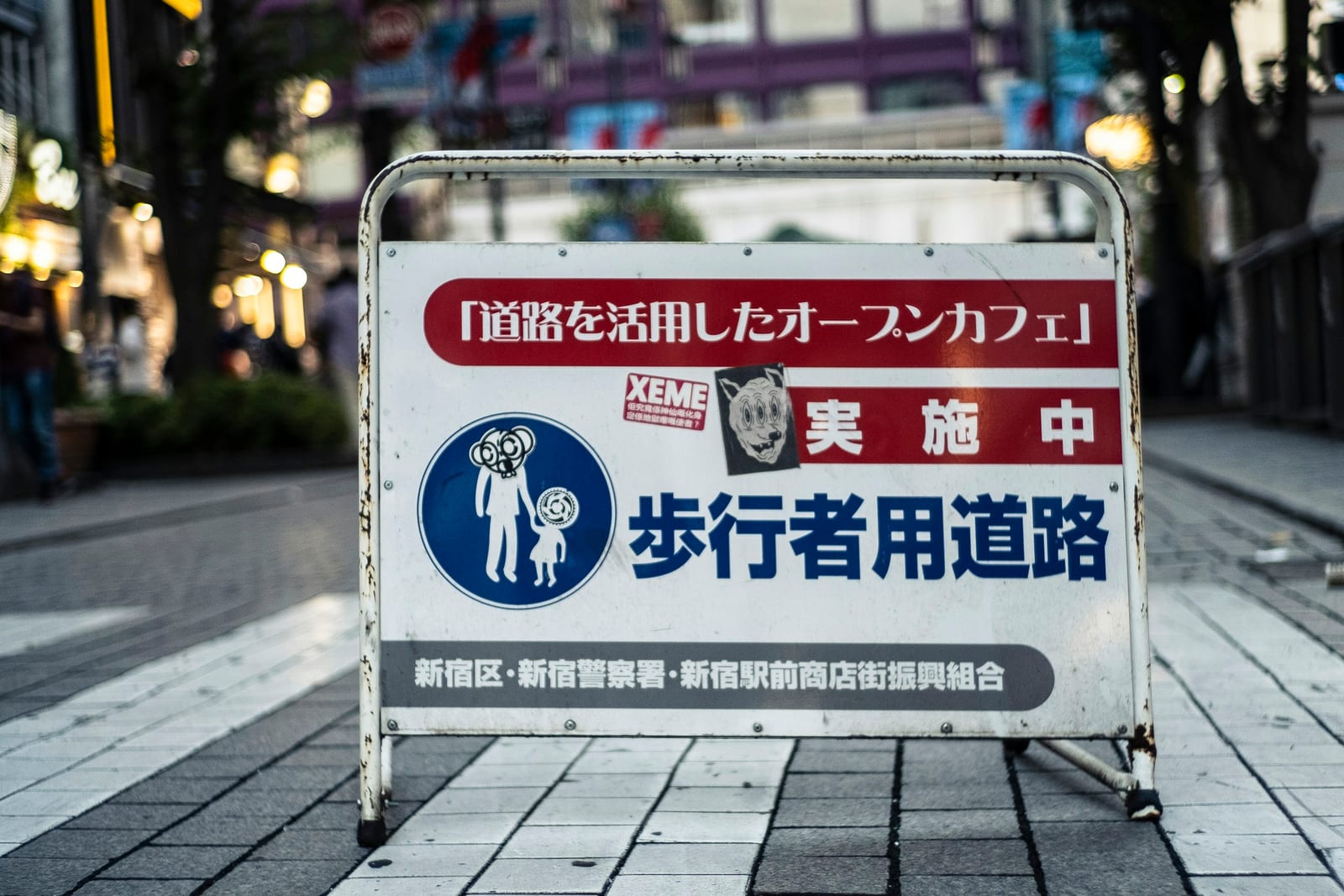
Earthquakes, typhoons, heavy rain, and heat are manageable risks when you follow official alerts and local instructions.


Is Tokyo right for your trip?
Tokyo is a comfortable choice for most travelers
The best answer depends less on your nationality or travel style than on how you handle crowds, nightlife, and official alerts.
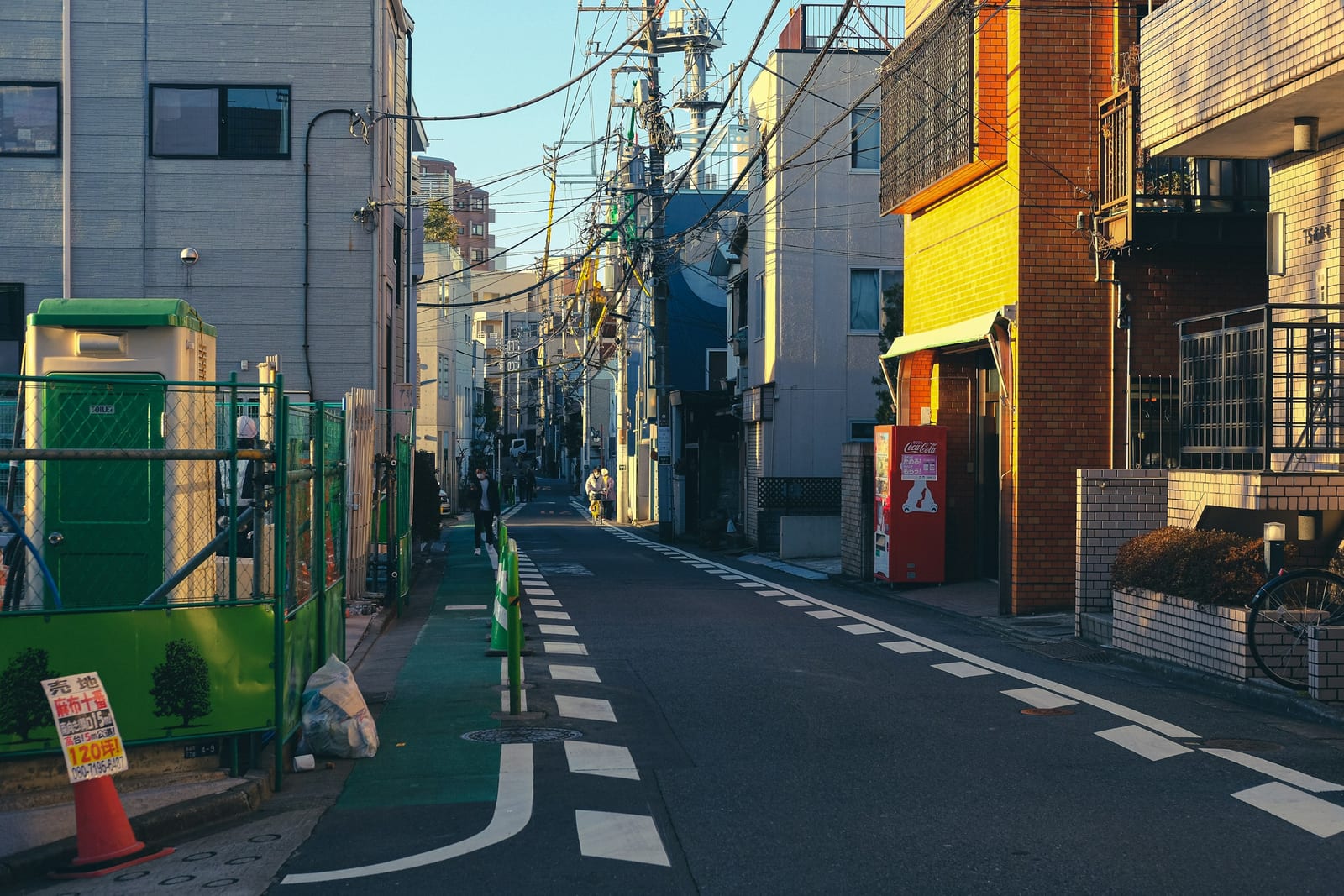
Yes, comfortably
Tokyo generally calls for ordinary city precautions rather than special security measures. Before departure, check the current U.S. travel advisory for Japan, then use normal care around crowds, nightlife, and earthquakes or severe weather.Go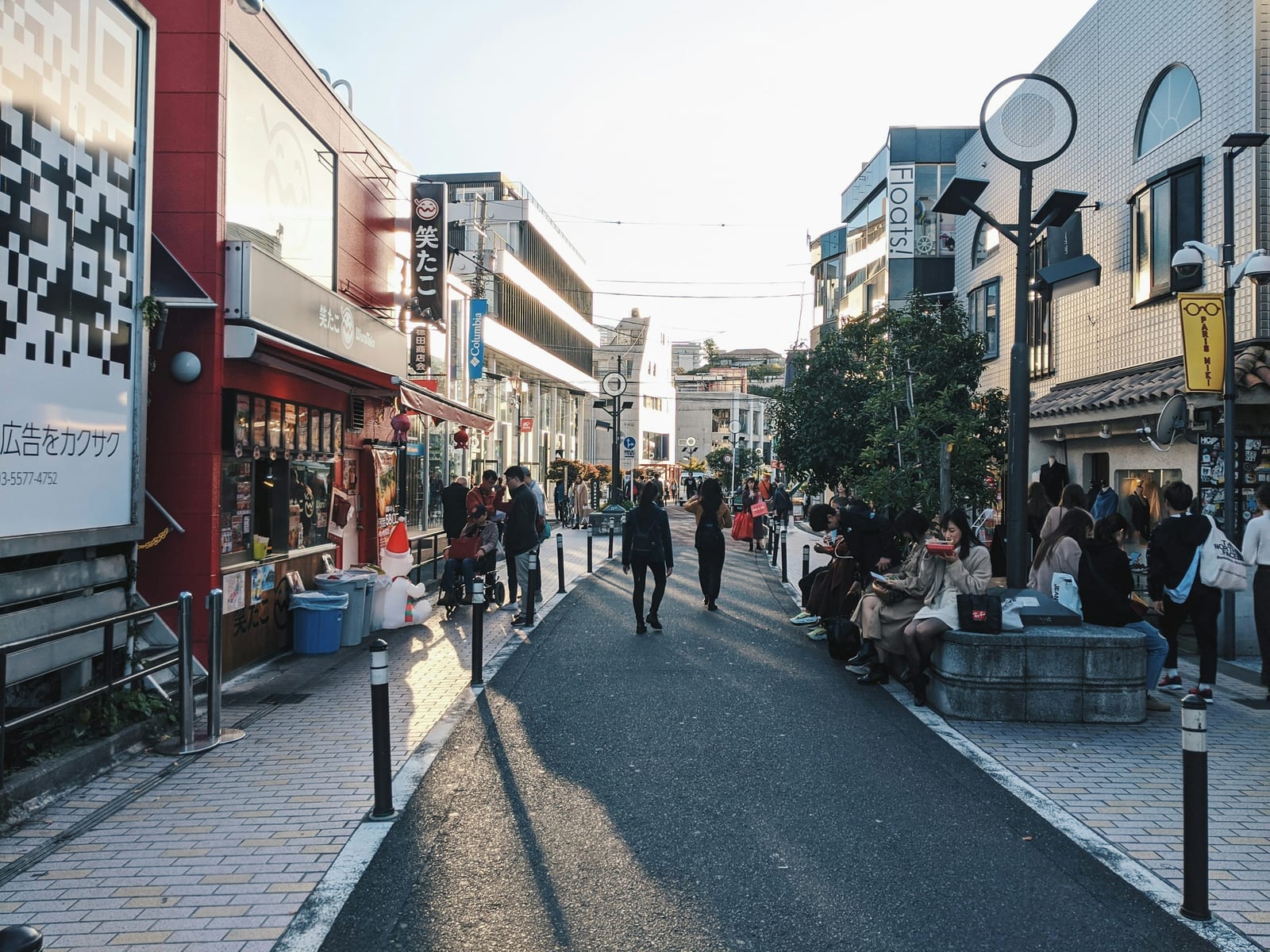
Yes, easy
Reliable public transport, plentiful facilities, and orderly public spaces make Tokyo practical for families. Crowds and large stations can be tiring, so plan breaks and read our guide to Tokyo with kids before choosing busy sightseeing days.Go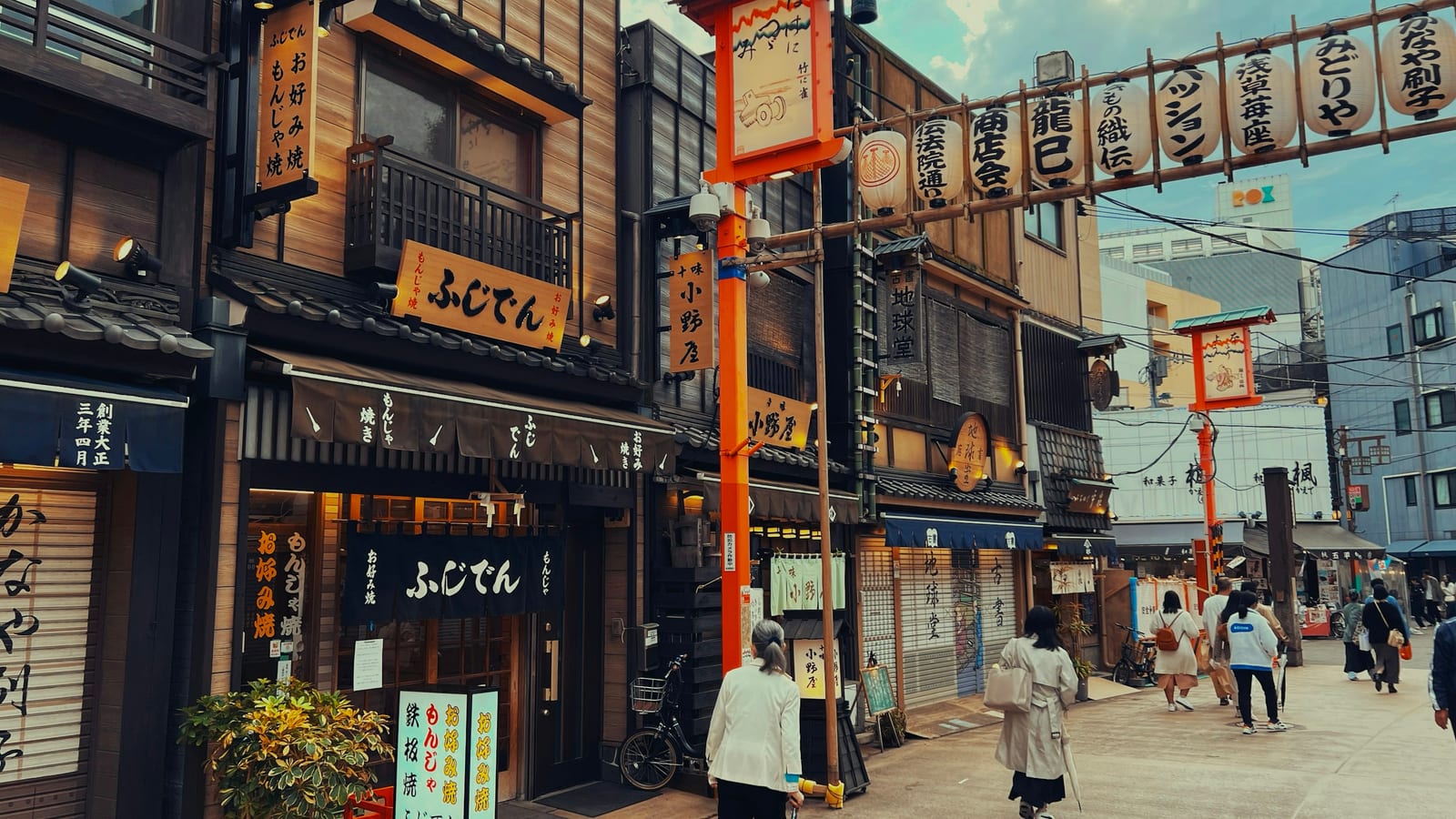
Yes, comfortably
Solo sightseeing is generally straightforward, with safe public spaces and dependable transport. Keep drinks and belongings in sight, avoid quiet shortcuts when tired, and decline unsolicited invitations to bars or clubs.Go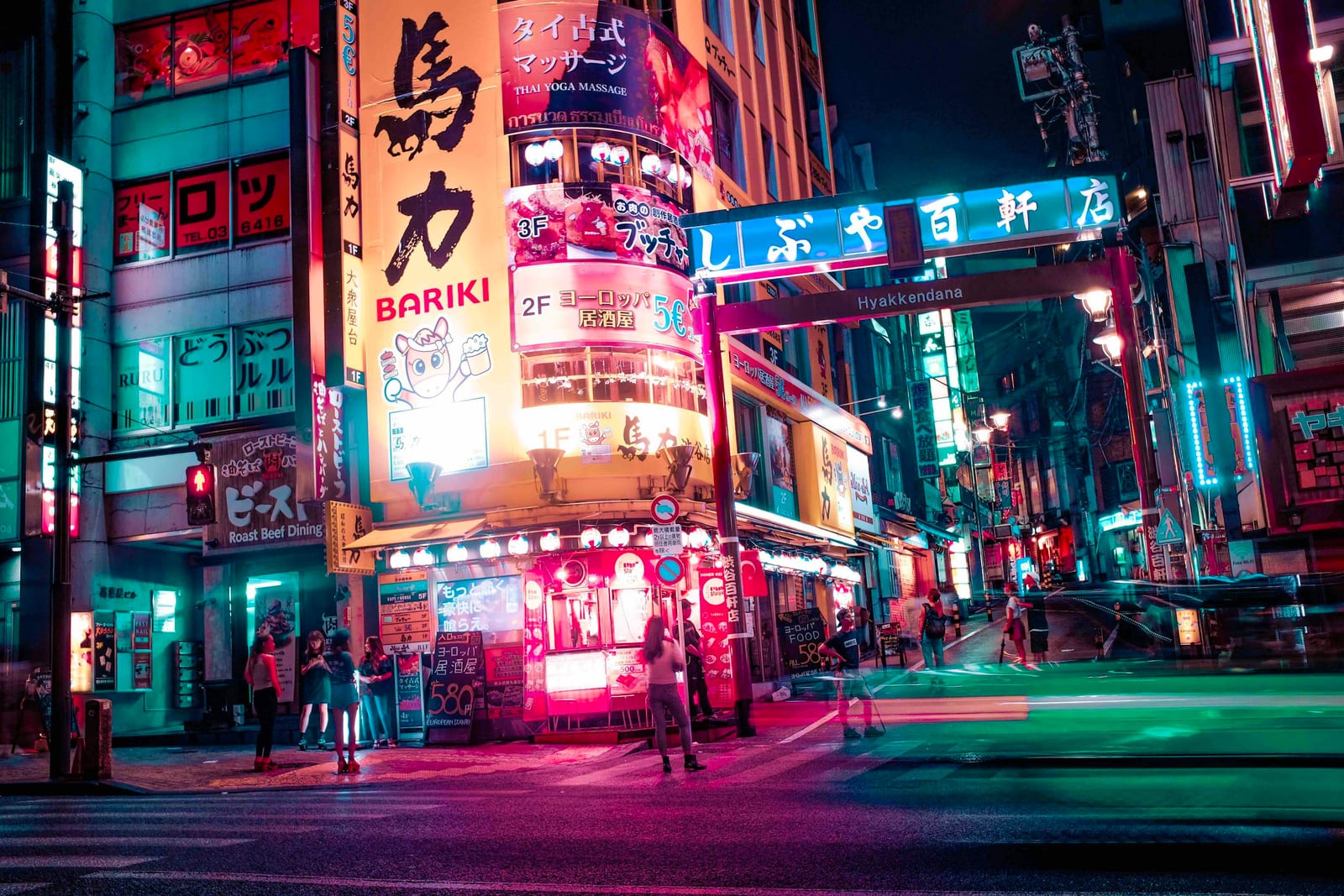
Yes, with basic care
Nightlife can be enjoyable when you choose established venues, confirm prices before ordering, and decline touts. Take particular care around Kabukicho and Roppongi, where unclear pricing and coercive charges are the main avoidable concerns.Basic care


Tokyo safety myths
What nervous travelers often get wrong
Tokyo is not risk-free, but the most common fears are broader than the evidence. Here is the calmer, more accurate version.
“A city this big must have serious street crime.”
Tokyo is large, but serious violence against visitors is uncommon and routine tourist pickpocketing is not a defining problem. Keep normal city awareness, especially in crowds, rather than assuming every busy street is dangerous.
“It is not safe to walk around Tokyo at night.”
Busy, well-lit areas are commonly walkable after dark. Avoid quiet shortcuts, secure your phone and wallet, and do not follow unsolicited invitations into bars or clubs.
“You cannot drink the tap water.”
Treated Tokyo tap water is generally safe to drink. Carrying a refillable bottle is practical, but bottled water is not required for basic safety.
“Earthquakes make Tokyo too dangerous to visit.”
Earthquakes and severe weather are real risks, not a reason to treat Tokyo as off-limits. Learn basic earthquake actions, check official alerts, and follow staff or evacuation instructions.
What Tokyo safety covers
What is rare here, and what is worth watching?
Tokyo is reassuring on ordinary street safety, but a few situations deserve clear, practical attention.
- Random mugging of tourists
- Routine taxi fraud
- Widespread pickpocketing
- Nightlife touts and inflated bills
- Earthquake, typhoon and heat alerts
- Crowded-train belongings and personal space
Tokyo safety basics
Six simple habits cover most situations
Save the essentials, watch your surroundings, and let official instructions guide you when conditions change.

Save the emergency numbers
Call 110 for police and 119 for fire or ambulance in Japan. Operators may have limited English, so keep your hotel name and address available, along with a translation or written location.
Sourcesgotokyo.org

Check official alerts
Before and during your trip, check official weather, transport, and disaster information. Pay particular attention during typhoon season, extreme heat, heavy rain, or any period when services are disrupted.
Sourcesgotokyo.org

Avoid nightlife touts
Do not follow strangers offering unusually cheap bars or clubs. Choose a venue yourself, confirm prices before ordering, and keep control of your card, cash, and phone.
Sourcestravel.state.gov

Keep valuables secure
Use a zipped bag in packed trains and stations, and keep phones, wallets, and drinks with you. Serious theft is not a defining Tokyo risk, but crowded places still create opportunities for loss.
Sourcesjapan.travel

Learn earthquake basics
If strong shaking starts, protect your head and move away from falling objects. Follow staff instructions and official information afterward. There is no universal tourist “five-minute rule,” especially if a tsunami warning is issued.
Sourcesgotokyo.org

Carry identification
Visitors should carry their passport because Japanese police can ask foreign nationals to show it. Keep a secure copy separately as backup, and store your hotel address where you can access it offline.
Sourcesjapan.travel
Keep this handy
Tokyo safety quick reference
Save these short actions before you leave your hotel, especially if you are traveling alone or during unsettled weather.
- Police emergencyCall 110
- Fire or ambulanceCall 119
- An earthquake startsProtect your head; follow staff
- A tsunami warning is issuedMove inland or higher immediately
- You feel unsafeStep into a konbini or koban
- You lose an itemAsk station staff or police
- Nightlife feels unclearDecline touts; check prices first
- You need drinking waterTokyo tap water is generally safe
If you remember nothing else
- 1Tokyo is generally safe for ordinary sightseeing.
- 2Busy streets are usually fine after dark.
- 3Do not follow unsolicited bar or club invitations.
- 4Keep bags closed on crowded trains.
- 5Tap water is generally safe to drink.
- 6Follow official instructions for earthquakes and weather.
Ready to plan your Tokyo trip?
Zoya, your personal travel assistant, turns guides like this into a day-by-day itinerary, built around how you like to travel.
Plan the practical details
Helpful Tokyo guides
Safety is easier when you know how the city works, from train manners to family pacing and station navigation.

Tokyo etiquette & customs
Train etiquette, restaurant manners, tipping expectations, and ways to avoid accidental cultural friction.
Etiquette
Getting around Tokyo
Rail navigation, airport transfers, station crowds, and practical transport planning across metropolitan Tokyo.
Suica Card
Tokyo with kids
Family-friendly neighborhoods, rest stops, transport planning, and handling busy attractions with children.
With KidsReady to plan Tokyo with confidence?
Let Zoya, your personal travel assistant, help you shape a practical Tokyo trip around your pace, neighborhoods, and priorities.
Explore now