

Getting around Tokyo · IC cards
Is a Suica Card Worth It in Tokyo?
Yes, for most Tokyo visitors. A Suica card makes trains, subways, buses, and small purchases easier, but it is not an unlimited pass and may be unnecessary for one or two rides.
Tokyo in brief
How much should I load onto a Suica card for 10 days in Tokyo?
For 10 days, start with about ¥5,000 to ¥10,000 on your Suica, depending on how often you travel and whether you use it for convenience-store purchases. Tokyo train fares commonly cost a few hundred yen per ride. Add smaller amounts as needed rather than loading your entire budget at once.
How can an American traveler get a Suica card?
American travelers can buy a physical Suica in Japan when regular sales are available, or add a digital Suica to a compatible Apple device. You do not need Japanese citizenship. Physical cards are purchased at participating railway stations, while digital setup depends on your device, region, and payment method.
What can’t you use a Suica card for?
A Suica is not a universal payment card. It generally cannot pay for journeys that require a reserved or limited-express supplement unless you buy that separately, and it may not work outside compatible IC areas. It also cannot usually cover long-distance trips crossing incompatible regions or purchases at nonparticipating businesses.
By trip shape
Choose the right Tokyo IC card
Suica is the best default for most Tokyo trips, while Welcome Suica, Mobile Suica, or no card can fit a different travel pattern.
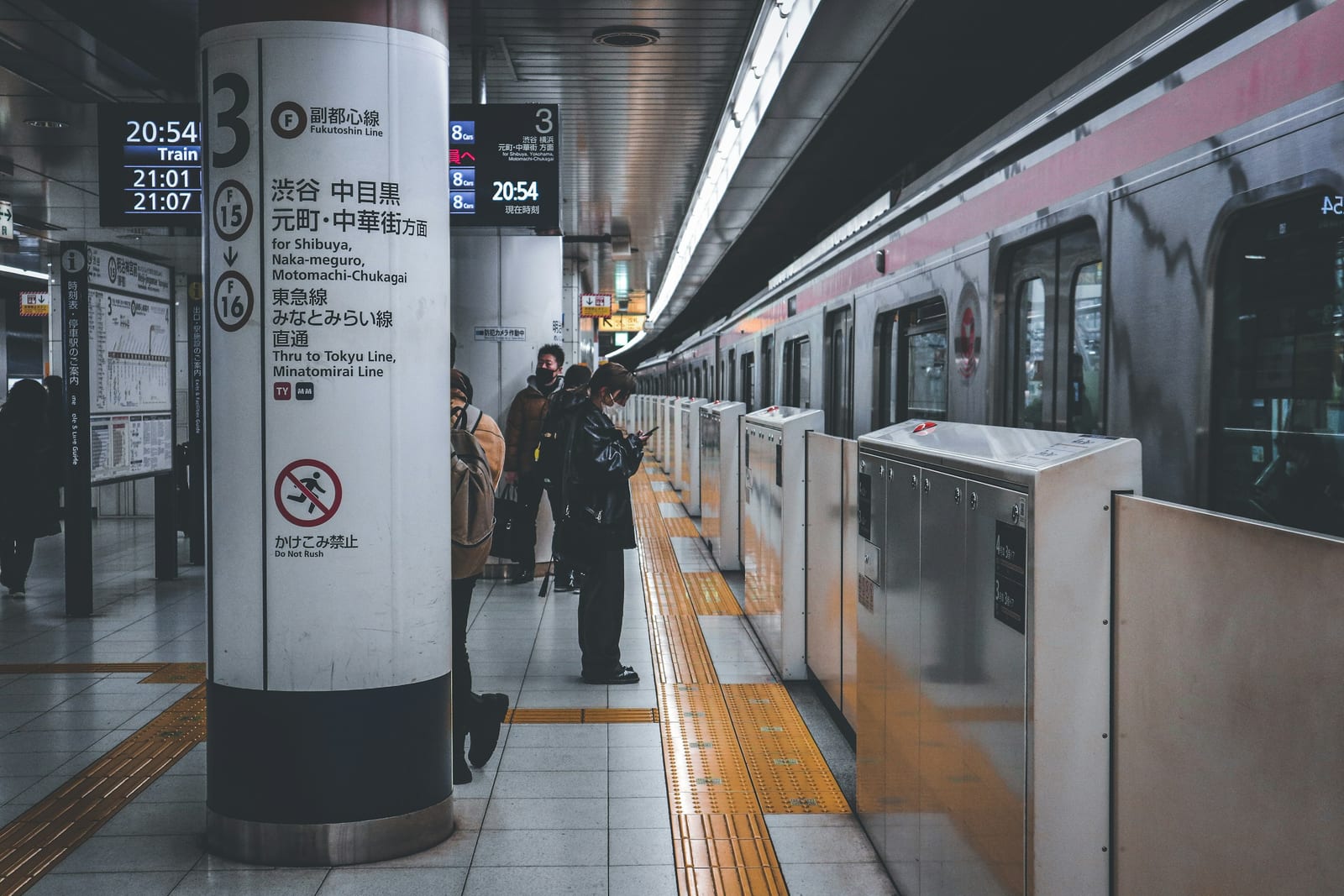
Suica
A rechargeable Suica handles frequent Tokyo trains, subways, buses, and small retail payments in one place. Tapping is simpler than buying separate tickets for each ride, and the card works across participating JR East, Tokyo Metro, Toei, and private transport services.Best for most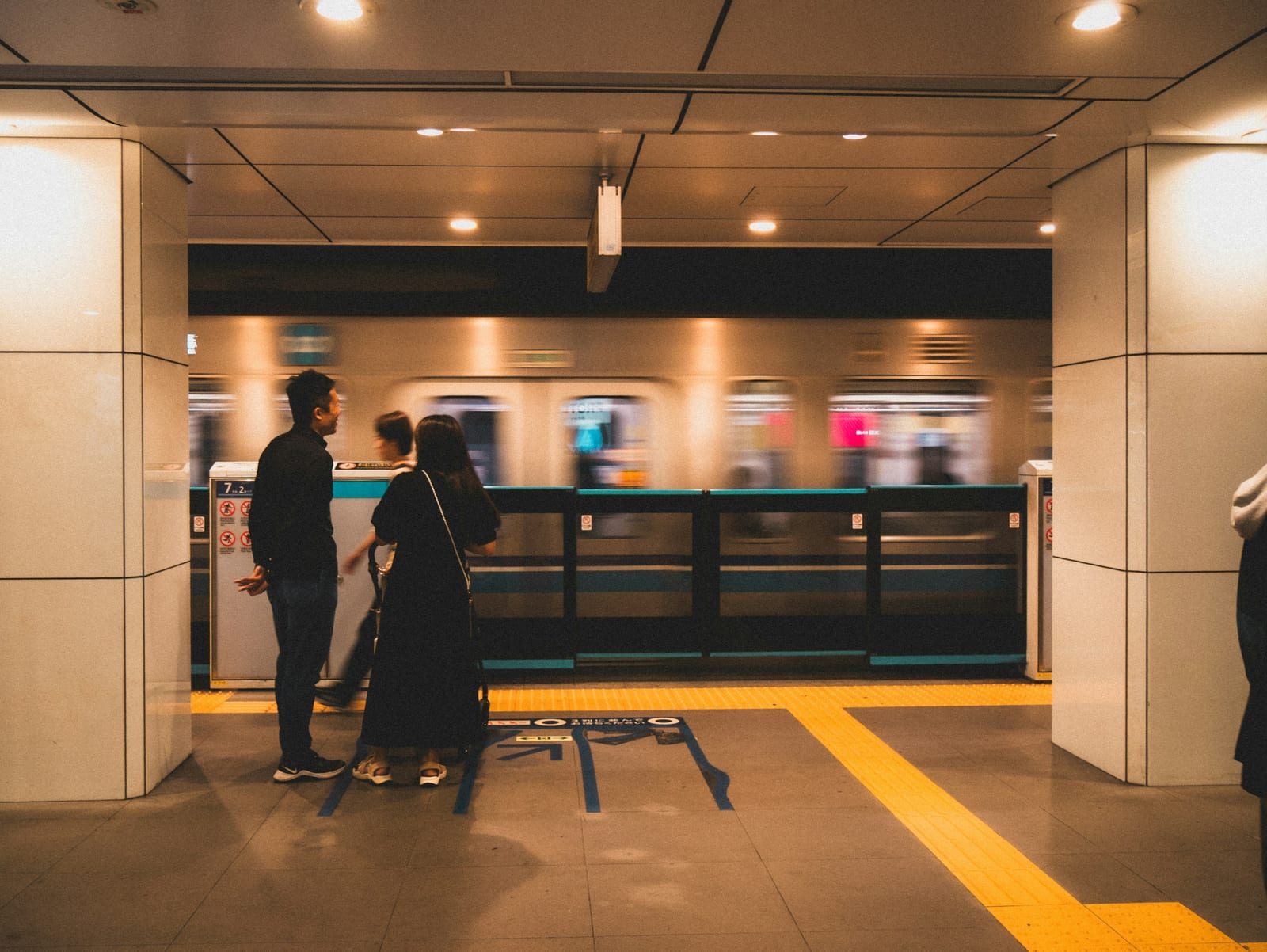
Welcome Suica
Welcome Suica is designed for visitors and generally avoids the refundable-deposit issue attached to a standard physical card. Its validity is limited, though, and remaining value is usually not refundable, so load only what you expect to use.Visitor-friendly
Mobile Suica
A compatible iPhone or Apple Watch can hold a digital Suica, so you can add value and tap at gates without carrying another card. It is a good fit for travelers whose device, payment card, and mobile-wallet setup work in Japan.Carry less
Skip it
If your itinerary involves only one or two rides, ordinary single tickets or contactless payment where accepted may be enough. Buying a card can leave you with an extra balance and another set of refund or expiry rules to manage.Pay as you go


The fine print, plainly
What a Suica card covers
Suica pays stored-value fares and small purchases, but it is not an unlimited Tokyo transit pass or a replacement for long-distance rail tickets.
- Pay-as-you-go fares on Tokyo trains and subways
- JR East, Tokyo Metro, and Toei connections that accept interoperable IC cards
- Buses and other participating public transportation in Japan
- Small purchases at convenience stores, station shops, restaurants, and vending machines
- Tapping through station gates without buying a paper ticket for each ride
- Unlimited rides on Tokyo Metro, Toei Subway, or JR lines
- Reserved Shinkansen seats or long-distance intercity rail fares
- Every private railway, bus, or rural transit operator
- Admission to attractions or airport lounge services
- A guaranteed way to avoid all cash payments in Japan
Before your first ride
How to buy and use a Suica card
Buy or load the card, check the balance, then use the same card or device at both sides of every station gate.
1 Buy at a station
Buy a physical Suica at an eligible JR East ticket machine or ticket office, or look for Welcome Suica at participating visitor locations such as major airports. A standard physical card commonly includes a deposit of about $3.33; Welcome Suica is issued without that deposit.
Sourcesjreast.co.jp
2 Add value at a machine
Load stored value at compatible station machines, ticket counters, or participating convenience stores. Physical cards can generally be topped up with cash. Digital Suica recharge options depend on your device, mobile wallet, and payment-card setup.
Sourcesjreast.co.jp
3 Check your balance
Your remaining balance appears on some fare-adjustment and recharge machines, while digital Suica apps show it on your phone. Check before entering a station and keep enough value available for the route you plan to take.
Sourcesjreast.co.jp
4 Tap in and out
Touch the card or device to the reader at the entry gate, then tap the same card or device again when leaving. The fare is calculated and deducted automatically. Do not enter with one card and exit with another.
Sourcesen.wikipedia.org
If Suica is not the fit
What to use instead
PASMO, paper tickets, and the JR Pass each win in a different situation, from a station with limited card stock to a costly multi-city itinerary.

PASMO
A similar rechargeable Tokyo IC card that wins when it is the available option at your station or airport.
Coming soon
Single tickets
Paper fares for travelers taking only a few rides and avoiding an extra card balance.
Coming soon
JR Pass
An intercity rail pass that wins on costly multi-city JR itineraries, not ordinary Tokyo trips.
Japan Rail PassPlan your Tokyo transit with Zoya
Tell Zoya your stops, airport, and travel style. Your personal travel assistant can help shape a practical Tokyo route without booking anything.
Explore now