

Getting around Tokyo · Subway
How Do You Use the Tokyo Subway?
The Tokyo subway is easy once you separate its two operators: Tokyo Metro and Toei Subway. Use an IC card for most trips, then switch to a 24-, 48-, or 72-hour pass only on subway-heavy days.
Tokyo in brief
How can tourists use the Tokyo subway?
Plan routes with a current map or navigation app, then follow the line color, letter, and station number signs. Buy a paper ticket or use Suica or PASMO. Tap in and out at the gates, allow extra time for large stations, and avoid weekday rush hours when possible.
Should you use a Tokyo Subway Ticket or Suica?
Choose a Tokyo Subway Ticket if you expect several rides each day on Tokyo Metro and Toei Subway lines. Suica is more flexible because it works on trains, buses, and many shops, but fares are charged individually. For mixed transport or light sightseeing, Suica is usually easier.
What is the difference between Tokyo Metro and the Tokyo subway?
Tokyo Metro is one of the two operators that make up Tokyo's subway system. The other is Toei Subway. Together they operate 13 lines, but fares, station services, and some passes differ. A route described as the Tokyo subway may use either operator, depending on your destination.
By trip shape
Which Tokyo subway fare option fits your plans?
Suica or PASMO is the best default, while a subway pass earns its place on a busy day spent almost entirely underground.

Suica or PASMO
A rechargeable IC card lets you tap in and out on Tokyo Metro, Toei, JR, and many private railways without choosing a fare first. That flexibility matters when sightseeing mixes subway rides with JR or private railway trips.Best for most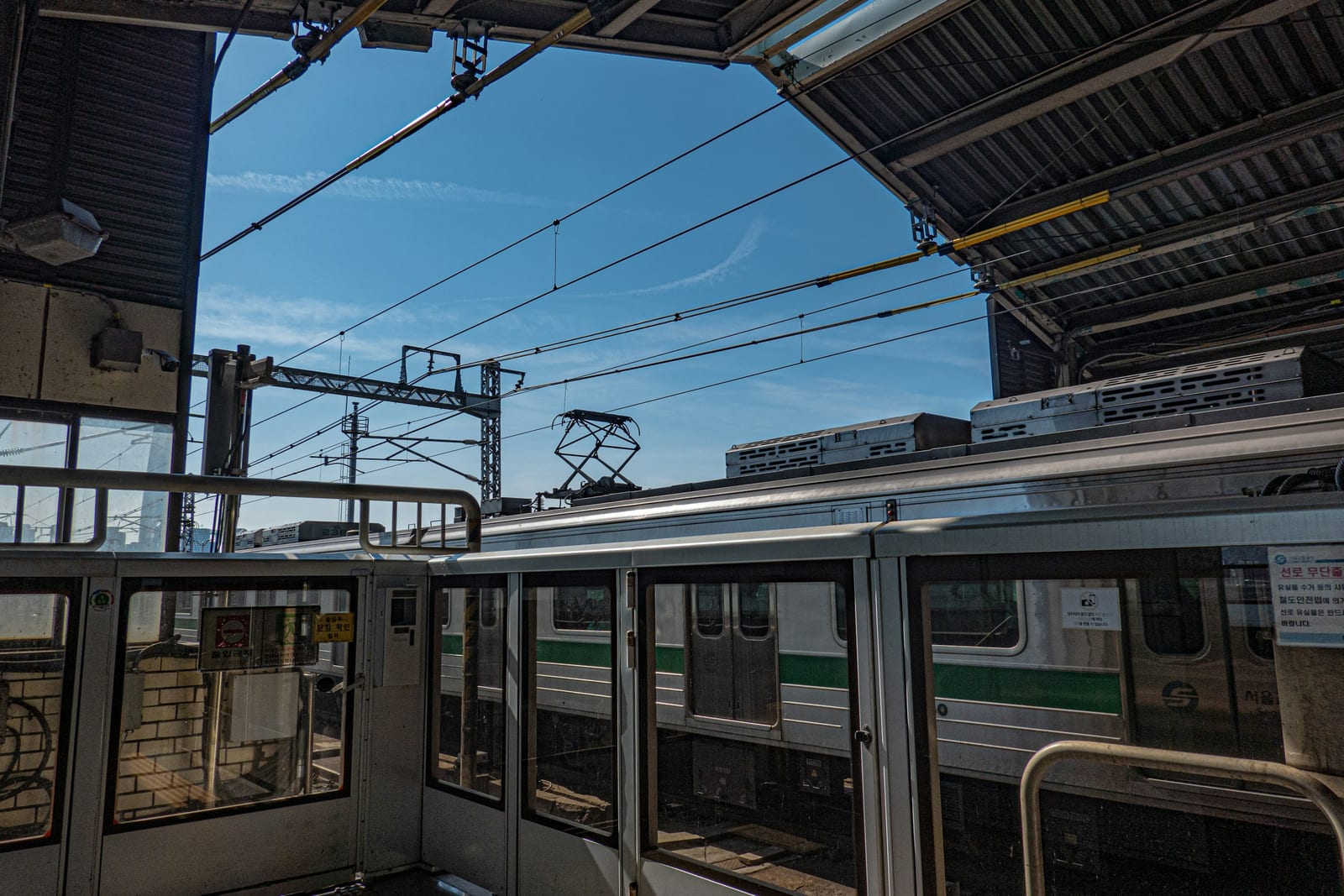
Tokyo Subway Ticket
The 24-, 48-, and 72-hour tourist passes cover all Tokyo Metro and Toei Subway lines. The 24-hour option is about $6.67, so it can win after several subway rides in one period.For busy days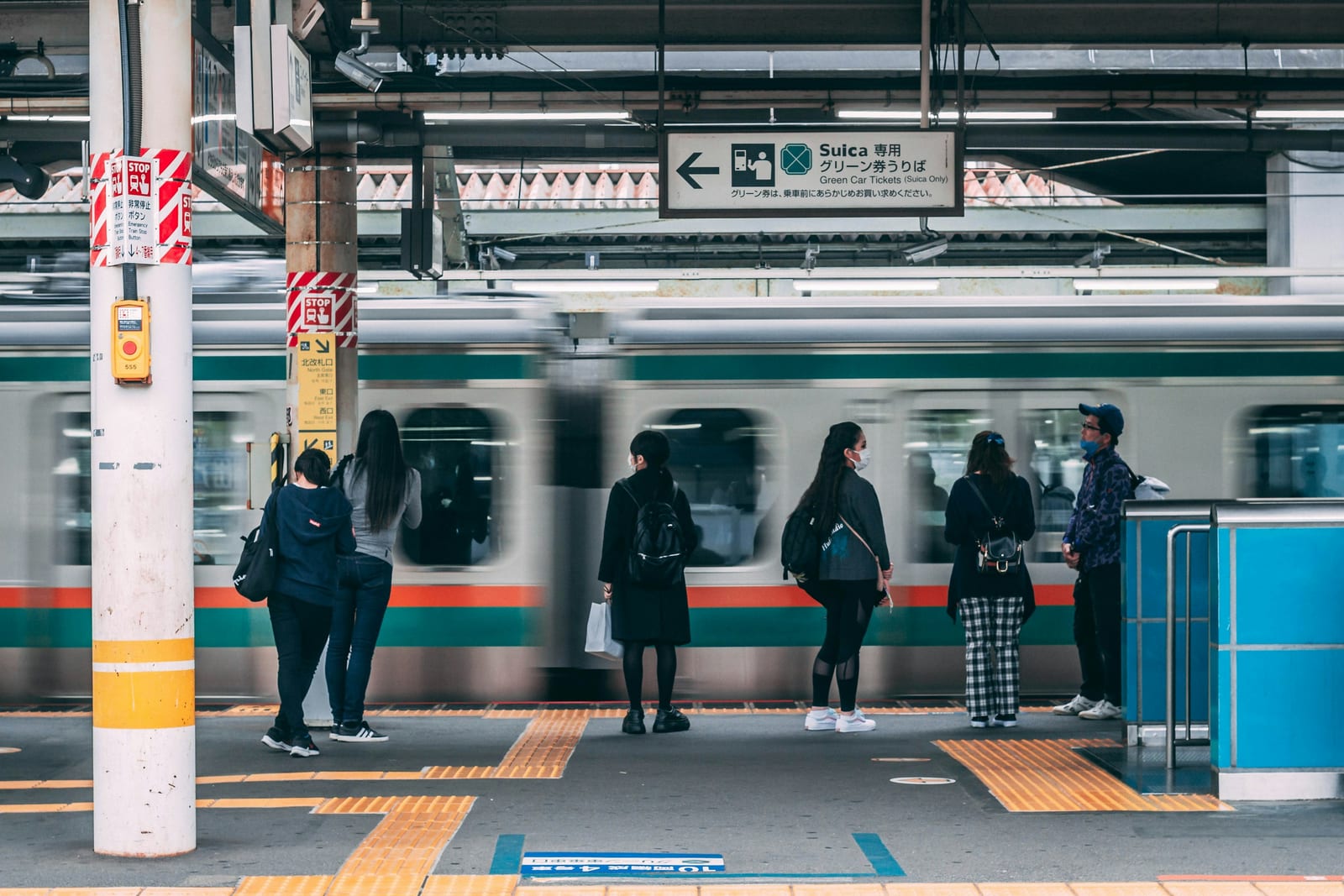
Pay as you go
Typical subway rides are distance-based and roughly $1.20-$2.20. If you only take a few trips, an IC card or individual ticket is simpler and avoids paying upfront for coverage you will not use.Pay as you go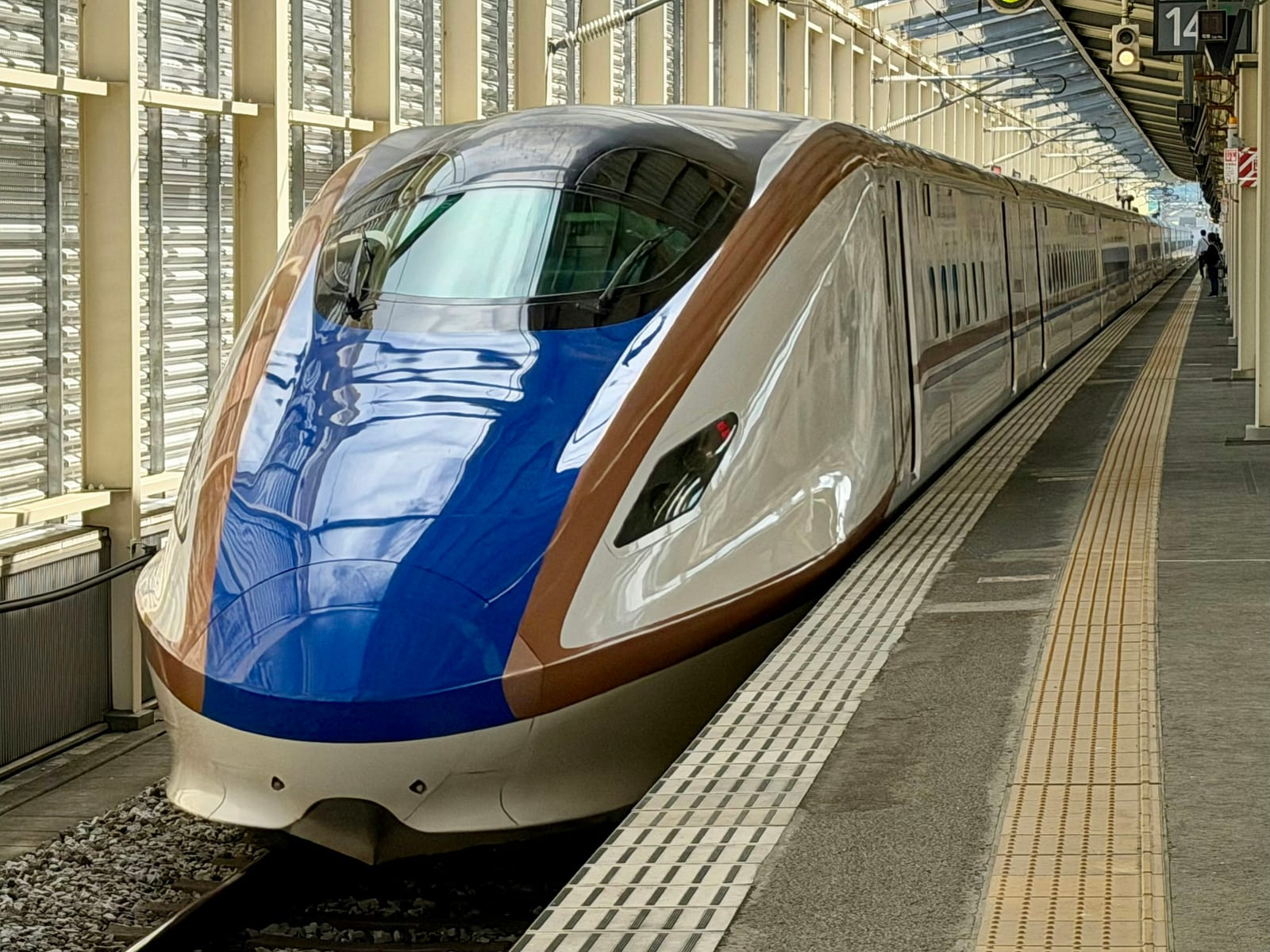
JR Pass
A JR Pass does not cover Tokyo Metro or Toei Subway. It may still be worthwhile for a Japan-wide itinerary with several expensive JR journeys, but it is not a Tokyo subway solution.For intercity rail


The fine print, plainly
What the Tokyo subway covers
The Tokyo subway means two operators, 13 lines, and a clear set of payment and transfer rules.
- A Tokyo subway map with color-coded lines
- Tokyo Metro's nine lines and Toei Subway's four lines
- How to enter, transfer, and exit through fare gates
- IC cards such as Suica and PASMO
- Tokyo Subway Ticket passes and pay-as-you-go fares
- The difference between subway trains and other Tokyo railways
- JR East train routes and fares
- Shinkansen travel between Tokyo and other cities
- A JR Pass itinerary or rail-pass break-even calculation
- Private railway networks such as Keio, Odakyu, and Tokyu
- Airport limousine buses and taxi directions
Before you go
How to use the Tokyo subway map and gates
Start with the operator and line, then pay, follow the station codes, and tap out with the same ticket or card.
1 Read the operator map
Tokyo's subway has two systems: Tokyo Metro has nine lines and Toei has four. Before entering, identify the line color, station code, and operator on the official map. This prevents confusion when similarly named stations belong to different networks.
Sourcestokyometro.jp
2 Load an IC card
Buy or use a rechargeable transport IC card, then add credit at a station machine. Tap it at the gates on the same journey. IC cards also work on many JR and private railway services, so they are useful beyond the subway.
Sourcesgotokyo.org
3 Choose your fare
For occasional rides, tap an IC card or buy a one-way ticket from a multilingual machine. For a subway-heavy day, compare your expected rides with the Tokyo Subway Ticket, which comes in 24-, 48-, and 72-hour versions.
Sourcesgotokyo.org
4 Tap in and out
Tap at the entry gate and again at the exit gate, keeping the same card or ticket throughout the journey. Follow signs carefully when changing between Tokyo Metro, Toei, and non-subway lines, since operators and fare rules can differ.
Sourcesgotokyo.org
If a subway pass does not fit
What to use instead
A flexible IC card, a tourist pass, or a single ticket can each beat the wrong Tokyo subway fare choice.

JR Pass
An eligible JR rail pass for intercity travel, best when Tokyo is part of a longer Japan itinerary.
Japan Rail Pass
Tokyo Subway Ticket
A 24-, 48-, or 72-hour pass covering both subway operators, best for repeated subway rides.
Suica Card
Single tickets
Distance-based one-way tickets from multilingual machines, best for one or two subway rides.
Suica CardPlan your Tokyo routes with Zoya
Tell Zoya where you are staying and what you want to see. Your personal travel assistant can help shape a practical subway-first day, with no booking required.
Explore now