

Reykjavik · guide
Reykjavik Museums
The museums worth your time, from Perlan's ice cave to a Viking longhouse preserved in place.
Reykjavik in brief
What is the best museum to visit in Reykjavík?
Perlan is the best all-round pick for a first visit, combining Icelandic nature exhibits, an indoor ice cave, a planetarium aurora show, and a 360-degree city view.
What should I not miss in Reykjavík?
For museums, do not miss Perlan for nature, the National Museum for Icelandic history, and the Settlement Exhibition for its Viking longhouse preserved in situ.
What are some hidden gems in Reykjavík?
Árbær Open Air Museum is the quieter choice, with relocated historic buildings arranged as a town square, village, and farm. It is seasonal, so winter visits require arrangement.
Where Reykjavik's museums earn your time
Reykjavik is unusually good at turning a rainy afternoon into a proper introduction to Iceland. This list rewards places with something you can actually remember: a longhouse still in the ground, a national collection that gives the country shape, or a planetarium show that makes the landscape legible. It also calls out the attractions that are more novelty than substance, because a high admission price and a funny photo do not automatically make a great museum. Zoya's top pick is Perlan for first-time visitors, but history-minded travellers may prefer the National Museum or Settlement Exhibition.
The ranking moves from all-rounders and essential history to art, specialist collections, and the best seasonal visit. Use it alongside Things to Do in Downtown Reykjavik, Where to Stay in Reykjavik, and a One Day In Reykjavik or Reykjavik 3 Day Itinerary. If you are planning beyond the city, compare the museums with Day Trips From Reykjavik.
The full ranking, compared
Every pick at a glance, ranked by how well it earns its place, not by tourist traffic. Tap a name to jump to the full review.
| Place | Why go | Where | Access | Our verdict |
|---|---|---|---|---|
| 1. Perlan – Wonders of Iceland | Nature, ice cave and planetarium | Öskjuhlíð | All-weather; free parking | Worth the hype |
| 2. National Museum of Iceland | 1,200 years of national history | Reykjavík | 2–3 hours; 3,300 ISK adult | Mixed |
| 3. The Settlement Exhibition Reykjavík 871+−2 | Viking longhouse in situ | Central Reykjavík | Compact; check hours | Mixed |
| 4. Reykjavík Art Museum | Three-venue art collection | Reykjavík | Late Thursday at Hafnarhús | Mixed |
| 5. Árbær Open Air Museum | Historic buildings and daily life | Árbær | Seasonal; arrange winter visit | Mixed |
| 6. Whales of Iceland | 23 life-size whale models | Harbour district | Family-friendly; free parking | Mixed |
| 7. The Saga Museum | Immersive history scenes | Grandi | 30–60 minutes; mixed | Mixed |
| 8. Icelandic Phallological Museum | Offbeat specialist collection | Hafnartorg | 3,500 ISK; novelty stop | Overrated |
Make these into a Reykjavik trip
Zoya, your personal travel assistant, can turn these picks into a day-by-day Reykjavik plan.
Ranked, with honest verdicts
The best museums in Reykjavik, ranked
Eight museums and exhibition experiences worth making time for, ranked by how much Iceland they explain, how memorable the visit feels, and how well they work when the weather turns wet.
The all-weather essentials
Start with the museums that give a first visit the clearest sense of Iceland's nature, people, and earliest settlement.
- 1
 Capital Region · Reykjavík Worth the hype
Perlan – Wonders of Iceland
Perlan is the best all-round museum in Reykjavik when you want Iceland's nature explained with plenty to see and do.
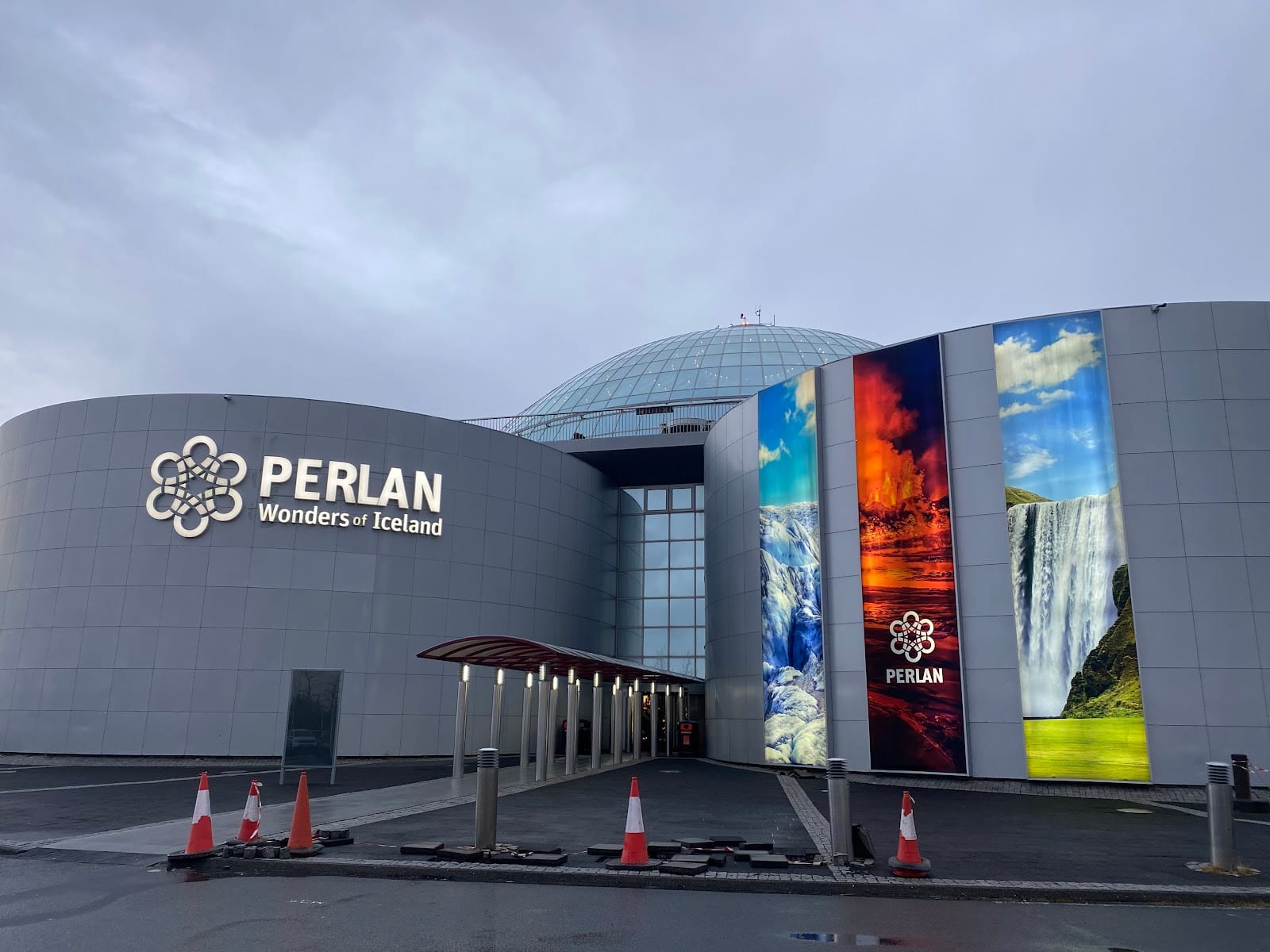
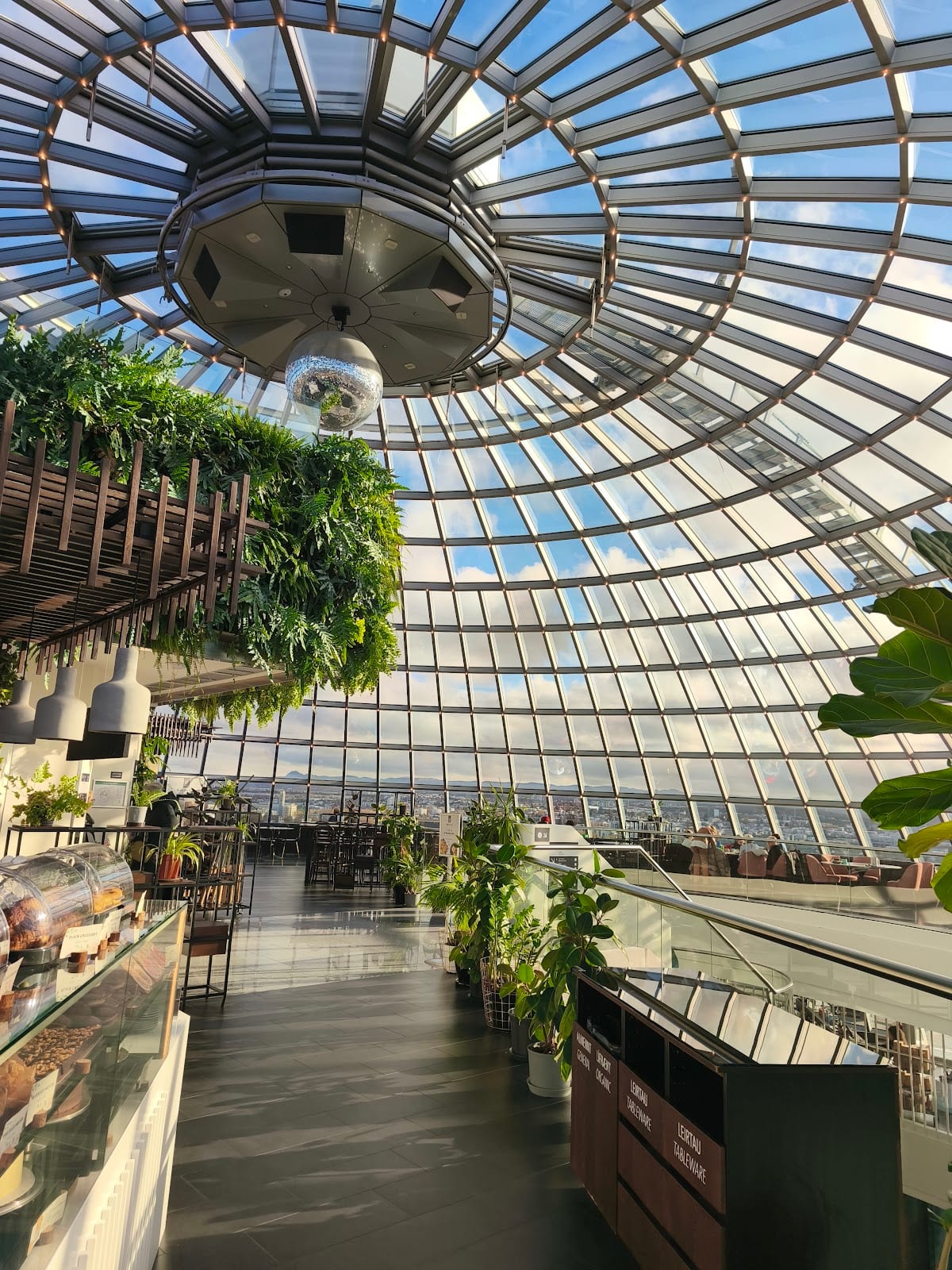
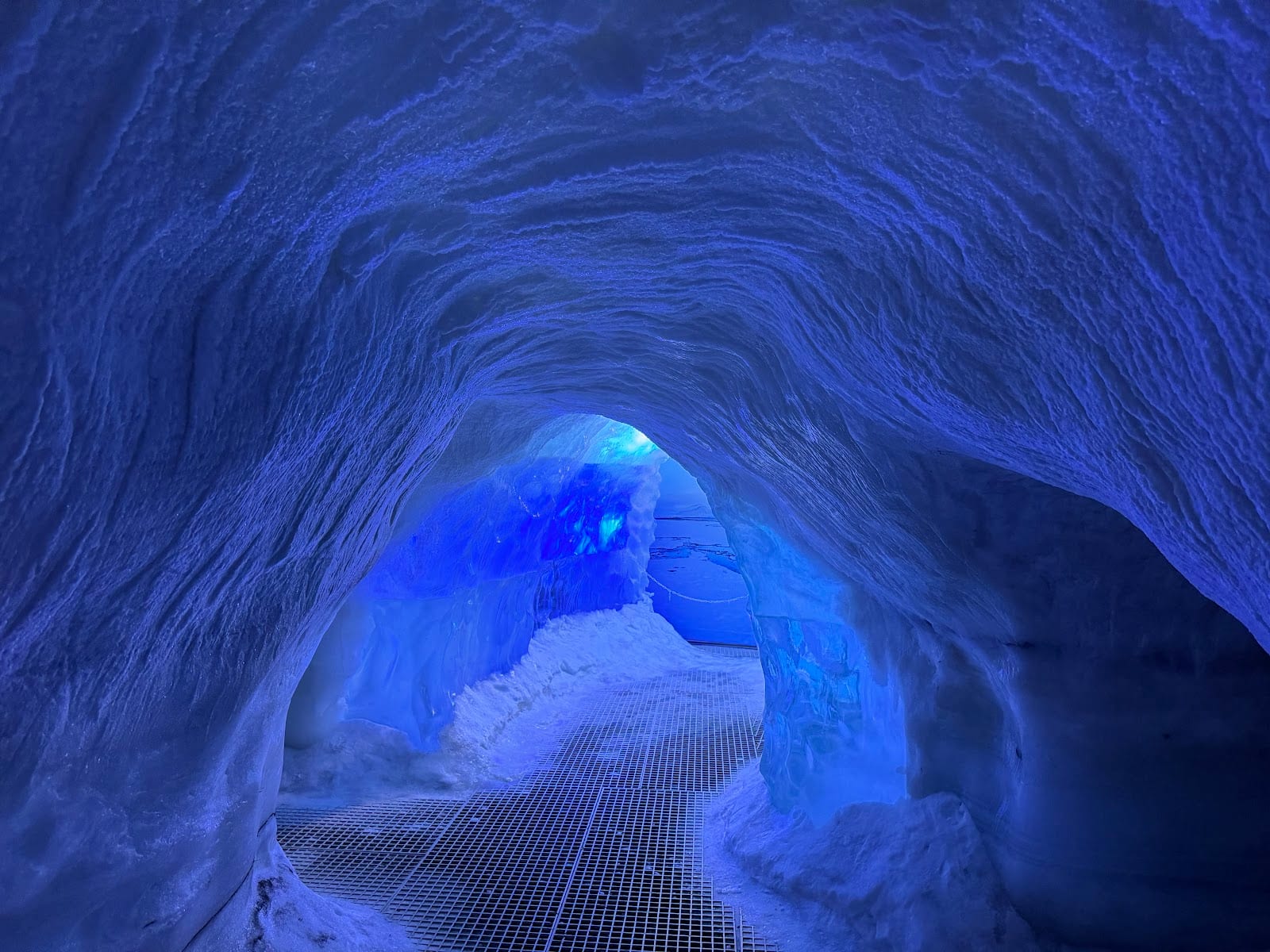
Perlan earns the top spot because it turns Iceland's big natural stories into an easy, entertaining half-day, especially when rain or wind rules out a road trip. Its glass dome sits on six district-heating tanks, four of which remain in use, while the Wonders of Iceland experience adds a 100-metre indoor ice cave made from about 350 tons of snow gathered from Icelandic mountains. The Áróra planetarium show uses 8K projection and 7.1 surround sound, and Styrmir, an indoor geyser, sends water 25 metres into the air. Finish on the observation deck for a 360-degree view. It is a crowd-pleaser, not a quiet museum.
Hours: Daily, 09:00–21:00Where: Varmahlíð 1, ÖskjuhlíðGetting there: About 30 minutes from downtown; buses 13 and 18Admission: Online booking; City Card discount - 2
 Capital Region · Reykjavík Mixed
National Museum of Iceland
This is the essential history museum for understanding how Iceland went from settlement to modern nation.
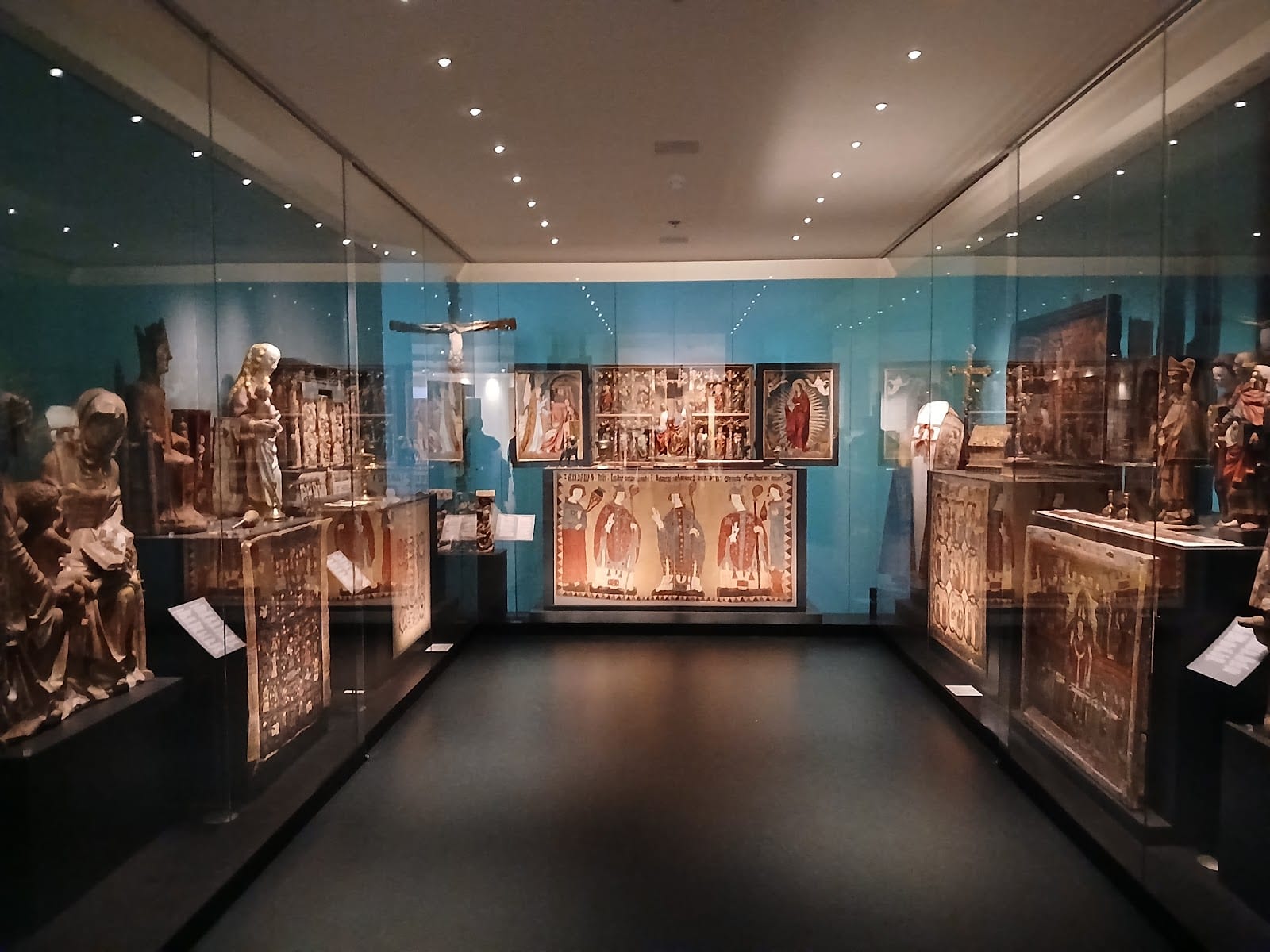
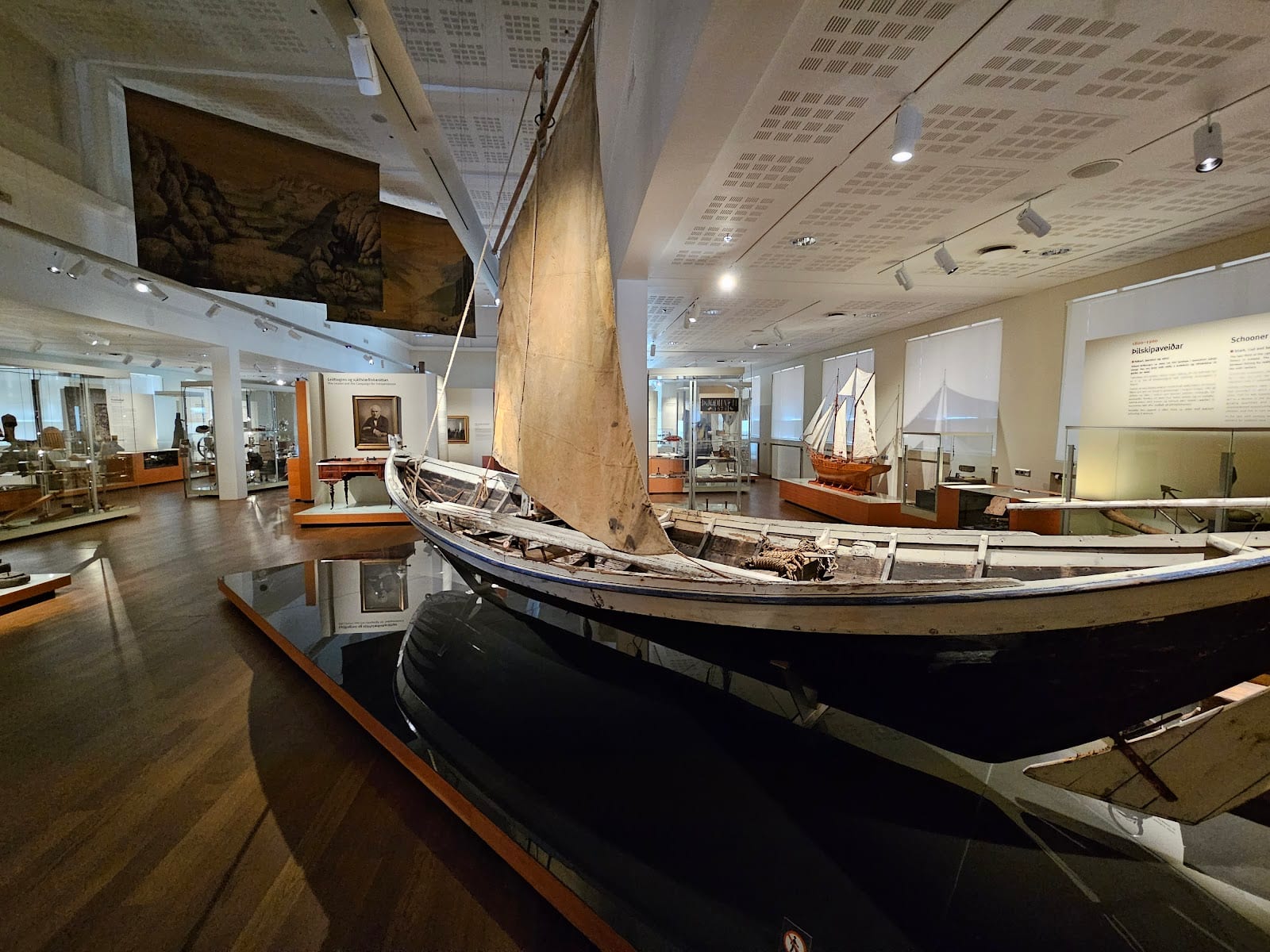
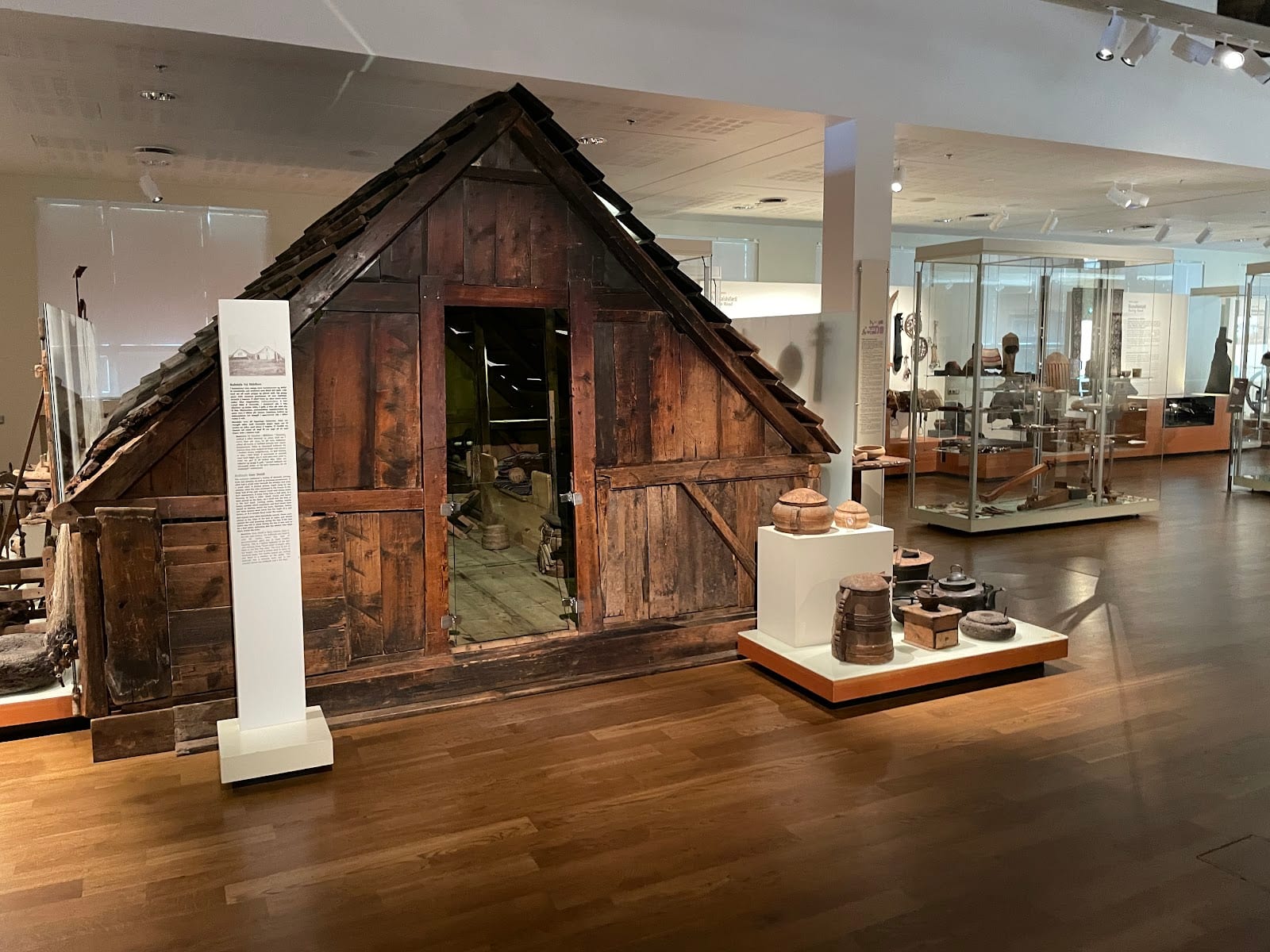
The National Museum ranks second because it supplies the context that many other Reykjavik attractions assume you already have. Its permanent exhibition, Making of a Nation: Heritage and History in Iceland, follows Icelandic heritage across 1,200 years and brings together more than 2,000 artefacts found around the country. The collection reaches from about 1000 to the present, so this is the place to see the broad arc rather than one dramatic episode. Look for the tiny statue of Thor and the first Icelandic Bible, dated 1584, among the objects visitors single out. Allow two to three hours if you read the displays. At 3,300 ISK for adults, it is not the cheapest quick stop, but it is the most useful one.
Hours: Listed daily, 10:00–17:00Adult admission: 3,300 ISK; students and seniors 1,600 ISKFree entry: Children under 18 and people with disabilitiesWhere: Suðurgata 41 - 3
 Capital Region · Reykjavík Mixed
The Settlement Exhibition Reykjavík 871+−2
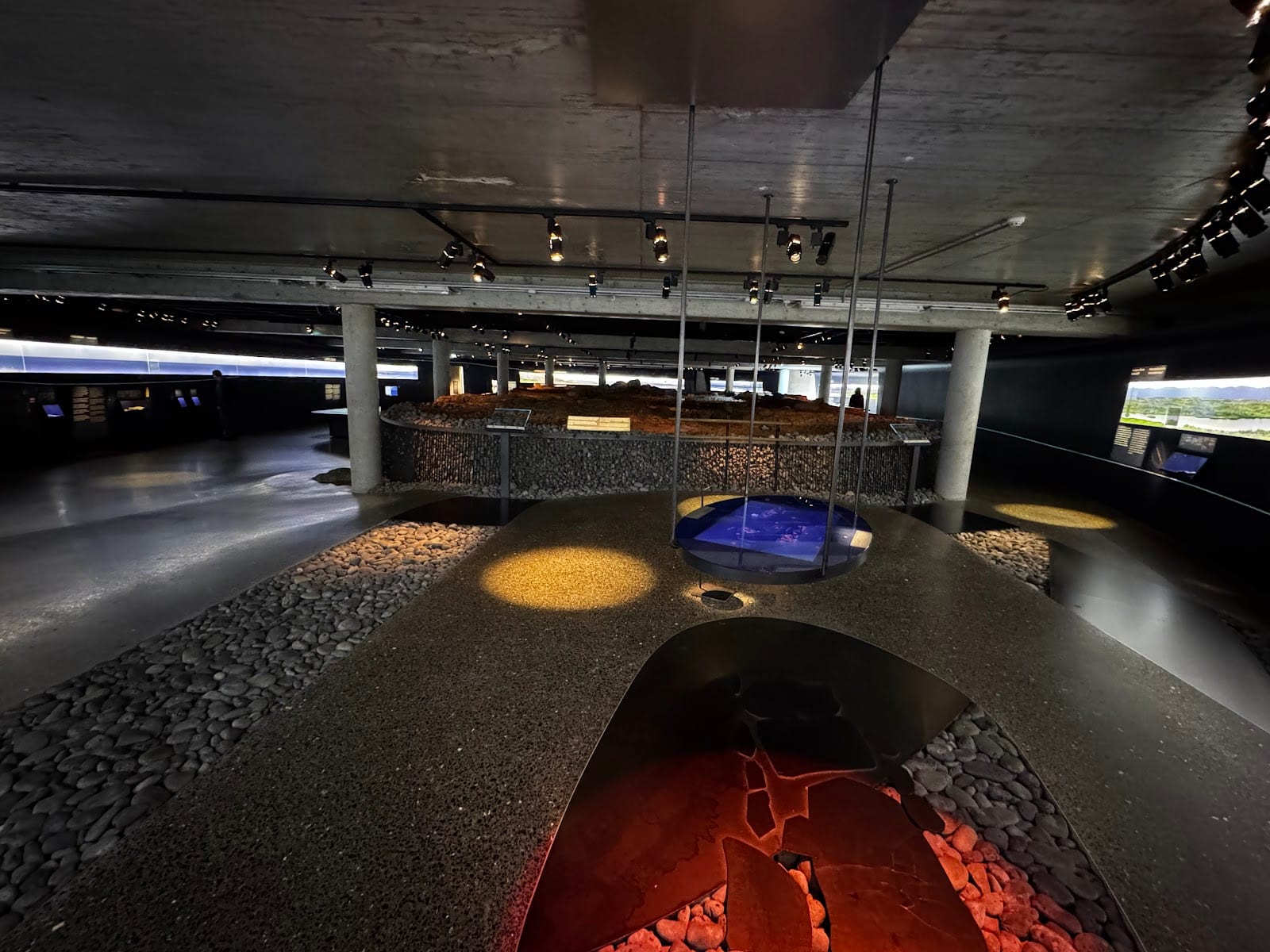
For the city's earliest story, nothing beats standing over a Viking longhouse preserved where it was found.
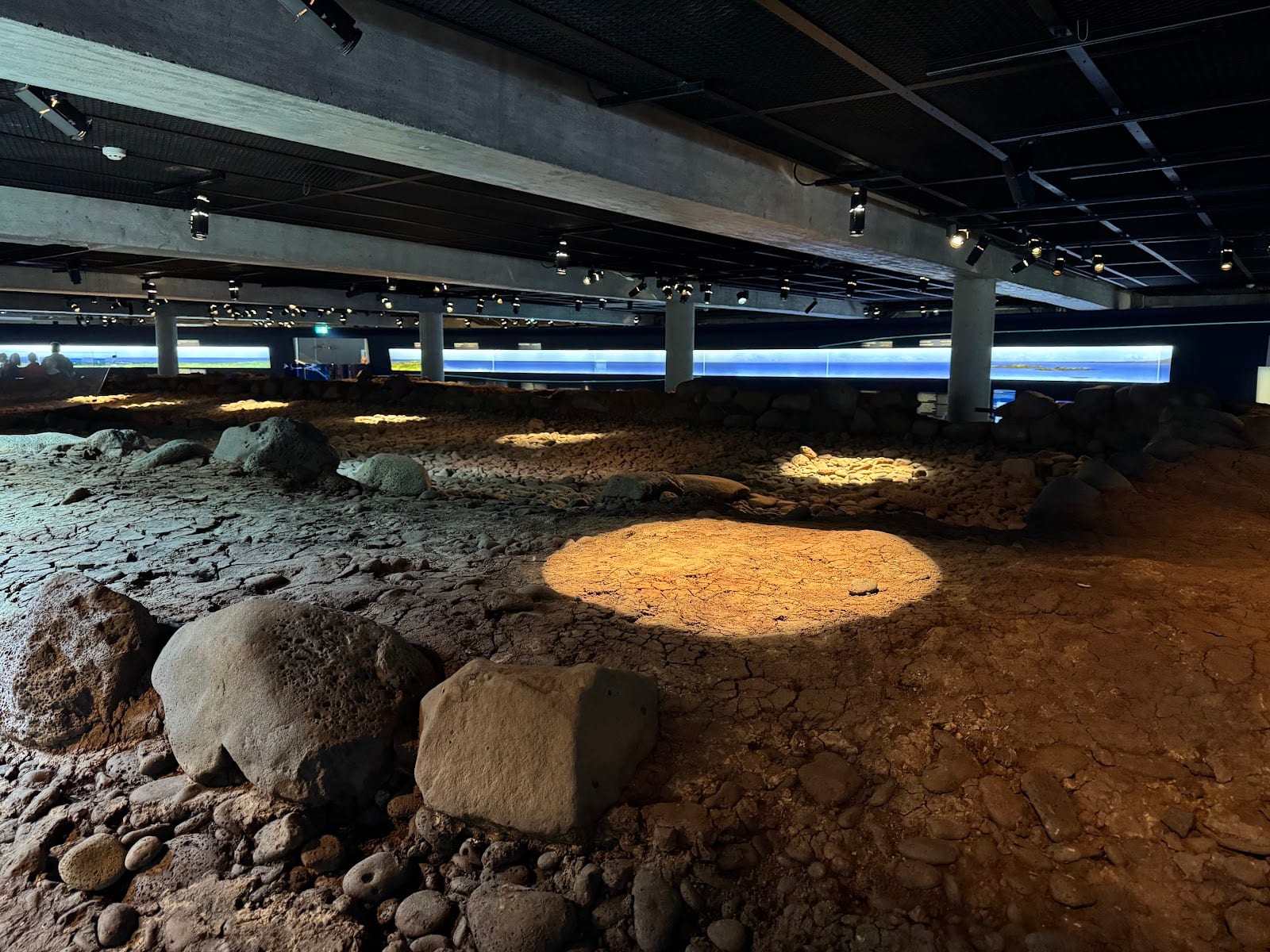
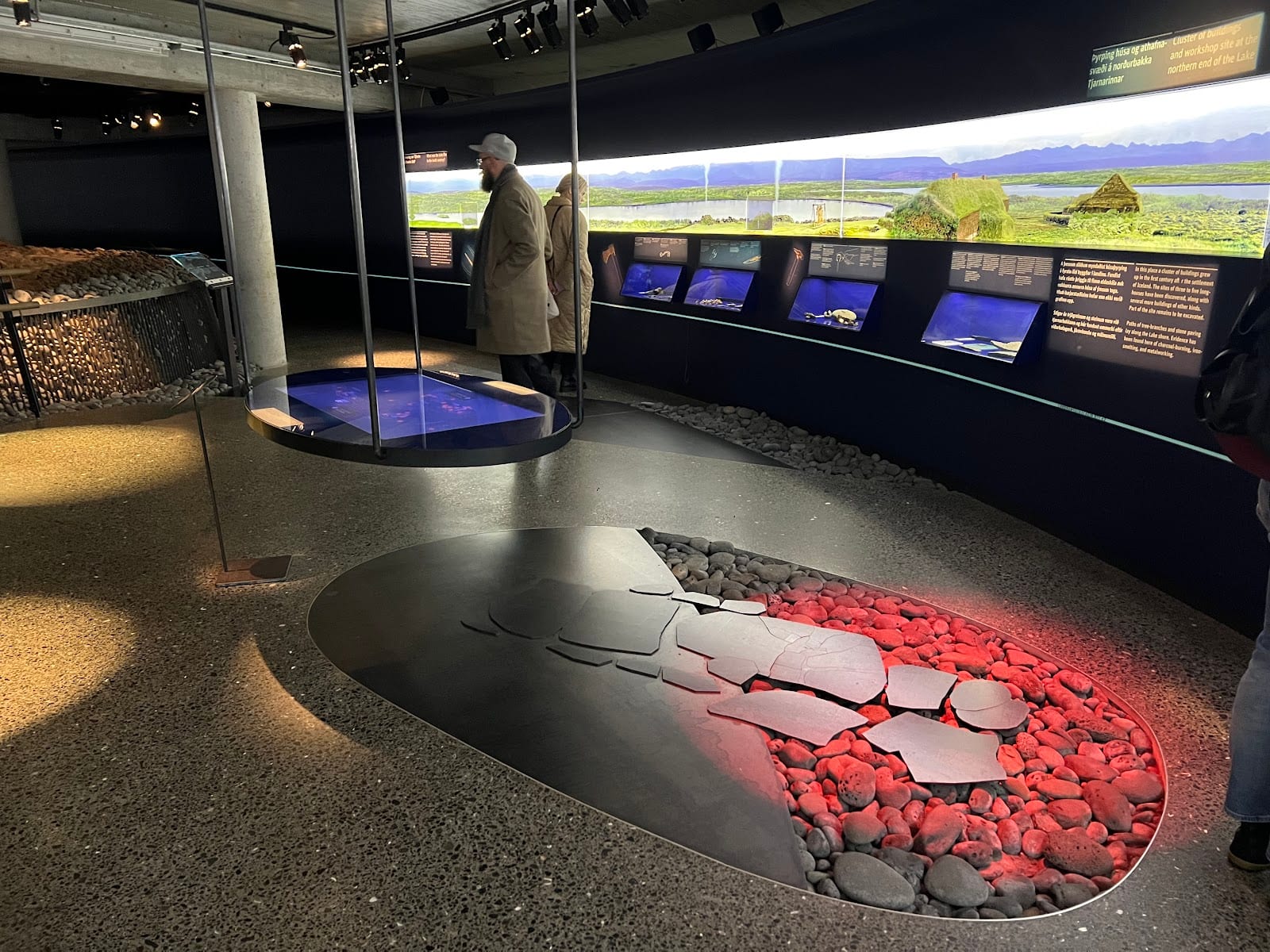
The Settlement Exhibition takes third because its strongest object is not behind glass: it is the 10th-century Viking longhouse beneath your feet. Construction in 2001 uncovered the remains of Reykjavik's oldest known human habitation, including a wall fragment dating to before 871, give or take two years. The museum was built around those archaeological structures, then uses multimedia, audiovisual systems, and bilingual interpretation to explain how Reykjavik grew from farm to village, town, and city. It is compact enough for a busy central itinerary and far more rooted in place than a generic Viking display. Check the official schedule before going because published hours differ, and do not confuse a short visit with a shallow one.
Hours: Listed daily; published schedules varyWhere: Aðalstræti 16, toward Aðalstræti 10Getting there: Central; buses 1, 3, 6, 11, 12 and 13Admission: Adults listed at 3,000 ISK; under 17 free


Art and living history
These are the more focused stops, from contemporary galleries to a reconstructed Reykjavik where buildings do the storytelling.
- 4
 Capital Region · Reykjavík Mixed
Reykjavík Art Museum
Reykjavik's best art choice is a three-venue tour of local modernism, sculpture, and contemporary work.
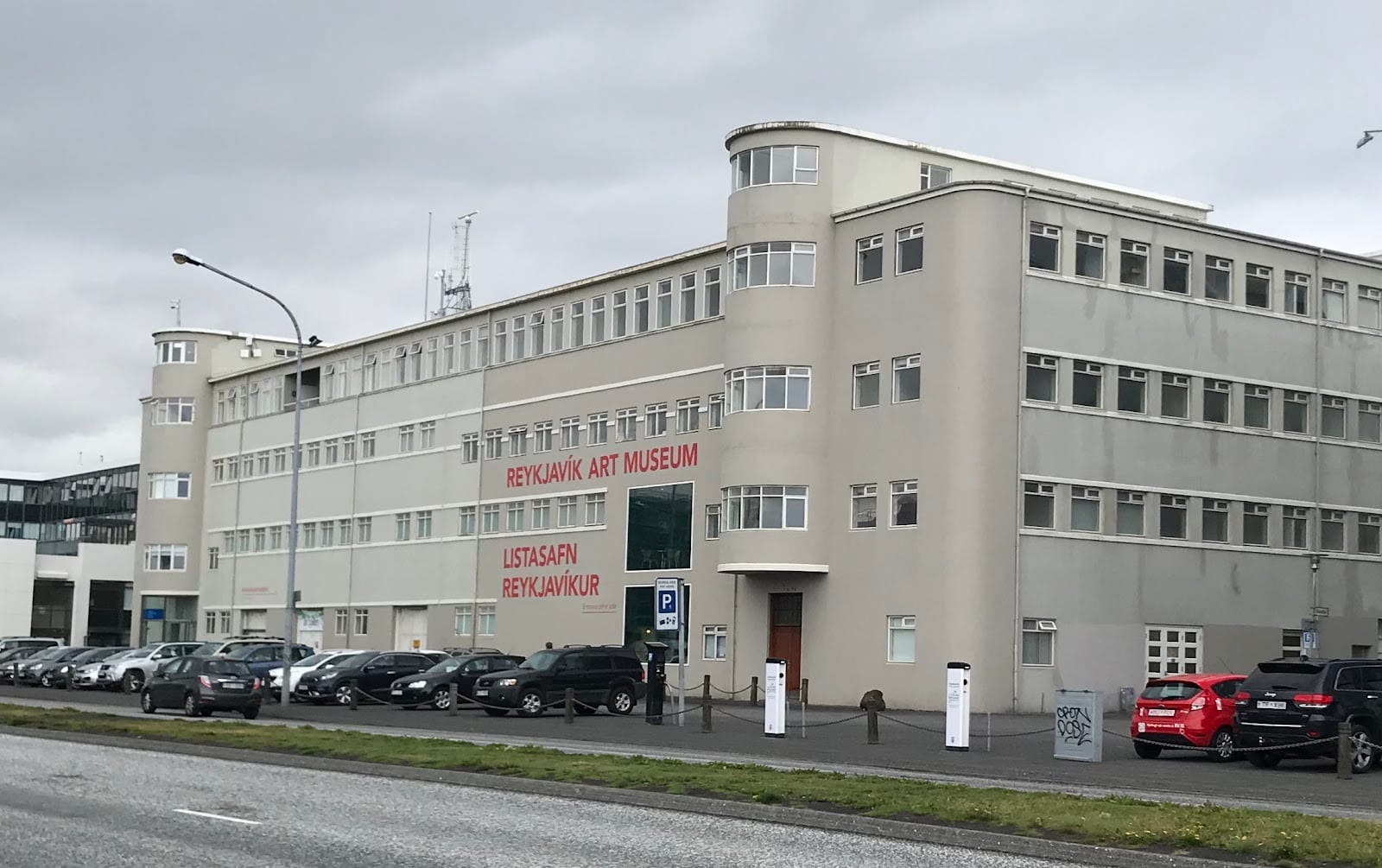
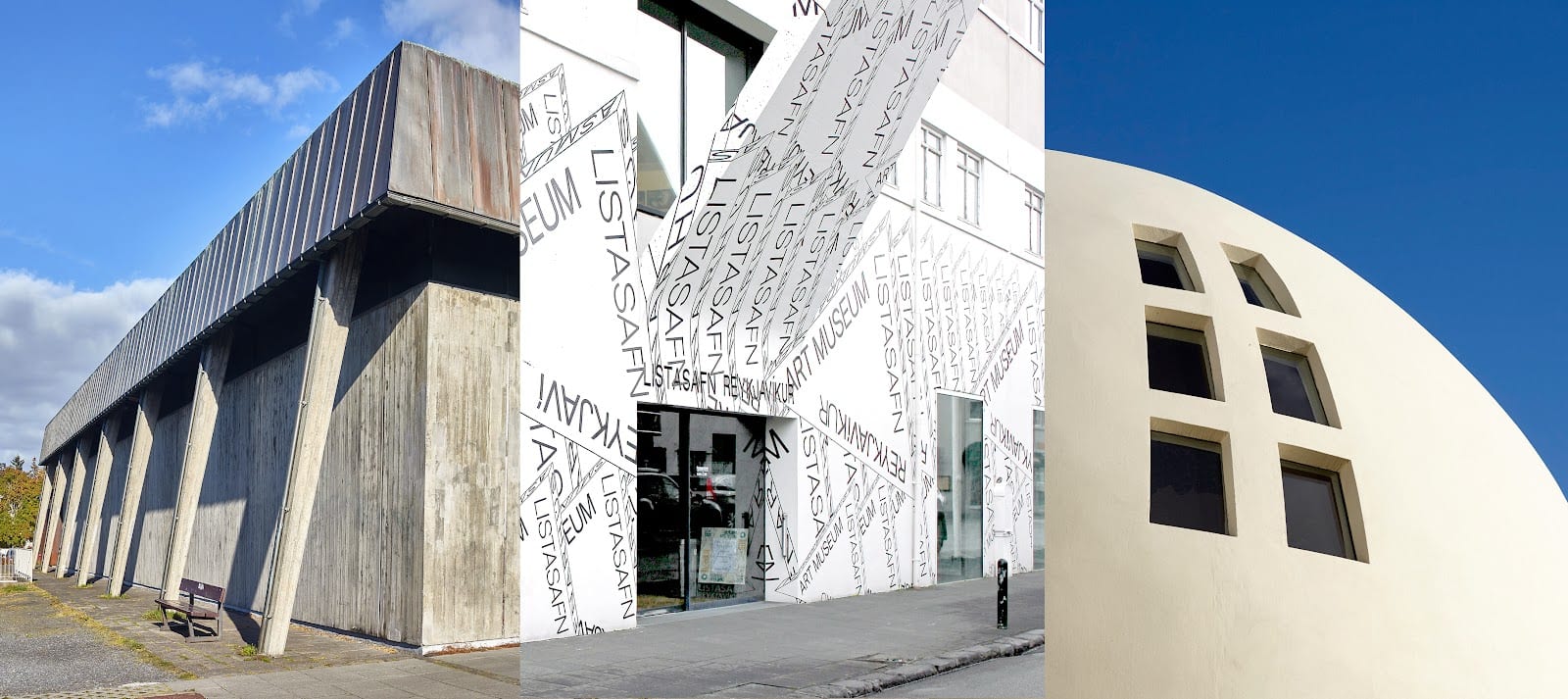
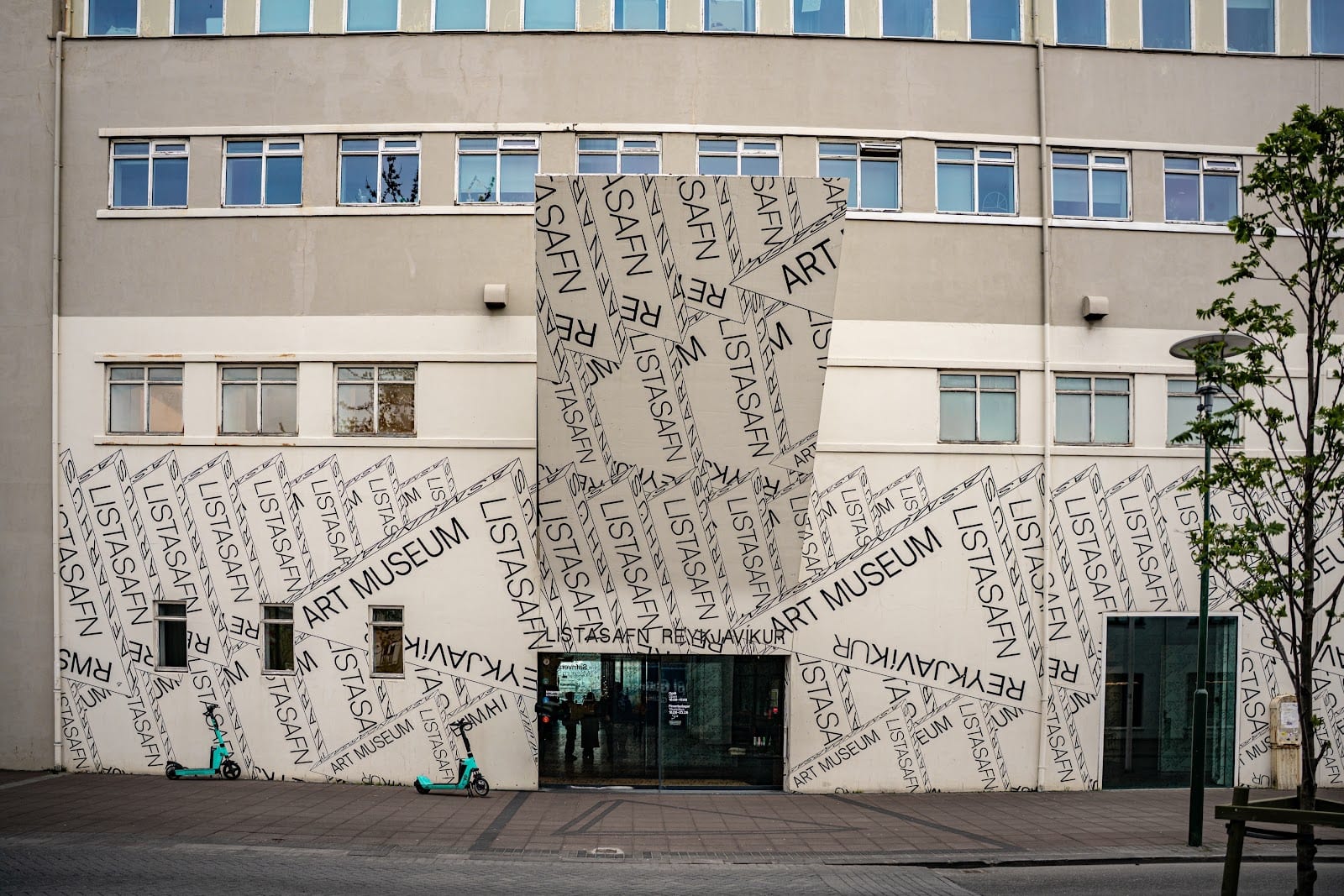
Reykjavik Art Museum is the strongest pick for travellers who want art rather than a single historical narrative, though its three branches require planning. Hafnarhús, in a former harbour warehouse at Tryggvagata 17, carries progressive local and international contemporary exhibitions and the permanent Erró collection. Kjarvalsstaðir at Flókagata 24 focuses attention on Jóhannes S. Kjarval, while Ásmundarsafn at Sigtún presents the work of sculptor Ásmundur Sveinsson. Hafnarhús is the easiest central starting point and stays open until 22:00 on Thursdays, with a popular second-floor café for lunch. The tradeoff is distance: seeing all three is a museum crawl, not a one-building browse.
Where: Hafnarhús, Kjarvalsstaðir and ÁsmundarsafnHafnarhús: 10:00–17:00; Thursdays until 22:00Focus: Erró, Kjarval, Ásmundur SveinssonPlan: Three locations; tours by request - 5
 Capital Region · Reykjavík Mixed
Árbær Open Air Museum
Árbær is the most rewarding choice for seeing everyday Reykjavik life in buildings you can walk through.
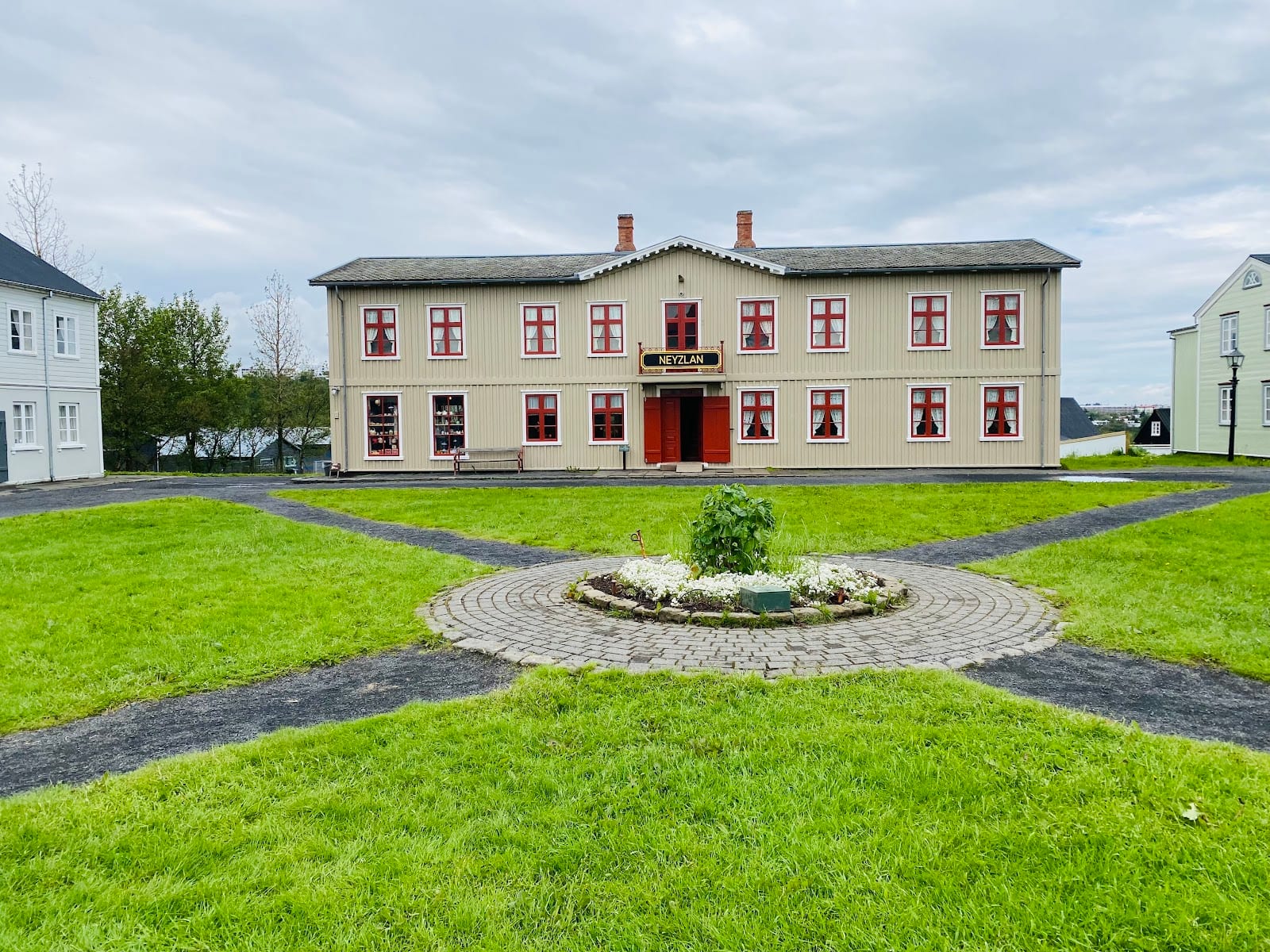
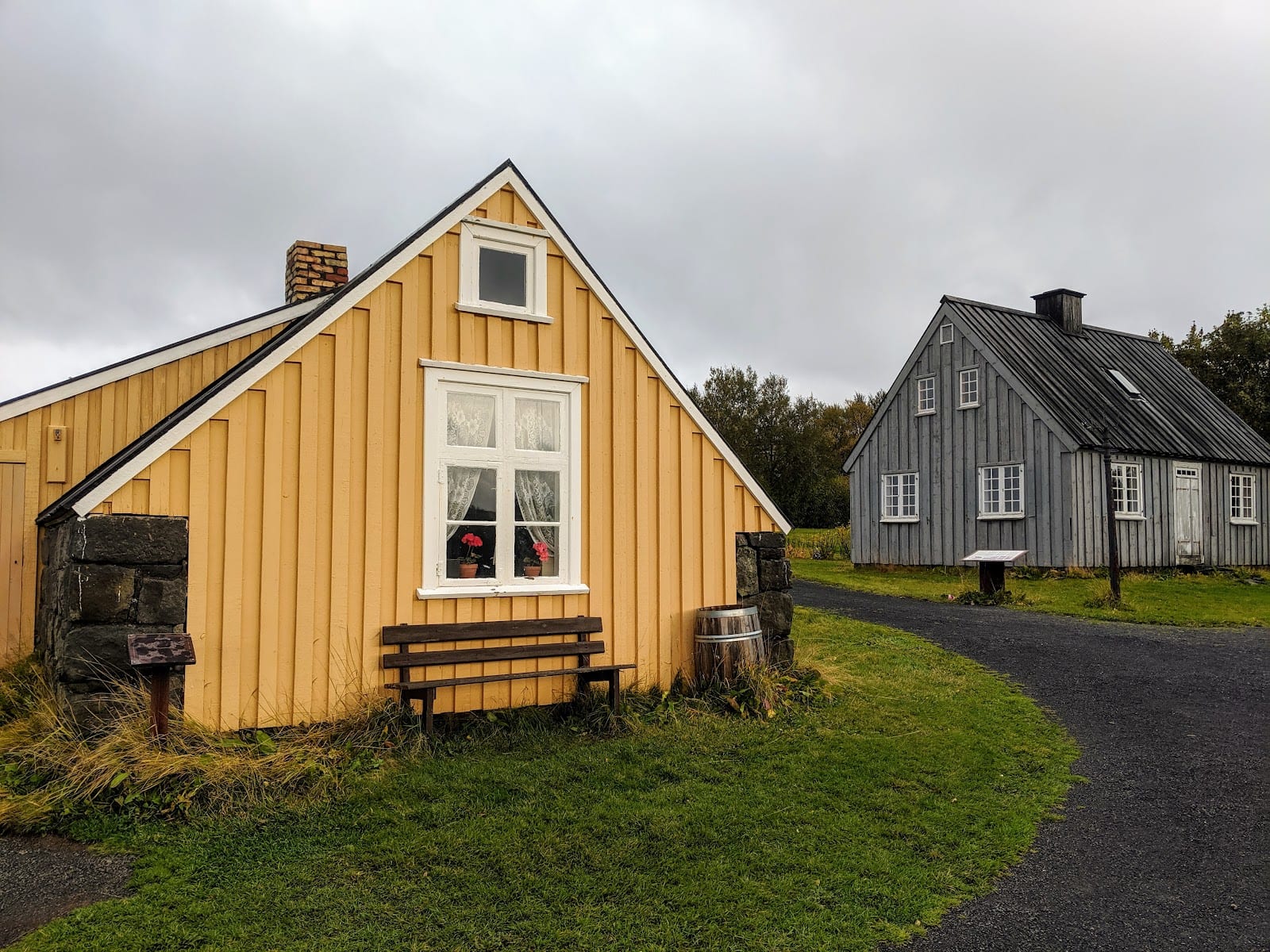
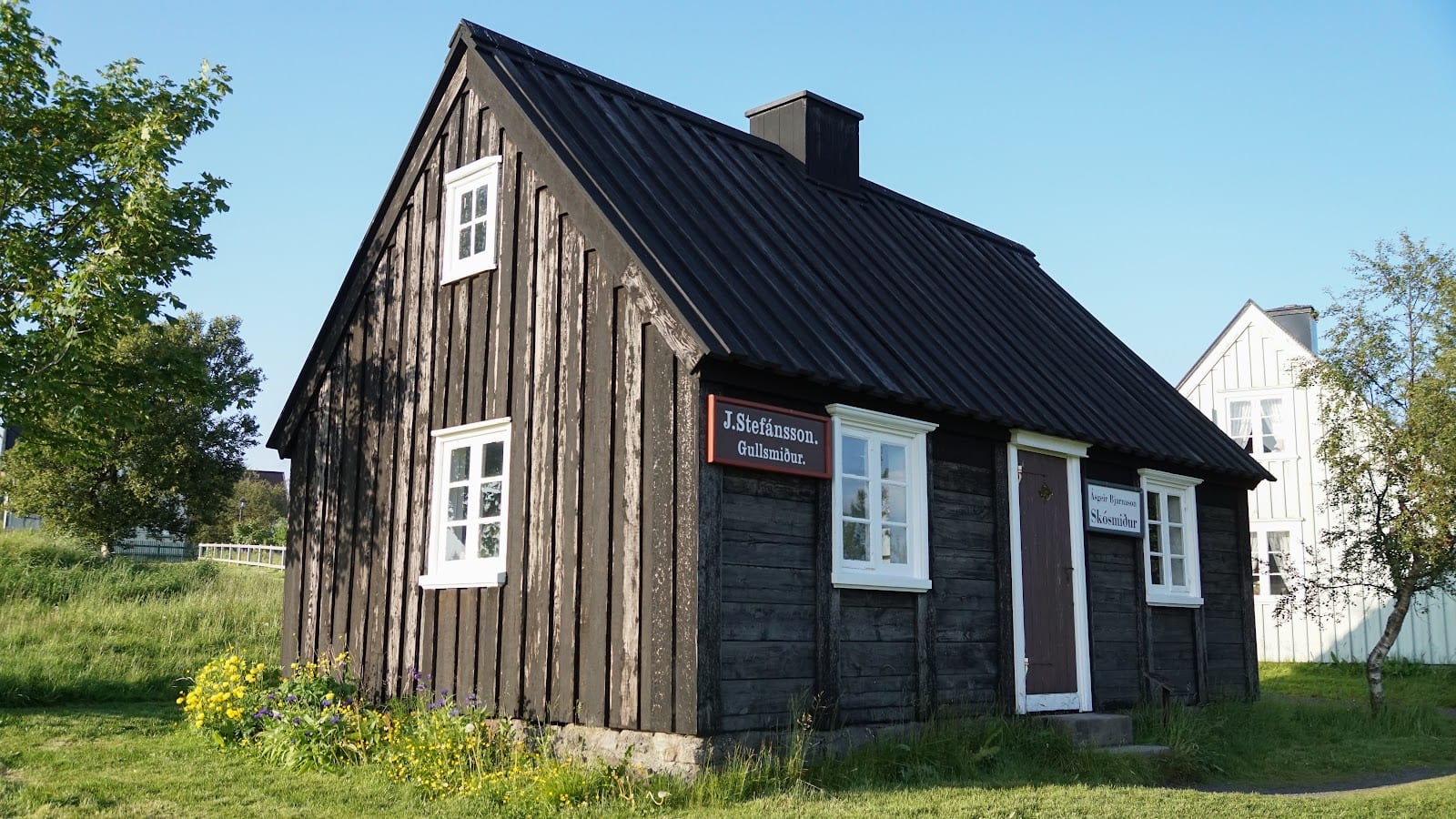
Árbær Open Air Museum feels less like a display case and more like a small historic settlement, which is why it takes fifth place. More than 20 buildings form a town square, village, and farm, with most structures relocated from central Reykjavik. One particularly good story belongs to Landakot: built in 1897 as Iceland's first Catholic church since the Reformation, it later became a sports hall in 1930 before moving here in 2004. The Growing Pains exhibition looks at primary-school life in Reykjavik from 1898 to 1974, and domestic animals appear during summer. Visit in season for the fullest experience. From September through May, visits are by arrangement, so this is not a spontaneous winter fallback.
Hours: Daily, 10:00–17:00, June 1–August 31Off-season: September 1–May 31 by arrangementWhere: Kistuhylur 4Tour: English tour daily at 13:00


The specialist detours
Choose these for a particular interest, a family-friendly harbour stop, or a deliberately strange hour indoors.
- 6
 Capital Region · Reykjavík Mixed
Whales of Iceland
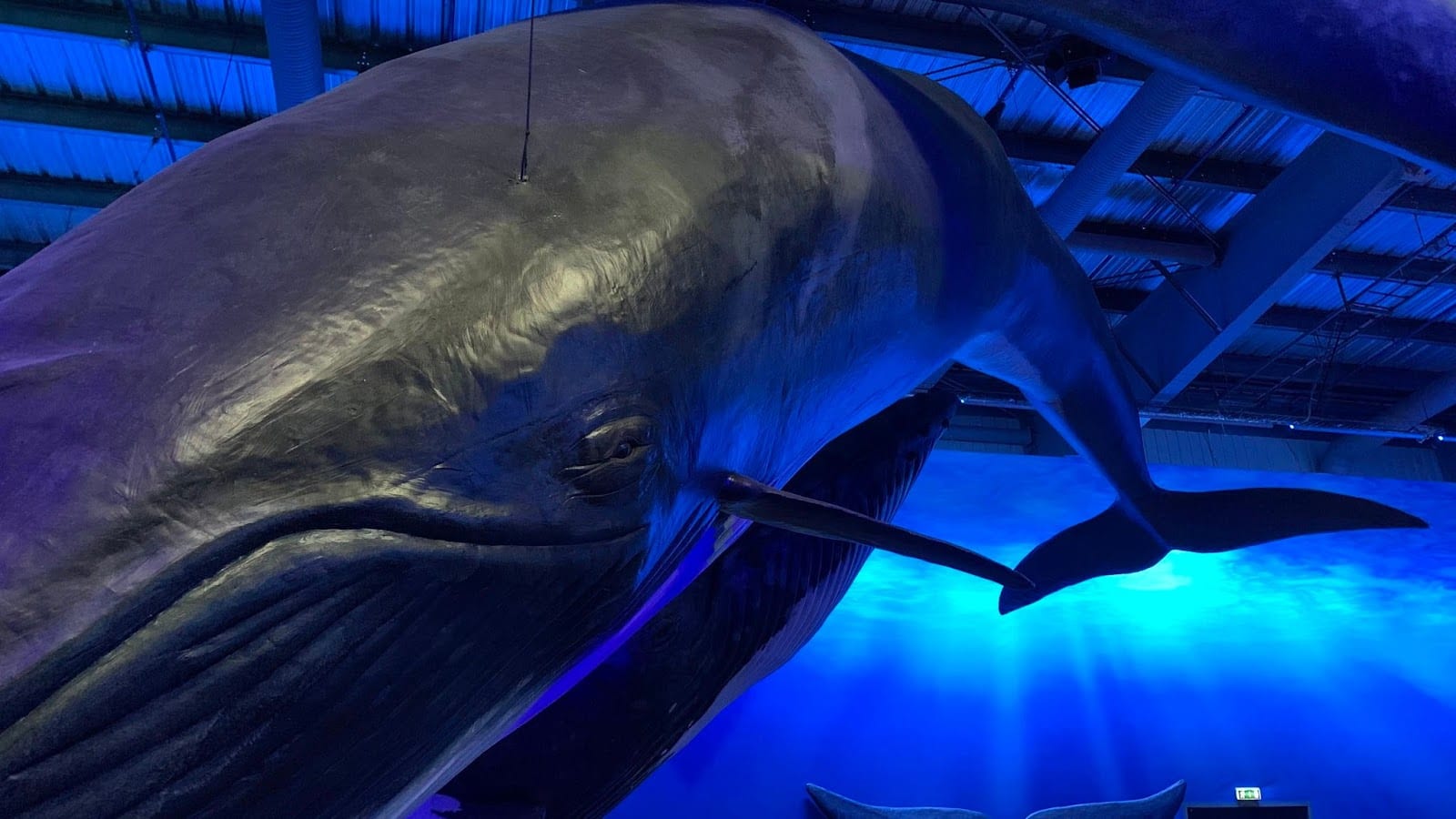
Whales of Iceland is a strong family and rainy-day stop if life-size scale matters more to you than deep history.
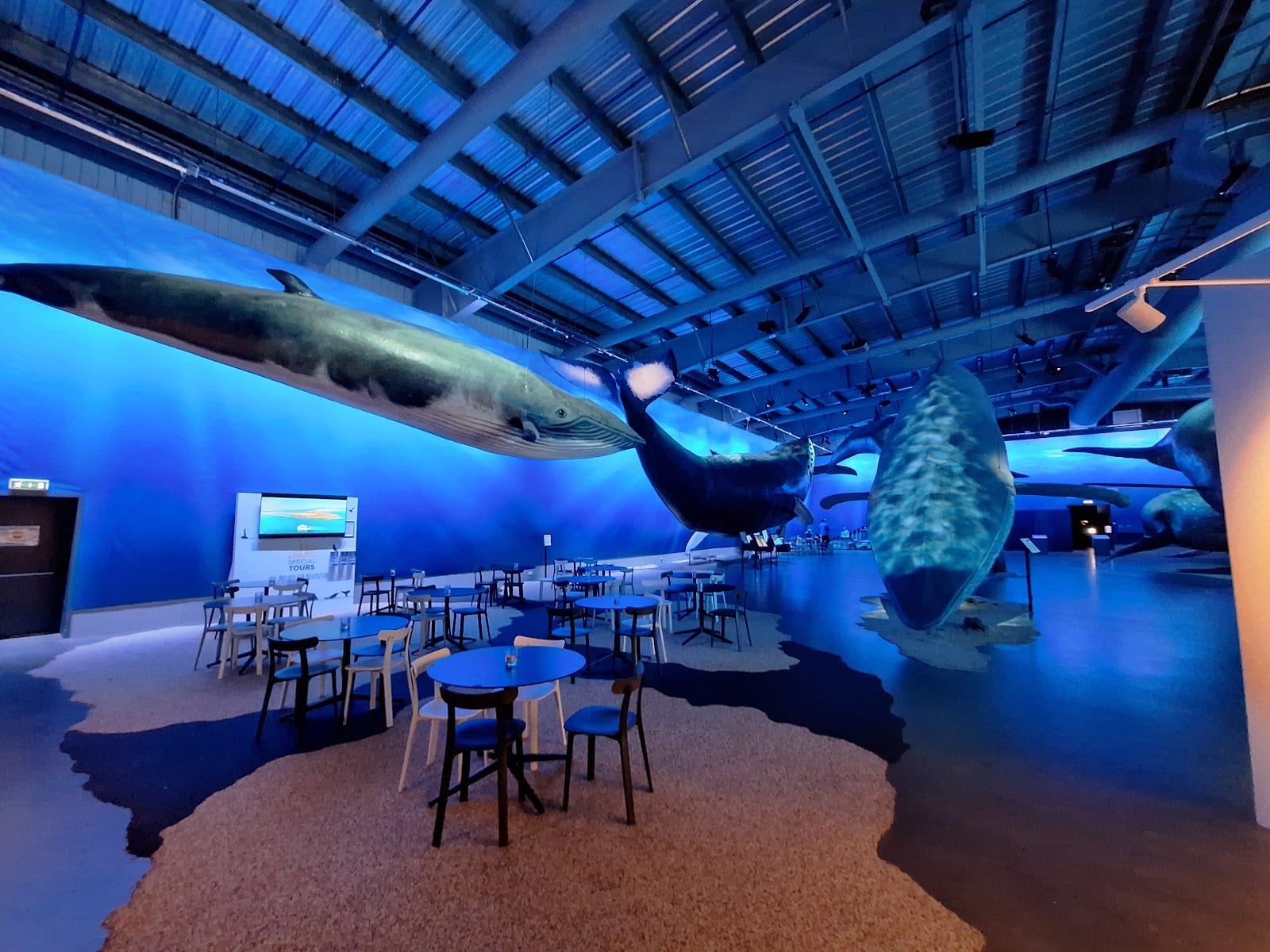
Whales of Iceland earns sixth place by making scale the whole point. The harbour museum displays life-size models of all 23 whale species recorded around Iceland, so even visitors who do not know a minke from a humpback can leave with a better sense of the animals' size and variety. Interactive exhibits, documentary screenings, audio guides in 16 languages, and daily guided tours at 11:00 and 15:00 keep it from being only a photo opportunity. Free onsite parking helps if you are driving, and the Fiskislóð location works well with a harbour afternoon. The drawback is value: at 4,000 ISK for adults, it is a specialist attraction rather than an essential history museum. Check holiday opening details before visiting.
Hours: Daily, 10:00–17:00Adult admission: 4,000 ISKWhere: Fiskislóð 23–25, harbour districtTours: Daily at 11:00 and 15:00; free parking - 7


 Capital Region · Reykjavík Mixed
The Saga Museum
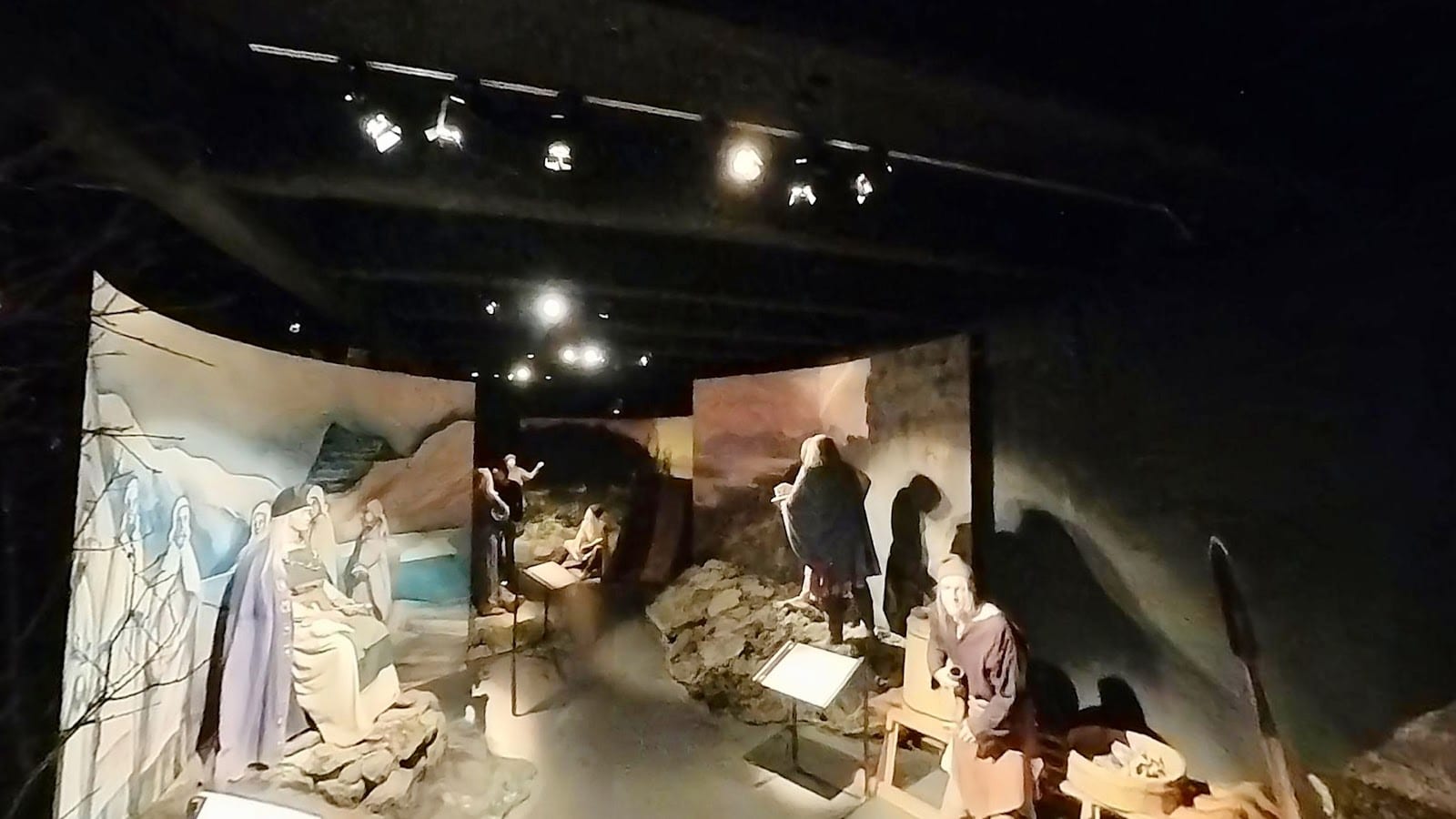
The Saga Museum is a fast, theatrical introduction to Icelandic history, best for visitors who prefer scenes and audio over object cases.
The Saga Museum compresses Icelandic history into a roughly 30-minute audio tour, using 17 lifelike figures and reconstructed scenes to cover settlement, the Alþingi, the Black Death, and the Reformation. That makes it accessible and easy to slot into a harbour walk, especially with children or anyone who loses patience in a conventional gallery. The dress-up area adds Viking clothing, chain mail, helmets, and swords, while a taxidermied cat and smoke rising from a forge give the presentation a deliberately theatrical edge. It moved from Perlan to Grandagarður 2 in 2014 and now shares a building with Matur og Drykkur. Our mixed verdict is deliberate: memorable and fun, but the presentation can feel more like historical theatre than museum scholarship.
Hours: Daily, 10:00–17:00Where: Grandagarður 2, GrandiVisit length: Usually 30 minutes to 1 hourAudio: About 30 minutes; seven languages - 8
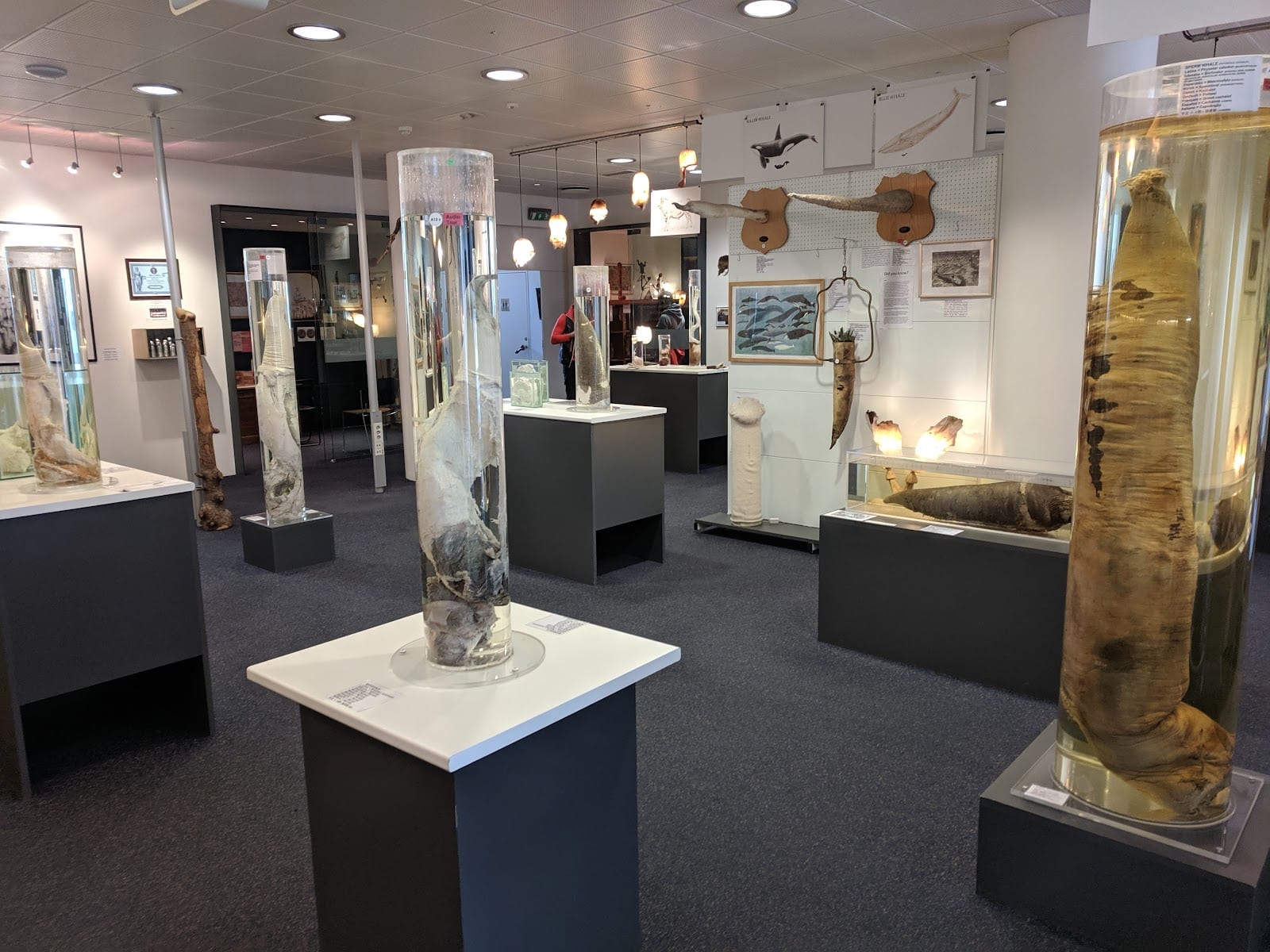 Capital Region · Reykjavík Overrated
Icelandic Phallological Museum
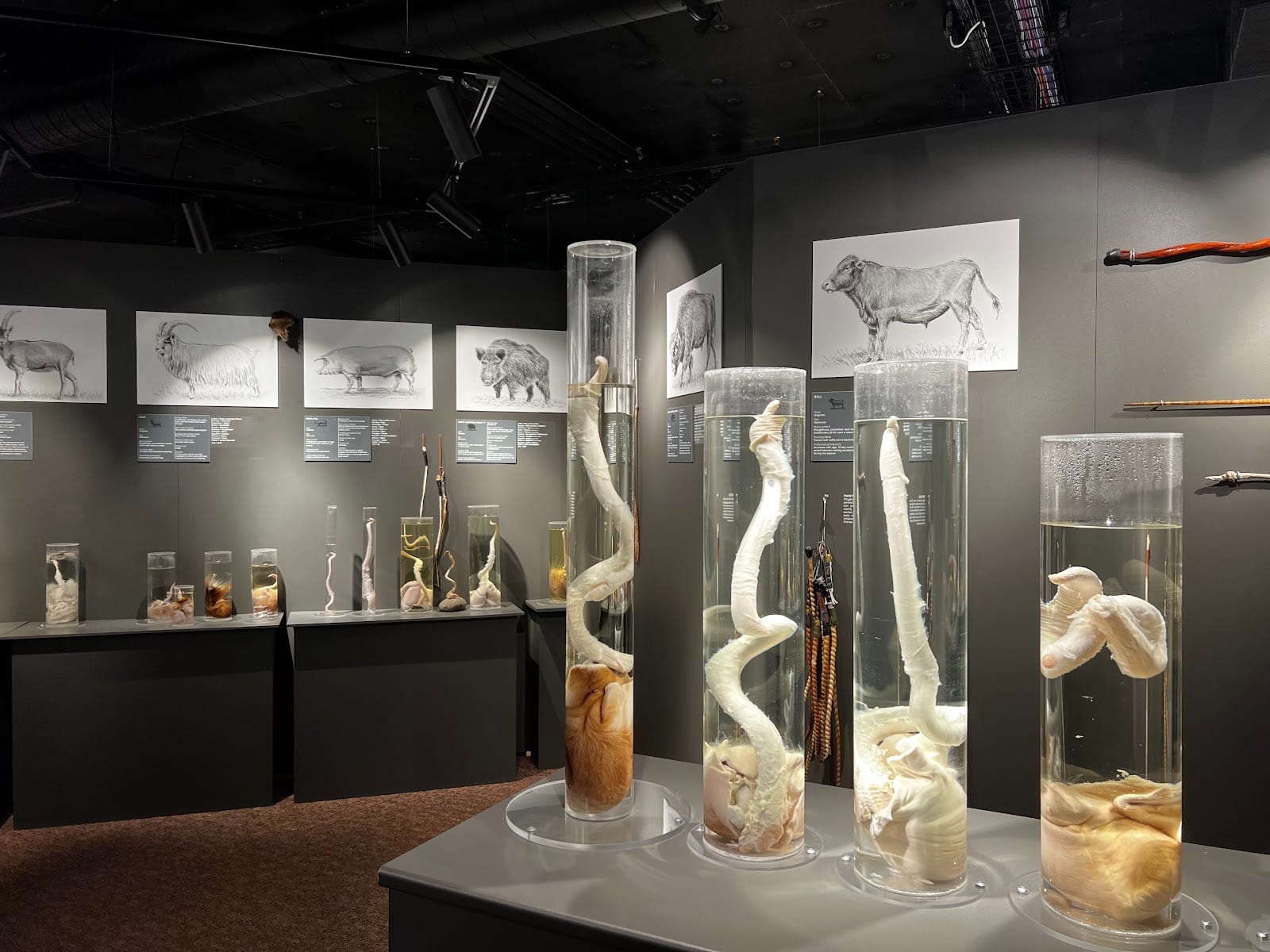
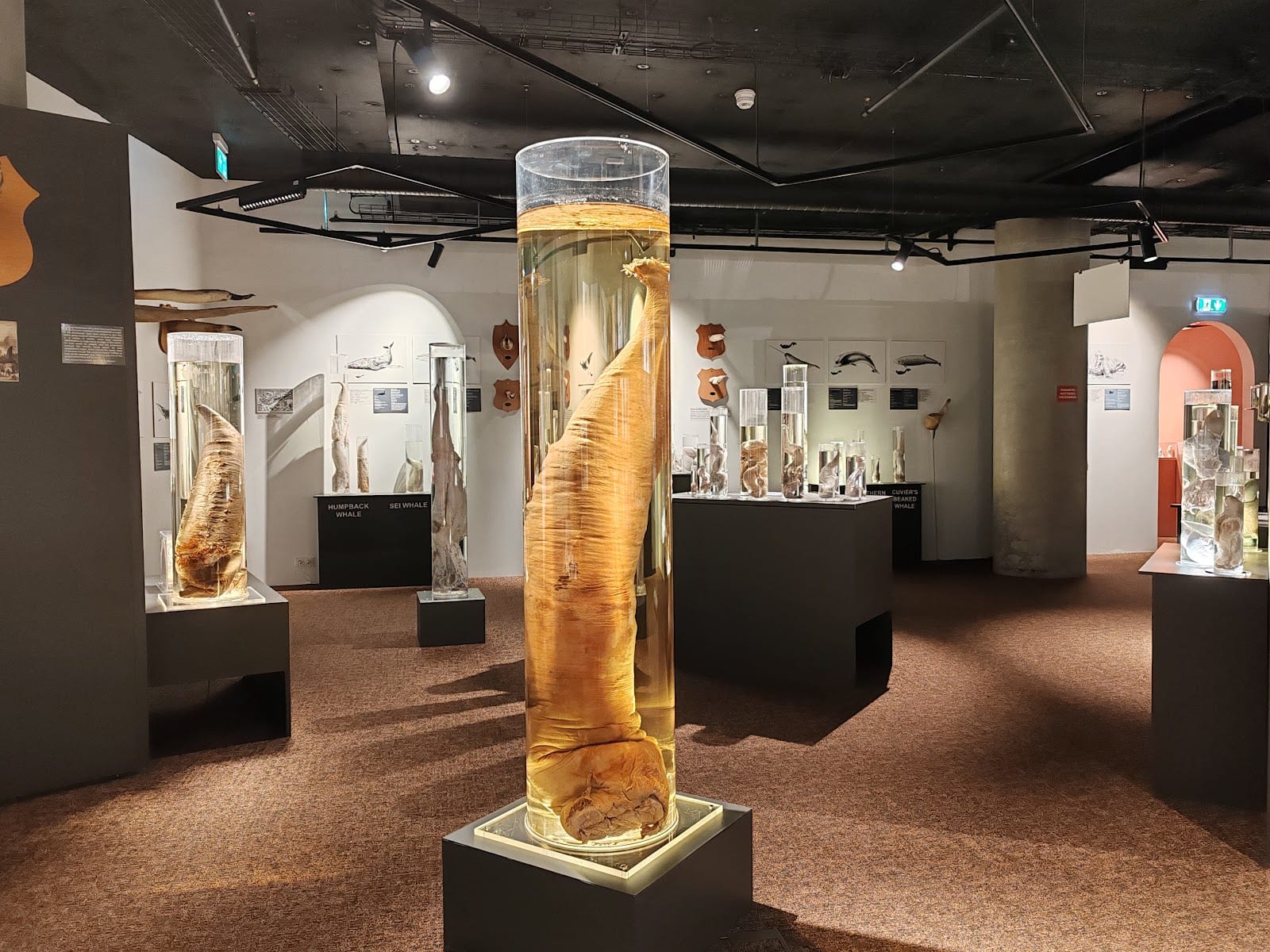
The Phallological Museum is Reykjavik's best novelty stop, but its fame promises more than its limited subject can deliver.
The Icelandic Phallological Museum is the city stop for travellers who want an unusual story to tell, not a rounded lesson in Iceland. Founded in 1997 by Sigurður Hjartarson as a private collection, it began with whale phalluses gifted to him and grew through donations from around the world. The exhibition combines biological specimens with cultural artefacts and Icelandic folklore, and the Hafnartorg location adds a café, bar, and themed gift shop. At 3,500 ISK and open daily from 10:00 to 19:00, it is easy to fit into a central walking route. Still, we would not build a museum day around it: the subject is exactly what the name promises, and the novelty wears thin faster than the ticket price suggests.
Hours: Daily, 10:00–19:00Admission: 3,500 ISKWhere: Reykjastræti 4, HafnartorgCollection: Specimens, folklore and cultural artefactsSourcesphallus.isvisitreykjavik.is


The bottom line: choose Perlan if you want one accessible, all-weather overview, or the National Museum if history is your priority. Add the Settlement Exhibition downtown, then use the art museum, Árbær, Whales of Iceland, Saga Museum, and Phallological Museum to match your interests and available time. Rankings and verdicts are our own; where shown, star ratings open each spot's Google listing, and details shift by season, so confirm before you go.
The big decision
Big nature or deep history?
Pick the museum that answers the question you are actually asking about Iceland, rather than automatically choosing the most famous building.

The immersive crowd-pleaser
Choose Perlan for a weather-proof overview of Iceland's landscapes, an indoor ice cave, a planetarium aurora show, and a city panorama. It is the safest single pick for a first visit or a family afternoon.
See more
The serious history stop
Choose the National Museum when you want artefacts and chronology, from settlement-era objects through modern Iceland. It asks for more reading and two to three hours, but leaves you with the clearest cultural map.
See moreBefore you go
Know before you go
A few practical things that decide whether the day goes smoothly.
Check the City Card math
The Reykjavík City Card includes free museums, unlimited city buses, and discounts at attractions and services. Perlan is listed with a discount rather than free admission, so compare your planned stops before buying.
Use late Hafnarhús hours
Hafnarhús is open until 22:00 on Thursdays, while Kjarvalsstaðir closes at 17:00 and Ásmundarsafn runs 13:00–17:00. That makes Hafnarhús the useful late stop, not a reason to assume all three branches stay open late.
Group the central museums
The Settlement Exhibition at Aðalstræti 16 and the Icelandic Phallological Museum at Reykjastræti 4 both fit naturally into a downtown walking day. Add Hafnarhús nearby, but leave time to cross town for Perlan or Árbær.
Choose buses for the outliers
Buses 13 and 18 stop near Perlan, which is about a 30-minute walk from downtown and has ample free parking. Árbær is farther east at Kistuhylur 4, so it works better as a dedicated visit than as an add-on to the harbour museums.
Treat Árbær as seasonal
Árbær is open daily from June 1 through August 31, 10:00–17:00. From September 1 through May 31 it is open by arrangement, so do not turn up expecting a normal winter museum schedule.
Allow time for the big museums
The National Museum merits at least two to three hours if you want to follow its 1,200-year story, while the Saga Museum usually takes 30 minutes to an hour. Whales of Iceland offers guided tours at 11:00 and 15:00, useful anchors for a harbour itinerary.

Ready to plan your Reykjavik trip?
Tell Zoya, your personal travel assistant, how you like to travel, and she'll turn any of this into a day-by-day plan that fits your dates.
Explore now