

Downtown Reykjavik · Reykjavik neighborhood guide
Things to Do in Downtown Reykjavik
Reykjavík's walkable core has a basalt-column church, glassy waterfront architecture, rainbow streets, and a cold-water harbor. Here's what's actually worth your time, ranked and judged.
Downtown Reykjavik in brief
How walkable is downtown Reykjavík?
Very walkable: Reykjavík's centre is compact, with major sights, shops, cafés, museums and nightlife concentrated within an easy walking area.
What should I not miss in downtown Reykjavík?
Start with Hallgrímskirkja, walk down Rainbow Street and Laugavegur, then continue to Harpa and the Sun Voyager along the waterfront.
Is it better to stay in downtown Reykjavík?
Downtown is the convenient base if you want walkable access to Reykjavík's main cultural attractions, shopping streets, restaurants, cafés and nightlife.
Get oriented
How downtown Reykjavik fits together
The 101 core is compact enough to explore on foot, with Hallgrímskirkja uphill, Tjörnin and the old centre inland, and Harpa, the Sun Voyager and the harbour opening toward the water.
Skólavörðustígur climbs from the Laugavegur and Bankastræti area to Hallgrímskirkja, making it the most obvious north-south walk in the centre. Laugavegur is the main shopping and nightlife spine, while the lower section is pedestrian-only. Tjörnin and City Hall sit west of the commercial streets, close to the Settlement Exhibition and the old Kvosin area. Harpa anchors the waterfront to the east, with the Sun Voyager farther along the coastal path. The Old Harbour and Grandi continue west from the centre into a former fishing and industrial district now filled with museums, restaurants, art spaces and boat operators. Perlan is the outlier, on Öskjuhlíð hill, about a 30-minute walk from downtown.
A sensible first-day loop, starting uphill and finishing beside the water:
See & do, ranked
The best things to do in downtown Reykjavik
The church and waterfront icons deserve their billing, but the strongest day mixes them with one small museum, one slow walk, and a little room for Reykjavík's oddball details.
Must-see
The essentials, ranked.- 1
 Skólavörðuholt Worth it
Hallgrímskirkja
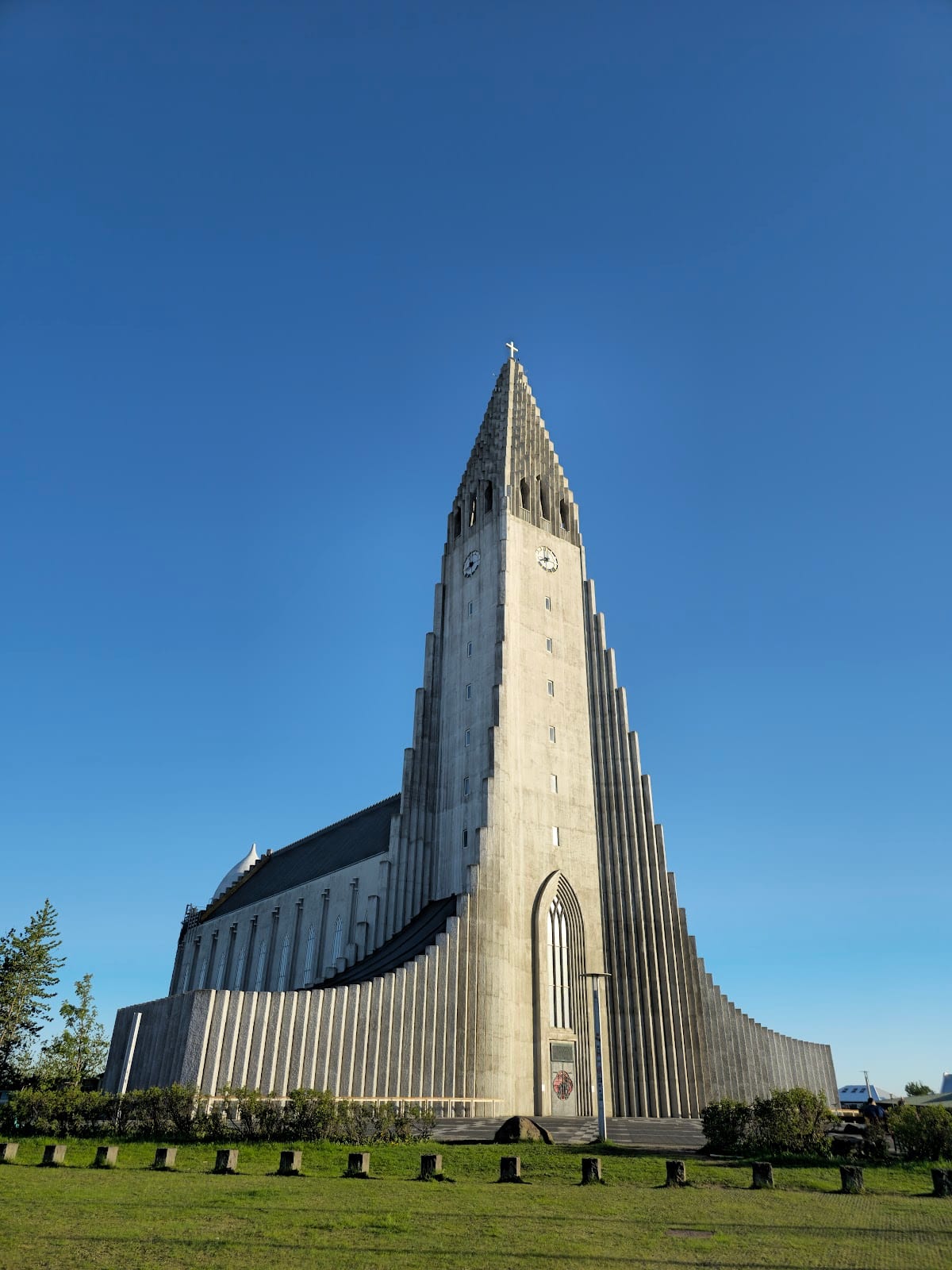
Reykjavík's unmistakable concrete landmark earns the hype for its landscape-shaped exterior and tower view.
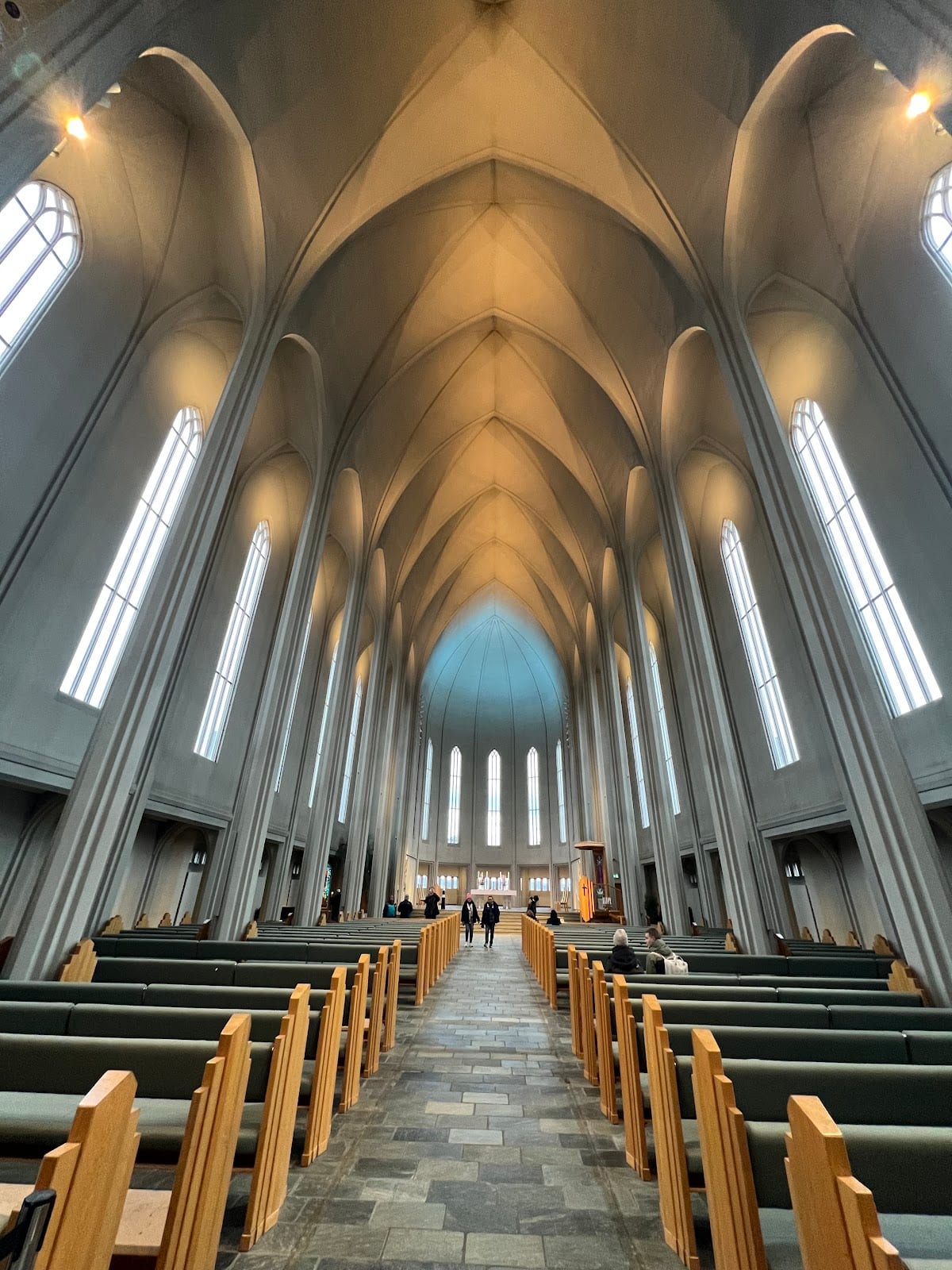
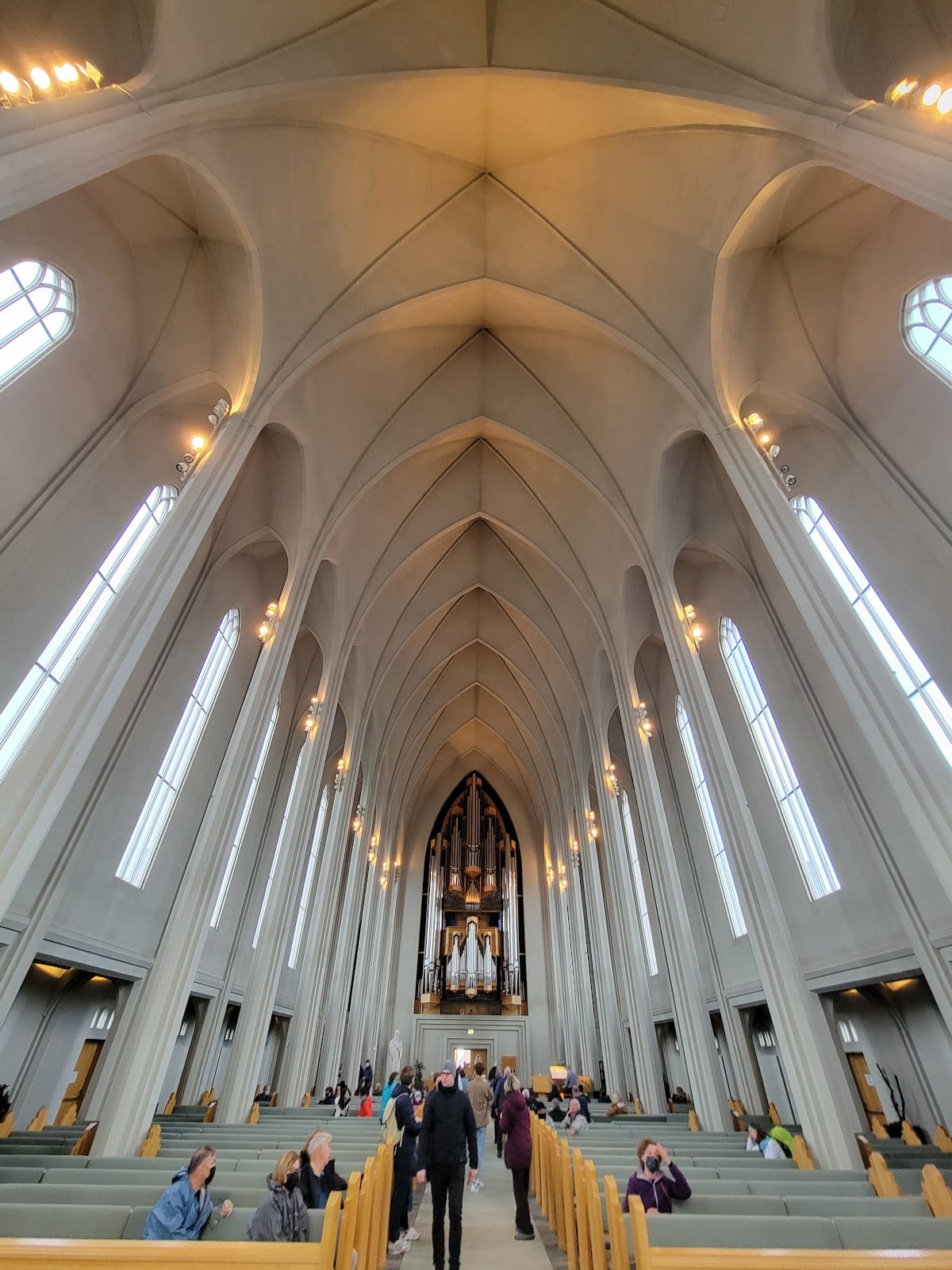
Designed by Guðjón Samúelsson in 1937, Hallgrímskirkja turns Iceland's glaciers, basalt formations and waterfalls into a stepped concrete exterior. Construction began in 1945, services were first held in the crypt in 1948, and the church was completed in 1986. It is still an active Evangelical-Lutheran parish church, not just a photograph stop, and it sits at the top of Skólavörðuholt where the Rainbow Street walk ends. Entry to the church is free; tower admission costs vary by source, and services can close access. Inside, look for the 25-tonne Johannes Klais organ with 2,275 pipes. The quietly memorable detail is that the three main bells are named Hallgrímur, Guðríður and Steinunn.
45-60 minuteson GoogleGood for families, couples, solo
- 2
 Austurhöfn waterfront Worth the hype
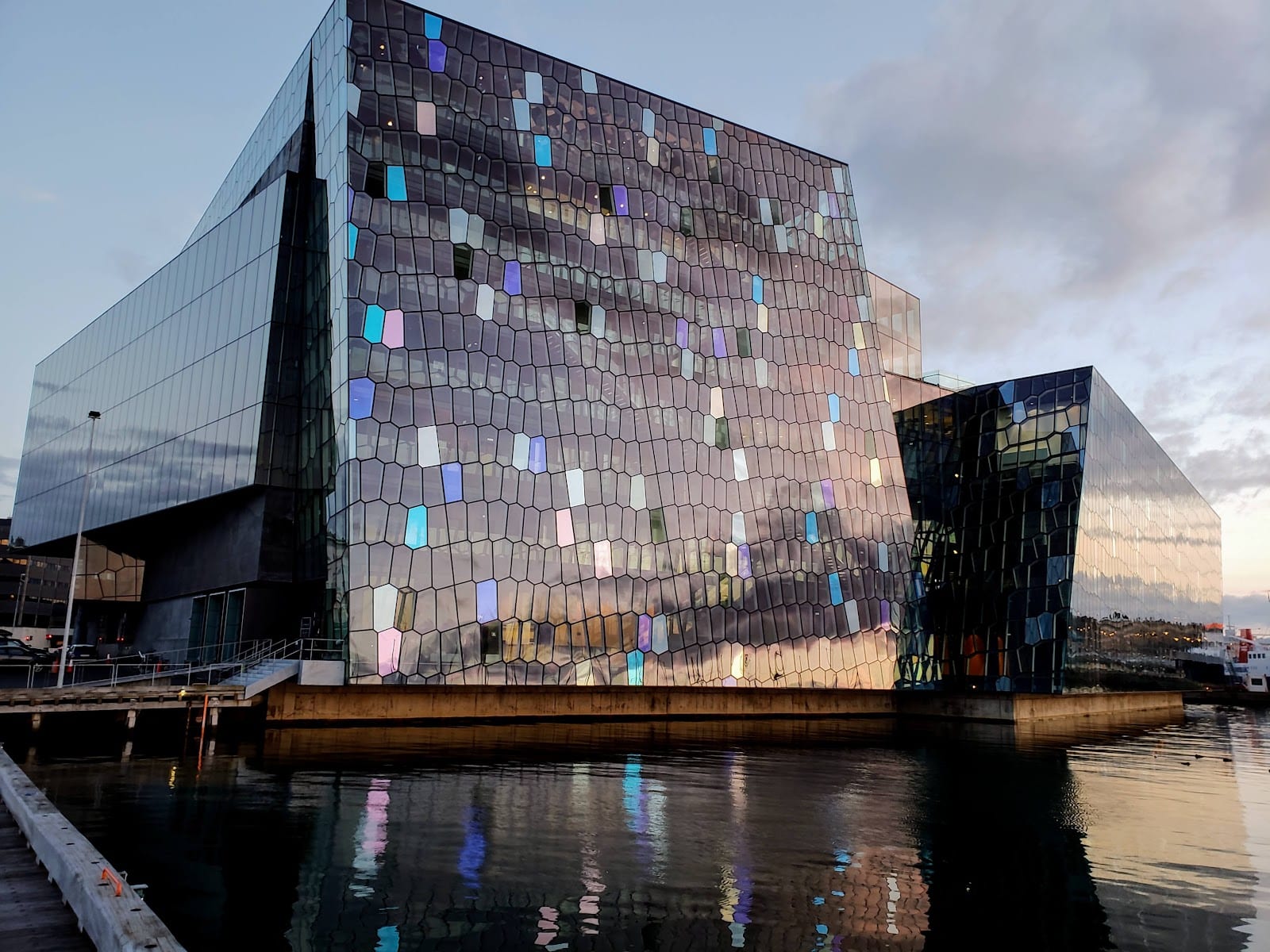
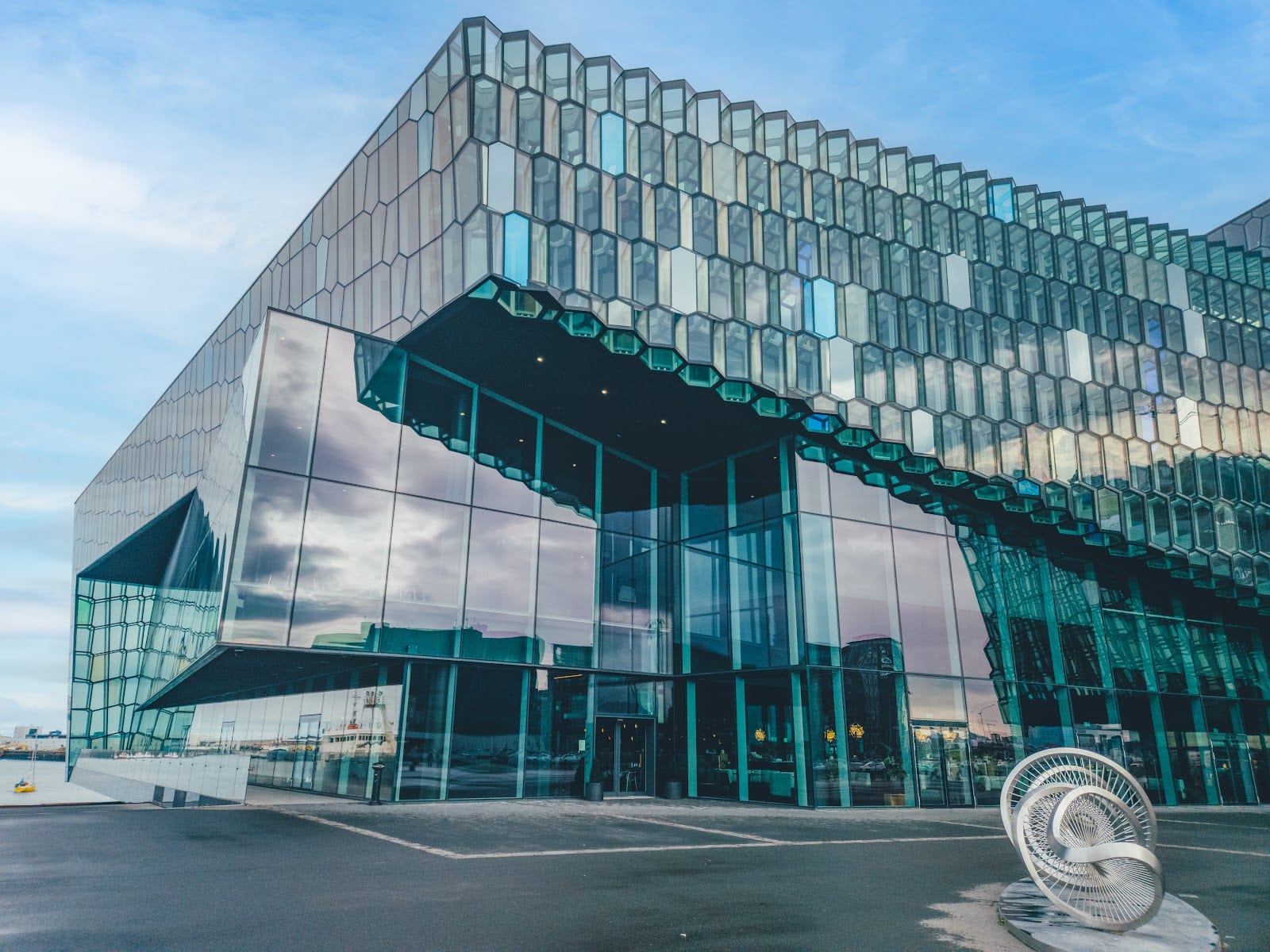
Harpa Concert Hall and Conference Centre
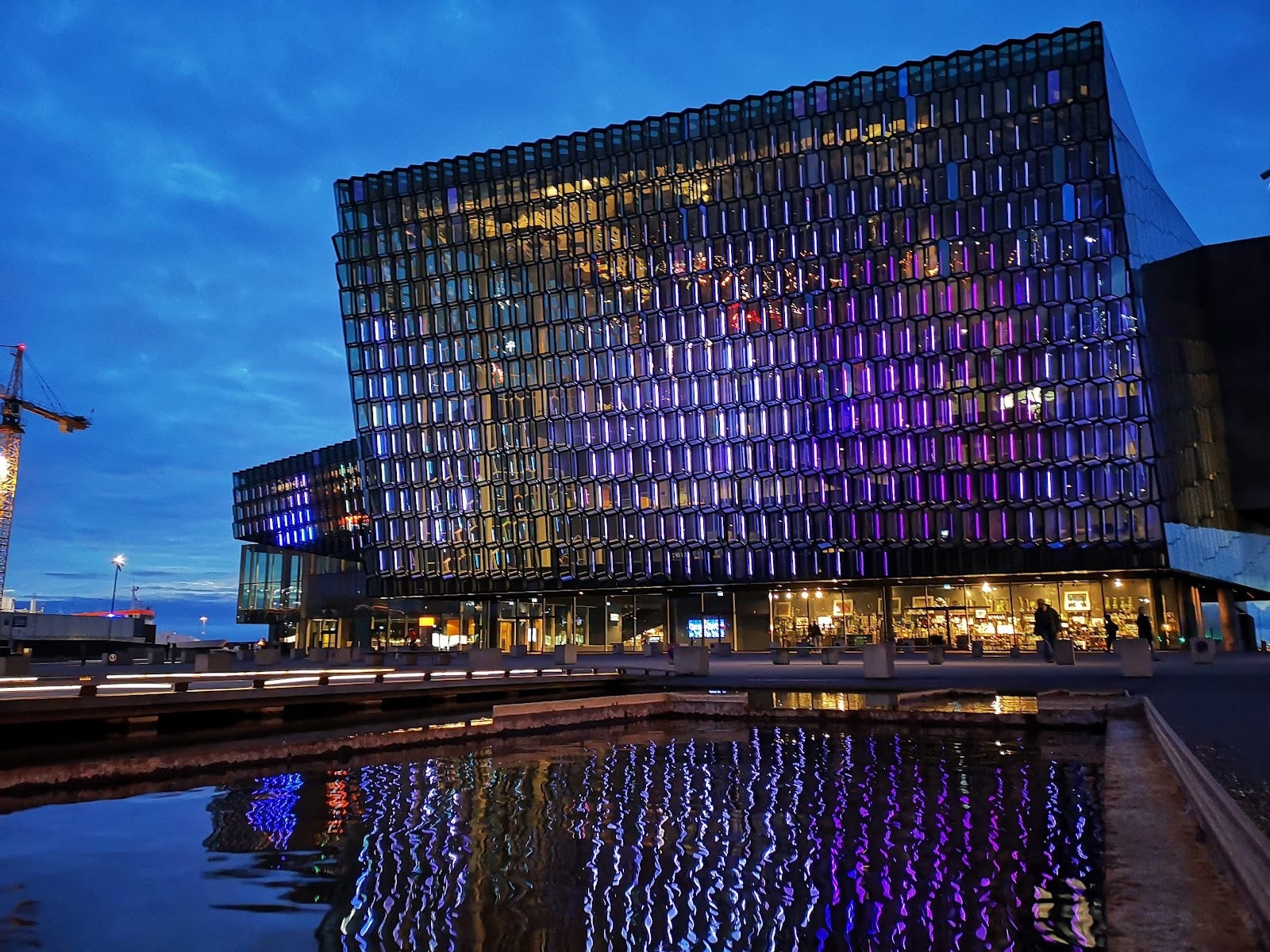
Harpa is the rare modern concert hall that remains worth entering even when you have no ticket.
Harpa is Reykjavík's glass-and-steel waterfront anchor, designed by Henning Larsen Architects with Ólafur Elíasson and opened in May 2011 after Iceland's financial crisis interrupted construction. Its façade translates interlocking basalt formations into a shifting geometric skin, and 714 LED lights can display video works designed by Elíasson. The building houses the Iceland Symphony Orchestra and hosts concerts, conferences and cultural events, but you can also come for the architecture, restaurants, design shop and installations. General opening hours vary by day, while the box office is listed as open daily from 10:00 to 18:00. The best reason to go inside is simple: the light changes every few steps, making the building feel less like a shell and more like a moving landscape.
30-90 minuteson GoogleGood for couples, families, solo
- 3
 Sæbraut waterfront Worth it
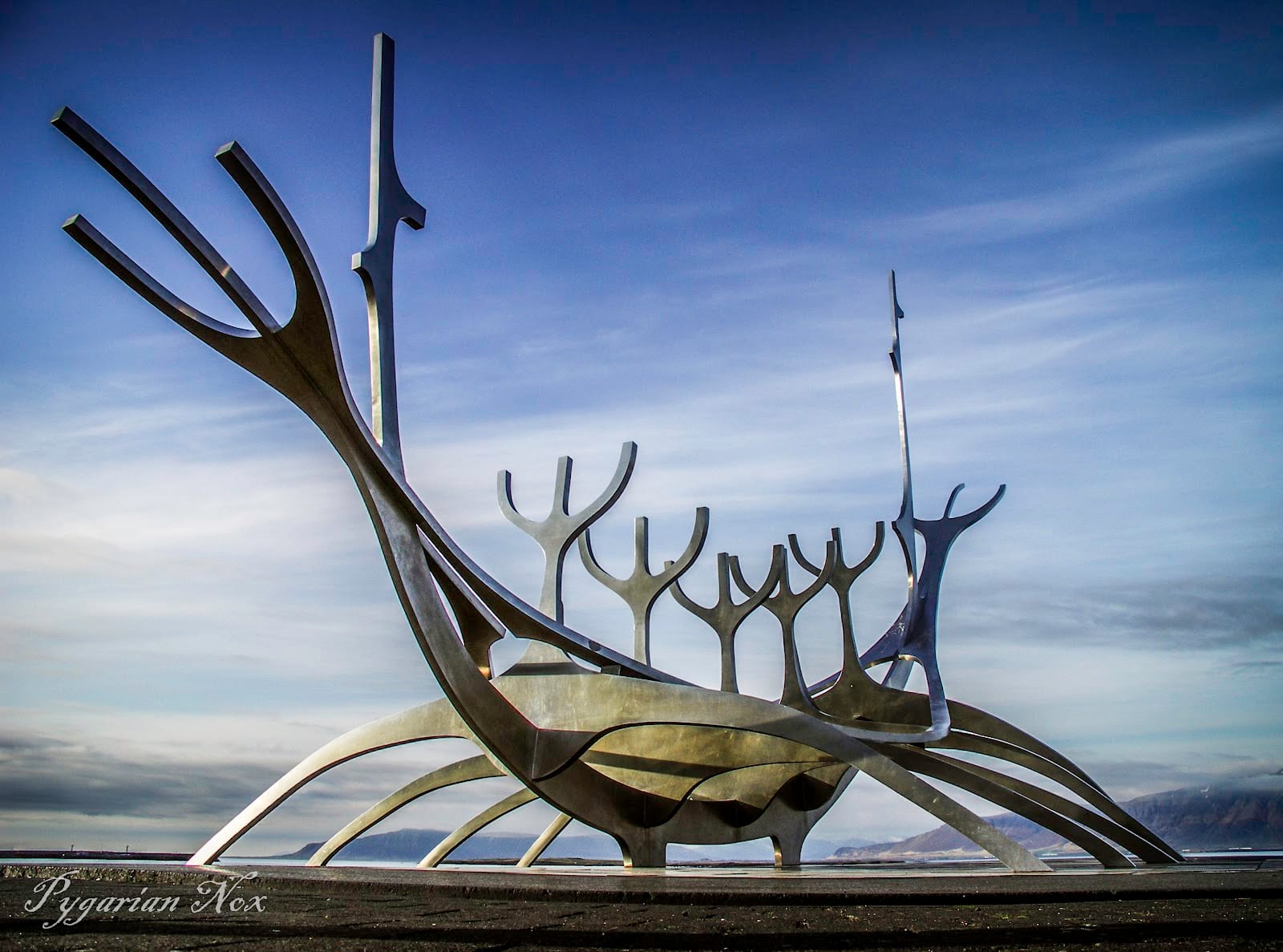
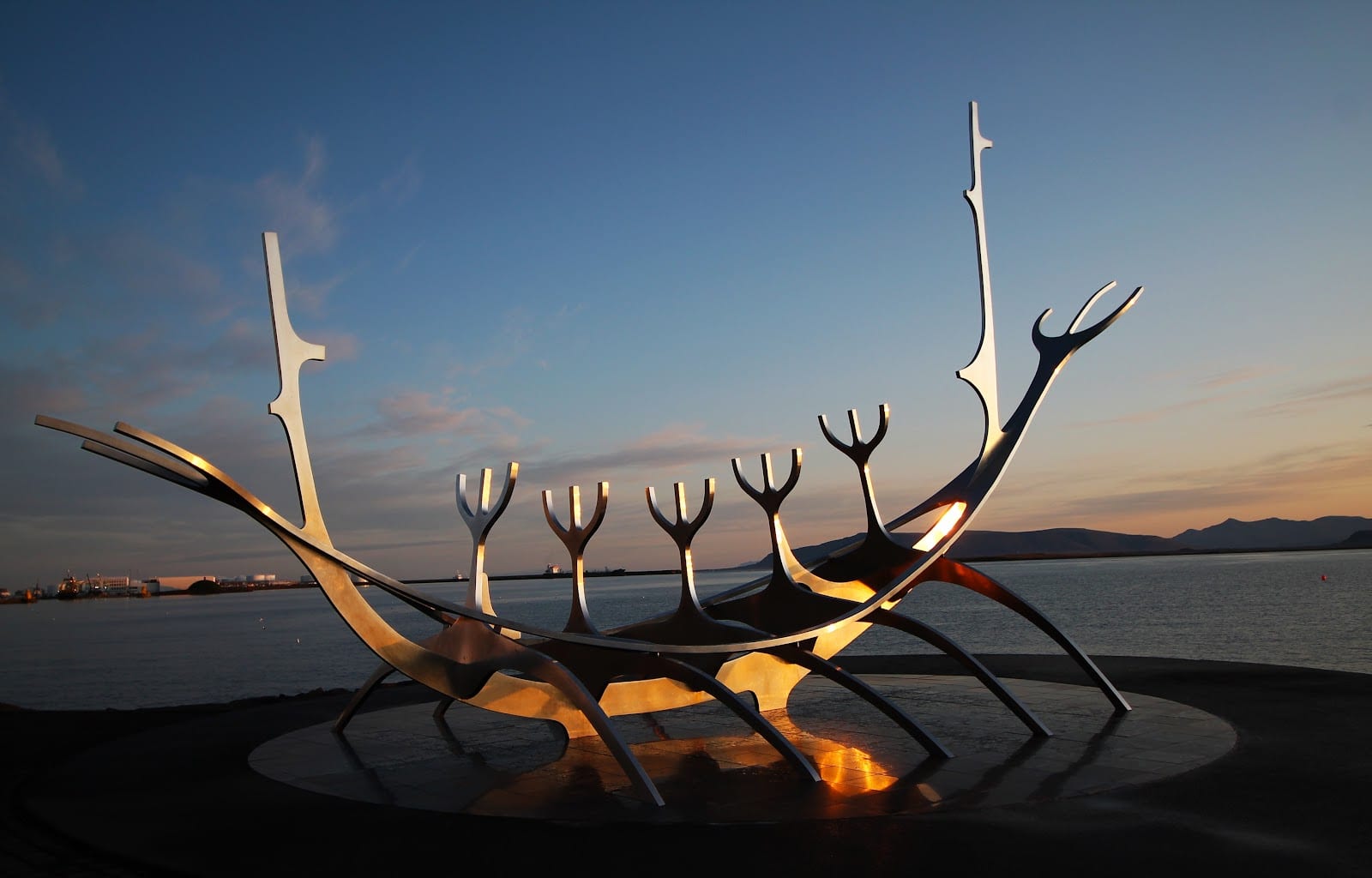
Sun Voyager
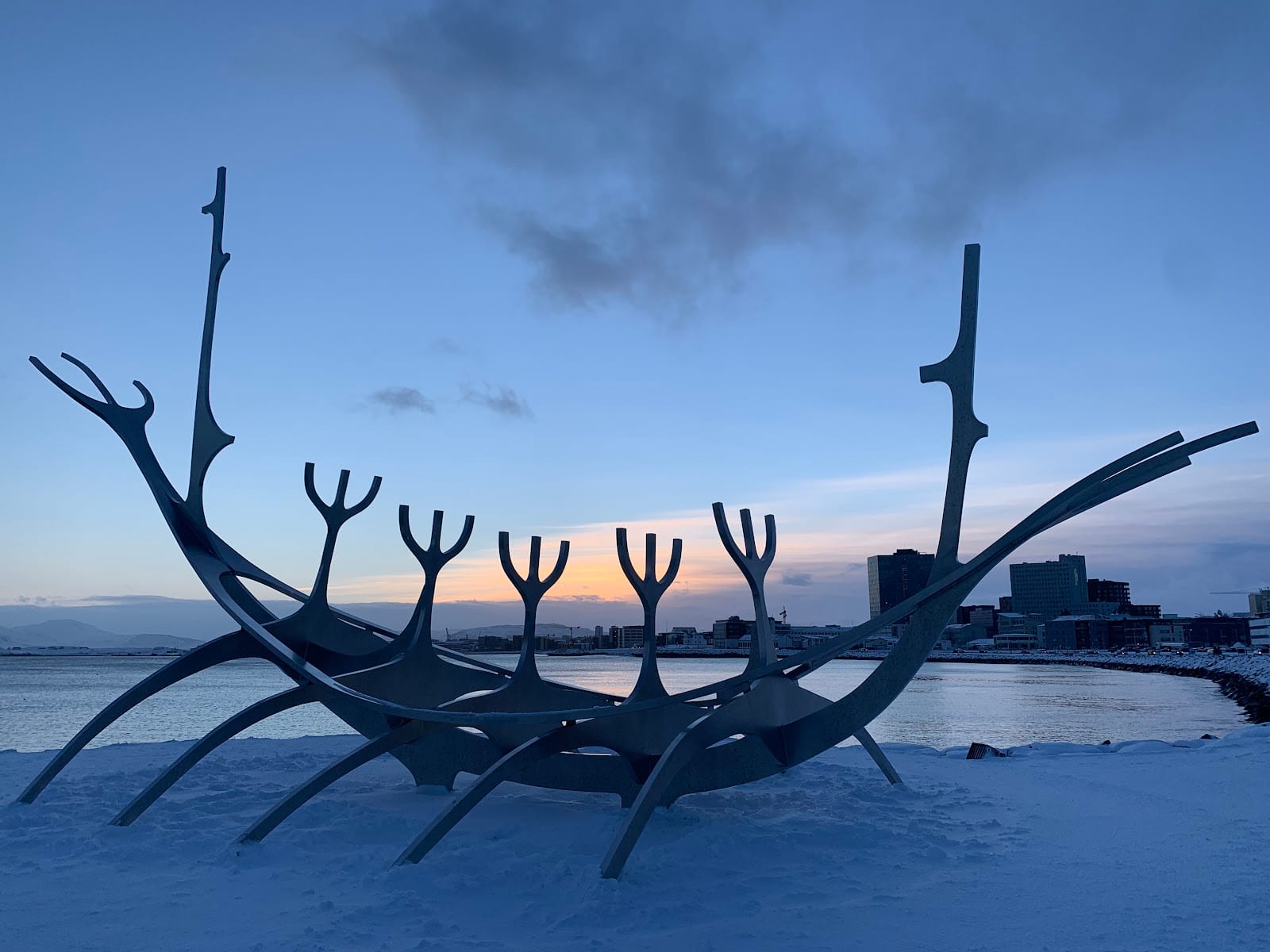
The famous steel ship is a two-minute photo stop that becomes better when you understand what it is not.
Jón Gunnar Árnason's Sun Voyager was unveiled on Reykjavík's birthday, 18 August 1990, after winning a competition for a sculpture marking the city's 200th anniversary. It stands on granite slabs beside Sæbraut, where the coastal path gives it open water and a clean view toward the horizon. The stainless-steel form is often called a Viking ship, but that is the wrong reading: Árnason conceived it as a magical dreamboat, an ode to the sun and a symbol of hope, freedom and undiscovered territory. There are no opening hours or admission charge because this is public art on the waterfront. Come in changing weather, when the metal catches the sky, and treat it as the beginning of a walk rather than a destination that needs more than a few minutes.
15-30 minuteson GoogleGood for couples, families, solo
Sourcesen.wikipedia.org
- 4
 Skólavörðuholt Worth it
Skólavörðustígur (Rainbow Street)
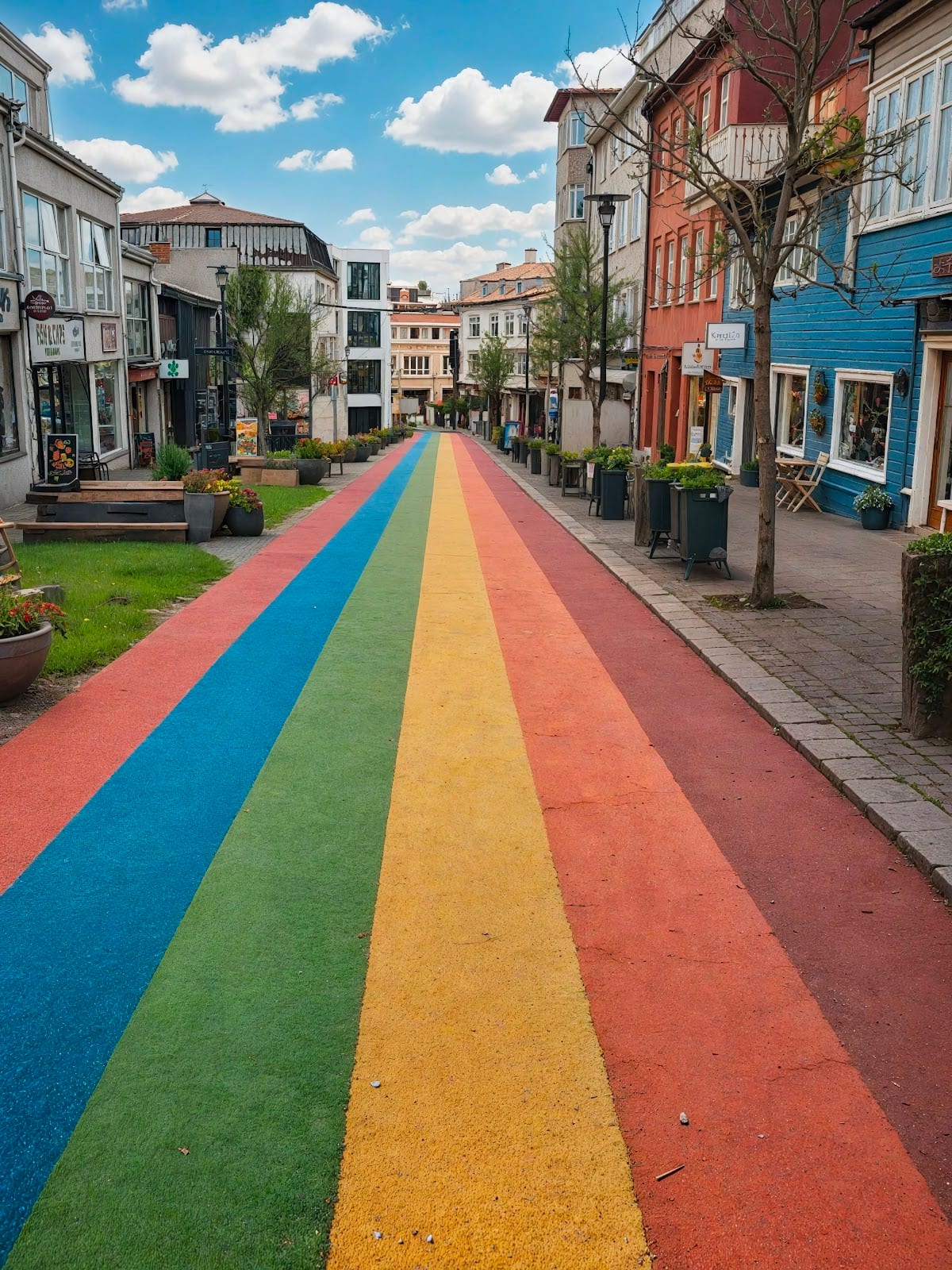
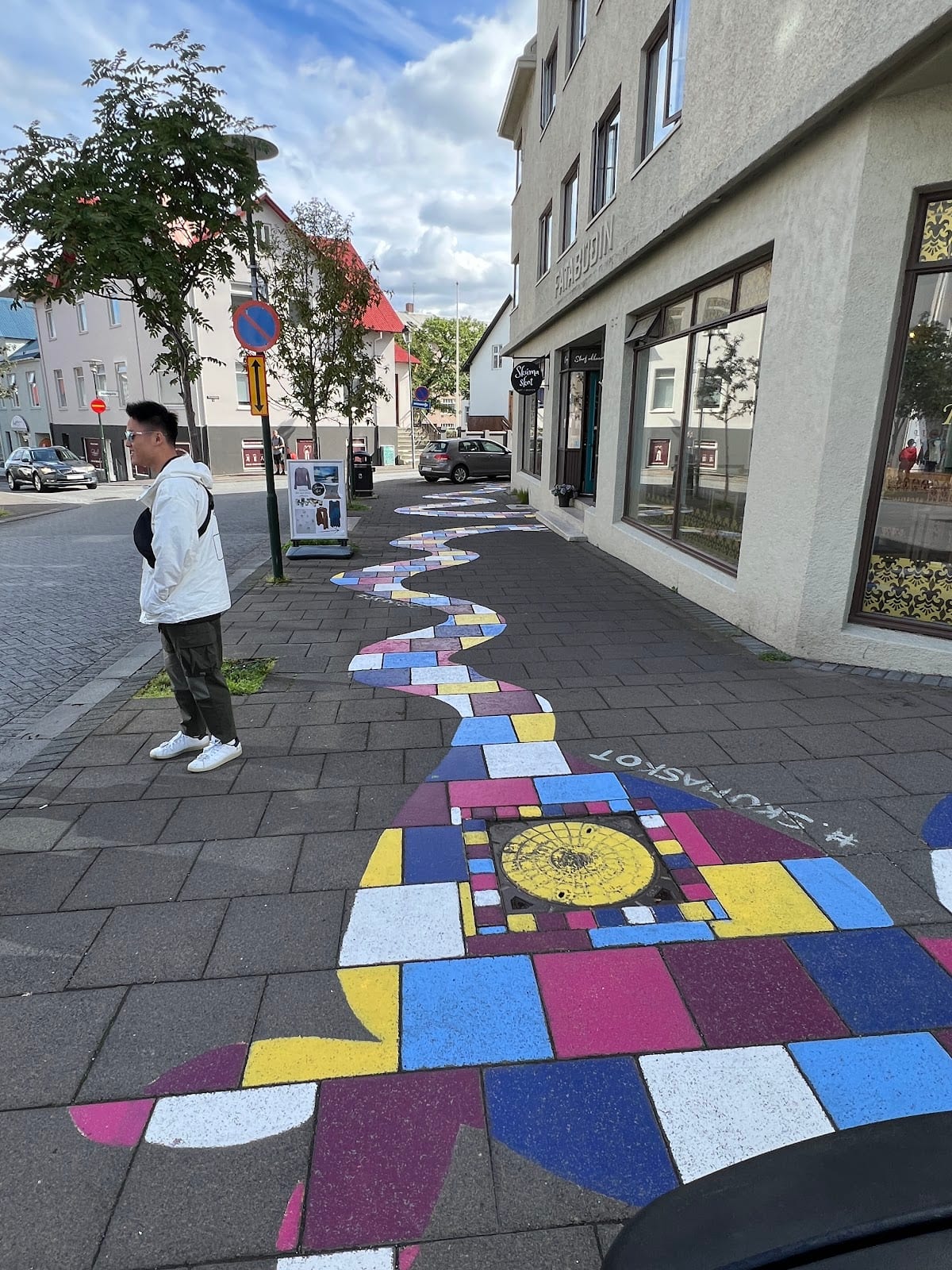
Rainbow Street is touristy in the useful way, giving you Reykjavík's best uphill stroll in one vivid, compact block.
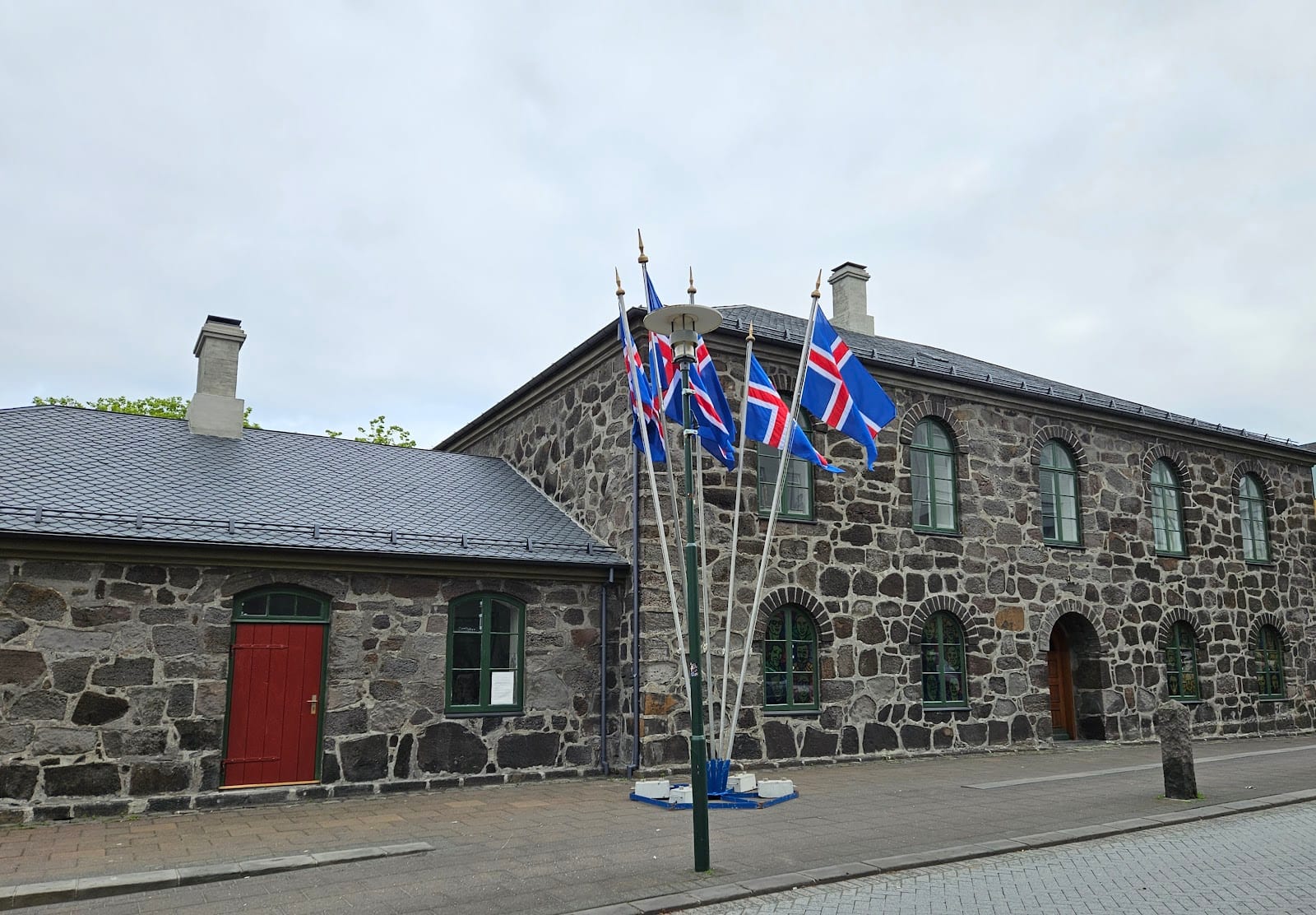
Skólavörðustígur runs from Laugavegur and Bankastræti uphill to Hallgrímskirkja, and its pedestrian-only route is one of the easiest ways to understand central Reykjavík. The street takes its name from the School Cairn, built near the church site in 1793, while its rainbow identity began at Reykjavík Pride in 1999. At Bergstaðastræti, the asphalt becomes a six-colour rainbow, with Hallgrímskirkja visible uphill. Cafés, restaurants, boutiques, galleries and souvenir shops line the route, so it works as both a promenade and a practical connector. The full paint treatment has had temporary or seasonal elements, and the sources disagree about what remains permanent. Go for the slope, storefronts and church reveal, not because every shop is a must.
30-60 minuteson GoogleGood for families, couples, solo
Sourcesvisitreykjavik.is
- 5
 Downtown Mixed
Laugavegur
Laugavegur is the street to wander without a checklist, though its nightlife reputation can outshine its daytime character.
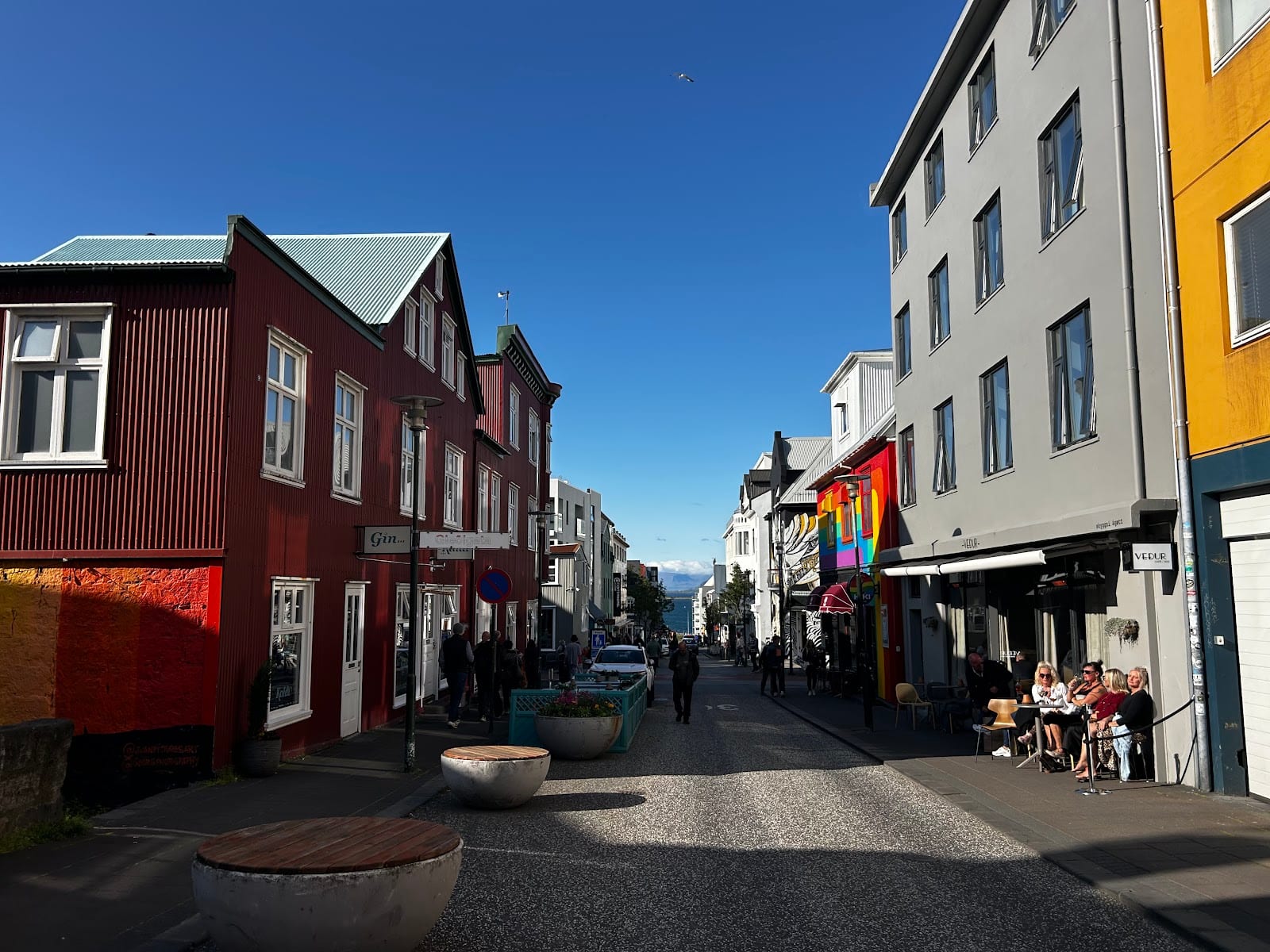
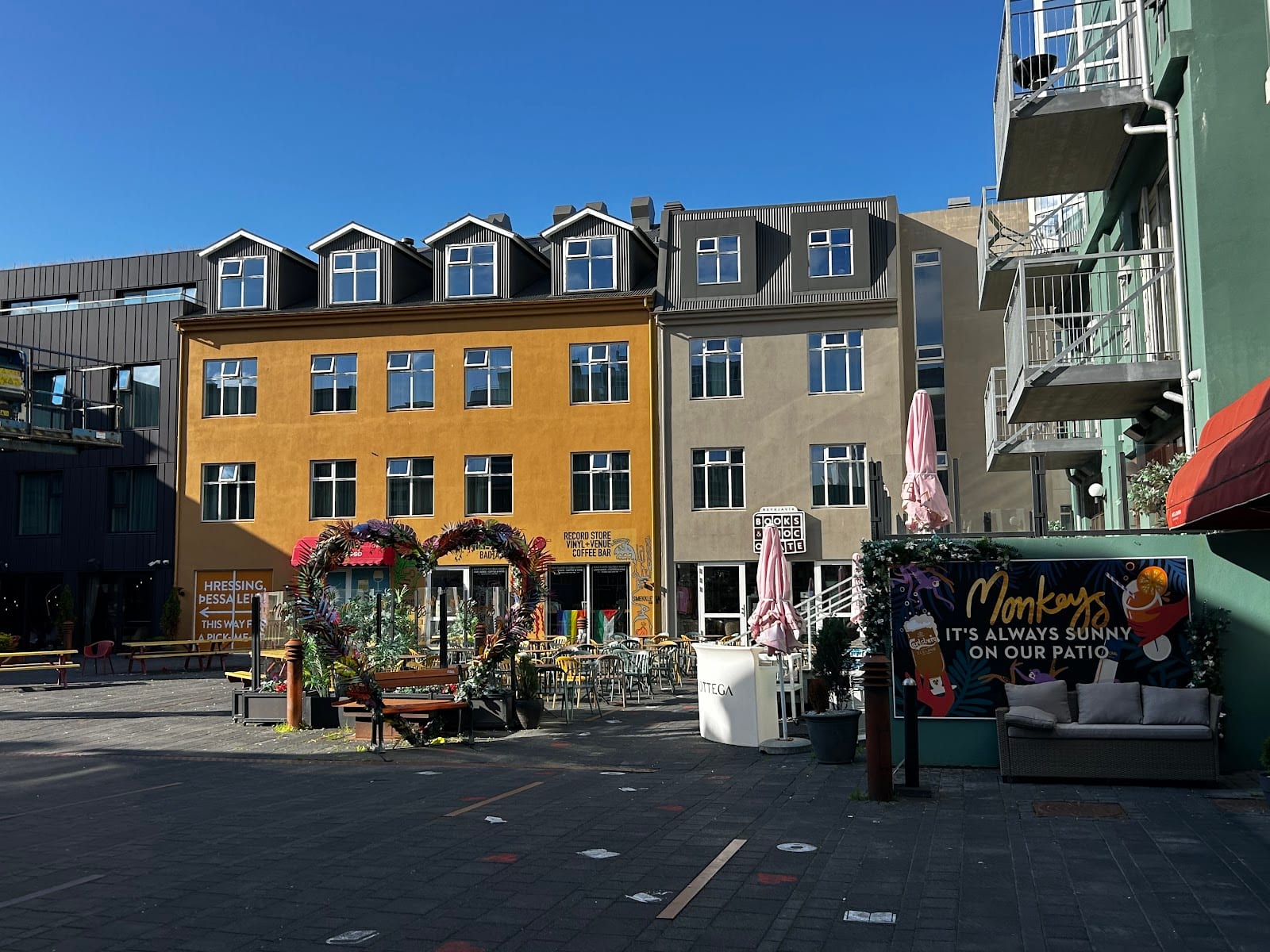
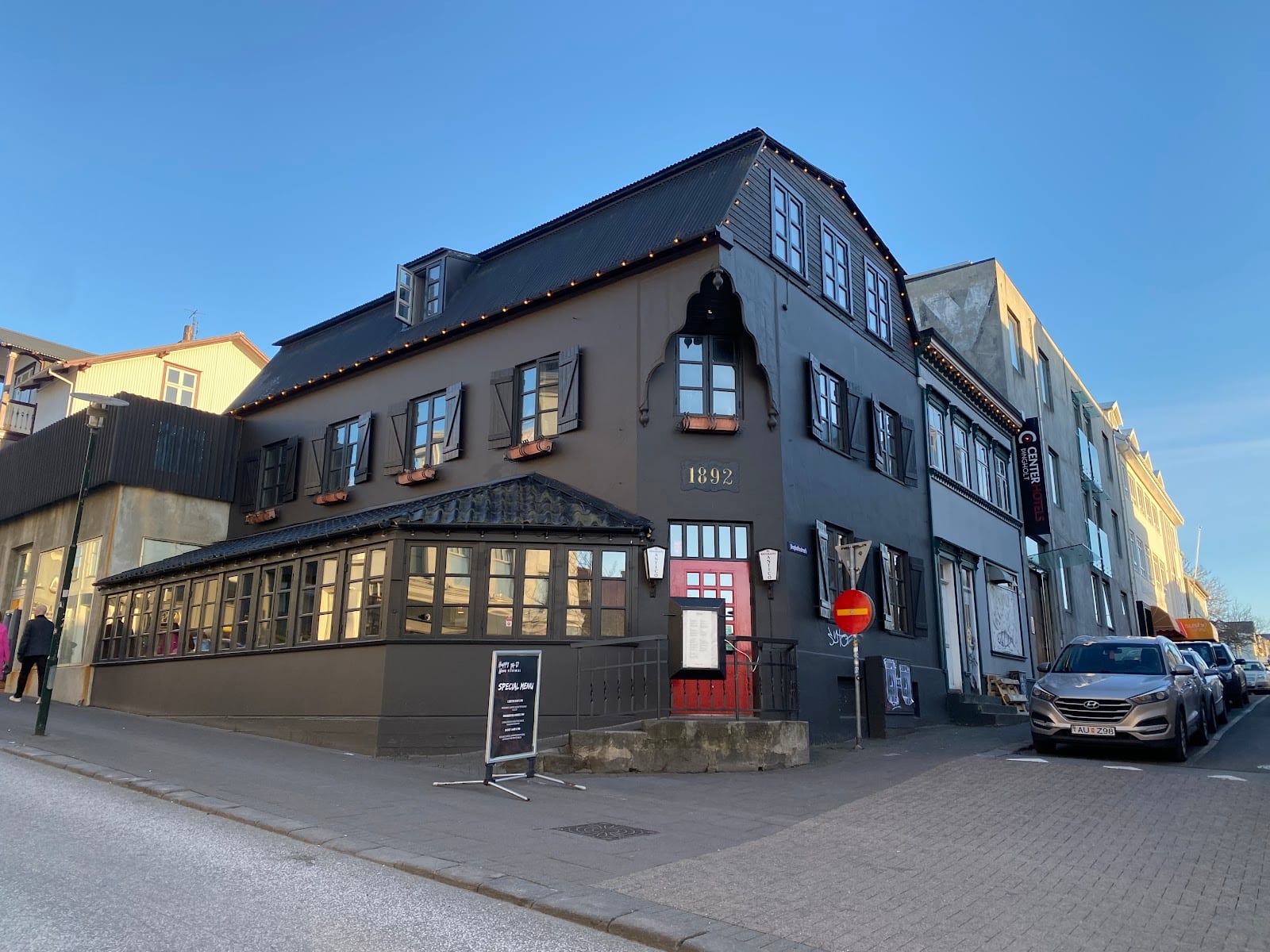
Laugavegur is Reykjavík's main shopping and cultural street, running roughly 2 kilometres from Hlemmur Square to Lækjartorg Square. It began as a path to the city's hot springs, where locals did laundry, before becoming the commercial spine lined with boutiques, Icelandic design shops, cafés, restaurants, bars, murals and street art. The lower portion is a permanent pedestrian zone, and the street is easy to explore on foot, but drivers need to remember that part of it is closed to traffic. Many shops close around 18:00, while Friday and Saturday nights belong to the bars. The telling detail is just off the street: the Icelandic Punk Museum occupies a former underground public restroom. Laugavegur is not a single attraction, but it is the best place to feel the city's compact energy.
1-2 hourson GoogleGood for friends, couples, solo
Sourcesperlan.is


Worth it with more time
Good additions once you've done the icons.- 6
 Old Harbour and Grandi Worth it
Reykjavík Old Harbour and Grandi
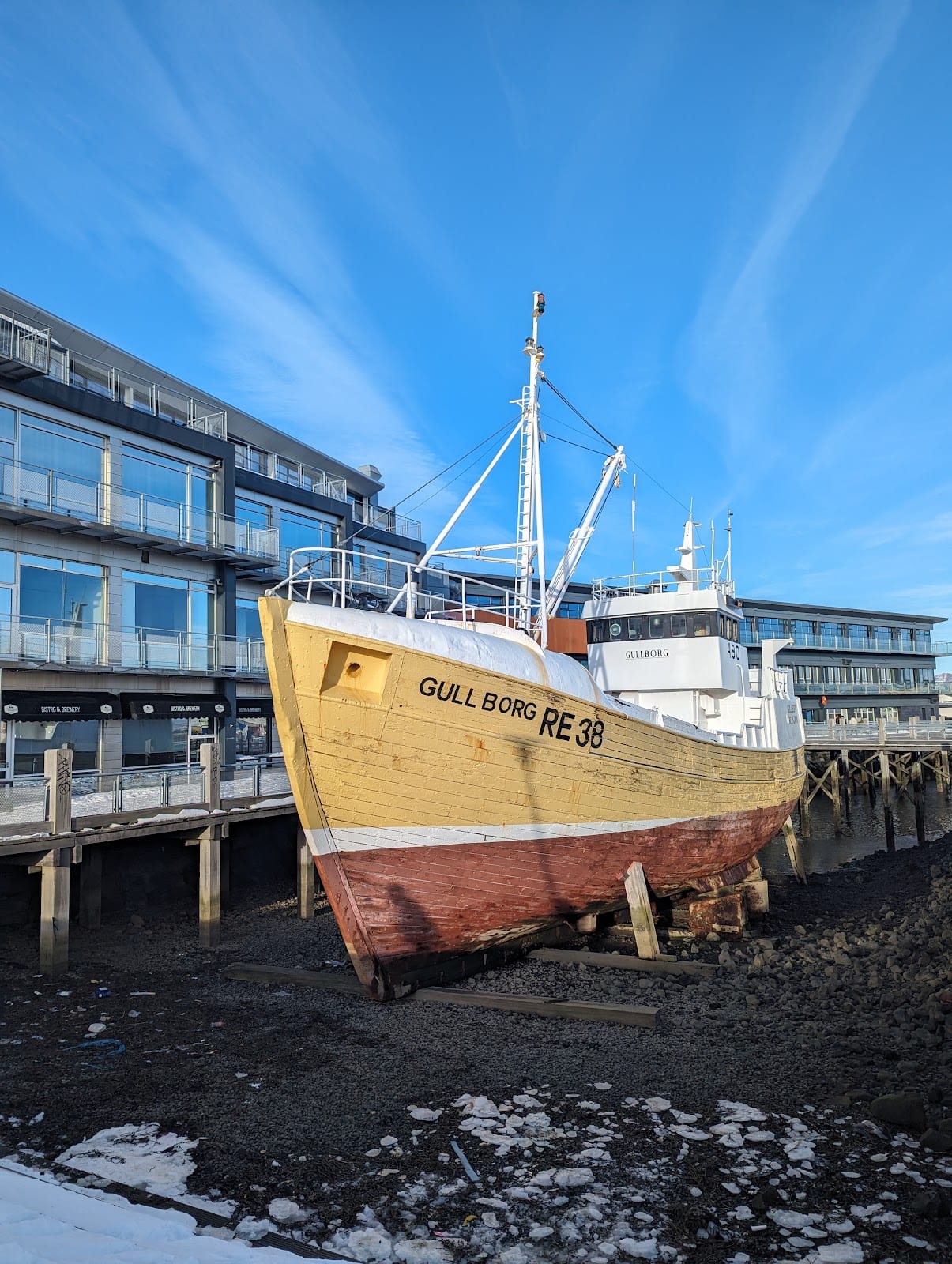
The harbour is downtown's best half-day detour, where working docks, whale boats, museums and repurposed industry still make sense together.
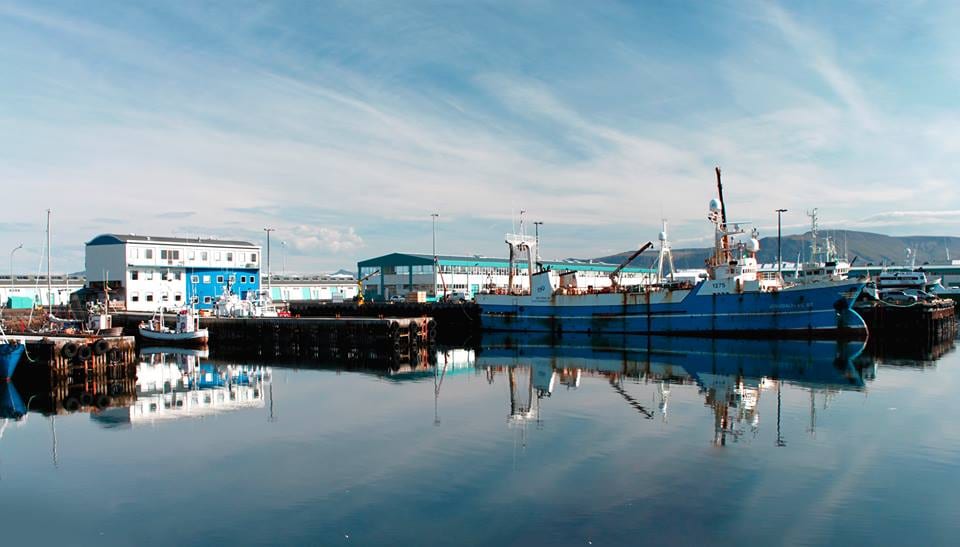
The Old Harbour and Grandi are former fishing and industrial districts that have become a loose, genuinely enjoyable mix of working docks, museums, restaurants, artisan shops and marine excursions. The Maritime Museum occupies a former fish-processing facility, while Whales of Iceland displays life-size models of 23 whale species found in Icelandic waters. Boat operators leave for whale watching, puffin trips and sea angling in Faxaflói Bay. Grandi's Marshall Húsið contains three art spaces, and Kaffivagninn, built in 1935, began by serving sailors before a day at sea. Walk the waterfront rather than trying to consume every attraction. At the peninsula's tip, Þúfa is a grass-covered mound with a winding path and broad views over the harbour, Esja and the skyline.
2-4 hourson GoogleGood for families, couples, solo
- 7
 Aðalstræti Worth it
The Settlement Exhibition
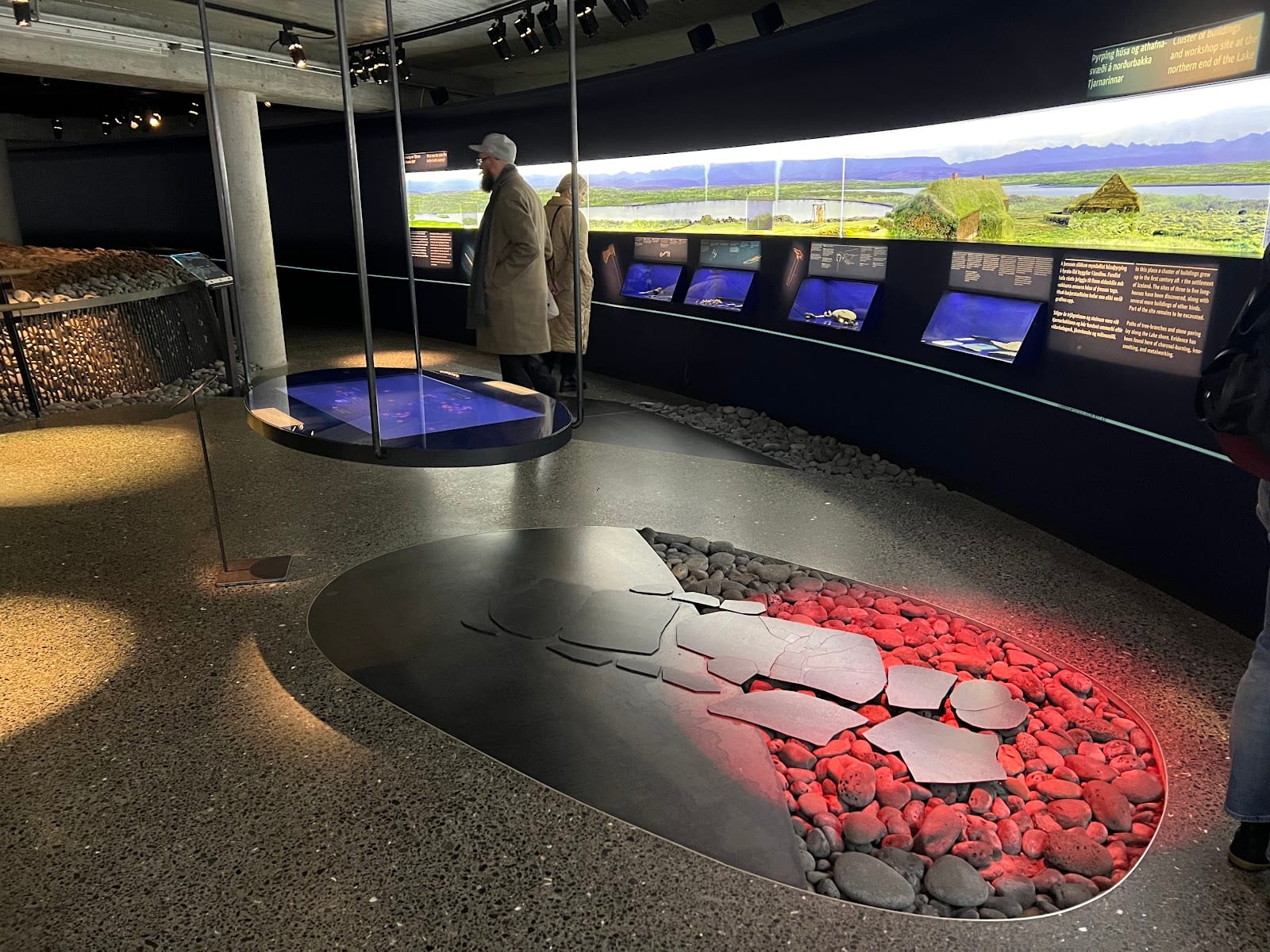
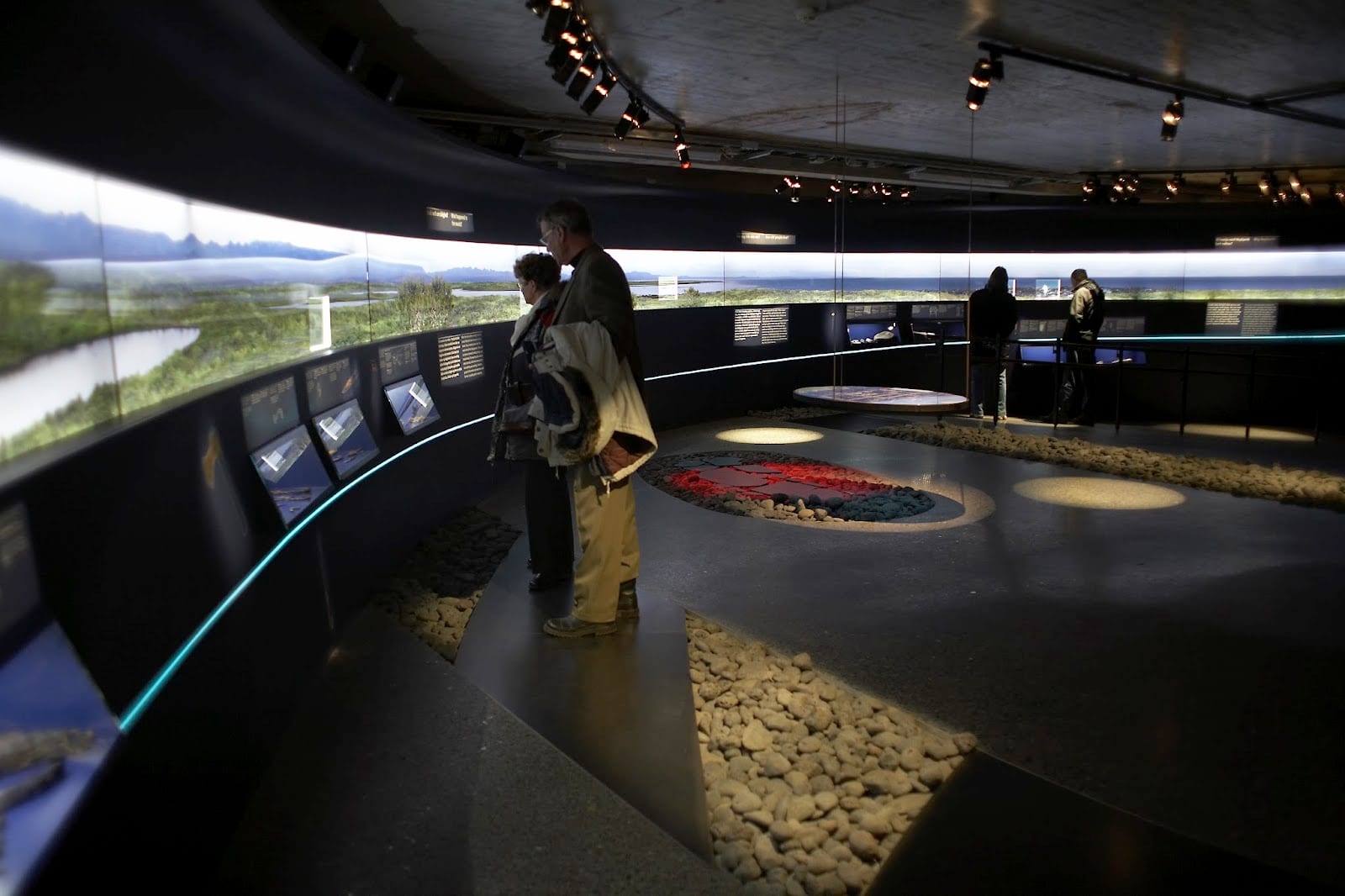
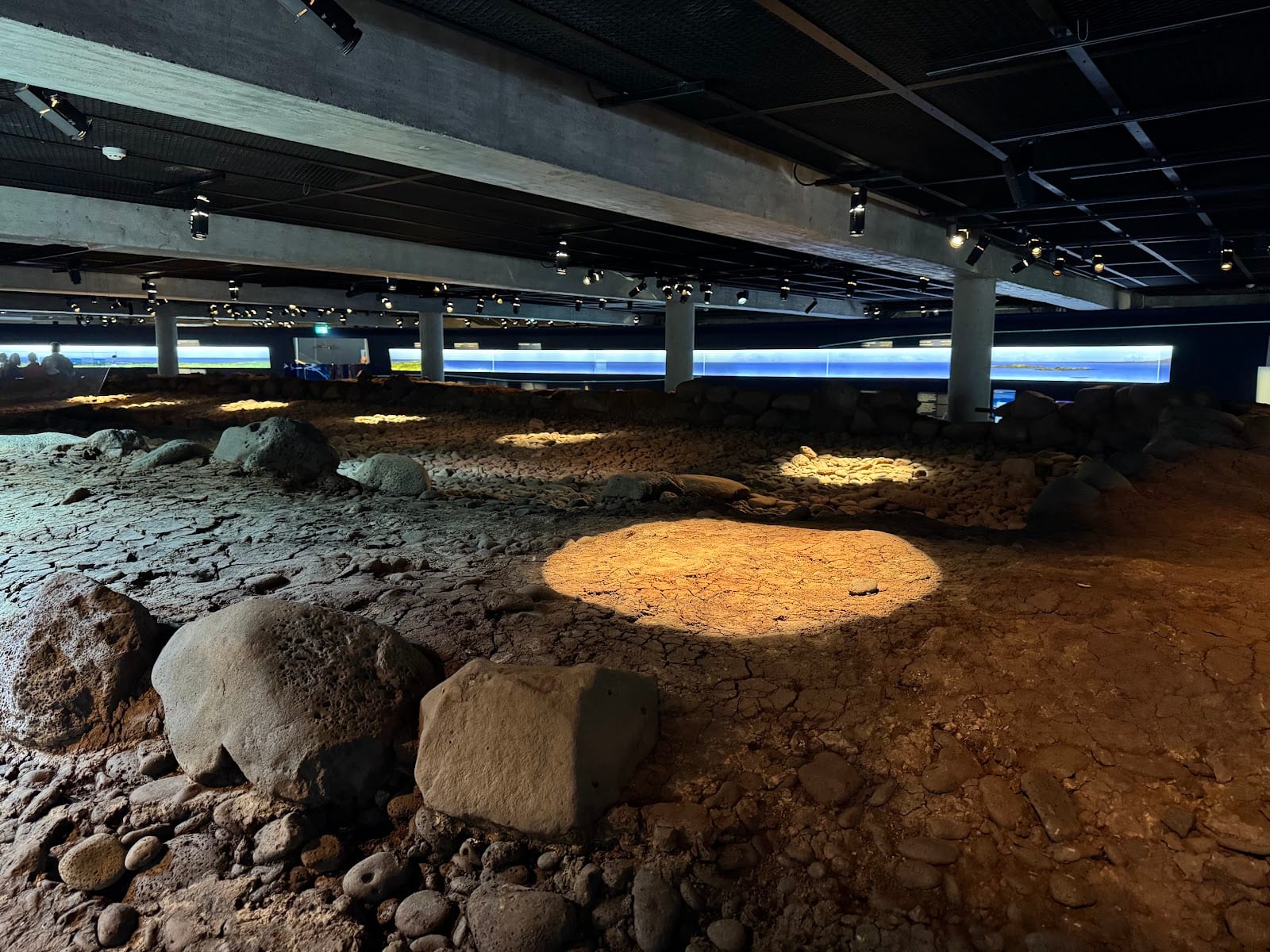
This is Reykjavík history at its most persuasive because the archaeological evidence remains exactly where it was found.
The Settlement Exhibition grew out of construction work in central Reykjavík that uncovered archaeological remains in 2001. The museum was built around a 10th-century Viking longhouse preserved in its original location beneath Aðalstræti 16, with the exhibition extending underground toward Aðalstræti 10, described as the Kvosin area's oldest remaining building. A wall fragment found beside the longhouse dates to before 871, with one source giving 871 AD plus or minus two years. Multimedia interpretation helps, but the preserved structure does the real work: you are looking at the physical footprint of an early settlement rather than a room of later objects. Visit Reykjavík lists daily hours of 10:00 to 17:00, though other listings differ. Check before going, especially if timing the museum around lunch.
Good for families, couples, solo
- 10
 Öskjuhlíð Mixed
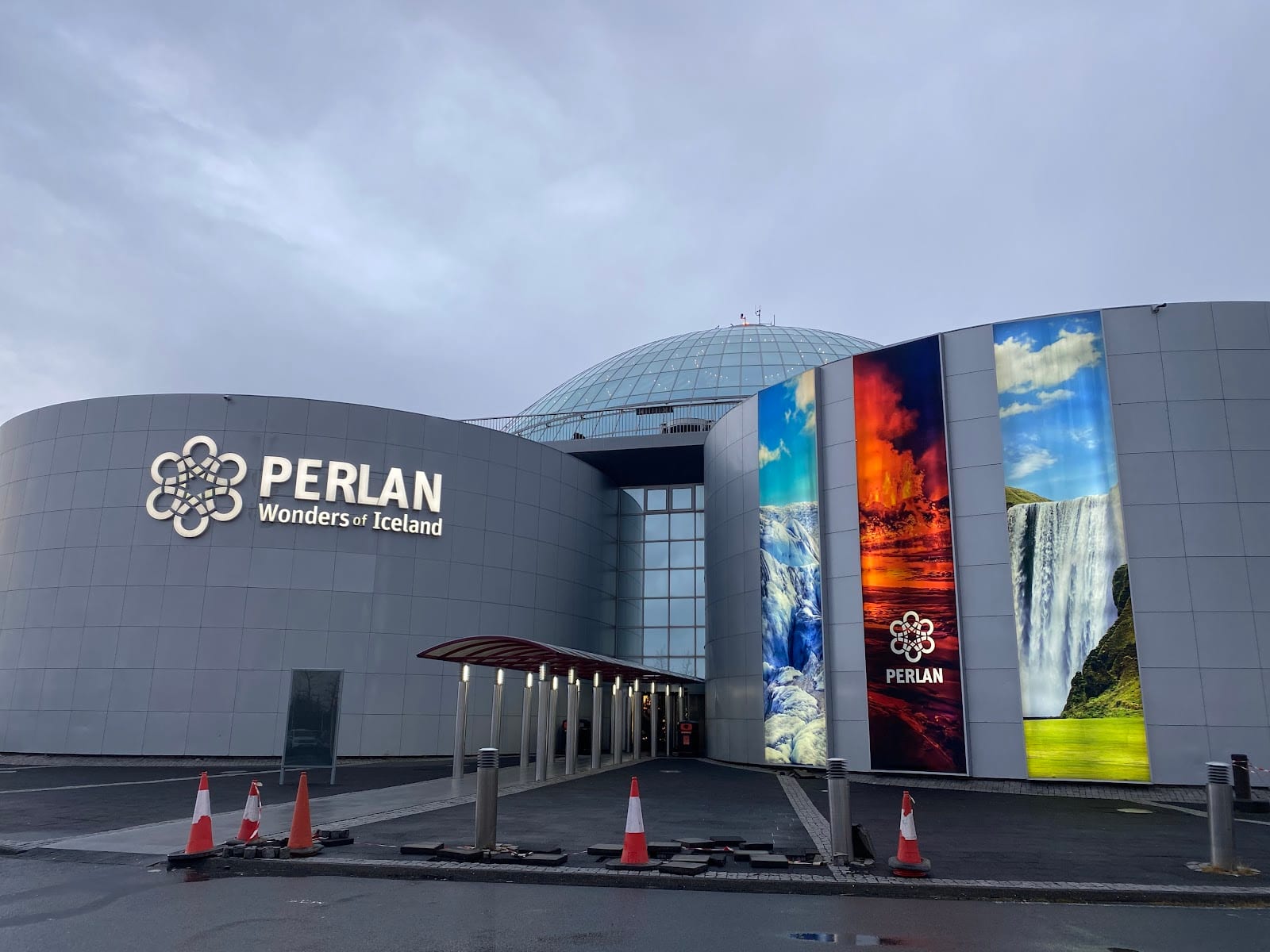
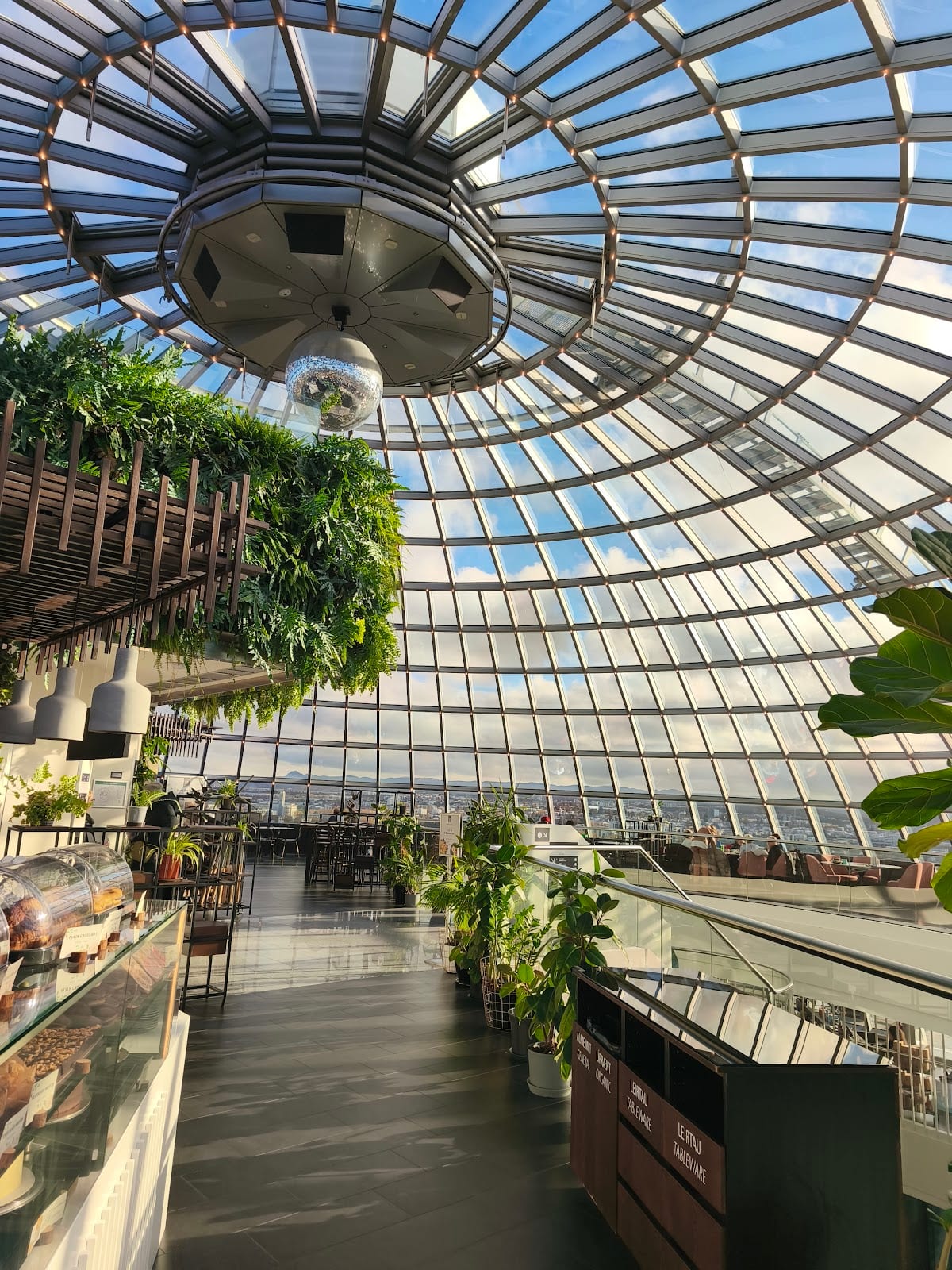
Perlan
Perlan is the strongest weather-proof panorama and geology package, but its hilltop location makes it a deliberate detour from downtown.
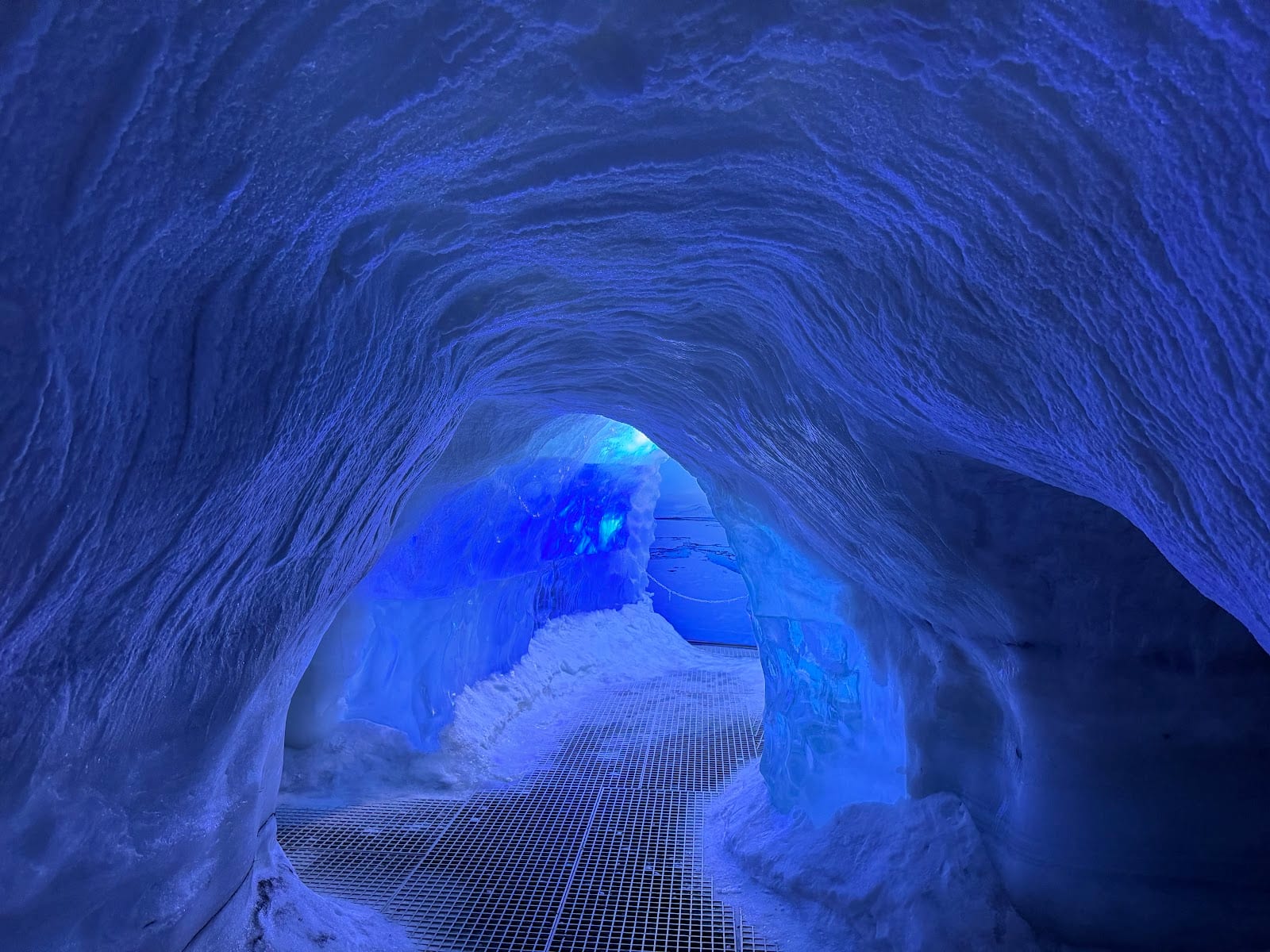
Perlan began as infrastructure rather than a visitor attraction: Reykjavík's first hot-water tank was built on Öskjuhlíð hill in 1939, followed by five more over the next two decades. The six tanks were rebuilt in the late 1980s, and the public building opened on June 21, 1991. Four tanks remain in use, while one houses an ice cave and another a planetarium. Inside are exhibitions on Iceland's forces of nature, a 150-seat Northern Lights show and an indoor geyser that shoots water 25 metres into the air. The most telling feature is the 100-metre ice cave, built from roughly 350 tons of snow and ice and kept below freezing. Perlan is open daily, but it is about a 30-minute walk from downtown, so save it for poor weather or a view-focused afternoon.
2-3 hourson GoogleGood for families, couples, solo


Hidden gems
Where the crowds thin out.- Hidden gem
 City Hall Worth it
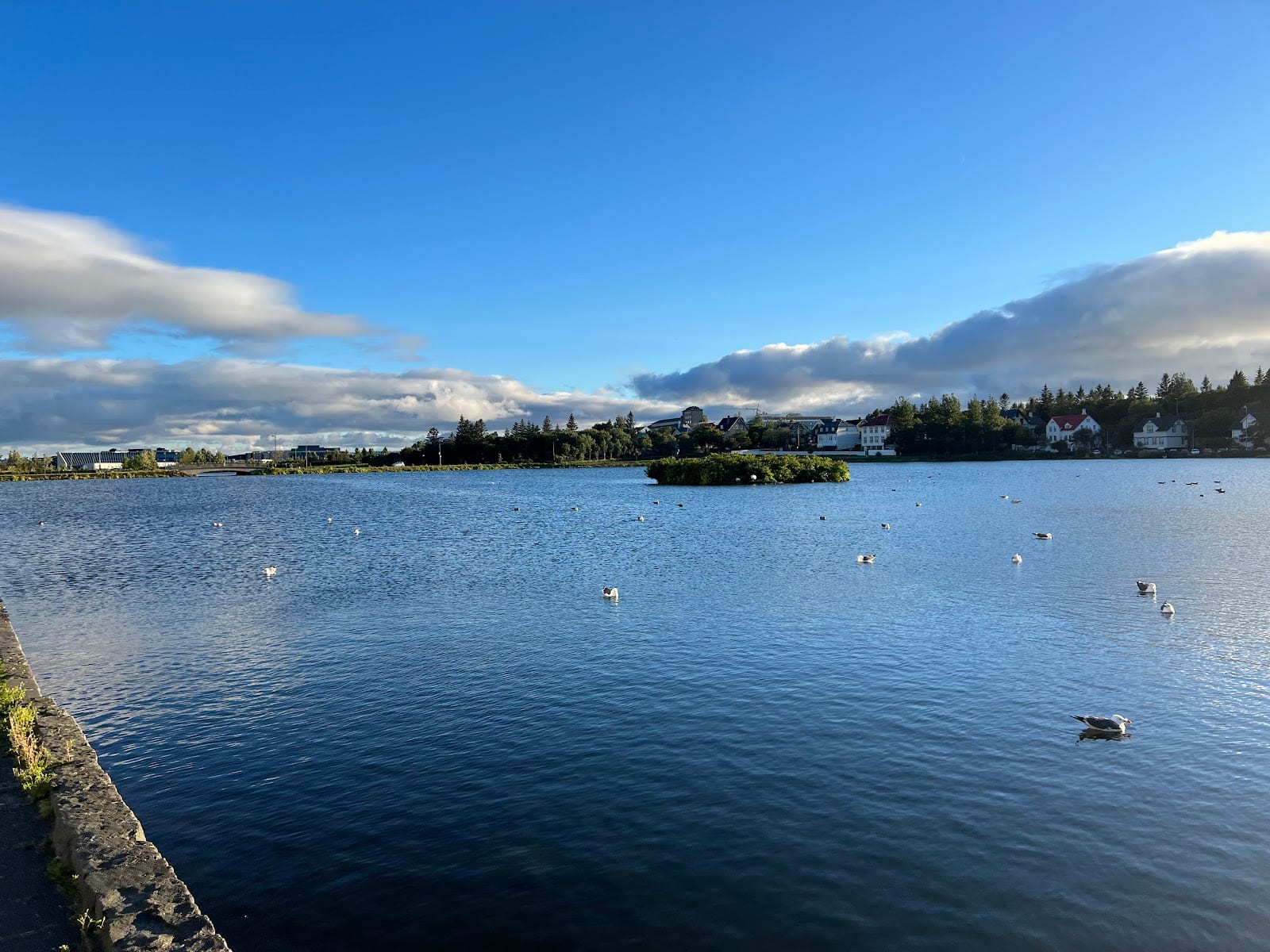
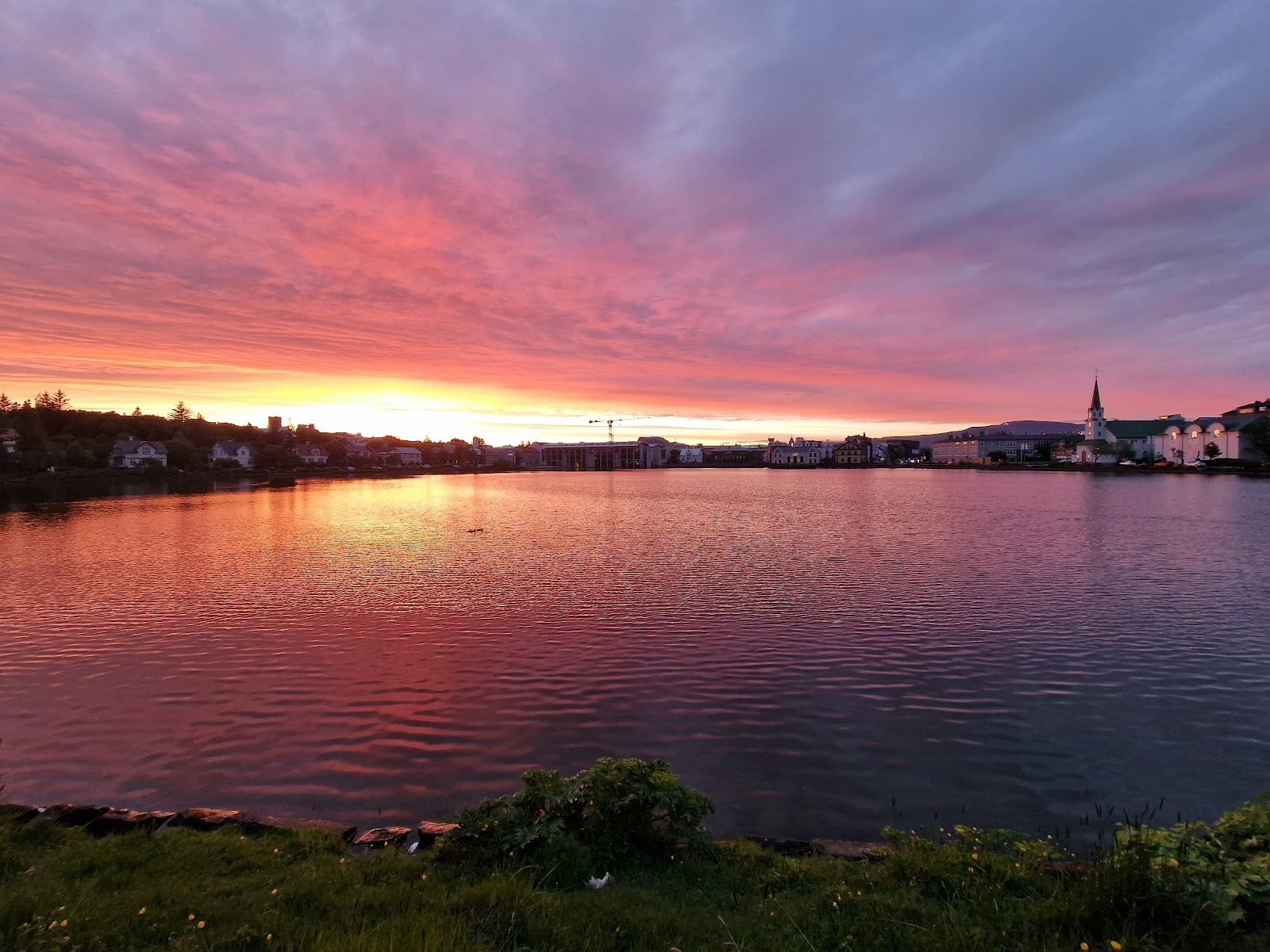
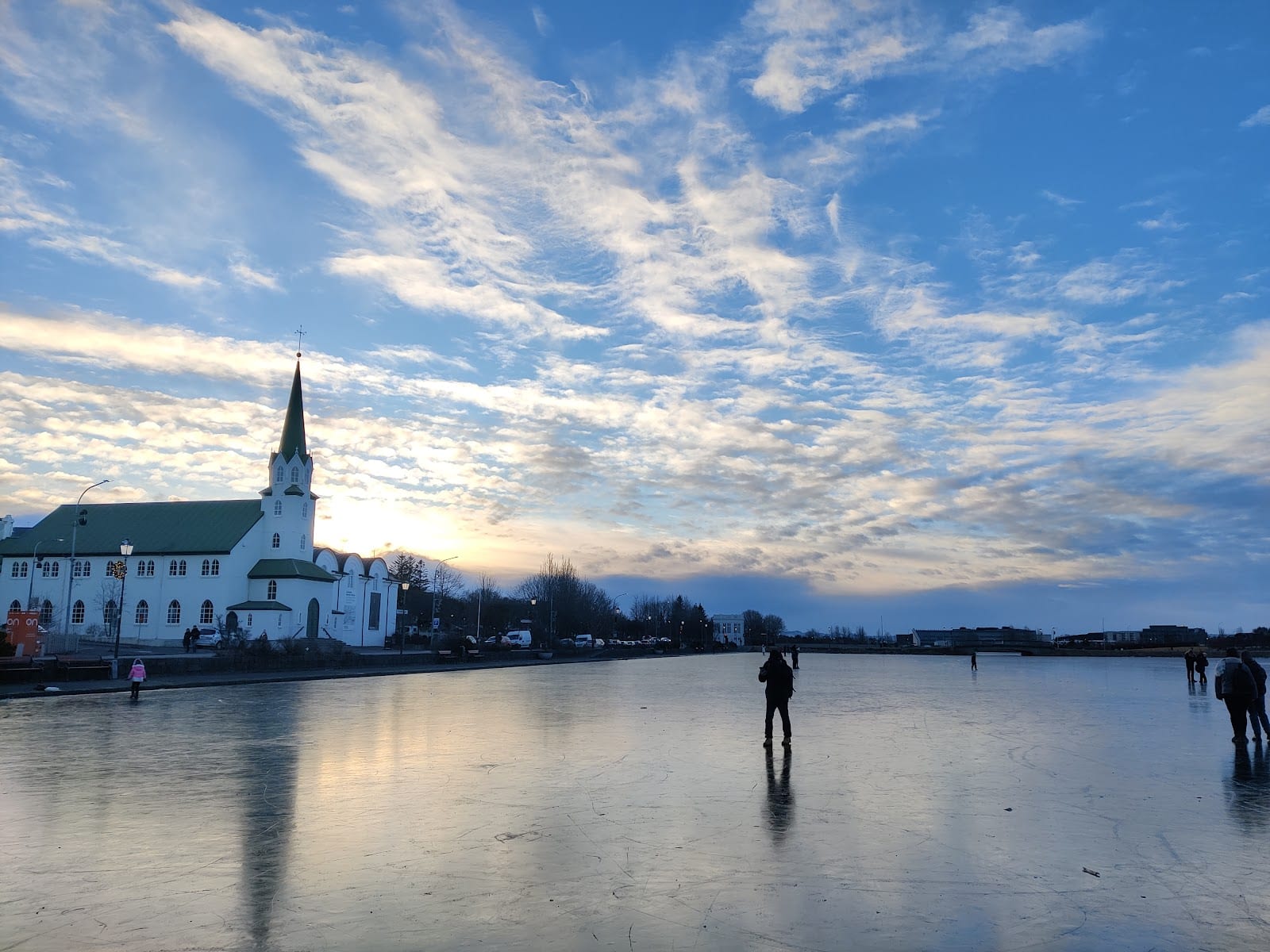
Tjörnin Pond
Tjörnin is the city's best free reset, a shallow urban lagoon where a ten-minute loop can become the calmest part of your day.
Beside City Hall, Tjörnin gives downtown Reykjavík an unexpectedly quiet centre. The pond formed around 800 AD when a gravel barrier separated part of the coast from the sea, and later urbanization and land reclamation reduced its original size. Today its paved banks are used by walkers, joggers and cyclists, and between 40 and 50 bird species visit, including Arctic terns, eiders, geese, mallards and whooper swans. The pond is free, accessible year-round and mostly flat, with nearby bus stops and parking. Locals' long-running habit of feeding the birds earned it the nickname “the biggest bread soup in the world.” That detail is more charming than the nickname sounds; come for the reflection, birds and breathing space between museums.
30-60 minuteson GoogleGood for families, couples, solo
- Hidden gem
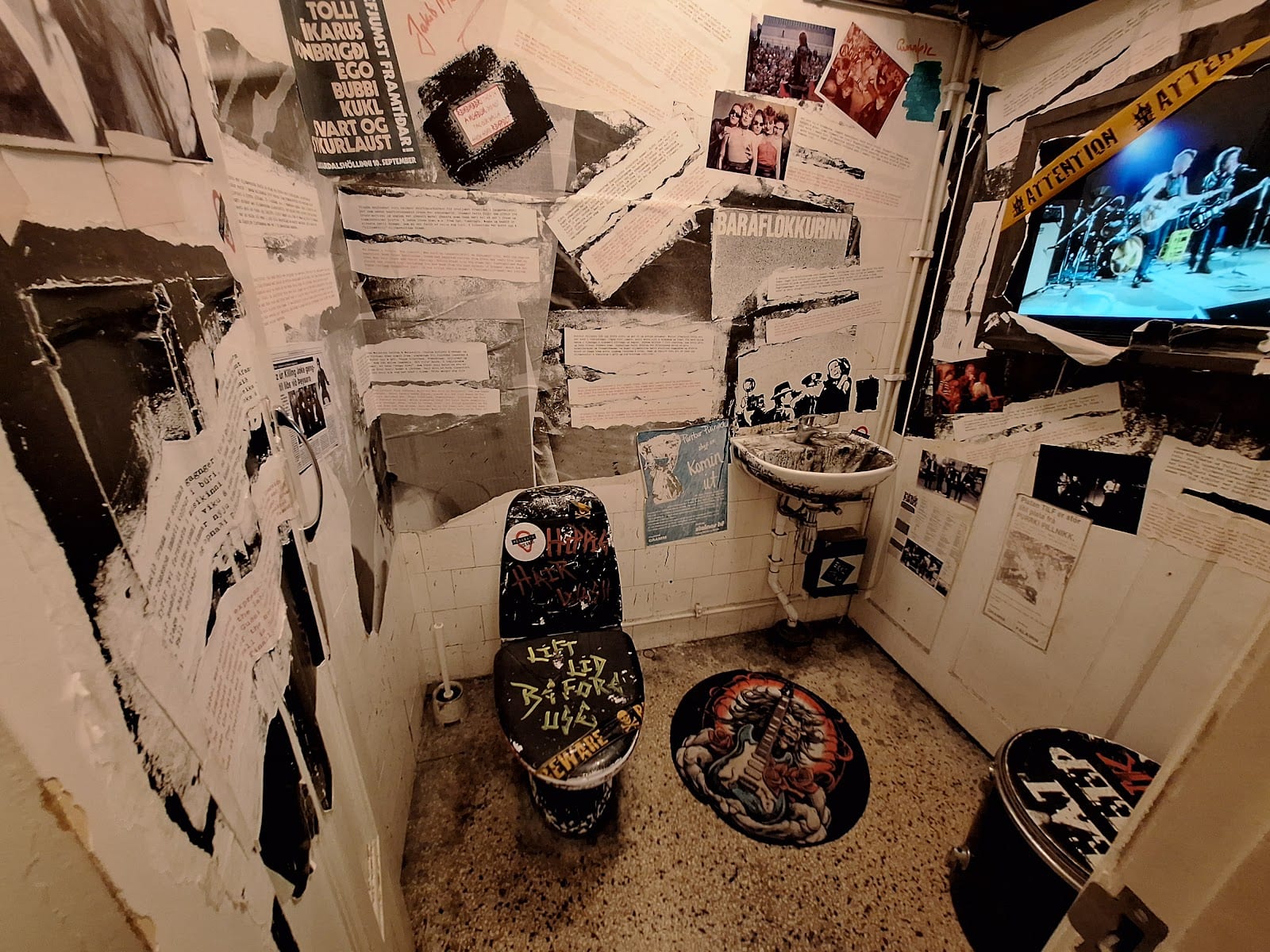 Bankastræti Worth it
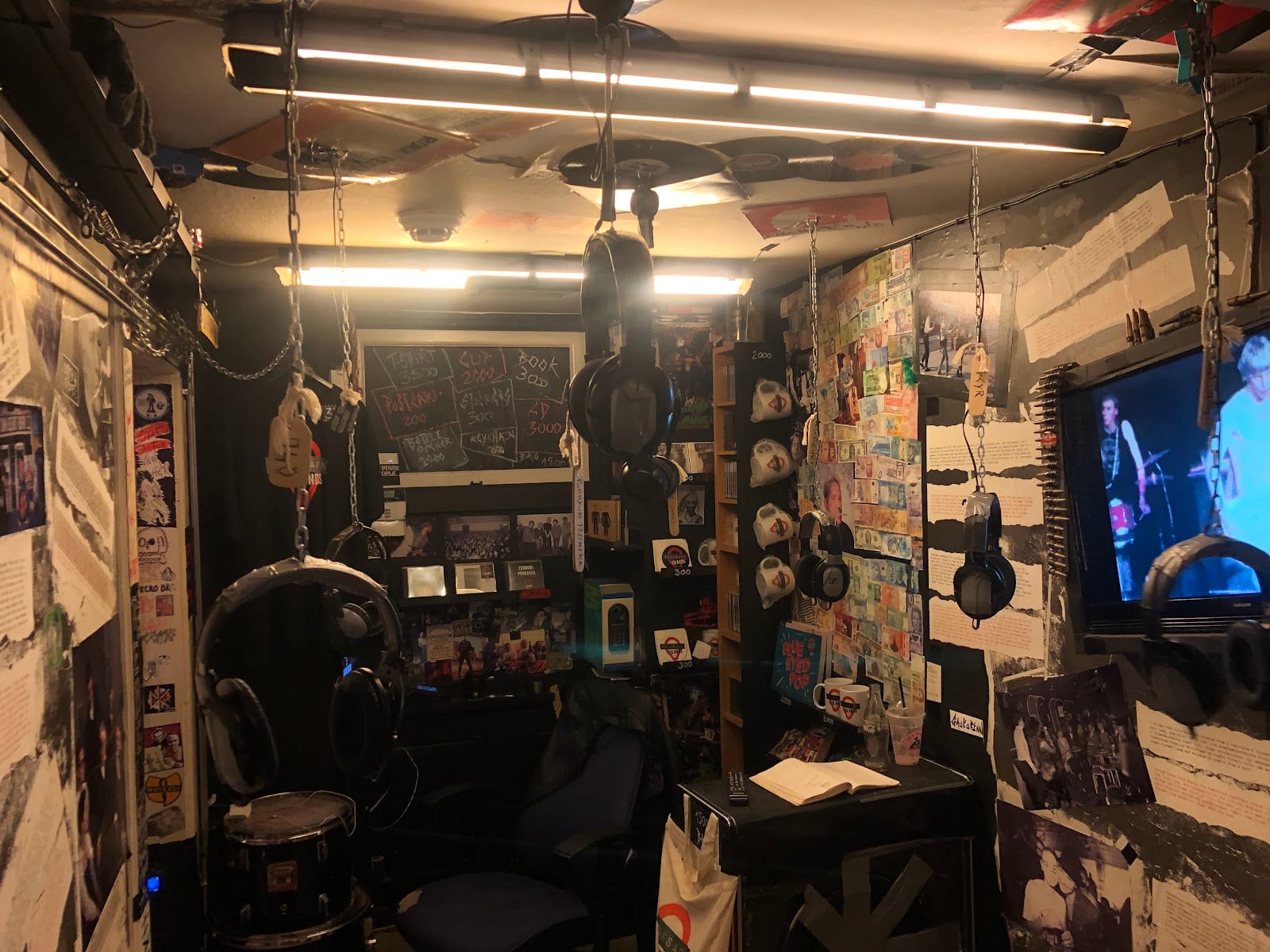
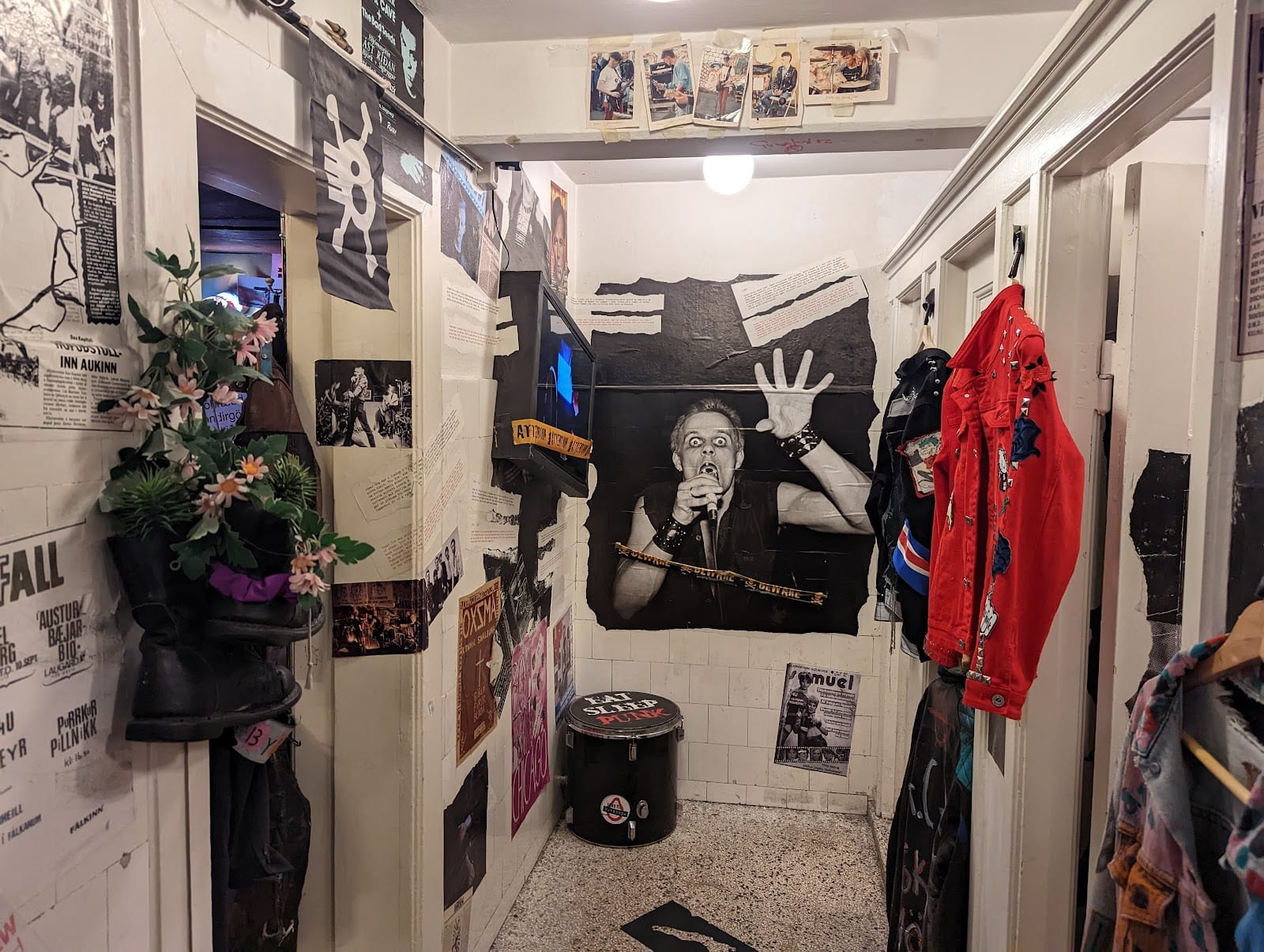
Icelandic Punk Museum
A tiny, gloriously improbable museum that explains Icelandic music history from inside the city's former public toilets.
The Icelandic Punk Museum occupies an underground public restroom at Bankastræti 0, a place known locally as Núllið, or “The Zero.” The restroom operated from 1930 to 2000, then sat vacant for 16 years before anonymous punk musicians and enthusiasts reopened it as a museum on November 11, 2016. Its collection follows Icelandic punk from the late 1970s through the Sugarcubes' breakup in the early 1990s, using photographs, posters, handbills, instruments, stage equipment and video of club shows. Sex Pistols vocalist John Lydon hosted the grand opening. The exhibits sit inside former toilet stalls and washbasin areas, with headphones and a drum kit turning the place into something closer to a playable archive than a formal museum. It is small, strange and far more memorable than its footprint suggests.
30-60 minuteson GoogleGood for friends, solo, couples
Sourcesen.wikipedia.org


Verdicts and rankings are our own; ratings open each place on Google. Prices, where shown, are an approximate per-person guide in USD.
Reykjavik on screen
Where you've seen Reykjavik before
Reykjavík's stark architecture and bright waterfront have made the city an unusually useful stand-in for both real Iceland and imagined northern places.
- Film, 2013
The Secret Life of Walter Mitty
The film used Reykjavík and other Icelandic locations for Walter's journey, turning the city's waterfront streets and modern architecture into part of the movie's travel fantasy.
Downtown Reykjavik and HarpaSource - Film, 2020
Eurovision Song Contest: The Story of Fire Saga
Harpa appears as the Eurovision venue in the Reykjavík-set musical comedy, making its geometric waterfront façade part of the film's fictional contest world.
Harpa Concert HallSource
Getting around
Getting around downtown Reykjavik
Walk the core
The city centre is compact, with the main sights, shops, cafés, museums and nightlife concentrated within an easy walking area.
Use the church-to-waterfront route
Walk uphill on pedestrian-only Skólavörðustígur to Hallgrímskirkja, then descend through Laugavegur and continue to Harpa and the Sun Voyager.
Use Strætó for outliers
Bus routes serve the centre, while routes 13 and 18 stop near Perlan. Bus lines 1, 3, 6, 11, 12 and 13 serve the Settlement Exhibition area.
Leave the car parked
Parking exists, but pedestrian-only streets and central garages make a car less useful for the core. Grandi has ample parking, and Tjörnin has a City Hall garage nearby.
Where to stay
Where to stay in downtown Reykjavik
Laugavegur and Bankastræti
The most central base for shopping, cafés, restaurants, nightlife and quick access to Rainbow Street. Expect the liveliest evenings.
Hallgrímskirkja and Skólavörðuholt
A slightly uphill position near the city's defining church, Rainbow Street, the Einar Jónsson museum and the quieter end of the central walking circuit.
Kvosin and Tjörnin
A calmer historic-centre base beside the pond, City Hall and the Settlement Exhibition, with the old harbour and Laugavegur still walkable.
Old Harbour and Grandi
Best for waterfront walks, marine excursions, museums, art spaces and a more industrial harbour atmosphere than the shopping streets.

Where to stay in Reykjavik
Compare Reykjavik's neighbourhoods and find the right base for your Iceland trip.
View the guideWho it's for
Downtown Reykjavik for families, couples, and friends
- Reykjavik for families
- Hallgrímskirkja, Harpa, Tjörnin and the Settlement Exhibition give families a manageable mix of views, architecture, birds and history. Perlan is the strongest weather-proof detour.
- Reykjavik for couples
- Walk Rainbow Street uphill, pause at the church, then follow the waterfront to Harpa and the Sun Voyager. Add dinner around the old harbour when the light stretches late.
- Reykjavik for a group of friends
- Use Laugavegur as the evening spine, make the Icelandic Punk Museum the oddball daytime stop, and save the Old Harbour and Grandi for a loose afternoon of museums, food and bars.
More of Reykjavik
Nearby neighborhoods
A short hop from Downtown Reykjavik, and worth pairing on the same trip.
Ready to plan your Downtown Reykjavik trip?
Tell Zoya, your personal travel assistant, how you like to travel, and she'll turn any of this into a day-by-day plan that fits your dates.
Explore now