

Okinawa · guide
Best Snorkeling in Okinawa
From the glowing Blue Cave to turtle-rich Kerama reefs, these are Okinawa's best places to get in the water.
Okinawa in brief
Is Okinawa good for snorkeling?
Yes. Okinawa has exceptionally clear, often shallow water and reefs containing more than 200 of the world's 800 coral species, so both beach and boat snorkeling are widely available.
Which Japanese island is best for snorkeling?
Within Okinawa, the Kerama Islands are the strongest all-around choice for clear water, coral reefs, turtles, and boat access. The Blue Cave at Cape Maeda is the better pick for a memorable first snorkel from the main island.
Is it safe to swim in the ocean in Okinawa?
Many Okinawa waters are clear and shallow, but there is no blanket safety guarantee. Check local conditions and flags, stay in designated areas, and use an operator when the site or current calls for it.
Start with the Blue Cave, then get off the main island
Okinawa snorkeling is not one single experience. This ranking rewards places where the water, marine life, and practical access line up, so the Blue Cave takes the top spot for its unmistakable glowing grotto, while the Keramas lead for clear water, turtles, and boat-trip variety. It also calls out the limits: Ishigaki's famous Kabira Bay is for looking from a glass-bottom boat, not swimming, and some small-island beaches have no lifeguards.
The picks are grouped into the signature cave and reef, the best easy shore entries, and the island and boat days worth extra planning. Pair them with things to do in Onna, things to do in Motobu, Okinawa beaches, where to stay in Okinawa, and the best time to visit Okinawa.
The full ranking, compared
Every pick at a glance, ranked by how well it earns its place, not by tourist traffic. Tap a name to jump to the full review.
| Place | Why go | Getting there | Time | Our verdict |
|---|---|---|---|---|
| 1. Blue Cave at Cape Maeda | Glowing cave | Shore or boat | Half day | Worth the hype |
| 2. Kerama Islands | Kerama blue | Ferry from Naha | Full day | Worth the hype |
| 3. Zamami Island | Turtles and beach | High-speed ferry | Full day or overnight | Worth it |
| 4. Miyako Island Reefs | Coral maze | Fly and drive | Multi-day | Worth the hype |
| 5. Ishigaki Island | Mantas | Fly and drive | Multi-day | Worth it |
| 6. Gorilla Chop | Beginner shore entry | Drive to Motobu | Short session | Mixed |
| 7. Sesoko Island | Caves and facilities | Drive over bridge | Seasonal beach | Mixed |
| 8. Tokashiki Island | Turtles and kayaking | Fast ferry from Naha | Full day | Mixed |
| 9. Manza Beach | Managed beach day | Drive to resort | Year-round swimming | Mixed |
The picks, mapped
Every stop on the map
All 9 picks across Okinawa, mapped. Tap a pin for the quick verdict.
Make these into a Okinawa trip
Zoya, your personal travel assistant, can turn these picks into a day-by-day Okinawa plan.
Ranked, with honest verdicts
The best snorkeling in Okinawa, ranked
Nine places that show Okinawa's range, from a glowing cave and easy shore entries to boat-accessed reefs where turtles and manta rays are the reason to go.
The signature water, start here
These are the places to prioritize when clear water, marine life, and a memorable setting matter more than a quick dip.
- 1
 Central Okinawa · Onna Village Worth the hype
Blue Cave at Cape Maeda
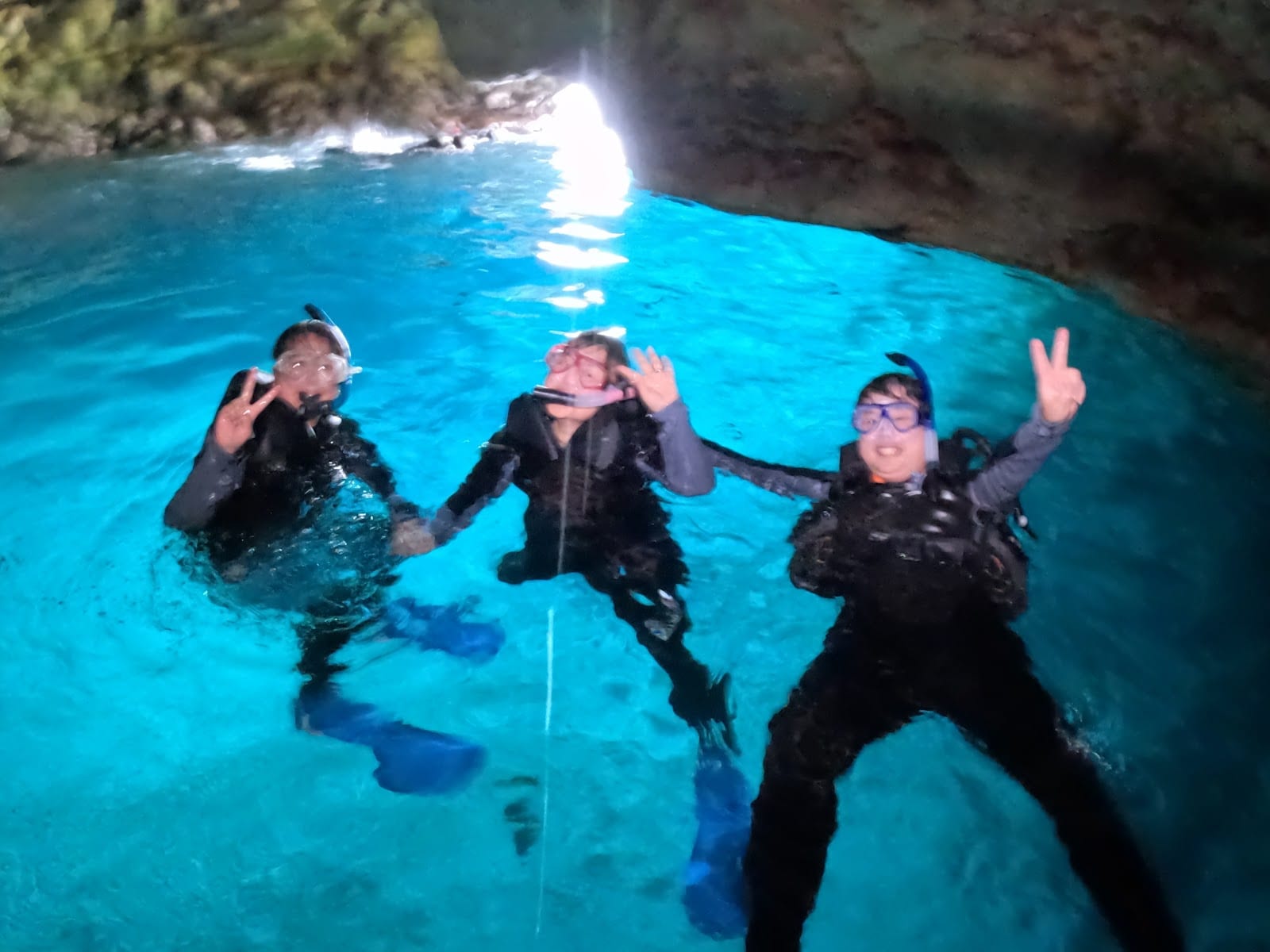
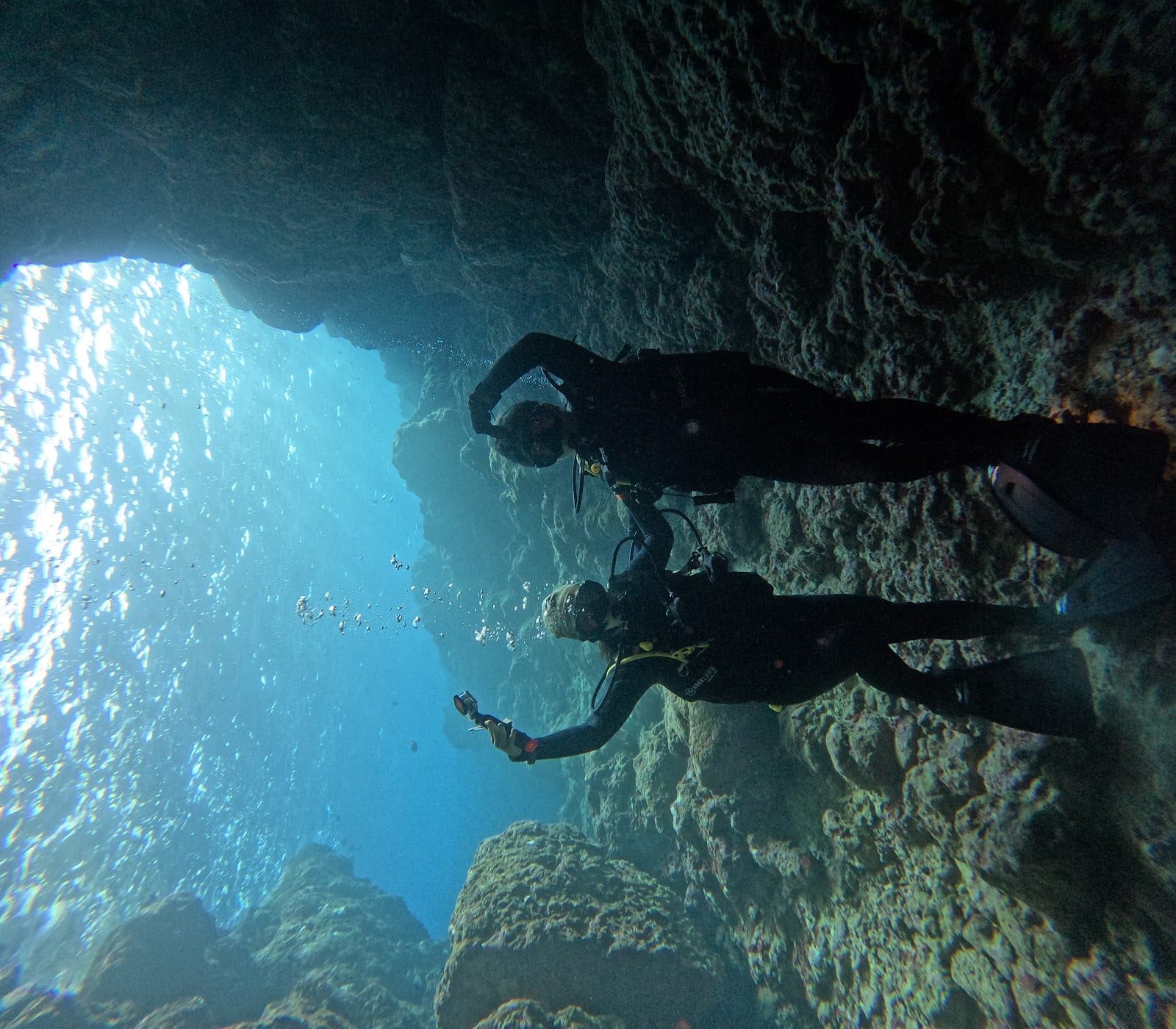
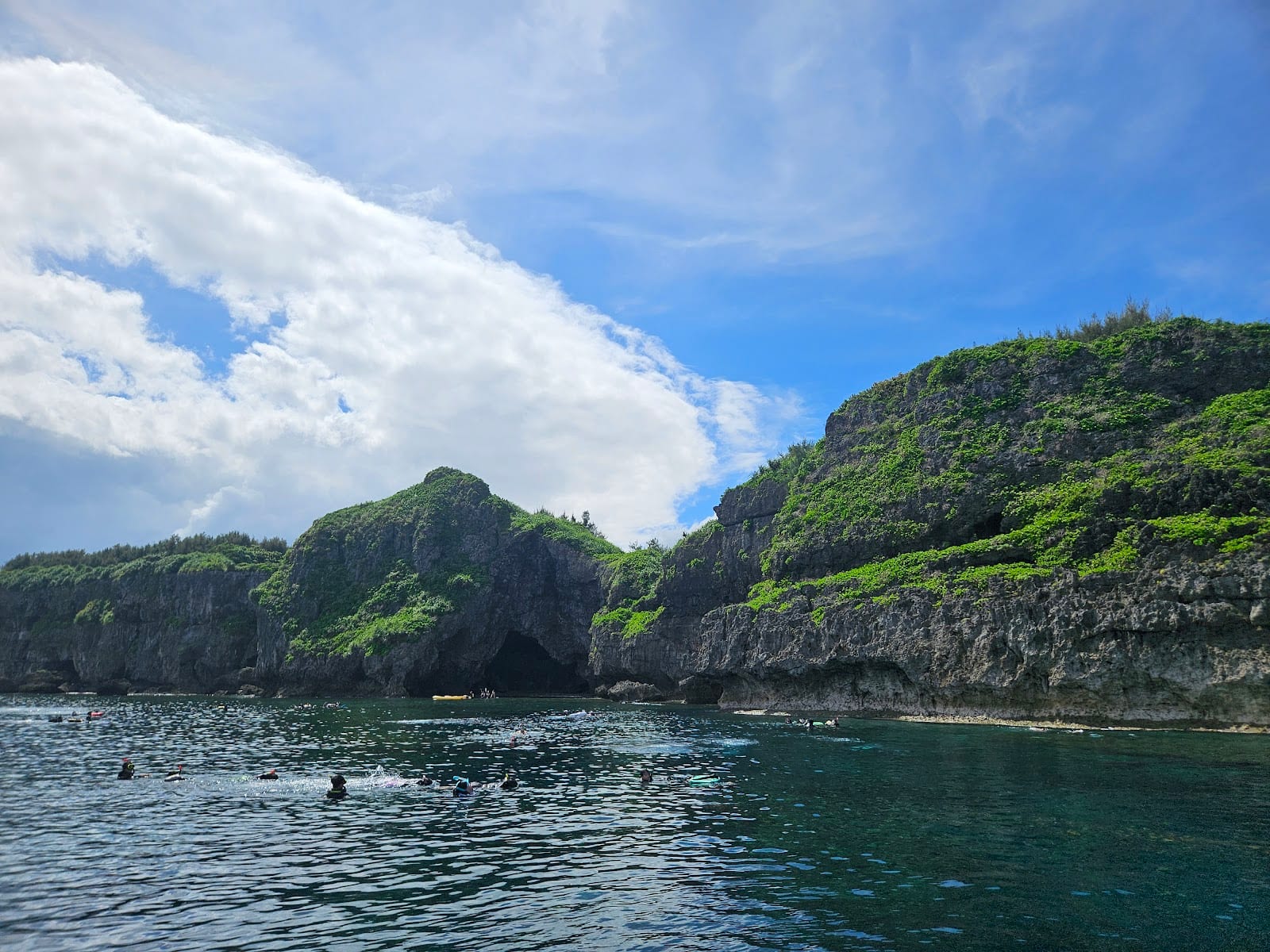
The best first snorkel in Okinawa is still the Blue Cave, provided the sea lets you enter.
The Blue Cave earns the top rank because it gives beginners and experienced swimmers a clear visual payoff: light entering the seaward limestone grotto turns the water blue while tropical fish move through the cave. You can reach it from shore by descending Cape Maeda's stairs and swimming, or choose a boat-entry snorkeling tour. The official facility has 180 vehicle spaces, but access is conditional on the sea state and flag, and the cave can close in rough weather. A listed snorkeling tour costs ¥5,000, or ¥5,500 for the 16:30 departure, with equipment, insurance, shower, drinks, and boat fees before tax. Do not cliff-dive here, and do not treat the famous name as a safety guarantee.
Where: Cape Maeda, Maeda 469-1, OnnaTour: From ¥5,000 before taxAccess: Shore or boat; weather-dependentFacilities: 180 vehicle spaces; showers and lockers - 2
 Kerama Islands · Naha departure Worth the hype
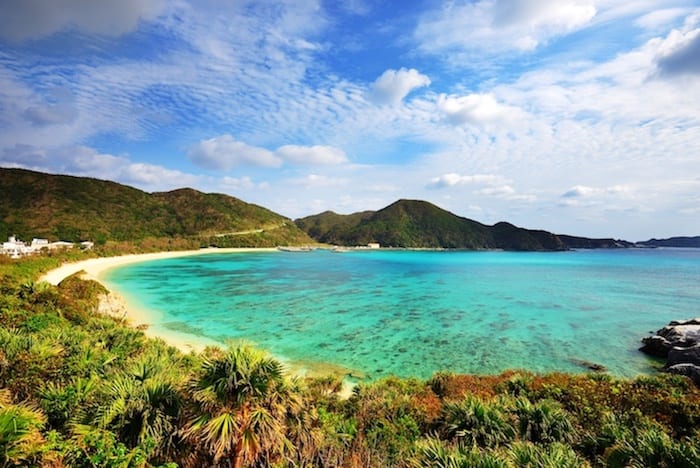
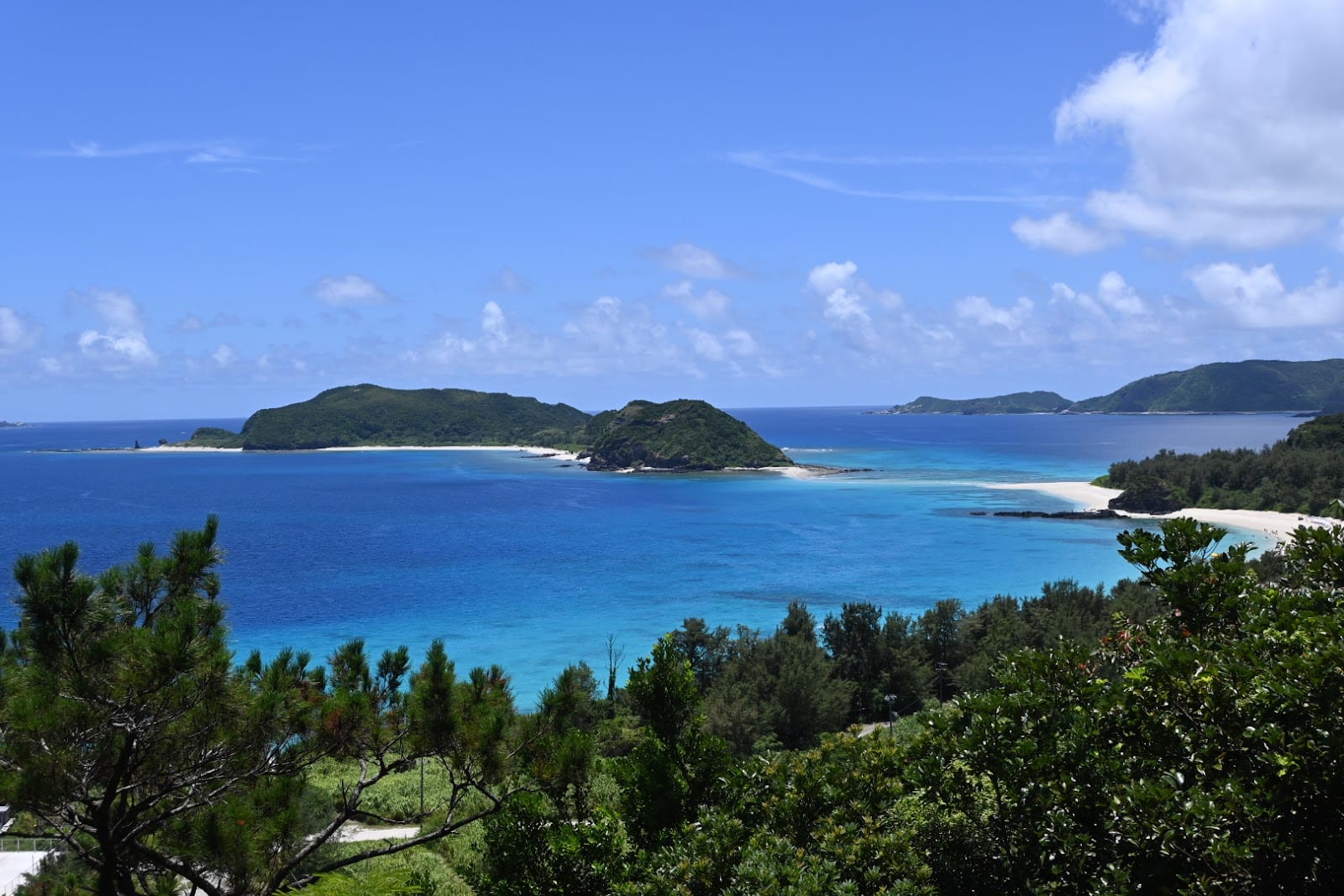
Kerama Islands
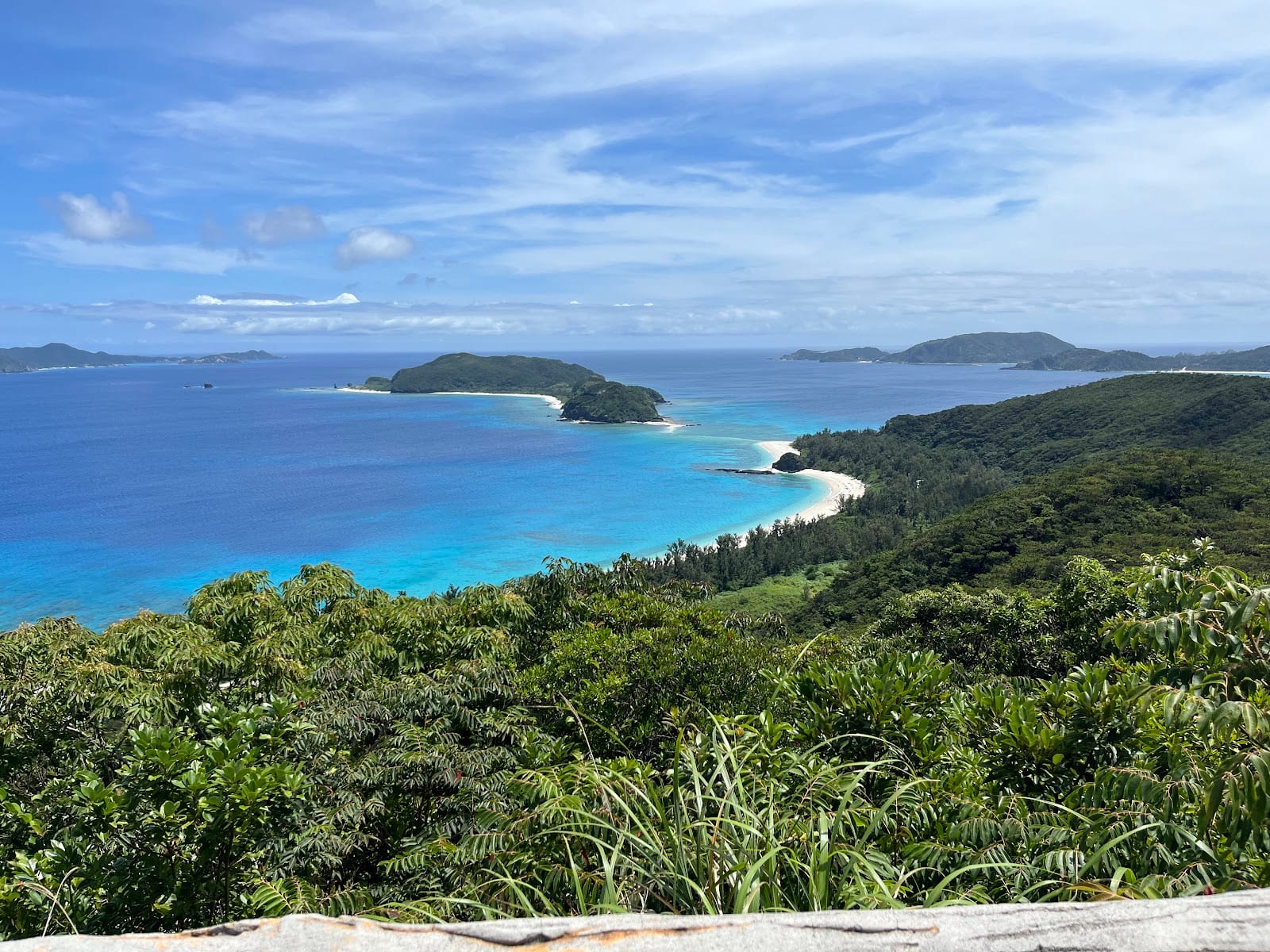
For the clearest water and widest choice of reefs, make the Keramas your boat-day benchmark.
The Kerama Islands rank second because the archipelago offers the most complete Okinawa snorkeling day: beaches on inhabited islands, boat trips to surrounding reefs, and a real chance of turtles in the right place. More than 20 islands make up the group, with Tokashiki, Zamami, Aka, and Geruma inhabited, and the waters support roughly 250 coral species. The named shade “Kerama blue” is not marketing fluff so much as the visual identity of the islands. Ferries leave from Tomari Port in Naha, taking about 35–40 minutes to Tokashiki and 50–70 minutes to Zamami. You can visit as a day trip, but island-hopping and an overnight stay make the geography easier to enjoy.
Where: 30–40 km north of NahaGetting there: Ferry from Tomari PortBest for: Boat trips, turtles, and reefsSeason: Whale watching in winter


The best easy shore entries
Stay on the main island and trade boat logistics for beaches, shallow water, and beginner-friendly access.
- 6
 Northern Okinawa · Motobu Town Mixed
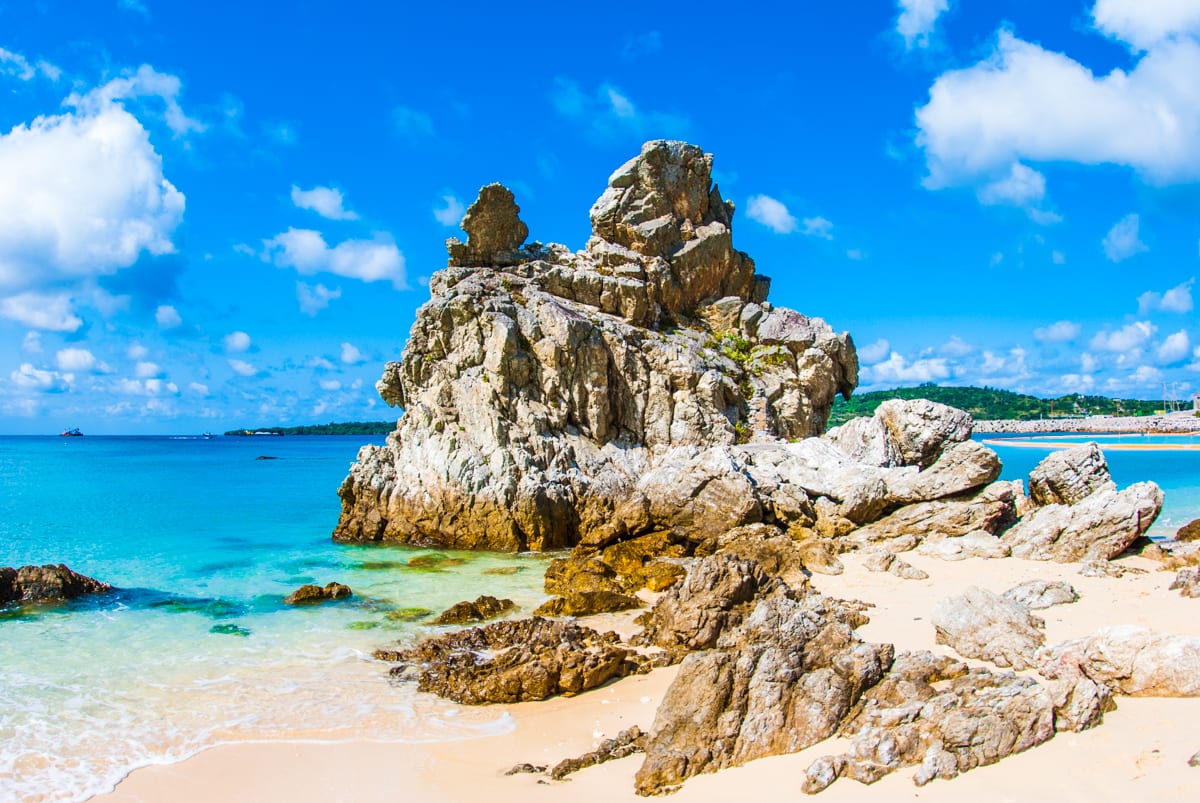
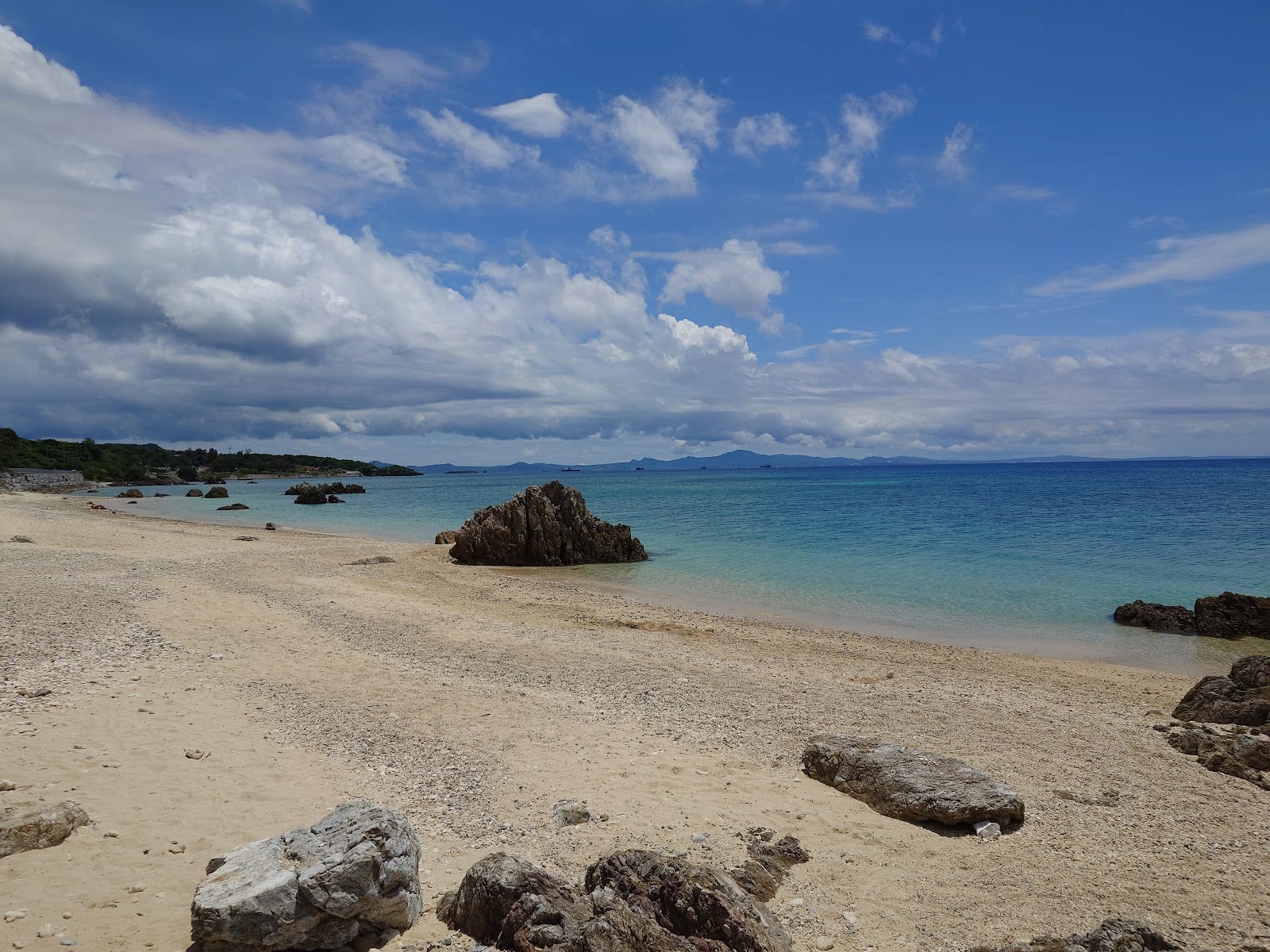
Gorilla Chop
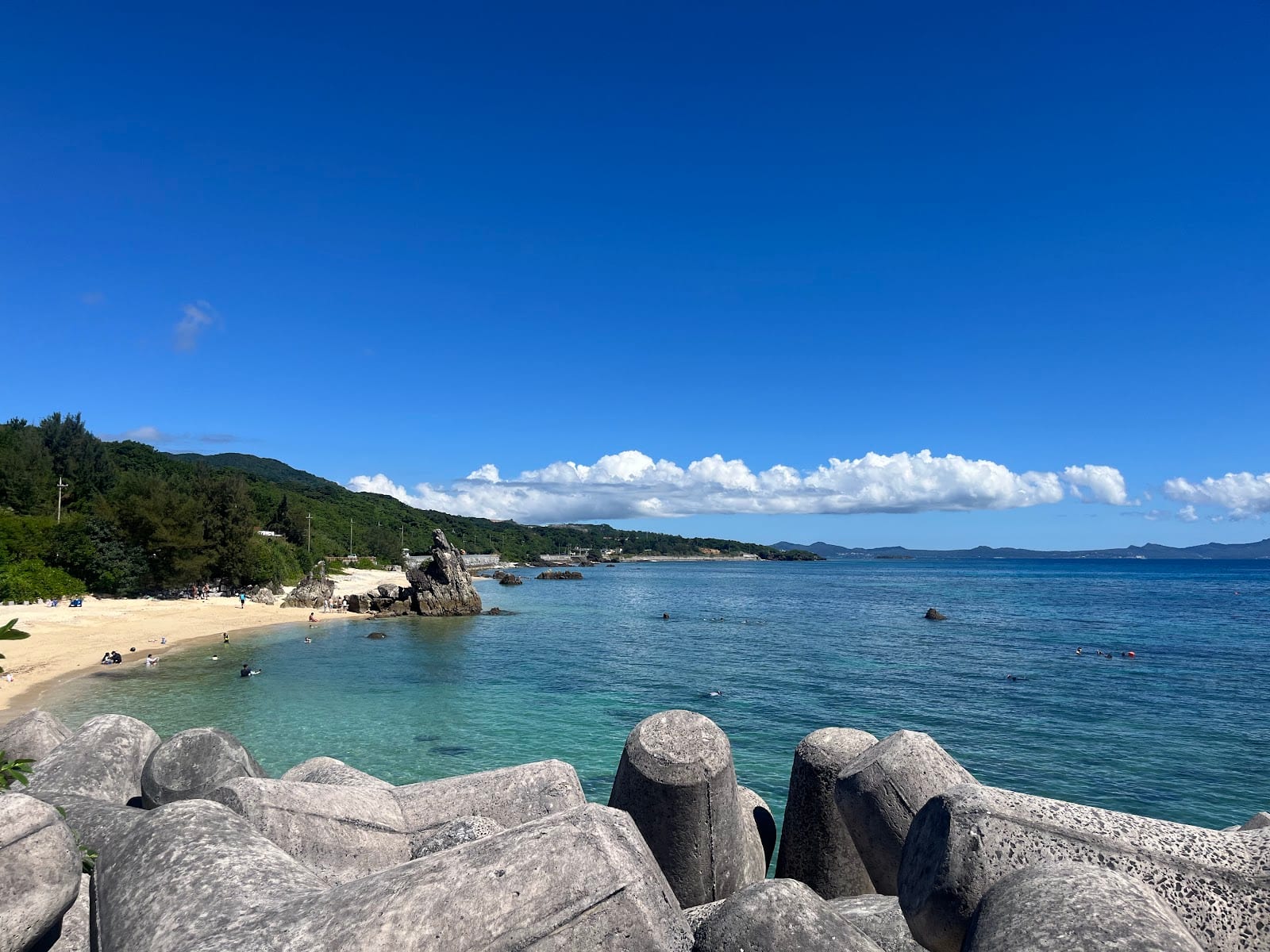
Gorilla Chop is the practical beginner pick: a shore entry, light current, and a memorable rock to find.
Gorilla Chop is not Okinawa's most polished beach, but it is one of the clearest calls for a first shore snorkel or introductory dive. The official travel guide rates it beginner level, with beach entry, minimal current, and a listed depth of 15 meters. Another dive operator describes visibility often reaching 20 meters or more, with possible sightings of seahorses, anemonefish, and sardines. A snorkeling listing prices the experience at ¥3,980 including equipment, insurance, and consumption tax, with sessions lasting about 1–1.5 hours. Meet at Sakimotobu Green Park Parking Lot, not the ferry information center that car navigation may suggest. The rock that resembles a gorilla doing a karate chop is the site's useful landmark and its entire charm.
Meeting point: Sakimotobu Green Park Parking LotSnorkel tour: ¥3,980 including equipment and insuranceSession: About 1–1.5 hoursWater: Beach entry; minimal currentSourcesvisitokinawajapan.com
- 7
 Northern Okinawa · Motobu Town Mixed
Sesoko Island
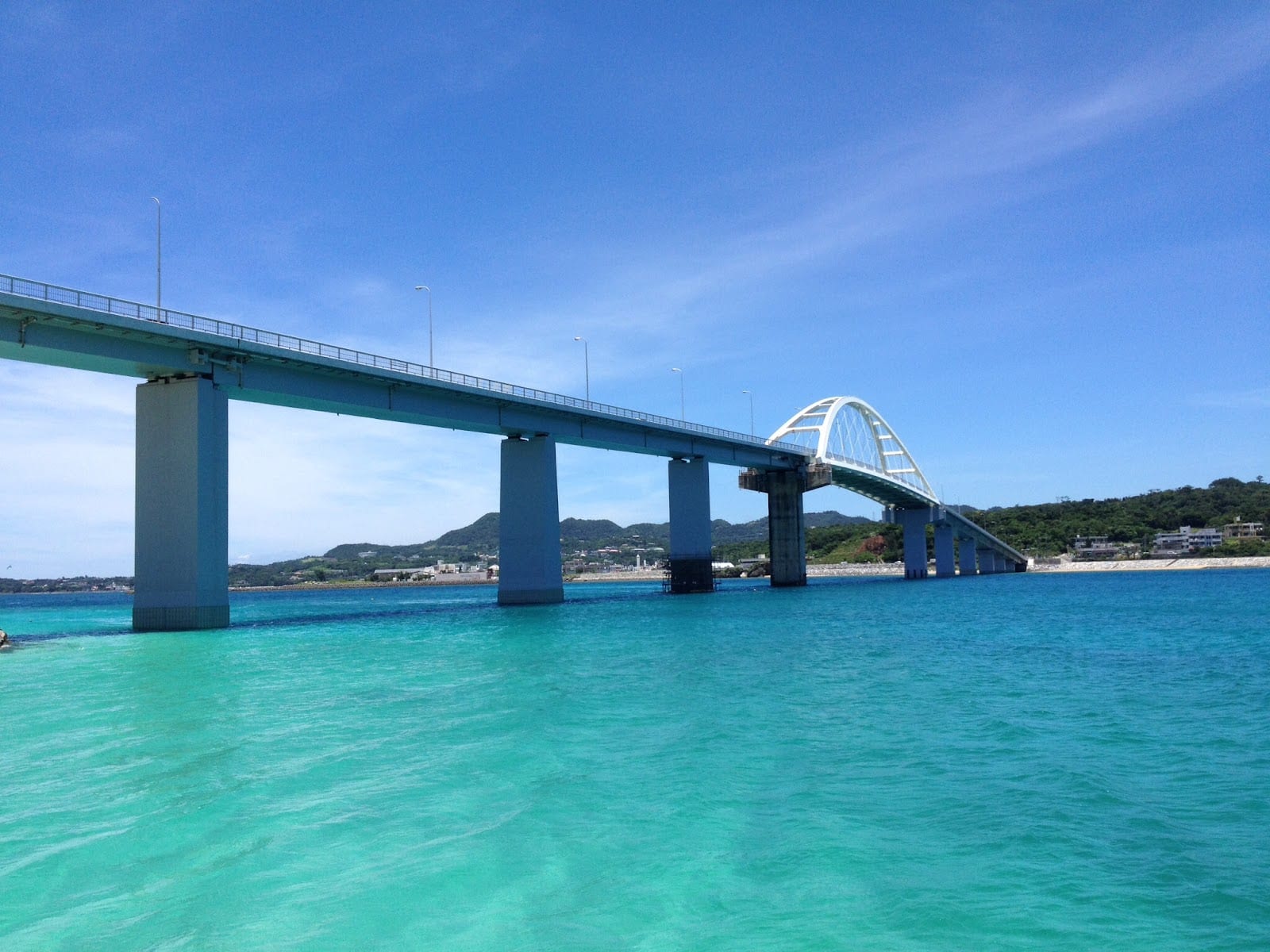
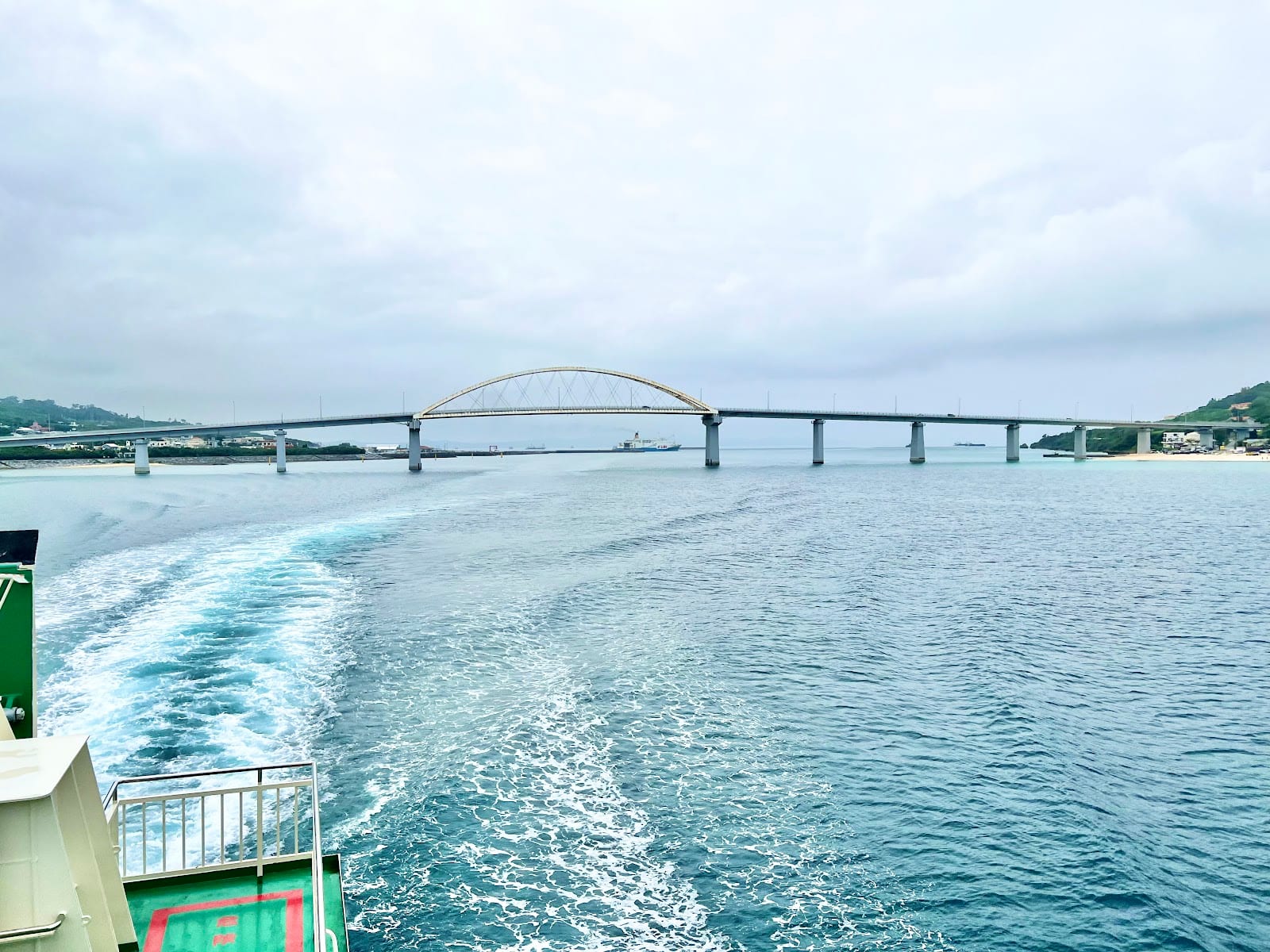
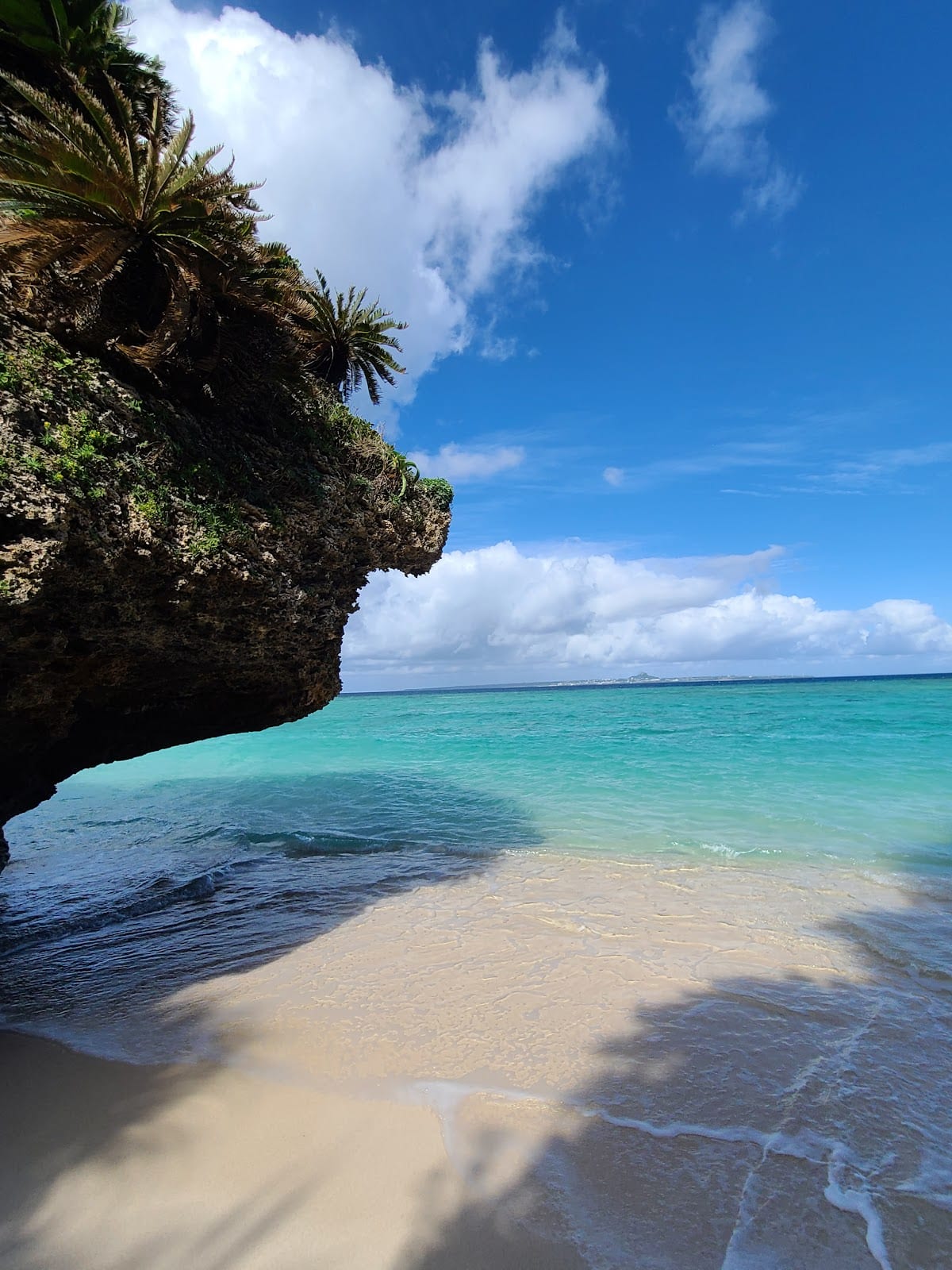
Sesoko is the easiest northern beach day when you want facilities, a bridge drive, and underwater texture.
Sesoko Island earns its place because it is simple to reach and still rewards people who put their face in the water. The 762-meter Sesoko Bridge connects it to Okinawa's main island, and Sesoko Beach has lifeguards, changing rooms, showers, lockers, rentals, and a first-aid room. Local dive sites include a shallow labyrinth of caves and crevasses ending in a large open-topped cavern where sunlight enters from above. The beach is seasonal for swimming, running from the weekend of the third or fourth week of April through the end of October. In season, parking is ¥1,000 per passenger car per day, with hot showers at ¥500. Anchihama is less forgiving because it has no lifeguards.
Where: Sesoko, Motobu; over the bridgeSwimming: Late April through OctoberParking: ¥1,000 per car in seasonFacilities: Lifeguards, showers, rentals, first aidSourcesvisitokinawajapan.com
- 9
 Central Okinawa · Onna Village Mixed
Manza Beach
Manza is convenient and family-friendly, but it is better for a managed beach day than a serious reef hunt.
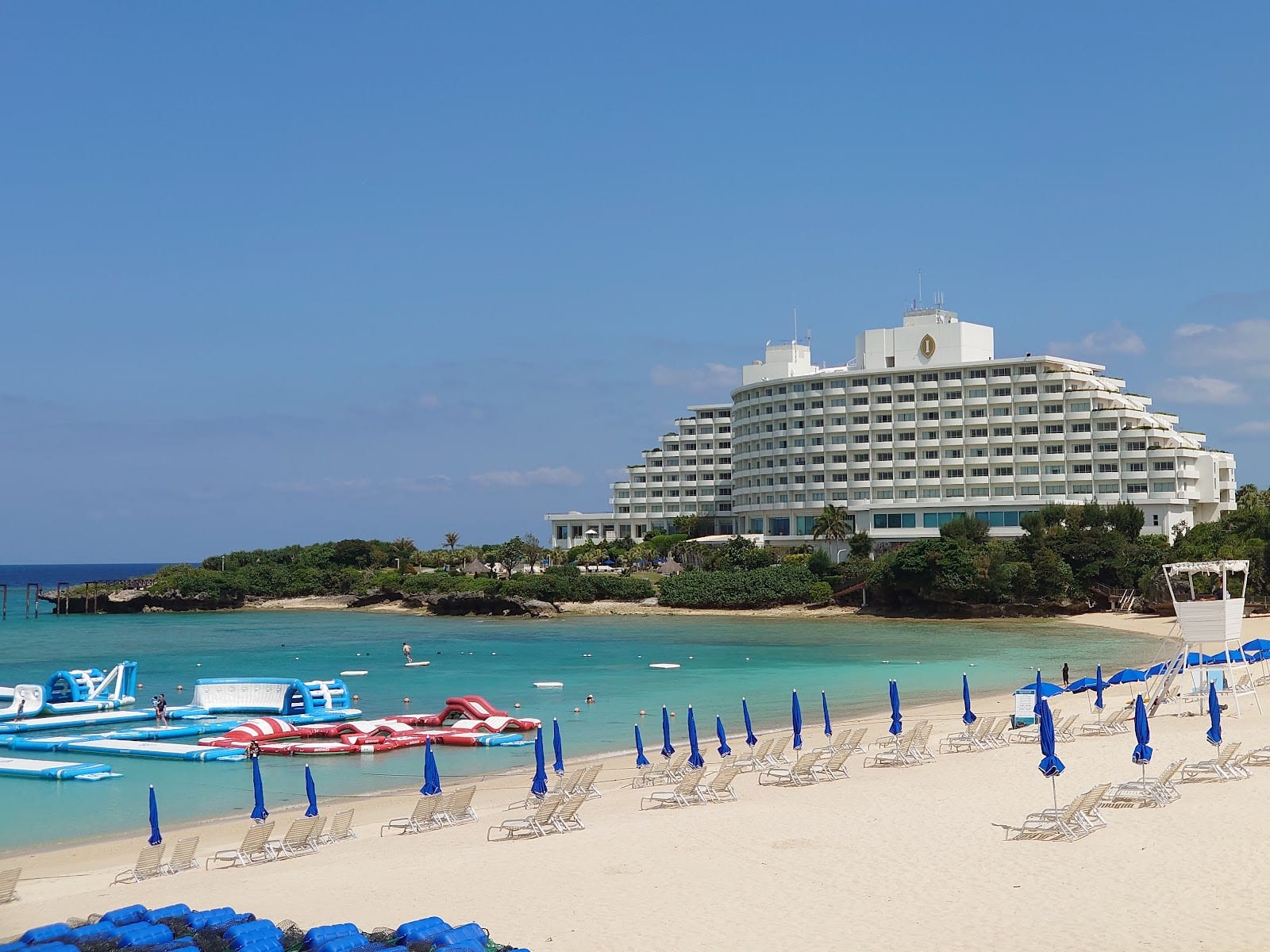
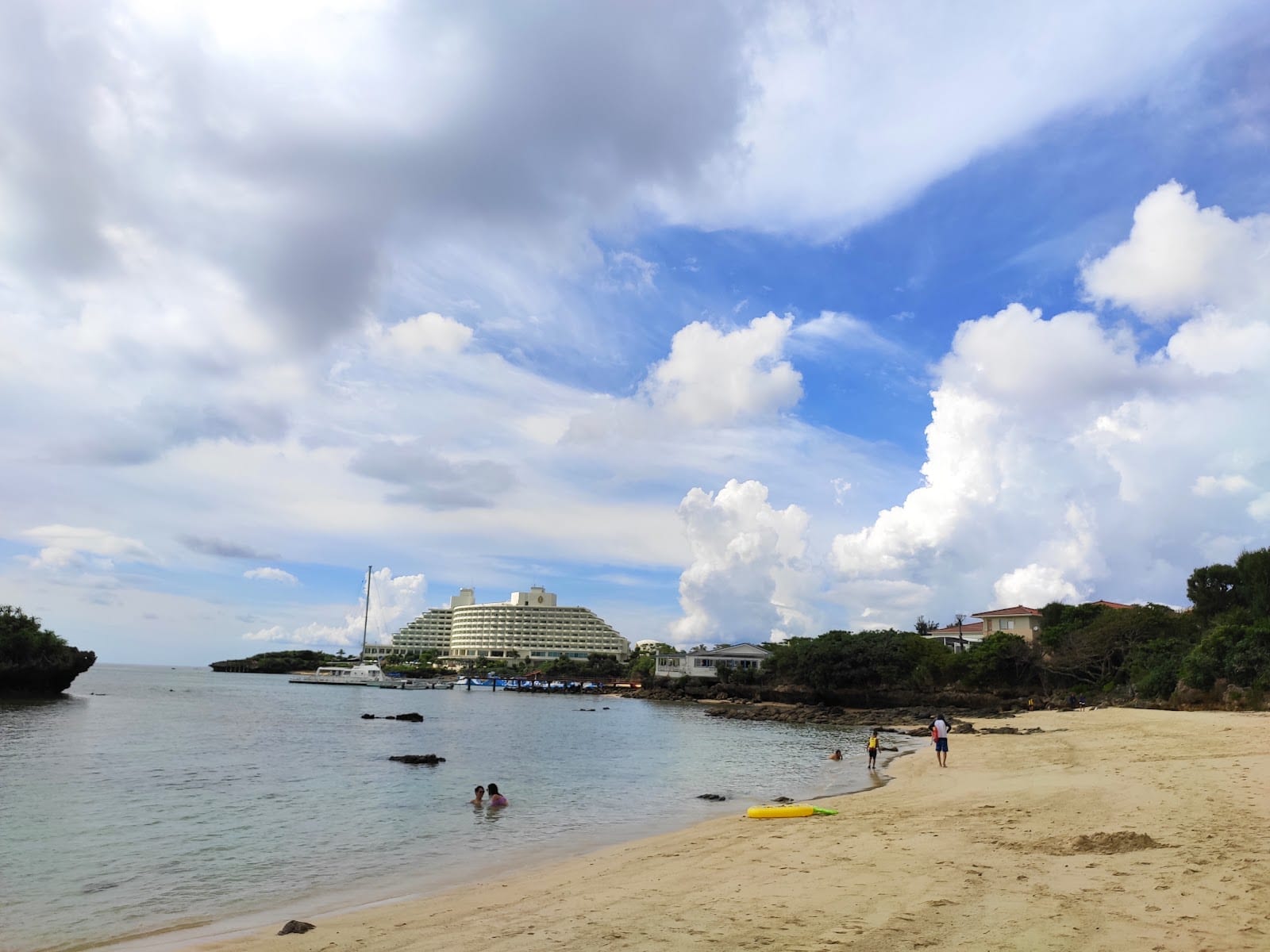
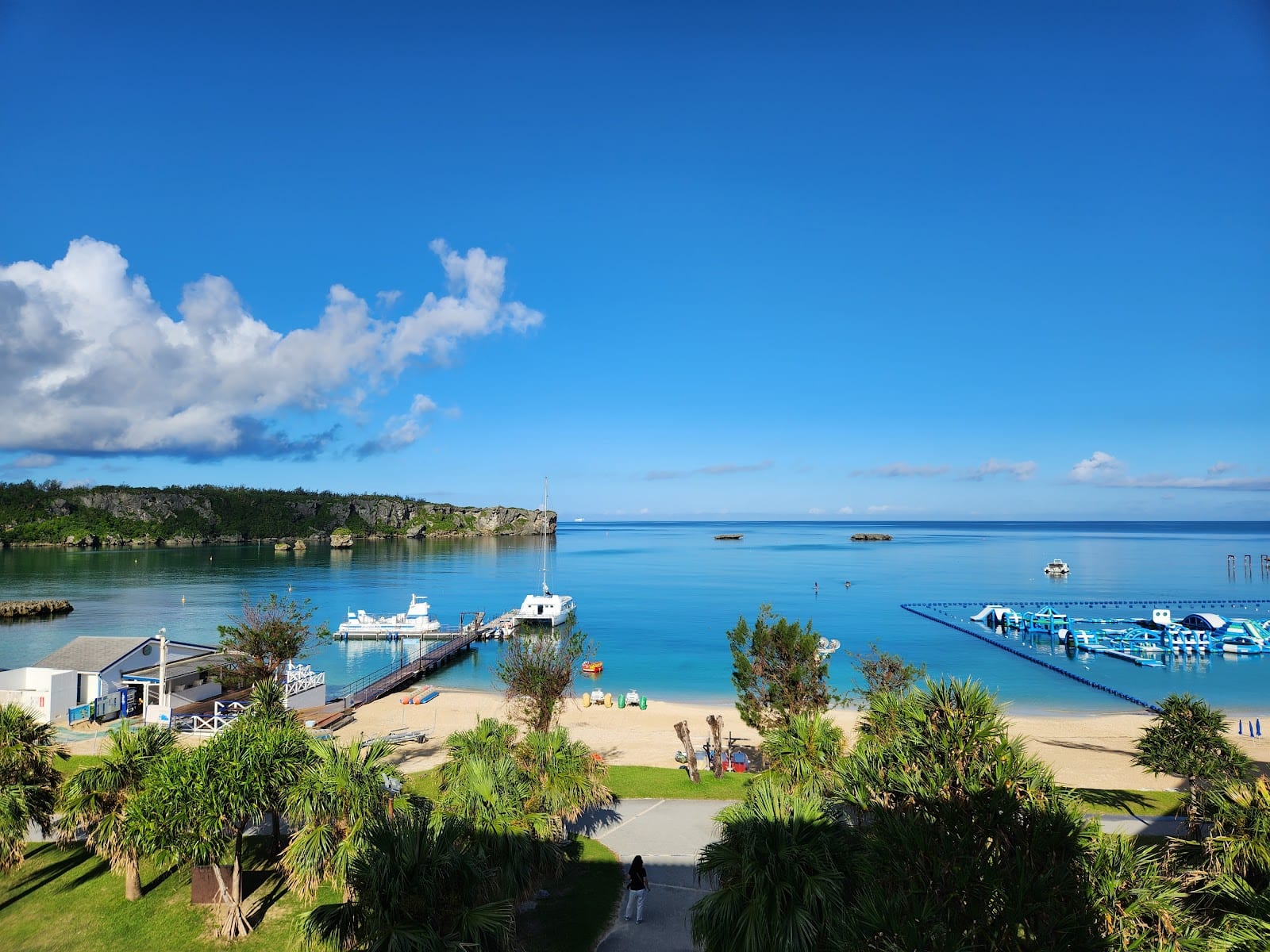
Manza Beach rounds out the ranking for travelers who value easy logistics and activities over a remote-feeling snorkel. The beach is at the ANA InterContinental Manza Beach Resort, offers year-round swimming, and allows snorkeling with a staffed information center for rentals and marine activities. Admission is free and parking is listed at ¥500 per day. The main draw for families is not rare marine life but the floating Manza Ocean Park, an inflatable offshore course with four connected zones, slides, trampolines, climbing walls, and a kids' zone. That park operates March 14 through November 30 in 2026, with listed admission of ¥5,000 or ¥5,500 during August 8–16. Come for convenience and a little water time. If reef quality is your only goal, choose the Keramas instead.
Where: Seragaki, Onna VillageBeach access: Free; parking ¥500 per dayBeach hours: Seasonal, generally daytimeOcean Park: From ¥5,000 in 2026Sourcesanaintercontinental-manza.jpanaintercontinental-manza.jp


The island and boat days worth the effort
Go farther for larger reef systems, quieter beaches, and marine encounters that depend on timing and conditions.
- 3
 Kerama Islands · Zamami Village Worth it
Zamami Island
Choose Zamami for a proper island day with beach snorkeling, turtles, and time to slow down.
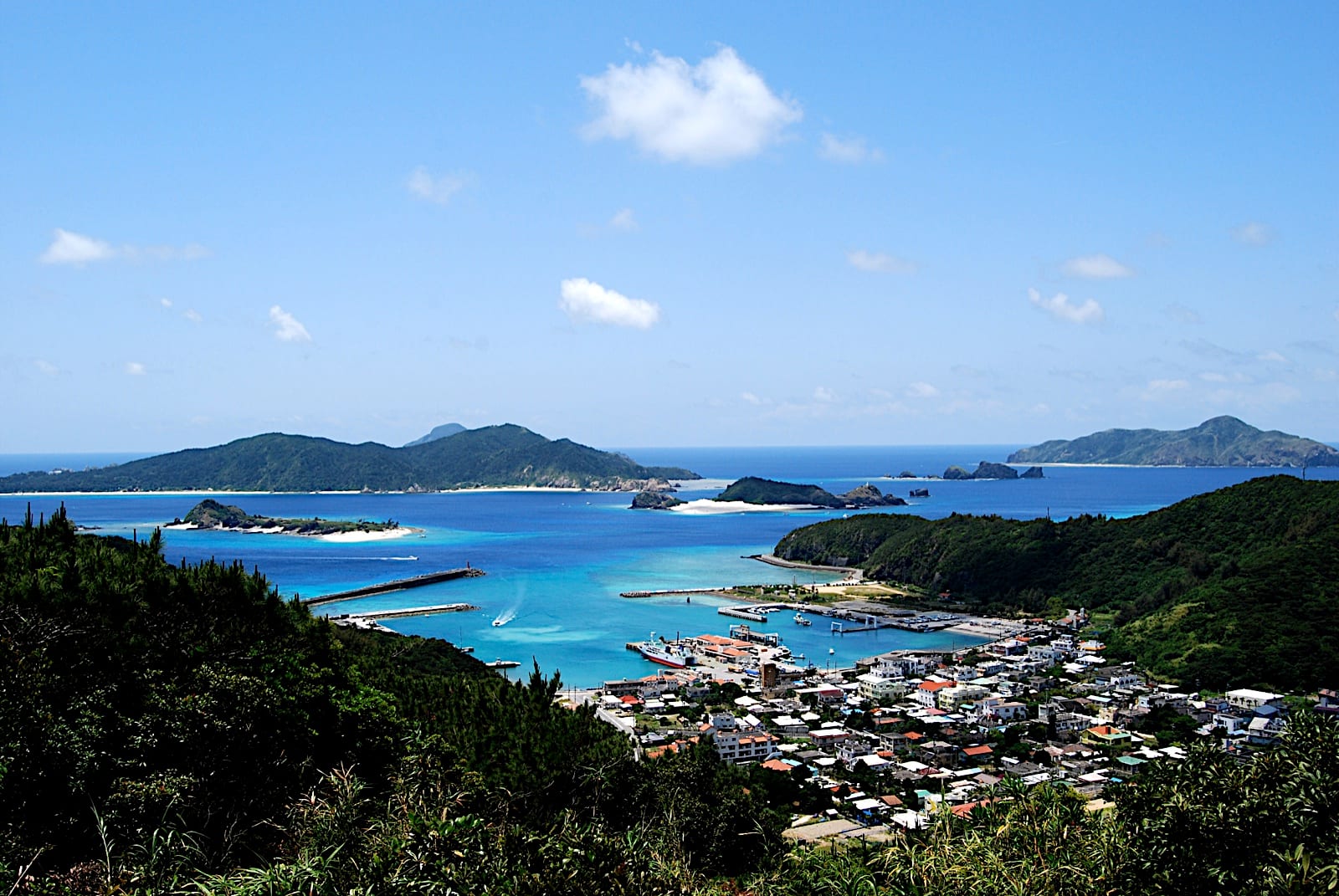
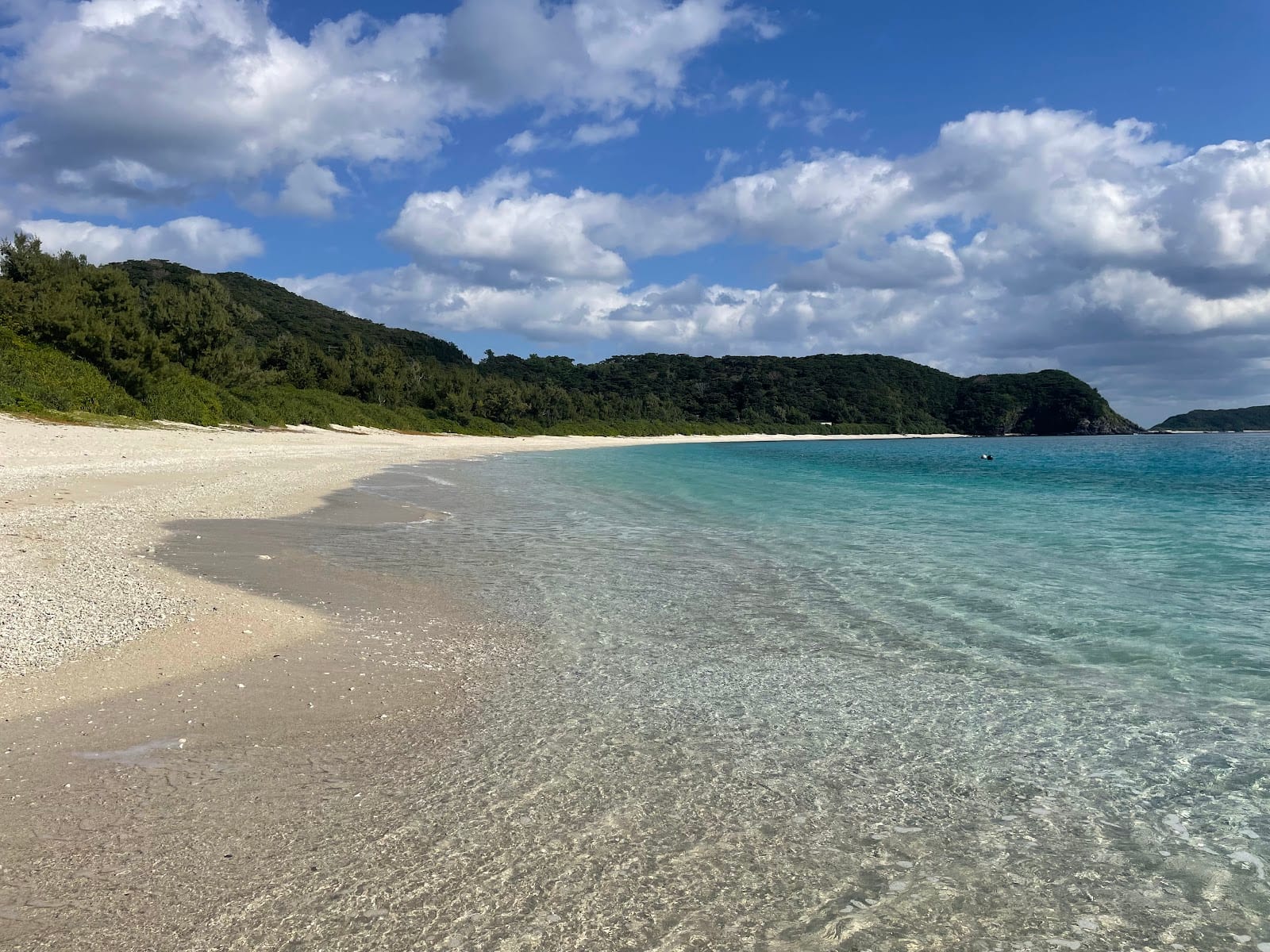
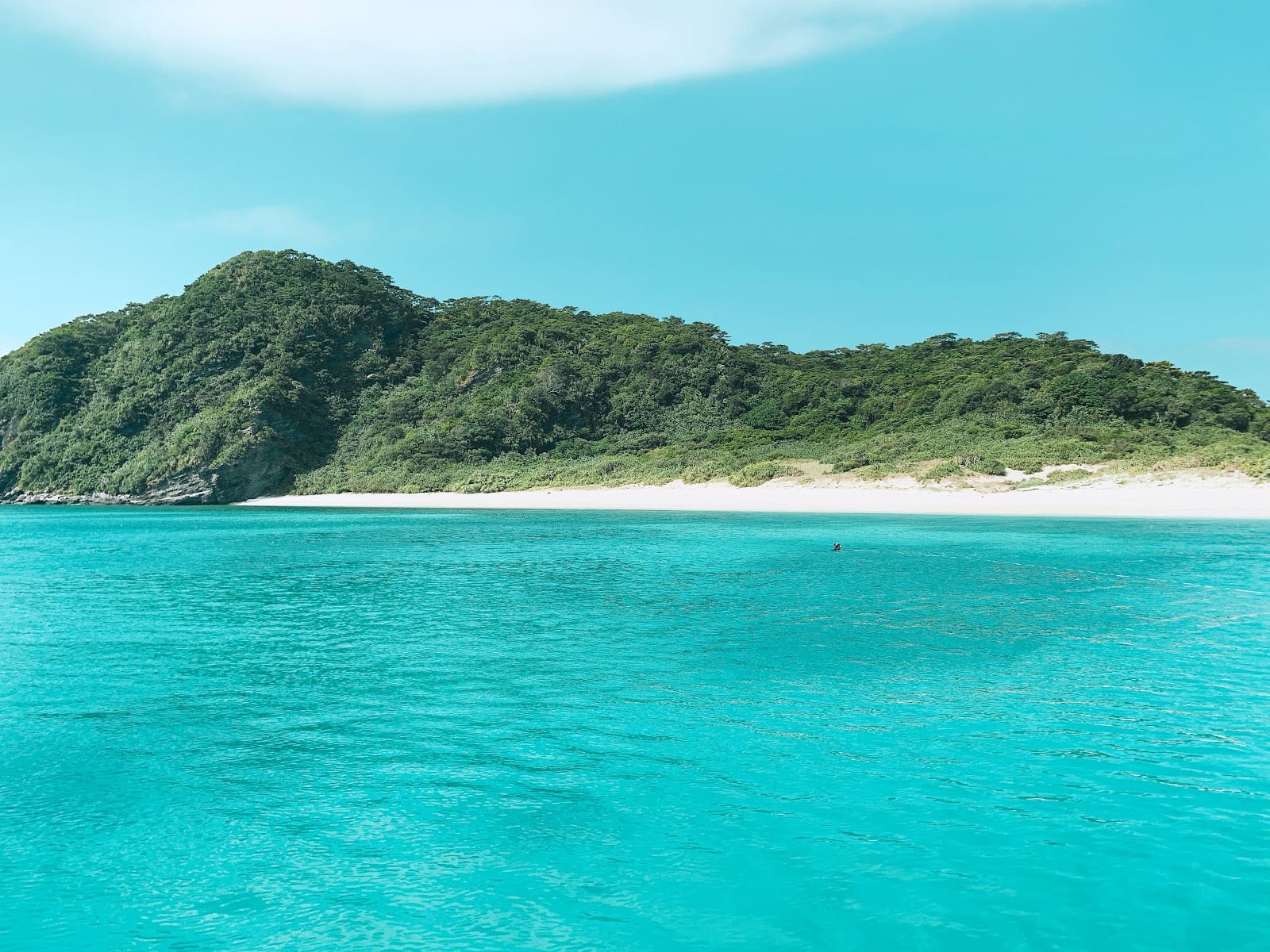
Zamami is the Kerama pick for travelers who want more than a scheduled reef stop. Furuzamami Beach stretches for more than 800 meters, the surrounding water is the familiar “Kerama Blue,” and sea turtles are often seen near Ama Area, about a 15-minute walk from Zamami Area. The high-speed ferry from Tomari Port takes about 50–70 minutes, but advance booking matters because ferries, accommodation, and marine activities can sell out. Once there, the island is hilly enough that an electric bike, rental car, or local bus is more useful than wandering on foot. Winter whale watching runs around January to March. Cash is still the safer assumption at many island businesses, and swimming belongs in designated areas unless a licensed guide accompanies you.
Where: Zamami Village, KeramasFerry: 50–70 minutes from NahaWildlife: Turtles near Ama; whales Jan–MarOn island: Electric bike, car, or local bus - 4
 Miyako Islands · Miyakojima Worth the hype
Miyako Island Reefs
Miyako is the reef specialist's choice, with Yoshino Beach putting a coral maze close to shore.
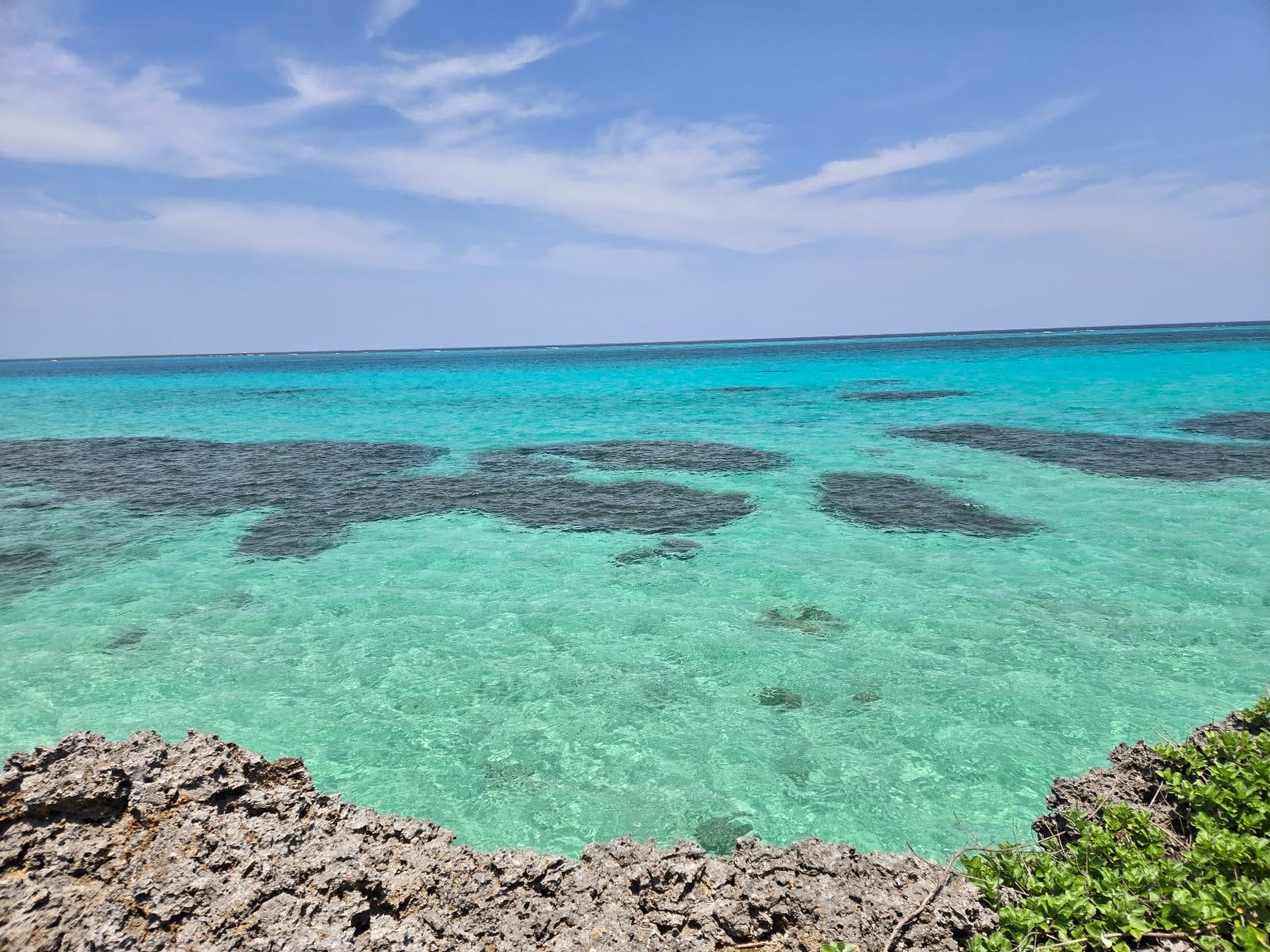
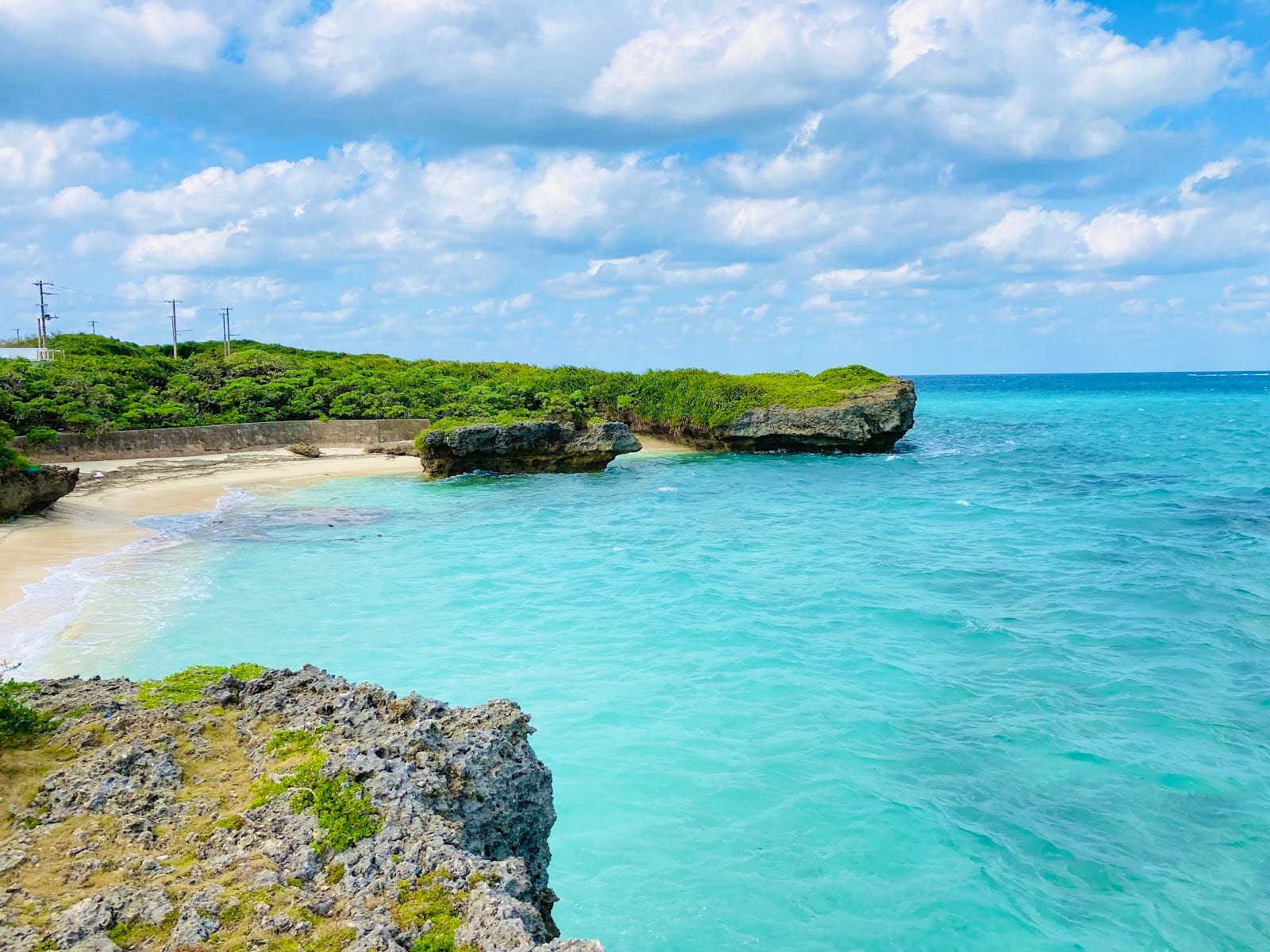
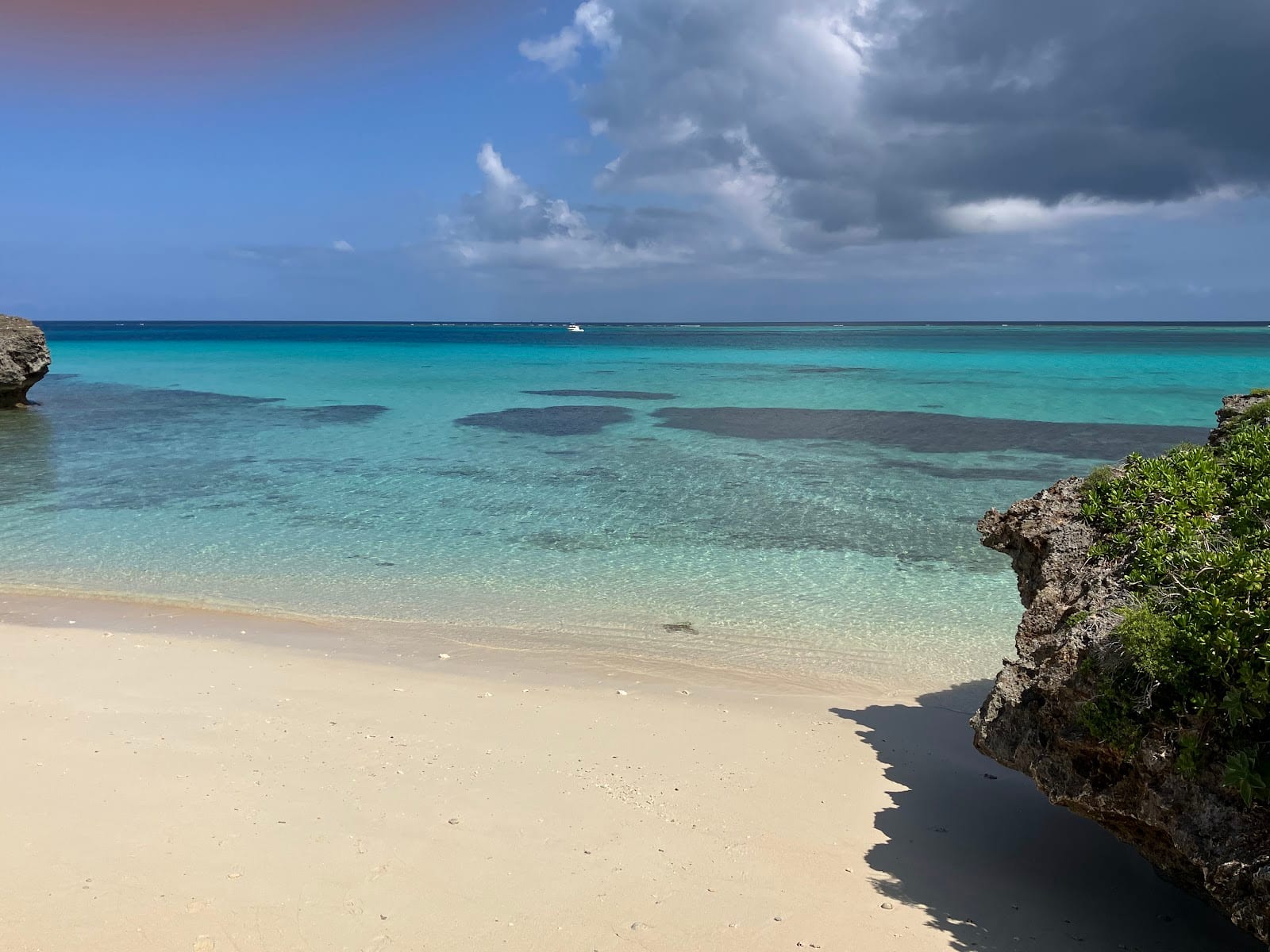
Miyako Island Reefs take fourth place for the quality and spread of the underwater terrain. Yoshino Beach is described as Miyako's best beach for snorkeling, with colorful fish and a coral-reef maze beginning only a few steps into the water. The island's coral-rock geology helps explain why the water can remain clear after heavy rain, as rainwater is absorbed and filtered below ground. For a bigger day, boat trips reach offshore sites including Yabiji, the named barrier-reef system northeast of Ikema Island. Miyako is a flight destination rather than a ferry extension from Okinawa's main island, and a rental car is the most practical way to connect its beaches and bridge-linked neighboring islands. Watch currents and Habu jellyfish, especially from June through October.
Highlight: Yoshino Beach's shallow reef mazeWhere: Miyakojima and surrounding islandsGetting there: Fly to Miyako Airport; rent a carBest: April–November - 5
 Yaeyama Islands · Ishigaki City Worth it
Ishigaki Island
Go to Ishigaki for manta-ray possibilities and a broad island base, not for a swim at Kabira Bay.
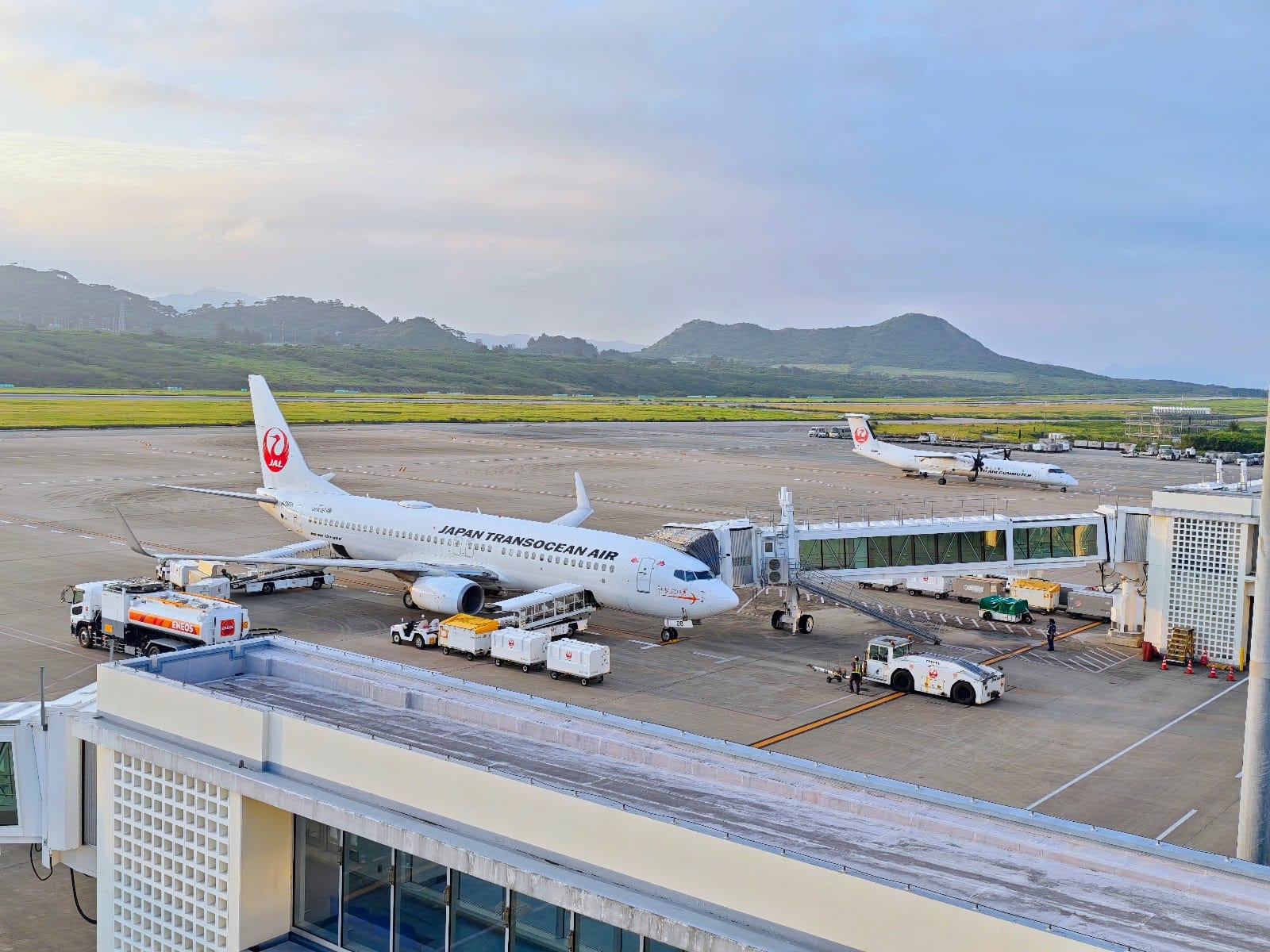
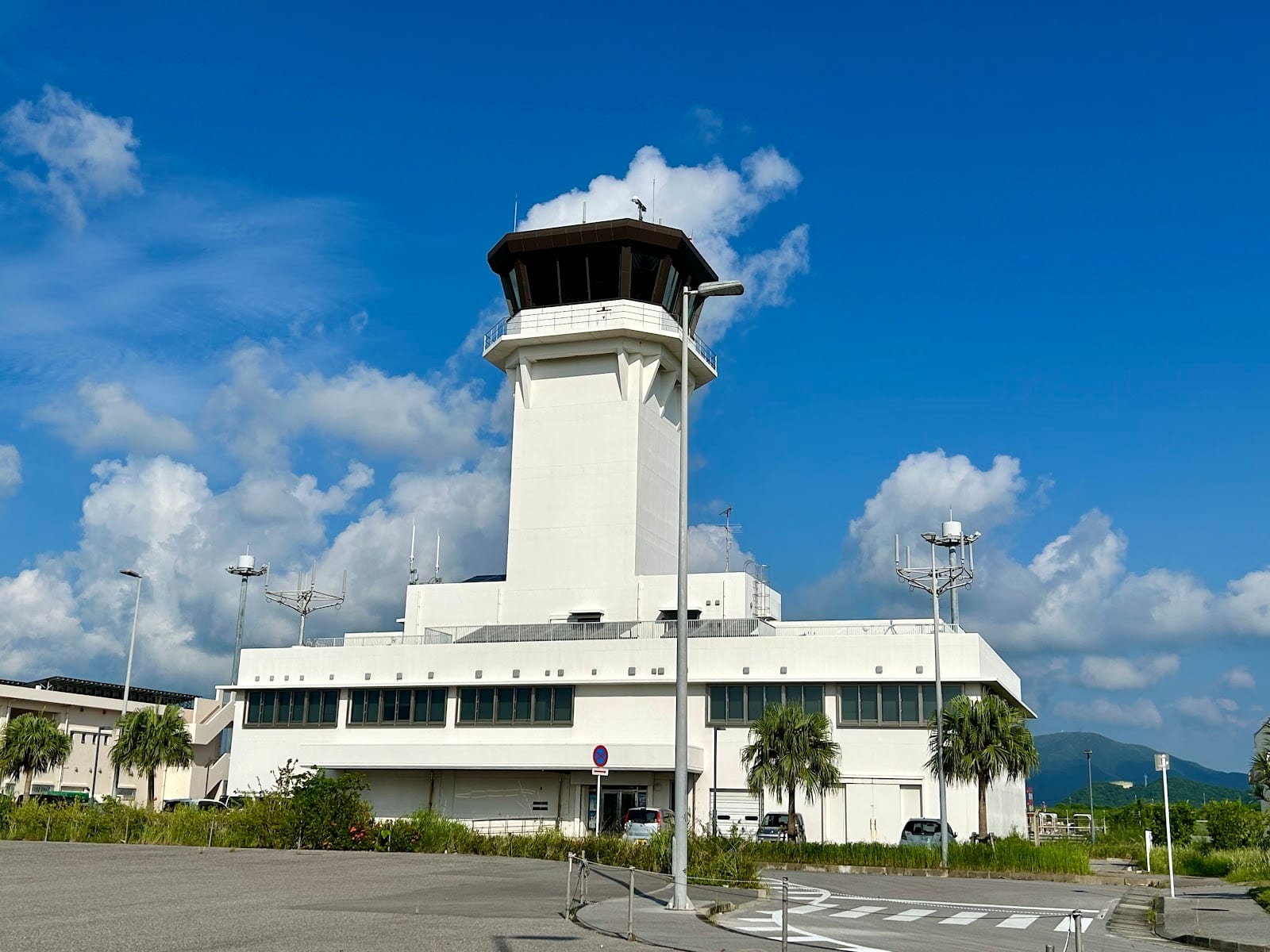
Ishigaki is a strong choice when snorkeling is part of a longer island trip rather than the whole itinerary. The island is the Yaeyama chain's business and transport hub, its coast runs for 160 kilometers, and reef manta rays frequent the surrounding waters year-round, with the best sighting chances from July to mid-October. Guided boat trips are the sensible route to marine life, while a rental car opens up beaches and the northern coast. The important correction is Kabira Bay: swimming, snorkeling, and diving are not allowed from its beach. You can see its black-pearl waters on a glass-bottom boat, with listed departures from 9:00 to 17:00 and a ¥1,300 fare, but that is sightseeing, not snorkeling.
Where: Ishigaki City and island coastMantas: Best chances July–mid-OctoberGetting there: Fly to New Ishigaki AirportKabira boat: Glass-bottom boats from ¥1,300 - 8
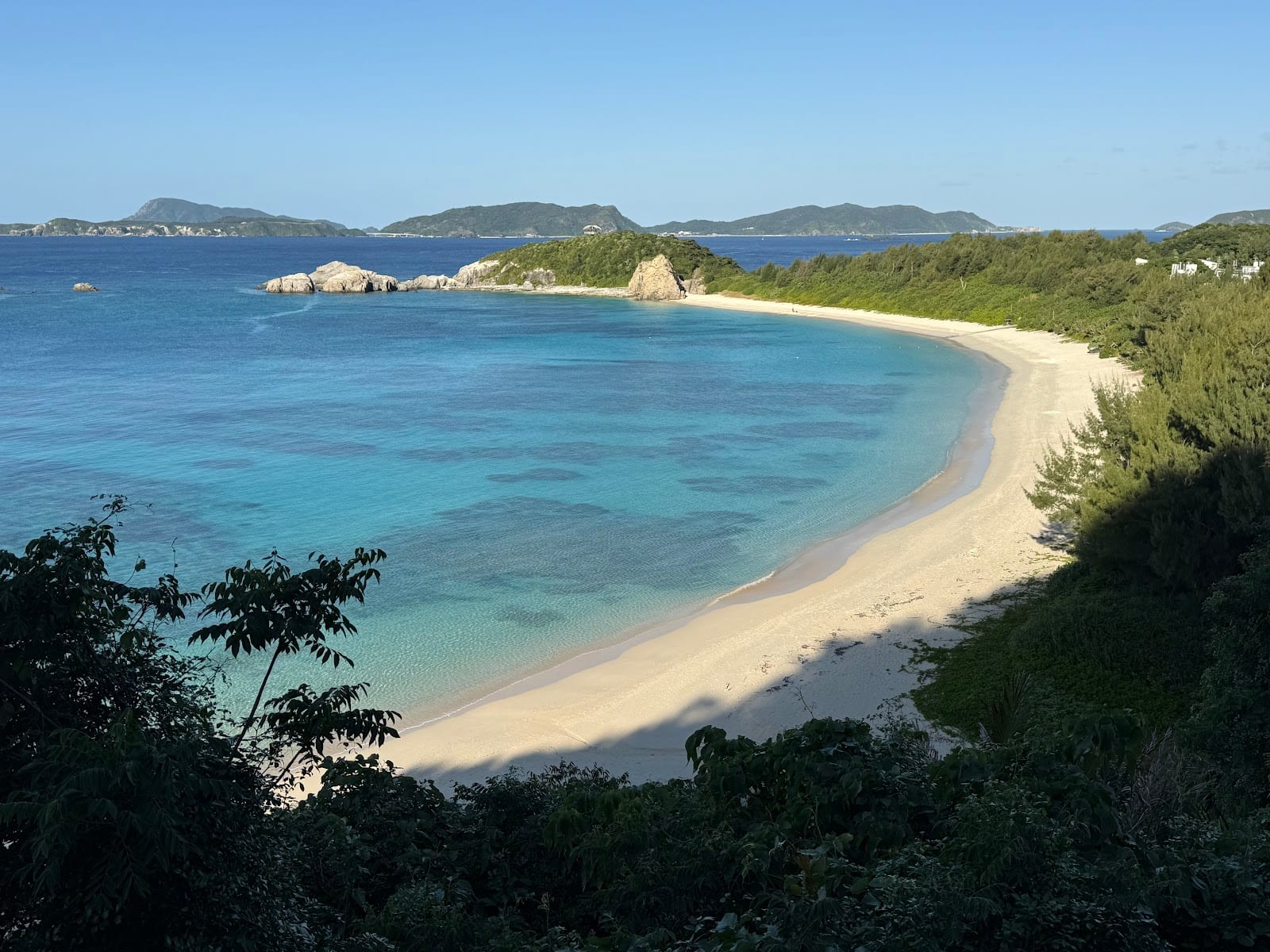
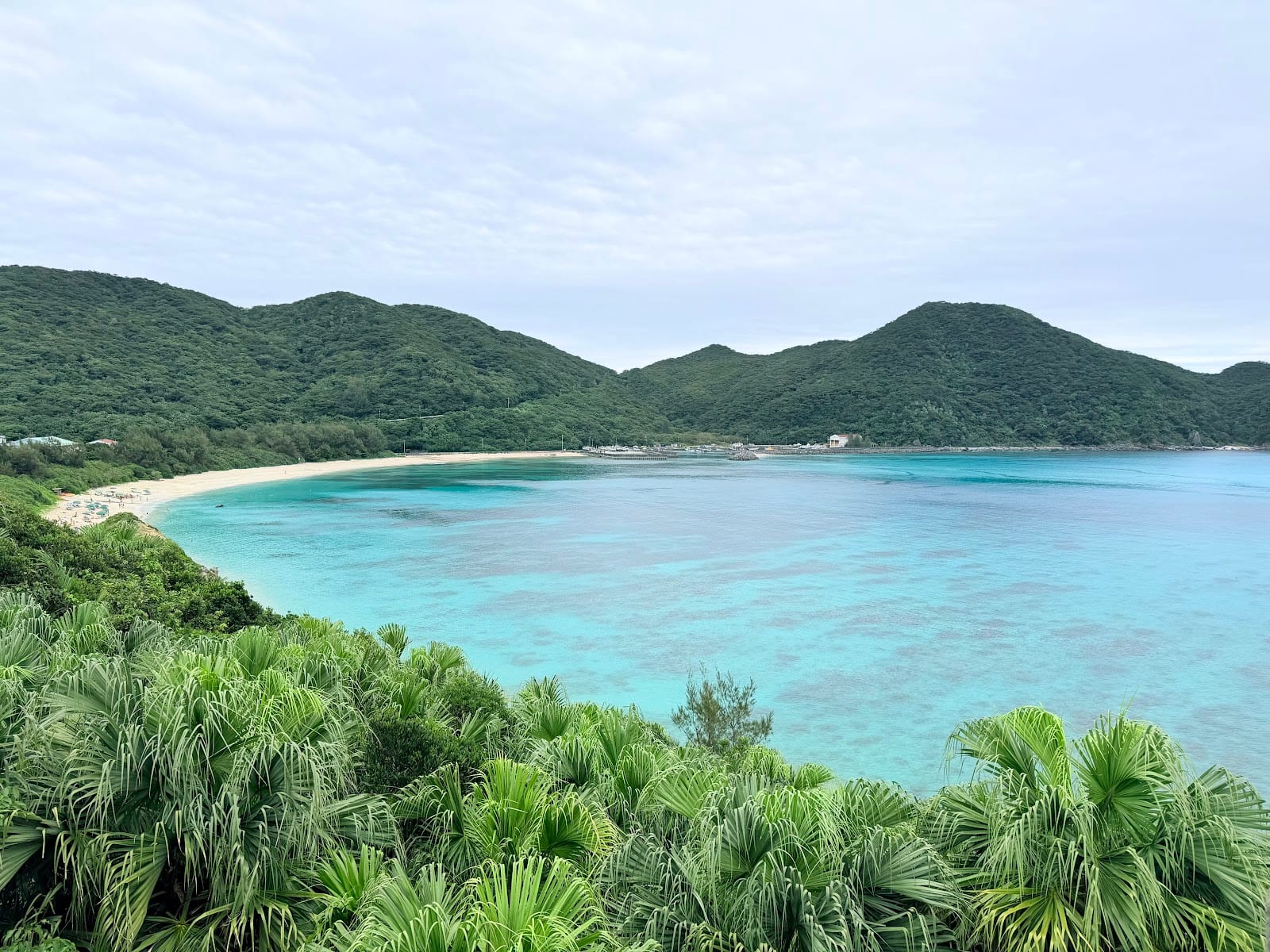
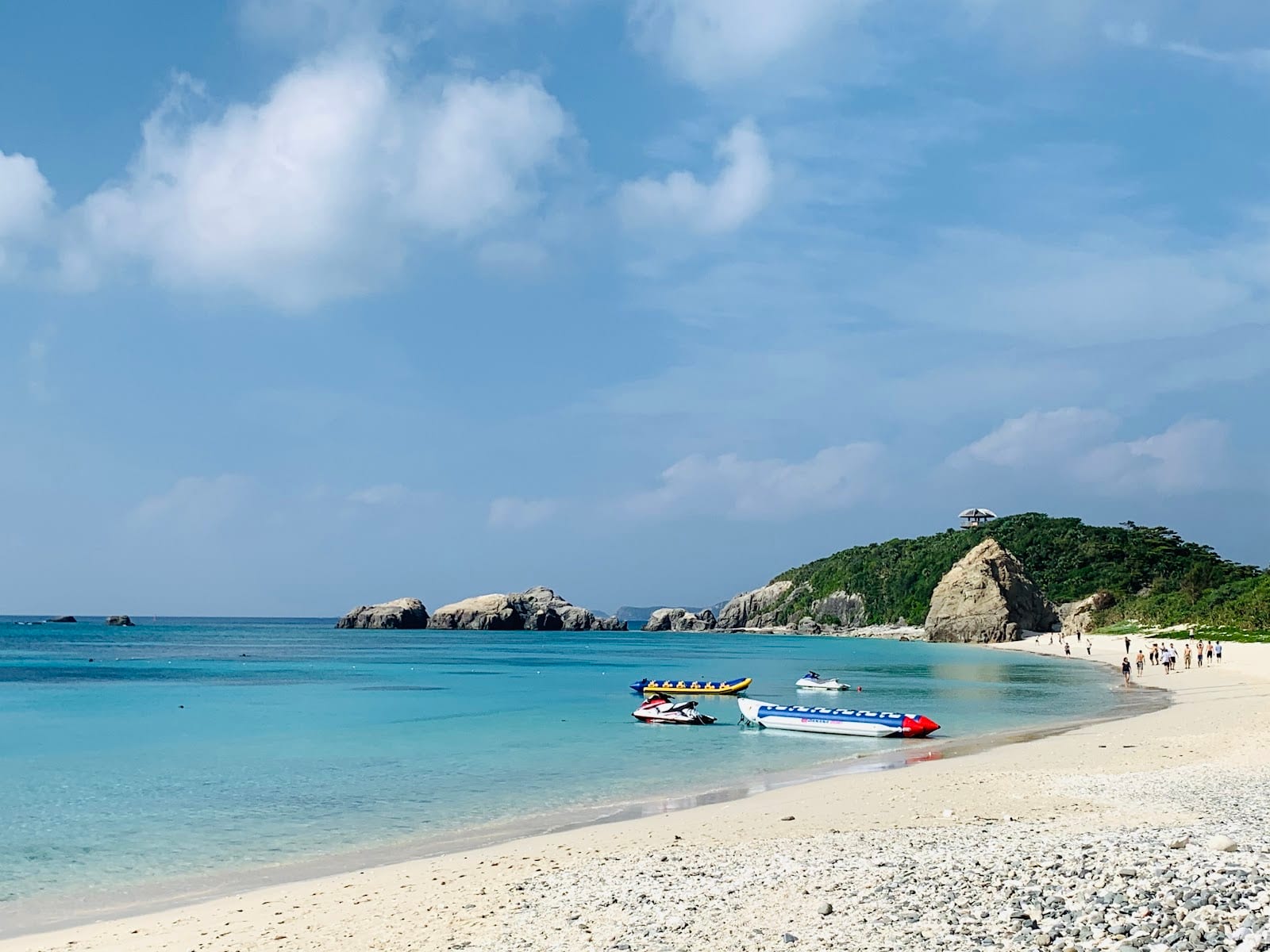 Kerama Islands · Tokashiki Island Mixed
Tokashiki Island
Tokashiki is the most straightforward Kerama escape from Naha, with turtle-friendly beaches and simple ferry choices.
Tokashiki is the Kerama island to choose when ferry simplicity matters. It is the largest island in the group and the closest Kerama island to Okinawa's main island, with high-speed ferries taking about 35 minutes and the slower car ferry about 70 minutes from Tomari Port. Tokashiku Beach is specifically noted for sea turtles, while Aharen Beach is the livelier base and sits less than 15 minutes from Tokashiki Port by taxi or local bus. From Aharen, sea kayakers can paddle roughly 800 meters to uninhabited Hanari Island, where anemonefish and clownfish gather. One caution matters: at Tokashiku, lifeguards restrict swimmers to a small buoyed area after 9 a.m. from mid-April through October. Follow the local boundary rather than chasing a better photograph.
Ferry: High-speed about 35 minutesWhere: Tokashiku and Aharen beachesWildlife: Turtles; clownfish near HanariSeason: Whales generally January–April


The bottom line: do the Blue Cave if conditions are good, then give a full day to the Keramas if you have time. Choose Gorilla Chop, Sesoko, or Manza for simpler shore access, and save Miyako or Ishigaki for a longer island stay where the reefs can justify the travel. Rankings and verdicts are our own; where shown, star ratings open each spot's Google listing, and details shift by season, so confirm before you go.
The big decision
Shore entry or boat day?
Pick the Blue Cave or a northern beach for easy access, and choose the Keramas when the reef itself is the reason for the trip.

The shore entry
Start at the Blue Cave for the glowing grotto, or choose Gorilla Chop when you want a beginner-friendly beach entry with a short organized session. These are the lower-friction choices for a first Okinawa snorkel.
See more
The boat day
Take the ferry to the Keramas for “Kerama blue,” turtles, and access to surrounding uninhabited reefs. It costs more time and planning, but the water and wildlife justify the extra step.
See moreBefore you go
Know before you go
A few practical things that decide whether the day goes smoothly.
Check the sea before the site
Cape Maeda's Blue Cave can close or cancel tours when the sea is rough, and swimming depends on the official flag. Do not force a cave or shore entry because it is ranked first.
Book ferries and tours early
Zamami ferries, accommodation, and marine activities can sell out, so reserve before leaving Naha. The Kerama Islands are reachable as a day trip, but an overnight stay gives you more flexibility when weather changes.
Match the island to your base
Onna and Motobu work by car, while the Keramas begin at Tomari Port in Naha. Miyako and Ishigaki require flights, and a rental car is the most practical way to reach their spread-out beaches and reef areas.
Know what the fee covers
Blue Cave tours can include equipment, insurance, showers, drinks, and boat fees, while Gorilla Chop's listed ¥3,980 snorkeling experience includes equipment, insurance, and tax. Beach parking and optional attractions are separate at places such as Sesoko and Manza.
Stay inside marked swim areas
Tokashiku Beach restricts swimmers to a small buoyed area after 9 a.m. from mid-April through October. Zamami limits swimming to designated areas unless you are with a licensed guide, and Anchihama on Sesoko has no lifeguards.
Plan around the seasons
Snorkeling is possible year-round, but water temperatures average about 21°C in February and nearly 30°C in August. Typhoons are possible from June through September, while humpback whale watching around the Keramas is generally a January-to-April activity.

Ready to plan your Okinawa trip?
Tell Zoya, your personal travel assistant, how you like to travel, and she'll turn any of this into a day-by-day plan that fits your dates.
Explore now